1. Search Result
Search Result
Results for "

stress response

" in MedChemExpress (MCE) Product Catalog:

265

Inhibitors & Agonists

6

Screening Libraries

4

Fluorescent Dyes

7

Biochemical Assay Reagents

17

Peptides

2

Inhibitory Antibodies

62

Natural
Products

1

Recombinant Proteins

30

Isotope-Labeled Compounds

1

Click Chemistry

5

Oligonucleotides

Cat. No. Product Name Target Research Areas Chemical Structure
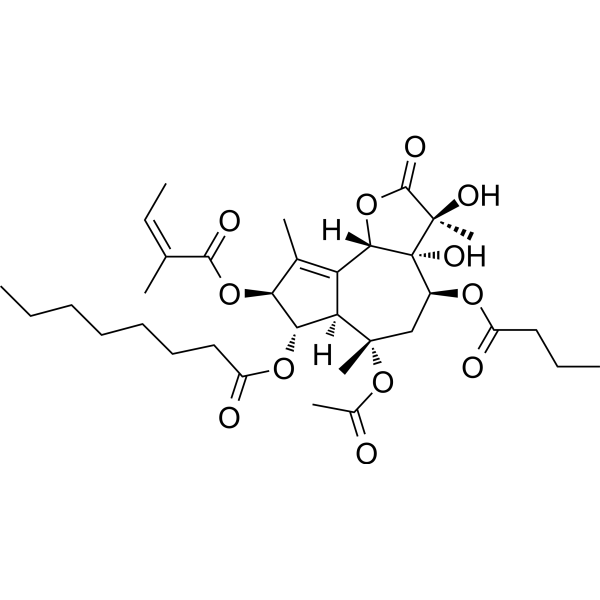
  • HY-13433
    Thapsigargin
    Maximum Cited Publications
    138 Publications Verification

    Calcium Channel SARS-CoV Apoptosis Infection Cancer
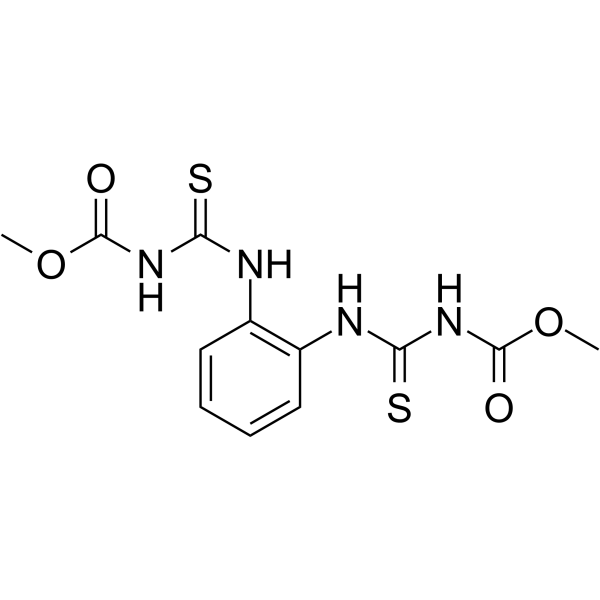
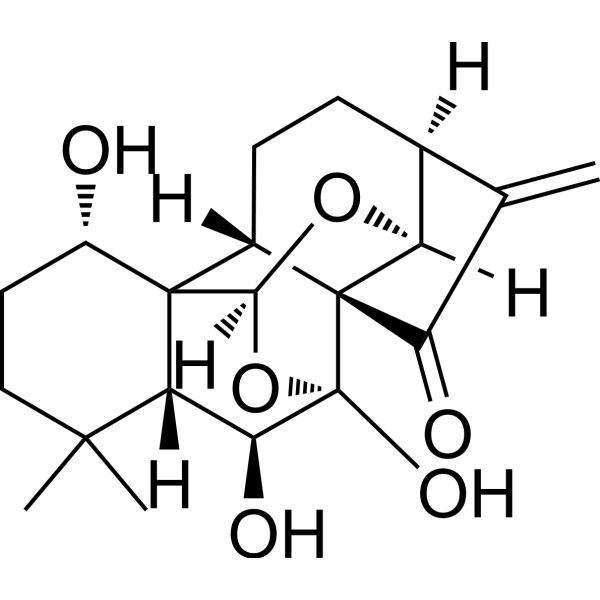
    Thapsigargin, an endoplasmic reticulum (ER) stress inducer, is an inhibitor of microsomal Ca 2+-ATPase. Thapsigargin efficiently inhibits coronavirus (HCoV-229E, MERS-CoV, SARS-CoV-2) replication in different cell types .
    Thapsigargin
  • HY-B0389
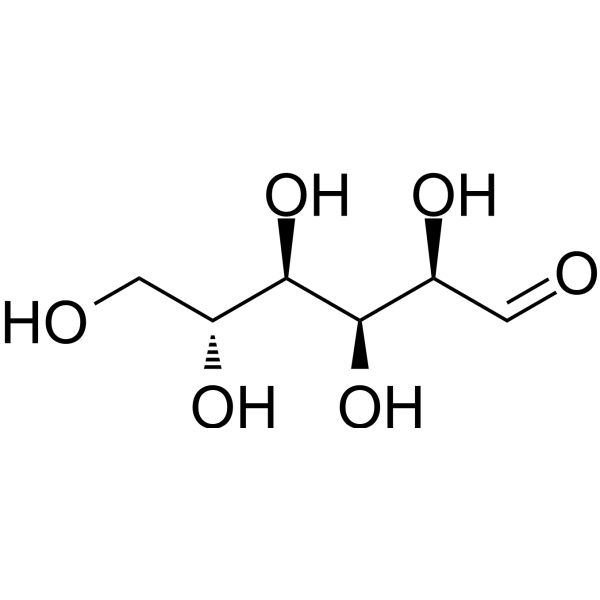
    D-Glucose
    50+ Cited Publications

    Glucose; D-(+)-Glucose; Dextrose

    Environmental Pollutants Endogenous Metabolite Cardiovascular Disease Others Metabolic Disease Endocrinology Cancer
    D-Glucose is the naturally occurring form of glucose and the most abundant monosaccharide. D-Glucose is a critical components of the general metabolism, and serve as critical signaling molecules in relation to both cellular metabolic status and biotic or abiotic stress response .
    D-Glucose
  • HY-W011793
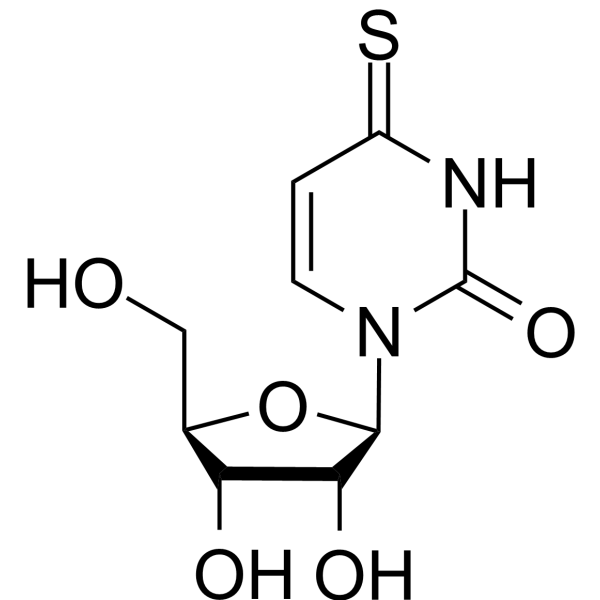
    4-Thiouridine
    5+ Cited Publications

    Nucleoside Antimetabolite/Analog Others
    4-Thiouridine is a ribonucleoside analog, it is widely used in RNA analysis and (m)RNA labeling. 4-Thiouridine inhibits rRNA synthesis and causes a nucleolar stress response .
    4-Thiouridine
  • HY-108434
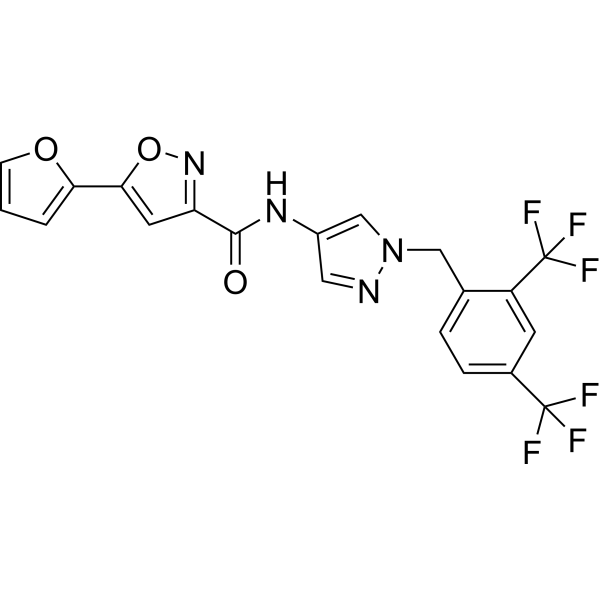
    Ceapin-A7
    20+ Cited Publications

    ATF6 Neurological Disease Metabolic Disease
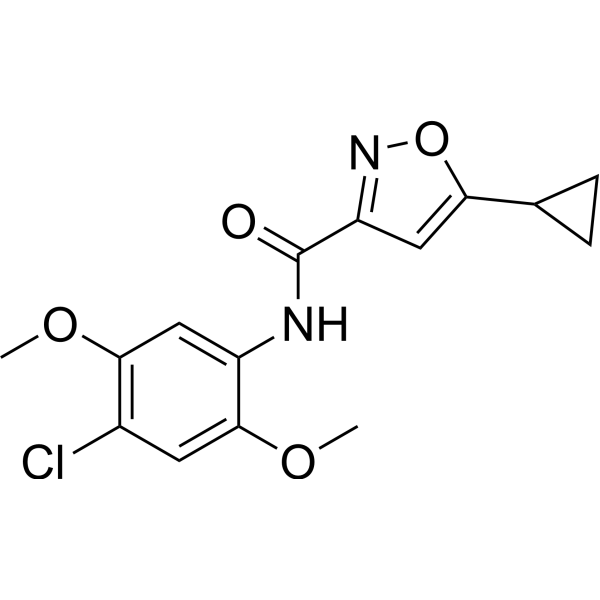
    Ceapin-A7 is a selective blocker of ATF6α signaling in response to ER stress, with an IC50 of 0.59 μM. Ceapin-A7 can be used to explore both the mechanism of activation of ATF6α and its role in pathological settings .
    Ceapin-A7
  • HY-125021
    2BAct
    3 Publications Verification

    Eukaryotic Initiation Factor (eIF) Neurological Disease
    2BAct is a highly selective, orally active, and CNS-penetrant eIF2B (eukaryotic initiation factor 2B) activator with an EC50 of 33 nM. 2BAct prevents neurological defects caused by a chronic integrated stress response. 2BAct displays improved solubility and pharmacokinetics relative to eIF2B activator ISRIB trans-isomer (HY-12495) .
    2BAct
  • HY-139214
    IXA4
    5+ Cited Publications

    IRE1 Neurological Disease
    IXA4 is a highly selective, non-toxic IRE1/XBP1s activator. IXA4 activates IRE1/XBP1s signaling without globally activating the unfolded protein response (UPR) or other stress-responsive signaling pathways (e.g., the heat shock response or oxidative stress response). IXA4 reduces secretion of APP through IRE1 activation .
    IXA4
  • HY-128730

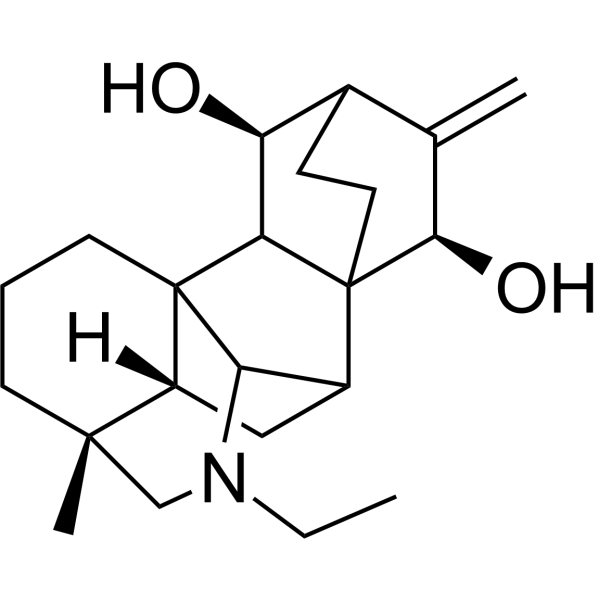
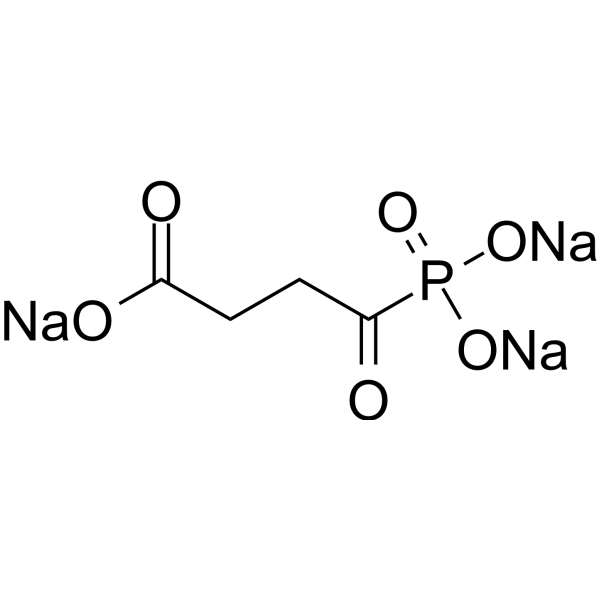
    Endogenous Metabolite Bacterial Metabolic Disease
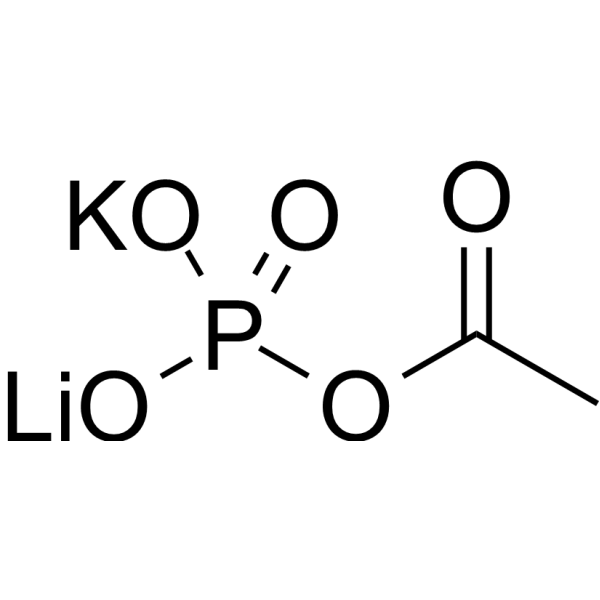
    Acetyl phosphate lithium potassium is an endogenous metabolic product. Acetyl phosphate lithium potassium is a key substance in bacterial metabolic regulation, particularly in Lysine acetylation, and plays an important role in bacterial responses to environmental stress and adaptive reactions .
    Acetyl phosphate lithium potassium
  • HY-124293
    AA147
    4 Publications Verification

    ATF6 Reactive Oxygen Species (ROS) Neurological Disease Metabolic Disease
    AA147 is a endoplasmic reticulum (ER) proteostasis regulator. AA147 promotes protection against oxidative damage in neuronal cells and prevents endothelial barrier dysfunction by activating ATF6 arm (selectively) of the unfolded protein response (UPR) and the NRF2 oxidative stress response. AA147 can rebalances XBP1s expression in vivo, and also induces survival motor neuron (SMN) expression and spinal motorneuron (MN) protection .
    AA147
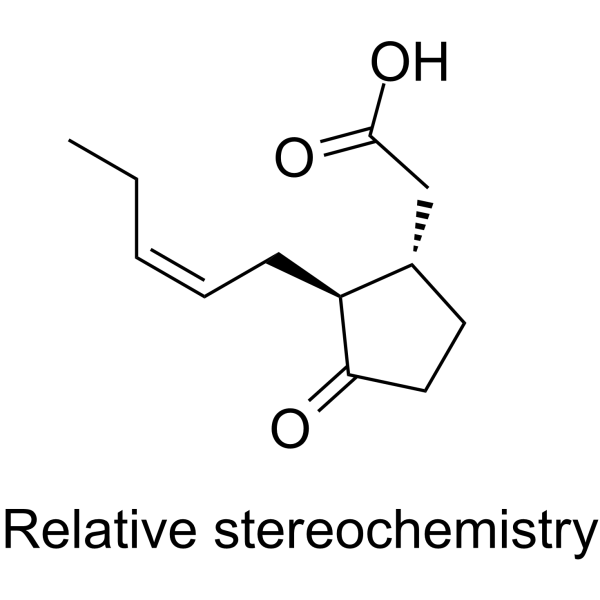
  • HY-W013507

    Environmental Pollutants Glutathione Peroxidase Phytohormone Reactive Oxygen Species (ROS) NF-κB Apoptosis Neurological Disease Inflammation/Immunology Cancer
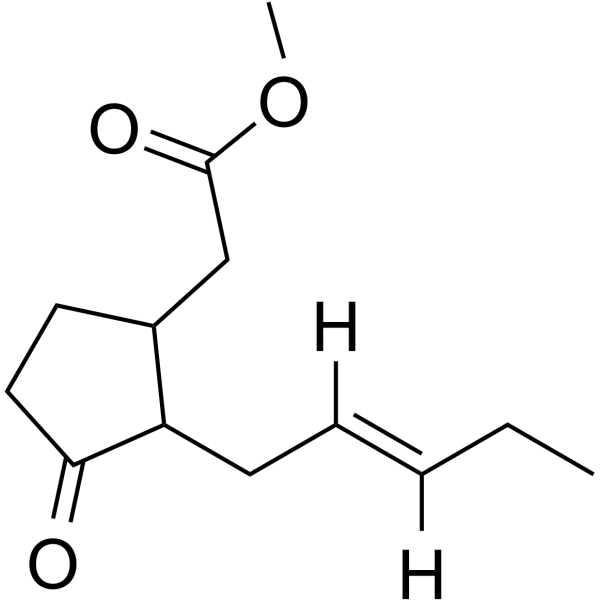
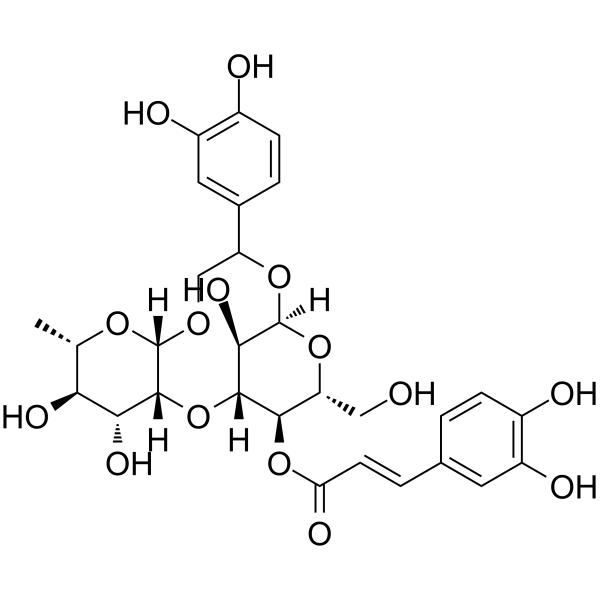
    (rac)-Methyl jasmonate is the racemate of Methyl jasmonate (HY-135663). Methyl jasmonate is a phytohormone that regulates the defense response of plants under biotic and biotic stress through jasmonate signaling pathway. Methyl jasmonate inhibits the activation of NF-κB signaling pathway. Methyl jasmonate can promote the mitochondrial ROS production, but also scavenges free radicals and reduces the oxidative stress. Methyl jasmonate exhibits anti-inflammatory, antitumor, anticonvulsant, antinociceptive and sedative activities .
    (rac)-Methyl jasmonate
  • HY-B0389S10
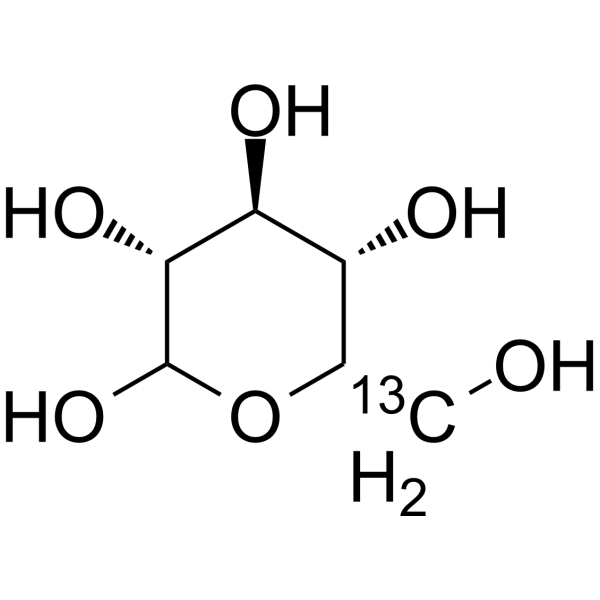
    D-Glucose-13C
    1 Publications Verification

    Glucose-13C; D-(+)-Glucose-13C; Dextrose-13C

    Endogenous Metabolite Metabolic Disease
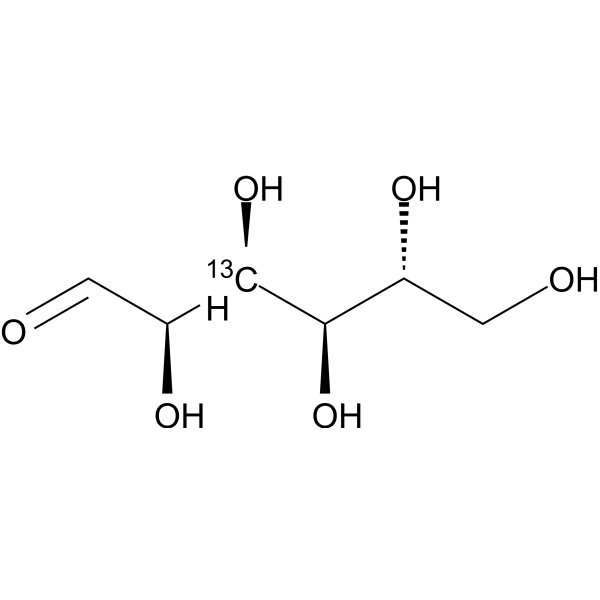
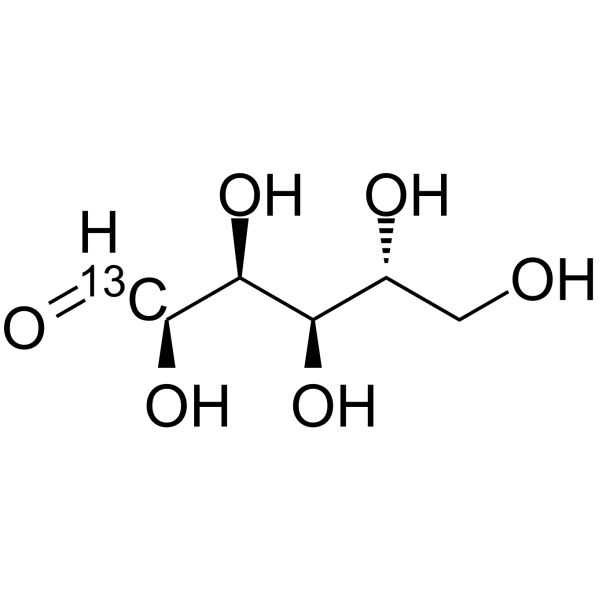
    D-Glucose- 13C is the 13C labeled D-Glucose. D-Glucose (Glucose), a monosaccharide, is an important carbohydrate in biology. D-Glucose is a carbohydrate sweetener and critical components of the general metabolism, and serve as critical signaling molecules in relation to both cellular metabolic status and biotic and abiotic stress response .
    D-Glucose-13C
  • HY-W012382

    Endogenous Metabolite Metabolic Disease Cancer
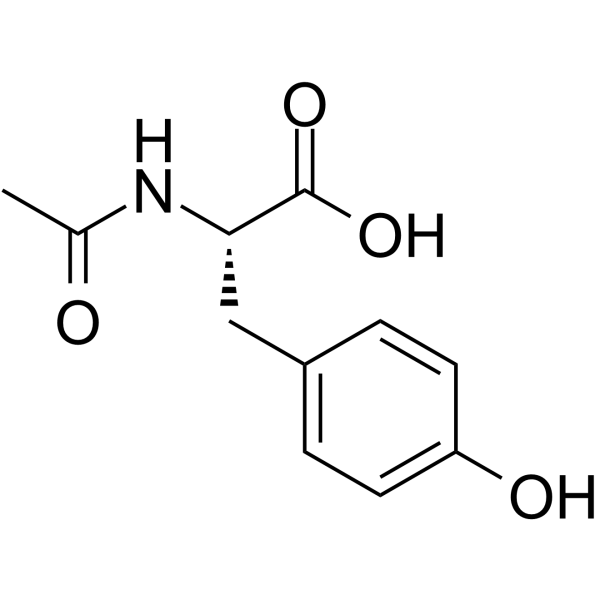
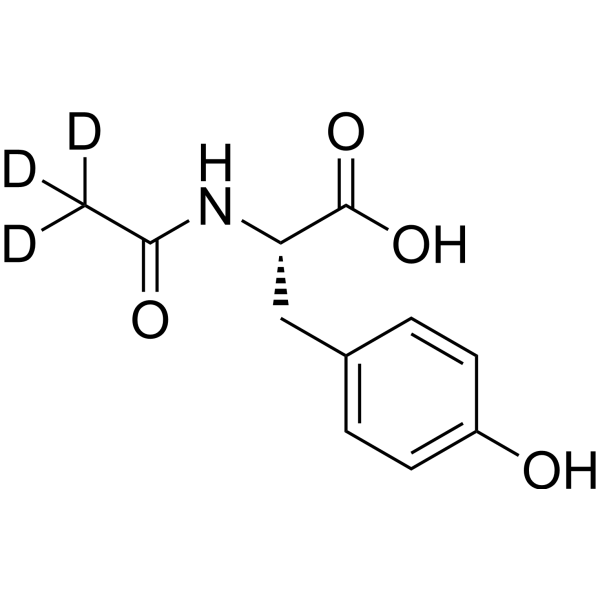
    N-Acetyl-L-tyrosine is an orally active endogenous mitochondrial stress response regulator that can permeate the cell membrane by passive diffusion. N-Acetyl-L-tyrosine induces low-level reactive oxygen species (ROS) generation by transiently perturbing mitochondrial membrane potential, triggering reverse signaling to activate FoxO and Keap1 pathways. As a result, N-Acetyl-L-tyrosine enhances the expression of antioxidant enzyme genes, exerting anti-stress and cytoprotective effects. N-Acetyl-L-tyrosine can improve heat stress tolerance, inhibit tumor growth, and regulate energy metabolism. N-Acetyl-L-tyrosine can be used in the research of aging, metabolic diseases (such as diabetes), and cancer .
    N-Acetyl-L-tyrosine
  • HY-18705
    Azoramide
    5+ Cited Publications

    Apoptosis Reactive Oxygen Species (ROS) Caspase Bcl-2 Family Mitochondrial Metabolism Endocrinology
    Azoramide is a potent, orally active small-molecule modulator of the unfolded protein response (UPR). Azoramide improves ER protein folding and elevates ER chaperone capacity, which together protects cells against ER stress. Azoramide alleviates PLA2G6 mutant-induced ER stress through modulating unfolded protein response, and enhances the CERB signaling to rescue mitochondrial function, thereby preventing apoptosis of DA neurons. Azoramide has antidiabetic activity .
    Azoramide
  • HY-B0077
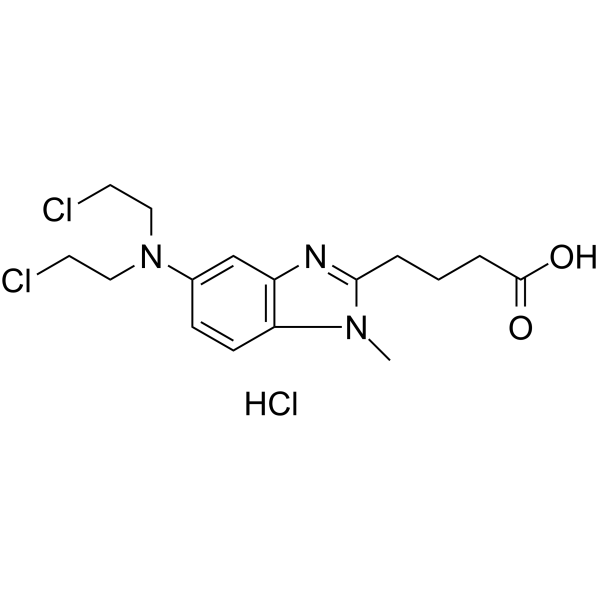
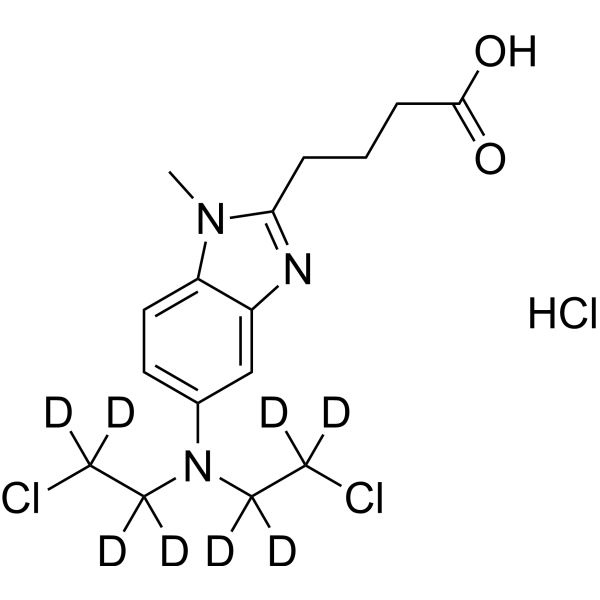
    Bendamustine hydrochloride
    5+ Cited Publications

    SDX-105

    DNA Alkylator/Crosslinker Apoptosis Neurological Disease Inflammation/Immunology Cancer
    Bendamustine hydrochloride (SDX-105), a purine analogue, is a DNA cross-linking agent. Bendamustine hydrochloride activats DNA-damage stress response and apoptosis. Bendamustine hydrochloride has potent alkylating, anticancer and antimetabolite properties .
    Bendamustine hydrochloride
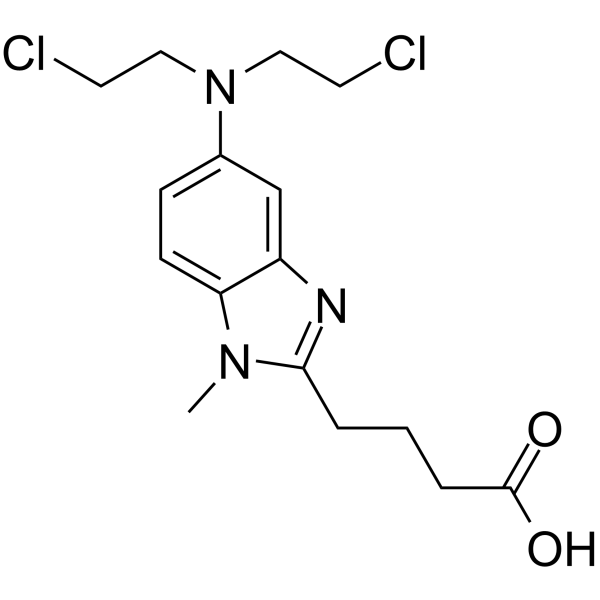
  • HY-13567
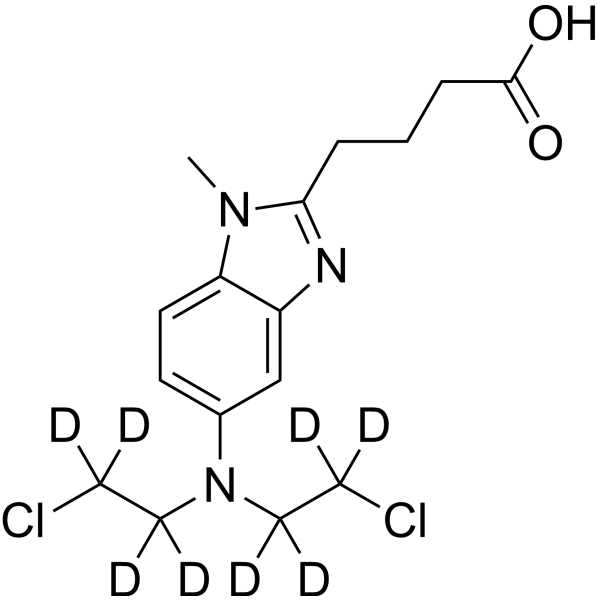
    Bendamustine
    5+ Cited Publications

    SDX-105 free base

    DNA Alkylator/Crosslinker Apoptosis Neurological Disease Inflammation/Immunology Cancer
    Bendamustine (SDX-105 free base), a purine analogue, is a DNA cross-linking agent. Bendamustine activates DNA-damage stress response and apoptosis. Bendamustine has potent alkylating, anticancer and antimetabolite properties .
    Bendamustine
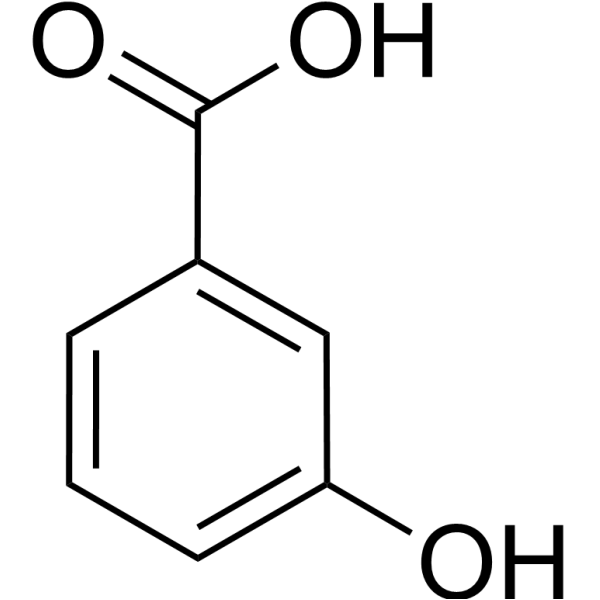
  • HY-W004049

    Endogenous Metabolite Hydroxycarboxylic Acid Receptor (HCAR) Neurological Disease Metabolic Disease Inflammation/Immunology
    3-Hydroxybenzoic acid is an orally active endogenous metabolite. 3-Hydroxybenzoic acid is an agonist for GPR81 and GPR109A. 3-Hydroxybenzoic acid acts as stress response desensitizers. 3-Hydroxybenzoic acid can be used for anti-inflammatory and analgesic study .
    3-Hydroxybenzoic acid
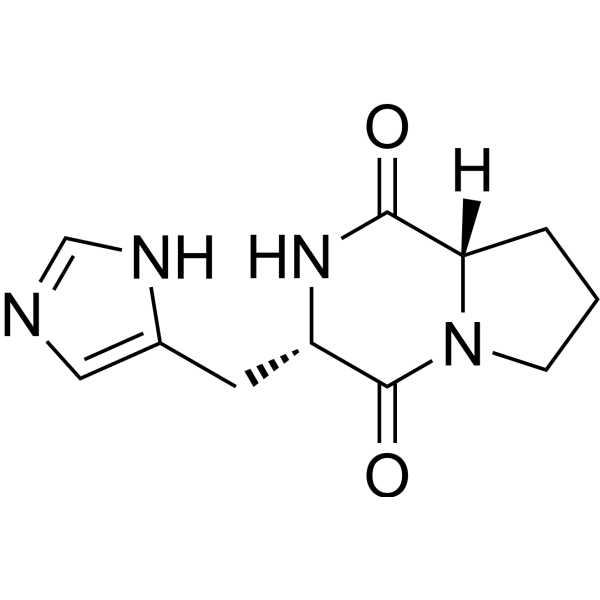
  • HY-101402

    Cyclohistidyl-proline; Histidylproline diketopiperazine

    NF-κB Endogenous Metabolite Neurological Disease Inflammation/Immunology
    Cyclo(his-pro) (Cyclo(histidyl-proline)) is an orally active cyclic dipeptide structurally related to tyreotropin-releasing hormone . Cyclo(his-pro) could inhibit NF-κB nuclear accumulation. Cyclo(his-pro) can cross the brain-blood-barrier and affect diverse inflammatory and stress responses .
    Cyclo(his-pro)
  • HY-149555

    Eukaryotic Initiation Factor (eIF) Neurological Disease
    DNL343 is a potent, selective, orally active and brain-penetrant activator of eukaryotic initiation factor eIF2B. DNL343 inhibits the activity of the integrated stress response (ISR) in the central nervous system (CNS) and reverses neurodegeneration and neuroinflammation. DNL343 also prevents motor dysfunction and premature death in eIF2B loss-of-function (LOF) mutant mice. DNL343 can be used in the study of neurodegenerative diseases .
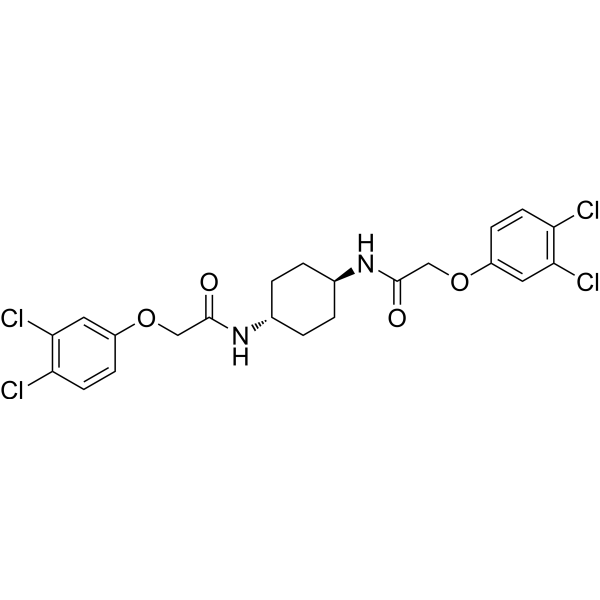
    DNL343
  • HY-B1162
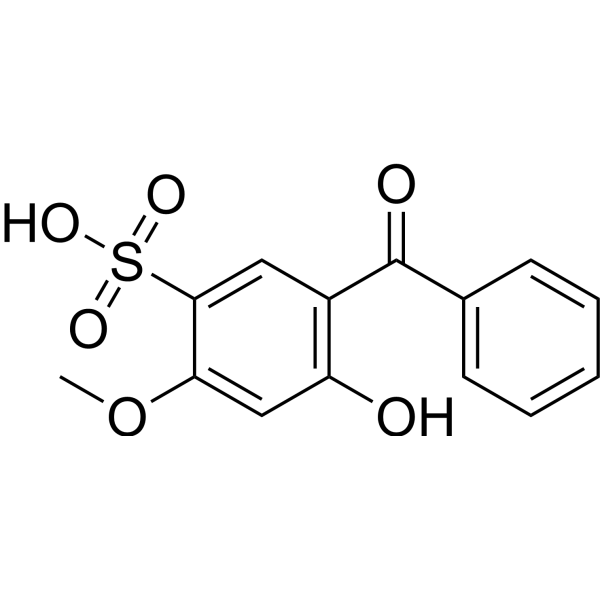
    Sulisobenzone
    1 Publications Verification

    Benzophenone-4

    Environmental Pollutants Biochemical Assay Reagents Metabolic Disease
    Sulisobenzone (Benzophenone-4) is a benzophenone-type UV filter. Sulisobenzone can act as a endocrine disrupting compound. Sulisobenzone disrupts energy metabolism, nucleotide synthesis, oxidative stress response, and endocrine function. Sulisobenzone thyroid hormone biosynthesis and induces oxidative stress .
    Sulisobenzone
  • HY-142006A

    (±)-JA-L-Ile

    Phytohormone Others
    (±)-Jasmonic-L-isoleucine ((±)-JA-L-Ile) is a mixture of (±)-Jasmonic acid (HY-122464) and isoleucine isomers. (±)-Jasmonic-L-isoleucine is a phytohormone that participates in the jasmonic acid signaling pathway. (±)-Jasmonic-L-isoleucine regulates biological processes in plants, including defense responses, growth and development, and stress tolerance .
    (±)-Jasmonic-L-isoleucine
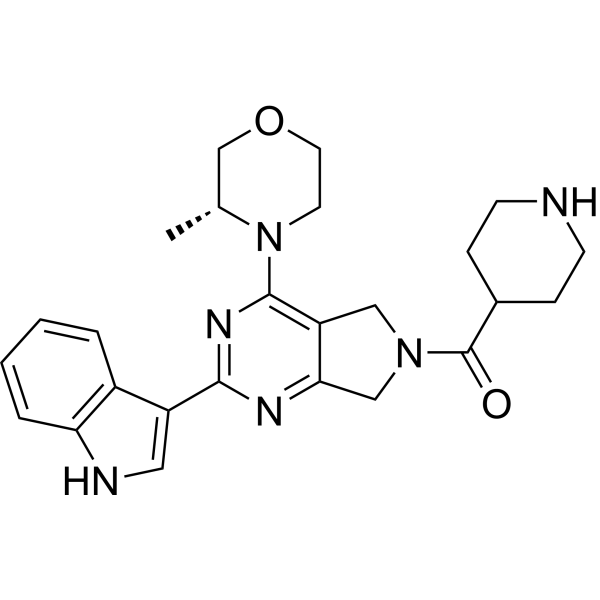
  • HY-172815

    JNK Eukaryotic Initiation Factor (eIF) p38 MAPK Cancer
    IDB-001 is a human ribosomal peptidyl transferase center (PTC) inhibitor that induces conformational changes and blocks translational elongation in specific sequence contexts through complementary interactions with Asp/Glu residues in nascent polypeptides. IDB-001 preferentially stalls ribosomes at positions containing acidic peptide motifs, thereby inhibiting cancer cell proliferation, and activates the integrated stress response via eIF2α phosphorylation at high concentrations. In addition, IDB-001 mildly triggers ribotoxic stress responses through phosphorylation of JNK and p38. IDB-001 has been applied to mechanistic studies of triple-negative breast cancer .
    IDB-001
  • HY-169841

    5-HT Receptor Arrestin Neurological Disease
    IHCH-7086 is a blood-brain barrier-permeable, partial β-arrestin-biased agonist of 5-HT2AR with a Ki of 12.59 nM. IHCH-7086 blocks D-lysergic acid diethylamide-induced head-twitch response in mice and alleviates depression-like behaviors in mice subjected to acute restraint stress or injected with Corticosterone (HY-B1618). IHCH-7086 is applicable to research related to depression .
    IHCH-7086
  • HY-111974

    ABA-GE; (S)-cis,trans-Abscisic acid glucosyl ester

    Proton Pump Endocrinology
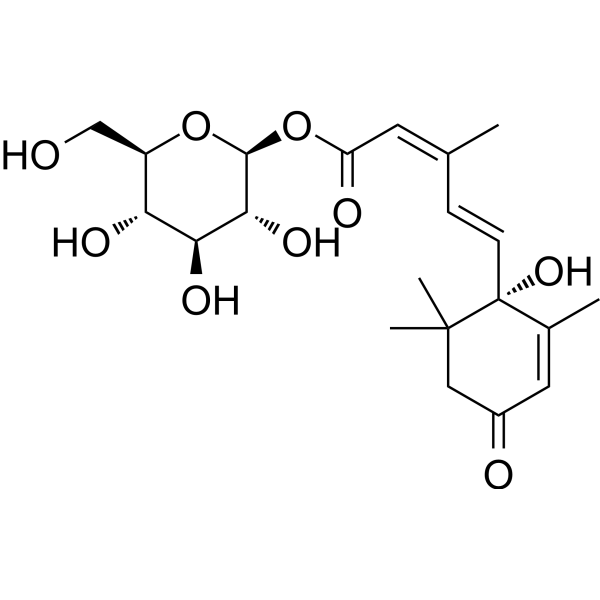
    β-D-Glucopyranosyl abscisate (ABA-GE) is a hydrolyzable abscisic acid (ABA) conjugate that accumulates in the vacuole and presumably also in the endoplasmic reticulum. The deconjugation of β-D-Glucopyranosyl abscisate allows the rapid formation of free ABA in response to abiotic stress conditions such as dehydration and salt stress. β-D-Glucopyranosyl abscisate contributes to the maintenance of ABA homeostasis .
    β-D-Glucopyranosyl abscisate
  • HY-N1193

    NF-κB Inflammation/Immunology
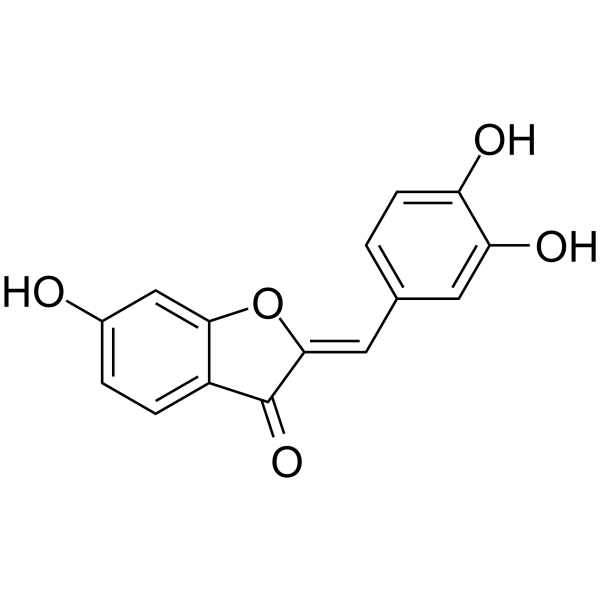
    Sulfuretin inhibits the inflammatory response by suppressing the NF-κB pathway. Sulfuretin can be used for the research of allergic airway inflammation. Sulfuretin reduces oxidative stress, platelet aggregation, and mutagenesis . Sulfuretin is a competitive and potent inhibitor of monophenolase and diphenolase activities with the IC50 of 13.64 μM .
    Sulfuretin
  • HY-153074

    Eukaryotic Initiation Factor (eIF) Cancer
    ISR-IN-1 (Compound 48) is an inhibitor of the integrated stress response (EC50: 0.6 nM) .
    ISR-IN-1
  • HY-B0389R

    Glucose (Standard); D-(+)-Glucose (Standard); Dextrose (Standard)

    Reference Standards Endogenous Metabolite Cardiovascular Disease Others Metabolic Disease Endocrinology Cancer
    D-Glucose (Standard) is the analytical standard of D-Glucose. This product is intended for research and analytical applications. D-Glucose is the naturally occurring form of glucose and the most abundant monosaccharide. D-Glucose is a critical components of the general metabolism, and serve as critical signaling molecules in relation to both cellular metabolic status and biotic or abiotic stress response .
    D-Glucose (Standard)
  • HY-108860

    PEG-L-asparaginase; Pegasparaginase

    FGFR Interleukin Related Inflammation/Immunology
    Oncaspar (PEG-L-asparaginase; Pegasparaginase), a pegylated form of native Escherichia coli-derived L-asparaginase, breaks down the amino acid asparagine that are circulating in the bloodstream. Oncaspar plays an important role in acute lymphoblastic leukemia (ALL) through asparagine hydrolysis and activation of the integrated stress response (ISR) pathway .
    Oncaspar
  • HY-B0389S6

    Glucose-d7; D-(+)-Glucose-d7; Dextrose-d7

    Isotope-Labeled Compounds Endogenous Metabolite Metabolic Disease
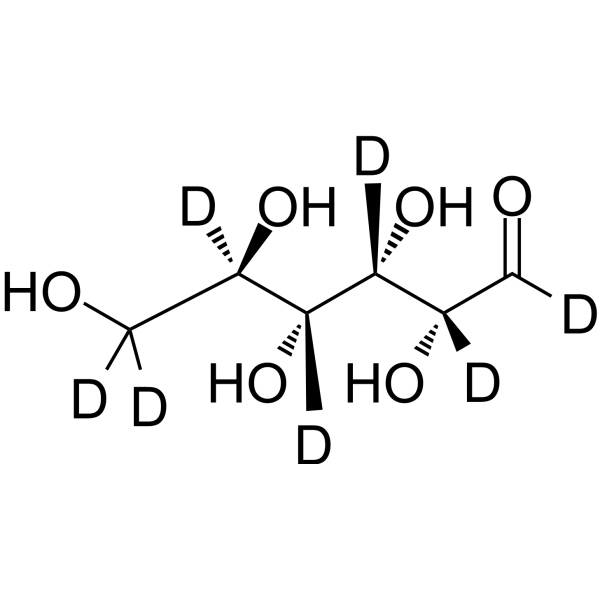
    D-Glucose-d77 is the deuterium labeled D-Glucose. D-Glucose (Glucose), a monosaccharide, is an important carbohydrate in biology. D-Glucose is a carbohydrate sweetener and critical components of the general metabolism, and serve as critical signaling molecules in relation to both cellular metabolic status and biotic and abiotic stress response .
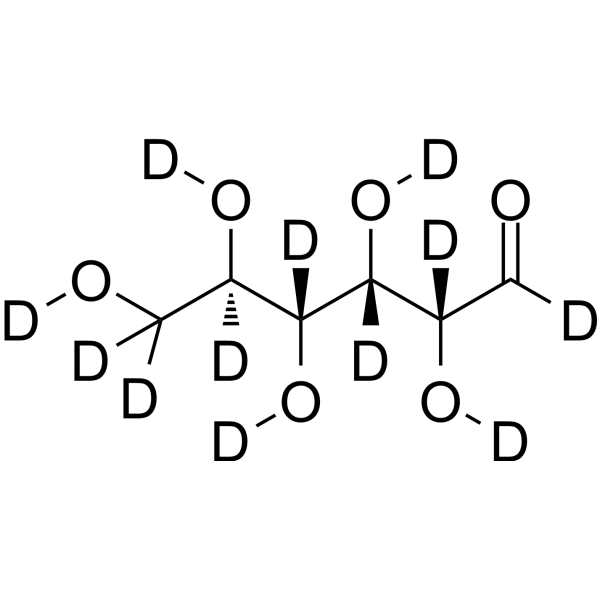
    D-Glucose-d7
  • HY-B0389S5

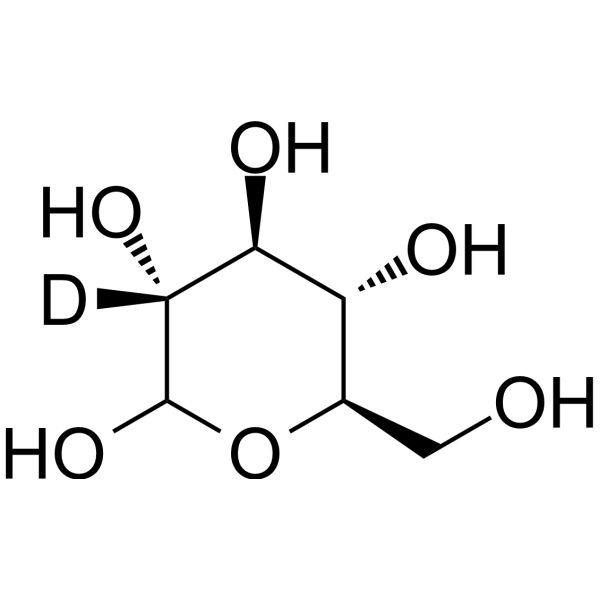
    Glucose-d2; D-(+)-Glucose-d2; Dextrose-d2

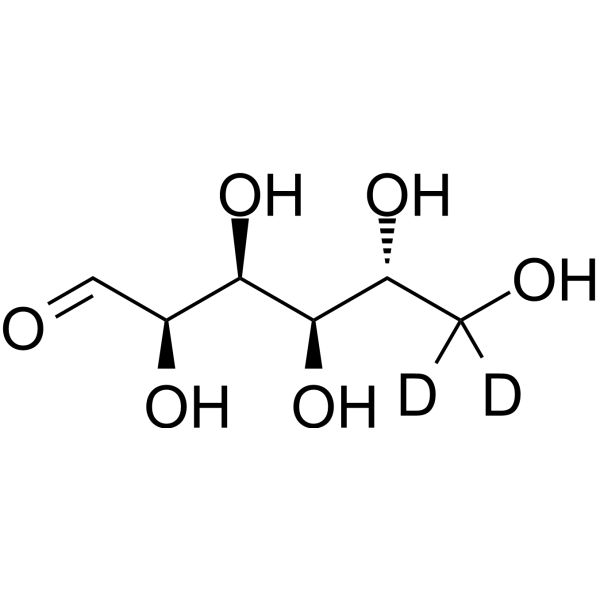
    Isotope-Labeled Compounds Endogenous Metabolite Metabolic Disease
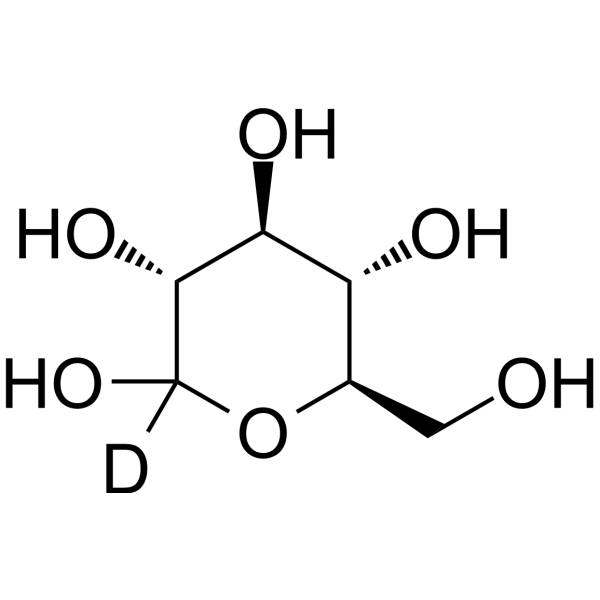
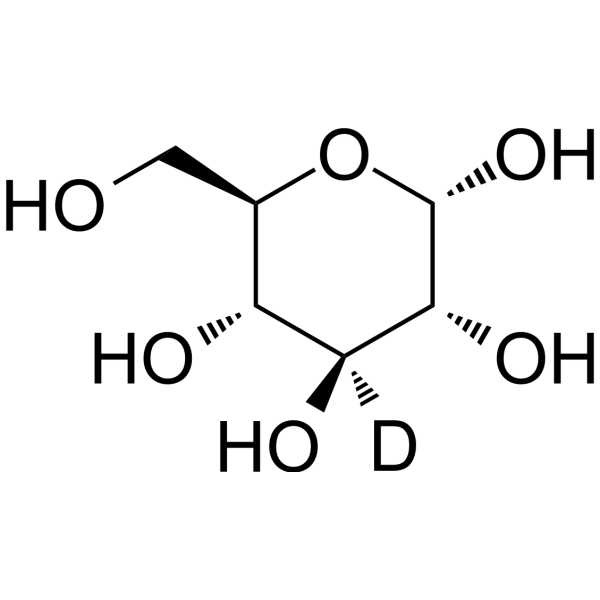
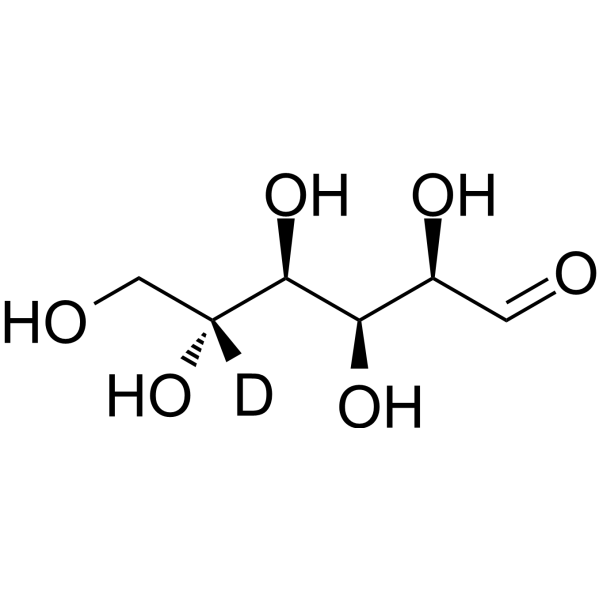
    D-Glucose-d2 is the deuterium labeled D-Glucose. D-Glucose (Glucose), a monosaccharide, is an important carbohydrate in biology. D-Glucose is a carbohydrate sweetener and critical components of the general metabolism, and serve as critical signaling molecules in relation to both cellular metabolic status and biotic and abiotic stress response .
    D-Glucose-d2
  • HY-101402A

    Cyclohistidyl-proline TFA; Histidylproline diketopiperazine TFA

    NF-κB Endogenous Metabolite Neurological Disease Inflammation/Immunology
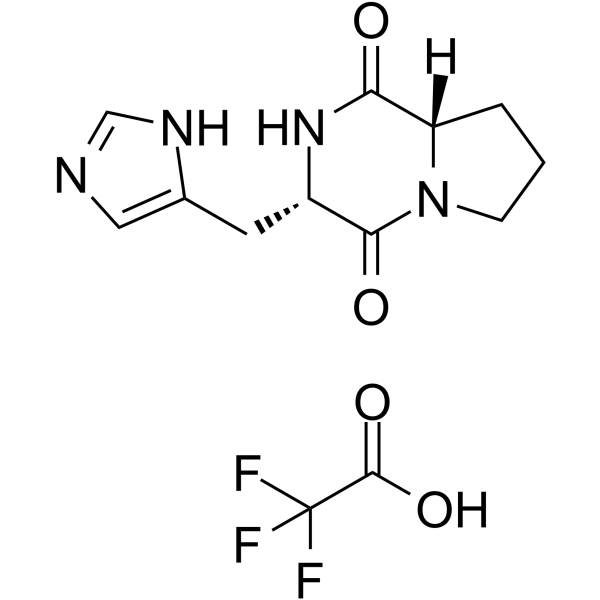
    Cyclo(his-pro) TFA (Cyclo(histidyl-proline) TFA) is an orally active cyclic dipeptide structurally related to tyreotropin-releasing hormone . Cyclo(his-pro) TFA could inhibit NF-κB nuclear accumulation. Cyclo(his-pro) TFA can cross the brain-blood-barrier and affect diverse inflammatory and stress responses .
    Cyclo(his-pro) TFA
  • HY-153339

    Eukaryotic Initiation Factor (eIF) Cancer
    E235 is an expression regulator of activates transcription factor 4 (ATF4). E235 reduces cell viability by activating integrated stress response (ISR) and DNA damage response signals. E235 has anti-proliferative activity and can be used for tumor research .
    E235
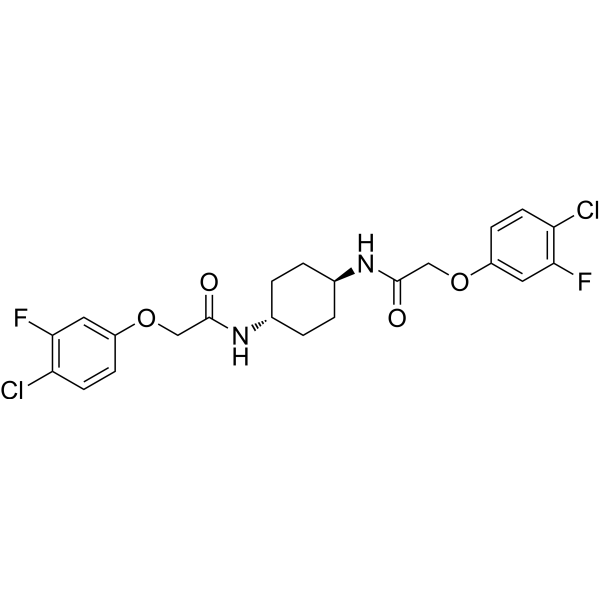
  • HY-137813

    PERK Neurological Disease Metabolic Disease Cancer
    PERK-IN-4 is a potent and selective PERK (protein kinase R (PKR)-like endoplasmic reticulum kinase) inhibitor with an IC 50 of 0.3 nM. PERK is activated in response to a variety of endoplasmic reticulum stresses implicated in numerous disease states .
    PERK-IN-4
  • HY-124658

    Bacterial Infection
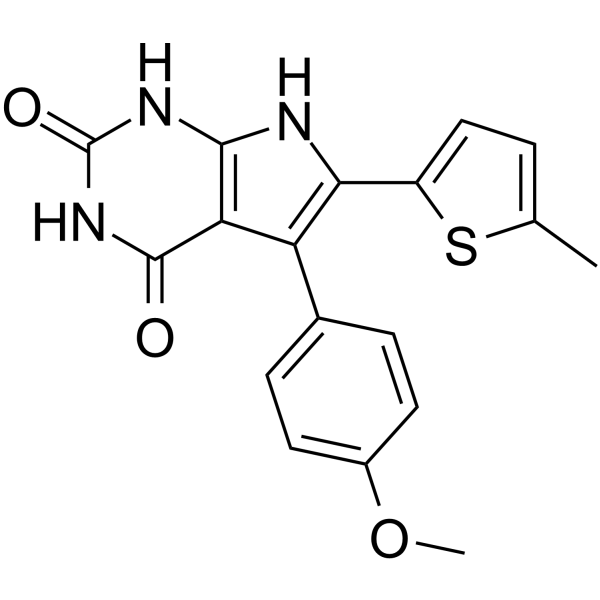
    G0507, a pyrrolopyrimidinedione compound, is a potent LolCDE ABC Transporter inhibitor. G0507 is a inhibitor of Escherichia coli growth and induces the extracytoplasmic σE stress response. G0507 acts as a chemical probe to dissect lipoprotein trafficking in Gram-negative bacteria .
    G0507
  • HY-163319

    ClpP Apoptosis Cancer
    NCA029 is a potent and selective homo sapiens caseinolytic protease P (HsClpP) activator with an EC50 of 0.15 μM. NCA029 acts on HsClpP to activate an ATF3-dependent integrative stress response, leading to colon cancer cell death .
    NCA029
  • HY-P1238A

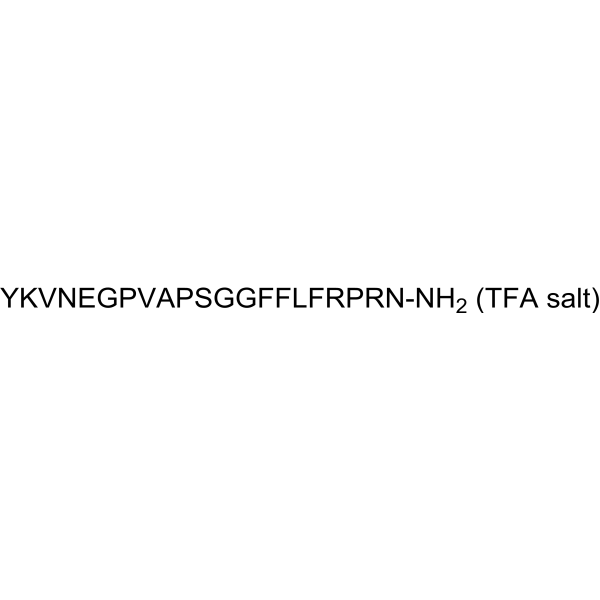
    Neuromedin U (rat) TFA; Rat neuromedin U-23 TFA

    Neuromedin U Receptor (NMUR) Neurological Disease
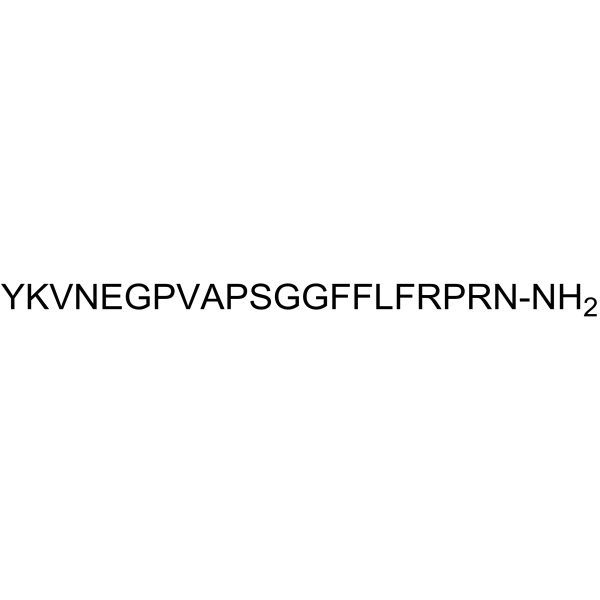
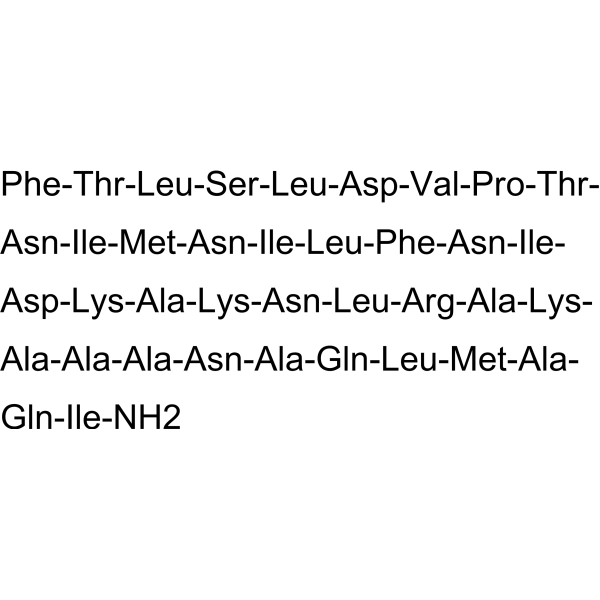
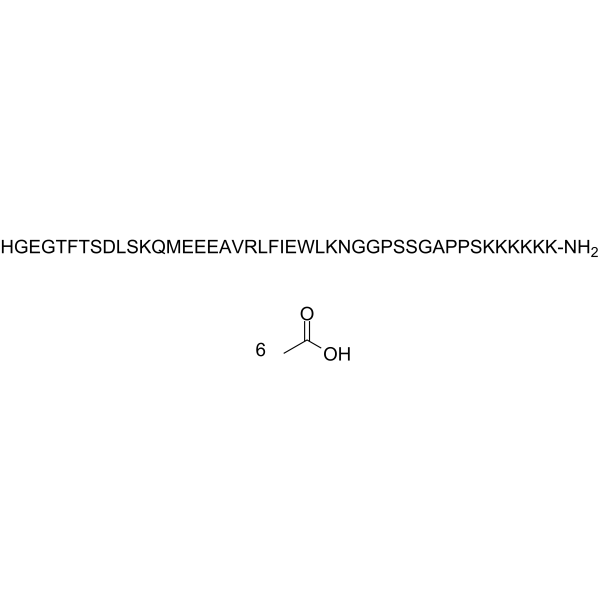
    Neuromedin U, rat TFA is a 23-amino acid brain-gut peptide. Neuromedin U (NMU), through its cognate receptor NMUR2 in the central nervous system, regulates several important physiological functions, including energy balance, stress response, and nociception.
    Neuromedin U, rat TFA
  • HY-W041831

    Ethanedioic acid ammonium

    Environmental Pollutants Biochemical Assay Reagents Others
    Oxalic acid (ammonium) is a oxalic acid bound to ammonium. Oxalic acid has high acidity, reducibility, and chelation ability. Oxalic acid plays important roles in the regulation of plant growth and development, the response to both biotic and abiotic stresses such as plant defense and heavy metals detoxification, and food quality .
    Oxalic acid ammonium
  • HY-159747

    Toll-like Receptor (TLR) Inflammation/Immunology
    Aluminum hydroxide adjuvant (aluminum : 4~6 mg/mL) is a micron level water-based aluminum hydroxide adjuvant. The aluminum content is 4 - 6 mg/ml. It has a strong adsorption capacity for negatively charged antigens, a significant sustained-release effect, no stress response, high safety, and can effectively induce immune responses in the body. It is suitable for various veterinary vaccines, including inactivated vaccines or gene-engineered subunit vaccines for bacterial and viral diseases of livestock and poultry.
    Aluminum hydroxide adjuvant aluminum : 4~6 mg/mL
  • HY-153075

    Eukaryotic Initiation Factor (eIF) Cancer
    ISR-IN-2 (Compound 47) is an inhibitor of the integrated stress response (EC50: 0.8 nM) .
    ISR-IN-2
  • HY-178154

    PINK1/Parkin Mitochondrial Metabolism Neurological Disease
    FB231 is a Parkin activator. FB231 can induce mild mitochondrial stress, resulting in impaired mitochondrial function and activation of the integrated stress response. FB231 can lower the threshold for mitochondrial toxins to induce PINK1/Parkin-mediated mitophagy. FB231 can cause activation of the integrated stress response (ISR) and perturbation to iron-dependent pathways. FB231 can be used for the research of neurological disease, such as Parkinson’s disease .
    FB231
  • HY-E70625

    Casein Kinase Cancer
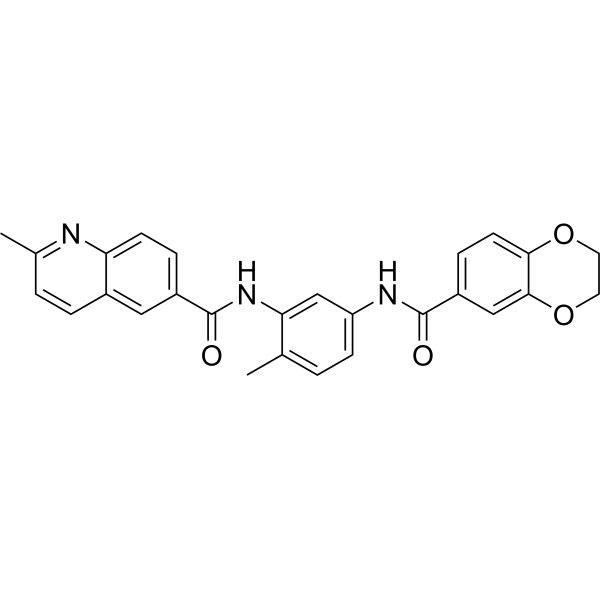
    Casein Kinase 2 (CK2) is a serine/threonine protein kinase that is highly conserved among eukaryotes and has roles in many different cellular processes, such as cell survival, cell cycle regulation, cell polarity, stress responses, transcription and translation .
    Casein Kinase 2
  • HY-121337

    R-40244

    Environmental Pollutants Apoptosis Bcl-2 Family Others
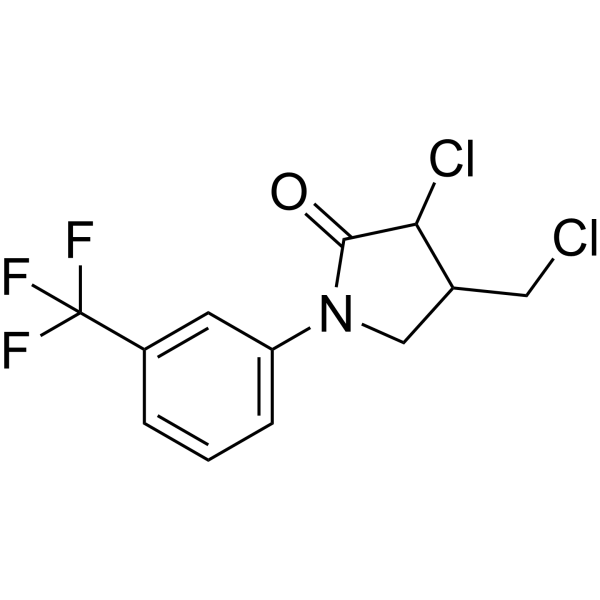
    Flurochloridone (R-40244) is a selective preemergence and persistent herbicide. Flurochloridone induces endoplasmic reticulum (ER) stress and activated unfolded protein response (UPR) signaling pathways. Flurochloridone impairs cell viability and induces cytotoxicity and apoptosis mediated by ER stress via activating eIF2α-ATF4/ATF6-CHOP-Bim/Bax signaling pathways in TM4 cells .
    Flurochloridone
  • HY-176745

    VDAC Metabolic Disease Endocrinology
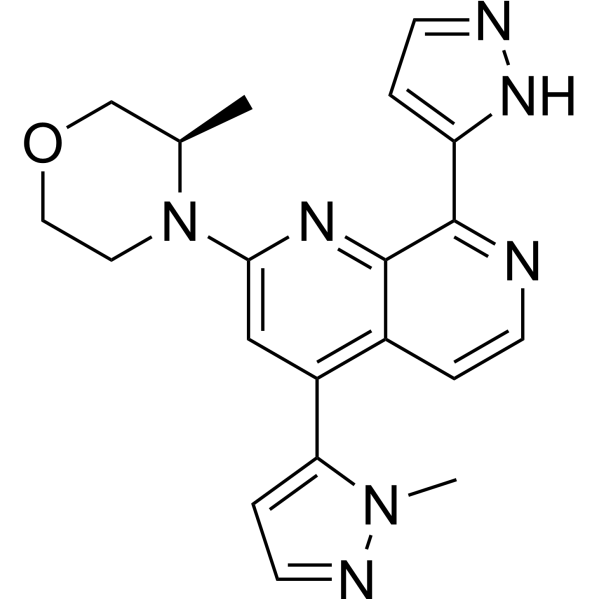
    SW016789 is a hypersecretion-inducer targeting VDAC1. SW016789 can induce insulin hypersecretion and Ca 2+ influx in β-cells directly. SW016789 induces a transient endoplasmic reticulum stress response (ER stress), but does not cause beta cell death. SW016789 has reversible and non-apoptotic characteristics. SW016789 can be used for the study of Diabetes mellitus type 2 (T2DM) β-cell dysfunction .
    SW016789
  • HY-B0389S8

    Glucose-d1-4; D-(+)-Glucose-d1-4; Dextrose-d1-4

    Isotope-Labeled Compounds Endogenous Metabolite Metabolic Disease
    D-Glucose-d-44 is the deuterium labeled D-Glucose. D-Glucose (Glucose), a monosaccharide, is an important carbohydrate in biology. D-Glucose is a carbohydrate sweetener and critical components of the general metabolism, and serve as critical signaling molecules in relation to both cellular metabolic status and biotic and abiotic stress response .
    D-Glucose-d1-4
  • HY-W054146
    RAMB4
    1 Publications Verification

    Proteasome Cancer
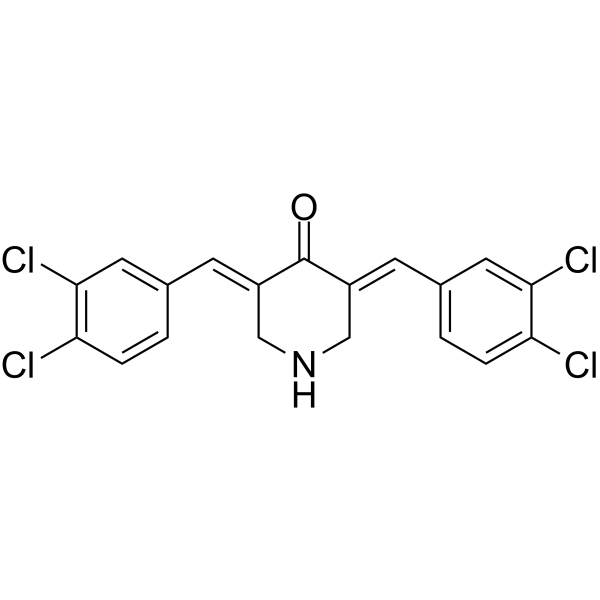
    RAMB4 is a ubiquitin-proteasome system (UPS)-stressor. RAMB4 inhibits ubiquitin-mediated protein degradation upstream of the 20S proteasomal catalytic activites. RAMB4 triggers a ubiquitin-proteasome-system (UPS)-stress response without affecting 20S proteasome catalytic activities. Anticancer activity .
    RAMB4
  • HY-179109

    Eukaryotic Initiation Factor (eIF) Others
    EIF2B-IN-1 (Compound A) is an eIF2B inhibitor. EIF2B-IN-1 binds eIF2B. EIF2B-IN-1 stabilises the eIF2B decamer and favours inhibitory eIF2B:eIF2(αP) complex formation. EIF2B-IN-1 exhibits weak displacement of ISRIB. EIF2B-IN-1 can be used in the research of integrated stress responses .
    EIF2B-IN-1
  • HY-177074

    BMS-986419; EVT-8683; EOAI-4018683

    Eukaryotic Initiation Factor (eIF) Others
    Comtifator (Example 77) is a modulator of the integrated stress response pathway. Comtifator can be studied in research for diseases associated with integrated stress response .
    Comtifator
  • HY-147039

    NKP-1339 free base; IT-139 free base; KP-1339 free base

    HSP Autophagy Cancer
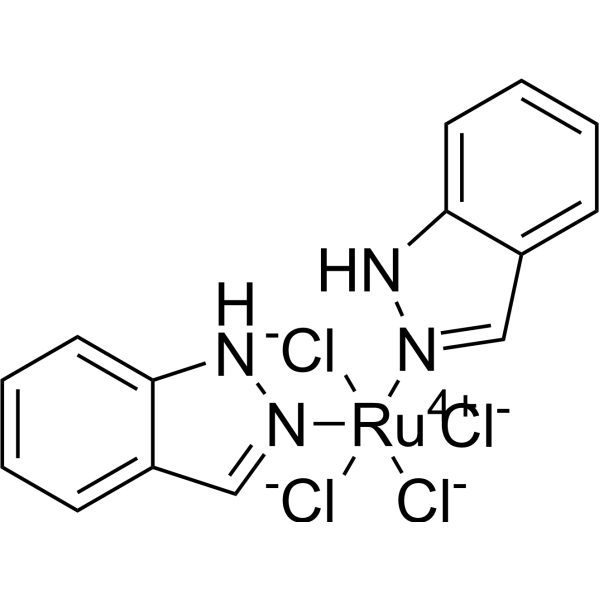
    BOLD-100 (NKP-1339; IT-139) free base is a ruthenium-based anticancer agent. BOLD-100 free base also is an inhibitor of stress-induced GRP78 upregulation, disrupting endoplasmic reticulum (ER) homeostasis and inducing ER stress and unfolded protein response (UPR). BOLD-100 free base interferes with the complex interplay between ER-stress response, lysosome dynamics, and autophagy execution .
    BOLD-100 free base
  • HY-144867

    HSP Cancer
    CCT245232 is a potent inhibitor of heat shock factor 1 (HSF1). HSF1 is the master regulator of the heat shock response, in which multiple genes are induced in response to temperature increase and other stresses. CCT245232 has the potential for the research of proliferative diseases, such as cancer (extracted from patent WO2015049535A1) .
    CCT245232
  • HY-B0389S14

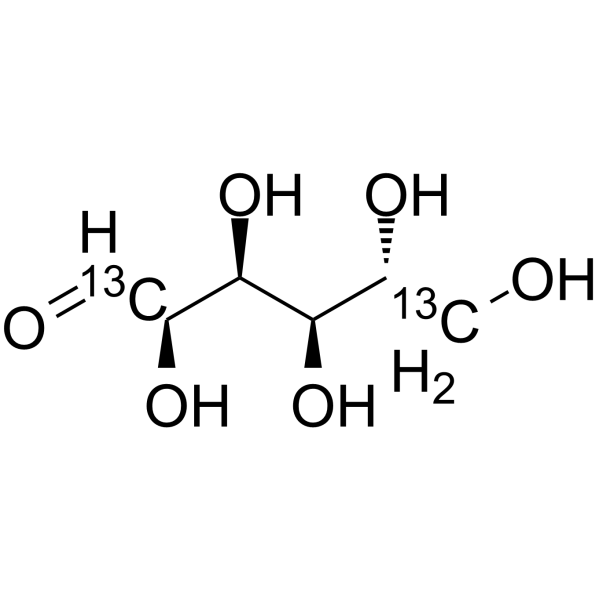
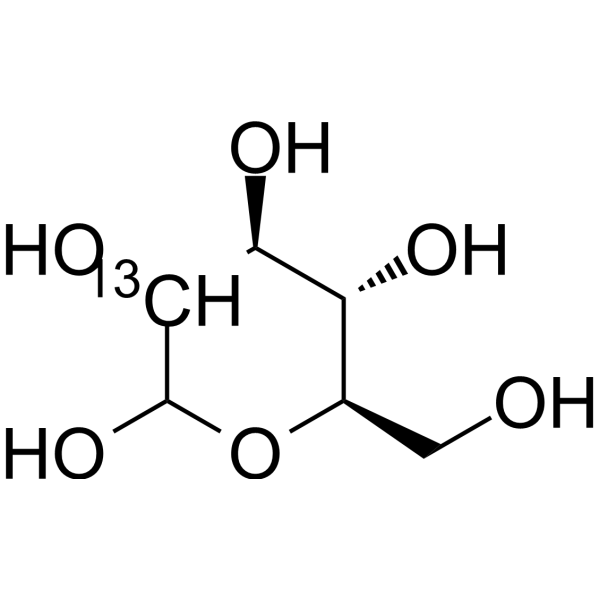
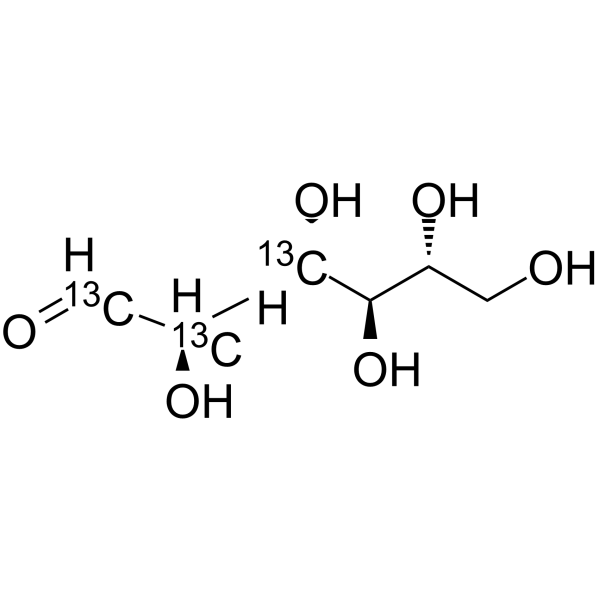
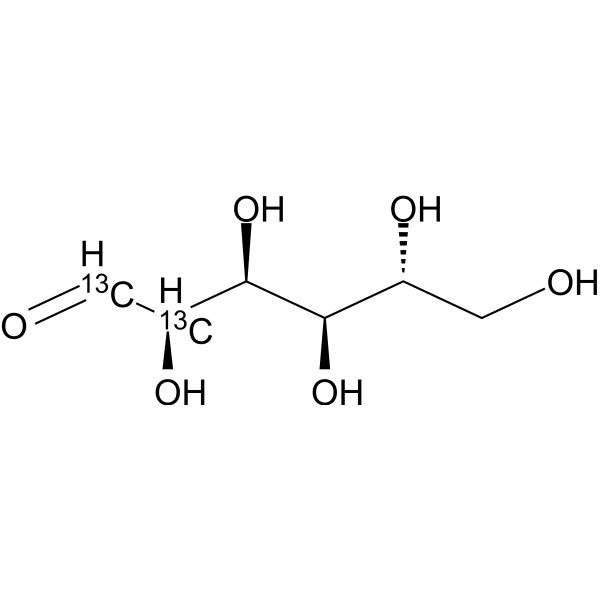
    Glucose-13C2; D-(+)-Glucose-13C2; Dextrose-13C2

    Isotope-Labeled Compounds Endogenous Metabolite Metabolic Disease
    D-Glucose- 13C2 is the 13C labeled D-Glucose. D-Glucose (Glucose), a monosaccharide, is an important carbohydrate in biology. D-Glucose is a carbohydrate sweetener and critical components of the general metabolism, and serve as critical signaling molecules in relation to both cellular metabolic status and biotic and abiotic stress response[1].
    D-Glucose-13C2
  • HY-B0389S12

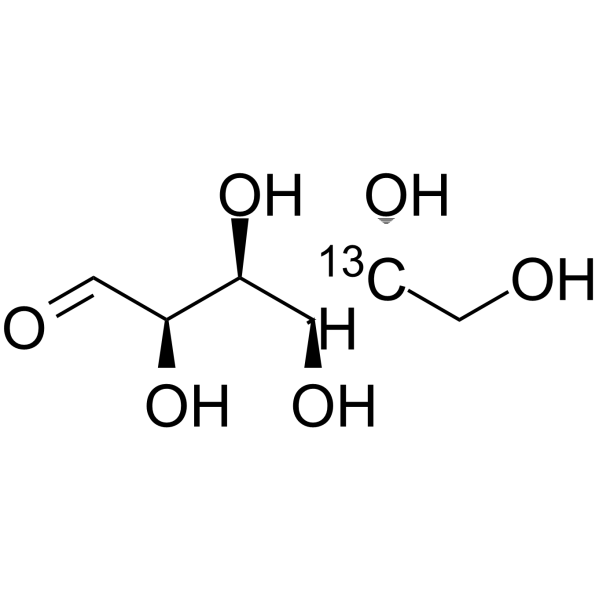
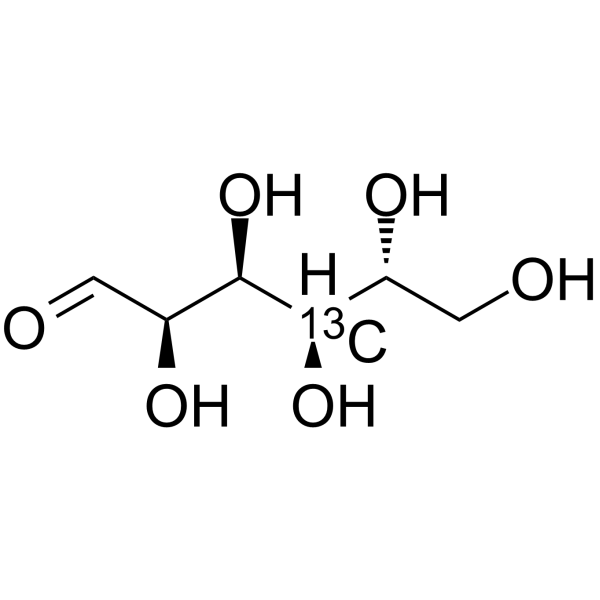
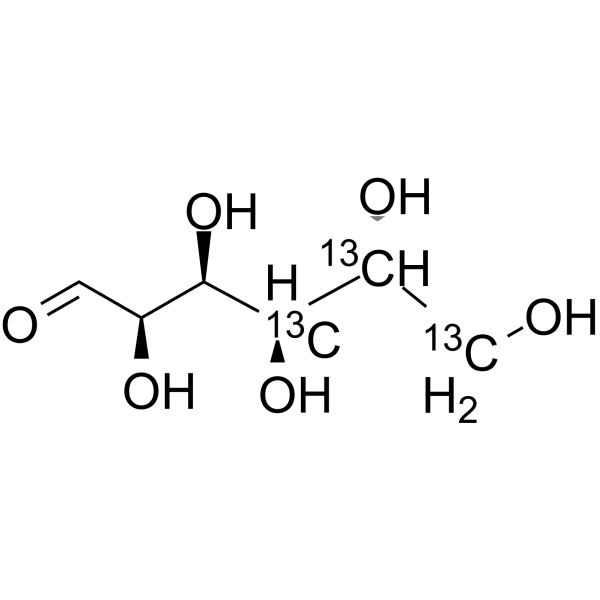
    Glucose-5-13C; D-(+)-Glucose-5-13C; Dextrose-5-13C

    Isotope-Labeled Compounds Endogenous Metabolite Metabolic Disease
    D-Glucose-5- 13C is the 13C labeled D-Glucose. D-Glucose (Glucose), a monosaccharide, is an important carbohydrate in biology. D-Glucose is a carbohydrate sweetener and critical components of the general metabolism, and serve as critical signaling molecules in relation to both cellular metabolic status and biotic and abiotic stress response[1].
    D-Glucose-5-13C
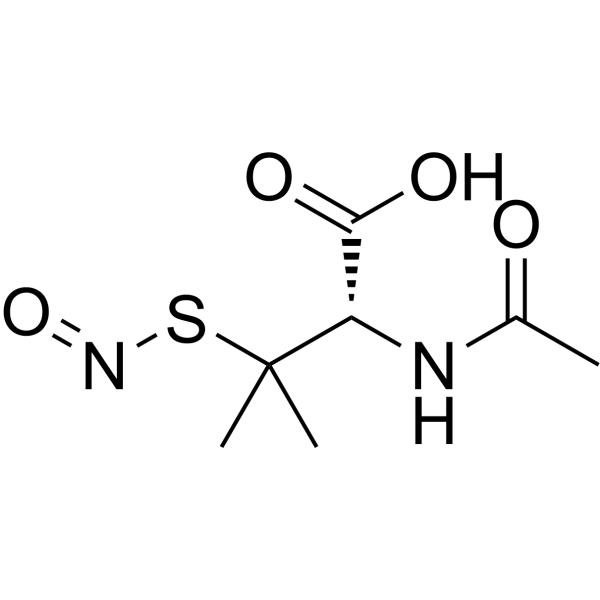
  • HY-101013

    S-Nitroso-N-acetylpenicillamine

    Fluorescent Dye Others
    D-SNAP (S-Nitroso-N-acetylpenicillamine) can Generate nitric oxide and form superoxides spontaneously under physiological conditions and is often used to probe the cell stress response and stimulate calcium-independent synaptic vesicle release.
    D-SNAP

Inquiry Online

Your information is safe with us. * Required Fields.

Salutation


Country or Region *

Applicant Name *


Organization Name *

Department *


Email Address *


Product Name *

Cat. No.


Requested quantity *

Phone Number *


Remarks

Inquiry Online

Inquiry Information

Product Name:
Cat. No.:
Quantity:
MCE Japan Authorized Agent: