1. Search Result
Search Result
Results for "

anti-tumor immunity

" in MedChemExpress (MCE) Product Catalog:

303

Inhibitors & Agonists

3

Screening Libraries

1

Fluorescent Dyes

8

Biochemical Assay Reagents

18

Peptides

64

Inhibitory Antibodies

29

Natural
Products

11

Isotope-Labeled Compounds

9

Oligonucleotides

Cat. No. 상품명 Target 연구분야 Chemical Structure
  • HY-B2227
    Lactic acid
    Maximum Cited Publications
    52 Publications Verification

    DL-Lactic acid; E-270

    Environmental Pollutants Endogenous Metabolite Bacterial Hydroxycarboxylic Acid Receptor (HCAR) Infection Metabolic Disease Inflammation/Immunology Cancer
    Lactic acid (DL-Lactic acid) is a hydroxycarboxylic acid receptor 1 (HCAR1) activator and an epigenetic modulator inducing lysine residues lactylation. Lactic acid is a glycolysis end-product, bridging the gap between glycolysis and oxidative phosphorylation. Lactic acid is an oncometabolite and has immune protective role of lactate in anti-tumor immunity . Lactic acid also has antimicrobial activity, which can be used as a food preservative .
    Lactic acid
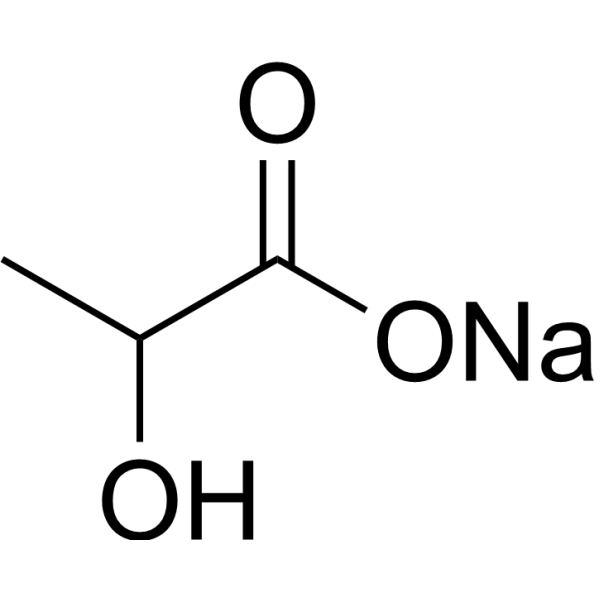
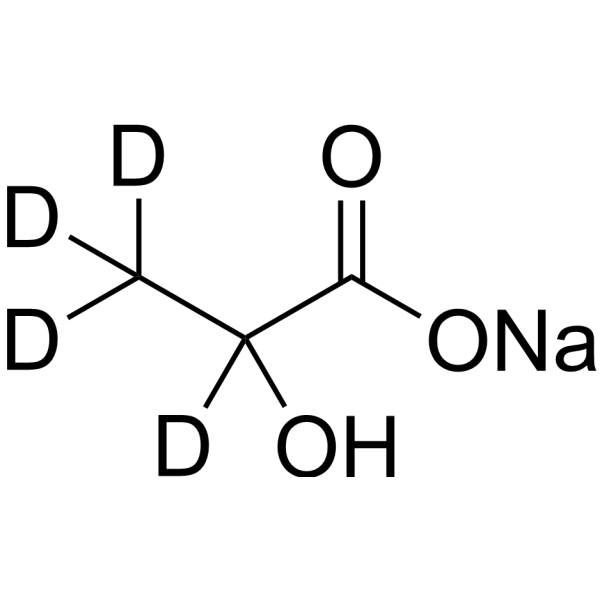
  • HY-B2227B

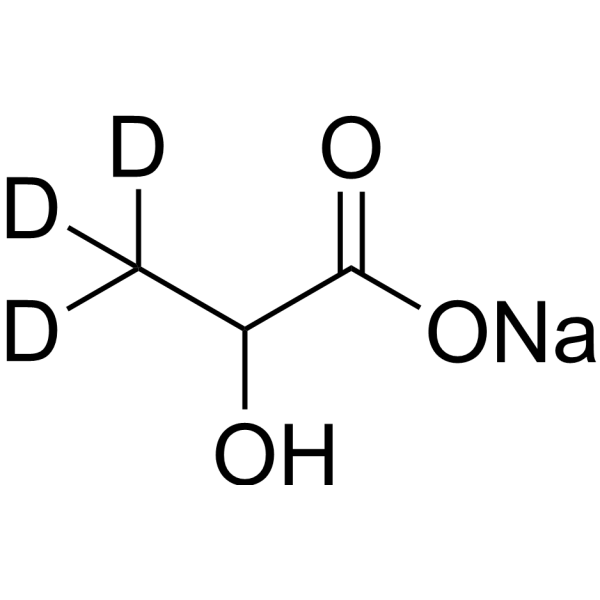
    DL-Lactic acid sodium; E-270 sodium

    Environmental Pollutants Endogenous Metabolite Bacterial Hydroxycarboxylic Acid Receptor (HCAR) Infection Metabolic Disease Inflammation/Immunology Cancer
    Lactic acid (DL-Lactic acid) sodium (60% w/w in water) is a hydroxycarboxylic acid receptor 1 (HCAR1) activator and an epigenetic modulator inducing lysine residues lactylation. Lactic acid sodium (60% w/w in water) is a glycolysis end-product, bridging the gap between glycolysis and oxidative phosphorylation. Lactic acid sodium (60% w/w in water) is an oncometabolite and has immune protective role of lactate in anti-tumor immunity . Lactic acid sodium (60% w/w in water) also has antimicrobial activity, which can be used as a food preservative .
    This product has a content (w/w) of 60%, and 1 mL of the system contains 798 mg of Lactic acid sodium, i.e., a concentration of 798 mg/mL (i.e., 7.12 M).
    Lactic acid sodium (60% w/w in water)
  • HY-145923
    Osunprotafib
    5 Publications Verification

    ABBV-CLS-484

    Phosphatase STAT JAK Cancer
    Osunprotafib (ABBV-CLS-484) is an orally active and selective active site PTPN1 (IC50: 2.5 nM) and PTPN2(IC50: 1.8 nM) inhibitor. Osunprotafib has 6-8-fold weaker activity on PTPN9 and no detectable activity on SHP-1 or SHP-2. Osunprotafib increases the sensitivity of human cancer cell lines to IFNγ. Osunprotafib generates robust anti-tumor immunity by enhancing JAK-STAT signalling and reducing T cell dysfunction .
    Osunprotafib
  • HY-156677
    STC-15
    4 Publications Verification

    METTL3 Cancer
    STC-15 is an orally active RNA methyltransferase METTL3 inhibitor with the activity of activating anti-tumor immunity and reshaping the tumor microenvironment. STC-15 inhibits tumor growth by activating anti-cancer immune responses associated with increased interferon signaling and synergizes with T-cell checkpoint blockade. STC-15 can be used in the study of proliferative diseases such as cancer and autoimmune diseases .
    STC-15
  • HY-N6653
    Lentinan
    5+ Cited Publications

    JAK Keap1-Nrf2 Apoptosis Infection Metabolic Disease Inflammation/Immunology Cancer
    Lentinan is an orally active biocompatible multifunctional polysaccharide with biological activities such as anti-inflammatory, antioxidant, immune regulation, anti-tumor, hypoglycemic, and lipid-lowering [1][4].
    Lentinan
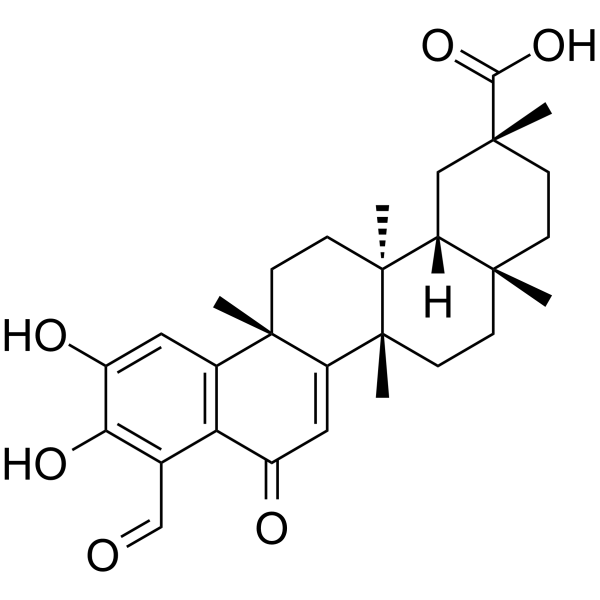
  • HY-N0587
    Demethylzeylasteral
    5+ Cited Publications

    Apoptosis TGF-beta/Smad Estrogen Receptor/ERR NF-κB FAK Cardiovascular Disease Inflammation/Immunology Endocrinology Cancer
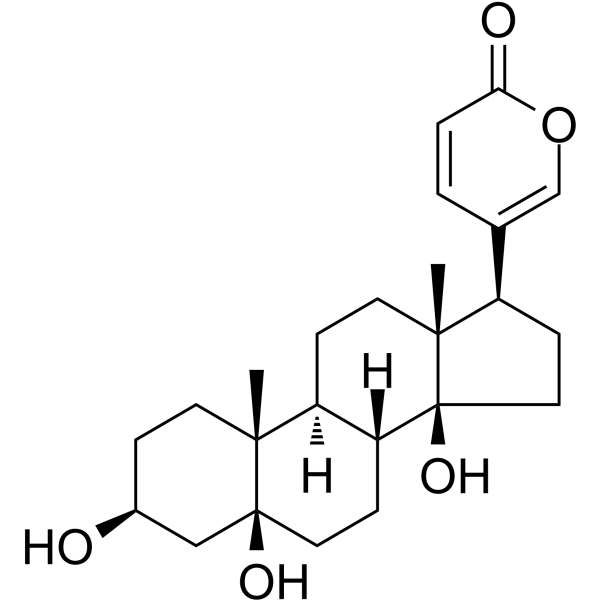
    Demethylzeylasteral is an orally active triterpenoid compound isolated from Tripterygium wilfordii, which has functions such as anti-inflammatory, anti-tumor, anti fertility, estrogen metabolism regulation, immune suppression, and immune system regulation [1][2].
    Demethylzeylasteral
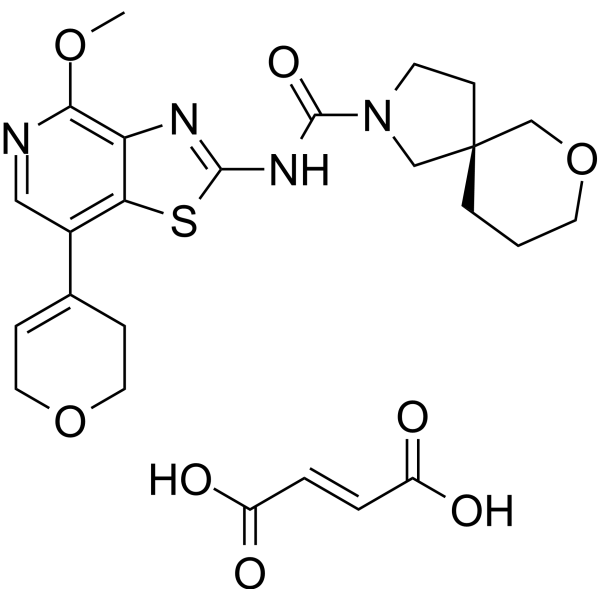
  • HY-161111

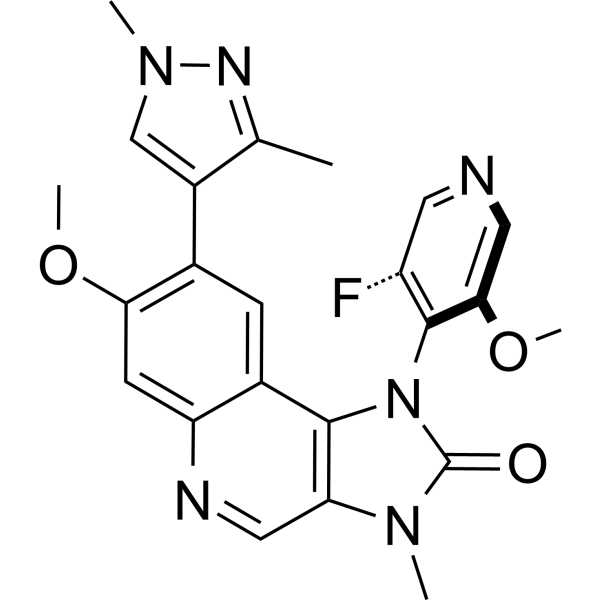
    Ser/Thr Kinase Cancer
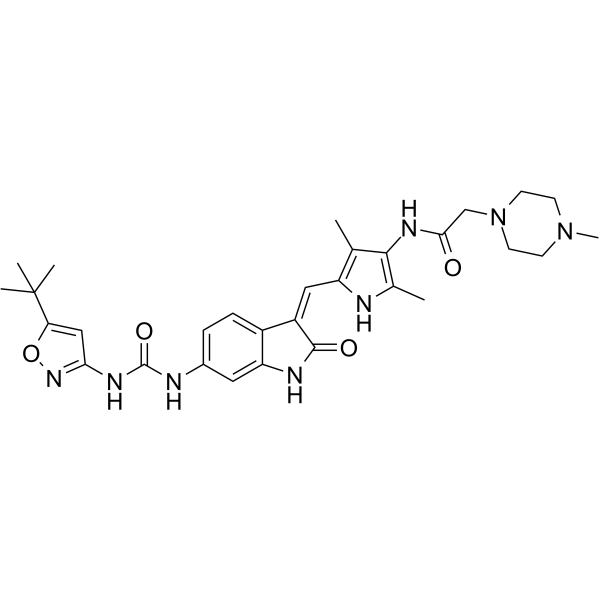
    KVS0001 is a selective SMG1 inhibitor. KVS0001 elevates the expression of transcripts and proteins resulting from truncating mutations. KVS0001 increased the presentation of immune-targetable HLA class I-associated peptides from nonsense-mediated decay (NMD)-downregulated proteins on the surface of cancer cells. KVS0001 exerts anti-tumor properties and can be studied in research for NMD-related diseases, including cancer and inherited diseases .
    KVS0001
  • HY-P6292A

    PACAP Receptor Neurological Disease Inflammation/Immunology Cancer
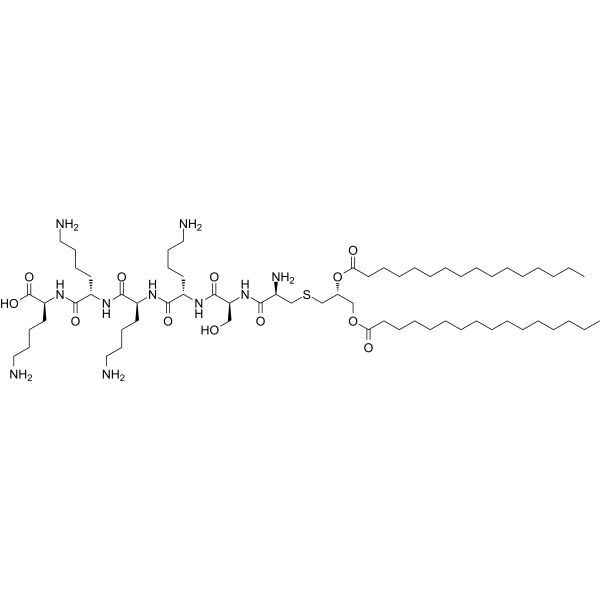
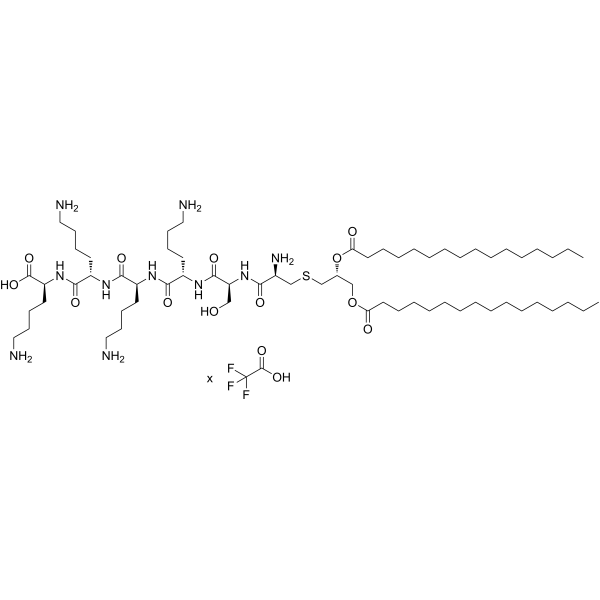
    KS-133 TFA is a highly selective and potent antagonist of the vascular active enteropeptide receptor 2 (VIPR2) with IC50 values for Ca influx measurement and cAMP measurement of 24.8 nM and 500 nM, respectively. KS-133 TFA reverses the tumor-promoting M2 phenotype of tumor-associated macrophages to the anti-tumor M1 phenotype, alters the tumor immune microenvironment, and inhibits tumor growth. KS-133 TFA can be used for research on schizophrenia and cancer immune regulation .
    KS-133 TFA
  • HY-P99052
    Tislelizumab
    3 Publications Verification

    BGB-A317

    PD-1/PD-L1 Inflammation/Immunology Cancer
    Tislelizumab is a monoclonal antibody that specifically binds to programmed cell death receptor 1 (PD-1), blocking its interaction with programmed death ligand 1 (PD-L1) and programmed death ligand 2 (PD-L2). Tislelizumab can reactivate immune cells such as T lymphocytes and enhance anti-tumor activity. Tislelizumab can be used for the research of a variety of tumors including typical Hodgkin's lymphoma, urothelial carcinoma, non-small cell lung cancer and hepatocellular carcinoma .
    Tislelizumab
  • HY-145598

    HMPL-523

    Syk Cancer
    Sovleplenib (HMPL-523) is a highly potent, orally available and selective SYK inhibitor with an IC50 of 25 nM. Anti-tumor activity. Sovleplenib can be used for the research of immune thrombocytopenia (ITP) .
    Sovleplenib
  • HY-B1637
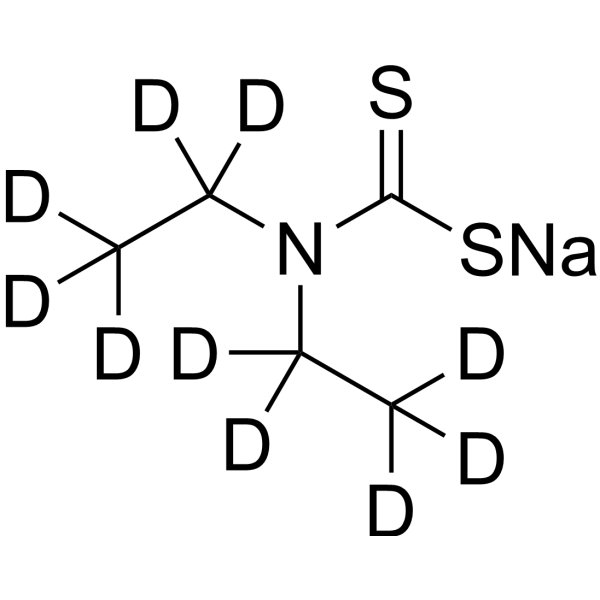
    Ditiocarb sodium
    4 Publications Verification

    Sodium diethyldithiocarbamate

    HIV Biochemical Assay Reagents Infection Inflammation/Immunology Cancer
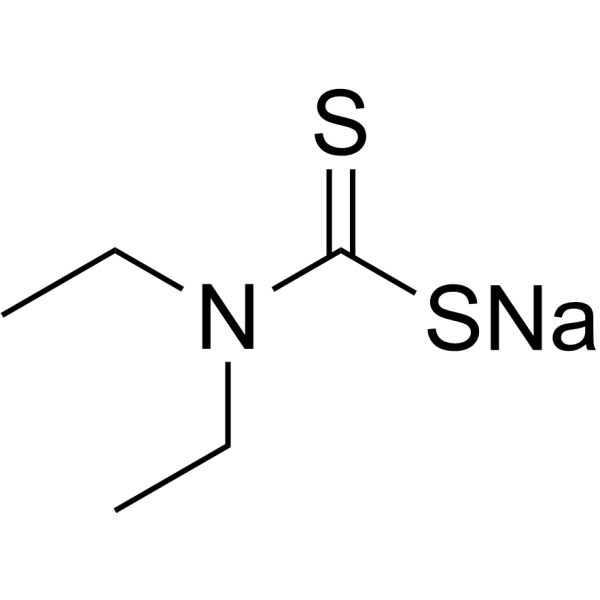
    Ditiocarb sodium (Sodium diethyldithiocarbamate) is an orally active copper reagent. Ditiocarb sodium exhibits activities such as antioxidation, chelation, anti-tumor effects, immunomodulation, and anti-HIV properties. Ditiocarb sodium can be used in the research of tumors, inflammatory, and immune-related diseases .
    Ditiocarb sodium
  • HY-B2227C
    Lactic acid potassium
    50+ Cited Publications

    DL-Lactic acid potassium; E-270 potassium

    Endogenous Metabolite Hydroxycarboxylic Acid Receptor (HCAR) Bacterial Infection Metabolic Disease Inflammation/Immunology Cancer
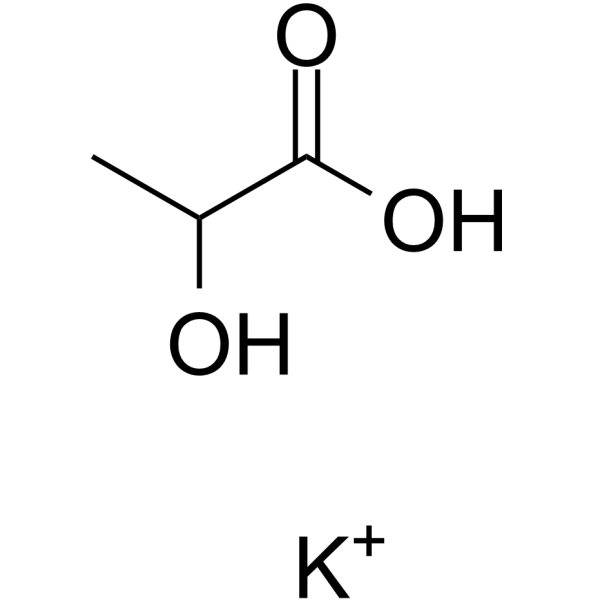
    Lactic acid (DL-Lactic acid) potassium is a hydroxycarboxylic acid receptor 1 (HCAR1) activator and an epigenetic modulator inducing lysine residues lactylation. Lactic acid potassium is a glycolysis end-product, bridging the gap between glycolysis and oxidative phosphorylation. Lactic acid potassium is an oncometabolite and has immune protective role of lactate in anti-tumor immunity . Lactic acid also potassium has antimicrobial activity, which can be used as a food preservative .
    Lactic acid potassium
  • HY-B1637A
    Ditiocarb sodium,98%
    4 Publications Verification

    Sodium diethyldithiocarbamate,98%

    HIV Biochemical Assay Reagents Infection Inflammation/Immunology Cancer
    Ditiocarb sodium,98% (Sodium diethyldithiocarbamate,98%) is an orally active copper reagent. Ditiocarb sodium,98% exhibits activities such as antioxidation, chelation, anti-tumor effects, immunomodulation, and anti-HIV properties. Ditiocarb sodium,98% can be used in the research of tumors, inflammatory, and immune-related diseases .
    Ditiocarb sodium,98%
  • HY-150617
    Lartesertib
    1 Publications Verification

    M4076; ATM Inhibitor-5

    ATM/ATR STING PD-1/PD-L1 Cardiovascular Disease Inflammation/Immunology Cancer
    Lartesertib (M4076) is an inhibitor of the serine/threonine protein kinase ATM with high potency. Lartesertib can inhibit the growth of multiple hematopoietic cell lines. Additionally, when combined with the ATR inhibitor Tuvusertib (HY-111451), Lartesertib can promote the death of tumor cells, activate the immune signaling pathway, and exhibit anti-tumor activity .
    Lartesertib
  • HY-N6714

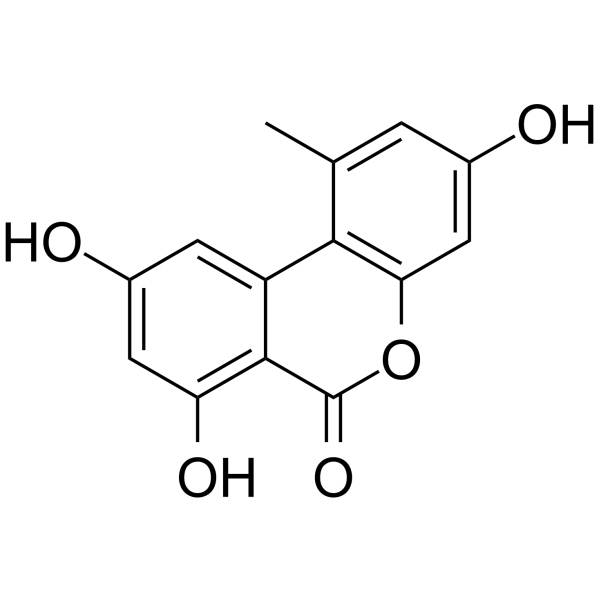
    Topoisomerase Androgen Receptor Estrogen Receptor/ERR Apoptosis Infection Cancer
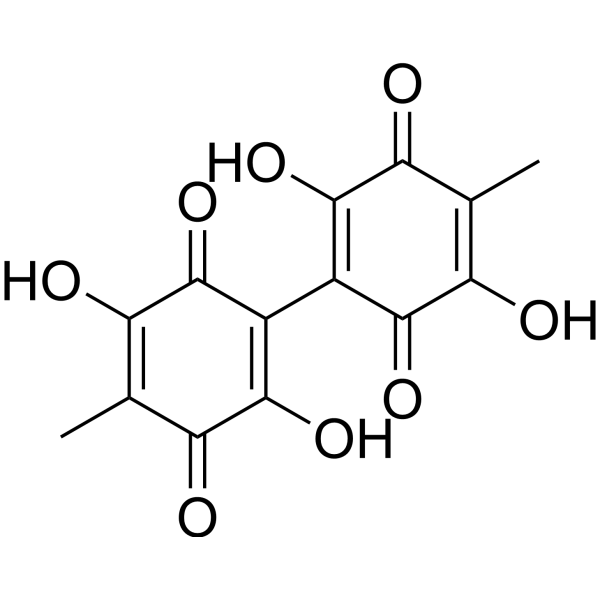
    Alternariol is an orally ingested mycotoxin produced by Alternaria, capable of inhibiting the activity of topoisomerase I and II (topoisomerase I, topoisomerase II). Alternariol has weak estrogenic (Estrogen Receptor/ERR) and androgen/antiandrogen (Androgen Receptor) effects. Alternariol can induce apoptosis, trigger cell cycle arrest, suppress innate immune responses, and exhibit anti-tumor activity. Alternariol has genotoxic, mutagenic, and endocrine-disrupting effects .
    Alternariol
  • HY-B2227A
    Lactic acid calcium
    50+ Cited Publications

    DL-Lactic acid calcium; E-270 calcium

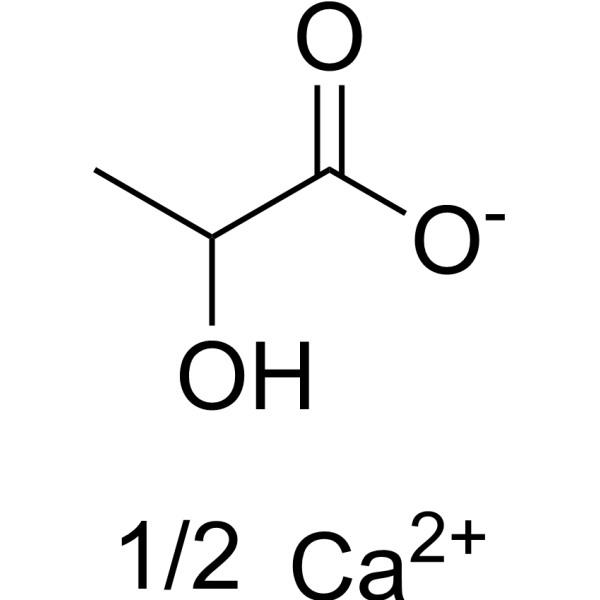
    Environmental Pollutants Endogenous Metabolite Bacterial Hydroxycarboxylic Acid Receptor (HCAR) Infection Neurological Disease Inflammation/Immunology Cancer
    Lactic acid (DL-Lactic acid) calcium is a hydroxycarboxylic acid receptor 1 (HCAR1) activator and an epigenetic modulator inducing lysine residues lactylation. Lactic acid calcium is a glycolysis end-product, bridging the gap between glycolysis and oxidative phosphorylation. Lactic acid calcium is an oncometabolite and has immune protective role of lactate in anti-tumor immunity . Lactic acid calcium also has antimicrobial activity, which can be used as a food preservative .
    Lactic acid calcium
  • HY-P991480

    Transmembrane Glycoprotein Tau Protein Amyloid-β Neurological Disease Cancer
    ONC-841 is a blood-brain barrier-permeable, humanized monoclonal antibody targeting SIGLEC10. As an immune checkpoint inhibitor, ONC-841 restores the functions of immune effector cells such as T cells and enhances anti-tumor immune responses by blocking inhibitory signals mediated by SIGLEC10. ONC-841 restores the phagocytic and migratory activities of microglia, and promotes the phagocytosis of Amyloid-β and Tau protein aggregates by microglia. ONC-841 is applicable to research related to solid tumors and Alzheimer's disease .
    ONC-841
  • HY-B2227R

    DL-Lactic acid (Standard); E-270 (Standard)

    Reference Standards Endogenous Metabolite Hydroxycarboxylic Acid Receptor (HCAR) Bacterial Infection Metabolic Disease Inflammation/Immunology Cancer
    Lactic acid (Standard) (DL-Lactic acid (Standard)) is the analytical standard of Lactic acid (HY-B2227). This product is intended for research and analytical applications. Lactic acid (DL-Lactic acid) is a hydroxycarboxylic acid receptor 1 (HCAR1) activator and an epigenetic modulator inducing lysine residues lactylation. Lactic acid is a glycolysis end-product, bridging the gap between glycolysis and oxidative phosphorylation. Lactic acid is an oncometabolite and has immune protective role of lactate in anti-tumor immunity . Lactic acid also has antimicrobial activity, which can be used as a food preservative .
    Lactic acid (Standard)
  • HY-175035

    Hexokinase Inflammation/Immunology Cancer
    HK-2-IN-1 is a Hexokinase 2 (HK-2) inhibitor. HK-2-IN-1 exhibits a non-activating effect on human recombinant HK-2 enzyme. HK-2-IN-1 has anti-tumor activity, affecting immune cells in the tumor microenvironment. HK-2-IN-1 has immunomodulatory effects and is potentially useful in the study of cancers such as colon cancer, liver cancer, and breast cancer .
    HK-2-IN-1
  • HY-P11303

    CD74 MHC Neurological Disease Cancer
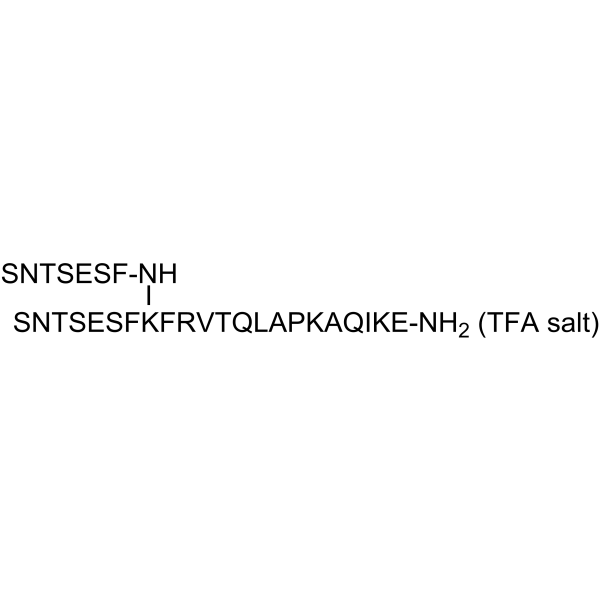
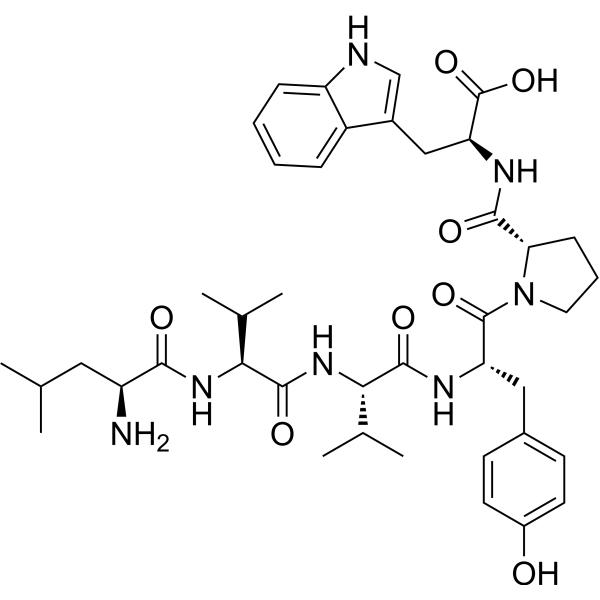
    PADRE peptide is a pan-HLA-DR binding epitope and immunostimulant. PADRE peptide binds to the peptide-binding groove of MHC class II molecules for presentation to CD4 + T cells, thereby effectively stimulating specific immune responses. PADRE peptide not only enhances anti-tumor immune responses, inhibits tumor growth and prolongs survival; it also significantly increases the frequency of E7-specific CD8 + T cells and improves therapeutic efficacy against TC-1 tumors when used in combination with E7 peptide-based vaccines and poly (I:C). The intensity of the immune response induced by PADRE peptide is lower than that of the Ii-PADRE DNA vaccine, and it fails to enhance the immune effect of CRT-E7 DNA. PADRE peptide is widely applicable to research on related tumors such as melanoma, glioblastoma and cervical cancer .
    PADRE peptide
  • HY-137442
    Inupadenant
    1 Publications Verification

    EOS-850

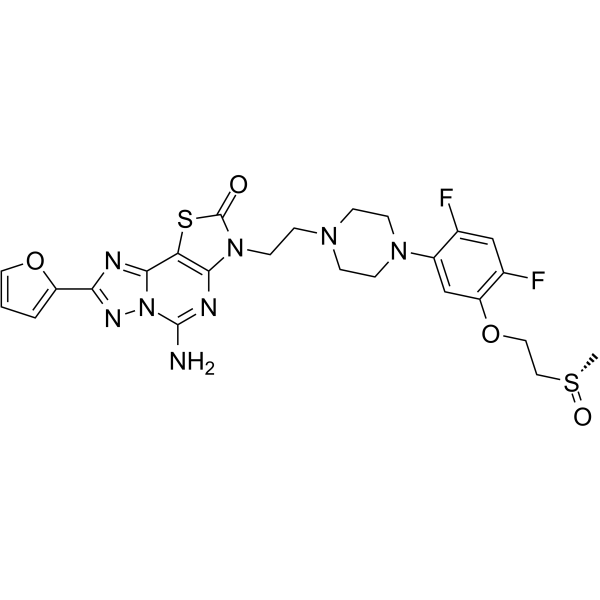
    Adenosine Receptor Cancer
    Inupadenant is an orally active, highly selective A2A receptor antagonist. Inupadenant can not cross BBB. Inupadenant can enhance the humoral immune response and has anti-tumor activity .
    Inupadenant
  • HY-P99057

    CDX-1127

    TNF Receptor Transmembrane Glycoprotein Inflammation/Immunology Cancer
    Varlilumab (CDX-1127) is an agonist anti-CD27 monoclonal antibody. Varlilumab can promote T cell expansion and activate the immune response. Varlilumab has anti-tumor activity and can be used in the research of hematological malignancies and solid tumors .
    Varlilumab
  • HY-P990704

    AZD-2936

    PD-1/PD-L1 Transmembrane Glycoprotein Cancer
    Rilvegostomig (AZD-2936) is a bispecific humanized IgG1 antibody targeting PD-1 and TIGIT. Rilvegostomig induces tumor growth inhibition and modulates the tumor immune microenvironment. Rilvegostomig exhibits anti-tumor activity in metastatic non-small cell lung cancer (without prior immune checkpoint inhibitor treatment). Rilvegostomig can be used in research related to metastatic non-small cell lung cancer and endometrial cancer .
    Rilvegostomig
  • HY-P990914

    GS-1811; JTX-1811

    CCR Inflammation/Immunology Cancer
    Denikitug (GS-1811; JTX-1811) is a humanized monoclonal antibody against CCR8 receptor with a KD of 16.8 pM. Denikitug specifically binds to human CCR8, inhibits CCL1-induced downstream CCR8 signaling. Denikitug selectively depletes cells expressing CCR8 via antibody-dependent cellular cytotoxicity (ADCC). Denikitug promotes anti-tumor immunity and can be used for the research of cancer and immunology .
    Denikitug
  • HY-159647B

    Molecular Glues IKZF Family Cancer
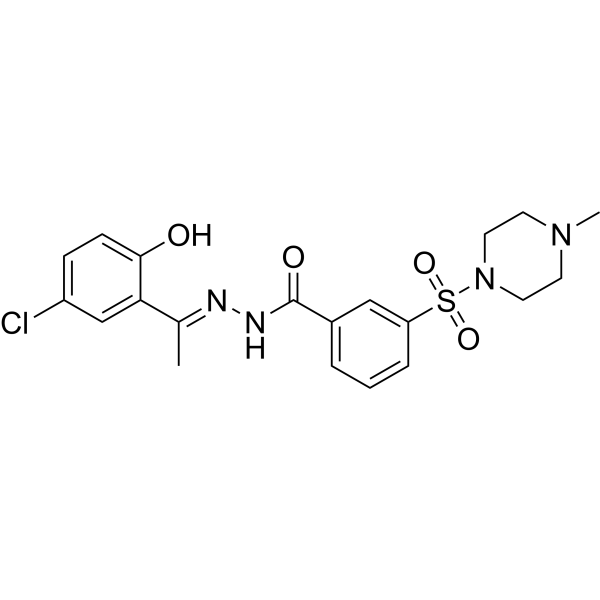
    (1S,2S,3R)-PLX-4545 is the (1S,2S,3R) enantiomer of PLX-4545 (HY-159647). PLX-4545 is an orally active and selective cereblon-based molecular glue degrader of IKZF2 (zinc finger transcription factor Helios). PLX-4545 can reprogram immunosuppressive regulatory T cells into pro-inflammatory effector T cells, thereby enhancing anti-tumor immune responses .
    (1S,2S,3R)-PLX-4545
  • HY-P99812
    Ragifilimab
    1 Publications Verification

    INCAGN-1876

    TNF Receptor Inflammation/Immunology Cancer
    Ragifilimab (INCAGN-1876) is an agonist monoclonal antibody targeting the glucocorticoid-induced TNFR-related protein (GITR). Ragifilimab binds to and activates GITR on T cells, which stimulates the immune system to enhance its anti-tumor activity. Ragifilimab can be used for advanced or metastatic solid tumors research .
    Ragifilimab
  • HY-148088
    M1069
    1 Publications Verification

    Adenosine Receptor Cancer
    M1069 is a selective and orall active, dual A2A/A2B adenosine receptor antagonist with a selectivity of >100 fold against the A1 and A3 receptors. M1069 counteracts immune-suppressive mechanisms of adenosine, and exhibits anti-tumor activity .
    M1069
  • HY-P99687

    AMG 256

    PD-1/PD-L1 Cancer
    Latikafusp (AMG 256) is a bifunctional fusion protein comprising a PD-1-targeting antibody and IL-21 mutein designed to deliver IL-21 pathway stimulation to PD-1+ cells. Latikafusp is designed to prime and extend the activity of cytotoxic and memory T cells and induce anti-tumor immunity. Latikafusp has the potential for solid tumors research .Latikafusp may lead to the development of immunogenicity-mediated responses .
    Latikafusp
  • HY-P990961

    IMM-2510; SYN-2510

    VEGFR PD-1/PD-L1 Cardiovascular Disease Inflammation/Immunology Cancer
    Palverafusp alfa (IMM-2510; SYN-2510) is a PD-L1/VEGF-targeting IgG1κ type humanized antibody. Palverafusp alfa blocks PD-1/PD-L1 binding, relieves immune suppression, mediates PD-L1-directed antibody-dependent cellular cytotoxicity (ADCC). Palverafusp alfa blocks VEGF/VEGFR binding, inhibits angiogenic signaling, relieves VEGF-induced immune suppression. Palverafusp alfa reduces endothelial cell proliferation, enhances ADCC and antibody-dependent cellular phagocytosis (ADCP), inhibits tumor growth, reverses T cell immune suppression. Palverafusp alfa exhibits immune stimulatory, antiangiogenic, and anti-tumor activity in the tumor microenvironment. Palverafusp alfa can be used for the research of cancer, such as solid tumors, non-small cell lung cancer .
    Palverafusp alfa
  • HY-P10420

    CD47 Interleukin Related Cancer
    RS17 is an anti-tumor peptide designed to bind specifically to the CD47 molecule and block the interaction between CD47 and its ligand, SIRPα, on the surface membrane of macrophages. The main regulatory mechanism of RS17 is to prevent CD47 from transmitting selective phagocytosis signals to SIRPα by binding to CD47, so that macrophages do not recognize tumor cells as their own tissue, but phagocytose them as foreign substances, thereby inhibiting immune escape of tumor cells. RS17 can be used to study the mechanism of anti-tumor response and immune escape .
    RS17
  • HY-176296

    SR-8541A

    Phosphodiesterase (PDE) STING Cancer
    Vizenpistat (SR-8541A) is an orally active ENPP1 inhibitor. Vizenpistat increases cGAMP levels, blocks 2′3′-cGAMP hydrolysis, inhibits adenosine production, regulates innate immune signaling mediated by the STING pathway, and modulates anti-tumor immune responses. Vizenpistat is applicable to research related to breast cancer and metastatic microsatellite-stable colorectal cancer .
    Vizenpistat
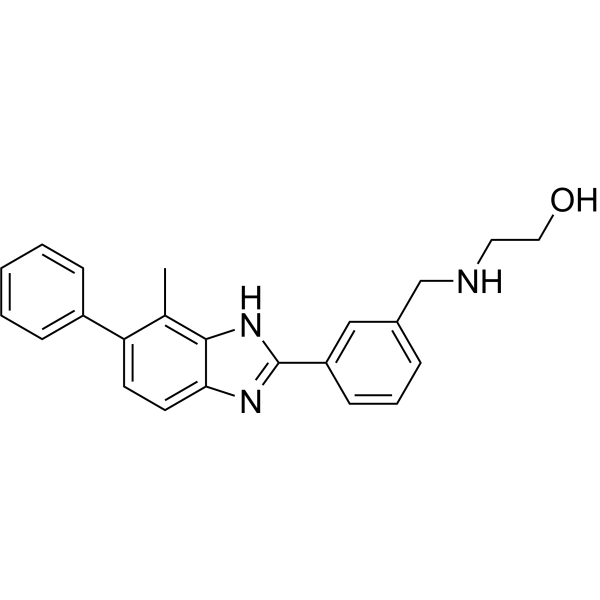
  • HY-155971

    Autophagy Inflammation/Immunology Cancer
    VISTA-IN-2 (Compound 1) is an inhibitor of V-domain Ig suppressor of T-cell activation (VISTA). VISTA-IN-2 induces VISTA degradation in cells through an autophagic mechanism. VISTA-IN-2 rescues VISTA-mediated immunosuppression, and enhances antitumor activity of immune cells. VISTA-IN-2 also activates the antitumor immunity and inhibits tumor growth in a CT26 mouse model .
    VISTA-IN-2
  • HY-148511A

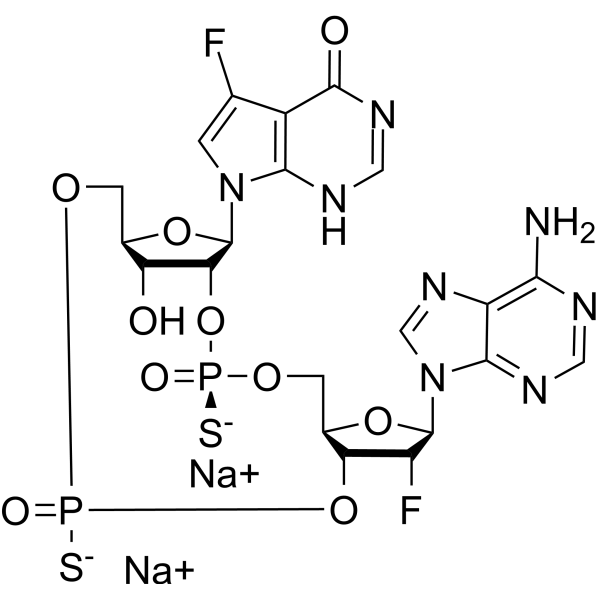
    CMP-001 sodium

    Toll-like Receptor (TLR) Cancer
    Vidutolimod sodium is a CpG-A oligodeoxynucleotide. Vidutolimod sodium is a Toll-like receptor 9 (TLR9) agonist, which activates plasmacytoid dendritic cells (pDCs) and triggers interferon alpha (IFNα) release, leading to a cascade of anti-tumor immune effects.
    Vidutolimod sodium
  • HY-P990650

    TREM receptor Cancer
    PY159 is a humanized antibody targeting TREM1/CD354. PY159 reprograms immunosuppressive intratumoral myeloid cells towards an inflammatory, anti-tumor phenotype, promotes anti-tumor immune responses, upregulates monocyte activation markers, and induces proinflammatory cytokines. PY159 can be used for the research of platinum-resistant ovarian cancer, advanced solid tumors, and advanced refractory solid tumors .
    PY159
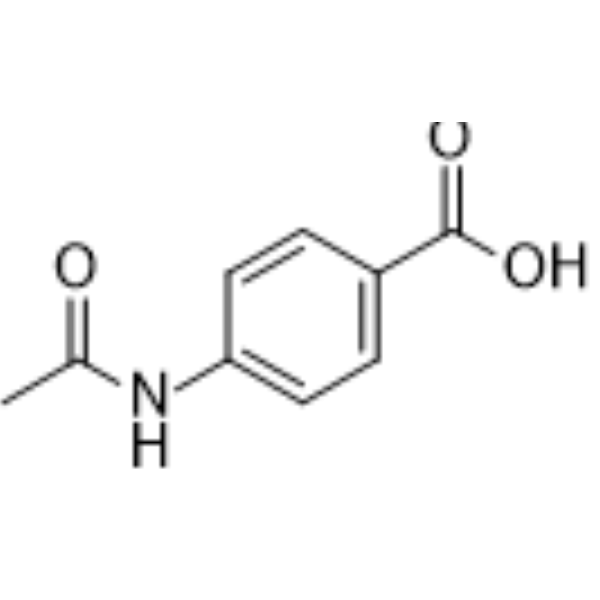
  • HY-B1250

    Biochemical Assay Reagents Cancer
    Acedoben is a biochemical agent. Acedoben and iron ions can construct a fast self-assembled coordination complex. The Fe-Ace coordination complex can not only serve as a carrier of tumor antigens, but also enhance antigen-specific anti-tumor immunity due to its inherent adjuvant properties .
    Acedoben
  • HY-162382

    PI3K Akt mTOR Cancer
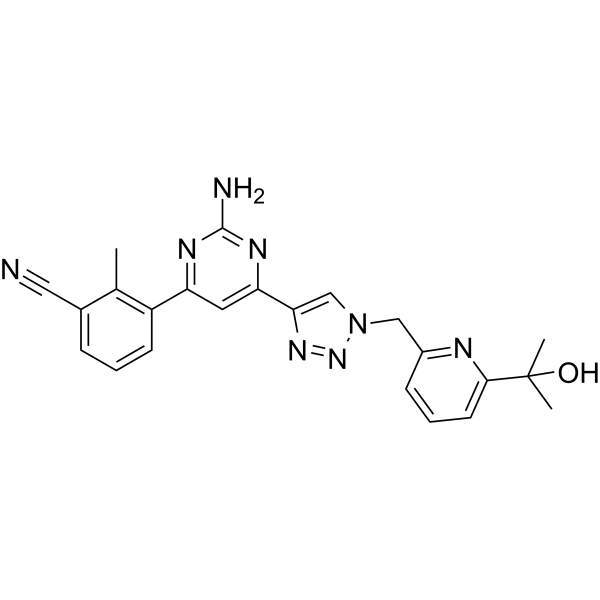
    KTC1101 is an orally active pan-PI3K inhibitor. KTC1101 can inhibit the PI3K signaling pathway, reduce downstream AKT and mTOR phosphorylation, and reduces the expression of Ki67. The anti-tumor effect of KTC1101 has a dual mechanism of action: directly inhibiting tumor cell growth and dynamically enhancing immune response .
    KTC1101
  • HY-144501

    Toll-like Receptor (TLR) PD-1/PD-L1 Inflammation/Immunology Cancer
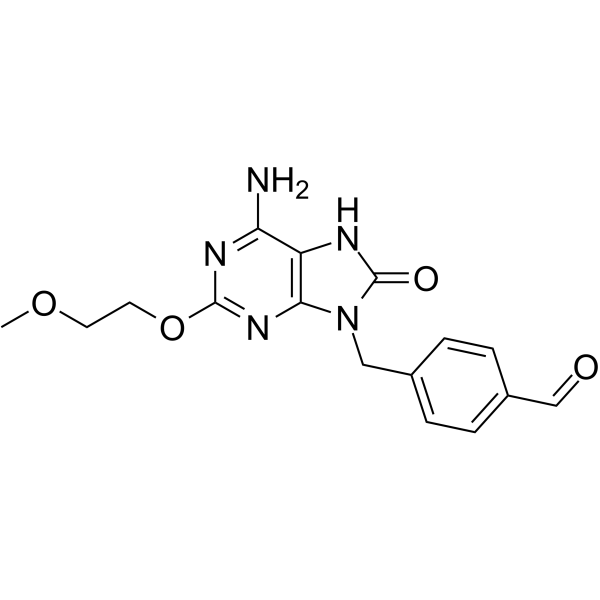
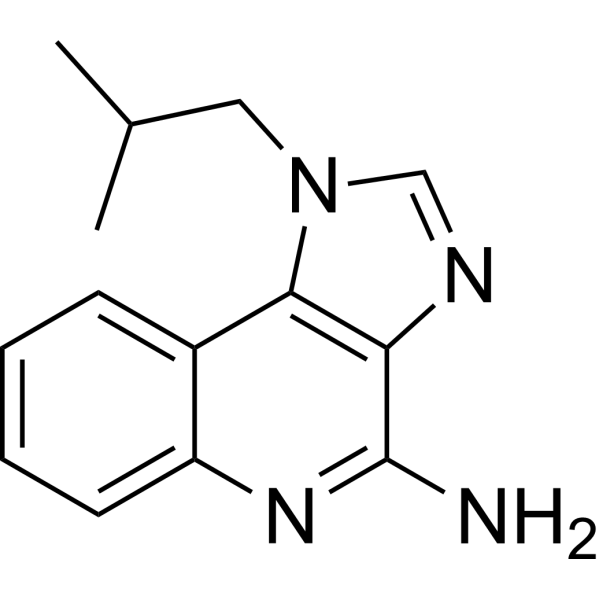
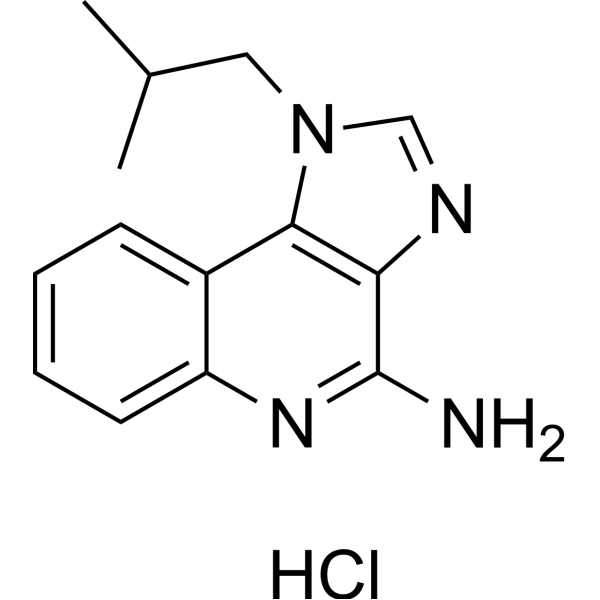
    D18 is an immune modulator. D18 acts as a TLR7/8 dual agonist (EC50 = 24 nM for hTLR7 and 10 nM for hTLR8, respectively). D18 increases PD-L1 expression through epigenetic regulation, thus sensitizing tumors to PD-1/PD-L1 blockade. D18 is a ADC cytotoxin uesd for the systhesis of ADC HE-S2 (HY-144497). D18 has strong immune activation and anti-tumor activity. D18 commonly used in cancer research, such as colon cancer .
    D18
  • HY-171572

    Antibody-Drug Conjugates (ADCs) Microtubule/Tubulin Apoptosis Inflammation/Immunology Cancer
    Atezolizumab-MMAE is an anti-PD-L1 antibody-drug conjugate (ADC) with an EC50 of 1.1 nM. Atezolizumab-MMAE is composed of a humanized anti-PD-L1 antibody (Atezolizumab) (HY-P9904), a lysosomally cleavable dipeptide linker (valine-citrulline), a tubulin inhibitor (MMAE) (HY-15162), and the drug-linker conjugate for ADC is VcMMAE (HY-15575). Atezolizumab-MMAE has a potent cytotoxicity (EC50: 9.75-11.94 nM) and immune activation effect. Atezolizumab-MMAE has a significantly anti-tumor activity in MC38 xenograft PD-1-humanized immune system mice model .
    Atezolizumab-MMAE
  • HY-P991443

    CD73 Cancer
    IPH5301 is a human IgG1 monoclonal antibody (mAb) targeting NT5E/CD73. IPH5301 has a functionally silent Fc domain, specifically inhibits soluble and membrane CD73 enzyme activity, and restores the proliferation of immune T cells. IPH5301 can be used in anti-tumor immunity research. Recommended isotype control: Human IgG1 kappa, Isotype Control (HY-P99001) .
    IPH5301
  • HY-P991309

    C-type Lectin-like Receptors (CTLRs) Cancer
    ZM-008 is an anti-LLT1 monoclonal antibody. ZM-008 blocks the interaction between LLT1 and CD161 on the surface of NK cells and T cells. ZM-008 restores anti-tumor immune activity, shifts the tumor microenvironment to an immune-responsive state, and recovers NK cell-mediated cytotoxicity against tumor cells, thereby reversing immunosuppression in immune-resistant "cold" tumors. ZM-008 is applicable to the research of immune-resistant solid tumors .
    ZM-008
  • HY-B2227D

    Environmental Pollutants Endogenous Metabolite Metabolic Disease Inflammation/Immunology Cancer
    Calcium 2-hydroxypropanoate (pentahydrate) is a hydroxycarboxylic acid receptor 1 (HCAR1) activator and an epigenetic modulator inducing lysine residues lactylation. Calcium 2-hydroxypropanoate (pentahydrate) is a glycolysis end-product, bridging the gap between glycolysis and oxidative phosphorylation. Calcium 2-hydroxypropanoate (pentahydrate) is an oncometabolite and has immune protective role of lactate in anti-tumor immunity .
    Calcium 2-hydroxypropanoate pentahydrate
  • HY-155848

    Phosphatase Cancer
    LYP-IN-4 (compound D14) is a reversible and selective inhibitor of lymphotyrosine phosphatase (LYP) (Ki=1.34 μM, IC50=3.52μM). LYP-IN-4 inhibits LYP to regulate TCR signaling, up-regulates PD-1/PD-L1 expression, and enhance anti-tumor immunity. LYP-IN-4 activates T cells and inhibits M2 macrophage polarization, inhibits tumor growth in MC38 isogenic mouse models.
    LYP-IN-4
  • HY-145923B

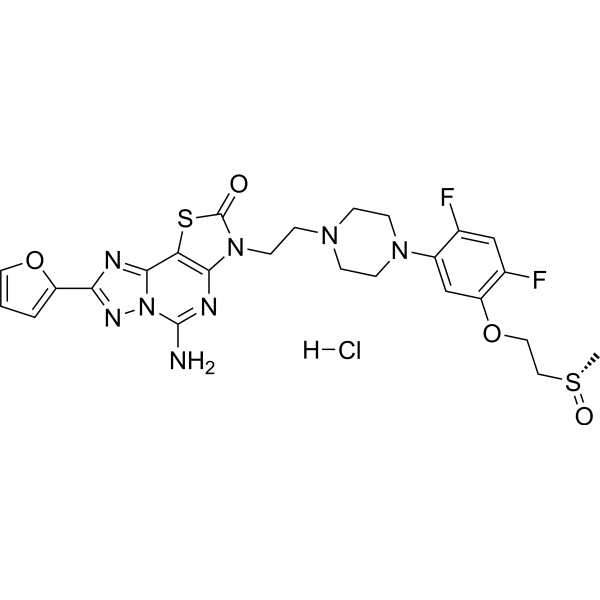
    ABBV-CLS-484 hydrochloride

    Phosphatase Inflammation/Immunology Cancer
    Osunprotafib (ABBV-CLS-484) hydrochloride is an orally active and selective active site PTPN1 (IC50: 2.5 nM) and PTPN2(IC50: 1.8 nM) inhibitor. Osunprotafib hydrochloride has 6-8-fold weaker activity on PTPN9 and no detectable activity on SHP-1 or SHP-2. Osunprotafib hydrochloride increases the sensitivity of human cancer cell lines to IFNγ. Osunprotafib hydrochloride generates robust anti-tumor immunity by enhancing JAK-STAT signalling and reducing T cell dysfunction .
    Osunprotafib hydrochloride
  • HY-P9994

    SBT6050

    Antibody-Drug Conjugates (ADCs) EGFR Toll-like Receptor (TLR) Inflammation/Immunology Cancer
    Pertuzumab zuvotolimod (SBT6050) is an anti-HER2 antibody-drug conjugate (ADC). Pertuzumab zuvotolimod is composed of a humanized anti-HER2 antibody (Pertuzumab) (HY-P9912A), a linker, a TLR8 agonist payload, and the drug-linker conjugate for ADC is Zuvotolimod (HY-145620). Pertuzumab zuvotolimod potently induces multiple anti-tumor immune activities through the direct activation myeloid cells and the subsequent induction of T and NK cell cytolytic activity. Pertuzumab zuvotolimod can be used for HER2-expressing solid tumors research .
    Pertuzumab zuvotolimod
  • HY-112864

    TGF-β Receptor Inflammation/Immunology Cancer
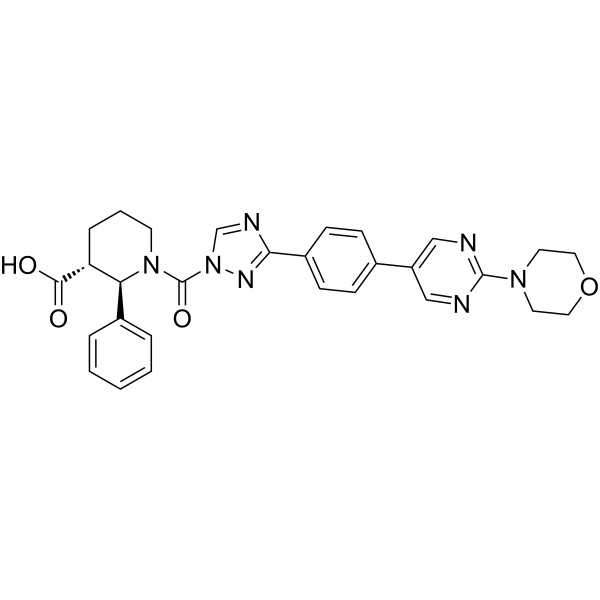
    TGFβRI-IN-6 (compound 22) is a potent TGFβRI inhibitor with an IC50 value of 0.55 nM. TGFβRI-IN-6 has the potential to enhance anti-tumor immunity .
    TGFβRI-IN-6
  • HY-137442A
    Inupadenant hydrochloride
    1 Publications Verification

    EOS-850 hydrochloride

    Adenosine Receptor Cancer
    Inupadenant (EOS-850) hydrochloride is an orally active, highly selective A2A receptor antagonist. Inupadenant hydrochloride can not cross BBB. Inupadenant hydrochloride can enhance the humoral immune response and has anti-tumor activity .
    Inupadenant hydrochloride
  • HY-N0587R

    Reference Standards Apoptosis TGF-beta/Smad Estrogen Receptor/ERR NF-κB FAK Cardiovascular Disease Inflammation/Immunology Endocrinology Cancer
    Demethylzeylasteral (Standard) is the analytical standard of Demethylzeylasteral. This product is intended for research and analytical applications. Demethylzeylasteral is an orally active triterpenoid compound isolated from Tripterygium wilfordii, which has functions such as anti-inflammatory, anti-tumor, anti fertility, estrogen metabolism regulation, immune suppression, and immune system regulation .
    Demethylzeylasteral (Standard)
  • HY-B1250A

    Biochemical Assay Reagents Cancer
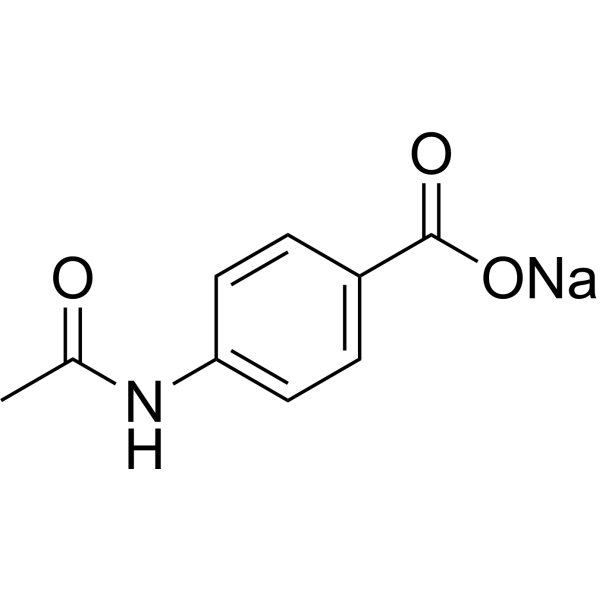
    Acedoben sodium is the sodium salt form of Acedoben. Acedoben and iron ions can construct a rapidly self-assembled coordination complex, and the Fe-Ace coordination complex can not only serve as a carrier of tumor antigens, but also enhance antigen-specific anti-tumor immunity due to its inherent adjuvant properties .
    Acedoben sodium
  • HY-P991395

    Tim3 Cancer
    TQB2618 is a human IgG4 monoclonal antibody (mAb) targeting TIM-3/HAVCR2/CD366. TQB2618 activates immune cell function and induces significant anti-tumor activity when used in combination with anti-PD-1 agents .
    TQB2618
  • HY-160940

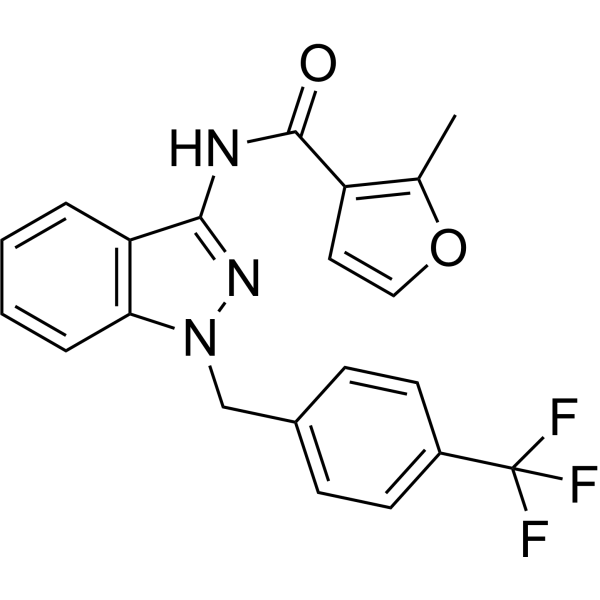
    MAP4K Cancer
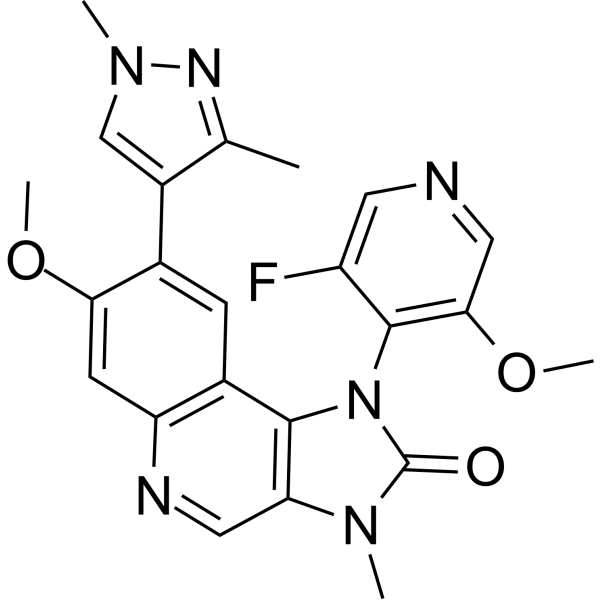
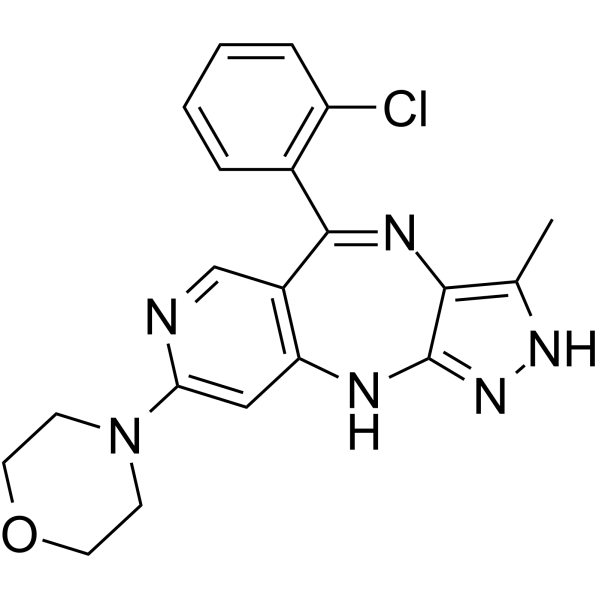
    HPK1-IN-46 (Compound 36) is an efficient and highly selective HPK1 reverse indazole inhibitor with an IC50 value of 1.1 nM. HPK1-IN-46 exhibits high selectivity for CDK2, JAK1, and JAK2. HPK1-IN-46 inhibits SLP76 phosphorylation mediated by HPK1, reverses T-cell inhibition, and enhances anti-tumor immunity. HPK1-IN-46 can be used in immunotherapy research for tumors .
    HPK1-IN-46

온라인 문의

Your information is safe with us. * Required Fields.

호칭


Country or Region *

고객명 *


회사명 *

Department *


메일주소 *


상품명 *

Cat. No.


Requested quantity *

전화번호 *


비고

온라인 문의

Inquiry Information

상품명:
Cat. No.:
수량:
MCE Japan Authorized Agent: