Search Result
Results for "
antiviral+agent
" in MedChemExpress (MCE) Product Catalog:
4
Biochemical Assay Reagents
26
Isotope-Labeled Compounds
| Cat. No. |
Product Name |
Target |
Research Areas |
Chemical Structure |
-
- HY-17427
-
-
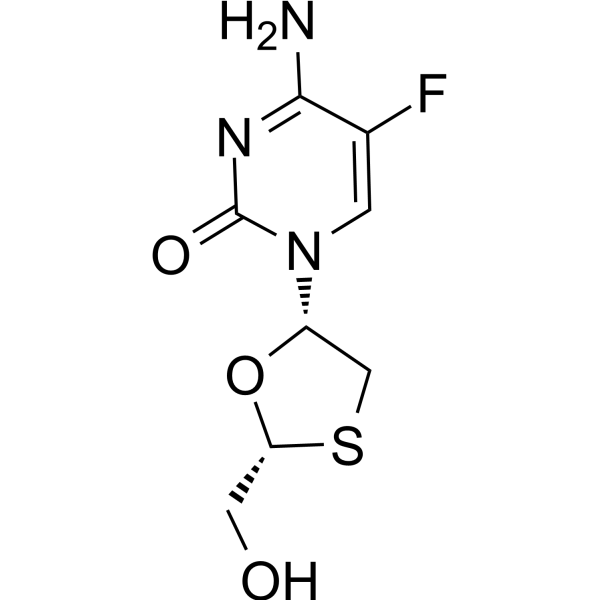
-
- HY-I0660
-
-
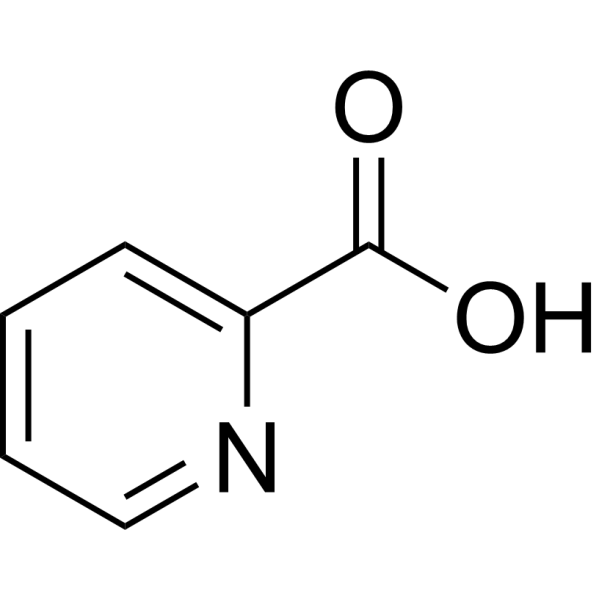
-
- HY-146344
-
|
|
DNA/RNA Synthesis
|
Infection
|
|
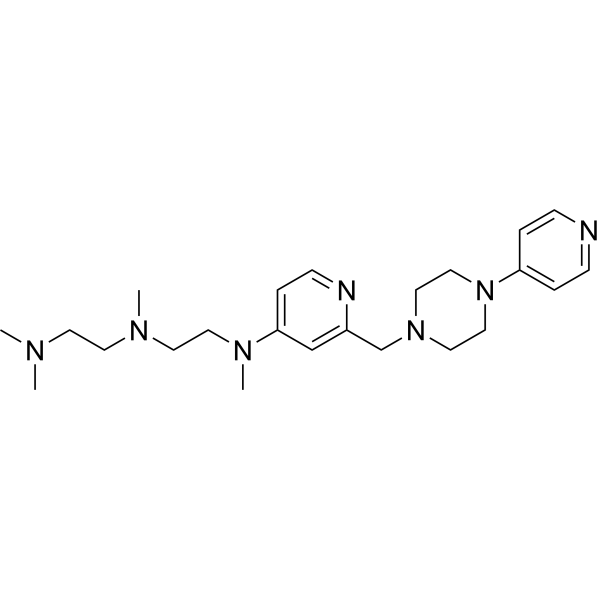
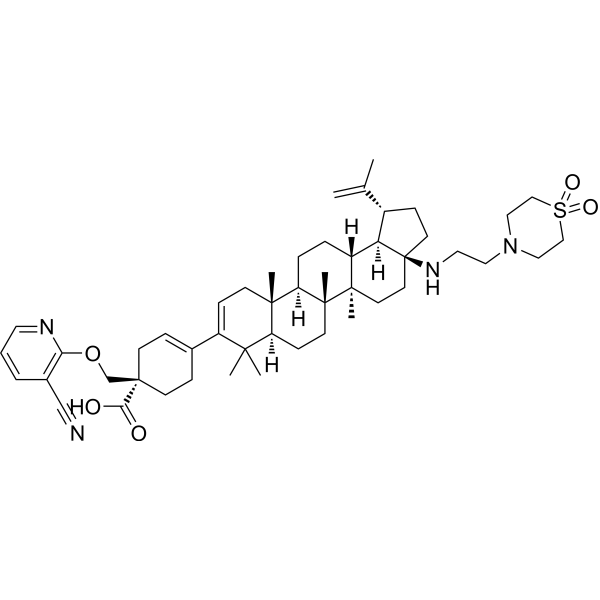
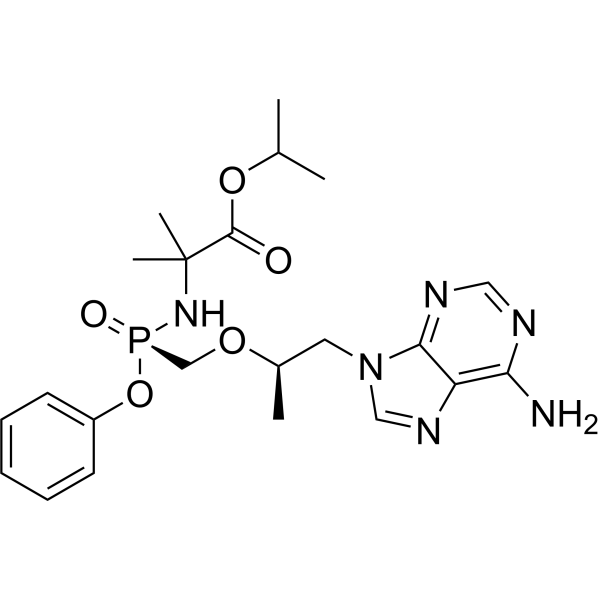
Antiviral agent 17 is an anti-infection agent. Antiviral agent 17 retains its antiviral effect in a human replicon assay (EC50 = 0.015 μM). Antiviral agent 17 results in good antiviral activity against murine norovirus with an EC50 of 7 nM. . Antiviral agent 17 has the potential for the research of infectious and malignant diseases .
|
-
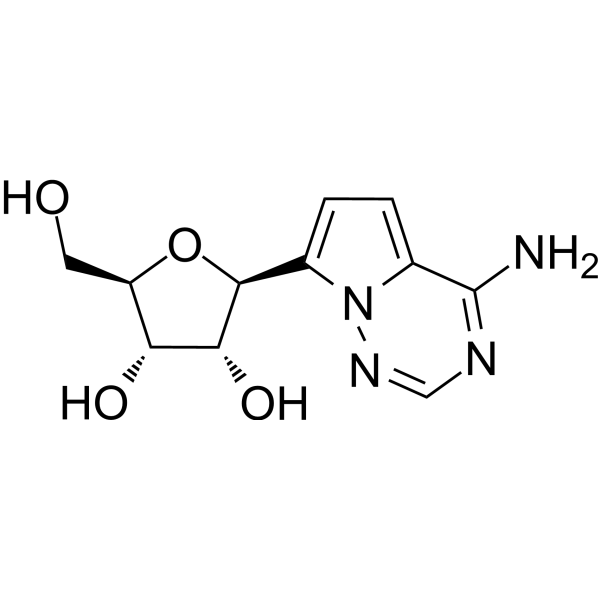
-
- HY-N6666
-
|
|
HSV
Antibiotic
|
Infection
|
|
Vidarabine monohydrate is an adenine arabinoside. Vidarabine monohydrate an antiviral agent which is active against herpes simplex viruses (HSV) and varicella zoster viruses .
|
-
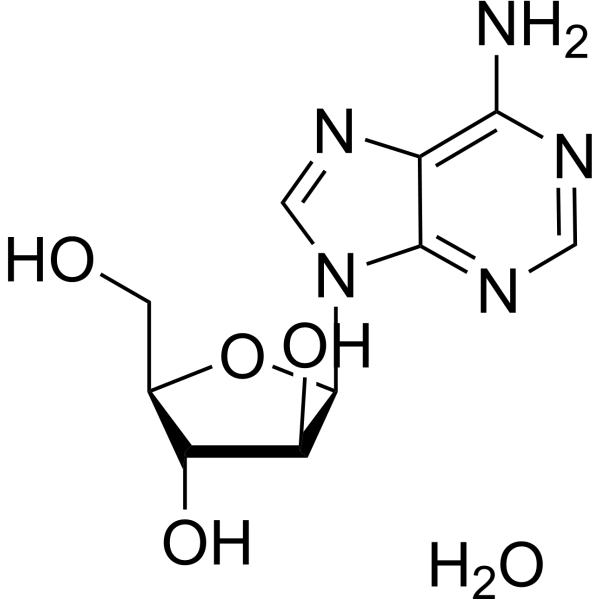
-
- HY-164122
-
|
|
HIV
|
Infection
|
|
Antiviral agent 56 (Compound 4) is an antiviral agent that has anti-HIV activity .
|
-

-
- HY-W269306
-
-

-
- HY-W018667
-
-

-
- HY-103487
-
|
IDX21437; MK-3682
|
HCV
|
Infection
|
|
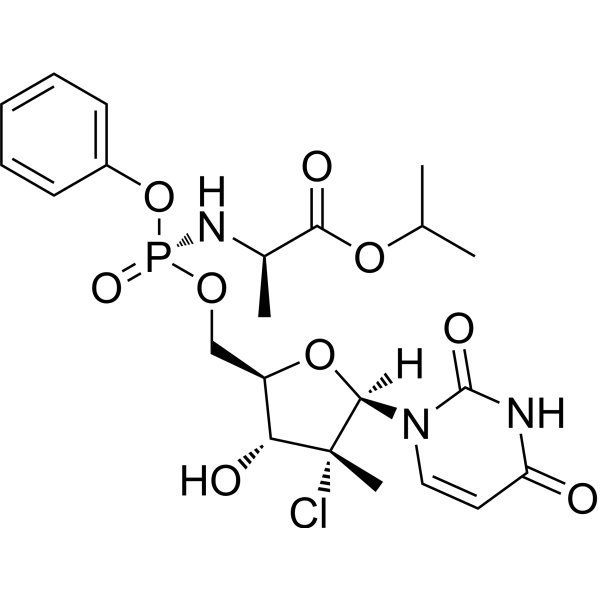
Uprifosbuvir is an antiviral agent. Uprifosbuvir is a NS5b inhibitor developed for the research of chronic hepatitis C virus .
|
-
-
- HY-147269
-
|
ATI-2173
|
HBV
|
Infection
|
|
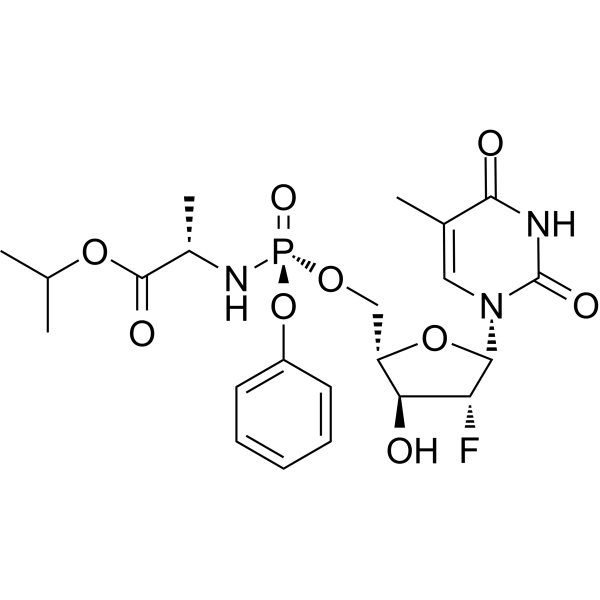
Fosclevudine alafenamide (Compound EIDD-02173) is an antiviral agent with an EC50 of 1.71 μM against HBV .
|
-
-
- HY-13318A
-
|
GS 4071 hydrochloride; Ro 64-0802 hydrochloride; Oseltamivir carboxylate hydrochloride
|
Drug Metabolite
|
Infection
|
|
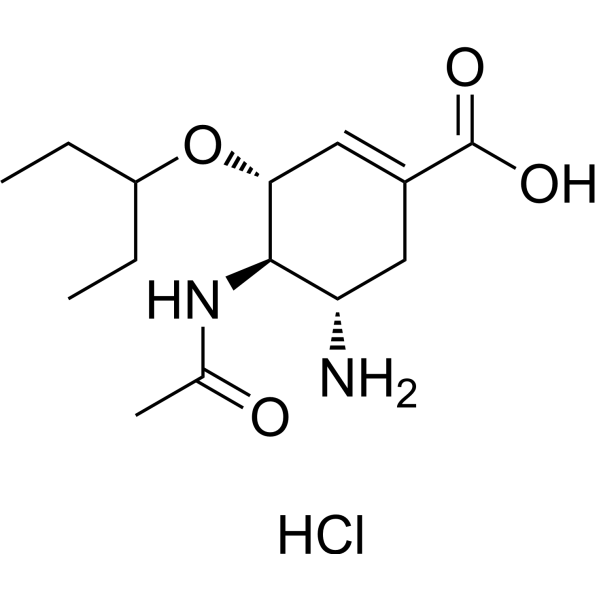
Oseltamivir acid hydrochloride is an active metabolite of the antiviral agent Oseltamivir (HY-13317) ethylester. Oseltamivir acid hydrochloride belongs to baseline toxicants in toxicity ratio analysis .
|
-
-
- HY-41344
-
|
|
Antibiotic
|
Infection
|
|
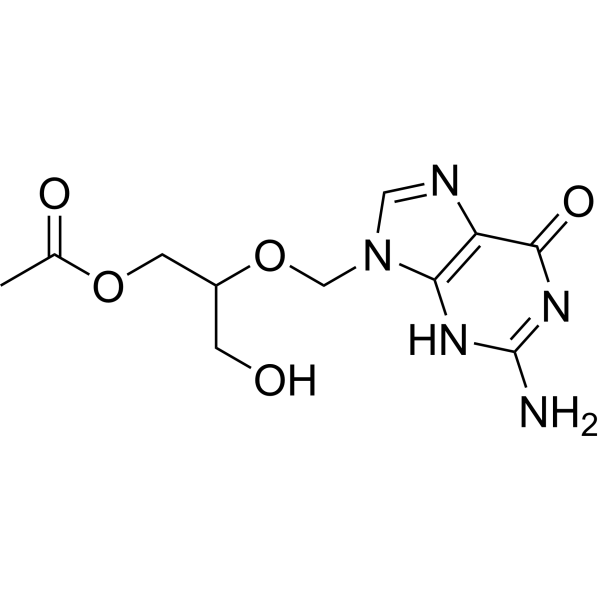
Ganciclovir mono-O-acetate is a derivative of Ganciclovir. Ganciclovir, a nucleoside analogue, is an orally active antiviral agent with activity against CMV .
|
-
-
- HY-121513
-
|
2'-Deoxy-L-cytidine; L-dC
|
HBV
|
Infection
|
|
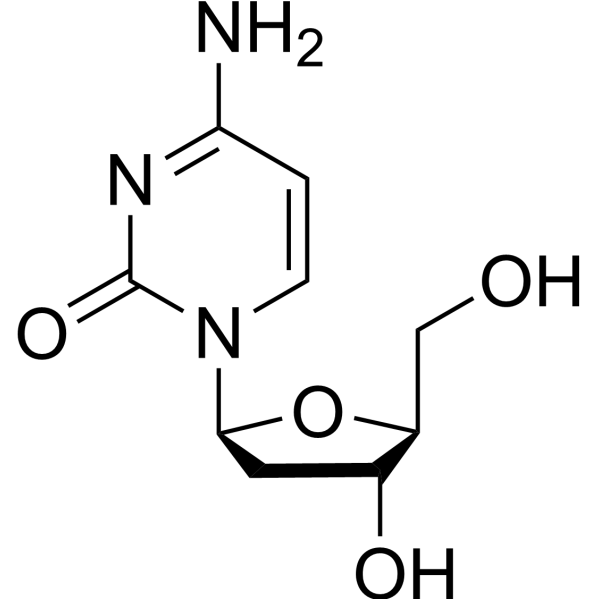
Torcitabine (2'-Deoxy-L-cytidine) is an antiviral agent. Torcitabine has the potential for chronic hepatitis B virus infection treatment .
|
-
-
- HY-129972
-
|
RMP dilithium
|
Nucleoside Antimetabolite/Analog
|
Others
|
|
Ribavirin 5'-monophosphate dilithium is an active form of ribavirin that inhibits IMP dehydrogenase, and ribavirin itself is a broad-spectrum antiviral agent .
|
-

-
- HY-151924
-
|
|
Enterovirus
|
Infection
|
|
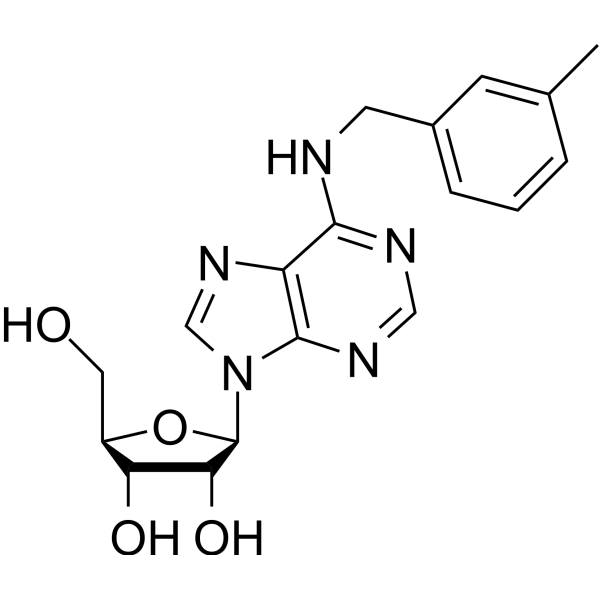
Antiviral agent 23 (compound 11b) is an antiviral agent to enterovirus 71 (EV71) with an EC50 value of 94 nM. Antiviral agent 23 effectively suppresses the activity of METTL3/METTL14. Antiviral agent 23 can be used for the research of infection .
|
-
-
- HY-179691
-
|
|
Filovirus
|
Infection
|
|
Antiviral agent 75 (example D26) is a Ebolavirus (EBOV) and Bundibugyo ebolavirus (BDBV) inhibitor with IC50s of 0.11 μM and 0.75 μM, respectively. Antiviral agent 75 can be used for the study of filovirus infection .
|
-

-
- HY-144623
-
|
|
SARS-CoV
|
Infection
|
|
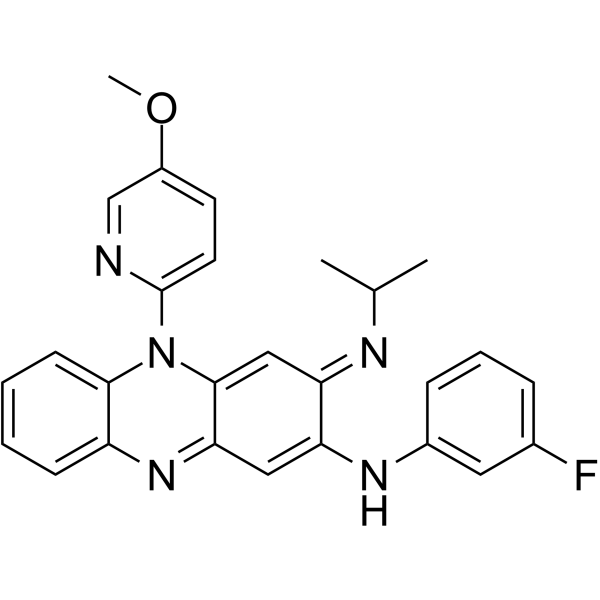
Antiviral agent 15 (Compound 15f) is a Clofazimine derivative with antiviral effects. Antiviral agent 15 inhibits both rabies virus and pseudo-typed SARS-CoV-2 with EC50 values of 1.45 μM and 14.6 μM, respectively .
|
-
-
- HY-41343
-
|
|
CMV
|
Infection
|
|
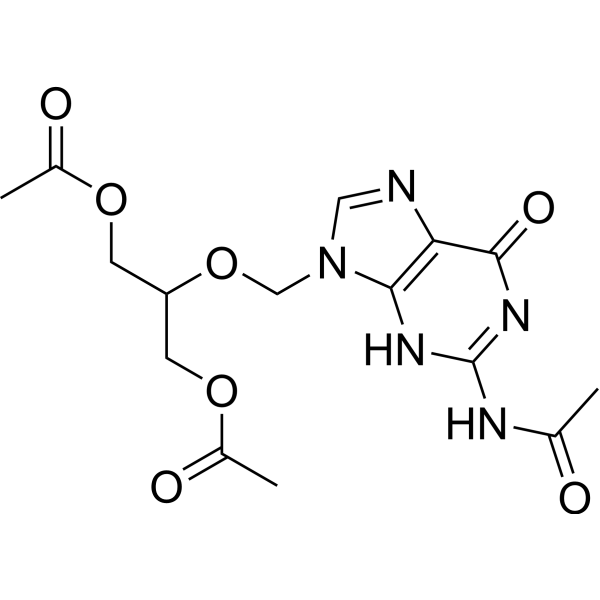
Triacetyl-ganciclovir is a Ganciclovir derivative. Ganciclovir is an orally active antiviral agent with activity against cytomegalovirus (CMV) .
|
-
-
- HY-137181
-
|
|
HSV
|
Infection
|
|
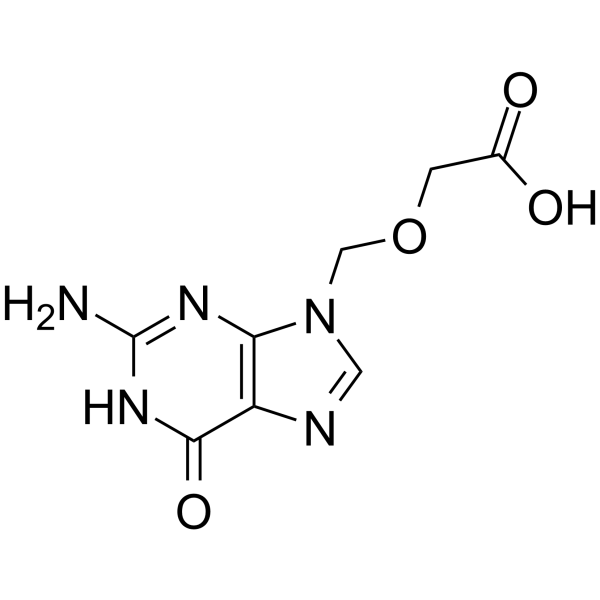
9-Carboxymethoxymethylguanine is the main metabolite of Aciclovir. Acyclovir (Aciclovir) is a guanosine analogue and an orally active antiviral agent .
|
-
-
- HY-100272
-
|
|
HSV
CMV
|
Infection
Cancer
|
|
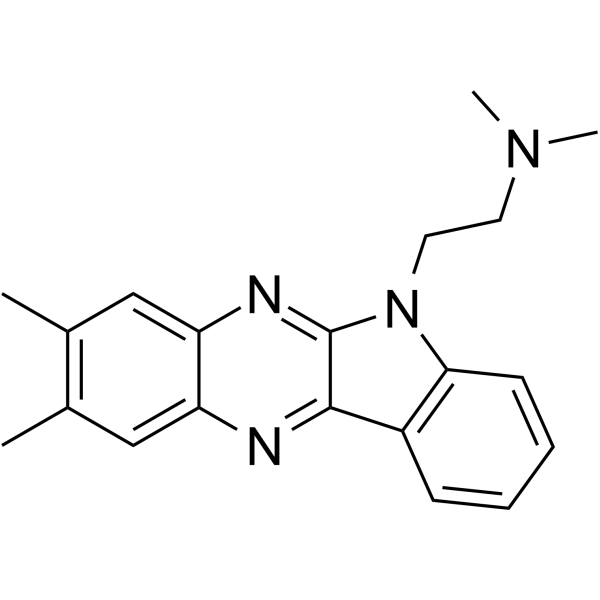
B220 is an antiviral agent which can inhibit the growth of HSV-1, HSV-2 and human cytomegalovirus (CMV).
|
-
-
- HY-157454
-
|
|
Hepatitis E Virus (HEV)
|
Infection
|
|
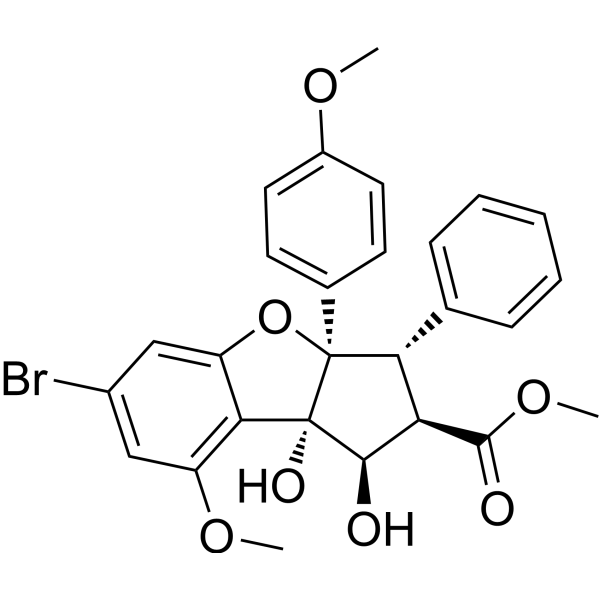
Antiviral agent 48 (compound 9m) is a pan-antiviral agent. Antiviral agent 48 has anti-HEV activity and cytotoxicity (EC90=30.6 nM; CC50=13.8 nM) .
|
-
-
- HY-151926
-
|
|
Enterovirus
|
Infection
|
|
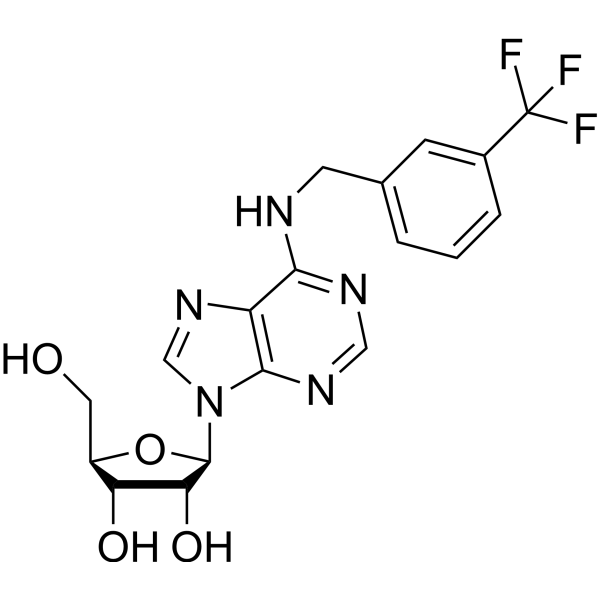
Antiviral agent 24 is a potent antiviral agent with EC50 values of 0.101, 19.9, 91.2 µM for EV71, CVA21, EV68, respectively. Antiviral agent 24 inhibits METTL3/METTL14 activity in a dose-dependent manner .
|
-
-
- HY-146418
-
|
|
Flavivirus
|
Infection
|
|
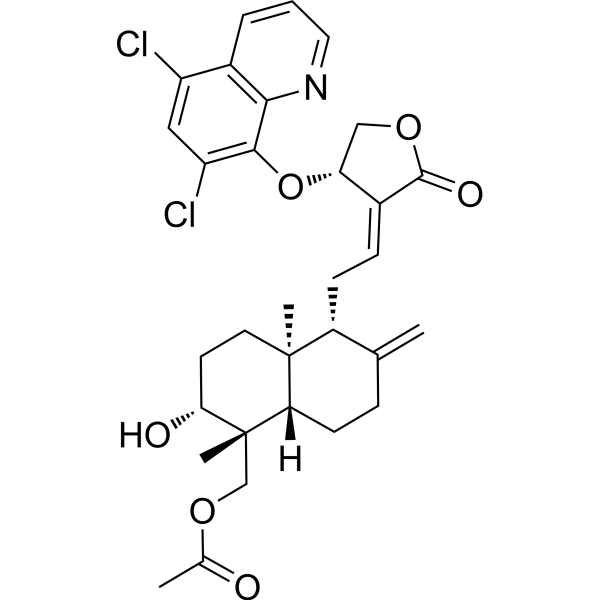
Antiviral agent 20 (Compound 17b) is a selective inhibitor against Zika virus infection with an EC50 of 4.5 µM. Antiviral agent 20 has low cytotoxicity .
|
-
-
- HY-N15215
-
|
|
Enterovirus
Influenza Virus
RSV
HSV
|
Infection
Cancer
|
|
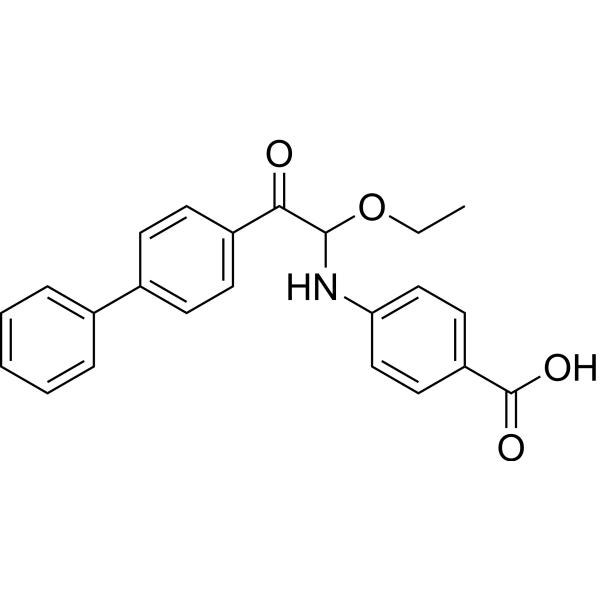
Antiviral agent 64 (Compound 12) is a diarylheptanoid that can be isolated from Alpinia officinarum. Antiviral agent 64 exhibits cytotoxicity in human neuroblastoma cell IMR-32 with an IC50 of 0.23 μM. Antiviral agent 64 exhibits antiviral efficacy, that inhibits RSV, poliovirus, measles virus, HSV-1, and influenza virus H1N1, with EC50 of 13.3, 3.7, 6.3, 5.7, and <10 μg/mL, respectively .
|
-

-
- HY-100268
-
-
-
- HY-137362
-
|
|
Drug Intermediate
|
Infection
|
|
N2-Acetyl acyclovir is an Acyclovir prodrug. Acyclovir (Aciclovir) is a potent, orally active antiviral agent .
|
-

-
- HY-164139
-
|
|
SARS-CoV
|
Infection
|
|
Antiviral agent 57 (compound 81) is an antiviral agent.Antiviral agent 57 shows > 60% inhibition aganist ANO6 at the 50 nM .
|
-

-
- HY-153758
-
|
|
HCV
RSV
|
Infection
|
|
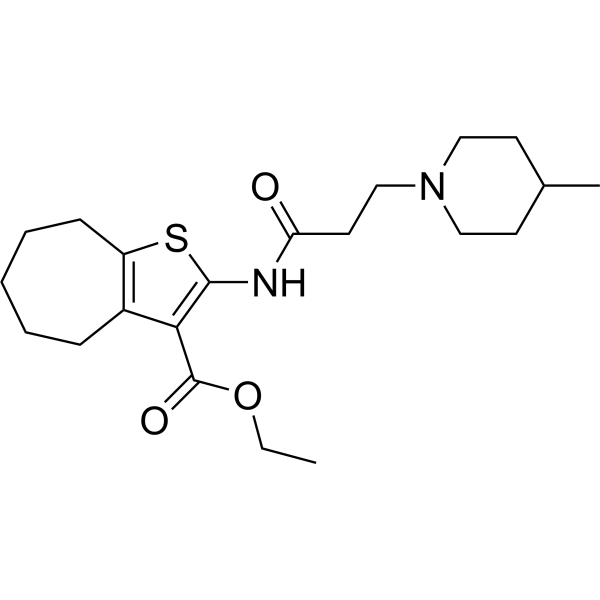
Antiviral agent 30 (Example 118) is an antiviral agent. Antiviral agent 30 is active against HCV and RSV (IC50: > 25μM) .
|
-
-
- HY-149468
-
|
|
HBV
|
Infection
|
|
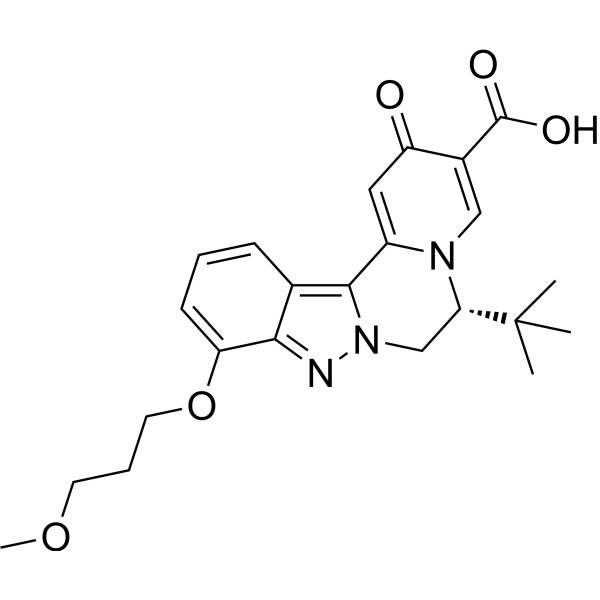
Antiviral agent 38 (compound 2.1-1) is a potent antiviral agent. Antiviral agent 38 can be used for hepatitis B virus (HBV) research .
|
-
-
- HY-161454
-
|
|
Virus Protease
Influenza Virus
SARS-CoV
|
Infection
|
|
Antiviral agent 54 (compound 33) is a broad-spectrum and orally active antiviral agent. Antiviral agent 54 shows antiviral activity for ZIKV, HCoV-OC43 and influenza A virus (IVA). Antiviral agent 54 decreases the ZIKV RNA and protein level .
|
-
-
- HY-175796
-
|
|
Influenza Virus
|
Infection
|
|
Antiviral agent 70 (Compound 12b) is an antiviral agent. Antiviral agent 70 has a superior binding capacity to to NeuraminidaseAntiviral agent 70 has potent antiviral activity against influenza A/H1N1 virus with an IC50 of 2.9 μM. Antiviral agent 70 can be used for influenza virus infections research .
|
-

-
- HY-161047
-
|
|
HIV
|
Infection
|
|
Antiviral agent 45 (compound 9a) is an antiviral agent. Antiviral agent 45 inhibits HIV-1 andHIV-2 with IC50s of 35 and 3.1 nM, respectively .
|
-
-
- HY-146345
-
|
|
Antibiotic
|
Infection
|
|
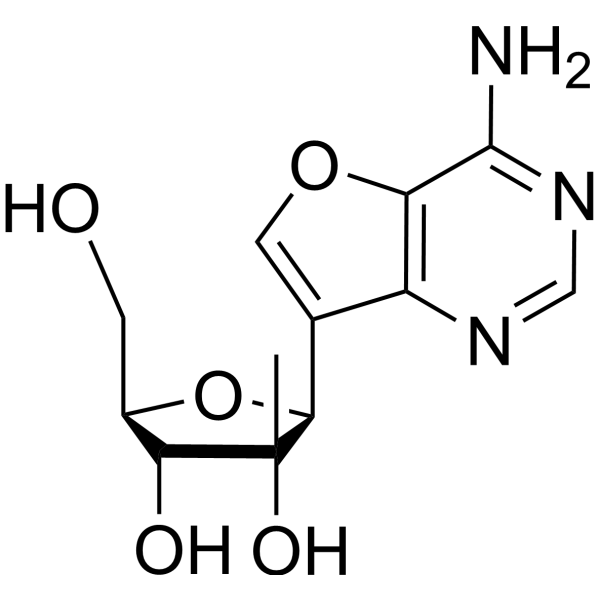
Antiviral agent 18 (Compound 5) is an anti-infection agent. Antiviral agent 18 results in good antiviral activity against murine norovirus. Antiviral agent 18 has the potential for the research of infectious and malignant diseases .
|
-
-
- HY-157291
-
|
|
HCV
|
Infection
|
|
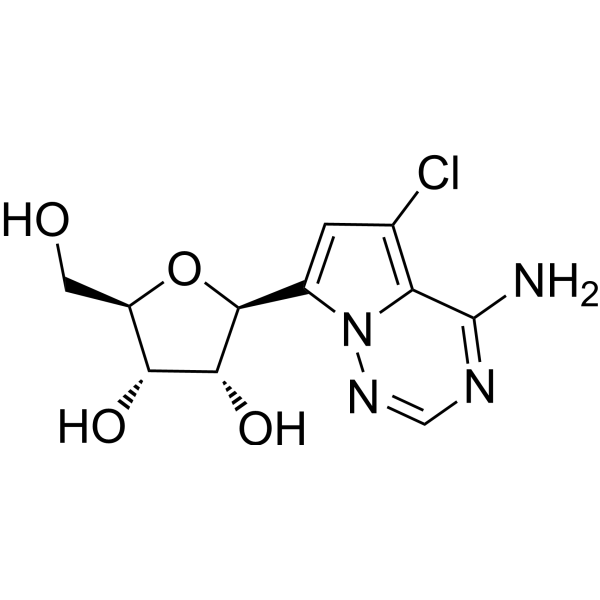
Antiviral agent 44 (compound 7b) is an antiviral agent that has anti-HCV activity in vitro .
|
-
-
- HY-155110
-
|
|
DNA/RNA Synthesis
Influenza Virus
|
Infection
|
|
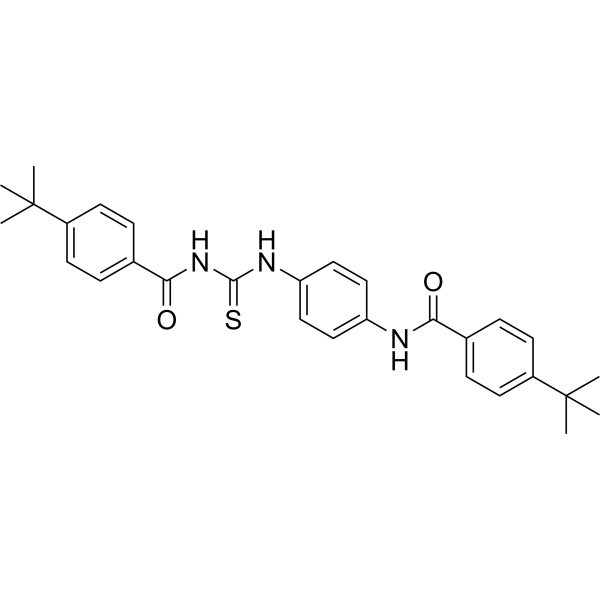
Antiviral agent 34 is a potent and orally active antiviral agent against influenza A and B subtypes with an EC50 value of 0.8 nM for H1N1 proliferation. Antiviral agent 34 derivatives inhibited influenza virus proliferation by targeting influenza virus RNA-dependent RNA polymerase. Antiviral agent 34 can be used for influenza virus research .
|
-
-
- HY-115848
-
|
|
Filovirus
|
Infection
|
|
Antiviral agent 12 is a antiviral compound. Antiviral agent 12 inhibits Ebola virus entry into host cells by binding to surface glycoprotein, EC50 is 3.9 μM. Antiviral agent 12 can be used in the study of Ebola virus .
|
-

-
- HY-146344R
-
|
|
Reference Standards
DNA/RNA Synthesis
|
Infection
|
|
Antiviral agent 17 (Standard) is the analytical standard of Antiviral agent 17 (HY-146344). This product is intended for research and analytical applications. Antiviral agent 17 is an anti-infection agent. Antiviral agent 17 retains its antiviral effect in a human replicon assay (EC50 = 0.015 μM). Antiviral agent 17 results in good antiviral activity against murine norovirus with an EC50 of 7 nM. . Antiviral agent 17 has the potential for the research of infectious and malignant diseases .
|
-

-
- HY-145324
-
|
|
TMV
|
Infection
|
|
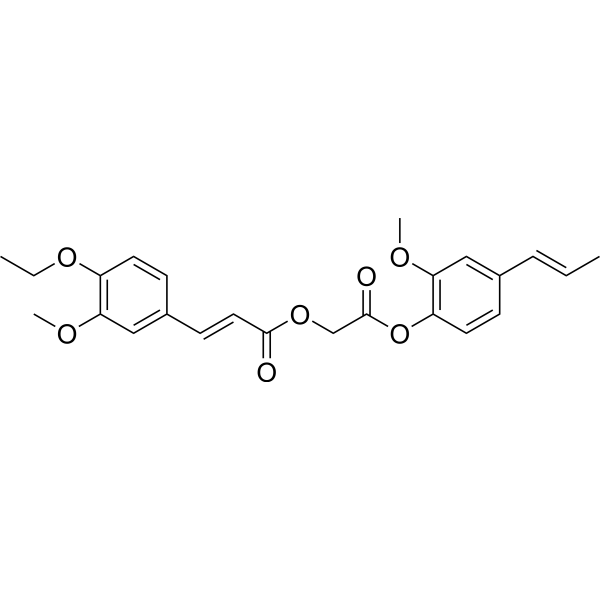
Antiviral agent 14 is an antiviral agent against the tobacco mosaic virus (TMV) and cucumber mosaic virus (CMV). The EC50 values of Antiviral agent 14 against TMV and CMV with EC50 values of 135.5 μg/mL and 178.6 μg/mL, respectively .
|
-
-
- HY-139683
-
|
|
SARS-CoV
|
Infection
|
|
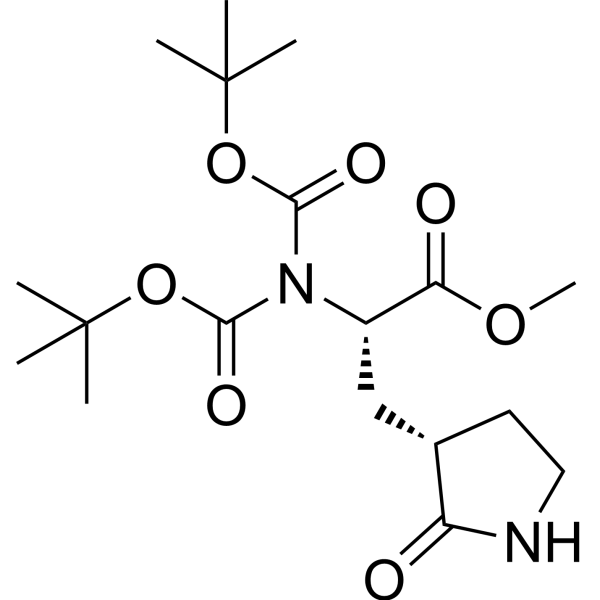
Antiviral agent 5 is an intermediate used in antiviral agents targeting 3C and 3CL proteases including SARS-CoV-2 M pro.
|
-
-
- HY-N15217
-
|
|
Influenza Virus
|
Infection
|
|
Antiviral agent 65 (compound 9) is an antiviral agent that targets influenza H1N1 virus (EC50=7 μg/mL) .
|
-

-
- HY-161956
-
|
|
Filovirus
|
Infection
|
|
Antiviral agent 59 (compound 58) is an antiviral agent with selective and drug-like properties that inhibits a broad spectrum of filoviruses. Antiviral agent 59 exhibits low off-target activity and inhibition against replication-competent Ebola virus (EBOV), Sudan virus (SUDV), and Marburg virus (MARV/b>) .
|
-

-
- HY-161264
-
|
|
Bacterial
|
Infection
|
|
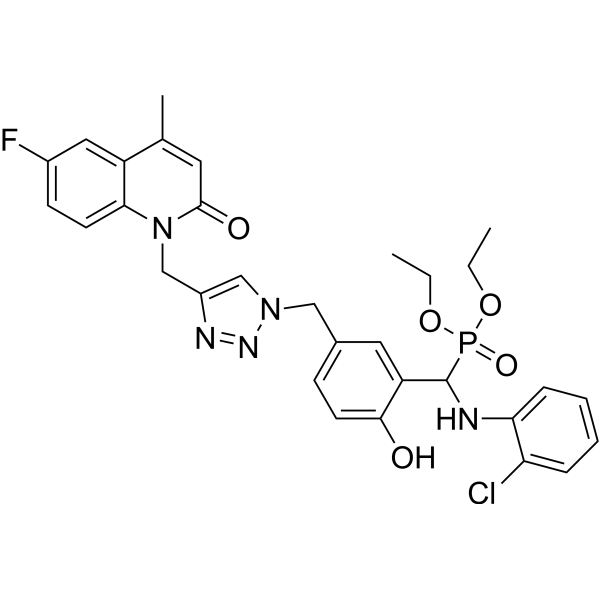
Antiviral agent 49 (compound 4q) is dual antiviral and antibacterial agent. Antiviral agent 49 shows anti-enterococcus activity and anti-staphylococcal activity .
|
-
-
- HY-169291
-
|
|
HIV
|
Infection
|
|
Antiviral agent 62 (Compound 16 h) is an orally active antiviral agent that inhibits the activity of HIV with an IC50 value of 8 nM against HIV (MJ4) .
|
-

-
- HY-162069
-
|
|
HSV
|
Infection
|
|
Antiviral agent 47 (Compound 26) is an antiviral agent, which inhibits HSV-1 with ID50 of 16 μM, through suppression of herpes virus replication .
|
-

-
- HY-N12362
-
|
|
Influenza Virus
|
Infection
|
|
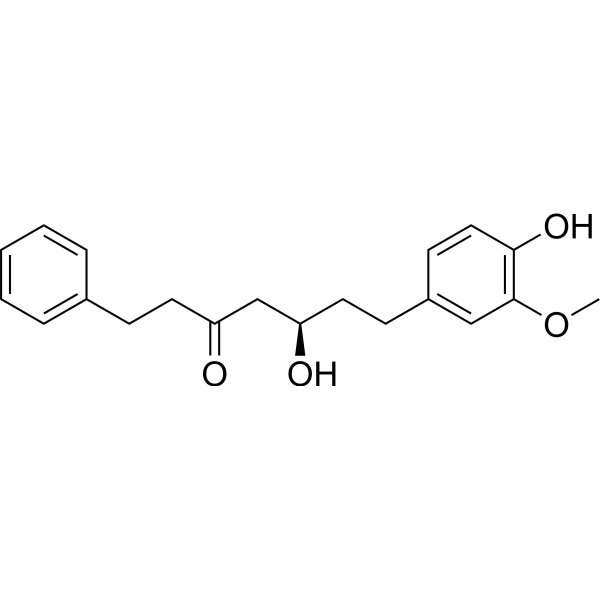
Antiviral agent 41 (compound 5) is a diarylheptanoid isolated from Alpinia officinarum. Antiviral agent 41 exhibits potential antiviral activity against influenza virus in vitro .
|
-
-
- HY-146417
-
|
|
Flavivirus
|
Infection
|
|
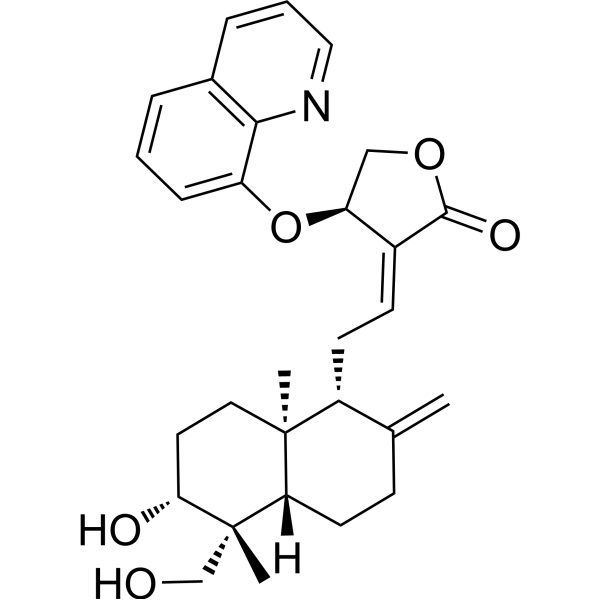
Antiviral agent 19 (Compound 3) is a selective inhibitor against Zika virus infection with an EC50 of 1.3 µM. Antiviral agent 19 has low cytotoxicity .
|
-
-
- HY-169281
-
|
|
COX
|
Infection
|
|
Antiviral agent 61 (compound Z40) is a potent antiviral agent. Antiviral agent 61 shows anti tomato spotted wilt virus (TSWV) activity with an EC50 value of 252 μg/mL. Antiviral agent 61 increases the RNA expression of Ndufb9,COX6B,7.1.2.2,E,COX5B,Ndufs4,and SDHB,decreases the RNA expression of Ndufb7,Ndufa5,and G .
|
-

-
- HY-169746
-
|
|
DNA/RNA Synthesis
HCV
|
Infection
|
|
Antiviral agent 63 is a nucleoside analog with anti-HCV activity. Antiviral agent 63 can inhibit viral replication by inhibiting the activity of HCV RNA-dependent RNA polymerase or other virus-related enzymes .
|
-

-
- HY-175740
-
|
|
Enterovirus
|
Infection
|
|
Antiviral agent 71 (Compound 26) is an antiviral agent. Antiviral agent 71 has a broad-spectrum enterovirus antiviral activity, such as EV-D68, Echo-11 and HRV-14 with EC50s of 0.017-4.1 μM. EV-D68-IN-1 can be used for non-polio enteroviruses (NPEV) infections research .
|
-

-
- HY-W292927
-
|
|
DNA/RNA Synthesis
|
Infection
|
|
(E)-Antiviral agent 67 (compound PC6) is a pyrazolone-based antiviral agent with certain inhibitory activity against RNA-dependent RNA polymerase .
|
-

-
- HY-N15618
-
|
|
Influenza Virus
|
Infection
|
|
Antiviral agent 68 (Compound 3) is a diarylheptanoid that can be isolated from Alpinia katsumadai. Antiviral agent 68 has weak inhibitory activity against the neuraminidase of influenza virus A/PR/8/34, with an IC50 of 29.75 μM .
|
-

- HY-149900
-
|
|
Biochemical Assay Reagents
|
Infection
|
|
Antiviral agent 33 (compound 1c) is a double-stranded DNA (dsDNA) virus inhibitor with IC50 values of 0.0790 and 0.1572 µM for VACV and AdV5, respectively. Antiviral agent 33 also has potential for oral administration .
|
-
- HY-132916
-
|
|
SARS-CoV
|
Infection
|
|
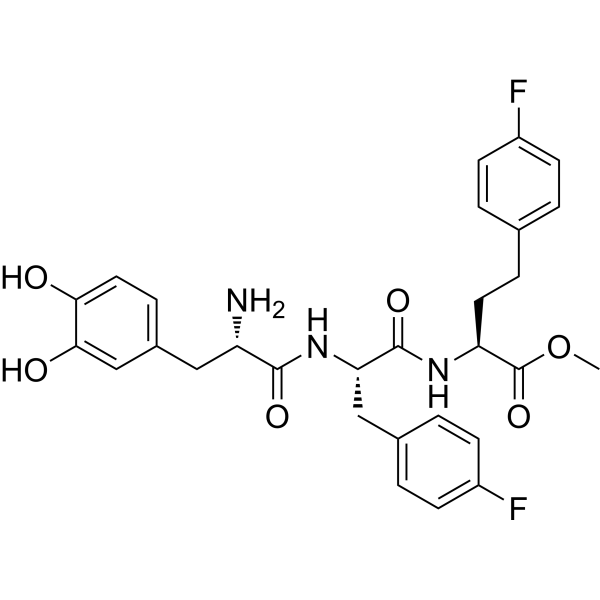
Antiviral agent 7 is a peptide-based coating that can kill viruses.
|
-
- HY-147700
-
-
- HY-113860
-
|
|
HCV
|
Infection
|
|
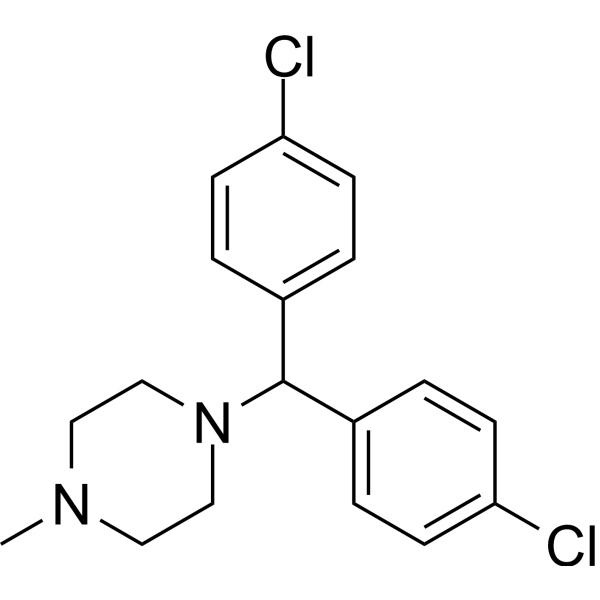
Antiviral agent 52 (Compound 30) is a Chlorcyclizine (HY-112067) derivative that exhibits antiviral activity against hepatitic C virus (HCV) with an EC50 of 17 nM. Antiviral agent 52 reveals cytotoxicity in cell Huh7.5.1 with CC50 of 21.3 μM .
|
-
- HY-152589
-
|
|
SARS-CoV
|
Infection
|
|
Antiviral agent 25 (compound 6g) is a new non-peptide analog covalent inhibitor of SARS-CoV-2 3CL pro. Antiviral agent 25 has a strong inhibitory effect on SARS-CoV-2 3CL pro and SARS-CoV-2 PL pro with IC50 values of 0.118 µM, 0.448 µM, respectively. Antiviral agent 25 has antiviral effect on SARS-CoV-2 with an EC50 value of 7.249 µM .
|
-
- HY-155129
-
|
|
DNA/RNA Synthesis
|
Infection
|
|
Antiviral agent 36 (compound 27) is a potent dengue (DENV) and Zika (ZIKV) viruses inhibitor. Antiviral agent 36 inhibits replication of Zika and dengue virus with EC50s of 100 nM, 90 nM, 210 nM, and 120 nM for ZIKV-FLR, ZIKV-HN16, DENV-2, and DENV-3, respectively .
|
-
- HY-142009
-
|
|
RSV
|
Infection
|
|
Antiviral agent 10 is an anti-viral agent that can inhibit respiratory syncytial virus (RSV) .
|
-
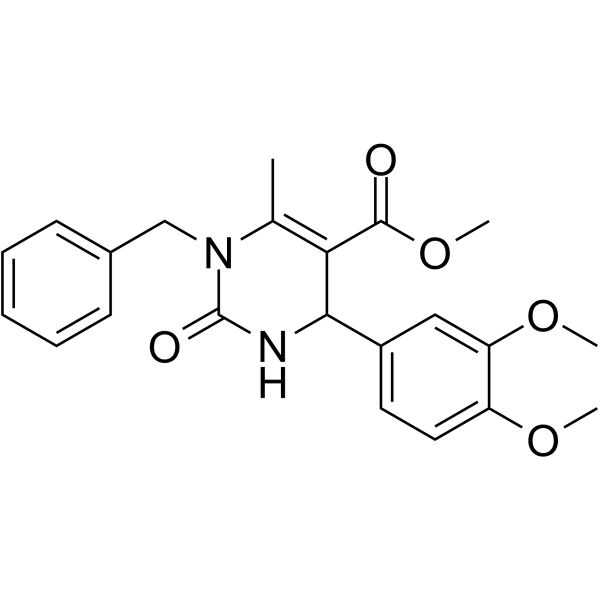
- HY-132911
-
|
|
Others
|
Infection
|
|
Antiviral agent 6 shows excellent anti-TSWV activity in vivo, and the EC50 value is 188 mg/L.
|
-
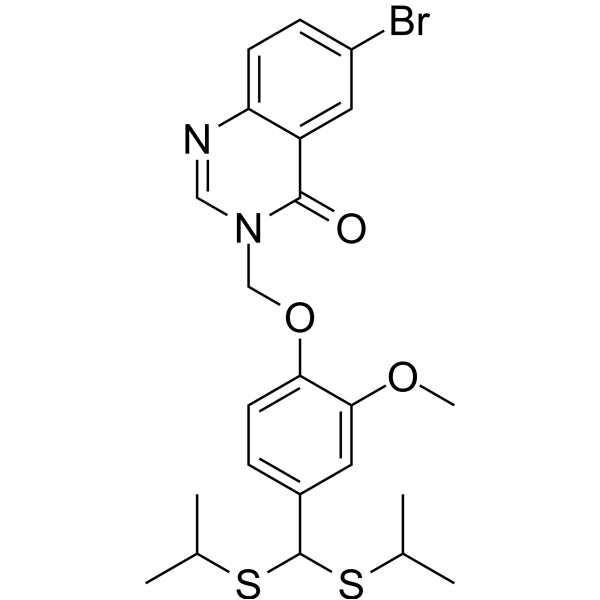
- HY-149217
-
|
|
Filovirus
|
Infection
|
|
Antiviral agent 27 (Compound 12) has notable activity against the Ebola virus (EC50: 14 nM) .
|
-
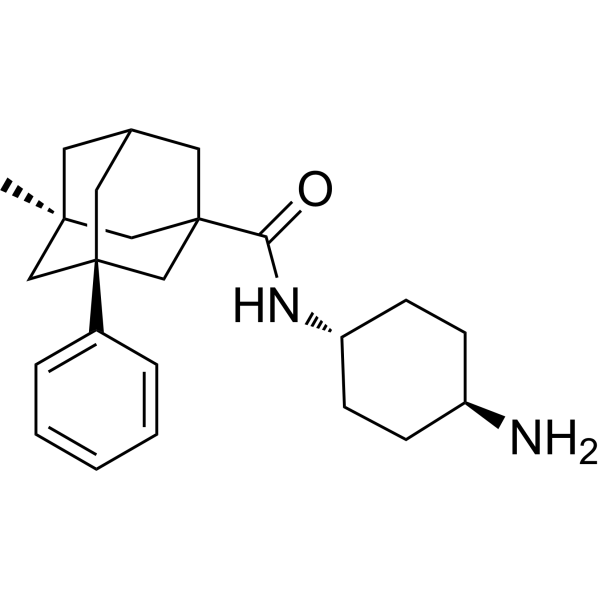
- HY-155731
-
|
|
Influenza Virus
|
Infection
|
|
Antiviral agent 35 (compound 4d) is an orally active and potent influenza virus inhibitor, acting function in the early stage of virus replication. Antiviral agent 35 inhibits ROS accumulation, autophagy and apoptosis induced by influenza virus, and also inhibits inflammatory response mediated by RIG-1 pathway in mouse model with pulmonary infection. Antiviral agent 35 shows little cytotoxicity with CC50 >800 μM in MDCK cells, and anti-H1N1 (A/Weiss/43) activity with EC50 of 2.28 μM .
|
-
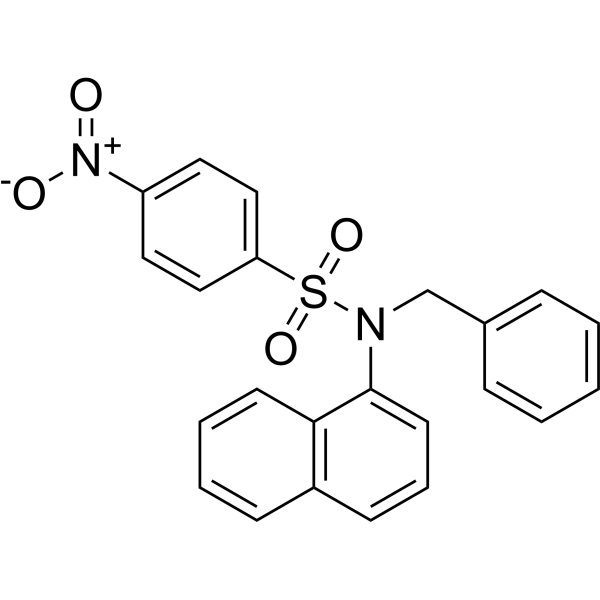
- HY-157249
-
|
|
Influenza Virus
|
Infection
|
|
Antiviral agent 43 (compound 16) is a potent and orally active influenza A viruses entry inhibitor. Antiviral agent 43 inhibits replications of influenza A strains VH04-H5N1 and PR8-H1N1 with EC50s of 240 nM and 72 nM, respectively .
|
-
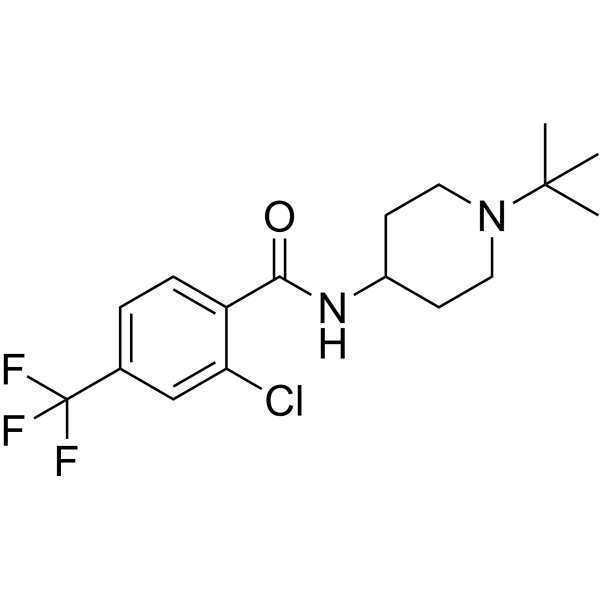
- HY-P11546
-
|
|
HCV
|
Infection
|
|
Antiviral agent 76 is an antiviral peptide containing azide groups, which has anti-hepatitis C virus (HCV) activity .
|
-

- HY-165430
-
|
|
DNA/RNA Synthesis
|
Infection
|
|
Antiviral agent 67 (compound PC6) is an inhibitor of DENV NS5 (RNA-dependent RNA polymerase) with a Ki value of 1.12 nM
|
-

- HY-158258
-
|
|
HIV
|
Infection
|
|
Antiviral agent 55 (Compound 107) is an inhibitor for human immunodeficiency virus 1 and 2 (HIV 1 and HIV 2), and exhibits antiviral activity .
|
-

- HY-162701
-
|
|
SARS-CoV
Influenza Virus
RSV
HSV
|
Infection
|
|
Antiviral agent 58 (Compound J1) is an orally active antiviral agent with broad-spectrum antiviral activity against enveloped viruses, including influenza A virus (IAV), respiratory syncytial virus (RSV), severe acute respiratory syndrome coronavirus 2 (SARS-CoV-2), human coronavirus OC43 (HCoV-OC43), herpes simplex virus type 1 (HSV-1), and HSV-2 .
|
-

- HY-139817
-
|
|
Antibiotic
|
Infection
|
|
Antiviral agent 8 with significantly higher antiviral activities than lead compounds (crocin-1 and crocin-2) emerges as a new antiviral candidate.
|
-
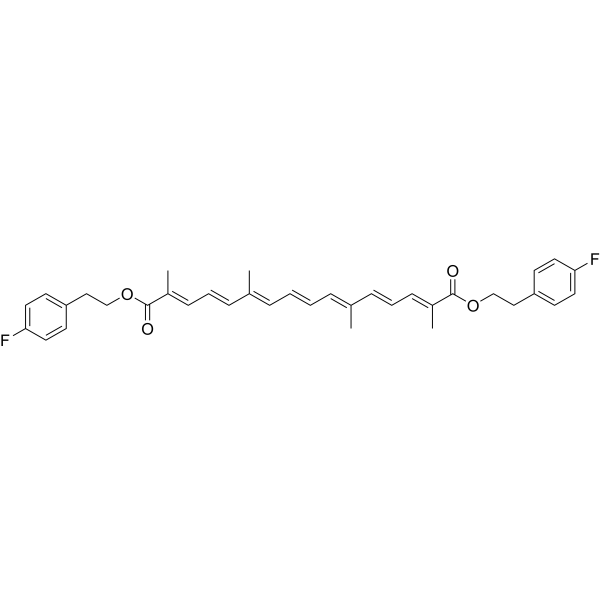
- HY-161070
-
-
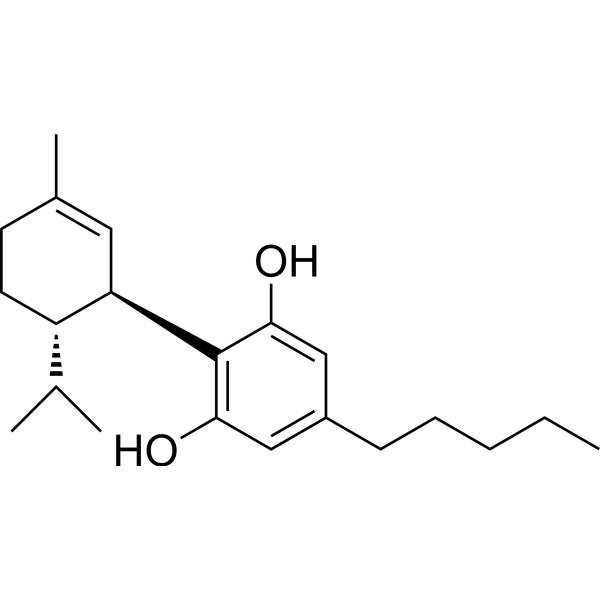
- HY-139845
-
|
|
HIV
|
Infection
|
|
Antiviral agent 9 reaches a single-digit picomolar EC50 value (0.006 nM) against HIV-1 and nearly 300-fold higher selectivity index (SI) compared to tenofovir alafenamide fumarate (TAF).
|
-
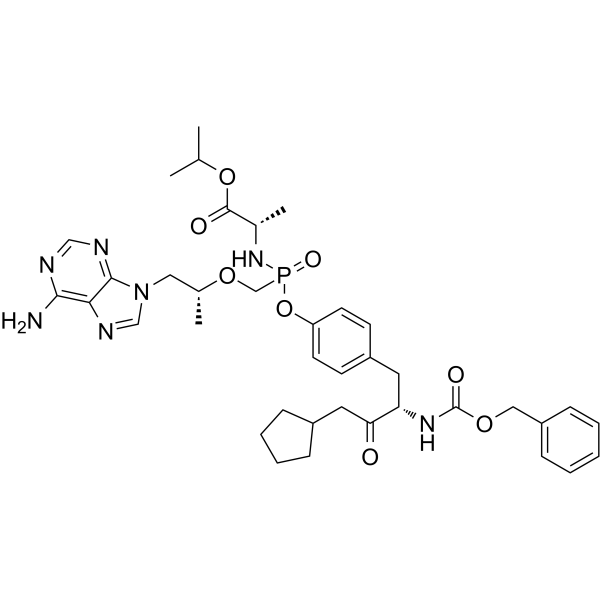
- HY-170493
-
|
|
Filovirus
|
Infection
|
|
Antiviral agent 66 (Compound 60) is the inhibitor for Filovirus, that inhibits pseudotyped virus of Ebola, Marburg, Zaire, Sudan, Bundibugyo, Reston and Tai Forest with EC50s of 0.16, 2.24, 0.16, 0.89, 0.21, 0.21 and 0.11 μM, respectively .
|
-

- HY-106312
-
-

- HY-159522
-
|
Odentegravir
|
Others
|
Infection
|
|
Odentegravirum (Odentegravir) is a antiviral agent .
|
-

- HY-147424
-
-
- HY-108290
-
|
2,4,6-Triiodobenzene-1,3-diol; 2,4,6-Triiodo-1,3-benzenediol
|
Antibiotic
|
Infection
|
|
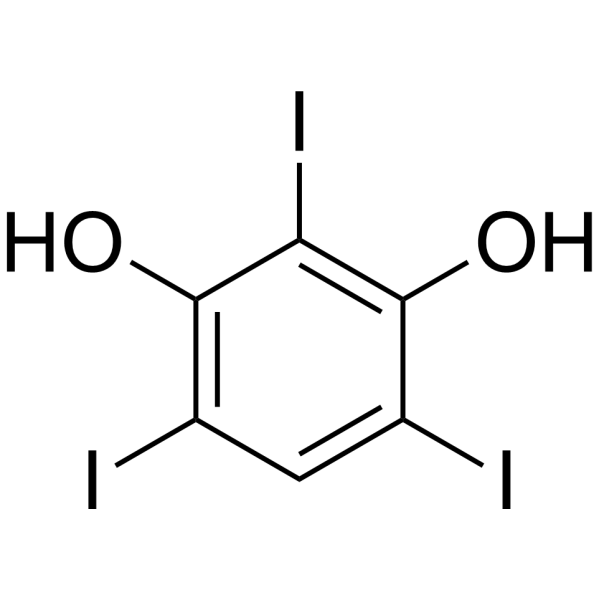
Riodoxol is an antiviral agent. Riodoxol affects multiplication and maturation of the virus .
|
-
- HY-123750
-
-

- HY-156656
-
-
- HY-W167398
-
|
Darvisul
|
Antibiotic
|
Infection
|
|
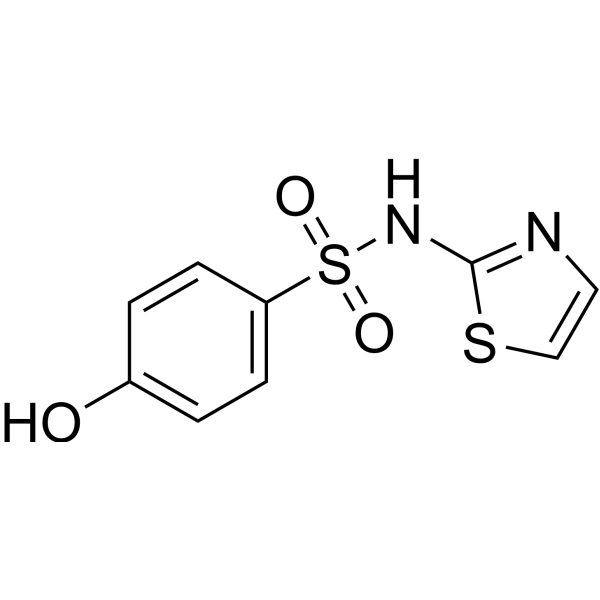
Phenosulfazole is an effective antiviral agent. Phenosulfazole has the potential for the research of poliomyelitis virus .
|
-
- HY-158935
-
-

- HY-W011890A
-
|
|
IFNAR
|
Infection
|
|
Cridanimod sodium is an antiviral agent that induces interferon production in mice. Cridanimod can be utilized in antiviral research .
|
-

- HY-135165
-
|
|
Enterovirus
|
Infection
|
|
Hydrobenzole hydrochloride is an antiviral agent. Hydrobenzole hydrochloride has antiviral activity against ECHO-12 virus .
|
-
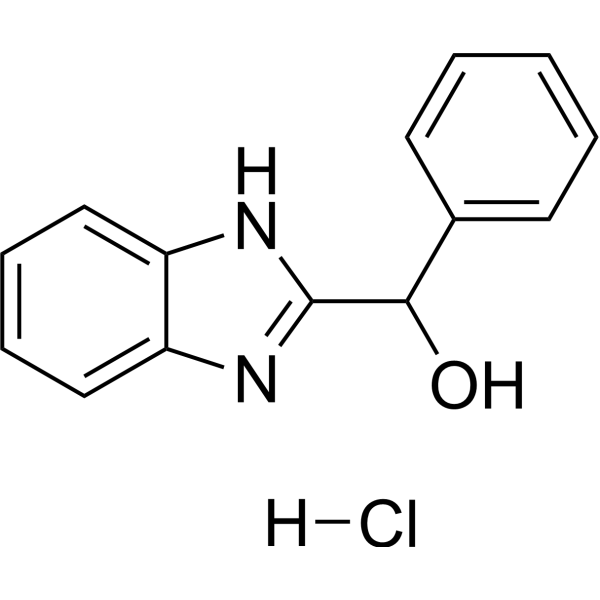
- HY-155968
-
|
|
HBV
|
Infection
|
|
HBV-IN-40 (Compound 11826096) is a HBV inhibitor (IC50: 0.7 μM). HBV-IN-40 is an antiviral agent .
|
-
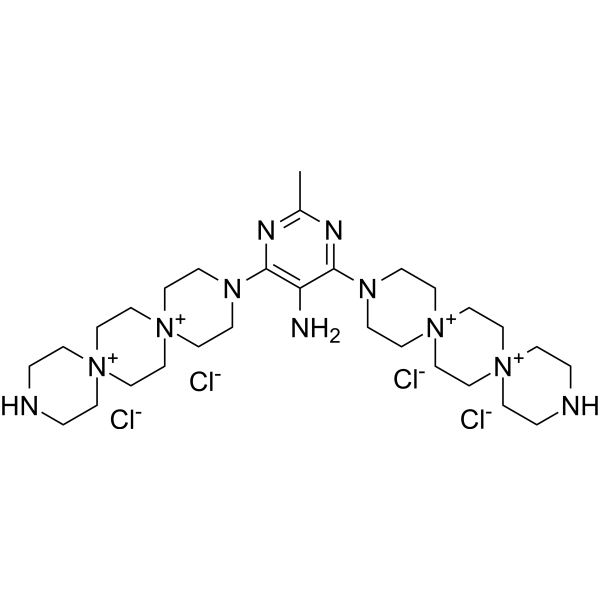
- HY-75867
-
|
|
Influenza Virus
|
Infection
|
|
M2 ion channel blocker-1 is capable of inhibiting and blocking the activity of M2 ion channel;Antiviral agent.
|
-
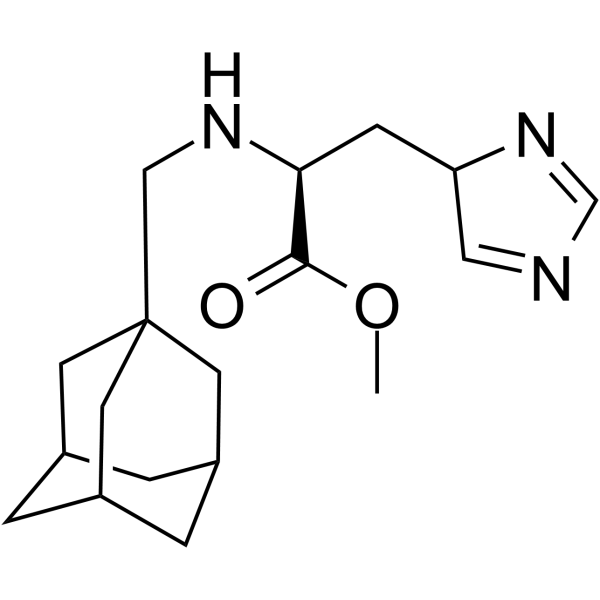
- HY-155057
-
|
|
SARS-CoV
|
Infection
|
|
SARS-CoV-2 Mpro-IN-8 (compound 6b) is an antiviral agent with anti-SARS-CoV-2 properties .
|
-
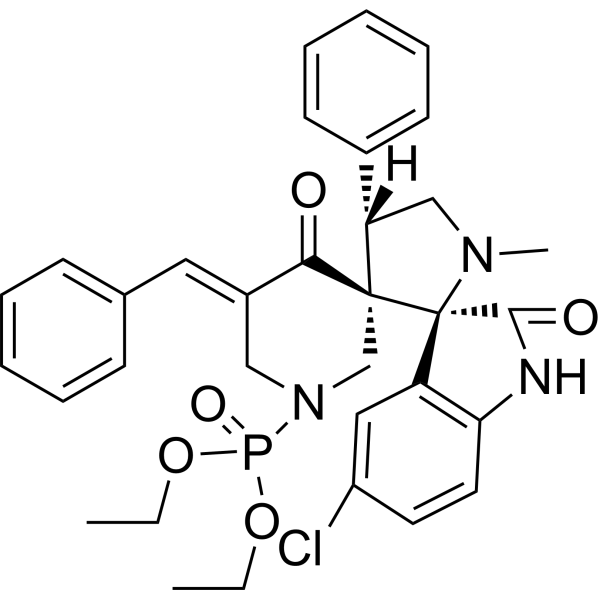
- HY-168476
-
|
|
HIV
|
Infection
|
|
BRN3OMe is a potent HIV-1 reverse transcriptase inhibitor. BRN3OMe has the potential for the research of antiviral agent .
|
-

- HY-P2015A
-
|
BCH 069 hydrochloride
|
HIV
|
Infection
Inflammation/Immunology
|
|
Diacetylsplenopentin (BCH 069) hydrochloride is an antiviral agent, and protects guinea pigs from foot-and-mouth disease (FMD) infection. Berlopentin has immunostimulatory properties .
|
-

- HY-181603
-
|
|
Enterovirus
IFNAR
|
Infection
|
|
Antiviral agent 79 is a broad-spectrum antiviral agent. Antiviral agent 79 exhibits anti-EV71, anti-CVB3 and anti-ADV7 activities. Antiviral agent 79 activates the host type I interferon signaling pathway to enhance antiviral defense. Antiviral agent 79 can be used in research related to viral infections .
|
-

- HY-179638
-
|
|
Orthopoxvirus
DNA/RNA Synthesis
|
Infection
|
|
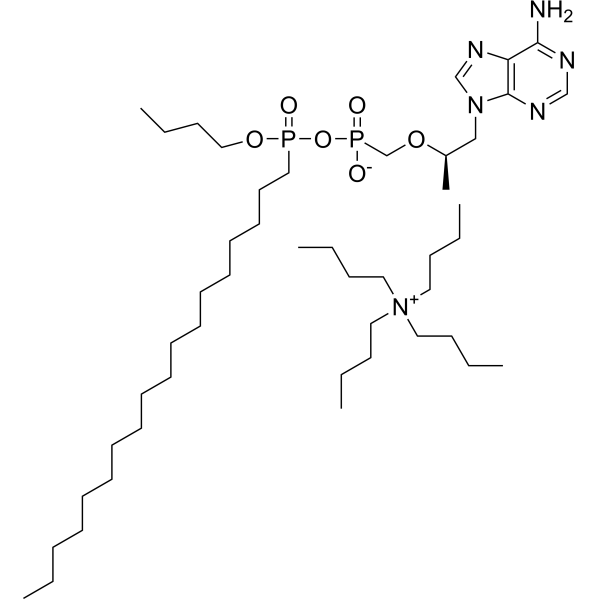
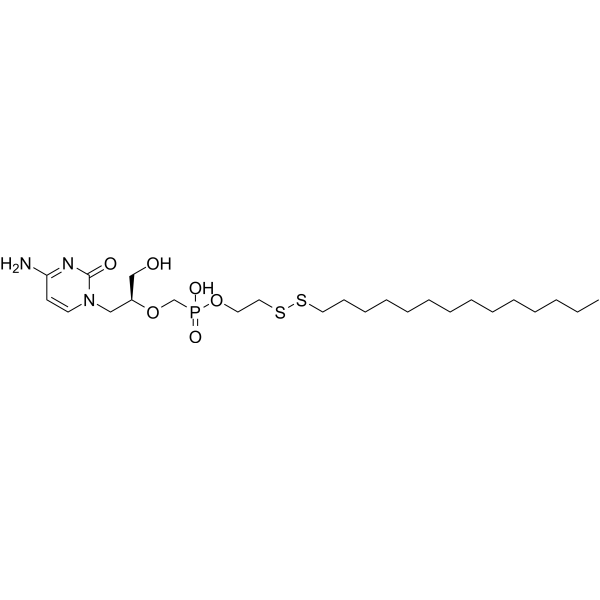
Antiviral agent 74 is an antiviral agent consisting of Cidofovir (HY-17438) prodrug and lipid chain. Antiviral agent 74 can inhibit the activity of viral DNA polymerase by transforming into Cidofovir.Antiviral agent 74 demonstrates potent antiviral activity against vacciniavirus (VACV) (EC50 = 0.156 μM) comparable to Brincidofovir (HY-14532). Antiviral agent 74 shows superior potency against monkeypox virus (MPXV) with an EC50 vales of 0.202 μM. Antiviral agent 74 can be used for the research of virus infection .
|
-

- HY-183929
-
|
|
Influenza Virus
|
Infection
|
|
Antiviral agent 87 is a potent antiviral agent with low cytotoxicity in host cells. Antiviral agent 87 stabilizes prefusion HA conformation, blocks viral membrane fusion and host cell entry, and inhibits entry and replication of diverse influenza A virus subtypes. Antiviral agent 87 can be used for the research of influenza A virus infection .
|
-

- HY-17677
-
|
|
Influenza Virus
SARS-CoV
|
Infection
|
|
Antiviral agent 78 (Compound 27) is an antiviral agent. Antiviral agent 78 shows IC50 values of 11.22, 78.54 and 71.49 μM against 2019-nCoV, Ebola virus replicon and avian influenza virus A/Guangzhou/99. Antiviral agent 78 can be used for research of virus infection .
|
-

- HY-183761
-
|
|
SARS-CoV
|
Infection
|
|
Antiviral agent 86 is an anti-coronavirus agent. Antiviral agent 86 acts as a binder of coronavirus non-structural protein 15 (nsp15), with a Ka value of 67 μM against human targets. Antiviral agent 86 inhibits the replication of HCoV-229E and SARS-CoV-2. Antiviral agent 86 exerts inhibitory effects at the post-entry lifecycle stage of coronaviruses in host cells and inhibits the formation of viral double-stranded RNA (dsRNA). Antiviral agent 86 exhibits an additive antiviral effect when used in combination with GS-441524. Antiviral agent 86 can be used in studies related to coronavirus infections .
|
-

- HY-179569
-
|
|
TMV
|
Infection
|
|
Antiviral agent 73 (compound D13) is a potent intercellular movement inhibitor with antiviral activity. Antiviral agent 73 shows inactivation activity against potato virus Y (PVY) with an EC50 of 79.5 μg/mL. Antiviral agent 73 effectively inhibits virus infection by forming stable hydrogen bonds with Pro154 of PVY coat protein. Antiviral agent 73 can interfere with the process of Pro154-mediated viral intercellular trafficking in plasmodesmata. Antiviral agent 73 can be used for plant virus prevention and control .
|
-

- HY-155795
-
|
|
CMV
|
Infection
|
|
Antiviral agent 37 (Page 57) is an effective pUL97 inhibitor. Antiviral agent 37 can be used for the study of human cytomegalovirus (HCMV) .
|
-

- HY-183322
-
|
|
HPV
|
Infection
|
|
Antiviral agent 83 is a boronic acid-modified Neocryptolepine (HY-E70250) derivative and is an anti-HPV agent. Antiviral agent 83 bind to the viral capsid protein and/or envelope protein, inducing conformational changes that effectively obstruct the interaction between the virus and host cell receptors. Antiviral agent 83 exhibits inhibitory activity against multiple high-risk HPV strains. Antiviral agent 83 inhibits HPV infection in vitro and in vaginal tract in vivo .
|
-

- HY-186153
-
|
|
HCV
|
Infection
|
|
Antiviral agent 82 (example 1) is an anti-HCV agent. Antiviral agent 82 can be used to prevent infection with flaviviruses, particularly hepatitis C virus .
|
-

- HY-181032
-
|
|
Hepatitis E Virus (HEV)
|
Infection
|
|
Antiviral agent 77 (Compound 46) is a potent, orally active, blood-brain-barrier permeable antiviral agent. Antiviral agent 77 shows antiviral activity against CedV (EC50: 1.08 μM in the rCedV-Luc reporter assay), NiV-M (EC50: 2.91 μM), NiV-B and HeV .
|
-

- HY-162403
-
|
|
Reactive Oxygen Species (ROS)
|
Infection
|
|
Antiviral agent 53 (Compound (S)-4v) is an antiviral agent that can inhibit the activity of Potato virus Y (PVY) and exhibit excellent curative and protective effects against PVY with EC50 values of 328.6 and 256.1 μg/mL, respectively. Antiviral agent 53 can be used in the research and development of novel pesticides .
|
-
- HY-176531
-
|
|
Others
|
Infection
|
|
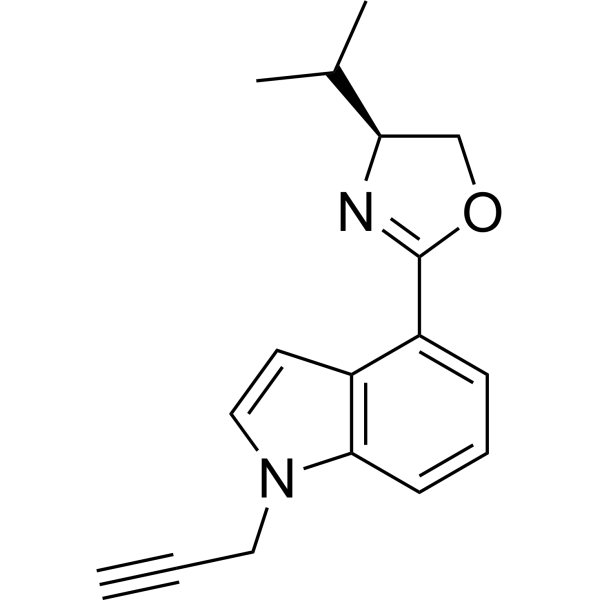
Antiviral agent 69 (Compound L2) is a capsid protein residue THR155-targeting inhibitor of phytoviral intercellular traffic. Antiviral agent 69 has an excellent antiviral activity against Potato virus Y (PVY) with an EC50 of 128.10 μg/mL for inactivation effect. Antiviral agent 69 effectively decreases viral accumulation in host plant Nicotiana benthamiana, promising for novel pesticide research and development .
|
-

- HY-183708
-
|
|
Arenavirus
|
Infection
|
|
Antiviral agent 85 is a broad-spectrum arenavirus entry inhibitor with an EC90 of 0.13 µM against Junín virus (JUNV). Antiviral agent 85 blocks the entry of various arenaviruses through both hTfR1-dependent and hTfR1-independent pathways, acting on the early and early post-entry stages of infection. Antiviral agent 85 exhibits antiviral activity against a variety of arenaviruses, is well tolerated in hTfR1-expressing JUNV-infected mouse models, but fails to provide protective effects. Antiviral agent 85 can be used in studies related to arenavirus hemorrhagic fevers .
|
-

- HY-181885
-
|
|
Influenza Virus
Drug Derivative
|
Infection
|
|
Antiviral agent 80 is a conjugate of Zanamivir (HY-13210) and Amantadine (HY-13317), acting as a dual inhibitor of influenza virus M2 ion channel/neuraminidase (NA). Antiviral agent 80 exhibits potent inhibitory activity against both wild-type and drug-resistant influenza neuraminidase mutants, with an IC50 value range of 1.50 nM to 120.4 nM. Antiviral agent 80 can be used in influenza-related research .
|
-

- HY-182761
-
|
|
DNA/RNA Synthesis
Cytochrome P450
Flavivirus
Influenza Virus
|
Infection
|
|
Antiviral agent 81 is an orally bioavailable N-acylated remdesivir derivative and RdRp inhibitor with 45.3% oral bioavailability (based on active metabolite GS-441524 exposure), plasma half-life >8 h, and reduced CYP3A4 inhibition. Antiviral agent 81 exhibits activity against Coronaviridae, Flaviviridae, and Pneumoviridae, and shows no activity against Orthomyxoviridae, Herpesviridae, and Alphaviridae. Antiviral agent 81 can be used for the research of viral infections .
|
-

- HY-154794
-
|
|
HIV
|
Cardiovascular Disease
Infection
Cancer
|
|
Antiviral agent 29 (one of the Example I), a 2-mercapto-N-(5-amino-1,2,4-triazol-3-yl) benzenesulfonamide derivative, is an antiviral agent exhibiting anti-HIV, antitumor and antiarrhythmic activities .
|
-

- HY-N0191A
-
|
14-Epiandrographolide
|
Others
|
Infection
|
|
14-epi-andrographolide is a diterpene analog of Andrographolide (HY-N0191), which is an NF-κB inhibitor and antiviral agent .
|
-

- HY-123168
-
|
|
Drug Derivative
|
Infection
|
|
ZIMET 124/73 is a hetarylhydrazone derivative. ZIMET 124/73 is a potent antiviral agent. ZIMET 124/73 can be used for Mengo virus research .
|
-

- HY-W210476
-
|
|
SARS-CoV
|
Infection
|
|
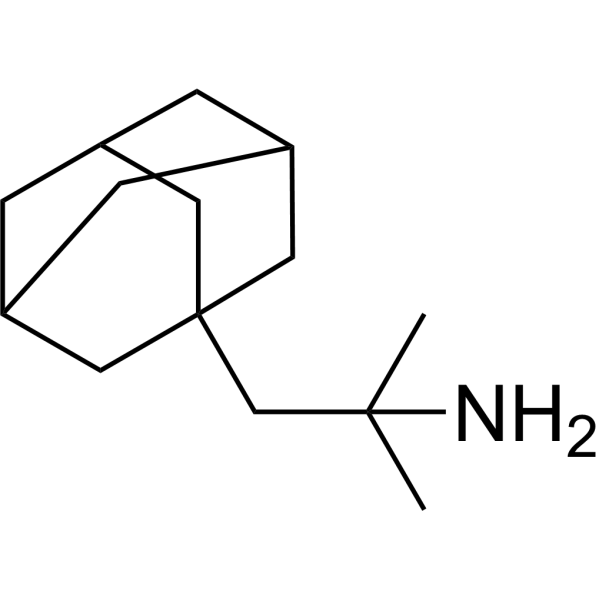
Somantadine, an adamantane derivative, is an antiviral agent with high cross-reactivity with anti-amantadine monoclonal antibodies. Somantadine can be used for research of coronavirus-related diseases .
|
-
- HY-162707
-
|
|
DNA/RNA Synthesis
|
Infection
|
|
RA-0002323-01 is an antiviral agent targeting viral helicase and is an active compound from Heli-SMACC, a collection of small molecules targeting helicase .
|
-

- HY-P2015
-
|
BCH 069
|
HIV
|
Infection
Inflammation/Immunology
|
|
Diacetylsplenopentine (BCH 069) is an antiviral agent, and protects guinea pigs from foot-and-mouth disease (FMD) infection. Berlopentin has immunostimulatory properties .
|
-

- HY-148957
-
|
|
Virus Protease
|
Infection
|
|
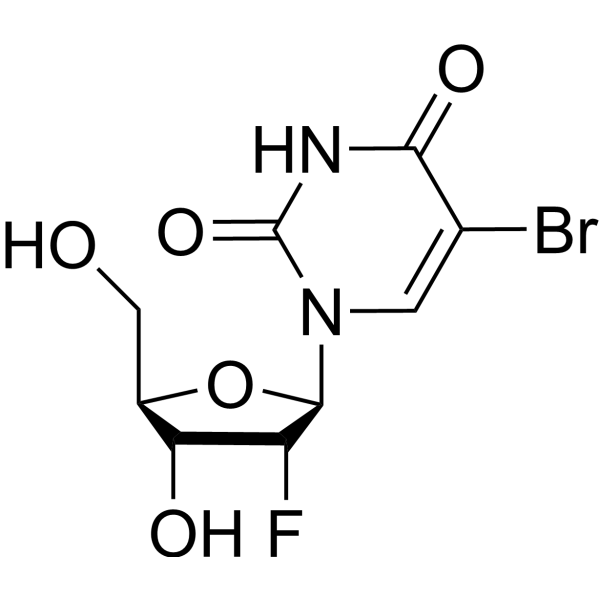
5-Bromo-2′-deoxy-2′-fluorouridine (Example 1), a 5-halo analog, is potential as an antiviral agent .
|
-
- HY-17426S
-
|
BRL 42810-d4
|
Isotope-Labeled Compounds
HSV
VZV
|
Infection
|
|
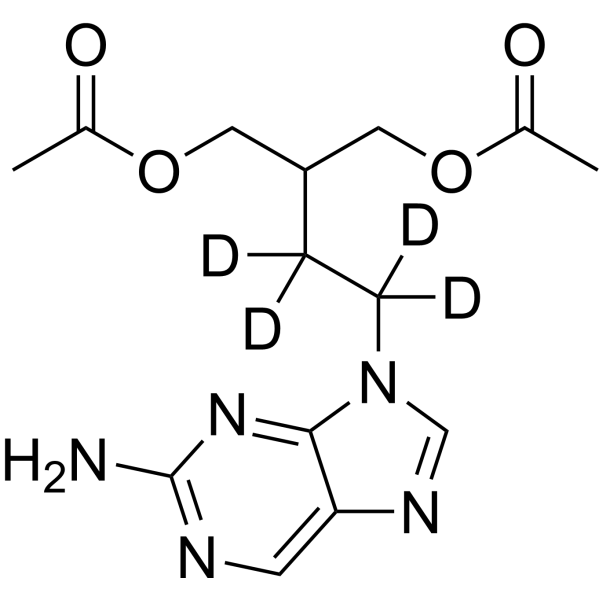
Famciclovir-d4 is the deuterium labeled Famciclovir. Famciclovir (BRL 42810) is a guanine analogue antiviral agent used for the treatment of various herpesvirus infections .
|
-
- HY-I0660R
-
|
PCL 016 (Standard)
|
Reference Standards
Endogenous Metabolite
Virus Protease
|
Infection
|
|
Picolinic acid (Standard) is the analytical standard of Picolinic acid. This product is intended for research and analytical applications. Picolinic acid (PCL 016) is a topical antiviral agent, which inhibits adenovirus replication in rabbits.
|
-

- HY-150234
-
-
- HY-123266
-
|
|
Microtubule/Tubulin
Filovirus
|
Infection
|
|
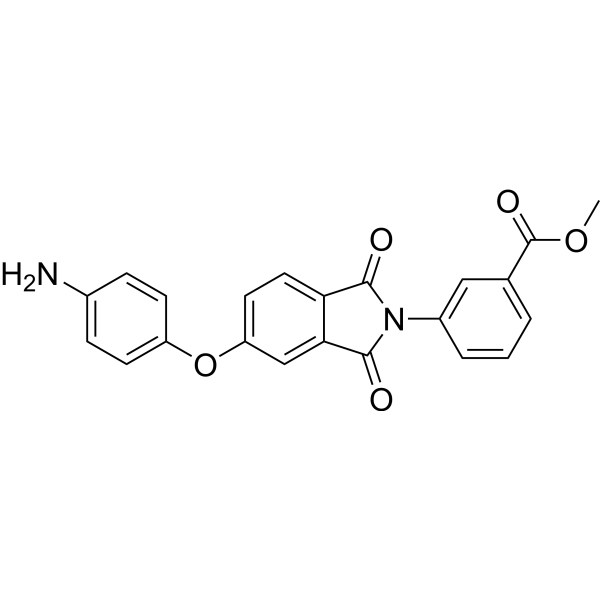
D011-2120 functions as an antiviral agent by inhibiting microtubule polymerization, disrupting the Golgi complex, and preventing viral trafficking to the plasma membrane during the virus egress process.
|
-

- HY-124938
-
|
|
Antibiotic
|
Infection
|
|
ABC-1 is a phosphorylated analogue and a potential antiviral agent against Newcastle disease virus (NDV). ABC-1 has potent antiviral activity .
|
-
- HY-B0434
-
|
Ribasphere
|
HCV
RSV
Orthopoxvirus
Antibiotic
|
Infection
Cancer
|
|
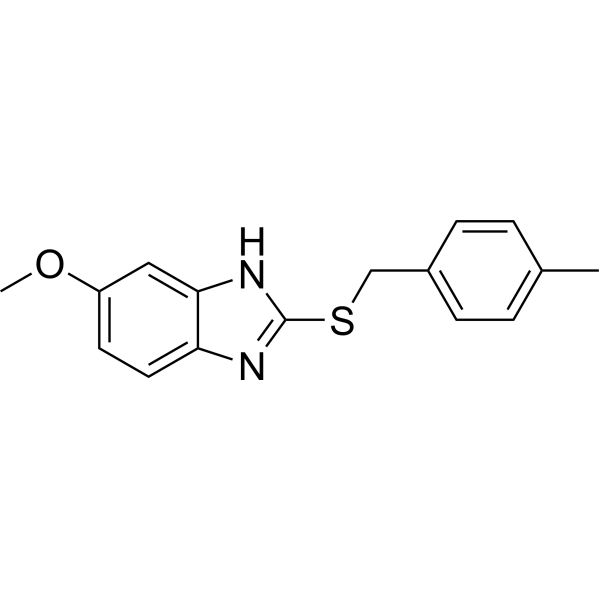
Ribavirin (ICN-1229) is an antiviral agent against a broad spectrum of viruses including HCV, HIVl, and RSV. Ribavirin also has anti-orthopoxvirus and anti-variola activities.
|
-
- HY-17426
-
|
BRL 42810
|
VZV
HSV
HBV
|
Infection
|
|
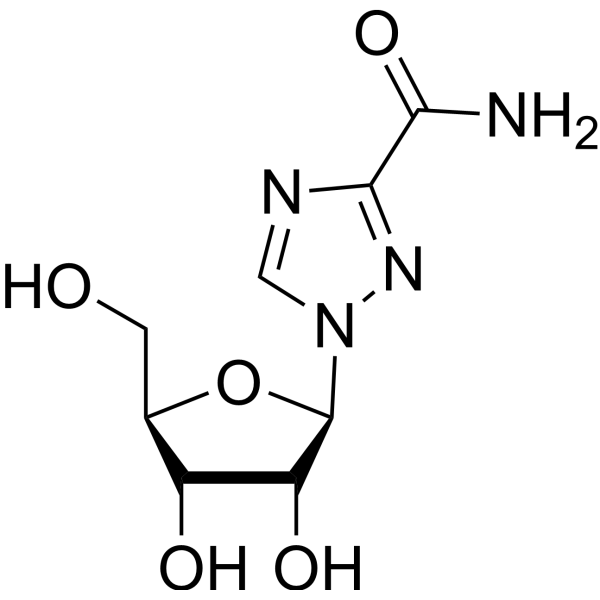
Famciclovir (BRL 42810) is an orally active nucleoside analogue. Famciclovir is an antiviral agent with potent activities against HBV, HSV and VZV. Famciclovir can be used for the research of herpesvirus infection .
|
-
- HY-B0434S
-
-
- HY-109025
-
|
S-033188; RG 6152
|
Influenza Virus
|
Infection
Cancer
|
|
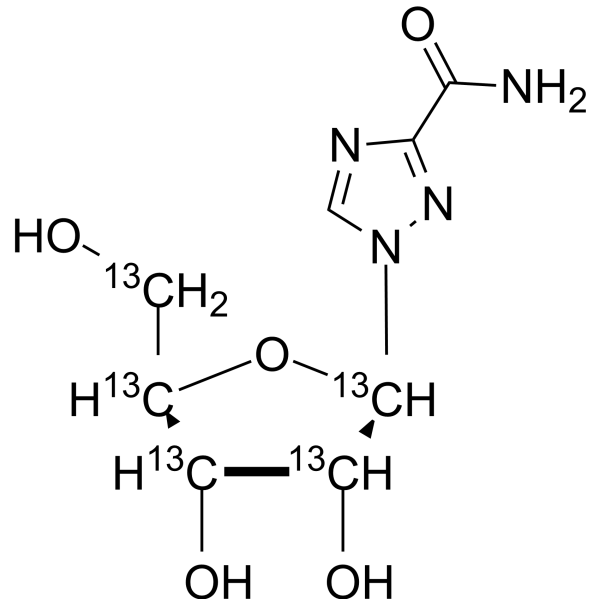
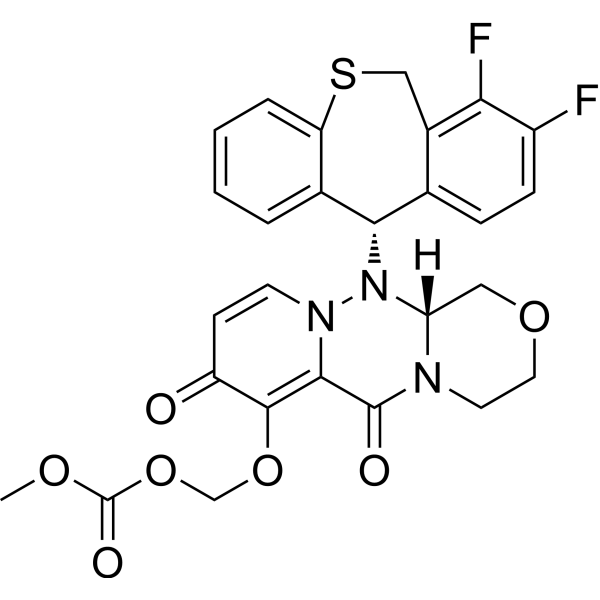
Baloxavir marboxil (S-033188) is a selective inhibitor of influenza cap-dependent endonuclease. Baloxavir marboxil, a potent antiviral agent, shows activity against influenza A and B virus .
|
-
- HY-A0032
-
|
|
CMV
|
Infection
Cancer
|
|
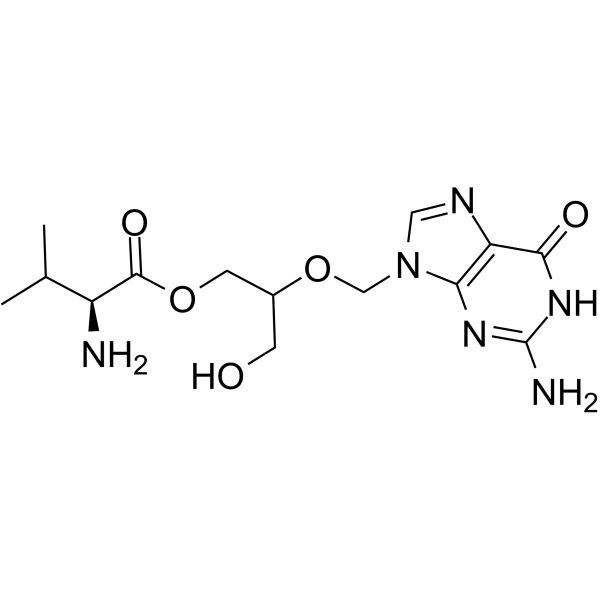
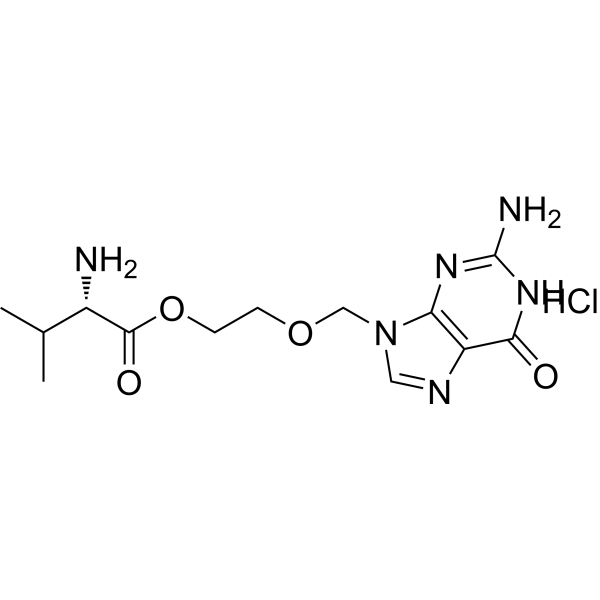
Valganciclovir is an orally active antiviral agent. Valganciclovir can inhibit the growth of adenoviruses and have a protective effect on immunosuppressed hamsters. Valganciclovir can be used for the research of Cytomegalovirus .
|
-
- HY-A0032A
-
|
|
CMV
|
Infection
Inflammation/Immunology
Cancer
|
|
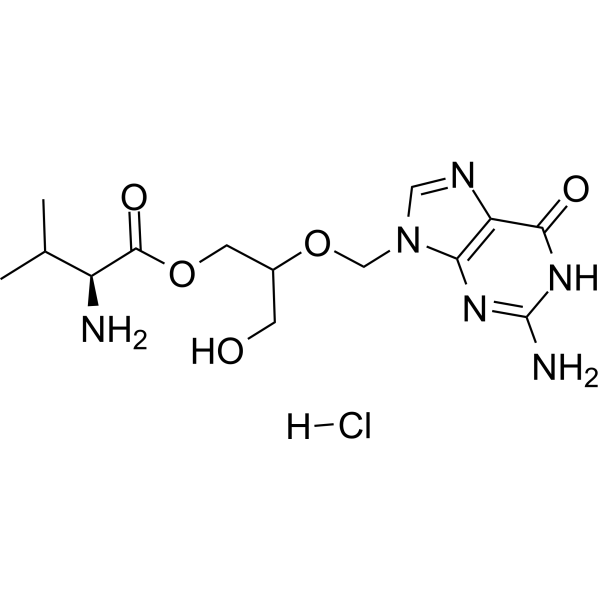
Valganciclovir hydrochloride is an orally active antiviral agent. Valganciclovir hydrochloride can inhibit the growth of adenoviruses and have a protective effect on immunosuppressed hamsters. Valganciclovir hydrochloride can be used for the research of Cytomegalovirus .
|
-
- HY-162598
-
|
|
SARS-CoV
|
Infection
|
|
CET-1 is an antiviral agent that inhibits SARS-CoV-2. CET-1 significantly prevents pseudovirus from entering ACE2 h cells .
|
-

- HY-137453
-
|
HS-10234
|
HBV
|
Infection
|
|
Tenofovir amibufenamide (HS-10234), a Tenofovir prodrug, is an orally active antiviral agent. Tenofovir amibufenamide inhibits HBV, and can be used for chronic hepatitis B (CHB) study .
|
-
- HY-147321
-
|
|
Tau Protein
HBV
|
Infection
Neurological Disease
|
|
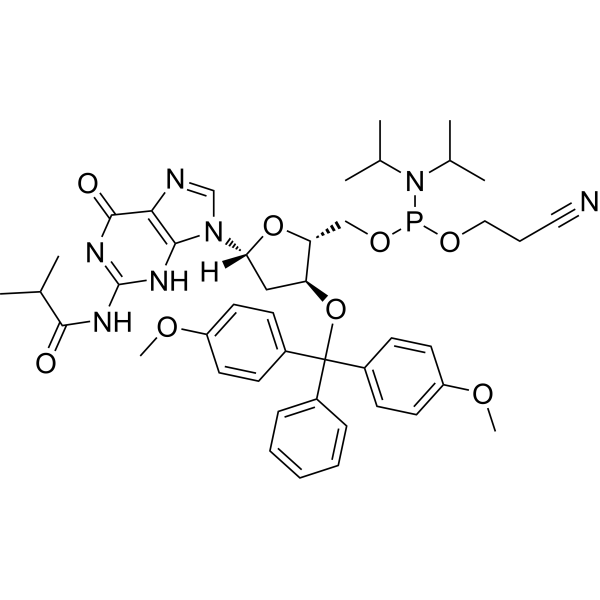
3'-DMTr-dG(iBu) is a nucleoside for the synthesis of nucleic acid, such as antiviral agents used in the research of viral infection (HBV, HDV), and oligonucleotides against Alzheimer’s disease and other tauopathies .
|
-
- HY-19743
-
-
- HY-145246
-
-
- HY-124564
-
|
Marboran
|
SARS-CoV
Orthopoxvirus
|
Infection
|
|
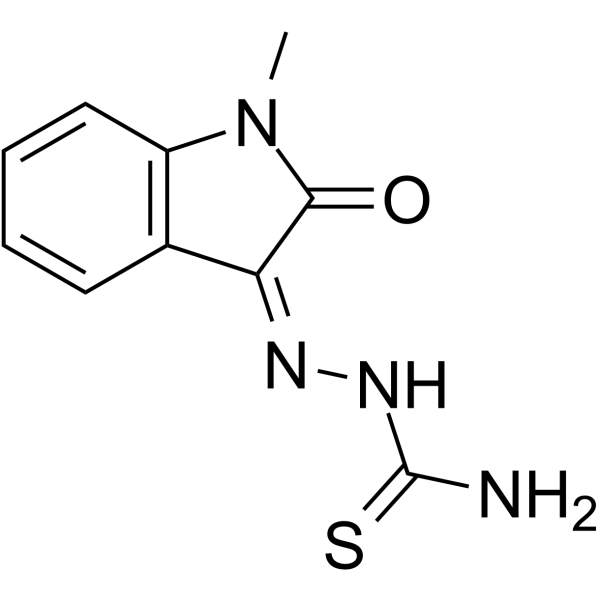
Methisazone (Marboran) is an antiviral agent that works by inhibiting mRNA and protein synthesis. Methisazone is also a SARS-CoV-2 (COVID-19) inhibitor. Methisazone is mainly used in pox viruses .
|
-
- HY-17427R
-
|
BW1592 (Standard)
|
Reference Standards
HIV
Reverse Transcriptase
Endogenous Metabolite
|
Infection
|
|
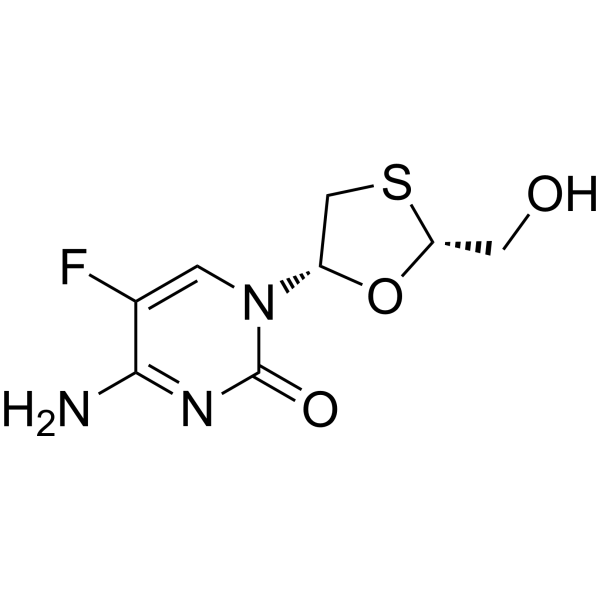
Emtricitabine (Standard) is the analytical standard of Emtricitabine. This product is intended for research and analytical applications. Emtricitabine is a nucleoside reverse transcriptase inhibitor (NRTI) with an EC50 of 0.01 μM in PBMC cell. It is an antiviral agent for the treatment of HIV infection.
|
-
- HY-148151
-
|
|
HBV
|
Cancer
|
|
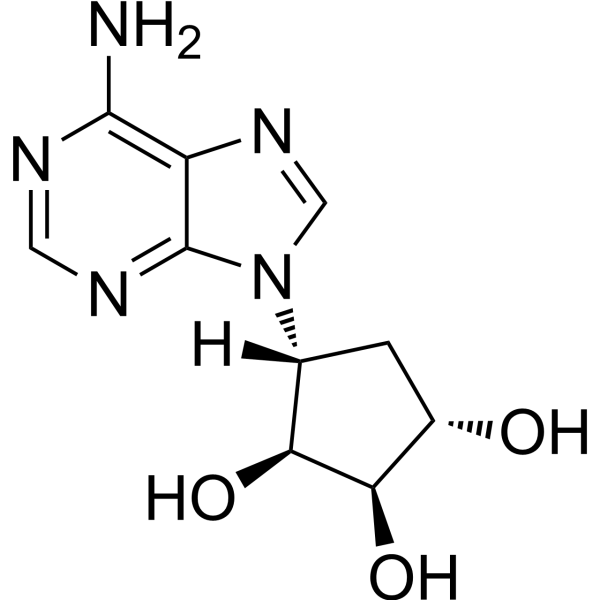
(-)-5′-Noraristeromycin is an antiviral agent. (-)-5′-Noraristeromycin also is an enantiomer of 5'-noraristeromycin and can inhibit intracellular HBV replication and virion production. (-)-5′-Noraristeromycin can be used for the research of cancer .
|
-
- HY-W565665
-
|
|
DNA/RNA Synthesis
Others
|
Infection
|
|
(S)-HPMPA is an antiviral agent. (S)-HPMPA can bind to and interfere with viral DNA polymerase activity, thereby inhibiting viral DNA synthesis. (S)-HPMPA can be used for the study of DNA viruses .
|
-

- HY-W275220
-
|
|
Aminoacyl-tRNA Synthetase
|
Infection
|
|
PEA-NBOMe hydrochloride (Compound 21) is a competitive phenylalanyl-tRNA synthetase (PRS) inhibitor (Ki=0.92 μM), which is found in Escherichia coli. PEA-NBOMe hydrochloride is promising for research of antibacterial or antiviral agents .
|
-

- HY-146009
-
|
|
HIV
Enterovirus
|
Infection
|
|
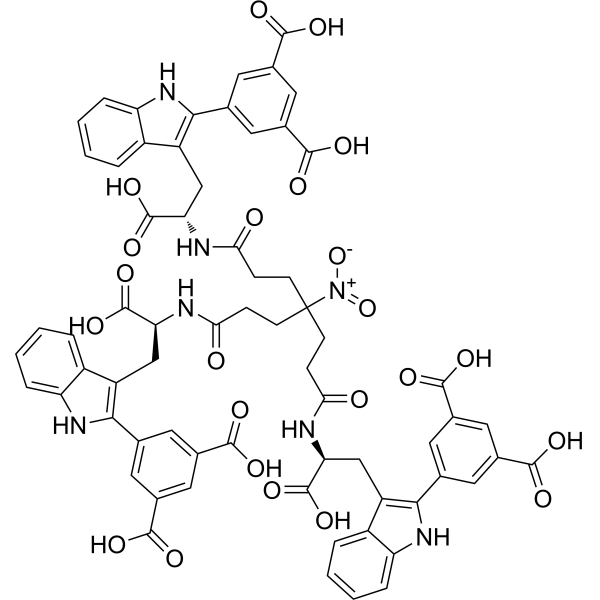
AL-470 is a potent antiviral agent with EC50 values of 0.27, 0.63, and 0.35 µM against HIV-1, HIV-2, and EV-A71, respectively .
|
-
- HY-N6666R
-
|
|
Reference Standards
HSV
Antibiotic
|
Infection
|
|
Vidarabine (monohydrate) (Standard) is the analytical standard of Vidarabine (monohydrate). This product is intended for research and analytical applications. Vidarabine monohydrate is an adenine arabinoside. Vidarabine monohydrate an antiviral agent which is active against herpes simplex viruses (HSV) and varicella zoster viruses[1].
|
-

- HY-128744
-
|
|
Endogenous Metabolite
Orthopoxvirus
HSV
DNA/RNA Synthesis
|
Infection
|
|
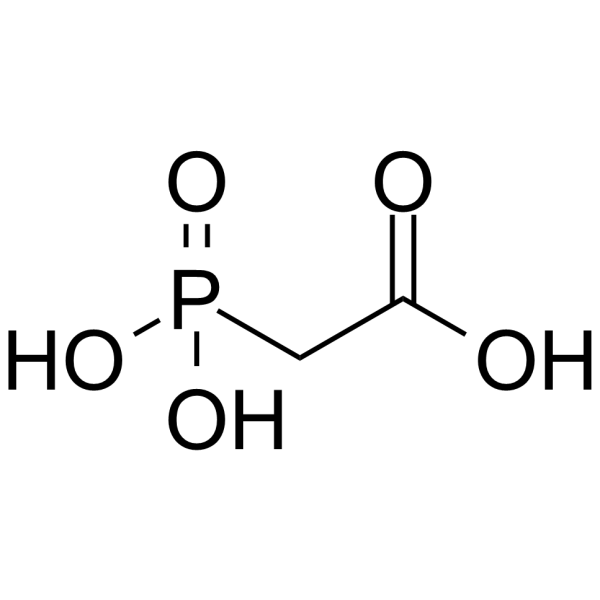
Phosphonoacetic acid is an endogenous metabolite and antiviral agent. Phosphonoacetic acid is active against orthopoxviruses and herpes viruses. Phosphonoacetic acid can inhibit HSV DNA synthesis and virus-specific DNA polymerase activity, and affect the synthesis of late viral proteins .
|
-
- HY-W008351
-
|
|
Biochemical Assay Reagents
Drug Intermediate
|
Others
|
|
L-Ribose, a non-naturally occurring pentose, is an ideal starting material for use in synthesizing L-nucleosides analogues. L-Ribose can be used for the synthesis of various anticancer and antiviral agents such as Telbivudine (HY-B0017) .
|
-

- HY-80003
-
|
|
Flavivirus
Dengue Virus
Btk
|
Infection
Cancer
|
|
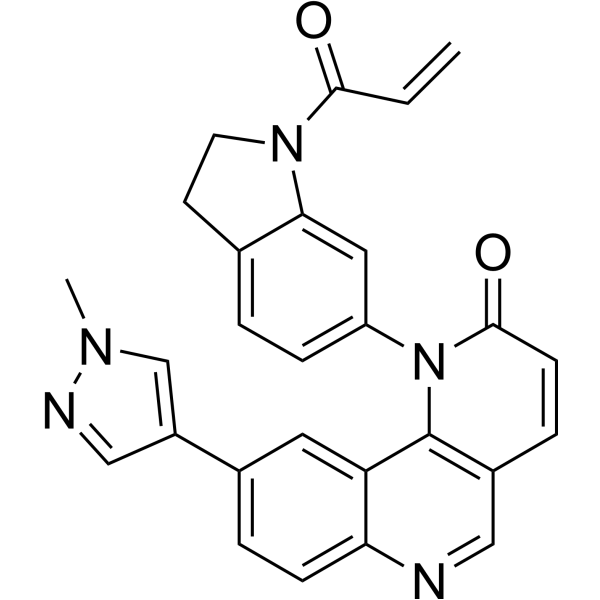
QL47, a broad-spectrum antiviral agent, inhibits dengue virus and other RNA viruses. QL47 selectively inhibits eukaryotic translation. QL47 is a potent covalent inhibitor of BTK with an IC50 of 7 nM .
|
-
- HY-141893
-
|
|
Phosphoramidites
DNA/RNA Synthesis
|
Infection
|
|
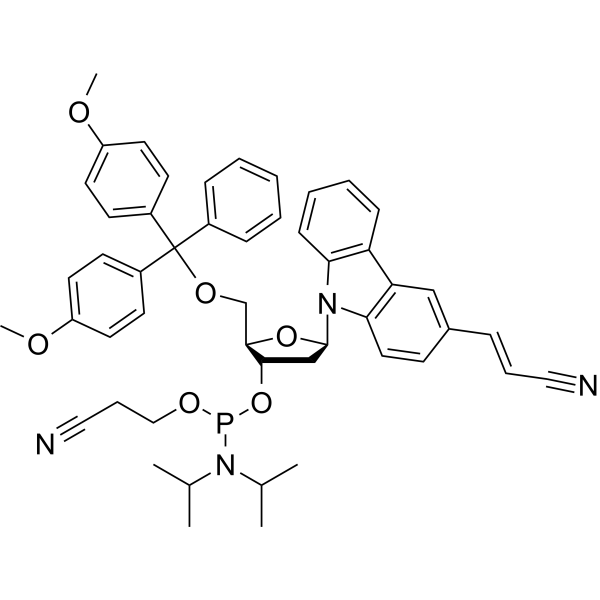
3-Cyanovinylcarbazole phosphoramidite is an antiviral agent that inhibits the synthesis of viral DNA. The modified nucleoside in the compound is synthesized by modifying the ribonucleotide with cyano group at the C-3 position, and can be used as a phosphoric acid amide for DNA synthesis .
|
-
- HY-145994
-
|
ATV006
|
SARS-CoV
|
Infection
|
|
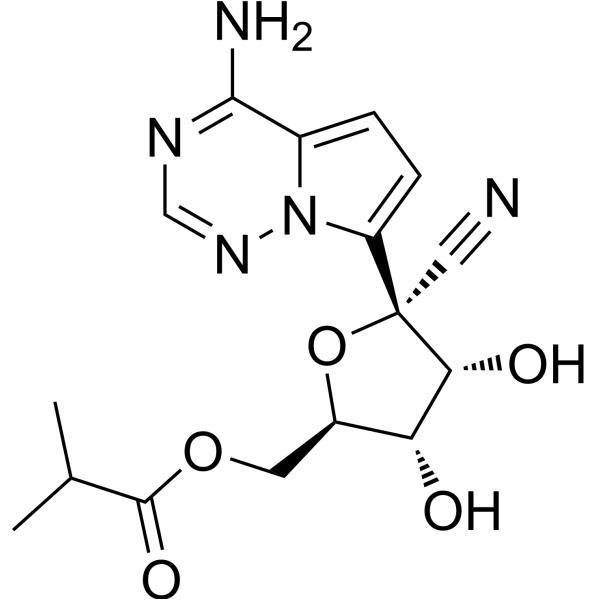
Obeldesivir (ATV006) is a potent, orally active antiviral agent and ester proagents of GS-441524. Obeldesivir inhibits the replication of SARS-CoV-2 and its variants. Obeldesivir can be used for SARS-CoV-2 research .
|
-
- HY-145247
-
-
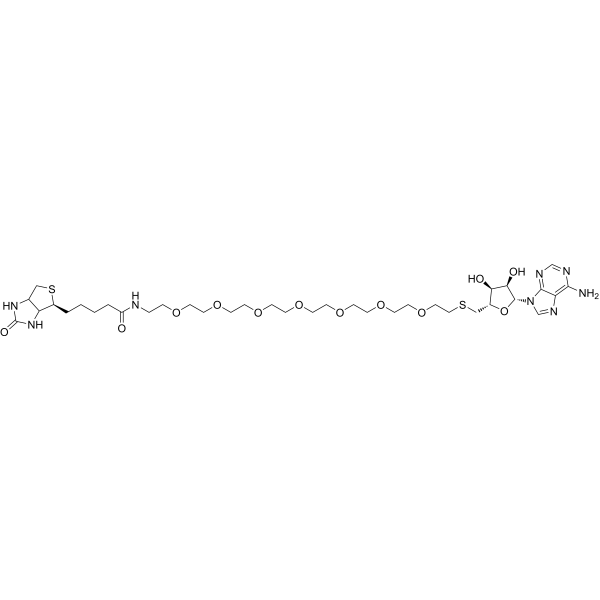
- HY-W005824
-
|
|
Biochemical Assay Reagents
|
Infection
Cancer
|
|
2,6-Dichloropurine riboside is an antitumor and antiviral agent, which can be used for infections caused by mycoplasma. 2,6-Dichloropurine riboside also can be used to synthesize the photoaffinity probes for nucleotide binding sites in proteins .
|
-

- HY-W006474
-
|
5H-Pyrido[4,3-b]indole
|
Flavivirus
Drug Intermediate
|
Infection
Cancer
|
|
γ-Carboline is a skeleton and antiviral agent. γ-Carboline shows anti-BVDV activity, with an EC50 of 2.0 μM. γ-Carboline derivatives show anti-BVDV, antibacterial, antifungal, antitumor activity .
|
-

- HY-17427S
-
|
BW1592-15N,d2
|
HIV
Reverse Transcriptase
Endogenous Metabolite
|
Infection
|
|
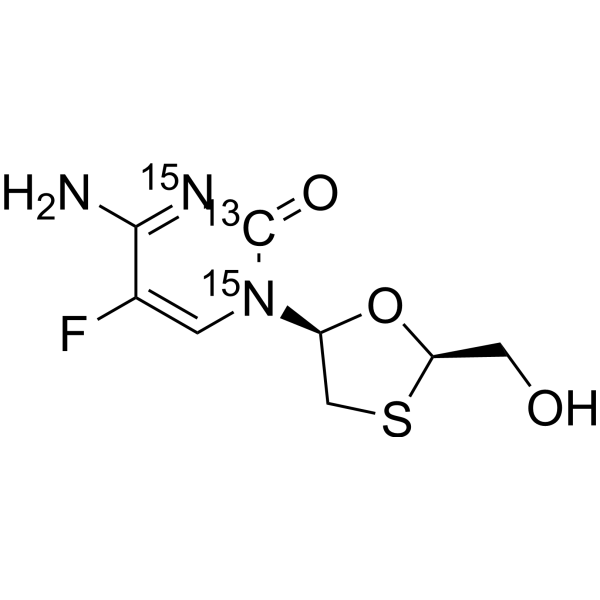
Emtricitabine- 15N,d2 is a 15N-labeled and deuterium labeled Emtricitabine. Emtricitabine is a nucleoside reverse transcriptase inhibitor (NRTI) with an EC50 of 0.01 μM in PBMC cell. It is an antiviral agent for the treatment of HIV infection.
|
-
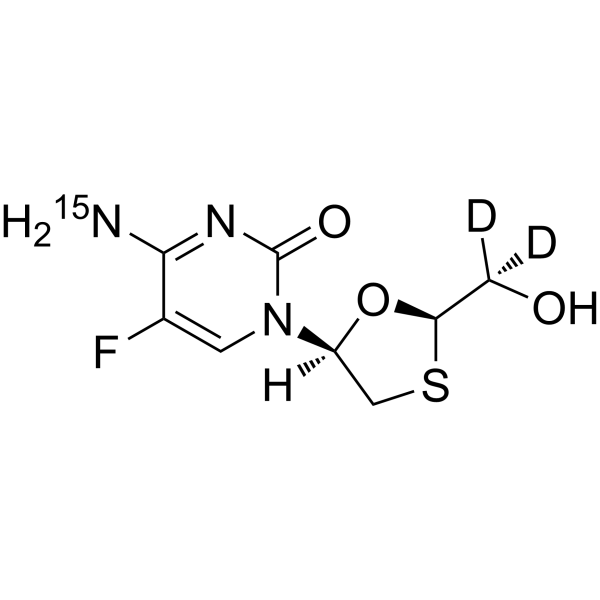
- HY-17427S4
-
-

- HY-160880
-
|
|
Filovirus
|
Infection
|
|
EBOV-IN-5 (compound 14) is an antiviral agent that inhibits Ebola virus (EBOV) infection. EBOV-IN-5 inhibits the binding of the EBOV glycoprotein EBOV-GPcl to NPC1, an indispensable host receptor required for viral fusion/entry .
|
-

- HY-41344R
-
|
|
Antibiotic
Reference Standards
|
Infection
|
|
Ganciclovir mono-O-acetate (Standard) is the analytical standard of Ganciclovir mono-O-acetate. This product is intended for research and analytical applications. Ganciclovir mono-O-acetate is a derivative of Ganciclovir. Ganciclovir, a nucleoside analogue, is an orally active antiviral agent with activity against CMV[1].
|
-

- HY-17425B
-
|
Valaciclovir hydrochloride hydrate
|
HSV
Bacterial
|
Infection
Cancer
|
|
Valacyclovir hydrochloride hydrate is a potent antiviral agent. Valacyclovir hydrochloride hydrate can be used in the management of herpes simplex, herpes zoster and herpes B. Valacyclovir hydrochloride hydrate can be formulate ocular inserts for the research of ocular herpes. Valacyclovir hydrochloride hydrate is a precursor and can be rapidly converted into acyclovir in vivo .
|
-
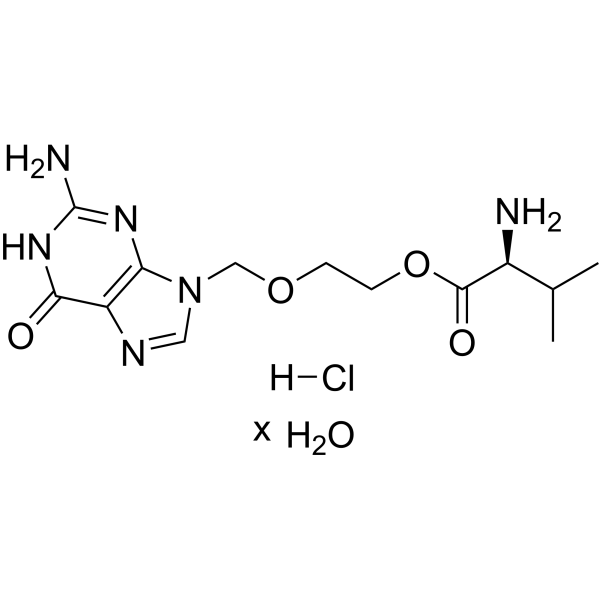
- HY-33015A
-
|
trans-p-Chlorocinnamaldehyde
|
Enterovirus
|
Infection
|
|
4-Chlorocinnamaldehyde (trans-p-Chlorocinnamaldehyde) is an antiviral agent. 4-Chlorocinnamaldehyde inhibits the replication of Coxsackievirus B3 in cardiomyocytes, but shows poor efficacy in animal experiments. 4-Chlorocinnamaldehyde can be used in studies related to viral myocarditis .
|
-

- HY-161114
-
|
|
SARS-CoV
|
Infection
|
|
MDOLL-0229 (compound 27) is an antiviral agent that targets SARS-CoV-2 Mac1 and repress coronavirus replication. MDOLL-0229 inhibits SARS-CoV-2 Mac1 with an IC50 of 2.1 µM .
|
-
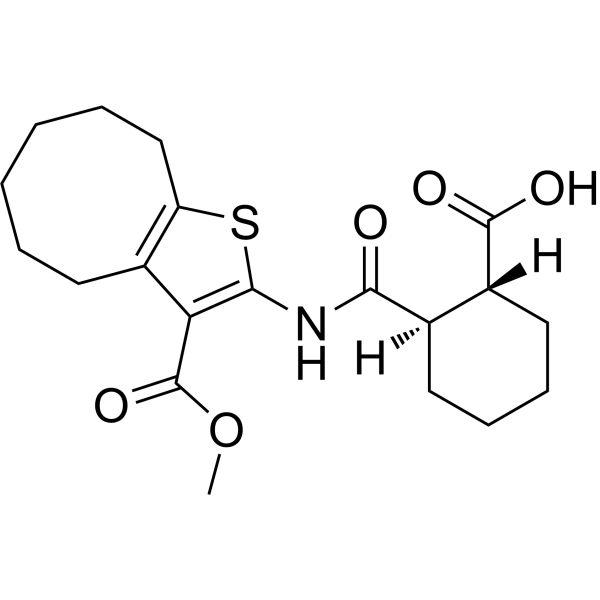
- HY-B0434R
-
|
Ribasphere (Standard)
|
Reference Standards
HCV
RSV
Orthopoxvirus
Antibiotic
|
Infection
Cancer
|
|
Ribavirin (Standard) is the analytical standard of Ribavirin. This product is intended for research and analytical applications. Ribavirin (ICN-1229) is an antiviral agent against a broad spectrum of viruses including HCV, HIVl, and RSV. Ribavirin also has anti-orthopoxvirus and anti-variola activities.
|
-

- HY-100279
-
|
|
Antibiotic
|
Infection
Cancer
|
|
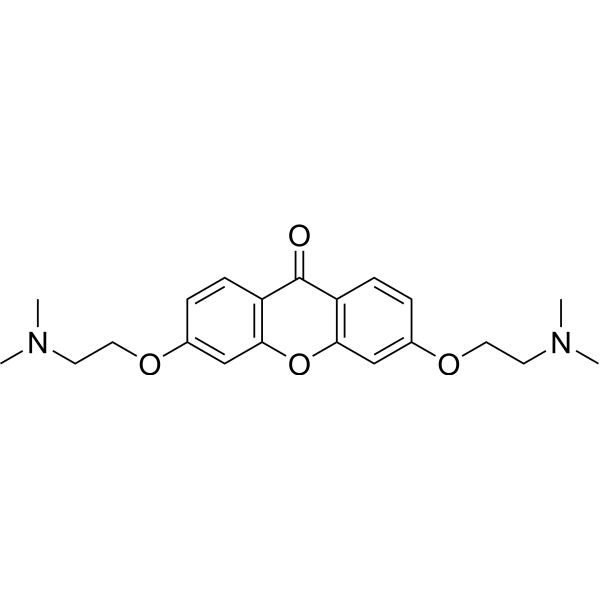
RMI 10874 is a tilorone analogue. Tilorone is a small-molecule, orally bioavailable antiviral agent. RMI 10874 completely abolishes lung colonization of an H-2 negative (GR9.B9) MCA-induced fibrosarcoma clone.
|
-
- HY-W012282R
-
|
|
Antibiotic
Reference Standards
|
Infection
Cancer
|
|
3′-Deoxyuridine (Standard) is the analytical standard of 3′-Deoxyuridine. This product is intended for research and analytical applications. 3′-Deoxyuridine is a potential anticancer and antiviral agent. 3'-deoxyuridine inhibits bovine diarrhoea virus (BVDV) production[1].
|
-

- HY-112762
-
LHF-535
3 Publications Verification
|
Arenavirus
|
Infection
|
|
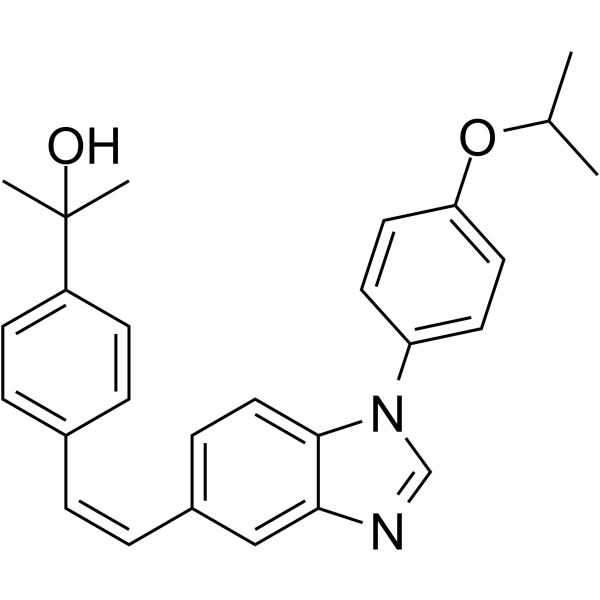
LHF-535 is an antiviral agent extracted from patent WO2013123215A2, Compound 38, has EC50s of <1 μM, <1 μM, <1 μM, and 1-10 μM for Lassa, Machupo, Junin, and VSVg virus, respectively .
|
-
- HY-17426R
-
|
BRL 42810 (Standard)
|
Reference Standards
VZV
HSV
HBV
|
Infection
|
|
Famciclovir (Standard) is the analytical standard of Famciclovir. This product is intended for research and analytical applications. Famciclovir (BRL 42810) is an orally active nucleoside analogue. Famciclovir is an antiviral agent with potent activities against HBV, HSV and VZV. Famciclovir can be used for the research of herpesvirus infection .
|
-

- HY-A0032AR
-
|
|
Reference Standards
CMV
|
Infection
Inflammation/Immunology
|
|
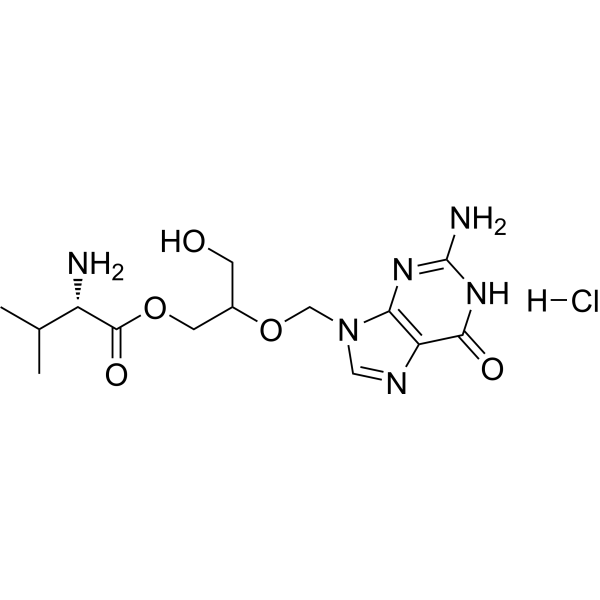
Valganciclovir (hydrochloride) (Standard) is the analytical standard of Valganciclovir (hydrochloride). This product is intended for research and analytical applications. Valganciclovir hydrochloride is an orally active antiviral agent. Valganciclovir hydrochloride can inhibit the growth of adenoviruses and have a protective effect on immunosuppressed hamsters. Valganciclovir hydrochloride can be used for the research of Cytomegalovirus .
|
-
- HY-16957
-
|
|
HCV
HIV
|
Infection
|
|
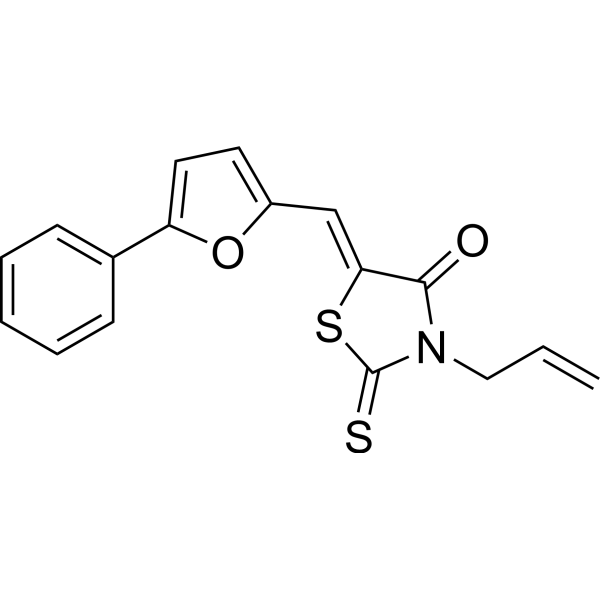
LJ001 is a broad-spectrum and orally active antiviral agent. LJ001 exerts antiviral activities by binding to viral membranes. LJ001 inhibits TGEV and PDCoV infection. LJ001 decreases TGEV N and PDCoV N-protein expression .
|
-
- HY-17425
-
|
Valaciclovir
|
HSV
Antibiotic
Bacterial
|
Infection
Cancer
|
|
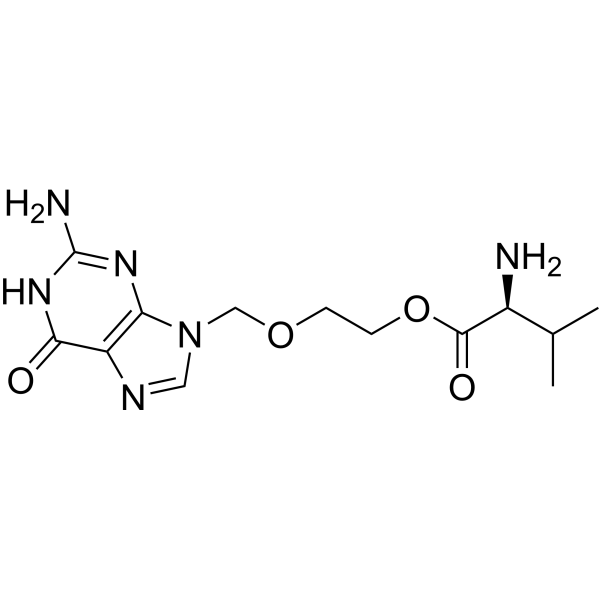
Valacyclovir (Valaciclovir) is an orally active antiviral agent for herpes simplex, herpes zoster, and herpes B. Valacyclovir inhibits HSV-1 W (50=2.9 μg/ml). Valacyclovir is a proagent of Aciclovir (HY-17422) .
|
-
- HY-17425A
-
|
Valaciclovir hydrochloride
|
HSV
Antibiotic
Bacterial
|
Infection
Cancer
|
|
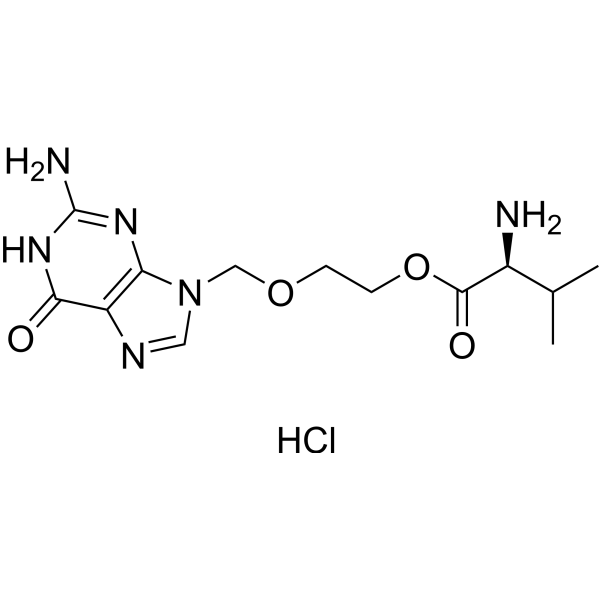
Valacyclovir hydrochloride (Valaciclovir hydrochloride) is an orally active antiviral agent for herpes simplex, herpes zoster, and herpes B. Valacyclovir hydrochloride inhibits HSV-1 W (50=2.9 μg/ml). Valacyclovir hydrochloride is a proagent of Aciclovir (HY-17422) .
|
-
- HY-167900
-
|
RPR-111423
|
CMV
|
Infection
|
|
CMV-423 is an antiviral agent with potent in vitro activity against the beta-herpesvirus human cytomegalovirus (HCMV), human herpesvirus 6 (HHV-6) and 7 (HHV-7). CMV-423 can be utilized in antiviral research .
|
-

- HY-171261
-
|
|
Virus Protease
|
Infection
|
|
CID15997213 is a blood-brain barrier penetrating antiviral agent. CID15997213 targets the amino-terminal domain of the VEEV nonstructural protein 2 (nsP2). CID15997213 shows alphavirus-specific antiviral effect, inhibiting VEEV and Western equine encephalitis virus .
|
-

- HY-W754691
-
|
|
HBV
|
Infection
|
|
Glaziovine is an antiviral agent found in Hypserpa nitida. Glaziovine exhibits significant inhibitory activity against HBV, capable of suppressing hepatitis B virus surface antigen (HBsAg) secretion in Hep G2.2.15 cells transfected with HBV, with an IC50 of 8 nM .
|
-

- HY-19447
-
|
LB80331
|
HBV
|
Infection
|
|
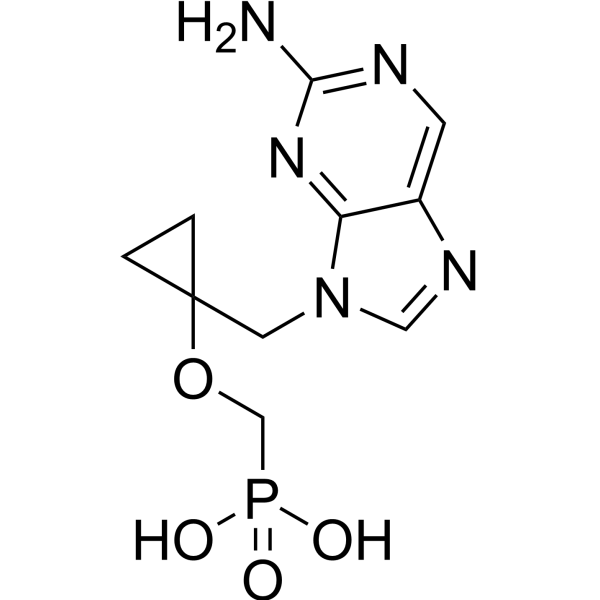
Besifovir (LB80331), a parent agent converted by LB80380 (HY-19447A), further metabolizes to its active form, LB80317 (HY-106235). Besifovir is an orally active, novel antiviral agent against hepatitis B virus (HBV) .
|
-
- HY-145248
-
-
- HY-W770677
-
|
|
Isotope-Labeled Compounds
HSV
Drug Metabolite
|
Infection
|
|
9-Carboxymethoxymethylguanine- 13C2, 15N is the 13C- and 15N-labeled 9-Carboxymethoxymethylguanine (HY-137181). 9-Carboxymethoxymethylguanine is the main metabolite of Aciclovir. Acyclovir (Aciclovir) is a guanosine analogue and an orally active antiviral agent .
|
-

- HY-109025R
-
|
S-033188 (Standard); RG 6152 (Standard)
|
Reference Standards
Influenza Virus
|
Infection
|
|
Baloxavir marboxil (Standard) is the analytical standard of Baloxavir marboxil. This product is intended for research and analytical applications. Baloxavir marboxil (S-033188) is a selective inhibitor of influenza cap-dependent endonuclease. Baloxavir marboxil, a potent antiviral agent, shows activity against influenza A and B virus .
|
-

- HY-173354
-
|
|
Dihydroorotate Dehydrogenase
|
Infection
|
|
hDHODH-IN-17 (Compound 10) is a human dihydroorotate dehydrogenase (hDHODH) inhibitor, with an IC50 of 0.188 μM. hDHODH-IN-17 is in good agreement with the hDHODH activity pocket and interacted well with amino acid residues. hDHODH-IN-17 is the potential broad-spectrum antiviral agent .
|
-

- HY-155386
-
-

- HY-182495
-
|
|
Aryl Hydrocarbon Receptor
|
Infection
|
|
Penisimplicissin is a funicone-like compound and antiviral agent. Penisimplicissin reduces the expression of AhR and viral nucleocapsid protein. Penisimplicissin improves the cell viability and morphological characteristics of CCoV-infected cells. Penisimplicissin inhibits CCoV infection. Penisimplicissin can be used in studies related to canine coronavirus infection .
|
-

- HY-109528
-
|
ISIS-2922 sodium
|
CMV
|
Infection
|
|
Fomivirsen (ISIS-2922) sodium is an antisense 21 mer phosphorothioate oligonucleotide. Fomivirsen sodium is an antiviral agent that is used cytomegalovirus retinitis (CMV) research, incluiding in AIDs. Fomivirsen sodium binds to and degrades the mRNAs encoding CMV immediate-early 2 protein, thus inhibiting virus proliferation .
|
-
- HY-137362R
-
|
|
Drug Intermediate
Reference Standards
|
Infection
|
|
N2-Acetyl acyclovir (Standard) is the analytical standard of N2-Acetyl acyclovir. This product is intended for research and analytical applications. N2-Acetyl acyclovir is an Acyclovir prodrug. Acyclovir (Aciclovir) is a potent, orally active antiviral agent .
|
-

- HY-17426S1
-
|
BRL 42810-d6
|
Isotope-Labeled Compounds
HSV
HBV
VZV
|
Infection
|
|
Famciclovir-d6 (BRL 42810-d6) is deuterium labeled Famciclovir. Famciclovir (BRL 42810) is an orally active nucleoside analogue. Famciclovir is an antiviral agent with potent activities against HBV, HSV and VZV. Famciclovir can be used for the research of herpesvirus infection .
|
-

- HY-125613
-
|
|
HIV
Influenza Virus
|
Infection
|
|
ML416 is a broad-spectrum antiviral agent. ML416 inhibits host de novo pyrimidine biosynthesis, and induces a variety of interferon-stimulated genes (ISGs). ML416 can be used for the research of viral infections including alphaviruses, influenza virus, and HIV-1 .
|
-

- HY-105098
-
|
BMS-180194; SQ 34514
|
HBV
HIV
CMV
EBV
Nucleoside Antimetabolite/Analog
|
Infection
|
|
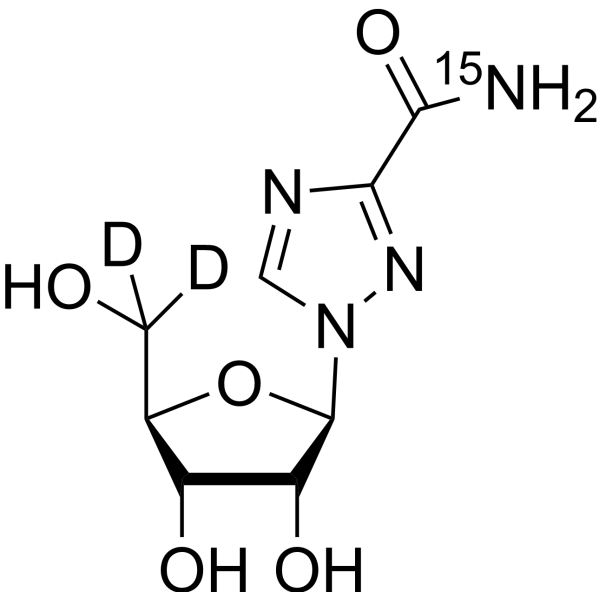
Lobucavir (BMS-180194; SQ 34514),a nucleoside analogue,is an antiviral agent. Lobucavir shows a broad spectrum of activity against HBV,HIV/AIDS,and α,β,and γ herpes viruses including CMV,herpes-simplex,varicella-zoster,and Epstein-Barr virus .
|
-

- HY-B0434S1
-
-
- HY-165485
-
|
|
Flavivirus
HBV
Dengue Virus
|
Infection
|
|
OSL-95II is an antiviral agent. OSL-95II is a potent BVDV and WNV inhibitor. OSL-95II is a better inhibitor of HBV than SP169. OSL-95II inhibits dengue virus production .
|
-

- HY-156008
-
|
|
SARS-CoV
Virus Protease
|
Infection
|
|
SARS-CoV-2-IN-58 (Compound 21H) is an antiviral agent against SARS-CoV-2 (EC50: 18 μM). SARS-CoV-2-IN-58 inhibits SARS-CoV-2 M pro with an IC50 of 0.35 μM .
|
-
- HY-147014
-
|
|
CMV
Orthopoxvirus
|
Infection
|
|
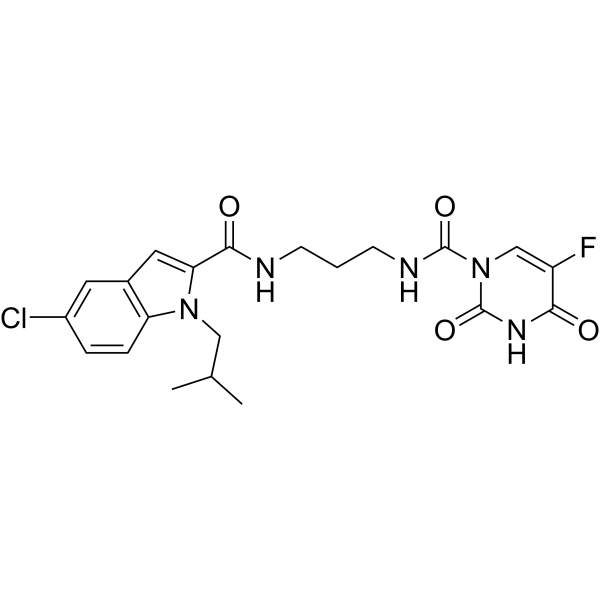
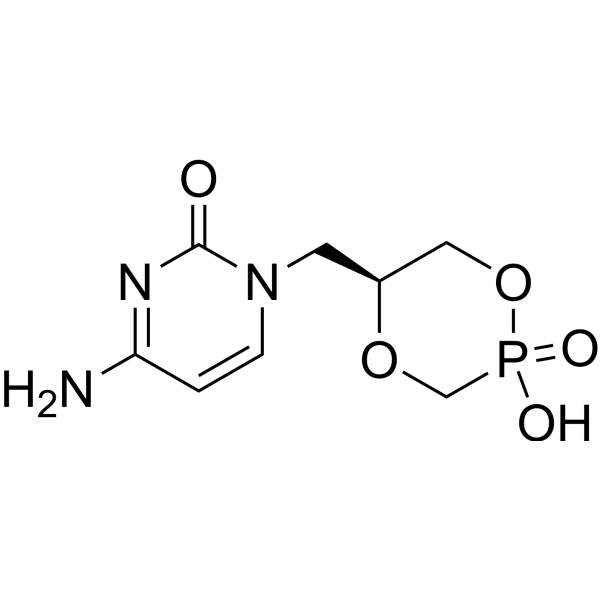
Cyclic HPMPC is a potent antiviral agent. Cyclic HPMPC can increase arterial oxygen saturation levels in lethal vaccinia virus (IHD strain)-infected mice. Cyclic HPMPC improves the outcome of congenital guinea pig cytomegalovirus (GPCMV) infection and decreases viral replication in guinea pig model .
|
-
- HY-149906
-
|
GEM91
|
HIV
|
Infection
|
|
Trecovirsen is an antiviral agent targeting HIV gag mRNA, which hybridizes with complementary HIV gag mRNA at the initiation site. Trecovirsen induces a reversible, dose-dependent prolongation of activated partial thromboplastin time via its polyanionic properties. Trecovirsen is applicable to research related to HIV infection .
|
-

- HY-104083
-
|
N-MCT
|
DNA/RNA Synthesis
HSV
|
Infection
Cancer
|
|
North-methanocarbathymidine (N-MCT) is a potent antiviral agent. North-methanocarbathymidine inhibits DNA synthesis. North-methanocarbathymidine demonstrates potent antiviral activity against HSV-1, HSV-2 and KSHV. North-methanocarbathymidine exhibits anticancer activity against colon adenocarcinoma expressing HSV-tk .
|
-

- HY-N17399
-
|
|
Others
|
Infection
|
|
Bis (2-methylheptyl) phthalate is an orally effective antiviral agent. Bis (2-methylheptyl) phthalate inhibits the pathogenic process of white spot syndrome virus (WSSV) in Penaeus monodon. Bis (2-methylheptyl) phthalate can be used in studies related to white spot syndrome .
|
-

- HY-156291
-
|
|
DNA/RNA Synthesis
Influenza Virus
|
Infection
|
|
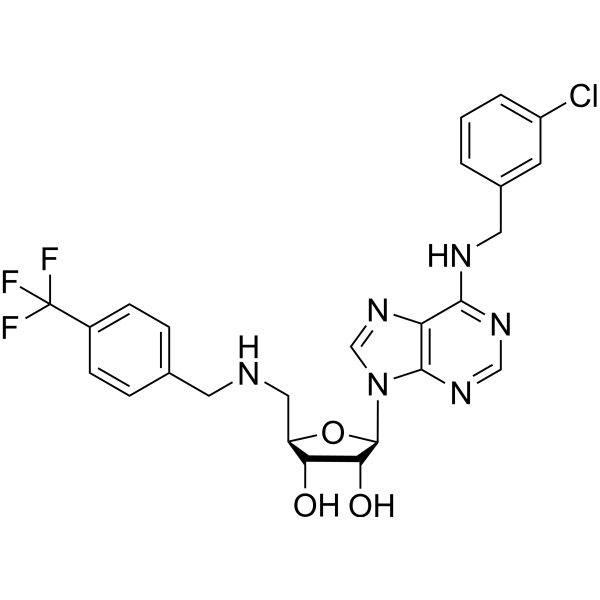
XSJ2-46, 5'-amino NI analog, is an antiviral agent. XSJ2-46 has anti-Zika virus activity. XSJ2-46 exhibits reasonable inhibition of RNA-dependent RNA polymerases (RdRp) with an IC50 value of 8.78 μM .
|
-
- HY-W779404
-
|
Ribasphere-13C2
|
Isotope-Labeled Compounds
RSV
HCV
Antibiotic
Orthopoxvirus
|
Cancer
|
|
Ribavirin- 13C2 (Ribasphere- 13C2) is the 13C-labeled Ribavirin (HY-B0434). Ribavirin (ICN-1229) is an antiviral agent against a broad spectrum of viruses including HCV, HIVl, and RSV. Ribavirin also has anti-orthopoxvirus and anti-variola activities.
|
-

- HY-119098
-
|
|
EBV
HPV
|
Infection
|
|
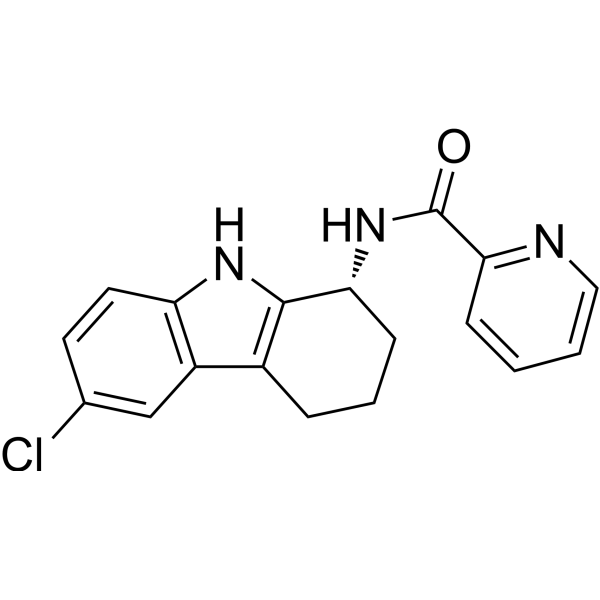
GSK983 is a broad-spectrum antiviral agent. GSK983 inhibits the replication of adenovirus-5 (Ad-5) and polyoma virus SV40. GSK983 inhibits the growth of cell lines immortalized by
EBV, HTLV1, HPV. GSK983 induces the expression of interferon-stimulated genes .
|
-
- HY-107338
-
|
Vratizolin; Wratizolin
|
VZV
HSV
Interleukin Related
|
Infection
Inflammation/Immunology
Cancer
|
|
Denotivir (Vratizolin) is an orally active antiviral agent for herpes simplex virus (HSV) and varicella-zoster virus (VZV). Denotivir inhibits the proliferation of various cancer cells, and exhibits anti-leukemic activity. Denotivir inhibits the generation of TNF-α, IL-1 and IL-6, exhibits immunosuppressive efficacy .
|
-

- HY-173128
-
|
|
Apoptosis
|
Infection
|
|
TZOA is an antiviral agent that inhibits the replication of infectious hematopoietic necrosis virus (IHNV) in a dose-dependent manner and significantly reduces viral titers. TZOA can effectively counteract IHNV-induced apoptosis, maintain mitochondrial membrane potential and homeostasis, and restore MAVS-mediated interferon expression. TZOA has antiviral activity .
|
-

- HY-N15344
-
|
|
Antibiotic
Bacterial
SARS-CoV
|
Infection
Inflammation/Immunology
|
|
Euryachin E is an antimicrobial and antiviral agent found in Eurya chinensis. It exhibits a MIC of 6.25 μg/mL against B. cereus and 0.78 μg/mL against S. aureus. Its IC50 against COVID-19 is 6.41 μM. Euryachin E can be utilized for research in the fields of infection and inflammation .
|
-

- HY-128382
-
|
E 151
|
Enterovirus
|
Infection
|
|
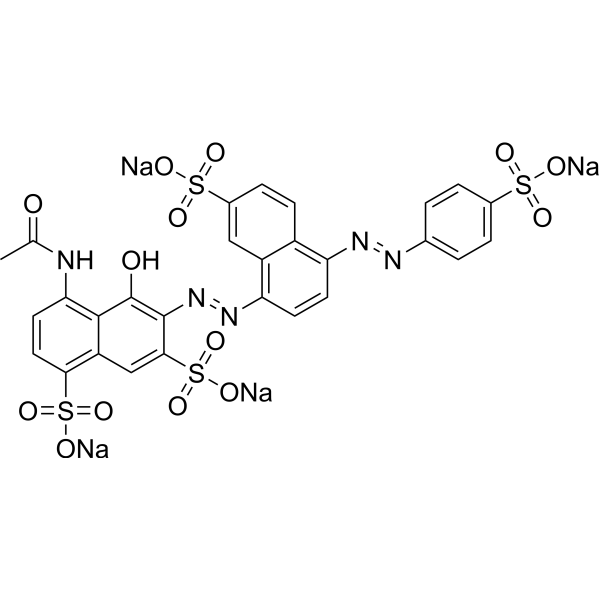
Brilliant black BN (E151) is an azo dye and a food colorant . Brilliant black BN is a promising antiviral agent against EV71 infection via inhibiting the interaction between EV71 and its cellular uncoating factor cyclophilin A. Brilliant black BN has the potential for the investigation of contagious disease .
|
-
- HY-128744R
-
|
|
Reference Standards
Endogenous Metabolite
Orthopoxvirus
HSV
DNA/RNA Synthesis
|
Infection
|
|
Phosphonoacetic acid (Standard) is the analytical standard of Phosphonoacetic acid (HY-128744). This product is intended for research and analytical applications. Phosphonoacetic acid is an endogenous metabolite and antiviral agent. Phosphonoacetic acid is active against orthopoxviruses and herpes viruses. Phosphonoacetic acid can inhibit HSV DNA synthesis and virus-specific DNA polymerase activity, and affect the synthesis of late viral proteins .
|
-

- HY-17427S2
-
-
- HY-109045A
-
|
BTA074 hydrochloride; AP 611074 hydrochloride
|
E1/E2/E3 Enzyme
HPV
|
Infection
|
|
Teslexivir (BTA074) hydrochloride is a potent antiviral agent. Teslexivir hydrochloride is a potent and selective inhibitor of the interaction between two essential viral proteins, E1 and E2, an association that is a necessary step in the DNA replication and thus viral production for Human Papilloma Virus (HPV) 6 and 11. Teslexivir hydrochloride can be used for condyloma research .
|
-
- HY-147016
-
|
|
Orthopoxvirus
|
Infection
|
|
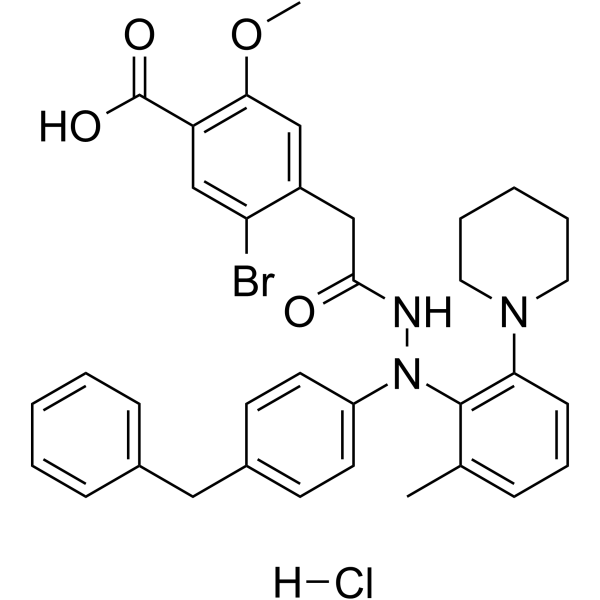
NIOCH 14 is a antiviral agent and a pro-agent. NIOCH 14 has antiviral activity against orthopoxviruses. NIOCH 14 can significantly lower proportions of infected mice, and virus production levels in the lungs. NIOCH 14 can be used for researching anti-smallpox . NIOCH 14 shows anti-orthopoxvirus activity.
|
-
- HY-109571
-
-
- HY-128423A
-
|
Acetylisovaleryltylosin
|
Antibiotic
Bacterial
NF-κB
Apoptosis
|
Infection
Inflammation/Immunology
Cancer
|
|
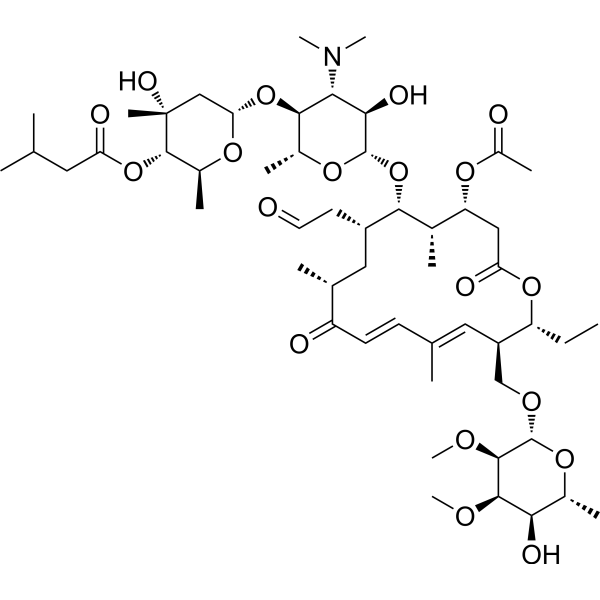
Tylvalosin (Acetylisovaleryltylo?sin) is an orally active, broad-spectrum macrolide antibiotic with antimicrobial activity. Tylvalosin is an antiviral agent used to study PRRSV infection. Tylvalosin induces apoptosis. Tylvalosin also has anti-inflammatory activity, alleviates oxidative stress, and alleviates acute lung injury by inhibiting NF-κB activation .
|
-
- HY-161357
-
|
|
PI4K
|
Infection
|
|
KR-27370 (compound 7f) is an antiviral agent and selective PI4KIIIβ/PI4KIIIα inhibitor (IC50: 3.1 nM/15.8 nM), against hRV, Ke Saatchivirus and other enteroviruses have inhibitory activity .
|
-
- HY-17425AS
-
|
|
HSV
Antibiotic
|
Infection
|
|
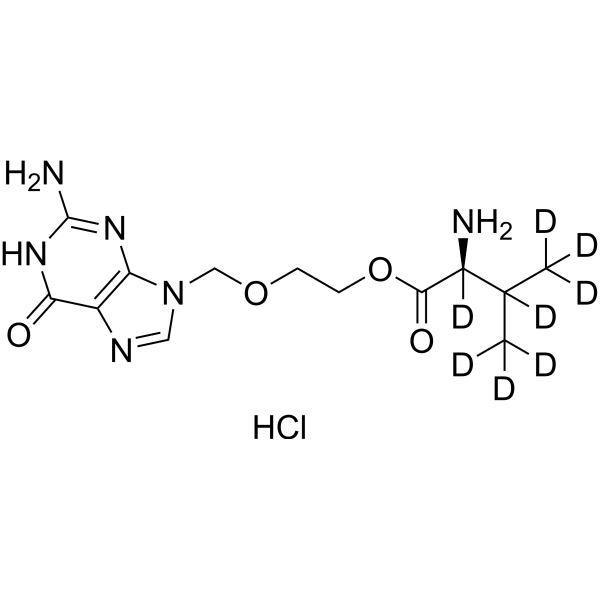
Valacyclovir-d8 (hydrochloride) is the deuterium labeled Valacyclovir hydrochloride. Valacyclovir hydrochloride (Valaciclovir hydrochloride) is an orally active antiviral agent for herpes simplex, herpes zoster, and herpes B. Valacyclovir hydrochloride inhibits HSV-1 W (50=2.9 μg/ml). Valacyclovir hydrochloride is a proagent of Aciclovir (HY-17422) .
|
-
- HY-17425AS1
-
|
|
Isotope-Labeled Compounds
HSV
Antibiotic
|
Infection
|
|
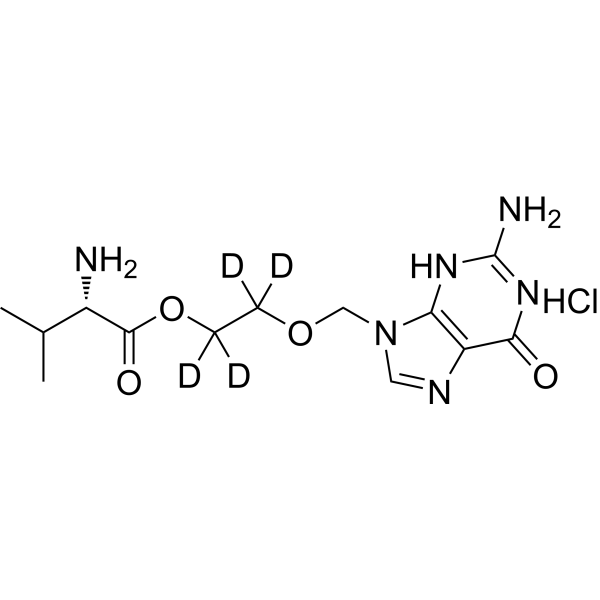
Valacyclovir-d4 (hydrochloride) is the deuterium labeled Valacyclovir hydrochloride. Valacyclovir hydrochloride (Valaciclovir hydrochloride) is an orally active antiviral agent for herpes simplex, herpes zoster, and herpes B. Valacyclovir hydrochloride inhibits HSV-1 W (50=2.9 μg/ml). Valacyclovir hydrochloride is a proagent of Aciclovir (HY-17422) .
|
-
- HY-152437
-
|
|
Nucleoside Antimetabolite/Analog
|
Others
|
|
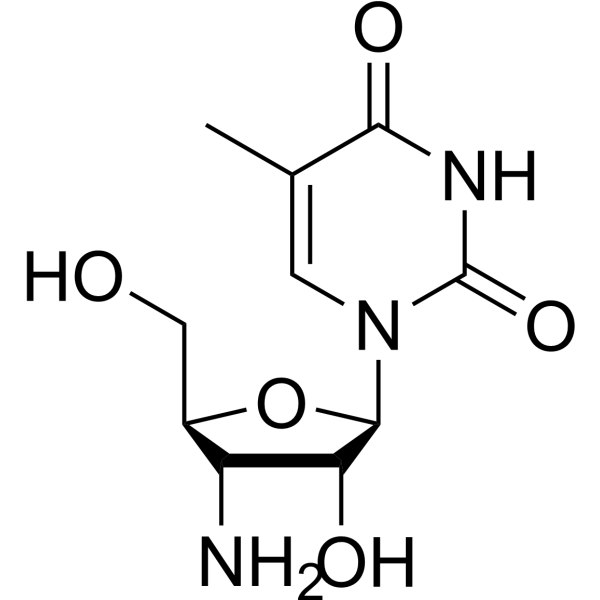
3’-Amino-3’-deoxy-5-methyl uridine, Anticancer antiviral agent is a purine nucleoside analogue. Purine nucleoside analogs have broad antitumor activity targeting indolent lymphoid malignancies. Anticancer mechanisms in this process rely on inhibition of DNA synthesis, induction of apoptosis, etc .
|
-
- HY-109045
-
|
BTA074; AP 611074
|
E1/E2/E3 Enzyme
HPV
|
Infection
|
|
Teslexivir (BTA074) is a potent antiviral agent. Teslexivir is a potent and selective inhibitor of the interaction between two essential viral proteins, E1 and E2, an association that is a necessary step in the DNA replication and thus viral production for Human Papilloma Virus (HPV) 6 and 11. Teslexivir can be used for condyloma research .
|
-
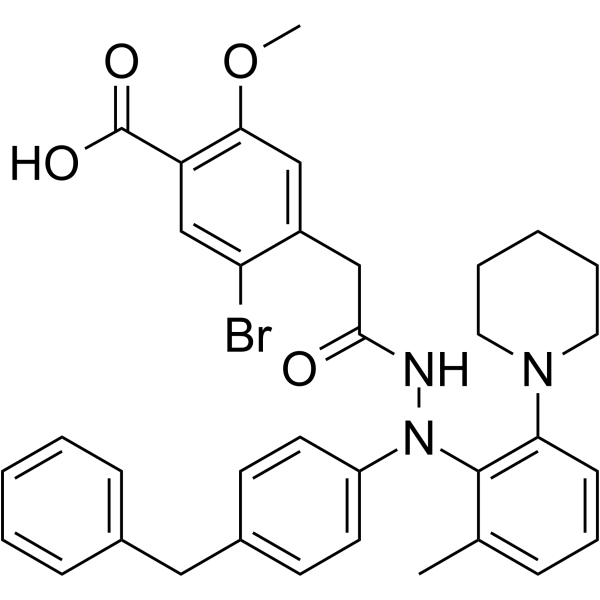
- HY-153062
-
|
|
HCV
|
Infection
|
|
6-Chloro-7-deazapurine-2F-β-D-arabinofuranose is a nucleoside derivative. 6-Chloro-7-deazapurine-2F-β-D-arabinofuranose can be used for synthesis of antiviral agent against hepatitis C virus infection .
|
-
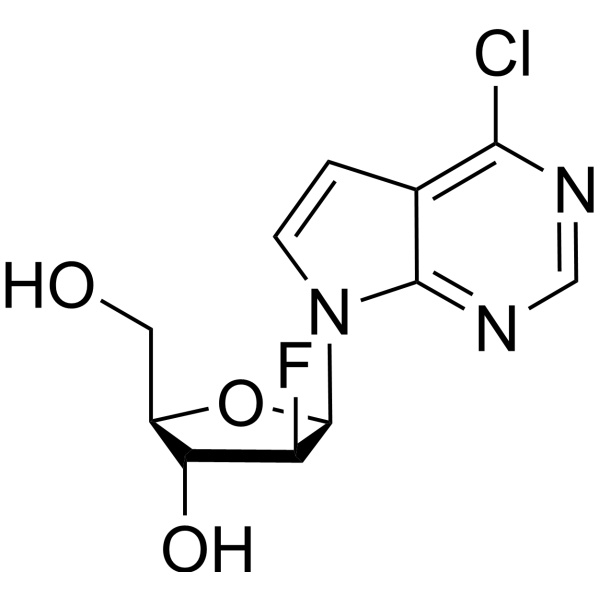
- HY-175683
-
|
|
EBV
HIV
|
Infection
|
|
EBV-IN-1 (Compound 15) is an antiviral agent. EBV-IN-1 has a potent antiviral activity against EBV with a EC50 of 0.17 μM. EBV-IN-1 also shows inhibitory effects on HIV (EC50: 20.8 μM). EBV-IN-1 can be used for EBV and HIV infections research .
|
-

- HY-W008351S
-
|
|
Isotope-Labeled Compounds
Biochemical Assay Reagents
Drug Intermediate
|
Others
|
|
L-Ribose- 13C is the 13C labeled L-Ribose (HY-W008351). L-Ribose, a non-naturally occurring pentose, is an ideal starting material for use in synthesizing L-nucleosides analogues. L-Ribose can be used for the synthesis of various anticancer and antiviral agents such as Telbivudine (HY-B0017) .
|
-
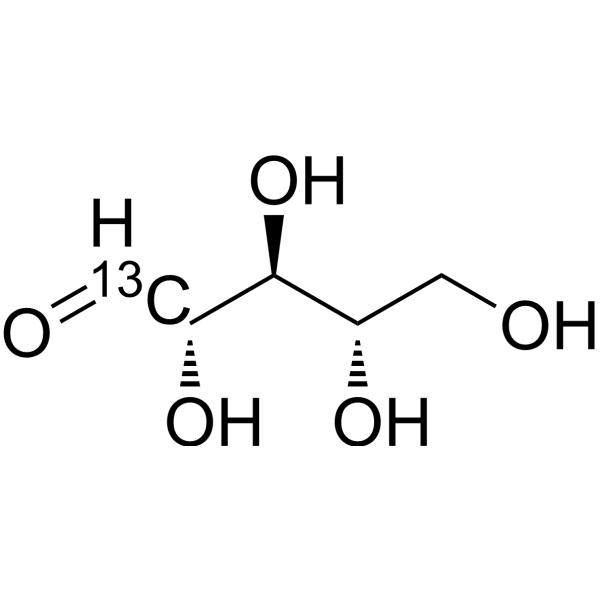
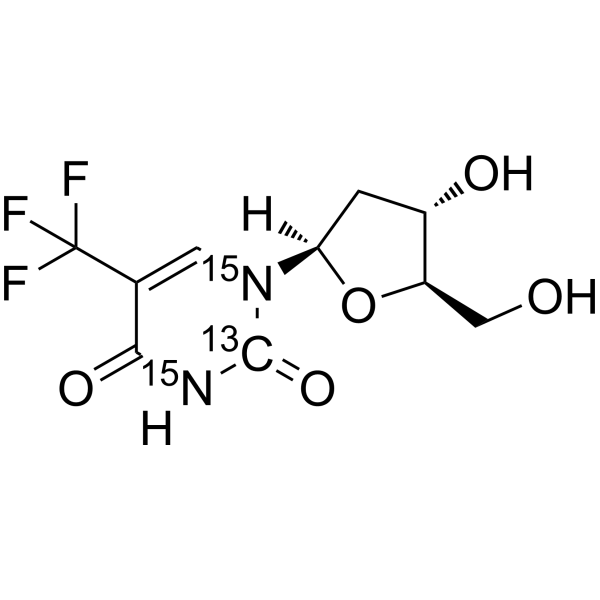
- HY-A0061S
-
|
Trifluorothymidine-13C,15N2; 5-Trifluorothymidine-13C,15N2; TFT-13C,15N2
|
Thymidylate Synthase
Nucleoside Antimetabolite/Analog
HSV
Orthopoxvirus
|
Cancer
|
|
Trifluridine- 13C, 15N2 is the 13C and 15N labeled Trifluridine . Trifluridine (Trifluorothymidine;5-Trifluorothymidine;TFT) is an irreversible thymidylate synthase inhibitor, and thereby suppresses DNA synthesis. Trifluridine is an antiviral agent for herpes simplex virus (HSV) infection. Trifluorothymidine also has anti-orthopoxvirus activity .
|
-
- HY-17425AR
-
|
Valaciclovir hydrochloride (Standard)
|
Reference Standards
HSV
Antibiotic
Bacterial
|
Infection
Cancer
|
|
Valacyclovir (hydrochloride) (Standard) is the analytical standard of Valacyclovir (hydrochloride). This product is intended for research and analytical applications. Valacyclovir hydrochloride (Valaciclovir hydrochloride) is an orally active antiviral agent for herpes simplex, herpes zoster, and herpes B. Valacyclovir hydrochloride inhibits HSV-1 W (50=2.9 μg/ml). Valacyclovir hydrochloride is a proagent of Aciclovir (HY-17422) .
|
-
- HY-B0434G
-
|
Ribasphere; ICN-1229
|
Antibiotic
RSV
HCV
Orthopoxvirus
|
Infection
|
|
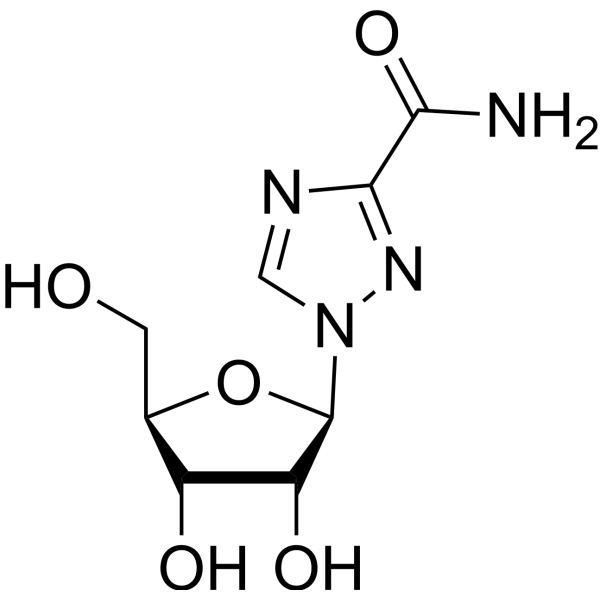
Ribavirin (GMP) is Ribavirin (HY-B0434) produced by using GMP guidelines. GMP small molecules work appropriately as an auxiliary reagent for cell therapy manufacture. Ribavirin (ICN-1229) is an antiviral agent against a broad spectrum of viruses including HCV, HIVl, and RSV. Ribavirin also has anti-orthopoxvirus and anti-variola activities.
|
-
- HY-170547
-
|
|
DNA/RNA Synthesis
HSV
EBV
CMV
|
Infection
|
|
DNA polymerase-IN-6 is an antiviral agent and a DNA polymerase inhibitor. DNA polymerase-IN-6 inhibits the replication of HCMV, HSV-1, HSV-2 and EBV. DNA polymerase-IN-6 exhibits low cytotoxicity in mammalian cells. DNA polymerase-IN-6 can be used in research related to viral infections .
|
-

- HY-121763
-
|
|
HSV
|
Infection
|
|
SCH-43478 is a non-nucleoside antiviral agent. SCH-43478 shows potent and selective activity against herpes simplex virus type 2 (HSV-2) with an IC50 of 1.8 μg/mL using Vero cells. SCH-43478 demonstrates significant efficacy in the guinea pig genital model of HSV infection .
|
-

- HY-W017766
-
|
PHMB
|
Environmental Pollutants
Bacterial
|
Infection
|
|
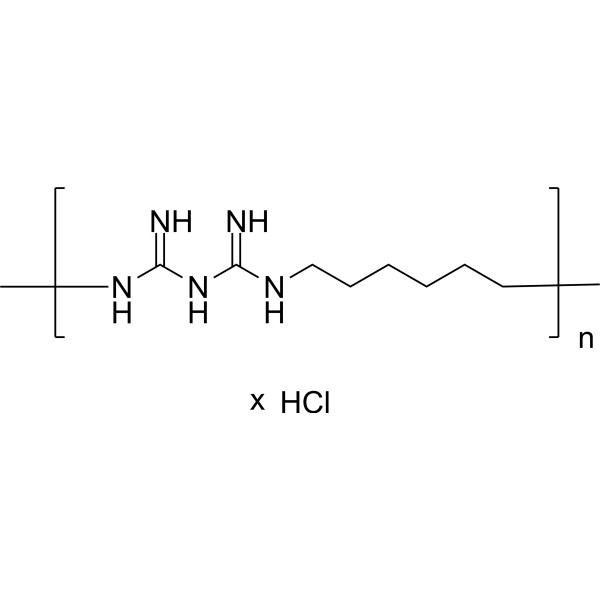
Poly(hexamethylenebiguanide) hydrochloride (PHMB) is an antimicrobial and antiviral agent. Poly(hexamethylenebiguanide) hydrochloride is active against both Gram-positive and Gram-negative bacteria. Poly(hexamethylenebiguanide) hydrochloride works by adsorbing to the surface of cellulose, which can damage microbial cell membranes and interfere with metabolism. Poly(hexamethylenebiguanide) hydrochloride is widely used in medical, clothing and household textiles, and cosmetic fields .
|
-
- HY-112762A
-
|
|
Arenavirus
|
Infection
|
|
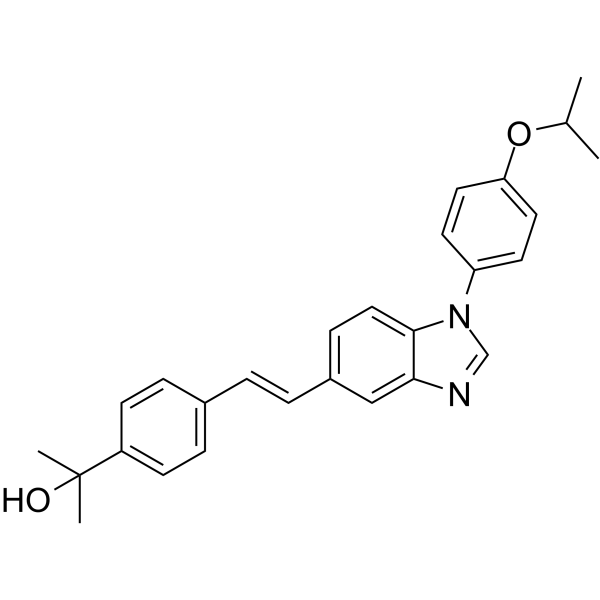
(E)-LHF-535 is the E-isomer of LHF-535. LHF-535 is an antiviral agent extracted from patent WO2013123215A2, Compound 38, has EC50s of <1 μM, <1 μM, <1 μM, and 1-10 μM for Lassa, Machupo, Junin, and VSVg virus, respectively .
|
-
- HY-B0402S
-
|
1-Adamantanamine-d15; 1-Aminoadamantane-d15
|
Influenza Virus
Orthopoxvirus
SARS-CoV
Apoptosis
|
Infection
Neurological Disease
Cancer
|
|
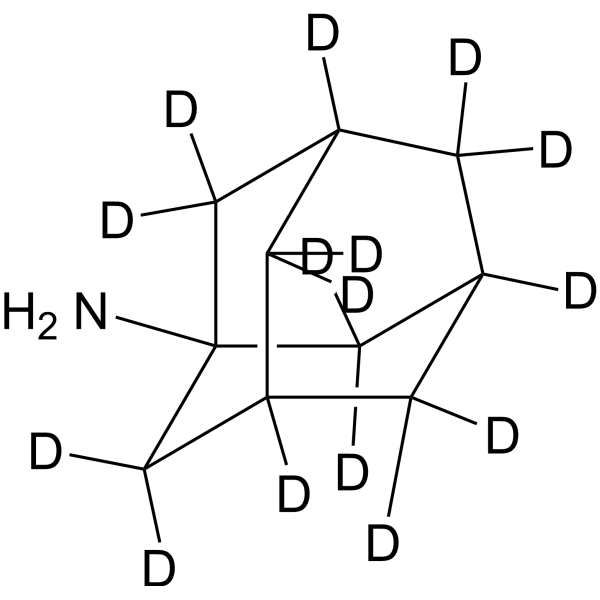
Amantadine-d15 is the deuterium labeled Amantadine. Amantadine (1-Adamantanamine) is an antiviral agent with activity against influenza A viruses. Amantadine blocks the proton flow through the M2 ion channel (M2 proton channel of influenza A) and thus prevents the release of viral RNA into the cytoplasm of the infected cells. Amantadine is an antiparkinsonian agent .
|
-
- HY-17422A
-
|
Aciclovir sodium; Acycloguanosine sodium
|
HSV
Apoptosis
Antibiotic
Bacterial
|
Infection
Cancer
|
|
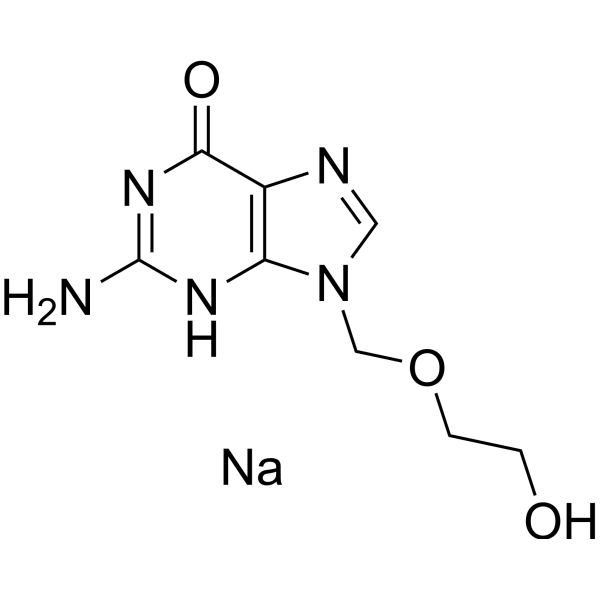
Acyclovir (Aciclovir) sodium is a potent, orally active antiviral agent. Acyclovir sodium has antiherpetic activity with IC50 values of 0.85 μM and 0.86 μM for HSV-1 and HSV-2, respectively. Acyclovir sodium induces cell cycle perturbation and apoptosis. Acyclovir sodium prevents bacterial infections during induction therapy for acute leukaemia .
|
-
- HY-17422D
-
|
Aciclovir hydrochloride; Acycloguanosine hydrochloride
|
HSV
Apoptosis
Antibiotic
Bacterial
|
Infection
Cancer
|
|
Acyclovir (Aciclovir) hydrochloride is a potent, orally active antiviral agent. Acyclovir hydrochloride has antiherpetic activity with IC50 values of 0.85 μM and 0.86 μM for HSV-1 and HSV-2, respectively. Acyclovir hydrochloride induces cell cycle perturbation and apoptosis. Acyclovir hydrochloride prevents bacterial infections during induction therapy for acute leukaemia .
|
-

- HY-159890
-
|
|
SARS-CoV
|
Infection
|
|
MTI013 is a selective SARS-CoV-2 nsp14 Mtase inhibitor (IC50: 2.98 μM) and an antiviral agent (IC50: 10.33 μM in HCoV-229E-infected Huh7 cells). MTI013 also shows a synergistic antiviral effect with the RdRp inhibitor SHEN26 (HY-155488) .
|
-

- HY-W008351R
-
|
|
Reference Standards
Biochemical Assay Reagents
Drug Intermediate
|
Others
|
|
L-Ribose (Standard) is the analytical standard of L-Ribose (HY-W008351). This product is intended for research and analytical applications. L-Ribose, a non-naturally occurring pentose, is an ideal starting material for use in synthesizing L-nucleosides analogues. L-Ribose can be used for the synthesis of various anticancer and antiviral agents such as Telbivudine (HY-B0017) .
|
-

- HY-146364
-
|
|
DNA/RNA Synthesis
HIV
|
Infection
|
|
CI-39 is an antiviral natural product. CI-39 is an NNRTI (non-nucleoside reverse transcriptase inhibit) antiviral agent with an EC50 of 3.40 μM and an CC50 of >30 μM for wild type HIV-1. CI-39 inhibits HIV-1 RT DNA polymerase and ribonuclease H activitiessup .
|
-
- HY-128423
-
|
Acetylisovaleryltylosin tartrate
|
Antibiotic
Bacterial
NF-κB
Apoptosis
|
Infection
Inflammation/Immunology
|
|
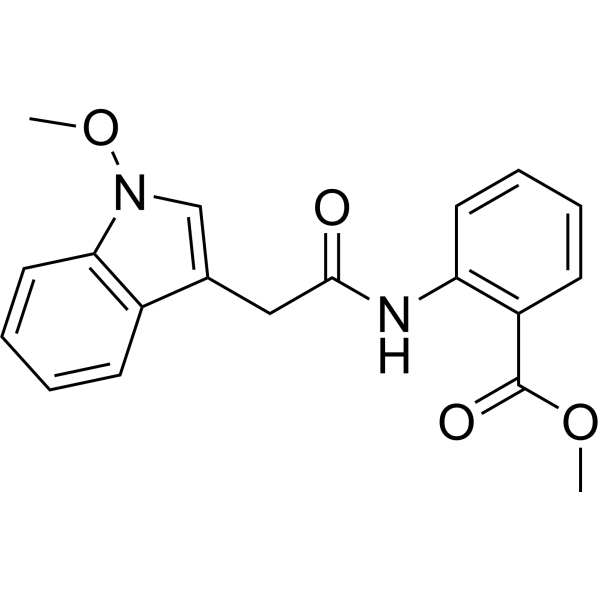
Tylvalosin (Acetylisovaleryltylosin) tartrate is an orally active, broad-spectrum macrolide antibiotic with antimicrobial activity. Tylvalosin tartrate is an antiviral agent useful in studying PRRSV infection. Tylvalosin tartrate induces apoptosis. Tylvalosin tartrate also has anti-inflammatory activity, relieves oxidative stress, and alleviates acute lung injury by inhibiting NF-κB activation .
|
-
- HY-17422
-
|
Aciclovir; Acycloguanosine
|
HSV
Apoptosis
Antibiotic
Bacterial
|
Infection
Cancer
|
|
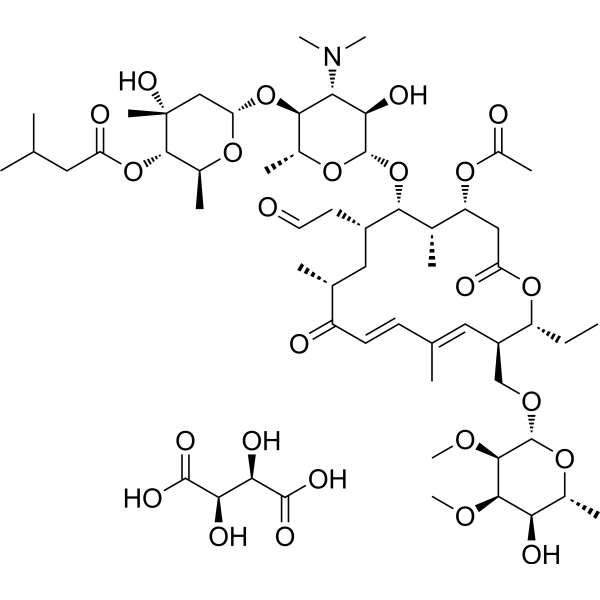
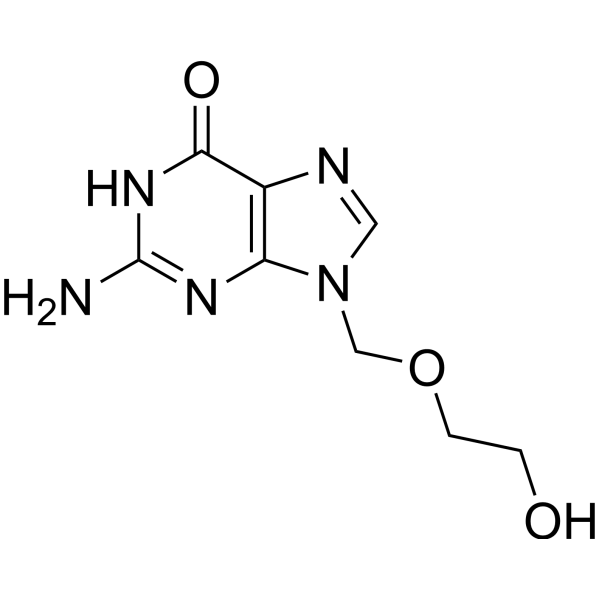
Acyclovir (Aciclovir) is a potent, orally active antiviral agent. Acyclovir has antiherpetic activity with IC50 values of 0.85 μM and 0.86 μM for HSV-1 and HSV-2, respectively. Acyclovir induces cell cycle perturbation and apoptosis. Acyclovir prevents bacterial infections during induction therapy for acute leukaemia .
|
-
- HY-170395
-
|
|
RSV
DNA/RNA Synthesis
|
Infection
|
|
GHP-88309 is a broad-spectrum, orally active antiviral agent targeting paramyxoviruses, that targets the viral polymerase, interupts the viral RNA synthesis, and inhibits respiratory syncytial virus (RSV), measles virus (MeV), and canine distemper virus (CDV) with EC50 of 0.06-1.2 μM. GHP-88309 exhibits anti-infectious efficacy in mouse models .
|
-

- HY-172907
-
|
|
Dengue Virus
|
Infection
|
|
SMU-1k is a highly effective and broad-spectrum antiviral agent. SMU-1k inhibits ZIKV and DENV-2 with EC50s of 7.08 and 3.96 μM, respectively. SMU-1k significantly inhibits NS5 protein expression and restores the level of STAT2 .
|
-

- HY-106161
-
|
AG7088
|
Virus Protease
Enterovirus
|
Infection
Inflammation/Immunology
|
|
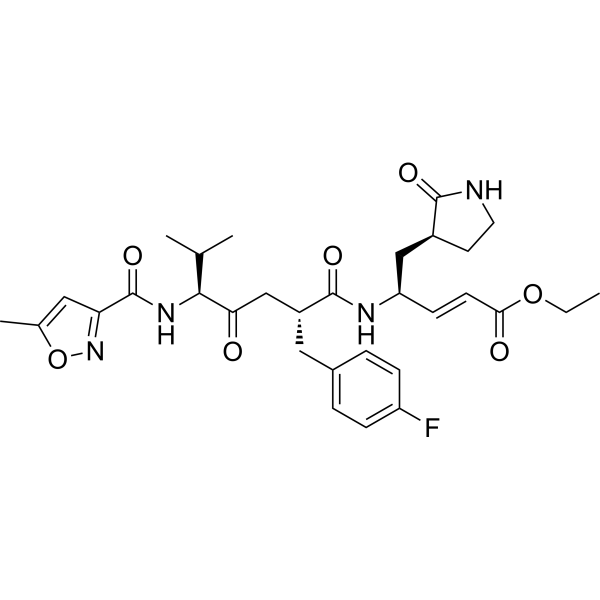
Rupintrivirvr (AG7088), an antiviral agent, is a potent, selective and irreversible inhibitor of human rhinovirus (HRV) 3C protease. Rupintrivirvr inhibits replication of a panel of 48 different HRV serotypes in H1-HeLA and MRC-5 cell protection assays, with a mean EC50 of 0.023 μM. Rupintrivirvr shows immune-modulatory effect .
|
-
- HY-B1826
-
|
GS-0393; PMEA
|
HBV
Reverse Transcriptase
|
Infection
|
|
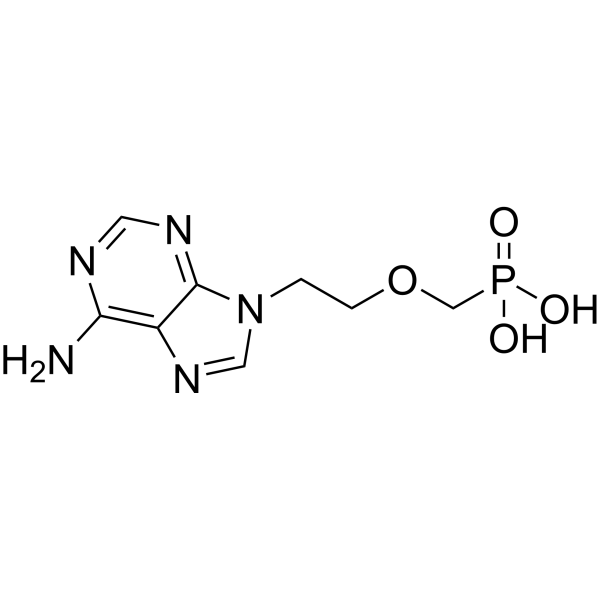
Adefovir (GS-0393) is an adenosine monophosphate analog antiviral agent that after intracellular conversion to Adefovir diphosphate inhibits HBV DNA polymerase. Adefovir has an IC50 of 0.7 μM against HBV in the HepG2.2.15 cell line. Adefovir has good antiviral activity against several viruses, including HBV and herpesviruses .
|
-
- HY-14904
-
|
|
SARS-CoV
Influenza Virus
CHIKV
|
Infection
|
|
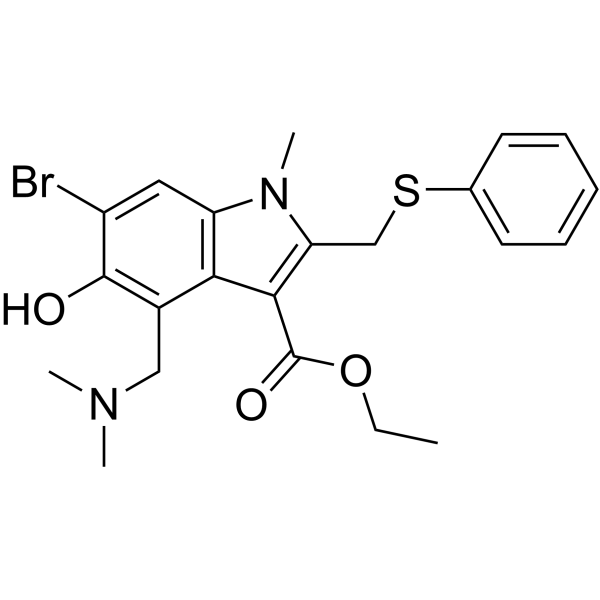
Umifenovir is a potent, orally active broad-spectrum antiviral agent with activity against a number of enveloped and non-enveloped viruses. Umifenovir is used as an anti-influenza virus agent. Umifenovir could effectively inhibit the fusion of virus with host cells . Umifenovir is an efficient inhibitor of SARS-CoV-2 in vitro . Umifenovir shows anti-inflammatory activity .
|
-
- HY-W002458
-
|
|
Drug Intermediate
|
Others
|
|
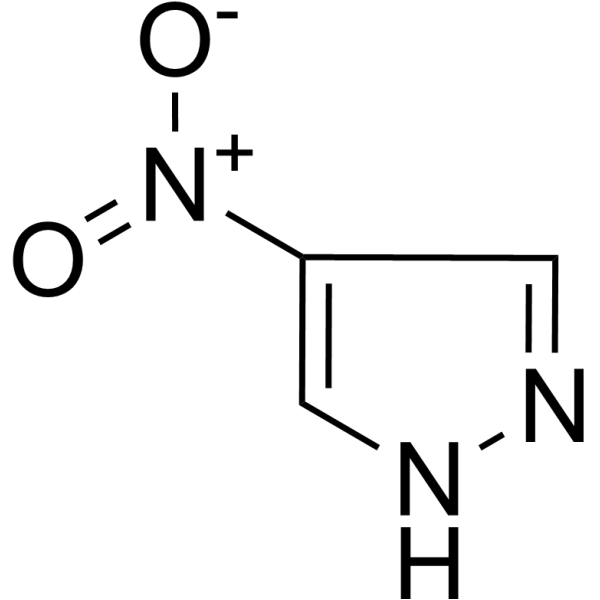
4-Nitropyrazole is a five-membered nitrogen-containing heterocyclic compound that can be used as a drug intermediate. 4-Nitropyrazole can be synthesized into antibiotics/antifungal/antiviral agents containing pyrazole rings. 4-Nitropyrazole is synthesized through C-H activation reactions to produce LRRK2 inhibitors, which are used in the research of Parkinson's disease .
|
-
- HY-138577
-
|
|
Phosphoramidites
DNA/RNA Synthesis
Nucleoside Antimetabolite/Analog
|
Cancer
|
|
2'-F-Bz-dC Phosphoramidite can be used in the synthesis of oligoribonucleotide (such as DNA and RNA). 2'-F-Bz-dC Phosphoramidite also used for synthesis antiviral agent to inhibit the replication of virus. 2'-F-Bz-dC Phosphoramidite contains a phosphorothioate backbone, to synthesise antisense oligonucleotide analogs to induce apoptosis in cancer cells .
|
-
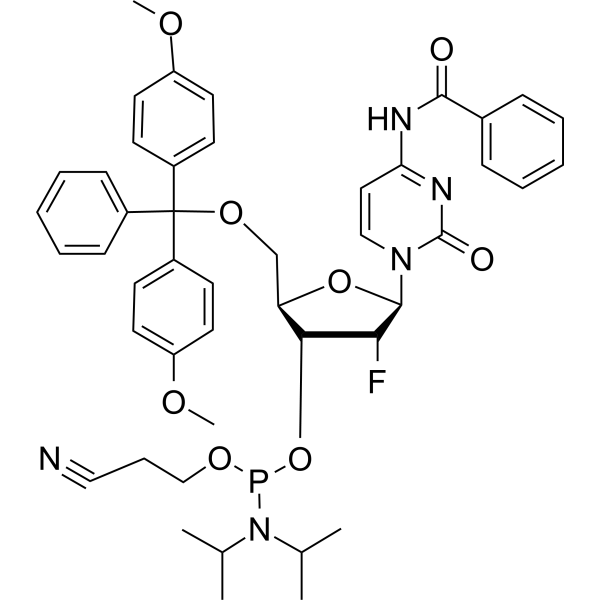
- HY-170547A
-
|
|
HSV
CMV
EBV
DNA/RNA Synthesis
|
Infection
|
|
DNA polymerase-IN-6 formic is an antiviral agent and a DNA polymerase inhibitor. DNA polymerase-IN-6 formic inhibits the replication of HCMV, HSV-1, HSV-2 and EBV. DNA polymerase-IN-6 formic exhibits low cytotoxicity in mammalian cells. DNA polymerase-IN-6 formic can be used in research related to viral infections .
|
-

- HY-138078
-
|
PF-07304814
|
SARS-CoV
|
Infection
|
|
Lufotrelvir (PF-07304814), a phosphate proagent of PF-00835231, acts as a potent 3CLpro protease (Mpro) inhibitor with SARS-CoV-2 antiviral activity. Lufotrelvir binds and inhibits SARS-CoV-2 3CLpro activity with a Ki of 174nM. Lufotrelvir is promising single antiviral agent and also can be used for the research of combination with other antivirals that target other critical stages of the coronavirus life cycle.
|
-
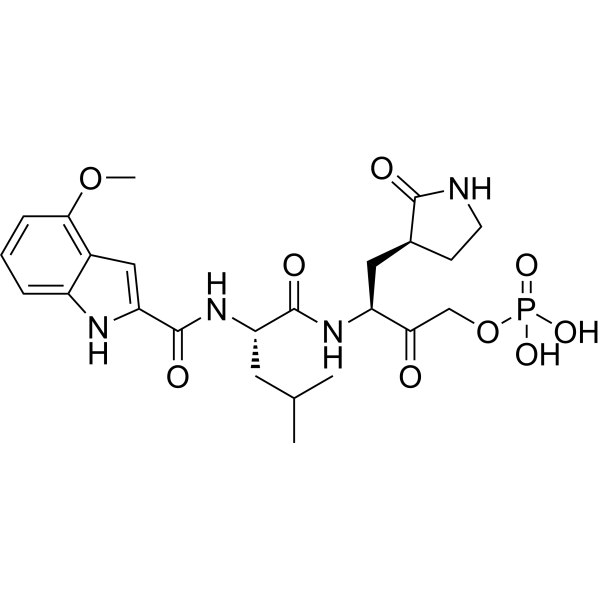
- HY-150581
-
|
|
Cytochrome P450
|
Infection
Inflammation/Immunology
|
|
CYP3A4-IN-3 is a high-affinity specific inhibitor of cytochrome P450 3A4 (CYP3A4) with the IC50 value of 0.075 μM. CYP3A4-IN-3 is a ritonavir analogue, but with a simpler structure and twice the inhibitory effect of ritonavir. CYP3A4-IN-3 is used as an antiviral agent and immunosuppressant .
|
-
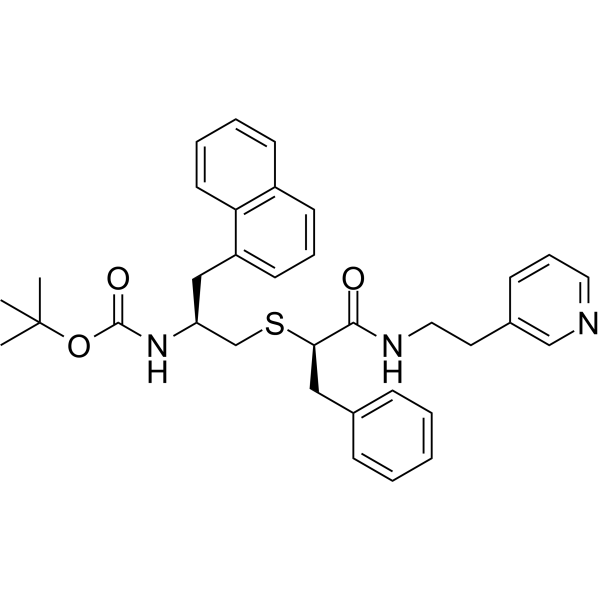
- HY-144833
-
|
|
SARS-CoV
|
Infection
|
|
SARS-CoV-2 3CLpro-IN-1 (Compound 14c) is a potent inhibitor of SARS-CoV-2 3CL pro. 3CL pro (main coronaviruses cysteine-protease) has been identified as a promising target for the development of antiviral agents. SARS-CoV-2 3CLpro-IN-1 has the potential for the research of infection diseases .
|
-
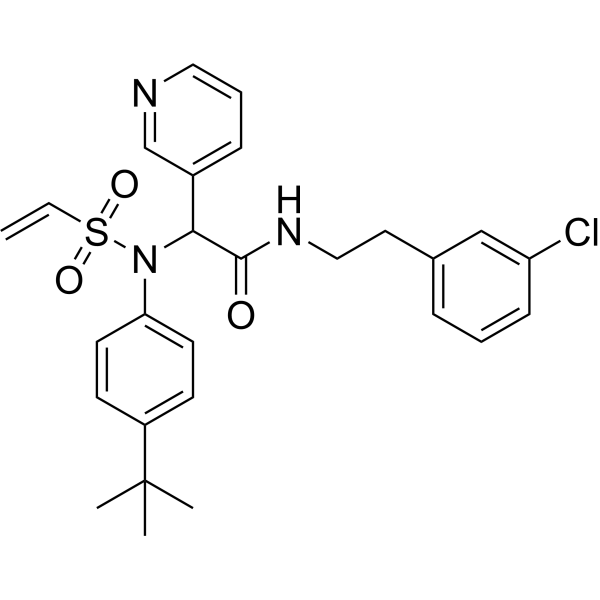
- HY-162242
-
|
|
Influenza Virus
|
Infection
|
|
Cap-dependent endonuclease-IN-27 (Compound 8) is an orally active potent cap-dependent endonuclease (CEN) inhibitor. Cap-dependent endonuclease-IN-27, an antiviral agent, shows activity against influenza B virus. Cap-dependent endonuclease-IN-27 has inhibitory activity against IFV A/WSN/33 (H1N1) polymerase (EC50 = 12.26 nM) .
|
-
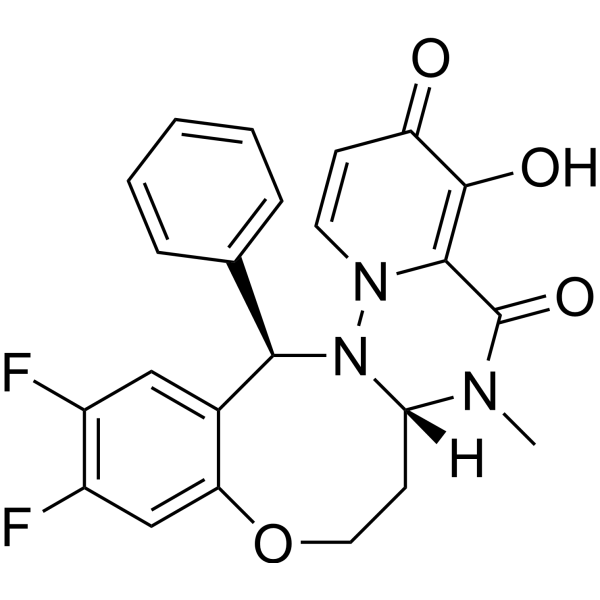
- HY-163754
-
|
|
TMV
|
Infection
|
|
TMV-IN-9 (compound A6) is an antiviral agent that displays excellent inactivating against tobacco mosaic virus (TMV) with an EC50 of 62.8 μg/mL. TMV-IN-9 shows strong binding capacity to TMV coat protein with a binding affinity value of 1.862 μM. TMV-IN-9 obviously destroys the integrity of the TMV particles and blocked the virus from infecting the host .
|
-

- HY-19840
-
|
GS-9857
|
HCV Protease
|
Infection
Cancer
|
|
Voxilaprevir (GS-9857) is a noncovalent, reversible inhibitor of HCV NS3/4A protease inhibitor (PI) with pangenotypic antiviral activity . Voxilaprevir inhibits genotype 1b and 3a wild-type NS3 proteases with Ki values of 0.038 nM and 0.066 nM, respectively . Voxilaprevir is an orally active direct-acting antiviral agent (DAA) and can be used for HCV infection research .
|
-
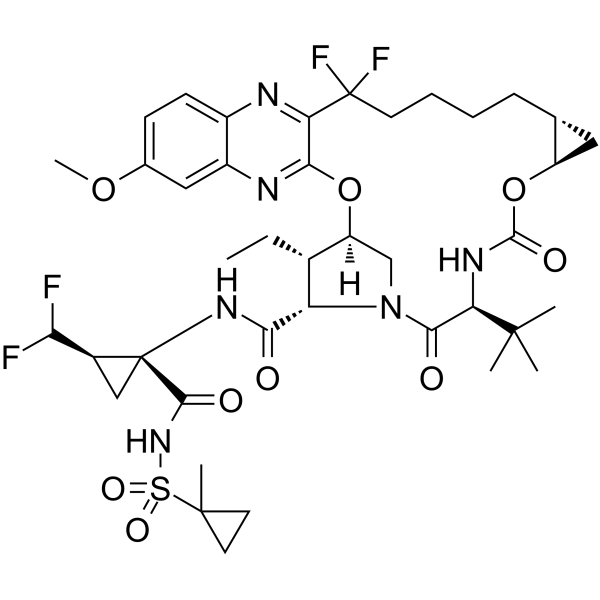
- HY-B0402A
-
|
1-Adamantanamine hydrochloride; 1-Adamantylamine hydrochloride; 1-Aminoadamantane hydrochloride
|
Influenza Virus
Orthopoxvirus
SARS-CoV
Apoptosis
Bcl-2 Family
CDK
|
Infection
Neurological Disease
Cancer
|
|
Amantadine (1-Adamantanamine) hydrochloride is an orally avtive and potent antiviral agent with activity against influenza A viruses. Amantadine hydrochloride inhibits several ion channels such as NMDA and M2, and also inhibits Coronavirus ion channels. Amantadine hydrochloride also has anti-orthopoxvirus and anticancer activity. Amantadine hydrochloride can be used for Parkinson's disease, postoperative cognitive dysfunction (POCD) and COVID-19 research .
|
-
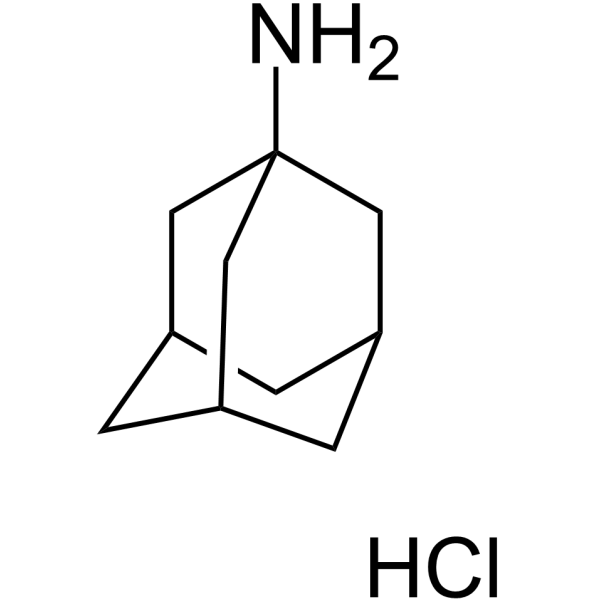
- HY-B0402
-
|
1-Adamantanamine; 1-Aminoadamantane
|
Influenza Virus
Orthopoxvirus
SARS-CoV
Apoptosis
CDK
Bcl-2 Family
|
Infection
Neurological Disease
Cancer
|
|
Amantadine (1-Adamantanamine) is an orally avtive and potent antiviral agent with activity against influenza A viruses. Amantadine inhibits several ion channels such as NMDA and M2, and also inhibits Coronavirus ion channels. Amantadine also has anti-orthopoxvirus and anticancer activity. Amantadine can be used for Parkinson's disease, postoperative cognitive dysfunction (POCD) and COVID-19 research .
|
-
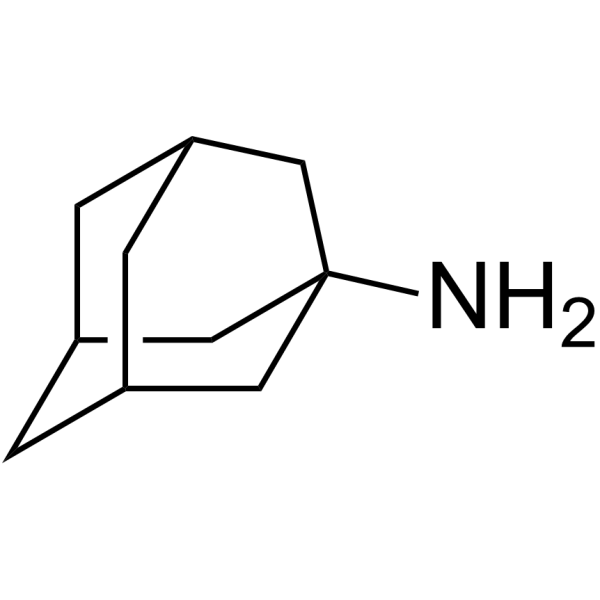
- HY-183920
-
|
|
CMV
p97
|
Infection
|
|
LC-1310 is an antiviral agent that targets and inhibits p97, and it suppresses the in vitro replication of human cytomegalovirus (HCMV) with an EC50 value of 0.3 μM. LC-1310 targets the D2 ATP-binding site of p97, downregulates the expression of early viral proteins, thereby blocking the transcription and proliferation of early viral genes. LC-1310 can be used for research on human cytomegalovirus infection .
|
-

- HY-109045AR
-
|
BTA074 hydrochloride (Standard); AP 611074 hydrochloride (Standard)
|
Reference Standards
E1/E2/E3 Enzyme
HPV
|
Infection
|
|
Teslexivir hydrochloride (Standard) is the analytical standard of Teslexivir (hydrochloride) (HY-109045A). This product is intended for research and analytical applications. Teslexivir (BTA074) hydrochloride is a potent antiviral agent. Teslexivir hydrochloride is a potent and selective inhibitor of the interaction between two essential viral proteins, E1 and E2, an association that is a necessary step in the DNA replication and thus viral production for Human Papilloma Virus (HPV) 6 and 11. Teslexivir hydrochloride can be used for condyloma research .
|
-

- HY-150580
-
|
|
Cytochrome P450
|
Inflammation/Immunology
Cancer
|
|
CYP3A4-IN-2 is a specific inhibitor of cytochrome P450 3A4 (CYP3A4) with the IC50 value of 0.055 μM. CYP3A4-IN-2 is a ritonavir analogue with increased hydrophobicity of the R2 side group and stronger inhibitory effect compared to ritonavir. CYP3A4-IN-2 can be used as an antiviral agent and immunosuppressants .
|
-
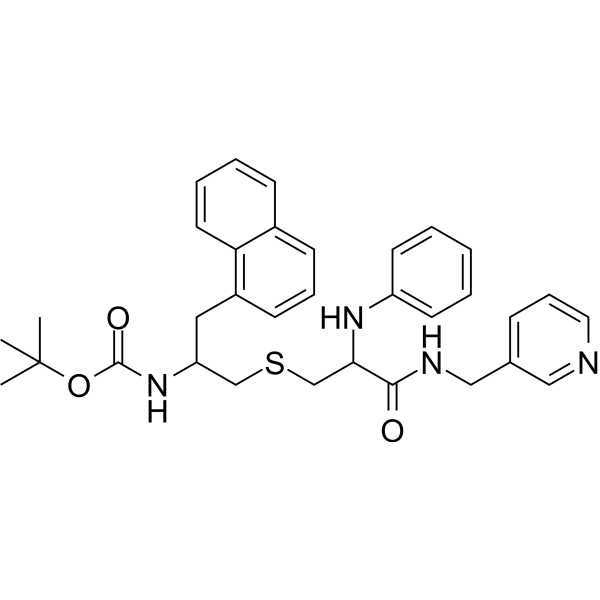
- HY-139663
-
|
|
Glycosidase
|
Infection
|
|
IHVR-17028 is a potent and broad-spectrum antiviral agent. IHVR-17028 exhibits antiviral activity against BVDV, TCRV and DENV with EC50 values of 0.4 μM, 0.26 μM, 0.3 μM, respectively. IHVR-17028 is a potent ER α-glucosidase I inhibitor with an IC50 of 0.24 μM. IHVR-17028 can be used for infectious diseases research .
|
-
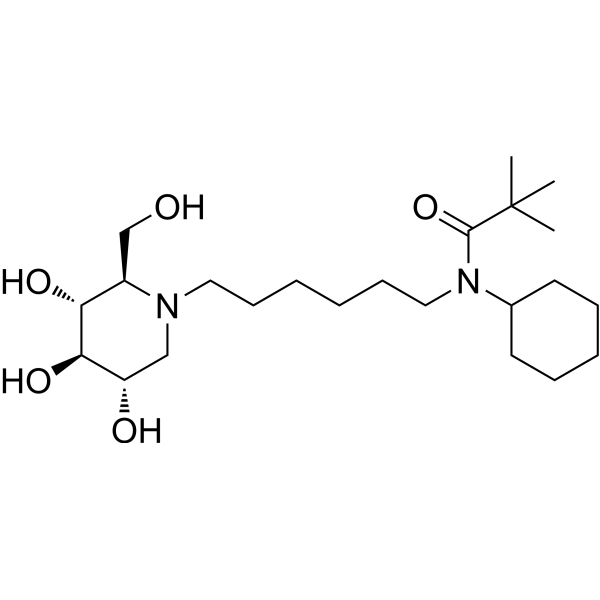
- HY-128718
-
|
|
Influenza Virus
|
Infection
|
|
Carbodine (Carbocyclic cytidine) is a broad-spectrum antiviral agent active against DNA viruses, (+)RNA viruses, (-)RNA viruses, paramyxo, rhabdo and (+/-)RNA viruses, targets CTP synthetase that converts UTP to CTP. Carbodine (Carbocyclic cytidine) possesses significant antiviral activity against influenza virus types A0/PR-8/34 and A2/Aichi/2/68 in vitro .
|
-
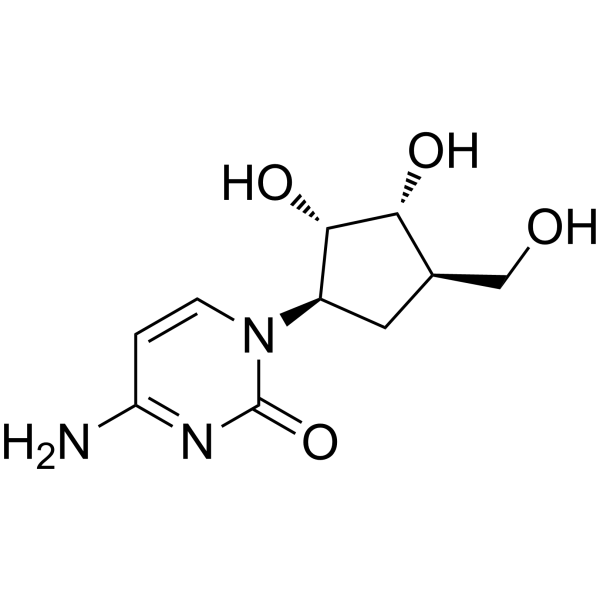
- HY-B1826S2
-
|
GS-0393-d4; PMEA-d4
|
Isotope-Labeled Compounds
HBV
Reverse Transcriptase
|
Infection
|
|
Adefovir-d4 is the deuterium labeled Adefovir. Adefovir (GS-0393) is an adenosine monophosphate analog antiviral agent that after intracellular conversion to Adefovir diphosphate inhibits HBV DNA polymerase. Adefovir has an IC50 of 0.7 μM against HBV in the HepG2.2.15 cell line. Adefovir has good antiviral activity against several viruses, including HBV and herpesviruses .
|
-
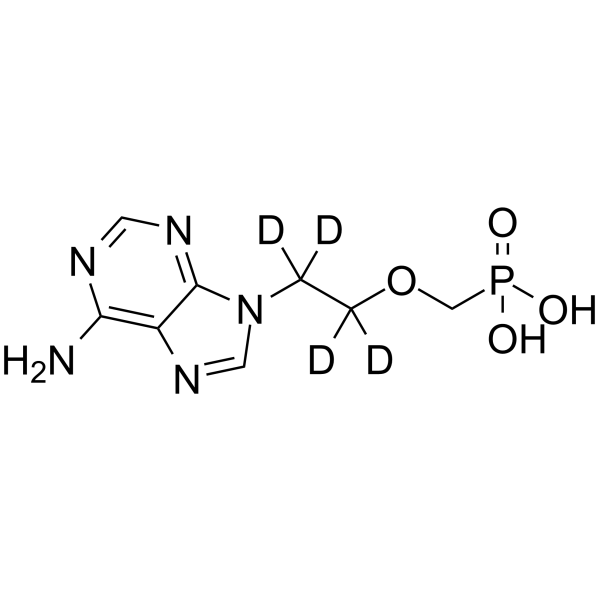
- HY-137453B
-
|
(1R)-HS-10234
|
HBV
HIV
|
Infection
|
|
(1R)-Tenofovir amibufenamide ((1R)-HS-10234) is the isomer of Tenofovir amibufenamide, is an orally active antiviral agent. (1R)-Tenofovir amibufenamide ((1R)-HS-10234) is a HIV infection inhibitor and HBV infection inhibitor. (1R)-Tenofovir amibufenamide ((1R)-HS-10234) can be used for HIV infections, hepatitis B research .
|
-
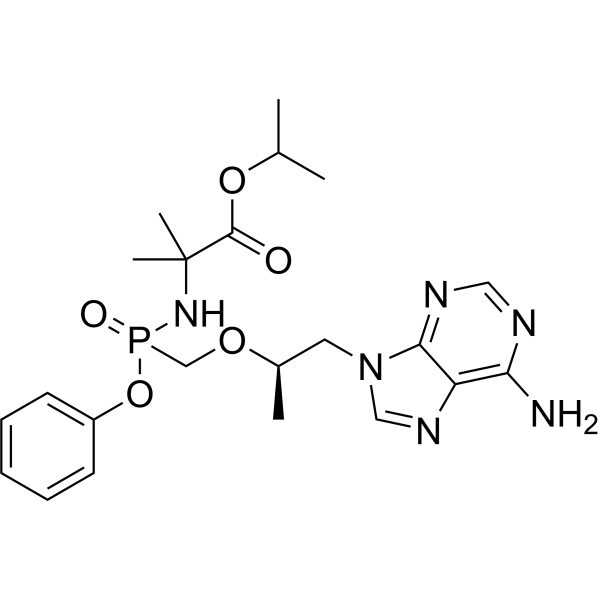
- HY-106161S1
-
|
AG7088-d7
|
Isotope-Labeled Compounds
Enterovirus
Virus Protease
|
Infection
|
|
Rupintrivir-d7 is a deuterated labeled Rupintrivir . Rupintrivirvr (AG7088), an antiviral agent, is a potent, selective and irreversible inhibitor of human rhinovirus (HRV) 3C protease. Rupintrivirvr inhibits replication of a panel of 48 different HRV serotypes in H1-HeLA and MRC-5 cell protection assays, with a mean EC50 of 0.023 μM. Rupintrivirvr shows immune-modulatory effect .
|
-

- HY-17619
-
|
PPI-668
|
HCV
|
Infection
|
|
Ravidasvir (PPI-668) is an orally active pan-genotypic NS5A inhibitor and antiviral agent. Ravidasvir exhibits antiviral activity against HCV genotypes 1 to 6, with EC50 values ranging from 0.04 to 1.14 nM. Ravidasvir shows no or extremely low activity against feline infectious peritonitis virus type II. Ravidasvir can be used in research related to hepatitis C virus infection .
|
-

- HY-146226
-
|
|
Enterovirus
|
Infection
|
|
Viral 2C protein inhibitor 1 (compound 6aw) is a potent and broad-spectrum enterovirus antiviral agent, inhibiting viral 2C protein. Viral 2C protein inhibitor 1 inhibits multiple strains of EV-D68, EV-A71 and CVB3 with EC50s of 0.1~3.6 µM, and exhibits high selectivity index and relatively low cytotoxicity .
|
-
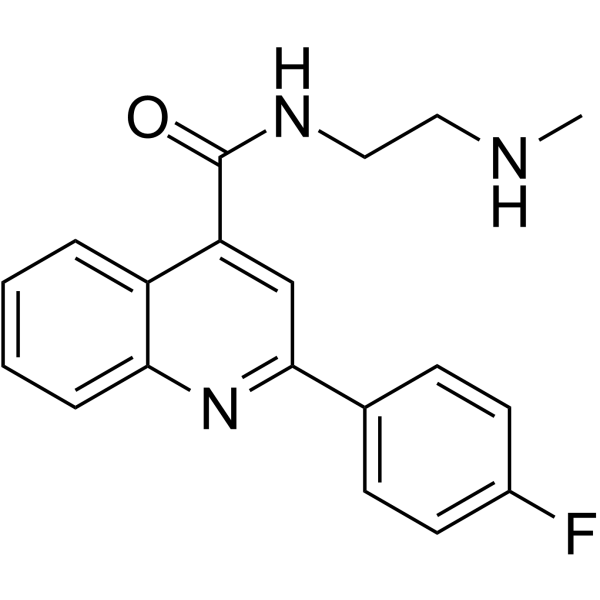
- HY-17422R
-
|
Aciclovir (Standard); Acycloguanosine (Standard)
|
Reference Standards
HSV
Apoptosis
Antibiotic
Bacterial
|
Infection
Cancer
|
|
Acyclovir (Standard) is the analytical standard of Acyclovir. This product is intended for research and analytical applications. Acyclovir (Aciclovir) is a potent, orally active antiviral agent. Acyclovir has antiherpetic activity with IC50 values of 0.85 μM and 0.86 μM for HSV-1 and HSV-2, respectively. Acyclovir induces cell cycle perturbation and apoptosis. Acyclovir prevents bacterial infections during induction therapy for acute leukaemia .
|
-

- HY-W653905
-
|
1-Adamantanamine hydrochloride-d15
|
Isotope-Labeled Compounds
|
Infection
Neurological Disease
Cancer
|
|
Amantadine-d15 hydrochloride is deuterated labeled Amantadine. Amantadine (1-Adamantanamine) is an orally avtive and potent antiviral agent with activity against influenza A viruses. Amantadine inhibits several ion channels such as NMDA and M2, and also inhibits Coronavirus ion channels. Amantadine also has anti-orthopoxvirus and anticancer activity. Amantadine can be used for Parkinson's disease, postoperative cognitive dysfunction (POCD) and COVID-19 research .
|
-
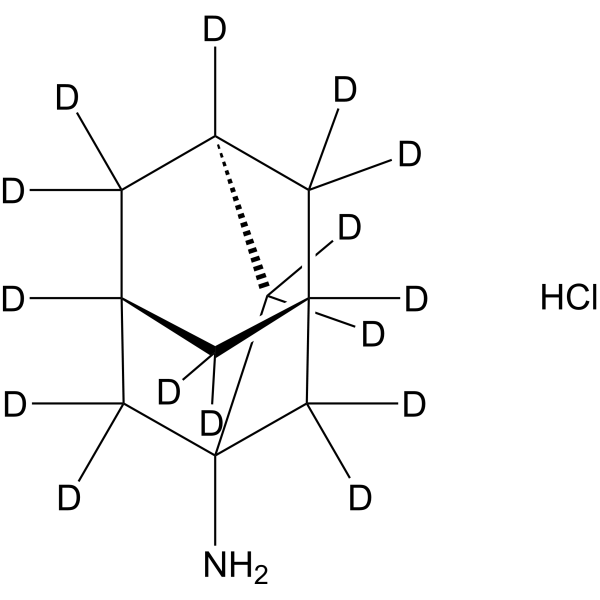
- HY-184263
-
|
|
DNA/RNA Synthesis
CHIKV
|
Infection
|
|
CHVB-032 is an antiviral agent and SFV nsP1 inhibitor. CHVB-032 inhibits the methyltransferase and guanylyltransferase activities of nsP1, blocks viral RNA capping process, and suppresses post-entry steps in CHIKV replication. CHVB-032 inhibits CHIKV replication across different isolates, but shows no activity against other alphaviruses. CHVB-032 can be used in research related to chikungunya fever and CHIKV infection .
|
-

- HY-18649
-
|
BCX4430 hydrochloride; Immucillin-A hydrochloride
|
DNA/RNA Synthesis
SARS-CoV
Filovirus
|
Infection
|
|
Galidesivir (BCX4430) hydrochloride, an adenosine analog and a direct-acting antiviral agent, disrupts viral RNA-dependent RNA polymerase (RdRp) activity. Galidesivir hydrochloride is active in vitro against many RNA viral pathogens, including the filoviruses and emerging infectious agents such as MERS-CoV, SARS-CoV, and SARS-CoV-2. Galidesivir hydrochloride inhibits some negative-sense RNA viruses with EC50s ranging from ~3 to ~68 μM .
|
-
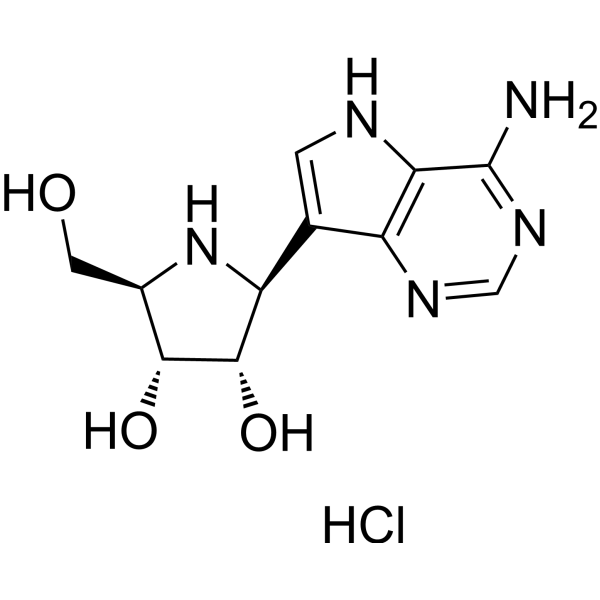
- HY-178455
-
|
|
Influenza Virus
|
Infection
|
|
Influenza virus-IN-10 is a dual-target antiviral agents for influenza that targets both PAC (KD = 8.9 μM) and NP (KD = 52.5 μM) simultaneously. Influenza virus-IN-10 exhibits an EC50 values of 1.64 μM) against influenza A virus (H1N1, A/WSN/33) and broad-spectrum activity against other influenza strains, including influenza B virus and multiple subtypes of influenza A .
|
-

- HY-14904R
-
|
|
Reference Standards
SARS-CoV
Influenza Virus
CHIKV
|
Infection
|
|
Umifenovir (Standard) is the analytical standard of Umifenovir. This product is intended for research and analytical applications. Umifenovir is a potent, orally active broad-spectrum antiviral agent with activity against a number of enveloped and non-enveloped viruses. Umifenovir is used as an anti-influenza virus agent. Umifenovir could effectively inhibit the fusion of virus with host cells . Umifenovir is an efficient inhibitor of SARS-CoV-2 in vitro . Umifenovir shows anti-inflammatory activity .
|
-

- HY-18649A
-
|
BCX4430; Immucillin-A
|
DNA/RNA Synthesis
SARS-CoV
Filovirus
|
Infection
|
|
Galidesivir (BCX4430), an adenosine analog and a direct-acting antiviral agent, disrupts viral RNA-dependent RNA polymerase (RdRp) activity. Galidesivir is active in vitro against many RNA viral pathogens, including the filoviruses and emerging infectious agents such as MERS-CoV, SARS-CoV, and SARS-CoV-2. Galidesivir inhibits some negative-sense RNA viruses with EC50s ranging from ~3 to ~68 μM .
|
-
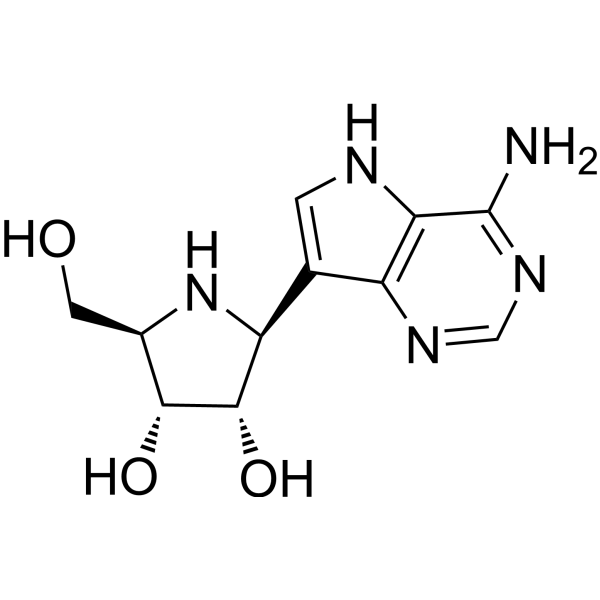
- HY-B0402B
-
|
1-Adamantanamine sulfate; 1-Aminoadamantane sulfate
|
Influenza Virus
Orthopoxvirus
SARS-CoV
Apoptosis
CDK
Bcl-2 Family
|
Infection
Neurological Disease
Cancer
|
|
Amantadine (1-Adamantanamine) sulfate is an orally avtive and potent antiviral agent with activity against influenza A viruses. Amantadine sulfate inhibits several ion channels such as NMDA and M2, and also inhibits Coronavirus ion channels. Amantadine sulfate also has anti-orthopoxvirus and anticancer activity. Amantadine sulfate can be used for Parkinson's disease, postoperative cognitive dysfunction (POCD) and COVID-19 research .
|
-
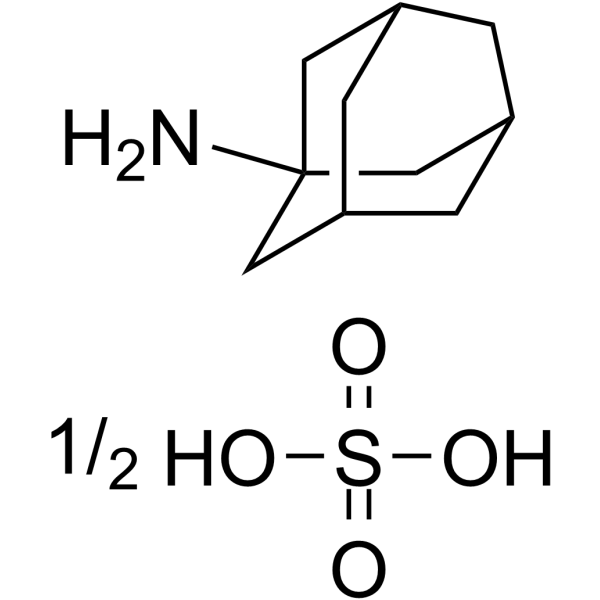
- HY-106161R
-
|
AG7088 (Standard)
|
Reference Standards
Virus Protease
Enterovirus
|
Infection
Inflammation/Immunology
|
|
Rupintrivir (Standard) is the analytical standard of Rupintrivir (HY-106161). This product is intended for research and analytical applications. Rupintrivirvr (AG7088), an antiviral agent, is a potent, selective and irreversible inhibitor of human rhinovirus (HRV) 3C protease. Rupintrivirvr inhibits replication of a panel of 48 different HRV serotypes in H1-HeLA and MRC-5 cell protection assays, with a mean EC50 of 0.023 μM. Rupintrivirvr shows immune-modulatory effect .
|
-

- HY-128660
-
|
|
HCV
Dengue Virus
Influenza Virus
|
Infection
|
|
RYL-634 is a potent broad-spectrum antiviral agent. RYL-634 exerts its antiviral effect by inhibiting the activity of human dihydroorotate dehydrogenase (HsDHODH) and blocking the supply of pyrimidines required for viral replication. RYL-634 shows significant inhibition against many viruses, with the EC50 values against DENV, ZIKV, EV71, HCV and HIV are 7 nM, 20 nM, 4 nM, 5 nM and 13 nM respectively. RYL-634 can be used for the study of various virus infection-related diseases .
|
-

- HY-B0402S1
-
|
1-Adamantanamine-d6; 1-Aminoadamantane-d6
|
Apoptosis
CDK
SARS-CoV
Bcl-2 Family
Influenza Virus
Orthopoxvirus
|
Cancer
|
|
Amantadine-d6 is the deuterium labeled Amantadine . Amantadine (1-Adamantanamine) is an orally avtive and potent antiviral agent with activity against influenza A viruses. Amantadine inhibits several ion channels such as NMDA and M2, and also inhibits Coronavirus ion channels. Amantadine also has anti-orthopoxvirus and anticancer activity. Amantadine can be used for Parkinson's disease, postoperative cognitive dysfunction (POCD) and COVID-19 research .
|
-
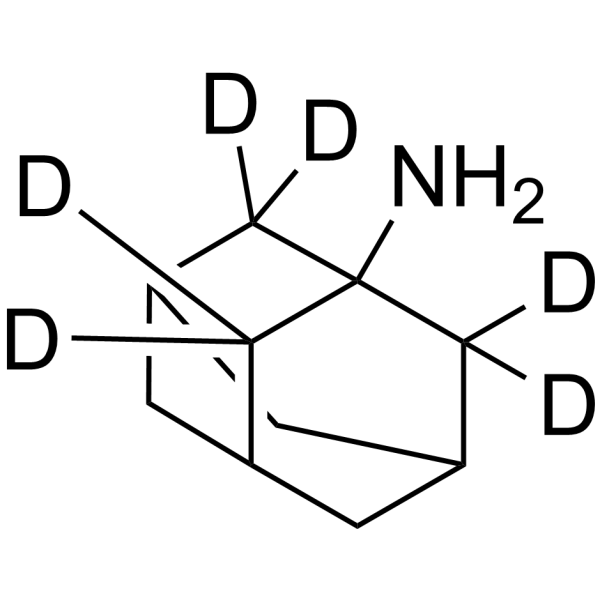
- HY-18944
-
|
|
CDK
HSV
CMV
DNA/RNA Synthesis
|
Infection
|
|
FIT-039 is a selective, ATP-competitive and orally active CDK9 inhibitor with an IC50 of 5.8 μM for CKD9/cyclin T1. FIT-039 does not inhibit other CDKs and other kinases. FIT-039 inhibits replication of HSV-1 (IC50 of 0.69 μM), HSV-2, human adenovirus, and human CMV. FIT-039 is a promising antiviral agent for inhibiting drug-resistant HSVs and other DNA viruses.
|
-
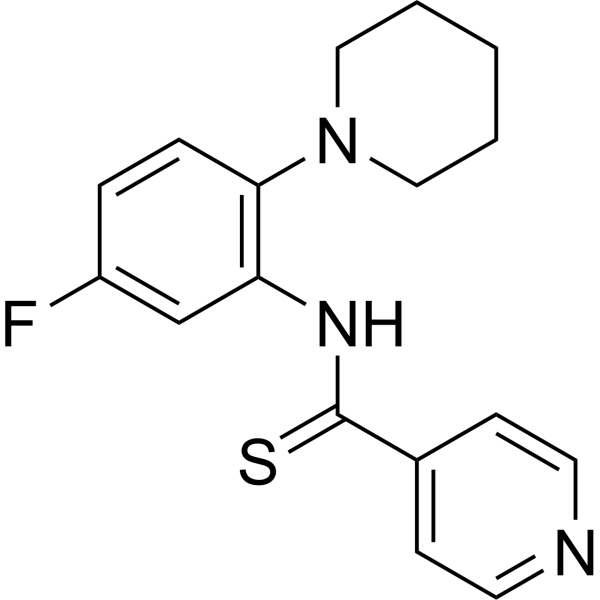
- HY-181997
-
|
|
LDLR
SARS-CoV
|
Infection
|
|
LDLRAP1-IN-1 (Compound B19) is a LDLRAP1 inhibitor and antiviral agent, with an IC50 of 4.98 μM for disrupting the interaction between LDLRAP1 and LDLR. LDLRAP1-IN-1 covalently modifies the C119 residue of LDLRAP1 at the LDLRAP1-LDLR binding interface, thereby disrupting the interaction between LDLRAP1 and LDLR. LDLRAP1-IN-1 exhibits antiviral activity against HCoV-OC43 .
|
-

- HY-16305S1
-
|
1263W94-d6 TFA; BW1263W94-d6 TFA; GW257406X-d6 TFA
|
Bacterial
|
Infection
|
|
Maribavir-d6 TFA (1263W94-d6 TFA; BW1263W94-d6 TFA; GW257406X-d6 TFA) is a deuterium labeled Maribavir (HY-16305). Maribavir is an orally active antiviral agent for cytomegalovirus (CMV) through inhibition of protein kinase UL97 and the following CMV DNA replication .
|
-
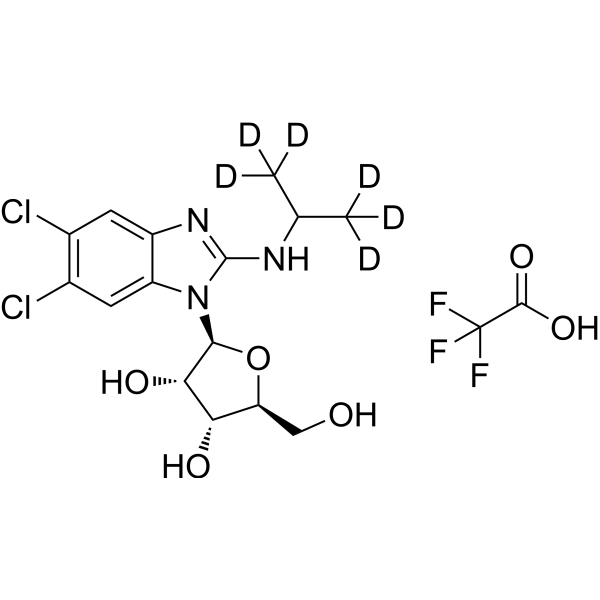
- HY-B0402AR
-
|
1-Adamantanamine hydrochloride (Standard); 1-Adamantylamine hydrochloride (Standard); 1-Aminoadamantane hydrochloride (Standard)
|
Reference Standards
Influenza Virus
Orthopoxvirus
SARS-CoV
Apoptosis
Bcl-2 Family
CDK
|
Infection
Neurological Disease
Cancer
|
|
Amantadine (hydrochloride) (Standard) is the analytical standard of Amantadine (hydrochloride). This product is intended for research and analytical applications. Amantadine (1-Adamantanamine) hydrochloride is an orally avtive and potent antiviral agent with activity against influenza A viruses. Amantadine hydrochloride inhibits several ion channels such as NMDA and M2, and also inhibits Coronavirus ion channels. Amantadine hydrochloride also has anti-orthopoxvirus and anticancer activity. Amantadine hydrochloride can be used for Parkinson's disease, postoperative cognitive dysfunction (POCD) and COVID-19 research .
|
-

- HY-B0402R
-
|
1-Adamantanamine (Standard); 1-Aminoadamantane (Standard)
|
Reference Standards
Influenza Virus
Orthopoxvirus
SARS-CoV
Apoptosis
CDK
Bcl-2 Family
|
Infection
Neurological Disease
Cancer
|
|
Amantadine (Standard) is the analytical standard of Amantadine. This product is intended for research and analytical applications. Amantadine (1-Adamantanamine) is an orally avtive and potent antiviral agent with activity against influenza A viruses. Amantadine inhibits several ion channels such as NMDA and M2, and also inhibits Coronavirus ion channels. Amantadine also has anti-orthopoxvirus and anticancer activity. Amantadine can be used for Parkinson's disease, postoperative cognitive dysfunction (POCD) and COVID-19 research [4] .
|
-

- HY-147255
-
|
ZM-H1505R
|
HBV
|
Infection
|
Canocapavir (ZM-H1505R) is an orally active HBV core protein-targeting antiviral agent. Canocapavir binds to the hydrophobic pocket at the dimer-dimer interface of HBV core protein (HBc), stimulating intracellular accumulation of nonfunctional HBV capsids, disrupting viral replication. Canocapavir interferes with the interaction between HBc and HBV large surface protein, resulting in diminished
production of empty virionsis. Canocapavir can be used for the research of hepatitis B virus (HBV) infection .
|
-
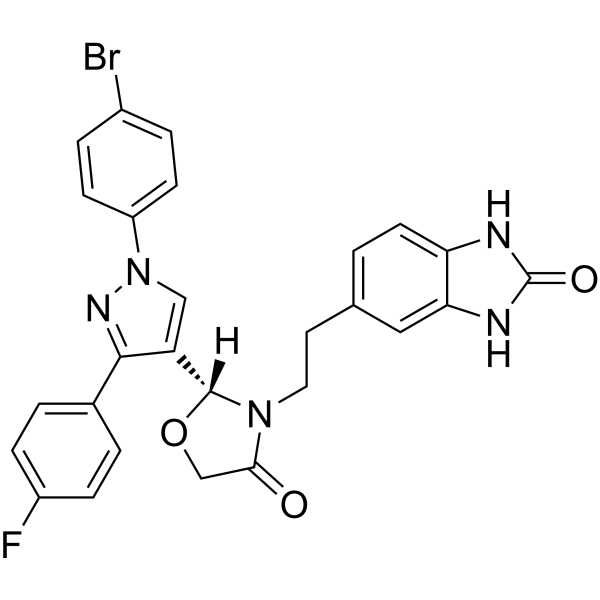
- HY-179437
-
|
|
HIV
|
Infection
|
|
anti-HIV agent 1 (compound 10i) is a potent antiviral agent with anti-HIV activity (IC50 = 10.6 nM). anti-HIV agent 1 exhibits moderate to no inhibitory activity against RT mutant strains, but maintains their activity against wild-type viruses. anti-HIV agent 1 strongly shows dual inhibition of the viral attachment and reverse transcriptase phases of the viral life cycle. anti-HIV agent 1 can be used for HIV infection research .
|
-

- HY-B0402R1
-
|
1-Adamantanamine in Methanol (Standard); 1-Aminoadamantane in Methanol (Standard)
|
Reference Standards
Influenza Virus
Orthopoxvirus
SARS-CoV
Apoptosis
CDK
Bcl-2 Family
|
Infection
Neurological Disease
Cancer
|
|
Amantadine in Methanol (Standard) is the solution of Amantadine (Standard). This product is intended for research and analytical applications. Amantadine (1-Adamantanamine) is an orally avtive and potent antiviral agent with activity against influenza A viruses. Amantadine inhibits several ion channels such as NMDA and M2, and also inhibits Coronavirus ion channels. Amantadine also has anti-orthopoxvirus and anticancer activity. Amantadine can be used for Parkinson's disease, postoperative cognitive dysfunction (POCD) and COVID-19 research [4] .
|
-

- HY-13637B
-
|
BW-759 hydrate; 2'-Nor-2'-deoxyguanosine hydrate
|
CMV
HSV
Antibiotic
Nucleoside Antimetabolite/Analog
|
Infection
Cancer
|
|
Ganciclovir (BW 759) hydrate, a nucleoside analogue, is an orally active antiviral agent with activity against CMV. Ganciclovir hydrate also has activity in vitro against members of the herpes group and some other DNA viruses. Ganciclovir hydrate inhibits the in vitro replication of human herpes viruses (HSV 1 and 2, CMV) and adenovirus serotypes 1, 2, 4, 6, 8, 10, 19, 22 and 28. Ganciclovir hydrate has an IC50 of 5.2 μM for feline herpesvirus type-1 (FHV-1) and can diffuse into the brain .
|
-
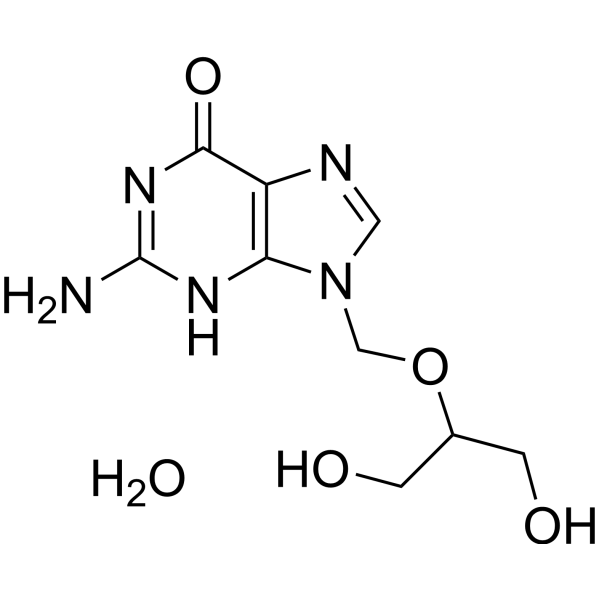
- HY-W014109
-
|
(E)-5-(2-Bromovinyl)uracil; BVU
|
DNA/RNA Synthesis
|
Infection
|
|
(E)-5-(2-Bromovinyl)uracil (BVU) is a pyrimidine base and an inactive metabolite of the antiviral agents sorivudine and (E)-5-(2-bromovinyl)-2'-deoxyuridine (BVDU) that may be regenerated to BVDU in vivo. BVU irreversibly inactivates dihydropyrimidine dehydrogenase (DPD) in an NADPH-dependent manner. It enhances the efficacy of the chemotherapeutic agent and DPD substrate 5-fluorouracil (HY-90006) in a P388 murine leukemia model when administered at a dose of 200 μmol/kg, increasing survival time.
|
-

- HY-159911
-
|
|
SARS-CoV
Virus Protease
|
|
|
SARS-CoV-2 Mpro-IN-29 (Compound 7) is an inhibitor of the SARS-CoV-2 main protease (Mpro) with an IC50 of 310 nM and an EC50 of 0.5 μM in Vero cells. SARS-CoV-2 Mpro-IN-29 binds to the active site of Mpro, blocking the cleavage of viral polyproteins, showing significant antiviral activity and enhanced metabolic function. SARS-CoV-2 Mpro-IN-29 holds potential for research on SARS-CoV-2 antiviral agents .
|
-

- HY-147255A
-
|
(S)-ZM-H1505R
|
HBV
|
Infection
|
(S)-Canocapavir is the isomer of Canocapavir (HY-147255A). Canocapavir (ZM-H1505R) is an orally active HBV core protein-targeting antiviral agent. Canocapavir binds to the hydrophobic pocket at the dimer-dimer interface of HBV core protein (HBc), stimulating intracellular accumulation of nonfunctional HBV capsids, disrupting viral replication. Canocapavir interferes with the interaction between HBc and HBV large surface protein, resulting in diminished
production of empty virionsis. Canocapavir can be used for the research of hepatitis B virus (HBV) infection .
|
-
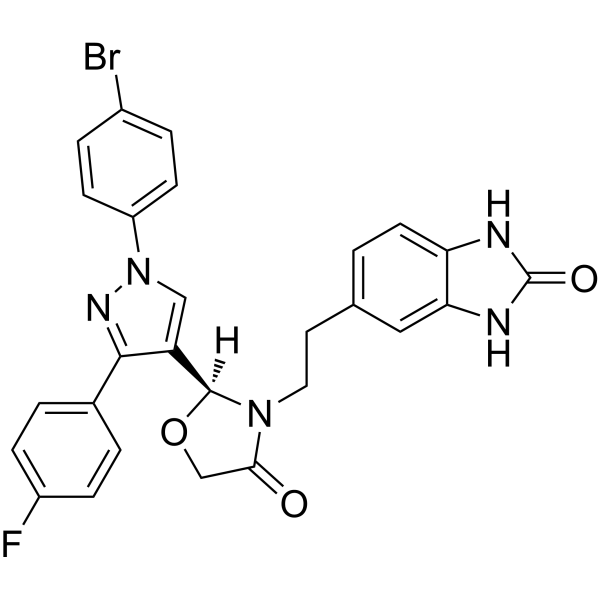
- HY-N6829
-
|
Quercetin-3,3',4',7-tetramethylether
|
Tyrosinase
Fungal
SARS-CoV
Apoptosis
Reactive Oxygen Species (ROS)
|
Infection
Neurological Disease
Metabolic Disease
Inflammation/Immunology
|
|
Retusin (Quercetin-3,3',4',7-tetramethylether) is a tyrosinase inhibitor, with IC50 values of 50.9 μM and 51.8 μM against mushroom and intracellular tyrosinase, respectively. Retusin also acts as a free radical scavenger, melanogenesis inhibitor, anti-apoptosis agent, neuroprotective agent, antiemetic, antifungal agent, and antiviral agent. Retusin scavenges ABTS• + and DPPH• free radicals. Retusin can be used in studies related to hyperpigmentation, vomiting, Aspergillus niger infection, and COVID-19 infection .
|
-
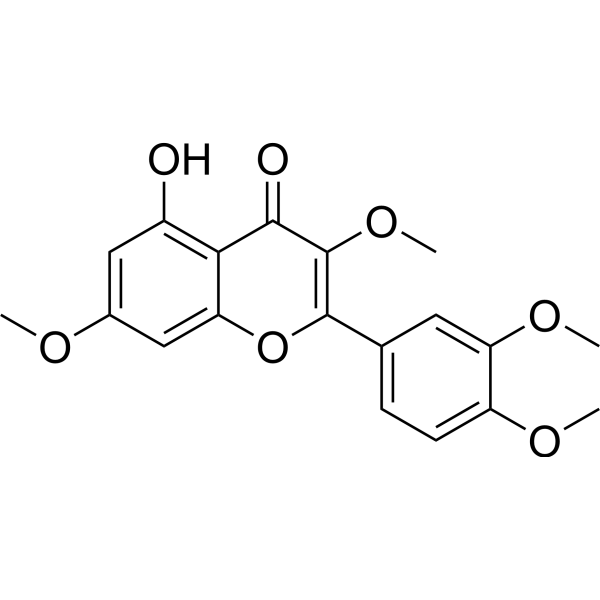
- HY-124870
-
|
|
HIV
|
Infection
|
|
N.41 is an antiviral agent. N.41 protects APOBEC3G (an antiviral factor) from HIV Vif protein-mediated degradation. N.41 inhibits the Vif-A3G interaction and increases cellular A3G levels and incorporation of A3G into virions, thereby attenuating virus infectivity in a Vif-dependent manner. N.41 inhibits HIV-1 viral replication in PBMCs (IC50: 8.4 μM) .
|
-

- HY-145586A
-
|
ZSP1273 monohydrate
|
Influenza Virus
DNA/RNA Synthesis
|
Infection
|
|
Onradivir (ZSP1273) monohydrate is an orally active antiviral agent targeting influenza A virus RNA polymerase PB2 subunit with an IC50 of 0.562 nM. Onradivir monohydrate inhibits cap binding to influenza A virus RNA polymerase PB2 subunit, suppresses viral replication, reduces viral titres and RNA loads, and inhibits influenza A virus infection. Onradivir monohydrate maintains high survival rates in influenza A virus-infected mice, and reduces influenza A virus titers in a murine model. Onradivir monohydrate can be used for the research of influenza A virus infection .
|
-
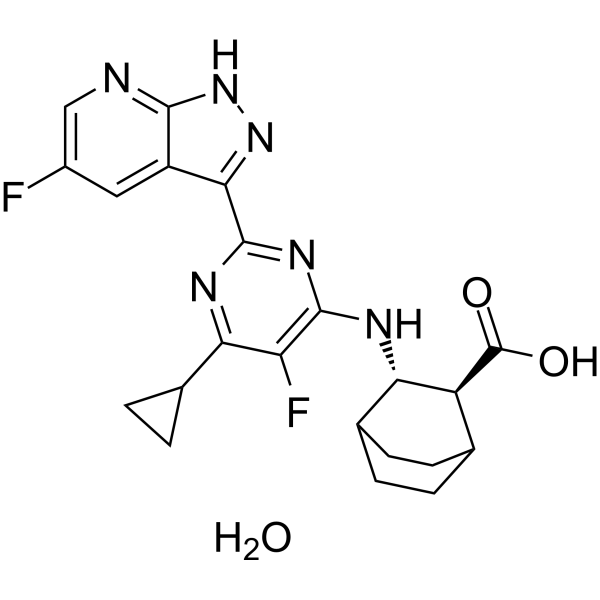
- HY-13637
-
|
BW 759; 2'-Nor-2'-deoxyguanosine
|
CMV
HSV
Antibiotic
Nucleoside Antimetabolite/Analog
|
Infection
Cancer
|
|
Ganciclovir (BW 759), a nucleoside analogue, is an orally active antiviral agent with activity against CMV. Ganciclovir also has activity in vitro against members of the herpes group and some other DNA viruses. Ganciclovir inhibits the in vitro replication of human herpes viruses (HSV 1 and 2, CMV) and adenovirus serotypes 1, 2, 4, 6, 8, 10, 19, 22 and 28. Ganciclovir has an IC50 of 5.2 μM for feline herpesvirus type-1 (FHV-1) and can diffuse into the brain .
|
-
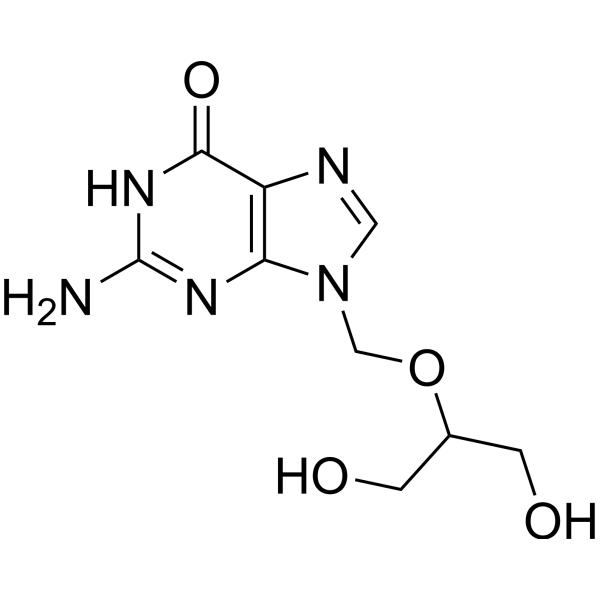
- HY-13637A
-
|
BW 759 sodium; 2'-Nor-2'-deoxyguanosine sodium
|
CMV
HSV
Antibiotic
Nucleoside Antimetabolite/Analog
|
Infection
Cancer
|
|
Ganciclovir (BW 759) sodium, a nucleoside analogue, is an orally active antiviral agent with activity against CMV. Ganciclovir sodium also has activity in vitro against members of the herpes group and some other DNA viruses. Ganciclovir sodium inhibits the in vitro replication of human herpes viruses (HSV 1 and 2, CMV) and adenovirus serotypes 1, 2, 4, 6, 8, 10, 19, 22 and 28. Ganciclovir sodium has an IC50 of 5.2 μM for feline herpesvirus type-1 (FHV-1) and can diffuse into the brain .
|
-
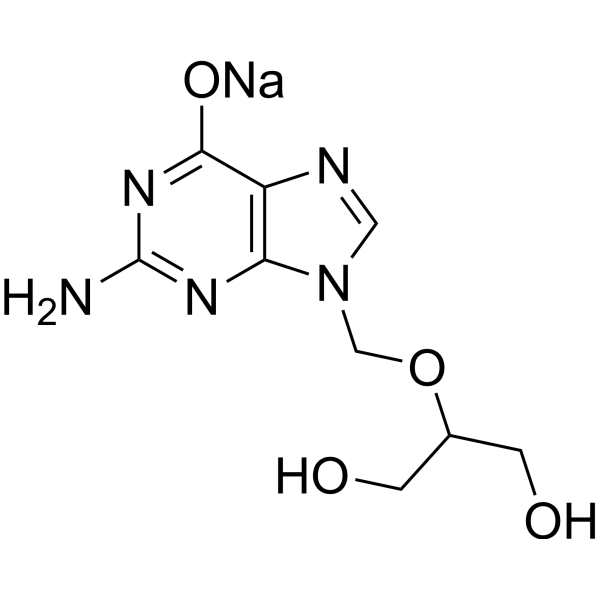
- HY-B1080A
-
|
|
Influenza Virus
Akt
|
Infection
Neurological Disease
Metabolic Disease
Inflammation/Immunology
Cancer
|
|
Tilorone is an orally active antiviral agent and interferon inducer that also has potential antineoplastic, immunomodulatory, and metabolic modulating effects. Tilorone induces an abnormally delayed interferon response and primarily stimulates interferon production in lymphoid tissue. Thus, Tilorone exerts antiviral effects and can be used as a chemotherapeutic agent. Tilorone has the potential to inhibit type 2 diabetes by increasing glucose uptake in vivo and in skeletal muscle cells by enhancing Akt2/AS160 signaling and glucose transporter levels .
|
-
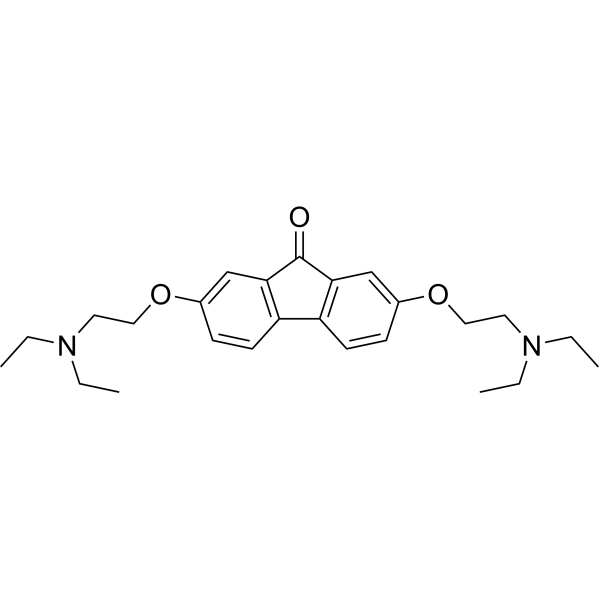
- HY-145586
-
|
ZSP1273
|
Influenza Virus
DNA/RNA Synthesis
|
Infection
|
|
Onradivir (ZSP1273) is an orally active antiviral agent targeting influenza A virus RNA polymerase PB2 subunit with an IC50 of 0.562 nM. Onradivir inhibits cap binding to influenza A virus RNA polymerase PB2 subunit, suppresses viral replication, reduces viral titres and RNA loads, and inhibits influenza A virus infection. Onradivir maintains high survival rates in influenza A virus-infected mice, and reduces influenza A virus titers in a murine model. Onradivir can be used for the research of influenza A virus infection .
|
-
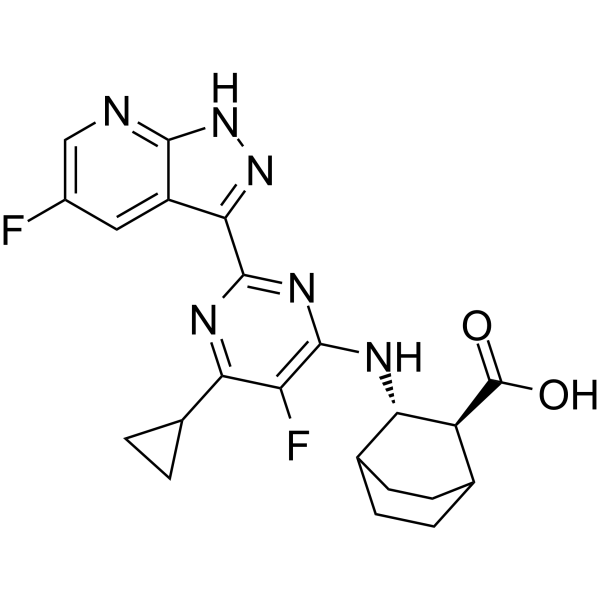
- HY-174385
-
|
|
SARS-CoV
|
Infection
|
|
SARS-CoV-2-IN-114 (Compound 36) is an antiviral agent. SARS-CoV-2-IN-114 exhibits significant antiviral activity against both the SARS-CoV-2 original strain and the Delta variant. SARS-CoV-2-IN-114 has an EC50 of 0.29 μM for inhibiting CPE of the SARS-CoV-2 original strain, and that for the Delta variant is 5.77 μM. SARS-CoV-2-IN-114 has low cytotoxicity and can be used in coronavirus research .
|
-

- HY-17422S1
-
|
Aciclovir-d4; Acycloguanosine-d4
|
Isotope-Labeled Compounds
HSV
Bacterial
Apoptosis
Antibiotic
|
Infection
Cancer
|
|
Acyclovir-d4 is the deuterium labeled Acyclovir. Acyclovir (Aciclovir) is a guanosine analogue and an orally active antiviral agent. Acyclovir inhibits HSV-1 (IC50 of 0.85 μM), HSV-2 (IC50 of 0.86 μM) and varicella-zoster virus. Acyclovir can be phosphorylated by viral thymidine kinase (TK), and Acyclovir triphosphate interferes with viral DNA polymerization through competitive inhibition with guanosine triphosphate and obligatory chain termination . Acyclovir prevents bacterial infections during induction therapy for acute leukaemia .
|
-
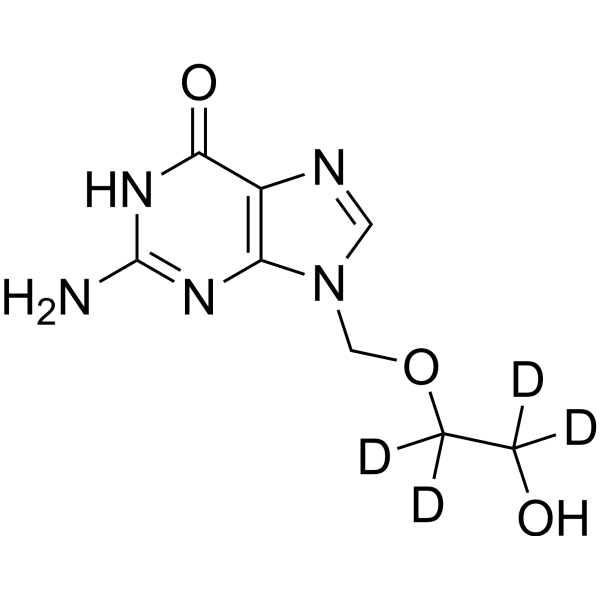
- HY-182704
-
|
SBI-1275844
|
Eukaryotic Initiation Factor (eIF)
SARS-CoV
|
Infection
|
|
SBI-5844 (SBI-1275844) is a eIF4F complex inhibitor and antiviral agent. SBI-5844 disrupts the assembly of the eIF4F complex and blocks the interaction between eIF4E and eIF4G. SBI-5844 inhibits the synthesis of HCoV-OC43 nucleocapsid protein and reduces the levels of HCoV-OC43 RNA and total protein. SBI-5844 can be used in studies related to human coronavirus OC43 (HCoV-OC43) infection .
|
-

- HY-B0277A
-
|
ara-AMP; ara-A 5'-monophosphate
|
EBV
HSV
Fungal
DNA/RNA Synthesis
Apoptosis
Drug Intermediate
Reactive Oxygen Species (ROS)
|
Infection
|
|
Vidarabine phosphate (ara-AMP; ara-A 5'-monophosphate) is a purine nucleoside antiviral agent and a prodrug of Vidarabine (HY-B0277). Vidarabine phosphate is rapidly converted into the antiviral active Vidarabine in vivo, which selectively inhibits viral DNA polymerase and cellular ribonucleotide reductase, thereby blocking viral replication. Vidarabine phosphate also exhibits antifungal activity, induces late-stage cellular apoptosis, and causes cell cycle arrest. Vidarabine phosphate can be used in research related to severe chronic active Epstein-Barr virus (EBV) infection, herpes infection, and candidiasis .
|
-
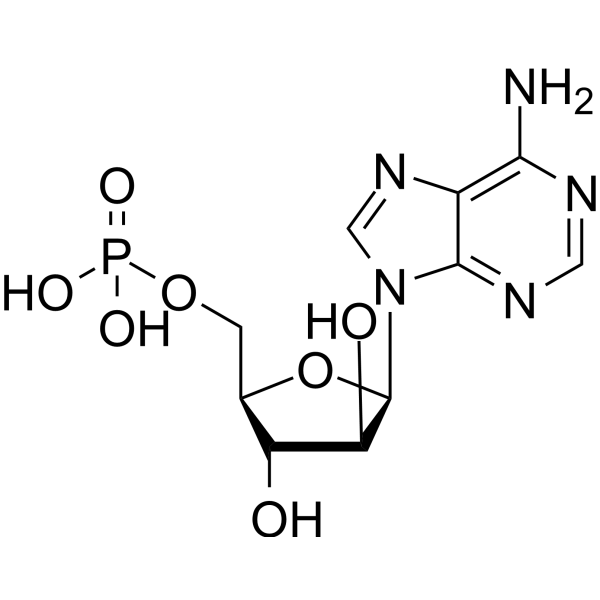
- HY-158028
-
|
|
Influenza Virus
|
Infection
|
|
PAN endonuclease-IN-2 (compound T-31) is a PAN endonuclease inhibitor (IC50: 0.15 μM) and antiviral agent with broad-spectrum anti- Influenza activity. PAN is the N-terminal PA subunit of the polymerase-RNA complex and the dependent endonuclease (CEN) active site. PAN initiates RNA replication by promoting cleavage of the RNA strand and allowing the polymerase to begin synthesizing new RNA molecules. PAN endonuclease-IN-2 targets both the influenza HA and RdRp complexes, thereby interfering with viral entry into host cells and viral replication .
|
-
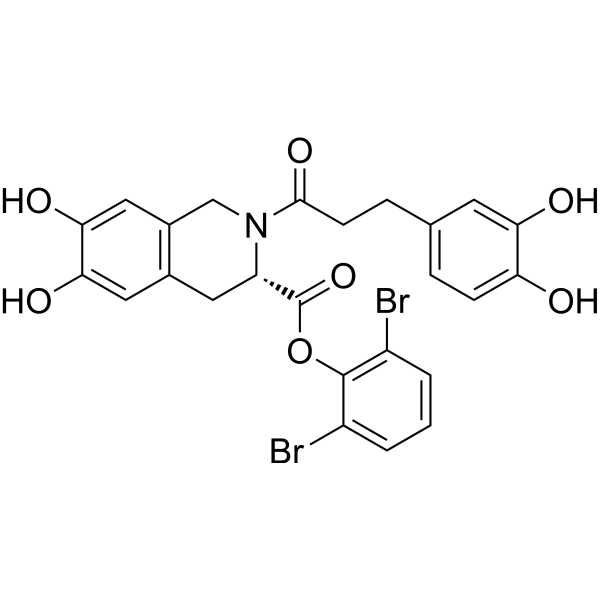
- HY-13637S
-
|
BW 759-d5; 2'-Nor-2'-deoxyguanosine-d5
|
Isotope-Labeled Compounds
CMV
HSV
Antibiotic
Nucleoside Antimetabolite/Analog
|
Infection
|
|
Ganciclovir-d5 is the deuterium labeled Ganciclovir. Ganciclovir (BW 759), a nucleoside analogue, is an orally active antiviral agent with activity against CMV. Ganciclovir also has activity in vitro against members of the herpes group and some other DNA viruses. Ganciclovir inhibits the in vitro replication of human herpes viruses (HSV 1 and 2, CMV) and adenovirus serotypes 1, 2, 4, 6, 8, 10, 19, 22 and 28. Ganciclovir has an IC50 of 5.2 μM for feline herpesvirus type-1 (FHV-1) .
|
-
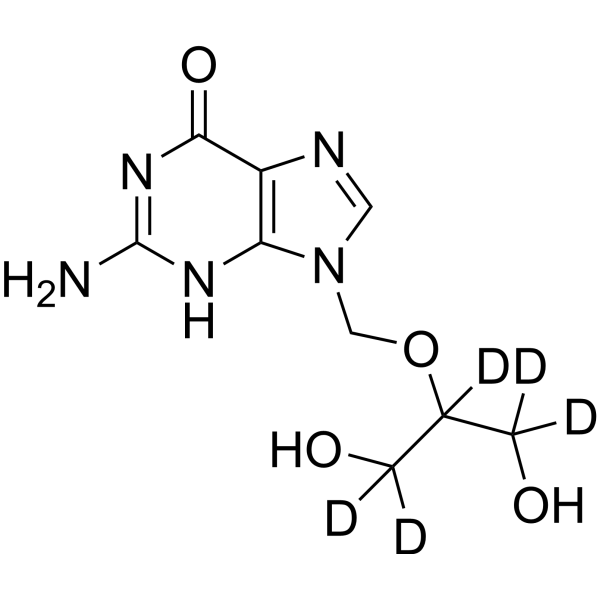
- HY-N1745A
-
|
|
Influenza Virus
|
Infection
Inflammation/Immunology
Cancer
|
|
3-Deoxysappanchalcone is a kinase inhibitor and antiviral agent. 3-Deoxysappanchalcone directly targets MET, EGFR, AKT, mTOR, p38 MAPK, JNK, thrombin, FXa, and influenza virus neuraminidase, thereby regulating related signaling pathways. 3-Deoxysappanchalcone induces cell cycle arrest, ROS production, and apoptosis. 3-Deoxysappanchalcone exhibits anti-inflammatory, anti-allergic, anticoagulant, and antithrombotic activities. 3-Deoxysappanchalcone is applicable to research related to gefitinib-resistant lung cancer, esophageal squamous cell carcinoma, thrombosis, and influenza virus infection .
|
-
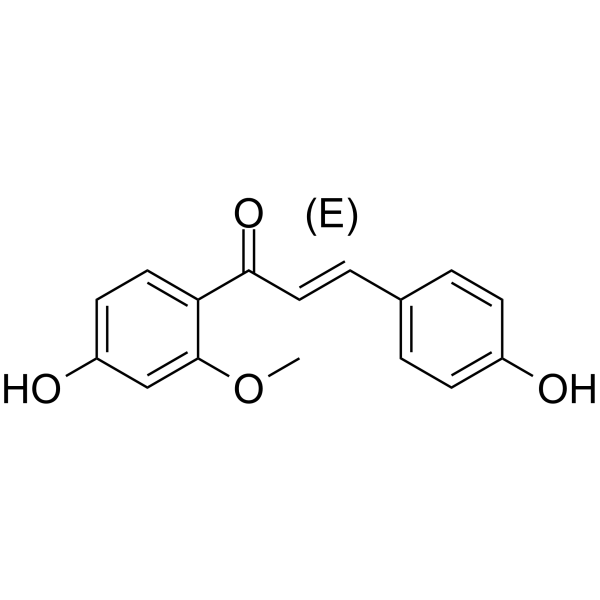
- HY-149057
-
|
|
Influenza Virus
|
Infection
|
|
NDV-IN-1 is an antiviral agent with high neuraminidase inhibitory activity. NDV-IN-1 exhibits in vitro inhibitory activity against Newcastle disease virus (NDV). NDV-IN-1 significantly inhibits NDV infection of Vero cells by preventing the release of virus particles from infected cells . Neuraminidase-IN-12 is a click chemistry reagent, it contains an Azide group and can undergo copper-catalyzed azide-alkyne cycloaddition reaction (CuAAc) with molecules containing Alkyne groups. It can also undergo strain-promoted alkyne-azide cycloaddition (SPAAC) reactions with molecules containing DBCO or BCN groups.
|
-
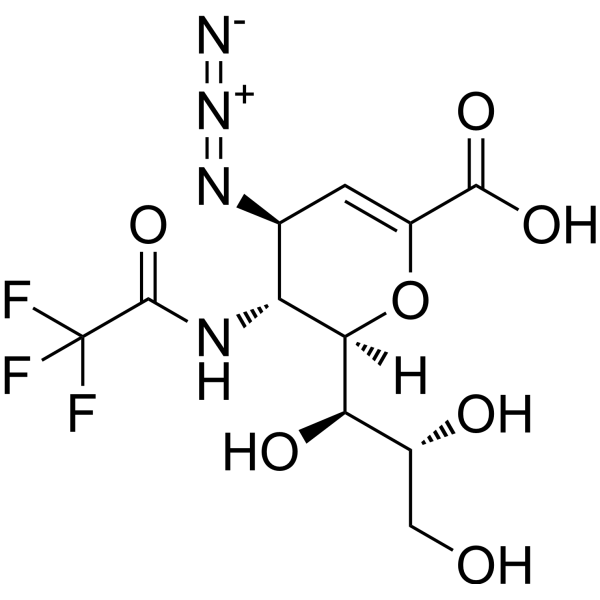
- HY-179334
-
|
|
SARS-CoV
DNA/RNA Synthesis
|
Infection
|
|
DMA-155 is an antiviral agent with binding activity against SARS-CoV-2 5'-terminal stem-loop RNAs, with affinities of 51.1 μM (SL1), 61.1 μM (SL4), 54.5 μM (SL5a), 66.9 μM (SL5b) and 48.6 μM (SL6), respectively. DMA-155 inhibits SARS-CoV-2 viral replication and reduces SARS-CoV-2 viral RNA levels. DMA-155 is applicable to the research of COVID-19 .
|
-

- HY-N6829R
-
|
Quercetin-3,3',4',7-tetramethylether (Standard)
|
Reference Standards
Tyrosinase
Fungal
SARS-CoV
Apoptosis
Reactive Oxygen Species (ROS)
|
Infection
Neurological Disease
Metabolic Disease
Inflammation/Immunology
|
|
Retusin (Quercetin-3,3',4',7-tetramethylether) (Standard) is the analytical standard of Retusin. This product is intended for research and analytical applications. Retusin is a tyrosinase inhibitor, with IC50 values of 50.9 μM and 51.8 μM against mushroom and intracellular tyrosinase, respectively. Retusin also acts as a free radical scavenger, melanogenesis inhibitor, anti-apoptosis agent, neuroprotective agent, antiemetic, antifungal agent, and antiviral agent. Retusin scavenges ABTS• + and DPPH• free radicals. Retusin can be used in studies related to hyperpigmentation, vomiting, Aspergillus niger infection, and COVID-19 infection.
|
-

- HY-172437
-
|
S-892216
|
Virus Protease
SARS-CoV
|
Infection
|
|
Secutrelvir is an oral SARS-CoV-2 3C-like protease (3CLpro) inhibitor and antiviral agent, with IC50 values of 0.655 nM and 0.697 nM against SARS-CoV-2 3CLpro, respectively. Secutrelvir forms a reversible covalent bond with the catalytic cysteine C145 of SARS-CoV-2 3CLpro, thereby inhibiting viral replication. Secutrelvir exhibits activity against multiple SARS-CoV-2 variants and can be used in research related to coronavirus disease 2019 (COVID-19) .
|
-

- HY-184248
-
|
|
PROTACs
Influenza Virus
SARS-CoV
CMV
|
Infection
|
|
FM-74-103 is a selective GSPT1 PROTAC degrader and broad-spectrum antiviral agent. FM-74-103 recruits GSPT1 to the Cereblon E3 ligase to form a ternary complex, thereby driving GSPT1 ubiquitination and proteasomal degradation. FM-74-103 inhibits the replication of IAV, SARS-CoV-2 and CMV (including Nucleozin (HY-50001)-resistant influenza A virus). FM-74-103 can be used in research related to influenza A virus infection, SARS-CoV-2 infection and cytomegalovirus infection .
|
-

- HY-13637R
-
|
BW 759 (Standard); 2'-Nor-2'-deoxyguanosine (Standard)
|
Reference Standards
CMV
HSV
Antibiotic
Nucleoside Antimetabolite/Analog
|
Infection
Cancer
|
|
Ganciclovir (Standard) is the analytical standard of Ganciclovir. This product is intended for research and analytical applications. Ganciclovir (BW 759), a nucleoside analogue, is an orally active antiviral agent with activity against CMV. Ganciclovir also has activity in vitro against members of the herpes group and some other DNA viruses. Ganciclovir inhibits the in vitro replication of human herpes viruses (HSV 1 and 2, CMV) and adenovirus serotypes 1, 2, 4, 6, 8, 10, 19, 22 and 28. Ganciclovir has an IC50 of 5.2 μM for feline herpesvirus type-1 (FHV-1) and can diffuse into the brain .
|
-

- HY-B0277AR
-
|
ara-AMP (Standard); ara-A 5'-monophosphate (Standard)
|
Reference Standards
Apoptosis
Drug Intermediate
Fungal
Reactive Oxygen Species (ROS)
EBV
HSV
DNA/RNA Synthesis
|
Infection
|
|
Vidarabine phosphate (ara-AMP; ara-A 5'-monophosphate) (Standard) is the analytical standard of Vidarabine phosphate. This product is intended for research and analytical applications. Vidarabine phosphate is a purine nucleoside antiviral agent and a prodrug of Vidarabine (HY-B0277). Vidarabine phosphate is rapidly converted into the antiviral active Vidarabine in vivo, which selectively inhibits viral DNA polymerase and cellular ribonucleotide reductase, thereby blocking viral replication. Vidarabine phosphate also exhibits antifungal activity, induces late-stage cellular apoptosis, and causes cell cycle arrest. Vidarabine phosphate can be used in research related to severe chronic active Epstein-Barr virus (EBV) infection, herpes infection, and candidiasis.
|
-

- HY-107009
-
|
|
VZV
HSV
VSV
|
Infection
|
|
CTC 96 is an antiviral agent, showing inhibitory effects particularly on herpes viruses and adenoviruses. CTC 96 directly blocks the fusion process between the viral envelope and the cell membrane, preventing the entry of viral nucleic acids and proteins into the cells. CTC 96 can completely block the penetration and intercellular transmission of HSV-1, preventing the synthesis of viral proteins and mRNA. CTC 96 exhibits significant anti-adenovirus activity in rabbit eye models. CTC 96 is also effective against varicella-zoster virus (VZV) and vesicular stomatitis virus (VSV). CTC 96 can be used for broad-spectrum antiviral research .
|
-

- HY-13637AR
-
|
BW 759 sodium (Standard); 2'-Nor-2'-deoxyguanosine sodium (Standard)
|
Reference Standards
CMV
HSV
Antibiotic
Nucleoside Antimetabolite/Analog
|
Infection
Cancer
|
|
Ganciclovir (sodium) (Standard) is the analytical standard of Ganciclovir (sodium). This product is intended for research and analytical applications. Ganciclovir (BW 759) sodium, a nucleoside analogue, is an orally active antiviral agent with activity against CMV. Ganciclovir sodium also has activity in vitro against members of the herpes group and some other DNA viruses. Ganciclovir sodium inhibits the in vitro replication of human herpes viruses (HSV 1 and 2, CMV) and adenovirus serotypes 1, 2, 4, 6, 8, 10, 19, 22 and 28. Ganciclovir sodium has an IC50 of 5.2 μM for feline herpesvirus type-1 (FHV-1) and can diffuse into the brain[1][2][3].
|
-

- HY-18944R
-
|
|
CDK
HSV
CMV
DNA/RNA Synthesis
|
Infection
|
|
FIT-039 (Standard) is the analytical standard of FIT-039. This product is intended for research and analytical applications. FIT-039 is a selective, ATP-competitive and orally active CDK9 inhibitor with an IC50 of 5.8 μM for CKD9/cyclin T1. FIT-039 does not inhibit other CDKs and other kinases. FIT-039 inhibits replication of HSV-1 (IC50 of 0.69 μM), HSV-2, human adenovirus, and human CMV. FIT-039 is a promising antiviral agent for inhibiting drug-resistant HSVs and other DNA viruses.
|
-

- HY-180881
-
|
|
HSV
Tau Protein
Akt
GSK-3
|
Neurological Disease
|
|
PAV-174 is a potent antiviral agent that targets a host protein. PAV-174 prevents Herpes simplex virus (HSV-1) infection in cells (IC50 of 0.02 μM in Vero cells) and human brain organoids. PAV-174 inhibits oxidized macrophage migration inhibitory factor (oxMIF)-induced tau phosphorylation in vitro and in vivo independent of infection. PAV-174 reduces HSV-1-induced tau phosphorylation via the Akt/GSK3β signaling pathway. PAV-174 can be used for Alzheimer’s disease research .
|
-

- HY-N13047
-
|
|
TMV
SOD
|
Infection
|
|
Ningnanmycin is a plant antiviral agent. Ningnanmycin binds to specific residues on the TMV CP disc, inhibits CP assembly, disassembles the CP disc into monomers, and disrupts the structure of the TMV CP disc to reduce pathogenicity. Ningnanmycin binds to key amino acids of PVY CP, interferes with CP-CP interactions, inhibits CP assembly and virion formation, and blocks PVY replication. Ningnanmycin induces the expression of antiviral response genes PRXIIB, PRXIIE, PUB4 and PER42, thereby activating the host defense system. Ningnanmycin can be used in studies related to Tobacco Mosaic Virus infection and Potato Virus Y infection .
|
-

- HY-149866
-
|
|
Cytochrome P450
HIV
Reverse Transcriptase
|
Infection
|
|
HIV-1 inhibitor-58 (Compound 10c) is a broad-spectrum antiviral agent. HIV-1 inhibitor-58 is a non-nucleoside reverse transcriptase inhibitor. HIV-1 inhibitor-58 inhibits WT strain IIIB, NNRTI-resistant strains (such as K103N and E138K) in MT-4 cells, with EC50 less than 50 nM. HIV-1 inhibitor-58 also inhibits CYP2C9 and CYP2C19 (IC50: 2.06 μM, 1.91 μM). HIV-1 inhibitor-58 can be used for HIV infection reserch .
|
-
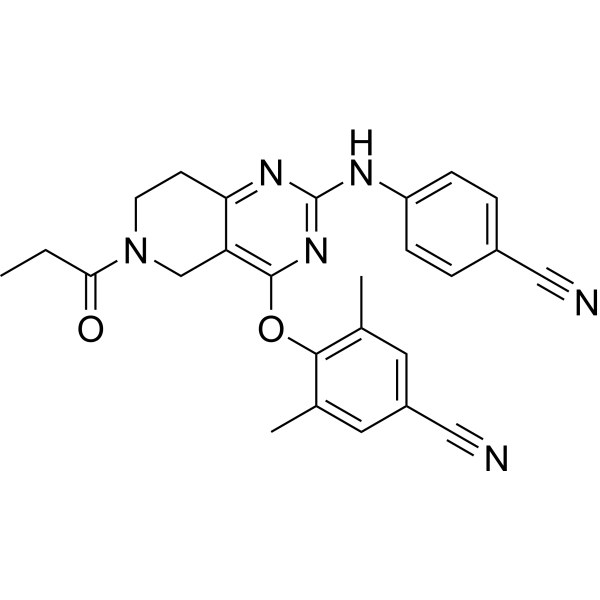
- HY-P2853
-
|
|
p38 MAPK
Reactive Oxygen Species (ROS)
Bacterial
Fungal
|
Infection
Inflammation/Immunology
Cancer
|
|
Hemocyanin is an extracellular giant copper-containing glycoprotein. Hemocyanin can be found in the hemolymph of both mollusk and arthropod. Hemocyanin is responsible for oxygen transport. Hemocyanin is also involved in several physiological processes, such as energy storage, osmoregulation, molt cycle and exoskeleton formation. Hemocyanin in shrimp can enhance its immune response by modulating the p38 MAPK pathway. Hemocyanin from Penaeus monodon could act as an antiviral agent against a variety of viruses including DNA and RNA viruses. Hemocyanin from horseshoe crab Carcinoscorpius rotundicauda could possess a strong antimicrobial defense by the production of ROS activated with microbial proteases. Hemocyanin from L. vannamei would be effective against cervical cancer cell growth .
|
-

- HY-168034
-
|
|
STING
Integrin
NF-κB
SARS-CoV
|
Infection
Inflammation/Immunology
|
|
diABZI-4 is a STING activator and broad-spectrum antiviral agent with immunostimulatory activity. diABZI-4 triggers the TBK1-IRF3 and NF-κB signaling cascades by inducing STING oligomerization, thereby promoting the production of type I/III interferons and various proinflammatory cytokines. diABZI-4 exhibits broad-spectrum antiviral activity and effectively inhibits the replication of influenza A virus, SARS-CoV-2, herpes simplex virus, and other viruses. diABZI-4 also activates lymphocytes and macrophages to provide significant pre- and post-exposure protection in viral disease models. diABZI-4 can be used to study COVID-19, respiratory viral infections, and related immunopathological mechanisms .
|
-

- HY-113308
-
|
|
Calcium Channel
Ferroptosis
PI3K
Akt
HBV
Reactive Oxygen Species (ROS)
|
Cardiovascular Disease
Infection
Inflammation/Immunology
|
|
Taurolithocholic acid is an orally active bile acid and antiviral agent. Taurolithocholic acid upregulates FADS2 by activating the TGR5-PI3K/AKT-SREBP2 signaling axis, inhibits SFTSV-induced ferroptosis (Ferroptosis), viral replication and viral entry of HBV/HDV, while reducing the release of IL-1β, lipid ROS and LDH. While exerting antiviral protective effects, Taurolithocholic acid also stimulates the recycling of hepatocellular membrane transporters, impairs canalicular bile acid secretion function, and induces hepatocyte cholestasis, apoptosis and acute hepatocellular injury. Taurolithocholic acid serves as an experimental model compound for hepatocellular cholestasis. At concentrations ≤200 μM, Taurolithocholic acid shows no cytotoxicity and does not activate the interferon pathway. Taurolithocholic acid not only protects mice from lethal SFTSV infection but also is suitable for studies related to severe fever with thrombocytopenia syndrome and cholestasis .
|
-

- HY-182024
-
|
|
SARS-CoV
Virus Protease
|
Infection
|
|
SARS-CoV-2 3CLpro-IN-36 is a SARS-CoV-2 3CLpro inhibitor and antiviral agent with a human sub-micromolar IC50 against SARS-CoV-2 3CLpro.SARS-CoV-2 3CLpro-IN-36 forms a covalent bond with catalytic Cys145 of SARS-CoV-2 3CLpro; its tetrazole core occupies the S1 pocket and interacts with His163, while its chloroacetamide carbonyl forms hydrogen bonds with the backbone amides of Gly143 and Ser144 in the oxyanion hole.SARS-CoV-2 3CLpro-IN-36 reduces SARS-CoV-2 replication in infected cells.SARS-CoV-2 3CLpro-IN-36 can be used for the research of SARS-CoV-2 infection .
|
-

- HY-113308A
-
|
|
Calcium Channel
Ferroptosis
PI3K
Reactive Oxygen Species (ROS)
Akt
HBV
|
Metabolic Disease
|
|
Taurolithocholic acid sodium salt is an orally active bile acid and antiviral agent. Taurolithocholic acid sodium salt upregulates FADS2 by activating the TGR5-PI3K/AKT-SREBP2 signaling axis, inhibits SFTSV-induced ferroptosis, viral replication and viral entry of HBV/HDV, while reducing the release of IL-1β, lipid ROS and LDH. While exerting antiviral protective effects, Taurolithocholic acid sodium salt also stimulates the recycling of hepatocellular membrane transporters, impairs canalicular bile acid secretion function, and induces hepatocyte cholestasis, apoptosis and acute hepatocellular injury. Taurolithocholic acid sodium salt serves as an experimental model compound for hepatocellular cholestasis. At concentrations ≤200 μM, Taurolithocholic acid sodium salt shows no cytotoxicity and does not activate the interferon pathway. Taurolithocholic acid sodium salt not only protects mice from lethal SFTSV infection but also is suitable for studies related to severe fever with thrombocytopenia syndrome and cholestasis .
|
-
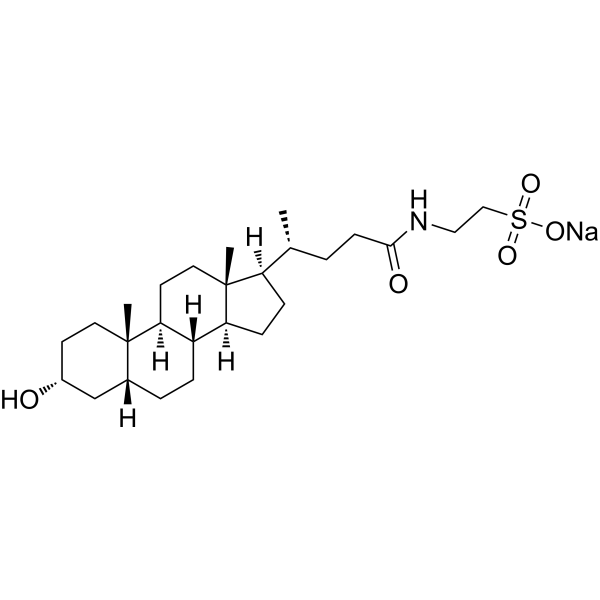
- HY-N0891
-
|
Tubeimoside-B
|
EGFR
TGF-β Receptor
RIG-I-like receptor (RLR)
SARS-CoV
|
Infection
Neurological Disease
Cancer
|
|
Tubeimoside II is an orally active triterpenoid saponin and antiviral agent that binds to PACT/PRKRA with Kd values of 5.37 μM and 133.1 μM, respectively. Tubeimoside II inhibits oxidase-dependent EGFR activation and reduces TGF-β1-induced oxidative stress. Tubeimoside II activates the RIG-I signaling pathway and increases IFN-β secretion. Tubeimoside II suppresses TPA-induced ear edema, mouse sarcoma 180 growth, and TPA-induced skin tumor formation. Tubeimoside II exerts broad-spectrum antiviral activity against SARS-CoV-2, HCoV-OC43, and IAV-H1N1/FM1. Tubeimoside II can be used in research related to retinoblastoma, respiratory viral infections, skin tumors, and sarcoma 180 .
|
-
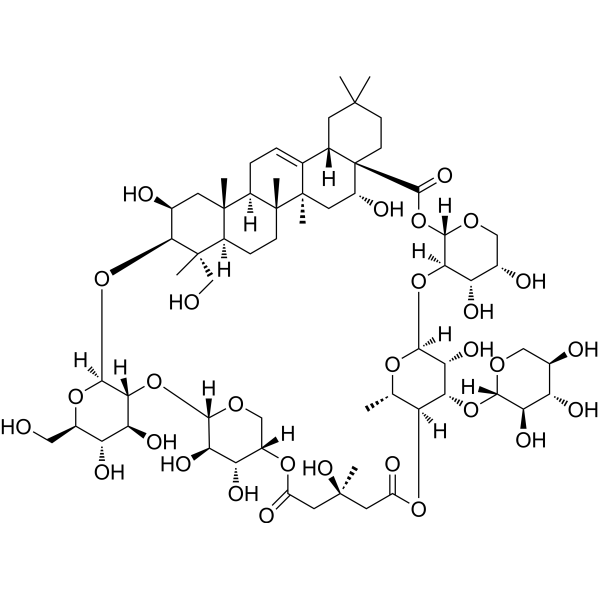
- HY-113308AS
-
|
|
Isotope-Labeled Compounds
Calcium Channel
Ferroptosis
PI3K
Reactive Oxygen Species (ROS)
Akt
HBV
|
Metabolic Disease
|
|
Taurolithocholic acid-d4 (sodium) is the deuterium labeled Taurolithocholic acid (sodium salt). Taurolithocholic acid sodium is an orally active bile acid and antiviral agent. Taurolithocholic acid sodium upregulates FADS2 by activating the TGR5-PI3K/AKT-SREBP2 signaling axis, inhibits SFTSV-induced ferroptosis, viral replication and viral entry of HBV/HDV, while reducing the release of IL-1β, lipid ROS and LDH. While exerting antiviral protective effects, Taurolithocholic acid sodium also stimulates the recycling of hepatocellular membrane transporters, impairs canalicular bile acid secretion function, and induces hepatocyte cholestasis, apoptosis and acute hepatocellular injury. Taurolithocholic acid sodium serves as an experimental model compound for hepatocellular cholestasis. At concentrations ≤200 μM, Taurolithocholic acid sodium shows no cytotoxicity and does not activate the interferon pathway. Taurolithocholic acid sodium not only protects mice from lethal SFTSV infection but also is suitable for studies related to severe fever with thrombocytopenia syndrome and cholestasis .
|
-
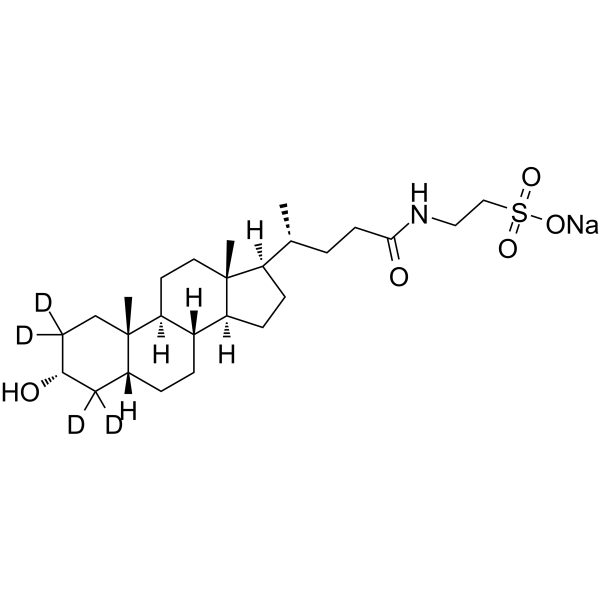
- HY-113308AS2
-
|
|
Isotope-Labeled Compounds
Calcium Channel
Ferroptosis
PI3K
Reactive Oxygen Species (ROS)
Akt
HBV
|
Metabolic Disease
|
|
Taurolithocholic acid-d4-1 (sodium) is the deuterium labeled Taurolithocholic acid. Taurolithocholic acid sodium is an orally active bile acid and antiviral agent. Taurolithocholic acid sodium upregulates FADS2 by activating the TGR5-PI3K/AKT-SREBP2 signaling axis, inhibits SFTSV-induced ferroptosis, viral replication and viral entry of HBV/HDV, while reducing the release of IL-1β, lipid ROS and LDH. While exerting antiviral protective effects, Taurolithocholic acid sodium also stimulates the recycling of hepatocellular membrane transporters, impairs canalicular bile acid secretion function, and induces hepatocyte cholestasis, apoptosis and acute hepatocellular injury. Taurolithocholic acid sodium serves as an experimental model compound for hepatocellular cholestasis. At concentrations ≤200 μM, Taurolithocholic acid sodium shows no cytotoxicity and does not activate the interferon pathway. Taurolithocholic acid sodium not only protects mice from lethal SFTSV infection but also is suitable for studies related to severe fever with thrombocytopenia syndrome and cholestasis .
|
-
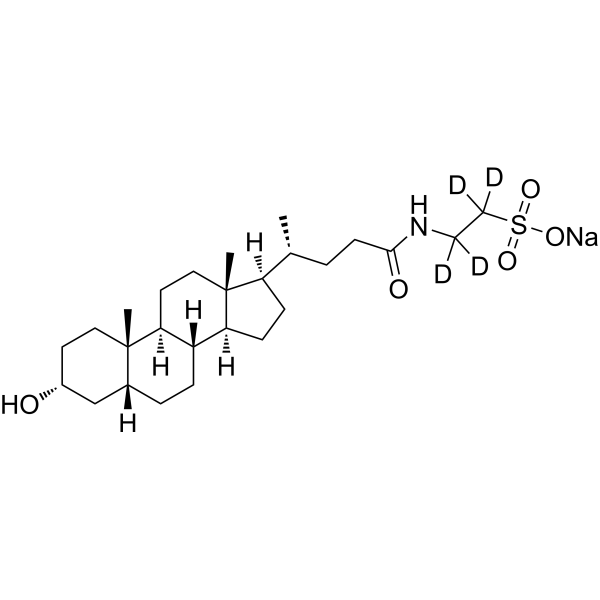
- HY-113308S
-
|
|
Isotope-Labeled Compounds
Calcium Channel
Ferroptosis
PI3K
Reactive Oxygen Species (ROS)
Akt
HBV
|
Others
|
|
Taurolithocholic acid-d5 is deuterium labeled Taurolithocholic acid. Taurolithocholic acid is an orally active bile acid and antiviral agent. Taurolithocholic acid upregulates FADS2 by activating the TGR5-PI3K/AKT-SREBP2 signaling axis, inhibits SFTSV-induced ferroptosis, viral replication and viral entry of HBV/HDV, while reducing the release of IL-1β, lipid ROS and LDH. While exerting antiviral protective effects, Taurolithocholic acid also stimulates the recycling of hepatocellular membrane transporters, impairs canalicular bile acid secretion function, and induces hepatocyte cholestasis, apoptosis and acute hepatocellular injury. Taurolithocholic acid serves as an experimental model compound for hepatocellular cholestasis. At concentrations ≤200 μM, Taurolithocholic acid shows no cytotoxicity and does not activate the interferon pathway. Taurolithocholic acid not only protects mice from lethal SFTSV infection but also is suitable for studies related to severe fever with thrombocytopenia syndrome and cholestasis .
|
-
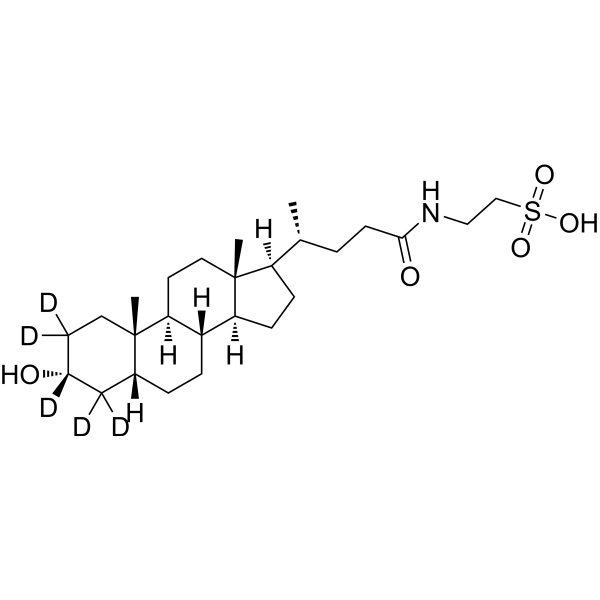
- HY-P991200
-
|
|
HCV
Claudin
|
Infection
|
|
OM-7D3-B3 is an antibody-based antiviral agent targeting the tight junction protein CLDN1 (Kd=4 nM). By binding to the first extracellular domain of CLDN1, OM-7D3-B3 disrupts the formation of the CLDN1-CD81 co-receptor complex, thereby effectively inhibiting the entry of hepatitis C virus (HCV). OM-7D3-B3 not only prevents de novo and chronic HCV infections in humanized liver chimeric mice and uPA-SCID mice transplanted with human livers, but also exhibits favorable safety with no toxic effects observed. OM-7D3-B3 serves as a critical tool for research on HCV infection mechanisms and antiviral drug development .
|
-

- HY-113308S1
-
|
|
Isotope-Labeled Compounds
Calcium Channel
Ferroptosis
PI3K
Reactive Oxygen Species (ROS)
Akt
HBV
|
Others
|
|
Taurolithocholic acid-d4 is deuterium labeled Taurolithocholic acid. Taurolithocholic acid is an orally active bile acid and antiviral agent. Taurolithocholic acid upregulates FADS2 by activating the TGR5-PI3K/AKT-SREBP2 signaling axis, inhibits SFTSV-induced ferroptosis, viral replication and viral entry of HBV/HDV, while reducing the release of IL-1β, lipid ROS and LDH. While exerting antiviral protective effects, Taurolithocholic acid also stimulates the recycling of hepatocellular membrane transporters, impairs canalicular bile acid secretion function, and induces hepatocyte cholestasis, apoptosis and acute hepatocellular injury. Taurolithocholic acid serves as an experimental model compound for hepatocellular cholestasis. At concentrations ≤200 μM, Taurolithocholic acid shows no cytotoxicity and does not activate the interferon pathway. Taurolithocholic acid not only protects mice from lethal SFTSV infection but also is suitable for studies related to severe fever with thrombocytopenia syndrome and cholestasis .
|
-
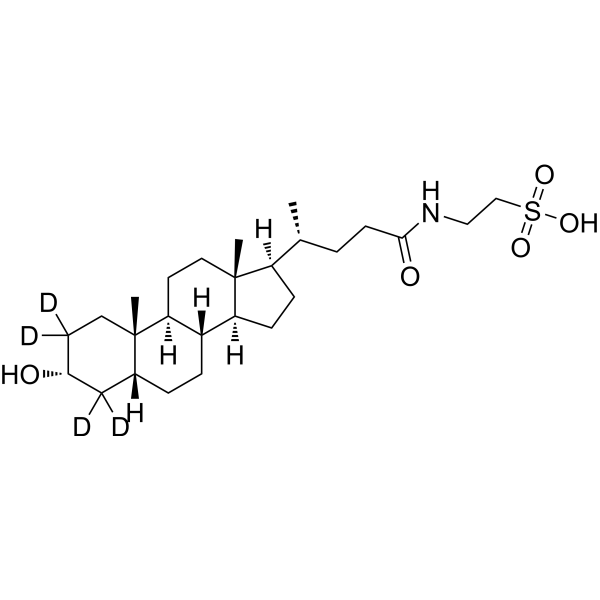
- HY-113308AS1
-
|
|
Isotope-Labeled Compounds
Calcium Channel
Ferroptosis
PI3K
Reactive Oxygen Species (ROS)
Akt
HBV
|
Metabolic Disease
|
|
Taurolithocholic Acid-d5 (sodium) is the deuterium labeled Taurolithocholic acid sodium salt. Taurolithocholic Acid sodium salt is an orally active bile acid and antiviral agent. Taurolithocholic Acid sodium salt upregulates FADS2 by activating the TGR5-PI3K/AKT-SREBP2 signaling axis, inhibits SFTSV-induced ferroptosis, viral replication and viral entry of HBV/HDV, while reducing the release of IL-1β, lipid ROS and LDH. While exerting antiviral protective effects, Taurolithocholic Acid sodium salt also stimulates the recycling of hepatocellular membrane transporters, impairs canalicular bile acid secretion function, and induces hepatocyte cholestasis, apoptosis and acute hepatocellular injury. Taurolithocholic Acid sodium salt serves as an experimental model compound for hepatocellular cholestasis. At concentrations ≤200 μM, Taurolithocholic Acid sodium salt shows no cytotoxicity and does not activate the interferon pathway. Taurolithocholic Acid sodium salt not only protects mice from lethal SFTSV infection but also is suitable for studies related to severe fever with thrombocytopenia syndrome and cholestasis .
|
-
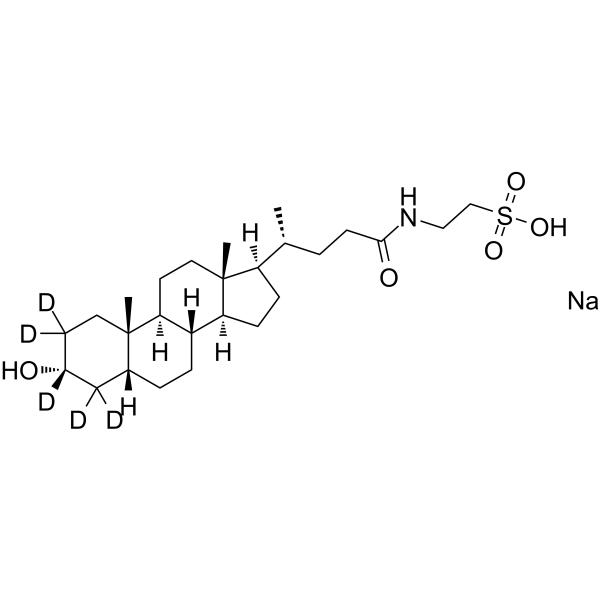
- HY-N12586
-
|
|
ERK
Reactive Oxygen Species (ROS)
COX
PGE synthase
STAT
HCV
HCV Protease
|
Infection
Neurological Disease
Cancer
|
|
Pheophytin a is a multi-target inhibitor, anticancer agent, antioxidant and antiviral agent. Pheophytin a directly binds to and inhibits HCV-NS3/4A protease (IC50=0.89 μM) to block viral replication. Pheophytin a also scavenges free radicals, reduces ferric ions, and exhibits cytotoxic activity against breast cancer cells. Pheophytin a effectively inhibits LPS-induced production of nitric oxide, prostaglandin E2, NOS2 and COX-2, as well as various pro-inflammatory cytokines, by downregulating the transcription levels of inflammatory mediators and blocking the ERK1/2 and STAT-1 pathways. In a low nerve growth factor environment, Pheophytin a also enhances ERK1/2 phosphorylation and synergistically promotes neurite outgrowth through MAPK pathway. Pheophytin a can be used to investigate the pathogenic mechanisms of diseases including chronic hepatitis C, sepsis, breast cancer and Alzheimer's disease .
|
-
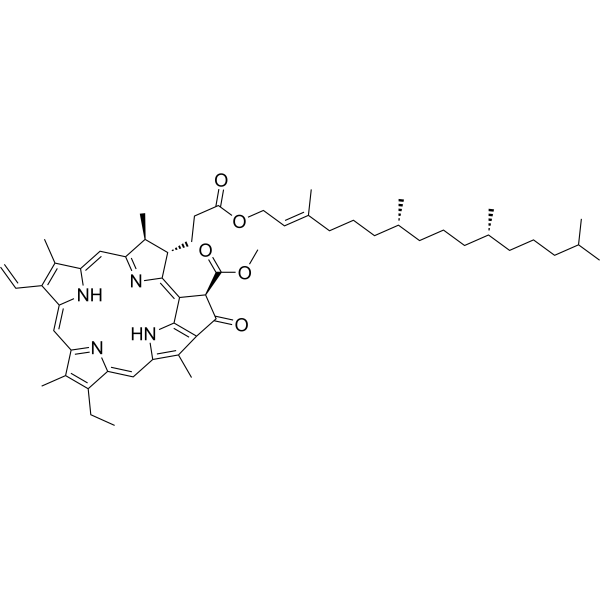
- HY-P10862
-
|
|
Exosomes
Virus Protease
|
Infection
Cancer
|
AH-D peptide is a brain-penetrant antiviral agent disrupting highly curved lipid membranes. AH-D peptide exhibits broad-spectrum antiviral activity against ZIKV, Dengue virus, Chikungunya virus, yellow fever virus and Japanese encephalitis virus, with
IC50 values of 11.9, 12.5, 35.7, 206 and 136 nM, respectively. AH-D peptide reduces the viral load in the brain, suppresses inflammation, protects neurons, and does not damage the blood brain barrier. AH-D peptide restores antitumor immunity by decreasing circulating PD-L1 + exosomes, reducing intratumoral immunosuppressive cells (regulatory T cells, myeloid-derived suppressor cells), and enhancing T cell function. AH-D peptide inhibits membrane-enveloped viruses and cancer cell metastasis in vivo. AH-D peptide exhibits no immunogenicity and has negligible effects on normal tissues. AH-D peptide can be used for research in Zika virus and other mosquito-borne viruses, cancer immunotherapy and metastasis .
|
-

- HY-113308AR
-
|
|
Reference Standards
Calcium Channel
Ferroptosis
PI3K
Reactive Oxygen Species (ROS)
Akt
HBV
|
Metabolic Disease
|
|
Taurolithocholic acid (sodium salt) (Standard) is the analytical standard of Taurolithocholic acid (sodium salt). This product is intended for research and analytical applications. Taurolithocholic acid sodium salt is an orally active bile acid and antiviral agent. Taurolithocholic acid sodium salt upregulates FADS2 by activating the TGR5-PI3K/AKT-SREBP2 signaling axis, inhibits SFTSV-induced ferroptosis, viral replication and viral entry of HBV/HDV, while reducing the release of IL-1β, lipid ROS and LDH. While exerting antiviral protective effects, Taurolithocholic acid sodium salt also stimulates the recycling of hepatocellular membrane transporters, impairs canalicular bile acid secretion function, and induces hepatocyte cholestasis, apoptosis and acute hepatocellular injury. Taurolithocholic acid sodium salt serves as an experimental model compound for hepatocellular cholestasis. At concentrations ≤200 μM, Taurolithocholic acid sodium salt shows no cytotoxicity and does not activate the interferon pathway. Taurolithocholic acid sodium salt not only protects mice from lethal SFTSV infection but also is suitable for studies related to severe fever with thrombocytopenia syndrome and cholestasis .
|
-

- HY-173148
-
|
|
SARS-CoV
|
Infection
|
|
TKB272 is an orally active and selective antiviral agent targeting the main protease (Mpro) of SARS-CoV-2. It effectively blocks the infection and replication of various SARS-CoV-2 strains, including Omicron variants such as XBB.1.5 and EG.5.1. The enzymatic inhibitory activity of TKB272 shows an IC50 of 0.7 µM (against SARS-CoV-2WK-521 Mpro), and its antiviral activity at the cellular level reaches an EC50 as low as 2.6 nM (against BQ.1.1 strain in HeLahACE2-TMPRSS2 cells), with a cytotoxicity CC50 of 98 µM, indicating no apparent toxicity. In addition, TKB272 significantly suppresses the replication of SARS-CoV-2XBB.1.5 in B6.Cg-Tg(K18-hACE2)2-Prlmn/J transgenic mouse models. TKB272 holds promise for research in the field of SARS-CoV-2 infection .
|
-

- HY-170524
-
|
|
SARS-CoV
DNA Methyltransferase
Cytochrome P450
|
Infection
|
|
TDI-015051 is a highly selective, orally active antiviral agent that targets the coronavirus NSP14 guanine-N7 methyltransferase. TDI-015051 binds to substrates in a non-competitive manner and forms a stable ternary complex, precisely blocking the capping and methylation processes of viral mRNA. TDI-015051 potently inhibits a variety of coronaviruses (including SARS-CoV-2 and MERS). By impairing viral replication and translation and inducing a moderate type I interferon-mediated immune response, it significantly reduces pulmonary viral load and exhibits a synergistic effect with Nirmatrelvir (HY-138687). In addition, TDI-015051 does not inhibit non-coronavirus methyltransferases, and the drug-resistant mutations it induces impair viral fitness, demonstrating excellent antiviral properties and safety. TDI-015051 can be used for research on COVID-19 and the replication mechanism of coronaviruses .The IC50 values of TDI-015051 against SARS-CoV-2, α-hCoV-NL63, α-hCoV-229E, β-hCoV-MERS are 0.15 nM, 1.7 nM, 2.6 nM and 3.6 nM, respectively, and the Ka value against SARS-CoV-2 is 0.061 nM .
|
-

| Cat. No. |
Product Name |
Type |
-
- HY-128382
-
|
E 151
|
Fluorescent Dyes
|
|
Brilliant black BN (E151) is an azo dye and a food colorant . Brilliant black BN is a promising antiviral agent against EV71 infection via inhibiting the interaction between EV71 and its cellular uncoating factor cyclophilin A. Brilliant black BN has the potential for the investigation of contagious disease .
|
-
- HY-B0434G
-
|
Ribasphere; ICN-1229
|
Fluorescent Dyes
|
|
Ribavirin (GMP) is Ribavirin (HY-B0434) produced by using GMP guidelines. GMP small molecules work appropriately as an auxiliary reagent for cell therapy manufacture. Ribavirin (ICN-1229) is an antiviral agent against a broad spectrum of viruses including HCV, HIVl, and RSV. Ribavirin also has anti-orthopoxvirus and anti-variola activities.
|
| Cat. No. |
Product Name |
Type |
-
- HY-P2853
-
|
|
Biochemical Assay Reagents
|
|
Hemocyanin is an extracellular giant copper-containing glycoprotein. Hemocyanin can be found in the hemolymph of both mollusk and arthropod. Hemocyanin is responsible for oxygen transport. Hemocyanin is also involved in several physiological processes, such as energy storage, osmoregulation, molt cycle and exoskeleton formation. Hemocyanin in shrimp can enhance its immune response by modulating the p38 MAPK pathway. Hemocyanin from Penaeus monodon could act as an antiviral agent against a variety of viruses including DNA and RNA viruses. Hemocyanin from horseshoe crab Carcinoscorpius rotundicauda could possess a strong antimicrobial defense by the production of ROS activated with microbial proteases. Hemocyanin from L. vannamei would be effective against cervical cancer cell growth .
|
-
- HY-W002458
-
|
|
Biochemical Assay Reagents
|
|
4-Nitropyrazole is a five-membered nitrogen-containing heterocyclic compound that can be used as a drug intermediate. 4-Nitropyrazole can be synthesized into antibiotics/antifungal/antiviral agents containing pyrazole rings. 4-Nitropyrazole is synthesized through C-H activation reactions to produce LRRK2 inhibitors, which are used in the research of Parkinson's disease .
|
-
- HY-41343
-
|
|
Biochemical Assay Reagents
|
|
Triacetyl-ganciclovir is a Ganciclovir derivative. Ganciclovir is an orally active antiviral agent with activity against cytomegalovirus (CMV) .
|
-
- HY-B0434G
-
|
Ribasphere; ICN-1229
|
Biochemical Assay Reagents
|
|
Ribavirin (GMP) is Ribavirin (HY-B0434) produced by using GMP guidelines. GMP small molecules work appropriately as an auxiliary reagent for cell therapy manufacture. Ribavirin (ICN-1229) is an antiviral agent against a broad spectrum of viruses including HCV, HIVl, and RSV. Ribavirin also has anti-orthopoxvirus and anti-variola activities.
|
| Cat. No. |
Product Name |
Target |
Research Area |
-
- HY-P10862
-
|
|
Exosomes
Virus Protease
|
Infection
Cancer
|
AH-D peptide is a brain-penetrant antiviral agent disrupting highly curved lipid membranes. AH-D peptide exhibits broad-spectrum antiviral activity against ZIKV, Dengue virus, Chikungunya virus, yellow fever virus and Japanese encephalitis virus, with
IC50 values of 11.9, 12.5, 35.7, 206 and 136 nM, respectively. AH-D peptide reduces the viral load in the brain, suppresses inflammation, protects neurons, and does not damage the blood brain barrier. AH-D peptide restores antitumor immunity by decreasing circulating PD-L1 + exosomes, reducing intratumoral immunosuppressive cells (regulatory T cells, myeloid-derived suppressor cells), and enhancing T cell function. AH-D peptide inhibits membrane-enveloped viruses and cancer cell metastasis in vivo. AH-D peptide exhibits no immunogenicity and has negligible effects on normal tissues. AH-D peptide can be used for research in Zika virus and other mosquito-borne viruses, cancer immunotherapy and metastasis .
|
-
- HY-P11546
-
|
|
HCV
|
Infection
|
|
Antiviral agent 76 is an antiviral peptide containing azide groups, which has anti-hepatitis C virus (HCV) activity .
|
-
- HY-P2015
-
|
BCH 069
|
HIV
|
Infection
Inflammation/Immunology
|
|
Diacetylsplenopentine (BCH 069) is an antiviral agent, and protects guinea pigs from foot-and-mouth disease (FMD) infection. Berlopentin has immunostimulatory properties .
|
| Cat. No. |
Product Name |
Target |
Research Area |
Image |
-
- HY-P991200
-
|
|
HCV
Claudin
|
Infection
|
|
OM-7D3-B3 is an antibody-based antiviral agent targeting the tight junction protein CLDN1 (Kd=4 nM). By binding to the first extracellular domain of CLDN1, OM-7D3-B3 disrupts the formation of the CLDN1-CD81 co-receptor complex, thereby effectively inhibiting the entry of hepatitis C virus (HCV). OM-7D3-B3 not only prevents de novo and chronic HCV infections in humanized liver chimeric mice and uPA-SCID mice transplanted with human livers, but also exhibits favorable safety with no toxic effects observed. OM-7D3-B3 serves as a critical tool for research on HCV infection mechanisms and antiviral drug development .
|
-

(5)
| Cat. No. |
Product Name |
Category |
Target |
Chemical Structure |
-
- HY-17427
-
-
-
- HY-I0660
-
-
-
- HY-P2853
-
|
|
Structural Classification
Natural Products
Animals
Source Classification
|
p38 MAPK
Reactive Oxygen Species (ROS)
Bacterial
Fungal
|
|
Hemocyanin is an extracellular giant copper-containing glycoprotein. Hemocyanin can be found in the hemolymph of both mollusk and arthropod. Hemocyanin is responsible for oxygen transport. Hemocyanin is also involved in several physiological processes, such as energy storage, osmoregulation, molt cycle and exoskeleton formation. Hemocyanin in shrimp can enhance its immune response by modulating the p38 MAPK pathway. Hemocyanin from Penaeus monodon could act as an antiviral agent against a variety of viruses including DNA and RNA viruses. Hemocyanin from horseshoe crab Carcinoscorpius rotundicauda could possess a strong antimicrobial defense by the production of ROS activated with microbial proteases. Hemocyanin from L. vannamei would be effective against cervical cancer cell growth .
|
-
-
- HY-17425A
-
-
-
- HY-113308A
-
|
|
Structural Classification
Animals
Classification of Application Fields
Metabolic Disease
Disease Research Fields
Steroids
Source Classification
|
Calcium Channel
Ferroptosis
PI3K
Reactive Oxygen Species (ROS)
Akt
HBV
|
|
Taurolithocholic acid sodium salt is an orally active bile acid and antiviral agent. Taurolithocholic acid sodium salt upregulates FADS2 by activating the TGR5-PI3K/AKT-SREBP2 signaling axis, inhibits SFTSV-induced ferroptosis, viral replication and viral entry of HBV/HDV, while reducing the release of IL-1β, lipid ROS and LDH. While exerting antiviral protective effects, Taurolithocholic acid sodium salt also stimulates the recycling of hepatocellular membrane transporters, impairs canalicular bile acid secretion function, and induces hepatocyte cholestasis, apoptosis and acute hepatocellular injury. Taurolithocholic acid sodium salt serves as an experimental model compound for hepatocellular cholestasis. At concentrations ≤200 μM, Taurolithocholic acid sodium salt shows no cytotoxicity and does not activate the interferon pathway. Taurolithocholic acid sodium salt not only protects mice from lethal SFTSV infection but also is suitable for studies related to severe fever with thrombocytopenia syndrome and cholestasis .
|
-
-
- HY-N12586
-
|
|
Suaeda vermiculata Forssk. ex J.F.Gmel.
Structural Classification
Alkaloids
Other Alkaloids
Amaranthaceae
Plants
Source Classification
|
ERK
Reactive Oxygen Species (ROS)
COX
PGE synthase
STAT
HCV
HCV Protease
|
|
Pheophytin a is a multi-target inhibitor, anticancer agent, antioxidant and antiviral agent. Pheophytin a directly binds to and inhibits HCV-NS3/4A protease (IC50=0.89 μM) to block viral replication. Pheophytin a also scavenges free radicals, reduces ferric ions, and exhibits cytotoxic activity against breast cancer cells. Pheophytin a effectively inhibits LPS-induced production of nitric oxide, prostaglandin E2, NOS2 and COX-2, as well as various pro-inflammatory cytokines, by downregulating the transcription levels of inflammatory mediators and blocking the ERK1/2 and STAT-1 pathways. In a low nerve growth factor environment, Pheophytin a also enhances ERK1/2 phosphorylation and synergistically promotes neurite outgrowth through MAPK pathway. Pheophytin a can be used to investigate the pathogenic mechanisms of diseases including chronic hepatitis C, sepsis, breast cancer and Alzheimer's disease .
|
-
-
- HY-128744
-
-
-
- HY-N1745A
-
|
|
Structural Classification
Chalcones
Flavonoids
Classification of Application Fields
Leguminosae
Caesalpinia sappan L.
Phenols
Polyphenols
Plants
Inflammation/Immunology
Disease Research Fields
Source Classification
|
Influenza Virus
|
|
3-Deoxysappanchalcone is a kinase inhibitor and antiviral agent. 3-Deoxysappanchalcone directly targets MET, EGFR, AKT, mTOR, p38 MAPK, JNK, thrombin, FXa, and influenza virus neuraminidase, thereby regulating related signaling pathways. 3-Deoxysappanchalcone induces cell cycle arrest, ROS production, and apoptosis. 3-Deoxysappanchalcone exhibits anti-inflammatory, anti-allergic, anticoagulant, and antithrombotic activities. 3-Deoxysappanchalcone is applicable to research related to gefitinib-resistant lung cancer, esophageal squamous cell carcinoma, thrombosis, and influenza virus infection .
|
-
-
- HY-N0891
-
-
-
- HY-W008351
-
-
-
- HY-N6829
-
|
Quercetin-3,3',4',7-tetramethylether
|
Flavonols
Structural Classification
Monophenols
Flavonoids
Entada phaseoloides (L.) Merr.
Classification of Application Fields
Labiatae
Phenols
Plants
Inflammation/Immunology
Disease Research Fields
Source Classification
|
Tyrosinase
Fungal
SARS-CoV
Apoptosis
Reactive Oxygen Species (ROS)
|
|
Retusin (Quercetin-3,3',4',7-tetramethylether) is a tyrosinase inhibitor, with IC50 values of 50.9 μM and 51.8 μM against mushroom and intracellular tyrosinase, respectively. Retusin also acts as a free radical scavenger, melanogenesis inhibitor, anti-apoptosis agent, neuroprotective agent, antiemetic, antifungal agent, and antiviral agent. Retusin scavenges ABTS• + and DPPH• free radicals. Retusin can be used in studies related to hyperpigmentation, vomiting, Aspergillus niger infection, and COVID-19 infection .
|
-
-
- HY-N13047
-
|
|
Structural Classification
Microorganisms
Antibiotics
Other Antibiotics
Source Classification
|
TMV
SOD
|
|
Ningnanmycin is a plant antiviral agent. Ningnanmycin binds to specific residues on the TMV CP disc, inhibits CP assembly, disassembles the CP disc into monomers, and disrupts the structure of the TMV CP disc to reduce pathogenicity. Ningnanmycin binds to key amino acids of PVY CP, interferes with CP-CP interactions, inhibits CP assembly and virion formation, and blocks PVY replication. Ningnanmycin induces the expression of antiviral response genes PRXIIB, PRXIIE, PUB4 and PER42, thereby activating the host defense system. Ningnanmycin can be used in studies related to Tobacco Mosaic Virus infection and Potato Virus Y infection .
|
-
-
- HY-I0660R
-
-
-
- HY-17427R
-
-
-
- HY-129972
-
-
-
- HY-N15215
-
|
|
Structural Classification
Monophenols
Phenols
Alpinia officinarum Hance
Plants
Source Classification
Zingiberaceae
|
Enterovirus
Influenza Virus
RSV
HSV
|
|
Antiviral agent 64 (Compound 12) is a diarylheptanoid that can be isolated from Alpinia officinarum. Antiviral agent 64 exhibits cytotoxicity in human neuroblastoma cell IMR-32 with an IC50 of 0.23 μM. Antiviral agent 64 exhibits antiviral efficacy, that inhibits RSV, poliovirus, measles virus, HSV-1, and influenza virus H1N1, with EC50 of 13.3, 3.7, 6.3, 5.7, and <10 μg/mL, respectively .
|
-
-
- HY-113308AR
-
|
|
Structural Classification
Animals
Steroids
Source Classification
|
Reference Standards
Calcium Channel
Ferroptosis
PI3K
Reactive Oxygen Species (ROS)
Akt
HBV
|
|
Taurolithocholic acid (sodium salt) (Standard) is the analytical standard of Taurolithocholic acid (sodium salt). This product is intended for research and analytical applications. Taurolithocholic acid sodium salt is an orally active bile acid and antiviral agent. Taurolithocholic acid sodium salt upregulates FADS2 by activating the TGR5-PI3K/AKT-SREBP2 signaling axis, inhibits SFTSV-induced ferroptosis, viral replication and viral entry of HBV/HDV, while reducing the release of IL-1β, lipid ROS and LDH. While exerting antiviral protective effects, Taurolithocholic acid sodium salt also stimulates the recycling of hepatocellular membrane transporters, impairs canalicular bile acid secretion function, and induces hepatocyte cholestasis, apoptosis and acute hepatocellular injury. Taurolithocholic acid sodium salt serves as an experimental model compound for hepatocellular cholestasis. At concentrations ≤200 μM, Taurolithocholic acid sodium salt shows no cytotoxicity and does not activate the interferon pathway. Taurolithocholic acid sodium salt not only protects mice from lethal SFTSV infection but also is suitable for studies related to severe fever with thrombocytopenia syndrome and cholestasis .
|
-
-
- HY-N15217
-
-
-
- HY-N12362
-
-
-
- HY-N15618
-
-
-
- HY-N0191A
-
-
-
- HY-W754691
-
-
-
- HY-N15344
-
-
-
- HY-128744R
-
-
-
- HY-W008351R
-
-
-
- HY-146364
-
-
-
- HY-N6829R
-
|
Quercetin-3,3',4',7-tetramethylether (Standard)
|
Flavonols
Structural Classification
Monophenols
Flavonoids
Entada phaseoloides (L.) Merr.
Labiatae
Phenols
Plants
Source Classification
|
Reference Standards
Tyrosinase
Fungal
SARS-CoV
Apoptosis
Reactive Oxygen Species (ROS)
|
|
Retusin (Quercetin-3,3',4',7-tetramethylether) (Standard) is the analytical standard of Retusin. This product is intended for research and analytical applications. Retusin is a tyrosinase inhibitor, with IC50 values of 50.9 μM and 51.8 μM against mushroom and intracellular tyrosinase, respectively. Retusin also acts as a free radical scavenger, melanogenesis inhibitor, anti-apoptosis agent, neuroprotective agent, antiemetic, antifungal agent, and antiviral agent. Retusin scavenges ABTS• + and DPPH• free radicals. Retusin can be used in studies related to hyperpigmentation, vomiting, Aspergillus niger infection, and COVID-19 infection.
|
-
-
- HY-182495
-
-
-
- HY-N17399
-
-
| Cat. No. |
Product Name |
Chemical Structure |
-
- HY-17422S1
-
|
|
|
Acyclovir-d4 is the deuterium labeled Acyclovir. Acyclovir (Aciclovir) is a guanosine analogue and an orally active antiviral agent. Acyclovir inhibits HSV-1 (IC50 of 0.85 μM), HSV-2 (IC50 of 0.86 μM) and varicella-zoster virus. Acyclovir can be phosphorylated by viral thymidine kinase (TK), and Acyclovir triphosphate interferes with viral DNA polymerization through competitive inhibition with guanosine triphosphate and obligatory chain termination . Acyclovir prevents bacterial infections during induction therapy for acute leukaemia .
|
-
-
- HY-B0402S1
-
|
|
|
Amantadine-d6 is the deuterium labeled Amantadine . Amantadine (1-Adamantanamine) is an orally avtive and potent antiviral agent with activity against influenza A viruses. Amantadine inhibits several ion channels such as NMDA and M2, and also inhibits Coronavirus ion channels. Amantadine also has anti-orthopoxvirus and anticancer activity. Amantadine can be used for Parkinson's disease, postoperative cognitive dysfunction (POCD) and COVID-19 research .
|
-
-
- HY-B0402S
-
|
|
|
Amantadine-d15 is the deuterium labeled Amantadine. Amantadine (1-Adamantanamine) is an antiviral agent with activity against influenza A viruses. Amantadine blocks the proton flow through the M2 ion channel (M2 proton channel of influenza A) and thus prevents the release of viral RNA into the cytoplasm of the infected cells. Amantadine is an antiparkinsonian agent .
|
-
-
- HY-13637S
-
|
|
|
Ganciclovir-d5 is the deuterium labeled Ganciclovir. Ganciclovir (BW 759), a nucleoside analogue, is an orally active antiviral agent with activity against CMV. Ganciclovir also has activity in vitro against members of the herpes group and some other DNA viruses. Ganciclovir inhibits the in vitro replication of human herpes viruses (HSV 1 and 2, CMV) and adenovirus serotypes 1, 2, 4, 6, 8, 10, 19, 22 and 28. Ganciclovir has an IC50 of 5.2 μM for feline herpesvirus type-1 (FHV-1) .
|
-
-
- HY-113308S1
-
|
|
|
Taurolithocholic acid-d4 is deuterium labeled Taurolithocholic acid. Taurolithocholic acid is an orally active bile acid and antiviral agent. Taurolithocholic acid upregulates FADS2 by activating the TGR5-PI3K/AKT-SREBP2 signaling axis, inhibits SFTSV-induced ferroptosis, viral replication and viral entry of HBV/HDV, while reducing the release of IL-1β, lipid ROS and LDH. While exerting antiviral protective effects, Taurolithocholic acid also stimulates the recycling of hepatocellular membrane transporters, impairs canalicular bile acid secretion function, and induces hepatocyte cholestasis, apoptosis and acute hepatocellular injury. Taurolithocholic acid serves as an experimental model compound for hepatocellular cholestasis. At concentrations ≤200 μM, Taurolithocholic acid shows no cytotoxicity and does not activate the interferon pathway. Taurolithocholic acid not only protects mice from lethal SFTSV infection but also is suitable for studies related to severe fever with thrombocytopenia syndrome and cholestasis .
|
-
-
- HY-B0434S
-
|
|
|
Ribavirin- 13C5 is the 13C-labeled Ribavirin. Ribavirin (ICN-1229) is an antiviral agent against a broad spectrum of viruses including HCV, HIVl, and RSV.
|
-
-
- HY-17427S
-
|
|
|
Emtricitabine- 15N,d2 is a 15N-labeled and deuterium labeled Emtricitabine. Emtricitabine is a nucleoside reverse transcriptase inhibitor (NRTI) with an EC50 of 0.01 μM in PBMC cell. It is an antiviral agent for the treatment of HIV infection.
|
-
-
- HY-B0434S1
-
|
|
|
Ribavirin- 15N, d2 is 15N and deuterated labeled Ribavirin (HY-B0434). Ribavirin (ICN-1229) is an antiviral agent against a broad spectrum of viruses including HCV, HIVl, and RSV. Ribavirin also has anti-orthopoxvirus and anti-variola activities.
|
-
-
- HY-17427S2
-
|
|
|
Emtricitabine- 13C, 15N2 (BW1592- 13C, 15N2) is a 13C- and 15N-labeled Emtricitabine (HY-17427). Emtricitabine is a nucleoside reverse transcriptase inhibitor (NRTI) with an EC50 of 0.01 μM in PBMC cell. It is an antiviral agent for the treatment of HIV infection.
|
-
-
- HY-17425AS
-
|
|
|
Valacyclovir-d8 (hydrochloride) is the deuterium labeled Valacyclovir hydrochloride. Valacyclovir hydrochloride (Valaciclovir hydrochloride) is an orally active antiviral agent for herpes simplex, herpes zoster, and herpes B. Valacyclovir hydrochloride inhibits HSV-1 W (50=2.9 μg/ml). Valacyclovir hydrochloride is a proagent of Aciclovir (HY-17422) .
|
-
-
- HY-17425AS1
-
|
|
|
Valacyclovir-d4 (hydrochloride) is the deuterium labeled Valacyclovir hydrochloride. Valacyclovir hydrochloride (Valaciclovir hydrochloride) is an orally active antiviral agent for herpes simplex, herpes zoster, and herpes B. Valacyclovir hydrochloride inhibits HSV-1 W (50=2.9 μg/ml). Valacyclovir hydrochloride is a proagent of Aciclovir (HY-17422) .
|
-
-
- HY-A0061S
-
|
|
|
Trifluridine- 13C, 15N2 is the 13C and 15N labeled Trifluridine . Trifluridine (Trifluorothymidine;5-Trifluorothymidine;TFT) is an irreversible thymidylate synthase inhibitor, and thereby suppresses DNA synthesis. Trifluridine is an antiviral agent for herpes simplex virus (HSV) infection. Trifluorothymidine also has anti-orthopoxvirus activity .
|
-
-
- HY-113308AS1
-
|
|
|
Taurolithocholic Acid-d5 (sodium) is the deuterium labeled Taurolithocholic acid sodium salt. Taurolithocholic Acid sodium salt is an orally active bile acid and antiviral agent. Taurolithocholic Acid sodium salt upregulates FADS2 by activating the TGR5-PI3K/AKT-SREBP2 signaling axis, inhibits SFTSV-induced ferroptosis, viral replication and viral entry of HBV/HDV, while reducing the release of IL-1β, lipid ROS and LDH. While exerting antiviral protective effects, Taurolithocholic Acid sodium salt also stimulates the recycling of hepatocellular membrane transporters, impairs canalicular bile acid secretion function, and induces hepatocyte cholestasis, apoptosis and acute hepatocellular injury. Taurolithocholic Acid sodium salt serves as an experimental model compound for hepatocellular cholestasis. At concentrations ≤200 μM, Taurolithocholic Acid sodium salt shows no cytotoxicity and does not activate the interferon pathway. Taurolithocholic Acid sodium salt not only protects mice from lethal SFTSV infection but also is suitable for studies related to severe fever with thrombocytopenia syndrome and cholestasis .
|
-
-
- HY-17426S
-
|
|
|
Famciclovir-d4 is the deuterium labeled Famciclovir. Famciclovir (BRL 42810) is a guanine analogue antiviral agent used for the treatment of various herpesvirus infections .
|
-
-
- HY-17427S4
-
|
|
|
Emtricitabine-d2 (BW1592-d2) is deuterium labeled Emtricitabine. Emtricitabine is a nucleoside reverse transcriptase inhibitor (NRTI) with an EC50 of 0.01 μM in PBMC cell. It is an antiviral agent for the treatment of HIV infection.
|
-
-
- HY-W770677
-
|
|
|
9-Carboxymethoxymethylguanine- 13C2, 15N is the 13C- and 15N-labeled 9-Carboxymethoxymethylguanine (HY-137181). 9-Carboxymethoxymethylguanine is the main metabolite of Aciclovir. Acyclovir (Aciclovir) is a guanosine analogue and an orally active antiviral agent .
|
-
-
- HY-17426S1
-
|
|
|
Famciclovir-d6 (BRL 42810-d6) is deuterium labeled Famciclovir. Famciclovir (BRL 42810) is an orally active nucleoside analogue. Famciclovir is an antiviral agent with potent activities against HBV, HSV and VZV. Famciclovir can be used for the research of herpesvirus infection .
|
-
-
- HY-W779404
-
|
|
|
Ribavirin- 13C2 (Ribasphere- 13C2) is the 13C-labeled Ribavirin (HY-B0434). Ribavirin (ICN-1229) is an antiviral agent against a broad spectrum of viruses including HCV, HIVl, and RSV. Ribavirin also has anti-orthopoxvirus and anti-variola activities.
|
-
-
- HY-W008351S
-
|
|
|
L-Ribose- 13C is the 13C labeled L-Ribose (HY-W008351). L-Ribose, a non-naturally occurring pentose, is an ideal starting material for use in synthesizing L-nucleosides analogues. L-Ribose can be used for the synthesis of various anticancer and antiviral agents such as Telbivudine (HY-B0017) .
|
-
-
- HY-B1826S2
-
|
|
|
Adefovir-d4 is the deuterium labeled Adefovir. Adefovir (GS-0393) is an adenosine monophosphate analog antiviral agent that after intracellular conversion to Adefovir diphosphate inhibits HBV DNA polymerase. Adefovir has an IC50 of 0.7 μM against HBV in the HepG2.2.15 cell line. Adefovir has good antiviral activity against several viruses, including HBV and herpesviruses .
|
-
-
- HY-106161S1
-
|
|
|
Rupintrivir-d7 is a deuterated labeled Rupintrivir . Rupintrivirvr (AG7088), an antiviral agent, is a potent, selective and irreversible inhibitor of human rhinovirus (HRV) 3C protease. Rupintrivirvr inhibits replication of a panel of 48 different HRV serotypes in H1-HeLA and MRC-5 cell protection assays, with a mean EC50 of 0.023 μM. Rupintrivirvr shows immune-modulatory effect .
|
-
-
- HY-W653905
-
|
|
|
Amantadine-d15 hydrochloride is deuterated labeled Amantadine. Amantadine (1-Adamantanamine) is an orally avtive and potent antiviral agent with activity against influenza A viruses. Amantadine inhibits several ion channels such as NMDA and M2, and also inhibits Coronavirus ion channels. Amantadine also has anti-orthopoxvirus and anticancer activity. Amantadine can be used for Parkinson's disease, postoperative cognitive dysfunction (POCD) and COVID-19 research .
|
-
-
- HY-16305S1
-
|
|
|
Maribavir-d6 TFA (1263W94-d6 TFA; BW1263W94-d6 TFA; GW257406X-d6 TFA) is a deuterium labeled Maribavir (HY-16305). Maribavir is an orally active antiviral agent for cytomegalovirus (CMV) through inhibition of protein kinase UL97 and the following CMV DNA replication .
|
-
-
- HY-113308AS
-
|
|
|
Taurolithocholic acid-d4 (sodium) is the deuterium labeled Taurolithocholic acid (sodium salt). Taurolithocholic acid sodium is an orally active bile acid and antiviral agent. Taurolithocholic acid sodium upregulates FADS2 by activating the TGR5-PI3K/AKT-SREBP2 signaling axis, inhibits SFTSV-induced ferroptosis, viral replication and viral entry of HBV/HDV, while reducing the release of IL-1β, lipid ROS and LDH. While exerting antiviral protective effects, Taurolithocholic acid sodium also stimulates the recycling of hepatocellular membrane transporters, impairs canalicular bile acid secretion function, and induces hepatocyte cholestasis, apoptosis and acute hepatocellular injury. Taurolithocholic acid sodium serves as an experimental model compound for hepatocellular cholestasis. At concentrations ≤200 μM, Taurolithocholic acid sodium shows no cytotoxicity and does not activate the interferon pathway. Taurolithocholic acid sodium not only protects mice from lethal SFTSV infection but also is suitable for studies related to severe fever with thrombocytopenia syndrome and cholestasis .
|
-
-
- HY-113308AS2
-
|
|
|
Taurolithocholic acid-d4-1 (sodium) is the deuterium labeled Taurolithocholic acid. Taurolithocholic acid sodium is an orally active bile acid and antiviral agent. Taurolithocholic acid sodium upregulates FADS2 by activating the TGR5-PI3K/AKT-SREBP2 signaling axis, inhibits SFTSV-induced ferroptosis, viral replication and viral entry of HBV/HDV, while reducing the release of IL-1β, lipid ROS and LDH. While exerting antiviral protective effects, Taurolithocholic acid sodium also stimulates the recycling of hepatocellular membrane transporters, impairs canalicular bile acid secretion function, and induces hepatocyte cholestasis, apoptosis and acute hepatocellular injury. Taurolithocholic acid sodium serves as an experimental model compound for hepatocellular cholestasis. At concentrations ≤200 μM, Taurolithocholic acid sodium shows no cytotoxicity and does not activate the interferon pathway. Taurolithocholic acid sodium not only protects mice from lethal SFTSV infection but also is suitable for studies related to severe fever with thrombocytopenia syndrome and cholestasis .
|
-
-
- HY-113308S
-
|
|
|
Taurolithocholic acid-d5 is deuterium labeled Taurolithocholic acid. Taurolithocholic acid is an orally active bile acid and antiviral agent. Taurolithocholic acid upregulates FADS2 by activating the TGR5-PI3K/AKT-SREBP2 signaling axis, inhibits SFTSV-induced ferroptosis, viral replication and viral entry of HBV/HDV, while reducing the release of IL-1β, lipid ROS and LDH. While exerting antiviral protective effects, Taurolithocholic acid also stimulates the recycling of hepatocellular membrane transporters, impairs canalicular bile acid secretion function, and induces hepatocyte cholestasis, apoptosis and acute hepatocellular injury. Taurolithocholic acid serves as an experimental model compound for hepatocellular cholestasis. At concentrations ≤200 μM, Taurolithocholic acid shows no cytotoxicity and does not activate the interferon pathway. Taurolithocholic acid not only protects mice from lethal SFTSV infection but also is suitable for studies related to severe fever with thrombocytopenia syndrome and cholestasis .
|
-
| Cat. No. |
Product Name |
|
Classification |
-
- HY-P11546
-
|
|
|
Azide
|
|
Antiviral agent 76 is an antiviral peptide containing azide groups, which has anti-hepatitis C virus (HCV) activity .
|
-
- HY-168476
-
|
|
|
Azide
|
|
BRN3OMe is a potent HIV-1 reverse transcriptase inhibitor. BRN3OMe has the potential for the research of antiviral agent .
|
-
- HY-149057
-
|
|
|
Azide
|
|
NDV-IN-1 is an antiviral agent with high neuraminidase inhibitory activity. NDV-IN-1 exhibits in vitro inhibitory activity against Newcastle disease virus (NDV). NDV-IN-1 significantly inhibits NDV infection of Vero cells by preventing the release of virus particles from infected cells . Neuraminidase-IN-12 is a click chemistry reagent, it contains an Azide group and can undergo copper-catalyzed azide-alkyne cycloaddition reaction (CuAAc) with molecules containing Alkyne groups. It can also undergo strain-promoted alkyne-azide cycloaddition (SPAAC) reactions with molecules containing DBCO or BCN groups.
|
| Cat. No. |
Product Name |
|
Classification |
-
- HY-109528
-
|
ISIS-2922 sodium
|
|
Antisense Oligonucleotides
|
|
Fomivirsen (ISIS-2922) sodium is an antisense 21 mer phosphorothioate oligonucleotide. Fomivirsen sodium is an antiviral agent that is used cytomegalovirus retinitis (CMV) research, incluiding in AIDs. Fomivirsen sodium binds to and degrades the mRNAs encoding CMV immediate-early 2 protein, thus inhibiting virus proliferation .
|
-
- HY-138577
-
|
|
|
Phosphoramidites
Cytosine
|
|
2'-F-Bz-dC Phosphoramidite can be used in the synthesis of oligoribonucleotide (such as DNA and RNA). 2'-F-Bz-dC Phosphoramidite also used for synthesis antiviral agent to inhibit the replication of virus. 2'-F-Bz-dC Phosphoramidite contains a phosphorothioate backbone, to synthesise antisense oligonucleotide analogs to induce apoptosis in cancer cells .
|
-
- HY-149906
-
|
GEM91
|
|
Antisense Oligonucleotides
|
|
Trecovirsen is an antiviral agent targeting HIV gag mRNA, which hybridizes with complementary HIV gag mRNA at the initiation site. Trecovirsen induces a reversible, dose-dependent prolongation of activated partial thromboplastin time via its polyanionic properties. Trecovirsen is applicable to research related to HIV infection .
|
-
- HY-121513
-
|
2'-Deoxy-L-cytidine; L-dC
|
|
Nucleoside Analogs
Cytidine
|
|
Torcitabine (2'-Deoxy-L-cytidine) is an antiviral agent. Torcitabine has the potential for chronic hepatitis B virus infection treatment .
|
-
- HY-141893
-
|
|
|
Phosphoramidites
Other Phosphoramidite
|
|
3-Cyanovinylcarbazole phosphoramidite is an antiviral agent that inhibits the synthesis of viral DNA. The modified nucleoside in the compound is synthesized by modifying the ribonucleotide with cyano group at the C-3 position, and can be used as a phosphoric acid amide for DNA synthesis .
|
-
- HY-147321
-
|
|
|
Nucleoside Analogs
Guanosine
|
|
3'-DMTr-dG(iBu) is a nucleoside for the synthesis of nucleic acid, such as antiviral agents used in the research of viral infection (HBV, HDV), and oligonucleotides against Alzheimer’s disease and other tauopathies .
|
-
- HY-152437
-
|
|
|
Nucleoside Analogs
Uridine
|
|
3’-Amino-3’-deoxy-5-methyl uridine, Anticancer antiviral agent is a purine nucleoside analogue. Purine nucleoside analogs have broad antitumor activity targeting indolent lymphoid malignancies. Anticancer mechanisms in this process rely on inhibition of DNA synthesis, induction of apoptosis, etc .
|
| Cat. No. |
Product Name |
Target |
Research Areas |
Chemical Structure |
-
- HY-B0434G
-
|
Ribasphere; ICN-1229
|
Antibiotic
RSV
HCV
Orthopoxvirus
|
Infection
|
|
Ribavirin (GMP) is Ribavirin (HY-B0434) produced by using GMP guidelines. GMP small molecules work appropriately as an auxiliary reagent for cell therapy manufacture. Ribavirin (ICN-1229) is an antiviral agent against a broad spectrum of viruses including HCV, HIVl, and RSV. Ribavirin also has anti-orthopoxvirus and anti-variola activities.
|
-
Your information is safe with us. * Required Fields.
Inquiry Information
- Product Name:
- Cat. No.:
- Quantity:
- MCE Japan Authorized Agent:








