Delivery of temperature sensitive items including proteins and kits will be paused on 6/19 for the Juneteenth holiday. For urgent orders please contact customer service.
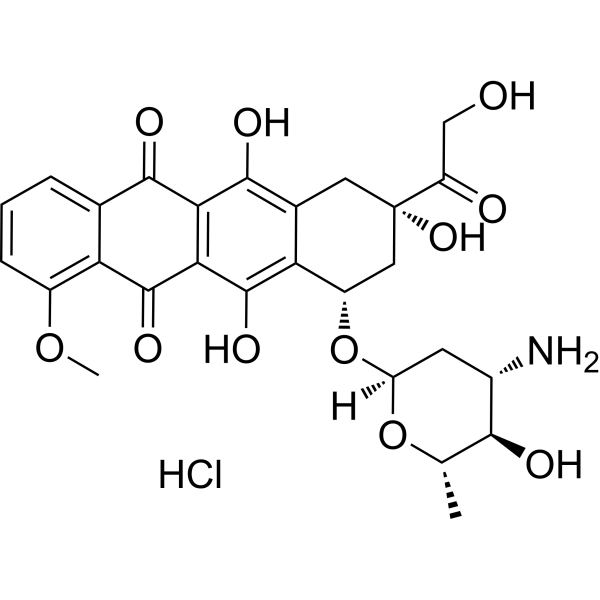
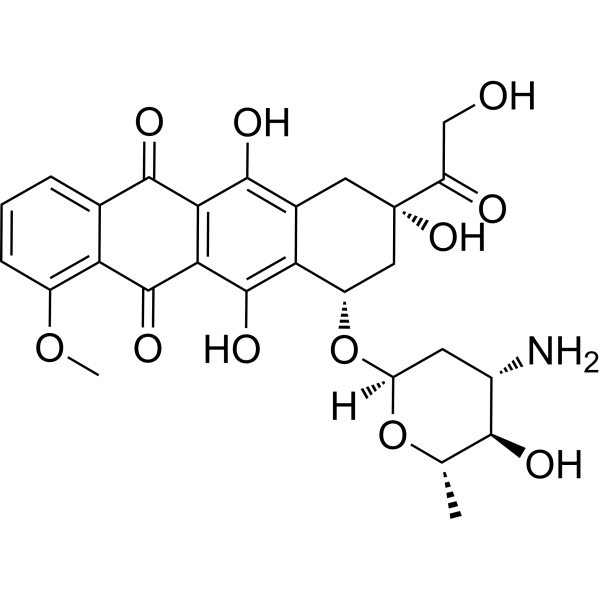
Epirubicin hydrochloride (4'-Epidoxorubicin hydrochloride), a semisynthetic L-arabino derivative of doxorubicin, has an antineoplastic agent by inhibiting Topoisomerase . Epirubicin hydrochloride inhibits DNA and RNA synthesis. Epirubicin hydrochloride is a Forkhead box protein p3 (Foxp3) inhibitor and inhibits regulatory T cell activity .
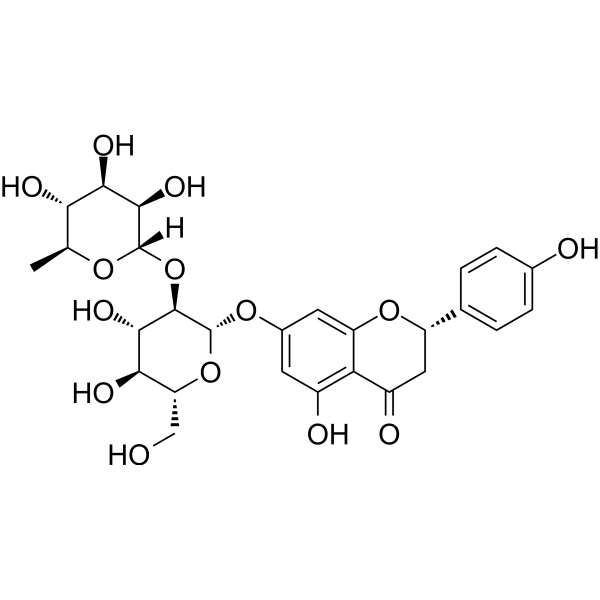
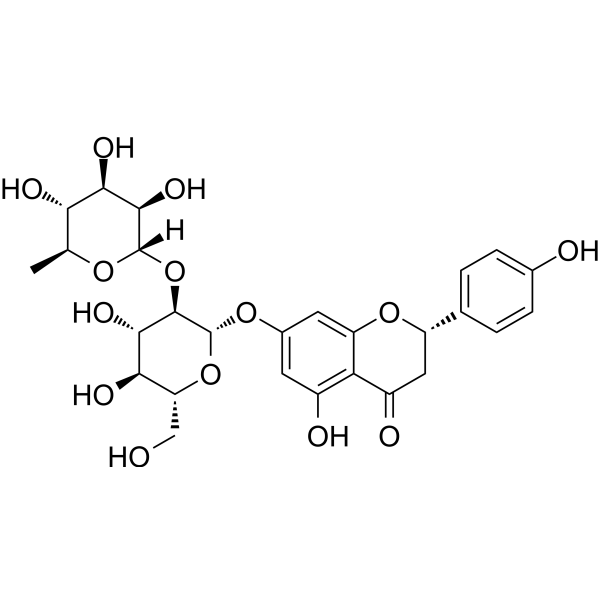
Naringin is a major flavanone glycoside obtained from tomatoes, grapefruits, and many other citrus fruits. Naringin exhibits biological properties such as antioxidant, anti-inflammatory, and antiapoptotic activities. Naringin also inhibits proliferation and invasion and induces apoptosis in human osteosarcoma cells by inhibiting zinc finger E-box binding homeobox 1 (Zeb1) .
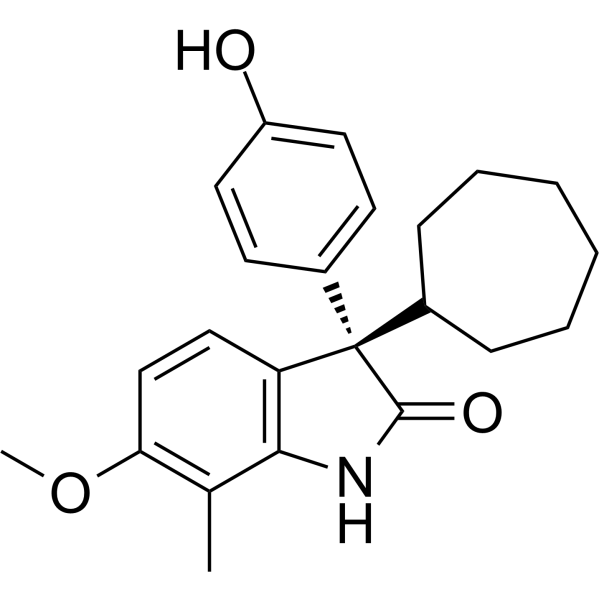
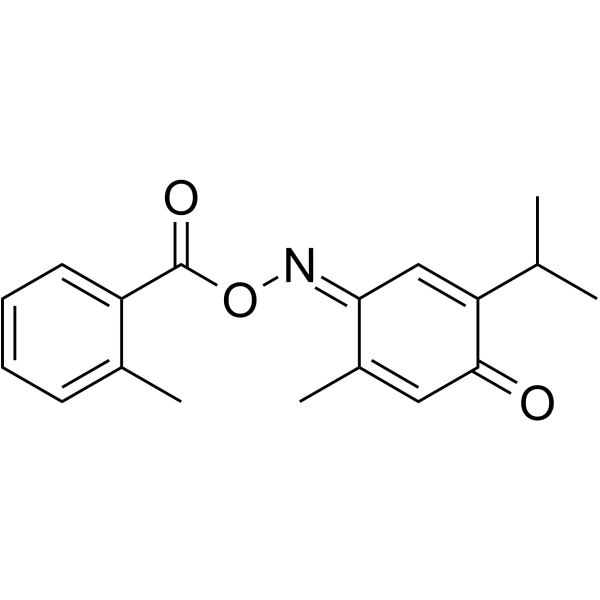
Necrocide 1, a necrosis by sodium overload (NECSO) inducer, is a selective transient receptor potential melastatin 4 (TRPM4) agonist with an EC50 of 306.3 nM for human TRPM4. Necrocide 1 triggers TRPM4-dependent necrotic cell death through the induction of sodium influx. Necrocide 1 induces hallmarks of immunogenic cell death incurring calreticulin (CALR) exposure, ATP secretion and high mobility group box 1 (HMGB1) release. Necrocide 1 can be used for the study of breast and prostate cancer .
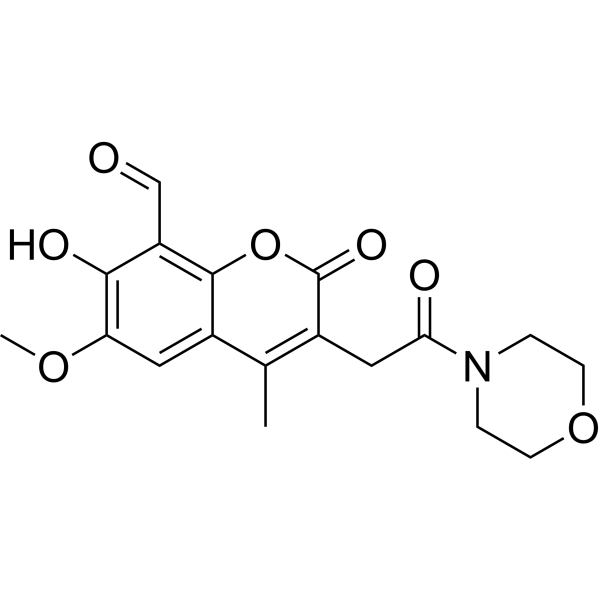
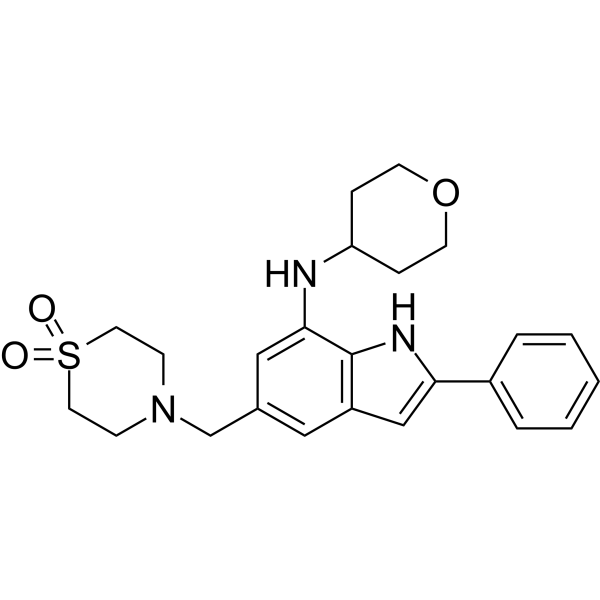
MKC8866, a salicylaldehyde analog, is a potent, selective IRE1 RNase inhibitor with an IC50 of 0.29 μM in human vitro. MKC8866 strongly inhibits Dithiothreitol-induced X-box-binding protein 1-spliced (XBP1s) expression with an EC50 of 0.52 μM and unstresses RPMI 8226 cells with an IC50 of 0.14 μM . MKC8866 inhibits IRE1 RNase in breast cancer cells leading to the decreased production of pro-tumorigenic factors and it can inhibits prostate cancer (PCa) tumor growth .
Epirubicin (4'-Epidoxorubicin), a semisynthetic L-arabino derivative of doxorubicin, has an antineoplastic agent by inhibiting Topoisomerase . Epirubicin inhibits DNA and RNA synthesis. Epirubicin is a Forkhead box protein p3 (Foxp3) inhibitor and inhibits regulatory T cell activity .
Apcin, a ligand of Cdc20, is a potent and competitive anaphase-promoting complex/cyclosome (APC/C(Cdc20)) E3 ligase activity inhibitor. Apcin competitively inhibits APC/C-dependent ubiquitylation by binding to Cdc20 and preventing substrate recognition. Apcin occupes the D-box-binding pocket on the side face of the WD40-domain and can prolong mitosis .
XMU-MP-8 (SKPer1) is a potent molecular glue degrader that targets the oncoprotein SKP2. XMU-MP-8 simultaneously binds to the F-box domain of SKP2 (Kd ≈ 36 μM) and the N-terminal TPR domain of the E3 ligase STUB1 (Kd ≈ 2.5 μM), forming a stable SKP2-SKPer1-STUB1 ternary complex (Kd ≈ 8.9 nM) that induces SKP2 ubiquitination and proteasomal degradation. XMU-MP-8 selectively eliminates SKP2-expressing cancer cells. XMU-MP-8 exhibits substantial tumour suppression with good safety profiles in vivo. XMU-MP-8 can be used for cancer research, such as non-small cell lung adenocarcinoma (NSCLC) and prostatic adenocarcinoma .
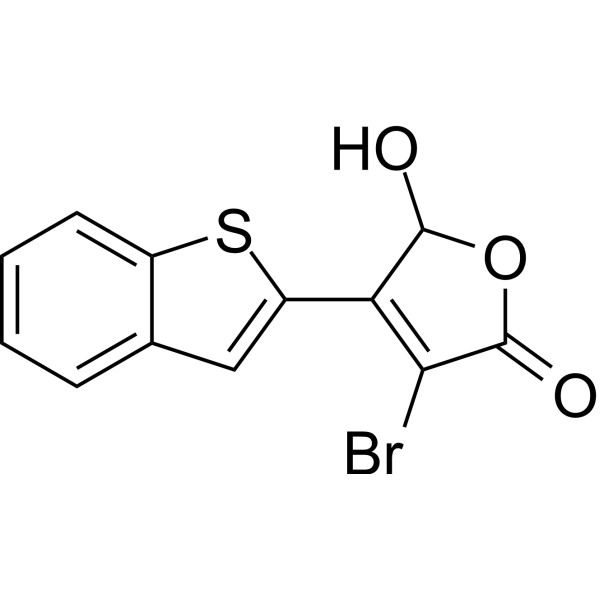
Box5 is a potent Wnt5a antagonist. Box5 inhibits Wnt5a signaling and inhibits Wnt5a-mediated Ca 2+ release. Box5 inhibits cell migration. Box5 has the potential for the research of melanoma .
RCM-1 is a forkhead box M1 (FOXM1) inhibitor with an EC50 of 0.72 μM in U2OS cells. RCM-1 blocks the nuclear localization and increased the proteasomal degradation of FOXM1. RCM-1 can be used for asthma and other chronic airway diseases research .
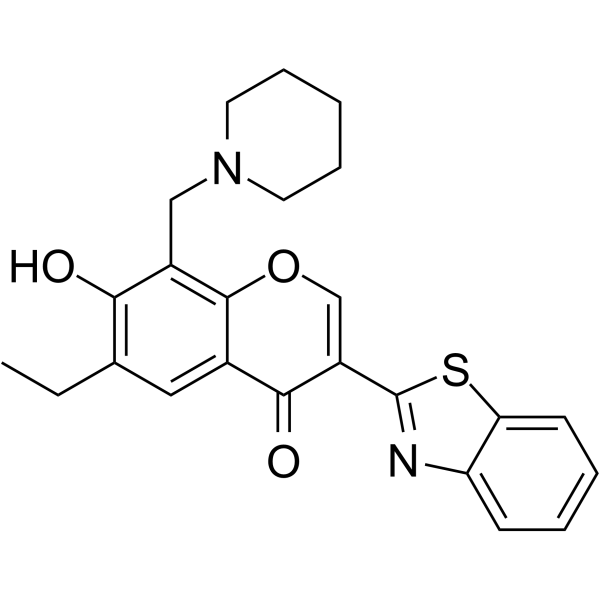
SZL P1-41 is a specific Skp2 inhibitor, binds to the F-box domain of Skp2 to prevent Skp1 association and Skp2 SCF complex formation. SZL P1-41, like Skp2 deficiency, augments p27-mediated apoptosis/senescence, while it impairs Akt-driven glycolysis. Anti-tumor activities .
PEO-IAA is an indole-3-acetic acid (IAA) antagonist. PEO-IAA is an auxin antagonist that binds to transport inhibitor response 1/auxin signaling F-box proteins (TIR1/AFBs).
BC-1215 is a F-box protein 3 (Fbxo3) inhibitor. BC-1215 works by antagonizing of Fbxo3 on TRAF cytokine signaling and exhibits a low IC50 in vitro. BC-1215 can be used for the research of inflammation .
JY-2 is a moderately selective and orally active Forkhead transcription factor forkhead box O1 (FoxO1) inhibitor that inhibits FoxO1 transcriptional activity with an IC50 of 22 μM. JY-2 shows moderate inhibition against FoxO3a and FoxO4. JY-2 shows anti-diabetic activity .
KS15 is an inhibitor of the interactions between cryptochromes (CRYs: CRY1 and CRY2) and the CLOCK:BMAL1 heterodimer. KS15 impairs the feedback actions of CRYs on E-box-dependent transcription (EC50=4.9 μM) by CLOCK:BMAL1 heterodimer, an indispensable transcriptional regulator of the mammalian circadian clock. Anti-proliferative activity .
NecroX-7 is a potent free radical scavenger and a HMGB1 (high-mobility group box 1) inhibitor. NecroX-7 can be used as an antidote to acetaminophen toxicity. NecroX-7 exerts a protective effect by preventing the release of HMGB1 in ischemia/reperfusion injury. NecroX-7 inhibits the HMGB1-induced release of TNF and IL-6, as well as the expression of TLR-4 and receptor for advanced glycation end products. NecroX-7 can be used graft-versus-host disease (GVHD) research .
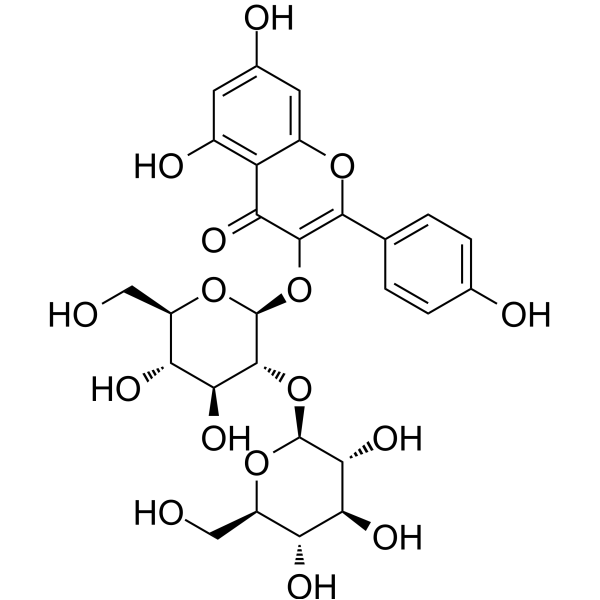
Kaempferol 3-O-sophoroside is an orally active derivative of Kaempferol. It exhibits anti-inflammatory, analgesic, and antidepressant effects. Kaempferol 3-O-sophoroside is an inhibitor of the cell surface receptor toll-like receptor (TLR) 2/4 for High mobility group box 1 (HMGB1), and it also exerts anti-inflammatory effects by blocking the activation of NF-κB expression and the production of TNF-α. Kaempferol 3-O-sophoroside promotes the production of brain-derived neurotrophic factor (BDNF) and enhances autophagy by binding to AMP-activated protein kinase (AMPK), thereby exerting antidepressant effects. Kaempferol 3-O-sophoroside holds promise for research in the fields of inflammation and neurodegenerative diseases .
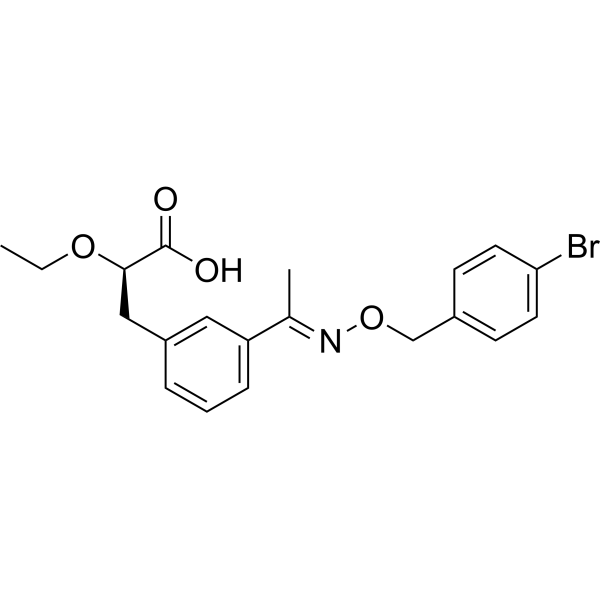
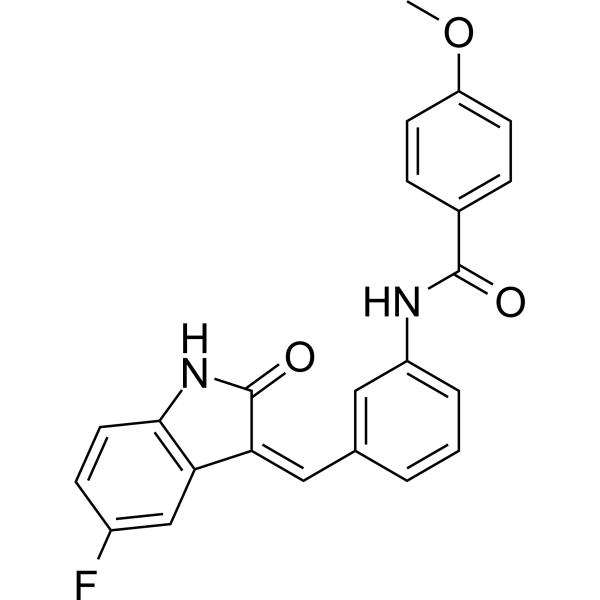
CAY10526 is an inhibitor of Y-box binding protein 1 (YB-1) and microsomal prostaglandin E2 synthase 1 (mPGES1). CAY10526 inhibits the production of PGE2 by suppressing YB-1 and mPGES1. CAY10526 induces cell apoptosis (apoptosis) and inhibits the JAK/STAT, TGF-β/Smad3 and PI3K/AKT signaling pathways. CAY10526 can be used in research related to melanoma, prostate cancer, esophageal adenocarcinoma, T-cell lymphoma, etc .
DDX3-IN-1 (Compound 16f) is the inhibitor for DEAD box polypeptide 3 (DDX3) with an IC50 >100 μM. DDX3-IN-1 exhibits antiviral activity against HIV and HCV .
SMER3, a Rapamycin enhancer, is a selective Skp1-Cullin-F-box (SCF) Met30 ubiquitin ligase inhibitor. SMER3 enhances Rapamycin's growth inhibitory effect by inhibition of SCF Met30 .
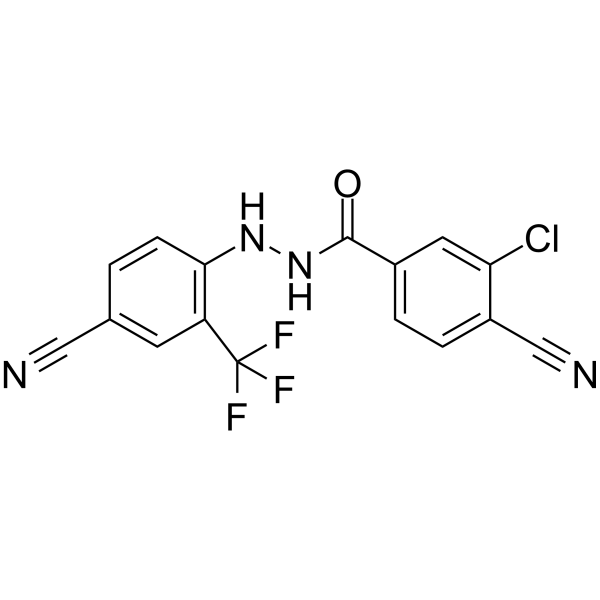
VPC-70619 is a potent N-Myc inhibitor. VPC-70619 blocks the binding of the N-Myc-Max heterocomplex to the DNA E-box and exhibits potent inhibitory activity against N-Myc-dependent cell lines. VPC-70619 can partially reverse paclitaxel (HY-B0015) resistance in cells by reducing MYCN expression. VPC-70619 can be used for cancer research (e.g., neuroblastoma and thyroid cancer) .
Apcin-A is a small molecule inhibitor that selectively targets the cell division cycle protein Cdc20 and is a derivative of Apcin (HY-110287). Apcin-A competitively binds to the D-box binding pocket of Cdc20 and inhibits substrate ubiquitination mediated by the anaphase promoting complex APC/C-Cdc20. Apcin-A also blocks the binding of Cdc20 to substrates (such as securin and cyclin B1), inhibiting anaphase initiation and cell cycle exit. Apcin-A can promote or prolong mitotic slippage in coordination with p31 comet under conditions of high spindle assembly checkpoint (SAC) activity. Apcin-A can be used to develop anti-mitotic drugs and overcome tumor chemotherapy resistance. Apcin-A can be used to synthesize PROTAC CP5V (HY-130257)[1][2][3].
Box5 TFA is a potent Wnt5a antagonist. Box5 TFA inhibits Wnt5a signaling and inhibits Wnt5a-mediated Ca 2+ release. Box5 TFA inhibits cell migration. Box5 TFA has the potential for the research of melanoma .
Ragifilimab (INCAGN-1876) is an agonist monoclonal antibody targeting the glucocorticoid-induced TNFR-related protein (GITR). Ragifilimab binds to and activates GITR on T cells, which stimulates the immune system to enhance its anti-tumor activity. Ragifilimab can be used for advanced or metastatic solid tumors research .
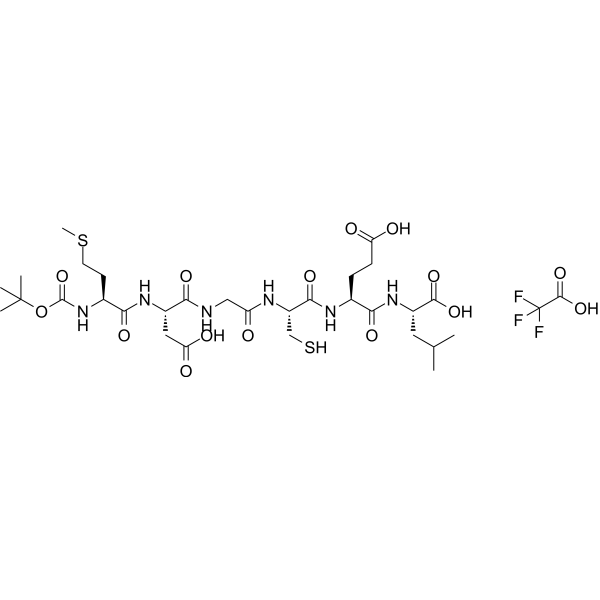
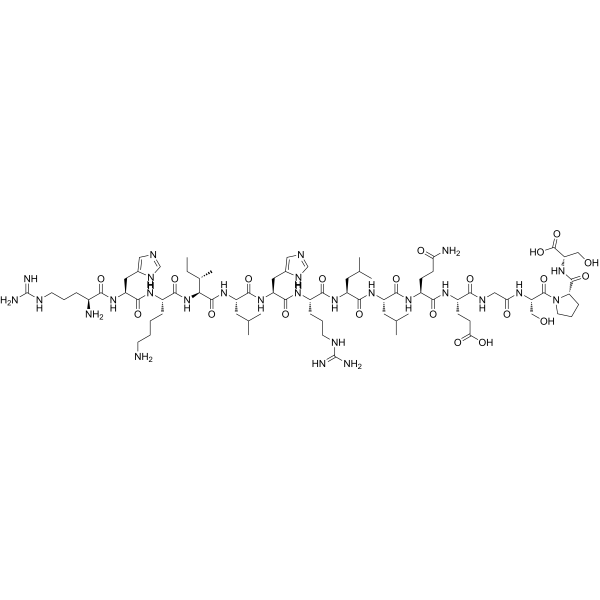
SRC-1 NR box peptide is a biological active peptide (This peptide is a 14-amino acid fragment from the steroid receptor cofactor SRC-1 NR II). SRC-1 NR box peptide can be used to study the regulatory mechanisms of estrogen receptor ligands .
Naringin is a major flavanone glycoside obtained from tomatoes, grapefruits, and many other citrus fruits. Naringin exhibits biological properties such as antioxidant, anti-inflammatory, and antiapoptotic activities. Naringin also inhibits proliferation and invasion and induces apoptosis in human osteosarcoma cells by inhibiting zinc finger E-box binding homeobox 1 (Zeb1) .
Poloppin is a potent, cell penetrant inhibitor of the mitotic Polo-like kinase (PLK) (IC50=26.9 μM) and prevents the protein-protein interaction via the Polo-box domain (PBD) (Kd= 29.5 μM). Poloppin selectively kills cells expressing mutant KRAS, enhancing death in mitosis. Poloppin is used for the study of KRAS-mutant cancers as single agents, or in combination with c-MET inhibitors .
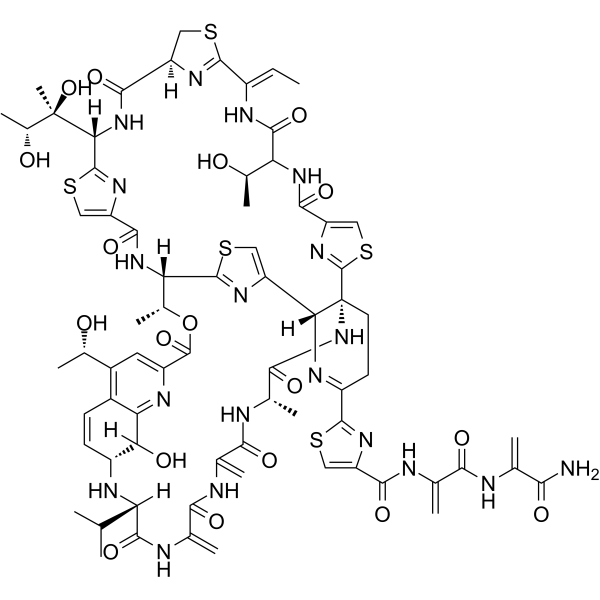
Siomycin A is a thiopeptide antibiotic and is a Forkhead box M1(FOXM1) selective inhibitor without affecting other members of the Forkhead box family. Siomycin A has anti-tumor and promotes apoptosis .
BC-1258,an F-box/LRR-repeat protein 2 (FBXL2) activator,can stabilize and upregulate FBXL2 levels. BC-1258 induces apoptosis of tumorigenic cells,and profoundly inhibits tumor formation in mice .
Epirubicin (hydrochloride) (Standard) is the analytical standard of Epirubicin (hydrochloride). This product is intended for research and analytical applications. Epirubicin hydrochloride (4'-Epidoxorubicin hydrochloride), a semisynthetic L-arabino derivative of doxorubicin, has an antineoplastic agent by inhibiting Topoisomerase . Epirubicin hydrochloride inhibits DNA and RNA synthesis. Epirubicin hydrochloride is a Forkhead box protein p3 (Foxp3) inhibitor and inhibits regulatory T cell activity .
SRC-1 NR box peptide acetate is a biological active peptide (This peptide is a 14-amino acid fragment from the steroid receptor cofactor SRC-1 NR II). SRC-1 NR box peptide acetate can be used to study the regulatory mechanisms of estrogen receptor ligands .
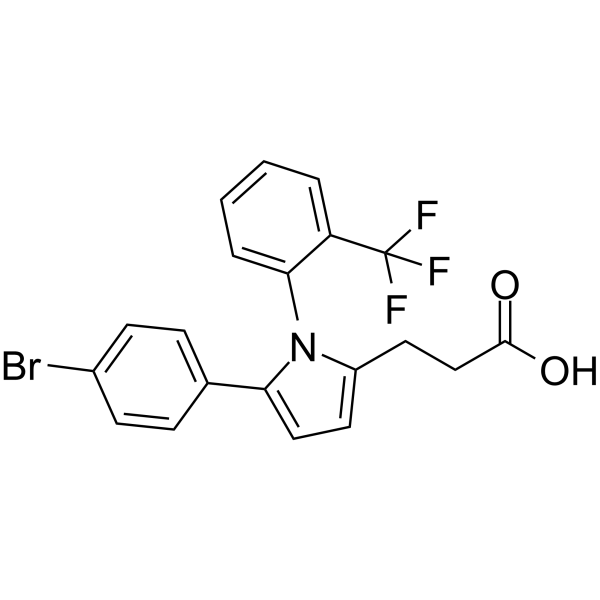
BPU17 binds to PHB1 and causes mild defects in mitochondrial function by defects in the PHB1-PHB2 interaction. This impairment inhibits the SRF/CArG-box-dependent transcription, resulting in the suppression of epithelial-mesenchymal transition (EMT) of retinal pigment epithelial cells (RPEs). BPU17 exhibits antifibrotic activity in vivo. BPU17 is promising for research of anti-neovascular age-related macular degeneration (nAMD) agent .
SPSB2-iNOS inhibitory cyclic peptide-1 is an inhibitor for the interaction of SPRY domain and SOCS-box protein 2 (SPSB2) and iNOS, through binding SPSB2 on iNOS site with KD of 4.4 nM. SPSB2-iNOS inhibitory cyclic peptide-1 is resistant to the proteases pepsin, trypsin and α-chymotrypsin. SPSB2-iNOS inhibitory cyclic peptide-1 is stable in human plasma and in oxidative environment .
Human PAX6 mRNA encodes the human paired box 6 (PAX6) protein, a member of the paired box (PAX) family. PAX6 may play an important role in the development of the eye, nose, central nervous system and pancreas. It is also required for the differentiation of pancreatic islet alpha cells.
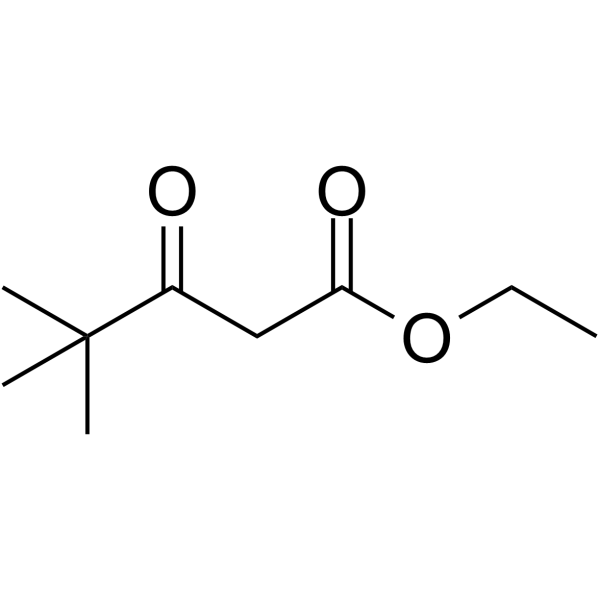
Ethyl pivaloylacetate is a β-ketoester. Ethyl pivaloylacetate can be uesd as the substrate to evaluate the activity and stereoselectivity of the ketoreductase tool-box .
W2476 is a regulator of thioredocin-interacting protein signaling pathway. W2476 promotes competitive binding of forkhead box O1 transcription factor (FOXO1). W2476 can ameliorate β-cell dysfunction and enhance insulin secretion in diabetic mouse model .
Braxlosiran, one of the components of the AOC Delpacibart braxlosiran (HY-177566), is composed of a siRNA targeting DUX4 (dual homologous box protein) and SMCC linker (HY-42360). Abnormal expression of the DUX4 protein leads to changes in gene expression in muscle cells, and these changes are associated with the loss of muscle function in facioscapulohumeral muscular dystrophy (FSHD) .
PLK1-IN-10 (Compound 4Bb) is an orally active PLK1 PBD (polo-box domain) inhibitor. PLK1-IN-10 blocks the interaction of PLK1 with the cell division regulator protein 1 (PRC1) and decreases the protein expression of the CDK1-Cyclin B1 complex. PLK1-IN-10 reacts with glutathione (GSH) to increase cellular oxidative stress, ultimately leading to cell death .
Human PAX8 mRNA encodes the human paired box 8 (PAX8) protein, a member of the paired box (PAX) family. PAX8 is involved in thyroid follicular cell development and expression of thyroid-specific genes.
Human PAX3 mRNA encodes the human paired box 3 (PAX3) protein, a member of the paired box (PAX) family. PAX3 may regulate cell proliferation, migration and apoptosis and involve in neural development and myogenesis.
Human PAX7 mRNA encodes the human paired box 7 (PAX7) protein, a member of the paired box (PAX) family. PAX7 may play a role in myogenesis through regulation of muscle precursor cells proliferation.
Human PAX2 mRNA encodes the human paired box 2 (PAX2) protein, a member of the paired box (PAX) family. PAX2 may have a role in kidney cell differentiation and the development of the urogenital tract, the eyes, and the CNS.
Human PAX5 mRNA encodes the human paired box 5 (PAX5) protein, a member of the paired box (PAX) family. PAX5 may play an important role in B-cell differentiation as well as neural development and spermatogenesis.
Human PAX4 mRNA encodes the human paired box 4 (PAX4) protein, a member of the paired box (PAX) family. PAX4 is involved in pancreatic islet development and mouse studies have demonstrated a role for this gene in differentiation of insulin-producing beta cells.
Human PAX9 mRNA encodes the human paired box 9 (PAX9) protein, a member of the paired box (PAX) family. PAX9 is required for normal development of thymus, parathyroid glands, ultimobranchial bodies, teeth, skeletal elements of skull and larynx as well as distal limbs.
Human SOX2 mRNA encodes the human SRY-box transcription factor 2 (SOX2) protein, a member of the SRY-related HMG-box (SOX) family of transcription factors. SOX2 involves in the regulation of embryonic development and in the determination of cell fate. In addition, SOX2 is also required for stem-cell maintenance in the central nervous system and could regulate gene expression in the stomach.
Mouse Tbx5 mRNA encodes the mouse T-box 5 (Tbx5) protein, a DNA-binding protein that regulates the transcription of several genes. Tbx5 is involved in heart development and limb pattern formation.
SPSB2-iNOS inhibitory cyclic peptide-3 (Compound CP3) is an inhibitor for the interaction of SPRY domain and SOCS-box protein 2 (SPSB2) and iNOS, through binding SPSB2 on iNOS site with KD of 7 nM .
Human FOXA2 mRNA encodes the human forkhead box A2 (FOXA2) protein, a member of the forkhead class of DNA-binding proteins. FOXA2 is involved in embryonic development, establishment of tissue-specific gene expression and regulation of gene expression in differentiated tissues.
XL44, an hRpn13 binder, induces hRpn13-dependent apoptosis and also restricts cell viability by a PCLAF-dependent mechanism. XL44 induces ubiquitin-dependent loss of hRpn13 Pru and ubiquitin-independent loss of select KEN box containing proteins .
SRC-1 (686-700) is a biological active peptide. (This peptide is amino acids 686 to 700 fragment containing the second LXXLL motif, derived from NR box II of steroid receptor coactivator (SRC1). Coactivator proteins interact with nuclear receptors in a ligand-dependent manner and augment transcription.)
Human NEUROD1 mRNA encodes the human neuronal differentiation 1 (NEUROD1)protein, a member of the NeuroD family of basic helix-loop-helix (bHLH) transcription factors. NEUROD1 forms heterodimers with other bHLH proteins and activates transcription of genes that contain a specific DNA sequence known as the E-box.
T2AA hydrochloride is a non-peptide small molecule PCNA inhibitor T2 amino alcohol (T2AA) that lacks thyroid hormone activity. T2AA hydrochloride inhibits the interaction of PCNA/PIP-box peptide (IC50=~1 μM) and the interaction of PCNA with full-length p21 protein .
Human MEF2C mRNA encodes the human myocyte enhancer factor 2C (MEF2C) protein, a member of the MADS box transcription enhancer factor 2 (MEF2) family. MEF2C has both trans-activating and DNA binding activities and may play a role in maintaining the differentiated state of muscle cells.
SPSB2-iNOS inhibitory cyclic peptide-2 (Compound CP2) is an inhibitor for the interaction of SPRY domain and SOCS-box protein 2 (SPSB2) and iNOS, through binding SPSB2 on iNOS site with KD of 21 nM. SPSB2-iNOS inhibitory cyclic peptide-2 is reduction-resistant and oxidatively stable .
Human TFE3 mRNA encodes the human transcription factor binding to IGHM enhancer 3 (TFE3) protein, a basic helix-loop-helix domain-containing transcription factor that binds MUE3-type E-box sequences. TFE3 may be involved in chromosomal translocations in renal cell carcinomas and other cancers, resulting in the production of fusion proteins.
Anti-YB-1 Antibody (21A3) is a mouse-derived IgG1 chimeric antibody inhibitor, targeting to human YB-1. Anti-YB-1 Antibody (21A3) reacts with human Y-box binding protein 1 (YB-1). Anti-YB-1 Antibody (21A3) can be used for the detections of immunohistochemistry, western blot and flow cytometry .
SPSB2-iNOS inhibitory cyclic peptide-3 TFA is the TFA salt form of SPSB2-iNOS inhibitory cyclic peptide-3 (HY-P10385). SPSB2-iNOS inhibitory cyclic peptide-3 TFA is an inhibitor for the interaction of SPRY domain and SOCS-box protein 2 (SPSB2) and iNOS, through binding SPSB2 on iNOS site with KD of 7 nM .
PKZ18 is an antibiotic and inhibits bacterial growth, with MIC values of 32-64 μg/mL against most Gram-positive bacteria. PKZ18 inhibits in vivo transcription and translation of glycyl-tRNA synthetase mRNA. PKZ18 selectively targets stem I specifier loops in Gram-positive bacteria and directly reduces T-box transcriptional read-through of the associated genes. PKZ18 prevents the codon-anticodon reading required for tRNA binding and is refractory to resistance .
SPSB2-iNOS inhibitory cyclic peptide-2 TFA is the TFA salt form of SPSB2-iNOS inhibitory cyclic peptide-2 (HY-P10384). SPSB2-iNOS inhibitory cyclic peptide-2 TFA is an inhibitor for the interaction of SPRY domain and SOCS-box protein 2 (SPSB2) and iNOS, through binding SPSB2 on iNOS site with KD of 21 nM. SPSB2-iNOS inhibitory cyclic peptide-2 TFA is reduction-resistant and oxidatively stable .
Poloxipan is a pan-specific polo-like kinase (PLK) inhibitor that can inhibit a non-catalytic region at the C-terminus called the Polo-box domain (PBD) found in kinases. The IC50 values for Poloxipan against the PBDs of PLK-1/2/3 are 3.2 μM, 1.7 μM, and 3.0 μM, respectively. Poloxipan also inhibits other phospho-tyrosine binding domains, such as the forkhead-associated (FHA) domain of CHK-2, the WW domain of peptidyl-prolyl cis/trans isomerase (PIN1), and the phospho-tyrosine binding domains of STAT1/3/5 and lymphocyte-specific protein tyrosine kinase's SH2 domain. Poloxipan can be used in cancer research .
SPSB2-iNOS inhibitory cyclic peptide-1 TFA is the TFA salt form of SPSB2-iNOS inhibitory cyclic peptide-1(HY-P10383). SPSB2-iNOS inhibitory cyclic peptide-1 is an inhibitor for the interaction of SPRY domain and SOCS-box protein 2 (SPSB2) and iNOS, through binding SPSB2 on iNOS site with KD of 4.4 nM. SPSB2-iNOS inhibitory cyclic peptide-1 is resistant to the proteases pepsin, trypsin and α-chymotrypsin. SPSB2-iNOS inhibitory cyclic peptide-1 is stable in human plasma and in oxidative environment .
Human PAX1 mRNA encodes the human paired box 1 (PAX1) protein, a member of the paired box (PAX) family. PAX1 plays a role in pattern formation during embryogenesis and may be essential for development of the vertebral column.
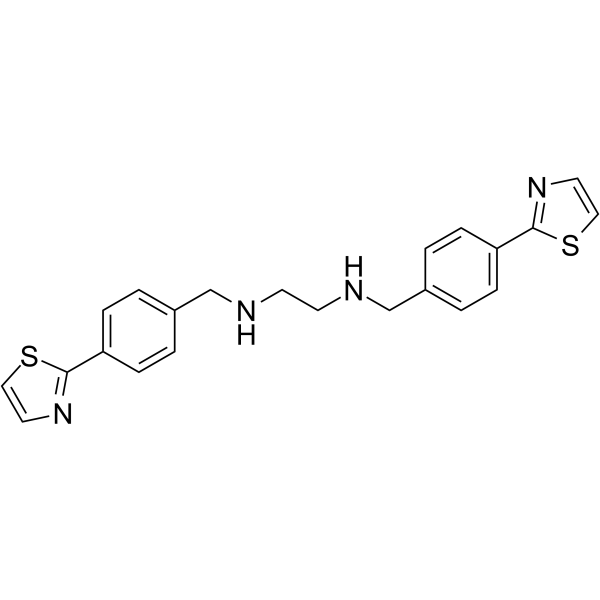
Z226407860 is a RING-box protein 1 (RBX1) inhibitor. Z226407860 reduces house dust mite-induced airway epithelial injury and ROS accumulation by inhibiting RBX1. Z226407860 can be used for the research of asthma .
Ethyl pivaloylacetate (Standard) is the analytical standard of Ethyl pivaloylacetate (HY-W076971). This product is intended for research and analytical applications. Ethyl pivaloylacetate is a β-ketoester. Ethyl pivaloylacetate can be uesd as the substrate to evaluate the activity and stereoselectivity of the ketoreductase tool-box .
Human FOXA1 mRNA encodes the human forkhead box A1 (FOXA1) protein, a member of the forkhead class of DNA-binding proteins. FOXA1 is involved in embryonic development, establishment of tissue-specific gene expression and regulation of gene expression in differentiated tissues.
Human TBX5 mRNA encodes the human T-box transcription factor 5 (TBX5) protein, a member of a phylogenetically conserved family. TBX5 is a DNA-binding protein that regulates the transcription of several genes and also involved in heart development and limb pattern formation.
Human FOXA3 mRNA encodes the human forkhead box A3 (FOXA3) protein which is thought to act as a ''pioneer'' factor opening the compacted chromatin for other proteins through interactions with nucleosomal core histones and thereby replacing linker histones at target enhancer and/or promoter sites.
SKL1223 is an orally effective thioredoxin-interacting protein (TXNIP) inhibitor with an IC50 of 0.64 µM. SKL1223 interacts with the E-box region of the TXNIP promoter to inhibit TXNIP transcription and related signaling pathways. SKL1223 reduces hepatic glucose output. SKL1223 exerts hypoglycemic effects by regulating the action of glucagon, and modulates blood glucose levels in Streptozotocin (HY-13753)-induced and obesity-induced diabetic mice. SKL1223 can be used in the research of type 1 diabetes and type 2 diabetes .
SZL P1-41 (Standard) is the analytical standard of SZL P1-41 (HY-100237). This product is intended for research and analytical applications. SZL P1-41 is a specific Skp2 inhibitor, binds to the F-box domain of Skp2 to prevent Skp1 association and Skp2 SCF complex formation. SZL P1-41, like Skp2 deficiency, augments p27-mediated apoptosis/senescence, while it impairs Akt-driven glycolysis. Anti-tumor activities .
MKC8866 (Standard) is the analytical standard of MKC8866 (HY-104040). This product is intended for research and analytical applications. MKC8866, a salicylaldehyde analog, is a potent, selective IRE1 RNase inhibitor with an IC50 of 0.29 μM in human vitro. MKC8866 strongly inhibits Dithiothreitol-induced X-box-binding protein 1-spliced (XBP1s) expression with an EC50 of 0.52 μM and unstresses RPMI 8226 cells with an IC50 of 0.14 μM . MKC8866 inhibits IRE1 RNase in breast cancer cells leading to the decreased production of pro-tumorigenic factors and it can inhibits prostate cancer (PCa) tumor growth .
ASINEX has elaborated a library of diverse macrocycles using an effective tool box of synthetic methods. The resulting scaffolds are novel, tremendously diverse, medchem-relevant, macrocyclic frameworks.
Macrocyles tend to be larger than traditional screening molecules which make them perfect discovery tools for targets with shallow or extended binding sites. At the same time, their unique character based on restricted flexibility and ability to form intra-molecular hydrogen bonds allows for design approaches effectively optimizing properties such asaqueous solubility and membrane permeability. Many of these macrocycles have been tested for aqueous and DMSO solubility with cut-offs applied at 10 mM in DMSO and 50 µM in PBS (pH 7.4) followed by PAMPA permeability assay.
New drug development is a time-consuming and high-cost process. Drug repurposing (also called drug repositioning, reprofiling or re‑tasking) offers various advantages over developing an entirely new drug for a given indication. First, the risk of failure is lower. Second, the time frame for drug development can be reduced. Third, less investment is needed. Approved drugs have identified bioactivities, good pharmacokinetic characteristics and safety which are suitable for drug repurposing.
MCE owns a unique collection of 3,232 approved compounds which have been completed extensive preclinical and clinical studies and have well-characterized bioactivities, safety and bioavailability properties. The package of this library is 96-well microplate with peelable foil seal, which makes the screening process easier and faster.
Proteolysis-targeting chimera (PROTAC) has been developed to be a useful technology for targeted protein degradation. PROTACs consist of a ligand for E3 ligase (E3 ligase binder), a linker and a ligand (mostly small-molecule inhibitor) for protein of interest(target binder). Upon binding to the target protein, the PROTACs can recruit E3 for target protein ubiquitination, which is subjected to proteasome-mediated degradation.
Although there are more than 600 E3 ubiquitin ligases, only several with small molecule ligands have been used for designing PROTACs, including Skp1-Cullin-F box complex containing Hrt1 (SCF), Von Hippel-Lindau tumor suppressor (VHL), Cereblon (CRBN), inhibitor of apoptosis proteins (IAPs), and mouse double minute 2 homolog (MDM2).
MCE carefully prepared a unique collection of 177 ligands for E3 ligase, which have been reported to be used in PROTAC design. MCE E3 ligase ligand library is a useful tool for PROTAC development.
Box5 is a potent Wnt5a antagonist. Box5 inhibits Wnt5a signaling and inhibits Wnt5a-mediated Ca 2+ release. Box5 inhibits cell migration. Box5 has the potential for the research of melanoma .
Box5 TFA is a potent Wnt5a antagonist. Box5 TFA inhibits Wnt5a signaling and inhibits Wnt5a-mediated Ca 2+ release. Box5 TFA inhibits cell migration. Box5 TFA has the potential for the research of melanoma .
SRC-1 NR box peptide is a biological active peptide (This peptide is a 14-amino acid fragment from the steroid receptor cofactor SRC-1 NR II). SRC-1 NR box peptide can be used to study the regulatory mechanisms of estrogen receptor ligands .
Dby HY Peptide (608-622), mouse is a biological active peptide. (Dby HY Peptide, NAGFNSNRANSSRSS, is a HYAb epitope belonging to a well-conserved family of genes coding for known or putative RNA helicases and containing a core sequence with a DEAD (Asp-Glu-Ala-Asp) box peptide motif, hence the name Dby (Dead box RNA helicase Y). The single Phenylalanine in the sequence serves as the anchor point while FNSNRANSS most likely is the “core” sequence of this HYAb epitope.)
SRC-1 NR box peptide acetate is a biological active peptide (This peptide is a 14-amino acid fragment from the steroid receptor cofactor SRC-1 NR II). SRC-1 NR box peptide acetate can be used to study the regulatory mechanisms of estrogen receptor ligands .
SPSB2-iNOS inhibitory cyclic peptide-1 is an inhibitor for the interaction of SPRY domain and SOCS-box protein 2 (SPSB2) and iNOS, through binding SPSB2 on iNOS site with KD of 4.4 nM. SPSB2-iNOS inhibitory cyclic peptide-1 is resistant to the proteases pepsin, trypsin and α-chymotrypsin. SPSB2-iNOS inhibitory cyclic peptide-1 is stable in human plasma and in oxidative environment .
SPSB2-iNOS inhibitory cyclic peptide-3 (Compound CP3) is an inhibitor for the interaction of SPRY domain and SOCS-box protein 2 (SPSB2) and iNOS, through binding SPSB2 on iNOS site with KD of 7 nM .
SRC-1 (686-700) is a biological active peptide. (This peptide is amino acids 686 to 700 fragment containing the second LXXLL motif, derived from NR box II of steroid receptor coactivator (SRC1). Coactivator proteins interact with nuclear receptors in a ligand-dependent manner and augment transcription.)
SPSB2-iNOS inhibitory cyclic peptide-2 (Compound CP2) is an inhibitor for the interaction of SPRY domain and SOCS-box protein 2 (SPSB2) and iNOS, through binding SPSB2 on iNOS site with KD of 21 nM. SPSB2-iNOS inhibitory cyclic peptide-2 is reduction-resistant and oxidatively stable .
SPSB2-iNOS inhibitory cyclic peptide-3 TFA is the TFA salt form of SPSB2-iNOS inhibitory cyclic peptide-3 (HY-P10385). SPSB2-iNOS inhibitory cyclic peptide-3 TFA is an inhibitor for the interaction of SPRY domain and SOCS-box protein 2 (SPSB2) and iNOS, through binding SPSB2 on iNOS site with KD of 7 nM .
SPSB2-iNOS inhibitory cyclic peptide-2 TFA is the TFA salt form of SPSB2-iNOS inhibitory cyclic peptide-2 (HY-P10384). SPSB2-iNOS inhibitory cyclic peptide-2 TFA is an inhibitor for the interaction of SPRY domain and SOCS-box protein 2 (SPSB2) and iNOS, through binding SPSB2 on iNOS site with KD of 21 nM. SPSB2-iNOS inhibitory cyclic peptide-2 TFA is reduction-resistant and oxidatively stable .
SPSB2-iNOS inhibitory cyclic peptide-1 TFA is the TFA salt form of SPSB2-iNOS inhibitory cyclic peptide-1(HY-P10383). SPSB2-iNOS inhibitory cyclic peptide-1 is an inhibitor for the interaction of SPRY domain and SOCS-box protein 2 (SPSB2) and iNOS, through binding SPSB2 on iNOS site with KD of 4.4 nM. SPSB2-iNOS inhibitory cyclic peptide-1 is resistant to the proteases pepsin, trypsin and α-chymotrypsin. SPSB2-iNOS inhibitory cyclic peptide-1 is stable in human plasma and in oxidative environment .
Ragifilimab (INCAGN-1876) is an agonist monoclonal antibody targeting the glucocorticoid-induced TNFR-related protein (GITR). Ragifilimab binds to and activates GITR on T cells, which stimulates the immune system to enhance its anti-tumor activity. Ragifilimab can be used for advanced or metastatic solid tumors research .
Anti-YB-1 Antibody (21A3) is a mouse-derived IgG1 chimeric antibody inhibitor, targeting to human YB-1. Anti-YB-1 Antibody (21A3) reacts with human Y-box binding protein 1 (YB-1). Anti-YB-1 Antibody (21A3) can be used for the detections of immunohistochemistry, western blot and flow cytometry .
Naringin is a major flavanone glycoside obtained from tomatoes, grapefruits, and many other citrus fruits. Naringin exhibits biological properties such as antioxidant, anti-inflammatory, and antiapoptotic activities. Naringin also inhibits proliferation and invasion and induces apoptosis in human osteosarcoma cells by inhibiting zinc finger E-box binding homeobox 1 (Zeb1) .
Kaempferol 3-O-sophoroside is an orally active derivative of Kaempferol. It exhibits anti-inflammatory, analgesic, and antidepressant effects. Kaempferol 3-O-sophoroside is an inhibitor of the cell surface receptor toll-like receptor (TLR) 2/4 for High mobility group box 1 (HMGB1), and it also exerts anti-inflammatory effects by blocking the activation of NF-κB expression and the production of TNF-α. Kaempferol 3-O-sophoroside promotes the production of brain-derived neurotrophic factor (BDNF) and enhances autophagy by binding to AMP-activated protein kinase (AMPK), thereby exerting antidepressant effects. Kaempferol 3-O-sophoroside holds promise for research in the fields of inflammation and neurodegenerative diseases .
Naringin is a major flavanone glycoside obtained from tomatoes, grapefruits, and many other citrus fruits. Naringin exhibits biological properties such as antioxidant, anti-inflammatory, and antiapoptotic activities. Naringin also inhibits proliferation and invasion and induces apoptosis in human osteosarcoma cells by inhibiting zinc finger E-box binding homeobox 1 (Zeb1) .
Ethyl pivaloylacetate is a β-ketoester. Ethyl pivaloylacetate can be uesd as the substrate to evaluate the activity and stereoselectivity of the ketoreductase tool-box .
Ethyl pivaloylacetate (Standard) is the analytical standard of Ethyl pivaloylacetate (HY-W076971). This product is intended for research and analytical applications. Ethyl pivaloylacetate is a β-ketoester. Ethyl pivaloylacetate can be uesd as the substrate to evaluate the activity and stereoselectivity of the ketoreductase tool-box .
DDX41 protein, a probable ATP-dependent RNA helicase, plays a crucial role in post-transcriptional gene expression, suggesting involvement in pre-mRNA splicing. As an ATP-dependent RNA helicase, DDX41 likely contributes to dynamic RNA unwinding, facilitating various aspects of RNA metabolism. Its multifunctional role underscores its significance in the intricate machinery governing gene expression and RNA processing within the cell. DDX41 Protein, Human (FLAG) is the recombinant human-derived DDX41 protein, expressed by E. coli , with C-Flag labeled tag.
DDX41 protein, a probable ATP-dependent RNA helicase, plays a crucial role in post-transcriptional gene expression, suggesting involvement in pre-mRNA splicing. As an ATP-dependent RNA helicase, DDX41 likely contributes to dynamic RNA unwinding, facilitating various aspects of RNA metabolism. Its multifunctional role underscores its significance in the intricate machinery governing gene expression and RNA processing within the cell. DDX41 Protein, Human (His, Strep, Flag) is the recombinant human-derived DDX41 protein, expressed by E. coli , with N-Strep, N-6*His, C-Flag labeled tag.
PAX8 protein, a crucial transcription factor, is essential for thyroid-specific gene expression, maintaining the functional differentiation of thyroid cells. It plays a pivotal role in regulating the thyroid-specific gene profile, contributing to specialized thyroid cell function. PAX8 also interacts with WWTR1, indicating a potential partnership in modulating gene expression and cellular processes in thyroid cells. PAX8 Protein, Human (His) is the recombinant human-derived PAX8 protein, expressed by E. coli , with C-His labeled tag.
PLK3 Polo Box Domain Protein, Human (MBP, His) is the recombinant human-derived PLK3 Polo Box Domain, expressed by E. coli , with C-6*His, N-MBP labeled tag. ,
KDM2A; Lysine-specific demethylase 2A; CXXC-type zinc finger protein 8; F-Box and leucine-rich repeat protein 11; F-Box protein FBL7; F-Box protein Lilina; F-Box/LRR-repeat protein 11; JmjC domain-containing histone demethylation protein 1A; [Histone-H3]-lysine-36 demethylase 1A
The KDM2A protein is a histone demethylase targeting "Lys-36" of histone H3. It plays a key role in the histone code, especially the demethylation of dimethylated H3 "Lys-36". Methylation. In addition to histone demethylation, KDM2A also recognizes and binds phosphorylated proteins, promoting their ubiquitination and degradation. KDM2A Protein, Human is the recombinant human-derived KDM2A protein, expressed by E. coli , with tag free.
KDM2A; Lysine-specific demethylase 2A; CXXC-type zinc finger protein 8; F-Box and leucine-rich repeat protein 11; F-Box protein FBL7; F-Box protein Lilina; F-Box/LRR-repeat protein 11; JmjC domain-containing histone demethylation protein 1A; [Histone-H3]-lysine-36 demethylase 1A
The KDM2A protein is a histone demethylase targeting "Lys-36" of histone H3. It plays a key role in the histone code, especially the demethylation of dimethylated H3 "Lys-36". Methylation. In addition to histone demethylation, KDM2A also recognizes and binds phosphorylated proteins, promoting their ubiquitination and degradation. KDM2A Protein, Human (His) is the recombinant human-derived KDM2A protein, expressed by E. coli , with N-6*His labeled tag.
HBP1 is a transcriptional repressor that regulates target genes by binding specifically to promoter regions, specifically favoring the sequence 5'-TTCATTCATTCA-3'.Its key role in the cell cycle and Wnt pathway involves promoting enhanced binding to the histone H1.0 promoter through the RB1 interaction.HBP1 Protein, Human (His) is the recombinant human-derived HBP1 protein, expressed by E.coli , with N-His labeled tag.
APLP-2, potentially involved in hemostasis regulation, exhibits inhibitory effects on coagulation factors. Its soluble form may interact with G-protein signaling pathways and bind to DNA. APLP-2 inhibits various proteases and modulates the nitric oxide-catalyzed autodegradation of GPC1 heparan sulfate side chains. It interacts with proteins like CPEB1, DAB2, APBB2/FE65L, and APBB3/FE65L2, suggesting diverse cellular roles. APLP-2 Protein, Human (HEK293, His) is the recombinant human-derived APLP-2 protein, expressed by HEK293 , with C-His labeled tag.
The IFIH1 protein is an innate immune receptor that detects viral nucleic acids and triggers an antiviral response. IFIH1 is critical for type I interferon induction and recognizes ligands such as mRNA lacking 2'-O-methylation and long double-stranded RNA. IFIH1 Protein, Human (His) is the recombinant human-derived IFIH1 protein, expressed by E. coli , with N-6*His labeled tag.
The FBXO48 Protein is part of the SCF ubiquitin ligase complex and participates in the catabolism of SCF-dependent proteasome ubiquitin-dependent proteins. The FBXO48 Protein undergoes polyubiquitination and proteasome degradation by targeting activity-phosphorylated Ampk伪 (PAMPK-伪). FBXO48 Protein, Human (His) is the recombinant human-derived FBXO48 protein, expressed by E. coli , with N-His, C-Myc labeled tag.
The BIN1 protein is essential for controlling plasma membrane curvature and shape and is essential for the formation of T-tubules in muscle cells. It acts as a negative regulator of endocytosis and affects intracellular vesicle sorting. BIN1 Protein, Human (His) is the recombinant human-derived BIN1 protein, expressed by E. coli , with N-His labeled tag.
FOXP3 is a key transcriptional regulator essential for the development and function of regulatory T cells (Tregs), ensuring immune system homeostasis. It acts as a dual repressor and activator, regulating Treg suppressive function and stability while affecting conventional T cell expansion. FOXP3 Protein, Human (His) is the recombinant human-derived FOXP3 protein, expressed by E. coli , with N-His labeled tag.
FOXP3 is a key transcriptional regulator essential for the development and function of regulatory T cells (Tregs), ensuring immune system homeostasis. It acts as a dual repressor and activator, regulating Treg suppressive function and stability while affecting conventional T cell expansion. FOXP3 Protein, Human (431a.a, His) is the recombinant human-derived FOXP3 protein, expressed by E. coli, with N-His labeled tag.
The DDX58 protein is an innate immune receptor that detects cytoplasmic viral nucleic acids and initiates a signaling cascade for type I interferon production.It forms ribonucleoprotein complexes with viral RNA and promotes homo-oligomerization.DDX58 Protein, Human (His) is the recombinant human-derived DDX58 protein, expressed by E.coli , with N-6*His labeled tag.
The NFYA protein is a component of the NF-Y transcription factor and recognizes the 5'-CCAAT-3' box motif in gene promoters. NFYA functions as an activator or repressor depending on the interacting cofactors. NFYA Protein, Human is the recombinant human-derived NFYA protein, expressed by E. coli , with tag free.
The DDX19A protein is an ATP-dependent RNA helicase that plays a crucial role in unwinding single- and double-stranded DNA in the 3'-5' direction. It is actively involved in DNA replication and repair by recruiting DNA2 to aid in 5' end resection during double-strand break repair. DDX19A Protein, Human (His-SUMO) is the recombinant human-derived DDX19A protein, expressed by E. coli , with N-6*His, N-SUMO labeled tag.
WDHD1 Protein is a core replisome component that serves as a replication initiation factor. It directly binds to the CMG complex, acting as a hub to recruit other proteins to the replication fork. WDHD1 interacts with POLA1, MCM10, DNA2, CDC45, and GINS2, linking it to the CMG helicase complex. WDHD1 Protein, Human (HEK293, FLAG) is the recombinant human-derived WDHD1 protein, expressed by HEK293 , with C-Flag labeled tag.
TRIM16 protein is an essential E3 ubiquitin ligase that participates in autophagy reaction and ubiquitination during lysosome and phagosome damage. TRIM16 Protein, Human (sf9, His, Strep) is the recombinant human-derived TRIM16 protein, expressed by sf9 insect cells , with N-Strep, N-8*His labeled tag.
WDHD1 Protein is a core replisome component that serves as a replication initiation factor. It directly binds to the CMG complex, acting as a hub to recruit other proteins to the replication fork. WDHD1 interacts with POLA1, MCM10, DNA2, CDC45, and GINS2, linking it to the CMG helicase complex. WDHD1 Protein, Human (HEK293, His, Strep) is the recombinant human-derived WDHD1 protein, expressed by HEK293 , with N-10*His, N-Strep labeled tag.
The RUVBL2 protein has DNA-stimulated ATPase and DNA helicase activities and can hexamerize for ATP hydrolysis. As a member of the NuA4 complex, RUVBL2 contributes to histone acetylation, altering nucleosome-DNA interactions to activate genes. RUVBL2 Protein, Human (His-SUMO) is the recombinant human-derived RUVBL2 protein, expressed by E. coli , with N-SUMO, N-6*His labeled tag.
CKBBP1; CKII beta binding protein 1; CKII beta-binding protein 1; Rbx 2; Rbx2; RBX2_HUMAN; Regulator of cullins 2; RING Box protein 2; RING finger protein 7; RING-Box protein 2; RNF 7; RNF7; ROC 2; ROC2; SAG; Sensitive to apoptosis gene; Sensitive to apoptosis gene protein; Zinc RING finger protein SAG
CKBBP1; CKII beta binding protein 1; CKII beta-binding protein 1; Rbx 2; Rbx2; RBX2_HUMAN; Regulator of cullins 2; RING Box protein 2; RING finger protein 7; RING-Box protein 2; RNF 7; RNF7; ROC 2; ROC2; SAG; Sensitive to apoptosis gene; Sensitive to apoptosis gene protein; Zinc RING finger protein SAG
FOXM1 is an important transcription factor that controls cell cycle gene expression critical for DNA replication and mitosis, underscoring its critical role in cellular processes. In addition to cell proliferation, FOXM1 contributes to DNA break repair and DNA damage checkpoint responses. FOXM1 Protein, Human (His, SUMO-Myc) is the recombinant human-derived FOXM1 protein, expressed by E. coli , with N-10*His, C-Myc, N-SUMO labeled tag.
CKBBP1; CKII beta binding protein 1; CKII beta-binding protein 1; Rbx 2; Rbx2; RBX2_HUMAN; Regulator of cullins 2; RING Box protein 2; RING finger protein 7; RING-Box protein 2; RNF 7; RNF7; ROC 2; ROC2; SAG; Sensitive to apoptosis gene; Sensitive to apoptosis gene protein; Zinc RING finger protein SAG
STUB1 protein is an E3 ubiquitin protein ligase that cooperates with ATXN3 to regulate ubiquitin chain length on substrates and prevent chain extension. It ubiquitinates NOS1 through Hsp70/Hsp40 and regulates chaperone complexes (Hsp70, Hsc70, Hsp90). STUB1 Protein, Human is the recombinant human-derived STUB1 protein, expressed by E. coli , with tag free.
STUB1 protein is an E3 ubiquitin protein ligase that cooperates with ATXN3 to regulate ubiquitin chain length on substrates and prevent chain extension. It ubiquitinates NOS1 through Hsp70/Hsp40 and regulates chaperone complexes (Hsp70, Hsc70, Hsp90). STUB1 Protein, Human (His) is the recombinant human-derived STUB1 protein, expressed by E. coli , with His tag.
The CDK15ic protein, functioning as an antiapoptotic kinase, counteracts TRAIL/TNFSF10-induced apoptosis by phosphorylating BIRC5 at 'Thr-34'. This regulatory role crucially inhibits programmed cell death triggered by TRAIL/TNFSF10, highlighting the heterodimer's active contribution to antiapoptotic signaling. CDK15-CCNY Heterodimer Protein, Human (sf9) is a recombinant protein dimer complex containing human-derived CDK15-CCNY Heterodimer protein, expressed by sf9 insect cells , with tag free.
The DDX39B protein intricately coordinates nuclear mRNA export and is specifically associated with spliced mRNA as a key component of the TREX complex. This coupling of mRNA transcription, processing, and export involves rounds of ATP-dependent hydrolysis, recruiting components such as ALYREF/THOC and CHTOP. DDX39B Protein, Human (GST) is the recombinant human-derived DDX39B protein, expressed by E. coli , with N-GST labeled tag.
F Box G - Domain 3 antibody; F Box only protein 3 antibody; F Box protein 3 antibody; F Box protein FBX3 antibody; F-Box only protein 3 antibody; FBA antibody; FBX3 antibody; FBX3_HUMAN antibody; FBXO3 antibody;
WB
Human, Mouse
FBXO3 Antibody (YA6569) is a Rabbit-derived and non-conjugated IgG monoclonal antibody, targeting to FBXO3.
ATP dependent RNA helicase DDX3X; ATP-dependent RNA helicase DDX3X; CAP Rf; DBX; DDX14; DDX3X; DDX3X_HUMAN; DEAD; Asp Glu Ala Asp; Box polypeptide 3 X linked; DEAD Box; DEAD Box protein 3; DEAD Box protein 3 X-chromosomal; DEAD Box X isoform; DEAD/H; Asp Glu Ala Asp/His; Box polypeptide 3; DEAD/H Box 3; DEAD/H Box 3, X-linked; Fibroblast Growth Factor Inducible 14; Fin14; Helicase like protein 2; Helicase-like protein 2; HLP2; X isoform; X-chromosomal.
WB, IP, ICC/IF
Human, Rat, Mouse, Monkey
DDX3 Antibody (YA5296) is a Mouse-derived and non-conjugated monoclonal antibody, targeting to DDX3.
TATA Box Binding Protein Antibody (YA3260) is a rabbit-derived non-conjugated IgG monoclonal antibody (Clone NO.: YA3260), targeting TATA Box Binding Protein. It can be used as a loading control antibody.
TATA Box Binding Protein Antibody (YA3260) is a rabbit-derived non-conjugated IgG monoclonal antibody (Clone NO.: YA3260), targeting TATA Box Binding Protein. It can be used as a loading control antibody.
T Box Transcription Factor T Antibody (YA3523) is a Mouse-derived and non-conjugated IgG1 monoclonal antibody, targeting to T Box Transcription Factor T.
T Box Transcription Factor T Antibody (YA3523) is a Mouse-derived and non-conjugated IgG1 monoclonal antibody, targeting to T Box Transcription Factor T.
T Box Transcription Factor T Antibody (YA2144) is a Rabbit-derived and non-conjugated IgG monoclonal antibody, targeting to T Box Transcription Factor T.
DDX9, LKP, NDH2, DHX9, ATP-dependent RNA helicase A, DEAH Box protein 9, DExH-Box helicase 9, Leukophysin, Nuclear DNA helicase II, RNA helicase A, NDH II
WB, IHC-P, IHC-F, ICC/IF, IF-Tissue, FC
Human, Mouse, Rat
DDX9 Antibody (YA7289) is a Rabbit-derived and non-conjugated IgG monoclonal antibody, targeting to DDX9.
Contrin antibody; CSDA 3 antibody; CSDA3 antibody; Dbpc antibody; DNA binding protein C antibody; DNA-binding protein C antibody; FRGY2 homolog antibody; Germ cell specific Y Box binding protein antibody; Germ cell-specific Y-Box-binding protein antibody; MGC118270 antibody
IHC-P
Human, Mouse, Rat
MSY2 Antibody is a Mouse-derived and non-conjugated IgG1 monoclonal antibody, targeting to MSY2.
Transcription Factor 7 Like 1 Antibody (YA9762) is a Rabbit-derived and non-conjugated IgG Monoclonal, Recombinant antibody, targeting to Transcription Factor 7 Like 1.
Caudal type homeo Box 2; Caudal type homeo Box transcription factor 2; Caudal type homeoBox 2; Caudal type homeoBox protein 2; caudal type homeoBox transcription factor 2; Caudal-type homeoBox protein 2; CDX 2; CDX 3; CDX-3; Cdx2; CDX2_HUMAN; CDX3; HomeoBox protein CDX 2; HomeoBox protein CDX-2; HomeoBox protein CDX2.
WB, IP, ICC/IF
Human, Monkey
CDX2 Antibody (YA5261) is a Mouse-derived and non-conjugated monoclonal antibody, targeting to CDX2.
DKFZp686B09108 antibody; Homeo Box protein PBX1 antibody; Homeo Box protein PRL antibody; HomeoBox protein PBX 1 antibody; HomeoBox protein PBX1 antibody; HomeoBox protein PRL antibody; MGC126627 antibody; PBX 1 antibody; Pbx1 antibody; PBX1_HUMAN antibody; DKFZp686B09108 antibody; Homeo Box protein PBX1 antibody; Homeo Box protein PRL antibody; HomeoBox protein PBX 1 antibody; HomeoBox protein PBX1 antibody; HomeoBox protein PRL antibody; MGC126627 antibody; PBX 1 antibody; Pbx1 antibody; PBX1_HUMAN antibody; Pre B cell leukemia homeoBox 1 antibody; Pre B cell leukemia transcription factor 1 antibody; Pre-B-cell leukemia transcription factor 1 antibody; PRL antibody;
WB, IHC-P
Human, Mouse, Rat
PBX1 Antibody (YA6698) is a Rabbit-derived and non-conjugated IgG monoclonal antibody, targeting to PBX1.
Transcription Factor 7 Like 1 Antibody (YA2794) is a Rabbit-derived and non-conjugated IgG monoclonal antibody, targeting to Transcription Factor 7 Like 1.
RBX2, ROC2, SAG, RNF7, RING-Box protein 2, Rbx2, CKII beta-binding protein 1, RING finger protein 7, Regulator of cullins 2, Sensitive to apoptosis gene protein, CKBBP1
WB, IHC-P, IHC-F, IF-Tissue
Human, Mouse, Rat
RNF7 Antibody (YA7146) is a Rabbit-derived and non-conjugated IgG monoclonal antibody, targeting to RNF7.
RNF75, ROC1, RBX1, E3 ubiquitin-protein ligase RBX1, E3 ubiquitin-protein transferase RBX1, Protein ZYP, RING finger protein 75, RING-Box protein 1, Regulator of cullins 1, Rbx1
WB, IHC-P, IHC-F, ICC/IF, IF-Tissue, FC
Human, Mouse, Rat
RBX1 Antibody (YA7636) is a Rabbit-derived and non-conjugated IgG monoclonal antibody, targeting to RBX1.
PIAS1; DDXBP1; E3 SUMO-protein ligase PIAS1; DEAD/H Box-binding protein 1; Gu-binding protein; GBP; Protein inhibitor of activated STAT protein 1; RNA helicase II-binding protein
WB, IHC-P, ICC/IF, FC
Human, Mouse, Rat
PIAS1 Antibody (YA2217) is a Rabbit-derived and non-conjugated IgG monoclonal antibody, targeting to PIAS1.
APPL2, APLP2, Amyloid beta precursor like protein 2, APPH, Amyloid beta (A4) precursor-like protein 2, Amyloid protein homolog, Amyloid-like protein 2, CDEI Box-binding protein, Sperm membrane protein YWK-II, APLP-2, CDEBP
WB, IHC-P, IHC-F, IF-Tissue
Human, Mouse, Rat
APLP2 Antibody (YA7290) is a Rabbit-derived and non-conjugated IgG monoclonal antibody, targeting to APLP2.
C21; DC42; F Box like/WD repeat containing protein TBL1XR1; F-Box-like/WD repeat-containing protein TBL1XR1; FLJ12894; IRA1; Nuclear receptor corepressor/HDAC3 complex subunit; Nuclear receptor corepressor/HDAC3 complex subunit TBLR1; TBL1 related protein 1; TBL1-related protein 1; TBL1R_HUMAN; TBL1XR1; Transducin (beta) like 1 X linked receptor 1; Transducin beta like 1X related protein 1; Transducin beta-like 1X-related protein 1.
WB, IHC-F, IHC-P, ICC/IF
Human, Mouse
TBLR1 Antibody (YA1052) is a Mouse-derived and non-conjugated IgG1 monoclonal antibody, targeting to TBLR1.
C21; DC42; F Box like/WD repeat containing protein TBL1XR1; F-Box-like/WD repeat-containing protein TBL1XR1; FLJ12894; IRA1; Nuclear receptor corepressor/HDAC3 complex subunit; Nuclear receptor corepressor/HDAC3 complex subunit TBLR1; TBL1 related protein 1; TBL1-related protein 1; TBL1R_HUMAN; TBL1XR1; Transducin (beta) like 1 X linked receptor 1; Transducin beta like 1X related protein 1; Transducin beta-like 1X-related protein 1.
WB, IHC-P, ICC/IF
Human, Mouse, Rat
TBLR1 Antibody (YA1053) is a Rabbit-derived and non-conjugated IgG monoclonal antibody, targeting to TBLR1.
C21; DC42; F Box like/WD repeat containing protein TBL1XR1; F-Box-like/WD repeat-containing protein TBL1XR1; FLJ12894; IRA1; Nuclear receptor corepressor/HDAC3 complex subunit; Nuclear receptor corepressor/HDAC3 complex subunit TBLR1; TBL1 related protein 1; TBL1-related protein 1; TBL1R_HUMAN; TBL1XR1; Transducin (beta) like 1 X linked receptor 1; Transducin beta like 1X related protein 1; Transducin beta-like 1X-related protein 1.
WB, IHC-P, ICC/IF
Human, Monkey
TBLR1 Antibody (YA1084) is a Mouse-derived and non-conjugated IgG1 monoclonal antibody, targeting to TBLR1.
EBI; F Box like/WD repeat protein TBL1X; F-Box-like/WD repeat-containing protein TBL1X; SMAP 55; SMAP55; TBL 1; TBL 1X; TBL1; TBL1X; TBL1X_HUMAN; Transducin; beta; like 1; Transducin; beta; like 1 X linked; Transducin; beta; like 1X linked; Transducin beta like 1 X linked; Transducin beta like 1X; Transducin beta like 1X protein; Transducin beta like protein 1, X linked; Transducin beta-like protein 1X; Transducin-beta-like protein 1; X-linked.
WB, ICC/IF
Human
TBL1X Antibody (YA5178) is a Mouse-derived and non-conjugated monoclonal antibody, targeting to TBL1X.
C21; DC42; F Box like/WD repeat containing protein TBL1XR1; F-Box-like/WD repeat-containing protein TBL1XR1; FLJ12894; IRA1; Nuclear receptor corepressor/HDAC3 complex subunit; Nuclear receptor corepressor/HDAC3 complex subunit TBLR1; TBL1 related protein 1; TBL1-related protein 1; TBL1R_HUMAN; TBL1XR1; Transducin; beta; like 1 X linked receptor 1; Transducin beta like 1X related protein 1; Transducin beta-like 1X-related protein 1.
WB, IHC-P, ICC/IF
Human, Mouse
TBLR1 Antibody (YA5202) is a Mouse-derived and non-conjugated monoclonal antibody, targeting to TBLR1.
C21; DC42; F Box like/WD repeat containing protein TBL1XR1; F-Box-like/WD repeat-containing protein TBL1XR1; FLJ12894; IRA1; Nuclear receptor corepressor/HDAC3 complex subunit; Nuclear receptor corepressor/HDAC3 complex subunit TBLR1; TBL1 related protein 1; TBL1-related protein 1; TBL1R_HUMAN; TBL1XR1; Transducin (beta) like 1 X linked receptor 1; Transducin beta like 1X related protein 1; Transducin beta-like 1X-related protein 1.
WB, IHC-P, ICC/IF
Human, Monkey
TBLR1 Antibody (YA1084) is a Mouse-derived and non-conjugated IgG1 monoclonal antibody, targeting to TBLR1.
Ac2-121; AL022808; E3 ubiquitin-protein ligase UHRF1; FLJ21925; Hnp95 Huhrf1; HuNp95; ICBP90; Inverted CCAAT Box binding protein of 90 kDa; Inverted CCAAT Box binding protein, 90-Kd; Inverted CCAAT Box-binding protein of 90 kDa; Liver regeneration-related protein LRRG126; MGC138707; NP95; Nuclear phosphoprotein, 95-KD; Nuclear protein 95; Nuclear zinc finger protein Np95; RING finger protein 106; RNF106; Transcription factor ICBP90; Ubiquitin like containing PHD and RING finger domains protein 1; Ubiquitin like PHD and RING finger domain containing protein 1; Ubiquitin-like PHD and RING finger domain-containing protein 1; Ubiquitin-like protein containing PHD and RING finger domains 1; Ubiquitin-like with PHD and ring finger domains 1; Ubiquitin-like, containing PHD and RING finger domains, 1; Ubiquitin-like-containing PHD and RING finger domains protein 1; UHRF1; UHRF1_HUMAN.
WB
Human, Mouse
UHRF1(N-term) Antibody (YA5175) is a Mouse-derived and non-conjugated monoclonal antibody, targeting to UHRF1(N-term).
ATP dependent DNA helicase II 80 kDa subunit; ATP dependent DNA helicase II 86 Kd subunit; ATP dependent DNA helicase II; ATP-dependent DNA helicase 2 subunit 2; ATP-dependent DNA helicase II 80 kDa subunit; CTC Box binding factor 85 kDa; CTC Box-binding factor 85 kDa subunit; CTC85; CTCBF; DNA repair protein XRCC5; Double strand break rejoining; FLJ39089; G22P2; KARP 1; KARP1; Ku 80; Ku autoantigen 80kDa; Ku80; Ku86; Ku86 autoantigen related protein 1; KUB 2; KUB2; Lupus Ku autoantigen protein p86; NFIV; Nuclear factor IV; Thyroid lupus autoantigen; Thyroid-lupus autoantigen; TLAA; X ray repair complementing defective repair in Chinese hamster cells 5; double strand break rejoining; X-ray repair complementing defective repair in Chinese hamster cells 5; double-strand-break rejoining; X-ray repair cross-complementing protein 5; Xray repair complementing defective repair in Chinese hamster cells 5; XRCC 5; XRCC5; XRCC5_HUMAN.
WB, ICC/IF, IP
Human, Monkey
Ku80 Antibody (YA5291) is a Mouse-derived and non-conjugated monoclonal antibody, targeting to Ku80.
Human PAX6 mRNA encodes the human paired box 6 (PAX6) protein, a member of the paired box (PAX) family. PAX6 may play an important role in the development of the eye, nose, central nervous system and pancreas. It is also required for the differentiation of pancreatic islet alpha cells.
Braxlosiran, one of the components of the AOC Delpacibart braxlosiran (HY-177566), is composed of a siRNA targeting DUX4 (dual homologous box protein) and SMCC linker (HY-42360). Abnormal expression of the DUX4 protein leads to changes in gene expression in muscle cells, and these changes are associated with the loss of muscle function in facioscapulohumeral muscular dystrophy (FSHD) .
Human PAX8 mRNA encodes the human paired box 8 (PAX8) protein, a member of the paired box (PAX) family. PAX8 is involved in thyroid follicular cell development and expression of thyroid-specific genes.
Human PAX3 mRNA encodes the human paired box 3 (PAX3) protein, a member of the paired box (PAX) family. PAX3 may regulate cell proliferation, migration and apoptosis and involve in neural development and myogenesis.
Human PAX7 mRNA encodes the human paired box 7 (PAX7) protein, a member of the paired box (PAX) family. PAX7 may play a role in myogenesis through regulation of muscle precursor cells proliferation.
Human PAX2 mRNA encodes the human paired box 2 (PAX2) protein, a member of the paired box (PAX) family. PAX2 may have a role in kidney cell differentiation and the development of the urogenital tract, the eyes, and the CNS.
Human PAX5 mRNA encodes the human paired box 5 (PAX5) protein, a member of the paired box (PAX) family. PAX5 may play an important role in B-cell differentiation as well as neural development and spermatogenesis.
Human PAX4 mRNA encodes the human paired box 4 (PAX4) protein, a member of the paired box (PAX) family. PAX4 is involved in pancreatic islet development and mouse studies have demonstrated a role for this gene in differentiation of insulin-producing beta cells.
Human PAX9 mRNA encodes the human paired box 9 (PAX9) protein, a member of the paired box (PAX) family. PAX9 is required for normal development of thymus, parathyroid glands, ultimobranchial bodies, teeth, skeletal elements of skull and larynx as well as distal limbs.
Human SOX2 mRNA encodes the human SRY-box transcription factor 2 (SOX2) protein, a member of the SRY-related HMG-box (SOX) family of transcription factors. SOX2 involves in the regulation of embryonic development and in the determination of cell fate. In addition, SOX2 is also required for stem-cell maintenance in the central nervous system and could regulate gene expression in the stomach.
Mouse Tbx5 mRNA encodes the mouse T-box 5 (Tbx5) protein, a DNA-binding protein that regulates the transcription of several genes. Tbx5 is involved in heart development and limb pattern formation.
Human FOXA2 mRNA encodes the human forkhead box A2 (FOXA2) protein, a member of the forkhead class of DNA-binding proteins. FOXA2 is involved in embryonic development, establishment of tissue-specific gene expression and regulation of gene expression in differentiated tissues.
Human NEUROD1 mRNA encodes the human neuronal differentiation 1 (NEUROD1)protein, a member of the NeuroD family of basic helix-loop-helix (bHLH) transcription factors. NEUROD1 forms heterodimers with other bHLH proteins and activates transcription of genes that contain a specific DNA sequence known as the E-box.
Human MEF2C mRNA encodes the human myocyte enhancer factor 2C (MEF2C) protein, a member of the MADS box transcription enhancer factor 2 (MEF2) family. MEF2C has both trans-activating and DNA binding activities and may play a role in maintaining the differentiated state of muscle cells.
Human TFE3 mRNA encodes the human transcription factor binding to IGHM enhancer 3 (TFE3) protein, a basic helix-loop-helix domain-containing transcription factor that binds MUE3-type E-box sequences. TFE3 may be involved in chromosomal translocations in renal cell carcinomas and other cancers, resulting in the production of fusion proteins.
Human PAX1 mRNA encodes the human paired box 1 (PAX1) protein, a member of the paired box (PAX) family. PAX1 plays a role in pattern formation during embryogenesis and may be essential for development of the vertebral column.
Human FOXA1 mRNA encodes the human forkhead box A1 (FOXA1) protein, a member of the forkhead class of DNA-binding proteins. FOXA1 is involved in embryonic development, establishment of tissue-specific gene expression and regulation of gene expression in differentiated tissues.
Human TBX5 mRNA encodes the human T-box transcription factor 5 (TBX5) protein, a member of a phylogenetically conserved family. TBX5 is a DNA-binding protein that regulates the transcription of several genes and also involved in heart development and limb pattern formation.
Human FOXA3 mRNA encodes the human forkhead box A3 (FOXA3) protein which is thought to act as a ''pioneer'' factor opening the compacted chromatin for other proteins through interactions with nucleosomal core histones and thereby replacing linker histones at target enhancer and/or promoter sites.
Inquiry Online
Your information is safe with us. * Required Fields.
Western blot analysis of extracts from THP-1(lane 2(20μg), Jurkat (lane 3(20μg) and NIH3T3(lane 4(20μg) using FOXO1A (HY-P80132) Rabbit mAb. Proteins were transferred
to a PVDF membrane and blocked with 5% non-fat milk in TBST for 2 hour at room temperature. The primary antibody (1/1000) and Loading control antibody (Beta Actin, HY-P80438, 1/10000) was
used in 5% non-fat milk in TBST at 4°C overnight. Goat Anti-Mouse/Rabbit IgG-HRP Secondary Antibody (1/10000) was used for 1 hour at room temperature.
Western blot analysis of extracts from THP-1(lane 2(20μg), Jurkat (lane 3(20μg) and NIH3T3(lane 4(20μg) using FOXO1A (HY-P80132) Rabbit mAb. Proteins were transferred
to a PVDF membrane and blocked with 5% non-fat milk in TBST for 2 hour at room temperature. The primary antibody (1/1000) and Loading control antibody (Beta Actin, HY-P80438, 1/10000) was
used in 5% non-fat milk in TBST at 4°C overnight. Goat Anti-Mouse/Rabbit IgG-HRP Secondary Antibody (1/10000) was used for 1 hour at room temperature.
Western blot analysis of extracts from THP-1(lane 2(20μg), Jurkat (lane 3(20μg) and NIH3T3(lane 4(20μg) using FOXO1A (HY-P80132) Rabbit mAb. Proteins were transferred
to a PVDF membrane and blocked with 5% non-fat milk in TBST for 2 hour at room temperature. The primary antibody (1/1000) and Loading control antibody (Beta Actin, HY-P80438, 1/10000) was
used in 5% non-fat milk in TBST at 4°C overnight. Goat Anti-Mouse/Rabbit IgG-HRP Secondary Antibody (1/10000) was used for 1 hour at room temperature.
Western blot analysis of extracts from THP-1(lane 2(20μg), Jurkat (lane 3(20μg) and NIH3T3(lane 4(20μg) using FOXO1A (HY-P80132) Rabbit mAb. Proteins were transferred
to a PVDF membrane and blocked with 5% non-fat milk in TBST for 2 hour at room temperature. The primary antibody (1/1000) and Loading control antibody (Beta Actin, HY-P80438, 1/10000) was
MedchemExpress Validation 03
Western blot analysis of extracts from THP-1(lane 2(20μg), Jurkat (lane 3(20μg) and NIH3T3(lane 4(20μg) using FOXO1A (HY-P80132) Rabbit mAb. Proteins were transferred
MedchemExpress Validation 04
Western blot analysis of extracts from THP-1(lane 2(20μg), Jurkat (lane 3(20μg) and NIH3T3(lane 4(20μg) using FOXO1A (HY-P80132) Rabbit mAb. Proteins were transferred
to a PVDF membrane and blocked with 5% non-fat milk in TBST for 2 hour at room temperature. The primary antibody (1/1000) and Loading control antibody (Beta Actin, HY-P80438, 1/10000) was
used in 5% non-fat milk in TBST at 4°C overnight. Goat Anti-Mouse/Rabbit IgG-HRP Secondary Antibody (1/10000) was used for 1 hour at room temperature.
MedchemExpress Validation
Western blot analysis of extracts from THP-1(lane 2(20μg), Jurkat (lane 3(20μg) and NIH3T3(lane 4(20μg) using FOXO1A (HY-P80132) Rabbit mAb. Proteins were transferred
to a PVDF membrane and blocked with 5% non-fat milk in TBST for 2 hour at room temperature. The primary antibody (1/1000) and Loading control antibody (Beta Actin, HY-P80438, 1/10000) was
used in 5% non-fat milk in TBST at 4°C overnight. Goat Anti-Mouse/Rabbit IgG-HRP Secondary Antibody (1/10000) was used for 1 hour at room temperature.
Western blot analysis of extracts from THP-1(lane 2(20μg), Jurkat (lane 3(20μg) and NIH3T3(lane 4(20μg) using FOXO1A (HY-P80132) Rabbit mAb. Proteins were transferred
to a PVDF membrane and blocked with 5% non-fat milk in TBST for 2 hour at room temperature. The primary antibody (1/1000) and Loading control antibody (Beta Actin, HY-P80438, 1/10000) was
used in 5% non-fat milk in TBST at 4°C overnight. Goat Anti-Mouse/Rabbit IgG-HRP Secondary Antibody (1/10000) was used for 1 hour at room temperature.
MedchemExpress Validation
Western blot analysis of extracts from THP-1(lane 2(20μg), Jurkat (lane 3(20μg) and NIH3T3(lane 4(20μg) using FOXO1A (HY-P80132) Rabbit mAb. Proteins were transferred
to a PVDF membrane and blocked with 5% non-fat milk in TBST for 2 hour at room temperature. The primary antibody (1/1000) and Loading control antibody (Beta Actin, HY-P80438, 1/10000) was
used in 5% non-fat milk in TBST at 4°C overnight. Goat Anti-Mouse/Rabbit IgG-HRP Secondary Antibody (1/10000) was used for 1 hour at room temperature.
MedchemExpress Validation
Western blot analysis of extracts from THP-1(lane 2(20μg), Jurkat (lane 3(20μg) and NIH3T3(lane 4(20μg) using FOXO1A (HY-P80132) Rabbit mAb. Proteins were transferred
to a PVDF membrane and blocked with 5% non-fat milk in TBST for 2 hour at room temperature. The primary antibody (1/1000) and Loading control antibody (Beta Actin, HY-P80438, 1/10000) was
used in 5% non-fat milk in TBST at 4°C overnight. Goat Anti-Mouse/Rabbit IgG-HRP Secondary Antibody (1/10000) was used for 1 hour at room temperature.
MedchemExpress Validation
Western blot analysis of extracts from THP-1(lane 2(20μg), Jurkat (lane 3(20μg) and NIH3T3(lane 4(20μg) using FOXO1A (HY-P80132) Rabbit mAb. Proteins were transferred
to a PVDF membrane and blocked with 5% non-fat milk in TBST for 2 hour at room temperature. The primary antibody (1/1000) and Loading control antibody (Beta Actin, HY-P80438, 1/10000) was
used in 5% non-fat milk in TBST at 4°C overnight. Goat Anti-Mouse/Rabbit IgG-HRP Secondary Antibody (1/10000) was used for 1 hour at room temperature.
MedchemExpress Validation
Western blot analysis of extracts from THP-1(lane 2(20μg), Jurkat (lane 3(20μg) and NIH3T3(lane 4(20μg) using FOXO1A (HY-P80132) Rabbit mAb. Proteins were transferred
to a PVDF membrane and blocked with 5% non-fat milk in TBST for 2 hour at room temperature. The primary antibody (1/1000) and Loading control antibody (Beta Actin, HY-P80438, 1/10000) was
used in 5% non-fat milk in TBST at 4°C overnight. Goat Anti-Mouse/Rabbit IgG-HRP Secondary Antibody (1/10000) was used for 1 hour at room temperature.
MedchemExpress Validation
Western blot analysis of extracts from THP-1(lane 2(20μg), Jurkat (lane 3(20μg) and NIH3T3(lane 4(20μg) using FOXO1A (HY-P80132) Rabbit mAb. Proteins were transferred
to a PVDF membrane and blocked with 5% non-fat milk in TBST for 2 hour at room temperature. The primary antibody (1/1000) and Loading control antibody (Beta Actin, HY-P80438, 1/10000) was
used in 5% non-fat milk in TBST at 4°C overnight. Goat Anti-Mouse/Rabbit IgG-HRP Secondary Antibody (1/10000) was used for 1 hour at room temperature.
MedchemExpress Validation
Western blot analysis of extracts from THP-1(lane 2(20μg), Jurkat (lane 3(20μg) and NIH3T3(lane 4(20μg) using FOXO1A (HY-P80132) Rabbit mAb. Proteins were transferred
to a PVDF membrane and blocked with 5% non-fat milk in TBST for 2 hour at room temperature. The primary antibody (1/1000) and Loading control antibody (Beta Actin, HY-P80438, 1/10000) was
used in 5% non-fat milk in TBST at 4°C overnight. Goat Anti-Mouse/Rabbit IgG-HRP Secondary Antibody (1/10000) was used for 1 hour at room temperature.
MedChemExpress values your privacy and your trust is important to us. We use cookies to enhance your website experience. Some cookies are necessary to run the website.
Privacy and Cookie Policy