From 11:00 pm to 12:00 pm EST ( 8:00 pm to 9:00 pm PST ) on January 6th, the website will be under maintenance. We are sorry for the inconvenience. Please arrange your schedule properly.
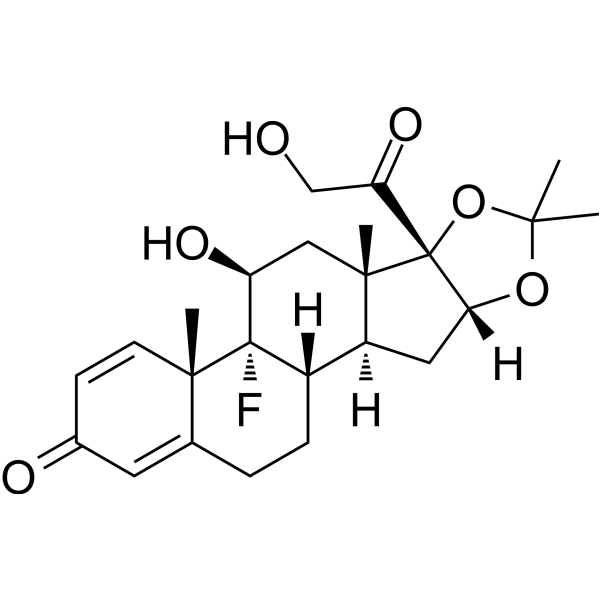
Triamcinolone acetonide inhibits basic fibroblast growth factor (bFGF) induced proliferation of retinal endothelial cells. Triamcinolone acetonide reduces chondrocyte viability and leads to cartilage destruction. Triamcinolone acetonide activates macrophage with anti-inflammatory characteristics. Triamcinolone acetonide can be used in the study of diseases such as atopic dermatitis .
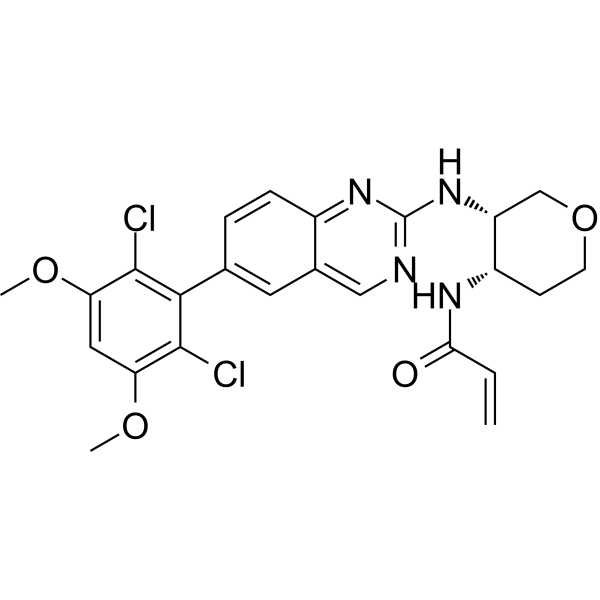
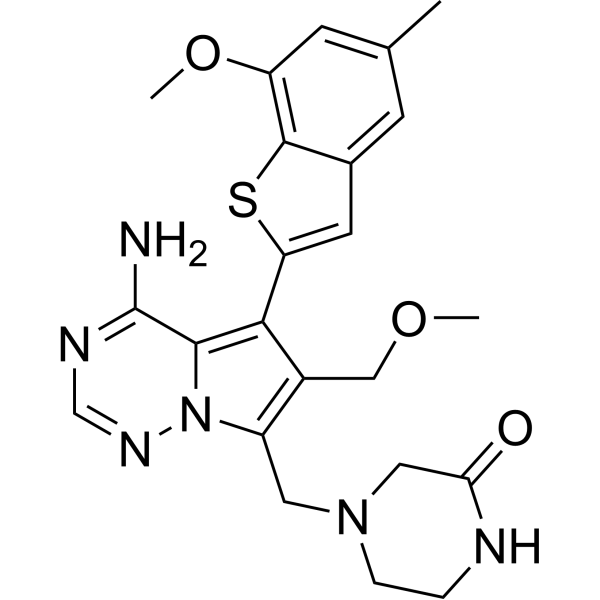
Fisogatinib (BLU-554) is a potent, highly selective and orally active fibroblast growth factor receptor 4 (FGFR4) inhibitor with an IC50 of 5 nM. Fisogatinib has significant anti-tumor activity in models of hepatocellular carcinoma (HCC) that are dependent on FGFR4 signalling .
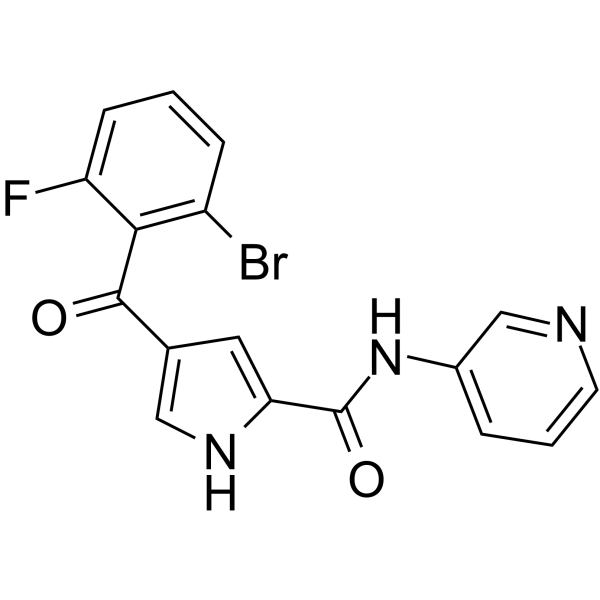
BLU9931 is a potent, highly selective, and irreversible fibroblast growth factor receptor 4 (FGFR4) inhibitor with an IC50 of 3 nM and a Kd of 6 nM. BLU9931 has significant antitumor activity .
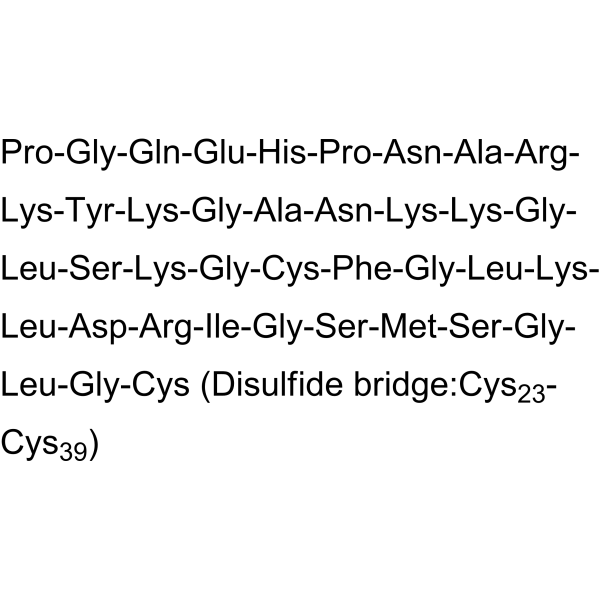
Vosoritide (BMN 111) is a modified recombinant CNP (C-type natriuretic peptide) analogue, binds to NPR-B (natriuretic peptide receptor type B) and reduces the activity of FGFR3(fibroblast growth factor receptor 3). Vosoritide can be used in achondroplasia and dwarfism research .
Bemarituzumab is a humanized IgG1 monoclonal antibody against FGFR2b (a FGF receptor). Bemarituzumab blocks fibroblast growth factors from binding and activating FGFR2b. Bemarituzumab has antitumor activity against gastric and breast cancer .
Fazpilodemab (BFKB8488A) is a humanized bispecific IgG1 antibody that selectively targets and activates fibroblast growth factor receptor 1c (FGFR1c) and Klothoβ. Fazpilodemab can be used for the research of type 2 diabetes mellitus (T2DM) or nonalcoholic fatty liver disease (NAFLD) .
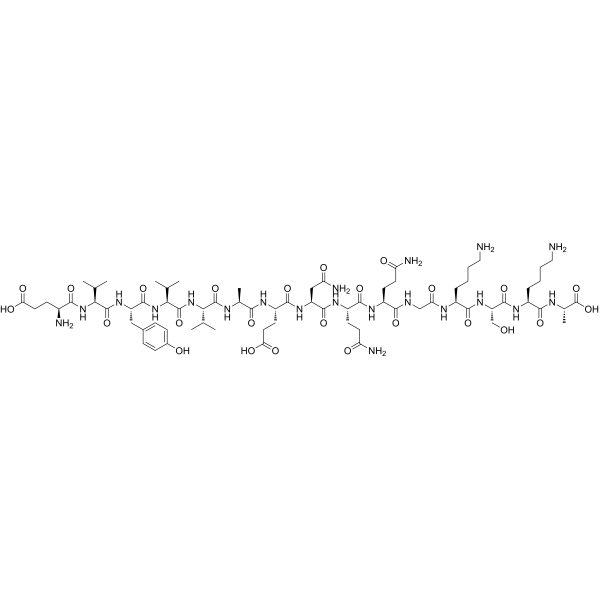
FGL peptide is a fibroblast growth factor receptor (FGFR) modulator and blood-brain barrier-penetrant. FGL peptide activates NCAM-FGFR and FGFR1 signaling pathways. FGL peptide alters expression of apoptosis, signal transduction and metabolism regulator genes in traumatic brain injury contexts. FGL peptide can be used for the research of traumatic brain injury .
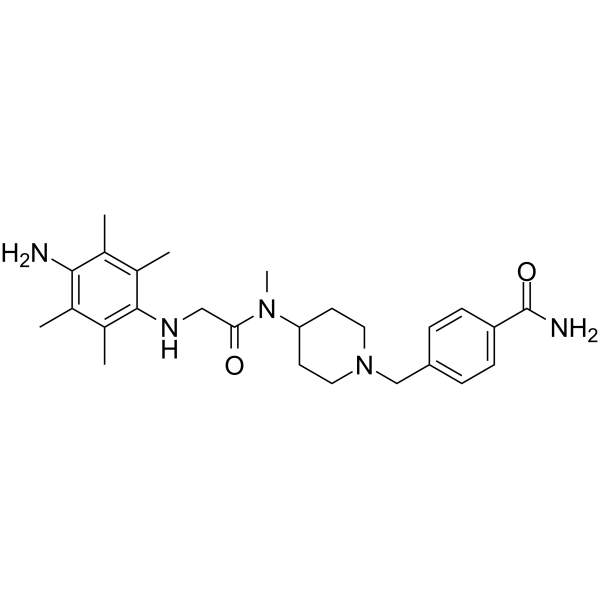
ERK5-IN-2 is an orally active, sub-micromolar, selective ERK5 inhibitor with IC50s of 0.82 μM, 3 μM for ERK5 and ERK5 MEF2D, respectively. ERK5-IN-2 does not interact with the BRD4 bromodomain. ERK5-IN-2 suppresses both tumor xenograft growth and basic fibroblast growth factor (bFGF) driven Matrigel plug angiogenesis .
Alofanib (RPT835) is a potent and selective allosteric inhibitor of fibroblast growth factor receptor 2 (FGFR2). Anticancer and antiangiogenic activity .
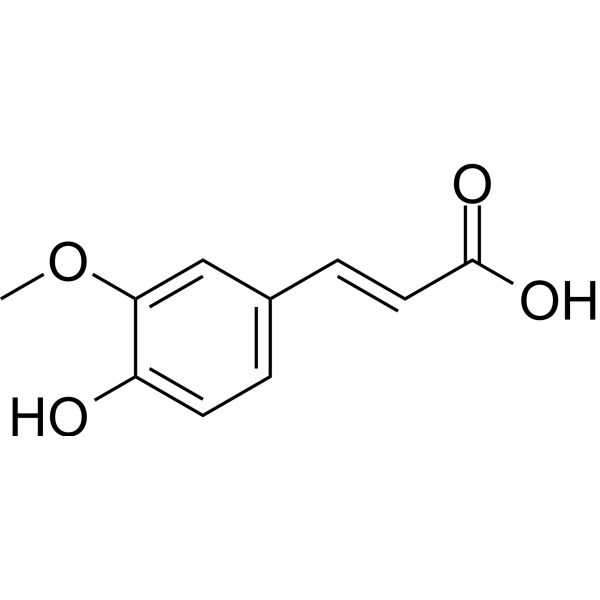
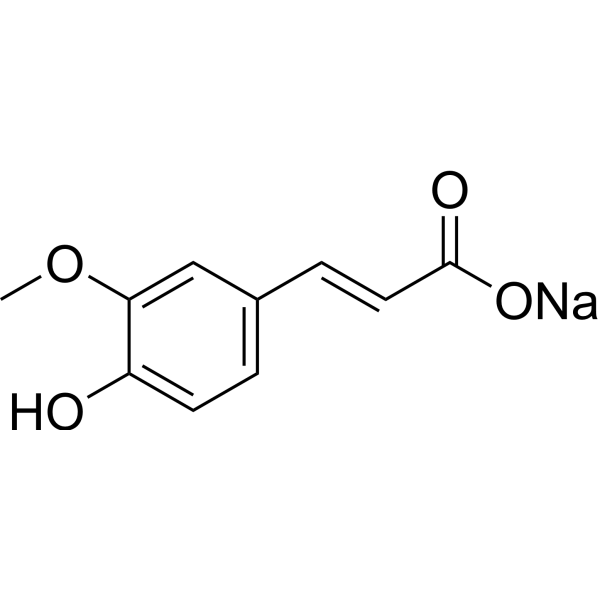
Ferulic acid (Standard) is the analytical standard of Ferulic acid. This product is intended for research and analytical applications. Ferulic acid is a novel fibroblast growth factor receptor 1 (FGFR1) inhibitor with IC50s of 3.78 and 12.5 μM for FGFR1 and FGFR2, respectively.
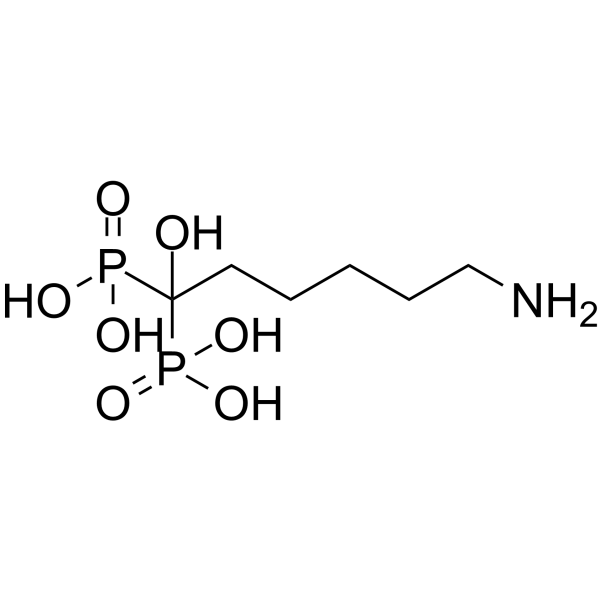
Neridronate is an aminobisphosphonate. Neridronate induces osteoblast differentiation, enhances alkaline phosphatase activity and mineralized nodule formation. Neridronate inhibits endothelial cell proliferation, fibroblast growth factor-2-induced capillary-like tube formation, and angiogenesis. Neridronate can be used for osteogenesis imperfecta and Paget’s disease of bone .
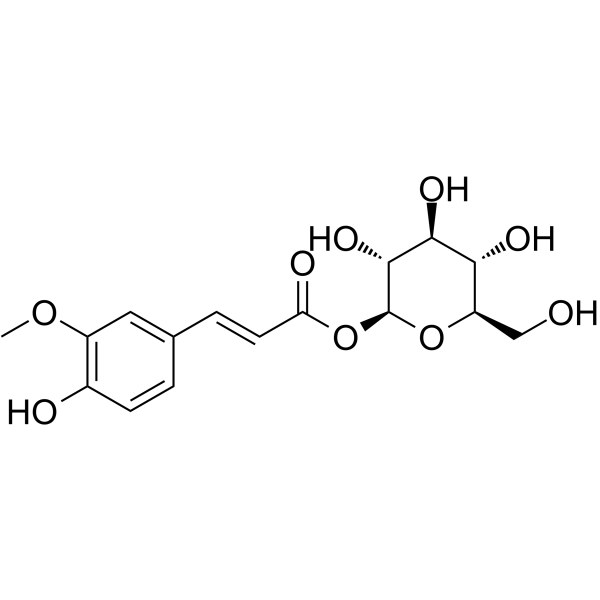
Ferulic acid acyl-β-D-glucoside (Ferulic acid glucoside) is a metabolite of Ferulic Acid (HY-N0060). Ferulic acid acyl-β-D-glucoside can be isolated from flaxseed extract. Ferulic acid is a novel fibroblast growth factor receptor 1 (FGFR1) inhibitor with IC50 values of 3.78 and 12.5 μM for FGFR1 and FGFR2, respectively .
Aprutumab (BAY 1179470) is a fully human fibroblast growth factor receptor 2 (FGFR2)-specific monoclonal antibody . Aprutumab induces FGFR2 endocytosis and degradation in cancer cells expressing FGFR2. Aprutumab serves as the targeted monoclonal antibody component of the antibody-drug conjugate BAY 1187982 (HY-141600) and mediates the endocytosis of the antibody-drug conjugate into FGFR2-positive cells. Aprutumab can be used for the research of FGFR2-positive solid tumors, including studies on gastric cancer and triple-negative breast cancer .
Brain Derived Basic Fibroblast Growth Factor (1-24) (FGF basic 1-24) is a synthetic peptide, shows anti-bacterial and anti-HBV activities. Brain Derived Basic Fibroblast Growth Factor (1-24) can be used in infection disease and immune disease research .
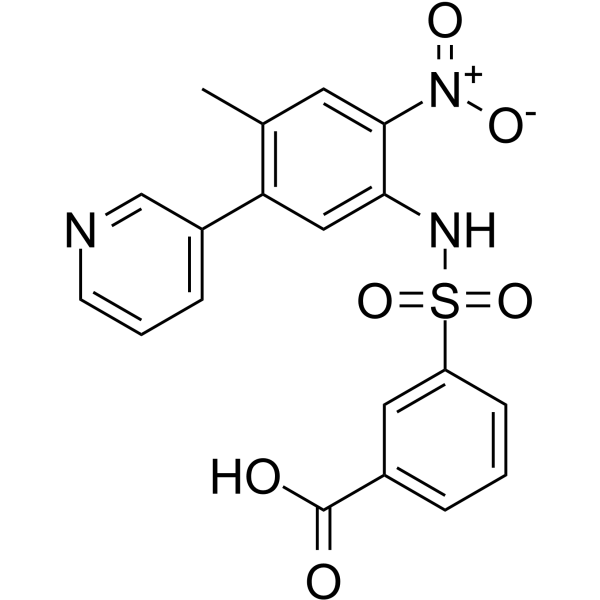
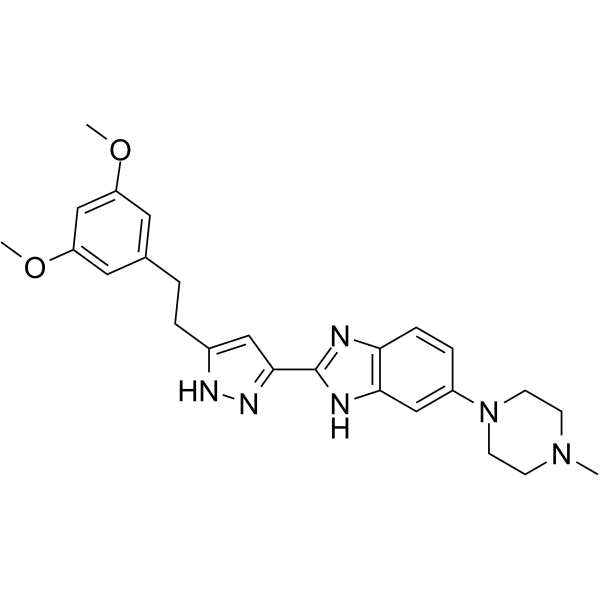
FGFR2-IN-3 is an inhibitor of fibroblast growth factor receptor 2 (FGFR2). FGFR2-IN-3 has good binding properties, forming key interactions and inducing conformational changes in FGFR2. FGFR2-IN-3 can be used for research on tumors .
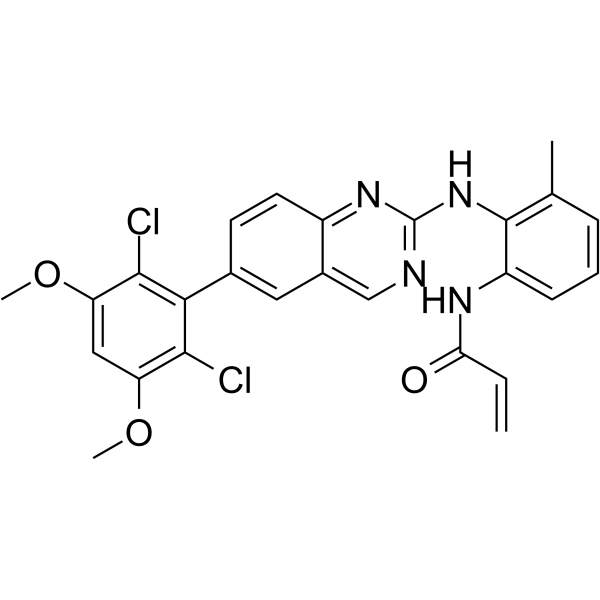
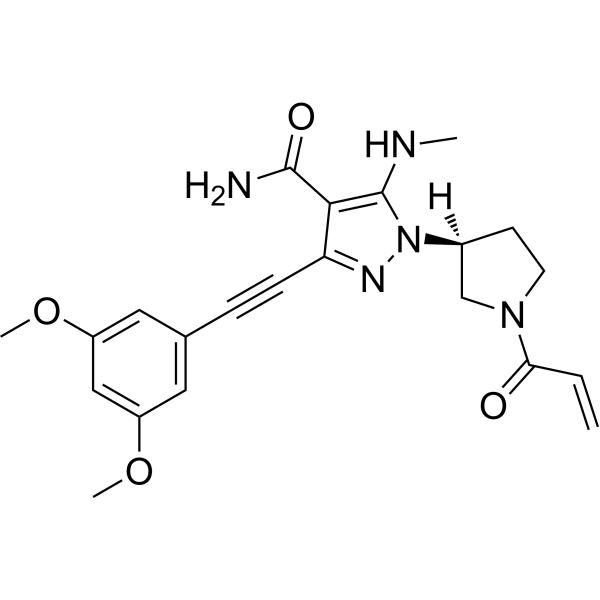
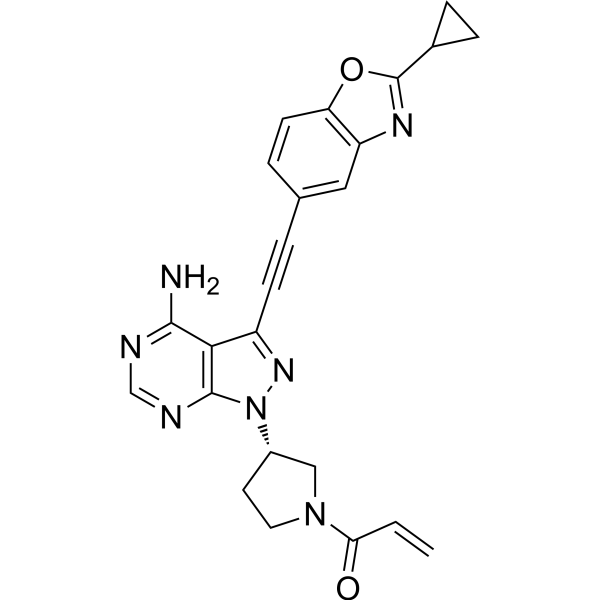
Gunagratinib (ICP-192) is a low toxicity and orally active pan-FGFR (fibroblast growth factor receptors) inhibitor that potently and selectively inhibits FGFR activities irreversibly by covalent binding. Gunagratinib can be used for the research of cancer . Gunagratinib is a click chemistry reagent, it contains an Alkyne group and can undergo copper-catalyzed azide-alkyne cycloaddition (CuAAc) with molecules containing Azide groups .
CPL304110 is a potent, orally active and selective inhibitor of fibroblast growth factor receptors FGFR (1-3), with IC50 values of 0.75 nM, 0.5 nM, and 3.05 nM for FGFR (1-3), respectively .
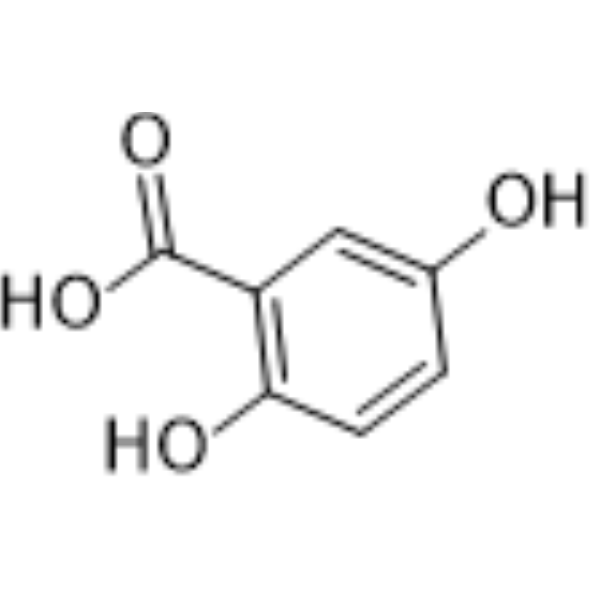
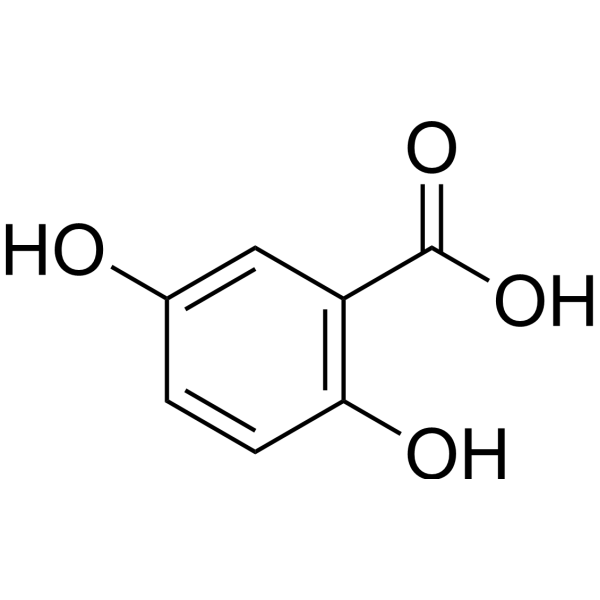
2,5-Dihydroxybenzoic acid (Standard) is the analytical standard of 2,5-Dihydroxybenzoic acid. This product is intended for research and analytical applications. 2,5-Dihydroxybenzoic acid is a derivative of benzoic and a powerful inhibitor of fibroblast growth factors.
FGFR1/DDR2 inhibitor 1 is an orally active inhibitor of fibroblast growth factor receptor 1 (FGFR1) and discoindin domain receptor 2 (DDR2), with IC50 values of 31.1 nM and 3.2 nM, respectively. Antitumor activity .
BR-cpd7 is a PROTAC degrader for fibroblast growth factor receptor FGFR1/2 with DC50 of 10 nM. BR-cpd7 arrests cell cycle, inhibits proliferations of FGFR1/2 aberrant activated tumor cells. (Pink: ligand for target protein FGFR-IN-12 (HY-160013); Black: linker; Blue: ligand for E3 ligase Thalidomide-NH-CH2-COOH (HY-131717))
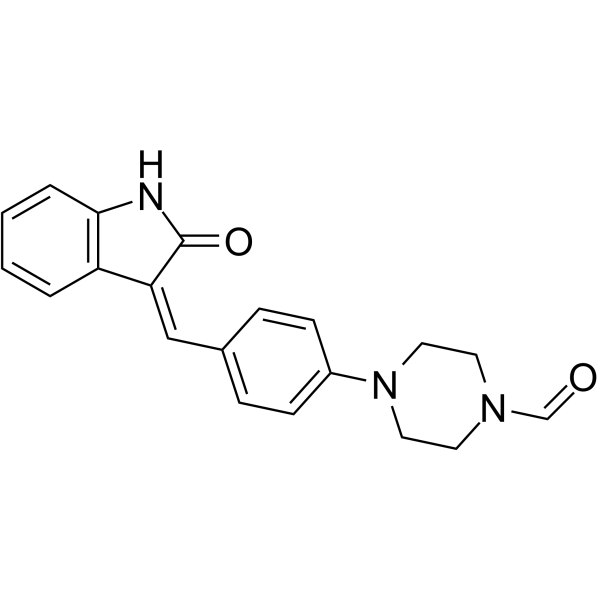
SU4984 is a protein tyrosine kinase inhibitor, with an IC50 of 10-20 μM for fibroblast growth factor receptor 1 (FGFR1). SU4984 is also inhibits platelet-derived growthfactor receptor, and insulin receptor. SU4984 can be used for the research of cancer .
Sirtuin modulator 8 is a sirtuin modulator that can activate Sirtuin activity. Sirtuin modulator 8 significantly downregulates the expression of monocyte chemoattractant protein-1 (MCP-1) and upregulates the expression of fibroblast growth factor 21 (FGF21). Sirtuin modulator 8 regulates the expression of inflammation- and metabolism-related genes, showing potential for studying metabolic diseases (such as diabetes, obesity) and inflammatory diseases .
Recifercept (TA-46) is a soluble, recombinant fibroblast growth factor receptor 3 (FGFR3) molecule. Recifercept can be used as a decoy/ligand trap to decrease the amount of fibroblast growth factors that can bind to mutant FGFR3 receptors. Recifercept can be used for the research of achondroplasia .
JK-P3 is a potent and pan VEGFR2 inhibitor, with IC50s of 7.83 μM, 27 μM and 5.18 μM for VEGFR2, FGFR1 and FGFR3, respectively. JK-P3 can inhibit VEGF-A-stimulated VEGFR2 activation and intracellular signalling, also inhibits endothelial monolayer wound closure and angiogenesis, as well as fibroblast growth factor receptor kinase activity in vitro. JK-P3 has anti-angiogenic activity .
Human FGF2 mRNA encodes the human fibroblast growth factor 2 (FGF2) protein, a member of the fibroblast growth factor (FGF) family. FGF2 has been implicated in diverse biological processes, such as limb and nervous system development, wound healing, and tumor growth.
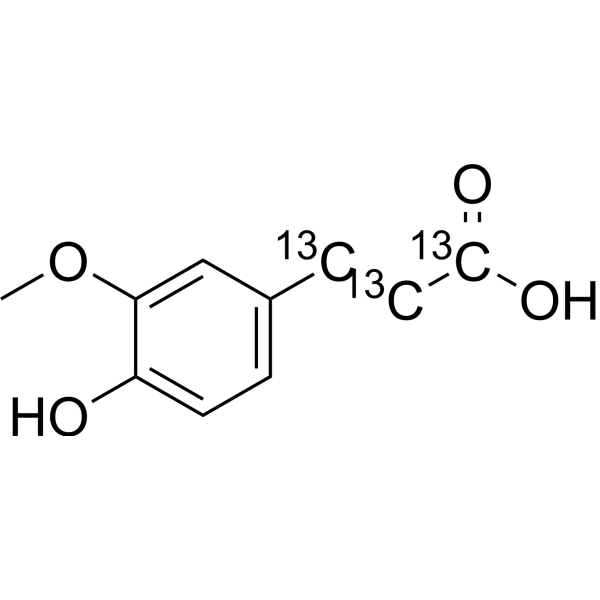
Ferulic acid- 13C3 is the 13C-labeled Ferulic acid. Ferulic acid is a novel fibroblast growth factor receptor 1 (FGFR1) inhibitor with IC50s of 3.78 and 12.5 μM for FGFR1 and FGFR2, respectively.
SUN13837 is an orally active, blood-brain barrier permeable FGFR modulator and neuroprotective agent. SUN13837 mimics the activity of basic fibroblast growth factor, stimulates intracellular tyrosine phosphorylation of FGFR and signal transduction in neuronal cells, induces neurite outgrowth, and inhibits glutamate-induced neuronal death. SUN13837 can be used in research related to acute cervical spinal cord injury and severe spinal cord injury .
FGFR-IN-13 (compound III-30) is an irreversible covalent fibroblast growth factor receptor (FGFR) inhibitor. FGFR-IN-13 regulates endogenous FGFR1(IC50=0.20±0.02 nM) and FGFR4(IC50=0.40±0.03 nM) mediated signaling pathways by inhibiting the expression of key proteins. FGFR-IN-13 inhibits total-PARP and Bcl-2 protein expressions, and promote Cleaved-PARP and Bax protein expressions in a dose-dependent manner. FGFR-IN-13 has significant antitumor activity and oral activity .
BW710 is an orally active fibroblast growth factor receptor 2 (FGFR2) inhibitor. BW710 inhibits the proliferation of BaF3-FGFR2 cells with an IC50 of 2.8 nM. BW710 abolishes FGFR2 enzymatic activity and is selective against other 75 tyrosine kinases including FGFR1, FGFR3, and FGFR4 at 1 μM. BW710 suppresses the FGFR2 signaling and selectively inhibits FGFR2-driven cancer cell proliferation. BW710 displays reasonable
pharmacokinetic properties with an oral bioavailability of 29 % in mice .
Human FGFRL1 mRNA encodes the human fibroblast growth factor receptor like 1 (FGFRL1) protein, a member of the fibroblast growth factor receptor (FGFR) family. The extracellular portion of FGFRL1 protein can interact with fibroblast growth factors, setting in motion a cascade of downstream signals, ultimately influencing mitogenesis and differentiation.
Human FGFR2 mRNA encodes the human fibroblast growth factor receptor 2 (FGFR2) protein, a member of the fibroblast growth factor receptor (FGFR) family. The extracellular portion of FGFR2 protein can interact with fibroblast growth factors, setting in motion a cascade of downstream signals, ultimately influencing mitogenesis and differentiation.
Human FGFR1 mRNA encodes the human fibroblast growth factor receptor 1 (FGFR1) protein, a member of the fibroblast growth factor receptor (FGFR) family. The extracellular portion of FGFR1 protein can interact with fibroblast growth factors, setting in motion a cascade of downstream signals, ultimately influencing mitogenesis and differentiation.
Human FGF23 mRNA encodes the human fibroblast growth factor 23 (FGF23) protein, a member of the fibroblast growth factor (FGF) family. FGF23 regulates phosphate homeostasis and transport in the kidney.
Human FGF11 mRNA encodes the human fibroblast growth factor 11 (FGF11) protein, a member of the fibroblast growth factor (FGF) family. FGF11 probably involves in nervous system development and function.
Human FGF5 mRNA encodes the human fibroblast growth factor 5 (FGF5) protein, a member of the fibroblast growth factor (FGF) family. FGF5 may play an important role in the regulation of cell proliferation and cell differentiation.
Human FGF13 mRNA encodes the human fibroblast growth factor 13 (FGF13) protein, a member of the fibroblast growth factor (FGF) family. FGF13 plays a crucial role in neuron polarization and migration in the cerebral cortex and the hippocampus.
Human FGF4 mRNA encodes the human fibroblast growth factor 4 (FGF4) protein, a member of the fibroblast growth factor (FGF) family. FGF4 may play an important role in the regulation of embryonic development, cell proliferation, and cell differentiation.
Human FGF3 mRNA encodes the human fibroblast growth factor 3 (FGF3) protein, a member of the fibroblast growth factor (FGF) family. FGF3 may play an important role in the regulation of embryonic development, cell proliferation, and cell differentiation.
Human FGF21 mRNA encodes the human fibroblast growth factor 21 (FGF21) protein, a member of the fibroblast growth factor (FGF) family. FGF21 is a secreted endocrine factor that functions as a major metabolic regulator. It stimulates the uptake of glucose in adipose tissue.
Human FGF10 mRNA encodes the human fibroblast growth factor 10 (FGF10) protein, a member of the fibroblast growth factor (FGF) family. FGF10 exhibits mitogenic activity for keratinizing epidermal cells, but essentially no activity for fibroblasts, which is similar to the biological activity of FGF7.
Human FGF6 mRNA encodes the human fibroblast growth factor 6 (FGF6) protein, a member of the fibroblast growth factor (FGF) family. FGF6 may play an important role in the regulation of cell proliferation, cell differentiation, angiogenesis and myogenesis, and is also required for normal muscle regeneration.
Human FGF18 mRNA encodes the human fibroblast growth factor 18 (FGF18) protein, a member of the fibroblast growth factor (FGF) family. FGF18 probably plays an important role in the regulation of cell proliferation, cell differentiation and cell migration. It is also required for normal ossification and bone development.
Human FGF17 mRNA encodes the human fibroblast growth factor 17 (FGF17) protein, a member of the fibroblast growth factor (FGF) family. FGF17 probably plays an important role in the regulation of embryonic development and as signaling molecule in the induction and patterning of the embryonic brain. It is also required for normal brain development.
Human FGF16 mRNA encodes the human fibroblast growth factor 16 (FGF16) protein, a member of the fibroblast growth factor (FGF) family. FGF16 probably plays an important role in the regulation of embryonic development, cell proliferation and cell differentiation. It is also required for normal cardiomyocyte proliferation and heart development.
Human FGF22 mRNA encodes the human fibroblast growth factor 22 (FGF22) protein, a member of the fibroblast growth factor (FGF) family. FGF22 plays a role in the fasting response, glucose homeostasis, lipolysis and lipogenesis. It also can stimulate cell proliferation (in vitro) and may be involved in hair development.
Human FGF7 mRNA encodes the human fibroblast growth factor 7 (FGF7) protein, a member of the fibroblast growth factor (FGF) family. FGF family members possess broad mitogenic and cell survival activities, and are involved in a variety of biological processes, including embryonic development, cell growth, morphogenesis, tissue repair, tumor growth and invasion.
Human FGF8 mRNA encodes the human fibroblast growth factor 8 (FGF8) protein, a member of the fibroblast growth factor (FGF) family. FGF family members possess broad mitogenic and cell survival activities, and are involved in a variety of biological processes, including embryonic development, cell growth, morphogenesis, tissue repair, tumor growth and invasion.
Human FGF9 mRNA encodes the human fibroblast growth factor 9 (FGF9) protein, a member of the fibroblast growth factor (FGF) family. FGF family members possess broad mitogenic and cell survival activities, and are involved in a variety of biological processes, including embryonic development, cell growth, morphogenesis, tissue repair, tumor growth and invasion.
Human FGFR4 mRNA encodes the human fibroblast growth factor receptor 4 (FGFR4) protein, a tyrosine kinase and cell surface receptor for fibroblast growth factors. FGFR4 is involved in the regulation of several pathways, including cell proliferation, cell differentiation, cell migration, lipid metabolism, bile acid biosynthesis, vitamin D metabolism, glucose uptake, and phosphate homeostasis.
Umedaptanib pegol sodium is an anti-fibroblast growth factor-2 (FGF2) aptamer. It is used for the study of neovascular age-related macular degeneration (nAMD).
Umedaptanib pegol is an anti-fibroblast growth factor-2 (FGF2) aptamer. It is used for the study of neovascular age-related macular degeneration (nAMD).
FGFR-IN-4 is a potent inhibitor of FGFR. Fibroblast growth factor receptor (FGFR) is a tyrosine kinase receptor that binds to fibroblast growth factor ligands. FGFR-IN-4 has the potential for the research of cancer diseases (extracted from patent WO2022033532A1, compound 20) . FGFR-IN-4 is a click chemistry reagent, it contains an Alkyne group and can undergo copper-catalyzed azide-alkyne cycloaddition (CuAAc) with molecules containing Azide groups.
FGFR-IN-5 is a potent inhibitor of FGFR. Fibroblast growth factor receptor (FGFR) is a tyrosine kinase receptor that binds to fibroblast growth factor ligands. FGFR-IN-5 has the potential for the research of cancer diseases (extracted from patent WO2022042612A1, compound 3) . FGFR-IN-5 is a click chemistry reagent, it contains an Alkyne group and can undergo copper-catalyzed azide-alkyne cycloaddition (CuAAc) with molecules containing Azide groups.
IONIS-FGFR4Rx (ISIS 463588) is an antisense inhibitor of fibroblast growth factor receptor 4 (FGFR4), which is promising for research of renal diseases .
IONIS-FGFR4Rx (ISIS 463588) sodium is an antisense inhibitor of fibroblast growth factor receptor 4 (FGFR4), which is promising for research of renal diseases .
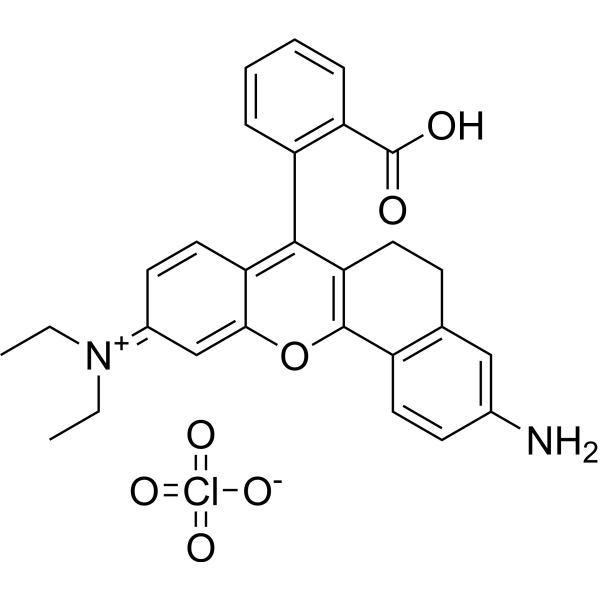
hMSCs-Neu perchlorate (Compound 4) is a fluorescent probe that converts hMSCs into neurons in the presence of fibroblast growth factor (FGF). hMSCs-Neu perchlorate may have important applications in neuropathology and neurodegeneration research .
FGFR-IN-3 (compound 6) is an orally active, potent and BBB-penetrated FGFR (fibroblast growth factor receptor) modulator. FGFR-IN-3 shows neuroprotective activity. FGFR-IN-3 can be used for neurodegenerative diseases research .
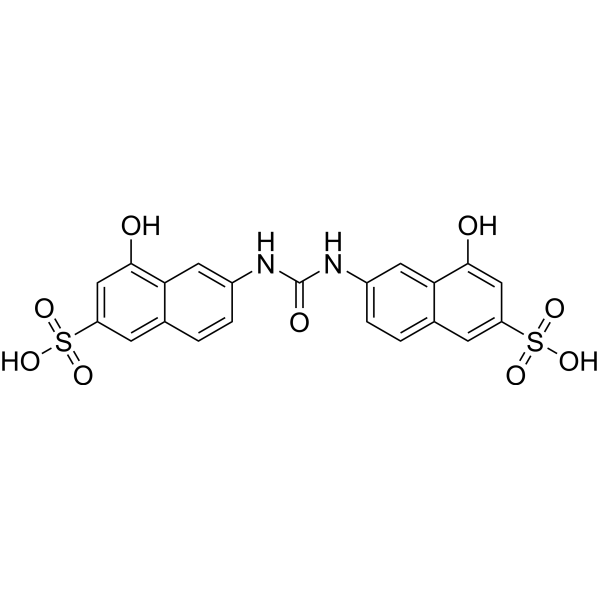
Antitumor agent-176 (Compound 22), an antitumor agent, can effectively bind to FGF2 and inhibit the activation of fibroblast growth factor receptor (FGFR) in multiple myeloma (MM) cells, exhibiting significant antitumor activity both in vivo and in vitro against MM .
FGFR3-IN-1 (compound 1) is a fibroblast growth factor receptor (FGFR) inhibitor, with IC50s of 40 nM, 5.1 nM, and 12 nM for FGFR1, 2, and 3, respectively. FGFR3-IN-1 can be used for the research of bladder cancer .
Δ14-Triamcinolone acetonide is a potential impurity. Triamcinolone acetonide inhibits basic fibroblast growth factor (bFGF) induced proliferation of retinal endothelial cells. Triamcinolone acetonide reduces chondrocyte viability and leads to cartilage destruction. Triamcinolone acetonide can be used in the study of diseases such as atopic dermatitis .
FGFR-IN-7 (compound 17) is an orally active, potent and BBB-penetrated FGFR (fibroblast growth factor receptor) modulator. FGFR-IN-7 shows neuroprotective activity. FGFR-IN-7 improves brain exposure and reduced risk of phospholidosis. FGFR-IN-7 can be used for neurodegenerative diseases research .
Triamcinolone acetonide- 13C3 is the 13C-labeled Triamcinolone acetonide (HY-B0636). Triamcinolone acetonide inhibits basic fibroblast growth factor (bFGF) induced proliferation of retinal endothelial cells. Triamcinolone acetonide reduces chondrocyte viability and leads to cartilage destruction. Triamcinolone acetonide activates macrophage with anti-inflammatory characteristics. Triamcinolone acetonide can be used in the study of diseases such as atopic dermatitis .
Neridronate (Standard) is the analytical standard of Neridronate (HY-119443). This product is intended for research and analytical applications. Neridronate is an aminobisphosphonate. Neridronate induces osteoblast differentiation, enhances alkaline phosphatase activity and mineralized nodule formation. Neridronate inhibits endothelial cell proliferation, fibroblast growth factor-2-induced capillary-like tube formation, and angiogenesis. Neridronate can be used for osteogenesis imperfecta and Paget’s disease of bone .
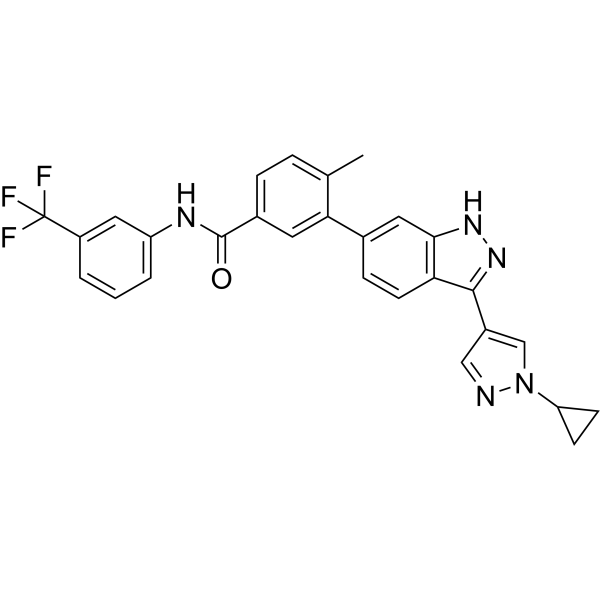
FGFR4-IN-19 (compound 8B) is a potent covalent fibroblast growth factor receptor 4 (FGFR4) inhibitor (IC50=1.2 nM). FGFR4-IN-19 achieves high efficiency and isotype selectivity by covalently targeting a rare cysteine (C552) in the FGFR4 kinase domain. FGFR4-IN-19 can be used for hepatocellular carcinoma (HCC) research .
SR 33805 (analog) is an orally active Ca 2+ channel blocker that selectively inhibits the proliferation of smooth muscle cells. SR 33805 (analog) reduces calcium uptake by blocking calcium channels, thereby inhibiting smooth muscle cell proliferation induced by serum, platelet-derived growthfactor, and basic fibroblast growth factor. SR 33805 (analog) significantly reduces intimal thickening following endothelial injury in rabbits. SR 33805 (analog) shows promise for cardiovascular disease research, such as in early atherosclerosis .
AHR activator 1 is an aryl hydrocarbon receptor activator with activity regulating fibroblast growth factor-2 (FGF2)-induced branching morphogenesis. AHR activator 1 prevents the formation of cellular branches by inhibiting AHR signaling. AHR activator 1 also associates with adhesion of dissociated linkers, suggesting the importance of dissociated linkers in the inhibition of branching by AHR agonists. Studies of AHR activator 1 reveal its functional role in mammary gland morphogenesis and play a role in inhibiting FGF-induced invasion .
Si5-N14 is a key component of siloxane-incorporated lipid nanoparticles (SiLNP), possessing pro-vascular repair and anti-tumor activities. In the transgenic GFP mouse model, Si5-N14 can mediate CRISPR-Cas9 editing. In the Lewis lung carcinoma (LLC) tumor-bearing mouse model, Si5-N14 can knock out the expression of Vascular Endothelial GrowthFactor Receptor 2 (VEGFR2) to exert an anti-tumor effect. In a mouse model of lung injury induced by viral infection, the delivery of Fibroblast Growth Factor-2 (FGF-2) mRNA via Si5-N14 can promote vascular repair, increase blood oxygen levels, and improve lung function. Si5-N14 shows promise for research in the fields of oncology, pneumonia, and cardiovascular diseases .
Human FGFR3 mRNA encodes the human fibroblast growth factor receptor 3 (FGFR3) protein, a member of the fibroblast growth factor receptor (FGFR) family. The extracellular portion of FGFR3 protein can interact with fibroblast growth factors, setting in motion a cascade of downstream signals, ultimately influencing mitogenesis and differentiation.
Human FGF14 mRNA encodes the human fibroblast growth factor 14 (FGF14) protein, a member of the fibroblast growth factor (FGF) family. FGF14 probably involves in nervous system development and function.
Human FGF20 mRNA encodes the human fibroblast growth factor 20 (FGF20) protein, a member of the fibroblast growth factor (FGF) family. FGF20 may regulate central nervous system development and function.
Human FGF12 mRNA encodes the human fibroblast growth factor 12 (FGF12) protein, a member of the fibroblast growth factor (FGF) family. FGF12 probably involves in nervous system development and function, and the positive regulation of voltage-gated sodium channel activity.
Human FGF19 mRNA encodes the human fibroblast growth factor 19 (FGF19) protein, a member of the fibroblast growth factor (FGF) family. FGF19 probably involves in the suppression of bile acid biosynthesis through down-regulation of CYP7A1 expression, following positive regulation of the JNK and ERK1/2 cascades.
Human FGF1 mRNA encodes the human Fibroblast growth factor 1 (FGF1) protein, a member of fibroblast growth factor (FGF) family. FGF1 functions as a modifier of endothelial cell migration and proliferation, as well as an angiogenic factor. It also acts as a mitogen for a variety of mesoderm- and neuroectoderm-derived cells in vitro, thus is thought to be involved in organogenesis.
ZINC13407541 is a fibroblast growth factor 23 (FGF23) antagonist with an IC50 of 0.45 μM. ZINC13407541 preferentially binds to the FGF23:FGFR interface to disrupt their protein-protein interactions. ZINC13407541 can be used for the research of hypophosphatemia .
Fisogatinib (Standard) is the analytical standard of Fisogatinib (HY-100492). This product is intended for research and analytical applications. Fisogatinib (BLU-554) is a potent, highly selective and orally active fibroblast growth factor receptor 4 (FGFR4) inhibitor with an IC50 of 5 nM. Fisogatinib has significant anti-tumor activity in models of hepatocellular carcinoma (HCC) that are dependent on FGFR4 signalling .
PROTAC FGFR3 Degrader-1 is a fibroblast growth factor receptor 3 (FGFR3) PROTAC degrader, promotes FGFR3 degradation via the ubiquitin-proteasome pathway, and inhibits the downstream FGFR3/PI3K/AKT signaling pathway. PROTAC FGFR3 Degrader-1 can be used for the research of hepatocellular carcinoma .
MD-3-A45 is an inhibitor of fibroblast growth factor 23 (FGF-23). MD-3-A45 blocks the activation of the FGFRs/α-klotho signaling pathway by FGF-23 and inhibits FGF-23-induced ERK activation. MD-3-A45 can be used in the research of chronic kidney disease, hereditary hypophosphatemic rickets and acquired hypophosphatemic rickets .
FGFR3-IN-12 is a selective fibroblast growth factor receptor 3 (FGFR3) inhibitor with an IC50 of 6.8 nM. FGFR3-IN-12 shows an IC50 of 19.2 nM against FGFR3V555M and an IC50 of 16.9 nM against TNK1 (Thirty-eight Negative Kinase 1). FGFR3-IN-12 inhibits cancer cells proliferation and induces caspase-mediated apoptosis. FGFR3-IN-12 exhibits antitumor activity in bladder cancer xenografts mice models. FGFR3-IN-12 can be used for the research of cancer, such as bladder cancer .
FGFR3-IN-11(compound B11) is a Fibroblast growth factor receptor 3 (FGFR3) inhibitor with a Ka value of 4.8 μM. FGFR3-IN-11 induces apoptosis, suppresses colony formation, and causes dose-dependent G0/G1 cell cycle arrest in cancer cells. FGFR3-IN-11 exerts anticancer activity against cancer cells with minimal toxicity toward normal hepatocytes and demonstrates tumor growth suppression in xenograft mouse models. FGFR3-IN-11 can be used for the research of hepatocellular carcinoma .
JK-P3 (Standard) is the analytical standard of JK-P3 (HY-108933). This product is intended for research and analytical applications. JK-P3 is a potent and pan VEGFR2 inhibitor, with IC50s of 7.83 μM, 27 μM and 5.18 μM for VEGFR2, FGFR1 and FGFR3, respectively. JK-P3 can inhibit VEGF-A-stimulated VEGFR2 activation and intracellular signalling, also inhibits endothelial monolayer wound closure and angiogenesis, as well as fibroblast growth factor receptor Kinase activity in vitro. JK-P3 has anti-angiogenic activity .
AGN-191659 is an orally active RAR/RXR agonist with EC50 values of 11 nM, 23 nM, and 37 nM for RXRα, RARβ, and RARγ, respectively. AGN-191659 activates RXRα, RARβ and RARγ to induce gene transcription. AGN-191659 induces tissue transglutaminase activity, inhibits ornithine decarboxylase activity induced by tumor promoters, and suppresses chondrogenesis. AGN-191659 reverses basic fibroblast growth factor-induced endothelial cell proliferation. AGN-191659 induces hypertriglyceridemia in rat models. AGN-191659 inhibits total heparin-releasable lipase activity. AGN-191659 can be used in research related to promyelocytic leukemia and hypertriglyceridemia .
Angiogenesis is the physiological process through which new blood vessels are formed from pre-existing vessels. It occurs in various physiological processes e.g. embryonic development, menstrual cycle, exercise and wound healing etc. Angiogenesis is regulated by both endogenous activators and inhibitors. Some key activators of angiogenesis include vascular endothelial growthfactor (VEGF), basic fibroblast growth factor (bFGF), angiogenin, TGF-β, etc. whereas angiogenesis inhibitors are angiostatin, endostatin, interferon, platelet factor 4, etc. The loss of balance between these opposing signals leads to life threatening diseases like cancer, cardiovascular and ischemic diseases etc. which are thus controlled by exogenous angiogenesis activators (for cardiovascular/ischemic disorders) and inhibitors (for cancer).
MCE offers a unique collection of 3,431 compounds with validated angiogenesis targets modulating properties. MCE angiogenesis-related compound library is an effective tool for angiogenesis research and discovery of angiogenesis-related drugs.
Stem cells, which are found in all multi-cellular organisms, can divide and differentiate into diverse special cell types and can self-renew to produce more stem cells. To be useful in therapy, stem cells must be converted into desired cell types as necessary which is called induced differentiation or directed differentiation. Understanding and using signaling pathways for differentiation is an important method in successful regenerative medicine. Small molecules or growthfactors induce the conversion of stem cells into appropriate progenitor cells, which will later give rise to the desired cell type. There is a variety of signal molecules and molecular families that may affect the establishment of germ layers in vivo, such as fibroblast growth factors (FGFs); the wnt family or superfamily of transforming growthfactors β (TGFβ) and bone morphogenetic proteins (BMP). Unfortunately, for now, a high cost of recombinant factors is likely to limit their use on a larger scale in medicine. The more promising technique focuses on the use of small molecules. These small molecules can be used for either activating or deactivating specific signaling pathways. They enhance reprogramming efficiency by creating cells that are compatible with the desired type of tissue. It is a cheaper and non-immunogenic method.
MCE Differentiation Inducing Compound Library contains a unique collection of 2,405 compounds that act on signaling pathways for differentiation. These compounds are potential stimulators for induced differentiation. This library is a useful tool for researching directed differentiation and regenerative medicine.
hMSCs-Neu perchlorate (Compound 4) is a fluorescent probe that converts hMSCs into neurons in the presence of fibroblast growth factor (FGF). hMSCs-Neu perchlorate may have important applications in neuropathology and neurodegeneration research .
Vosoritide (BMN 111) is a modified recombinant CNP (C-type natriuretic peptide) analogue, binds to NPR-B (natriuretic peptide receptor type B) and reduces the activity of FGFR3(fibroblast growth factor receptor 3). Vosoritide can be used in achondroplasia and dwarfism research .
FGL peptide is a fibroblast growth factor receptor (FGFR) modulator and blood-brain barrier-penetrant. FGL peptide activates NCAM-FGFR and FGFR1 signaling pathways. FGL peptide alters expression of apoptosis, signal transduction and metabolism regulator genes in traumatic brain injury contexts. FGL peptide can be used for the research of traumatic brain injury .
Brain Derived Basic Fibroblast Growth Factor (1-24) (FGF basic 1-24) is a synthetic peptide, shows anti-bacterial and anti-HBV activities. Brain Derived Basic Fibroblast Growth Factor (1-24) can be used in infection disease and immune disease research .
Bemarituzumab is a humanized IgG1 monoclonal antibody against FGFR2b (a FGF receptor). Bemarituzumab blocks fibroblast growth factors from binding and activating FGFR2b. Bemarituzumab has antitumor activity against gastric and breast cancer .
Fazpilodemab (BFKB8488A) is a humanized bispecific IgG1 antibody that selectively targets and activates fibroblast growth factor receptor 1c (FGFR1c) and Klothoβ. Fazpilodemab can be used for the research of type 2 diabetes mellitus (T2DM) or nonalcoholic fatty liver disease (NAFLD) .
Aprutumab (BAY 1179470) is a fully human fibroblast growth factor receptor 2 (FGFR2)-specific monoclonal antibody . Aprutumab induces FGFR2 endocytosis and degradation in cancer cells expressing FGFR2. Aprutumab serves as the targeted monoclonal antibody component of the antibody-drug conjugate BAY 1187982 (HY-141600) and mediates the endocytosis of the antibody-drug conjugate into FGFR2-positive cells. Aprutumab can be used for the research of FGFR2-positive solid tumors, including studies on gastric cancer and triple-negative breast cancer .
Recifercept (TA-46) is a soluble, recombinant fibroblast growth factor receptor 3 (FGFR3) molecule. Recifercept can be used as a decoy/ligand trap to decrease the amount of fibroblast growth factors that can bind to mutant FGFR3 receptors. Recifercept can be used for the research of achondroplasia .
Ferulic acid (Standard) is the analytical standard of Ferulic acid. This product is intended for research and analytical applications. Ferulic acid is a novel fibroblast growth factor receptor 1 (FGFR1) inhibitor with IC50s of 3.78 and 12.5 μM for FGFR1 and FGFR2, respectively.
Ferulic acid acyl-β-D-glucoside (Ferulic acid glucoside) is a metabolite of Ferulic Acid (HY-N0060). Ferulic acid acyl-β-D-glucoside can be isolated from flaxseed extract. Ferulic acid is a novel fibroblast growth factor receptor 1 (FGFR1) inhibitor with IC50 values of 3.78 and 12.5 μM for FGFR1 and FGFR2, respectively .
2,5-Dihydroxybenzoic acid (Standard) is the analytical standard of 2,5-Dihydroxybenzoic acid. This product is intended for research and analytical applications. 2,5-Dihydroxybenzoic acid is a derivative of benzoic and a powerful inhibitor of fibroblast growth factors.
FGF-17 Protein plays a crucial role in embryonic development, serving as a signaling molecule for brain induction and patterning. Its presence is vital for normal brain development, emphasizing its significance in shaping embryogenesis intricacies. FGF-17 interacts with FGFR3 and FGFR4, underscoring its involvement in signaling cascades that precisely orchestrate developmental events in the embryonic brain. FGF-17 Protein, Human is the recombinant human-derived FGF-17 protein, expressed by E. coli , with tag free.
FGF-12, vital for nervous system development, positively regulates voltage-gated sodium channels, particularly SCN8A, enhancing neuronal excitability. It achieves this by elevating the voltage dependence of SCN8A fast inactivation. FGF-12 interacts specifically with the C-terminal region of SCN9A. FGF-12 Protein, Human (181a.a, His) is the recombinant human-derived FGF-12 protein, expressed by E. coli , with N-6*His labeled tag.
The FGF-11 isoform 1 protein is thought to play an important role in the development and function of the nervous system. Its presence indicates involvement in complex processes responsible for establishing and maintaining neural structure and activity. Animal-Free FGF-11 isoform 1 Protein, Human (His) is the recombinant human-derived animal-FreeFGF-11 isoform 1 protein, expressed by E. coli , with C-His labeled tag. This product is for cell culture use only.
FGF-11 isoform 2 protein is a member of the fibroblast growth factor family, characterized by broad mitotic and cell survival activities, affecting embryonic development, cell growth, morphogenesis, tissue repair, and tumor growth. Its specific function has not yet been determined, but the expression pattern of its mouse homolog suggests a role in nervous system development. Animal-Free FGF-11 isoform 2 Protein, Human (His) is the recombinant human-derived animal-FreeFGF-11 isoform 2 protein, expressed by E. coli , with C-His labeled tag. This product is for cell culture use only.
FGF2 Protein acts as a ligand for FGFR1-4 and an integrin ligand for FGF2 signaling. It regulates cell survival, division, differentiation, and migration. FGF2 Protein is a strong mitogen and can induce angiogenesis. FGF2 Protein, Chicken (His) is the recombinant FGF2 protein, expressed by E. coli , with C-6*His labeled tag.
FGF-16 Protein, Human (CHO) is a polypeptide chain containing 206 amino acids produced in CHO cells. FGF-16 is a heparin binding growth factor, a member of the FGF family.
FGF basic, or bFGF (fibroblast growth factor basic), initiates at an alternative CUG codon, marking a distinctive feature in translational initiation. This alternative start codon plays a pivotal role in regulating the expression and functional properties of FGF basic.Heat Stable FGF basic/bFGF Protein, Human, Human is the recombinant human-derived Heat Stable FGF-basic protein, expressed by E. coli , with tag free.
FGF-2 is a member of the fibroblast family involved in bone healing, cartilage repair, bone repair, and nerve regeneration. FGF-2 is also a mitotic promoter that accelerates cell proliferation. FGF-2 regulates immune processes by specifically targeting tyrosine kinase receptors and activating the FGF/FGFR signaling pathway. For example, FGF-2 is involved in the JAK-STAT signaling pathway to regulate cartilage metabolism and also activates ERK signaling to promote cartilage regeneration. FGF-2 combined with FGFR1/3 promoted degeneration and repair of articular cartilage, respectively. FGF-2 is also a known carcinogen in GBM, which contributes to glioma growth and vascularization.Animal-Free FGF-2 Protein, Pig (His), consists of 1 amino acids, produced by E.coli with tag free.This product is for cell culture use only.
FGF2 protein is a multifunctional ligand that can bind to FGFR1, FGFR2, FGFR3 and FGFR4. It is also a key integrin ligand for FGF2 signal transduction and has an important interaction with the integrin ITGAV:ITGB3. FGF2 plays a critical role in cell survival, division, differentiation, and migration, serves as a potent mitogen, and induces angiogenesis. FFGF basic/bFGF protein, Bovine (His)) is the recombinant bovine-derived FGF2 protein, expressed by E. coli , with N-6*His labeled tag.
FGF-2 is a member of the fibroblast family involved in bone healing, cartilage repair, bone repair, and nerve regeneration. FGF-2 is also a mitotic promoter that accelerates cell proliferation. FGF-2 regulates immune processes by specifically targeting tyrosine kinase receptors and activating the FGF/FGFR signaling pathway. For example, FGF-2 is involved in the JAK-STAT signaling pathway to regulate cartilage metabolism and also activates ERK signaling to promote cartilage regeneration. FGF-2 combined with FGFR1/3 promoted degeneration and repair of articular cartilage, respectively. FGF-2 is also a known carcinogen in GBM, which contributes to glioma growth and vascularization.
FGF-2 protein is a member of the fibroblast growth factor family, involved in biological processes such as bone healing, cartilage repair, tumor development, and nerve regeneration. FGF-2 is also a mitogen that accelerates cell proliferation. It regulates immune processes by specifically targeting tyrosine kinase receptors and activating the FGF/FGFR signaling pathway. FGF-2 protein, Mouse (154 a.a.), is a recombinant protein produced in E. coli (Escherichia coli), consisting of 154 amino acids (M1-S154), and is untagged.
FGF-2 is a member of the fibroblast family involved in bone healing, cartilage repair, bone repair, and nerve regeneration. FGF-2 is also a mitotic promoter that accelerates cell proliferation. FGF-2 regulates immune processes by specifically targeting tyrosine kinase receptors and activating the FGF/FGFR signaling pathway. For example, FGF-2 is involved in the JAK-STAT signaling pathway to regulate cartilage metabolism and also activates ERK signaling to promote cartilage regeneration. FGF-2 combined with FGFR1/3 promoted degeneration and repair of articular cartilage, respectively. FGF-2 is also a known carcinogen in GBM, which contributes to glioma growth and vascularization.FGF basic/bFGF Protein, Human (157a.a), consists of 157 amino acids, produced by E.coli with tag free.
FGF-13 protein is a microtubule-binding protein that directly binds and stabilizes tubulin and affects microtubule polymerization. It exerts negative regulation on axonal and leading process branches, which are critical for neuronal polarization and migration in the cerebral cortex and hippocampus. FGF-13 Protein, Human is the recombinant human-derived FGF-13 protein, expressed by E. coli , with tag free.
Fibroblast growth factor 14 is a bioactive protein found in the brain and pituitary gland that promotes fibroblast growth and is involved in embryonic development, angiogenesis, tissue repair and other processes. FGF-14 plays a neuroprotective role in in vitro Alzheimer's disease (AD) models by inhibiting MAPK signaling. FGF-14 Protein, Canine is the recombinant canine-derived FGF14 protein, expressed by E. coli , with tag free.
FGF2 Protein acts as a ligand for FGFR1-4 and an integrin ligand for FGF2 signaling. It regulates cell survival, division, differentiation, and migration. FGF2 Protein is a strong mitogen and can induce angiogenesis. FGF2 Protein, Chicken (N-His, C-Myc) is the recombinant FGF2 protein, expressed by E. coli , with C-Myc, N-10*His labeled tag.
FGF basic, or bFGF (fibroblast growth factor basic), initiates at an alternative CUG codon, marking a distinctive feature in translational initiation. This alternative start codon plays a pivotal role in regulating the expression and functional properties of FGF basic. FGF basic/bFGF Protein, Human (P. pastoris, N-His) is the recombinant human-derived FGF basic/bFGF protein, expressed by P. pastoris , with N-6*His labeled tag.
FGF2 protein is a multifunctional ligand that can bind to FGFR1, FGFR2, FGFR3 and FGFR4. It is also a key integrin ligand for FGF2 signal transduction and has an important interaction with the integrin ITGAV:ITGB3. FGF2 plays a critical role in cell survival, division, differentiation, and migration, serves as a potent mitogen, and induces angiogenesis. FGF basic/bFGF protein, Bovine (P. pastoris, N-His) is the recombinant bovine-derived FGF2 protein, expressed by P. pastoris , with N-6*His labeled tag.
FGF-21 Proteinas influences glucose uptake in adipocytes by inducing SLC2A1/GLUT1 expression, particularly with KLB's presence. It plays a crucial role in systemic glucose homeostasis and insulin sensitivity, interacting directly with KLB through its C-terminus and engaging with FGFR4. The protein's molecular mechanisms involve a complex interplay, emphasizing its broad impact beyond localized effects. FGF-21 Protein, Human (His) is the recombinant human-derived FGF-21 protein, expressed by E. coli , with N-6*His labeled tag.
FGF-20 protein, a homodimer, functions as a neurotrophic factor essential for regulating central nervous system development and function.It interacts with specific receptors, FGFR2 and FGFR4, with heparan sulfate glycosaminoglycans enhancing the binding affinity between fibroblast growth factors (FGFs) and their receptors, serving as coreceptors in this intricate signaling process.Animal-Free FGF-20 Protein, Human (His) is the recombinant human-derived animal-FreeFGF-20 protein, expressed by E.coli , with C-His labeled tag.This product is for cell culture use only.
FGF-19 protein plays a crucial role in regulating bile acid biosynthesis by inhibiting CYP7A1 expression through positive regulation of JNK and ERK1/2 cascades. It stimulates glucose uptake in adipocytes, dependent on KLB and FGFR4. FGF-19 Protein, Human (His) is the recombinant human-derived FGF-19 protein, expressed by E. coli , with N-6*His labeled tag.
FGF-23 protein is a key regulator of phosphate homeostasis and inhibits renal tubular phosphate transport by reducing SLC34A1 levels. It also modulates vitamin D metabolism, negatively regulates osteoblast differentiation and matrix mineralization, and reduces parathyroid hormone secretion from the parathyroid glands. FGF-23 Protein, Rat (His) is the recombinant rat-derived FGF-23 protein, expressed by E. coli , with N-6*His labeled tag.
The FGF-4 protein plays a key role in embryonic development and is central to cell proliferation and differentiation. It is essential for the survival of mouse embryos after implantation and is key to normal limb and heart valve development. FGF-4 Protein, Mouse is the recombinant mouse-derived FGF-4 protein, expressed by E. coli , with tag free.
The FGF-17 Protein is crucial in regulating embryonic development, functioning as a signaling molecule for inducing and patterning the embryonic brain. It plays an essential role in normal brain development and interacts specifically with FGFR3 and FGFR4 receptors, pivotal in this developmental process. FGF-17 Protein, Mouse (His) is the recombinant mouse-derived FGF-17, expressed by E. coli, with C-6*His labeled tag. The total length of FGF-17 Protein, Mouse (His) is 194 a.a..
FGF-21 Proteinas, pivotal in promoting glucose uptake in adipocytes, induces SLC2A1/GLUT1 expression, not affecting SLC2A4/GLUT4, contingent on KLB.It significantly regulates systemic glucose homeostasis and insulin sensitivity, with direct KLB interaction via its C-terminus.Engagement with FGFR4 adds complexity to its molecular mechanisms, highlighting its role in orchestrating cellular responses beyond localized effects.Animal-Free FGF-21 Protein, Human (His) is the recombinant human-derived animal-FreeFGF-21 protein, expressed by E.coli , with C-His labeled tag.This product is for cell culture use only.
FGF-16 Protein orchestrates embryonic development, regulating cell proliferation and differentiation. Its vital role in cardiomyocyte proliferation and heart development becomes evident through intricate interactions with FGFR1 and FGFR2. Forming essential molecular connections, FGF-16 contributes to signaling pathways crucial for embryonic development and cellular processes. Animal-Free FGF-16 Protein, Human (His) is the recombinant human-derived animal-FreeFGF-16 protein, expressed by E. coli , with C-His labeled tag. This product is for cell culture use only.
FGF-21 Protein, Human (181a.a), Human is an atypical member of the fibroblast growth factor (FGF) subfamily, acts as a metabolic regulator with pleiotropic effects.
FGF-21 Proteinas, pivotal in promoting glucose uptake in adipocytes, induces SLC2A1/GLUT1 expression, not affecting SLC2A4/GLUT4, contingent on KLB. It significantly regulates systemic glucose homeostasis and insulin sensitivity, with direct KLB interaction via its C-terminus. Engagement with FGFR4 adds complexity to its molecular mechanisms, highlighting its role in orchestrating cellular responses beyond localized effects. FGF-21 Protein, Human (HEK293, His) is the recombinant human-derived FGF-21 protein, expressed by HEK293, with N-His labeled tag.
FGF-1 protein complexly regulates cell survival, division, angiogenesis, differentiation, and migration. As a potent mitogen, it acts as a ligand for FGFR1 and integrins. FGF-1 Protein, Human (154a.a) is the recombinant human-derived FGF-1 protein, expressed by E. coli , with tag free.
KGF-2/FGF-10 Protein is vital in regulating embryonic development, crucial for cell proliferation, differentiation, and normal branching morphogenesis. Essential for organ and tissue development, it interacts with FGFR1 and FGFR2, integral to its signaling. The protein may contribute to wound healing and engages with FGFBP1, indicating regulatory interactions within FGF signaling pathways. KGF-2/FGF-10 Protein, Rat is the recombinant rat-derived KGF-2/FGF-10 protein, expressed by E. coli , with tag free.
FIBP is an intracellular chaperone of acidic fibroblast growth factor (aFGF) and mediates the mitogenic effects of aFGF, affecting cell types through mitosis and inducing morphological changes and differentiation. This gene expresses two isoforms, showing potential functional diversity. FIBP Protein, Human is the recombinant human-derived FIBP protein, expressed by E. coli , with tag free.
FGF-21 Proteinas influences glucose uptake in adipocytes by inducing SLC2A1/GLUT1 expression, particularly with KLB's presence. It plays a crucial role in systemic glucose homeostasis and insulin sensitivity, interacting directly with KLB through its C-terminus and engaging with FGFR4. The protein's molecular mechanisms involve a complex interplay, emphasizing its broad impact beyond localized effects. FGF-21 Protein, Mouse (HEK293, His) is the recombinant mouse-derived FGF-21 protein, expressed by HEK293 , with C-6*His labeled tag.
KGF-2/FGF-10 belongs to the fibroblast growth factor family and is a heparin-binding protein secreted by mesenchymal cells. KGF-2/FGF-10 regulates epithelial cell function by binding to the FGFR2-IIIb/FGFR1-IIIb receptors of epithelial cells. KGF-2/FGF-10 can be used in the study of tissue repair and prevention of fibrosis in diseases such as lung injury and corneal alkali burns. KGF-2/FGF-10 Protein, Human (169a.a) is the recombinant human-derived KGF-2/FGF-10 protein, expressed by E.coli, with tag-free.
FGF-17 Protein plays a crucial role in embryonic development, serving as a signaling molecule for brain induction and patterning. Its presence is vital for normal brain development, emphasizing its significance in shaping embryogenesis intricacies. FGF-17 interacts with FGFR3 and FGFR4, underscoring its involvement in signaling cascades that precisely orchestrate developmental events in the embryonic brain. FGF-17 Protein, Human (HEK293, His) is the recombinant human-derived FGF-17 protein, expressed by HEK293 , with C-6*His labeled tag.
FGF-17 Protein plays a crucial role in embryonic development, serving as a signaling molecule for brain induction and patterning. Its presence is vital for normal brain development, emphasizing its significance in shaping embryogenesis intricacies. FGF-17 interacts with FGFR3 and FGFR4, underscoring its involvement in signaling cascades that precisely orchestrate developmental events in the embryonic brain. Animal-Free FGF-17 Protein, Human (His) is the recombinant human-derived animal-FreeFGF-17 protein, expressed by E. coli , with N-His labeled tag. This product is for cell culture use only.
FGF-21 is a metabolic regulator and a potential anti-diabetic agent. FGF-21 regulates energy balance and glucose and lipid homeostasis through a heterodimeric receptor complex comprising FGFR1 and 尾-klotho. FGF-21 can also signal through FGFR2 and FGFR3. FGF-21 can be used for research of obesity, NASH, NAFLD, and type 2 diabetes mellitus. FGF-21 Protein, Cynomolgus (HEK293, His) is the recombinant cynomolgus-derived FGF-21 protein, expressed by HEK293 , with C-6*His labeled tag.
FGF-12, vital for nervous system development, positively regulates voltage-gated sodium channels, particularly SCN8A, enhancing neuronal excitability. It achieves this by elevating the voltage dependence of SCN8A fast inactivation. FGF-12 interacts specifically with the C-terminal region of SCN9A. FGF-12 Protein, Human is the recombinant human-derived FGF-12 protein, expressed by E. coli , with tag free.
FGF-2 is a member of the fibroblast family involved in bone healing, cartilage repair, bone repair, and nerve regeneration. FGF-2 is also a mitotic promoter that accelerates cell proliferation. FGF-2 regulates immune processes by specifically targeting tyrosine kinase receptors and activating the FGF/FGFR signaling pathway. For example, FGF-2 is involved in the JAK-STAT signaling pathway to regulate cartilage metabolism and also activates ERK signaling to promote cartilage regeneration. FGF-2 combined with FGFR1/3 promoted degeneration and repair of articular cartilage, respectively. FGF-2 is also a known carcinogen in GBM, which contributes to glioma growth and vascularization.GMP FGF basic/bFGF Protein, Human, consists of 157 amino acids, produced by E.coli with tag free.
FGF21 is a liver factor that signals through the FGF21 receptor in the paraventricular nucleus of the hypothalamus to regulate monosaccharide intake and preference for sweets. FGF21 promotes the progression of non-small cell lung cancer by activating the SIRT1/PI3K/AKT signaling pathway. FGF21 plays an important role in embryonic development, cell growth, morphogenesis, tissue repair, tumor growth and invasion. FGF-21 Protein, Hamster (HEK293, His) is the recombinant FGF-21 protein, expressed by HEK293 , with C-His labeled tag.
FGF-12 forms complexes with signaling proteins regulates the cytoskeletal system, binds to FGF receptors, activates signaling cascades to prevent apoptosis and interacts with ribosome biogenetic complexes. FGF-12 has been linked to neurological diseases, cancer and heart disease, making it a potential target and therapeutic agent for gene therapy. FGF-12 Protein, Canine is the recombinant canine-derived FGF-12 protein, expressed by E. coli , with tag free.
FGF-19 protein plays a crucial role in regulating bile acid biosynthesis by inhibiting CYP7A1 expression through positive regulation of JNK and ERK1/2 cascades. It stimulates glucose uptake in adipocytes, dependent on KLB and FGFR4. Animal-Free FGF-19 Protein, Human (His) is the recombinant human-derived animal-FreeFGF-19 protein, expressed by E. coli , with C-His labeled tag. This product is for cell culture use only.
FGF-13 protein is a microtubule-binding protein that directly binds and stabilizes tubulin and affects microtubule polymerization. It exerts negative regulation on axonal and leading process branches, which are critical for neuronal polarization and migration in the cerebral cortex and hippocampus. Animal-Free FGF-13 Protein, Human (His) is the recombinant human-derived animal-FreeFGF-13 protein, expressed by E. coli , with C-His labeled tag. This product is for cell culture use only.
FGF-14 Protein likely plays a crucial role in the development and functioning of the nervous system, contributing to intricate processes underlying neural structure and activity. Its interaction with SCN8A suggests potential involvement in modulating this sodium channel's activity, emphasizing its intricate role in neurophysiology. Animal-Free FGF-14 Protein, Human (His) is the recombinant human-derived animal-FreeFGF-14 protein, expressed by E. coli , with N-His labeled tag.This product is for cell culture use only.
FGF-14 Protein likely plays a crucial role in the development and functioning of the nervous system, contributing to intricate processes underlying neural structure and activity. Its interaction with SCN8A suggests potential involvement in modulating this sodium channel's activity, emphasizing its intricate role in neurophysiology. FGF-14 Protein, Human (isoform 1B) is the recombinant human-derived FGF-14 protein, expressed by E. coli , with tag free.
FGF-2 is a member of the fibroblast family involved in bone healing, cartilage repair, bone repair, and nerve regeneration. FGF-2 is also a mitotic promoter that accelerates cell proliferation. FGF-2 regulates immune processes by specifically targeting tyrosine kinase receptors and activating the FGF/FGFR signaling pathway. For example, FGF-2 is involved in the JAK-STAT signaling pathway to regulate cartilage metabolism and also activates ERK signaling to promote cartilage regeneration. FGF-2 combined with FGFR1/3 promoted degeneration and repair of articular cartilage, respectively. FGF-2 is also a known carcinogen in GBM, which contributes to glioma growth and vascularization.FGF-2 Protein, Mouse (His), consists of 144 amino acids, produced by E.coli with N-His.
FGF-22 Protein, multifaceted in physiological processes, influences fasting response, glucose homeostasis, lipolysis, and lipogenesis.It stimulates in vitro cell proliferation and may contribute to hair development.Functionally, FGF-22 forms complexes with FGFR1 and FGFR2, integral to FGF signaling pathways.Interactions with FGFBP1 highlight its role in finely tuned regulatory networks governing cellular and metabolic activities.Animal-Free FGF-22 Protein, Human (His) is the recombinant human-derived animal-FreeFGF-22 protein, expressed by E.coli , with N-SUMO, N-His labeled tag.This product is for cell culture use only.
The FGF-9 protein plays a key role in embryonic development, controlling cell proliferation, differentiation, and migration. Its diverse functions include glial cell growth and differentiation, gliosis in brain repair, neuronal cell differentiation and survival, and promotion of glioma growth. Animal-Free FGF-9 Protein, Human (His) is the recombinant human-derived animal-FreeFGF-9 protein, expressed by E. coli , with C-His labeled tag. This product is for cell culture use only.
Activin AB protein is a member of the transforming growth factor-β (TGF-β) superfamily and plays a key role in various biological processes such as cell differentiation, proliferation, and apoptosis. It is involved in embryonic development, tissue repair and immune regulation. FGF-9 Protein, Human (HEK293, hFc) is the recombinant human-derived FGF-9 protein, expressed by HEK293 , with N-hFc labeled tag.
KGF-2/FGF-10 proteins coordinate embryonic development, regulate cell proliferation and differentiation, and are indispensable in branching morphogenesis. This multifunctional protein may aid in wound healing. Animal-Free KGF-2/FGF-10 Protein, Human (His) is the recombinant human-derived animal-FreeKGF-2/FGF-10 protein, expressed by E. coli , with C-His, C-His labeled tag. This product is for cell culture use only.
KGF-2/FGF-10 proteins coordinate embryonic development, regulate cell proliferation and differentiation, and are indispensable in branching morphogenesis. This multifunctional protein may aid in wound healing. KGF-2/FGF-10 Protein, Human (N-His) is the recombinant human-derived KGF-2/FGF-10 protein, expressed by E. coli , with N-His labeled tag.
KGF/FGF-7 Protein, Human (CHO) is a polypeptide mitogen that belongs to the family of fibroblast growth factors, binds only to a splice variant of FGFR2 (FGFR2 IIIb) and is a highly specific paracrine growth factor for epithelial cells. KGF/FGF-7 Protein and its receptor are important for normal wound healing.
FGF-18 Protein intricately regulates cell proliferation, differentiation, and migration, crucial in normal ossification and bone development for skeletal maturation. It stimulates hepatic and intestinal proliferation, showcasing versatile functions. Interactions with FGFR3 and FGFR4 underscore FGF-18 Protein's significance in modulating intricate signaling pathways for fundamental tissue development and homeostasis. FGF-18 Protein, Human (HEK293, His) is the recombinant human-derived FGF-18 protein, expressed by HEK293 , with C-6*His labeled tag.
Activin AB protein is a member of the transforming growth factor-β (TGF-β) superfamily and plays a key role in various biological processes such as cell differentiation, proliferation, and apoptosis. It is involved in embryonic development, tissue repair and immune regulation. FGF-9 Protein, Human (HEK293, Fc, solution) is the recombinant human-derived FGF-9 protein, expressed by HEK293 , with N-hFc labeled tag.
The FGF-18 protein plays a key role in regulating cell proliferation, differentiation, and migration, particularly in normal ossification and bone development, showing its critical role in skeletal maturation. In addition, FGF-18 stimulates liver and intestinal proliferation, highlighting its multifunctional role in various tissues. FGF-18 Protein, Mouse (HEK293, His) is the recombinant mouse-derived FGF-18 protein, expressed by HEK293 , with C-His labeled tag.
The FGFBP2 protein is secreted by cytotoxic T lymphocytes and binds reversibly to acidic and basic fibroblast growth factors. It also binds to the basement membrane glycans. FGFBP2 is highly expressed in human malignant cells and normal tissues and is a potential prognostic biomarker for tumors. FGFBP2 Protein, Human (sf9, His) is the recombinant human-derived FGFBP2 protein, expressed by Sf9 insect cells , with C-His labeled tag.
FGF-12, vital for nervous system development, positively regulates voltage-gated sodium channels, particularly SCN8A, enhancing neuronal excitability. It achieves this by elevating the voltage dependence of SCN8A fast inactivation. FGF-12 interacts specifically with the C-terminal region of SCN9A. Animal-Free FGF-12 Protein, Human (His) is the recombinant human-derived animal-FreeFGF-12 protein, expressed by E. coli , with C-His labeled tag. This product is for cell culture use only.
KGF/FGF-7 proteins coordinate embryonic development and regulate basic processes such as cell proliferation and differentiation. Its critical role extends to normal branching morphogenesis. KGF/FGF-7 Protein, Human (HEK293) is the recombinant human-derived KGF/FGF-7 protein, expressed by HEK293, with tag free.
FGF-15 Protein crucially suppresses bile acid biosynthesis by down-regulating CYP7A1 expression, contributing to intricate bile acid homeostasis control. Interacting with MALRD1 suggests potential involvement in molecular pathways beyond bile acid regulation. The molecular associations and regulatory functions underscore FGF-15's significance in maintaining physiological balance, particularly in bile acid metabolism. FGF-15 Protein, Mouse (His-SUMO) is the recombinant mouse-derived FGF-15 protein, expressed by E. coli , with N-His, N-SUMO labeled tag.
The leptin R/LEPR protein is a receptor protein that binds to the hormone leptin. It plays a vital role in regulating energy balance and body weight. FGFR-4 Protein, Human (HEK293, Fc) is the recombinant human-derived FGFR-4 protein, expressed by HEK293 , with C-hFc labeled tag.
The FGFR-4 protein is a tyrosine protein kinase and cell surface receptor for fibroblast growth factor that regulates diverse cellular processes such as proliferation, differentiation, migration, lipid metabolism, and bile acid biosynthesis. Notably, it contributes to the downregulation of the bile acid synthase CYP7A1 in response to FGF19. FGFR-4 Protein, Human (HEK293, His) is the recombinant human-derived FGFR-4 protein, expressed by HEK293 , with C-His labeled tag.
FGFR-4 protein is a tyrosine protein kinase that serves as a cell surface receptor for fibroblast growth factor and controls proliferation, differentiation, migration, lipid metabolism, bile acid biosynthesis, glucose uptake, vitamin D metabolism, and phosphate and other cellular processes homeostasis. It significantly downregulates CYP7A1 in response to FGF19. FGFR-4 Protein, Mouse (HEK293, His) is the recombinant mouse-derived FGFR-4 protein, expressed by HEK293 , with C-His labeled tag.
The FGFR-4 protein is a tyrosine-protein kinase receptor for fibroblast growth factor that regulates cellular processes, lipid metabolism, bile acid biosynthesis, and more.Its effects include downregulation of CYP7A1 in response to FGF19.FGFR-4 Protein, Rat (HEK293, hFc) is the recombinant rat-derived FGFR-4 protein, expressed by HEK293 , with C-hFc labeled tag.
The FGFR-3 Protein is a member of the fibroblast growth factor receptor family. FGFR-3 Protein regulates chondrocyte differentiation and chondrocyte proliferation by activating the MAPK/STAT signaling pathway. FGFR-3 mutations are also associated with sperm cell tumors. FGFR-3 Protein, Mouse (HEK293, His-Fc) is the recombinant mouse-derived FGFR-3 protein, expressed by HEK293 , with C-hFc, C-His labeled tag.
The FGFR-4 protein is a tyrosine-protein kinase receptor for fibroblast growth factor that regulates cellular processes, lipid metabolism, bile acid biosynthesis, and more.Its effects include downregulation of CYP7A1 in response to FGF19.FGFR-4 Protein, Rat (HEK293, His) is the recombinant rat-derived FGFR-4 protein, expressed by HEK293 , with C-His labeled tag.
FGFR2, also known as CD332 (differentiated cluster 332), is a receptor for fibroblast growth factor. FGFR2 is involved in activation of RAS, MAPK1/ERK2, MAPK3/ERK1, MAP kinase signaling pathways, and AKT1 signaling pathways. FGFR2 up-regulates PAI-1 via JAK2/STAT3 signaling and induces M2 polarization in colorectal cancer macrophages. FGFR-2 Protein, Mouse (HEK293, Fc) is the recombinant mouse-derived FGFR-2 protein, expressed by HEK293 , with C-hFc labeled tag.
The FGFR-3 protein is a tyrosine-protein kinase receptor for fibroblast growth factor that is critical for cellular processes, particularly in chondrocytes, osteoblasts, and inner ear development. Its effects span normal skeletal development and postnatal bone mineralization. FGFR-3 Protein, Human (sf9, His, Flag) is the recombinant human-derived FGFR-3, expressed by Sf9 insect cells, with His, Flag labeled tag. The total length of FGFR-3 Protein, Human (sf9, His, Flag) is 311 a.a..
KGF/FGF-7 Protein, Human (His) is a polypeptide mitogen that belongs to the family of fibroblast growth factors, binds only to a splice variant of FGFR2 (FGFR2 IIIb) and is a highly specific paracrine growth factor for epithelial cells. KGF/FGF-7 Protein, Human (His) and its receptor are important for normal wound healing.
The FGFR-3 protein is a tyrosine-protein kinase receptor for fibroblast growth factor that is critical for cellular processes, particularly in chondrocytes, osteoblasts, and inner ear development. Its effects span normal skeletal development and postnatal bone mineralization. FGFR-3 alpha (IIIc) Protein, Human (HEK293, His) is the recombinant human-derived FGFR-3 protein, expressed by HEK293 , with C-6*His labeled tag.
The FGFR-4 protein is a tyrosine-protein kinase receptor for fibroblast growth factor that regulates cellular processes, lipid metabolism, bile acid biosynthesis, and more.Its effects include downregulation of CYP7A1 in response to FGF19.FGFR-4 Protein, Rat (HEK293, Fc, Solution) is the recombinant rat-derived FGFR-4 protein, expressed by HEK293 , with C-hFc labeled tag.
The FGFR-3 protein is a tyrosine protein kinase that serves as a cell surface receptor for fibroblast growth factors and controls cellular processes, including proliferation, differentiation, and apoptosis. It is essential for chondrocyte differentiation, proliferation, apoptosis and normal bone development functions. FGFR-3 Protein, Mouse (HEK293, His) is the recombinant mouse-derived FGFR-3 protein, expressed by HEK293 , with C-His labeled tag.
The FGFR-1 protein is a tyrosine-protein kinase receptor for fibroblast growth factors that is critical in embryonic development, cell proliferation, differentiation, and migration. GnRH is essential for mesodermal patterning, axial organization, skeletogenesis, and nervous system development. FGFR-1 Protein, Mouse (HEK293, Fc) is the recombinant mouse-derived FGFR-1 protein, expressed by HEK293 , with C-hFc labeled tag.
The FGFR-1 protein is a tyrosine-protein kinase receptor for fibroblast growth factors that is critical in embryonic development, cell proliferation, differentiation, and migration. GnRH is essential for mesodermal patterning, axial organization, skeletogenesis, and nervous system development. FGFR-1 Protein, Mouse (HEK293, His) is the recombinant mouse-derived FGFR-1 protein, expressed by HEK293 , with C-His labeled tag.
The FGFR-4 protein is a cell surface receptor for tyrosine kinase and fibroblast growth factor. FGFR4, a receptor for FGF-1 and FGF-3 highly expressed in cancer cells, promotes tumor progression in colon cancer by activating Mek/Erk and MMP-7. FGFR-4 Protein, Rhesus Macaque (HEK293, His) is the recombinant Rhesus Macaque-derived FGFR-4 protein, expressed by HEK293 , with C-His labeled tag.
The FGFR-4 protein is a tyrosine protein kinase and cell surface receptor for fibroblast growth factor that regulates diverse cellular processes such as proliferation, differentiation, migration, lipid metabolism, and bile acid biosynthesis. Notably, it contributes to the downregulation of the bile acid synthase CYP7A1 in response to FGF19. FGFR-4 Protein, Human (Biotinylated, sf9, Avi) is the recombinant human-derived FGFR-4, expressed by Sf9 insect cells, with Avi labeled tag. The total length of FGFR-4 Protein, Human (Biotinylated, sf9, Avi) is 343 a.a..
FGFR-4 protein is a tyrosine protein kinase that serves as a cell surface receptor for fibroblast growth factor and controls proliferation, differentiation, migration, lipid metabolism, bile acid biosynthesis, glucose uptake, vitamin D metabolism, and phosphate and other cellular processes homeostasis. It significantly downregulates CYP7A1 in response to FGF19. FGFR-4 Protein, Mouse (HEK293, His-Fc) is the recombinant mouse-derived FGFR-4 protein, expressed by HEK293 , with C-hFc, C-His labeled tag.
The FGFBP3 protein is a heparin-binding protein that complexly regulates fibroblast growth factor 2 (FGF2) dynamics. By forming a binding complex with FGF2, it blocks heparin binding of FGF2 and may limit its anchoring to extracellular matrix glycosaminoglycans. FGFBP3 Protein, Human (sf9, His) is the recombinant human-derived FGFBP3 protein, expressed by Sf9 insect cells , with C-His labeled tag.
The FGFR-4 protein is a cell surface receptor for tyrosine kinase and fibroblast growth factor. FGFR4, a receptor for FGF-1 and FGF-3 highly expressed in cancer cells, promotes tumor progression in colon cancer by activating Mek/Erk and MMP-7. FGFR-4 Protein, Rhesus Macaque (HEK293, Fc) is the recombinant Rhesus Macaque-derived FGFR-4 protein, expressed by HEK293 , with C-mFc labeled tag.
The FGFR-4 protein is a tyrosine protein kinase and cell surface receptor for fibroblast growth factor that regulates diverse cellular processes such as proliferation, differentiation, migration, lipid metabolism, and bile acid biosynthesis. Notably, it contributes to the downregulation of the bile acid synthase CYP7A1 in response to FGF19. FGFR-4 Protein, Human (Biotinylated, HEK293, His) is the recombinant human-derived FGFR-4 protein, expressed by HEK293 , with C-His labeled tag.
FGFR-1 protein is a tyrosine-protein kinase that acts as a cell surface receptor for fibroblast growth factor and plays a critical role in the complex regulation of embryonic development, cell proliferation, differentiation, and migration. FGFR-1 mediates activation of RAS, MAPK1/ERK2, MAPK3/ERK1, MAP kinase signaling pathways, and AKT1 signaling pathways. FGFR-1 Protein, Rhesus Macaque (HEK293, His) is the recombinant Rhesus Macaque-derived FGFR-1 protein, expressed by HEK293 , with C-His labeled tag.
The FGFR-2 α IIIc protein is a tyrosine protein kinase receptor for fibroblast growth factor and is critical for embryonic development, regulating proliferation, differentiation, and apoptosis. Its importance is evident in embryonic patterning, trophoblast function, limb bud development, lung morphogenesis, osteogenesis, and skin development. FGFR-2 alpha (IIIb) Protein, Human (HEK293, His) is the recombinant human-derived FGFR-2 alpha IIIb protein, expressed by HEK293 , with C-His labeled tag.
The FGFR-2 α IIIc protein is a tyrosine protein kinase receptor for fibroblast growth factor and is critical for embryonic development, regulating proliferation, differentiation, and apoptosis. Its importance is evident in embryonic patterning, trophoblast function, limb bud development, lung morphogenesis, osteogenesis, and skin development. FGFR-2 alpha (IIIc) Protein, Human (HEK293, His) is the recombinant human-derived FGFR-2 alpha IIIc protein, expressed by HEK293 , with C-His labeled tag.
FGFRL1 protein significantly inhibits cell proliferation by interacting with FGF2 with low affinity, thereby regulating the proliferative signals associated with FGF2. This unique property positions FGFRL1 as a modulator of cellular growth, highlighting its intricate involvement in maintaining cellular homeostasis. FGFRL1 Protein, Mouse (HEK293, His) is the recombinant mouse-derived FGFRL1 protein, expressed by HEK293 , with C-His labeled tag.
The FGFRL1 protein negatively affects cell proliferation, revealing its role as a potential regulator during cell growth. In addition, it interacts with FGF2, showing significant but low affinity for this fibroblast growth factor. FGFRL1 Protein, Human (HEK293, His) is the recombinant human-derived FGFRL1 protein, expressed by HEK293 , with C-6*His labeled tag.
FGFR-1 protein is a tyrosine-protein kinase that acts as a cell surface receptor for fibroblast growth factor and plays a critical role in the complex regulation of embryonic development, cell proliferation, differentiation, and migration. FGFR-1 mediates activation of RAS, MAPK1/ERK2, MAPK3/ERK1, MAP kinase signaling pathways, and AKT1 signaling pathways. FGFR-1 Protein, Rhesus Macaque (HEK293, Fc) is the recombinant Rhesus Macaque-derived FGFR-1 protein, expressed by HEK293 , with C-hFc labeled tag.
The FGFR-2 α IIIc protein is a tyrosine protein kinase receptor for fibroblast growth factor and is critical for embryonic development, regulating proliferation, differentiation, and apoptosis. Its importance is evident in embryonic patterning, trophoblast function, limb bud development, lung morphogenesis, osteogenesis, and skin development. FGFR-2 Protein, Human (sf9, His-GST) is the recombinant human-derived FGFR-2 protein, expressed by Sf9 insect cells , with N-His, N-GST labeled tag.
The FGFR-2 α IIIc protein is a tyrosine protein kinase receptor for fibroblast growth factor and is critical for embryonic development, regulating proliferation, differentiation, and apoptosis. Its importance is evident in embryonic patterning, trophoblast function, limb bud development, lung morphogenesis, osteogenesis, and skin development. FGFR-2 alpha (IIIb) Protein, Human (HEK293, Fc) is the recombinant human-derived FGFR-2 alpha IIIb protein, expressed by HEK293 , with C-hFc labeled tag.
KGF-2/FGF-10 proteins coordinate embryonic development, regulate cell proliferation and differentiation, and are indispensable in branching morphogenesis. This multifunctional protein may aid in wound healing. KGF-2/FGF-10 Protein, Human (Biotinylated, His-Avi) is the recombinant human-derived KGF-2/FGF-10 protein, expressed by E. coli , with N-His, N-Avi labeled tag. The total length of KGF-2/FGF-10 Protein, Human (Biotinylated, His-Avi) is 171 a.a., with molecular weight of ~27 kDa.
The FGFR-3 protein is a tyrosine-protein kinase receptor for fibroblast growth factor that is critical for cellular processes, particularly in chondrocytes, osteoblasts, and inner ear development. Its effects span normal skeletal development and postnatal bone mineralization. FGFR-3 Protein, Human (P. pastoris, N-His) is the recombinant human-derived FGFR-3 protein, expressed by P. pastoris , with N-6*His labeled tag.
FGFR-3 is a member of the fibroblast growth factor receptor family and is expressed in tissues such as cartilage, brain, intestine and kidney. FGFR-3 regulates chondrocyte differentiation and proliferation by activating the MAPK/STAT signaling pathway. FGFR-3 is a tumor marker. FGFR-3 Protein, Cynomolgus/Rhesus Macaque (HEK293, His) is the recombinant cynomolgus-derived FGFR-3 protein, expressed by HEK293 , with C-His labeled tag.
The FGFR-2 α IIIc protein is a tyrosine protein kinase receptor for fibroblast growth factor and is critical for embryonic development, regulating proliferation, differentiation, and apoptosis. Its importance is evident in embryonic patterning, trophoblast function, limb bud development, lung morphogenesis, osteogenesis, and skin development. FGFR-2 alpha (IIIc) Protein, Human (HEK293, His-Fc) is the recombinant human-derived FGFR-2 alpha IIIc protein, expressed by HEK293 , with C-hFc, C-His labeled tag.
FGFR-3 is a member of the fibroblast growth factor receptor family and is expressed in tissues such as cartilage, brain, intestine and kidney. FGFR-3 regulates chondrocyte differentiation and proliferation by activating the MAPK/STAT signaling pathway. FGFR-3 is a tumor marker. FGFR-3 Protein, Cynomolgus/Rhesus Macaque (HEK293, Fc) is the recombinant cynomolgus-derived FGFR-3 protein, expressed by HEK293 , with C-hFc labeled tag.
The FGFR-3 protein is a tyrosine-protein kinase receptor for fibroblast growth factor that is critical for cellular processes, particularly in chondrocytes, osteoblasts, and inner ear development. Its effects span normal skeletal development and postnatal bone mineralization. FGFR-3 alpha (IIIc) Protein, Human (HEK293, Fc) is the recombinant human-derived FGFR-3 protein, expressed by HEK293 , with C-hFc labeled tag.
The FGFR-2 α IIIc protein is a tyrosine protein kinase receptor for fibroblast growth factor and is critical for embryonic development, regulating proliferation, differentiation, and apoptosis. Its importance is evident in embryonic patterning, trophoblast function, limb bud development, lung morphogenesis, osteogenesis, and skin development. FGFR-2 beta (IIIc) Protein, Human (HEK293, Fc) is the recombinant human-derived FGFR-2 beta IIIc protein, expressed by HEK293 , with C-hFc labeled tag.
FGFR-1 alpha, a conserved member of the FGFR family, binds acidic and basic fibroblast growth factors, influencing mitogenesis and differentiation. Mutations in FGFR1 cause syndromes and disorders. It exhibits ubiquitous expression, with notable levels in ovary (RPKM 21.8), fat (RPKM 21.4), and 25 other tissues. Alternatively spliced variants contribute to its functional diversity. FGFR-1 alpha (IIIb) Protein, Human (HEK293, Fc) is a recombinant protein dimer complex containing human-derived FGFR-1 alpha, expressed by HEK293 , with C-hFc labeled tag. FGFR-1 alpha (IIIb) Protein, Human (HEK293, Fc), has molecular weight of ~113.3 kDa.
FGFR-1 alpha, a conserved member of the FGFR family, binds acidic and basic fibroblast growth factors, influencing mitogenesis and differentiation. Mutations in FGFR1 cause syndromes and disorders. It exhibits ubiquitous expression, with notable levels in ovary (RPKM 21.8), fat (RPKM 21.4), and 25 other tissues. Alternatively spliced variants contribute to its functional diversity. FGFR-1 alpha (IIIb) Protein, Human (HEK293, His) is a recombinant protein dimer complex containing human-derived FGFR-1 alpha, expressed by HEK293 , with C-His, C-10*His labeled tag. FGFR-1 alpha (IIIb) Protein, Human (HEK293, His), has molecular weight of 60-90 kDa.
FGFR-1 beta is a member of the FGFR family that interacts with fibroblast growth factors and regulates mitosis and differentiation. It specifically binds acidic and basic fibroblast growth factors and is involved in limb induction. FGFR-1 beta (IIIb) Protein, Human (HEK293, Fc) is a recombinant protein dimer complex containing human-derived FGFR-1 beta, expressed by HEK293 , with C-hFc labeled tag. FGFR-1 beta (IIIb) Protein, Human (HEK293, Fc), has molecular weight of 76-106 kDa.
FGFR-1 beta is a member of the FGFR family that interacts with fibroblast growth factors and regulates mitosis and differentiation. It specifically binds acidic and basic fibroblast growth factors and is involved in limb induction. FGFR-1 beta (IIIb) Protein, Human (HEK293, His) is a recombinant protein dimer complex containing human-derived FGFR-1 beta, expressed by HEK293 , with C-His labeled tag. FGFR-1 beta (IIIb) Protein, Human (HEK293, His), has molecular weight of 45-60 kDa.
FGFR-1 beta is a member of the FGFR family that interacts with fibroblast growth factors and regulates mitosis and differentiation. It specifically binds acidic and basic fibroblast growth factors and is involved in limb induction. FGFR-1 beta Protein, Human (HEK293, hFc) is the recombinant human-derived FGFR-1 beta protein, expressed by HEK293 , with C-hFc labeled tag.
FGFR-1 beta is a member of the FGFR family that interacts with fibroblast growth factors and regulates mitosis and differentiation. It specifically binds acidic and basic fibroblast growth factors and is involved in limb induction. FGFR-1 beta Protein, Human (HEK293, His-Fc) is the recombinant human-derived FGFR-1 beta protein, expressed by HEK293 , with C-8*His, C-hFc labeled tag.
The FGFR-2 beta IIIc protein is part of the fibroblast growth factor receptor family and has a conserved sequence. Its full-length structure includes an extracellular immunoglobulin-like domain, a transmembrane segment, and a tyrosine kinase domain. FGFR-2 beta (IIIc) Protein, Human (267a.a, HEK293, His) is the recombinant human-derived FGFR-2 beta IIIc protein, expressed by HEK293 , with C-His labeled tag.
Animal-Free FGF-5 Protein, Human (His) is the recombinant human-derived animal-FreeFGF-5 protein, expressed by E. coli, with C-His labeled tag. This product is for cell culture use only.
The FGFR-2 α IIIc protein is a tyrosine protein kinase receptor for fibroblast growth factor and is critical for embryonic development, regulating proliferation, differentiation, and apoptosis. Its importance is evident in embryonic patterning, trophoblast function, limb bud development, lung morphogenesis, osteogenesis, and skin development. FGFR-2 alpha (IIIc) Protein, Human (205a.a, HEK293, His) is the recombinant human-derived FGFR-2 alpha (IIIc) protein, expressed by HEK293, with C-His labeled tag.
FGFR-1 alpha is a tyrosine-protein kinase receptor for fibroblast growth factor that is critical in embryonic development, cell proliferation, differentiation, and migration. GnRH is essential for mesodermal patterning, axial organization, skeletogenesis, and nervous system development. FGFR-1 beta (IIIc) Protein, Human (HEK293, His-Avi) is the recombinant human-derived FGFR-1 beta, expressed by HEK293 , with C-Avi, C-His labeled tag.
KGF/FGF-7 Protein is an epithelial cell-specific mitogen secreted by normal stromal fibroblasts. KGF/FGF-7 Protein activates plasminogen activator (PA) activity to promote extracellular matrix degradation. KGF/FGF-7 Protein, Human has activities such as promoting the proliferation and differentiation of epithelial cells (such as keratinocytes, thymic epithelial cells), repairing tissue damage (such as intestinal ischemia/reperfusion injury, bone defects), and regulating immune function (such as improving thymus function in aged mice). KGF/FGF-7 Protein, Human is a recombinant KGF/FGF-7 protein expressed by E. coli without a tag.
FGFR-2 beta is a tyrosine protein kinase that serves as a cell surface receptor for fibroblast growth factor and is critical for cell regulation, proliferation, differentiation, migration, and apoptosis. It plays important roles in embryonic development, trophoblast function, limb buds, lungs, osteogenesis, and skin development. FGFR-2 beta (IIIb) Protein, Cynomolgus (HEK293, His) is the recombinant cynomolgus-derived FGFR-2 beta, expressed by HEK293 , with C-His labeled tag.
FGFR-2 beta is a tyrosine protein kinase that serves as a cell surface receptor for fibroblast growth factor and is critical for cell regulation, proliferation, differentiation, migration, and apoptosis. It plays important roles in embryonic development, trophoblast function, limb buds, lungs, osteogenesis, and skin development. FGFR-2 beta (IIIb) Protein, Mouse (HEK293, His) is the recombinant mouse-derived FGFR-2 beta, expressed by HEK293 , with C-His labeled tag.
KGF/FGF-7 proteins coordinate embryonic development and regulate basic processes such as cell proliferation and differentiation. Its critical role extends to normal branching morphogenesis. GMP KGF/FGF-7 Protein, Human is the recombinant human-derived KGF/FGF-7 protein, expressed by E. coli , with tag free.
The FGFR-2 α IIIc protein is a tyrosine protein kinase receptor for fibroblast growth factor and is critical for embryonic development, regulating proliferation, differentiation, and apoptosis. Its importance is evident in embryonic patterning, trophoblast function, limb bud development, lung morphogenesis, osteogenesis, and skin development. FGFR-2 beta (IIIb) Protein, Human (HEK293, Fc) is the recombinant human-derived FGFR-2 beta (IIIb) protein, expressed by HEK293, with C-hFc labeled tag.
KGF/FGF-7 proteins coordinate embryonic development and regulate basic processes such as cell proliferation and differentiation. Its critical role extends to normal branching morphogenesis. KGF/FGF-7 Protein, Human (HEK293, His) is the recombinant human-derived KGF/FGF-7 protein, expressed by HEK293 , with C-6*His labeled tag.
TNFRSF12A Protein, the receptor for TNFSF12/TWEAK, acts as a weak apoptosis inducer in specific cell types. It also promotes angiogenesis, endothelial cell proliferation, and may modulate cellular adhesion to matrix proteins. Association with TRAF1, TRAF2, and potentially TRAF3 underscores its involvement in diverse cellular signaling pathways. TNFRSF12A Protein, Human (HEK293, Fc) is the recombinant human-derived TNFRSF12A protein, expressed by HEK293 , with C-hFc labeled tag.
TNFRSF12A Protein, a receptor for TNFSF12/TWEAK, exhibits a weak apoptosis-inducing ability in specific cells.It promotes angiogenesis and endothelial cell proliferation, and may modulate cellular adhesion to matrix proteins.In functional interactions, TNFRSF12A associates with TRAF1 and TRAF2, possibly with TRAF3, suggesting its involvement in signaling pathways contributing to diverse cellular processes.TNFRSF12A Protein, Mouse (HEK293, Fc) is the recombinant mouse-derived TNFRSF12A protein, expressed by HEK293 , with C-hFc labeled tag.
FGF-3 Protein orchestrates embryonic development, cell proliferation, and differentiation, crucial for normal ear development and tissue morphogenesis. Interactions with FGFR1 and FGFR2, along with heparan sulfate glycosaminoglycans, underpin FGF-3's diverse functions. The potentiated binding affinity emphasizes the multifaceted nature of FGF-3 in shaping essential developmental processes through intricate molecular interactions. Animal-Free FGF-3 Protein, Human (His) is the recombinant human-derived animal-FreeFGF-3 protein, expressed by E. coli , with C-His labeled tag. This product is for cell culture use only.
FGF-17 Protein plays a crucial role in embryonic development, serving as a signaling molecule for brain induction and patterning. Its presence is vital for normal brain development, emphasizing its significance in shaping embryogenesis intricacies. FGF-17 interacts with FGFR3 and FGFR4, underscoring its involvement in signaling cascades that precisely orchestrate developmental events in the embryonic brain. FGF-17 Protein, Human (His) is the recombinant human-derived FGF-17 protein, expressed by E. coli , with N-6*His labeled tag.
The FGFR-2 α IIIc protein is a tyrosine protein kinase receptor for fibroblast growth factor and is critical for embryonic development, regulating proliferation, differentiation, and apoptosis. Its importance is evident in embryonic patterning, trophoblast function, limb bud development, lung morphogenesis, osteogenesis, and skin development. FGFR-2 beta (IIIb) Protein, Human (Biotinylated, HEK293, His-Avi) is the recombinant human-derived FGFR-2 beta IIIb protein, expressed by HEK293 , with C-Avi, C-His labeled tag.
The FGFR-2 α IIIc protein is a tyrosine protein kinase receptor for fibroblast growth factor and is critical for embryonic development, regulating proliferation, differentiation, and apoptosis. Its importance is evident in embryonic patterning, trophoblast function, limb bud development, lung morphogenesis, osteogenesis, and skin development. FGFR-2 beta (IIIc) Protein, Human (Biotinylated, HEK293, His-Avi) is the recombinant human-derived FGFR-2 beta IIIc protein, expressed by HEK293 , with C-Avi, C-His labeled tag.
Animal-Free FGF-8b Protein, Human/Mouse (His) is the recombinant human-derived animal-FreeFGF-8b protein, expressed by E. coli, with C-His labeled tag. This product is for cell culture use only.
The FGF-1 protein plays a key role in regulating a variety of cellular processes, serving as a potent mitogen and ligand for FGFR1 and integrins. In the presence of heparin, FGF-1 binds to FGFR1, initiating dimerization and autophosphorylation, resulting in multiple signaling cascades. FGF-1 Protein, Mouse (N-His) is the recombinant mouse-derived FGF-1 protein, expressed by E. coli , with N-6*His labeled tag.
The FGFR-2 α IIIc protein is a tyrosine protein kinase receptor for fibroblast growth factor and is critical for embryonic development, regulating proliferation, differentiation, and apoptosis. Its importance is evident in embryonic patterning, trophoblast function, limb bud development, lung morphogenesis, osteogenesis, and skin development. FGFR-2 alpha (IIIc) Protein, Human (HEK293, Fc) is the recombinant human-derived FGFR-2 alpha IIIc protein, expressed by HEK293 , with C-hFc labeled tag.
FGF-1 protein complexly regulates cell survival, division, angiogenesis, differentiation, and migration. As a potent mitogen, it acts as a ligand for FGFR1 and integrins. Animal-Free FGF-1 Protein, Human (His) is the recombinant human-derived animal-FreeFGF-1 protein, expressed by E. coli , with C-His labeled tag.This product is for cell culture use only.
TNFRSF12A Protein, the receptor for TNFSF12/TWEAK, acts as a weak apoptosis inducer in specific cell types. It also promotes angiogenesis, endothelial cell proliferation, and may modulate cellular adhesion to matrix proteins. Association with TRAF1, TRAF2, and potentially TRAF3 underscores its involvement in diverse cellular signaling pathways. TNFRSF12A Protein, Human is the recombinant human-derived TNFRSF12A protein, expressed by E. coli , with tag free.
FGF-23 protein is a key regulator that maintains phosphate homeostasis by inhibiting tubular phosphate transport and reducing SLC34A1 levels. It directly inhibits PTH secretion, regulates vitamin D metabolism, and negatively affects osteoblast differentiation and matrix mineralization. FGF-23 Protein, Mouse (R179Q, HEK293, His) is the recombinant mouse-derived FGF-23 protein, expressed by HEK293 , with C-6*His labeled tag and R179Q mutation.
The FGFR-2 α IIIc protein is a tyrosine protein kinase receptor for fibroblast growth factor and is critical for embryonic development, regulating proliferation, differentiation, and apoptosis. Its importance is evident in embryonic patterning, trophoblast function, limb bud development, lung morphogenesis, osteogenesis, and skin development. FGFR-2 beta (IIIb) Protein, Human (HEK293, His) is the recombinant human-derived FGFR-2 beta IIIb protein, expressed by HEK293 , with C-6*His labeled tag.
FGF-2 is a member of the fibroblast family involved in bone healing, cartilage repair, bone repair, and nerve regeneration. FGF-2 is also a mitotic promoter that accelerates cell proliferation. FGF-2 regulates immune processes by specifically targeting tyrosine kinase receptors and activating the FGF/FGFR signaling pathway. For example, FGF-2 is involved in the JAK-STAT signaling pathway to regulate cartilage metabolism and also activates ERK signaling to promote cartilage regeneration. FGF-2 combined with FGFR1/3 promoted degeneration and repair of articular cartilage, respectively. FGF-2 is also a known carcinogen in GBM, which contributes to glioma growth and vascularization.Animal-Free FGF-2 Protein, Mouse (His), consists of 144 amino acids, produced by E.coli with tag free.This product is for cell culture use only.
The FGFR-3 protein is a tyrosine-protein kinase receptor for fibroblast growth factor that is critical for cellular processes, particularly in chondrocytes, osteoblasts, and inner ear development. Its effects span normal skeletal development and postnatal bone mineralization. FGFR-3 Protein, Human (His-B2M) is the recombinant human-derived FGFR-3 protein, expressed by E. coli , with N-6*His, N-B2M labeled tag.
FGF-2 is a member of the fibroblast family involved in bone healing, cartilage repair, bone repair, and nerve regeneration. FGF-2 is also a mitotic promoter that accelerates cell proliferation. FGF-2 regulates immune processes by specifically targeting tyrosine kinase receptors and activating the FGF/FGFR signaling pathway. For example, FGF-2 is involved in the JAK-STAT signaling pathway to regulate cartilage metabolism and also activates ERK signaling to promote cartilage regeneration. FGF-2 combined with FGFR1/3 promoted degeneration and repair of articular cartilage, respectively. FGF-2 is also a known carcinogen in GBM, which contributes to glioma growth and vascularization.FGF-2 Protein, Mouse (145a.a), consists of 145 amino acids, produced by E.coli with tag free.
FGF-2 is a member of the fibroblast family involved in bone healing, cartilage repair, bone repair, and nerve regeneration. FGF-2 is also a mitotic promoter that accelerates cell proliferation. FGF-2 regulates immune processes by specifically targeting tyrosine kinase receptors and activating the FGF/FGFR signaling pathway. For example, FGF-2 is involved in the JAK-STAT signaling pathway to regulate cartilage metabolism and also activates ERK signaling to promote cartilage regeneration. FGF-2 combined with FGFR1/3 promoted degeneration and repair of articular cartilage, respectively. FGF-2 is also a known carcinogen in GBM, which contributes to glioma growth and vascularization.FGF-2 Protein, Rat, consists of 145 amino acids, produced by E.coli with tag free.
FGF-2 is a member of the fibroblast family involved in bone healing, cartilage repair, bone repair, and nerve regeneration. FGF-2 is also a mitotic promoter that accelerates cell proliferation. FGF-2 regulates immune processes by specifically targeting tyrosine kinase receptors and activating the FGF/FGFR signaling pathway. For example, FGF-2 is involved in the JAK-STAT signaling pathway to regulate cartilage metabolism and also activates ERK signaling to promote cartilage regeneration. FGF-2 combined with FGFR1/3 promoted degeneration and repair of articular cartilage, respectively. FGF-2 is also a known carcinogen in GBM, which contributes to glioma growth and vascularization.FGF basic/bFGF Protein, Human (146a.a), consists of 146 amino acids, produced by E.coli with tag free.
The FGF-4 protein coordinates embryonic development, cell proliferation and differentiation and is critical for normal limb and heart valve development. FGF-4 may promote embryonic molar tooth bud development by inducing key gene expression. FGF-4 Protein, Human (153a.a) is the recombinant human-derived FGF-4 protein, expressed by E. coli , with tag free.
The FGF-4 protein coordinates embryonic development, cell proliferation and differentiation and is critical for normal limb and heart valve development. FGF-4 may promote embryonic molar tooth bud development by inducing key gene expression. Animal-Free FGF-4 Protein, Human (His) is the recombinant human-derived animal-FreeFGF-4 protein, expressed by E. coli , with C-His labeled tag.This product is for cell culture use only.
The FGF-4 protein coordinates embryonic development, cell proliferation and differentiation and is critical for normal limb and heart valve development. FGF-4 may promote embryonic molar tooth bud development by inducing key gene expression. FGF-4 Protein, Human (136a.a) is the recombinant human-derived FGF-4 protein, expressed by E. coli , with tag free.
Ferulic acid- 13C3 is the 13C-labeled Ferulic acid. Ferulic acid is a novel fibroblast growth factor receptor 1 (FGFR1) inhibitor with IC50s of 3.78 and 12.5 μM for FGFR1 and FGFR2, respectively.
Triamcinolone acetonide- 13C3 is the 13C-labeled Triamcinolone acetonide (HY-B0636). Triamcinolone acetonide inhibits basic fibroblast growth factor (bFGF) induced proliferation of retinal endothelial cells. Triamcinolone acetonide reduces chondrocyte viability and leads to cartilage destruction. Triamcinolone acetonide activates macrophage with anti-inflammatory characteristics. Triamcinolone acetonide can be used in the study of diseases such as atopic dermatitis .
ATP dependent RNA helicase DDX3X; ATP-dependent RNA helicase DDX3X; CAP Rf; DBX; DDX14; DDX3X; DDX3X_HUMAN; DEAD; Asp Glu Ala Asp; box polypeptide 3 X linked; DEAD box; DEAD box protein 3; DEAD box protein 3 X-chromosomal; DEAD box X isoform; DEAD/H; Asp Glu Ala Asp/His; box polypeptide 3; DEAD/H box 3; DEAD/H box 3, X-linked; Fibroblast Growth Factor Inducible 14; Fin14; Helicase like protein 2; Helicase-like protein 2; HLP2; X isoform; X-chromosomal.
WB, IP, ICC/IF
Human, Rat, Mouse, Monkey
DDX3 Antibody (YA5296) is a Mouse-derived and non-conjugated monoclonal antibody, targeting to DDX3.
Human FGF2 mRNA encodes the human fibroblast growth factor 2 (FGF2) protein, a member of the fibroblast growth factor (FGF) family. FGF2 has been implicated in diverse biological processes, such as limb and nervous system development, wound healing, and tumor growth.
Human FGFRL1 mRNA encodes the human fibroblast growth factor receptor like 1 (FGFRL1) protein, a member of the fibroblast growth factor receptor (FGFR) family. The extracellular portion of FGFRL1 protein can interact with fibroblast growth factors, setting in motion a cascade of downstream signals, ultimately influencing mitogenesis and differentiation.
Human FGFR2 mRNA encodes the human fibroblast growth factor receptor 2 (FGFR2) protein, a member of the fibroblast growth factor receptor (FGFR) family. The extracellular portion of FGFR2 protein can interact with fibroblast growth factors, setting in motion a cascade of downstream signals, ultimately influencing mitogenesis and differentiation.
Human FGFR1 mRNA encodes the human fibroblast growth factor receptor 1 (FGFR1) protein, a member of the fibroblast growth factor receptor (FGFR) family. The extracellular portion of FGFR1 protein can interact with fibroblast growth factors, setting in motion a cascade of downstream signals, ultimately influencing mitogenesis and differentiation.
Human FGF23 mRNA encodes the human fibroblast growth factor 23 (FGF23) protein, a member of the fibroblast growth factor (FGF) family. FGF23 regulates phosphate homeostasis and transport in the kidney.
Human FGF11 mRNA encodes the human fibroblast growth factor 11 (FGF11) protein, a member of the fibroblast growth factor (FGF) family. FGF11 probably involves in nervous system development and function.
Human FGF5 mRNA encodes the human fibroblast growth factor 5 (FGF5) protein, a member of the fibroblast growth factor (FGF) family. FGF5 may play an important role in the regulation of cell proliferation and cell differentiation.
Human FGF13 mRNA encodes the human fibroblast growth factor 13 (FGF13) protein, a member of the fibroblast growth factor (FGF) family. FGF13 plays a crucial role in neuron polarization and migration in the cerebral cortex and the hippocampus.
Human FGF4 mRNA encodes the human fibroblast growth factor 4 (FGF4) protein, a member of the fibroblast growth factor (FGF) family. FGF4 may play an important role in the regulation of embryonic development, cell proliferation, and cell differentiation.
Human FGF3 mRNA encodes the human fibroblast growth factor 3 (FGF3) protein, a member of the fibroblast growth factor (FGF) family. FGF3 may play an important role in the regulation of embryonic development, cell proliferation, and cell differentiation.
Human FGF21 mRNA encodes the human fibroblast growth factor 21 (FGF21) protein, a member of the fibroblast growth factor (FGF) family. FGF21 is a secreted endocrine factor that functions as a major metabolic regulator. It stimulates the uptake of glucose in adipose tissue.
Human FGF10 mRNA encodes the human fibroblast growth factor 10 (FGF10) protein, a member of the fibroblast growth factor (FGF) family. FGF10 exhibits mitogenic activity for keratinizing epidermal cells, but essentially no activity for fibroblasts, which is similar to the biological activity of FGF7.
Human FGF6 mRNA encodes the human fibroblast growth factor 6 (FGF6) protein, a member of the fibroblast growth factor (FGF) family. FGF6 may play an important role in the regulation of cell proliferation, cell differentiation, angiogenesis and myogenesis, and is also required for normal muscle regeneration.
Human FGF18 mRNA encodes the human fibroblast growth factor 18 (FGF18) protein, a member of the fibroblast growth factor (FGF) family. FGF18 probably plays an important role in the regulation of cell proliferation, cell differentiation and cell migration. It is also required for normal ossification and bone development.
Human FGF17 mRNA encodes the human fibroblast growth factor 17 (FGF17) protein, a member of the fibroblast growth factor (FGF) family. FGF17 probably plays an important role in the regulation of embryonic development and as signaling molecule in the induction and patterning of the embryonic brain. It is also required for normal brain development.
Human FGF16 mRNA encodes the human fibroblast growth factor 16 (FGF16) protein, a member of the fibroblast growth factor (FGF) family. FGF16 probably plays an important role in the regulation of embryonic development, cell proliferation and cell differentiation. It is also required for normal cardiomyocyte proliferation and heart development.
Human FGF22 mRNA encodes the human fibroblast growth factor 22 (FGF22) protein, a member of the fibroblast growth factor (FGF) family. FGF22 plays a role in the fasting response, glucose homeostasis, lipolysis and lipogenesis. It also can stimulate cell proliferation (in vitro) and may be involved in hair development.
Human FGF7 mRNA encodes the human fibroblast growth factor 7 (FGF7) protein, a member of the fibroblast growth factor (FGF) family. FGF family members possess broad mitogenic and cell survival activities, and are involved in a variety of biological processes, including embryonic development, cell growth, morphogenesis, tissue repair, tumor growth and invasion.
Human FGF8 mRNA encodes the human fibroblast growth factor 8 (FGF8) protein, a member of the fibroblast growth factor (FGF) family. FGF family members possess broad mitogenic and cell survival activities, and are involved in a variety of biological processes, including embryonic development, cell growth, morphogenesis, tissue repair, tumor growth and invasion.
Human FGF9 mRNA encodes the human fibroblast growth factor 9 (FGF9) protein, a member of the fibroblast growth factor (FGF) family. FGF family members possess broad mitogenic and cell survival activities, and are involved in a variety of biological processes, including embryonic development, cell growth, morphogenesis, tissue repair, tumor growth and invasion.
Human FGFR4 mRNA encodes the human fibroblast growth factor receptor 4 (FGFR4) protein, a tyrosine kinase and cell surface receptor for fibroblast growth factors. FGFR4 is involved in the regulation of several pathways, including cell proliferation, cell differentiation, cell migration, lipid metabolism, bile acid biosynthesis, vitamin D metabolism, glucose uptake, and phosphate homeostasis.
Umedaptanib pegol sodium is an anti-fibroblast growth factor-2 (FGF2) aptamer. It is used for the study of neovascular age-related macular degeneration (nAMD).
Umedaptanib pegol is an anti-fibroblast growth factor-2 (FGF2) aptamer. It is used for the study of neovascular age-related macular degeneration (nAMD).
IONIS-FGFR4Rx (ISIS 463588) is an antisense inhibitor of fibroblast growth factor receptor 4 (FGFR4), which is promising for research of renal diseases .
IONIS-FGFR4Rx (ISIS 463588) sodium is an antisense inhibitor of fibroblast growth factor receptor 4 (FGFR4), which is promising for research of renal diseases .
Human FGFR3 mRNA encodes the human fibroblast growth factor receptor 3 (FGFR3) protein, a member of the fibroblast growth factor receptor (FGFR) family. The extracellular portion of FGFR3 protein can interact with fibroblast growth factors, setting in motion a cascade of downstream signals, ultimately influencing mitogenesis and differentiation.
Human FGF14 mRNA encodes the human fibroblast growth factor 14 (FGF14) protein, a member of the fibroblast growth factor (FGF) family. FGF14 probably involves in nervous system development and function.
Human FGF20 mRNA encodes the human fibroblast growth factor 20 (FGF20) protein, a member of the fibroblast growth factor (FGF) family. FGF20 may regulate central nervous system development and function.
Human FGF12 mRNA encodes the human fibroblast growth factor 12 (FGF12) protein, a member of the fibroblast growth factor (FGF) family. FGF12 probably involves in nervous system development and function, and the positive regulation of voltage-gated sodium channel activity.
Human FGF19 mRNA encodes the human fibroblast growth factor 19 (FGF19) protein, a member of the fibroblast growth factor (FGF) family. FGF19 probably involves in the suppression of bile acid biosynthesis through down-regulation of CYP7A1 expression, following positive regulation of the JNK and ERK1/2 cascades.
Human FGF1 mRNA encodes the human Fibroblast growth factor 1 (FGF1) protein, a member of fibroblast growth factor (FGF) family. FGF1 functions as a modifier of endothelial cell migration and proliferation, as well as an angiogenic factor. It also acts as a mitogen for a variety of mesoderm- and neuroectoderm-derived cells in vitro, thus is thought to be involved in organogenesis.
Inquiry Online
Your information is safe with us. * Required Fields.
Western blot analysis of extracts from THP-1(lane 2(20μg), Jurkat (lane 3(20μg) and NIH3T3(lane 4(20μg) using FOXO1A (HY-P80132) Rabbit mAb. Proteins were transferred
to a PVDF membrane and blocked with 5% non-fat milk in TBST for 2 hour at room temperature. The primary antibody (1/1000) and Loading control antibody (Beta Actin, HY-P80438, 1/10000) was
used in 5% non-fat milk in TBST at 4°C overnight. Goat Anti-Mouse/Rabbit IgG-HRP Secondary Antibody (1/10000) was used for 1 hour at room temperature.
Western blot analysis of extracts from THP-1(lane 2(20μg), Jurkat (lane 3(20μg) and NIH3T3(lane 4(20μg) using FOXO1A (HY-P80132) Rabbit mAb. Proteins were transferred
to a PVDF membrane and blocked with 5% non-fat milk in TBST for 2 hour at room temperature. The primary antibody (1/1000) and Loading control antibody (Beta Actin, HY-P80438, 1/10000) was
used in 5% non-fat milk in TBST at 4°C overnight. Goat Anti-Mouse/Rabbit IgG-HRP Secondary Antibody (1/10000) was used for 1 hour at room temperature.
Western blot analysis of extracts from THP-1(lane 2(20μg), Jurkat (lane 3(20μg) and NIH3T3(lane 4(20μg) using FOXO1A (HY-P80132) Rabbit mAb. Proteins were transferred
to a PVDF membrane and blocked with 5% non-fat milk in TBST for 2 hour at room temperature. The primary antibody (1/1000) and Loading control antibody (Beta Actin, HY-P80438, 1/10000) was
used in 5% non-fat milk in TBST at 4°C overnight. Goat Anti-Mouse/Rabbit IgG-HRP Secondary Antibody (1/10000) was used for 1 hour at room temperature.
Western blot analysis of extracts from THP-1(lane 2(20μg), Jurkat (lane 3(20μg) and NIH3T3(lane 4(20μg) using FOXO1A (HY-P80132) Rabbit mAb. Proteins were transferred
to a PVDF membrane and blocked with 5% non-fat milk in TBST for 2 hour at room temperature. The primary antibody (1/1000) and Loading control antibody (Beta Actin, HY-P80438, 1/10000) was
MedchemExpress Validation 03
Western blot analysis of extracts from THP-1(lane 2(20μg), Jurkat (lane 3(20μg) and NIH3T3(lane 4(20μg) using FOXO1A (HY-P80132) Rabbit mAb. Proteins were transferred
MedchemExpress Validation 04
Western blot analysis of extracts from THP-1(lane 2(20μg), Jurkat (lane 3(20μg) and NIH3T3(lane 4(20μg) using FOXO1A (HY-P80132) Rabbit mAb. Proteins were transferred
to a PVDF membrane and blocked with 5% non-fat milk in TBST for 2 hour at room temperature. The primary antibody (1/1000) and Loading control antibody (Beta Actin, HY-P80438, 1/10000) was
used in 5% non-fat milk in TBST at 4°C overnight. Goat Anti-Mouse/Rabbit IgG-HRP Secondary Antibody (1/10000) was used for 1 hour at room temperature.
MedchemExpress Validation
Western blot analysis of extracts from THP-1(lane 2(20μg), Jurkat (lane 3(20μg) and NIH3T3(lane 4(20μg) using FOXO1A (HY-P80132) Rabbit mAb. Proteins were transferred
to a PVDF membrane and blocked with 5% non-fat milk in TBST for 2 hour at room temperature. The primary antibody (1/1000) and Loading control antibody (Beta Actin, HY-P80438, 1/10000) was
used in 5% non-fat milk in TBST at 4°C overnight. Goat Anti-Mouse/Rabbit IgG-HRP Secondary Antibody (1/10000) was used for 1 hour at room temperature.
Western blot analysis of extracts from THP-1(lane 2(20μg), Jurkat (lane 3(20μg) and NIH3T3(lane 4(20μg) using FOXO1A (HY-P80132) Rabbit mAb. Proteins were transferred
to a PVDF membrane and blocked with 5% non-fat milk in TBST for 2 hour at room temperature. The primary antibody (1/1000) and Loading control antibody (Beta Actin, HY-P80438, 1/10000) was
used in 5% non-fat milk in TBST at 4°C overnight. Goat Anti-Mouse/Rabbit IgG-HRP Secondary Antibody (1/10000) was used for 1 hour at room temperature.
MedchemExpress Validation
Western blot analysis of extracts from THP-1(lane 2(20μg), Jurkat (lane 3(20μg) and NIH3T3(lane 4(20μg) using FOXO1A (HY-P80132) Rabbit mAb. Proteins were transferred
to a PVDF membrane and blocked with 5% non-fat milk in TBST for 2 hour at room temperature. The primary antibody (1/1000) and Loading control antibody (Beta Actin, HY-P80438, 1/10000) was
used in 5% non-fat milk in TBST at 4°C overnight. Goat Anti-Mouse/Rabbit IgG-HRP Secondary Antibody (1/10000) was used for 1 hour at room temperature.
MedchemExpress Validation
Western blot analysis of extracts from THP-1(lane 2(20μg), Jurkat (lane 3(20μg) and NIH3T3(lane 4(20μg) using FOXO1A (HY-P80132) Rabbit mAb. Proteins were transferred
to a PVDF membrane and blocked with 5% non-fat milk in TBST for 2 hour at room temperature. The primary antibody (1/1000) and Loading control antibody (Beta Actin, HY-P80438, 1/10000) was
used in 5% non-fat milk in TBST at 4°C overnight. Goat Anti-Mouse/Rabbit IgG-HRP Secondary Antibody (1/10000) was used for 1 hour at room temperature.
MedchemExpress Validation
Western blot analysis of extracts from THP-1(lane 2(20μg), Jurkat (lane 3(20μg) and NIH3T3(lane 4(20μg) using FOXO1A (HY-P80132) Rabbit mAb. Proteins were transferred
to a PVDF membrane and blocked with 5% non-fat milk in TBST for 2 hour at room temperature. The primary antibody (1/1000) and Loading control antibody (Beta Actin, HY-P80438, 1/10000) was
used in 5% non-fat milk in TBST at 4°C overnight. Goat Anti-Mouse/Rabbit IgG-HRP Secondary Antibody (1/10000) was used for 1 hour at room temperature.
MedchemExpress Validation
Western blot analysis of extracts from THP-1(lane 2(20μg), Jurkat (lane 3(20μg) and NIH3T3(lane 4(20μg) using FOXO1A (HY-P80132) Rabbit mAb. Proteins were transferred
to a PVDF membrane and blocked with 5% non-fat milk in TBST for 2 hour at room temperature. The primary antibody (1/1000) and Loading control antibody (Beta Actin, HY-P80438, 1/10000) was
used in 5% non-fat milk in TBST at 4°C overnight. Goat Anti-Mouse/Rabbit IgG-HRP Secondary Antibody (1/10000) was used for 1 hour at room temperature.
MedchemExpress Validation
Western blot analysis of extracts from THP-1(lane 2(20μg), Jurkat (lane 3(20μg) and NIH3T3(lane 4(20μg) using FOXO1A (HY-P80132) Rabbit mAb. Proteins were transferred
to a PVDF membrane and blocked with 5% non-fat milk in TBST for 2 hour at room temperature. The primary antibody (1/1000) and Loading control antibody (Beta Actin, HY-P80438, 1/10000) was
used in 5% non-fat milk in TBST at 4°C overnight. Goat Anti-Mouse/Rabbit IgG-HRP Secondary Antibody (1/10000) was used for 1 hour at room temperature.
MedchemExpress Validation
Western blot analysis of extracts from THP-1(lane 2(20μg), Jurkat (lane 3(20μg) and NIH3T3(lane 4(20μg) using FOXO1A (HY-P80132) Rabbit mAb. Proteins were transferred
to a PVDF membrane and blocked with 5% non-fat milk in TBST for 2 hour at room temperature. The primary antibody (1/1000) and Loading control antibody (Beta Actin, HY-P80438, 1/10000) was
used in 5% non-fat milk in TBST at 4°C overnight. Goat Anti-Mouse/Rabbit IgG-HRP Secondary Antibody (1/10000) was used for 1 hour at room temperature.
MedChemExpress values your privacy and your trust is important to us. We use cookies to enhance your website experience. Some cookies are necessary to run the website.
Privacy and Cookie Policy