



FGF basic/bFGF Protein, Human (146a.a)
Based on 43 publication(s) in Google Scholar
FGF-2 is a member of the fibroblast family involved in bone healing, cartilage repair, bone repair, and nerve regeneration. FGF-2 is also a mitotic promoter that accelerates cell proliferation. FGF-2 regulates immune processes by specifically targeting tyrosine kinase receptors and activating the FGF/FGFR signaling pathway. For example, FGF-2 is involved in the JAK-STAT signaling pathway to regulate cartilage metabolism and also activates ERK signaling to promote cartilage regeneration. FGF-2 combined with FGFR1/3 promoted degeneration and repair of articular cartilage, respectively. FGF-2 is also a known carcinogen in GBM, which contributes to glioma growth and vascularization.FGF basic/bFGF Protein, Human (146a.a), consists of 146 amino acids, produced by E.coli with tag free.
- Species: Human
- Source: E. coli
-
Speicherung:Stored at -20°C for 2 years from date of receipt. After reconstitution, it is stable at 4°C for 1 week or -20°C for longer (with carrier protein). It is recommended to freeze aliquots at -20°C or -80°C for extended storage.


To place orders, for customer services and technical support, please contact: MedChemExpress USA
Tel: 609-228-6898 E-mail: [email protected] [email protected]


-
 Biologische Aktivität
-
Technical Parameters
-
Product Properties
- Documentation
- Verweise
- Help & FAQs


-

HY-P7109
EGF Protein, Human -
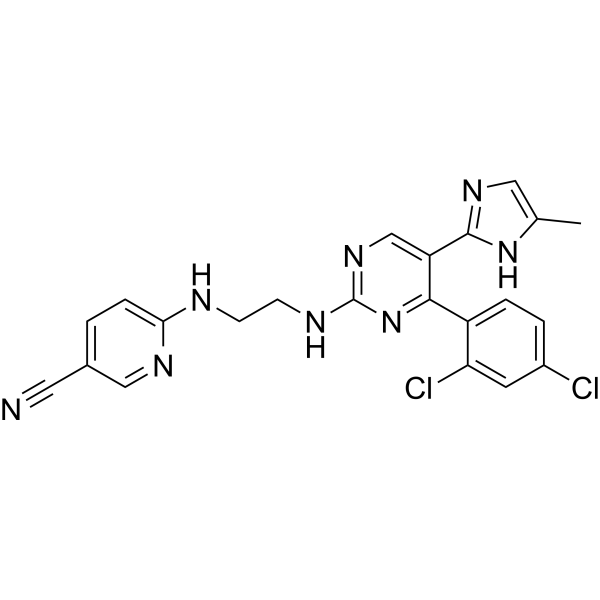
HY-10182
LaduviglusibGSK-3 Inhibitor -
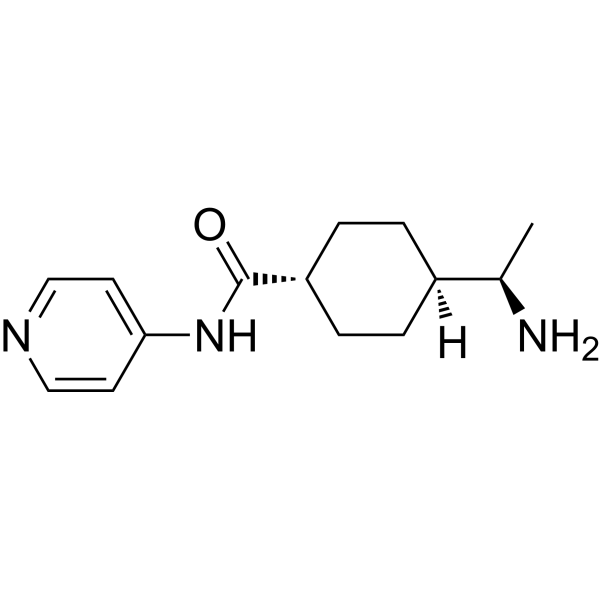
HY-10071
Y-27632ROCK Inhibitor -
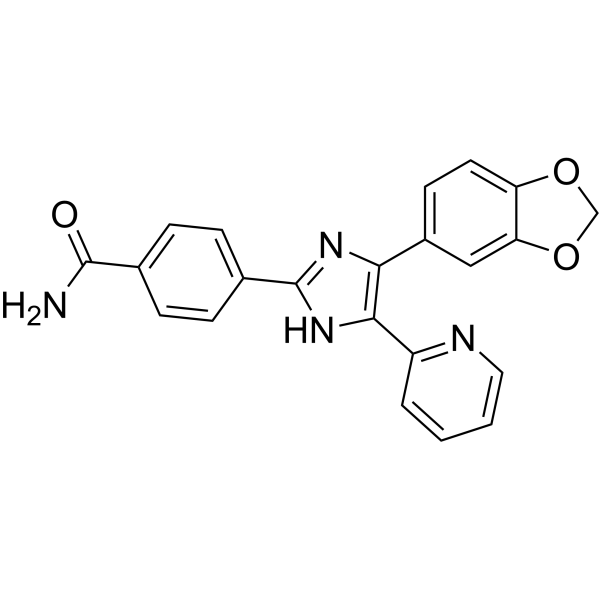
HY-10431
SB-431542TGF-β Receptor Kinase Inhibitor -
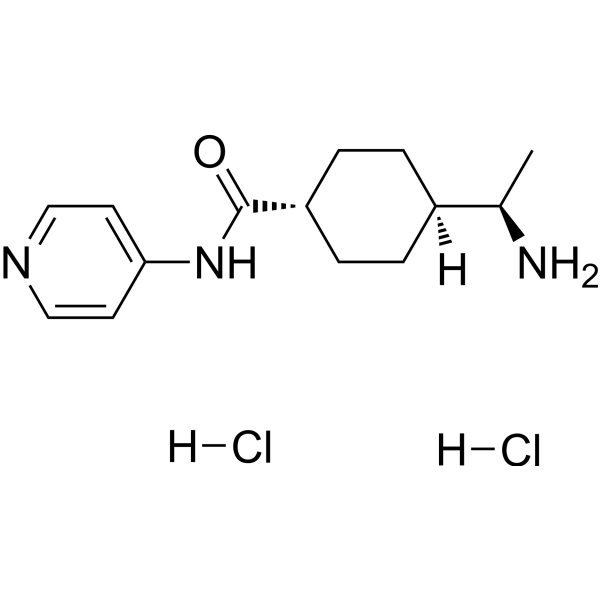
HY-10583
Y-27632 dihydrochlorideROCK Inhibitor -

HY-P0035
Insulin (human)Recombinant Human Insulin -
HY-P7007
BMP-4 Protein, Human -
HY-15371
ForskolinAdenylate Cyclase Activator -
HY-P7110A
VEGF165 Protein, Human (HEK293) -
HY-N0583
HydrocortisoneGlucocorticoid Receptor Agonist -
HY-P70311
Activin A Protein, Human/Mouse/Rat (HEK293) -
HY-10432
A 83-01ALK4/5/7 Inhibitor


Biologische Aktivität
Beschreibung
FGF-2 is a member of the fibroblast family involved in bone healing, cartilage repair, bone repair, and nerve regeneration. FGF-2 is also a mitotic promoter that accelerates cell proliferation. FGF-2 regulates immune processes by specifically targeting tyrosine kinase receptors and activating the FGF/FGFR signaling pathway. For example, FGF-2 is involved in the JAK-STAT signaling pathway to regulate cartilage metabolism and also activates ERK signaling to promote cartilage regeneration. FGF-2 combined with FGFR1/3 promoted degeneration and repair of articular cartilage, respectively[1]. FGF-2 is also a known carcinogen in GBM, which contributes to glioma growth and vascularization[2].FGF basic/bFGF Protein, Human (146a.a), consists of 146 amino acids, produced by E.coli with tag free.
Background
FGF-2/bFGF is a member of the fibroblast family and has a high affinity for heparin. FGF-2 plays an important role in tendon to bone healing, cartilage repair, bone repair, and nerve regeneration. FGF-2 specifically binds to tyrosine kinase receptors and activates the FGF/FGFR signaling pathway. Subsequently, FGF-2 influences cell proliferation, differentiation and apoptosis, as well as immune regulation by transducing other classical pathways. For example, FGF-2 regulates the JAK-STAT signaling pathway to regulate cartilage metabolism. FGF-2 also acts as a mitotic promoter to accelerate cell proliferation. Therefore, (1) FGF-2 is an important growth factor in the healing process of ligament/tendon injury. In vitro experiments, low-dose FGF-2 can stimulate the proliferation and differentiation of bone marrow mesenchymal stem cells, and up-regulate the mRNA expression of type I/III collagen and fibronectin. However, high doses of FGF-2 did not stimulate extracellular matrix (ECM) protein proliferation and gene expression. (2) FGF-2 is also an endogenous and intrinsic growth factor in cartilage repair. FGF-2 binds to heparan sulfate proteoglycan and is stored in the ECM of articular cartilage. When cartilage is damaged or degenerated, ECM rapidly releases FGF-2 and activates ERK signaling pathways to promote cartilage regeneration. FGF-2 exhibits a biphasic effect in combination with its specific receptor. FGF-2 combined with FGFR3 promoted the repair of articular cartilage. FGF-2 combined with FGFR1 promoted the degeneration of articular cartilage[1]. FGF-2 is expressed in granulosa cells and colliculus cells, as well as hepatocellular cancer cells, but not in non-cancerous liver tissues. This reveals the role of FGF-2 in brain tumors, particularly glioblastoma. According to studies, FGF-2 is a known carcinogenic factor in GBM. FGF-2 increases the self-renewal of glioblastoma stem cells and contributes to the growth and vascularization of glioma[2]. FGF-2 protein is highly conserved in some species, and the similarity rate of human FGF-2 protein sequence to rat, mouse, and bovine was 97.4%, 95.45%, and 98.71%, respectively.
In Vitro
FGF-2 (human; 3 ng/mL, 30 ng/mL; 7-28 d) triggers the biphasic bone marrow stromal cell (BMSC) response at 3 ng/mL, promotes cell proliferation to peak on day 7, and significantly enhances mRNA expression of type I collagen, type III collagen, fibronectin, and alpha-smooth muscle actin on day 14 and 28. But there is no obvious effect at 30 ng/mL[3].
Verified Bioactivity
The ED50 is <2 ng/mL as measured by 3T3 cells, corresponding to a specific activity of > 5.0 × 10⁵ units/mg.
MCE Validation Data
-
Purity - SDS-PAGE
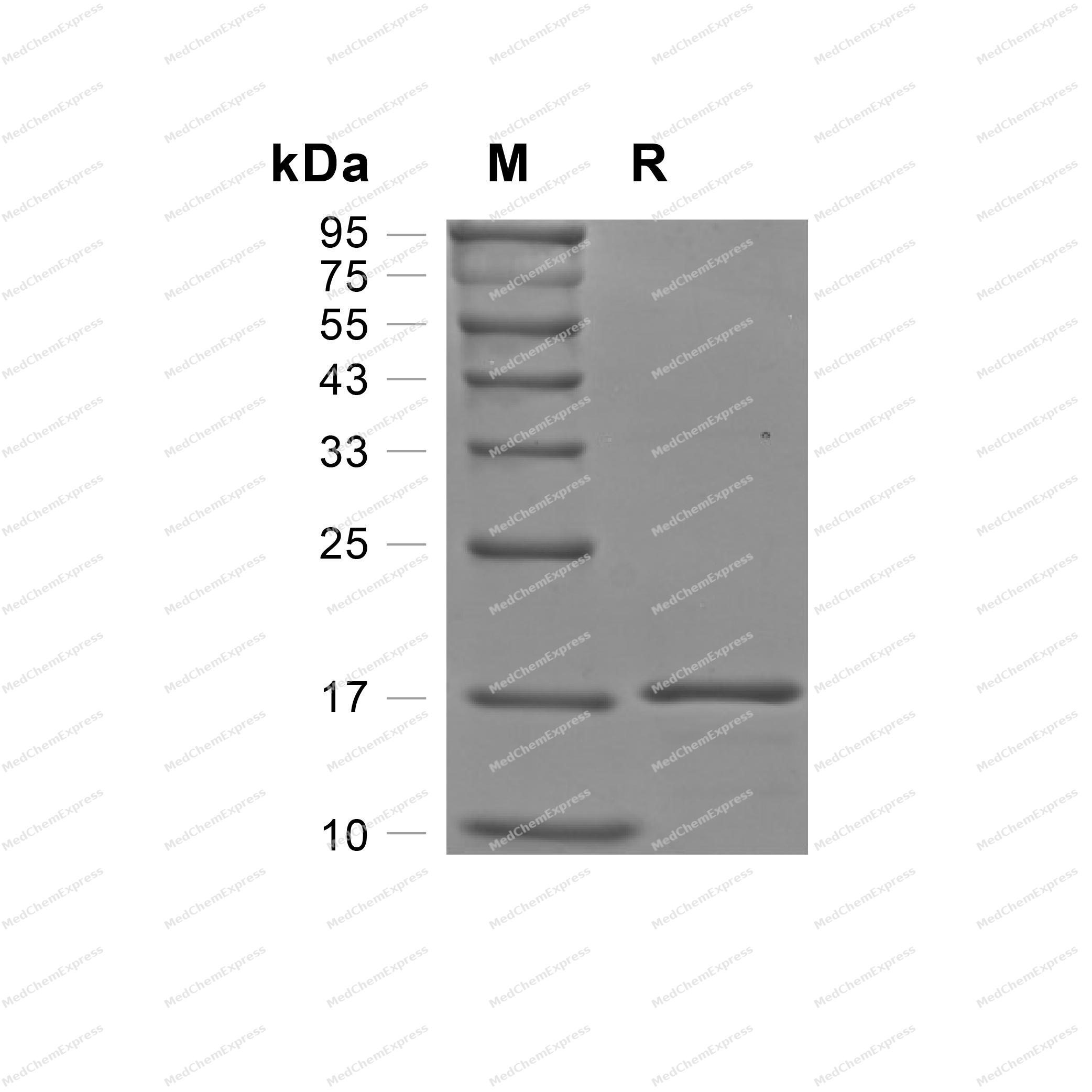
Purity - SDS-PAGE
-
Bioactivity - Cell-Based Assay
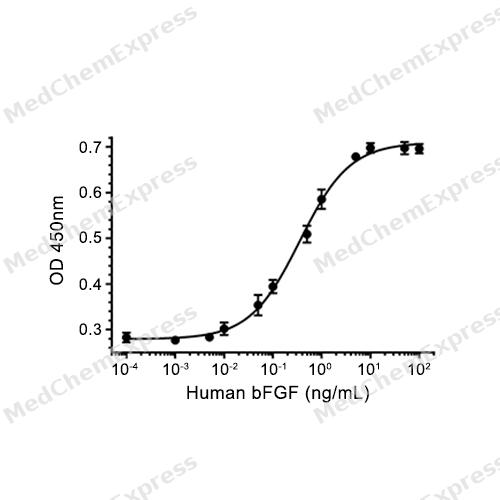
Bioactivity - Cell-Based Assay


Publications (43)
-
Journal Impact Factor
-
Most Recent
-
Signal Transduct Target Ther
Olverembatinib, a multikinase inhibitor that modulates lipid metabolism, in advanced succinate dehydrogenase-deficient gastrointestinal stromal tumors: a phase 1b study and translational research. [Abstract]2025 Nov 4;10(1):361. PMID: 41184234 -
Cancer Commun (Lond)
N6-methyladenosine reader hnRNPA2B1 recognizes and stabilizes NEAT1 to confer chemoresistance in gastric cancer. [Abstract]2024 Apr;44(4):469-490. PMID: 38512764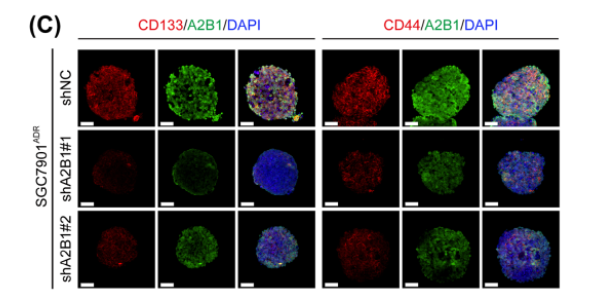
FGF basic/bFGF Protein, Human (146a.a) purchased from MedChemExpress. Usage Cited in: Cancer Commun (Lond). 2024 Apr;44(4):469-490. [Abstract]
Cells were seeded in ultra‐low attachment plates and cultured in serum‐free RPMI‐1640 supplemented with 2% B27 supplemen, 20 ng/mL EGF (MCE), and 10 ng/mL bFGF (MCE) in a humidified 5% CO2 at 37°C. Additionally, 25 µM ICG‐001 or 100 ng/mL Wnt3A (MCE) was added in the culture medium. After one‐week incubation, tumor sphere numbers were counted under a phase‐contrast microscope. The role of hnRNPA2B1 in maintenance of gastric cancer stemness was evaluated.
-
Bioact Mater
Melatonin-incorporated brain extracellular matrix hydrogel enhances NSCs mitochondrial metabolism to promote neuroregeneration via the AMPK-PGC-1α-NRF1/TFAM axis after spinal cord injury. [Abstract]2026 Apr 9:63:373-389. PMID: 42006003 -
Drug Resist Updat
MicroRNA-mediated PTEN downregulation as a novel non-genetic mechanism of acquired resistance to PI3Kα inhibitors of head & neck squamous cell carcinoma. [Abstract]2025 Jul:81:101251. PMID: 40382983 -
Nat Commun
Engineered model of heart tissue repair for exploring fibrotic processes and therapeutic interventions. [Abstract]2024 Sep 12;15(1):7996. PMID: 39266508 -
Nat Commun
2024 Jul 27;15(1):6344. PMID: 39068220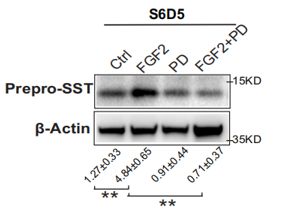
FGF basic/bFGF Protein, Human (146a.a) purchased from MedChemExpress. Usage Cited in: Nat Commun. 2024 Jul 27;15(1):6344. [Abstract]
Western blotting images showing that FGF2 (20 ng/ml, 6 days) induced SST protein expression via FGFR1.
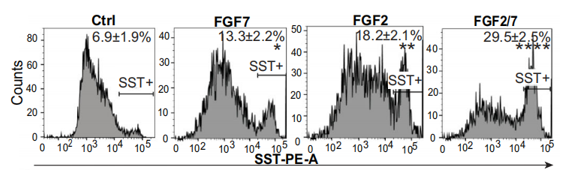
FGF basic/bFGF Protein, Human (146a.a) purchased from MedChemExpress. Usage Cited in: Nat Commun. 2024 Jul 27;15(1):6344. [Abstract]
Representative flow cytometry results of cells with FGF7, FGF2 (20 ng/ml, 6 days), or FGF2/7 treatments demonstrating that the addition of FGF2 greatly increased the SST-positive fraction.
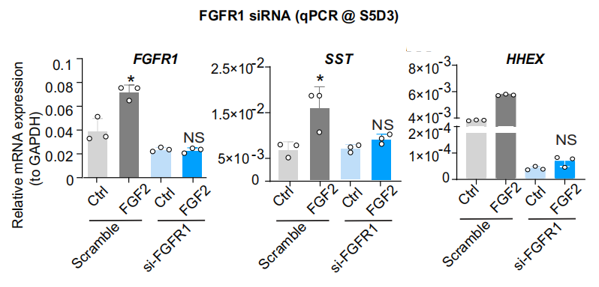
FGF basic/bFGF Protein, Human (146a.a) purchased from MedChemExpress. Usage Cited in: Nat Commun. 2024 Jul 27;15(1):6344. [Abstract]
RT–qPCR of FGFR1, SST, and HHEX mRNA expression at completion of stage 5 after FGFR1 siRNA or scramble RNA treatment, with or without FGF2 treatments (20 ng/ml, 6 days).
-
J Exp Clin Cancer Res
NOTCH3 regulates myofibroblastic CAF differentiation via the P62-ROS signaling axis to promote bladder cancer progression. [Abstract]2026 Jun 6. PMID: 42251414 -
J Exp Clin Cancer Res
Targeting DNM1L/DRP1-FIS1 axis inhibits high-grade glioma progression by impeding mitochondrial respiratory cristae remodeling. [Abstract]2024 Sep 30;43(1):273. PMID: 39350223 -
MedComm (2020)
Gene Therapy Targeting Pkp2 Deficiency Attenuates Cardiac Fibrosis: Insights From Single-Cell Transcriptomics in Pkp2-Knockout Rats. [Abstract]2025 Sep 18;6(10):e70392. PMID: 40979216 -
Cell Rep Med
An Automated Organoid Platform with Inter-organoid Homogeneity and Inter-patient Heterogeneity. [Abstract]2020 Dec 22;1(9):100161. PMID: 33377132 -
Cell Death Differ
The Smad4-MYO18A-PP1A complex regulates β-catenin phosphorylation and pemigatinib resistance by inhibiting PAK1 in cholangiocarcinoma. [Abstract]2022 Apr;29(4):818-831. PMID: 34799729 -
Cell Death Dis
N6-methyladenosine-modified GPX2 impacts cancer cell stemness and TKI resistance through regulating of redox metabolism. [Abstract]2025 Jun 18;16(1):458. PMID: 40533443 -
Cell Death Dis
ONECUT2 facilitates hepatocellular carcinoma metastasis by transcriptionally upregulating FGF2 and ACLY. [Abstract]2021 Nov 27;12(12):1113. PMID: 34839358 -
Cell Death Dis
LncRNA LHFPL3-AS1 contributes to tumorigenesis of melanoma stem cells via the miR-181a-5p/BCL2 pathway. [Abstract]2020 Nov 4;11(11):950. PMID: 33149126 -
Cancer Lett
HNRNPC impedes m6A-dependent anti-metastatic alternative splicing events in pancreatic ductal adenocarcinoma. [Abstract]2021 Oct 10:518:196-206. PMID: 34271104 -
Oncogene
Targeting YRDC blocks codon-biased FABP7 translation and lipid droplet formation to overcome chemoresistance in glioblastoma. [Abstract]2026 Jun;45(22):2155-2170. PMID: 42014887 -
Oncogene
Par6/SOX2 interact to modulate stemness maintenance in glioma by regulating the EGFR/PI3K/AKT signaling cascade. [Abstract]2025 Oct 11. PMID: 41076461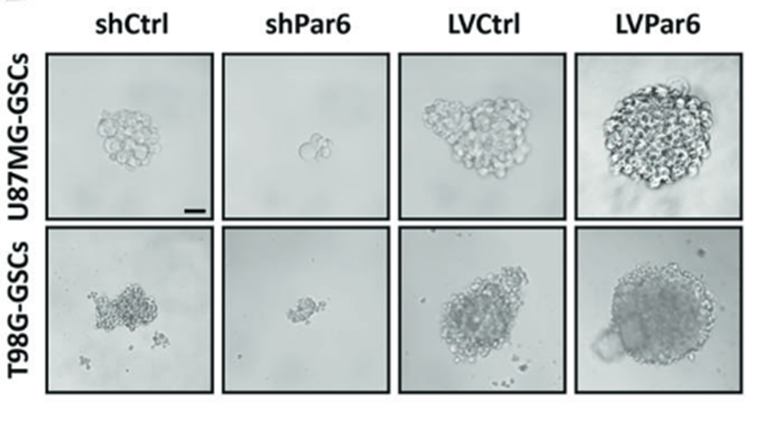
FGF basic/bFGF Protein, Human (146a.a) purchased from MedChemExpress. Usage Cited in: Oncogene. 2025 Oct 11. [Abstract]
Representative images and quantification of the tumor sphere assay of the Par6-overexpressing or Par6-knockdown groups of U87MG-GSCs and T98G-GSCs. rh FGF basic (20 ng/mL).
-
Cell Rep
TRIM32/USP11 Balances ARID1A Stability and the Oncogenic/Tumor-Suppressive Status of Squamous Cell Carcinoma. [Abstract]2020 Jan 7;30(1):98-111.e5. PMID: 31914402 -
Cell Prolif
Establishment of human corneal epithelial organoids for ex vivo modelling dry eye disease. [Abstract]2024 Nov;57(11):e13704. PMID: 38961590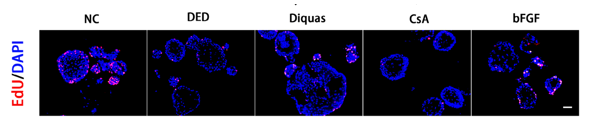
FGF basic/bFGF Protein, Human (146a.a) purchased from MedChemExpress. Usage Cited in: Cell Prolif. 2024 Nov;57(11):e13704. [Abstract]
Representative images of EdU assay in different drug therapy groups. bFGF slightly inhibited the expression of proinflammatory cytokines while significantly promoting cell proliferation in the DED model. NC: normal control, DED: dry eye disease, Diquas: 0.3% Diquafosol tetrasodium, CsA: 10 nM CsA, bFGF:100 ng/mL bFGF.
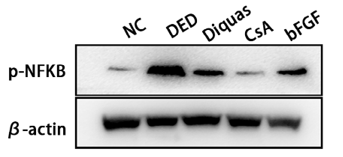
FGF basic/bFGF Protein, Human (146a.a) purchased from MedChemExpress. Usage Cited in: Cell Prolif. 2024 Nov;57(11):e13704. [Abstract]
WB analysis and semiquantitative analysis of the expression of p-NFκB in the different groups. bFGF slightly inhibited the expression of proinflammatory cytokines while significantly promoting cell proliferation in the DED model. NC: normal control, DED: dry eye disease, Diquas: 0.3% Diquafosol tetrasodium, CsA: 10 nM CsA, bFGF:100 ng/mL bFGF.
-
Fundam Res
Droplet-engineered organoids recapitulate parental tissue transcriptome with inter-organoid homogeneity and inter-tumor cell heterogeneity. [Abstract]2022 Jun 3;4(6):1506-1514. PMID: 39734523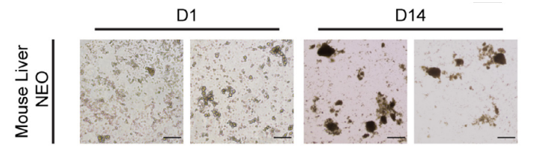
FGF basic/bFGF Protein, Human (146a.a) purchased from MedChemExpress. Usage Cited in: Fundam Res. 2022 Jun 3;4(6):1506-1514. [Abstract]
NEOs derived from mouse liver tissues are grown for 1 day and 14 days, using pipette deposition. rh FGF basic (10 ng/mL).
-
J Zhejiang Univ Sci B
Chronic exposure to hexavalent chromium induces esophageal tumorigenesis via activating the Notch signaling pathway. [Abstract]2024 Oct 21;26(1):76-91. PMID: 39815612 -
Int J Mol Sci
Establishment and Characterization of a Long-Term Ovarian Cell Line (SBO) from Asian Seabass (Lates calcarifer) Expressing Germline Stem Cell Markers. [Abstract]2026 May 21;27(10):4608. PMID: 42196585 -
Biochim Biophys Acta Mol Basis Dis
Targeted inhibition of the H3K27ac/OGT/O-GlcNAcylation axis to overcome gemcitabine-induced chemotherapy resistance in bladder cancer. [Abstract]2026 Aug;1872(6):168281. PMID: 42069092 -
BMC Cancer
Systematic optimization and evaluation of culture conditions for the construction of circulating tumor cell clusters using breast cancer cell lines. [Abstract]2024 Apr 23;24(1):507. PMID: 38654231 -
J Pharm Pharmacol
Aucubin inhibits the activity of lung cancer stem-like cells by targeting degradation of β-catenin. [Abstract]2025 Sep 10:rgaf081. PMID: 40928458 -
J Bioenerg Biomembr
E2F7 transcriptionally upregulates SPC24 to mediate aerobic Glycolysis and facilitate stemness of breast cancer. [Abstract]2025 Jul 15. PMID: 40663204 -
Animals (Basel)
The Effect of Inhibiting the Wingless/Integrated (WNT) Signaling Pathway on the Early Embryonic Disc Cell Culture in Chickens. [Abstract]2024 May 4;14(9):1382. PMID: 38731386 -
Hum Mol Genet
Mutation in Eftud2 causes craniofacial defects in mice via mis-splicing of Mdm2 and increased P53. [Abstract]2021 May 28;30(9):739-757. PMID: 33601405 -
PeerJ
Three distinct classes of myenteric ganglia in mice and humans: insights from quantitative analyses. [Abstract]2025 Apr 24:13:e19329. PMID: 40292108 -
Theriogenology
Clonally derived chicken primordial germ cell lines maintain biological characteristics and proliferative potential in long-term culture. [Abstract]2024 Feb:215:67-77. PMID: 38011785 -
World J Surg Oncol
IFIT3 accelerates the progression of head and neck squamous cell carcinoma by targeting PD-L1 to activate PI3K/AKT signaling pathway. [Abstract]2024 Jan 25;22(1):34. PMID: 38273364 -
Oncol Lett
Investigating the roles of microRNAs associated with cancer stem cells, drug resistance, metastasis and recurrence in hepatocellular carcinoma: A systematic review, network analysis and experimental verification. [Abstract]2025 Oct 23;31(1):3. PMID: 41221502 -
J Gastrointest Oncol
Promotion of hepatocellular carcinoma stemness and progression by abnormal spindle-like microcephaly-associated protein via the Wnt/β-catenin pathway. [Abstract]2024 Aug 31;15(4):1613-1626. PMID: 39279956 -
Tissue Eng Part C Methods
2024;30(6):268-278. PMID: 38842184 -
STAR Protoc
Protocol for differentiation of human embryonic stem cells into surface epithelium and functional keratinocytes. [Abstract]2025 Jun 27;6(3):103919. PMID: 40580474 -
-
-
-
-
bioRxiv
2025 Jun 19:2025.06.15.659815. PMID: 40667248 -
-
Aging (Albany NY)
The comprehensive expression and functional analysis of m6A modification "readers" in hepatocellular carcinoma. [Abstract]2022 Aug 12;14(15):6269-6298. PMID: 35963644 -


Technical Parameters
-
Species Human
-
Source E. coli
-
Tag Tag Free
-
Accession
P09038-4 (P143-S288)
-
Molecular Construction
-
N-term
-
bFGF (P143-S288)
Accession # P09038-4 -
C-term
-
-
Protein Length
Full Length of Isoform-4
-
Synonyms
FGF2; BFGF; Prev. FGFB; Basic Fibroblast Growth Factor; Fibroblast Growth Factor 2 (Basic); Fibroblast Growth Factor; Heparin-Binding Growth Factor 2; Prostatropin; HBGF-2; FGF2A; FGF-2; FGF; Fibroblast Growth Factor 2; Basic Fibroblast Growth Factor BFGF
-
AA Sequence
PALPEDGGSGAFPPGHFKDPKRLYCKNGGFFLRIHPDGRVDGVREKSDPHIKLQLQAEERGVVSIKGVCANRYLAMKEDGRLLASKCVTDECFFFERLESNNYNTYRSRKYTSWYVALKRTGQYKLGSKTGPGQKAILFLPMSAKS
-
Predicted Molecular Mass
16.4 kDa
-
Molecular Weight
Approximately 14-20 kDa, based on SDS-PAGE under reducing conditions.
-
Reinheit
≥ 95%, as determined by reducing SDS-PAGE.


Product Properties
Lyophilized powder
1.Lyophilized from a 0.22 μm filtered solution of PBS, pH 7.4 .
2.Lyophilized from a 0.22 μm filtered solution of 20 mM Tris-HCl, 100 mM NaCl, 0.02% Tween 80, pH 7.5.
3.Lyophilized from a 0.22 μm filtered solution of 50 mM Tris-HCl, 300 mM NaCl, pH 7.4.
4.Lyophilized from a 0.22 μm filtered solution of PBS, pH 7.4, 5% trehalose, 5% mannitol and 0.01% Tween 80.
5.Lyophilized from a 0.22 μm filtered solution of PBS, pH 7.4, 8% trehalose.
Please refer to the lot-specific COA for specific buffer information.
Note: For SPR assay, please replace the buffer. Primary amine components (e.g., Tris, imidazole) can affect protein-coupled chips.
<0.2 EU/μg, determined by LAL method.
It is not recommended to reconstitute to a concentration less than 100 μg/mL in ddH2O or PBS. For long term storage it is recommended to add a carrier protein (0.1% BSA, 5% HSA, 10% FBS or 5% Trehalose).
Stored at -20°C for 2 years from date of receipt. After reconstitution, it is stable at 4°C for 1 week or -20°C for longer (with carrier protein). It is recommended to freeze aliquots at -20°C or -80°C for extended storage.
Room temperature in continental US; may vary elsewhere.


Documentation
-
Data Sheet (265 KB)
-
SDS (252 KB)
- English - EN (252 KB)
- Français - FR (252 KB)
- Deutsch - DE (252 KB)
- Norwegian - NO (252 KB)
- Español - ES (252 KB)
- Swedish - SV (252 KB)
- Italian - IT (252 KB)
- Korean - KR (252 KB)
- Portuguese - PT (252 KB)
-
Handling Instructions (2659 KB)


Verweise
[1]. Zhang J, et al. FGF2: a key regulator augmenting tendon-to-bone healing and cartilage repair. Regen Med. 2020 Sep;15(9):2129-2142. [Content Brief]
[2]. Westermann R, et al. Basic fibroblast growth factor (bFGF), a multifunctional growth factor for neuroectodermal cells. J Cell Sci Suppl. 1990;13:97-117. [Content Brief]
[3]. Jimenez-Pascual A, et al. FGF2: a novel druggable target for glioblastoma? Expert Opin Ther Targets. 2020 Apr;24(4):311-318. [Content Brief]
[4]. Rusnati M, et al. Interaction of angiogenic basic fibroblast growth factor with endothelial cell heparan sulfate proteoglycans. Biological implications in neovascularization. Int J Clin Lab Res. 1996;26(1):15-23. [Content Brief]
[5]. Hankemeier S, et al. Modulation of proliferation and differentiation of human bone marrow stromal cells by fibroblast growth factor 2: potential implications for tissue engineering of tendons and ligaments. Tissue Eng. 2005 Jan-Feb;11(1-2):41-9. [Content Brief]

Calculators
Konzentration (Stammlösung) × Volumen (Stammlösung) = Konzentration (Ziellösung) × Volumen (Ziellösung)


 Powered by Bioz

