



FGF basic/bFGF Protein, Human (154a.a)
Based on 10 publication(s) in Google Scholar
FGF-2 is a member of the fibroblast family involved in bone healing, cartilage repair, bone repair, and nerve regeneration. FGF-2 is also a mitotic promoter that accelerates cell proliferation. FGF-2 regulates immune processes by specifically targeting tyrosine kinase receptors and activating the FGF/FGFR signaling pathway. For example, FGF-2 is involved in the JAK-STAT signaling pathway to regulate cartilage metabolism and also activates ERK signaling to promote cartilage regeneration. FGF-2 combined with FGFR1/3 promoted degeneration and repair of articular cartilage, respectively. FGF-2 is also a known carcinogen in GBM, which contributes to glioma growth and vascularization.FGF basic/bFGF Protein, Human (154a.a), consists of 154 amino acids, produced by E.coli with tag free.
- Species: Human
- Source: E. coli
-
Storage:Stored at -20°C for 2 years from date of receipt. After reconstitution, it is stable at 4°C for 1 week or -20°C for longer (with carrier protein). It is recommended to freeze aliquots at -20°C or -80°C for extended storage.


To place orders, for customer services and technical support, please contact: MedChemExpress USA
Tel: 609-228-6898 E-mail: [email protected] [email protected]


-
 Biological Activity
-
Technical Parameters
-
Product Properties
- Documentation
- References
- Help & FAQs


-

HY-P7109
EGF Protein, Human -
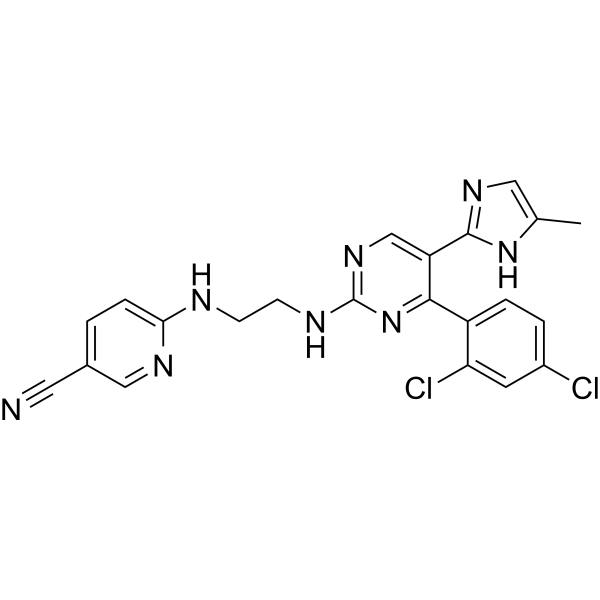
HY-10182
Laduviglusib -
HY-P7007
BMP-4 Protein, Human -
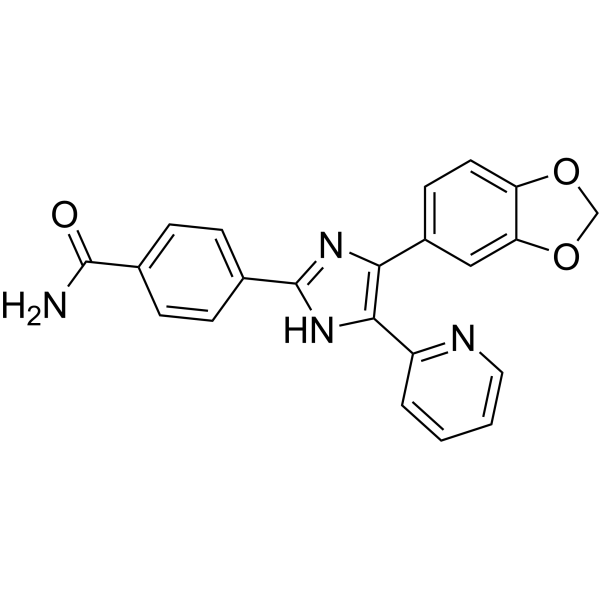
HY-10431
SB-431542 -

HY-P0035
Insulin (human) -
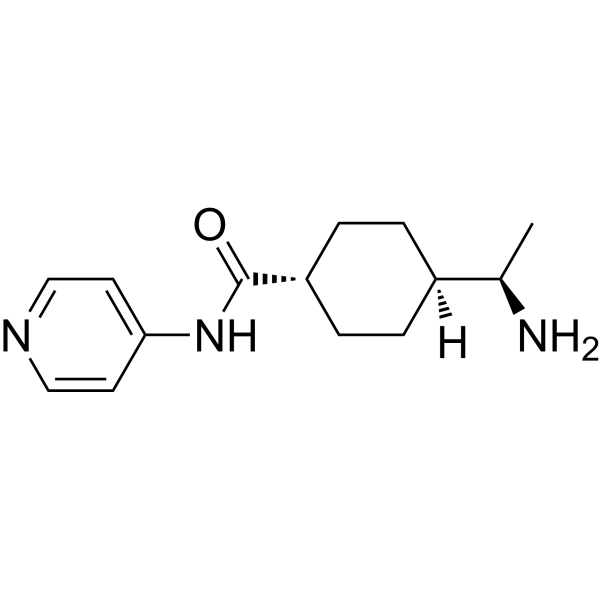
HY-10071
Y-27632 -
HY-P7110A
VEGF165 Protein, Human (HEK293) -
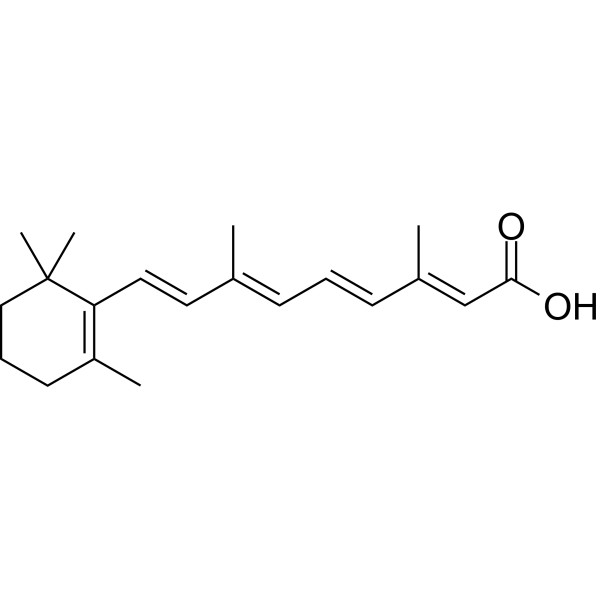
HY-14649
Retinoic acid -
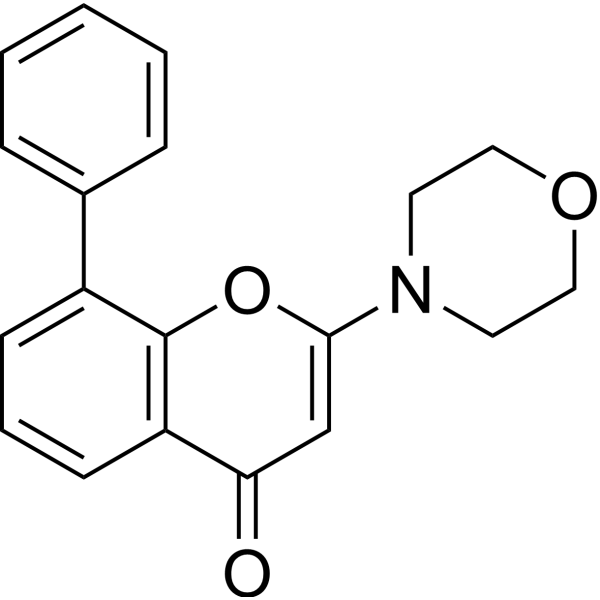
HY-10108
LY294002 -
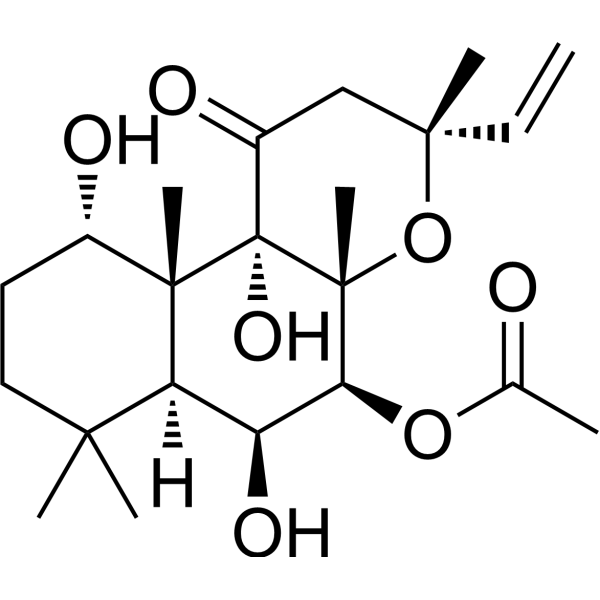
HY-15371
Forskolin -
HY-Y0320
Dimethyl sulfoxide, meets analytical specification of Ch.P. -
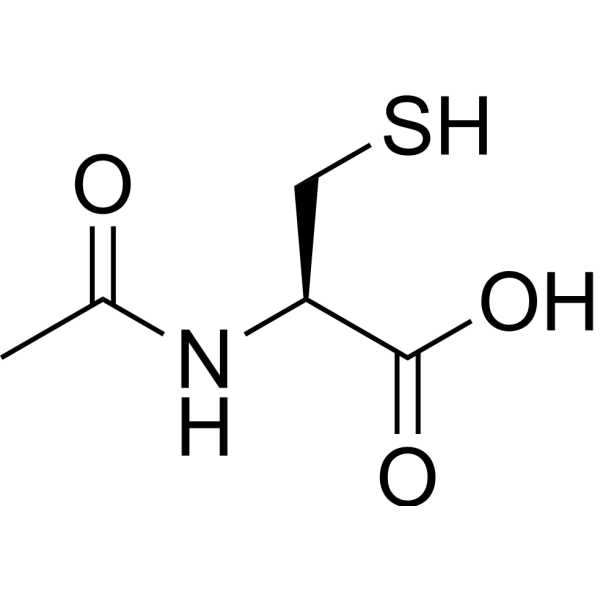
HY-B0215
Acetylcysteine


Biological Activity
Description
FGF-2 is a member of the fibroblast family involved in bone healing, cartilage repair, bone repair, and nerve regeneration. FGF-2 is also a mitotic promoter that accelerates cell proliferation. FGF-2 regulates immune processes by specifically targeting tyrosine kinase receptors and activating the FGF/FGFR signaling pathway. For example, FGF-2 is involved in the JAK-STAT signaling pathway to regulate cartilage metabolism and also activates ERK signaling to promote cartilage regeneration. FGF-2 combined with FGFR1/3 promoted degeneration and repair of articular cartilage, respectively[1]. FGF-2 is also a known carcinogen in GBM, which contributes to glioma growth and vascularization[2].FGF basic/bFGF Protein, Human (154a.a), consists of 154 amino acids, produced by E.coli with tag free.
Background
FGF-2/bFGF is a member of the fibroblast family and has a high affinity for heparin. FGF-2 plays an important role in tendon to bone healing, cartilage repair, bone repair, and nerve regeneration. FGF-2 specifically binds to tyrosine kinase receptors and activates the FGF/FGFR signaling pathway. Subsequently, FGF-2 influences cell proliferation, differentiation and apoptosis, as well as immune regulation by transducing other classical pathways. For example, FGF-2 regulates the JAK-STAT signaling pathway to regulate cartilage metabolism. FGF-2 also acts as a mitotic promoter to accelerate cell proliferation. Therefore, (1) FGF-2 is an important growth factor in the healing process of ligament/tendon injury. In vitro experiments, low-dose FGF-2 can stimulate the proliferation and differentiation of bone marrow mesenchymal stem cells, and up-regulate the mRNA expression of type I/III collagen and fibronectin. However, high doses of FGF-2 did not stimulate extracellular matrix (ECM) protein proliferation and gene expression. (2) FGF-2 is also an endogenous and intrinsic growth factor in cartilage repair. FGF-2 binds to heparan sulfate proteoglycan and is stored in the ECM of articular cartilage. When cartilage is damaged or degenerated, ECM rapidly releases FGF-2 and activates ERK signaling pathways to promote cartilage regeneration. FGF-2 exhibits a biphasic effect in combination with its specific receptor. FGF-2 combined with FGFR3 promoted the repair of articular cartilage. FGF-2 combined with FGFR1 promoted the degeneration of articular cartilage[1]. FGF-2 is expressed in granulosa cells and colliculus cells, as well as hepatocellular cancer cells, but not in non-cancerous liver tissues. This reveals the role of FGF-2 in brain tumors, particularly glioblastoma. According to studies, FGF-2 is a known carcinogenic factor in GBM. FGF-2 increases the self-renewal of glioblastoma stem cells and contributes to the growth and vascularization of glioma[2]. FGF-2 protein is highly conserved in some species, and the similarity rate of human FGF-2 protein sequence to rat, mouse, and bovine was 97.4%, 95.45%, and 98.71%, respectively.
In Vitro
FGF-2 (human; 3 ng/mL, 30 ng/mL; 7-28 d) triggers the biphasic bone marrow stromal cell (BMSC) response at 3 ng/mL, promotes cell proliferation to peak on day 7, and significantly enhances mRNA expression of type I collagen, type III collagen, fibronectin, and alpha-smooth muscle actin on day 14 and 28. But there is no obvious effect at 30 ng/mL[3].
Verified Bioactivity
1.The ED50 is <0.25 ng/mL as measured by Balb/3T3 mouse embryonic fibroblast cells, corresponding to a specific activity of >4 × 10⁶ units/mg.
2.Measured in a cell proliferation assay using NIH-3T3 cells. The ED50 for this effect is ≤0.59 ng/mL, corresponding to a specific activity is ≥1.69×10⁶ units/mg.
MCE Validation Data
-
Purity - SDS-PAGE
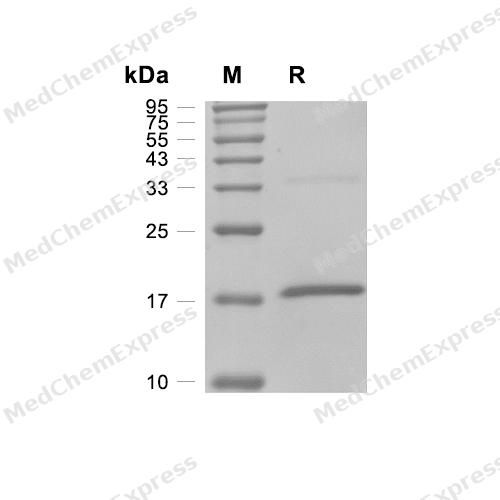
Purity - SDS-PAGE
-
Bioactivity - Cell-Based Assay
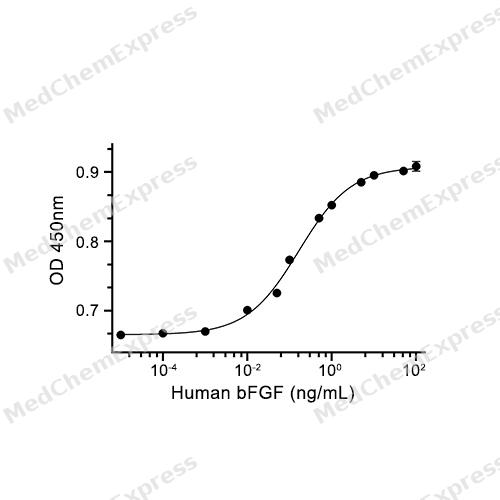
Bioactivity - Cell-Based Assay


Publications (10)
-
Journal Impact Factor
-
Most Recent
-
Trends Biotechnol
Rationally designed light-inducible RNA-releasing protein for translational regulation and optogenetic control of gene therapies. [Abstract]2026 Apr 8:S0167-7799(26)00089-2. PMID: 41956945 -
Cancer Biol Med
Raltitrexed as a synergistic hyperthermia chemotherapy drug screened in patient-derived colorectal cancer organoids. [Abstract]2021 Mar 12;18(3):750-762. PMID: 33710819 -
-
Food Res Int
An efficient and economical way to obtain porcine muscle stem cells for cultured meat production. [Abstract]2022 Dec;162(Pt B):112206. PMID: 36461384 -
-
J Biol Chem
c-Src regulates δ-secretase activation and truncated Tau production by phosphorylating the E3 ligase Traf6. [Abstract]2023 Dec;299(12):105462. PMID: 37977223 -
Animals (Basel)
Derivation of Equine Mesenchymal Stem/Stromal Cells from Induced Pluripotent Stem Cells via the Neural Crest Pathway and Characterisation by Immunophenotype and Tri-Lineage Differentiation. [Abstract]2026 May 26;16(11):1618. PMID: 42278052 -
Genes (Basel)
CHIR99021 and Brdu Are Critical in Chicken iPSC Reprogramming via Small-Molecule Screening. [Abstract]2024 Sep 13;15(9):1206. PMID: 39336797 -
J Biomater Appl
Injectable ADM temperature-sensitive hydrogel loaded with bFGF in diabetic rat wound healing study. [Abstract]2025 May;39(10):1156-1164. PMID: 39967017 -


Technical Parameters
-
Species Human
-
Source E. coli
-
Tag Tag Free
-
Accession
P09038-4 (A135-S288)
-
Molecular Construction
-
N-term
-
bFGF (A135-S288)
Accession # P09038-4 -
C-term
-
-
Protein Length
Partial
-
Synonyms
FGF2; BFGF; Prev. FGFB; Basic Fibroblast Growth Factor; Fibroblast Growth Factor 2 (Basic); Fibroblast Growth Factor; Heparin-Binding Growth Factor 2; Prostatropin; HBGF-2; FGF2A; FGF-2; FGF; Fibroblast Growth Factor 2; Basic Fibroblast Growth Factor BFGF
-
AA Sequence
AAGSITTLPALPEDGGSGAFPPGHFKDPKRLYCKNGGFFLRIHPDGRVDGVREKSDPHIKLQLQAEERGVVSIKGVCANRYLAMKEDGRLLASKCVTDECFFFERLESNNYNTYRSRKYTSWYVALKRTGQYKLGSKTGPGQKAILFLPMSAKS
-
Predicted Molecular Mass
17.1 kDa
-
Molecular Weight
Approximately 17-23 kDa, based on SDS-PAGE under reducing conditions, due to the glycosylation.
-
Purity
≥ 95%, as determined by reducing SDS-PAGE.


Product Properties
Lyophilized powder
1.Lyophilized from a 0.22 μm filtered solution of PBS.
2.Lyophilized from a 0.22 μm filtered solution of PBS, pH 7.4.
3.Lyophilized from a 0.22 μm filtered solution of PBS, pH 7.4, 8% trehalose.
Please refer to the lot-specific COA for specific buffer information.
<0.2 EU/μg, determined by LAL method.
It is not recommended to reconstitute to a concentration less than 100 μg/mL in ddH2O. For long term storage it is recommended to add a carrier protein (0.1% BSA, 5% HSA, 10% FBS or 5% Trehalose).
Stored at -20°C for 2 years from date of receipt. After reconstitution, it is stable at 4°C for 1 week or -20°C for longer (with carrier protein). It is recommended to freeze aliquots at -20°C or -80°C for extended storage.
Room temperature in continental US; may vary elsewhere.


Documentation
-
Data Sheet (265 KB)
-
SDS (252 KB)
- English - EN (252 KB)
- Français - FR (252 KB)
- Deutsch - DE (252 KB)
- Norwegian - NO (252 KB)
- Español - ES (252 KB)
- Swedish - SV (252 KB)
- Italian - IT (252 KB)
- Korean - KR (252 KB)
- Portuguese - PT (252 KB)
-
Handling Instructions (2659 KB)


References
[1]. Zhang J, et al. FGF2: a key regulator augmenting tendon-to-bone healing and cartilage repair. Regen Med. 2020 Sep;15(9):2129-2142. [Content Brief]
[2]. Westermann R, et al. Basic fibroblast growth factor (bFGF), a multifunctional growth factor for neuroectodermal cells. J Cell Sci Suppl. 1990;13:97-117. [Content Brief]
[3]. Jimenez-Pascual A, et al. FGF2: a novel druggable target for glioblastoma? Expert Opin Ther Targets. 2020 Apr;24(4):311-318. [Content Brief]
[4]. Rusnati M, et al. Interaction of angiogenic basic fibroblast growth factor with endothelial cell heparan sulfate proteoglycans. Biological implications in neovascularization. Int J Clin Lab Res. 1996;26(1):15-23. [Content Brief]
[5]. Hankemeier S, et al. Modulation of proliferation and differentiation of human bone marrow stromal cells by fibroblast growth factor 2: potential implications for tissue engineering of tendons and ligaments. Tissue Eng. 2005 Jan-Feb;11(1-2):41-9. [Content Brief]

Calculators
Concentration (start) × Volume (start) = Concentration (final) × Volume (final)


 Powered by Bioz

