1. Search Result
Search Result
Results for "

lysosomal-

" in MedChemExpress (MCE) Product Catalog:

220

Inhibitors & Agonists

1

Screening Libraries

16

Fluorescent Dye

12

Biochemical Assay Reagents

11

Peptides

5

Inhibitory Antibodies

35

Natural
Products

19

Recombinant Proteins

17

Isotope-Labeled Compounds

9

Antibodies

Cat. No. Product Name Target Research Areas Chemical Structure
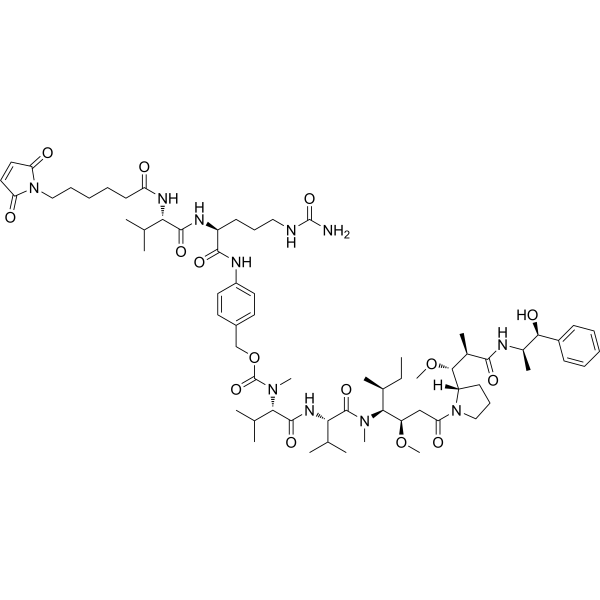
  • HY-15575
    VcMMAE
    Maximum Cited Publications
    92 Publications Verification

    MC-Val-Cit-PAB-MMAE; mc-vc-PAB-MMAE; Vedotin

    Drug-Linker Conjugates for ADC Microtubule/Tubulin Cancer
    VcMMAE (mc-vc-PAB-MMAE) is a agent-linker conjugate for ADC with potent antitumor activity by using the anti-mitotic agent, monomethyl auristatin E (MMAE, a tubulin inhibitor), linked via the lysosomally cleavable dipeptide, valine-citrulline (vc).
    VcMMAE
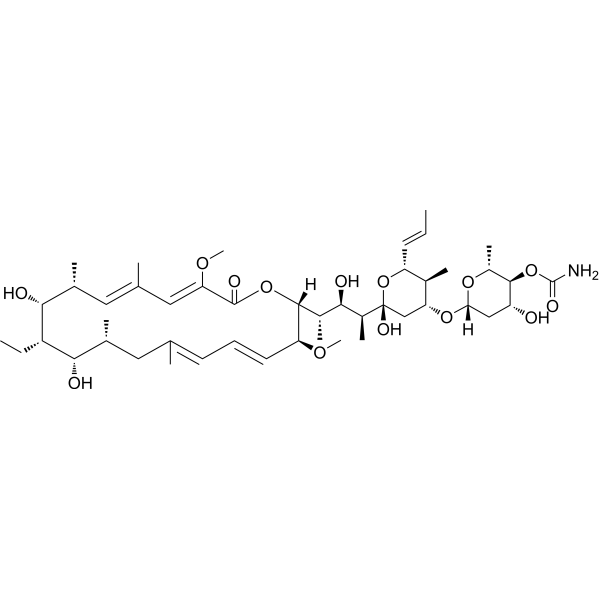
  • HY-N1724
    Concanamycin A
    Maximum Cited Publications
    27 Publications Verification

    Antibiotic X 4357B; Folimycin; X 4357B

    Proton Pump Bacterial Antibiotic Infection Inflammation/Immunology Cancer
    Concanamycin A (Folimycin; Antibiotic X 4357B) is a macrolide antibiotic, a vacuolar type H +-ATPase (V-ATPase) inhibitor. Concanamycin A is also an inhibitor of lysosomal acidification, can be used to T cell-mediated inflammation research - .
    Concanamycin A
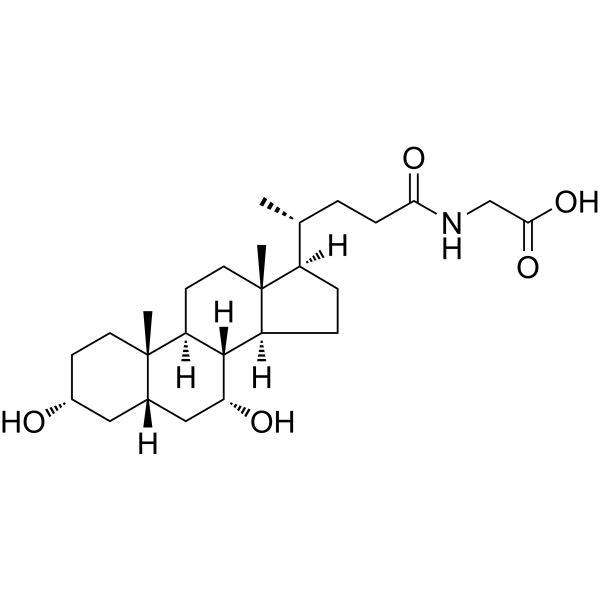
  • HY-N2334
    Glycochenodeoxycholic acid
    5 Publications Verification

    Chenodeoxycholylglycine

    Endogenous Metabolite Apoptosis STAT BCL6 Interleukin Related Caspase Metabolic Disease Cancer
    Glycochenodeoxycholic acid (Chenodeoxycholylglycine) is a relatively toxic bile salt generated in the liver from chenodeoxycholic acid and glycine. Glycochenodeoxycholic acid inhibits Autophagosome formation and impairs lysosomal function by inhibiting lysosomal proteolysis and increasing lysosomal pH in human normal liver cells, leading to the Apoptosis of human hepatocyte cells. Glycochenodeoxycholic acid induces stemness and chemoresistance via activating STAT3 signaling pathway in hepatocellular carcinoma cells (HCC). Glycochenodeoxycholic acid is promising for research in the field of cholestasis desease, hepatocellular carcinoma and primary sclerosing cholangitis (PSC) .
    Glycochenodeoxycholic acid
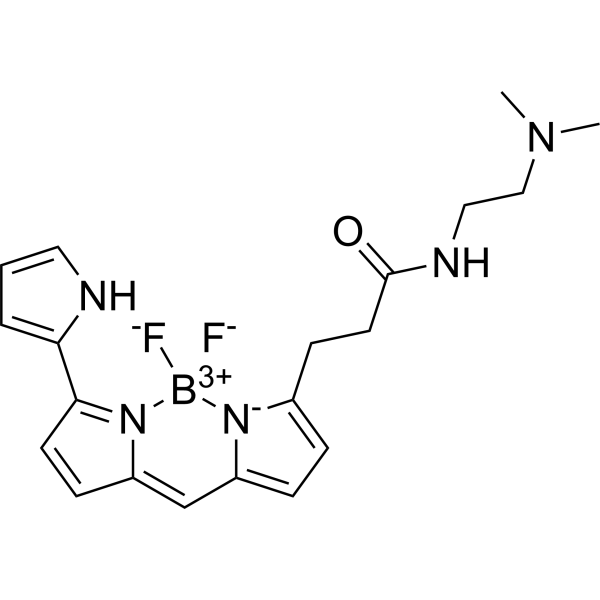
  • HY-D1300
    LysoTracker Red
    Maximum Cited Publications
    15 Publications Verification

    LysoTracker Red DND-99

    Biochemical Assay Reagents Fluorescent Dye Others
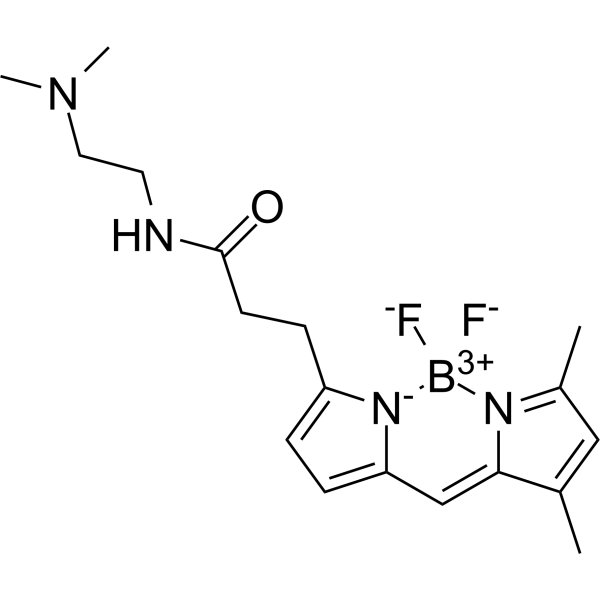
    LysoTracker Red is a Red fluorescently labeled lysosomal probe with a maximum excitation/emission wavelength of 577/590 nm. The structure is composed of a fluorescein group and linked weak bases, which can freely cross the cell membrane and gather on spherical organelles. It is suitable for observing the internal biosynthesis and related pathogenesis of lysosomes .
    LysoTracker Red
  • HY-N2334A
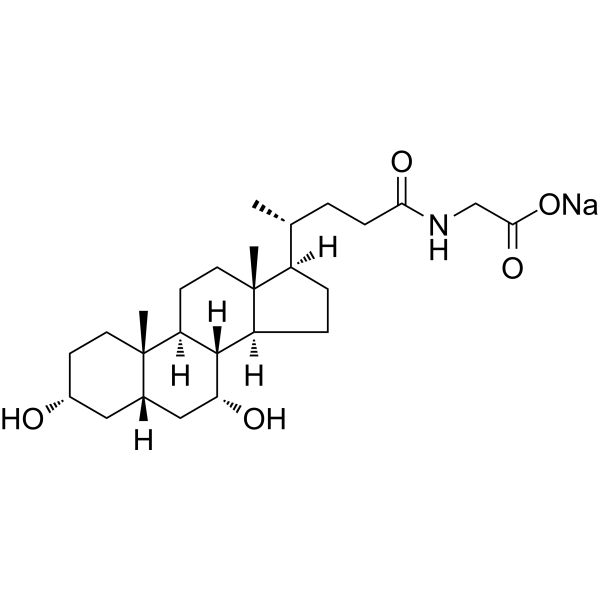
    Glycochenodeoxycholic acid sodium salt
    5 Publications Verification

    Chenodeoxycholylglycine sodium salt; Sodium glycochenodeoxycholate

    Endogenous Metabolite Apoptosis STAT BCL6 Interleukin Related Caspase Metabolic Disease Cancer
    Glycochenodeoxycholic acid sodium salt (Sodium glycochenodeoxycholate) is a relatively toxic bile salt generated in the liver from chenodeoxycholic acid and glycine. Glycochenodeoxycholic acid sodium salt inhibits Autophagosome formation and impairs lysosomal function by inhibiting lysosomal proteolysis and increasing lysosomal pH in human normal liver cells, leading to the Apoptosis of human hepatocyte cells. Glycochenodeoxycholic acid sodium salt induces stemness and chemoresistance via activating STAT3 signaling pathway in hepatocellular carcinoma cells (HCC). Glycochenodeoxycholic acid sodium salt is promising for research in the field of cholestasis desease, hepatocellular carcinoma and primary sclerosing cholangitis (PSC) .
    Glycochenodeoxycholic acid sodium salt
  • HY-D2449
    DQ-BSA-RED
    2 Publications Verification

    Fluorescent Dye Others
    DQ-BSA-Red is a bovine serum albumin labeled with a red fluorescent dye that can be used to detect lysosomal activity. The excitation wavelength and emission wavelength of DQ-BSA-Red are 590 nm and 620 nm, respectively. The BSA molecule in DQ-BSA-Red is labeled with high concentration of red fluorescent dye in multiple sites, which shows high fluorescence self-inhibition. Once DQ-BSA-RED enters the lysosome, DQ-BSA is cleaved by lysosomal proteases, resulting in unquenched and released fluorescent fragments, emitting bright fluorescence. Inactivated lysosomes are unable to degrade the BSA protein and thus have a lower or even no fluorescent signal .
    DQ-BSA-RED
  • HY-118630
    Vacuolin-1
    10+ Cited Publications

    PIKfyve Autophagy Cancer
    Vacuolin-1 is a potent and cell-permeable lysosomal exocytosis inhibitor. Vacuolin-1 blocks the Ca 2+-dependent exocytosis of lysosomes and prevents the release of lysosomal content without affecting the process of resealing. vacuolin‐1 is a potent and selective PIKfyve inhibitor and inhibits late‐stage autophagy by impairing lysosomal maturation. Vacuolin-1 can induce vacuole formation and increase the percentage of enucleated cells .
    Vacuolin-1
  • HY-W011063

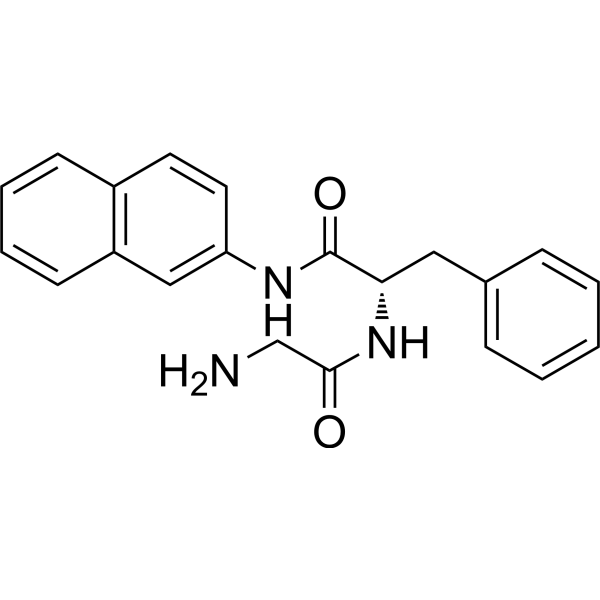
    Cathepsin Metabolic Disease
    Gly-Phe-β-naphthylamide is a substrate of Cathepsin C (HY-P2922) and belongs to the lysosomal agonist. Gly-Phe-β-naphthylamide can freely pass through the cell membrane and organelle membrane. Gly-Phe-β-naphthylamide will be specifically hydrolyzed by Cathepsin C, ultimately leading to a permeability lysis when it enters the acidic compartment. Gly-Phe-β-naphthylamide can be used to study lysosomal hydrolysis, lysosomal membrane permeability, and the function of cathepsin C .
    Gly-Phe-β-naphthylamide
  • HY-128892
    EN6
    5 Publications Verification

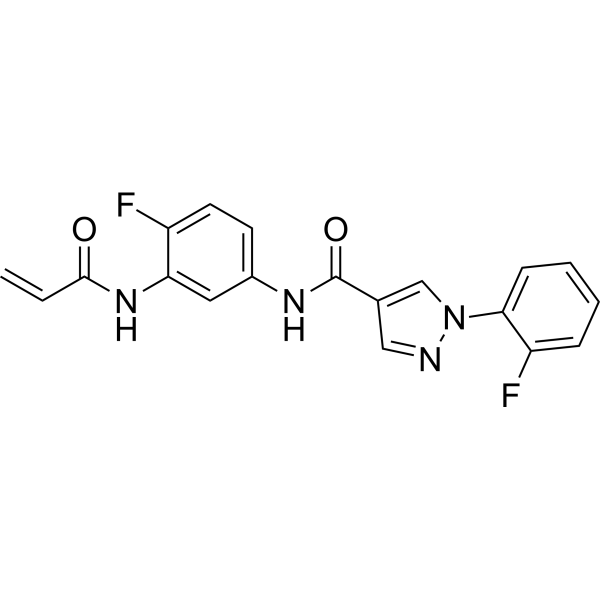
    Autophagy Neurological Disease
    EN6 is a small-molecule in vivo autophagy activator that covalently targets cysteine 277 in the ATP6V1A subunit of the lysosomal v-ATPase. EN6-mediated modification of ATP6V1A uncouples v-ATPase from Rag, leading to inhibition of mTORC1 signalling, increased lysosomal acidification, and activation of autophagy. EN6 also scavenges TDP-43 aggregates (causative agents of frontotemporal dementia) in a lysosome-dependent manner .
    EN6
  • HY-12855A
    Lys05
    4 Publications Verification

    Lys01 trihydrochloride

    Autophagy Cancer
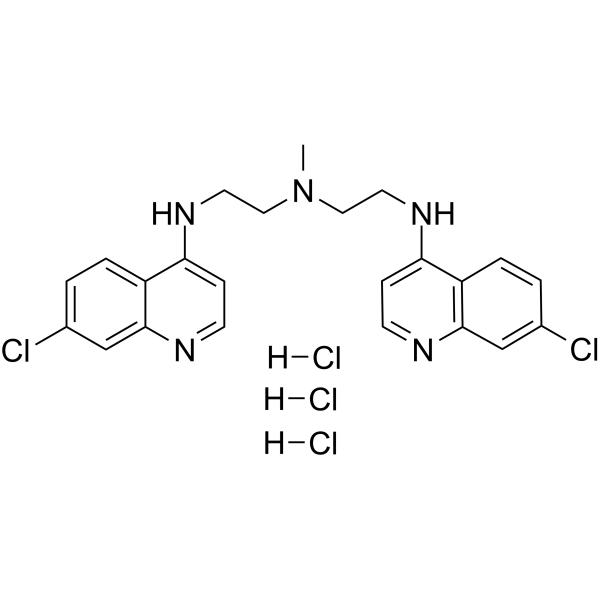
    Lys05 (Lys01 trihydrochloride) is a novel lysosomal autophagy inhibitor with IC50 values of 3.6, 3.8, 6 and 7.9 μM for 1205Lu, c8161, LN229 and HT-29 cell line in the MTT assay.
    Lys05
  • HY-172202
    Clodronate liposomes
    5+ Cited Publications

    Biochemical Assay Reagents Apoptosis Others
    Clodronate liposomes, a mixture of Clodronate encapsulated by phospholipids, is a macrophage scavenger. Clodronate liposomes is engulfed by macrophages in the body. Under the action of lysosomal phosphatases in macrophages, Clodronate dissolved in liposomes will be gradually released and accumulated in cells. When a certain concentration is reached, macrophages will be irreversibly damaged and apoptosis will be induced .
    Clodronate liposomes
  • HY-DY1040

    Fluorescent Dye Biochemical Assay Reagents Others
    LysoTracker Red (solution) is a Red fluorescently labeled lysosomal probe with a maximum excitation/emission wavelength of 577/590 nm. The structure is composed of a fluorescein group and linked weak bases, which can freely cross the cell membrane and gather on spherical organelles. It is suitable for observing the internal biosynthesis and related pathogenesis of lysosomes .
    Solvent and concentration: DMSO: 1 mM
    LysoTracker Red (solution)
  • HY-128144
    Lalistat 2
    3 Publications Verification

    Lipase Metabolic Disease
    Lalistat 2 is an inhibitor of many lipases especially Lysosomal acid lipase (LAL, IC50 = 152 nM), which is a key enzyme that degrades neutral lipids at an acidic pH in lysosomes. Lalistat 2 is commonly used to investigate the cell-specific functions of LAL and LAL deficiency in vitro, as well as specifically measure LAL activity in human blood samples or cells .
    Lalistat 2
  • HY-D1563
    pH Receptor Probe
    1 Publications Verification

    Fluorescent Dye Others
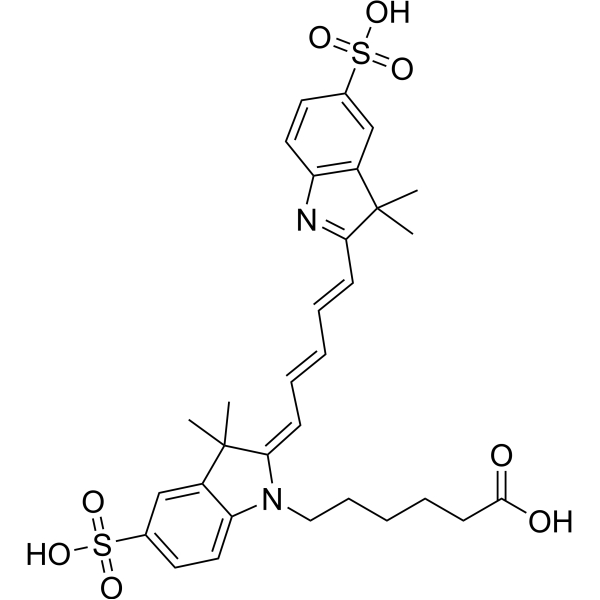
    pH Receptor Probe is a pH-sensitive cyanine derivative and a environmental sensitive fluorophore. pH Receptor Probe has a pH-sensitive maximal absorption at 644 nm and emission at 664 nm. pH Receptor Probe has been used as a pH sensor of lysosomal compartments .
    pH Receptor Probe
  • HY-33878

    Potassium Channel Proton Pump Neurological Disease
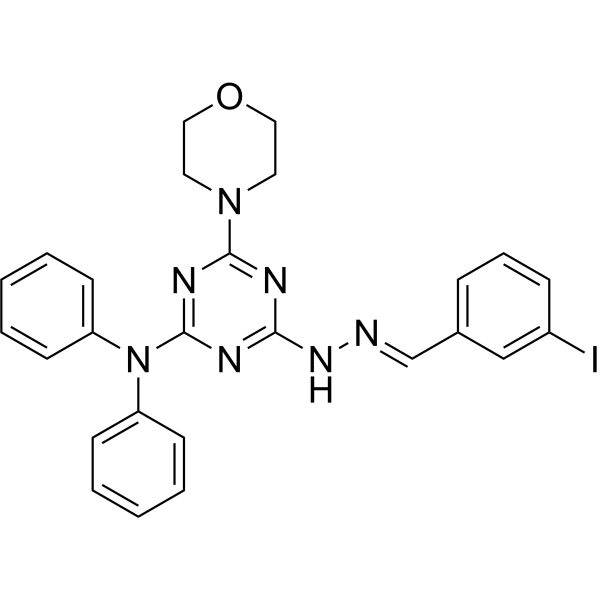
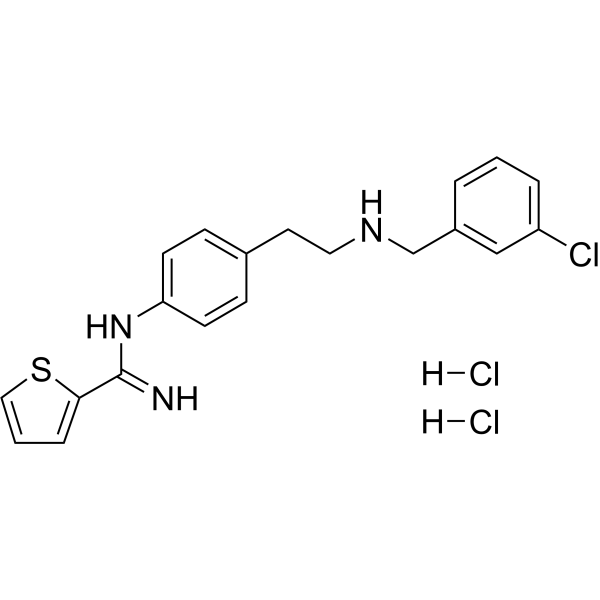
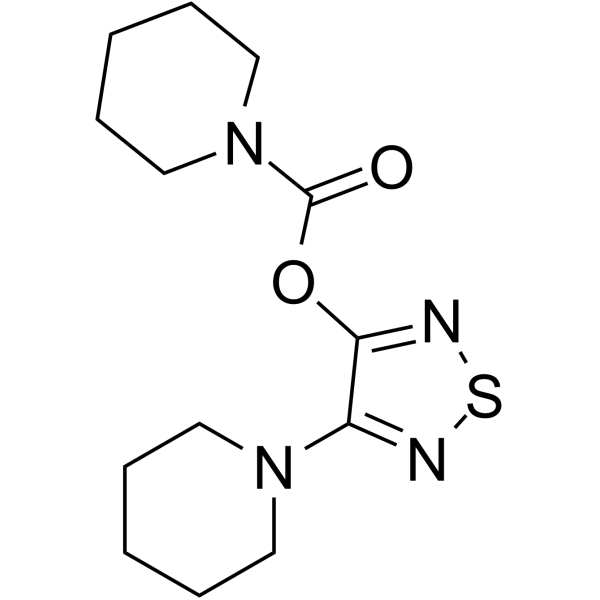
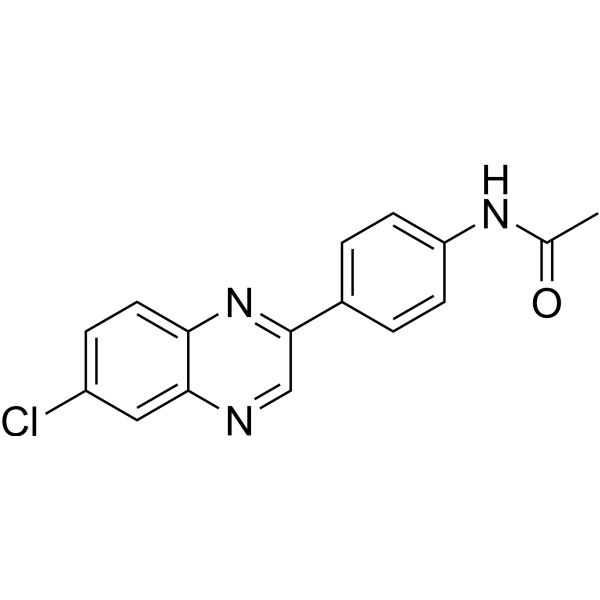
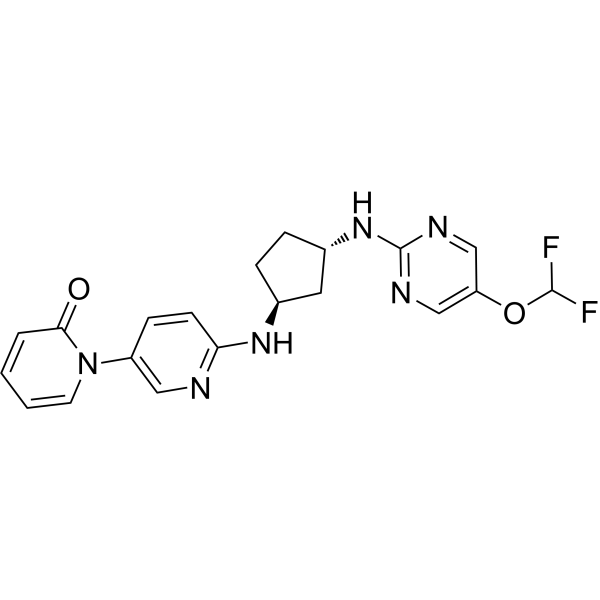
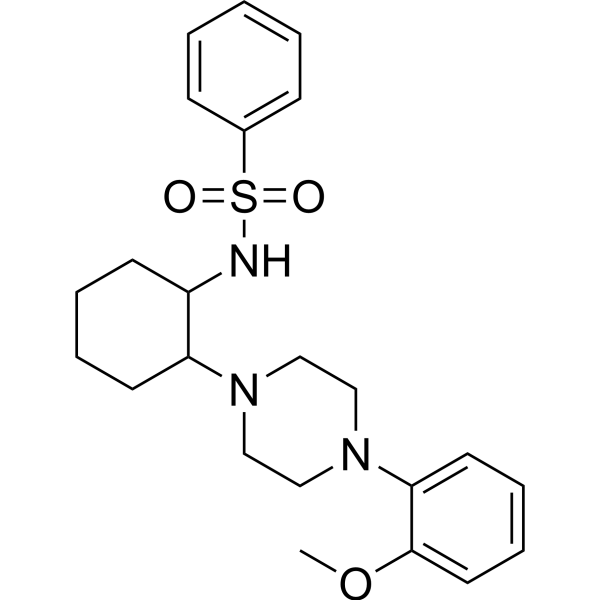
    2-PPA is a lysosomal potassium and proton channel TMEM175 pore blocker. 2-PPA binds at a TMEM175 pore site to occlude potassium and proton ion permeation pathways. 2-PPA increases lysosomal macromolecule catabolism, accelerates macropinocytosis. 2-PPA binds to hepatic protein in covalent. 2-PPA can be used for the research of Parkinson's disease .
    2-PPA
  • HY-111621
    DC661
    5+ Cited Publications

    Autophagy Apoptosis Cancer
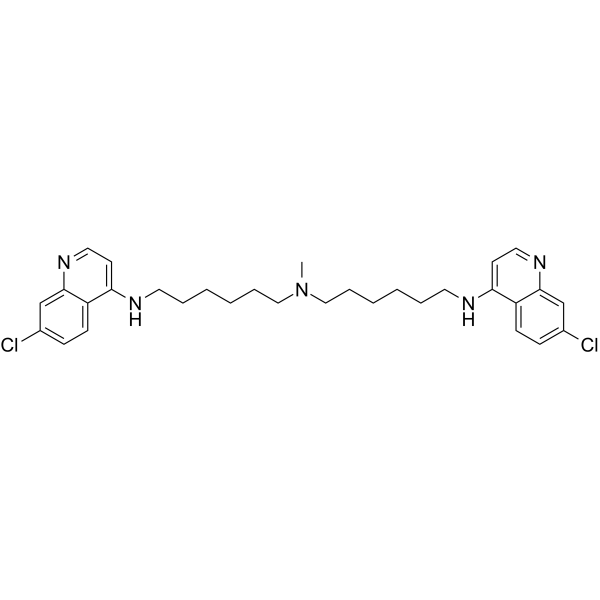
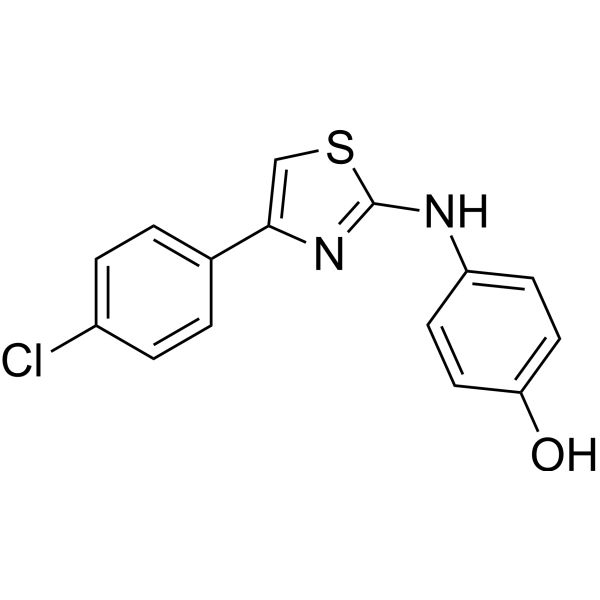
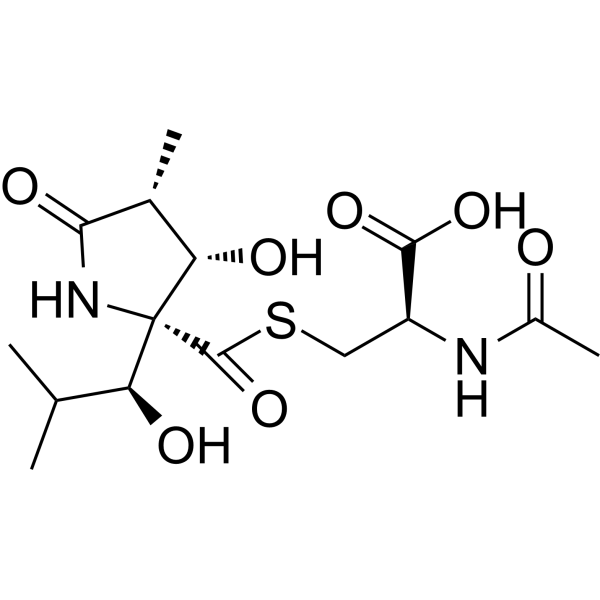
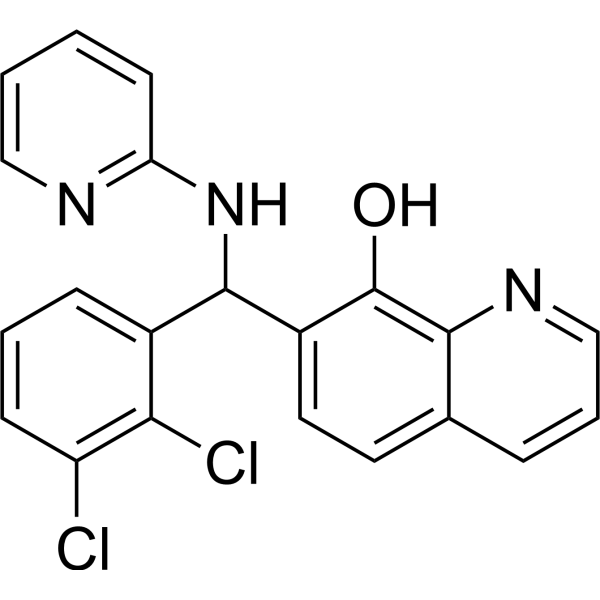
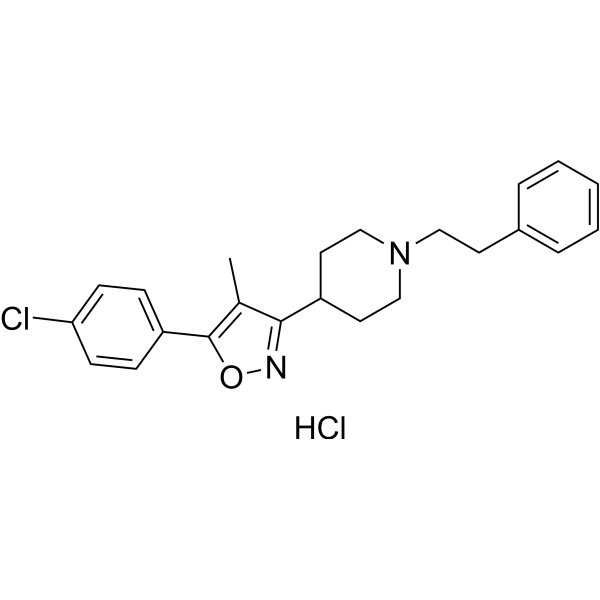
    DC661 is a potent palmitoyl-protein thioesterase 1 (PPT1) inhibitor, inhibits autophagy, and acts as an anti-lysosomal agent. Anti-cancer activity .
    DC661
  • HY-139452

    Glycosidase Others
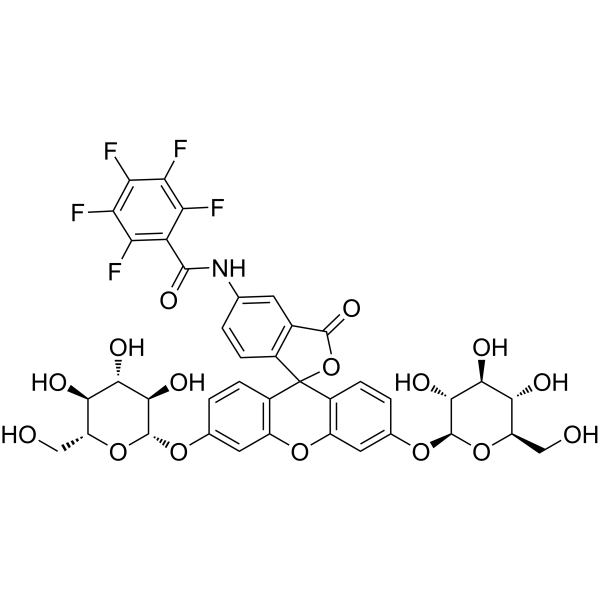
    PFB-FDGlu is a selective lysosomal Glucocerebrosidase (GCase) substrate, which is metabolised by GCase to yield fluorescein. PFB-FDGlu is cell permeable and can be used with a flow cytometer to measure GCase activity in living cells on a single-cell basis .
    PFB-FDGlu
  • HY-N6779
    Patulin
    4 Publications Verification

    Terinin

    Bacterial Apoptosis Autophagy Antibiotic Infection
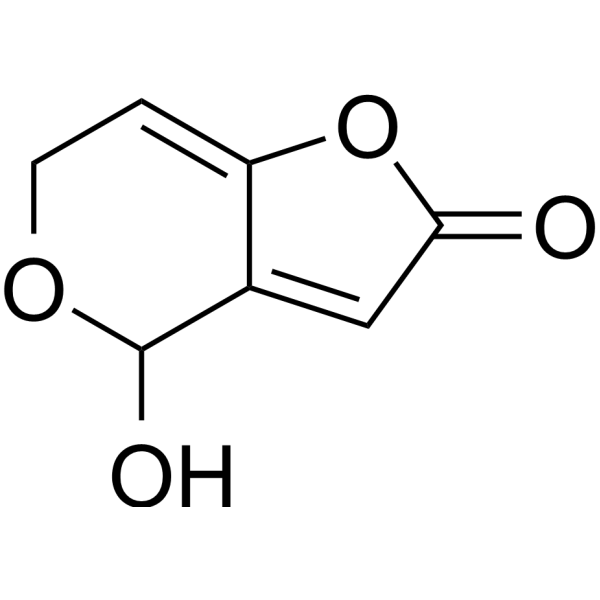
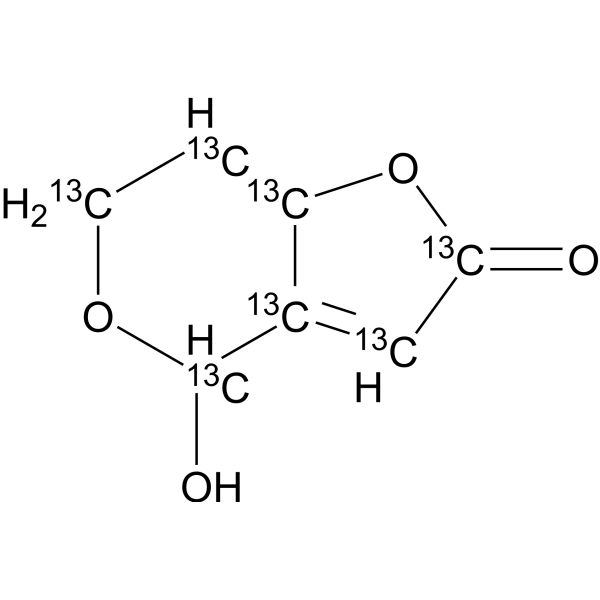
    Patulin (Terinin) is a mycotoxin produced by fungi including the Aspergillus, Penicillium, and Byssochlamys species, causes chromosome breakage, mutation, teratogenic and cytotoxic. Patulin induces autophagy-dependent apoptosis through lysosomal-mitochondrial axis, and causes DNA damage .
    Patulin
  • HY-13822
    SKI II
    5+ Cited Publications

    SphK Wnt Apoptosis Cancer
    SKI-II is an oral active and synthetic inhibitor of sphingosine kinase (SK) activity, with IC50 values of 78 μM and 45 μM for SK1 and for SK2, respectively. SKI II causes an irreversible inhibition of SK1 by inducing its lysosomal and/or proteasomal degradation .
    SKI II
  • HY-N1163

    (-)-Tetrahydroalstonine

    Adrenergic Receptor Atg8/LC3 Akt mTOR Neurological Disease Endocrinology
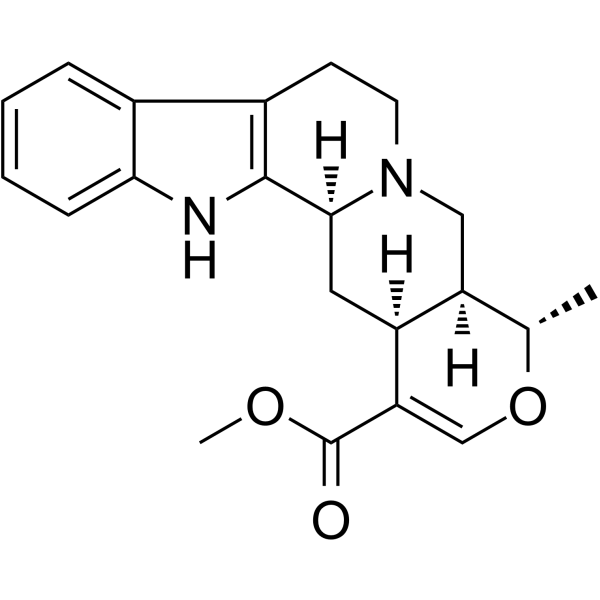
    Tetrahydroalstonine ((-)-Tetrahydroalstonine) is an indole alkaloid and a selective α₂-adrenergic receptor antagonist. Tetrahydroalstonine exhibits certain neuroprotective effects. Tetrahydroalstonine can regulate autophagy-lysosomal function by activating the Akt/mTOR pathway, significantly reducing OGD/R-induced primary cortical neuronal injury .
    Tetrahydroalstonine
  • HY-155747
    FDW028
    1 Publications Verification

    Autophagy Akt mTOR Cancer
    FDW028 a potent and highly selective FUT8 inhibitor. FUT8 exhibits potent anti-tumor activity by defucosylation and impelling lysosomal degradation of B7-H3 through the chaperone-mediated autophagy (CMA) pathway. FDW028 can be used for metastatic colorectal cancer (mCRC) research .
    FDW028
  • HY-148189
    Aldometanib
    5+ Cited Publications

    LXY-05-029

    Fructose-1,6-bisphosphate aldolase AMPK Metabolic Disease
    Aldometanib (LXY-05-029) is an orally active aldolase inhibitor. Aldometanib can activate lysosomal adenosine monophosphate-activated protein kinase (AMPK) and decreases blood glucose. Aldometanib can be used for the research of metabolic homeostasis .
    Aldometanib
  • HY-162666

    Potassium Channel Neurological Disease
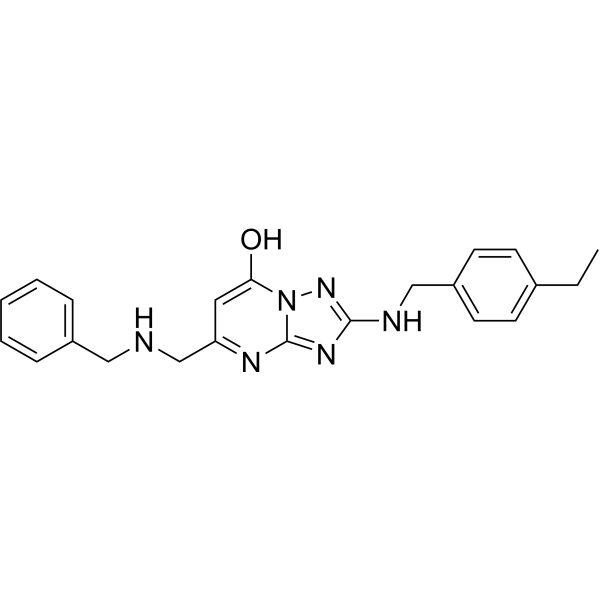
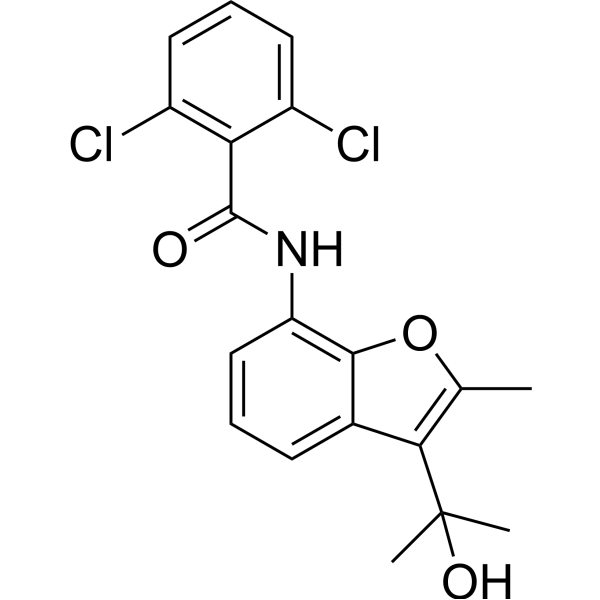
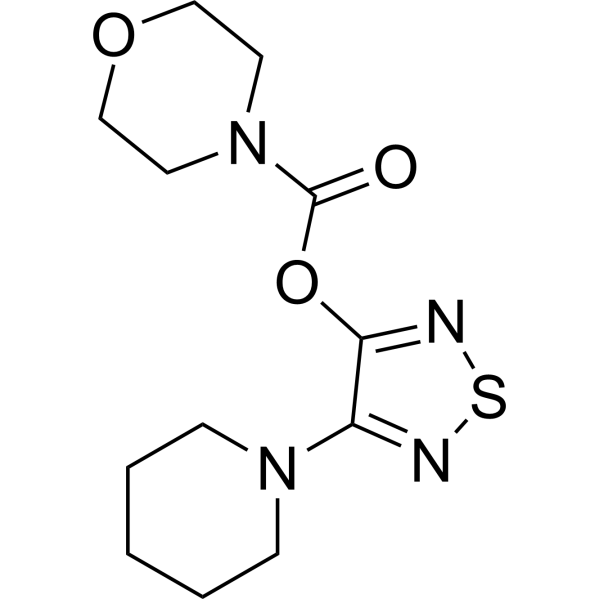
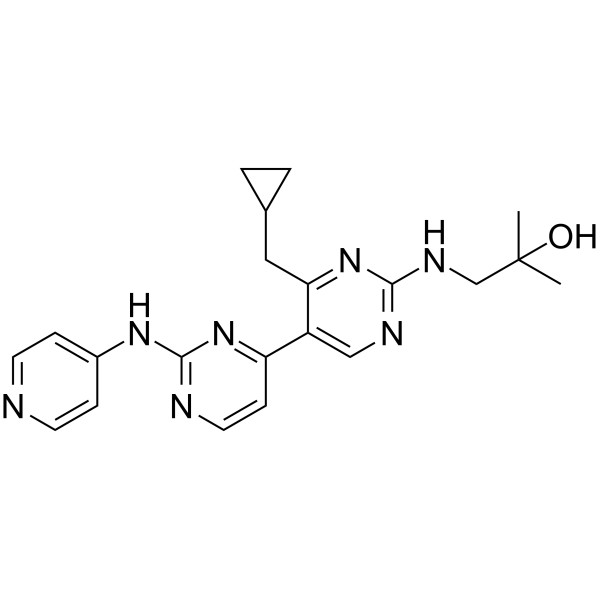
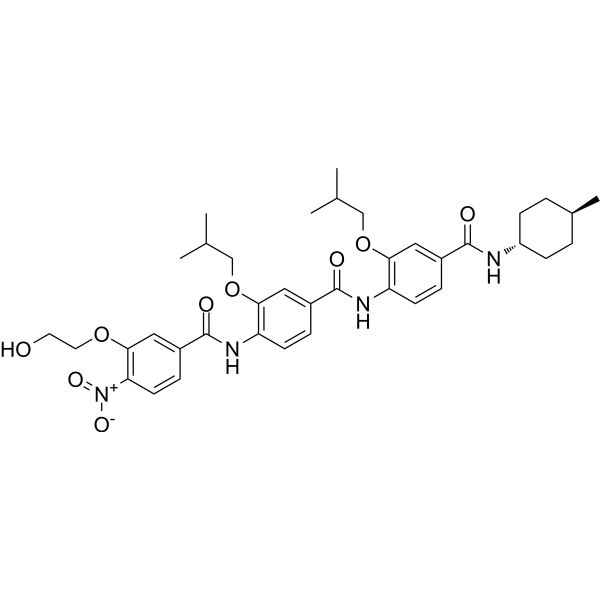
    TMEM175 modulator 1 (compound 47) is a TMEM175 modulator.TMEM175 modulator 1 modulates activity of the lysosomal potassium ion channel TMEM175.TMEM175 modulator 1 can be used for the research of parkinson’s disease, dementia, alzheimer’s disease, l-dopa induced dyskinesia .
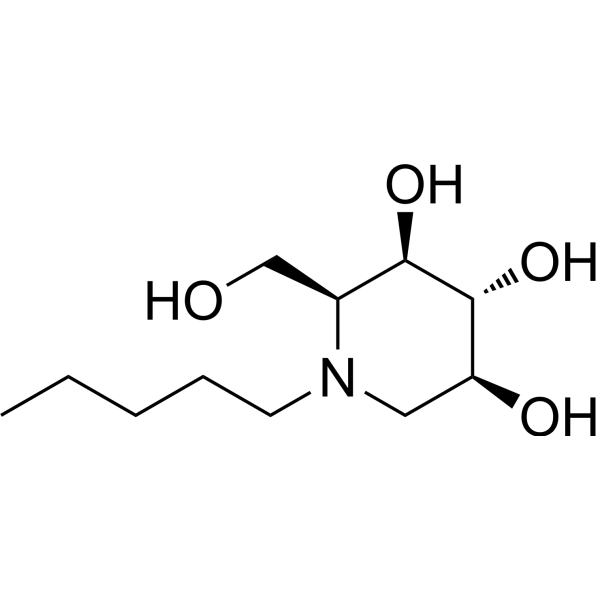
    TMEM175 modulator 1

  • HY-161949
    AP-6
    1 Publications Verification

    Potassium Channel Neurological Disease
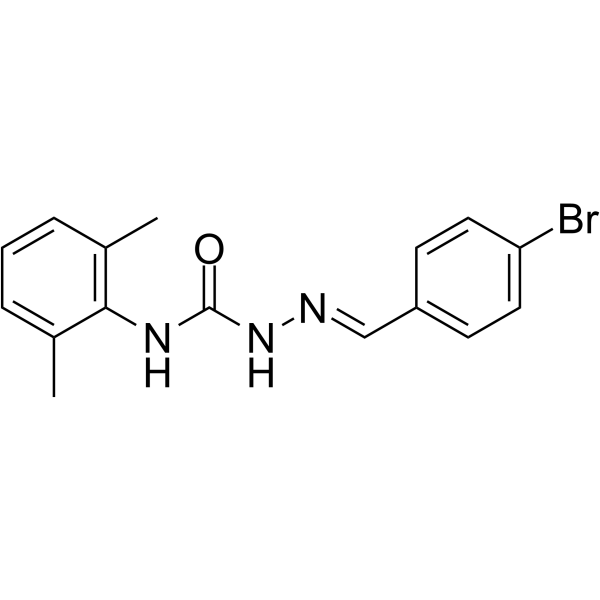
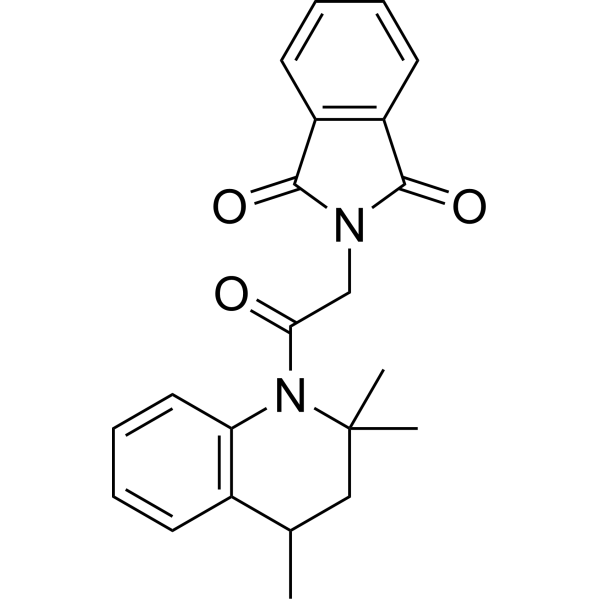
    AP-6 is a selective inhibitor of TMEM175 with activity in modulating lysosomal function. Acute inhibition of TMEM175 by AP-6 increases lysosomal macromolecular catabolism, thereby accelerating macrophage and other digestive processes. AP-6 may be used in Parkinson's disease research .
    AP-6
  • HY-P1759

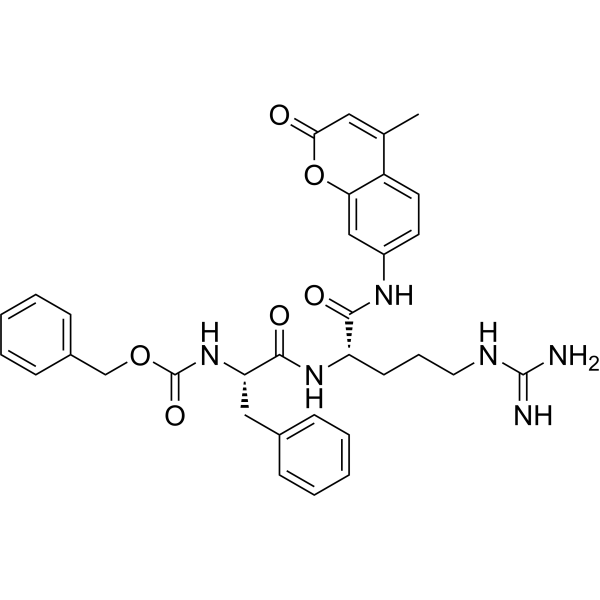
    Z-FR-AMC

    Cathepsin Others
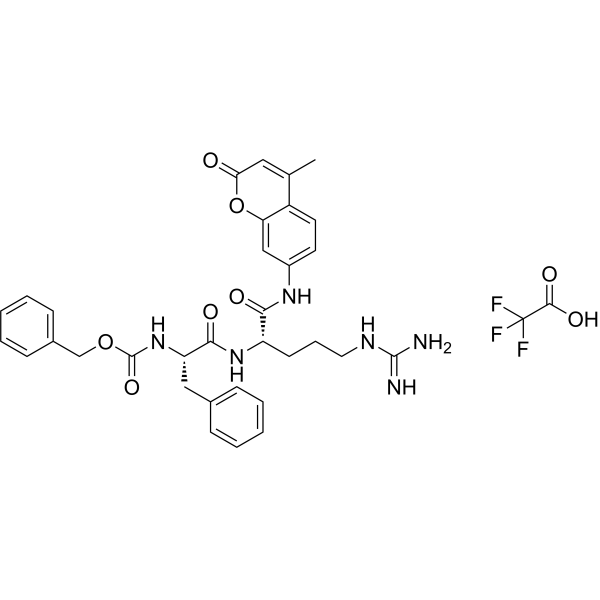
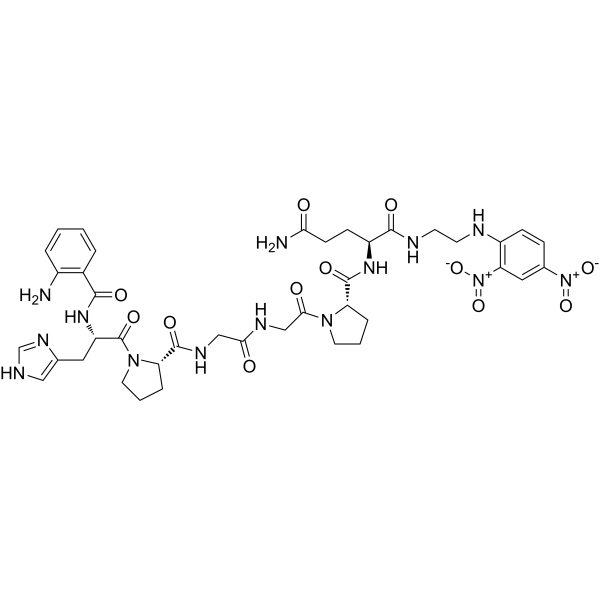
    N-CBZ-Phe-Arg-AMC (Z-FR-AMC) is a cathepsin substrate used in assessment activity of lysosomal cathepsin enzymes .
    N-CBZ-Phe-Arg-AMC
  • HY-131703
    UGT8-IN-1
    1 Publications Verification

    UGT Metabolic Disease
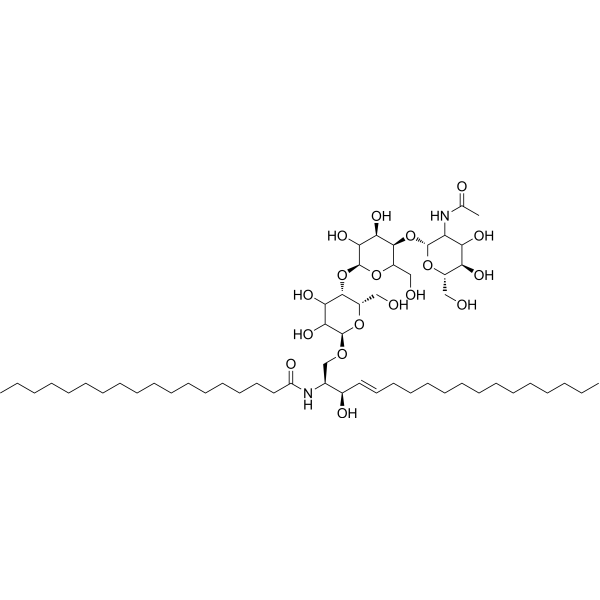
    UGT8-IN-1 is a brain penetrable and orally active inhibitor of ceramide galactosyltransferase enzyme (UGT8). UGT8-IN-1 can be used in the study for lysosomal storage disorders .
    UGT8-IN-1
  • HY-138936
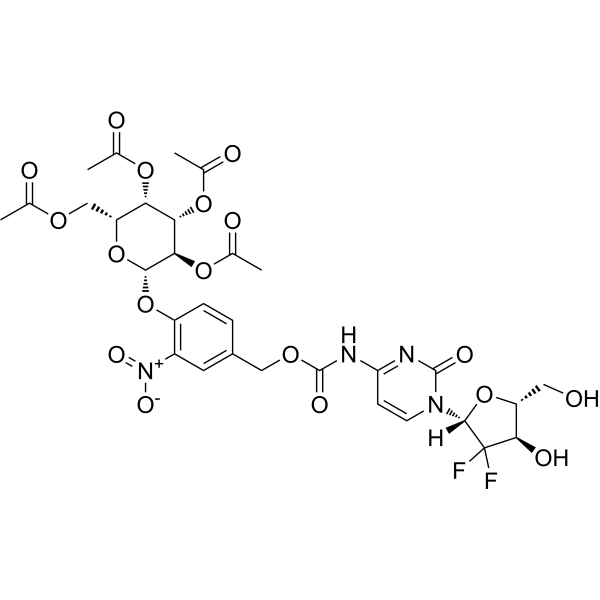
    SSK1
    2 Publications Verification

    p38 MAPK Apoptosis Inflammation/Immunology
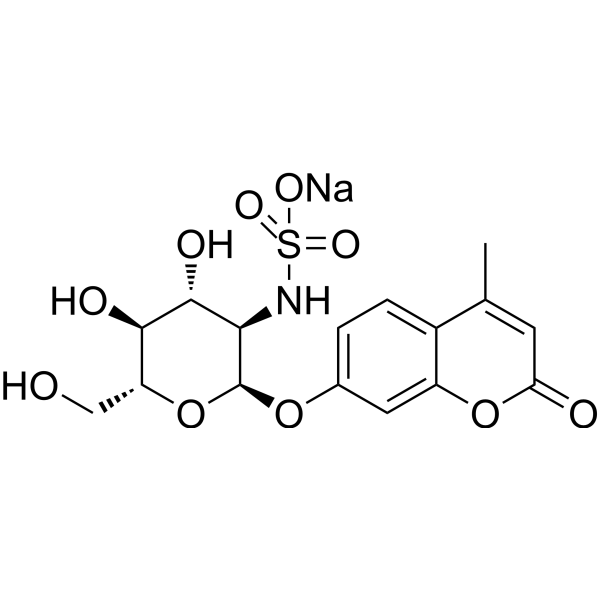
    SSK1, a senescence-specific killing compound, is a β-galactosidase-targeted proagent attenuates inflammation. SSK1 is activated by lysosomal β-galactosidase and selectively killed senescent cells through the activation of p38 MAPK and induction of apoptosis .
    SSK1
  • HY-N0866
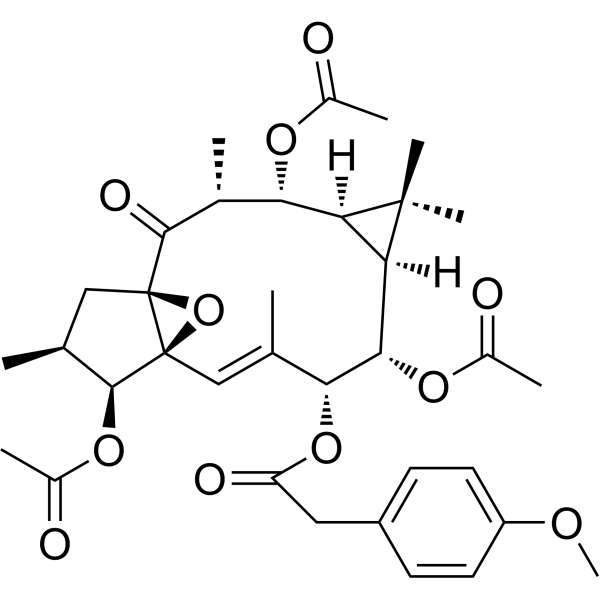
    20-Deoxyingenol
    5 Publications Verification

    Autophagy Inflammation/Immunology
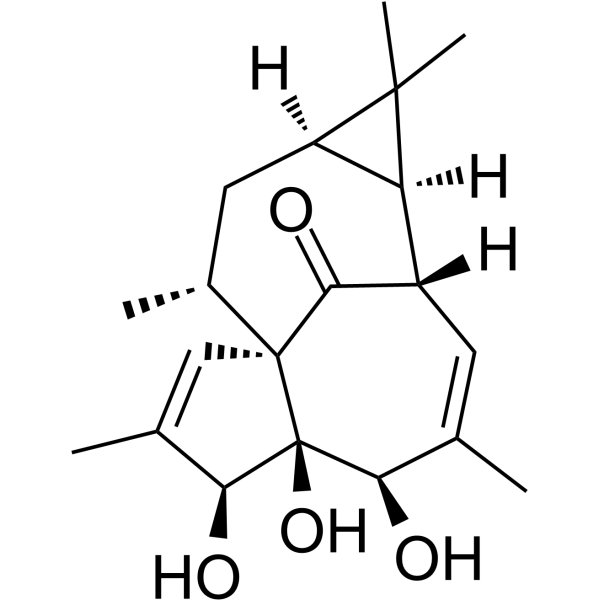
    20-Deoxyingenol, a diterpene, is isolated from the roots of Euphorbia kansui. 20-Deoxyingenol can promote autophagy and lysosomal biogenesis by promoting the nuclear translocation of transcription factor EB (TFEB) in vitro. 20-Deoxyingenol can be used for the research of osteoarthritis (OA) .
    20-Deoxyingenol
  • HY-103593
    LCL521
    2 Publications Verification

    Phospholipase Cancer
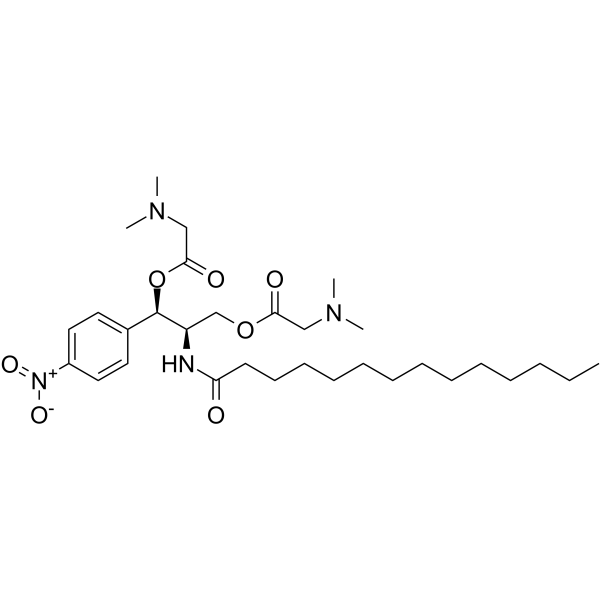
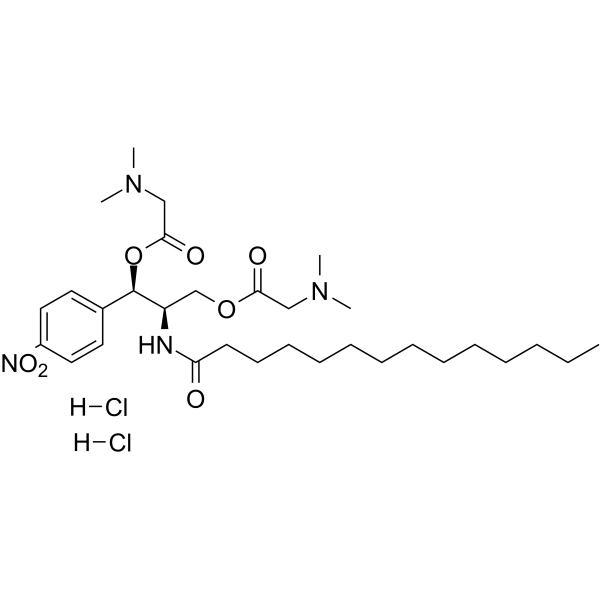
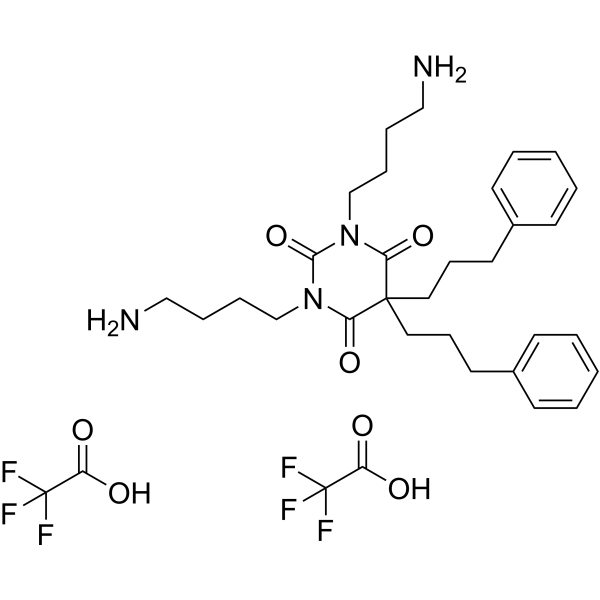
    LCL521 is an acid ceramidase (ACDase) inhibitor. LCL521 also inhibits the lysosomal acid sphingomyelinase (ASMase) .
    LCL521
  • HY-P1759B

    Z-FR-AMC TFA

    Cathepsin Others
    N-CBZ-Phe-Arg-AMC (Z-FR-AMC) TFA is a cathepsin substrate used in assessment activity of lysosomal cathepsin enzymes .
    N-CBZ-Phe-Arg-AMC TFA
  • HY-147354

    LYTACs Cardiovascular Disease
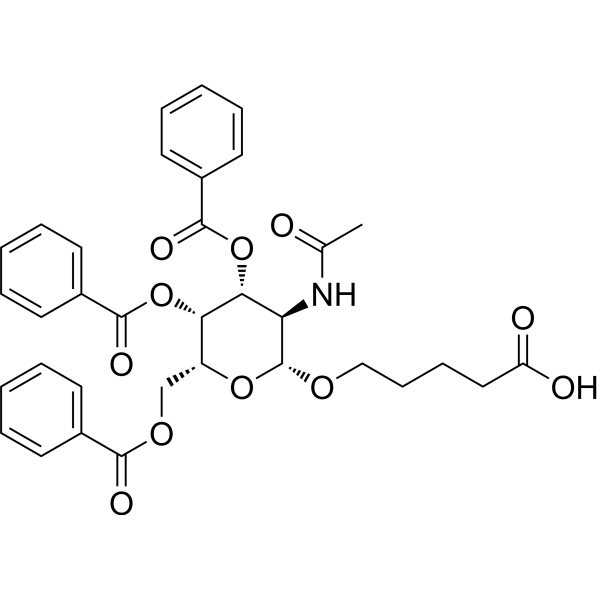
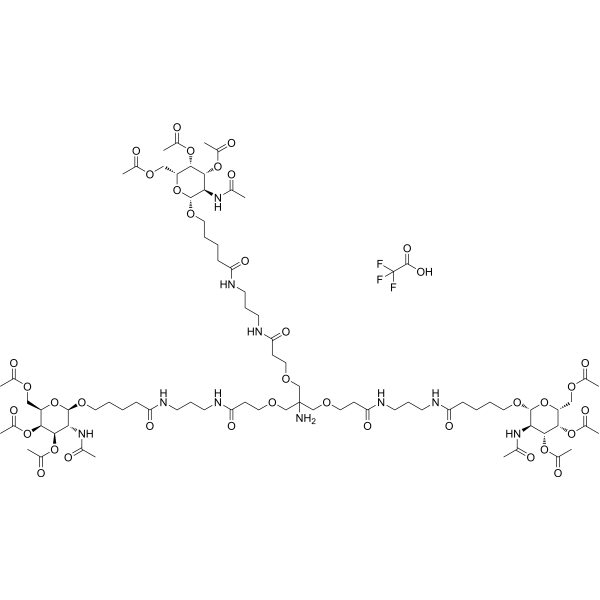
    TriGalNAc CBz is a GalNAc derivative and tri-GalNAc is an asialoglycoprotein receptor (ASGPR) ligand. TriGalNAc CBz can be used for mRNA drug delivery as well as lysosomal targeted chimerism (LYTAC) studies .
    TriGalNAc CBz
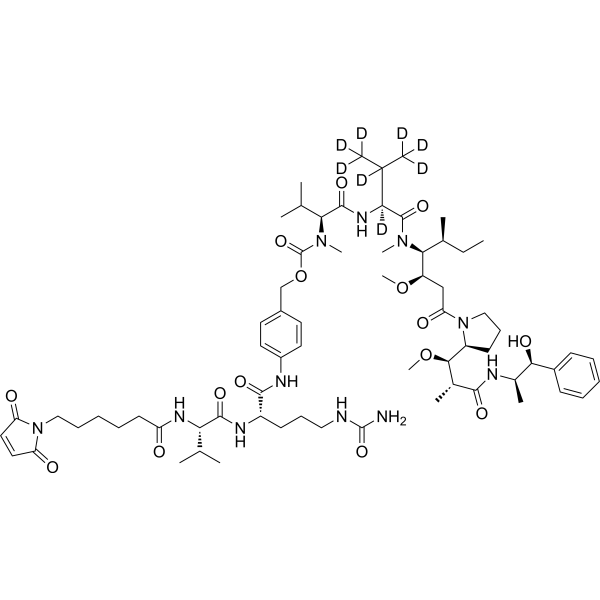
  • HY-15575S

    MC-Val-Cit-PAB-MMAE-d8; mc-vc-PAB-MMAE-d8

    Drug-Linker Conjugates for ADC Microtubule/Tubulin Cancer
    VcMMAE-d8 is an isotope of VcMMAE (HY-15575). VcMMAE-d8 is a agent-linker conjugate for ADC with potent antitumor activity by using the anti-mitotic agent, monomethyl auristatin E (MMAE, a tubulin inhibitor), linked via the lysosomally cleavable dipeptide, valine-citrulline (vc) .
    VcMMAE-d8
  • HY-W046353

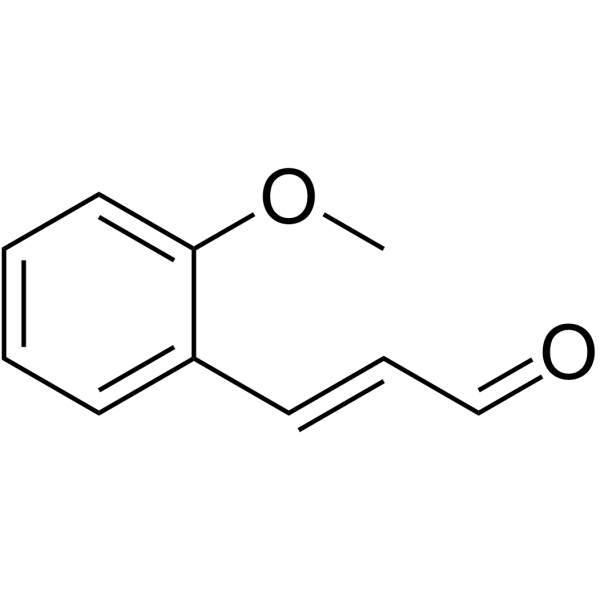
    o-Methoxycinnamaldehyde

    Apoptosis NF-κB Topoisomerase Mitochondrial Metabolism Caspase Cancer
    2-Methoxycinnamaldehyde (o-Methoxycinnamaldehyde) is a natural compound that can be isolated from Cinnamomum cassia. 2-Methoxycinnamaldehyde inhibits topoisomerase-I/II and NF-κB signaling pathway, causes mitochondrial dysfunction, induces lysosomal vesiculation, thereby leading to DNA damage and cell apoptosis. 2-Methoxycinnamaldehyde exhibits antitumor effects .
    2-Methoxycinnamaldehyde
  • HY-107720
    ARL 17477
    1 Publications Verification

    NO Synthase Cancer
    ARL-17477 is a dual inhibitor of NOS1and the autophagy-lysosomal system with anticancer activity and can inhibit tumor growth in KRAS-mutated cancers .
    ARL 17477
  • HY-123058

    PI3K Autophagy Cancer
    Vps34-IN-4 (compound 19) is a potent, selective, and orally active inhibitor of VPS34. Vps34-IN-4 inhibits the autophagy in vivo. Autophagy is a dynamic process that regulates lysosomal-dependent degradation of cellular components .
    Vps34-IN-4
  • HY-101457

    MAGL Metabolic Disease
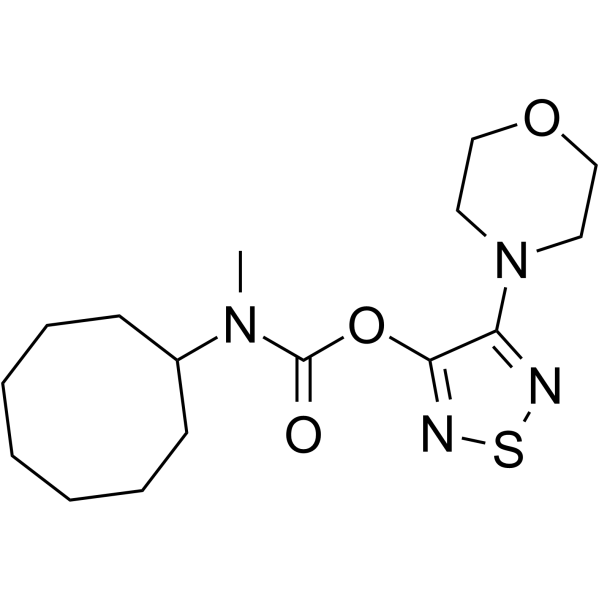
    JZP-430 is a potent, highly selective, irreversible inhibitor of α/β-hydrolase domain 6 (ABHD6) with an IC50 of 44 nM, exhibits ~230-fold selectivity over fatty acid amide hydrolase (FAAH) and lysosomal acid lipase (LAL) .
    JZP-430
  • HY-148755

    Lipase Cancer
    ERX-41 is an orally active and stereospecific small molecule targeting to lysosomal acid lipase A (LIPA). ERX-41 induces endoplasmic reticulum (ER) stress resulting in cell death, indicating a function independent of LIPA but dependent on its ER localization. ERX-41 involves in a targeted strategy for solid tumors .
    ERX-41
  • HY-129411

    ACT-519276; OGT2378

    Glucosylceramide Synthase (GCS) Metabolic Disease
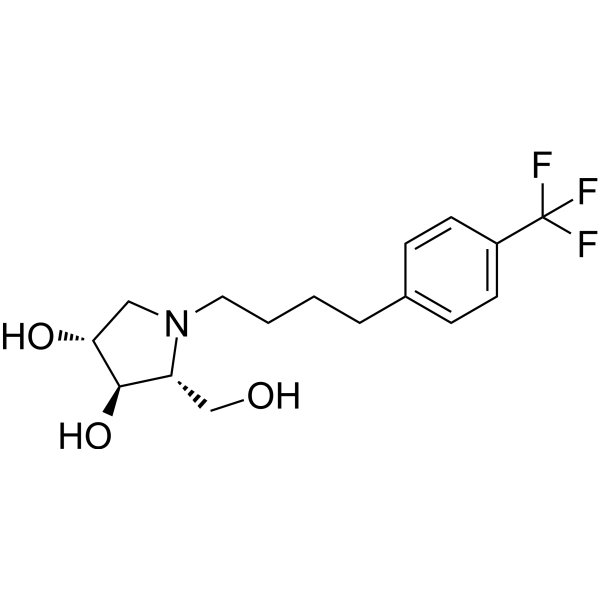
    Sinbaglustat (OGT2378) is a dual inhibitor of glucosylceramide synthase (GCS) and non-lysosomal glucosyl ceramidase (GBA2). Sinbaglustat is an orally available N-alkyl iminosugar that crosses the blood-brain barrier. Sinbaglustat can be used for the research of central neurodegenerative diseases associated with lysosomal dysfunctions .
    Sinbaglustat
  • HY-E70181

    EC:3.2.1.46; GALC

    Ceramidase Others
    Galactosylceramidase involves in lysosomal catabollsm of galactosytceramide. Galactosylceramidase can be used in study Krabbe disease .
    Galactosylceramidase
  • HY-42709

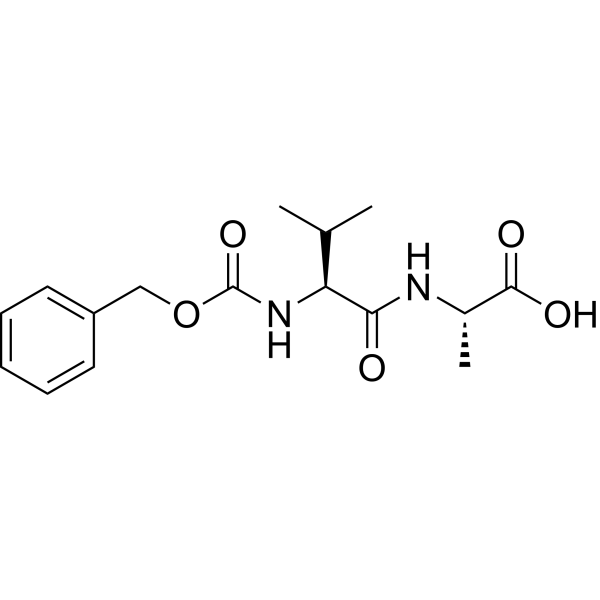
    Carbobenzoxy-L-valyl-L-alanine

    Amino Acid Derivatives Cancer
    Z-Val-Ala-OH is a dipeptide derivative of valine and alanine. Z-Val-Ala-OH undergoes cleavage by cathepsin B and other lysosomal proteases to enable payload release following lysosomal internalization. Z-Val-Ala-OH can be used for the research of antibody-drug conjugate (ADC) development[1] .
    Z-Val-Ala-OH
  • HY-P1759A

    Z-FR-AMC hydrochloride

    Cathepsin Others
    N-CBZ-Phe-Arg-AMC (Z-FR-AMC) hydrochloride is a cathepsin substrate used in assessment activity of lysosomal cathepsin enzymes .
    N-CBZ-Phe-Arg-AMC hydrochloride
  • HY-137572

    5-HT Receptor Neurological Disease Inflammation/Immunology
    (R)-DOI hydrochloride is a selective 5HT2A receptor agonist. (R)-DOI hydrochloride has anti-inflammatory, anti-oxidative stress, and lysosomal function-improving effects. (R)-DOI hydrochloride can be used for the researches of inflammation and neurological disease, such as Alzheimer's disease .
    (R)-DOI hydrochloride
  • HY-132177
    α-L-Fucosidase, Microorganism
    1 Publications Verification

    EC 3.2.1.51; FUC

    Endogenous Metabolite Cancer
    α-L-Fucosidase, Microorganism (EC 3.2.1.51) is an enzyme that catalyzes the chemical reaction. Serum activity of α-L-Fucosidase, Microorganism, a lysosomal enzyme present in all mammalian cells, has been proposed as a marker of hepatocellular carcinoma (HCC) .
    α-L-Fucosidase, Microorganism
  • HY-138540
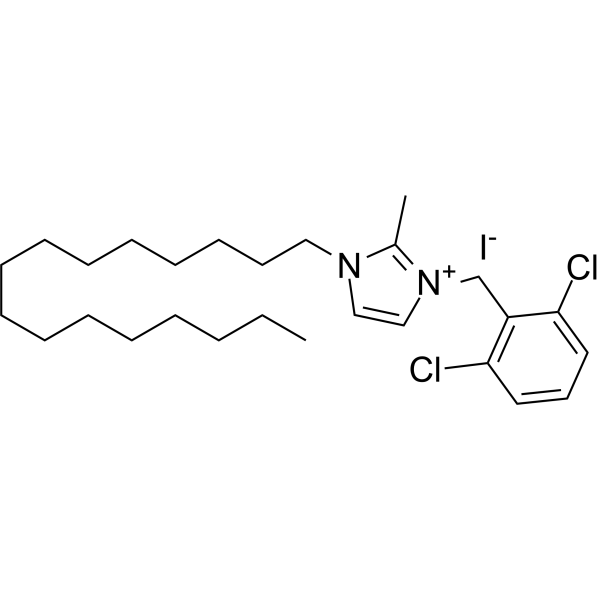
    1-Dodecylimidazole
    3 Publications Verification

    N-Dodecylimidazole

    Fungal Cancer
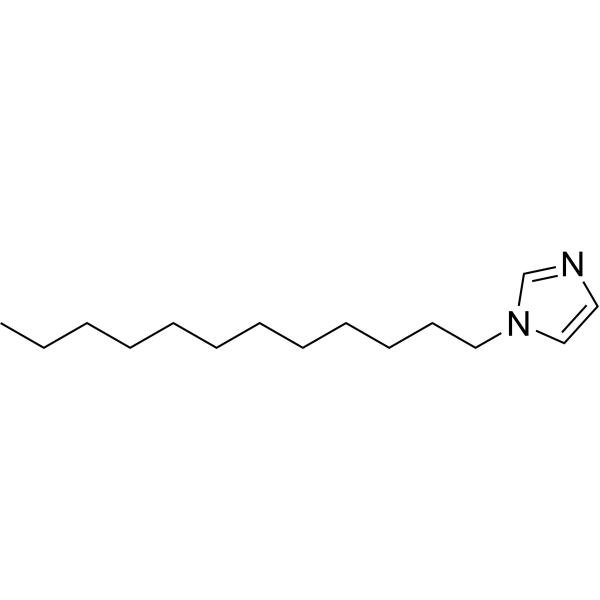
    1-Dodecylimidazole (N-Dodecylimidazole) is a lysosomotropic detergent and a cytotoxic agent. 1-Dodecylimidazole causes cell death by its acid-dependent accumulation in lysosomes, disruption of the lysosomal membrane, and releaseof cysteine proteases into the cytoplasm. 1-Dodecylimidazole has hypocholesterolaemic activity and broad-spectrum antifungal activity .
    1-Dodecylimidazole
  • HY-N2334R

    Chenodeoxycholylglycine (Standard)

    Reference Standards Endogenous Metabolite Apoptosis STAT BCL6 Interleukin Related Caspase Metabolic Disease Cancer
    Glycochenodeoxycholic acid (Standard) is the analytical standard of Glycochenodeoxycholic acid. This product is intended for research and analytical applications. Glycochenodeoxycholic acid (Chenodeoxycholylglycine) is a relatively toxic bile salt generated in the liver from chenodeoxycholic acid and glycine. Glycochenodeoxycholic acid inhibits Autophagosome formation and impairs lysosomal function by inhibiting lysosomal proteolysis and increasing lysosomal pH in human normal liver cells, leading to the Apoptosis of human hepatocyte cells. Glycochenodeoxycholic acid induces stemness and chemoresistance via activating STAT3 signaling pathway in hepatocellular carcinoma cells (HCC). Glycochenodeoxycholic acid is promising for research in the field of cholestasis desease, hepatocellular carcinoma and primary sclerosing cholangitis (PSC)[1][2][3][4].
    Glycochenodeoxycholic acid (Standard)
  • HY-N2334AR

    Chenodeoxycholylglycine sodium salt (Standard); Sodium glycochenodeoxycholate (Standard)

    Reference Standards Endogenous Metabolite Apoptosis STAT BCL6 Interleukin Related Caspase Metabolic Disease Cancer
    Glycochenodeoxycholic acid sodium salt (Standard) is the analytical standard of Glycochenodeoxycholic acid sodium salt. This product is intended for research and analytical applications. Glycochenodeoxycholic acid sodium salt (Sodium glycochenodeoxycholate) is a relatively toxic bile salt generated in the liver from chenodeoxycholic acid and glycine. Glycochenodeoxycholic acid sodium salt inhibits Autophagosome formation and impairs lysosomal function by inhibiting lysosomal proteolysis and increasing lysosomal pH in human normal liver cells, leading to the Apoptosis of human hepatocyte cells. Glycochenodeoxycholic acid sodium salt induces stemness and chemoresistance via activating STAT3 signaling pathway in hepatocellular carcinoma cells (HCC). Glycochenodeoxycholic acid sodium salt is promising for research in the field of cholestasis desease, hepatocellular carcinoma and primary sclerosing cholangitis (PSC) .
    Glycochenodeoxycholic acid sodium salt (Standard)
  • HY-159625
    WX8
    1 Publications Verification

    Ro 91-4714

    PIKfyve Cancer
    WX8 (Ro 91-4714) is an ATP-competitive PIKFYVE inhibitor, with Kd values of 0.9 nM and 340 nM for PIKFYVE and PIP4K2C, respectively. WX8 (Ro 91-4714) inhibits lysosomal fission without effecting homotypic lysosomal fusion. WX8 (Ro 91-4714) is used in the research of autophagy-dependent cancer .
    WX8
  • HY-P2922

    Cathepsin Cancer
    Cathepsin C is a lysosomal cysteine protease essential for catalytic activation of many serine proteases, including proteinase 3 (PR3), neutrophil elastase (NE), cathepsin G (CTSG), granzyme A/B/C, and mast cell chymase .
    Cathepsin C
  • HY-129746

    Apoptosis Cancer
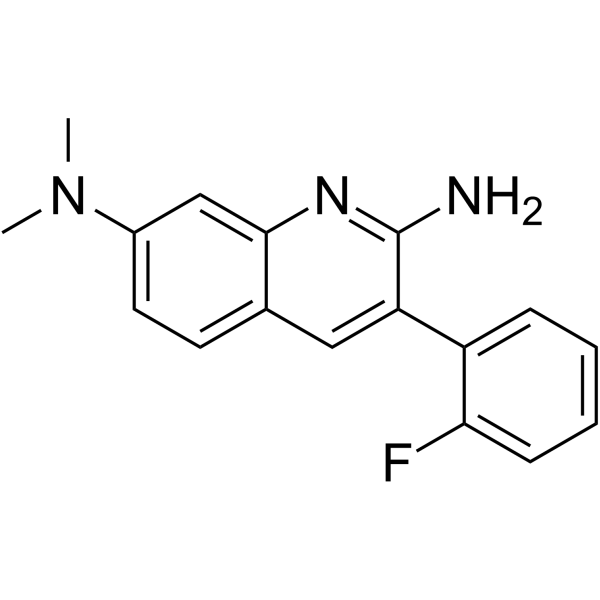
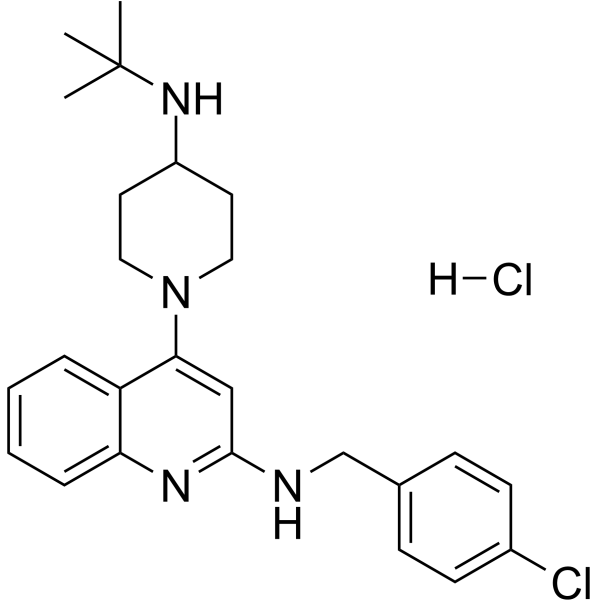
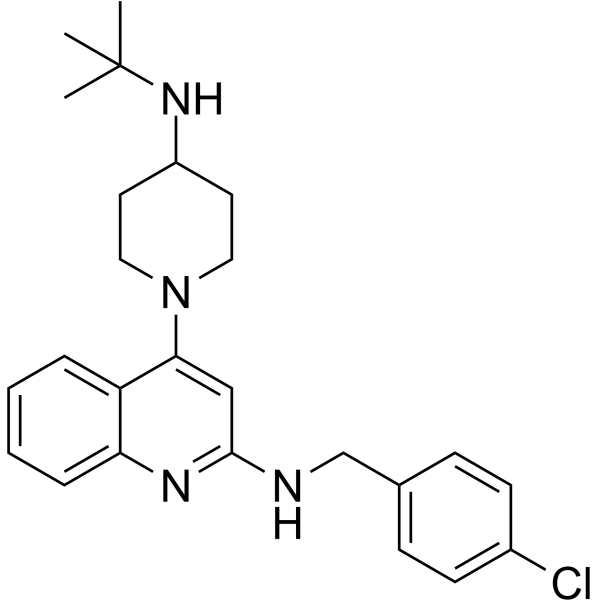
    Arylquin 1, a prostate-apoptosis-response-4 (Par-4) secretagogue, targets vimentin to induce Par-4 secretion. Arylquin 1 induces non-apoptotic cell death in cancer cells through the induction of lysosomal membrane permeabilization (LMP) .
    Arylquin 1
  • HY-DY1071

    Fluorescent Dye Others
    pH Receptor Probe (solution) is a pH-sensitive cyanine derivative and a environmental sensitive fluorophore. pH Receptor Probe has a pH-sensitive maximal absorption at 644 nm and emission at 664 nm. pH Receptor Probe has been used as a pH sensor of lysosomal compartments .
    Solvent and concentration: DMSO: 10 mM
    pH Receptor Probe (solution)

Inquiry Online

Your information is safe with us. * Required Fields.

Salutation


Country or Region *

Applicant Name *


Organization Name *

Department *


Email Address *


Product Name *

Cat. No.


Requested quantity *

Phone Number *


Remarks

Inquiry Online

Inquiry Information

Product Name:
Cat. No.:
Quantity:
MCE Japan Authorized Agent: