Search Result
Results for "
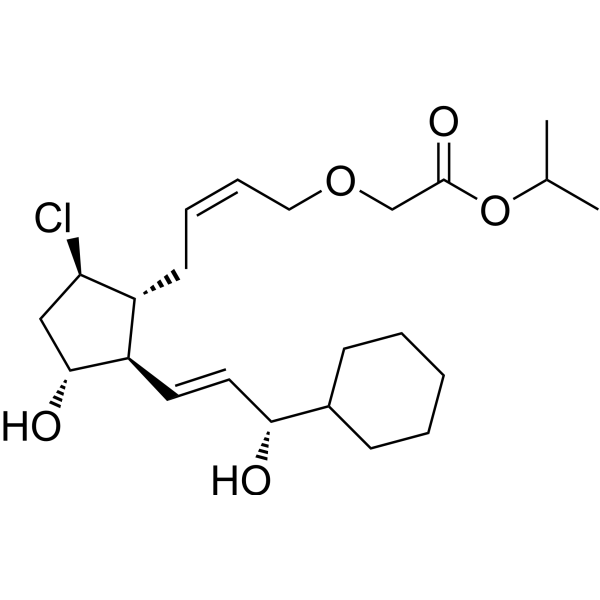
( )-5-trans Cloprostenol isopropyl ester
" in MedChemExpress (MCE) Product Catalog:
33
Biochemical Assay Reagents
26
Isotope-Labeled Compounds
| Cat. No. |
Product Name |
Target |
Research Areas |
Chemical Structure |
-
- HY-134124
-
|
|
Reactive Oxygen Species (ROS)
|
Metabolic Disease
|
|
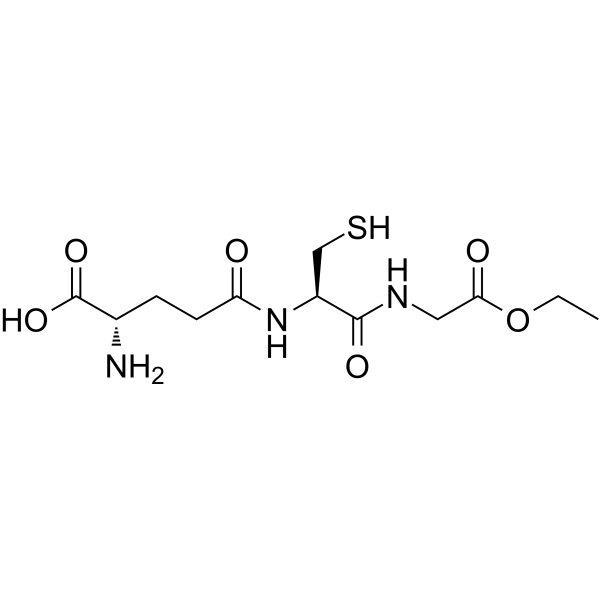
Glutathione ethyl ester is a cell-permeable GSH donor and provides an efficient supply of GSH to the oocyte. Glutathione ethyl ester shows positive effect on the in vitro production of embryos by enhancement of the antioxidative defense .
|
-
-
- HY-156438
-
|
NT-0796
|
NOD-like Receptor (NLR)
Interleukin Related
|
Neurological Disease
|
|
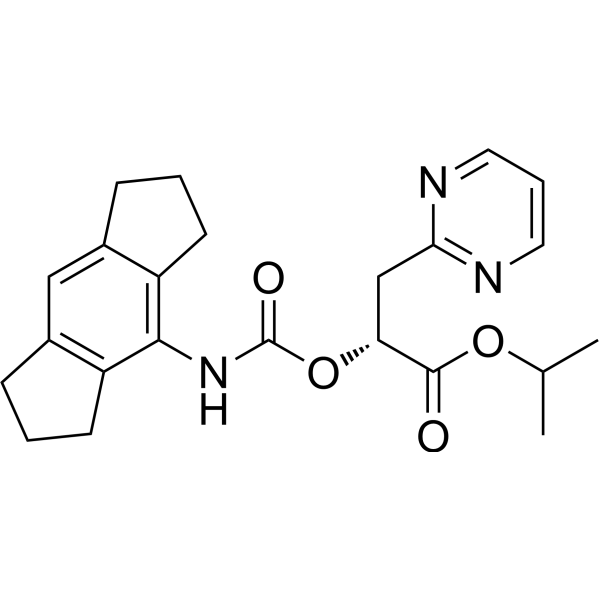
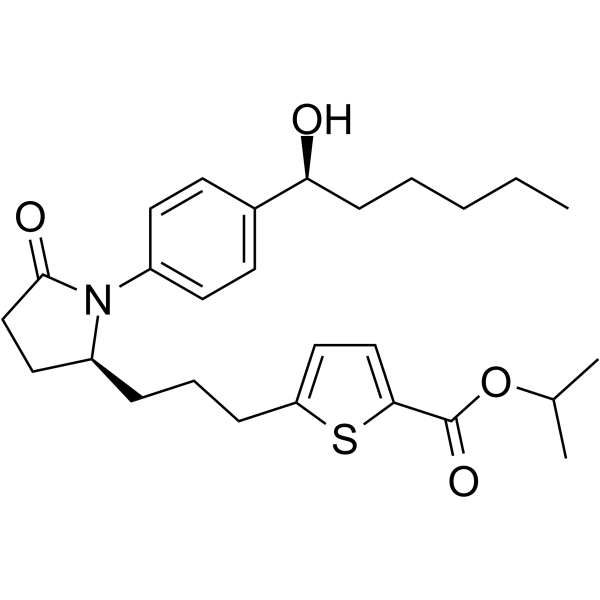
Ruvonoflast (NT-0796) is an orally active, selective and CNS-penetrant NLRP3 inflammasome inhibitor. Ruvonoflast inhibits IL-1β release in human PBMC cells with an IC50 value of 0.32 nM. Ruvonoflast is an isopropyl ester that undergoes intracellular conversion to Ruvonoflast, the carboxylic acid active species. Ruvonoflast reverses high fat diet-induced obesity, systemic inflammation and astrogliosis in the diet-induced obesity mouse model. Ruvonoflast is promising for research of neurodegenerative disorders, including Alzheimer’s disease, Parkinson’s disease, multiple sclerosis, and amyotrophic lateral sclerosis .
|
-
-
- HY-108415
-
|
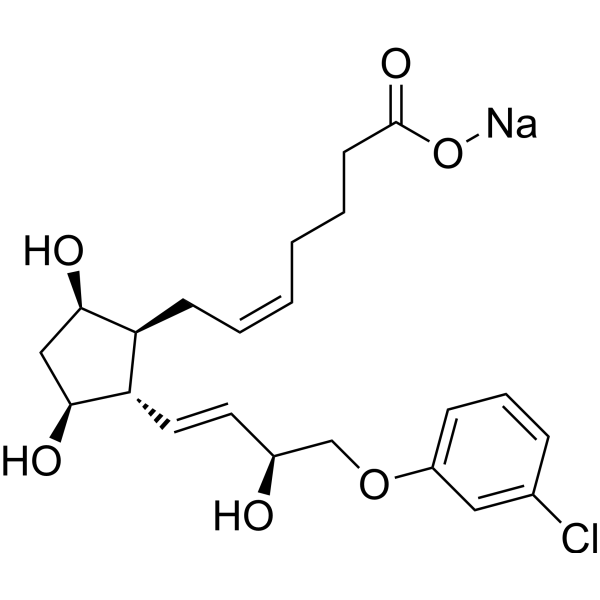
ICI 80996 sodium salt
|
Prostaglandin Receptor
|
Endocrinology
|
|
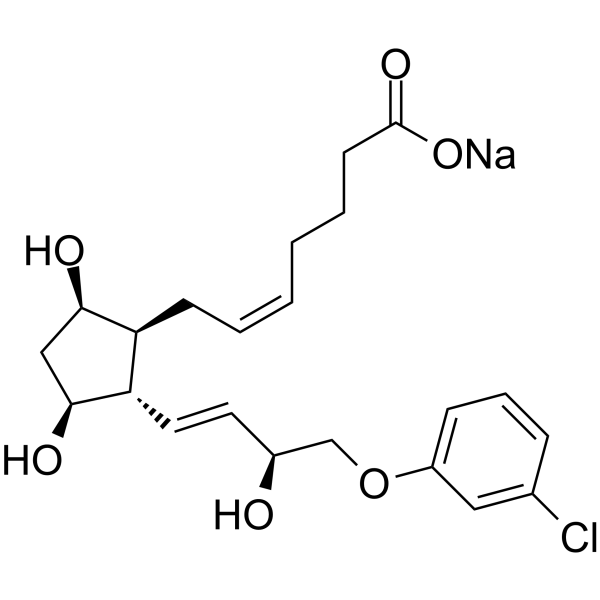
Cloprostenol sodium salt (ICI 80996 sodium salt) is a potent synthetic prostaglandin analogue, acts as a luteolytic agent , and is a PGF2α receptor agonist .
|
-
-
- HY-124190
-
|
|
Environmental Pollutants
Biochemical Assay Reagents
|
Others
|
|
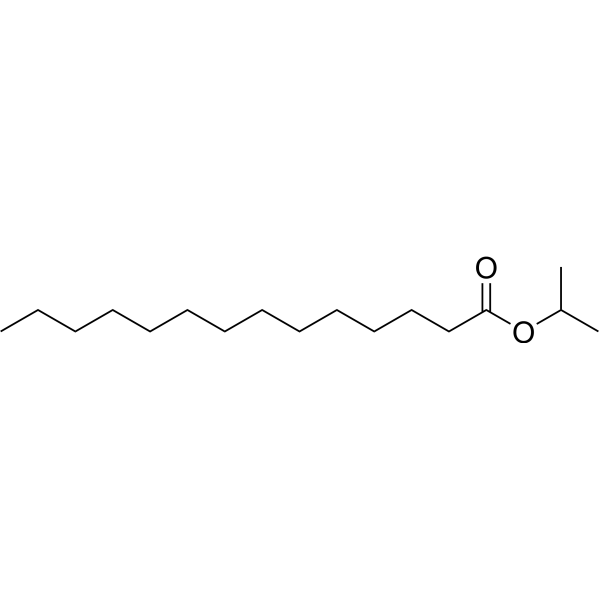
Isopropyl myristate (IPM) is the ester of isopropyl alcohol and myristic acid. Isopropyl myristate is used for transdermal delivery of some compounds. Isopropyl myristate is a polar emollient and is used in cosmetic and topical medicinal preparations where good absorption into the skin is desired .
|
-
-
- HY-111406
-
|
DE-117
|
Prostaglandin Receptor
|
Cardiovascular Disease
Inflammation/Immunology
|
|
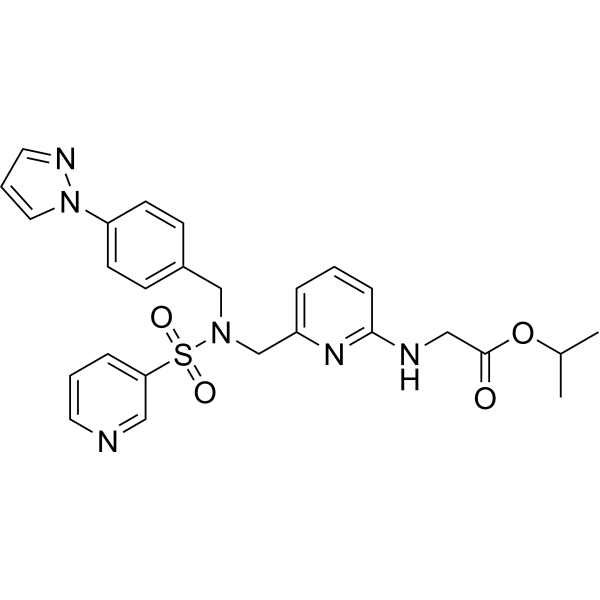
Omidenepag isopropyl is a selective EP2 receptor agonist. Omidenepag isopropyl is converted to the active product Omidenepag during corneal penetration, and Omidenepag is a highly selective EP2 receptor agonist. Omidenepag isopropyl shows only weak affinity for EP1, EP2, and FP receptors. Omidenepag isopropyl is under development for the treatment of glaucoma as an intraocular pressure (IOP)-lowering agent.
|
-
-
- HY-B0584
-
|
Fluprostenol isopropyl ester; AL6221; Flu-Ipr
|
Prostaglandin Receptor
|
Cardiovascular Disease
Endocrinology
|
|
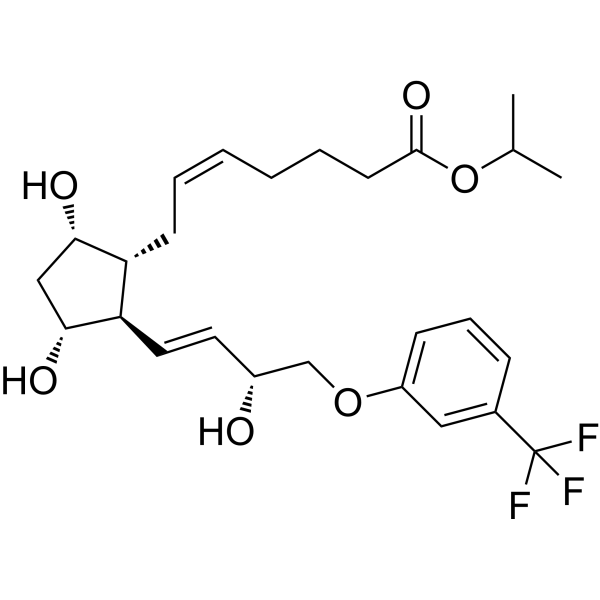
Travoprost (Fluprostenol isopropyl ester), an isopropyl ester proagent, is a high affinity, selective FP prostaglandin full receptor agonist. Travoprost has the ocular hypotensive efficacy and has the potential for glaucoma and ocular hypertension .
|
-
-
- HY-W043437
-
|
isopropyl besylate
|
Drug Intermediate
|
Others
|
|
Isopropyl benzenesulfonate (Isopropyl besylate) is an aromatic sulfonate compound and also a potentially genotoxic impurity .
|
-

-
- HY-121314
-
|
|
Prostaglandin Receptor
|
Metabolic Disease
|
|
Cloprostenol is a prostaglandin F-2α (PGF2α (HY-12956)) analogue. Cloprostenol induces luteolysis in marmoset monkeys. Cloprostenol can be used for the research of open-cervix pyometra .
|
-

-
- HY-107381
-
|
D-Cloprostenol
|
Prostaglandin Receptor
|
Endocrinology
|
|
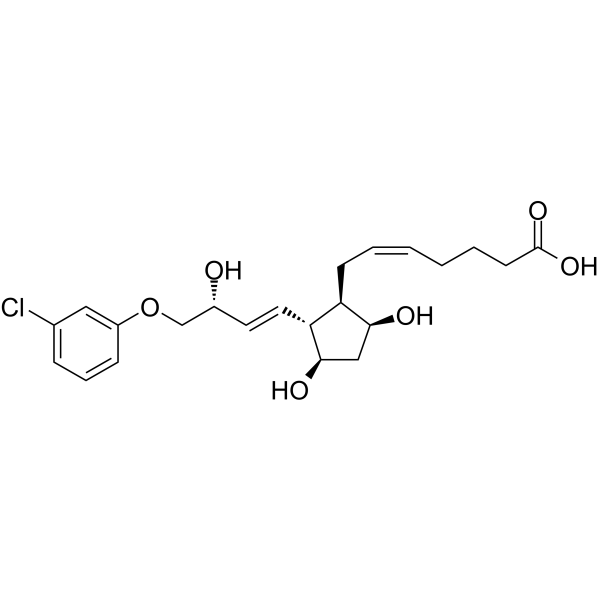
(+)-Cloprostenol is a prostaglandin F2α (PGF2α) analogue, and shows selective agonistic activity at the prostaglandin receptor.
|
-
-
- HY-W290527
-
|
|
Antibiotic
Bacterial
|
Infection
|
|
2-Isopropyl-5-methylanisole is an inhibitor of Mycobacterium tuberculosis chorismate mutase (CM) with an IC50 of 21.58 μM. The MIC of 2-Isopropyl-5-methylanisole for Mycobacterium tuberculosis is 152.22 µM. 2-Isopropyl-5-methylanisole holds potential for research in the field of anti-infective studies .
|
-

-
- HY-19998
-
-
-
- HY-W130442
-
|
|
SOD
|
Inflammation/Immunology
|
|
N-Isopropyl-N'-phenyl-p-phenylenediamine is an antioxidant used in rubber manufacturing to reduce the detrimental effect of oxygen. N-Isopropyl-N'-phenyl-p-phenylenediamine can cause contact allergy .
|
-

-
- HY-109545
-
|
Unoprostone isopropyl ester; UF-021
|
Potassium Channel
|
Others
|
|
Isopropyl unoprostone (Unoprostone isopropyl ester), an analogue of a prostaglandin metabolite, is a potent large conductance Ca 2+-activated K + (BK) channels activator. Isopropyl unoprostone has antiglaucoma effects, lowering intraocular pressure (IOP) by increasing aqueous humour outflow. Isopropyl unoprostone can improve retinal sensitivity and the protection of central retinal sensitivity .
|
-
-
- HY-100571A
-
|
|
Drug Isomer
|
Metabolic Disease
|
|
(+)-5-trans Cloprostenol isopropyl ester is a more lipid-soluble form of (+)-5-trans cloprostenol (HY-120955), which is a synthetic derivative of prostaglandin F2α .
|
-

-
- HY-129953A
-
-
-
- HY-Z0711
-
-
-
- HY-W002062
-
|
|
Biochemical Assay Reagents
|
Others
|
|
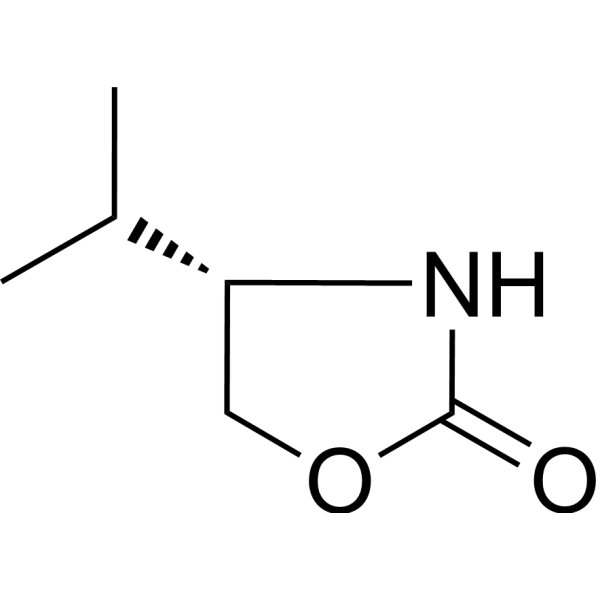
(S)-4-Isopropyl-2-oxazolidinone is a biochemical reagent that can be used as a biological material or organic compound for life science related research.
|
-
-
- HY-77865
-
|
|
Drug Intermediate
|
Others
|
|
4-Fluoro-5-isopropyl-2-methoxyphenylboronic acid is a drug intermediate for synthesis of various active compounds.
|
-

-
- HY-N4203
-
|
|
Fungal
|
Infection
|
|
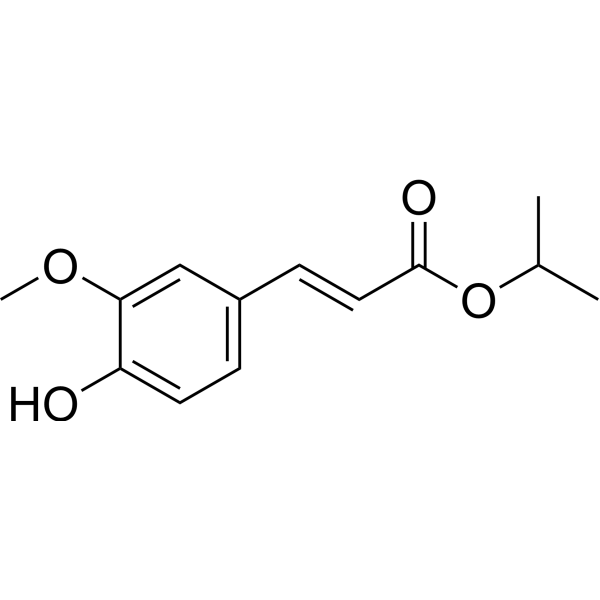
Isopropyl ferulate, isolated from Notopterygium incisum, is used in the reduction of pharmaceuticals, preparation of antifungal agents, cosmetics and as antioxidant agent and so forth .
|
-
-
- HY-120955
-
|
|
Prostaglandin Receptor
|
Others
|
|
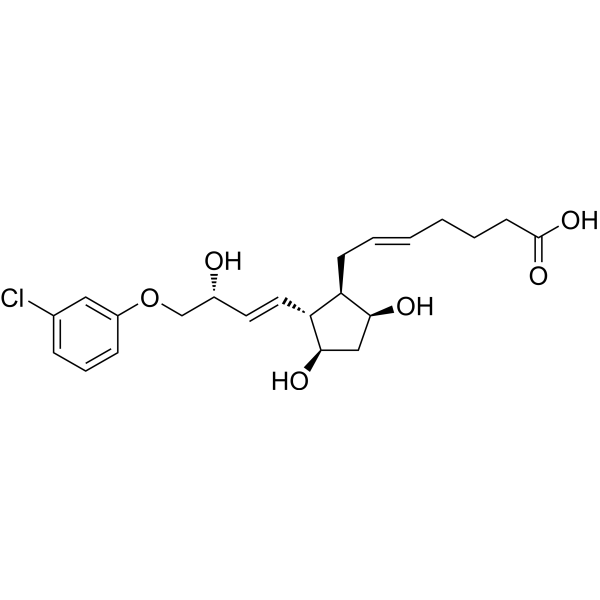
Cloprostol, a synthetic derivative of prostaglandin F2α, is used as an ossified in veterinary medicine and the research of reproductive disorders in cattle, pigs and horses. (+)-5-trans Cloprostenol is a secondary impurity produced during the synthesis of (+) -cloprostenol .
|
-
-
- HY-107381A
-
|
D-Cloprostenol sodium
|
Prostaglandin Receptor
|
Endocrinology
|
|
(+)-Cloprostenol sodium is a prostaglandin F2α (PGF2α) analogue, and shows selective agonistic activity at the prostaglandin receptor.
|
-

-
- HY-W415007
-
-

-
- HY-W042026R
-
|
Methanesulfonic Acid isopropyl ester (Standard)
|
Reference Standards
|
|
|
Isopropyl methanesulfonate (Standard) is the analytical standard of Isopropyl methanesulfonate. This product is intended for research and analytical applications.
|
-

-
- HY-W127420
-
|
Linoleic acid isopropyl ester
|
Biochemical Assay Reagents
|
Others
|
|
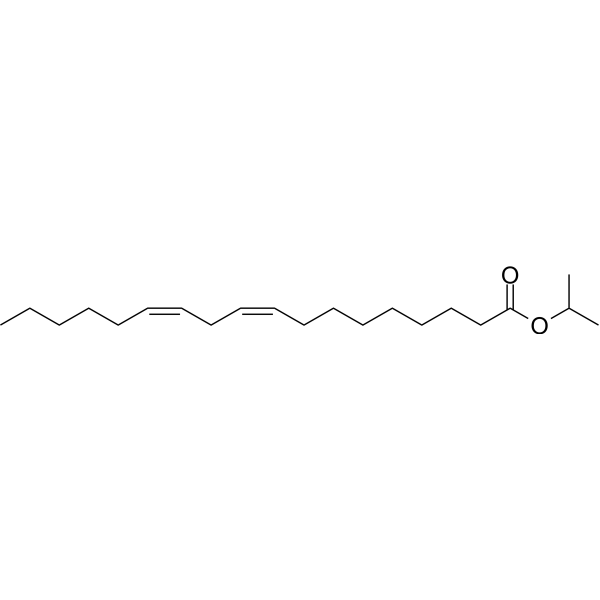
Isopropyl Linoleate is a biochemical reagent that can be used as a biological material or organic compound for life science related research.
|
-
-
- HY-W017195
-
|
Propan-2-yl benzoate
|
Biochemical Assay Reagents
|
Others
|
|
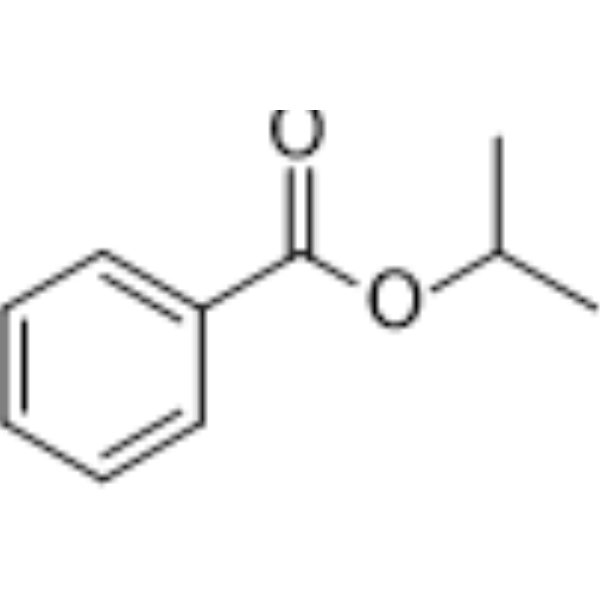
Isopropyl benzoate is a class of esters consisting of a benzene ring and an isopropyl group attached to a carboxylic acid group. Isopropyl benzoate can be used as an inducer to biosynthesize phloroglucinol in E. coli .
|
-
-
- HY-59121C
-
|
Sofosbuvir impurity 4/isopropyl ((R)-(perfluorophenoxy)(phenoxy)phosphoryl)-D-alaninate
|
Drug Intermediate
|
Others
|
|
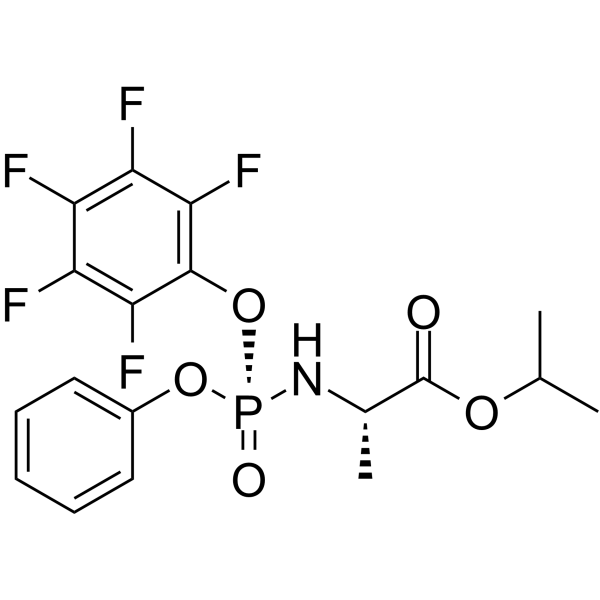
Isopropyl ((R)-(perfluorophenoxy)(phenoxy)phosphoryl)-D-alaninate (Sofosbuvir impurity 4/Isopropyl ((R)-(perfluorophenoxy)(phenoxy)phosphoryl)-D-alaninate) is a drug intermediate for synthesis of various active compounds.
|
-

-
- HY-W016491
-
|
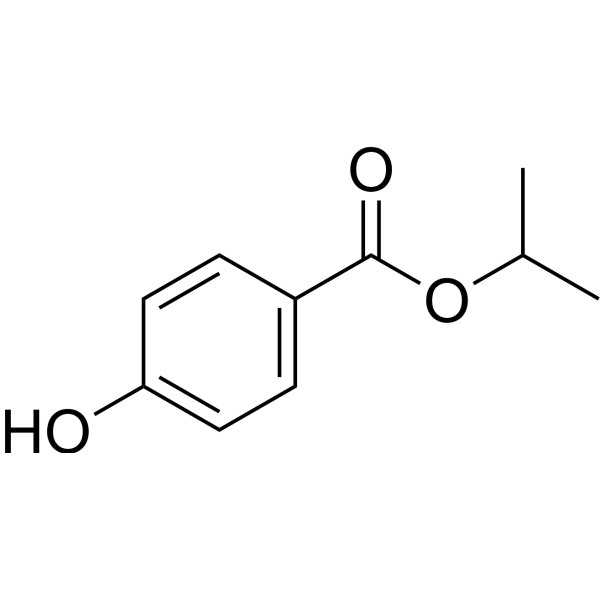
isopropylparaben
|
Bacterial
|
Infection
|
|
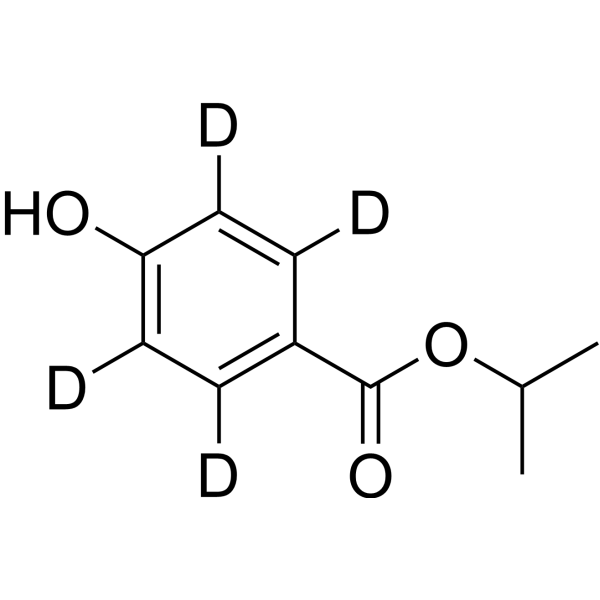
Isopropyl 4-hydroxybenzoate (Isopropylparaben) is an antimicrobial and antioxidant agent .
|
-
-
- HY-19923
-
-
-
- HY-24418
-
|
|
Drug Intermediate
|
Others
|
|
1-Isopropyl-2-oxo-1,2-dihydroquinoline-3-carboxylic acid is a drug intermediate for synthesis of various active compounds.
|
-

-
- HY-116161A
-
|
|
Prostaglandin Receptor
|
Metabolic Disease
|
|
17-Phenyl trinor PGF2α isopropyl ester is a FP receptor agonist and intraocular pressure-lowering agent. 17-Phenyl trinor PGF2α isopropyl ester induces iris sphincter contraction, reduces intraocular pressure and pupil diameter, causes no ocular irritation, and only leads to mild conjunctival hyperemia. 17-Phenyl trinor PGF2α isopropyl ester is applicable to relevant research on glaucoma .
|
-

-
- HY-W145651
-
|
|
Biochemical Assay Reagents
|
Others
|
|
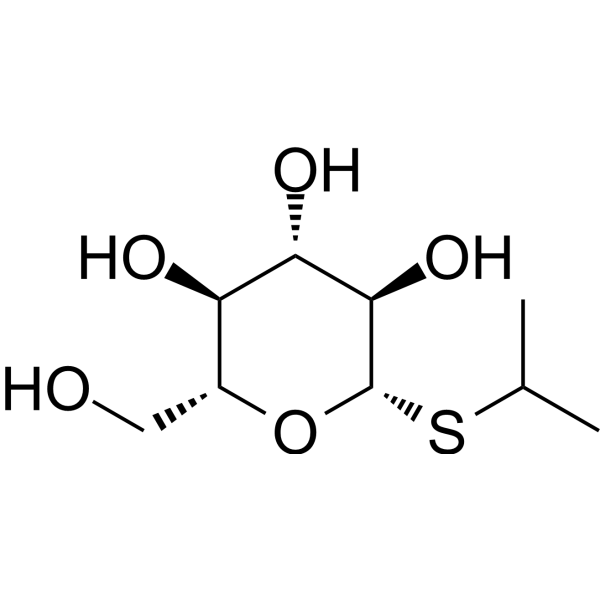
Isopropyl β-D-thioglucopyranoside is a biochemical reagent that can be used as a biological material or organic compound for life science related research.
|
-
-
- HY-130356
-
|
|
PGE synthase
|
Others
|
|
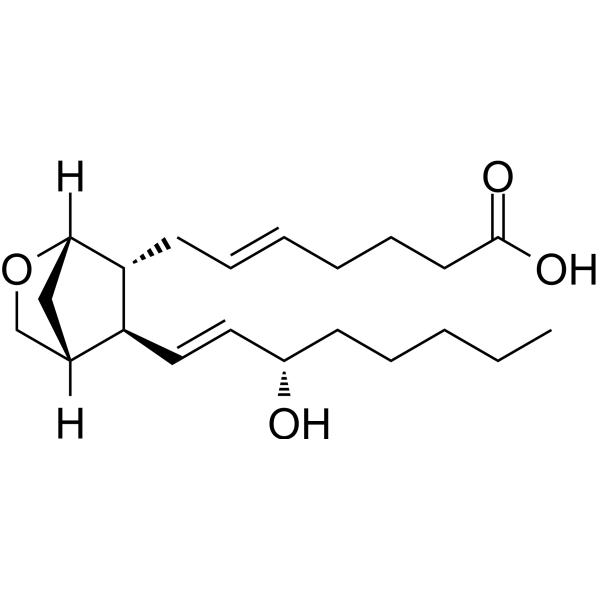
5-trans U-46619 is a PGE synthase inhibitor. At a concentration of 10 μM, 5-trans U-46619 inhibits PGE synthase by <20% .
|
-
-
- HY-122178
-
|
|
PGE synthase
|
Cardiovascular Disease
|
|
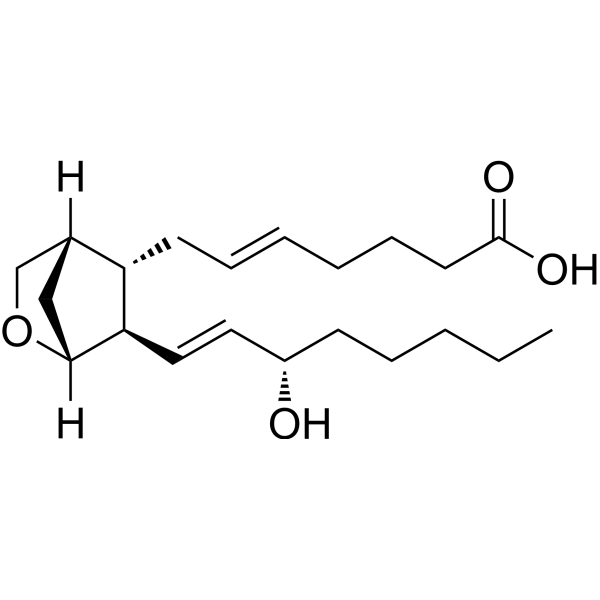
5-trans U-44069 is the trans isomer of the thromboxane receptor agonist U-44069 (HY-121825). 5-trans U-44069 inhibits prostaglandin E2 synthase activity .
|
-
-
- HY-100571
-
|
|
Prostaglandin Receptor
|
Endocrinology
|
|
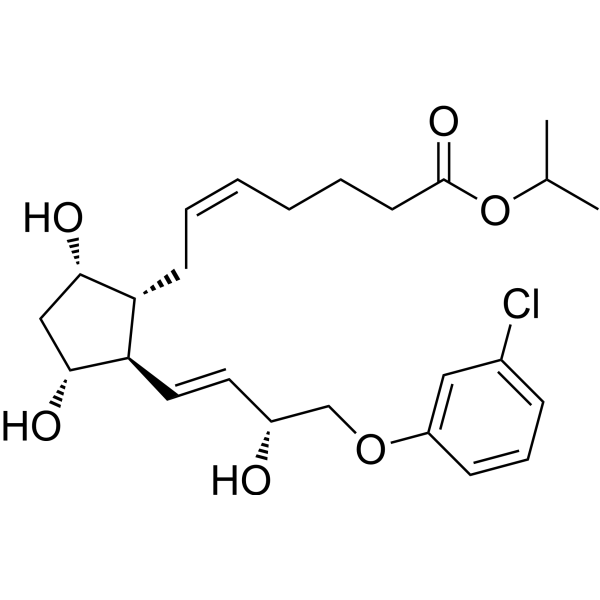
Cloprostenol isopropyl ester, a prostaglandin F2α analogs, is the intermediate of (+)-Cloprostenol (HY-107381). Cloprostenol isopropyl ester is a FP receptor agonist with a Ki value of 28 nM .
|
-
-
- HY-114850
-
-
-
- HY-135023
-
|
5-trans Prostaglandin E2
|
Cytochrome P450
Prostaglandin Receptor
|
Cancer
|
|
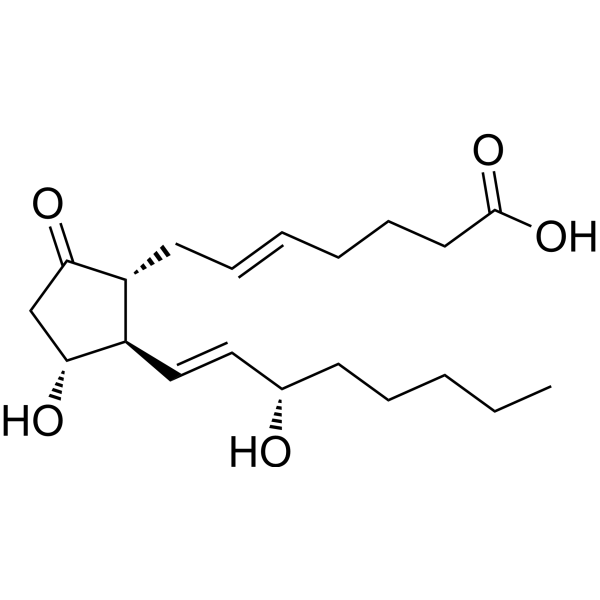
5-trans-PGE2 (5-trans Prostaglandin E2) is the active isomer of PGE2 and a potent activator of aromatase. Supplements the process of paracrine signaling between epithelial cells (expressing high levels of PGE2) and surrounding stromal cells (expressing high levels of aromatase). This process is involved in the growth and development of breast cancer .
|
-
-
- HY-135023R
-
|
5-trans Prostaglandin E2 (Standard)
|
Cytochrome P450
Prostaglandin Receptor
Reference Standards
|
Cancer
|
|
5-trans-PGE2 (Standard) is the analytical standard of 5-trans-PGE2. This product is intended for research and analytical applications. 5-trans-PGE2 (5-trans Prostaglandin E2) is the active isomer of PGE2 and a potent activator of aromatase. Supplements the process of paracrine signaling between epithelial cells (expressing high levels of PGE2) and surrounding stromal cells (expressing high levels of aromatase). This process is involved in the growth and development of breast cancer .
|
-

-
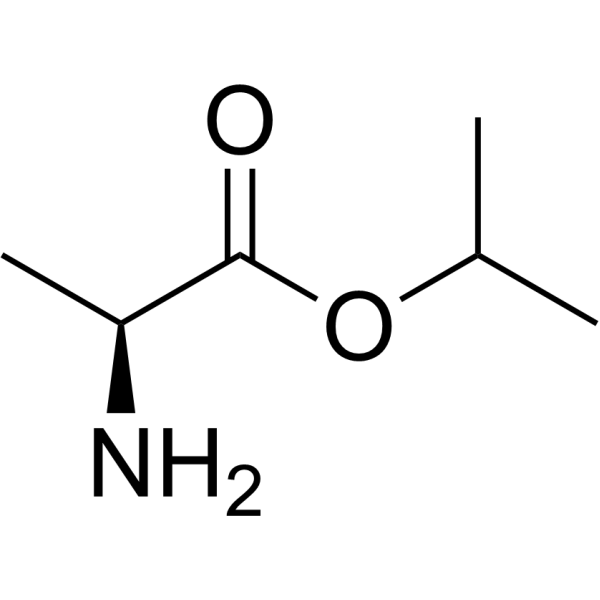
- HY-Z0291
-
|
isopropyl L-alaninate; L-Alanine 2-propyl ester; L-Alanine isopropyl ester; O-isopropyl-L-alanine
|
Amino Acid Derivatives
|
Others
|
|
L-Alanine isopropyl ester is an alanine derivative .
|
-
-
- HY-W142667S
-
-
-
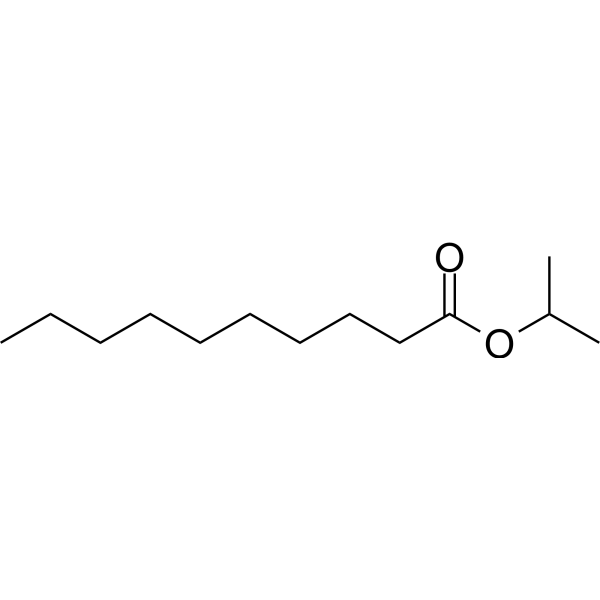
- HY-W127422
-
|
N-Capric acid isopropyl ester
|
Biochemical Assay Reagents
|
Others
|
|
Isopropyl Decanoate is a biochemical reagent that can be used as a biological material or organic compound for life science related research.
|
-
-
- HY-125383
-
-
-
- HY-W127510
-
|
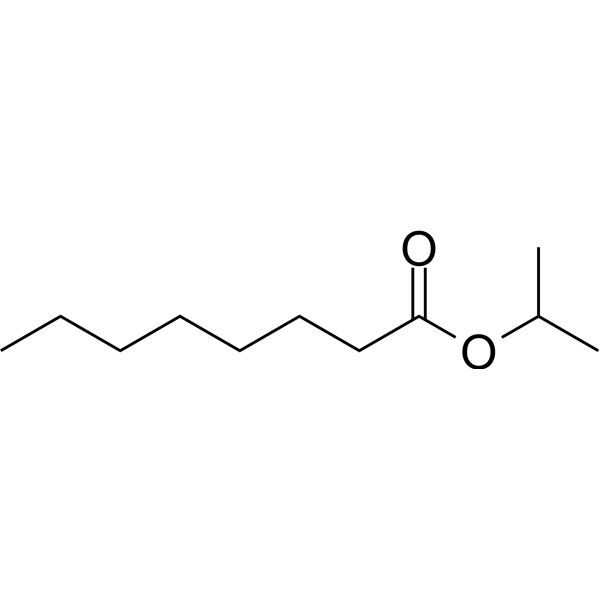
Octanoicacidisopropylester
|
Biochemical Assay Reagents
|
Others
|
|
Isopropyl n-Octanoate is a biochemical reagent that can be used as a biological material or organic compound for life science related research.
|
-
-
- HY-P2424
-
-

-
- HY-116161
-
|
|
Drug Intermediate
|
Cardiovascular Disease
Others
|
|
15(R)-17-phenyl trinor Prostaglandin F2α isopropyl ester (15(R)-17-phenyl trinor PGF2α isopropyl ester) is the latanoprost-related isomer containing both a double bond at 13,14 and an inverted (β) hydroxyl group at C-15. Similar to 15(S)-latanoprost, 15(R)-17-phenyl trinor PGF2α isopropyl ester is a potential impurity in most commercial preparations of the latanoprost bulk drug product. The IC50 values for the free acid forms of 15(S)-17-phenyl trinor PGF2α and 15(R)-17-phenyl trinor PGF2α were determined to be 0.71 nM and 30 nM, respectively, in a FP receptor binding assay using the cat iris sphincter muscle.1 A 3 μg dose of 15(R)-17-phenyl trinor PGF2α caused a 1.9 mmHg reduction of IOP in normotensive cynomolgus monkeys.
|
-

-
- HY-129462
-
|
IPETC
|
Others
|
Others
|
|
O-Isopropyl ethylthiocarbamate can be used as an environmentally friendly alternative in combination with pyrogallic acid (PGA) to replace the lime-xanthate flotation process traditionally used for chalcopyrite-molybdenite (ccp-mlb) ores .
|
-

-
- HY-129953C
-
|
5-trans PGF2α tromethamine
|
Drug Derivative
|
Cardiovascular Disease
|
|
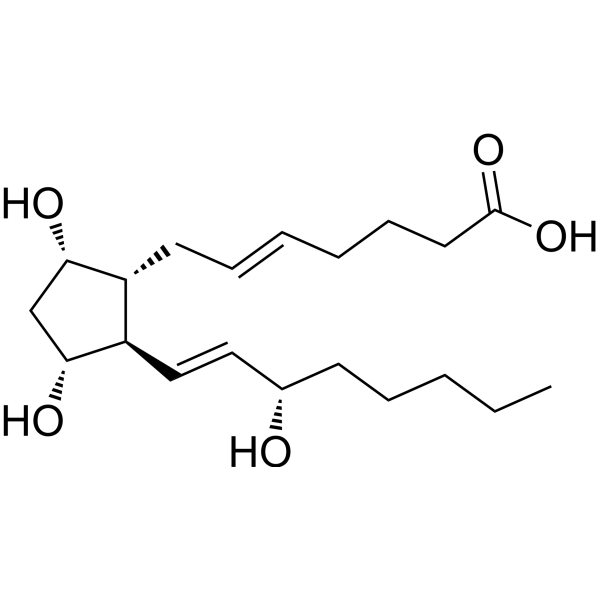
5-trans Prostaglandin F2α tromethamine is a derivative of 5-trans Prostaglandin F2α (HY-129953A). 5-trans Prostaglandin F2α is an endogenous metabolite present in blood that can be used for the research of myocardial infarction .
|
-

-
- HY-107381R
-
|
D-Cloprostenol (Standard)
|
Reference Standards
Prostaglandin Receptor
|
Endocrinology
|
|
(+)-Cloprostenol (Standard) is the analytical standard of (+)-Cloprostenol. This product is intended for research and analytical applications. (+)-Cloprostenol is a prostaglandin F2α (PGF2α) analogue, and shows selective agonistic activity at the prostaglandin receptor.
|
-

-
- HY-158782
-
|
|
Others
|
Others
|
|
5-trans-17-phenyl trinor Prostaglandin F2α (5-trans-17-phenyl trinor PGF2α) is the 5-trans isomer of HY-B0191 Bimatoprost (17-phenyl trinor PGF2α).
|
-

-
- HY-134009
-
|
|
Drug Derivative
|
Others
|
|
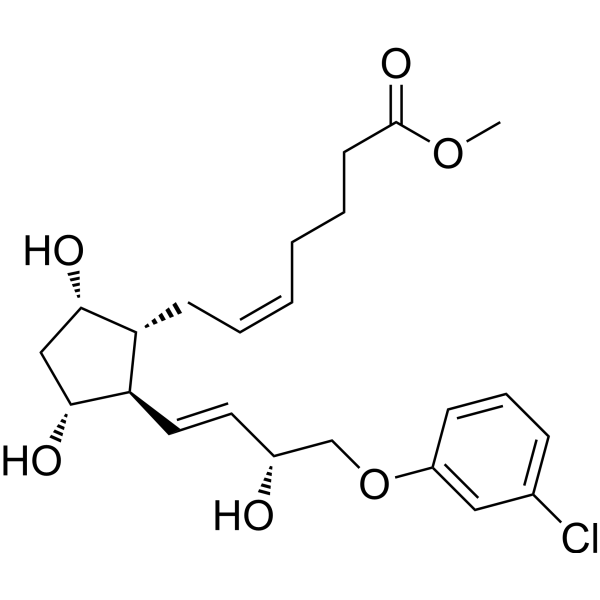
(+)-Cloprostenol methyl ester is a 11,13-Dienone analog of cloprostenol (HY-107381) .
|
-
-
- HY-176009
-
|
|
Drug Derivative
|
Others
|
|
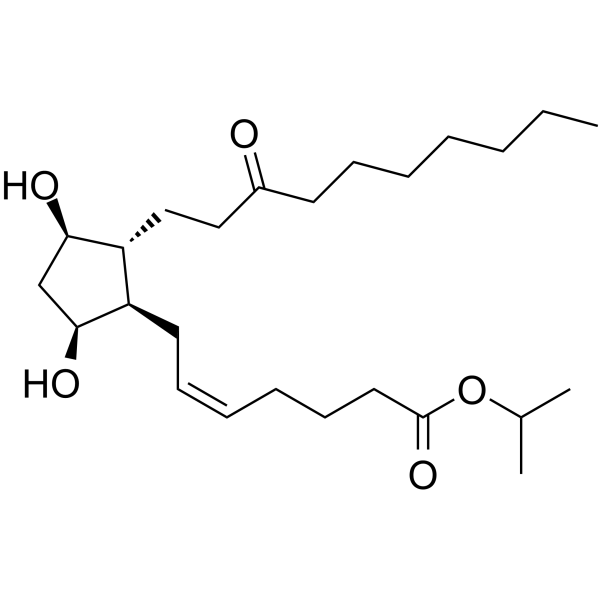
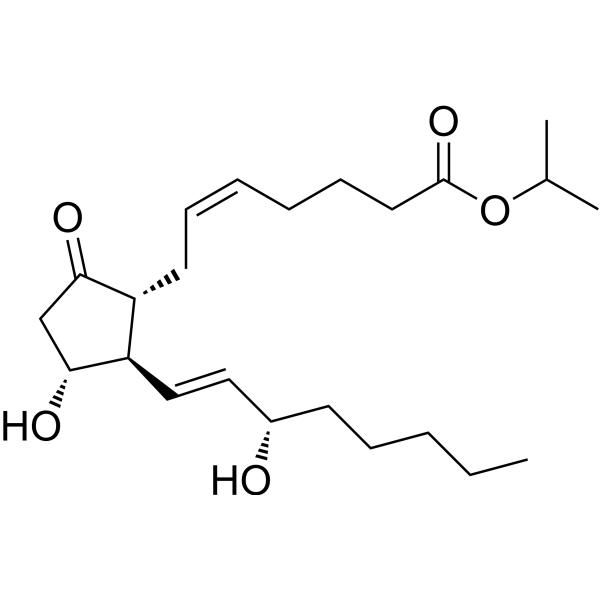
15-Keto cloprostenol isopropyl ester is a potential impurity in cloprostenol isopropyl ester preparations .
|
-

- HY-120982
-
|
|
Prostaglandin Receptor
|
Endocrinology
|
|
Cloprostenol is a synthetic prostaglandin F2α (PGF2α) analog and a potent FP receptor agonist. (+)-15-epi Cloprostenol is the 15(S), or 15β-hydroxy enantiomer of (+)-cloprostenol. This epimer is less active by several orders of magnitude as an FP receptor ligand when compared to 15(R)-cloprostenol. However, the specific activity of this isomer has not been well studied.
|
-

- HY-108415R
-
|
ICI 80996 sodium salt (Standard)
|
Reference Standards
Prostaglandin Receptor
|
Endocrinology
|
|
Cloprostenol sodium salt (Standard) is the analytical standard of Cloprostenol sodium salt. This product is intended for research and analytical applications. Cloprostenol sodium salt (ICI 80996 sodium salt) is a potent synthetic prostaglandin analogue, acts as a luteolytic agent , and is a PGF2α receptor agonist .
|
-
- HY-158585
-
-

- HY-139386
-
|
15(S)-Flu-Ipr
|
Prostaglandin Receptor
|
Others
|
|
15β-Travoprost (15(S)-Flu-Ipr) is an enantiomer of Travoprost (HY-B0584). Travoprost, an isopropyl ester proagent, is a high affinity, selective FP prostaglandin full receptor agonist .
|
-

- HY-157002
-
-
- HY-124190R
-
|
|
Biochemical Assay Reagents
Reference Standards
|
Others
|
|
Isopropyl myristate (Standard) is the analytical standard of Isopropyl myristate. This product is intended for research and analytical applications. Isopropyl myristate (IPM) is the ester of isopropyl alcohol and myristic acid. Isopropyl myristate is used for transdermal delivery of some compounds. Isopropyl myristate is a polar emollient and is used in cosmetic and topical medicinal preparations where good absorption into the skin is desired .
|
-

- HY-138206
-
|
PGE1 isopropyl ester
|
Prostaglandin Receptor
|
Cardiovascular Disease
|
|
Prostaglandin E1 isopropyl ester is an isopropyl ester form of prostaglandin E1 (HY-B0131). Prostaglandin E1 isopropyl ester exhibits a faster penetration flux than prostaglandin E1 .
|
-

- HY-130406
-
|
|
Fungal
|
Infection
|
|
Benthiavalicarb isopropyl is a fungicide with specific activity against downy mildew and blight. Benthiavalicarb isopropyl is evaluated for use where necessary to control a serious threat to plant health that cannot be treated by other methods, including non-chemical methods. The use of Benthiavalicarb isopropyl can be considered representative of field applications in potatoes. Environmental and human exposures of Benthiavalicarb isopropyl are considered to be negligible .
|
-

- HY-143519S
-
-
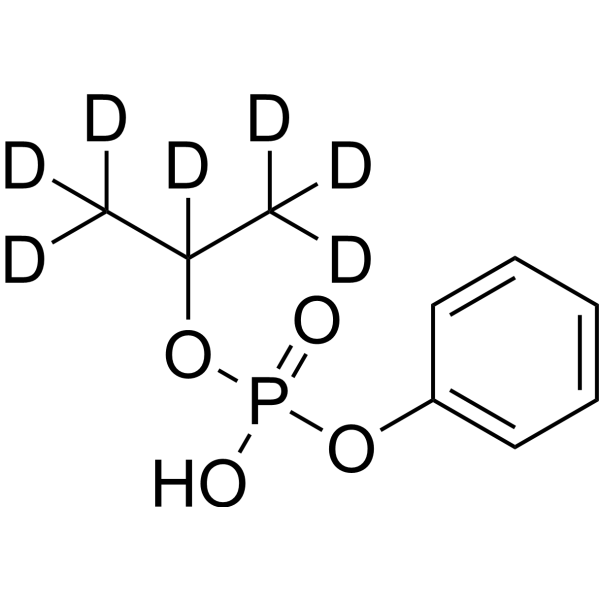
- HY-W015577R
-
|
|
Reference Standards
|
|
|
Chloromethyl isopropyl carbonate (Standard) is the analytical standard of Chloromethyl isopropyl carbonate. This product is intended for research and analytical applications.
|
-

- HY-129757
-
-

- HY-176759
-
|
|
Prostaglandin Receptor
|
Others
|
|
AR-102 isopropyl ester is a second-generation prostaglandin FP agonist. AR-102 isopropyl ester can be studied in research for glaucoma and ocular hypertension .
|
-

- HY-142784S
-
-
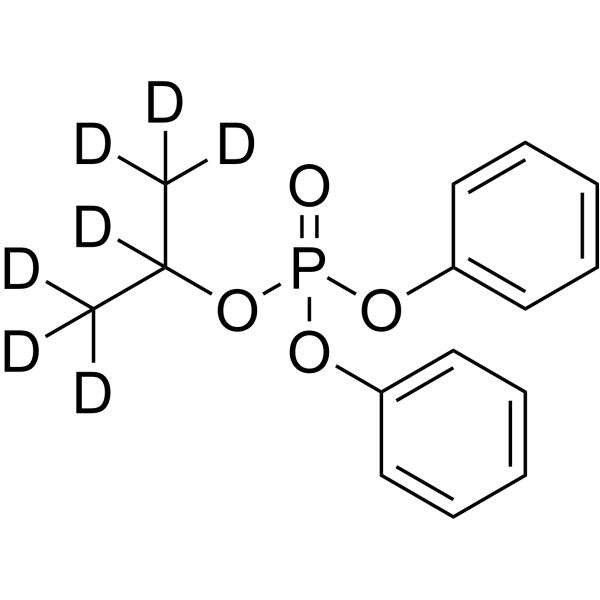
- HY-W588266
-
-

- HY-W741886
-
-

- HY-131253
-
|
|
Drug Metabolite
|
Others
|
|
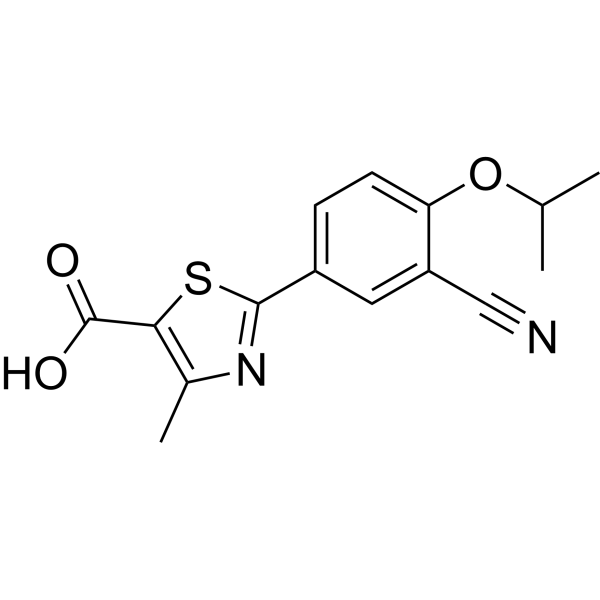
Febuxostat isopropyl isomer is an impurity of Febuxostat. Febuxostat is selective xanthine oxidase inhibitor with a Ki of 0.6 nM .
|
-
- HY-106037
-
|
|
Prostaglandin Receptor
|
Others
|
|
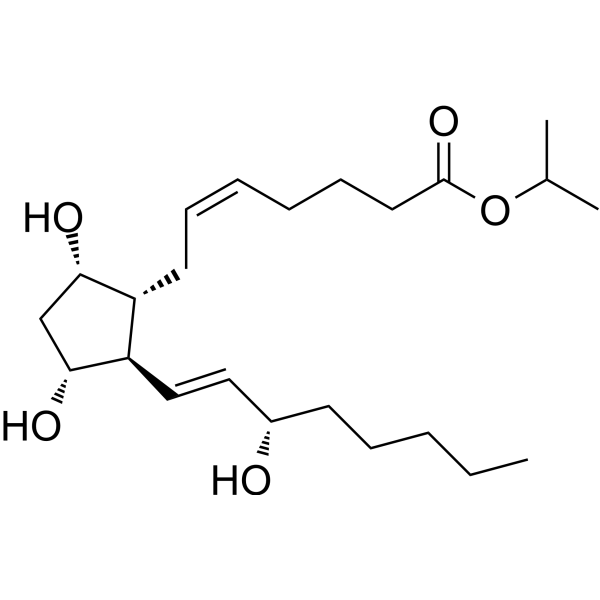
PGF2α-isopropyl ester is a Prostaglandin F2α (HY-12956) derivative, which is active in lowering the intraocular pressure (IOP) through increased uveoscleral outflow of aqueous humor. PGF2α-isopropyl ester causes side effects of conjunctival hyperemia and ocular irritation .
|
-
- HY-W012578S2
-
-
- HY-W001243R
-
|
Propan-2-yl 4-methylbenzenesulfonate (Standard)
|
Reference Standards
|
|
|
Isopropyl P-toluenesulfonate (Standard) is the analytical standard of Isopropyl P-toluenesulfonate. This product is intended for research and analytical applications.
|
-

- HY-W016491S
-
-
- HY-138455
-
|
|
PROTAC Linkers
|
Cancer
|
|
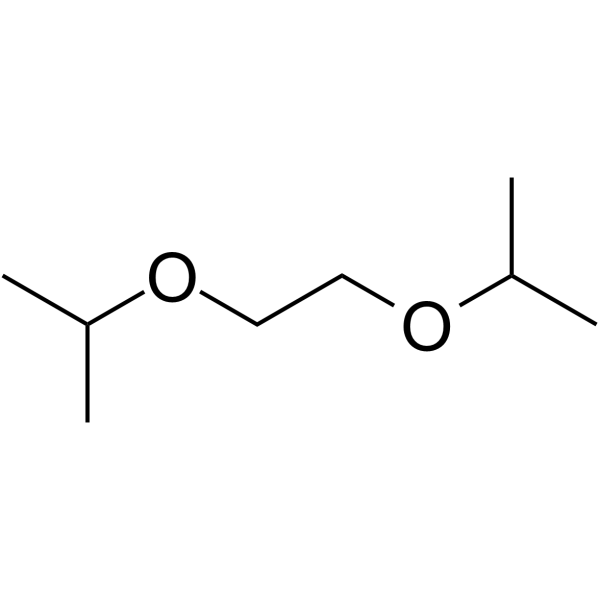
Bis-isopropyl-PEG1 is a PEG-based PROTAC linker that can be used in the synthesis of PROTACs .
|
-
- HY-W023443S
-
-
- HY-165000
-
-

- HY-154428
-
|
|
Nucleoside Antimetabolite/Analog
|
Cancer
|
|
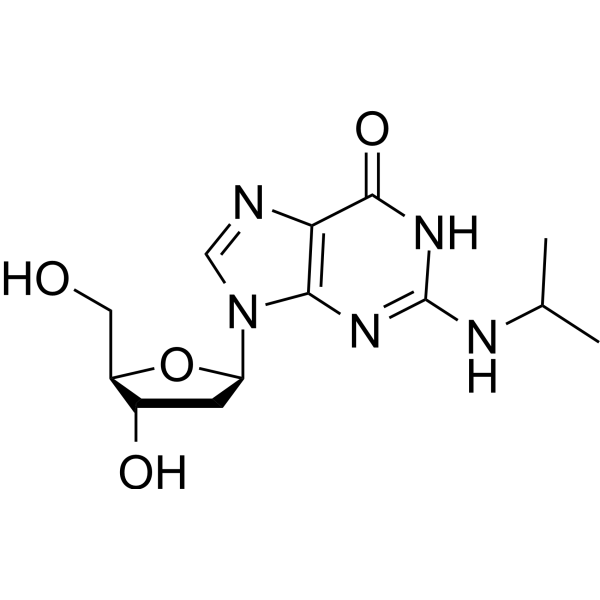
2’-Deoxy-N2-isopropyl guanosine is a purine nucleoside analog. Purine nucleoside analogs have broad antitumor activity targeting indolent lymphoid malignancies. Anticancer mechanisms in this process rely on inhibition of DNA synthesis, induction of apoptosis, etc .
|
-
- HY-50911R
-
|
FXR-450 (Standard); XL335 (Standard); WAY-362450 (Standard)
|
FXR
Autophagy
Reference Standards
|
Metabolic Disease
Cancer
|
|
Turofexorate isopropyl (Standard) is the analytical standard of Turofexorate isopropyl. This product is intended for research and analytical applications. Turofexorate isopropyl (FXR-450) is a potent, selective, and orally bioavailable FXR agonist with EC50 of 4 nM .
|
-

- HY-W012578S1
-
-
- HY-W011426R
-
|
Propan-2-yl hexadecanoate (Standard)
|
Biochemical Assay Reagents
Liposome
Reference Standards
|
Others
|
|
Isopropyl palmitate (Standard) is the analytical standard of Isopropyl palmitate. This product is intended for research and analytical applications. Isopropyl palmitate is an fatty acid ester. Isopropyl palmitate can be used for design and characterization of bioactive bilayer films. The bilayer membrane not only has the ability to scavenge free radicals and inhibit lipid peroxidation, but also can inhibit the growth of known foodborne pathogens. Isopropyl palmitate can be used as an excipient, such as lubricant, oily carrier, solvent, controlled-release transdermal film. Pharmaceutical excipients, or pharmaceutical auxiliaries, refer to other chemical substances used in the pharmaceutical process other than pharmaceutical ingredients. Pharmaceutical excipients generally refer to inactive ingredients in pharmaceutical preparations, which can improve the stability, solubility and processability of pharmaceutical preparations. Pharmaceutical excipients also affect the absorption, distribution, metabolism, and elimination (ADME) processes of co-administered drugs .
|
-

- HY-169028
-
-

- HY-148909
-
|
IDEFP
|
Cannabinoid Receptor
FAAH
|
Neurological Disease
|
|
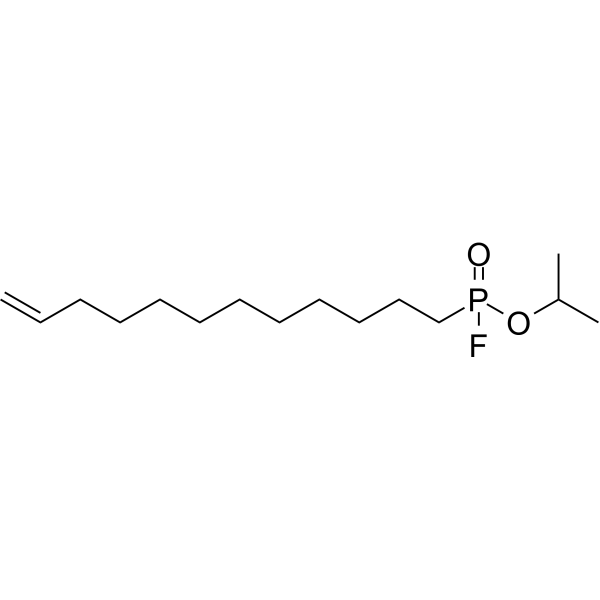
Isopropyl dodec-11-enylfluorophosphonate (IDEFP) is an organophosphorus ester that antagonizes the central cannabinoid receptor (CB1) and inhibits FAAH with similar potencies (IC50 = 2 nM) .
|
-
- HY-181441
-
|
|
Drug Derivative
|
Others
|
|
(+)-Cloprostenol methyl amide is a derivative analog of the carboxylic acid terminus of (+)-Cloprostenol (HY-107381).
|
-

- HY-178412S
-
|
|
Isotope-Labeled Compounds
Biochemical Assay Reagents
|
Others
|
|
Isopropyl myristate-d27 is the deuterium labeled Isopropyl myristate (HY-124190). Isopropyl myristate (IPM) is the ester of isopropyl alcohol and myristic acid. Isopropyl myristate is used for transdermal delivery of some compounds. Isopropyl myristate is a polar emollient and is used in cosmetic and topical medicinal preparations where good absorption into the skin is desired .
|
-

- HY-180729
-
-

- HY-W337757R
-
|
4-Aminobenzoic Acid isopropyl ester (Standard)
|
Reference Standards
|
|
|
Isopropyl 4-aminobenzoate (Standard) is the analytical standard of Isopropyl 4-aminobenzoate. This product is intended for research and analytical applications.
|
-

- HY-W754640
-
|
Salicylic acid isopropyl ester-d7
|
Isotope-Labeled Compounds
|
Others
|
|
Isopropyl 2-hydroxybenzoate-d7 (Salicylic acid isopropyl ester-d7) is deuterium labeled Isopropyl 2-hydroxybenzoate .
|
-

- HY-W101527
-
|
|
Biochemical Assay Reagents
|
Others
|
|
Benzoin isopropyl ether is a photoinitiator. Benzoin isopropyl ether can be used for the photopolymerization of Methyl methacrylate .
|
-

- HY-W012578S
-
-
- HY-W740764
-
|
isopropyl-d7 Paraben
|
Isotope-Labeled Compounds
Bacterial
|
Infection
|
|
Isopropyl 4-hydroxybenzoate-d7 is the deuterium labeled Isopropyl 4-hydroxybenzoate (HY-W016491). Isopropyl 4-hydroxybenzoate (Isopropylparaben) is an antimicrobial and antioxidant agent .
|
-

- HY-132512S
-
-

- HY-W753326
-
-

- HY-W016491R
-
|
isopropylparaben (Standard)
|
Reference Standards
Bacterial
|
Infection
|
|
Isopropyl 4-hydroxybenzoate (Standard) is the analytical standard of Isopropyl 4-hydroxybenzoate. This product is intended for research and analytical applications. Isopropyl 4-hydroxybenzoate (Isopropylparaben) is an antimicrobial and antioxidant agent .
|
-

- HY-W714191
-
|
|
Herbicide
|
Others
|
|
Flamprop-isopropyl is a selective herbicide mainly used for controlling grassy weeds in farmland .
|
-

- HY-W722986
-
-

- HY-W707849
-
|
|
Isotope-Labeled Compounds
|
Others
|
|
3-(4-Fluorophenyl)-1-isopropyl-1H-indole-d7 is the deuterium labeled 3-(4-Fluorophenyl)-1-isopropyl-1H-indole (HY-W088000).
|
-

- HY-59121CR
-
|
Sofosbuvir impurity 4/isopropyl ((R)-(perfluorophenoxy)(phenoxy)phosphoryl)-D-alaninate (Standard)
|
Reference Standards
|
|
|
Isopropyl ((R)-(perfluorophenoxy)(phenoxy)phosphoryl)-D-alaninate (Standard) is the analytical standard of Isopropyl ((R)-(perfluorophenoxy)(phenoxy)phosphoryl)-D-alaninate. This product is intended for research and analytical applications.
|
-

- HY-W741997
-
|
isopropyl tenofovir
|
Drug Intermediate
|
Others
|
|
Tenofovir impurity 11 (Isopropyl tenofovir) is an impurity of Tenofovir.
|
-

- HY-Z6861
-
|
Ramipril isopropyl ester
|
Drug Intermediate
|
Others
|
|
Ramipril impurity 6 (Ramipril isopropyl ester) is an impurity of Ramipril.
|
-

- HY-Z8939
-
|
isopropyl Itraconazole
|
Drug Intermediate
|
Others
|
|
Itraconazole impurity 9 (Isopropyl Itraconazole) is an impurity of Itraconazole.
|
-

- HY-Z7729
-
|
N-isopropyl carvedilol
|
Drug Intermediate
|
Others
|
|
Carvedilol impurity 6 (N-Isopropyl carvedilol) is an impurity of Carvedilol.
|
-

- HY-Z19646
-
|
Apixaban isopropyl ester impurity
|
Drug Intermediate
|
Others
|
|
Apixaban impurity 33 (Apixaban isopropyl ester impurity) is an impurity of Apixaban.
|
-

- HY-W112575
-
|
|
MOFs
|
Others
|
|
2'-Amino-5'-isopropyl-[1,1':3',1''-terphenyl]-4,4''-dicarboxylic acid is a metal-organic framework (MOF).
|
-
![2'-Amino-5'-isopropyl-[1,1':3',1''-terphenyl]-4,4''-dicarboxylic acid](//file.medchemexpress.com/product_pic/hy-w112575.gif)
- HY-W011426
-
|
Propan-2-yl hexadecanoate
|
Environmental Pollutants
Biochemical Assay Reagents
Liposome
|
Others
|
|
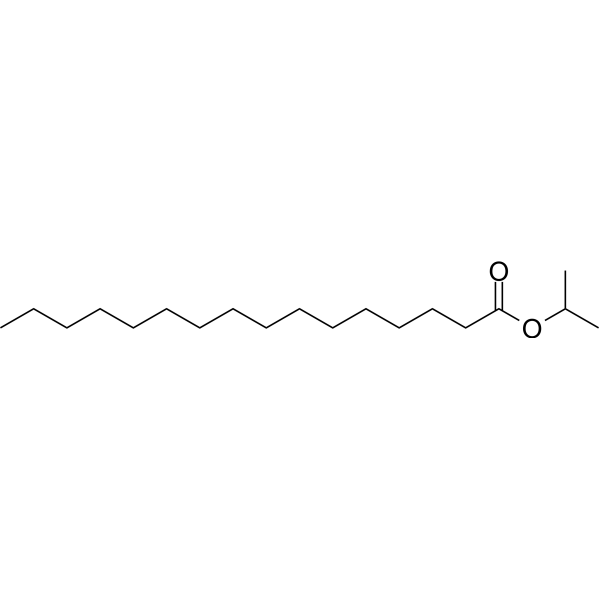
Isopropyl palmitate is an fatty acid ester. Isopropyl palmitate can be used for design and characterization of bioactive bilayer films. The bilayer membrane not only has the ability to scavenge free radicals and inhibit lipid peroxidation, but also can inhibit the growth of known foodborne pathogens. Isopropyl palmitate can be used as an excipient, such as lubricant, oily carrier, solvent, controlled-release transdermal film. Pharmaceutical excipients, or pharmaceutical auxiliaries, refer to other chemical substances used in the pharmaceutical process other than pharmaceutical ingredients. Pharmaceutical excipients generally refer to inactive ingredients in pharmaceutical preparations, which can improve the stability, solubility and processability of pharmaceutical preparations. Pharmaceutical excipients also affect the absorption, distribution, metabolism, and elimination (ADME) processes of co-administered drugs .
|
-
- HY-50911
-
|
FXR-450; XL335; WAY-362450
|
FXR
Autophagy
|
Metabolic Disease
Cancer
|
|
Turofexorate isopropyl (FXR-450) is a potent, selective, and orally bioavailable FXR agonist with EC50 of 4 nM .
|
-
- HY-W585892
-
|
|
Drug Intermediate
|
Others
|
|
Isopropyl (1S)-(+)-10-camphorsulfate is an impurity of Camphor (HY-N0808). Camphor ((±)-Camphor) is a topical anti-infective and anti-pruritic and internally as a stimulant and carminative.
|
-

- HY-W416275
-
-

- HY-59121
-
-
- HY-59121A
-
|
|
Drug Intermediate
|
Infection
|
|
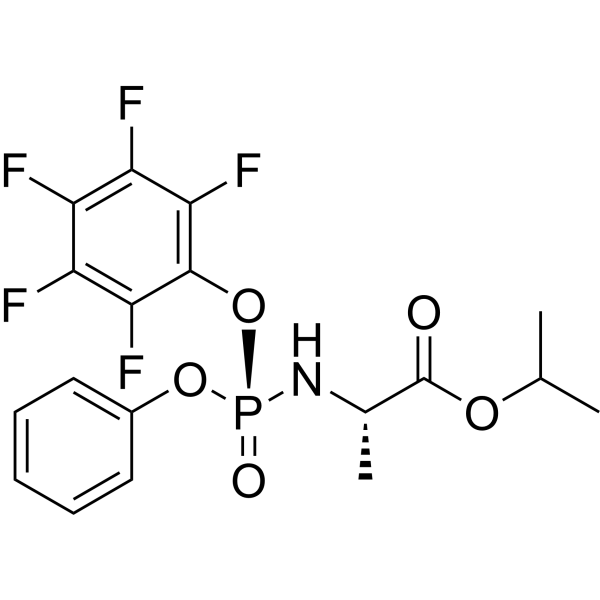
Isopropyl ((R)-(perfluorophenoxy)(phenoxy)phosphoryl)-L-alaninate can be used to synthesis Sofosbuvir (HY-15005) to avoid the production of sofibuvir degradation impurities .
|
-
- HY-W755726
-
|
|
Isotope-Labeled Compounds
|
Others
|
|
Sodium 2-((4-fluorophenyl)(isopropyl)amino)-2-oxoethane-1-sulfonate-d7 is deuterium labeled Sodium 2-((4-fluorophenyl)(isopropyl)amino)-2-oxoethane-1-sulfonate .
|
-

- HY-W112576
-
|
|
MOFs
|
Others
|
|
2'-Amino-5'-isopropyl-[1,1':3',1"-terphenyl]-3,3",5,5"-tetracarboxylic acid is a metal-organic framework (MOF).
|
-

- HY-46968
-
|
2-isopropyl-malonic acid monoethyl ester
|
Drug Intermediate
|
Others
|
|
2-(Ethoxycarbonyl)-3-methylbutanoic acid (2-Isopropyl-malonic acid monoethyl ester) is a drug intermediate for synthesis of various active compounds.
|
-

- HY-B0584R
-
|
Fluprostenol isopropyl ester(Standard); AL6221(Standard); Flu-Ipr (Standard)
|
Reference Standards
Prostaglandin Receptor
|
Endocrinology
|
|
Travoprost (Standard) is the analytical standard of Travoprost. This product is intended for research and analytical applications. Travoprost (Fluprostenol isopropyl ester), an isopropyl ester proagent, is a high affinity, selective FP prostaglandin full receptor agonist. Travoprost has the ocular hypotensive efficacy and has the potential for glaucoma and ocular hypertension .
|
-
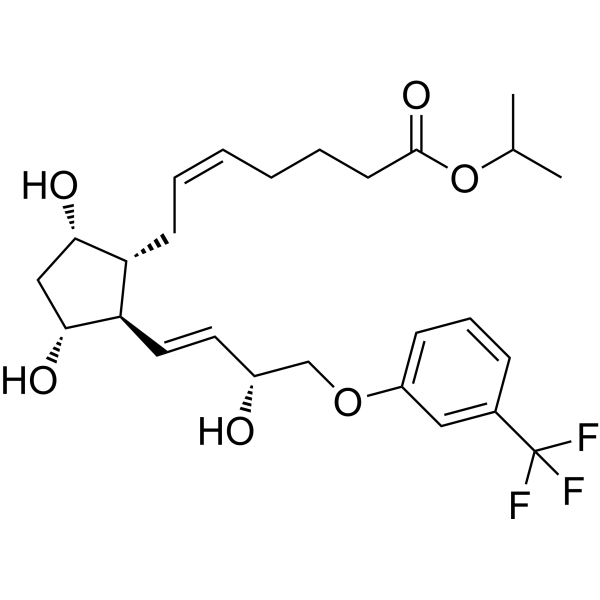
- HY-N10771
-
|
|
Others
|
Others
|
|
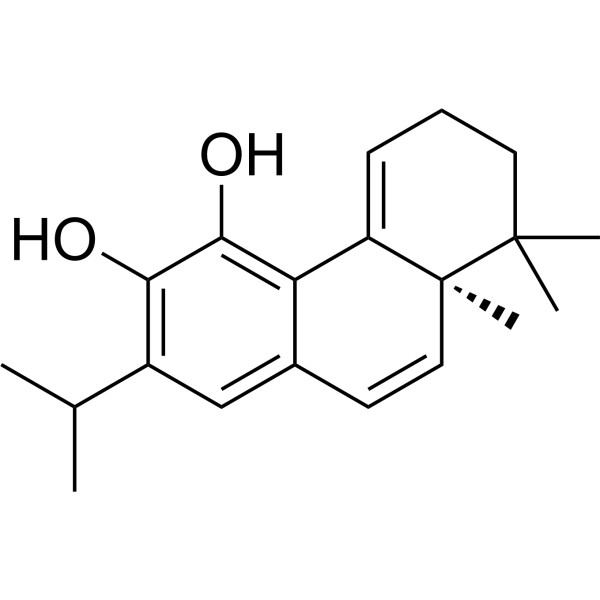
(R)-2-Isopropyl-8,8,8a-trimethyl-6,7,8,8a-tetrahydrophenanthrene-3,4-diol (compound 48) is a catechol compound. (R)-2-Isopropyl-8,8,8a-trimethyl-6,7,8,8a-tetrahydrophenanthrene-3,4-diol involves in bioinspired synthesis of rearranged abietane diterpenes, related to pygmaeocins .
|
-
- HY-182610
-
|
isopropyl vanillate
|
COX
Interleukin Related
|
Inflammation/Immunology
|
|
ISP-VT (Isopropyl vanillate) is a COX-2 inhibitor. ISP-VT exhibits anti-inflammatory, antipyretic and immunomodulatory activities. ISP-VT reduces neutrophil migration and the release of inflammatory factors . ISP-VT can be used for the research of inflammatory and immune diseases and other conditions .
|
-

- HY-W200537
-
|
isopropyl thioglycolate
|
Biochemical Assay Reagents
|
Others
|
|
Propan-2-yl 2-sulfanylacetate (Isopropyl thioglycolate) can be used as a stabilizer for dyes, an additive for flame retardants, and a component in metal cleaning agents, etc .
|
-

- HY-Z7654R
-
|
|
Reference Standards
|
|
|
3-Isopropyl 5-(2-methoxyethyl) 2,6-dimethyl-4-(3-nitrophenyl)pyridine-3,5-dicarboxylate (Nimodipine Impurity) (Standard) is the analytical standard of 3-Isopropyl 5-(2-methoxyethyl) 2,6-dimethyl-4-(3-nitrophenyl)pyridine-3,5-dicarboxylate (Nimodipine Impurity). This product is intended for research and analytical applications.
|
-

- HY-B0584S2
-
|
Fluprostenol isopropyl ester-7; AL6221-7; Flu-Ipr-7
|
Isotope-Labeled Compounds
Prostaglandin Receptor
|
Cardiovascular Disease
Endocrinology
|
|
Travoprost-d7 (Fluprostenol isopropyl ester-d7) is deuterium labeled Travoprost. Travoprost (Fluprostenol isopropyl ester), an isopropyl ester proagent, is a high affinity, selective FP prostaglandin full receptor agonist. Travoprost has the ocular hypotensive efficacy and has the potential for glaucoma and ocular hypertension .
|
-

- HY-175105
-
|
17-Phenoxy-PGF2α isopropyl ester
|
Drug Derivative
|
Endocrinology
|
|
17-Phenoxy trinor prostaglandin F2α isopropyl ester is a PGF2α (HY-12956) analog. PGF2α is an orally active agonist of the PGF receptor (FP receptor). PGF2α plays a key role in labor and delivery.
|
-

- HY-W714203S
-
|
2-(isopropyl(phenyl)amino)-2-oxoacetic acid-d5
|
Isotope-Labeled Compounds
|
Others
|
|
Propachlor OA-d5 (2-(Isopropyl(phenyl)amino)-2-oxoacetic acid-d5) is deuterium labeled 2-(Isopropyl(phenyl)amino)-2-oxoacetic acid .
|
-

- HY-116617
-
|
15-Keto Fluprostenol isopropyl ester
|
Drug Metabolite
|
Others
|
|
15-Keto Travoprost (15-Keto Fluprostenol isopropyl ester) is a metabolite of Travoprost (HY-B0584). 15-Keto Travoprost shows stimulatory effect on the growth and thickening of the eyelashes .
|
-
- HY-116502
-
|
13,14-Dihydro-15-keto PGF2α isopropyl ester
|
Biochemical Assay Reagents
|
Others
|
|
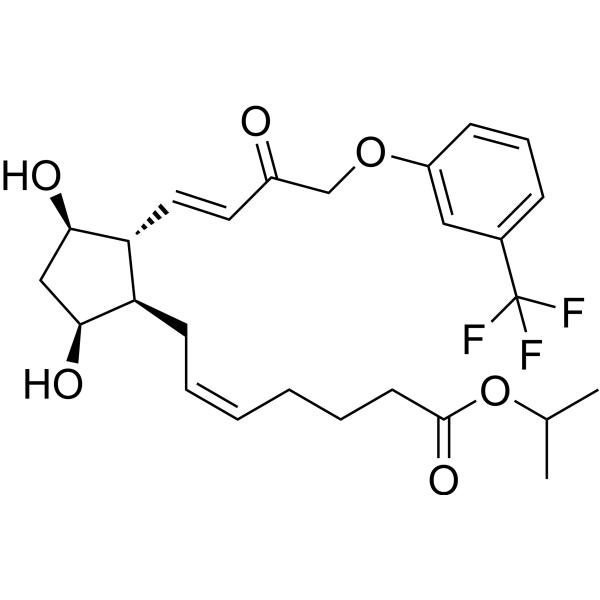
13,14-Dihydro-15-keto prostaglandin F2α isopropyl ester is an esterified form of 13,14-dihydro-15-keto PGF2α.
|
-

- HY-W013571
-
|
Cuminic acid; p-isopropyl benzoic acid
|
Fungal
|
Infection
|
|
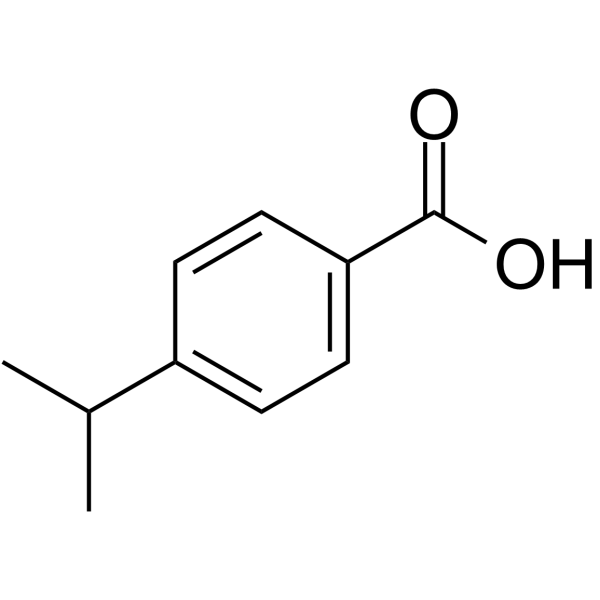
4-Isopropylbenzoic acid (Cuminic acid; p-Isopropyl benzoic acid) an aromatic monoterpenoid, is isolated from the stem bark of Bridelia retusa. 4-Isopropylbenzoic acid exhibits antifungal activities. 4-Isopropylbenzoic acid is also a reversible and uncompetitive inhibitor of mushroom tyrosinase .
|
-
- HY-158550
-
-

- HY-78066
-
|
6-Bromo-4-fluoro-1-isopropyl-2-methyl-1H-benzo[d]imidazole
|
Drug Intermediate
|
Others
|
|
Abemaciclib Impurity 1 (6-Bromo-4-fluoro-1-isopropyl-2-methyl-1H-benzo[d]imidazole) is a drug intermediate for synthesis of various active compounds.
|
-

- HY-124200
-
|
|
Prostaglandin Receptor
|
Endocrinology
|
|
AL 8810 (Item No. 16735) is an 11β-fluoro analog of prostaglandin F2α which acts as a potent and selective antagonist at the FP receptor. AL 8810 isopropyl ester is a lipid soluble, esterified prodrug form of AL 8810 analogous to the commonly used therapeutic intraocular prostaglandin compounds such as Latanoprost (HY-B0577) and Travoprost (HY-B0584).
|
-

- HY-78066S1
-
|
6-Bromo-4-fluoro-1-isopropyl-2-methyl-1H-benzo[d]imidazole-d5
|
Isotope-Labeled Compounds
Drug Intermediate
|
Others
|
|
Abemaciclib impurity 1-d5 (6-Bromo-4-fluoro-1-isopropyl-2-methyl-1H-benzo[d]imidazole-d5) is the deuterium labeled Abemaciclib impurity 1. Abemaciclib Impurity 1 (6-Bromo-4-fluoro-1-isopropyl-2-methyl-1H-benzo[d]imidazole) is a drug intermediate for synthesis of various active compounds.
|
-

- HY-78066S
-
|
6-Bromo-4-fluoro-1-isopropyl-2-methyl-1H-benzo[d]imidazole-d12
|
Isotope-Labeled Compounds
Drug Intermediate
|
Others
|
|
Abemaciclib impurity 1-d12 (6-Bromo-4-fluoro-1-isopropyl-2-methyl-1H-benzo[d]imidazole-d12) is the deuterium labeled Abemaciclib impurity 1. Abemaciclib Impurity 1 (6-Bromo-4-fluoro-1-isopropyl-2-methyl-1H-benzo[d]imidazole) is a drug intermediate for synthesis of various active compounds.
|
-

- HY-W286622S
-
|
1-isopropyl-1-butanol-d4; 5-Methyl-4-hexanol-d4
|
Isotope-Labeled Compounds
|
Others
|
|
2-Methyl-3-hexanol-d4 (1-Isopropyl-1-butanol-d4) is the deuterium labeled 2-Methylhexan-3-ol.
|
-

- HY-W013571R
-
|
Cuminic acid (Standard); p-isopropyl benzoic acid (Standard)
|
Reference Standards
Fungal
|
Infection
|
|
4-Isopropylbenzoic acid (Cuminic acid; p-Isopropyl benzoic acid) an aromatic monoterpenoid, is isolated from the stem bark of Bridelia retusa. 4-Isopropylbenzoic acid exhibits antifungal activities. 4-Isopropylbenzoic acid is also a reversible and uncompetitive inhibitor of mushroom tyrosinase .
|
-

- HY-44072
-
|
|
Drug Intermediate
|
Others
|
|
7-Chloro-6-fluoro-1-(2-isopropyl-4-methyl-3-pyridyl)pyrido[2,3-d]pyrimidine-2,4-dione is a drug intermediate for synthesis of various active compounds.
|
-
![7-Chloro-6-fluoro-1-(2-isopropyl-4-methyl-3-pyridyl)pyrido[2,3-d]pyrimidine-2,4-dione](//file.medchemexpress.com/product_pic/hy-44072.gif)
- HY-B0584A
-
|
5,6-trans-Fluprostenol isopropyl ester; 5,6-trans-AL6221; 5,6-trans-Flu-Ipr
|
Prostaglandin Receptor
|
Endocrinology
|
|
5,6-trans-Travoprost is the isomer of Travoprost (HY-B0584), and can be used as an experimental control. Travoprost (Fluprostenol isopropyl ester), an isopropyl ester proagent, is a high affinity, selective FP prostaglandin full receptor agonist. Travoprost has the ocular hypotensive efficacy and has the potential for glaucoma and ocular hypertension .
|
-
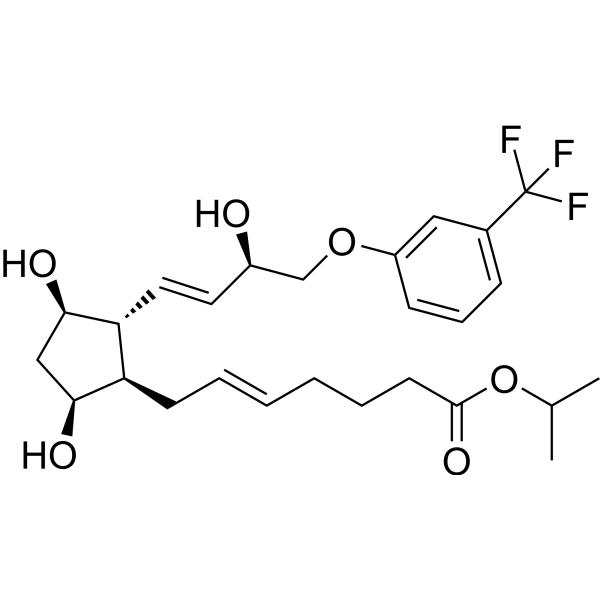
- HY-Z8676
-
|
|
Drug Intermediate
|
Others
|
|
(3R,5S,E)-3,5-Dihydroxy-7-(4-isopropyl-2-(N-methylmethylsulfonamido)-6-phenylpyrimidin-5-yl)hept-6-enoic acid (Rosuvastatin Impurity) is an impurity of (3R,5S,E)-3,5-Dihydroxy-7-(4-isopropyl-2-(N-methylmethylsulfonamido)-6-phenylpyrimidin-5-yl)hept-6-enoic acid (Rosuvastatin).
|
-

- HY-114385
-
|
13,14-epoxy Fluprostenol isopropyl ester
|
Prostaglandin Receptor
|
Others
|
|
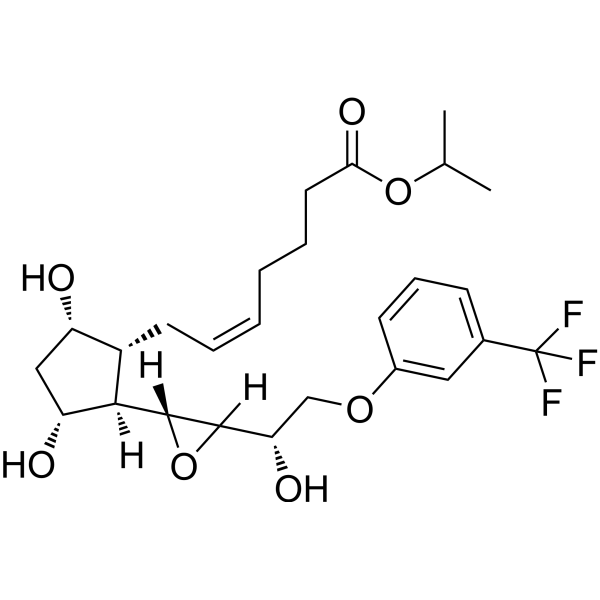
13,14-epoxy Travoprost (13,14-epoxy Fluprostenol isopropyl ester) is a mixture of diastereomeric epoxides generated during production of Travoprost (HY-B0584). Travoprost is a selective agonist for prostaglandin F receptor, which exhibits an ocular hypotensive efficacy .
|
-
- HY-47513
-
|
|
Drug Intermediate
|
Others
|
|
(2R,7aS)-Isopropyl 2-fluorohexahydro-1H-pyrrolizine-7a-carboxylate is a drug intermediate for synthesis of various active compounds.
|
-

- HY-W726390
-
|
|
Adrenergic Receptor
|
Neurological Disease
|
|
2-(4-(2-Hydroxy-3-(isopropyl(nitroso)amino)propoxy)phenyl)acetamide is a genotoxic derivative of Atenolol (HY-17498) that can induce DNA fragmentation in rat hepatocytes when used at concentrations ranging from 0.1 to 1 mM.
|
-

- HY-50110
-
|
|
Drug Intermediate
|
Others
|
|
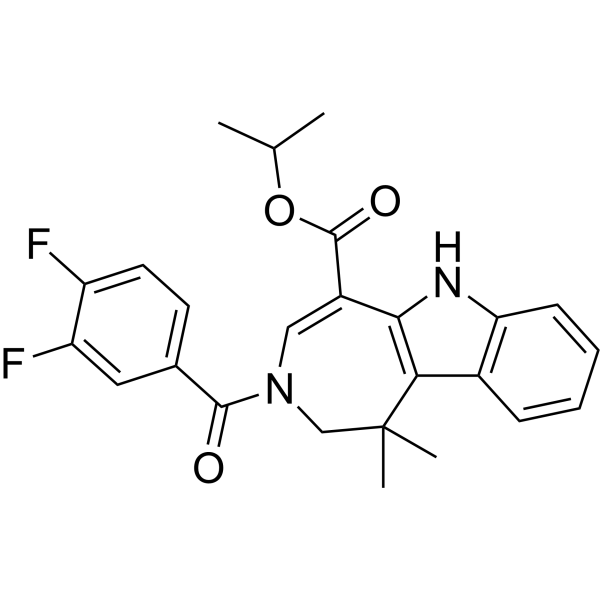
Isopropyl 1,1-dimethyl-1,2,3,6-tetrahydroazepino[4,5-b]indole-5-carboxylate is a drug intermediate for synthesis of various active compounds.
|
-
![Isopropyl 1,1-dimethyl-1,2,3,6-tetrahydroazepino[4,5-b]indole-5-carboxylate](//file.medchemexpress.com/product_pic/hy-50110.gif)
- HY-106317
-
|
Glutathione isopropyl ester; YM 737
|
Drug Derivative
|
Neurological Disease
Inflammation/Immunology
Cancer
|
|
Glutathione monoisopropyl ester (Glutathione isopropyl ester) is an ester derivative of glutathione. Glutathione monoisopropyl ester can increase glutathione concentrations in tissues such as the liver, lungs, heart, and brain of mice, exerting a dose-dependent protective effect against liver injury. Glutathione monoisopropyl ester effectively inhibits ultraviolet-induced lipid peroxidation, inflammatory responses, and tumorigenesis in the skin of hairless mice by maintaining epidermal glutathione levels. Glutathione monoisopropyl ester also inhibits the progression of X-ray-induced cataracts in rats .
|
-

- HY-Z10518
-
|
|
HMG-CoA Reductase (HMGCR)
|
Cardiovascular Disease
|
|
((3R,5R,E)-7-(4-(4-fluorophenyl)-6-isopropyl-2-(N-methylmethylsulfonamido)pyrimidin-5-yl)-3,5-dihydroxyhept-6-enoate) calcium(II) is an impurity found in bulk preparations of the HMG-CoA reductase inhibitor Rosuvastatin (HY-17504A).
|
-

- HY-101304
-
|
S-isopropyl ITU; IPTU
|
NO Synthase
|
Cardiovascular Disease
Neurological Disease
|
|
S-Isopropylisothiourea hydrobromide (S-isopropyl ITU; IPTU) is a blood-brain barrier (BBB) penetrant NOS inhibitor with IC50 values of 0.66, 0.75 and 0.29 μM against mouse spinal cord, cerebellar, bovine aortic and porcine endothelial cell NOS. S-Isopropylisothiourea exhibits a significant blood pressure-raising effect without damaging the perfusion of vital organs and can also inhibit the late-phase pain response induced by formalin. S-Isopropylisothiourea hydrobromide is used in the researchs for hemorrhagic shock and pain response based on NOS .
|
-

- HY-179901
-
|
|
Others
|
Endocrinology
|
|
17-phenyl trinor Prostaglandin F2α isopropyl amide is a derivative of 17-phenyl trinor prostaglandin F2α ethyl amide.17-Phenyl trinor prostaglandin E2 ethyl amide (17-Phenyl trinor PGE2 ethyl amide) is a EP1 receptor agonist. 17-Phenyl trinor prostaglandin E2 ethyl amide aggravates renal dysfunction and glomerulosclerosis.
|
-

- HY-W707270
-
|
alpha-isopropyl homoveratronitrile-d7
|
Isotope-Labeled Compounds
|
Others
|
|
2-(3,4-Dimethoxyphenyl)-3-methylbutanenitrile-d7 (alpha-Isopropyl homoveratronitrile-d7) is the deuterium labeled 2-(3,4-Dimethoxyphenyl)-3-methylbutanenitrile (HY-W101691).
|
-

- HY-W101675R
-
|
|
Reference Standards
|
|
|
tert-Butyl 2-((4R,6S)-6-((E)-2-(4-(4-fluorophenyl)-6-isopropyl-2-(N-methylmethylsulfonamido)pyrimidin-5-yl)vinyl)-2,2-dimethyl-1,3-dioxan-4-yl)acetate (Standard) is the analytical standard of tert-Butyl 2-((4R,6S)-6-((E)-2-(4-(4-fluorophenyl)-6-isopropyl-2-(N-methylmethylsulfonamido)pyrimidin-5-yl)vinyl)-2,2-dimethyl-1,3-dioxan-4-yl)acetate. This product is intended for research and analytical applications.
|
-

- HY-W777089
-
|
|
Biochemical Assay Reagents
|
Others
|
|
Benzyl 5-amino-5-deoxy-2,3-O-isopropyl-α-D-mannofuranoside is a class of biochemical reagents used in glycobiology research. Glycobiology studies the structure, synthesis, biology, and evolution of sugars. It involves carbohydrate chemistry, enzymology of glycan formation and degradation, protein-glycan recognition, and the role of glycans in biological systems. This field is closely related to basic research, biomedicine, and biotechnology .
|
-

- HY-W099785R
-
|
|
Reference Standards
|
|
|
2-Isopropyl-6-propylphenol (Standard) is the analytical standard of 2-Isopropyl-6-propylphenol. This product is intended for research and analytical applications.
|
-

- HY-176075
-
-

- HY-116679
-
|
17-Trifluoromethylphenyl trinor PGF2α
|
Prostaglandin Receptor
|
Endocrinology
|
|
A number of 17-phenyl trinor prostaglandin F2α (17-phenyl trinor PGF2α) derivatives have been approved for glaucoma. Of these, the unsubstituted or meta-substituted aromatic derivatives are the most potent FP receptor agonists.4 17-trifluoromethylphenyl trinor PGF2α bears an aromatic ring which is reminiscent of the trifluoromethyl-phenoxy ring of travoprost ((+)-fluprostenol isopropyl ester). As an ocular hypotensive agent, it would be expected that 17-trifluoromethylphenyl trinor PGF2α would act very much like the free acid of travoprost. 17-phenyl trinor PGF2α is a potent luteolytic, with a potency equal to or greater than fluprostenol and cloprostenol.
|
-

- HY-N10703
-
|
|
Others
|
Others
|
|
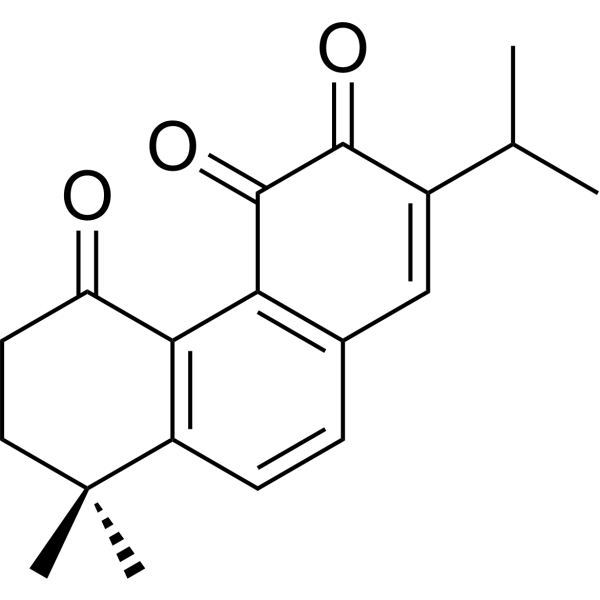
2-Isopropyl-8,8-dimethyl-7,8-dihydrophenanthrene-3,4,5(6H)-trione is a C20 -norabietane diterpenoid with anti-inflammatory activity. 2-Isopropyl-8,8-dimethyl-7,8-dihydrophenanthrene-3,4,5(6H)-trione can be isolated from sage leaves .
|
-
- HY-131923
-
|
|
Notch
|
Cancer
|
|
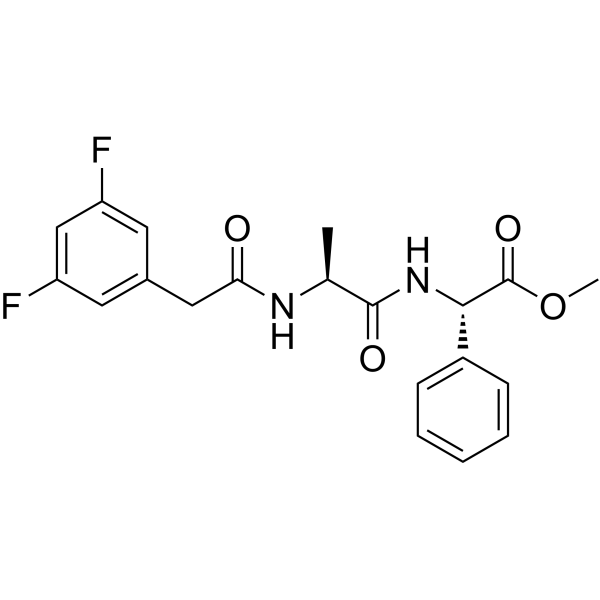
DAPM is a Notch pathway inhibitor with anticancer activity and antiproliferative effects. DAPM effectively inhibits tubular adenoma development by inhibiting cell proliferation and inducing the expression of Krüppel-like factor 4 (KLF4) and p21 in human colon cancer cells .
|
-
- HY-17423C
-
|
trans-Abacavir Hydrochloride
|
Drug Intermediate
|
Others
|
|
Abacavir impurity 5 (trans-Abacavir Hydrochloride) is an impurity of Abacavir.
|
-

- HY-400210
-
|
|
DNA/RNA Synthesis
Phosphoramidites
|
Others
|
|
(2R,3R,4R,5R)-2-((Bis(4-methoxyphenyl)(phenyl)methoxy)methyl)-5-(2,4-dioxo-3,4-dihydropyrimidin-1(2H)-yl)-4-fluorotetrahydrofuran-3-yl isopropyl diisopropylphosphoramidite is a phosphoramidite that can be used in the synthesis of oligonucleotides.
|
-

- HY-W012618R
-
|
|
Drug Intermediate
Reference Standards
|
Others
|
|
Isopropyl palmitate (Standard) is the analytical standard of Isopropyl palmitate. This product is intended for research and analytical applications. Isopropyl palmitate is an fatty acid ester. Isopropyl palmitate can be used for design and characterization of bioactive bilayer films. The bilayer membrane not only has the ability to scavenge free radicals and inhibit lipid peroxidation, but also can inhibit the growth of known foodborne pathogens. Isopropyl palmitate can be used as an excipient, such as lubricant, oily carrier, solvent, controlled-release transdermal film. Pharmaceutical excipients, or pharmaceutical auxiliaries, refer to other chemical substances used in the pharmaceutical process other than pharmaceutical ingredients. Pharmaceutical excipients generally refer to inactive ingredients in pharmaceutical preparations, which can improve the stability, solubility and processability of pharmaceutical preparations. Pharmaceutical excipients also affect the absorption, distribution, metabolism, and elimination (ADME) processes of co-administered drugs .
|
-

- HY-W108419A
-
|
|
Sex Pheromone
|
Infection
|
|
trans-5-Decenyl acetate is a synthetic sex pheromone component. trans-5-Decenyl acetate attracts male Anarsia lineatella moths when used in a mixture with trans-5-decen-1-ol (HY-W127516). trans-5-Decenyl acetate can be used to monitor male Anarsia lineatella moth activity in peach and almond orchard field .
|
-

- HY-147079
-
|
ARC 1779
|
Integrin
|
Cardiovascular Disease
|
|
Egaptivon pegol (ARC1779) is an aptamer, which blocks binding of the von Willebrand Factor (VWF) to platelet GPIb receptors. Egaptivon pegol has anti-thrombotic efficacy.
|
-

- HY-142422S
-
-
- HY-CE00358
-
-

- HY-W717530
-
|
7-isopropyl-1-methylphenanthrene
|
Biochemical Assay Reagents
Environmental Pollutants
|
Others
|
|
Retene is widely present in modern and ancient sediments, and can be extracted from fir forest soils, humus coal, continental petroleum source rocks, and deep-sea sediments. Retene can be toxic when exposed to light, and this light-induced toxicity can have lethal and sublethal effects on aquatic organisms. Retene can be used as a model compound to study the interaction between environmental pollutants and ultraviolet rays .
|
-

- HY-109561
-
|
EYE001; NX1838
|
VEGFR
|
Metabolic Disease
Inflammation/Immunology
|
|
Pegaptanib sodium is an RNA aptamer with polyethylene glycol modifications, which is directed against vascular endothelial growth factor (VEGF)-165. Pegaptanib could be used for the study of neovascular age-related macular degeneration (AMD) .
|
-
- HY-15921
-
IPTG
Maximum Cited Publications
33 Publications Verification
isopropyl β-D-thiogalactoside
|
Biochemical Assay Reagents
|
Others
|
|
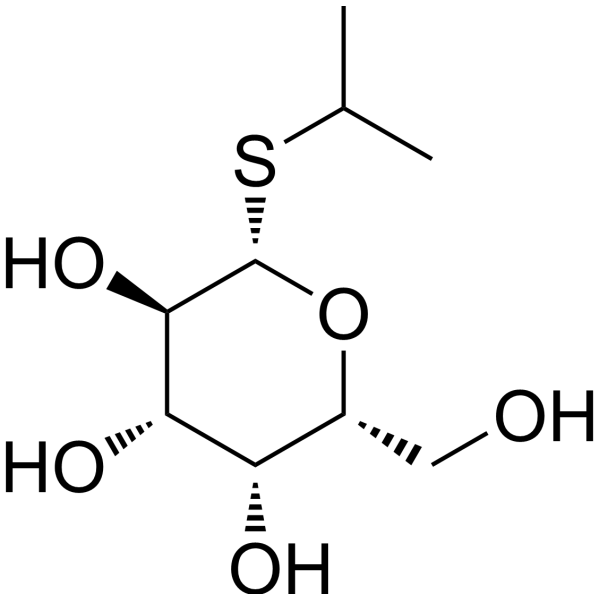
IPTG is a molecular mimic of allolactose, a lactose metabolite that triggers transcription of the lac operon, and it is therefore used to induce protein expression where the gene is under the control of the lac operator.
|
-
- HY-W102648
-
|
N-Formylpyrrolidine
|
Biochemical Assay Reagents
|
Others
|
|
1-Formylpyrrolidine (N-Formylpyrrolidine) is the monomer constituent of gas clathrate inhibitor. 1-Formylpyrrolidine can be used to synthesize 1-oxa-3,4-dimethyl-5-(1-pyrrolldino)-2,2-di(tert-butyl)silacyclopentane and 1-oxa-4-isopropyl-5-(1-pyrrolidino)-2,2-di(tert-butyl)silacyclopentane .
|
-

- HY-176007
-
|
|
Biochemical Assay Reagents
|
Metabolic Disease
|
|
Fluprostenol is a prostaglandin structural analog, and its isopropyl ester derivative (Travoprost, HY-B0584) has demonstrated notable physiological modulatory properties in related studies .
|
-

- HY-W714025S
-
-

- HY-118294
-
|
16-Phenoxy tetranor prostaglandin F2α isopropyl ester; 16-Phenoxy tetranor PGF2α isopropyl ester
|
Prostaglandin Receptor
|
Cardiovascular Disease
|
|
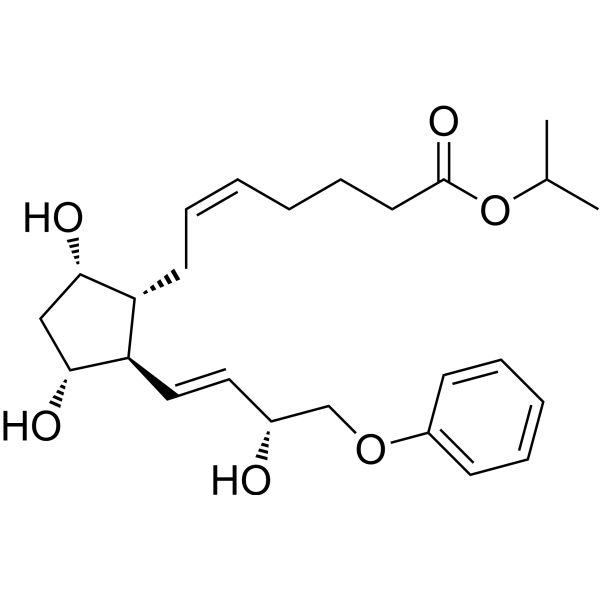
15-OH Tafluprost, a prostaglandin F2a (PGF2a) analog, relieves endothelin-1 (ET-1)-induced optic nerve head (ONH) blood flow impairment and ET-1-induced contraction of isolated ciliary artery segments .
|
-
- HY-W1008636
-
|
|
Drug Derivative
|
Others
|
|
Isomenthol is a isomer of menthol with two stable gas-phase conformers. Isomenthol has gas-phase conformers proposed to be non-minty due to axial methyl or axial isopropyl groups .
|
-

- HY-148663
-
|
Tripalmitoyl pentapeptide
|
MAPKAPK2 (MK2)
|
Inflammation/Immunology
|
|
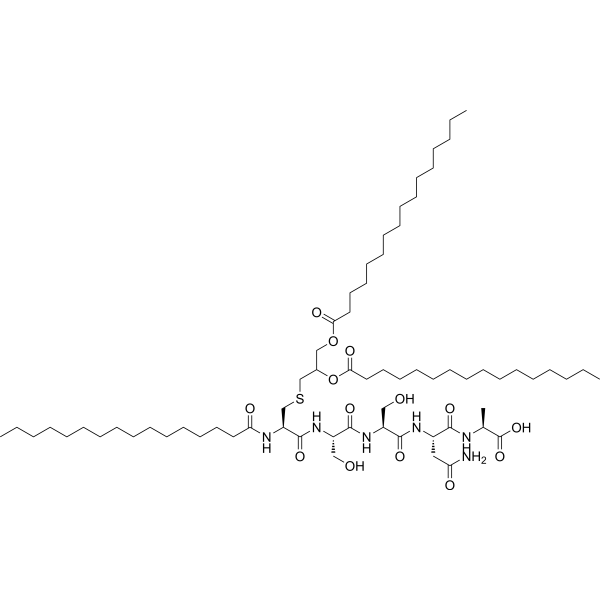
Mitogenic Pentapeptide (Tripalmitoyl pentapeptide) is an effective activator of B lymphocyte mitogen and polyclonal. Mitogen Pentapeptide is a synthetic N-terminal analog of E. coli outer membrane lipoproteins. Mitogenic Pentapeptide can be used for the study of immune adjuvants .
|
-
- HY-W754038
-
|
|
Isotope-Labeled Compounds
|
Others
|
|
N-Nitrososotalol-d6 is the deuterium labeled N-(4-(1-Hydroxy-2-(isopropyl(nitroso)amino)ethyl)phenyl)methanesulfonamide (HY-W726394).
|
-

- HY-W004356S
-
|
(Rac)-GS-7340-d5
|
Isotope-Labeled Compounds
|
Others
|
|
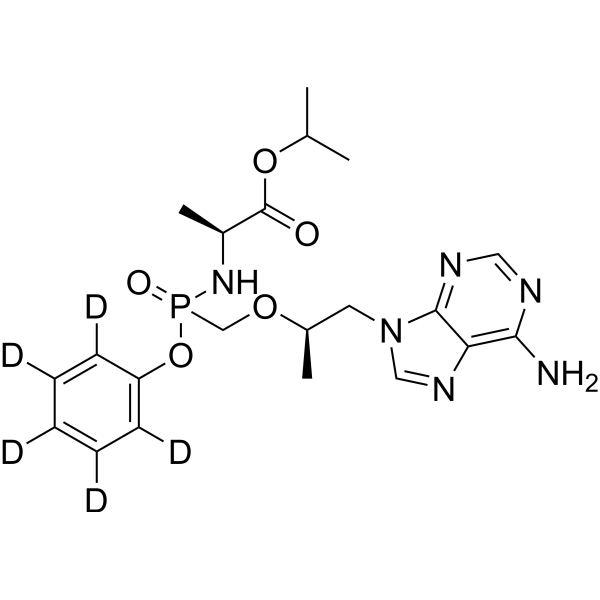
(2R)-Isopropyl 2-((((((R)-1-(6-amino-9H-purin-9-yl)propan-2-yl)oxy)methyl)(phenoxy)phosphoryl)amino)propanoate-d5 is the deuterium labeled (2R)-isopropyl 2-((((((R)-1-(6-amino-9H-purin-9-yl)propan-2-yl)oxy)methyl)(phenoxy)phosphoryl)amino)propanoate [
|
-
- HY-168249
-
|
|
PROTAC Linkers
|
Cancer
|
|
trans-4-(2-Chloropyrimidin-5-yl)cyclohexanecarboxylic acid is a PROTAC Linker that can be used to synthesize PROTAC BRM/BRG1 degrader-2 (HY-168247) .
|
-

- HY-131233
-
|
Remdesivir isopropyl ester analog
|
Antibiotic
|
Infection
|
|
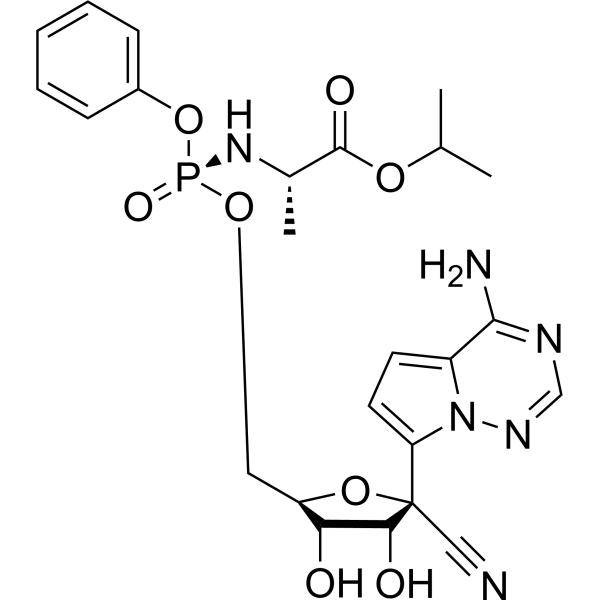
Anti-virus agent 1 (compound 4i), a phosphoramidate proagent of GS-5734 (HY-104077; Remdesivir), has potent antiviral activity. Anti-virus agent 1 is used for the research of coronavirus and Ebola virus (EBOV) .
|
-
- HY-116617R
-
|
15-Keto Fluprostenol isopropyl ester (Standard)
|
Drug Metabolite
Reference Standards
|
Others
|
|
Cefotaxime (Standard) is the analytical standard of Cefotaxime. This product is intended for research and analytical applications. Cefotaxime, a β-lactamase stable cephalosporin and a third-generation cephalosporin antibiotic, possesses broad-spectrum antibiotic activity against numerous Gram-positive and Gram-negative bacteria .
|
-

- HY-100081R
-
|
Propofol isopropyl Ether (Standard)
|
Reference Standards
|
|
|
2-Isopropoxy-1,3-diisopropylbenzene (Standard) is the analytical standard of 2-Isopropoxy-1,3-diisopropylbenzene. This product is intended for research and analytical applications.
|
-

- HY-W040705
-
|
N-Methylanthranilic acid
|
Drug Metabolite
|
Others
|
|
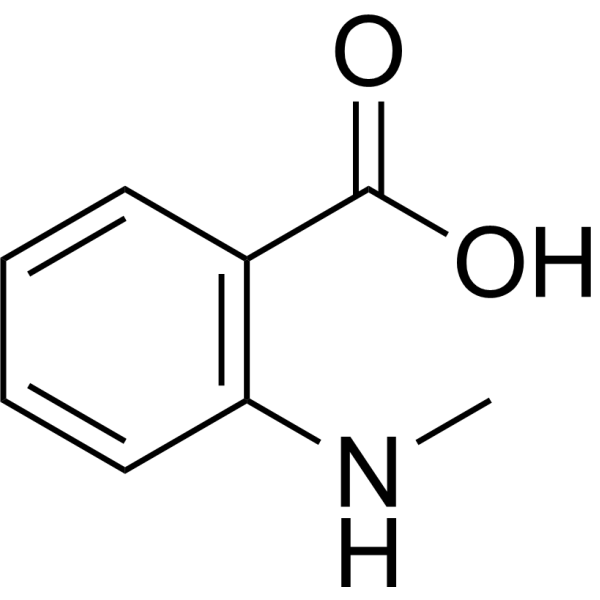
2-(Methylamino)benzoic acid is the main metabolite of methyl-N-methylanthranilates (MMA) (HY-76705) and is the compound in which the ester group is converted. MMA can be isolated from citrus fruits and has potential analgesic activity. 2-(Methylamino)benzoic acid was used to detect the metabolic levels of MMA in rat liver .
|
-
- HY-W040705R
-
|
N-Methylanthranilic acid (Standard)
|
Drug Metabolite
Reference Standards
|
Others
|
|
2-(Methylamino)benzoic acid (Standard) is the analytical standard of 2-(Methylamino)benzoic acid. This product is intended for research and analytical applications. 2-(Methylamino)benzoic acid is the main metabolite of methyl-N-methylanthranilates (MMA) (HY-76705) and is the compound in which the ester group is converted. MMA can be isolated from citrus fruits and has potential analgesic activity. 2-(Methylamino)benzoic acid was used to detect the metabolic levels of MMA in rat liver[1].
|
-

- HY-W726709
-
|
2-[(1-Methylethyl)phenylamino-d5]-2-oxoethanesulfonic acid sodium
|
Isotope-Labeled Compounds
|
Others
|
|
Propachlor ESA-d5 (2-[(1-Methylethyl)phenylamino-d5]-2-oxoethanesulfonic acid) sodiumis deuterium labeled Sodium 2-(isopropyl(phenyl)amino)-2-oxoethane-1-sulfonate .
|
-

- HY-W016484
-
-
- HY-185225
-
|
|
Drug Derivative
|
Others
|
|
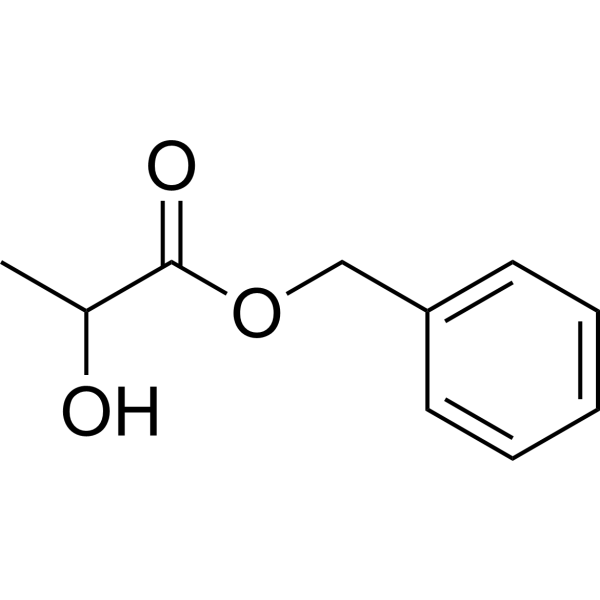
cis-Vaccenic acid NHS ester is an N-hydroxysuccinimide (NHS)-activated ester derivative of cis-vaccenic acid (HY-113427A) (C18:1 n-7), which is commonly used as a fatty acid labeling reagent or covalent modification reagent .
|
-

- HY-D1085
-
|
|
Fluorescent Dye
|
Others
|
|
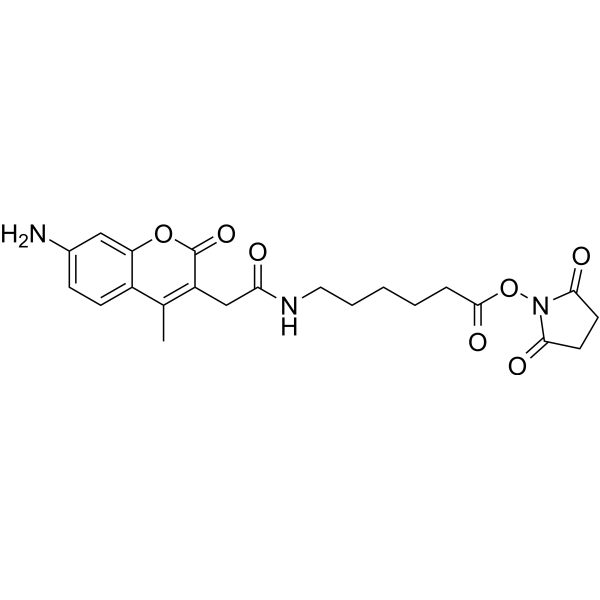
AMCA-X-SE is a coumarin derivative that generates fixed blue fluorescence and an NHS-activated ester that forms stable amide bonds with primary amine groups. It is used as a reactive dye for labeling amino groups of peptides, proteins, and oligonucleotides. Maximum excitation/emission wavelength: 354/442 nm .
|
-
- HY-N8208
-
|
|
Others
|
Others
|
|
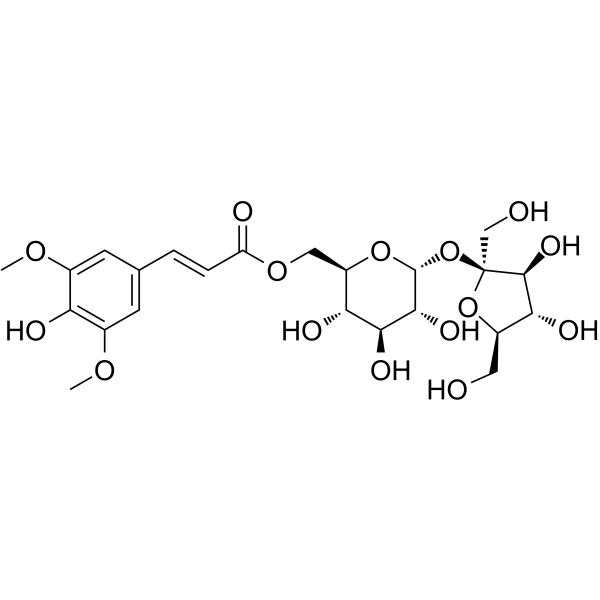
Sibiricose A1is an oligosaccharide ester that can be found in Polygala tenuifolia .
|
-
- HY-131233R
-
|
Remdesivir isopropyl ester analog (Standard)
|
Antibiotic
Reference Standards
|
Infection
|
|
Anti-virus agent 1 (Standard) is the analytical standard of Anti-virus agent 1. This product is intended for research and analytical applications. Anti-virus agent 1 (compound 4i), a phosphoramidate proagent of GS-5734 (HY-104077; Remdesivir), has potent antiviral activity. Anti-virus agent 1 is used for the research of coronavirus and Ebola virus (EBOV)[1][2].
|
-

- HY-152653
-
|
|
Nucleoside Antimetabolite/Analog
|
Cancer
|
|
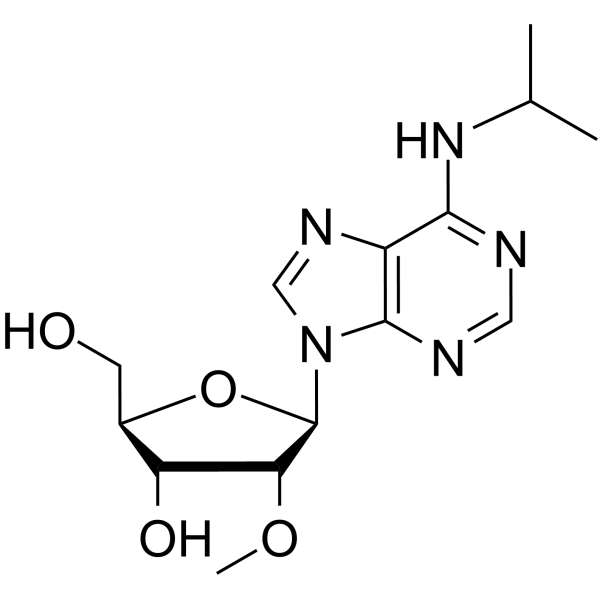
N6-iso-Propyl-2’-O-methyladenosine is a purine nucleoside analog. Purine nucleoside analogs have broad antitumor activity targeting indolent lymphoid malignancies. Anticancer mechanisms in this process rely on inhibition of DNA synthesis, induction of apoptosis, etc .
|
-
- HY-17642
-
|
UR-7276
|
Prostaglandin Receptor
|
Endocrinology
|
|
Omidenepag (UR-7276), a pharmacologically active form of Omidenepag Isopropyl, is a selective, non-prostanoid EP2 receptor agonist, with an EC50 of 1.1 nM. Omidenepag shows binding affinities (IC50) 10 nM for h-EP2. Omidenepag is used in research on diseases related to intraocular pressure .
|
-
- HY-W101562R
-
-
![6-Bromo-1-isopropyl-2-methyl-1H-benzo[d]imidazole (Standard)](//file.medchemexpress.com/product_pic/hy-w101562r.gif)
- HY-W014789
-
-

- HY-W004289
-
|
|
Drug Derivative
|
Others
|
|
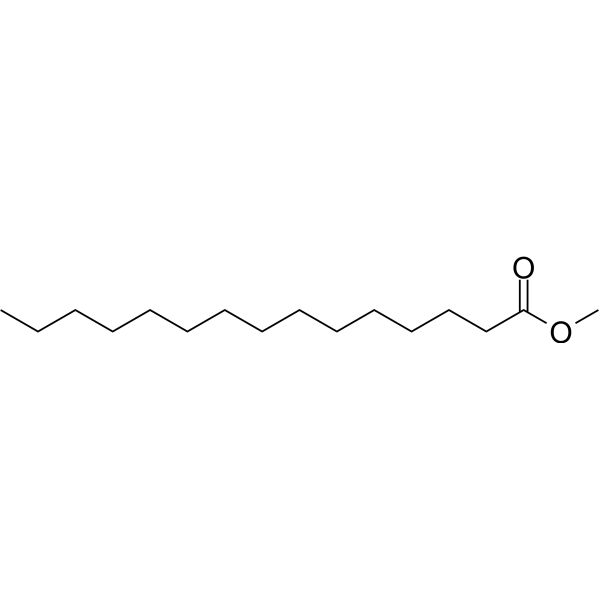
Methyl pentadecanoate is a fatty acid ester that can be isolated from extracts of L. wallichi. Methyl pentadecanoate is formed by the condensation of the carboxyl group of pentadecanoic acid with the hydroxyl group of methanol .
|
-
- HY-129711
-
-

- HY-139352R
-
-

- HY-D1730
-
|
|
Fluorescent Dye
|
Others
|
|
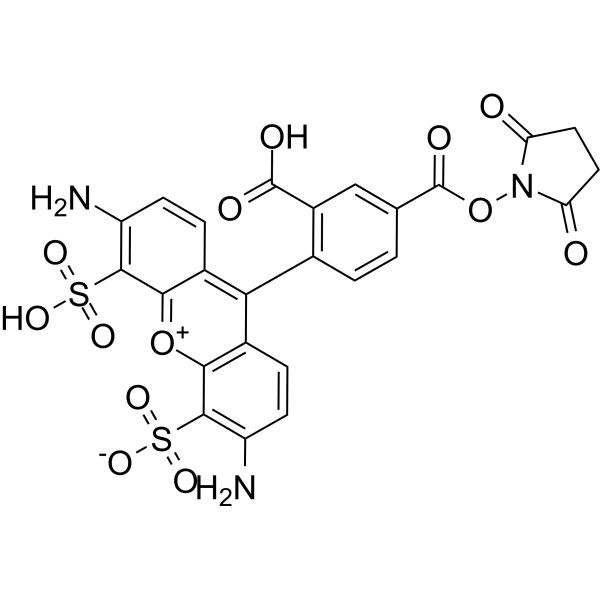
AF488 NHS ester is an amine specific fluorescence probe (Em=525 nm). AF488 NHS ester reacts with sulfhydryl groups and amines in aqueous and biological samples then change their chemical structure and fluorescence properties after derivatization .
|
-
- HY-W017439R
-
|
|
Others
Reference Standards
|
Others
|
|
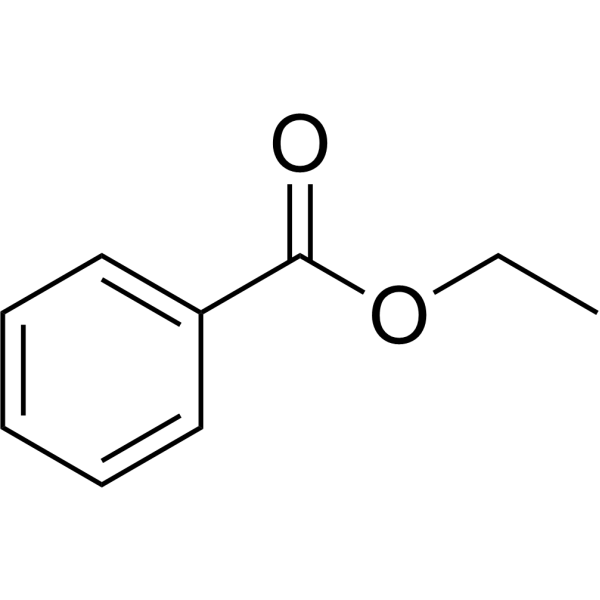
Ethyl benzoate (Standard) is the analytical standard of Ethyl benzoate. This product is intended for research and analytical applications. Ethyl benzoate is ester from oil of the overground parts of Artemisia monosperma .
|
-

- HY-41344
-
|
|
Antibiotic
|
Infection
|
|
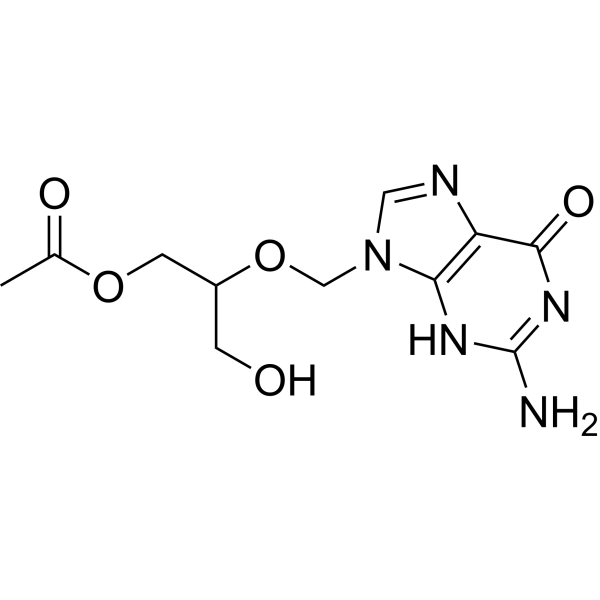
Ganciclovir mono-O-acetate is a derivative of Ganciclovir. Ganciclovir, a nucleoside analogue, is an orally active antiviral agent with activity against CMV .
|
-
- HY-41344R
-
|
|
Antibiotic
Reference Standards
|
Infection
|
|
Ganciclovir mono-O-acetate (Standard) is the analytical standard of Ganciclovir mono-O-acetate. This product is intended for research and analytical applications. Ganciclovir mono-O-acetate is a derivative of Ganciclovir. Ganciclovir, a nucleoside analogue, is an orally active antiviral agent with activity against CMV[1].
|
-

- HY-W017439
-
-
- HY-145673
-
|
|
Drug Derivative
|
Others
|
|
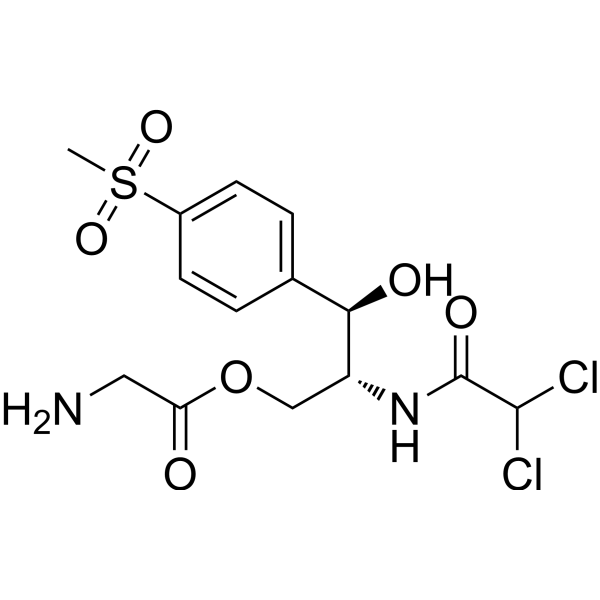
Thiamphenicol glycinate, an alpha-amino acid ester, is a proagent of Thiamphenicol (HY-B0479) .
|
-
- HY-N12066
-
|
|
Others
|
Others
|
|
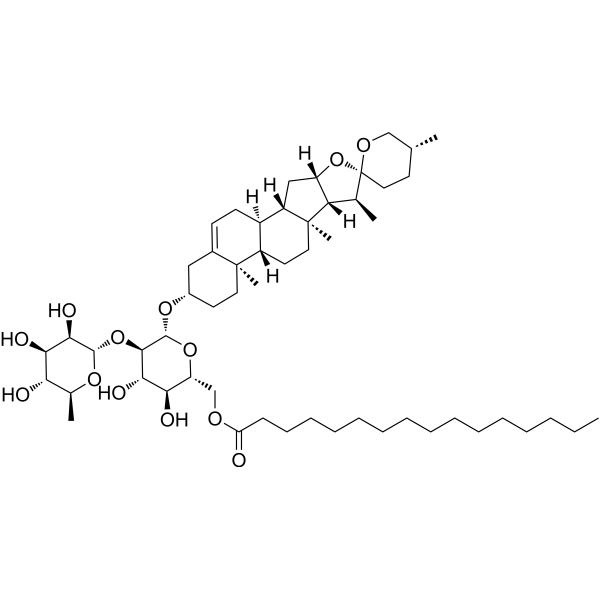
Progenin III palmitate is a steroid glycoside ester isolated from Dioscorea cayenensis rhizomes .
|
-
- HY-139352
-
-

- HY-N18319
-
|
|
Drug Derivative
|
Others
|
|
(±)-Eriodictyol 7-O-β-D-pyranoglucuronide is a flavonoid glycoside found in the leaves of Pyrrosia petiolosa .
|
-

- HY-N7877
-
|
|
Others
|
Others
|
|
Angulatin D is a β-dihydroagarofuran compound found in the root bark of Celastrus angulatus Maxim .
|
-

- HY-W001957
-
|
4-Acetylbutyric acid; 5-Oxohexanoic acid; NSC-5281
|
Drug Intermediate
HIV
|
Infection
|
|
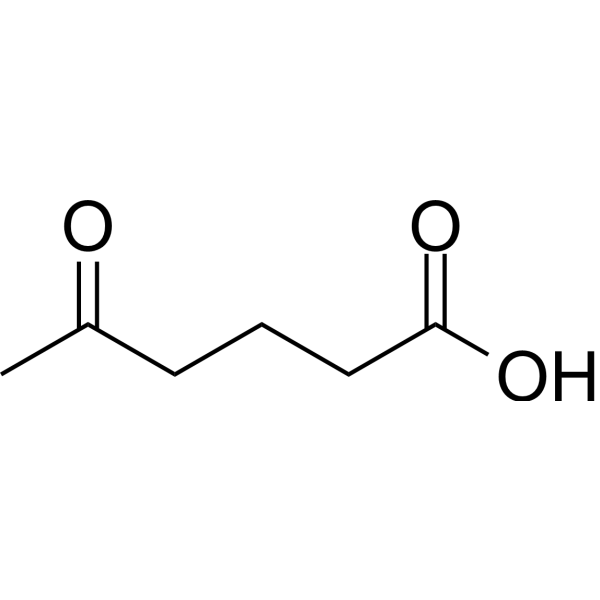
Glurate (4-Acetylbutyric acid) is an acylating agent. Glurate can be used in the development of antiviral compounds, especially those targeting retroviruses such as herpes virus and HIV. Glurate can be used in the synthesis of acyclic nucleoside derivatives and 5-hydroxyhexanoic acid .
|
-
- HY-113972
-
|
|
Others
|
Inflammation/Immunology
|
|
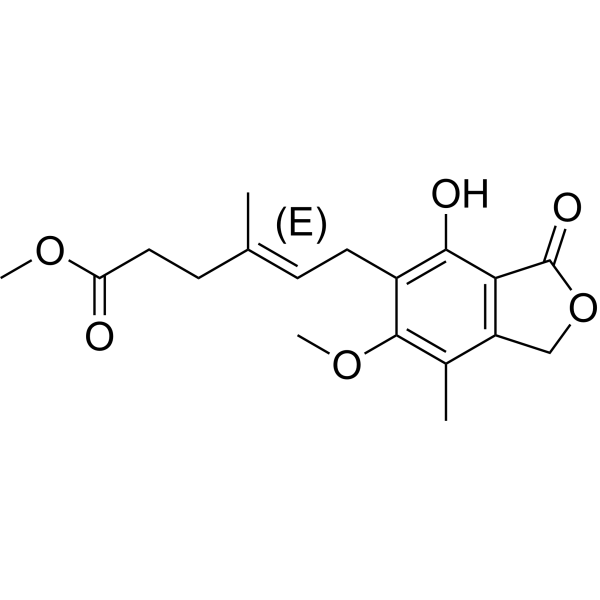
Methyl mycophenolate is a methyl ester of mycophenolic acid and is also found in marine-derived fungus Phaeosphaeria spartinae .
|
-
- HY-147152
-
|
|
Biochemical Assay Reagents
|
Others
|
|
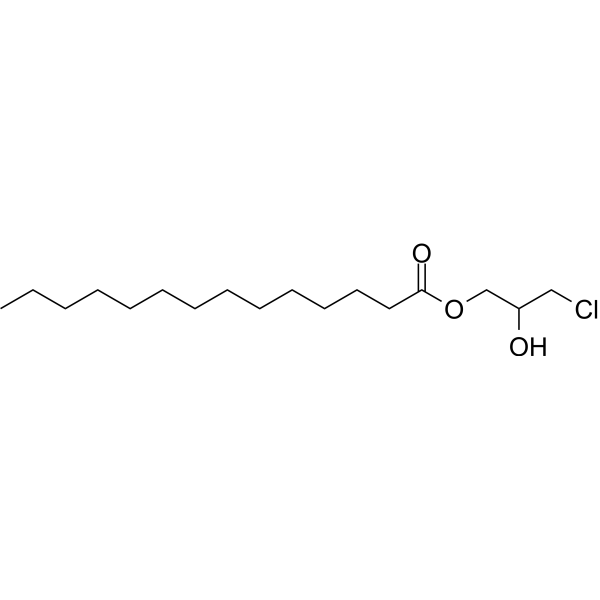
1-Myristoyl-3-chloropropanediol is a 3-monochloropropanediol (3-MCPD) fatty acid ester. 3-MPCD causes nephropathy and tubular hyperplasia and adenomas by chronic oral administration; also reduces fertility, or provokes infertility in rats and suppresses the immune function .
|
-
- HY-35028
-
|
|
Amino Acid Derivatives
|
Others
|
|
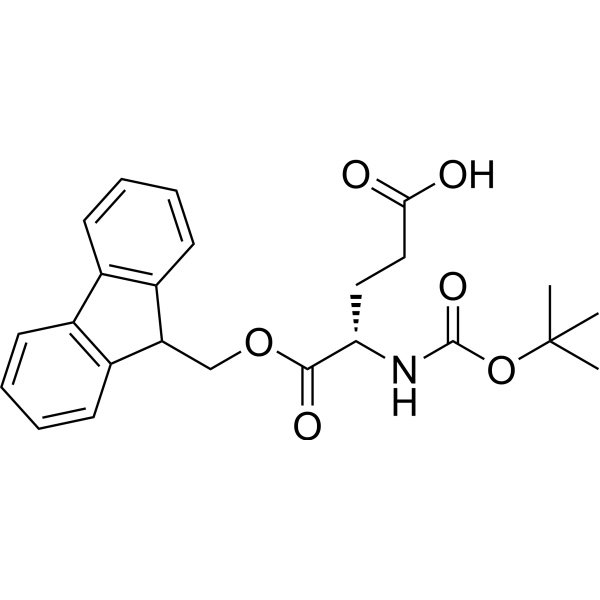
Boc-Glu-Ofm is a peptide. Boc-Glu-Ofm has been used for the synthesis of ester insulin and cyclic peptide mixtures .
|
-
- HY-W102375R
-
|
|
Drug Intermediate
Reference Standards
|
Inflammation/Immunology
|
|
4-Acetoxycinnamic acid (Standard) is the analytical standard of 4-Acetoxycinnamic acid (HY-W102375). This product is intended for research and analytical applications. 4-Acetoxycinnamic acid is an acetate ester obtained by the formal condensation of the hydroxy group of trans-4-coumaric acid with acetic acid. 4-Acetoxycinnamic acid is a member of cinnamic acids and a member of phenyl acetates. 4-Acetoxycinnamic acid derives from a trans-4-coumaric acid .
|
-

- HY-137239
-
-
- HY-N3291
-
|
|
Others
|
Others
|
|
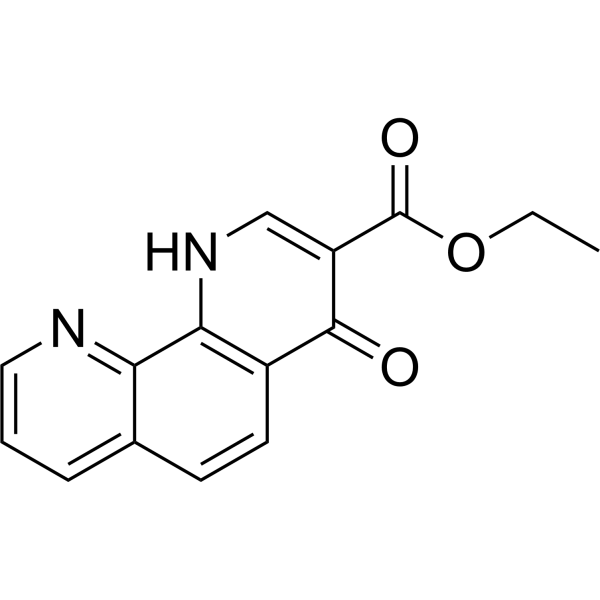
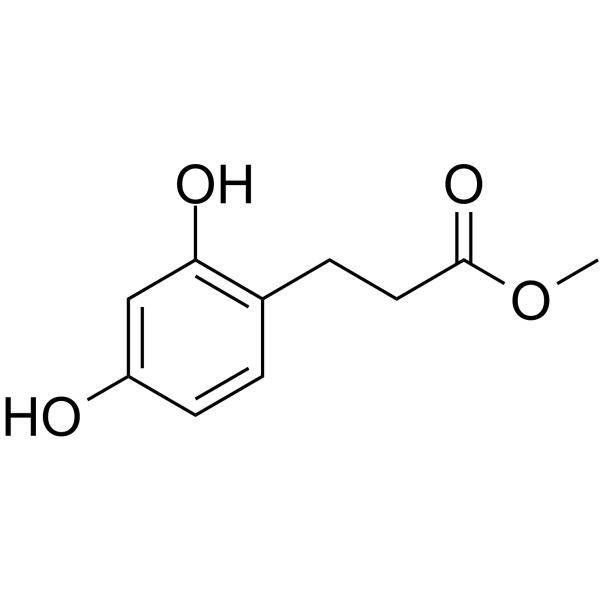
Methyl-3-(2,4-dihydroxy phenyl) propanoate is a phenylpropanoic ester with antifeedant activity .
|
-
- HY-N15583
-
|
|
Fungal
|
Infection
|
|
Purpuride is a sesquiterpene ester found in aciduric fungi. Purpuride shows moderate antibacterial activities against Candida albicans, Enterobacter aerogenes and Pseudomonas aeruginosa with MIC values ranging from 1.2 to 3.3 μM .
|
-

- HY-D2291
-
|
|
Fluorescent Dye
|
Others
|
|
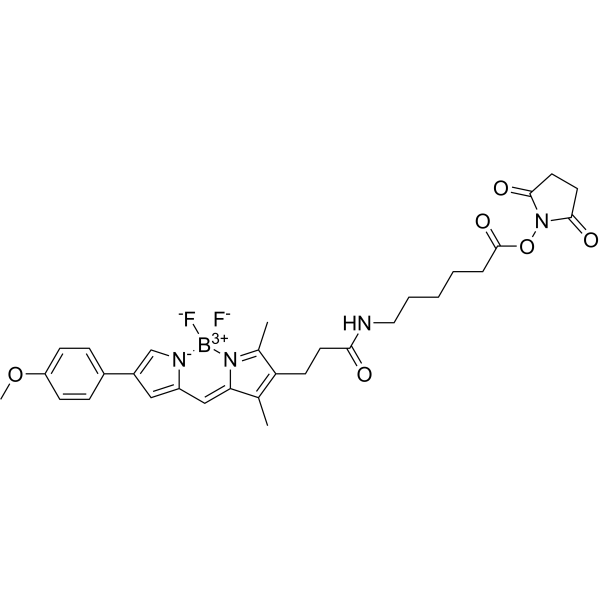
BODIPY TMR NHS ester is bright, orange fluorescent dye with Ex/Em of 544/570 nm. The NHS ester (or succinimidyl ester) of BODIPY TMR NHS ester is a popular tool for conjugating the dye to a protein or antibody. NHS esters can be used to label the primary amines (R-NH2) of proteins, amine-modified oligonucleotides, and other amine-containing molecules .
|
-
- HY-D2290
-
|
|
Fluorescent Dye
|
Others
|
|
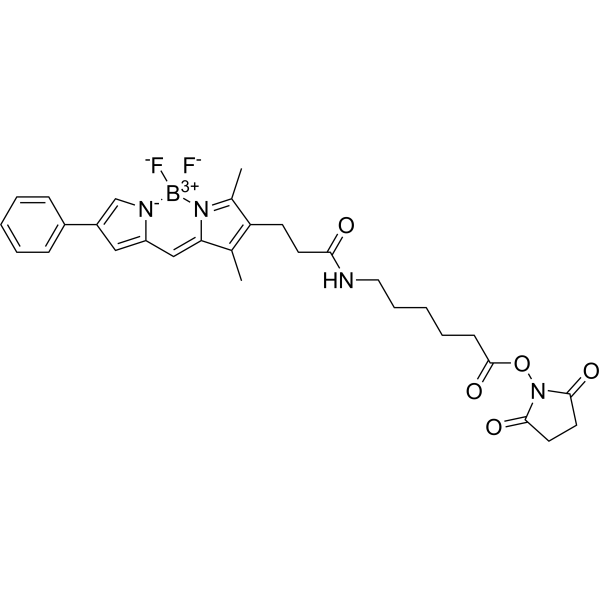
Demethoxy-BODIPY TMR NHS ester is an amine-reactive fluorescent probe, and can be used for the labeling of proteins, peptides, and other molecules .
|
-
- HY-123487
-
|
|
PKC
|
Others
|
|
Sapintoxin A is a phorbol ester that can be isolated from the unripe fruits of Sapium indicum .
|
-

- HY-W127442R
-
|
Ethyl 2-Ethylbutyrate (Standard)
|
Bacterial
Antibiotic
Reference Standards
|
Others
|
|
DPPC (Standard) is the analytical standard of DPPC. This product is intended for research and analytical applications. DPPC (129Y83) is a phosphoglyceride that can be used to prepare lipid monolayers, bilayers, and liposomes. DPPC is the main lipid component of pulmonary surfactant. Dppc-liposome can be effectively used as a delivery vector to induce an immune response against GSL antigen in mice [5].
|
-

- HY-173645
-
|
|
Amino Acid Derivatives
|
Others
|
|
L-Anap methyl ester hydrochloride is the methyl ester form of the fluorescent unnatural amino acid L-ANAP (HY-101937). L-Anap methyl ester hydrochloride can be used effectively to generate UAA-containing proteins in a variety of eukaryotic expression systems .
|
-

- HY-W001957R
-
|
4-Acetylbutyric acid (Standard); 5-Oxohexanoic acid (Standard); NSC-5281 (Standard)
|
Reference Standards
Drug Intermediate
HIV
|
Infection
|
|
Glurate (Standard) is the analytical standard of Glurate (HY-W001957). This product is used for research and analytical applications. Glurate (4-Acetylbutyric acid) is an acylating agent. Glurate can be used in the development of antiviral compounds, especially those targeting retroviruses such as herpes virus and HIV. Glurate can be used in the synthesis of acyclic nucleoside derivatives and 5-hydroxyhexanoic acid .
|
-

- HY-W026747
-
|
|
Drug Derivative
|
Others
|
|
Isobutyl salicylate is an irritant substance, an ester formed from salicylic acid and isobutanol, which serves as a flavor and fragrance additive. The median lethal dose (LD50) of Isobutyl salicylate via oral administration in rats is 1560 mg/kg.
|
-

- HY-171947
-
|
BLN; Docosyl (9Z,12Z)-9,12-octadecadienoate
|
Biochemical Assay Reagents
|
Others
|
|
Behenyl linoleate (Docosyl (9Z,12Z)-9,12-octadecadienoate), a wax ester, is an evaporation retardant .
|
-

- HY-W127442
-
|
Ethyl 2-Ethylbutyrate
|
Bacterial
|
Others
|
|
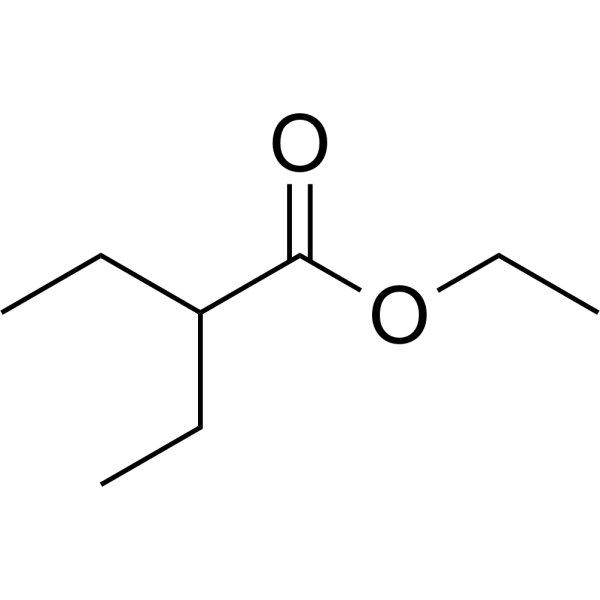
Etzadroxil (Ethyl 2-Ethylbutyrate) is a volatile ester compound. Sulopenem Etzadroxil is an orally available ester proagent form of Sulopenem, an antibiotic with broad-spectrum activities against Gram-positive and Gram-negative bacteria .
|
-
- HY-D1119C
-
|
|
Fluorescent Dye
|
Others
|
|
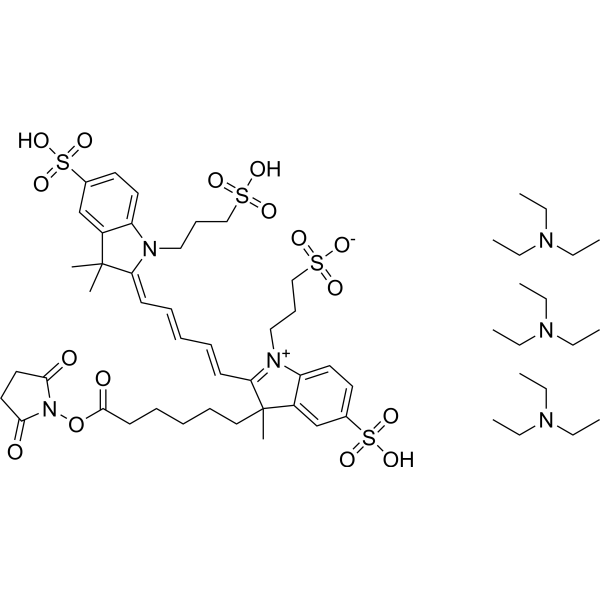
AF647-NHS ester is an analogue of Alexa Fluor 647 (AF647), which has excitation wavelength (λex) of 635 nm (conventional fluorescence detection)/620 nm (instantaneous detection). NHS ester can covalently bind to molecules with amino groups (such as proteins, antibodies, etc.) .
|
-
- HY-N6593
-
|
|
Others
|
Others
|
|
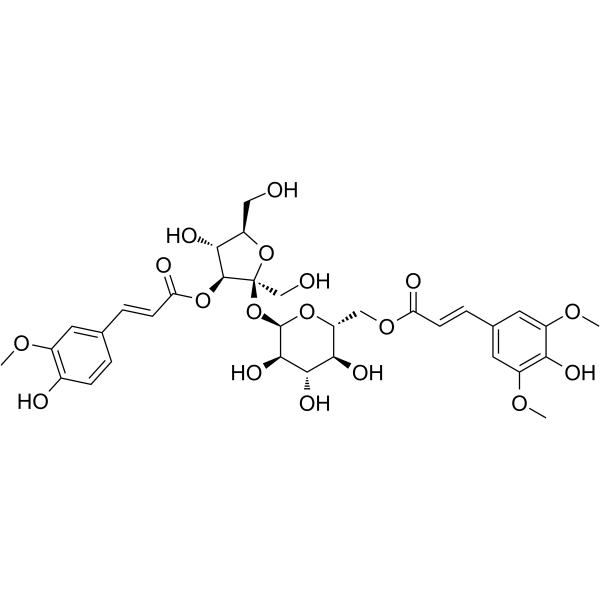
Arillanin A is an oligosaccharide ester isolated from Polygala arillata.
|
-
- HY-N7685
-
-
- HY-W102375
-
|
|
Drug Intermediate
|
Inflammation/Immunology
|
|
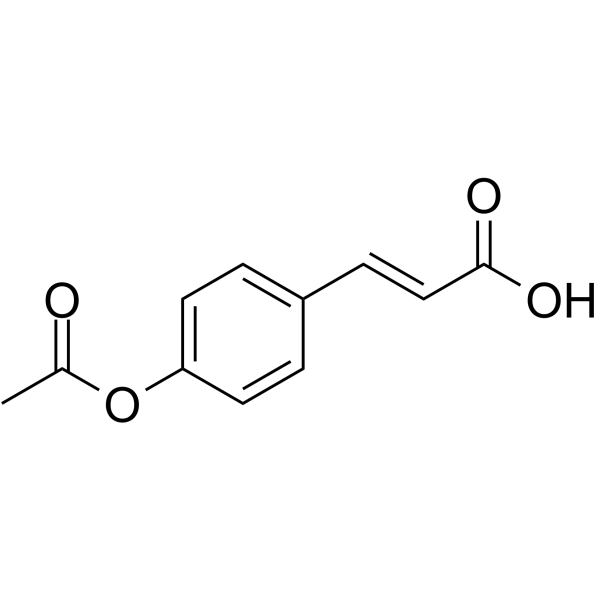
4-Acetoxycinnamic acid is an acetate ester obtained by the formal condensation of the hydroxy group of trans-4-coumaric acid with acetic acid. 4-Acetoxycinnamic acid is a member of cinnamic acids and a member of phenyl acetates. 4-Acetoxycinnamic acid derives from a trans-4-coumaric acid .
|
-
- HY-141166A
-
|
|
Biochemical Assay Reagents
|
Cancer
|
|
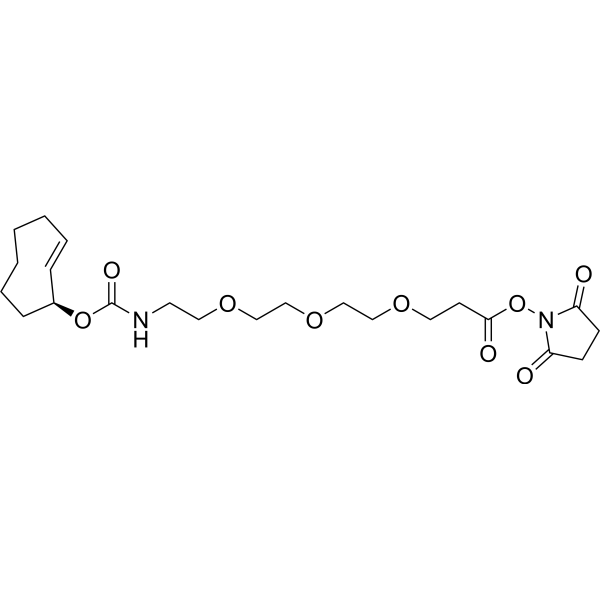
(S,E)-TCO2-PEG3-NHS ester is NH2 reactive, and can be used in chemical synthesis. (S,E)-TCO2-PEG3-NHS ester contains TCO groups, which can undergo specific "click" reactions with tetrazine groups .
|
-
- HY-113972R
-
|
|
Reference Standards
Others
|
Inflammation/Immunology
|
|
Avanafil (Standard) is the analytical standard of Avanafil. This product is intended for research and analytical applications. Avanafil (TA-1790) is a potent and selective phosphodiesterase-5 (PDE-5) inhibitor with IC50 values of 5.2 nM, 630 nM, 5700 nM, 6200 nM, 12000 nM, 27000 nM, 51000 nM and 53000 nM for PDE-5, PDE-6, PDE-4, PDE-10, PDE-8, PDE-7, PDE-2 and PDE-1, respectively. Avanafil activates NO/cGMP/PKG signaling-pathway to decrease loss in BMD, bone atrophy, and oxidative stress. Avanafil inhibits cyclic guanosine monophosphate (cGMP) hydrolysis and thus increases cGMP levels. Avanafil can be used for the research of erectile dysfunction and osteoporosis .
|
-

- HY-157856A
-
|
|
Biochemical Assay Reagents
|
Others
|
|
(Rac)-rel-4(5)-Epdpe methyl ester is an inactive racemate of rel-4(5)-Epdpe methyl ester (HY-157856). rel-4(5)-Epdpe methyl ester is a rel-4(5)-Epdpe derivative .
|
-

- HY-W101655R
-
-
![4-(4-Fluorophenyl)-6-isopropyl-2-[(N-methyl-N-methylsufonyl)amino]pyrimidine-5-yl-methanol (Standard)](//file.medchemexpress.com/product_pic/hy-w101655r.gif)
- HY-126502
-
|
|
ADC Linker
|
Others
|
|
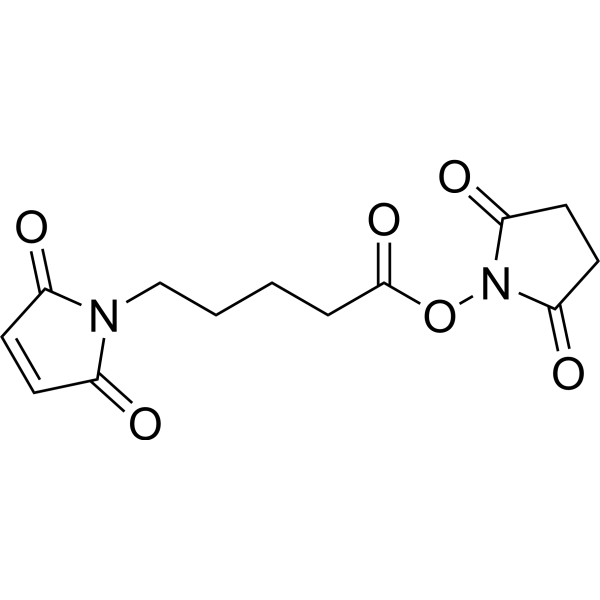
Mal-C2-NHS ester is a non-cleavable ADC linker used in the synthesis of antibody-drug conjugates (ADCs) .
|
-
- HY-N12506
-
|
|
Others
|
Others
|
|
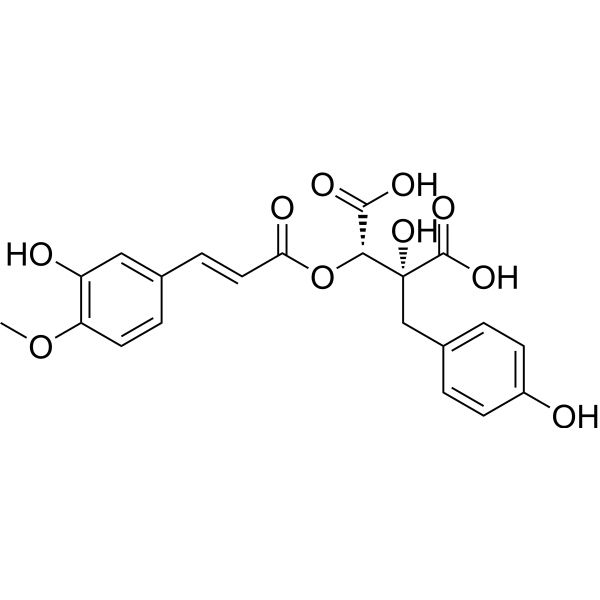
Cimicifugic acid F is a hydroxycinnamic acid ester of piscidic acid isolated from the rhizomes of Cimicifuga racemosa.
|
-
- HY-15648H
-
|
|
Histone Demethylase
Parasite
|
Cancer
|
|
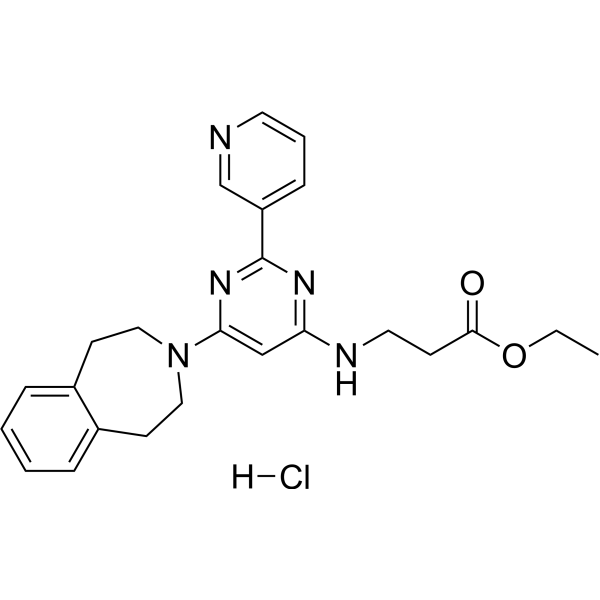
GSK-J5 hydrochloride is a cell-permeable?ester derivative of?GSK J2 (HY-15648A), inactive. GSK-J5 hydrochloride is also an?isomer of GSK-J4 (HY-15648B) and often used as a negative group .
|
-
- HY-W346639
-
|
|
Endogenous Metabolite
|
Cancer
|
|
4(Z),7(Z),10(Z),13(Z)-Hexadecatetraenoic acid methyl ester is a type of polyunsaturated fatty acid ester that can be used in cancer research .
|
-

- HY-175418
-
-

- HY-W777618
-
|
(+)-Cinerin II
|
Others
|
Infection
|
|
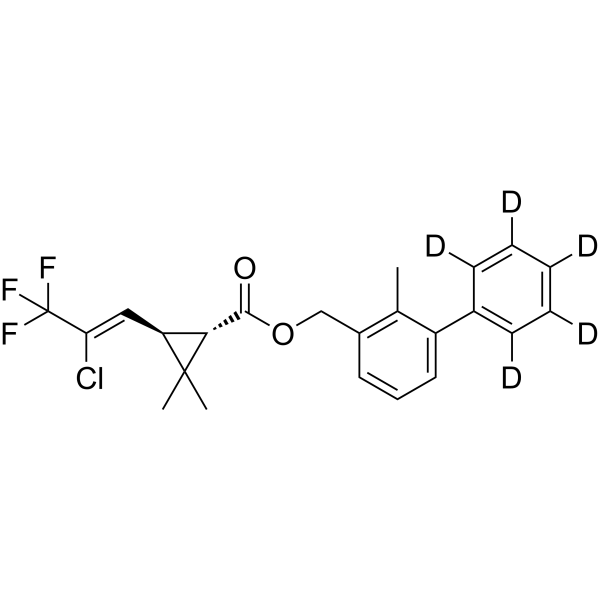
Cinerin II ((+)-Cinerin II) is a pyrethrin ester found in Chrysanthemum cinerariifolium. Cinerin II is a safe pesticide with rapid degradation .
|
-

- HY-105373
-
|
|
Drug Intermediate
|
Infection
|
|
PNU 101850 is an Eperezolid (HY-10393) ester prodrug. PNU 101850 acquires antibacterial activity after conversion to the parent drug Eperezolid .
|
-

- HY-78000
-
|
4-Carbomethoxybenzaldehyde; 4-Carboxybenzaldehyde methyl ester; Terephthalaldehydic acid methyl ester; Methyl 4-formylbenzoate
|
Drug Intermediate
|
Metabolic Disease
|
|
Methyl 4-formylbenzoate (4-Carbomethoxybenzaldehyde; 4-Carboxybenzaldehyde methyl ester; Terephthalaldehydic acid methyl ester; Methyl 4-formylbenzoate) is a intermediate that can be used for the synthesis of chalcone amide α-glucosidase inhibitors .
|
-

- HY-141406
-
|
|
PROTAC Linkers
|
Cancer
|
|
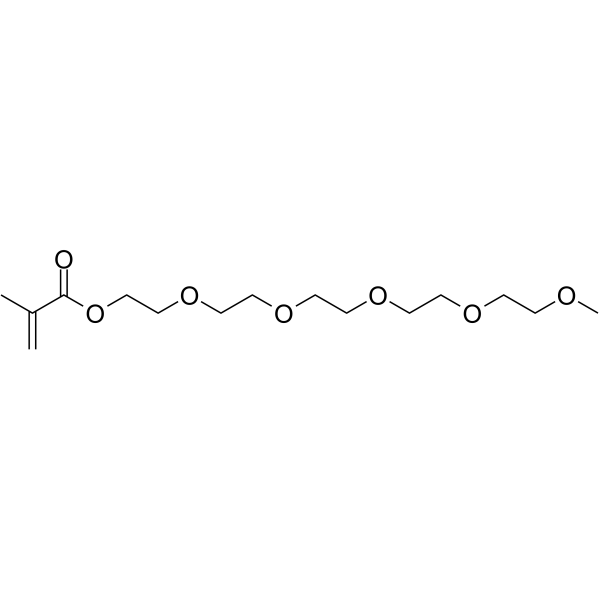
m-PEG5-2-methylacrylate is a PEG- and Alkyl/ester-based PROTAC linker can be used in the synthesis of PROTACs .
|
-
- HY-185181
-
|
|
Biochemical Assay Reagents
|
Others
|
|
Monoethyl citrate is a citrate-based plasticizer with low migration rate and toxicity. It serves as an alternative to phthalate plasticizers and is used in food packaging, medical devices, and personal care products .
|
-

- HY-131276
-
|
|
Angiotensin Receptor
|
Cardiovascular Disease
|
|
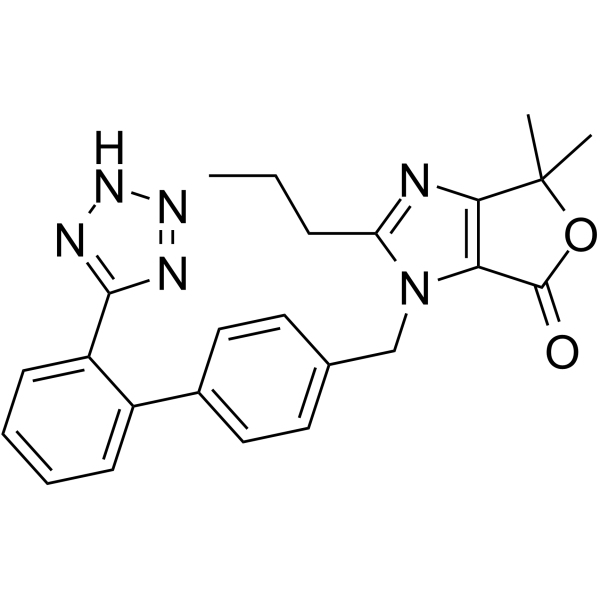
Olmesartan lactone impurity is a cyclic ester impurity of Olmesartan. Olmesartan is an angiotensin II receptor (AT1R) antagonist and has the potential for high blood pressure study .
|
-
- HY-W412326
-
|
Guaietolin (INN); Guethral; Guethural
|
Drug Intermediate
|
Cardiovascular Disease
|
|
Guaietolin is an organic synthesis intermediate. Guaietolin is a marker of hypertension with significant reduced level in plasma metabolites. Guaietolin can be used for synthesis of sulfonamide esters with carbonic anhydrase inhibitory activity. Guaietolin can be used for glaucoma and hypertension research .
|
-

- HY-W087943
-
|
|
Environmental Pollutants
Fungal
|
Infection
|
|
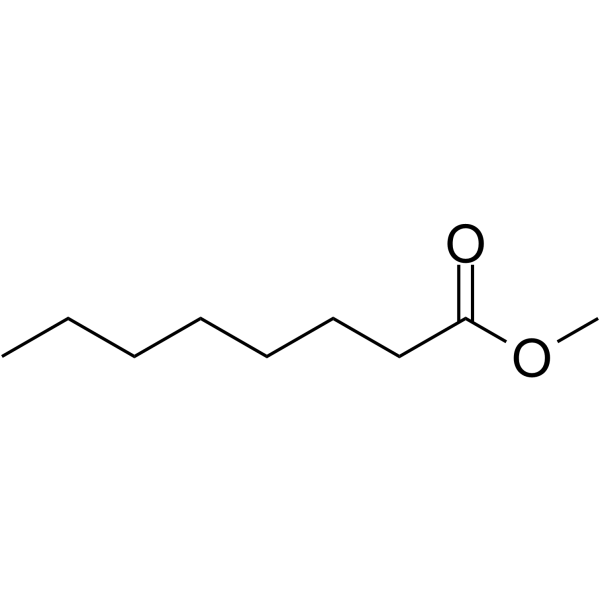
Methyl octanoate is an ester volatile compound with an odor activity value greater than 1. Methyl octanoate helps impart brandy-like and fruity characteristics to persimmon wine. Methyl octanoate has a strong odor of citrus holly, camphor and menthol. Methyl octanoate can serve as an early marker for grape infection by *Coniella vitis*. Methyl octanoate can be used in studies related to grape white rot .
|
-
- HY-170472
-
|
|
Drug Derivative
|
Infection
|
|
Bpin-Bedaquiline (compound 2) is a boronic ester precursor of Bedaquiline (HY-14881). Bpin-Bedaquiline can react with H476Br to synthesize 76Br-Bedaquiline .
|
-

- HY-120492
-
-

- HY-W009082R
-
|
Methyl docosanoate (Standard)
|
Reference Standards
Biochemical Assay Reagents
|
Others
|
|
Methyl behenate (Standard) is the analytical standard of Methyl behenate (HY-W009082). This product is intended for research and analytical applications. Methyl behenate (Methyl docosanoate) is a fatty acid methyl ester. Methyl behenate can be isolated from the plant Aspidopterys obcordata Lemsl. Methyl behenate can be used as a phase change material .
|
-

- HY-W009082
-
|
Methyl docosanoate
|
Biochemical Assay Reagents
|
Others
|
|
Methyl behenate (Methyl docosanoate) is a fatty acid methyl ester, can be found in the plant Aspidopterys obcordata Lemsl. Methyl behenate can be used as a phase change material .
|
-

- HY-131336
-
|
|
mGluR
|
Neurological Disease
|
|
MGS0274, an ester-based lipophilic proagent of a metabotropic glutamate (mGlu)2 and mGlu3 receptor agonist MGS0008, shows improved oral bioavailability. MGS0274 has the potential for the research of schizophrenia .
|
-
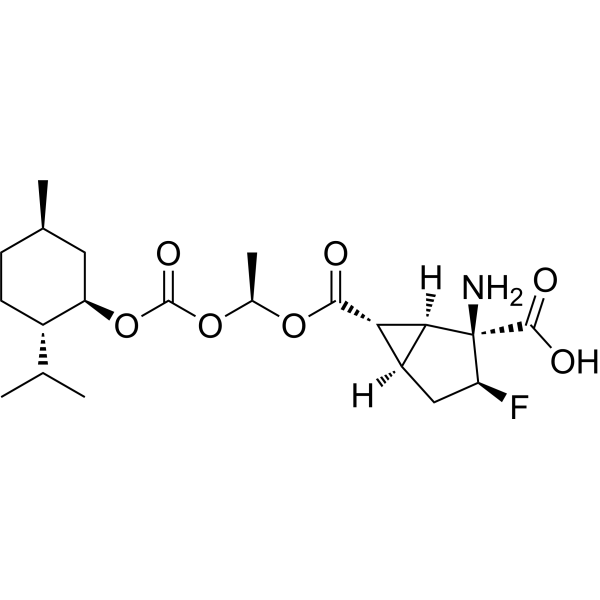
- HY-185063
-
|
|
Drug Derivative
|
Inflammation/Immunology
Cancer
|
|
Budesonide 21-palmitate is a lipophilic ester prodrug of Budesonide (HY-13580), can be formulated into liposomal formulations. Budesonide 21-palmitate exhibts anti-inflammatory and anti-allergic activities. Budesonide 21-palmitate can achieve selective passive targeted delivery of drugs to tumor tissues (such as lung tumors). Budesonide 21-palmitate can be used for drug delivery in inflammatory and allergic research .
|
-

- HY-134607
-
|
Benzyl (E)-p-coumarate
|
Others
|
Others
|
|
(E)-Benzyl ferulate is a phenolic ester that can be isolated from Thai propolis .
|
-
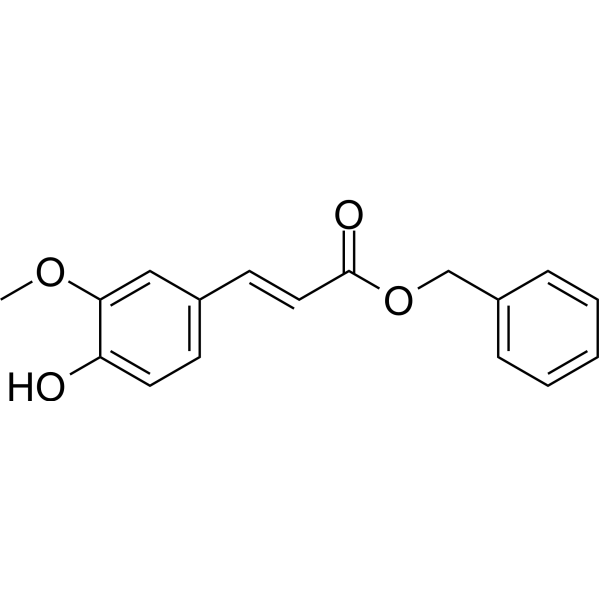
- HY-N3649
-
|
Eucalmaidin E
|
Others
|
Others
|
|
Cuniloside B (Eucalmaidin E) is a non-volatile glucose monoterpene ester. Cuniloside B can be used as a fragrance additive .
|
-
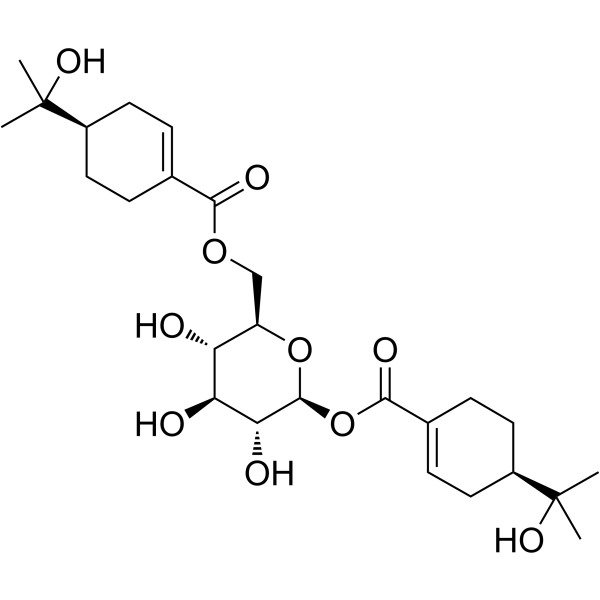
- HY-W777613
-
|
(-)-Jasmolin I
|
Others
|
Infection
|
|
Jasmolin I ((-)-Jasmolin I) is a pyrethrin ester found in Chrysanthemum cinerariifolium. Jasmolin I is a safe pesticide with rapid degradation .
|
-

- HY-D1352A
-
|
|
Fluorescent Dye
|
Others
|
|
Sulfo-Cyanine7 NHS ester (TEA) is an amine-reactive succinimide ester. Sulfo-Cyanine7 NHS ester (TEA) reagent allows to prepare sulfo-Cyanine7-labeled biomolecules, such as proteins, with ease. Dye labeled molecules can be subsequently used for various research and agent design related experiments.
|
-

- HY-D1352
-
|
|
Fluorescent Dye
|
Others
|
|
Sulfo-Cyanine7 NHS ester potassium is an amine-reactive succinimide ester. Sulfo-Cyanine7 NHS ester reagent allows to prepare sulfo-Cyanine7-labeled biomolecules, such as proteins, with ease. Dye labeled molecules can be subsequently used for various research and agent design related experiments.
|
-
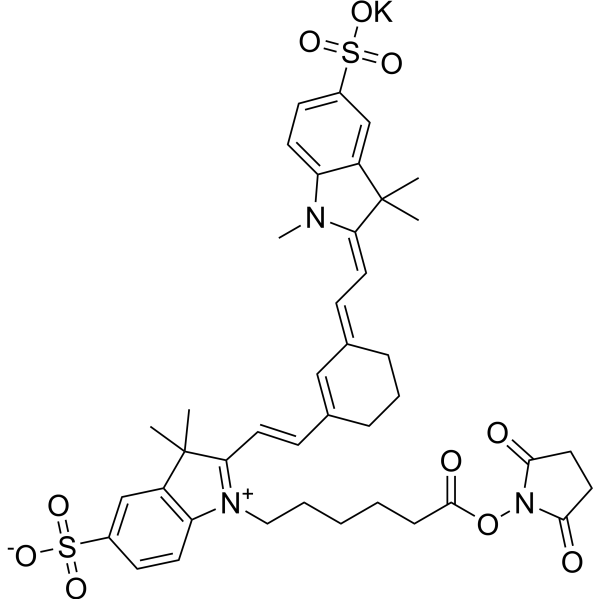
- HY-W747567
-
|
|
Drug Derivative
|
Inflammation/Immunology
|
|
Leukotriene E4 methyl ester is a methyl ester of Leukotriene E4 (HY-113465). Leukotriene E4 methyl ester can be used for the research of inflammatory diseases .
|
-

- HY-N10639
-
|
|
Others
|
Others
|
|
(1α,2α,6β,8α,9α)-1,2,6,8,12-Pentakis(acetyloxy)-9-(benzoyloxy)dihydro-β-agarofuran is a sesquiterpene polyol ester. (1α,2α,6β,8α,9α)-1,2,6,8,12-Pentakis(acetyloxy)-9-(benzoyloxy)dihydro-β-agarofuran can be used for the research of various biochemical .
|
-
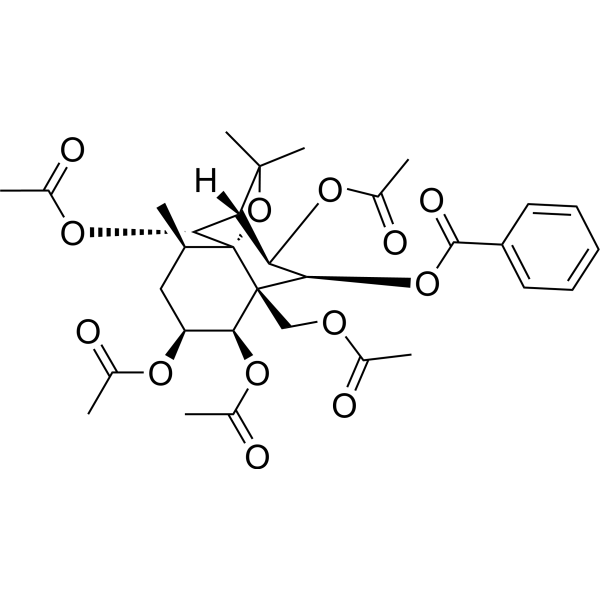
- HY-131276R
-
|
|
Reference Standards
Angiotensin Receptor
|
Cardiovascular Disease
|
|
Olmesartan lactone impurity (Standard) is the analytical standard of Olmesartan lactone impurity. This product is intended for research and analytical applications. Olmesartan lactone impurity is a cyclic ester impurity of Olmesartan. Olmesartan is an angiotensin II receptor (AT1R) antagonist and has the potential for high blood pressure study .
|
-

- HY-141404
-
|
|
PROTAC Linkers
|
Cancer
|
|
m-PEG4-CH2-methyl ester is a PEG- and Alkyl/ester-based PROTAC linker can be used in the synthesis of PROTACs .
|
-
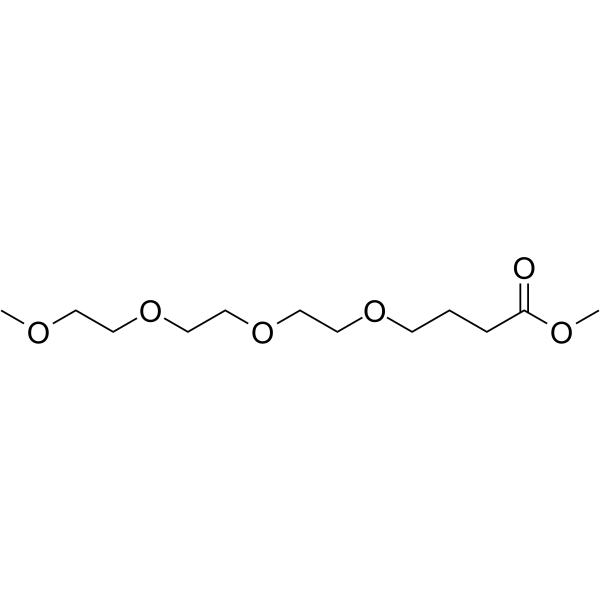
- HY-W014277
-
|
|
Drug Metabolite
|
Others
|
|
2,6-Diisopropylnaphthalene is a substituted naphthalene compound, metabolite precursor and potato sprout inhibitor. 2,6-Diisopropylnaphthalene is metabolized in rats only via oxidation of its isopropyl chains, producing five major unconjugated urinary metabolites, glucuronide conjugates of these metabolites, while a small amount of the parent drug is excreted in urine. 2,6-Diisopropylnaphthalene inhibits sprouting of stored potato tubers; when used alone, it only provides a short-term sprout-inhibiting effect .
|
-

- HY-N18307
-
|
|
Others
|
Others
|
|
Jasnudifloside C is an oleoside-type secoiridoid glucoside. Jasnudifloside C can be found in the leaves of Jasminum nudiflorum .
|
-

- HY-N12237
-
|
|
Others
|
Others
|
|
Condurango glycoside A0 is a pregnane ester glycoside that can be isolated from Marsdema cundurango .
|
-
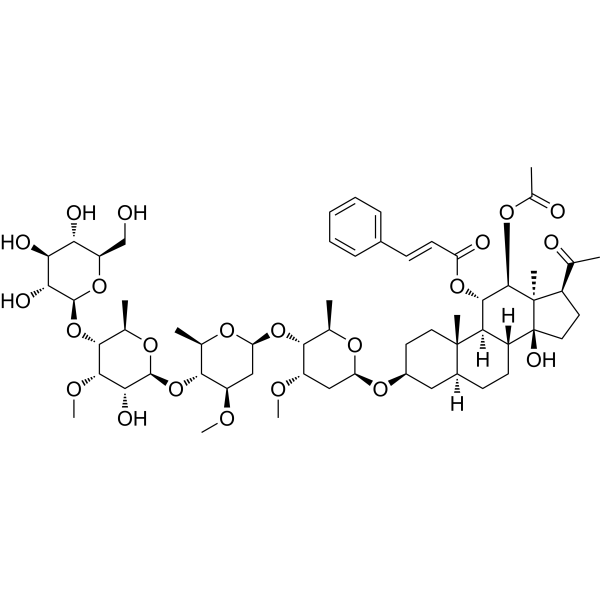
- HY-126938
-
-
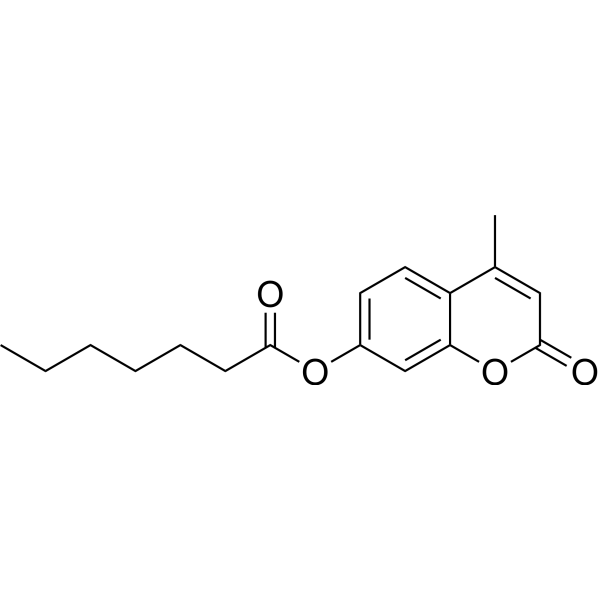
- HY-D1886
-
|
|
Fluorescent Dye
|
Others
|
|
Vari Fluor 647 SE is a fluorescent dye, SE stands for "succinimidyl ester". Vari Fluor 647 SE belongs to the Vari Fluor family of labeling reagents used in cell and molecular biology research. Vari Fluor 647 SE can react with an amino group to form a covalent bond, thereby introducing Vari Fluor 647 dye into the target molecule or cell. Vari Fluor 647 SE is a reactive dye that produces a fluorescent signal after binding to a target molecule or cell.
|
-

- HY-124422R
-
|
|
Reference Standards
Endogenous Metabolite
|
Metabolic Disease
|
|
Pentacosanoic acid (Standard) is the analytical standard of Pentacosanoic acid. This product is intended for research and analytical applications. Pentacosanoic acid is a 25-carbon long-chain saturated fatty acid. Pentacosanoic is a conjugate acid of a pentacosanoate[1].
|
-

- HY-N3159
-
|
|
Others
|
Others
|
|
Octadecyl caffeate is a caffeate ester that can be isolated from Merremia tuberosa .
|
-
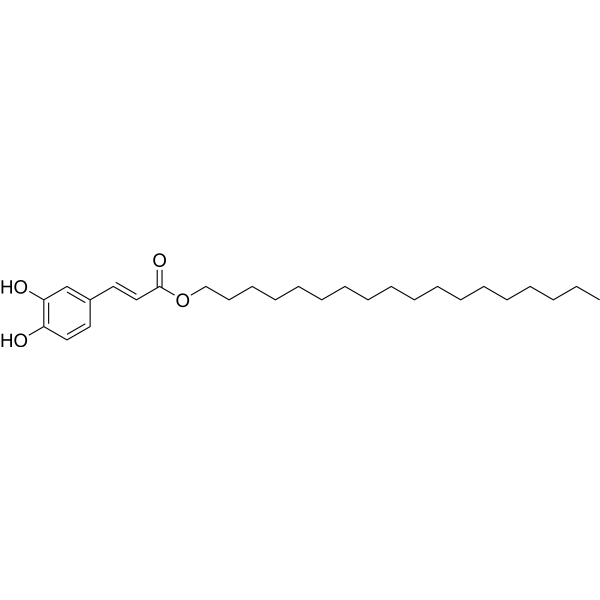
- HY-N17916
-
|
|
Others
|
Others
|
|
1,3-Disinapoyl-sucrose is a sinapic acid sucrose ester found in the aerial parts of Polygala chamaebuxus .
|
-

- HY-D2178
-
|
|
Fluorescent Dye
|
Others
|
|
AF 568 NHS ester is a derivative of the orange fluorescent dye AF 568. AF 568 NHS ester is widely used in cell dyes, biological dyes, biomolecules and particle fluorescent labeling. AF 568 exhibits maximum absorption wavelength of 579 nm and the maximum emission wavelength of 603 nm .
|
-
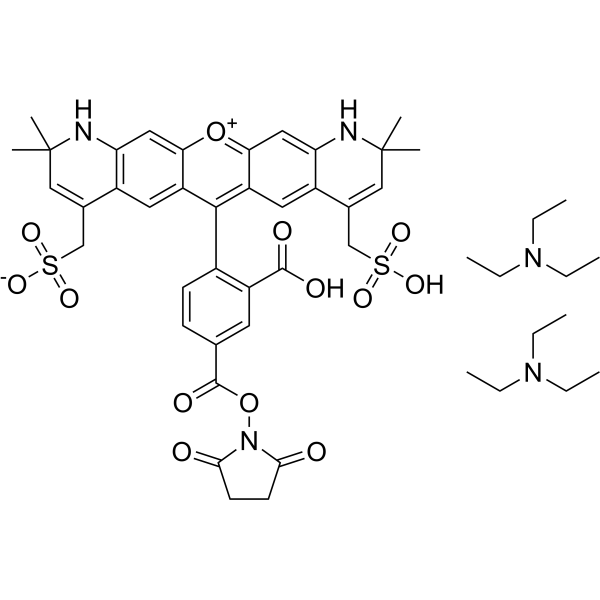
- HY-124422
-
-

- HY-131091
-
|
|
Amino Acid Derivatives
|
Others
|
|
Boc-Glu(OBzl)-OSu can be used for the solid-phase peptide synthesis containing glutamate benzyl ester residues.
|
-
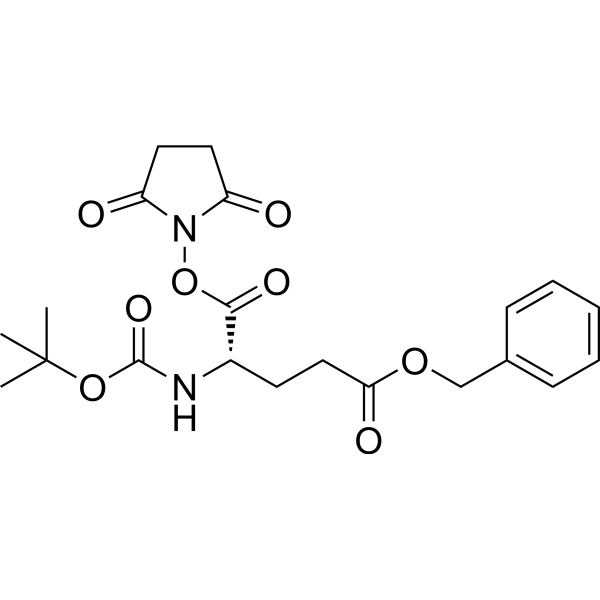
- HY-W013214
-
|
|
Endogenous Metabolite
|
Others
|
|
Ethyl arachidonate is a lipophilic esterified form of arachidonic acid (AA) and can be added into dietary regimens or fed to cultured cells as a source of exogenous arachidonate. Ethyl arachidonate is the main species of fatty acid ethyl esters (FAEE) in brain of alcohol-intoxicated subjects .
|
-
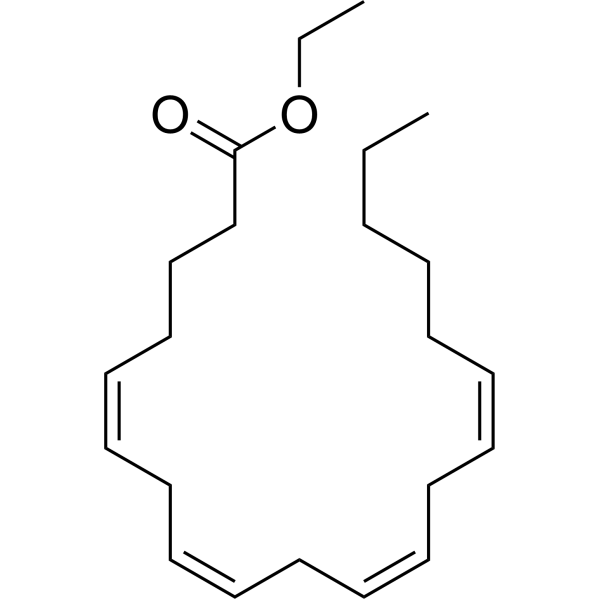
- HY-N2073
-
|
|
MCHR1 (GPR24)
|
Cardiovascular Disease
|
|
Ethyl linolenate is a fatty acid ethyl ester (FAEE). Ethyl linolenate plays an active role in inhibition of the cellular production on melanin with an IC50 of 70 μM. Anti-melanogenesis Effects .
|
-

- HY-N15724
-
|
2-E-Feruloylpiscidic acid
|
Others
|
Others
|
|
Cimicifugic acid E (2-E-Feruloylpiscidic acid) is a ferulic acid ester compound found in the rhizomes of Cimicifuga racemosa. Cimicifugic acid E is promising for research of menopausal syndrome .
|
-

- HY-W011688
-
|
(Z)-Methyl hexadec-9-enoate; Methyl cis-9-Hexadecenoate
|
Drug Isomer
|
Others
|
|
Methyl palmitoleate ((Z)-Methyl hexadec-9-enoate), a fatty acid methyl ester, is an analogue of Palmitoleate with cytoprotective and growth-promoting properties .
|
-
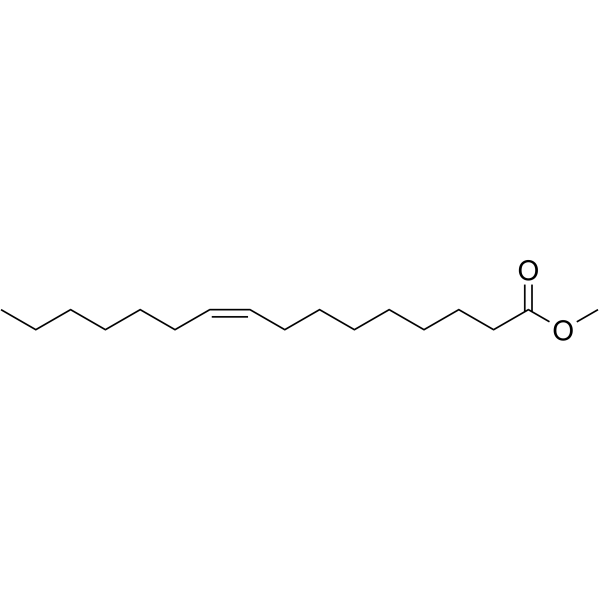
- HY-W324458
-
|
|
Fluorescent Dye
|
Others
|
|
MCA succinimidyl ester is a derivative of MCA (HY-W027544). MCA succinimidyl ester has succinimidyl ester can react selectively with amines. MCA succinimidyl ester can be used as peptide substrate for fluorescence resonance energy transfer .
|
-
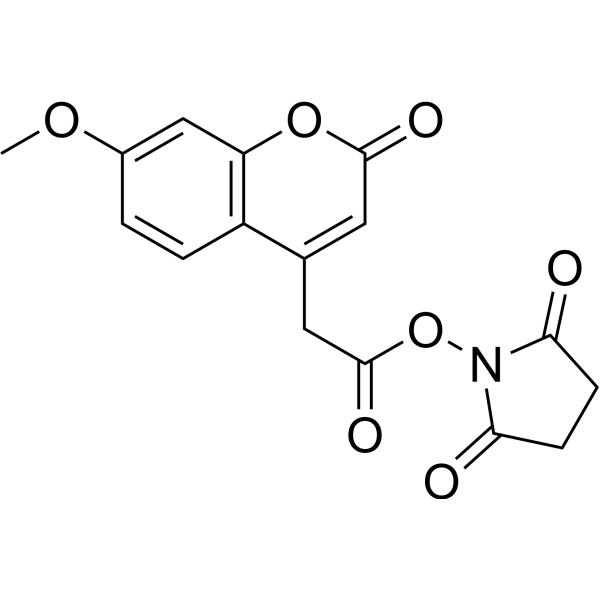
- HY-167024
-
|
|
Biochemical Assay Reagents
|
Others
|
|
Cholesterol valerate is a cholesterol ester with good biocompatibility, bioavailability and bioactivity. Cholesterol valerate can be used in drug delivery research .
|
-

- HY-W011688R
-
|
(Z)-Methyl hexadec-9-enoate (Standard); Methyl cis-9-Hexadecenoate (Standard)
|
Reference Standards
Drug Isomer
|
Others
|
|
Methyl palmitoleate (Standard) is the analytical standard of Methyl palmitoleate. This product is intended for research and analytical applications. Methyl palmitoleate ((Z)-Methyl hexadec-9-enoate), a fatty acid methyl ester, is an analogue of Palmitoleate with cytoprotective and growth-promoting properties .
|
-

- HY-N9837
-
|
|
EBV
|
Infection
|
|
Methyl lucidenate L is a natural triterpene acid methyl ester with inhibitory effects on EBV (Epstein-Barr virus) activation .
|
-

- HY-E70278
-
|
|
Biochemical Assay Reagents
|
Metabolic Disease
|
|
(9Z-Octadecenyl)-CoA triammonium is a coenzyme. (9Z-Octadecenyl)-CoA triammonium is a long-chain acyl-CoA esters. Long-chain acyl-CoA esters are involved in regulation of fatty acid synthesis, enzyme systems, vesicle trafficking, ion channels and ion pumps .
|
-
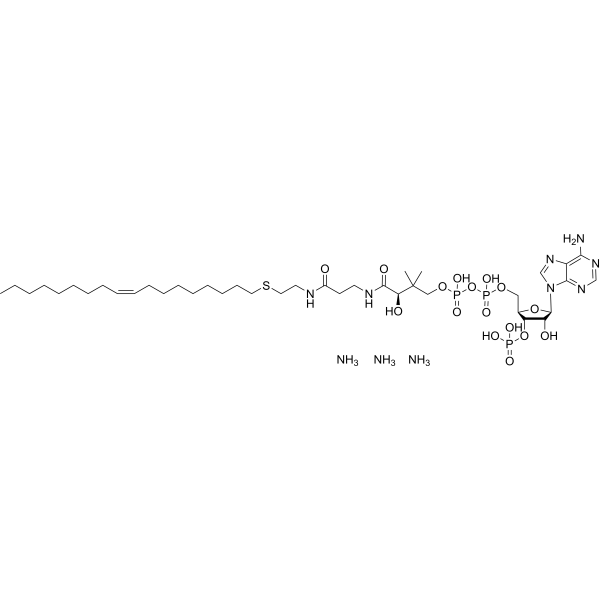
- HY-109105
-
|
XP-23829; PPC-06
|
Drug Derivative
|
Inflammation/Immunology
|
|
Tepilamide fumarate (XP-23829; PPC-06) is an oral fumaric acid ester, acts as a proagent ofMonomethyl fumarate (HY-103252), and is used in the research of moderate to severe chronic plaque psoriasis. Tepilamide fumarate can enhance the effectiveness of oncolytic viruses .
|
-
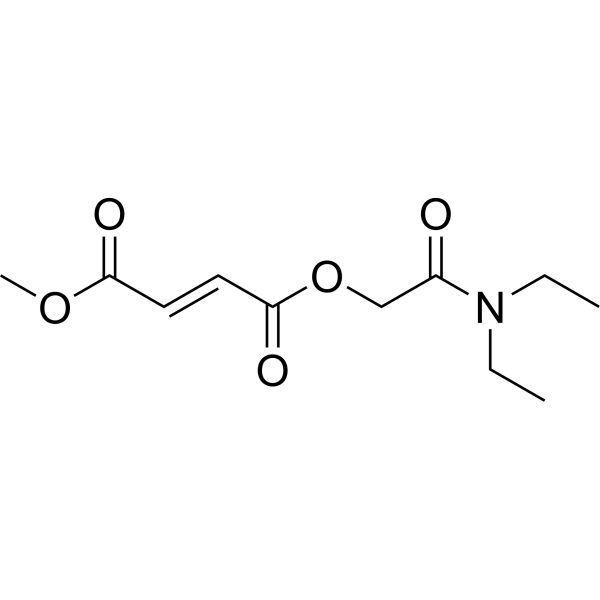
- HY-125545
-
|
|
Others
|
Others
|
|
Cynanester A is a active product that can be isolated from Cynanchum chinense R. Br. .
|
-

- HY-A0019A
-
|
9-Hydroxyrisperidone palmitate
|
Dopamine Receptor
5-HT Receptor
|
Neurological Disease
|
|
Paliperidone palmitate is an orally effective competitive antagonist of dopamine D2 receptors and 5-hydroxytryptamine 2A (5-HT2A) receptors that can cross the blood-brain barrier. Paliperidone palmitate competitively inhibits the effects of dopamine and 5-hydroxytryptamine by binding to dopamine D2 receptors and 5-HT2A receptors, regulating the balance of the neurotransmitter system and thus exerting antipsychotic activity. Paliperidone palmitate is mainly used in the research field of schizophrenia .
|
-
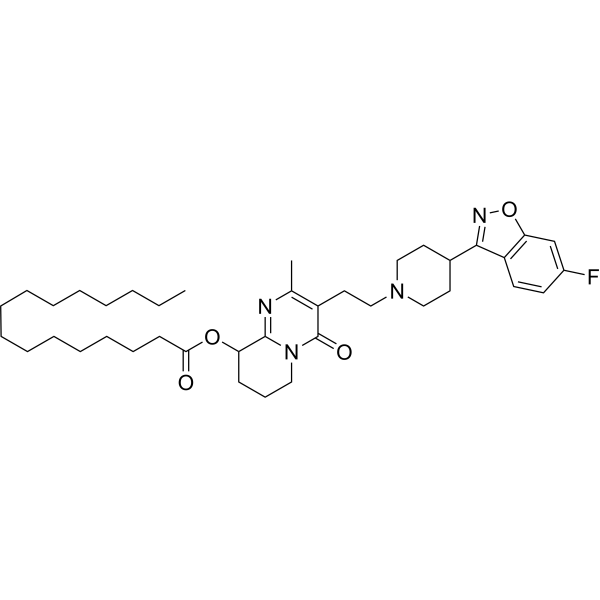
- HY-12407
-
|
|
VD/VDR
|
Metabolic Disease
|
|
ZK168281 is a 25-carboxylic ester 1α,25(OH)2D3 analog and a pure VDR antagonist with a Kd value of 0.1 nM. ZK168281 is an effective inhibitor of the coactivator (CoA) interaction of its receptor .
|
-
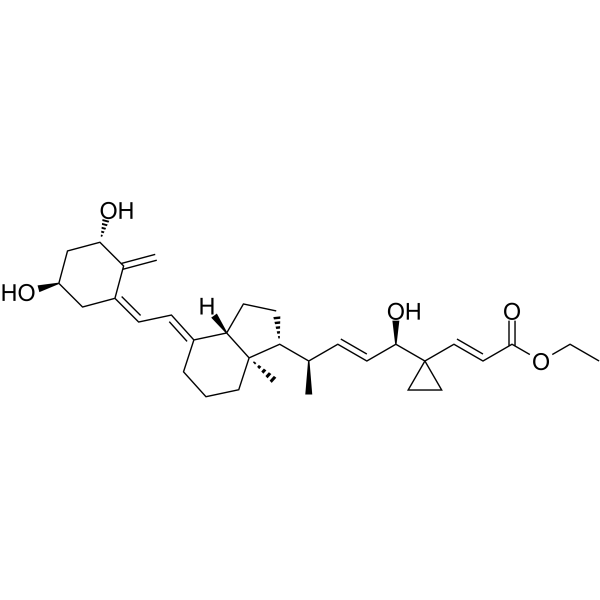
- HY-N2890
-
|
6'-O-Feruloylsucrose
|
Others
|
Others
|
|
Arillatose B is a sucrose ester that can be isolated from the roots of the Greek endemic species Aristolochia cretica .
|
-
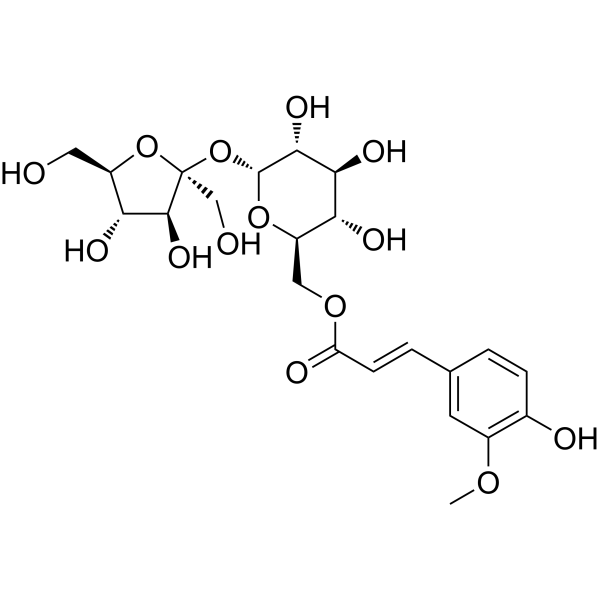
- HY-N16119
-
|
|
Others
|
Metabolic Disease
|
|
Phytyl palmitate is a phytyl ester. Phytyl palmitate can be isolated from the leaves Fatsia japonica. Phytyl palmitate can be used for inherited disorder of the lipid metabolism like Refsum’s disease research .
|
-

- HY-D1568
-
|
|
Fluorescent Dye
|
Others
|
|
Sulfo-Cy7.5 NHS ester is a near infrared water soluble hydrophilic dye, also is an NHS ester for the modification of amine groups. Sulfo-Cy7.5 NHS ester contains a trimeth ylene bridge and has a linker arm for its attachment to proteins, peptides, and other molecules. Sulfo-Cy7.5 NHS ester can be used for the research of NIR imaging applications .
|
-
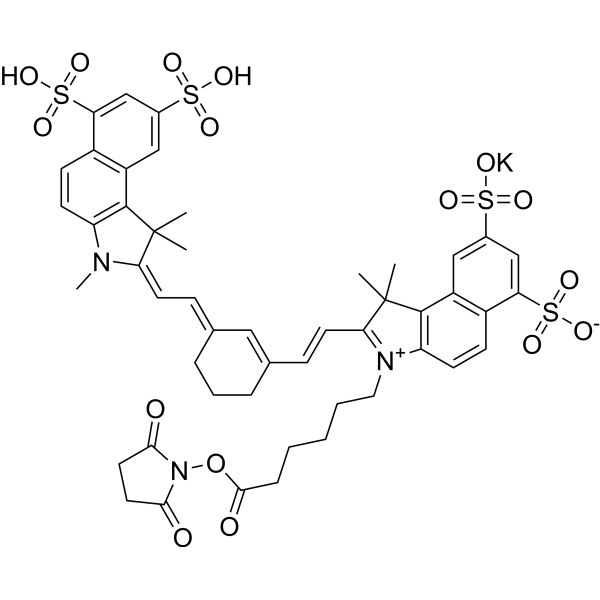
- HY-167025
-
|
|
Biochemical Assay Reagents
|
Others
|
|
Cholesterol laurate is a cholesterol ester with good biocompatibility, bioavailability and bioactivity. Cholesterol laurate can be used in drug delivery research .
|
-

- HY-A0019AR
-
|
9-Hydroxyrisperidone palmitate (Standard)
|
Dopamine Receptor
5-HT Receptor
Reference Standards
|
Neurological Disease
|
|
Paliperidone palmitate (Standard) is the analytical standard of Paliperidone palmitate. This product is intended for research and analytical applications. Paliperidone palmitate is an orally effective competitive antagonist of dopamine D2 receptors and 5-hydroxytryptamine 2A (5-HT2A) receptors that can cross the blood-brain barrier. Paliperidone palmitate competitively inhibits the effects of dopamine and 5-hydroxytryptamine by binding to dopamine D2 receptors and 5-HT2A receptors, regulating the balance of the neurotransmitter system and thus exerting antipsychotic activity. Paliperidone palmitate is mainly used in the research field of schizophrenia .
|
-

- HY-145774
-
|
|
PD-1/PD-L1
|
Cancer
|
|
PD-1/PD-L1-IN-23 is a potent and orally active inhibitor of PD-1/PD-L1. PD-1/PD-L1-IN-23 is an ester proagent of L7. L7 is a benzo[c][1,2,5]oxadiazole derivative and biologically evaluated as inhibitors of PD-L1. PD-1/PD-L1-IN-23 displays significant antitumor effects in tumor models of syngeneic and PD-L1 humanized mice .
|
-
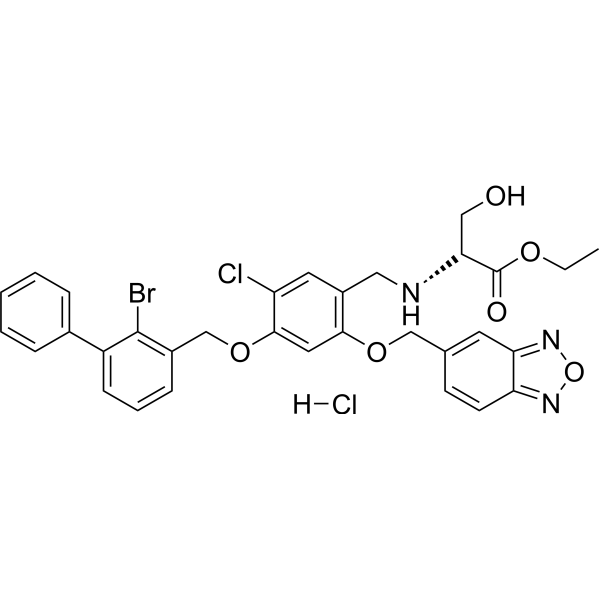
- HY-W004286
-
|
Methyl dodecanoate
|
Environmental Pollutants
Drug Derivative
|
Others
|
|
Methyl laurate (Methyl dodecanoate) is a fatty acid methyl ester. Methyl laurate can serve as a raw material to produce sucrose monolaurate via transesterification with sucrose .
|
-
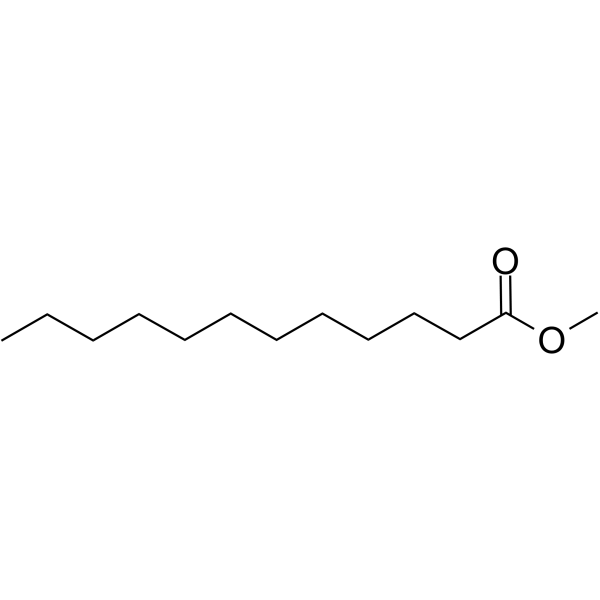
- HY-101197
-
|
|
mAChR
|
Others
|
|
SM 21 maleate, 2-phenoxyalkanoic acid ester, binds to central muscarinic recrptor with affinity of 0.174 μM .
|
-
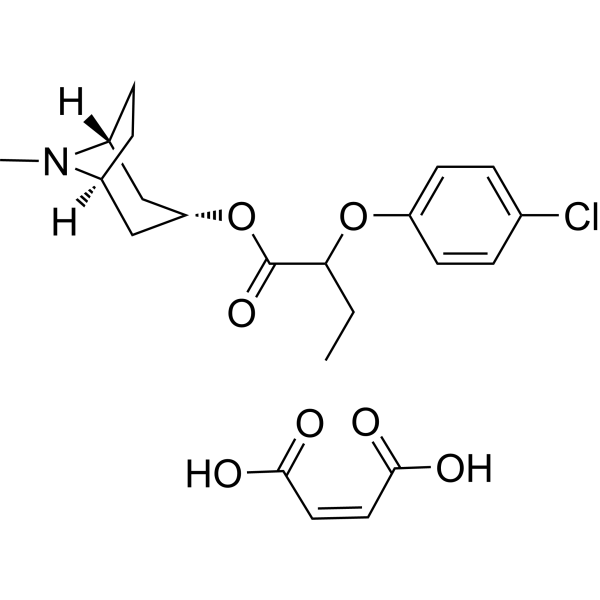
- HY-45131
-
-

- HY-W209628
-
|
Methyl acetylsalicylate
|
Drug Intermediate
|
Inflammation/Immunology
|
|
Methyl 2-acetoxybenzoate (Methyl acetylsalicylate) is a safe and simple anti-inflammatory aspirin prodrug. Methyl 2-acetoxybenzoate (Methyl acetylsalicylate) can be chemical or enzymatically hydrolysed to methyl 2-hydroxy benzoate. Methyl 2-acetoxybenzoate (Methyl acetylsalicylate) can be used as analgesic agent in liniments and also inflammatory diseases research .
|
-
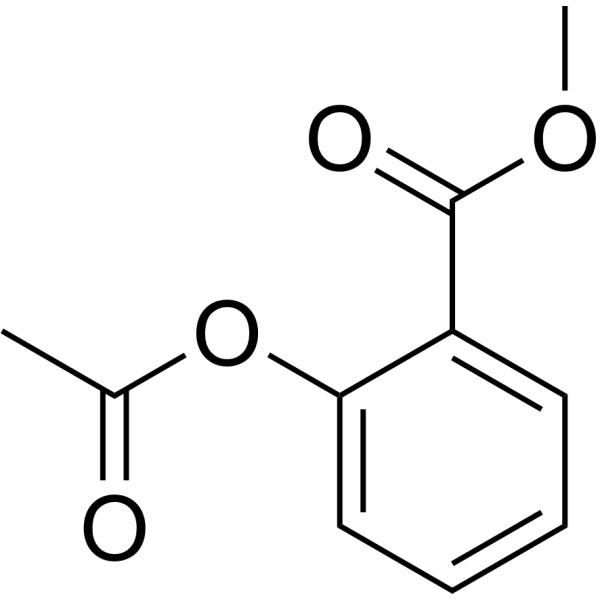
- HY-Y0476
-
|
Emizco
|
Biochemical Assay Reagents
Drug Derivative
|
Cancer
|
|
Ethyl 4-methyl-5-imidazole-carboxylate (Emizco) is an imidazole ester derivative. Ethyl 4-methyl-5-imidazole-carboxylate is promising for research of metal-based anticancer agents .
|
-

- HY-17365
-
-
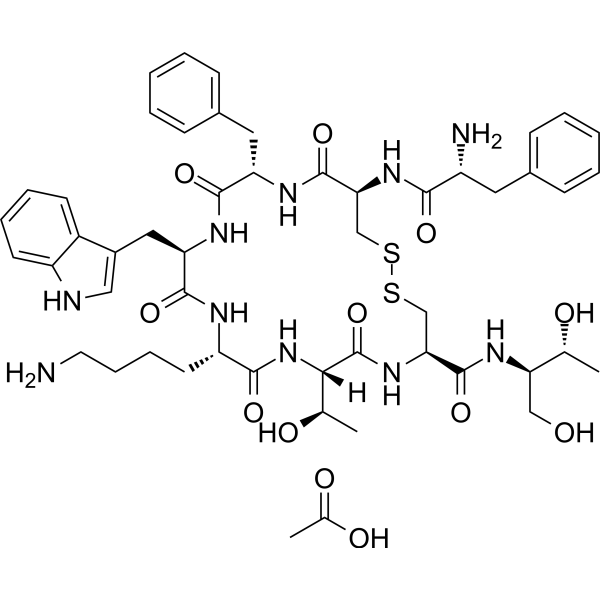
- HY-W011556
-
|
TCFH
|
Drug Isomer
|
Cancer
|
|
N,N,N',N'-Tetramethylchloroformamidinium hexafluorophosphate (TCFH) is a powerful coupling and derivatizing reagent for ester prodrug synthesis. N,N,N',N'-Tetramethylchloroformamidinium hexafluorophosphate can be used for antitumor drugs before medicine research .
|
-
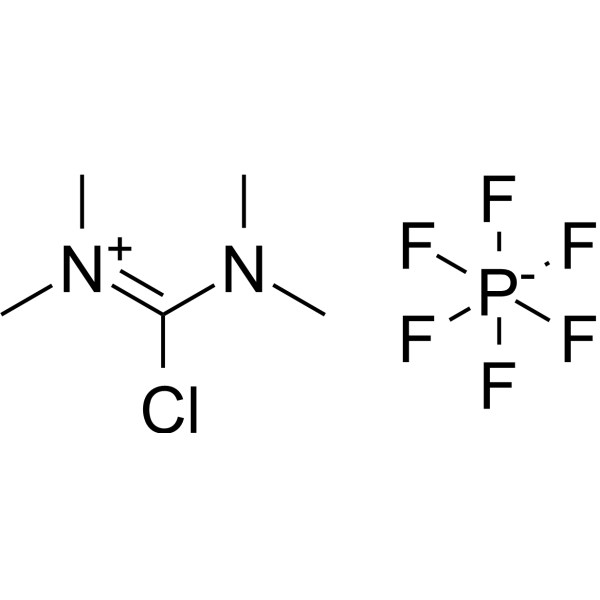
- HY-P2879A
-
|
|
Biochemical Assay Reagents
|
Metabolic Disease
|
|
Cholesterol esterase, Porcine pancreas is an enzyme that hydrolyzes cholesteryl esters into cholesterol and free fatty acids in the intestine. Cholesterol esterase, also known as bile salt-stimulated lipase or carboxyl ester lipase, functions to promote cholesterol absorption .
|
-

- HY-W004262
-
|
|
Biochemical Assay Reagents
|
Others
|
|
Methyl nonadecanoate is an internal standard. Methyl nonadecanoate can be used to determine the content of fatty acid methyl esters (FAME) in biodiesel .
|
-

- HY-186185
-
|
|
Drug-Linker Conjugates for ADC
Topoisomerase
|
Others
|
|
OSu-Val-Cit-PAB-Exa (compound D) is a cleavable linker-payload conjugate (usable for ADC synthesis). OSu-Val-Cit-PAB-Exa bears an N-terminal N-hydroxysuccinimide (OSu) ester group, and comprises Val-Cit, p-aminobenzyl alcohol (PAB) and Exatecan (HY-13631). OSu-Val-Cit-PAB-Exa serves as a payload-linker intermediate for polypeptide conjugation .
|
-

- HY-118442
-
|
Tetradecasphing-4-enine
|
PKC
|
Cancer
|
|
Sphingosine (d14:1) (Tetradecasphing-4-enine), a sphingolipid, is a potent Protein kinase C (PKC) inhibitor. Sphingosine (d14:1) prevents its interaction with sn-1,2-diacylglycerol (DAG)/Phorbol esters .
|
-
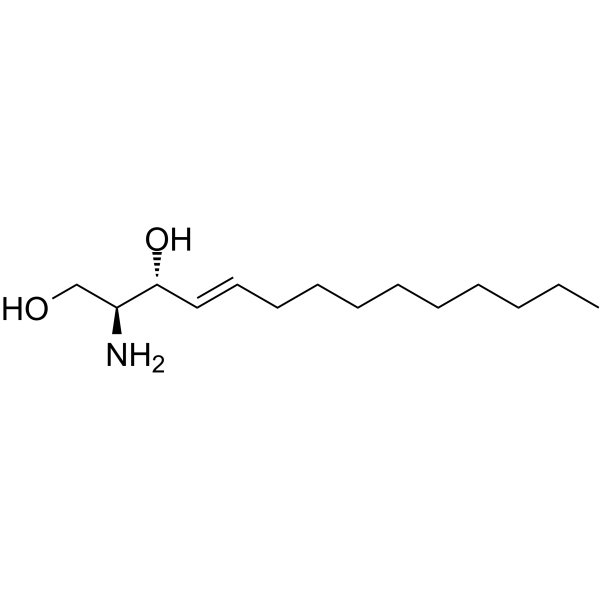
- HY-163297
-
|
|
Fungal
|
Infection
|
|
Antifungal agent 90 (Compound 7n) is an antifungal agent that inhibits ergosterol biosynthesis. Antifungal agent 90 showed excellent antifungal activity against Valsa mali and Botrytis cinerea with EC50 values respectively. 4.26 and 1.41 μg/mL .
|
-
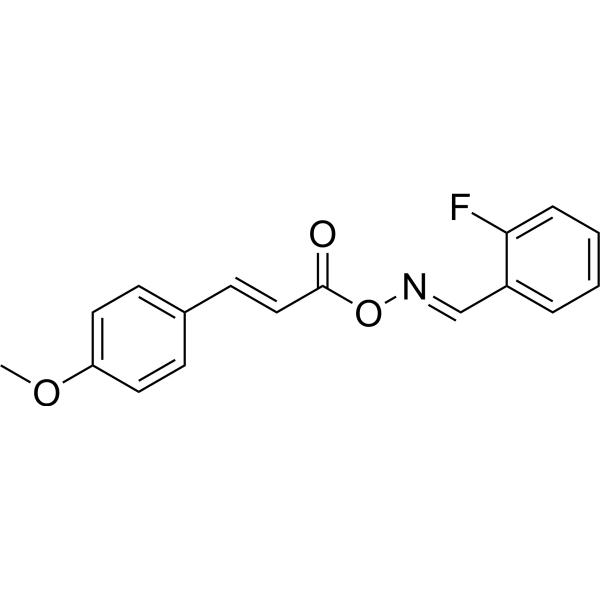
- HY-N17461
-
|
|
Others
|
Others
|
|
Methyl (9Z,12E,15Z)-octadecatrienoate is an aliphatic ester found in the leaves of Taxus wallichiana var mairei .
|
-

- HY-N17469
-
|
|
Others
|
Others
|
|
2-Carboxy-2-hydroxyethyl 12,16-heneicosadienoate (compound 2) is a fatty acid ester that can be found in the roots of Angelicae koreana Kitagawa (Bukkanghwal, BKH) .
|
-

- HY-W099583
-
|
Myristic acid amide
|
Drug Intermediate
|
Metabolic Disease
|
|
Myristic amide (Myristic acid amide) is an ester product. Myristic amide can be used as a chemical additive, lubricant and pharmaceutical intermediate.
|
-

- HY-DY1063
-
|
|
Fluorescent Dye
|
Others
|
Cy5-SE (Cy5 NHS Ester) (solution) is a reactive dye for the labeling of amino-groups in peptides, proteins, and oligonucleotides. This dye requires small amount of organic co-solvent (such as DMF or DMSO) to be used in labeling reaction. This reagent is ideal for very cost-efficient labeling of soluble proteins, as well as all kinds of peptides and oligonucleotides. This reagent also works well in organic solvents for small molecule labeling.
Excitation (nm) :649, Emission (nm) : 670.
Solvent and concentration: DMSO: 10 mM
|
-

- HY-W415108
-
|
|
Fluorescent Dye
|
Others
|
|
10-Methyl-9-(phenoxycarbonyl) acridinium trifluoromethanesulfonate is an acridinium ester that produces fluorescent 10-methyl-9-acridone upon oxidation with hydrogen peroxide, persulfate, and other oxidants under alkaline conditions. 10-Methyl-9-(phenoxycarbonyl) acridinium trifluoromethanesulfonate can be used in chemiluminescent assays, enzyme, antigen, antibody, and hormone immunoassays, and for the detection of oxidants in environmental, biological, and pharmaceutical samples .
|
-

- HY-164067
-
|
|
Biochemical Assay Reagents
|
Others
|
|
Silylanization hyaluronate ester is a hyaluronate ester derivative with good moisturizing properties and biocompatibility, and can be used in cosmetic research .
|
-

- HY-E70266
-
-
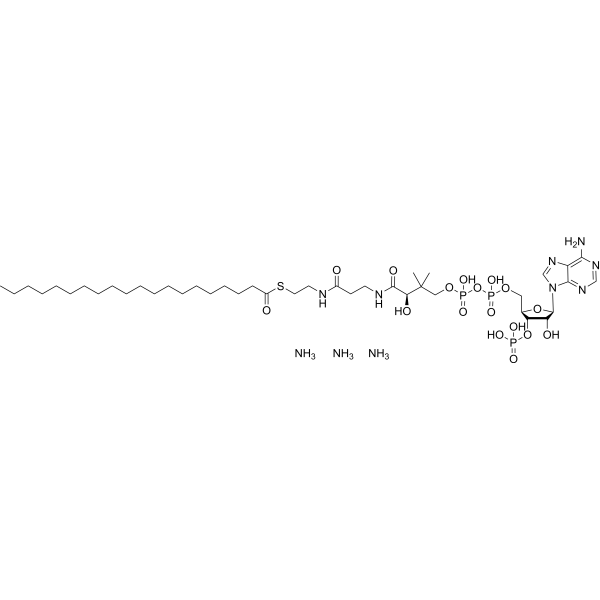
- HY-D0178
-
|
|
Biochemical Assay Reagents
|
Others
|
|
1-Ethyl-(3-dimethylaminopropyl)carbodiimide hydrochloride is a carbodiimide reagent that can form nucleic acid and compounds with amide bonds. 1-(3-Dimethylaminopropyl)-3-ethylcarbodiimide hydrochloride accelerates the formation reaction of esters, amides, and peptides, as a condensing and dehydrating agent, which are often used for polynucleotide synthesis, anhydroxydation, lactonization and esterification .
|
-
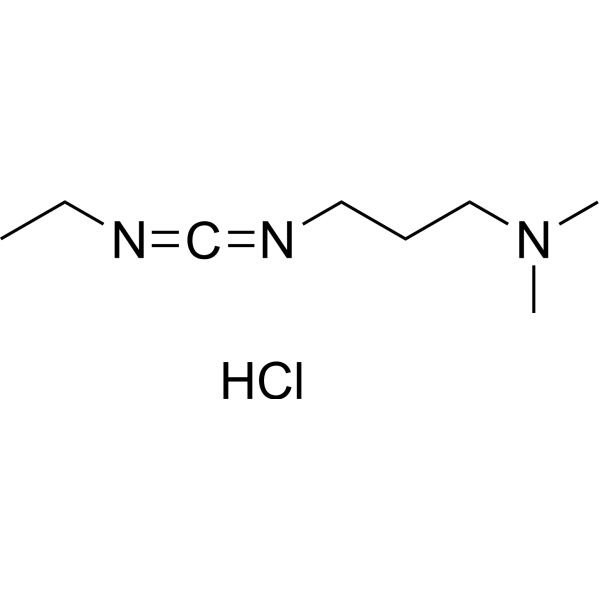
- HY-N7868
-
|
|
Biochemical Assay Reagents
|
Others
|
|
Methyl tricosanoate is a saturated fatty acid methyl ester and also serves as an internal standard, which can be used for the quantitative analysis of neuraminic acid (NA) concentration .
|
-

- HY-106084
-
|
T-2525; RO 19-5247; Cefterame
|
Bacterial
|
Infection
|
|
Cefteram (T-2525) is the free acid of Cefteram pivoxil (HY-106571), which is an orally active cephalosporin ester. Cefteram potently targets to the enteropathogenic Enterobacteriaceae and Vibrionaceae .
|
-
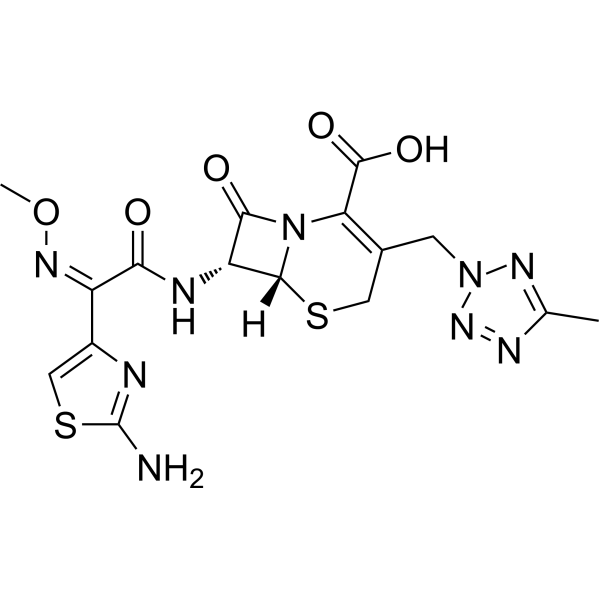
- HY-N19806
-
|
|
Drug Derivative
|
Others
|
|
8,11-Octadecadienoic acid, methyl ester is a polyunsaturated fatty acid methyl ester that can be extracted from castor seeds via direct ultrasonic transesterification .
|
-

- HY-D1441
-
|
|
Fluorescent Dye
|
Others
|
|
Zinquin AM ester is an AM ester form of Zinquin. Zinquin, a fluorescent dye, is a commonly used sensor for cellular Zn 2+ status .
|
-
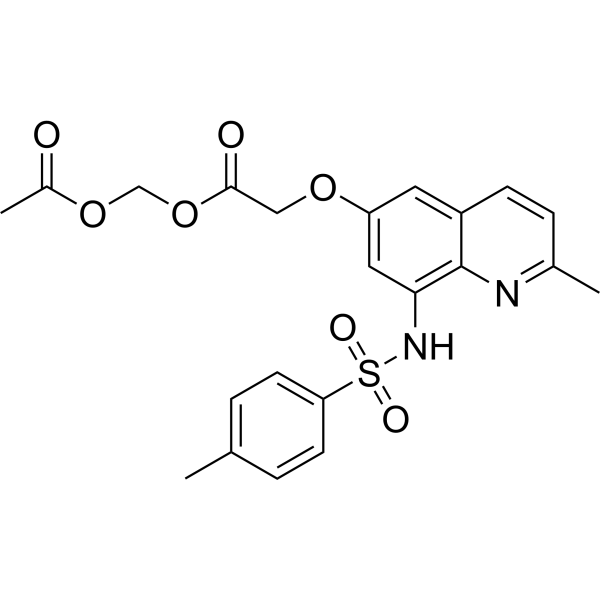
- HY-D0819A
-
|
Cy5 NHS ester triethylamine salt; Sulfo-Cyanine5 Succinimidyl ester triethylamine salt
|
Fluorescent Dye
|
Others
|
|
Cy5-SE (Cy5 NHS Ester) triethylamine salt is a reactive dye for the labeling of amino-groups in peptides, proteins, and oligonucleotides. Cy5-SE triethylamine salt is ideal for very cost-efficient labeling of soluble proteins, as well as all kinds of peptides and oligonucleotides Ex=649 nm; Em=670 nm) .
|
-
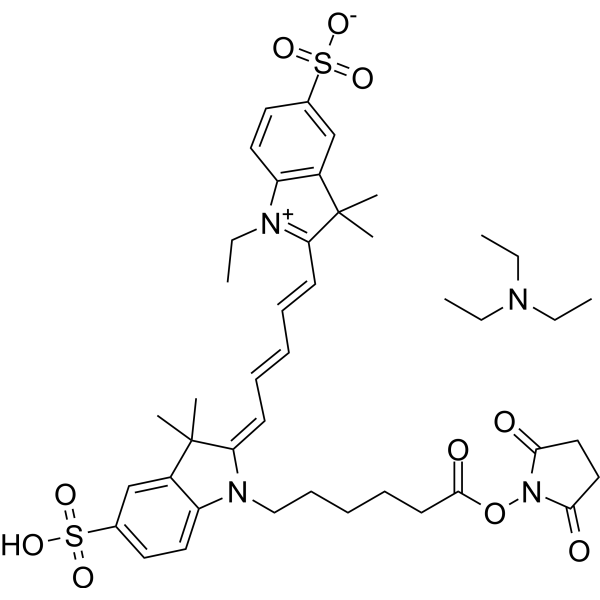
- HY-W039923
-
|
|
Insulin Receptor
|
Endocrinology
|
|
β-D-Galactose pentaacetate is a negative regulator of insulin with plasma membrane penetrating ability and can be hydrolyzed by intracellular esterases. β-D-Galactose pentaacetate inhibits Leucine (HY-N0486)-induced insulin release in Wistar rat islets, potentially preventing excessive insulin release in pathological conditions .
|
-

- HY-N9777
-
|
|
Others
|
Metabolic Disease
|
|
Procyanidin B-5 3,3'-di-O-gallate is a potent inhibitor of squalene epoxidase with an IC50 of 0.55 μM. Procyanidin B-5 3,3'-di-O-gallate reduces cholesterol by inhibiting squalene epoxidase activity .
|
-
- HY-D0819
-
CY5-SE
Maximum Cited Publications
37 Publications Verification
Cy5 NHS ester; Sulfo-Cyanine5 Succinimidyl ester
|
Fluorescent Dye
|
Others
|
|
Cy5-SE (Cy5 NHS Ester) is a reactive dye for the labeling of amino-groups in peptides, proteins, and oligonucleotides. This dye requires small amount of organic co-solvent (such as DMF or DMSO) to be used in labeling reaction. This reagent is ideal for very cost-efficient labeling of soluble proteins, as well as all kinds of peptides and oligonucleotides. This reagent also works well in organic solvents for small molecule labeling.
Excitation (nm):649, Emission (nm): 670.
|
-
- HY-W067425
-
|
|
Endogenous Metabolite
|
Metabolic Disease
|
|
2-(4-Hydroxyphenyl)propionic acid (Compound 1) is an aromatic carboxylic acid, which can be converted into its R and S glucosyl esters and glucosides by root culture of P. ginseng (Pg-1) .
|
-

- HY-Z17706
-
|
|
Others
|
Others
|
|
Crocin Impurity 1 is a carotenoid glycosyl ester and pigment.Crocin Impurity 1 can be found in Gardenia jasminoides fruits and Crocus sativus stigmas.Crocin Impurity 1 functions as a food colorant .
|
-

- HY-E70599
-
|
|
Carboxylesterase (CES)
|
Metabolic Disease
|
|
Human CES2 Enzyme is a carboxylesterase involved in drug metabolism and lipid homeostasis. Human CES2 Enzyme hydrolyzes triglycerides, cholesteryl esters and retinyl esters to regulate lipid metabolism and energy homeostasis. Human CES2 Enzyme improves glucose tolerance and insulin sensitivity, reduces hepatic lipid accumulation, alleviates white adipose tissue steatitis, decreases plasma cholesterol levels, and reduces body weight and white adipose tissue weight. Human CES2 Enzyme can be used in the research of metabolic syndrome .
|
-

- HY-165362
-
|
|
Reactive Oxygen Species (ROS)
|
Inflammation/Immunology
|
|
AO-1535 is a semisynthetic monoglycosylceramide that inhibits the production of reactive oxygen intermediates in human monocytes and macrophages stimulated by phorbol ester and chemotactic tetrapeptide. AO-1535 can be used for the research of inflammatory dermatoses .
|
-

- HY-D1794
-
|
VF 405 SE
|
Fluorescent Dye
|
Others
|
|
Vari Fluor 405 SE (VF 405 SE) is a dye marker of the Vari Fluor SE series (Ex/Em=399 nm/421 nm). The Vari Fluor SE series of dyes are a class of fluorescent dyes containing NHS ester groups used to label free amines (-NHX) on antibodies, proteins, peptides, amine-modified oligonucleotides and other biomolecules.
|
-

- HY-D1791
-
|
VF 750 SE
|
Fluorescent Dye
|
Others
|
|
Vari Fluor 750 SE (VF 750 SE) is a dye marker of the Vari Fluor SE series (Ex/Em=747 nm/770 nm). The Vari Fluor SE series of dyes are a class of fluorescent dyes containing NHS ester groups used to label free amines (-NHX) on antibodies, proteins, peptides, amine-modified oligonucleotides and other biomolecules.
|
-

- HY-D1797
-
|
VF 660 SE
|
Fluorescent Dye
|
Others
|
|
Vari Fluor 660 SE (VF 660 SE) is a dye marker of the Vari Fluor SE series (Ex/Em=660 nm/679 nm). The Vari Fluor SE series of dyes are a class of fluorescent dyes containing NHS ester groups used to label free amines (-NHX) on antibodies, proteins, peptides, amine-modified oligonucleotides and other biomolecules.
|
-

- HY-130116A
-
|
|
STING
|
Cancer
|
|
IACS-8779 disodium is a highly potent stimulator of interferon genes (STING) agonist with robust systemic antitumor efficacy. IACS-8779 disodium shows robust activation of the STING pathway in vitro and a superior systemic anti-tumor response in the B16 murine model of melanoma .
|
-
- HY-W048700
-
-
- HY-D1802
-
|
VF 425 SE
|
Fluorescent Dye
|
Others
|
|
Vari Fluor 425 SE (VF 425 SE) is a dye marker of the Vari Fluor SE series (Ex/Em=430 nm/475 nm). The Vari Fluor SE series of dyes are a class of fluorescent dyes containing NHS ester groups used to label free amines (-NHX) on antibodies, proteins, peptides, amine-modified oligonucleotides and other biomolecules.
|
-

- HY-135087
-
|
|
Environmental Pollutants
Biochemical Assay Reagents
|
Others
|
|
Caprylic/Capric Triglyceride is a mixed triester of Octanoic acid (Caprylic acid) (HY-41417) and Capric acid oil possessing excellent oxidation stability. Caprylic/Capric Triglyceride is used as a food additive and used in cosmetics .
|
-
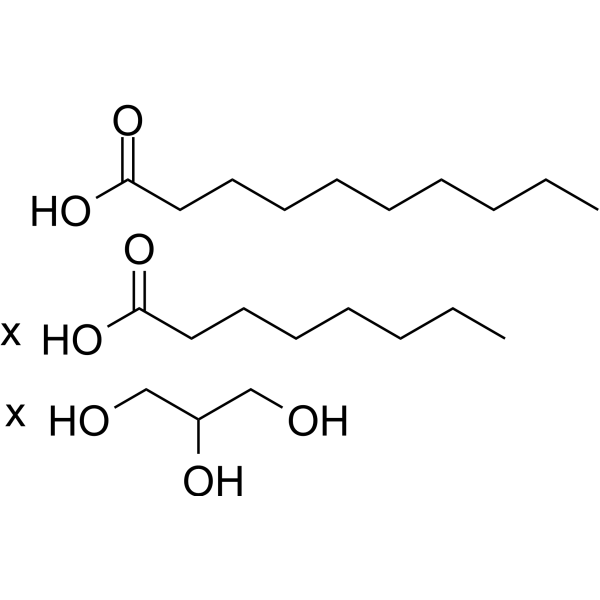
- HY-N7939
-
|
|
Insecticide
|
Others
|
|
Celangulin XIX is a insecticidal that can be isolated from Celastrus angulatu. Celangulin XIX has strong insecticidal activity against Mythimna separate with an ED50 of 73.3 μg/g .
|
-
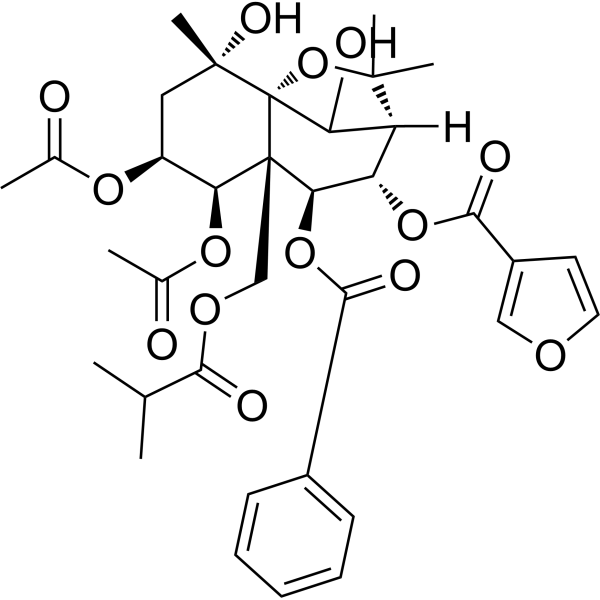
- HY-D1800
-
|
VF 680 SE
|
Fluorescent Dye
|
Others
|
|
Vari Fluor 680 SE (VF 680 SE) is a dye marker of the Vari Fluor SE series (Ex/Em=680 nm/700 nm). The Vari Fluor SE series of dyes are a class of fluorescent dyes containing NHS ester groups used to label free amines (-NHX) on antibodies, proteins, peptides, amine-modified oligonucleotides and other biomolecules.
|
-

- HY-W037451
-
|
|
Amino Acid Derivatives
|
Others
|
|
Methyl L-leucinate, methyl ester of L-leucine, is an alpha-amino acid ester. Methyl L-leucinate is a derivative of methyl ester and L-leucine, a class of compounds containing both amino and carboxyl groups in the molecule .
|
-
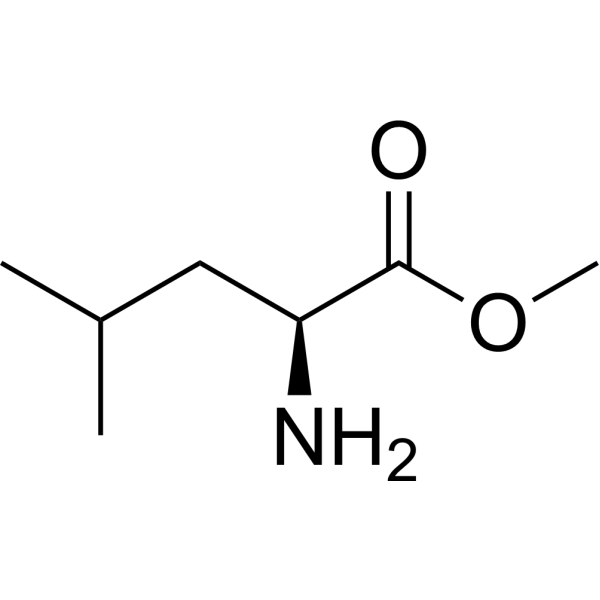
- HY-D1792
-
|
VF 555 SE
|
Fluorescent Dye
|
Others
|
|
Vari Fluor 555 SE (VF 555 SE) is a dye marker of the Vari Fluor SE series (Ex/Em=550 nm/561 nm). The Vari Fluor SE series of dyes are a class of fluorescent dyes containing NHS ester groups used to label free amines (-NHX) on antibodies, proteins, peptides, amine-modified oligonucleotides and other biomolecules.
|
-

- HY-D1790
-
|
VF 640 SE
|
Fluorescent Dye
|
Others
|
|
Vari Fluor 640 SE (VF 640 SE) is a dye marker of the Vari Fluor SE series (Ex/Em=648 nm/664 nm). The Vari Fluor SE series of dyes are a class of fluorescent dyes containing NHS ester groups used to label free amines (-NHX) on antibodies, proteins, peptides, amine-modified oligonucleotides and other biomolecules.
|
-

- HY-D1803
-
|
VF 565 SE
|
Fluorescent Dye
|
Others
|
|
Vari Fluor 565 SE (VF 565 SE) is a dye marker of the Vari Fluor SE series (Ex/Em=563 nm/594 nm). The Vari Fluor SE series of dyes are a class of fluorescent dyes containing NHS ester groups used to label free amines (-NHX) on antibodies, proteins, peptides, amine-modified oligonucleotides and other biomolecules.
|
-

- HY-175097
-
|
|
Drug Derivative
|
Others
|
|
AL 8810 Ethyl amide is an acetamide derivative of AL-8810 (HY-100449). AL 8810 Ethyl amide dose not exhibit a significant antagonistic effect on the action of PGF2α, and it dose not cause the contraction of the cat iris .
|
-

- HY-W440039
-
|
|
Herbicide
|
Inflammation/Immunology
|
|
Methyl 2-(2,4-dihydroxyphenyl)acetate, a phenolic ester, is isolated from Nigella damascena seeds with selective phytotoxic effects .
|
-
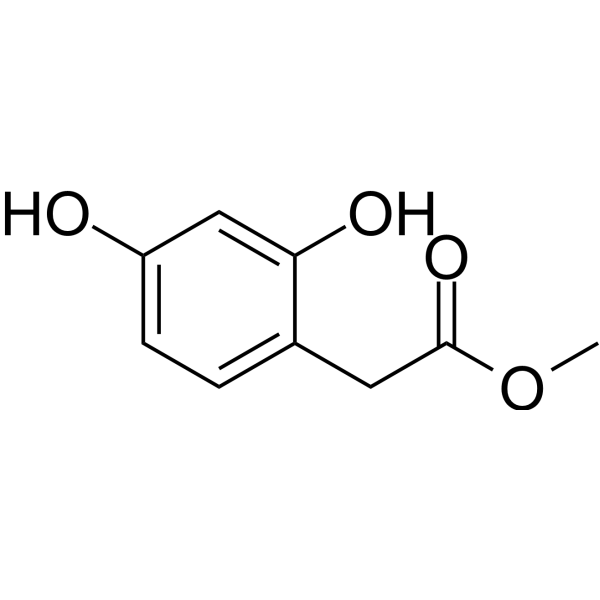
- HY-W099812
-
|
H-DL-Nva-OMe (hydrochloride)
|
Biochemical Assay Reagents
|
Others
|
|
Methyl 2-aminopentanoate hydrochloride (H-DL-Nva-OMe hydrochloride) is a chiral α-amino ester hydrochloride precursor used for the synthesis of N-Boc-protected α-amino aldehyde 2b .
|
-

- HY-142688
-
|
|
Carboxylesterase (CES)
Wnt
|
Cancer
|
|
Carboxylesterase-IN-2 (compound 4u) is a potent inhibitor of Carboxylesterase Notum with an IC50 less than or equal to 10 nM. Notum is a negative regulator of Wnt signaling acting through the hydrolysis of a palmitoleoylate ester, which is required for Wnt activity. Carboxylesterase-IN-2 has the potential for the research of cancer disease .
|
-
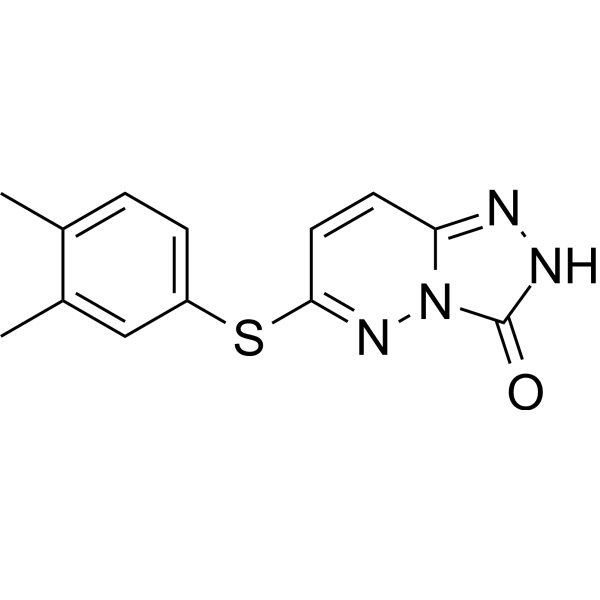
- HY-D1798
-
|
VF 350 SE
|
Fluorescent Dye
|
Others
|
|
Vari Fluor 350 SE (VF 350 SE) is a dye marker of the Vari Fluor SE series (Ex/Em=350 nm/448 nm). The Vari Fluor SE series of dyes are a class of fluorescent dyes containing NHS ester groups used to label free amines (-NHX) on antibodies, proteins, peptides, amine-modified oligonucleotides and other biomolecules.
|
-

- HY-175663
-
|
|
RPE65
|
Metabolic Disease
|
|
EYE-002 is a RPE65 inhibitor with an IC50 of 69 nM. EYE-002 promotes recovery of scotopic ERG a-/b-wave amplitudes. EYE-002 regulates the visual cycle in mice by reducing 11-cis-retinal (11cRAL) (HY-116711) synthesis and increasing all-trans-retinyl esters (atREs). EYE-002 exerts protective effects against photic retinal damage in mice. EYE-002 can be used for the study of visual cycle-associated retinopathies, such as Stargardt disease type 1 (STGD1) .
|
-

- HY-151647
-
|
|
Biochemical Assay Reagents
|
Others
|
|
3-Azidopropanoic acid-PFP ester is an azidopropanoic acid linker that contains an activated PFP ester. The azide group can undergo copper-catalyzed Click Chemistry reactions with alkynes, DBCO and BCN to form triazole linkages. The activated PFP ester can react with amine groups to form stable amide bonds . 3-Azidopropanoic acid-PFP ester is a click chemistry reagent, it contains an Azide group and can undergo copper-catalyzed azide-alkyne cycloaddition reaction (CuAAc) with molecules containing Alkyne groups. It can also undergo strain-promoted alkyne-azide cycloaddition (SPAAC) reactions with molecules containing DBCO or BCN groups.
|
-
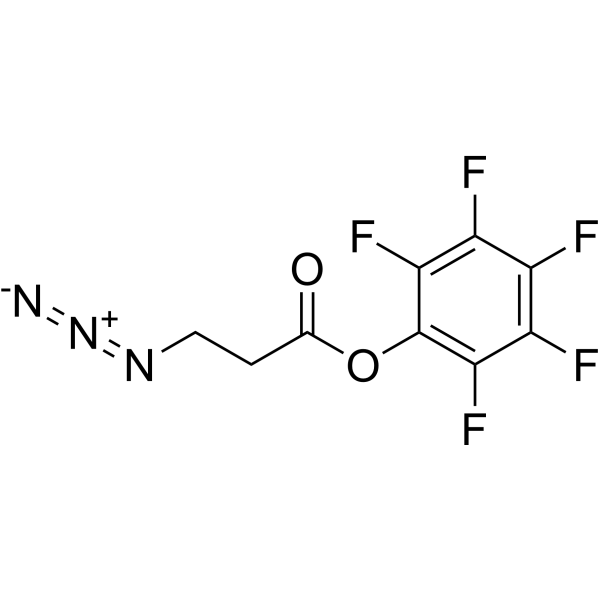
- HY-W244412
-
|
|
Biochemical Assay Reagents
|
Cancer
|
|
2,5-Dioxopyrrolidin-1-yl 6-hydrazinylnicotinate hydrochloride is an intermediate of a radionuclide molecular probe targeting the CD4 receptor. 2,5-Dioxopyrrolidin-1-yl 6-hydrazinylnicotinate hydrochloride serves as an imaging agent for heart transplant rejection. This CD4 probe is prepared by mixing leukocyte differentiation antigen 4 monoclonal antibody with a solution of 6-hydrazinylnicotinoyl succinimide ester hydrochloride, followed by extraction and reaction to obtain 6-hydrazinylnicotinate-leukocyte differentiation antigen 4 monoclonal antibody; this antibody is then mixed with N-tris (hydroxymethyl) glycine, stannous chloride and technetium for an oscillatory reaction. This CD4 probe exhibits high affinity for CD4 + T lymphocytes, along with the characteristics of high sensitivity and high specificity, enabling early diagnosis of acute rejection .
|
-

- HY-W014895
-
|
Ethyl p-toluenesulfonate; Ethyl tosylate
|
Drug Intermediate
|
Others
|
|
Ethyl 4-methylbenzenesulfonate (Ethyl p-toluenesulfonate) is a drug intermediate that can be used for the synthesis of alkyl and substituted alkyl fluorides .
|
-
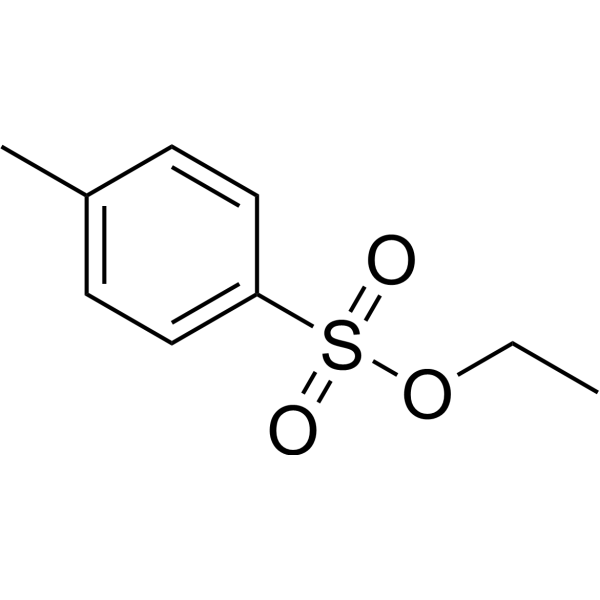
- HY-W012802
-
|
|
Drug Intermediate
|
Others
|
|
Methyl 1H-pyrrole-2-carboxylate is a drug intermediate that can act as an acyl donor. Methyl 1H-pyrrole-2-carboxylate can be synthesized into a series of pyrrolidine derivatives through tranesterification reactions with various alcohols .
|
-
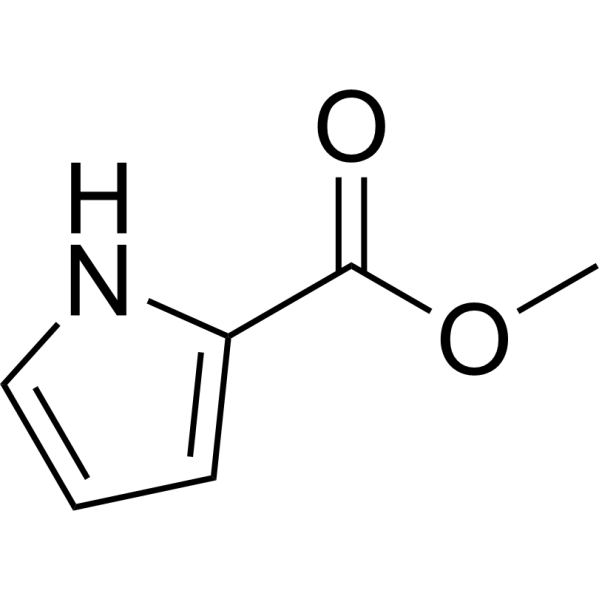
- HY-N10697
-
|
Celangulatin E
|
Parasite
|
Infection
|
|
Angulatin G (Celangulatin E) is an insecticidal sesquiterpene polyol ester with a β-dihydroagarofuran sesquiterpene skeleton, which can be isolated from the root bark of Celastrus angulatus. Angulatin G shows LD50 against Mythimna separata of 1656.4 μg/mL .
|
-
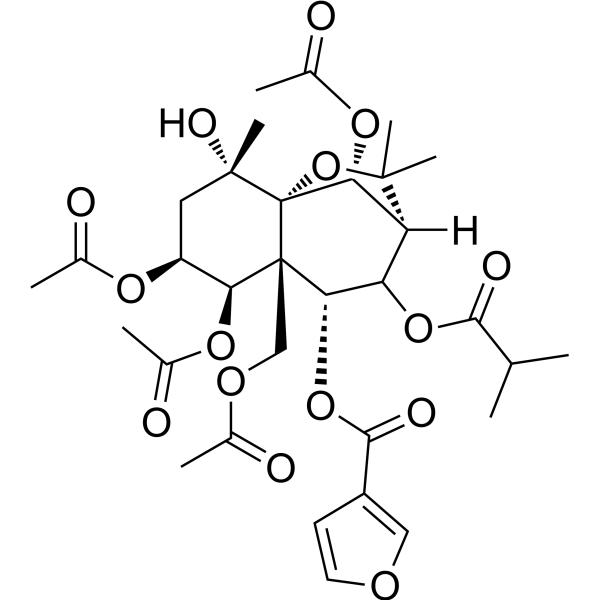
- HY-142689
-
|
|
Carboxylesterase (CES)
Wnt
|
Cancer
|
|
Carboxylesterase-IN-3 (compound 4y) is a potent inhibitor of Carboxylesterase Notum with an IC50 less than or equal to 10 nM. Notum is a negative regulator of Wnt signaling acting through the hydrolysis of a palmitoleoylate ester, which is required for Wnt activity. Carboxylesterase-IN-3 has the potential for the research of cancer disease .
|
-
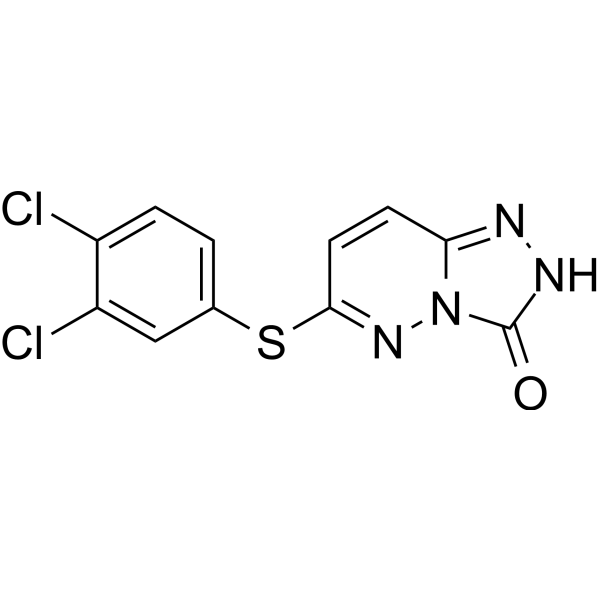
- HY-148157
-
|
|
Drug Derivative
|
Others
|
|
Amylocaine is a local agent that can suppress or relieve pain of the ester type. Amylocaine can cause reversible insensitization near the area where it is administered. Amylocaine is used mostly in spinal anesthesia .
|
-
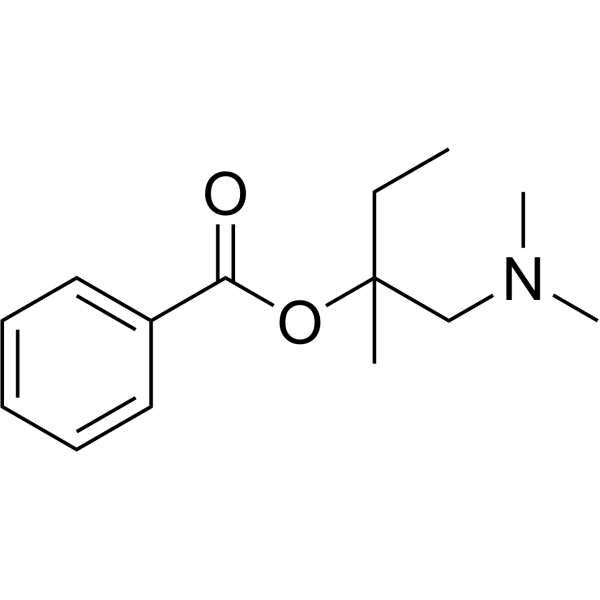
- HY-146984
-
|
|
Glycosidase
|
Inflammation/Immunology
|
|
α-Glucosidase-IN-3 is an oleanolic acid (OA) oxime ester derivative against α-glucosidase (IC50=1.28 µM) and α-amylase (IC50=3.8 µM) .
|
-
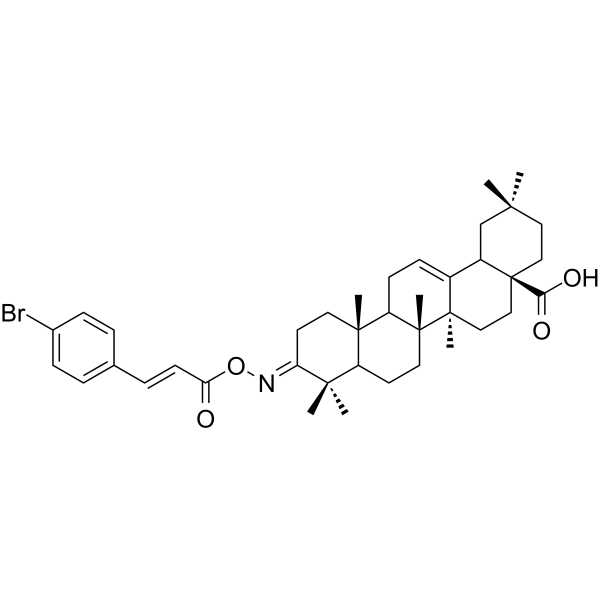
- HY-125531
-
|
|
Others
|
Others
|
|
Dactylorhin A, a succinate derivative ester, is isolated from rhizomes of Gymnadenia conopsea. Dactylorhin A exhibits moderate inhibitory effects on NO production effects in RAW 264.7 macrophage cells .
|
-
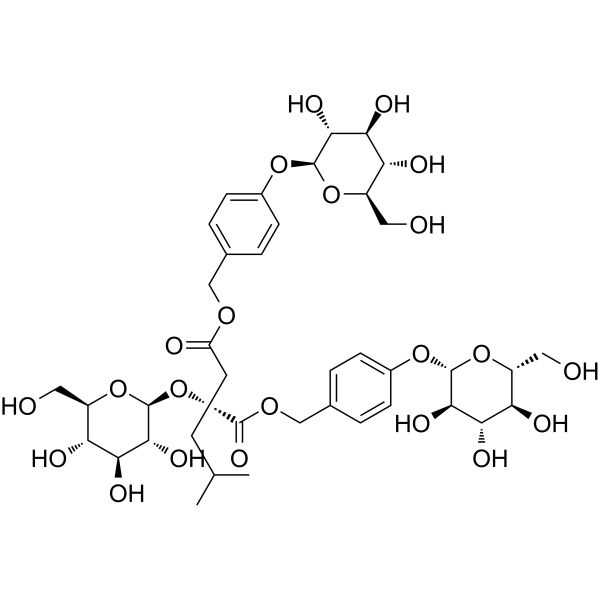
- HY-P2803B
-
|
|
β-glucuronidase
|
Metabolic Disease
|
|
Beta-glucuronidase (helix pomatia) is a glycosyl hydrolase that hydrolyzes β-glucuronic acid and sulfate esters in urine and other biological fluids, and then releases β-glucuronate .
|
-

- HY-D1796
-
|
VF 594 SE
|
Fluorescent Dye
|
Others
|
|
Vari Fluor 594 SE (VF 594 SE) is a dye marker of the Vari Fluor SE series (Ex/Em=585 nm/609 nm). The Vari Fluor SE series of dyes are a class of fluorescent dyes containing NHS ester groups used to label free amines (-NHX) on antibodies, proteins, peptides, amine-modified oligonucleotides and other biomolecules.
|
-

- HY-D1567
-
|
|
Fluorescent Dye
|
Others
|
|
Cy7.5 NHS ester is a fluorescent dye. Cy7.5 NHS ester can be conjugated to mPEG-b-PDPA to form a mPEG-b-PDPA-Cy7.5 fluorescent copolymer. Cy7.5 NHS ester can be used for fluorescent imaging study (Ex/Em = 780/820 nm) .
|
-
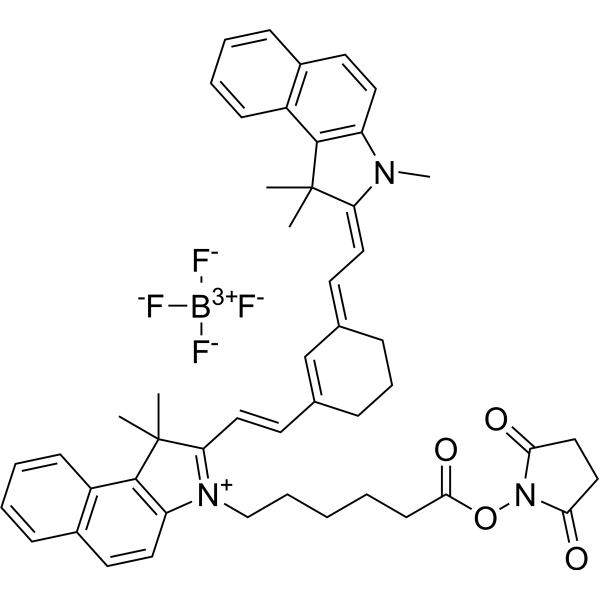
- HY-D1801
-
|
VF 488 SE
|
Fluorescent Dye
|
Others
|
|
Vari Fluor 488 SE (VF 488 SE) is a dye marker of the Vari Fluor SE series (Ex/Em=488 nm/513 nm). The Vari Fluor SE series of dyes are a class of fluorescent dyes containing NHS ester groups used to label free amines (-NHX) on antibodies, proteins, peptides, amine-modified oligonucleotides and other biomolecules.
|
-

- HY-W015224
-
|
|
Endogenous Metabolite
|
Metabolic Disease
|
|
Methyl 2-(1H-indol-3-yl)acetate is an indole ester.Methyl 2-(1H-indol-3-yl)acetate serves as a precursor for synthesis of S-alkylated/aralkylated 2-(1H-indol-3-ylmethyl)-1,3,4-oxadiazole-5-thiol derivatives .
|
-
- HY-D1795
-
|
VF 532 SE
|
Fluorescent Dye
|
Others
|
|
Vari Fluor 532 SE (VF 532 SE) is a dye marker of the Vari Fluor SE series (Ex/Em=532 nm/545 nm). The Vari Fluor SE series of dyes are a class of fluorescent dyes containing NHS ester groups used to label free amines (-NHX) on antibodies, proteins, peptides, amine-modified oligonucleotides and other biomolecules.
|
-

- HY-146981
-
-
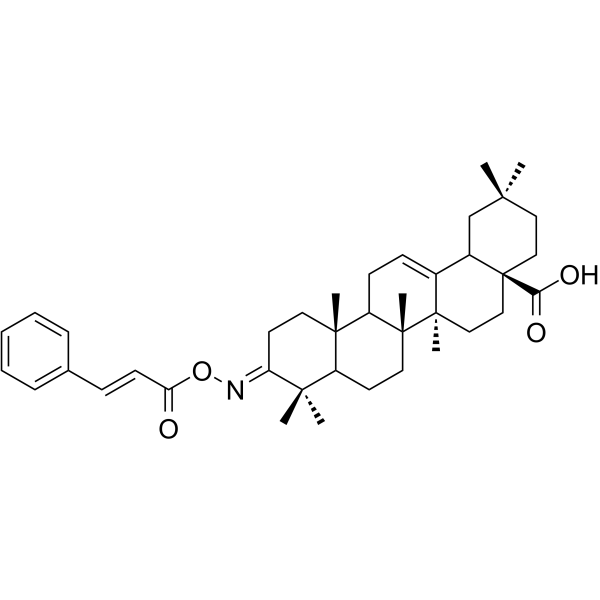
- HY-175664
-
|
|
RPE65
|
Metabolic Disease
|
|
EYE-003 is an orally active RPE65 inhibitor with an IC50 of 102 nM. EYE-003 regulates the visual cycle in mice by reducing 11-cis-retinal (11cRAL) (HY-116711) synthesis and increasing all-trans-retinyl esters (atREs). EYE-003 suppresses scotopic ERG b-wave amplitude and exerts protective effects against retinal degeneration in Abca4 ⁻/⁻ Rdh8 ⁻/⁻ mice (a STGD1 model) by reducing retinal autofluorescent puncta and preserving outer nuclear layer (ONL) thickness in a dose-dependent manner. EYE-003 can be used for the study of visual cycle-associated retinopathies, such as Stargardt disease type 1 (STGD1) .
|
-

- HY-D1799
-
|
VF 568 SE
|
Fluorescent Dye
|
Others
|
|
Vari Fluor 568 SE (VF 568 SE) is a dye marker of the Vari Fluor SE series (Ex/Em=573 nm/595 nm). The Vari Fluor SE series of dyes are a class of fluorescent dyes containing NHS ester groups used to label free amines (-NHX) on antibodies, proteins, peptides, amine-modified oligonucleotides and other biomolecules.
|
-

- HY-W145090
-
|
p-Dimethylaminopyridine N-oxide
|
Biochemical Assay Reagents
|
Others
|
|
4-Dimethylaminopyridine N-oxide (p-Dimethylaminopyridine N-oxide) is an Efficient Oxidizing Agent for Alkyl Halides .
|
-

- HY-183907
-
|
|
Calcium Channel
|
Cardiovascular Disease
|
|
Cicletanine is a voltage-dependent Ca 2+ channel inhibitor. Cicletanine inhibits α-adrenoceptor-mediated Ca 2+ release pathway, and shows vasodilatory effects on isolated vascular smooth muscle. Cicletanine directly stimulates lysosomal and cytoplasmic cholesteryl ester hydrolase activity. Cicletanine can be used for the research of hypertension .
|
-

- HY-N18212
-
|
|
Drug Derivative
|
Others
|
|
12-O-Methyl-1-O-tigloyl-1-O-deacetylnimbolinin B (Compound 2) is a limonoid compound present in the fruits of Melia toosendan .
|
-

- HY-W278867R
-
|
trans-Pinosylvin dimethyl ether (Standard)
|
Reference Standards
Cholinesterase (ChE)
|
Neurological Disease
|
|
trans-3,5-Dimethoxystilbene (Standard) is the analytical standard of trans-3,5-Dimethoxystilbene (HY-W278867). This product is intended for research and analytical applications. trans-3,5-Dimethoxystilbene (trans-Pinosylvin dimethyl ether) is a natural stilbenoid metabolite. trans-3,5-Dimethoxystilbene acts as an acetylcholinesterase inhibitor with a IC50 of 9 μM against Electrophorus electricus acetylcholinesterase. trans-3,5-Dimethoxystilbene binds to acetylcholinesterase and blocks acetylcholine hydrolysis, thereby increasing acetylcholine levels in the cholinergic synaptic cleft. trans-,5-Dimethoxystilbene can be used in the research of neurodegenerative diseases such as Alzheimer's disease .
|
-

- HY-145090
-
|
|
PROTAC Linkers
ADC Linker
|
Others
|
|
DBCO-N-bis(PEG4-NHS ester) is a PEG linker which contains two PEG4-NHS ester and a DBCO group. DBCO-N-bis(PEG4-NHS ester) is useful for protein modification or labeling. DBCO-N-bis(PEG4-NHS ester) is a click chemistry reagent, it contains a DBCO group that can undergo strain-promoted alkyne-azide cycloaddition (SPAAC) with molecules containing Azide groups.
|
-
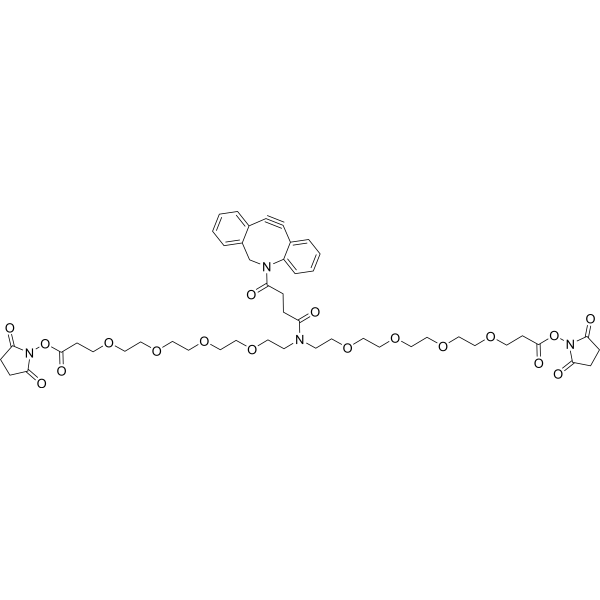
- HY-W025062
-
|
|
Drug Intermediate
|
Others
|
|
Diethyl pyridine-2,4-dicarb is a potent prolyl 4-hydroxylase-directed proinhibitor. Diethyl pyridine-2,4-dicarb inhibits prolyl hydroxylation and procollagen processing in chick-embryo calvaria .
|
-
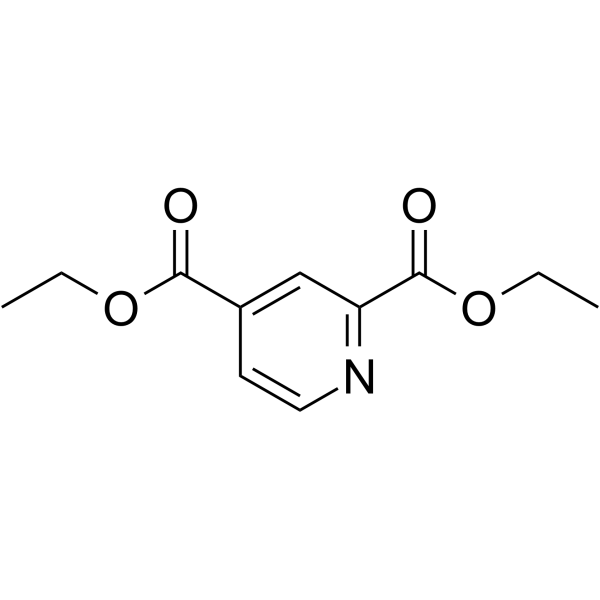
- HY-149832
-
|
|
Proteasome
|
Cancer
|
|
Anticancer agent 114 is a potent and orally active dipeptide boronic acid ester proteasome inhibitor with an IC50 value of 2.2 nM. Anticancer agent 114 has antiproliferative activity against the RPMI-8226 cells. Anticancer agent 114 can be used in research of multiple myeloma .
|
-
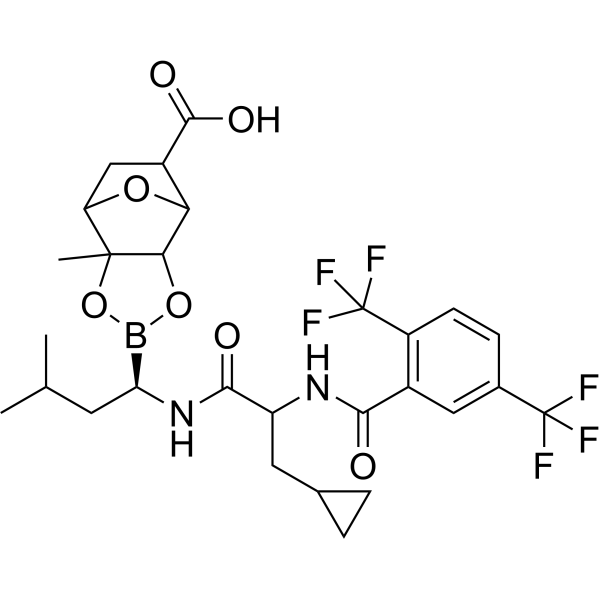
- HY-19614
-
|
|
CETP
|
Cardiovascular Disease
|
|
BMS-795311 is a potent and orally bioavailable inhibitor of cholesteryl ester transfer protein (CETP), with IC50s of 4 nM in an enzyme-based scintillation proximity assay (SPA) and 0.22 μM in a human whole plasma assay (hWPA), respectively .
|
-
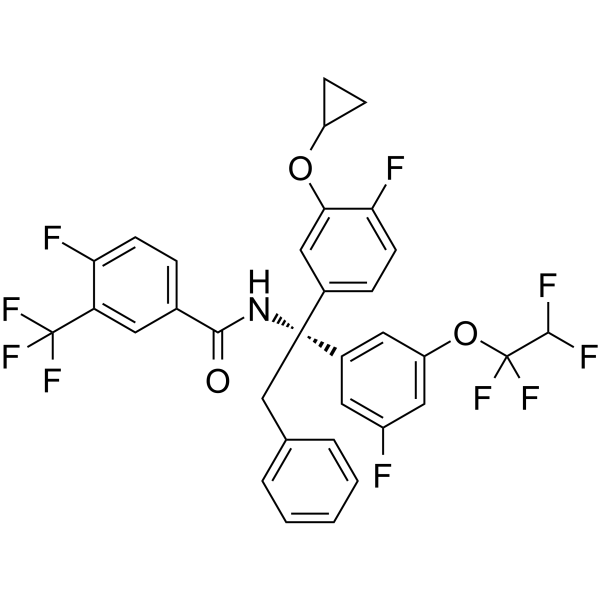
- HY-W039898
-
-

- HY-W587841
-
|
|
Drug Intermediate
|
Metabolic Disease
|
|
D-Xylulose 5-phosphate is a sugar phosphate ester intermediate and also a core metabolite of the pentose phosphate pathway. D-Xylulose 5-phosphate can be used in the research of metabolic diseases .
|
-

- HY-N18037
-
|
|
Others
|
Neurological Disease
|
|
Retinyl linoleate is a retinyl ester. Retinyl linoleate is synthesized by microsomes from Retinoic acid (HY-14649)-treated cultured human keratinocytes .
|
-

- HY-B0361
-
-
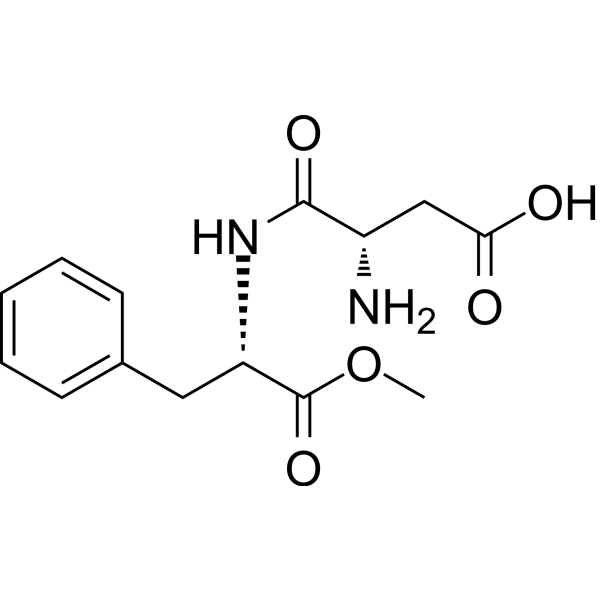
- HY-N10695
-
|
|
Parasite
|
Infection
|
|
Celangulatin C is an insecticidal sesquiterpene polyol ester, that can be isolated from the root bark of Pseudolarix kaempferi. Celangulatin C shows LD50 against Mythimna separata of 280.4 μg/mL .
|
-
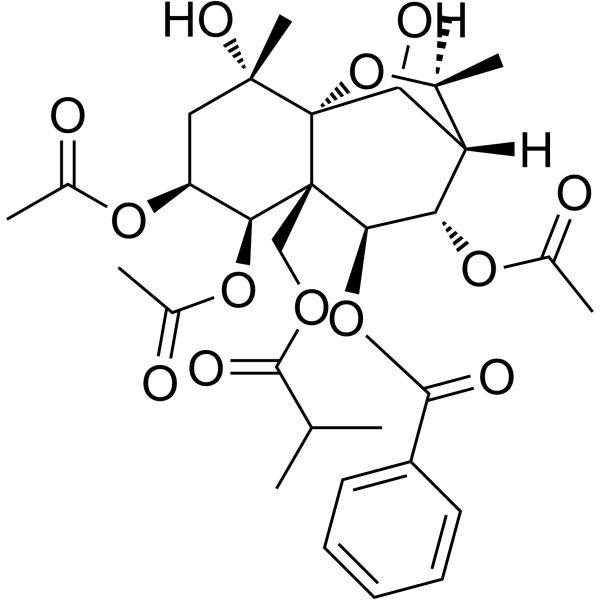
- HY-181462
-
|
|
Drug Derivative
|
Others
|
|
Desmosteryl linoleate is an ester formed by Desmosterol (HY-113224) and Linoleic acid (HY-N0729) .
|
-

- HY-B0361R
-
|
SC-18862 (Standard)
|
Biochemical Assay Reagents
Reference Standards
|
Neurological Disease
|
|
Aspartame (Standard) is the analytical standard of Aspartame. This product is intended for research and analytical applications. Aspartame (SC-18862) is a methyl ester of a dipeptide. Aspartame can be used as a synthetic nonnutritive sweetener .
|
-

- HY-159907
-
-

- HY-114352
-
|
|
Fluorescent Dye
|
Others
|
|
BODIPY FL-X is a green-fluorescent dye. BODIPY FL-X has the succinimidyl ester covalently coupled to proteins. BODIPY FL-X has high fluorescence quantum yield and is relatively insensitive to pH change. (λex=504 nm, λem=510 nm) .
|
-
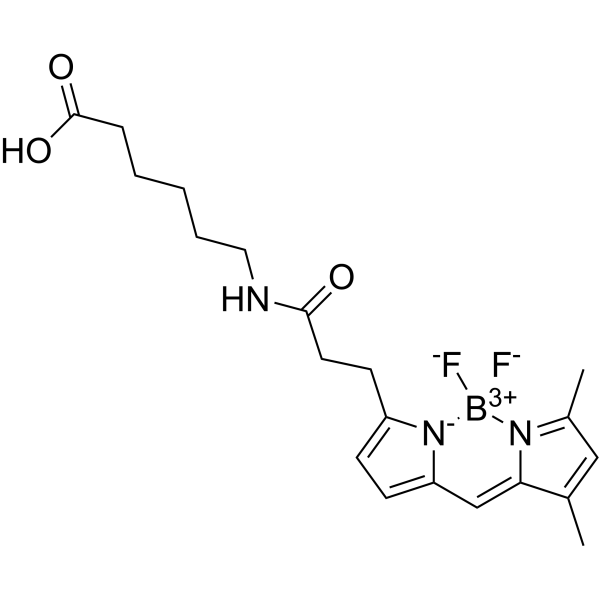
- HY-18778
-
|
TA-8995; DEZ-001; AMG-899
|
CETP
Apolipoprotein
LPL Receptor
LDLR
|
Cardiovascular Disease
|
|
Obicetrapib (TA-8995; DEZ-001) is an orally active cholesteryl ester transfer protein (CETP) inhibitor. Obicetrapib potently reduces atherogenic lipoproteins (such as LDL-C, ApoB, Lp (a)) and increases HDL-C. Obicetrapib can be used for the research of dyslipidemia and atherosclerotic cardiovascular disease (ASCVD) .
|
-

- HY-133027R
-
|
Tetradecyl nicotinate (Standard)
|
Biochemical Assay Reagents
Reference Standards
|
Cancer
|
|
Myristyl nicotinate (Standard) is the analytical standard of Myristyl nicotinate. This product is intended for research and analytical applications. Myristyl nicotinate (Tetradecyl nicotinate) is an ester proagent and a lipophilic derivative of Nicotinic acid. Myristyl nicotinate is being developed for delivery of Nicotinic acid into the skin for prevention of actinic keratosis and its progression to skin cancer. Myristyl nicotinate shows to stimulate epidermal differentiation in photodamaged skin, increasing skin NAD content and strengthening the skin barrier .
|
-

- HY-N2098
-
|
|
NF-κB
|
Cancer
|
|
Obtusifolin, isolated from the seeds of Cassia obtusifolia, regulates the gene expression and production of MUC5AC mucin in airway epithelial cells via inhibiting NF-kB pathway . Obtusifolin suppresses phthalate esters-induced breast cancer bone metastasis by targeting parathyroid hormone-related protein .
|
-
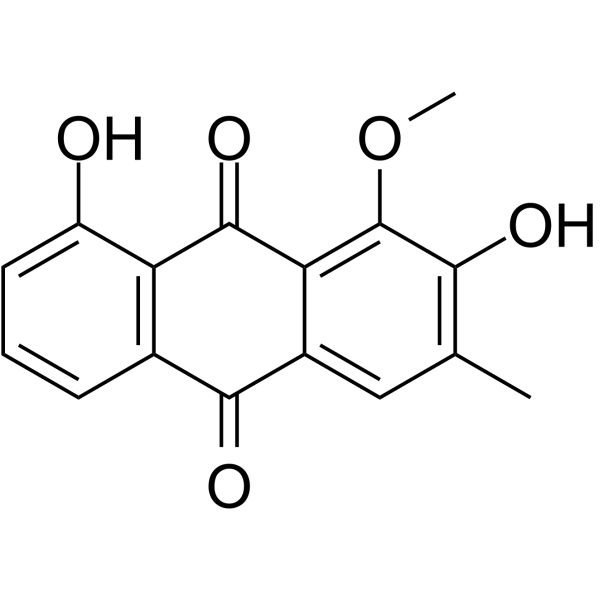
- HY-158650
-
-

- HY-N15735
-
|
2-Caffeoylpiscidic acid
|
Calcium Channel
|
Cardiovascular Disease
|
|
Cimicifugic acid D (2-Caffeoylpiscidic acid) is a benzyltartaric acid ester that induces vasodilation of precontracted rat aortic strips and endothelium-independent relaxation mechanism. Cimicifugic acid D inhibits extracellular Ca 2+ influx through receptor-operated Ca 2+ channels (ROC) in Norepinephrine (HY-13715)-induced contraction of rat aortic strips, without affecting voltage-dependent Ca 2+ channels (VDC) or K +-induced contractions .
|
-

- HY-158639
-
|
|
Endogenous Metabolite
|
Metabolic Disease
|
|
12-POHSA is one of fatty acid esters of hydroxy fatty acids (FAHFAs). 12-POHSA increases glucose-stimulated insulin secretion (GSIS) at a high glucose concentration .
|
-

- HY-146453
-
|
|
G protein-coupled Bile Acid Receptor 1
|
Metabolic Disease
|
|
TGR5 Receptor Agonist 3 (Compound 19) is a soft-agent G-protein-coupled bile acid receptor 1 (GPBAR1, TGR5) agonist with reduced gallbladder-filling effects (favorable gallbladder safety), with EC50s of 16.4 and 209 nM for hTGR5 and mTGR5, respectively.
|
-
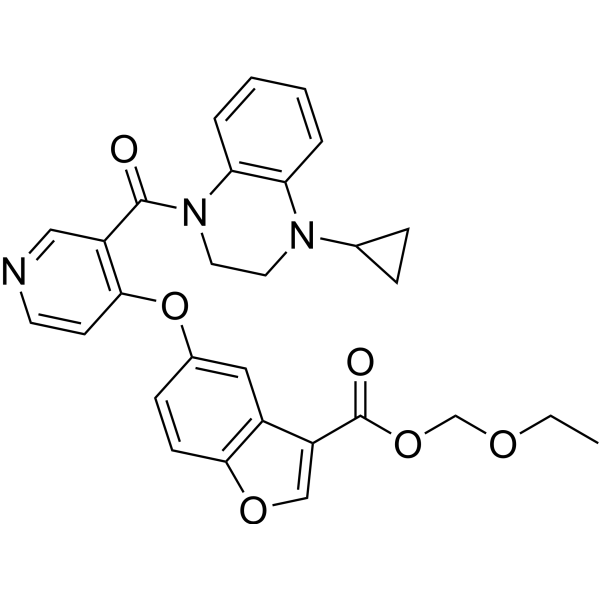
- HY-N17859
-
|
|
Drug Derivative
|
Others
|
|
Avicularoside (Compound 4) is a flavonoid glycoside that can be isolated from the leaves of Nepenthes gracilis .
|
-

- HY-158321
-
|
|
Fungal
Succinate Dehydrogenase
|
Infection
|
|
SDH-IN-15 (Compound 5e) is an inhibitor of succinate dehydrogenase (SDH) (IC50=2.04 μM). SDH-IN-15 has significant antifungal activity. SDH-IN-15 blocks the mitochondrial respiratory chain of the fungus through inhibition of SDH, resulting in fungal death .
|
-

- HY-158089
-
|
|
Biochemical Assay Reagents
|
Others
|
|
PLGA-COOH (MW 80000) (LA/GA 50:50) is a copolymer composed of lactic acid (LA)-glycolic acid (GA) at a molar ratio of 50:50 and a terminal carboxyl group. PLGA-COOH (MW 80000) (LA/GA 50:50) is used in compound delivery systems due to its biocompatibility and biodegradability .
|
-

- HY-N20631
-
|
|
Others
|
Others
|
|
Dihydro-α-norcurcumenic acid, a sesquiterpenoid, is a hydrogenated derivative of α-santalic acid and terpenoic acid that can be found in East Indian sandalwood. Terpenoids are the most abundant and structurally diverse class of natural products found in many plants. In vitro, preclinical, and clinical studies have demonstrated that terpenoids exhibit broad and significant pharmacological properties in the treatment of cancer, malaria, inflammation, and various infectious diseases .
|
-

- HY-B0987
-
-
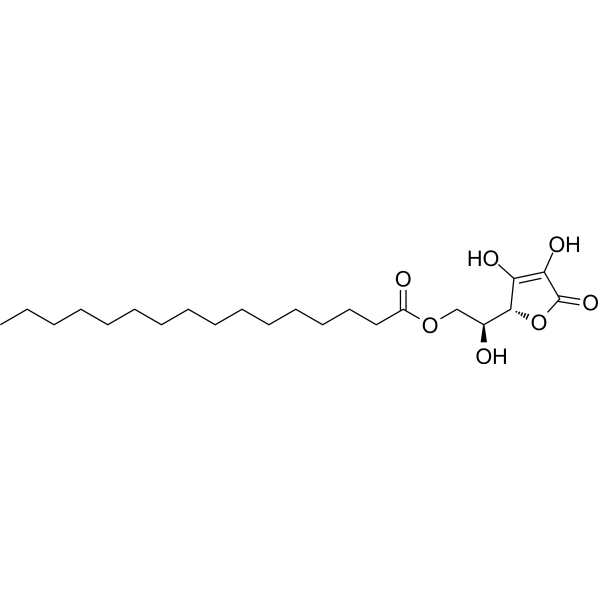
- HY-N17877
-
|
|
Drug Derivative
|
Others
|
|
Loniceroside A is a triterpenoid saponin found in the aerial parts of Lonicera japonica .
|
-

- HY-158584
-
|
9Z-Octadecenoic acid, 12-carboxy-1-pentyldodecyl ester
|
Endogenous Metabolite
|
Metabolic Disease
|
|
13-OAHSA is one of fatty acid esters of hydroxy fatty acids (FAHFAs). 13-OAHSA increases glucose-stimulated insulin secretion (GSIS) at a high glucose concentration .
|
-

- HY-133027
-
|
Tetradecyl nicotinate
|
Biochemical Assay Reagents
|
Cancer
|
|
Myristyl nicotinate (Tetradecyl nicotinate) is an ester proagent and a lipophilic derivative of Nicotinic acid. Myristyl nicotinate is being developed for delivery of Nicotinic acid into the skin for prevention of actinic keratosis and its progression to skin cancer. Myristyl nicotinate shows to stimulate epidermal differentiation in photodamaged skin, increasing skin NAD content and strengthening the skin barrier .
|
-
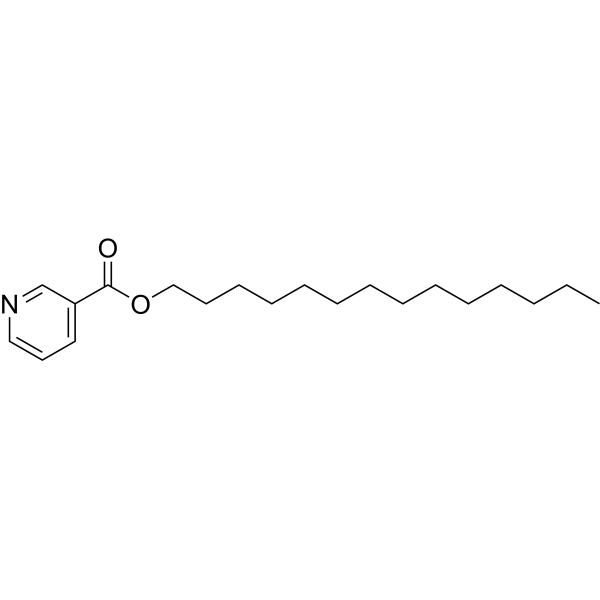
- HY-132303
-
|
|
CETP
|
Cardiovascular Disease
Metabolic Disease
|
|
MK-8262 is an orally active and potent cholesteryl ester transfer protein (CETP) inhibitor with an IC50 of 53 nM and a log D of 5.3. MK-8262, a bistrifluoromethyl analogue, has the potential for coronary heart disease (CHD) correlated high-density lipoprotein (HDL) and low-density lipoprotein (LDL) research .
|
-
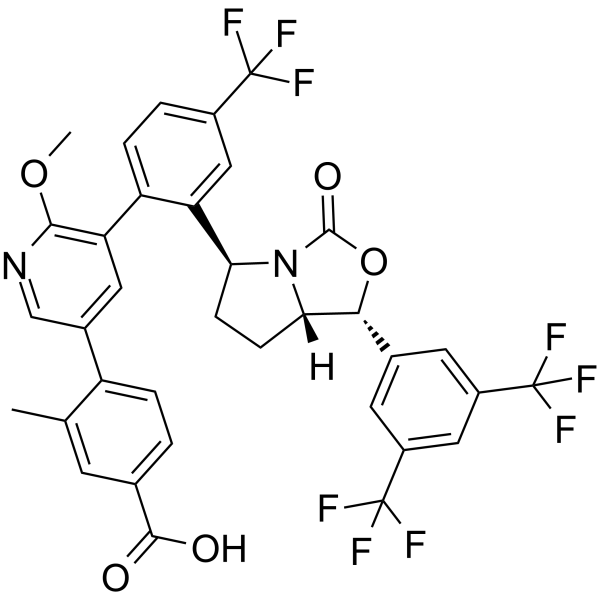
- HY-N2098R
-
|
|
Reference Standards
NF-κB
|
Cancer
|
|
Obtusifolin (Standard) is the analytical standard of Obtusifolin. This product is intended for research and analytical applications. Obtusifolin, isolated from the seeds of Cassia obtusifolia, regulates the gene expression and production of MUC5AC mucin in airway epithelial cells via inhibiting NF-kB pathway . Obtusifolin suppresses phthalate esters-induced breast cancer bone metastasis by targeting parathyroid hormone-related protein .
|
-

- HY-158583
-
|
|
Endogenous Metabolite
|
Metabolic Disease
|
|
13-POHSA is one of fatty acid esters of hydroxy fatty acids (FAHFAs). 13-POHSA increases glucose-stimulated insulin secretion (GSIS) at a high glucose concentration .
|
-

- HY-135785
-
|
|
OGT
Acyltransferase
|
Metabolic Disease
|
|
OSMI-3 (Compound 2b) is a potent, long-lasting, and cell-permeable O-linked N-acetylglucosamine transferase (OGT) inhibitor. Cells contain a large nuclear pool of partially spliced OGT transcript, and OSMI-3 increases detained intron splicing in cells .
|
-
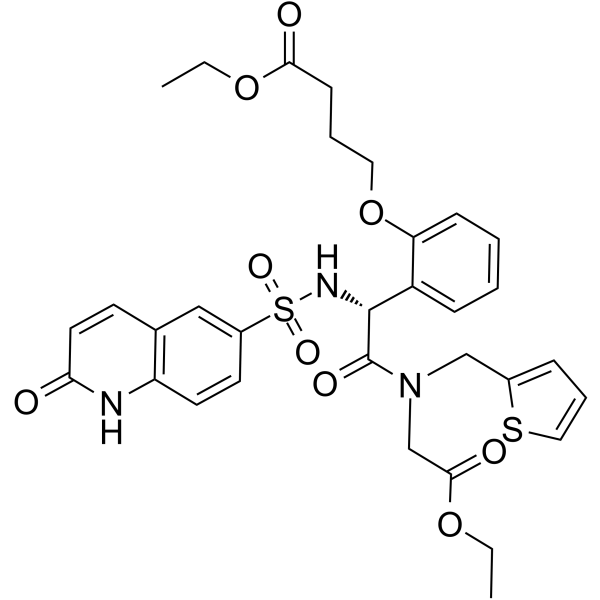
- HY-117586
-
-
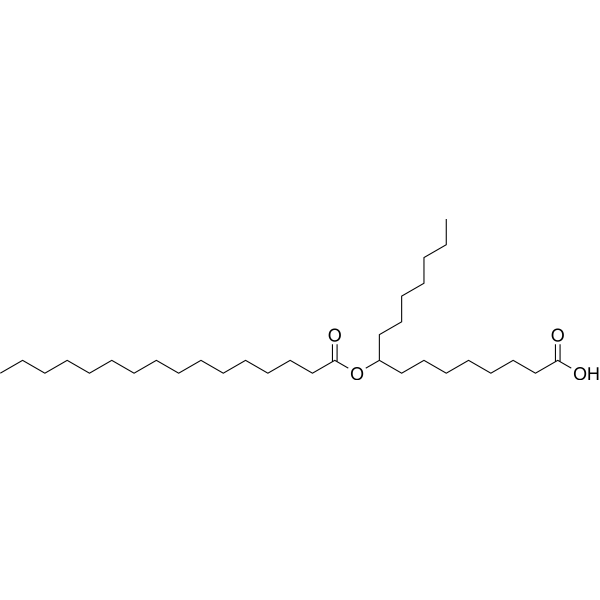
- HY-W022657
-
|
|
Amino Acid Derivatives
|
Others
|
|
H-Met-OiPr hydrochloride is an Methionine derivative. H-Met-OiPr hydrochloride participates in the synthesis preparation of inhibitors of farnesyl-protein transferase (FTase), and can be used in cancer research .
|
-
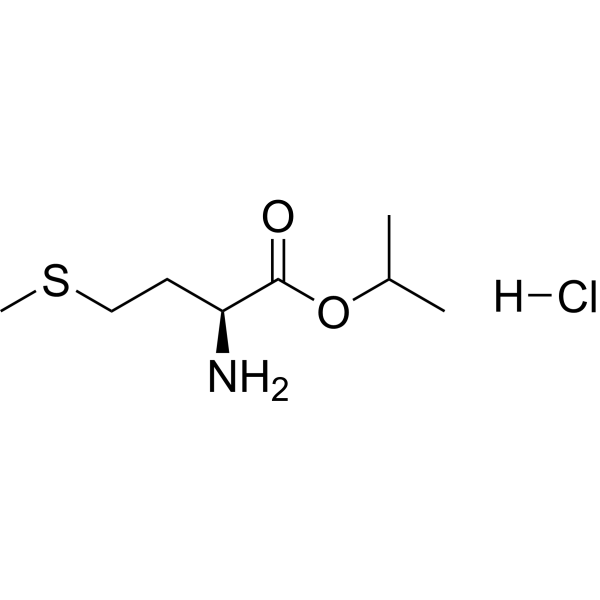
- HY-12397
-
|
|
VD/VDR
|
Endocrinology
|
|
ZK159222, a 25-carboxylic ester analogue of 1α,25-(OH)2D3, is a potent 1α,25-(OH)2D3 receptor (VDR) antagonist. The mechanism of ZK159222 antagonistic action is mediated by a lack of ligand-induced vitamin D receptor interaction with coactivators. ZK159222 has a partial agonistic character .
|
-
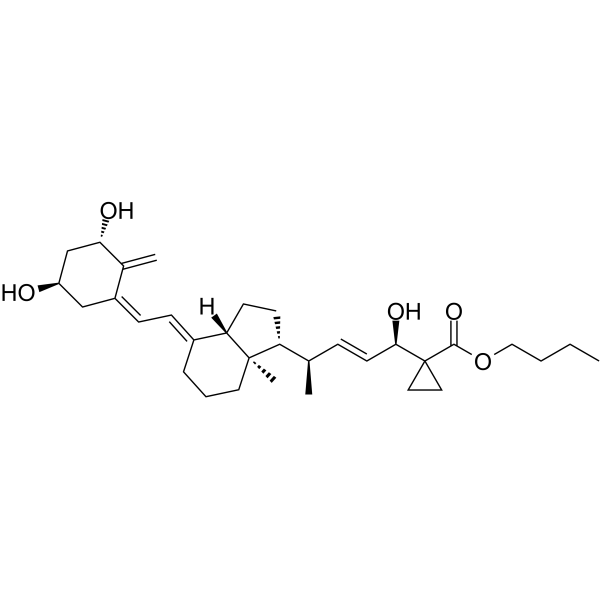
- HY-14530
-
|
AG 2037
|
Antifolate
|
Cancer
|
|
Pelitrexol (AG 2037) is an inhibitor of glycinamide ribonucleotide formyltransferase (GARFT), a purine biosynthetic enzyme. Pelitrexol also inhibits mTORC1 by reducing GTP-bound Rheb level, a mTORC1 obligate activator. Pelitrexol shows robust tumor growth suppression in mice .
|
-
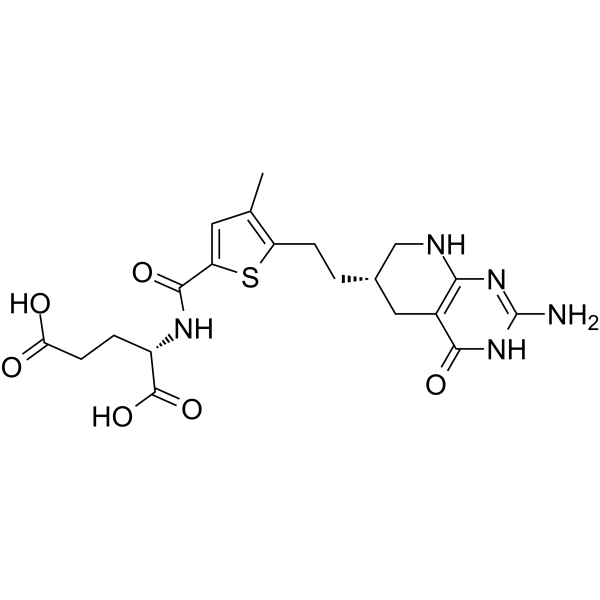
- HY-147304
-
|
|
Bacterial
|
Others
|
|
BPH-1086 (compound 10) is an IspH inhibitor, IspH domain fused with ribosomal protein S1 (RPS1) can bind to mRNA or form part of the bacterial ribosome .
|
-
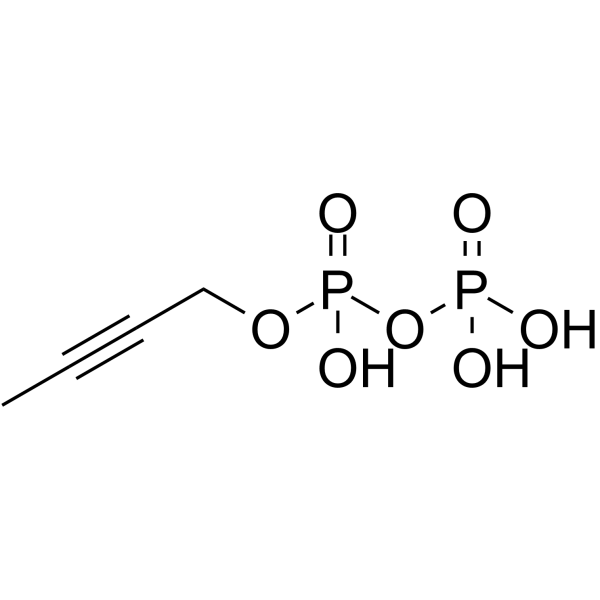
- HY-186088
-
|
|
Drug Intermediate
|
Others
|
|
DOTA-tris (t-Bu) ester-PEG3-C2-amine (Compound 9) is a conjugate of DOTA-based chelator and linker, bearing tris (t-Bu) ester and PEG3-C2-amine functional groups. DOTA-tris (t-Bu) ester-PEG3-C2-amine can be conjugated to payloads via bioorthogonal click chemistry for targeted delivery .
|
-

- HY-N18287
-
|
|
Drug Derivative
|
Others
|
|
Tenuifoliose Q is an oligosaccharide ester esterified with acetic acid, benzoic acid and p-hydroxycinnamic acid, which can be isolated from the root bark of Polygala tenuifolia Willd .
|
-

- HY-N12239
-
|
|
Others
|
Others
|
|
Condurango glycoside E is a glycoside compound that can be isolated from the bark extract of Marsdenia cundurango .
|
-
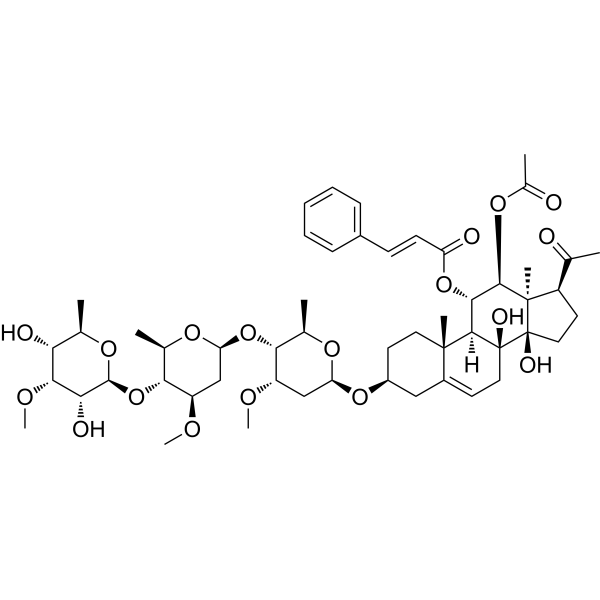
- HY-138246
-
|
|
Biochemical Assay Reagents
|
Others
|
|
Pentynoic acid STP ester sodium is a click chemistry reagent containing a terminal propargyl group and a STP ester group. Pentynoic acid STP ester sodium is suitable for protein modification .
|
-

- HY-B1064A
-
|
Clindamycin 2-phosphate hydrochloride; U-28508 hydrochloride
|
Bacterial
Antibiotic
Parasite
|
Infection
Cancer
|
|
Clindamycin phosphate (Clindamycin 2-phosphate) hydrochloride is a broad-spectrum bacteriostatic lincosamide antibiotic. Clindamycin phosphate hydrochloride is the proagent of Clindamycin (HY-B1455) with no antimicrobial activity in vitro but can be rapidly converted in vivo to the active parent agent, Clindamycin, by phosphatase ester hydrolysis. Clindamycin phosphate hydrochloride can be used for researching acne and bacterial vaginosis .
|
-
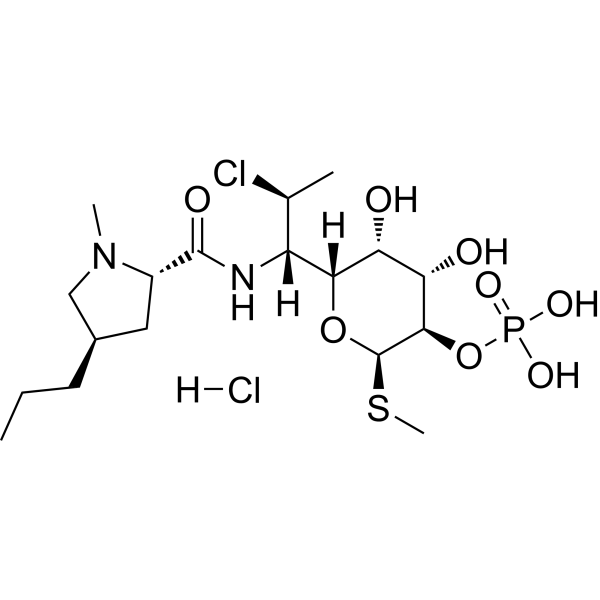
- HY-W141825
-
|
|
Fluorescent Dye
|
Infection
Metabolic Disease
|
|
N-Acetyl-DL-phenylalanine β-naphthyl ester is an aromatic amino acid ester, which functions as a chromogenic substrate for chymotrypsin and microbial serine proteases such as subtilisin .
|
-
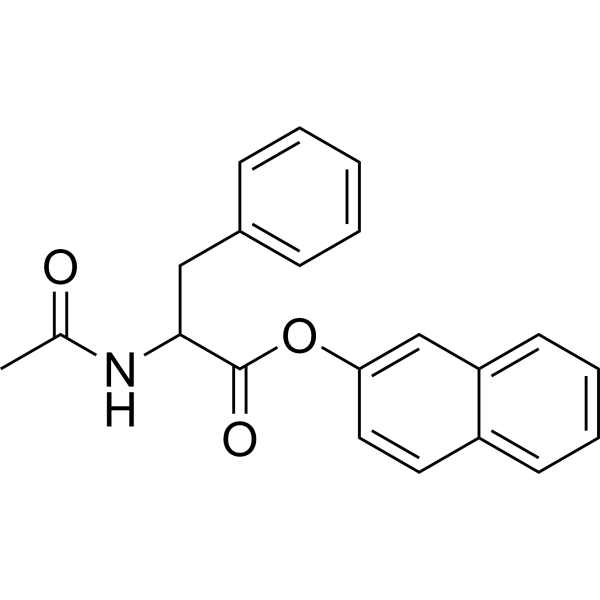
- HY-B1064
-
|
Clindamycin 2-phosphate; U-28508
|
Bacterial
Antibiotic
Parasite
|
Infection
Cancer
|
|
Clindamycin phosphate (Clindamycin 2-phosphate) is a broad-spectrum bacteriostatic lincosamide antibiotic. Clindamycin phosphate is the proagent of Clindamycin (HY-B1455) with no antimicrobial activity in vitro but can be rapidly converted in vivo to the active parent agent, Clindamycin, by phosphatase ester hydrolysis. Clindamycin phosphate can be used for researching acne and bacterial vaginosis . Clindamycin phosphate has no cytotoxicity. Combined with platelet rich fibrin (PRF), PRF-Clindamycin phosphate enhances antimicrobial properties .
|
-
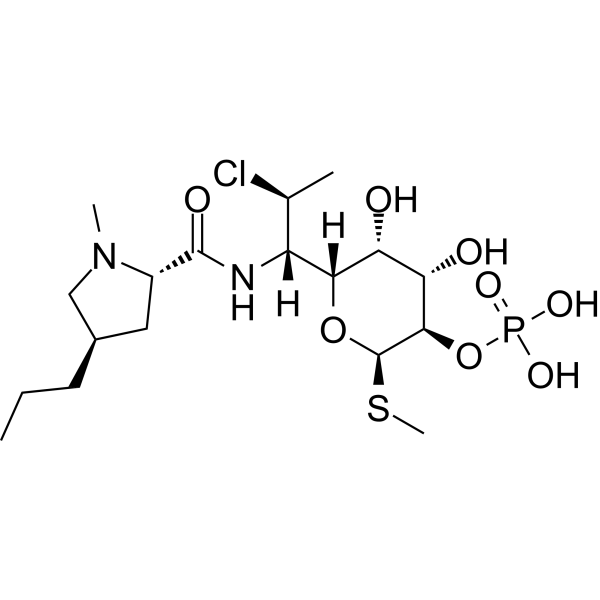
- HY-N0025
-
|
|
Reactive Oxygen Species (ROS)
Apoptosis
|
Metabolic Disease
|
|
Jionoside D is a hydroxycinnamic acid ester with antioxidant property. Jionoside D has scavenging activity of intracellular reactive oxygen species (ROS) and of DPPH radical, and lipid peroxidation inhibitory activity. Jionoside D reduces the apoptotic cells induced by H2O2 in V79-4 cells. Jionoside D increases the activities of cellular antioxidant enzymes, SOD and catalase .
|
-
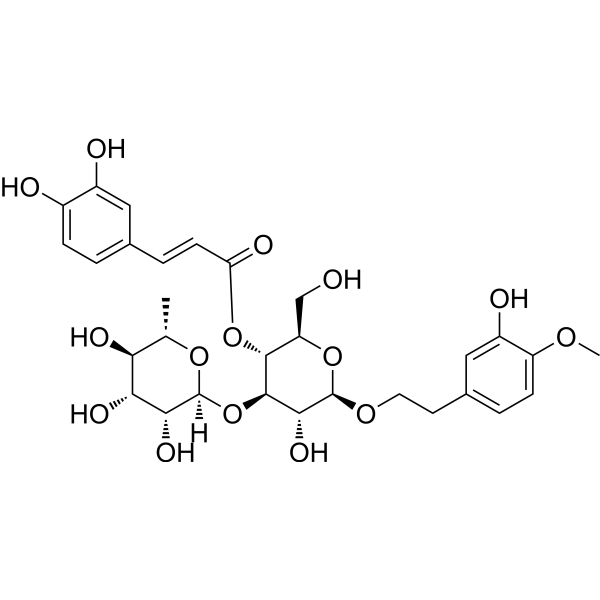
- HY-162038
-
|
|
MMP
|
Others
|
|
RXP03 is a MMPs inhibitor with the Ki of 20 nM, 2.5 nM, 10 nM, 5nM and 105 nM for MMP-2, MMP-8, MMP-9, MMP-11, MMP-14, respectively .
|
-
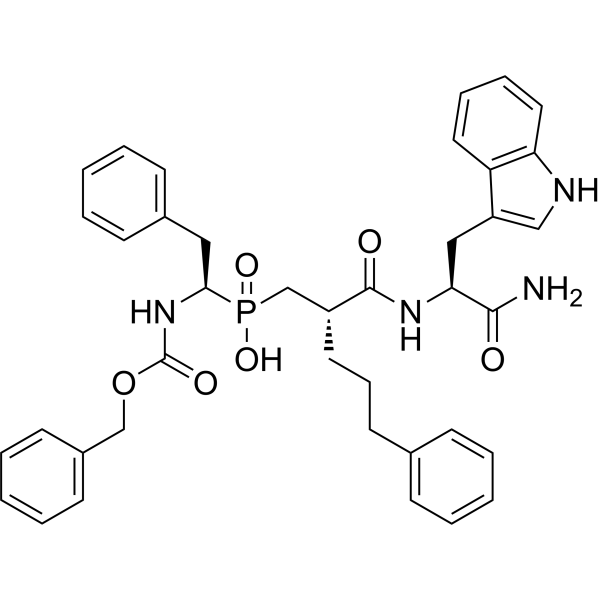
- HY-N17530
-
|
|
Others
|
Others
|
|
Methyl (9E,12E,15E)-octatrienoate is an aliphatic ester that exists in the leaves of Taxus wallichiana var. mairei .
|
-

- HY-114095
-
-
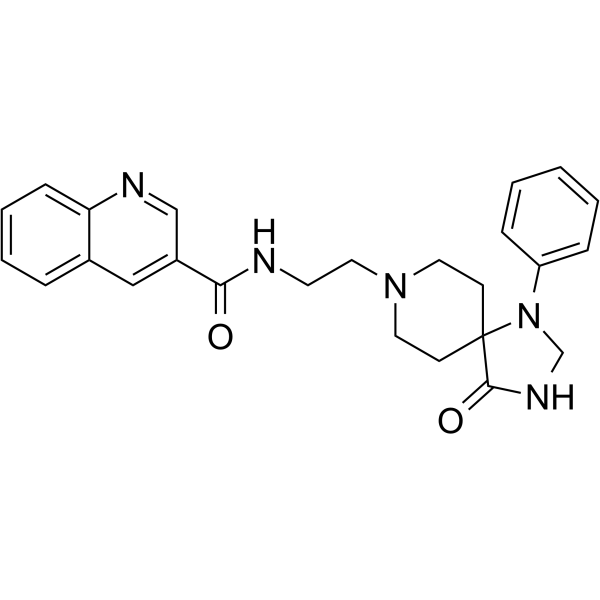
- HY-N16141
-
-

- HY-150978
-
|
|
Fluorescent Dye
|
Others
|
|
DDAO-C6 is a cridone ester derivative, highly specific fluorescence for detecting human serum albumin (HSA). DDAO-C6 acts as an enzymatic activatable near-infrared fluorescent probe in visually sensing endogenous lipase from gut microbes (Ex/Em=600/658 nm) .
|
-
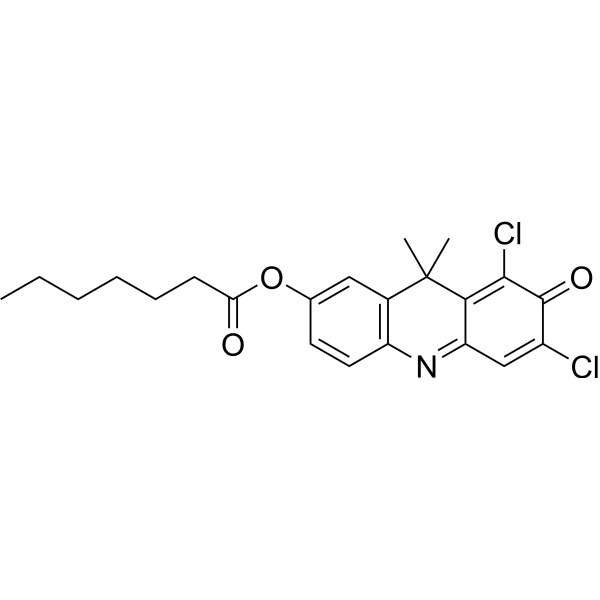
- HY-W008206
-
|
|
Drug Intermediate
|
Others
|
|
(±)-Boc-α-phosphonoglycine trimethyl ester serves as a glycine equivalent and glycine donor in organic synthesis .
|
-

- HY-N19726
-
|
|
Drug Derivative
|
Others
|
|
Capsianoside IV is a monomeric acyclic diterpenoid glycoside and geranyl linalool derivative, which can be isolated from the fruits of Capsicum annuum var. grossum (bell pepper) .
|
-

- HY-N18199
-
|
|
Parasite
|
Infection
|
|
rel-Bornyl cinnamate is an anti-schistosomal agent. rel-Bornyl cinnamate induces round, dark morphological changes, followed by degeneration in Schistosoma mansoni schistosomula. rel-Bornyl cinnamate can be used for the research of schistosomiasis .
|
-

- HY-N19713
-
|
|
Drug Derivative
|
Others
|
|
Araliasaponin XIV is an oleanane-type triterpene saponin that can be found in the roots of Aralia chinensis .
|
-

- HY-114294A
-
|
HMG-CoA disodium hydrate
|
Biochemical Assay Reagents
|
Metabolic Disease
|
|
DL-3-Hydroxy-3-methylglutaryl coenzyme A disodium hydrate is a disodium salt compound of HMG-CoA, is a intermediate of terpenes and ketone bodies. DL-3-Hydroxy-3-methylglutaryl coenzyme A disodium also involves in ester metabolism in vivo, as a precursor for cholesterol synthesis, and regulates cholesterol synthesis by coupling LDL receptor .
|
-
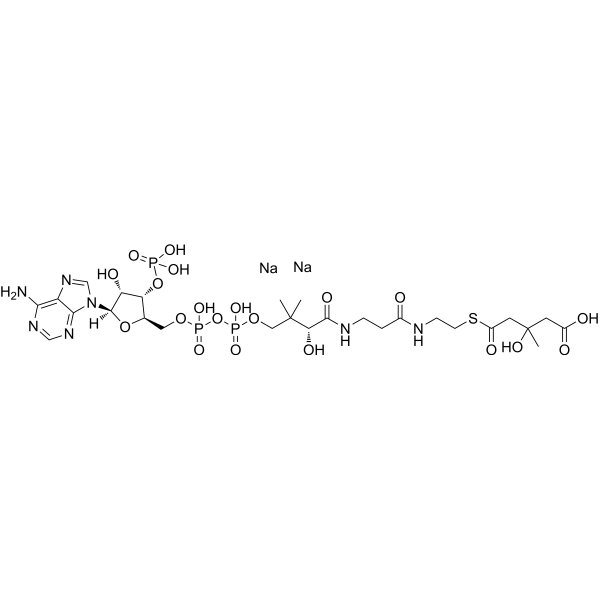
- HY-W451406B
-
|
|
Drug Intermediate
Biochemical Assay Reagents
|
Metabolic Disease
|
|
NH2-PEG1000-NH2 is a double-ended amino polyethylene glycol with a number-average molecular weight of 1000, which serves as a synthetic raw material for adamantyl polyethylene glycol amine. NH2-PEG1000-NH2 can be used for the preparation of reduction-responsive liver-targeted polymeric micelles .
|
-

- HY-W585819
-
|
3-MPCD dipalmitate; 3-CPD dipalmitate
|
Drug Derivative
|
Others
|
|
3-Chloropropane-1,2-diol dipalmitate (3-MPCD dipalmitate) is a fatty acid ester of 3-monochloropropane-1,2-diol (3-MCPD) and a foodborne contaminant .
|
-

- HY-138302
-
|
|
Drug Intermediate
|
Cancer
|
|
PF-06862309 is a PF-06843195 (HY-131972) phosphate ester prodrug. PF-06862309 can be hydrolyzed to PF-06843195 in the presence of alkaline phosphatase. PF-06843195 is a highly selective PI3Kα inhibitor. PF-06862309 can be used for the study of breast cancer with ER +, HER 2-, and PIK3CA mutations .
|
-

- HY-N17987
-
|
|
Others
|
Others
|
|
Hemsloside G1 is a saponin that found in the rhizome of Hemsleya graciliflora .
|
-

- HY-N15737
-
|
|
Calcium Channel
Enterovirus
|
Infection
Cardiovascular Disease
|
|
Fukinolic acid is a benzyltartaric acid ester, is a vasodilator with antiviral activity against enterovirus A71 (EV-A71) replication. Fukinolic acid is a receptor-operated Ca 2+ channels (ROC) inhibitor, suppressing extracellular Ca 2+ influx through ROC activated by Norepinephrine (HY-13715) without affecting voltage-dependent Ca 2+ channels .
|
-

- HY-N17634
-
|
|
Others
|
Others
|
|
Tenuifoliside D is a phenylpropanoid ester of 1,5-anhydro-D-glucitol, which is found in the roots of Polygala tenuifolia .
|
-

- HY-W708825
-
|
Methyl isohexanoate
|
Others
|
Others
|
|
Methyl 4-methylpentanoate (Methyl isohexanoate) is a natural product. Methyl 4-methylpentanoate can be isolated from the essential oil of Bourbon geranium (Pelargonium sp.) from Reunion .
|
-

- HY-147015
-
|
|
Orthopoxvirus
|
Infection
|
|
HOE961, the diacetate ester proagent of S2242, is active against respiratory cowpox virus infections, is orally active in infection models. Anti-orthopoxvirus activity .
|
-
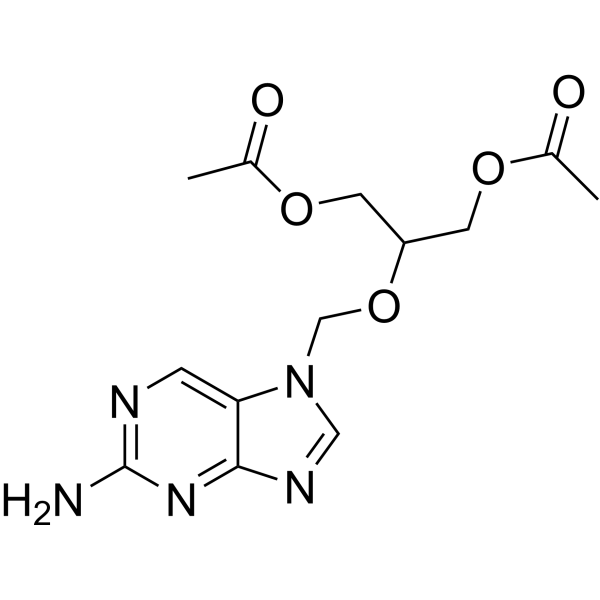
- HY-D3205
-
|
|
Fluorescent Dye
|
Others
|
|
Bis (picolinoyl) fluorescein is a Cu 2+ esterase activity probe with both fluorogenic and chromogenic properties. Bis (picolinoyl) fluorescein enables quantitative analysis of free Cu 2+, as well as detection of esterolytic activity of Cu bound to organic ligands or biomolecules .
|
-

- HY-N19842
-
|
|
Endogenous Metabolite
|
Metabolic Disease
|
|
Neomethymycin (Compound5) is a 12-membered ring macrolide natural product. Neomethymycin can be found in engineered Streptomyces venezuelae ATCC 15439 strain DHS2001, where it forms via biotransformation of 10-deoxymethyonolide .
|
-

- HY-173548
-
|
16:0-10-Pahsa-18:1-TG
|
Liposome
|
Metabolic Disease
|
|
1-Palmitoyl-2-10-pahsa-3-oleoyl-sn-glycerol (16:0-10-Pahsa-18:1-TG) is a triacylglycerol that contains Palmitic acid (HY-N08307), the fatty acid ester of hydroxy fatty acid (FAHFA) 10-PAHSA, and Oleic acid (HY-N1446) .
|
-

- HY-183795
-
|
|
SULT
|
Endocrinology
|
|
Norethisterone caproate is an impurity of norethisterone that exhibits inhibitory activity against cytosolic sulfotransferase (SULT). Norethisterone caproate inhibits estrus in sexually mature rats during the estrous cycle, displaying long-acting progestogenic activity. Norethisterone caproate can be used in the research of reproductive system diseases .
|
-

- HY-N19942
-
|
|
Drug Intermediate
|
Cancer
|
|
Scrophuloside A is a phenylpropanoid glycoside identified from the rhizome of Neopicrorhiza scrophulariiflora. Scrophuloside A induces cytotoxicity in leukemia cells with a IC50 of 0.58 μg/mL. Scrophuloside A is applicable to leukemia-related research .
|
-

- HY-121952
-
|
|
Drug Isomer
|
Others
|
|
(9E,11E)-9,11-Octadecadienoic acid methyl ester is an isomer of 9(Z),11(E),13(E)-octadecatrienoic acid methyl ester and the methyl ester form of 9(Z),11(E),13(Z)-octadecatrienoic acid, which is found in wild growing pomegranate seed oil .
|
-

- HY-W072147
-
|
Fmoc-L-Ser-OMe
|
Amino Acid Derivatives
Drug Intermediate
|
Others
|
|
Fmoc-Ser-OMe (Fmoc-L-Ser-OMe) is an Fmoc-protected L-serine methyl ester and also a solid-phase peptide synthesis intermediate. Fmoc-Ser-OMe is linked to Ellman resin via its hydroxyl side chain. Fmoc-Ser-OMe is used in peptide synthesis .
|
-
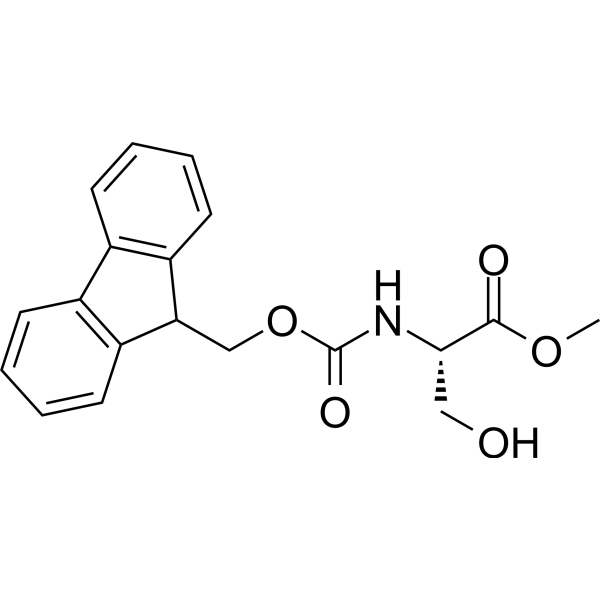
- HY-N2730
-
-

- HY-12089
-
|
CP-529414
|
CETP
|
Endocrinology
|
|
Torcetrapib (CP-529414) is a selective, potent cholesteryl ester transfer protein (CETP) inhibitor. A typical inhibition curve for whole human plasma, having a CETP concentration of 37 nM .
|
-
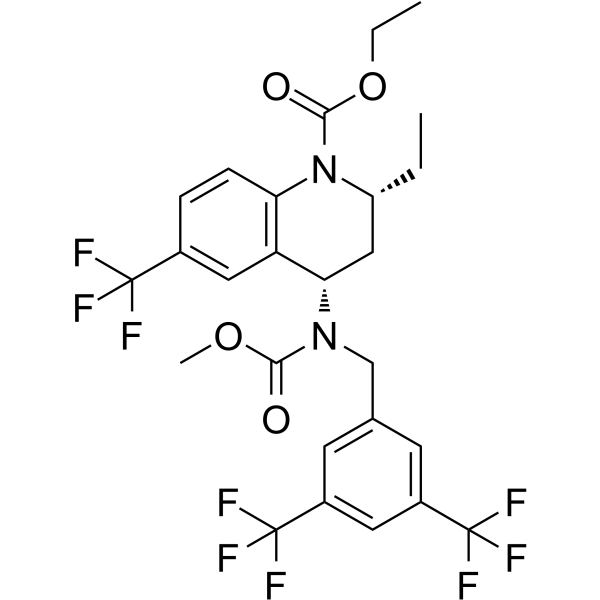
- HY-N18378
-
|
|
Others
|
Cancer
|
|
Altissimacoumarin K is a terpenylated coumarin. Altissimacoumarin K can be isolated from the root bark of Ailanthus altissima (Mill.) Swingle. Altissimacoumarin K exhibits no significant cytotoxic effect against hepatoma cells .
|
-

- HY-W714973
-
|
|
Herbicide
|
Others
|
|
Halauxifen-methyl is a 6-arylpicolinic acid herbicide. As a synthetic auxin, Halauxifen-methyl interferes with the normal growth and development of sensitive weeds by mimicking the action of endogenous plant auxins, causing malformation, uncontrolled growth and eventual death .
|
-

- HY-182499
-
|
|
PARP
|
Cancer
|
|
PARP1-IN-56 (Compound RCY) is an I-labeled poly(ADP−ribose) polymerase (PARP1) inhibitor. PARP1-IN-56 can be radiolabeled with 211At or 125I for use as an α-emitting radiotherapeutic agent. PARP1-IN-56 can be used for the research of cancer .
|
-

- HY-W414588
-
|
|
HMG-CoA Reductase (HMGCR)
CETP
|
Metabolic Disease
|
|
Colestolone is a 15-ketosterol compound and an orally active inhibitor of HMG-CoA reductase. Colestolone can inhibit the activity of cholesteryl ester transfer protein (CETP) in vitro (IC50 = 660 μM). Colestolone is a cholesterol-lowering agent, and can be used in the research of endocrine and metabolic diseases such as hyperlipidemia .
|
-

- HY-112487
-
|
|
Acyltransferase
|
Metabolic Disease
|
|
Sandoz 58-035 is a selective acyl-CoA:cholesterol acyltransferase (ACAT) inhibitor. Sandoz 58-035 inhibits this enzyme in intact cells and isolated microsomal fractions. Sandoz 58-035 blocks the esterification of exogenous vesicle-derived cholesterol and the incorporation of oleic acid into cellular cholesterol esters, reducing the formation and accumulation of cholesterol esters. Sandoz 58-035 causes a slight increase in cellular free cholesterol, and at high concentrations, it also causes a slight reduction in overall cellular protein synthesis. Sandoz 58-035 can be used in studies related to cellular cholesterol regulation .
|
-

- HY-Y1422E
-
|
|
Biochemical Assay Reagents
Lipase
|
Others
|
Lipase, Aspergillus niger (Immobilized) is an immobilized triacylglycerol acyl hydrolase and biocatalyst. Lipase, Aspergillus niger (Immobilized) broadly catalyzes the hydrolysis of glycerol-long-chain fatty acid esters, exhibits positional selectivity for the 1,3-positions of glycerol, but shows low hydrolysis efficiency for castor oil. Lipase, Aspergillus niger (Immobilized) displays optimal activity at 45°C and pH 7.0, and remains stable at temperatures up to 60°C and over a broad pH range of 2.0-9.0. Lipase, Aspergillus niger (Immobilized) is activated by Ca 2+ and Mg 2+, but inhibited by Mn 2+, Fe 2+ and Zn 2+ .
|
-

- HY-W012597
-
|
|
Biochemical Assay Reagents
|
Others
|
|
Monoethyl succinate is a small molecule ester compound. Monoethyl succinate can be used as a model substrate for polyethylene terephthalate (PET) and poly-(butylene succinate-co-adipate) (PBSA), to simulate the interaction between the PET-degrading enzyme Cut190 and its natural substrates .
|
-

- HY-12386A
-
|
|
Drug Intermediate
|
Others
|
|
(S)-4-(3-Thienyl) phenyl-α-methylacetic acid is the S-enantiomer of the racemate corresponding to 4-(3-Thienyl) phenyl-α-methylacetic acid. As a key synthetic precursor, 4-(3-Thienyl) phenyl-α-methylacetic acid is used to prepare the cyclooxygenase inhibitor S-Atliprofen .
|
-

- HY-W016042
-
|
|
Drug Intermediate
|
Others
|
|
N-Cbz-Hydroxy-L-proline is a chiral N-Cbz-protected amino acid derivative. N-Cbz-Hydroxy-L-proline is commonly used in the synthesis of polypeptides and pharmaceutical intermediates. N-Cbz-Hydroxy-L-proline undergoes decarboxylation under AlCl3/HFIP conditions .
|
-
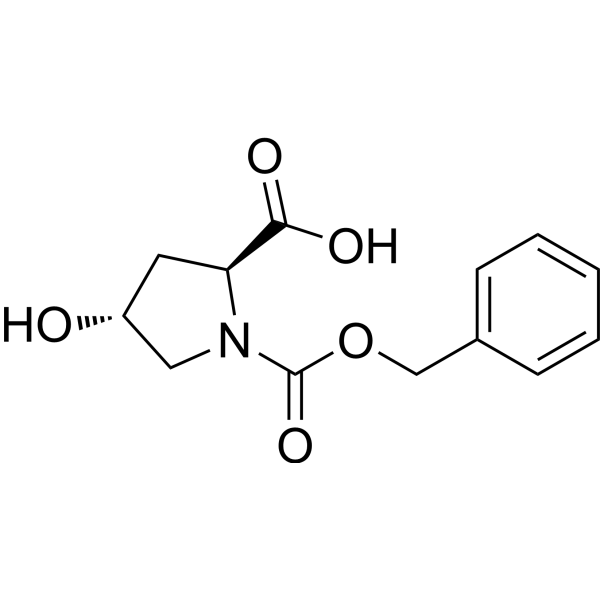
- HY-N19257
-
|
|
Others
|
Cancer
|
|
Cassaidine is an alkaloid. Cassaidine can be isolated from Erythuouhleum species. Cassaidine is applicable to research related to nasopharyngeal carcinoma .
|
-

- HY-N19683
-
|
|
Glycosidase
|
Metabolic Disease
|
|
Kaempferol-3-O-a-L-(3'',4''-di-Z-p-coumaroyl)-rhamnopyranoside is a 3-O-(coumaroyl-rhamnopyranosyl)-flavonol compound found in the leaf extract of Machilus philippinense Merr. .
|
-

- HY-W004291
-
|
Methyl icosanoate
|
Aminopeptidase
|
Infection
|
|
Methyl arachidate (Methyl icosanoate) is a component of lipid mixtures. Methyl arachidate can be isolated from flowering plants. Methyl arachidate inhibits LTA4H. Methyl arachidate shows no antifeedant activity against Leptinotarsa decemlineata .
|
-

- HY-N10788
-
|
|
Acyltransferase
|
Inflammation/Immunology
|
|
Pomonic acid is an acyl-coenzyme A: cholesterol acyltransferase (ACAT) inhibitor. Pomonic acid reduces the esterification of free cholesterol to cholesteryl esters and the accumulation of intracellular cholesteryl esters. Pomonic acid can be used in the research of atherosclerosis .
|
-
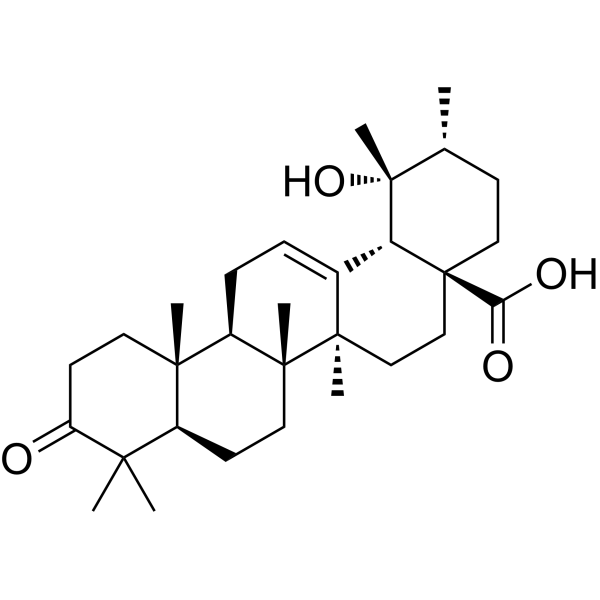
- HY-Y1422I
-
|
|
Environmental Pollutants
Biochemical Assay Reagents
Lipase
|
Others
|
Lipase, Pseudomonas fluorescens (Immobilized) is an immobilized biocatalyst derived from Pseudomonas fluorescens. Lipase, Pseudomonas fluorescens (Immobilized) efficiently catalyzes the hydrolysis, esterification and transesterification of triacylglycerols in solvent-free systems, and is particularly suitable for biodiesel production from soybean oil and selective modification of oils rich in EPA and DHA. Lipase, Pseudomonas fluorescens (Immobilized) exhibits optimal activity at pH 8.5 and 45°C, and retains residual activity after repeated cycles of use. Lipase, Pseudomonas fluorescens (Immobilized) is activated by Ca 2+, but inhibited by Co 2+, Ni 2+, Fe 3+, Fe 2+ and EDTA .
|
-

- HY-134222A
-
|
N-Acetyl-L-serine
|
Endogenous Metabolite
Complement System
|
Others
|
|
N-Acetylserine (N-Acetyl-L-serine) is a complement pathway modulator targeting activated third complement protein (C3b) and an amino-terminal residue (an N-terminal acetylation modification group). N-Acetylserine reacts with the exposed thioester group of C3b via its hydroxyl group, thereby blocking the covalent binding of glycerol to this thioester group. N-Acetylserine widely exists in soluble proteins of mammalian cells (accounting for approximately 80% of such proteins). N-Acetylserine has a blocking property that prevents direct Edman sequencing of proteins; deblocking is achievable through trifluoroacetic acid-catalyzed N→O acetyl migration followed by β-elimination. N-Acetylserine is suitable for sequencing of proteins with N-terminal acetylserine modification .
|
-
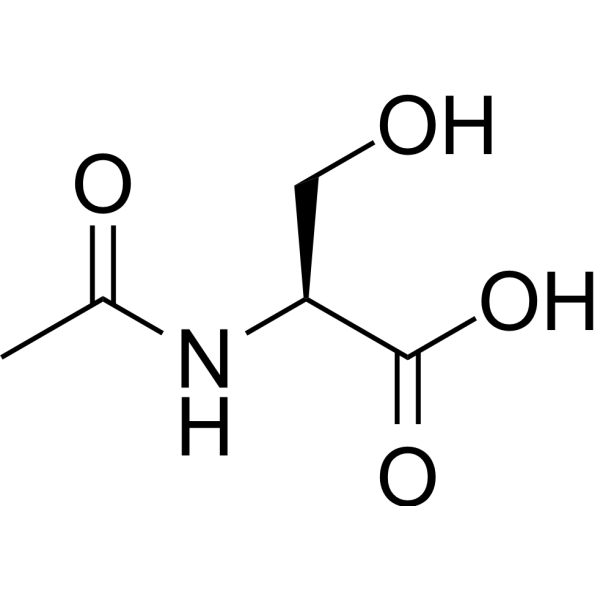
- HY-157157
-
|
|
Protein Arginine Deiminase
|
Cancer
|
|
PAD4-IN-3 (compound 4B) is a PAD4 inhibitor with antitumor activity in vitro and in vivo. PAD4-IN-3 was covalently linked to RGD sequence peptide-modified chitosan (K-CRGDV), resulting in an enhanced oxidative stress-responsive nanoagent. K-CRGDV-PAD4-IN-3 can actively target tumors, inhibit PAD4 activity, block the formation of neutrophil extracellular traps (NETs), and improve the tumor immune microenvironment in response to the tumor microenvironment .
|
-
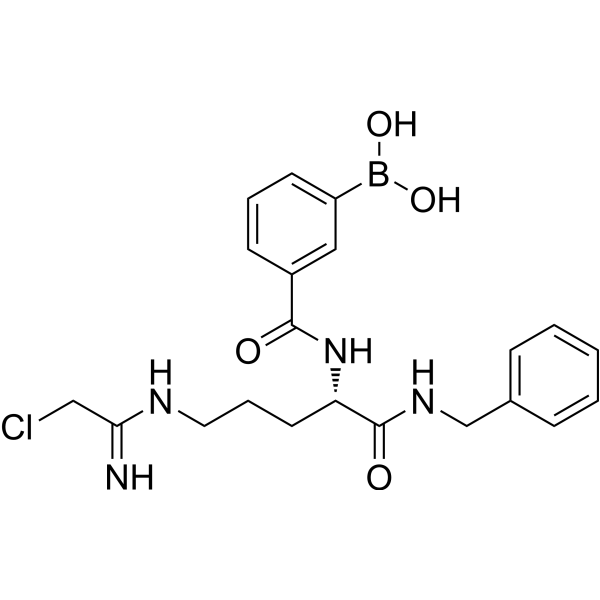
- HY-W001242
-
-

- HY-18778B
-
|
TA-8995 potassium; DEZ-001 potassium; AMG-899 potassium
|
Apolipoprotein
CETP
LPL Receptor
LDLR
|
Metabolic Disease
|
|
Obicetrapib (TA-8995; DEZ-001) potassium is an orally active cholesteryl ester transfer protein (CETP) inhibitor. Obicetrapib potassium potently reduces atherogenic lipoproteins (such as LDL-C, ApoB, Lp (a)) and increases HDL-C. Obicetrapib potassium can be used for the research of dyslipidemia and atherosclerotic cardiovascular disease (ASCVD) .
|
-

- HY-N0055A
-
|
trans-3-O-Caffeoylquinic acid; trans-Heriguard; trans-NSC-407296
|
Drug Derivative
|
Infection
|
|
trans-Chlorogenic acid (trans-3-O-Caffeoylquinic acid) is a caffeoyl ester derivative of quinic acid, as well as an oviposition stimulant. trans-Chlorogenic acid can be found in the leaves of carrot (Daucus carota) and wild parsnip (Pastinaca sativa) .
|
-

- HY-Y1422H
-
|
|
Environmental Pollutants
Biochemical Assay Reagents
Lipase
|
Others
|
Lipase, Candida cylindracea (Immobilized) is an immobilized hydrolase and biocatalyst with relaxed positional and substrate specificity. Lipase, Candida cylindracea (Immobilized) can target primary and secondary ester bonds to completely hydrolyze triglycerides into fatty acids and glycerol, producing only trace amounts of monoglycerides. Lipase, Candida cylindracea (Immobilized) exhibits chain specificity, with a relatively fast hydrolysis rate for oleic acid and lauric acid chains, and the slowest hydrolysis rate for stearic acid chains. Lipase, Candida cylindracea (Immobilized) shows high catalytic activity toward long-chain triglycerides under the conditions of pH 8.0 and 37°C .
|
-

- HY-N18264
-
|
|
Others
|
Others
|
|
3-O-trans-Feruloyl euscaphic acid is a triterpene ester. 3-O-trans-Feruloyl euscaphic acid can be isolated from Eriobotrya japonica and Docynia delavayi (Franch) .
|
-

- HY-W565665
-
|
|
DNA/RNA Synthesis
Others
|
Infection
|
|
(S)-HPMPA is an antiviral agent. (S)-HPMPA can bind to and interfere with viral DNA polymerase activity, thereby inhibiting viral DNA synthesis. (S)-HPMPA can be used for the study of DNA viruses .
|
-

- HY-P11694
-
|
|
Biochemical Assay Reagents
|
Neurological Disease
|
|
Alloc-Aeg (Fmoc)-OH is a protected serine triphosphate building block and an Nα-Fmoc protected amino acid. Alloc-Aeg (Fmoc)-OH contains serine protected by α-N-allyloxycarbonyl (Alloc) and bis (allyl) phosphate groups, and it can be used in the synthesis of peptide nucleic acids (PNAs). Alloc-Aeg (Fmoc)-OH is applicable to research related to Alzheimer's disease .
|
-

- HY-D2060
-
|
|
Fluorescent Dye
|
Others
|
|
ATTO 740 is a near-infrared dye (Ex/Em: 740/764 nm). ATTO 740 can be conjugated with the Cetuximab antibody (HY-P9905) .
|
-

- HY-W010221
-
|
Trimethylanilinium hydroxide (ca. 8.5% in Methanol)
|
Biochemical Assay Reagents
|
Others
|
|
Phenyltrimethylammonium hydroxide (Trimethylanilinium hydroxide (ca. 8.5% in Methanol)) is a derivatization reagent. Phenyltrimethylammonium hydroxide converts phenolic compounds including pentachlorophenol herbicides into methyl ethers .
|
-
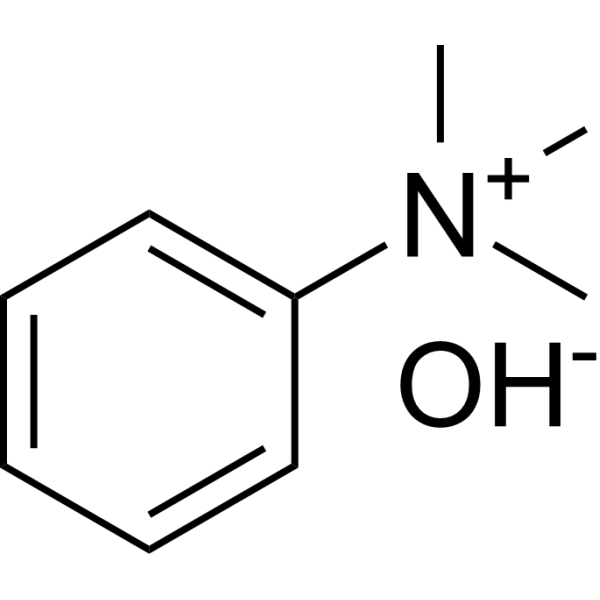
- HY-N17399
-
|
|
Others
|
Infection
|
|
Bis (2-methylheptyl) phthalate is an orally effective antiviral agent. Bis (2-methylheptyl) phthalate inhibits the pathogenic process of white spot syndrome virus (WSSV) in Penaeus monodon. Bis (2-methylheptyl) phthalate can be used in studies related to white spot syndrome .
|
-

- HY-W004290
-
|
Methyl margarate
|
Environmental Pollutants
Biochemical Assay Reagents
|
Others
|
|
Methyl heptadecanoate (Methyl margarate) is a methyl ester derivative of heptadecanoic acid (HY-W004284). Methyl heptadecanoate is used as an internal standard for the quantitative calibration of fatty acids in GC-MS analysis .
|
-
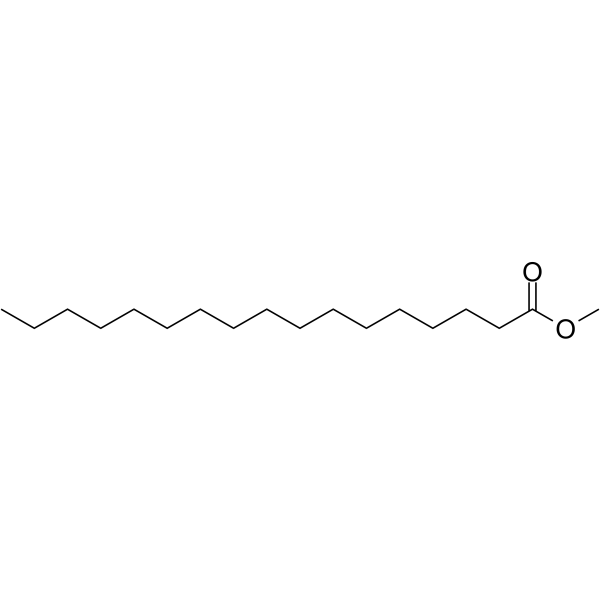
- HY-W111403
-
|
|
Environmental Pollutants
Biochemical Assay Reagents
|
Others
|
|
Calcium oxide (CaO) acts as a heterogeneous base catalyst. Calcium oxide can be extracted not only from waste materials such as oyster shells, eggshells and crab shells, but also exhibits tolerance to low to moderate oil quality, free fatty acid and water content in raw materials. Calcium oxide can be used in biodiesel production, where it effectively catalyzes the transesterification of vegetable oils or animal fats to produce alkyl esters .
|
-

- HY-W053507
-
|
3-Methylbenzeneacetic acid
|
Drug Metabolite
Drug Intermediate
|
Others
|
|
m-Tolylacetic acid (3-Methylbenzeneacetic acid) is a hydroaromatic dicarboxylic acids excreted in the urine as metabolite of tolueneacetic acid. m-Tolylacetic acid can be used for drug intermediate for synthesising more complex molecules .
|
-
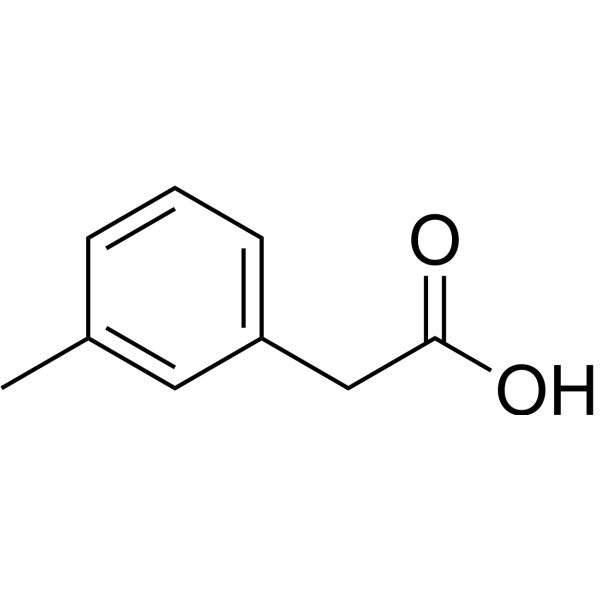
- HY-172817
-
-

- HY-W895360
-
|
|
Biochemical Assay Reagents
|
Others
|
|
pacFA is a bifunctional fatty acid with both photocrosslinking and click chemistry properties. pacFA can be metabolically incorporated into phospholipids by cells, enabling in-situ capture, identification and imaging of protein-lipid interactions in live cells and living organisms via ultraviolet crosslinking and click reactions .
|
-

- HY-177921
-
|
|
Liposome
|
Others
|
|
PL53 is a kind of cycloalkylamine lipid nanoparticles. PL53 exhibits outstanding transfection efficiency both in vitro and in vivo, especially showing strong protein expression ability and potential tissue targeting after intramuscular injection. PL53 can be used for the study of nucleic acid delivery .
|
-

- HY-121660
-
|
|
Drug Derivative
|
Cardiovascular Disease
|
|
Hexyl nicotinate is a lipid-soluble nicotinic acid ester and cutaneous vasodilator. Hexyl nicotinate induces localized cutaneous vasodilation and increases blood flow. Hexyl nicotinate can be used for the research of Raynaud's phenomenon .
|
-
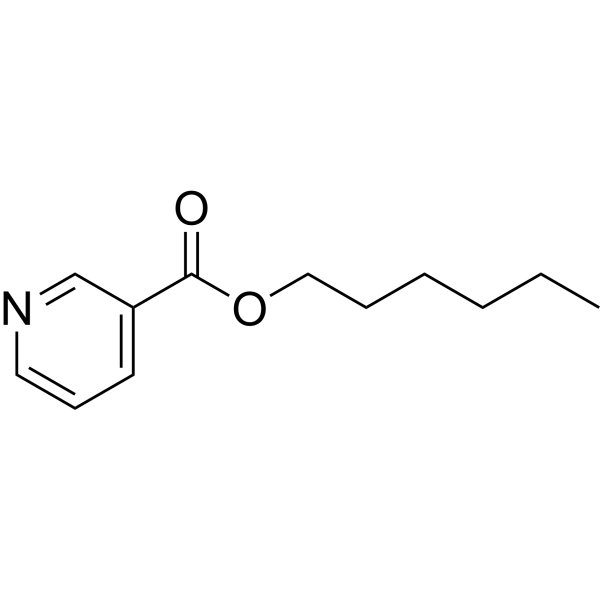
- HY-N9686
-
-
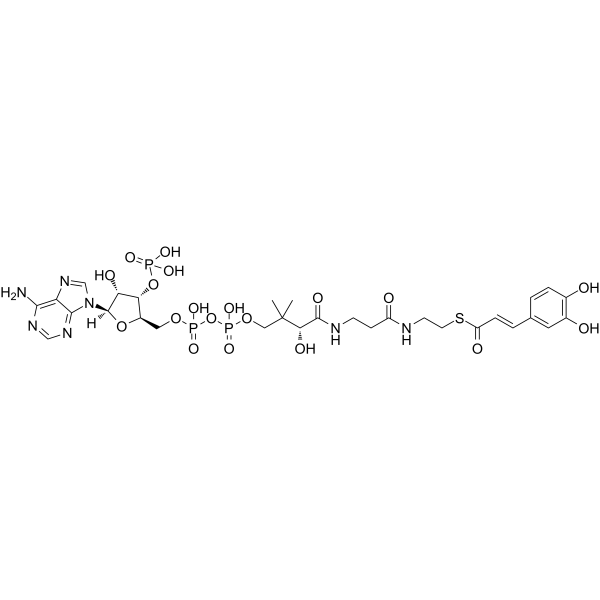
- HY-141642
-
|
Glycerol triheptadecanoate; Trimargarin
|
Biochemical Assay Reagents
|
Others
|
|
Triheptadecanoin (Glycerol triheptadecanoate) is an internal standard for the rapid GC analysis of fatty acid methyl esters in edible fats and oils. Triheptadecanoin enables the quantitative analysis of trans-fatty acid content in edible fats and oils via a rapid GC method. Triheptadecanoin smoothly undergoes methylation with m-TFPTAH in toluene solution at room temperature .
|
-
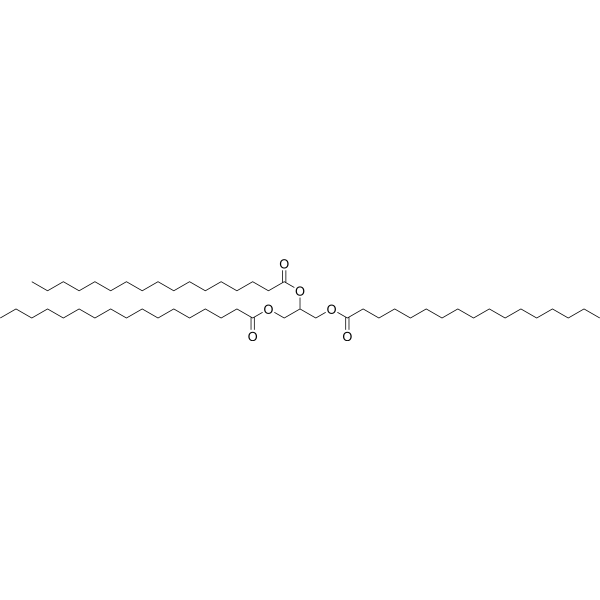
- HY-W002270
-
|
Propyl laurate
|
Insecticide
|
Infection
|
|
Propyl dodecanoate (Propyl laurate) is a synthetic dodecanoic acid ester, exhibiting biting deterrent activity against Aedes aegypti mosquitoes. Propyl dodecanoate can be used for the research of mosquito-borne disease vectors (Aedes aegypti) .
|
-

- HY-151269A
-
|
|
SARS-CoV
|
Infection
|
|
SARS-CoV-2-IN-23 disodium is a two-armed diphosphate ester and medium length molecular tweezers. SARS-CoV-2-IN-23 disodium exhibits antiviral activity with IC50s of 8.2 μM and 2.6 μM against SARS-CoV-2 activity and the spike pseudoparticle transduction, respectively. SARS-CoV-2-IN-23 disodium induces liposomal membrane disruption with an EC50 value of 4.4 μM .
|
-
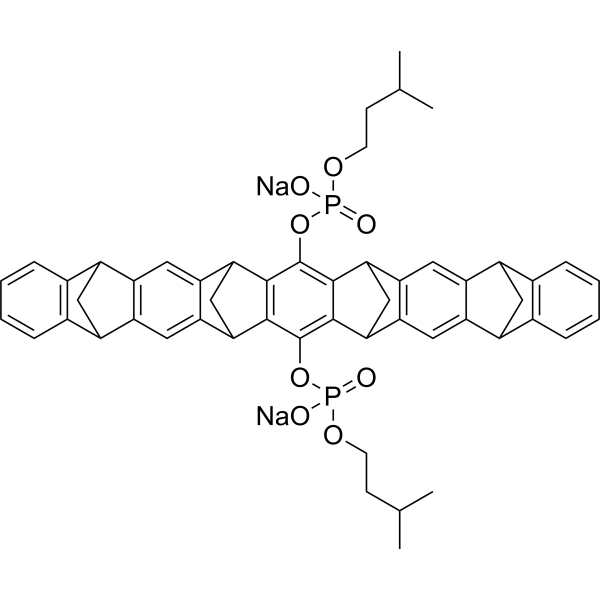
- HY-30014
-
|
|
Drug Intermediate
|
Others
|
|
4-Bromo-7-azaindole is a brominated derivative of 7-azaindole. 4-Bromo-7-azaindole serves as a substrate for palladium-catalyzed C-N and C-O cross-coupling reactions, reacting with amides, amines, amino acid esters and phenols .
|
-
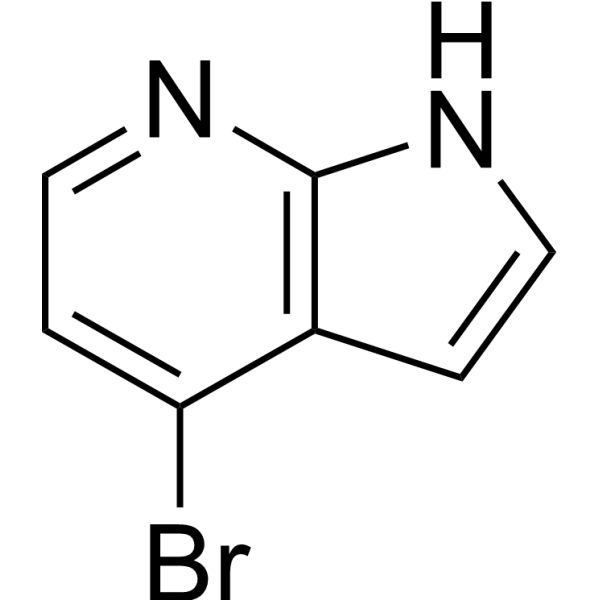
- HY-151269
-
|
|
SARS-CoV
|
Infection
|
|
SARS-CoV-2-IN-23 is a two-armed diphosphate ester and medium length molecular tweezers. SARS-CoV-2-IN-23 exhibits antiviral activity with IC50s of 8.2 μM and 2.6 μM against SARS-CoV-2 activity and the spike pseudoparticle transduction, respectively. SARS-CoV-2-IN-23 induces liposomal membrane disruption with an EC50 value of 4.4 μM .
|
-
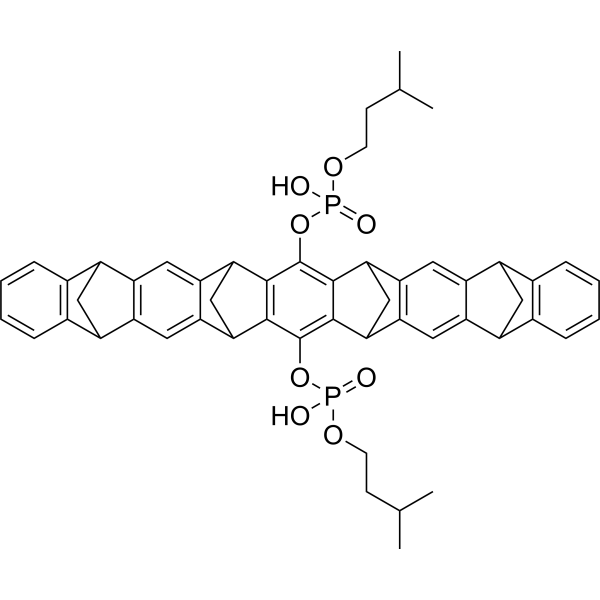
- HY-140339
-
|
|
Biochemical Assay Reagents
|
Others
Cancer
|
|
ANB-NOS is a heterobifunctional crosslinker with lipophilic, uncharged properties suitable for intracellular conjugation. ANB-NOS contains an amine-reactive Nhydroxysuccinimide (NHS) ester and a photoactivatable nitrophenyl azide. ANB-NOS can be used for the research of fibrosarcoma and mammary adenocarcinoma .
|
-
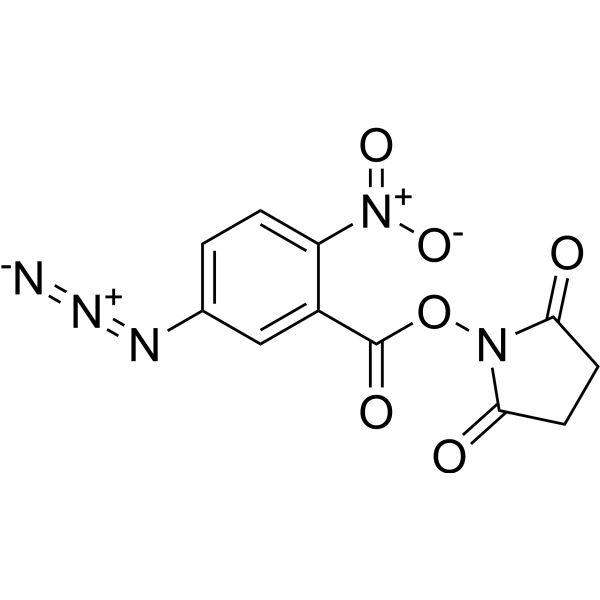
- HY-D1631
-
-
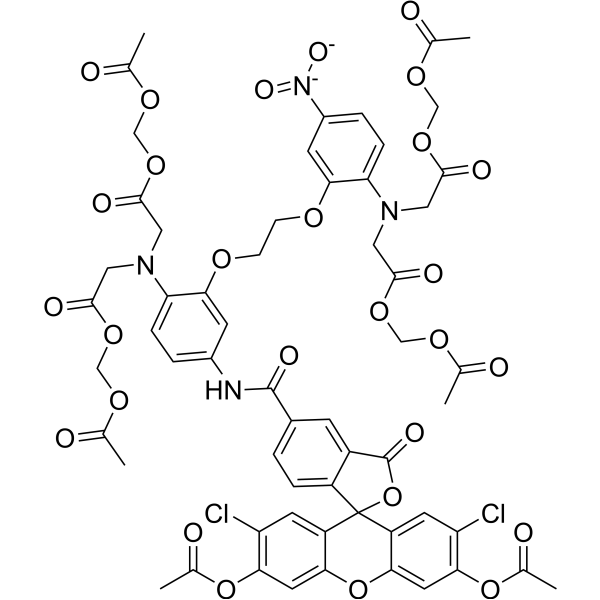
- HY-Y0531
-
|
Tricyclo[3.3.1.1~3,7~]decan-1-ol
|
Drug Intermediate
Bacterial
|
Infection
|
|
1-Adamantanol (Tricyclo[3.3.1.1~3,7~]decan-1-ol) is a hydroxylated derivative of Adamantane (HY-N2427). 1-Adamantanol serves as a substrate for regioselective hydroxylation reactions in Streptomyces strain SA8. 1-Adamantanol can form acrylate derivatives, which are used as photoresist layer materials .
|
-

- HY-W004287
-
|
|
Amyloid-β
Cholinesterase (ChE)
Parasite
|
Infection
Neurological Disease
|
|
Methyl tridecanoate is a fatty acid methyl ester. Methyl tridecanoate exhibits an IC50 of 3.26 μM and a Ki of 2.30 μM against AsOBP21f in Anopheles sinensis. Methyl tridecanoate induces electroantennographic responses in female Anopheles sinensis. Methyl tridecanoate shows a dose-dependent attractive effect on Anopheles sinensis. Methyl tridecanoate weakly inhibits β-amyloid aggregation and AChE activity. Methyl tridecanoate can be used in the research of malaria and Alzheimer's disease .
|
-
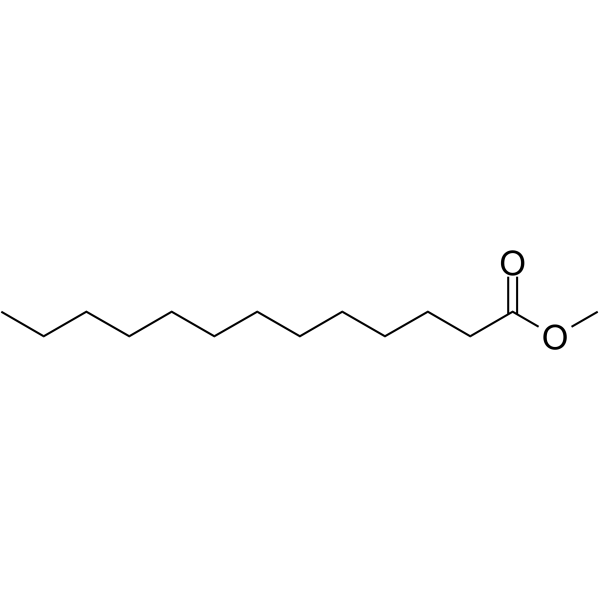
- HY-W021016
-
|
(S,S)-Ph-BPE
|
Biochemical Assay Reagents
|
Others
|
|
(+)-1,2-Bis ((2S,5S)-2,5-diphenylphospholano)ethane ((S,S)-Ph-BPE) is a chiral bisphosphine ligand and catalyst. (+)-1,2-Bis ((2S,5S)-2,5-diphenylphospholano)ethane acts as a chiral ligand in rhodium-catalyzed reductive hydroformylation of alkenyl boronic esters, enabling enantiodivergent synthesis of chiral γ-boryl alcohols. (+)-1,2-Bis ((2S,5S)-2,5-diphenylphospholano)ethane forms chiral nickel-phosphine complexes to mediate asymmetric hydrogenation of aliphatic γ- and δ-keto acids; protons promote substrate C=O bond activation and stereoselectivity control via hydrogen bonding. (+)-1,2-Bis ((2S,5S)-2,5-diphenylphospholano)ethane forms a monodentate nickel complex, which serves as the active species for asymmetric hydrogenation of aliphatic keto acids .
|
-

- HY-W1048555A
-
|
|
Biochemical Assay Reagents
|
Others
|
|
Mal-PEG2000-SCM is a heterobifunctional PEG crosslinker bearing maleimide and succinimidyl carboxymethyl ester functional groups. MMal-PEG2000-SCM conjugates the F3 peptide to nanoparticles: the SCM group reacts with amino groups on the nanoparticle surface to form amide groups, while the MAL group reacts with thiol groups of the F3 peptide to form carbon-sulfur bonds. Mal-PEG-SCM enables unidirectional addition of linkers, ensuring that appropriate functional groups are available for RGD incorporation. Mal-PEG2000-SCM can be used in the development of nanoparticles targeting specific tumor cells .
|
-

- HY-151276A
-
|
|
SARS-CoV
|
Infection
|
|
SARS-CoV-2-IN-29 disodium is a two-armed diphosphate ester with benzene system and molecular tweezers. SARS-CoV-2-IN-29 disodium exhibits antiviral activity with IC50s of 1.5 μM and 1.6 μM against SARS-CoV-2 activity and the spike pseudoparticle transduction, respectively. SARS-CoV-2-IN-29 disodium induces liposomal membrane disruption with an EC50 value of 3.0 μM .
|
-
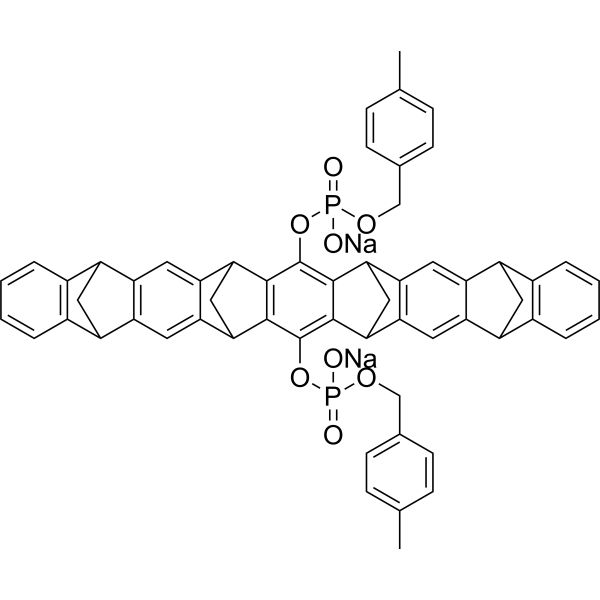
- HY-151278
-
|
|
SARS-CoV
|
Infection
|
|
SARS-CoV-2-IN-30 is a two-armed diphosphate ester with benzene system and molecular tweezers. SARS-CoV-2-IN-30 exhibits antiviral activity with IC50s of 0.6 μM and 6.9 μM against SARS-CoV-2 activity and the spike pseudoparticle transduction, respectively. SARS-CoV-2-IN-30 induces liposomal membrane disruption with an EC50 value of 6.9 μM .
|
-
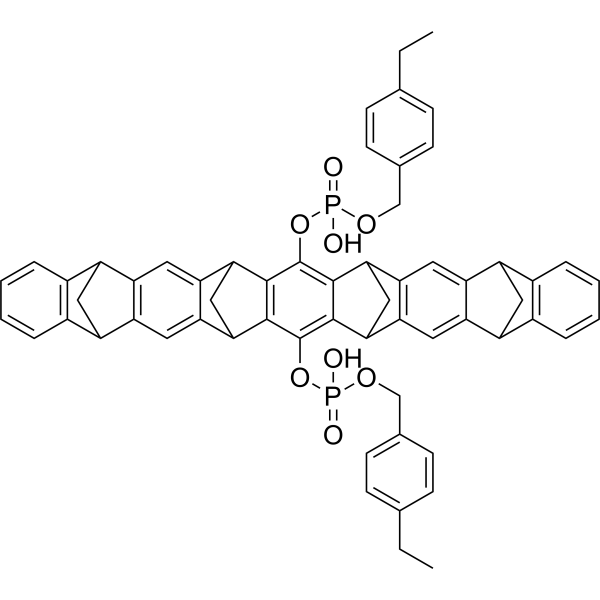
- HY-151276
-
|
|
SARS-CoV
|
Infection
|
|
SARS-CoV-2-IN-29 is a two-armed diphosphate ester with benzene system and molecular tweezers. SARS-CoV-2-IN-29 exhibits antiviral activity with IC50s of 1.5 μM and 1.6 μM against SARS-CoV-2 activity and the spike pseudoparticle transduction, respectively. SARS-CoV-2-IN-29 induces liposomal membrane disruption with an EC50 value of 3.0 μM .
|
-
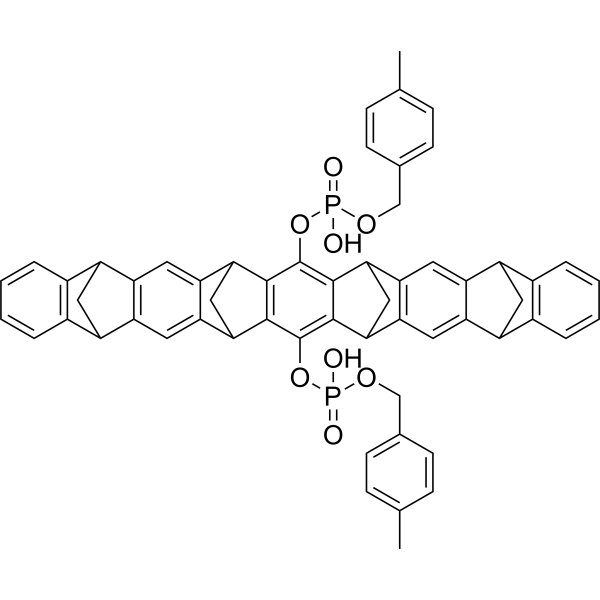
- HY-N17942
-
|
|
Others
|
Cancer
|
|
3a-3,29-Dihydroxy-7-oxomultiflor-8-ene-3,29-diyldibenzoate is a multiflorane triterpene ester found in the seeds of Trichosanthes kirilowii and non-cytotoxic agent.3a-3,29-Dihydroxy-7-oxomultiflor-8-ene-3,29-diyldibenzoate lacks marked cytotoxic activity against cancer cells .
|
-

- HY-151278A
-
|
|
SARS-CoV
|
Infection
|
|
SARS-CoV-2-IN-30 disodium is a two-armed diphosphate ester with benzene system and molecular tweezers. SARS-CoV-2-IN-30 disodium exhibits antiviral activity with IC50s of 0.6 μM and 6.9 μM against SARS-CoV-2 activity and the spike pseudoparticle transduction, respectively. SARS-CoV-2-IN-30 disodium induces liposomal membrane disruption with an EC50 value of 6.9 μM .
|
-
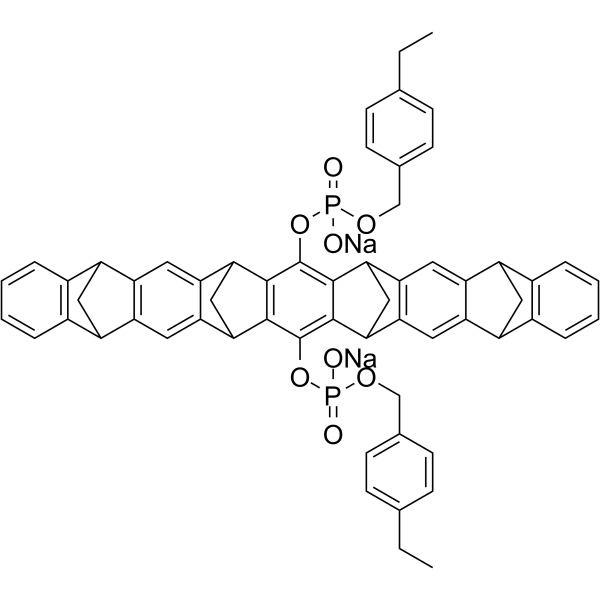
- HY-151686
-
|
|
Biochemical Assay Reagents
|
Others
|
|
Bz-(Me)Tz-NHS is a methyltetrazine carboxylic acid NHS ester that enables conjugation of the tetrazine moiety to the 5' end of oligonucleotides via amide coupling reaction, and it is used in oligonucleotide template-mediated fluorescent bioorthogonal cycloaddition reactions. Bz-(Me) Tz-NHS is applicable to click chemistry-related studies .
|
-
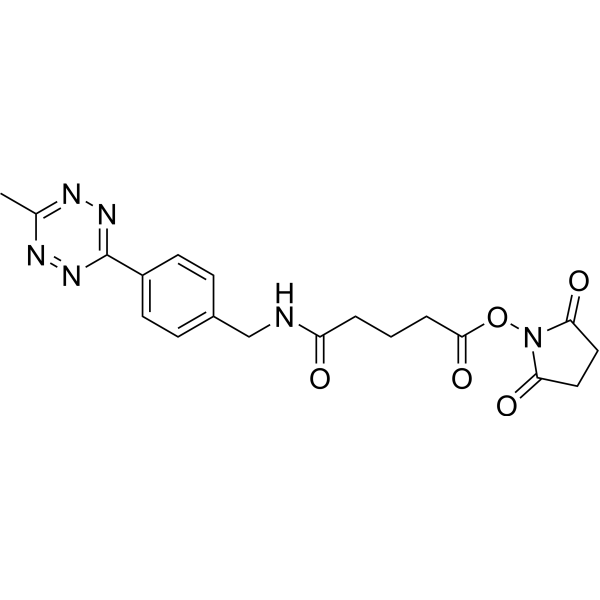
- HY-151274
-
|
|
SARS-CoV
|
Infection
|
|
SARS-CoV-2-IN-28 is a two-armed diphosphate ester with C7 alkyl and molecular tweezers with extended length. SARS-CoV-2-IN-28 exhibits antiviral activity with IC50s of 0.4 μM and 1.0 μM against SARS-CoV-2 activity and the spike pseudoparticle transduction, respectively. SARS-CoV-2-IN-28 induces liposomal membrane disruption with an EC50 value of 4.4 μM .
|
-
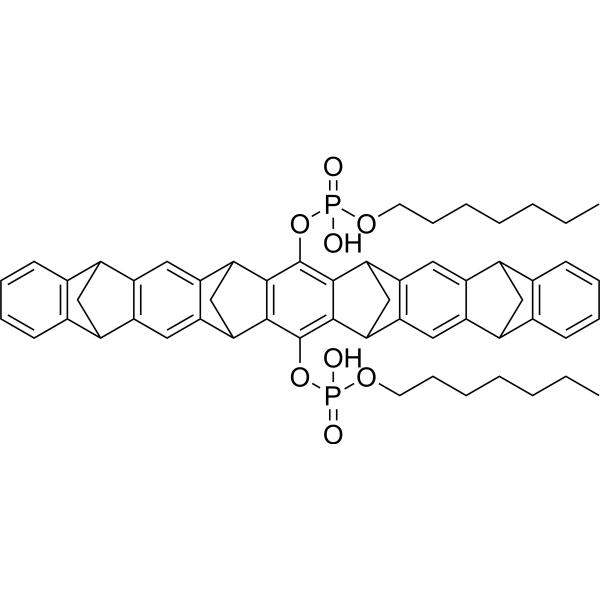
- HY-151274A
-
|
|
SARS-CoV
|
Infection
|
|
SARS-CoV-2-IN-28 disodium is a two-armed diphosphate ester with C7 alkyl and molecular tweezers with extended length. SARS-CoV-2-IN-28 disodium exhibits antiviral activity with IC50s of 0.4 μM and 1.0 μM against SARS-CoV-2 activity and the spike pseudoparticle transduction, respectively. SARS-CoV-2-IN-28 disodium induces liposomal membrane disruption with an EC50 value of 4.4 μM .
|
-
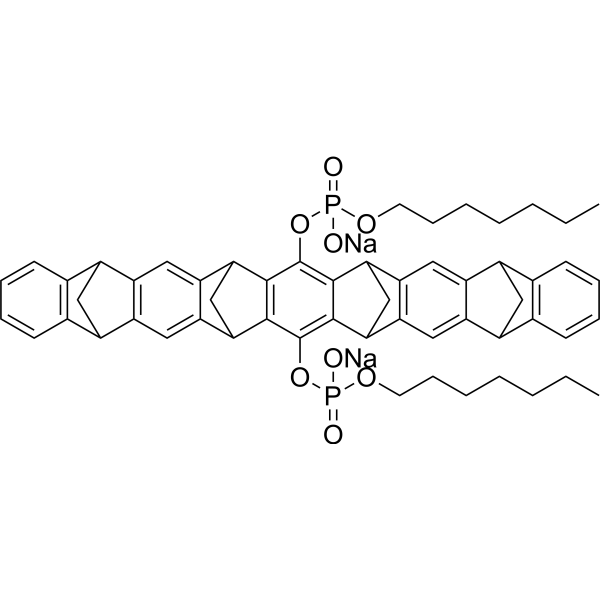
- HY-151271
-
|
|
SARS-CoV
|
Infection
|
|
SARS-CoV-2-IN-27 is a two-armed diphosphate ester with C6 alkyl and molecular tweezers with extended length. SARS-CoV-2-IN-27 exhibits antiviral activity with IC50s of 1.0 μM and 1.7 μM against SARS-CoV-2 activity and the spike pseudoparticle transduction, respectively. SARS-CoV-2-IN-27 induces liposomal membrane disruption with an EC50 value of 6.5 μM .
|
-
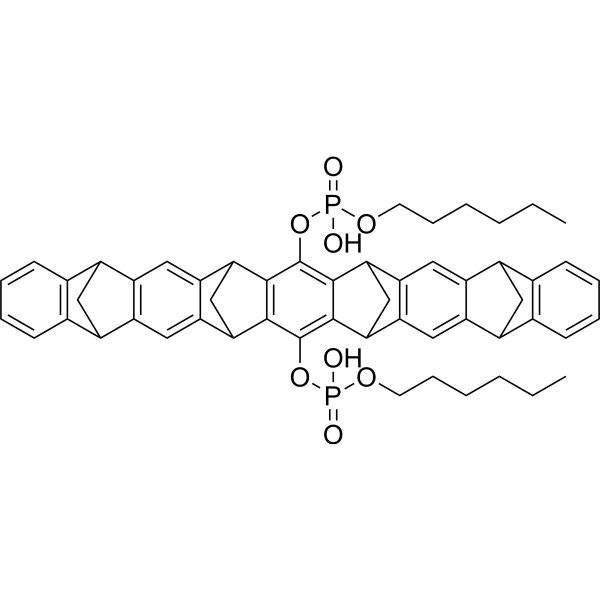
- HY-182682
-
|
NSC-146171
|
DNA Alkylator/Crosslinker
|
Cancer
|
|
IOB-82 is a bifunctional alkylating agent. IOB‑82 induces marked nuclear and cytoplasmic alterations, elicits severe chromatid and chromosome aberrations, and remodels chromosome ploidy. IOB-82 exerts dose-dependent radiomimetic effects and preferentially cytotoxic to large A-type rat ascites cells. IOB-82 can be applied in the research of melanoma‑derived tumors and leukemia .
|
-

- HY-D2482
-
|
APG-1 AM
|
Fluorescent Dye
|
Neurological Disease
|
|
Asante potassium green-1 AM (APG-1 AM) is a cell-permeable K +-sensitive fluorescent indicator and potassium ion indicator that exhibits minimal interference from Na + and pH at physiologically relevant intracellular levels. Asante potassium green-1 AM enables non-invasive monitoring and quantitative analysis of intracellular potassium ion concentrations (Ex/Em = 522/547 nm) .
|
-

- HY-151271A
-
|
|
SARS-CoV
|
Infection
|
|
SARS-CoV-2-IN-27 disodium is a two-armed diphosphate ester with C6 alkyl and molecular tweezers with extended length. SARS-CoV-2-IN-27 disodium exhibits antiviral activity with IC50s of 1.0 μM and 1.7 μM against SARS-CoV-2 activity and the spike pseudoparticle transduction, respectively. SARS-CoV-2-IN-27 disodium induces liposomal membrane disruption with an EC50 value of 6.5 μM .
|
-
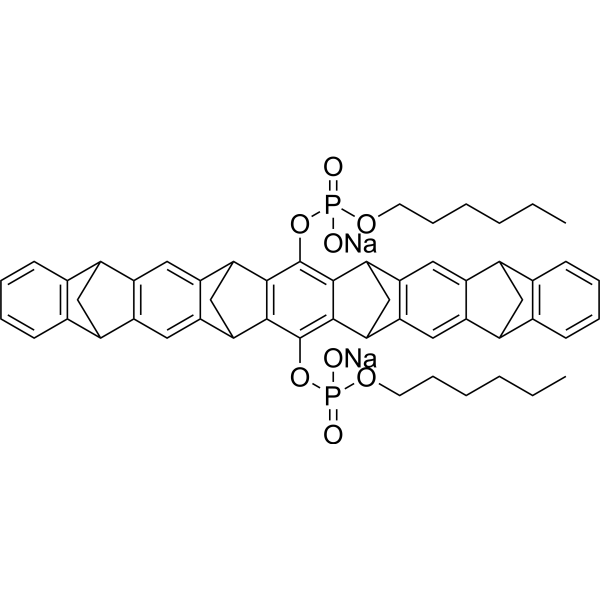
- HY-D0967
-
|
|
Fluorescent Dye
|
Others
|
|
Cy5-bifunctional dye is a bifunctional dye used for covalent labeling of primary amines on proteins or oligonucleotides (Ex/Em = 649 nm/670 nm). Cy5-bifunctional dye can label recombinant annexin-V to assess phosphatidylserine exposure on the cell surface via flow cytometry. Cy5-bifunctional dye can label anti-human IgG (H + L) secondary antibodies. Cy5-bifunctional dye is applicable to studies of glanders and melioidosis .
|
-

- HY-Y1150
-
|
Trimethylmethanecarboxylic acid; Versatic 5 acid; tert-Pentanoic acid
|
Antibiotic
|
Inflammation/Immunology
|
|
Pivalic acid (Trimethylmethanecarboxylic acid) is a carboxylic acid. Pivalic acid induces Carnitine deficiency. Pivalic acid conjugated with Antibiotics, such as Pivmecillinam (HY-B0810) and Pivampicillin (HY-119011), are used in urinary tract infection. Pivalic acid can be used in physical exercise research .
|
-

- HY-41121
-
|
Boc-Ala-OH
|
Amino Acid Derivatives
|
Cancer
|
|
Boc-L-Ala-OH (Boc-Ala-OH) is a single N-protected amino acid ligand and a protected L-alanine derivative. Boc-L-Ala-OH promotes Pd (II)-catalyzed enantioselective C-H alkenylation and kinetic resolution. Boc-L-Ala-OH serves as a coupling reagent for the synthesis of liver-targeted glycogen phosphorylase inhibitors and P6A metabolites, and also acts as a negative control in synthesis studies of betulinic acid amino acid esters. Boc-L-Ala-OH is applicable to research on epidermoid squamous cell carcinoma .
|
-
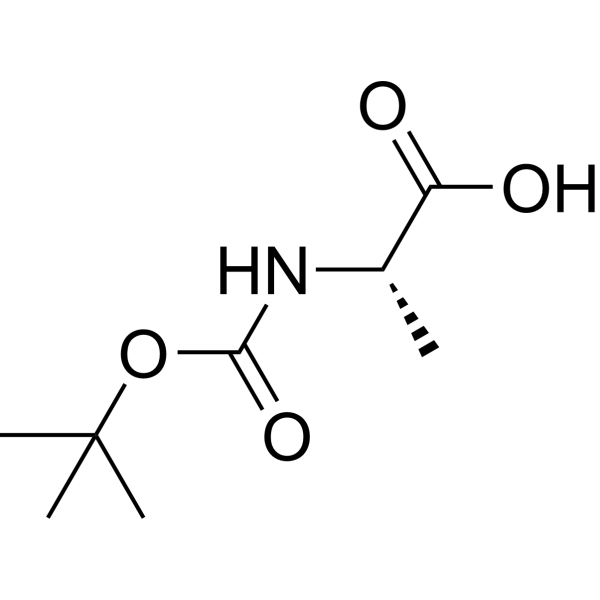
| Cat. No. |
Product Name |
Type |
-
- HY-D0819
-
CY5-SE
Maximum Cited Publications
37 Publications Verification
Cy5 NHS ester; Sulfo-Cyanine5 Succinimidyl ester
|
Fluorescent Dyes
|
|
Cy5-SE (Cy5 NHS Ester) is a reactive dye for the labeling of amino-groups in peptides, proteins, and oligonucleotides. This dye requires small amount of organic co-solvent (such as DMF or DMSO) to be used in labeling reaction. This reagent is ideal for very cost-efficient labeling of soluble proteins, as well as all kinds of peptides and oligonucleotides. This reagent also works well in organic solvents for small molecule labeling.
Excitation (nm):649, Emission (nm): 670.
|
-
- HY-D0819A
-
|
Cy5 NHS ester triethylamine salt; Sulfo-Cyanine5 Succinimidyl ester triethylamine salt
|
Fluorescent Dyes
|
|
Cy5-SE (Cy5 NHS Ester) triethylamine salt is a reactive dye for the labeling of amino-groups in peptides, proteins, and oligonucleotides. Cy5-SE triethylamine salt is ideal for very cost-efficient labeling of soluble proteins, as well as all kinds of peptides and oligonucleotides Ex=649 nm; Em=670 nm) .
|
-
- HY-D1119C
-
|
|
Fluorescent Dyes
|
|
AF647-NHS ester is an analogue of Alexa Fluor 647 (AF647), which has excitation wavelength (λex) of 635 nm (conventional fluorescence detection)/620 nm (instantaneous detection). NHS ester can covalently bind to molecules with amino groups (such as proteins, antibodies, etc.) .
|
-
- HY-D1567
-
|
|
Fluorescent Dyes
|
|
Cy7.5 NHS ester is a fluorescent dye. Cy7.5 NHS ester can be conjugated to mPEG-b-PDPA to form a mPEG-b-PDPA-Cy7.5 fluorescent copolymer. Cy7.5 NHS ester can be used for fluorescent imaging study (Ex/Em = 780/820 nm) .
|
-
- HY-D1631
-
|
|
Fluorescent Dyes
|
|
Calcium Green-5N AM is a Ca 2+-sensitive fluorescent probe (Kd = 14 μM). Calcium Green-5N AM shows enhanced fluorescence intensity upon binding to Ca 2+, and it can monitor free Ca 2+ in neurons .
|
-
- HY-D1085
-
|
|
Fluorescent Dyes
|
|
AMCA-X-SE is a coumarin derivative that generates fixed blue fluorescence and an NHS-activated ester that forms stable amide bonds with primary amine groups. It is used as a reactive dye for labeling amino groups of peptides, proteins, and oligonucleotides. Maximum excitation/emission wavelength: 354/442 nm .
|
-
- HY-D1568
-
|
|
Fluorescent Dyes
|
|
Sulfo-Cy7.5 NHS ester is a near infrared water soluble hydrophilic dye, also is an NHS ester for the modification of amine groups. Sulfo-Cy7.5 NHS ester contains a trimeth ylene bridge and has a linker arm for its attachment to proteins, peptides, and other molecules. Sulfo-Cy7.5 NHS ester can be used for the research of NIR imaging applications .
|
-
- HY-D1800
-
|
VF 680 SE
|
Fluorescent Dyes
|
|
Vari Fluor 680 SE (VF 680 SE) is a dye marker of the Vari Fluor SE series (Ex/Em=680 nm/700 nm). The Vari Fluor SE series of dyes are a class of fluorescent dyes containing NHS ester groups used to label free amines (-NHX) on antibodies, proteins, peptides, amine-modified oligonucleotides and other biomolecules.
|
-
- HY-D1801
-
|
VF 488 SE
|
Fluorescent Dyes
|
|
Vari Fluor 488 SE (VF 488 SE) is a dye marker of the Vari Fluor SE series (Ex/Em=488 nm/513 nm). The Vari Fluor SE series of dyes are a class of fluorescent dyes containing NHS ester groups used to label free amines (-NHX) on antibodies, proteins, peptides, amine-modified oligonucleotides and other biomolecules.
|
-
- HY-D0967
-
|
|
Fluorescent Dyes
|
|
Cy5-bifunctional dye is a bifunctional dye used for covalent labeling of primary amines on proteins or oligonucleotides (Ex/Em = 649 nm/670 nm). Cy5-bifunctional dye can label recombinant annexin-V to assess phosphatidylserine exposure on the cell surface via flow cytometry. Cy5-bifunctional dye can label anti-human IgG (H + L) secondary antibodies. Cy5-bifunctional dye is applicable to studies of glanders and melioidosis .
|
-
- HY-D2178
-
|
|
Fluorescent Dyes
|
|
AF 568 NHS ester is a derivative of the orange fluorescent dye AF 568. AF 568 NHS ester is widely used in cell dyes, biological dyes, biomolecules and particle fluorescent labeling. AF 568 exhibits maximum absorption wavelength of 579 nm and the maximum emission wavelength of 603 nm .
|
-
- HY-DY1063
-
|
|
Fluorescent Dyes
|
Cy5-SE (Cy5 NHS Ester) (solution) is a reactive dye for the labeling of amino-groups in peptides, proteins, and oligonucleotides. This dye requires small amount of organic co-solvent (such as DMF or DMSO) to be used in labeling reaction. This reagent is ideal for very cost-efficient labeling of soluble proteins, as well as all kinds of peptides and oligonucleotides. This reagent also works well in organic solvents for small molecule labeling.
Excitation (nm) :649, Emission (nm) : 670.
Solvent and concentration: DMSO: 10 mM
|
-
- HY-D1802
-
|
VF 425 SE
|
Fluorescent Dyes
|
|
Vari Fluor 425 SE (VF 425 SE) is a dye marker of the Vari Fluor SE series (Ex/Em=430 nm/475 nm). The Vari Fluor SE series of dyes are a class of fluorescent dyes containing NHS ester groups used to label free amines (-NHX) on antibodies, proteins, peptides, amine-modified oligonucleotides and other biomolecules.
|
-
- HY-D1790
-
|
VF 640 SE
|
Fluorescent Dyes
|
|
Vari Fluor 640 SE (VF 640 SE) is a dye marker of the Vari Fluor SE series (Ex/Em=648 nm/664 nm). The Vari Fluor SE series of dyes are a class of fluorescent dyes containing NHS ester groups used to label free amines (-NHX) on antibodies, proteins, peptides, amine-modified oligonucleotides and other biomolecules.
|
-
- HY-D2482
-
|
APG-1 AM
|
Fluorescent Dyes
|
|
Asante potassium green-1 AM (APG-1 AM) is a cell-permeable K +-sensitive fluorescent indicator and potassium ion indicator that exhibits minimal interference from Na + and pH at physiologically relevant intracellular levels. Asante potassium green-1 AM enables non-invasive monitoring and quantitative analysis of intracellular potassium ion concentrations (Ex/Em = 522/547 nm) .
|
-
- HY-W415108
-
|
|
Fluorescent Dyes
|
|
10-Methyl-9-(phenoxycarbonyl) acridinium trifluoromethanesulfonate is an acridinium ester that produces fluorescent 10-methyl-9-acridone upon oxidation with hydrogen peroxide, persulfate, and other oxidants under alkaline conditions. 10-Methyl-9-(phenoxycarbonyl) acridinium trifluoromethanesulfonate can be used in chemiluminescent assays, enzyme, antigen, antibody, and hormone immunoassays, and for the detection of oxidants in environmental, biological, and pharmaceutical samples .
|
-
- HY-D1791
-
|
VF 750 SE
|
Fluorescent Dyes
|
|
Vari Fluor 750 SE (VF 750 SE) is a dye marker of the Vari Fluor SE series (Ex/Em=747 nm/770 nm). The Vari Fluor SE series of dyes are a class of fluorescent dyes containing NHS ester groups used to label free amines (-NHX) on antibodies, proteins, peptides, amine-modified oligonucleotides and other biomolecules.
|
-
- HY-D1352A
-
|
|
Fluorescent Dyes
|
|
Sulfo-Cyanine7 NHS ester (TEA) is an amine-reactive succinimide ester. Sulfo-Cyanine7 NHS ester (TEA) reagent allows to prepare sulfo-Cyanine7-labeled biomolecules, such as proteins, with ease. Dye labeled molecules can be subsequently used for various research and agent design related experiments.
|
-
- HY-D1886
-
|
|
Fluorescent Dyes
|
|
Vari Fluor 647 SE is a fluorescent dye, SE stands for "succinimidyl ester". Vari Fluor 647 SE belongs to the Vari Fluor family of labeling reagents used in cell and molecular biology research. Vari Fluor 647 SE can react with an amino group to form a covalent bond, thereby introducing Vari Fluor 647 dye into the target molecule or cell. Vari Fluor 647 SE is a reactive dye that produces a fluorescent signal after binding to a target molecule or cell.
|
-
- HY-D2060
-
|
|
Fluorescent Dyes
|
|
ATTO 740 is a near-infrared dye (Ex/Em: 740/764 nm). ATTO 740 can be conjugated with the Cetuximab antibody (HY-P9905) .
|
-
- HY-D2291
-
|
|
Fluorescent Dyes
|
|
BODIPY TMR NHS ester is bright, orange fluorescent dye with Ex/Em of 544/570 nm. The NHS ester (or succinimidyl ester) of BODIPY TMR NHS ester is a popular tool for conjugating the dye to a protein or antibody. NHS esters can be used to label the primary amines (R-NH2) of proteins, amine-modified oligonucleotides, and other amine-containing molecules .
|
-
- HY-W324458
-
|
|
Fluorescent Dyes
|
|
MCA succinimidyl ester is a derivative of MCA (HY-W027544). MCA succinimidyl ester has succinimidyl ester can react selectively with amines. MCA succinimidyl ester can be used as peptide substrate for fluorescence resonance energy transfer .
|
-
- HY-D1798
-
|
VF 350 SE
|
Fluorescent Dyes
|
|
Vari Fluor 350 SE (VF 350 SE) is a dye marker of the Vari Fluor SE series (Ex/Em=350 nm/448 nm). The Vari Fluor SE series of dyes are a class of fluorescent dyes containing NHS ester groups used to label free amines (-NHX) on antibodies, proteins, peptides, amine-modified oligonucleotides and other biomolecules.
|
-
- HY-D1796
-
|
VF 594 SE
|
Fluorescent Dyes
|
|
Vari Fluor 594 SE (VF 594 SE) is a dye marker of the Vari Fluor SE series (Ex/Em=585 nm/609 nm). The Vari Fluor SE series of dyes are a class of fluorescent dyes containing NHS ester groups used to label free amines (-NHX) on antibodies, proteins, peptides, amine-modified oligonucleotides and other biomolecules.
|
-
- HY-W141825
-
|
|
Fluorescent Dyes
|
|
N-Acetyl-DL-phenylalanine β-naphthyl ester is an aromatic amino acid ester, which functions as a chromogenic substrate for chymotrypsin and microbial serine proteases such as subtilisin .
|
-
- HY-D2290
-
|
|
Fluorescent Dyes
|
|
Demethoxy-BODIPY TMR NHS ester is an amine-reactive fluorescent probe, and can be used for the labeling of proteins, peptides, and other molecules .
|
-
- HY-D1352
-
|
|
Fluorescent Dyes
|
|
Sulfo-Cyanine7 NHS ester potassium is an amine-reactive succinimide ester. Sulfo-Cyanine7 NHS ester reagent allows to prepare sulfo-Cyanine7-labeled biomolecules, such as proteins, with ease. Dye labeled molecules can be subsequently used for various research and agent design related experiments.
|
-
- HY-D1799
-
|
VF 568 SE
|
Fluorescent Dyes
|
|
Vari Fluor 568 SE (VF 568 SE) is a dye marker of the Vari Fluor SE series (Ex/Em=573 nm/595 nm). The Vari Fluor SE series of dyes are a class of fluorescent dyes containing NHS ester groups used to label free amines (-NHX) on antibodies, proteins, peptides, amine-modified oligonucleotides and other biomolecules.
|
-
- HY-D1794
-
|
VF 405 SE
|
Fluorescent Dyes
|
|
Vari Fluor 405 SE (VF 405 SE) is a dye marker of the Vari Fluor SE series (Ex/Em=399 nm/421 nm). The Vari Fluor SE series of dyes are a class of fluorescent dyes containing NHS ester groups used to label free amines (-NHX) on antibodies, proteins, peptides, amine-modified oligonucleotides and other biomolecules.
|
-
- HY-D1797
-
|
VF 660 SE
|
Fluorescent Dyes
|
|
Vari Fluor 660 SE (VF 660 SE) is a dye marker of the Vari Fluor SE series (Ex/Em=660 nm/679 nm). The Vari Fluor SE series of dyes are a class of fluorescent dyes containing NHS ester groups used to label free amines (-NHX) on antibodies, proteins, peptides, amine-modified oligonucleotides and other biomolecules.
|
-
- HY-D1792
-
|
VF 555 SE
|
Fluorescent Dyes
|
|
Vari Fluor 555 SE (VF 555 SE) is a dye marker of the Vari Fluor SE series (Ex/Em=550 nm/561 nm). The Vari Fluor SE series of dyes are a class of fluorescent dyes containing NHS ester groups used to label free amines (-NHX) on antibodies, proteins, peptides, amine-modified oligonucleotides and other biomolecules.
|
-
- HY-D1795
-
|
VF 532 SE
|
Fluorescent Dyes
|
|
Vari Fluor 532 SE (VF 532 SE) is a dye marker of the Vari Fluor SE series (Ex/Em=532 nm/545 nm). The Vari Fluor SE series of dyes are a class of fluorescent dyes containing NHS ester groups used to label free amines (-NHX) on antibodies, proteins, peptides, amine-modified oligonucleotides and other biomolecules.
|
-
- HY-D1803
-
|
VF 565 SE
|
Fluorescent Dyes
|
|
Vari Fluor 565 SE (VF 565 SE) is a dye marker of the Vari Fluor SE series (Ex/Em=563 nm/594 nm). The Vari Fluor SE series of dyes are a class of fluorescent dyes containing NHS ester groups used to label free amines (-NHX) on antibodies, proteins, peptides, amine-modified oligonucleotides and other biomolecules.
|
-
- HY-114352
-
|
|
Fluorescent Dyes
|
|
BODIPY FL-X is a green-fluorescent dye. BODIPY FL-X has the succinimidyl ester covalently coupled to proteins. BODIPY FL-X has high fluorescence quantum yield and is relatively insensitive to pH change. (λex=504 nm, λem=510 nm) .
|
-
- HY-150978
-
|
|
Fluorescent Dyes
|
|
DDAO-C6 is a cridone ester derivative, highly specific fluorescence for detecting human serum albumin (HSA). DDAO-C6 acts as an enzymatic activatable near-infrared fluorescent probe in visually sensing endogenous lipase from gut microbes (Ex/Em=600/658 nm) .
|
-
- HY-D3205
-
|
|
Fluorescent Dyes
|
|
Bis (picolinoyl) fluorescein is a Cu 2+ esterase activity probe with both fluorogenic and chromogenic properties. Bis (picolinoyl) fluorescein enables quantitative analysis of free Cu 2+, as well as detection of esterolytic activity of Cu bound to organic ligands or biomolecules .
|
| Cat. No. |
Product Name |
Type |
-
- HY-15921
-
IPTG
Maximum Cited Publications
33 Publications Verification
isopropyl β-D-thiogalactoside
|
Biochemical Assay Reagents
|
|
IPTG is a molecular mimic of allolactose, a lactose metabolite that triggers transcription of the lac operon, and it is therefore used to induce protein expression where the gene is under the control of the lac operator.
|
-
- HY-D0178
-
|
|
Biochemical Assay Reagents
|
|
1-Ethyl-(3-dimethylaminopropyl)carbodiimide hydrochloride is a carbodiimide reagent that can form nucleic acid and compounds with amide bonds. 1-(3-Dimethylaminopropyl)-3-ethylcarbodiimide hydrochloride accelerates the formation reaction of esters, amides, and peptides, as a condensing and dehydrating agent, which are often used for polynucleotide synthesis, anhydroxydation, lactonization and esterification .
|
-
- HY-135087
-
|
|
Biochemical Assay Reagents
|
|
Caprylic/Capric Triglyceride is a mixed triester of Octanoic acid (Caprylic acid) (HY-41417) and Capric acid oil possessing excellent oxidation stability. Caprylic/Capric Triglyceride is used as a food additive and used in cosmetics .
|
-
- HY-W011556
-
|
TCFH
|
Biochemical Assay Reagents
|
|
N,N,N',N'-Tetramethylchloroformamidinium hexafluorophosphate (TCFH) is a powerful coupling and derivatizing reagent for ester prodrug synthesis. N,N,N',N'-Tetramethylchloroformamidinium hexafluorophosphate can be used for antitumor drugs before medicine research .
|
-
- HY-W011426
-
|
Propan-2-yl hexadecanoate
|
Biochemical Assay Reagents
|
|
Isopropyl palmitate is an fatty acid ester. Isopropyl palmitate can be used for design and characterization of bioactive bilayer films. The bilayer membrane not only has the ability to scavenge free radicals and inhibit lipid peroxidation, but also can inhibit the growth of known foodborne pathogens. Isopropyl palmitate can be used as an excipient, such as lubricant, oily carrier, solvent, controlled-release transdermal film. Pharmaceutical excipients, or pharmaceutical auxiliaries, refer to other chemical substances used in the pharmaceutical process other than pharmaceutical ingredients. Pharmaceutical excipients generally refer to inactive ingredients in pharmaceutical preparations, which can improve the stability, solubility and processability of pharmaceutical preparations. Pharmaceutical excipients also affect the absorption, distribution, metabolism, and elimination (ADME) processes of co-administered drugs .
|
-
- HY-W008206
-
|
|
Biochemical Assay Reagents
|
|
(±)-Boc-α-phosphonoglycine trimethyl ester serves as a glycine equivalent and glycine donor in organic synthesis .
|
-
- HY-114294A
-
|
HMG-CoA disodium hydrate
|
Biochemical Assay Reagents
|
|
DL-3-Hydroxy-3-methylglutaryl coenzyme A disodium hydrate is a disodium salt compound of HMG-CoA, is a intermediate of terpenes and ketone bodies. DL-3-Hydroxy-3-methylglutaryl coenzyme A disodium also involves in ester metabolism in vivo, as a precursor for cholesterol synthesis, and regulates cholesterol synthesis by coupling LDL receptor .
|
-
- HY-W016042
-
|
|
Biochemical Assay Reagents
|
|
N-Cbz-Hydroxy-L-proline is a chiral N-Cbz-protected amino acid derivative. N-Cbz-Hydroxy-L-proline is commonly used in the synthesis of polypeptides and pharmaceutical intermediates. N-Cbz-Hydroxy-L-proline undergoes decarboxylation under AlCl3/HFIP conditions .
|
-
- HY-W001242
-
|
|
Biochemical Assay Reagents
|
|
1-(Tetrahydropyran-2-yl)-1H-pyrazole-5-boronic acid pinacol ester is a pharmaceutical intermediate used in the synthesis of naphthyl FXIa/PKa inhibitors .
|
-
- HY-78000
-
|
4-Carbomethoxybenzaldehyde; 4-Carboxybenzaldehyde methyl ester; Terephthalaldehydic acid methyl ester; Methyl 4-formylbenzoate
|
Biochemical Assay Reagents
|
|
Methyl 4-formylbenzoate (4-Carbomethoxybenzaldehyde; 4-Carboxybenzaldehyde methyl ester; Terephthalaldehydic acid methyl ester; Methyl 4-formylbenzoate) is a intermediate that can be used for the synthesis of chalcone amide α-glucosidase inhibitors .
|
-
- HY-N7868
-
|
|
Biochemical Assay Reagents
|
|
Methyl tricosanoate is a saturated fatty acid methyl ester and also serves as an internal standard, which can be used for the quantitative analysis of neuraminic acid (NA) concentration .
|
-
- HY-W039898
-
|
1,2,3,4,6-Penta-O-acetyl-α-D-mannopyranose
|
Biochemical Assay Reagents
|
|
α-D-Mannose pentaacetate (1,2,3,4,6-Penta-O-acetyl-α-D-mannopyranose) acts as a lactate promoter. It increases lactate production in rat red blood cells .
|
-
- HY-30014
-
|
|
Biochemical Assay Reagents
|
|
4-Bromo-7-azaindole is a brominated derivative of 7-azaindole. 4-Bromo-7-azaindole serves as a substrate for palladium-catalyzed C-N and C-O cross-coupling reactions, reacting with amides, amines, amino acid esters and phenols .
|
-
- HY-W1048555A
-
|
|
Biochemical Assay Reagents
|
|
Mal-PEG2000-SCM is a heterobifunctional PEG crosslinker bearing maleimide and succinimidyl carboxymethyl ester functional groups. MMal-PEG2000-SCM conjugates the F3 peptide to nanoparticles: the SCM group reacts with amino groups on the nanoparticle surface to form amide groups, while the MAL group reacts with thiol groups of the F3 peptide to form carbon-sulfur bonds. Mal-PEG-SCM enables unidirectional addition of linkers, ensuring that appropriate functional groups are available for RGD incorporation. Mal-PEG2000-SCM can be used in the development of nanoparticles targeting specific tumor cells .
|
-
- HY-W002062
-
|
|
Biochemical Assay Reagents
|
|
(S)-4-Isopropyl-2-oxazolidinone is a biochemical reagent that can be used as a biological material or organic compound for life science related research.
|
-
- HY-W014895
-
|
Ethyl p-toluenesulfonate; Ethyl tosylate
|
Biochemical Assay Reagents
|
|
Ethyl 4-methylbenzenesulfonate (Ethyl p-toluenesulfonate) is a drug intermediate that can be used for the synthesis of alkyl and substituted alkyl fluorides .
|
-
- HY-W012802
-
|
|
Biochemical Assay Reagents
|
|
Methyl 1H-pyrrole-2-carboxylate is a drug intermediate that can act as an acyl donor. Methyl 1H-pyrrole-2-carboxylate can be synthesized into a series of pyrrolidine derivatives through tranesterification reactions with various alcohols .
|
-
- HY-W127420
-
|
Linoleic acid isopropyl ester
|
Biochemical Assay Reagents
|
|
Isopropyl Linoleate is a biochemical reagent that can be used as a biological material or organic compound for life science related research.
|
-
- HY-W017195
-
|
Propan-2-yl benzoate
|
Biochemical Assay Reagents
|
|
Isopropyl benzoate is a class of esters consisting of a benzene ring and an isopropyl group attached to a carboxylic acid group. Isopropyl benzoate can be used as an inducer to biosynthesize phloroglucinol in E. coli .
|
-
- HY-W016491
-
|
isopropylparaben
|
Biochemical Assay Reagents
|
|
Isopropyl 4-hydroxybenzoate (Isopropylparaben) is an antimicrobial and antioxidant agent .
|
-
- HY-W145651
-
|
|
Biochemical Assay Reagents
|
|
Isopropyl β-D-thioglucopyranoside is a biochemical reagent that can be used as a biological material or organic compound for life science related research.
|
-
- HY-W039923
-
|
|
Biochemical Assay Reagents
|
|
β-D-Galactose pentaacetate is a negative regulator of insulin with plasma membrane penetrating ability and can be hydrolyzed by intracellular esterases. β-D-Galactose pentaacetate inhibits Leucine (HY-N0486)-induced insulin release in Wistar rat islets, potentially preventing excessive insulin release in pathological conditions .
|
-
- HY-158583
-
|
|
Biochemical Assay Reagents
|
|
13-POHSA is one of fatty acid esters of hydroxy fatty acids (FAHFAs). 13-POHSA increases glucose-stimulated insulin secretion (GSIS) at a high glucose concentration .
|
-
- HY-W010221
-
|
Trimethylanilinium hydroxide (ca. 8.5% in Methanol)
|
Biochemical Assay Reagents
|
|
Phenyltrimethylammonium hydroxide (Trimethylanilinium hydroxide (ca. 8.5% in Methanol)) is a derivatization reagent. Phenyltrimethylammonium hydroxide converts phenolic compounds including pentachlorophenol herbicides into methyl ethers .
|
-
- HY-W127422
-
|
N-Capric acid isopropyl ester
|
Biochemical Assay Reagents
|
|
Isopropyl Decanoate is a biochemical reagent that can be used as a biological material or organic compound for life science related research.
|
-
- HY-W127510
-
|
Octanoicacidisopropylester
|
Biochemical Assay Reagents
|
|
Isopropyl n-Octanoate is a biochemical reagent that can be used as a biological material or organic compound for life science related research.
|
-
- HY-Y0531
-
|
Tricyclo[3.3.1.1~3,7~]decan-1-ol
|
Biochemical Assay Reagents
|
|
1-Adamantanol (Tricyclo[3.3.1.1~3,7~]decan-1-ol) is a hydroxylated derivative of Adamantane (HY-N2427). 1-Adamantanol serves as a substrate for regioselective hydroxylation reactions in Streptomyces strain SA8. 1-Adamantanol can form acrylate derivatives, which are used as photoresist layer materials .
|
-
- HY-W011426R
-
|
Propan-2-yl hexadecanoate (Standard)
|
Biochemical Assay Reagents
|
|
Isopropyl palmitate (Standard) is the analytical standard of Isopropyl palmitate. This product is intended for research and analytical applications. Isopropyl palmitate is an fatty acid ester. Isopropyl palmitate can be used for design and characterization of bioactive bilayer films. The bilayer membrane not only has the ability to scavenge free radicals and inhibit lipid peroxidation, but also can inhibit the growth of known foodborne pathogens. Isopropyl palmitate can be used as an excipient, such as lubricant, oily carrier, solvent, controlled-release transdermal film. Pharmaceutical excipients, or pharmaceutical auxiliaries, refer to other chemical substances used in the pharmaceutical process other than pharmaceutical ingredients. Pharmaceutical excipients generally refer to inactive ingredients in pharmaceutical preparations, which can improve the stability, solubility and processability of pharmaceutical preparations. Pharmaceutical excipients also affect the absorption, distribution, metabolism, and elimination (ADME) processes of co-administered drugs .
|
-
- HY-W777089
-
|
|
Biochemical Assay Reagents
|
|
Benzyl 5-amino-5-deoxy-2,3-O-isopropyl-α-D-mannofuranoside is a class of biochemical reagents used in glycobiology research. Glycobiology studies the structure, synthesis, biology, and evolution of sugars. It involves carbohydrate chemistry, enzymology of glycan formation and degradation, protein-glycan recognition, and the role of glycans in biological systems. This field is closely related to basic research, biomedicine, and biotechnology .
|
-
- HY-167025
-
|
|
Biochemical Assay Reagents
|
|
Cholesterol laurate is a cholesterol ester with good biocompatibility, bioavailability and bioactivity. Cholesterol laurate can be used in drug delivery research .
|
-
- HY-W016491R
-
|
isopropylparaben (Standard)
|
Biochemical Assay Reagents
|
|
Isopropyl 4-hydroxybenzoate (Standard) is the analytical standard of Isopropyl 4-hydroxybenzoate. This product is intended for research and analytical applications. Isopropyl 4-hydroxybenzoate (Isopropylparaben) is an antimicrobial and antioxidant agent .
|
-
- HY-W416275
-
-
- HY-167024
-
|
|
Biochemical Assay Reagents
|
|
Cholesterol valerate is a cholesterol ester with good biocompatibility, bioavailability and bioactivity. Cholesterol valerate can be used in drug delivery research .
|
| Cat. No. |
Product Name |
Target |
Research Area |
-
- HY-17365
-
-
- HY-B0361
-
-
- HY-134124
-
|
|
Reactive Oxygen Species (ROS)
|
Metabolic Disease
|
|
Glutathione ethyl ester is a cell-permeable GSH donor and provides an efficient supply of GSH to the oocyte. Glutathione ethyl ester shows positive effect on the in vitro production of embryos by enhancement of the antioxidative defense .
|
-
- HY-W048700
-
-
- HY-W072147
-
|
Fmoc-L-Ser-OMe
|
Amino Acid Derivatives
Drug Intermediate
|
Others
|
|
Fmoc-Ser-OMe (Fmoc-L-Ser-OMe) is an Fmoc-protected L-serine methyl ester and also a solid-phase peptide synthesis intermediate. Fmoc-Ser-OMe is linked to Ellman resin via its hydroxyl side chain. Fmoc-Ser-OMe is used in peptide synthesis .
|
-
- HY-41121
-
|
Boc-Ala-OH
|
Amino Acid Derivatives
|
Cancer
|
|
Boc-L-Ala-OH (Boc-Ala-OH) is a single N-protected amino acid ligand and a protected L-alanine derivative. Boc-L-Ala-OH promotes Pd (II)-catalyzed enantioselective C-H alkenylation and kinetic resolution. Boc-L-Ala-OH serves as a coupling reagent for the synthesis of liver-targeted glycogen phosphorylase inhibitors and P6A metabolites, and also acts as a negative control in synthesis studies of betulinic acid amino acid esters. Boc-L-Ala-OH is applicable to research on epidermoid squamous cell carcinoma .
|
-
- HY-59121
-
-
- HY-59121A
-
|
|
Drug Intermediate
|
Infection
|
|
Isopropyl ((R)-(perfluorophenoxy)(phenoxy)phosphoryl)-L-alaninate can be used to synthesis Sofosbuvir (HY-15005) to avoid the production of sofibuvir degradation impurities .
|
-
- HY-W040705
-
|
N-Methylanthranilic acid
|
Drug Metabolite
|
Others
|
|
2-(Methylamino)benzoic acid is the main metabolite of methyl-N-methylanthranilates (MMA) (HY-76705) and is the compound in which the ester group is converted. MMA can be isolated from citrus fruits and has potential analgesic activity. 2-(Methylamino)benzoic acid was used to detect the metabolic levels of MMA in rat liver .
|
-
- HY-B0361R
-
|
SC-18862 (Standard)
|
Biochemical Assay Reagents
Reference Standards
|
Neurological Disease
|
|
Aspartame (Standard) is the analytical standard of Aspartame. This product is intended for research and analytical applications. Aspartame (SC-18862) is a methyl ester of a dipeptide. Aspartame can be used as a synthetic nonnutritive sweetener .
|
-
- HY-Z0711
-
-
- HY-P4755
-
|
|
Peptides
|
Others
|
|
N-((RS)-2-Hydroxy-propyl)-Val-Leu-anilide is a polypeptide that can be found by peptide screening. Peptide screening is a research tool that pools active peptides primarily by immunoassay. Peptide screening can be used for protein interaction, functional analysis, epitope screening, especially in the field of agent research and development .
|
-
- HY-148663
-
|
Tripalmitoyl pentapeptide
|
MAPKAPK2 (MK2)
|
Inflammation/Immunology
|
|
Mitogenic Pentapeptide (Tripalmitoyl pentapeptide) is an effective activator of B lymphocyte mitogen and polyclonal. Mitogen Pentapeptide is a synthetic N-terminal analog of E. coli outer membrane lipoproteins. Mitogenic Pentapeptide can be used for the study of immune adjuvants .
|
-
- HY-W022657
-
|
|
Amino Acid Derivatives
|
Others
|
|
H-Met-OiPr hydrochloride is an Methionine derivative. H-Met-OiPr hydrochloride participates in the synthesis preparation of inhibitors of farnesyl-protein transferase (FTase), and can be used in cancer research .
|
-
- HY-Z0291
-
|
isopropyl L-alaninate; L-Alanine 2-propyl ester; L-Alanine isopropyl ester; O-isopropyl-L-alanine
|
Amino Acid Derivatives
|
Others
|
|
L-Alanine isopropyl ester is an alanine derivative .
|
-
- HY-P2424
-
-
- HY-131923
-
|
|
Notch
|
Cancer
|
|
DAPM is a Notch pathway inhibitor with anticancer activity and antiproliferative effects. DAPM effectively inhibits tubular adenoma development by inhibiting cell proliferation and inducing the expression of Krüppel-like factor 4 (KLF4) and p21 in human colon cancer cells .
|
-
- HY-35028
-
|
|
Amino Acid Derivatives
|
Others
|
|
Boc-Glu-Ofm is a peptide. Boc-Glu-Ofm has been used for the synthesis of ester insulin and cyclic peptide mixtures .
|
-
- HY-W037451
-
|
|
Amino Acid Derivatives
|
Others
|
|
Methyl L-leucinate, methyl ester of L-leucine, is an alpha-amino acid ester. Methyl L-leucinate is a derivative of methyl ester and L-leucine, a class of compounds containing both amino and carboxyl groups in the molecule .
|
-
- HY-118347
-
|
|
Peptides
|
Neurological Disease
|
|
Aspartame acesulfame is a methyl ester of a dipeptide. Aspartame acesulfame can be used as a synthetic nonnutritive sweetener. Aspartame acesulfame is composed of phenylalanine (50%), aspartic acid (40%) and methanol (10%) .
|
-
- HY-W040705R
-
|
N-Methylanthranilic acid (Standard)
|
Drug Metabolite
Reference Standards
|
Others
|
|
2-(Methylamino)benzoic acid (Standard) is the analytical standard of 2-(Methylamino)benzoic acid. This product is intended for research and analytical applications. 2-(Methylamino)benzoic acid is the main metabolite of methyl-N-methylanthranilates (MMA) (HY-76705) and is the compound in which the ester group is converted. MMA can be isolated from citrus fruits and has potential analgesic activity. 2-(Methylamino)benzoic acid was used to detect the metabolic levels of MMA in rat liver[1].
|
-
- HY-P11694
-
|
|
Biochemical Assay Reagents
|
Neurological Disease
|
|
Alloc-Aeg (Fmoc)-OH is a protected serine triphosphate building block and an Nα-Fmoc protected amino acid. Alloc-Aeg (Fmoc)-OH contains serine protected by α-N-allyloxycarbonyl (Alloc) and bis (allyl) phosphate groups, and it can be used in the synthesis of peptide nucleic acids (PNAs). Alloc-Aeg (Fmoc)-OH is applicable to research related to Alzheimer's disease .
|
| Cat. No. |
Product Name |
Category |
Target |
Chemical Structure |
-
- HY-W013571
-
-
-
- HY-135087
-
-
-
- HY-B0987
-
-
-
- HY-W011688
-
-
-
- HY-W015224
-
-
-
- HY-W004290
-
-
-
- HY-134222A
-
|
N-Acetyl-L-serine
|
Structural Classification
Natural Products
Classification of Application Fields
Other Diseases
Endogenous metabolite
Disease Research Fields
Source Classification
|
Endogenous Metabolite
Complement System
|
|
N-Acetylserine (N-Acetyl-L-serine) is a complement pathway modulator targeting activated third complement protein (C3b) and an amino-terminal residue (an N-terminal acetylation modification group). N-Acetylserine reacts with the exposed thioester group of C3b via its hydroxyl group, thereby blocking the covalent binding of glycerol to this thioester group. N-Acetylserine widely exists in soluble proteins of mammalian cells (accounting for approximately 80% of such proteins). N-Acetylserine has a blocking property that prevents direct Edman sequencing of proteins; deblocking is achievable through trifluoroacetic acid-catalyzed N→O acetyl migration followed by β-elimination. N-Acetylserine is suitable for sequencing of proteins with N-terminal acetylserine modification .
|
-
-
- HY-N2073
-
-
-
- HY-N2098
-
-
-
- HY-W004291
-
-
-
- HY-W004289
-
-
-
- HY-W009082
-
-
-
- HY-W004286
-
-
-
- HY-125531
-
-
-
- HY-N10788
-
-
-
- HY-W053507
-
-
-
- HY-N9686
-
-
-
- HY-W1008636
-
-
-
- HY-W040705
-
|
N-Methylanthranilic acid
|
Ketones, Aldehydes, Acids
Endogenous metabolite
Source Classification
|
Drug Metabolite
|
|
2-(Methylamino)benzoic acid is the main metabolite of methyl-N-methylanthranilates (MMA) (HY-76705) and is the compound in which the ester group is converted. MMA can be isolated from citrus fruits and has potential analgesic activity. 2-(Methylamino)benzoic acid was used to detect the metabolic levels of MMA in rat liver .
|
-
-
- HY-W017439
-
-
-
- HY-W102375
-
-
-
- HY-124422
-
-
-
- HY-N16119
-
-
-
- HY-N4203
-
-
-
- HY-N8208
-
-
-
- HY-113972
-
-
-
- HY-117586
-
-
-
- HY-W004287
-
|
|
Structural Classification
Natural Products
other families
Plants
Source Classification
|
Amyloid-β
Cholinesterase (ChE)
Parasite
|
|
Methyl tridecanoate is a fatty acid methyl ester. Methyl tridecanoate exhibits an IC50 of 3.26 μM and a Ki of 2.30 μM against AsOBP21f in Anopheles sinensis. Methyl tridecanoate induces electroantennographic responses in female Anopheles sinensis. Methyl tridecanoate shows a dose-dependent attractive effect on Anopheles sinensis. Methyl tridecanoate weakly inhibits β-amyloid aggregation and AChE activity. Methyl tridecanoate can be used in the research of malaria and Alzheimer's disease .
|
-
-
- HY-N10703
-
-
-
- HY-W087943
-
-
-
- HY-W013214
-
-
-
- HY-118442
-
-
-
- HY-W440039
-
-
-
- HY-N10695
-
-
-
- HY-W009082R
-
-
-
- HY-125545
-
-
-
- HY-N10697
-
-
-
- HY-N15737
-
-
-
- HY-N10771
-
|
|
Flavonoids
Terpenoids
Gramineae
Morus nigra Linn.
Diterpenoids
Plants
Moraceae
Other Flavonoids
Saccharum officinarum
Source Classification
|
Others
|
|
(R)-2-Isopropyl-8,8,8a-trimethyl-6,7,8,8a-tetrahydrophenanthrene-3,4-diol (compound 48) is a catechol compound. (R)-2-Isopropyl-8,8,8a-trimethyl-6,7,8,8a-tetrahydrophenanthrene-3,4-diol involves in bioinspired synthesis of rearranged abietane diterpenes, related to pygmaeocins .
|
-
-
- HY-W013571R
-
-
-
- HY-W017439R
-
-
-
- HY-N12066
-
-
-
- HY-N3291
-
-
-
- HY-N15583
-
-
-
- HY-123487
-
-
-
- HY-N6593
-
-
-
- HY-N12506
-
-
-
- HY-134607
-
-
-
- HY-N3649
-
-
-
- HY-N3159
-
-
- HY-N12237
-
-
- HY-124422R
-
-
- HY-N15724
-
-
- HY-W011688R
-
-
- HY-N9837
-
-
- HY-N2890
-
-
- HY-N9777
-
-
- HY-N7939
-
-
- HY-W278867R
-
|
trans-Pinosylvin dimethyl ether (Standard)
|
Structural Classification
Stilbenes
Leguminosae
Plants
Astragalus membranaceus (Fisch.) Bunge
Source Classification
|
Reference Standards
Cholinesterase (ChE)
|
|
trans-3,5-Dimethoxystilbene (Standard) is the analytical standard of trans-3,5-Dimethoxystilbene (HY-W278867). This product is intended for research and analytical applications. trans-3,5-Dimethoxystilbene (trans-Pinosylvin dimethyl ether) is a natural stilbenoid metabolite. trans-3,5-Dimethoxystilbene acts as an acetylcholinesterase inhibitor with a IC50 of 9 μM against Electrophorus electricus acetylcholinesterase. trans-3,5-Dimethoxystilbene binds to acetylcholinesterase and blocks acetylcholine hydrolysis, thereby increasing acetylcholine levels in the cholinergic synaptic cleft. trans-,5-Dimethoxystilbene can be used in the research of neurodegenerative diseases such as Alzheimer's disease .
|
-
- HY-N15735
-
|
2-Caffeoylpiscidic acid
|
Ranunculaceae
Phenols
Polyphenols
Plants
Cimicifuga racemosa (L.) Nutt.
Source Classification
|
Calcium Channel
|
|
Cimicifugic acid D (2-Caffeoylpiscidic acid) is a benzyltartaric acid ester that induces vasodilation of precontracted rat aortic strips and endothelium-independent relaxation mechanism. Cimicifugic acid D inhibits extracellular Ca 2+ influx through receptor-operated Ca 2+ channels (ROC) in Norepinephrine (HY-13715)-induced contraction of rat aortic strips, without affecting voltage-dependent Ca 2+ channels (VDC) or K +-induced contractions .
|
-
- HY-N2098R
-
-
- HY-N12239
-
-
- HY-N0025
-
-
- HY-180729
-
-
- HY-W040705R
-
|
N-Methylanthranilic acid (Standard)
|
Structural Classification
Ketones, Aldehydes, Acids
Endogenous metabolite
Source Classification
|
Drug Metabolite
Reference Standards
|
|
2-(Methylamino)benzoic acid (Standard) is the analytical standard of 2-(Methylamino)benzoic acid. This product is intended for research and analytical applications. 2-(Methylamino)benzoic acid is the main metabolite of methyl-N-methylanthranilates (MMA) (HY-76705) and is the compound in which the ester group is converted. MMA can be isolated from citrus fruits and has potential analgesic activity. 2-(Methylamino)benzoic acid was used to detect the metabolic levels of MMA in rat liver[1].
|
-
- HY-N18319
-
-
- HY-N7877
-
-
- HY-W102375R
-
-
- HY-113972R
-
|
|
Structural Classification
Monophenols
Microorganisms
Marine natural products
Phenols
Marine microorganism
|
Reference Standards
Others
|
|
Avanafil (Standard) is the analytical standard of Avanafil. This product is intended for research and analytical applications. Avanafil (TA-1790) is a potent and selective phosphodiesterase-5 (PDE-5) inhibitor with IC50 values of 5.2 nM, 630 nM, 5700 nM, 6200 nM, 12000 nM, 27000 nM, 51000 nM and 53000 nM for PDE-5, PDE-6, PDE-4, PDE-10, PDE-8, PDE-7, PDE-2 and PDE-1, respectively. Avanafil activates NO/cGMP/PKG signaling-pathway to decrease loss in BMD, bone atrophy, and oxidative stress. Avanafil inhibits cyclic guanosine monophosphate (cGMP) hydrolysis and thus increases cGMP levels. Avanafil can be used for the research of erectile dysfunction and osteoporosis .
|
-
- HY-W777618
-
-
- HY-W777613
-
-
- HY-N18307
-
-
- HY-N17916
-
-
- HY-N17461
-
-
- HY-N17469
-
-
- HY-N19806
-
-
- HY-Z17706
-
-
- HY-N18212
-
-
- HY-N18037
-
-
- HY-N17859
-
-
- HY-N20631
-
|
|
Structural Classification
Santalum album Linn.
Ketones, Aldehydes, Acids
Plants
Source Classification
Santalaceae
|
Others
|
|
Dihydro-α-norcurcumenic acid, a sesquiterpenoid, is a hydrogenated derivative of α-santalic acid and terpenoic acid that can be found in East Indian sandalwood. Terpenoids are the most abundant and structurally diverse class of natural products found in many plants. In vitro, preclinical, and clinical studies have demonstrated that terpenoids exhibit broad and significant pharmacological properties in the treatment of cancer, malaria, inflammation, and various infectious diseases .
|
-
- HY-N17877
-
-
- HY-N18287
-
-
- HY-N17530
-
-
- HY-N19726
-
-
- HY-N18199
-
-
- HY-N19713
-
-
- HY-N17987
-
-
- HY-W708825
-
-
- HY-N17634
-
-
- HY-N19842
-
-
- HY-N19942
-
-
- HY-N2730
-
-
- HY-N18378
-
-
- HY-W012597
-
-
- HY-N19257
-
-
- HY-N19683
-
-
- HY-N0055A
-
-
- HY-N18264
-
-
- HY-N17399
-
-
- HY-N17942
-
-
| Cat. No. |
Product Name |
Chemical Structure |
-
- HY-W142667S
-
|
|
|
1-Isopropyl-4-nitrobenzene-d4 is the deuterium labeled 1-Isopropyl-4-nitrobenzene .
|
-
-
- HY-143519S
-
|
|
|
Isopropyl phenyl-d7 is the deuterium labeled Isopropyl phenyl .
|
-
-
- HY-142784S
-
|
|
|
Isopropyl diphenyl phosphate-d7 is the deuterium labeled Isopropyl diphenyl phosphate .
|
-
-
- HY-W012578S2
-
|
|
|
2-Isopropyl-3-methoxypyrazine-d7 is deuterated labeled 2-Isopropyl-3-methoxypyrazine
|
-
-
- HY-W016491S
-
|
|
|
Isopropyl 4-hydroxybenzoate-d4 is the deuterium labeled Isopropyl 4-hydroxybenzoate .
|
-
-
- HY-W023443S
-
|
|
|
2-Isopropyl-5-methylpyrazine-d3 is deuterated labeled 2-Isopropyl-5-methylpyrazine.
|
-
-
- HY-W012578S1
-
|
|
|
2-Isopropyl-3-methoxypyrazine- 13C3 is 13C labeled 2-Isopropyl-3-methoxypyrazine.
|
-
-
- HY-B0584S2
-
|
|
|
Travoprost-d7 (Fluprostenol isopropyl ester-d7) is deuterium labeled Travoprost. Travoprost (Fluprostenol isopropyl ester), an isopropyl ester proagent, is a high affinity, selective FP prostaglandin full receptor agonist. Travoprost has the ocular hypotensive efficacy and has the potential for glaucoma and ocular hypertension .
|
-
-
- HY-W707270
-
|
|
|
2-(3,4-Dimethoxyphenyl)-3-methylbutanenitrile-d7 (alpha-Isopropyl homoveratronitrile-d7) is the deuterium labeled 2-(3,4-Dimethoxyphenyl)-3-methylbutanenitrile (HY-W101691).
|
-
-
- HY-142422S
-
|
|
|
(Rac)-trans-Bifenthrin-d5 is the deuterium labeled (Rac)-trans-Bifenthrin .
|
-
-
- HY-W714025S
-
|
|
|
4-Hydroxychlorpropham-d7 is the deuterium labeled Isopropyl (3-chloro-4-hydroxyphenyl)carbamate (HY-W714025).
|
-
-
- HY-W004356S
-
|
|
|
(2R)-Isopropyl 2-((((((R)-1-(6-amino-9H-purin-9-yl)propan-2-yl)oxy)methyl)(phenoxy)phosphoryl)amino)propanoate-d5 is the deuterium labeled (2R)-isopropyl 2-((((((R)-1-(6-amino-9H-purin-9-yl)propan-2-yl)oxy)methyl)(phenoxy)phosphoryl)amino)propanoate [
|
-
-
- HY-178412S
-
|
|
|
Isopropyl myristate-d27 is the deuterium labeled Isopropyl myristate (HY-124190). Isopropyl myristate (IPM) is the ester of isopropyl alcohol and myristic acid. Isopropyl myristate is used for transdermal delivery of some compounds. Isopropyl myristate is a polar emollient and is used in cosmetic and topical medicinal preparations where good absorption into the skin is desired .
|
-
-
- HY-W754640
-
|
|
|
Isopropyl 2-hydroxybenzoate-d7 (Salicylic acid isopropyl ester-d7) is deuterium labeled Isopropyl 2-hydroxybenzoate .
|
-
-
- HY-W012578S
-
|
|
|
2-Isopropyl-3-methoxypyrazine-d3 is the deuterium labeled 2-Isopropyl-3-methoxypyrazine .
|
-
-
- HY-W740764
-
|
|
|
Isopropyl 4-hydroxybenzoate-d7 is the deuterium labeled Isopropyl 4-hydroxybenzoate (HY-W016491). Isopropyl 4-hydroxybenzoate (Isopropylparaben) is an antimicrobial and antioxidant agent .
|
-
-
- HY-132512S
-
|
|
|
N-Isopropyl Carvedilol-d6 is the deuterium labeled N-Isopropyl Carvedilol .
|
-
-
- HY-W722986
-
|
|
|
tert-Butyl ethyl(isopropyl)carbamate-d5 is the deuterium labeled tert-Butyl ethyl(isopropyl)carbamate.
|
-
-
- HY-W707849
-
|
|
|
3-(4-Fluorophenyl)-1-isopropyl-1H-indole-d7 is the deuterium labeled 3-(4-Fluorophenyl)-1-isopropyl-1H-indole (HY-W088000).
|
-
-
- HY-W755726
-
|
|
|
Sodium 2-((4-fluorophenyl)(isopropyl)amino)-2-oxoethane-1-sulfonate-d7 is deuterium labeled Sodium 2-((4-fluorophenyl)(isopropyl)amino)-2-oxoethane-1-sulfonate .
|
-
-
- HY-W714203S
-
|
|
|
Propachlor OA-d5 (2-(Isopropyl(phenyl)amino)-2-oxoacetic acid-d5) is deuterium labeled 2-(Isopropyl(phenyl)amino)-2-oxoacetic acid .
|
-
-
- HY-78066S1
-
|
|
|
Abemaciclib impurity 1-d5 (6-Bromo-4-fluoro-1-isopropyl-2-methyl-1H-benzo[d]imidazole-d5) is the deuterium labeled Abemaciclib impurity 1. Abemaciclib Impurity 1 (6-Bromo-4-fluoro-1-isopropyl-2-methyl-1H-benzo[d]imidazole) is a drug intermediate for synthesis of various active compounds.
|
-
-
- HY-78066S
-
|
|
|
Abemaciclib impurity 1-d12 (6-Bromo-4-fluoro-1-isopropyl-2-methyl-1H-benzo[d]imidazole-d12) is the deuterium labeled Abemaciclib impurity 1. Abemaciclib Impurity 1 (6-Bromo-4-fluoro-1-isopropyl-2-methyl-1H-benzo[d]imidazole) is a drug intermediate for synthesis of various active compounds.
|
-
-
- HY-W286622S
-
|
|
|
2-Methyl-3-hexanol-d4 (1-Isopropyl-1-butanol-d4) is the deuterium labeled 2-Methylhexan-3-ol.
|
-
-
- HY-W754038
-
|
|
|
N-Nitrososotalol-d6 is the deuterium labeled N-(4-(1-Hydroxy-2-(isopropyl(nitroso)amino)ethyl)phenyl)methanesulfonamide (HY-W726394).
|
-
-
- HY-W726709
-
|
|
|
Propachlor ESA-d5 (2-[(1-Methylethyl)phenylamino-d5]-2-oxoethanesulfonic acid) sodiumis deuterium labeled Sodium 2-(isopropyl(phenyl)amino)-2-oxoethane-1-sulfonate .
|
-
| Cat. No. |
Product Name |
|
Classification |
-
- HY-138246
-
|
|
|
Alkynes
|
|
Pentynoic acid STP ester sodium is a click chemistry reagent containing a terminal propargyl group and a STP ester group. Pentynoic acid STP ester sodium is suitable for protein modification .
|
-
- HY-145090
-
|
|
|
PROTAC Synthesis
ADC Synthesis
DBCO
|
|
DBCO-N-bis(PEG4-NHS ester) is a PEG linker which contains two PEG4-NHS ester and a DBCO group. DBCO-N-bis(PEG4-NHS ester) is useful for protein modification or labeling. DBCO-N-bis(PEG4-NHS ester) is a click chemistry reagent, it contains a DBCO group that can undergo strain-promoted alkyne-azide cycloaddition (SPAAC) with molecules containing Azide groups.
|
-
- HY-140339
-
|
|
|
PROTAC Synthesis
Azide
|
|
ANB-NOS is a heterobifunctional crosslinker with lipophilic, uncharged properties suitable for intracellular conjugation. ANB-NOS contains an amine-reactive Nhydroxysuccinimide (NHS) ester and a photoactivatable nitrophenyl azide. ANB-NOS can be used for the research of fibrosarcoma and mammary adenocarcinoma .
|
-
- HY-151647
-
|
|
|
Azide
|
|
3-Azidopropanoic acid-PFP ester is an azidopropanoic acid linker that contains an activated PFP ester. The azide group can undergo copper-catalyzed Click Chemistry reactions with alkynes, DBCO and BCN to form triazole linkages. The activated PFP ester can react with amine groups to form stable amide bonds . 3-Azidopropanoic acid-PFP ester is a click chemistry reagent, it contains an Azide group and can undergo copper-catalyzed azide-alkyne cycloaddition reaction (CuAAc) with molecules containing Alkyne groups. It can also undergo strain-promoted alkyne-azide cycloaddition (SPAAC) reactions with molecules containing DBCO or BCN groups.
|
-
- HY-151686
-
|
|
|
Tetrazine
|
|
Bz-(Me)Tz-NHS is a methyltetrazine carboxylic acid NHS ester that enables conjugation of the tetrazine moiety to the 5' end of oligonucleotides via amide coupling reaction, and it is used in oligonucleotide template-mediated fluorescent bioorthogonal cycloaddition reactions. Bz-(Me) Tz-NHS is applicable to click chemistry-related studies .
|
-
- HY-141166A
-
|
|
|
TCO
|
|
(S,E)-TCO2-PEG3-NHS ester is NH2 reactive, and can be used in chemical synthesis. (S,E)-TCO2-PEG3-NHS ester contains TCO groups, which can undergo specific "click" reactions with tetrazine groups .
|
-
- HY-W895360
-
|
|
|
Alkynes
|
|
pacFA is a bifunctional fatty acid with both photocrosslinking and click chemistry properties. pacFA can be metabolically incorporated into phospholipids by cells, enabling in-situ capture, identification and imaging of protein-lipid interactions in live cells and living organisms via ultraviolet crosslinking and click reactions .
|
| Cat. No. |
Product Name |
|
Classification |
-
- HY-B0361
-
|
SC-18862
|
|
Sweetening Agents
|
|
Aspartame (SC-18862) is a methyl ester of a dipeptide. Aspartame can be used as a synthetic nonnutritive sweetener .
|
-
- HY-W011426
-
|
Propan-2-yl hexadecanoate
|
|
Solvents
|
|
Isopropyl palmitate is an fatty acid ester. Isopropyl palmitate can be used for design and characterization of bioactive bilayer films. The bilayer membrane not only has the ability to scavenge free radicals and inhibit lipid peroxidation, but also can inhibit the growth of known foodborne pathogens. Isopropyl palmitate can be used as an excipient, such as lubricant, oily carrier, solvent, controlled-release transdermal film. Pharmaceutical excipients, or pharmaceutical auxiliaries, refer to other chemical substances used in the pharmaceutical process other than pharmaceutical ingredients. Pharmaceutical excipients generally refer to inactive ingredients in pharmaceutical preparations, which can improve the stability, solubility and processability of pharmaceutical preparations. Pharmaceutical excipients also affect the absorption, distribution, metabolism, and elimination (ADME) processes of co-administered drugs .
|
-
- HY-124190
-
|
|
|
Solvents
|
|
Isopropyl myristate (IPM) is the ester of isopropyl alcohol and myristic acid. Isopropyl myristate is used for transdermal delivery of some compounds. Isopropyl myristate is a polar emollient and is used in cosmetic and topical medicinal preparations where good absorption into the skin is desired .
|
-
- HY-109561
-
|
EYE001; NX1838
|
|
Aptamers
|
|
Pegaptanib sodium is an RNA aptamer with polyethylene glycol modifications, which is directed against vascular endothelial growth factor (VEGF)-165. Pegaptanib could be used for the study of neovascular age-related macular degeneration (AMD) .
|
-
- HY-158089
-
|
|
|
Polymers
|
|
PLGA-COOH (MW 80000) (LA/GA 50:50) is a copolymer composed of lactic acid (LA)-glycolic acid (GA) at a molar ratio of 50:50 and a terminal carboxyl group. PLGA-COOH (MW 80000) (LA/GA 50:50) is used in compound delivery systems due to its biocompatibility and biodegradability .
|
-
- HY-147079
-
|
ARC 1779
|
|
Aptamers
|
|
Egaptivon pegol (ARC1779) is an aptamer, which blocks binding of the von Willebrand Factor (VWF) to platelet GPIb receptors. Egaptivon pegol has anti-thrombotic efficacy.
|
-
- HY-177921
-
|
|
|
Phospholipids
|
|
PL53 is a kind of cycloalkylamine lipid nanoparticles. PL53 exhibits outstanding transfection efficiency both in vitro and in vivo, especially showing strong protein expression ability and potential tissue targeting after intramuscular injection. PL53 can be used for the study of nucleic acid delivery .
|
-
- HY-154428
-
|
|
|
Nucleoside Analogs
Guanosine
|
|
2’-Deoxy-N2-isopropyl guanosine is a purine nucleoside analog. Purine nucleoside analogs have broad antitumor activity targeting indolent lymphoid malignancies. Anticancer mechanisms in this process rely on inhibition of DNA synthesis, induction of apoptosis, etc .
|
-
- HY-152653
-
|
|
|
Nucleoside Analogs
Adenosine
|
|
N6-iso-Propyl-2’-O-methyladenosine is a purine nucleoside analog. Purine nucleoside analogs have broad antitumor activity targeting indolent lymphoid malignancies. Anticancer mechanisms in this process rely on inhibition of DNA synthesis, induction of apoptosis, etc .
|
-
- HY-167025
-
|
|
|
Cholesterol
|
|
Cholesterol laurate is a cholesterol ester with good biocompatibility, bioavailability and bioactivity. Cholesterol laurate can be used in drug delivery research .
|
-
- HY-400210
-
|
|
|
Phosphoramidites
Uracil
|
|
(2R,3R,4R,5R)-2-((Bis(4-methoxyphenyl)(phenyl)methoxy)methyl)-5-(2,4-dioxo-3,4-dihydropyrimidin-1(2H)-yl)-4-fluorotetrahydrofuran-3-yl isopropyl diisopropylphosphoramidite is a phosphoramidite that can be used in the synthesis of oligonucleotides.
|
-
- HY-167024
-
|
|
|
Cholesterol
|
|
Cholesterol valerate is a cholesterol ester with good biocompatibility, bioavailability and bioactivity. Cholesterol valerate can be used in drug delivery research .
|
Your information is safe with us. * Required Fields.
Inquiry Information
- Product Name:
- Cat. No.:
- Quantity:
- MCE Japan Authorized Agent:





![2'-Amino-5'-isopropyl-[1,1':3',1''-terphenyl]-4,4''-dicarboxylic acid](http://file.medchemexpress.com/product_pic/hy-w112575.gif)


![7-Chloro-6-fluoro-1-(2-isopropyl-4-methyl-3-pyridyl)pyrido[2,3-d]pyrimidine-2,4-dione](http://file.medchemexpress.com/product_pic/hy-44072.gif)


![Isopropyl 1,1-dimethyl-1,2,3,6-tetrahydroazepino[4,5-b]indole-5-carboxylate](http://file.medchemexpress.com/product_pic/hy-50110.gif)


![6-Bromo-1-isopropyl-2-methyl-1H-benzo[d]imidazole (Standard)](http://file.medchemexpress.com/product_pic/hy-w101562r.gif)


![4-(4-Fluorophenyl)-6-isopropyl-2-[(N-methyl-N-methylsufonyl)amino]pyrimidine-5-yl-methanol (Standard)](http://file.medchemexpress.com/product_pic/hy-w101655r.gif)





