1. Search Result
Search Result
Results for "

Is pct same as aromatase Inhibitors

" in MedChemExpress (MCE) Product Catalog:

263

阻害剤およびアゴニスト

11

スクリーニングライブラリ

13

蛍光色素

17

生化学アッセイ試薬

29

ペプチド

3

MCE キット

6

阻害性抗体

49

天然物

3

組換えタンパク質

18

同位体標識化合物

2

抗体

11

オリゴヌクレオチド

Targets Recommended:
製品番号 製品名 Target 研究分野 構造式
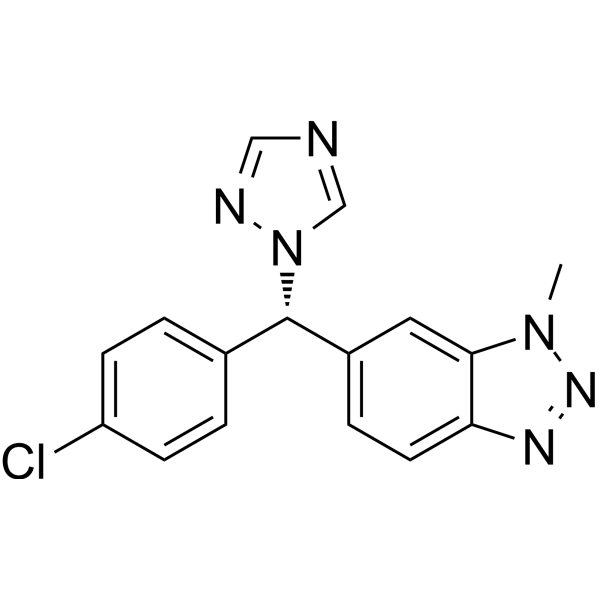
  • HY-14248
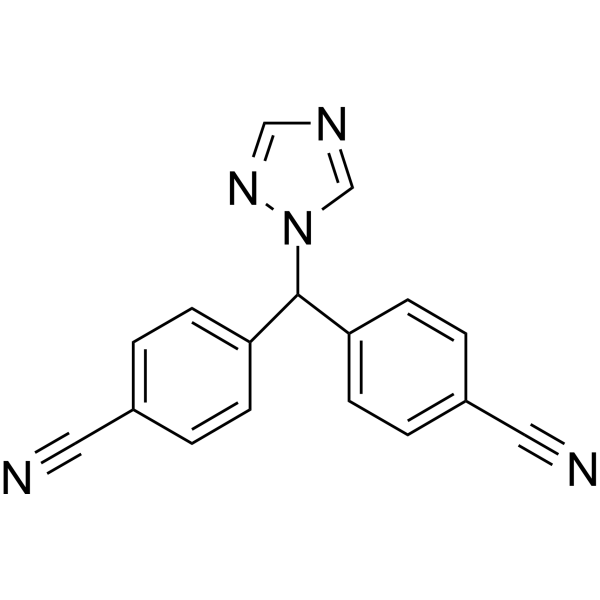
    Letrozole
    Maximum Cited Publications
    20 Publications Verification

    CGS 20267

    Cytochrome P450 Autophagy Cancer
    Letrozole (CGS 20267) is a potent, selective, reversible and orally active non-steroidal inhibitor of aromatase, with an IC50 of 11.5 nM. Letrozole selective inhibits estrogen biosynthesis, and can be used for the research of breast cancer .
    Letrozole
  • HY-N0292
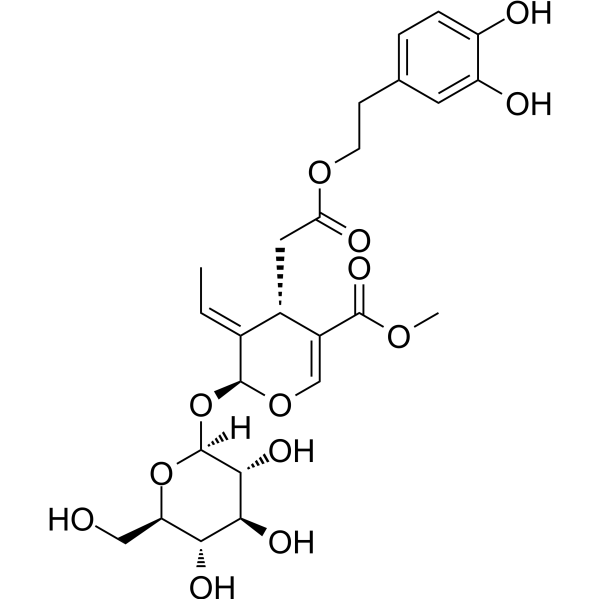
    Oleuropein
    5+ Cited Publications

    Cytochrome P450 PPAR Apoptosis Cardiovascular Disease Inflammation/Immunology Cancer
    Oleuropein, found in olive leaves and oil, exerts antioxidant, anti-inflammatory and anti-atherogenic effects through direct inhibition of PPARγ transcriptional activity . Oleuropein induces apoptosis in breast cancer cells via the p53-dependent pathway and through the regulation of Bax and Bcl2 genes. Oleuropein also inhibits aromatase .
    Oleuropein
  • HY-13632
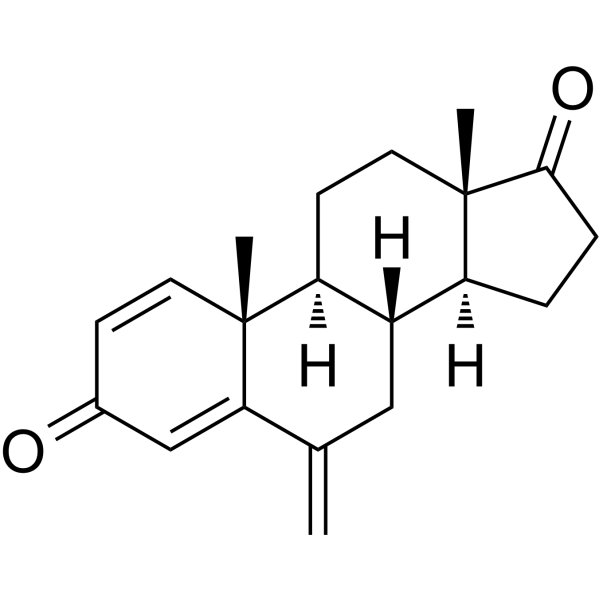
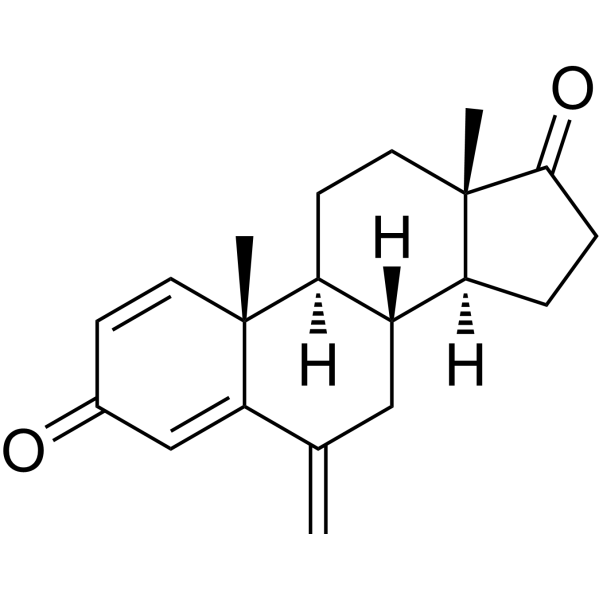
    Exemestane
    5+ Cited Publications

    FCE 24304; EXE

    Cytochrome P450 Endocrinology Cancer
    Exemestane (FCE 24304) is a selective, irreversible and orally active steroidal aromatase inhibitor with IC50s of 30 nM and 40 nM for human placental and rat ovarian aromatase, respectively. Exemestane can be used for hormone-dependent breast cancer research .
    Exemestane
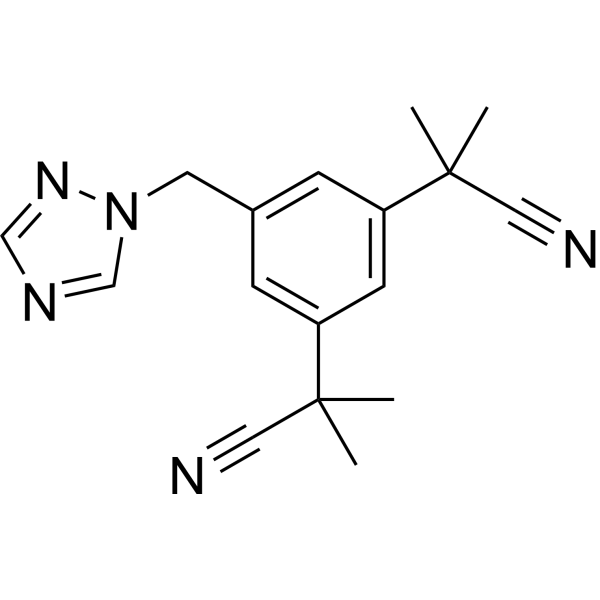
  • HY-14274
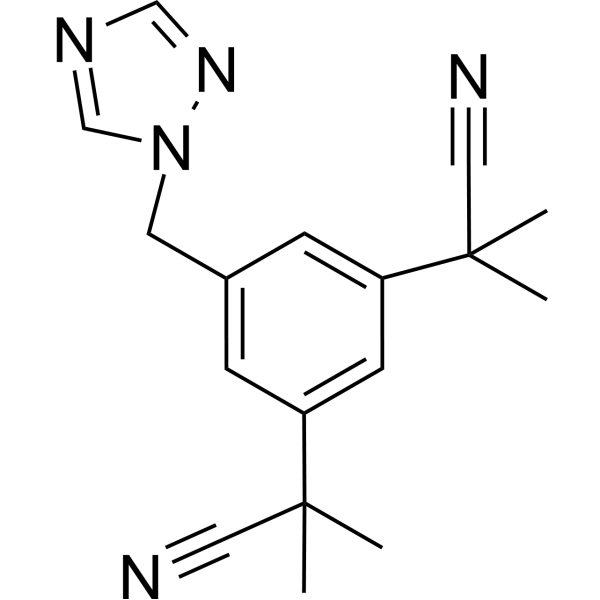
    Anastrozole
    4 Publications Verification

    ZD1033

    Cytochrome P450 Cancer
    Anastrozole is a potent, highly selective aromatase inhibitor, which inhibits human placental aromatase with an IC50 of 15 nM.
    Anastrozole
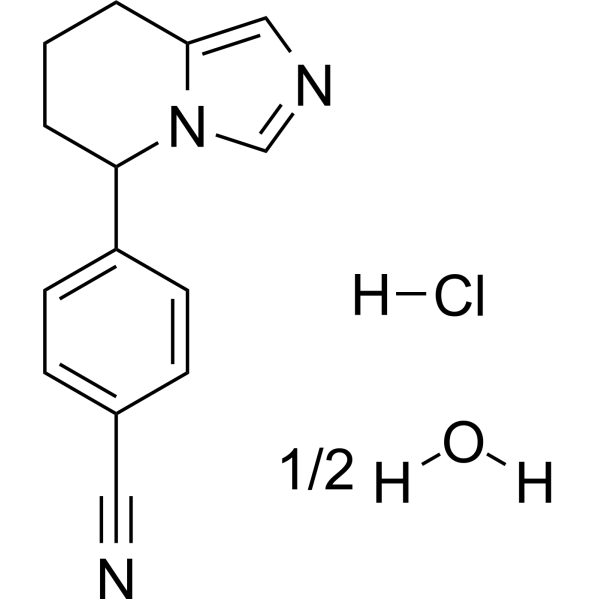
  • HY-14247
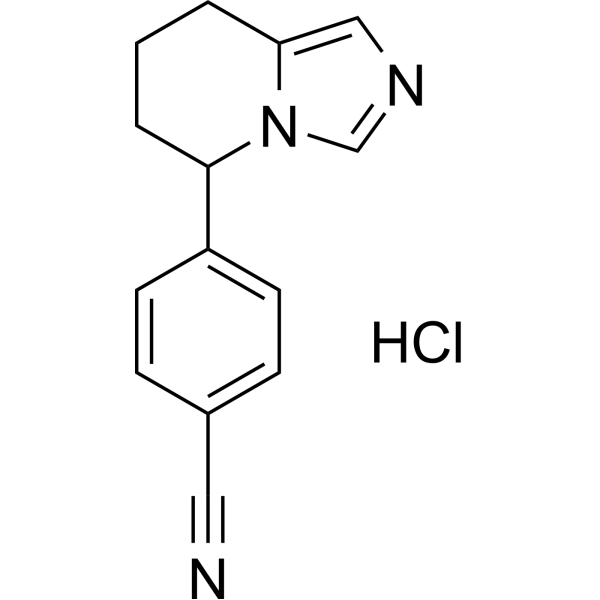
    Fadrozole hydrochloride
    2 Publications Verification

    CGS 16949A; (Rac)-FAD286 hydrochloride

    Cytochrome P450 Endocrinology Cancer
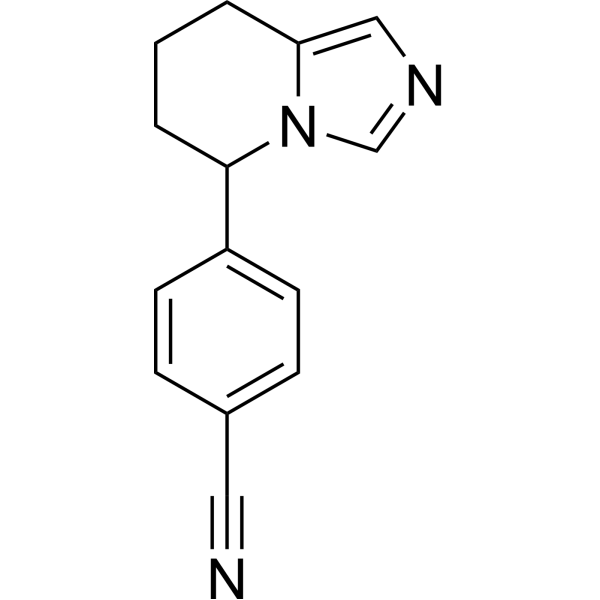
    Fadrozole hydrochloride (CGS 16949A) is a potent, selective and nonsteroidal inhibitor of aromatase with an IC50 of 6.4 nM.
    Fadrozole hydrochloride
  • HY-B0845
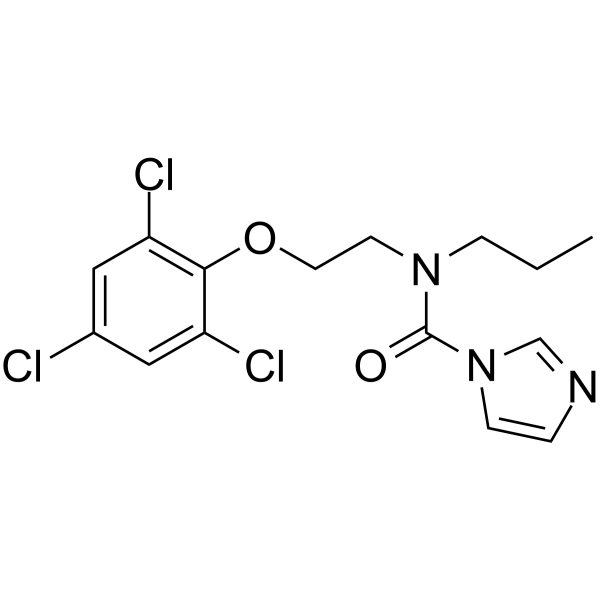
    Prochloraz
    1 Publications Verification

    BTS 40542

    Environmental Pollutants Estrogen Receptor/ERR Aryl Hydrocarbon Receptor Fungal Androgen Receptor Infection Endocrinology
    Prochloraz is an imidazole antifungal. Prochloraz is as an estrogen receptor (ER) and androgen receptor (AR) antagonist and an aromatase inhibitor with IC50 values of 25 μM, 4 μM and 0.3 μM, respectively. Prochloraz is able to activate the aryl hydrocarbon receptor (AhR) having an EC50 of 1 μM .
    Prochloraz
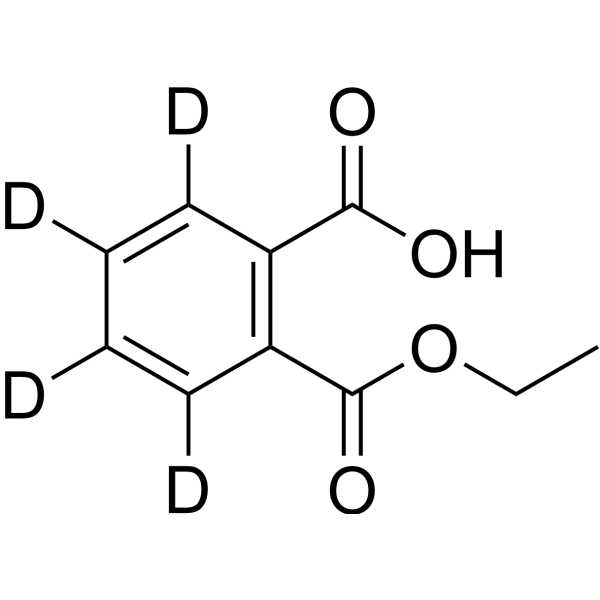
  • HY-133668

    Drug Metabolite Cytochrome P450 PPAR Endocrinology Cancer
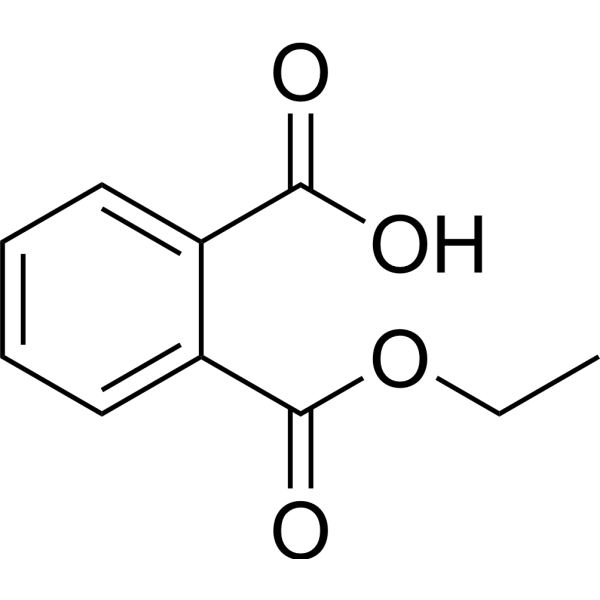
    Monoethyl phthalate is an orally active PDX-1 activator and the major hydrolytic metabolite of Diethyl phthalate (HY-Y0284) in vivo, with reproductive toxicity. Monoethyl phthalate targets aromatase (aromatase/CYP19A1) and PPAR to induce cell proliferation. The plasma protein binding rate of Monoethyl phthalate in rats and humans is lower than that of Diethyl phthalate. It exhibits significant enterohepatic circulation in rats and mainly accumulates in liver tissues. Monoethyl phthalate shows no estrogenic activity in estrogen-dependent human breast cancer cells. Monoethyl phthalate can be used in studies of reproductive toxicity and related environmental endocrine disruption mechanisms .
    Monoethyl phthalate
  • HY-113986

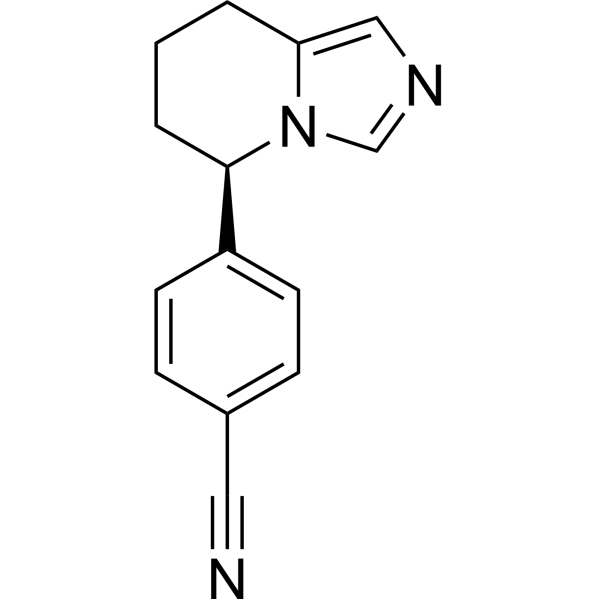
    (R)-Fadrozole; (R)-CGS 16949A free base; FAD286

    Cytochrome P450 Cardiovascular Disease
    Dexfadrostat ((R)-Fadrozole) is an orally active and selective aromatase inhibitor, with human aromatase IC50 values of 6.4 nM. Dexfadrostat suppresses estrogen synthesis, reduces circulating estradiol levels and suppresses aldosterone production. Dexfadrostat can be used for the research of breast cancer, primary aldosteronism, and hypertension .
    Dexfadrostat
  • HY-N4089

    Aldose Reductase Cytochrome P450 Metabolic Disease Cancer
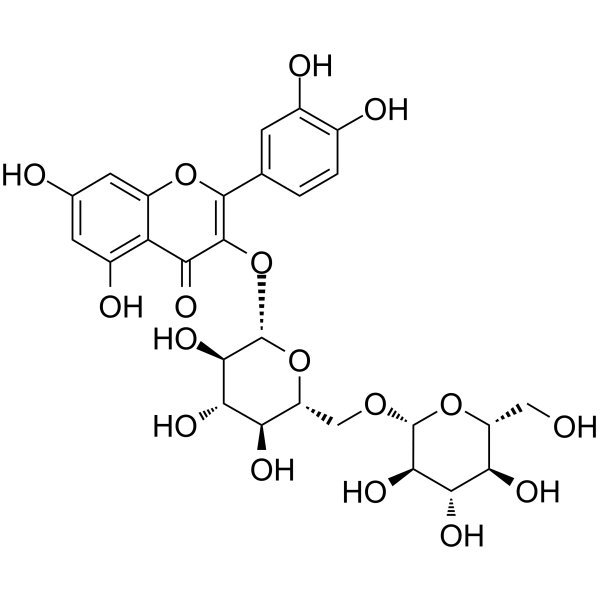
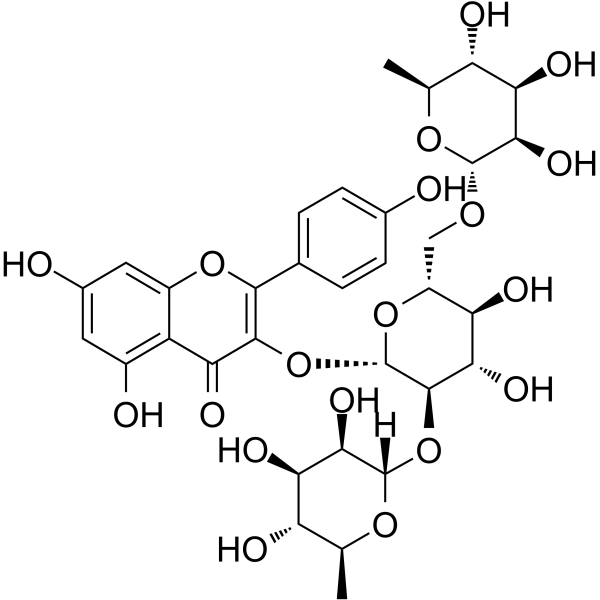
    Quercetin 3-gentiobioside is a flavonoid found in Artemisia iwayomogi. Quercetin 3-gentiobioside inhibits aromatase with an Ki of 46.77 nM. Quercetin 3-gentiobioside inhibits aldose reductase (AR) and the formation of advanced glycation end products (AGEs), with IC50 values of 10.60 μM and 109.46 μM, respectively. Quercetin 3-gentiobioside inhibits proliferation of cancer cells and fibroblast-like synoviocytes. Quercetin 3-gentiobioside can be used for the research of cancer, such as lung carcinoma .
    Quercetin 3-gentiobioside
  • HY-B0237

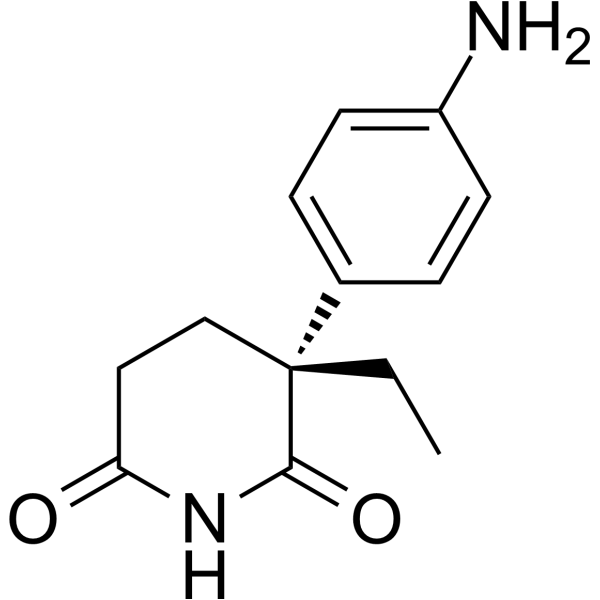
    DL-Aminoglutethimide

    Cytochrome P450 Neurological Disease Endocrinology Cancer
    Aminoglutethimide (DL-Aminoglutethimide) is an orally active anticonvulsant with various endocrine-related side effects. Aminoglutethimide blocks multiple steroid hormone synthesis pathways by inhibiting several cytochrome P-450-dependent hydroxylases, such as aromatase, cholesterol side-chain cleavage enzyme, 11-hydroxylase, and 18-hydroxylase, with IC50 values of 0.3, 3.5, 120, and 20 μM, respectively. Aminoglutethimide reduces cortisol levels. Aminoglutethimide can be used in research on Cushing's syndrome, breast cancer, and other conditions .
    Aminoglutethimide
  • HY-18336
    GlyH-101
    5 Publications Verification

    CFTR Cardiovascular Disease
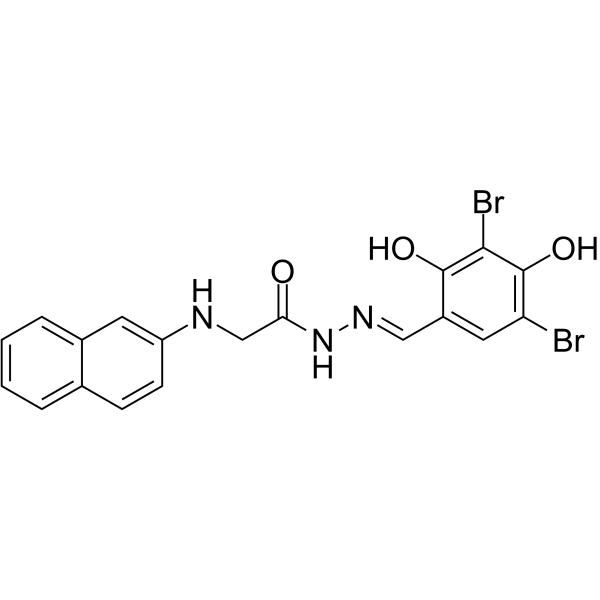
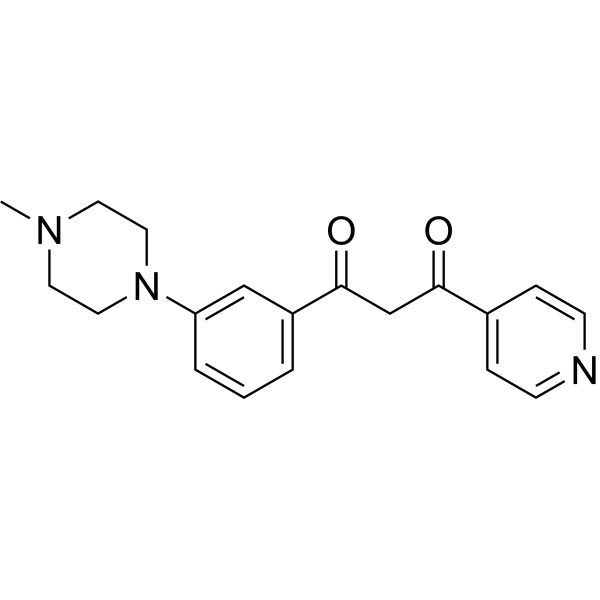
    GlyH-101 is a potent CFTR inhibitor. GlyH-101 also is a potent and reversible inhibitor of the VSORC conductance. GlyH-101 shows antiproliferative activity. GlyH-101 inhibits CFTR-like current and VSORC current .
    GlyH-101
  • HY-N5012

    Pasakbumin A

    Phosphodiesterase (PDE) Endocrinology
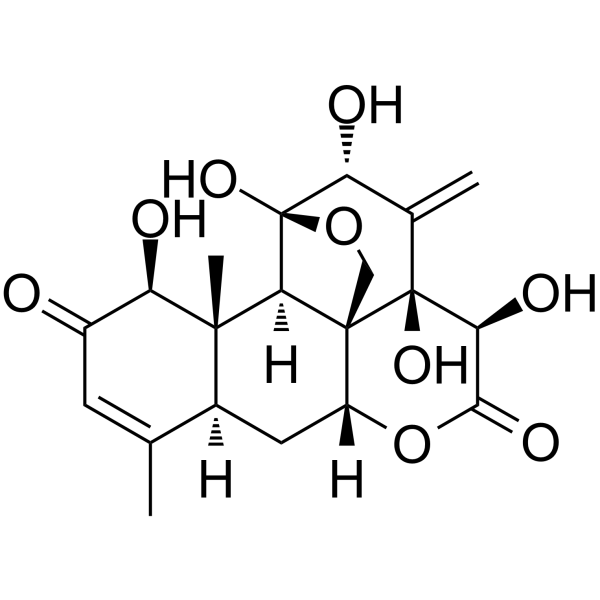
    Eurycomanone could increases spermatogenesis by inhibiting the activity of phosphodiesterase and aromatase in steroidogenesis.
    Eurycomanone
  • HY-14247A
    Fadrozole
    2 Publications Verification

    CGS 16949A free base; (Rac)-FAD286

    Cytochrome P450 Cancer
    Fadrozole (CGS 16949A free base) is a potent, selective and nonsteroidal inhibitor of aromatase with an IC50 of 6.4 nM.
    Fadrozole
  • HY-136063

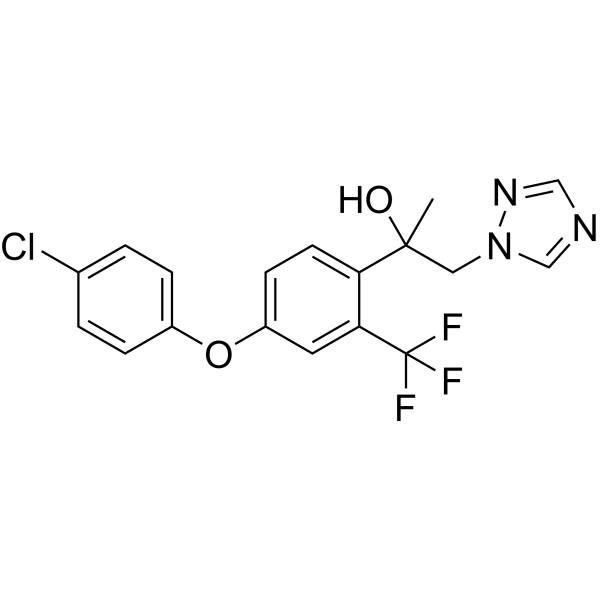
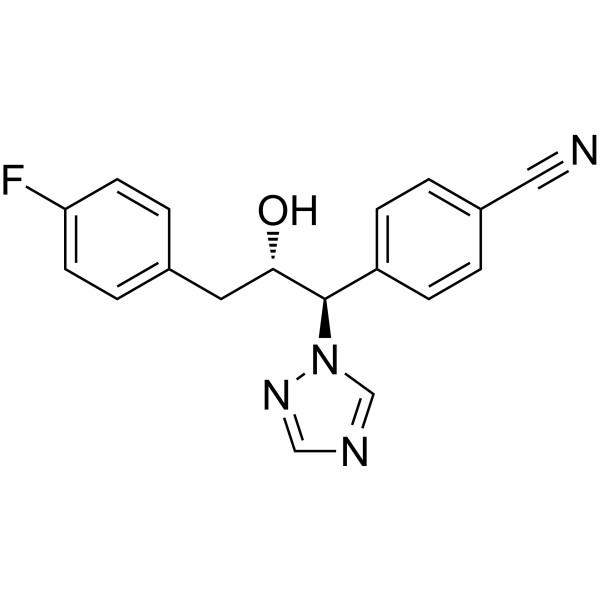
    Environmental Pollutants Fungal Cytochrome P450 Infection
    Mefentrifluconazole is a novel azole derivative and used as an agrochemical broad-spectrum antifungal agent. Mefentrifluconazole is a potent, selective and orally active fungal CYP51 (Kd= 0.5 nM) inhibitor, but shows less inhibitory activity on human aromatase (IC50=0.92 μM) .
    Mefentrifluconazole
  • HY-N7880

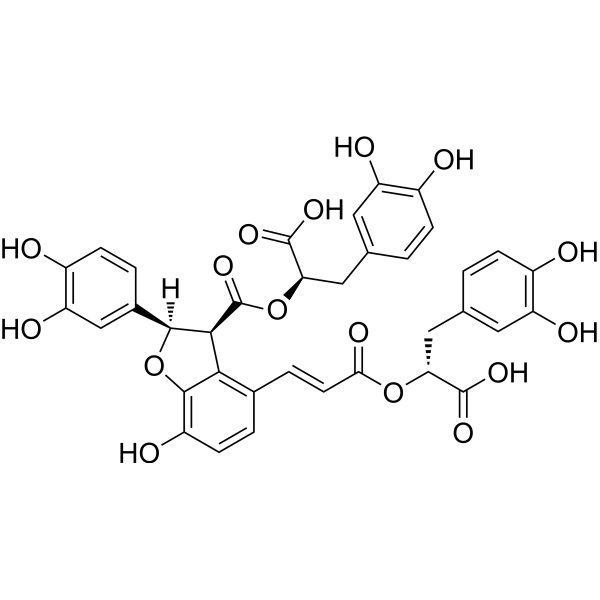
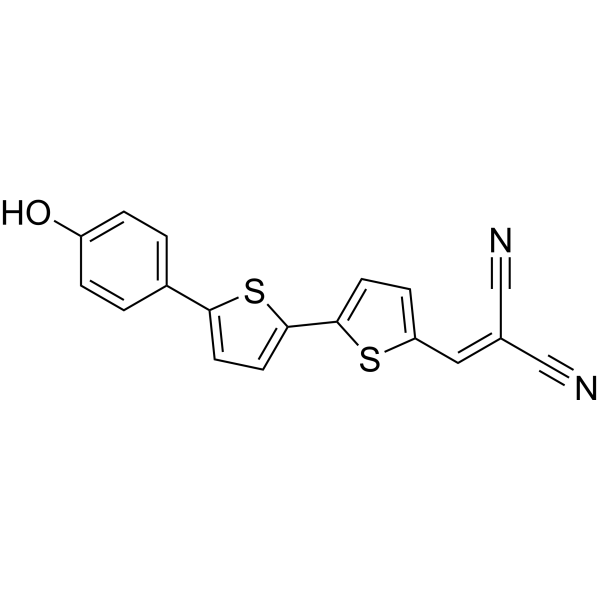
    Reactive Oxygen Species (ROS) Cancer
    Salvianolic acid Y is a phenolic acid with the same planar structure as Salvianolic acid B. Salvianolic acid Y rescues cell injury by H2O2 .
    Salvianolic acid Y
  • HY-W105505

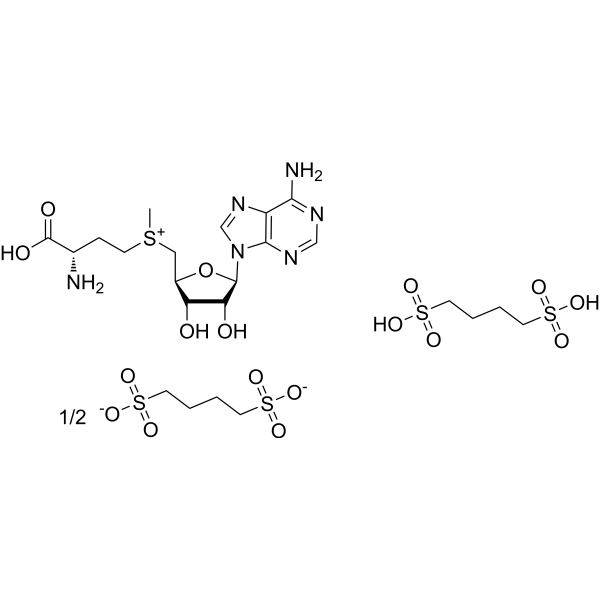
    Biochemical Assay Reagents Neurological Disease Inflammation/Immunology
    SAMe-1,4-Butanedisulfonate, a natural compound, is a methyl donor in the central nervous system. SAMe-1,4-Butanedisulfonate has antidepressant activity. SAMe-1,4-Butanedisulfonate can be used for research of CNS disorders .
    SAMe-1,4-Butanedisulfonate
  • HY-14248R

    CGS 20267 (Standard)

    Cytochrome P450 Reference Standards Autophagy Cancer
    Letrozole (Standard) is the analytical standard of Letrozole. This product is intended for research and analytical applications. Letrozole (CGS 20267) is a potent, selective, reversible and orally active non-steroidal inhibitor of aromatase, with an IC50 of 11.5 nM. Letrozole selective inhibits estrogen biosynthesis, and can be used for the research of breast cancer .
    Letrozole (Standard)
  • HY-148430

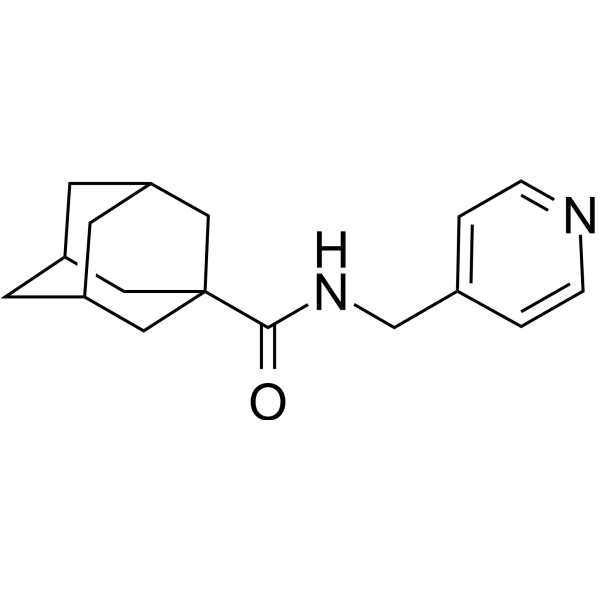
    Cytochrome P450 Cancer
    4-Pyridylmethyl adamantanecarboxamide (Compound 11) is an Aromatase inhibitor with an IC50 of 1.5 μM against hAromatase. 4-Pyridylmethyl adamantanecarboxamide inhibits the C17,20-lyase activity of testicular cytochrome P45017α with an IC50 of 1600 nM, and also inhibits the 17α-hydroxylase activity of this enzyme with an IC50 of 7700 nM. 4-Pyridylmethyl adamantanecarboxamide can be used in the research of prostate cancer .
    4-Pyridylmethyl adamantanecarboxamide
  • HY-14274R

    ZD1033 (Standard)

    Cytochrome P450 Reference Standards Cancer
    Anastrozole (Standard) is the analytical standard of Anastrozole. This product is intended for research and analytical applications. Anastrozole is a potent, highly selective aromatase inhibitor, which inhibits human placental aromatase with an IC50 of 15 nM.
    Anastrozole (Standard)
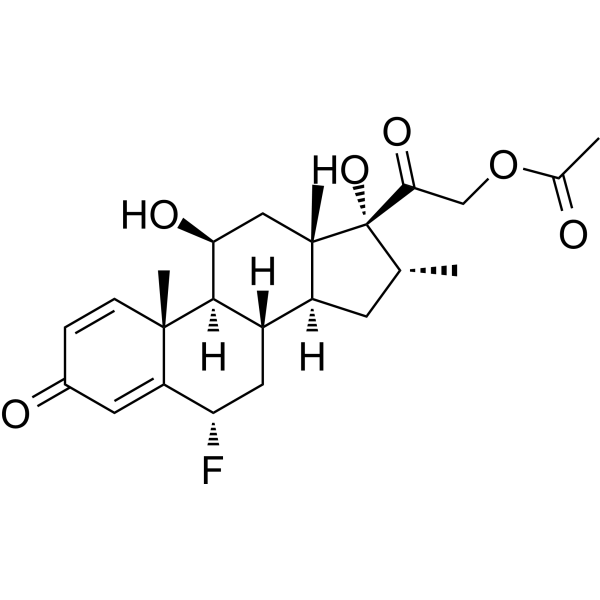
  • HY-107939

    Glucocorticoid Receptor Cytochrome P450 Neurological Disease Metabolic Disease Inflammation/Immunology
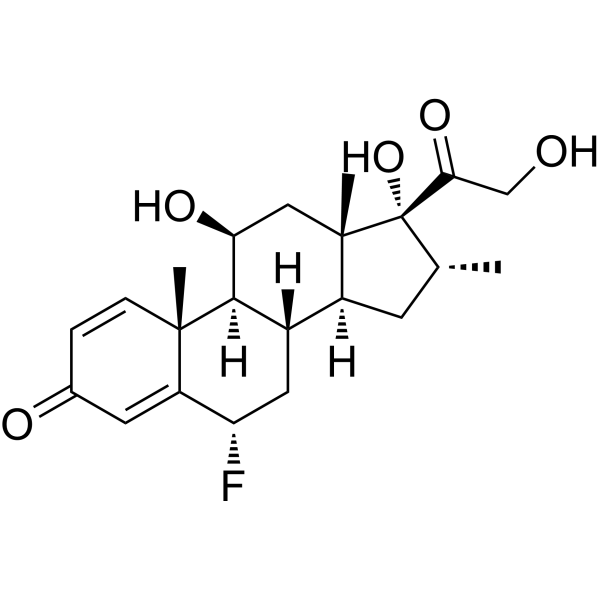
    Paramethasone Acetate is an orally active long-acting glucocorticoid. Paramethasone Acetate directly inhibits testicular aromatase, thereby reducing the synthesis of estradiol. Paramethasone Acetate suppresses the basal and midcycle luteinizing hormone surges in female animals and blocks estrogen synthesis. Paramethasone Acetate also decreases circulating levels of dihydrotestosterone, androstenedione and estradiol in male animals. Paramethasone Acetate inhibits cartilage degeneration and alleviates joint pathological damage in osteoarthritis models. Paramethasone Acetate can be used in research related to osteoarthritis and endocrinology .
    Paramethasone Acetate
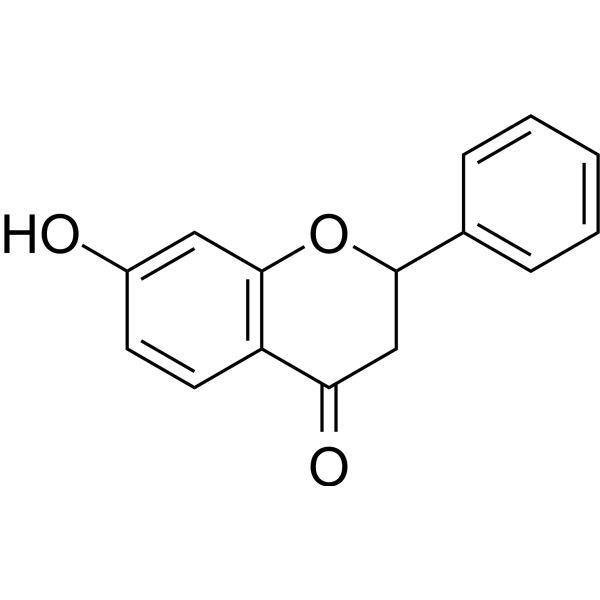
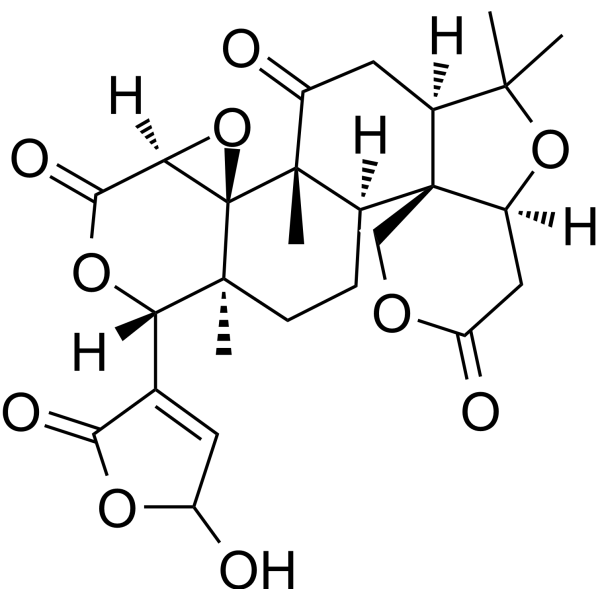
  • HY-W087008

    Cytochrome P450 Endocrinology Cancer
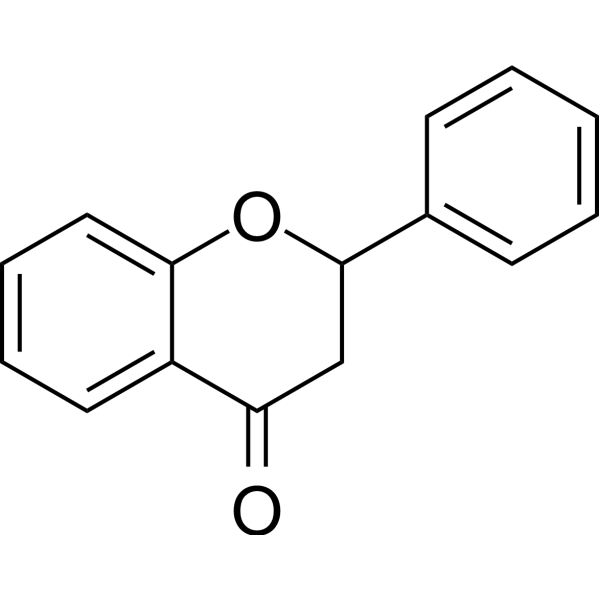
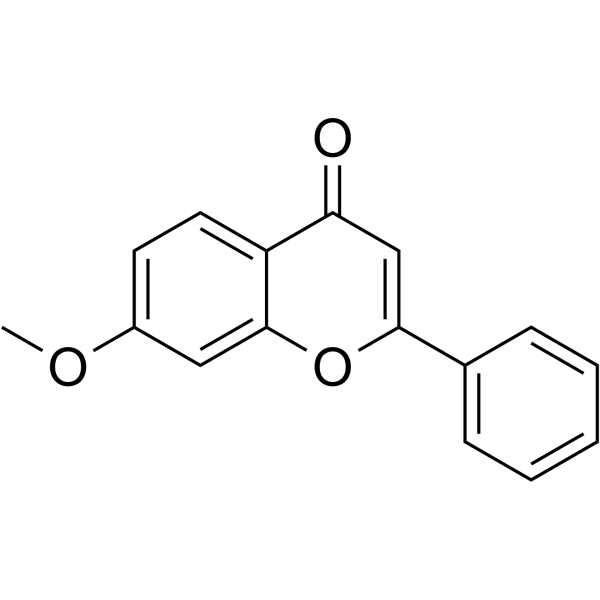
    7-Hydroxyflavanone is a potent inhibitor of aromatase (CYP19) activity with the IC50 of 65 μM. 7-Hydroxyflavanone exerts various biological effects, including anticarcinogenic, antioxidant and (anti-)estrogenic effects, and modula
    7-Hydroxyflavanone
  • HY-N0292R

    Cytochrome P450 Reference Standards PPAR Apoptosis Cardiovascular Disease Inflammation/Immunology Cancer
    Oleuropein (Standard) is the analytical standard of Oleuropein. This product is intended for research and analytical applications. Oleuropein, found in olive leaves and oil, exerts antioxidant, anti-inflammatory and anti-atherogenic effects through direct inhibition of PPARγ transcriptional activity . Oleuropein induces apoptosis in breast cancer cells via the p53-dependent pathway and through the regulation of Bax and Bcl2 genes. Oleuropein also inhibits aromatase .
    Oleuropein (Standard)
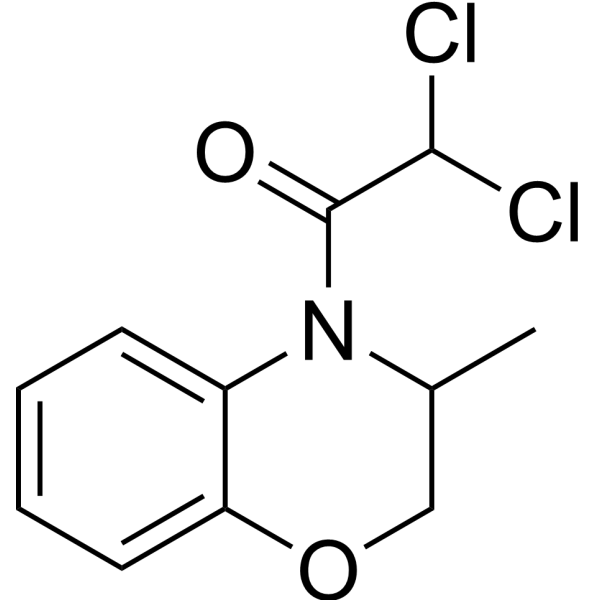
  • HY-W020788

    CGA 154281

    Environmental Pollutants Glutathione S-transferase Estrogen Receptor/ERR Pregnane X Receptor (PXR) FXR Metabolic Disease Cancer
    Benoxacor (CGA 154281) is a herbicide safener and xenobiotic metabolism regulator. Benoxacor protects maize from the toxicity of metolachlor mainly by inducing detoxifying enzymes such as Glutathione S-transferase. Benoxacor also activates FXR, PXR and ERRα, and inhibits aromatase (aromatase). However, Benoxacor exhibits potential subacute oral toxicity and a high risk of hepatotoxicity in animal models. Benoxacor induces reactive oxygen species accumulation, interferes with embryonic heart development, and causes increased liver and kidney weights as well as alterations in gut microbiota in mice. Benoxacor can be used in studies related to hepatic steatosis, infertility, breast cancer and developmental toxicity .
    Benoxacor
  • HY-B2035

    Herbicide Caspase Cytochrome P450 MDM-2/p53 Interleukin Related Reactive Oxygen Species (ROS) Apoptosis Others
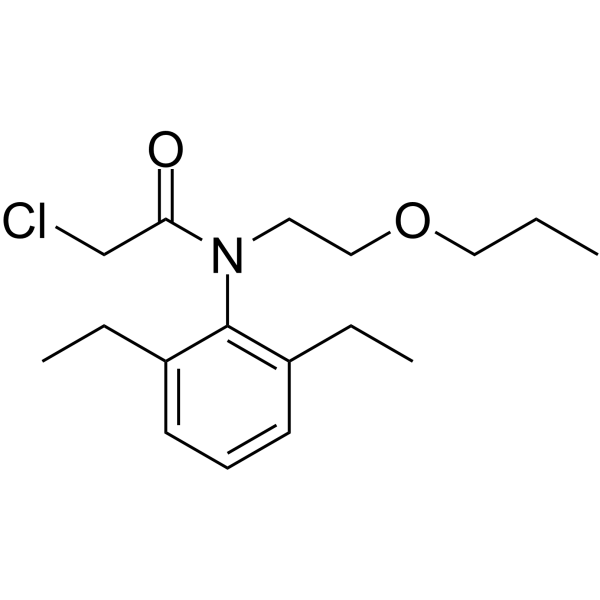
    Pretilachlor is a chloroacetamide herbicide with biological activities including endocrine disruption, oxidative stress induction, apoptosis induction, and immunotoxicity. Pretilachlor exerts its effects by interfering with hormone metabolism, inducing oxidative stress, activating apoptotic pathways, and inhibiting immune functions. Pretilachlor upregulates the transcription of P53, Mdm2, and Bbc3, and increases the activities of Caspase3 and Caspase9; it upregulates the transcription of genes in the HPG/HPT axis and the activity of aromatase; it induces oxidative stress, elevates ROS levels, and upregulates CAT, SOD, and GPX. Pretilachlor downregulates the transcription of CXCL-C1C, IL-1β, and IL-8. Pretilachlor disrupts the normal physiological processes and embryonic development of fish, exhibiting significant toxicity. Pretilachlor can be used in studies related to weeding, environmental pollution, and behavioral toxicity in fish .
    Pretilachlor
  • HY-105184

    Cytochrome P450 Endocrinology
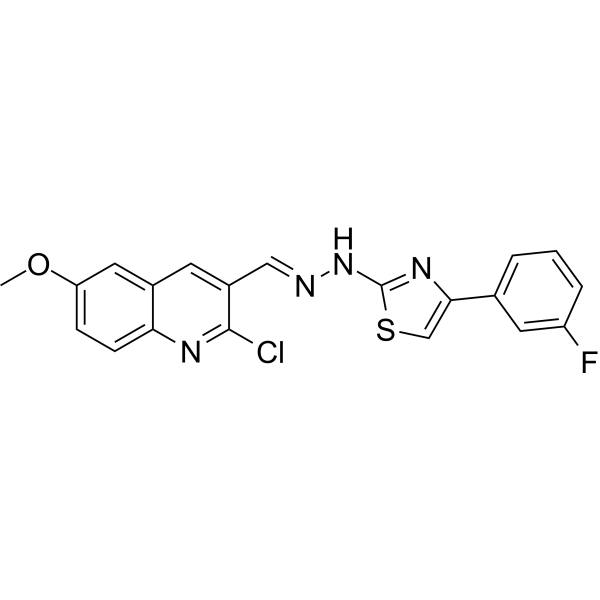
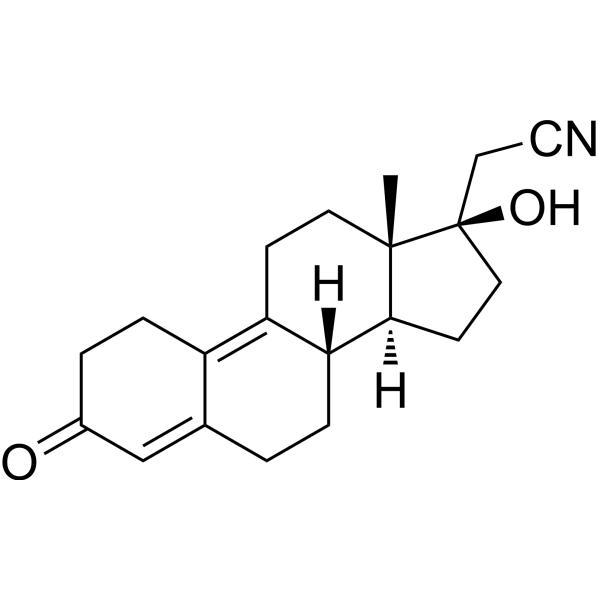
    YM511 is a highly specific non-steroidal aromatase inhibitor. YM511 inhibits aromatase activities in microsomes from rat ovary and human placenta competitively (IC50s of 0.4 and 0.12 nM, respectively). YM511 slightly inhibits production of other steroid hormones. YM511 has the potential for suppressing estrogen-dependent action research without affecting serum levels of other steroid hormones .
    YM511
  • HY-W007664

    Drug Intermediate Cytochrome P450 Cancer
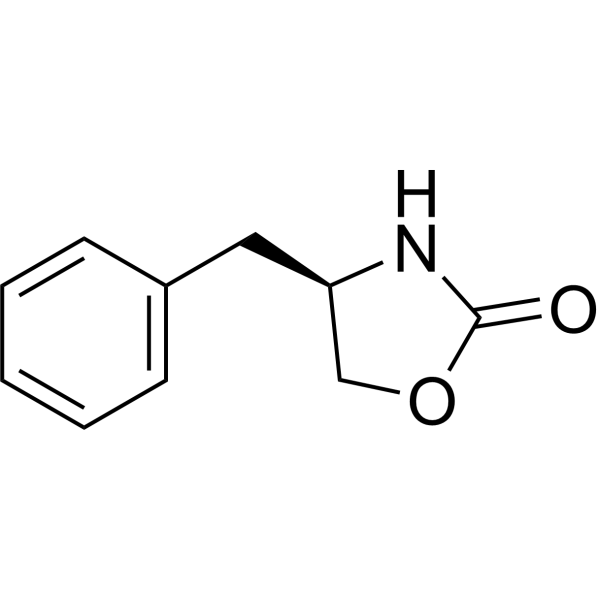
    (R)-4-Benzyl-2-oxazolidinone is an oxazolidinone-type auxiliary that enables highly stereoselective asymmetric alkylation reactions. (R)-4-Benzyl-2-oxazolidinone is applied in the total synthesis of natural products and pharmaceutical preparations. Especially in pharmaceutical research and development, (R)-4-Benzyl-2-oxazolidinone not only serves as a key precursor for the synthesis of aromatase inhibitors, but also can be used in studies related to estrogen-dependent breast cancer .
    (R)-4-Benzyl-2-oxazolidinone
  • HY-N9551

    Cytochrome P450 Parasite COX Lipoxygenase Infection Neurological Disease Cancer
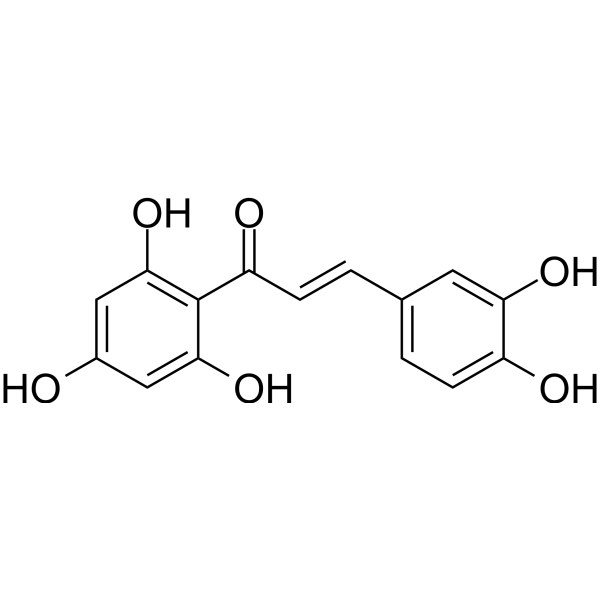
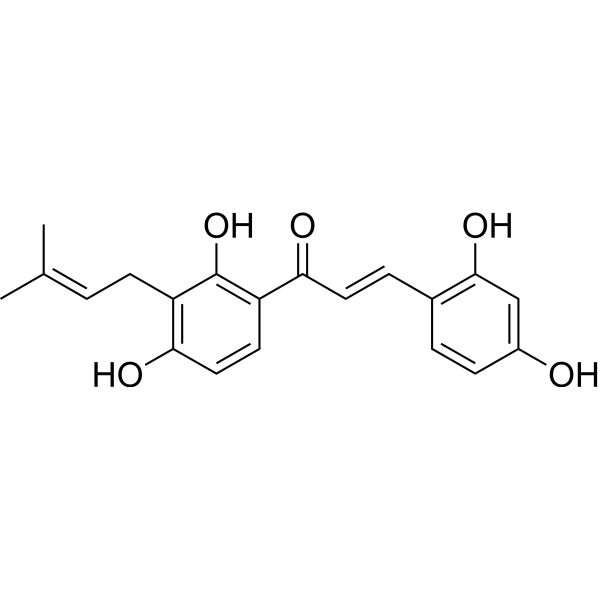
    Eriodictyol chalcone is an antioxidant that inhibits multiple key enzymes including 5-LOX (IC50=0.043 μM), aromatase/CYP19A1 (IC50=2.8 μM), PTPase 1B (IC50=1.26 μM), and COX (IC50=34 μM). Eriodictyol chalcone exhibits excellent free radical scavenging activity. Eriodictyol chalcone not only inhibits the growth of plasmodia and enhances the efficacy of Artemisinin (HY-B0094), but also reduces depression-like behaviors in animal models. Eriodictyol chalcone serves as a biosynthetic precursor for Aureusidin (HY-N9834). Eriodictyol chalcone is a potential dietary supplement and herbicide, and it can be applied to research on malaria, depression, breast cancer and other related diseases .
    Eriodictyol chalcone
  • HY-W739056

    Isotope-Labeled Compounds Biochemical Assay Reagents Neurological Disease
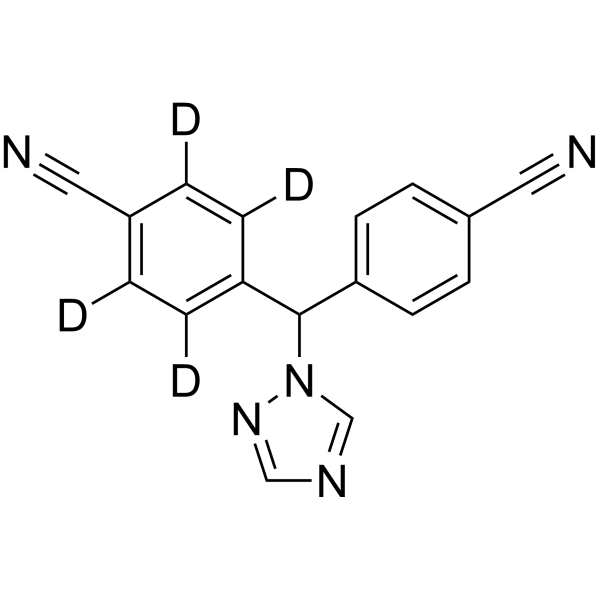
    SAMe-1,4-Butanedisulfonate-d3 is the deuterium labeled SAMe-1,4-Butanedisulfonate (HY-W105505). SAMe-1,4-Butanedisulfonate, a natural compound, is a methyl donor in the central nervous system. SAMe-1,4-Butanedisulfonate has antidepressant activity. SAMe-1,4-Butanedisulfonate can be used for research of CNS disorders
    SAMe-1,4-Butanedisulfonate-d3
  • HY-179450

    Cytochrome P450 Cancer
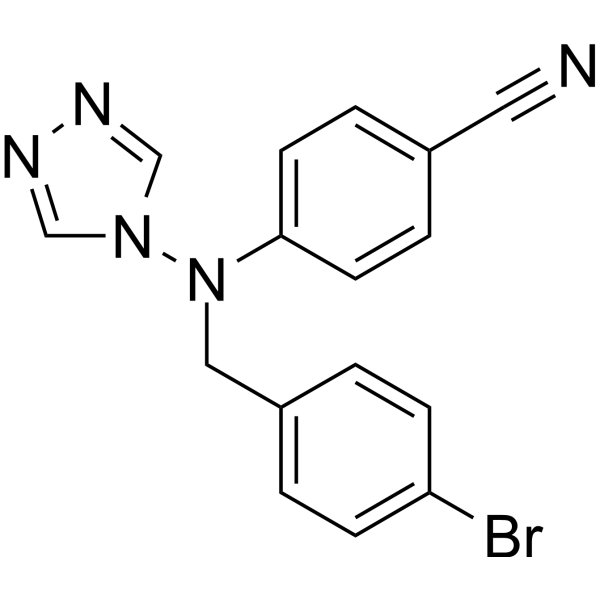
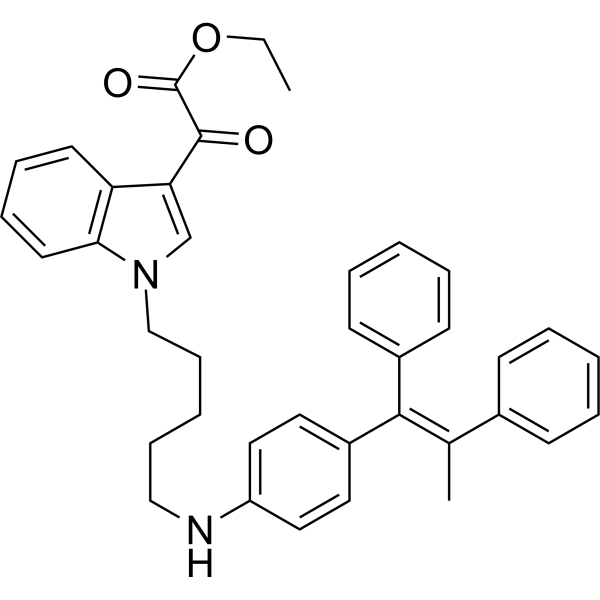
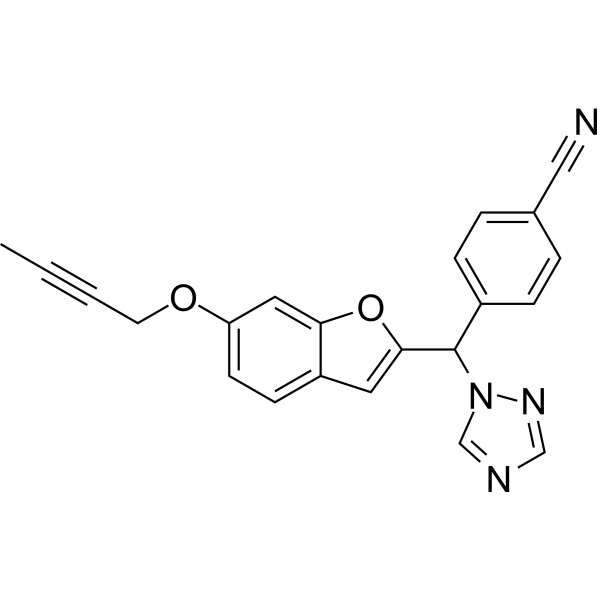
    Aromatase-IN-7 (compound 75) is a potent and selective aromatase inhibitor (IC50 = 5.78 nM), exhibiting potency comparable to Letrozole (HY-14248). Aromatase-IN-7 exhibits potent aromatase inhibition both in vitro and in vivo. Aromatase-IN-7 can be used for hormone-dependent breast cancer (HDBC) research .
    Aromatase-IN-7
  • HY-N16402

    Cytochrome P450 Endogenous Metabolite Cancer
    Aspergillusidone D (Compound 1), a brominated depsidone, is a Aromatase inhibitor with an IC50 of 0.8  μM. Aspergillusidone D can be isolated from fungus Aspergillus unguis cultured in KBr medium. Aspergillusidone D has potent cytotoxicity against cancers cells, such as MOLT-3 cells. Aspergillusidone D can be used for cancers like breast cancer research .
    Aspergillusidone D
  • HY-14274S

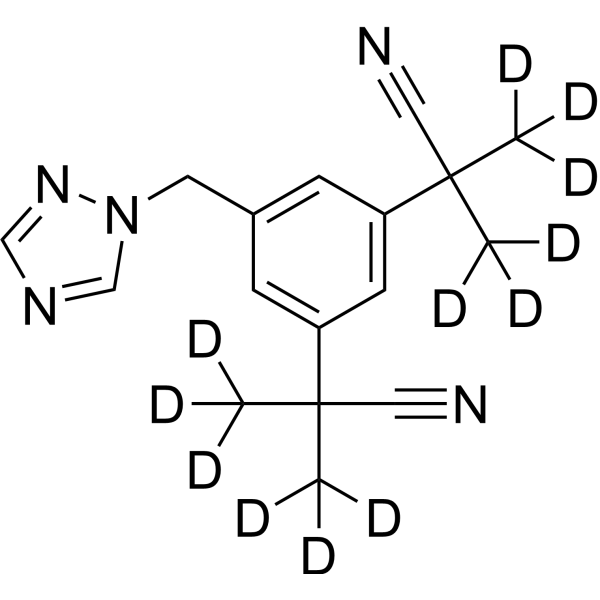
    ZD1033-d12

    Isotope-Labeled Compounds Cytochrome P450 Cancer
    Anastrozole-d12 is the deuterium labeled Anastrozole. Anastrozole is a potent, highly selective aromatase inhibitor, which inhibits human placental aromatase with an IC50 of 15 nM .
    Anastrozole-d12
  • HY-N16403

    Cytochrome P450 Endogenous Metabolite Bacterial Insecticide Fungal Infection Cancer
    Aspergillusidone F is a Depsidone and antibacterial agent. Aspergillusidone F can be isolated from a marine fungus Aspergillus unguis. Aspergillusidone F potently inhibits Aromatase with an IC50 of 0.5 μM. Aspergillusidone F exhibits antibacterial activity against Pseudomonas aeruginosa and Methicillin (HY-121544)-resistant Staphylococcus aureus. Aspergillusidone F exhibits potent larvicidal activity against Artemia salina larvae, with an LC50 value of 12.8 μM. Aspergillusidone F exhibits anticancer activity against intrahepatic cholangiocarcinoma, non-small cell lung cancer, and acute lymphoblastic leukemia .
    Aspergillusidone F
  • HY-13632R
    Exemestane (Standard)
    5+ Cited Publications

    FCE 24304(Standard); EXE (Standard)

    Cytochrome P450 Reference Standards Endocrinology Cancer
    Exemestane (Standard) is the analytical standard of Exemestane. This product is intended for research and analytical applications. Exemestane (FCE 24304) is a selective, irreversible and orally active steroidal aromatase inhibitor with IC50s of 30 nM and 40 nM for human placental and rat ovarian aromatase, respectively. Exemestane can be used for hormone-dependent breast cancer research .
    Exemestane (Standard)
  • HY-W392925

    d-Aminoglutethimide

    Cytochrome P450 Cancer
    (R)-(+)-Aminoglutethimide is a potent and orally active aromatase inhibitor. (R)-(+)-Aminoglutethimide has the potential for the research of breast cancer .
    (R)-(+)-Aminoglutethimide
  • HY-137931

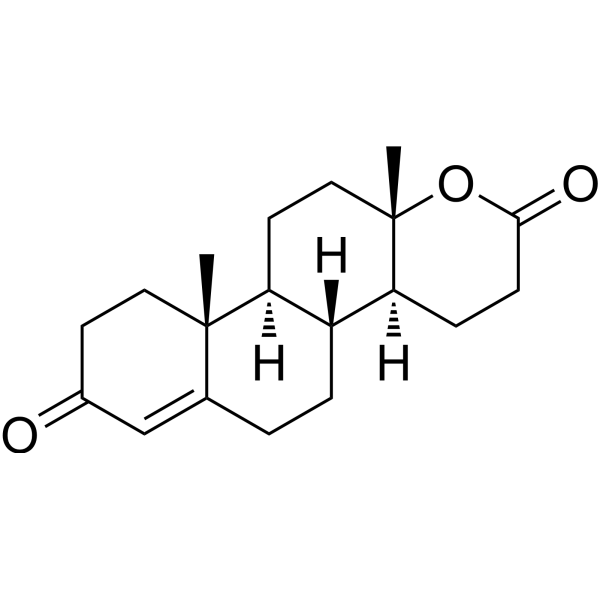
    Cytochrome P450 Cancer
    Testololactone is an aromatase inhibitor. Testololactone can be used for research of breast carcinoma .
    Testololactone
  • HY-172783

    Cytochrome P450 Apoptosis Cancer
    Aromatase-IN-5 (Compound 10) is a potent inhibitor of aromatase with an IC50 value of 0.06 μM. Aromatase-IN-5 effectively blocks estrogen production. Aromatase-IN-5 inhibits the proliferation of breast cancer cell lines like MCF-7, arrests the cell cycle at the G1 phase, and induces apoptosis. Aromatase-IN-5 is promising for research of breast cancer .
    Aromatase-IN-5
  • HY-162105

    Cytochrome P450 Endocrinology Cancer
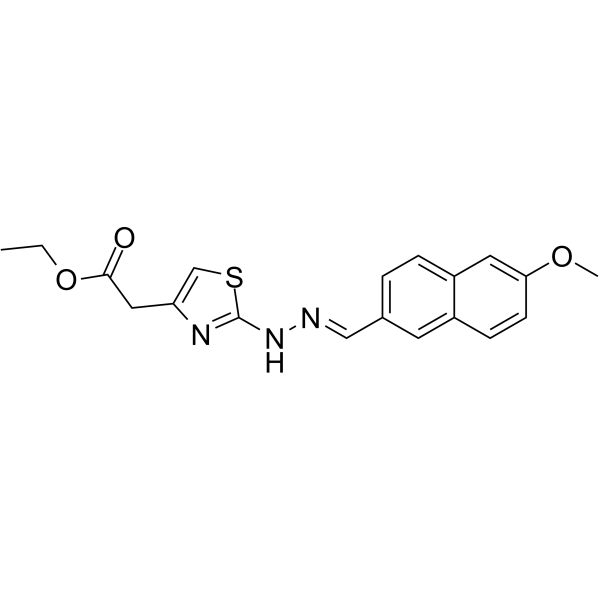
    Aromatase-IN-3 (compound 7d) is an aromatase inhibitor with an IC50 of 54 nM. Through suppressing the conversion of androstenedione to oestrogen caused by aromatase, Aromatase-IN-3 exerts an appreciable tumor growth inhibitory activities against breast cancer cell lines, suggesting its usage for ER+ cancer research .
    Aromatase-IN-3
  • HY-P1800

    Cholecystokinin Receptor Metabolic Disease
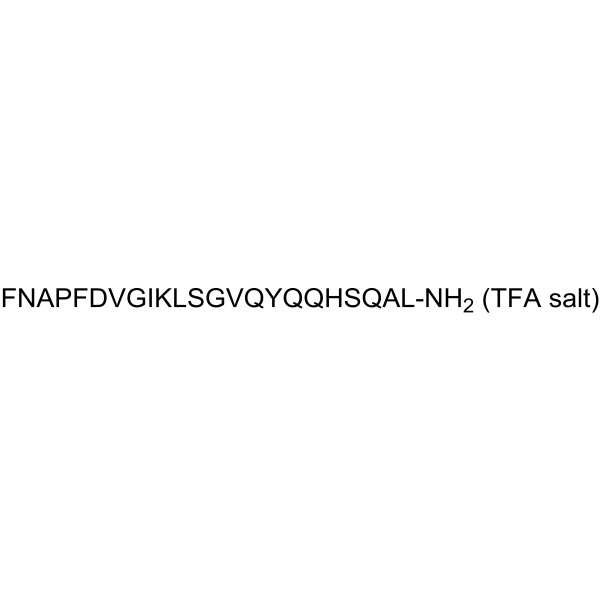
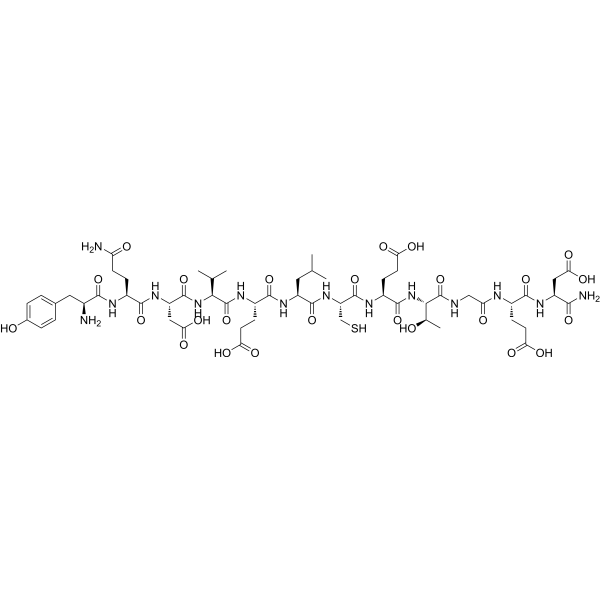
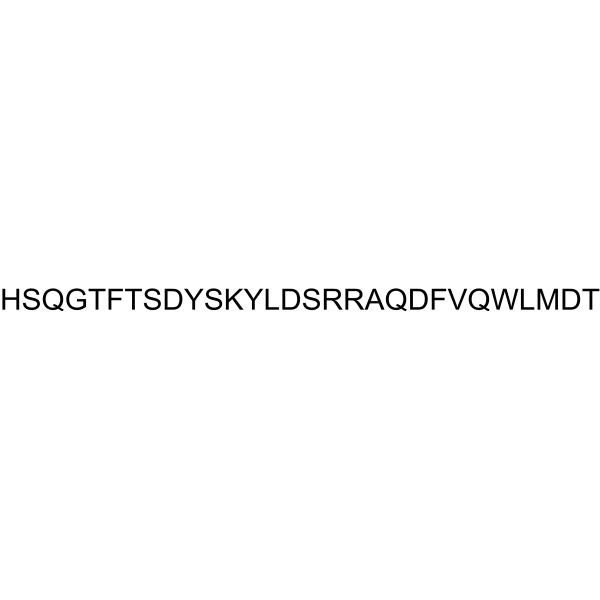
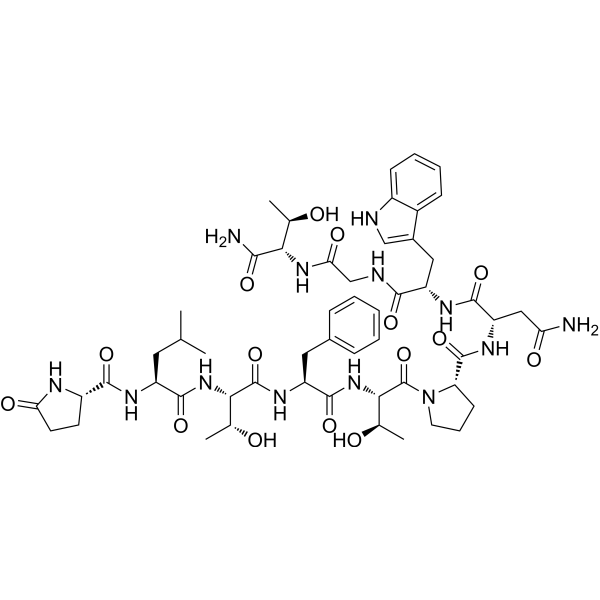
    Caerulein, desulfated is the desulfurated form of Caerulein. Caerulein is a decapeptide having the same five carboxyl-terminal amino acids as gastrin and cholecystokinin (CCK) .
    Caerulein, desulfated
  • HY-144824

    Cytochrome P450 Monoamine Oxidase Neurological Disease Cancer
    Monoamine oxidase/Aromatase-IN-1 (compound 2q) is a highly potent monoamine oxidase (MAO) and aromatase dual inhibitor with IC50s of 39 nM and 31 nM for MAO-B and aromatase, respectively. Monoamine oxidase/Aromatase-IN-1 can be used for researching neurological disorder and breast cancer .
    Monoamine oxidase/Aromatase-IN-1
  • HY-W739700

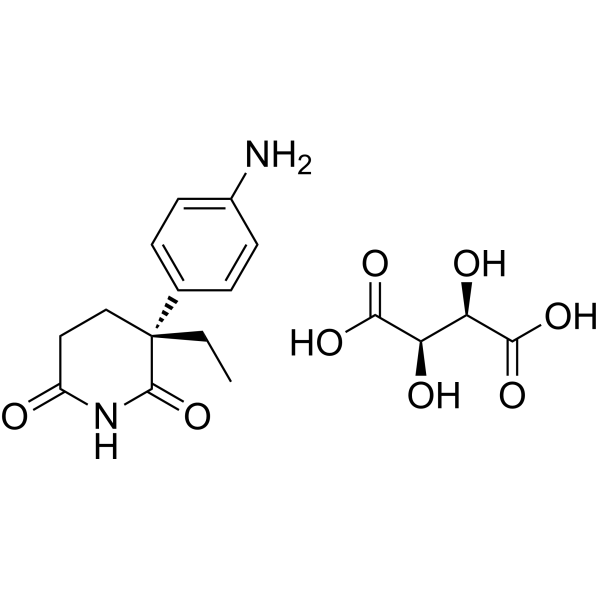
    d-Aminoglutethimide L-Tartrate

    Cytochrome P450 Inflammation/Immunology
    (R)-(+)-Aminoglutethimide (L-Tartrate) is an inhibitor of aromatase. (R)-(+)-Aminoglutethimide inhibits androstenedione with a Ki value of 0.3 μM .
    (R)-(+)-Aminoglutethimide L-Tartrate
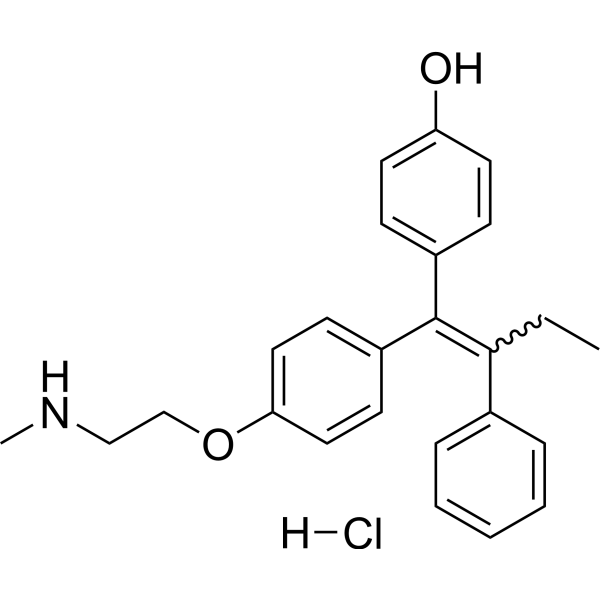
  • HY-19599A

    (Rac)-R83842

    Cytochrome P450 Drug Isomer Others
    (Rac)-Vorozole ((Rac)-R83842) is a racemate of Vorozole. Vorozole (HY-19599) is a potent and selective, orally active non-steroidal aromatase inhibitor .
    (Rac)-Vorozole
  • HY-159741

    FCE 24928

    Cytochrome P450 Cancer
    Minamestane (FCE 24928) is a selective and competitive aromatase inhibitor with an IC50 value of 45.7 nM. Minamestane is promising for research of postmenopausal breast cancer .
    Minamestane
  • HY-118407

    Cytochrome P450 Monoamine Oxidase Neurological Disease
    LY56110 is an orally active aromatase inhibitor. LY56110 inhibits P-450-dependent p-nitroanisole O-demethylation and ethylmorphine N-demethylation in hepatic microsomes isolated from rat, with the IC50 of 2.5 and 11 μΜ, respectively. LY56110 can be used for neurological disorder study .
    LY56110
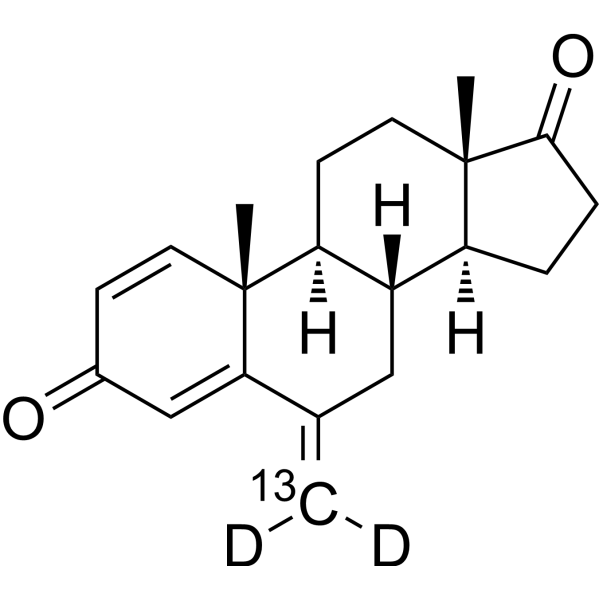
  • HY-13632S5

    FCE 24304-13C,d2; EXE-13C,d2

    Cytochrome P450 Isotope-Labeled Compounds Endocrinology Cancer
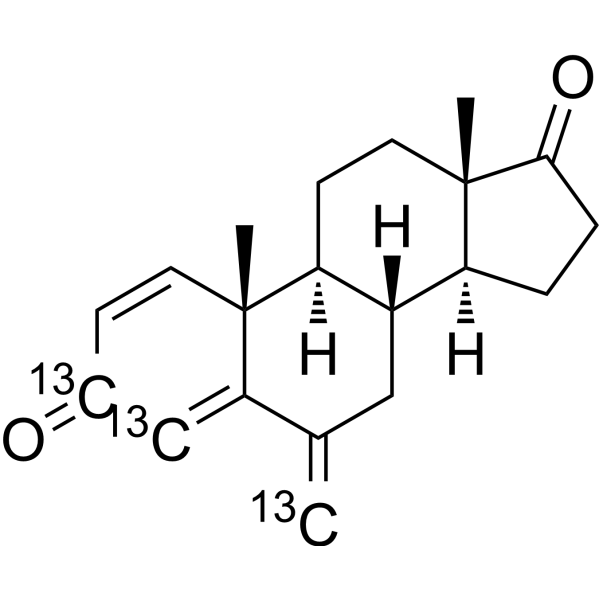
    Exemestane- 13C,d2 is 13C and deuterated labeled Exemestane (HY-13632). Exemestane (FCE 24304) is a selective, irreversible and orally active steroidal aromatase inhibitor with IC50s of 30 nM and 40 nM for human placental and rat ovarian aromatase, respectively. Exemestane can be used for hormone-dependent breast cancer research .
    Exemestane-13C,d2
  • HY-113986B

    (S)-Fadrozole; (S)-CGS 16949A free base; (S)-FAD286

    Cytochrome P450 Inflammation/Immunology Endocrinology Cancer
    (S)-Dexfadrostat ((S)-Fadrozole) is an aromatase inhibitor with an IC50 of 4.6 nM in human placental microsomes in vitro. (S)-Dexfadrostat can be used in the study of estrogen-dependent breast cancer, gynecomastia, and systemic lupus erythematosus .
    (S)-Dexfadrostat
  • HY-152250

    Cytochrome P450 Bacterial Infection
    Antibacterial agent 132 has anticandidal effects against C. parapsilosis (ATCC 22019) and C. krusei (ATCC 6258) with MIC90 values of <0.06 μg/mL and 62.50 μg/mL, respectively. Antibacterial agent 132 inhibits aromatase enzyme with an IC50 of 0.047μM .
    Antibacterial agent 132
  • HY-118178

    Cytochrome P450 Monoamine Oxidase Cardiovascular Disease
    LY43578 is an orally active aromatase inhibitor. LY43578 inhibits P-450-dependent p-nitroanisole O-demethylation and ethylmorphine N-demethylation in hepatic microsomes isolated from rat, with the IC50 of 0.3 and 5 μΜ, respectively. LY43578 can be used for neurological disorder study .
    LY43578
  • HY-155493

    Cytochrome P450 Cancer
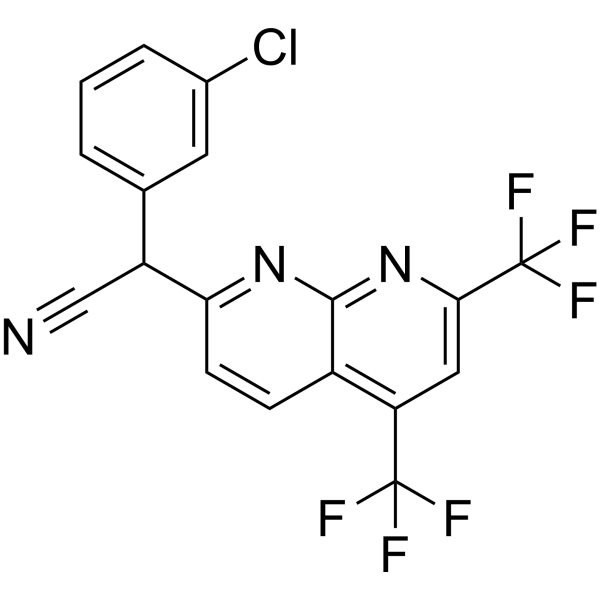
    CYP19A1/CYP11B2-IN-1 (Compound X21) is a potent and selective aromatase and aldosterone synthase dual inhibitor with IC50s of 2.3 nM and 29 nM for aromatase (CYP19A1) and aldosterone synthase (CYP11B2), respectively. CYP19A1/CYP11B2-IN-1 has excellent antiproliferative and pro-apoptotic activity against the cancer cell. CYP19A1/CYP11B2-IN-1 can be used for research of breast cancer .
    CYP19A1/CYP11B2-IN-1
  • HY-136063R

    Reference Standards Fungal Cytochrome P450 Infection
    Mefentrifluconazole (Standard) is the analytical standard of Mefentrifluconazole. This product is intended for research and analytical applications. Mefentrifluconazole is a novel azole derivative and used as an agrochemical broad-spectrum antifungal agent. Mefentrifluconazole is a potent, selective and orally active fungal CYP51 (Kd= 0.5 nM) inhibitor, but shows less inhibitory activity on human aromatase (IC50=0.92 μM)[1].
    Mefentrifluconazole (Standard)
  • HY-138089

    Androgen Receptor Estrogen Receptor/ERR LDLR Metabolic Disease Cancer
    17β-Hydroxy exemestane (17-H-EXE) is the primary active metabolite of Exemestane (HY-13632). 17β-Hydroxy exemestane is an aromatase inhibitor (IC50 = 69 nM) and an androgen receptor (AR) agonist (IC50 = 39.6 nM) that is selective for AR over estrogen receptor α (ERα; IC50 = 21.2 μM). 17β-Hydroxy exemestane stimulates growth of AR- and ERα-positive MCF-7 (EC50= 2.7 μM) and T47D breast cancer cells (EC50s = 0.43 and 1500 nM for AR- and ER-mediated growth, respectively) and inhibits proliferation of testosterone-treated aromatase-overexpressing MCF-7 cells. 17β-Hydroxy exemestane inhibits increases in serum cholesterol and LDL levels and prevents decreases in bone mineral density in the lumbar vertebrae and femur, as well as femoral bending strength and compressive strength of the fifth lumbar vertebrae in ovariectomized rats .
    17β-Hydroxy exemestane

オンラインお問い合わせ

入力情報は安全に管理されます. 必須入力項目.

タイトル


国或いは地域 *

お名前 *


組纖名 *

デパートメント *


メールアドレス *


製品名 *

製品番号


カスタマ需要量 *

電話番号 *


必ず会社名を記載ください。個人への返信は行いません。

備考

バルクお問い合わせ

Inquiry Information

製品名:
製品番号:
数量:
MCE 日本正規代理店: