From 11:00 pm to 12:00 pm EST ( 8:00 pm to 9:00 pm PST ) on January 6th, the website will be under maintenance. We are sorry for the inconvenience. Please arrange your schedule properly.
Bexarotene (LGD1069) is a high-affinity and selective retinoid X receptors (RXR) agonist with EC50s of 33, 24, 25 nM for RXRα, RXRβ, and RXRγ, respectively. Bexarotene shows limited affinity for RAR receptors (EC50 >10000 nM) . Bexarotene can be used for the research of cutaneous T-cell lymphoma.
Ipilimumab is a fully human monoclonal antibody IgG1κ that blocks the inhibitory receptor cytotoxic T lymphocyte antigen 4 (CTLA-4) on T cells. Ipilimumab can be used in unresectable or metastatic melanoma (MM) studies .
Icilin (AG-3-5) is a super-agonist of the transient receptor potential M8 (TRPM8) ion channel. Icilin activates TRPM8 in EGTA in a dose-dependent manner (EC50=1.4 μM). Icilin is a "super-cooling agent" . Icilin attenuates autoimmune neuroinflammation through modulation of the T-cell response .
Pasritamig (JNJ-78278343; KLCB-245) is a bispecific T-cell engager (BiTE) that targets the complex of human kallikrein KLK2 and CD3receptor. Pasritamig redirects the cytotoxicity of T cells to KLK2-expressing tumor cells and induces T cell-mediated lysis of KLK2-expressing prostate cancer cells. Administered via subcutaneous injection, subcutaneous infusion or intravenous infusion, Pasritamig exhibits antitumor activity against metastatic castration-resistant prostate cancer. Pasritamig has a safety profile with an extremely low incidence of cytokine release syndrome and can be safely administered in an outpatient setting. Pasritamig is applicable to the research of metastatic castration-resistant prostate cancer .
Talquetamab (JNJ-64407564) is a humanized bispecific antibody that binds to GPRC5D (member of G protein-coupled receptor family C5 group D) and CD3 to induce T cell-mediated killing of GPRC5D-expressing MM cells through T cell recruitment and activation. Talquetamab (JNJ-64407564) has antitumor activity .
Tebentafusp (IMCgp100) is a bispecific fusion protein to target gp100 peptide-HLA-A*02:01 (a melanoma-associated antigen). Tebentafusp guides T cells to kill gp100-expressing tumor cells via a high affinity T-cellreceptor (TCR) binding domain and an anti-CD3 T-cell engaging domain. Tebentafusp leads to inflammatory cytokines and cytolytic proteins production, resulting in the direct lysis of tumour cells .
Ramantamig (JNJ-79635322) is a humanized monoclonal antibody targeting human CD3ε, GPRC5D, and TNFRSF17 (BCMA). Ramantamig binds to BCMA and GPRC5D on multiple myeloma cells, binds to CD3ε on T cells, forms immunological synapses, and enables T-cell-mediated cytotoxicity. Ramantamig activates T cells concomitantly with inducing myeloma cell cytotoxicity, with no nonspecific T-cell activation in the absence of target myeloma cells. Ramantamig carries mutations to reduce interaction with Fc receptors and disrupt protein A binding of monomeric and homodimerized chains. Ramantamig can be used for the research of multiple myeloma .
Vudalimab is a potent dual PD-1 and CTLA-4 inhibitor as a fully humanized bispecific monoclonal antibody. Vudalimab targets immune checkpoint receptors PD-1 and CTLA-4 and promotes tumor-selective T-cell activation .
Daclizumab (Ro 24-7375) is a humanized, monoclonal antibody that blocks CD25 (α-subunit of the high-affinity interleukin-2 receptor (IL-2R-HA)). Daclizumab inhibits effector T cell activation, regulatory T cell (Treg) expansion and survival, and activation-induced T-cellapoptosis. Daclizumab increases IL-2 bioavailability to bind to the intermediate-affinity IL-2R (IL-2R-IA), driving the expansion of anti-inflammatory CD56bright natural killer (NK) cells. Daclizumab can be used for multiple sclerosis and cancer research .
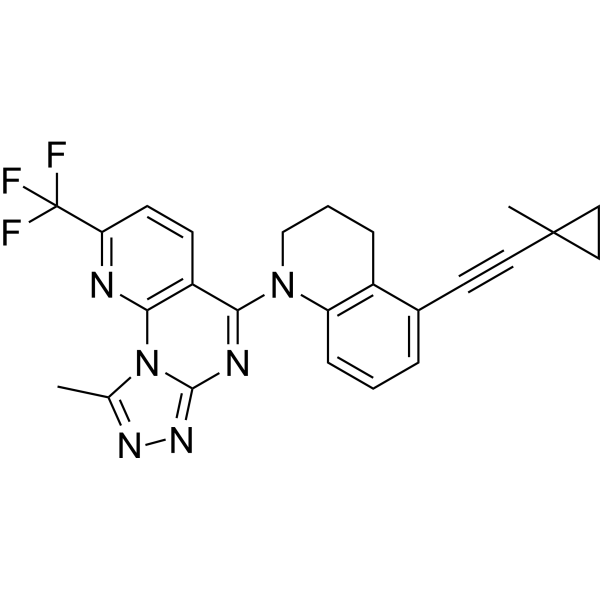
CSK-IN-1 (compound 13) is a potent, orally active c-terminal Src kinase (CSK) with IC50 values below 3 nM and 4 nM in CSK HTRF and Caliper assay, respectively. CSK-IN-1 shows the ability to increase T cell proliferation induced by T cellreceptor signaling .
Muromonab (Muromonab-CD3; OKT3) is a mouse monoclonal antibody targeting the CD3 antigen. Muromonab specifically binds to the CD3 antigen on the surface of human and higher primate T cells. Muromonab blocks the function of T cellreceptors to recognize foreign antigens and inhibits T cell-mediated immune responses, including cell-mediated lymphocyte lysis and T cell proliferation responses. Muromonab can be used to study acute kidney, liver, heart and combined kidney-pancreas transplant rejection, and can also be used to study graft-versus-host disease in bone marrow transplant patients .
Ulviprubart (ABC-008) is a monoclonal antibody targeting the KLRG1receptor that selectively depletes highly differentiated cytotoxic T cells. Ulviprubart can be used in the study of inclusion body myositis (IBM) .
NC1 is a selective non-competitive and allosteric lymphoid-specific tyrosine phosphatase (LYP) inhibitor, with a Ki value 4.3 μM. NC1 allosterically regulates LYP/PTPN22 activity by restricting WPD loop movement. NC1 inhibits LYP activity in lymphoid T cells and enhances T-cellreceptor signaling. NC1 can be used for the research of autoimmune diseases .
Cinrebafusp alfa (PRS 343) is a high affinity CD137/HER2 bispecfic anticalin-based drug. Cinrebafusp alfa binds to recombinant human HER2 (Kd=0.3 nM) and human monomeric CD137 (4-1BB; Kd=5 nM). Cinrebafusp alfa facilitates T-cell costimulation by tumor-localized, HER2-dependent 4-1BB clustering and activation, further enhancing T-cellreceptor-mediated activity and leading to tumor destruction. Cinrebafusp alfa has the potential for HER2+ solid tumors research .
Cemiplimab (Anti-Human PD-1) is a high-affinity programmed death receptor-1 (PD-1) monoclonal IgG4 antibody that blocks PD-1/PD-L1-mediated T-cell suppression. Cemiplimab is commonly used in squamous cell skin cancer research .
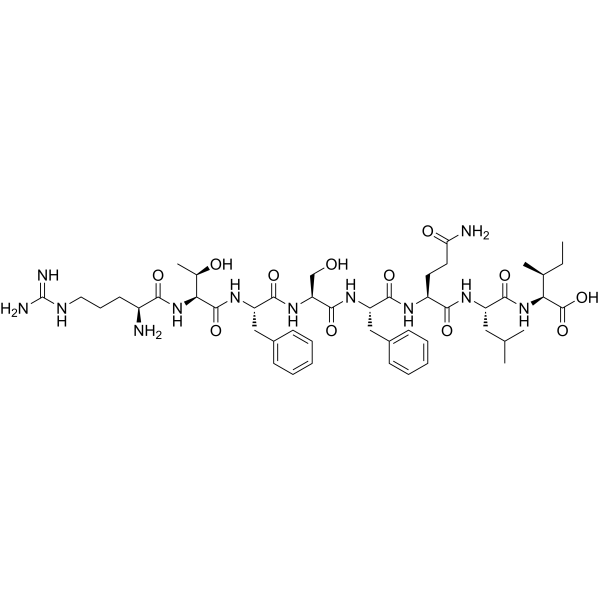
VIPhyb is a vasoactive intestinal polypeptide (VIP) receptor antagonist. VIPhyb can inhibit VIP signaling, increase T-cell immunity and downregulate PD1. VIPhyb can inhibit cancer cell proliferation. VIPhyb can reduce inflammatory cytokine expression. VIPhyb can enhance viral clearance. VIPhyb can be used for the researches of cancer, infection and inflammation and immunology, such as non-small cell lung cancer (NSCLC), cytomegalovirus infection and colitis .
Ivuxolimab is a fully human IgG2 agonist targeting OX40 (CD134), which selectively binds to the OX40 receptor on the surface of activated CD4 + and CD8 +T cells without inducing antibody-dependent cytotoxicity. Ivuxolimab can promote T cell proliferation, survival and cytokine (such as IFN-γ, IL-2) secretion, inhibit regulatory T cell function, and enhance anti-tumor immune response. Ivuxolimab can be used in the study of melanoma, hepatocellular carcinoma, head and neck squamous cell carcinoma, etc .
(±)-ML 209 (compound 4n), a diphenylpropanamide, is a retinoic acid-related orphan receptorRORγ antagonist with an IC50 of 1.1 μM. (±)-ML 209 inhibits RORγt transcriptional activity with an IC50 of 300 nM in HEK293t cells. (±)-ML 209 inhibits the transcriptional activity of RORγt, but not RORα in cells. (±)-ML 209 selectively inhibits murine Th17 cell differentiation without affecting the differentiation of naïve CD4 +T cells into other lineages, including Th1 and regulatory T cells .
KRM-III is a potent and orally active T-cell antigen receptor (TCR) inhibitor. KRM-III inhibits TCR- and phorbol myristate acetate/ionomycin-induced activation of nuclear factor of activated T cells (NFAT) and T-cell proliferation with an IC50 of ~5 μM. Anti-inflammatory activity .
Heraclenin, a natural furanocoumarin, significantly inhibits T cellreceptor-mediated proliferation in human primary T cells in a concentration-dependent manner by targeting nuclear factor of activated T-cells (NFAT) .
Zanolimumab (Anti-Human CD4 Recombinant Antibody) is a fully human monoclonal antibody targets CD4. Zanolimumab effectively inhibits T-cellreceptor (TCR) signal transduction. Zanolimumab can be used for the research of heumatoid arthritis, psoriasis, melanoma, cutaneous and peripheral T-cell lymphoma .
KY-1044 (Alomfilimab; SAR 445256) is a fully human IgG1 antibody targeting inducible costimulatory receptor (ICOS). KY-1044 depletes ICOS highcells via antibody-dependent cellular cytotoxicity (ADCC) through the engagement of FcgRIIIa. KY-1044 act as a costimulatory molecule on cells expressing lower ICOS levels, such as CD8 + TEffcells (through FcgR-dependent clustering). KY-1044 exploit the differential expression of ICOS on T-cell subtypes to improve the intratumoral immune contexture and restore an antitumor immune response .
Chenodeoxycholic acid 3-glucuronide is a metabolite of Chenodeoxycholic acid that can activate the key nuclear receptor (FXR), with an EC50 of 8 μM, and in HEK293T cells, the EC50 for activating FXR is 11 μM .
RO2959 monohydrochloride is a potent and selective CRAC channel inhibitor with an IC50 of 402 nM. RO2959 monohydrochloride is a potent blocker of store operated calcium entry (SOCE) mediated by Orai1/Stim1 channels with an IC50 of 25 nM. RO2959 monohydrochloride is also a potent inhibitor of human IL-2 production, and potently blocks T cellreceptor triggered gene expression and T cell functional pathways .
Alsevalimab is a humanized, afucosylated IgG1 monoclonal antibody against B7-H4. Alsevalimab blocks the binding of the B7-H4 protein to the receptors on the surface of T cells, reversing the immunosuppressive state in the tumor microenvironment, thereby activating the killing effect of T cells on cancer cells. Alsevalimab can be used in combination with Pembrolizumab (HY-P9902), and shows good safety profiles .
GNE-1858 is a potent and ATP-competitive hematopoietic progenitor kinase-1 (HPK1) inhibitor, with IC50s of 1.9 nM, 1.9 nM, and 4.5 nM for wild-type and the active mimetic mutants HPK1-TSEE and HPK1-SA, respectively .
GNE-6893 is an orally active, selective HPK1 inhibitor with a Ki < 0.02 nM. GNE-6893 enhances T cellreceptor signaling in primary human T cells. GNE-6893 increases IL2 production in stimulated primary human T cells. GNE-6893 can be used for the research of chronic refractory cancers .
RP-832c is a synthetic analogue of host defense peptides (HDP), targeting the mannose receptorCD206 on the surface of M2 polarized macrophages (Kd = 3.5 μM). RP-832c binding to CD206 induces a significant conformational change in the receptor, activating signaling pathways that lead to rapid apoptosis and repolarization of CD206-positive M2 macrophages to an M1 phenotype. RP-832c treatment significantly reduces CD206 gene expression in M2 macrophages while transiently increasing expression of TNF-α, a marker for M1 macrophages. RP-832c is used for the studies of T-cell lymphoma (CTCL) and idiopathic pulmonary fibrosis (IPF) .
Revdofilimab (ABBV-368) is a human IgG1 agonist monoclonal antibody against OX40. Among them, OX40 is a member of the TNF receptor superfamily expressed on activated and memory T cell subsets and T regulatory cells .
KSI-6666 is an orally active, competitive antagonist for sphingosine 1-phosphate receptor 1 (S1PR1), with an IC50 of 6.4 nM. KSI-6666 exhibits anti-inflammatory efficacy in autoimmune encephalomyelitis model and T cell transfer colitis model .
Bexarotene-d4 is a deuterium labeled Bexarotene (LGD1069). Bexarotene (LGD1069) is a selective retinoid X receptors (RXR) agonist for the treatment of cutaneous T-cell lymphoma .
LYP-IN-3 is a selective, orally active and reversible lymphoid-tyrosine phosphatase (LYP) inhibitor (IC50 = 2.55 μM, Ki = 0.93 μM). D34 exhibits high selectivity of PTP1B, PTPN12, PTPN5 and SSH2. LYP-IN-3 regulates the T-cellreceptor (TCR) signaling by specifically inhibiting LYP. LYP-IN-3 does not significantly inhibit MC38 cell viability; its anti-tumor effect stems from immune regulation. LYP-IN-3 can significantly upregulate PD-L1 or PD-1 expression in different immune cells. LYP-IN-3 facilitates T-cell infiltration and enhances T-cell functions. LYP-IN-3 synergizes with PD-L1 blockade can significantly improve colorectal tumor regression. LYP-IN-3 can be used for the study of colorectal cancer .
SIYNFEKL TFA is a variant of major MHC class I-restricted epitope SIINFEKL. SIYNFEKL TFA is an antigenic peptide, that can stimulate specific T cells in experimental settings to study the competitive interaction between T cell. SIYNFEKL TFA exhibits low affinity for the OT-I T cellreceptor (TCR), and can be used for detection of CD8+ T cells .
SIIVFEKL TFA is a variant of the major MHC class I-restricted epitope SIINFEKL. SIIVFEKL TFA is an antigenic peptide, that can stimulate specific T cells in experimental settings to study the competitive interaction between T cells. SIIVFEKL TFA exhibits low affinity for the OT-I T cellreceptor (TCR), and can be used for detection of CD8+ T cells .
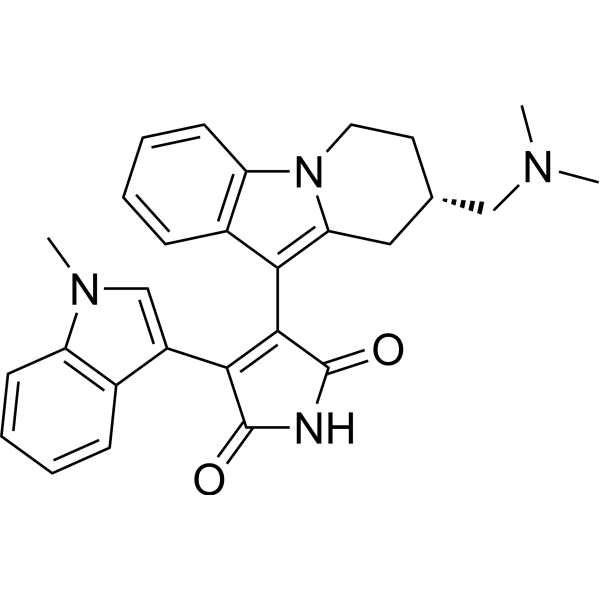
(S)-Ro 32-0432 is a potent, selective, ATP-competitive and orally active PKC inhibitor. The IC50 values of (S)-Ro 32-0432 for PKCα, PKCβI, PKCβII, PKCγ and PKCε are 9.3 nM, 28 nM, 30 nM, 36.5 nM and 108.3 nM, respectively. (S)-Ro 32-0432 is also a selective G protein-coupled receptor kinase 5 (GRK5) inhibitor. (S)-Ro 32-0432 prevents T-cell activation and has the potential for chronic inflammatory and autoimmune diseases research .
RO2959 hydrochloride is a potent and selective CRAC channel inhibitor with an IC50 of 402 nM. RO2959 hydrochloride is a potent blocker of store operated calcium entry (SOCE) mediated by Orai1/Stim1 channels with an IC50 of 25 nM. RO2959 hydrochloride is also a potent inhibitor of human IL-2 production, and potently blocks T cellreceptor triggered gene expression and T cell functional pathways .
ACT-660602 is an orally active antagonist of chemokine receptor (CXCR3) with an IC50 value of 204 nM. ACT-660602 inhibits T-cell migration and shows efficacy in acute lung ingury model. ACT-660602 can be used for autoimmune diseases research .
CD31 (PECAM-1) is platelet endothelial cell adhesion molecule-1, serves as the endothelial cell-specificreceptor of clostridium perfringens b-Toxin (CPB). CD31 is also an ER-MP12 antigen, acts as a linker between mechanical stress, metabolism and inflammation. CD31 peptide is able to sustain phosphorylation of the CD31 ITIM686 and of SHP2 and to inhibit TCR-induced T-cell activation - .
Imneskibart (AU-007) is a human monoclonal antibody that binds to the CD25-binding epitope of interleukin-2 (IL-2), blocking the binding of IL-2 to the trimeric IL-2receptor while retaining the ability to bind to the dimeric IL-2receptor. Imneskibart expands effector T cell and NK cell populations, reduces regulatory T cells, increases the effector T cell/regulatory T cell ratio, and alleviates vascular leakage. Imneskibart can be used in research related to melanoma and non-small cell lung cancer. The corresponding isotype control is: Human IgG1 kappa, Isotype Control (HY-P99001) .
L-Kynurenine sulfate, an aryl hydrocarbon receptor (AHR) agonist that activates AHR-directed, naive T cell polarization to the anti-inflammatory Treg phenotype .
Etrasimod arginine is an orally available S1Preceptor modulator that is a potent full agonist of the S1P1 receptor and has partial agonist activity at S1P4. Etrasimod arginine reduces inflammation in a CD4 +CD45RB highT cell-transferred mouse colitis model .
ITK/TRKA-IN-1 is a dual inhibitor of IL-2-inducible T-cell kinase (ITK) and tropomyosin receptor kinase A (TRKA) with an IC50 value of 1.0 nM and 96 % inhibition, respectively.
Ragistomig can simultaneously target programmed death-ligand 1 (PD-L1) and the 4-1BBreceptor. Ragistomig elicits potent anti-tumor T-cell responses without inducing significant toxicity. Ragistomig is applicable for tumor research .
ITK antagonist (compound 10 n) is a potent, orally active and selective ITK (Interleukin-2 inducible T-cell kinase) antagonist (IC50=1 and 20 nM in different assays). ITK antagonist inhibits insulin receptor kinase (IRK) with an IC50 of 160 nM .
Phospholipid PL1 is a phospholipid-derived nanoparticle, can deliver costimulatory receptor mRNA (CD137 or OX40) to T cells. Phospholipid PL1 could induce the activation of various immune cells, including T cells and dendritic cells (DCs) in order to boost antitumor immunity .
RTDLDSLRTYTL is an Alpha (v) beta (6) integrin (avb6) inhibitor with high affinity and specificity. RTDLDSLRTYTL binds to avb6 integrin, a peptide sequence that activates cytotoxicity and cytokine production in T cells, such as interferon-gamma. RTDLDSLRTYTL is designed through a chimeric T cell antigen receptor (CAR) so that T cells can be redirected to specifically recognize and attack tumor cells. RTDLDSLRTYTL can be used in the research of cancer immunotherapy and targeted drug development .
LF 1695 is an immunomodulator. LF 1695 enhances the proliferative response of T cells by increasing the production of IL2 (interleukin-2) or the expression of the IL2receptor. LF 1695 also increases CONA-induced inhibitory activity in human lymphocytes. LF 1695 can be used to study the proliferative and inhibitory activity of T cell subpopulations, as well as their role in immune regulation .
Dargistotug (M-6223) is a fully human IgG1 monoclonal antibody targeting TIGIT (T cell immune receptor with Ig domain and ITIM). TIGIT is an inhibitory immune checkpoint that promotes NK cell depletion and reduces the secretion of cytokines by binding to CD155 and other antibodies. It can also directly or indirectly inhibit effector T cells and upregulate Tregs cells, thereby exerting immunosuppression. Function .
ITK is the Tec family tyrosine kinase that has been implicated in T cellreceptor (TCR) signaling. ITK Recombinant Human Active Protein Kinase is a recombinant ITK protein that can be used to study ITK-related functions .
Tuparstobart (Incagn-02385) is an IgG1κ antibody targeting LAG-3. LAG-3 is an immune checkpoint receptor protein mainly expressed on activated T cells, NK cells, B cells and plasmacytoid dendritic cells .
L-Kynurenine- 13C10 (sulfate hemihydrate) is the 13C labeled L-Kynurenine sulfate. L-Kynurenine sulfate hemihydrate, an aryl hydrocarbon receptor (AHR) agonist that activates AHR-directed, naive T cell polarization to the anti-inflammatory Treg phenotype .
MEDI-6469 is a human monoclonal antibody (mAb) targeting TNFRSF4/OX40/CD134. MEDI-6469 targets the OX40 receptor on activated T cells to enhance the immune response against cancer cells. .
L-Kynurenine-13C10 (sulfate) is the 13C labeled L-Kynurenine sulfate. L-Kynurenine sulfate, an aryl hydrocarbon receptor (AHR) agonist that activates AHR-directed, naive T cell polarization to the anti-inflammatory Treg phenotype .
Gusperimus is a fully synthetic racemate that has a novel mechanism of action by binding to the intracellular heat shock protein hsp70 and interfering with intracellular signal transduction. This mechanism of action can enhance the effect of immunosuppressive therapy. Gusperimus can inhibit the differentiation of T cells into cytotoxic T cells, reduce the expression of IL-2 receptors on CD4 and CD8 cells, and inhibit IFN-γ-induced B cell maturation. In addition, when used with cyclosporine, tacrolimus or mycophenolate mofetil, Gusperimus can enhance the immunosuppressive effect and prevent allogeneic transplant rejection.
HPK1-IN-40 (compound 49) is a potent and selective HPK1 inhibitor with an IC50 of 0.9 nM. HPK1-IN-40 reinvigorates T-cellreceptor (TCR) signaling, promoting T-cell function and cytokine production in T cells while having anti-cancer activity .
Anti-Mouse TIM-1/CD365 Antibody (3B3) is a rat-derived IgG2a κ type agonistic antibody, targeting to mouse TIM-1/CD365. Anti-Mouse TIM-1/CD365 Antibody (3B3) enhances T-cell proliferation and responses by forming a stable TIM-1 complex and bringing TIM-1 into the T-cellreceptor (TCR)-CD3 complex. Anti-Mouse TIM-1/CD365 Antibody (3B3) can be used for the researches of cancer, inflammation and immunology, such as experimental autoimmune encephalomyelitis, B16 F10 tumor and transplant .
[Gln144]-PLP (139-151) is an experimental antigen used to study T cells respond to both autoantigens and cross-reactive non-autoantigens. [Gln144]-PLP (139-151) activates T cells by binding to T-cellReceptor (TCR), which triggers an immune response. [Gln144]-PLP (139-151) can be used to study the regulation of autoimmune diseases .
Anti-Mouse/Human KLRG-1 Antibody (2F1) is a Syrian hamster-derived IgG type antibody inhibitor, targeting to mouse/human KLRG-1. Anti-Mouse/Human KLRG-1 Antibody (2F1) neutralizes KLRG1. Anti-Mouse/Human KLRG-1 Antibody (2F1) reduces T-cellreceptor signals and regulatory T-cell accumulation. Anti-Mouse/Human KLRG-1 Antibody (2F1) can be used for the researches of immunology .
Cbl-b-IN-28 (Compound B2) is an orally active Cbl-b inhibitor. Cbl-b-IN-28 promotes the secretion of cytokines such as IL-2 and enhances the function of immune cells by regulating the phosphorylation levels of key proteins in the T-cellreceptor signaling pathway. Cbl-b-IN-28 can be used in research in the field of cancer immunology .
Bexarotene- 13C6 (LGD1069- 13C6) is 13C labeled Bexarotene. Bexarotene (LGD1069) is a high-affinity and selective retinoid X receptors (RXR) agonist with EC50s of 33, 24, 25 nM for RXRα, RXRβ, and RXRγ, respectively. Bexarotene shows limited affinity for RAR receptors (EC50 >10000 nM) . Bexarotene can be used for the research of cutaneous T-cell lymphoma.
Bexarotene (Standard) is the analytical standard of Bexarotene. This product is intended for research and analytical applications. Bexarotene (LGD1069) is a high-affinity and selective retinoid X receptors (RXR) agonist with EC50s of 33, 24, 25 nM for RXRα, RXRβ, and RXRγ, respectively. Bexarotene shows limited affinity for RAR receptors (EC50 >10000 nM) . Bexarotene can be used for the research of cutaneous T-cell lymphoma.
Bexarotene- 13C4 (LGD1069- 13C4) is the 13C-labeled Bexarotene (HY-14171). Bexarotene (LGD1069) is a high-affinity and selective retinoid X receptors (RXR) agonist with EC50s of 33, 24, 25 nM for RXRα, RXRβ, and RXRγ, respectively. Bexarotene shows limited affinity for RAR receptors (EC50 >10000 nM) . Bexarotene can be used for the research of cutaneous T-cell lymphoma.
Adenosine receptor antagonist 6 is an orally active and selective A2A adenosine receptor (A2AAR) antagonist, with a Ki of 19.18 nM. Adenosine receptor antagonist 6 inhibits 5’-N-ethylcarboxamide adenosine (NECA) (HY-103173)-mediated cAMP production (IC50 = 0.089 μM) and immunosuppression, while promoting IL-2 and IFN-γ secretion. Adenosine receptor antagonist 6 abolishes the immunosuppressive effects of adenosine on T-cell activation and cytokine release. Adenosine receptor antagonist 6 inhibits tumor growth in a CT26/MC38 xenograft model. Adenosine receptor antagonist 6 can be used for the study of colon cancer .
CD31 (PECAM-1) TFA is platelet endothelial cell adhesion molecule-1, serves as the endothelial cell-specificreceptor of clostridium perfringens b-Toxin (CPB). CD31 TFA is also an ER-MP12 antigen, acts as a linker between mechanical stress, metabolism and inflammation. CD31 TFA peptide is able to sustain phosphorylation of the CD31 ITIM686 and of SHP2 and to inhibit TCR-induced T-cell activation - .
(S)-Ro 32-0432 free base is a potent, selective, ATP-competitive and orally active PKC inhibitor. The IC50 values of (S)-Ro 32-0432 free base for PKCα, PKCβI, PKCβII, PKCγ and PKCε are 9.3 nM, 28 nM, 30 nM, 36.5 nM and 108.3 nM, respectively. (S)-Ro 32-0432 free base is also a selective G protein-coupled receptor kinase 5 (GRK5) inhibitor. (S)-Ro 32-0432 free base prevents T-cell activation and has the potential for chronic inflammatory and autoimmune diseases research .
DGKα-IN-7 is a DGKα inhibitor with the IC50 of 6.225 nM, extracted from patent WO2022271684 (compound 100). DGKα-IN-7 has the potential for cancer study.
GABAA receptor agent 4 (compound 1e) is a potent γ-GABAAR antagonist with an Ki of 0.18 µM. GABAA receptor agent 4 efficiently rescues inhibition of T cell proliferation. GABAA receptor agent 4 has the immunomodulatory potential .
DGKα-IN-6 is a DGKα inhibitor with the IC50 of 1.377 nM, extracted from patent WO2022271650 (compound 143). DGKα-IN-6 has the potential for cancer study.
Human IL2RA mRNA encodes the human interleukin 2 receptor subunit alpha (IL2RA) protein, a receptor for interleukin-2. IL2RA is involved in the regulation of immune tolerance by controlling regulatory T cells (TREGs) activity.
Anti-Rat CD28 Antibody (JJ319) is a mouse-derived IgG1 κ type antibody inhibitor, targeting to rat CD28. Anti-Rat CD28 Antibody (JJ319) activates T cells in the presence of T cellreceptor-stimulation. Anti-Rat CD28 Antibody (JJ319) can be used for the researches of inflammation and immunology, such as transplantation and neuritis .
Human IL18R1 mRNA encodes the human interleukin 18 receptor 1 (IL18R1) protein, a cytokine receptor that belongs to the interleukin 1 receptor family. IL18R1 is essential for IL18 mediated signal transduction. IFN-alpha and IL12 are reported to induce the expression of this receptor in NK and T cells.
Efizonerimod alfa (MEDI-6383) is a recombinant human OX40L IgG4P Fc fusion protein that assembles into a hexameric structure and exerts potent agonist activity upon binding to OX40. The activity of Efizonerimod alfa is enhanced by Fcγ receptor-mediated aggregation. Efizonerimod alfa binds to OX40 on the surface of activated T cells, induces NF-κB promoter activity in OX40-expressing T cells, and triggers the production of Th1-type cytokines, T cell proliferation, and resistance to regulatory T cell (Treg)-mediated suppression. Efizonerimod alfa enhances the cytolytic activity of tumor-reactive T cells and slows tumor growth in immunodeficient mice. Efizonerimod alfa induces the proliferation of CD4, CD8, and B cells in the peripheral blood of healthy non-human primates. Efizonerimod alfa can be used in the research of advanced solid malignancies and melanoma .
Human CCR7 mRNA encodes the human C-C motif chemokine receptor 7 (CCR7) protein, a member of the G protein-coupled receptor family. CCR7 has been shown to control the migration of memory T cells to inflamed tissues, as well as stimulate dendritic cell maturation.
CD73-IN-19 (Compound 4ab) is a CD73 inhibitor (with a 44% inhibition rate of CD73 enzymatic activity at 100 μM). CD73-IN-19 (at 10 μM and 100 μM) can completely antagonize the blockade of T cell proliferation induced by TCR (T cellreceptor) triggering (which is induced by CD73 activity), and it can also inhibit the hA2Areceptor activity in HEK-293 cells (Ki is 3.31 μM). CD73-IN-19 holds promise for research in the field of immune diseases .
Human CCL15 mRNA encodes the human C-C motif chemokine ligand 15 (CCL15) protein, a chemotactic for T cells and monocytes, and acts through C-C chemokine receptor type 1 (CCR1).
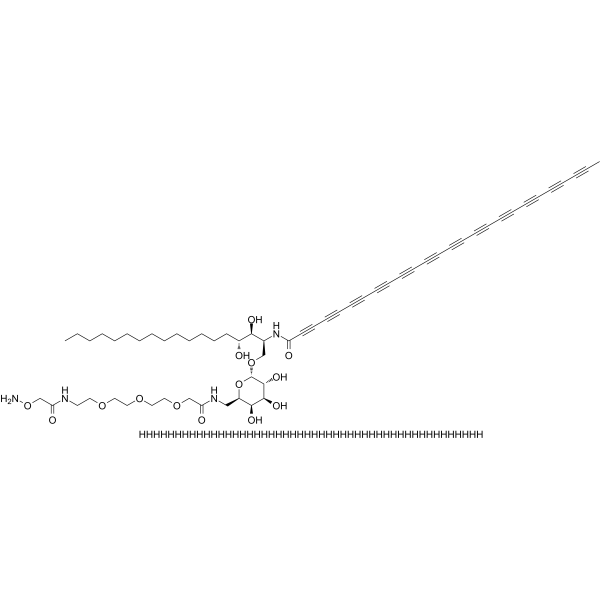
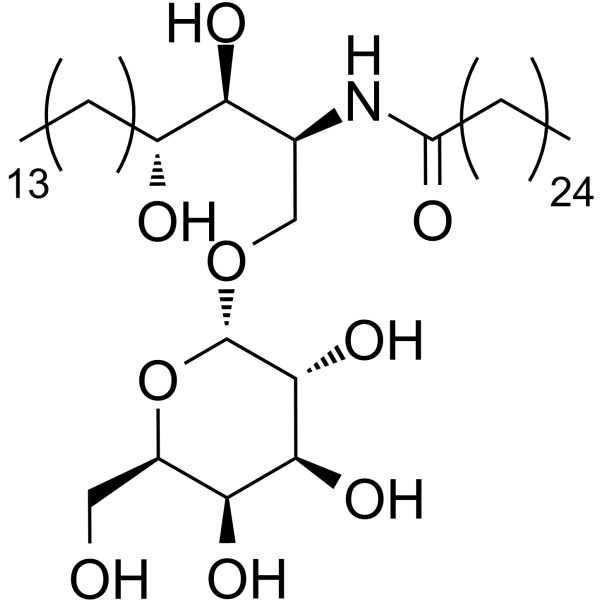
αGalCer-RBD is a self-adjuvanting lipoprotein conjugate. αGalCer-RBD induces potent immunity against SARS-CoV-2 and its variants of concern. αGalCer-RBD conjugate induces RBD-specific, cytokine-producing T cell development. αGalCer-RBD has great potential to be an effective COVID-19 vaccine candidate. α-Galactosylceramide (αGalCer) is a potent invariant natural killer T cell (iNKT) agonist . RBD: receptor-binding domain
Human TNFRSF8 mRNA encodes the human TNF receptor superfamily member 8 (TNFRSF8) protein, a member of the TNF receptor superfamily. TNFRSF8 is a positive regulator of apoptosis, and also has been shown to limit the proliferative potential of autoreactive CD8 effector T cells and protect the body against autoimmunity.
Human CCR8 mRNA encodes the human C-C motif chemokine receptor 8 (CCR8) protein, a member of the beta chemokine receptor family. CCR8 plays a role in regulation of monocyte chemotaxis and thymic cell apoptosis. More specifically, this receptor may contribute to the proper positioning of activated T cells within the antigenic challenge sites and specialized areas of lymphoid tissues.
Human CD40 mRNA encodes the human CD40 molecule (CD40) protein, a member of the TNF-receptor superfamily. CD40 is a receptor on antigen-presenting cells of the immune system and is essential for mediating a broad variety of immune and inflammatory responses including T cell-dependent immunoglobulin class switching, memory B cell development, and germinal center formation.
5-(Nonyloxy)tryptamine oxalate, a high-affinity agonist for the 5-HTIDβreceptor, with an ED50 value of 68 nM. 5-(Nonyloxy)tryptamine oxalate, exhibits antitumor growth activity in vivo and enhances the ability of T cells to target tumor cells .
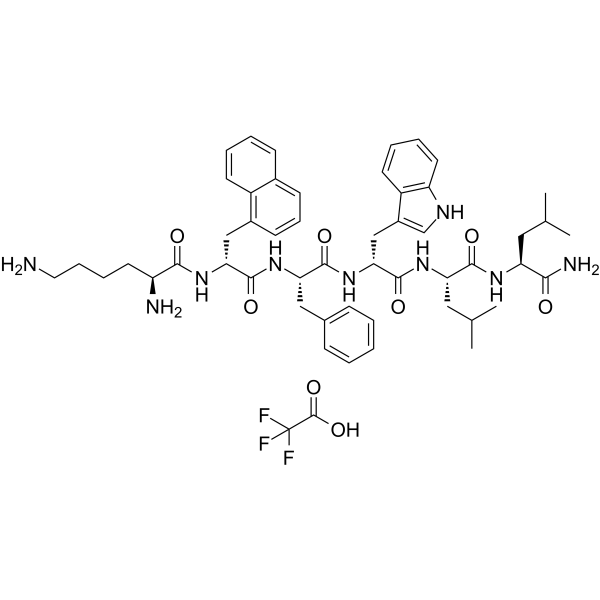
K-(D-1-Nal)-FwLL-NH2 TFA is a high affinity and potent ghrelin receptor inverse agonist (Ki values are 4.9 and 31 nM in COS7 and HEK293T cells, respectively). K-(D-1-Nal)-FwLL-NH2 blocks ghrelin receptor-mediated Gq- and G13-dependent signaling pathways.
Human IL27RA mRNA encodes the human interleukin 27 receptor subunit alpha (IL27RA) protein, a protein that is similar to the mouse T-cell cytokine receptor (Tccr) at the amino acid level. IL27RA is predicted to be a glycosylated transmembrane protein.
SAR444200 is a nanobody T-cell engager targeting GPC3 (glypican-3) and TCRαβ (T-cellreceptor αβ). SAR444200 has a KDof 0.023 nM for human GPC3 and a KD of 5.2 nM for human TCRαβ. SAR444200 mediates T-cell-dependent cytotoxicity, with high selectivity and killing activity against GPC3-positive tumor cells. SAR444200 binds to GPC3 in a dual-epitope manner, and binds to TCRαβ via its N-terminal nanobody, forming an artificial immunological synapse between T cells and tumor cells. SAR444200 can be used for the research of GPC3 + solid tumors, including liver cancer, lung squamous cell carcinoma and melanoma .
Anti-Mouse CD45 Antibody (I3/2.3) reacts with the mouse CD45. CD45 plays a key role in T-cellreceptor (TCR) and B-cellreceptor (BCR) signal transduction. Recommend Isotype Controls: Rat IgG2b kappa, Isotype Control (HY-P990682) .
Human TNFRSF14 mRNA encodes the human TNF receptor superfamily member 14 (TNFRSF14) protein, a member of the TNF receptor superfamily. TNFRSF14 functions in signal transduction pathways that activate inflammatory and inhibitory T-cell immune response. It binds herpes simplex virus (HSV) viral envelope glycoprotein D (gD), mediating its entry into cells.
A2AR/A2BR antagonist 2 is a dual A2A/A2B adenosine receptor antagonist with selectivity for the A1receptor. A2AR/A2BR antagonist 2 reverses adenosine-mediated T-cell immunosuppression in the tumor microenvironment. A2AR/A2BR antagonist 2 can be used in cancer-related research .
Avicin D is a plant triterpenoid. Avicin D induces Autophagy by activation of AMPK. Avicin D inhibits mTOR and S6 kinase activity. Avicin D selectively induces Apoptosis and downregulates p-STAT-3, bcl-2, and Survivin. Avicin D has properties of being a selective Glucocorticoid receptor modulator. Avicin D inhibits NF-κB activation. Avicin D shows anti-tumor effects against cutaneous T-cell lymphomas .
RTDLDSLRTYTL TFA is an Alpha (v) beta (6) integrin (avb6) inhibitor with high affinity and specificity. RTDLDSLRTYTL TFA binds to avb6 integrin, a peptide sequence that activates cytotoxicity and cytokine production in T cells, such as interferon-gamma. RTDLDSLRTYTL TFA is designed through a chimeric T cell antigen receptor (CAR) so that T cells can be redirected to specifically recognize and attack tumor cells. RTDLDSLRTYTL TFA can be used in the research of cancer immunotherapy and targeted drug development .
RC98 is a monoclonal antibody targeting programmed cell death ligand 1 (PD-L1) and acts as a selective PD-L1 inhibitor. RC98 binds specifically to human and cynomolgus monkey PD-L1. RC98 blocks the interaction between PD-L1 and its receptor PD-1 to reverse T-cell inactivation mediated by PD-1/PD-L1 signaling. RC98 enhances the cytotoxic T-lymphocyte-mediated anti-tumor immune response against PD-L1-expressing tumor cells. RC98 can be used for the research of tumor immunity and solid tumors .
Human IL21R mRNA encodes the human interleukin 21 receptor (IL21R) protein, a cytokine receptor for interleukin 21 (IL21). IL21R can transduce the growth promoting signal of IL21, and is important for the proliferation and differentiation of T cells, B cells, and natural killer (NK) cells.
OSE-279 is a high-affinity humanized monoclonal bivalent antibody targeting PD-1, the recommended isotype control is HY-P99003. OSE-279 blocks PD-1 ligand binding, inhibits PDL1-induced SHP1 phosphorylation, restores T cell activation, and promotes reactivation of primary T cell effector functions. OSE-279 binds hFcRnreceptor, predicts long half-life, induces CD4 and CD8 T cell proliferation, and promotes interleukin 2 and interferon gamma secretion. OSE-279 can be used for the research of advanced malignancies, colon cancer, hepatocarcinoma, mesothelioma .
RTX-003 is a monoclonal antibody targeting CD25. RTX-003 induces the death of regulatory T cells (Tregs) by targeting the IL-2 receptor α chain (CD25), and can enhance anti-tumor immune responses.
Anti-Mouse CD3E Antibody (500A2) is an antibody targeting mouse CD3ε, which specifically binds to the region on CD3ε adjacent to the T cellreceptor binding site. Anti-Mouse CD3E Antibody (500A2) triggers functional signal transduction in immature T cells and activates naive T cells. When cross-linked, Anti-Mouse CD3E Antibody (500A2) induces a rapid, robust and transient increase in cytoplasmic calcium concentration, acting as a potent calcium flux inducer. Anti-Mouse CD3E Antibody (500A2) is suitable for multiple experimental techniques such as flow cytometry, immunoprecipitation and EMARS reactions. It can be used to detect CD3E expression on thymocytes, mature T lymphocytes and NK-T cells from different mouse strains, or to identify membrane cluster components of the TCR complex, and shows no cross-reactivity with rat leukocytes .
S1P5 receptor antagonist 1 is a selective, blood-brain barrier-permeable S1P5 receptor antagonist with an EC50 of 0.1 nM and a Ki of 4.4 nM. S1P5 receptor antagonist 1 inhibits the migration of natural killer cells towards sphingosine 1-phosphate in vitro, with no effect on T cell migration. S1P5 receptor antagonist 1 can be used in the research of central nervous system diseases .
Anti-VISTA Antibody (GG8) reacts with human VISTA. Endogenous VISTA has inhibitory effects both as a ligand on APCs and as a receptor on T cells. Recommend Isotype Controls: Mouse IgG1 kappa, Isotype Control (HY-P99977) .
Eliroptamig is a multispecific antibody targeting albumin, folate receptor α (FOLR1) and cluster of differentiation 3 (CD3). Eliroptamig extends its half-life by binding to albumin, while targeting FOLR1 on tumor cells and activating T cells to achieve precise tumor killing .
KRP-203 monophosphate is a monophosphate of KRP-203 (HY-13660). KRP-203 is an orally active sphingosine-1-phosphate receptor (S1PR) modulator that blocks the signal required by T cells to egress from lymph nodes and other lymphoid organs .
REGN6569 is a fully human IgG1 monoclonal antibody targeting glucocorticoid-induced tumor necrosis factor receptor-related protein (GITR) with high specificity for GITR. REGN6569 exerts stronger in vitro antibody-dependent cell-mediated cytotoxicity (ADCC) against regulatory T cells expressing GITR. REGN6569 selectively depletes regulatory T cells via antibody-dependent cell-mediated cytotoxicity and increases the proportion of proliferative natural killer (NK) cells in peripheral blood. REGN6569 is applicable for advanced solid malignancies. Isotype control: HY-P99001 .
α-Galactosylceramide (α-GalCer) is a synthetic glycolipid with antitumorial and immunostimulatory. α-Galactosylceramide is a very potent NKT cell agonist and binds effectively to CD1d. The complex of α-Galactosylceramide plus CD1d binds the NKT cell TCR (T cell antigen receptor) .
Dafsolimab (SPV-T3a) is a Mouse IgG2b monoclonal antibody (anti-CD3). Dafsolimab can induce cell death through modulation and activation of the CD3/T cellreceptor complex. Dafsolimab can be used for the research of graft-versus-host disease (GVHD) .
CD19 CAR circRNA will express CD19 car protein, and can be used in chimeric antigen receptorT cell immunotherapy (CAR-CD19). The CD19 car is a chimeric antigen receptor. Among them, CD19 is a CD molecule expressed by B cells (i.e. leukocyte differentiation antigen), an important membrane antigen involved in B cell proliferation, differentiation, activation and antibody production, and can also promote BCR signal transduction.
Adenosine receptor antagonist 7 is an orally active triple A1/A2A/A2B adenosine receptor antagonist with Ki values of 1.5, 0.6 and 21 nM. Adenosine receptor antagonist 7 shows potent inhibitory activity (IC50 = 0.8 nM) of cAMP production in A2AR-HEK293 cells. Adenosine receptor antagonist 7 can enhance infiltration of effector T cells and increase the CD8+/Treg ratio companied with Avelumab (HY-108730). Adenosine receptor antagonist 7can be used for the research of cancer, such as colon cancer .
Dopamine D4 receptor ligand 3 (Compound 16) is a dopamine D4 receptor (D4R) antagonist (pKi: 8.86). Dopamine D4 receptor ligand 3 has pIC50 values of 5.78, 5.55, and 6.17 for Go, Gi, and βArr2 sensors in HEK-293T cells, respectively. Dopamine D4 receptor ligand 3 inhibits the viability of three human glioma cell lines, U87 MG, T98G, and U251 MG. Dopamine D4 receptor ligand 3 induces ROS production and mitochondrial dysfunction in glioma cells .
CA-170 is an orally delivered dual inhibitor of VISTA and PD-L1. CA-170 exhibits potent rescue of proliferation and effector functions of T cells inhibited by PD-L1/L2 and VISTA with selectivity over other immune checkpoint proteins as well as a broad panel of receptors and enzymes .
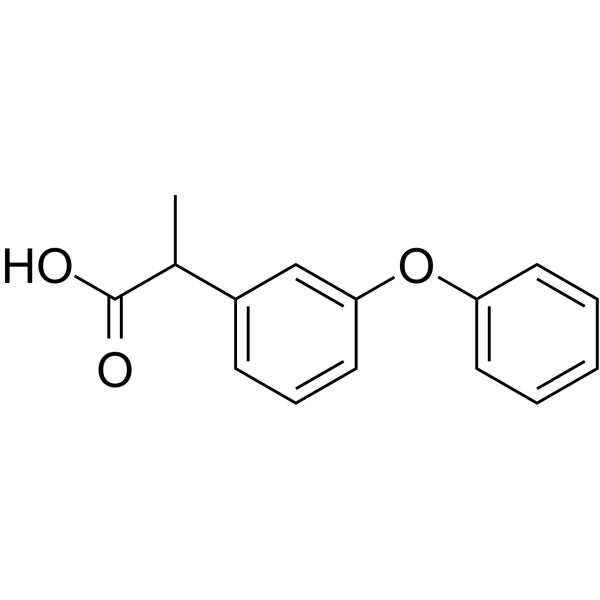
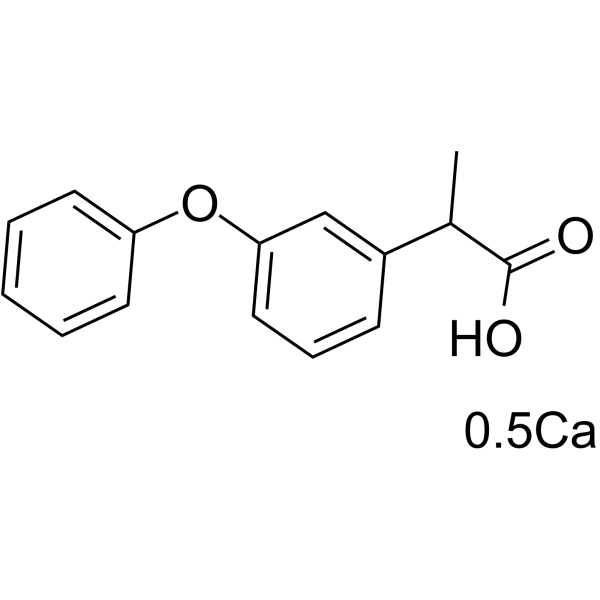
Fenoprofen (LILLY-53858) is a nonsteroidal anti-inflammatory agent (NSAID) and inhibits cyclooxygenase (COX). Fenoprofen is a melanocortin receptors (MCRs) positive allosteric modulator (PAM). Fenoprofen also increases ERK1/2 activation in HEK293T cells. Fenoprofen has anti-arthritic activities and can be used for the study of rheumatoid arthritis and osteoarthritis .
WYJ-2 is a selective agonist for toll-like receptor 2/1 (TLR2/1) with EC50 of 18.57 nM in human TLR2 and TLR1 transient-cotransfected HEK 293T cells. WYJ-2 induces pyroptosis and exhibits anticancer activity against non-small cell lung cancer (NSCLC) .
Chloroguanabenz (acetate) is an antiprion agent and a derivative of the α2-adrenergic receptor agonist guanabenz. Chloroguanabenz (acetate) can inhibit the formation of prion in yeast and mammalian in vitro assays. Chloroguanabenz (acetate) can reduce the levels of truncated Huntingtin derivative Htt48 in HEK293T cells. Chloroguanabenz (acetate) can be studied in research on Huntington’s disease .
NS2 (114-121), Influenza, the 114-121 fragment of influenza nonstructural protein 2 (NS2), is a influenza-derived epitope. NS2 (114-121), Influenza can be used for the research of CD8 + cytotoxic T lymphocyte (CTL) in antiviral immune responses .
CEP-14083 is a ATP-competitive ALK kinase inhibitor with an IC50 value in enzymatic assays of 2 nM. CEP-14083 also inhibits other kinases, such as insulin receptor (IR), vascular endothelial growth factor receptor 2 (VEGFR2), angiopoietin-1 receptor (TIE2) and dual leucine zipper kinase (DLK). CEP-14083 suppresses CD274 mRNA expression and the NPM/ALK function in the NPM/ALK-carrying T cell lymphoma (ALK+TCL) cells. CEP-14083 is promising for research of lymphoma .
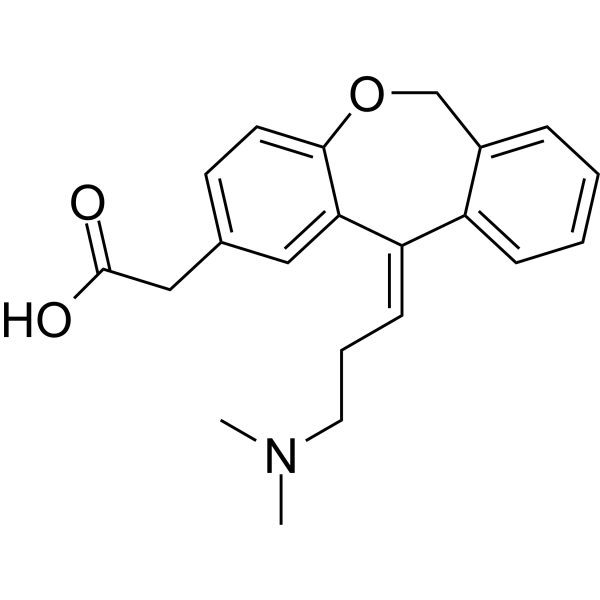
Olopatadine (ALO4943A; KW4679) is an orally active histamine H1 receptorantagonist and mast cell stabilizer. Olopatadine exerts antiallergic effects by blocking histamine H1 receptor-mediated activities. Olopatadine inhibits exocytosis, chemokine release, F-actin polymerization, CXCL10-induced calcium influx, and T cell chemotactic activity. Olopatadine also reduces the expression levels of CXCR3 on the surface of CD4 + and CD8 +T cells. Olopatadine inhibits scratching behavior, improves dermatitis scores, and suppresses intraepidermal neurite outgrowth. Olopatadine simultaneously decreases the levels of inflammatory markers, growth factors, histamine, and specific IgE, while increasing the expression of ErbB3A/HER3A. Olopatadine can be used in research related to seasonal pollinosis, chronic rhinitis, urticaria, allergic conjunctivitis, alopecia areata, and atopic dermatitis .
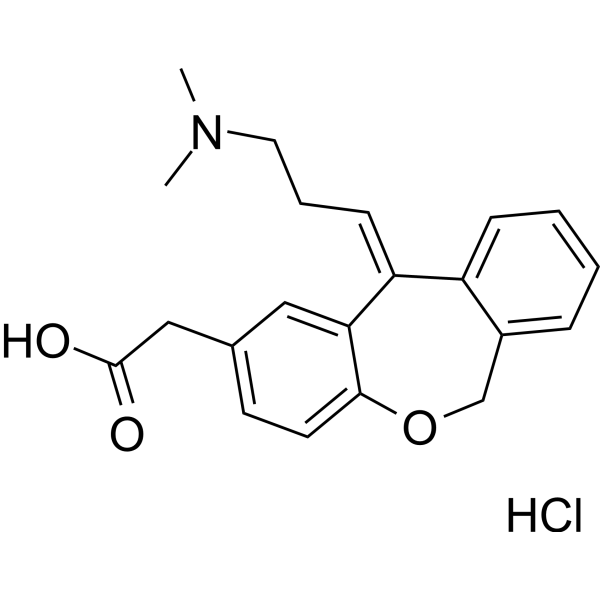
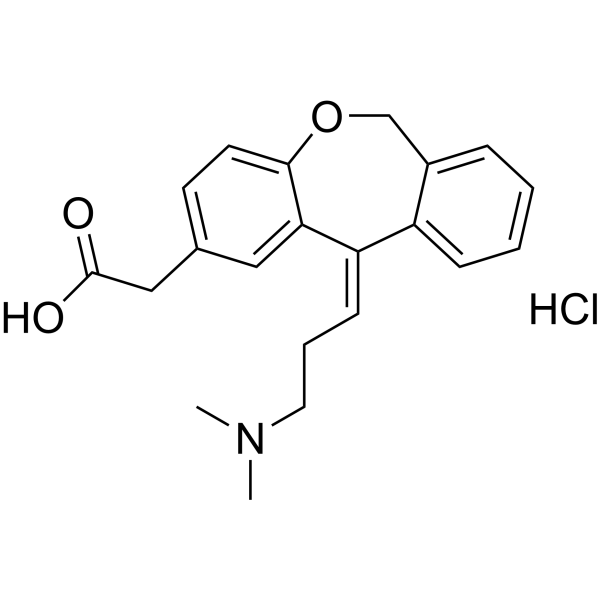
Olopatadine hydrochloride (ALO4943A; KW4679) is an orally active histamine H1 receptorantagonist and mast cell stabilizer. Olopatadine hydrochloride exerts antiallergic effects by blocking histamine H1 receptor-mediated activities. Olopatadine hydrochloride inhibits exocytosis, chemokine release, F-actin polymerization, CXCL10-induced calcium influx, and T cell chemotactic activity. Olopatadine hydrochloride also reduces the expression levels of CXCR3 on the surface of CD4 + and CD8 +T cells. Olopatadine hydrochloride inhibits scratching behavior, improves dermatitis scores, and suppresses intraepidermal neurite outgrowth. Olopatadine hydrochloride simultaneously decreases the levels of inflammatory markers, growth factors, histamine, and specific IgE, while increasing the expression of ErbB3A/HER3A. Olopatadine hydrochloride can be used in research related to seasonal pollinosis, chronic rhinitis, urticaria, allergic conjunctivitis, alopecia areata, and atopic dermatitis .
NDI-101150 is an orally active, potent and selective hematopoietic progenitor cell kinase 1 (HPK1) inhibitor with an IC50 of 0.7 nM. NDI-101150 blocks HPK1-mediated negative regulation of immune receptor signaling, inhibits immunosuppression of T cell activation, enhances antigen-specific antibody production and augments B-cell activation. NDI-101150 inhibits tumor growth in syngeneic tumor models, establishes durable antitumor immune memory, and synergizes with anti-PD1 to enhance exhausted T cell activity and drive tumor regressions. NDI-101150 can be used for the research of cancer, such as breast cancer and colon cancer .
BI-5756 is a CETP inhibitor and cannabinoid receptor 1 (CB1) agonist. BI-5756 can significantly increase HDL-C levels and reduce LDL-C levels. BI-5756 can also enhance the function of regulatory T cells while maintaining T cell-mediated anti-tumor activity. BI-5756 can directly inhibit the growth of tumor cells and upregulate the expression of MHC I, MHC II, and CD80 on tumor cells. BI-5756 has a protective effect in graft-versus-host disease models. BI-5756 can be used in research on tumors, graft-versus-host disease, and metabolic diseases .
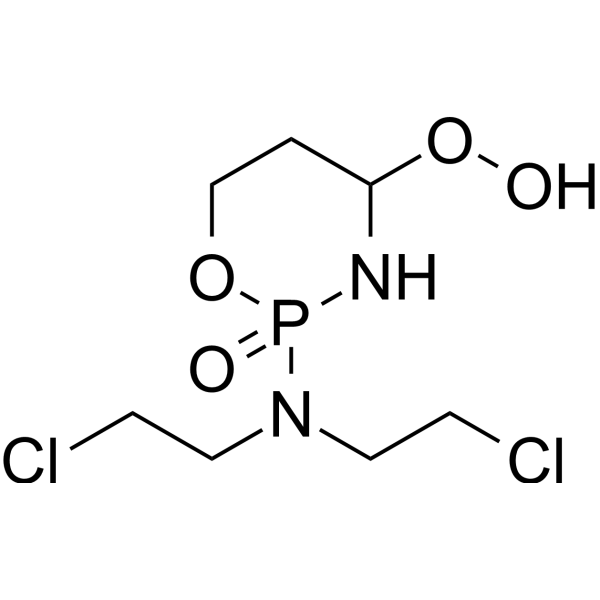
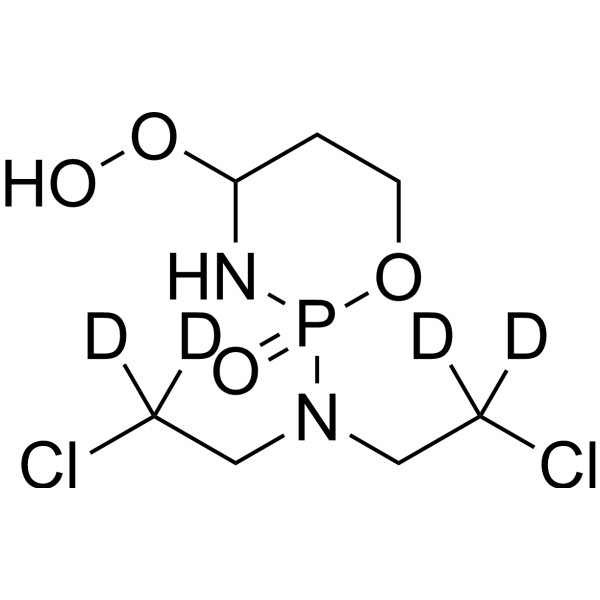
4-Hydroperoxy cyclophosphamide is the active metabolite form of the precursor Cyclophosphamide. 4-Hydroperoxy cyclophosphamide cross-links DNA to induce T cell apoptosis independent of caspasereceptor activation, and can activate the mitochondrial death pathway by producing reactive oxygen species (ROS). 4-Hydroperoxy cyclophosphamide can be used in the study of rheumatoid arthritis and autoimmune diseases .
Amiselimod (MT-1303) is converted to its active metabolite Amiselimod phosphate by sphingosine kinases in vivo. Amiselimod is an orally active and high selectivity sphingosine 1-phosphate receptor-1 (S1P1) agonist, designed to reduce the bradycardia effects associated with fingolimod and other S1P receptor modulators. Amiselimod inhibits chronic colitis via inhibiting infiltration of colitogenic Th1 and Th17 cells into the colon. Amiselimod inhibits lupus nephritis by reducing the infiltration of autoreactive T cells into the kidneys. Amiselimodis promising for research of autoimmune diseases .
Amiselimod (MT-1303) hydrochloride is converted to its active metabolite Amiselimod phosphate by sphingosine kinases in vivo. Amiselimod hydrochloride is an orally active and high selectivity sphingosine 1-phosphate receptor-1 (S1P1) agonist, designed to reduce the bradycardia effects associated with fingolimod and other S1P receptor modulators. Amiselimod hydrochloride inhibits chronic colitis via inhibiting infiltration of colitogenic Th1 and Th17 cells into the colon. Amiselimod hydrochloride inhibits lupus nephritis by reducing the infiltration of autoreactive T cells into the kidneys. Amiselimod hydrochloride is promising for research of autoimmune diseases .
Anti-iNKT Cell Antibody (6B11) recognizes an epitope on T cellreceptor (TCR) V alpha 24-J alpha 18. Anti-iNKT Cell Antibody is specific for cloned and primary human but not rodent iNKT and the human invariant TCR-α. Recommend Isotype Controls: Mouse IgG1 kappa, Isotype Control (HY-P99977) .
(GalNAc)3-CPT is a glycoconjugate prodrug that targets the asialoglyco-protein receptor (ASGR) overexpressed on hepatocytes. (GalNAc)3-CPT exhibits significant antitumor activity (IC50 value of 3.07 μM in HepG2 cells) by activating the cGAS-STING pathway and promoting CD8+ T cell infiltration into tumors, thereby inducing tumor cellapoptosis .
Fenoprofen (LILLY-53858) Calcium is a nonsteroidal anti-inflammatory agent (NSAID) and inhibits cyclooxygenase (COX). Fenoprofen Calcium is a melanocortin receptors (MCRs) positive allosteric modulator (PAM). Fenoprofen Calcium also increases ERK1/2 activation in HEK293T cells. Fenoprofen Calcium has anti-arthritic activities and can be used for the study of rheumatoid arthritis and osteoarthritis .
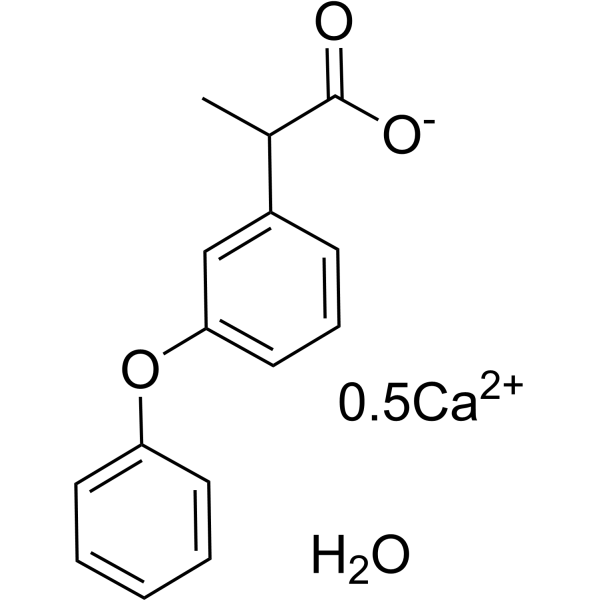
Fenoprofen (LILLY-53858) Calcium hydrate is a nonsteroidal anti-inflammatory agent (NSAID) and inhibits cyclooxygenase (COX). Fenoprofen Calcium hydrate is a melanocortin receptors (MCRs) positive allosteric modulator (PAM). Fenoprofen Calcium hydrate also increases ERK1/2 activation in HEK293T cells. Fenoprofen Calcium hydrate has anti-arthritic activities and can be used for the study of rheumatoid arthritis and osteoarthritis .
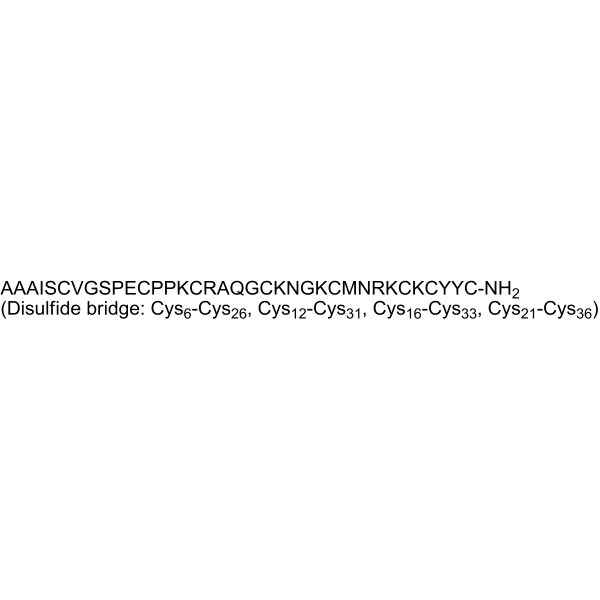
Vm24-toxin (Vaejovis mexicanus peptide 24), a 36-residue peptide, is a potent and selective Kv1.3 blocker with a Kd of ~3 pM in lymphocytes. Vm24-toxin shows >1500-fold affinity for Kv1.3 over other assayed potassium channels. Vm24-toxin folds into a distorted cystine-stabilized α/β motif consisting of a single-turn α-helix and a three-stranded antiparallel β-sheet, stabilized by four disulfide bridges. Vm24-toxin attenuates the CD4 + effector memory T cell response to T cellreceptor (TCR) stimulation .
Fidasimtamab is a bispecific antibody targeting human epidermal growth factor receptor 2 (Her2) and programmed death protein 1 (PD-1), with a Ka of 3.55e-10 M for human Her2 and a Ka of 1.17e-9 M for human PD-1. Fidasimtamab cross-links Her2-positive tumor cells with PD-1-positive T cells to form immune synapses, blocks PD-1-ligand interactions, preserves antibody-dependent cellular cytotoxicity, induces gasdermin B (GSDMB)-mediated pyroptosis, and activates T cells. Fidasimtamab is applicable to relevant research on Her2-positive gastric cancer .
Vm24-toxin (Vaejovis mexicanus peptide 24) TFA, a 36-residue peptide, is a potent and selective Kv1.3 blocker with a Kd of ~3 pM in lymphocytes. Vm24-toxin TFA shows >1500-fold affinity for Kv1.3 over other assayed potassium channels. Vm24-toxin TFA folds into a distorted cystine-stabilized α/β motif consisting of a single-turn α-helix and a three-stranded antiparallel β-sheet, stabilized by four disulfide bridges. Vm24-toxin TFA attenuates the CD4 + effector memory T cell response to T cellreceptor (TCR) stimulation .
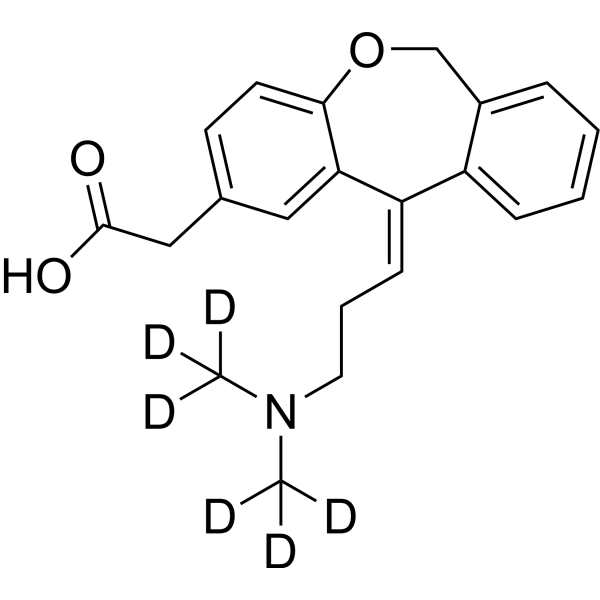
Olopatadine-d6 is the deuterium labeled Olopatadine. Olopatadine hydrochloride (ALO4943A; KW4679) is an orally active histamine H1 receptorantagonist and mast cell stabilizer. Olopatadine hydrochloride exerts antiallergic effects by blocking histamine H1 receptor-mediated activities. Olopatadine hydrochloride inhibits exocytosis, chemokine release, F-actin polymerization, CXCL10-induced calcium influx, and T cell chemotactic activity. Olopatadine hydrochloride also reduces the expression levels of CXCR3 on the surface of CD4 + and CD8 +T cells. Olopatadine hydrochloride inhibits scratching behavior, improves dermatitis scores, and suppresses intraepidermal neurite outgrowth. Olopatadine hydrochloride simultaneously decreases the levels of inflammatory markers, growth factors, histamine, and specific IgE, while increasing the expression of ErbB3A/HER3A. Olopatadine hydrochloride can be used in research related to seasonal pollinosis, chronic rhinitis, urticaria, allergic conjunctivitis, alopecia areata, and atopic dermatitis .
AGEN-2373 is a conditionally active agonist antibody targeting the co-stimulatory receptorCD137. GEN-2373 binds to CD137 without disruption of ligand binding. AGEN-2373 stimulates CD137 under receptor clustering conditions. AGEN-2373 can enhance T cell activity when combined with other checkpoint modulators (e.g. PD-1 antagonist and OX40 agonist). AGEN-2373 can be studied in research for human malignancies .
M04 is an agonist of STING. It induces the expression of the IFN reporter gene in HEK293T cells expressing wild-type human STING, but does not induce this expression in HEK293T cells expressing the R71H-G230A-R293Q (HAQ) STING variant or in mouse RAW 264.7 cells, indicating that its activity is dependent on allelic and species variations. M04 induces the production of TNF-α, IL-10, IL-1β, and IL-12p70 in human peripheral blood mononuclear cells (PBMCs). At a concentration of 50 µM, M04 stimulates dendritic cells isolated from PBMCs to express the MHC class II cell surface receptor HLA-DR and co-stimulatory molecules CD40, CD80, and CD86, and also enhances their ability to activate T cells in an ex vivo assay. M04 can be used in research on inflammatory immune diseases .
ANT308 is a vasoactive intestinal polypeptide (VIP receptor) antagonist. ANT308 significantly enhances the activation and proliferation of T cells. ANT308 inhibits the migration and metastasis, induces apoptosis of melanoma tumor cells by inhibiting VIP-VPAC2 signaling and reducing the expression of MCAM and N-cadherin. ANT308 can be used for the studies of acute myeloid leukemia (AML) and uveal melanoma (UVM) .
Ordastobart (INBRX-106; ES-102) is a hexavalent OX40 agonist antibody. Ordastobart enhances OX40receptor clustering, signaling, and downstream activation, thereby increasing the proliferation and activation of CD4 + and CD8 +T cells in vitro and in vivo. Ordastobart exhibits anti-tumor effects and improves survival in mouse models of cancer. Ordastobart is indicated for research in cancers such as fibrosarcoma and colorectal cancer .
Forimtamig (RG-6324) is a GPRC5DxCD3T-cell-engaging bispecific antibody. Forimtamig has a 2 + 1 format, comprising two high-affinity GPRC5D binding moieties and one CD3 binder. Forimtamig further features a P329G LALA mutated Fc domain that inhibits Fcγ receptor and C1q binding, yet retains binding to the neonatal Fc receptor. The isotype control for Forimtamig can refer to Human IgG1 kappa, Isotype Control (HY-P99001) .
(S)-MALT1-IN-5 is a potent inhibitor of MALT1 protease. (S)-MALT1-IN-5 inhibits the activity of MALT1 is expected to be able to correct the enhancement of MALT1 activity due to abnormality of T cellreceptor signal or B cellreceptor signal, and cancer or inflammatory disease caused by MALT1 activity is expected. (S)-MALT1-IN-5 has the potential for the research of MALT1-related diseases (extracted from patent WO2020111087A1, compound 1) .
A2AR modulator-1 (Compound 45) is a selective negative allosteric adenosine A2areceptor (A2aR) modulator with an IC50 value of 9 nM. A2AR modulator-1 reduces the affinity of endogenous adenosine for the receptor and inhibits cAMP signaling pathway activation. A2AR modulator-1 potently restores pCREB phosphorylation in CD4 +T cells, reversing immunosuppression in the tumor microenvironment, and shows potential to suppress tumor growth and metastasis in triple-negative breast cancer models .
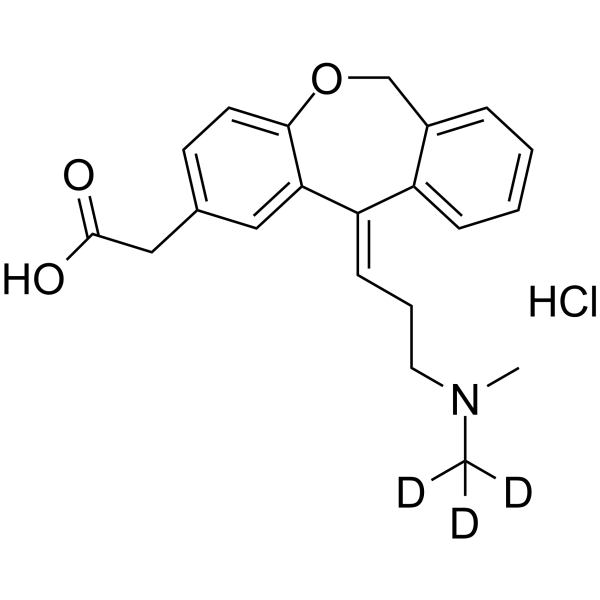
Olopatadine-d3 hydrochloride (ALO4943A-d3) is the deuterium labeled Olopatadine hydrochloride. Olopatadine hydrochloride (ALO4943A; KW4679) is an orally active histamine H1 receptorantagonist and mast cell stabilizer. Olopatadine hydrochloride exerts antiallergic effects by blocking histamine H1 receptor-mediated activities. Olopatadine hydrochloride inhibits exocytosis, chemokine release, F-actin polymerization, CXCL10-induced calcium influx, and T cell chemotactic activity. Olopatadine hydrochloride also reduces the expression levels of CXCR3 on the surface of CD4 + and CD8 +T cells. Olopatadine hydrochloride inhibits scratching behavior, improves dermatitis scores, and suppresses intraepidermal neurite outgrowth. Olopatadine hydrochloride simultaneously decreases the levels of inflammatory markers, growth factors, histamine, and specific IgE, while increasing the expression of ErbB3A/HER3A. Olopatadine hydrochloride can be used in research related to seasonal pollinosis, chronic rhinitis, urticaria, allergic conjunctivitis, alopecia areata, and atopic dermatitis .
Olopatadine (hydrochloride) (Standard) is the analytical standard of Olopatadine (hydrochloride). This product is intended for research and analytical applications. Olopatadine hydrochloride (ALO4943A; KW4679) is an orally active histamine H1 receptorantagonist and mast cell stabilizer. Olopatadine hydrochloride exerts antiallergic effects by blocking histamine H1 receptor-mediated activities. Olopatadine hydrochloride inhibits exocytosis, chemokine release, F-actin polymerization, CXCL10-induced calcium influx, and T cell chemotactic activity. Olopatadine hydrochloride also reduces the expression levels of CXCR3 on the surface of CD4 + and CD8 +T cells. Olopatadine hydrochloride inhibits scratching behavior, improves dermatitis scores, and suppresses intraepidermal neurite outgrowth. Olopatadine hydrochloride simultaneously decreases the levels of inflammatory markers, growth factors, histamine, and specific IgE, while increasing the expression of ErbB3A/HER3A. Olopatadine hydrochloride can be used in research related to seasonal pollinosis, chronic rhinitis, urticaria, allergic conjunctivitis, alopecia areata, and atopic dermatitis .
Mocravimod (hydrochloride) is an orally active sphingosine-1-phosphate receptor (S1PR) modulator that blocks the signal required by T cells to egress from lymph nodes and other lymphoid organs. Mocravimod (hydrochloride) preferentially binds to S1PR1 over S1PR2 and S1PR3 in cardiomyocytes. Mocravimod (hydrochloride) significantly lowered the concentration of reactive oxygen species (ROS), prevented mitochondrial permeability transition pore opening, boosted mitochondrial membrane potential (MMP), and increased phosphorylation of AKT, EKR, GSK-3β, JAK2, and STAT3. Mocravimod (hydrochloride) retains T cell effector function. Mocravimod (hydrochloride) can be used for the study of acute myelogenous leukemia, diabetes and Myocardial Ischemia-Reperfusion Injury (MIRI) .
Anti-Mouse TCR V gamma 2 Antibody (UC3-10A6) is an Armenian Hamster-derived IgG antibody inhibitor, targeting to mouse TCR V gamma 2. Anti-Mouse TCR V gamma 2 Antibody (UC3-10A6) reacts with an epitope on the delta chain of the mouse Vγ2 TCR (V gamma 2 T cellreceptor). Anti-Mouse TCR V gamma 2 Antibody (UC3-10A6) can deplete γδ T cell. Anti-Mouse TCR V gamma 2 Antibody (UC3-10A6) can be used for the researches of infection and immunology, such as herpes simplex virus-1 (HSV-1) infection .
ES009 is a high-affinity LILRB2 antagonist, with IC50 values of 14.07 nM and 18.61 nM for inhibiting hLILRB2-huANGPTL3 and hLILRB2-huANGPTL4, respectively. ES009 specifically blocks the interactions between LILRB2 and MHC class I as well as non-MHC ligands, thereby effectively inhibiting receptor activation. ES009 can reprogram anti-inflammatory myeloid cells and induce their conversion to a pro-inflammatory phenotype, and also reverse the T cell suppression mediated by macrophages. When combined with anti-PD-1 blockade therapy, ES009 synergistically enhances T cell activation. ES009 can be used in research related to advanced solid tumors and ovarian cancer .
Mocravimod (KRP-203 free base) is a sphingosine-1-phosphate receptor (S1PR) modulator that blocks the signal required by T cells to egress from lymph nodes and other lymphoid organs. Mocravimod preferentially binds to S1PR1 over S1PR2 and S1PR3 in cardiomyocytes. Mocravimod significantly lowered the concentration of reactive oxygen species (ROS), prevented mitochondrial permeability transition pore opening, boosted mitochondrial membrane potential (MMP), and increased phosphorylation of AKT, EKR, GSK-3β, JAK2, and STAT3. Mocravimod retains T cell effector function. Mocravimod can be used for the study of acute myelogenous leukemia, diabetes and Myocardial Ischemia-Reperfusion Injury (MIRI) .
SC13 is an orally active, selective Flap structure-specific endonuclease 1 (FEN1) inhibitor and mu opioid receptor (MOR) activator. SC13 impairs DNA damage repair and induces apoptosis in cancer cells. SC13 activates cGAS-STING signaling, increases chemokine secretion, and promotes CAR-T cell infiltration at solid tumour sites. SC13 can be used for the research of solid tumours and pain .
ANT308 TFA is a vasoactive intestinal polypeptide (VIP receptor) antagonist. ANT308 TFA significantly enhances the activation and proliferation of T cells. ANT308 TFA inhibits the migration and metastasis, induces apoptosis of melanoma tumor cells by inhibiting VIP-VPAC2 signaling and reducing the expression of MCAM and N-cadherin. ANT308 TFA can be used for the study of acute myeloid leukemia (AML) and uveal melanoma (UVM) .
Ligelizumab (QGE 031) is a humanized high-affinity anti-immunoglobulin IgE monoclonal antibody. Ligelizumab selectively inhibits the binding of IgE to the high-affinity receptorFcεRI, while the inhibitory effect on the low-affinity receptorCD23 is weak. Ligelizumab can inhibit the activation of effector cells such as mast cells and Basophil, while reducing the production of IgE by B cells, and restoring the IFN-α production and regulatory T cell (Treg) induction function of plasmacytoid dendritic cells (pDC). Ligelizumab can be used in the study of allergic diseases (such as chronic spontaneous urticaria, allergic asthma) .
4-Hydroperoxy Cyclophosphamide-d4 is the deuterium labeled 4-Hydroperoxy cyclophosphamide. 4-Hydroperoxy cyclophosphamide is the active metabolite form of the proagent Cyclophosphamide. 4-Hydroperoxy cyclophosphamide crosslinks DNA and induces T cell apoptosis independent of death receptor activation, but activates mitochondrial death pathways through production of reactive oxygen species (ROS). 4-Hydroperoxy cyclophosphamide has the potential for lymphomas and autoimmune disorders .
Anti-TSHR Antibody (K1-70) is an anti-TSHR monoclonal antibody. Anti-TSHR Antibody (K1-70) incorporates a single-chain variable fragment into a chimeric antigen receptor to redirect T cells to TSHR-expressing cells. Anti-TSHR Antibody (K1-70) shows antitumor activity with no apparent toxicity. Anti-TSHR Antibody (K1-70) can be used for the research of differentiated thyroid cancer (DTC) .
Fenoprofen (Standard) (LILLY-53858 (Standard)) is the analytical standard of Fenoprofen (HY-B1456A). This product is intended for research and analytical applications. Fenoprofenc is a nonsteroidal anti-inflammatory agent (NSAID) and inhibits cyclooxygenase (COX). Fenoprofen is a melanocortin receptors (MCRs) positive allosteric modulator (PAM). Fenoprofen also increases ERK1/2 activation in HEK293T cells. Fenoprofen has anti-arthritic activities and can be used for the study of rheumatoid arthritis and osteoarthritis.
REGN-7257 is a humanized monoclonal antibody targeting IL2RG. REGN-7257 blocks the signal transduction induced by common gamma chain (γc) cytokines via the IL2RG chain of the γc cytokine receptor complex. REGN-7257 is applicable for research on immune-mediated diseases and T cell-mediated diseases . Its corresponding isotype control is Human IgG4 kappa, Isotype Control (HY-P99003).
Hyaluronan-binding peptide, biotin labeled TFA is a biological active peptide. (This peptide is a hyaluronan-binding peptide biotinylated through a C-terminal GGGSK linker. Hyaluronan (HA) is a nonsulfated glycosaminoglycan expressed in the extracellular matrix and on cell surfaces. HA plays a role in fertilization, embryonic development, wound healing, angiogenesis, leukocyte trafficking to inflamed tissues, and cancer metastasis. This peptide has been shown to block HA binding to CD44 receptors and inhibit T cell proliferation.) .
EP4 receptor antagonist 7 (Compound 14) is an antagonist of the prostaglandin E2 (PGE2) receptor subtype EP4 with an IC50 value of 1.1 nM. EP4 receptor antagonist 7 inhibits PGE2-induced β-arrestin recruitment in HEK293 cells with an IC50 value of 0.9 nM. EP4 receptor antagonist 7 decreases PGE2-induced expression of mRNA encoding IL-4, macrophage mannose receptor 1 (Mrc1), chitinase-like protein 3 (Chil3), chemokine (C-X-C) motif ligand 1 (Cxcl1), triggering receptor expressed on myeloid cells 2 (Trem2), and arginase-1 (Arg1), in RAW 264.7 macrophages. EP4 receptor antagonist 7 combined with an anti-PD-1 antibody inhibits tumor growth and increases infiltration of CD 8+T cells into tumors in a CT26 murine colon cancer model .
Fenoprofen (LILLY-53858 (Standard)) (Standard) Calcium hydrate is the analytical standard of Fenoprofen Calcium hydrate (HY-B0288B). This product is intended for research and analytical applications. Fenoprofen is a nonsteroidal anti-inflammatory agent (NSAID) and inhibits cyclooxygenase (COX). Fenoprofen is a melanocortin receptors (MCRs) positive allosteric modulator (PAM). Fenoprofen also increases ERK1/2 activation in HEK293T cells. Fenoprofen has anti-arthritic activities and can be used for the study of rheumatoid arthritis and osteoarthritis.
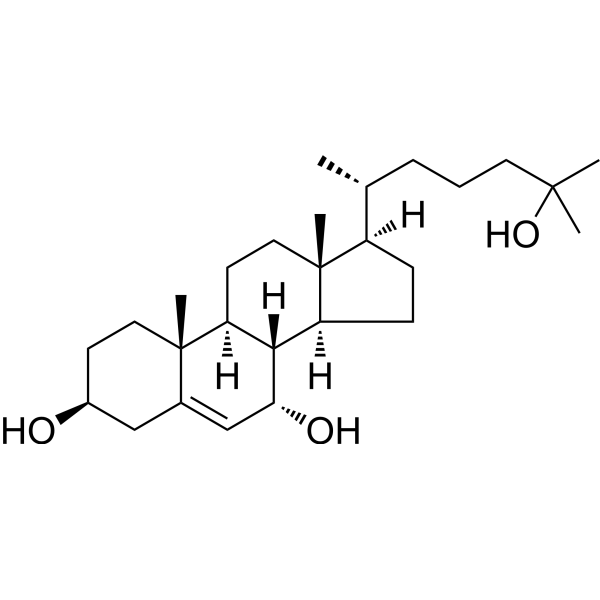
7α, 25-dihydroxycholesterol (7α,25-OHC) is a potent and selective agonist and endogenous ligand of the orphan GPCR receptorEBI2 (GPR183). 7α, 25-dihydroxycholesterol is highly potent at activating EBI2 (EC50=140 pM; Kd=450 pM). 7α, 25-dihydroxycholesterol can serve as a chemokine directing migration of B cells, T cells and dendritic cells .
PHTPP-1304 is a PHTPP-based autophagy targeting chimera (AUTOTAC). PHTPP-1304 induces the degradation of estrogen receptorERβ through the autophagy pathway, rather than ubiquitination (DC50 ≈ 2 nM, in HEK293T cells; < 100 nM in ACHN renal carcinoma and MCF-7 breast cancer cells). PHTPP-1304 can induce the self-oligomerization of p62. PHTPP-1304 can be used to study various cancers mediated by ERβ .
CA-170 (Standard) is the analytical standard of CA-170 (HY-101093). This product is intended for research and analytical applications. CA-170 is an orally delivered dual inhibitor of VISTA and PD-L1. CA-170 exhibits potent rescue of proliferation and effector functions of T cells inhibited by PD-L1/L2 and VISTA with selectivity over other immune checkpoint proteins as well as a broad panel of receptors and enzymes .
α-Galactosylceramide (Standard) is the analytical standard of α-Galactosylceramide (HY-102022). This product is intended for research and analytical applications. α-Galactosylceramide (α-GalCer) is a synthetic glycolipid with antitumorial and immunostimulatory. α-Galactosylceramide is a very potent NKT cell agonist and binds effectively to CD1d. The complex of α-Galactosylceramide plus CD1d binds the NKT cell TCR (T cell antigen receptor) .
RBN013209 is an orally active small molecule inhibitor of CD38 with an IC50 of 0.01 to 0.1 μM for human CD38. RBN013209 prevents the conversion of extracellular NAD + to ADPR or cADPR in tumor cells and PBMCs. RBN013209 can be used in the study of tumor. In addition, RBN013209 enables CAR-T cells to maintain the naive state and central memory state, and decreases the expression of cell activation markers and exhaustion-related inhibitory receptors .
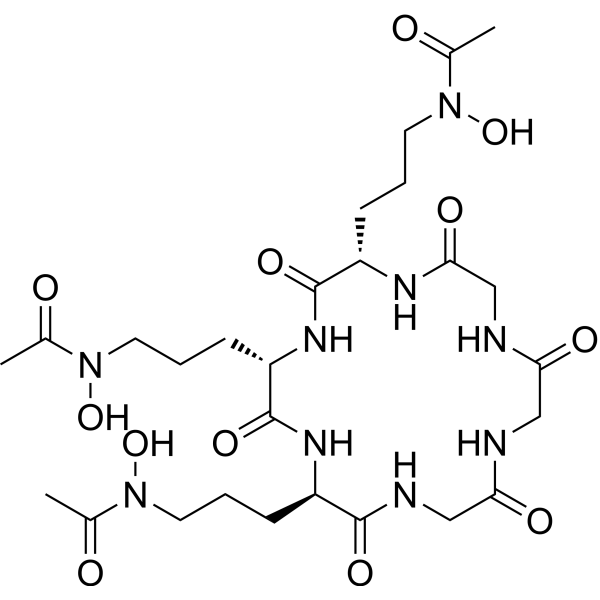
Ferrichrome is a hydroxamate siderophore produced by various fungi, including U. sphaerogena, that facilitates iron chelation and uptake by these organisms. It can be used as a heterosiderophore by bacteria, including Pseudomonas aeruginosa and Vibrio parahaemolyticus. Ferrichrome (0.8 μM) inhibits concanavalin A-induced proliferation of mouse spleen monocytes and reduces the number of concanavalin A-stimulated CD4+ T cells expressing IL-2 receptor. It also inhibits the heme-catalyzed oxidation of LDL by hydrogen peroxide in a concentration-dependent manner.
Olopatadine-d6 (ALO4943A-d6; KW4679-d6) hydrochloride is deuterium-labeled Olopatadine (hydrochloride) (HY-B0426A). Olopatadine hydrochloride (ALO4943A; KW4679) is an orally active histamine H1 receptorantagonist and mast cell stabilizer. Olopatadine hydrochloride exerts antiallergic effects by blocking histamine H1 receptor-mediated activities. Olopatadine hydrochloride inhibits exocytosis, chemokine release, F-actin polymerization, CXCL10-induced calcium influx, and T cell chemotactic activity. Olopatadine hydrochloride also reduces the expression levels of CXCR3 on the surface of CD4 + and CD8 +T cells. Olopatadine hydrochloride inhibits scratching behavior, improves dermatitis scores, and suppresses intraepidermal neurite outgrowth. Olopatadine hydrochloride simultaneously decreases the levels of inflammatory markers, growth factors, histamine, and specific IgE, while increasing the expression of ErbB3A/HER3A. Olopatadine hydrochloride can be used in research related to seasonal pollinosis, chronic rhinitis, urticaria, allergic conjunctivitis, alopecia areata, and atopic dermatitis .
DOCK2-IN-1 (Compound 3) is an analog of CPYPP (HY-110100) and a DOCK2 inhibitor (IC50 = 19.1 μM). DOCK2-IN-1 binds to the DHR-2 domain of DOCK2 and inhibits its mediated Rac guanine nucleotide exchange factor activity. DOCK2-IN-1 blocks chemokine receptor- and antigen receptor-mediated activation of Rac in lymphocytes. DOCK2-IN-1 significantly inhibits chemotaxis and T cell activation. DOCK2-IN-1 can be used in the research of transplant rejection and organ-specific autoimmune diseases .
AVP-13358 is an orally active IgE inhibitor that effectively suppresses immunoglobulin E (IgE)-mediated immune responses, with IC50 values of 8 and 3 nM for IgE inhibition in vivo and in vitro in BALB/c mice, respectively. AVP-13358 acts directly on T cells, inhibiting the production and release of IL-4, IL-5, and IL-13. It also targets other markers critical for the development of allergic responses, including the B cellIgEreceptor (CD23) in human monocytes and the CD23 and IL-4receptors in mouse B cells. AVP-13358 can be used in research related to anti-allergic responses .
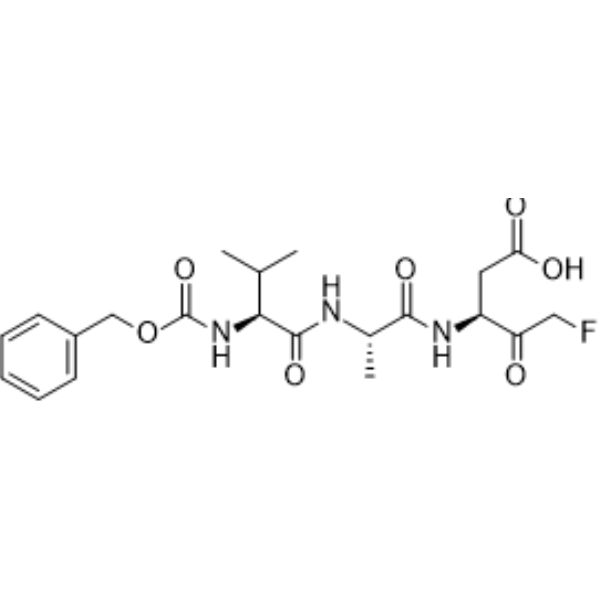
Z-VAD-FMK is a pan-caspase inhibitor and also an ICE-like protease inhibitor, which inhibits apoptosis by preventing the processing of CPP32 to its active form. Z-VAD-FMK sensitivity varies primarily due to differential expression of receptor-interacting protein 1 (RIP1). Z-VAD-FMK limits the cryopreservation-induced apoptosis by reducing caspase-3 activity of in vitro produced bovine embryos. Z-VAD-FMK is immunosuppressive in vitro and inhibits T cell proliferation without blocking the processing of caspase-8 and caspase-3. Z-VAD-FMK leads to a decrease in intracellular glutathione (GSH) with a concomitant increase in reactive oxygen species (ROS) levels in activated T cells. Z-VAD-FMK is due to oxidative stress via the depletion of GSH. Z-VAD-FMK can be used for the study of acute pancreatitis .
AS2863619 GMP is AS2863619 (HY-126675) produced by using GMP guidelines. GMP small molecules works appropriately as an auxiliary reagent for cell therapy manufacture. AS2863619 is an orally active CDK8/19 inhibitor that also inhibits BMP2, MDA5 and RIG-Ireceptors. AS2863619 targets Stat5a-CDK8/19 to promote the differentiation of CD4 +T cells into regulatory T cells and induce FOXP3 expression, thereby restoring immune homeostasis and establishing transplant immune tolerance. AS2863619 also enhances the BMP2/SMAD signaling pathway to promote osteogenic differentiation and inhibit adipogenic differentiation. AS2863619 exerts osteoprotective effects by alleviating inflammation-induced impairment of osteogenic function and inducing neutrophil apoptosis (apoptosis). AS2863619 can be applied to research in related fields such as periodontitis-induced bone defects .
Z-VAD-FMK is a pan-caspase inhibitor and also an ICE-like protease inhibitor, which inhibits apoptosis by preventing the processing of CPP32 to its active form. Z-VAD-FMK sensitivity varies primarily due to differential expression of receptor-interacting protein 1 (RIP1). Z-VAD-FMK limits the cryopreservation-induced apoptosis by reducing caspase-3 activity of in vitro produced bovine embryos. Z-VAD-FMK is immunosuppressive in vitro and inhibits T cell proliferation without blocking the processing of caspase-8 and caspase-3. Z-VAD-FMK leads to a decrease in intracellular glutathione (GSH) with a concomitant increase in reactive oxygen species (ROS) levels in activated T cells. Z-VAD-FMK is due to oxidative stress via the depletion of GSH. Z-VAD-FMK can be used for the study of acute pancreatitis .
Anti-Mouse 2C TCR Antibody (1B2) is a mouse-derived IgG1 type antibody inhibitor, targeting to mouse 2C TCR. Anti-Mouse 2C TCR Antibody (1B2) recognizes determinants on the variable regions of both the α and β subunits of the TCR (T cellreceptor) expressed by the mouse cytotoxic T lymphocyte clone 2C. Anti-Mouse 2C TCR Antibody (1B2) can be used for the detections of immunofluorescence and flow cytometry .
(2R,3S)-PD-1/PD-L1-IN-38 (Compound (±)-13e) is an orally active Ah receptor (AhR) antagonist with in vivo and in vitro anticancer activity. (2R,3S)-PD-1/PD-L1-IN-38 promotes the secretion of INF-γ by CD8 +T cells and inhibits the signal transduction of PD-1/PD-L1 .
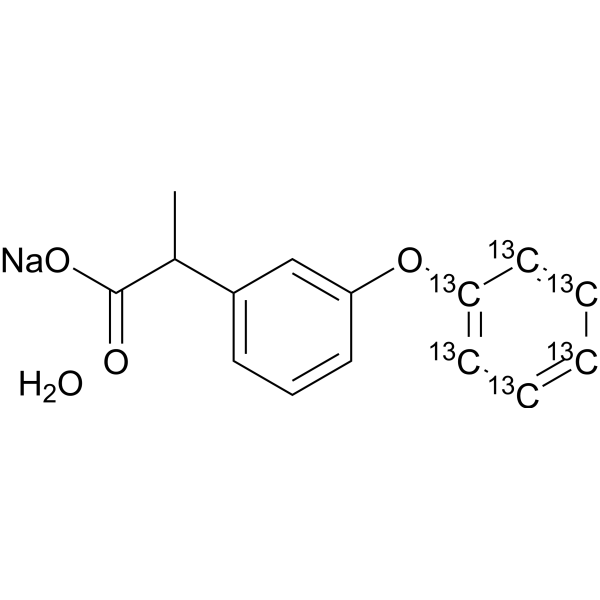
Fenoprofen- 13C6 (LILLY-53858- 13C6) sodium hydrate is the 13C labeled Fenoprofen (HY-B1456A).Fenoprofen (LILLY-53858) is a nonsteroidal anti-inflammatory agent (NSAID) and inhibits cyclooxygenase (COX). Fenoprofen is a melanocortin receptors (MCRs) positive allosteric modulator (PAM). Fenoprofen also increases ERK1/2 activation in HEK293T cells. Fenoprofen has anti-arthritic activities and can be used for the study of rheumatoid arthritis and osteoarthritis .
Taminadenant mesylate (NIR178 mesylate) is a potent adenosine A2A receptor antagonist with potential anti-tumor activity. Taminadenant mesylate can selectively bind and inhibit A2AR on T lymphocytes, thereby releasing adenosine/A2AR-mediated inhibition of T lymphocytes and activating T cell-mediated immune responses against tumor cells. Taminadenant mesylate works by reducing the proliferation of susceptible tumor cells. Taminadenant mesylate also showed effectiveness in reversing dyskinesias in Parkinson's disease models and was able to inhibit dyskinesias caused by L-DOPA .
BCMA CAR mRNA can express the CAR protein targeting human BCMA. BCMA CAR mRNA can trigger the transient expression of CAR, enabling T cells to be targeted without the need for permanent genetic modification. BCMA is a member of the tumor necrosis factor receptor superfamily 17 (TNFRSF17), also known as B-cell maturation antigen (CD269), which promotes B-cell survival and plays a role in regulating humoral immunity. BCMA is highly expressed in multiple myeloma and is a biomarker for the diagnosis of multiple myeloma.
HM-279 is a potent and orally active ALK5 inhibitor with an IC50 of 4.7 nM. HM-279 shows cross-reactivity with ALK7 (IC50 = 6.8 nM), but HM-279 has fair to good selectivity against other TGF-β receptor family kinases, with 4.5-693-fold selectivity. HM-279 demonstrates antitumor activity in vivo through CD8 +T cell immunity. HM-279 can be used for the research of colon cancer .
INCB191358 is a selective and orally active inhibitor of diacylglycerol kinase α/ζ/ι (DGKα/ζ/ι ) with IC50 values of 0.12, 0.36 and 0.36 nM. INCB191358 induces antigen-dependent T-cell activation, induces IL-2 production and enhances antitumor efficacy in combination with PD-1 blockade. INCB191358 can be used for the research of cancer, such as colon carcinoma .
Ruplizumab (BG 9588) is a humanized anti-CD40L IgG1κ monoclonal antibody. By binding to CD40L, Ruplizumab blocks its interaction with the CD40receptor, inhibits T-B cell costimulatory signals, and mediates the depletion of activated T cells via the Fc segment. Ruplizumab has immunosuppressive effects. Ruplizumab can be used in the study of systemic lupus erythematosus, organ transplant rejection, and autoimmune diseases. Recommend Isotype Controls: Human IgG1 kappa, Isotype Control (HY-P99001) .
SjDX5-53 control peptide is a control peptide of the TLR2 activator SjDX5-53 (HY-P10982) that does not target a specific receptor and does not modulate regulatory T cells (Tregs) or dendritic cells. SjDX5-53 control peptide can be used to exclude nonspecific effects and help verify the specific role of SjDX5-53 in inducing Tregs and alleviating autoimmune diseases. SjDX5-53 control peptide is used in the study of autoimmune diseases such as colitis and psoriasis .
3-Oxochol-5-en-24-oic acid is a rare bile acid produced by the intestinal microbiota. 3-Oxochol-5-en-24-oic acid is a potent antagonist of the human androgen receptor (hAR), with an IC50 of 119.4 nM. 3-Oxochol-5-en-24-oic acid has no significant agonistic or antagonistic effects on estrogen receptors (ER) or glucocorticoid receptors (GR). 3-Oxochol-5-en-24-oic acid effectively inhibits the growth of prostate cancer cells. In animal models, it enhances the efficacy of anti-PD-1 therapy by regulating the differentiation of CD8 +T cells. 3-Oxochol-5-en-24-oic acid can be used for research on regulating host immunity and anti-tumor studies .
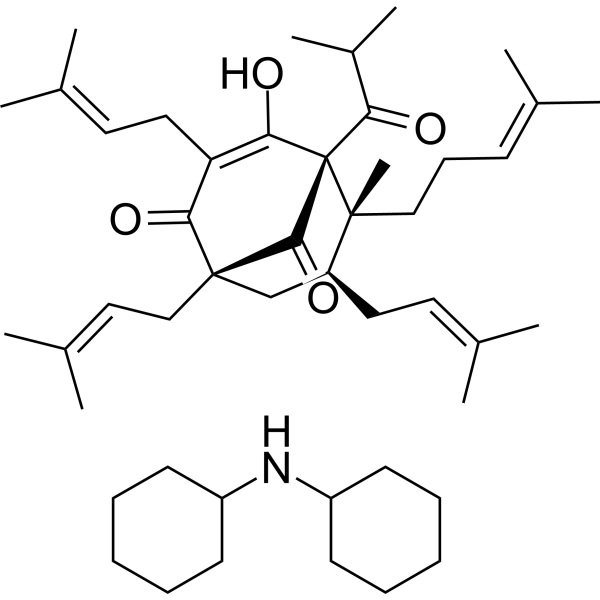
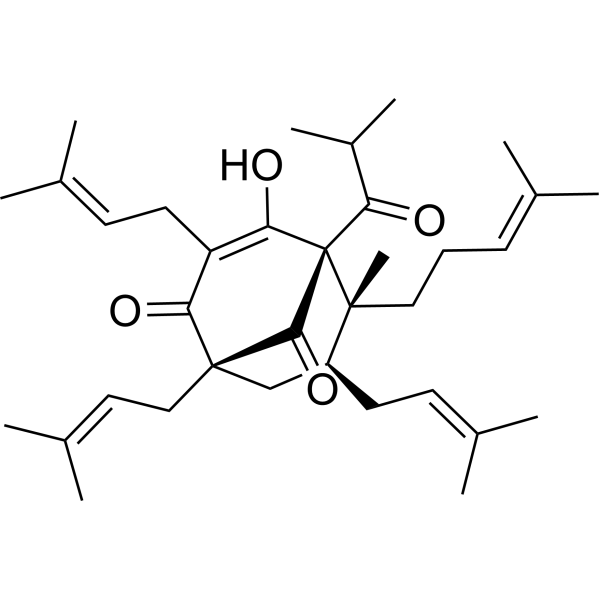
Hyperforin dicyclohexylammonium salt (Hyperforin DCHA) is a transient receptor canonical 6 (TRPC6) channels activator. Hyperforin dicyclohexylammonium salt modulates Ca 2+ levels by activating Ca 2+-conducting non-selective canonical TRPC6 channels. Hyperforin dicyclohexylammonium salt also shows diverse pharmacological activities including anti-depression, anti-tumor, anti-dementia, anti-diabetes. Hyperforin dicyclohexylammonium salt modulates γδ T cells to secret IL-17α, improves Imiquimod (HY-B0180)-induced psoriasis-like mice model .
REGN-10597, composed of an anti-huPD-1-targeting antibody and IL2Ra-IL2 moiety, is a PD-1-dependent IL-2 agonist. REGN-10597 binds PD-1 to deliver masked native IL-2 to PD-1+T cells, engaging trimeric IL-2 receptors to activate downstream signaling. REGN-10597 can be used for the research on melanoma, prostate cancer, colorectal cancer, and ovarian cancer .
Anti-Mouse CTLA-4 Antibody (UC10-4F10-11) reacts with mouse cytotoxic T lymphocyte antigen-4 (CTLA-4, CD152). Anti-Mouse CTLA-4 Antibody (UC10-4F10-11) promotes T cell co-stimulation by blocking CTLA-4 binding to the B7 co-receptors, allowing for CD28 binding. Recommend Isotype Controls: Polyclonal Armenian hamster IgG, Isotype Control (HY-P990305) .
4-Octylphenol is a hormone disruptor that has gender-specific effects on male reproductive cells, significantly reducing the mitotic index and the number of spermatogonia. 4-Octylphenol can cause inflammatory damage to fish gills by activating the complement system through the C3a/C3aR axis and the C5a/C5aR1 axis, this leads to complement activation and causes immune suppression due to the imbalance between Th1/Th2 cells and regulatory T cells (Treg)/Th17 cells, as well as inflammatory damage via the Toll-like receptor 7 (Toll-like Receptor (TLR))/IκBα/NF-κB pathway .
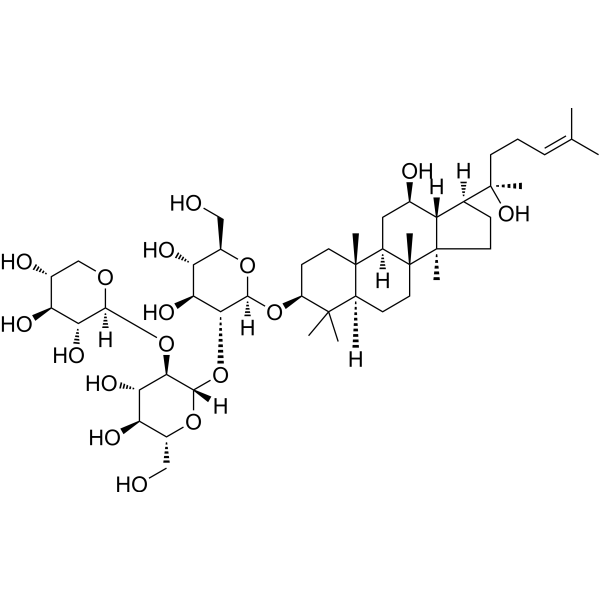
Notoginsenoside Ft1 is an orally active bioactive saponin. Notoginsenoside Ft1 inhibits the PI3K/AKT/mTOR signaling pathway, activates the p38 MAPK and ERK1/2 signaling pathways, and increases the proportion of CD8 +T cells, thereby inducing apoptosis and lysosomal cell death in various cancer cells, and promoting angiogenesis. Notoginsenoside Ft1 causes vasodilation by activating glucocorticoid receptors (GR) and estrogen receptor beta (ERβ) in endothelial cells. Notoginsenoside Ft1 increases intracellular Ca 2+ accumulation, reduces cAMP levels by activating a signaling network mediated through P2Y12receptors, and promotes platelet aggregation, thereby exerting a procoagulant effect. Notoginsenoside Ft1 inhibits ferroptosis (ferroptosis) in renal tubular epithelial cells by activating the TGR5receptor, thereby demonstrating a renal protective effect. Notoginsenoside Ft1 acts as a TGR5 agonist and an FXR antagonist to combat obesity and insulin resistance .
A2AR-antagonist-1 (compound 38) is an orally active adenosine A2A receptor (A2AR) antagonist (IC50=29 nM). A2AR-antagonist-1 exhibits anti-tumor activity and mouse liver microsomal metabolic stability (t1/2=86.1 min). A2AR-antagonist-1 is also a T cells activator, via inhibiting immunosuppressive molecules (LAG-3 and TIM-3) and enhancing effector molecules (GZMB, IFNG, and IL-2) .
(R)-Phe-A110/B319, a hapten, is a selective binder to tumor-associated antigens. (R)-Phe-A110/B319 has a 20-fold higher affinity towards the H1047R mutant of p110α in the p110α/p85α PI3K complex. (R)-Phe-A110/B319 can be used for the research of conditional chimeric antigen receptor T (CAR-T) cell activation and tumor targeting .
Tucotuzumab celmoleukin (EMD 273066) is an immunocytokine. Tucotuzumab celmoleukin consists of the following components: an IgG1 monoclonal antibody targeting human EpCAM antigen, and two molecules of IL2. Tucotuzumab celmoleukin binds to EpCAM. Tucotuzumab celmoleukin exerts anti-tumor effects on colon adenocarcinoma in synergy with radiofrequency ablation. Tucotuzumab celmoleukin can be used in research related to colon adenocarcinoma and colon cancer .
10 (11)-Cl-BBQ is a high-affinity aryl hydrocarbon receptor (AhR) agonist. 10 (11)-Cl-BBQ is a mixture of 10-Cl-BBQ and 11-Cl-BBQ, among which 11-Cl-BBQ exhibits higher AhR activation potency than 10-Cl-BBQ. Low-dose/short-term AhR activation by 10 (11)-Cl-BBQ promotes IL-17 production, while high-dose/sustained activation induces regulatory T cells and suppresses immune responses. 10 (11)-Cl-BBQ can be used in immunomodulation research .
Hyperforin is a transient receptor canonical 6 (TRPC6) channels activator. Hyperforin modulates Ca 2+ levels by activating Ca 2+-conducting non-selective canonical TRPC6 channels and triggers adipose tissue thermogenesis via the Dlat-AMPK signaling axis to suppress obesity. Hyperforin also shows diverse pharmacological activities including anti-depression, anti-tumor, anti-dementia, anti-diabetes. Hyperforin modulates γδ T cells to secret IL-17α, improves Imiquimod (HY-B0180)-induced psoriasis-like mice model .
CCL-34 is a Toll-like receptor 4 (TLR4) activator. CCL-34 significantly induced dendritic cell (DC) CD83 expression and IL-12p70 production in a dose-dependent manner, thereby inducing DC maturation. CCL-34 enhanced the allostimulatory activity of DC on naive CD4+CD45+RA+ T cell proliferation and IFN-γ secretion. CCL-34 further induced antigen presentation ability in mice inoculated with doxorubicin-treated colorectal cancer cells. CCL-34 can be used in studies of immune stimulation.
PROTAC HPK1 Degrader-3 (compound C3) is an orally effective PROTAC targeting HPK1 (DC50=21.26 nM). HPK1 is a negative regulator of T cellreceptors, which can lead to T cell dysfunction after abnormal activation. PROTAC HPK1 Degrader-3 can inhibit SLP76 and NF-κB signaling pathways and inhibit MAPK signal transduction, and has anticancer activity and immune activation. PROTAC HPK1 Degrader-3 has a certain oral bioavailability and can be combined with PD-L1 antibody therapy to achieve a tumor growth inhibition rate of 65.58%. PROTAC HPK1 Degrader-3 is composed of E3 ligase ligand Thalidomide (HY-14658; blue part), PROTAC linker tert-Butyl 3-oxoazetidine-1-carboxylate (HY-40146; black part), and target protein ligand HPK1-IN-51 (HY-162842; red part); the activity control of the target protein ligand can be HPK1 ligand 1 (HY-162841) [1] .
HPK1-IN-68 (Compound 39) is a HPK1 inhibitor with an IC50 of 2.8 nM. HPK1-IN-68 blocks HPK1 signaling, inhibits HPK1-mediated phosphorylation of SLP76, and promotes the production of the IL-2 cytokine. HPK1-IN-68 antagonizes the immunosuppressive effect mediated by PGE2. HPK1-IN-68 enhances the infiltration of CD3 +/CD8 + T cells into tumor tissues. HPK1-IN-68 exerts T cell-dependent antitumor efficacy in a mouse colon cancer model. HPK1-IN-68 exhibits significant synergistic antitumor effects when used in combination with anti-PD-1. HPK1-IN-68 is applicable to research related to colon cancer .
FGT-4 is a folate receptor β (FR-β) targeting chimeric molecule. FGT-4 is a TLR7 agonist. FGT-4 facilitates the secretion of iNOS and proinflammatory cytokine IL-6 associated with M1 macrophages and enhances the proliferation of cytotoxic CD8 +T cells. FGT-4 has anti-tumor activity in the 4T1 breast cancer mouse model. FGT-4 can be used for the study of cancer immunity. (Pink: target protein TLR7/8 agonist 1 ligand (HY-103698); black: linker (HY-172936); blue: FR-β ligand (HY-172935)) .
Hyperforin dicyclohexylammonium salt (Standard) is the analytical standard of Hyperforin dicyclohexylammonium salt. This product is intended for research and analytical applications. Hyperforin dicyclohexylammonium salt (Hyperforin DCHA) is a transient receptor canonical 6 (TRPC6) channels activator. Hyperforin dicyclohexylammonium salt modulates Ca 2+ levels by activating Ca 2+-conducting non-selective canonical TRPC6 channels. Hyperforin dicyclohexylammonium salt also shows diverse pharmacological activities including anti-depression, anti-tumor, anti-dementia, anti-diabetes. Hyperforin dicyclohexylammonium salt modulates γδ T cells to secret IL-17α, improves Imiquimod (HY-B0180)-induced psoriasis-like mice model .
PROTAC BTK Degrader-13 (Compound 25) is the PROTAC degrader for BTK with a DC50 of 0.27 μM. PROTAC BTK Degrader-13 inhibits the activity of BTK with an IC50 of 0.44 μM, inhibits IL-2-induced T cell kinase (ITK) with an IC50 of 2.16 μM. PROTAC BTK Degrader-13 inhibits p38 MAPK signaling pathway, block the activation of the BCR (B cellreceptor) signaling pathway . (Pink: ligand for target protein BTK ligand 15 (HY-168965); Black: linker (HY-Y0524); Blue: ligand for E3 ligase cereblon (HY-103596))
DSPE-PEG 2000-Mannose is a mannose-containing lipid. DSPE-PEG 2000-Mannose is used to prepare mannose-conjugated Liposome (Man-lipo) for siRNA delivery. Mannose-modified liposomes encapsulating IDO siRNA (Man-lipo-siIDO) preferentially knock down IDO expression in the draining lymph nodes and spleens of melanoma-bearing mice. Man-lipo-siIDO delays the onset time of melanoma and reduces tumor volume .
P2X7R antagonist-1 is an orally active P2X7receptor antagonist with an IC50 of 3.57 μM. P2X7R antagonist-1 inhibits the proliferation, invasion and metastasis abilities of cancer cells. P2X7R antagonist-1 downregulates the expression of FAK and MMP-9. P2X7R antagonist-1 suppresses tumor growth and metastasis in a mouse breast cancer model. P2X7R antagonist-1 promotes the activation of CD4 and CD8T cells. P2X7R antagonist-1 can be used in breast cancer-related research .
SSA antigenic peptide is an antigenic peptide of Sjögren's syndrome-related antigen A (SSA). SSA antigenic peptide can be used for the research of systemic lupus erythematosus .
ERβ agonist-2 (Page 72) is a selective ERβ agonist with an EC50 of 800 nM or lower. ERβ agonist-2 selectively inhibits T cell activation and/or proliferation, thereby reducing circulating T cell levels in subjects, without exerting significant effects on circulating neutrophil, monocyte or B cell levels. ERβ agonist-2 is applicable to studies of chronic heart failure after myocardial infarction, as well as graft-versus-host disease, multiple sclerosis and experimental autoimmune encephalomyelitis .
Levalbuterol (Levosalbutamol) hemitartrate is a β2-adrenergic receptor agonist and PI3K inhibitor. Levalbuterol hemitartrate inhibits PI3K activity, reduces NF-κB and Rb protein expression, activates the cAMP/PKA pathway, and stimulates cAMP release. Levalbuterol hemitartrate relaxes airway smooth muscle, reduces intracellular calcium levels, and inhibits spasmogen-induced contractions. Levalbuterol hemitartrate can be used for the research of moderate-to-severe asthma .
C2 L-threo Ceramide (d18:1/2:0) (L-threo Cer(d18:1/2:0); L-threo Ceramide (d18:1/2:0)) is a bioactive sphingolipid and cell-permeable analog of naturally occurring ceramides. It stimulates cholesterol efflux in CHO cells expressing the human ABCA1 receptor when used at a concentration of 10 μM, however, this efflux is 50% less than that stimulated by C2 ceramide. C2 L-threo Ceramide inhibits IL-4 production by 17% in EL4 T cells stimulated with phorbol 12-myristate 13-acetate when used at a concentration of 10 μM. It also induces cell cycle arrest in the G0/G1 phase and a 7-fold increase in sphingosine accumulation as well as inhibits growth of HL-60 leukemia cells.
JST‑TfR09 (PPMX‑T003) is a human monoclonal antibody (mAb) targeting transferrin receptor 1 (TfR1/CD71). JST‑TfR09 blocks the binding of transferrin to TfR1, inhibits TfR1 internalization, and suppresses cellular iron uptake. JST‑TfR09 triggers ferritin degradation via activating the autolysosomal system, promotes ROS production and lipid peroxidation, and ultimately induces ferroptosis. JST‑TfR09 exhibits cytotoxicity toward human erythroblasts differentiated from hematopoietic stem cells. JST-TfR09 can be used in leukemia research. Recommended isotype control: Human IgG1 lambda, Isotype Control (HY-P99992) .
MART-1 (27-35) (human) (TFA) is the amino acid fragment spanning positions 27 to 35 of the MART-1 protein, and it represents an immunogenic epitope recognizable by HLA-A2-restricted melanoma-specific tumor-infiltrating lymphocytes (TILs). MART-1 (27-35) (human) (TFA) can be used in studies related to melanoma.
Resolvin D5 is an anti-inflammatory and analgesic agent produced in M2 macrophages. Resolvin D5 alleviates Paclitaxel (HY-B0015)-induced mechanical allodynia and inflammatory pain by activating the GPR32receptor, with gender specificity (effective only in male mice) and independence from TRPV1 or TRPA1 channels. Resolvin D5 attenuates LPS-induced ERK phosphorylation and NF-κB nuclear translocation, downregulates proinflammatory mediators such as IL-6 and CCL5, inhibits Th17 cell differentiation and osteoclastogenesis, promotes regulatory T cell differentiation, and shows no cytotoxicity to human monocytes. The level of Resolvin D5 is elevated in arthritic SKG mice, but Resolvin D5 has no effect on dendritic cell differentiation or M1 macrophage polarization, nor does it prevent ZyA-induced arthritis progression. Resolvin D5 is suitable for research related to chemotherapy-induced peripheral neuropathy, inflammatory pain and rheumatoid arthritis .
Kp7-6 is a Fas mimetic peptide and also a Fas/FasL antagonist. Kp7-6 specifically binds to Fas and FasL, disrupts receptor complexes, and blocks downstream apoptosis signaling pathways. Kp7-6 inhibits the phosphorylation of ERK1-2, induces the phosphorylation of IκBα, and activates NF-κB. Kp7-6 inhibits the activation of caspase-8, caspase-3 and JNK, and suppresses human amylin-induced β-cell apoptosis. Kp7-6 inhibits FasL-induced lymphoid cytotoxicity and apoptosis. Kp7-6 reduces local tumor FasL expression, increases CD8 +Fas +T cell infiltration, and decreases tumor volume in pancreatic neuroendocrine tumor models. Kp7-6 prevents concanavalin A-induced liver injury in mice. Kp7-6 is applicable to research related to type 2 diabetes, concanavalin A-induced hepatitis and pancreatic neuroendocrine tumors .
MIL62 (FUT8-KO) is a CD20-targeting antibody that prepared by knocking out the fucosyltransferase 8 gene (FUT8) to remove fucose and thereby enhance the ADCC activity of the antibody .
InsB (9-23) (Insulin B chain (9-23)) is an HLA-DQ8-restricted insulin B-chain peptide composed of amino acid residues 9-23. InsB (9-23) serves as a major MHC II class-restricted antigen. InsB (9-23) supports the recognition and activation of T cells, stimulates the secretion of IFN-γ and cytokines, and induces cross-reactive immune responses. InsB (9-23)-specific CD4 T cells can initiate diabetes . InsB (9-23) can be used in research related to type 1 diabetes and autoimmune diabetes .
6-Methoxyflavone (Standard) is the analytical standard of 6-Methoxyflavone (HY-W097625). This product is intended for research and analytical applications. 6-Methoxyflavone is an orally active methoxyflavone. 6-Methoxyflavone suppresses neuroinflammation in microglia through the inhibition of TLR4/MyD88/p38 MAPK/NF-κB dependent pathways and the activation of HO-1/NQO-1 signaling. 6-Methoxyflavone induces S-phase arrest through the CCNA2/CDK2/p21CIP1 signaling pathway and activates the PERK/EIF2a/ATF4/CHOP pathway in HeLa cells. 6-Methoxyflavone acts as a Flumazenil (HY-B0009)-insensitive positive allosteric modulator at human recombinant α1β2γ2L and α2β2γ2L GABAα receptors. 6-Methoxyflavone inhibits NFAT Translocation into the nucleus and suppresses T cell activation. 6-Methoxyflavone partially restores chronic ethanol-induced behavioral deficits in mice. 6-Methoxyflavone antagonizes chronic constriction injury and diabetes associated neuropathic nociception expression. 6-Methoxyflavone can be used for the study of cancer, inflammation and neurological diseases .
Z-VAD-FMK is a pan-caspase inhibitor and also an ICE-like protease inhibitor, which inhibits apoptosis by preventing the processing of CPP32 to its active form. Z-VAD-FMK sensitivity varies primarily due to differential expression of receptor-interacting protein 1 (RIP1). Z-VAD-FMK limits the cryopreservation-induced apoptosis by reducing caspase-3 activity of in vitro produced bovine embryos. Z-VAD-FMK is immunosuppressive in vitro and inhibits T cell proliferation without blocking the processing of caspase-8 and caspase-3. Z-VAD-FMK leads to a decrease in intracellular glutathione (GSH) with a concomitant increase in reactive oxygen species (ROS) levels in activated T cells. Z-VAD-FMK is due to oxidative stress via the depletion of GSH. Z-VAD-FMK can be used for the study of acute pancreatitis .
AS2863619 GMP is AS2863619 (HY-126675) produced by using GMP guidelines. GMP small molecules works appropriately as an auxiliary reagent for cell therapy manufacture. AS2863619 is an orally active CDK8/19 inhibitor that also inhibits BMP2, MDA5 and RIG-Ireceptors. AS2863619 targets Stat5a-CDK8/19 to promote the differentiation of CD4 +T cells into regulatory T cells and induce FOXP3 expression, thereby restoring immune homeostasis and establishing transplant immune tolerance. AS2863619 also enhances the BMP2/SMAD signaling pathway to promote osteogenic differentiation and inhibit adipogenic differentiation. AS2863619 exerts osteoprotective effects by alleviating inflammation-induced impairment of osteogenic function and inducing neutrophil apoptosis (apoptosis). AS2863619 can be applied to research in related fields such as periodontitis-induced bone defects .
Phospholipid PL1 is a phospholipid-derived nanoparticle, can deliver costimulatory receptor mRNA (CD137 or OX40) to T cells. Phospholipid PL1 could induce the activation of various immune cells, including T cells and dendritic cells (DCs) in order to boost antitumor immunity .
Z-VAD-FMK is a pan-caspase inhibitor and also an ICE-like protease inhibitor, which inhibits apoptosis by preventing the processing of CPP32 to its active form. Z-VAD-FMK sensitivity varies primarily due to differential expression of receptor-interacting protein 1 (RIP1). Z-VAD-FMK limits the cryopreservation-induced apoptosis by reducing caspase-3 activity of in vitro produced bovine embryos. Z-VAD-FMK is immunosuppressive in vitro and inhibits T cell proliferation without blocking the processing of caspase-8 and caspase-3. Z-VAD-FMK leads to a decrease in intracellular glutathione (GSH) with a concomitant increase in reactive oxygen species (ROS) levels in activated T cells. Z-VAD-FMK is due to oxidative stress via the depletion of GSH. Z-VAD-FMK can be used for the study of acute pancreatitis .
AS2863619 GMP is AS2863619 (HY-126675) produced by using GMP guidelines. GMP small molecules works appropriately as an auxiliary reagent for cell therapy manufacture. AS2863619 is an orally active CDK8/19 inhibitor that also inhibits BMP2, MDA5 and RIG-Ireceptors. AS2863619 targets Stat5a-CDK8/19 to promote the differentiation of CD4 +T cells into regulatory T cells and induce FOXP3 expression, thereby restoring immune homeostasis and establishing transplant immune tolerance. AS2863619 also enhances the BMP2/SMAD signaling pathway to promote osteogenic differentiation and inhibit adipogenic differentiation. AS2863619 exerts osteoprotective effects by alleviating inflammation-induced impairment of osteogenic function and inducing neutrophil apoptosis (apoptosis). AS2863619 can be applied to research in related fields such as periodontitis-induced bone defects .
Kp7-6 is a Fas mimetic peptide and also a Fas/FasL antagonist. Kp7-6 specifically binds to Fas and FasL, disrupts receptor complexes, and blocks downstream apoptosis signaling pathways. Kp7-6 inhibits the phosphorylation of ERK1-2, induces the phosphorylation of IκBα, and activates NF-κB. Kp7-6 inhibits the activation of caspase-8, caspase-3 and JNK, and suppresses human amylin-induced β-cell apoptosis. Kp7-6 inhibits FasL-induced lymphoid cytotoxicity and apoptosis. Kp7-6 reduces local tumor FasL expression, increases CD8 +Fas +T cell infiltration, and decreases tumor volume in pancreatic neuroendocrine tumor models. Kp7-6 prevents concanavalin A-induced liver injury in mice. Kp7-6 is applicable to research related to type 2 diabetes, concanavalin A-induced hepatitis and pancreatic neuroendocrine tumors .
InsB (9-23) (Insulin B chain (9-23)) is an HLA-DQ8-restricted insulin B-chain peptide composed of amino acid residues 9-23. InsB (9-23) serves as a major MHC II class-restricted antigen. InsB (9-23) supports the recognition and activation of T cells, stimulates the secretion of IFN-γ and cytokines, and induces cross-reactive immune responses. InsB (9-23)-specific CD4 T cells can initiate diabetes . InsB (9-23) can be used in research related to type 1 diabetes and autoimmune diabetes .
VIPhyb is a vasoactive intestinal polypeptide (VIP) receptor antagonist. VIPhyb can inhibit VIP signaling, increase T-cell immunity and downregulate PD1. VIPhyb can inhibit cancer cell proliferation. VIPhyb can reduce inflammatory cytokine expression. VIPhyb can enhance viral clearance. VIPhyb can be used for the researches of cancer, infection and inflammation and immunology, such as non-small cell lung cancer (NSCLC), cytomegalovirus infection and colitis .
ANT308 is a vasoactive intestinal polypeptide (VIP receptor) antagonist. ANT308 significantly enhances the activation and proliferation of T cells. ANT308 inhibits the migration and metastasis, induces apoptosis of melanoma tumor cells by inhibiting VIP-VPAC2 signaling and reducing the expression of MCAM and N-cadherin. ANT308 can be used for the studies of acute myeloid leukemia (AML) and uveal melanoma (UVM) .
ANT308 TFA is a vasoactive intestinal polypeptide (VIP receptor) antagonist. ANT308 TFA significantly enhances the activation and proliferation of T cells. ANT308 TFA inhibits the migration and metastasis, induces apoptosis of melanoma tumor cells by inhibiting VIP-VPAC2 signaling and reducing the expression of MCAM and N-cadherin. ANT308 TFA can be used for the study of acute myeloid leukemia (AML) and uveal melanoma (UVM) .
RP-832c is a synthetic analogue of host defense peptides (HDP), targeting the mannose receptorCD206 on the surface of M2 polarized macrophages (Kd = 3.5 μM). RP-832c binding to CD206 induces a significant conformational change in the receptor, activating signaling pathways that lead to rapid apoptosis and repolarization of CD206-positive M2 macrophages to an M1 phenotype. RP-832c treatment significantly reduces CD206 gene expression in M2 macrophages while transiently increasing expression of TNF-α, a marker for M1 macrophages. RP-832c is used for the studies of T-cell lymphoma (CTCL) and idiopathic pulmonary fibrosis (IPF) .
Hyaluronan-binding peptide, biotin labeled TFA is a biological active peptide. (This peptide is a hyaluronan-binding peptide biotinylated through a C-terminal GGGSK linker. Hyaluronan (HA) is a nonsulfated glycosaminoglycan expressed in the extracellular matrix and on cell surfaces. HA plays a role in fertilization, embryonic development, wound healing, angiogenesis, leukocyte trafficking to inflamed tissues, and cancer metastasis. This peptide has been shown to block HA binding to CD44 receptors and inhibit T cell proliferation.) .
Ferrichrome is a hydroxamate siderophore produced by various fungi, including U. sphaerogena, that facilitates iron chelation and uptake by these organisms. It can be used as a heterosiderophore by bacteria, including Pseudomonas aeruginosa and Vibrio parahaemolyticus. Ferrichrome (0.8 μM) inhibits concanavalin A-induced proliferation of mouse spleen monocytes and reduces the number of concanavalin A-stimulated CD4+ T cells expressing IL-2 receptor. It also inhibits the heme-catalyzed oxidation of LDL by hydrogen peroxide in a concentration-dependent manner.
SIYNFEKL TFA is a variant of major MHC class I-restricted epitope SIINFEKL. SIYNFEKL TFA is an antigenic peptide, that can stimulate specific T cells in experimental settings to study the competitive interaction between T cell. SIYNFEKL TFA exhibits low affinity for the OT-I T cellreceptor (TCR), and can be used for detection of CD8+ T cells .
SIIVFEKL TFA is a variant of the major MHC class I-restricted epitope SIINFEKL. SIIVFEKL TFA is an antigenic peptide, that can stimulate specific T cells in experimental settings to study the competitive interaction between T cells. SIIVFEKL TFA exhibits low affinity for the OT-I T cellreceptor (TCR), and can be used for detection of CD8+ T cells .
SSA antigenic peptide is an antigenic peptide of Sjögren's syndrome-related antigen A (SSA). SSA antigenic peptide can be used for the research of systemic lupus erythematosus .
CD31 (PECAM-1) is platelet endothelial cell adhesion molecule-1, serves as the endothelial cell-specificreceptor of clostridium perfringens b-Toxin (CPB). CD31 is also an ER-MP12 antigen, acts as a linker between mechanical stress, metabolism and inflammation. CD31 peptide is able to sustain phosphorylation of the CD31 ITIM686 and of SHP2 and to inhibit TCR-induced T-cell activation - .
Vm24-toxin (Vaejovis mexicanus peptide 24) TFA, a 36-residue peptide, is a potent and selective Kv1.3 blocker with a Kd of ~3 pM in lymphocytes. Vm24-toxin TFA shows >1500-fold affinity for Kv1.3 over other assayed potassium channels. Vm24-toxin TFA folds into a distorted cystine-stabilized α/β motif consisting of a single-turn α-helix and a three-stranded antiparallel β-sheet, stabilized by four disulfide bridges. Vm24-toxin TFA attenuates the CD4 + effector memory T cell response to T cellreceptor (TCR) stimulation .
RTDLDSLRTYTL is an Alpha (v) beta (6) integrin (avb6) inhibitor with high affinity and specificity. RTDLDSLRTYTL binds to avb6 integrin, a peptide sequence that activates cytotoxicity and cytokine production in T cells, such as interferon-gamma. RTDLDSLRTYTL is designed through a chimeric T cell antigen receptor (CAR) so that T cells can be redirected to specifically recognize and attack tumor cells. RTDLDSLRTYTL can be used in the research of cancer immunotherapy and targeted drug development .
Hyaluronan-binding peptide, biotin labeled is a biological active peptide. (This peptide is a hyaluronan-binding peptide biotinylated through a C-terminal GGGSK linker. Hyaluronan (HA) is a nonsulfated glycosaminoglycan expressed in the extracellular matrix and on cell surfaces. HA plays a role in fertilization, embryonic development, wound healing, angiogenesis, leukocyte trafficking to inflamed tissues, and cancer metastasis. This peptide has been shown to block HA binding to CD44 receptors and inhibit T cell proliferation.)
[Gln144]-PLP (139-151) is an experimental antigen used to study T cells respond to both autoantigens and cross-reactive non-autoantigens. [Gln144]-PLP (139-151) activates T cells by binding to T-cellReceptor (TCR), which triggers an immune response. [Gln144]-PLP (139-151) can be used to study the regulation of autoimmune diseases .
CD31 (PECAM-1) TFA is platelet endothelial cell adhesion molecule-1, serves as the endothelial cell-specificreceptor of clostridium perfringens b-Toxin (CPB). CD31 TFA is also an ER-MP12 antigen, acts as a linker between mechanical stress, metabolism and inflammation. CD31 TFA peptide is able to sustain phosphorylation of the CD31 ITIM686 and of SHP2 and to inhibit TCR-induced T-cell activation - .
K-(D-1-Nal)-FwLL-NH2 TFA is a high affinity and potent ghrelin receptor inverse agonist (Ki values are 4.9 and 31 nM in COS7 and HEK293T cells, respectively). K-(D-1-Nal)-FwLL-NH2 blocks ghrelin receptor-mediated Gq- and G13-dependent signaling pathways.
NS2 (114-121), Influenza, the 114-121 fragment of influenza nonstructural protein 2 (NS2), is a influenza-derived epitope. NS2 (114-121), Influenza can be used for the research of CD8 + cytotoxic T lymphocyte (CTL) in antiviral immune responses .
Vm24-toxin (Vaejovis mexicanus peptide 24), a 36-residue peptide, is a potent and selective Kv1.3 blocker with a Kd of ~3 pM in lymphocytes. Vm24-toxin shows >1500-fold affinity for Kv1.3 over other assayed potassium channels. Vm24-toxin folds into a distorted cystine-stabilized α/β motif consisting of a single-turn α-helix and a three-stranded antiparallel β-sheet, stabilized by four disulfide bridges. Vm24-toxin attenuates the CD4 + effector memory T cell response to T cellreceptor (TCR) stimulation .
MBP Ac1-9 (4Y) is a synthetic peptide derived from a fragment of myelin basic protein (MBP) that has undergone specific chemical modifications. MBP Ac1-9 (4Y) is able to form a complex with the MHC class II molecule I-Au and activate specific T cellreceptor (TCR), thus playing a role in the pathogenesis of experimental autoimmune encephalomyelitis (EAE). MBP Ac1-9 (4Y) can be used to study autoimmune diseases, especially those involving the central nervous system, such as multiple sclerosis .
[Leu144,Arg147]-PLP (139-151) is a mutant peptide fragment of myelin proteolipid protein (PLP), with the tryptophan and histidine at positions 144 and 147 respectively replaced by leucine and arginine. [Leu144,Arg147]-PLP (139-151) also serves as a T cellreceptor (TCR) antagonist for encephalitogenic Th1 clones, blocking their activation in vitro. Furthermore, [Leu144,Arg147]-PLP (139-151) can inhibit the development of experimental autoimmune encephalomyelitis (EAE) .
RTDLDSLRTYTL TFA is an Alpha (v) beta (6) integrin (avb6) inhibitor with high affinity and specificity. RTDLDSLRTYTL TFA binds to avb6 integrin, a peptide sequence that activates cytotoxicity and cytokine production in T cells, such as interferon-gamma. RTDLDSLRTYTL TFA is designed through a chimeric T cell antigen receptor (CAR) so that T cells can be redirected to specifically recognize and attack tumor cells. RTDLDSLRTYTL TFA can be used in the research of cancer immunotherapy and targeted drug development .
[Leu144]-PLP (139-151) (L144-PLP(139-151)) is a peptide ligand of T cellreceptor. [Leu144]-PLP (139-151) is a TCR antagonist for encephalitogenic Th1 clones, blocking their activation .
SjDX5-53 control peptide is a control peptide of the TLR2 activator SjDX5-53 (HY-P10982) that does not target a specific receptor and does not modulate regulatory T cells (Tregs) or dendritic cells. SjDX5-53 control peptide can be used to exclude nonspecific effects and help verify the specific role of SjDX5-53 in inducing Tregs and alleviating autoimmune diseases. SjDX5-53 control peptide is used in the study of autoimmune diseases such as colitis and psoriasis .
MART-1 (27-35) (human) (TFA) is the amino acid fragment spanning positions 27 to 35 of the MART-1 protein, and it represents an immunogenic epitope recognizable by HLA-A2-restricted melanoma-specific tumor-infiltrating lymphocytes (TILs). MART-1 (27-35) (human) (TFA) can be used in studies related to melanoma.
Ipilimumab is a fully human monoclonal antibody IgG1κ that blocks the inhibitory receptor cytotoxic T lymphocyte antigen 4 (CTLA-4) on T cells. Ipilimumab can be used in unresectable or metastatic melanoma (MM) studies .
Pasritamig (JNJ-78278343; KLCB-245) is a bispecific T-cell engager (BiTE) that targets the complex of human kallikrein KLK2 and CD3receptor. Pasritamig redirects the cytotoxicity of T cells to KLK2-expressing tumor cells and induces T cell-mediated lysis of KLK2-expressing prostate cancer cells. Administered via subcutaneous injection, subcutaneous infusion or intravenous infusion, Pasritamig exhibits antitumor activity against metastatic castration-resistant prostate cancer. Pasritamig has a safety profile with an extremely low incidence of cytokine release syndrome and can be safely administered in an outpatient setting. Pasritamig is applicable to the research of metastatic castration-resistant prostate cancer .
Talquetamab (JNJ-64407564) is a humanized bispecific antibody that binds to GPRC5D (member of G protein-coupled receptor family C5 group D) and CD3 to induce T cell-mediated killing of GPRC5D-expressing MM cells through T cell recruitment and activation. Talquetamab (JNJ-64407564) has antitumor activity .
Tebentafusp (IMCgp100) is a bispecific fusion protein to target gp100 peptide-HLA-A*02:01 (a melanoma-associated antigen). Tebentafusp guides T cells to kill gp100-expressing tumor cells via a high affinity T-cellreceptor (TCR) binding domain and an anti-CD3 T-cell engaging domain. Tebentafusp leads to inflammatory cytokines and cytolytic proteins production, resulting in the direct lysis of tumour cells .
Ramantamig (JNJ-79635322) is a humanized monoclonal antibody targeting human CD3ε, GPRC5D, and TNFRSF17 (BCMA). Ramantamig binds to BCMA and GPRC5D on multiple myeloma cells, binds to CD3ε on T cells, forms immunological synapses, and enables T-cell-mediated cytotoxicity. Ramantamig activates T cells concomitantly with inducing myeloma cell cytotoxicity, with no nonspecific T-cell activation in the absence of target myeloma cells. Ramantamig carries mutations to reduce interaction with Fc receptors and disrupt protein A binding of monomeric and homodimerized chains. Ramantamig can be used for the research of multiple myeloma .
Telazorlimab (GBR-830) is a humanized monoclonal antibody against OX40 costimulatory receptor on activated T cells. Telazorlimab can be used for the research of autoimmune diseases .
Ligelizumab (QGE 031) is a humanized high-affinity anti-immunoglobulin IgE monoclonal antibody. Ligelizumab selectively inhibits the binding of IgE to the high-affinity receptorFcεRI, while the inhibitory effect on the low-affinity receptorCD23 is weak. Ligelizumab can inhibit the activation of effector cells such as mast cells and Basophil, while reducing the production of IgE by B cells, and restoring the IFN-α production and regulatory T cell (Treg) induction function of plasmacytoid dendritic cells (pDC). Ligelizumab can be used in the study of allergic diseases (such as chronic spontaneous urticaria, allergic asthma) .
Anti-TSHR Antibody (K1-70) is an anti-TSHR monoclonal antibody. Anti-TSHR Antibody (K1-70) incorporates a single-chain variable fragment into a chimeric antigen receptor to redirect T cells to TSHR-expressing cells. Anti-TSHR Antibody (K1-70) shows antitumor activity with no apparent toxicity. Anti-TSHR Antibody (K1-70) can be used for the research of differentiated thyroid cancer (DTC) .
Vudalimab is a potent dual PD-1 and CTLA-4 inhibitor as a fully humanized bispecific monoclonal antibody. Vudalimab targets immune checkpoint receptors PD-1 and CTLA-4 and promotes tumor-selective T-cell activation .
Daclizumab (Ro 24-7375) is a humanized, monoclonal antibody that blocks CD25 (α-subunit of the high-affinity interleukin-2 receptor (IL-2R-HA)). Daclizumab inhibits effector T cell activation, regulatory T cell (Treg) expansion and survival, and activation-induced T-cellapoptosis. Daclizumab increases IL-2 bioavailability to bind to the intermediate-affinity IL-2R (IL-2R-IA), driving the expansion of anti-inflammatory CD56bright natural killer (NK) cells. Daclizumab can be used for multiple sclerosis and cancer research .
Muromonab (Muromonab-CD3; OKT3) is a mouse monoclonal antibody targeting the CD3 antigen. Muromonab specifically binds to the CD3 antigen on the surface of human and higher primate T cells. Muromonab blocks the function of T cellreceptors to recognize foreign antigens and inhibits T cell-mediated immune responses, including cell-mediated lymphocyte lysis and T cell proliferation responses. Muromonab can be used to study acute kidney, liver, heart and combined kidney-pancreas transplant rejection, and can also be used to study graft-versus-host disease in bone marrow transplant patients .
Ulviprubart (ABC-008) is a monoclonal antibody targeting the KLRG1receptor that selectively depletes highly differentiated cytotoxic T cells. Ulviprubart can be used in the study of inclusion body myositis (IBM) .
Fidasimtamab is a bispecific antibody targeting human epidermal growth factor receptor 2 (Her2) and programmed death protein 1 (PD-1), with a Ka of 3.55e-10 M for human Her2 and a Ka of 1.17e-9 M for human PD-1. Fidasimtamab cross-links Her2-positive tumor cells with PD-1-positive T cells to form immune synapses, blocks PD-1-ligand interactions, preserves antibody-dependent cellular cytotoxicity, induces gasdermin B (GSDMB)-mediated pyroptosis, and activates T cells. Fidasimtamab is applicable to relevant research on Her2-positive gastric cancer .
Ruplizumab (BG 9588) is a humanized anti-CD40L IgG1κ monoclonal antibody. By binding to CD40L, Ruplizumab blocks its interaction with the CD40receptor, inhibits T-B cell costimulatory signals, and mediates the depletion of activated T cells via the Fc segment. Ruplizumab has immunosuppressive effects. Ruplizumab can be used in the study of systemic lupus erythematosus, organ transplant rejection, and autoimmune diseases. Recommend Isotype Controls: Human IgG1 kappa, Isotype Control (HY-P99001) .
Cinrebafusp alfa (PRS 343) is a high affinity CD137/HER2 bispecfic anticalin-based drug. Cinrebafusp alfa binds to recombinant human HER2 (Kd=0.3 nM) and human monomeric CD137 (4-1BB; Kd=5 nM). Cinrebafusp alfa facilitates T-cell costimulation by tumor-localized, HER2-dependent 4-1BB clustering and activation, further enhancing T-cellreceptor-mediated activity and leading to tumor destruction. Cinrebafusp alfa has the potential for HER2+ solid tumors research .
Cemiplimab (Anti-Human PD-1) is a high-affinity programmed death receptor-1 (PD-1) monoclonal IgG4 antibody that blocks PD-1/PD-L1-mediated T-cell suppression. Cemiplimab is commonly used in squamous cell skin cancer research .
Ivuxolimab is a fully human IgG2 agonist targeting OX40 (CD134), which selectively binds to the OX40 receptor on the surface of activated CD4 + and CD8 +T cells without inducing antibody-dependent cytotoxicity. Ivuxolimab can promote T cell proliferation, survival and cytokine (such as IFN-γ, IL-2) secretion, inhibit regulatory T cell function, and enhance anti-tumor immune response. Ivuxolimab can be used in the study of melanoma, hepatocellular carcinoma, head and neck squamous cell carcinoma, etc .
Lacutamab (IPH4102) is a humanizedized monoclonal antibody (mAb) directed against the immune receptor molecule KIR3DL2, produced by recombinant technology in CHO cells. Lacutamab can be used in research of cutaneous T-cell lymphoma .
Ordastobart (INBRX-106; ES-102) is a hexavalent OX40 agonist antibody. Ordastobart enhances OX40receptor clustering, signaling, and downstream activation, thereby increasing the proliferation and activation of CD4 + and CD8 +T cells in vitro and in vivo. Ordastobart exhibits anti-tumor effects and improves survival in mouse models of cancer. Ordastobart is indicated for research in cancers such as fibrosarcoma and colorectal cancer .
Forimtamig (RG-6324) is a GPRC5DxCD3T-cell-engaging bispecific antibody. Forimtamig has a 2 + 1 format, comprising two high-affinity GPRC5D binding moieties and one CD3 binder. Forimtamig further features a P329G LALA mutated Fc domain that inhibits Fcγ receptor and C1q binding, yet retains binding to the neonatal Fc receptor. The isotype control for Forimtamig can refer to Human IgG1 kappa, Isotype Control (HY-P99001) .
REGN-7257 is a humanized monoclonal antibody targeting IL2RG. REGN-7257 blocks the signal transduction induced by common gamma chain (γc) cytokines via the IL2RG chain of the γc cytokine receptor complex. REGN-7257 is applicable for research on immune-mediated diseases and T cell-mediated diseases . Its corresponding isotype control is Human IgG4 kappa, Isotype Control (HY-P99003).
Zanolimumab (Anti-Human CD4 Recombinant Antibody) is a fully human monoclonal antibody targets CD4. Zanolimumab effectively inhibits T-cellreceptor (TCR) signal transduction. Zanolimumab can be used for the research of heumatoid arthritis, psoriasis, melanoma, cutaneous and peripheral T-cell lymphoma .
KY-1044 (Alomfilimab; SAR 445256) is a fully human IgG1 antibody targeting inducible costimulatory receptor (ICOS). KY-1044 depletes ICOS highcells via antibody-dependent cellular cytotoxicity (ADCC) through the engagement of FcgRIIIa. KY-1044 act as a costimulatory molecule on cells expressing lower ICOS levels, such as CD8 + TEffcells (through FcgR-dependent clustering). KY-1044 exploit the differential expression of ICOS on T-cell subtypes to improve the intratumoral immune contexture and restore an antitumor immune response .
Alsevalimab is a humanized, afucosylated IgG1 monoclonal antibody against B7-H4. Alsevalimab blocks the binding of the B7-H4 protein to the receptors on the surface of T cells, reversing the immunosuppressive state in the tumor microenvironment, thereby activating the killing effect of T cells on cancer cells. Alsevalimab can be used in combination with Pembrolizumab (HY-P9902), and shows good safety profiles .
JST‑TfR09 (PPMX‑T003) is a human monoclonal antibody (mAb) targeting transferrin receptor 1 (TfR1/CD71). JST‑TfR09 blocks the binding of transferrin to TfR1, inhibits TfR1 internalization, and suppresses cellular iron uptake. JST‑TfR09 triggers ferritin degradation via activating the autolysosomal system, promotes ROS production and lipid peroxidation, and ultimately induces ferroptosis. JST‑TfR09 exhibits cytotoxicity toward human erythroblasts differentiated from hematopoietic stem cells. JST-TfR09 can be used in leukemia research. Recommended isotype control: Human IgG1 lambda, Isotype Control (HY-P99992) .
Revdofilimab (ABBV-368) is a human IgG1 agonist monoclonal antibody against OX40. Among them, OX40 is a member of the TNF receptor superfamily expressed on activated and memory T cell subsets and T regulatory cells .
Anti-Mouse 2C TCR Antibody (1B2) is a mouse-derived IgG1 type antibody inhibitor, targeting to mouse 2C TCR. Anti-Mouse 2C TCR Antibody (1B2) recognizes determinants on the variable regions of both the α and β subunits of the TCR (T cellreceptor) expressed by the mouse cytotoxic T lymphocyte clone 2C. Anti-Mouse 2C TCR Antibody (1B2) can be used for the detections of immunofluorescence and flow cytometry .
Tucotuzumab celmoleukin (EMD 273066) is an immunocytokine. Tucotuzumab celmoleukin consists of the following components: an IgG1 monoclonal antibody targeting human EpCAM antigen, and two molecules of IL2. Tucotuzumab celmoleukin binds to EpCAM. Tucotuzumab celmoleukin exerts anti-tumor effects on colon adenocarcinoma in synergy with radiofrequency ablation. Tucotuzumab celmoleukin can be used in research related to colon adenocarcinoma and colon cancer .
Imneskibart (AU-007) is a human monoclonal antibody that binds to the CD25-binding epitope of interleukin-2 (IL-2), blocking the binding of IL-2 to the trimeric IL-2receptor while retaining the ability to bind to the dimeric IL-2receptor. Imneskibart expands effector T cell and NK cell populations, reduces regulatory T cells, increases the effector T cell/regulatory T cell ratio, and alleviates vascular leakage. Imneskibart can be used in research related to melanoma and non-small cell lung cancer. The corresponding isotype control is: Human IgG1 kappa, Isotype Control (HY-P99001) .
Ragistomig can simultaneously target programmed death-ligand 1 (PD-L1) and the 4-1BBreceptor. Ragistomig elicits potent anti-tumor T-cell responses without inducing significant toxicity. Ragistomig is applicable for tumor research .
Dargistotug (M-6223) is a fully human IgG1 monoclonal antibody targeting TIGIT (T cell immune receptor with Ig domain and ITIM). TIGIT is an inhibitory immune checkpoint that promotes NK cell depletion and reduces the secretion of cytokines by binding to CD155 and other antibodies. It can also directly or indirectly inhibit effector T cells and upregulate Tregs cells, thereby exerting immunosuppression. Function .
Tuparstobart (Incagn-02385) is an IgG1κ antibody targeting LAG-3. LAG-3 is an immune checkpoint receptor protein mainly expressed on activated T cells, NK cells, B cells and plasmacytoid dendritic cells .
MEDI-6469 is a human monoclonal antibody (mAb) targeting TNFRSF4/OX40/CD134. MEDI-6469 targets the OX40 receptor on activated T cells to enhance the immune response against cancer cells. .
Dafsolimab (SPV-T3a) is a Mouse IgG2b monoclonal antibody (anti-CD3). Dafsolimab can induce cell death through modulation and activation of the CD3/T cellreceptor complex. Dafsolimab can be used for the research of graft-versus-host disease (GVHD) .
HY-P990958 is an T cellreceptor germline-encoded variable chain Vβ6/β10-targeting IgG1κ type humanized antibody, the recommed isotype control is Human IgG1 kappa, Isotype Control (HY-P99001) .
Anti-Mouse TIM-1/CD365 Antibody (3B3) is a rat-derived IgG2a κ type agonistic antibody, targeting to mouse TIM-1/CD365. Anti-Mouse TIM-1/CD365 Antibody (3B3) enhances T-cell proliferation and responses by forming a stable TIM-1 complex and bringing TIM-1 into the T-cellreceptor (TCR)-CD3 complex. Anti-Mouse TIM-1/CD365 Antibody (3B3) can be used for the researches of cancer, inflammation and immunology, such as experimental autoimmune encephalomyelitis, B16 F10 tumor and transplant .
Anti-Mouse/Human KLRG-1 Antibody (2F1) is a Syrian hamster-derived IgG type antibody inhibitor, targeting to mouse/human KLRG-1. Anti-Mouse/Human KLRG-1 Antibody (2F1) neutralizes KLRG1. Anti-Mouse/Human KLRG-1 Antibody (2F1) reduces T-cellreceptor signals and regulatory T-cell accumulation. Anti-Mouse/Human KLRG-1 Antibody (2F1) can be used for the researches of immunology .
Anti-Rat CD28 Antibody (JJ319) is a mouse-derived IgG1 κ type antibody inhibitor, targeting to rat CD28. Anti-Rat CD28 Antibody (JJ319) activates T cells in the presence of T cellreceptor-stimulation. Anti-Rat CD28 Antibody (JJ319) can be used for the researches of inflammation and immunology, such as transplantation and neuritis .
Efizonerimod alfa (MEDI-6383) is a recombinant human OX40L IgG4P Fc fusion protein that assembles into a hexameric structure and exerts potent agonist activity upon binding to OX40. The activity of Efizonerimod alfa is enhanced by Fcγ receptor-mediated aggregation. Efizonerimod alfa binds to OX40 on the surface of activated T cells, induces NF-κB promoter activity in OX40-expressing T cells, and triggers the production of Th1-type cytokines, T cell proliferation, and resistance to regulatory T cell (Treg)-mediated suppression. Efizonerimod alfa enhances the cytolytic activity of tumor-reactive T cells and slows tumor growth in immunodeficient mice. Efizonerimod alfa induces the proliferation of CD4, CD8, and B cells in the peripheral blood of healthy non-human primates. Efizonerimod alfa can be used in the research of advanced solid malignancies and melanoma .
AGEN-2373 is a conditionally active agonist antibody targeting the co-stimulatory receptorCD137. GEN-2373 binds to CD137 without disruption of ligand binding. AGEN-2373 stimulates CD137 under receptor clustering conditions. AGEN-2373 can enhance T cell activity when combined with other checkpoint modulators (e.g. PD-1 antagonist and OX40 agonist). AGEN-2373 can be studied in research for human malignancies .
Anti-Mouse TCR V gamma 2 Antibody (UC3-10A6) is an Armenian Hamster-derived IgG antibody inhibitor, targeting to mouse TCR V gamma 2. Anti-Mouse TCR V gamma 2 Antibody (UC3-10A6) reacts with an epitope on the delta chain of the mouse Vγ2 TCR (V gamma 2 T cellreceptor). Anti-Mouse TCR V gamma 2 Antibody (UC3-10A6) can deplete γδ T cell. Anti-Mouse TCR V gamma 2 Antibody (UC3-10A6) can be used for the researches of infection and immunology, such as herpes simplex virus-1 (HSV-1) infection .
Lorukafusp alfa (14.18 mAb; hu14.18-IL2) is an immunocytokine consisting of the humanized 14.18 anti-GD2 mAb linked to IL210. Lorukafusp alfa has activity mediated by activation of antibody-dependent cellular cytotoxicity (ADCC) and complement-dependent cytotoxicity via the binding of hu14.18-IL2 to GD2 on the tumor cell surface, followed by binding to Fc receptors on effector cells along with activation of NK and T cells via IL2 receptor binding. Lorukafusp alfa has anti-tumor activity .
SAR444200 is a nanobody T-cell engager targeting GPC3 (glypican-3) and TCRαβ (T-cellreceptor αβ). SAR444200 has a KDof 0.023 nM for human GPC3 and a KD of 5.2 nM for human TCRαβ. SAR444200 mediates T-cell-dependent cytotoxicity, with high selectivity and killing activity against GPC3-positive tumor cells. SAR444200 binds to GPC3 in a dual-epitope manner, and binds to TCRαβ via its N-terminal nanobody, forming an artificial immunological synapse between T cells and tumor cells. SAR444200 can be used for the research of GPC3 + solid tumors, including liver cancer, lung squamous cell carcinoma and melanoma .
Anti-Mouse CD45 Antibody (I3/2.3) reacts with the mouse CD45. CD45 plays a key role in T-cellreceptor (TCR) and B-cellreceptor (BCR) signal transduction. Recommend Isotype Controls: Rat IgG2b kappa, Isotype Control (HY-P990682) .
RC98 is a monoclonal antibody targeting programmed cell death ligand 1 (PD-L1) and acts as a selective PD-L1 inhibitor. RC98 binds specifically to human and cynomolgus monkey PD-L1. RC98 blocks the interaction between PD-L1 and its receptor PD-1 to reverse T-cell inactivation mediated by PD-1/PD-L1 signaling. RC98 enhances the cytotoxic T-lymphocyte-mediated anti-tumor immune response against PD-L1-expressing tumor cells. RC98 can be used for the research of tumor immunity and solid tumors .
OSE-279 is a high-affinity humanized monoclonal bivalent antibody targeting PD-1, the recommended isotype control is HY-P99003. OSE-279 blocks PD-1 ligand binding, inhibits PDL1-induced SHP1 phosphorylation, restores T cell activation, and promotes reactivation of primary T cell effector functions. OSE-279 binds hFcRnreceptor, predicts long half-life, induces CD4 and CD8 T cell proliferation, and promotes interleukin 2 and interferon gamma secretion. OSE-279 can be used for the research of advanced malignancies, colon cancer, hepatocarcinoma, mesothelioma .
RTX-003 is a monoclonal antibody targeting CD25. RTX-003 induces the death of regulatory T cells (Tregs) by targeting the IL-2 receptor α chain (CD25), and can enhance anti-tumor immune responses.
Anti-Mouse CD3E Antibody (500A2) is an antibody targeting mouse CD3ε, which specifically binds to the region on CD3ε adjacent to the T cellreceptor binding site. Anti-Mouse CD3E Antibody (500A2) triggers functional signal transduction in immature T cells and activates naive T cells. When cross-linked, Anti-Mouse CD3E Antibody (500A2) induces a rapid, robust and transient increase in cytoplasmic calcium concentration, acting as a potent calcium flux inducer. Anti-Mouse CD3E Antibody (500A2) is suitable for multiple experimental techniques such as flow cytometry, immunoprecipitation and EMARS reactions. It can be used to detect CD3E expression on thymocytes, mature T lymphocytes and NK-T cells from different mouse strains, or to identify membrane cluster components of the TCR complex, and shows no cross-reactivity with rat leukocytes .
Anti-VISTA Antibody (GG8) reacts with human VISTA. Endogenous VISTA has inhibitory effects both as a ligand on APCs and as a receptor on T cells. Recommend Isotype Controls: Mouse IgG1 kappa, Isotype Control (HY-P99977) .
Eliroptamig is a multispecific antibody targeting albumin, folate receptor α (FOLR1) and cluster of differentiation 3 (CD3). Eliroptamig extends its half-life by binding to albumin, while targeting FOLR1 on tumor cells and activating T cells to achieve precise tumor killing .
REGN6569 is a fully human IgG1 monoclonal antibody targeting glucocorticoid-induced tumor necrosis factor receptor-related protein (GITR) with high specificity for GITR. REGN6569 exerts stronger in vitro antibody-dependent cell-mediated cytotoxicity (ADCC) against regulatory T cells expressing GITR. REGN6569 selectively depletes regulatory T cells via antibody-dependent cell-mediated cytotoxicity and increases the proportion of proliferative natural killer (NK) cells in peripheral blood. REGN6569 is applicable for advanced solid malignancies. Isotype control: HY-P99001 .
Anti-iNKT Cell Antibody (6B11) recognizes an epitope on T cellreceptor (TCR) V alpha 24-J alpha 18. Anti-iNKT Cell Antibody is specific for cloned and primary human but not rodent iNKT and the human invariant TCR-α. Recommend Isotype Controls: Mouse IgG1 kappa, Isotype Control (HY-P99977) .
ES009 is a high-affinity LILRB2 antagonist, with IC50 values of 14.07 nM and 18.61 nM for inhibiting hLILRB2-huANGPTL3 and hLILRB2-huANGPTL4, respectively. ES009 specifically blocks the interactions between LILRB2 and MHC class I as well as non-MHC ligands, thereby effectively inhibiting receptor activation. ES009 can reprogram anti-inflammatory myeloid cells and induce their conversion to a pro-inflammatory phenotype, and also reverse the T cell suppression mediated by macrophages. When combined with anti-PD-1 blockade therapy, ES009 synergistically enhances T cell activation. ES009 can be used in research related to advanced solid tumors and ovarian cancer .
REGN-10597, composed of an anti-huPD-1-targeting antibody and IL2Ra-IL2 moiety, is a PD-1-dependent IL-2 agonist. REGN-10597 binds PD-1 to deliver masked native IL-2 to PD-1+T cells, engaging trimeric IL-2 receptors to activate downstream signaling. REGN-10597 can be used for the research on melanoma, prostate cancer, colorectal cancer, and ovarian cancer .
Anti-Mouse CTLA-4 Antibody (UC10-4F10-11) reacts with mouse cytotoxic T lymphocyte antigen-4 (CTLA-4, CD152). Anti-Mouse CTLA-4 Antibody (UC10-4F10-11) promotes T cell co-stimulation by blocking CTLA-4 binding to the B7 co-receptors, allowing for CD28 binding. Recommend Isotype Controls: Polyclonal Armenian hamster IgG, Isotype Control (HY-P990305) .
MIL62 (FUT8-KO) is a CD20-targeting antibody that prepared by knocking out the fucosyltransferase 8 gene (FUT8) to remove fucose and thereby enhance the ADCC activity of the antibody .
7α, 25-dihydroxycholesterol (7α,25-OHC) is a potent and selective agonist and endogenous ligand of the orphan GPCR receptorEBI2 (GPR183). 7α, 25-dihydroxycholesterol is highly potent at activating EBI2 (EC50=140 pM; Kd=450 pM). 7α, 25-dihydroxycholesterol can serve as a chemokine directing migration of B cells, T cells and dendritic cells .
Hyperforin dicyclohexylammonium salt (Hyperforin DCHA) is a transient receptor canonical 6 (TRPC6) channels activator. Hyperforin dicyclohexylammonium salt modulates Ca 2+ levels by activating Ca 2+-conducting non-selective canonical TRPC6 channels. Hyperforin dicyclohexylammonium salt also shows diverse pharmacological activities including anti-depression, anti-tumor, anti-dementia, anti-diabetes. Hyperforin dicyclohexylammonium salt modulates γδ T cells to secret IL-17α, improves Imiquimod (HY-B0180)-induced psoriasis-like mice model .
Olopatadine hydrochloride (ALO4943A; KW4679) is an orally active histamine H1 receptorantagonist and mast cell stabilizer. Olopatadine hydrochloride exerts antiallergic effects by blocking histamine H1 receptor-mediated activities. Olopatadine hydrochloride inhibits exocytosis, chemokine release, F-actin polymerization, CXCL10-induced calcium influx, and T cell chemotactic activity. Olopatadine hydrochloride also reduces the expression levels of CXCR3 on the surface of CD4 + and CD8 +T cells. Olopatadine hydrochloride inhibits scratching behavior, improves dermatitis scores, and suppresses intraepidermal neurite outgrowth. Olopatadine hydrochloride simultaneously decreases the levels of inflammatory markers, growth factors, histamine, and specific IgE, while increasing the expression of ErbB3A/HER3A. Olopatadine hydrochloride can be used in research related to seasonal pollinosis, chronic rhinitis, urticaria, allergic conjunctivitis, alopecia areata, and atopic dermatitis .
Notoginsenoside Ft1 is an orally active bioactive saponin. Notoginsenoside Ft1 inhibits the PI3K/AKT/mTOR signaling pathway, activates the p38 MAPK and ERK1/2 signaling pathways, and increases the proportion of CD8 +T cells, thereby inducing apoptosis and lysosomal cell death in various cancer cells, and promoting angiogenesis. Notoginsenoside Ft1 causes vasodilation by activating glucocorticoid receptors (GR) and estrogen receptor beta (ERβ) in endothelial cells. Notoginsenoside Ft1 increases intracellular Ca 2+ accumulation, reduces cAMP levels by activating a signaling network mediated through P2Y12receptors, and promotes platelet aggregation, thereby exerting a procoagulant effect. Notoginsenoside Ft1 inhibits ferroptosis (ferroptosis) in renal tubular epithelial cells by activating the TGR5receptor, thereby demonstrating a renal protective effect. Notoginsenoside Ft1 acts as a TGR5 agonist and an FXR antagonist to combat obesity and insulin resistance .
Hyperforin is a transient receptor canonical 6 (TRPC6) channels activator. Hyperforin modulates Ca 2+ levels by activating Ca 2+-conducting non-selective canonical TRPC6 channels and triggers adipose tissue thermogenesis via the Dlat-AMPK signaling axis to suppress obesity. Hyperforin also shows diverse pharmacological activities including anti-depression, anti-tumor, anti-dementia, anti-diabetes. Hyperforin modulates γδ T cells to secret IL-17α, improves Imiquimod (HY-B0180)-induced psoriasis-like mice model .
Heraclenin, a natural furanocoumarin, significantly inhibits T cellreceptor-mediated proliferation in human primary T cells in a concentration-dependent manner by targeting nuclear factor of activated T-cells (NFAT) .
Olopatadine (ALO4943A; KW4679) is an orally active histamine H1 receptorantagonist and mast cell stabilizer. Olopatadine exerts antiallergic effects by blocking histamine H1 receptor-mediated activities. Olopatadine inhibits exocytosis, chemokine release, F-actin polymerization, CXCL10-induced calcium influx, and T cell chemotactic activity. Olopatadine also reduces the expression levels of CXCR3 on the surface of CD4 + and CD8 +T cells. Olopatadine inhibits scratching behavior, improves dermatitis scores, and suppresses intraepidermal neurite outgrowth. Olopatadine simultaneously decreases the levels of inflammatory markers, growth factors, histamine, and specific IgE, while increasing the expression of ErbB3A/HER3A. Olopatadine can be used in research related to seasonal pollinosis, chronic rhinitis, urticaria, allergic conjunctivitis, alopecia areata, and atopic dermatitis .
Resolvin D5 is an anti-inflammatory and analgesic agent produced in M2 macrophages. Resolvin D5 alleviates Paclitaxel (HY-B0015)-induced mechanical allodynia and inflammatory pain by activating the GPR32receptor, with gender specificity (effective only in male mice) and independence from TRPV1 or TRPA1 channels. Resolvin D5 attenuates LPS-induced ERK phosphorylation and NF-κB nuclear translocation, downregulates proinflammatory mediators such as IL-6 and CCL5, inhibits Th17 cell differentiation and osteoclastogenesis, promotes regulatory T cell differentiation, and shows no cytotoxicity to human monocytes. The level of Resolvin D5 is elevated in arthritic SKG mice, but Resolvin D5 has no effect on dendritic cell differentiation or M1 macrophage polarization, nor does it prevent ZyA-induced arthritis progression. Resolvin D5 is suitable for research related to chemotherapy-induced peripheral neuropathy, inflammatory pain and rheumatoid arthritis .
L-Kynurenine sulfate, an aryl hydrocarbon receptor (AHR) agonist that activates AHR-directed, naive T cell polarization to the anti-inflammatory Treg phenotype .
Olopatadine (hydrochloride) (Standard) is the analytical standard of Olopatadine (hydrochloride). This product is intended for research and analytical applications. Olopatadine hydrochloride (ALO4943A; KW4679) is an orally active histamine H1 receptorantagonist and mast cell stabilizer. Olopatadine hydrochloride exerts antiallergic effects by blocking histamine H1 receptor-mediated activities. Olopatadine hydrochloride inhibits exocytosis, chemokine release, F-actin polymerization, CXCL10-induced calcium influx, and T cell chemotactic activity. Olopatadine hydrochloride also reduces the expression levels of CXCR3 on the surface of CD4 + and CD8 +T cells. Olopatadine hydrochloride inhibits scratching behavior, improves dermatitis scores, and suppresses intraepidermal neurite outgrowth. Olopatadine hydrochloride simultaneously decreases the levels of inflammatory markers, growth factors, histamine, and specific IgE, while increasing the expression of ErbB3A/HER3A. Olopatadine hydrochloride can be used in research related to seasonal pollinosis, chronic rhinitis, urticaria, allergic conjunctivitis, alopecia areata, and atopic dermatitis .
(2R,3S)-PD-1/PD-L1-IN-38 (Compound (±)-13e) is an orally active Ah receptor (AhR) antagonist with in vivo and in vitro anticancer activity. (2R,3S)-PD-1/PD-L1-IN-38 promotes the secretion of INF-γ by CD8 +T cells and inhibits the signal transduction of PD-1/PD-L1 .
Hyperforin dicyclohexylammonium salt (Standard) is the analytical standard of Hyperforin dicyclohexylammonium salt. This product is intended for research and analytical applications. Hyperforin dicyclohexylammonium salt (Hyperforin DCHA) is a transient receptor canonical 6 (TRPC6) channels activator. Hyperforin dicyclohexylammonium salt modulates Ca 2+ levels by activating Ca 2+-conducting non-selective canonical TRPC6 channels. Hyperforin dicyclohexylammonium salt also shows diverse pharmacological activities including anti-depression, anti-tumor, anti-dementia, anti-diabetes. Hyperforin dicyclohexylammonium salt modulates γδ T cells to secret IL-17α, improves Imiquimod (HY-B0180)-induced psoriasis-like mice model .
Avicin D is a plant triterpenoid. Avicin D induces Autophagy by activation of AMPK. Avicin D inhibits mTOR and S6 kinase activity. Avicin D selectively induces Apoptosis and downregulates p-STAT-3, bcl-2, and Survivin. Avicin D has properties of being a selective Glucocorticoid receptor modulator. Avicin D inhibits NF-κB activation. Avicin D shows anti-tumor effects against cutaneous T-cell lymphomas .
6-Methoxyflavone (Standard) is the analytical standard of 6-Methoxyflavone (HY-W097625). This product is intended for research and analytical applications. 6-Methoxyflavone is an orally active methoxyflavone. 6-Methoxyflavone suppresses neuroinflammation in microglia through the inhibition of TLR4/MyD88/p38 MAPK/NF-κB dependent pathways and the activation of HO-1/NQO-1 signaling. 6-Methoxyflavone induces S-phase arrest through the CCNA2/CDK2/p21CIP1 signaling pathway and activates the PERK/EIF2a/ATF4/CHOP pathway in HeLa cells. 6-Methoxyflavone acts as a Flumazenil (HY-B0009)-insensitive positive allosteric modulator at human recombinant α1β2γ2L and α2β2γ2L GABAα receptors. 6-Methoxyflavone inhibits NFAT Translocation into the nucleus and suppresses T cell activation. 6-Methoxyflavone partially restores chronic ethanol-induced behavioral deficits in mice. 6-Methoxyflavone antagonizes chronic constriction injury and diabetes associated neuropathic nociception expression. 6-Methoxyflavone can be used for the study of cancer, inflammation and neurological diseases .
TRAT1 protein stabilizes the T-cell antigen receptor (TCR)/CD3 complex on T-cell surfaces. As a homodimer linked by disulfide bonds, TRAT1 interacts with CD3Z, enhancing the structural integrity and function of the TCR/CD3 complex. Phosphorylated TRAT1 also engages with PIK3R1, indicating its role in signaling pathways related to T-cell activation and response. TRAT1 Protein, Human (His) is the recombinant human-derived TRAT1 protein, expressed by E. coli , with C-6*His labeled tag.
T-cell immunoglobulin and mucin domain-containing protein 4 (TIMD4, TIM4) is a membrane protein in TIM family and is a phosphatidylserine receptor that plays different role in immune response including phagocytosis of apoptotic cells and T-cell regulation. TIMD4 controls T-cell activation in a bimodal fashion and promots the engulfment against apoptotic cells or exogenous particles. TIM-4/TIMD-4 Protein, Human (HEK293, His) is the recombinant human-derived TIM-4/TIMD-4 protein, expressed by HEK293 , with C-6*His labeled tag.
The CD3D protein is an important component of the TCR-CD3 complex on T lymphocytes and is critical for adaptive immune responses. After APC activates TCR, CD3D, together with CD3E, CD3G and CD3Z, transmits signals through ITAM and activates downstream pathways. CD3D Protein, Mouse (HEK293, Fc) is the recombinant mouse-derived CD3D protein, expressed by HEK293 , with C-hFc labeled tag.
The TIM-3/HAVCR2 protein is a cell surface receptor that regulates immune responses by inhibiting macrophage activation and suppressing Th1-mediated autoimmunity. TIM-3/HAVCR2 Protein, Mouse (HEK293, Fc) is the recombinant mouse-derived TIM-3/HAVCR2 protein, expressed by HEK293 , with C-hFc labeled tag.
CD3 δ protein is a component of the TCR-CD3 complex on T lymphocytes and plays a crucial role in adaptive immunity. Activated by APC, TCR signals through the CD3 chain, including CD3D, CD3E, CD3G, and CD3Z. CD3 delta Protein, Cynomolgus (HEK293, His) is the recombinant cynomolgus-derived CD3 delta protein, expressed by HEK293 , with C-6*His labeled tag.
CD2 Protein, Human (HEK 293, His) is a transmembrane cell surface glycoprotein found on virtually all T cells, thymocytes, and NK cells. CD2 ligation by CD58 has been shown to mediate T cell adhesion, T cell activation, T cell cytokine production and T cell and NK cells cytotoxic activity.
CD3D protein is a component of the TCR-CD3 complex on T lymphocytes and plays a key role in adaptive immunity. It transmits signals through the CD3D, CD3E, CD3G, and CD3Z chains upon TCR engagement. CD3D Protein, Canine (HEK293, Fc) is the recombinant canine-derived CD3D protein, expressed by HEK293 , with C-hFc labeled tag.
The TIM-3/HAVCR2 protein is a cell surface receptor that regulates immune responses by inhibiting macrophage activation and suppressing Th1-mediated autoimmunity. TIM-3/HAVCR2 Protein, Mouse (HEK293, hFc) is the recombinant mouse-derived TIM-3/HAVCR2 protein, expressed by HEK293 , with C-hFc labeled tag.
4-1BB (CD137; TNFRSF9), a receptor of TNFSF9/4-1BBL, belongs to the tumor necrosis factor (TNF) receptor superfamily. 4-1BB is helpful for T cell activation and development, and also induces peripheral mononuclear cell proliferation and migration to the tumor microenvironment. 4-1BB is also involved in enhancing Nrf2 and NF-κB pathway mediated apoptosis of endothelial cells. Human 4-1BB protein is a surface glycoprotein with a transmembrane domain (187-213 a.a.). 4-1BB/TNFRSF9 Protein, Human (HEK293, His) is the extracellular part (L24-Q186) of 4-1BB protein, produced by HEK293 cells with C-terminal 6*His-tag.
4-1BB/TNFRSF9 Protein, Human (HEK293, Fc), a recombinant human 4-1BB/TNFRSF9 Protein produced in HEK293 cells, has an Fc fragment at the C-terminus. Recombinant Human 4-1BBRTNFRSF9, an inducible T cell molecule belonging to the TNF receptor superfamily, could promote the expansion of antigen-specific T cells and prevent activation-induced death of CD8+ T cells.
CD137/4-1BB Protein lacks conserved residue(s) crucial for feature annotation propagation. CD137/4-1BB Protein, Cynomolgus/Rhesus Macaque (HEK293, Fc) is the recombinant cynomolgus-derived CD137/4-1BB protein, expressed by HEK293 , with C-hFc labeled tag.
CD3 δ protein is a component of the TCR-CD3 complex on T lymphocytes and plays a crucial role in adaptive immunity. Activated by APC, TCR signals through the CD3 chain, including CD3D, CD3E, CD3G, and CD3Z. CD3 delta Protein, Cynomolgus (HEK293, Fc) is the recombinant cynomolgus-derived CD3 delta protein, expressed by HEK293 , with C-hFc labeled tag.
GPR65 Protein, a receptor for psychosine (PSY) and related glycosphingolipids, is vital in immune responses. It preserves lysosome function, aiding phagocytosis for intracellular bacteria clearance. GPR65's involvement in activation-induced cell death or T-cell differentiation suggests its potential regulatory role in immune processes. GPR65 Protein, Human (Cell-Free, His) is the recombinant human-derived GPR65 protein, expressed by E. coli Cell-free , with N-10*His labeled tag.
T cell immunoglobulin mucin-3 is an inhibitory receptor, and inhibits T cell functions. TIM-3 regulates immune responses in autoimmunity and cancer. TIM-3 has multiple different ligands: galectin 9, phosphatidylserine (PtdSer), CEACAM1 and HMGB1. The TIM-3-ligand axis is critical in the pathogenesis of numerous conditions, including autoimmune diseases, infections, cancers, transplant rejection, and chronic inflammation. TIM-3/HAVCR2 Protein, Human (HEK293, His) is the recombinant human-derived TIM-3/HAVCR2 protein, expressed by HEK293 , with C-6*His labeled tag.
T cell immunoglobulin mucin-3 is an inhibitory receptor, and inhibits T cell functions. TIM-3 regulates immune responses in autoimmunity and cancer. TIM-3 has multiple different ligands: galectin 9, phosphatidylserine (PtdSer), CEACAM1 and HMGB1. The TIM-3-ligand axis is critical in the pathogenesis of numerous conditions, including autoimmune diseases, infections, cancers, transplant rejection, and chronic inflammation. TIM-3/HAVCR2 Protein, Human (HEK293, Fc-His) is the recombinant human-derived TIM-3/HAVCR2 protein, expressed by HEK293 , with C-hFc, C-6*His labeled tag.
CD2 Protein, a cell surface glycoprotein, plays a crucial role in T-cell activation and adhesion. It interacts with its ligand, CD58, facilitating immune responses and cell-to-cell communication. CD2 Protein is also a potential target for immunotherapy and may contribute to the development of novel treatments for immune-related disorders. CD2 Protein, Human (HEK293, Fc) is the recombinant human-derived CD2 protein, expressed by HEK293 , with C-hFc labeled tag.
CD2 Protein, a cell surface glycoprotein, mediates T-cell activation and adhesion by binding to its ligand, CD58. It facilitates immune responses and intercellular communication. CD2 Protein is a promising target for immunotherapy and may lead to innovative treatments for immune-related disorders. CD2 Protein, Rat (HEK293, Fc) is the recombinant rat-derived CD2 protein, expressed by HEK293 , with C-hFc labeled tag.
CD2 protein binds to identical proteins and is crucial for immune processes. It participates in T cell activation, cell-cell adhesion, and cytokine production. CD2 is located in cell junctions and the external side of the plasma membrane. It is highly expressed in immune-related tissues like the thymus and spleen, suggesting its importance in immune function. CD2 Protein, Mouse (HEK293, His) is the recombinant mouse-derived CD2 protein, expressed by HEK293 , with C-His labeled tag.
CD3D protein is a component of the TCR-CD3 complex on T lymphocytes and plays a key role in adaptive immunity. It transmits signals through the CD3D, CD3E, CD3G, and CD3Z chains upon TCR engagement. CD3D Protein, Human (HEK293, His) is the recombinant human-derived CD3D protein, expressed by HEK293 , with C-6*His labeled tag.
The Siglec-2/CD22 protein mediates B cell interactions and may direct B cell localization within lymphoid tissues.It recognizes sialylated glycoproteins, especially α-2,6-linked sialic acid, and participates in cis-interactions at the cell surface.CD22 Protein, Rhesus Macaque (HEK293, His) is the recombinant Rhesus Macaque-derived CD22 protein, expressed by HEK293 , with C-His labeled tag.
The Siglec-2/CD22 protein mediates B cell interactions and may direct B cell localization within lymphoid tissues.It recognizes sialylated glycoproteins, especially α-2,6-linked sialic acid, and participates in cis-interactions at the cell surface.CD22 Protein, Rhesus Macaque (HEK293, Fc) is the recombinant Rhesus Macaque-derived CD22 protein, expressed by HEK293 , with C-hFc labeled tag.
The Siglec-2/CD22 protein mediates B cell interactions and may direct B cell localization within lymphoid tissues. It recognizes sialylated glycoproteins, especially α-2,6-linked sialic acid, and participates in cis-interactions at the cell surface. Siglec-2/CD22 Protein, Rat (HEK293, His) is the recombinant rat-derived Siglec-2/CD22 protein, expressed by HEK293 , with C-His labeled tag.
The Siglec-2/CD22 protein mediates B cell interactions and may direct B cell localization within lymphoid tissues. It recognizes sialylated glycoproteins, especially α-2,6-linked sialic acid, and participates in cis-interactions at the cell surface. Siglec-2/CD22 Protein, Rat (HEK293, Fc) is the recombinant rat-derived Siglec-2/CD22 protein, expressed by HEK293 , with C-hFc labeled tag.
CD8 alpha Protein is expressed on the surface of cytotoxic T cells. It plays a crucial role in immune responses by binding to major histocompatibility complex class I molecules on target cells, enhancing T cell activation and cytotoxicity. CD8 alpha Protein is also involved in immune regulation and tolerance. Understanding its functions can aid in developing immunotherapies and vaccines. CD8 alpha Protein, Human (CHO, His) is the recombinant human-derived CD8 alpha protein, expressed by CHO , with C-His labeled tag.
CD8 alpha Protein is expressed on the surface of cytotoxic T cells. It plays a crucial role in immune responses by binding to major histocompatibility complex class I molecules on target cells, enhancing T cell activation and cytotoxicity. CD8 alpha Protein is also involved in immune regulation and tolerance. Understanding its functions can aid in developing immunotherapies and vaccines. CD8 alpha Protein, Human (HEK293, His) is the recombinant human-derived CD8 alpha protein, expressed by HEK293 , with N-6*His labeled tag.
CD8 alpha Protein is expressed on the surface of cytotoxic T cells. It plays a crucial role in immune responses by binding to major histocompatibility complex class I molecules on target cells, enhancing T cell activation and cytotoxicity. CD8 alpha Protein is also involved in immune regulation and tolerance. Understanding its functions can aid in developing immunotherapies and vaccines. CD8 alpha Protein, Human (HEK293, C-His) is the recombinant human-derived CD8 alpha protein, expressed by HEK293 , with C-10*His labeled tag.
CD8 alpha Protein is expressed on the surface of cytotoxic T cells. It plays a crucial role in immune responses by binding to major histocompatibility complex class I molecules on target cells, enhancing T cell activation and cytotoxicity. CD8 alpha Protein is also involved in immune regulation and tolerance. Understanding its functions can aid in developing immunotherapies and vaccines. CD8 alpha Protein, Human (HEK293, hFc) is the recombinant human-derived CD8 alpha protein, expressed by HEK293 , with C-hFc labeled tag.
CD3γ protein on lymphocytes is a component of the TCR-CD3 complex and is critical for adaptive immune responses. When the TCR is activated, CD3D, CD3E, CD3G, and CD3Z transmit TCR-mediated signals and activate downstream pathways. CD3 gamma Protein, Cynomolgus (P.pastoris, His) is the recombinant cynomolgus-derived CD3 gamma protein, expressed by P. pastoris , with N-His labeled tag.
T cell immunoglobulin mucin-3 is an inhibitory receptor, and inhibits T cell functions. TIM-3 regulates immune responses in autoimmunity and cancer. TIM-3 has multiple different ligands: galectin 9, phosphatidylserine (PtdSer), CEACAM1 and HMGB1. The TIM-3-ligand axis is critical in the pathogenesis of numerous conditions, including autoimmune diseases, infections, cancers, transplant rejection, and chronic inflammation. TIM-3/HAVCR2 Protein, Human (Biotinylated, HEK293, Fc-Avi) is the recombinant human-derived TIM-3/HAVCR2 protein, expressed by HEK293 , with C-Avi, C-hFc labeled tag.
The Siglec-2/CD22 protein mediates B cell interactions and may direct B cell localization within lymphoid tissues. It recognizes sialylated glycoproteins, especially α-2,6-linked sialic acid, and participates in cis-interactions at the cell surface. Siglec-2/CD22 Protein, Human (Biotinylated, HEK293, His-Avi) is the recombinant human-derived Siglec-2/CD22 protein, expressed by HEK293 , with C-Avi, C-6*His labeled tag.
CD27/TNFRSF7 Protein lacks conserved residue(s) crucial for feature annotation propagation, suggesting a unique structural characteristic. This peculiarity may influence CD27's functional properties within the TNFR superfamily, emphasizing the need for further investigation to understand its specific roles and regulatory mechanisms in cellular processes. CD27/TNFRSF7 Protein, Rhesus macaque (HEK293, His) is the recombinant Rhesus Macaque-derived CD27/TNFRSF7 protein, expressed by HEK293 , with C-6*His labeled tag.
The CD3E/CD3 epsilon 1-27 peptide is critical in the TCR-CD3 complex, transmitting signals during T cell activation. When APC activates the TCR, CD3E undergoes LCK/FYN-mediated phosphorylation together with ITAM, initiating downstream signaling. CD3 epsilon Protein, Cynomolgus (HEK293, Fc) is the recombinant cynomolgus-derived CD3 epsilon protein, expressed by HEK293 , with C-Fc, C-hFc labeled tag.
The TRAC protein is part of the T-cell receptor and is critical for immune responses. TRAC Protein, Human (P.pastoris, His) is the recombinant human-derived TRAC protein, expressed by P. pastoris , with N-6*His labeled tag.
The TIM-3/HAVCR2 protein is a cell surface receptor that regulates immune responses by inhibiting macrophage activation and suppressing Th1-mediated autoimmunity. TIM-3/HAVCR2 Protein, Cynomolgus (HEK293, His) is the recombinant cynomolgus-derived TIM-3/HAVCR2 protein, expressed by HEK293 , with N-8*His labeled tag.
The TIM-3/HAVCR2 protein is a cell surface receptor that regulates immune responses by inhibiting macrophage activation and suppressing Th1-mediated autoimmunity. TIM-3/HAVCR2 Protein, Mouse (HEK293, His) is the recombinant mouse-derived TIM-3/HAVCR2 protein, expressed by HEK293 , with C-6*His labeled tag.
TIM-3/HAVCR2 Protein is a transmembrane glycoprotein of the TIM family of immune regulating molecules and plays an important role in the Th1-mediated immune response. TIM-3/HAVCR2 Protein, Marmoset (HEK293, His) is the recombinant Marmoset-derived TIM-3/HAVCR2 protein, expressed by HEK293 , with C-6*His labeled tag.
The TIM-1/KIM-1/HAVCR protein is a phosphatidylserine receptor that is critical for B cell homeostasis, affecting generation, expansion, and inhibitory functions. As a P-selectin/SELPLG ligand, it facilitates trafficking of activated T cells during inflammation and controls T cell accumulation in the inflamed central nervous system. TIM-1/KIM-1/HAVCR Protein, Mouse (HEK293, C-His) is the recombinant mouse-derived TIM-1/KIM-1/HAVCR protein, expressed by HEK293 , with C-6*His labeled tag.
4-1BB (CD137; TNFRSF9), a receptor of TNFSF9/4-1BBL, belongs to the tumor necrosis factor (TNF) receptor superfamily. 4-1BB is helpful for T cell activation and development, and also induces peripheral mononuclear cell proliferation and migration to the tumor microenvironment. 4-1BB is also involved in enhancing Nrf2 and NF-κB pathway mediated apoptosis of endothelial cells. Human 4-1BB protein is a surface glycoprotein with a transmembrane domain (187-213 a.a.). 4-1BB/TNFRSF9 Protein, Human (HEK293, Fc-Avi) is the extracellular part (L24-Q186) of 4-1BB protein, produced by HEK293 cells with C-terminal Avi- and hFc-tag.
4-1BB/TNFRSF9 Protein, crucial with cytokine and protein binding, influences processes like interleukin regulation and cell proliferation.Located externally on the plasma membrane, its expression is notably high in the placenta adult (RPKM 139.4), emphasizing its significance in specific physiological contexts.As the ortholog to human TNFRSF9, it suggests evolutionary conservation of functions across species.4-1BB/TNFRSF9 Protein, Mouse (isoform 2, HEK293, His) is the recombinant mouse-derived 4-1BB/TNFRSF9 protein, expressed by HEK293 , with C-His labeled tag.
4-1BB (CD137; TNFRSF9), a receptor of TNFSF9/4-1BBL, belongs to the tumor necrosis factor (TNF) receptor superfamily. 4-1BB is helpful for T cell activation and development, and also induces peripheral mononuclear cell proliferation and migration to the tumor microenvironment. 4-1BB is also involved in enhancing Nrf2 and NF-κB pathway mediated apoptosis of endothelial cells. Human 4-1BB protein is a surface glycoprotein with a transmembrane domain (187-213 a.a.). 4-1BB/TNFRSF9 Protein, Human (Biotinylated, HEK293, His-Avi) is the extracellular part (L24-Q186) of 4-1BB protein, produced by HEK293 cells with C-terminal His- and Avi-tag.
4-1BB (CD137; TNFRSF9), a receptor of TNFSF9/4-1BBL, belongs to the tumor necrosis factor (TNF) receptor superfamily. 4-1BB is helpful for T cell activation and development, and also induces peripheral mononuclear cell proliferation and migration to the tumor microenvironment. 4-1BB is also involved in enhancing Nrf2 and NF-κB pathway mediated apoptosis of endothelial cells. Human 4-1BB protein is a surface glycoprotein with a transmembrane domain (187-213 a.a.). 4-1BB/TNFRSF9 Protein, Human (Biotinylated, HEK293, Fc-Avi) is the extracellular part (L24-Q186) of 4-1BB protein, produced by HEK293 cells with C-terminal Avi- and hFc-tag.
4-Hydroperoxy Cyclophosphamide-d4 is the deuterium labeled 4-Hydroperoxy cyclophosphamide. 4-Hydroperoxy cyclophosphamide is the active metabolite form of the proagent Cyclophosphamide. 4-Hydroperoxy cyclophosphamide crosslinks DNA and induces T cell apoptosis independent of death receptor activation, but activates mitochondrial death pathways through production of reactive oxygen species (ROS). 4-Hydroperoxy cyclophosphamide has the potential for lymphomas and autoimmune disorders .
Bexarotene-d4 is a deuterium labeled Bexarotene (LGD1069). Bexarotene (LGD1069) is a selective retinoid X receptors (RXR) agonist for the treatment of cutaneous T-cell lymphoma .
Olopatadine-d6 is the deuterium labeled Olopatadine. Olopatadine hydrochloride (ALO4943A; KW4679) is an orally active histamine H1 receptorantagonist and mast cell stabilizer. Olopatadine hydrochloride exerts antiallergic effects by blocking histamine H1 receptor-mediated activities. Olopatadine hydrochloride inhibits exocytosis, chemokine release, F-actin polymerization, CXCL10-induced calcium influx, and T cell chemotactic activity. Olopatadine hydrochloride also reduces the expression levels of CXCR3 on the surface of CD4 + and CD8 +T cells. Olopatadine hydrochloride inhibits scratching behavior, improves dermatitis scores, and suppresses intraepidermal neurite outgrowth. Olopatadine hydrochloride simultaneously decreases the levels of inflammatory markers, growth factors, histamine, and specific IgE, while increasing the expression of ErbB3A/HER3A. Olopatadine hydrochloride can be used in research related to seasonal pollinosis, chronic rhinitis, urticaria, allergic conjunctivitis, alopecia areata, and atopic dermatitis .
L-Kynurenine- 13C10 (sulfate hemihydrate) is the 13C labeled L-Kynurenine sulfate. L-Kynurenine sulfate hemihydrate, an aryl hydrocarbon receptor (AHR) agonist that activates AHR-directed, naive T cell polarization to the anti-inflammatory Treg phenotype .
L-Kynurenine-13C10 (sulfate) is the 13C labeled L-Kynurenine sulfate. L-Kynurenine sulfate, an aryl hydrocarbon receptor (AHR) agonist that activates AHR-directed, naive T cell polarization to the anti-inflammatory Treg phenotype .
Olopatadine-d3 hydrochloride (ALO4943A-d3) is the deuterium labeled Olopatadine hydrochloride. Olopatadine hydrochloride (ALO4943A; KW4679) is an orally active histamine H1 receptorantagonist and mast cell stabilizer. Olopatadine hydrochloride exerts antiallergic effects by blocking histamine H1 receptor-mediated activities. Olopatadine hydrochloride inhibits exocytosis, chemokine release, F-actin polymerization, CXCL10-induced calcium influx, and T cell chemotactic activity. Olopatadine hydrochloride also reduces the expression levels of CXCR3 on the surface of CD4 + and CD8 +T cells. Olopatadine hydrochloride inhibits scratching behavior, improves dermatitis scores, and suppresses intraepidermal neurite outgrowth. Olopatadine hydrochloride simultaneously decreases the levels of inflammatory markers, growth factors, histamine, and specific IgE, while increasing the expression of ErbB3A/HER3A. Olopatadine hydrochloride can be used in research related to seasonal pollinosis, chronic rhinitis, urticaria, allergic conjunctivitis, alopecia areata, and atopic dermatitis .
HPK1-IN-40 (compound 49) is a potent and selective HPK1 inhibitor with an IC50 of 0.9 nM. HPK1-IN-40 reinvigorates T-cellreceptor (TCR) signaling, promoting T-cell function and cytokine production in T cells while having anti-cancer activity .
Bexarotene- 13C6 (LGD1069- 13C6) is 13C labeled Bexarotene. Bexarotene (LGD1069) is a high-affinity and selective retinoid X receptors (RXR) agonist with EC50s of 33, 24, 25 nM for RXRα, RXRβ, and RXRγ, respectively. Bexarotene shows limited affinity for RAR receptors (EC50 >10000 nM) . Bexarotene can be used for the research of cutaneous T-cell lymphoma.
Bexarotene- 13C4 (LGD1069- 13C4) is the 13C-labeled Bexarotene (HY-14171). Bexarotene (LGD1069) is a high-affinity and selective retinoid X receptors (RXR) agonist with EC50s of 33, 24, 25 nM for RXRα, RXRβ, and RXRγ, respectively. Bexarotene shows limited affinity for RAR receptors (EC50 >10000 nM) . Bexarotene can be used for the research of cutaneous T-cell lymphoma.
Olopatadine-d6 (ALO4943A-d6; KW4679-d6) hydrochloride is deuterium-labeled Olopatadine (hydrochloride) (HY-B0426A). Olopatadine hydrochloride (ALO4943A; KW4679) is an orally active histamine H1 receptorantagonist and mast cell stabilizer. Olopatadine hydrochloride exerts antiallergic effects by blocking histamine H1 receptor-mediated activities. Olopatadine hydrochloride inhibits exocytosis, chemokine release, F-actin polymerization, CXCL10-induced calcium influx, and T cell chemotactic activity. Olopatadine hydrochloride also reduces the expression levels of CXCR3 on the surface of CD4 + and CD8 +T cells. Olopatadine hydrochloride inhibits scratching behavior, improves dermatitis scores, and suppresses intraepidermal neurite outgrowth. Olopatadine hydrochloride simultaneously decreases the levels of inflammatory markers, growth factors, histamine, and specific IgE, while increasing the expression of ErbB3A/HER3A. Olopatadine hydrochloride can be used in research related to seasonal pollinosis, chronic rhinitis, urticaria, allergic conjunctivitis, alopecia areata, and atopic dermatitis .
Fenoprofen- 13C6 (LILLY-53858- 13C6) sodium hydrate is the 13C labeled Fenoprofen (HY-B1456A).Fenoprofen (LILLY-53858) is a nonsteroidal anti-inflammatory agent (NSAID) and inhibits cyclooxygenase (COX). Fenoprofen is a melanocortin receptors (MCRs) positive allosteric modulator (PAM). Fenoprofen also increases ERK1/2 activation in HEK293T cells. Fenoprofen has anti-arthritic activities and can be used for the study of rheumatoid arthritis and osteoarthritis .
DSPE-PEG 2000-Mannose is a mannose-containing lipid. DSPE-PEG 2000-Mannose is used to prepare mannose-conjugated Liposome (Man-lipo) for siRNA delivery. Mannose-modified liposomes encapsulating IDO siRNA (Man-lipo-siIDO) preferentially knock down IDO expression in the draining lymph nodes and spleens of melanoma-bearing mice. Man-lipo-siIDO delays the onset time of melanoma and reduces tumor volume .
Phospholipid PL1 is a phospholipid-derived nanoparticle, can deliver costimulatory receptor mRNA (CD137 or OX40) to T cells. Phospholipid PL1 could induce the activation of various immune cells, including T cells and dendritic cells (DCs) in order to boost antitumor immunity .
Human IL2RA mRNA encodes the human interleukin 2 receptor subunit alpha (IL2RA) protein, a receptor for interleukin-2. IL2RA is involved in the regulation of immune tolerance by controlling regulatory T cells (TREGs) activity.
Human IL18R1 mRNA encodes the human interleukin 18 receptor 1 (IL18R1) protein, a cytokine receptor that belongs to the interleukin 1 receptor family. IL18R1 is essential for IL18 mediated signal transduction. IFN-alpha and IL12 are reported to induce the expression of this receptor in NK and T cells.
Human CCR7 mRNA encodes the human C-C motif chemokine receptor 7 (CCR7) protein, a member of the G protein-coupled receptor family. CCR7 has been shown to control the migration of memory T cells to inflamed tissues, as well as stimulate dendritic cell maturation.
Human CCL15 mRNA encodes the human C-C motif chemokine ligand 15 (CCL15) protein, a chemotactic for T cells and monocytes, and acts through C-C chemokine receptor type 1 (CCR1).
Human TNFRSF8 mRNA encodes the human TNF receptor superfamily member 8 (TNFRSF8) protein, a member of the TNF receptor superfamily. TNFRSF8 is a positive regulator of apoptosis, and also has been shown to limit the proliferative potential of autoreactive CD8 effector T cells and protect the body against autoimmunity.
Human CCR8 mRNA encodes the human C-C motif chemokine receptor 8 (CCR8) protein, a member of the beta chemokine receptor family. CCR8 plays a role in regulation of monocyte chemotaxis and thymic cell apoptosis. More specifically, this receptor may contribute to the proper positioning of activated T cells within the antigenic challenge sites and specialized areas of lymphoid tissues.
Human CD40 mRNA encodes the human CD40 molecule (CD40) protein, a member of the TNF-receptor superfamily. CD40 is a receptor on antigen-presenting cells of the immune system and is essential for mediating a broad variety of immune and inflammatory responses including T cell-dependent immunoglobulin class switching, memory B cell development, and germinal center formation.
Human IL27RA mRNA encodes the human interleukin 27 receptor subunit alpha (IL27RA) protein, a protein that is similar to the mouse T-cell cytokine receptor (Tccr) at the amino acid level. IL27RA is predicted to be a glycosylated transmembrane protein.
Human TNFRSF14 mRNA encodes the human TNF receptor superfamily member 14 (TNFRSF14) protein, a member of the TNF receptor superfamily. TNFRSF14 functions in signal transduction pathways that activate inflammatory and inhibitory T-cell immune response. It binds herpes simplex virus (HSV) viral envelope glycoprotein D (gD), mediating its entry into cells.
Human IL21R mRNA encodes the human interleukin 21 receptor (IL21R) protein, a cytokine receptor for interleukin 21 (IL21). IL21R can transduce the growth promoting signal of IL21, and is important for the proliferation and differentiation of T cells, B cells, and natural killer (NK) cells.
BCMA CAR mRNA can express the CAR protein targeting human BCMA. BCMA CAR mRNA can trigger the transient expression of CAR, enabling T cells to be targeted without the need for permanent genetic modification. BCMA is a member of the tumor necrosis factor receptor superfamily 17 (TNFRSF17), also known as B-cell maturation antigen (CD269), which promotes B-cell survival and plays a role in regulating humoral immunity. BCMA is highly expressed in multiple myeloma and is a biomarker for the diagnosis of multiple myeloma.
AS2863619 GMP is AS2863619 (HY-126675) produced by using GMP guidelines. GMP small molecules works appropriately as an auxiliary reagent for cell therapy manufacture. AS2863619 is an orally active CDK8/19 inhibitor that also inhibits BMP2, MDA5 and RIG-Ireceptors. AS2863619 targets Stat5a-CDK8/19 to promote the differentiation of CD4 +T cells into regulatory T cells and induce FOXP3 expression, thereby restoring immune homeostasis and establishing transplant immune tolerance. AS2863619 also enhances the BMP2/SMAD signaling pathway to promote osteogenic differentiation and inhibit adipogenic differentiation. AS2863619 exerts osteoprotective effects by alleviating inflammation-induced impairment of osteogenic function and inducing neutrophil apoptosis (apoptosis). AS2863619 can be applied to research in related fields such as periodontitis-induced bone defects .
Z-VAD-FMK is a pan-caspase inhibitor and also an ICE-like protease inhibitor, which inhibits apoptosis by preventing the processing of CPP32 to its active form. Z-VAD-FMK sensitivity varies primarily due to differential expression of receptor-interacting protein 1 (RIP1). Z-VAD-FMK limits the cryopreservation-induced apoptosis by reducing caspase-3 activity of in vitro produced bovine embryos. Z-VAD-FMK is immunosuppressive in vitro and inhibits T cell proliferation without blocking the processing of caspase-8 and caspase-3. Z-VAD-FMK leads to a decrease in intracellular glutathione (GSH) with a concomitant increase in reactive oxygen species (ROS) levels in activated T cells. Z-VAD-FMK is due to oxidative stress via the depletion of GSH. Z-VAD-FMK can be used for the study of acute pancreatitis .
Inquiry Online
Your information is safe with us. * Required Fields.
Western blot analysis of extracts from THP-1(lane 2(20μg), Jurkat (lane 3(20μg) and NIH3T3(lane 4(20μg) using FOXO1A (HY-P80132) Rabbit mAb. Proteins were transferred
to a PVDF membrane and blocked with 5% non-fat milk in TBST for 2 hour at room temperature. The primary antibody (1/1000) and Loading control antibody (Beta Actin, HY-P80438, 1/10000) was
used in 5% non-fat milk in TBST at 4°C overnight. Goat Anti-Mouse/Rabbit IgG-HRP Secondary Antibody (1/10000) was used for 1 hour at room temperature.
Western blot analysis of extracts from THP-1(lane 2(20μg), Jurkat (lane 3(20μg) and NIH3T3(lane 4(20μg) using FOXO1A (HY-P80132) Rabbit mAb. Proteins were transferred
to a PVDF membrane and blocked with 5% non-fat milk in TBST for 2 hour at room temperature. The primary antibody (1/1000) and Loading control antibody (Beta Actin, HY-P80438, 1/10000) was
used in 5% non-fat milk in TBST at 4°C overnight. Goat Anti-Mouse/Rabbit IgG-HRP Secondary Antibody (1/10000) was used for 1 hour at room temperature.
Western blot analysis of extracts from THP-1(lane 2(20μg), Jurkat (lane 3(20μg) and NIH3T3(lane 4(20μg) using FOXO1A (HY-P80132) Rabbit mAb. Proteins were transferred
to a PVDF membrane and blocked with 5% non-fat milk in TBST for 2 hour at room temperature. The primary antibody (1/1000) and Loading control antibody (Beta Actin, HY-P80438, 1/10000) was
used in 5% non-fat milk in TBST at 4°C overnight. Goat Anti-Mouse/Rabbit IgG-HRP Secondary Antibody (1/10000) was used for 1 hour at room temperature.
Western blot analysis of extracts from THP-1(lane 2(20μg), Jurkat (lane 3(20μg) and NIH3T3(lane 4(20μg) using FOXO1A (HY-P80132) Rabbit mAb. Proteins were transferred
to a PVDF membrane and blocked with 5% non-fat milk in TBST for 2 hour at room temperature. The primary antibody (1/1000) and Loading control antibody (Beta Actin, HY-P80438, 1/10000) was
MedchemExpress Validation 03
Western blot analysis of extracts from THP-1(lane 2(20μg), Jurkat (lane 3(20μg) and NIH3T3(lane 4(20μg) using FOXO1A (HY-P80132) Rabbit mAb. Proteins were transferred
MedchemExpress Validation 04
Western blot analysis of extracts from THP-1(lane 2(20μg), Jurkat (lane 3(20μg) and NIH3T3(lane 4(20μg) using FOXO1A (HY-P80132) Rabbit mAb. Proteins were transferred
to a PVDF membrane and blocked with 5% non-fat milk in TBST for 2 hour at room temperature. The primary antibody (1/1000) and Loading control antibody (Beta Actin, HY-P80438, 1/10000) was
used in 5% non-fat milk in TBST at 4°C overnight. Goat Anti-Mouse/Rabbit IgG-HRP Secondary Antibody (1/10000) was used for 1 hour at room temperature.
MedchemExpress Validation
Western blot analysis of extracts from THP-1(lane 2(20μg), Jurkat (lane 3(20μg) and NIH3T3(lane 4(20μg) using FOXO1A (HY-P80132) Rabbit mAb. Proteins were transferred
to a PVDF membrane and blocked with 5% non-fat milk in TBST for 2 hour at room temperature. The primary antibody (1/1000) and Loading control antibody (Beta Actin, HY-P80438, 1/10000) was
used in 5% non-fat milk in TBST at 4°C overnight. Goat Anti-Mouse/Rabbit IgG-HRP Secondary Antibody (1/10000) was used for 1 hour at room temperature.
Western blot analysis of extracts from THP-1(lane 2(20μg), Jurkat (lane 3(20μg) and NIH3T3(lane 4(20μg) using FOXO1A (HY-P80132) Rabbit mAb. Proteins were transferred
to a PVDF membrane and blocked with 5% non-fat milk in TBST for 2 hour at room temperature. The primary antibody (1/1000) and Loading control antibody (Beta Actin, HY-P80438, 1/10000) was
used in 5% non-fat milk in TBST at 4°C overnight. Goat Anti-Mouse/Rabbit IgG-HRP Secondary Antibody (1/10000) was used for 1 hour at room temperature.
MedchemExpress Validation
Western blot analysis of extracts from THP-1(lane 2(20μg), Jurkat (lane 3(20μg) and NIH3T3(lane 4(20μg) using FOXO1A (HY-P80132) Rabbit mAb. Proteins were transferred
to a PVDF membrane and blocked with 5% non-fat milk in TBST for 2 hour at room temperature. The primary antibody (1/1000) and Loading control antibody (Beta Actin, HY-P80438, 1/10000) was
used in 5% non-fat milk in TBST at 4°C overnight. Goat Anti-Mouse/Rabbit IgG-HRP Secondary Antibody (1/10000) was used for 1 hour at room temperature.
MedchemExpress Validation
Western blot analysis of extracts from THP-1(lane 2(20μg), Jurkat (lane 3(20μg) and NIH3T3(lane 4(20μg) using FOXO1A (HY-P80132) Rabbit mAb. Proteins were transferred
to a PVDF membrane and blocked with 5% non-fat milk in TBST for 2 hour at room temperature. The primary antibody (1/1000) and Loading control antibody (Beta Actin, HY-P80438, 1/10000) was
used in 5% non-fat milk in TBST at 4°C overnight. Goat Anti-Mouse/Rabbit IgG-HRP Secondary Antibody (1/10000) was used for 1 hour at room temperature.
MedchemExpress Validation
Western blot analysis of extracts from THP-1(lane 2(20μg), Jurkat (lane 3(20μg) and NIH3T3(lane 4(20μg) using FOXO1A (HY-P80132) Rabbit mAb. Proteins were transferred
to a PVDF membrane and blocked with 5% non-fat milk in TBST for 2 hour at room temperature. The primary antibody (1/1000) and Loading control antibody (Beta Actin, HY-P80438, 1/10000) was
used in 5% non-fat milk in TBST at 4°C overnight. Goat Anti-Mouse/Rabbit IgG-HRP Secondary Antibody (1/10000) was used for 1 hour at room temperature.
MedchemExpress Validation
Western blot analysis of extracts from THP-1(lane 2(20μg), Jurkat (lane 3(20μg) and NIH3T3(lane 4(20μg) using FOXO1A (HY-P80132) Rabbit mAb. Proteins were transferred
to a PVDF membrane and blocked with 5% non-fat milk in TBST for 2 hour at room temperature. The primary antibody (1/1000) and Loading control antibody (Beta Actin, HY-P80438, 1/10000) was
used in 5% non-fat milk in TBST at 4°C overnight. Goat Anti-Mouse/Rabbit IgG-HRP Secondary Antibody (1/10000) was used for 1 hour at room temperature.
MedchemExpress Validation
Western blot analysis of extracts from THP-1(lane 2(20μg), Jurkat (lane 3(20μg) and NIH3T3(lane 4(20μg) using FOXO1A (HY-P80132) Rabbit mAb. Proteins were transferred
to a PVDF membrane and blocked with 5% non-fat milk in TBST for 2 hour at room temperature. The primary antibody (1/1000) and Loading control antibody (Beta Actin, HY-P80438, 1/10000) was
used in 5% non-fat milk in TBST at 4°C overnight. Goat Anti-Mouse/Rabbit IgG-HRP Secondary Antibody (1/10000) was used for 1 hour at room temperature.
MedchemExpress Validation
Western blot analysis of extracts from THP-1(lane 2(20μg), Jurkat (lane 3(20μg) and NIH3T3(lane 4(20μg) using FOXO1A (HY-P80132) Rabbit mAb. Proteins were transferred
to a PVDF membrane and blocked with 5% non-fat milk in TBST for 2 hour at room temperature. The primary antibody (1/1000) and Loading control antibody (Beta Actin, HY-P80438, 1/10000) was
used in 5% non-fat milk in TBST at 4°C overnight. Goat Anti-Mouse/Rabbit IgG-HRP Secondary Antibody (1/10000) was used for 1 hour at room temperature.
MedChemExpress values your privacy and your trust is important to us. We use cookies to enhance your website experience. Some cookies are necessary to run the website.
Privacy and Cookie Policy





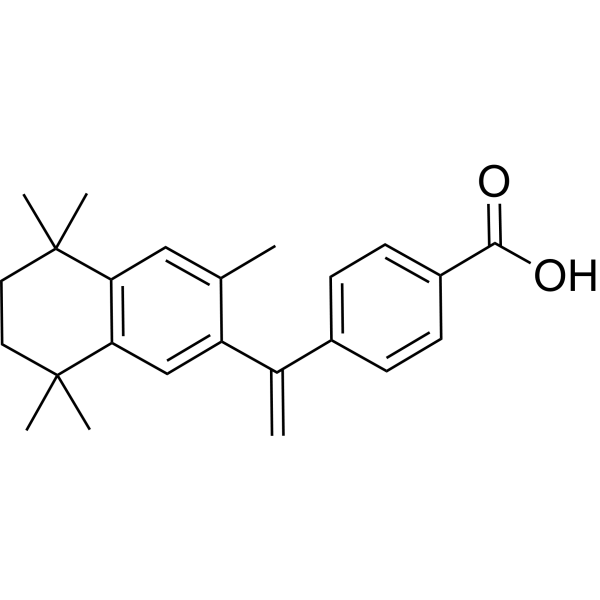

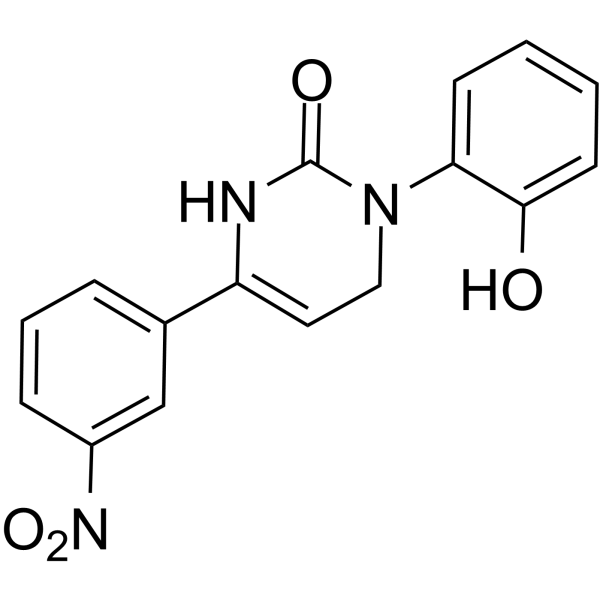






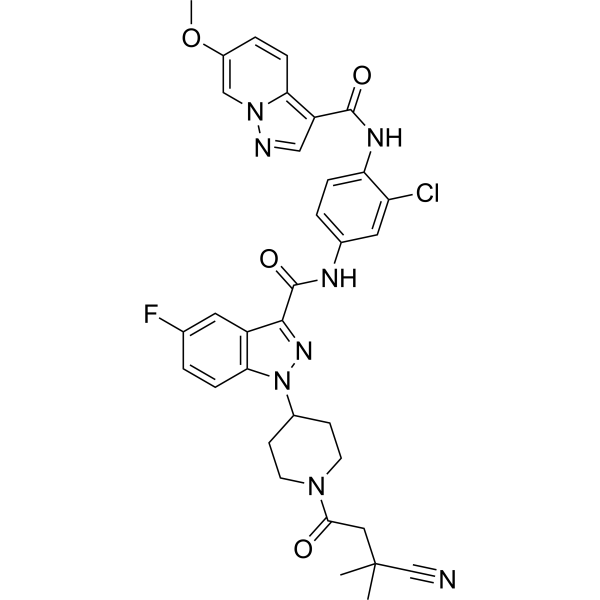



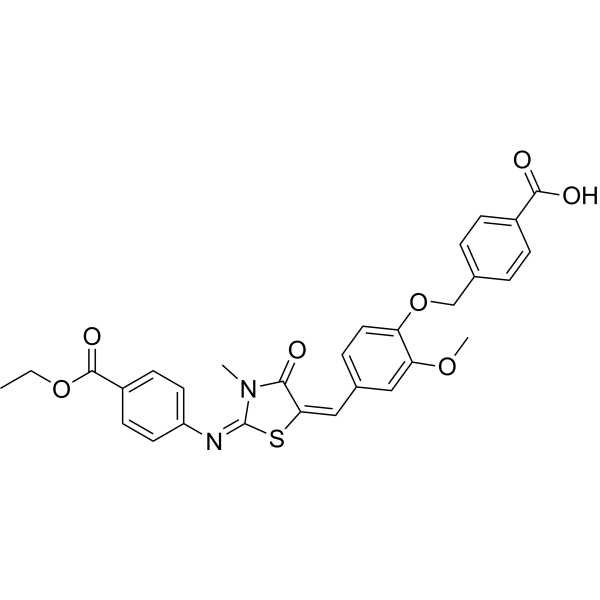




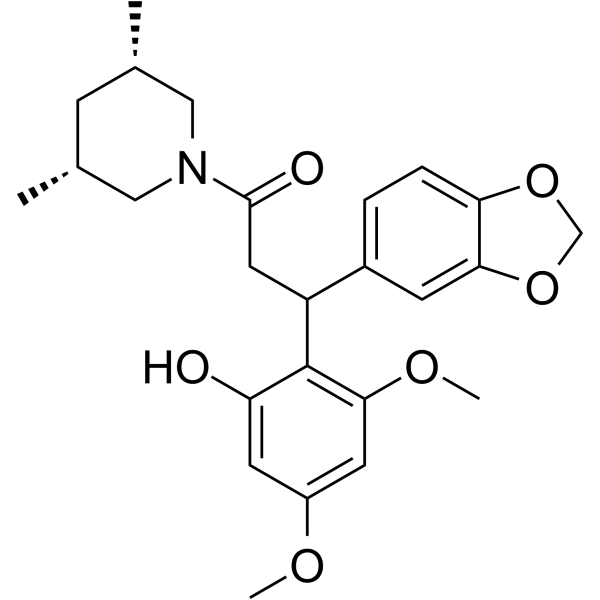
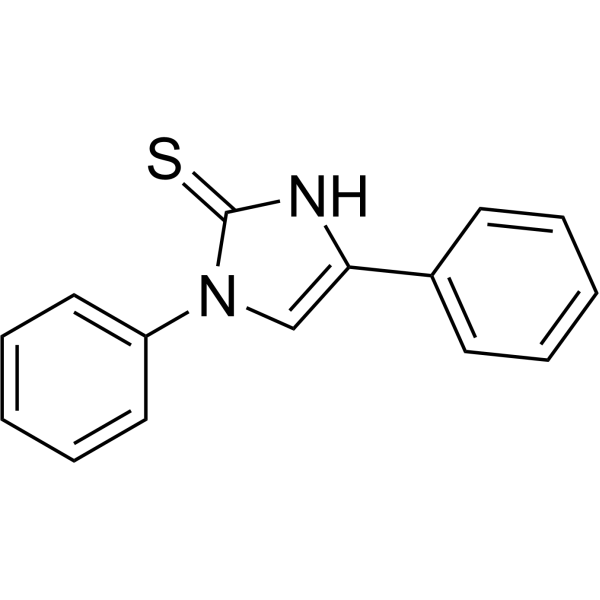
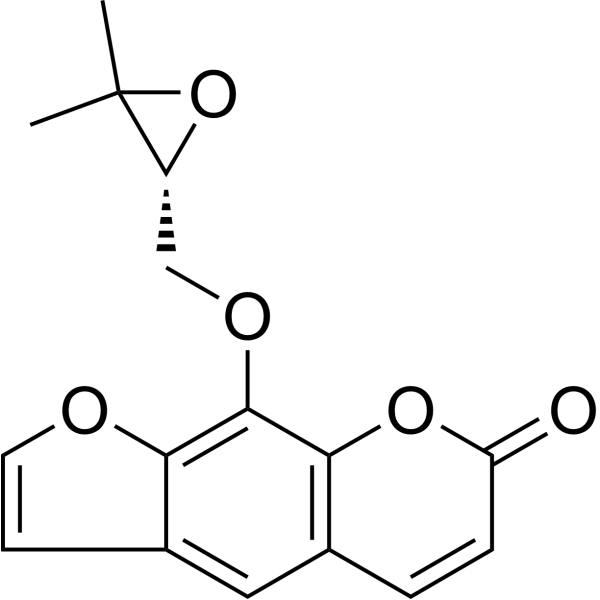



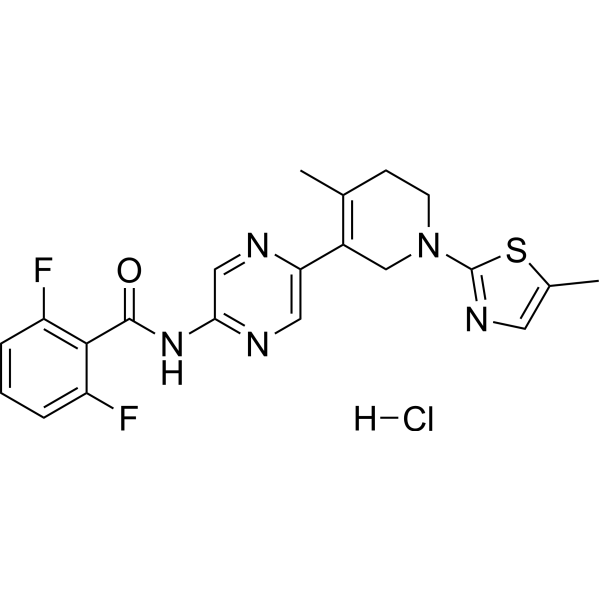

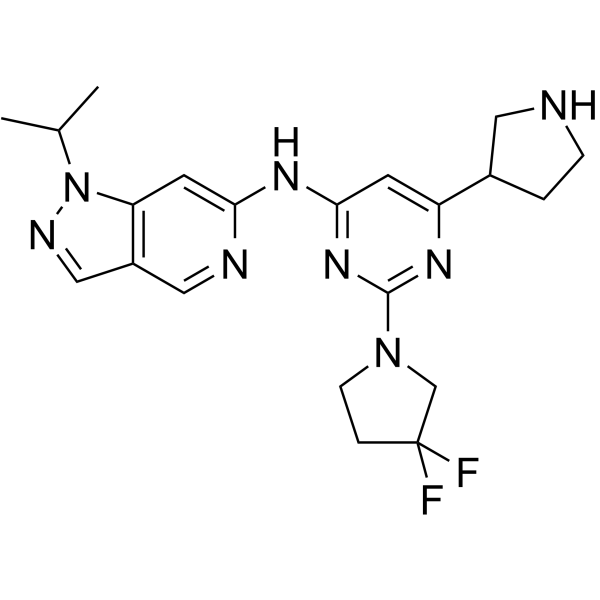
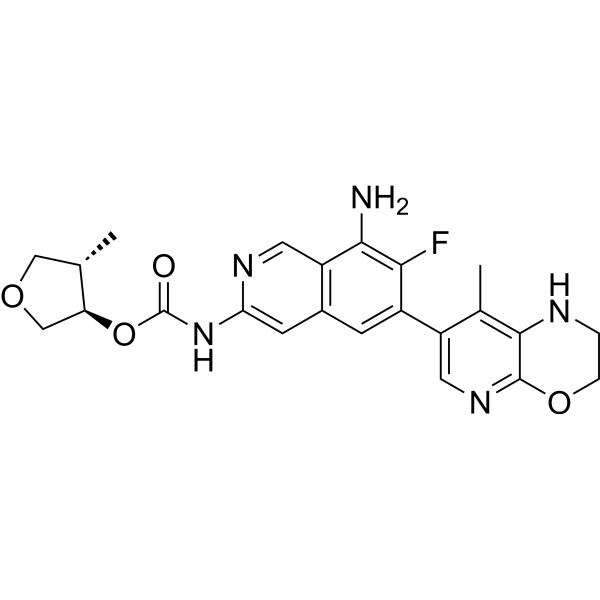



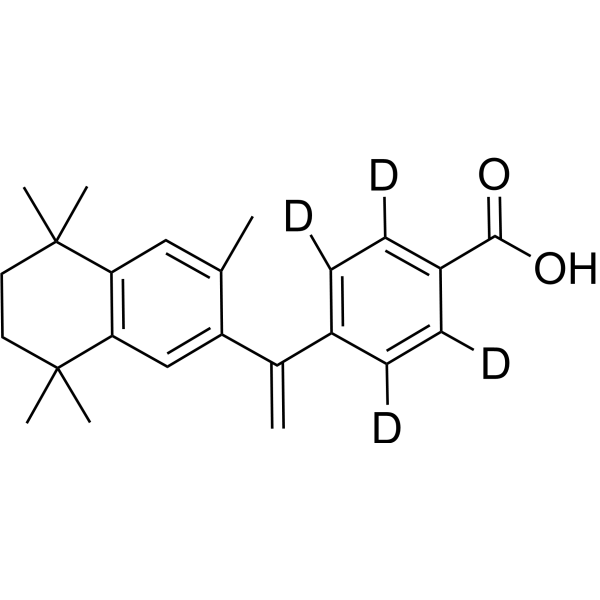
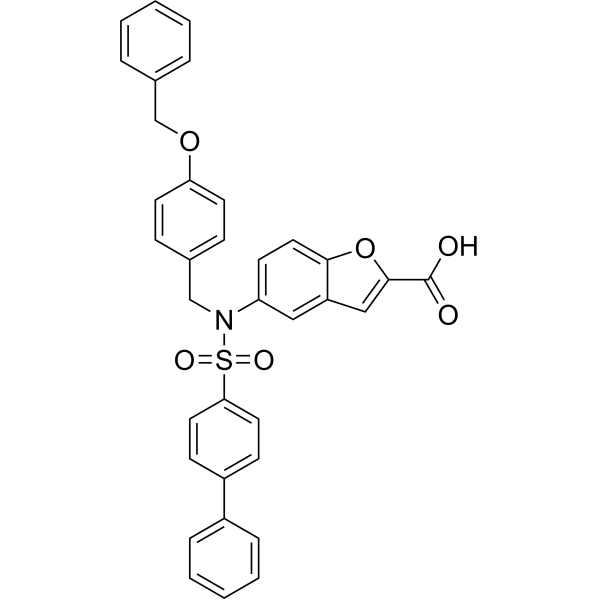


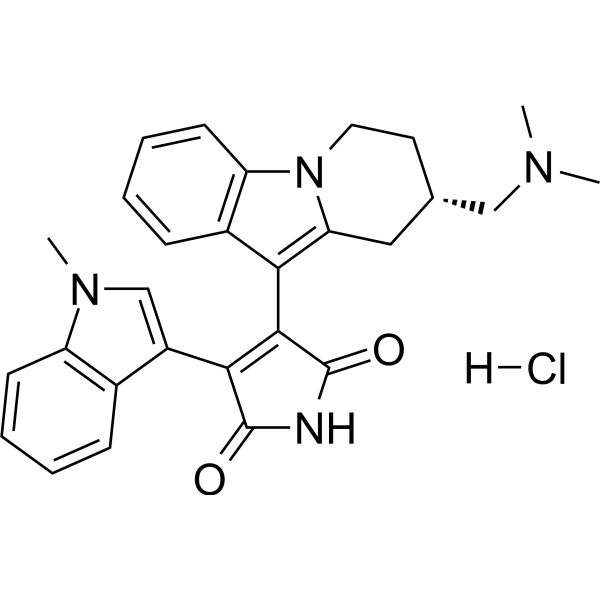
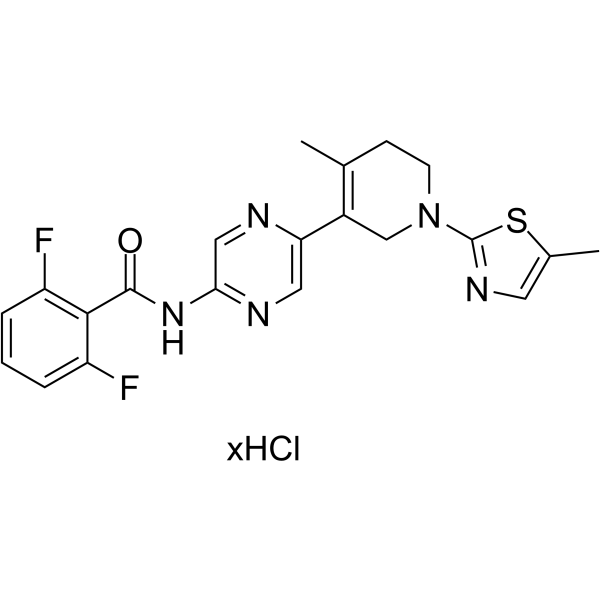
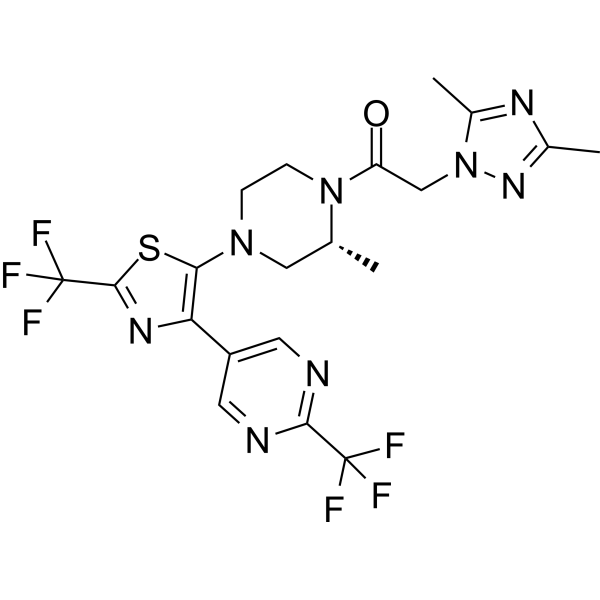


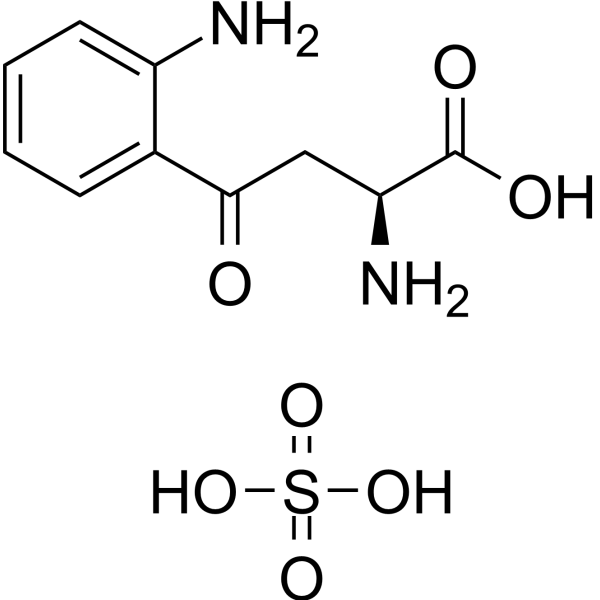

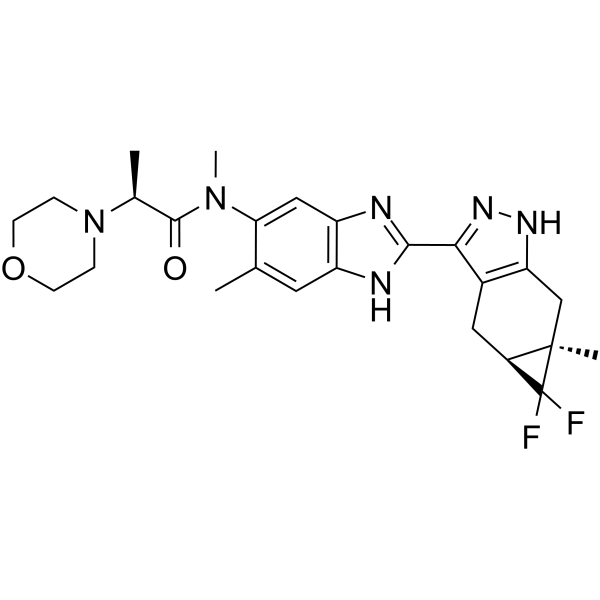

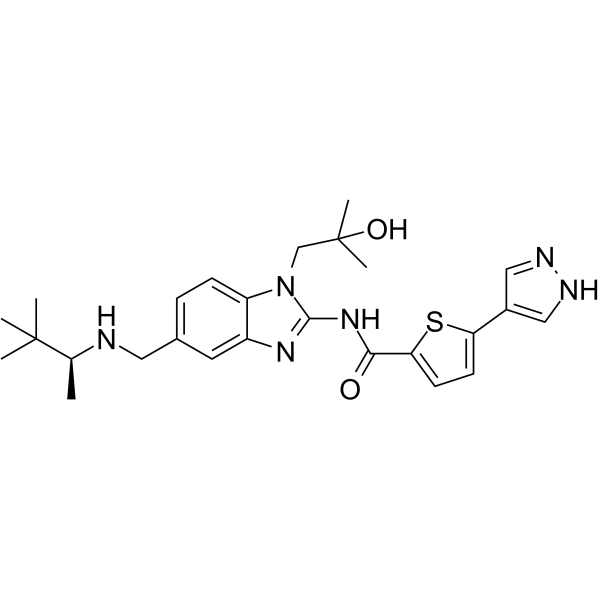
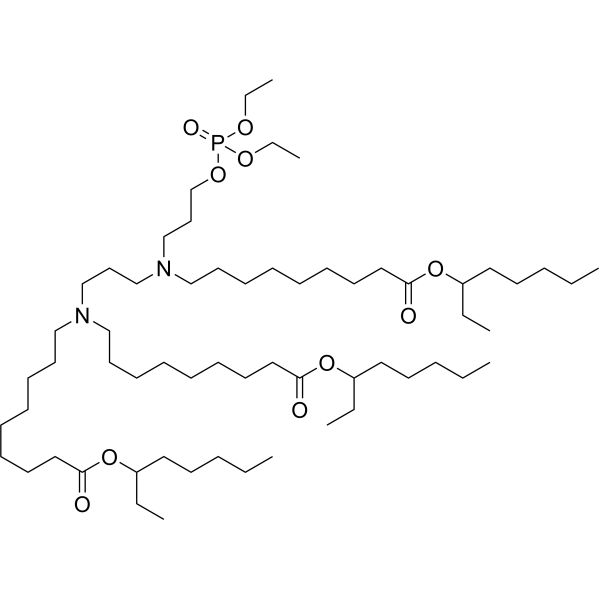


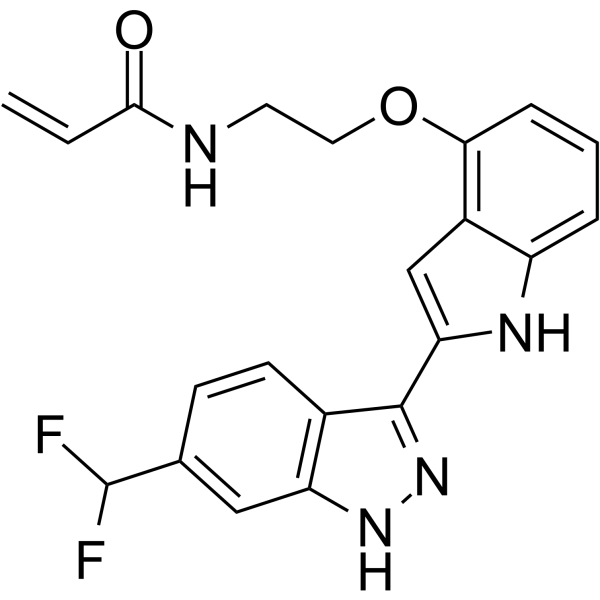



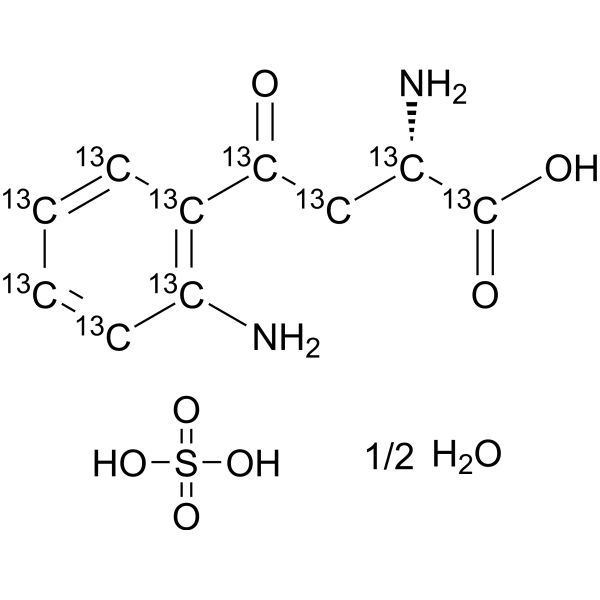

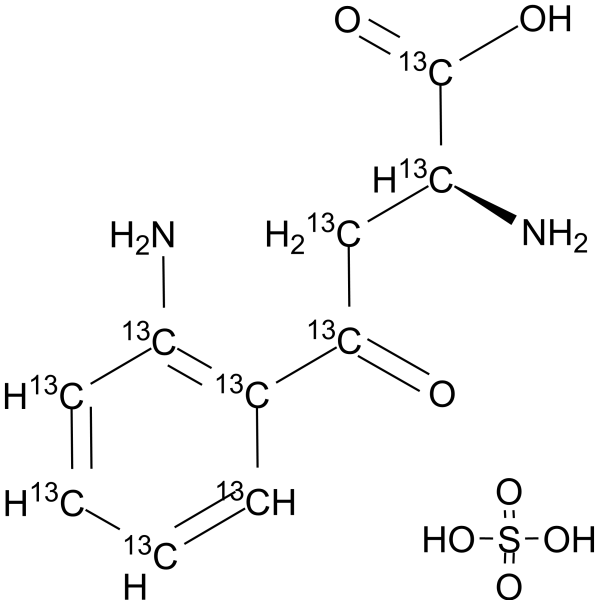

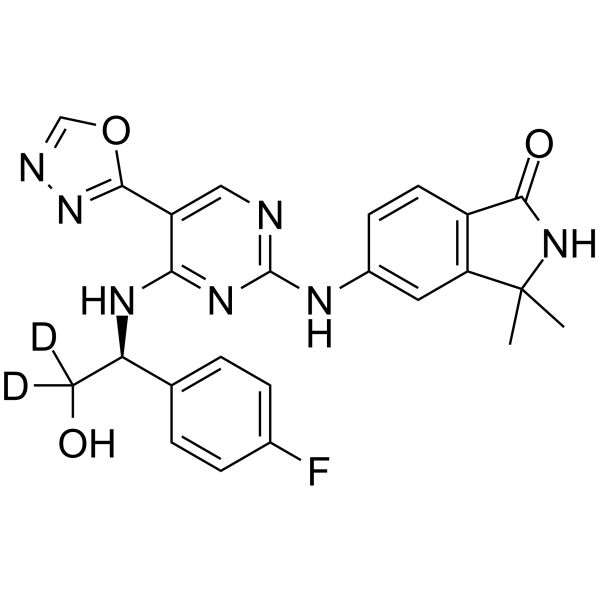
![[Gln144]-PLP (139-151)](http://file.medchemexpress.com/product_pic/hy-p10315.gif)