1. Search Result
Search Result
Results for "

Caries lesions

" in MedChemExpress (MCE) Product Catalog:

277

Inhibitors & Agonists

6

Fluorescent Dyes

16

Biochemical Assay Reagents

18

Peptides

1

MCE Kits

15

Inhibitory Antibodies

48

Natural
Products

19

Isotope-Labeled Compounds

2

Click Chemistry

3

Oligonucleotides

Cat. No. Product Name Target Research Areas Chemical Structure
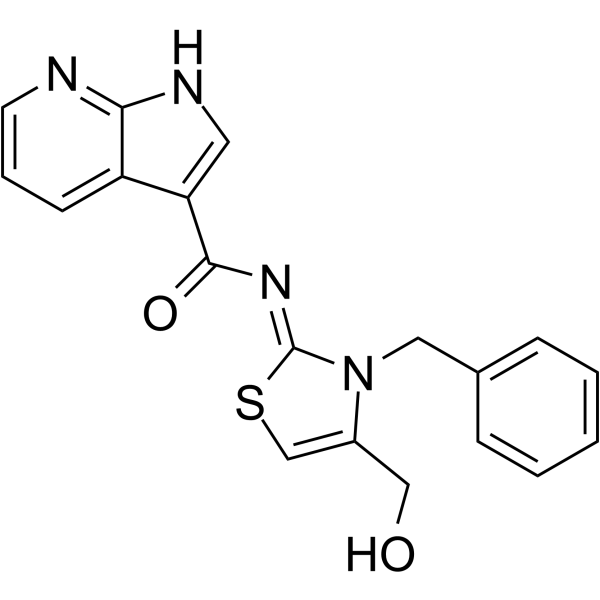
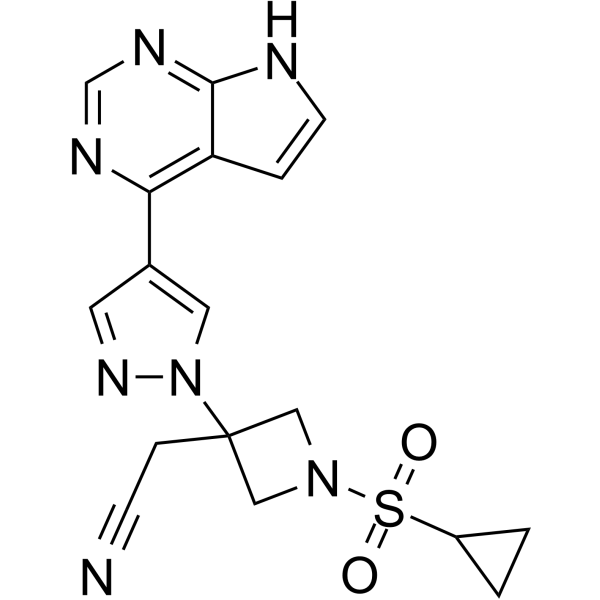
  • HY-150042
    TDI-011536
    3 Publications Verification

    Large Tumor Suppressor (LATS) YAP Cardiovascular Disease Others
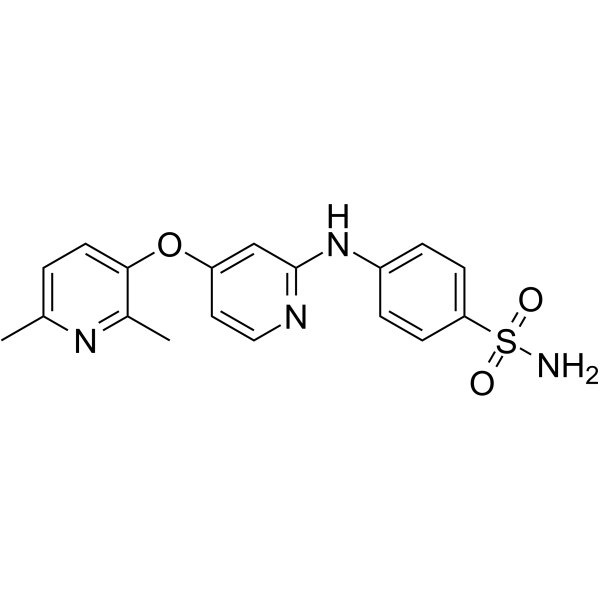
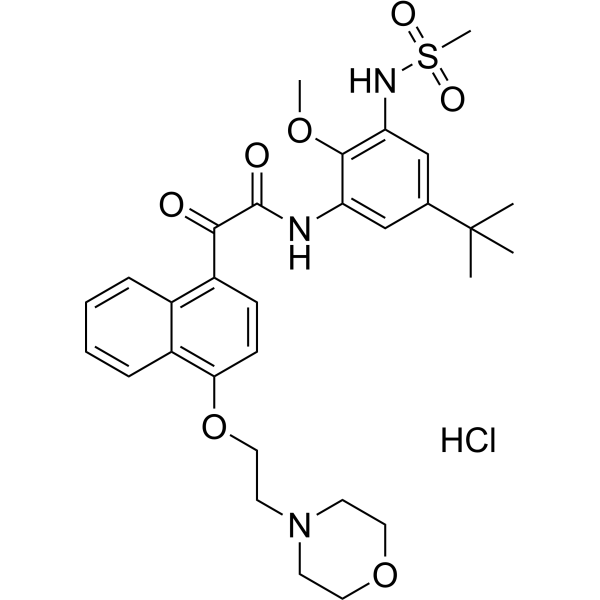
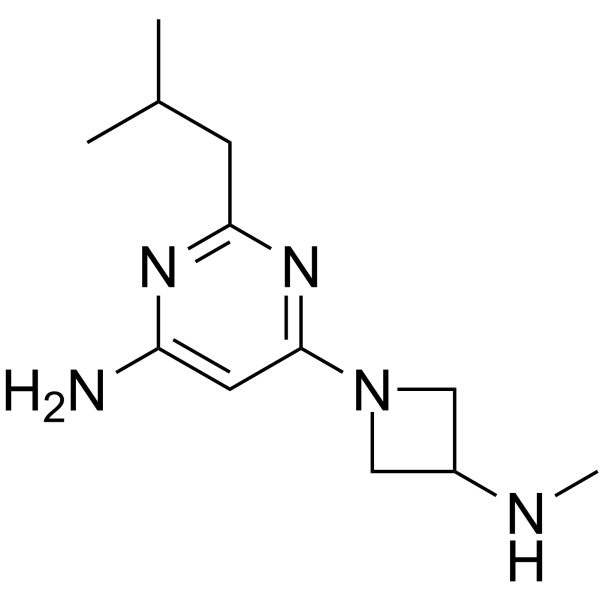
    TDI-011536 is a potent Lats kinase inhibitor, interrupts Hippo-Yap signaling and initiates the proliferation of lesioned heartmuscle cells. TDI-011536 can be used in studies of organ conservation and regeneration .
    TDI-011536
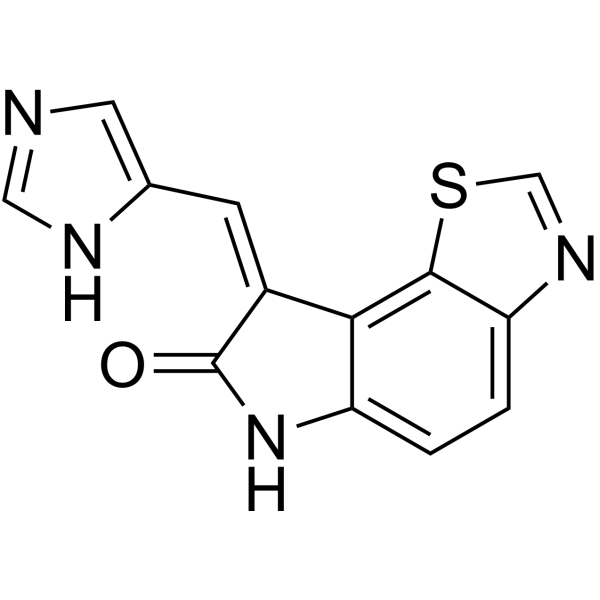
  • HY-13977A
    PKR-IN-C16
    5+ Cited Publications

    Apoptosis Neurological Disease
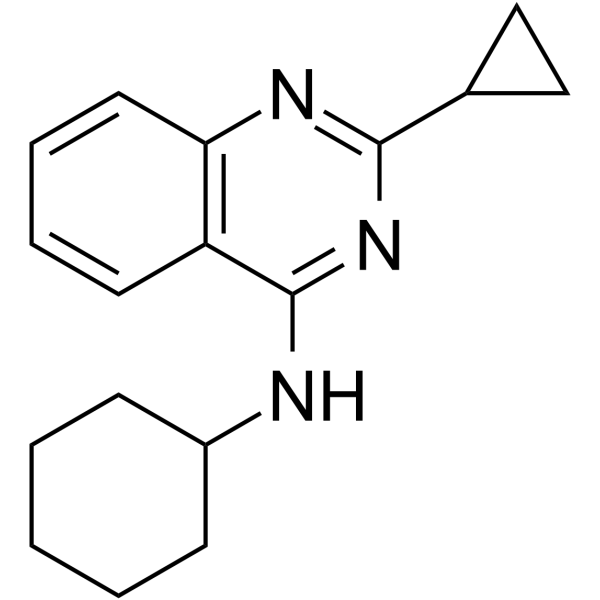
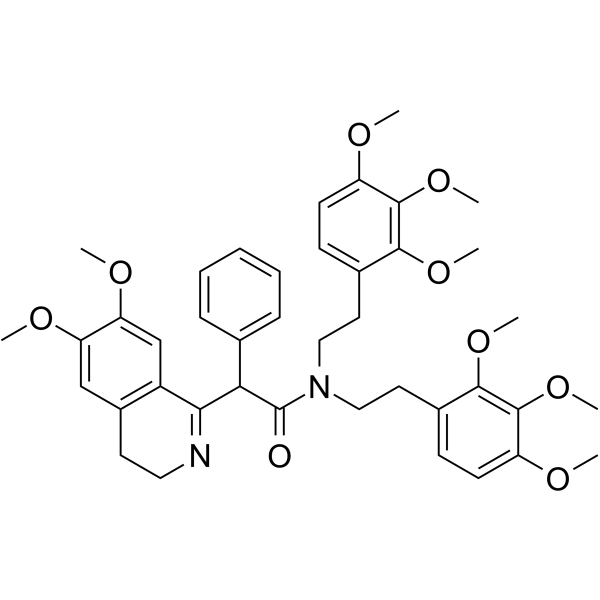
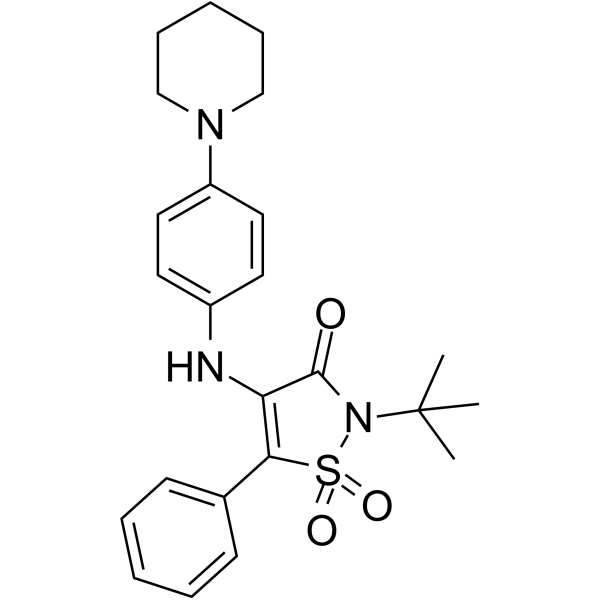
    PKR-IN-C16 (Compound C16) is a specific double-stranded RNA-dependent protein kinase (PKR) inhibitor. PKR-IN-C16 shows promising neuroprotective properties and can rescue acute brain lesions .
    PKR-IN-C16
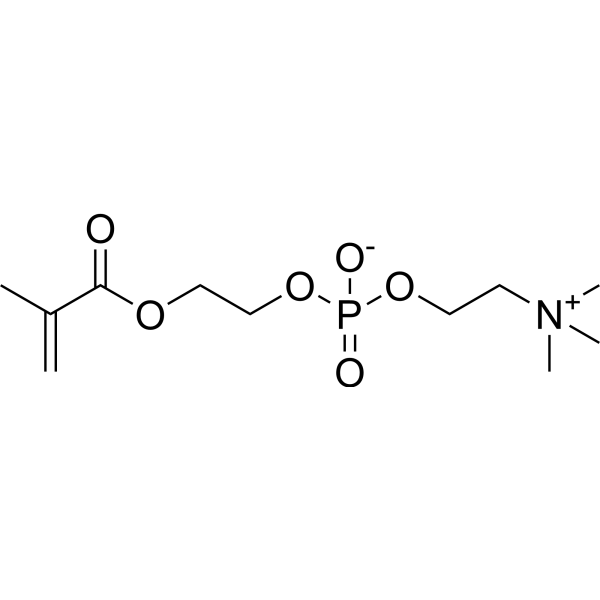
  • HY-W110551

    Biochemical Assay Reagents Interleukin Related Infection Inflammation/Immunology
    2-Methacryloyloxyethyl phosphorylcholine is a polymer monomer containing a phospholipid polar group. 2-Methacryloyloxyethyl phosphorylcholine polymers modify the surface properties of materials and reduce protein-surface interactions, reduce IL-8 production, inhibit cell, Staphylococcus aureus, and Porphyromonas gingivalis adhesion. 2-Methacryloyloxyethyl phosphorylcholine is used in the study of medical device-associated infections, periodontitis, and dental caries .
    2-Methacryloyloxyethyl phosphorylcholine
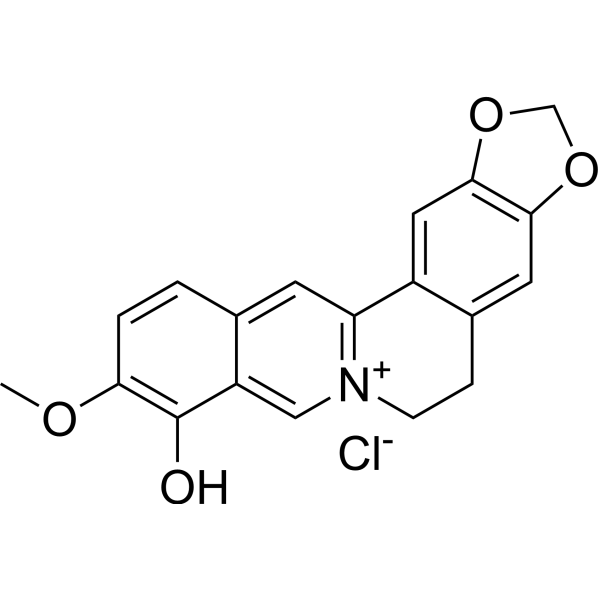
  • HY-125850
    Berberrubine chloride
    2 Publications Verification

    Drug Metabolite HIV Interleukin Related Infection Inflammation/Immunology Cancer
    Berberrubine chloride is an orally active metabolite of berberine. Berberrubine chloride alleviates mucosal lesions and inflammation in mouse colitis models. Berberrubine chloride has anti-inflammatory, anti-tumor, and antiviral activities .
    Berberrubine chloride
  • HY-147313
    TH10785
    2 Publications Verification

    DNA/RNA Synthesis Metabolic Disease Cancer
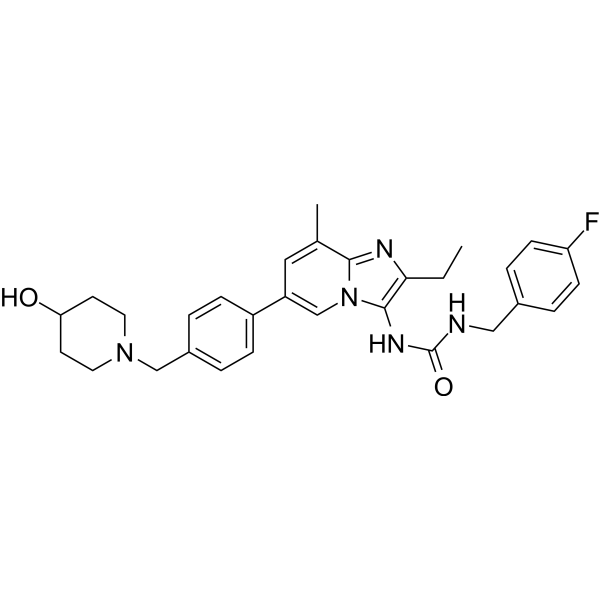
    TH10785 is a DNA glycosylase 1 (OGG1) activator, TH10785 can interact with the phenylalanine-319 and glycine-42 amino acids of OGG1 and increase the enzyme activity, generates β, δ-lyase enzymatic function. TH10785 can control the catalytic activity mediated by a nitrogen base within its molecular structure. TH10785 can be used for the research of various diseases and aging connected with DNA oxidative lesions .
    TH10785
  • HY-139579
    Pafolacianine
    1 Publications Verification

    OTL 38

    Fluorescent Dye Cancer
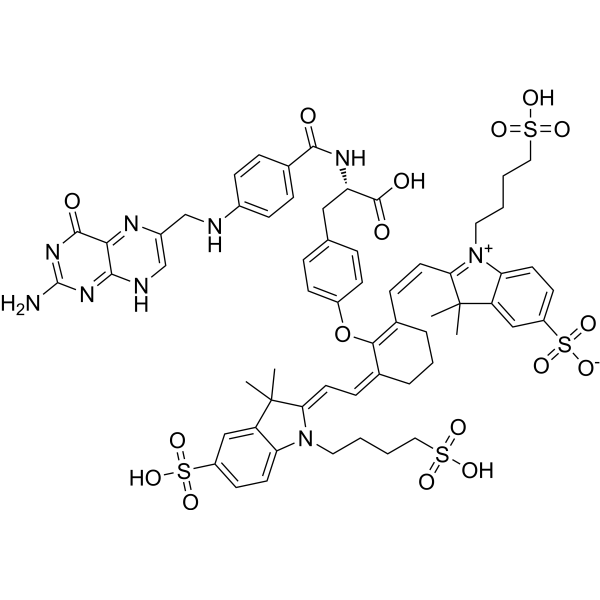
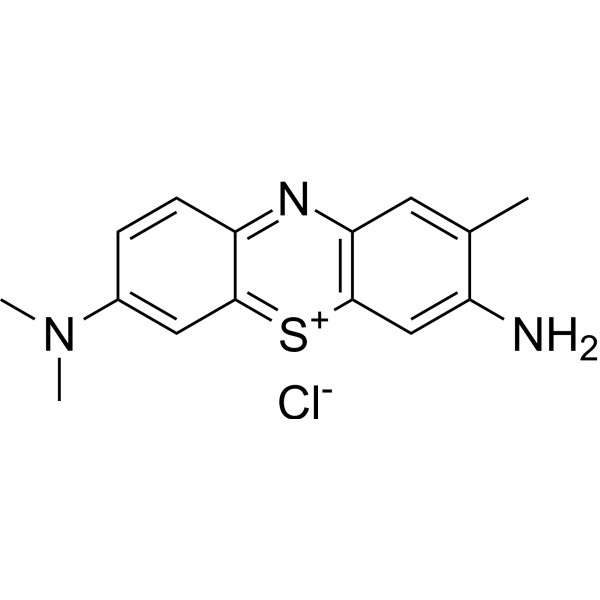
    Pafolacianine (OTL 38) is a fluorescent imaging agent made of near-infrared dye used in detecting tumor lesions during surgical procedures. Pafolacianine excites at 774 to 775 nm and emits at 794 to 796 nm .
    Pafolacianine
  • HY-N0554
    Escin IA
    1 Publications Verification

    HIV Protease Monoamine Oxidase Infection Inflammation/Immunology Cancer
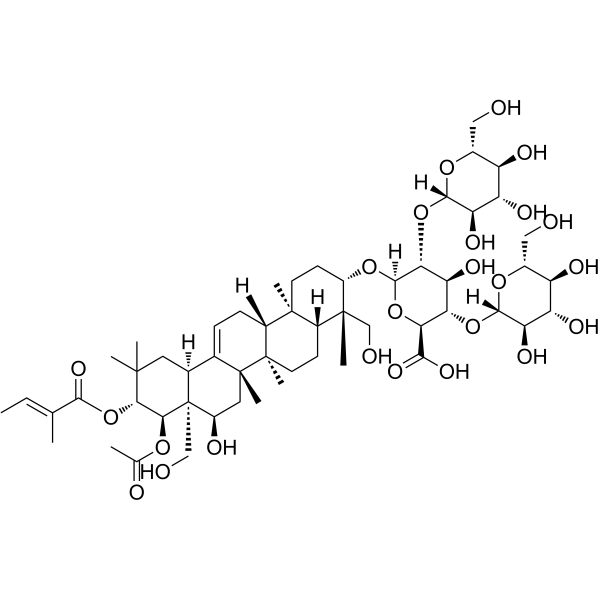
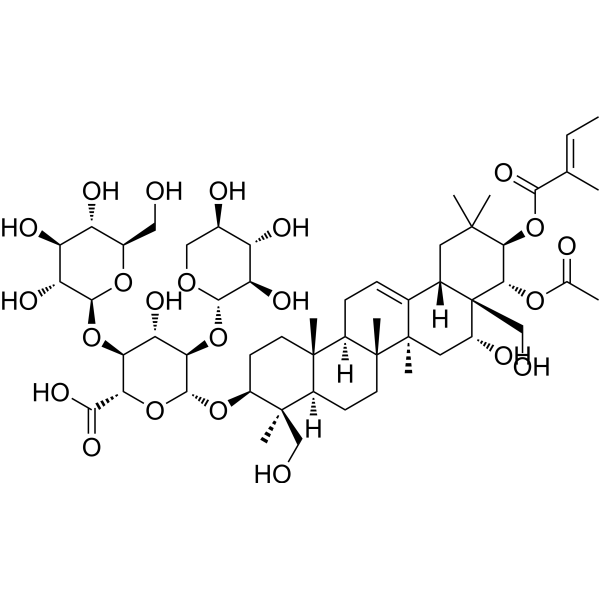
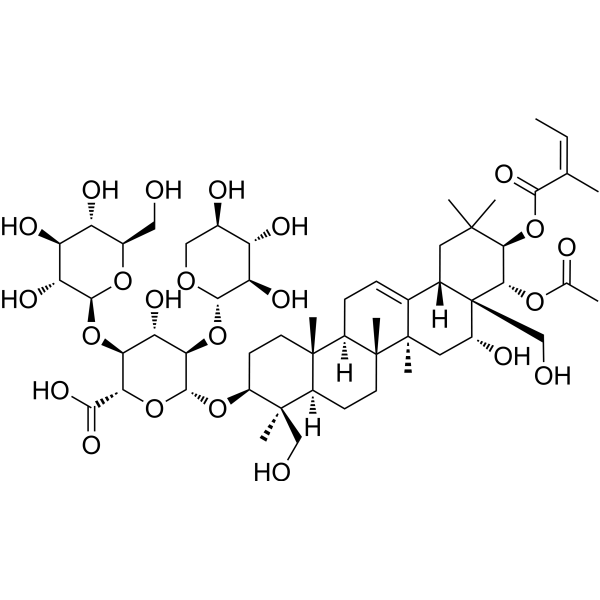
    Escin IA is an oral LOXL2 inhibitor and EMT inhibitor, with selectivity for LOXL2-expressing cells. Escin IA suppresses invasion, migration, and metastasis of breast cancer cells, and acts as the primary anti-TNBC metastasis constituent of Aesculus chinensis Bunge fruit saponin fraction. Escin IA can be used for the research of triple-negative breast cancer, acute inflammation, and ethanol-induced gastric mucosal lesions .
    Escin IA
  • HY-B1745
    Pyridoxylamine
    Maximum Cited Publications
    6 Publications Verification

    Endogenous Metabolite Metabolic Disease
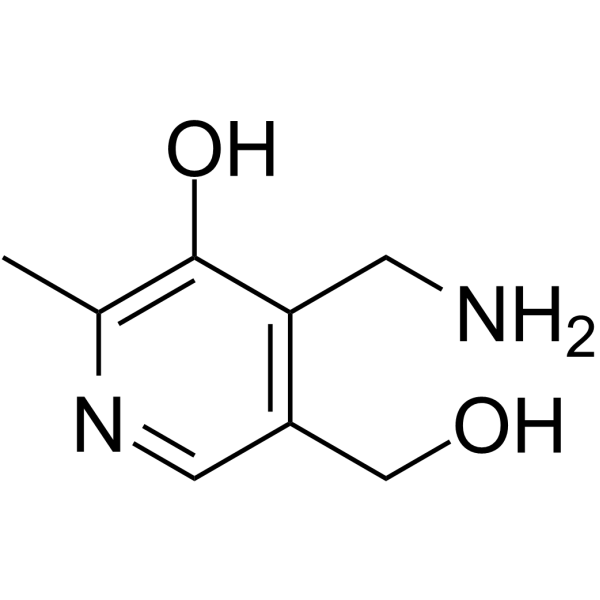
    Pyridoxylamine is an advanced glycation end production (AGEs) and lipoxidation end products (ALEs) inhibitor, to protect against diabetes-induced retinal vascular lesions.
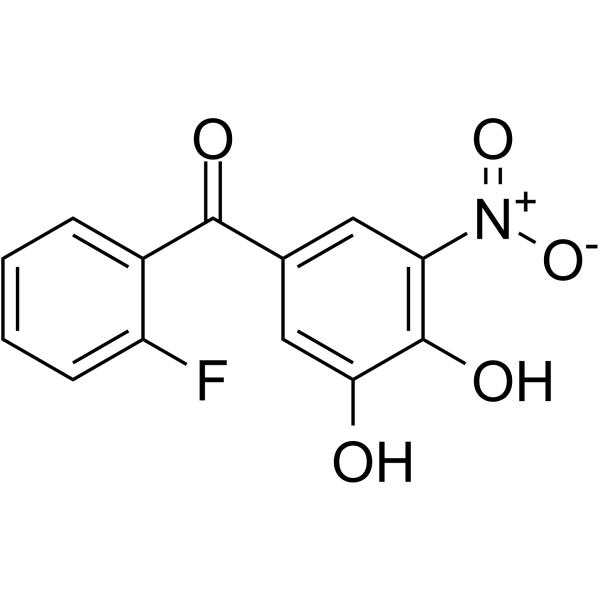
    Pyridoxylamine
  • HY-163731
    EGR-1-IN-1
    2 Publications Verification

    DNA Methyltransferase Interleukin Related Inflammation/Immunology
    EGR-1-IN-1 is a EGR-1 inhibitor with an IC50 of 1.86 μM. EGR-1-IN-1 binds to the zinc finger DNA-binding domain of EGR-1 and promotes the dissociation of the EGR-1-DNA complex. EGR-1-IN-1 reduces the mRNA expression levels of EGR-1-regulated inflammatory genes induced by TNFα. EGR-1-IN-1 alleviates atopic dermatitis-like lesions in the ear skin of mice. EGR-1-IN-1 serves as a lead compound for the development of targeted compounds for inflammatory skin diseases. EGR-1-IN-1 can be used in studies related to atopic dermatitis .
    EGR-1-IN-1
  • HY-P10709

    Collagen Cardiovascular Disease Cancer
    CREKA peptide is a selective non-covalent binding agent targeting fibrin, type IV collagen, and fibronectin, often used as a targeting ligand to modify delivery carriers. CREKA peptide specifically recognizes fibrin, fibronectin, and type IV collagen that are excessively deposited in the tumor microenvironment or fibrotic tissue, mediating the targeted accumulation of the carrier at the lesion site and promoting drug internalization into target cells (such as cancer cells and activated hepatic stellate cells). CREKA peptide can enhance targeted delivery efficiency, increase drug concentration at the lesion site, and reduce systemic side effects .
    CREKA peptide
  • HY-123026

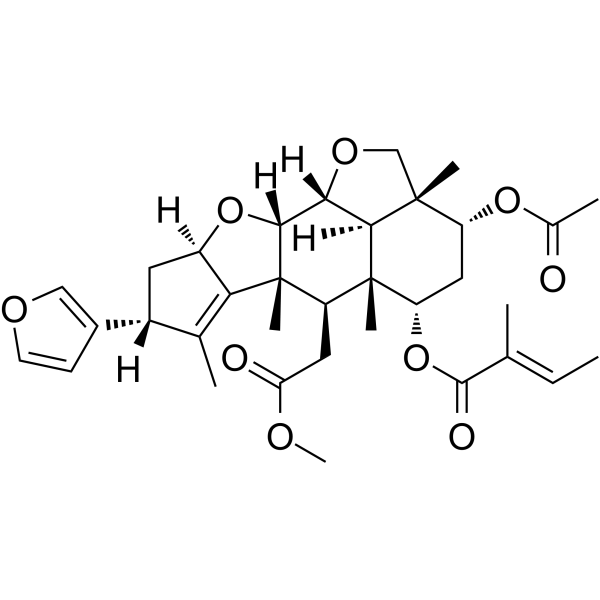
    Bacterial Infection
    Salannin, a limonoid bitter principle of the seed oil of Azadirachta indica, shows antiulcer and spermicidal activities. Salannin displays antibacterial activity towards both Gram-positive and Gram-negative bacteria .
    Salannin
  • HY-P10936A

    Aquaporin Neurological Disease Inflammation/Immunology
    AQP4 (201-220) TFA is an encephalitogenic epitope of AQP-4. AQP4 (201-220) TFA can induce experimental autoimmune encephalomyelitis (EAE) (characterized by midline lesions in the brain, retinal pathology, and lesions at the grey matter/white matter border zone in the spinal cord). AQP-4 is a target antigen in neuromyelitis optica .
    AQP4 (201-220) TFA
  • HY-17644
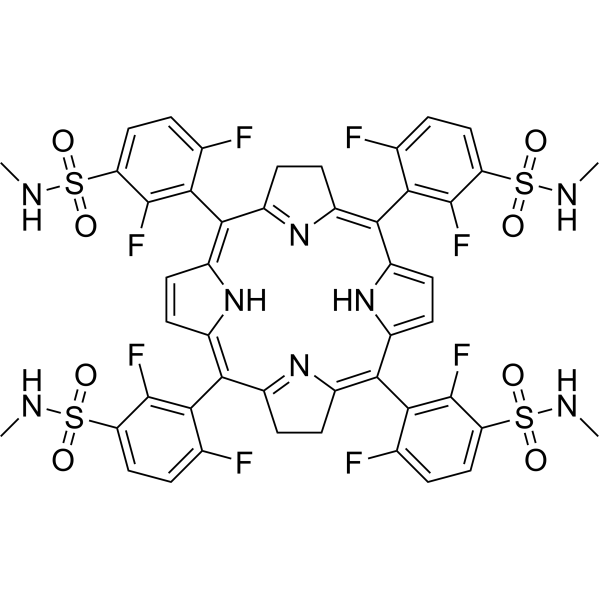
    Redaporfin
    1 Publications Verification

    LUZ11; F2BMet

    Reactive Oxygen Species (ROS) Cancer
    Redaporfin (LUZ11) acts as a potent photosensitizer. Redaporfin causes direct antineoplastic effects as well as indirect immune-dependent destruction of malignant lesions .
    Redaporfin
  • HY-125098
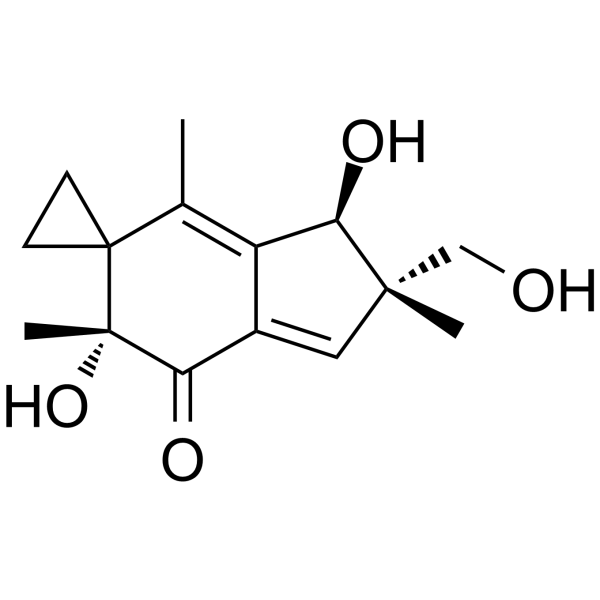
    Illudin S
    1 Publications Verification

    DNA Alkylator/Crosslinker Apoptosis Infection Cancer
    Illudin S, a cytotoxic Illudin, is a natural sesquiterpene with strong anti-tumour and antiviral activities. Illudin S has genotoxic activities. Illudin S blocks the G1-S phase interface of the cell cycle in human leukemia cells .
    Illudin S
  • HY-18664
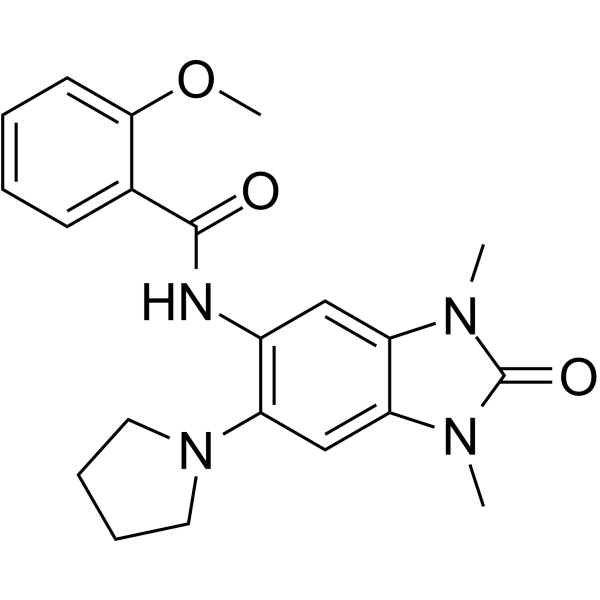
    PFI-4
    3 Publications Verification

    Epigenetic Reader Domain Cancer
    PFI-4 (compound 11), a chemical probe, is a potent and highly selective BRPF1 Bromodomain (BRPF1B) inhibitor, with an IC50 of 172 nM. PFI-4 can be used to explore the functional mechanisms of the HBO1/BRPF1 complex and to study bone loss and osteolytic malignant bone lesions .
    PFI-4
  • HY-139401

    FAP Cancer
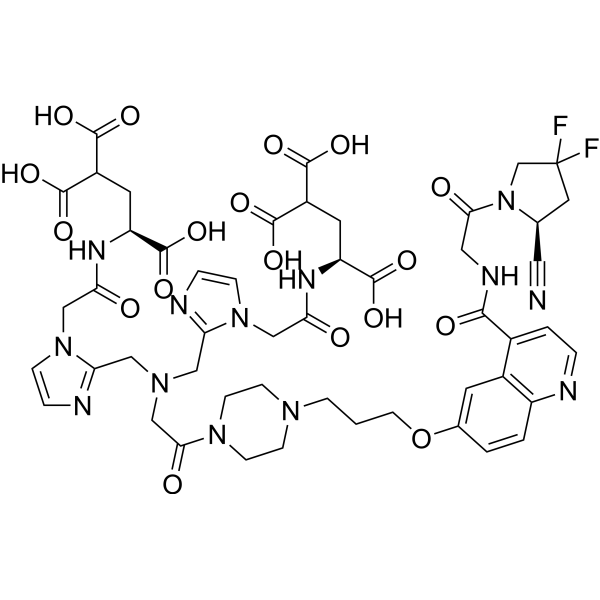
    FAPI-34 is a SPECT imaging agent targeting FAP. FAPI-34 specifically binds to FAP, is highly internalized by FAP-expressing cells, accumulates in FAP-expressing tumor lesions, and shows low uptake in normal tissues except the kidneys. FAPI-34 is applicable for tumor-related research .
    FAPI-34
  • HY-N1976
    (+)-(3R,8S)-Falcarindiol
    1 Publications Verification

    (3R,8S)-Falcarindiol; 3(R),8(S),9(Z)-Falcarindiol

    Infection Cancer
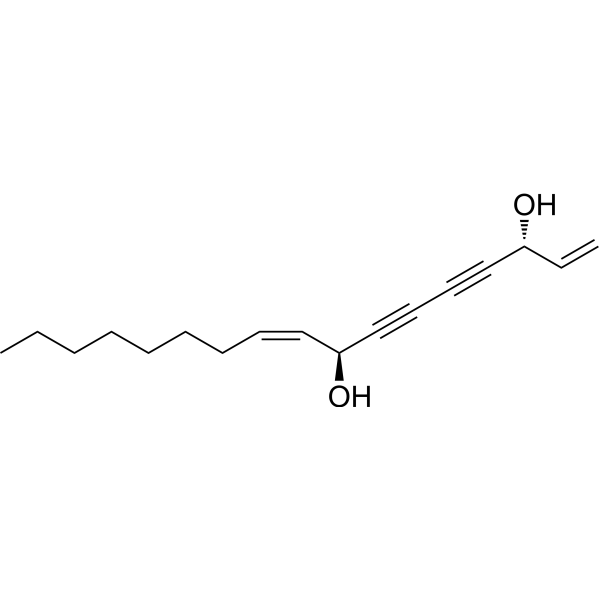
    (+)-(3R,8S)-Falcarindiol ((3R,8S)-Falcarindiol; 3 (R),8 (S),9 (Z)-Falcarindiol) is an orally active polyacetylene anti-mycobacterial agent. (+)-(3R,8S)-Falcarindiol exhibits antibacterial activity against Gram-positive bacteria, Gram-negative bacteria and mycobacteria. Co-administration of (+)-(3R,8S)-Falcarindiol with (3R)-falcarinol alters the composition of gut microbiota, reduces colonic tumor lesions and slows down polyp growth. (+)-(3R,8S)-Falcarindiol can be used in research related to tuberculosis and colorectal cancer .
    (+)-(3R,8S)-Falcarindiol
  • HY-B1745A
    Pyridoxylamine dihydrochloride
    Maximum Cited Publications
    6 Publications Verification

    Endogenous Metabolite Metabolic Disease
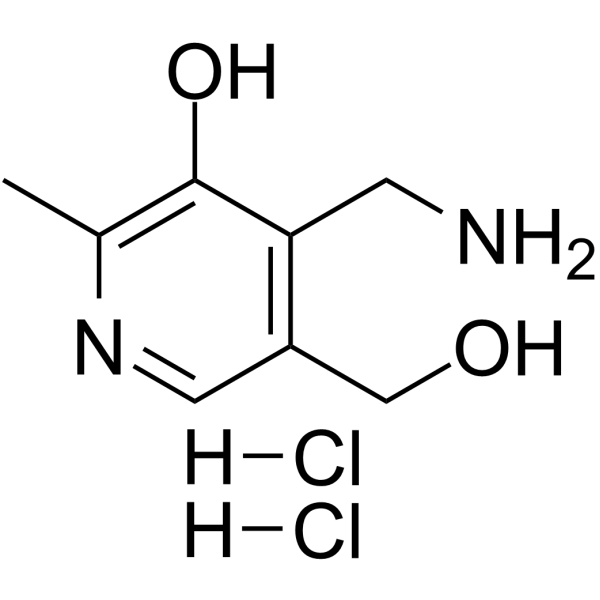
    Pyridoxylamine dihydrochloride is an advanced glycation end production (AGEs) and lipoxidation end products (ALEs) inhibitor, to protect against diabetes-induced retinal vascular lesions .
    Pyridoxylamine dihydrochloride
  • HY-P9960

    2H7; PRO70769; RG1594

    CD20 Inflammation/Immunology
    Ocrelizumab (Ocrevus) is a humanized anti-CD20 monoclonal antibody. Ocrelizumab can induce B cell depletion and inhibit multiple sclerosis lesions in mice through antibody dependent cytotoxicity (ADCC) .
    Ocrelizumab
  • HY-P11111

    Drug Derivative Others
    QP5 is an Amelogenin (HY-P71627)-derived peptide. QP5 binds to hydroxyapatite and demineralized enamel surfaces, temporarily stabilizes amorphous calcium phosphate (ACP), and regulates the crystallization of hydroxyapatite. QP5 promotes remineralization of artificial enamel caries in vitro, and acts synergistically with fluoride to enhance enamel caries remineralization. QP5 can be used in studies related to enamel caries and early enamel caries .
    QP5
  • HY-N6726

    Fungal Endogenous Metabolite Infection Cancer
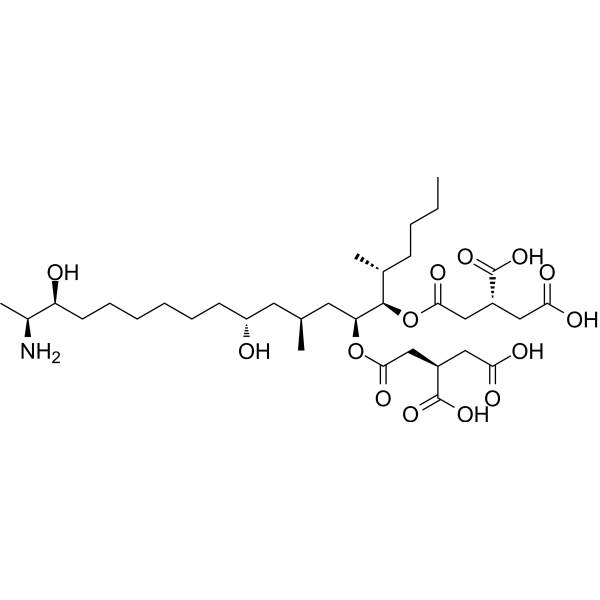
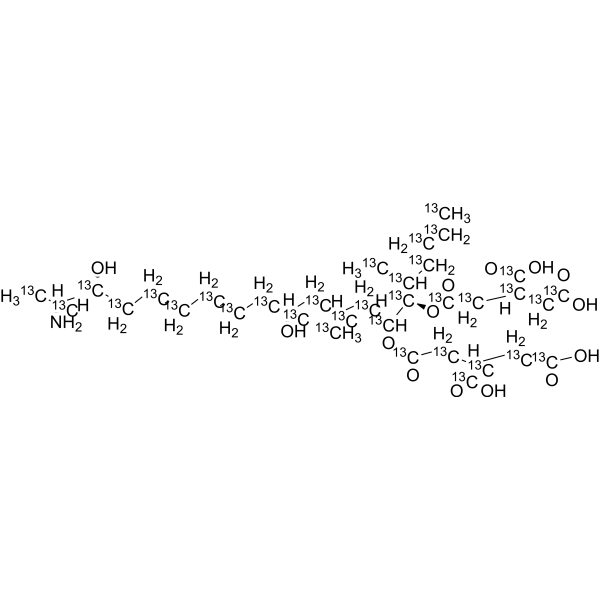
    Fumonisin B3 is an orally active fumonisin Mycotoxin. Fumonisin B3 can be isolated from Fusarium moniliforme, Fusarium proliferatum and Fusarium nygamai. Fumonisin B3 induces precancerous lesions, triggers embryonic death of chicken embryos, causes severe hemorrhage in dead chicken embryos. Fumonisin B3 can be used in studies related to hepatocellular carcinoma .
    Fumonisin B3
  • HY-W010697

    Endogenous Metabolite Metabolic Disease
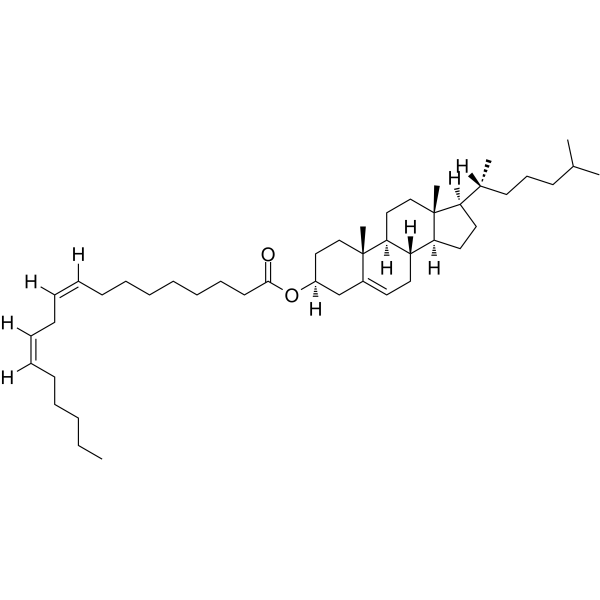
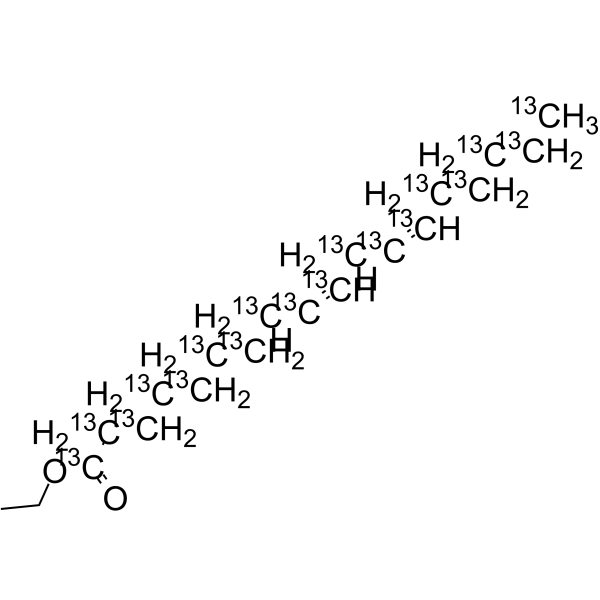
    Cholesteryl linoleate is shown to be the major cholesteryl ester contained in LDL and atherosclerotic lesions.
    Cholesteryl linoleate
  • HY-D1443

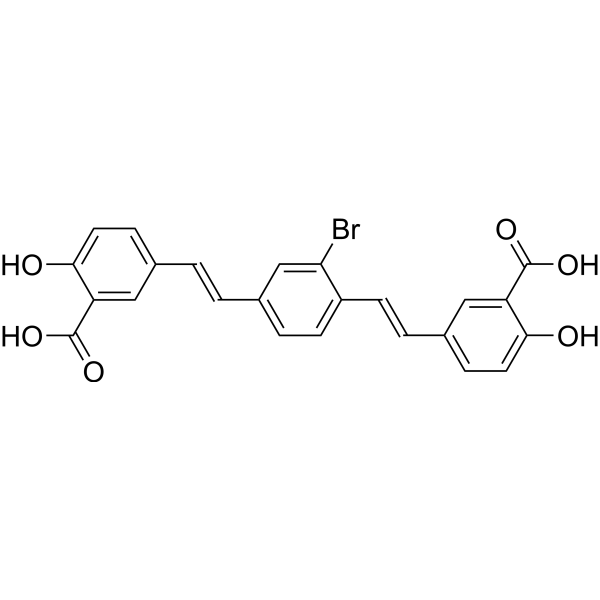
    (trans,trans)-1-Bromo-2,5-bis-(3-hydroxycarbonyl-4-hydroxy)styrylbenzene

    Amyloid-β Others
    BSB is a Congo red-derived fluorescent probe. BSB binds not only to extracellular amyloid β protein, but also many intracellular lesions composed of abnormal tau and synuclein proteins. BSB acts as a prototype imaging agent for Alzheimer's disease .
    BSB
  • HY-E70577

    Endonuclease Others
    DNA repair enzyme. Endonuclease IV has endonuclease activity at AP sites, 3' phosphodiesterase activity that can remove a variety of ligation-blocking lesions from the 3' end of DNA, endonuclease activity on oxidative DNA lesions, and 3' to 5' exonuclease activity .
    Endonuclease IV
  • HY-W128156

    10-HSA

    PPAR Inflammation/Immunology
    10-Hydroxystearic acid (10-HSA) is a PPARα agonist. 10-Hydroxystearic acid stimulates collagen synthesis. 10-Hydroxystearic acid is an anti-aging agent and reduces the appearance of pores and hyperpigmented lesions .
    10-Hydroxystearic acid
  • HY-N3341

    Glucosylceramide Synthase (GCS) Bacterial Infection
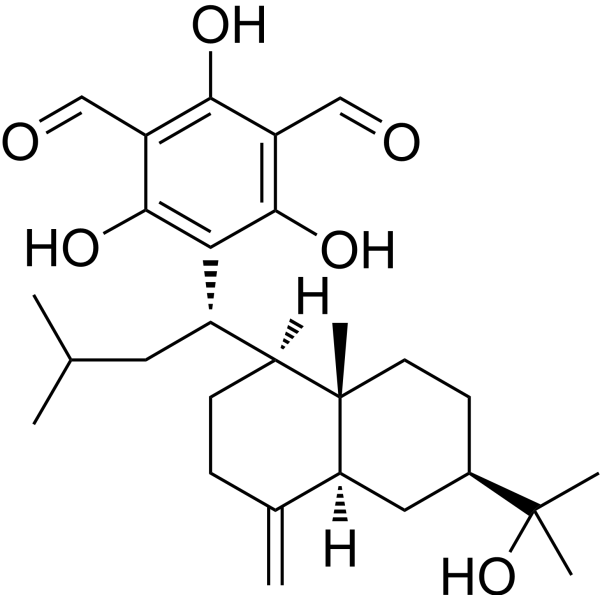
    Macrocarpal H is a natural compound that can be isolated from the Leaves of Eucalyptus globulus. Macrocarpal H exhibits antibacterial activity against Gram-positive cariogenic bacteria and Gram-negative periodontopathic bacteria. Macrocarpal H inhibits adherent water-insoluble glucan synthesis via glucosyltransferase. Macrocarpal H can be used for the research of caries, periodontal disease, dental caries, periodontal disorders .
    Macrocarpal H
  • HY-I0008

    Biochemical Assay Reagents Neurological Disease Inflammation/Immunology
    3-(Trifluoromethyl)cinnamic acid is a cinnamic acid derivative which can be extracted from Polygalae Radix. 3-(Trifluoromethyl)cinnamic acid exerts hepatoprotective, anti-gastric lesions and anti-neurodegenerative effects and can be used in chemical synthesis .
    3-(Trifluoromethyl)cinnamic acid
  • HY-P10936

    Aquaporin Neurological Disease Inflammation/Immunology
    AQP4 (201-220) is an encephalitogenic epitope of AQP-4. AQP4 (201-220) can induce experimental autoimmune encephalomyelitis (EAE) (characterized by midline lesions in the brain, retinal pathology, and lesions at the grey matter/white matter border zone in the spinal cord). AQP-4 is a target antigen in neuromyelitis optica .
    AQP4 (201-220)
  • HY-Y0308D

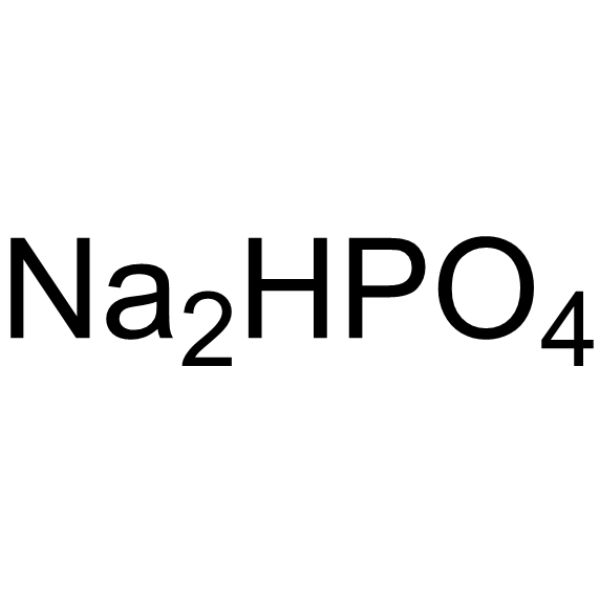
    Disodium hydrogen phosphate, meets analytical specification of Ph. Eur. BP USP FCC E339

    Biochemical Assay Reagents Endocrinology
    Sodium phosphate dibasic (Disodium hydrogen phosphate), meets analytical specification of Ph. Eur. BP USP FCC E339 is an inorganic dibasic phosphate that functions as an electrolyte supplement, a buffer carrier for injectable drugs, while also exhibiting nephrotoxicity. Sodium phosphate dibasic, meets analytical specification of Ph. Eur. BP USP FCC E339 induces extensive nephrotic syndrome-like changes, including systemic symptoms such as persistent proteinuria, lipemia, hypercholesterolemia, and anemia, and causes severe renal pathological alterations such as renal enlargement, glomerular calcification, podocyte injury, and tubulointerstitial lesions. Sodium phosphate dibasic, meets analytical specification of Ph. Eur. BP USP FCC E339 has the ability to induce phosphate-induced nephropathy and glomerular calcification, and can be widely used in studies on nephrotic syndrome and related renal pathological mechanisms .
    Sodium phosphate dibasic, meets analytical specification of Ph. Eur. BP USP FCC E339
  • HY-108038

    nAChR Neurological Disease
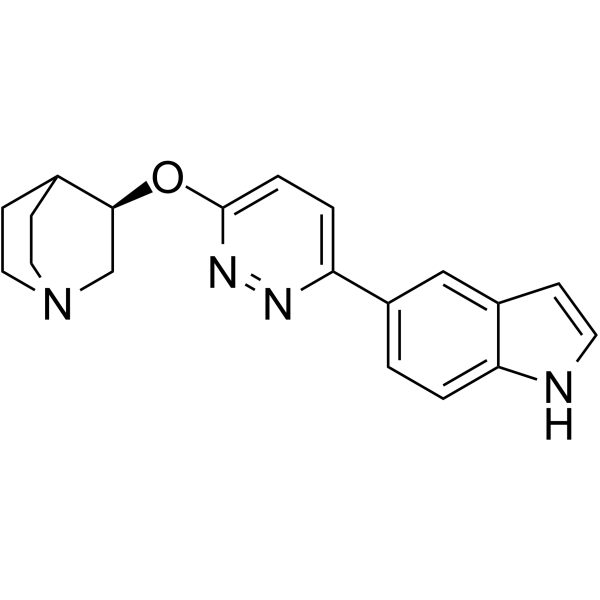
    ABT-107 is a selective α7 neuronal nicotinic receptor agonist. ABT-107 protects against nigrostriatal damage in rats with unilateral 6-hydroxydopamine lesions .
    ABT-107
  • HY-135014

    Melanocortin Receptor Adrenergic Receptor Others
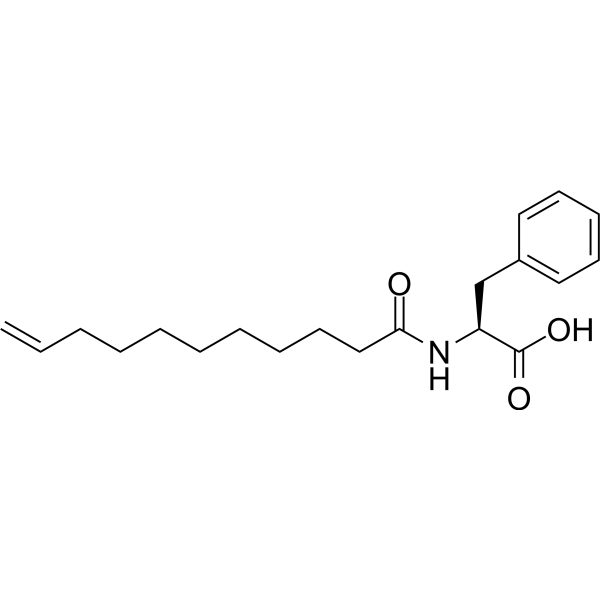
    Undecylenoyl phenylalanine is an antagonist for α-melanocyte-stimulating hormone (MSH) and β-adrenergic receptor (β-ADR) to reduce the melanogenesis in melanocytes, reduces hyperpigmentation and thus ameliorates melasma lesions and solar lentigines .
    Undecylenoyl phenylalanine
  • HY-131468

    AMD473; ZD0473

    DNA/RNA Synthesis Cancer
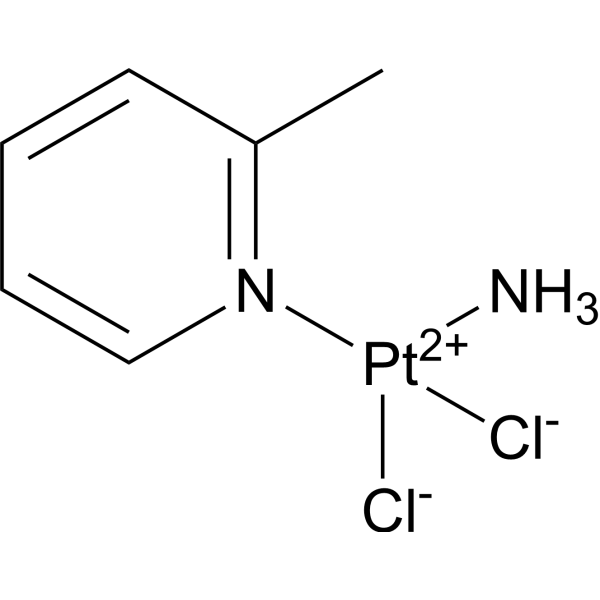
    Picoplatin (AMD473) is a platinum-based antineoplastic agent. Picoplatin is specifically to circumvent thiol-mediated drug resistance by sterically hindering its reaction with glutathione (GSH) while still retaining the ability to form cytotoxic lesions with DNA .
    Picoplatin
  • HY-B0337B

    Sulphadimethoxine 1000 µg/mL in methanol

    Antibiotic Parasite Environmental Pollutants Infection
    Sulfadimethoxine (Sulphadimethoxine) 1000 µg/mL in methanol is an orally active sulfonamide antibiotic. Sulfadimethoxine 1000 µg/mL in methanol reduces Eimeria-related mortality, weight loss, and lesions. Sulfadimethoxine 1000 µg/mL in methanol can be used for the research of avian coccidiosis .
    Sulfadimethoxine 1000 µg/mL in methanol
  • HY-139579A

    OTL 38 tetrasodium

    Fluorescent Dye Cancer
    Pafolacianine tetrasodium (OTL 38 tetrasodium) is a fluorescent imaging agent made of near-infrared dye used in detecting tumor lesions during surgical procedures. Pafolacianine tetrasodium excites at 774 to 775 nm and emits at 794 to 796 nm .
    Pafolacianine tetrasodium
  • HY-W704079

    ​MG(18:0/0:0/0:0); L-(+)-1-Monostearin; 1-Octadecanoyl-sn-glycerol

    Endogenous Metabolite Cardiovascular Disease
    1-Stearoyl-sn-glycerol is (MG(18:0/0:0/0:0); L-(+)-1-Monostearin; 1-Octadecanoyl-sn-glycerol) is a monoglyceride and also a metabolite found in plasma, which can be used in metabolomic analysis of plasma for coronary artery lesions (CAL) .
    1-Stearoyl-sn-glycerol
  • HY-175812

    Endonuclease Cancer
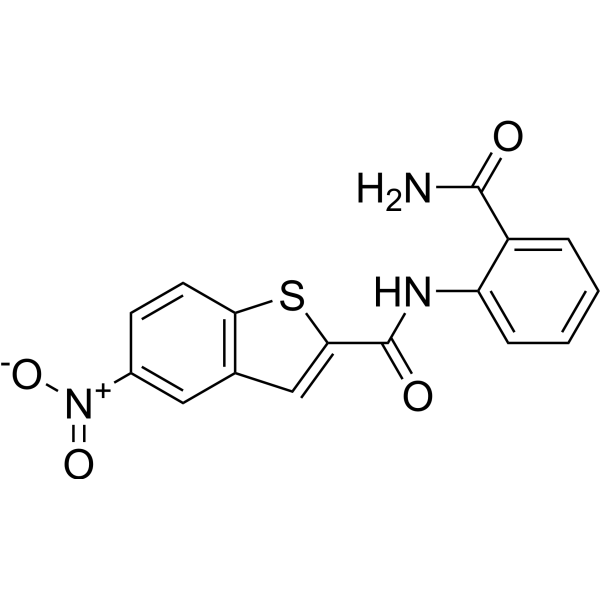
    MU876 (Compound 32) is a MUS81 inhibitor with an IC50 of 0.5  μM. MU876 effectively inhibits MUS81-dependent homologous recombination (HR) and break-induced replication (BIR) pathways. MU876 sensitizes cancer cells to DNA-damaging agents, such as Cisplatin (HY-17394), through impairing their ability to repair DNA lesions. MU876 can be used for cancers chemotherapy research .
    MU876
  • HY-19105A

    Histamine Receptor Inflammation/Immunology
    IT 066 hydrochloride is a Histamine H2 receptor antagonist. IT 066 hydrochloride possesses antioxidant activity and can protect rats against acute gastric mucosal injury induced by ischemia-reperfusion. IT 066 hydrochloride can also inhibit secretagogue-induced gastric acid secretion in rats and exert a long-acting anti-lesion effect on experimental gastric and duodenal lesions in rats. IT 066 hydrochloride is applicable for the research of gastrointestinal diseases .
    IT 066 hydrochloride
  • HY-W144308

    TCHQ; Tetrachloroquinol

    Drug Metabolite Necroptosis Reactive Oxygen Species (ROS) Apoptosis Metabolic Disease Cancer
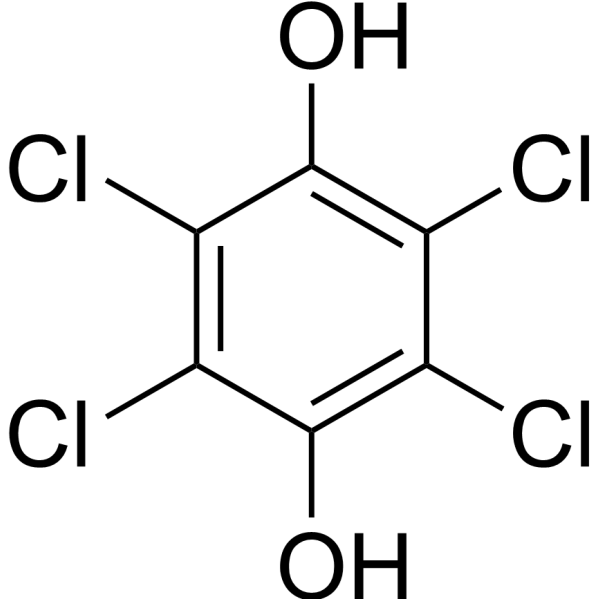
    Tetrachlorohydroquinone (TCHQ) is a metabolite of Pentachlorophenol. Tetrachlorohydroquinone induces reactive oxidant stress (ROS), inhibits apoptosis and induces necrosis in primary mouse splenocytes. Tetrachlorohydroquinone increases DNA lesions and induces oxidative stress in rodents .
    Tetrachlorohydroquinone
  • HY-B1745R

    Reference Standards Endogenous Metabolite Metabolic Disease
    Pyridoxylamine (Standard) is the analytical standard of Pyridoxylamine. This product is intended for research and analytical applications. Pyridoxylamine is an advanced glycation end production (AGEs) and lipoxidation end products (ALEs) inhibitor, to protect against diabetes-induced retinal vascular lesions.
    Pyridoxylamine (Standard)
  • HY-155715

    Glucosylceramide Synthase (GCS) Bacterial Infection
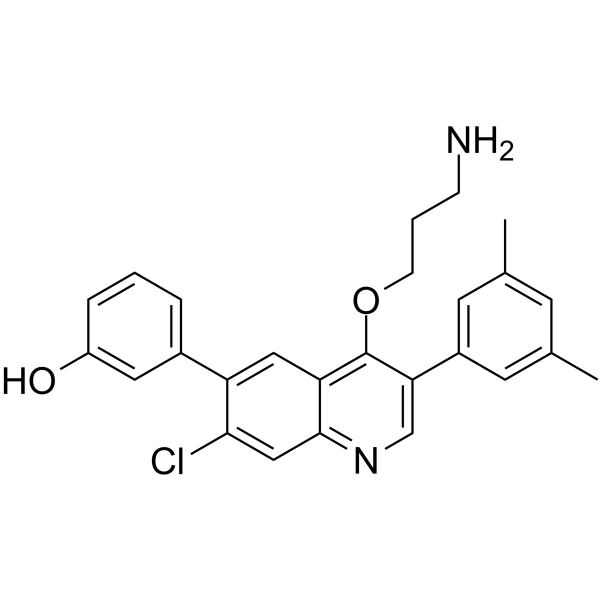
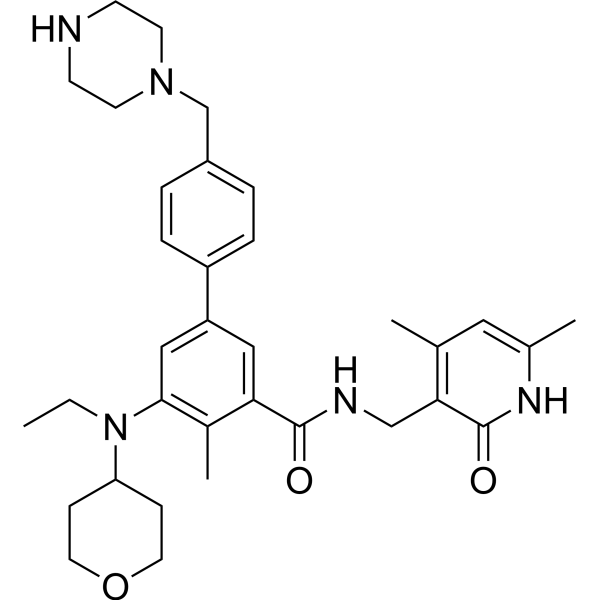
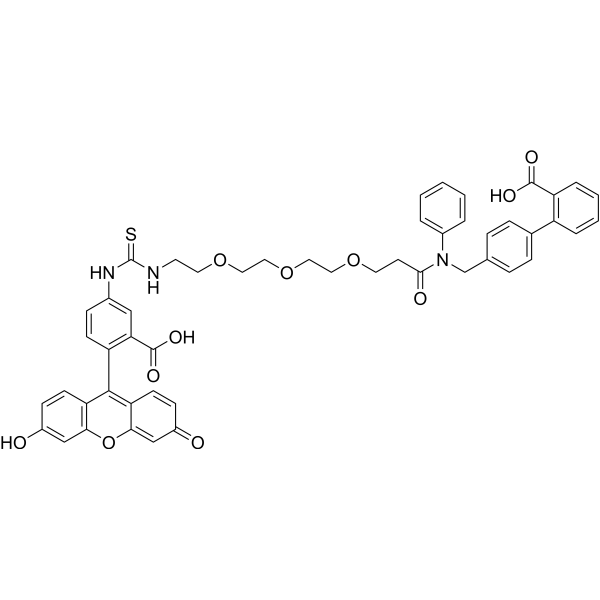
    G43 is a potent, selective glucosyltransferase inhibitor, with the Kd of 3.7μM and 46.9 nM for GtfB and GtfC, respectively. G43 has antibacterial to S. mutans in vitro and in vivo, and can be used for dental caries study .
    G43
  • HY-P11204

    Peptide-Drug Conjugates (PDCs) Others
    DDDEEKC is a bioinspired peptide sequence that can selectively adsorb onto the enamel surface (mimicking the role of salivary acquired pellicle protein statherin), acting as a "target - guiding agent" for tooth enamel remineralization. DDDEEKC enhances the regeneration of hydroxyapatite (HAP). DDDEEKC is promising for research of in-situ remineralization repair of enamel demineralization damage (such as dental caries) .
    DDDEEKC
  • HY-P5890

    Interleukin Related Caspase Neurological Disease Inflammation/Immunology
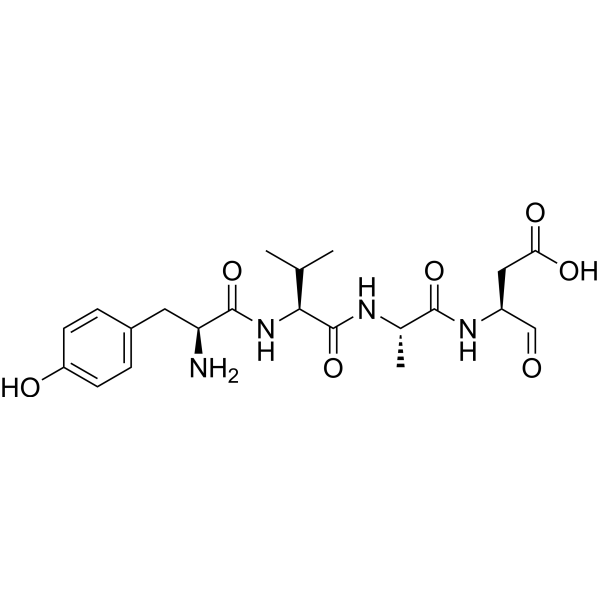
    YVAD-CHO is an interleukin-1β converting enzyme (ICE, caspase 1) inhibitor (Ki: 0.76 nM). YVAD-CHO inhibits mature IL-1β production. YVAD-CHO partially delays motoneurone death in lesioned facial nerve mice .
    YVAD-CHO
  • HY-N15285

    Others Metabolic Disease
    Protocatechuic acid 4-glucoside is a glycosylated phenolic acid. Protocatechuic acid 4-glucoside exhibits antioxidant activity and can alleviate atherosclerotic lesions in rats fed a high-fat diet. Protocatechuic acid 4-glucoside can be used for the study of metabolism-related diseases .
    Protocatechuic acid 4-glucoside
  • HY-P5890A

    Caspase Interleukin Related Neurological Disease Inflammation/Immunology
    YVAD-CHO TFA is an interleukin-1β converting enzyme (ICE, caspase 1) inhibitor (Ki: 0.76 nM). YVAD-CHO TFA inhibits mature IL-1β production. YVAD-CHO TFA partially delays motoneurone death in lesioned facial nerve mice .
    YVAD-CHO TFA
  • HY-N0916

    Danmelittoside

    Bacterial Inflammation/Immunology
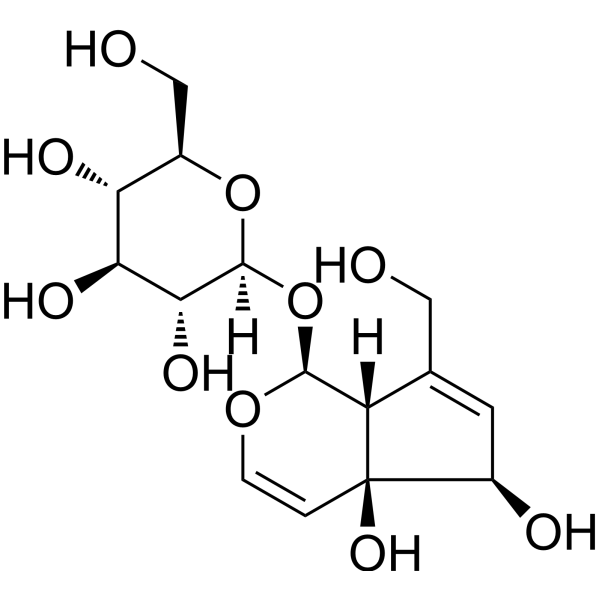
    Monomelittoside is a iridoid glycoside with antibacterial activity. Monomelittoside inhibits dental caries pathogen Streptococcus.
    Monomelittoside
  • HY-110161

    Somatostatin Receptor Cardiovascular Disease Endocrinology
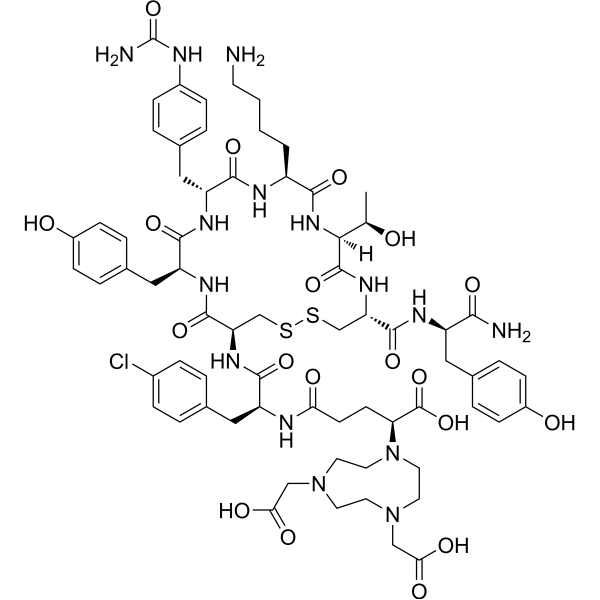
    sst2 Receptor agonist-1 is a potent somatostatin receptor subtype 2 (sst2) agonist with a Ki value of 0.025 nM and a cAMP IC50 value of 4.8 nM. sst2 Receptor agonist-1 can inhibit rat growth hormone (GH) secretion and ocular neovascular lesion formation. Antiangiogenic effect .
    sst2 Receptor agonist-1
  • HY-N12240

    Bacterial Infection
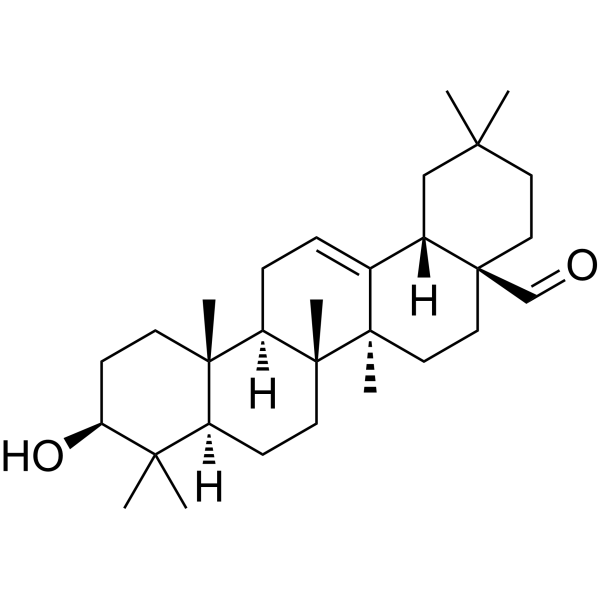
    Oleanolic aldehyde is an antimicrobial compound used to inhibit oral bacteria. Oleanolic aldehyde inhibits Streptococcus mutans and Porphyromonas gingivalis, which are associated with dental caries and periodontal disease, with minimum inhibitory concentrations (MICs) of 488 μg/mL and 250 μg/mL, respectively .
    Oleanolic aldehyde
  • HY-75424A

    Proton Pump Inflammation/Immunology
    2-(Trifluoromethyl)cinnamic acid is a cinnamic acid derivative that inhibits the proton pump (H +/K +-ATPase), thereby reducing gastric acid secretion. 2-(Trifluoromethyl)cinnamic acid also improves delayed gastric emptying and can be used in research on gastric diseases such as acute gastritis and gastric ulcers .
    2-(Trifluoromethyl)cinnamic acid
  • HY-158459

    A2G2F2(a1-3) glycan

    E-Selectin Biochemical Assay Reagents Others
    A2G2F2 glycan (A2G2F2(a1-3) glycan) is a Lewis X polysaccharide containing two Lewis X epitopes and is a symmetric N-glycan. SLeX is a ligand for the cell adhesion molecule E-selectin, which is specifically expressed at sites of inflammatory lesions. Designing SLeX-polysaccharide conjugates to deliver drugs to inflammatory lesions .
    A2G2F2 glycan
  • HY-W011950
    Acridin-9-amine hydrochloride hydrate
    4 Publications Verification

    DNA/RNA Synthesis Others
    Acridin-9-amine (9-Aminoacridine) hydrochloride hydrate is a mutagen and DNA modifier. Acridin-9-amine hydrochloride hydrate induces mutagenic lesions during DNA replication .
    Acridin-9-amine hydrochloride hydrate

Inquiry Online

Your information is safe with us. * Required Fields.

Salutation


Country or Region *

Applicant Name *


Organization Name *

Department *


Email Address *


Product Name *

Cat. No.


Requested quantity *

Phone Number *


Remarks

Inquiry Online

Inquiry Information

Product Name:
Cat. No.:
Quantity:
MCE Japan Authorized Agent: