1. Search Result
Search Result
Results for "

protein synthesis activities

" in MedChemExpress (MCE) Product Catalog:

270

Inhibitors & Agonists

9

Screening-Bibliotheken

2

Fluorescent Dyes

3

Biochemical Assay Reagents

11

Peptides

1

Inhibitory Antibodies

60

Natural
Products

26

Isotope-Labeled Compounds

1

Click Chemistry

4

Oligonucleotides

1

GMP Molecules

Targets Recommended:
Art. -Nr. Produktname Target Forschungsgebiete Chemical Structure
  • HY-N0862
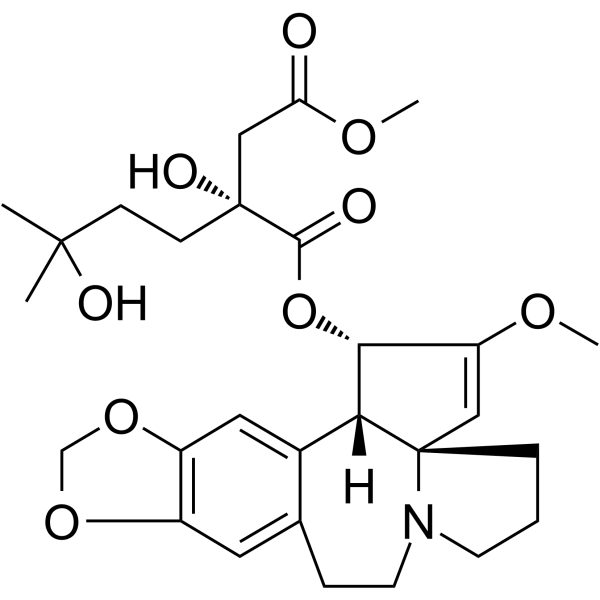
    Harringtonine
    15+ Cited Publications

    CHIKV Influenza Virus Infection Cancer
    Harringtonine is a natural Cephalotaxus alkaloid that inhibits protein synthesis. Harringtonine has anti-chikungunya virus (CHIKV) activities with an EC50 of 0.24 μM.
    Harringtonine
  • HY-B0220
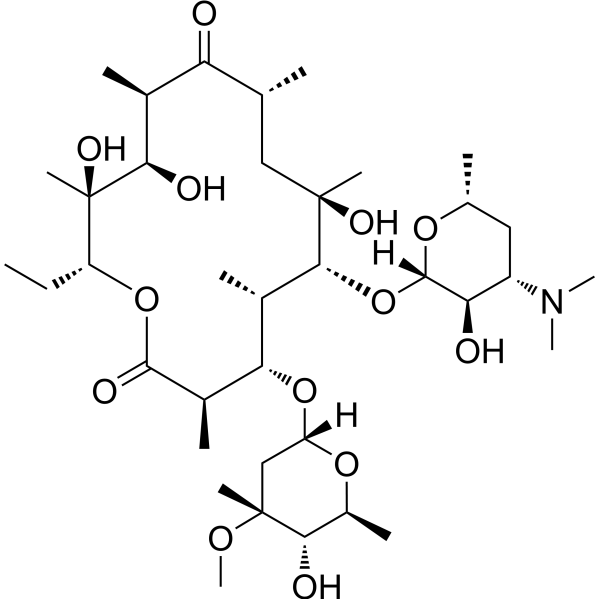
    Erythromycin
    20+ Cited Publications

    Bacterial Antibiotic DNA/RNA Synthesis Infection Cancer
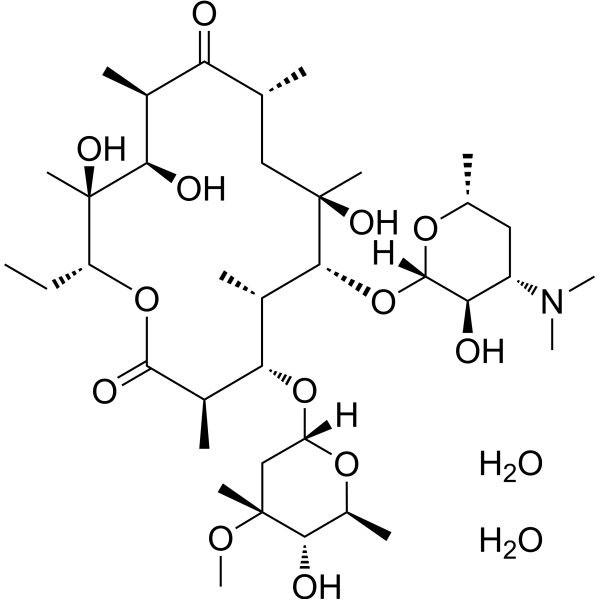
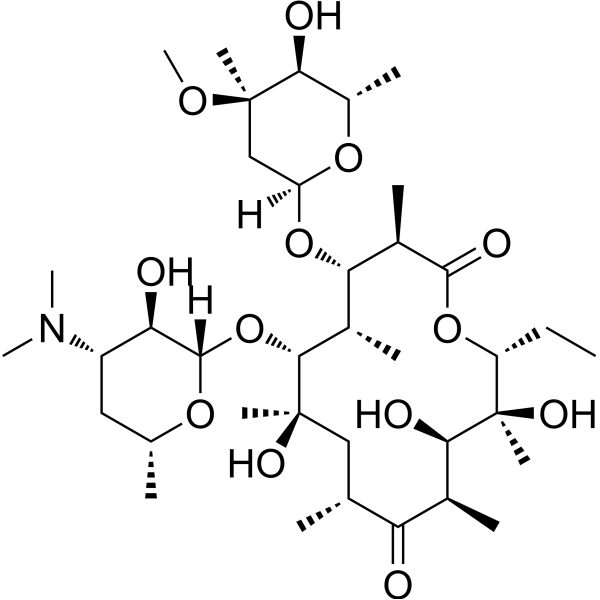
    Erythromycin is a macrolide antibiotic produced by actinomycete?Streptomyces erythreus?with a broad spectrum of antimicrobial activity. Erythromycin binds to bacterial 50S ribosomal subunits and inhibits?RNA-dependent protein synthesis?by blockage of transpeptidation and/or translocation reactions, without affecting synthesis of nucleic acid [1][2]. Erythromycin also exhibits antitumor and neuroprotective effect in different fields of research [3][4].
    Erythromycin
  • HY-13624A
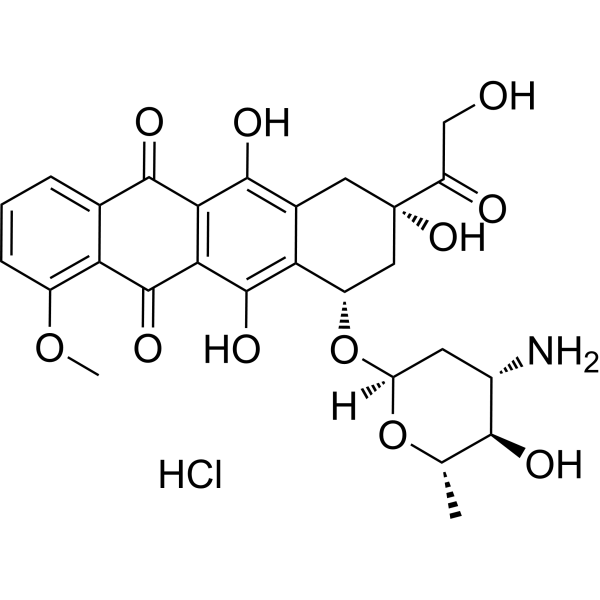
    Epirubicin hydrochloride
    35+ Cited Publications

    4'-Epidoxorubicin hydrochloride

    DNA/RNA Synthesis Topoisomerase Apoptosis Antibiotic Infection Neurological Disease Inflammation/Immunology Cancer
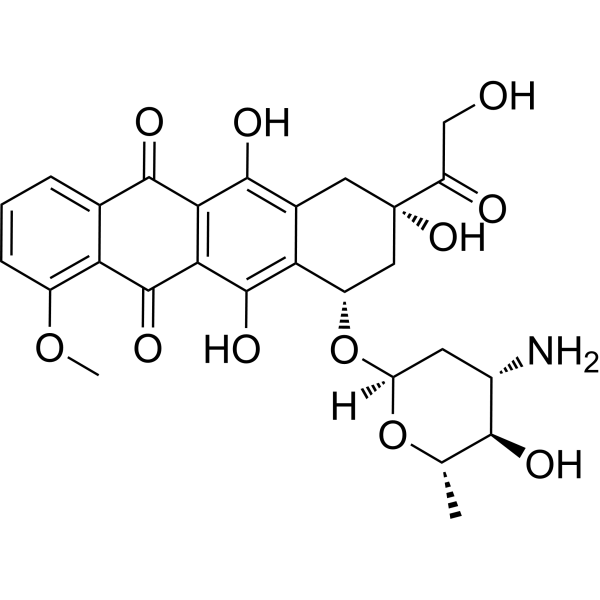
    Epirubicin hydrochloride (4'-Epidoxorubicin hydrochloride), a semisynthetic L-arabino derivative of doxorubicin, has an antineoplastic agent by inhibiting Topoisomerase . Epirubicin hydrochloride inhibits DNA and RNA synthesis. Epirubicin hydrochloride is a Forkhead box protein p3 (Foxp3) inhibitor and inhibits regulatory T cell activity .
    Epirubicin hydrochloride
  • HY-148033

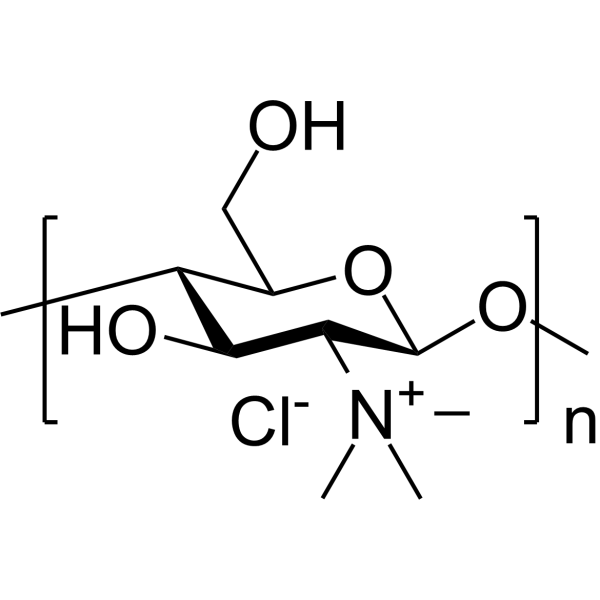
    N,N,N-Trimethylchitosan

    Drug Derivative Others
    Trimethyl chitosan (N,N,N-Trimethylchitosan) is a multifunctional polymer and a derivative of Chitosan (HY-B2144A). Trimethyl chitosan targets the absorption enhancing proteins of tight junctions of intestinal and mucosal epithelial cells, induces tight junction protein rearrangement, and increases intercellular permeability. Trimethyl chitosan can stimulate the activity of promoting transmembrane transport of hydrophilic drugs (such as peptides and proteins) and can be used for drug delivery and synthesis of nanoparticles .
    Trimethyl chitosan
  • HY-P99043
    Rovalpituzumab
    1 Publications Verification

    SC-0001

    Notch Cancer
    Rovalpituzumab is a humanized monoclonal antibody against delta-like protein 3 (DLL3). Rovalpituzumab can be used in the synthesis of antibody-drug conjugate (ADC), Rovalpituzumab Tesirine. Rovalpituzumab has activity against small cell lung cancer (SCLC) .
    Rovalpituzumab
  • HY-13624
    Epirubicin
    35+ Cited Publications

    4'-Epidoxorubicin

    DNA/RNA Synthesis Topoisomerase Apoptosis Antibiotic Cancer
    Epirubicin (4'-Epidoxorubicin), a semisynthetic L-arabino derivative of doxorubicin, has an antineoplastic agent by inhibiting Topoisomerase . Epirubicin inhibits DNA and RNA synthesis. Epirubicin is a Forkhead box protein p3 (Foxp3) inhibitor and inhibits regulatory T cell activity .
    Epirubicin
  • HY-B0275
    Oxytetracycline
    5+ Cited Publications

    Environmental Pollutants Antibiotic Endogenous Metabolite Bacterial HSV Infection
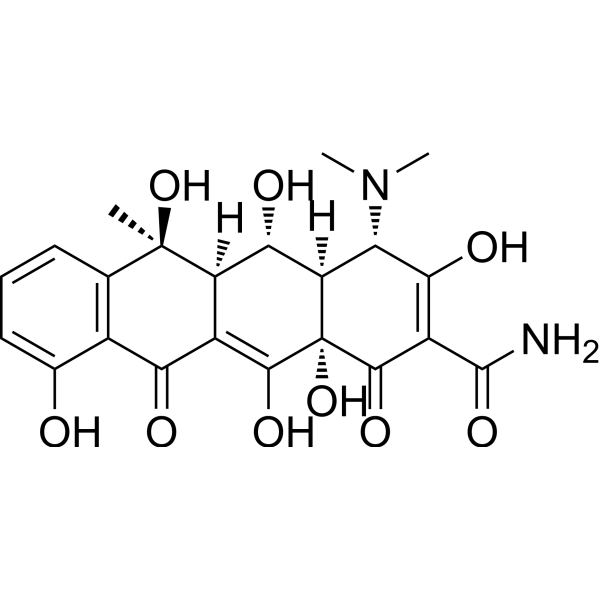
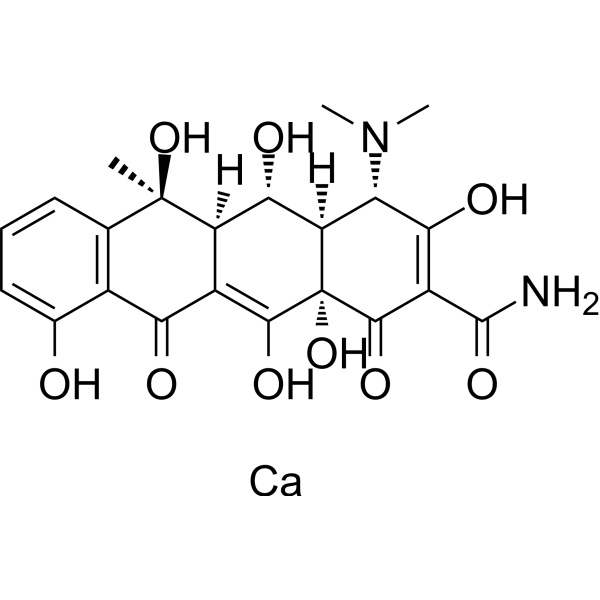
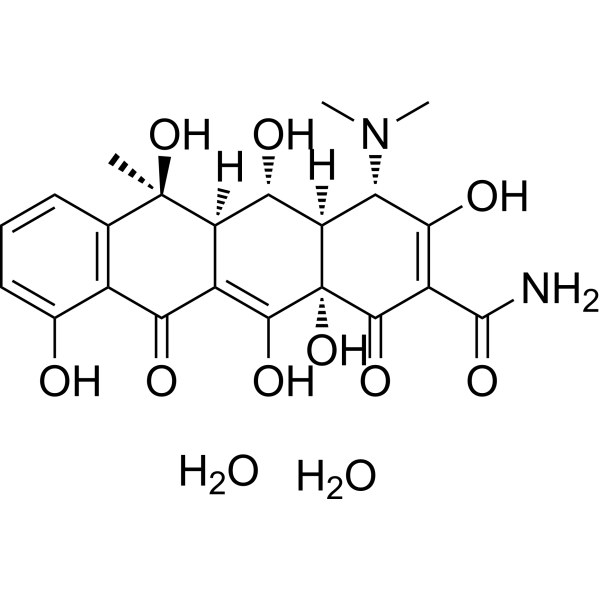
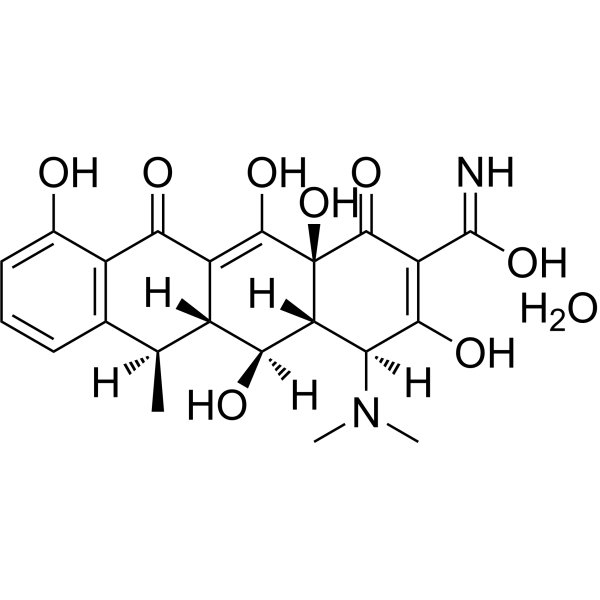
    Oxytetracycline is an antibiotic belonging to the tetracycline class. Oxytetracycline potent inhibits Gram-negative and Gram-positive bacteria. Oxytetracycline is a protein synthesis inhibitor and prevents the binding from aminoacil-tRNA to the complex m-ribosomal RNA. Oxytetracycline also possesses anti-HSV-1 activity .
    Oxytetracycline
  • HY-116010
    Oleandomycin
    1 Publications Verification

    Bacterial Antibiotic Infection
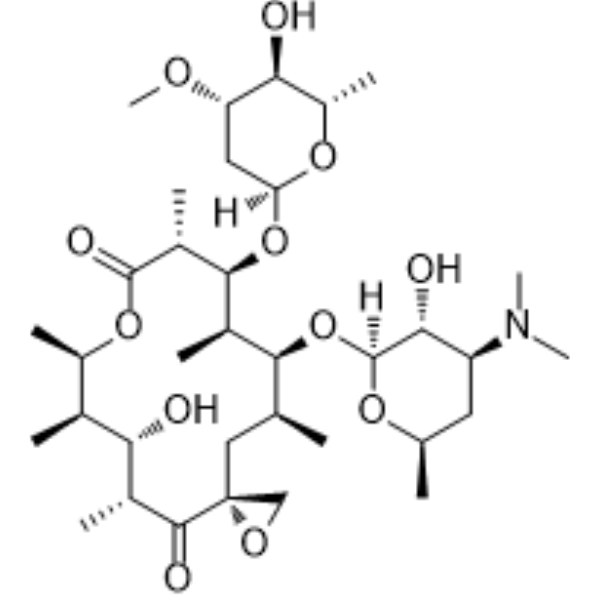
    Oleandomycin is a macrolide antibiotic structurally closely related to Erythromycin. Oleandomycin is similar to Erythromycin with antimicrobial activity. Oleandomycin inhibits protein synthesis by interference with translation of activated amino acids to nascent peptide chains on the ribosomes .
    Oleandomycin
  • HY-B0275A
    Oxytetracycline hydrochloride
    5+ Cited Publications

    Environmental Pollutants Antibiotic Endogenous Metabolite Bacterial HSV Infection
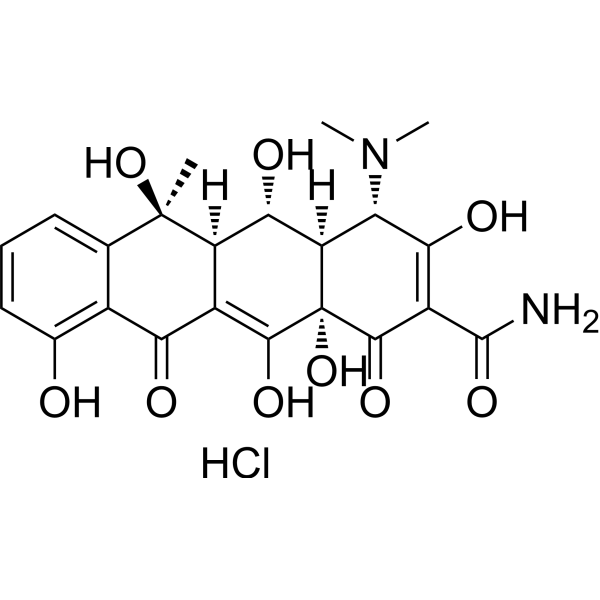
    Oxytetracycline hydrochloride is an antibiotic belonging to the tetracycline class. Oxytetracycline hydrochloride potent inhibits Gram-negative and Gram-positive bacteria. Oxytetracycline hydrochloride is a protein synthesis inhibitor and prevents the binding from aminoacil-tRNA to the complex m-ribosomal RNA. Oxytetracycline hydrochloride also possesses anti-HSV-1 activity .
    Oxytetracycline hydrochloride
  • HY-10392
    Sutezolid
    4 Publications Verification

    PNU-100480; U-100480; PF-02341272

    Bacterial Antibiotic Infection
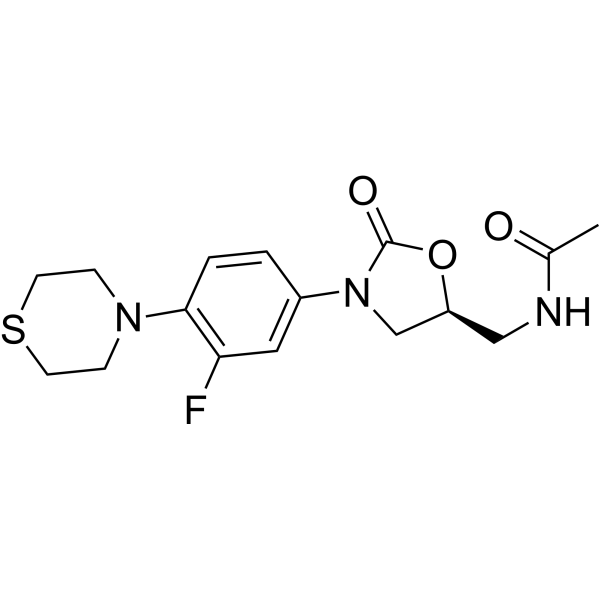
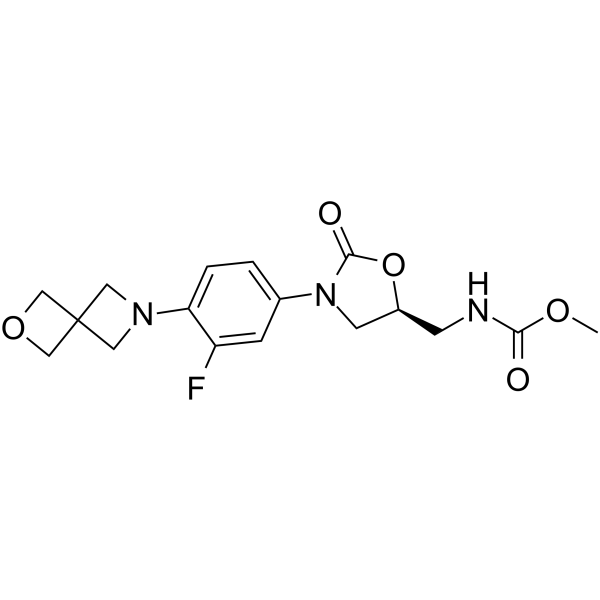
    Sutezolid (PNU-100480), an orally active oxazolidinone antimicrobial agent, acts by inhibiting bacterial protein synthesis. Sutezolid has potent activity against mycobacteria, and is used for the research of drug-resistant tuberculosis .
    Sutezolid
  • HY-17560
    Demeclocycline hydrochloride
    5 Publications Verification

    Antibiotic Bacterial Infection Inflammation/Immunology Cancer
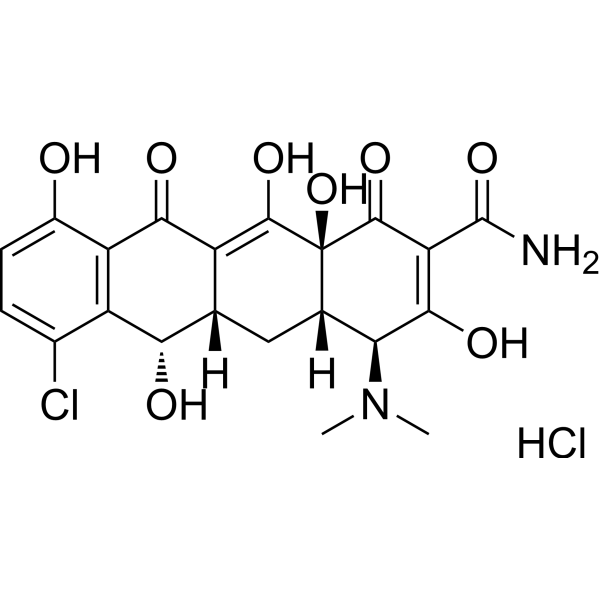
    Demeclocycline hydrochloride is an orally active tetracycline antibiotic that inhibits the binding of aminoacyl tRNA by binding to the 30S ribosomal subunit, thereby affecting protein synthesis. Demeclocycline hydrochloride exhibits antibacterial activity against a broad spectrum of bacterial infections .
    Demeclocycline hydrochloride
  • HY-Y0017

    (S)-2-Aminohexanoic acid; (S)-Norleucine

    Influenza Virus Endogenous Metabolite Infection Cancer
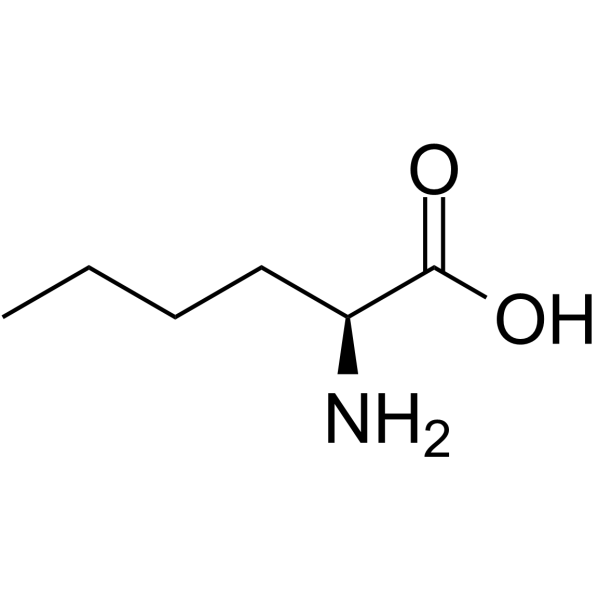
    L-Norleucine ((S)-2-Aminohexanoic acid) is an isomer of leucine, specifically affects protein synthesis in skeletal muscle, and has antivirus activity.
    L-Norleucine
  • HY-13744

    RFS 2000; 9-Nitrocamptothecin

    Topoisomerase Cancer
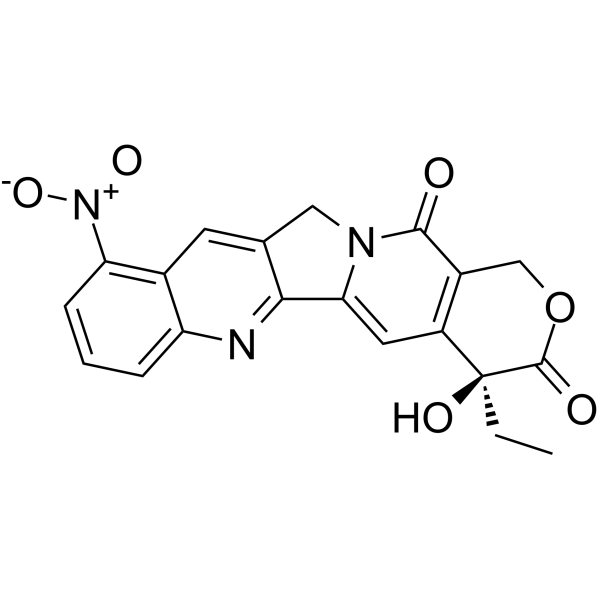
    Rubitecan (RFS 2000), a Camptothecin derivative, is an orally active topoisomerase I inhibitor with broad antitumor activity, and induces protein-linked DNA single-strand breaks, thereby blocking DNA and RNA synthesis in dividing cells .
    Rubitecan
  • HY-16908A
    Lefamulin acetate
    4 Publications Verification

    BC-3781 acetate

    Bacterial Antibiotic Infection Inflammation/Immunology
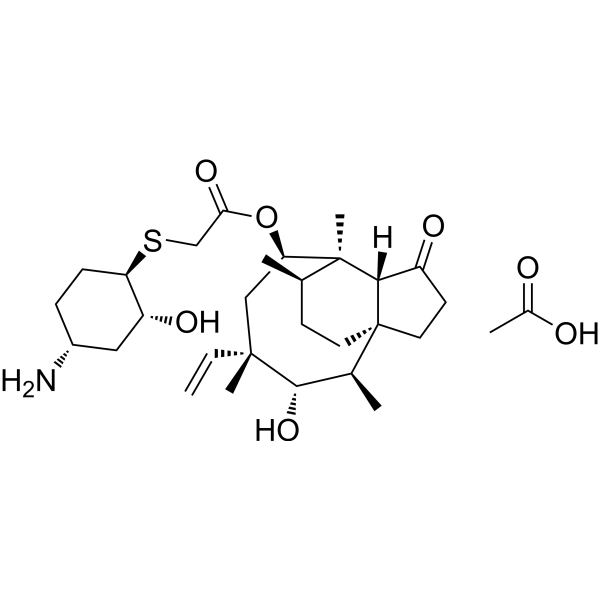
    Lefamulin (BC-3781) acetate is an orally active antibiotic. Lefamulin acetate inhibits protein synthesis by binding to the peptidyl transferase center of the 50S bacterial ribosome. Lefamulin acetate has anti-inflammatory activity. Lefamulin acetate can be used in the research of bacterial infections, such as bacterial pneumonia .
    Lefamulin acetate
  • HY-B0220D
    Erythromycin thiocyanate
    20+ Cited Publications

    Bacterial Antibiotic DNA/RNA Synthesis Infection Cancer
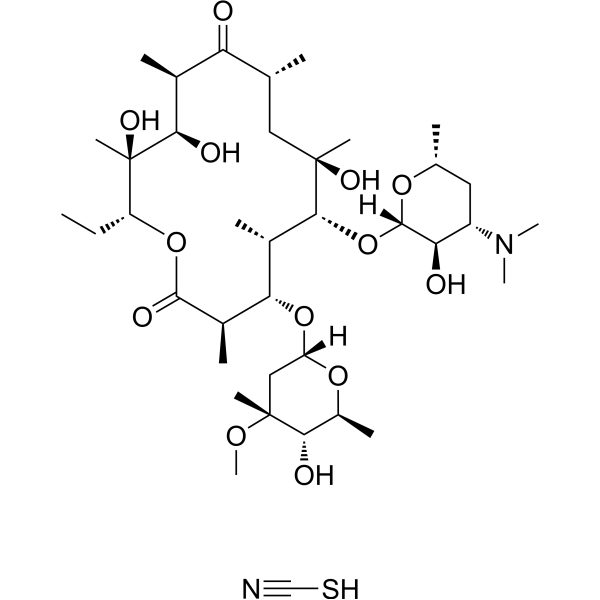
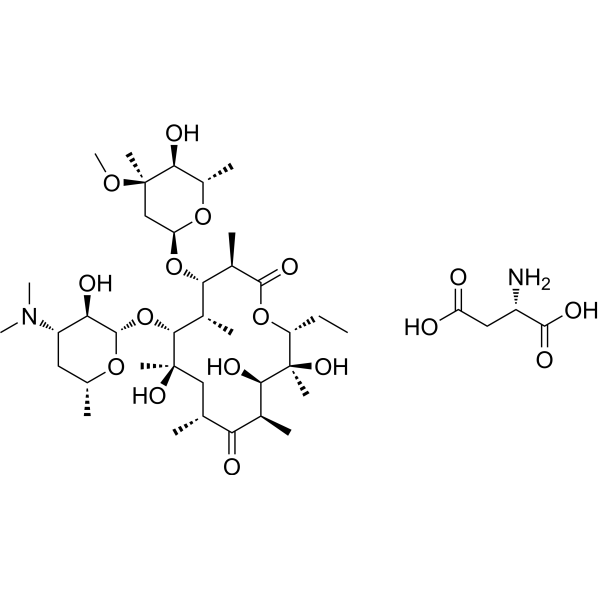
    Erythromycin thiocyanate is a macrolide antibiotic produced by actinomycete Streptomyces erythreus with a broad spectrum of antimicrobial activity. Erythromycin thiocyanate binds to bacterial 50S ribosomal subunits and inhibits RNA-dependent protein synthesis by blockage of transpeptidation and/or translocation reactions, without affecting synthesis of nucleic acid [1][2]. Erythromycin thiocyanate also exhibits antitumor and neuroprotective effect in different fields of research [3][4].
    Erythromycin thiocyanate
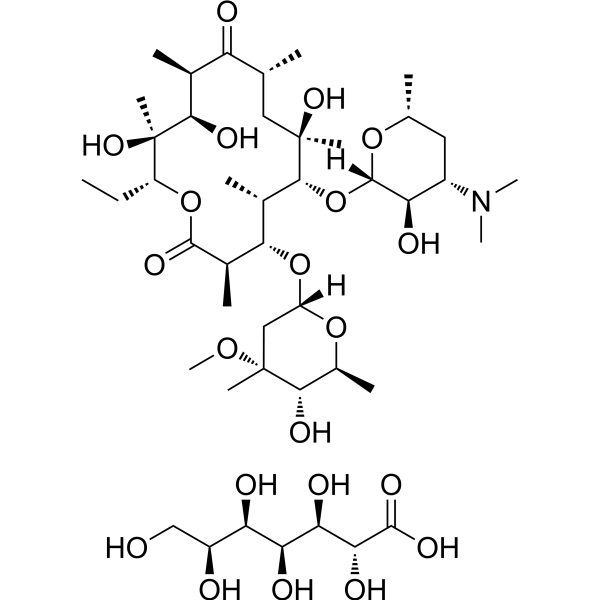
  • HY-B0220A
    Erythromycin lactobionate
    20+ Cited Publications

    Antibiotic Bacterial DNA/RNA Synthesis Infection Cancer
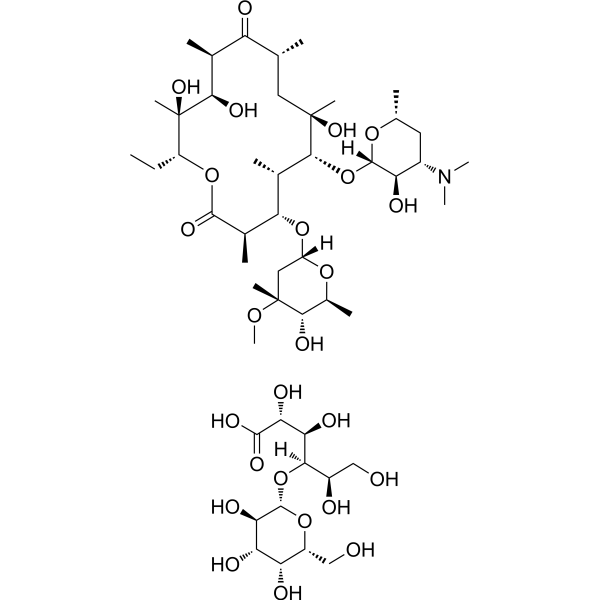
    Erythromycin lactobionate is a macrolide antibiotic produced by actinomycete Streptomyces erythreus with a broad spectrum of antimicrobial activity. Erythromycin lactobionate binds to bacterial 50S ribosomal subunits and inhibits RNA-dependent protein synthesis by blockage of transpeptidation and/or translocation reactions, without affecting synthesis of nucleic acid [1][2]. Erythromycin lactobionate also exhibits antitumor and neuroprotective effect in different fields of research [3][4].
    Erythromycin lactobionate
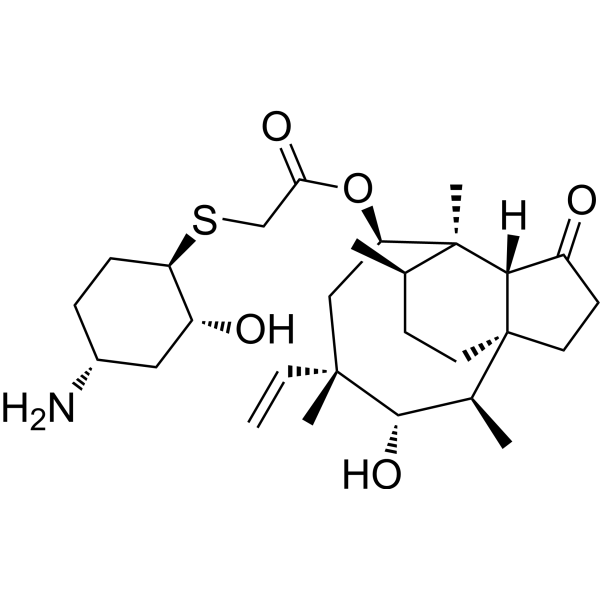
  • HY-N2301

    Drosophilin B; Mutilin 14-glycolate

    Antibiotic Bacterial Infection
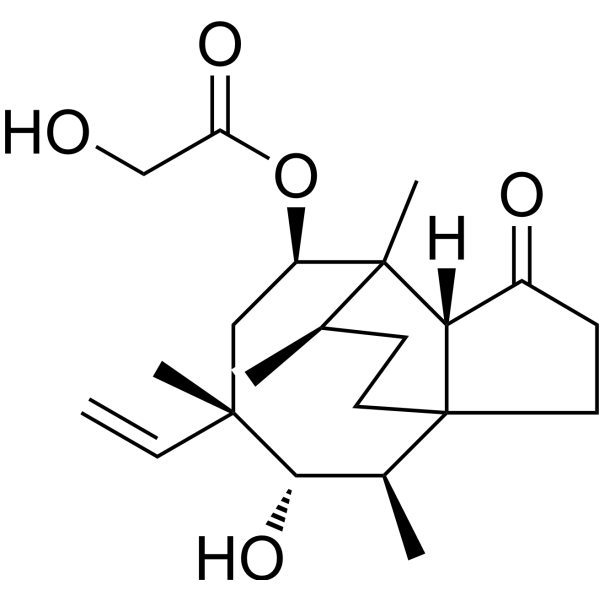
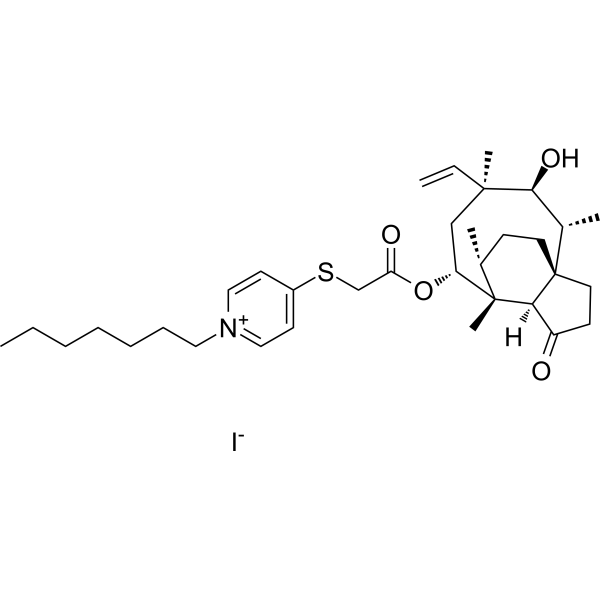
    Pleuromutilin (Drosophilin B) exhibits antibacterial activity through inhibition of protein synthesis .
    Pleuromutilin
  • HY-128744
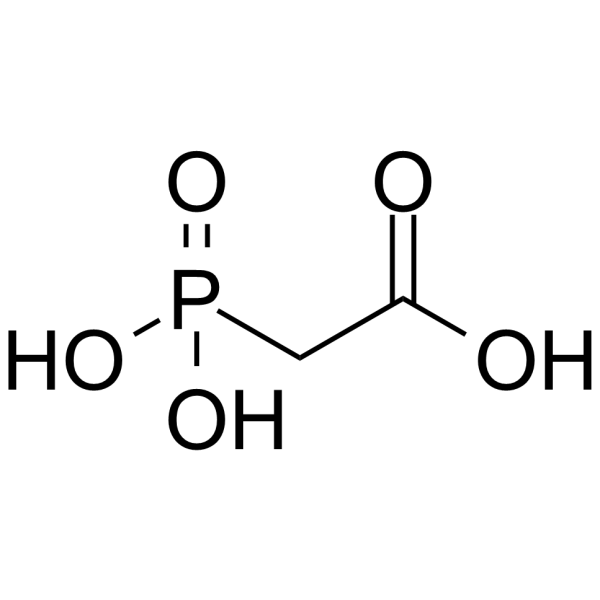
    Phosphonoacetic acid
    2 Publications Verification

    Endogenous Metabolite Orthopoxvirus HSV DNA/RNA Synthesis Infection
    Phosphonoacetic acid is an endogenous metabolite and antiviral agent. Phosphonoacetic acid is active against orthopoxviruses and herpes viruses. Phosphonoacetic acid can inhibit HSV DNA synthesis and virus-specific DNA polymerase activity, and affect the synthesis of late viral proteins .
    Phosphonoacetic acid
  • HY-148127

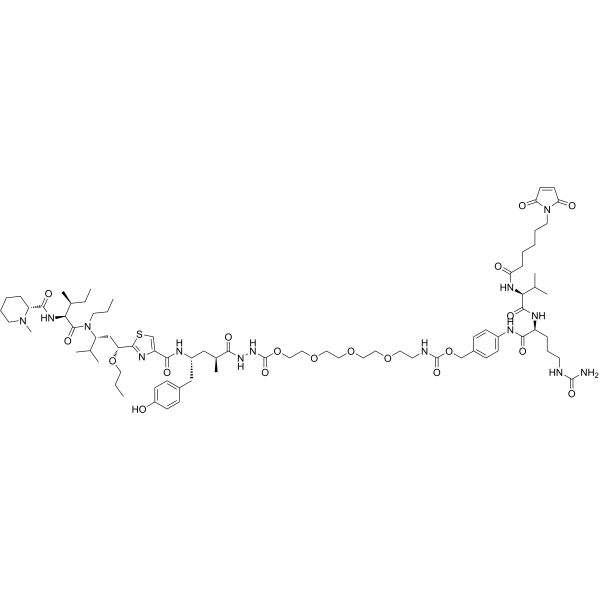
    Drug-Linker Conjugates for ADC Cancer
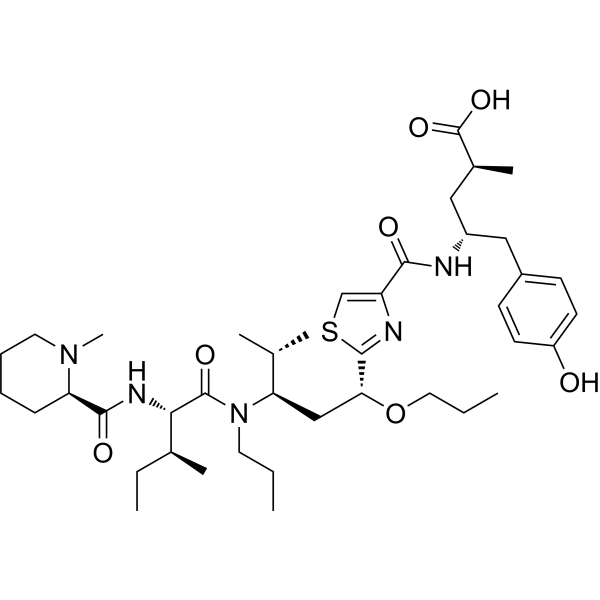
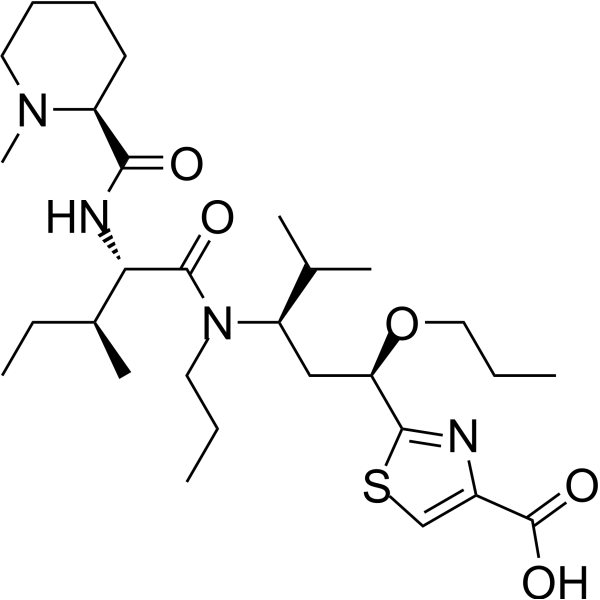
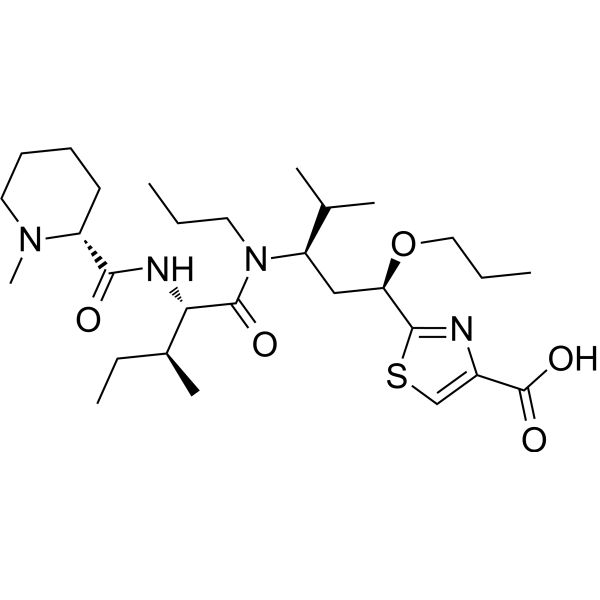
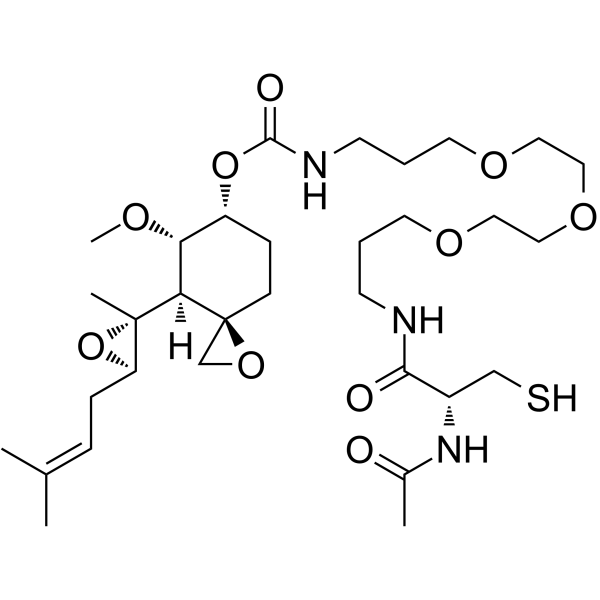
    TAM558 is a payload molecule used for the synthesis of OMTX705. OMTX705 is a humanized anti-fibroblast-activating protein (FAP) antibody conjugated to the cytolysin TAM470 (HY-148128), with antitumor activity .
    TAM558
  • HY-W010104

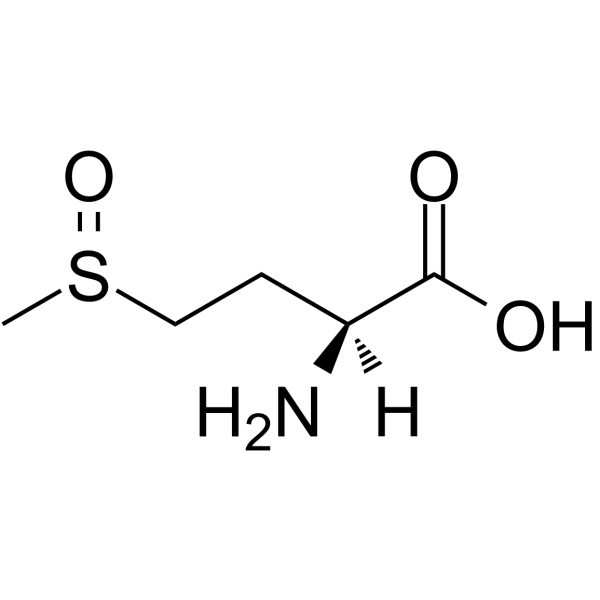
    H-Met(O)-OH

    Endogenous Metabolite Metabolic Disease
    L-Methionine sulfoxide is an orally active oxidation product of Methionine (HY-N0326). L-Methionine sulfoxide can be partially converted into Methionine in the body and participate in the synthesis of glutathione in the liver. L-Methionine sulfoxide provides the body with sulfur activity and can participate in the synthesis of proteins and sulfur-containing compounds .
    L-Methionine sulfoxide
  • HY-N2036
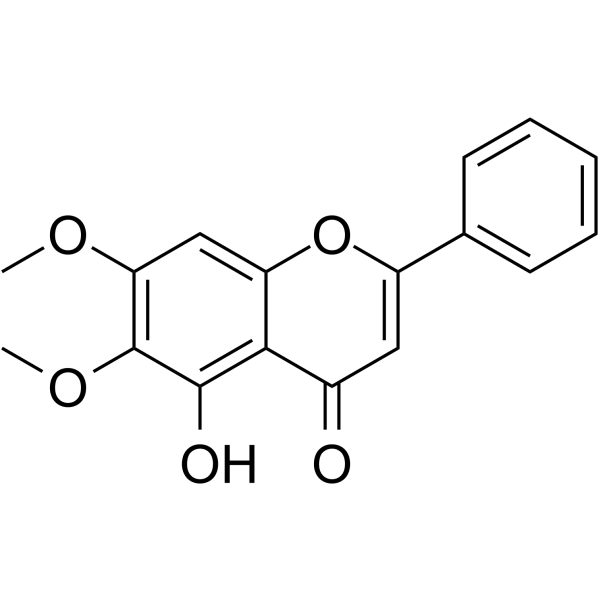
    Mosloflavone
    1 Publications Verification

    TNF Receptor Enterovirus Bacterial Infection
    Mosloflavone is a flavonoid isolated from Scutellaria baicalensis Georgi with ?anti-EV71 activity. Mosloflavone? inhibits VP2 virus replication and protein expression during the initial stage of virus infection and inhibits viral VP2 capsid protein synthesis. Mosloflavone is a promising biocide and inhibits P. aeruginosa virulence and biofilm formation.
    Mosloflavone
  • HY-126396

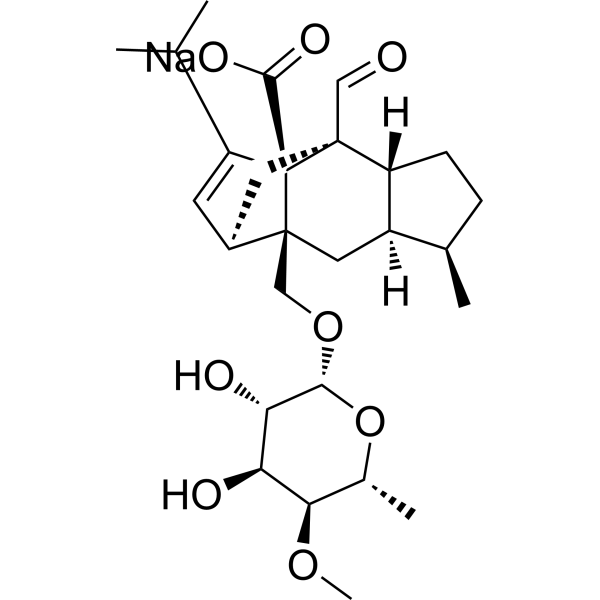
    Antibiotic CaMK Fungal Infection
    Sordarin sodium is an eEF2 inhibitor and antibiotic. Sordarin sodium's function is dependent on the diphthamide modification on eEF2. Sordarin sodium inhibits protein synthesis by preventing the binding of eEF2 to the ribosome complex. Sordarin sodium has antifungal activity .
    Sordarin sodium
  • HY-18979
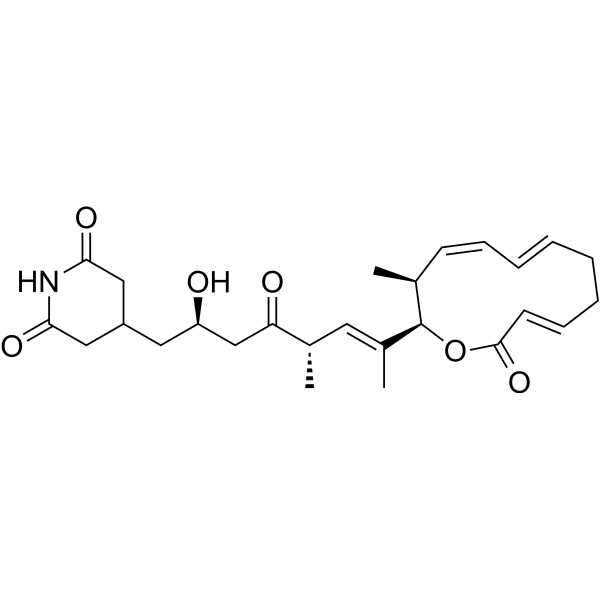
    Lactimidomycin
    1 Publications Verification

    Flavivirus Dengue Virus Infection Cancer
    Lactimidomycin is a glutarimide-containing compound isolated from Streptomyces. Lactimidomycin is a potent inhibitor of eukaryotic translation elongation. Lactimidomycin has a potent antiproliferative effect on tumor cell lines and selectively inhibit protein translation. Lactimidomycin inhibits protein synthesis with an IC50 value of 37.82 nM. Lactimidomycin is also a potent and non-toxic inhibitor of dengue virus 2 and other RNA viruses. Anticancer and antiviral activities .
    Lactimidomycin
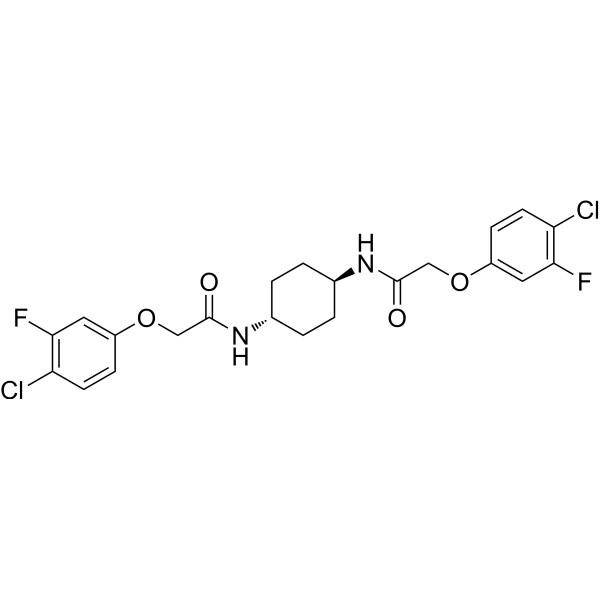
  • HY-153074

    Eukaryotic Initiation Factor (eIF) Infection
    ISR-IN-1 is an integrated stress response inhibitor targeting eIF2B. ISR-IN-1 enhances eIF2B guanine nucleotide exchange factor activity, stabilizes eIF2B heteropentamer dimers via symmetrical protein-protein interface binding, and releases global protein synthesis inhibition from phosphorylated eIF2α α. ISR-IN-1 can be used for the research of prion disease .
    ISR-IN-1
  • HY-16908
    Lefamulin
    4 Publications Verification

    BC-3781

    Bacterial Antibiotic Infection
    Lefamulin (BC-3781) is an orally active antibiotic. Lefamulin inhibits protein synthesis by binding to the peptidyl transferase center of the 50S bacterial ribosome. Lefamulin has anti-inflammatory activity. Lefamulin can be used in the research of bacterial infections, such as bacterial pneumonia .
    Lefamulin
  • HY-N7068
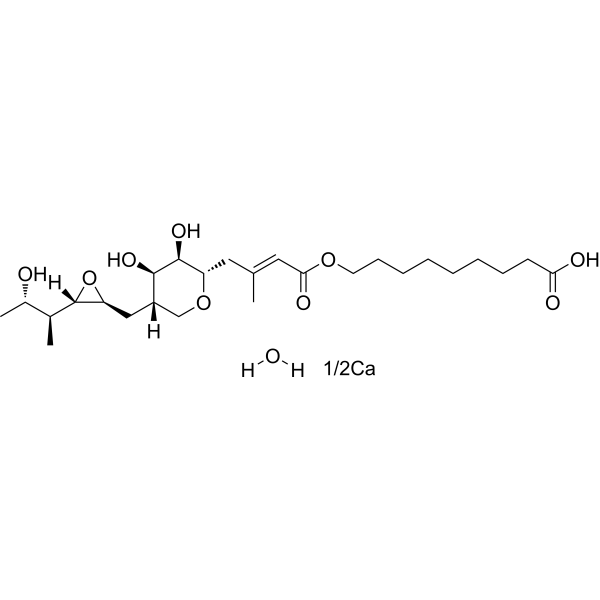
    Mupirocin calcium hydrate
    1 Publications Verification

    BRL-4910A calcium hydrate; Pseudomonic acid calcium hydrate

    Bacterial Antibiotic Infection Inflammation/Immunology
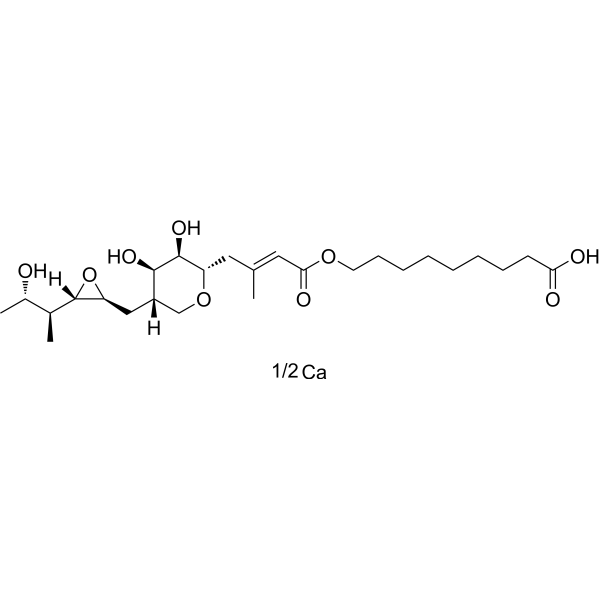
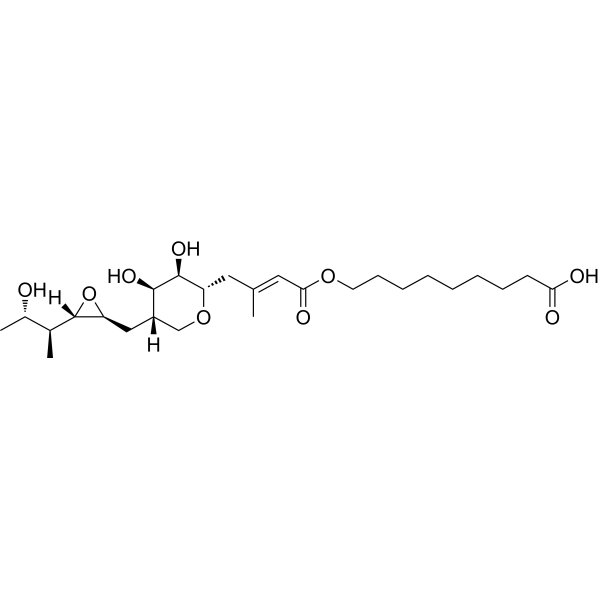
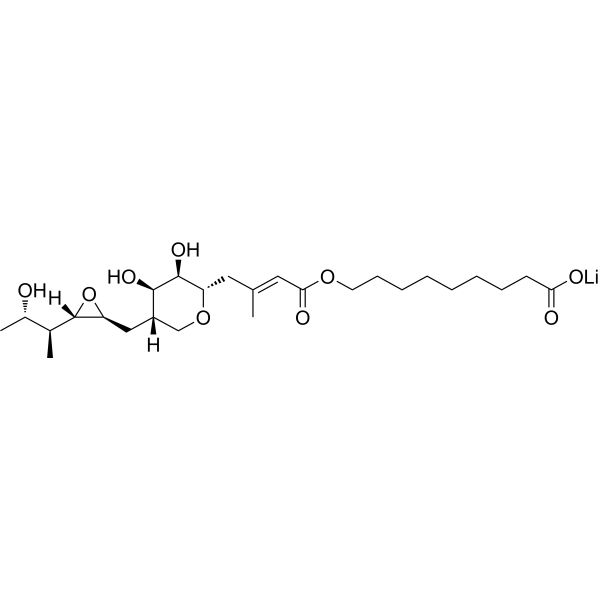
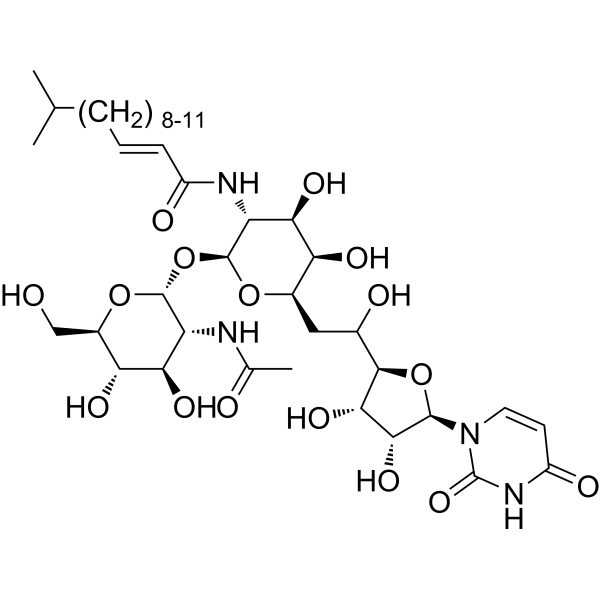
    Mupirocin (BRL-4910A, Pseudomonic acid) calcium hydrate is an orally active antibiotic isolated from Pseudomonas fluorescens. Mupirocin calcium hydrate apparently exerts its antimicrobial activity by reversibly inhibiting isoleucyl-transfer RNA, thereby inhibiting bacterial protein and RNA synthesis .
    Mupirocin calcium hydrate
  • HY-N7089
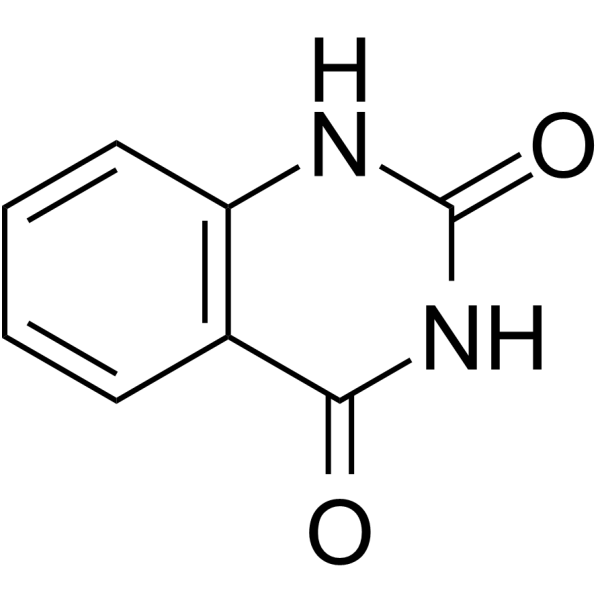
    Benzoyleneurea
    1 Publications Verification

    quinazolinedione

    Bacterial Infection
    Benzoyleneurea possesses anti-bacterial activity. Benzoyleneurea scaffold can be used in the synthesis of novel protein geranylgeranyltransferase-I (PGGTase-I) inhibitors .
    Benzoyleneurea
  • HY-W017851

    Drug Intermediate Neurological Disease
    4-Phenyl-2-pyrrolidinone is a precursor and synthetic intermediate. 4-Phenyl-2-pyrrolidinone can be used as a precursor in the synthesis of compounds with anticonvulsant and nootropic activities and is an intermediate in the synthesis of bromodomain-containing protein 4 (BRD4) bromodomain 1 inhibitors .
    4-Phenyl-2-pyrrolidinone
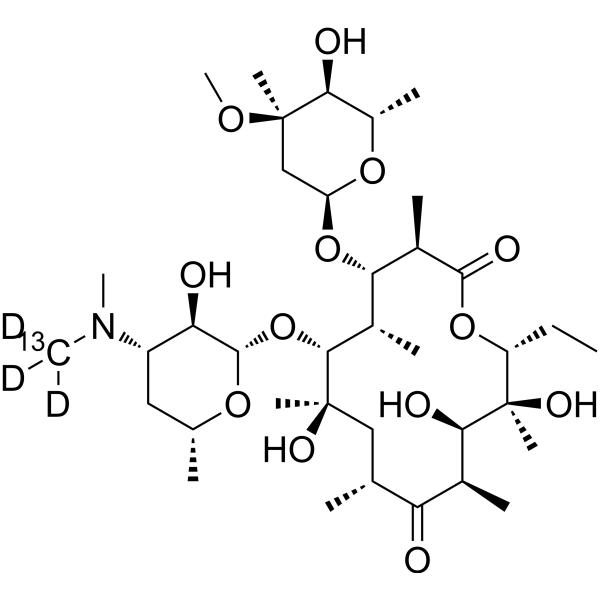
  • HY-B0220S1

    Isotope-Labeled Compounds Bacterial Antibiotic Infection
    Erythromycin- 13C,d3 is the 13C- and deuterium labeled Erythromycin. Erythromycin is a macrolide antibiotic produced by actinomycete?Streptomyces erythreus?with a broad spectrum of antimicrobial activity. Erythromycin acts by binding to bacterial 50S ribosomal subunits and inhibits?RNA-dependent protein synthesis?by blockage of transpeptidation and/or translocation reactions, without affecting synthesis of nucleic acid .
    Erythromycin-13C,d3
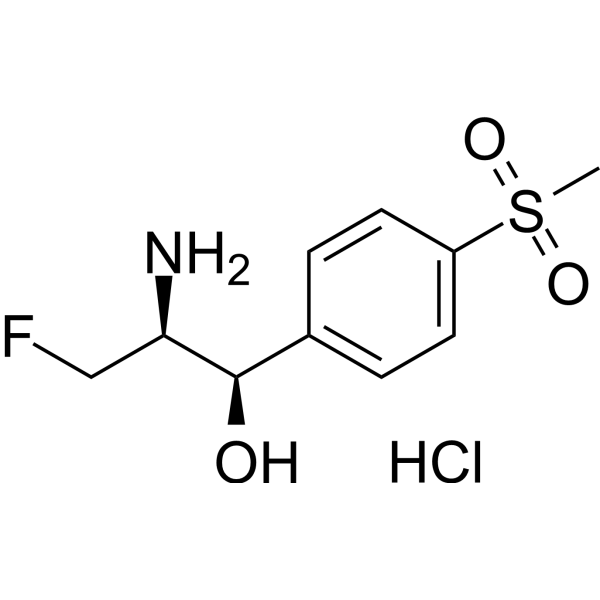
  • HY-118099

    Bacterial Drug Metabolite Infection
    Florfenicol amine hydrochloride is a metabolite of Florfenicol (HY-B1374). Florfenicol inhibits bacterial protein synthesis by binding to 50S and 70S subunits in the ribosome to abolish the activity of peptidyltransferase. Florfenicol, is a veterinary antibiotic, can be used in aquaculture to control susceptible bacterial diseases .
    Florfenicol amine hydrochloride
  • HY-W005308

    Amino Acid Derivatives Cancer
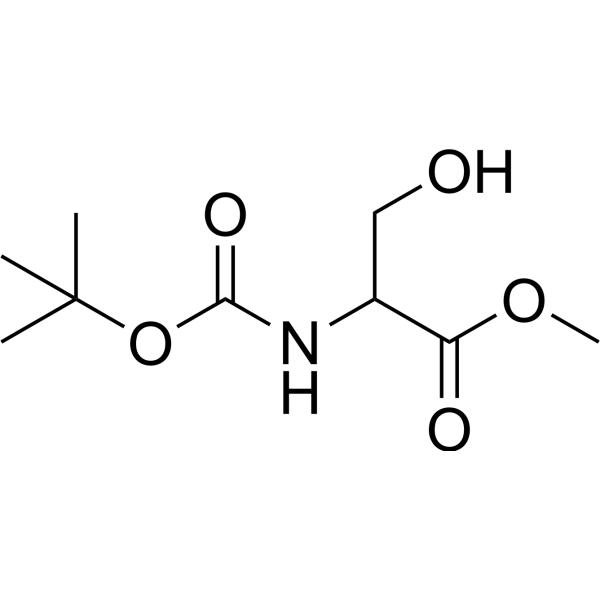
    N-BOC-DL-serine methyl ester is a Serine derivative. N-BOC-DL-serine methyl ester is used for the synthesis of α,β-dehydro-α-amino acid. N-BOC-DL-serine methyl ester is also used for the synthesis of anti-cancer agent, such as quinazolinone derivative that inhibits PI3K activity, and tricyclic pyrolopyranopyridines that inhibits protein kinase activity .
    N-BOC-DL-serine methyl ester
  • HY-W010104R

    H-Met(O)-OH (Standard)

    Reference Standards Endogenous Metabolite Metabolic Disease
    L-Methionine sulfoxide is an orally active oxidation product of Methionine (HY-N0326). L-Methionine sulfoxide can be partially converted into Methionine in the body and participate in the synthesis of glutathione in the liver. L-Methionine sulfoxide provides the body with sulfur activity and can participate in the synthesis of proteins and sulfur-containing compounds .
    L-Methionine sulfoxide (Standard)
  • HY-B0220S2

    Bacterial DNA/RNA Synthesis Antibiotic Infection
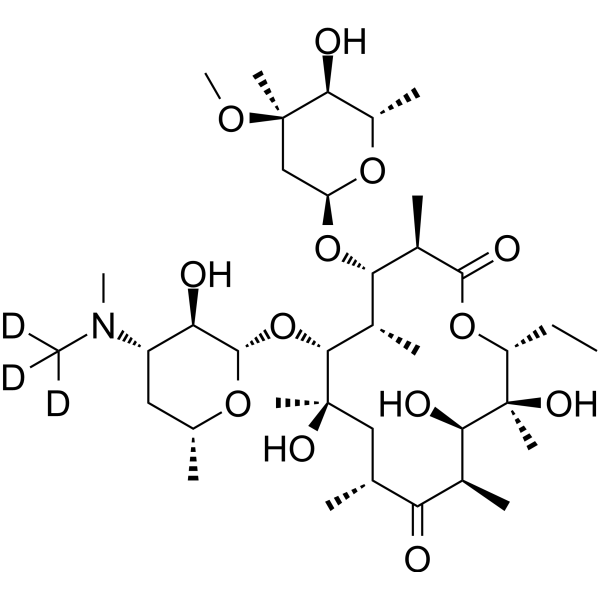
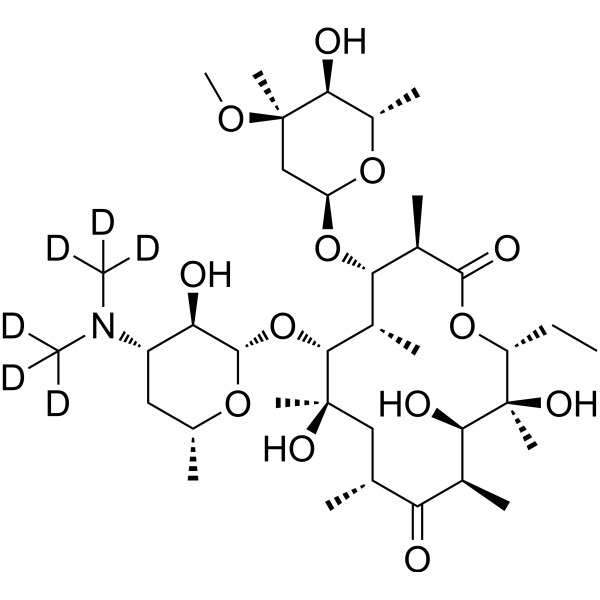
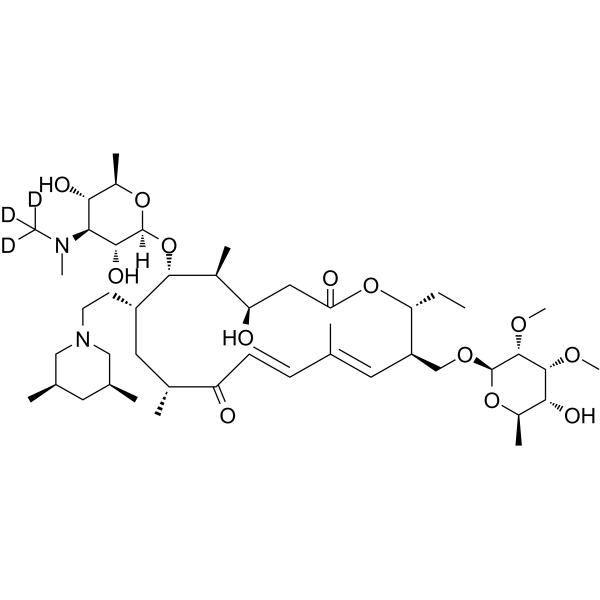
    Erythromycin-d3 is the deuterium labeled Erythromycin . Erythromycin is a macrolide antibiotic produced by actinomycete Streptomyces erythreus with a broad spectrum of antimicrobial activity. Erythromycin binds to bacterial 50S ribosomal subunits and inhibits RNA-dependent protein synthesis by blockage of transpeptidation and/or translocation reactions, without affecting synthesis of nucleic acid. Erythromycin also exhibits antitumor and neuroprotective effect in different fields of research .
    Erythromycin-d3
  • HY-P5731

    Bacterial Infection
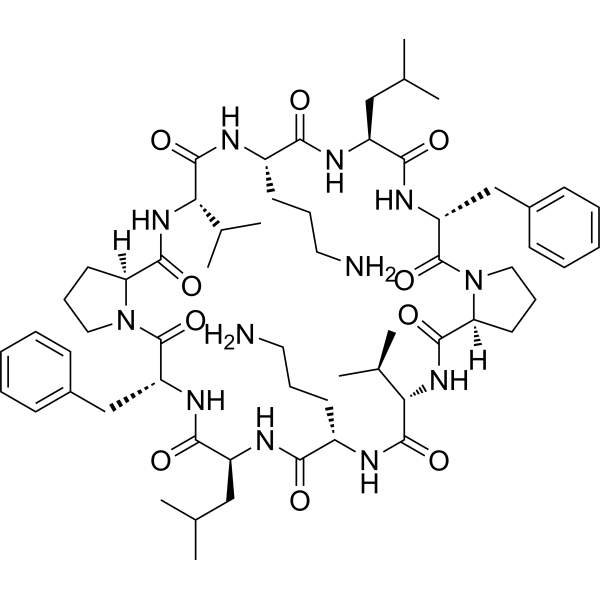
    Bac7(1-35) is a proline-rich antimicrobial peptide. Bac7(1-35) efficiently binds to different regions of prokaryote ribosomes, leading to the inhibition of protein synthesis. Bac7(1-35) demonstrates in vitro activity against P. aeruginosa strains .
    Bac7(1-35)
  • HY-152861

    TAK-676 free base

    STING Cancer
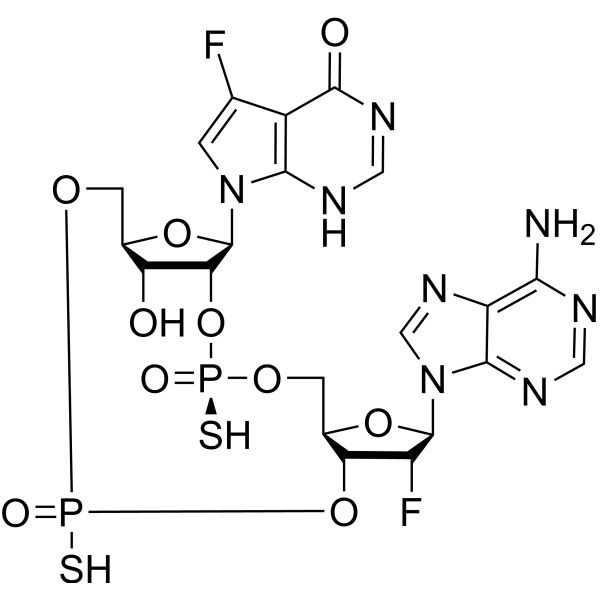
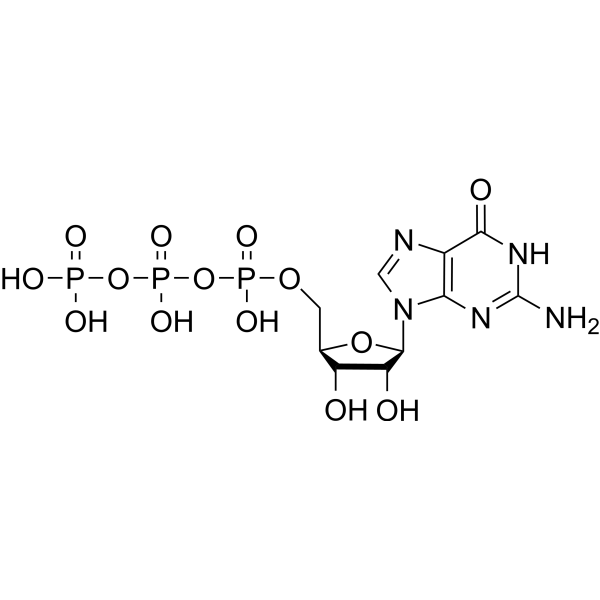
    Dazostinag (TAK-676 free base) is an agonist of stimulator of interferon genes (STING) protein with antineoplastic activity. Dazostinag can serve as a playload to synthesis antibody-drug conjugates (ADCs) .
    Dazostinag
  • HY-W555382

    2-Nonylquinolin-4(1H)-one

    HCV Infection
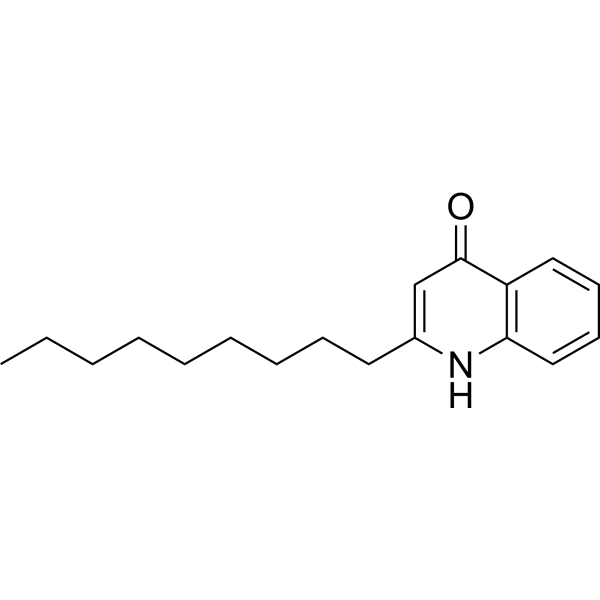
    Pseudane IX, a compound isolated from the leaves of Ruta angustifolia, has strong anti-HCV activity with an IC50 value of 1.4 μg/mL. Pseudane IX reduces HCV RNA replication and viral protein synthesis levels .
    Pseudane IX
  • HY-168440

    Ligands for Target Protein for PROTAC Aurora Kinase CDK Cancer
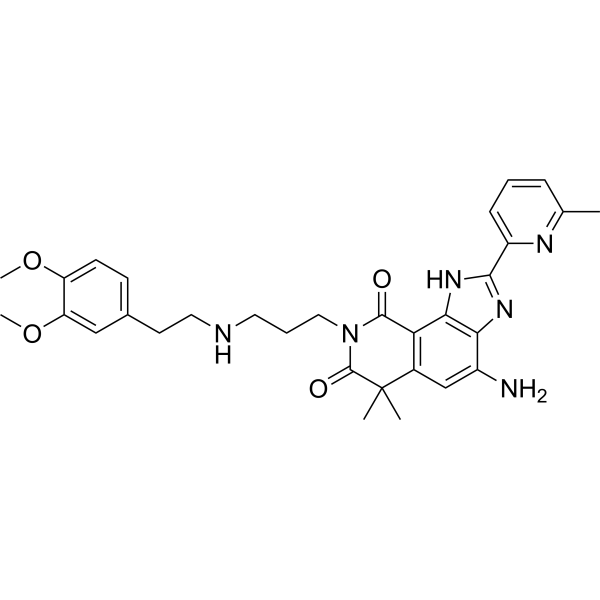
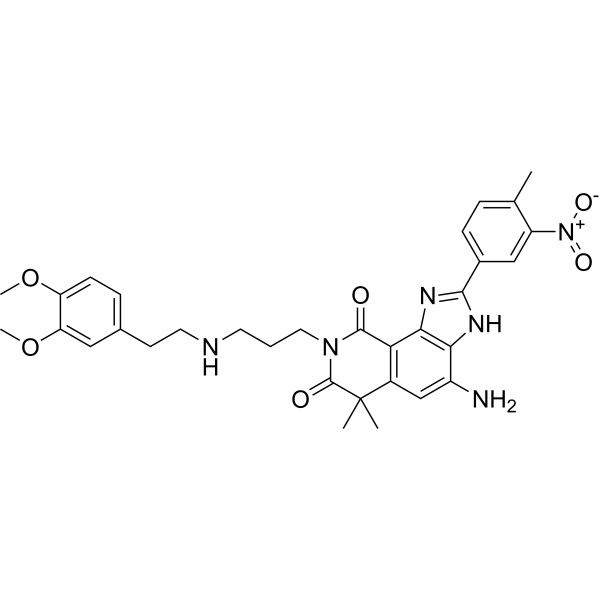
    Aurora-A ligand 1 is a high-affinity and specific Aurora-A inhibitor with a dissociation constant (Kd) value of 0.85 nM. Aurora-A ligand 1 can serve as a ligand for target protein (Ligands for Target Protein for PROTAC) for the development of PROTAC Aurora-A degraders with antitumor activity. Aurora-A ligand 1 can be used for the synthesis of HLB-0532259 (HY-168439). HLB-0532259 shows anti-tumor activity against neuroblastoma .
    Aurora-A ligand 1
  • HY-Y0017R

    (S)-2-Aminohexanoic acid (Standard); (S)-Norleucine (Standard)

    Reference Standards Influenza Virus Endogenous Metabolite Infection Cancer
    L-Norleucine (Standard) is the analytical standard of L-Norleucine. This product is intended for research and analytical applications. L-Norleucine ((S)-2-Aminohexanoic acid) is an isomer of leucine, specifically affects protein synthesis in skeletal muscle, and has antivirus activity.
    L-Norleucine (Standard)
  • HY-177285

    Kinesin ADC Payload Cancer
    NVP-BQS481 (Compound 1) is a selective Kinesin spindle protein-5 (Eg5) inhibitor with an IC50< 0.5 nM. NVP-BQS481 has significant antimitotic and antitumor activity (IC50: 0.0.9 nM for SK-OV-3ip cells). NVP-BQS481 can be used as a cytotoxic payload for synthesis of antibody-drug conjugates (ADCs) .
    NVP-BQS481
  • HY-113767

    DNA/RNA Synthesis Metabolic Disease
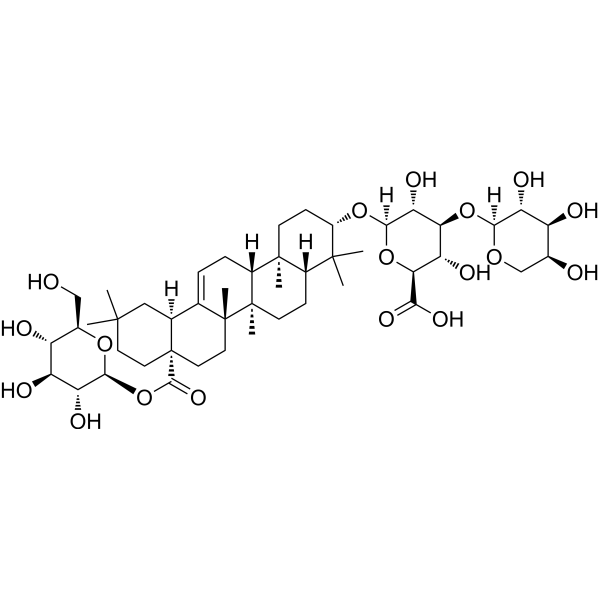
    Momordin II, an oleanane-type triterpene glycoside, is a ribosome inactivating protein. Momordin II inhibits cell-free protein synthesis, releases adenine from rat liver ribosomes and from DNA, and has no RNase activity .
    Momordin II
  • HY-122588

    Bacterial Others
    Negamycin is a compound with antibacterial activity that inhibits protein synthesis by binding to the head domain of the bacterial ribosomal small subunit, leading to cell death, and also promotes misreading of near-cognate codons.
    Negamycin
  • HY-128907

    Drug-Linker Conjugates for ADC Cancer
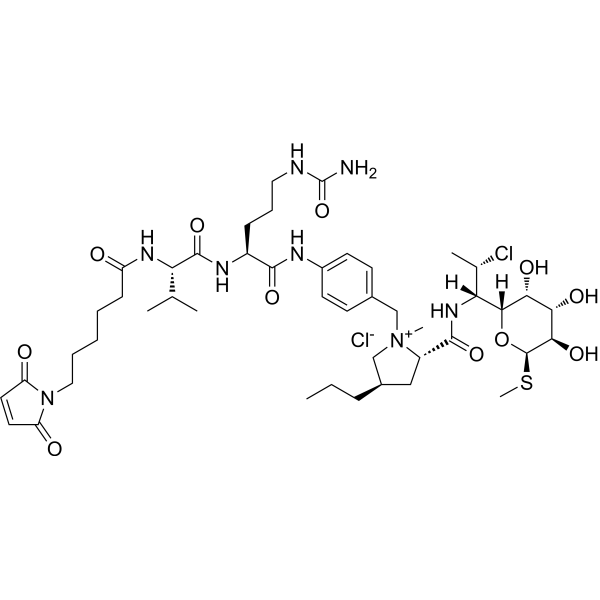
    MC-Val-Cit-PAB-clindamycin is a agent-linker conjugate for ADC with potent antitumor activity by using clindamycin (a protein synthesis inhibitor), linked via the ADC linker MC-Val-Cit-PAB.
    MC-Val-Cit-PAB-clindamycin
  • HY-129337

    Antibiotic Fungal Apoptosis Infection Cancer
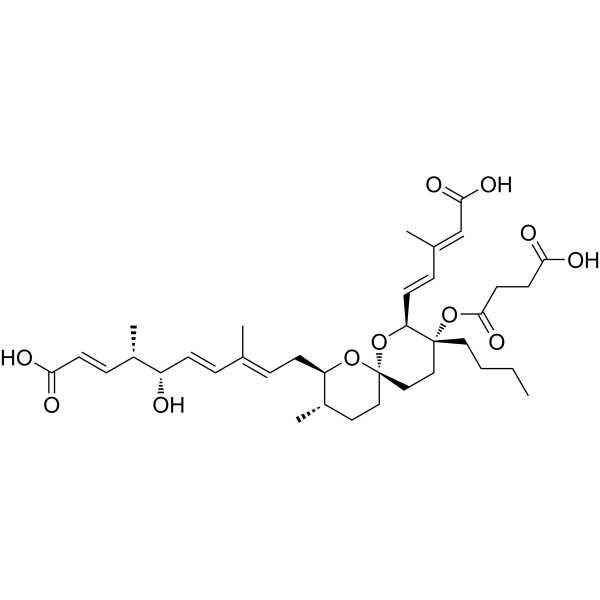
    Reveromycin A, a benzoquinoid antibiotic isolated from the genus Streptomyces, is a selective inhibitor of protein synthesis in eukaryotic cells. Reveromycin A inhibits bone resorption by inducing apoptosis specifically in osteoclasts. Reveromycin A has antiproliferative activity against tumor cell lines and antifungal activity .
    Reveromycin A
  • HY-116010A

    Antibiotic Bacterial Infection
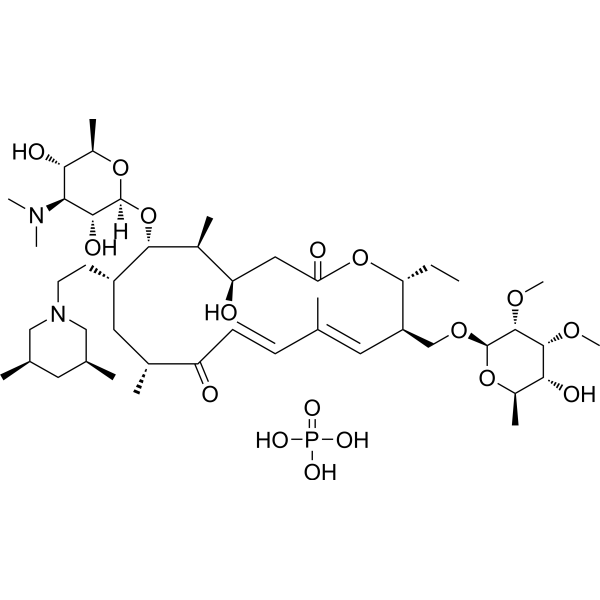
    Oleandomycin phosphate is a macrolide antibiotic structurally closely related to Erythromycin. Oleandomycin is similar to Erythromycin with antimicrobial activity. Oleandomycin inhibits protein synthesis by interference with translation of activated amino acids to nascent peptide chains on the ribosomes .
    Oleandomycin phosphate
  • HY-Y0017S

    (S)-2-Aminohexanoic acid-d9; (S)-Norleucine-d9

    Isotope-Labeled Compounds Influenza Virus Endogenous Metabolite Infection Cancer
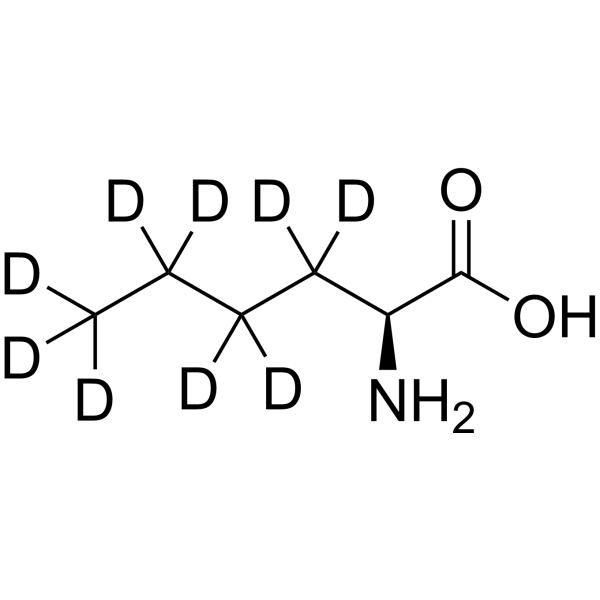
    L-Norleucine-d9 is the deuterium labeled L-Norleucine. L-Norleucine ((S)-2-Aminohexanoic acid) is an isomer of leucine, specifically affects protein synthesis in skeletal muscle, and has antivirus activity.
    L-Norleucine-d9
  • HY-12480

    GSK 1322322

    Bacterial Infection
    Lanopepden (GSK 1322322) is a peptidyl peptidase (PDF) inhibitor. Lanopepden inhibits PDF activity, preventing bacterial protein synthesis, thereby exerting antibacterial activity. Lanopepden is primarily effective against Gram-positive bacteria. Lanopepden is used in the study of acute bacterial skin and skin structure infections .
    Lanopepden
  • HY-B0220B

    Antibiotic Bacterial Infection Cancer
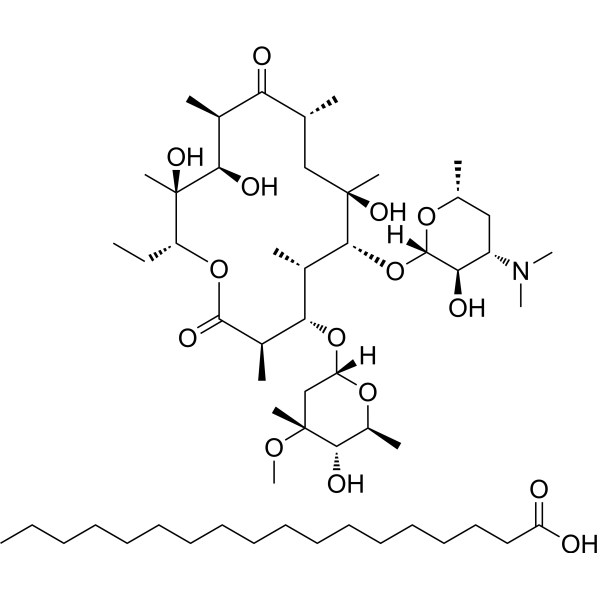
    Erythromycin gluceptate is a macrolide antibiotic produced by actinomycete Streptomyces erythreus with a broad spectrum of antimicrobial activity. Erythromycin gluceptate binds to bacterial 50S ribosomal subunits and inhibits RNA-dependent protein synthesis by blockage of transpeptidation and/or translocation reactions, without affecting synthesis of nucleic acid [1][2]. Erythromycin gluceptate also exhibits antitumor and neuroprotective effect in different fields of research [3][4].
    Erythromycin (gluceptate)
  • HY-P5731A

    Bacterial Infection
    Bac7(1-35) acetate is a proline-rich antimicrobial peptide. Bac7(1-35) acetate efficiently binds to different regions of prokaryote ribosomes, leading to the inhibition of protein synthesis. Bac7(1-35) acetate demonstrates in vitro activity against P. aeruginosa strains .
    Bac7(1-35) acetate
  • HY-Y1749

    Drug Intermediate Others
    2-Chlorophenothiazine is a phenothiazine derivative. 2-Chlorophenothiazine has the activity of inhibiting DNA, RNA and protein synthesis. 2-Chlorophenothiazine is an intermediate in the synthesis of Chlorpromazine (HY-12708) and Perphenazine (HY-A0077) .
    2-Chlorophenothiazine
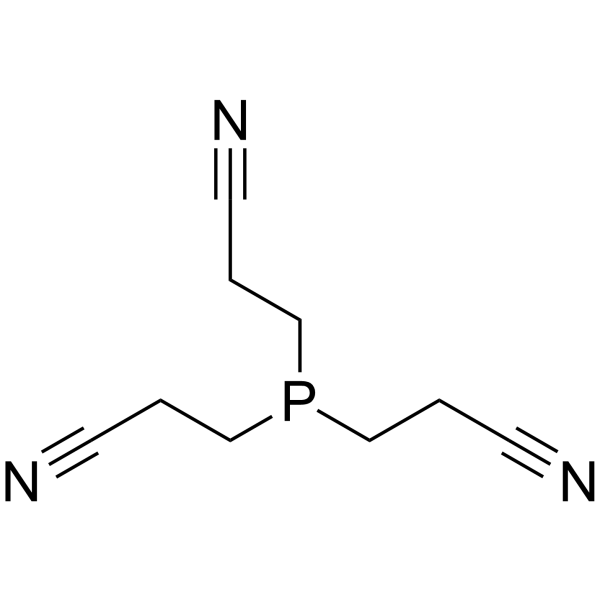
  • HY-W074006

    Biochemical Assay Reagents Others
    Tris(2-cyanoethyl)phosphine is a protein crosslinker. Tris(2-cyanoethyl)phosphine can be used to synthesis copper(I) complexes which shows antitumour activity .
    Tris(2-cyanoethyl)phosphine

Online-Anfrage

Your information is safe with us. * Required Fields.

Anrede


Country or Region *

Name des Antragstellers *


Name der Organisation *

Department *


E-Mail-Addresse *


Produktname *

Art. -Nr.


Requested quantity *

Telefonnummer *


Bemerkungen

Online-Anfrage

Inquiry Information

Produktname:
Art. -Nr.:
Menge:
MCE Japan Authorized Agent: