Search Result
Results for "
triple negative breast cancer cells
" in MedChemExpress (MCE) Product Catalog:
1
Biochemical Assay Reagents
2
Isotope-Labeled Compounds
| Cat. No. |
Product Name |
Target |
Research Areas |
Chemical Structure |
-
- HY-P99843
-
|
|
TROP2
ADC Antibody
|
Cancer
|
|
Datopotamab (CDP7657) is a humanized anti trophoblast cell surface antigen 2 (TROP2) antibody. Datopotamab can generate antibody drug conjugates (ADC) (HY-141598) with DNA topoisomerase I inhibitor Deruxtecan (HY-13631E). Datopotamab can be used in the study of triple negative breast cancer and non-small cell lung cancer .
|
-

-
- HY-N0770
-
|
|
Apoptosis
|
Inflammation/Immunology
Cancer
|
|
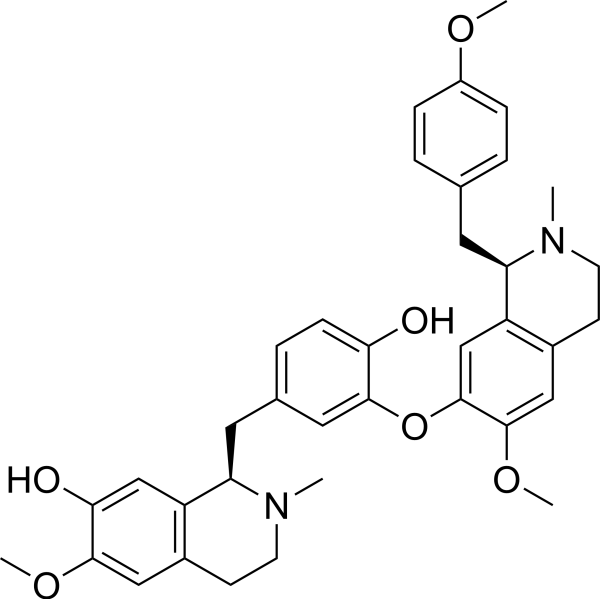
Isoliensinine is a bisbenzylisoquinoline alkaloid extracted from the seed embryo of Nelumbo nucifera, with anti-oxidant and anti-inflammatory and anti-cancer activities. Isoliensinine induces apoptosis in triple-negative human breast cancer cells .
|
-
-
- HY-101567
-
|
|
Epigenetic Reader Domain
|
Cancer
|
|
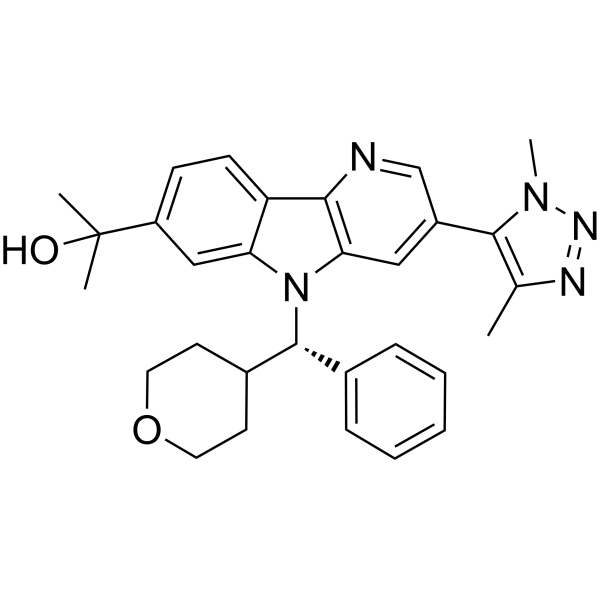
BMS-986158 is a potent BET inhibitor with IC50s of 6.6 and 5 nM in NCI-H211 small cell lung cancer (SCLC) cells and MDA-MB231 triple negative breast cancer (TNBC) cells, respectively .
|
-
-
- HY-136420
-
|
|
PROTACs
Raf
Apoptosis
|
Inflammation/Immunology
Cancer
|
|
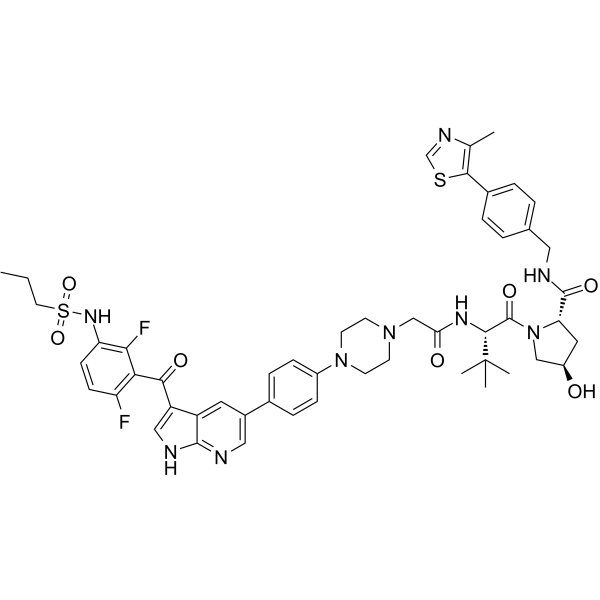
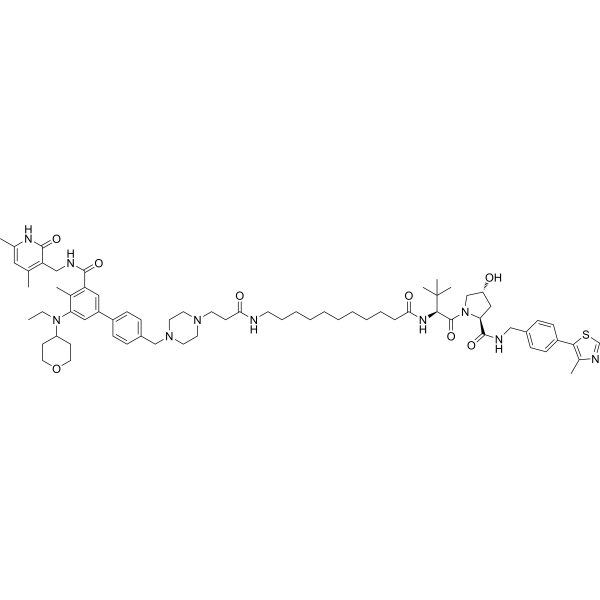
SJF-0628 is a RAF PROTAC degrader. SJF-0628 induces targeted degradation of BRAF in various cancer cell lines (colorectal cancer cell lines (Colo-205, LS-411N, HT-29, RKO) and triple-negative breast cancer cell line DU-4475). SJF-0628 decreases pMEK and pErk levels in DU-4475 cells. SJF-0628 has anti-tumor activity. SJF-0628 can be used for research of colorectal cancer and triple-negative breast cancer. (Pink: RAF ligand (HY-12057), Blue: VHL Ligand ( HY-125845), Black: Linker (HY-B0912)) .
|
-
-
- HY-P990717
-
|
IMC-F106C
|
CD3
|
Cancer
|
|
Brenetafusp is a TCR/anti-CD3 bispecific fusion protein, consisting of a TCR targeting the PRAME peptide and an anti-CD3 scFv effector domain. Brenetafusp redirects CD3 + T cells to kill PRAME + tumor cells. Brenetafusp can be used in research related to cutaneous melanoma, non-small cell lung cancer, ovarian cancer, endometrial cancer, triple-negative breast cancer, and small cell lung cancer .
|
-

-
- HY-N0554
-
|
|
HIV Protease
Monoamine Oxidase
|
Infection
Inflammation/Immunology
Cancer
|
|
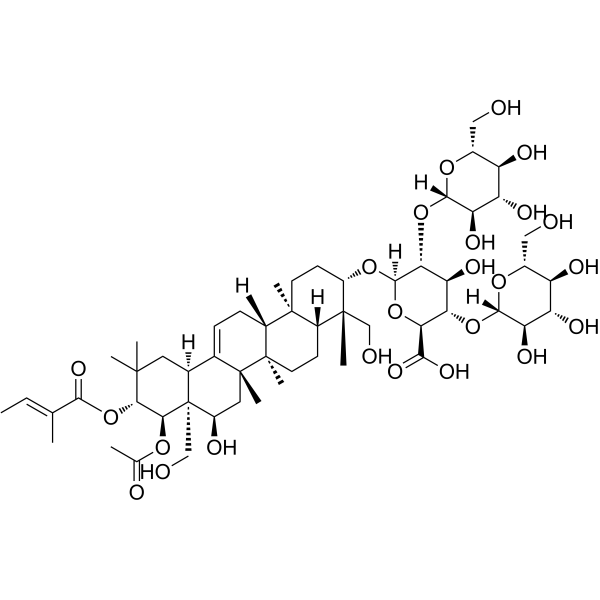
Escin IA is an oral LOXL2 inhibitor and EMT inhibitor, with selectivity for LOXL2-expressing cells. Escin IA suppresses invasion, migration, and metastasis of breast cancer cells, and acts as the primary anti-TNBC metastasis constituent of Aesculus chinensis Bunge fruit saponin fraction. Escin IA can be used for the research of triple-negative breast cancer, acute inflammation, and ethanol-induced gastric mucosal lesions .
|
-
-
- HY-162250
-
|
|
PROTACs
Histone Methyltransferase
|
Cancer
|
|
MS8847 is a PROTAC degrader and antiproliferative agent targeting EZH2 (DC50=34.4 nM in EOL-1 MLL-rAML cells). MS8847 recruits the E3 ligase von Hippel-Lindau (VHL) to mediate the degradation of EZH2 via the ubiquitin-proteasome system. MS8847 induces antiproliferative effects in MLL-rearranged acute myeloid leukemia cells and inhibits the growth of triple-negative breast cancer cell lines or 3D triple-negative breast cancer models. MS8847 is applicable to research related to MLL-rearranged acute myeloid leukemia and triple-negative breast cancer .
|
-
-
- HY-12246
-
XEN445
1 Publications Verification
|
Lipase
|
Cardiovascular Disease
Metabolic Disease
Cancer
|
|
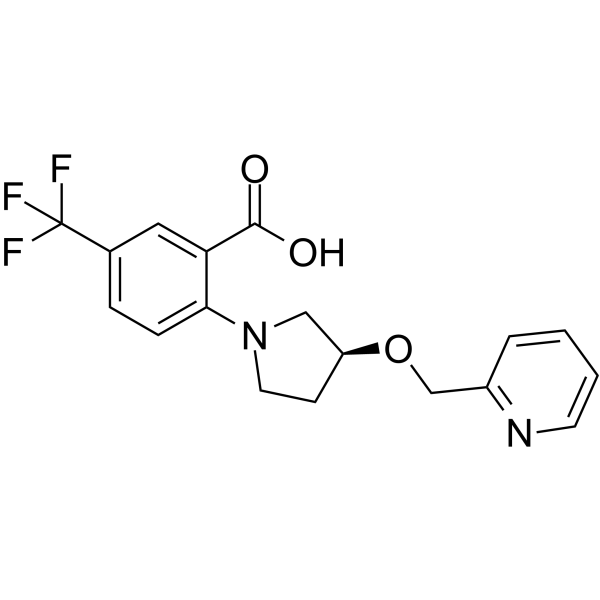
XEN445 is a potent, selective and orally active endothelial lipase (EL) inhibitor with an IC50 value of 0.237 μM. XEN445 selectively inhibits phospholipase enzymatic activity of LIPG. XEN445 raises plasma HDL and cholesterol levles. XEN445 induces G1 cell cycle arrest, reduces cell viability, suppresses cancer stem cell self-renewal, and inhibits tumor formation in LIPG-expressing triple-negative breast cancer cells, while showing no inhibitory effect on invasiveness or cancer stem cell stemness in these cells. XEN445 can be used for the research of cancer and metabolic disease, such as triple-negative breast cancer .
|
-
-
- HY-168162
-
|
|
PROTACs
CDK
|
Cancer
|
|
ZLC491 is an orally active PROTAC degrader that selectively targets CDK12/CDK13 and exhibits certain oral bioavailability. ZLC491 induces cereblon- and proteasome-dependent selective degradation of CDK12 and CDK13. ZLC491 inhibits the transcription and expression of long genes, and mainly acts on a subset of DNA damage response genes. ZLC491 inhibits the proliferation of various triple-negative breast cancer cells. ZLC491 can be used in research related to triple-negative breast cancer .
|
-

-
- HY-163944
-
|
|
DNA/RNA Synthesis
Molecular Glues
CDK
Apoptosis
RAD51
ATM/ATR
PARP
|
Cancer
|
LL-K12-18 is a CDK12 kinase inhibitor and a dual-site molecular glue. LL-K12-18 inhibits human CDK12 with an IC50 value of 283.9 nM, and selectively degrades cyclin K via the ubiquitin-proteasome system by stabilizing the CDK12-DDB1 complex. LL-K12-18 downregulates DNA damage response genes, reduces the phosphorylation level of CTD Ser2 in RNA polymerase II, and modulates biomarkers such as ATM, RAD51, γ-H2AX and cleaved PARP, thereby effectively inducing apoptosis and inhibiting proliferation of breast cancer cells. LL-K12-18 exhibits high target selectivity and serves as a research tool for studies on triple-negative breast cancer .
|
-

-
- HY-P991372
-
|
RN927C antibody
|
TROP2
|
Cancer
|
|
Anti-TROP2 Antibody (RN927C antibody) is a human monoclonal antibody targeting Trop-2. Anti-TROP2 Antibody exerts in vitro inhibitory effects on a variety of tumor cell lines. Anti-TROP2 Antibody exhibits anti-tumor activity in mouse pancreatic PDX, ovarian PDX, lung PDX and triple-negative breast cancer (TNB) PDX models. Anti-TROP2 Antibody can be used for research on pancreatic cancer, ovarian cancer, lung cancer and triple-negative breast cancer .
|
-

-
- HY-177760
-
|
|
Carboxypeptidase
Apoptosis
Akt
|
Cancer
|
|
PrCP-7414 is a prolyl carboxypeptidase (PRCP) inhibitor. PrCP-7414 blocks PRCP-mediated activation of the IGF1R/HER3 signaling pathway and subsequent AKT activation. PrCP-7414 exhibits pro-apoptotic, anti-tumor and synergistic cytotoxic activities, and inhibits the proliferation and survival of triple-negative breast cancer cells. PrCP-7414 can be used for the research of breast cancer .
|
-

-
- HY-157396
-
|
|
Aurora Kinase
Apoptosis
Caspase
|
Cancer
|
|
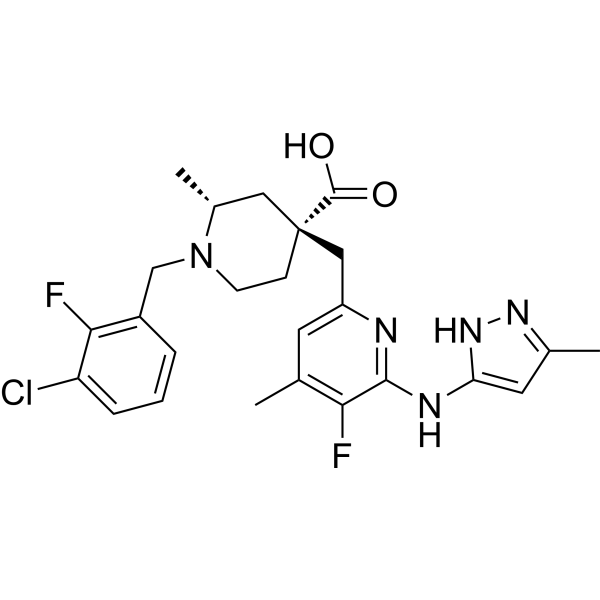
JAB-2485 is an orally active and selective Aurora kinase A (AURKA) inhibitor with an IC50 value of 0.327 nM. JAB-2485 exhibits inhibitory activity against various tumor cell lines such as neuroblastoma, triple-negative breast cancer, small cell lung cancer, and epithelial ovarian cancer. JAB-2485 can induce cell cycle arrest and apoptosis in tumor cells. JAB-2485 has antitumor activity .
|
-
-
- HY-114979
-
|
|
Antibiotic
Fungal
Apoptosis
|
Infection
Cancer
|
|
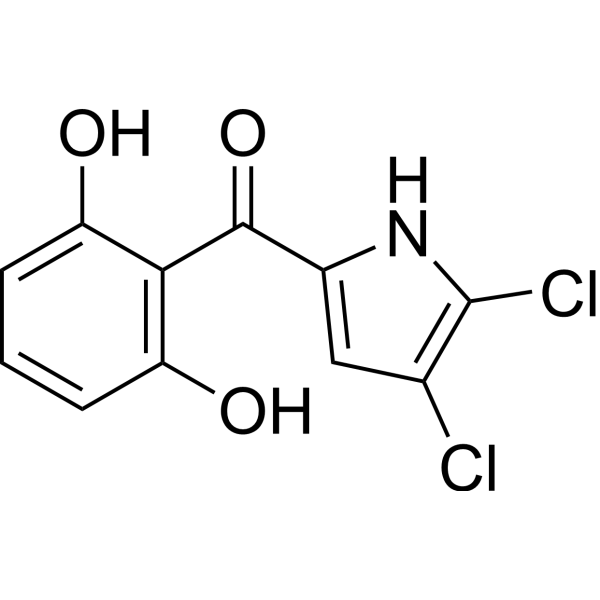
Pyoluteorin is an antibiotic that inhibits Oomycete fungi, including the plant pathogen Pythium ultimum, and suppresses plant diseases caused by this fungus . Pyoluteorin induces human triple-negative breast cancer MDA-MB-231 cells apoptosis in vitro. Pyoluteorin can be used for the research of human triple-negative breast cancer .
|
-
-
- HY-22445
-
|
|
c-Myc
|
Cancer
|
MY05 selectively targets c-MYC in cells and disrupts MYC-MAX interaction. MY05 engages intracellular c-MYC, modulates c-MYC thermal stability, reduces c-MYC transcriptional targets, and possesses anticancer activity (TNBC, Triple-Negative Breast Cancer) .
|
-

-
- HY-168969
-
|
|
PROTACs
|
Neurological Disease
Cancer
|
|
AA-BR-157 is a metallothionein 2A (MT2A) PROTAC degrader, DC50 is 200 nM (MT2A overexpressed in MDA-MB-231 cells). AA-BR-157 increases intracellular zinc levels, downregulates DIAPH3, disrupts cytoskeleton remodeling, and reduces the migration and invasion abilities of cancer cells. AA-BR-157 can be used for research on triple-negative breast cancer and glioblastoma .
|
-

-
- HY-173066
-
|
|
PROTACs
Indoleamine 2,3-Dioxygenase (IDO)
|
Cancer
|
|
NU227326 is a blood-brain barrier penetrant IDO1 PROTAC degrader, with a DC50 of 4.5 nM in HiBiT degradation assays. NU227326 degrades IDO1 in U87 and GBM43 cells, with DC50 values of 7.1 nM and 11.8 nM, respectively (WB assays). NU227326 is applicable to research related to glioblastoma, prostate cancer, triple-negative breast cancer, pancreatic cancer, and ovarian cancer .
|
-

-
- HY-135319
-
|
|
Bacterial
Antibiotic
ERK
JNK
NF-κB
ROR
Apoptosis
Caspase
GSK-3
Akt
PI3K
|
Infection
Metabolic Disease
Inflammation/Immunology
Cancer
|
|
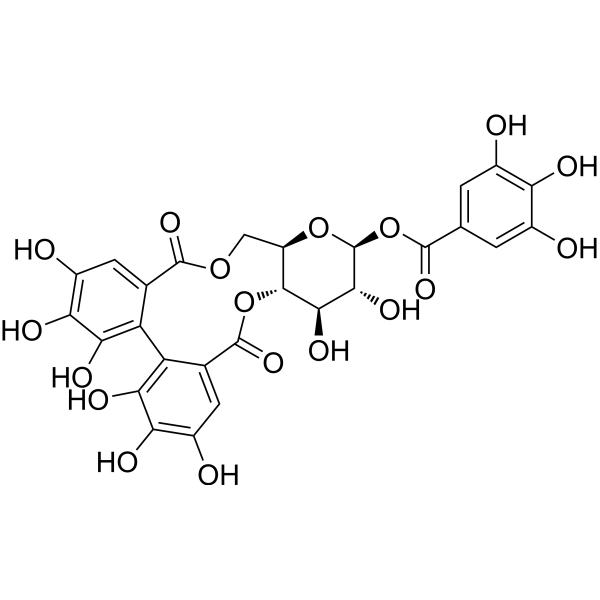
Strictinin is an orally active phenolic compound. Strictinin reduces xanthine oxidase activity, uric acid production, and the activation of ERK1/2, JNK, NF-κB, and NLRP3 inflammasome components in hepatocytes treated with Xanthine (HY-W017389). Strictinin decreases elevated serum uric acid levels and enhanced xanthine oxidase activity in mice treated with potassium oxonate. Strictinin acts as a ROR1 inhibitor and exhibits anticancer activity against highly aggressive non-androgen-dependent prostate cancer. Strictinin induces cancer cell apoptosis (apoptosis), arrests cell cycle, and inhibits cancer cell migration, invasion, and epithelial-mesenchymal transition. Strictinin modulates gut microbiota, inhibits bacterial growth and biofilm formation, accelerates small intestinal transit, and blocks viral entry and replication. Strictinin can be used in research related to hyperuricemia, androgen receptor-negative non-androgen-dependent prostate cancer, triple-negative breast cancer, bacterial infections, constipation, coronavirus infections, dental caries, and infections caused by influenza A, influenza B, and human parainfluenza virus type 1 .
|
-
-
- HY-N6007
-
|
|
Apoptosis
|
Infection
Inflammation/Immunology
Cancer
|
|
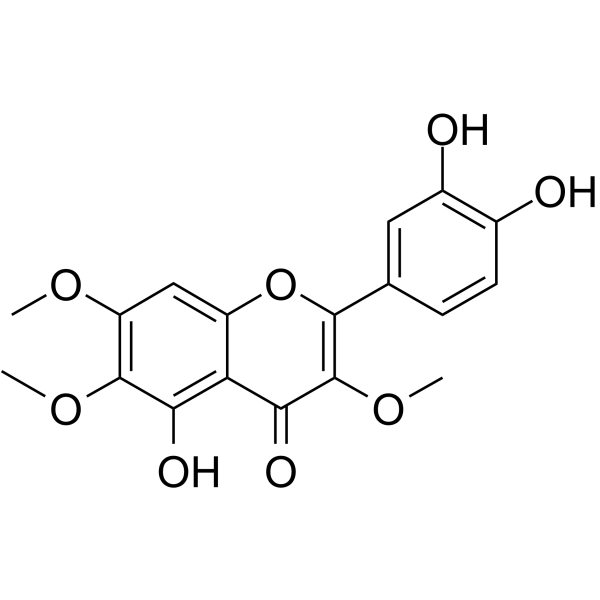
Chrysosplenol D is a methoxy flavonoid that induces ERK1/2-mediated apoptosis in triple negative human breast cancer cells. Chrysosplenol D also exhibits anti-inflammatory and moderate antitrypanosomal activities .
|
-
-
- HY-P991742
-
|
15A7.5; ETx-22 Antibody
|
ADC Antibody
|
Cancer
|
|
LY4101174 Antibody is an ADC antibody. LY4101174 is an antibody-drug conjugate (ADC) that targets the nectin-4 protein present on the surface of certain cancer cells. It can directly deliver a potent chemotherapy agent (Exatecan (HY-13631)) to the tumor site and is used for the study of advanced cancers, such as urothelial carcinoma, triple-negative breast cancer, and non-small cell lung cancer .
|
-

-
- HY-165245
-
|
|
Transmembrane Glycoprotein
|
Cancer
|
|
SBI-183 is an orally active inhibitor of QSOX1 (Kd: 20 μM). SBI-183 suppresses the proliferative and invasive phenotype of renal cancer cell lines, including triple negative breast cancer cell line, lung adenocarcinoma cell line and pancreatic ductal adenocarcinoma. SBI-183 inhibits tumor growth in two human xenograft mouse models of renal cell carcinoma in vivo .
|
-

-
- HY-176549
-
|
|
RAD51
|
Cancer
|
|
(Rac)-IBR120 is the racemate of IBR120 (HY-176549A). IBR120 is a RAD51 inhibitor that has significant growth inhibition activity against MDA-MB-468 cells. (Rac)-IBR120 can be used for the research of difficult-to-treat cancers like triple negative breast cancer .
|
-

-
- HY-148923
-
|
|
STAT
|
Cancer
|
|
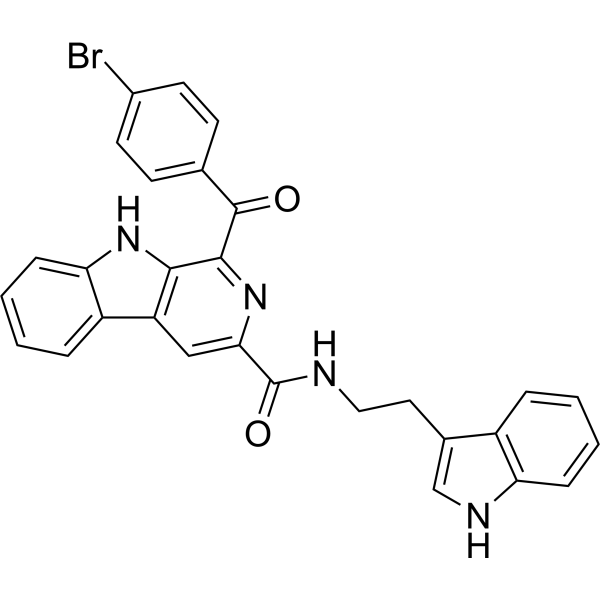
MC0704 is a STAT3 inhibitor with an IC50 value of 2.13 μM. MC0704 induces cell apoptosis and cell cycle arrest. MC0704 shows antitumor activity in mouse breast cancer models. MC0704 can be used for the research of metastatic triple-negative breast cancer (mTNBC) .
|
-
-
- HY-19634
-
|
|
Sirtuin
|
Cancer
|
|
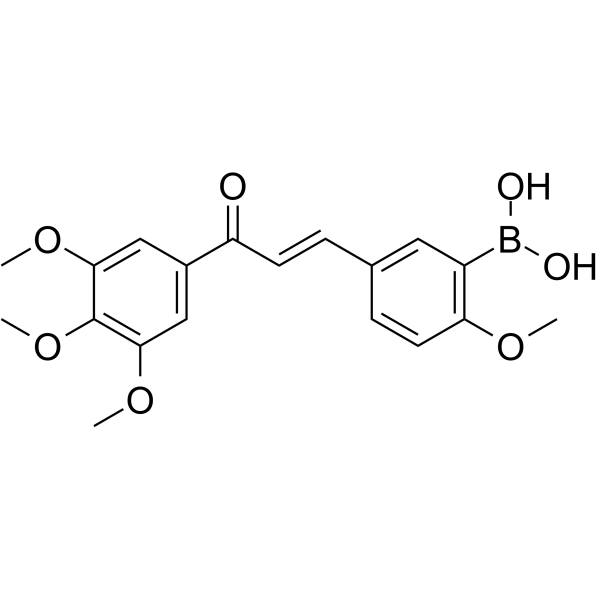
YK-3-237, a SIRT1 activator, targets mutant p53. YK-3-237 inhibits the proliferation of triple-negative breast cancer cells .
|
-
-
- HY-148368
-
|
|
Bcl-2 Family
Apoptosis
|
Cancer
|
|
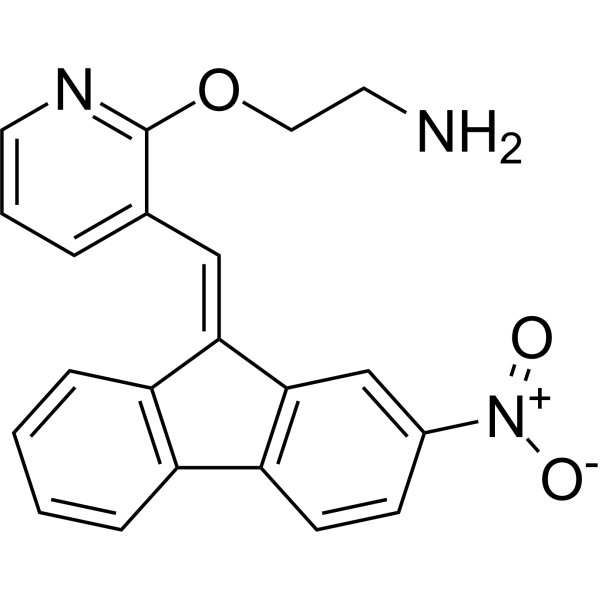
CYD-4-61 is a novel Bax activator used for breast cancer research. CYD-4-61 inhibits triple-negative breast cancer MDA-MB-231 and ER-positive breast cancer MCF-7 cell lines proliferation. CYD-4-61 activates Bax protein to induce cytochrome c release and regulate apoptotic biomarkers, leading to cancer cell apoptosis .
|
-
-
- HY-168950
-
|
|
Annexin A
|
Cancer
|
|
ANXA3 degrader 1 (Compound 18a5) is a highly selective ANXA3 degrader with cancer cell inhibition activity. ANXA3 degrader 1 displays excellent inhibitory effect in a triple-negative breast cancer (TNBC) tumor xenograft model (TGI=96%) .
|
-

-
- HY-W338764
-
|
|
Apoptosis
Aryl Hydrocarbon Receptor
|
Cancer
|
|
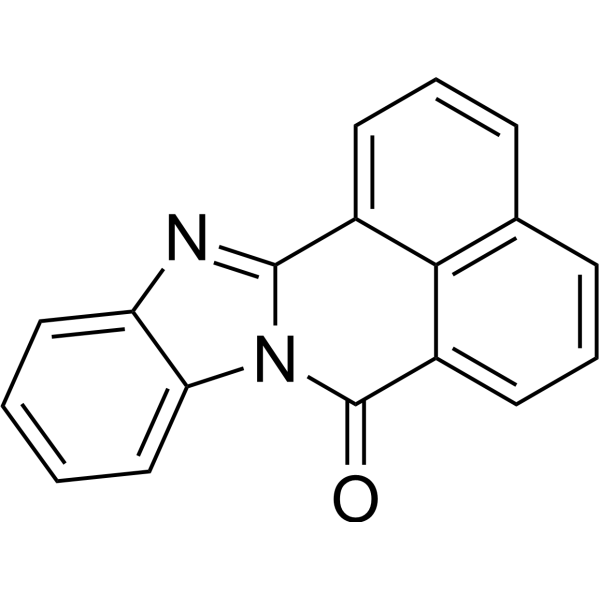
AHR agonist 3 is an aryl hydrocarbon receptor (AhR) agonist, that can induces cell cycle arrest or apoptosis via activation of tumor-suppressive transcriptional programs. AHR agonist 3 inhibits triple-negative breast cancer (TNBC) stem cell growth via AhR while exhibits minimal cytotoxicity against normal human primary cells and can be used for cancer research .
|
-
-
- HY-N7215
-
|
|
β-catenin
Wnt
|
Cancer
|
|
Jatrophone is a diterpenoid with anticancer activity isolated from Jatropha isabelli. Jatrophone interferes with the Wnt/β-catenin pathway to inhibit the proliferation and epithelial-mesenchymal transition (EMT) of triple-negative breast cancer cells.
|
-

-
- HY-161601
-
|
|
Ferroptosis
Reactive Oxygen Species (ROS)
|
Cancer
|
|
Ferroptosis inducer-2 (Compound 24) is an inducer for heme oxygenase-1 (HO-1). Ferroptosis inducer-2 exhibits anticancer activity against triple-negative breast cancer (TNBC) cells through induction of ferroptosis .
|
-

-
- HY-132885
-
|
|
PARP
Histone Methyltransferase
|
Cancer
|
|
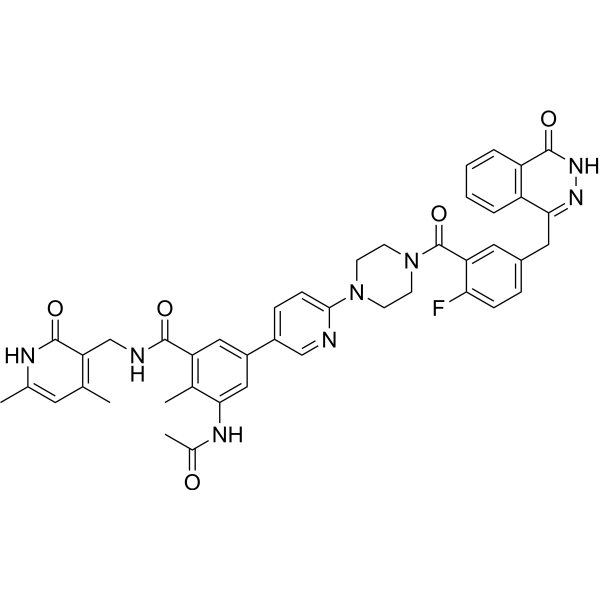
PARP/EZH2-IN-1 is a first-in-class dual PARP-1/EZH2 inhibitor with IC50 values of 6.87 nM and 36.51 nM, respectively. PARP/EZH2-IN-1 induces autophagy in cancer cells and shows potent antiproliferative activity in BRCA wild-type triple-negative breast cancer cells .
|
-
-
- HY-P991572
-
|
|
EGFR
|
Cancer
|
|
MM-151 is a humanized IgG1 monoclonal antibody targeting EGFR. MM-151 binds multiple regions of the EGFR extracellular domain (ECD) and reduces its mutations in circulating cell-free tumor DNA with EGFR resistance. MM-151 significantly inhibits EGFR signaling and cell growth. MM-151 can be used for drug-resistant cancers research, such as colorectal, non-small cell lung and triple negative breast cancer .
|
-

-
- HY-P991620
-
|
|
Transmembrane Glycoprotein
|
Cancer
|
|
JS006 is a humanized IgG4κ monoclonal antibody inhibitor targeting TIGIT/CD155. JS006 can be used to study advanced and/or metastatic cancers with resistance to PD-1/PD-L1 inhibitor such as non-small cell lung cancer (NSCLC), advanced lymphoma and advanced/metastatic triple negative breast cancer (TNBC) .
|
-

-
- HY-152536
-
|
|
NO Synthase
|
Cancer
|
|
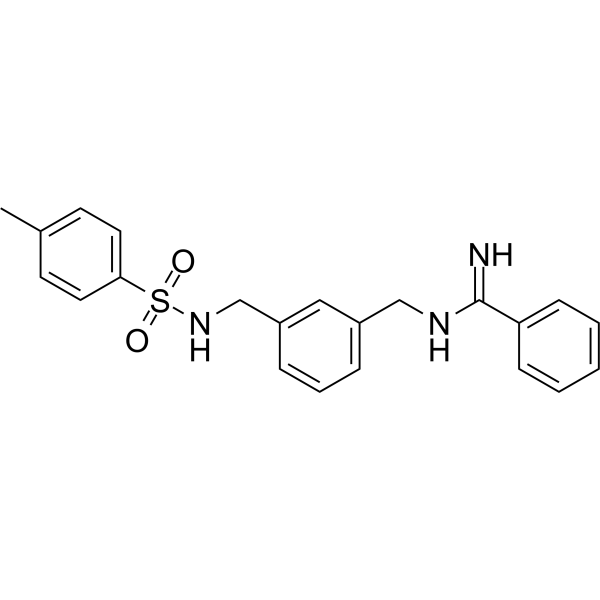
iNOS inhibitor-10 is an iNOS inhibitor (IC50: 65 nM). iNOS inhibitor-10 has antiproliferative effect against triple negative breast cancer cells .
|
-
-
- HY-149847
-
|
|
Ras
|
Cancer
|
|
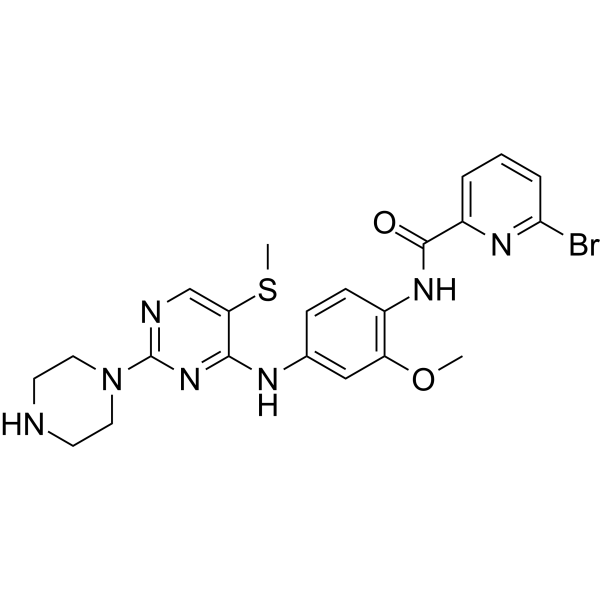
JH530 is an effective methuosis inducer that inhibits the triple-negative breast cancer (TNBC) cells proliferation by causing intracellular complete vacuolization. JH530 has anti-tumor activity and can be used for cancer research .
|
-
-
- HY-122703
-
|
|
Epigenetic Reader Domain
|
Cancer
|
|
BETi-211 is an orally active BET inhibitor (Ki: <1 nM). BETi-211 inhibits growth of triple-negative breast cancers (TNBC) cell lines with IC50 < 1 μM. BETi-211 degrades BET proteins and suppress tumor growth in xenograft breast tumors .
|
-

-
- HY-119377
-
|
|
Glutaminase
|
Cancer
|
|
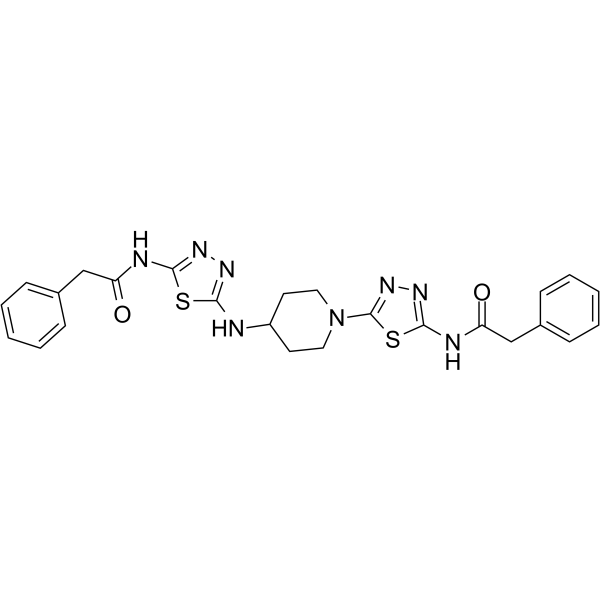
UPGL00004 is a potent allosteric glutaminase C (GAC) inhibitor (IC50=29 nM; Kd=27 nM). UPGL00004 strongly inhibits the proliferation of highly aggressive triple-negative breast cancer cell lines .
|
-
-
- HY-173042
-
|
|
CDK
|
Cancer
|
|
CDK12/13-IN-2 (Compound 24) is a covalent inhibitor of CDK12/13, with IC50 values of 15.5 nM and 12.2 nM for CDK12 and CDK13, respectively. CDK12/13-IN-2 can inhibit the proliferation of breast cancer cells and can be used in the research of triple-negative breast cancer .
|
-

-
- HY-145143
-
|
|
Apoptosis
|
Cancer
|
|
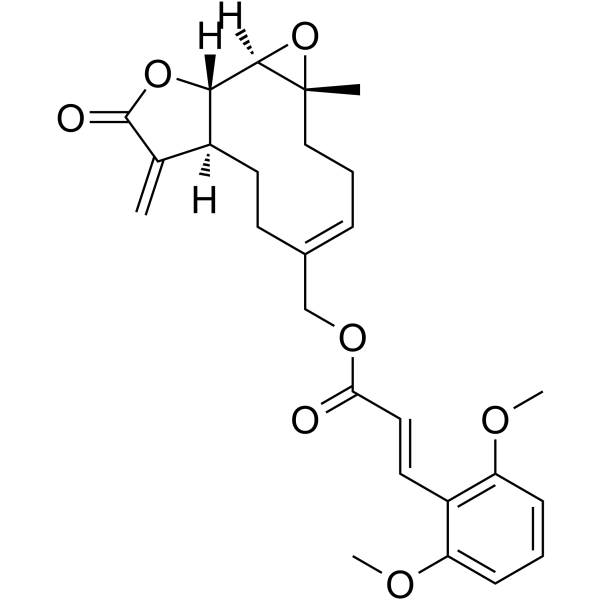
anti-TNBC agent-1 is a potent anti-triple-negative breast cancer (TNBC) agent. anti-TNBC agent-1 exhibits potent activity against different breast cancer cells with IC50 values ranging from 0.20 μM to 0.27 μM. anti-TNBC agent-1 induces apoptosis of SUM-159 cells through mitochondria pathway and causes G1 phase arrest of SUM-159 cells .
|
-
-
- HY-164064
-
|
|
ClpP
|
Cancer
|
|
Anticancer agent 230 (example 65) is a caseinolytic protease P (ClpP) activator with anticancer activity. Anticancer agent 230 is able to induce the degradation of mitochondrial proteins in SUM159 and MDA-MB-231 triple-negative breast cancer cells in a time-dependent manner .
|
-

-
- HY-132883
-
|
|
EGFR
|
Cancer
|
|
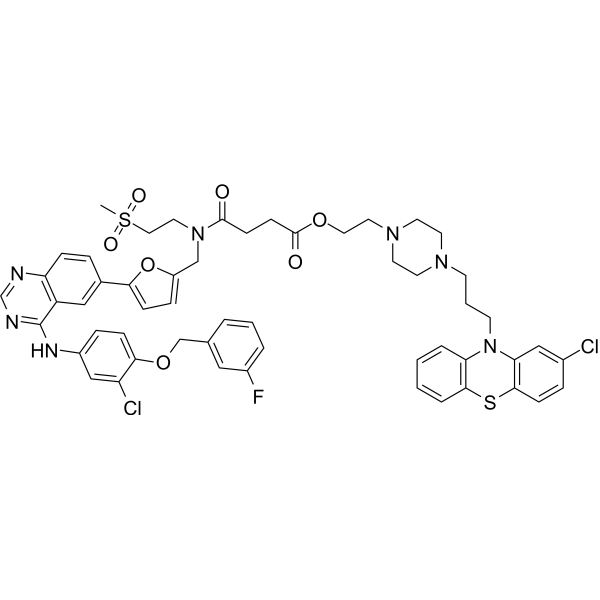
EGFR/CSC-IN-1 is a potential EGFR (IC50 10.52 nM) and cancer stem cell (CSC) dual inhibitor for triple-negative breast cancer research.
|
-
-
- HY-150757
-
|
|
Autophagy
Apoptosis
|
Cancer
|
|
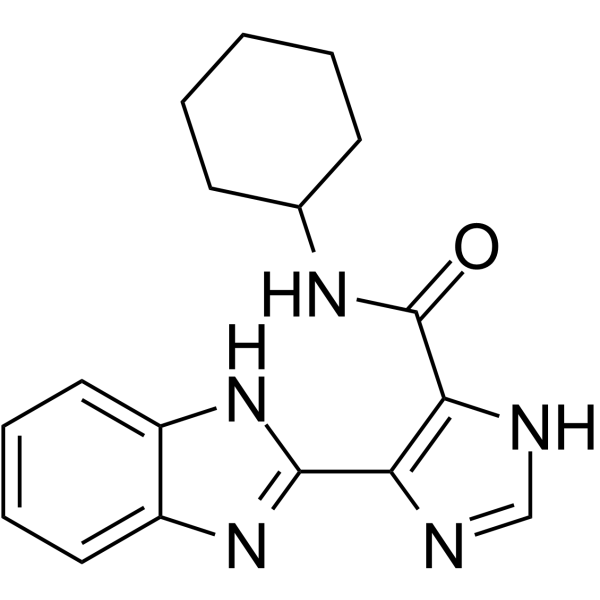
Autophagy-IN-2 (Compound 7h) is an autophagic flux inhibitor. Autophagy-IN-2 induces cancer cell apoptosis and can be used for triple-negative breast cancer research .
|
-
-
- HY-163381
-
|
|
Drug Intermediate
|
Cancer
|
|
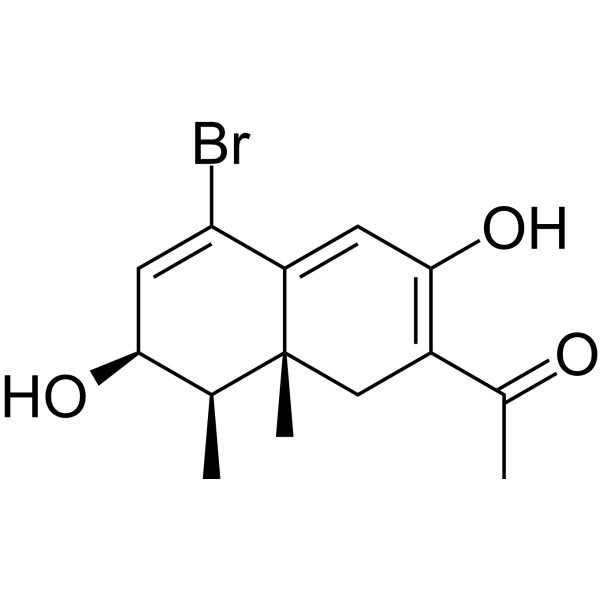
Antiproliferative agent-48 (compound PC-A1) shows selective antiproliferative activity against triple-negative breast cancer (TNBC) cells .
|
-
-
- HY-161831
-
|
|
Reactive Oxygen Species (ROS)
|
Cancer
|
|
Antitumor agent-175 (Compound Ru2) is an antitumor agent with photocytotoxicity, demonstrating selective antitumor effects against triple-negative breast cancer (TNBC) cells .
|
-

-
- HY-N8098
-
|
|
STAT
Autophagy
JAK
|
Cancer
|
|
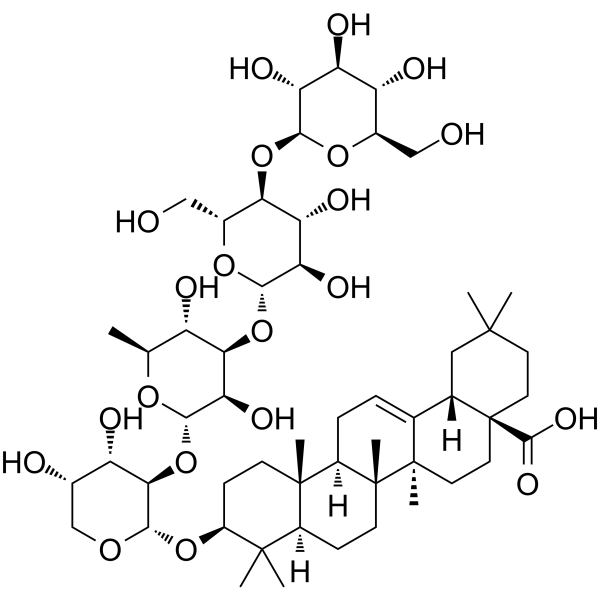
Pulchinenoside E2 is a triterpenoid saponin. Pulchinenoside E2 inhibits the phosphorylation of STAT3 and JAK2, blocks the nuclear translocation and transcriptional activity of STAT3, and suppresses STAT3-dependent mitochondrial oxidative phosphorylation. Pulchinenoside E2 inhibits invasion, migration and autophagy of triple-negative breast cancer cells. Pulchinenoside E2 can be used in research related to triple-negative breast cancer .
|
-
-
- HY-N0770R
-
|
|
Reference Standards
Apoptosis
|
Inflammation/Immunology
Cancer
|
|
Isoliensinine is a bisbenzylisoquinoline alkaloid extracted from the seed embryo of Nelumbo nucifera, with anti-oxidant and anti-inflammatory and anti-cancer activities. Isoliensinine induces apoptosis in triple-negative human breast cancer cells .
|
-

-
- HY-178274
-
|
|
Histone Methyltransferase
Apoptosis
|
Cancer
|
|
SKLB06329 is a potent selective Type I PRMTs inhibitor. SKLB06329 shows good selectivity for PRMT6 (IC50 = 3.86 nM) over Type II/III PRMTs (PRMT5/7) and shows no significant inhibition against various lysine methyltransferases (PKMTs). SKLB06329 significantly inhibits the proliferation of triple-negative breast cancer (TNBC) cells, induces apoptosis, and suppresses the expression of asymmetric dimethylarginine (ADMA) within cells. SKLB06329 can be used for triple-negative breast cancer research .
|
-

-
- HY-155490
-
|
|
Nuclear Hormone Receptor 4A/NR4A
Apoptosis
|
Cancer
|
|
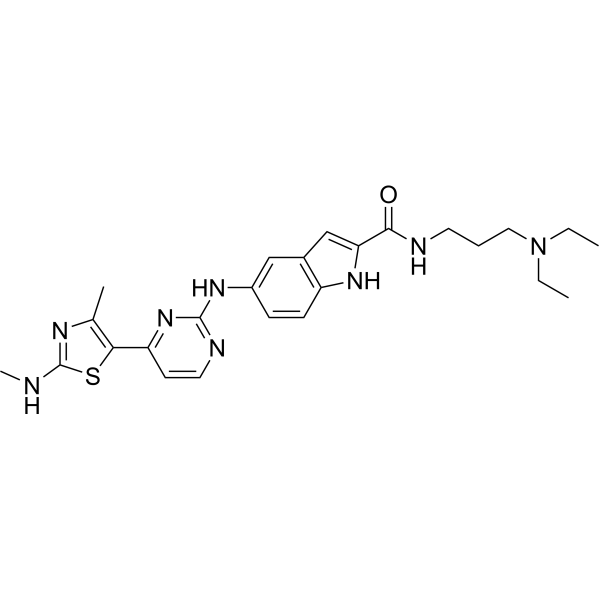
Nur77 antagonist 1(Compound ja) is a selective Nur77 antagonist(KD SPRNur77 = 91 nM). Nur77 antagonist 1 induces cancer cell apoptosis. ja displays excellent antitumor against triple-negative breast cancer (TNBC) cells .
|
-
-
- HY-149259
-
|
|
FAK
|
Cancer
|
|
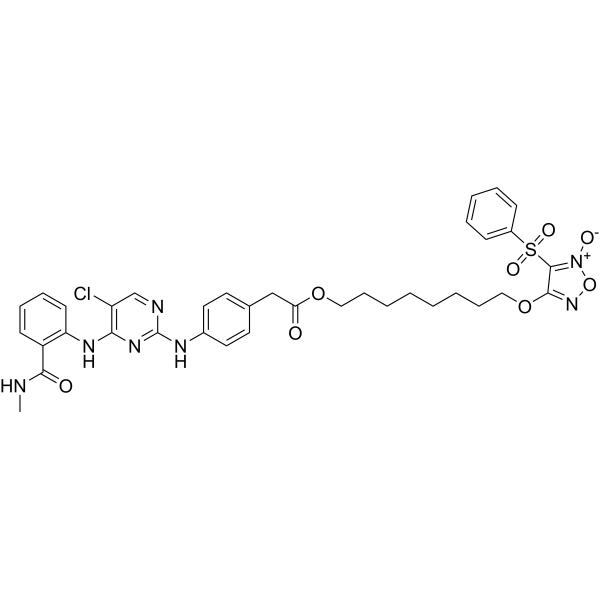
FAK-IN-9 (Compound 8f) is a potent and orally active FAK inhibitor with an IC50 of 27.44 nM. FAK-IN-9 induces triple-negative breast cancer (TNBC) cell apoptosis .
|
-
-
- HY-155251
-
|
|
Apoptosis
Bcl-2 Family
|
Cancer
|
|
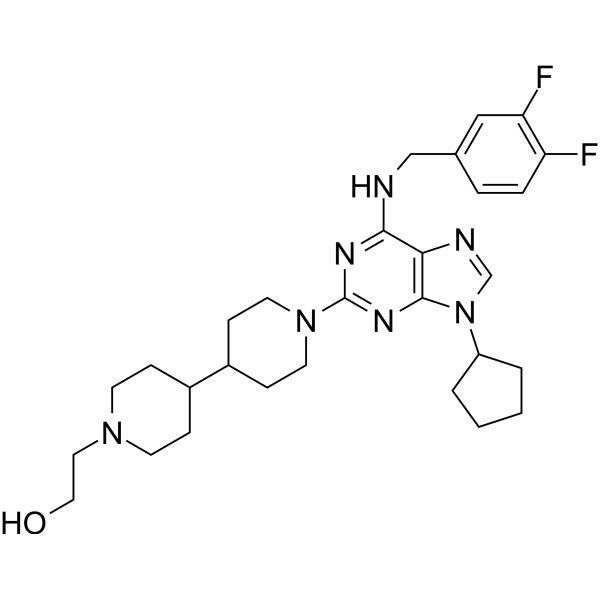
anti-TNBC agent-3 (compound 3g) is an apoptosis inducer with anti-cancer cell proliferation activity. anti-TNBC agent-3 inhibits tumor growth and metastasis in triple-negative breast cancer (TNBC) xenograft models .
|
-
-
- HY-168951
-
|
|
Annexin A
Apoptosis
|
Cancer
|
|
(R)-SL18 is a degrader of ANXA3 and can degrade ANXA3 protein through the ubiquitination pathway. (R)-SL18 inhibits the proliferation, migration, invasion, and colony formation of breast cancer cells and induces apoptosis. (R)-SL18 can be used in the research of triple-negative breast cancer .
|
-

- HY-156077
-
|
|
Apoptosis
DNA/RNA Synthesis
|
Cancer
|
|
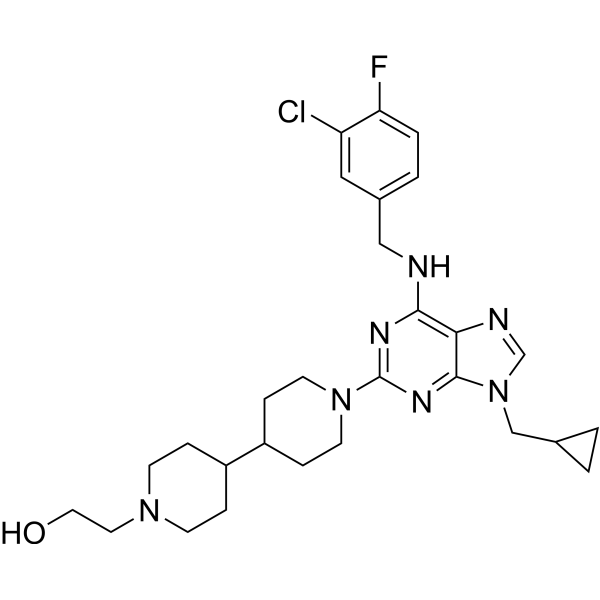
anti-TNBC agent-2 (3j) an anti-Triple negative breast cancer (TNBC) purine derivative. anti-TNBC agent-2 induces MDA-MB-231 cells apoptosis, and inhibits its migration and angiogenesis. anti-TNBC agent-2 inhibits tumor growth and metastasis and reduces the expression of Ki67 and CD31 protein in TNBC xenograft models. anti-TNBC agent-2 can be used for Triple negative breast cancer (TNBC) research .
|
-
- HY-163275
-
|
|
MDM-2/p53
Apoptosis
|
Cancer
|
|
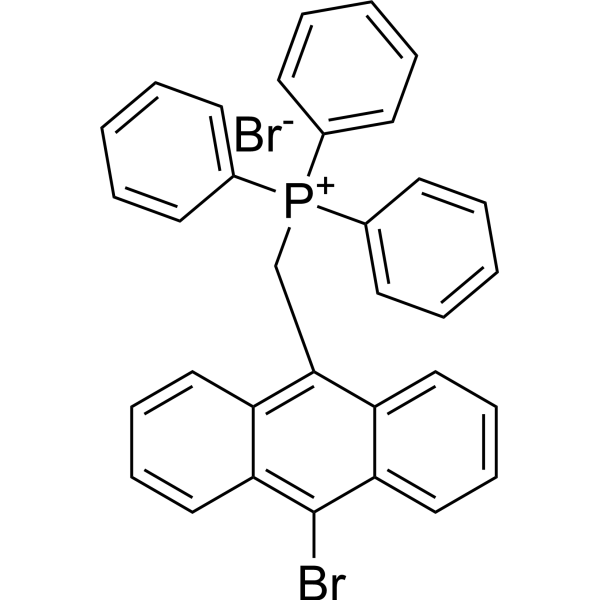
MDM2-IN-24 (compound A3f) exhibits MDM2-inhibiting and MDMX-activating properties in triple-negative breast cancer (TNBC) cells, with apoptotic and anti-proliferative activities .
|
-
- HY-139376
-
|
|
FGFR
|
Cancer
|
|
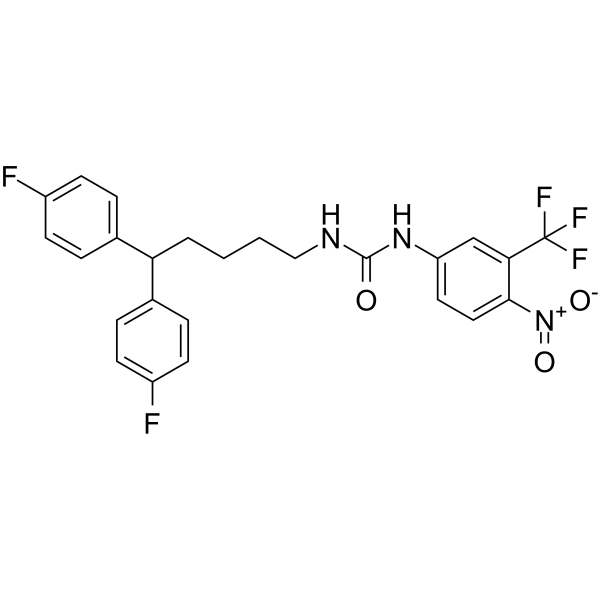
FGFR1 inhibitor-2 is a FGFR1 inhibitor (IC50 is 4.55 μM in MDA-MB-231 cells). FGFR1 inhibitor-2 can be used for the research of metastatic triple-negative breast cancer .
|
-
- HY-169130
-
|
|
Fluorescent Dye
|
Cancer
|
|
Lyso BD-1, preferentially colocalized in lysosomes and lipid droplets, displays excellent photocytotoxicity (5.57 μM) on triple negative breast cancer cells under white light. Lyso BD-1 displays emission band at 560nm .
|
-

- HY-161257
-
|
|
Autophagy
|
Cancer
|
|
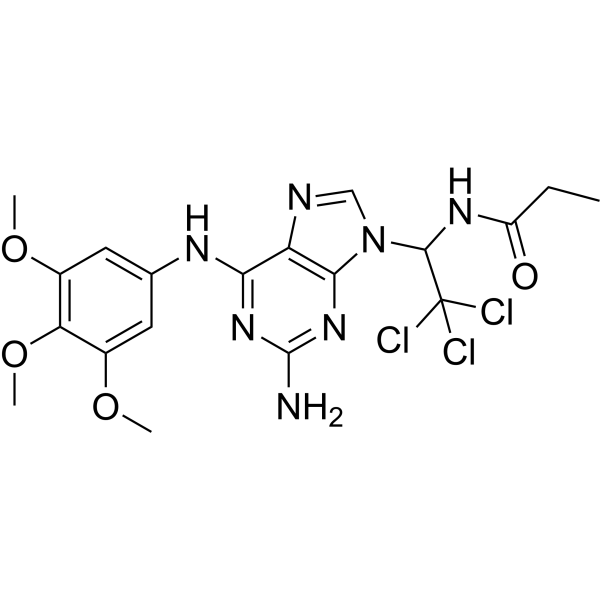
CDC20-IN-1 (Compound E1) is a specific inhibitor of CDC20 and can be used in triple-negative breast cancer research. CDC20-IN-1 can induce autophagy in cancer cells and inhibit MDA-MB-231 cell proliferation, with an IC50 value of 1.43 μM .
|
-
- HY-162575
-
|
|
ERK
|
Cancer
|
|
Anticancer agent 231 (Compound P5) is a tyrosine protein kinase inhibitor with a IC50 value of 3.95 μM. Anticancer agent 231 inhibits the cell viability, cell proliferation, cell migration and cancer dryness of triple negative breast cancer (TNBC) cells by targeting EGFR-ERK 1/2 signaling pathway, and is expected to play an important role in the field of TNBC disease therapy .
|
-

- HY-173210
-
|
|
Apoptosis
TNF Receptor
|
Cancer
|
|
TNF-α-IN-22 (Compound 30) is a TNFα inhibitor. It can induce Apoptosis by inhibiting the downregulation of IkBα induced by TNFα and blocking the cell cycle. TNF-α-IN-22 can be used in the research of triple-negative breast cancer .
|
-

- HY-172595
-
|
|
Apoptosis
E1/E2/E3 Enzyme
|
Cancer
|
|
Apoptosis inducer 48 (5d) is an apoptotic agent. Apoptosis inducer 48 inhibits the growth of triple-negative breast cancer cells. Apoptosis inducer 48 attenuates proteasomal degradation via the ubiquitin-proteasome pathway, leading to G2/M phase cell cycle arrest and the induction of apoptotic .
|
-

- HY-P992441
-
|
|
Transmembrane Glycoprotein
|
Cancer
|
|
PHST001 is a humanized anti-CD24 antibody. PHST001 binds cell-surface CD24, blocks CD24-Siglec10 interaction, and engages Fc receptors to promote macrophage-mediated tumor cell phagocytosis. PHST001 inhibits growth of breast cancer and ovarian cancer, and reduces metastatic lesions in mouse xenograft models. PHST001 can be used for the research of triple negative breast cancer, HER2+ breast cancer, metastatic tumors, and ovarian cancer .
|
-

- HY-183118
-
|
|
CDK
Apoptosis
|
Neurological Disease
Cancer
|
|
CID-078 is an orally active macrocyclic cyclin A and cyclin B inhibitor. CID-078 binds cyclin hydrophobic patches, disrupting interactions of cyclin A-Cdk2 with E2F1 and cyclin B-Cdk1 with Myt1, and selectively targets RxL binding motifs to block complex-substrate interactions. CID-078 induces DNA damage, G2/M cell cycle arrest, apoptosis, mitotic catastrophe, spindle assembly checkpoint activation, and neomorphic cyclin B-CDK2 complex formation, driving synthetic lethality in E2F-driven cancer cells. CID-078 can be used for the research of small cell lung cancer, non-small cell lung cancer, triple negative breast cancer, advanced solid tumors, luminal HR +/HER 2- breast cancer, RB1-altered solid tumors, and neuroblastoma .
|
-

- HY-P991864
-
|
MDX-124
|
Formyl Peptide Receptor (FPR)
|
Cancer
|
|
Annexuzlimab is a humanised IgG1 monoclonal antibody which specifically binds to ANXA1 disrupting its interaction with formyl peptide receptors 1 and 2 (FPR1/2). Annexuzlimab arrests cell cycle progression with cancer cells accumulating in the G1 phase. Annexuzlimab targets secreted ANXA1, preventing FPR1/2 activation and reducing cancer progression. Annexuzlimab can be used for the research of triple negative breast cancer, pancreatic cancer and osteosarcoma .
|
-

- HY-P992369
-
|
|
VISTA
|
Cancer
|
|
HMBD-002 is an Fc-independent, non-depleting IgG4 subclass antibody that targets VISTA and VSIG3. It is widely used in research related to various solid tumors, including colon cancer, triple-negative breast cancer, and non-small cell lung cancer. HMBD-002 blocks the interactions of VISTA with VSIG3 and LRIG1, relieves immunosuppression without depleting VISTA-positive cells, activates the cytotoxic program of CD8 + T cells, and drives the type I interferon signaling pathway. HMBD-002 reprograms tumor-associated macrophages to the M1 phenotype, reduces tumor infiltration of inhibitory myeloid cells, thereby significantly inhibiting tumor growth and improving survival. HMBD-002 is well tolerated in rodent and non-human primate animal models .
|
-

- HY-181068
-
|
|
PARP
Apoptosis
Microtubule/Tubulin
|
Cancer
|
|
2'-Nitroflavone is a PARP1 inhibitor. 2'-Nitroflavone inhibits the proliferation, induces cell cycle arrest and apoptosis of triple-negative breast cancer cells. 2'-Nitroflavone also inhibits the migration of triple-negative breast cancer cells and endothelial cells. 2'-Nitroflavone exhibits antitumor activity and can be used in the research of tumors such as triple-negative breast cancer .
|
-

- HY-182820
-
|
|
Histone Methyltransferase
PROTACs
KLF
|
Cancer
|
|
YZ-836P is a Protein arginine methyltransferase 5 (PRMT5) targeting agent. YZ-836P promotes ubiquitination and proteasomal degradation of PRMT5 in a cereblon (CRBN)-dependent manner, which in turn reduces levels of its downstream target KLF5. YZ-836P induces G1 phase cell cycle arrest in triple-negative breast cancer cells. YZ-836P induces Apoptosis in triple-negative breast cancer cells. YZ-836P exerts cytotoxic effects on triple-negative breast cancer cells. YZ-836P inhibits the growth of triple-negative breast cancer patient-derived organoids. YZ-836P inhibits the growth of triple-negative breast cancer xenografts in nude mice. YZ-836P can be used for the research of triple-negative breast cancer .
|
-

- HY-179528
-
|
|
Nuclear Hormone Receptor 4A/NR4A
Ferroptosis
Glutathione Peroxidase
Reactive Oxygen Species (ROS)
Transferrin Receptor
Apoptosis
Bcl-2 Family
Caspase
|
Endocrinology
Cancer
|
|
DIM-3,5-Cl2 is an inverse NR4A1/NR4A2 agonist with KD values of 7.7 μM and 12.0 μM for NR4A1 and NR4A2, respectively. DIM-3,5-Cl2 acts as an inverse agonist to downregulate pro-oncogenic and proendometriotic gene products, and as an agonist to enhance NR4A1/2/Sp1/Sp4-mediated CD71 transactivation. DIM-3,5-Cl2 induces ferroptosis via ROS formation, lipoperoxidation, MDA production, and reduced GPX4, SLC7A11 expression. DIM-3,5-Cl2 induces apoptosis via PARP and caspase-3 cleavage, reduced BCL-2 expression, and inhibits cancer cell viability. DIM-3,5-Cl2 can be used for the research of triple negative breast cancer, endometriosis, and colorectal cancer .
|
-

- HY-181629A
-
|
|
Aryl Hydrocarbon Receptor
Apoptosis
Caspase
Cytochrome P450
|
Cancer
|
|
ZSTK3744 hydrochloride is an aryl hydrocarbon receptor (AhR) agonist. ZSTK3744 hydrochloride directly binds to AhR, upregulates the expression of AhR target genes including CYP1A1, CYP1B1 and TIPARP, and mediates cell growth inhibitory activity in triple-negative breast cancer cells. ZSTK3744 hydrochloride induces apoptosis in triple-negative breast cancer cells. ZSTK3744 hydrochloride exhibits anti-tumor activity and can be used in the research of chemoresistant triple-negative breast cancer .
|
-

- HY-181629
-
|
|
Aryl Hydrocarbon Receptor
Apoptosis
Caspase
Cytochrome P450
|
Cancer
|
|
ZSTK3744 is an aryl hydrocarbon receptor (AhR) agonist. ZSTK3744 directly binds to AhR, upregulates the expression of AhR target genes including CYP1A1, CYP1B1 and TIPARP, and mediates cell growth inhibitory activity in triple-negative breast cancer cells. ZSTK3744 induces apoptosis in triple-negative breast cancer cells. ZSTK3744 exhibits anti-tumor activity and can be used in the research of chemoresistant triple-negative breast cancer .
|
-

- HY-181660
-
|
|
PROTACs
IKK
Apoptosis
|
Cancer
|
|
PROTAC IKKβ degrader-1 is a IKKβ PROTAC degrader (DC50 = 7.15 μM). PROTAC IKKβ degrader-1 induces apoptosis (Apoptosis) in triple-negative breast cancer cells. PROTAC IKKβ degrader-1 induces G1 phase cell cycle arrest in triple-negative breast cancer cells. PROTAC IKKβ degrader-1 exhibits antiproliferative activity against a variety of cells. PROTAC IKKβ degrader-1 is applicable for research related to cancers such as triple-negative breast cancer, colon cancer, liver cancer, pancreatic cancer .
|
-

- HY-182067
-
|
|
Reactive Oxygen Species (ROS)
Apoptosis
Ferroptosis
|
Cancer
|
|
anti-TNBC agent-15 is a platinum (IV) complex with anti-triple-negative breast cancer activity. anti-TNBC agent-15 inhibits cancer cell viability. anti-TNBC agent-15 reverses the resistance of triple-negative breast cancer cells to Cisplatin (HY-17394), increases intracellular uptake, and effectively triggers apoptosis by inducing DNA damage, enhancing intracellular ROS accumulation and activating the mitochondrial pathway. anti-TNBC agent-15 enhances lipid peroxidation, interferes with the signal transduction of the cystine/glutamate transporter-glutathione peroxidase axis, and induces ferroptosis. anti-TNBC agent-15 significantly inhibits tumor growth in triple-negative breast cancer/Cisplatin xenograft models. anti-TNBC agent-15 can be used for the research of triple-negative breast cancer .
|
-

- HY-183697
-
|
|
FAK
|
Cancer
|
|
FAK-IN-30 is a focal adhesion kinase (FAK) inhibitor with moderate cytotoxicity against breast cancer cells. FAK-IN-30 can be used for the research of triple-negative breast cancer .
|
-

- HY-181506
-
|
|
Fluorescent Dye
Molecular Glues
CaMK
c-Myc
Bcl-2 Family
Cadherin
|
Cancer
|
|
TYMJ-01 is a fluorescent probe and eEF2K degrader. TYMJ-01 induces dose-dependent and specific degradation of eEF2K via the ubiquitin-proteasome pathway, with a DC50 of 82 nM. TYMJ-01 inhibits the proliferation, migration and invasion of triple-negative breast cancer cells. TYMJ-01 enables dynamic fluorescent imaging of eEF2K degradation in triple-negative breast cancer cells; it enhances the anti-tumor activity of Paclitaxel (HY-B0015). TYMJ-01 can be used for the research of triple-negative breast cancer .
|
-

- HY-101673
-
|
|
Potassium Channel
|
Neurological Disease
Cancer
|
|
Emakalim is an ATP-dependent potassium channel agonist. Emakalim can be used in the research of gliomas, triple-negative breast cancer, non-small cell lung cancer, and colorectal cancer .
|
-

- HY-182002
-
|
|
Apoptosis
IAP
|
Cancer
|
|
Apoptosis inducer 61 (Compound 4E) is an Apoptosis inducer. Apoptosis inducer 61 significantly downregulates the expression of BIRC3 and activates Apoptosis. Anticancer agent 313 exhibits anticancer activity against ER + breast cancer cells, triple-negative breast cancer cells, and gastric cancer cells .
|
-

- HY-186208
-
|
|
Aurora Kinase
|
Cancer
|
|
TACC3-IN-3 is a TACC3 inhibitor. TACC3 is a scaffold protein that is highly expressed in various tumors and regulates microtubule/centrosome stability via phosphorylation by Aurora A. TACC3-IN-3 inhibits the proliferation of triple-negative breast cancer cells. TACC3-IN-3 is applicable to triple-negative breast cancer research .\n
|
-

- HY-186210
-
|
|
Aurora Kinase
|
Cancer
|
TACC3-IN-5 (Compound 35) is a TACC3 inhibitor. TACC3 is a scaffold protein that is highly expressed in various tumors and regulates microtubule/centrosome stability via phosphorylation by Aurora A. TACC3-IN-5 inhibits the proliferation of triple-negative breast cancer cells. TACC3-IN-5 is applicable for triple-negative breast cancer research .
|
-

- HY-186209
-
|
|
Aurora Kinase
|
Cancer
|
|
TACC3-IN-4 is a TACC3 inhibitor. TACC3 is a scaffold protein that is highly expressed in various tumors and regulates microtubule/centrosome stability via phosphorylation by Aurora A. TACC3-IN-4 inhibits the proliferation of triple-negative breast cancer cells. TACC3-IN-4 can be used for triple-negative breast cancer research .
|
-

- HY-181392
-
|
|
PROTACs
Histone Methyltransferase
|
Cancer
|
|
PROTAC EZH2 Degrader-35 (compound U3i (44)) is a PROTAC protein degrader targeting EZH2 with a human EZH2 Ka of 16.19 nM. PROTAC EZH2 Degrader-35 exhibits antiproliferative activity in triple-negative breast cancer cells and minimal cytotoxicity in normal human epithelial, hepatic, renal cells.PROTAC EZH2 Degrader-35 can be used for the research of triple-negative breast cancer .
|
-

- HY-N18190
-
|
|
NF-κB
Apoptosis
|
Cancer
|
|
N-Desmethyldauricine is a NF-κB p65 inhibitor and apoptosis inducer. N-Desmethyldauricine reduces the protein expression level of p65, induces apoptosis, arrests the cell cycle at the G0/G1 phase, attenuates intercellular adhesion, and inhibits the growth of 3D spheroids of triple-negative breast cancer. N-Desmethyldauricine can be used in studies related to triple-negative breast cancer .
|
-

- HY-181483
-
|
|
CDK
Reactive Oxygen Species (ROS)
Apoptosis
Autophagy
Caspase
|
Cancer
|
|
CDK6-IN-2 is a CDK6 covalent inhibitor with an IC50 of 0.013 μM. CDK6-IN-2 inhibits the proliferation and migration of triple-negative breast cancer cells, and induces cell cycle arrest and apoptosis. CDK6-IN-2 induces ROS accumulation and mitochondrial damage through cellular metabolic reprogramming. CDK6-IN-2 exhibits anti-tumor activity and can be used for the research of triple-negative breast cancer .
|
-

- HY-181756
-
|
|
PROTACs
Epigenetic Reader Domain
|
Cancer
|
|
LGF308 is a PROTAC degrader of BRD4 that exhibits selective cytotoxicity toward cancer cells over normal cells. LGF308 mediates the formation of a ternary complex between BRD4 and DCAF11 to achieve BRD4 degradation. LGF308 induces tumor cell apoptosis by upregulating apoptosis-related proteins. LGF308 inhibits tumor cell proliferation and migration in breast cancer and triple-negative breast cancer cell lines. LGF308 can be used for the research of breast cancer .
|
-

- HY-182260
-
|
|
Apoptosis
|
Cancer
|
|
Apoptotic agent-5 is an apoptosis inducer that releases large amounts of nitric oxide to induce cell apoptosis. Apoptotic agent-5 can be used in research related to triple-negative breast cancer .
|
-

- HY-P10853
-
|
|
Autophagy
|
Cancer
|
|
Bacilotetrin C analogue is cytotoxic to triple-negative breast cancer cell line MDA-MB-231 with an IC50 of 0.48 μM. Bacilotetrin C analogue can induce tumor cell autophagy and has anti-tumor activity .
|
-

- HY-181687
-
|
|
HSP
CDK
|
Cancer
|
|
Hsp90-IN-46 is a Hsp90 inhibitor. Hsp90-IN-46 exhibits broad-spectrum antiproliferative activity against tumor cell lines. Hsp90-IN-46 inhibits breast cancer cell proliferation by reducing colony formation and downregulating the proliferation marker Ki-67. Hsp90-IN-46 inhibits Hsp90 and its ATPase activity, downregulates the downstream substrate oncoproteins HER2 and CDK4, and moderately induces the heat shock response. Hsp90-IN-46 shows significant antitumor activity in a mouse model of triple-negative breast cancer tumor xenografts. Hsp90-IN-46 can be used for research on various cancers including triple-negative breast cancer, leukemia, non-small cell lung cancer, colon cancer, ovarian cancer, renal cancer, prostate cancer .
|
-

- HY-181260
-
|
|
Histone Methyltransferase
Apoptosis
|
Cancer
|
|
PRMT5-MTA-IN-8 is an orally active PRMT5-MTA complex inhibitor (IC50 = 4.4 nM). PRMT5-MTA-IN-8 inhibits the intracellular production of symmetric dimethylarginine (SDMA) as well as the proliferation of MTAP-deficient cells. PRMT5-MTA-IN-8 exerts antitumor efficacy by inhibiting PRMT5, reducing SDMA levels and inducing tumor cell apoptosis in mouse models of triple-negative breast cancer. PRMT5-MTA-IN-8 can be used in research related to cancers such as triple-negative breast cancer .
|
-

- HY-181936
-
|
|
Atg4
Autophagy
|
Cancer
|
|
Atg4B activator-1 (Compound 16a) is an allosteric, selective, and orally active ATG4B activator with a Kd of 0.2199 μM. Atg4B activator-1 binds to the allosteric pocket of ATG4B and induces conformational changes. Atg4B activator-1 induces Autophagy. Atg4B activator-1 inhibits the proliferation and migration of triple-negative breast cancer cells. Atg4B activator-1 can be used in studies related to triple-negative breast cancer .
|
-

- HY-181823
-
|
|
HOXA
TGF-beta/Smad
Apoptosis
|
Cancer
|
|
HOXA1-IN-1 is a HOXA1 inhibitor. HOXA1-IN-1 downregulates HOXA1 protein levels, suppresses its transcriptional activity, and alters the expression of its downstream target genes. HOXA1-IN-1 induces DNA damage and apoptosis in cancer cells. HOXA1-IN-1 exhibits antitumor efficacy in xenograft models of colorectal cancer and triple-negative breast cancer. HOXA1-IN-1 shows synergistic activity in combination with Cisplatin (HY-17394). HOXA1-IN-1 can be used for the research of colorectal cancer and triple-negative breast cancer .
|
-

- HY-180821
-
|
|
Apoptosis
Reactive Oxygen Species (ROS)
MMP
|
Cancer
|
|
FBIN-11 (Compound 9k) is an anticancer agent. FBIN-11 induces Apoptosis mainly by increasing ROS. FBIN-11 decreases MMP. FBIN-11 exhibits anticancer effects against non-small cell lung cancer, liver cancer, and triple-negative breast cancer .
|
-

- HY-182639
-
|
|
Exosomes
MAGL
Interleukin Related
VEGFR
|
Cancer
|
|
AM9928 is a monoacylglycerol lipase (MAGL) inhibitor with IC50 and Ki values of 8.9 nM and 7.3 nM, respectively. AM9928 blocks the adhesion and migration of triple-negative breast cancer (TNBC) cells, and inhibits the secretion of IL-6, IL-8 and VEGF-A by TNBC cells. AM9928 suppresses the activation of human brain microvascular endothelial cells (HBMECs) induced by TNBC-derived exosomes, and reduces the secretion of IL-8 and VEGF-A by HBMECs. AM9928 attenuates changes in blood-brain barrier permeability, inhibits tumor growth in the mammary fat pad, and reduces brain colonization of TNBC. AM9928 can be used in studies related to triple-negative breast cancer .
|
-

- HY-181999
-
|
|
PARP
CDK
Protease Activated Receptor (PAR)
Wnt
β-catenin
Reactive Oxygen Species (ROS)
DNA/RNA Synthesis
|
Cancer
|
|
PC8 is a selective dual inhibitor of PARP1/CDK6, with an IC50 of 0.126 μM for PARP1 and 0.197 μM for CDK6. PC8 does not alter PARP1 expression, but reduces the expression of its downstream target PAR. PC8 inhibits the canonical Wnt/β-catenin signaling pathway. PC8 induces intracellular ROS accumulation and exacerbates DNA damage. PC8 inhibits the proliferation of triple-negative breast cancer (TNBC) cells. PC8 can be used for the research of triple-negative breast cancer .
|
-

- HY-183544
-
|
|
TrxR
Glutathione Peroxidase
Ferroptosis
Reactive Oxygen Species (ROS)
|
Cancer
|
|
Platinum (IV) Prodrug-1 is a Pt (IV) prodrug and selective TrxR1 inhibitor. Platinum (IV) Prodrug-1 induces ferroptosis (Ferroptosis) by depleting glutathione, accumulating intracellular lipid peroxides, and inactivating Glutathione peroxidase 4. Platinum (IV) Prodrug-1 triggers endoplasmic reticulum stress and immunogenic cell death via excessive accumulation of intracellular ROS. Platinum (IV) Prodrug-1 exhibits anticancer activity against both Cisplatin (HY-17394)-sensitive and Cisplatin-resistant triple-negative breast cancer cells. Platinum (IV) Prodrug-1 can be used for the research of triple-negative breast cancer .
|
-

- HY-N17312
-
|
|
Drug Derivative
|
Cancer
|
|
(-)-Mornaphthoate B is a Methyl 2-naphthoate derivative. (-)-Mornaphthoate B can be isolated from the roots of Morinda officinalis var. officinalis. (-)-Mornaphthoate B exhibits no activity against Acetylcholinesterase and Butyrylcholinesterase. (-)-Mornaphthoate B can be used in the research of non-small cell lung cancer and triple-negative breast cancer .
|
-

- HY-N17319A
-
|
|
|
Cancer
|
|
(+)-Mornaphthoate D is a Methyl 2-naphthoate derivative. (+)-Mornaphthoate D can be isolated from the roots of Morinda officinalis var. officinalis. (+)-Mornaphthoate D exhibits no activity against Acetylcholinesterase and Butyrylcholinesterase. (+)-Mornaphthoate D can be used in the research of non-small cell lung cancer and triple-negative breast cancer .
|
-

- HY-N17556
-
|
|
Drug Derivative
|
Cancer
|
|
(+)-Mornaphthoate B is a Methyl 2-naphthoate derivative. (+)-Mornaphthoate B can be isolated from the roots of Morinda officinalis var. officinalis. (+)-Mornaphthoate B exhibits no activity against Acetylcholinesterase and Butyrylcholinesterase. (+)-Mornaphthoate B can be used in the research of non-small cell lung cancer and triple-negative breast cancer .
|
-

- HY-N17319
-
|
|
Drug Derivative
|
Cancer
|
|
(-)-Mornaphthoate D is a Methyl 2-naphthoate derivative. (-)-Mornaphthoate D can be isolated from the roots of Morinda officinalis var. officinalis. (-)-Mornaphthoate D exhibits no activity against Acetylcholinesterase and Butyrylcholinesterase. (-)-Mornaphthoate D can be used in the research of non-small cell lung cancer and triple-negative breast cancer .
|
-

- HY-180535
-
|
|
Cytochrome P450
|
Cancer
|
|
Aromatase-IN-8 is a selective Aromatase inhibitor against an IC50 of 0.05 µM. Aromatase-IN-8 exhibits selective antiproliferative effects against estrogen receptor-positive breast cancer cell lines, while showing no toxicity toward non-tumoral cells. Aromatase-IN-8 suppresses estrogen active, increases testosterone levels, and downregulates estrogen receptor expression and phosphorylation. Aromatase-IN-8 can be used for triple negative breast cancer research .
|
-

- HY-173211
-
|
|
Photosensitizer
|
Cancer
|
|
anti-TNBC agent-8 (Compound TP2) is a photodynamic therapeutic agent targeting mitochondrial DNA G4 (mtG4). Under white light irradiation, its IC50 against 4T1 cells is 0.42 μM. anti-TNBC agent-8 binds tightly to mtG4 and generates a large amount of reactive oxygen species (ROS) under white light irradiation, leading to the loss of mitochondrial membrane potential (MMP), a decrease in ATP production, and an increase in the ROS level. This, in turn, induces significant apoptosis in triple-negative breast cancer (TNBC) cells, exerting the activity of inhibiting tumor cell growth. anti-TNBC agent-8 can be used in the research of triple-negative breast cancer.
|
-

- HY-181583
-
|
|
ROCK
|
Cancer
|
|
LASSBio-2389 is a selective ROCK2 inhibitor with an IC50 of 0.051 μM and an IC50 of 1.143 μM against ROCK1. LASSBio-2389 reduces the viability of MDA-MB-231 cells and inhibits cell migration. LASSBio-2389 is applicable to the research of triple-negative breast cancer .
|
-

- HY-181582
-
|
|
ROCK
|
Cancer
|
|
LASSBio-2382 is a dual ROCK1/ROCK2 inhibitor with ROCK1 IC50 of 0.005 μM and ROCK2 IC50 of 0.003 μM. LASSBio-2382 inhibits viability and migration of cancer cells. LASSBio-2382 can be used for the research of triple-negative breast cancer .
|
-

- HY-181797
-
|
|
Amyloid-β
CD47
|
Cancer
|
|
CL121 is a Glutaminyl Cyclase inhibitor with an IC50 of 0.07 μM against human sQC and an IC50 of 0.54 μM against human gQC. CL121 reduces the level of pyroglutamate (pE)-modified CD47 on the surface of cancer cells. CL121 exhibits anti-tumor activity against triple-negative breast cancer .
|
-

- HY-101567R
-
|
|
Epigenetic Reader Domain
Reference Standards
|
Cancer
|
|
BMS-986158 (Standard) is the analytical standard of BMS-986158 (HY-101567). This product is intended for research and analytical applications. BMS-986158 is a potent BET inhibitor with IC50s of 6.6 and 5 nM in NCI-H211 small cell lung cancer (SCLC) cells and MDA-MB231 triple negative breast cancer (TNBC) cells, respectively .
|
-

- HY-135276
-
|
|
MicroRNA
Apoptosis
|
Cancer
|
|
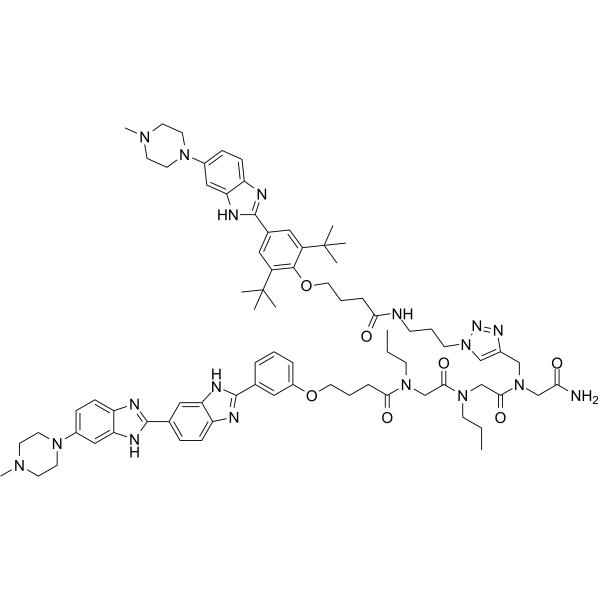
Targaprimir-96 is a potent inhibitor of microRNA-96 (miR-96) processing. Targaprimir-96 selectively modulates miR-96 production in cancer cells and triggers apoptosis. Targaprimir-96 binds primary miR-96 (pri-miR-96) with low nanomolar affinity. Targaprimir-96 directly engages pri-miR-96 in breast cancer cells and is ineffective on healthy breast cells .
|
-
- HY-135276A
-
|
|
MicroRNA
Apoptosis
|
Cancer
|
|
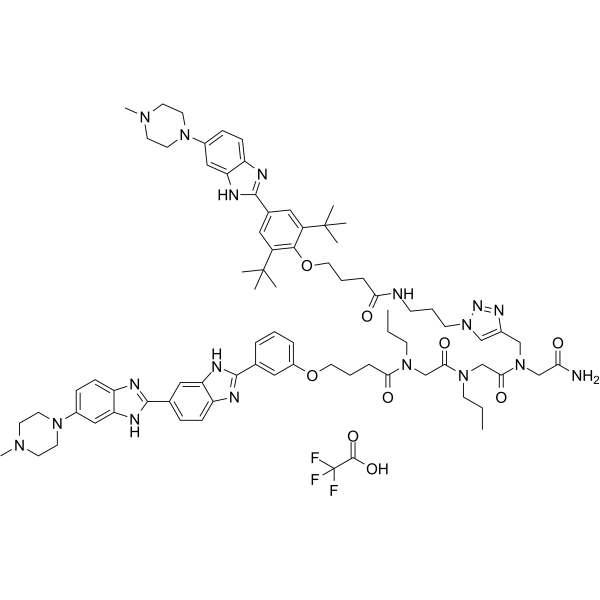
Targaprimir-96 TFA is a potent inhibitor of microRNA-96 (miR-96) processing. Targaprimir-96 TFA selectively modulates miR-96 production in cancer cells and triggers apoptosis. Targaprimir-96 TFA binds primary miR-96 (pri-miR-96) with low nanomolar affinity. Targaprimir-96 TFA directly engages pri-miR-96 in breast cancer cells and is ineffective on healthy breast cells .
|
-
- HY-NP163A
-
|
WGA-AF488
|
Fluorescent Dye
|
Cancer
|
Wheat germ agglutinin-AF488 (WGA-AF488) is a cell membrane-specific staining agent prepared by conjugating wheat germ agglutinin with the Alexa Fluor 488 (HY-D1304) fluorescent dye, and it binds to cell surface glycoproteins with high affinity. Wheat germ agglutinin-AF488 is applied in fluorescence microscopy and confocal imaging techniques, and it can clearly label the membrane structures of various cells including breast cancer cells, enabling high-resolution visual observation. Wheat germ agglutinin-AF488 is used in studies of breast cancer and triple-negative breast cancer to observe cell morphology and membrane dynamic changes .
|
-

- HY-W008581
-
|
3-O-Methyl estradiol; 17β-Estradiol 3-methyl ether; 3-Methoxyestradiol
|
Biochemical Assay Reagents
TRP Channel
Microtubule/Tubulin
Autophagy
|
Metabolic Disease
Cancer
|
|
Estradiol 3-methyl ether (EDME) is a highly selective TRPML1 ion channel antagonist and microtubule (microtubule) depolymerizing agent, with IC50 values of 0.22 μM and 3.8 μM against TRPML1 and TRPML2, respectively; it shows no activity against TRPML3. Estradiol 3-methyl ether induces the disruption of cytoplasmic microtubule networks in mammalian cells, with an EC50 of 9 μM. Independent of estrogen receptors, Estradiol 3-methyl ether blocks autophagy (autophagy), TFEB nuclear translocation, and inhibits the migration and invasion of triple-negative breast cancer cells by suppressing TRPML1. Estradiol 3-methyl ether is applicable for relevant research on triple-negative breast cancer .
|
-

- HY-168894
-
|
|
Ferroptosis
JAK
STAT
p38 MAPK
AMPK
GSK-3
Apoptosis
HSP
TNF Receptor
|
Cardiovascular Disease
Neurological Disease
Metabolic Disease
Cancer
|
|
CT-1 is a secreted protein belonging to the IL-6 cytokine family. Overexpression of CT-1 enhances cell proliferation, migration and angiogenesis via the ADMA/DDAH pathway. CT-1 inhibits the growth of triple-negative breast cancer cells by simultaneously inducing Ferroptosis in N2-type tumor-associated neutrophils and cancer cells. CT-1 activates the Jak/STAT-3, p42/p44 MAPK and AMPK pathways, and inhibits GSK-3β activity through phosphorylation to induce cardiomyocyte hypertrophy. CT-1 enhances the viability of cardiomyocytes and neurons, reduces cell Apoptosis, induces the expression of heat shock proteins (HSP) and BNP, and inhibits TNF levels. CT-1 exerts anti-tumor activity in mouse models of triple-negative breast cancer. CT-1 improves cognitive impairment in mice. CT-1 is applicable to the research of ischemic heart disease, triple-negative breast cancer, myocardial hypertrophy, Parkinson's disease, hypertensive heart disease, myocardial infarction, acute Chagas cardiomyopathy, high-fat diet-induced cognitive impairment and diabetes-related cognitive impairment .
|
-

- HY-178007
-
|
|
CDK
|
Cancer
|
|
CDK2 degrader 8 (Compound1) is a CDK2 degrader. CDK2 degrader 8 shows potential anti-tumor activity by targeting CDK2. CDK2 degrader 8 can be used for the study of solid tumors (breast cancer, triple negative breast cancer, ovarian serous cystadenocarcinoma) and liquid tumors (diffuse large B-cell lymphoma, acute myelogenous leukemia) associated with abnormal CDK2 function .
|
-

- HY-170972
-
|
|
Apoptosis
PARP
NAMPT
|
Cancer
|
|
PARP1/NAMPT-IN-2 (Compound 13j) is a dual PARP/NAMPT inhibitor with IC50 values of 0.8 nM and 18 nM for PARP1 and NAMPT, respectively. PARP1/NAMPT-IN-2 can inhibit the proliferation, migration and induce apoptosis of breast cancer cells. PARP1/NAMPT-IN-2 can be used for the research of triple-negative breast cancer .
|
-

- HY-161774
-
|
|
CD73
|
Cancer
|
|
ST80 is an inhibitor for interaction of OTUD4 and CD73. ST80 decreases CD73 protein level, increases CD73 protein turnover, reduces immune evasion of tumor cells, and thus exhibits antitumor efficacy against immunosuppressive triple-negative breast cancer (TNBC) .
|
-

- HY-161597
-
|
|
PROTACs
DYRK
|
Cancer
|
|
PROTAC DYRK2 degrader 1 is a DYRK2 PROTAC degrader with DC50 values of 1.607 μM (MDA-MB-231 cells) and 3.265 μM (HeLa cells), respectively. PROTAC DYRK2 degrader 1 induces DYRK2 degradation via the ubiquitin-proteasome system. It is applicable to the research of triple-negative breast cancer and cervical cancer .
|
-

- HY-179679
-
|
|
FAK
Apoptosis
|
Cancer
|
|
FAK-IN-29 is a selective FAK inhibitor with an IC50 of 0.5 nM. FAK-IN-29 can inhibit the proliferation and colony formation of MDA-MB-231 cells, and induce cell cycle arrest and apoptosis. FAK-IN-29 exhibits antitumor activity and can be used for the research of tumors such as triple-negative breast cancer .
|
-

- HY-177720
-
|
|
Molecular Glues
CaMK
Apoptosis
|
Cancer
|
|
eEF2K degrader-2 (Compound C1) is a molecular glucose degrading agent that targets the eEF2K protein. eEF2K degrader-2 can significantly inhibit the proliferation, migration, invasion and induce apoptosis of triple negative breast cancer (TNBC) cells. eEF2K degrader-2 has no obvious organ toxicity or pathological damage. eEF2K degrader-2 can be used in the research of cancer such as breast cancer .
|
-

- HY-15372
-
GW6471
Maximum Cited Publications
70 Publications Verification
|
PPAR
Apoptosis
|
Cancer
|
|
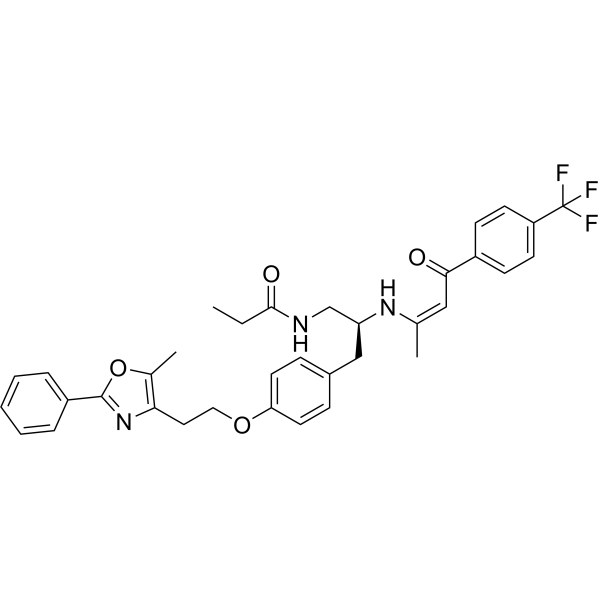
GW6471 is a selective peroxisome proliferator-activated receptor α (PPARα) antagonist. GW6471 reduces cancer stem cell viability, proliferation, and spheroid formation. GW6471 induces apoptosis and causes metabolic impairment including energy imbalance. GW6471 can be used for the research of paragangliomas and triple-negative breast cancer .
|
-
- HY-120372
-
|
|
Notch
|
Cancer
|
|
BMS-871 is an orally active pan-Notch inhibitor with IC50 values of 4/1/4/3 nM for Notch1/2/3/4, respectively. BMS-871 significantly inhibited the proliferation of TALL-1 and MDA-MB-157 cells and demonstrated significant antitumor activity in T-acute lymphoblastic leukemia and triple-negative breast cancer xenograft models. BMS-871 can be used to study leukemia and breast cancer .
|
-

- HY-181832
-
|
|
AMPK
Apoptosis
|
Cancer
|
|
ASS1 activator 1 (Compound 10f) is a ASS1 activator with an EC50 of 1.90 μM. ASS1 activator 1 enhances the activity of ASS1 and promotes AMPK phosphorylation. ASS1 activator 1 induces cell Apoptosis. ASS1 activator 1 exhibits anticancer activity against triple-negative breast cancer, colorectal cancer and liver cancer .
|
-

- HY-N0858
-
|
|
HIV
|
Infection
|
|
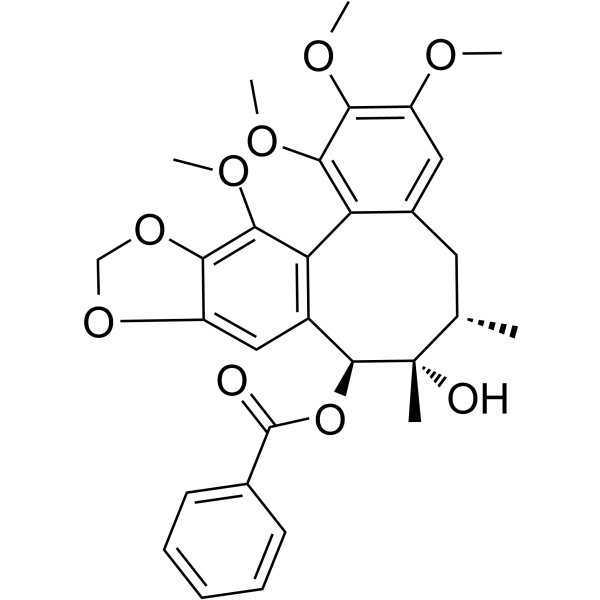
Gomisin G is a lignin from S. chinesis with anti-HIV (EC50 = 0.006 μg/mL), anti-liver cancer and anti-inflammatory activities. Gomisin G has an AKT-cyclin D1 dependent mechanism against triple-negative breast cancer (TNBC) cells through suppressing phosphorylation rather than inducing apoptosis. Gomisin G can inhibit AKT phosphorylation. Gomisin G can cause cell cycle arrest in the G1 phase. Gomisin G can be studied in research for diseases such as HIV, breast and liver cancers .
|
-
- HY-164550
-
|
|
HDAC
|
Cancer
|
|
YF438 is an HDAC inhibitor with effective anticancer activity both in vitro and in vivo. YF438 inhibits the growth and metastasis of triple-negative breast cancer (TNBC) cells by blocking the interaction between HDAC and MDM2, inducing the dissociation of MDM2-MDMX, and promoting the degradation of MDM2 .
|
-

- HY-176252
-
|
|
Apoptosis
|
Cancer
|
|
CALR ligand 1 (Compound 2a) is a calreticulin (CALR) ligand. CALR ligand 1 shows antitumor activity against triple-negative breast cancer (TNBC) cells (IC50=0.1 μM). CALR ligand 1 induces intracellular calcium overloading and triggers apoptosis in TNBC cells. CALR ligand 1 is promising for research of TNBC .
|
-

- HY-178956
-
|
|
HSP
|
Cancer
|
|
KUNB106 is a selective Hsp90β inhibitor with KDs of 91 nM and 38 μM against Hsp90β and Hsp90α. KUNB106 exhibits antiproliferative activity against MDA-MB-231 cells, A549 and SKOV-3 cells. KUNB106 can be used for the study of triple negative breast cancer .
|
-

- HY-163535
-
|
|
HDAC
DNA Methyltransferase
Apoptosis
|
Inflammation/Immunology
Cancer
|
|
J208 is a dual inhibitor for histone deacetylase (HDAC) and DNA methyltransferase (DNMT). J208 inhibits proliferation of cancer cells, as well as the migration/invasion of triple-negative breast cancer (TNBC) cells. J208 induces apoptosis, arrests the cell cycle at G0/G1 phase. J2008 activates the innate immune signalling pathway in TNBC, by inducing the expression of endogenous retroviruses (ERVs) .
|
-

- HY-155787
-
|
|
CDK
|
Cancer
|
|
SHR5428 is a potent, orally active, selective and noncovalent inhibitor of CDK7 with highly potent CDK7 enzymatic activity (IC50=2.3 nM). SHR5428 inhibits triple negative breast cancer cellular activity on MDA-MB-468 cell (IC50=6.6 nM) .
|
-
- HY-182069
-
|
|
CDK
Apoptosis
PARP
Caspase
Bcl-2 Family
|
Cancer
|
|
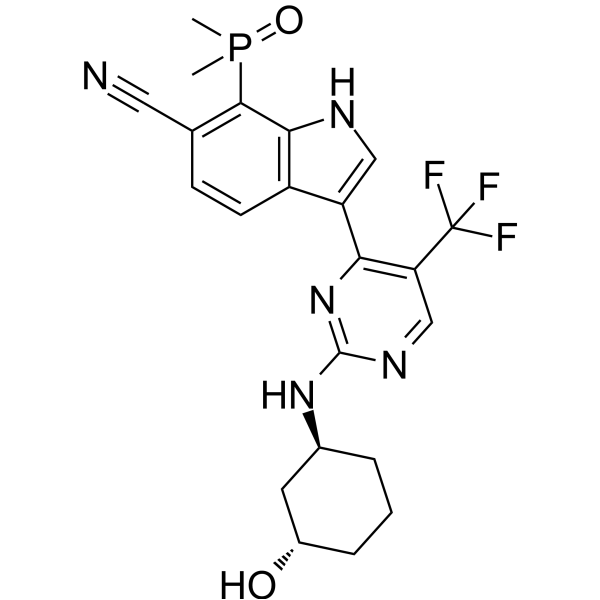
CDK9-IN-47 is an orally active and selective CDK9 inhibitor with an IC50 of 1.4 nM. CDK9-IN-47 inhibits tumor cell proliferation, migration and invasion, and induces apoptosis. CDK9-IN-47 can be used for the research of triple-negative breast cancer .
|
-

- HY-178431
-
|
|
mTOR
Apoptosis
Reactive Oxygen Species (ROS)
STING
|
Cancer
|
|
MT-44 is a highly selective and potent mTOR inhibitor with an IC50 of 49.4 nM. MT-44 can inhibit cancer cells proliferation, migration and invasion. MT-44 can induce cells apoptosis and ROS production and cause G2/M phase arrest. MT-44 can activate the cGAS/STING pathway. MT-44 can be used for the research of cancer, such as triple-negative breast cancer .
|
-

- HY-156285
-
|
|
Histone Methyltransferase
Apoptosis
|
Cancer
|
|
ZZM-1220 is a histone lysine methyltransferase G9a/GLP covalent inhibitor with IC50s of of 458 nM and 924 nM, respectively. ZZM-1220 inhibits H3K9me2 in cells and significantly induces apoptosis of triple-negative breast cancer (TNBC) cells and blocks the cell cycle in the G2/M phase .
|
-
- HY-182926
-
|
|
DNA/RNA Synthesis
Topoisomerase
|
Cancer
|
|
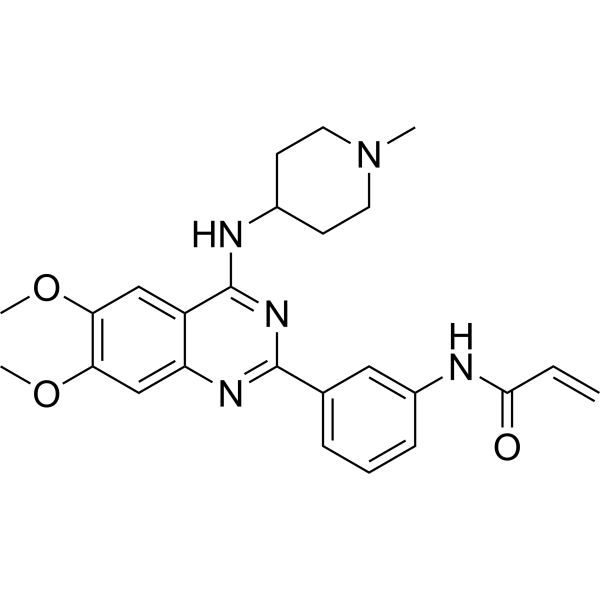
Topoisomerase I/II-IN-9 is a topoisomerase I/II inhibitor (IC50<10 μM) and a DNA damage inducer. Topoisomerase I/II-IN-9 blocks the interaction between the enzyme and DNA by binding to the DNA-binding pocket of the enzyme. Topoisomerase I/II-IN-9 activates the cGAS-STING pathway and promotes the accumulation of cytoplasmic double-stranded DNA. This further drives the production of type I interferons, CCL5, CXCL10 and interferon-stimulated genes, and induces anti-tumor immune responses in vivo. Topoisomerase I/II-IN-9 can be applied to the research of related diseases such as triple-negative breast cancer, colorectal cancer and gastric cancer .
|
-

- HY-128587
-
|
SY-1365
|
CDK
|
Cancer
|
|
Mevociclib (SY-1365) is a potent and first-in-class selective CDK7 inhibitor, with a Ki of 17.4 nM. Mevociclib exhibits anti-proliferative and apoptotic effects in solid tumor cell lines. Mevociclib possesses anti-tumor activity in hematological and multiple aggressive solid tumors .
|
-
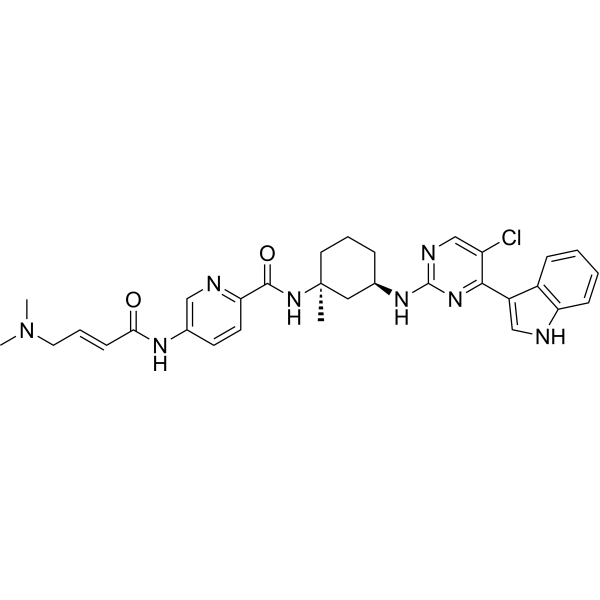
- HY-179386
-
|
|
PARP
Histone Methyltransferase
Apoptosis
Pyroptosis
Necroptosis
Reactive Oxygen Species (ROS)
PANoptosis
|
Cancer
|
|
PARP1/EZH2-IN-1 is a selective PARP1 and EZH2 dual inhibitor. PARP1/EZH2-IN-1 has IC50s of 28 nM, 414 nM and 74 nM for PARP1, PARP2 and EZH2, respectively. PARP1/EZH2-IN-1 inhibits the proliferation and migration of TNBC cells (triple-negative breast Cancer cells). PARP1/EZH2-IN-1 induces PANoptosis (Apoptosis, Pyroptosis and Necroptosis), increases the level of reactive oxygen species (ROS), and activates related inflammatory pathways. PARP1/EZH2-IN-1 can be used in triple-negative breast cancer research .
|
-

- HY-175221
-
|
|
Apoptosis
Autophagy
|
Cancer
|
|
WHN-11 is an amino-Artemisinin (HY-B0094) derivative with anti-cancer activity against various cancer cell lines. WHN-11 deprives the cell of ATP, activates autophagy, and causes subsequent cell death by apoptosis. WHN-11 alters cellular protein homeostasis pathways to induce mitochondrial fission and dysfunction. WHN-11's anti-cancer activity is independent of substantive ROS production. WHN-11 can be used for the study of triple-negative breast cancer (TNBC) .
|
-

- HY-108692
-
|
|
Apoptosis
Endogenous Metabolite
|
Cancer
|
|
Enterolactone is a bioactive phenolic metabolite known as a mammalian lignan derived from dietary lignans. Enterolactone has estrogenic properties and anti-breast cancer activity . Enterolactone is a radiosensitizer for human breast cancer cell lines through impaired DNA repair and increased apoptosis .
|
-
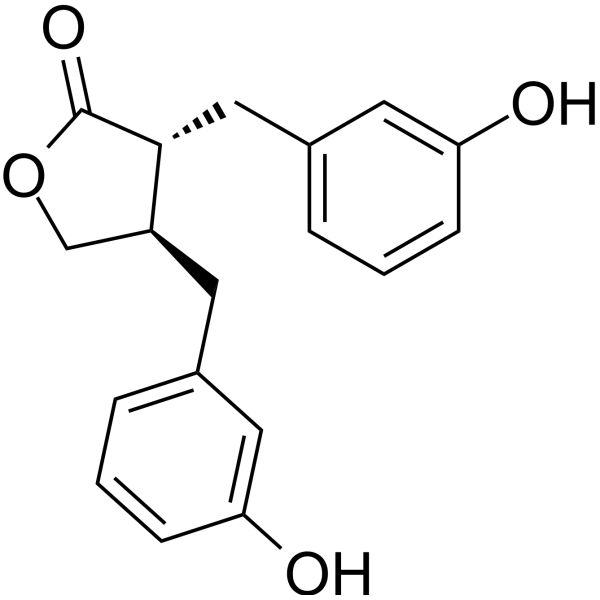
- HY-108692R
-
|
|
Reference Standards
Apoptosis
Endogenous Metabolite
|
Cancer
|
|
Enterolactone (Standard) is the analytical standard of Enterolactone. This product is intended for research and analytical applications. Enterolactone is a bioactive phenolic metabolite known as a mammalian lignan derived from dietary lignans. Enterolactone has estrogenic properties and anti-breast cancer activity . Enterolactone is a radiosensitizer for human breast cancer cell lines through impaired DNA repair and increased apoptosis .
|
-

- HY-157210
-
|
|
CDK
|
Cancer
|
|
CDK7-IN-26 (compound 36) is an orally active CDK7 inhibitor (IC50: 7.4 nM). CDK7-IN-26 potently inhibits the growth of triple-negative breast cancer (TNBC) cell line-derived xenograft (CDX) tumors in vivo and inhibits MDA-MB-453 cells in vitro with an IC50 of 0.15 μM .
|
-
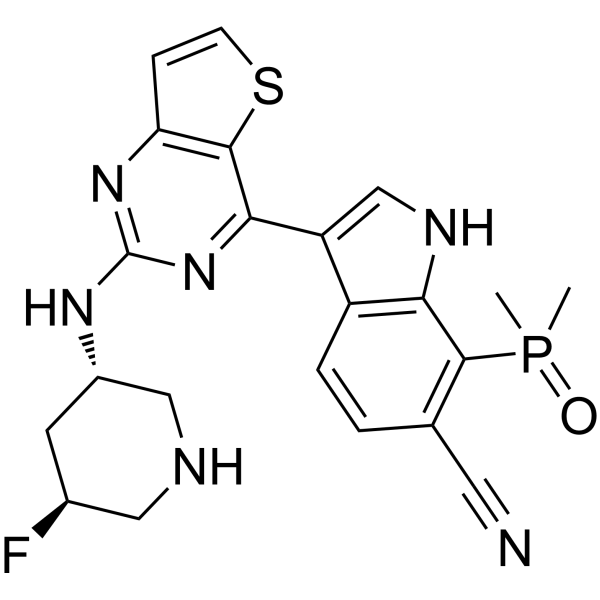
- HY-182036
-
|
|
CDK
Epigenetic Reader Domain
Reactive Oxygen Species (ROS)
|
Cancer
|
|
KWZL-7f15 is a dual CDK6/BRD4 inhibitor with an IC50 of 31.81 nM against human CDK6. KWZL-7f15 inhibits the CDK6-RB axis and BRD4-Myc axis, and also acts as a pan-BET inhibitor. KWZL-7f15 exhibits antiproliferative activity against triple-negative breast cancer cells. KWZL-7f15 shows antitumor activity in xenograft mouse models. KWZL-7f15 can be used in studies related to triple-negative breast cancer .
|
-

- HY-155070
-
|
|
DNA/RNA Synthesis
Apoptosis
|
Cancer
|
|
SRE-II, an amide derivative, is an activatable photosensitizer for photodynamic cancer research with decreased fluorescence and photosensitizing capabilities. SRE-II can be further converted into the active photosensitizer SDU Red via carboxylesterase-catalyzed amide bond cleavage. SRE-II induces DNA damage and cell apoptosis in the presence of light. SRE-II can act as a promising theranostic agent for triple-negative breast cancer .
|
-
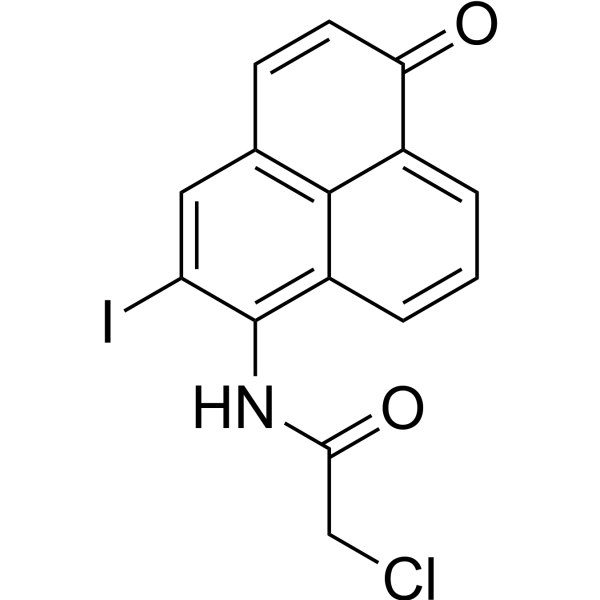
- HY-182787
-
|
|
LPL Receptor
|
Cancer
|
|
LPA1 receptor antagonist-7 is a LPA1 antagonist. LPA1 receptor antagonist-7 blocks downstream signaling pathways mediated by LPA1. LPA1 receptor antagonist-7 inhibits LPA-induced migration and invasion of cancer cells. LPA1 receptor antagonist-7 can be used for the research of triple-negative breast cancer .
|
-

- HY-182391
-
|
|
MASTL
Apoptosis
Aurora Kinase
PARP
Caspase
|
Cancer
|
|
MKI-3 is a selective microtubule-associated serine/threonine kinase-like (MASTL) inhibitor with an IC50 of 5.72 nM and a Kd of 1.89 nM. MKI-3 disrupts the MASTL-ENSA-Aurora A signaling axis. MKI-3 induces chromosomal instability, mitotic catastrophe and apoptosis (apoptosis) in cancer cells. MKI-3 is applicable to research related to triple-negative breast cancer .
|
-

- HY-175975
-
|
|
PROTACs
Akt
|
Cancer
|
|
PROTAC Akt3 Degrader-1 is a highly efficient and selective PROTAC degrader targeting Akt3. PROTAC Akt3 Degrader-1 shows weak antiproliferative activity in 36 cell lines. PROTAC Akt3 Degrader-1 can be used for the study of Triple-negative breast cancer and melanoma .
|
-

- HY-117435
-
|
|
mTOR
|
Cancer
|
|
CIDD-0067106 is a selective mTORC1 pathway inhibitor targeting androgen receptor-positive (AR+) triple-negative breast cancer (TNBC). CIDD-0067106 demonstrates potent inhibition of AR+ TNBC cell lines with an GI50 value of 0.8 μM. CIDD-0067106 is promising for research of AR+ TNBC .
|
-

- HY-182361
-
|
|
AMPK
JAK
Cadherin
|
Cancer
|
|
NUAK1-IN-3 is a potent and selective NUAK1 inhibitor with an IC50 of 0.49 nM. NUAK1-IN-3 also inhibits NUAK2 and JAK3 with IC50 values of 265 and 225 nM. NUAK1-IN-3 engages Glu139 of NUAK1, forms a salt bridge between its bicyclic ring nitrogen and Asp142, and uses a fluorine atom to enhance hydrophobic binding interactions. NUAK1-IN-3 attenuates MYPT1 phosphorylation, suppresses the NUAK1-MYPT1 signaling axis, and inhibits proliferation, migration, and invasion of triple-negative breast cancer cells. NUAK1-IN-3 reverses TGF-β1-induced epithelial-mesenchymal transition (EMT) marker alterations, downregulates Snail and N-cadherin, and upregulates E-cadherin in tumor tissues. NUAK1-IN-3 suppresses tumor growth in triple-negative breast cancer xenograft models. NUAK1-IN-3 can be used for the research of triple-negative breast cancer .
|
-

- HY-182614
-
|
|
Src
Cathepsin
PI3K
Akt
Ras
Raf
ERK
MMP
|
Cancer
|
|
BJ-2302 is a Src kinase inhibitor with an IC50 of 3.23 μM, and inhibits cathepsin S (CTSS) activity .BJ-2302 binds to Src, suppresses PI3K/AKT and Ras/Raf/ERK pathways, and reduces CTSS and MMP-9 expression .BJ-2302 inhibits cancer cell invasion, metastasis, proliferation, and tumor growth .BJ-2302 does not induce cytotoxicity in normal breast epithelial cells .BJ-2302 can be used for the research of breast cancer and triple-negative breast cancer .
|
-

- HY-171830
-
|
YX39-105
|
PROTACs
Tyrosinase
Apoptosis
|
Cancer
|
|
MS105 (YX39-105) is an orally active and selective protein tyrosine kinase 6 (PTK6) (BRK) PROTAC degrader. MS105 recruits VHL E3 ligase via a VHL ligand moiety, promotes PTK6 ubiquitination and proteasomal degradation, inhibits the proliferation and migration of breast cancer cells, and induces apoptosis. MS105 shows potential for use in breast cancer research .
|
-

- HY-158378
-
|
R-AST-OH
|
Glutaminase
|
Cancer
|
|
Trivalent hydroxyarsinothricn (R-AST-OH) is a covalent and irreversible kidney-type glutaminase (KGA) inhibitor. Trivalent hydroxyarsinothricn binds to the glutamine binding site and forms a covalent bond with an active site cysteine residue. Trivalent hydroxyarsinothricn selectively kills triple-negative breast cancer (TNBC) cells and is not cytotoxic to the control cell line. KGA is the enzyme that controls glutamine metabolism and is correlated with tumor malignancy .
|
-

- HY-177345A
-
|
|
Sigma Receptor
Apoptosis
|
Cancer
|
|
SV119 hydrochloride is a sigma-2 ligand with a Ki value of 5.2 nM. SV119 hydrochloride enhances the efficient transport of drugs across the plasma membrane of cancer cells. The conjugation of dm-Erastin with SV119 hydrochloride successfully overcomes the internalization barrier observed in pancreatic cancer, while preserving the inherent anti-tumor activity of Erastin (HY-15763). Additionally, SV119 hydrochloride demonstrates cytotoxic effects on triple-negative breast cancer (TNBC) cells and induces apoptosis .
|
-

- HY-185584
-
|
|
HDAC
Apoptosis
Drug Intermediate
|
Cancer
|
|
OKI-005 is an orally active inhibitor of Class I HDACs, with primary targeting of HDAC1, HDAC2 and HDAC3. OKI-005 is a prodrug of OKI-006 (HY-144893). OKI-005 increases histone acetylation levels, induces apoptosis and inhibits cancer cell proliferation. OKI-005 can be used in research related to triple-negative breast cancer and colorectal cancer .
|
-

- HY-P99881
-
|
ABBV 176
|
Antibody-Drug Conjugates (ADCs)
|
Cancer
|
|
Rolinsatamab talirine (ABBV 176) is a prolactin receptor (PRLR)-targeting antibody-drug conjugate (ADC), compoused of Rolinsatamab (HY-P99238) and SGD-1882 (HY-101127). Rolinsatamab talirine binds to PRLR to deliver a cytotoxin to tumor cells. Rolinsatamab talirine induces DNA damage, and exhibits cytotoxicity against multiple breast tumor models, including triple negative and low PRLR-expressing models. Rolinsatamab talirine demonstrates enhanced anti-tumor activity in several breast cancer models. Rolinsatamab talirine can be used for the research of breast cancer, hepatocellular carcinoma, ovarian cancer, endometrial cancer, prostate cancer, colorectal cancer, adrenocortical carcinoma, and solid tumors .
|
-

- HY-181136
-
|
|
Estrogen Receptor/ERR
|
Metabolic Disease
Cancer
|
|
Antiestrogenic agent-1, an organophosphorus 13α-estrone derivative, is an antiestrogenic agent. Antiestrogenic agent-1 can disrupt estrogen signaling by inhibiting estrogen-mediated transcriptional activity. Antiestrogenic agent-1 can inhibit cancer cells proliferation, migration, invasion and induce G1-phase arrest. Antiestrogenic agent-1 mitigates estrogen-induced uterine growth in immature rats and inhibits tumor growth in a murine triple-negative breast cancer mice model. Antiestrogenic agent-1 can be used for the researches of cancer and endocrinology,such as breast cancer, oropharyngeal squamous cell carcinoma .
|
-

- HY-178132
-
|
|
Apoptosis
NF-κB
|
Cancer
|
|
Apoptosis inducer 46 is an apoptosis inducer. Apoptosis inducer 46 exhibits potent and selective growth inhibitory effects on metastatic triple-negative breast cancer (TNBC) cells. Apoptosis inducer 46 induces G2/M phase cell cycle arrest and apoptotic cell death in MDA-MB-231 cells, and blocks NF-κB nuclear translocation. Apoptosis inducer 46 can be used for the study of TNBC .
|
-

- HY-123870
-
|
|
Survivin
IAP
NF-κB
|
Inflammation/Immunology
Cancer
|
|
MX107 is a selective and potent survivin inhibitor that suppresses triple-negative breast cancer (TNBC) cell proliferation. MX107 induces degradation of survivin and inhibitor-of-apoptosis proteins (IAPs), which inhibits nuclear factor κB (NF-κB) activation induced by DNA damage. MX107 enhances tumoricidal efficacy of genotoxic treatments synergized with chemotherapeutic drugs .
|
-

- HY-N0331
-
|
|
MDM-2/p53
Apoptosis
|
Cancer
|
|
Ziyuglycoside I isolated from S. officinalis root, has anti-wrinkle activity, and increases the expression of type I collagen. Ziyuglycoside I could be used as an active ingredient for cosmetics . Ziyuglycoside I triggers cell cycle arrest and apoptosis mediated by p53, it can be a potential agent candidate for treating triple-negative breast cancer (TNBC) .
|
-
- HY-181093
-
|
|
Akt
EGFR
Apoptosis
Necroptosis
Caspase
Bcl-2 Family
MDM-2/p53
|
Cancer
|
|
EGFR-IN-191 is an anti-tumor agent targeting both EGFR and AKT. EGFR-IN-191 exerts its anti-tumor activity by inducing DNA damage, apoptosis, cell cycle arrest, and inhibition of the PI3K/AKT-EGFR signaling pathway in tumor cells. EGFR-IN-191 can be used in the study of tumors such as triple-negative breast cancer .
|
-

- HY-172801
-
|
|
CD73
|
Cancer
|
|
PSB-24000 (Compound 27) is a selective ecto-5'-nucleotidase (CD73) inhibitor with a Ki value of 563 nM against human CD73 (Ki= 481 nM at membrane-bound CD73 in triple-negative breast cancer cells). PSB-24000 interferes with CD73's recognition and action on the substrate AMP, and prevents the generation of immunosuppressive and cancer-promoting adenosine from AMP. PSB-24000 is promising for research of cancers .
|
-

- HY-164789
-
|
SKB264; MK-2870
|
Antibody-Drug Conjugates (ADCs)
TROP2
|
Cancer
|
|
Sacituzumab tirumotecan is an antibody-drug conjugate and TROP2-directed, topoisomerase I inhibitor payload-delivering agent, with a TROP2 EC50 of 2.787 ng/ml, TROP2 Ka of 0.3083 nM, and topoisomerase I IC50 of 0.7 μmol/L. Sacituzumab tirumotecan can be used for the research of metastatic triple-negative breast cancer, and metastatic non-small cell lung cancer .
|
-

- HY-158439
-
|
|
JAK
STAT
|
Cancer
|
|
anti-TNBC agent-7 (Compound 13c) possesses anticancer activity, serving as a molecular probe to recognize and regulate the signal transduction of the USP21/JAK2/STAT3 axis, exhibiting nanomolar-level cytotoxicity against MDA-MB-231 and HCC-1806 cancer cells, effectively combating triple-negative breast cancer (TNBC) .
|
-

- HY-148807C
-
|
QC8222 sodium; TACH 101 sodium
|
Apoptosis
Histone Demethylase
|
Cancer
|
|
Zavondemstat (QC8222; TACH 101) sodium is an orally active pan-KDM4 inhibitor, with a IC50 ≤ 0.08 μM against human KDM4A-D and a Kᵢ of 0.52 μM against human KDM4C. Zavondemstat sodium induces cell apoptosis, causes S-phase cell cycle arrest, reduces the population of tumor-initiating cells and inhibits cancer cell proliferation. Zavondemstat sodium suppresses tumor growth and induces tumor regression in mouse xenograft models. Zavondemstat sodium can be used for the research of various cancers including colorectal cancer, esophageal squamous cell carcinoma and triple-negative breast cancer .
|
-

- HY-168043
-
|
|
STAT
|
Cancer
|
|
STAT3-IN-35 is a STAT3 inhibitor that binds to SH2 domain. STAT3-IN-35 inhibits the phosphorylation of STAT3 and possesses antiproliferative activities against triple-negative breast cancer (TNBC) cell lines. STAT3-IN-35 also has a toxicity and potent antitumor activity in a TNBC xenograft model .
|
-

- HY-175805
-
|
|
EGFR
HDAC
Apoptosis
|
Cancer
|
|
EGFR/HDAC-IN-2 (Compound 38) is dual-functional inhibitor of EGFR and HDAC3 with IC50s of 20.34 and 1.09 nM for CDK9 and HDAC3, respectively. EGFR/HDAC-IN-2 has superior anti-proliferative activity against cancer cells, inhibits cell migration and induces late-stage cell apoptosis. EGFR/HDAC-IN-2 significantly inhibits triple-negative breast cancer (TNBC) tumor growth in xenograft mouse models. EGFR/HDAC-IN-2 can be used for cancers like TNBC research .
|
-

- HY-N0858R
-
|
|
Reference Standards
HIV
|
Infection
Inflammation/Immunology
Cancer
|
|
Gomisin G (Standard) is the analytical standard of Gomisin G. This product is intended for research and analytical applications. Gomisin G is a lignin from S. chinesis with anti-HIV (EC50 = 0.006 μg/mL), anti-liver cancer and anti-inflammatory activities. Gomisin G has an AKT-cyclin D1 dependent mechanism against triple-negative breast cancer (TNBC) cells through suppressing phosphorylation rather than inducing apoptosis. Gomisin G can inhibit AKT phosphorylation. Gomisin G can cause cell cycle arrest in the G1 phase. Gomisin G can be studied in research for diseases such as HIV, breast and liver cancers .
|
-

- HY-181664
-
|
|
PARP
Apoptosis
Caspase
|
Cancer
|
|
YCH3971 is a PARP1 inhibitor with a PARP1 IC50 of 7.52 nM and a PARP1 EC50 of 67.75 nM. YCH3971 inhibits the proliferation of BRCA-deficient tumor cells. YCH3971 induces DNA damage, G2/M phase arrest, and caspase-mediated Apoptosis in triple-negative breast cancer cells. YCH3971 can be used for the research of BRCA-deficient tumors .
|
-

- HY-180260
-
|
|
Reactive Oxygen Species (ROS)
|
Cancer
|
|
Anticancer agent 289 is a H2O2-responsive anticancer prodrug. Anticancer agent 289 exhibits H2O2-inducible DNA-alkylating activity, selectively inhibits the proliferation of high ROS-expressing cancer cells over nonmalignant cells, markedly suppresses tumor growth without observable toxicity in vivo. Anticancer agent 289 can be used for triple-negative breast cancer (TNBC) research .
|
-

- HY-158049
-
|
|
Apoptosis
Ferroptosis
|
Cancer
|
|
Anticancer agent 199 (Compound G-4) induces apoptosis in triple negative breast cancer (TNBC) cells via the mitochondrial pathway through inhibiting EGFR, AKT and MAPK pathways. Anticancer agent 199 also induces Ferroptosis by down-regulating LCN2. Anticancer agent 199 inhibits TNBC cell viability and migration, and induces S phase cell cycle arrest. Anticancer agent 199 is a derivate of cyclin-dependent kinase inhibitor Rocovitine .
|
-
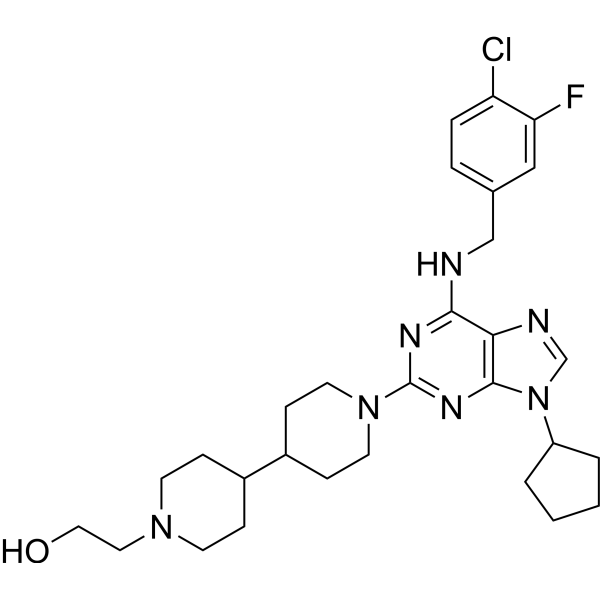
- HY-179409
-
|
|
DNA Methyltransferase
Caspase
MDM-2/p53
DNA/RNA Synthesis
Apoptosis
|
Cancer
|
|
MC3817 is a selective DNMT1 inhibitor. MC3817 inhibits DNMT1 and DNMT3A/3L with IC50s of 0.044 μM and > 10μM, respectively. MC3817 inhibits P53-dependent cancer cell proliferation, induces apoptosis and DNA damage MC3817 elevates cleaved Caspase 3, P53, and γH2AX. MC3817 can be used in non-small cell lung cancer, colon cancer, cervical cancer, triple-negative breast cancer and histiocytic lymphoma research .
|
-

- HY-181051
-
|
|
Polo-like Kinase (PLK)
Apoptosis
|
Cancer
|
|
PLK1-IN-16 is a selective polo-like kinase 1 (PLK1) inhibitor with an IC50 of 0.25 nM. PLK1-IN-16 exhibits lower inhibitory potency against PLK2 and PLK3, induces G2 phase cell cycle arrest, induces apoptosis, and exhibits antiproliferative activity against tumor cells. PLK1-IN-16 can be stable under simulated gastric acid environmental conditions, and acceptable CYP 450 inhibition. PLK1-IN-16 can be used for the study of triple-negative breast cancer (TNBC), breast cancer, leukemia .
|
-

- HY-148807
-
|
QC8222 free base; TACH 101 free base
|
Histone Demethylase
Apoptosis
|
Cancer
|
|
Zavondemstat (QC8222 free base; TACH 101 free base) is an orally active pan-KDM4 inhibitor, with a IC50 ≤ 0.08 μM against human KDM4A-D and a Kᵢ of 0.52 μM against human KDM4C. Zavondemstat induces cell apoptosis, causes S-phase cell cycle arrest, reduces the population of tumor-initiating cells and inhibits cancer cell proliferation. Zavondemstat suppresses tumor growth and induces tumor regression in mouse xenograft models. Zavondemstat can be used for the research of various cancers including colorectal cancer, esophageal squamous cell carcinoma and triple-negative breast cancer .
|
-
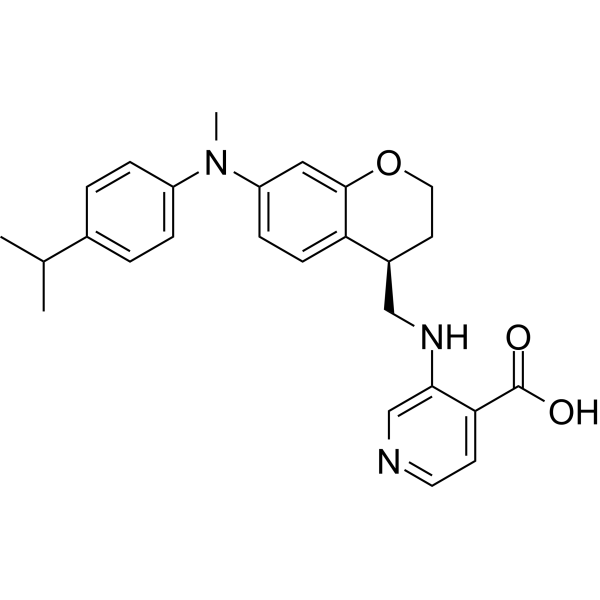
- HY-178164
-
|
|
Apoptosis
Akt
mTOR
STAT
NF-κB
|
Cancer
|
|
HBS-101 is a selectively, orally active, brain-penetrant, Midkine (MDK) inhibitor (KD = 38.4 nM). HBS-101 significantly reduces cell viability, clonogenic survival, and invasiveness and increases apoptosis. HBS-101 involves suppression of the Akt/mTOR, STAT3, and NF-κB pathways. HBS-101 can be used for the study of Triple-negative breast cancer (TNBC) .
|
-

- HY-179512
-
|
|
PROTACs
FAK
|
Cancer
|
|
BSJ-04-146 is a highly efficient and selective PROTAC targeting focal adhesion kinase (FAK) inhibitor(IC50 = 26 nM). BSJ-04-146 achieves rapid and potent FAK degradation with high proteome-wide specificity in cancer cells and induces durable degradation in mice. BSJ-04-146 binds FAK and requires the ubiquitin-proteasome machinery to achieve FAK degradation. BSJ-04-146 can be used for the study of pancreatic cancer and triple-negative breast cancer .
|
-

- HY-183538
-
|
|
Necroptosis
Reactive Oxygen Species (ROS)
Mitochondrial Metabolism
Mixed Lineage Kinase
RIP kinase
|
Cancer
|
|
Necroptosis inducer 2 is a necroptosis inducer and copper chelator. Necroptosis inducer 2 chelates intracellular free copper ions, disrupts redox homeostasis, elevates ROS levels, disrupts mitochondrial membrane potential, and induces cancer cell necroptosis. Necroptosis inducer 2 upregulates the necroptosis markers p-MLKL and p-RIP3 expression. Necroptosis inducer 2 exhibits anti-tumor activity in mice. Necroptosis inducer 2 can be used for the research of cancer, such as triple-negative breast cancer .
|
-

- HY-173117
-
|
|
CaMK
|
Cardiovascular Disease
Cancer
|
|
RA306 is an orally active CaMKIIδ/γ inhibitor with IC50 values of 15, 25, 61, and 420 nM against CaMKIIδ, γ, α, and β isoforms, respectively. RA306 reduces the serine/threonine phosphorylation level of PEAK1, inhibits PEAK1-mediated cancer cell migration and invasion, and attenuates the growth and metastasis of cancer xenografts. RA306 can be used in research related to triple-negative breast cancer and dilated cardiomyopathy .
|
-

- HY-178957
-
|
|
HSP
|
Cancer
|
|
Hsp90β-IN-2 (Compound 16B) is a selective Hsp90β inhibitor with KDs of 225 nM and 73.32 μM against Hsp90β and Hsp90α. KUNB106 exhibits antiproliferative activity against MDA-MB-231 cells, A549 and SKOV-3 cells. KUNB106 can be used for the study of triple negative breast cancer .
|
-

- HY-178487
-
|
|
HDAC
DNA/RNA Synthesis
NO Synthase
Apoptosis
|
Cancer
|
|
anti-TNBC agent-12 (Compound 23a) is a multi-target antitumor agent targeting HDAC6 (IC50=30.3 nM), DNA, and inducing nitric oxide (NO) release. anti-TNBC agent-12 induces tumor cell apoptosis and G2/M phase cell cycle arrest. anti-TNBC agent-12 is promising for research of triple-negative breast cancer (TNBC) .
|
-

- HY-179054
-
|
|
Apoptosis
Reactive Oxygen Species (ROS)
DNA/RNA Synthesis
|
Cancer
|
|
Apoptosis inducer 51 (Compound 5d) is an apoptosis inducer. Apoptosis inducer 51 exhibits strong inhibitory activity against MDA-MB-231 cells. Apoptosis inducer 51 inhibits cell invasion and migration, induces G2/M phase cell cycle arrest and cell apoptosis. Apoptosis inducer 51 causes DNA damage, ROS burst and mitochondrial membrane potential (MMP) collapse. Apoptosis inducer 51 can be used for the study of triple-negative breast cancer.
|
-

- HY-108447
-
|
|
Ser/Thr Protease
SARS-CoV
PAI-1
|
Infection
Cancer
|
|
BC-11 hydrobromide is a selective TMPRSS2 inhibitor (TMPRSS2 is a key host cellular factor for viral entry and SARS-CoV-2 pathogenesis), and a selective urokinase (uPA) inhibitor (IC50=8.2 μM). BC-11 hydrobromide is cytotoxic to triple-negative MDA-MB231 breast cancer cells. BC-11 hydrobromide is used in research on viral infections and cancer .
|
-
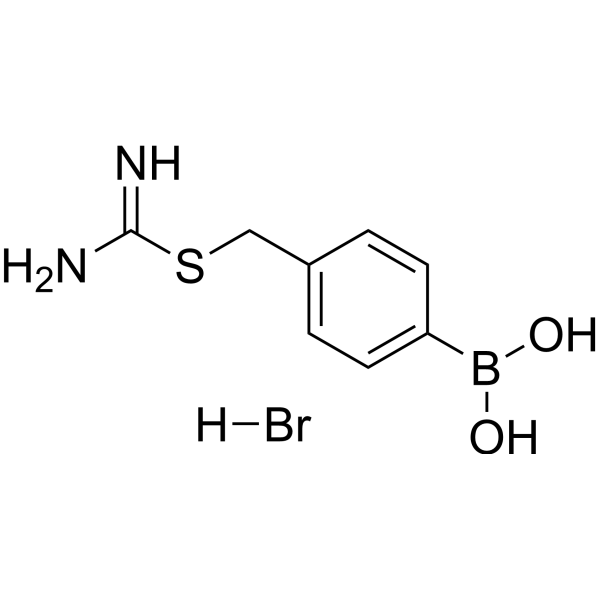
- HY-175866
-
|
|
Aurora Kinase
Apoptosis
|
Cancer
|
|
Aurora kinase-IN-8 is a orally active Aurora kinase inhibitor. Aurora kinase-IN-8 shows IC50 values of 2.8 and 28.1 nM against Aurora A kinase and Aurora B kinase. Aurora kinase-IN-8 can prevent spindle formation, cause G2/M phase arrest, and induce cell apoptosis. Aurora kinase-IN-8 can be used for the research of cancer, such as triple-negative breast cancer .
|
-

- HY-155246
-
|
|
Apoptosis
PARP
|
Cancer
|
|
PARP1-IN-15 (Compound 6) is a PARP1 inhibitor. PARP1-IN-15 inhibits tankyrase (TNKS) and facilitates DNA double-strand breaks damage. PARP1-IN-15 induces tumor cell apoptosis. PARP1-IN-15 has anti-cancer activity in triple-negative breast cancer (TNBC) cells and TNBC patient-derived organoids. PARP1-IN-15 can be used for research of TNBC with or without BRCA1 mutations .
|
-
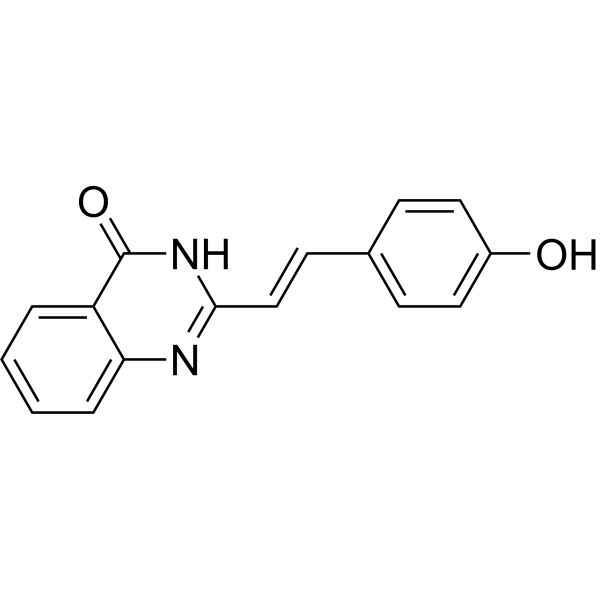
- HY-162874
-
|
|
STING
IFNAR
|
Cancer
|
|
diABZI-V/C-DBCO is a STING agonist with an EC50 of 1.47 nM. diABZI-V/C-DBCO activates the STING pathway, induces the production of IFN-I, and stimulates the secretion of IFN-β. diABZI-V/C-DBCO serves as a substrate for cathepsin B, and releases active diABZI-amine via cathepsin B-mediated cleavage. In an orthotopic mouse model of breast cancer, diABZI-V/C-DBCO increases serum IFN-β levels and the frequency of granzyme B + CD8 + T cells. diABZI-V/C-DBCO is applicable to research related to triple-negative breast cancer .
|
-

- HY-172900
-
|
|
Akt
Apoptosis
|
Cancer
|
|
AKT-IN-27 (4a) is a potential anticancer agent through selective therapeutic targeting of Akt-driven pathways. AKT-IN-27 (4a) induces apoptosis via caspase-3 activation, G2/M cell cycle arrest, and mitochondrial membrane potential disruption. AKT-IN-27 (4a) can be used in the research for TNBC (triple-negative breast cancer) .
|
-

- HY-130250
-
|
|
CDK
Apoptosis
|
Cancer
|
|
SR-4835 is a potent, highly selective and ATP competitive dual inhibitor of CDK12/CDK13 (CDK12: IC50=99 nM, Kd=98 nM; CDK13: Kd=4.9 nM). SR-4835 acts in synergy with DNA-damaging chemotherapy and PARP inhibitors and provokes triple-negative breast cancer (TNBC) cell death .
|
-
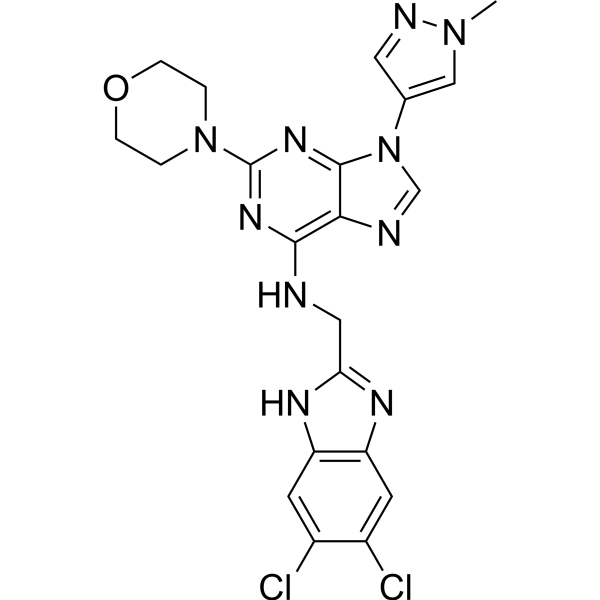
- HY-148807A
-
|
QC8222; TACH 101
|
Apoptosis
Histone Demethylase
|
Cancer
|
|
Zavondemstat (QC8222; TACH 101) L-lysine is an orally active pan-KDM4 inhibitor, with a IC50 ≤ 0.08 μM against human KDM4A-D and a Kᵢ of 0.52 μM against human KDM4C. Zavondemstat L-lysine induces cell apoptosis, causes S-phase cell cycle arrest, reduces the population of tumor-initiating cells and inhibits cancer cell proliferation. Zavondemstat L-lysine suppresses tumor growth and induces tumor regression in mouse xenograft models. Zavondemstat L-lysine can be used for the research of various cancers including colorectal cancer, esophageal squamous cell carcinoma and triple-negative breast cancer .
|
-
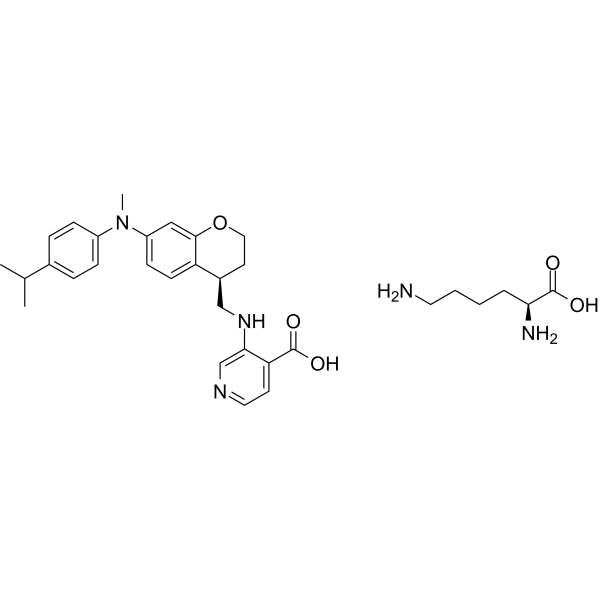
- HY-149354
-
|
|
Aurora Kinase
|
Cancer
|
|
Aurora kinase-IN-4 (Compound 11c) is a covalent and ATP competitive aurora kinase A inhibitor (IC50: 1.7 nM). Aurora kinase-IN-4 inhibits cell proliferation in SJSA-1, MDA-MB-231, A54, HeLa cells with IC50s of 4.27, 1.54, 3.08, 6.99 μM. Aurora kinase-IN-4 can be used for research of triple negative breast cancer (TNBC) .
|
-
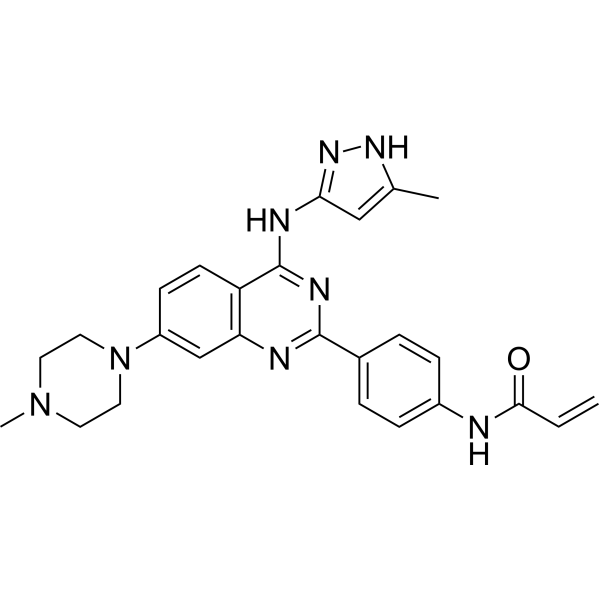
- HY-162494
-
|
|
Protein Arginine Deiminase
|
Cancer
|
|
PAD4-IN-4 (compound 28) is a potent PAD4 inhibitor (IC50=0.79±0.09 μM). PAD4-IN-4 improves the tumor immune microenvironment by reshaping neutrophil phenotype, upregulating the proportions of dendritic cells and M1 macrophages, and reducing the amount of myeloid-derived suppressor cells. PAD4-IN-4 can be used for Triple-negative breast cancer research .
|
-

- HY-146452
-
|
|
Apoptosis
|
Cancer
|
|
Anticancer agent 57 (compound 14) potently inhibits MDA-MB-231, MDA-MB-468, and MCF-7 cell lines, with IC50s of 6.43 ~ 8.00 μM. Anticancer agent 57 induces cell cycle arrest and significantly promotes apoptosis. Anticancer agent 57 inhibits tumor growth in nude mice xenografted with MADMB-231 cells. Anticancer agent 57 can be used for researching triple negative breast cancer (TNBC) .
|
-
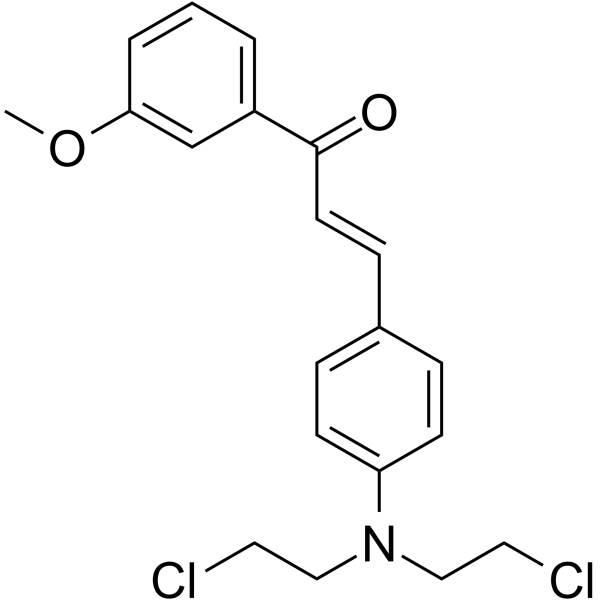
- HY-P99007
-
|
BAY 1179470
|
FGFR
|
Cancer
|
|
Aprutumab (BAY 1179470) is a fully human fibroblast growth factor receptor 2 (FGFR2)-specific monoclonal antibody . Aprutumab induces FGFR2 endocytosis and degradation in cancer cells expressing FGFR2. Aprutumab serves as the targeted monoclonal antibody component of the antibody-drug conjugate BAY 1187982 (HY-141600) and mediates the endocytosis of the antibody-drug conjugate into FGFR2-positive cells. Aprutumab can be used for the research of FGFR2-positive solid tumors, including studies on gastric cancer and triple-negative breast cancer .
|
-

- HY-P11280A
-
|
|
Melanocortin Receptor
|
Cancer
|
|
PRAME peptide (425-433) acetate is a proteasome-degraded peptide derived from the cancer-testis antigen PRAME (Preferentially Expressed Antigen in Melanoma). PRAME peptide (425-433) acetate is restricted by HLA-A*02:01 and can serve as a target for bispecific T cell engager therapy in the context of major histocompatibility complex I presentation. PRAME peptide (425-433) acetate shows application potential in various malignant tumors and is widely suitable for research related to solid tumors, melanoma, ovarian cancer, endometrial cancer, and lung cancer (including lung adenocarcinoma and lung squamous cell carcinoma). PRAME peptide (425-433) acetate can be used to explore disease of triple-negative breast cancer, diffuse large B-cell lymphoma, and head and neck squamous cell carcinoma .
|
-

- HY-E70716
-
|
|
FAK
|
Cancer
|
|
Focal adhesion kinase (FAK), a non-receptor tyrosine kinase in the cytoplasm, couples with integrins and growth factor receptors to regulate cell adhesion, proliferation, migration, invasion, and metastasis. FAK is overexpressed and aberrantly activated in many cancer types, including triple negative breast cancer (TNBC). FAK aa411-686 Recombinant Human Active Protein Kinase is a recombinant FAK aa411-686 protein that can be used to study FAK aa411-686-related functions .
|
-

- HY-172177
-
|
|
Apoptosis
HDAC
ROCK
|
Cancer
|
|
ROCK/HDAC-IN-2 (Compound C-9) is a ROCK/HDAC inhibitor, with IC50 values of 0.185 µM, 0.8 µM, and 0.7 µM for HDAC6, ROCK1, and ROCK2, respectively. ROCK/HDAC-IN-2 can induce apoptosis and changes in mitochondrial membrane potential in cancer cells, demonstrating significant antitumor activity. ROCK/HDAC-IN-2 can be used in the research of pancreatic ductal adenocarcinoma (PDAC) and triple-negative breast cancer (TNBC) .
|
-

- HY-179409A
-
|
|
DNA Methyltransferase
Caspase
MDM-2/p53
DNA/RNA Synthesis
Apoptosis
|
Cancer
|
|
MC3817 free base is a selective DNMT1 inhibitor. MC3817 free base inhibits DNMT1 and DNMT3A/3L with IC50s of 0.044 μM and > 10μM, respectively. MC3817 free base inhibits P53-dependent cancer cell proliferation, induces apoptosis and DNA damage. MC3817 free base elevates cleaved Caspase 3, P53, and γH2AX. MC3817 free base can be used in non-small cell lung cancer, colon cancer, cervical cancer, triple-negative breast cancer and histiocytic lymphoma research .
|
-

- HY-182054
-
|
|
Topoisomerase
Beclin1
Autophagy
Apoptosis
|
Cancer
|
|
Topoisomerase ll/ME-1-IN-1 (Compound 7a) is a Topoisomerase ll and ME-1 inhibitor with an IC50 of 5.03 μM against Topoisomerase ll. Topoisomerase ll/ME-1-IN-1 functionally inhibits the activity of Topoisomerase II and functionally blocks the activity of ME-1. Topoisomerase ll/ME-1-IN-1 induces Autophagy by upregulating the expression of Beclin-1 and LC3-II. Topoisomerase ll/ME-1-IN-1 promotes Apoptosis. Topoisomerase ll/ME-1-IN-1 exhibits antiproliferative activity against breast cancer cells and shows no toxicity to normal mammary epithelial cells. Topoisomerase ll/ME-1-IN-1 can be used in studies related to breast cancer (including triple-negative breast cancer) .
|
-

- HY-179062
-
|
|
Apoptosis
|
Cancer
|
Anticancer agent 280 (Compound 65) is an anti-cancer agent targeting triple-negative breast cancer (TNBC). Anticancer agent 280 exhibits IC50 values of Anticancer agent 280 for MDA-MB-231, MDA-MB-231/LM2-4, Jurkat, and MCF-7 of 7.1, 11.65, 6.99, and 21.51 μM respectively. Anticancer agent 280 can cause significant arrest of cells in the S phase and induce cell apoptosis. Anticancer agent 280 can be used for the study of TNBC .
|
-

- HY-168072
-
|
|
Interleukin Related
Apoptosis
Autophagy
|
Cancer
|
|
GP130-IN-1 (compound 49) is a potent GP130 inhibitor with significant in vitro antitumor activity and higher selectivity than Bazedoxifene (HY-A0031). GP130-IN-1 induces ultrastructural changes in cells, causing cell cycle arrest in the G0/G1 phase in a time-dependent manner and triggering apoptosis and autophagy. GP130-IN-1 can be used in the study of triple-negative breast cancer .
|
-

- HY-172966
-
|
|
EGFR
|
Cancer
|
|
EG31 is an EGFR inhibitor. EG31 effectively inhibits the proliferation of triple-negative breast cancer (TNBC) cells (GI50 values of MDA-MB-231 and Hs578T cells are 498.90 nM and 740.73 nM, respectively) and induces apoptosis by inhibiting the EGFR signaling pathway. EG31 still maintains antiproliferative activity against 5-fluorouracil (5-FU)-resistant TNBC cells (GI50: 519.5 nM). EG31 can be used to study TNBC resistance .
|
-

- HY-155179
-
|
|
PAK
HDAC
|
Cancer
|
|
ZMF-23 is a PAK1/HDAC6 dual inhibitor. ZMF-23 inhibits PAK1 and HDAC6 regulated aerobic glycolysis and migration. ZMF-23 induces TNF-α-regulated necroptosis, and further enhances apoptosis. ZMF-23 inhibits the Warburg effect and cell migration. ZMF-23 can be used for research of triple-negative breast cancer (TNBC) .
|
-
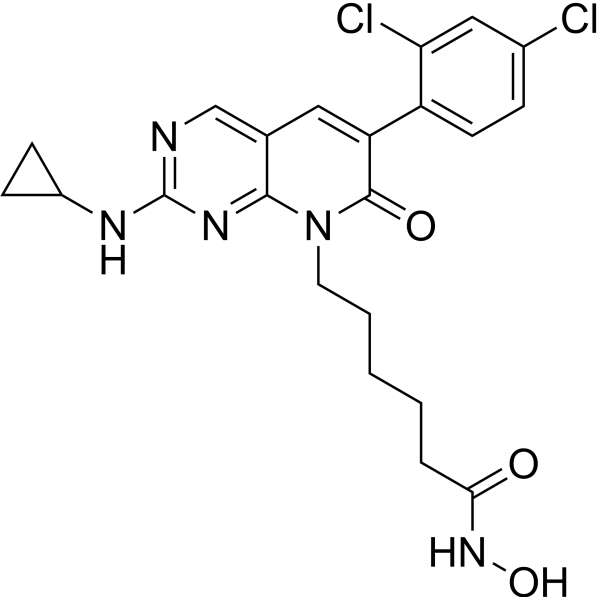
- HY-182743
-
|
|
AMPK
MARK
YAP
|
Cancer
|
|
OICR19451 is an orally active dual NUAK1/NUAK2 and MARK2/MARK3 kinase inhibitor, with IC50 values of 12 nM and 10 nM against NUAK1 and NUAK2, and 101 nM and 124 nM against MARK2 and MARK3, respectively. OICR19451 modulates the Hippo signaling pathway, increases the phosphorylation level of YAP, enhances the cytoplasmic localization of YAP/TAZ, and inhibits the expression of oncogenes. OICR19451 inhibits cancer cell growth, reduces metastasis, promotes tumor capsule formation, and improves mouse survival in an orthotopic breast cancer model. OICR19451 can be used for research related to triple-negative breast cancer .
|
-

- HY-177332
-
|
|
TAM Receptor
SARS-CoV
Akt
|
Infection
Cancer
|
|
SLC-391 is an orally active AXL kinase inhibitor with an IC50 of 9.6 nM against AXL kinase. SLC-391 inhibits Gas6-induced AXL-dependent phosphorylation of Akt. SLC-391 inhibits SARS-CoV-2 infection, entry and replication in cells. SLC-391 suppresses cancer cell proliferation. SLC-391 inhibits tumor growth in mouse solid tumor xenograft models. SLC-391 can be used for the research of COVID-19, influenza virus infection, triple-negative breast cancer, chronic myeloid leukemia and non-small cell lung cancer .
|
-

- HY-125209A
-
|
|
Apoptosis
PARP
DNA/RNA Synthesis
|
Cancer
|
|
TH5427 hydrochloride is a NUDT5 inhibitor with a human target IC50 of 29 nM, ~690-fold selectivity over MTH1 in vitro, and selective functional inhibition over other NUDIX hydrolases including NUDT9 .TH5427 hydrochloride binds to the active site of NUDT5, blocking enzymatic activity related to ADP-ribose metabolism and PAR-derived ATP synthesis .TH5427 hydrochloride blocks progestin-dependent nuclear ATP synthesis, impairs progestin-induced chromatin remodeling, inhibits histone H1 displacement, disrupts progestin-dependent gene regulation, and abrogates progestin-dependent proliferation in breast cancer cells .TH5427 hydrochloride functions as a versatile probe to study nuclear ATP dynamics and ADP-ribose-related metabolism in cells .TH5427 hydrochloride engages NUDT5 at physiological temperatures, as demonstrated by Drug Affinity Responsive Target Stability (DARTS) assay .TH5427 hydrochloride stabilizes NUDT5 against thermal denaturation in cell lysates and intact cells, as shown by cellular thermal shift assay (CETSA) .TH5427 hydrochloride functionally inhibits NUDT5 activity, leading to downstream effects on oxidative DNA damage and DNA replication in triple-negative breast cancer (TNBC) cells .TH5427 hydrochloride suppresses proliferation of TNBC cells without inducing cell death or apoptosis, slows DNA replication in TNBC cells, promotes accumulation of oxidative DNA lesions, and triggers DNA damage response in TNBC cells .TH5427 hydrochloride suppresses growth of TNBC cells in vitro, inhibits growth of TNBC xenograft tumors in nude mice in vivo, and shows greater potency against TNBC cell lines compared to ER-positive and normal-like breast cell lines .TH5427 hydrochloride can be used for the research of breast cancer and triple-negative breast cancer .
|
-
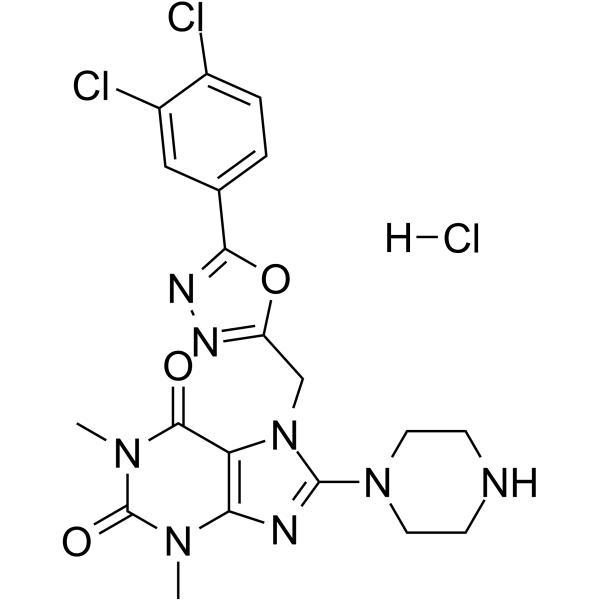
- HY-171786
-
|
|
CDK
|
Cancer
|
|
CDK12-IN-8 (Compound Cpd143) is an orally active and highly selective inhibitor of cyclin-dependent kinase 12 (CDK12). CDK12-IN-8 inhibits CDK12-mediated phosphorylation of the C-terminal domain (CTD) serine 2 of RNA polymerase II, interfering with gene transcription elongation and DNA damage repair pathways. CDK12-IN-8 is promising for research of cancers with high CDK12 expression such as small cell lung cancer and triple-negative breast cancer .
|
-

- HY-P992391
-
|
IPH43
|
C-type Lectin-like Receptors (CTLRs)
Apoptosis
|
Cancer
|
|
IPH4301 is a monoclonal antibody targeting MICA/B, with dual activities of cytotoxicity and immunoregulation . IPH4301 blocks the interaction between MICA/B and NKG2D, inhibits their hydrolysis into soluble sMICA/B, and mediates antibody-dependent cellular cytotoxicity and antibody-dependent cellular phagocytosis against tumor cells expressing MICA/MICB. IPH4301 restores the expression and function of NKG2D on primary NK cells and T cells, reverses the immunosuppression induced by M2 macrophages, and enhances NK cell-mediated tumor cell apoptosis. IPH4301 can be used in research related to cancer and triple-negative breast cancer .
|
-

- HY-183984
-
|
|
G-quadruplex
|
Cancer
|
|
G-quadruplex ligand 6 is a G-quadruplex ligand targeting the c-MYC promoter with anti-tumor activity. G-quadruplex ligand 6 forms a non-covalent complex with Pu22, a G-quadruplex model of the c-MYC promoter, with a microscopic dissociation constant Kd of 0.202 μM. G-quadruplex ligand 6 selectively inhibits tumor cell proliferation, blocks the binding of transcription factors by stabilizing the G-quadruplex in the c-MYC promoter, and thereby regulates the expression of proto-oncogenes. G-quadruplex ligand 6 can be used in the research of pancreatic cancer, non-small cell lung cancer, colorectal cancer, and triple-negative breast cancer .
|
-

- HY-181947
-
|
|
Indoleamine 2,3-Dioxygenase (IDO)
|
Cancer
|
|
IDO1-IN-33 (Compound YC-16) is a IDO1 inhibitor (with an IC50 of 0.18 μM for IDO1 in HeLa cells). IDO1-IN-33 acts as an apo-IDO1 inhibitor by slowly and competitively displacing heme from mature holo-IDO1 and rapidly binding to the heme-binding site of immature apo-IDO1, without altering the expression level of IDO1. IDO1-IN-33 can be used for the research of hepatocellular carcinoma, non-small cell lung cancer, triple-negative breast cancer, and cervical cancer .
|
-

- HY-175177
-
|
|
Apoptosis
Caspase
β-catenin
|
Cancer
|
|
Xiap-casp7 PPI-IN-1 is a reversible XIAP: CASP7 inhibitor with specifically disrupting the interaction between XIAP and CASP7. XIAP-CASP7 PPI-IN-1 selectively induce MCF-7 and other caspase-3 down-regulation (CASP3/DR) triple-negative breast cancer cell apoptosis. XIAP-CASP7 PPI-IN-1 overcomes chemoresistance via down-regulating β-catenin and its associated ABC transporters in Paclitaxel (HY-B0015)-resistant MCF-7 cells. XIAP-CASP7 PPI-IN-1 can be used for the study of breast cancer .
|
-

- HY-120120
-
|
|
Microtubule/Tubulin
|
Cancer
|
|
DZ-2384 is a potent microtubule-targeting agent. DZ-2384 increases the rescue frequency and preserves the microtubule network in nonmitotic cells and primary neurons. DZ-2384 acts synergistically with anti-CTLA-4 immunotherapy in Taxane-sensitive and Taxane-resistant xenograft murine models of triple-negative breast cancer (TNBC). DZ-2384 exhibits potent antitumor activity in adult acute lymphocytic leukemia (ALL) models. DZ-2384 can be used for cancer research, such as TNBC and ALL [1][2].
|
-

- HY-172392
-
|
|
MNK
Ribosomal S6 Kinase (RSK)
|
Cancer
|
|
HSND80 (Compound 1) is an orally active inhibitor of MNK/p70S6K, with Kd values of 44 nM against MNK1 and 4 nM against MNK2. HSND80 has a longer target residence time of 45 mins and 58 mins against MNK1 and MNK2 respectively. HSND80 can suppress non-small cell lung cancer (NSCLC) both in vitro and in vivo, and suppress Triple-Negative Breast Cancer (TNBC) in vitro .
|
-

- HY-P991664
-
|
|
Src
Akt
ERK
TAM Receptor
c-Met/HGFR
MMP
HIF/HIF Prolyl-Hydroxylase
VEGFR
|
Cancer
|
|
AG01 is a monoclonal antibody against progranulin (GP88). AG01 inhibits triple-negative breast cancer (TNBC) cell proliferation and migration, reduces the expression of phosphorylated protein kinases p-Src, p-AKT, and p-ERK, and reduces the expression of oncogenic proteins such as Axl, c-MET, HIF-1α, and VEGF. AG01 inhibits tumor growth and Ki67 expression in a TNBC xenograft mouse model. AG01 can be used in the research of TNBC and other cancers .
|
-

- HY-181254
-
|
|
PARP
NAMPT
DNA/RNA Synthesis
Apoptosis
|
Cancer
|
|
PARP1/NAMPT-IN-1 is a potent and dual PARP1 and NAMPT inhibitor with IC50 values of 1.2 nM and 6.7 nM, respectively. PARP1/NAMPT-IN-1 can disrupt the homologous recombination repair (HRR) pathway, leading to the accumulation of DNA double-strand breaks (DSBs), inducing cell cycle arrest and apoptosis, and also has antimigratory effects. PARP1/NAMPT-IN-1 exhibits excellent antitumor effects in a breast cancer xenograft model. PARP1/NAMPT-IN-1 can be used for the study of triple-negative breast cancer (TNBC) .
|
-

- HY-157913
-
|
|
Pyruvate Kinase
Apoptosis
|
Cancer
|
|
PKM2-IN-6 (compound 7d) is a potent and orally active PKM2 inhibitor with an IC50 value of 23 nM. PKM2-IN-6 induces apoptosis and cell cycle arrest at G2 phase. PKM2-IN-6 reduces the level of PKM1 and PKM2 at the mRNA level. PKM2-IN-6 shows anticancer activity and has the potential for the research of triple-negative breast cancer .
|
-
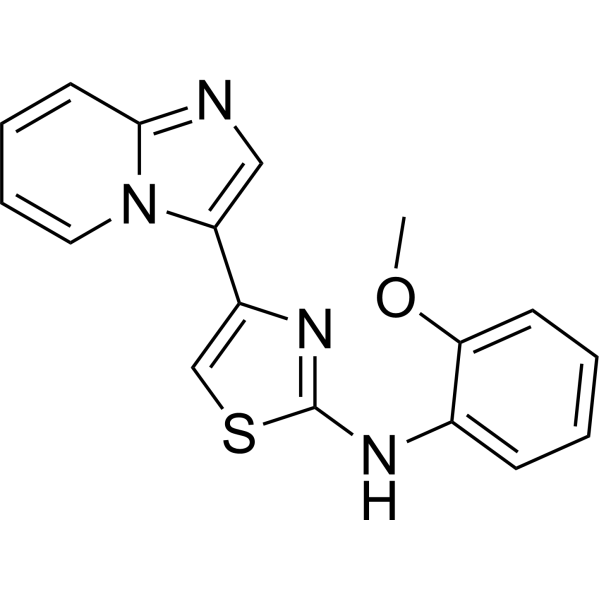
- HY-N0331R
-
|
|
Reference Standards
MDM-2/p53
Apoptosis
|
Cancer
|
|
Ziyuglycoside I (Standard) is the analytical standard of Ziyuglycoside I. This product is intended for research and analytical applications. Ziyuglycoside I isolated from S. officinalis root, has anti-wrinkle activity, and increases the expression of type I collagen. Ziyuglycoside I could be used as an active ingredient for cosmetics . Ziyuglycoside I triggers cell cycle arrest and apoptosis mediated by p53, it can be a potential agent candidate for treating triple-negative breast cancer (TNBC) .
|
-

- HY-120548
-
|
|
TGF-β Receptor
Integrin
Raf
RIP kinase
ERK
|
Cancer
|
|
KBU2046 is an orally active transforming growth factor-β (TGF-β1) inhibitor. KBU2046 reduces integrin family protein expression, decreases Raf, RIPK1 and ERK phosphorylation to deactivate the ERK signaling pathway, and down-regulates genes linked to TGF-β1 maturation. KBU2046 suppresses tumor cell motility, impedes cancer invasion and metastasis, and inhibits human ESCC growth and metastasis in a murine model. KBU2046 can be used for the researches of triple-negative breast cancer and esophageal squamous cell carcinoma .
|
-
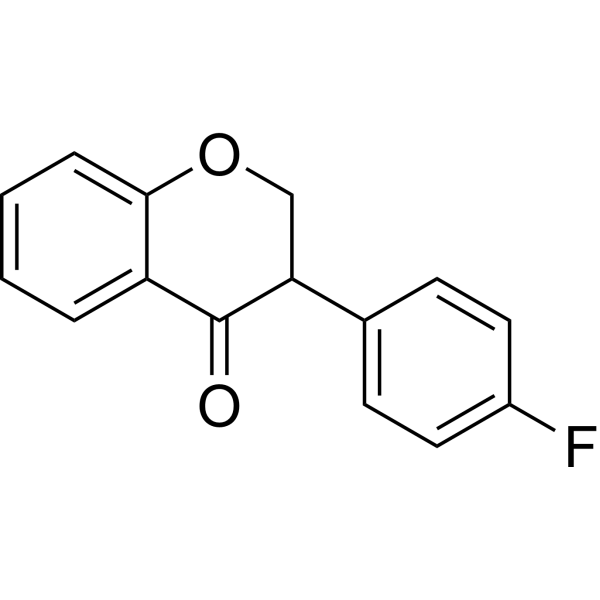
- HY-175604
-
|
|
PD-1/PD-L1
|
Cancer
|
|
SCL-1 is an orally active anti-PD-1/PD-L1 inhibitor. SCL-1 can inhibit PD-1/PD-L1 binding. SCL-1 increases T cells, B cells and natural killer cells. SCL-1 exerts strong tumor growth inhibitory effects that were mediated by effector T-cell induction inside tumors and the up-regulated expression of long non-coding RNAs as neoantigens leading to cytotoxic T lymphocyte activation. SCL-1 can be used for the research of cancer, such as triple-negative breast cancer .
|
-

- HY-181005
-
|
|
FGFR
Akt
PERK
Reactive Oxygen Species (ROS)
Caspase
Pyroptosis
PD-1/PD-L1
|
Neurological Disease
Cancer
|
|
FGFR-IN-25 (Compound 19E) is a FGFR inhibitor (IC50s: 1.30 nM and 0.85 nM for FGFR1 and FGFR2, respectively) and radiosensitizer. FGFR-IN-25 effectively reduces the phosphorylation of FGFR1 and its key downstream effectors, pAKT and pERK. FGFR-IN-25 exerts broad-spectrum antitumor activity against gastric cancer, colorectal carcinoma, hepatocellular carcinoma, breast cancer, triple-negative breast cancer, and glioblastoma. FGFR-IN-25, when combined with radiotherapy, synergistically activates the ROS-Caspase-3-GSDME axis, downregulates PD-L1 expression, and induces immunogenic cell death (ICD). FGFR-IN-25 combined with radiotherapy improves the antitumor efficacy .
|
-

- HY-120929
-
BI8622
4 Publications Verification
|
E1/E2/E3 Enzyme
c-Myc
|
Inflammation/Immunology
Cancer
|
|
BI8622 is a specific inhibitor of the ubiquitin ligase HUWE1 with an IC50 of 3.1 μM. BI8622 can decrease the protein expression levels of c-myc and glycolytic markers as well as immune modulatory markers after HUWE1 inhibition in triple-negative breast cancer (TNBC) cell lines. BI8622 significantly protects against cisplatin (HY-17394)-induced acute kidney injury (AKI). BI8622 significantly reduces the growth of multiple myeloma (MM) cell lines and induces cell cycle arrest. BI8622 can prevent HUWE1-dependent TTBK2 ubiquitination. BI8622 can be studied in research for various diseases including medulloblastoma, acute kidney injury, breast cancer and MM .
|
-
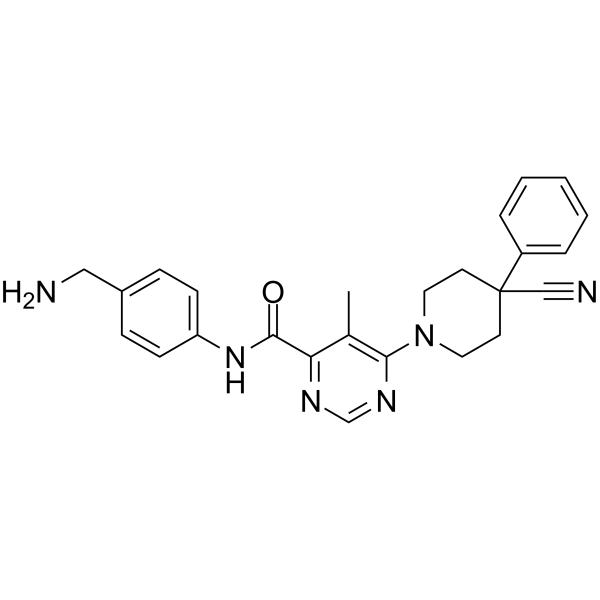
- HY-186045
-
|
|
Histone Methyltransferase
Apoptosis
DNA/RNA Synthesis
ATP-binding cassette (ABC) transporters
|
Cancer
|
|
SKLB06489 is a selective and orally active inhibitor of type I PRMT enzymes, with IC50 values of 64.55 nM (PRMT1), 4.21 nM (PRMT6), and 51.27 nM (PRMT8). SKLB06489 inhibits cell proliferation, colony formation, DNA replication, and DNA damage repair in cancer cells. SKLB06489 induces G0/G1-phase cell cycle arrest and apoptosis in cancer cells. SKLB06489 enhances intracellular cholesterol efflux via ABCA1 and ABCG1 upregulation, disrupts cholesterol metabolic homeostasis, and suppresses tumor growth in subcutaneous xenograft models. SKLB06489 can be used for the research of triple-negative breast cancer (TNBC) .
|
-

- HY-164401
-
|
|
DNA Alkylator/Crosslinker
Apoptosis
|
Cancer
|
|
QBS10072S is a LAT1-selective substrate with blood-brain barrier permeability that inhibits tumor growth. QBS10072S enters LAT1-expressing tumor cells via LAT1-mediated active transport, induces interstrand DNA cross-linking and cell apoptosis, and reduces leptomeningeal dissemination. QBS10072S can be used in studies related to glioblastoma multiforme, diffuse intrinsic pontine glioma, triple-negative breast cancer brain metastases, and aggressive T-cell lymphoma .
|
-

- HY-175030
-
|
|
HDAC
Apoptosis
Pyroptosis
Necroptosis
PANoptosis
|
Cancer
|
|
TNI-97 is a selective and orally active HDAC6 inhibitor, with an IC50 of 0.2 nM. TNI-97 potently inhibited TNBC cell MDA-MB-453 growth and clonogenicity. TNI-97 induces PANoptosis including apoptosis, necroptosis and pyroptosis in MDA-MB-453 cells. TNI-97 shows antitumor activity in the mice carrying the MDA-MB-453 xenograft or carrying murine-derived TNBC cell allografts. TNI-97 can be used for the study of triple-negative breast cancer .
|
-

- HY-164401A
-
|
|
EAAT
DNA/RNA Synthesis
DNA Alkylator/Crosslinker
|
Cancer
|
|
QBS10072S dihydrochloride is a LAT1-selective substrate with blood-brain barrier permeability that inhibits tumor growth. QBS10072S dihydrochloride enters LAT1-expressing tumor cells via LAT1-mediated active transport, induces interstrand DNA cross-linking and cell apoptosis, and reduces leptomeningeal dissemination. QBS10072S dihydrochloride can be used in studies related to glioblastoma multiforme, diffuse intrinsic pontine glioma, triple-negative breast cancer brain metastases, and aggressive T-cell lymphoma .
|
-

- HY-179480
-
|
|
Drug Derivative
G-quadruplex
Apoptosis
Telomerase
Ras
Bcl-2 Family
|
Cancer
|
|
G-quadruplex ligand 4 is a chromenone derivative and is a human telomerase reverse transcriptase (hTERT) G4 ligand. G-quadruplex ligand 4 downregulates hTERT expression and exhibits notable cytotoxicity towards triple-negative breast cancer (TNBC) cell lines. G-quadruplex ligand 4 can cause S/G2 cell cycle arrest and induce apoptosis. G-quadruplex ligand 4 downregulates the expression of hTERT, KRAS, and BCL-2. G-quadruplex ligand 4 can be used for the research of TNBC .
|
-

- HY-185701
-
|
|
CD73
|
Cancer
|
|
W-GTF01 is a MGAT1 inhibitor. W-GTF01 blocks the MGAT1-catalyzed glycosylation of CD73, and inhibits CD73 dimerization, membrane translocation and adenosine production. W-GTF01 restores the function of IFNγ-producing CD8 + T cells, enhances tumor infiltration and activation of CD8 + T cells, and suppresses tumor growth. W-GTF01 can be used in research related to triple-negative breast cancer .
|
-

- HY-183351
-
|
|
Cathepsin
DNA/RNA Synthesis
Autophagy
Apoptosis
|
Cancer
|
|
GN-604 is a targeted drug conjugate (Targeted Drug Conjugate, TDC) formed by conjugation of GNS561 (HY-137978) with DN604, a Pt (II) complex. GN-604 selectively inhibits PPT1, induces lysosomal dysfunction, suppresses autophagy and triggers apoptosis. GN-604 promotes the targeted sequestration of Pt (II) inside cells, induces DNA damage and inhibits the proliferation of malignant cells. GN-604 is applicable to research related to triple-negative breast cancer .
|
-

- HY-172888
-
|
|
Endogenous Metabolite
Sialyltransferase
FAK
Integrin
|
Cancer
|
|
SPP-037 is an orally active and selective inhibitor of ST6GAL1 (IC50 = 3.59 μM). SPP-037 inhibits integrin α2,6-sialylation and integrin-FAK-paxillin pathway. SPP-037 inhibits cancer cell proliferation, migration and exhibits antiangiogenic activity. SPP-037 has anti-tumor activity in MDA-MB-231 xenograft mouse model. SPP-037 can be used for the research of triple-negative breast cancer .
|
-

- HY-161778
-
|
|
HDAC
VD/VDR
|
Inflammation/Immunology
Cancer
|
|
ZG-126 is an agonist for vitamin D receptor (VDR) and an inhibitor for histone deacetylase (HDAC) (IC50=0.63-67.6 μM). ZG-126 exhibits cytotoxicity in cancer cells MDA-MB-231 and 4T1. ZG-126 exhibits antitumor and anti-metastatic efficacy against melanoma and triple-negative breast cancer (TNBC) in mouse models. ZG-126 also exhibits anti-inflammatory activity, through the reduction of macrophage infiltration and immunosuppressive M2-polarization .
|
-

- HY-179070
-
|
|
Apoptosis
|
Cancer
|
Anticancer agent 280 TFA (Compound 65) is an anti-cancer agent targeting triple-negative breast cancer (TNBC). Anticancer agent 280 TFA exhibits IC50 values of Anticancer agent 280 TFA for MDA-MB-231, MDA-MB-231/LM2-4, Jurkat, and MCF-7 of 7.1, 11.65, 6.99, and 21.51 μM respectively. Anticancer agent 280 TFA can cause significant arrest of cells in the S phase and induce cell apoptosis. Anticancer agent 280 TFA can be used for the study of TNBC .
|
-

- HY-162460
-
|
|
ERK
|
Cancer
|
|
ERK1/2 inhibitor 10 (Compound 36c) is a potent ERK1 and ERK2 inhibitor (IC50: 0.11 and 0.08 nM respectively). ERK1/2 inhibitor 10 inhibits ERK1/2 and blocks the phosphorylation expression of their downstream substrates p90RSK and c-Myc. ERK1/2 inhibitor 10 induces cell apoptosis and incomplete autophagy-related cell death. ERK1/2 inhibitor 10 shows potent antitumor efficacy against triple-negative breast cancer and colorectal cancer models harboring BRAF and RAS mutations .
|
-
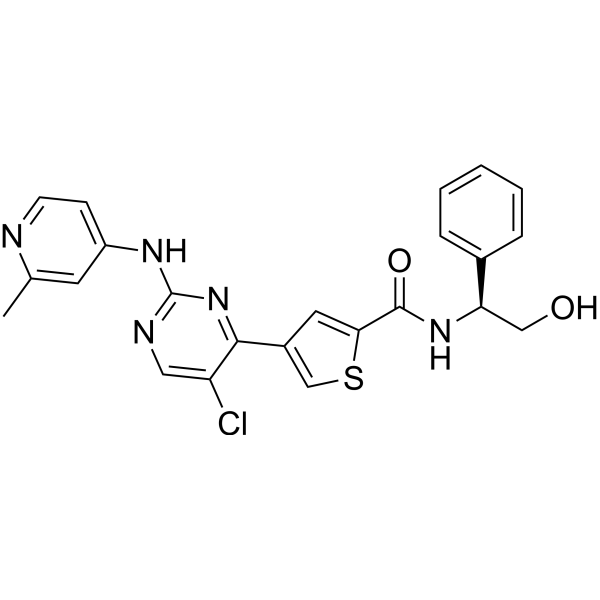
- HY-P99045
-
|
HRS7; hRS7
|
ADC Antibody
TROP2
|
Cancer
|
|
Sacituzumab is a humanized IgG1 monoclonal antibody targeting Trophoblast cell surface antigen 2 (TROP2). Sacituzumab demonstrates a lack of antitumor effects alone and does not inhibit the function of TROP-2 during tumor metastasis, binding to the linear epitopes of TROP-2 protein. Sacituzumab can be used for the synthesis of antibody-drug conjugates (ADC) drug Sacituzumab govitecan (HY-132254). Sacituzumab govitecan can be used in the field of triple-negative breast cancer .
|
-

- HY-174366
-
|
|
c-Fms
PI3K
|
Cancer
|
|
JMC14 is a selective and orally active PI3Kδ and CSF1R inhibitor with IC50 values of 12 nM and 143 nM, respectively. JMC14 preferentially inhibits PI3Kδ-mediated signaling at the cellular level. JMC14 demonstrates potent antitumor activity against B-cell lymphomas and triple-negative breast cancer (TNBC) in both in vitro and vivo studies. JMC14 can be used for the study of antitumor immunity .
|
-

- HY-150597
-
|
|
HDAC
Apoptosis
|
Cancer
|
|
HDAC-IN-46 (compound 12c) is a potent HDAC inhibitor with an IC50 value of 0.21 μM and 0.021 μM for HDAC1 and HDAC6, respectively. HDAC-IN-46 upregulates p-p38, and downregulates Bcl-xL and cyclin D1 in MDA-MB-231 cells. HDAC-IN-46 induces significant G2 phase arrest and apoptosis. HDAC-IN-46 can be used for researching triple-negative breast cancer (TNBC) .
|
-
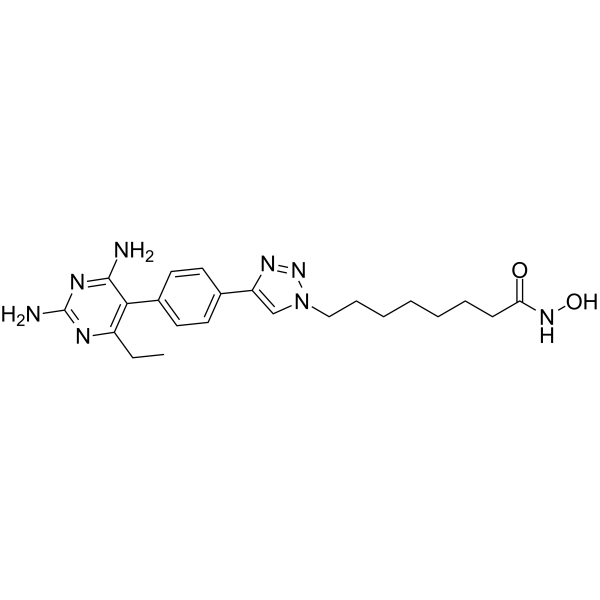
- HY-173119
-
|
|
ERK
Autophagy
Apoptosis
p62
mTOR
Reactive Oxygen Species (ROS)
Ferroptosis
|
Cancer
|
|
SKLB-D18 is an orally active ERK1/2/ERK5 inhibitor, with an IC50 of 38.69 nM and a Kd of 126.9 nM against human ERK1, an IC50 of 40.12 nM and a Kd of 209.8 nM against ERK2, and an IC50 of 59.72 nM and a Kd of 468.2 nM against ERK5. SKLB-D18 inhibits cancer cell proliferation, induces G0/G1 cell cycle arrest and apoptosis. SKLB-D18 reduces the levels of p-ERK5, p-RSKp90, p-c-Myc and c-Myc, and upregulates the level of p-ERK1/2, thereby inhibiting the ERK1/2/5 pathway in cells. SKLB-D18 increases LC3B-II accumulation, and decreases the levels of p62, p-mTOR and p-p70S6K. SKLB-D18 elevates the levels of ROS, lipid peroxidation and free ferrous ions, reduces the levels of NCOA4 and GPX4, and induces ferritin autophagy-dependent ferroptosis in cancer cells. SKLB-D18 exhibits antitumor activity in a triple-negative breast cancer xenograft mouse model. SKLB-D18 can be used in research related to triple-negative breast cancer .
|
-

- HY-174457
-
|
|
STAT
Carbonic Anhydrase
Ferroptosis
Apoptosis
Reactive Oxygen Species (ROS)
Caspase
Bcl-2 Family
|
Cancer
|
|
STAT3/CAIX-IN-1 is a dual-target inhibitor of STAT3 (Kd: 60.03 μM) and CAIX (IC50: 80.45 nM). STAT3/CAIX-IN-1 induces ferroptosis by increases the levels of reactive oxygen species (ROS) and lipid peroxides. STAT3/CAIX-IN-1 inhibits cell migration, induces apoptosis, and causes cell cycle arrest in MDA-MB-231 cells. STAT3/CAIX-IN-1 can be used for the study of triple-negative breast cancer (TNBC) .
|
-

- HY-134997
-
|
4-oxo DHA
|
PPAR
|
Cancer
|
|
4-oxo Docosahexaenoic acid (4-oxo DHA) is a putative metabolite of Docosahexaenoic acid (HY-B2167) with antiproliferative and PPARγ agonist activity. It inhibits the growth of several triple negative breast cancer cell lines (MCF-10F, trMCF, bsMCF, MDA-MB-231, and BT549) at 50-100 μM, however it increased proliferation of MCF-7 cells. 4-oxo DHA binds covalently to PPARγ and activates gene transcription in luciferase reporter assays and in dendritic cells with EC50 values of approximately 8-16 μM.
|
-

- HY-183604
-
|
|
Deubiquitinase
|
Cancer
|
|
T-10531 is a selective USP25/USP28 inhibitor. T-10531 exhibits an IC50 of 0.03 μM and a Kd of 0.2 μM against human USP25, as well as an IC50 of 0.12 μM and a Kd of 0.06 μM against human USP28. T-10531 inhibits USP25/USP28 activity and induces the degradation of USP25 via the proteasomal pathway, without inhibiting other deubiquitinases. T-10531 can be used in the research of squamous cell carcinoma, colorectal cancer, gastric cancer, triple-negative breast cancer and pancreatic cancer .
|
-

- HY-P991356
-
|
LAE-005
|
PD-1/PD-L1
|
Cancer
|
|
FAZ-053 is a human monoclonal antibody (mAb) targeting B7-H1/PD-L1/CD274. FAZ-053 inhibits the interaction of PD-L1 with PD-1 and B7-1 on monocytes, dendritic cells, and B cells. FAZ-053 enhances interleukin 2 production. FAZ-053 can be used in advanced alveolar soft tissue sarcoma (ASPS), chordoma, and triple-negative breast cancer research .
|
-

- HY-P10947
-
|
|
Epigenetic Reader Domain
YAP
|
Cancer
|
|
MACTIDE-V is an orally active and selective peptide-drug conjugate targeting CD206. MACTIDE-V delivers Verteporfin (HY-B0146) to CD206 + tumor-associated macrophages (TAM) to inhibit the YAP/TAZ signaling pathway, prompting YAP exclusion from the nucleus, inducing TAM polarization toward an anti-tumoral phenotype with enhanced phagocytosis and antigen presentation, and boosting T cell infiltration and NK cell activity. MACTIDE-V suppresses primary tumor growth and lung metastasis in triple-negative breast cancer (TNBC) mouse models .
|
-

- HY-P991097
-
|
PM-8002; BNT-327
|
VEGFR
PD-1/PD-L1
|
Cancer
|
|
Pumitamig (PM-8002, BNT-327) is a bispecific antibody targeting PD-L1 and VEGF-A, with immune activation and anti-angiogenic activities. By binding to PD-L1, Pumitamig restores the function of effector T cells, while neutralizing VEGF-A in the tumor microenvironment to reverse its inhibition on the infiltration and activation of immune cells and normalize tumor blood vessels. Pumitamig can also be combined with various ADCs targeting TROP2, B7H3, HER2, HER3 for the research of advanced/metastatic solid tumors, including non-small cell lung cancer, ovarian cancer, triple-negative breast cancer, cervical cancer, etc. Pumitamig also exhibits potential efficacy in "cold" tumors with low PD-L1 expression that are insensitive to immunotherapy .
|
-

- HY-170948
-
|
|
Adenosine Receptor
|
Cancer
|
|
A2AR modulator-1 (Compound 45) is a selective negative allosteric adenosine A2a receptor (A2aR) modulator with an IC50 value of 9 nM. A2AR modulator-1 reduces the affinity of endogenous adenosine for the receptor and inhibits cAMP signaling pathway activation. A2AR modulator-1 potently restores pCREB phosphorylation in CD4 + T cells, reversing immunosuppression in the tumor microenvironment, and shows potential to suppress tumor growth and metastasis in triple-negative breast cancer models .
|
-

- HY-172551
-
|
|
Apoptosis
Cadherin
MMP
Bcl-2 Family
|
Cancer
|
|
anti-TNBC agent-9 (Compound 3as) is an anti-cancer agent for triple-negative breast cancer (TNBC). anti-TNBC agent-9 exhibits significant inhibitory activity against MDA-MB-453 cells with an IC50 value of 8.5 μM. anti-TNBC agent-9 inhibits tumor cell migration by upregulating E-cadherin and downregulating N-cadherin, matrix metalloproteinase 2 (MMP2), and MMP9. anti-TNBC agent-9 induces apoptosis by increasing the expression of the pro-apoptotic protein BAX and decreasing the expression of the anti-apoptotic protein BCL-2, thereby inhibiting tumor cell proliferation .
|
-

- HY-168996
-
|
|
CDK
Apoptosis
|
Cancer
|
|
LA-CB1 is an Abemaciclib (HY-16297A) derivative that targets CDK4/6 and promotes its degradation via the ubiquitin-proteasome pathway, thereby disrupting the CDK4/6-Cyclin D1-Rb-E2F axis and inducing G0/G1 cell cycle arrest and apoptosis. LA-CB1 exhibits antiproliferative activity against MDA-MB-231 cells, with an IC50 of 0.27 µM, and effectively inhibits epithelial-mesenchymal transition (EMT), cell migration, invasion, and angiogenesis. In highly aggressive models such as triple-negative breast cancer (TNBC), LA-CB1 significantly suppresses tumor growth in a dose-dependent manner. LA-CB1 holds potential for research in the field of breast cancer .
|
-

- HY-N14780
-
|
(+)-Pochonin D
|
HSP
Interleukin Related
TNF Receptor
Enterovirus
Cuproptosis
|
Infection
Inflammation/Immunology
Cancer
|
|
Pochonin D ((+)-Pochonin D) is an inhibitor of heat shock protein 90 (Hsp90) with antiviral and anti-inflammatory activities. Pochonin D inhibits Hsp90, affects the homeostasis, folding and assembly processes of viral proteins, and reduces the replication capacity of viruses. Pochonin D is a copper ion carrier that can induce cuproptosis in triple-negative breast cancer cells by targeting PRDX1. Pochonin D reduces the infiltration of inflammatory cells, decreases the secretion of inflammatory cytokines such as TNF-α and IL-1β, and alleviates inflammatory responses. Pochonin D is a promising candidate for research on human rhinovirus (HRV) infection and cancer .
|
-

- HY-141598
-
|
DS-1062 (solution); Dato-DXd (solution)
|
TROP2
Antibody-Drug Conjugates (ADCs)
Topoisomerase
|
Cancer
|
|
Datopotamab deruxtecan (DS-1062) solution is a TROP2-targeted antibody-drug conjugate (ADC) with human TROP2 Kd of 0.74 nmol/L. Datopotamab deruxtecan solution consists of the antibody Datopotamab (HY-P99843) and the toxic molecule-linker conjugate Deruxtecan (HY-13631E). Datopotamab deruxtecan solution binds TROP2, triggers internalization and lysosomal trafficking and releases DXd topoisomerase I inhibitor payload. Datopotamab deruxtecan solution disrupts DNA function, induces DNA damage, apoptosis, and bystander killing of tumor microenvironment cells. Datopotamab deruxtecan solution can be used in research related to triple-negative breast cancer, gastric cancer, and non-small cell lung cancer .
|
-

- HY-P99045A
-
|
|
ADC Antibody
TROP2
|
Cancer
|
|
Sacituzumab (powder) is a humanized IgG1 monoclonal antibody targeting Trophoblast cell surface antigen 2 (TROP2). Sacituzumab (powder) demonstrates a lack of antitumor effects alone and does not inhibit the function of TROP-2 during tumor metastasis, binding to the linear epitopes of TROP-2 protein. Sacituzumab (powder) can be used for the synthesis of antibody-drug conjugates (ADC) drug Sacituzumab govitecan (HY-132254). Sacituzumab govitecan can be used in the field of triple-negative breast cancer .
|
-

- HY-174345
-
|
|
ACSL Family
Ferroptosis
Glutathione Peroxidase
Reactive Oxygen Species (ROS)
|
Cancer
|
|
Ferroptosis inducer-8 is a ferroptosis inducer with high selectivity for other cell death mechanism. Ferroptosis inducer-8 induces ferroptosis by affecting ACSL4, GPX4, and FTH1, thereby disrupting intracellular iron homeostasis and the GSH/GPX4 antioxidant defense system, ultimately leading to the accumulation of lipid peroxidation. Ferroptosis inducer-8 also induces ROS production. Ferroptosis inducer-8 inhibits tumor growth and can be used for research of triple-negative breast cancer (TNBC) .
|
-

- HY-183581
-
|
|
Deubiquitinase
DNA/RNA Synthesis
|
Cancer
|
|
USP1-IN-18 is an orally active USP1 inhibitor with a human IC50 of 17.0 nM. USP1-IN-18 inhibits USP1-UAF1 deubiquitinase activity and drives ubiquitinated PCNA accumulation. USP1-IN-18 induces DNA damage, replication stress, and G2-M phase cell cycle arrest. USP1-IN-18 can be used for the research of triple-negative breast cancer .
|
-

- HY-180893
-
|
|
Wee1
Apoptosis
|
Cancer
|
|
XH-30 is a potent, selective, and orally active PKMYT1 inhibitor, with an IC50 of 4.1 nM. XH-30 suppresses the proliferation of P53-mutated triple-negative breast cancer (TNBC) cells by inducing G2/M phase release, DNA damage, and apoptosis. XH-30 demonstrates antitumor effects in an MDA-MB-231 mouse model. XH-30 can be used for P53-mutated TNBC research .
|
-

- HY-181842
-
|
|
PARP
ERK
Apoptosis
|
Cancer
|
|
PARP1/ERK IN-1 is a dual PARP1/ERK inhibitor, with a PARP1 IC50 of 0.9 nM and an ERK2 IC50 of 1.8 nM. PARP1/ERK IN-1 inhibits proliferation and migration of various cancer cell lines, and induces apoptosis and DNA damage. PARP1/ERK IN-1 suppresses tumor growth in mouse models of colorectal cancer, and reduces the expression of Ki‑67, BRCA1 and Rad51. PARP1/ERK IN-1 can be used in the research of colorectal cancer, triple-negative breast cancer and pancreatic cancer .
|
-

- HY-147373
-
|
|
PROTACs
Ligands for E3 Ligase
|
Cancer
|
|
DA-PROTAC is a potent PROTAC degrader of copper ion-transport proteins Atox1 and CCS. DA-PROTAC can bind both Atox1 and CCS proteins, and the complex can be bound to E3 ligase, leading to increased levels of ubiquitination of Atox1 and CCS and degradation of Atox1 and CCS proteins via the proteasome pathway. DA-PROTAC can be used for triple negative breast cancer research .
|
-
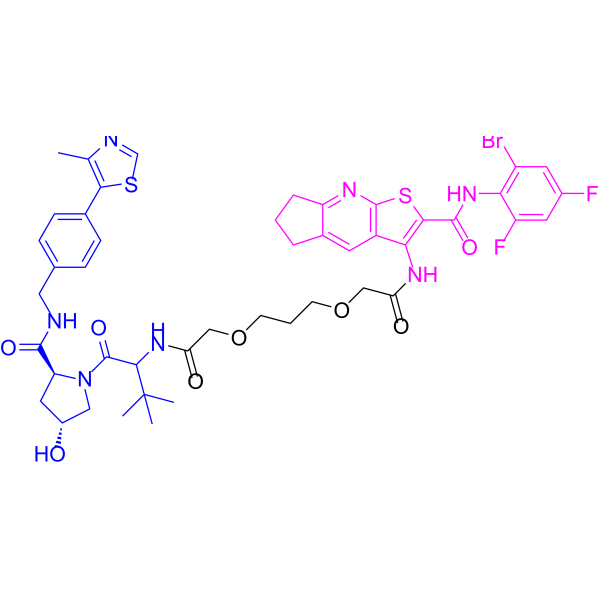
- HY-175544
-
|
|
Drug Derivative
|
Cancer
|
|
anti-TNBC agent-10 is an anti-TNBC agent. anti-TNBC agent-10 shows potent anti-TNBC activity against BT549 cells (IC50 = 0.018 μM) and maintains activity against MDA-MB-231 cells (IC50 = 4.16 μM). anti-TNBC agent-10 9 demonstrates significant anti-tumor efficacy in mice bearing subcutaneous MDA-MB-231 TNBC xenografts. anti-TNBC agent-10 can be used for the study of triple-negative breast cancer (TNBC) .
|
-

- HY-148450
-
|
|
Eukaryotic Initiation Factor (eIF)
|
Cancer
|
|
eIF4A3-IN-16 (compound 60) is a Silvestrol (HY-13251) analogue. eIF4A3-IN-16 inhibits MBA-MB-231cell growth with an EC50 value of 1 nM. eIF4A3-IN-16 interferes the assembling of eIF4F translation complex with a myc-LUC EC50 value of 1 nM and a tub-LUC EC50 value of 30 nM. eIF4A3-IN-16 can be used for triple negative breast cancer (TNBC) research .
|
-
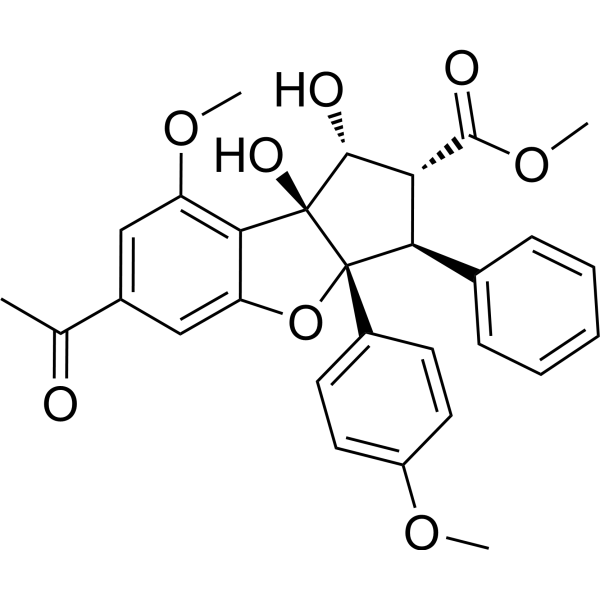
- HY-180355
-
|
|
CDK
Ser/Thr Kinase
c-Myc
Apoptosis
|
Cancer
|
|
SY-5102 is a potent, selective and orally active cyclin-dependent kinase (CDK7) inhibitor with a Kd of 0.03 nM. SY-5102 shows anti-proliferative activity against HCC70 cells with an EC50 of 9 nM. SY-5102 can inhibit CDK7-mediated CAK function (downregulate CDK2 Thr160 phosphorylation) and TFIIH transcription function (downregulate RNA polymerase II Ser5 phosphorylation). SY-5102 can induce G2/M cell cycle arrest, downregulate the expression of the oncogene c-Myc, and ultimately trigger cancer cell apoptosis. SY-5102 can be used for the research of triple-negative breast cancer (TNBC) .
|
-

- HY-W072962
-
|
|
Histone Methyltransferase
PAK
Bcl-2 Family
KLF
|
Cancer
|
|
WX2-43 is a PRMT5-KLF4 inhibitor (Kd of 11.0 nM). WX2-43 binds to the region between amino acids L400-M500 on PRMT5. WX2-43 efficiently intercepts the interaction between KLF4 and PRMT5, and blocks KLF4 methylation. WX2-43 decreases p21 levels and increases Bax levels. WX2-43 suppresses triple negative breast tumor progression. WX2-43 can be used in the research of triple-negative breast cancer and colorectal cancer .
|
-

- HY-P992341
-
|
|
MMP
|
Cancer
|
|
D8P1C1 is a high-affinity ADAM17 inhibitor (with a Kd of 180 pM targeting ADAM17-ECD) that reduces the shedding and phosphorylation of EGFR ligands. D8P1C1 inhibits cancer cell proliferation in vitro and tumor growth in xenograft models. 89Zr-DFO-D8P1C1 radioimmunological PET imaging shows its substantial accumulation in ovarian tumor xenografts, serving as a platform for generating bispecific T-cell engager derivatives. D8P1C1 can be applied to research on related diseases including triple-negative breast cancer, various types of ovarian cancer, lung adenocarcinoma, glioma, and colon cancer .
|
-

- HY-179052
-
|
|
Apoptosis
Autophagy
Bcl-2 Family
Caspase
Atg8/LC3
Atg7
CDK
Reactive Oxygen Species (ROS)
|
Cancer
|
|
Apoptosis inducer 50 (Compound 5e) is an apoptosis inducer as well as an autophagy inducer agent. Apoptosis inducer 50 exhibits potent and selective anti-cancer activity against triple-negative breast cancer cells and metastatic colon cancer cells. Apoptosis inducer 50 upregulates the expression of pro-apoptotic proteins (Bax, Bim, cleaved Caspase-9) and downregulates the expression of the anti-apoptotic protein (BCL-XL). Apoptosis inducer 50 upregulates key autophagy markers such as Beclin-1 and ATG5, and enhances the conversion of LC3-I to LC3-II., Apoptosis inducer 50 arrests cancer cells in the G1/S phase by upregulating the expression of p21 and p27 while downregulating Cyclin D1. Apoptosis inducer 50 increases the level of ROS .
|
-

- HY-P99682
-
|
hLIV22
|
ADC Antibody
|
Cancer
|
|
Ladiratuzumab (hLIV22) is a humanized monoclonal antibody against zinc transporter LIV-1/ZIP6. Ladiratuzumab is conjugated to MMAE (HY-15162) via a cleavable dipeptide linker to synthesize an antibody-drug conjugate (ADC) Ladiratuzumab vedotin (HY-P99683). Ladiratuzumab vedotin selectively targets LIV-1 protein overexpressed on the surface of tumor cells, enters cells through antibody-mediated receptor endocytosis, releases MMAE to inhibit microtubule polymerization, and kills adjacent tumor cells with a bystander effect. Ladiratuzumab can be used in the study of solid tumors such as metastatic triple-negative breast cancer (mTNBC) .
|
-

- HY-146740
-
|
|
PD-1/PD-L1
|
Cancer
|
|
PD-1/PD-L1-IN-27 is a potent PD-1/PD-L1 inhibitor with an IC50 value of 134 nM. PD-1/PD-L1-IN-27 shows antitumor effects with low T cell cytotoxicity. PD-1/PD-L1-IN-27 has the ability to activate CD8 + T cells and reduces T cell exhaustion .
|
-
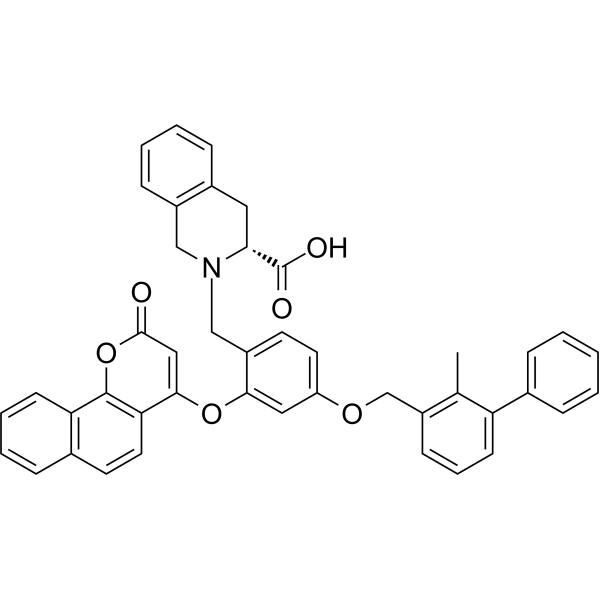
- HY-179468
-
|
|
STAT
|
Cancer
|
|
STAT3-IN-49 (compound B16) is a potent and selective STAT3 inhibitor. STAT3-IN-49 binds to the SH2 domain of STAT3, thereby suppressing its phosphorylation and nuclear translocation. STAT3-IN-49 inhibits triple-negative breast cancer (TNBC) cell migration, invasion, and colony formation. STAT3-IN-49 inhibits tumor growth in an MDA-MB-231 xenograft mouse model. STAT3-IN-49 can be used for TNBC research .
|
-

- HY-173172
-
|
|
Eukaryotic Initiation Factor (eIF)
Apoptosis
c-Myc
CDK
|
Cancer
|
|
MG-002 is an orally active eIF4A inhibitor. MG-002 non-productively traps the eukaryotic translation initiation factor 4A (eIF4A) onto RNA, hindering the recruitment and scanning of ribosomes, thereby inhibiting mRNA translation. MG-002 selectively inhibits the growth and metastasis formation of triple-negative breast cancer (TNBC) tumors and induces cell apoptosis. MG-002 significantly inhibits the protein expression of c-MYC and cyclin D1. MG-002 can be used for research on TNBC .
|
-

- HY-176259
-
|
|
RIBOTAC
Apoptosis
Galectin
|
Cancer
|
|
F3-PEG8-RiboTAC is a RiboTAC that can specifically degrade the mRNA of the oncogene LGALS1. F3-PEG8-RiboTAC can induce tumor cell apoptosis and inhibit invasion. F3-PEG8-RiboTAC has anti-tumor activity and can be used in the research of tumors such as leukemia and triple-negative breast cancer. (RNase L ligand (HY-177030); RNA binder (HY-177031); Linker (HY-W019798)) .
|
-

- HY-171658
-
|
|
PROTACs
Ser/Thr Kinase
TNF Receptor
Toll-like Receptor (TLR)
NF-κB
p38 MAPK
|
Inflammation/Immunology
Cancer
|
|
R1-ICR-5 is a highly selective RIPK1 PROTAC degrader. Mediated by VHL, R1-ICR-5 induces the degradation of RIPK1, which in turn dysregulates the TNFR1 and TLR3/4 signaling hubs, enhances the signaling outputs of NF-κB, MAPK and IFN, and simultaneously promotes RIPK3 activation and necroptosis (necroptosis). R1-ICR-5 can be used in the research of triple-negative breast cancer and skin inflammation .
|
-

- HY-N7694
-
|
|
TGF-β Receptor
JAK
STAT
Apoptosis
|
Inflammation/Immunology
Cancer
|
|
Isotoosendanin is an orally active TGFβR1 inhibitor and abrogating its kinase activity (IC50 = 6732 nM). Isotoosendanin inhibits the JAK/STAT3 signaling pathway by directly targeting SHP-2, enhancing its stability, and reducing its ubiquitination. Isotoosendanin inhibits TGF-β-induced reduces the migration, invasion, and metastasis in triple-negative breast cancer (TNBC) cells. Isotoosendanin exhibits anti-tumor efficacy in TNBC xenograft models and A549 xenograft tumors. Isotoosendanin exhibits significant anti-inflammatory effects in acetic acid-induced vascular permeability and λ-carrageenan-induced hind paw edema tests. Isotoosendanin can be used for the study of non-small cell lung cancer (NSCLC), TNBC and inflammation .
|
-
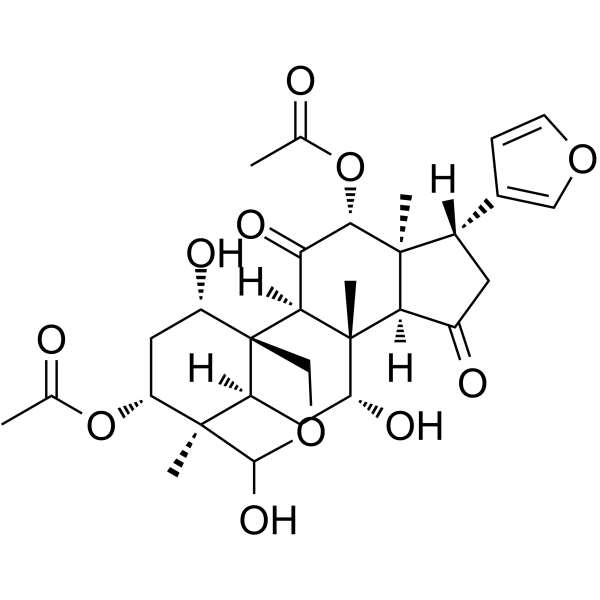
- HY-161577
-
|
|
Bcl-2 Family
|
Cancer
|
|
BFC1103 is a small-molecule compound whose primary mechanism of action involves interaction with a specific domain of Bcl-2, particularly its loop domain. This interaction induces a conformational change in Bcl-2, exposing its BH3 (Bcl-2 homology 3) domain, thereby switching Bcl-2's function from anti-apoptotic to pro-apoptotic. The cell death induced by BFC1103 is dependent on the presence of Bax or Bak, both of which are key proteins involved in the intrinsic apoptotic pathway mediated by mitochondria. BFC1103 has successfully inhibited lung metastasis of triple-negative breast cancer in mouse models. It can be utilized in studying the roles of Bcl-2 family proteins in cancer development and how they impact the survival and proliferation of cancer cells .
|
-

- HY-172815
-
|
|
JNK
Eukaryotic Initiation Factor (eIF)
p38 MAPK
|
Cancer
|
|
IDB-001 is a human ribosomal peptidyl transferase center (PTC) inhibitor that induces conformational changes and blocks translational elongation in specific sequence contexts through complementary interactions with Asp/Glu residues in nascent polypeptides. IDB-001 preferentially stalls ribosomes at positions containing acidic peptide motifs, thereby inhibiting cancer cell proliferation, and activates the integrated stress response via eIF2α phosphorylation at high concentrations. In addition, IDB-001 mildly triggers ribotoxic stress responses through phosphorylation of JNK and p38. IDB-001 has been applied to mechanistic studies of triple-negative breast cancer .
|
-

- HY-179020
-
|
|
PARP
VEGFR
DNA/RNA Synthesis
Apoptosis
Autophagy
|
Cancer
|
|
PARP/VEGFR3-IN-1 (Compound 18) is a dual PARP-VEGFR3 target inhibitor. Its IC50 values for PARP1, PARP2, and VEGFR3 are 0.0763, 0.0366, and 4.25 nM respectively. PARP/VEGFR3-IN-1 has no inhibitory effect on VEGFR1/2 and shows subtype selectivity. PARP/VEGFR3-IN-1 exhibits significant anti-proliferative activity in various cancer cells (leukemia, lung cancer, and triple-negative breast cancer). PARP/VEGFR3-IN-1 induces DNA damage and cell cycle arrest. PARP/VEGFR3-IN-1 triggers various forms of cell death by inducing apoptosis and autophagy. PARP/VEGFR3-IN-1 can be formulated into nanodelivery systems, significantly enhancing tumor targeting and therapeutic window .
|
-

- HY-183373
-
|
|
EGFR
PARP
|
Cancer
|
|
EGFR/PARP-1-IN-1 is a dual EGFR and PARP-1 inhibitor with IC50 values of 64 nM and 12 nM, respectively. EGFR/PARP-1-IN-1 binds to the ATP-binding pocket of EGFR and interacts with the catalytic domain of PARP-1, inhibiting kinase and enzymatic activity via hydrogen bond formation with key residues in both targets. EGFR/PARP-1-IN-1 induces apoptosis through the endogenous mitochondrial pathway, arrests the cell cycle at the G2 phase, and inhibits cell proliferation. EGFR/PARP-1-IN-1 can be used for research on triple-negative breast cancer .
|
-

- HY-174828
-
|
|
PARP
ATM/ATR
Apoptosis
|
Cancer
|
|
ATR/PARP1-IN-1 is a potent ATR and PARP1 dual inhibitor with IC50s of 17.3 nM and 0.38 nM, respectively. ATR/PARP1-IN-1 effectively reduces cell viability, induces apoptosis and DNA damage. ATR/PARP1-IN-1 significantly impairs triple-negative breast cancer (TNBC) colony formation, migration, and invasion. ATR/PARP1-IN-1 suppresses tumor growth effectively in MDA-MB-468 xenografted mice, with no significant body weight change .
|
-

- HY-175698
-
|
|
ACSL Family
Ferroptosis
Microtubule/Tubulin
COX
Glutathione Peroxidase
|
Cancer
|
|
Ferroptosis inducer-9 is a ferroptosis inducer and colchicine site tubulin polymerization inhibitor. Ferroptosis inducer-9 inhibits MCF-7 cell growth with an IC50 of 14 nM and inhibits [ 3H]colchicine binding. Ferroptosis inducer-9 reduces expression of GPX4 and FTH, increases COX2 and ACSL4, lowers GSH, NADP+, and NADPH levels, increases LPO, MDA, and Fe(II) levels, and decreases SOD concentrations. Ferroptosis inducer-9 demonstrates significant anti-tumor efficacy in HCT116 CRC xenograft model. Ferroptosis inducer-9 can be used for the study of triple negative breast cancer (TNBC) and colorectal cancer (CRC) .
|
-

- HY-P992488
-
|
ZV0501 Antibody
|
Transmembrane Glycoprotein
ADC Antibody
|
Cancer
|
|
ZV05 (ZV0501 Antibody) is an anti-5T4 monoclonal antibody with an EC50 of 4.3 ng/mL against h5T4. ZV05 does not induce apoptosis or interfere with cell cycle progression. ZV05 accumulates specifically in 5T4-positive tumor xenografts. ZV05 can serve as the antibody component of antibody-active molecule conjugates (ADCs) to bind the 5T4 glycoprotein, thereby enabling targeted delivery of toxins. ZV05 is used in studies of 5T4-positive cancers, including triple-negative breast cancer .
|
-

- HY-155949
-
|
|
|
Neurological Disease
Cancer
|
|
Bt354 is an orally active STAT3 inhibitor with IC50 values of 4.6 μM (DU145), 6.5 μM (MDA-MB-435) and 7.2 μM (MDA-MB-231), respectively. Bt354 induces cell cycle arrest and apoptosis, and downregulates epithelial-mesenchymal transition-related genes. Bt354 exhibits anti-angiogenic and anti-inflammatory activities, attenuates the polarization of M1 microglia and A1 astrocytes, suppresses inflammasome-related signaling pathways, and alleviates mechanical hyperalgesia and thermal hyperalgesia. Bt354 can be used in research related to glioblastoma multiforme, triple-negative breast cancer, prostate cancer and neuropathic pain .
|
-

- HY-164429
-
|
|
Integrin
Elastase
|
Cancer
|
|
VIP236 is a small-molecule drug conjugate targeting αvβ3 integrin. VIP236 achieves tumor homing via specific binding to αvβ3 integrin and delivers its payload to the tumor microenvironment. The linker of VIP236 is cleavable by neutrophil elastase, which is highly expressed in the tumor microenvironment, to release the payload 7-ethylcamptothecin. This payload induces DNA damage by inhibiting topoisomerase 1, thereby exerting anti-tumor effects. VIP236 exhibits excellent plasma stability and tumor targeting property, with a tumor/plasma payload ratio 10-fold higher than that of the single administration. It effectively induces tumor regression, reduces metastasis formation, and shows good tolerance in mouse models. VIP236 has been used in studies related to non-small cell lung cancer, clear cell renal cell carcinoma, colon cancer, triple-negative breast cancer, small cell lung cancer, and metastatic solid tumors .
|
-

- HY-115590
-
|
|
Pim
Caspase
Apoptosis
Necroptosis
PARP
NF-κB
|
Cancer
|
|
JP-11646 is a pan-PIM inhibitor with increased potency against PIM2 (IC50 = 0.5 nM). JP11646 is freely reversible and ATP non-competitive. JP-11646 results in a decrease of PIM1, 2, and 3 mRNA. JP-11646 can effectively inhibit cell viability in small cell lung cancer (SCLC) and large cell neuroendocrine carcinomas of the lung (LCNEC). JP-11646 can cause a decrease in p-4EBP-1 protein, increasing the cleavage of caspases while decreasing caspase-3. JP-11646 induces apoptosis or necroptosis in cells. JP-11646 leads to reductions in MYC paralogs. JP-11646 can be used for the study of SCLC, LCNEC, human acute leukemia (AML), multiple myeloma (MM), and triple-negative breast cancer (TNBC) .
|
-

- HY-182546
-
|
|
DNA/RNA Synthesis
|
Cancer
|
|
Anticancer agent 312 is a heterogeneous nuclear ribonucleoprotein A18 (hnRNP A18) inhibitor with an IC50 of 2.9 μM. Anticancer agent 312 binds to the RNA recognition motif of hnRNP A18 and blocks its binding to homologous RNA transcripts. Anticancer agent 312 acts as a protein synthesis inhibitor by blocking hnRNP A18-mediated mRNA translation. Anticancer agent 312 is applicable to research on cancers such as melanoma .
|
-

- HY-175497
-
|
|
ROR
Apoptosis
Bcl-2 Family
PARP
|
Cancer
|
|
ROR1-IN-4 is a selective ROR1 inhibitor with a Kd of 52 nM. ROR1-IN-4 shows potent anti-proliferative activity against TNBC cell line MDA-MB-231 (IC50 = 75 nM). ROR1-IN-4 reduces colony formation, induces apoptosis and inhibits the phosphorylation of ROR1 (Tyr786) in MDA-MB-231 cells. ROR1-IN-4 demonstrates superior anti-tumor efficacy in nude mice bearing MDA-MB-231 subcutaneous xenografts. ROR1-IN-4 can be used for the study of triple-negative breast cancer (TNBC) .
|
-

- HY-145260
-
|
|
Epigenetic Reader Domain
Casein Kinase
Apoptosis
Autophagy
|
Cancer
|
|
BRD4/CK2-IN-1 is the first highly effective and oral active dual-target inhibitor of BRD4/CK2 (bromodomain-containing protein 4/casein kinase 2), with IC50s of 180 nM and 230 nM for BRD4 and CK2, respectively. BRD4/CK2-IN-1 has strong anticancer activity without obvious toxicities. BRD4/CK2-IN-1 induces apoptosis and autophagy-associated cell death in triple-negative breast cancer (TNBC)
|
-
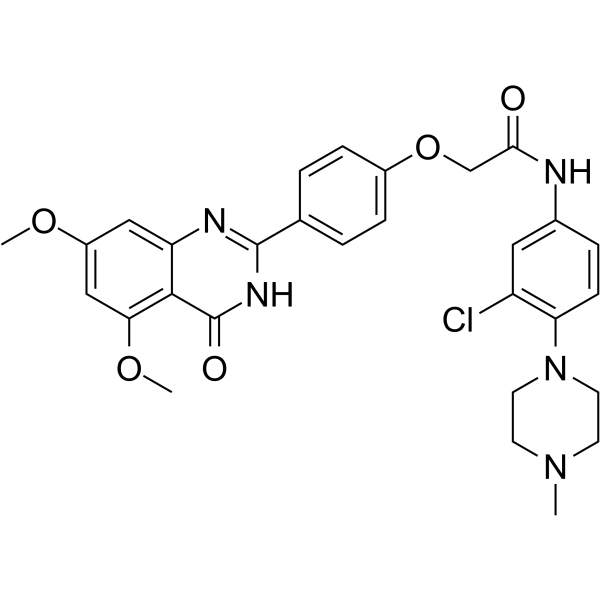
- HY-179654
-
|
|
HDAC
Apoptosis
|
Cancer
|
|
ST13, an ortho-hydroxyanilide, is a selective, slow- and tight-binding HDAC1 and HDAC2 inhibitor with IC50s of 23 nM and 49 nM, respectively. ST13 shows a weak inhibition of HDAC3 (IC50 = 4.30 μM) and HDAC6 (IC50 > 10 μM). The induced fit mechanism of ST13 proceeds through a two-step process: first, the enzyme and inhibitor rapidly form a collision complex (EI), which then slowly transforms into the stable complex E*I. ST13 induces apoptosis in cancer cells. ST13 can be used for the study of melanoma and triple-negative breast .
|
-

- HY-183013
-
|
|
PROTACs
PARP
Apoptosis
|
Cancer
|
|
PROTAC PARP2 degrader-1 is an orally active PARP2 PROTAC degrader with a DC50 of 2 μM. PROTAC PARP2 degrader-1 potently inhibits the enzymatic activities of PARP1 (IC50 = 2.74 nM) and PARP2 (IC50 = 0.32 nM), with approximately 10-fold higher selectivity for PARP2. PROTAC PARP2 degrader-1 induces cell cycle arrest and apoptosis, and exhibits significant anti-tumor efficacy in mouse models. PROTAC PARP2 degrader-1 can be used for the research of triple-negative breast cancer .
|
-

- HY-179535
-
|
|
TAM Receptor
Discoidin Domain Receptor
TGF-β Receptor
Hedgehog
|
Cancer
|
|
Axl-IN-21 is an orally active and selective AXL inhibitor (Kd = 2.7 nM, IC50 = 4.0 nM). Axl-IN-21 displays kinase selectivity and retains strong activity against cancer-related mul-kinases (Mer with Kd = 1.4 nM, DDR1 with IC50 = 22.2 nM, HIPK4 with Kd = 11.0 nM and LOK with Kd =10 nM). Axl-IN-21 overcomes tumor microenvironment-driven resistance by blocking CAF-derived GAS6-induced AXL/STAT3/ABCG1 signaling, restoring chemosensitivity and inhibiting drug efflux in gastric cancer (GC). Axl-IN-21 suppresses TGF-β1-induced epithelial-mesenchymal transition (EMT), migration, and invasion in MDA-MB-231 cells. Axl-IN-21 exhibits no significant cytotoxicity in non-cancerous cells. Axl-IN-21 can be research for triple negative breast cancer and gastric cancer [1] [2] .
|
-

- HY-182047
-
|
|
PD-1/PD-L1
|
Cancer
|
|
PD-1/PD-L1-IN-61 is a PD-1/PD-L1 interaction inhibitor with a human IC50 of 5.3 nM. PD-1/PD-L1-IN-61 embeds into the hydrophobic pocket at the PD-L1 dimer interface, stabilizing binding through hydrogen bonds and π-π stacking with PD-L1 residues. PD-1/PD-L1-IN-61 acts as an immune activator, enhances immune-killing activity of peripheral blood mononuclear cells against cancer cells, restores T-cell immune function, and promotes IFN-γ secretion. PD-1/PD-L1-IN-61 can be used for the research of triple-negative breast cancer .
|
-

- HY-135699
-
TD52
2 Publications Verification
|
Apoptosis
Phosphatase
Akt
|
Cancer
|
|
TD52, an Erlotinib (HY-50896) derivative, is an orally active, potent cancerous inhibitor of protein phosphatase 2A (CIP2A) inhibitor. TD52 mediates the apoptotic effect in triple-negative breast cancer (TNBC) cells via regulating the CIP2A/PP2A/p-Akt signalling pathway. TD52 indirectly reduced CIP2A by disturbing Elk1 binding to the CIP2A promoter. TD52 has less p-EGFR inhibition and has potent anti-cancer activity . TD52 is a click chemistry reagent, it contains an Alkyne group and can undergo copper-catalyzed azide-alkyne cycloaddition (CuAAc) with molecules containing Azide groups.
|
-
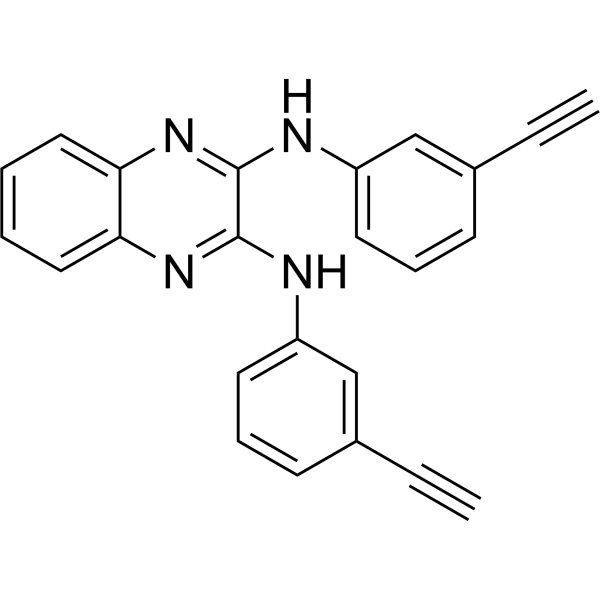
- HY-181670
-
|
|
Androgen Receptor
c-Myc
Akt
mTOR
ERK
PDK-1
PI3K
Apoptosis
|
Metabolic Disease
Cancer
|
|
WH23 is a dehydrogenase/reductase SDR family member 11 (DHRS11) inhibitor with IC50 values of 0.037 μM. WH23 binds to DHRS11, forming a hydrogen bond with the enzyme’s His210 residue. WH23 suppresses androgen receptor mRNA and protein expression, reduces c-Myc expression, and inhibits cancer cell proliferation. WH23 inhibits PI3K/AKT signaling by reducing phosphorylation of PDK1, AKT, mTOR, and ERK. WH23 enhances Capivasertib (HY-15431)-induced cytotoxicity and apoptosis. WH23 can be used for the research of luminal androgen receptor-positive triple-negative breast cancer .
|
-

- HY-135699A
-
|
|
Akt
Phosphatase
Apoptosis
|
Cancer
|
|
TD52 dihydrochloride, an Erlotinib (HY-50896) derivative, is an orally active, potent cancerous inhibitor of protein phosphatase 2A (CIP2A) inhibitor. TD52 dihydrochloride mediates the apoptotic effect in triple-negative breast cancer (TNBC) cells via regulating the CIP2A/PP2A/p-Akt signalling pathway. TD52 dihydrochloride indirectly reduced CIP2A by disturbing Elk1 binding to the CIP2A promoter. TD52 dihydrochloride has less p-EGFR inhibition and has potent anti-cancer activity . TD52 (dihydrochloride) is a click chemistry reagent, it contains an Alkyne group and can undergo copper-catalyzed azide-alkyne cycloaddition (CuAAc) with molecules containing Azide groups.
|
-
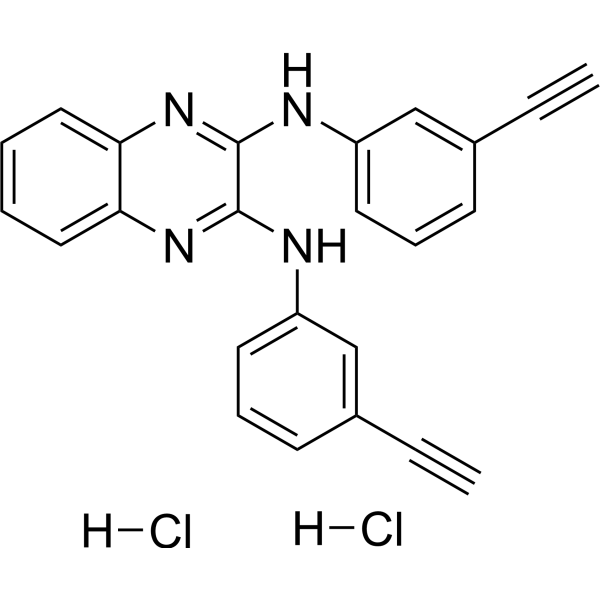
- HY-176149
-
|
|
CaMK
MMP
AMPK
Apoptosis
Autophagy
|
Cancer
|
|
Fluoxetine-Conjugated Platinum(IV) prodrug-1 (Compound 8) is an eEF2K inhibitor. Fluoxetine-Conjugated Platinum(IV) prodrug-1 inhibits cancer cell proliferation, induces DNA damage, cell cycle arrest at S phase and apoptosis. Fluoxetine-Conjugated Platinum(IV) prodrug-1 induces ROS accumulation and mitochondrial dysfunction. Fluoxetine-Conjugated Platinum(IV) prodrug-1 inhibits TNBC cell migration and invasion by inhibiting MMP-2 activity. Fluoxetine-Conjugated Platinum(IV) prodrug-1 induces autophagy in TNBC cells by activating AMPK. Fluoxetine-Conjugated Platinum(IV) prodrug-1 has antitumor activity and activates immunosuppression in the 4T1-Luc mouse model. Fluoxetine-Conjugated Platinum(IV) prodrug-1 can be used in triple-negative breast cancer (TNBC) research .
|
-

- HY-183488
-
|
RRRRRRRRRCCLGIPEQEY
|
Apoptosis
PARP
|
Cancer
|
|
R9-caPep (RRRRRRRRRCCLGIPEQEY) is a cell-penetrating peptide derived from proliferating cell nuclear antigen (PCNA). R9-caPep selectively blocks the interactions between PCNA and FEN1, as well as between PCNA and LIGI, while preserving the binding of POLD3 to PCNA. R9-caPep interferes with DNA synthesis and homologous recombination-mediated double-strand DNA break repair, inducing S-phase arrest, DNA damage accumulation, and apoptosis. R9-caPep inhibits the growth of tumor volume and weight of neuroblastoma in nude mice . R9-caPep can be used in research related to neuroblastoma and triple-negative breast cancer .
|
-

- HY-181928
-
|
|
c-Met/HGFR
PARP
Apoptosis
|
Cancer
|
|
PARP1/c-Met-IN-3 (Compound L19) is a selective c-Met and PARP1 inhibitor, with an IC50 of 5.4 nM against c-Met and an IC50 of 3.7 nM against PARP1. PARP1/c-Met-IN-3 inhibits PARP2 enzymatic activity with an IC50 of 4.52 nM, and shows no specificity for PARP1 and PARP2. PARP1/c-Met-IN-3 induces cell cycle arrest and apoptosis. PARP1/c-Met-IN-3 exhibits anti-tumor activity against triple-negative breast cancer .
|
-

- HY-182285
-
|
|
5-HT Receptor
DNA/RNA Synthesis
|
Cancer
|
|
FOXM1-IN-4 is a selective 5-HT7 receptor inhibitor with a Ki of 92 nM. FOXM1-IN-4 blocks 5-HT7 receptor signaling to reduce FOXM1, p-FOXM1, cyclin B1, and cdc25B levels. FOXM1-IN-4 acts as an antiproliferative, clonogenic inhibitor, and cell cycle inhibitor that induces G2/M arrest, reduces G0/G1 population. FOXM1-IN-4 can be used for the research of triple-negative breast cancer .
|
-

- HY-182285A
-
|
|
5-HT Receptor
DNA/RNA Synthesis
|
Cancer
|
|
FOXM1-IN-4 hydrochloride is a selective 5-HT7 receptor inhibitor with a Ki of 92 nM. FOXM1-IN-4 hydrochloride blocks 5-HT7 receptor signaling to reduce FOXM1, p-FOXM1, cyclin B1, and cdc25B levels. FOXM1-IN-4 hydrochloride acts as an antiproliferative, clonogenic inhibitor, and cell cycle inhibitor that induces G2/M arrest, reduces G0/G1 population. FOXM1-IN-4 hydrochloride can be used for the research of triple-negative breast cancer .
|
-

- HY-163548
-
|
|
Sialyltransferase
|
Cancer
|
|
SPP-002 is a ST6GAL1 inhibitor with a human IC50 of 16.7 μM. SPP-002 selectively inhibits N-glycan sialylation over O-glycan sialylation and binds strongly to the enzyme active site. SPP-002 suppresses expression of signaling proteins in the integrin/FAK/paxillin pathway. SPP-002 can be used for the research of triple negative breast cancer metastasis .
|
-

- HY-175821
-
|
|
Histone Methyltransferase
Apoptosis
|
Cancer
|
|
PRMT1-IN-3 is a potent protein arginine methyltransferase 1 (PRMT1) inhibitor with an IC50 of 4.11 μM. PRMT1-IN-3 inhibits PRMT6 and PRMT8 with IC50s of 23.3 and 30.1 μM. PRMT1-IN-3 suppresses asymmetric dimethylarginine (ADMA) levels and histone H4R3me2a modification in triple-negative breast cancer (TNBC) cells. PRMT1-IN-3 induces cell cycle arrest, apoptosis, and inhibits migration and colony formation in MDA-MB-231 cells. PRMT1-IN-3 acts as chemotherapeutic sensitizers for Paclitaxel (HY-B0015). PRMT1-IN-3 can be used for the study of TNBC .
|
-

- HY-179578
-
|
|
Enolase
AMPK
Autophagy
Apoptosis
mTOR
Caspase
|
Metabolic Disease
Cancer
|
|
SU212 is a podophyllotoxin-derived ENO1 inhibitor and AMPK activator. SU212 can selectively induce oxidative phosphorylation, reduce glycolysis activity and glucose uptake in tumor cells, and directly bind to ENO1 without affecting these pathways in normal cells. SU212 induces apoptosis and promotes ENO1 degradation via proteasomal and autophagic pathways without inhibiting the catalytic activity. SU212 leads to mitotic arrest and apoptosis in TNBC (triple-negative breast cancer) cells by activating AMPK, demonstrating potent anti-tumor activity in vitro. SU212 inhibits tumor growth and metastasis in syngeneic, xenograft, and diabetic mouse models, exhibiting an excellent safety profile. SU212 can be used in research on t TNBC, diabetes, and fatty liver disease .
|
-

- HY-183631
-
|
|
β-catenin
Wnt
mTOR
c-Myc
Apoptosis
|
Cancer
|
|
PM54 is an antitumor agent with activity across multiple cancer types. PM54 acts as a transcription and WNT/β-catenin signaling pathway inhibitor. PM54 suppresses oncogenic transcriptional programs, and key malignant pathways, while inducing DNA double-strand breaks, S-phase cell cycle arrest and apoptosis. PM54 enhances innate immune recognition, remodels the tumor microenvironment. PM54 exhibits antitumor activity as monotherapy or in combination in xenograft models. PM54 is applicable to research on various cancers and advanced solid tumors .
|
-

- HY-181800
-
|
|
SHP2
Akt
ERK
Apoptosis
|
Cancer
|
|
SHP2-IN-47 is a selective and potent SHP2 inhibitor with an IC50 of 0.80 μM. SHP2-IN-47 exhibits potent inhibitory activity against SHP2 E76K (IC50 = 0.37 μM). SHP2-IN-47 functionally inhibits protein tyrosine phosphatase domains and downregulates SHP2-mediated phosphorylation of AKT and ERK. SHP2-IN-47 induces apoptosis and suppresses proliferation of cancer cells. SHP2-IN-47 can be used for the research of cancer, such as acute myelocytic leukemia .
|
-

- HY-178452
-
|
|
PROTACs
CDK
Apoptosis
|
Cancer
|
|
PROTAC CDK4/6/9 degrader 1 is a CDK4/6/9 PROTAC degrader. PROTAC CDK4/6/9 degrader 1 degrades CDK4, CDK6, and CDK9 in TNBC cells and inhibits TNBC cell proliferation. PROTAC CDK4/6/9 degrader 1 induces G1 phase arrest, promotes apoptosis, and suppresses cell migration and invasion in TNBC cells. PROTAC CDK4/6/9 degrader 1 can be used for the study of triple-negative breast cancer (TNBC). (Pink: CDK4/6/9 ligand (HY-168440), Blue: CRBN Ligand (HY-14658), Black: Linker (HY-178512), E3 ligase ligand-linker conjugate (HY-178515)) .
|
-

- HY-167854
-
|
|
Aurora Kinase
Apoptosis
IGF-1R
|
Cancer
|
|
KW-2450 Free base is a potent multikinase inhibitor targeting Aurora A and B kinases, demonstrating significant antitumor activity against triple-negative breast cancer (TNBC). KW-2450 Free base effectively reduces cell viability, promotes apoptosis, and inhibits colony formation and mammosphere formation in TNBC cells. KW-2450 Free base significantly suppresses the growth of TNBC xenografts, leading to tetraploid accumulation followed by apoptosis or the survival of octaploid cells. KW-2450 Free base enhances the efficacy of combination therapy with the MEK inhibitor selumetinib, resulting in a synergistic antitumor effect in TNBC models. KW-2450 Free base also acts as an orally bioavailable inhibitor of IGF-1R and IR tyrosine kinases, contributing to its potential antineoplastic activity by inhibiting tumor cell proliferation and inducing apoptosis.
|
-

- HY-145601
-
|
TT 00420
|
Aurora Kinase
FGFR
VEGFR
|
Cancer
|
|
Tinengotinib (TT00420) is an orally active, spectrally selective small molecule kinase inhibitor targeting Aurora A/B (IC50=1.2-3.3 nM), FGFR1/2/3 (IC50=1.5-3.5 nM), VEGFRs, JAK1/2 and CSF1R. Tinengotinib blocks Aurora kinase-mediated cell cycle progression (inducing G2/M arrest), inhibits FGFR/JNK-JUN signaling pathway and activates MEK/ERK-dependent apoptotic pathway. Tinengotinib has the activity of anti-tumor proliferation, inducing apoptosis, inhibiting angiogenesis and regulating tumor microenvironment. Tinengotinib can be used in the study of triple-negative breast cancer (TNBC), gallbladder cancer and tumor immune microenvironment .
|
-
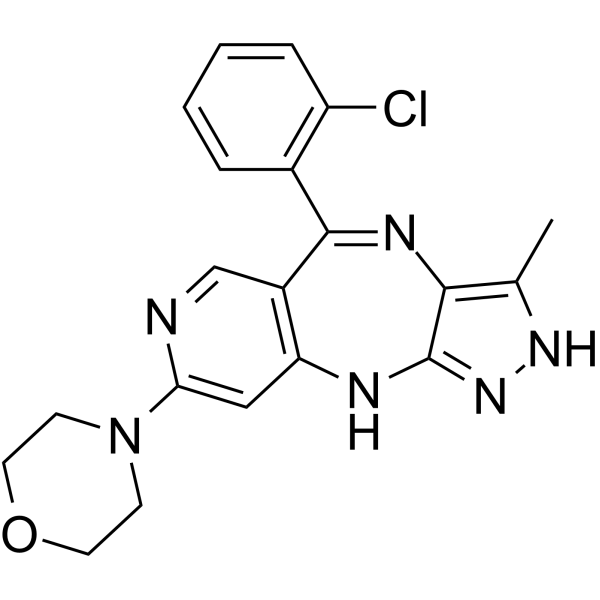
- HY-179570
-
|
|
E1/E2/E3 Enzyme
|
Cancer
|
|
XMU-MP-10 is a selective NEDD4 inhibitor with a KD of 43.92 nM. XMU-MP-10 selectively inhibits NEDD4 auto-ubiquitination without affecting other ubiquitination activity, upregulates of β-TrCP and results YAP degradation without affecting NEDD4 protein expression. XMU-MP-10 exhibits significant in vivo efficacy in inhibiting TNBC tumor growth by enhancing CD8 + T cell infiltration. XMU-MP-10 enhances antitumor immune responses through the β-TrCP/YAP/ECM axis. XMU-MP-10 can be used for Triple-Negative Breast Cancer (TNBC) research .
|
-

- HY-179044
-
|
|
p38 MAPK
JNK
Caspase
Apoptosis
|
Cancer
|
|
MKK7-JNK activator 1 (Compound 10) is a MKK7-JNK pathway activator. MKK7-JNK activator 1 effectively inhibits the proliferation and migration of MDA-MB-468 cells, induces G2/M phase arrest and caspase -dependent apoptosis (independent of ROS production). MKK7-JNK activator 1 significantly increases the levels of p-MKK7 and p-JNK, but does not affect p-ERK or p-p38. MKK7-JNK activator 1 can be used for the study of triple-negative breast cancer (TNBC) .
|
-

- HY-150609
-
|
|
SHP2
Phosphatase
CDK
|
Cancer
|
|
SHP2/CDK4-IN-1 (compound 10) is an orally active and potent SHP2 and CDK4 dual inhibitor, with IC50 values of 4.3 and 18.2 nM, respectively. SHP2/CDK4-IN-1 effectively induces G0/G1 arrest to prevent the proliferation of TNBC cell lines. SHP2/CDK4-IN-1 shows significant antitumor efficacy in the EMT6 syngeneic mouse model. SHP2/CDK4-IN-1 can be used for triple-negative breast cancer (TNBC) research .
|
-
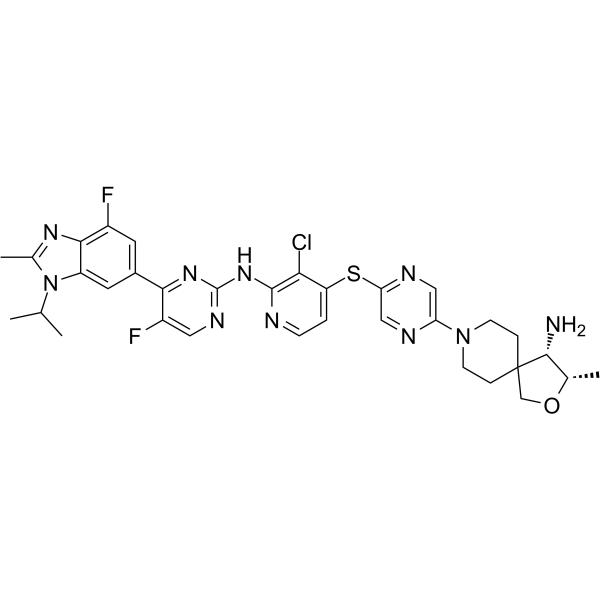
- HY-170946
-
|
|
STAT
Bcl-2 Family
|
Cancer
|
|
WR-S-462 is a STAT3 inhibitor. WR-S-462 effectively suppresses STAT3 phosphorylation and biological functions in vitro. WR-S-462 inhibits MDA-MB-231 cells with an IC50 of 0.03 μM. WR-S-462 displays a strong binding affinity towards the STAT3 protein with a Kd of 58 nM. WR-S-462 inhibits the nuclear translocation of p-STAT3, selectively inhibits the expression of p-STAT3 Tyr705 and downstream target genes regulated by STAT3 in MDA-MB-231 cells such as Cyclin D1, Bcl-2, and Bcl-xl. WR-S-462 inhibits TNBC (triple-negative breast cancer) growth and metastasis .
|
-

- HY-164530
-
|
|
Src
VEGFR
Raf
p38 MAPK
|
Cancer
|
|
SKLB646 is an orally active multi-target kinase inhibitor. SKLB646 shows significant inhibitory effects on SRC and VEGFR2 with IC50 values ??of 0.002 μmol/L and 0.012 μmol/L, respectively. SKLB646 also shows significant inhibitory effects on B-Raf and C-Raf with IC50 values ??of 0.022 μmol/L and 0.019 μmol/L, respectively. SKLB646 inhibits the activation of the SRC signaling pathway and blocks the MAPK signaling pathway by inhibiting Raf kinase. In addition, SKLB646 can inhibit the proliferation, migration and invasion of human umbilical vein endothelial cells (HUVEC) to inhibit tumor-induced angiopoietic formation. SKLB646 shows significant anti-proliferative and anti-survival activities against triple-negative breast cancer (TNBC) cell lines .
|
-

- HY-13032B
-
|
GSK 525762C; I-BET 762 besylate
|
Epigenetic Reader Domain
ERK
|
Cancer
|
|
Molibresib besylate (GSK 525762C; I-BET 762 besylate) is an orally active pan-BET inhibitor that targets and binds to BRD2, BRD3, BRD4 and BRDT. By competitively occupying acetylated lysine binding sites, Molibresib besylate disrupts the interaction between BET proteins and chromatin, thereby effectively inhibiting MYC expression and target gene transcription. Molibresib besylate exhibits broad antiproliferative activity, which not only inhibits cancer cell growth and induces growth arrest, but also downregulates mitosis-related genes and upregulates the level of p-ERK1/2. When combined with MEK inhibitors, Molibresib besylate shows a significant synergistic effect, reduces tumor burden in mouse models of leukemia, modulates the immune microenvironment and prolongs survival. Molibresib besylate is widely applicable to research related to acute myeloid leukemia, multiple myeloma, triple-negative breast cancer, small-cell lung cancer and various advanced refractory solid tumors .
|
-
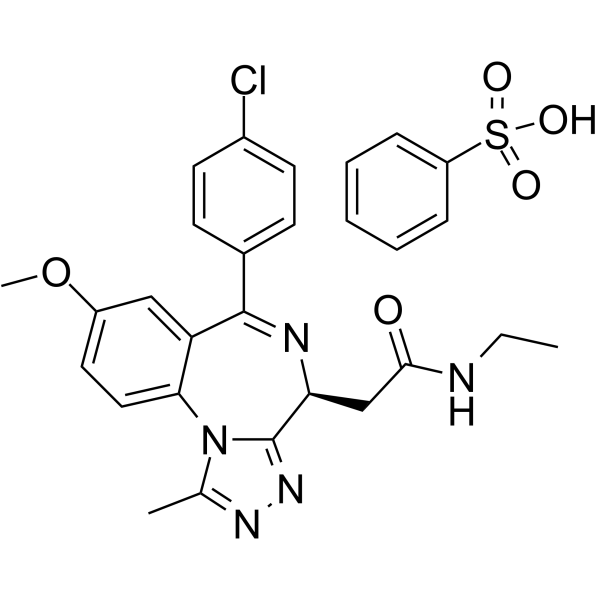
- HY-173496
-
|
|
Sialyltransferase
Integrin
VEGFR
Akt
|
Cancer
|
|
ST6GAL1-IN-1 is an orally active selective ST6GAL1 inhibitor (IC50 = 20 μM). ST6GAL1-IN-1 exhibits high antimetastatic potential, effectively inhibiting the migration of MDA-MB-231 cells at noncytotoxic concentrations. ST6GAL1-IN-1 can disrupt integrin sialylation in MDA-MB-231 cells. ST6GAL1-IN-1 inhibits tumor angiogenesis and cancer metastasis via the Integrin/VEGFR2-mediated signaling pathway. ST6GAL1-IN-1 effectively suppresses both tumor growth and cancer metastasis on the MDA-MB-231 xenograft model. ST6GAL1-IN-1 can be used for the study of Triple-negative breast cancer (TNBC) .
|
-

- HY-175834
-
|
|
Topoisomerase
Reactive Oxygen Species (ROS)
Apoptosis
Microtubule/Tubulin
|
Cancer
|
|
DNA/TOP2A-IN-1 is an inhibitor of DNA and TOP2A. DNA/TOP2A-IN-1 selectively binds to TOP2A, not TOP2B, and interacts with DNA and TOP2A to form a stable DM1-TOP2A-DNA ternary complex. DNA/TOP2A-IN-1 induces DNA damage, increases reactive oxygen species (ROS) and triggers apoptosis in triple-negative breast cancer (TNBC) cells. DNA/TOP2A-IN-1 disrupts microtubule distribution and induces cell cycle arrest. DNA/TOP2A-IN-1 shows strong antiproliferative activity and inhibits cell migration. DNA/TOP2A-IN-1 inhibits tumor growth and can be used for TNBC research .
|
-

- HY-171955
-
|
|
Lipoxygenase
Apoptosis
Reactive Oxygen Species (ROS)
FAK
|
Cancer
|
|
LXG6403 is an orally active and irreversible LOX inhibitor (IC50 = 1.3 μM). LXG6403 is ~3.5-fold more specific for LOX than LOXL2 and does not inhibit LOXL1. LXG6403 inhibits FAK signaling and induces ROS generation and DNA damage, leading to G1 arrest and apoptosis in chemoresistant triple-negative breast cancer (TNBC) cell lines. LXG6403 alters the extracellular matrix (ECM) and collagen structure, reducing collagen cross-linking and deposition, thereby increasing drug penetration and reducing tumor stiffness. LXG6403 overcomes Doxorubicin (HY-15142) resistance in chemoresistant TNBC PDX in vivo and can be used to study high-stiffness resistant tumors .
|
-

- HY-173522
-
|
|
Kinesin
Microtubule/Tubulin
|
Cancer
|
|
KIF2C-IN-1 is a cell-penetrating, selective KIF2C inhibitor with fluorescent properties (Ex/Em = 410/510 nm). KIF2C-IN-1 exhibits notable cytotoxicity and weak inhibitory effects on KIF2A/B. KIF2C-IN-1 prohibits the dissociation of KIF2C from microtubules. KIF2C-IN-1 inhibiting KIF2C reverses cross-resistance to microtubule-targeting agents. KIF2C-IN-1 reduces tumorigenesis in chemoresistant triple-negative breast cancer (TNBC) model in mice with the combination of Paclitaxel (HY-B0015) .
|
-

- HY-N0168A
-
|
|
TGF-beta/Smad
NF-κB
|
Infection
Inflammation/Immunology
Cancer
|
|
(Rac)-Hesperetin is the racemate of Hesperetin (HY-N0168), an orally active multi-target inhibitor. (Rac)-Hesperetin exhibits significant anti-tumor and anti-inflammatory activities by blocking the TGF-β1-mediated Fyn/RhoA signaling axis and the TLR4-MyD88-NF-κB inflammatory pathway. (Rac)-Hesperetin inhibits the formation of actin stress fibers and the migration and invasion of cancer cells, and is suitable for triple-negative breast cancer research. In inflammation models, (Rac)-Hesperetin effectively alleviates lung injury by reducing the release of pro-inflammatory mediators and regulating the activity of oxidative stress enzymes, and is suitable for acute lung injury research. (Rac)-Hesperetin also interferes with the entry and early replication processes of channel catfish virus, inhibits viral gene expression and progeny virus production, thereby protecting cells from virus-induced cytopathic effects .
|
-
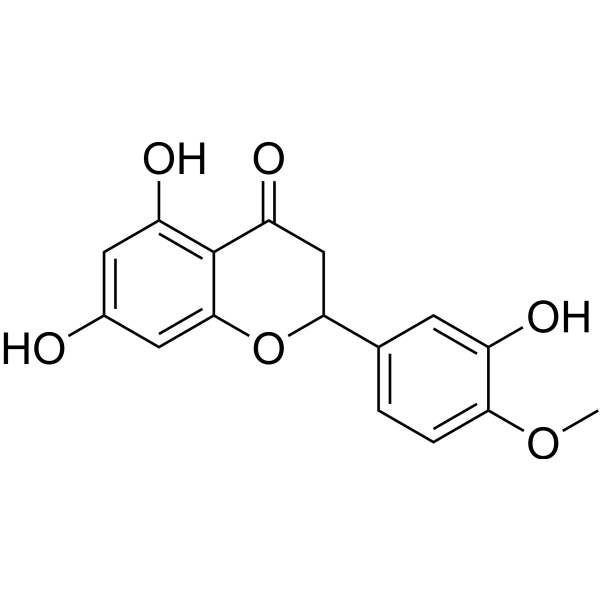
- HY-N0168AS
-
|
|
Isotope-Labeled Compounds
NF-κB
TGF-beta/Smad
|
Neurological Disease
Cancer
|
|
(Rac)-Hesperetin-d3 is the deuterium labeled (Rac)-Hesperetin. (Rac)-Hesperetin is the racemate of Hesperetin (HY-N0168), an orally active multi-target inhibitor. (Rac)-Hesperetin exhibits significant anti-tumor and anti-inflammatory activities by blocking the TGF-β1-mediated Fyn/RhoA signaling axis and the TLR4-MyD88-NF-κB inflammatory pathway. (Rac)-Hesperetin inhibits the formation of actin stress fibers and the migration and invasion of cancer cells, and is suitable for triple-negative breast cancer research. In inflammation models, (Rac)-Hesperetin effectively alleviates lung injury by reducing the release of pro-inflammatory mediators and regulating the activity of oxidative stress enzymes, and is suitable for acute lung injury research. (Rac)-Hesperetin also interferes with the entry and early replication processes of channel catfish virus, inhibits viral gene expression and progeny virus production, thereby protecting cells from virus-induced cytopathic effects .
|
-
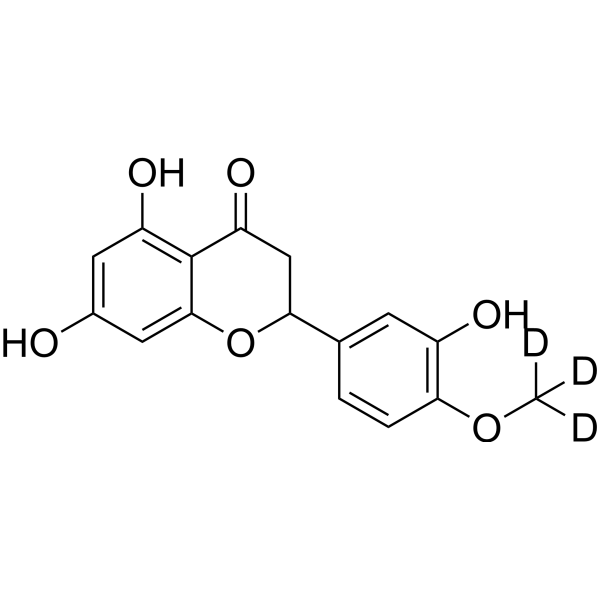
- HY-N0168AR
-
|
|
Reference Standards
NF-κB
TGF-beta/Smad
|
Neurological Disease
Cancer
|
|
(Rac)-Hesperetin (Standard) is the analytical standard of (Rac)-Hesperetin. This product is intended for research and analytical applications. (Rac)-Hesperetin is the racemate of Hesperetin (HY-N0168), an orally active multi-target inhibitor. (Rac)-Hesperetin exhibits significant anti-tumor and anti-inflammatory activities by blocking the TGF-β1-mediated Fyn/RhoA signaling axis and the TLR4-MyD88-NF-κB inflammatory pathway. (Rac)-Hesperetin inhibits the formation of actin stress fibers and the migration and invasion of cancer cells, and is suitable for triple-negative breast cancer research. In inflammation models, (Rac)-Hesperetin effectively alleviates lung injury by reducing the release of pro-inflammatory mediators and regulating the activity of oxidative stress enzymes, and is suitable for acute lung injury research. (Rac)-Hesperetin also interferes with the entry and early replication processes of channel catfish virus, inhibits viral gene expression and progeny virus production, thereby protecting cells from virus-induced cytopathic effects .
|
-

- HY-156096
-
|
|
HDAC
Histone Methyltransferase
Caspase
Apoptosis
DNA/RNA Synthesis
|
Cancer
|
|
HDAC3-IN-2 (compound 4i) is a pyrazinyl hydrazide-based HDAC3 inhibitor (IC50: 14 nM) that efficiently targets triple-negative breast cancer cells. HDAC3-IN-2 is cytotoxic with an IC50 of 0.55 μM against 4T1 and an IC50 of 0.74 μM against MDA-MB-231. HDAC3-IN-2 has anti-tumor efficacy in vivo in tumor-bearing mouse models, selectively increasing the acetylation levels of H3K9, H3K27 and H4K12, increasing the contents of apoptosis-related caspase-3, caspase-7 and cytochrome c, and reducing Proliferation-related Bcl-2, CD44, EGFR, and Ki-67 levels .
|
-
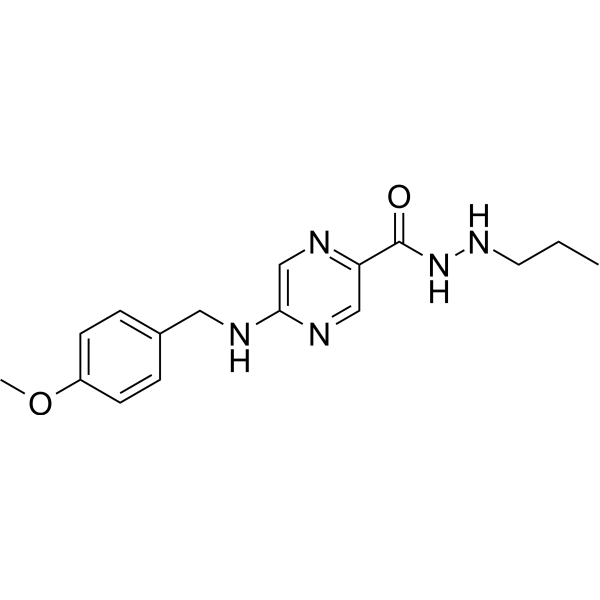
- HY-N0168AS1
-
|
|
Isotope-Labeled Compounds
NF-κB
TGF-beta/Smad
|
Neurological Disease
Cancer
|
|
(Rac)-Hesperetin- 13C,d3 is the 13C- and deuterium labeled (Rac)-Hesperetin. (Rac)-Hesperetin is the racemate of Hesperetin (HY-N0168), an orally active multi-target inhibitor. (Rac)-Hesperetin exhibits significant anti-tumor and anti-inflammatory activities by blocking the TGF-β1-mediated Fyn/RhoA signaling axis and the TLR4-MyD88-NF-κB inflammatory pathway. (Rac)-Hesperetin inhibits the formation of actin stress fibers and the migration and invasion of cancer cells, and is suitable for triple-negative breast cancer research. In inflammation models, (Rac)-Hesperetin effectively alleviates lung injury by reducing the release of pro-inflammatory mediators and regulating the activity of oxidative stress enzymes, and is suitable for acute lung injury research. (Rac)-Hesperetin also interferes with the entry and early replication processes of channel catfish virus, inhibits viral gene expression and progeny virus production, thereby protecting cells from virus-induced cytopathic effects .
|
-
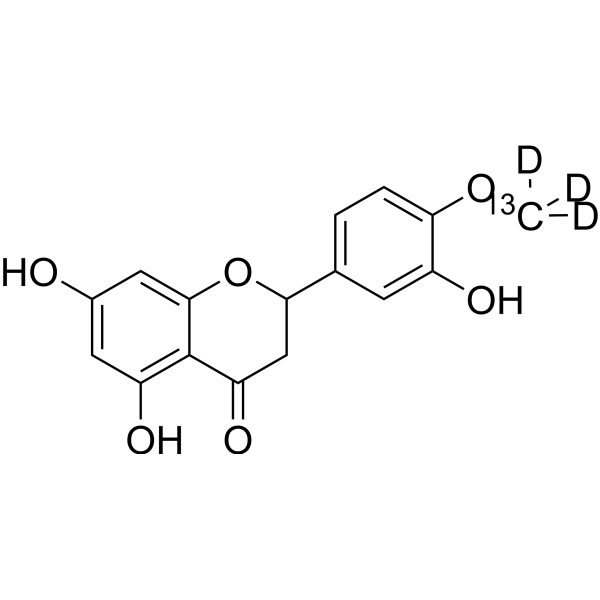
- HY-180261
-
|
|
PROTACs
mTOR
PI3K
Apoptosis
|
Cancer
|
GP262 is a PI3K/mTOR PROTAC degrader targeting PI3Kγ, PI3Kα and mTOR with DC50 values of 42.23 nM, 227.4 nM and 45.4 nM, respectively in MDA-MB-231 cells. GP262 induces degradation of p110α and p110γ with a DC50 of 227.4 and 42.23 nM. GP262 efficient modulates the PI3K/AKT/mTOR pathway, achieving degradation through the ubiquitin-proteasome system (UPS). GP262 also exhibits robust antiproliferative activity and induces apoptosis in vitro. GP262 exhibits tumor growth suppression capability and biosafety profile. GP262 can be used for leukemia and triple-negative breast cancer (TNBC) .
|
-

- HY-12875
-
|
|
Ras
|
Cancer
|
|
BQU57 is a selective inhibitor of RalA/RalB small GTPases, with a binding potency (Kb) of 7.7 μM for RalB-GDP. BQU57 can block its interaction with effector proteins (such as SEC5 and EXO84), inhibiting tumor cell migration, invasion and non-adherent growth. BQU57 downregulates the NF-κB signaling pathway, reduces the expression of IL-6, IL-8 and MMP-13, and inhibits apoptosis by regulating the Bcl-2/Bax balance. BQU57 also protects the extracellular matrix by inhibiting the Ral/NF-κB pathway and can be used for the study of degenerative diseases. BQU57 exhibits significant antitumor activity in triple-negative breast cancer (TNBC) models, inhibiting orthotopic tumor growth and lung metastasis and enhancing paclitaxel chemotherapy sensitivity .
|
-
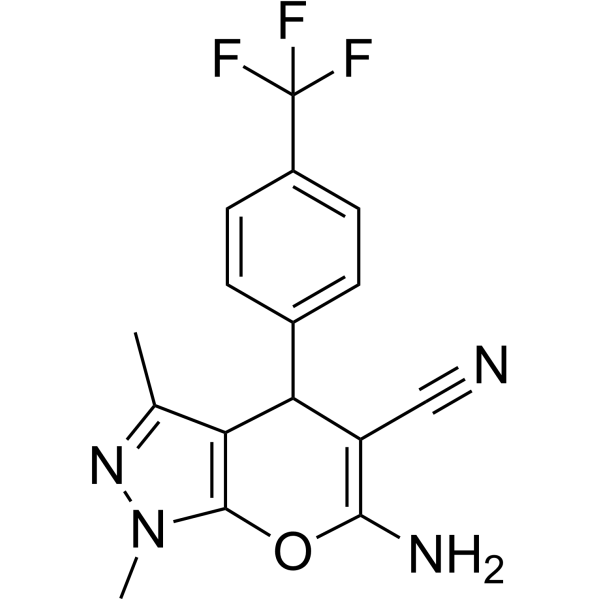
- HY-W011725
-
|
m6dA
|
Nucleoside Antimetabolite/Analog
Mitochondrial Metabolism
DNA/RNA Synthesis
|
Neurological Disease
Cancer
|
|
N-6-Methyl-2-deoxyadenosine (m6dA) is an adenine nucleoside analogue. N-6-Methyl-2-deoxyadenosine targets nuclear processes and DNA replication machineries including WER, SATB1, TFAM, Jumu, SSBP1, DNA polymerase η and phage polymerase Gp90 exo −. N-6-Methyl-2-deoxyadenosine acts as a multifunctional epigenetic regulator that modulates transcription, DNA damage response, cell cycle, transposon silencing, stress adaptation, epigenetic crosstalk, and nucleosome organization in both prokaryotes and eukaryotes. N-6-Methyl-2-deoxyadenosine regulates mitochondrial epigenetic inheritance and is required for fear extinction memory in mice. N-6-Methyl-2-deoxyadenosine exhibits dysregulated levels in cancers. N-6-Methyl-2-deoxyadenosine can be used for the research of glioblastoma, triple negative breast cancer, and conditioned fear (fear extinction impairment) .
|
-
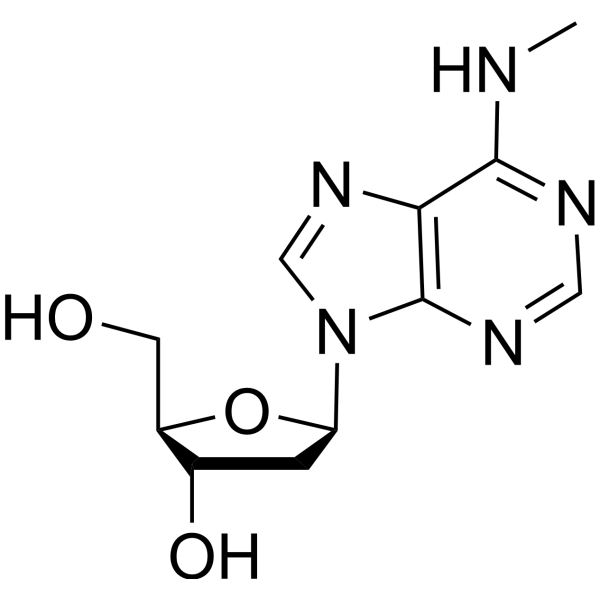
- HY-181413
-
|
|
PROTACs
Histone Methyltransferase
Bcl-2 Family
Caspase
PARP
|
Cancer
|
|
PROTAC EZH2 Degrader-44 (compound 60) is a highly efficient PROTAC degrader targeting the EZH2-PRC2 complex. By recruiting the CRBN E3 ligase and relying on the proteasome system, PROTAC EZH2 Degrader-44 simultaneously induces the degradation of core components EZH2, SUZ12 and EED, thereby significantly reducing the levels of H3K27me3 and CARM1. PROTAC EZH2 Degrader-44 exerts antiproliferative effects through a dual mechanism: on the one hand, it triggers mitochondrial dysfunction leading to decreased membrane potential; on the other hand, it strongly promotes apoptosis by regulating Bcl-2 family proteins (upregulating Bax, Caspase-3 and PARP, and downregulating Bcl-2). PROTAC EZH2 Degrader-44 exhibits only extremely low cytotoxicity in human normal mammary epithelial, liver and kidney cells, showing a favorable safety window. PROTAC EZH2 Degrader-44 is an ideal tool molecule for exploring the mechanisms of targeted therapy for triple-negative breast cancer .
|
-

| Cat. No. |
Product Name |
Type |
-
- HY-141598
-
|
DS-1062 (solution); Dato-DXd (solution)
|
Fluorescent Dyes
|
|
Datopotamab deruxtecan (DS-1062) solution is a TROP2-targeted antibody-drug conjugate (ADC) with human TROP2 Kd of 0.74 nmol/L. Datopotamab deruxtecan solution consists of the antibody Datopotamab (HY-P99843) and the toxic molecule-linker conjugate Deruxtecan (HY-13631E). Datopotamab deruxtecan solution binds TROP2, triggers internalization and lysosomal trafficking and releases DXd topoisomerase I inhibitor payload. Datopotamab deruxtecan solution disrupts DNA function, induces DNA damage, apoptosis, and bystander killing of tumor microenvironment cells. Datopotamab deruxtecan solution can be used in research related to triple-negative breast cancer, gastric cancer, and non-small cell lung cancer .
|
-
- HY-164789
-
|
SKB264; MK-2870
|
Fluorescent Dyes
|
|
Sacituzumab tirumotecan is an antibody-drug conjugate and TROP2-directed, topoisomerase I inhibitor payload-delivering agent, with a TROP2 EC50 of 2.787 ng/ml, TROP2 Ka of 0.3083 nM, and topoisomerase I IC50 of 0.7 μmol/L. Sacituzumab tirumotecan can be used for the research of metastatic triple-negative breast cancer, and metastatic non-small cell lung cancer .
|
-
- HY-169130
-
|
|
Fluorescent Dyes
|
|
Lyso BD-1, preferentially colocalized in lysosomes and lipid droplets, displays excellent photocytotoxicity (5.57 μM) on triple negative breast cancer cells under white light. Lyso BD-1 displays emission band at 560nm .
|
| Cat. No. |
Product Name |
Type |
-
- HY-NP163A
-
|
WGA-AF488
|
Biochemical Assay Reagents
|
Wheat germ agglutinin-AF488 (WGA-AF488) is a cell membrane-specific staining agent prepared by conjugating wheat germ agglutinin with the Alexa Fluor 488 (HY-D1304) fluorescent dye, and it binds to cell surface glycoproteins with high affinity. Wheat germ agglutinin-AF488 is applied in fluorescence microscopy and confocal imaging techniques, and it can clearly label the membrane structures of various cells including breast cancer cells, enabling high-resolution visual observation. Wheat germ agglutinin-AF488 is used in studies of breast cancer and triple-negative breast cancer to observe cell morphology and membrane dynamic changes .
|
| Cat. No. |
Product Name |
Target |
Research Area |
-
- HY-P10947
-
|
|
Epigenetic Reader Domain
YAP
|
Cancer
|
|
MACTIDE-V is an orally active and selective peptide-drug conjugate targeting CD206. MACTIDE-V delivers Verteporfin (HY-B0146) to CD206 + tumor-associated macrophages (TAM) to inhibit the YAP/TAZ signaling pathway, prompting YAP exclusion from the nucleus, inducing TAM polarization toward an anti-tumoral phenotype with enhanced phagocytosis and antigen presentation, and boosting T cell infiltration and NK cell activity. MACTIDE-V suppresses primary tumor growth and lung metastasis in triple-negative breast cancer (TNBC) mouse models .
|
-
- HY-P10853
-
|
|
Autophagy
|
Cancer
|
|
Bacilotetrin C analogue is cytotoxic to triple-negative breast cancer cell line MDA-MB-231 with an IC50 of 0.48 μM. Bacilotetrin C analogue can induce tumor cell autophagy and has anti-tumor activity .
|
-
- HY-P11280A
-
|
|
Melanocortin Receptor
|
Cancer
|
|
PRAME peptide (425-433) acetate is a proteasome-degraded peptide derived from the cancer-testis antigen PRAME (Preferentially Expressed Antigen in Melanoma). PRAME peptide (425-433) acetate is restricted by HLA-A*02:01 and can serve as a target for bispecific T cell engager therapy in the context of major histocompatibility complex I presentation. PRAME peptide (425-433) acetate shows application potential in various malignant tumors and is widely suitable for research related to solid tumors, melanoma, ovarian cancer, endometrial cancer, and lung cancer (including lung adenocarcinoma and lung squamous cell carcinoma). PRAME peptide (425-433) acetate can be used to explore disease of triple-negative breast cancer, diffuse large B-cell lymphoma, and head and neck squamous cell carcinoma .
|
-
- HY-183488
-
|
RRRRRRRRRCCLGIPEQEY
|
Apoptosis
PARP
|
Cancer
|
|
R9-caPep (RRRRRRRRRCCLGIPEQEY) is a cell-penetrating peptide derived from proliferating cell nuclear antigen (PCNA). R9-caPep selectively blocks the interactions between PCNA and FEN1, as well as between PCNA and LIGI, while preserving the binding of POLD3 to PCNA. R9-caPep interferes with DNA synthesis and homologous recombination-mediated double-strand DNA break repair, inducing S-phase arrest, DNA damage accumulation, and apoptosis. R9-caPep inhibits the growth of tumor volume and weight of neuroblastoma in nude mice . R9-caPep can be used in research related to neuroblastoma and triple-negative breast cancer .
|
| Cat. No. |
Product Name |
Target |
Research Area |
Image |
-
- HY-P99045
-
|
HRS7; hRS7
|
ADC Antibody
TROP2
|
Cancer
|
|
Sacituzumab is a humanized IgG1 monoclonal antibody targeting Trophoblast cell surface antigen 2 (TROP2). Sacituzumab demonstrates a lack of antitumor effects alone and does not inhibit the function of TROP-2 during tumor metastasis, binding to the linear epitopes of TROP-2 protein. Sacituzumab can be used for the synthesis of antibody-drug conjugates (ADC) drug Sacituzumab govitecan (HY-132254). Sacituzumab govitecan can be used in the field of triple-negative breast cancer .
|
-

(5)
-
- HY-P99843
-
|
|
TROP2
ADC Antibody
|
Cancer
|
|
Datopotamab (CDP7657) is a humanized anti trophoblast cell surface antigen 2 (TROP2) antibody. Datopotamab can generate antibody drug conjugates (ADC) (HY-141598) with DNA topoisomerase I inhibitor Deruxtecan (HY-13631E). Datopotamab can be used in the study of triple negative breast cancer and non-small cell lung cancer .
|
-
(5)
-
- HY-P991097
-
|
PM-8002; BNT-327
|
VEGFR
PD-1/PD-L1
|
Cancer
|
|
Pumitamig (PM-8002, BNT-327) is a bispecific antibody targeting PD-L1 and VEGF-A, with immune activation and anti-angiogenic activities. By binding to PD-L1, Pumitamig restores the function of effector T cells, while neutralizing VEGF-A in the tumor microenvironment to reverse its inhibition on the infiltration and activation of immune cells and normalize tumor blood vessels. Pumitamig can also be combined with various ADCs targeting TROP2, B7H3, HER2, HER3 for the research of advanced/metastatic solid tumors, including non-small cell lung cancer, ovarian cancer, triple-negative breast cancer, cervical cancer, etc. Pumitamig also exhibits potential efficacy in "cold" tumors with low PD-L1 expression that are insensitive to immunotherapy .
|
-
(5)
-
- HY-P99045A
-
|
|
ADC Antibody
TROP2
|
Cancer
|
|
Sacituzumab (powder) is a humanized IgG1 monoclonal antibody targeting Trophoblast cell surface antigen 2 (TROP2). Sacituzumab (powder) demonstrates a lack of antitumor effects alone and does not inhibit the function of TROP-2 during tumor metastasis, binding to the linear epitopes of TROP-2 protein. Sacituzumab (powder) can be used for the synthesis of antibody-drug conjugates (ADC) drug Sacituzumab govitecan (HY-132254). Sacituzumab govitecan can be used in the field of triple-negative breast cancer .
|
-
(5)
-
- HY-P990717
-
|
IMC-F106C
|
CD3
|
Cancer
|
|
Brenetafusp is a TCR/anti-CD3 bispecific fusion protein, consisting of a TCR targeting the PRAME peptide and an anti-CD3 scFv effector domain. Brenetafusp redirects CD3 + T cells to kill PRAME + tumor cells. Brenetafusp can be used in research related to cutaneous melanoma, non-small cell lung cancer, ovarian cancer, endometrial cancer, triple-negative breast cancer, and small cell lung cancer .
|
-
(5)
-
- HY-P99682
-
|
hLIV22
|
ADC Antibody
|
Cancer
|
|
Ladiratuzumab (hLIV22) is a humanized monoclonal antibody against zinc transporter LIV-1/ZIP6. Ladiratuzumab is conjugated to MMAE (HY-15162) via a cleavable dipeptide linker to synthesize an antibody-drug conjugate (ADC) Ladiratuzumab vedotin (HY-P99683). Ladiratuzumab vedotin selectively targets LIV-1 protein overexpressed on the surface of tumor cells, enters cells through antibody-mediated receptor endocytosis, releases MMAE to inhibit microtubule polymerization, and kills adjacent tumor cells with a bystander effect. Ladiratuzumab can be used in the study of solid tumors such as metastatic triple-negative breast cancer (mTNBC) .
|
-
(5)
-
- HY-P991372
-
|
RN927C antibody
|
TROP2
|
Cancer
|
|
Anti-TROP2 Antibody (RN927C antibody) is a human monoclonal antibody targeting Trop-2. Anti-TROP2 Antibody exerts in vitro inhibitory effects on a variety of tumor cell lines. Anti-TROP2 Antibody exhibits anti-tumor activity in mouse pancreatic PDX, ovarian PDX, lung PDX and triple-negative breast cancer (TNB) PDX models. Anti-TROP2 Antibody can be used for research on pancreatic cancer, ovarian cancer, lung cancer and triple-negative breast cancer .
|
-
(5)
-
- HY-P99007
-
|
BAY 1179470
|
FGFR
|
Cancer
|
|
Aprutumab (BAY 1179470) is a fully human fibroblast growth factor receptor 2 (FGFR2)-specific monoclonal antibody . Aprutumab induces FGFR2 endocytosis and degradation in cancer cells expressing FGFR2. Aprutumab serves as the targeted monoclonal antibody component of the antibody-drug conjugate BAY 1187982 (HY-141600) and mediates the endocytosis of the antibody-drug conjugate into FGFR2-positive cells. Aprutumab can be used for the research of FGFR2-positive solid tumors, including studies on gastric cancer and triple-negative breast cancer .
|
-
(5)
-
- HY-P991742
-
|
15A7.5; ETx-22 Antibody
|
ADC Antibody
|
Cancer
|
|
LY4101174 Antibody is an ADC antibody. LY4101174 is an antibody-drug conjugate (ADC) that targets the nectin-4 protein present on the surface of certain cancer cells. It can directly deliver a potent chemotherapy agent (Exatecan (HY-13631)) to the tumor site and is used for the study of advanced cancers, such as urothelial carcinoma, triple-negative breast cancer, and non-small cell lung cancer .
|
-
(5)
-
- HY-P991664
-
|
|
Src
Akt
ERK
TAM Receptor
c-Met/HGFR
MMP
HIF/HIF Prolyl-Hydroxylase
VEGFR
|
Cancer
|
|
AG01 is a monoclonal antibody against progranulin (GP88). AG01 inhibits triple-negative breast cancer (TNBC) cell proliferation and migration, reduces the expression of phosphorylated protein kinases p-Src, p-AKT, and p-ERK, and reduces the expression of oncogenic proteins such as Axl, c-MET, HIF-1α, and VEGF. AG01 inhibits tumor growth and Ki67 expression in a TNBC xenograft mouse model. AG01 can be used in the research of TNBC and other cancers .
|
-
(5)
-
- HY-P991572
-
|
|
EGFR
|
Cancer
|
|
MM-151 is a humanized IgG1 monoclonal antibody targeting EGFR. MM-151 binds multiple regions of the EGFR extracellular domain (ECD) and reduces its mutations in circulating cell-free tumor DNA with EGFR resistance. MM-151 significantly inhibits EGFR signaling and cell growth. MM-151 can be used for drug-resistant cancers research, such as colorectal, non-small cell lung and triple negative breast cancer .
|
-
(5)
-
- HY-P991620
-
|
|
Transmembrane Glycoprotein
|
Cancer
|
|
JS006 is a humanized IgG4κ monoclonal antibody inhibitor targeting TIGIT/CD155. JS006 can be used to study advanced and/or metastatic cancers with resistance to PD-1/PD-L1 inhibitor such as non-small cell lung cancer (NSCLC), advanced lymphoma and advanced/metastatic triple negative breast cancer (TNBC) .
|
-
(5)
-
- HY-P99881
-
|
ABBV 176
|
Antibody-Drug Conjugates (ADCs)
|
Cancer
|
|
Rolinsatamab talirine (ABBV 176) is a prolactin receptor (PRLR)-targeting antibody-drug conjugate (ADC), compoused of Rolinsatamab (HY-P99238) and SGD-1882 (HY-101127). Rolinsatamab talirine binds to PRLR to deliver a cytotoxin to tumor cells. Rolinsatamab talirine induces DNA damage, and exhibits cytotoxicity against multiple breast tumor models, including triple negative and low PRLR-expressing models. Rolinsatamab talirine demonstrates enhanced anti-tumor activity in several breast cancer models. Rolinsatamab talirine can be used for the research of breast cancer, hepatocellular carcinoma, ovarian cancer, endometrial cancer, prostate cancer, colorectal cancer, adrenocortical carcinoma, and solid tumors .
|
-
(5)
-
- HY-P991356
-
|
LAE-005
|
PD-1/PD-L1
|
Cancer
|
|
FAZ-053 is a human monoclonal antibody (mAb) targeting B7-H1/PD-L1/CD274. FAZ-053 inhibits the interaction of PD-L1 with PD-1 and B7-1 on monocytes, dendritic cells, and B cells. FAZ-053 enhances interleukin 2 production. FAZ-053 can be used in advanced alveolar soft tissue sarcoma (ASPS), chordoma, and triple-negative breast cancer research .
|
-
(5)
-
- HY-P992441
-
|
|
Transmembrane Glycoprotein
|
Cancer
|
|
PHST001 is a humanized anti-CD24 antibody. PHST001 binds cell-surface CD24, blocks CD24-Siglec10 interaction, and engages Fc receptors to promote macrophage-mediated tumor cell phagocytosis. PHST001 inhibits growth of breast cancer and ovarian cancer, and reduces metastatic lesions in mouse xenograft models. PHST001 can be used for the research of triple negative breast cancer, HER2+ breast cancer, metastatic tumors, and ovarian cancer .
|
-
(5)
-
- HY-P991864
-
|
MDX-124
|
Formyl Peptide Receptor (FPR)
|
Cancer
|
|
Annexuzlimab is a humanised IgG1 monoclonal antibody which specifically binds to ANXA1 disrupting its interaction with formyl peptide receptors 1 and 2 (FPR1/2). Annexuzlimab arrests cell cycle progression with cancer cells accumulating in the G1 phase. Annexuzlimab targets secreted ANXA1, preventing FPR1/2 activation and reducing cancer progression. Annexuzlimab can be used for the research of triple negative breast cancer, pancreatic cancer and osteosarcoma .
|
-
(5)
-
- HY-P992369
-
|
|
VISTA
|
Cancer
|
|
HMBD-002 is an Fc-independent, non-depleting IgG4 subclass antibody that targets VISTA and VSIG3. It is widely used in research related to various solid tumors, including colon cancer, triple-negative breast cancer, and non-small cell lung cancer. HMBD-002 blocks the interactions of VISTA with VSIG3 and LRIG1, relieves immunosuppression without depleting VISTA-positive cells, activates the cytotoxic program of CD8 + T cells, and drives the type I interferon signaling pathway. HMBD-002 reprograms tumor-associated macrophages to the M1 phenotype, reduces tumor infiltration of inhibitory myeloid cells, thereby significantly inhibiting tumor growth and improving survival. HMBD-002 is well tolerated in rodent and non-human primate animal models .
|
-
(5)
-
- HY-P992391
-
|
IPH43
|
C-type Lectin-like Receptors (CTLRs)
Apoptosis
|
Cancer
|
|
IPH4301 is a monoclonal antibody targeting MICA/B, with dual activities of cytotoxicity and immunoregulation . IPH4301 blocks the interaction between MICA/B and NKG2D, inhibits their hydrolysis into soluble sMICA/B, and mediates antibody-dependent cellular cytotoxicity and antibody-dependent cellular phagocytosis against tumor cells expressing MICA/MICB. IPH4301 restores the expression and function of NKG2D on primary NK cells and T cells, reverses the immunosuppression induced by M2 macrophages, and enhances NK cell-mediated tumor cell apoptosis. IPH4301 can be used in research related to cancer and triple-negative breast cancer .
|
-
(5)
-
- HY-P992341
-
|
|
MMP
|
Cancer
|
|
D8P1C1 is a high-affinity ADAM17 inhibitor (with a Kd of 180 pM targeting ADAM17-ECD) that reduces the shedding and phosphorylation of EGFR ligands. D8P1C1 inhibits cancer cell proliferation in vitro and tumor growth in xenograft models. 89Zr-DFO-D8P1C1 radioimmunological PET imaging shows its substantial accumulation in ovarian tumor xenografts, serving as a platform for generating bispecific T-cell engager derivatives. D8P1C1 can be applied to research on related diseases including triple-negative breast cancer, various types of ovarian cancer, lung adenocarcinoma, glioma, and colon cancer .
|
-
(5)
-
- HY-P992488
-
|
ZV0501 Antibody
|
Transmembrane Glycoprotein
ADC Antibody
|
Cancer
|
|
ZV05 (ZV0501 Antibody) is an anti-5T4 monoclonal antibody with an EC50 of 4.3 ng/mL against h5T4. ZV05 does not induce apoptosis or interfere with cell cycle progression. ZV05 accumulates specifically in 5T4-positive tumor xenografts. ZV05 can serve as the antibody component of antibody-active molecule conjugates (ADCs) to bind the 5T4 glycoprotein, thereby enabling targeted delivery of toxins. ZV05 is used in studies of 5T4-positive cancers, including triple-negative breast cancer .
|
-
(5)
| Cat. No. |
Product Name |
Category |
Target |
Chemical Structure |
-
- HY-108692
-
-
-
- HY-N0770
-
-
-
- HY-N0554
-
-
-
- HY-N0168A
-
|
|
Structural Classification
Flavonoids
other families
Flavonones
Phenols
Polyphenols
Plants
Source Classification
|
TGF-beta/Smad
NF-κB
|
|
(Rac)-Hesperetin is the racemate of Hesperetin (HY-N0168), an orally active multi-target inhibitor. (Rac)-Hesperetin exhibits significant anti-tumor and anti-inflammatory activities by blocking the TGF-β1-mediated Fyn/RhoA signaling axis and the TLR4-MyD88-NF-κB inflammatory pathway. (Rac)-Hesperetin inhibits the formation of actin stress fibers and the migration and invasion of cancer cells, and is suitable for triple-negative breast cancer research. In inflammation models, (Rac)-Hesperetin effectively alleviates lung injury by reducing the release of pro-inflammatory mediators and regulating the activity of oxidative stress enzymes, and is suitable for acute lung injury research. (Rac)-Hesperetin also interferes with the entry and early replication processes of channel catfish virus, inhibits viral gene expression and progeny virus production, thereby protecting cells from virus-induced cytopathic effects .
|
-
-
- HY-N0331
-
-
-
- HY-N0858
-
-
-
- HY-135319
-
|
|
Structural Classification
Phenols
Polyphenols
Camellia sinensis (L.) O. Ktze.
Plants
Source Classification
Theaceae
|
Bacterial
Antibiotic
ERK
JNK
NF-κB
ROR
Apoptosis
Caspase
GSK-3
Akt
PI3K
|
|
Strictinin is an orally active phenolic compound. Strictinin reduces xanthine oxidase activity, uric acid production, and the activation of ERK1/2, JNK, NF-κB, and NLRP3 inflammasome components in hepatocytes treated with Xanthine (HY-W017389). Strictinin decreases elevated serum uric acid levels and enhanced xanthine oxidase activity in mice treated with potassium oxonate. Strictinin acts as a ROR1 inhibitor and exhibits anticancer activity against highly aggressive non-androgen-dependent prostate cancer. Strictinin induces cancer cell apoptosis (apoptosis), arrests cell cycle, and inhibits cancer cell migration, invasion, and epithelial-mesenchymal transition. Strictinin modulates gut microbiota, inhibits bacterial growth and biofilm formation, accelerates small intestinal transit, and blocks viral entry and replication. Strictinin can be used in research related to hyperuricemia, androgen receptor-negative non-androgen-dependent prostate cancer, triple-negative breast cancer, bacterial infections, constipation, coronavirus infections, dental caries, and infections caused by influenza A, influenza B, and human parainfluenza virus type 1 .
|
-
-
- HY-N6007
-
-
-
- HY-N7694
-
-
-
- HY-N14780
-
|
(+)-Pochonin D
|
Structural Classification
Natural Products
Microorganisms
Source Classification
|
HSP
Interleukin Related
TNF Receptor
Enterovirus
Cuproptosis
|
|
Pochonin D ((+)-Pochonin D) is an inhibitor of heat shock protein 90 (Hsp90) with antiviral and anti-inflammatory activities. Pochonin D inhibits Hsp90, affects the homeostasis, folding and assembly processes of viral proteins, and reduces the replication capacity of viruses. Pochonin D is a copper ion carrier that can induce cuproptosis in triple-negative breast cancer cells by targeting PRDX1. Pochonin D reduces the infiltration of inflammatory cells, decreases the secretion of inflammatory cytokines such as TNF-α and IL-1β, and alleviates inflammatory responses. Pochonin D is a promising candidate for research on human rhinovirus (HRV) infection and cancer .
|
-
-
- HY-N7215
-
-
-
- HY-108692R
-
-
-
- HY-N8098
-
-
-
- HY-N0770R
-
-
-
- HY-N0858R
-
|
|
Structural Classification
Lignans
Phenylpropanoids
Plants
Schisandraceae
Schisandra chinensis (Turcz.) Baill.
Source Classification
|
Reference Standards
HIV
|
|
Gomisin G (Standard) is the analytical standard of Gomisin G. This product is intended for research and analytical applications. Gomisin G is a lignin from S. chinesis with anti-HIV (EC50 = 0.006 μg/mL), anti-liver cancer and anti-inflammatory activities. Gomisin G has an AKT-cyclin D1 dependent mechanism against triple-negative breast cancer (TNBC) cells through suppressing phosphorylation rather than inducing apoptosis. Gomisin G can inhibit AKT phosphorylation. Gomisin G can cause cell cycle arrest in the G1 phase. Gomisin G can be studied in research for diseases such as HIV, breast and liver cancers .
|
-
-
- HY-N0331R
-
-
-
- HY-N0168AR
-
|
|
Structural Classification
Flavonoids
other families
Flavonones
Phenols
Polyphenols
Plants
Source Classification
|
Reference Standards
NF-κB
TGF-beta/Smad
|
|
(Rac)-Hesperetin (Standard) is the analytical standard of (Rac)-Hesperetin. This product is intended for research and analytical applications. (Rac)-Hesperetin is the racemate of Hesperetin (HY-N0168), an orally active multi-target inhibitor. (Rac)-Hesperetin exhibits significant anti-tumor and anti-inflammatory activities by blocking the TGF-β1-mediated Fyn/RhoA signaling axis and the TLR4-MyD88-NF-κB inflammatory pathway. (Rac)-Hesperetin inhibits the formation of actin stress fibers and the migration and invasion of cancer cells, and is suitable for triple-negative breast cancer research. In inflammation models, (Rac)-Hesperetin effectively alleviates lung injury by reducing the release of pro-inflammatory mediators and regulating the activity of oxidative stress enzymes, and is suitable for acute lung injury research. (Rac)-Hesperetin also interferes with the entry and early replication processes of channel catfish virus, inhibits viral gene expression and progeny virus production, thereby protecting cells from virus-induced cytopathic effects .
|
-
-
- HY-N18190
-
-
-
- HY-N17312
-
-
-
- HY-N17319A
-
-
-
- HY-N17556
-
-
-
- HY-N17319
-
-
| Cat. No. |
Product Name |
Chemical Structure |
-
- HY-N0168AS1
-
|
|
|
(Rac)-Hesperetin- 13C,d3 is the 13C- and deuterium labeled (Rac)-Hesperetin. (Rac)-Hesperetin is the racemate of Hesperetin (HY-N0168), an orally active multi-target inhibitor. (Rac)-Hesperetin exhibits significant anti-tumor and anti-inflammatory activities by blocking the TGF-β1-mediated Fyn/RhoA signaling axis and the TLR4-MyD88-NF-κB inflammatory pathway. (Rac)-Hesperetin inhibits the formation of actin stress fibers and the migration and invasion of cancer cells, and is suitable for triple-negative breast cancer research. In inflammation models, (Rac)-Hesperetin effectively alleviates lung injury by reducing the release of pro-inflammatory mediators and regulating the activity of oxidative stress enzymes, and is suitable for acute lung injury research. (Rac)-Hesperetin also interferes with the entry and early replication processes of channel catfish virus, inhibits viral gene expression and progeny virus production, thereby protecting cells from virus-induced cytopathic effects .
|
-
-
- HY-N0168AS
-
|
|
|
(Rac)-Hesperetin-d3 is the deuterium labeled (Rac)-Hesperetin. (Rac)-Hesperetin is the racemate of Hesperetin (HY-N0168), an orally active multi-target inhibitor. (Rac)-Hesperetin exhibits significant anti-tumor and anti-inflammatory activities by blocking the TGF-β1-mediated Fyn/RhoA signaling axis and the TLR4-MyD88-NF-κB inflammatory pathway. (Rac)-Hesperetin inhibits the formation of actin stress fibers and the migration and invasion of cancer cells, and is suitable for triple-negative breast cancer research. In inflammation models, (Rac)-Hesperetin effectively alleviates lung injury by reducing the release of pro-inflammatory mediators and regulating the activity of oxidative stress enzymes, and is suitable for acute lung injury research. (Rac)-Hesperetin also interferes with the entry and early replication processes of channel catfish virus, inhibits viral gene expression and progeny virus production, thereby protecting cells from virus-induced cytopathic effects .
|
-
| Cat. No. |
Product Name |
|
Classification |
-
- HY-162874
-
|
|
|
DBCO
|
|
diABZI-V/C-DBCO is a STING agonist with an EC50 of 1.47 nM. diABZI-V/C-DBCO activates the STING pathway, induces the production of IFN-I, and stimulates the secretion of IFN-β. diABZI-V/C-DBCO serves as a substrate for cathepsin B, and releases active diABZI-amine via cathepsin B-mediated cleavage. In an orthotopic mouse model of breast cancer, diABZI-V/C-DBCO increases serum IFN-β levels and the frequency of granzyme B + CD8 + T cells. diABZI-V/C-DBCO is applicable to research related to triple-negative breast cancer .
|
-
- HY-135699
-
TD52
2 Publications Verification
|
|
Alkynes
|
|
TD52, an Erlotinib (HY-50896) derivative, is an orally active, potent cancerous inhibitor of protein phosphatase 2A (CIP2A) inhibitor. TD52 mediates the apoptotic effect in triple-negative breast cancer (TNBC) cells via regulating the CIP2A/PP2A/p-Akt signalling pathway. TD52 indirectly reduced CIP2A by disturbing Elk1 binding to the CIP2A promoter. TD52 has less p-EGFR inhibition and has potent anti-cancer activity . TD52 is a click chemistry reagent, it contains an Alkyne group and can undergo copper-catalyzed azide-alkyne cycloaddition (CuAAc) with molecules containing Azide groups.
|
-
- HY-178164
-
|
|
|
Alkynes
|
|
HBS-101 is a selectively, orally active, brain-penetrant, Midkine (MDK) inhibitor (KD = 38.4 nM). HBS-101 significantly reduces cell viability, clonogenic survival, and invasiveness and increases apoptosis. HBS-101 involves suppression of the Akt/mTOR, STAT3, and NF-κB pathways. HBS-101 can be used for the study of Triple-negative breast cancer (TNBC) .
|
-
- HY-135699A
-
|
|
|
Alkynes
|
|
TD52 dihydrochloride, an Erlotinib (HY-50896) derivative, is an orally active, potent cancerous inhibitor of protein phosphatase 2A (CIP2A) inhibitor. TD52 dihydrochloride mediates the apoptotic effect in triple-negative breast cancer (TNBC) cells via regulating the CIP2A/PP2A/p-Akt signalling pathway. TD52 dihydrochloride indirectly reduced CIP2A by disturbing Elk1 binding to the CIP2A promoter. TD52 dihydrochloride has less p-EGFR inhibition and has potent anti-cancer activity . TD52 (dihydrochloride) is a click chemistry reagent, it contains an Alkyne group and can undergo copper-catalyzed azide-alkyne cycloaddition (CuAAc) with molecules containing Azide groups.
|
-
- HY-157411
-
|
|
|
Alkynes
|
|
anti-TNBC agent-5 (compound 10C) is a triple-negative breast cancer (TNBC) inhibitor with good stability and pharmacokinetic properties. anti-TNBC agent-5 exhibits antiproliferative activity against a variety of cancer cells. anti-TNBC agent-5 can also effectively inhibit TNBC lung metastasis activity in the MDA-MB-231 xenograft model. anti-TNBC agent-5 can be used in cancer research .
|
-
- HY-181483
-
|
|
|
Alkynes
|
|
CDK6-IN-2 is a CDK6 covalent inhibitor with an IC50 of 0.013 μM. CDK6-IN-2 inhibits the proliferation and migration of triple-negative breast cancer cells, and induces cell cycle arrest and apoptosis. CDK6-IN-2 induces ROS accumulation and mitochondrial damage through cellular metabolic reprogramming. CDK6-IN-2 exhibits anti-tumor activity and can be used for the research of triple-negative breast cancer .
|
| Cat. No. |
Product Name |
|
Classification |
-
- HY-W011725
-
|
m6dA
|
|
Nucleoside Analogs
Adenosine
|
|
N-6-Methyl-2-deoxyadenosine (m6dA) is an adenine nucleoside analogue. N-6-Methyl-2-deoxyadenosine targets nuclear processes and DNA replication machineries including WER, SATB1, TFAM, Jumu, SSBP1, DNA polymerase η and phage polymerase Gp90 exo −. N-6-Methyl-2-deoxyadenosine acts as a multifunctional epigenetic regulator that modulates transcription, DNA damage response, cell cycle, transposon silencing, stress adaptation, epigenetic crosstalk, and nucleosome organization in both prokaryotes and eukaryotes. N-6-Methyl-2-deoxyadenosine regulates mitochondrial epigenetic inheritance and is required for fear extinction memory in mice. N-6-Methyl-2-deoxyadenosine exhibits dysregulated levels in cancers. N-6-Methyl-2-deoxyadenosine can be used for the research of glioblastoma, triple negative breast cancer, and conditioned fear (fear extinction impairment) .
|
Your information is safe with us. * Required Fields.
Inquiry Information
- Product Name:
- Cat. No.:
- Quantity:
- MCE Japan Authorized Agent:








