1. Search Result
Search Result
Results for "

Oxidative Metabolism

" in MedChemExpress (MCE) Product Catalog:

266

Inhibitors & Agonists

6

Screening Libraries

1

Fluorescent Dyes

15

Biochemical Assay Reagents

18

Peptides

1

Inhibitory Antibodies

87

Natural
Products

24

Isotope-Labeled Compounds

7

Oligonucleotides

1

GMP Molecules

Cat. No. Product Name Target Research Areas Chemical Structure
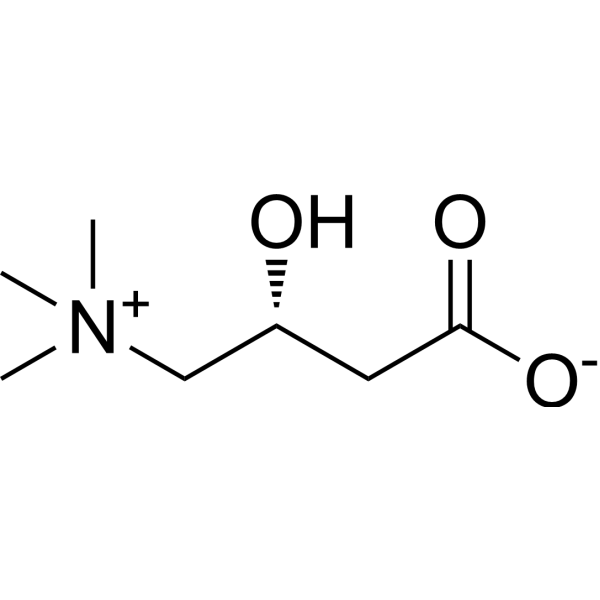
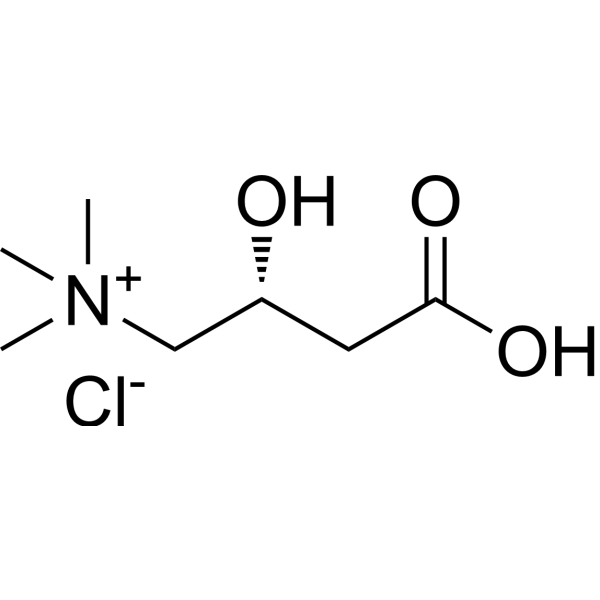
  • HY-B0399
    L-Carnitine
    15+ Cited Publications

    (R)-Carnitine; Levocarnitine

    Endogenous Metabolite Neurological Disease Cancer
    L-Carnitine ((R)-Carnitine), a highly polar, small zwitterion, is an essential co-factor for the mitochondrial β-oxidation pathway. L-Carnitine functions to transport long chain fatty acyl-CoAs into the mitochondria for degradation by β-oxidation. L-Carnitine is an antioxidant. L-Carnitine can ameliorate metabolic imbalances in many inborn errors of metabolism .
    L-Carnitine
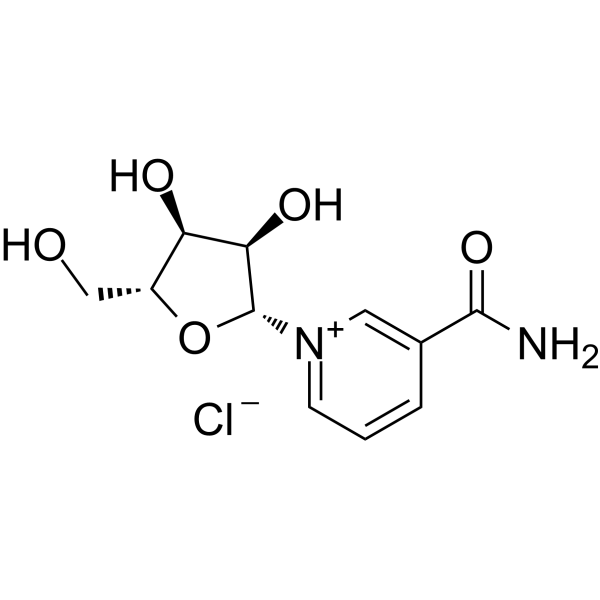
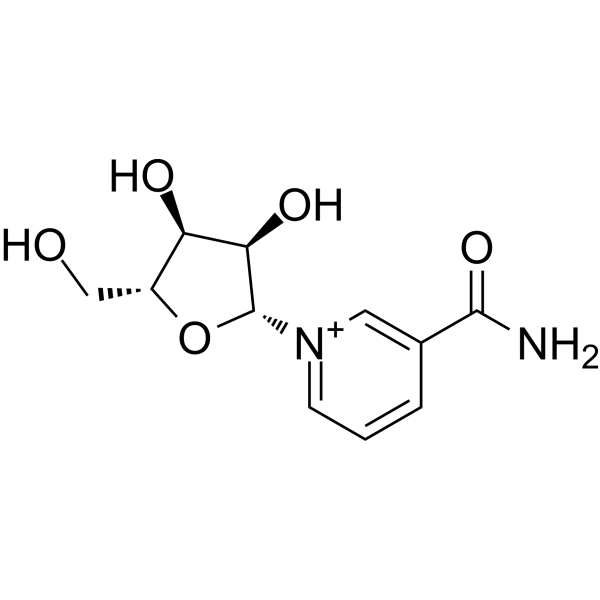
  • HY-123033A
    Nicotinamide riboside chloride
    Maximum Cited Publications
    25 Publications Verification

    Sirtuin Endogenous Metabolite Neurological Disease Metabolic Disease Cancer
    Nicotinamide riboside Chloride, an orally active NAD + precursor, increases NAD + levels and activates SIRT1 and SIRT3. Nicotinamide riboside Chloride is a source of vitamin B3 (niacin) and enhances oxidative metabolism, protection against high fat diet-induced metabolic abnormalities . Nicotinamide riboside Chloride reduces cognitive deterioration in a transgenic mouse model of Alzheimer’s disease .
    Nicotinamide riboside chloride
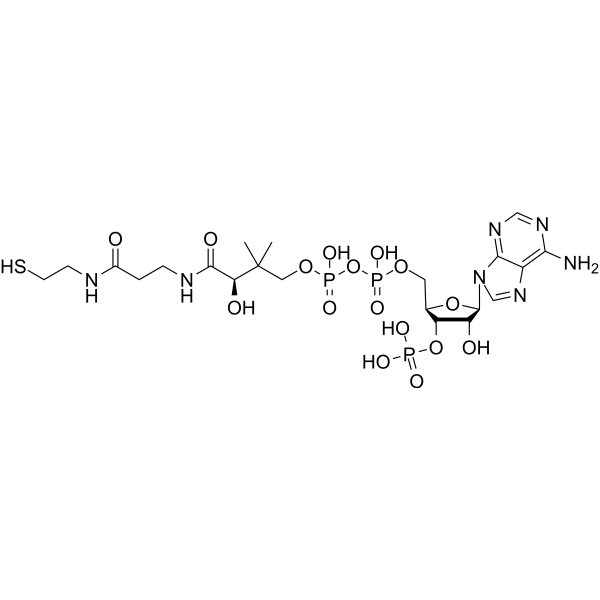
  • HY-128851
    Coenzyme A
    2 Publications Verification

    Endogenous Metabolite Fatty Acid Synthase (FASN) Metabolic Disease Cancer
    Coenzyme A (CoASH) is a ubiquitous and essential cofactor, which is an acyl group carrier and carbonyl-activating group for the citric acid cycle and fatty acid metabolism. Coenzyme A plays a central role in the oxidation of pyruvate in the citric acid cycle and the metabolism of carboxylic acids, including short- and long-chain fatty acids .
    Coenzyme A
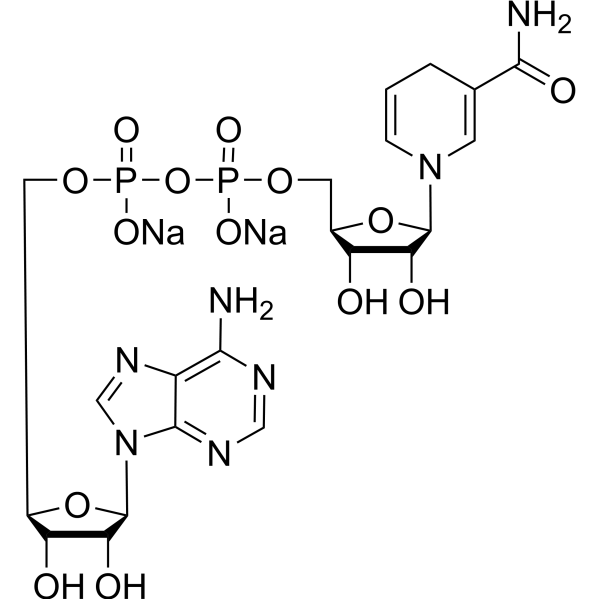
  • HY-F0001
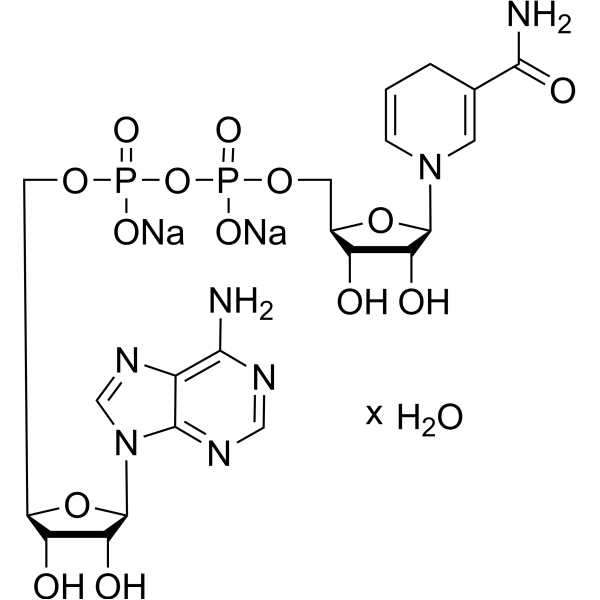
    NADH disodium salt
    5+ Cited Publications

    Disodium NADH

    Endogenous Metabolite Metabolic Disease
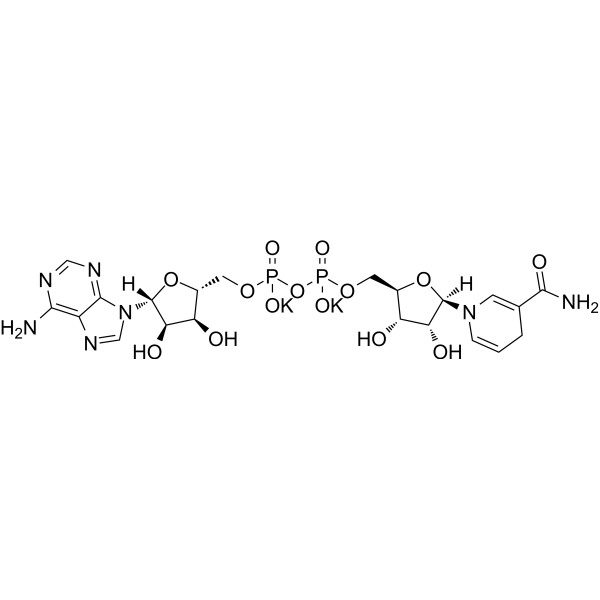
    NADH disodium salt (Disodium NADH) is an orally active reduced coenzyme. NADH disodium salt is a donor of ADP-ribose units in ADP-ribosylaton reactions and a precursor of cyclic ADP-ribose. NADH disodium salt plays a role as a regenerative electron donor in cellular energy metabolism, including glycolysis, β-oxidation and the tricarboxylic acid (TCA) cycle .
    NADH disodium salt
  • HY-B0171
    Antipyrine
    3 Publications Verification

    Phenazone; Phenazon

    Fluorescent Dye GABA Receptor Metabolic Disease Inflammation/Immunology
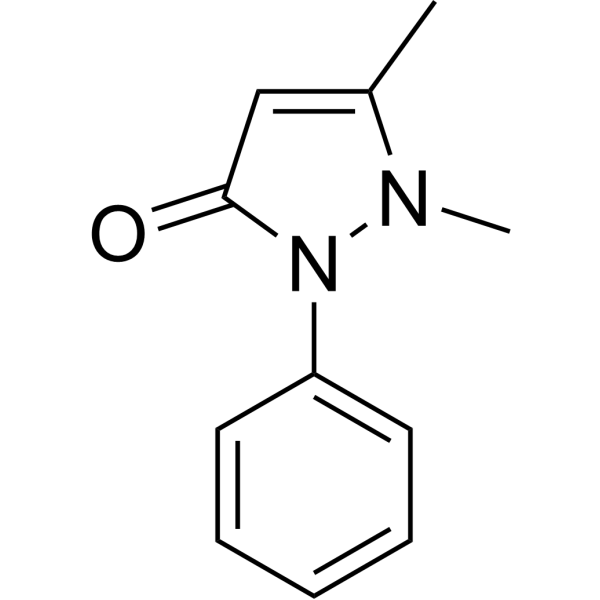
    Antipyrine (Phenazone) is an orally active antipyretic and analgesic. Antipyrine can be used as a probe agent for oxidative agent metabolism. Antipyrine also delays gastric emptying (GE) in rats .
    Antipyrine
  • HY-112540B

    Endogenous Metabolite Metabolic Disease
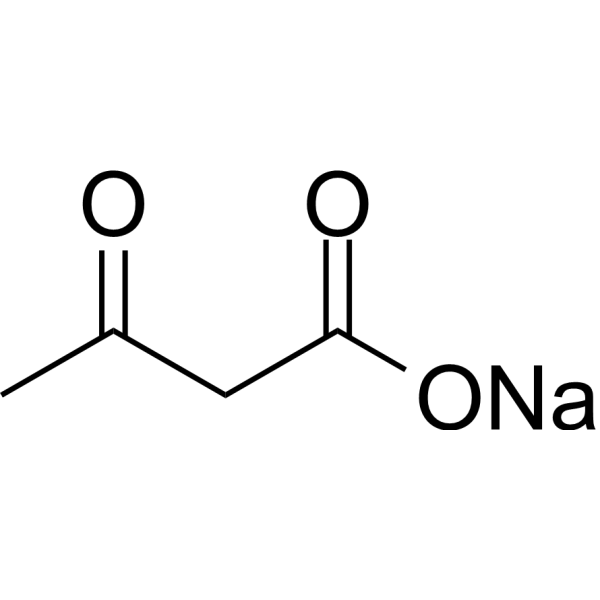
    Acetoacetic acid sodium is an oxidative stress inducer that affects the antioxidant enzyme system and lipoprotein metabolism. Acetoacetic acid sodium induces oxidative stress by decreasing the mRNA expression and activity of superoxide dismutase (SOD), catalase (CAT), and glutathione peroxidase (GSH-Px), increasing MDA content, and inhibiting very low density lipoprotein (VLDL) assembly by downregulating apolipoprotein ApoB100, ApoE, and low density lipoprotein receptor (LDLR), leading to triglyceride (TG) accumulation in hepatocytes. Acetoacetic acid sodium can be used to study metabolic diseases .
    Acetoacetic acid sodium
  • HY-128851B
    Coenzyme A sodium
    2 Publications Verification

    Endogenous Metabolite Fatty Acid Synthase (FASN) Metabolic Disease Cancer
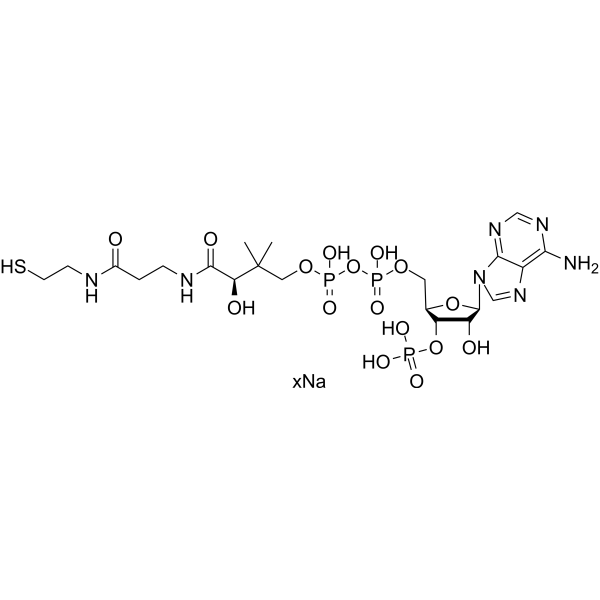
    Coenzyme A (CoASH) sodium is a ubiquitous and essential cofactor, which is an acyl group carrier and carbonyl-activating group for the citric acid cycle and fatty acid metabolism. Coenzyme A plays a central role in the oxidation of pyruvate in the citric acid cycle and the metabolism of carboxylic acids, including short- and long-chain fatty acids .
    Coenzyme A sodium
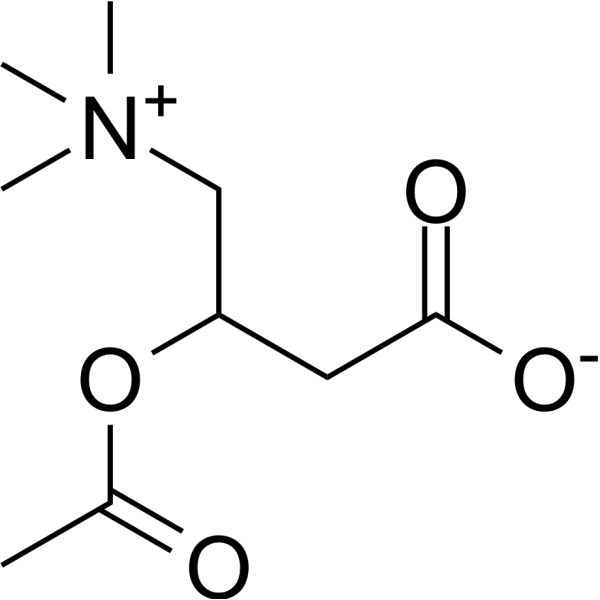
  • HY-B0762
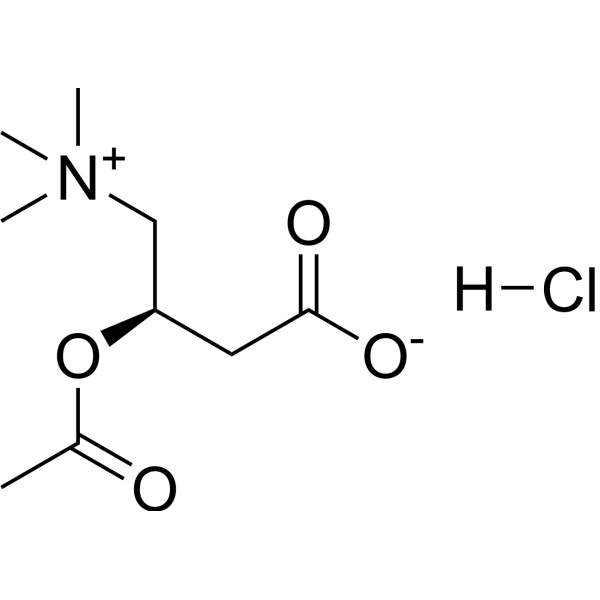
    Acetyl-L-carnitine hydrochloride
    2 Publications Verification

    O-Acetyl-L-carnitine hydrochloride; ALCAR hydrochloride

    Caspase Apoptosis Neurological Disease
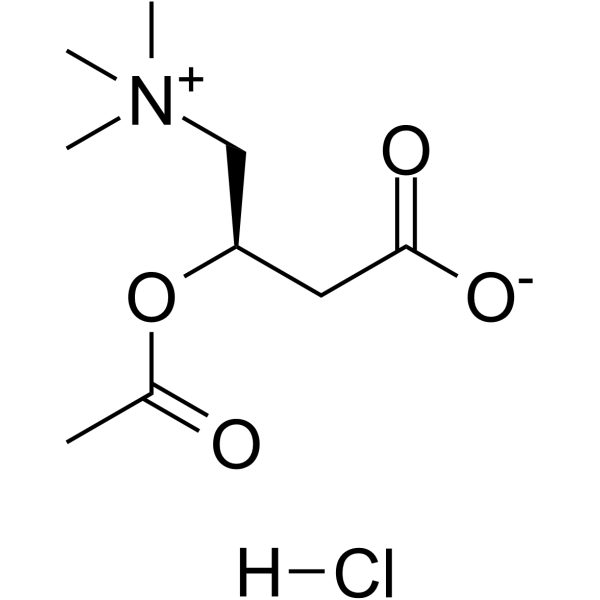
    Acetyl-L-carnitine (O-Acetyl-L-carnitine; ALCAR) hydrochloride is an orally active mitochondrial energy metabolism regulator and neuroprotectant that can penetrate the blood-brain barrier. Acetyl-L-carnitine hydrochloride selectively enters cells and the brain through the organic cation transporter OCTN2. Acetyl-L-carnitine hydrochloride can participate in fatty acid β-oxidation, promote acetylcholine synthesis, regulate mitochondrial function and inhibit oxidative stress as an acetyl donor. Acetyl-L-carnitine hydrochloride exerts its activity by enhancing energy metabolism, protecting neurons and improving synaptic plasticity. Acetyl-L-carnitine hydrochloride is mainly used in the study of neurodegenerative diseases and metabolic disorder-related diseases such as neonatal hypoxic-ischemic brain damage, Alzheimer's disease, and depression .

    Acetyl-L-carnitine hydrochloride
  • HY-126358

    Endogenous Metabolite Mitochondrial Metabolism Neurological Disease Metabolic Disease Cancer
    Acetylcarnitine is a CNS-penetrant endogenous metabolite. Acetylcarnitine shuttling links mitochondrial metabolism to histone acetylation and lipogenesis. Acetylcarnitine attenuates oxidative stress and neuroinflammation. Acetylcarnitine can be used for fatigue-associated diseases research. Acetylcarnitine can be used as a candidate diagnostic and prognostic biomarker of hepatocellular carcinoma .
    Acetylcarnitine
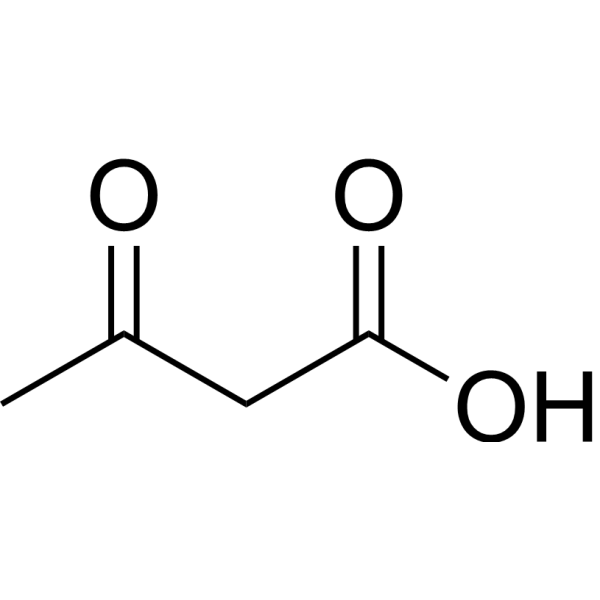
  • HY-112540
    Acetoacetic acid
    4 Publications Verification

    Endogenous Metabolite Metabolic Disease
    Acetoacetic acid is an oxidative stress inducer that affects the antioxidant enzyme system and lipoprotein metabolism. Acetoacetic acid induces oxidative stress by decreasing the mRNA expression and activity of superoxide dismutase (SOD), catalase (CAT), and glutathione peroxidase (GSH-Px), increasing MDA content, and inhibiting very low density lipoprotein (VLDL) assembly by downregulating apolipoprotein ApoB100, ApoE, and low density lipoprotein receptor (LDLR), leading to triglyceride (TG) accumulation in hepatocytes. Acetoacetic acid can be used to study metabolic diseases .
    Acetoacetic acid
  • HY-113218
    Acetyl-L-carnitine
    2 Publications Verification

    O-Acetyl-L-carnitine; ALCAR

    Caspase Apoptosis Neurological Disease
    Acetyl-L-carnitine (O-Acetyl-L-carnitine; ALCAR) is an orally active mitochondrial energy metabolism regulator and neuroprotectant that can penetrate the blood-brain barrier. Acetyl-L-carnitine selectively enters cells and the brain through the organic cation transporter OCTN2. Acetyl-L-carnitine can participate in fatty acid β-oxidation, promote acetylcholine synthesis, regulate mitochondrial function and inhibit oxidative stress as an acetyl donor. Acetyl-L-carnitine exerts its activity by enhancing energy metabolism, protecting neurons and improving synaptic plasticity. Acetyl-L-carnitine is mainly used in the study of neurodegenerative diseases and metabolic disorder-related diseases such as neonatal hypoxic-ischemic brain damage, Alzheimer's disease, and depression .

    Acetyl-L-carnitine
  • HY-123033

    Sirtuin Endogenous Metabolite Neurological Disease Metabolic Disease Cancer
    Nicotinamide riboside, an orally active NAD + precursor, increases NAD + levels and activates SIRT1 and SIRT3. Nicotinamide riboside is a source of vitamin B3 (niacin) and enhances oxidative metabolism, protection against high fat diet-induced metabolic abnormalities . Nicotinamide riboside reduces cognitive deterioration in a transgenic mouse model of Alzheimer’s disease .
    Nicotinamide riboside
  • HY-B2246
    L-Carnitine hydrochloride
    15+ Cited Publications

    (R)-Carnitine hydrochloride; Levocarnitine hydrochloride

    Endogenous Metabolite Metabolic Disease Cancer
    L-Carnitine hydrochloride ((R)-Carnitine hydrochloride), a highly polar, small zwitterion, is an essential co-factor for the mitochondrial β-oxidation pathway. L-Carnitine hydrochloride functions to transport long chain fatty acyl-CoAs into the mitochondria for degradation by β-oxidation. L-Carnitine hydrochloride is an antioxidant. L-Carnitine hydrochloride can ameliorate metabolic imbalances in many inborn errors of metabolism .
    L-Carnitine hydrochloride
  • HY-B1162
    Sulisobenzone
    1 Publications Verification

    Benzophenone-4

    Environmental Pollutants Biochemical Assay Reagents Metabolic Disease
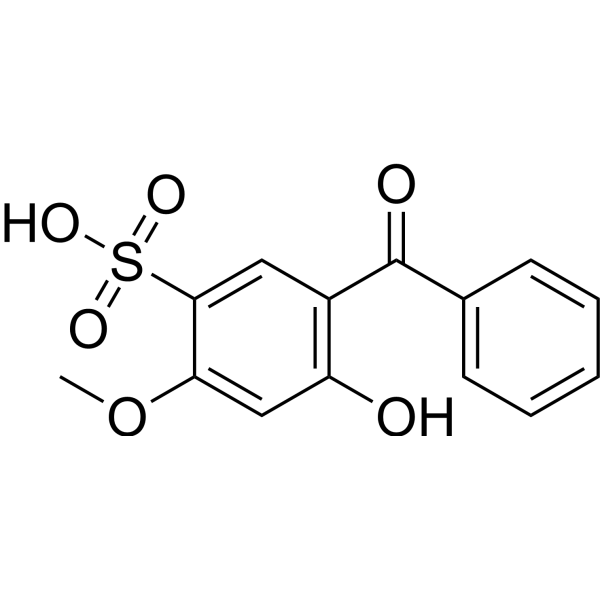
    Sulisobenzone (Benzophenone-4) is a benzophenone-type UV filter. Sulisobenzone can act as a endocrine disrupting compound. Sulisobenzone disrupts energy metabolism, nucleotide synthesis, oxidative stress response, and endocrine function. Sulisobenzone thyroid hormone biosynthesis and induces oxidative stress .
    Sulisobenzone
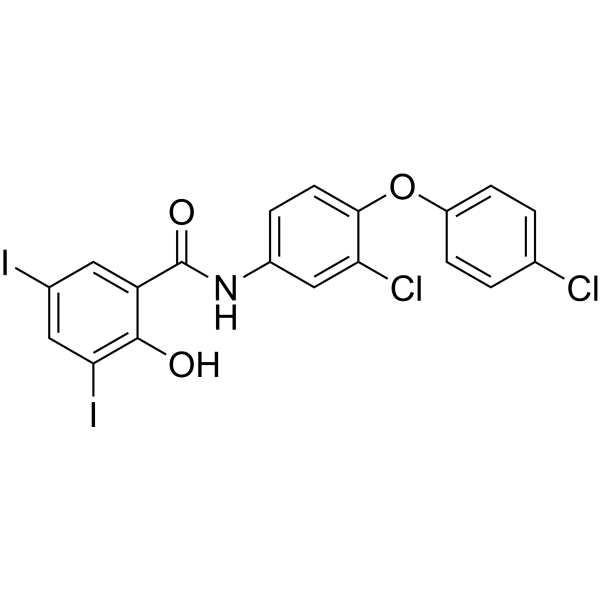
  • HY-17598
    Rafoxanide
    5+ Cited Publications

    Oxidative Phosphorylation Parasite p38 MAPK Raf Apoptosis Infection Cancer
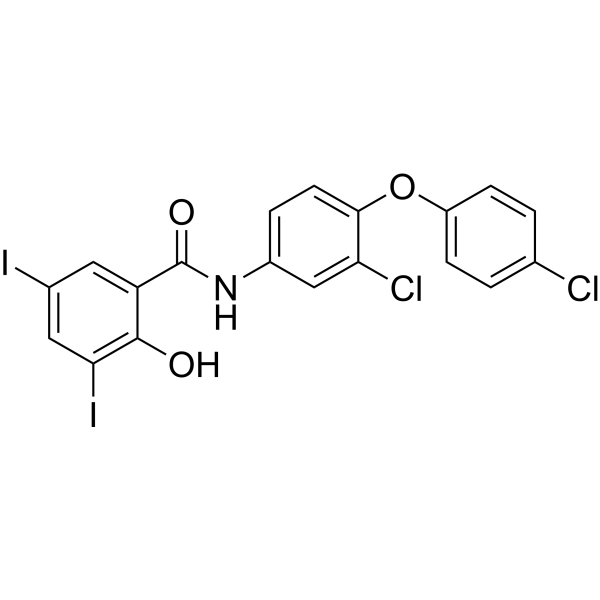
    Rafoxanide is a poent, orally active halogenated salicylaniline agent with antiparasitic activity. Rafoxanide interferes with energy metabolism in trematodes by uncoupling oxidative phosphorylation. Rafoxanide is also found to be a potent inhibitor of the BRAF V600E mutant protein, which is important in colorectal cancer. Rafoxanide can be used for the control of infestation with Hemonchus species or Fasciola species in sheep and cattle as well as Oestrus ovis in sheep. Rafoxanide can also be used for cancer research .
    Rafoxanide
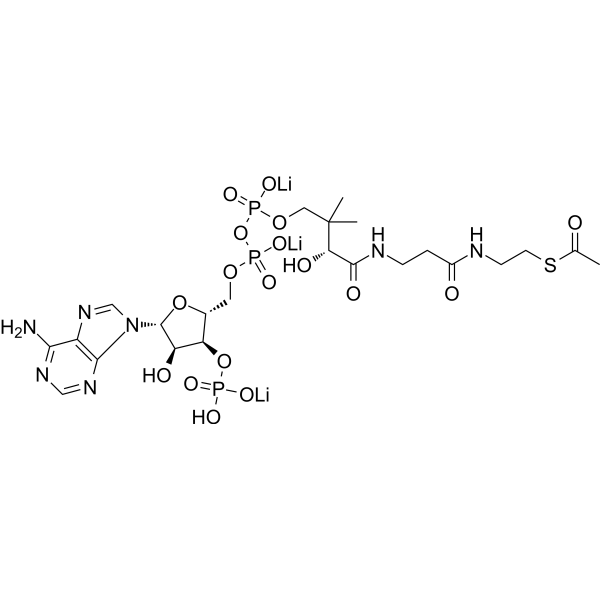
  • HY-128851A
    Coenzyme A trilithium
    2 Publications Verification

    Endogenous Metabolite Fatty Acid Synthase (FASN) Metabolic Disease Cancer
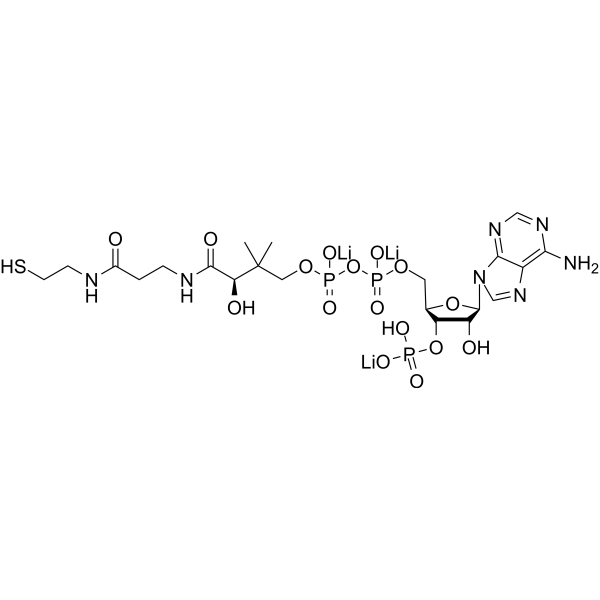
    Coenzyme A (CoASH) is a ubiquitous and essential cofactor, which is an acyl group carrier and carbonyl-activating group for the citric acid cycle and fatty acid metabolism. Coenzyme A plays a central role in the oxidation of pyruvate in the citric acid cycle and the metabolism of carboxylic acids, including short- and long-chain fatty acids .
    Coenzyme A trilithium
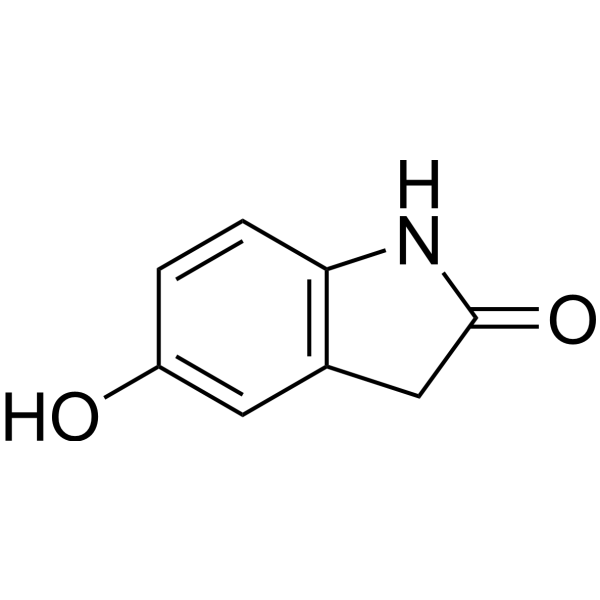
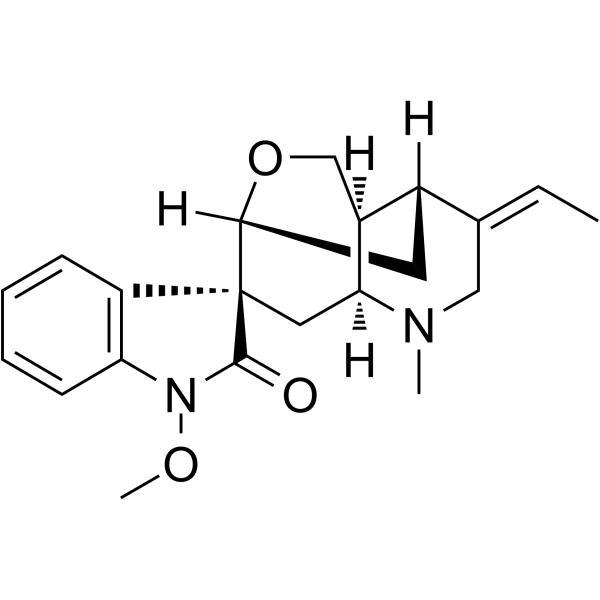
  • HY-145404
    Mitragynine pseudoindoxyl
    1 Publications Verification

    Opioid Receptor Metabolic Disease
    Mitragynine pseudoindoxyl is a potent orally active agonist of the μ-opioid receptor (MOR-1, Ki=0.8 nM) and an antagonist of the δ-opioid receptor (DOR-1, Ki=3.0 nM). Mitragynine pseudoindoxyl has moderate affinity for the κ-opioid receptor (KOR-1, Ki=24 nM) and does not recruit β-arrestin-2, acting through G protein-mediated signaling pathways without β-arrestin-2-related activation. Mitragynine pseudoindoxyl produces potent analgesic activity through a mixed μ-agonist/δ-antagonist mechanism, with low side effects such as physical dependence, respiratory depression, and constipation, and no rewarding or aversive behaviors. Mitragynine pseudoindoxyl reduces hyperactivity, inhibits GI transit, and enhances characteristics, making it a potential analgesic .
    Mitragynine pseudoindoxyl
  • HY-W105518
    L-Carnitine tartrate
    Maximum Cited Publications
    20 Publications Verification

    Endogenous Metabolite Neurological Disease
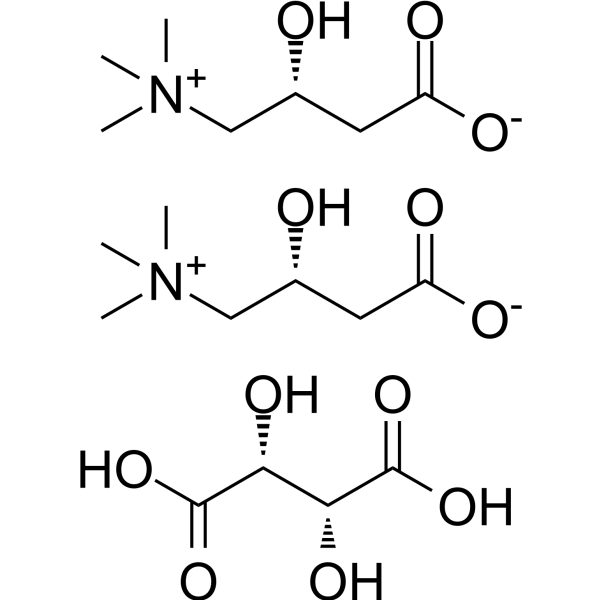
    L-Carnitine tartrate is a highly polar, small zwitterion. L-Carnitine tartrate is an essential co-factor for the mitochondrial β-oxidation pathway. L-Carnitine tartrate functions to transport long chain fatty acyl-CoAs into the mitochondria for degradation by β-oxidation. L-Carnitine tartrate is an antioxidant. L-Carnitine tartrate can ameliorate metabolic imbalances in many inborn errors of metabolism [3] .
    L-Carnitine tartrate
  • HY-112540A
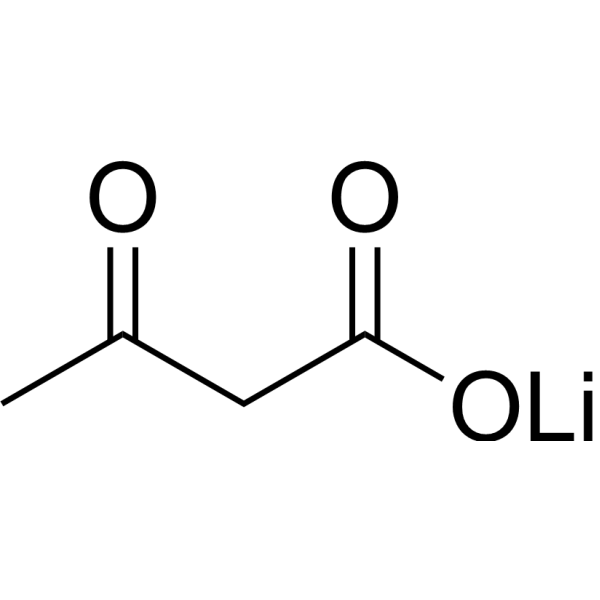
    Acetoacetic acid lithium
    4 Publications Verification

    Endogenous Metabolite Metabolic Disease
    Acetoacetic acid lithium is an oxidative stress inducer that affects the antioxidant enzyme system and lipoprotein metabolism. Acetoacetic acid lithium induces oxidative stress by decreasing the mRNA expression and activity of superoxide dismutase (SOD), catalase (CAT), and glutathione peroxidase (GSH-Px), increasing MDA content, and inhibiting very low density lipoprotein (VLDL) assembly by downregulating apolipoprotein ApoB100, ApoE, and low density lipoprotein receptor (LDLR), leading to triglyceride (TG) accumulation in hepatocytes. Acetoacetic acid lithium can be used to study metabolic diseases .
    Acetoacetic acid lithium
  • HY-114293

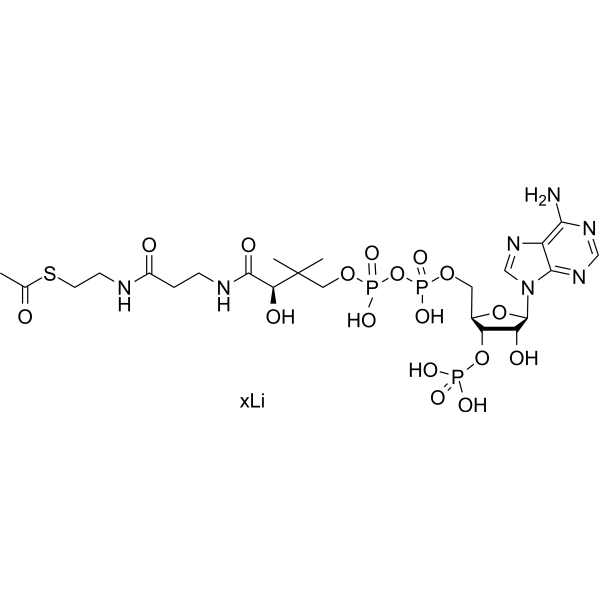
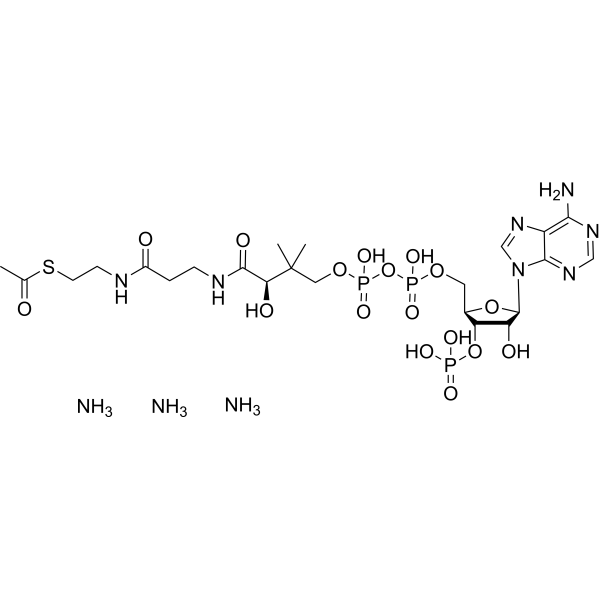
    Acetyl-CoA

    Oxidative Phosphorylation Endogenous Metabolite Autophagy Cardiovascular Disease Metabolic Disease
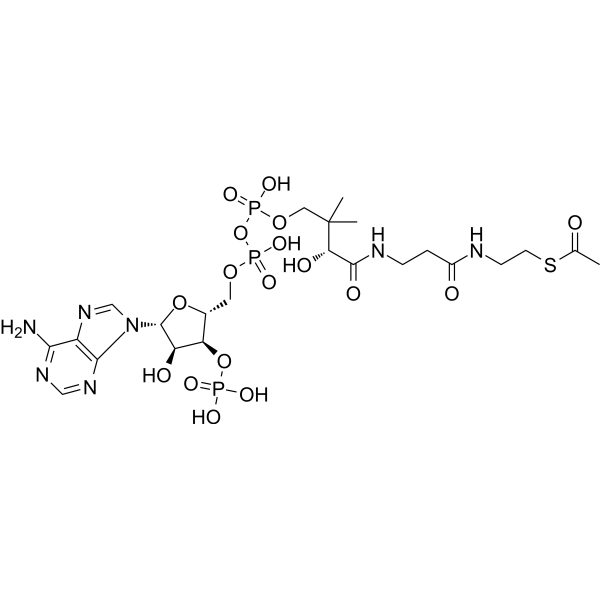
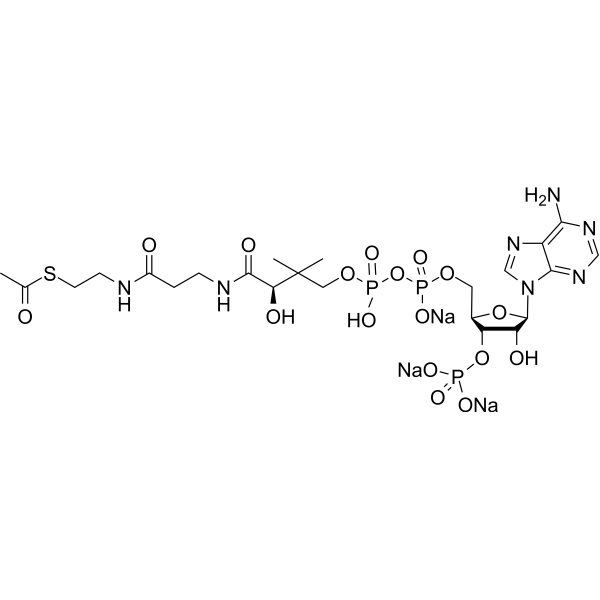
    Acetyl-coenzyme A (Acetyl-CoA) is a membrane-impermeant central metabolic intermediate, participates in the TCA cycle and oxidative phosphorylation metabolism. Acetyl-coenzyme A, regulates various cellular mechanisms by providing (sole donor) acetyl groups to target amino acid residues for post-translational acetylation reactions of proteins. Acetyl Coenzyme A is also a key precursor of lipid synthesis .
    Acetyl coenzyme A
  • HY-Y0624

    Endogenous Metabolite Mitochondrial Metabolism Metabolic Disease
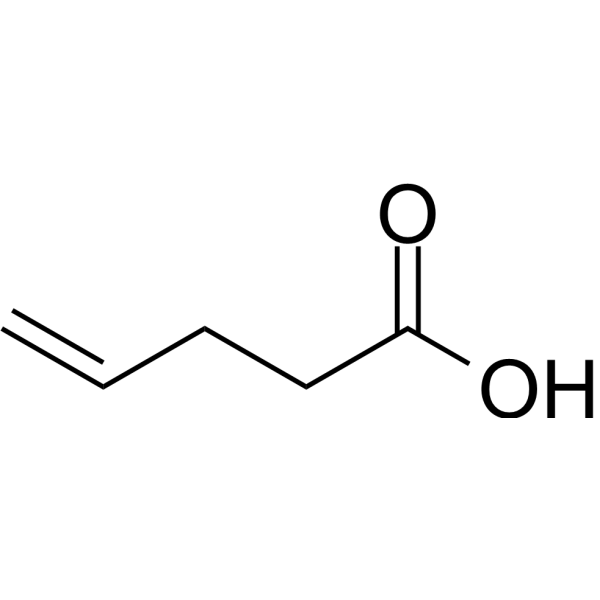
    4-Pentenoic acid is a medium-chain unsaturated fatty acid. 4-Pentenoic acid has hypoglycemic and fatty acid oxidation inhibitory activities. 4-Pentenoic acid can affect blood glucose metabolism and energy metabolism through mechanisms such as inhibiting long-chain fatty acid oxidation, reducing gluconeogenesis, and promoting glucose utilization .
    4-Pentenoic acid
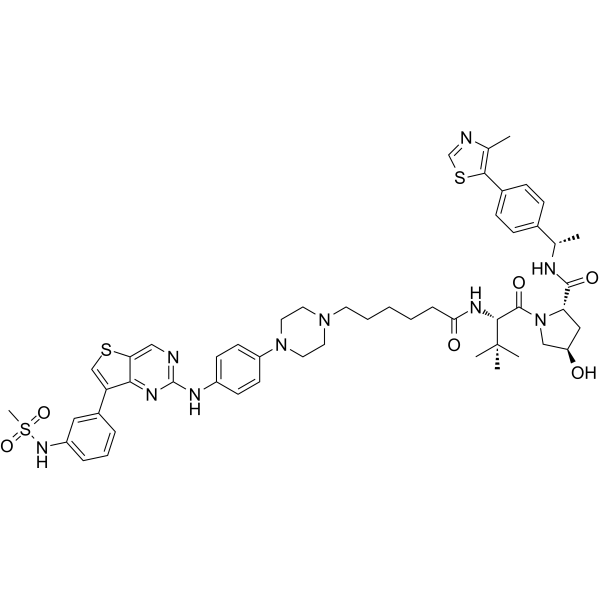
  • HY-153392

    Oxidative Phosphorylation HDAC Cardiovascular Disease
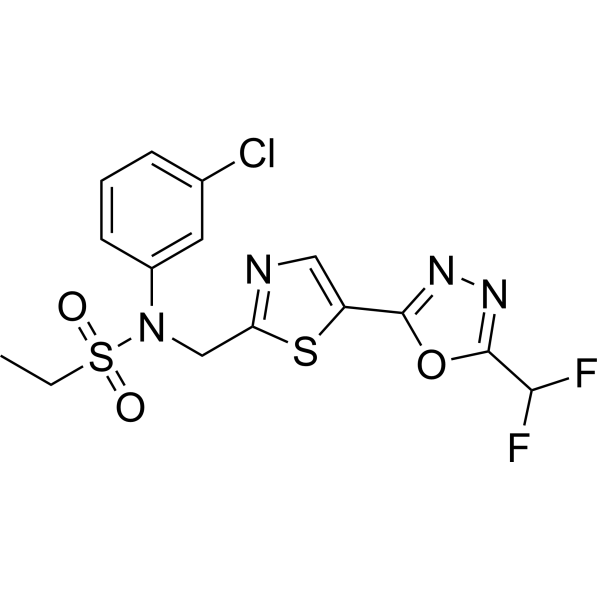
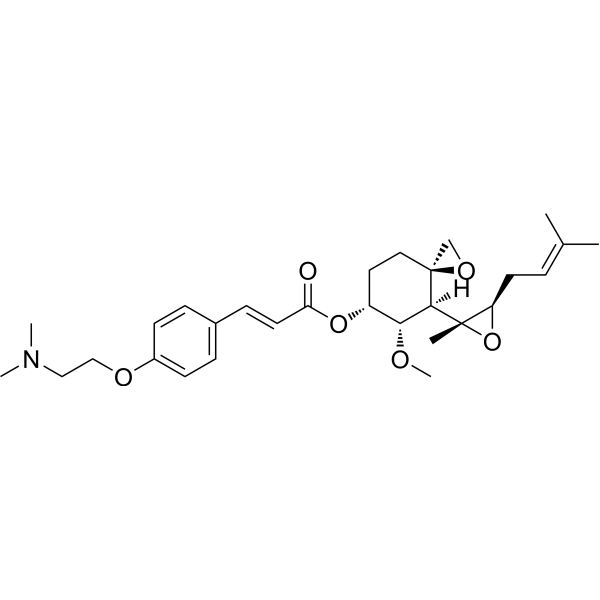
    TYA-018 is an orally active, potent and highly selective HDAC6 inhibitor. TYA-018 can protect heart function in mice. TYA-018 also enhances energetics in mice by increasing expression of targets associated with fatty acid metabolism, protein metabolism, and oxidative phosphorylation .
    TYA-018
  • HY-B0831
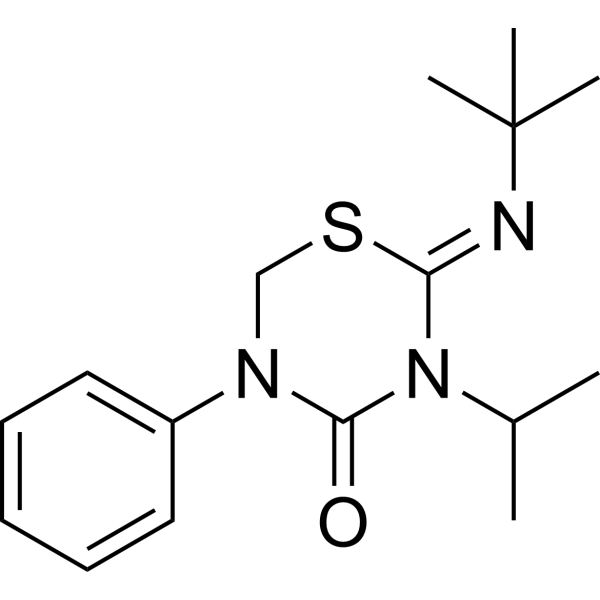
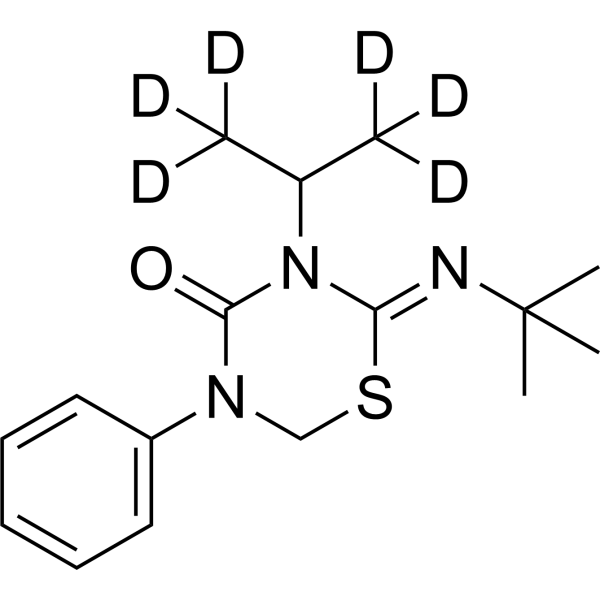
    Buprofezin
    2 Publications Verification

    Environmental Pollutants Reactive Oxygen Species (ROS) Oxidative Phosphorylation Others
    Buprofezin is a broad-spectrum insecticide and chitin synthesis inhibitor that targets developmental stage coleopteran pests.Buprofezin promotes the conversion of energy metabolism from the aerobic tricarboxylic acid (TCA) cycle and oxidative phosphorylation to anaerobic glycolysis. Buprofezin also promotes the production of reactive oxygen species (ROS) by inhibiting cytochrome c oxidase .
    Buprofezin
  • HY-145963
    DRB18
    1 Publications Verification

    GLUT Cancer
    DRB18 is a potent pan-class GLUT inhibitor. DRB18 alters energy-related metabolism in A549 cells by changing the abundance of metabolites in glucose-related pathways. DRB18 can eventually lead to G1/S phase arrest and increase oxidative stress and necrotic cell death. DRB18 has anti-tumor activity .
    DRB18
  • HY-123033C
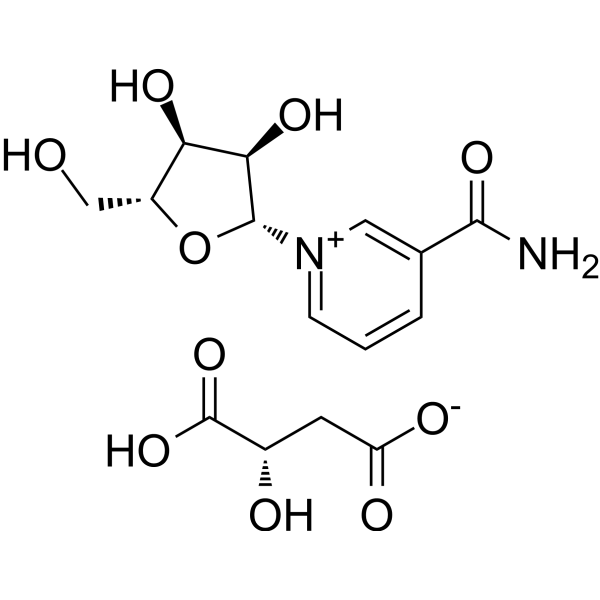
    Nicotinamide riboside malate
    Maximum Cited Publications
    25 Publications Verification

    Sirtuin Endogenous Metabolite Neurological Disease Metabolic Disease Cancer
    Nicotinamide riboside malate, an orally active NAD + precursor, increases NAD + levels and activates SIRT1 and SIRT3. Nicotinamide riboside malate is a source of vitamin B3 (niacin) and enhances oxidative metabolism, protection against high fat diet-induced metabolic abnormalities . Nicotinamide riboside malate reduces cognitive deterioration in a transgenic mouse model of Alzheimer’s disease .
    Nicotinamide riboside malate
  • HY-123033AR

    Reference Standards Sirtuin Endogenous Metabolite Neurological Disease Metabolic Disease Cancer
    Nicotinamide riboside (chloride) (Standard) is the analytical standard of Nicotinamide riboside (chloride). This product is intended for research and analytical applications. Nicotinamide riboside Chloride, an orally active NAD+ precursor, increases NAD+ levels and activates SIRT1 and SIRT3. Nicotinamide riboside Chloride is a source of vitamin B3 (niacin) and enhances oxidative metabolism, protection against high fat diet-induced metabolic abnormalities[1]. Nicotinamide riboside Chloride reduces cognitive deterioration in a transgenic mouse model of Alzheimer’s disease[2].
    Nicotinamide riboside chloride (Standard)
  • HY-124098

    Lidocaine N-oxide

    Drug Metabolite Others
    Lignocaine N-oxide (Lidocaine N-oxide) is a compound derived from the metabolism of lidocaine. Lidocaine can be metabolized to its N-oxide in rat liver microsomes.
    Lignocaine N-oxide
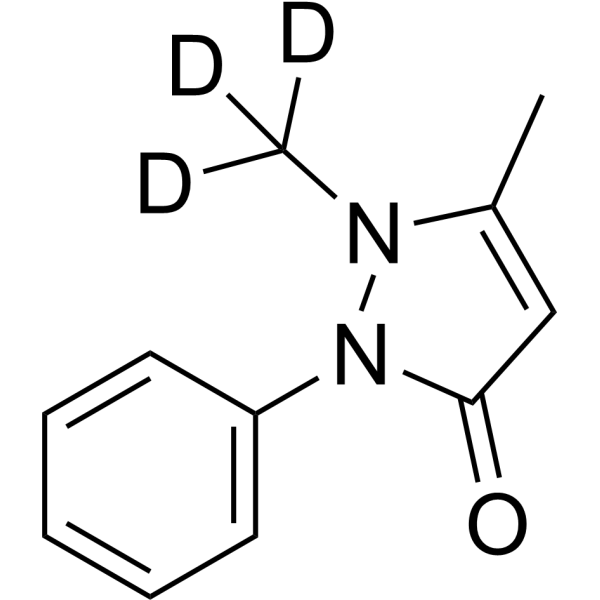
  • HY-B0171S

    Phenazone-d3; Phenazon-d3

    Isotope-Labeled Compounds Inflammation/Immunology
    Antipyrine-d3 is the deuterium labeled Antipyrine. Antipyrine (Phenazone) is an antipyretic and analgesic. Antipyrine can be used as a probe agent for oxidative agent metabolism. Antipyrine has been widely used in assessment of hepatic oxidative capacity .
    Antipyrine-d3
  • HY-139577

    IMB-1018972; IMB-101

    Mitochondrial Metabolism Cardiovascular Disease Metabolic Disease
    Ninerafaxstat (IMB-1018972) is a novel orally active cardiac mitochondrial drug that restores myocardial energy homeostasis. Ninerafaxstat competitively inhibits 3-ketoacyl-CoA thiolase (3-KAT) to partially suppress fatty acid oxidation, and shifts cardiac energy metabolism from free fatty acid oxidation to glucose oxidation, regulating myocardial substrate utilization and thereby improving cardiac efficiency. Ninerafaxstat can be used for research on cardiovascular diseases .
    Ninerafaxstat
  • HY-W013268

    (+)-N-3-Benzylnirvanol

    Cytochrome P450 Metabolic Disease
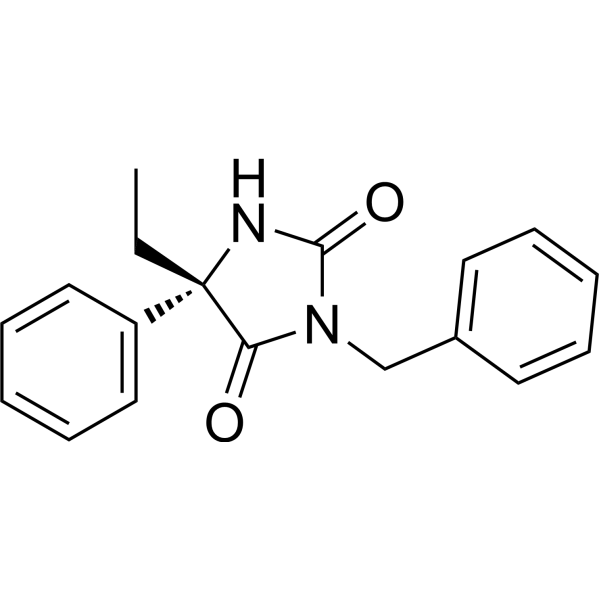
    (S)-(+)-N-3-Benzylnirvanol ((+)-N-3-Benzylnirvanol) is a selective and competitive cytochrome P450 (CYP) isoform CYP2C19 inhibitor with a Ki of 250 nM. (S)-(+)-N-3-Benzylnirvanol has low activity against CYP1A2, CYP2A6, CYP2C8, CYP2C9, CYP2D6, CYP2E1, and CYP3A4 .
    (S)-(+)-N-3-Benzylnirvanol
  • HY-B0399S
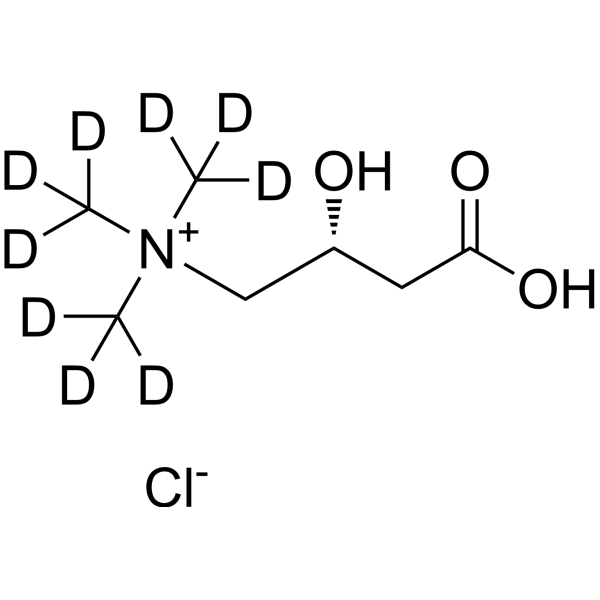
    L-Carnitine-d9
    1 Publications Verification

    (R)-Carnitine-d9; Levocarnitine-d9

    Isotope-Labeled Compounds Endogenous Metabolite Neurological Disease Metabolic Disease
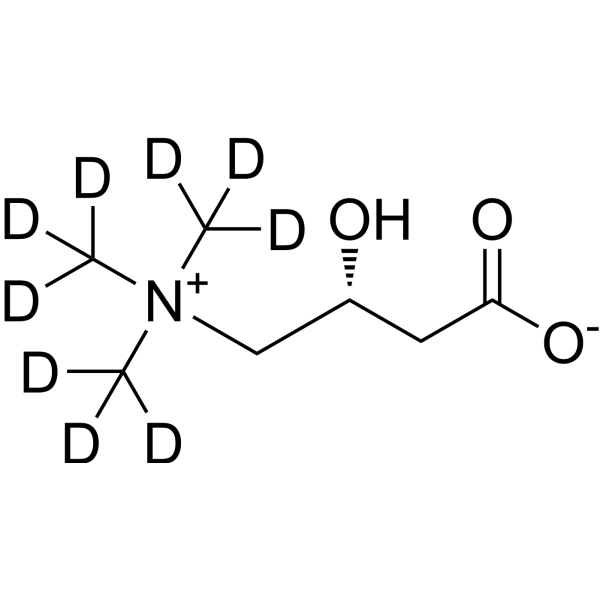
    L-Carnitine-d9 is the deuterium labeled L-Carnitine. L-Carnitine (Levocarnitine) is an endogenous molecule involved in fatty acid metabolism, biosynthesized within the human body using amino acids: L-lysine and L-methionine, as substrates. L-Carnitine functions to transport long chain fatty acyl-CoAs into the mitochondria for degradation by β-oxidation. L-carnitine can ameliorate metabolic imbalances in many inborn errors of metabolism .
    L-Carnitine-d9
  • HY-162353

    Cancer
    AZ'9567 is an orally active MAT2a inhibitor with a pIC50 of 9.1. AZ'9567 binds to MAT2a allosterically, reduces the synthesis of SAM, decreases SDMA levels, and exerts antiproliferative effects on MTAP-knockout cells. AZ'9567 depletes SAM, causes methionine accumulation in plasma and tissues, triggers adaptive disorders in one-carbon metabolism, transsulfuration metabolism and lipid metabolism, and induces oxidative stress, hepatic steatosis and lipid homeostasis imbalance. AZ'9567 can be used in studies related to MTAP-deficient/deleted cancers .
    AZ'9567
  • HY-B2246S
    L-Carnitine-d9 chloride
    1 Publications Verification

    (R)-Carnitine-d9 chloride; Levocarnitine-d9 chloride

    Isotope-Labeled Compounds Endogenous Metabolite Metabolic Disease
    L-Carnitine-d9 (chloride)e is the deuterium labeled L-Carnitine chloride. L-Carnitine chloride, a highly polar, small zwitterion, is an essential co-factor for the mitochondrial β-oxidation pathway. L-Carnitine chloride functions to transport long chain fatty acyl-CoAs into the mitochondria for degradation by β-oxidation. L-Carnitine chloride is an antioxidant. L-Carnitine chloride can ameliorate metabolic imbalances in many inborn errors of metabolism .
    L-Carnitine-d9 chloride
  • HY-P2888

    BOD

    Biochemical Assay Reagents Metabolic Disease
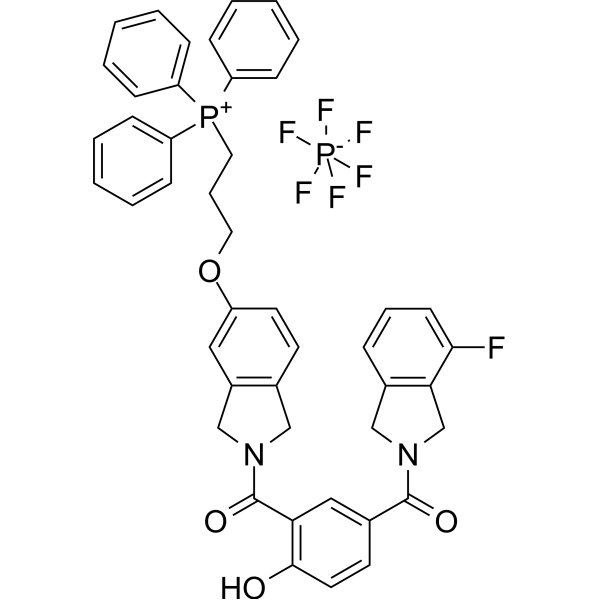
    Bilirubin oxidase (BOD) is an electrocatalyst with oxygen removal activity. Bilirubin oxidase can catalyze the oxidation of bilirubin to biliverdin. Bilirubin oxidase participates in the metabolism of porphyrins and chlorophyll, and acts as a catalyst for oxygen reduction. Bilirubin oxidase can serve as a component of a single-enzyme oxygen removal system for reductase-based voltammetric biosensors .
    Bilirubin oxidase
  • HY-P3494

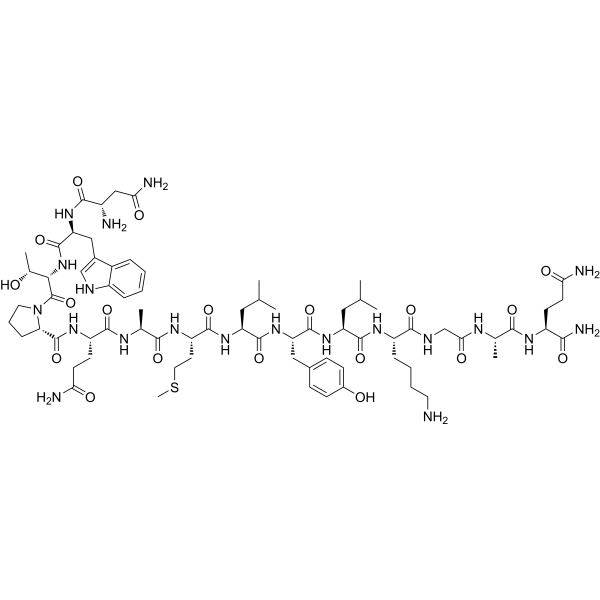
    Hepcidin Bacterial Infection Inflammation/Immunology
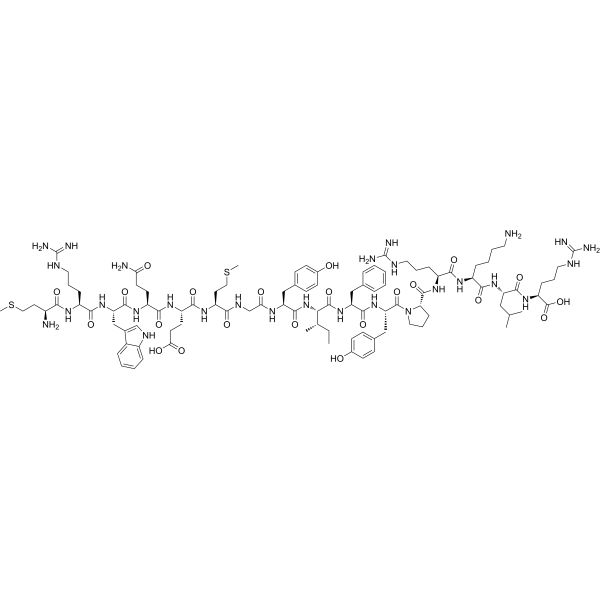
    Hepcidin-25 (human) is an iron metabolism regulator and Antimicrobial agent. Hepcidin-25 (human) exerts anti-inflammatory and antimicrobial activities by regulating iron-mediated oxidative damage .
    Hepcidin-25 (human)
  • HY-149987

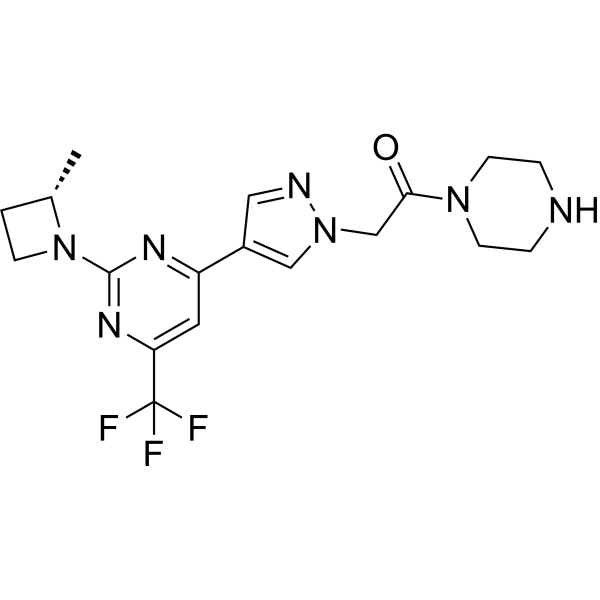
    KHK-IN-3

    Ketohexokinase Cardiovascular Disease Metabolic Disease Inflammation/Immunology
    KHK-IN-3 (Example 1) is a ketohexokinase (KHK) inhibitor. KHK-IN-3 can be used in the study of kidney disease, nonalcoholic steatohepatitis (NASH), diabetes and heart failure. KHK is a rate-limiting enzyme and fructokinase involved in fructose metabolism. KHK catalyzes the phosphorylation of fructose to fructose-1-phosphate (FIP) at the expense of ATP. The lack of feedback inhibition of fructose metabolism triggers the accumulation of downstream intermediates such as lipogenesis, gluconeogenesis, and oxidative phosphorylation .
    LY3522348
  • HY-P2891

    PoxB

    Biochemical Assay Reagents Others
    Pyruvate Oxidase, Microorganisms (PoxB) is a peripheral membrane enzyme, isolated from microorganisms. Pyruvate oxidase catalyzes the oxidative decarboxylation of pyruvate to acetyl phosphate, carbon dioxide and water. Pyruvate oxidase is an important enzyme in bacterial metabolism and is often used in biochemical research .
    Pyruvate Oxidase, Microorganisms
  • HY-B0399R

    (R)-Carnitine (Standard); Levocarnitine (Standard)

    Reference Standards Endogenous Metabolite Neurological Disease Cancer
    L-Carnitine (Standard) is the analytical standard of L-Carnitine. This product is intended for research and analytical applications. L-Carnitine ((R)-Carnitine), a highly polar, small zwitterion, is an essential co-factor for the mitochondrial β-oxidation pathway. L-Carnitine functions to transport long chain fatty acyl-CoAs into the mitochondria for degradation by β-oxidation. L-Carnitine is an antioxidant. L-Carnitine can ameliorate metabolic imbalances in many inborn errors of metabolism .

    L-Carnitine (Standard)
  • HY-E70519

    Monoamine Oxidase Cardiovascular Disease Neurological Disease
    Tyramine oxidase, Microorganism (EC 1.4.3.4) is a copper enzyme found in the cytoplasm of animal cells that catalyzes the oxidation of phenolic amine substrates. Tyramine oxidase, Microorganism involves in the metabolism and clearance of phenolamine compounds and has an important role in maintaining homeostasis in vivo. Tyramine oxidase, Microorganism is promising for research of hypertension, asthma, and depression .
    Tyramine oxidase, Microorganism
  • HY-N7848

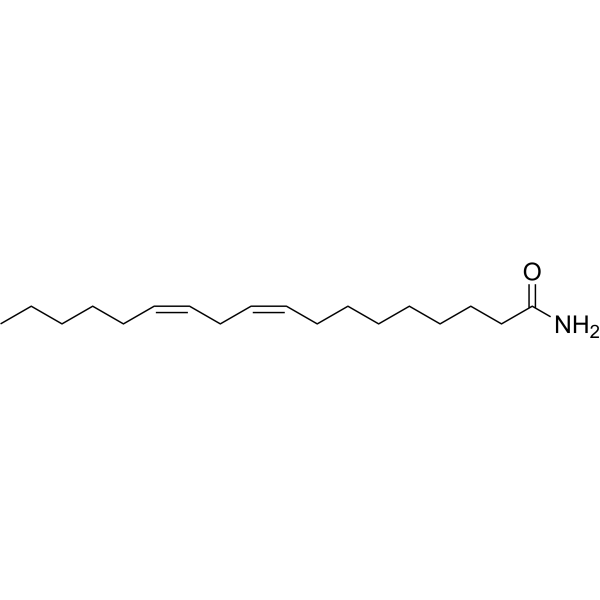
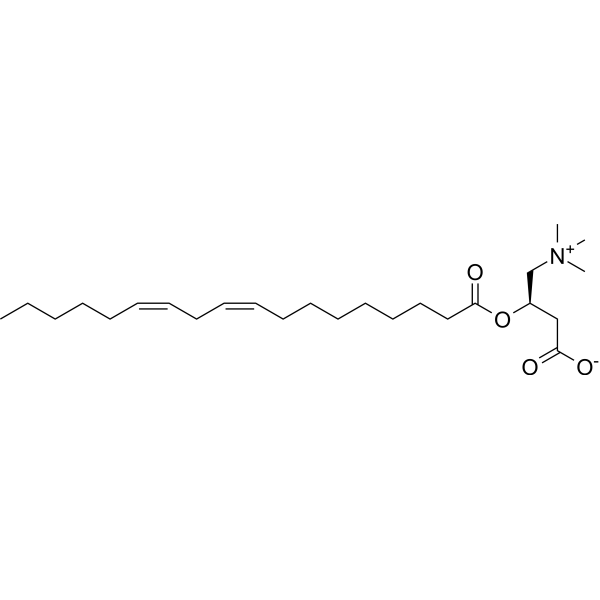
    Linoleic acid amide

    Calcium Channel Metabolic Disease
    Linoleamide is a linoleic acid amide. Linoleamide regulates Ca (II) ux and inhibits the erg current .
    Linoleamide
  • HY-123033B
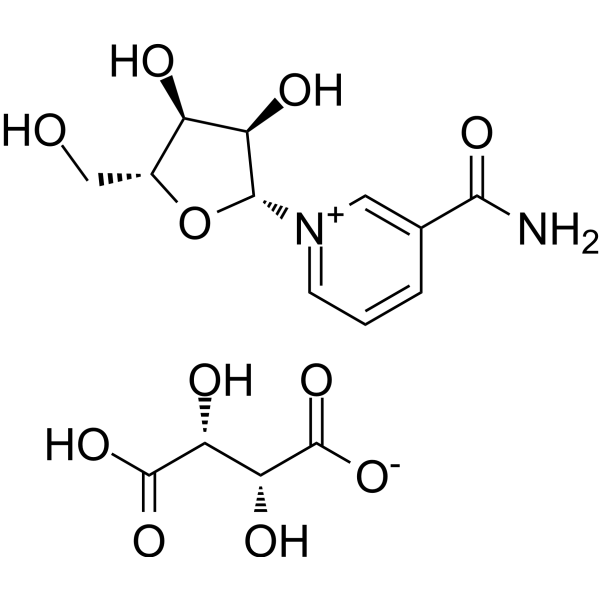
    Nicotinamide riboside tartrate
    Maximum Cited Publications
    25 Publications Verification

    Sirtuin Endogenous Metabolite Neurological Disease Metabolic Disease Cancer
    Nicotinamide riboside tartrate, an orally active NAD + precursor, increases NAD + levels and activates SIRT1 and SIRT3. Nicotinamide riboside tartrate is a source of vitamin B3 (niacin) and enhances oxidative metabolism, protection against high fat diet-induced metabolic abnormalities . Nicotinamide riboside tartrate reduces cognitive deterioration in a transgenic mouse model of Alzheimer’s disease .
    Nicotinamide riboside tartrate
  • HY-137989A

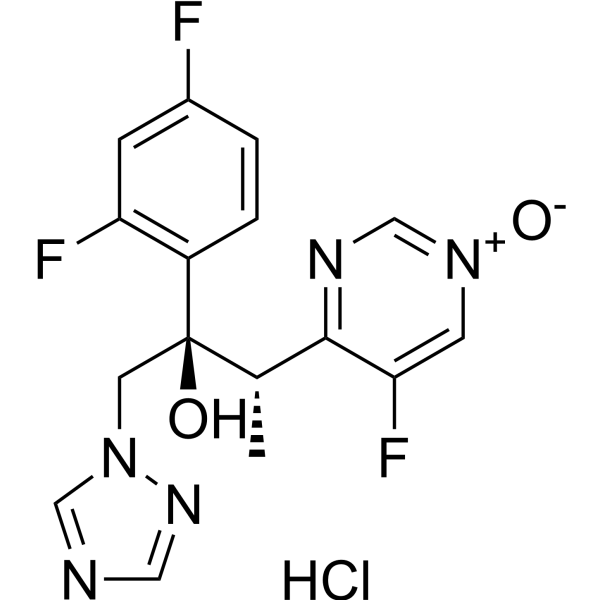
    Voriconazole oxynitride hydrochloride

    Drug Metabolite Infection
    Voriconazole N-oxide (Voriconazole oxynitride) (hydrochloride) is the main metabolite of Voriconazole (HY-76200) , a widely used triazole antibiotic (fungal). Voriconazole N-oxide (hydrochloride) provides information on the patient's drug metabolism capacity .
    Voriconazole N-oxide hydrochloride
  • HY-119393

    Drug Metabolite Others
    Olanzapine N-oxide is a compound under investigation for the metabolism of antipsychotic compounds. Olanzapine N-oxidation and N-demethylation are catalyzed by different enzymes, and its plasma concentration and clearance are not affected by a single factor, such as a specific genotype or smoking behavior.
    Olanzapine N-oxide
  • HY-128851R

    Reference Standards Fatty Acid Synthase (FASN) Endogenous Metabolite Metabolic Disease Cancer
    Coenzyme A (Standard) is the analytical standard of Coenzyme A. This product is intended for research and analytical applications. Coenzyme A (CoASH) is a ubiquitous and essential cofactor, which is an acyl group carrier and carbonyl-activating group for the citric acid cycle and fatty acid metabolism. Coenzyme A plays a central role in the oxidation of pyruvate in the citric acid cycle and the metabolism of carboxylic acids, including short- and long-chain fatty acids[1].
    Coenzyme A (Standard)
  • HY-139577A

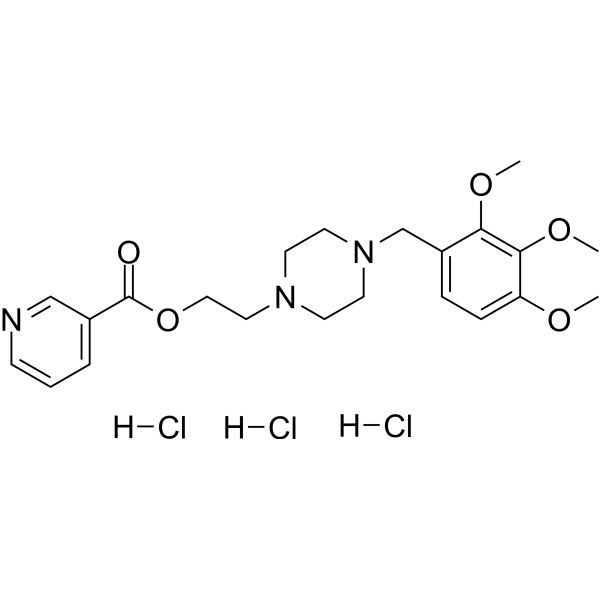
    MB-1018972 trihydrochloride; IMB-101 trihydrochloride

    Mitochondrial Metabolism Cardiovascular Disease Metabolic Disease
    Ninerafaxstat trihydrochloride (IMB-1018972 trihydrochloride) is the trihydrochloride salt form of Ninerafaxstat (HY-139577). Ninerafaxstat trihydrochloride is a novel orally active cardiac mitochondrial drug that restores myocardial energy homeostasis. Ninerafaxstat trihydrochloride competitively inhibits 3-ketoacyl-CoA thiolase (3-KAT) to partially suppress fatty acid oxidation, and shifts cardiac energy metabolism from free fatty acid oxidation to glucose oxidation, regulating myocardial substrate utilization and thereby improving cardiac efficiency. Ninerafaxstat trihydrochloride can be used for research on cardiovascular diseases .
    Ninerafaxstat trihydrochloride
  • HY-E70523

    Valeryl-CoA; Valeryl-coenzyme A; Pentanoyl coenzyme A free acid

    Endogenous Metabolite Metabolic Disease
    Pentanoyl coenzyme A (Valeryl-CoA) is a short-chain fatty acyl-CoA that functions as an intermediate in mitochondrial β-oxidation and related metabolic pathways. Pentanoyl coenzyme A results from the formal condensation of the thiol group of coenzyme A with the carboxy group of pentanoic acid. Pentanoyl coenzyme A's levels can reflect changes in lipid metabolism under different physiological and pathological conditions. Pentanoyl coenzyme A can be used for research on lipid metabolism .
    Pentanoyl coenzyme A
  • HY-W023323

    Endogenous Metabolite Metabolic Disease
    (S)-β-Aminoisobutyric acid hydrochloride is a cytoprotective agent, which is a non-proteinogenic amino acid enantiomer derived from valine metabolism in skeletal muscle mitochondria. The plasma level of (S)-β-Aminoisobutyric acid hydrochloride increases significantly after acute aerobic exercise (and is not affected by the AGXT2 rs37369 genotype), and it is secreted by mouse extensor digitorum longus and soleus muscles in ex vivo contraction assays. (S)-β-Aminoisobutyric acid hydrochloride specifically protects osteocytes from oxidative stress-induced cell death .
    (S)-β-Aminoisobutyric acid hydrochloride
  • HY-N8049

    Endogenous Metabolite Cardiovascular Disease Metabolic Disease
    Urolithin M7 is an orally active metabolite, which is generated through gut microbiota metabolism. Urolithin M7 inhibits oxidative stress and modulates inflammatory signaling pathways. Urolithin M7 is promising for research of gut microbiota metabolism and cardiovascular diseases .
    Urolithin M7
  • HY-P2725

    Endogenous Metabolite Metabolic Disease
    Glycerol dehydrogenase is a polyol dehydrogenase that catalyzes the NAD-dependent oxidation of glycerol to dihydroxyacetone. Glycerol dehydrogenase can be used for glycerol metabolism in diverse microorganisms .
    Glycerol dehydrogenase
  • HY-P2993

    ICDH; IDH

    Isocitrate Dehydrogenase (IDH) Metabolic Disease Cancer
    Isocitrate dehydrogenase, Porcine heart (ICDH) is a citric acid or tricarboxylic acid cycle enzyme, is often used in biochemical studies. Isocitrate dehydrogenase catalyzes the oxidative decarboxylation of isocitrate to α-ketoglutarate and reduces NAD(P) + to NAD(P)H, it plays important roles in cellular metabolism .
    Isocitrate dehydrogenase, Porcine heart

Inquiry Online

Your information is safe with us. * Required Fields.

Salutation


Country or Region *

Applicant Name *


Organization Name *

Department *


Email Address *


Product Name *

Cat. No.


Requested quantity *

Phone Number *


Remarks

Inquiry Online

Inquiry Information

Product Name:
Cat. No.:
Quantity:
MCE Japan Authorized Agent: