Search Result
Results for "
Alpha+reductase+Inhibitors
" in MedChemExpress (MCE) Product Catalog:
4
Biochemical Assay Reagents
11
Isotope-Labeled Compounds
| Cat. No. |
Product Name |
Target |
Research Areas |
Chemical Structure |
-
- HY-B0089
-
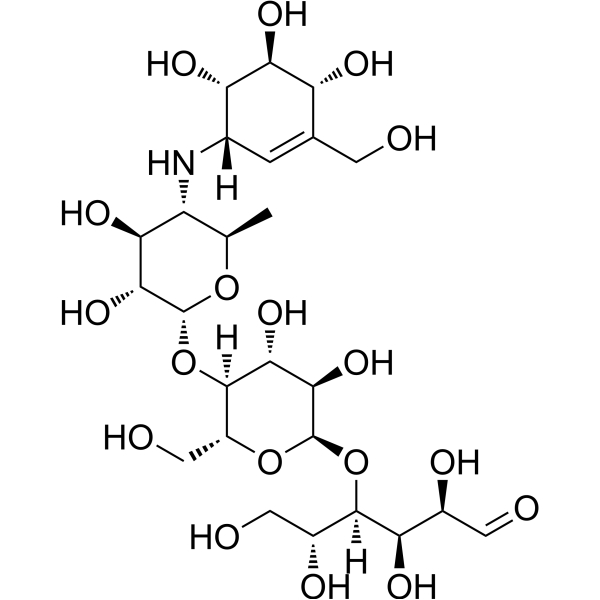
Acarbose
Maximum Cited Publications
10 Publications Verification
BAY g 5421
|
Glycosidase
|
Infection
Metabolic Disease
Cancer
|
|
Acarbose (BAY g 5421), antihyperglycemic agent, is an orally active alpha-glucosidase inhibitor (IC50=11 nM). Acarbose can potentiate the hypoglycemic effects of sulfonylureas or insulin .
|
-
-
- HY-B0141A
-
-
-
- HY-N0472
-
-
-
- HY-111387
-
-
-
- HY-N1200
-
|
|
5 alpha Reductase
|
Inflammation/Immunology
Cancer
|
|
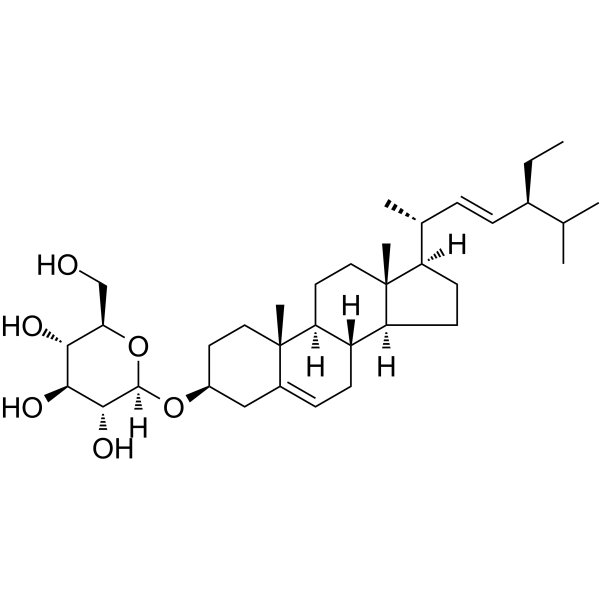
Stigmasterol glucoside is a sterol compound and a 5α-reductase inhibitor with an IC50 value of 27.2 µM. Stigmasterol glucoside has certain anti-inflammatory, antioxidant, and anti-tumor activities .
|
-
-
- HY-129113
-
|
|
COX
|
Inflammation/Immunology
|
|
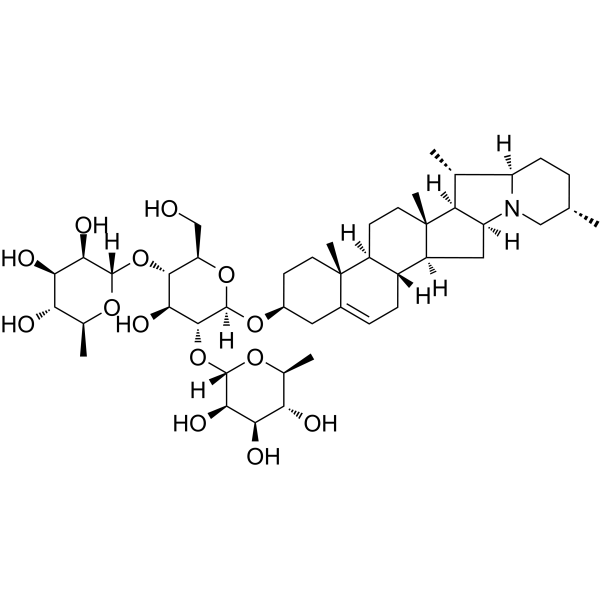
α-Chaconine inhibits the expressions of COX-2, IL-1β, IL-6, and TNF-α at the transcriptional level. α-Chaconine inhibits the LPS-induced expressions of iNOS and COX-2 at the protein and mRNA levels and their promoter activities in RAW 264.7 macrophages. Anti-inflammatory effects .
|
-
-
- HY-111507
-
|
|
PDGFR
|
Cancer
|
|
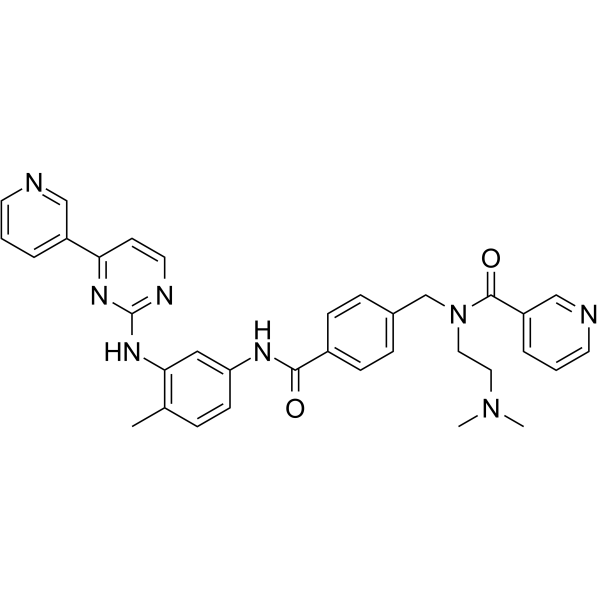
PDGFRα kinase inhibitor 1 is a highly selective type II PDGFRα kinase inhibitor with IC50s of 132 nM and 6115 nM for PDGFRα and PDGFRβ, respectively .
|
-
-
- HY-N7096
-
|
CTZ sodium
|
Bacterial
Antibiotic
|
Infection
|
|
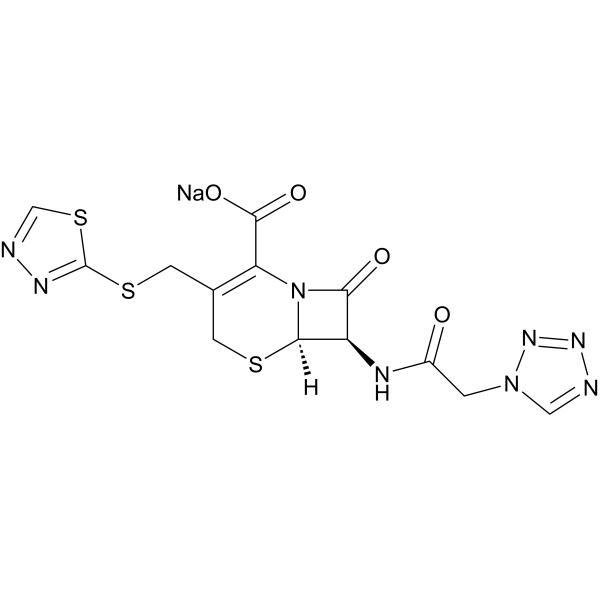
Ceftezole sodium (CTZ sodium) is a broad-spectrum cephem antibiotic against many species of gram-positive and gram-negative bacteria. Ceftezole sodium (CTZ sodium) is an alpha-glucosidase inhibitor with in vivo anti-diabetic activity .
|
-
-
- HY-113062
-
|
20-OH-P
|
Endogenous Metabolite
Cytochrome P450
|
Endocrinology
Cancer
|
|
20α-Dihydroprogesterone is the metabolite of Progesterone (HY-N0437). 20α-Dihydroprogesterone inhibits cell proliferation and migration in breast tissue. 20α-Dihydroprogesterone inhibits aromatase in cell MCF-7aro with IC50 about 5 μM .
|
-

-
- HY-161074
-
|
|
FAP
|
Cancer
|
|
PNT6555 is a fibroblast activation protein-α (FAP) inhibitor. PNT6555 has antitumor activity. PNT6555 can be used for imaging of FAP-positive tumors .
|
-
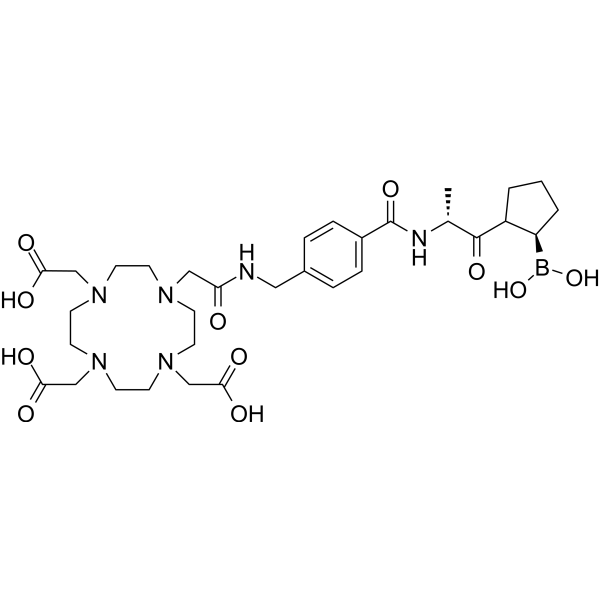
-
- HY-135530
-
|
|
Amylases
|
Metabolic Disease
|
|
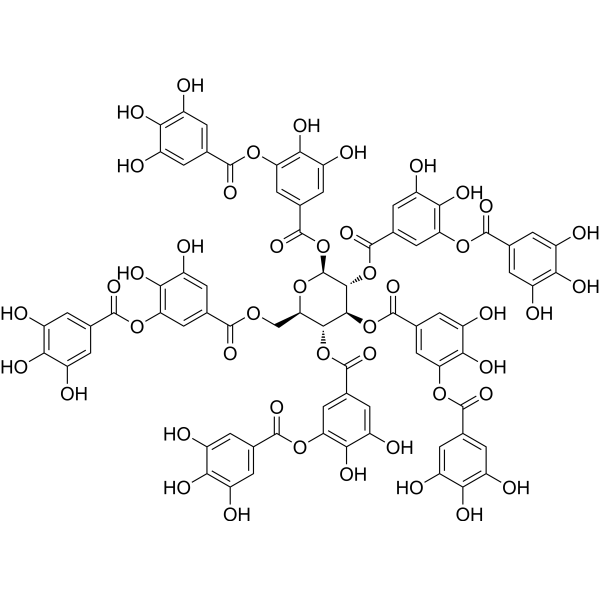
Chinese gallotannin is a non-specific promiscuous α-amylase inhibitor with a Ki of 0.82 μg/mL for human salivary α-amylase. Chinese gallotannin can be used for the research of diabetes .
|
-
-
- HY-14305A
-
|
|
p38 MAPK
Autophagy
|
Inflammation/Immunology
|
|
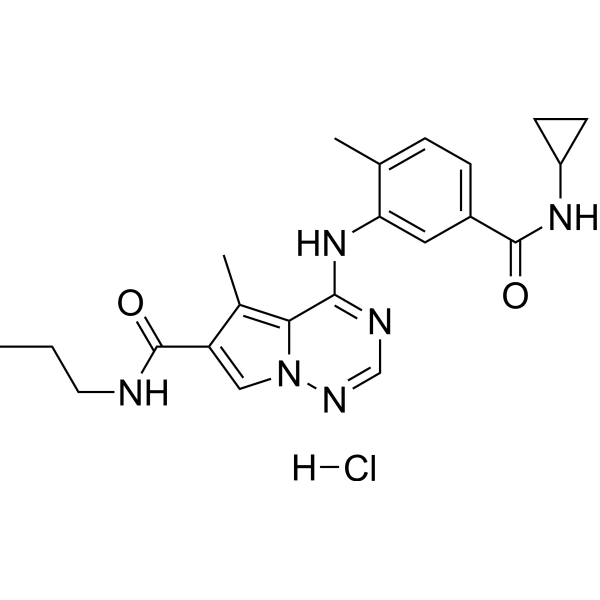
BMS-582949 hydrochloride is an orally active and highly selective p38α MAPK inhibitor, with an IC50 of 13 nM. BMS-582949 hydrochloride displays a significantly improved pharmacokinetic profile and is effective in inflammatory disease .
|
-
-
- HY-157308
-
|
|
α-synuclein
|
Neurological Disease
|
|
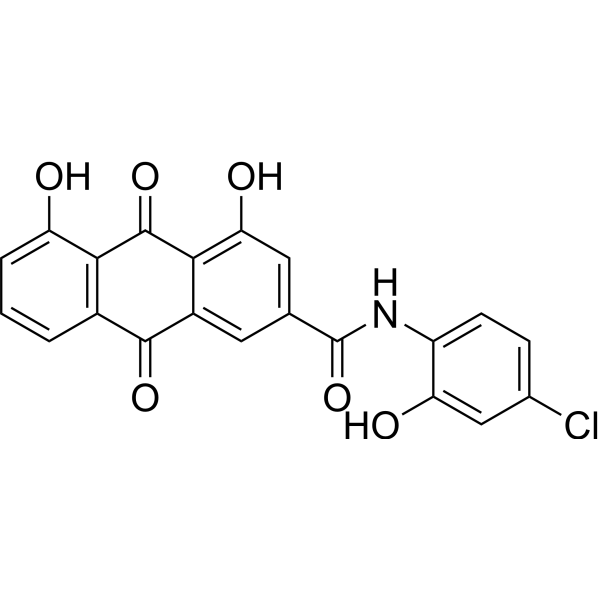
α-Synuclein inhibitor 10 (compound a8) inhibits the activity of α-Syn aggregation with low IC50 value (1.08 μM). α-Synuclein inhibitor 10 exhibits good binding affinity to α-Syn residues. α-Synuclein inhibitor 10 can be used in the research of Parkinson's disease (PD) .
|
-
-
- HY-N8745
-
|
|
Fungal
|
Others
|
|
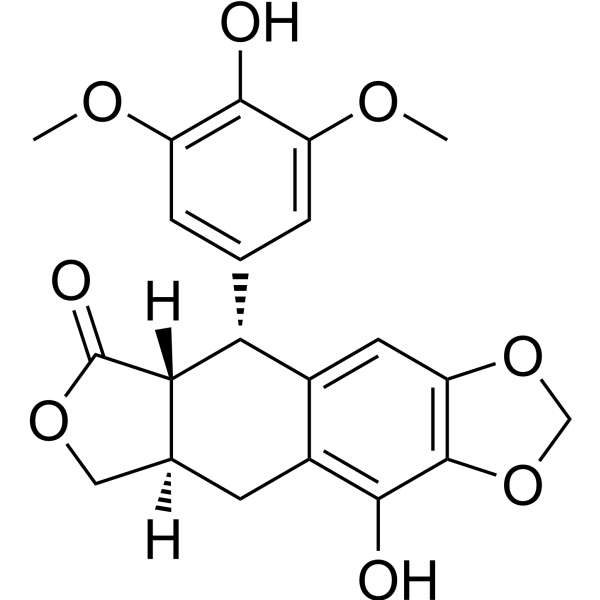
α-Peltatin is an aryl lignan. α-Peltatin has anticancer and antifungal activity. α-Peltatin inhibits DNA topoisomerase and tubulin polymerization .
|
-
-
- HY-N3706
-
|
|
Fungal
|
Infection
|
|
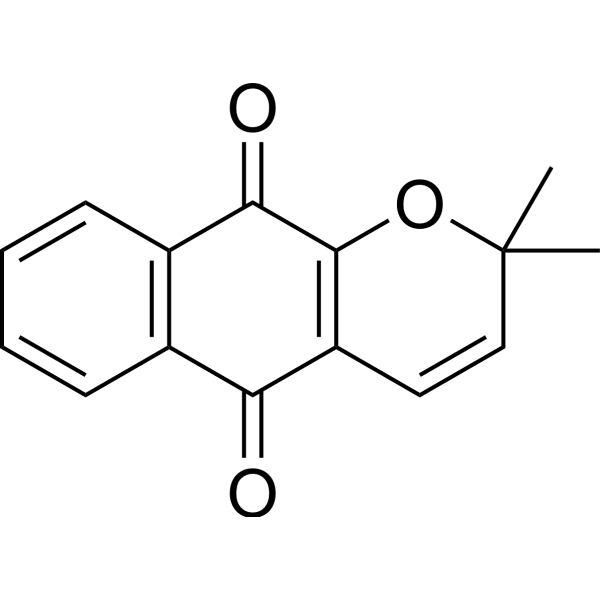
Dehydro-α-lapachone can be isolated from the methanol extract of stems of Catalpa ovata G Don. Dehydro-α-lapachone inhibits mycelial growth of Botrytis cinerea with IC50 value 0.41 mg/L .
|
-
-
- HY-163145
-
|
|
α-synuclein
|
Neurological Disease
|
|
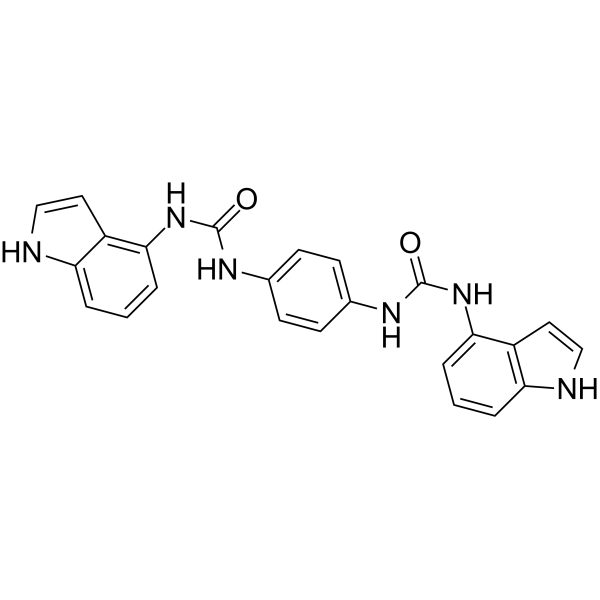
α-Synuclein inhibitor 11 (compound 1) is a selective α-synuclein (α-syn) oligomer formation inhibitor. α-Synuclein inhibitor 11 does not inhibits tau 4R (isoforms 0N4R, 2N4R) or p-tau (isoform 1N4R). α-Synuclein inhibitor 11 can be used for Parkinson's disease (PD) research .
|
-
-
- HY-N17254
-
-

-
- HY-146752
-
|
|
Amylases
|
Others
|
|
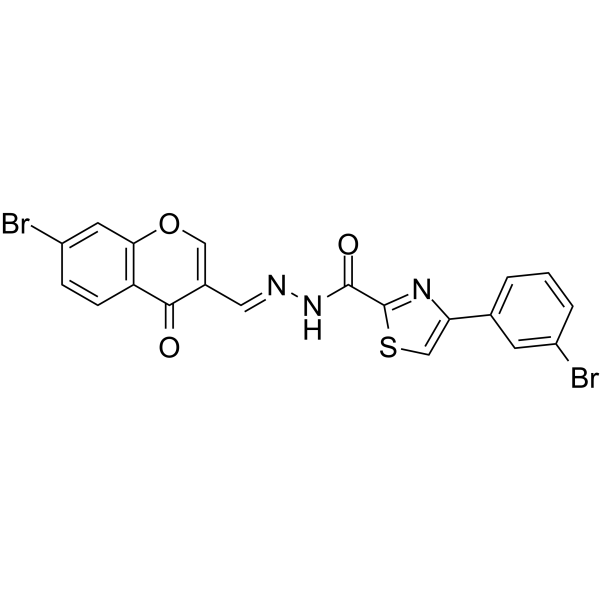
α-Amylase-IN-1 is a potent α-amylase inhibitor with an IC50 of 4.46 μM .
|
-
-
- HY-129131
-
|
|
Glycosidase
|
Metabolic Disease
|
|
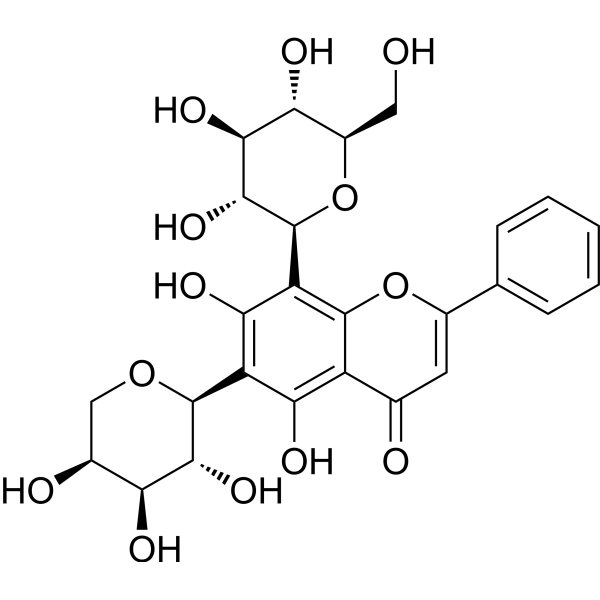
Chrysin 6-C-arabinoside 8-C-glucoside is a α±-glucosidase inhibitors which are widely used in the study for type 2 diabetes .
|
-
-
- HY-N1218
-
|
|
Glycosidase
Bcl-2 Family
|
Others
|
|
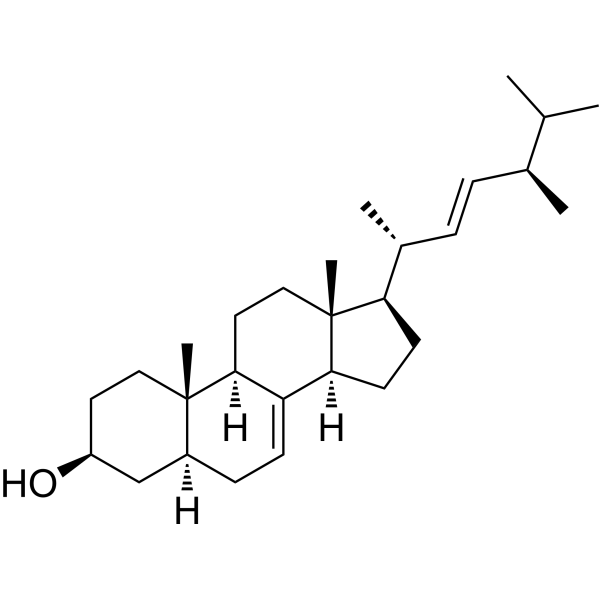
Stellasterol is a natural product. Stellasterol has high affinity towards Bcl-2 protein (Ki: 118.05 nM). Stellasterol is a weak α-glucosidase inhibitor .
|
-
-
- HY-N2223
-
|
Ganodermadiol
|
Glycosidase
|
Metabolic Disease
|
|
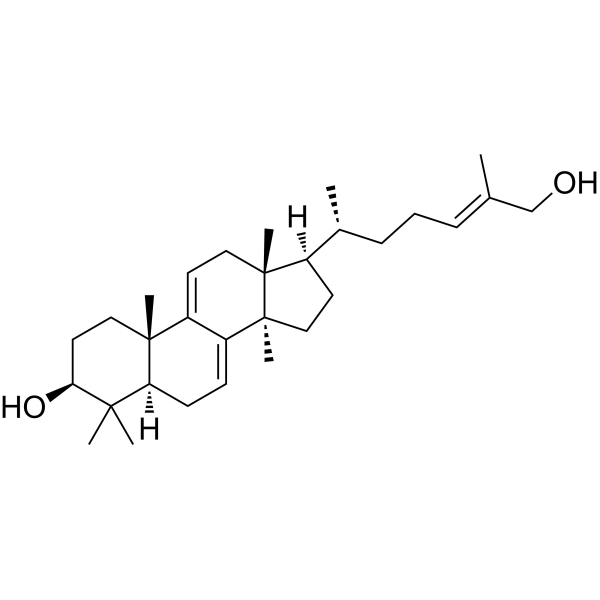
Ganoderol B is a potent α-glucosidase inhibitor. Ganoderol B has high α-glucosidase inhibition with an IC50 of 48.5 μg/mL (119.8 μM) .
|
-
-
- HY-N10413
-
|
|
Glycosidase
|
Metabolic Disease
|
|
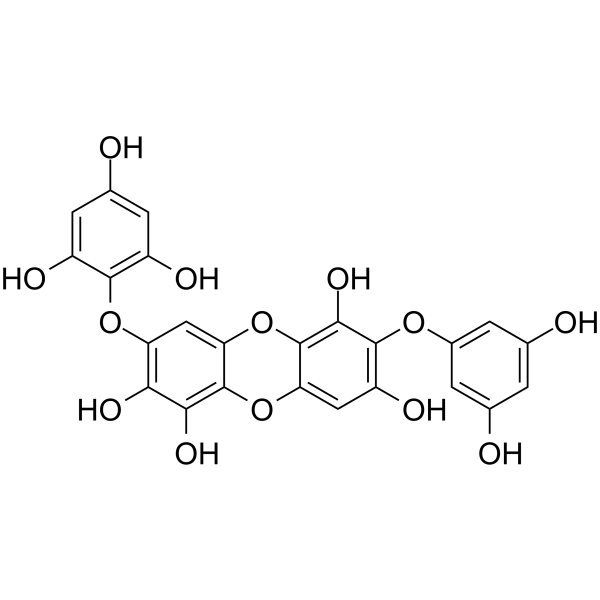
Diphlorethohydroxycarmalol, a kind of phlorotannin, is an orally active α-glucosidase and α-amylase inhibitor with IC50s of 0.16 mM and 0.53 mM, respectively. Diphlorethohydroxycarmalol has anti-diabetic activities .
|
-
-
- HY-146128
-
|
|
Glycosidase
|
Metabolic Disease
|
|
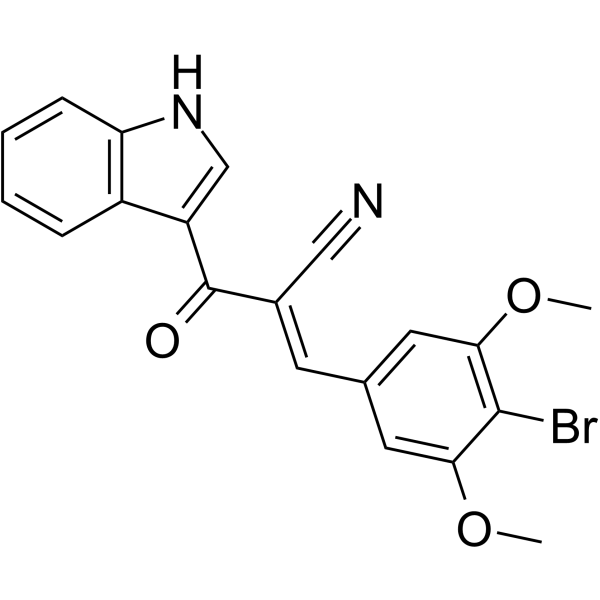
Anti-hyperglycemic agent-1 (compound 10) is a potent α-Glucosidase inhibitor, with an IC50 of 0.53 μM. Anti-hyperglycemic agent-1 can be used for diabetes research .
|
-
-
- HY-B0141AS1
-
-
-
- HY-N15613
-
|
|
α-synuclein
|
Neurological Disease
|
|
α-Synuclein inhibitor 14 (Compound 3) is a diarylheptanoid that can be isolated from Alpinia officinarum. α-Synuclein inhibitor 14 can inhibit the aggregation of α-synuclein, with an inhibition rate of 72.4% at a concentration of 10 μM. α-Synuclein inhibitor 14 can be used in the research of neurodegenerative diseases such as Parkinson's disease .
|
-

-
- HY-U00090
-
|
MOR 14; N-Methyl-1-deoxynojirimycin; N-Methylmoranolin
|
Glycosidase
|
Metabolic Disease
|
|
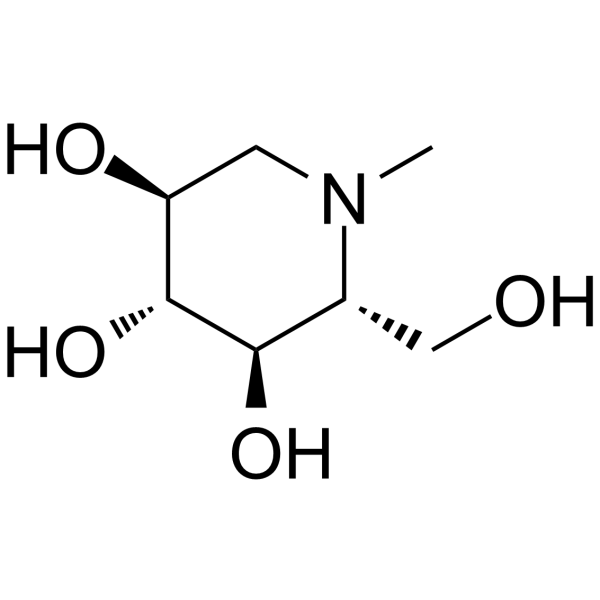
N-Methylmoranoline (MOR 14) is an α-glucosidase inhibitor.
|
-
-
- HY-175308
-
|
|
α-synuclein
|
Neurological Disease
|
|
α-Synuclein inhibitor 15 (Compound 1) is an inhibitor targeting the fibrillation growth of α-synuclein (IC50=18 μM). α-Synuclein inhibitor 15 is promising for research of neurodegenerative diseases, such as Parkinson's disease (PD) and Lewy body dementia (LBD) .
|
-

-
- HY-173275
-
|
|
PDGFR
|
Cancer
|
|
PDGFRα kinase inhibitor 3 (Compound L7) is a highly potent inhibitor targeting the PDGFRα D842V kinase with IC50s values of 23.8 nM and 2.1 nM in biochemical and cellular assays, respectively. PDGFRα kinase inhibitor 3 binds to the ATP-binding pocket of PDGFRα D842V to block its downstream signaling pathways and inhibit kinase activity. PDGFRα kinase inhibitor 3 can be used for gastrointestinal stromal tumors (GISTs) study .
|
-

-
- HY-161262
-
|
|
FAP
|
Cancer
|
|
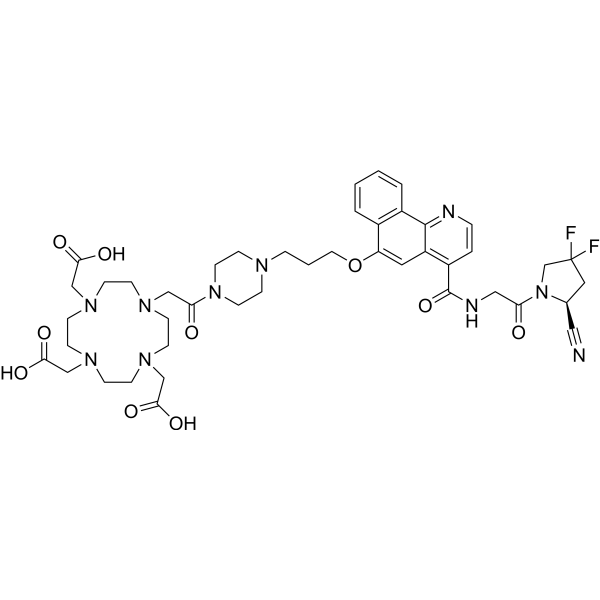
SB03178 is a fibroblast activation protein-alpha (FAP) inhibitor. SB03178 can be conjugated with DOTA and can be used for cancer research .
|
-
-
- HY-N11697
-
|
|
P-glycoprotein
|
Cancer
|
|
α-Cryptoxanthin is a natural carotenoid with anticancer effects. α-Cryptoxanthin inhibits multidrug resistance 1 (MDR1) mediated efflux pump .
|
-

-
- HY-129113R
-
|
|
Reference Standards
COX
|
Inflammation/Immunology
|
|
α-Chaconine (Standard) is the analytical standard of α-Chaconine. This product is intended for research and analytical applications. α-Chaconine inhibits the expressions of COX-2, IL-1β, IL-6, and TNF-α at the transcriptional level. α-Chaconine inhibits the LPS-induced expressions of iNOS and COX-2 at the protein and mRNA levels and their promoter activities in RAW 264.7 macrophages. Anti-inflammatory effects .
|
-

-
- HY-N10426
-
|
|
Glycosidase
|
Metabolic Disease
|
|
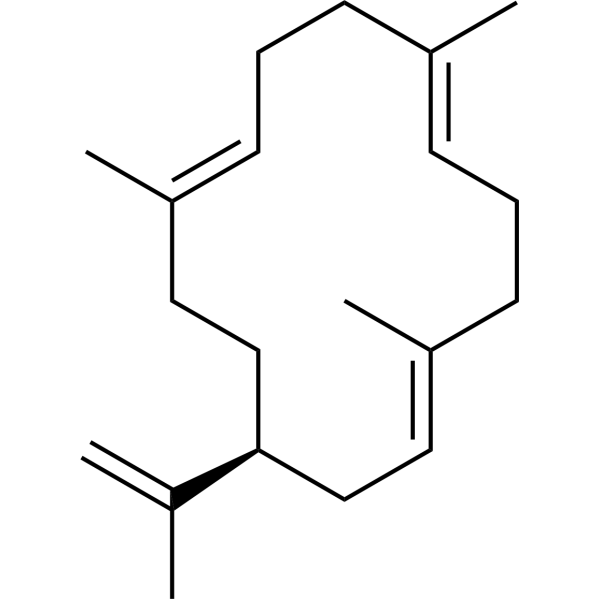
(+)-Cembrene A (Compound 5) is a α-glucosidase inhibitor with an IC50 of 30.31 μM. (+)-Cembrene A is nontoxic towards human normal hepatocyte (LO2) cells .
|
-
-
- HY-121991
-
|
|
Glycosidase
|
Others
|
|
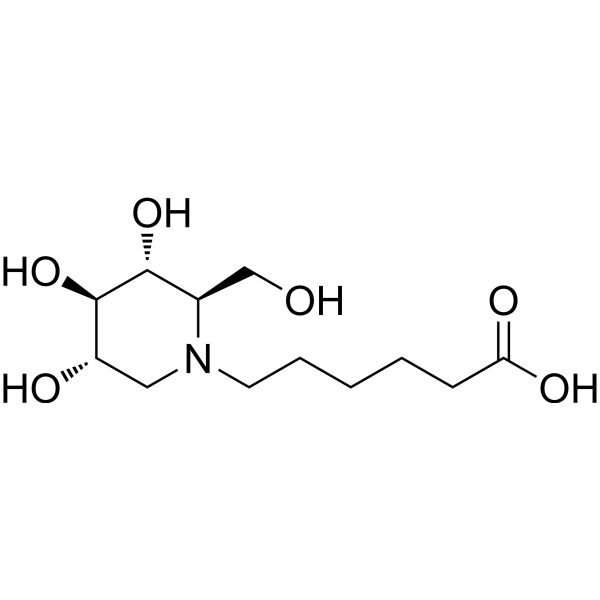
N-5-Carboxypentyl-1-deoxynojirimycin is an alpha-glucosidase inhibitor, and also can be used to prepare affinity matrices for binding to resins.
|
-
-
- HY-N8459
-
|
α-CBD
|
EBV
|
Cancer
|
|
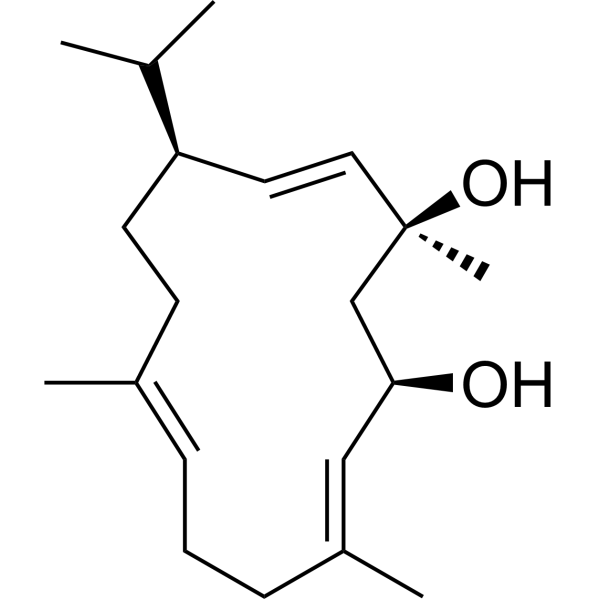
α-Cembrenediol is a potent inhibitor of EBV.α-Cembrenediol inhibits the early antigen of the Epstein-Bar virus. α-Cembrenediol also has anti-tumour activity .
|
-
-
- HY-19144
-
|
|
5 alpha Reductase
|
Others
|
|
ONO-3805 is an early lead compound of a non-steroidal 5α-reductase inhibitor, used to inhibit the conversion of testosterone to dihydrotestosterone, with potential effects in inhibiting benign prostatic hyperplasia.
|
-

-
- HY-146305
-
-
-
- HY-159649A
-
|
|
DGK
|
Cancer
|
|
(1R)-BMS-986408 is an orally active dual DGK α/ζ inhibitor that restores T cell-mediated anti-tumor immunity by enhancing T cell signaling .
|
-

-
- HY-N7095
-
|
CTZ
|
Bacterial
Antibiotic
|
Infection
|
|
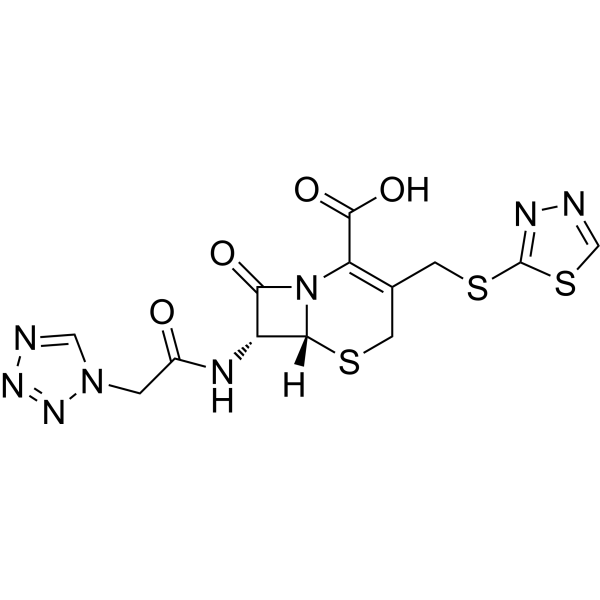
Ceftezole (CTZ) is a broad-spectrum cephem antibiotic against many species of gram-positive and gram-negative bacteria. Ceftezole (CTZ) is an alpha-glucosidase inhibitor with in vivo anti-diabetic activity .
|
-
-
- HY-105217
-
|
FCE 26073
|
5 alpha Reductase
|
Metabolic Disease
|
|
Turosteride is a selective 5 alpha-reductase inhibitor, with IC50 values of 55 and 53 nM for human and rat prostatic 5 alpha-reductases, respectively. Turosteride can reduce the prostate and seminal vesicle weights .
|
-

-
- HY-N7763
-
|
|
Glycosidase
|
Neurological Disease
|
|
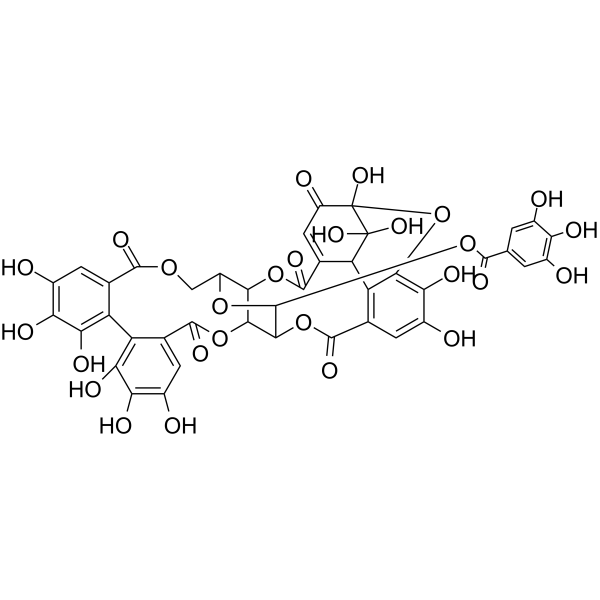
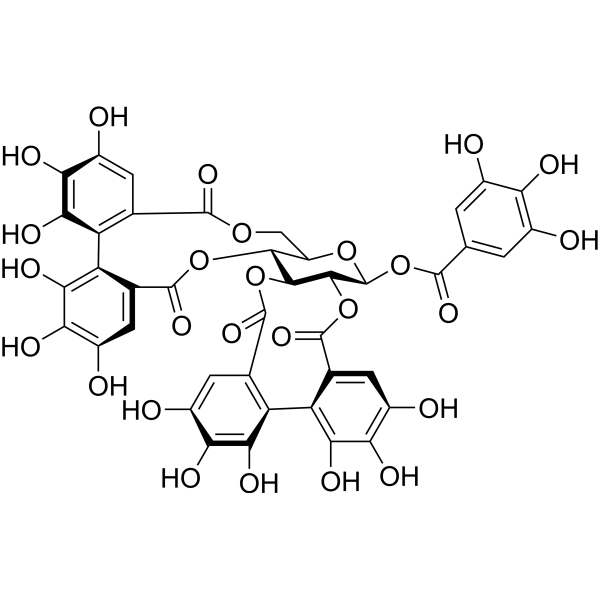
Casuarictin is a potent and competitive α-glucosidase inhibitor with an IC50 of 0.21 μg/mL. Casuarictin is a presenilin stabilization factor like protein (PSFL) protein inhibitor. Casuarictin can be used for Alzheimer's disease research .
|
-
-
- HY-149509
-
|
|
α-synuclein
|
Neurological Disease
|
|
α-Synuclein inhibitor 9 (Compound 20C) is an α-Synuclein inhibitor. α-Synuclein inhibitor 9 binds to cavities in mature α-synuclein fibrils and reduces the β-sheet structure. α-Synuclein inhibitor 9 inhibits A53T α-Syn aggregation. α-Synuclein inhibitor 9 has neuroprotective effect, improves brain functional connection and relieves motor dysfunction.α-Synuclein inhibitor 9 can be used for Parkinson’s disease (PD) research. .
|
-
-
- HY-152195
-
|
|
Apoptosis
|
Cancer
|
|
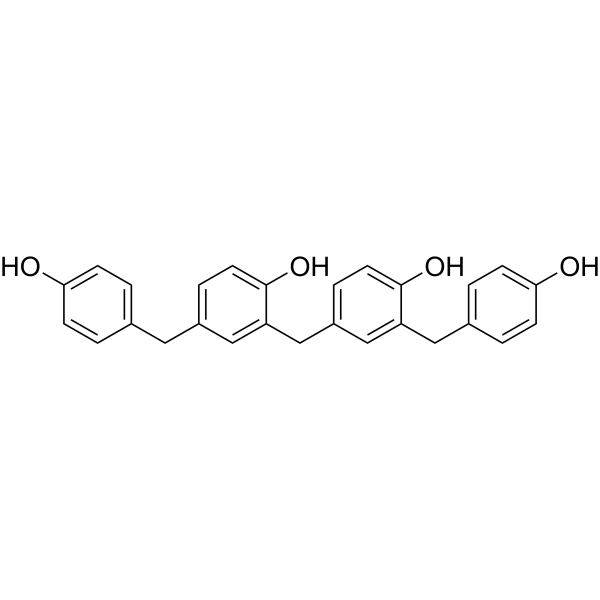
ChoKα inhibitor-5 is a sulphur-containing choline kinase inhibitor. ChoKα inhibitor-5 can inhibit HChoK α1 with an IC50 value of 0.64 μM. ChoKα inhibitor-5 also can induce apoptosis. ChoKα inhibitor-5 can be used for the research of cancer .
|
-
-
- HY-152191
-
|
|
Apoptosis
|
Cancer
|
|
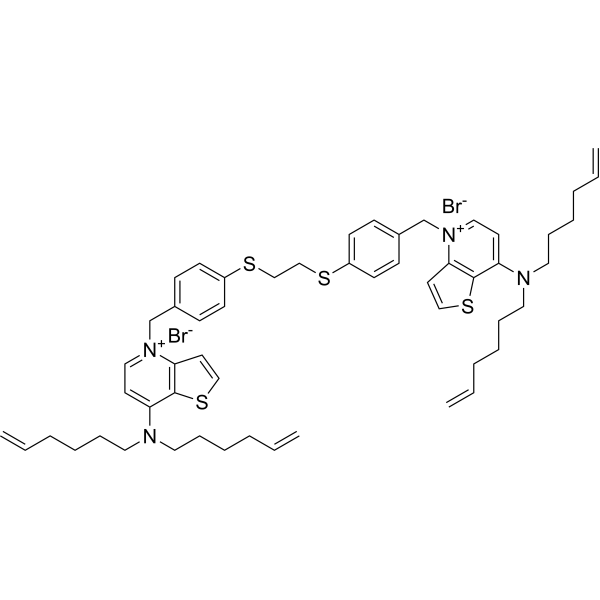
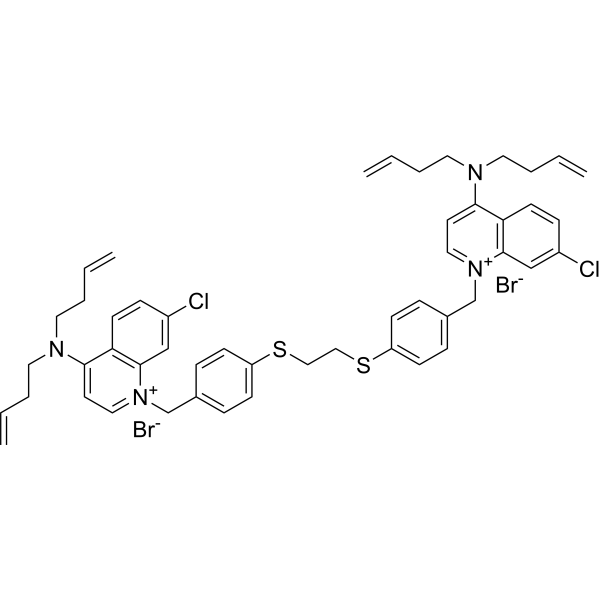
ChoKα inhibitor-3 is a sulphur-containing choline kinase inhibitor. ChoKα inhibitor-3 can inhibit HChoK α1 with an IC50 value of 0.66 μM. ChoKα inhibitor-3 also can induce apoptosis. ChoKα inhibitor-3 can be used for the research of cancer .
|
-
-
- HY-162799
-
|
|
Choline Kinase
|
Cancer
|
|
ChoKα inhibitor-6 (compound Fa22) is a less specific ChoKα1 inhibitor with antitumor activity .
|
-

-
- HY-152552
-
|
|
α-synuclein
|
Neurological Disease
|
|
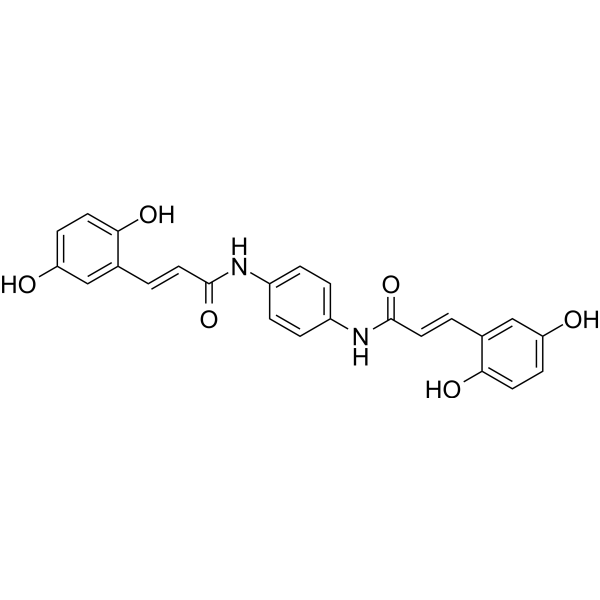
α-Synuclein inhibitor 8 is an active inhibitor of α-Synuclein with an IC50 value of 2.5 µM. α-Synuclein inhibitor 8 has highly inhibition on the aggregation and disaggregation of α-Synuclein fibers. α-Synuclein inhibitor 8 reduces the formation of inclusions in neurons that can repairs damage neurons and improves Parkinson’s disease (PD)-like symptoms. α-Synuclein inhibitor 8 has high antioxidant activity and low cytotoxicity .
|
-
-
- HY-147644
-
|
|
α-synuclein
|
Neurological Disease
|
|
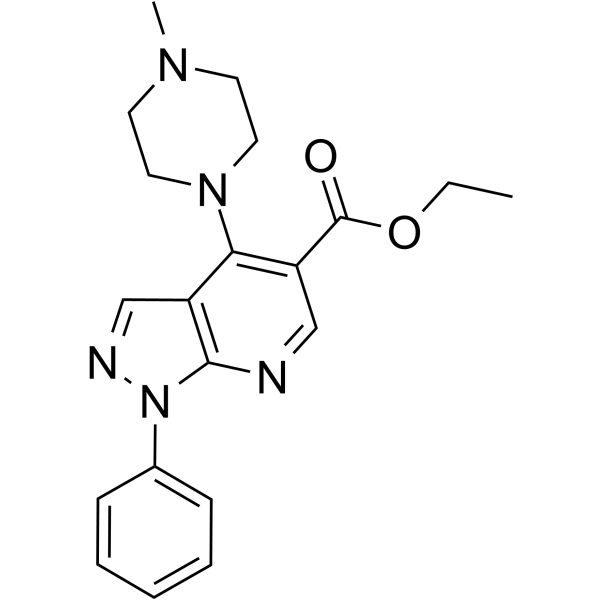
α-Synuclein inhibitor 3 (Compound 7g) is a α-synuclein (α -Syn) aggregation inhibitor. α-Synuclein inhibitor 3 can be used for Parkinson’s disease research .
|
-
-
- HY-N8120
-
-
-
- HY-119593
-
-
-
- HY-163519
-
|
|
α-synuclein
|
Neurological Disease
|
|
α-Synuclein inhibitor 13 is an inhibitor of α-synuclein (α-Syn). α-Synuclein inhibitor 13 inhibits the aggregation of α-Syn proteins and is able to break down formed fibers. It is mainly used in Parkinson's disease research .
|
-
-
- HY-152193
-
|
|
Apoptosis
|
Cancer
|
|
ChoKα inhibitor-4 is a bioisosteric inhibitor of HChoK α1 (IC50=0.66 μM), with inhibitory and antiproliferative effect on cancer cells. ChoKα inhibitor-4 induces apoptosis via mitochondrial pathway, and reduces anti-apoptotic proteins expression .
|
-
- HY-N1901
-
-
- HY-U00266
-
-
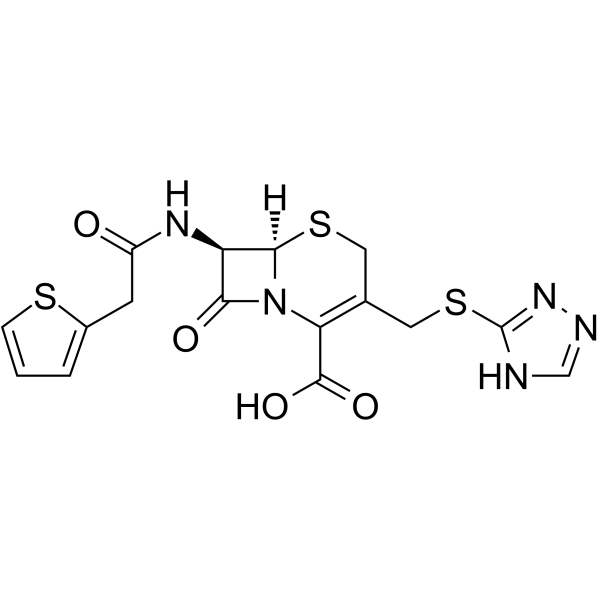
- HY-118091B
-
|
|
5 alpha Reductase
|
Others
|
|
LY300503 is an enantiomer of LY191704. LY191704 is a human type I 5α-reductase inhibitor .
|
-
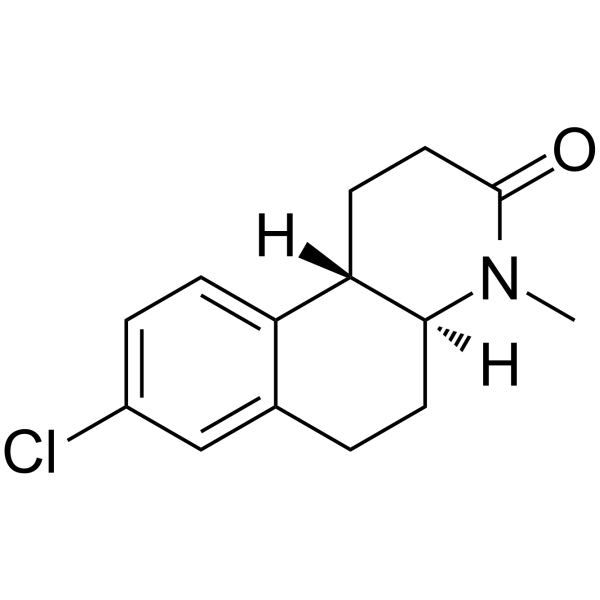
- HY-157537
-
-
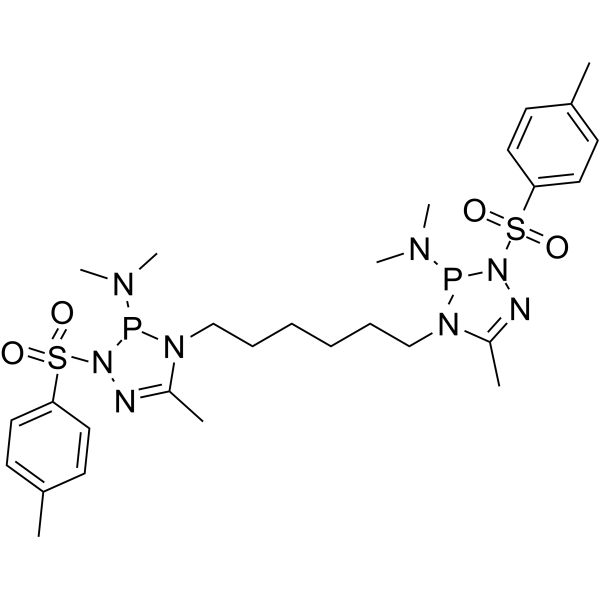
- HY-N12790
-
|
Ananonin B
|
Glycosidase
|
Metabolic Disease
|
|
Arisanschinin D (Ananonin B) is an α-Glucosidase inhibitor and can be isolated from Schisandra arisanensis Hay .
|
-

- HY-P10813
-
-

- HY-146156
-
-
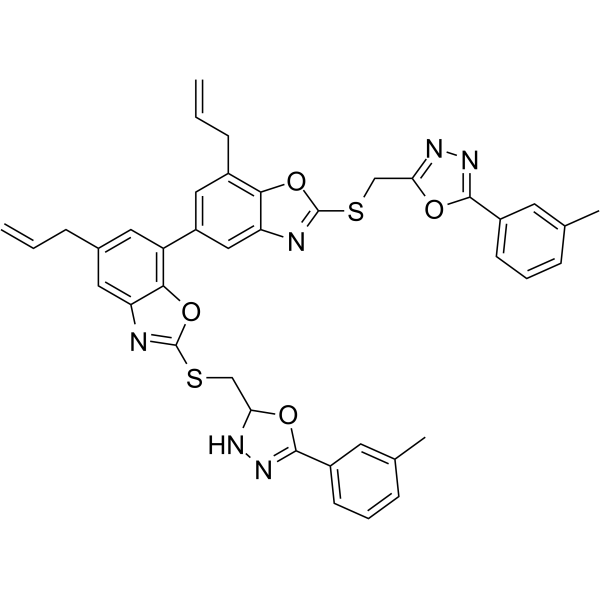
- HY-134960
-
-

- HY-150960
-
-
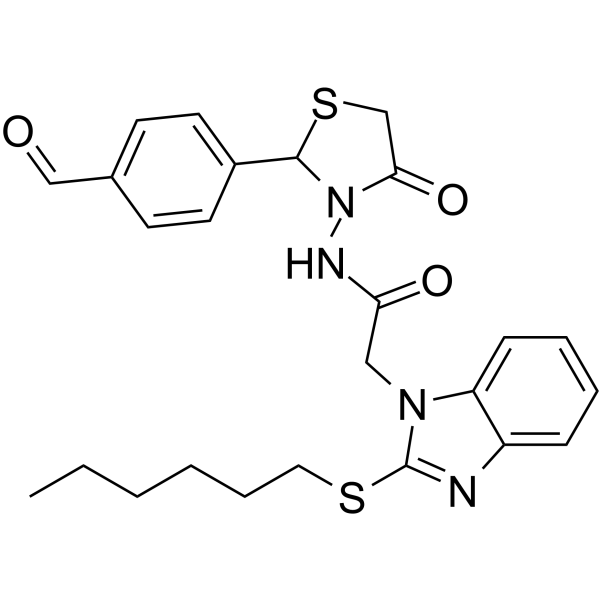
- HY-150959
-
-
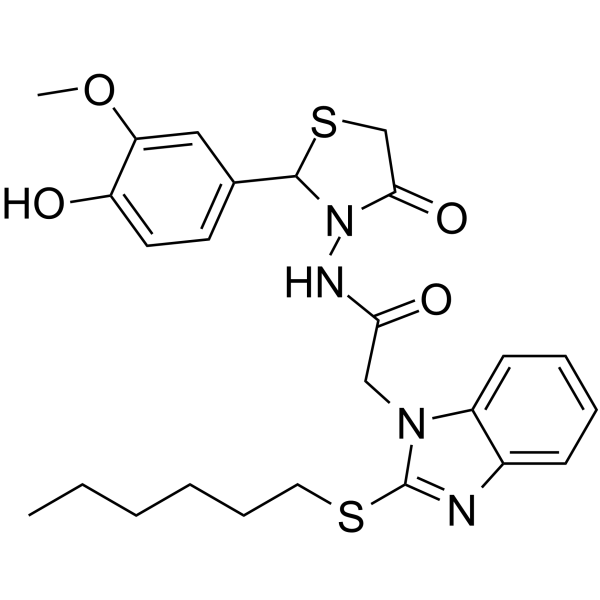
- HY-150961
-
-
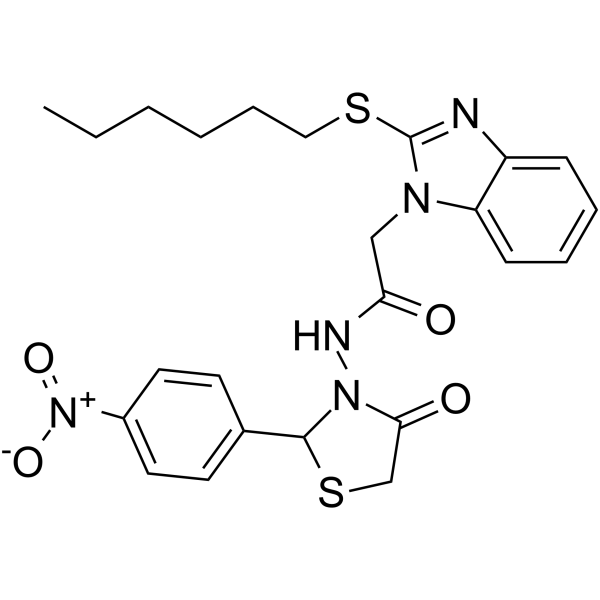
- HY-N9478
-
|
|
Glycosidase
|
Others
|
|
Sumaresinolic acid (compound 6) is a natural product which can be extracted from heterophyllum root . Sumaresinolic acid is a alpha-glucosidase inhibitor .
|
-

- HY-147879
-
-
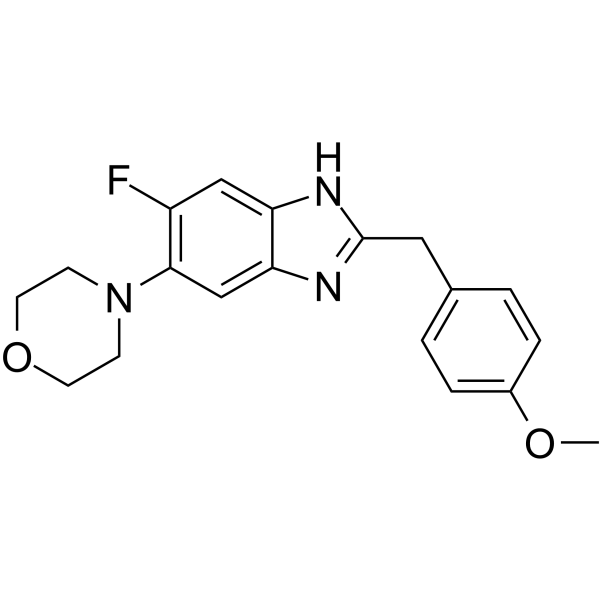
- HY-139349
-
|
|
Endogenous Metabolite
|
Others
|
|
Finasteride carboxaldehyde (Compound M2) is the metabolite of 5α-reductase inhibitor Finasteride (HY-13635) in human bile and urine .
|
-

- HY-172758
-
|
|
Glycosidase
|
Others
|
α-Glucosidase-IN-89 (8g) is α-glucosidase inhibitor, with an IC50 of 0.5 μM and a Ki of 0.46 µM .
|
-

- HY-138992
-
|
|
Glycosidase
Endogenous Metabolite
|
Others
|
|
2,3-Indolobetulin is a pentacyclic triterpene and a derivative of betulin. 2,3-Indolobetulin can be used in the synthesis of α-glucosidase inhibitors .
|
-

- HY-133949
-
|
|
5 alpha Reductase
|
Endocrinology
|
|
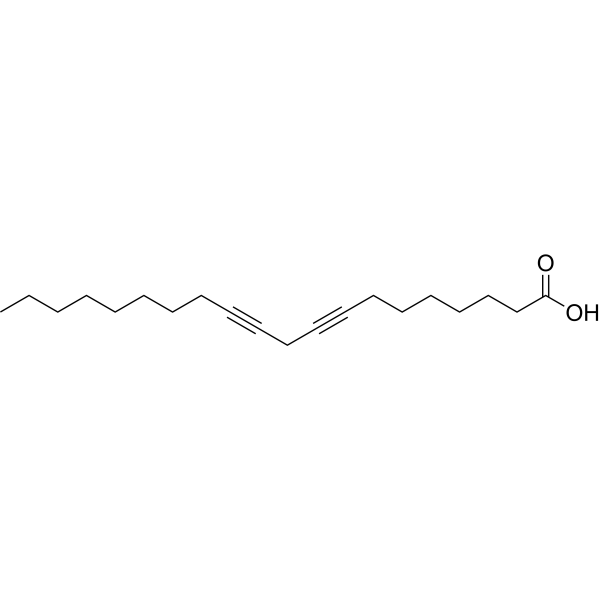
8,11-Eicosadiynoic acid, an unsaturated fatty acid, is a steroid 5α-reductase inhibitor. 8,11-Eicosadiynoic acid can be used for the research of acne .
|
-
- HY-162637
-
|
|
Glycosidase
|
Metabolic Disease
|
|
CTL26 is a potent and orally active α-glucosidase inhibitor with an IC50 value of 2.81 µM. CTL26 shows anti-diabetic efficacy .
|
-

- HY-131504A
-
|
|
Glycosidase
|
Metabolic Disease
|
|
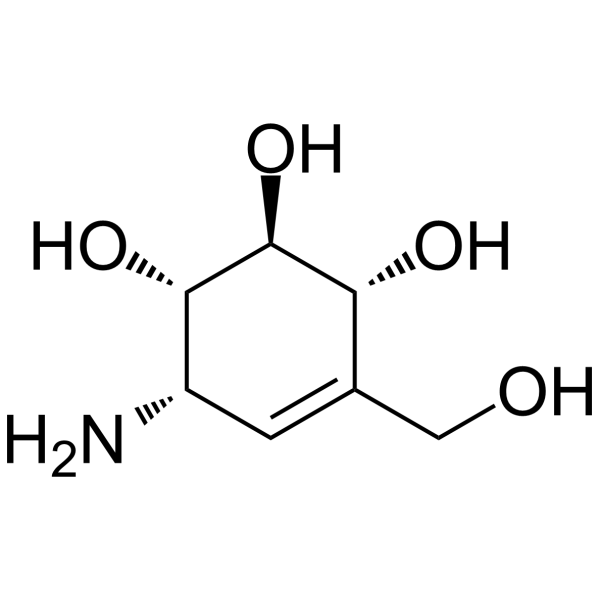
Valienamine is the alpha-glucosidase inhibitor. Valienamine is the key functional component of many natural glycosidase inhibitors including the crop protectant validamycin A and the antidiabetic agent acarbose .
|
-
- HY-157806
-
|
|
α-synuclein
|
Neurological Disease
|
|
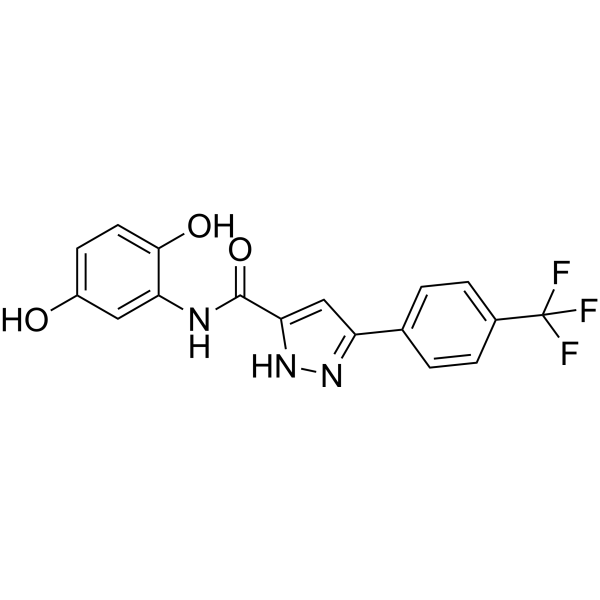
α-Synuclein inhibitor 12 (compound 4ce) is an inhibitor of α-Syn (α-synuclein) aggregation and can be used in the study of neurological diseases .
|
-
- HY-N12500
-
|
|
Glycosidase
|
Others
|
|
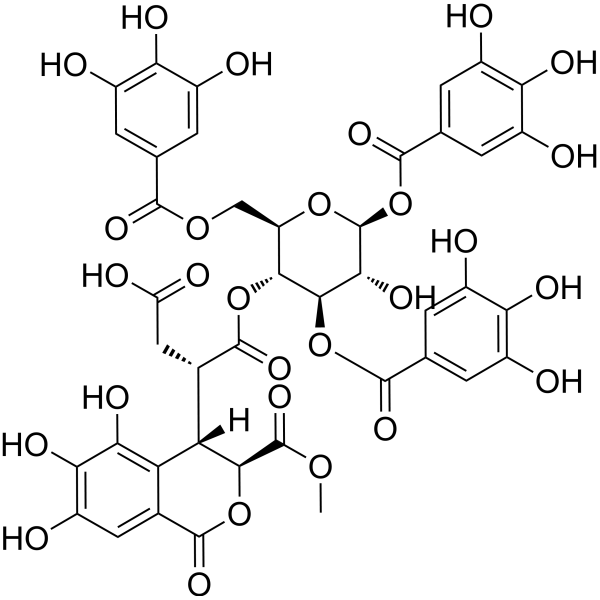
1'-O-Methyl neochebulinate, hydrolyzable tannin, is an α-glucosidase inhibitor with IC50 value of 59.5 μM, isolated from the fruits of Terminalia chebula Retz .
|
-
- HY-N4069
-
-

- HY-106352
-
|
|
HCV Protease
|
Infection
|
|
BMS 605339 is a linear tetra-peptide α-ketoamide inhibitor of HCV NS3 protease. BMS 605339 can be used in research related to hepatitis C (HCV infection) .
|
-

- HY-N11512
-
|
|
Glycosidase
|
Metabolic Disease
|
|
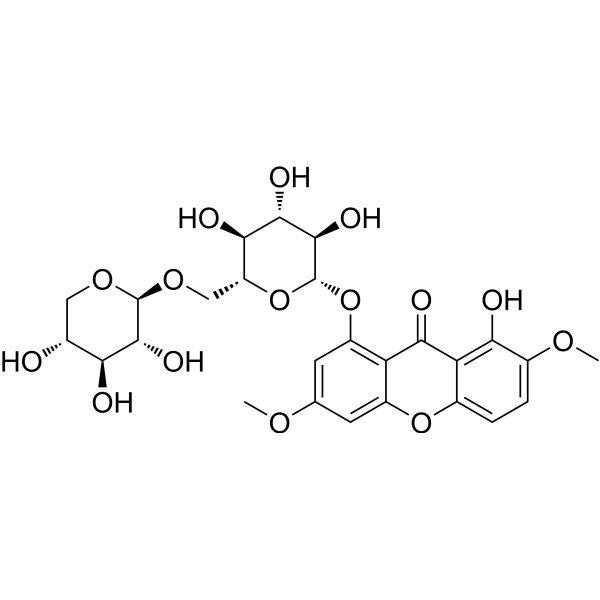
α-Glucosidase-IN-24 (Compound 13) is an α-Glucosidase inhibitor with an IC50 of 451 μM. α-Glucosidase-IN-24 can be isolated from Swertia kouitchensis .
|
-
- HY-149533
-
|
|
Glycosidase
|
Metabolic Disease
|
|
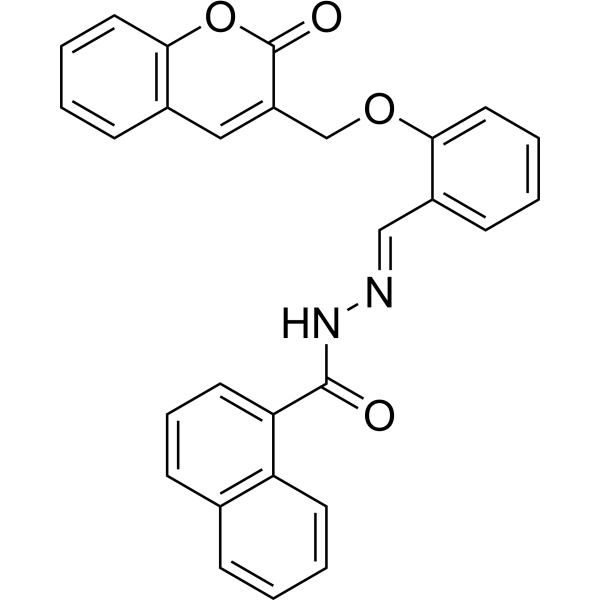
α-Glucosidase-IN-34 (compound 7f) is a potent α-glucosidase inhibitor (IC50: 2.90 μM) and can be used in the study of type 2 diabetes and hyperglycemia .
|
-
- HY-144697
-
-
- HY-169255
-
-

- HY-115978
-
|
|
Glycosidase
|
Metabolic Disease
|
|
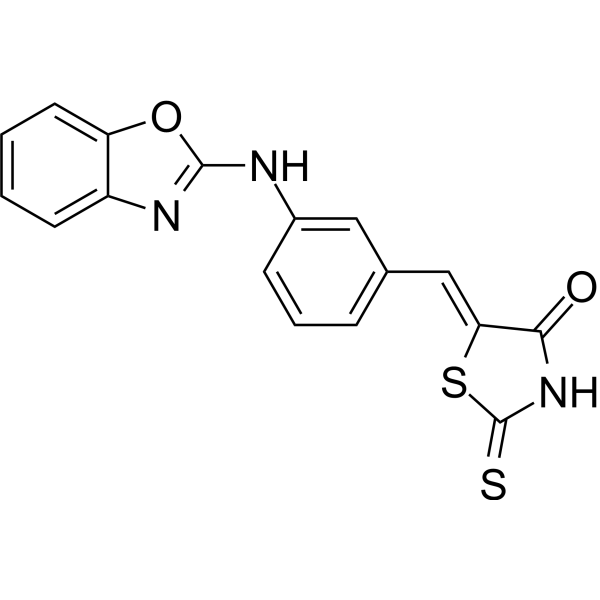
α-Glucosidase-IN-2 (compound 5d) is a potent α-Glucosidase inhibitor with an IC50 of 9.48 µM. α-Glucosidase-IN-2 is an antidiabetic agent .
|
-
- HY-149532
-
|
|
Glycosidase
|
Metabolic Disease
|
|
α-Glucosidase-IN-33 (compound 7c) is a potent α-glucosidase inhibitor (IC50: 2.39 μM) and can be used in the study of type 2 diabetes and hyperglycemia .
|
-
- HY-P10850
-
|
|
TNF Receptor
NF-κB
Apoptosis
|
Inflammation/Immunology
|
|
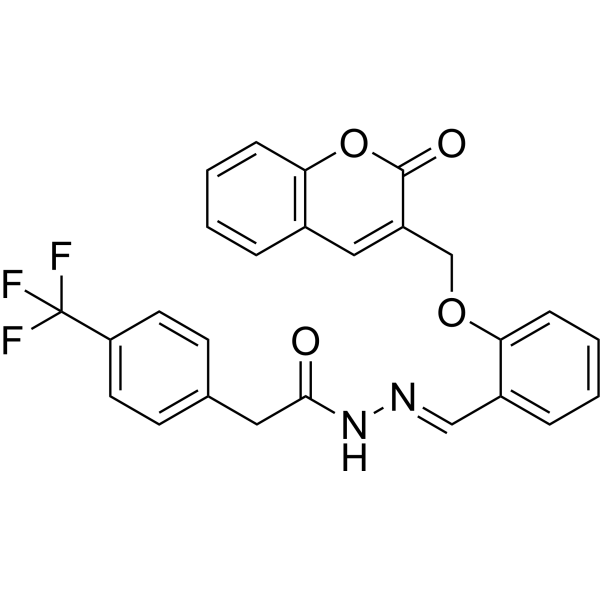
PIYLGGVFQ is a peptide inhibitor for TNF-α. PIYLGGVFQ inhibits TNF-α-mediated apoptosis, NF-κB nuclear translocation and activation. PIYLGGVFQ exhibits anti-arthritic activity in the CIA mouse model .
|
-

- HY-147823
-
|
|
Glycosidase
|
Metabolic Disease
|
|
α-Glucosidase-IN-6 (compound 18) is a competitive α-glucosidase inhibitor with an IC50 of 5.69 µM. α-Glucosidase-IN-6 has anti-diabetic potential .
|
-
- HY-170866
-
|
|
Glycosidase
|
Metabolic Disease
|
|
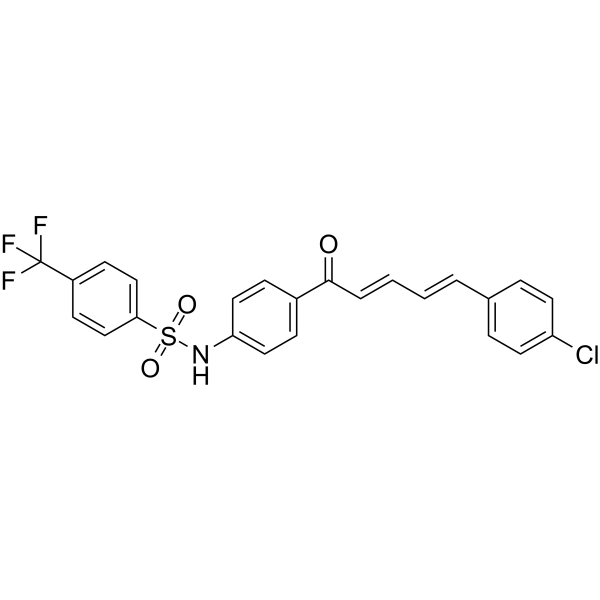
α-Glucosidase-IN-81 (Compound 5) is a potent α-Glucosidase inhibitor with an IC50 value of 5.30 μM. α-Glucosidase-IN-81 is promising for research of diabetes .
|
-

- HY-W727627
-
|
|
Amylases
|
Metabolic Disease
|
|
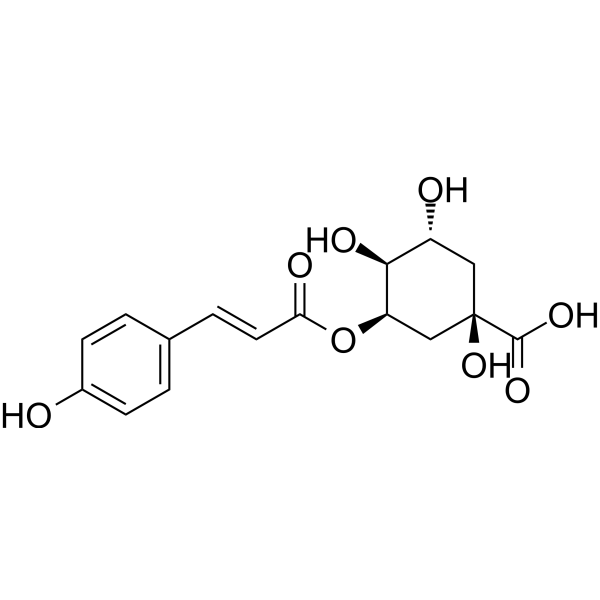
5-O-Coumaroylquinic acid is a potent, reversible, non-competitive α-amylase inhibitor with an IC50 value of 69.39 μM. 5-O-Coumaroylquinic acid can be used in diabetes research .
|
-
- HY-N9075
-
|
|
Glycosidase
|
Cancer
|
|
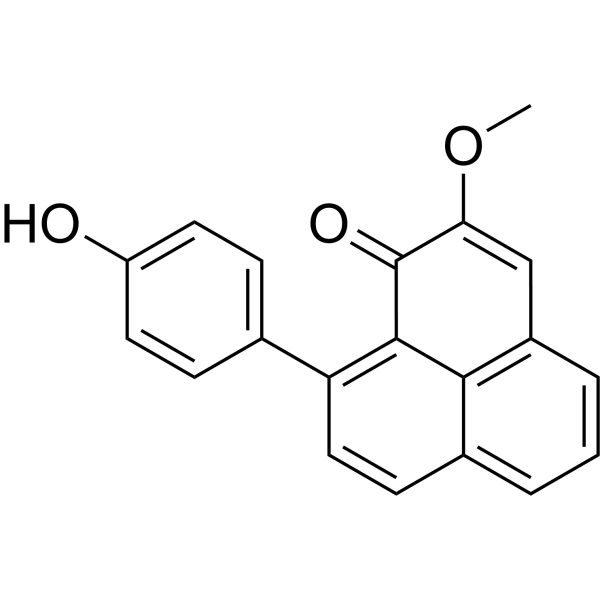
9-(4′-Hydroxyphenyl)-2-methoxyphenalen-1-one is a phytoalexin and mixed competitive α-glucosidase inhibitor of Bacillus stearothermophilus (IC50: 3.86 mg/L) .
|
-
- HY-157488
-
|
|
Glycosidase
|
Metabolic Disease
|
|
α-Glucosidase-IN-46 is a potent α-glucosidase inhibitor with an IC50 of 26.0 μM. α-Glucosidase-IN-46 can be used for the research of type 2 diabetes .
|
-
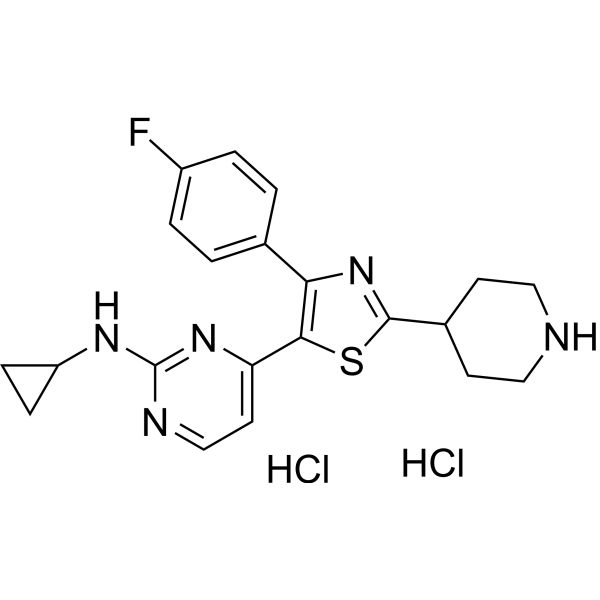
- HY-110343
-
|
|
TNF Receptor
|
Inflammation/Immunology
|
|
DBM 1285 dihydrochloride is an orally active TNF-α production inhibitor with anti-inflammatory effects. DBM 1285 dihydrochloride inhibits Lipopolysaccharide (LPS)-induced TNF-α secretion in various cells of macrophage/monocyte lineage .
|
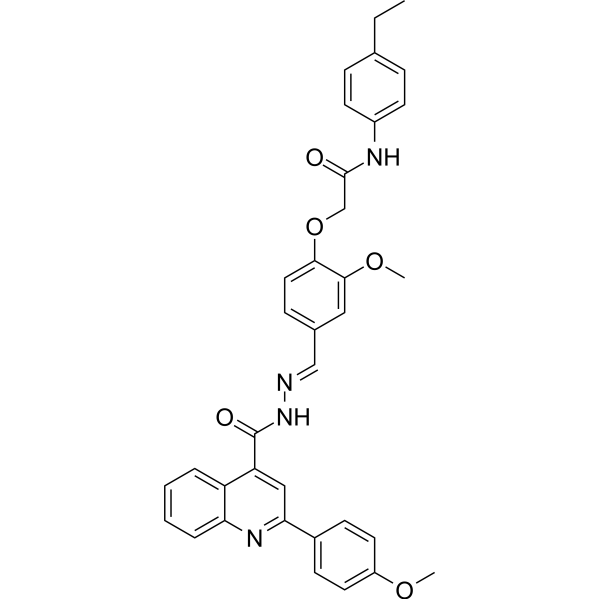
-
- HY-161318
-
|
|
Glycosidase
|
Metabolic Disease
|
|
α-Glucosidase-IN-52 (Compound 3h) is an α-glucosidase inhibitor with an IC50 of 2.8 μM. α-Glucosidase-IN-52 can be used for diabetes research .
|
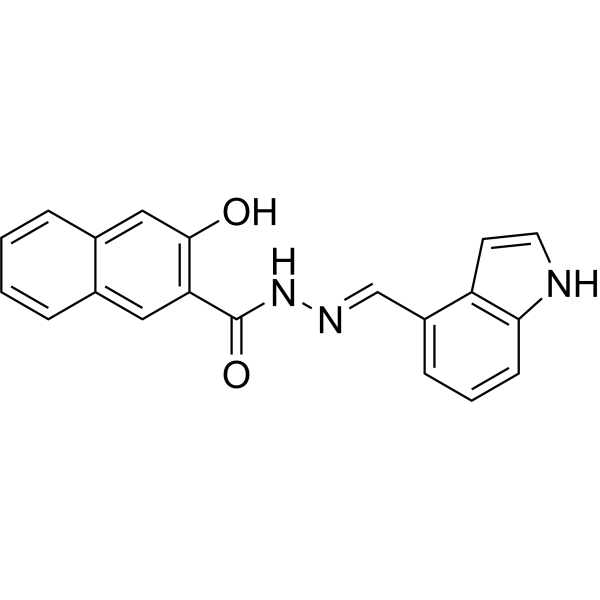
-
- HY-147718
-
|
|
Glutaminase
|
Metabolic Disease
|
|
α-Glucosidase-IN-5 (compound 8) is a potent α-glucosidase inhibitor with an IC50 of 57.9 µM. α-Glucosidase-IN-5 has the potential for the research of diabetes mellitus .
|
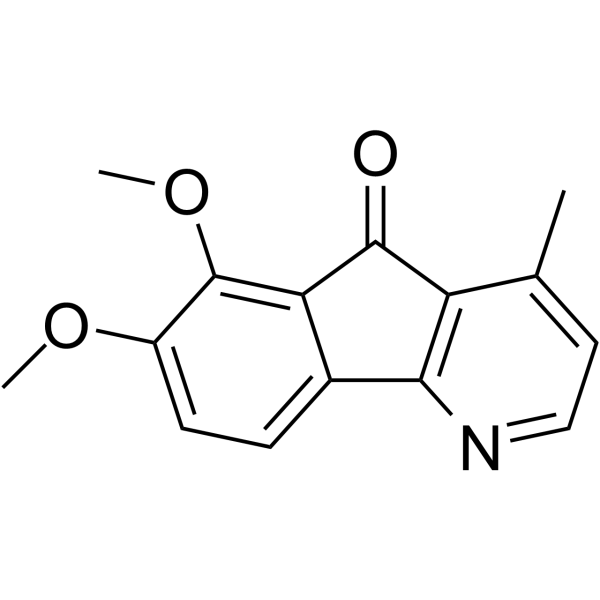
-
- HY-B0141AS
-
-
- HY-N0472R
-
-

- HY-151142
-
|
|
Glycosidase
|
Metabolic Disease
|
|
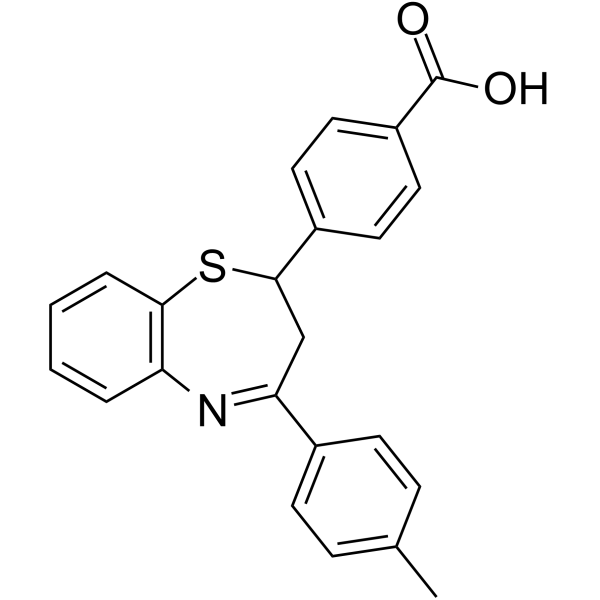
α-Glucosidase-IN-18 (7B) is an orally active α-glucosidase inhibitor with an IC50 value of 3.96 μM. α-Glucosidase-IN-18 has antidiabetic activity .
|
-
- HY-N13020
-
|
|
Others
|
Others
|
|
Scleropentaside D is a potent α-glycosidase inhibitor. Scleropentaside D has antioxidant activity .
|
-

- HY-N18381
-
|
|
Glycosidase
|
Others
|
|
Deacylhericene is an α-glucosidase inhibitor with an IC50 of 12.5 μM. Deacylhericene functionally inhibits the activity of α-glucosidase .
|
-

- HY-118434
-
|
|
Glycosidase
|
Metabolic Disease
|
|
3,4-Methylenedioxychalcone (Compound 40) is an α-glucosidase inhibitor with an IC50 of 1870 μM. 3,4-Methylenedioxychalcone is applicable to the research of type 2 diabetes .
|
-

- HY-179092
-
|
|
Glycosidase
|
Metabolic Disease
|
|
α-Glucosidase-IN-100 (compound 6) is a potent alpha glucosidase inhibitor. α-Glucosidase-IN-100 can be used to study metabolic diseases such as diabetes .
|
-

- HY-N17553
-
|
|
Glycosidase
|
Metabolic Disease
|
|
N-Formyldehydroanonaine is a potent α-glucosidase inhibitor with an IC50 of 104.6 μM against yeast α-glucosidase. N-Formyldehydroanonaine can be used for the research of diabetes mellitus .
|
-

- HY-N17925
-
|
|
Glycosidase
|
Metabolic Disease
|
|
Falandioside B is an α-glucosidase inhibitor with an IC50 of 107.52 μM. Falandioside B scavenges ABTS radical cations. Falandioside B is applicable to research related to postprandial hyperglycemia .
|
-

- HY-W354556
-
|
|
Glycosidase
|
Inflammation/Immunology
|
|
3-Hydroxyproline is a non-glycosyl microbial α-glucosidase inhibitor. 3-Hydroxyproline is used in the research of diabetes (type 2 diabetes/non-insulin-dependent diabetes mellitus) .
|
-

- HY-183531
-
|
|
p38 MAPK
|
Inflammation/Immunology
|
|
p38 MAP Kinase-IN-4 is a p38α MAPK inhibitor with an IC50 of 40.5 nM. p38 MAP Kinase-IN-4 is applicable to inflammation-related research .
|
-

- HY-178742
-
|
|
Glycosidase
|
Metabolic Disease
|
|
α-Glucosidase-IN-99 (Compound 21) is an α-Glucosidase inhibitor, with an IC50 of 52.79 μM. α-Glucosidase-IN-99 can be used for the study of type 2 diabetes .
|
-

- HY-78000
-
|
4-Carbomethoxybenzaldehyde; 4-Carboxybenzaldehyde methyl ester; Terephthalaldehydic acid methyl ester; Methyl 4-formylbenzoate
|
Drug Intermediate
|
Metabolic Disease
|
|
Methyl 4-formylbenzoate (4-Carbomethoxybenzaldehyde; 4-Carboxybenzaldehyde methyl ester; Terephthalaldehydic acid methyl ester; Methyl 4-formylbenzoate) is a intermediate that can be used for the synthesis of chalcone amide α-glucosidase inhibitors .
|
-

- HY-129348
-
|
|
IRE1
|
Cancer
|
|
IRE1α kinase-IN-10 (GP29) is an IRE1α kinase inhibitor. IRE1α kinase-IN-10 can be used for the research of endoplasmic reticulum stress-related diseases .
|
-

- HY-P5881
-
|
|
PKC
|
Cardiovascular Disease
|
|
PKCα (C2-4) inhibitor peptide is a PKCα specific inhibitor peptide that blocks the inhibition of IKr by the α1A adrenoreceptor agonist A-61603 (HY-101366) .
|
-
- HY-147964
-
|
|
Glycosidase
|
Metabolic Disease
|
|
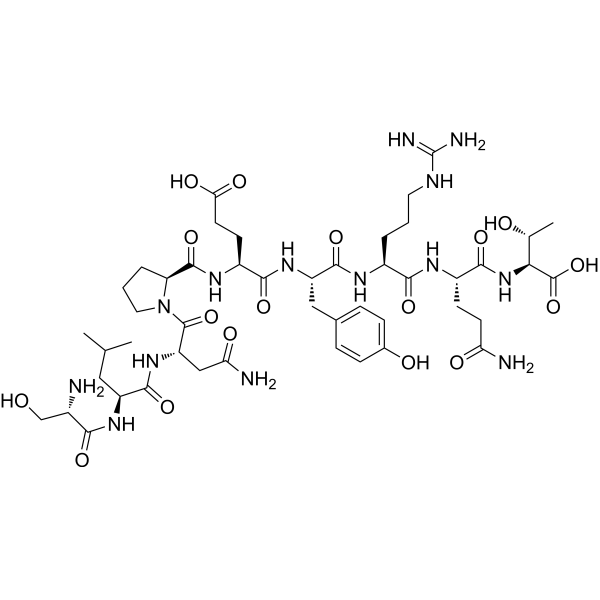
α-Glucosidase-IN-9 (compound 7) is a potent α-glucosidase inhibitor, with an IC50 of 55.6 μM. α-Glucosidase-IN-9 can be used for type II diabetes research .
|
-
- HY-N6968
-
|
Humulene; α-Caryophyllene
|
NO Synthase
COX
|
Inflammation/Immunology
|
|
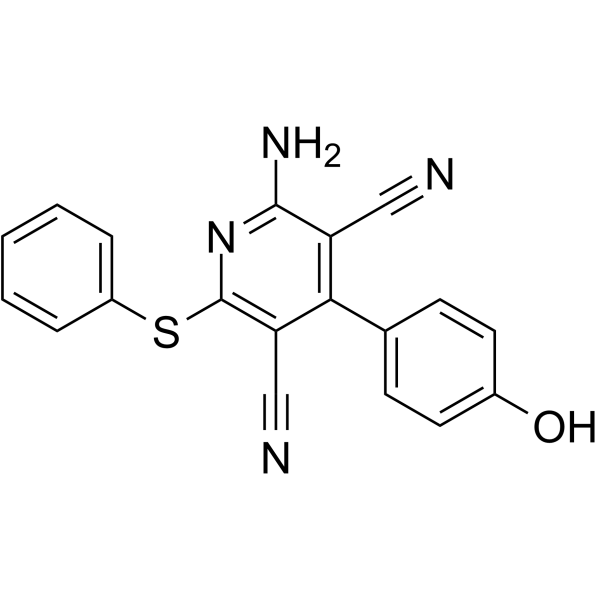
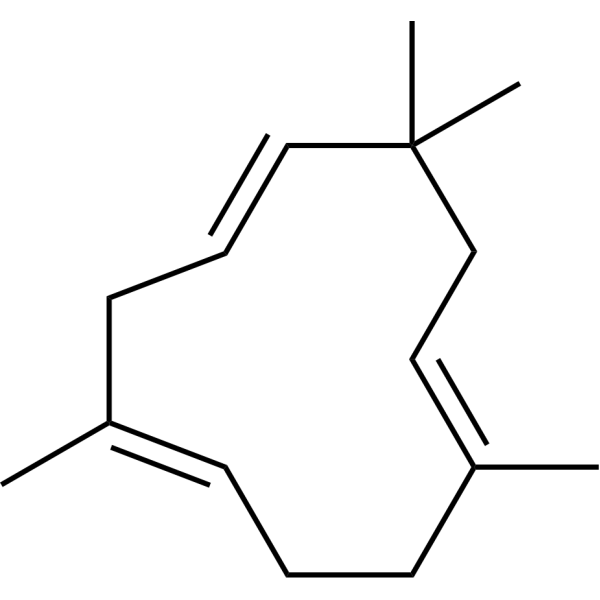
α-Humulene is a main constituent of Tanacetum vulgare L. (Asteraceae) essential oil with anti-inflammation (IC50=15±2 μg/mL). α-Humulene inhibits COX-2 and iNOS expression .
|
-
- HY-B0089A
-
|
Bay-g 5421 sulfate
|
Glycosidase
|
Cardiovascular Disease
Metabolic Disease
Cancer
|
|
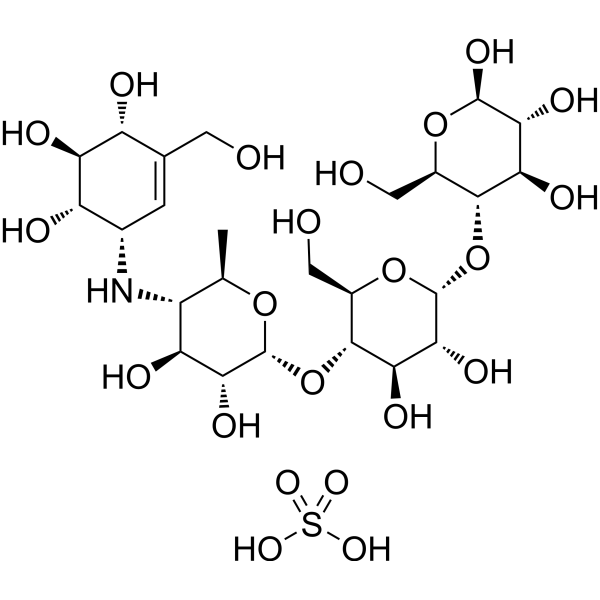
Acarbose (BAY g 5421) sulfate, antihyperglycemic agent, is an orally active alpha-glucosidase inhibitor (IC50=11 nM). Acarbose sulfate can potentiate the hypoglycemic effects of sulfonylureas or insulin .
|
-
- HY-N8517
-
|
|
Glycosidase
Apoptosis
|
Infection
Metabolic Disease
Cancer
|
|
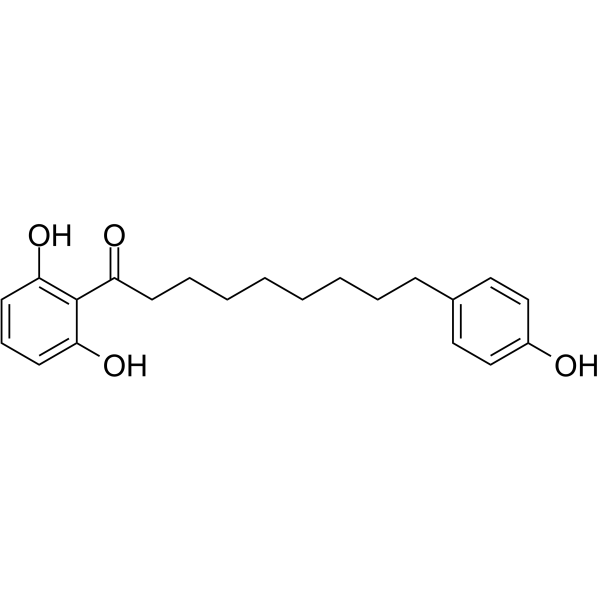
Malabaricone B, a naturally occurring plant phenolic, is an orally active α-glucosidase inhibitor with an IC50 of 63.7 µM. Malabaricone B has anticancer, antimicrobial, anti-oxidation and antidiabetic activities .
|
-
- HY-174839
-
|
|
Glycosidase
|
Metabolic Disease
|
|
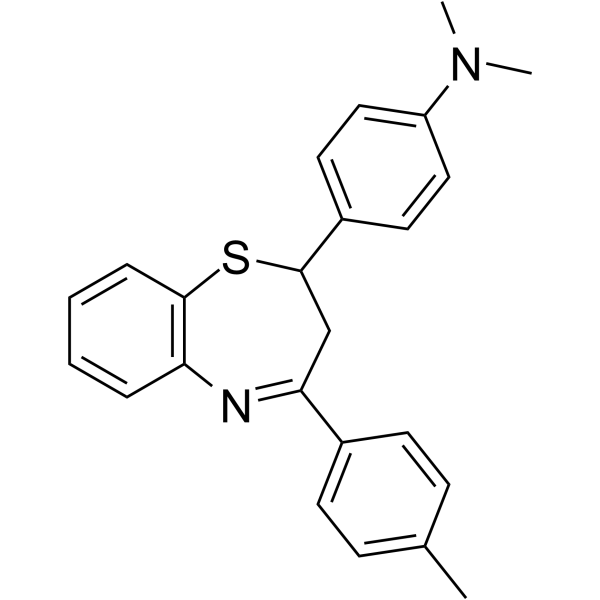
α-Glucosidase-IN-93 (Compound 5b) is a potent α-glucosidase inhibitor with an IC50 value of 49.18 nM. α-Glucosidase-IN-93 is promising for research of type 2 diabetes .
|
-

- HY-151135
-
|
|
Glycosidase
|
Metabolic Disease
|
|
α-Glucosidase-IN-15 (Compound 14B) is a potent, orally active α-glucosidase inhibitor with an IC50 of 3.34 μM. α-Glucosidase-IN-15 shows antidiabetic activity .
|
-
- HY-18510
-
|
|
IRE1
|
Others
|
|
IRE1α kinase-IN-7 (compound 4) is an IRE1α kinase inhibitor. IRE1α kinase-IN-7 can be used for research of endoplasmic reticulum stress-related diseases .
|
-
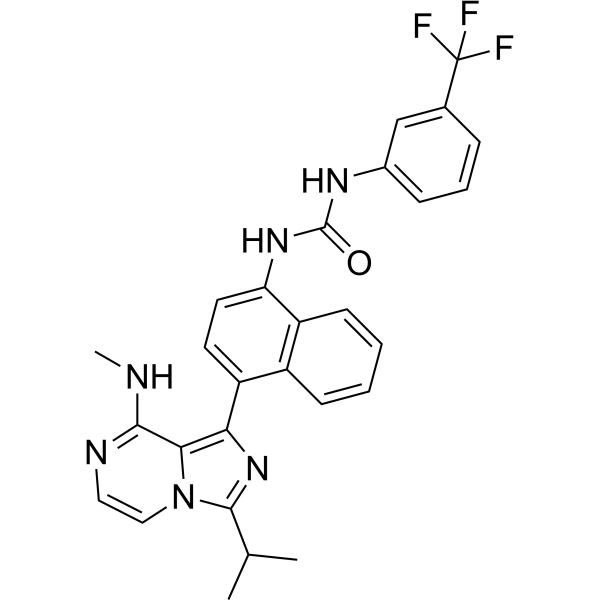
- HY-147965
-
|
|
Glycosidase
|
Metabolic Disease
|
|
α-Glucosidase-IN-10 (compound 13) is a potent α-glucosidase inhibitor, with an IC50 of 92.7 μM. α-Glucosidase-IN-10 can be used for type II diabetes research .
|
-
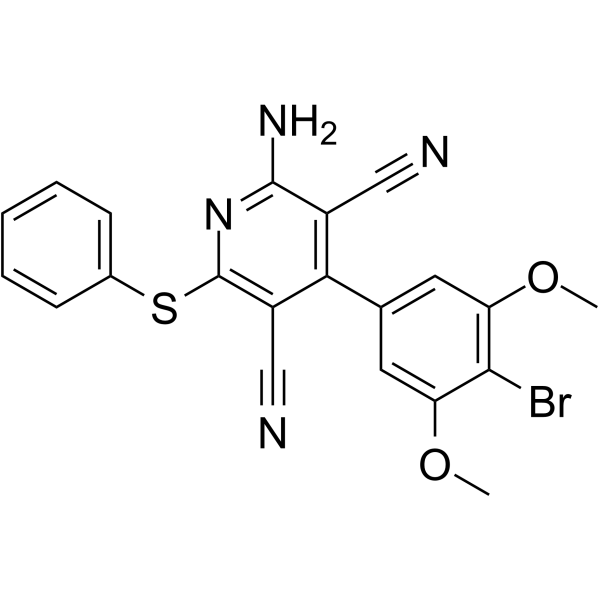
- HY-174840
-
|
|
Glycosidase
|
Metabolic Disease
|
|
α-Glucosidase-IN-94 (Compound 6e) is a potent α-glucosidase inhibitor with an IC50 value of 0.1412 mM. α-Glucosidase-IN-94 is promising for research of type 2 diabetes .
|
-

- HY-151141
-
|
|
Glycosidase
|
Metabolic Disease
|
|
α-Glucosidase-IN-17 (Compound 12B) is a potent, orally active α-glucosidase inhibitor with an IC50 of 3.79 μM. α-Glucosidase-IN-17 shows antidiabetic activity .
|
-
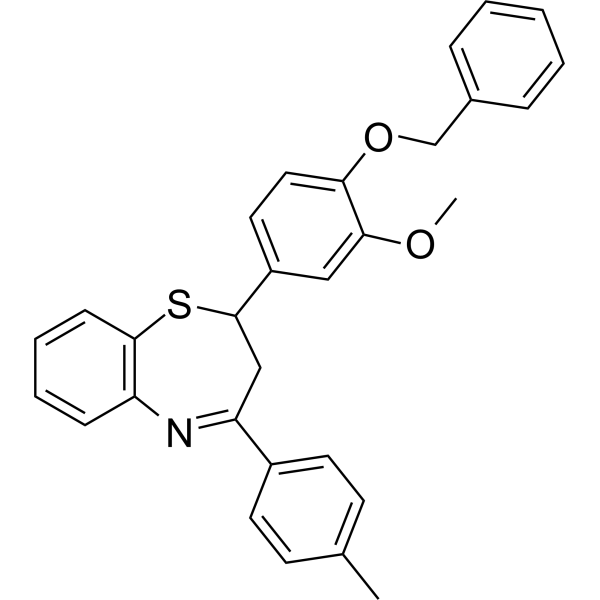
- HY-125713
-
|
|
Glycosidase
Enterovirus
|
Infection
|
|
Ganoderic acid Y is a α-glucosidase inhibitor with an IC50 of 170 μM for yeast α-glucosidase. Ganoderic acid Y inhibits enterovirus 71 (EV71) replication through blocking EV71 uncoating .
|
-
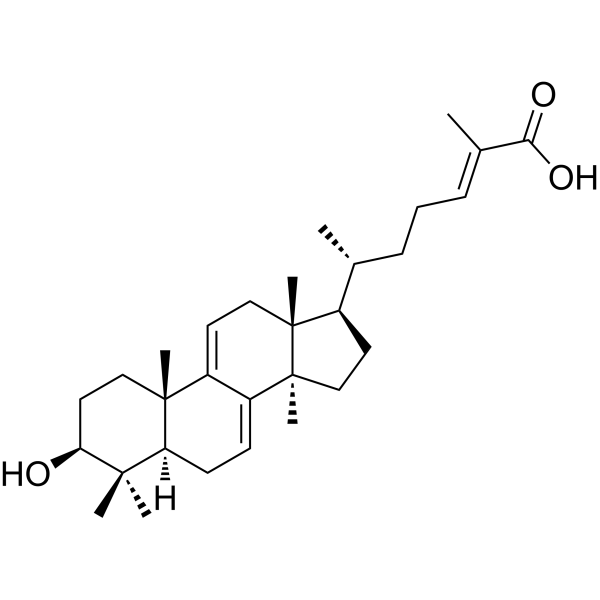
- HY-170606
-
|
|
Glycosidase
|
Metabolic Disease
|
|
α-Glucosidase-IN-79 (Compound 4d9) is a non-competitive α-Glucosidase inhibitor with an IC50 of 2.11 μM, which is more potent than existing α-Glucosidase inhibitors such as Acarbose (HY-B0089) (IC50 of 327.0 μM) and HXH8r (IC50 of 15.32 μM). α-Glucosidase-IN-79 is non-cytotoxic to human normal hepatocyte (LO2) cells and shows good metabolic stability in rat plasma. α-Glucosidase-IN-79 holds promise for research into type 2 diabetes .
|
-

- HY-151143
-
|
|
Glycosidase
|
Metabolic Disease
|
|
α-Glucosidase-IN-19 (Compound 6B) is a potent, orally active α-glucosidase inhibitor with an IC50 of 3.63 μM. α-Glucosidase-IN-19 shows anti-diabetic activity .
|
-
- HY-N12664
-
|
|
Glycosidase
|
Metabolic Disease
|
|
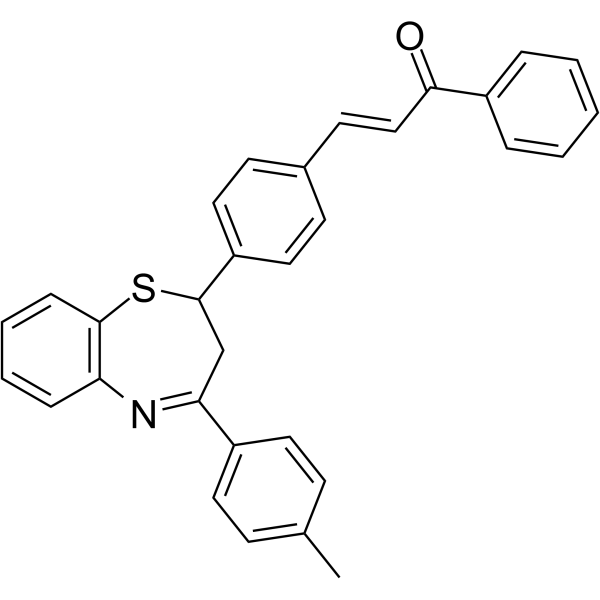
α-Glucosidase-IN-54 (compound 2) is a α-glucosidase inhibitor with the IC50 of 0.011 mM, and can be isolated form Syzygium jambos (L.). α-Glucosidase-IN-54 can be used for study of diabetes .
|
-
- HY-N10306
-
|
|
α-synuclein
|
Neurological Disease
|
|
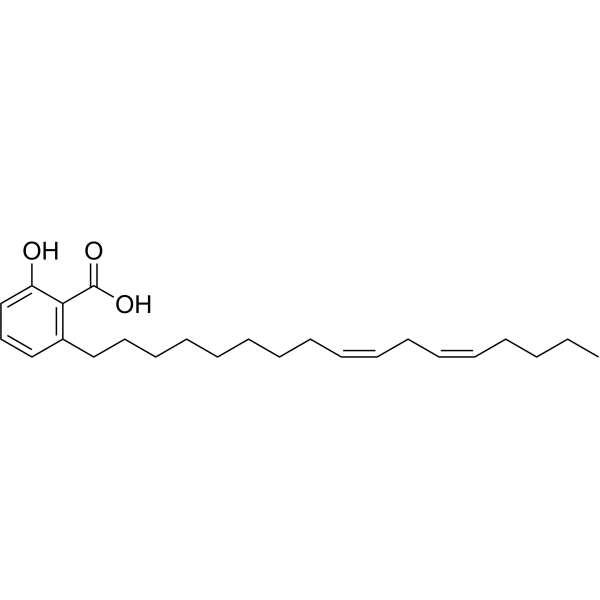
Sycosterol A is a sterol-based α-synuclein (α-syn) inhibitor that targets α-synuclein aggregates and inhibits α-synuclein aggregation. Sycosterol A can be used in the study of anti-neurodegenerative diseases .
|
-
- HY-161944
-
|
|
Amylases
|
Metabolic Disease
|
|
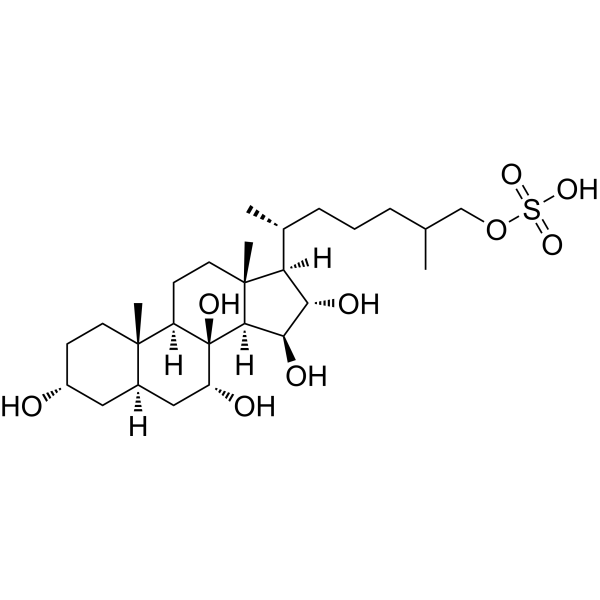
α-Amylase-IN-8 (compound 44) is an α-amylase inhibitor (IC50=58.1 μM). α-Amylase-IN-8 can be used in the research of type 2 diabetes .
|
-

- HY-152158
-
|
|
Glycosidase
|
Metabolic Disease
|
|
α-Glucosidase-IN-22 (Compound 7i) is a α-glucosidase inhibitor with an IC50 value of 0.64 μM. α-Glucosidase-IN-22 can be used for the research of type 2 diabetes .
|
-
- HY-106174
-
|
CS 891
|
5 alpha Reductase
|
Endocrinology
|
|
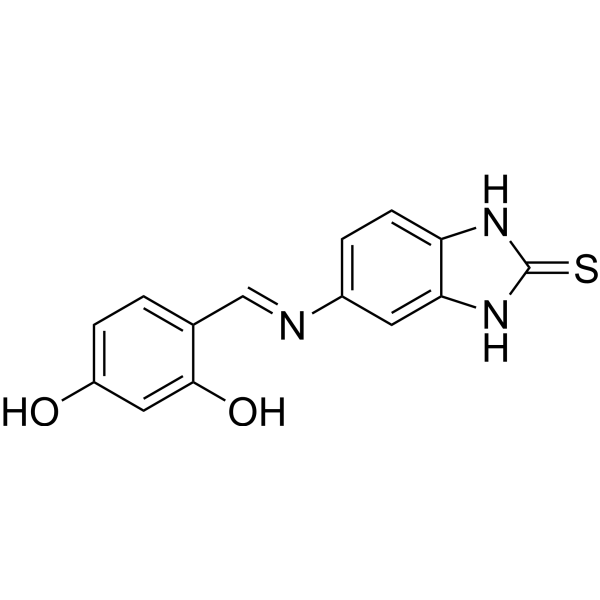
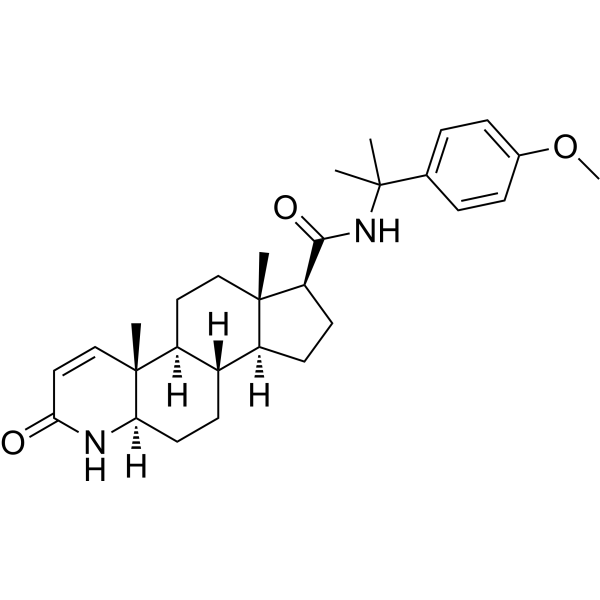
Lapisteride (CS 891) is an orally active 5α-reductase inhibitor. Lapisteride can inhibit 5α-reductaseactivity in the hair follicles (HF). Lapisteride can be used in prostatic hyperplasia and androgenic alopecia research .
|
-
- HY-169251
-
-

- HY-158697
-
|
|
Glycosidase
|
Metabolic Disease
|
|
α-Glucosidase-IN-65 (compound 5) is a Schiff base derivative of 3,4-dihydroxyphenylacetic acid. α-Glucosidase-IN-65 is a potent α-glucosidase inhibitor, with an IC50 of 12.84 μM .
|
-

- HY-151145
-
|
|
Glycosidase
|
Metabolic Disease
|
|
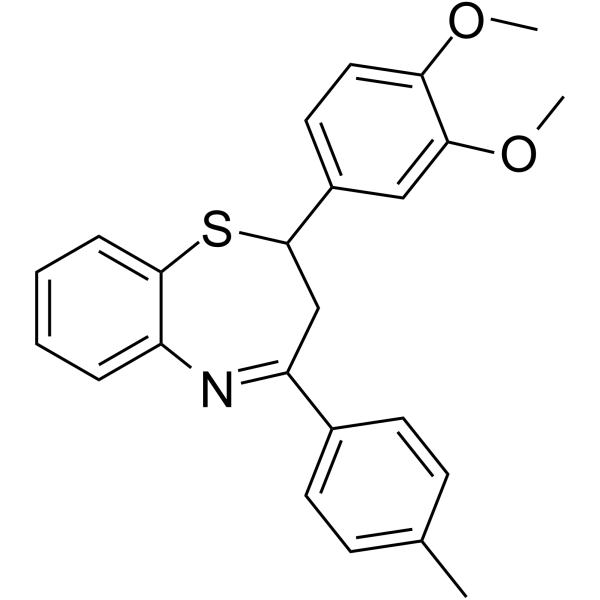
α-Glucosidase-IN-21 (Compound 2B) is a potent, orally active α-glucosidase inhibitor with an IC50 of 2.62 μM. α-Glucosidase-IN-21 shows anti-diabetic activity .
|
-
- HY-151144
-
|
|
Glycosidase
|
Metabolic Disease
|
|
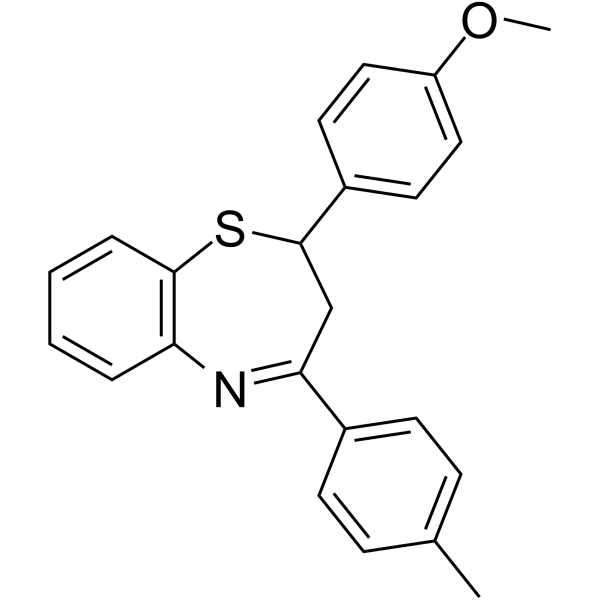
α-Glucosidase-IN-20 (Compound 3B) is a potent, orally active α-glucosidase inhibitor with an IC50 of 3.01 μM. α-Glucosidase-IN-20 shows anti-diabetic activity .
|
-
- HY-182776
-
|
|
Glycosidase
|
Metabolic Disease
|
|
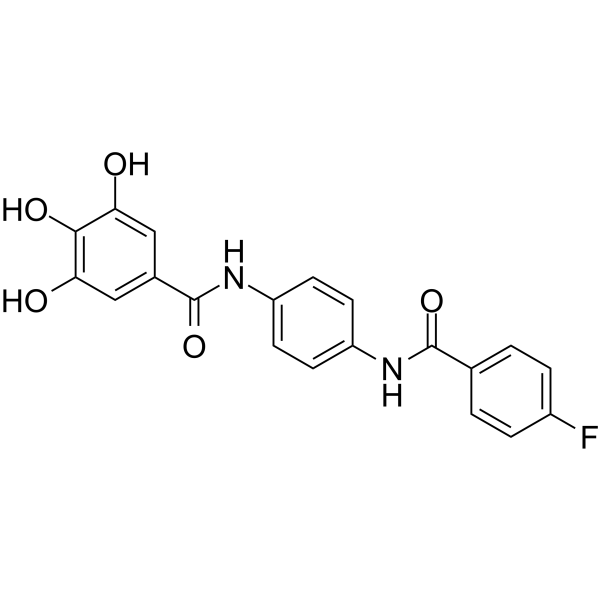
α-Glucosidase-IN-115 (compound 3m) is a non-competitive α-Glucosidase inhibitor with an IC50 value of 45.07 μM. α-Glucosidase-IN-115 is applicable to the research of type 2 diabetes .
|
-

- HY-147668
-
|
|
α-synuclein
|
Neurological Disease
|
|
α-Synuclein inhibitor 6 (compound 3ge) is a potent and BBB-penetrated inhibitor of α-Synuclein (α-Syn) aggregation, with an IC50 of 1.70 μM and inhibition ratio at 30 μM of 94.4% .
|
-
- HY-N17629
-
|
|
Drug Derivative
|
Cancer
|
|
13'-Carboxy-α-tocopherol is a vitamin E derivative and antiproliferative agent. 13'-Carboxy-α-tocopherol inhibits proliferation of glioma cancer cells. 13'-Carboxy-α-tocopherol can be used for the research of glioma .
|
-

- HY-147666
-
|
|
α-synuclein
|
Neurological Disease
|
|
α-Synuclein inhibitor 4 (compound 3gh) is a potent and BBB-penetrated inhibitor of α-Synuclein (α-Syn) aggregation, with an IC50 of 0.98 μM and inhibition ratio at 30 μM of 91.2% .
|
-
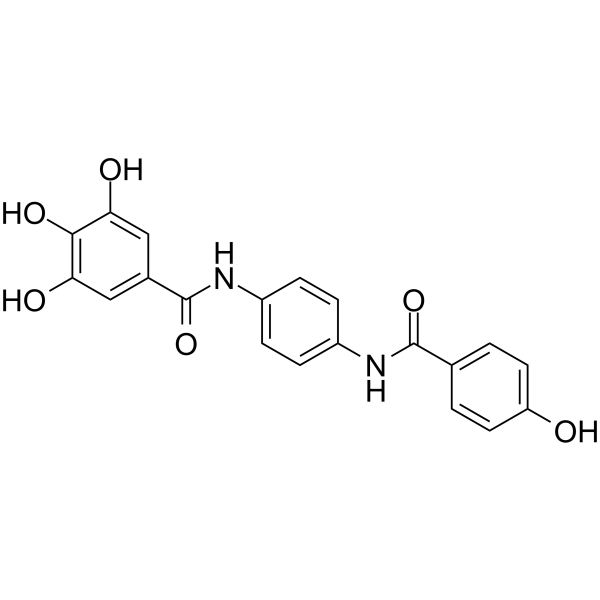
- HY-153967
-
BLU0588
2 Publications Verification
|
PKA
|
Cancer
|
|
BLU0588 is an orally active, potent and selective PRKACA (protein kinase cAMP-activated catalytic subunit alpha) kinase inhibitor, with an IC50 of 1 nM and dissociation constant (Kd) of 4 nM. BLU0588 can be used for fibrolamellar carcinoma (FLC) research .
|
-
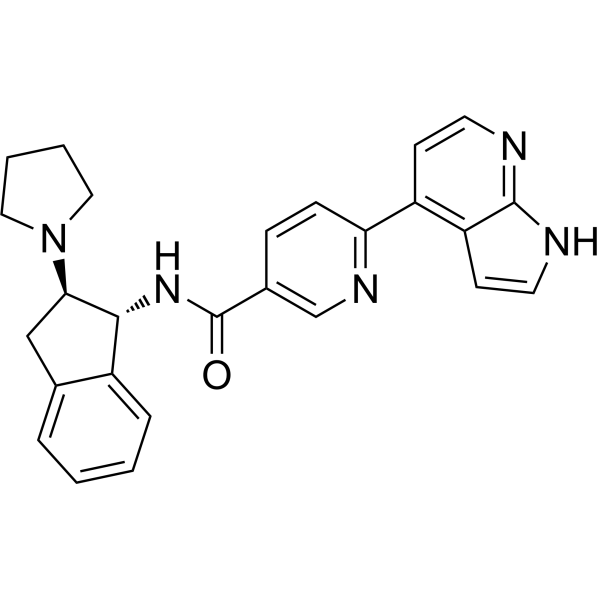
- HY-N12689
-
|
|
Glycosidase
|
Metabolic Disease
|
|
α-Glucosidase-IN-56 (compound 1) is an orally active, potent α‐glucosidase inhibitor with an IC50 value of 45.86 μM. α-Glucosidase-IN-56 has potent anti-glycation activities .
|
-
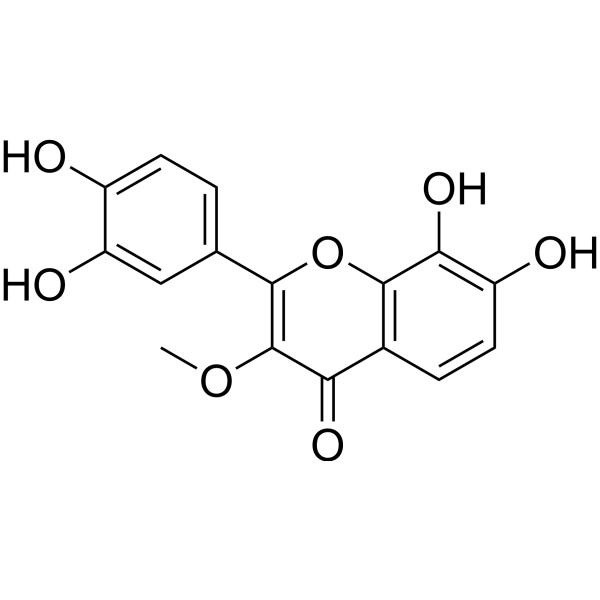
- HY-175494
-
|
|
Glycosidase
|
Metabolic Disease
|
|
α-Glucosidase-IN-96 (Compounds 7b) is a potent α-Glucosidase inhibitor with IC50 values of 9.23 ~ 9.61 μM. α-Glucosidase-IN-96 can be used in diabetes research .
|
-

- HY-147669
-
|
|
α-synuclein
|
Neurological Disease
|
|
α-Synuclein inhibitor 7 (compound 3gf) is a potent and BBB-penetrated inhibitor of α-Synuclein (α-Syn) aggregation, with an IC50 of 1.95 μM and inhibition ratio at 30 μM of 85.8% .
|
-
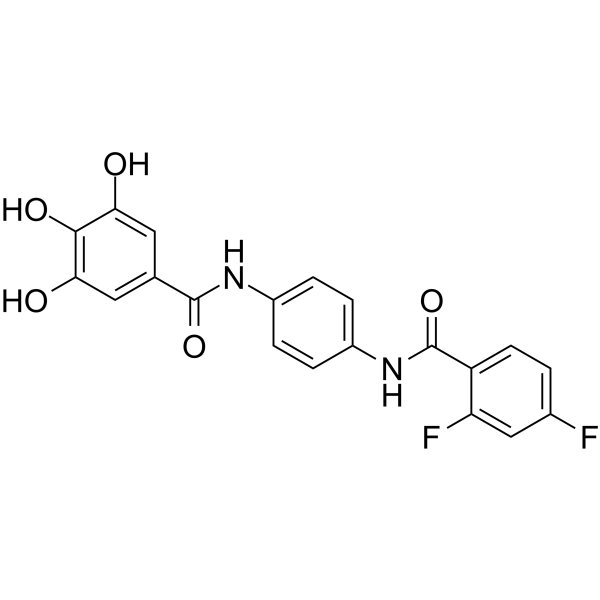
- HY-B0141AR
-
|
Alfatradiol(Standard); Epiestradiol(Standard); Epiestrol (Standard)
|
Reference Standards
5 alpha Reductase
Endogenous Metabolite
Bacterial
|
Inflammation/Immunology
|
|
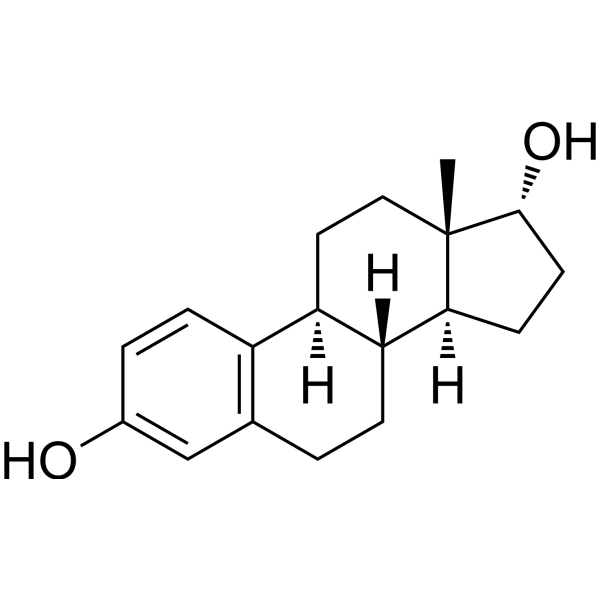
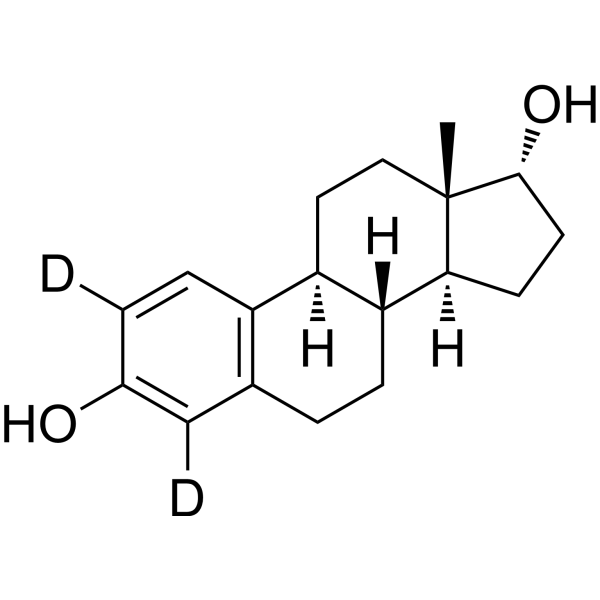
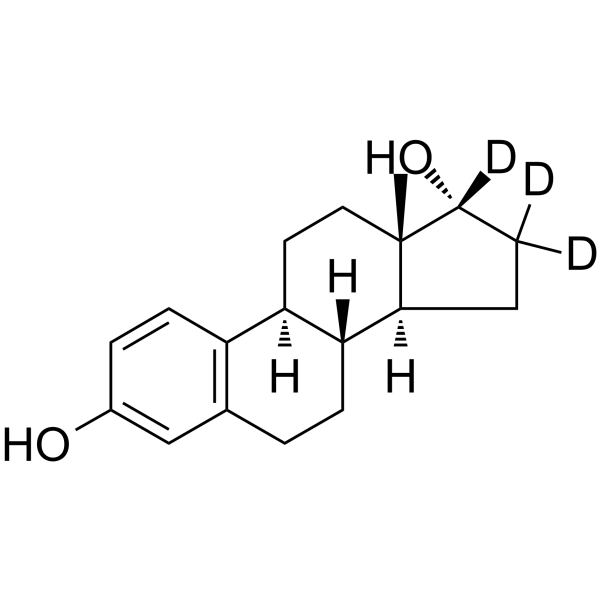
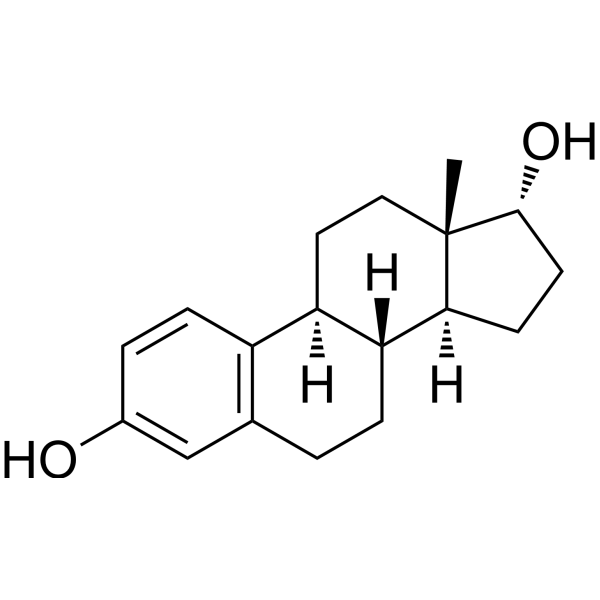
Alpha-Estradiol (Standard) is the analytical standard of Alpha-Estradiol. This product is intended for research and analytical applications. Alpha-Estradiol is a weak estrogen and a 5α-reductase inhibitor which is used as a topical medication in the treatment of androgenic alopecia.
|
-
- HY-N13188
-
|
Michelioside A
|
Glycosidase
|
Cancer
|
|
2'-Rhamnoechinacoside (Michelioside A), a compound of phenylethanoid glycosides, is a α-glucosidase inhibitor with anti-tumor activity, which is derived from Phlomis stewartii. 2'-Rhamnoechinacoside can be used for research of UV-absorbing and cancers .
|
-

- HY-147667
-
|
|
α-synuclein
|
Neurological Disease
|
|
α-Synuclein inhibitor 5 (compound 4aa) is a potent and BBB-penetrated inhibitor of α-Synuclein (α-Syn) aggregation, with an IC50 of 1.22 μM and inhibition ratio at 30 μM of 94.3% .
|
-
- HY-131114
-
|
|
Glycosidase
|
Infection
|
|
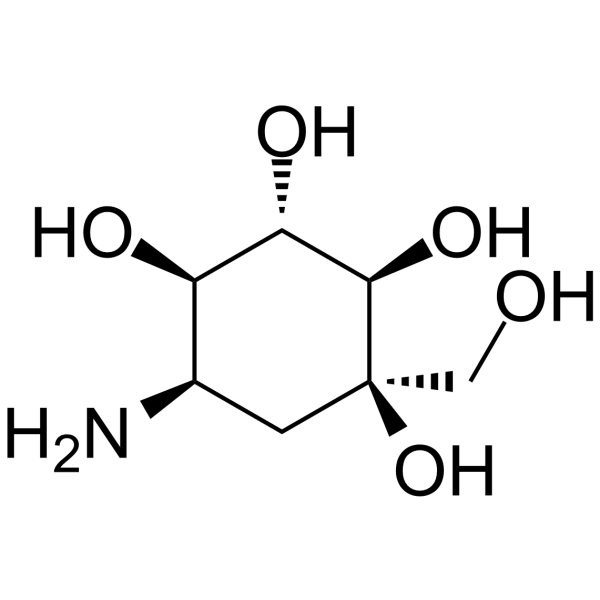
Valiolamine, an aminocyclitol, is an alpha-glucosidase inhibitor. Valiolamine has potent alpha-glucosidase inhibitory activity against porcine intestinal sucrase, maltase and isomaltase. Valiolamine binds to porcine intestinal maltase and sucrase with Ki values of 350 nM and 30 nM, respectively .
|
-
- HY-N6722
-
|
Tridolgosir
|
Apoptosis
Antibiotic
|
Infection
Cancer
|
|
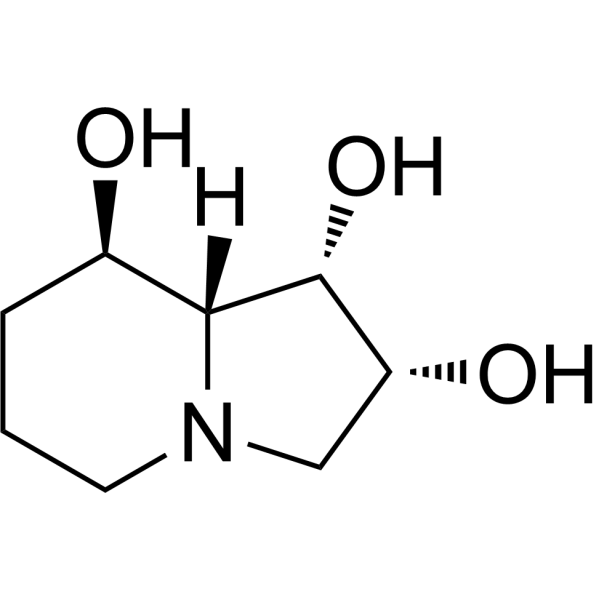
Swainsonine (Tridolgosir) is an natural indolizidine alkaloid, a potent and reversible α-mannosidase inhibitor. Swainsonine induces apoptosis and cell cycle arrest at G2/M phase. Swainsonine shows anti-tumor activity .
|
-
- HY-162697
-
|
|
Glycosidase
|
Metabolic Disease
|
|
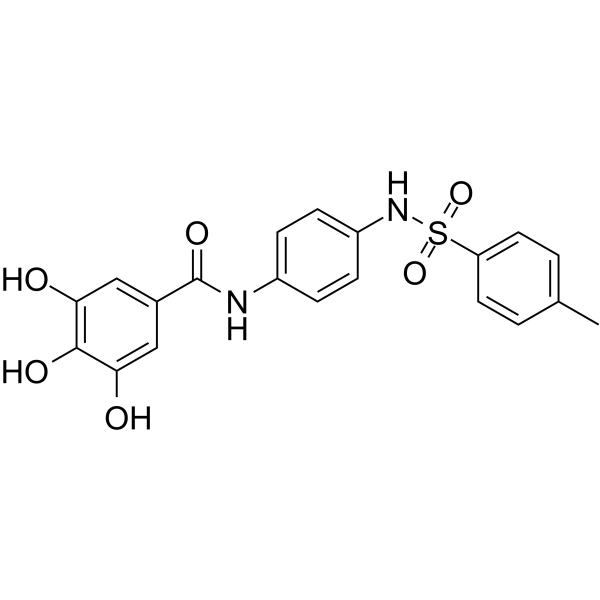
α-Glucosidase-IN-69 (compound 5k) is a competitive α-glucosidase inhibitor with an IC50 of 26.8 µM and a Ki value of 26.0 µM. α-Glucosidase-IN-69 has the potential for the diabetes research .
|
-

- HY-155344
-
|
|
Glycosidase
|
Metabolic Disease
|
|
α-Glucosidase-IN-38 (Compound 11j) is a potent inhibitor of α-glucosidase inhibitor with IC50 of 12.44±0.38 μM.α-Glucosidase-IN-38 plays an important role in Diabetes mellitus (DM) .
|
-
- HY-176532
-
|
|
PKA
|
Cancer
|
|
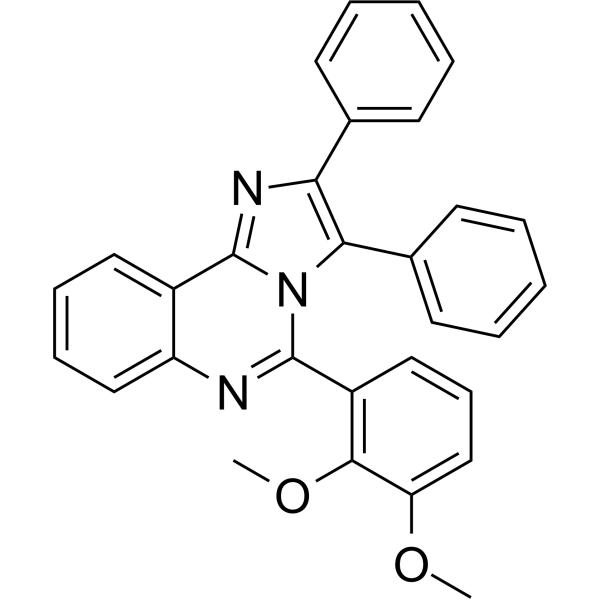
PKA-IN-2 (Compound j1) is a serine/threonine kinase J-PKAcα-targeting inhibitor with an IC50 of 6.3 nM. PKA-IN-2 can be used for liver cancer like fibrolamellar hepatocellular carcinoma research .
|
-

- HY-105528
-
|
|
Glycosidase
|
Metabolic Disease
|
|
MDL-25637 is an α-glucosidase inhibitor. MDL-25637 can inhibit the activity of sucrose enzyme, maltase, isomaltase, glucose amylase, and trehalose in the intestinal tract of rats. MDL-25637 can be used in the research of diabetes .
|
-

- HY-162541
-
|
|
Glycosidase
|
Metabolic Disease
|
|
α-Glucosidase-IN-64 (compound 10) is a potent α-glucosidase inhibitor with an IC50 value of 8.62 µM. α-Glucosidase-IN-64 is a polycyclic polyprenylated acylphloroglucinol that can be isolated from hypericum beanii .
|
-

- HY-N16575
-
|
|
Glycosidase
|
Metabolic Disease
|
|
16-Oxoserratenediol (Compound 11) is a serratene-type triterpenoid found in Lycopodium cernuum L.. 16-Oxoserratenediol is a α-glucosidase inhibitor with inhibition rate of 43.93% at 100 μM. 16-Oxoserratenediol can be used for the research of diabetes .
|
-

- HY-N7377
-
|
|
Glycosidase
|
Metabolic Disease
|
|
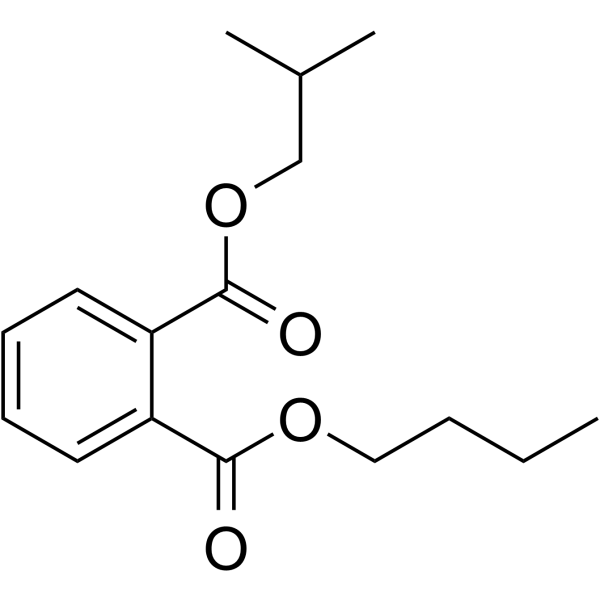
Butyl isobutyl phthalate is isolated from the rhizoid of Laminaria japonica. Butyl isobutyl phthalate is a non-competitive α-glucosidase inhibitor with an IC50 value of 38 μM. Butyl isobutyl phthalate shows a hypoglycemic effect and has the potential for diabetes treatment .
|
-
- HY-112401
-
|
|
p38 MAPK
|
Inflammation/Immunology
|
|
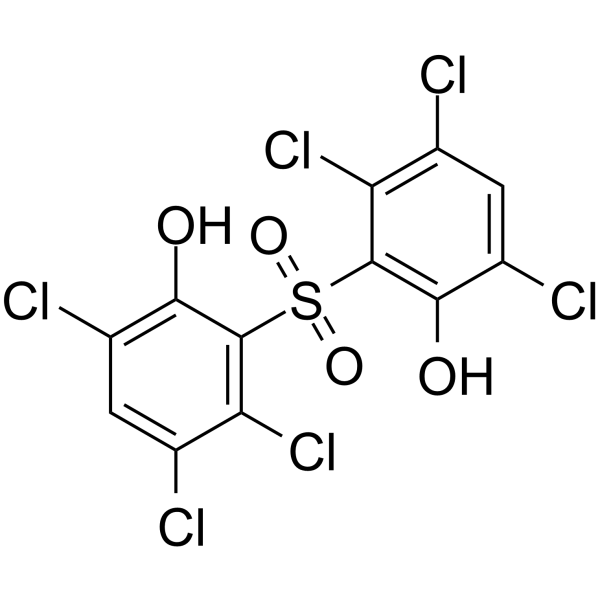
p38 MAP Kinase Inhibitor IV is a highly specific ATP-competitive p38α MAPK inhibitor with IC50s of 0.13 and 0.55 μM for p38α and p38β MAPK, respectively .
|
-
- HY-115983
-
|
|
CD47
Apoptosis
|
Cancer
|
|
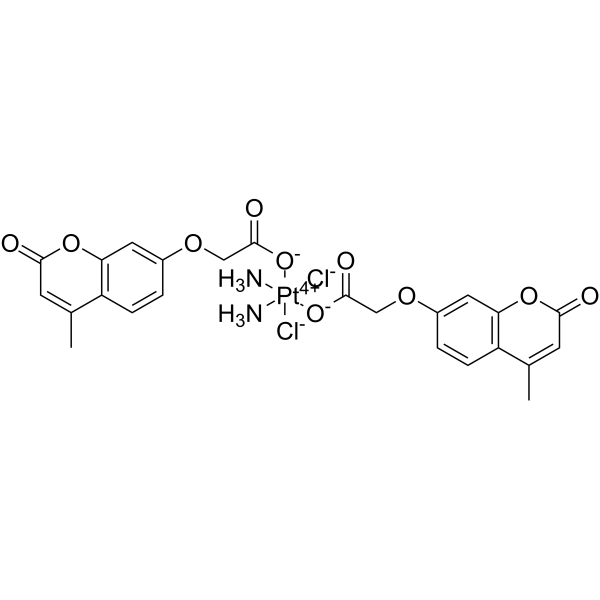
DMUP is a potent CD47-SIRPα axis inhibitor. DMUP induces apoptosis and increases the macrophage phagocytosis in A549 cells. DMUP decreases the expression of CD47 and SIRPα protein. DMUP shows antitumor activity .
|
-
- HY-154998
-
|
|
Glycosidase
|
Metabolic Disease
|
|
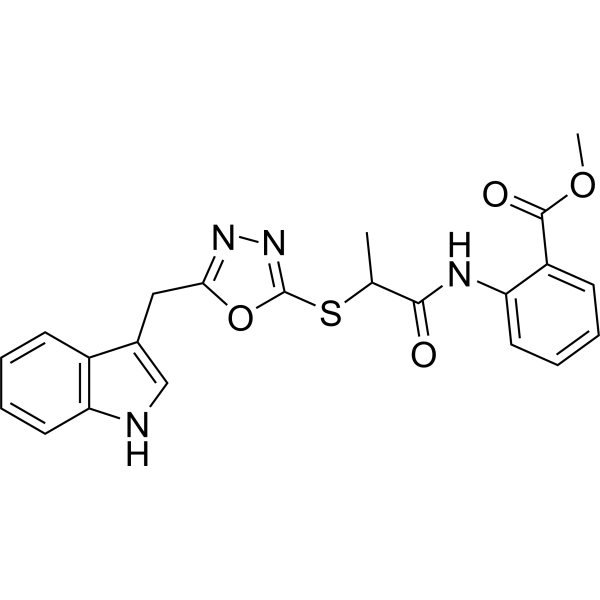
α-Glucosidase-IN-27 (compound 8l) is an α-glucosidase inhibitor (IC50=25.78 μM). α-Glucosidase-IN-27 has the potential to study type 2 diabetes (D2M) .
|
-
- HY-N9699
-
|
|
NF-κB
|
Inflammation/Immunology
|
|
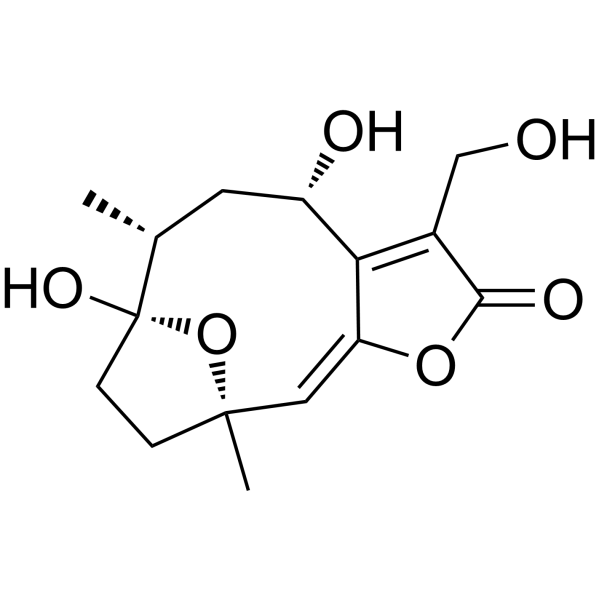
8α-Hydroxyhirsutinolide is a sesquiterpene lactone. 8α-Hydroxyhirsutinolide inhibits TNF-α-induced NF-κB activity (IC50: 1.9 μM) and NO production. 8α-Hydroxyhirsutinolide can be isolated from Vernonia cinerea .
|
-
- HY-118091A
-
|
LY300502
|
5 alpha Reductase
|
Cancer
|
|
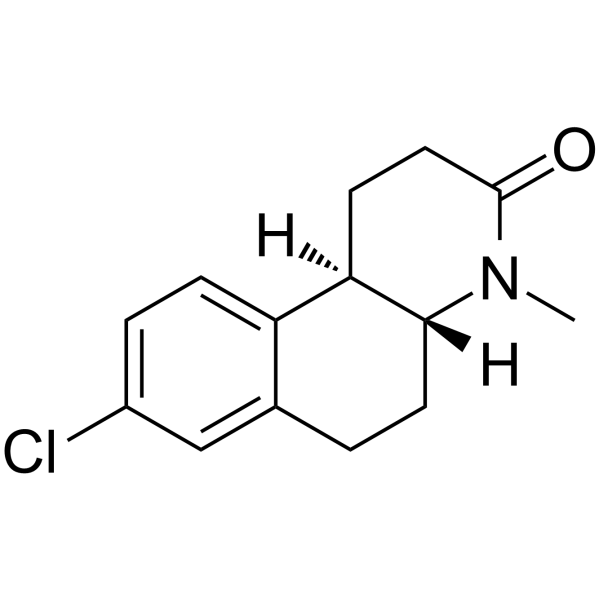
Bexlosteride (LY300502) is a benzoquinolinone human type I 5α-reductase inhibitor. Bexlosteride shows metabolic inhibitory, antiproliferative, and antisecretory effects in LNCaP human prostatic adenocarcinoma cell cultures. Bexlosteride can be used for the research of prostatic cancer .
|
-
- HY-150073
-
|
|
PKA
|
Cancer
|
|
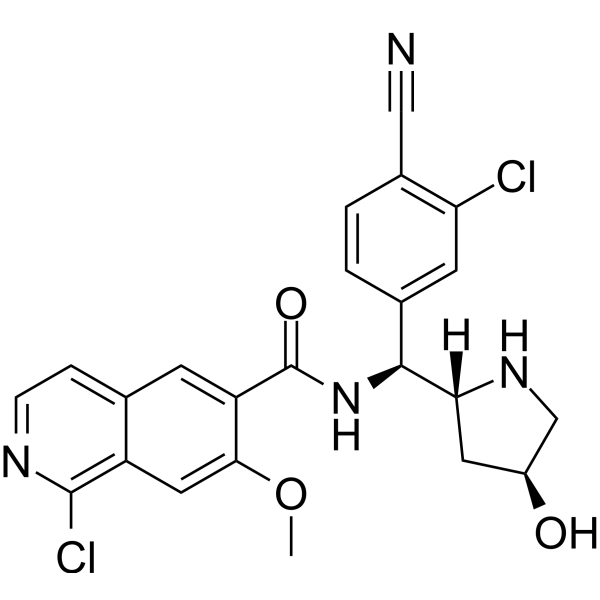
DS01080522 is a Protein Kinase cAMP-Activated Catalytic Subunit Alpha (PRKACA) inhibitor. DS01080522 inhibits PRKACA kinase activity and CREB phosphorylation with IC50s of 0.8 nM and 66 nM, respectively. DS01080522 can be used for the research of cancer .
|
-
- HY-14860A
-
|
Duvoglustat hydrochloride
|
Glycosidase
PI3K
Bacterial
Antibiotic
|
Infection
Metabolic Disease
|
|
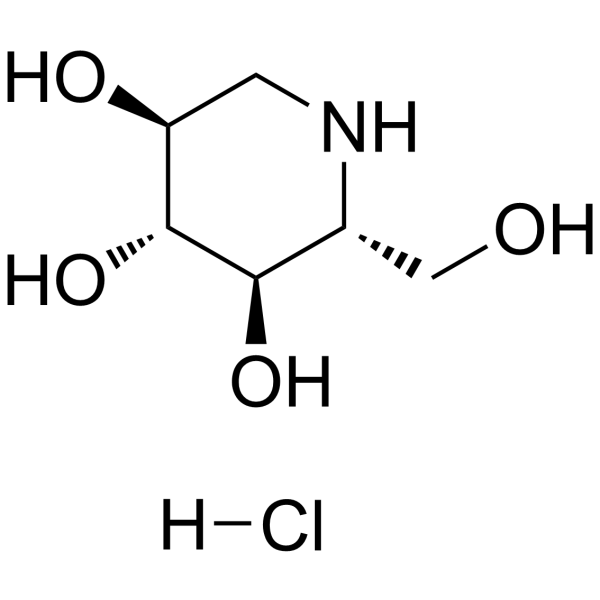
1-Deoxynojirimycin hydrochloride (Duvoglustat hydrochloride) is a potent and orally active α-glucosidase inhibitor. 1-Deoxynojirimycin hydrochloride suppresses postprandial blood glucose and is widely used for diabetes mellitus. 1-Deoxynojirimycin hydrochloride possesses antihyperglycemic, anti-obesity, and antiviral features .
|
-
- HY-N12006
-
|
|
Glycosidase
|
Others
|
|
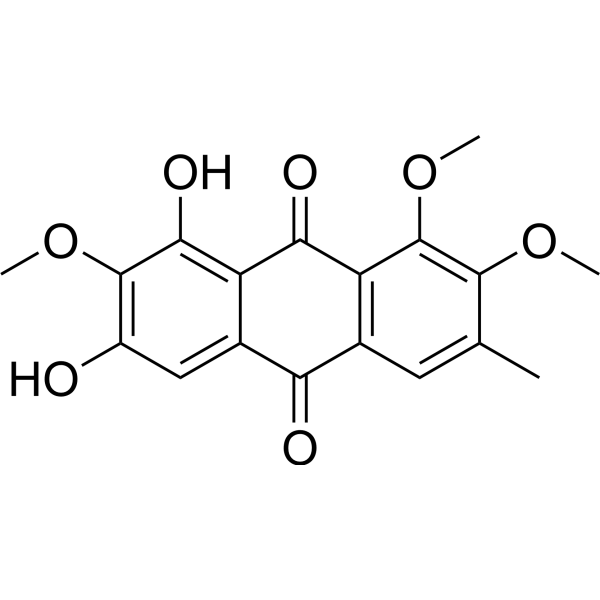
6,8-Dihydroxy-1,2,7-trimethoxy-3-methylanthraquinone (compound 1) is an anthraquinone α-glucosidase inhibitor (IC50:185 μM), which can be isolated from Cassia seeds .
|
-
- HY-169283
-
|
|
Carbonic Anhydrase
|
Metabolic Disease
|
|
α-Glycosidase-IN-2 (compound 8b) is a α-Glycosidase inhibitor with the Ki values of 74.16 nM and 6.09 nM for aldose reductase and α-glycosidase,respectively. α-Glycosidase-IN-2 can be used for study of
diabetes mellitus .
|
-

- HY-14860
-
|
Duvoglustat
|
Glycosidase
PI3K
|
Metabolic Disease
|
|
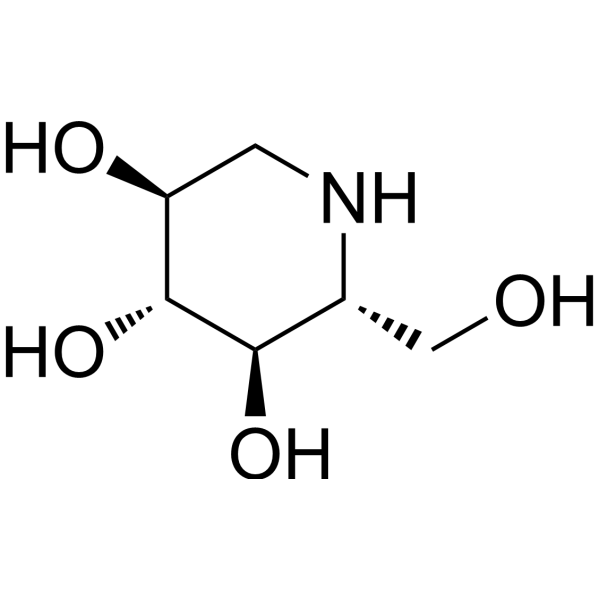
1-Deoxynojirimycin (Duvoglustat) is a potent and orally active α-glucosidase inhibitor. 1-Deoxynojirimycin suppresses postprandial blood glucose and is widely used for diabetes mellitus. 1-Deoxynojirimycin possesses antihyperglycemic, anti-obesity, and antiviral features .
|
-
- HY-106363
-
|
L 654066
|
5 alpha Reductase
|
Others
|
|
MK-0963 is a steroidal 5α-reductase inhibitor. MK-0963 reduces serum dihydrotestosterone (DHT) concentrations in a dose-dependent manner. MK-0963 can be used for the study of dihydrotestosterone-related diseases such as benign prostate hyperplasia (BPH) .
|
-

- HY-180577
-
|
|
Glycosidase
|
Metabolic Disease
|
|
α-Glucosidase-IN-108 (Compound 2h) is a potent competitive α-glucosidase inhibitor with an IC50 of 9.64 μM and a Ki of 7.39 μM. α-Glucosidase-IN-108 can be used for the research of type 2 diabetes .
|
-

- HY-W414596
-
|
|
Fungal
|
Infection
|
|
Metconazole is a 14α-demethylation inhibitor (DMI) fungicide. Metconazole inhibits fungal ergosterol biosynthesis, inhibits mycelial growth and conidial germ tube elongation. Metconazole reduces antioxidant enzyme activities. Metconazole reduces occurrence of Fusarium crown rot in wheat .
|
-

- HY-149342
-
|
|
Glycosidase
|
Metabolic Disease
|
|
α-Glucosidase-IN-29 (compound 19) is a α-glucosidases inhibitor (IC50=1.21 μM, Ki=1.80 μM). α-Glucosidase-IN-29 ca be used for research of diabetes and related diseases .
|
-
- HY-173183
-
|
|
Glycosidase
|
Metabolic Disease
|
|
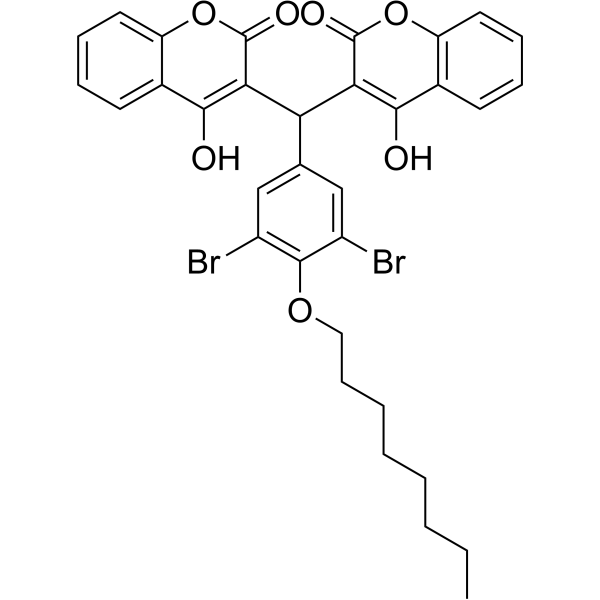
α-Glucosidase-IN-87 (Compound 11c) is an orally active α-glucosidase inhibitor with an IC50 value of 119.7 μM. α-Glucosidase-IN-87 has hypoglycemic activity and can be used in the research of metabolic diseases such as diabetes .
|
-

- HY-P9926
-
|
REGN-668; SAR-231893
|
Interleukin Related
|
Inflammation/Immunology
Cancer
|
|
Dupilumab (REGN-668) is a fully human mAb to IL-4 receptor α (IL-4Rα) that inhibits both IL-4 and IL-13 signaling, markedly improved moderate-to-severe atopic dermatitis .
|
-

- HY-163907
-
|
|
Glycosidase
|
Metabolic Disease
|
|
α-Glucosidase-IN-71 (Compound 7h) is a competitive α-glucosidase inhibitor (IC50: 98.0 µM). α-Glucosidase-IN-71 can be used for research of carbohydrate-related diseases, especially type 2 diabetes mellitus .
|
-

- HY-149332
-
|
|
Glycosidase
|
Metabolic Disease
|
|
α-Glucosidase-IN-26 (Compound 7i) is an α-glucosidase inhibitor (IC50=4.63 µM). α-Glucosidase-IN-26 can be used in the study of type 2 diabetes mellitus (T2DM) .
|
-
- HY-172138
-
|
|
Glycosidase
|
Metabolic Disease
|
|
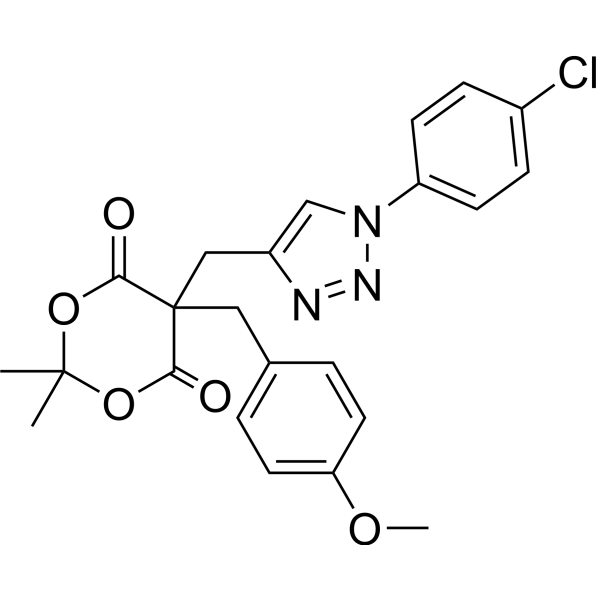
α-Glucosidase-IN-84 (Compound 7j) is a competitive α-glucosidase inhibitor with an IC50 of 50 μM and a Ki of 32 μM. α-Glucosidase-IN-84 holds potential for use in the field of metabolic diseases, such as the study of type 2 diabetes .
|
-

- HY-149409
-
|
|
Glycosidase
|
Metabolic Disease
|
|
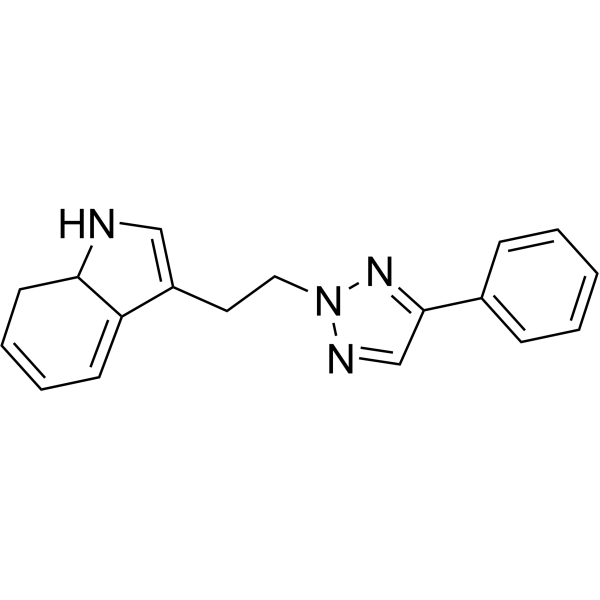
α-Glucosidase-IN-31 (compound R1) is an orally active, potent α-Glucosidase inhibitor with an IC50 value of 10.1 μM. α-Glucosidase-IN-31 significantly reduces the blood glucose level and has antidiabetic activity .
|
-
- HY-162109
-
|
|
Thrombin
|
Cardiovascular Disease
|
|
Thrombin inhibitor 11 is an orally active, competitive and selective α-Thrombin inhibitor, with a Ki value of 65 nM against h-αThrombin and a Ki value of 10.3 nM against rat-derived α-thrombin. Thrombin inhibitor 11 can be used for the research of thrombotic diseases .
|
-
- HY-159928
-
-

- HY-186199
-
|
|
Glycosidase
|
Metabolic Disease
Inflammation/Immunology
|
|
α-Glucosidase-IN-117 is a low-activity α-glucosidase (α-glucosidase) inhibitor belonging to the coumarin derivative class, with an inhibition rate of 19.51% at 100 μM. α-Glucosidase-IN-117 can be used in diabetes research .
|
-

- HY-161421
-
|
|
Glycosidase
|
Metabolic Disease
|
α-Glucosidase-IN-61 (Compd 1j), a competitive α-glucosidase inhibitor, demonstrates excellent inhibition with an IC50 of 0.73 μM. α-Glucosidase-IN-61 (Compd 1j) is used for the research of type 2 diabetes mellitus .
|
-
- HY-17537
-
|
|
IRE1
|
Cancer
|
|
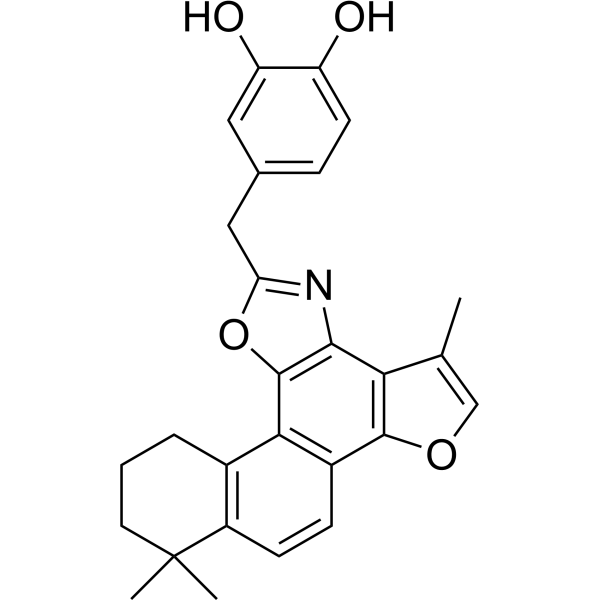
APY29, an ATP-competitive inhibitor, is an allosteric modulator of IRE1α which inhibits IRE1α autophosphorylation by binding to the ATP-binding pocket with IC50 of 280 nM. APY29 acts as a ligand that allosterically activates IRE1α adjacent RNase domain .
|
-
- HY-N13173
-
|
|
Glycosidase
|
Metabolic Disease
|
|
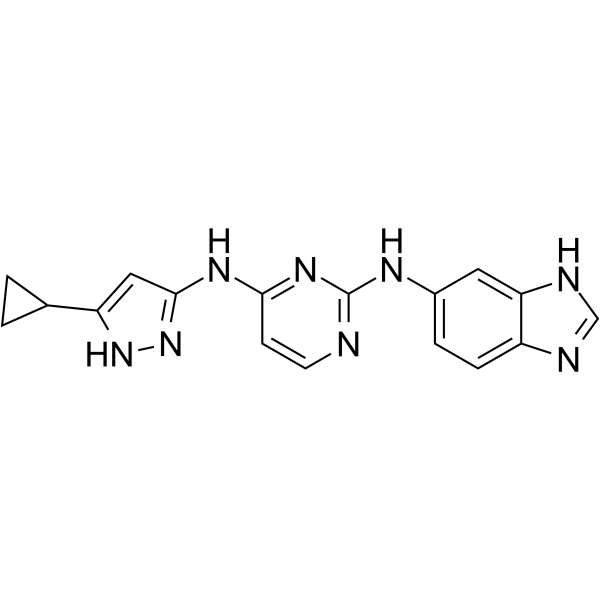
α-Glucosidase-IN-70 (compound 9) is an α-glucosidase inhibitor (IC50=31.1 μM) isolated from the traditional Chinese herbal medicine Swertia mussotii. α-Glucosidase-IN-70 can be used in the research of diabetes .
|
-

- HY-168759
-
|
|
Progesterone Receptor
Drug Derivative
|
Metabolic Disease
Cancer
|
|
11α-Hydroxytestosterone is a deriviative of Hydrocortisone (HY-N0583), with the relative binding affinity to progesterone receptor of 9% (comparing to R5020 (HY-119384) 100%). 11α-Hydroxytestosterone inhibits the growth and differentiation of human decidual cells in culture .
|
-

- HY-123323
-
|
|
5 alpha Reductase
|
Endocrinology
|
|
MK-0434 is an orally active steroid 5α-reductase inhibitor. MK-0434 specifically inhibits steroid 5α-reductase, thereby reducing the level of dihydrotestosterone (DHT) in the body. MK-0434 can be used in the study of benign prostatic hyperplasia .
|
-

- HY-178138
-
|
|
Glycosidase
|
Metabolic Disease
|
|
α-Glucosidase-IN-97 (Compound 9i) is a highly selective α-glucosidase inhibitor (IC50=1.05 μM). α-Glucosidase-IN-97 is promising for research of type 2 diabetes mellitus (T2DM) .
|
-

- HY-162893
-
|
|
Glycosidase
|
Metabolic Disease
|
|
SX29 is an orally active non-competitive α-glucosidase inhibitor with an IC50 value of 2.12 μM. SX29 exhibits hypoglycemic activity, and oral administration of SX29 can reduce blood glucose levels and improve glucose tolerance in diabetic mice .
|
-

- HY-10182G
-
|
CHIR-99021; CT99021
|
GSK-3
Wnt
β-catenin
Autophagy
|
Metabolic Disease
Cancer
|
|
Laduviglusib (CHIR-99021) (GMP) is Laduviglusib (HY-10182) produced by using GMP guidelines. GMP small molecules works appropriately as an auxiliary reagent for cell therapy manufacture. Laduviglusib is a potent, orally active and selective GSK-3α/β inhibitor.
|
-
- HY-W143698
-
|
|
Bcr-Abl
c-Kit
PDGFR
|
Cancer
|
|
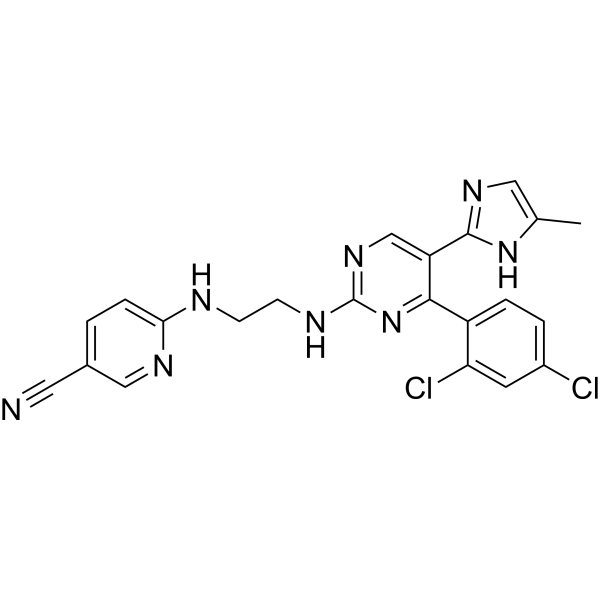
PDGFRα kinase inhibitor 2 (compound 1), an Imatinib (HY-15463) analogue, is a covalent and irreversible kinase inhibitor with IC50s of 6.95 μM, 2.45 μM, 1.39 μM for ABL1 wt, KIT wt, PDGFRR wt .
|
-

- HY-100376
-
|
|
TNF Receptor
Apoptosis
|
Infection
Neurological Disease
|
|
CPI-1189 is an orally active TNF-α release inhibitor. CPI-1189 inhibits phosphorylation of p38. CPI-1189 can inhibit apoptosis. CPI-1189 can be used in the study of HIV and neurological diseases .
|
-
- HY-163975
-
|
|
Glycosidase
|
Cancer
|
|
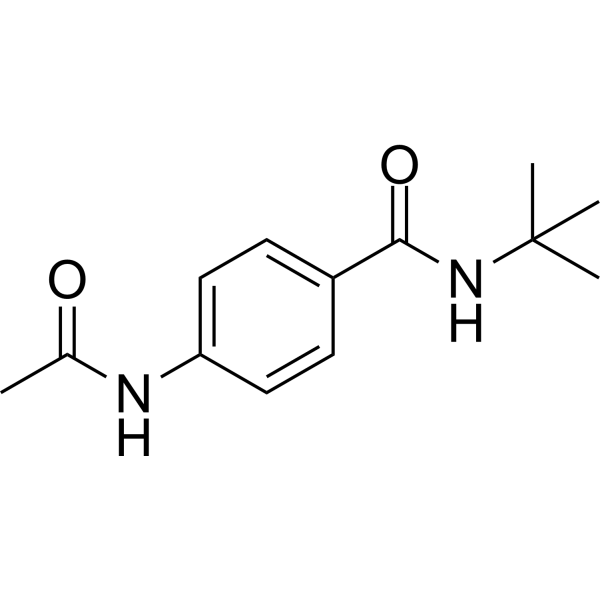
α-Glucosidase-IN-72 (compound 5i) is a 2,4-dichloro-N-phenylacetamide derivative and an α-glucosidase inhibitor (IC50: 6 μM). α-Glucosidase-IN-72 does not follow Lipinski's "rule of five" and does not induce cancer .
|
-

- HY-121323R
-
|
|
Reference Standards
Apoptosis
|
Neurological Disease
Inflammation/Immunology
Cancer
|
|
Acarbose (Standard) is the analytical standard of Acarbose. This product is intended for research and analytical applications. Acarbose (BAY g 5421), antihyperglycemic agent, is an orally active alpha-glucosidase inhibitor (IC50=11 nM). Acarbose can potentiate the hypoglycemic effects of sulfonylureas or insulin .
|
-

- HY-N7096R
-
|
CTZ sodium (Standard)
|
Reference Standards
Bacterial
Antibiotic
|
Infection
|
|
Ceftezole (sodium) (Standard) is the analytical standard of Ceftezole (sodium). This product is intended for research and analytical applications. Ceftezole sodium (CTZ sodium) is a broad-spectrum cephem antibiotic against many species of gram-positive and gram-negative bacteria. Ceftezole sodium (CTZ sodium) is an alpha-glucosidase inhibitor with in vivo anti-diabetic activity .
|
-

- HY-N15138
-
|
|
Glycosidase
|
Infection
Metabolic Disease
Inflammation/Immunology
|
|
Sativanone is a compound that can be isolated from Dalbergia tonkinensis. Sativanone is a potent α-glucosidase inhibitor, with an EC50 of 0.357 mg/mL for rat α-glucosidase. Sativanone has antibacterial activity against Ralstonia solanacearum. Sativanone also has anti-senescent and antioxidant effects .
|
-

- HY-B0089R
-
|
BAY g 5421 (Standard)
|
Reference Standards
Glycosidase
|
Metabolic Disease
Cancer
|
|
Acarbose (Standard) is the analytical standard of Acarbose. This product is intended for research and analytical applications. Acarbose (BAY g 5421), antihyperglycemic agent, is an orally active alpha-glucosidase inhibitor (IC50=11 nM). Acarbose can potentiate the hypoglycemic effects of sulfonylureas or insulin .
|
-

- HY-101399R
-
|
H-γ-Glu-Phe-OH (Standard); γ-Glutamylphenylalanine (Standard)
|
Reference Standards
Endogenous Metabolite
|
Others
|
|
Ceftezole (sodium) (Standard) is the analytical standard of Ceftezole (sodium). This product is intended for research and analytical applications. Ceftezole sodium (CTZ sodium) is a broad-spectrum cephem antibiotic against many species of gram-positive and gram-negative bacteria. Ceftezole sodium (CTZ sodium) is an alpha-glucosidase inhibitor with in vivo anti-diabetic activity .
|
-

- HY-157489
-
|
|
Glycosidase
|
Metabolic Disease
|
|
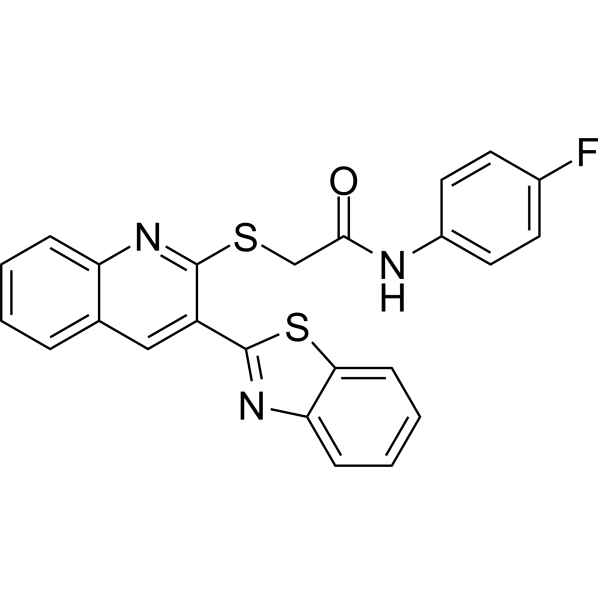
α-Glucosidase-IN-47 (compound 8H) is a non-competitive α-glucosidase (α-glucosidase) inhibitor with IC50 value is 38.2 μM and Ki value is 38.2 μM. α-Glucosidase-IN-47 can be used in diabetes research. .
|
-
- HY-10255A
-
|
SU 11248
|
VEGFR
PDGFR
IRE1
Mitophagy
Autophagy
Apoptosis
|
Cancer
|
|
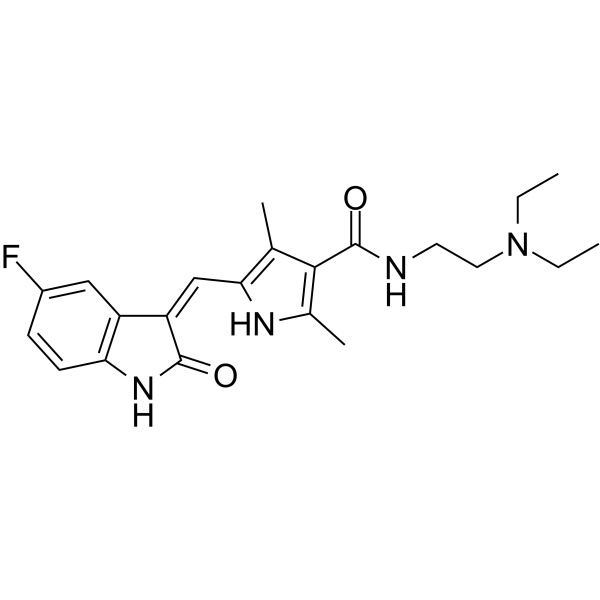
Sunitinib (SU 11248) is a multi-targeted receptor tyrosine kinase inhibitor with IC50s of 80 nM and 2 nM for VEGFR2 and PDGFRβ, respectively . Sunitinib, an ATP-competitive inhibitor, effectively inhibits autophosphorylation of Ire1α by inhibiting autophosphorylation and consequent RNase activation .
|
-
- HY-19284
-
|
FK 687; TF 505
|
5 alpha Reductase
|
Endocrinology
|
|
FR-146687 (FK 687) is a selective and orally active 5α-reductase inhibitor with IC50s of 1.7 nM and 4.6 nM for rat and human 5α-reductases, respectively. FR-146687 shows no inhibitory effects on other steroid oxidoreductases .
|
-

- HY-120217
-
|
|
Ligands for E3 Ligase
|
Cancer
|
|
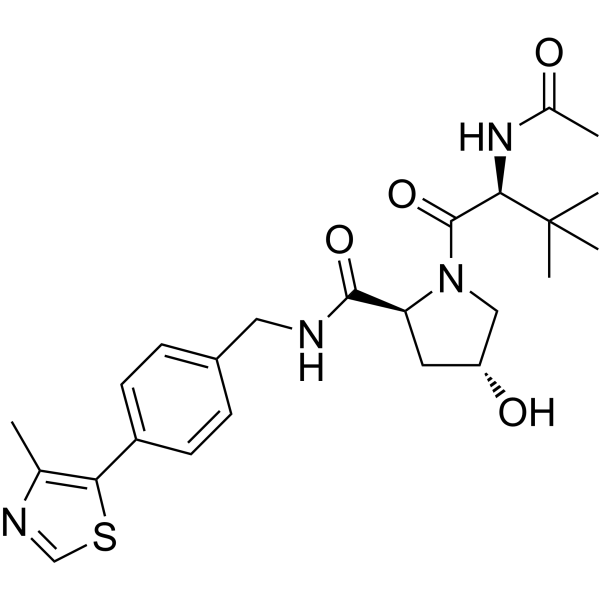
VH032 is a VHL ligand used in the recruitment of the von Hippel-Lindau (VHL) protein. VH032 is a VHL/HIF-1α interaction inhibitor with a Kd
|
-
- HY-179508
-
|
|
Glycosidase
|
Metabolic Disease
|
|
α-Glucosidase-IN-103 (compound 5u) is a potent and competitive α-Glucosidase inhibitor with an IC50 of 5.38 µM and a Ki of 3.57 µM. α-Glucosidase-IN-103 can be used for type 2 diabetes (T2DM) research .
|
-

- HY-169117
-
|
|
Glycosidase
|
Metabolic Disease
|
|
α-Glucosidase-IN-74 (Compound 7d), an isatin-thiazole derivative, is a α-glucosidase inhibitor. α-Glucosidase-IN-74 exhibits antidiabetic activity by decreasing glycaemia and triglyceride levels in Streptozotocin (HY-13753)-induced diabetic animals .
|
-

- HY-175737
-
|
|
α-synuclein
|
Neurological Disease
|
|
α-synuclein-IN-16 (Compound H1) is a α-synuclein inhibitor. α-synuclein-IN-16 significantly inhibits the secondary nucleation in α-synuclein aggregation. α-synuclein-IN-16 can be used for Parkinson’s disease research .
|
-

- HY-146032
-
-
- HY-148575
-
|
|
Glycosidase
|
Metabolic Disease
|
|
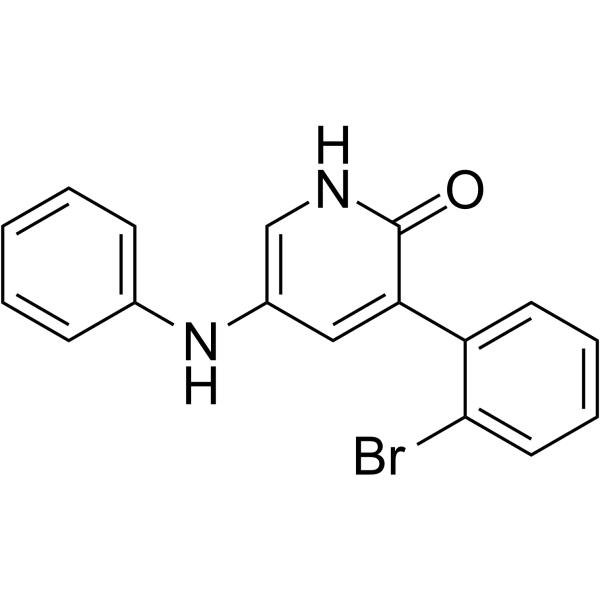
α-Glucosidase-IN-23 is an orally active α-Glucosidase inhibitor. α-Glucosidase-IN-23 decreases blood glucose by a-glucosidase inhibition with an IC50 value of 4.48 μM. α-Glucosidase-IN-23 can be used for the research of diabetes .
|
-
- HY-W739812
-
|
Finasteride carboxylic acid
|
Aldose Reductase
|
Cancer
|
|
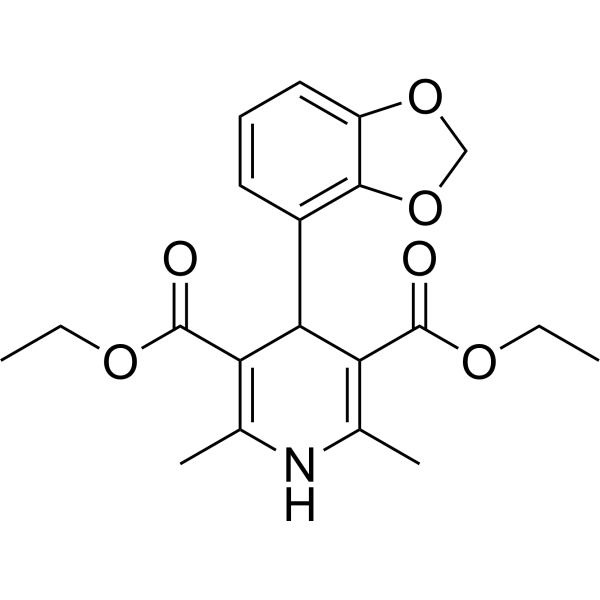
Carboxy finasteride is a metabolite of the 5α-reductase inhibitor Finasteride (HY-13635). Finasteride is biotransformed by cytochrome P450 (CYP3A4) and is successively oxidized to Hydroxy finasteride and Carboxy finasteride. Carboxy finasteride is the major metabolite in urine, while Hydroxy finasteride is the major metabolite in plasma .
|
-

- HY-N15497
-
|
|
Reactive Oxygen Species (ROS)
HIF/HIF Prolyl-Hydroxylase
|
Cancer
|
|
Terpestacin is found in Phoma exigua var. heteromorpha. Terpestacin binds to UQCRB to inhibit the production of mitochondrial ROS and HIF-1α. Terpestacin inhibits tumor angiogenesis in the FM3A breast cancer cell xenograft mouse model. Terpestacin has antitumor activity and phytotoxicity .
|
-

- HY-162364
-
|
|
p38 MAPK
|
Neurological Disease
|
|
p38-α MAPK-IN-7 (compound 4) is a p38α-MAPK inhibitor with an IC50 value of 98.7 nM. p38-α MAPK-IN-7 protects neuronal cells from dexamethasone-induced ROS production .
|
-
- HY-151138
-
|
|
Glycosidase
|
Metabolic Disease
|
|
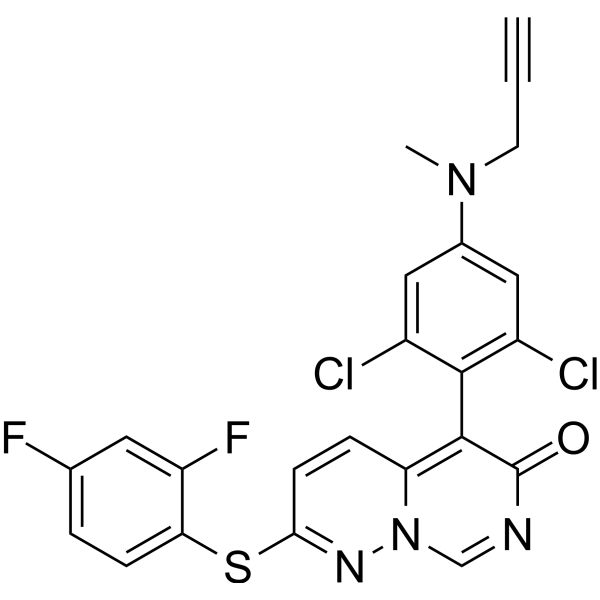
α-Glucosidase-IN-16 is a potent and orally active α-glucosidase inhibitor with an IC50 value of 3.28 μM. α-Glucosidase-IN-16 can reduce the level of blood glucose in Streptozotocin (HY-13753)-induced diabetic rats. Antidiabetic activity .
|
-
- HY-168944
-
|
|
Amylases
Glycosidase
|
Metabolic Disease
|
|
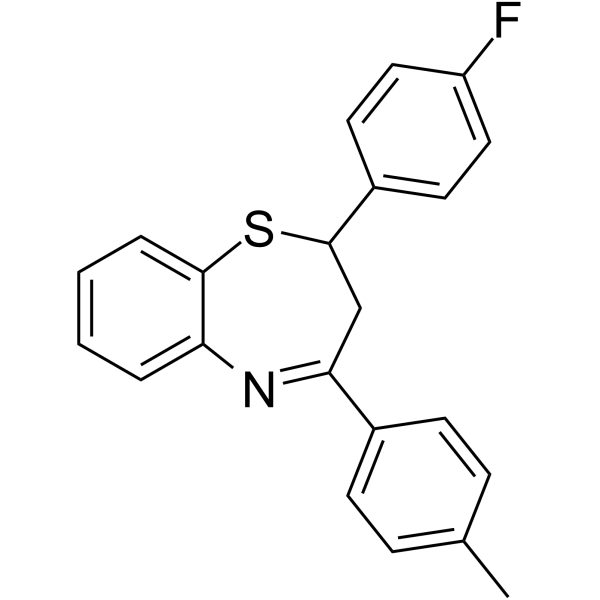
ABCB1-IN-4 (Compound C6z) is an orally active and potent dual α-amylase and α-glucosidase inhibitor with IC50 values of 1.63 μM and 0.14 μM, respectively. ABCB1-IN-4 is promising for research of diabetes .
|
-

- HY-161999
-
|
|
Glycosidase
|
Metabolic Disease
Inflammation/Immunology
|
|
α-Glucosidase-IN-73 (compound 16b) is an α-Glucosidase inhibitor with IC50 of 0.158 μM. α-Glucosidase-IN-73 can activate PPAR γ. α-Glucosidase-IN-73 can be used in anti-diabetic and anti-inflammatory studies .
|
-

- HY-10255C
-
|
SU 11248 glucuronate
|
PDGFR
VEGFR
IRE1
Mitophagy
Autophagy
Apoptosis
|
Cancer
|
|
Sunitinib (SU 11248) glucuronate is a multi-targeted receptor tyrosine kinase inhibitor with IC50s of 80 nM and 2 nM for VEGFR2 and PDGFRβ, respectively . Sunitinib glucuronate, an ATP-competitive inhibitor, effectively inhibits autophosphorylation of Ire1α by inhibiting autophosphorylation and consequent RNase activation .
|
-

- HY-10255
-
|
SU 11248 Malate
|
PDGFR
VEGFR
IRE1
Mitophagy
Autophagy
Apoptosis
|
Infection
Inflammation/Immunology
Cancer
|
|
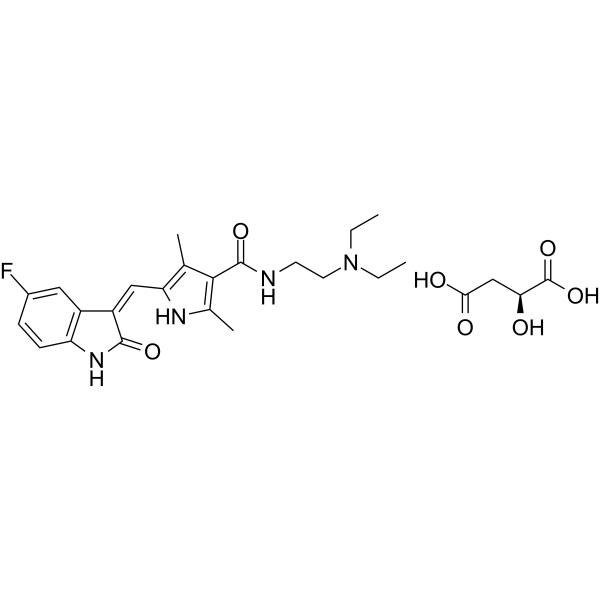
Sunitinib (SU 11248) Malat is a multi-targeted receptor tyrosine kinase inhibitor with IC50s of 80 nM and 2 nM for VEGFR2 and PDGFRβ, respectively . Sunitinib Malat, an ATP-competitive inhibitor, effectively inhibits autophosphorylation of Ire1α by inhibiting autophosphorylation and consequent RNase activation .
|
-
- HY-78000R
-
|
4-Carbomethoxybenzaldehyde (Standard); 4-Carboxybenzaldehyde methyl ester (Standard); Terephthalaldehydic acid methyl ester (Standard); Methyl 4-formylbenzoate (Standard)
|
Reference Standards
Drug Intermediate
|
Metabolic Disease
|
|
Methyl 4-formylbenzoate (4-Carbomethoxybenzaldehyde) (Standard) is the analytical standard of Methyl 4-formylbenzoate (HY-78000). This product is intended for research and analytical applications. Methyl 4-formylbenzoate is a drug intermediate that can be used to synthesis chalcone amide α-glucosidase inhibitors .
|
-

- HY-181476
-
|
|
Glycosidase
|
Metabolic Disease
|
|
α-Glucosidase-IN-113 is an α-glucosidase inhibitor with an IC50 of 17.52 μM. α-Glucosidase-IN-113 shows antiglycating activity and inhibits advanced glycation end-product formation. α-Glucosidase-IN-113 can be used for the research of type 2 diabetes .
|
-

- HY-180275
-
|
|
Glycosidase
|
Inflammation/Immunology
|
|
α-Glucosidase-IN-107 (Compound 1) is an α-glucosidase inhibitor with an IC50 of 1.01 μM. α-Glucosidase-IN-107 binds to the allosteric site of α-glucosidase. α-Glucosidase-IN-107 shows non-cytotoxic to normal lung fibrolast cells .
|
-

- HY-161764
-
|
|
Amylases
Glycosidase
|
Metabolic Disease
|
|
α-Glucosidase-IN-67 (compound 5k) is a potent α-Glucosidase inhibitor with IC50 values of 0.31, 4.51 µM for alpha-glucosidase and alpha-amylase, respectively. α-Glucosidase-IN-67 has the potential for the research of type-2 diabetes .
|
-

- HY-12753A
-
|
SR35021 hydrochloride
|
Thyroid Hormone Receptor
|
Cardiovascular Disease
|
|
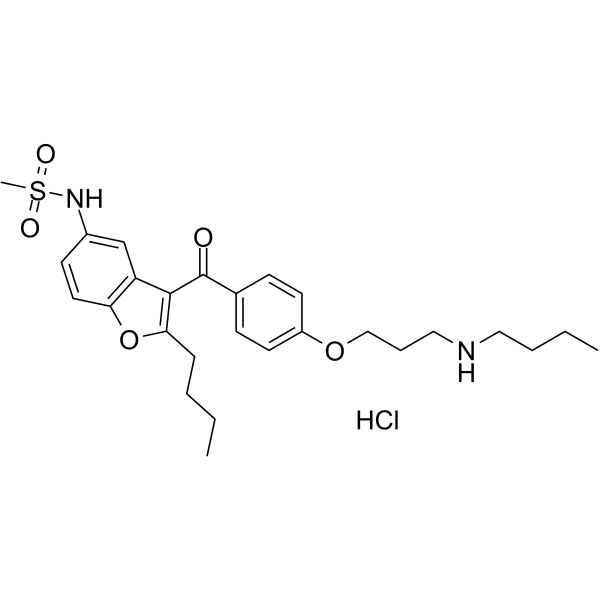
Debutyldronedarone (SR35021) hydrochloride, the main metabolite of Dronedarone, is a selective thyroid hormone receptor α1 (TRα1) inhibitor. Debutyldronedarone hydrochloride inhibits T3 binding to TRα1 and TRβ1 by 77% and 25%, respectively. Debutyldronedarone hydrochloride can be used for the research of arrhythmic .
|
-
- HY-144295
-
|
|
PI3K
mTOR
|
Cancer
|
|
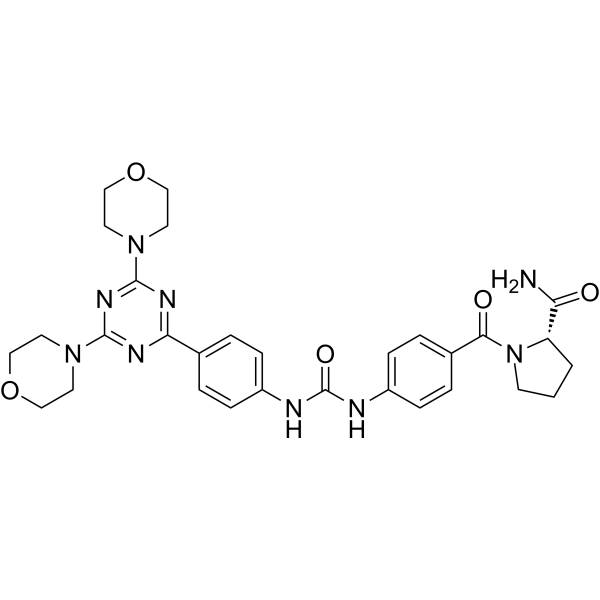
PI3Kα-IN-5 (compound 6 ab) is a potent PI3Kα/mTOR inhibitor, with an IC50 of 0.7 nM and 3.3 nM, respectively. PI3Kα-IN-5 can be used for the research of colorectal cancer .
|
-
- HY-171254
-
|
|
p38 MAPK
|
Inflammation/Immunology
|
|
p38-α MAPK-IN-9 (Compound 25a) is a p38-α MAPK inhibitor (Ki: 0.057 nM). p38-α MAPK-IN-9 inhibits LPS (HY-D1056) induced TNFα production in hPBMCs (IC50: 18 nM) .
|
-

- HY-179141
-
|
|
Amylases
Glycosidase
|
Metabolic Disease
|
|
α-Amylase/α-Glucosidase-IN-23 (Compound 5e) is a α-Amylase/α-Glucosidase inhibitor with IC50 values of 73.68 nM for α-glucosidase and 146.18 nM for α-amylase. α-Amylase/α-Glucosidase-IN-23 can be used in the research of hypoglycemia .
|
-

- HY-149313
-
|
|
Amylases
|
Metabolic Disease
|
|
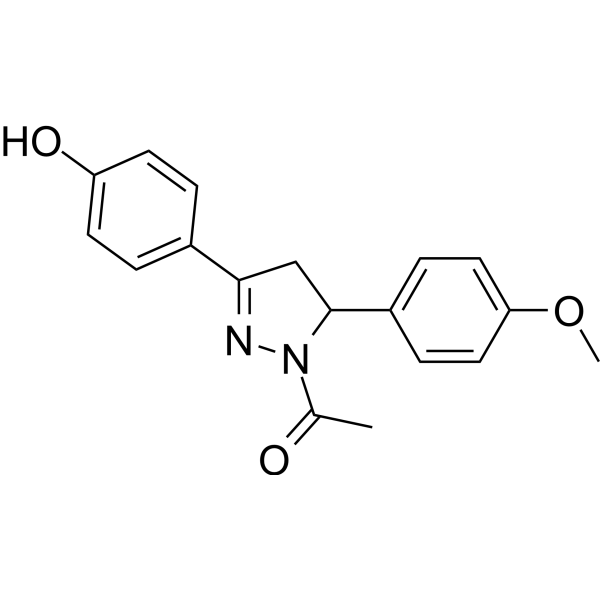
α Amylase-IN-1 (Compound 11) is an α-Amylase inhibitor with an IC50 value of 0.5509 μM. α Amylase-IN-1 has antioxidant activity with an IC50 value of 53.49 μM for scavenging DPPH free radicals. IC50 can be used in the study of diabetes and oxidative stress-related diseases.
|
-
- HY-18759
-
|
|
p38 MAPK
TNF Receptor
|
Inflammation/Immunology
|
|
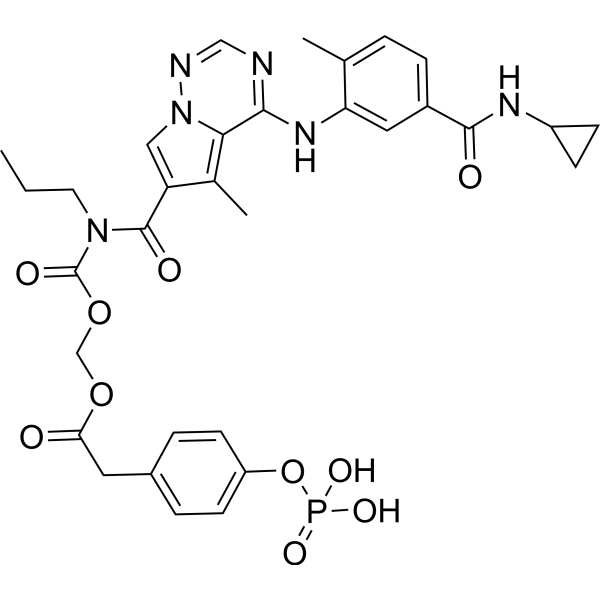
BMS-751324 is a p38α MAPK inhibitor. BMS-751324 equips a precursor of carbamyl-methyl linkage, containing esters and phosphate functional groups derived from hydroxyphenylacetic acid (HPA). BMS-751324 effectively inhibits foot swelling and LPS-induced TNFα production in an arthritic rat model .
|
-
- HY-126535
-
|
|
Glycosidase
|
Metabolic Disease
Cancer
|
|
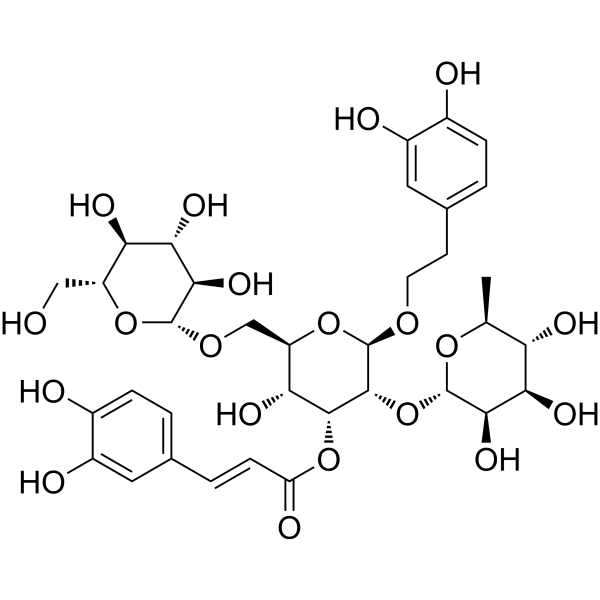
Magnoloside B is an α-glucosidase inhibitor (IC50=0.69 mM), which can be obtained from Magnolia officinalis stem bark. Magnoloside B shows moderate inhibitory activity against MGC-803 and HepG2 cells. Magnoloside B has the potential to study cancer and diabetes .
|
-
- HY-B0089S
-
|
BAY g 5421-d4
|
Isotope-Labeled Compounds
Glycosidase
|
Metabolic Disease
Cancer
|
|
Acarbose-d4 (BAY g 5421-d4) is deuterium labeled Acarbose. Acarbose (BAY g 5421), antihyperglycemic agent, is an orally active alpha-glucosidase inhibitor (IC50=11 nM). Acarbose can potentiate the hypoglycemic effects of sulfonylureas or insulin .
|
-

- HY-149668
-
|
|
Glycosidase
|
Metabolic Disease
|
|
α-Glucosidase-IN-41 (compound 5o) is a potent α-glucosidase inhibitor. α-Glucosidase-IN-41 can arise the changed secondary structure of α-Glu to hinder enzyme catalytic activity. α-Glucosidase-IN-41 can be used for diabetes mellitus research .
|
-
- HY-119424
-
-
- HY-150560
-
|
|
Glycosidase
|
Metabolic Disease
|
|
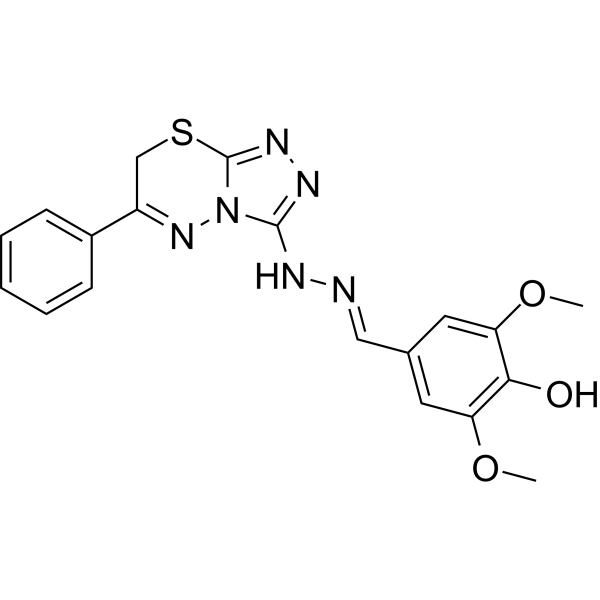
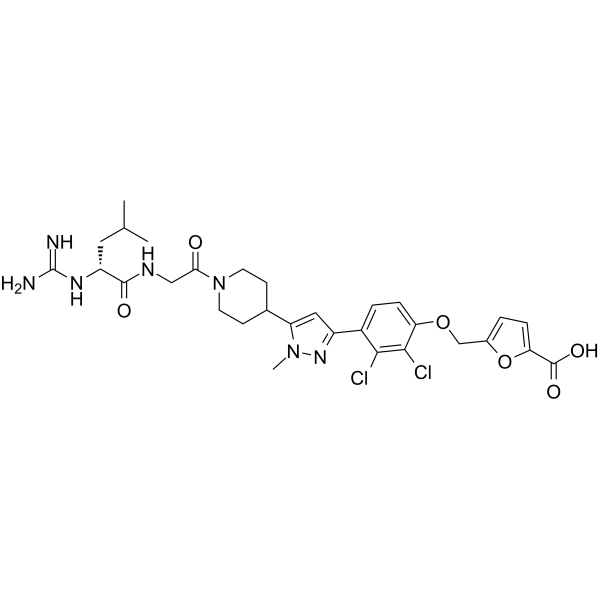
α-Glucosidase-IN-11 is a highly permeable competitive α-glucosidase inhibitor with the IC50 value of 0.56 μM. α-Glucosidase-IN-11 binds to Trp residues in α-glucosidase and regulates protein folding. α-Glucosidase-IN-11 can be used to regulate blood glucose levels .
|
-
- HY-107553
-
|
|
HSP
Apoptosis
|
Cancer
|
|
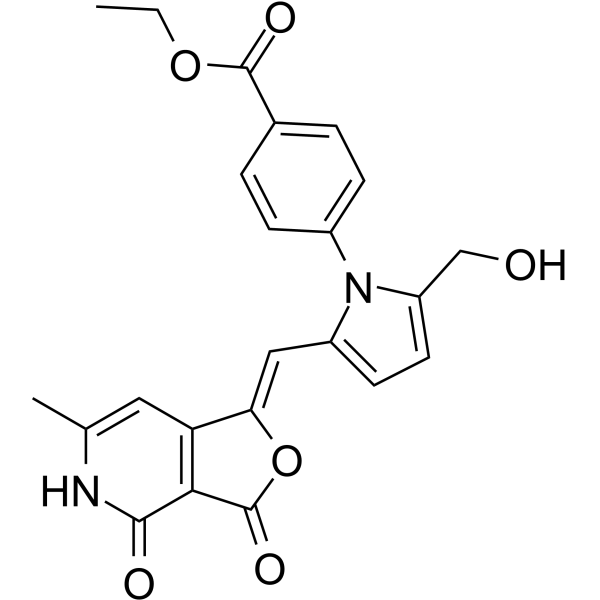
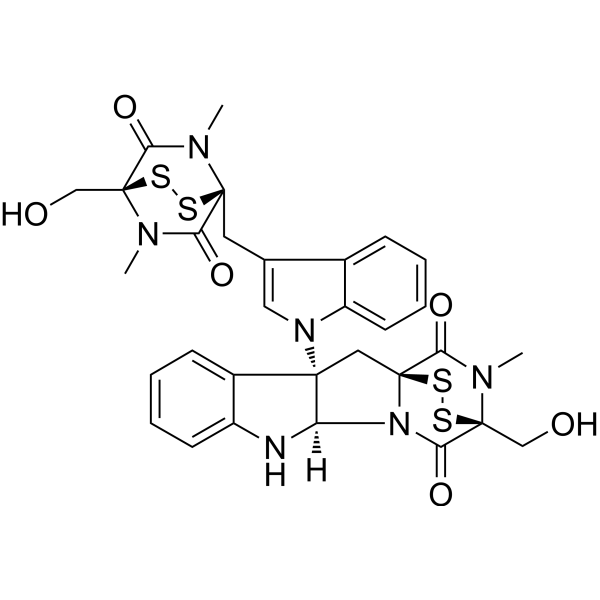
Chetomin, an active component of Chaetomium globosum, is a heat shock protein 90/hypoxia-inducible factor 1 alpha (Hsp90/HIF1α) pathway inhibitor. Chetomin is a potent, nontoxic non-small cell lung cancer cancer stem cells (NSCLC CSC)-targeting molecule .
|
-
- HY-159796A
-
|
GR69153
|
Bacterial
Antibiotic
Glycosidase
|
Infection
Metabolic Disease
|
|
Ceftezole (GR69153) is a broad-spectrum cephalosporin antibiotic and an α-glucosidase inhibitor. Ceftezole inhibits bacterial cell lysis by inhibiting cell wall synthesis and binding to penicillin-binding proteins (PBPs). Ceftezole exhibits in vivo anti-diabetic activity in diabetic mice. Ceftezole can be used in antibacterial and anti-diabetic research .
|
-

- HY-163433
-
|
|
Glycosidase
|
Metabolic Disease
|
|
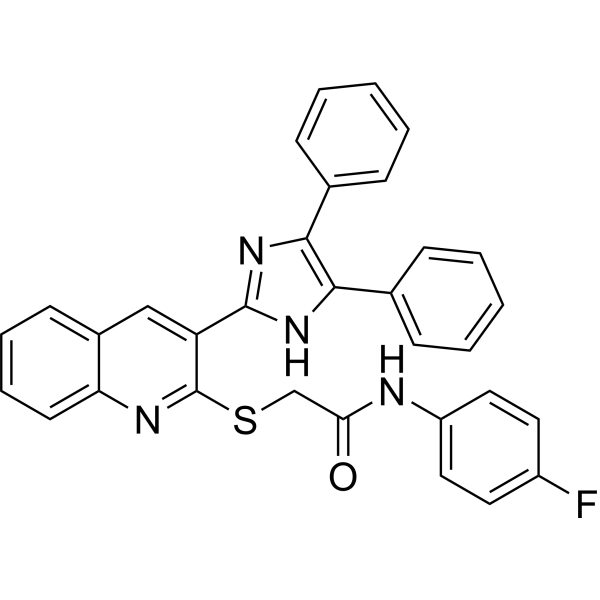
α-Glucosidase-IN-57 (Compound 10c) is a competitive and orally active α-glucosidase inhibitor with an IC50 value of 0.180 μM and a Ki of 0.15 μM. α-Glucosidase-IN-57 can reduce fasting and overall blood glucose levels in mice, and can be used for anti-diabetes research .
|
-
- HY-N12761
-
|
|
Phosphatase
Glycosidase
|
Metabolic Disease
Inflammation/Immunology
|
|
Penpaxilloids A (Compound 1) is a non-competitive inhibitor of protein tyrosine phosphatase 1B (PTP1B) with an IC50 value of 8.60 μM. Penpaxilloids A can be isolated from the fungus Penicillium sp. ZYX-Z-143. Penpaxilloids A is also an α-glucosidase (α-glucosidase) inhibitor with anti-inflammatory activity .
|
-

- HY-152187
-
|
|
Topoisomerase
Apoptosis
|
Others
|
|
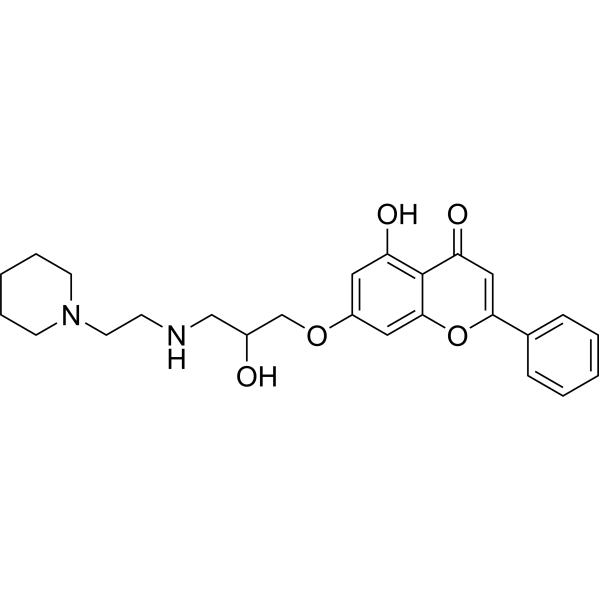
Topoisomerase IIα-IN-5 is a topoisomerase II (topo II) α catalytic inhibitor. Topoisomerase IIα-IN-5 intercalates into DNA and binds to the DNA minor groove. Topoisomerase IIα-IN-5 exhibits better efficacy and less genotoxicity than Etoposide (HY-13629) .
|
-
- HY-B0025
-
|
|
Glycosidase
|
Metabolic Disease
|
|
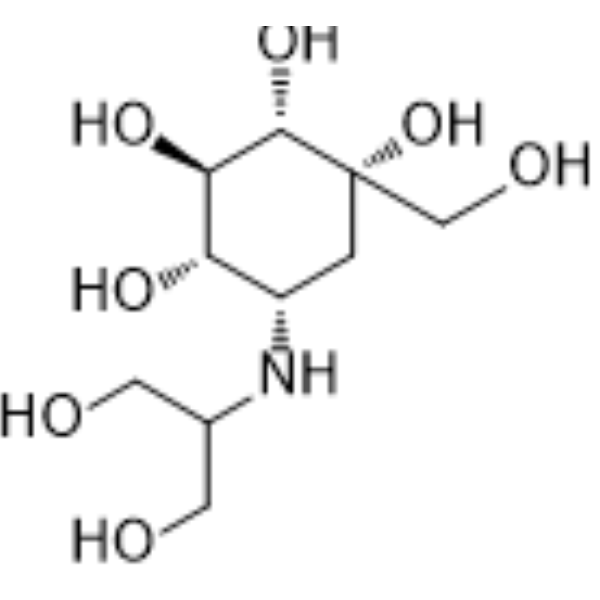
Voglibose is an orally active alpha-glucosidase inhibitor that prevents the development of colorectal precancerous lesions induced by obesity and diabetes. Voglibose reduces oxidative stress in an inflammatory environment and inhibits the insulin-like growth factor/insulin-like growth factor-1 receptor (IGF/IGF-1R) functional axis .
|
-
- HY-10255AS1
-
|
|
Isotope-Labeled Compounds
VEGFR
PDGFR
IRE1
Mitophagy
Autophagy
Apoptosis
|
Cancer
|
|
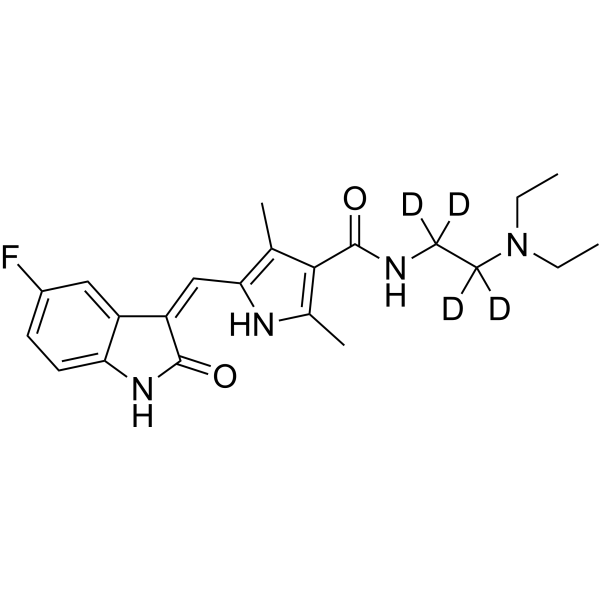
Sunitinib-d4 is the deuterium labeled Sunitinib. Sunitinib (SU 11248) is a multi-targeted receptor tyrosine kinase inhibitor with IC50s of 80 nM and 2 nM for VEGFR2 and PDGFRβ, respectively . Sunitinib, an ATP-competitive inhibitor, effectively inhibits autophosphorylation of Ire1α by inhibiting autophosphorylation and consequent RNase activation .
|
-
- HY-N6968R
-
|
Humulene (Standard); α-Caryophyllene (Standard)
|
Reference Standards
NO Synthase
COX
|
Inflammation/Immunology
|
|
α-Humulene (Standard) is the analytical standard of α-Humulene. This product is intended for research and analytical applications. α-Humulene is a main constituent of Tanacetum vulgare L. (Asteraceae) essential oil with anti-inflammation (IC50=15±2 μg/mL). α-Humulene inhibits COX-2 and iNOS expression .
|
-

- HY-181150
-
|
|
PI3K
|
Cancer
|
|
Hit20 is a PI3Kα selective inhibitor, inhibits PI3Kα kinase activity, suppresses PI3Kα phosphorylation. Hit20 suppresses proliferation, colony formation, migration, and invasion of colon cancer cells. Hit20 can be used for the research of colon cancer .
|
-

- HY-118091
-
|
|
5 alpha Reductase
|
Endocrinology
|
|
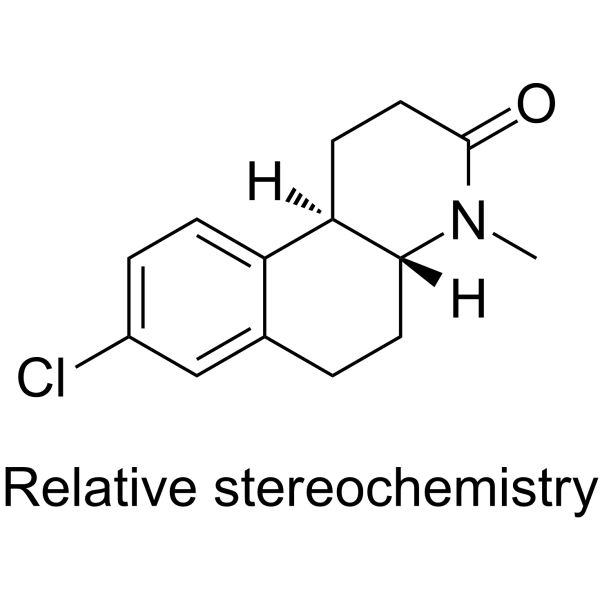
LY191704, as a benzoquinolinone, is a potent, nonsteroidal, noncompetitive and selective human type I 5α-reductase inhibitor. LY191704 is a racemic mixture of the compounds LY300502 and LY300503. LY191704 may be useful in the research of human endocrine disorders associated with overproduction of dihydrotestosterone (DHT) by 5α-reductase type 1 .
|
-
- HY-183042
-
|
|
p38 MAPK
|
Cancer
|
|
p38α-IN-12 is an orally bioavailable p38α MAPK inhibitor, with an IC50 of 0.11 nM and a Ki of 0.2 nM against human targets. p38α-IN-12 inhibits the production of TNFα in cellular systems and exerts in vivo efficacy in acute mouse models .
|
-

- HY-N10440
-
|
|
Glycosidase
|
Infection
Inflammation/Immunology
|
|
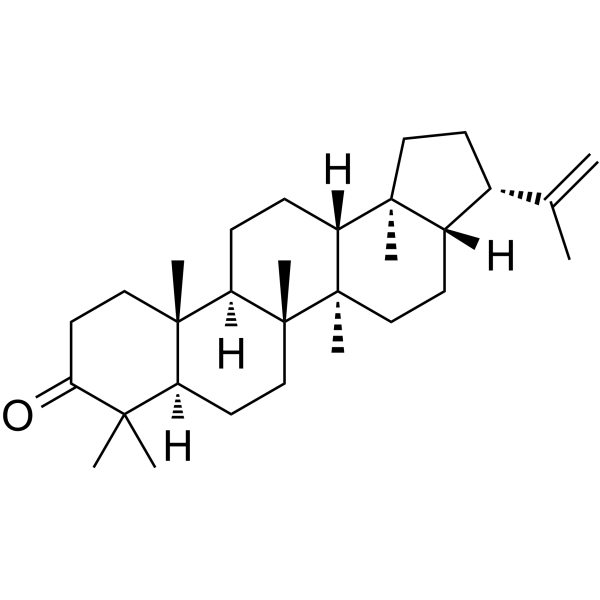
3-Oxo-hop-22(29)-ene is a yeast α-glucosidase inhibitor. 3-Oxo-hop-22(29)-ene shows a moderate effect on the viability of T. cruzi and L. mexicana. 3-Oxo-hop-22(29)-ene shows marginal activity of anti-inflammatory .
|
-
- HY-175170
-
|
|
Glycosidase
|
Metabolic Disease
|
|
α-Glucosidase-IN-95 (Compound 21c) is a competitive α-Glucosidase inhibitor with an IC50 of 0.44 μM. α-Glucosidase-IN-95 has a significant inhibitory potency without cytotoxicity to normal cells. α-Glucosidase-IN-95 can be used for metabolic disorders like diabetes mellitus research .
|
-

- HY-Y0598
-
|
Benzylideneacetophenone
|
Fatty Acid Synthase (FASN)
Apoptosis
Fungal
|
Inflammation/Immunology
Cancer
|
|
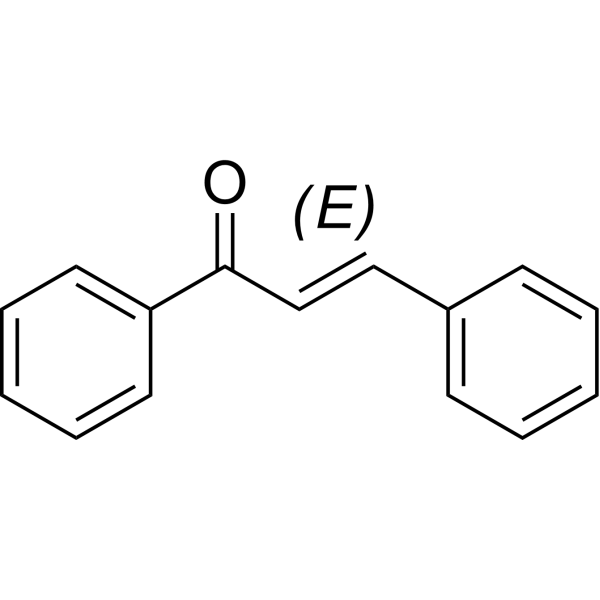
trans-Chalcone, isolated from Aronia melanocarpa skin, is a biphenolic core structure of flavonoids precursor. trans-Chalcone is a potent fatty acid synthase (FAS) and α-amylase inhibitor. trans-Chalcone causes cellcycle arrest and induces apoptosis in the breastcancer cell line MCF-7. trans-Chalcone has antifungal and anticancer activity .
|
-
- HY-131114R
-
|
|
Glycosidase
Reference Standards
|
Infection
|
|
Valiolamine (Standard) is the analytical standard of Valiolamine (HY-13114). This product is intended for research and analytical applications. Valiolamine, an aminocyclitol, is an alpha-glucosidase inhibitor. Valiolamine has potent alpha-glucosidase inhibitory activity against porcine intestinal sucrase, maltase and isomaltase. Valiolamine binds to porcine intestinal maltase and sucrase with Ki values of 350 nM and 30 nM, respectively .
|
-

- HY-158037
-
|
|
Glycosidase
|
Metabolic Disease
|
|
α-Glucosidase-IN-55 (Compound 8g) is an orally active and competitive alpha-glucosidase inhibitor, with IC50 and Ki values of 12.1 and 9.66 µM, respectively. α-Glucosidase-IN-55 can be used for the research into type 2 diabetes mellitus (T2DM) to improve blood sugar control and metabolic health .
|
-
- HY-179154
-
|
|
Glycosidase
Cytochrome P450
|
Metabolic Disease
|
|
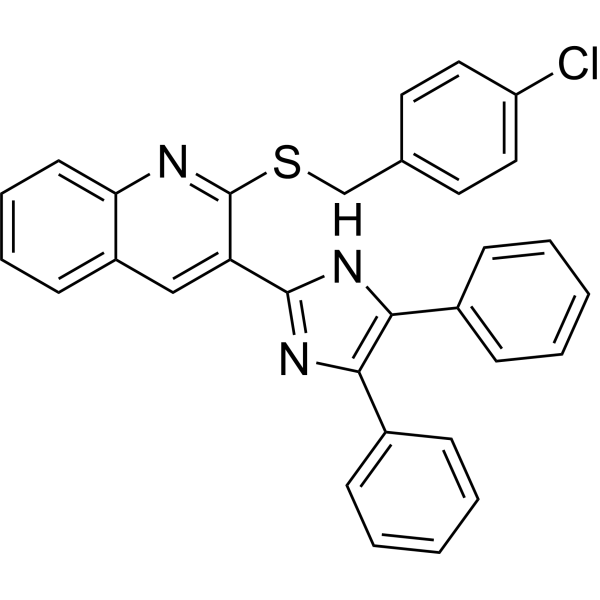
α-Glucosidase-IN-101 (Compound 13j) is an uncompetitive α-glucosidase inhibitor, with an IC50 of 120 nM. α-Glucosidase-IN-101 properly inhibits CYP1A2, CYP2C19, and CYP2C9 isoforms of cytochrome P450. α-Glucosidase-IN-101 can be used in the research of diabetes .
|
-

- HY-108645
-
|
|
p38 MAPK
Autophagy
|
Inflammation/Immunology
|
|
AL 8697 is a specific and orally active p38α MAPK inhibitor with an IC50 of 6 nM. AL 8697 displays 14-fold greater inhibition of p38α compared to p38β (IC50=82 nM), and 300-fold selectivity for p38α over a panel of 91 kinases. Anti-inflammatory activity .
|
-
- HY-165360
-
|
|
Thrombin
|
Cardiovascular Disease
|
|
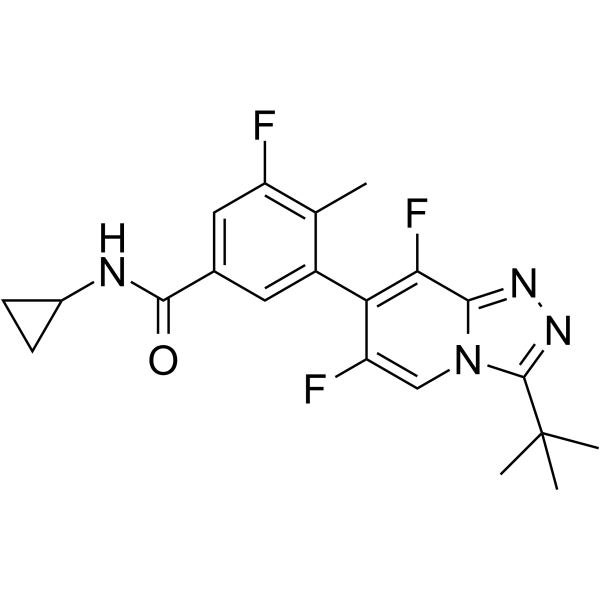
JJ1 is a selective α-thrombin inhibitor with a Ki of 0.019 μM. JJ1 directly binds to the active site of α-thrombin to block its catalytic activity. JJ1 exhibits antithrombotic effects and prolongs activated partial thromboplastin time, prothrombin time, and tail bleeding time in mice. JJ1 can be used for the research of thrombotic diseases .
|
-

- HY-N7170
-
|
|
Glycosidase
|
Metabolic Disease
|
|
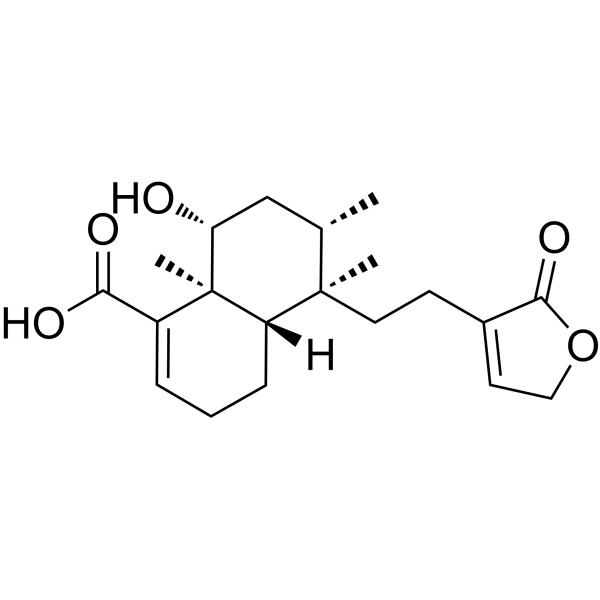
(-)-6β-Hydroxy-5β,8β,9β,10α-cleroda-3,13-dien-16,15-olid-18-oic acid (compound 4) is a α-Glucosidase inhibitor with an IC50 value of 577.7 µM .
|
-
- HY-N13813
-
|
|
Phosphatase
Glycosidase
|
Others
|
|
Ethyl-3,5-di-O-caffeoylquinate is an ethyl caffeoylquinate (ECQ), and ECQ analogs are potential α-glucosidase (α-glucosidase) inhibitors and PTP1B inhibitors. Ethyl-3,5-di-O-caffeoylquinate, which can be isolated from the flower buds of Lonicera macranthoides, is an isomer of chlorogenic acid (ethyl dicaffeoylquinate) .
|
-

- HY-182289
-
|
|
Glycosidase
|
Metabolic Disease
|
|
LY-23 is an orally active α-glucosidase inhibitor (Ki = 0.05 μM), with IC50 values of 0.18 μM, 0.14 μM and 0.51 μM against maltase, sucrase and isomaltase, respectively. LY-23 reduces the level of postprandial blood glucose elevation. LY-23 is applicable to research related to postprandial hyperglycemia .
|
-

- HY-14860R
-
|
Duvoglustat (Standard)
|
Reference Standards
Glycosidase
PI3K
|
Metabolic Disease
|
|
1-Deoxynojirimycin (Standard) is the analytical standard of 1-Deoxynojirimycin. This product is intended for research and analytical applications. 1-Deoxynojirimycin (Duvoglustat) is a potent and orally active α-glucosidase inhibitor. 1-Deoxynojirimycin suppresses postprandial blood glucose and is widely used for diabetes mellitus. 1-Deoxynojirimycin possesses antihyperglycemic, anti-obesity, and antiviral features .
|
-

- HY-174223
-
|
|
Glycosidase
|
Metabolic Disease
|
|
α-Glucosidase-IN-90 (Compound 7b) is an α-Glucosidase inhibitor (IC50: 14.48 nM). α-Glucosidase-IN-90 binds to HIS:280 and ASN:415 residues of α-glucosidase via hydrogen bonds, inhibiting the activity of the enzyme. α-Glucosidase-IN-90 can be used in the study of diabetes .
|
-

- HY-P10600A
-
|
|
Ras
|
Others
|
|
BIMAX2 acetate is a high affinity nuclear localization signal (NLS) peptide. BIMAX2 acetate can mimic the activity of the classical nuclear localization signal (cNLS) and competitively bind to importin α, thereby inhibiting the binding of cNLS-cargo proteins to importin α. BIMAX2 acetate can be used to study the role of RBBP4 in regulating nuclear import efficiency and cell senescence .
|
-

- HY-147711
-
|
|
Glycosidase
|
Metabolic Disease
|
|
α-Amylase/α-Glucosidase-IN-1 (compound 33) is a potent α-amylase/α-glucosidase inhibitor with IC50s of 2.01, 2.09 µM for α-amylase and α-glucosidase, respectively. Kinetic studies predict that α-Amylase/α-Glucosidase-IN-1 has the potential of anti hyperglycemia .
|
-
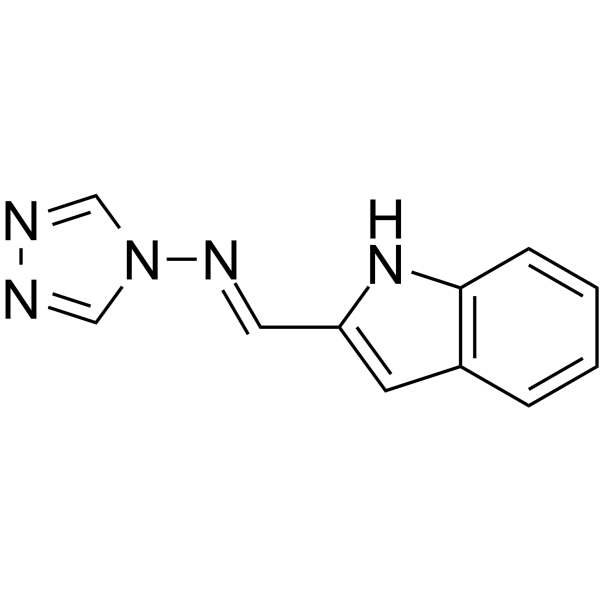
- HY-10255AR
-
|
SU 11248 (Standard)
|
Reference Standards
VEGFR
PDGFR
IRE1
Mitophagy
Autophagy
Apoptosis
|
Cancer
|
|
Sunitinib (Standard) is the analytical standard of Sunitinib. This product is intended for research and analytical applications. Sunitinib (SU 11248) is a multi-targeted receptor tyrosine kinase inhibitor with IC50s of 80 nM and 2 nM for VEGFR2 and PDGFRβ, respectively . Sunitinib, an ATP-competitive inhibitor, effectively inhibits autophosphorylation of Ire1α by inhibiting autophosphorylation and consequent RNase activation .
|
-

- HY-10255AS
-
|
SU 11248-d10
|
VEGFR
PDGFR
IRE1
Mitophagy
Autophagy
Apoptosis
|
Cancer
|
|
Sunitinib-d10 (SU 11248-d10) is a deuterium labeled Sunitinib. Sunitinib is a multi-targeted receptor tyrosine kinase inhibitor with IC50s of 80 nM and 2 nM for VEGFR2 and PDGFRβ, respectively . Sunitinib, an ATP-competitive inhibitor, effectively inhibits autophosphorylation of Ire1α by inhibiting autophosphorylation and consequent RNase activation .
|
-
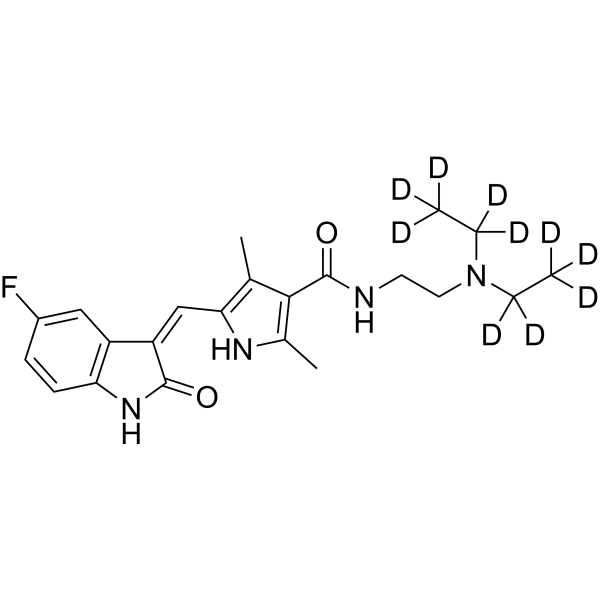
- HY-P10600
-
|
|
Ras
|
Others
|
|
BIMAX2 is a high affinity nuclear localization signal (NLS) peptide. BIMAX2 can mimic the activity of the classical nuclear localization signal (cNLS) and competitively bind to importin α, thereby inhibiting the binding of cNLS-cargo proteins to importin α. BIMAX2 can be used to study the role of RBBP4 in regulating nuclear import efficiency and cell senescence .
|
-

- HY-13635A
-
|
MK-906 acetate
|
5 alpha Reductase
|
Cancer
|
|
Finasteride (MK-906) acetate is a potent and competitive 5α-reductase inhibitor, with an IC50 of 4.2 nM for type II 5α-reductase. Finasteride acetate has approximately a 100-fold greater affinity for type II 5α-reductase enzyme than for the type I enzyme. Finasteride acetate can be used for the research of benign prostatic hyperplasia (BPH) and androgenic alopecia .
|
-
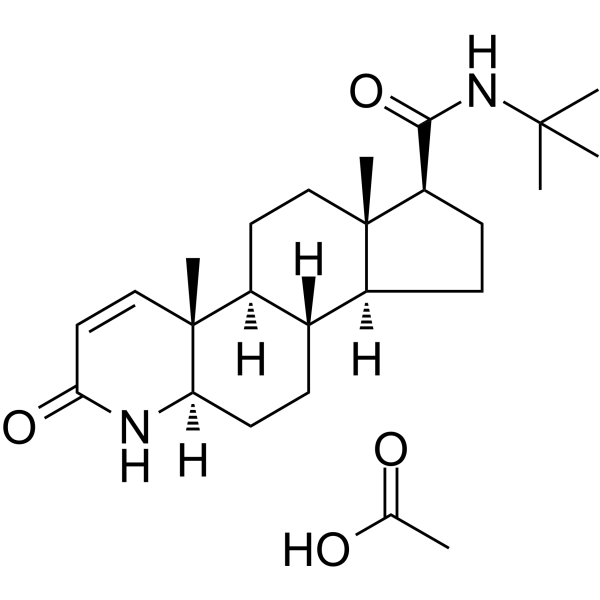
- HY-W009417
-
|
|
Environmental Pollutants
Glycosidase
|
Metabolic Disease
|
|
Cedryl acetate is an orally active α-glucosidase inhibitor with an IC50 of 94 μM against yeast α-glucosidase. Cedryl acetate reduces high-fat diet-induced body weight gain, visceral fat pad weight, adipocyte hypertrophy, hepatic lipid accumulation, glucose intolerance, insulin resistance and gluconeogenesis. Cedryl acetate can be used in the research of obesity and obesity-related metabolic syndrome .
|
-
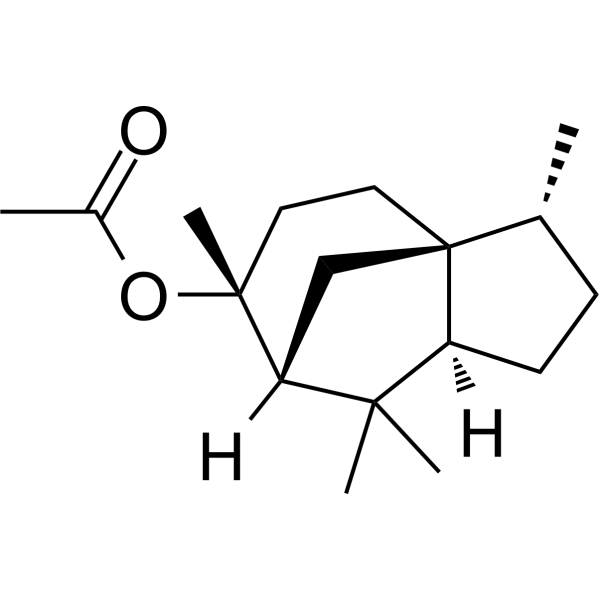
- HY-18509
-
|
|
IRE1
|
Cancer
|
|
IRE1α kinase-IN-2 is a potent IRE1α kinase inhibitor, with an EC50 of 0.82 μM. IRE1α kinase-IN-2 inhibits IRE1α kinase autophosphorylation (IC50=3.12 μM). IRE1α kinase-IN-2 inhibits XBP1 mRNA splicing in the WT cell lines .
|
-
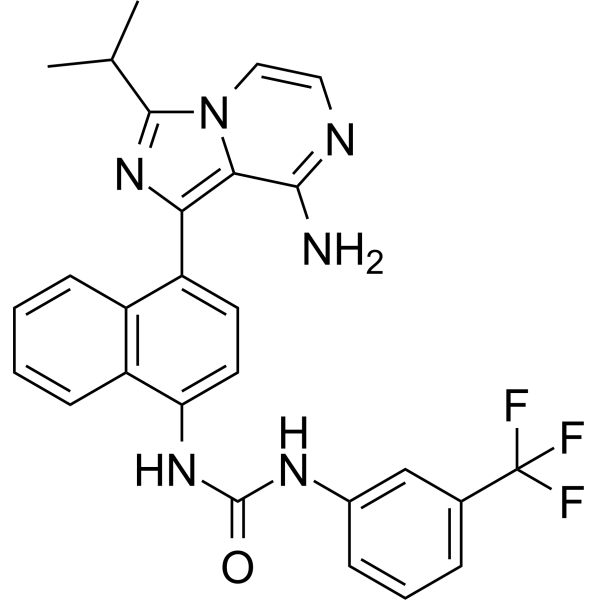
- HY-N15602
-
|
|
Glycosidase
NO Synthase
|
Inflammation/Immunology
|
|
Isosojagol (Compound 5) is a α-Glucosidase inhibitor with an IC50 of 32.2 μM. Isosojagol can be isolated from the Roots of Dolichos trilobus. Isosojagol has anti-inflammatory activity and inhibits LPS (HY-D1056A1)-induced NO production in RAW264.7 cells. Isosojagol can be used for fracture, soft tissue injuries and rheumatoid arthritis research .
|
-

- HY-128463
-
-
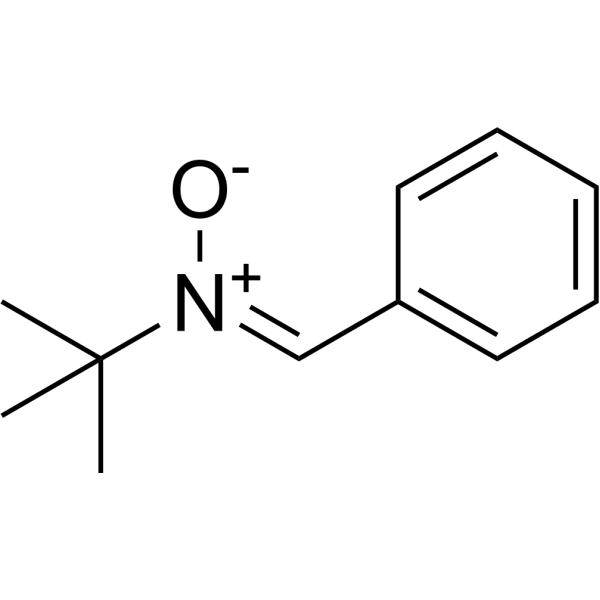
- HY-101489
-
|
|
PDGFR
Bcr-Abl
Apoptosis
|
Cancer
|
|
GZD856 formic is a potent and orally active PDGFRα/β inhibitor, with IC50s of 68.6 and 136.6 nM, respectively. GZD856 formic is also a Bcr-Abl T315I inhibitor, with IC50s of 19.9 and 15.4 nM for native Bcr-Abl and the T315I mutant. GZD856 formic has antitumor activity .
|
-
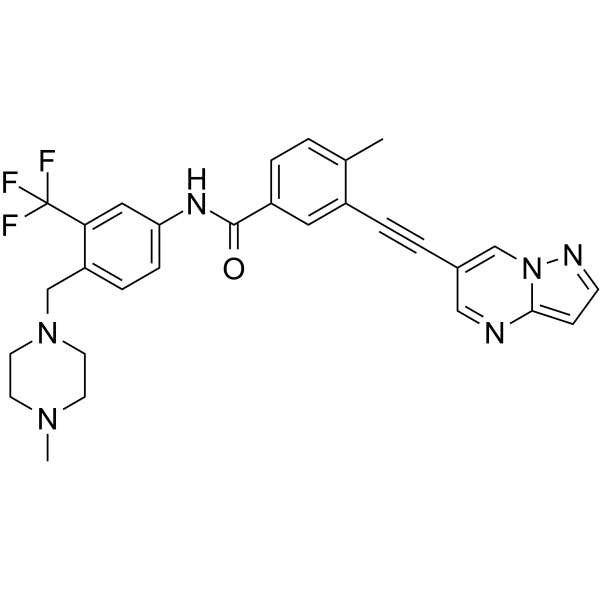
- HY-163332
-
|
|
Glycosidase
Dipeptidyl Peptidase
Glutathione Peroxidase
|
Cardiovascular Disease
|
|
MPO-IN-6 (compound ADC) is an electrophile with good antioxidant and anti-inflammatory properties. MPO-IN-6 is a myeloperoxidase (MPO), dipeptidyl peptidase-4 (DPP-4), and α-glucosidase (α-GD) inhibitor with IC50s of 10 μM, 31.02 μM, and 46.05 μM, respectively. MPO-IN-6 is a potential cardiovascular preventive agent .
|
-
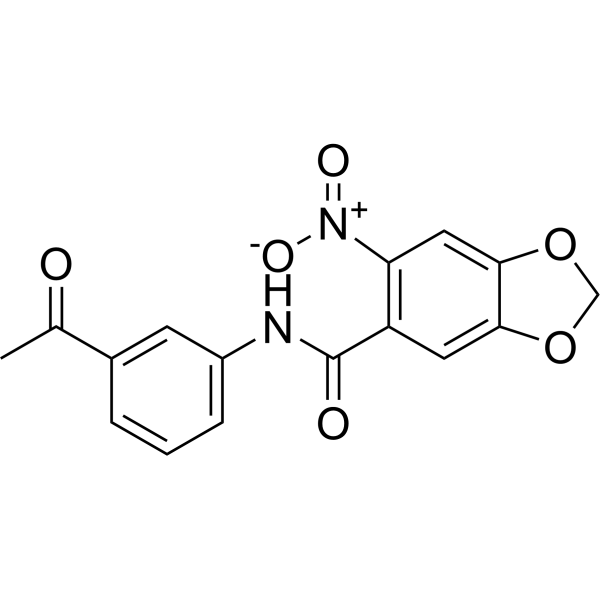
- HY-12753AS
-
|
SR35021-d7 hydrochloride
|
Thyroid Hormone Receptor
Isotope-Labeled Compounds
|
Cardiovascular Disease
|
|
Debutyldronedarone-d7 hydrochloride is deuterated labeled Debutyldronedarone hydrochloride (HY-12753A). Debutyldronedarone (SR35021) hydrochloride, the main metabolite of Dronedarone, is a selective thyroid hormone receptor α1 (TRα1) inhibitor. Debutyldronedarone hydrochloride inhibits T3 binding to TRα1 and TRβ1 by 77% and 25%, respectively. Debutyldronedarone hydrochloride can be used for the research of arrhythmic .
|
-
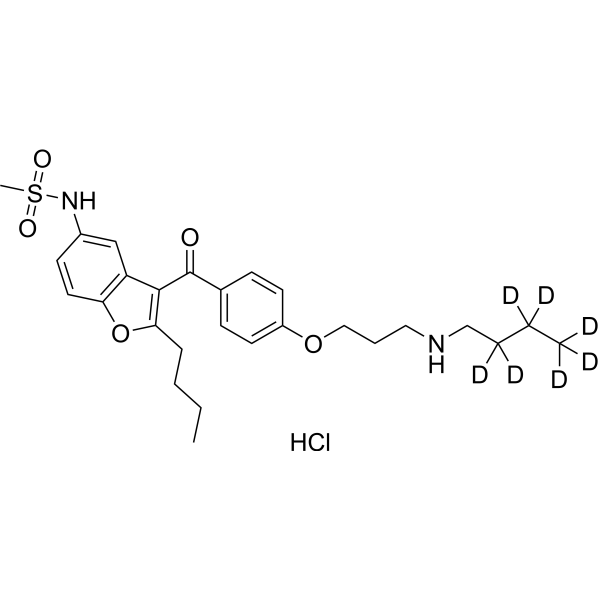
- HY-110261
-
GS143
2 Publications Verification
|
IKK
E1/E2/E3 Enzyme
NF-κB
|
Inflammation/Immunology
|
|
GS143 is a selective IκBα ubiquitination inhibitor with an IC50 of 5.2 μM for SCF βTrCP1-mediated IκBα ubiquitylation. GS143 suppresses NF-κB activation and transcription of target genes and does not inhibit proteasome activity. GS143 has anti-asthma effect .
|
-
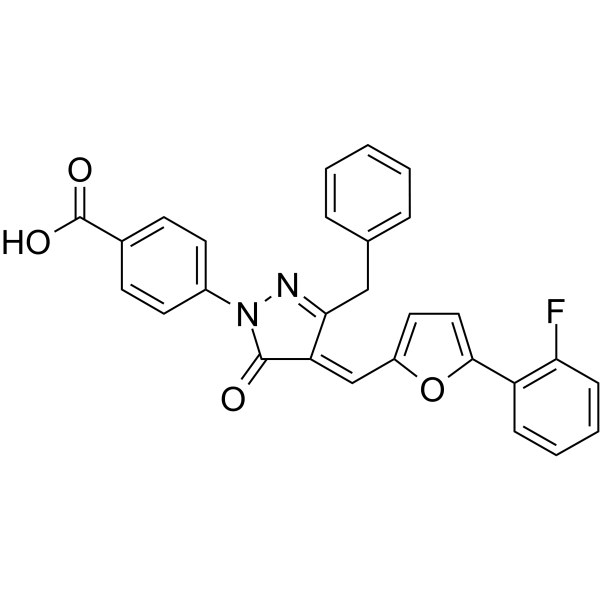
- HY-153685
-
|
|
Topoisomerase
Akt
Apoptosis
|
Cancer
|
|
NISC-6 is a novel dual Topo-IIα/Akt inhibitor. NISC-6 has inhibitory activity against various cells, such as UACC903 (IC50 = 2.5 µM) and CHL-1 (IC50 = 0.8 µM) cells. NISC-6 dose dependently induces early and late apoptosis. NISC-6 can be used for research on melanoma .
|
-

- HY-105291
-
|
|
Glycosidase
Bacterial
|
Infection
Metabolic Disease
|
|
CKD-711 is an orally active aminooligosaccharide α-glucosidase inhibitor with an IC50 of 78 μg/mL. CKD-711 also inhibits porcine intestinal maltase and sucrose with IC50 values of 2.5 and 0.5 μg/mL. CKD-711 shows selective antibacterial activity against Comamonas terrigena. CKD-711 can be used for the researches of infection and metabolic disease, such as diabetes .
|
-

- HY-182579
-
|
|
p38 MAPK
TNF Receptor
Interleukin Related
|
Inflammation/Immunology
|
|
CBS-3408 is an orally active p38α MAPK inhibitor. CBS-3408 inhibits the release of TNFα and IL-1β. CBS-3408 reduces the disease severity of arthritis in mice. CBS-3408 inhibits TNFα release in a rat endotoxemia model. CBS-3408 can be used in studies related to endotoxemia and arthritis .
|
-

- HY-10255R
-
|
SU 11248 Malate (Standard)
|
Reference Standards
PDGFR
VEGFR
IRE1
Mitophagy
Autophagy
Apoptosis
|
Cancer
|
|
Sunitinib (Malate) (Standard) is the analytical standard of Sunitinib (Malate). This product is intended for research and analytical applications. Sunitinib Malate (SU 11248 Malate) is a multi-targeted receptor tyrosine kinase inhibitor with IC50s of 80 nM and 2 nM for VEGFR2 and PDGFRβ, respectively . Sunitinib Malate, an ATP-competitive inhibitor, effectively inhibits autophosphorylation of Ire1α by inhibiting autophosphorylation and consequent RNase activation .
|
-

- HY-N18049
-
|
|
Amylases
|
Metabolic Disease
|
|
Decussatin is an α-Amylases inhibitor isolated from the Tibetan medicinal plant Swertia mussotii. By inhibiting the catalytic activity of α-Amylases, Decussatin reduces the hydrolysis of complex carbohydrates such as starch and the intestinal absorption of glucose, thereby lowering blood glucose levels in the body. Decussatin shows no significant in vitro antibacterial or antifungal activity. Decussatin can be used for the research of type 2 diabetes .
|
-

- HY-12753AR
-
|
SR35021 hydrochloride (Standard)
|
Reference Standards
Thyroid Hormone Receptor
|
Cardiovascular Disease
|
|
Debutyldronedarone (hydrochloride) (Standard) is the analytical standard of Debutyldronedarone (hydrochloride). This product is intended for research and analytical applications. Debutyldronedarone (SR35021) hydrochloride, the main metabolite of Dronedarone, is a selective thyroid hormone receptor α1 (TRα1) inhibitor. Debutyldronedarone hydrochloride inhibits T3 binding to TRα1 and TRβ1 by 77% and 25%, respectively. Debutyldronedarone hydrochloride can be used for the research of arrhythmic .
|
-
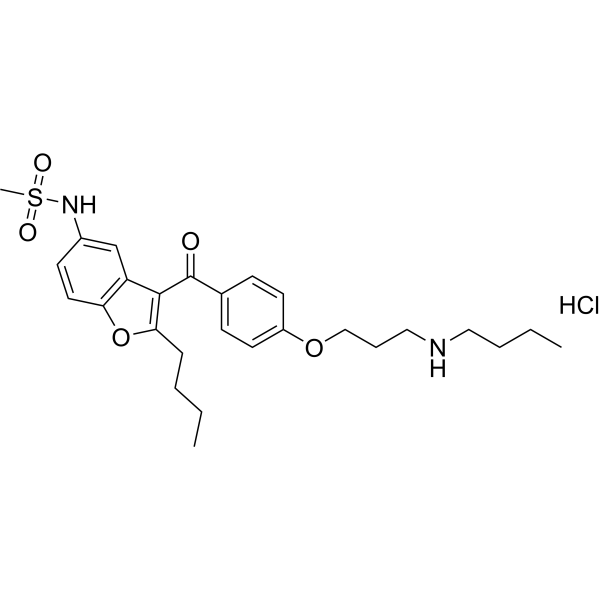
- HY-138678
-
|
|
Ligands for E3 Ligase
|
Cancer
|
|
(R,S,S)-VH032 is Ligand for E3 Ligase used in the synthesis of PROTACs. VH032 is a VHL ligand and VHL/HIF-1α interaction inhibitor that recruits von Hippel-Lindau (VHL) proteins. (R,S,S)-VH032 synthesizes the tau-targeting small molecule PROTAC C004019 (HY-138669) .
|
-
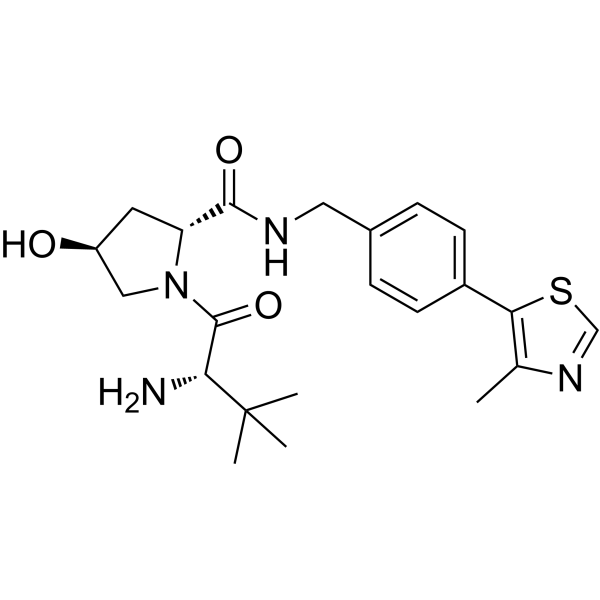
- HY-117822
-
|
|
GSK-3
|
Neurological Disease
Metabolic Disease
Cancer
|
|
BRD0209 is a potent, selective and dual inhibitor of GSK3α/β inhibitor (GSK3α IC50 = 19 nM; GSK3β IC50 = 5 nM). BRD0209 is also a reversible ATP-competitive inhibitor with fast-off kinetics (Ki = 4.2 nM, respectively). BRD0209 is a tricyclic pyrazolotetrahydroquinolinone compound. BRD0209 has the potential for the research of mood disorder diseases .
|
-
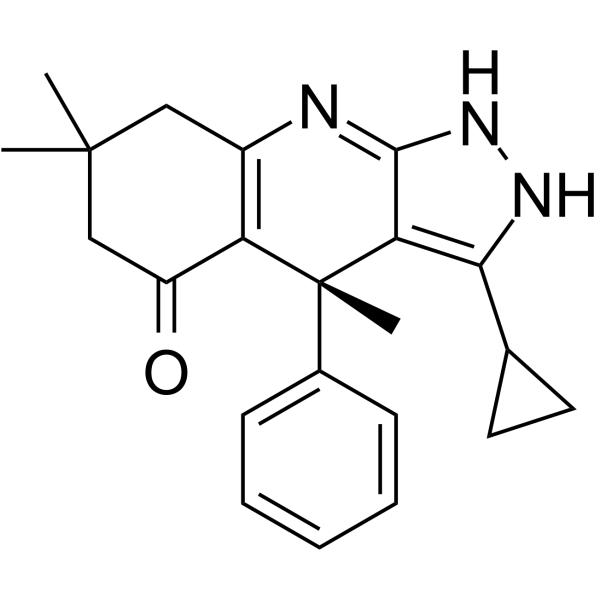
- HY-181091
-
|
|
Glycosidase
|
Metabolic Disease
|
|
α-Glucosidase-IN-109 is an orally active α-glucosidase inhibitor with an IC50 of 0.0136 μM. α-Glucosidase-IN-109 modulates carbohydrate and lipid metabolism, reduces fasting blood glucose levels, alleviates weight loss, and exhibits protective effects on liver and kidney function. α-Glucosidase-IN-109 can be used in research related to type 2 diabetes .
|
-

- HY-13635
-
|
MK-906
|
Environmental Pollutants
5 alpha Reductase
|
Cancer
|
|
Finasteride (MK-906) is an orally active and competitive 5α-reductase inhibitor, with an IC50 of 4.2 nM for type II 5α-reductase. Finasteride has approximately a 100-fold greater affinity for type II 5α-reductase enzyme than for the type I enzyme. Finasteride can be used for the research of benign prostatic hyperplasia (BPH) and androgenic alopecia .
|
-
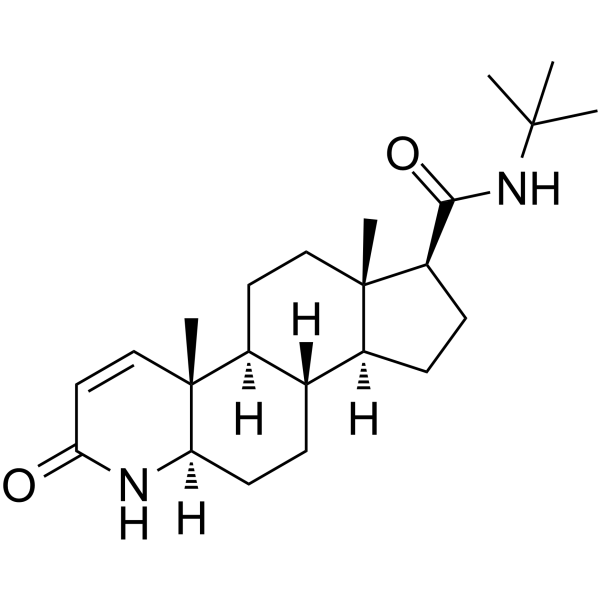
- HY-149341
-
|
|
Glycosidase
|
Metabolic Disease
|
|
α-Glucosidase-IN-28 (Compound 18) is a α-Glucosidase inhibitor (IC50: 0.62 μM, Ki: 3.93 μM). α-Glucosidase-IN-28 binds to α-glucosidase at the original binding site (OBS), and forms multiple hydrophobic interactions with nearby amino acids. α-Glucosidase-IN-28 can be used for research of diabetes and related diseases .
|
-
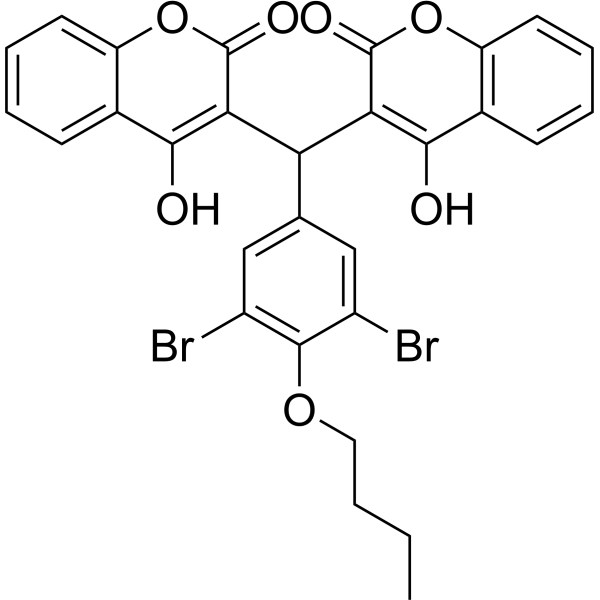
- HY-B0025R
-
|
|
Reference Standards
Glycosidase
|
Metabolic Disease
|
|
Voglibose (Standard) is the analytical standard of Voglibose. This product is intended for research and analytical applications. Voglibose is an orally active alpha-glucosidase inhibitor that prevents the development of colorectal precancerous lesions induced by obesity and diabetes. Voglibose reduces oxidative stress in an inflammatory environment and inhibits the insulin-like growth factor/insulin-like growth factor-1 receptor (IGF/IGF-1R) functional axis[1].
|
-

- HY-181253
-
|
|
Glycosidase
|
Metabolic Disease
|
|
α-Glucosidase-IN-111 (Compound 5d) is an α-glucosidase (α-Glucosidase) inhibitor with a IC50 of 34.99 μg/mL. α-Glucosidase-IN-111 effectively scavenges DPPH free radicals and ABTS free radicals, with IC50 values of 5.33 and 5.84 μg/mL, respectively. α-Glucosidase-IN-111 can be used in the research of type 2 diabetes .
|
-

- HY-123009
-
|
|
HIF/HIF Prolyl-Hydroxylase
Histone Acetyltransferase
|
Cancer
|
|
KCN1 is a p300/HIF-1α interaction inhibitor. KCN1 inhibits HIF transcriptional activity by binding to the CH1 domain of p300 and preventing the p300/HIF-1α assembly. KCN1 exerts antitumor activities through cell cycle arrest .
|
-

- HY-143279
-
|
|
Topoisomerase
Apoptosis
|
Cancer
|
|
Topoisomerase II inhibitor 3 (Compound 6 h ) is a acridone derivatives, as well as a Type II DNA topoisomerase (topo II) inhibitor , as a topo IIα/β inhibitor with the value of IC50 is 0.17 μM for topo IIα and the value of IC50 is 0.23 μM for topo IIβ subtypes, caused obvious DNA damage, and induced apoptosis by triggering the loss of mitochondrial membrane potential .
|
-
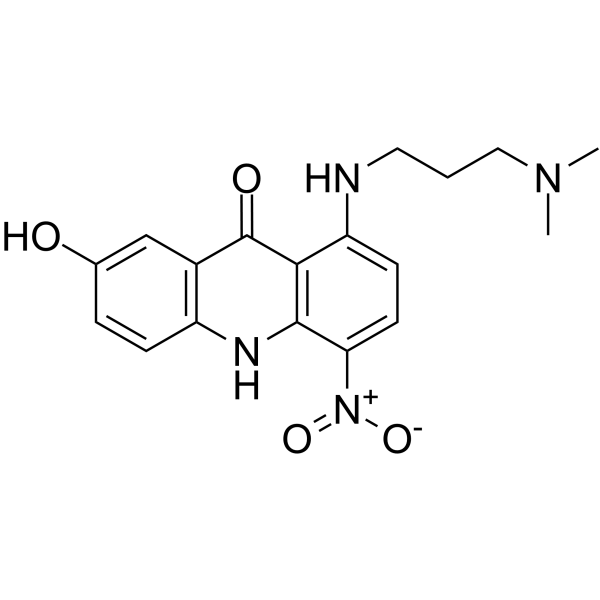
- HY-178920
-
|
|
α-synuclein
|
Neurological Disease
|
|
α-Synuclein-IN-17 (Compound 10) is an α-Synuclein inhibitor, with an IC50 value of 9 μM. α-Synuclein-IN-17 exhibits potent inhibitory activity against both in-vitro assembled asyn fibrils and LBD brain tissue-amplified asyn fibrils. α-Synuclein-IN-17 can be used for the study of Parkinson's disease (PD) and Lewy Body Disease (LBD) .
|
-

- HY-131335
-
|
|
p38 MAPK
|
Inflammation/Immunology
|
|
p38α inhibitor 2 is a highly potent and selective p38α MAPK inhibitor, with a pIC50 of 9.6. p38α inhibitor 2 inhibits the hERG ion channel (IC50=27 μM) and shows a promising selectivity profile when tested in a panel of 51 other protein kinases (<30% inhibition at 10 μM concentration) and a panel of 141 other biological targets .
|
-
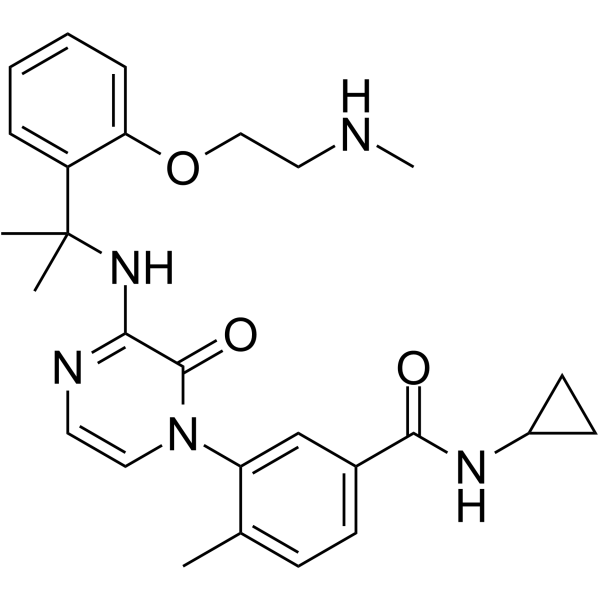
- HY-169165
-
|
|
Fungal
|
Infection
|
|
14α-Demethylase-IN-1 (compound 2e) is a 14α-demethylase inhibitor and can be used as an antifungal agent. 14α-Demethylase-IN-1 (48 h) exhibits MIC50 values of 2.47 μM, 1.23 μM, 19.70 μM, and 19.70 μM for C. albicans, C. parapsilosis, C. krusei, and C. glabrata, respectively .
|
-

- HY-N11844
-
|
|
Amylases
|
Metabolic Disease
|
|
Quercetin 3-(6″-caffeoylsophoroside) is an orally active α-amylase inhibitor, with an IC50 of 73.66 μg/mL. Quercetin 3-(6″-caffeoylsophoroside) presents in thehydro-methanolic extract of Cardamine hirsuta Linn. Quercetin 3-(6″-caffeoylsophoroside) shows the antidiabetic activities by oxidative stress reduction and α-amylase inhibition. Quercetin 3-(6″-caffeoylsophoroside) can be used for diabetes mellitus research .
|
-
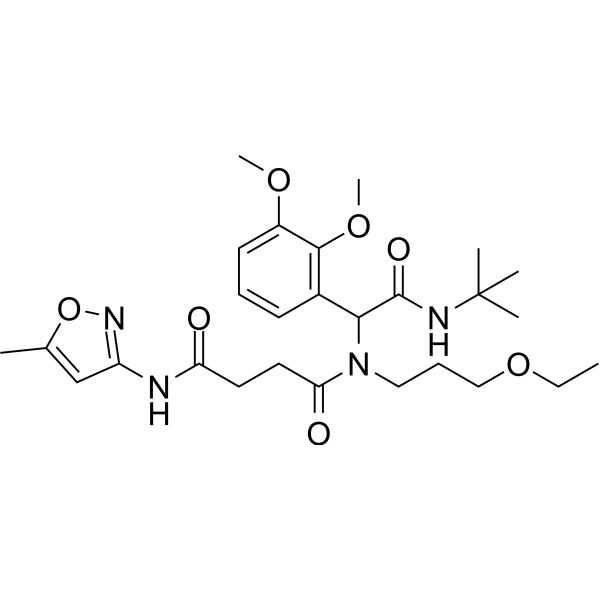
- HY-N6675
-
|
|
Amylases
Glycosidase
|
Inflammation/Immunology
|
|
Gardenia yellow is a competitive inhibitor of α-Amylase (HY-B2193) and α-glucosidase. Gardenia yellow can bind to the catalytic sites of α-Amylase and α-glucosidase, inhibit starch digestion, and significantly increase the contents of resistant starch and slowly digestible starch in starch-based systems. Gardenia yellow reduces the glycemic index and hydrolysis index. Gardenia yellow can be used in diabetes-related research .
|
-

- HY-N17562
-
|
|
NO Synthase
Interleukin Related
IKK
NF-κB
|
Inflammation/Immunology
|
|
Acutissimalignan B is a natural product. Acutissimalignan B can be isolated from Daphne kiusiana var. atrocaulis (Rehd.) F. Maekawa. Acutissimalignan B can reduce the mRNA expression of inflammatory cytokines (iNOS, TNF-α, IL-1β, and IL-6), inhibit the phosphorylation of IκBα, and inhibit the nuclear translocation of NK-κB p65. Acutissimalignan B shows anti-neuroinflammatory effects .
|
-

- HY-163005
-
|
|
Glycosidase
|
Metabolic Disease
|
|
α-Glucosidase-IN-43 (compound AS14) is an α-glucosidase inhibitor (IC50: 4.32 μM) with acute hypoglycemic activity. α-Glucosidase-IN-43 exhibits safety and in vivo efficacy, is nontoxic to normal mouse fibroblasts, and is able to rescue streptozotocin (HY-13753)-induced diabetic rats. α-Glucosidase-IN-43 can be used to study postprandial hyperglycemia in diabetic patients .
|
-
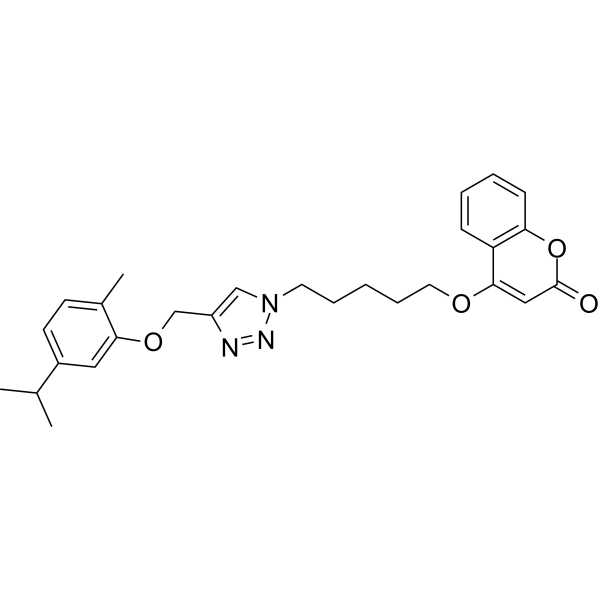
- HY-185344
-
|
TRX01
|
NF-κB
|
Cancer
|
|
Ratutrelvir is a NF-κB p65 inhibitor. Ratutrelvir blocks the translocation of NF-κB p65 from the cytoplasm to the nucleus, reduces the phosphorylation levels of NF-κB p65 and IκBα, and inhibits the DNA-binding activity of NF-κB p65. Ratutrelvir inhibits the migration and invasion abilities of breast cancer cells, and reduces their viability and colony-forming capacity. Ratutrelvir can be used for the research of luminal A breast cancer .
|
-

- HY-179510
-
|
|
Estrogen Receptor/ERR
|
Cancer
|
|
CDD-1274 is an ERα (Estrogen receptor α) variant inhibitor. CDD-1274 induces proteasomal degradation of ERα variants in breast cancer cell lines and causes Y537S ERα degradation. CDD-1274 potently blocks ligand-dependent and ligand-independent ER signaling in endocrine-resistant breast cancer cells. CDD-1274 can be used for the study of breast cancer .
|
-

- HY-182690
-
|
|
HIV
|
Infection
|
|
CK147 is a Sec61α translocase inhibitor that blocks the co-translational translocation of proteins by binding to and inhibiting the Sec61 protein translocation channel on the endoplasmic reticulum membrane. CK147 exhibits potent CD4 downregulation activity with an IC50 of 0.04 µM. CK147 prevents HIV entry into host cells and shows significant cytotoxicity. CK147 can be used in studies related to HIV infection .
|
-

- HY-W749516
-
|
|
Isotope-Labeled Compounds
Glycosidase
|
Metabolic Disease
|
|
Voglibose- 13C3 is the 13C-labeled Voglibose (HY-B0025). Voglibose is an orally active alpha-glucosidase inhibitor that prevents the development of colorectal precancerous lesions induced by obesity and diabetes. Voglibose reduces oxidative stress in an inflammatory environment and inhibits the insulin-like growth factor/insulin-like growth factor-1 receptor (IGF/IGF-1R) functional axis.
|
-

- HY-N11728
-
|
|
Amylases
Glycosidase
|
Metabolic Disease
|
|
2,7"-Phloroglucinol-6,6'-bieckol is an orally active dual α-amylase/α-glucosidase inhibitor with IC50 values of 6.94 μM and 23.35 μM respectively. 2,7"-Phloroglucinol-6, 6'-bieckol alleviates postprandial hyperglycemia in diabetic mice. 2,7"-Phloroglucinol-6,6'-bieckol can be used in diabetes research .
|
-
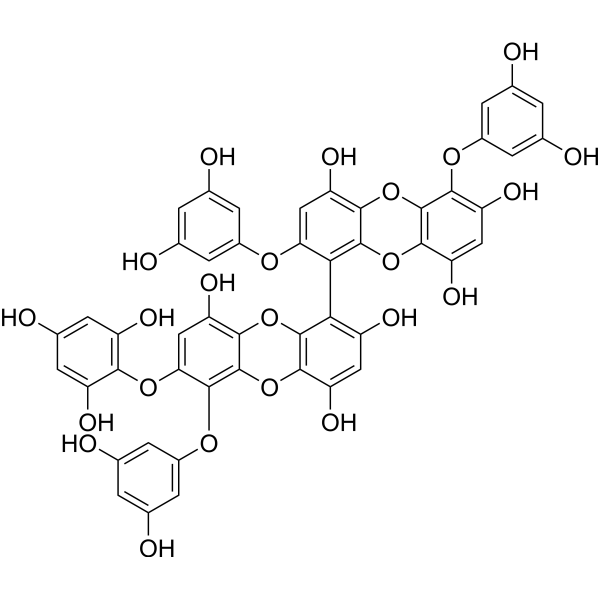
- HY-P10869
-
dCNP
1 Publications Verification
|
Natriuretic Peptide Receptor (NPR)
|
Inflammation/Immunology
Cancer
|
|
dCNP binds to NPR-B/C receptor, activates cGMP signaling pathway, and regulates vascular function. dCNP exhibits anti-hypoxia property through downregulation of hypoxia-related genes expressions like HIF1α and HIF2α. dCNP inhibits the induction of tumor stroma and exhibits anti-fibrosis activity. dCNP upregulates CTLs, NK cells, and conventional type 1 dendritic cells in tumors, and activates immune responses .
|
-

- HY-180961
-
|
|
PROTACs
Estrogen Receptor/ERR
|
Cancer
|
|
His-TERRα is a ERRα PROTAC degrader. His-TERRα uses a single amino acid (His) as the E3 ligand and employs the N-end rule pathway to induce the degradation of the target protein, significantly reducing the molecular size, and thus is called a mini-PROTAC. His-TERRα significantly inhibits the proliferation and migration of MCF7 breast cancer cells. His-TERRα can be used for the study of breast cancer .
|
-

- HY-182460
-
|
|
Glycosidase
|
Metabolic Disease
Cancer
|
|
Gambogin is an α-glucosidase inhibitor, found in the resin and dry latex of Garcinia hanburyi. Gambogin exists as an inseparable diastereomeric pair of C-2 epimers (8a and 8b), with 8a having an α-glucosidase inhibitory IC50 of 209.2 μM and 8b showing α-glucosidase inhibitory IC50 > 300 μM. Gambogin can be used for the research of type 2 diabetes and cervical cancer .
|
-

- HY-181345
-
|
|
Estrogen Receptor/ERR
|
Cancer
|
|
OP-1690 is a complete estrogen receptor (ERα) antagonist (CERAN), with pIC50 values of 7.5 and 7.9 in alkaline phosphatase (AP) activity assay and TR-FRET assay, respectively. OP-1690 modulates receptor function by inducing ERα tetramerization, effectively induces ERα degradation, inhibits target gene transcription, but exhibits low antiproliferative potency. OP-1690 can be used for breast cancer research .
|
-

- HY-159644
-
|
AB521
|
HIF/HIF Prolyl-Hydroxylase
VEGFR
|
Cancer
|
|
Casdatifan (AB521) is an orally active and selective allosteric small-molecule inhibitor of hypoxia-inducible factor 2α (HIF-2α). Casdatifan inhibits pro-tumor gene transcription by blocking the heterodimerization of HIF-2α with ARNT, and significantly suppresses tumor growth in clear cell renal cell carcinoma (ccRCC) models either as a monotherapy or in combination with agents such as Zimberelimab (HY-P99109). Casdatifan is applicable for the research of ccRCC .
|
-

- HY-172757
-
|
|
Glycosidase
|
Metabolic Disease
|
|
α-Glucosidase-IN-88 (Compound 3K) is an orally active and potent α-glucosidase inhibitor with an IC50 value of 6.40 µM. α-Glucosidase-IN-88 inhibits carbohydrate hydrolysis by blocking the enzyme's ability to break down glycosidic bonds, thereby reducing postprandial blood glucose levels. α-Glucosidase-IN-88 is promising for research of type 2 diabetes mellitus (T2DM) .
|
-

- HY-W009417R
-
|
|
Reference Standards
Glycosidase
Environmental Pollutants
|
Metabolic Disease
|
|
Cedryl acetate (Standard) is the analytical standard of Cedryl acetate. This product is intended for research and analytical applications. Cedryl acetate is an orally active α-glucosidase inhibitor with an IC50 of 94 μM against yeast α-glucosidase. Cedryl acetate reduces high-fat diet-induced body weight gain, visceral fat pad weight, adipocyte hypertrophy, hepatic lipid accumulation, glucose intolerance, insulin resistance and gluconeogenesis. Cedryl acetate can be used in the research of obesity and obesity-related metabolic syndrome .
|
-

- HY-B1734
-
|
16-DPA
|
FXR
5 alpha Reductase
Cytochrome P450
Drug Intermediate
|
Cardiovascular Disease
Cancer
|
|
16-Dehydropregnenolone acetate (16-DPA), a sterols compound, is an orally active 17α-hydroxylase and 5α-reductase inhibitor. 16-Dehydropregnenolone is also a potent bile acid receptor (BAR)/farnesoid X receptor (FXR) antagonist. 16-Dehydropregnenolone hypolipidemic and anticancer effects. 16-Dehydropregnenolone acetate (16-DPA) is the drug intermediate that can be used for synthesis of Dexamethasone (HY-14648) and related other steroidal pharmacophores .
|
-

- HY-N17717
-
|
Flavosativaside
|
Glycosidase
|
Metabolic Disease
|
|
Vitexin-2''-O-glucoside (Flavosativaside) is a potent and selective alpha-glucosidase inhibitor found in hawthorn leaf flavonoids. Vitexin-2''-O-glucoside can reversibly inhibit the α-glucosidase activity on the brush border of the small intestine, and its inhibitory effect is superior to that of the Acarbose (HY-B0089). Vitexin-2''-O-glucoside can be used for the research of type 2 diabetes .
|
-

- HY-156078
-
|
|
Glycosidase
|
Metabolic Disease
|
|
α-Glucosidase-IN-32 (compound f26) is a reversible, noncompetitive and orally active α-glucosidase inhibitor with an IC50 value of 3.07 μM. α-Glucosidase-IN-32 complex with α-glucosidase through hydrogen bonds and hydrophobic interactions, led to changes in the conformation and secondary strictures of α-glucosidase and further the inhibition of the enzymatic activity. α-Glucosidase-IN-32 can be used for diabetic disease research .
|
-
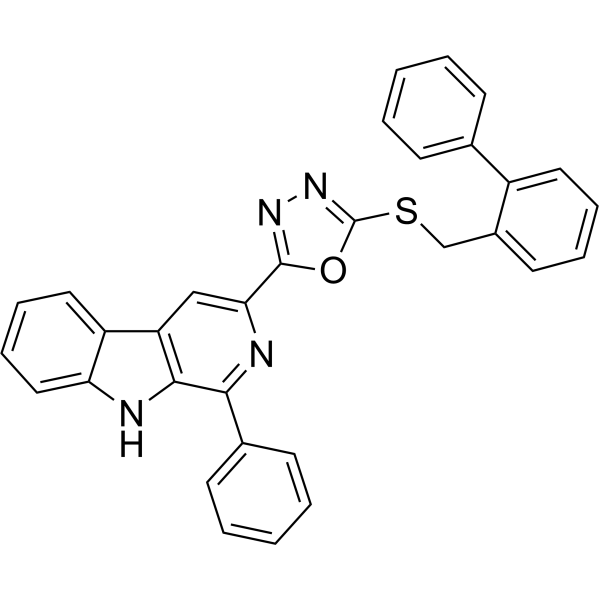
- HY-13635S
-
|
MK-906-d9
|
Isotope-Labeled Compounds
5 alpha Reductase
|
Cancer
|
|
Finasteride-d9 is deuterium labeled Finasteride. Finasteride (MK-906) is a potent and competitive 5α-reductase inhibitor, with an IC50 of 4.2 nM for type II 5α-reductase. Finasteride has approximately a 100-fold greater affinity for type II 5α-reductase enzyme than for the type I enzyme. Finasteride can be used for the research of benign prostatic hyperplasia (BPH) and androgenic alopecia .
|
-
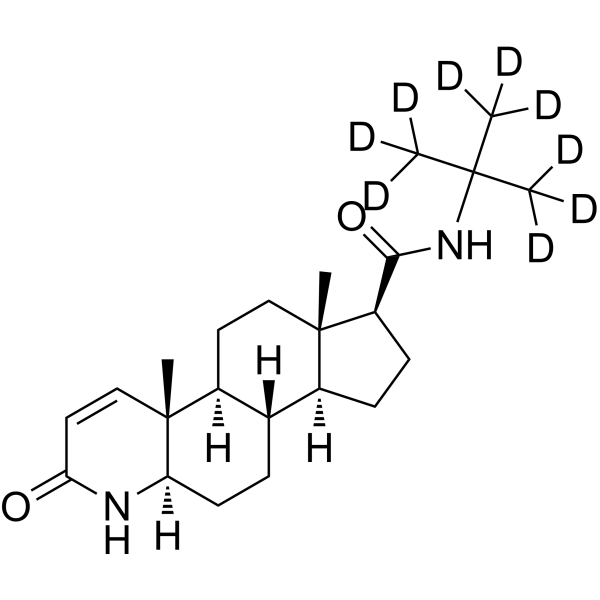
- HY-128754
-
|
|
Environmental Pollutants
Endogenous Metabolite
NO Synthase
Interleukin Related
TNF Receptor
|
Inflammation/Immunology
|
|
Monoolein is a biocompatible lipid molecule that can be used as a carrier for bone repair. Monoolein exhibits anti-inflammatory activity by inhibiting the immune response induced by LPS (HY-D1056). It exerts its anti-inflammatory effects by reducing the production of immune response factors such as IL-12 p40, IL-6, and TNF-α, and inhibiting the generation of NO. Monoolein can be used in drug delivery and research in the field of inflammatory diseases .
|
-
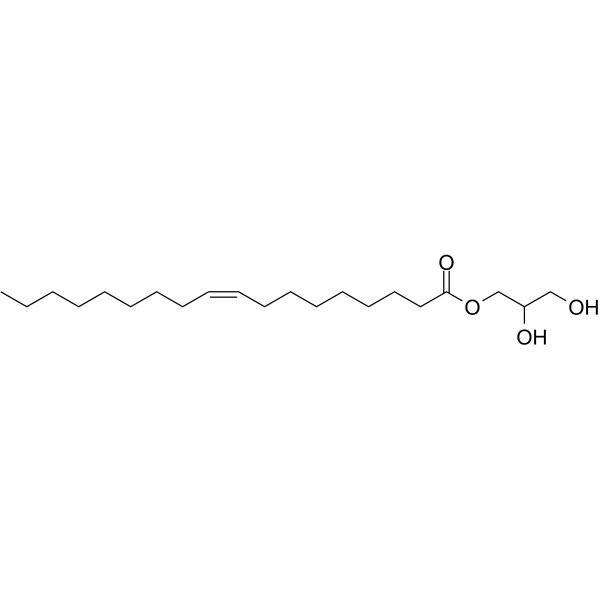
- HY-173130
-
|
|
Glycosidase
|
Metabolic Disease
Inflammation/Immunology
|
|
α-Glucosidase-IN-86 (Compound A4) is an orally active α-glucosidase inhibitor with an IC50 of 2.72 μM. α-Glucosidase-IN-86 has high safety in mice. α-Glucosidase-IN-86 can reduce fasting blood glucose levels, improve glucose tolerance, regulate blood lipids, and has antioxidant effects in diabetic mice. α-Glucosidase-IN-86 can be used for the research of diabetes .
|
-

- HY-179698
-
|
|
Glycosidase
Amylases
|
Metabolic Disease
|
|
α-Glucosidase-IN-105 is a selective and potent α-Glucosidase inhibitor with an IC50 of 31.36 μM. α-Glucosidase-IN-105 also inhibits α-Amylase (IC50 = 104.2 μM). α-Glucosidase-IN-105 exhibits inhibitory effects comparable to the standard drug \rAcarbose (HY-B0089). α-Glucosidase-IN-105 can be used for the research of type 2 diabetes .
|
-

- HY-B0512
-
|
RP2632
|
Antibiotic
Bacterial
α-synuclein
|
Infection
Neurological Disease
|
|
Sulfamerazine (RP2632) is a brain-penetrant and orally active sulfonamide antibiotic and α-synuclein inhibitor with human α-synuclein KD of 352 μM. Sulfamerazine inhibits the synthesis of dihydrofolate by bacteria, thereby inhibiting bacterial growth. Sulfamerazine inhibits α-synuclein fibrillation, reduces α-synuclein aggregation-associated toxicity and α-synuclein aggregate accumulation. Sulfamerazine can be used for the research of Parkinson’s disease and bacterial infection .
|
-
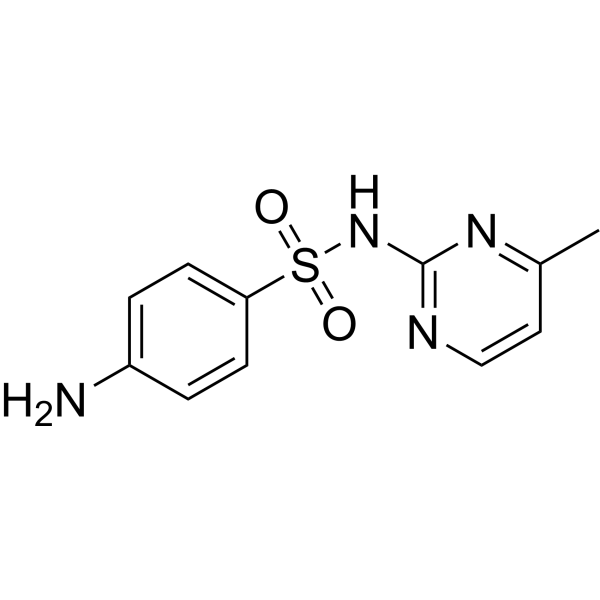
- HY-13635R
-
|
MK-906 (Standard)
|
Reference Standards
5 alpha Reductase
|
Cancer
|
|
Finasteride (Standard) is the analytical standard of Finasteride. This product is intended for research and analytical applications. Finasteride (MK-906) is a potent and competitive 5α-reductase inhibitor, with an IC50 of 4.2 nM for type II 5α-reductase. Finasteride has approximately a 100-fold greater affinity for type II 5α-reductase enzyme than for the type I enzyme. Finasteride can be used for the research of benign prostatic hyperplasia (BPH) and androgenic alopecia .
|
-
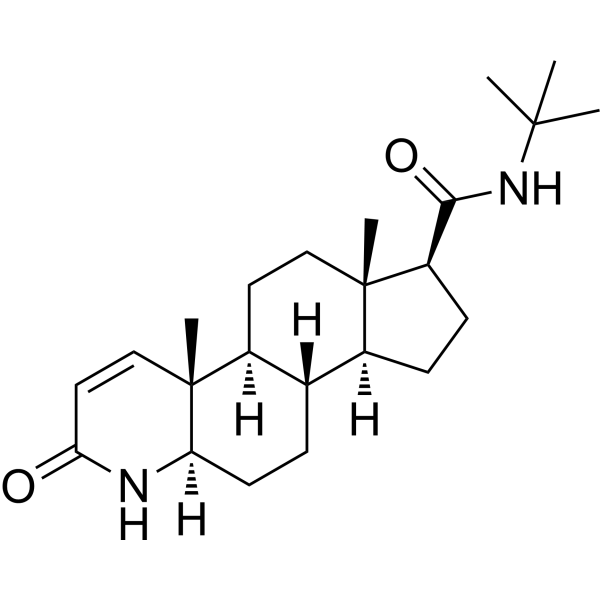
- HY-178935
-
|
|
Amylases
Reactive Oxygen Species (ROS)
|
Metabolic Disease
Inflammation/Immunology
|
|
α-Amylase-IN-14, a derivative of Nicotinic (HY-B0143), is an α-amylase inhibitor and has good interactions with α-amylase protein (-5.55 kcal/mol). α-Amylase-IN-14 is a dual anti-inflammatory and anti-hyperglycemic agent. α-Amylase-IN-14 exhibits good results against DPPH and ABTS radicals. α-Amylase-IN-14 can be used for the study of diabetes .
|
-

- HY-N0777
-
|
|
Others
PERK
ERK
Akt
PI3K
Lipase
|
Metabolic Disease
|
|
Isorhamnetin-3-O-glucoside is an orally active natural compound. Isorhamnetin 3-O-glucoside increases P-ERK, ERK, P-Akt (Ser473), P-PI3K, and PDX-1. Isorhamnetin 3-O-glucoside downregulates C/EBPα and inhibits lipase. Isorhamnetin 3-O-glucoside reduces lipids and inhibits obesity .
|
-
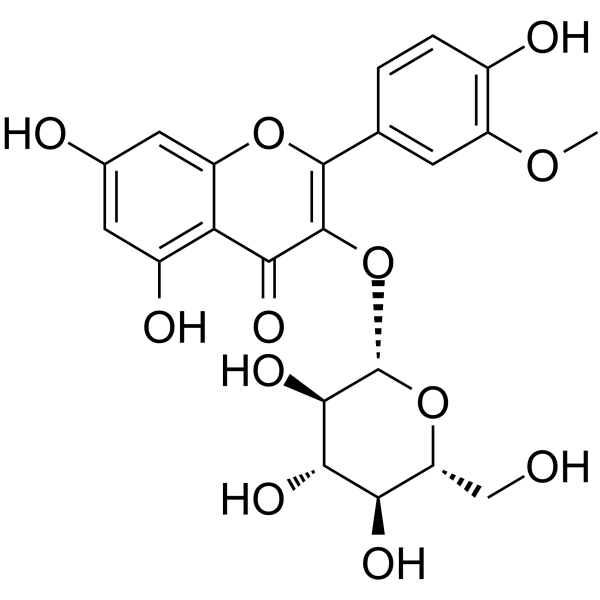
- HY-N3027
-
|
|
PPAR
Reactive Oxygen Species (ROS)
|
Metabolic Disease
|
|
Soyasaponin Aa is a soyasaponin that can be found in soy. Soyasaponin Aa suppresses PPARγ transcriptional activity, reduces PPARγ and C/EBPα expression, inhibits adipocyte differentiation and lipid accumulation, and reduces adipogenic marker gene expression. Soyasaponin Aa reduces hydrogen peroxide-induced reactive oxygen species (ROS) production and malondialdehyde levels. Soyasaponin Aa exhibits cellular antioxidant activity. Soyasaponin Aa can be used for the research of obesity .
|
-
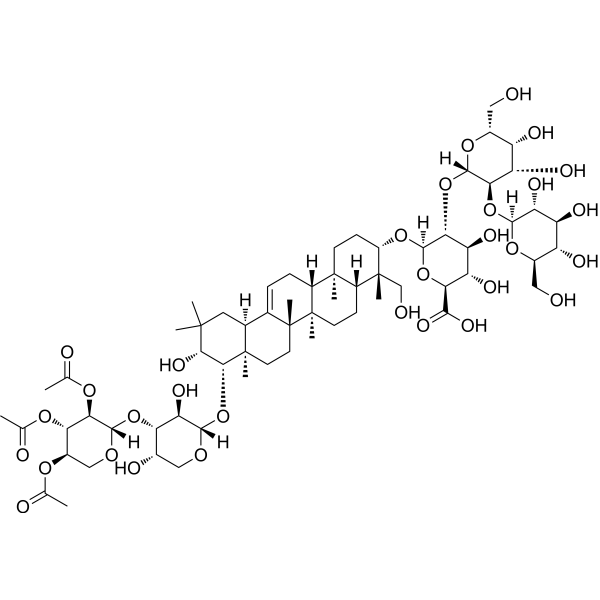
- HY-B0512A
-
|
RP2632 sodium
|
Antibiotic
Bacterial
α-synuclein
|
Infection
Neurological Disease
|
|
Sulfamerazine (RP2632) sodium is a brain-penetrant and orally active sulfonamide antibiotic and α-synuclein inhibitor with human α-synuclein KD of 352 μM. Sulfamerazine sodium inhibits the synthesis of dihydrofolate by bacteria, thereby inhibiting bacterial growth. Sulfamerazine sodium inhibits α-synuclein fibrillation, reduces α-synuclein aggregation-associated toxicity and α-synuclein aggregate accumulation. Sulfamerazine sodium can be used for the research of Parkinson’s disease and bacterial infection .
|
-
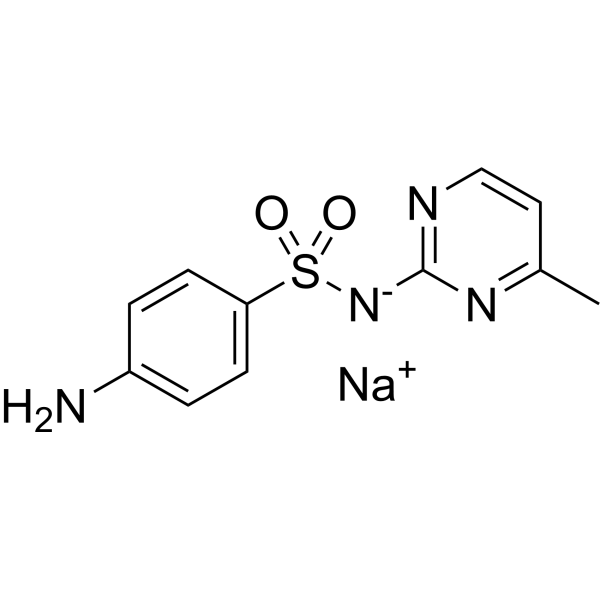
- HY-168495
-
|
|
Amylases
Glycosidase
|
Metabolic Disease
|
|
α-Amylase-IN-12 (Compound 5e) is an α-amylase inhibitor (IC50: 0.15 mM) with a mixed inhibition. α-Amylase-IN-12 has an IC50 of 9.40 mM against α-glucosidase. α-Amylase-IN-12 promotes glucose uptake in yeast cells and exhibits significant antiglycation activity at high concentrations. α-Amylase-IN-12 can be used for the research of diabetes .
|
-

- HY-128754R
-
|
|
Reference Standards
Endogenous Metabolite
Interleukin Related
TNF Receptor
NO Synthase
|
Inflammation/Immunology
|
|
Monoolein is a biocompatible lipid molecule that can be used as a carrier for bone repair. Monoolein exhibits anti-inflammatory activity by inhibiting the immune response induced by LPS (HY-D1056). It exerts its anti-inflammatory effects by reducing the production of immune response factors such as IL-12 p40, IL-6, and TNF-α, and inhibiting the generation of NO. Monoolein can be used in drug delivery and research in the field of inflammatory diseases .
|
-

- HY-181353
-
|
|
Glycosidase
|
Metabolic Disease
Cancer
|
|
α-Glucosidase-IN-112 is an α-glucosidase inhibitor with an IC50 of 2.03 μM and a Ki of 0.44 μM. α-Glucosidase-IN-112 exerts antioxidant effects by scavenging ABTS + free radicals. α-Glucosidase-IN-112 exerts antiproliferative effects by inhibiting the proliferation of bladder cancer cells. α-Glucosidase-IN-112 can be used in research related to type 2 diabetes and bladder cancer .
|
-

- HY-10182B
-
|
CHIR-99021 trihydrochloride; CT99021 trihydrochloride
|
Organoid
GSK-3
Wnt
β-catenin
Autophagy
|
Cancer
|
|
Laduviglusib (CHIR-99021) trihydrochloride is a potent and selective GSK-3α/β inhibitor with IC50s of 10 nM and 6.7 nM. Laduviglusib trihydrochloride shows >500-fold selectivity for GSK-3 over CDC2, ERK2 and other protein kinases. Laduviglusib trihydrochloride is also a potent Wnt/β-catenin signaling pathway activator. Laduviglusib trihydrochloride enhances mouse and human embryonic stem cells self-renewal. Laduviglusib trihydrochloride induces autophagy .
|
-
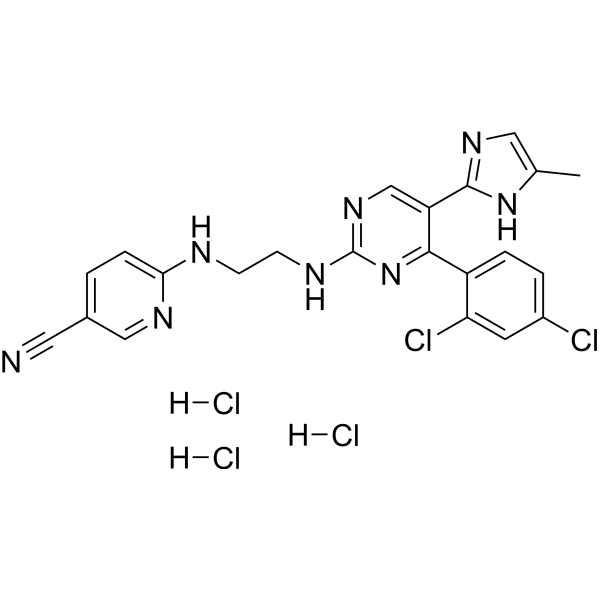
- HY-114903
-
|
GSK-3 Inhibitor X
|
GSK-3
CDK
|
Neurological Disease
Metabolic Disease
Cancer
|
|
(E/Z)-BIO-acetoxime (GSK-3 Inhibitor X) is a potent and selective GSK-3α/β inhibitor, with an IC50 of 10 nM. (E/Z)-BIO-acetoxime shows more than 200-flod selectivity over CDK5/p25, CDK2/cyclin A and CDK1/cyclin B (IC50=2.4, 4.3, 63 μM) .
|
-
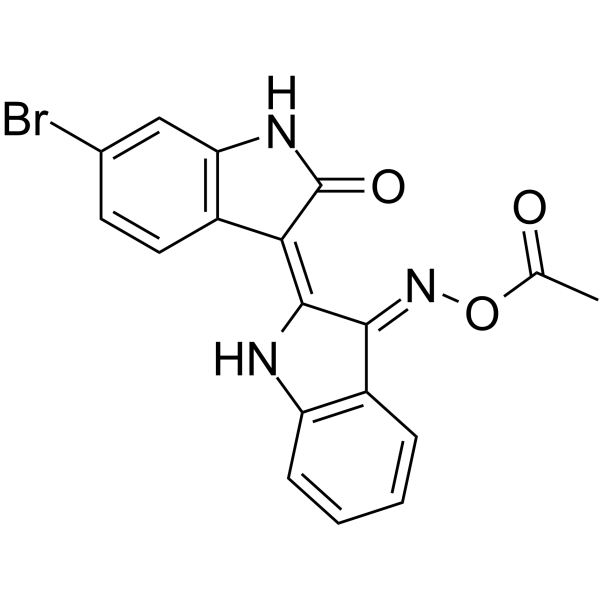
- HY-N17855
-
|
|
Glycosidase
Reactive Oxygen Species (ROS)
|
Metabolic Disease
|
|
Guavinoside B is an orally active α-glucosidase inhibitor with an IC50 of 0.21 mM. Guavinoside B upregulates the expressions of Nrf2, GCLC and NQO1 induced by Acetaminophen (HY-66005), downregulates the expression of p-JNK, and reduces intracellular ROS levels. Guavinoside B decreases serum TNF-α levels induced by Acetaminophen, alleviates hepatocellular infiltration and necrosis, and improves liver-related biochemical parameters. Guavinoside B is applicable to the research of diabetes and Acetaminophen-induced liver injury .
|
-

- HY-13281
-
|
|
DNA-PK
PI3K
Apoptosis
|
Cancer
|
|
PIK-75 hydrochloride is a reversible DNA-PK and p110α-selective inhibitor, which inhibits DNA-PK, p110α and p110γ with IC50s of 2, 5.8 and 76 nM, respectively. PIK-75 hydrochloride inhibits p110α >200-fold more potently than p110β (IC50=1.3 μM) . PIK-75 hydrochloride induces apoptosis .
|
-
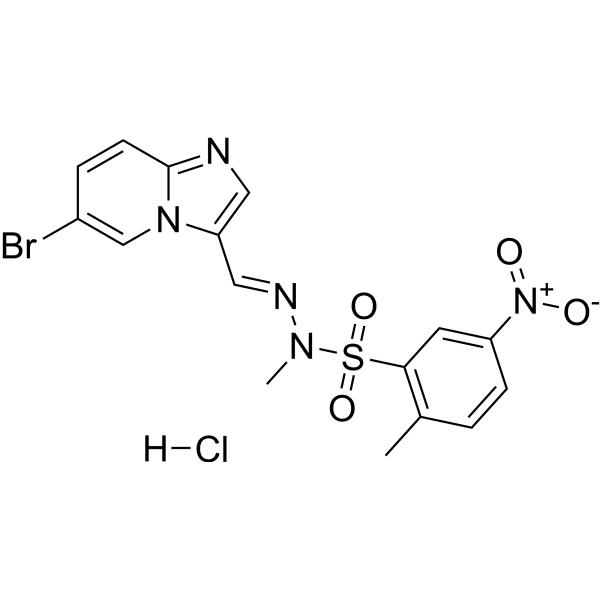
- HY-P992021
-
|
|
Transmembrane Glycoprotein
|
Cancer
|
|
WM-A1-3389 is an anti-human IGSF1monoclonal antibody and tumor growth inhibitor. WM-A1-3389 specifically binds to the C-terminus of IGSF1, increases secretion of Granzyme B, IFN?γ, and TNF?α, and inhibits growth of colon cancer or biliary tract cancer in xenogeneic or allogeneic mouse implantation models. WM-A1-3389 can be used for the research of colon cancer, biliary tract cancer, and head and neck cancer .
|
-

- HY-10182
-
Laduviglusib
Maximum Cited Publications
295 Publications Verification
CHIR-99021; CT99021
|
Organoid
GSK-3
Wnt
β-catenin
Autophagy
|
Metabolic Disease
Cancer
|
|
Laduviglusib (CHIR-99021) is a potent, selective and orally active GSK-3α/β inhibitor with IC50s of 10 nM and 6.7 nM. Laduviglusib shows >500-fold selectivity for GSK-3 over CDC2, ERK2 and other protein kinases. Laduviglusib is also a potent Wnt/β-catenin signaling pathway activator. Laduviglusib enhances mouse and human embryonic stem cells self-renewal. Laduviglusib induces autophagy .
|
-
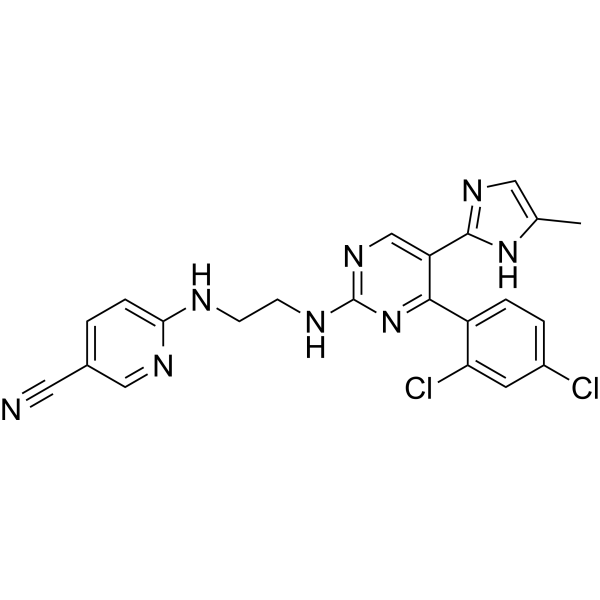
- HY-119948
-
|
|
Cyclin G-associated Kinase (GAK)
MDM-2/p53
|
Cancer
|
AKCI is a type of AURKC-IκBα interaction inhibitor, with an IC50 value of 24.9 μM. In MDA-MB-231 cells, AKCI can induce G2/M cell cycle arrest by regulating the p53/p21/CDC2/cyclin B1 pathway, inhibit cell migration and invasion, and reduce colony formation and tumor growth. AKCI can be used for research on breast cancer .
|
-

- HY-107834
-
PIK-75
5 Publications Verification
|
DNA-PK
PI3K
Apoptosis
|
Cancer
|
|
PIK-75 is a reversible DNA-PK and p110α-selective inhibitor, which inhibits DNA-PK, p110α and p110γ with IC50s of 2, 5.8 and 76 nM, respectively. PIK-75 inhibits p110α >200-fold more potently than p110β (IC50=1.3 μM) . PIK-75 induces apoptosis .
|
-
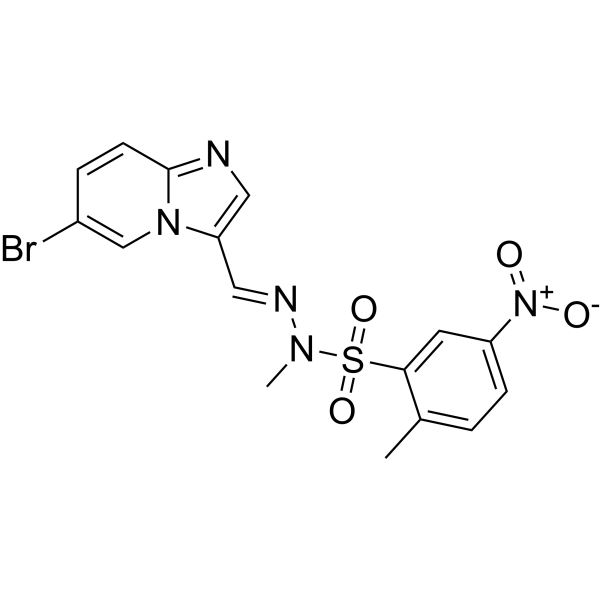
- HY-Y0598R
-
|
|
Fatty Acid Synthase (FASN)
Reference Standards
Apoptosis
Fungal
|
Inflammation/Immunology
Cancer
|
|
trans-Chalcone (Standard) is the analytical standard of trans-Chalcone (HY-Y0598). This product is intended for research and analytical applications. trans-Chalcone, isolated from Aronia melanocarpa skin, is a biphenolic core structure of flavonoids precursor. trans-Chalcone is a potent fatty acid synthase (FAS) and α-amylase inhibitor. trans-Chalcone causes cellcycle arrest and induces apoptosis in the breastcancer cell line MCF-7. trans-Chalcone has antifungal and anticancer activity .
|
-

- HY-170796
-
|
|
Amylases
|
Metabolic Disease
|
|
α-Amylase-IN-11 (compound C5f) is an α-Amylase inhibitor (IC50=0.56 μM) that can reduce the sugar level in vivo. α-Amylase-IN-11 has a moderate inhibitory effect on α-glucosidase (α-glucosidase), with IC50=11.03 μM. α-Amylase-IN-11 can significantly reduce the glucose concentration in a mouse model and has the potential for use in diabetes research .
|
-

- HY-N1470
-
|
|
Glycosidase
|
Metabolic Disease
|
|
Plantagoside is a flavanone glucoside found in Plantago asiatica seeds, acting as a specific non-competitive α-mannosidase inhibitor with IC50 values of 5 μM and a Ki of 2.7 μM (jack bean). Plantagoside suppresses antibody response and Concanavalin A (HY-P2149)-induced lymphocyte proliferation in mouse spleen cells. Plantagoside inhibits the Maillard reaction, advanced glycation end product formation, and glycation-dependent protein-protein cross-link formation. Plantagoside can be used for the research of diabetes .
|
-
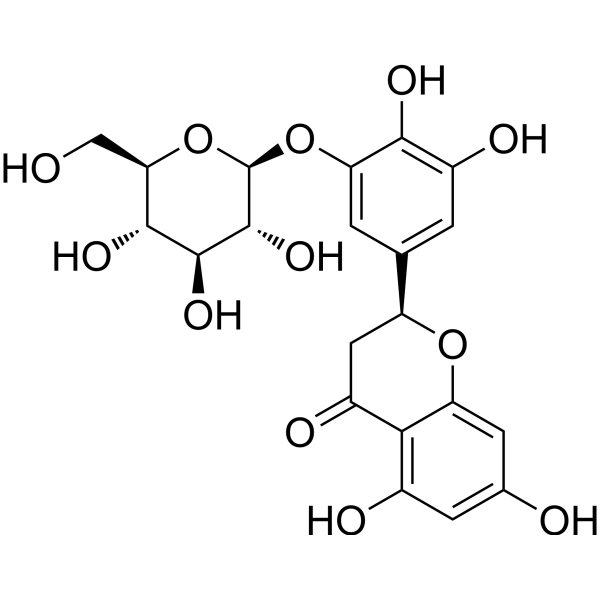
- HY-122292
-
|
|
Antibiotic
Bacterial
|
Infection
Inflammation/Immunology
|
|
Celastramycin A is an antibiotic isolated from Streptomyces MaB-QuH-8, which exhibits antimicrobial activity against series of gram-negative bacteria and mycobacteria, with MICs between 0.05-3.1 μg/ml . Celastramycin A exhibits immunosuppressing efficacy in ex vivo Drosophila through immune deficiency pathway (IC50 of 0.008 μg/ml), inhibits the immunoresponse in human innate immunity through TNF-α signaling, inhibits IL-8 production in HUEVCs with IC50 of 0.06 μg/ml .
|
-
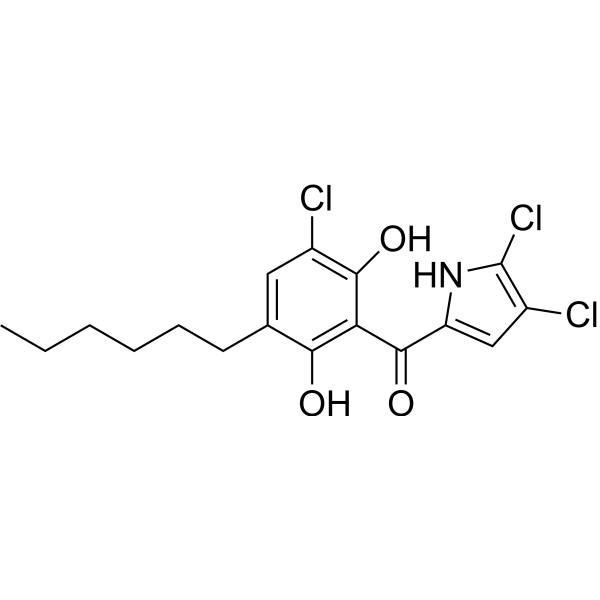
- HY-10182C
-
|
CHIR-99021 dihydrochloride; CT99021 dihydrochloride
|
GSK-3
β-catenin
Wnt
Autophagy
Organoid
|
Neurological Disease
Metabolic Disease
Inflammation/Immunology
Cancer
|
|
Laduviglusib dihydrochloride (CHIR-99021 dihydrochloride; CT99021 dihydrochloride) is a potent, selective and orally active GSK-3α/β inhibitor with IC50s of 10 nM and 6.7 nM. Laduviglusib dihydrochloride shows >500-fold selectivity for GSK-3 over CDC2, ERK2 and other protein kinases. Laduviglusib dihydrochloride is also a potent Wnt/β-catenin signaling pathway activator. Laduviglusib dihydrochloride enhances mouse and human embryonic stem cells self-renewal. Laduviglusib dihydrochloride induces autophagy .
|
-
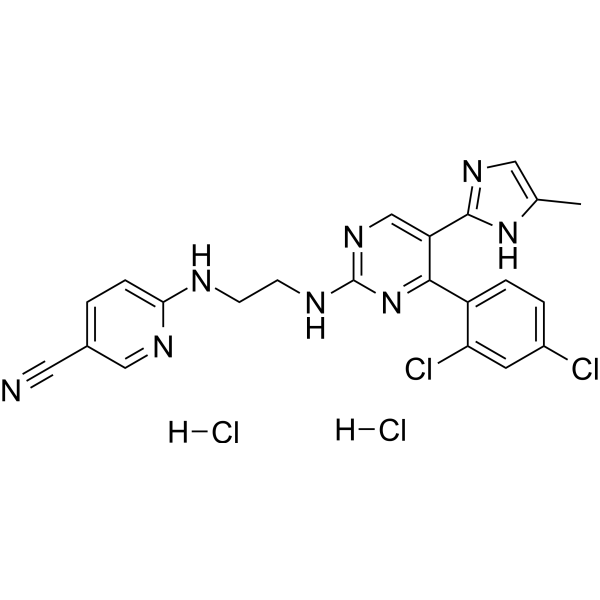
- HY-10182A
-
|
CHIR-99021 monohydrochloride; CT99021 monohydrochloride
|
Organoid
GSK-3
Wnt
β-catenin
Autophagy
|
Cancer
|
|
Laduviglusib (CHIR-99021) monohydrochloride is a potent and selective GSK-3α/β inhibitor with IC50s of 10 nM and 6.7 nM. Laduviglusib monohydrochloride shows >500-fold selectivity for GSK-3 over CDC2, ERK2 and other protein kinases. Laduviglusib monohydrochloride is also a potent Wnt/β-catenin signaling pathway activator. Laduviglusib monohydrochloride enhances mouse and human embryonic stem cells self-renewal. Laduviglusib monohydrochloride induces autophagy .
|
-
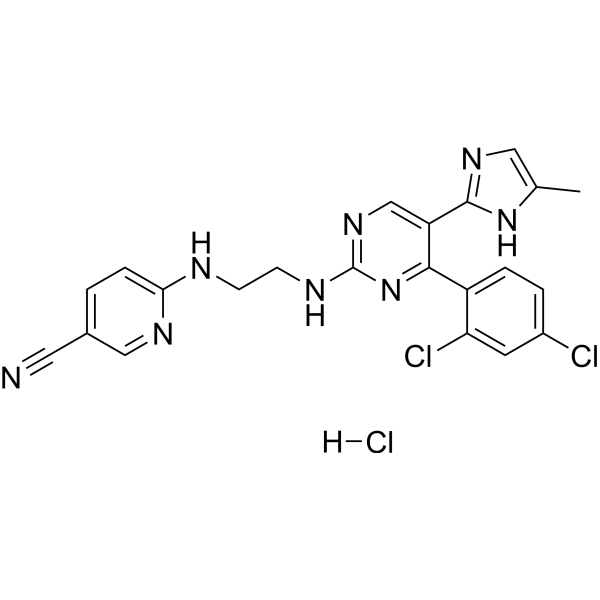
- HY-N11908
-
|
cis-α-Santalol
|
Akt
Survivin
Apoptosis
Caspase
PARP
|
Metabolic Disease
Cancer
|
|
α-Santalol (cis-α-Santalol), a naturally occurring sesquiterpene, is an orally active anticancer agent and apoptosis inducer. α-Santalol activates caspase-3 to drive apoptotic processes. >α-Santalol induces apoptosis, decreases cell viability, and causes PARP cleavage in human prostate cancer cells. α-santalol inhibits Akt/Survivin pathway to induce cell death. α-Santalol can be used for the research of prostate cancer and diabetes mellitus .
|
-

- HY-N7683
-
|
|
Glycosidase
|
Metabolic Disease
|
|
Prunetin 5-O-β-D-glucopyranoside is an isoflavone. Prunetin 5-O-β-D-glucopyranoside can be isolated from the pedicels of Prunus avium and Prunus cerasus. Prunetin 5-O-β-D-glucopyranoside acts as a non-competitive α-glucosidase inhibitor, with a IC50 of 56.05 μg/mL and a Ki of 121 μg/mL against Saccharomyces cerevisiae α-glucosidase. Prunetin 5-O-β-D-glucopyranoside can be used in studies related to type 2 diabetes .
|
-
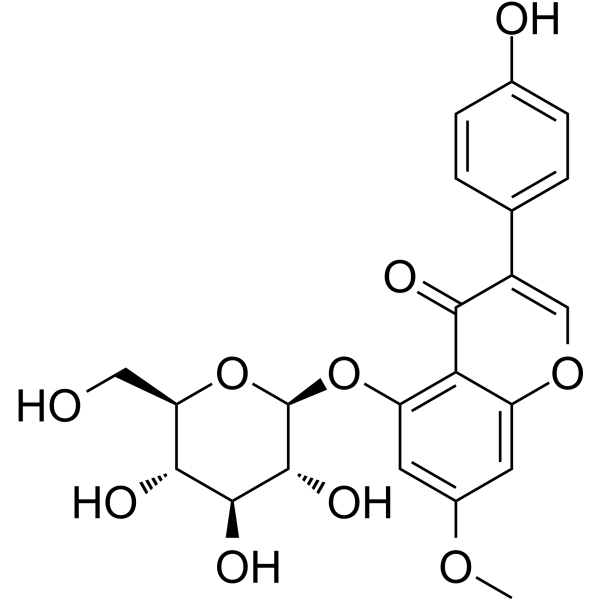
- HY-128463S
-
|
|
COX
Reactive Oxygen Species (ROS)
|
Metabolic Disease
|
|
N-tert-Butyl-α-phenylnitrone-d14 is the deuterium labeled N-tert-Butyl-α-phenylnitrone . N-tert-Butyl-α-phenylnitrone is a nitrone-based free radical scavenger that forms nitroxide spin adducts. N-tert-Butyl-α-phenylnitrone inhibits COX2 catalytic activity. N-tert-Butyl-α-phenylnitrone has potent ROS scavenging, anti-inflammatory, neuroprotective, anti-aging and anti-diabetic activities, and can penetrate the blood-brain barrier .
|
-
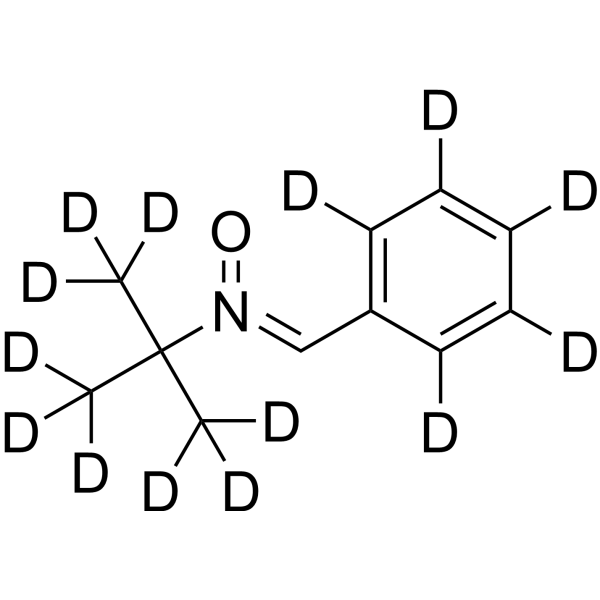
- HY-10182R
-
|
CHIR-99021 (Standard); CT99021 (Standard)
|
Organoid
GSK-3
Autophagy
Wnt
β-catenin
Reference Standards
|
Cancer
|
|
Laduviglusib (Standard) is the analytical standard of Laduviglusib. Laduviglusib (CHIR-99021) is a potent, selective and orally active GSK-3α/β inhibitor with IC50s of 10 nM and 6.7 nM. Laduviglusib shows >500-fold selectivity for GSK-3 over CDC2, ERK2 and other protein kinases. Laduviglusib is also a potent Wnt/β-catenin signaling pathway activator. Laduviglusib enhances mouse and human embryonic stem cells self-renewal. Laduviglusib induces autophagy .
|
-

- HY-N3027R
-
|
|
Reference Standards
PPAR
Reactive Oxygen Species (ROS)
|
Metabolic Disease
|
|
Soyasaponin Aa (Standard) is the analytical standard of Soyasaponin Aa (HY-N3027). Soyasaponin Aa is a soyasaponin that can be found in soy. Soyasaponin Aa suppresses PPARγ transcriptional activity, reduces PPARγ and C/EBPα expression, inhibits adipocyte differentiation and lipid accumulation, and reduces adipogenic marker gene expression. Soyasaponin Aa reduces hydrogen peroxide-induced reactive oxygen species (ROS) production and malondialdehyde levels. Soyasaponin Aa exhibits cellular antioxidant activity. Soyasaponin Aa can be used for the research of obesity .
|
-

- HY-149579
-
|
|
Glycosidase
|
Metabolic Disease
|
|
α-Glucosidase-IN-36 (compound 5g) is a potent α-glucosidase inhibitor, with an IC50 of 6.69 ± 0.18 μM, Ki and Kis of 1.65 μM and 4.54 μM, respectively. α-Glucosidase-IN-36 may inhibit α-glucosidase activity by binding with its active site as well as changing the secondary structure of α-glucosidase. α-Glucosidase-IN-36 can be used for type 2 diabetes mellitus (T2DM) research .
|
-
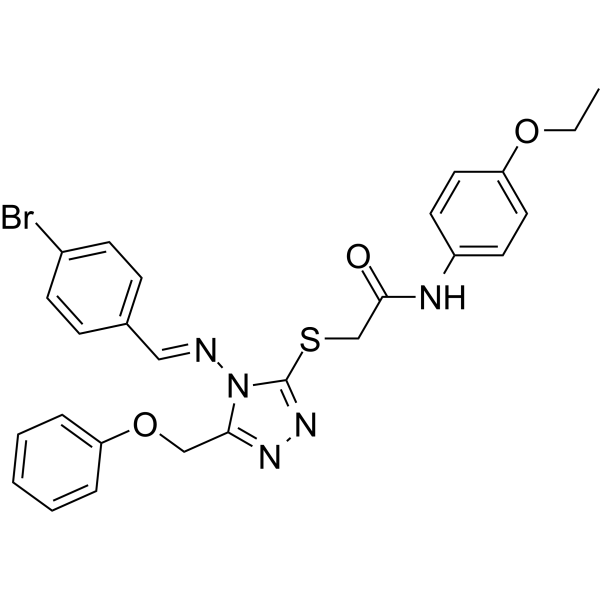
- HY-101546A
-
|
(+)-Cavidine
|
p38 MAPK
ERK
Interleukin Related
|
Neurological Disease
Inflammation/Immunology
|
|
Cavidine ((+)-Cavidine) is an analgesic and anti-inflammatory agent. Cavidine can be isolated from Corydalis ternata f. yanhusuo (Y.H.Chou & Chun C.Hsu) Y.C.Zhu. Cavidine reduces the expression of inflammatory factors IL-1β, IL-6 and TNF-α, and inhibits calcium ion influx. Cavidine inhibits the phosphorylation of p38 and ERK1/2. Cavidine increases mechanical and thermal pain thresholds in chronic pain models. Cavidine can be used for the research of chronic pain .
|
-
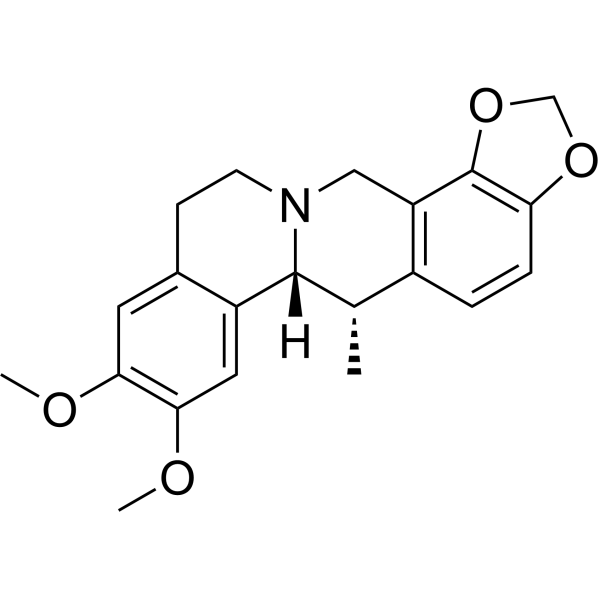
- HY-182311
-
|
|
Aldose Reductase
Glycosidase
|
Metabolic Disease
|
|
ALR2/α-Glucosidase-IN-1 (Compound 4) is a competitive ALR2 inhibitor and competitive α-glucosidase inhibitor, with an IC50 of 0.250 μM against ALR2 and an IC50 of 0.561 μM against α-glucosidase. ALR2/α-Glucosidase-IN-1 binds to the active sites of ALR2 and α-glucosidase, and inhibits enzymatic activity by competing with their respective substrates. ALR2/α-Glucosidase-IN-1 can be used in diabetes-related research .
|
-

- HY-178363
-
|
|
Amylases
|
Metabolic Disease
Endocrinology
|
|
α-Amylase-IN-13 is an orally active, selective, brain-penetrant α-amylase inhibitor (IC50 = 0.71 μM). α-Amylase-IN-13 inhibits α-amylase through a mixed type of inhibition mechanism. α-Amylase-IN-13 leads to a significant reduction in blood glucose level in diabetic rats. α-Amylase-IN-13 causes significant histopathological improvements in the kidney, liver, and pancreas. α-Amylase-IN-13 can be used for the study of diabetic complications .
|
-

- HY-N7521
-
|
Procyanidine C2
|
Acetyl-CoA Carboxylase
Fatty Acid Synthase (FASN)
Stearoyl-CoA Desaturase (SCD)
PPAR
AMPK
mTOR
JNK
|
Inflammation/Immunology
|
|
Procyanidin C2 (Procyanidine C2) is a lipid metabolism regulator and antioxidant with free radical scavenging activity. Procyanidin C2 down-regulates ACC, SREBP-1c, FAS, SCD-1 and PPARγ. Procyanidin C2 increases the level of phosphorylated AMPKα and inhibits the level of phosphorylated mTOR. Procyanidin C2 reduces lipid accumulation, alleviates oxidative stress, enhances fatty acid oxidation and improves mitochondrial function. Procyanidin C2 can be used in the research of non-alcoholic fatty liver disease .
|
-
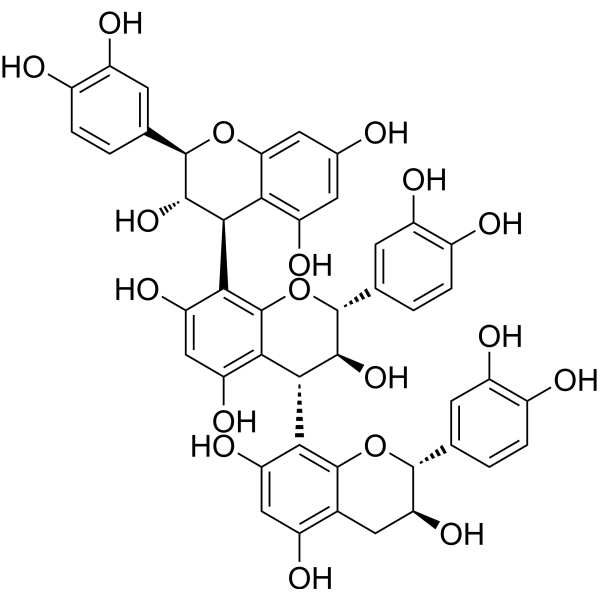
- HY-145580
-
|
UCB0599; (R)-NPT200-11
|
α-synuclein
|
Neurological Disease
|
|
Minzasolmin (UCB0599; (R)-NPT200-11) is an orally active, blood-brain-permeable α-synuclein (α-Syn) inhibitor that selectively binds to α-Syn misfolded intermediates (such as oligomers) and inhibits aggregation and fibril formation by regulating their conformational stability. Minzasolmin can reduce the generation of pathological oligomers and block neurotoxic signaling, thereby reducing the abnormal accumulation of α-Syn in the brain. Minzasolmin significantly improved motor deficits, reduced neuroinflammatory markers, and α-Syn-related pathological deposition in transgenic mouse models .
|
-
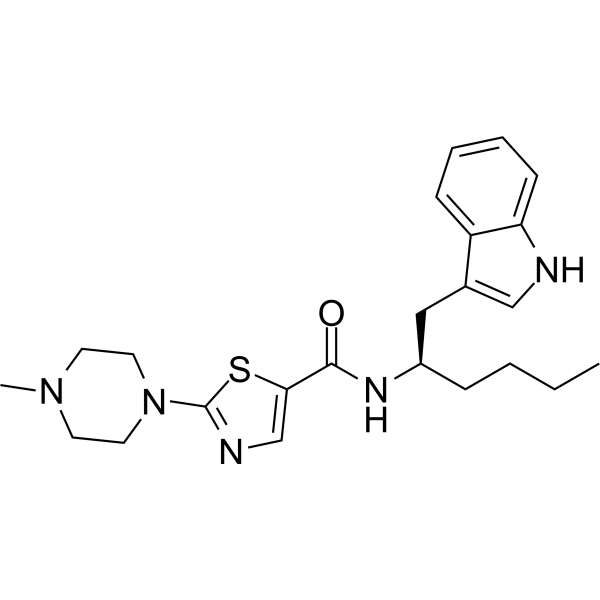
- HY-147954
-
|
|
Carbonic Anhydrase
Cholinesterase (ChE)
|
Neurological Disease
Metabolic Disease
|
|
α-Glycosidase-IN-1 (compound MZ7) is a potent α-GLY (α-Glycosidase) inhibitor, with an IC50 of 44.72 nM and a KI of 41.74 nM. α-Glycosidase-IN-1 also shows inhibition profile against human carbonic anhydrase isoenzymes I and II (hCA I and hCA II), and acetylcholinesterase (AChE), with IC50 values of 104.87, 100.04, and 654.87 nM, respectively. α-Glycosidase-IN-1 can be used for the research of many diseases such as diabetes, Alzheimer’s disease, heart failure, ulcer, and epilepsy .
|
-
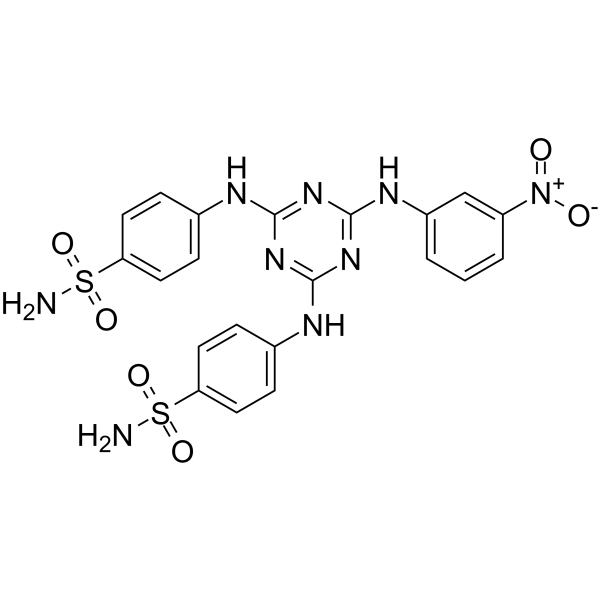
- HY-10182BR
-
|
CHIR-99021 trihydrochloride (Standard); CT99021 trihydrochloride (Standard)
|
Organoid
Reference Standards
GSK-3
Wnt
β-catenin
Autophagy
|
Cancer
|
|
Laduviglusib (trihydrochloride) (Standard) is the analytical standard of Laduviglusib (trihydrochloride). This product is intended for research and analytical applications. Laduviglusib (CHIR-99021) trihydrochloride is a potent and selective GSK-3α/β inhibitor with IC50s of 10 nM and 6.7 nM. Laduviglusib trihydrochloride shows >500-fold selectivity for GSK-3 over CDC2, ERK2 and other protein kinases. Laduviglusib trihydrochloride is also a potent Wnt/β-catenin signaling pathway activator. Laduviglusib trihydrochloride enhances mouse and human embryonic stem cells self-renewal. Laduviglusib trihydrochloride induces autophagy .
|
-

- HY-N2168
-
|
(+)-Pinoresinol 4-O-β-D-glucopyranoside
|
Glycosidase
Estrogen Receptor/ERR
Phosphodiesterase (PDE)
|
Neurological Disease
Metabolic Disease
Cancer
|
|
Pinoresinol 4-O-β-D-glucopyranoside ((+)-Pinoresinol 4-O-β-D-glucopyranoside) is an orally active α-glucosidase inhibitor, with an IC50 of 48.13 μg/mL. Pinoresinol 4-O-β-D-glucopyranoside binds to estrogen receptors. Pinoresinol 4-O-β-D-glucopyranoside inhibits phosphodiesterase. Pinoresinol 4-O-β-D-glucopyranoside exhibits various activities such as antioxidant, anti-inflammatory, anti-hyperglycemic, hepatoprotective and anti-epileptic effects .
|
-
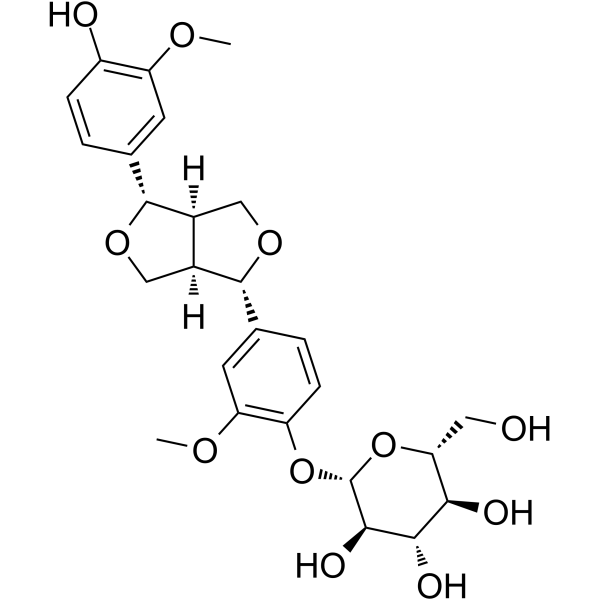
- HY-W014118
-
|
|
Environmental Pollutants
|
Inflammation/Immunology
Cancer
|
|
α-Hexylcinnamaldehyde is an O-acetyltransferase (OAT) inhibitor. α-Hexylcinnamaldehyde inhibits OAT-mediated bioactivation of nitroarene mutagens, exerts antimutagenic activity through demutagenic and bioantimutagenic mechanisms, and interferes with ATP-binding cassette (ABC) transporter function to reduce substrate efflux. α-Hexylcinnamaldehyde alters membrane permeability, fluidizes phospholipid membranes, exerts antioxidant effects, and enhances the antiproliferative effect of Doxorubicin on human cancer cells. α-Hexylcinnamaldehyde can be used in the research of colorectal adenocarcinoma, T-cell leukemia, and multidrug-resistant cancers .
|
-
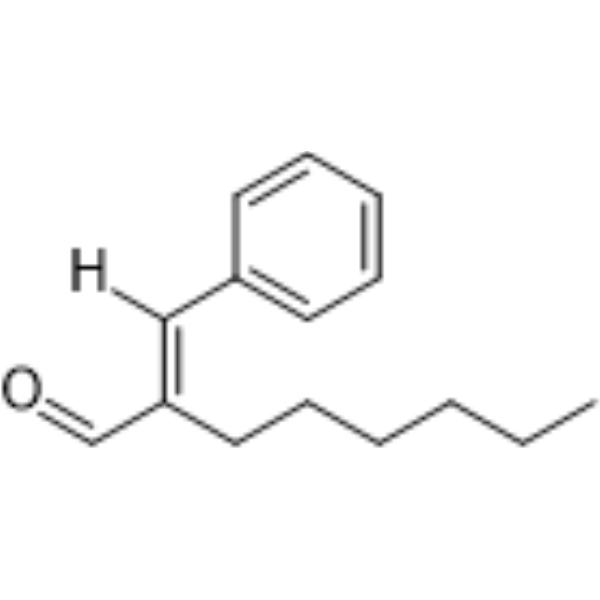
- HY-101489A
-
|
|
PDGFR
Bcr-Abl
Apoptosis
|
Cancer
|
|
GZD856 formic is a potent and orally active PDGFRα/β inhibitor, with IC50s of 68.6 and 136.6 nM, respectively. GZD856 formic is also a Bcr-Abl T315I inhibitor, with IC50s of 19.9 and 15.4 nM for native Bcr-Abl and the T315I mutant. GZD856 formic has antitumor activity . GZD856 (formic) is a click chemistry reagent, it contains an Alkyne group and can undergo copper-catalyzed azide-alkyne cycloaddition (CuAAc) with molecules containing Azide groups.
|
-
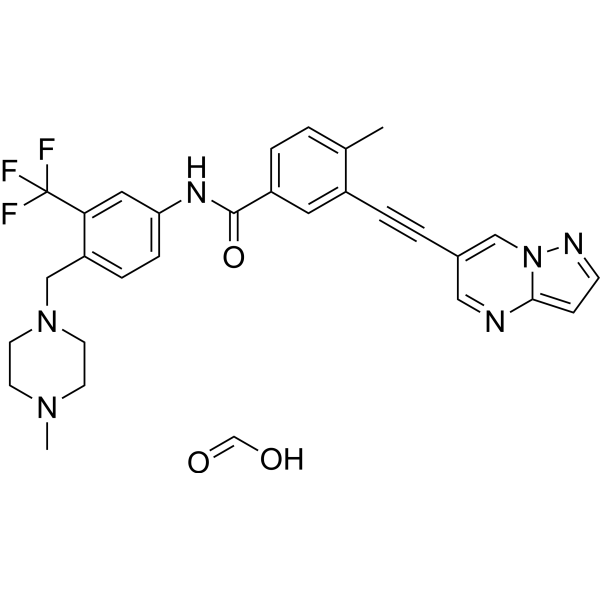
- HY-162373
-
|
|
Amylases
Glycosidase
P-glycoprotein
|
Metabolic Disease
|
|
α-Amylase/α-Glucosidase-IN-10 (compound 5d) is an α-amylase and α-glucosidase inhibitor (IC50: 30.39 μM and 65.1 μM) with potential diabetes inhibitory effects. α-Amylase/α-Glucosidase-IN-10 exhibits high gastrointestinal (GI) absorption in ADMET (Absorption, Distribution, Metabolism, Excretion and Toxicity) prediction. While α-Amylase/α-Glucosidase-IN-10 acts as a substrate for P-gp and does not cross the blood-brain barrier (BBB), there may be a risk of central nervous system side effects .
|
-
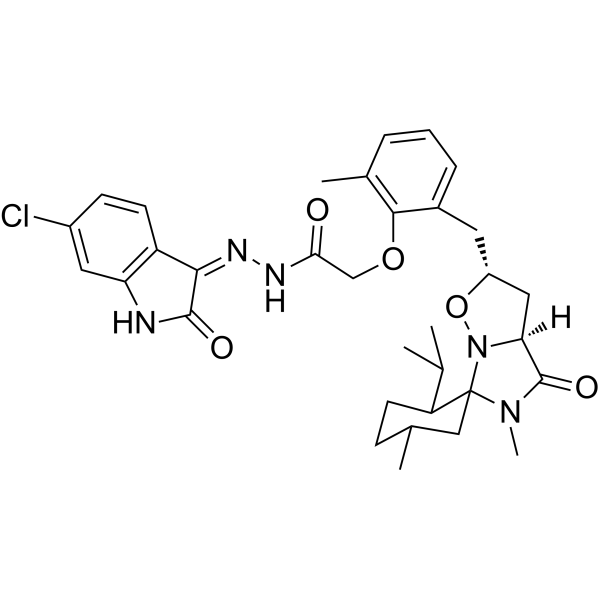
- HY-N17439
-
|
|
Glycosidase
|
Metabolic Disease
|
|
4-Ethoxy-5,8-dihydroxy-3,4-dihydronaphthalen-1(2H)-one is a naphthalene derivative and a weak α-glucosidase inhibitor. 4-Ethoxy-5,8-dihydroxy-3,4-dihydronaphthalen-1(2H)-one can be found in the leaves of Cyclocarya paliurus. 4-Ethoxy-5,8-dihydroxy-3,4-dihydronaphthalen-1(2H)-one can be used for the research of diabetes .
|
-

- HY-161462
-
|
|
ERK
p38 MAPK
|
Cancer
|
|
ERK2/p38α MAPK-IN-1 (Compound 1, In silico Hit-2) is a potent and selective ERK2 and p38α MAPK inhibitor, with an IC50 of 82 μM for ERK2. ERK2/p38α MAPK-IN-1 binds to the allosteric site of ERK2 and p38α MAPK in distinct manners. ERK2/p38α MAPK-IN-1 can be used for the research of type 2 diabetes .
|
-
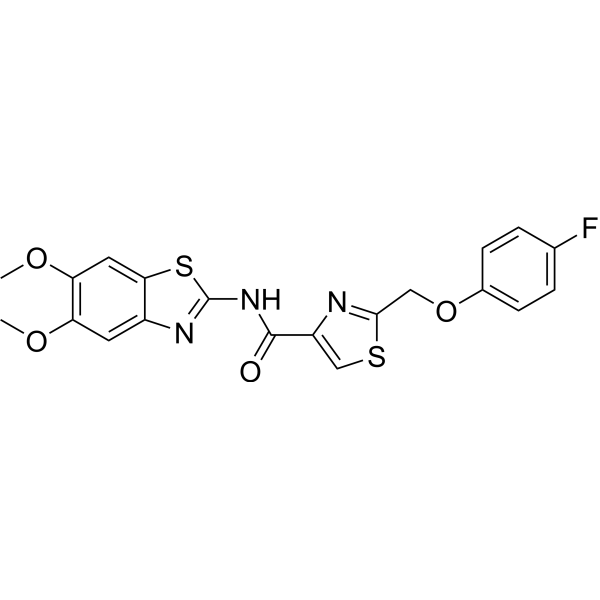
- HY-178327
-
|
|
DGK
Interleukin Related
|
Inflammation/Immunology
Cancer
|
|
DGKα/ζ-IN-2 is a potent, orally active and selective dual DGKα/ζ inhibitor with IC50 values of 23 nM (DGKα) and 1.2 nM (DGKζ). DGKα/ζ-IN-2 exhibits selectivity over other DGK isoforms, such as DGKβ and DGKγ. DGKα/ζ-IN-2 shows robust and dose-dependent immune activation in the presence of antigen presentation in an OT-1 murine model. DGKα/ζ-IN-2 can be used for antitumor immunity .
|
-

- HY-112461
-
|
|
P2X Receptor
|
Cardiovascular Disease
|
|
NF449 is a highly potent P2X1 receptor antagonist, with IC50s of 0.28, 0.69, and 120 nM for rP2X1, rP2X1+5, P2X2+3, respectively. NF449 is a Gsα-selective G Protein antagonist. NF449 suppresses the rate of GTP[γS] binding to Gsα-s, inhibits the stimulation of adenylyl cyclase activity, and blocks the coupling of β-adrenergic receptors to Gs .
|
-

- HY-107834R
-
|
|
Reference Standards
DNA-PK
PI3K
Apoptosis
|
Cancer
|
|
PIK-75 (Standard) is the analytical standard of PIK-75 (HY-107834). This product is intended for research and analytical applications. PIK-75 is a reversible DNA-PK and p110α-selective inhibitor, which inhibits DNA-PK, p110α and p110γ with IC50s of 2, 5.8 and 76 nM, respectively. PIK-75 inhibits p110α >200-fold more potently than p110β (IC50=1.3 μM) . PIK-75 induces apoptosis .
|
-

- HY-N12104
-
|
BMS-182123
|
TNF Receptor
|
Infection
|
|
Trichodimerol (BMS-182123) is a TNF-α promoter inhibitor that inhibits the activity of lipopolysaccharide-induced cytokine secretion. Trichodimerol inhibits lipopolysaccharide-induced TNF-α promoter activity, reduces steady-state TNF-α mRNA expression, and does not alter the stability of TNF-α mRNA. Trichodimerol inhibits lipopolysaccharide-induced TNF-α secretion in murine and human immune cells. Trichodimerol reduces lipopolysaccharide-induced IL-1β secretion by 25%-50% in vitro. Trichodimerol does not alter total protein synthesis or constitutive lysozyme secretion at effective concentrations. Trichodimerol can be used for the research of septic shock .
|
-

- HY-W020788
-
|
CGA 154281
|
Environmental Pollutants
Glutathione S-transferase
Estrogen Receptor/ERR
Pregnane X Receptor (PXR)
FXR
|
Metabolic Disease
Cancer
|
Benoxacor (CGA 154281) is a herbicide safener and xenobiotic metabolism regulator. Benoxacor protects maize from the toxicity of metolachlor mainly by inducing detoxifying enzymes such as Glutathione S-transferase. Benoxacor also activates FXR, PXR and ERRα, and inhibits aromatase (aromatase). However, Benoxacor exhibits potential subacute oral toxicity and a high risk of hepatotoxicity in animal models. Benoxacor induces reactive oxygen species accumulation, interferes with embryonic heart development, and causes increased liver and kidney weights as well as alterations in gut microbiota in mice. Benoxacor can be used in studies related to hepatic steatosis, infertility, breast cancer and developmental toxicity .
|
-
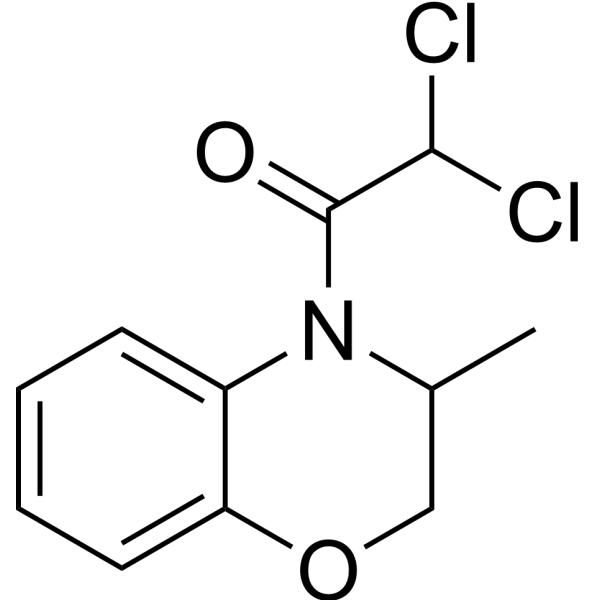
- HY-112461A
-
|
|
P2X Receptor
|
Cardiovascular Disease
|
|
NF449 octasodium is a highly potent P2X1 receptor antagonist, with IC50s of 0.28, 0.69, and 120 nM for rP2X1, rP2X1+5, P2X2+3, respectively. NF449 octasodium is a Gsα-selective G Protein antagonist. NF449 octasodium suppresses the rate of GTP[γS] binding to Gsα-s, inhibits the stimulation of adenylyl cyclase activity, and blocks the coupling of β-adrenergic receptors to Gs .
|
-
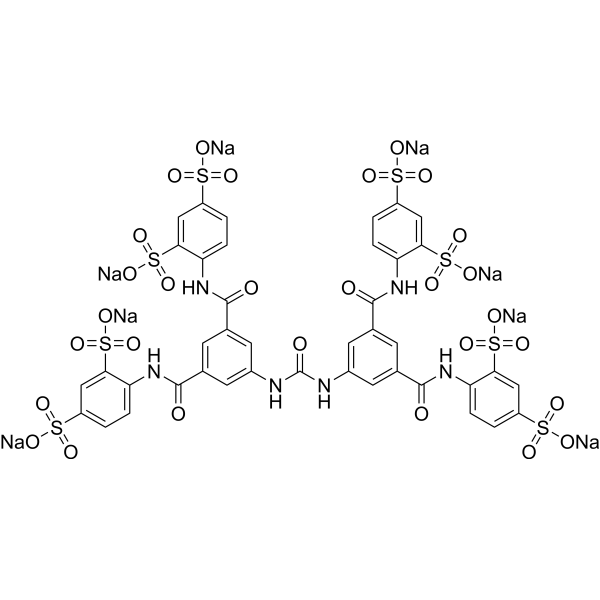
- HY-N1470R
-
|
|
Reference Standards
Glycosidase
|
Metabolic Disease
|
|
Plantagoside (Standard) is the analytical standard of Plantagoside (HY-N1470). This product is intended for research and analytical applications. Plantagoside is a flavanone glucoside found in Plantago asiatica seeds, acting as a specific non-competitive α-mannosidase inhibitor with IC50 values of 5 μM and a Ki of 2.7 μM (jack bean). Plantagoside suppresses antibody response and Concanavalin A (HY-P2149)-induced lymphocyte proliferation in mouse spleen cells. Plantagoside inhibits the Maillard reaction, advanced glycation end product formation, and glycation-dependent protein-protein cross-link formation. Plantagoside can be used for the research of diabetes .
|
-

- HY-N0946
-
|
(-)-Pinoresinol 4-O-β-D-glucopyranoside
|
Glycosidase
|
Metabolic Disease
|
|
(-)-Pinoresinol 4-O-glucoside ((-)-Pinoresinol 4-O-β-D-glucopyranoside) is a potent and orally active α-glucosidase inhibitor with an IC50 value of 48.13 µM. (-)-Pinoresinol 4-O-glucoside increases cell migration and early differentiation of pre-osteoblasts. (-)-Pinoresinol 4-O-glucoside increases protein level of BMP2, p-Smad1/5/8, RUNX2. (-)-Pinoresinol 4-O-glucoside attenuates oxidative stress, hyperglycemia and hepatic toxicity. (-)-Pinoresinol 4-O-glucoside has the potential for the research of osteoporosis and periodontal disease .
|
-
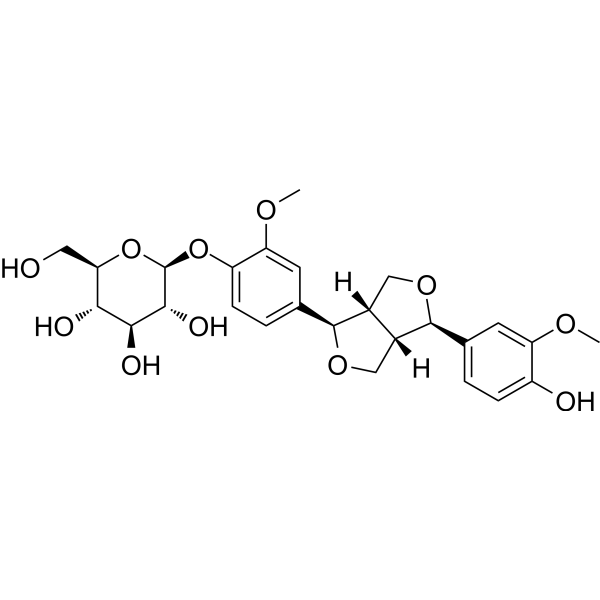
- HY-10182AR
-
|
CHIR-99021 monohydrochloride (Standard); CT99021 monohydrochloride (Standard)
|
Organoid
Reference Standards
GSK-3
Wnt
β-catenin
Autophagy
|
Cancer
|
|
Laduviglusib (monohydrochloride) (Standard) is the analytical standard of Laduviglusib (monohydrochloride). This product is intended for research and analytical applications. Laduviglusib (CHIR-99021) monohydrochloride is a potent and selective GSK-3α/β inhibitor with IC50s of 10 nM and 6.7 nM. Laduviglusib monohydrochloride shows >500-fold selectivity for GSK-3 over CDC2, ERK2 and other protein kinases. Laduviglusib monohydrochloride is also a potent Wnt/β-catenin signaling pathway activator. Laduviglusib monohydrochloride enhances mouse and human embryonic stem cells self-renewal. Laduviglusib monohydrochloride induces autophagy .
|
-

- HY-P990211
-
|
|
Interleukin Related
|
Inflammation/Immunology
Cancer
|
|
Anti-Mouse IL-6R Antibody (15A7) is a rat-derived anti-mouse IL-6R IgG2b κ type antibody inhibitor. Anti-Mouse IL-6R Antibody (15A7) blocks IL-6 binding to IL-6Rα and inhibits both IL-6 classic and trans-signaling. Anti-Mouse IL-6R Antibody (15A7) can be used for the researches of cancer and inflammation, such as triple-negative breast cancer .
|
-
- HY-W014118R
-
|
|
Reference Standards
Environmental Pollutants
|
Cancer
|
|
α-Hexylcinnamaldehyde (Standard) is the analytical standard of α-Hexylcinnamaldehyde. This product is intended for research and analytical applications. α-Hexylcinnamaldehyde is an O-acetyltransferase (OAT) inhibitor. α-Hexylcinnamaldehyde inhibits OAT-mediated bioactivation of nitroarene mutagens, exerts antimutagenic activity through demutagenic and bioantimutagenic mechanisms, and interferes with ATP-binding cassette (ABC) transporter function to reduce substrate efflux. α-Hexylcinnamaldehyde alters membrane permeability, fluidizes phospholipid membranes, exerts antioxidant effects, and enhances the antiproliferative effect of Doxorubicin on human cancer cells. α-Hexylcinnamaldehyde can be used in the research of colorectal adenocarcinoma, T-cell leukemia, and multidrug-resistant cancers .
|
-

- HY-178383
-
|
|
Glycosidase
|
Metabolic Disease
|
|
α-Glucosidase-IN-98 is a potent orally active α-Glucosidase inhibitor with an IC50 of 18.1 μM. α-Glucosidase-IN-98 reversibly binds with α-Glucosidase via hydrogen bonds, electrostatic interactions and hydrophobic effects, which induces significant conformational alterations in the secondary structure of α-Glucosidase. α-Glucosidase-IN-98 decreases postprandial hyperglycemia in Starch (HY-B2225B)/Sucrose (HY-B1779)-challenged mice. α-Glucosidase-IN-98 can be used for type 2 diabetes mellitus (T2DM) research .
|
-

- HY-105028
-
|
CP-66248
|
COX
Lipoxygenase
Potassium Channel
MMP
|
Inflammation/Immunology
|
|
Tenidap (CP-66248) is an orally active dual inhibitor of 5-LOX and COX with anti-inflammatory and immunomodulatory properties. Tenidap downregulates the expression of IL-1 receptors in chondrocytes, reduces the release of pro-inflammatory cytokines such as IL-1, IL-6 and TNF-α, and inhibits MMP production and cartilage degradation. Tenidap also blocks bone resorption and leukocyte adhesion to vascular endothelium, interferes with ion and pH changes associated with mouse sperm capacitation, and selectively enhances the activity of hKir2.3 channels (EC50=1.3 μM). Tenidap is applicable to research related to rheumatoid arthritis .
|
-
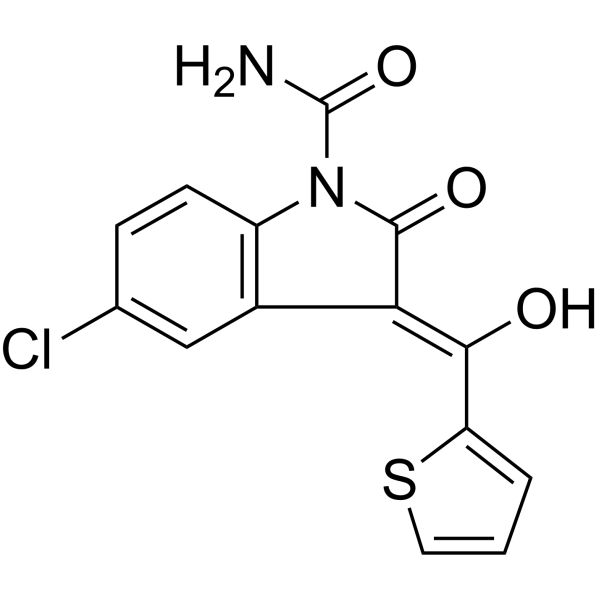
- HY-173411
-
|
|
Glycosidase
SARS-CoV
|
Infection
Inflammation/Immunology
|
|
DNJ-20 is an α-glucosidase inhibitor (IC50: 55.3 μg/mL). DNJ-20 has broad-spectrum anti-SARS-CoV-2 activity. DNJ-20 inhibits the correct processing of viral glycoproteins by interfering with the endoplasmic reticulum-associated glycoprotein folding process (ERQC), thereby blocking the formation and infection of viral particles. DNJ-20 has IC50 values up to 1.49 uM against several SARS-CoV-2 variants, as well as HCoV-229E and HCoV-0C43。DNJ-20 can be used for pan-coronavirus research .
|
-

- HY-W013150
-
|
|
GABA Receptor
|
Neurological Disease
|
|
Alpidem, an anxiolytic agent, is an orally active and brain-penetrant GABAA receptor ligand, binds to α1β2γ2 subunit-containing GABAA receptors (IC50 of 17 nM) over α5β2γ2 subunit-containing GABAA receptors (IC50 of >10 μM). Alpidem modulates calcium-induced mitochondrial permeability transition, induces glutathione depletion and hepatocyte necrosis, potentiates TNF-α toxicity, inhibits marble-burying and locomotor activity, enhances stressed rodent feeding behavior, and exerts anticonvulsant effects. Alpidem can be used for the research of anxiety, anxiety disorders, and convulsions .
|
-
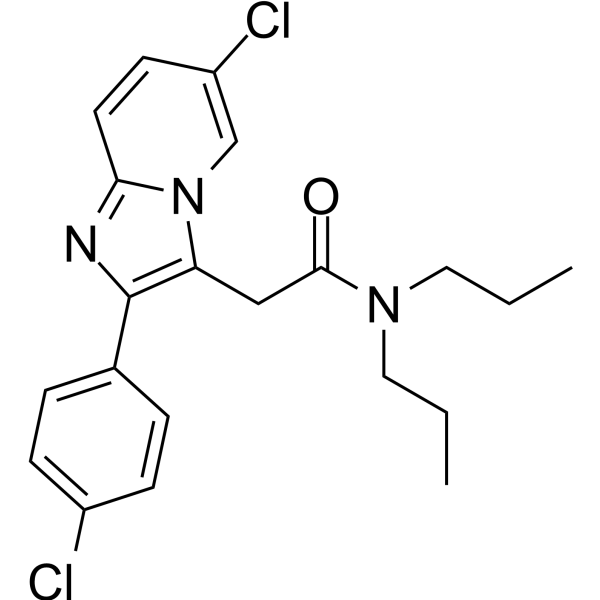
- HY-159945
-
|
|
α-synuclein
|
Neurological Disease
|
|
Tau Protein/α-synuclein-IN-2 (Compound 14T) is a blood-brain barrier penetrating tau and α-syn inhibitor. Through its thiourea linker structure, Tau Protein/α-synuclein-IN-2 dose-dependently reduces α-syn oligomerization. In biosensor cells, Tau Protein/α-synuclein-IN-2 prevents the seeding effect of tau aggregation. In the M17D neuroblastoma model, Tau Protein/α-synuclein-IN-2 exhibits anti-inclusion effects. Additionally, Tau Protein/α-synuclein-IN-2 reduces Aβ plaque formation. Tau Protein/α-synuclein-IN-2 holds promise for Alzheimer's disease and Parkinson's disease research.
|
-

- HY-W020788R
-
|
CGA 154281 (Standard)
|
Reference Standards
Glutathione S-transferase
Estrogen Receptor/ERR
Pregnane X Receptor (PXR)
FXR
|
Others
|
|
Benoxacor (Standard) is the analytical standard of Benoxacor. This product is intended for research and analytical applications. Benoxacor (CGA 154281) is a herbicide safener and xenobiotic metabolism regulator. Benoxacor protects maize from the toxicity of metolachlor mainly by inducing detoxifying enzymes such as Glutathione S-transferase. Benoxacor also activates FXR, PXR and ERRα, and inhibits aromatase (aromatase). However, Benoxacor exhibits potential subacute oral toxicity and a high risk of hepatotoxicity in animal models. Benoxacor induces reactive oxygen species accumulation, interferes with embryonic heart development, and causes increased liver and kidney weights as well as alterations in gut microbiota in mice. Benoxacor can be used in studies related to hepatic steatosis, infertility, breast cancer and developmental toxicity .
|
-

- HY-P990033
-
|
CC-95251; BMS-986351
|
CD47
|
Cancer
|
|
Anzurstobart is a CD47/SIRPα inhibitor with human SIRPα Kd of 0.0541 nM and human SIRPα IC50 of 100 nM. Anzurstobart binds SIRPα at a CD47-overlapping site, blocks CD47-SIRPα interactions, inhibits CD47-SIRPα axis signaling, and binds across 6 prevalent human SIRPα haplotypes. Anzurstobart binds SIRPγ and inhibits CD47-SIRPγ interactions. Anzurstobart can be used for the research of non-Hodgkin's lymphoma, colorectal cancer, squamous cell carcinoma of the head and neck, diffuse large B-cell lymphoma, and advanced solid and hematologic malignancies .
|
-

- HY-N2168R
-
|
(+)-Pinoresinol 4-O-β-D-glucopyranoside (Standard)
|
Glycosidase
Reference Standards
Estrogen Receptor/ERR
Phosphodiesterase (PDE)
|
Neurological Disease
Metabolic Disease
Cancer
|
|
Pinoresinol 4-O-β-D-glucopyranoside (Standard) is the analytical standard of Pinoresinol 4-O-β-D-glucopyranoside (HY-N2168). This product is intended for research and analytical applications. Pinoresinol 4-O-β-D-glucopyranoside is an orally active α-glucosidase inhibitor, with an IC50 of 48.13 μg/mL. Pinoresinol 4-O-β-D-glucopyranoside binds to estrogen receptors. Pinoresinol 4-O-β-D-glucopyranoside inhibits phosphodiesterase. Pinoresinol 4-O-β-D-glucopyranoside exhibits various activities such as antioxidant, anti-inflammatory, anti-hyperglycemic, hepatoprotective and anti-epileptic effects .
|
-

- HY-164476
-
|
|
EGFR
GSK-3
PD-1/PD-L1
|
Cancer
|
|
ES-072 is an orally effective selective EGFR mutant (EGFR-T790M) inhibitor. ES-072 activates GSK3α by inhibiting EGFR-T790M activity, which promotes phosphorylation of PD-L1 at Ser279 and Ser283. The phosphorylated PD-L1 recruits the E3 ubiquitin ligase ARIH1, leading to ubiquitination and proteasomal degradation of PD-L1. This mechanism not only reduces cancer cell growth but also enhances anti-tumor immune response by lowering PD-L1 levels. ES-072 can be used to inhibit proliferation in non-small cell lung cancer (NSCLC) cells .
|
-

- HY-W013150R
-
|
|
Reference Standards
GABA Receptor
|
Neurological Disease
|
|
Alpidem (Standard) is the analytical standard of Alpidem (HY-W013150). This product is intended for research and analytical applications. Alpidem, an anxiolytic agent, is an orally active and brain-penetrant GABAA receptor ligand, binds to α1β2γ2 subunit-containing GABAA receptors (IC50 of 17 nM) over α5β2γ2 subunit-containing GABAA receptors (IC50 of >10 μM). Alpidem modulates calcium-induced mitochondrial permeability transition, induces glutathione depletion and hepatocyte necrosis, potentiates TNF-α toxicity, inhibits marble-burying and locomotor activity, enhances stressed rodent feeding behavior, and exerts anticonvulsant effects. Alpidem can be used for the research of anxiety, anxiety disorders, and convulsions.
|
-

- HY-159852
-
|
|
PI3K
Ras
Akt
|
Cancer
|
|
BBO-10203 is a potent inhibitor of PI3Kα and KRAS G12C, selectively and covalently binding to Cys242 in the RAS-Binding Domain of PI3Kα, and inhibiting both the GTP-bound and GDP-bound states of KRAS G12C with an IC50 of 0.031 nM and an EC50 of 0.02 nM. BBO-10203 disrupts the interaction between RAS isoforms and PI3Kα, leading to the inhibition of RAS-mediated PI3Kα activation, and reduces pERK expression, cell growth, and induces G1 arrest and apoptosis. BBO-10203 can be used for the research of breast cancer, colorectal cancer, and non-small cell lung cancer .
|
-

- HY-W013150S
-
|
|
Isotope-Labeled Compounds
GABA Receptor
|
Neurological Disease
|
|
Alpidem-d14 is the deuterium labeled Alpidem (HY-W013150) . Alpidem, an anxiolytic agent, is an orally active and brain-penetrant GABAA receptor ligand, binds to α1β2γ2 subunit-containing GABAA receptors (IC50 of 17 nM) over α5β2γ2 subunit-containing GABAA receptors (IC50 of >10 μM). Alpidem modulates calcium-induced mitochondrial permeability transition, induces glutathione depletion and hepatocyte necrosis, potentiates TNF-α toxicity, inhibits marble-burying and locomotor activity, enhances stressed rodent feeding behavior, and exerts anticonvulsant effects. Alpidem can be used for the research of anxiety, anxiety disorders, and convulsions.
|
-

- HY-183741
-
|
|
PI3K
Akt
|
Cancer
|
|
VVD-844 is an orally active covalent inhibitor of PI3Kα, which inhibits Pl3Kα/p110α interaction with an IC50 of 4 nM. VVD-844 covalently binds to Cys 242 in the RAS binding domain of p110α, blocking RAS-p110α interaction and inhibiting PI3Kα activity. VVD-844 inhibits PI3Kα signaling activation in HER2-overexpressing cells via a RAS-independent mechanism. VVD-844 suppresses tumor growth in mouse. VVD-844 can be used for the research of cancers .
|
-

- HY-N0419
-
|
Quercetin-7-O-β-D-glucopyranoside
|
Glycosidase
c-Kit
MMP
VEGFR
Aurora Kinase
|
Metabolic Disease
Cancer
|
|
Quercimeritrin (Quercetin-7-O-β-D-glucopyranoside) is an orally active α-glucosidase inhibitor (with an IC50 of 79.88 μM against the Saccharomyces cerevisiae enzyme) and a P-gp substrate, with anti-angiogenic and antioxidant activities. Quercimeritrin does not cross the blood-brain barrier and does not inhibit cytochrome P450 enzymes. Quercimeritrin precisely binds to and inhibits the active sites of c-Kit, MMP-2, Aurora-A kinases and α-glucosidase, thereby disrupting target functions. Quercimeritrin effectively regulates postprandial blood glucose and also exhibits significant anti-angiogenic activity, which inhibits endothelial cell proliferation and microvascular growth. Quercimeritrin can be used in the research of diabetes and breast cancer .
|
-
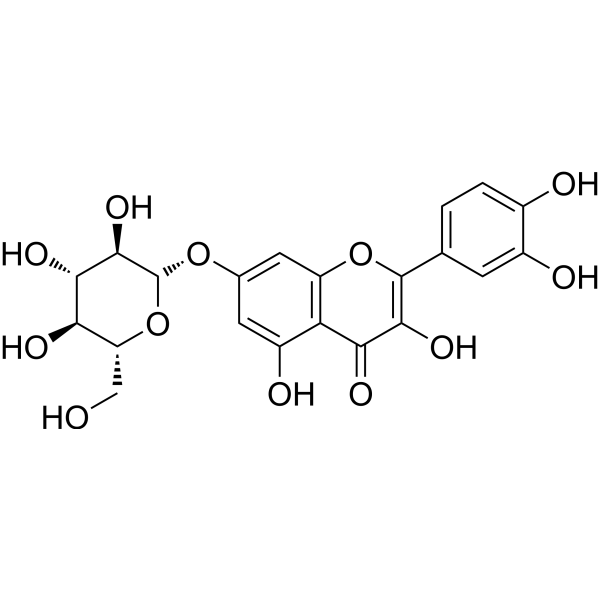
- HY-W016409
-
|
Protocatechuic acid ethyl ester
|
HIF/HIF Prolyl-Hydroxylase
Reactive Oxygen Species (ROS)
NO Synthase
Autophagy
Apoptosis
|
Metabolic Disease
Cancer
|
|
Ethyl 3,4-dihydroxybenzoate (Protocatechuic acid ethyl ester) is an orally effective, blood-brain barrier-permeable, competitive prolyl hydroxylase (PHD) inhibitor that inhibits the hydroxylation modification of hypoxia-inducible factor (HIF) by PHD. Ethyl 3,4-dihydroxybenzoate stabilizes HIF-1α by inhibiting PHD, activates downstream pathways to induce autophagy and apoptosis of tumor cells, and regulates inflammatory responses, inhibits the NF-κB pathway, improves vascular permeability, and promotes osteoblast differentiation. Ethyl 3,4-dihydroxybenzoate has anti-tumor, anti-hypoxic injury, and bone metabolism regulation effects. It can also be used in the research of cardiovascular protection (such as reducing myocardial ischemic damage), bone tissue engineering (promoting osteogenesis/inhibiting osteoclast differentiation), and prevention and treatment of high-altitude cerebral edema .
|
-
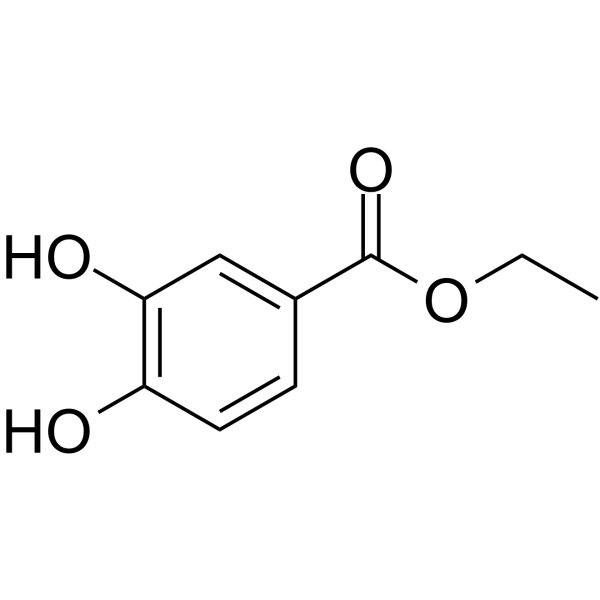
- HY-W207699
-
|
|
Monoamine Oxidase
Amylases
|
Neurological Disease
Metabolic Disease
Inflammation/Immunology
|
|
MAO-B-IN-46 (Compound 16) is a selective hMAO-B inhibitor (IC50: 26.8 nM), with weak activity against hMAO-A (IC50: 7.2054 μM). MAO-B-IN-46 (Compound 8) also acts as an α-amylase inhibitor (IC50: 19.46 μM). MAO-B-IN-46 exhibits certain neuroprotective effects and shows no significant toxicity to human gingival fibroblasts and SH-SY5Y cells. Additionally, MAO-B-IN-46 can scavenge DPPH and ABTS free radicals, with IC50 values of 17.86 μM and 17.71 μM, respectively. MAO-B-IN-46 can be used in the research of neurodegenerative diseases such as Parkinson's disease, diabetes, and diseases related to oxidative stress resistance .
|
-

- HY-172586
-
|
|
GSK-3
PKA
|
Neurological Disease
Cancer
|
|
GSK-3α/β-IN-1 is GSK-3α/β inhibitor with IC50 s of 0.265 μM and 0.255 μM for GSK-3α and GSK-3β, respectively. GSK-3α/β-IN-1 also inhibits PKA with an IC50 of 0.188 μM. GSK-3α/β-IN-1 potently inhibits cell viability of three Glioblastoma (GBM) cell lines (IC50 : 3-6 μM, 72 h) with no toxicity to human astrocytes and good metabolic stability. GSK-3α/β-IN-1 has potential CNS activity in all-human blood-brain barrier (BBB) model of GBM .
|
-

- HY-P990774
-
|
ASP-7266; TRAB-1; UPB-101
|
Interleukin Related
|
Inflammation/Immunology
|
|
Verekitug (ASP-7266; TRAB-1; UPB-101) is a human monoclonal antibody targeting the thymic stromal lymphopoietin receptor (TSLPR), with a mean half-life of approximately 20 days. At doses of Verekitug ≥100 mg, complete and sustained TSLPR-specific occupancy is achieved, and the antibody does not bind to IL-7Rα. By inhibiting TSLP-driven inflammatory responses, Verekitug blocks TSLP-induced cell proliferation and TARC expression, while reducing fractional exhaled NO levels, blood eosinophil counts, and levels of IL-5 and IgE. Verekitug significantly improves scores for nasal polyps, nasal congestion and olfactory dysfunction, with favorable safety and good tolerability; potential adverse reactions include headache, upper respiratory tract infection, sinusitis and nasopharyngitis. Verekitug is used in relevant studies on asthma, chronic rhinosinusitis with nasal polyps and chronic obstructive pulmonary disease .
|
-

- HY-N12378A
-
|
|
AMPK
FASTK
Sirtuin
ROCK
Keap1-Nrf2
Toll-like Receptor (TLR)
Apoptosis
PKA
ERK
NF-κB
Epigenetic Reader Domain
Caspase
|
Metabolic Disease
Inflammation/Immunology
Cancer
|
|
α-Patchoulene is an orally active anti-inflammatory, antioxidant, and anti-apoptotic agent. α-Patchoulene inhibits the NF-κB, TLR4, and cAMP/PKA/CREB signaling pathways; activates the Sirt1/Nrf2 and AMPK signaling pathways; and targets Fas/FasL, Caspase-3, ERK1/2, ROCK1/MLC2 for inhibition. α-Patchoulene regulates cytokine secretion, inflammatory cell infiltration, lipid peroxidation, cell polarization, gut microbiota, and lipid metabolism, restores barrier function, mitochondrial function, and cell viability, and exhibits repellent activity against Spodoptera exigua larvae. α-Patchoulene can be used in research related to various inflammatory, ischemic, fibrosis-associated diseases, as well as hepatocellular carcinoma .
|
-

- HY-170911
-
|
|
PDGFR
|
Cancer
|
|
KIT/PDGFRA-IN-1 (compound 19) is a stem cell growth factor receptor (KIT) and platelet-derived growth factor receptor alpha (PDGFRA) inhibitor. KIT/PDGFRA-IN-1 inhibits KIT-wt, KIT-D816H, KIT-T670I, PDGFRA-wt, PDGFRA-D842V, PDGFRA-T674I and PDGFRA-G680R with IC50s of 2.3, 12, 492, 0.8, 99.9, 42.3, and 4.3 μM, respectively. KIT/PDGFRA-IN-1 inhibits GIST-T1, T1-a-D842V and GIST-48B cells (PDGFR- and KIT-Mutant GIST cell Lines) with GR50s of 12, 8900, ≥10 000 nM, respectively .
|
-

- HY-W1015419
-
|
α-Fluoromethylhistidine
|
Amino Acid Decarboxylase
|
Cardiovascular Disease
Neurological Disease
|
|
α-FMH (α-Fluoromethylhistidine) is an orally active histidine decarboxylase inhibitor. α-FMH depletes histamine in enterochromaffin-like (ECL) cells, reduces the number and volume density of secretory vesicles in ECL cells, and does not affect histamine storage in mast cells. α-FMH abolishes Omeprazole (HY-B0113)-induced vacuolization of ECL cells and decreases gastrin-induced histamine efflux from ECL cells. α-FMH does not alter the granular characteristics of ECL cells, omeprazole-induced hypertrophy of ECL cells, gastrin-induced pancreastatin-like immunoreactivity efflux, nor does it affect gastric acid secretion induced by histamine or vagal stimulation. α-FMH inhibits basal and gastrin-stimulated gastric acid secretion, reduces acid output induced by gastrin+IBMX (HY-12318), but does not directly affect acid generation in isolated parietal cells .
|
-

- HY-145425
-
|
|
IRE1
Apoptosis
FGFR
|
Inflammation/Immunology
|
|
PAIR2 is a highly selective inhibitor targeting the kinase domain of human IRE1α, with a Ki value of 8.8 nM against human IRE1α. PAIR2 fully occupies the ATP-binding site of the IRE1α kinase domain, partially antagonizes the ribonuclease activity of IRE1α, specifically inhibits regulated IRE1α-dependent decay (RIDD) and its mediated substrate cleavage, while preserving the splicing function of Xbp1 mRNA. PAIR2 also promotes the differentiation of B cells into plasma cells, blocks IRE1α-induced cell apoptosis, and restores the expression of Fgfr2 mRNA in AT2 cells. PAIR2 effectively reaches a steady-state concentration in the lung tissues of Mus musculus, and serves as an important tool for investigating the function of the IRE1α signaling pathway in diseases such as pulmonary fibrosis .
|
-
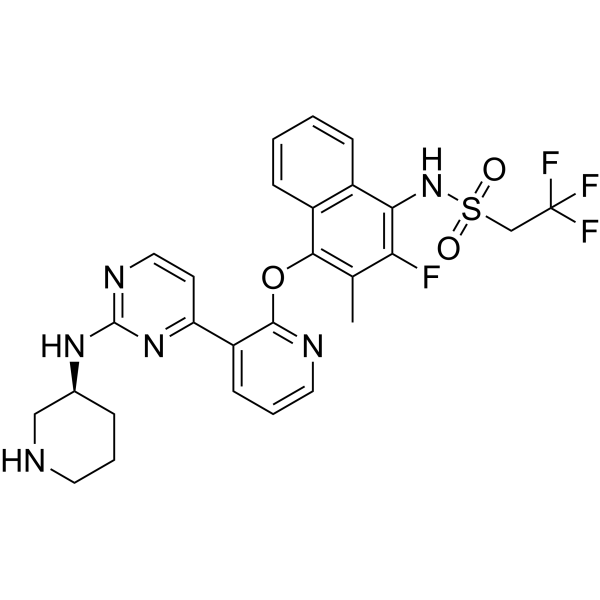
- HY-16657
-
|
|
MMP
NF-κB
Apoptosis
TNF Receptor
|
Inflammation/Immunology
Cancer
|
|
TAPI-1 is a broad-spectrum MMP inhibitor and NF-κB p65 inhibitor that targets ADAM17/TACE, ADAM10 and other proteins. TAPI-1 reduces the proteolytic cleavage of membrane-bound TNF-α, decreases TNF-α levels, inhibits NF-κB pathway activation, and downregulates profibrotic markers. TAPI-1 reduces the proportion of proinflammatory immune cells, alleviates cardiac and airway fibrosis, and improves cardiac function after myocardial infarction. Meanwhile, TAPI-1 inhibits the viability, migration and invasion of esophageal squamous cell carcinoma cells, enhances the chemosensitivity of Cisplatin (HY-17394), induces apoptosis, and shows low toxicity to normal esophageal epithelial cells. TAPI-1 can be widely used in studies related to myocardial infarction-induced heart failure, severe traumatic tracheal stenosis, esophageal squamous cell carcinoma and other conditions .
|
-
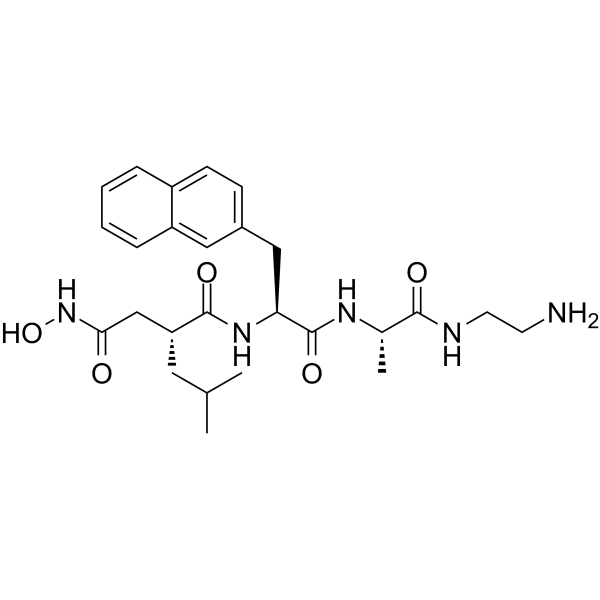
- HY-N15140
-
|
|
Drug Isomer
Bacterial
Fungal
Carboxypeptidase
|
Infection
Cancer
|
|
α-Thujaplicin, the isomer of Hinokitiol (HY-B2230), is an antimicrobial agent. α-Thujaplicin can be isolated from Aomori Hiba (Thujopsis dolabrata SIEB. et ZUCC. var. hondai MAKINO). α-Thujaplicin shows inhibition of Carboxypeptidase A (IC50: 32.4 μM). α-Thujaplicin shows rather strong antifungal activity against seven kinds of plant-pathogenic fungi, their MICs being in the range of 12.0-50.0 μg/mL. α-Thujaplicin shows clear antibacterial activity against Legionella pneumophila SG 1 and L. pneumophila SG 3, and their MICs are in the range of 12.5-50 μg/mL. α-Thujaplicin shows antibacterial activity against Enterococcus faecalis IFO-12965 with a MIC of 1.56 μg/mL. α-Thujaplicin shows germination inhibition toward the seed of Echinochloa utilis Ohwi et Yabuno. α-thujaplicin inhibits lymphocytic leukemia, stomach cancer, Ehrlich’s ascites carcinoma .
|
-

- HY-15244
-
|
BYL-719
|
PI3K
Apoptosis
|
Cancer
|
|
Alpelisib (BYL-719) is an orally active PI3Kα-selective inhibitor that blocks the conversion of PIP2 to PIP3, thereby inhibiting pathways including PI3K/AKT/mTOR, MAPK/ERK, Notch and JAK-STAT. Alpelisib also induces apoptosis, G0/G1 phase arrest and senescence; it significantly inhibits the proliferation, self-renewal, stemness and epithelial-mesenchymal transition (EMT) of tumor cells, reduces cancer stem cell populations and decreases the expression of stem cell markers. Alpelisib not only enhances the sensitivity to Eribulin (HY-13442) and exerts a synergistic effect with Paclitaxel (HY-B0015), but may also induce drug resistance by upregulating the SGK3/GSK3β/β-catenin signaling pathway. Alpelisib can be applied to research related to breast cancer, gastric cancer and lipomas associated with PTEN hamartoma tumor syndrome .
|
-
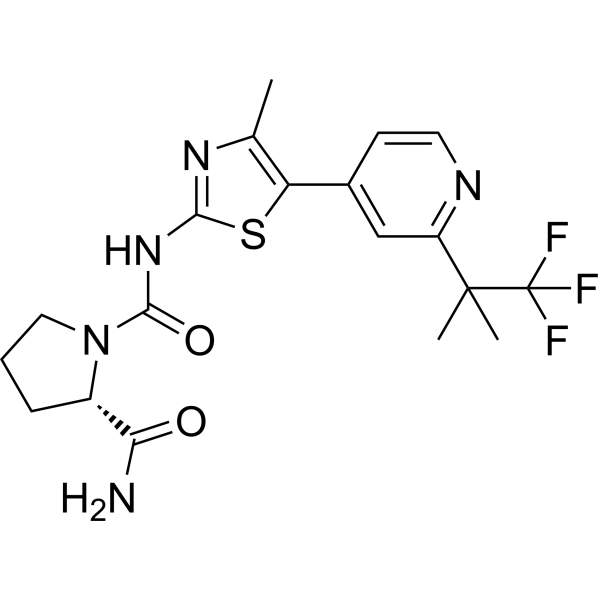
- HY-W778057
-
|
Protocatechuic acid ethyl ester-13C3
|
Reactive Oxygen Species (ROS)
|
Cancer
|
|
Ethyl 3,4-Dihydroxybenzoate- 13C3 (Protocatechuic acid ethyl ester- 13C3) is the 13C-labeled Ethyl 3,4-dihydroxybenzoate (HY-W016409). Ethyl 3,4-dihydroxybenzoate (Protocatechuic acid ethyl ester) is an orally effective, blood-brain barrier-permeable, competitive prolyl hydroxylase (PHD) inhibitor that inhibits the hydroxylation modification of hypoxia-inducible factor (HIF) by PHD. Ethyl 3,4-dihydroxybenzoate stabilizes HIF-1α by inhibiting PHD, activates downstream pathways to induce autophagy and apoptosis of tumor cells, and regulates inflammatory responses, inhibits the NF-κB pathway, improves vascular permeability, and promotes osteoblast differentiation. Ethyl 3,4-dihydroxybenzoate has anti-tumor, anti-hypoxic injury, and bone metabolism regulation effects. It can also be used in the research of cardiovascular protection (such as reducing myocardial ischemic damage), bone tissue engineering (promoting osteogenesis/inhibiting osteoclast differentiation), and prevention and treatment of high-altitude cerebral edema .
|
-

- HY-15244A
-
|
BYL-719 hydrochloride
|
PI3K
Apoptosis
|
Cancer
|
|
Alpelisib (BYL-719) hydrochloride is an orally active PI3Kα-selective inhibitor that blocks the conversion of PIP2 to PIP3, thereby inhibiting pathways including PI3K/AKT/mTOR, MAPK/ERK, Notch and JAK-STAT. Alpelisib hydrochloride also induces apoptosis, G0/G1 phase arrest and senescence; it significantly inhibits the proliferation, self-renewal, stemness and epithelial-mesenchymal transition (EMT) of tumor cells, reduces cancer stem cell populations and decreases the expression of stem cell markers. Alpelisib hydrochloride not only enhances the sensitivity to Eribulin (HY-13442) and exerts a synergistic effect with Paclitaxel (HY-B0015), but may also induce drug resistance by upregulating the SGK3/GSK3β/β-catenin signaling pathway. Alpelisib hydrochloride can be applied to research related to breast cancer, gastric cancer and lipomas associated with PTEN hamartoma tumor syndrome .
|
-
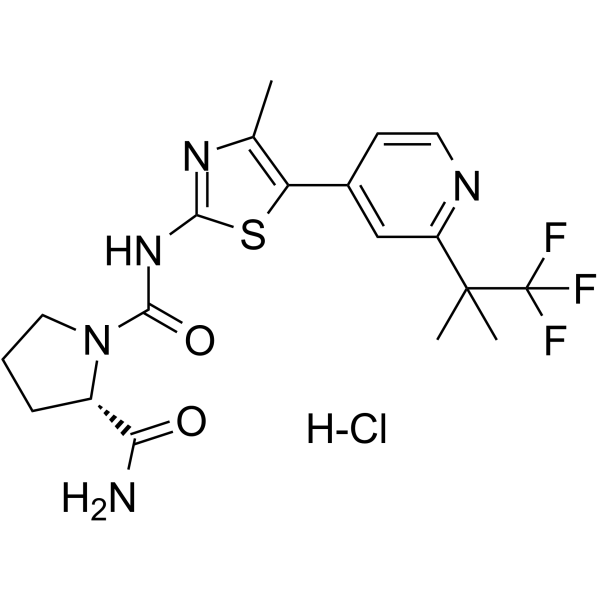
- HY-W016409R
-
|
Protocatechuic acid ethyl ester (Standard)
|
Reference Standards
HIF/HIF Prolyl-Hydroxylase
Reactive Oxygen Species (ROS)
NO Synthase
Autophagy
Apoptosis
|
Metabolic Disease
Cancer
|
|
Ethyl 3,4-dihydroxybenzoate (Standard) (Protocatechuic acid ethyl ester (Standard)) is the analytical standard of Ethyl 3,4-dihydroxybenzoate (HY-W016409). This product is intended for research and analytical applications. Ethyl 3,4-dihydroxybenzoate (Protocatechuic acid ethyl ester) is an orally effective, blood-brain barrier-permeable, competitive prolyl hydroxylase (PHD) inhibitor that inhibits the hydroxylation modification of hypoxia-inducible factor (HIF) by PHD. Ethyl 3,4-dihydroxybenzoate stabilizes HIF-1α by inhibiting PHD, activates downstream pathways to induce autophagy and apoptosis of tumor cells, and regulates inflammatory responses, inhibits the NF-κB pathway, improves vascular permeability, and promotes osteoblast differentiation. Ethyl 3,4-dihydroxybenzoate has anti-tumor, anti-hypoxic injury, and bone metabolism regulation effects. It can also be used in the research of cardiovascular protection (such as reducing myocardial ischemic damage), bone tissue engineering (promoting osteogenesis/inhibiting osteoclast differentiation), and prevention and treatment of high-altitude cerebral edema .
|
-

- HY-N17771
-
|
|
Endogenous Metabolite
|
Metabolic Disease
|
|
(6-O-p-Coumaroyl)-β-D-glucopyranosyl-2-O-(4-hydroxybenzoyl)-4-O-β-D-glucopyranosyl-6-hydroxyphenylacetate is a selective α-glucosidase inhibitor (IC50=10.53 μg/mL) with anti-hepatic fibrosis and anti-diabetic properties. It also inhibits the growth of mouse hepatic stellate cells (t-HSC/Cl-6) with an IC50 of 109.2 μg/mL. (6-O-p-Coumaroyl)-β-D-glucopyranosyl-2-O-(4-hydroxybenzoyl)-4-O-β-D-glucopyranosyl-6-hydroxyphenylacetate can be isolated from the ester derivatives of Impatiens balsamina L. flowers. (6-O-p-Coumaroyl)-β-D-glucopyranosyl-2-O-(4-hydroxybenzoyl)-4-O-β-D-glucopyranosyl-6-hydroxyphenylacetate can be used in research related to hepatic fibrosis and type 2 diabetes.
|
-

- HY-15244G
-
|
|
PI3K
Apoptosis
|
Cancer
|
|
Alpelisib GMP is Alpelisib (HY-15244) produced by using GMP guidelines. GMP small molecules works appropriately as an auxiliary reagent for cell therapy manufacture. Alpelisib (BYL-719) is an orally active PI3Kα-selective inhibitor that blocks the conversion of PIP2 to PIP3, thereby inhibiting pathways including PI3K/AKT/mTOR, MAPK/ERK, Notch and JAK-STAT. Alpelisib also induces apoptosis, G0/G1 phase arrest and senescence; it significantly inhibits the proliferation, self-renewal, stemness and epithelial-mesenchymal transition (EMT) of tumor cells, reduces cancer stem cell populations and decreases the expression of stem cell markers. Alpelisib not only enhances the sensitivity to Eribulin (HY-13442) and exerts a synergistic effect with Paclitaxel (HY-B0015), but may also induce drug resistance by upregulating the SGK3/GSK3β/β-catenin signaling pathway. Alpelisib can be applied to research related to breast cancer, gastric cancer and lipomas associated with PTEN hamartoma tumor syndrome .
|
-

| Cat. No. |
Product Name |
Type |
-
- HY-10182G
-
|
CHIR-99021; CT99021
|
Fluorescent Dyes
|
|
Laduviglusib (CHIR-99021) (GMP) is Laduviglusib (HY-10182) produced by using GMP guidelines. GMP small molecules works appropriately as an auxiliary reagent for cell therapy manufacture. Laduviglusib is a potent, orally active and selective GSK-3α/β inhibitor.
|
-
- HY-15244G
-
|
|
Fluorescent Dyes
|
|
Alpelisib GMP is Alpelisib (HY-15244) produced by using GMP guidelines. GMP small molecules works appropriately as an auxiliary reagent for cell therapy manufacture. Alpelisib (BYL-719) is an orally active PI3Kα-selective inhibitor that blocks the conversion of PIP2 to PIP3, thereby inhibiting pathways including PI3K/AKT/mTOR, MAPK/ERK, Notch and JAK-STAT. Alpelisib also induces apoptosis, G0/G1 phase arrest and senescence; it significantly inhibits the proliferation, self-renewal, stemness and epithelial-mesenchymal transition (EMT) of tumor cells, reduces cancer stem cell populations and decreases the expression of stem cell markers. Alpelisib not only enhances the sensitivity to Eribulin (HY-13442) and exerts a synergistic effect with Paclitaxel (HY-B0015), but may also induce drug resistance by upregulating the SGK3/GSK3β/β-catenin signaling pathway. Alpelisib can be applied to research related to breast cancer, gastric cancer and lipomas associated with PTEN hamartoma tumor syndrome .
|
| Cat. No. |
Product Name |
Type |
-
- HY-10182G
-
|
CHIR-99021; CT99021
|
Biochemical Assay Reagents
|
|
Laduviglusib (CHIR-99021) (GMP) is Laduviglusib (HY-10182) produced by using GMP guidelines. GMP small molecules works appropriately as an auxiliary reagent for cell therapy manufacture. Laduviglusib is a potent, orally active and selective GSK-3α/β inhibitor.
|
-
- HY-78000
-
|
4-Carbomethoxybenzaldehyde; 4-Carboxybenzaldehyde methyl ester; Terephthalaldehydic acid methyl ester; Methyl 4-formylbenzoate
|
Biochemical Assay Reagents
|
|
Methyl 4-formylbenzoate (4-Carbomethoxybenzaldehyde; 4-Carboxybenzaldehyde methyl ester; Terephthalaldehydic acid methyl ester; Methyl 4-formylbenzoate) is a intermediate that can be used for the synthesis of chalcone amide α-glucosidase inhibitors .
|
-
- HY-78000R
-
|
4-Carbomethoxybenzaldehyde (Standard); 4-Carboxybenzaldehyde methyl ester (Standard); Terephthalaldehydic acid methyl ester (Standard); Methyl 4-formylbenzoate (Standard)
|
Biochemical Assay Reagents
|
|
Methyl 4-formylbenzoate (4-Carbomethoxybenzaldehyde) (Standard) is the analytical standard of Methyl 4-formylbenzoate (HY-78000). This product is intended for research and analytical applications. Methyl 4-formylbenzoate is a drug intermediate that can be used to synthesis chalcone amide α-glucosidase inhibitors .
|
-
- HY-15244G
-
|
|
Biochemical Assay Reagents
|
|
Alpelisib GMP is Alpelisib (HY-15244) produced by using GMP guidelines. GMP small molecules works appropriately as an auxiliary reagent for cell therapy manufacture. Alpelisib (BYL-719) is an orally active PI3Kα-selective inhibitor that blocks the conversion of PIP2 to PIP3, thereby inhibiting pathways including PI3K/AKT/mTOR, MAPK/ERK, Notch and JAK-STAT. Alpelisib also induces apoptosis, G0/G1 phase arrest and senescence; it significantly inhibits the proliferation, self-renewal, stemness and epithelial-mesenchymal transition (EMT) of tumor cells, reduces cancer stem cell populations and decreases the expression of stem cell markers. Alpelisib not only enhances the sensitivity to Eribulin (HY-13442) and exerts a synergistic effect with Paclitaxel (HY-B0015), but may also induce drug resistance by upregulating the SGK3/GSK3β/β-catenin signaling pathway. Alpelisib can be applied to research related to breast cancer, gastric cancer and lipomas associated with PTEN hamartoma tumor syndrome .
|
| Cat. No. |
Product Name |
Target |
Research Area |
-
- HY-P10600A
-
|
|
Ras
|
Others
|
|
BIMAX2 acetate is a high affinity nuclear localization signal (NLS) peptide. BIMAX2 acetate can mimic the activity of the classical nuclear localization signal (cNLS) and competitively bind to importin α, thereby inhibiting the binding of cNLS-cargo proteins to importin α. BIMAX2 acetate can be used to study the role of RBBP4 in regulating nuclear import efficiency and cell senescence .
|
-
- HY-P4286
-
|
|
Peptides
|
Cancer
|
|
H-Gly-Leu-Phe-OH (GLF), an immunostimulatory tripeptide derived from α-lactalbumin, inhibits anticancer agent Etoposide-induced alopecia, epidermal thickening, and thinning of the adipocyte layer .
|
-
- HY-P5881
-
|
|
PKC
|
Cardiovascular Disease
|
|
PKCα (C2-4) inhibitor peptide is a PKCα specific inhibitor peptide that blocks the inhibition of IKr by the α1A adrenoreceptor agonist A-61603 (HY-101366) .
|
-
- HY-101399R
-
|
H-γ-Glu-Phe-OH (Standard); γ-Glutamylphenylalanine (Standard)
|
Reference Standards
Endogenous Metabolite
|
Others
|
|
Ceftezole (sodium) (Standard) is the analytical standard of Ceftezole (sodium). This product is intended for research and analytical applications. Ceftezole sodium (CTZ sodium) is a broad-spectrum cephem antibiotic against many species of gram-positive and gram-negative bacteria. Ceftezole sodium (CTZ sodium) is an alpha-glucosidase inhibitor with in vivo anti-diabetic activity .
|
-
- HY-P10600
-
|
|
Ras
|
Others
|
|
BIMAX2 is a high affinity nuclear localization signal (NLS) peptide. BIMAX2 can mimic the activity of the classical nuclear localization signal (cNLS) and competitively bind to importin α, thereby inhibiting the binding of cNLS-cargo proteins to importin α. BIMAX2 can be used to study the role of RBBP4 in regulating nuclear import efficiency and cell senescence .
|
-
- HY-P10813
-
-
- HY-P10850
-
|
|
TNF Receptor
NF-κB
Apoptosis
|
Inflammation/Immunology
|
|
PIYLGGVFQ is a peptide inhibitor for TNF-α. PIYLGGVFQ inhibits TNF-α-mediated apoptosis, NF-κB nuclear translocation and activation. PIYLGGVFQ exhibits anti-arthritic activity in the CIA mouse model .
|
-
- HY-P10869
-
dCNP
1 Publications Verification
|
Natriuretic Peptide Receptor (NPR)
|
Inflammation/Immunology
Cancer
|
|
dCNP binds to NPR-B/C receptor, activates cGMP signaling pathway, and regulates vascular function. dCNP exhibits anti-hypoxia property through downregulation of hypoxia-related genes expressions like HIF1α and HIF2α. dCNP inhibits the induction of tumor stroma and exhibits anti-fibrosis activity. dCNP upregulates CTLs, NK cells, and conventional type 1 dendritic cells in tumors, and activates immune responses .
|
| Cat. No. |
Product Name |
Target |
Research Area |
Image |
-
- HY-P9926
-
|
REGN-668; SAR-231893
|
Interleukin Related
|
Inflammation/Immunology
Cancer
|
|
Dupilumab (REGN-668) is a fully human mAb to IL-4 receptor α (IL-4Rα) that inhibits both IL-4 and IL-13 signaling, markedly improved moderate-to-severe atopic dermatitis .
|
-

(5)
-
- HY-P990211
-
|
|
Interleukin Related
|
Inflammation/Immunology
Cancer
|
|
Anti-Mouse IL-6R Antibody (15A7) is a rat-derived anti-mouse IL-6R IgG2b κ type antibody inhibitor. Anti-Mouse IL-6R Antibody (15A7) blocks IL-6 binding to IL-6Rα and inhibits both IL-6 classic and trans-signaling. Anti-Mouse IL-6R Antibody (15A7) can be used for the researches of cancer and inflammation, such as triple-negative breast cancer .
|
-
(5)
-
- HY-P990774
-
|
ASP-7266; TRAB-1; UPB-101
|
Interleukin Related
|
Inflammation/Immunology
|
|
Verekitug (ASP-7266; TRAB-1; UPB-101) is a human monoclonal antibody targeting the thymic stromal lymphopoietin receptor (TSLPR), with a mean half-life of approximately 20 days. At doses of Verekitug ≥100 mg, complete and sustained TSLPR-specific occupancy is achieved, and the antibody does not bind to IL-7Rα. By inhibiting TSLP-driven inflammatory responses, Verekitug blocks TSLP-induced cell proliferation and TARC expression, while reducing fractional exhaled NO levels, blood eosinophil counts, and levels of IL-5 and IgE. Verekitug significantly improves scores for nasal polyps, nasal congestion and olfactory dysfunction, with favorable safety and good tolerability; potential adverse reactions include headache, upper respiratory tract infection, sinusitis and nasopharyngitis. Verekitug is used in relevant studies on asthma, chronic rhinosinusitis with nasal polyps and chronic obstructive pulmonary disease .
|
-
(5)
-
- HY-P990033
-
|
CC-95251; BMS-986351
|
CD47
|
Cancer
|
|
Anzurstobart is a CD47/SIRPα inhibitor with human SIRPα Kd of 0.0541 nM and human SIRPα IC50 of 100 nM. Anzurstobart binds SIRPα at a CD47-overlapping site, blocks CD47-SIRPα interactions, inhibits CD47-SIRPα axis signaling, and binds across 6 prevalent human SIRPα haplotypes. Anzurstobart binds SIRPγ and inhibits CD47-SIRPγ interactions. Anzurstobart can be used for the research of non-Hodgkin's lymphoma, colorectal cancer, squamous cell carcinoma of the head and neck, diffuse large B-cell lymphoma, and advanced solid and hematologic malignancies .
|
-
(5)
-
- HY-P992021
-
|
|
Transmembrane Glycoprotein
|
Cancer
|
|
WM-A1-3389 is an anti-human IGSF1monoclonal antibody and tumor growth inhibitor. WM-A1-3389 specifically binds to the C-terminus of IGSF1, increases secretion of Granzyme B, IFN?γ, and TNF?α, and inhibits growth of colon cancer or biliary tract cancer in xenogeneic or allogeneic mouse implantation models. WM-A1-3389 can be used for the research of colon cancer, biliary tract cancer, and head and neck cancer .
|
-
(5)
| Cat. No. |
Product Name |
Category |
Target |
Chemical Structure |
-
- HY-B0089
-
-
-
- HY-N6722
-
-
-
- HY-14860
-
-
-
- HY-B0141A
-
-
-
- HY-128754
-
-
-
- HY-N0472
-
-
-
- HY-N6968
-
-
-
- HY-14860A
-
-
-
- HY-N0777
-
-
-
- HY-N1200
-
-
-
- HY-B0025
-
-
-
- HY-129113
-
-
-
- HY-N11908
-
-
-
- HY-N0419
-
-
-
- HY-Y0598
-
-
-
- HY-N6675
-
-
-
- HY-N1470
-
-
-
- HY-125713
-
-
-
- HY-W009417
-
-
-
- HY-N2168
-
-
-
- HY-W014118
-
|
|
Classification of Application Fields
Ketones, Aldehydes, Acids
Endogenous metabolite
Disease Research Fields
Source Classification
Cancer
|
Environmental Pollutants
|
|
α-Hexylcinnamaldehyde is an O-acetyltransferase (OAT) inhibitor. α-Hexylcinnamaldehyde inhibits OAT-mediated bioactivation of nitroarene mutagens, exerts antimutagenic activity through demutagenic and bioantimutagenic mechanisms, and interferes with ATP-binding cassette (ABC) transporter function to reduce substrate efflux. α-Hexylcinnamaldehyde alters membrane permeability, fluidizes phospholipid membranes, exerts antioxidant effects, and enhances the antiproliferative effect of Doxorubicin on human cancer cells. α-Hexylcinnamaldehyde can be used in the research of colorectal adenocarcinoma, T-cell leukemia, and multidrug-resistant cancers .
|
-
-
- HY-113062
-
-
-
- HY-B0141AR
-
-
-
- HY-N7377
-
-
-
- HY-135530
-
-
-
- HY-B0089R
-
-
-
- HY-N15497
-
-
-
- HY-14860R
-
-
-
- HY-N7683
-
-
-
- HY-101546A
-
-
-
- HY-N0946
-
|
(-)-Pinoresinol 4-O-β-D-glucopyranoside
|
Cicer arietinum L.
Plants
Compositae
Saccharides
Monosaccharides
Source Classification
|
Glycosidase
|
|
(-)-Pinoresinol 4-O-glucoside ((-)-Pinoresinol 4-O-β-D-glucopyranoside) is a potent and orally active α-glucosidase inhibitor with an IC50 value of 48.13 µM. (-)-Pinoresinol 4-O-glucoside increases cell migration and early differentiation of pre-osteoblasts. (-)-Pinoresinol 4-O-glucoside increases protein level of BMP2, p-Smad1/5/8, RUNX2. (-)-Pinoresinol 4-O-glucoside attenuates oxidative stress, hyperglycemia and hepatic toxicity. (-)-Pinoresinol 4-O-glucoside has the potential for the research of osteoporosis and periodontal disease .
|
-
-
- HY-N8745
-
-
-
- HY-N3706
-
-
-
- HY-N8517
-
-
-
- HY-N16575
-
-
-
- HY-126535
-
-
-
- HY-N3027
-
-
-
- HY-N17254
-
-
-
- HY-129131
-
-
-
- HY-N1218
-
-
-
- HY-N2223
-
-
-
- HY-N10413
-
-
-
- HY-101399R
-
-
-
- HY-N15613
-
|
|
Phenols
Polyphenols
Plants
Tacca chantrieri Andre
Taccaceae
Source Classification
|
α-synuclein
|
|
α-Synuclein inhibitor 14 (Compound 3) is a diarylheptanoid that can be isolated from Alpinia officinarum. α-Synuclein inhibitor 14 can inhibit the aggregation of α-synuclein, with an inhibition rate of 72.4% at a concentration of 10 μM. α-Synuclein inhibitor 14 can be used in the research of neurodegenerative diseases such as Parkinson's disease .
|
-
-
- HY-N11697
-
-
-
- HY-129113R
-
-
-
- HY-N10426
-
-
-
- HY-N8459
-
-
-
- HY-N7763
-
-
-
- HY-N10306
-
-
- HY-N6968R
-
-
- HY-N11728
-
|
|
Microorganisms
Phenols
Polyphenols
Source Classification
|
Amylases
Glycosidase
|
|
2,7"-Phloroglucinol-6,6'-bieckol is an orally active dual α-amylase/α-glucosidase inhibitor with IC50 values of 6.94 μM and 23.35 μM respectively. 2,7"-Phloroglucinol-6, 6'-bieckol alleviates postprandial hyperglycemia in diabetic mice. 2,7"-Phloroglucinol-6,6'-bieckol can be used in diabetes research .
|
-
- HY-N7521
-
-
- HY-N8120
-
-
- HY-119593
-
-
- HY-N1901
-
-
- HY-N12790
-
-
- HY-N9478
-
-
- HY-N12500
-
-
- HY-N4069
-
-
- HY-N11512
-
-
- HY-W727627
-
-
- HY-N9075
-
-
- HY-N0472R
-
-
- HY-B0089A
-
-
- HY-N12664
-
-
- HY-N12689
-
-
- HY-N13188
-
-
- HY-162541
-
-
- HY-N9699
-
-
- HY-N12006
-
-
- HY-N13173
-
-
- HY-N15138
-
-
- HY-N12761
-
-
- HY-N10440
-
-
- HY-N7170
-
-
- HY-N15602
-
-
- HY-B0025R
-
|
|
Structural Classification
Microorganisms
Saccharides
Source Classification
|
Reference Standards
Glycosidase
|
|
Voglibose (Standard) is the analytical standard of Voglibose. This product is intended for research and analytical applications. Voglibose is an orally active alpha-glucosidase inhibitor that prevents the development of colorectal precancerous lesions induced by obesity and diabetes. Voglibose reduces oxidative stress in an inflammatory environment and inhibits the insulin-like growth factor/insulin-like growth factor-1 receptor (IGF/IGF-1R) functional axis[1].
|
-
- HY-N11844
-
|
|
Natural Products
Cardamine hirsuta L.
Plants
Brassicaceae
Source Classification
|
Amylases
|
|
Quercetin 3-(6″-caffeoylsophoroside) is an orally active α-amylase inhibitor, with an IC50 of 73.66 μg/mL. Quercetin 3-(6″-caffeoylsophoroside) presents in thehydro-methanolic extract of Cardamine hirsuta Linn. Quercetin 3-(6″-caffeoylsophoroside) shows the antidiabetic activities by oxidative stress reduction and α-amylase inhibition. Quercetin 3-(6″-caffeoylsophoroside) can be used for diabetes mellitus research .
|
-
- HY-W009417R
-
-
- HY-128754R
-
-
- HY-122292
-
|
|
Animals
Antibiotics
Source Classification
|
Antibiotic
Bacterial
|
|
Celastramycin A is an antibiotic isolated from Streptomyces MaB-QuH-8, which exhibits antimicrobial activity against series of gram-negative bacteria and mycobacteria, with MICs between 0.05-3.1 μg/ml . Celastramycin A exhibits immunosuppressing efficacy in ex vivo Drosophila through immune deficiency pathway (IC50 of 0.008 μg/ml), inhibits the immunoresponse in human innate immunity through TNF-α signaling, inhibits IL-8 production in HUEVCs with IC50 of 0.06 μg/ml .
|
-
- HY-N3027R
-
-
- HY-W014118R
-
|
|
Ketones, Aldehydes, Acids
Endogenous metabolite
Source Classification
|
Reference Standards
Environmental Pollutants
|
|
α-Hexylcinnamaldehyde (Standard) is the analytical standard of α-Hexylcinnamaldehyde. This product is intended for research and analytical applications. α-Hexylcinnamaldehyde is an O-acetyltransferase (OAT) inhibitor. α-Hexylcinnamaldehyde inhibits OAT-mediated bioactivation of nitroarene mutagens, exerts antimutagenic activity through demutagenic and bioantimutagenic mechanisms, and interferes with ATP-binding cassette (ABC) transporter function to reduce substrate efflux. α-Hexylcinnamaldehyde alters membrane permeability, fluidizes phospholipid membranes, exerts antioxidant effects, and enhances the antiproliferative effect of Doxorubicin on human cancer cells. α-Hexylcinnamaldehyde can be used in the research of colorectal adenocarcinoma, T-cell leukemia, and multidrug-resistant cancers .
|
-
- HY-N2168R
-
-
- HY-N13020
-
-
- HY-N18381
-
-
- HY-N17553
-
-
- HY-N17925
-
-
- HY-N17629
-
-
- HY-N13813
-
-
- HY-N18049
-
|
|
Structural Classification
Monophenols
Gentianaceae
Phenols
Swertia mussotii Franch.
Plants
Source Classification
|
Amylases
|
|
Decussatin is an α-Amylases inhibitor isolated from the Tibetan medicinal plant Swertia mussotii. By inhibiting the catalytic activity of α-Amylases, Decussatin reduces the hydrolysis of complex carbohydrates such as starch and the intestinal absorption of glucose, thereby lowering blood glucose levels in the body. Decussatin shows no significant in vitro antibacterial or antifungal activity. Decussatin can be used for the research of type 2 diabetes .
|
-
- HY-N17562
-
-
- HY-182460
-
-
- HY-N17717
-
-
- HY-N17855
-
-
- HY-Y0598R
-
-
- HY-N17439
-
-
- HY-N12104
-
|
BMS-182123
|
Structural Classification
Natural Products
Endogenous metabolite
Source Classification
|
TNF Receptor
|
|
Trichodimerol (BMS-182123) is a TNF-α promoter inhibitor that inhibits the activity of lipopolysaccharide-induced cytokine secretion. Trichodimerol inhibits lipopolysaccharide-induced TNF-α promoter activity, reduces steady-state TNF-α mRNA expression, and does not alter the stability of TNF-α mRNA. Trichodimerol inhibits lipopolysaccharide-induced TNF-α secretion in murine and human immune cells. Trichodimerol reduces lipopolysaccharide-induced IL-1β secretion by 25%-50% in vitro. Trichodimerol does not alter total protein synthesis or constitutive lysozyme secretion at effective concentrations. Trichodimerol can be used for the research of septic shock .
|
-
- HY-N1470R
-
|
|
Plantaginaceae
Structural Classification
Flavonoids
Flavonones
Phenols
Polyphenols
Plantago asiatica L.
Plants
Source Classification
|
Reference Standards
Glycosidase
|
|
Plantagoside (Standard) is the analytical standard of Plantagoside (HY-N1470). This product is intended for research and analytical applications. Plantagoside is a flavanone glucoside found in Plantago asiatica seeds, acting as a specific non-competitive α-mannosidase inhibitor with IC50 values of 5 μM and a Ki of 2.7 μM (jack bean). Plantagoside suppresses antibody response and Concanavalin A (HY-P2149)-induced lymphocyte proliferation in mouse spleen cells. Plantagoside inhibits the Maillard reaction, advanced glycation end product formation, and glycation-dependent protein-protein cross-link formation. Plantagoside can be used for the research of diabetes .
|
-
- HY-W016409
-
|
Protocatechuic acid ethyl ester
|
Arachis hypogaea L.
Classification of Application Fields
Leguminosae
Phenols
Polyphenols
Metabolic Disease
Plants
Disease Research Fields
Source Classification
|
HIF/HIF Prolyl-Hydroxylase
Reactive Oxygen Species (ROS)
NO Synthase
Autophagy
Apoptosis
|
|
Ethyl 3,4-dihydroxybenzoate (Protocatechuic acid ethyl ester) is an orally effective, blood-brain barrier-permeable, competitive prolyl hydroxylase (PHD) inhibitor that inhibits the hydroxylation modification of hypoxia-inducible factor (HIF) by PHD. Ethyl 3,4-dihydroxybenzoate stabilizes HIF-1α by inhibiting PHD, activates downstream pathways to induce autophagy and apoptosis of tumor cells, and regulates inflammatory responses, inhibits the NF-κB pathway, improves vascular permeability, and promotes osteoblast differentiation. Ethyl 3,4-dihydroxybenzoate has anti-tumor, anti-hypoxic injury, and bone metabolism regulation effects. It can also be used in the research of cardiovascular protection (such as reducing myocardial ischemic damage), bone tissue engineering (promoting osteogenesis/inhibiting osteoclast differentiation), and prevention and treatment of high-altitude cerebral edema .
|
-
- HY-N12378A
-
|
|
Structural Classification
Entada phaseoloides (L.) Merr.
Terpenoids
Labiatae
Sesquiterpenes
Plants
Source Classification
|
AMPK
FASTK
Sirtuin
ROCK
Keap1-Nrf2
Toll-like Receptor (TLR)
Apoptosis
PKA
ERK
NF-κB
Epigenetic Reader Domain
Caspase
|
|
α-Patchoulene is an orally active anti-inflammatory, antioxidant, and anti-apoptotic agent. α-Patchoulene inhibits the NF-κB, TLR4, and cAMP/PKA/CREB signaling pathways; activates the Sirt1/Nrf2 and AMPK signaling pathways; and targets Fas/FasL, Caspase-3, ERK1/2, ROCK1/MLC2 for inhibition. α-Patchoulene regulates cytokine secretion, inflammatory cell infiltration, lipid peroxidation, cell polarization, gut microbiota, and lipid metabolism, restores barrier function, mitochondrial function, and cell viability, and exhibits repellent activity against Spodoptera exigua larvae. α-Patchoulene can be used in research related to various inflammatory, ischemic, fibrosis-associated diseases, as well as hepatocellular carcinoma .
|
-
- HY-N15140
-
|
|
Structural Classification
Natural Products
Cupressaceae
Ketones, Aldehydes, Acids
Plants
Thujopsis dolabrata (Thunberg ex L. f.) Sieb. et Zucc.
Source Classification
|
Drug Isomer
Bacterial
Fungal
Carboxypeptidase
|
|
α-Thujaplicin, the isomer of Hinokitiol (HY-B2230), is an antimicrobial agent. α-Thujaplicin can be isolated from Aomori Hiba (Thujopsis dolabrata SIEB. et ZUCC. var. hondai MAKINO). α-Thujaplicin shows inhibition of Carboxypeptidase A (IC50: 32.4 μM). α-Thujaplicin shows rather strong antifungal activity against seven kinds of plant-pathogenic fungi, their MICs being in the range of 12.0-50.0 μg/mL. α-Thujaplicin shows clear antibacterial activity against Legionella pneumophila SG 1 and L. pneumophila SG 3, and their MICs are in the range of 12.5-50 μg/mL. α-Thujaplicin shows antibacterial activity against Enterococcus faecalis IFO-12965 with a MIC of 1.56 μg/mL. α-Thujaplicin shows germination inhibition toward the seed of Echinochloa utilis Ohwi et Yabuno. α-thujaplicin inhibits lymphocytic leukemia, stomach cancer, Ehrlich’s ascites carcinoma .
|
-
- HY-W016409R
-
|
Protocatechuic acid ethyl ester (Standard)
|
Structural Classification
Arachis hypogaea L.
Leguminosae
Phenols
Polyphenols
Plants
Source Classification
|
Reference Standards
HIF/HIF Prolyl-Hydroxylase
Reactive Oxygen Species (ROS)
NO Synthase
Autophagy
Apoptosis
|
|
Ethyl 3,4-dihydroxybenzoate (Standard) (Protocatechuic acid ethyl ester (Standard)) is the analytical standard of Ethyl 3,4-dihydroxybenzoate (HY-W016409). This product is intended for research and analytical applications. Ethyl 3,4-dihydroxybenzoate (Protocatechuic acid ethyl ester) is an orally effective, blood-brain barrier-permeable, competitive prolyl hydroxylase (PHD) inhibitor that inhibits the hydroxylation modification of hypoxia-inducible factor (HIF) by PHD. Ethyl 3,4-dihydroxybenzoate stabilizes HIF-1α by inhibiting PHD, activates downstream pathways to induce autophagy and apoptosis of tumor cells, and regulates inflammatory responses, inhibits the NF-κB pathway, improves vascular permeability, and promotes osteoblast differentiation. Ethyl 3,4-dihydroxybenzoate has anti-tumor, anti-hypoxic injury, and bone metabolism regulation effects. It can also be used in the research of cardiovascular protection (such as reducing myocardial ischemic damage), bone tissue engineering (promoting osteogenesis/inhibiting osteoclast differentiation), and prevention and treatment of high-altitude cerebral edema .
|
-
- HY-N17771
-
|
|
Structural Classification
Impatiens balsamina Linn.
Balsaminaceae
Phenols
Polyphenols
Plants
Source Classification
|
Endogenous Metabolite
|
|
(6-O-p-Coumaroyl)-β-D-glucopyranosyl-2-O-(4-hydroxybenzoyl)-4-O-β-D-glucopyranosyl-6-hydroxyphenylacetate is a selective α-glucosidase inhibitor (IC50=10.53 μg/mL) with anti-hepatic fibrosis and anti-diabetic properties. It also inhibits the growth of mouse hepatic stellate cells (t-HSC/Cl-6) with an IC50 of 109.2 μg/mL. (6-O-p-Coumaroyl)-β-D-glucopyranosyl-2-O-(4-hydroxybenzoyl)-4-O-β-D-glucopyranosyl-6-hydroxyphenylacetate can be isolated from the ester derivatives of Impatiens balsamina L. flowers. (6-O-p-Coumaroyl)-β-D-glucopyranosyl-2-O-(4-hydroxybenzoyl)-4-O-β-D-glucopyranosyl-6-hydroxyphenylacetate can be used in research related to hepatic fibrosis and type 2 diabetes.
|
-
| Cat. No. |
Product Name |
Chemical Structure |
-
- HY-B0141AS1
-
|
|
|
Alpha-Estradiol-d2 is the deuterium labeled Alpha-Estradiol. Alpha-Estradiol is a weak estrogen and a 5α-reductase inhibitor which is used as a topical medication in the treatment of androgenic alopecia .
|
-
-
- HY-10255AS1
-
|
|
|
Sunitinib-d4 is the deuterium labeled Sunitinib. Sunitinib (SU 11248) is a multi-targeted receptor tyrosine kinase inhibitor with IC50s of 80 nM and 2 nM for VEGFR2 and PDGFRβ, respectively . Sunitinib, an ATP-competitive inhibitor, effectively inhibits autophosphorylation of Ire1α by inhibiting autophosphorylation and consequent RNase activation .
|
-
-
- HY-10255AS
-
|
|
|
Sunitinib-d10 (SU 11248-d10) is a deuterium labeled Sunitinib. Sunitinib is a multi-targeted receptor tyrosine kinase inhibitor with IC50s of 80 nM and 2 nM for VEGFR2 and PDGFRβ, respectively . Sunitinib, an ATP-competitive inhibitor, effectively inhibits autophosphorylation of Ire1α by inhibiting autophosphorylation and consequent RNase activation .
|
-
-
- HY-B0141AS
-
|
|
|
Alpha-Estradiol-d3 is the deuterium labeled Alpha-Estradiol. Alpha-Estradiol is a weak estrogen and a 5α-reductase inhibitor which is used as a topical medication in the treatment of androgenic alopecia.
|
-
-
- HY-B0089S
-
|
|
|
Acarbose-d4 (BAY g 5421-d4) is deuterium labeled Acarbose. Acarbose (BAY g 5421), antihyperglycemic agent, is an orally active alpha-glucosidase inhibitor (IC50=11 nM). Acarbose can potentiate the hypoglycemic effects of sulfonylureas or insulin .
|
-
-
- HY-12753AS
-
|
|
|
Debutyldronedarone-d7 hydrochloride is deuterated labeled Debutyldronedarone hydrochloride (HY-12753A). Debutyldronedarone (SR35021) hydrochloride, the main metabolite of Dronedarone, is a selective thyroid hormone receptor α1 (TRα1) inhibitor. Debutyldronedarone hydrochloride inhibits T3 binding to TRα1 and TRβ1 by 77% and 25%, respectively. Debutyldronedarone hydrochloride can be used for the research of arrhythmic .
|
-
-
- HY-13635S
-
|
|
|
Finasteride-d9 is deuterium labeled Finasteride. Finasteride (MK-906) is a potent and competitive 5α-reductase inhibitor, with an IC50 of 4.2 nM for type II 5α-reductase. Finasteride has approximately a 100-fold greater affinity for type II 5α-reductase enzyme than for the type I enzyme. Finasteride can be used for the research of benign prostatic hyperplasia (BPH) and androgenic alopecia .
|
-
-
- HY-128463S
-
|
|
|
N-tert-Butyl-α-phenylnitrone-d14 is the deuterium labeled N-tert-Butyl-α-phenylnitrone . N-tert-Butyl-α-phenylnitrone is a nitrone-based free radical scavenger that forms nitroxide spin adducts. N-tert-Butyl-α-phenylnitrone inhibits COX2 catalytic activity. N-tert-Butyl-α-phenylnitrone has potent ROS scavenging, anti-inflammatory, neuroprotective, anti-aging and anti-diabetic activities, and can penetrate the blood-brain barrier .
|
-
-
- HY-W013150S
-
|
|
|
Alpidem-d14 is the deuterium labeled Alpidem (HY-W013150) . Alpidem, an anxiolytic agent, is an orally active and brain-penetrant GABAA receptor ligand, binds to α1β2γ2 subunit-containing GABAA receptors (IC50 of 17 nM) over α5β2γ2 subunit-containing GABAA receptors (IC50 of >10 μM). Alpidem modulates calcium-induced mitochondrial permeability transition, induces glutathione depletion and hepatocyte necrosis, potentiates TNF-α toxicity, inhibits marble-burying and locomotor activity, enhances stressed rodent feeding behavior, and exerts anticonvulsant effects. Alpidem can be used for the research of anxiety, anxiety disorders, and convulsions.
|
-
-
- HY-W778057
-
|
|
|
Ethyl 3,4-Dihydroxybenzoate- 13C3 (Protocatechuic acid ethyl ester- 13C3) is the 13C-labeled Ethyl 3,4-dihydroxybenzoate (HY-W016409). Ethyl 3,4-dihydroxybenzoate (Protocatechuic acid ethyl ester) is an orally effective, blood-brain barrier-permeable, competitive prolyl hydroxylase (PHD) inhibitor that inhibits the hydroxylation modification of hypoxia-inducible factor (HIF) by PHD. Ethyl 3,4-dihydroxybenzoate stabilizes HIF-1α by inhibiting PHD, activates downstream pathways to induce autophagy and apoptosis of tumor cells, and regulates inflammatory responses, inhibits the NF-κB pathway, improves vascular permeability, and promotes osteoblast differentiation. Ethyl 3,4-dihydroxybenzoate has anti-tumor, anti-hypoxic injury, and bone metabolism regulation effects. It can also be used in the research of cardiovascular protection (such as reducing myocardial ischemic damage), bone tissue engineering (promoting osteogenesis/inhibiting osteoclast differentiation), and prevention and treatment of high-altitude cerebral edema .
|
-
-
- HY-W749516
-
|
|
|
Voglibose- 13C3 is the 13C-labeled Voglibose (HY-B0025). Voglibose is an orally active alpha-glucosidase inhibitor that prevents the development of colorectal precancerous lesions induced by obesity and diabetes. Voglibose reduces oxidative stress in an inflammatory environment and inhibits the insulin-like growth factor/insulin-like growth factor-1 receptor (IGF/IGF-1R) functional axis.
|
-
| Cat. No. |
Product Name |
|
Classification |
-
- HY-128754
-
|
|
|
Emulsifiers
|
|
Monoolein is a biocompatible lipid molecule that can be used as a carrier for bone repair. Monoolein exhibits anti-inflammatory activity by inhibiting the immune response induced by LPS (HY-D1056). It exerts its anti-inflammatory effects by reducing the production of immune response factors such as IL-12 p40, IL-6, and TNF-α, and inhibiting the generation of NO. Monoolein can be used in drug delivery and research in the field of inflammatory diseases .
|
| Cat. No. |
Product Name |
Target |
Research Areas |
Chemical Structure |
-
- HY-10182G
-
|
CHIR-99021; CT99021
|
GSK-3
Wnt
β-catenin
Autophagy
|
Metabolic Disease
Cancer
|
|
Laduviglusib (CHIR-99021) (GMP) is Laduviglusib (HY-10182) produced by using GMP guidelines. GMP small molecules works appropriately as an auxiliary reagent for cell therapy manufacture. Laduviglusib is a potent, orally active and selective GSK-3α/β inhibitor.
|
-
-
- HY-15244G
-
|
|
PI3K
Apoptosis
|
Cancer
|
|
Alpelisib GMP is Alpelisib (HY-15244) produced by using GMP guidelines. GMP small molecules works appropriately as an auxiliary reagent for cell therapy manufacture. Alpelisib (BYL-719) is an orally active PI3Kα-selective inhibitor that blocks the conversion of PIP2 to PIP3, thereby inhibiting pathways including PI3K/AKT/mTOR, MAPK/ERK, Notch and JAK-STAT. Alpelisib also induces apoptosis, G0/G1 phase arrest and senescence; it significantly inhibits the proliferation, self-renewal, stemness and epithelial-mesenchymal transition (EMT) of tumor cells, reduces cancer stem cell populations and decreases the expression of stem cell markers. Alpelisib not only enhances the sensitivity to Eribulin (HY-13442) and exerts a synergistic effect with Paclitaxel (HY-B0015), but may also induce drug resistance by upregulating the SGK3/GSK3β/β-catenin signaling pathway. Alpelisib can be applied to research related to breast cancer, gastric cancer and lipomas associated with PTEN hamartoma tumor syndrome .
|
-
Your information is safe with us. * Required Fields.
Inquiry Information
- Product Name:
- Cat. No.:
- Quantity:
- MCE Japan Authorized Agent:








