1. Search Result
Search Result
Results for "

anti-inflammatory macrophage

" in MedChemExpress (MCE) Product Catalog:

199

Inhibitors & Agonists

1

Screening Libraries

1

Biochemical Assay Reagents

4

Peptides

3

Inhibitory Antibodies

91

Natural
Products

8

Isotope-Labeled Compounds

1

Click Chemistry

3

Oligonucleotides

Cat. No. Product Name Target Research Areas Chemical Structure
  • HY-Y0520
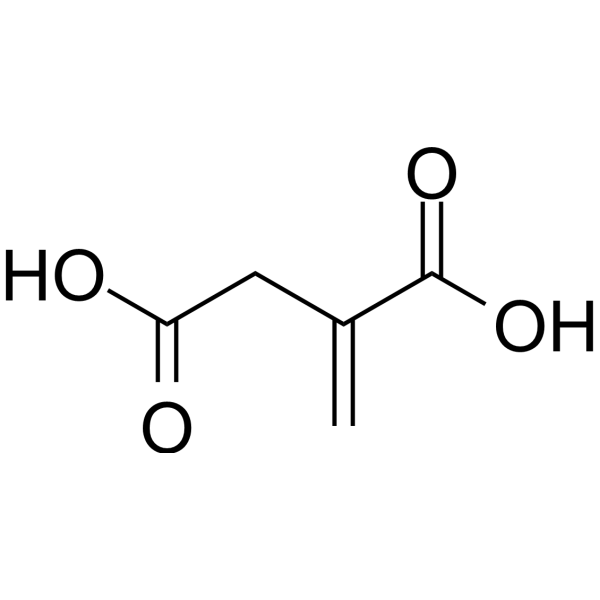
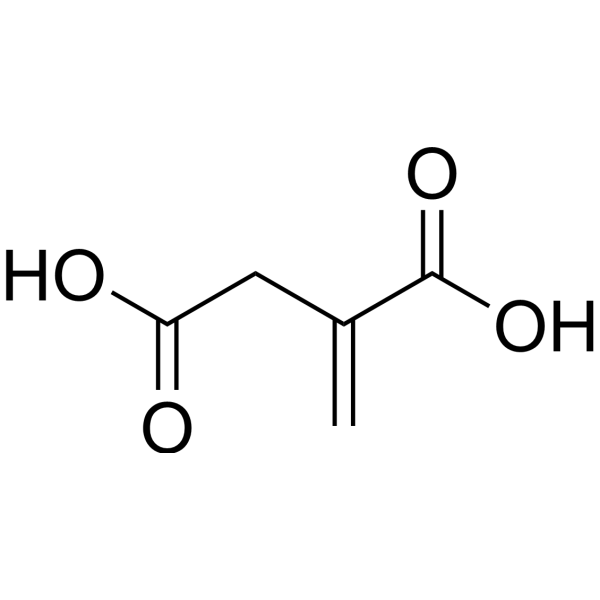
    Itaconic acid
    2 Publications Verification

    Methylenesuccinic acid

    Endogenous Metabolite Ferroptosis Inflammation/Immunology Cancer
    Itaconic acid, a precursor of polymers, chemicals, and fuels, can be synthesized by many fungi. Itaconic acid also is a macrophage-specific metabolite. Itaconic acid mediates crosstalk between macrophage metabolism and peritoneal tumors. Itaconic acid has anti-inflammatory, anti-microbial and immunomodulatory effect .
    Itaconic acid
  • HY-B0636
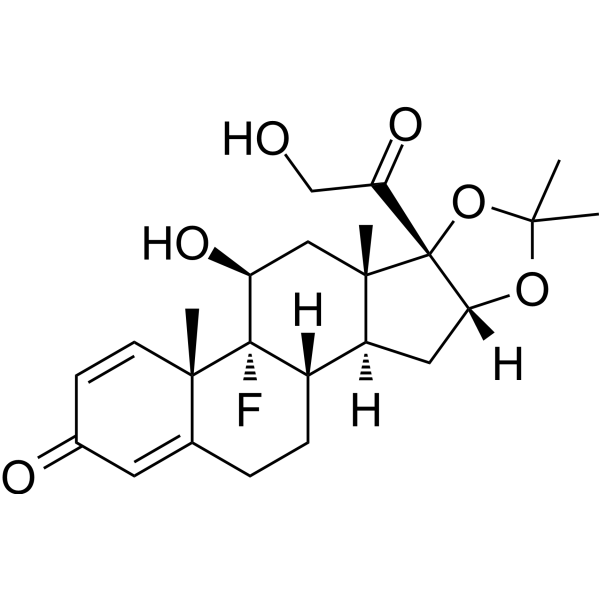
    Triamcinolone acetonide
    5+ Cited Publications

    Glucocorticoid Receptor FGFR Cardiovascular Disease Inflammation/Immunology Endocrinology Cancer
    Triamcinolone acetonide inhibits basic fibroblast growth factor (bFGF) induced proliferation of retinal endothelial cells. Triamcinolone acetonide reduces chondrocyte viability and leads to cartilage destruction. Triamcinolone acetonide activates macrophage with anti-inflammatory characteristics. Triamcinolone acetonide can be used in the study of diseases such as atopic dermatitis .
    Triamcinolone acetonide
  • HY-N9481
    Lipoteichoic acid
    1 Publications Verification

    Complement System Autophagy mTOR Akt PI3K ERK Interleukin Related Infection Metabolic Disease Inflammation/Immunology Cancer
    Lipoteichoic acid is an orally effect anti-inflammatory and antitumor agent. Lipoteichoic acid is a crucial immune molecule in Gram-positive bacteria that activates the complement system by inducing C3 and inhibiting CD55. Lipoteichoic acid regulates macrophage autophagy through the PI3K/Akt/mTOR pathway. Lipoteichoic acid induces lung damage in mice. Lipoteichoic acid inhibits the production of melanin .
    Lipoteichoic acid
  • HY-N0577
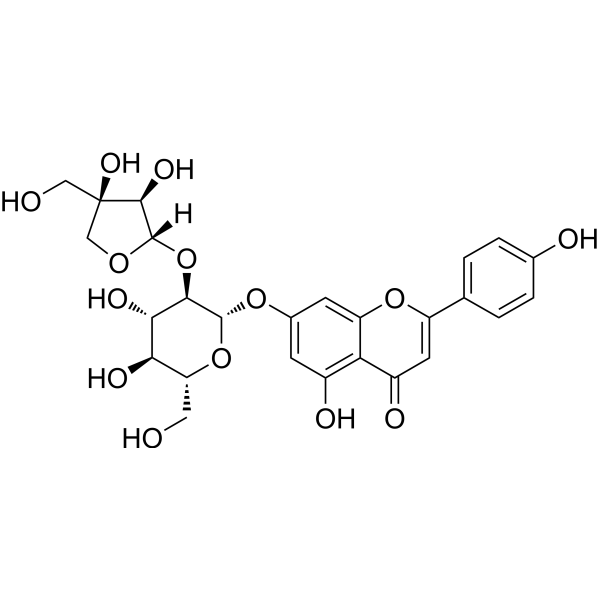
    Apiin
    1 Publications Verification

    Apigenin 7-O-apiosylglucoside; Apigenin 7-(2-O-apiosylglucoside)

    NO Synthase Inflammation/Immunology
    Apiin is a flavonoid glycoside-based iNOS inhibitor. Apiin inhibits the expression of inducible nitric oxide synthase in activated macrophages. Apiin exhibits anti-inflammatory activity .
    Apiin
  • HY-N0569
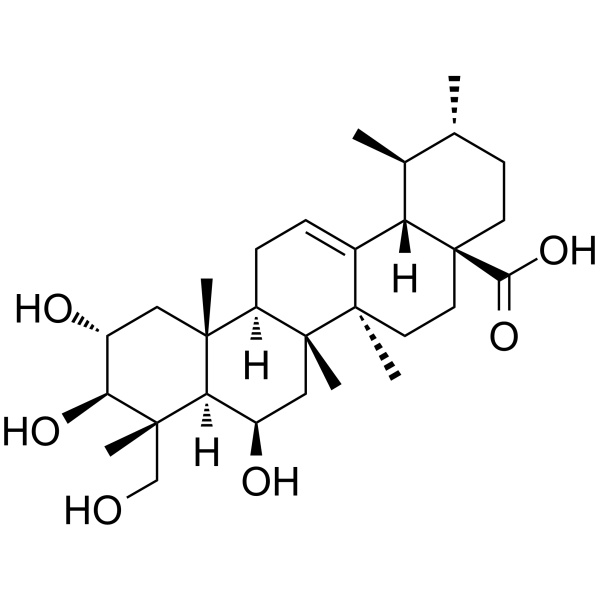
    Madecassic acid
    2 Publications Verification

    NO Synthase COX TNF Receptor Interleukin Related Inflammation/Immunology
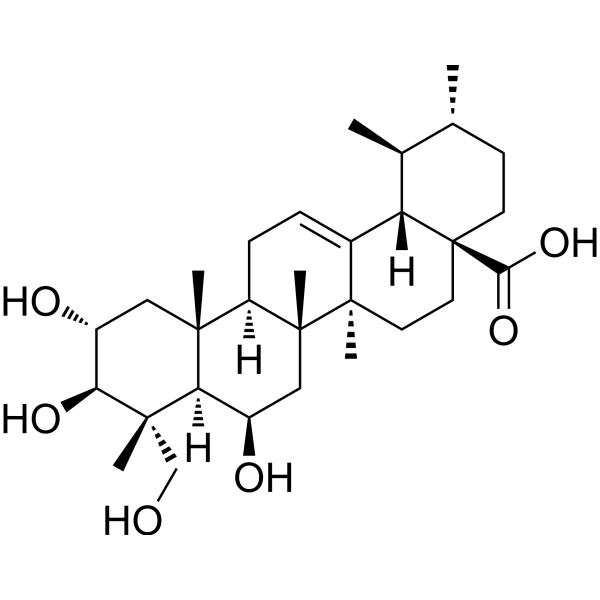
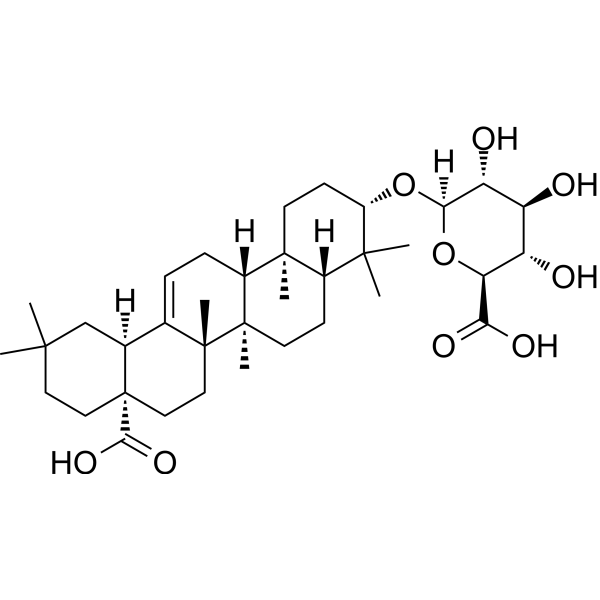
    Madecassic acid is isolated from Centella asiatica (Umbelliferae). Madecassic acid has anti-inflammatory properties caused by iNOS, COX-2, TNF-alpha, IL-1beta, and IL-6 inhibition via the downregulation of NF-κB activation in RAW 264.7 macrophage cells .
    Madecassic acid
  • HY-W018643
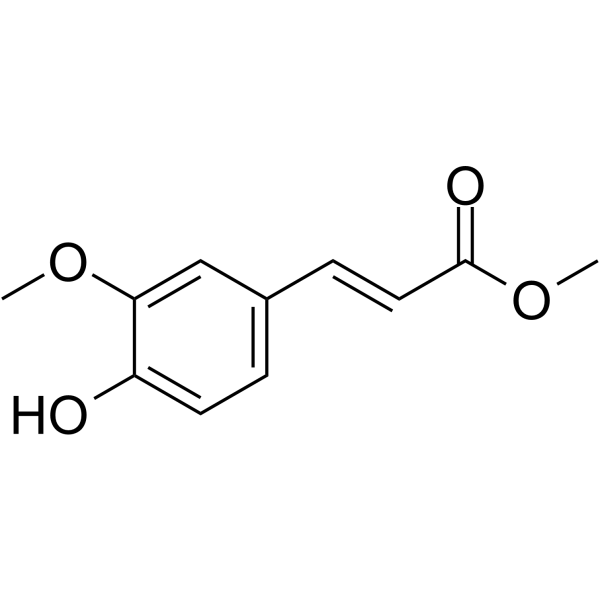
    Ferulic acid methyl ester
    1 Publications Verification

    Methyl ferulate

    p38 MAPK Autophagy Neurological Disease Inflammation/Immunology Cancer
    Ferulic acid methyl ester (Methyl ferulate) is a derivative of ferulic acid, isolated from Stemona tuberosa, with anti-inflammatory and antioxidant properties . Ferulic acid methyl ester is a cell membrane and brain permeable compound, shows free radical scavenging ability, used in the research of neurodegenerative disorders . Ferulic acid methyl ester inhibits COX-2 expression, blocks p-p38 and p-JNK in primary bone marrow derived-macrophages .
    Ferulic acid methyl ester
  • HY-B0335
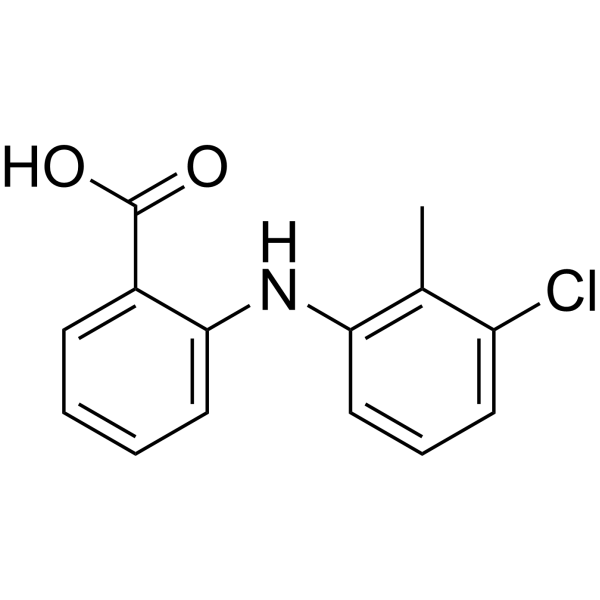
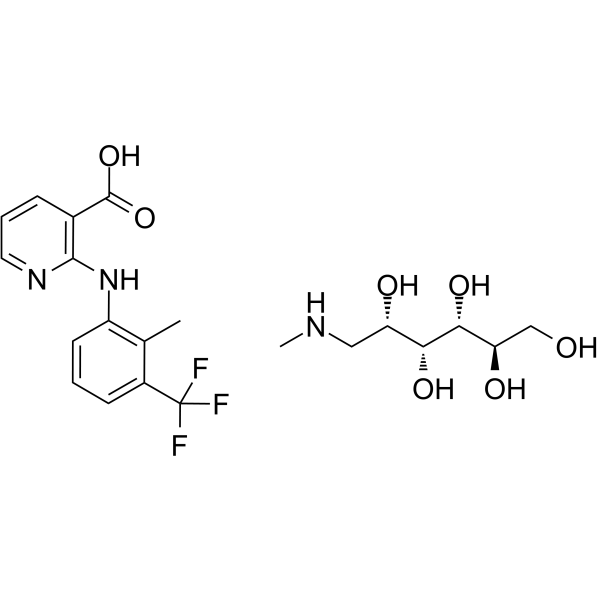
    Tolfenamic Acid
    2 Publications Verification

    GEA 6414

    COX Infection Neurological Disease Inflammation/Immunology Cancer
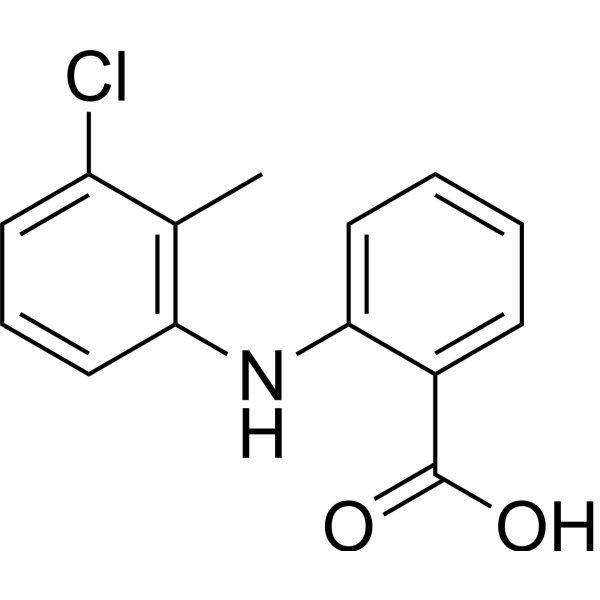
    Tolfenamic Acid (GEA 6414) is a CNS-penetrant non-steroidal anti-inflammatory and anti-cancer agent, selectively inhibits COX-2, with an IC50 of 13.49 μM (3.53 μg/mL) in LPS-treated (COX-2) canine DH82 monocyte/macrophage cells, but shows no effect on COX-1.
    Tolfenamic Acid
  • HY-129113

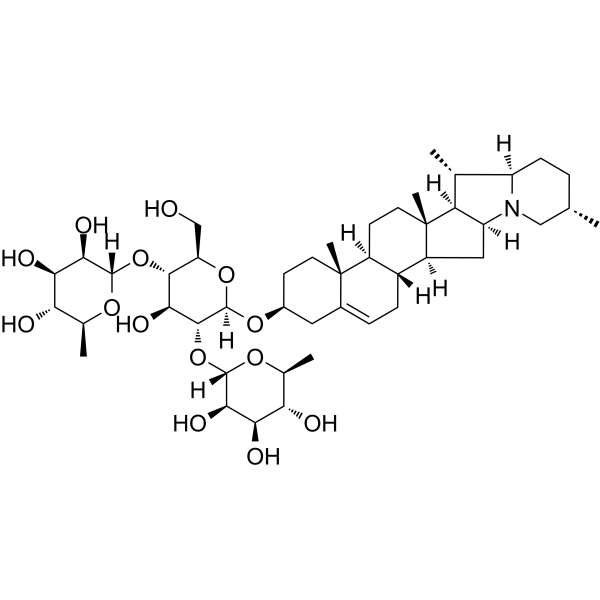
    COX Inflammation/Immunology
    α-Chaconine inhibits the expressions of COX-2, IL-1β, IL-6, and TNF-α at the transcriptional level. α-Chaconine inhibits the LPS-induced expressions of iNOS and COX-2 at the protein and mRNA levels and their promoter activities in RAW 264.7 macrophages. Anti-inflammatory effects .
    α-​Chaconine
  • HY-N6028
    Darutoside
    1 Publications Verification

    COX NF-κB Interleukin Related TNF Receptor Inflammation/Immunology
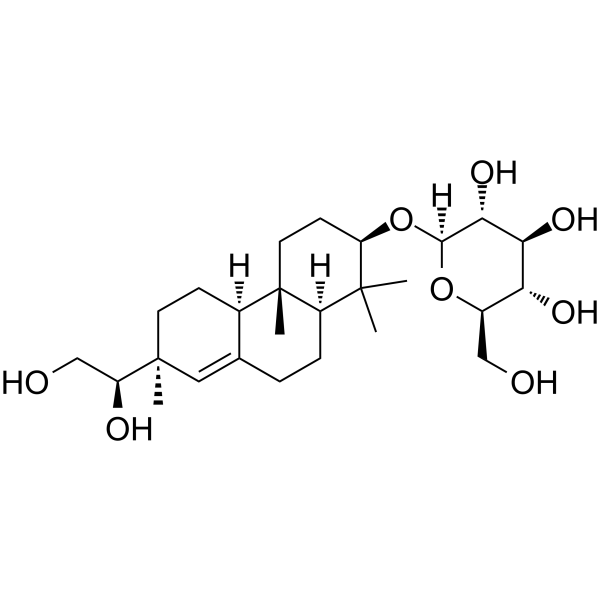
    Darutoside is an orally effective diterpene compound with significant anti-inflammatory, analgesic, wound healing promotion, and immunomodulatory activities. Darutoside reduces edema and pain responses by inhibiting the expression of COX-2 and the migration of inflammatory cells. It regulates macrophage polarization towards the M2 type by inhibiting the NF-κB pathway, alleviating inflammation and promoting wound healing. Through multi-target regulation of metabolic networks, Darutoside significantly alleviates acute gouty arthritis .
    Darutoside
  • HY-W047187

    Xanthine Oxidase NO Synthase TNF Receptor Others
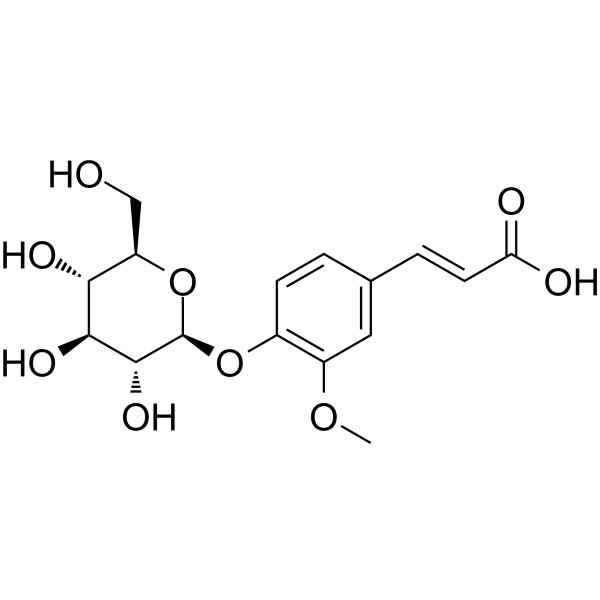
    Lavandoside is an ABTS ?+ free radical scavenger and a moderate inhibitor of xanthine oxidase (XO), with an IC50 of 71.6 μM for inhibiting NO production in LPS-induced macrophages. Lavandoside exerts its antioxidant and potential anti-inflammatory effects by directly scavenging free radicals and inhibiting XO activity, a mechanism related to the hydroxyl groups in its molecular structure. Lavandoside can be isolated from lavender and can be used in the development of natural antioxidants and in research on oxidative stress-related diseases and inflammation-related diseases .
    Lavandoside
  • HY-N2963
    Broussonin E
    2 Publications Verification

    ERK p38 MAPK JAK STAT TNF Receptor Interleukin Related COX Arginase Inflammation/Immunology
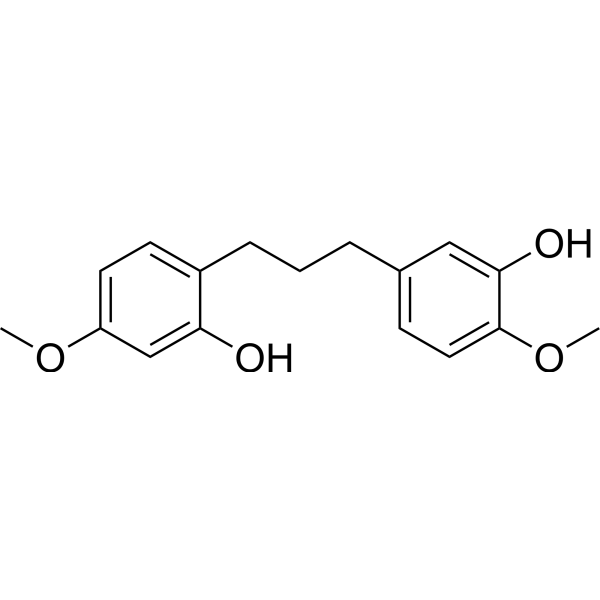
    Broussonin E is a phenolic compound and shows anti-inflammatory activity. Broussonin E can suppress inflammation by modulating macrophages activation statevia inhibiting the ERK and p38 MAPK and enhancing JAK2-STAT3 signaling pathway. Broussonin E can be used for the research of inflammation-related diseases such as atherosclerosis .
    Broussonin E
  • HY-15652

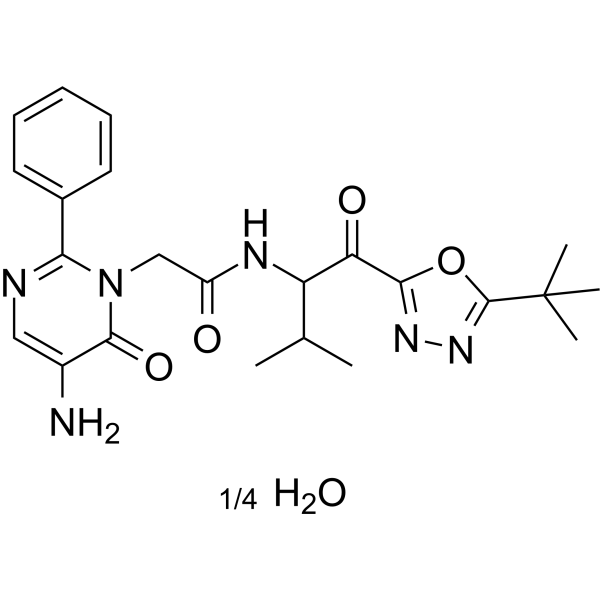
    ONO-6818; ONO-PO-736

    Elastase Inflammation/Immunology
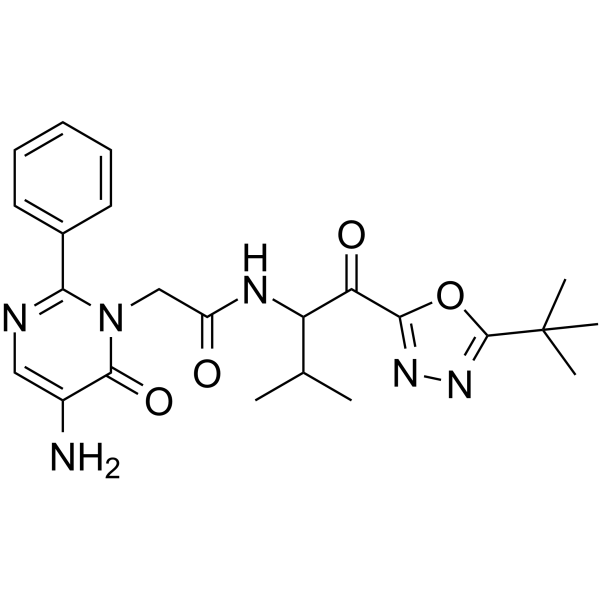
    Freselestat (ONO-6818) is a potent and orally active neutrophil elastase inhibitor with a Ki of 12.2 nM. Freselestat is >100-fold less-active against other proteases such as trypsin, protein-ase 3, pancreatic elastase, plasmin, thrombin, collagenase, cathepsin G, and murine macrophage elastase. Freselestat has a potent anti-inflammatory activity .
    Freselestat
  • HY-N0608
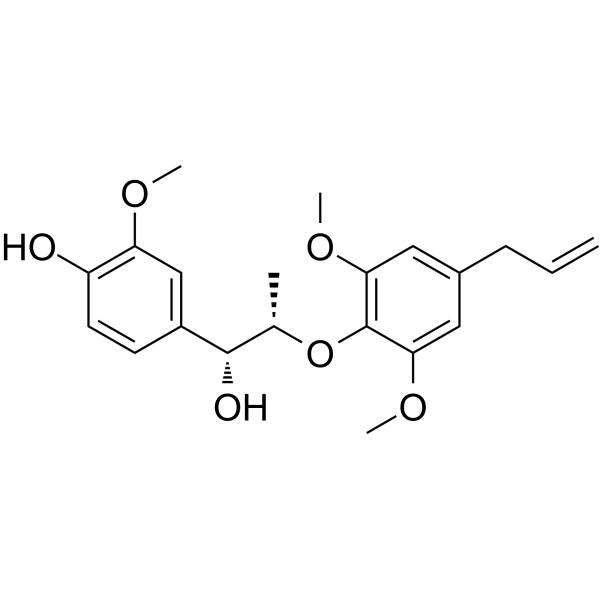
    Myrislignan
    1 Publications Verification

    NF-κB Inflammation/Immunology
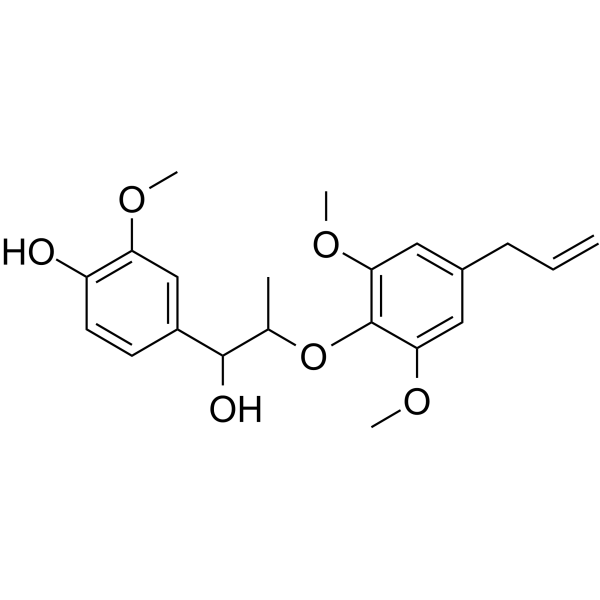
    Myrislignan, a lignan isolated from Myristica fragrans Houtt, possesses anti-inflammatory activities. Myrislignan attenuates LPS-induced inflammation reaction in murine macrophage cells through inhibition of NF-kB signalling pathway activation .
    Myrislignan
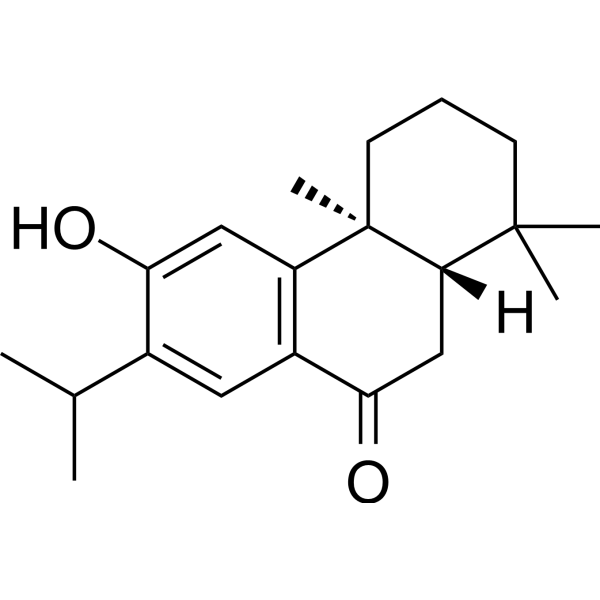
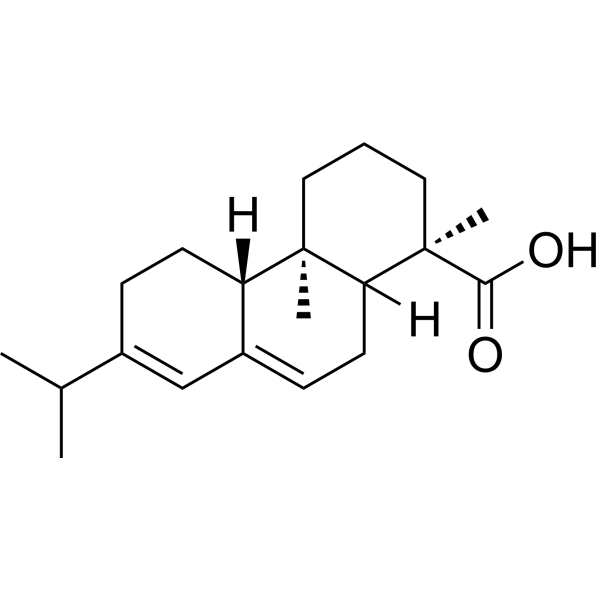
  • HY-N1195

    (+)-Sugiol; 10-Deoxoxanthoperol

    p38 MAPK ERK JNK Interleukin Related TNF Receptor Inflammation/Immunology
    Sugiol is an abietane diterpenoid, can be isolated from Calocedrus formosana bark. Sugiol has anti-inflammatory activity, could effectively reduce intracellular reactive oxygen species (ROS) production in lipopolysaccharide (LPS)-stimulated macrophages .
    Sugiol
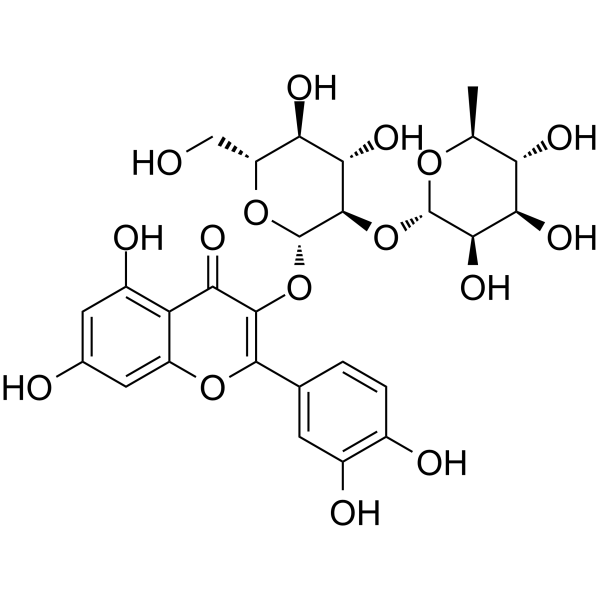
  • HY-N7976

    NO Synthase Inflammation/Immunology
    Quercetin 3-O-neohesperidoside is a flavonol diglycoside with NO production inhibitory activity and anti-inflammatory activity. Quercetin 3-O-neohesperidoside targets activated macrophages to block NO production, with an IC50 of 55 μM. Quercetin 3-O-neohesperidoside can be used in the research of inflammatory diseases .
    Quercetin 3-O-neohesperidoside
  • HY-N2535
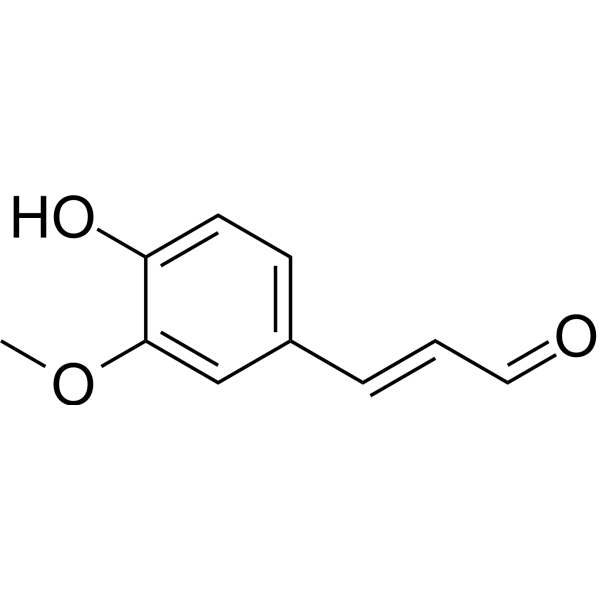
    Coniferaldehyde
    1 Publications Verification

    4-Hydroxy-3-methoxycinnamaldehyde

    Keap1-Nrf2 Apoptosis Inflammation/Immunology
    Coniferaldehyde (4-Hydroxy-3-methoxycinnamaldehyde) is an effective inducer of heme oxygenase-1 (HO-1). Coniferaldehyde inhibits LPS-induced apoptosis through the PKCα/β II/Nrf-2/HO-1 dependent pathway in RAW264.7 macrophage cells. Coniferaldehyde has antioxidant and anti-inflammatory activities .
    Coniferaldehyde
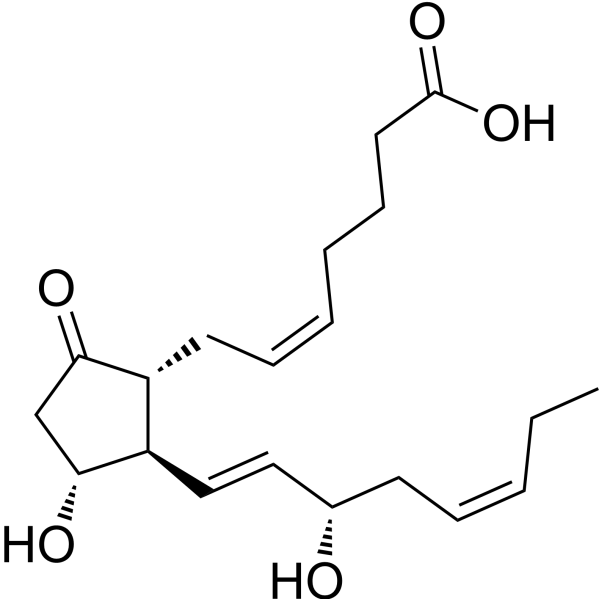
  • HY-113481

    Transmembrane Glycoprotein COX PKA Prostaglandin Receptor Inflammation/Immunology Cancer
    Prostaglandin E3 is an eicosanoid derived from eicosapentaenoic acid. Prostaglandin E3 inhibits polarization towards M1 but promotes polarization of M2a macrophages. Prostaglandin E3 shows anti-inflammatory and anti-tumor activity .
    Prostaglandin E3
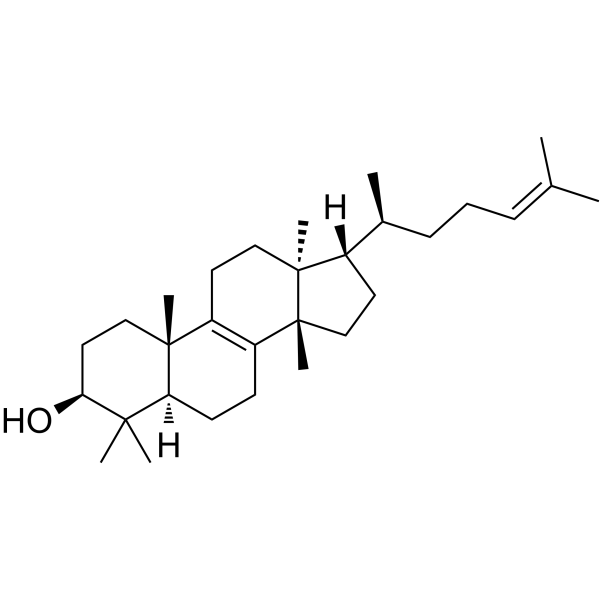
  • HY-N2556

    Others Inflammation/Immunology
    Tirucallol, a tetracyclic triterpene, is isolated from Euphorbia lacteal latex. Tirucallol has topical anti-inflammatory effect. Tirucallol can suppress ear edema in the mouse model and inhibit nitrite production in lipopolysaccharide-stimulated macrophages .
    Tirucallol
  • HY-Y0520R

    Methylenesuccinic acid (Standard)

    Reference Standards Endogenous Metabolite Ferroptosis Inflammation/Immunology
    Itaconic acid (Standard) is the analytical standard of Itaconic acid. This product is intended for research and analytical applications. Itaconic acid, a precursor of polymers, chemicals, and fuels, can be synthesized by many fungi. Itaconic acid also is a macrophage-specific metabolite. Itaconic acid mediates crosstalk between macrophage metabolism and peritoneal tumors. Itaconic acid has anti-inflammatory, anti-microbial and immunomodulatory effect .
    Itaconic acid (Standard)
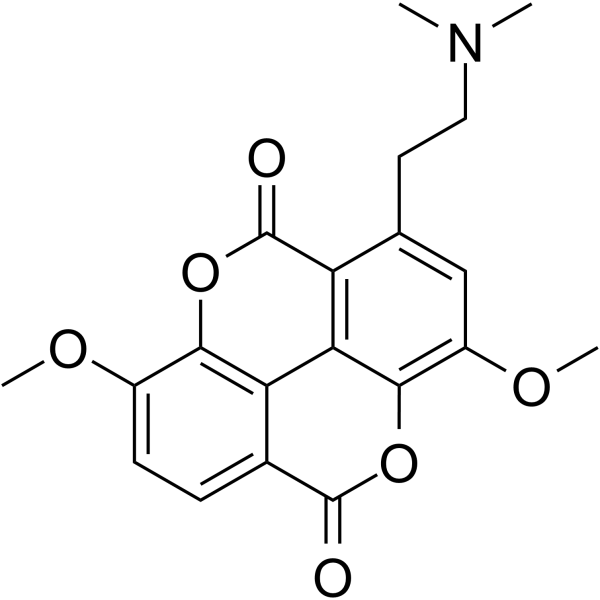
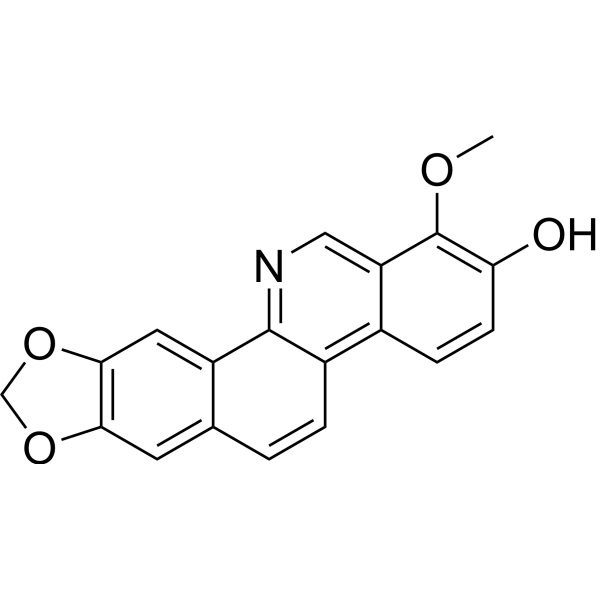
  • HY-131502

    P2X Receptor Inflammation/Immunology
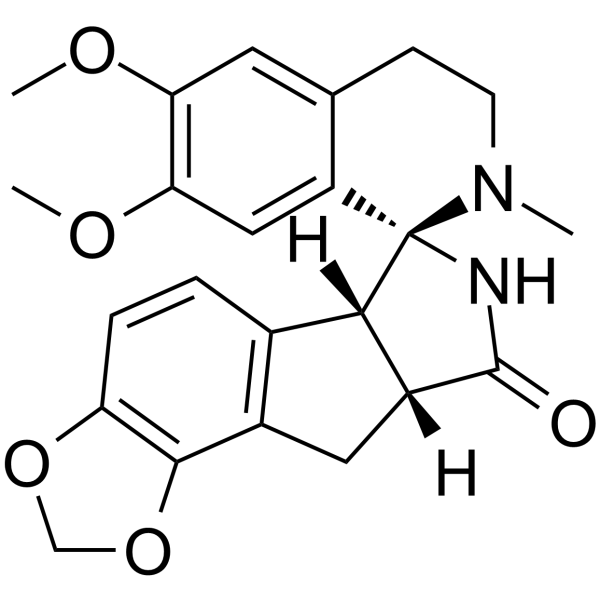
    Taspine is a natural product with anti-inflammatory activity. Taspine suppresses P2X4 receptor activity via PI3K inhibition. Taspine inhibits pro-inflammatory signalling via inhibition of P2X4 receptors in macrophage .
    Taspine
  • HY-145846
    iNOs-IN-1
    1 Publications Verification

    NO Synthase Interleukin Related Inflammation/Immunology
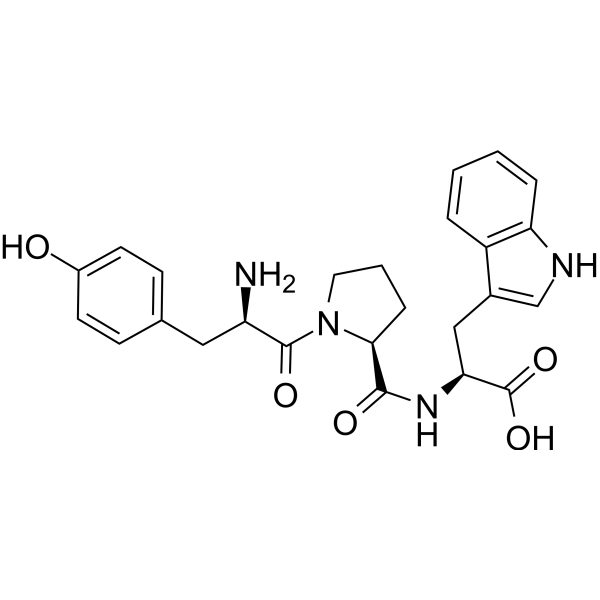
    iNOs-IN-1 (YPW) is a potent inducible nitric oxide synthase (iNOS) inhibitor. iNOs-IN-1 can significantly inhibit the expression of IL-6 and iNOS, as well as reduce LPS-induced NO generation with dose-dependent manner in mouse macrophages. Anti-inflammatory effects .
    iNOs-IN-1
  • HY-N2008

    NO Synthase Reactive Oxygen Species (ROS) Inflammation/Immunology
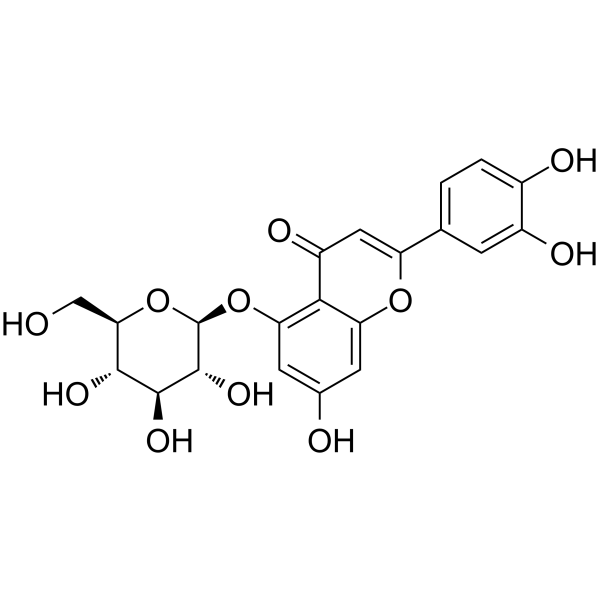
    Luteolin 5-O-glucoside, a major flavonoidfrom Cirsium maackii, possesses anti-inflammatory activity. Luteolin 5-O-glucoside inhibits LPS-induced NO production and t-BHP-induced ROS generation. Luteolin 5-O-glucoside suppresses the expression of iNOS and COX-2 in macrophages .
    Luteolin 5-O-glucoside
  • HY-N8249

    nAChR Interleukin Related Inflammation/Immunology
    Cynandione A is an acetophenone that can be isolated from Cynanchum Wilfordii Radix. Cynandione A protects hepatocytes and cortical neurons from toxicity and improves neurological deficits in a rat model of cerebral ischemia. On the other hand, cynandione A has significant anti-inflammatory effects and inhibits inflammation by activating macrophage α7 nAChR and IL-10 expression .
    Cynandione A
  • HY-160851

    AK3287; AKEX0011

    ASK1 p38 MAPK Inflammation/Immunology
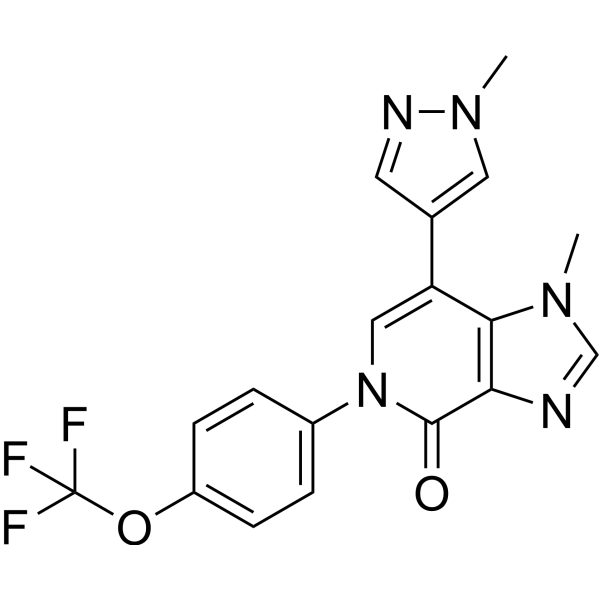
    GDC-3280 (AK3287; AKEX0011) is an orally active compound based on Pirfenidone (HY-B0673)'s phenyl pyridone scaffold. GDC-3280 alleviates the inflammatory and fibrotic reaction of silicosis by inhibiting the ASK1-p38 MAPK pathway and regulating macrophage polarization. GDC-3280 exhibits anti-inflammatory and anti-fibrotic effects .
    GDC-3280
  • HY-N8593

    Environmental Pollutants p38 MAPK TNF Receptor NF-κB Interleukin Related Histamine Receptor PKA Inflammation/Immunology Endocrinology
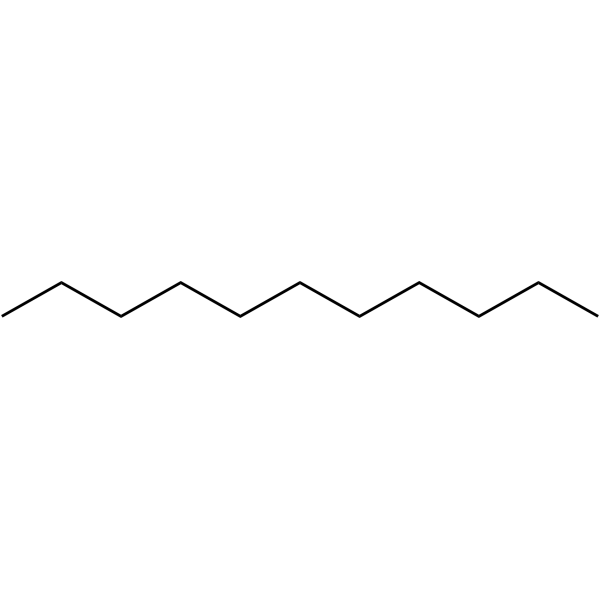
    Undecane is a potent cAMP agonist with anti-allergic and anti-inflammatory activities. Undecane inhibits degranulation and the secretion of histamine and TNF-α. Undecane reverses the increased levels of p38 phosphorylation, NF-κB transcriptional activity and target cytokine/chemokine genes, including thymus and activation-regulated chemokine (TARC), macrophage-derived chemokine (MDC) and interleukin-8 (IL-8). Undecane can be used for the study of skin inflammatory disorders, such as atopic dermatitis .
    Undecane
  • HY-127029A

    NO Synthase Lipoxygenase Neurological Disease Inflammation/Immunology Cancer
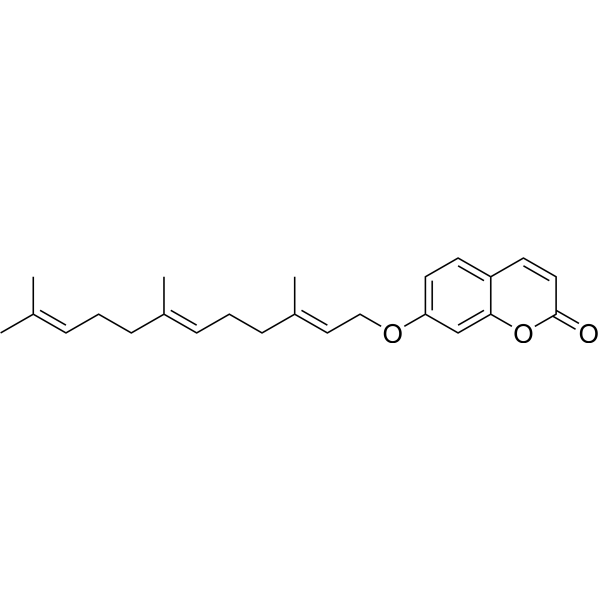
    Umbelliprenin, a prenylated coumarin, is an antioxidant with anticancer, anti-inflammatory and immunomodulatory effects. Umbelliprenin inhibits lipoxygenase managing the inflammation pathways. In inflammatory macrophages, Umbelliprenin suppresses nitric oxide production as well as inducible nitric oxide synthase (NO synthase) .
    Umbelliprenin
  • HY-N0223

    NO Synthase Prostaglandin Receptor Inflammation/Immunology Endocrinology
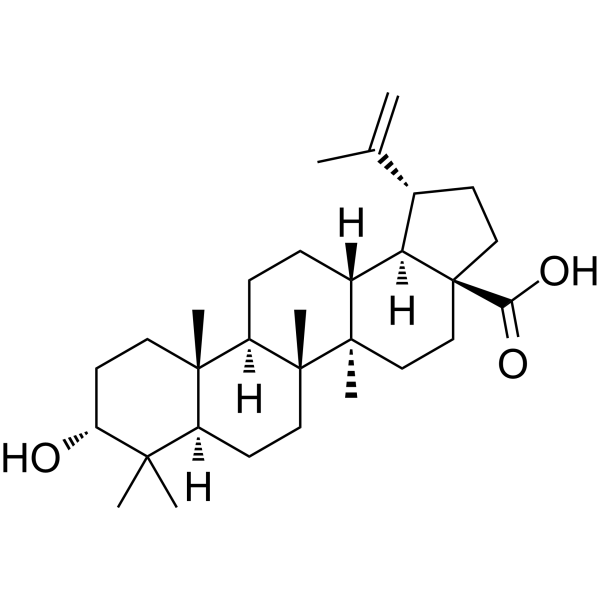
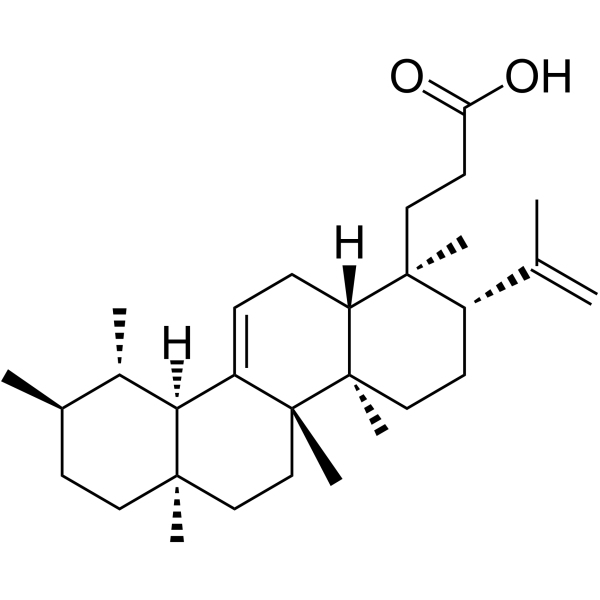
    Epibetulinic acid exhibits potent inhibitory effects on NO and prostaglandin E2 (PGE2) production in mouse macrophages (RAW 264.7) stimulated with bacterial endotoxin with IC50s of 0.7 and 0.6 μM, respectively. Anti-inflammatory activity .
    Epibetulinic acid
  • HY-126390
    (E/Z)-BCI
    1 Publications Verification

    NSC 150117

    Phosphatase Apoptosis Inflammation/Immunology Cancer
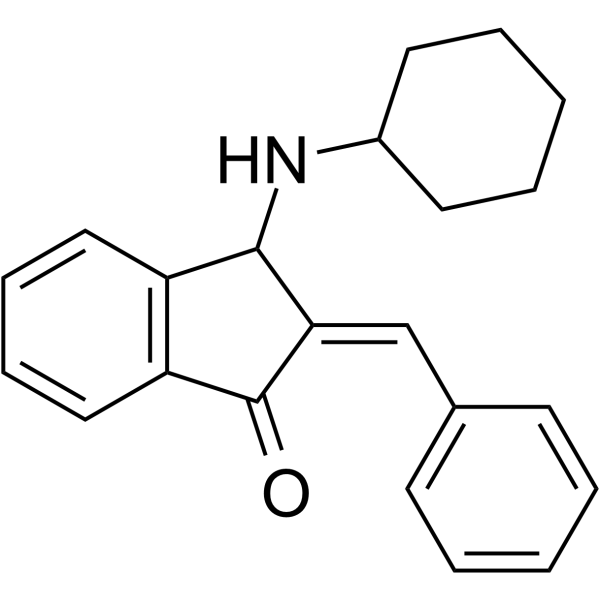
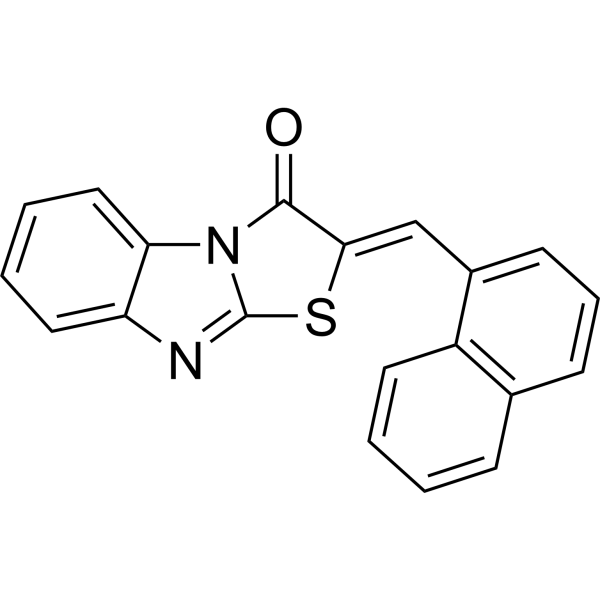
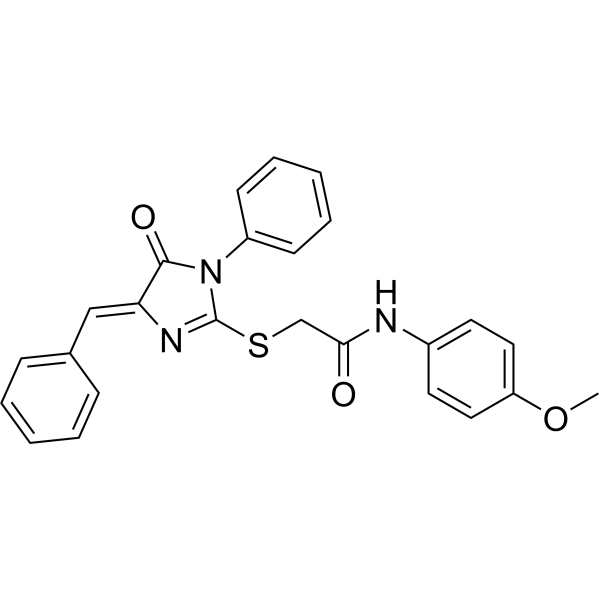
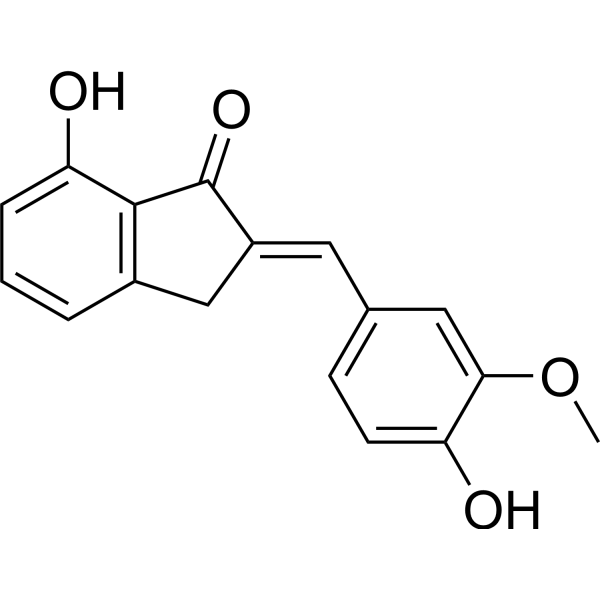
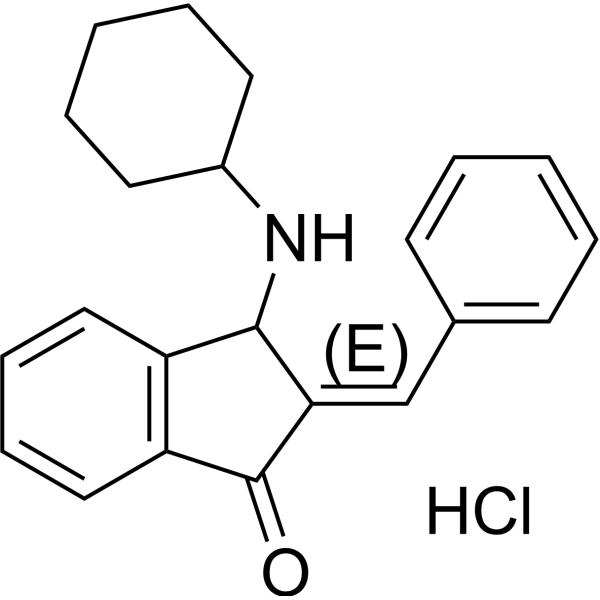
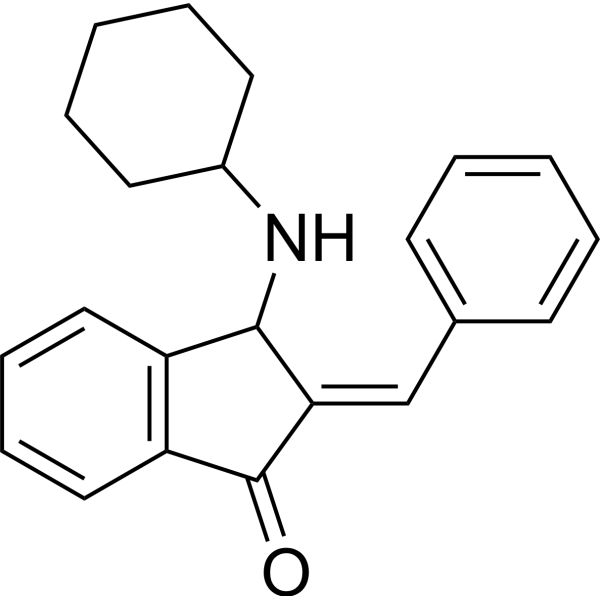
    (E/Z)-BCI (NSC 150117) is a dual-specificity phosphatase 6 (DUSP6) inhibitor with anti-inflammatory activities. (E/Z)-BCI attenuates LPS-induced inflammatory mediators and ROS production in macrophage cells via activating the Nrf2 signaling axis and inhibiting the NF-κB pathway .
    (E/Z)-BCI
  • HY-N3364

    Flavivirus Dengue Virus TNF Receptor NF-κB NO Synthase COX JNK p38 MAPK IKK Infection Inflammation/Immunology
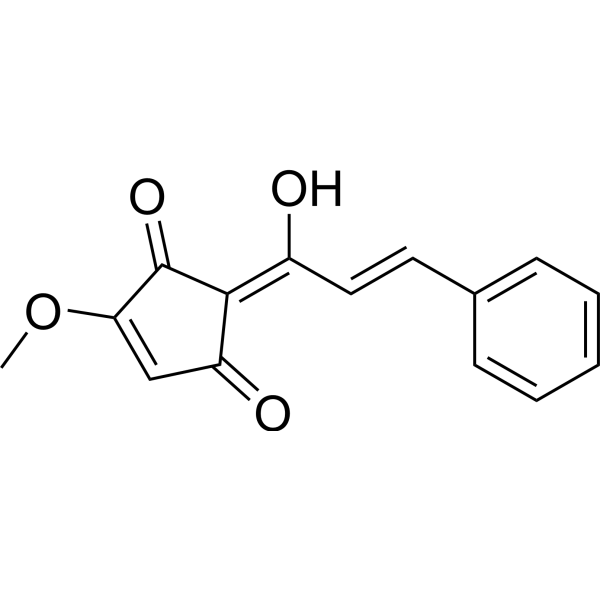
    Lucidone, an anti-inflammatory agent that can be isolated from the fruit of Lindera erythrocarpa Makino. Lucidone inhibits LPS-induced NO and PGE2 production in RAW 264.7 mouse macrophages. Lucidone also decreases TNF-α secretion, iNOS and COX-2 expression. Lucidone prevents NF-κB translocation and inhibits JNK and p38MAPK signals. Lucidone also has inhibitory activity against Dengue virus (DENV) (EC50=25 μM) .
    Lucidone
  • HY-N4233

    p38 MAPK Inflammation/Immunology
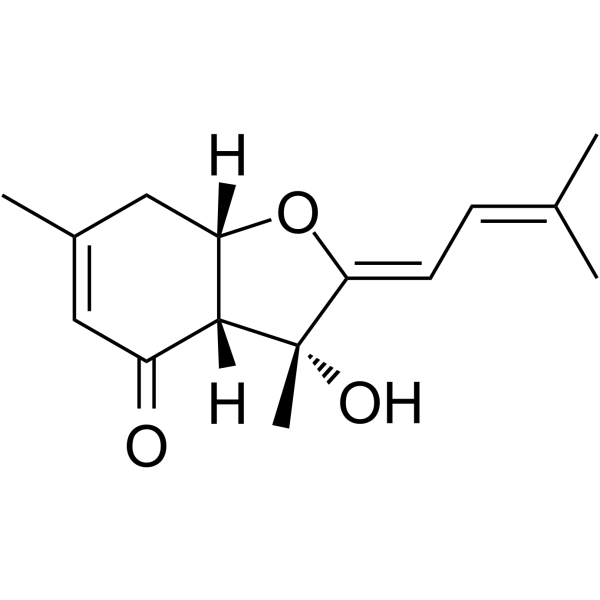
    Bisabolangelone, a sesquiterpene derivative, is isolated from the roots of Osterici Radix. Bisabolangelone possesses anti-inflammatory properties, which inhibits LPS-stimulated inflammation through the blocking of NF-kappaB and MAPK pathways in macrophages. Bisabolangelone has anti-ulcer activities .
    Bisabolangelone
  • HY-N0569R
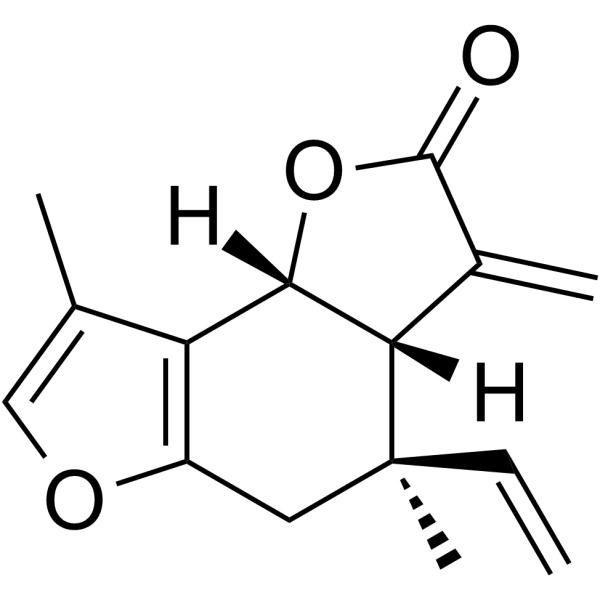
    Madecassic acid (Standard)
    2 Publications Verification

    Reference Standards NO Synthase COX TNF Receptor Interleukin Related Inflammation/Immunology
    Madecassic acid (Standard) is the analytical standard of Madecassic acid. This product is intended for research and analytical applications. Madecassic acid is isolated from Centella asiatica (Umbelliferae). Madecassic acid has anti-inflammatory properties caused by iNOS, COX-2, TNF-alpha, IL-1beta, and IL-6 inhibition via the downregulation of NF-κB activation in RAW 264.7 macrophage cells .
    Madecassic acid (Standard)
  • HY-N12394

    Reactive Oxygen Species (ROS) NO Synthase Inflammation/Immunology
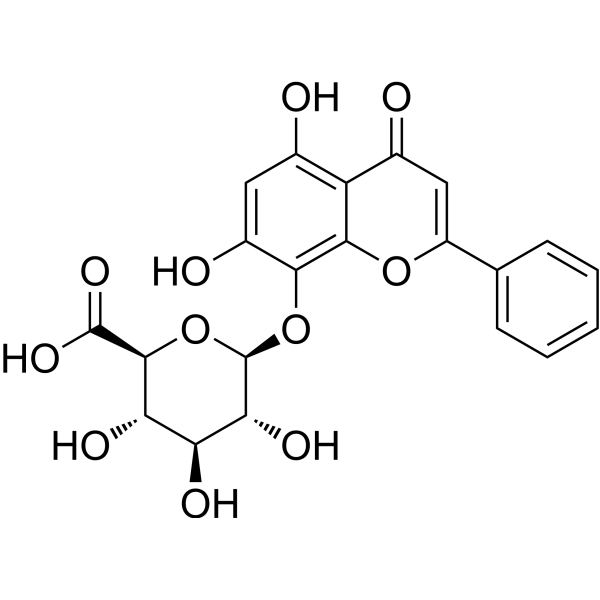
    Norwogonin-8-O-glucuronide is a glucuronide that can be isolated from Scutellaria indica. Norwogonin-8-O-glucuronide has anti-inflammatory activity. Norwogonin-8-O-glucuronide is a flavone glycoside. Norwogonin-8-O-glucuronide inhibits NO production in macrophage RAW264.7 cells with an IC50 above 30 μM .
    Norwogonin-8-O-glucuronide
  • HY-149365

    Salt-inducible Kinase (SIK) Inflammation/Immunology
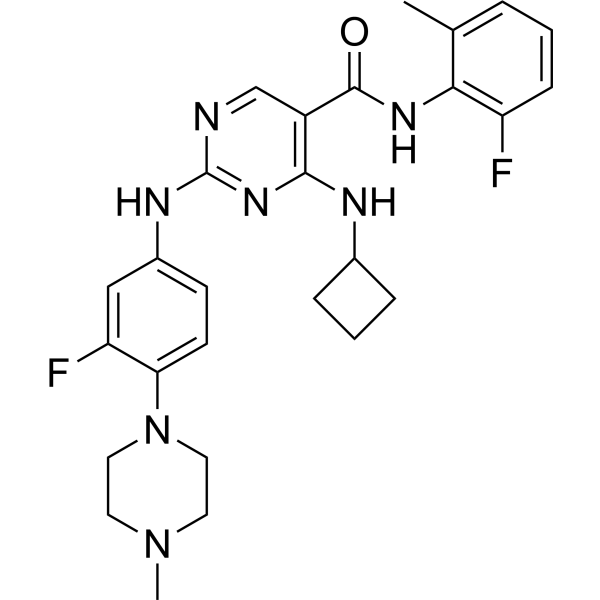
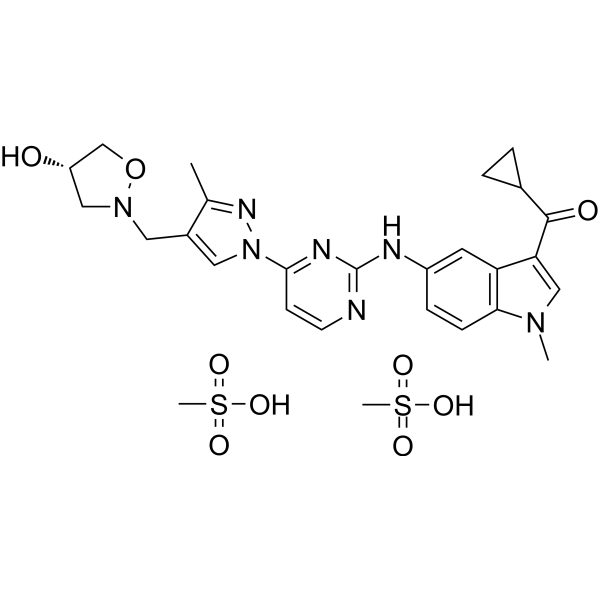
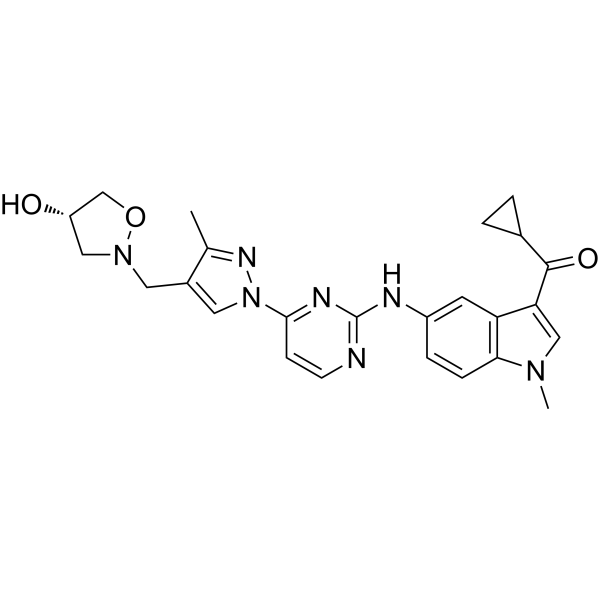
    SIKs-IN-1 (compound 8h), a pyrimidine-5-carboxamide derivative, is a Salt-inducible kinases (SIKs) inhibitor. SIKs regulates the transformation of M1/M2 macrophages, involving in inflammation process. SIKs-IN-1 inhibits SIK activity, up-regulates anti-inflammatory cytokine IL-10, but down-regulates pro-inflammatory cytokine IL-12. SIKs-IN-1 shows excellent anti-inflammatory effects in a DSS-induced colitis model .
    SIKs-IN-1
  • HY-P10462

    Synthetic anti-inflammatory peptide 15

    HDAC NF-κB Inflammation/Immunology
    SAP15 (Synthetic anti-inflammatory peptide 15) is a synthetic anti-inflammatory peptide consisting of 15 amino acids designed from human beta-defensin 3. SAP15 has the ability to penetrate cells and is able to induce downregulation of intracellular inflammation. SAP15 inhibits inflammation by inhibiting the phosphorylation of HDAC5 and thereby reducing the phosphorylation of NF-κB p65. SAP15 inhibits HDAC5 and NF-κB p65 phosphorylation in LPS (HY-D1056)-induced macrophages. SAP15 increases the expression of aggrecan and type II collagen and decreases the expression of osteocalcin in LPS-induced chondrocytes. SAP15 can be used in the study of inflammation regulation and anti-inflammatory therapy of biomaterials .
    SAP15
  • HY-N8160

    Keap1-Nrf2 Reactive Oxygen Species (ROS) Inflammation/Immunology
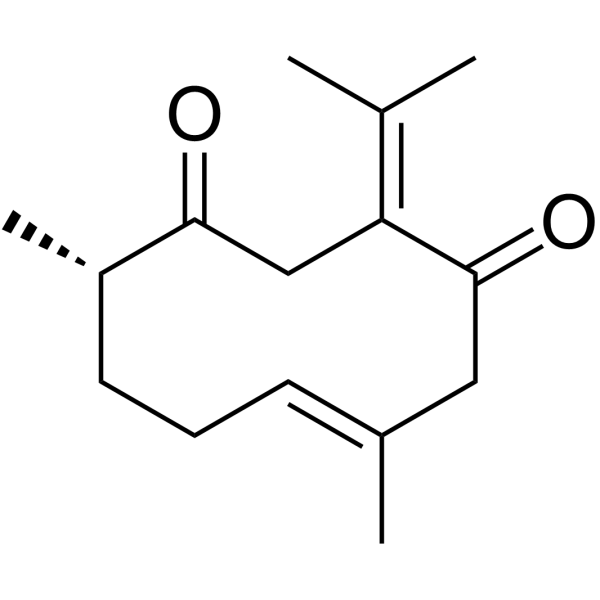
    Dehydrocurdione, a zedoary-derived sesquiterpene, induces heme oxygenase (HO)-1, an antioxidative enzyme, in RAW 264.7 macrophages. Dehydrocurdione interacts with Keap1, resulting in Nrf2 translocation followed by activation of the HO-1 E2 enhancer. Dehydrocurdione suppresses lipopolysaccharide-induced NO release, a marker of inflammation. Anti-inflammatory activity .
    Dehydrocurdione
  • HY-127108

    Acetyl-CoA Carboxylase Metabolic Disease Cancer
    ND-654 is a highly selective acetyl-CoA carboxylase (ACC) inhibitor (IC50: ACC1=3 nM, ACC2=8 nM). ND-654 reduces hepatic lipogenesis, decreases neutrophil recruitment and promotes anti-inflammatory M2 macrophage polarization. ND-654 is promising for research of nonalcoholic steatohepatitis and hepatocellular carcinoma .
    ND-654
  • HY-176838

    Free Fatty Acid Receptor GLP Receptor Inflammation/Immunology
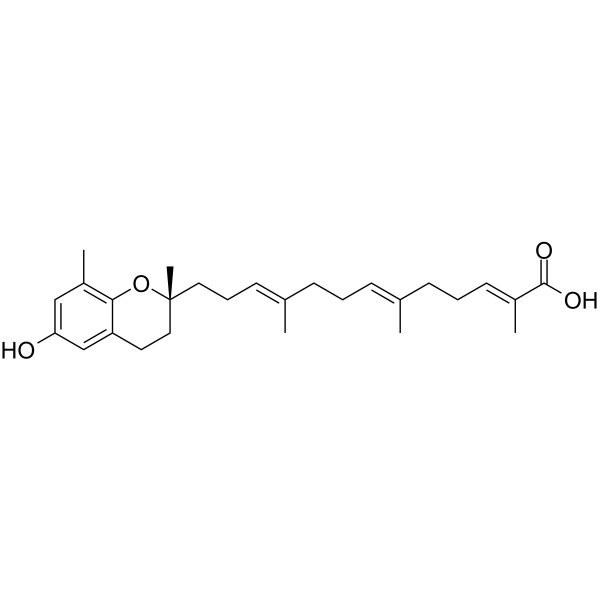
    LXT34 (Example 2) is a GPR120 agonist. LXT34 has an anti-inflammatory activity. LXT34 promotes GLP-1 formation in the gastrointestinal tract and improves insulin resistance in macrophages and pancreas cells. LXT34 can be used for inflammatory diseases, such as type 2 diabetes, obesity and non-alcoholic fatty liver research .
    LXT34
  • HY-B0335R

    GEA 6414 (Standard)

    Reference Standards COX Inflammation/Immunology Cancer
    Tolfenamic Acid (Standard) is the analytical standard of Tolfenamic Acid. This product is intended for research and analytical applications. Tolfenamic Acid (GEA 6414) is a non-steroidal anti-inflammatory and anti-cancer agent, selectively inhibits COX-2, with an IC50 of 13.49 μM (3.53 μg/mL) in LPS-treated (COX-2) canine DH82 monocyte/macrophage cells, but shows no effect on COX-1.
    Tolfenamic Acid (Standard)
  • HY-114164F

    Thrombin Protease Activated Receptor (PAR) MMP VEGFR Epigenetic Reader Domain Cardiovascular Disease
    Canine Thrombin is a Canine serine protease that plays a central role in blood coagulation. Canine Thrombin stimulates macrophages to polarize into a unique phenotype characterized by anti-inflammatory and pro-repair properties. Canine Thrombin activates PAR1, induces the production of MCP-1, MMP3 and VEGF in intervertebral discs, and causes degradation of the cartilage matrix and destruction of intervertebral disc structure. Canine Thrombin activity increases significantly in paraoxon-induced status epilepticus .
    Canine Thrombin
  • HY-N12283

    NF-κB Inflammation/Immunology
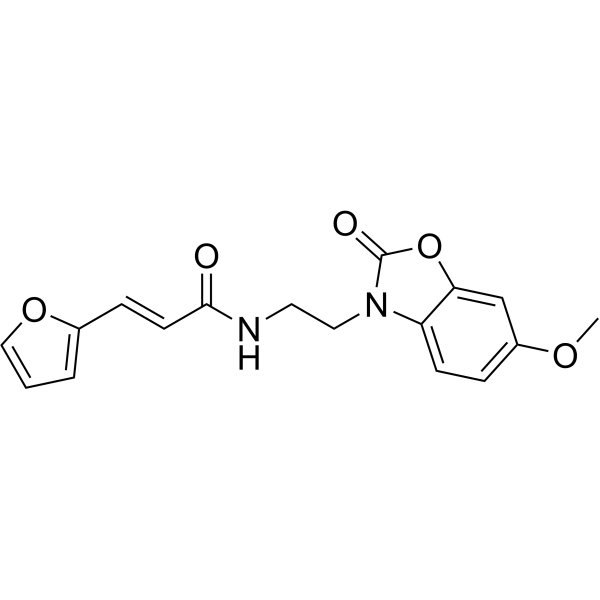
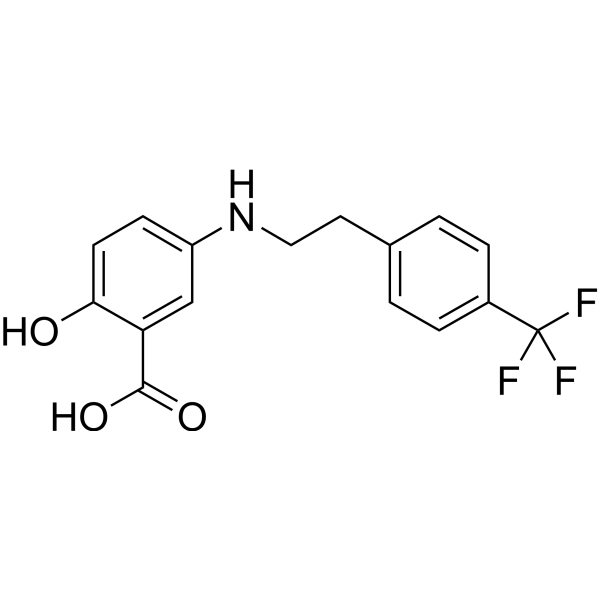
    NF-κB-IN-13 (compound 12) can significantly inhibit LPS-induced NF-κB activation and NO production in RAW264.7 macrophages. NF-κB-IN-13 has anti-inflammatory effects .
    NF-κB-IN-13
  • HY-151569

    HDAC Apoptosis Inflammation/Immunology
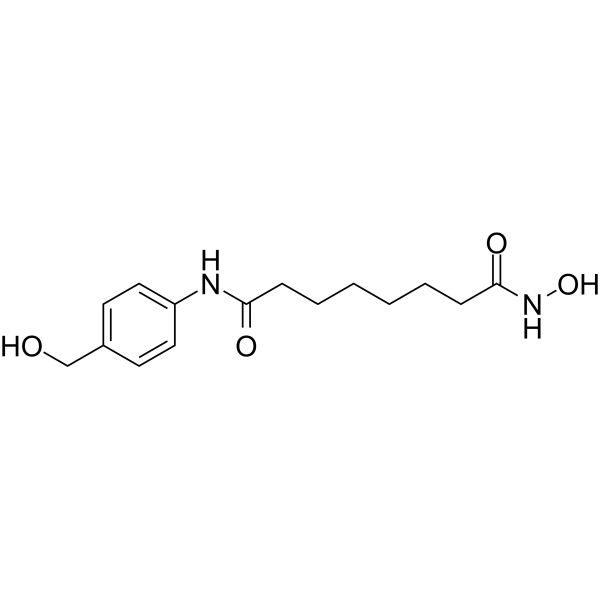
    SAHA-OH is a selective HDAC6 inhibitor (IC50=23 nM), shows a 10- to 47-fold selectivity for HDAC6 compared to HDAC 1, 2, 3, and 8. SAHA-OH shows anti-inflammatory activity, and attenuates macrophage apoptosis .
    SAHA-OH
  • HY-177305

    TNF Receptor Inflammation/Immunology
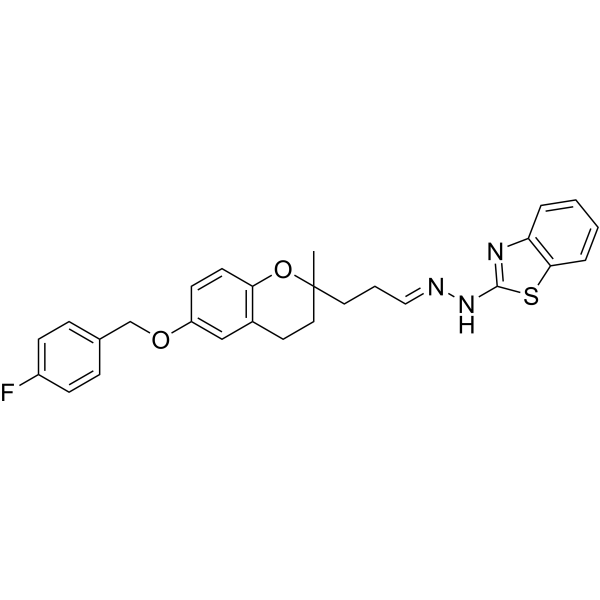
    Anti-inflammatory agent 105 (Compound 12) is an anti-inflammatory compound. The IC50 of Anti-inflammatory agent 105 for the inhibition of TNF-α synthesis and release in the human macrophage cell line U937 is 0.124 nM .
    Anti-inflammatory agent 105
  • HY-177304

    TNF Receptor Inflammation/Immunology
    Anti-inflammatory agent 104 (Compound 26) is an anti-inflammatory compound. The IC50 of Anti-inflammatory agent 104 for the inhibition of TNF-α synthesis and release in the human macrophage cell line U937 is 0.024 nM. Anti-inflammatory agent 104 can reduce eosinophils in rat lungs by 63% .
    Anti-inflammatory agent 104
  • HY-N0608A

    NF-κB Inflammation/Immunology
    (Rac)-Myrislignan is the racemate of Myrislignan. Myrislignan, a lignan isolated from Myristica fragrans Houtt, possesses anti-inflammatory activities. Myrislignan attenuates LPS-induced inflammation reaction in murine macrophage cells through inhibition of NF-kB signalling pathway activation .
    (Rac)-Myrislignan
  • HY-152034

    STING Inflammation/Immunology
    STING-IN-5 is a potent STING inhibitor, inhibiting LPS-induced NO synthesis in macrophages with an IC50 value of 1.15 μM. STING-IN-5 inhibits the inflammatory response. STING-IN-5 can be used to research anti-inflammatory diseases and sepsis .
    STING-IN-5
  • HY-P10462A

    Synthetic anti-inflammatory peptide 15 acetate

    HDAC NF-κB Inflammation/Immunology
    SAP15 (Synthetic anti-inflammatory peptide 15) acetate is a synthetic anti-inflammatory peptide consisting of 15 amino acids designed from human beta-defensin 3. SAP15 acetate has the ability to penetrate cells and is able to induce downregulation of intracellular inflammation. SAP15 acetate inhibits inflammation by inhibiting the phosphorylation of HDAC5 and thereby reducing the phosphorylation of NF-κB p65. SAP15 acetate inhibits HDAC5 and NF-κB p65 phosphorylation in LPS (HY-D1056)-induced macrophages. SAP15 acetate increases the expression of aggrecan and type II collagen and decreases the expression of osteocalcin in LPS-induced chondrocytes. SAP15 acetate can be used in the study of inflammation regulation and anti-inflammatory therapy of biomaterials .
    SAP15 acetate
  • HY-178945

    Opioid Receptor Interleukin Related TNF Receptor Sigma Receptor Neurological Disease Inflammation/Immunology
    KOR agonist 7 (Compound 29) is a highly selective κ-opioid receptor (KOR) agonist with a Ki of 138 nM. KOR agonist 7 shows no activity at μ- and δ-opioid receptors or σ1 receptor, and exhibits extremely low affinity for σ2 receptor (Ki = 2.8 μM). KOR agonist 7 significantly reduces the secretion of pro-inflammatory cytokines such as IL-6, TNF-α, and IFN-γ, while increasing the production of the anti-inflammatory cytokine IL-10. KOR agonist 7 downregulates the expression of the pro-inflammatory M1 macrophage marker CD80 and upregulates the anti-inflammatory M2 macrophage marker CD163. KOR agonist 7 holds potential for applications in analgesia and immune modulation .
    KOR agonist 7
  • HY-B0335S1

    GEA 6414-13C6

    Isotope-Labeled Compounds COX Inflammation/Immunology Cancer
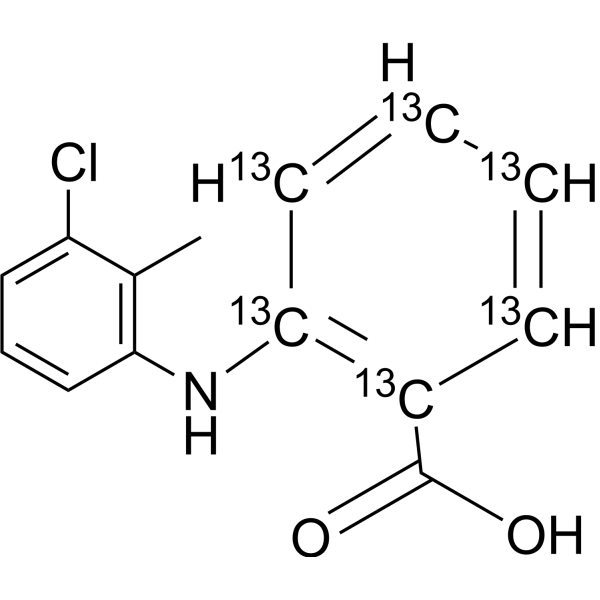
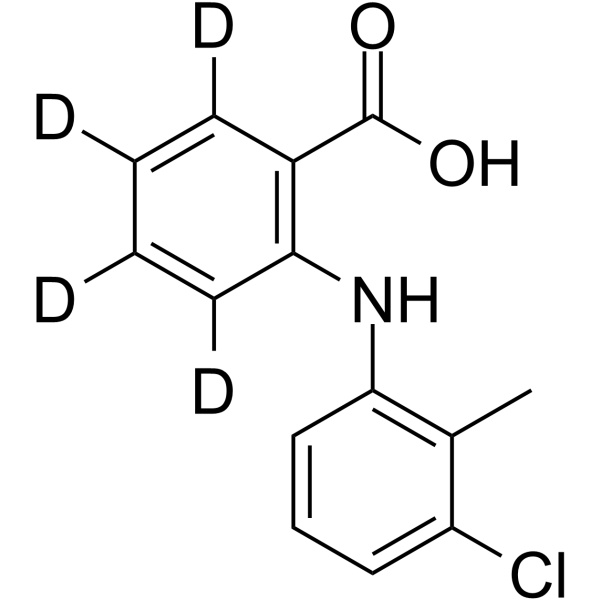
    Tolfenamic acid- 13C6 is the 13C6 labeled Tolfenamic acid. Tolfenamic Acid (GEA 6414) is a non-steroidal anti-inflammatory and anti-cancer agent, selectively inhibits COX-2, with an IC50 of 13.49 μM (3.53 μg/mL) in LPS-treated (COX-2) canine DH82 monocyte/macrophage cells, but shows no effect on COX-1.
    Tolfenamic acid-13C6
  • HY-15652A

    ONO-6818 quarterhydrate; ONO-PO-736 quarterhydrate

    Elastase Inflammation/Immunology
    Freselestat quarterhydrate (ONO-6818 quarterhydrate) is a potent and orally active neutrophil elastase inhibitor with a Ki of 12.2 nM. Freselestat quarterhydrate is >100-fold less-active against other proteases such as trypsin, protein-ase 3, pancreatic elastase, plasmin, thrombin, collagenase, cathepsin G, and murine macrophage elastase. Freselestat quarterhydrate has a potent anti-inflammatory activity .
    Freselestat quarterhydrate
  • HY-N17239

    TNF Receptor Interleukin Related NO Synthase Inflammation/Immunology
    Oleracone is a type of alkaloid that can be found in Portulaca oleracea L.. Oleracone exhibits a significant anti-inflammatory effect in the RAW 264.7 macrophage model induced by LPS (HY-D1056), capable of inhibiting NO production and significantly suppressing the secretion of pro-inflammatory cytokines TNF-α, IL-6, and prostaglandin E₂ (PGE₂). Oleracone can be used for the study of inflammatory diseases .
    Oleracone

Inquiry Online

Your information is safe with us. * Required Fields.

Salutation


Country or Region *

Applicant Name *


Organization Name *

Department *


Email Address *


Product Name *

Cat. No.


Requested quantity *

Phone Number *


Remarks

Inquiry Online

Inquiry Information

Product Name:
Cat. No.:
Quantity:
MCE Japan Authorized Agent: