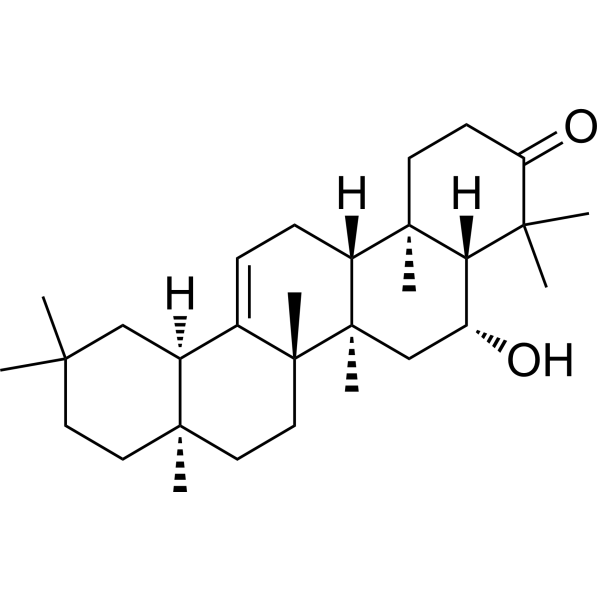
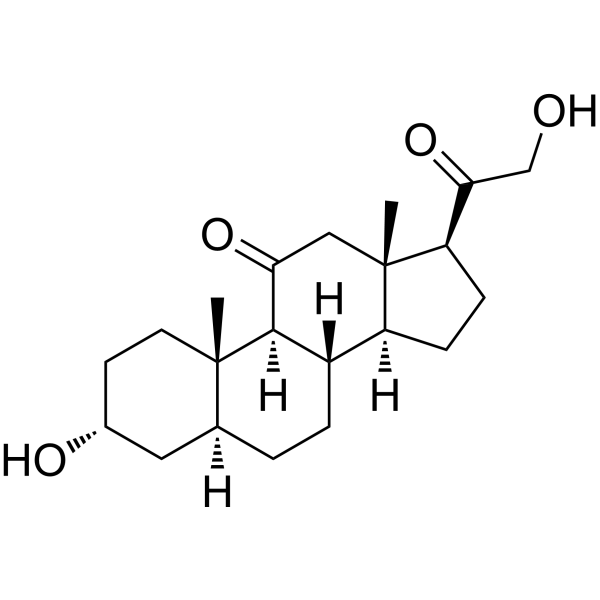
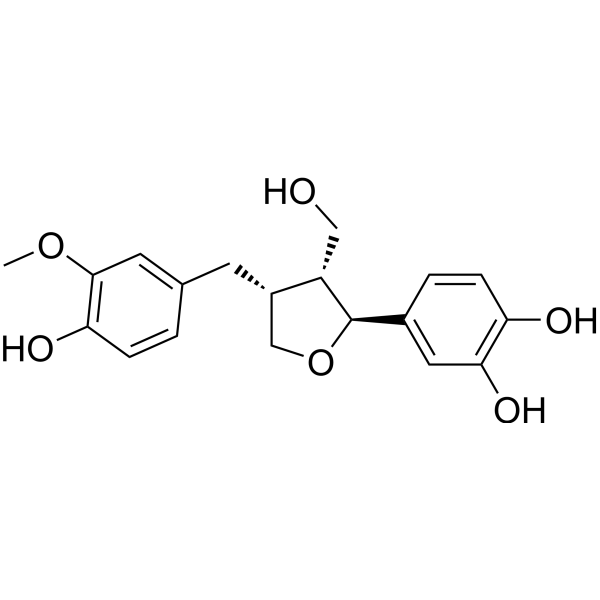
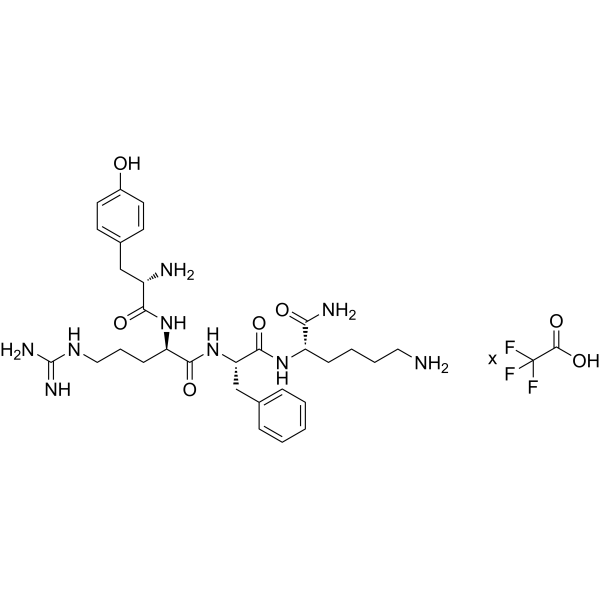
1. Search Result
Search Result
Results for "

Anti-nociceptive

" in MedChemExpress (MCE) Product Catalog:

282

Inhibitors & Agonists

35

Peptides

82

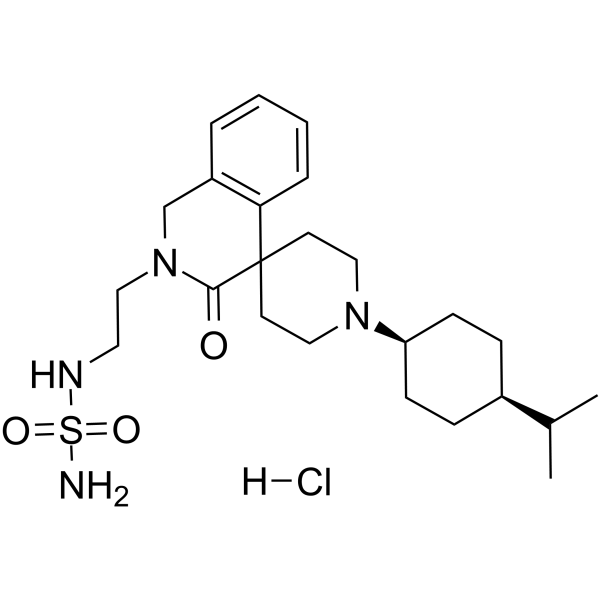
Natural
Products

23

Isotope-Labeled Compounds

1

Click Chemistry

2

Oligonucleotides

1

GMP Molecules

Cat. No. Product Name Target Research Areas Chemical Structure
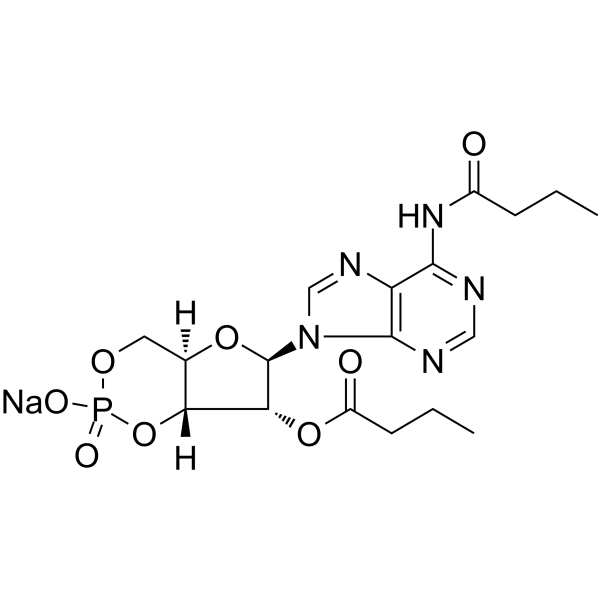
  • HY-B0764
    Bucladesine sodium
    Maximum Cited Publications
    41 Publications Verification

    Dibutyryl cAMP sodium; DBcAMP sodium

    PKA Reactive Oxygen Species (ROS) Apoptosis Neurological Disease Inflammation/Immunology Cancer
    Bucladesine (Dibutyryl cAMP; DBcAMP) sodium is a membrane-permeable 3′, 5′-cyclic adenosine monophosphate (cAMP) analog. Bucladesine selectively activates cAMP dependent protein kinase (PKA) by increasing the intracellular level of cAMP. Bucladesine significantly attenuates MDMA-induced increases in hippocampal mitochondrial ROS formation, mitochondrial outer membrane damage, cytochrome c release, and hippocampal ADP/ATP ratio, thereby improving spatial learning and memory impairments. Bucladesine exhibit anti-nociceptive and anti-inflammation effect. Bucladesine can inhibit cancer cells proliferation, induce apoptosis. Bucladesine can be used for the researches of neurological disease, cancer, inflammation .
    Bucladesine sodium
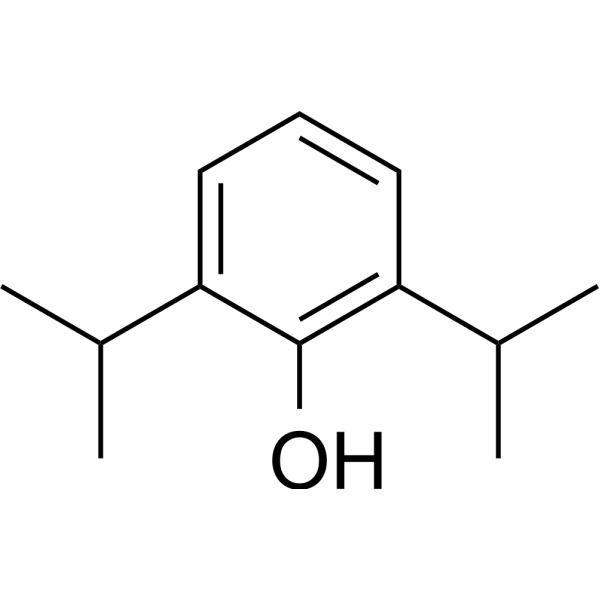
  • HY-B0649
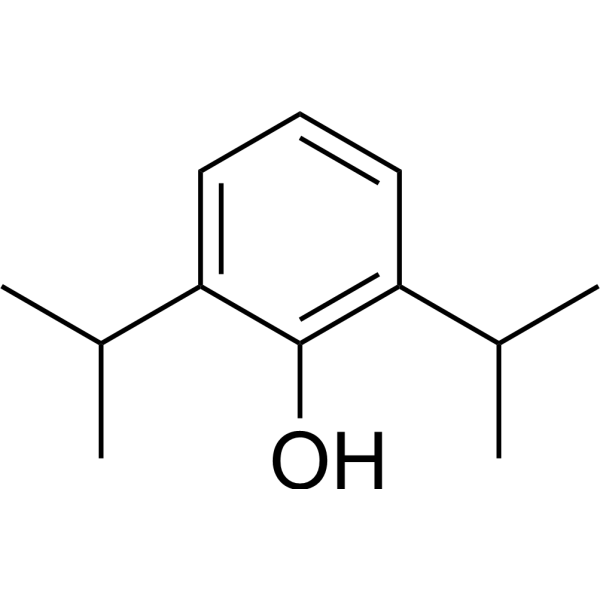
    Propofol
    Maximum Cited Publications
    22 Publications Verification

    2,6-Diisopropylphenol

    Environmental Pollutants Endogenous Metabolite GABA Receptor Neurological Disease Cancer
    Propofol potently and directly activates GABAA receptor and inhibits glutamate receptor mediated excitatory synaptic transmission. Propofol has antinociceptive properties and is used for sedation and hypnotic .
    Propofol
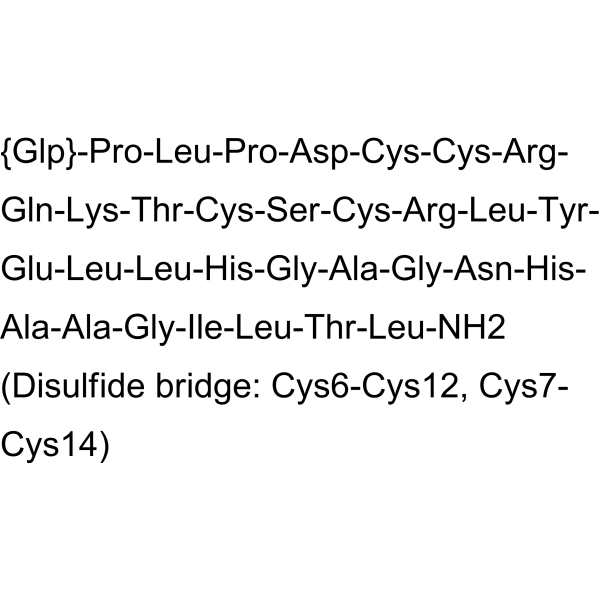
  • HY-106224
    Orexin A (human, rat, mouse)
    Maximum Cited Publications
    11 Publications Verification

    Hypocretin-1 (human, rat, mouse)

    Orexin Receptor (OX Receptor) Neurological Disease
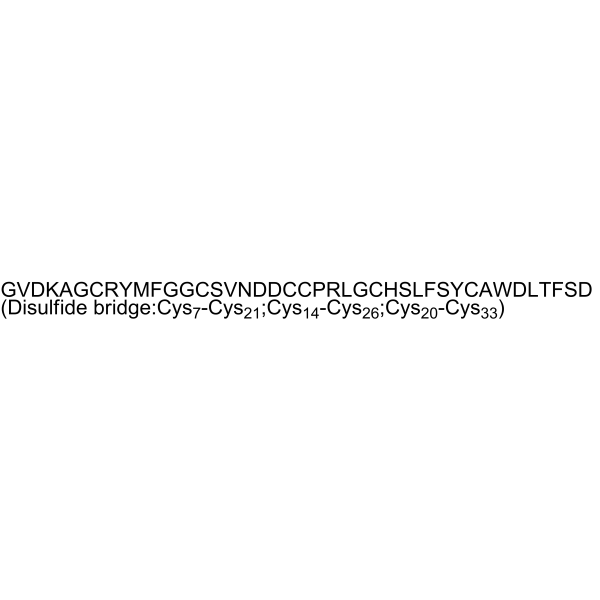
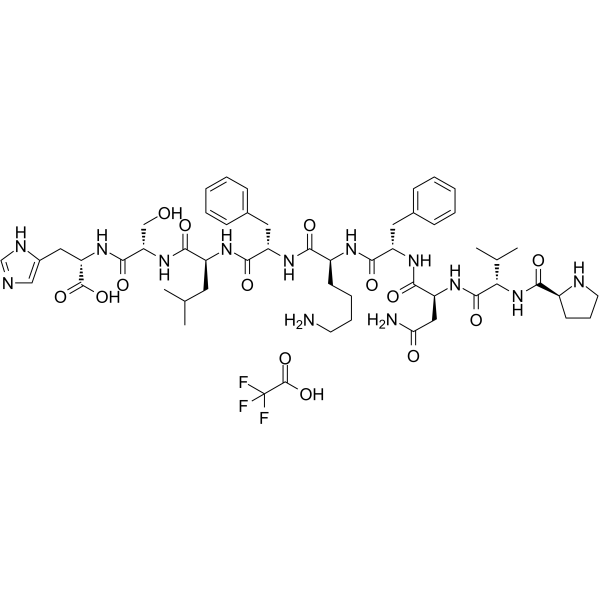
    Orexin A (human, rat, mouse) (Hypocretin-1 (human, rat, mouse)), a 33 amino acid excitatory neuropeptide, orchestrates diverse central and peripheral processes. Orexin A (human, rat, mouse) binds and activates two types of G protein-coupled receptors, the orexin-1 receptor (OX1R) and the orexin-2 receptor (OX2R). Orexin A (human, rat, mouse) has a role in the regulation of feeding behavior. Orexin A (human, rat, mouse) is an effective anti-nociceptive and anti-hyperalgesic agent in mice and rats .
    Orexin A (human, rat, mouse)
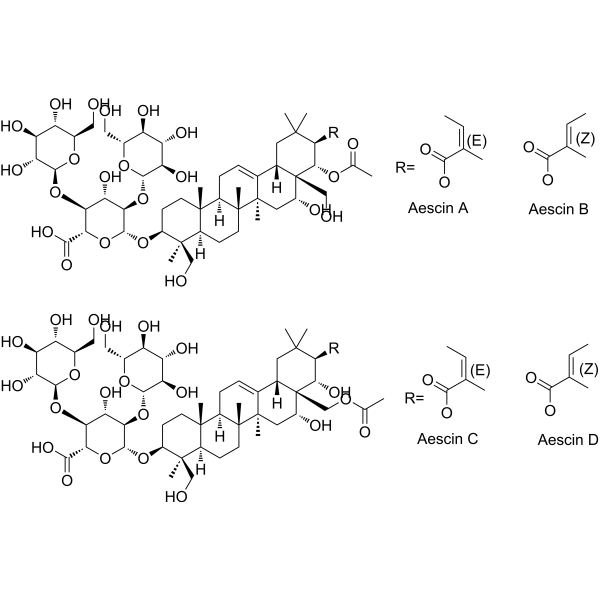
  • HY-B2114
    Escin
    3 Publications Verification

    Apoptosis Metabolic Disease Inflammation/Immunology Cancer
    Escin, a natural compound of triterpenoid saponins that can be isolated from horse chestnut (Aesculus hippocastanum) seeds, can be used as a vasoprotective anti-inflammatory, anti-edematous and anti-nociceptive agent .
    Escin
  • HY-N0037
    Albiflorin
    5+ Cited Publications

    Reactive Oxygen Species (ROS) Neurological Disease Inflammation/Immunology Cancer
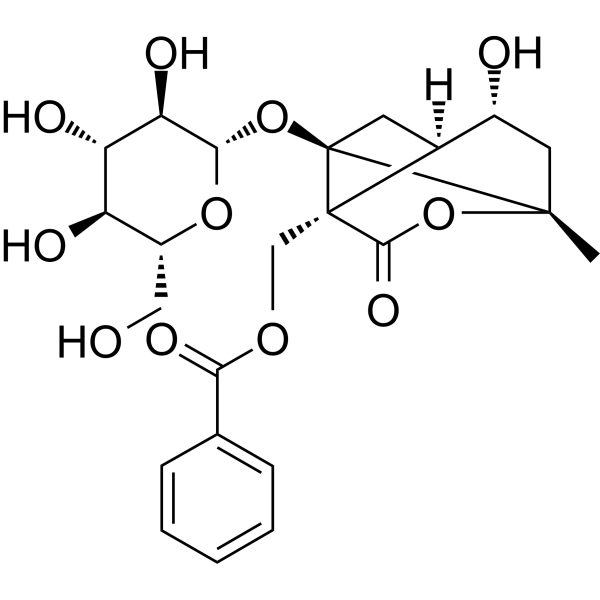
    Albiflorin, a major constituent contained in peony root, is a brain-penetrant monoterpene glycoside with neuroprotective effects. Albiflorin also has anti-inflammatory, antioxidant and antinociceptive effects .
    Albiflorin
  • HY-N0709
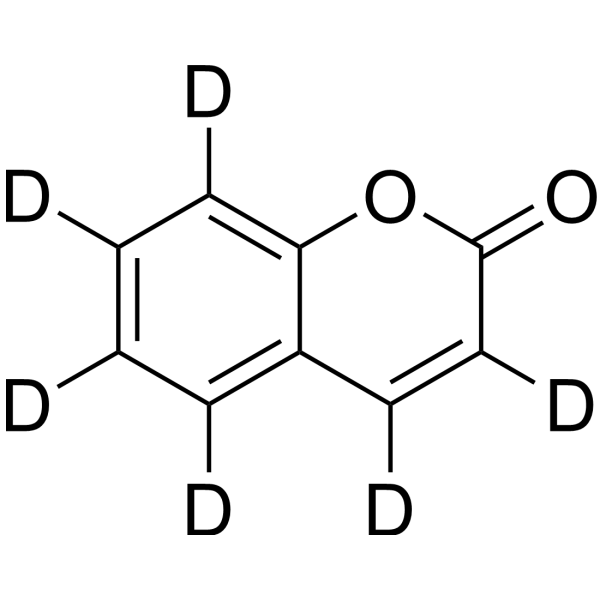
    Coumarin
    3 Publications Verification

    Environmental Pollutants Bacterial Fungal Infection Neurological Disease Inflammation/Immunology Cancer
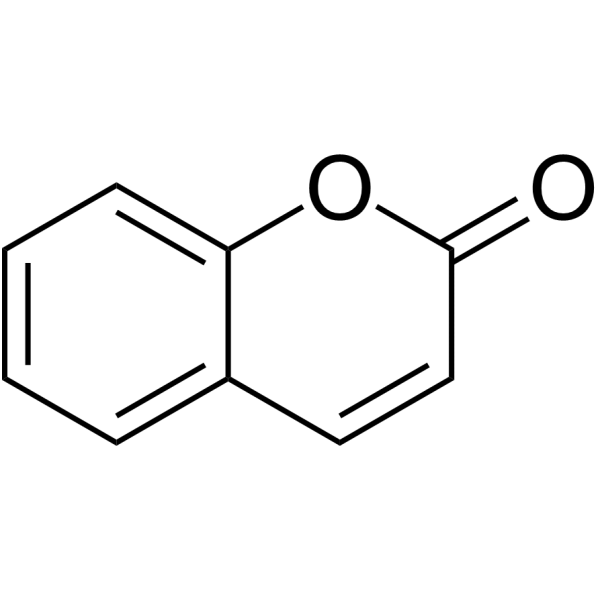
    Coumarin is a potent and orally active anti-inflammatory agent. Coumarin shows an antinociceptive effect. Coumarin shows antibacterial, antifungal and anticancer activity .
    Coumarin
  • HY-130605
    BAY-1797
    4 Publications Verification

    P2X Receptor Neurological Disease
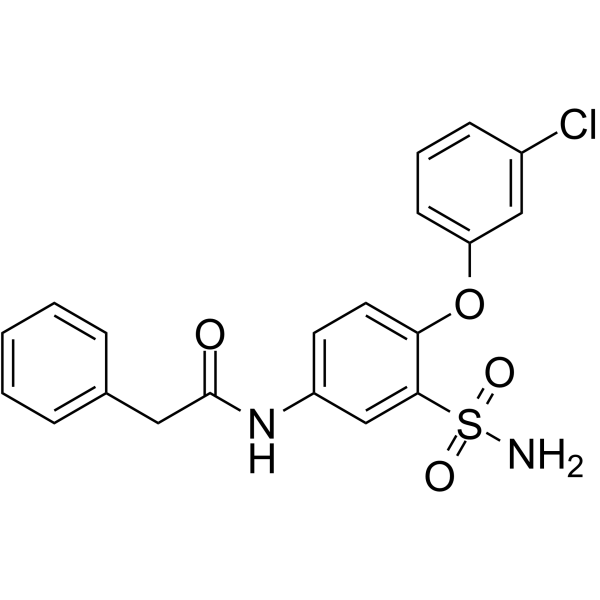
    BAY-1797, a chemical probe, is a potent, orally active, and selective P2X4 antagonist, with an IC50 of 211 nM against human P2X4. BAY-1797 displays no or very weak activity on the other P2X ion channels. BAY-1797 shows anti-nociceptive and anti-inflammatory effects .
    BAY-1797
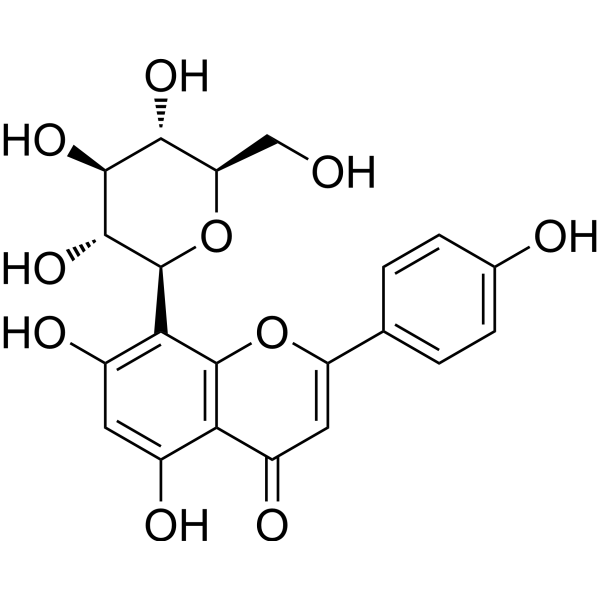
  • HY-N2165
    Vicenin 2
    5+ Cited Publications

    Angiotensin-converting Enzyme (ACE) Cardiovascular Disease Metabolic Disease Inflammation/Immunology Cancer
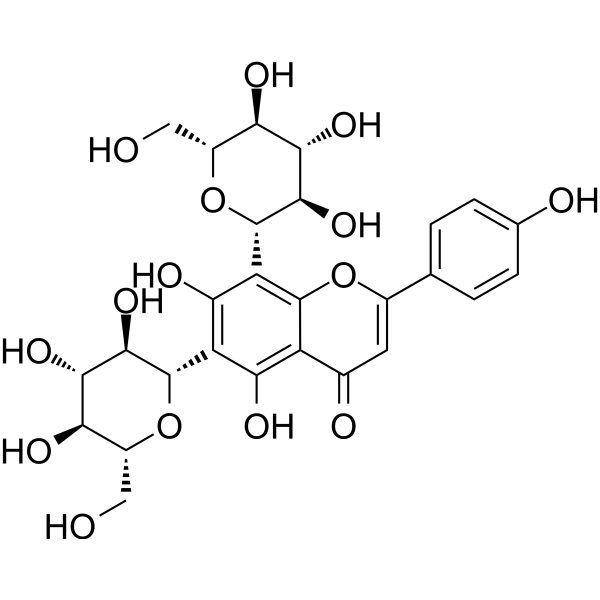
    Vicenin 2, a flavonoid, is an orally active angiotensin-converting enzyme (ACE) inhibitor (IC50 of 43.83 μM) . Vicenin 2 has radioprotective, anti-nociceptive effects, anti-glycation anti-inflammatory, antioxidant, anticancer, antiangiogenic properties .
    Vicenin 2
  • HY-Y0892
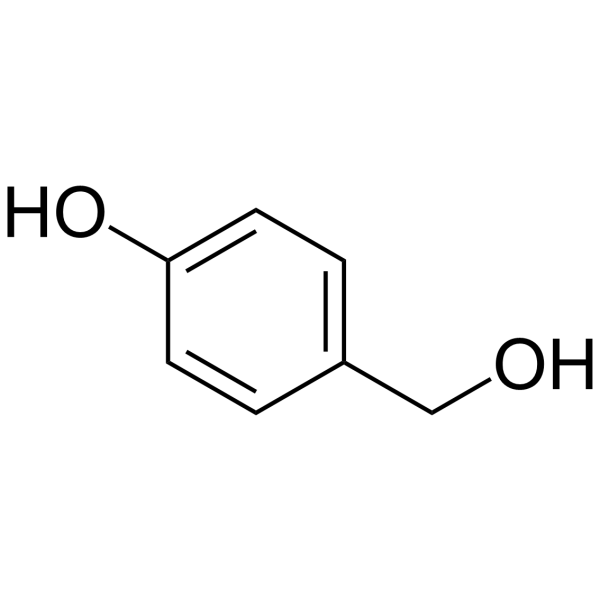
    4-Hydroxybenzyl alcohol
    1 Publications Verification

    Apoptosis Endogenous Metabolite Neurological Disease Inflammation/Immunology Cancer
    4-Hydroxybenzyl alcohol is a phenolic compound widely distributed in various kinds of plants. Anti-inflammatory, anti-oxidant, anti-nociceptive activity. Neuroprotective effect. Inhibitor of tumor angiogenesis and growth .
    4-Hydroxybenzyl alcohol
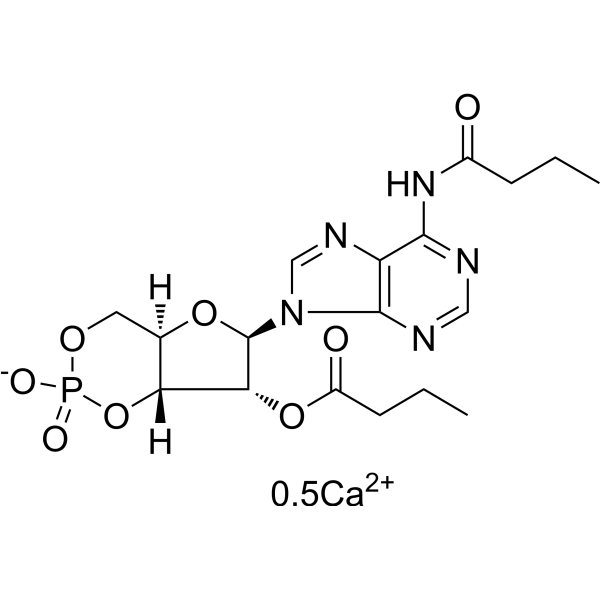
  • HY-B0764A
    Bucladesine hemicalcium
    Maximum Cited Publications
    41 Publications Verification

    Dibutyryl cAMP hemicalcium; DBcAMP hemicalcium

    PKA Apoptosis Reactive Oxygen Species (ROS) Neurological Disease Cancer
    Bucladesine (Dibutyryl cAMP; DBcAMP) hemicalcium is a membrane-permeable 3′, 5′-cyclic adenosine monophosphate (cAMP) analog. Bucladesine selectively activates cAMP dependent protein kinase (PKA) by increasing the intracellular level of cAMP. Bucladesine significantly attenuates MDMA-induced increases in hippocampal mitochondrial ROS formation, mitochondrial outer membrane damage, cytochrome c release, and hippocampal ADP/ATP ratio, thereby improving spatial learning and memory impairments. Bucladesine exhibit anti-nociceptive and anti-inflammation effect. Bucladesine can inhibit cancer cells proliferation, induce apoptosis. Bucladesine can be used for the researches of neurological disease, cancer, inflammation .
    Bucladesine hemicalcium
  • HY-B2082

    VEGFR Ferroportin NF-κB Mitochondrial Metabolism Neurological Disease Inflammation/Immunology Cancer
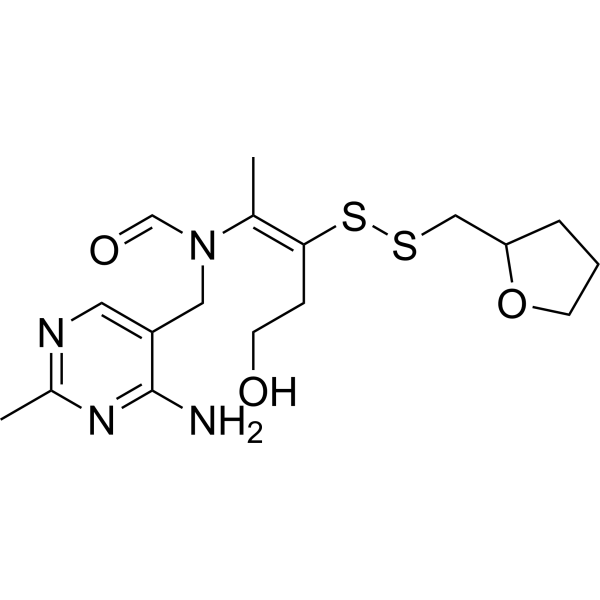
    Fursultiamine is a vitamin B1 derivative, has anti-nociceptive and antineoplastic activity. Fursultiamine can be used for vitamin B1?deficiency, osteoarthritis (OA) and cancer research .
    Fursultiamine
  • HY-N7000

    Environmental Pollutants Caspase Reactive Oxygen Species (ROS) Apoptosis Akt Ras Cardiovascular Disease Neurological Disease Inflammation/Immunology Cancer
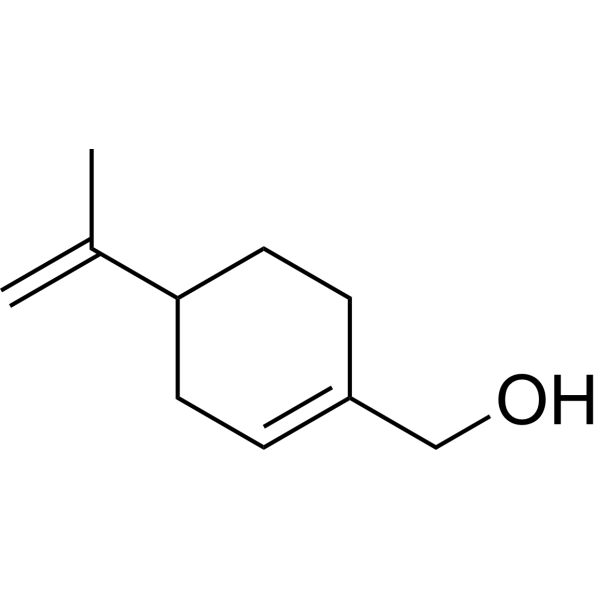
    Perillyl alcohol is an orally active monoterpene. Perillyl alcohol exhibits multiple activities such as analgesic, anti-inflammatory, anti-tumor, anti-angiogenic, and anti-nociceptive effects. Perillyl alcohol can induce apoptosis and cell cycle arrest in tumor cells .
    Perillyl alcohol
  • HY-N0628
    Kaempferitrin
    5 Publications Verification

    Lespedin; Lespenephryl

    Insulin Receptor Metabolic Disease Endocrinology Cancer
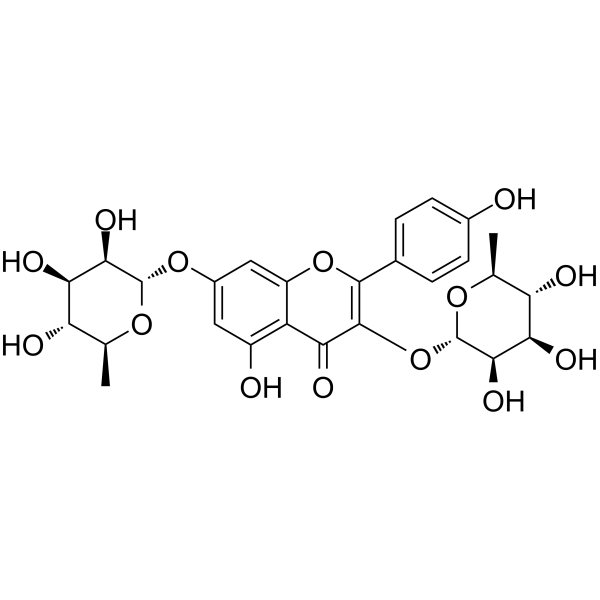
    Kaempferitrin is a natural flavonoid, possesses antinociceptive, anti-inflammatory, anti-diabetic, antitumoral and chemopreventive effects, and activates insulin signaling pathway.
    Kaempferitrin
  • HY-78131B
    (R)-(-)-Ibuprofen
    2 Publications Verification

    (R)-Ibuprofen

    NF-κB Inflammation/Immunology Cancer
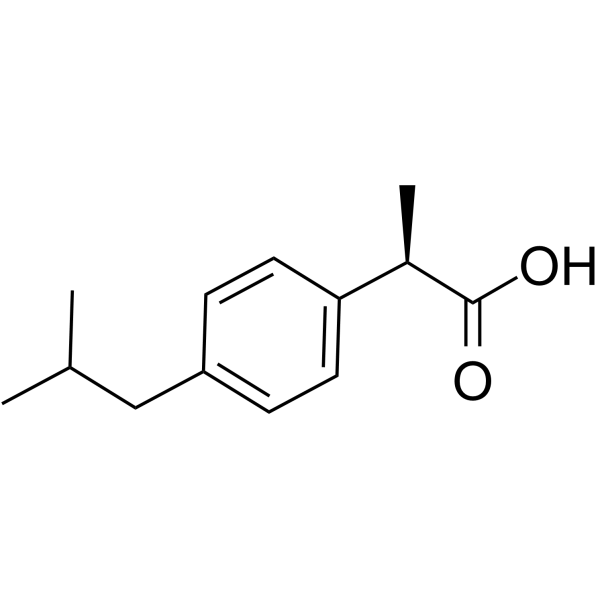
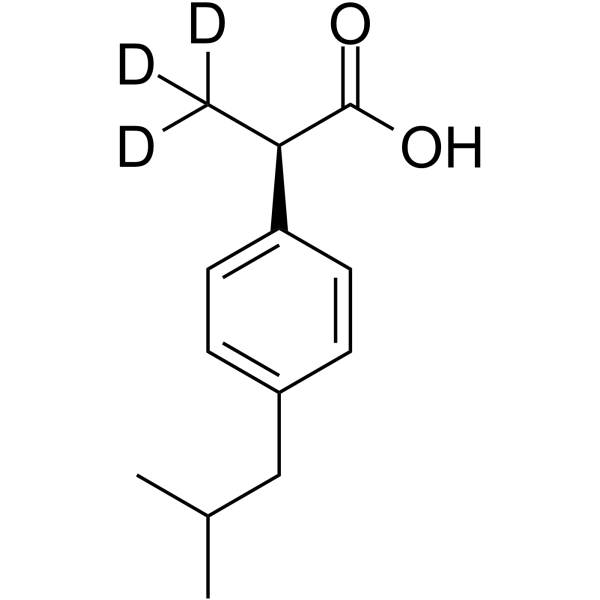
    (R)-(-)-Ibuprofen is the R enantiomer of Ibuprofen, inactive on COX, inhibits NF-κB activation; (R)-(-)-Ibuprofen exhibits anti-inflammatory and antinociceptive effects.
    (R)-(-)-Ibuprofen
  • HY-N2067
    Vanillyl alcohol
    1 Publications Verification

    p-(Hydroxymethyl)guaiacol

    Reactive Oxygen Species (ROS) Bcl-2 Family Cardiovascular Disease Neurological Disease Inflammation/Immunology
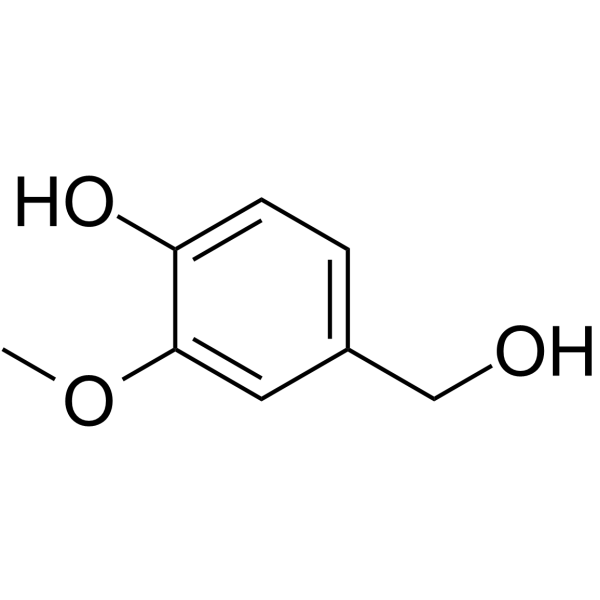
    Vanillyl alcohol (p-(Hydroxymethyl)guaiacol) is an orally active phenolic alcohol. Vanillyl alcohol reduces ROS generation. suppresses Bax, increases Bcl-2. Vanillyl alcohol has anti-angiogenic, anti-inflammatory, anti-nociceptive and neuroprotective effects. Vanillyl alcohol is used as a flavoring agent in foods and beverages .
    Vanillyl alcohol
  • HY-N3074

    6,10,14-Trimethyl-2-pentadecanone

    Bacterial Antibiotic Infection Inflammation/Immunology Cancer
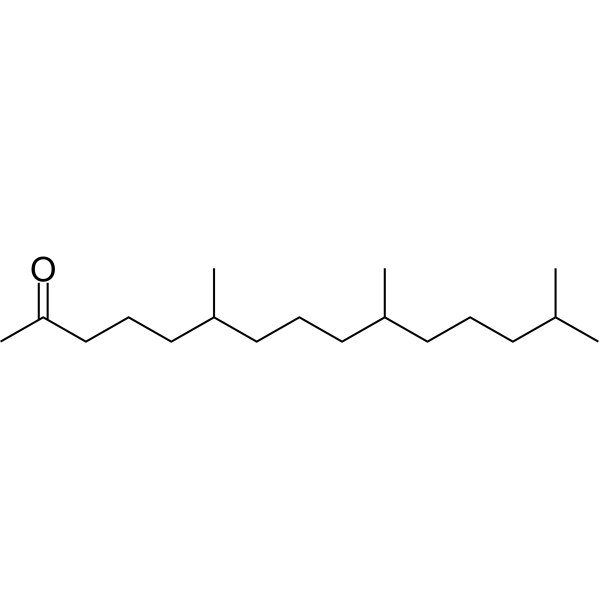
    Hexahydrofarnesyl acetone (6,10,14-Trimethyl-2-pentadecanone) is a oral active sesquiterpene with oral activity, exhibiting antibacterial, anti-inflammatory, and anticancer properties, and is used in pain relief research .
    Hexahydrofarnesyl acetone
  • HY-N0388

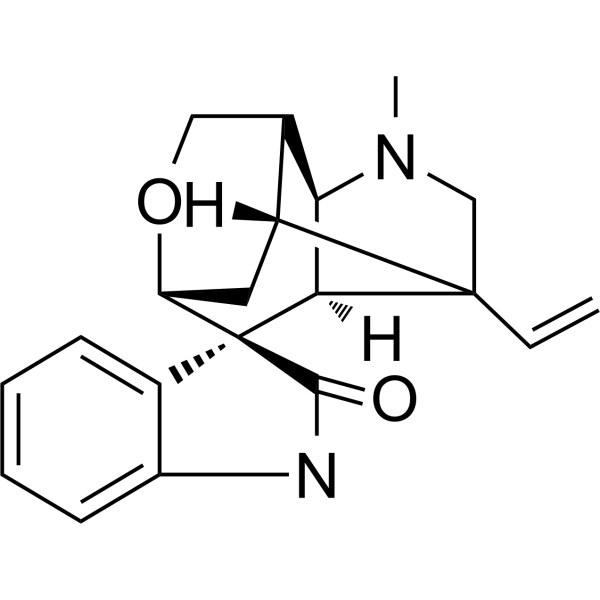
    Others Neurological Disease
    Gelsemine, an alkaloid from the Chinese herb Gelsemium elegans, is effective in mitigating chronic pain. Antinociceptive effects.
    Gelsemine
  • HY-108964

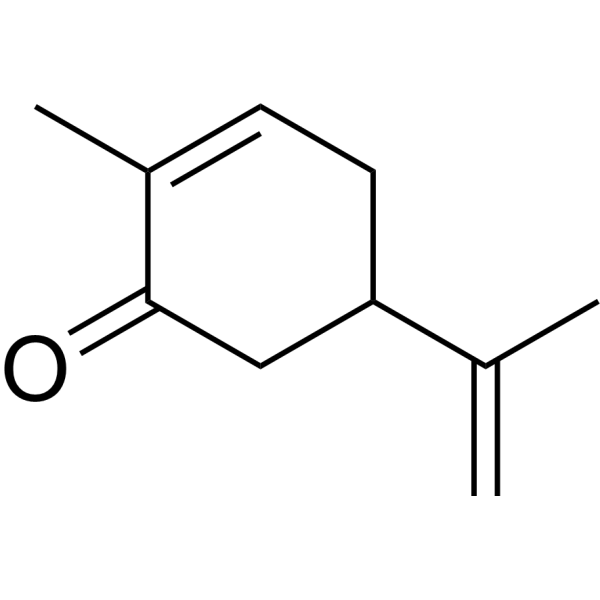
    Bacterial Infection Neurological Disease Inflammation/Immunology Cancer
    Carvone is a ketone monoterpene found in the essential oils from plants of the genus Mentha. Carvone has such effects as anticancer, antimicrobial, antioxidant, anti-inflammatory, antispasmodic, antinociceptive, anticonvulsant .
    Carvone
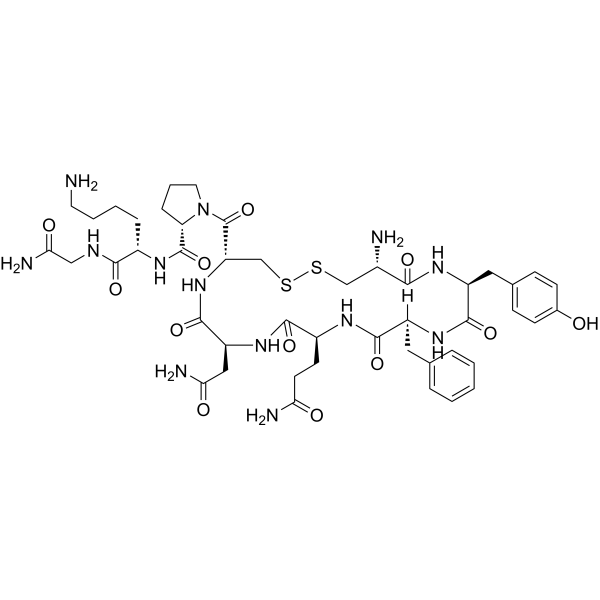
  • HY-P3499

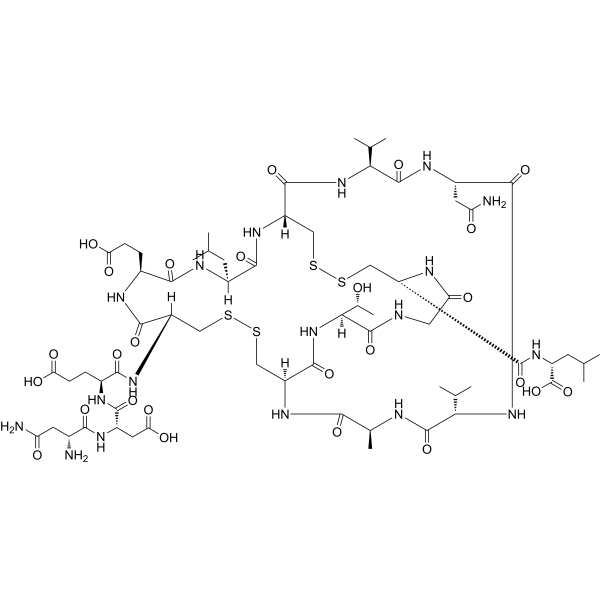
    Guanylate Cyclase Inflammation/Immunology
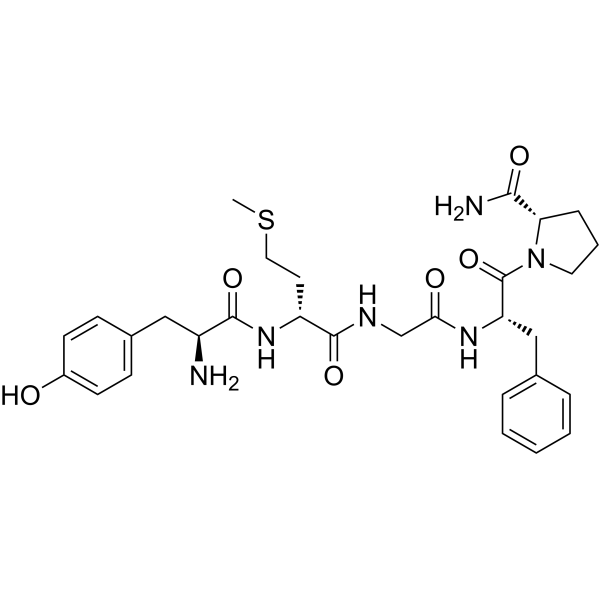
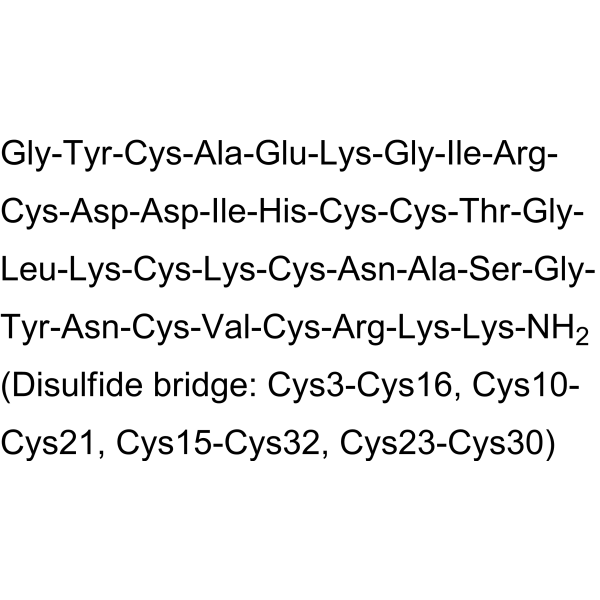
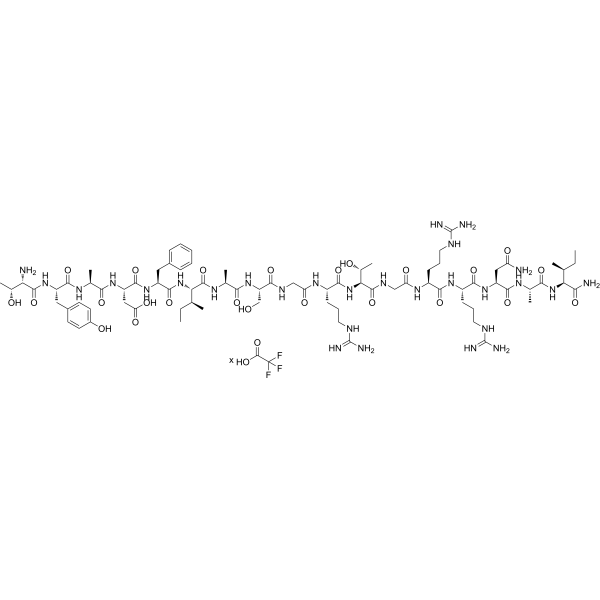
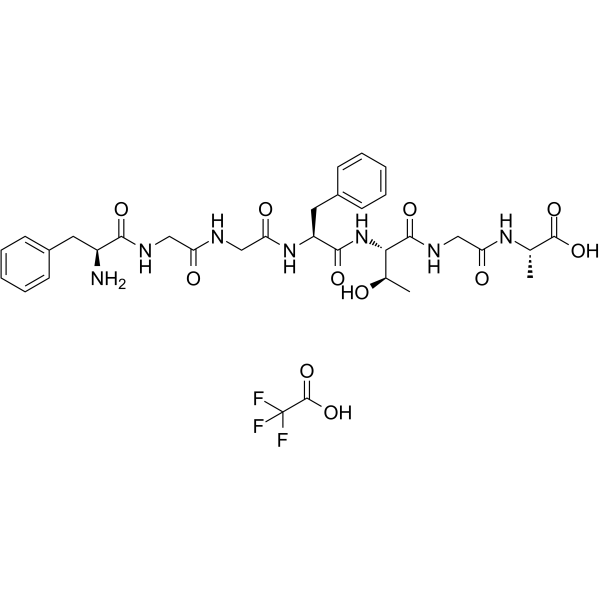
    Dolcanatide is an orally active GC-C (guanylate cyclase-C) agonist. Dolcanatide shows laxative, anti-nociceptive and anti-inflammatory activity. Dolcanatide can be used in inflammatory bowel disease research .
    Dolcanatide
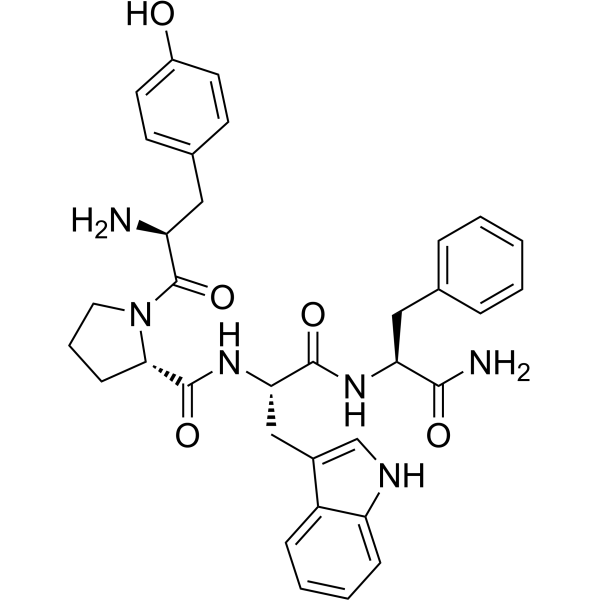
  • HY-P1626

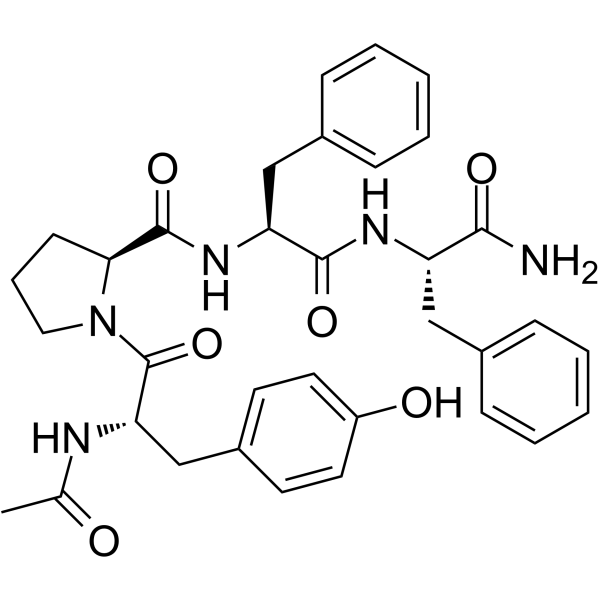
    Opioid Receptor Neurological Disease
    Acetyl tetrapeptide-15 is a synthetic peptide. Acetyl tetrapeptide-15 is derived from endomorphin-2 (Tyr-Pro-Phe-Phe-NH2), a human μ-opioid agonist with selective anti-nociceptive effect. Acetyl tetrapeptide-15 reduces skin hyperreactivity producing inflammatory, chronic and neuropathic pain, by increasing the threshold of neuronal excitability in μ-opioid receptor via an endorphin-like pathway. Acetyl tetrapeptide-15 is used in the cosmetics for sensitive skin .
    Acetyl tetrapeptide-15
  • HY-18978

    Adenosine Receptor Inflammation/Immunology
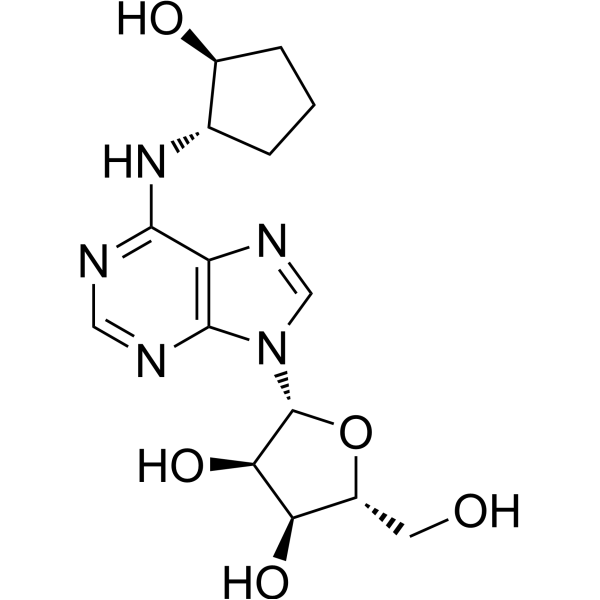
    GR79236 is a highly potent, selective and orally active adenosine A1 receptor agonist with a Kis of 3.1 nM and 1300 nM for A1 and A2 receptors, respectively. GR79236 has anti-nociceptive and anti-inflammatory actions .
    GR79236
  • HY-N5025

    P2X Receptor Apoptosis ERK p38 MAPK c-Myc NF-κB Reactive Oxygen Species (ROS) Neurological Disease Inflammation/Immunology Cancer
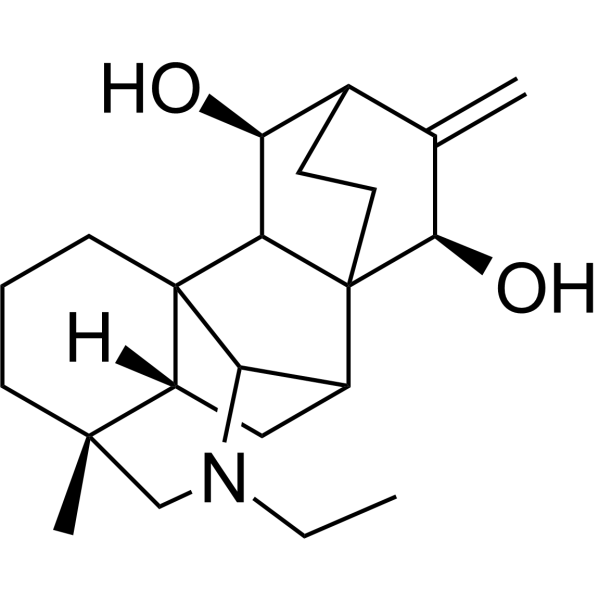
    Bullatine A, a diterpenoid alkaloid, is a potent P2X7 antagonist. Bullatine A possesses anti-rheumatic, anti-inflammatory and anti-nociceptive effects. Bullatine A inhibits ATP-induced BV-2 cell death/apoptosis and P2X receptor-mediated inflammatory responses. Bullatine A suppresses glioma cell growth by targeting SIRT6. Bullatine A specifically attenuates pain hypersensitivity in rats. Bullatine A attenuates LPS (HY-D1056)-induced systemic inflammatory response by inhibiting the ROS/JNK/NF-κB pathway in mice. Bullatine A improves despair behavior in Chronic chronic social defeat stress (CSDS) mice. Bullatine A can be used for the study of inflammation, glioblastoma (GBM) and depression .
    Bullatine A
  • HY-P0088

    Dynorphin A Porcine Fragment 1-13

    Opioid Receptor Others
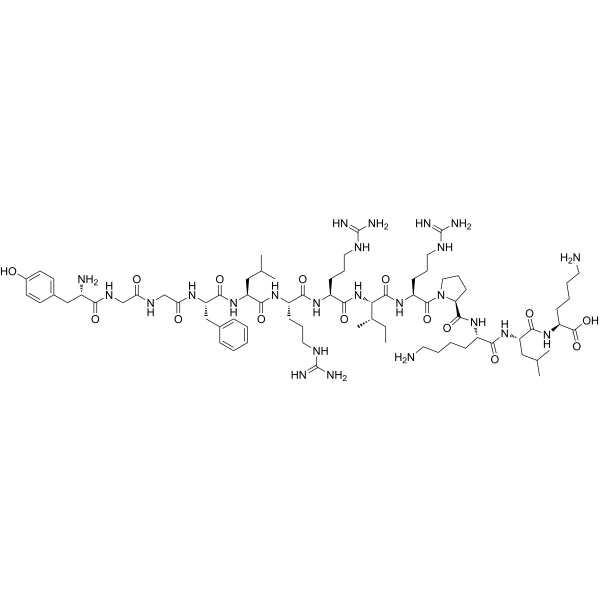
    Porcine dynorphin A (1-13) is a potent, endogenous κ opioid receptor agonist and is antinociceptive at physiological concentrations.
    Porcine dynorphin A(1-13)
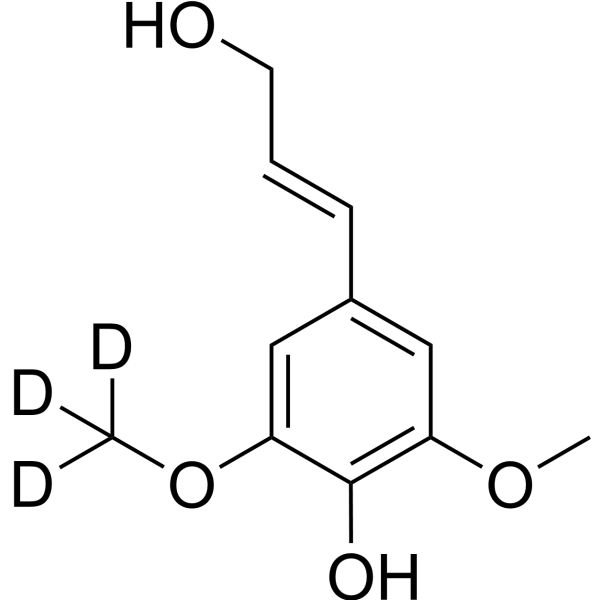
  • HY-W109812

    COX Inflammation/Immunology
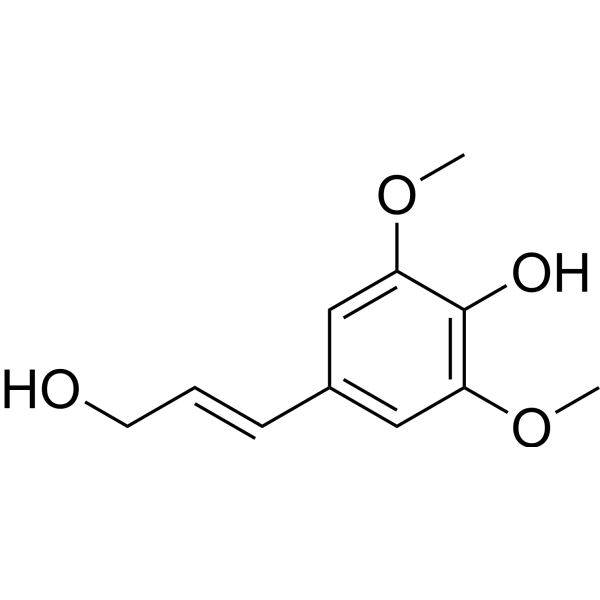
    Sinapyl alcohol is an orally active anti-inflammatory and antinociceptive agent. Sinapyl alcohol reduces the expression level of inducible NO synthase and COX-2 .
    Sinapyl alcohol
  • HY-P0066

    Neurotensin Receptor Neurological Disease
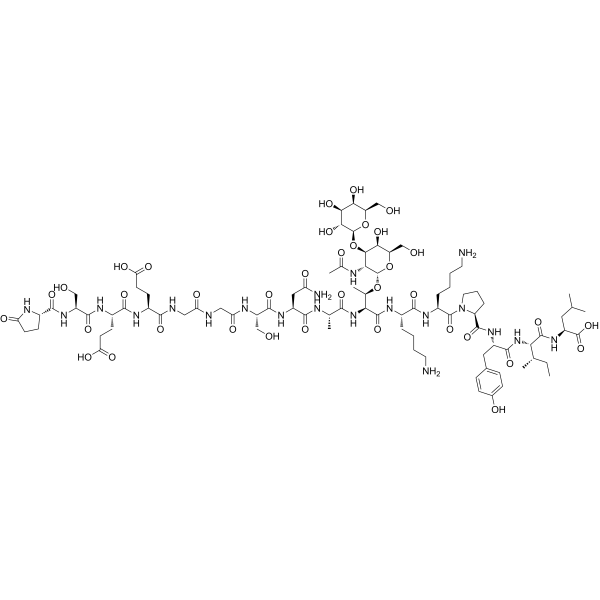
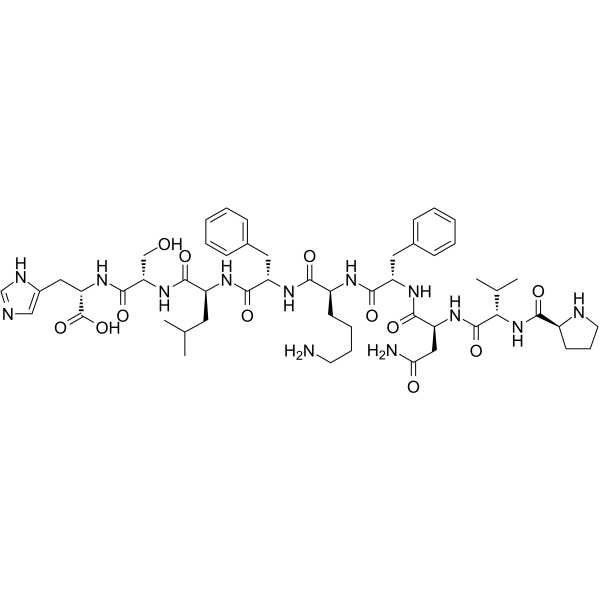
    Contulakin G is an O-glycosylated invertebrate neurotensin. Contulakin-G is a weaker agonist for the neurotensin receptor. Contulakin G is also a potent antinociceptive agent .
    Contulakin G
  • HY-112692

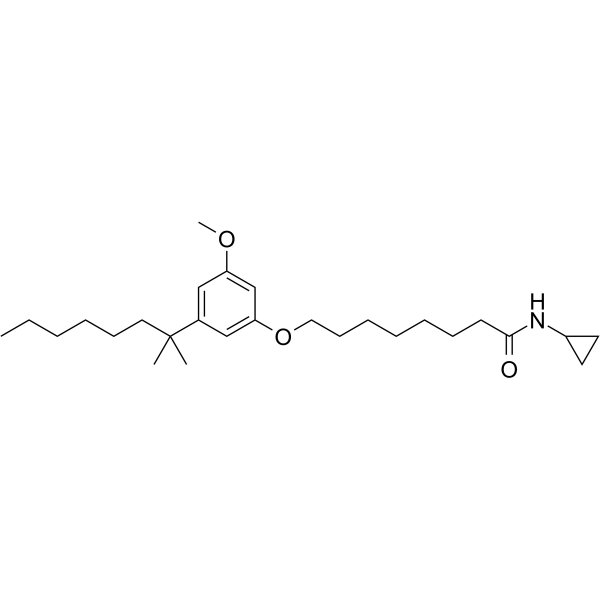
    Opioid Receptor Neurological Disease
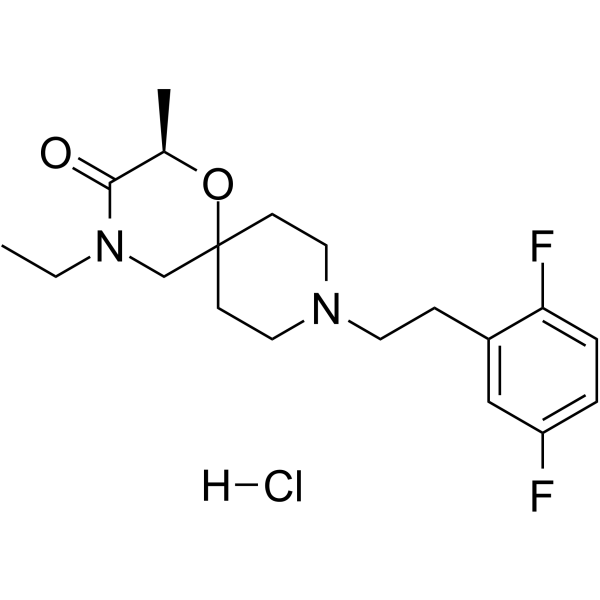
    AT-121 is a bifunctional nociception and mu opioid receptor agonist, with Kis of 3.67 and 16.49 nM, respectively. AT-121 is a safe, non-addictive analgesic, and shows antinociceptive and antiallodynic effects .
    AT-121
  • HY-N0746
    Oxysophocarpine
    5+ Cited Publications

    Others Cancer
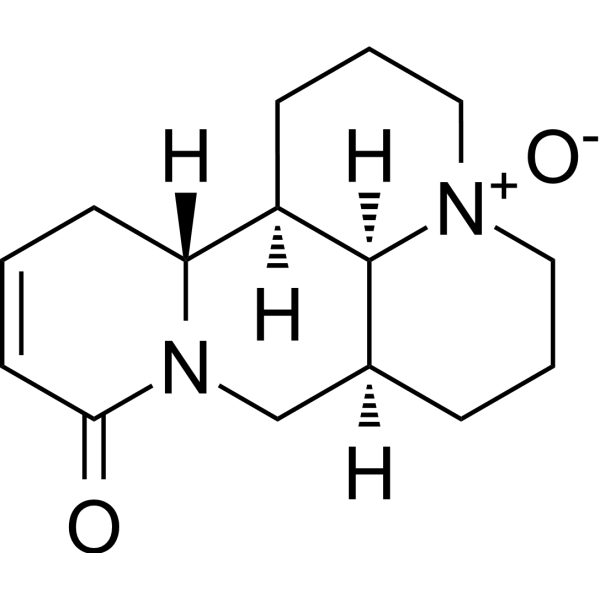
    Oxysophocarpine is an alkaloid extracted from Sophora alopecuroides.?Oxysophocarpine has neuroprotective and anti-nociceptive effects on the central and peripheral nervous systems . Oxysophocarpine inhibits the?growth?and?metastasis?of ?oral?squamous?cell?carcinoma?(OSCC) .
    Oxysophocarpine
  • HY-104006

    Opioid Receptor Neurological Disease
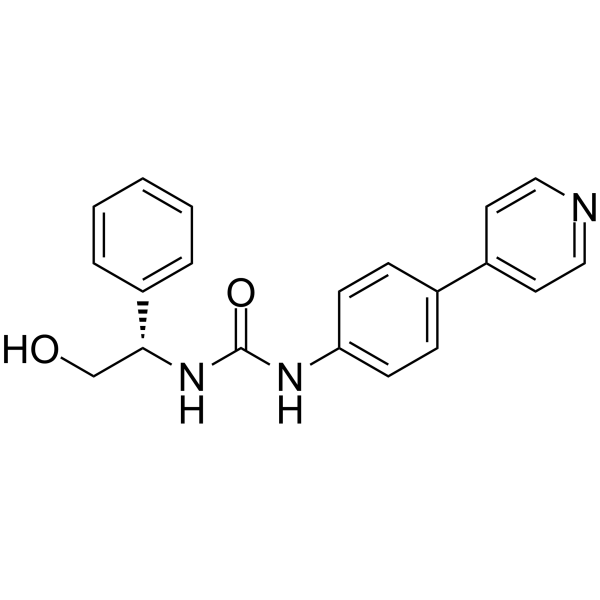
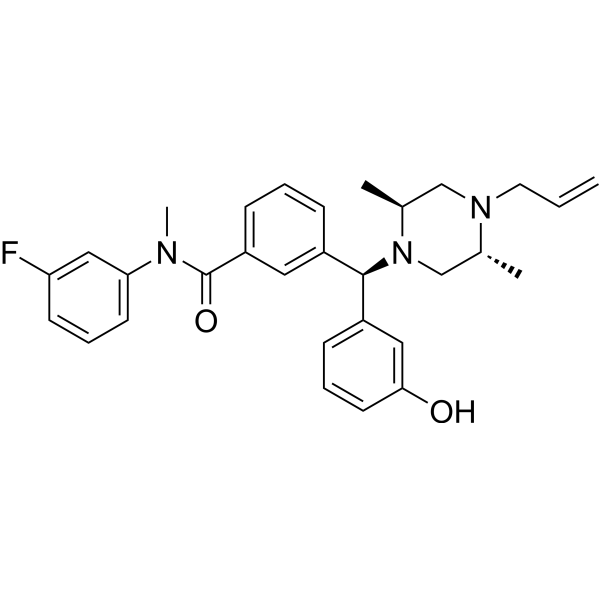
    CYM51010 is a biased ligand of μ-opioid receptor – δ-opioid receptor heterodimers with an EC50 of 403 nM. CYM51010 exhibits anti-nociceptive activity similar to morphine but with a decreased levels of tolerance development and withdrawal symptoms .
    CYM51010
  • HY-B0764B

    Dibutyryl cAMP; DBcAMP

    PKA Reactive Oxygen Species (ROS) Apoptosis Neurological Disease Inflammation/Immunology Cancer
    Bucladesine (Dibutyryl cAMP; DBcAMP) is a membrane-permeable 3′, 5′-cyclic adenosine monophosphate (cAMP) analog. Bucladesine selectively activates cAMP dependent protein kinase (PKA) by increasing the intracellular level of cAMP. Bucladesine significantly attenuates MDMA-induced increases in hippocampal mitochondrial ROS formation, mitochondrial outer membrane damage, cytochrome c release, and hippocampal ADP/ATP ratio, thereby improving spatial learning and memory impairments. Bucladesine exhibit anti-nociceptive and anti-inflammation effect. Bucladesine can inhibit cancer cells proliferation, induce apoptosis. Bucladesine can be used for the researches of neurological disease, cancer, inflammation .
    Bucladesine
  • HY-10815
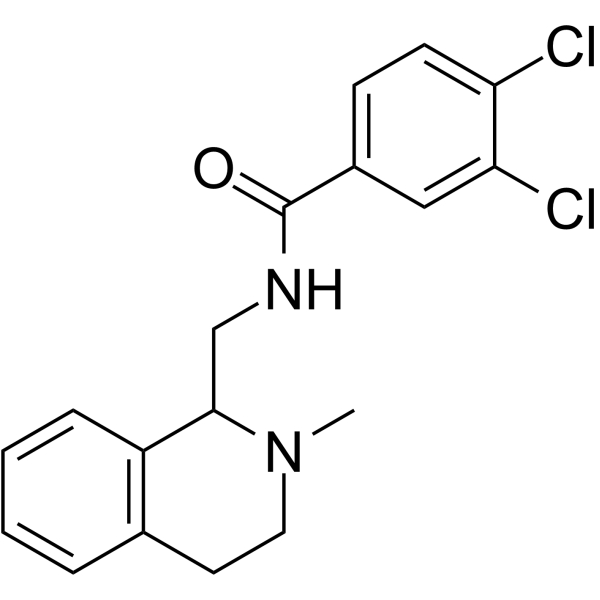
    σ1 Receptor antagonist-1
    1 Publications Verification

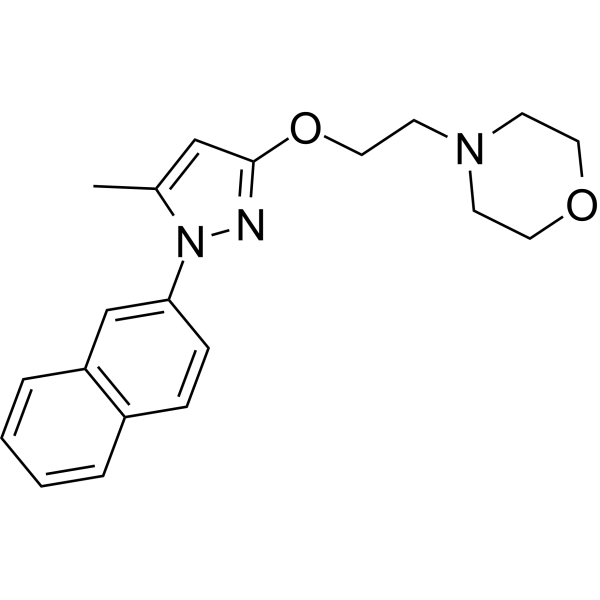
    Sigma Receptor Apoptosis Neurological Disease Cancer
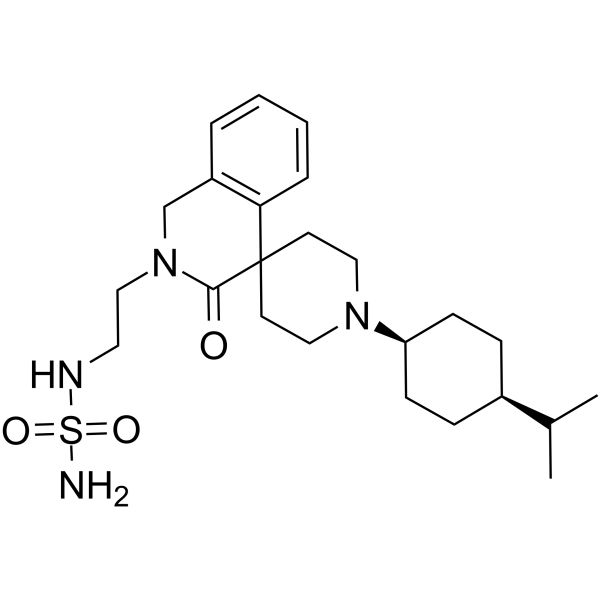
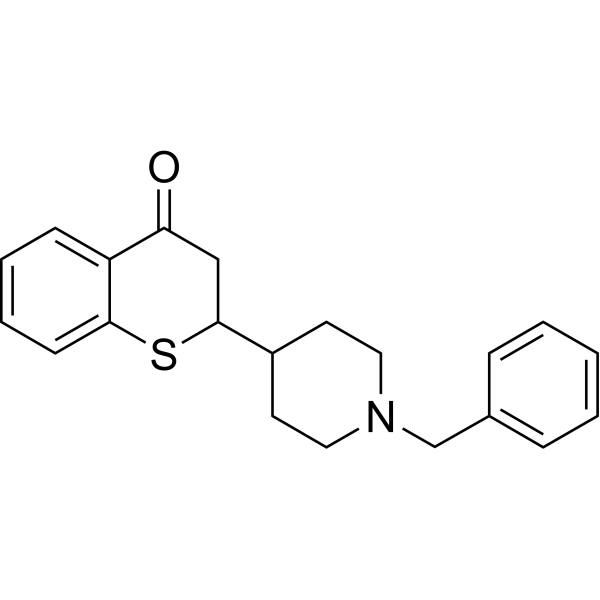
    σ1 Receptor antagonist-1 is a highly potent and selective sigma 1 receptor antagonist (pKi=10.28). σ1 Receptor antagonist-1 inhibits cell growth, arrests cell cycle at G0/G1 phase and induces apoptosis of MCF-7/ADR cells .
    σ1 Receptor antagonist-1
  • HY-125527A
    17(R)-Resolvin D1
    1 Publications Verification

    17(R)-RvD1; AT-RvD1

    TRP Channel Inflammation/Immunology
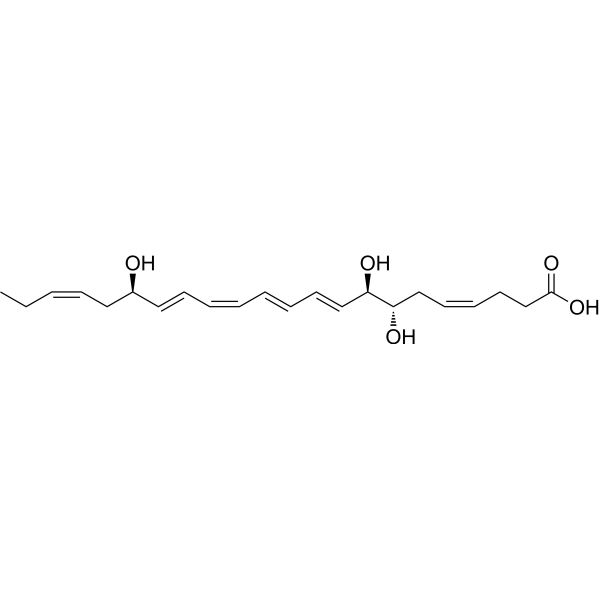
    17R-Resolvin D1 (17R-RvD1; AT-RvD1) is an aspirin-triggered epimer of Resolvin D1, which exhibits anti-inflammatory activity in mice and human PMNs cells . 17R-Resolvin D1 specificially inhibits TRPV3 with an IC50 of 398 nM and exhibits peripheral anti-nociceptive efficacy .
    17(R)-Resolvin D1
  • HY-106224A
    Orexin A (human, rat, mouse) TFA
    Maximum Cited Publications
    11 Publications Verification

    Hypocretin-1 (human, rat, mouse) TFA

    Orexin Receptor (OX Receptor) Neurological Disease
    Orexin A (human, rat, mouse) (Hypocretin-1 (human, rat, mouse)) TFA, a 33 amino acid excitatory neuropeptide, orchestrates diverse central and peripheral processes. Orexin A (human, rat, mouse) TFA binds and activates two types of G protein-coupled receptors, the orexin-1 receptor (OX1R) and the orexin-2 receptor (OX2R). Orexin A (human, rat, mouse) TFA has a role in the regulation of feeding behavior. Orexin A (human, rat, mouse) TFA is an effective anti-nociceptive and anti-hyperalgesic agent in mice and rats .
    Orexin A (human, rat, mouse) TFA
  • HY-B0764G

    Dibutyryl cAMP sodium; DBcAMP sodium

    PKA Reactive Oxygen Species (ROS) Apoptosis Neurological Disease Inflammation/Immunology Cancer
    Bucladesine (Dibutyryl cAMP; DBcAMP) sodium (GMP) is a Bucladesine sodium (HY-B0764) produced by using GMP guidelines. Bucladesine (Dibutyryl cAMP; DBcAMP) is a membrane-permeable 3′, 5′-cyclic adenosine monophosphate (cAMP) analog. Bucladesine selectively activates cAMP dependent protein kinase (PKA) by increasing the intracellular level of cAMP. Bucladesine significantly attenuates MDMA-induced increases in hippocampal mitochondrial ROS formation, mitochondrial outer membrane damage, cytochrome c release, and hippocampal ADP/ATP ratio, thereby improving spatial learning and memory impairments. Bucladesine exhibit anti-nociceptive and anti-inflammation effect. Bucladesine can inhibit cancer cells proliferation, induce apoptosis. Bucladesine can be used for the researches of neurological disease, cancer, inflammation .
    Bucladesine sodium
  • HY-N6648

    GABA Receptor Neurological Disease
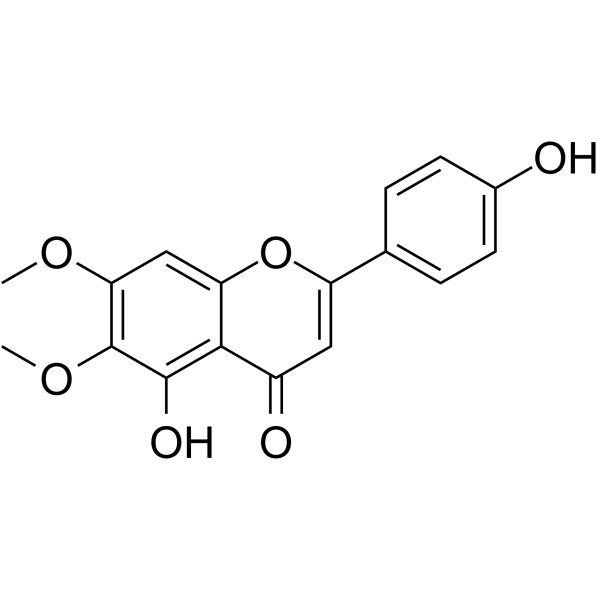
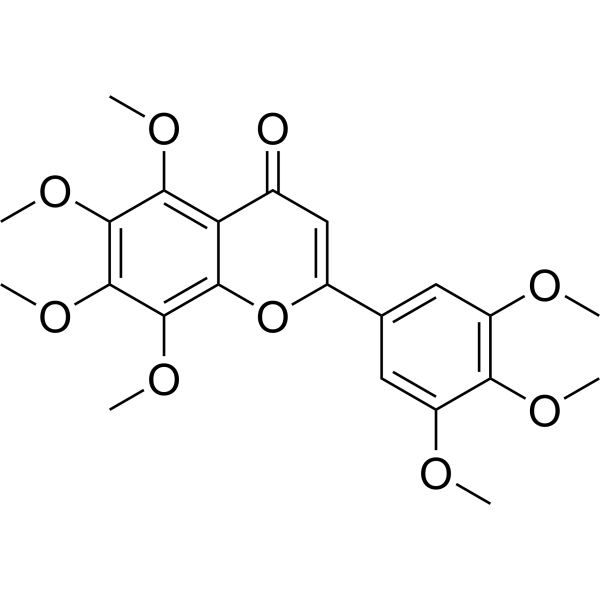
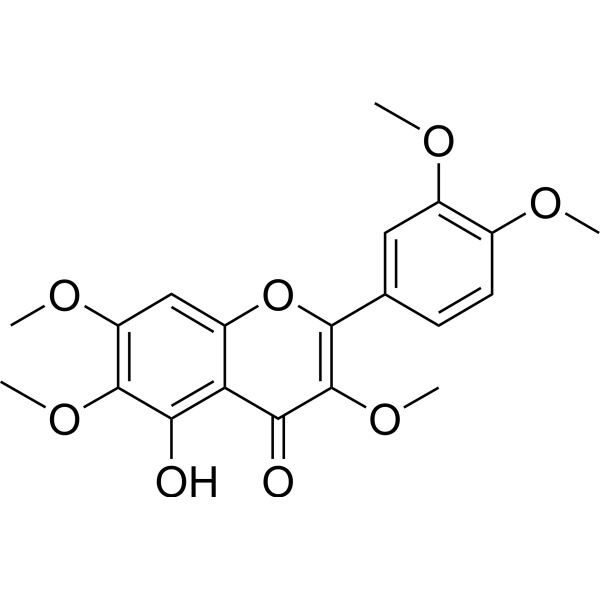
    Cirsimaritin binds weakly to the benzodiazepine site on GABAA receptors, with antidepressant, anxiolytic and antinociceptive activities.
    Cirsimaritin
  • HY-W505771

    Fungal Infection Inflammation/Immunology Cancer
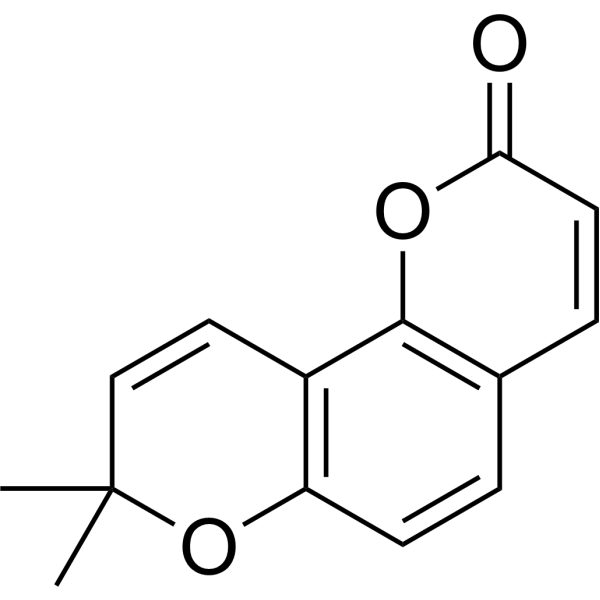
    Seselin is an anticancer, antinociceptive, anti-inflammatory and antifungal agent. Seselin is orally active .
    Seselin
  • HY-P3870

    Opioid Receptor Neurological Disease
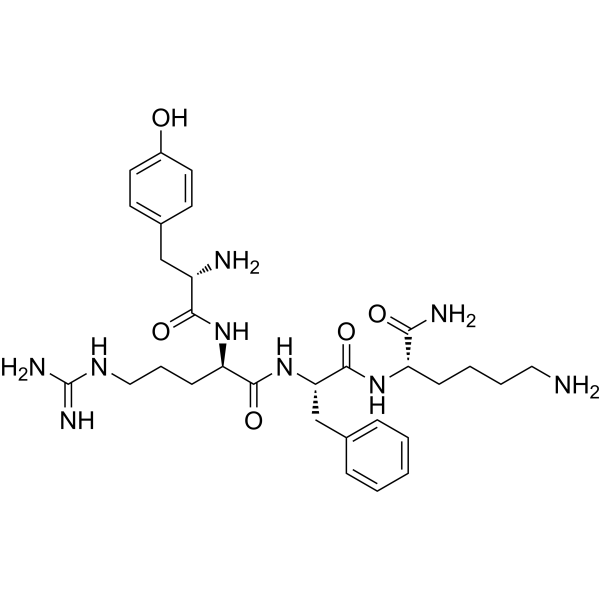
    DALDA is a potent and highly selective μ-opioid receptor agonist with a Ki of 1.69 nM. DALDA shows antinociceptive and respiratory effects .
    DALDA
  • HY-111029A

    GlyT Others
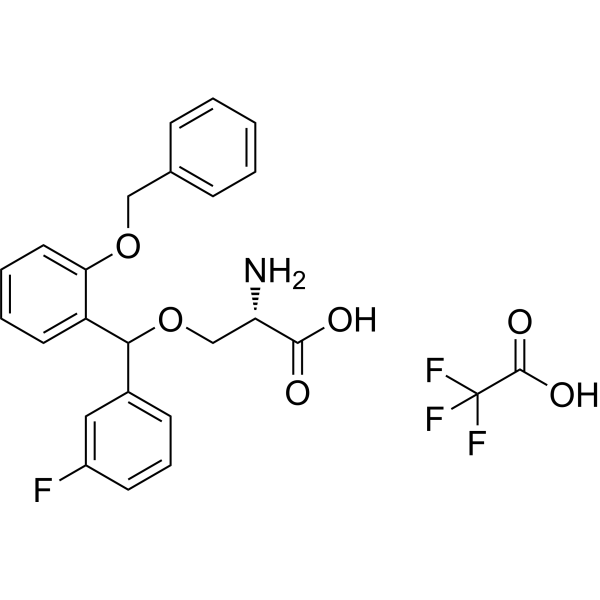
    ALX-1393 TFA, a selective GlyT2 inhibitor, has an antinociceptive effect on thermal, mechanical, and chemical stimulations in a rat acute pain model .
    ALX-1393 TFA
  • HY-N0050

    (+)-Allomatrine

    Others Neurological Disease
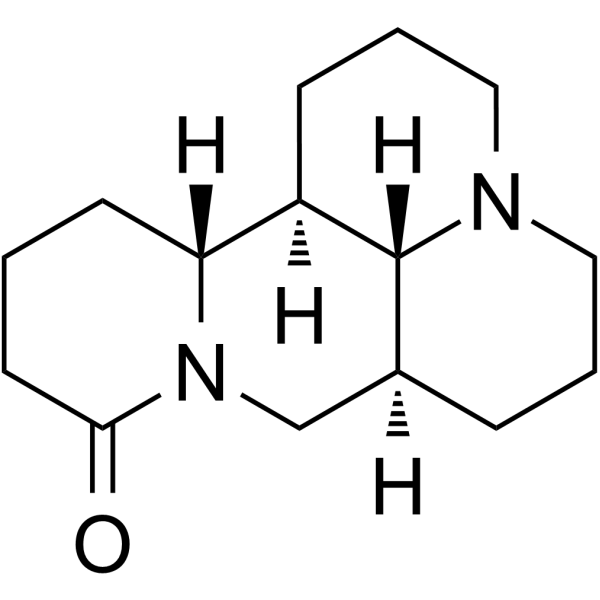
    Allomatrine ((+)-Allomatrine) is an alkaloid from the bark of Sophora japonica. Allomatrine has antinociceptive properties mediated mainly through the activation ofκ-opioid receptors .
    Allomatrine
  • HY-171032

    Orexin Receptor (OX Receptor) Neurological Disease
    (R)-YNT-3708 is a selective orexin 1 (OX1R) agonist, with an EC50 of 7.48 nM. (R)-YNT-3708 has antinociceptive effects .
    (R)-YNT-3708
  • HY-N2772

    7-Deoxy-8-epiloganic acid

    Others Neurological Disease
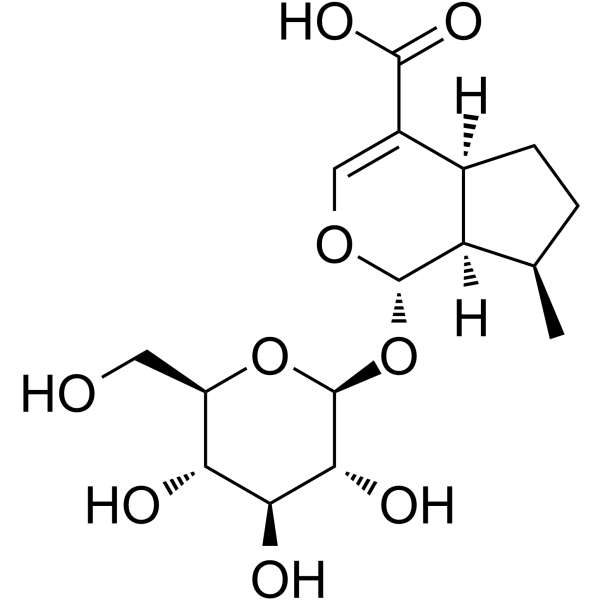
    8-Epideoxyloganic acid (7-Deoxy-8-epiloganic acid), an iridoid glucoside, can be found in Incarvillea delavayi. 8-Epideoxyloganic acid exhibits weak antinociceptive activity .
    8-Epideoxyloganic acid
  • HY-B0649S

    GABA Receptor Endogenous Metabolite Neurological Disease
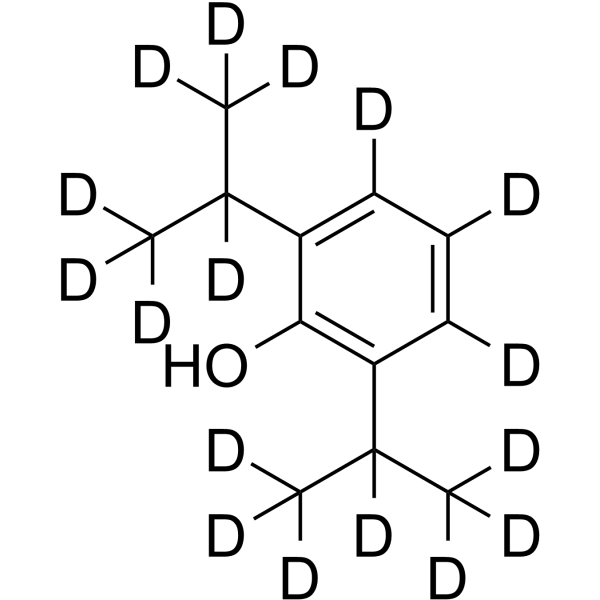
    Propofol-d17 is the deuterium labeled Propofol. Propofol potently and directly activates GABAA receptor and inhibits glutamate receptor mediated excitatory synaptic transmission. Propofol has antinociceptive properties .
    Propofol-d17
  • HY-151391

    Biochemical Assay Reagents Neurological Disease
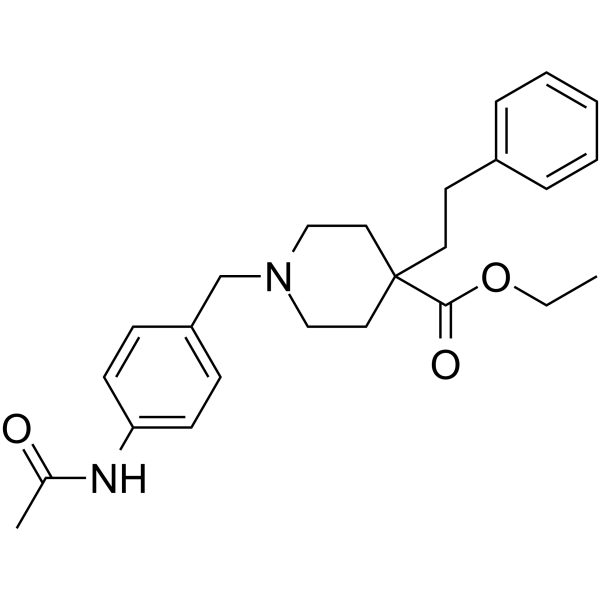
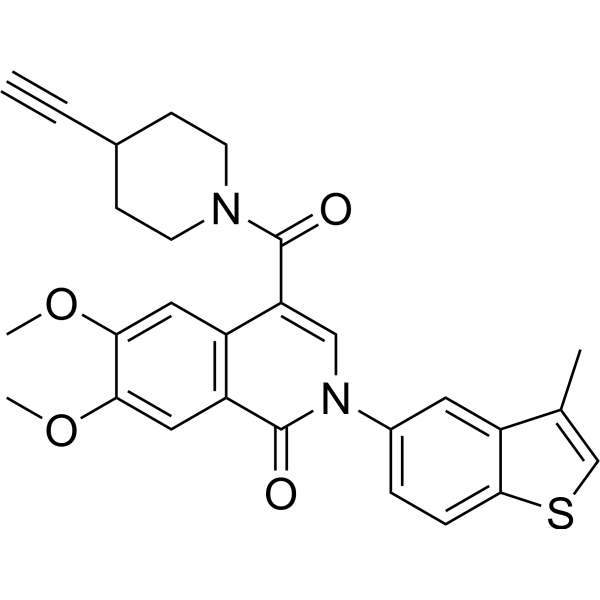
    LPA5 antagonist 1 (Compound 66) is a potent and selective lysophosphatidic acid receptor 5 (LPA5) antagonist (IC50=32 nM). LPA5 antagonist 1 shows high blood-brain-barrier permeability and anti-nociceptive activity. LPA5 antagonist 1 can be used in inflammatory and neuropathic pain research . LPA5 antagonist 1 is a click chemistry reagent, it contains an Alkyne group and can undergo copper-catalyzed azide-alkyne cycloaddition (CuAAc) with molecules containing Azide groups.
    LPA5 antagonist 1
  • HY-B0764R

    Dibutyryl cAMP sodium (Standard); DBcAMP sodium (Standard)

    Reference Standards PKA Reactive Oxygen Species (ROS) Apoptosis Neurological Disease Inflammation/Immunology Cancer
    Bucladesine (Dibutyryl cAMP; DBcAMP) sodium (Standard) is the analytical standard of Bucladesine sodiumn (HY-B0764). This product is intended for research and analytical applications. Bucladesine is a membrane-permeable 3′, 5′-cyclic adenosine monophosphate (cAMP) analog. Bucladesine selectively activates cAMP dependent protein kinase (PKA) by increasing the intracellular level of cAMP. Bucladesine significantly attenuates MDMA-induced increases in hippocampal mitochondrial ROS formation, mitochondrial outer membrane damage, cytochrome c release, and hippocampal ADP/ATP ratio, thereby improving spatial learning and memory impairments. Bucladesine exhibit anti-nociceptive and anti-inflammation effect. Bucladesine can inhibit cancer cells proliferation, induce apoptosis. Bucladesine can be used for the researches of neurological disease, cancer, inflammation .
    Bucladesine sodium (Standard)
  • HY-P3870A

    Opioid Receptor Neurological Disease
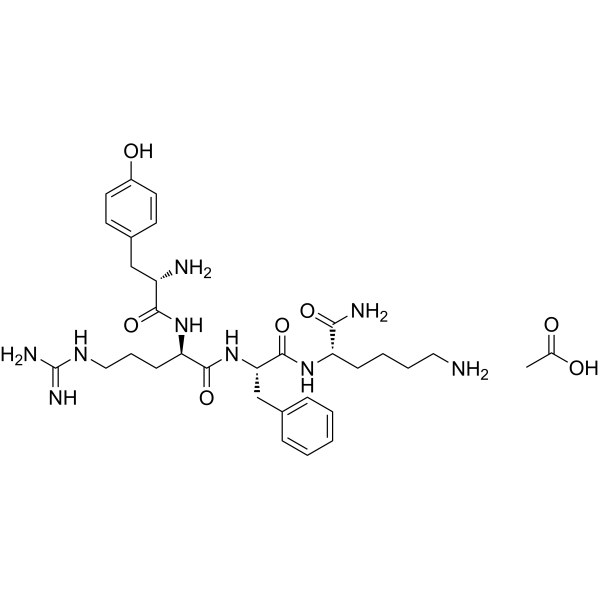
    DALDA acetate is a potent and highly selective μ-opioid receptor agonist with a Ki of 1.69 nM. DALDA acetate shows antinociceptive and respiratory effects .
    DALDA acetate
  • HY-118785

    TRP Channel Neurological Disease
    MSP-3 is a potent TRPV1 agonist, with an EC50 of 0.87 μM. MSP-3 exhibits neuroprotective and antinociceptive effects .
    MSP-3
  • HY-111029

    GlyT Neurological Disease
    ALX-1393, a selective GlyT2 inhibitor, has an antinociceptive effect on thermal, mechanical, and chemical stimulations in a rat acute pain model .
    ALX-1393
  • HY-P1044

    LVV-hemorphin-4

    Carboxypeptidase Neurological Disease
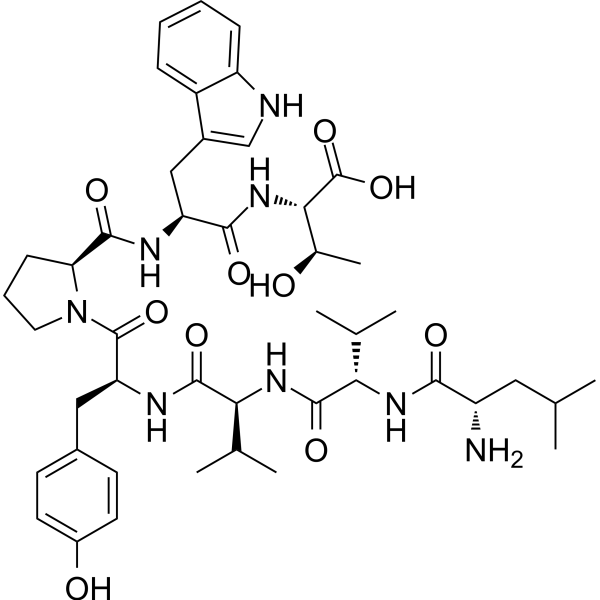
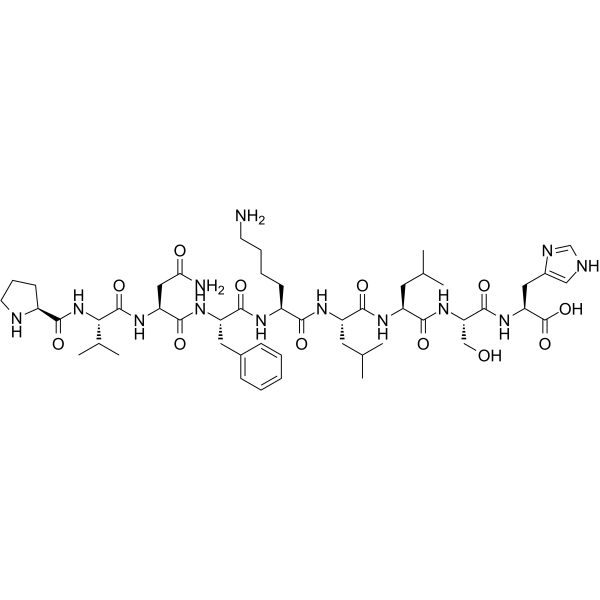
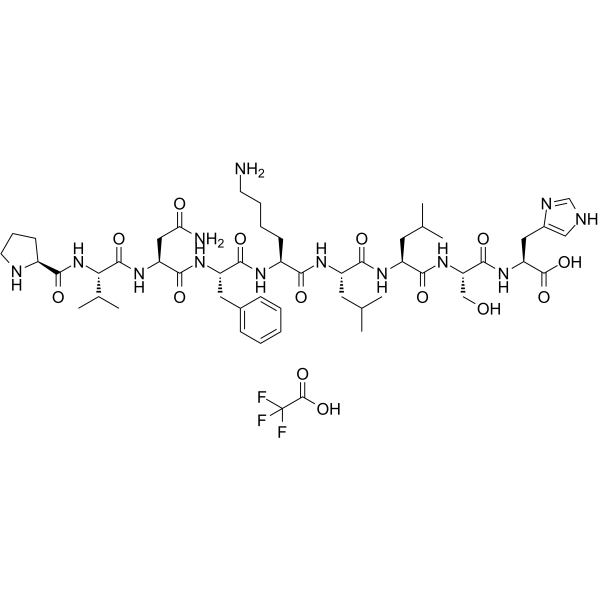
    Spinorphin is an inhibitor of enkephalin-degrading enzymes. Spinorphin inhibits aminopeptidase, dipeptidyl aminopeptidase III, angiotensin-converting enzyme and enkephalinase. Spinorphin possesses an antinociceptive effect .
    Spinorphin
  • HY-P1044A

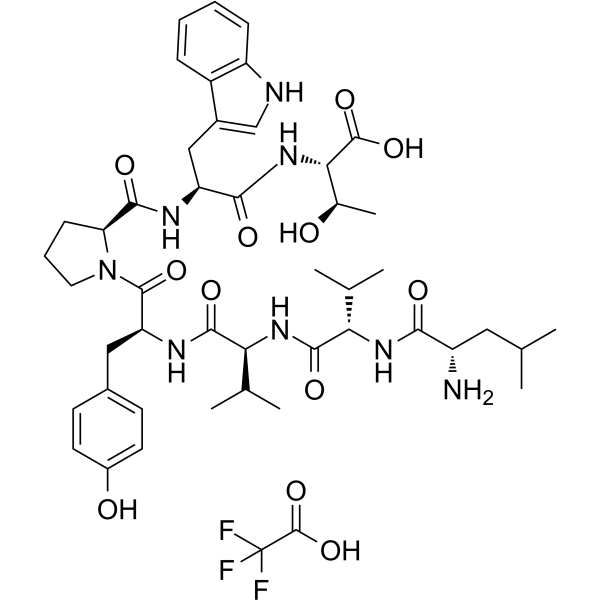
    LVV-hemorphin-4 TFA

    Angiotensin Receptor Neurological Disease
    Spinorphin TFA is an inhibitor of enkephalin-degrading enzymes. Spinorphin inhibits aminopeptidase, dipeptidyl aminopeptidase III, angiotensin-converting enzyme and enkephalinase. Spinorphin possesses an antinociceptive effect .
    Spinorphin TFA
  • HY-W436270

    Dopamine Receptor Neurological Disease Inflammation/Immunology
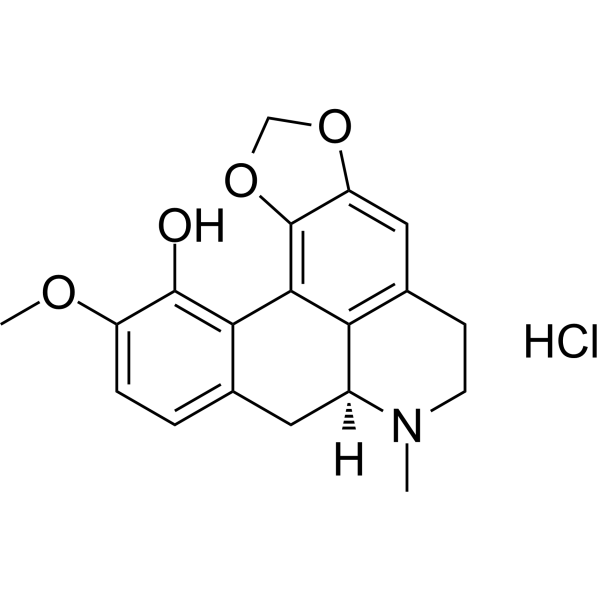
    Bulbocapnine hydrochloride, an aporphine alkaloid, is a dopamine receptor inhibitor. Bulbocapnine hydrochloride inhibits dopamine synthesis. Bulbocapnine hydrochloride also has neuroleptic-like, anticonvulsant and antinociceptive effects .
    Bulbocapnine hydrochloride
  • HY-P10358

    Calcium Channel Neurological Disease
    TAT-CBD3A6K, is a modified TAT-CBD3 peptide. TAT-CBD3A6K reduces T- and R-type voltage-dependent calcium currents in dorsal root ganglion (DRG) neurons. TAT-CBD3A6K shows anti-nociceptive effects in a model of AIDS-induced peripheral neuropathy by preventing CRMP-2-mediated enhancement of T- and R-type calcium channel function .
    TAT-CBD3A6K

Inquiry Online

Your information is safe with us. * Required Fields.

Salutation


Country or Region *

Applicant Name *


Organization Name *

Department *


Email Address *


Product Name *

Cat. No.


Requested quantity *

Phone Number *


Remarks

Inquiry Online

Inquiry Information

Product Name:
Cat. No.:
Quantity:
MCE Japan Authorized Agent: