1. Search Result
Search Result
Results for "

gsk-3- Inhibitor -1

" in MedChemExpress (MCE) Product Catalog:

299

Inhibitors & Agonists

1

Screening Libraries

3

Fluorescent Dyes

4

Biochemical Assay Reagents

9

Peptides

37

Natural
Products

5

Isotope-Labeled Compounds

3

GMP Molecules

Targets Recommended:
Cat. No. Product Name Target Research Areas Chemical Structure
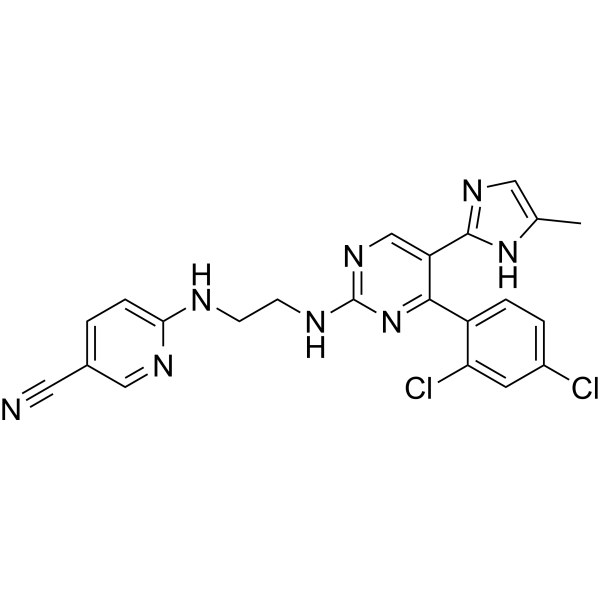
  • HY-10182
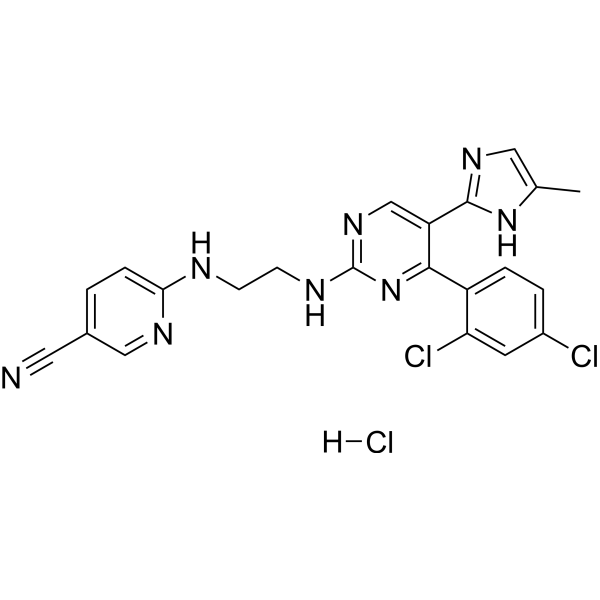
    Laduviglusib
    290+ Cited Publications

    CHIR-99021; CT99021

    Organoid GSK-3 Wnt β-catenin Autophagy Metabolic Disease Cancer
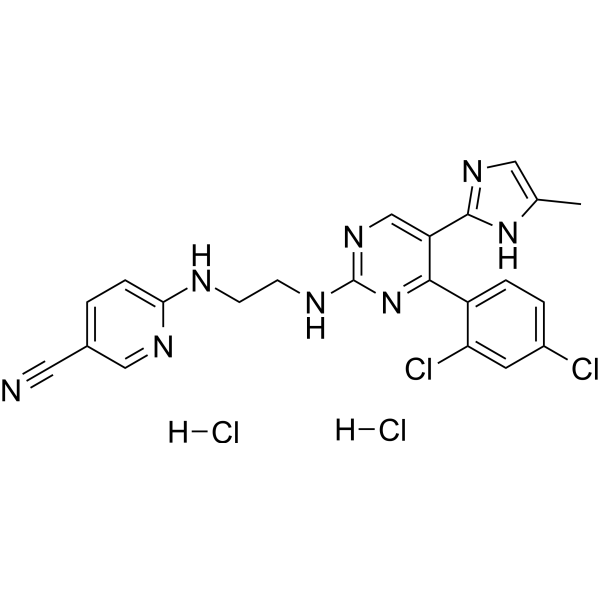
    Laduviglusib (CHIR-99021) is a potent, selective and orally active GSK-3α/β inhibitor with IC50s of 10 nM and 6.7 nM. Laduviglusib shows >500-fold selectivity for GSK-3 over CDC2, ERK2 and other protein kinases. Laduviglusib is also a potent Wnt/β-catenin signaling pathway activator. Laduviglusib enhances mouse and human embryonic stem cells self-renewal. Laduviglusib induces autophagy [1] .
    Laduviglusib
  • HY-10182B
    Laduviglusib trihydrochloride
    290+ Cited Publications

    CHIR-99021 trihydrochloride; CT99021 trihydrochloride

    Organoid GSK-3 Wnt β-catenin Autophagy Cancer
    Laduviglusib (CHIR-99021) trihydrochloride is a potent and selective GSK-3α/β inhibitor with IC50s of 10 nM and 6.7 nM. Laduviglusib trihydrochloride shows >500-fold selectivity for GSK-3 over CDC2, ERK2 and other protein kinases. Laduviglusib trihydrochloride is also a potent Wnt/β-catenin signaling pathway activator. Laduviglusib trihydrochloride enhances mouse and human embryonic stem cells self-renewal. Laduviglusib trihydrochloride induces autophagy [1] .
    Laduviglusib trihydrochloride
  • HY-16294
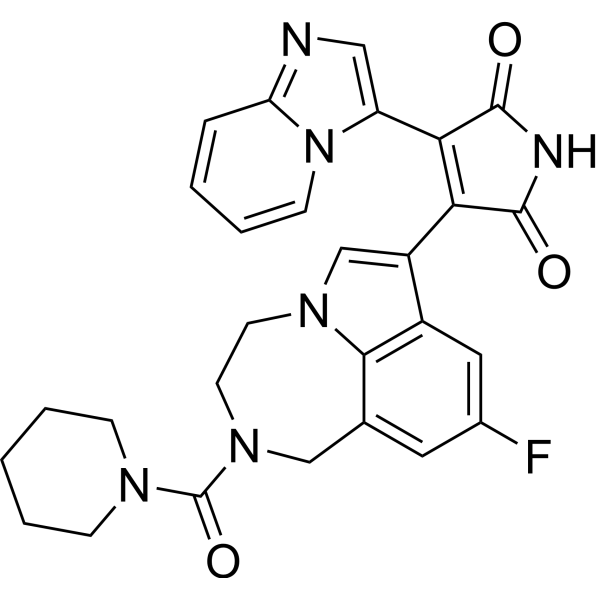
    LY2090314
    15+ Cited Publications

    GSK-3 Cancer
    LY2090314 is a potent inhibitor of glycogen synthase kinase-3 (GSK-3) with IC50 values of 1.5 nM and 0.9 nM for GSK-3α and GSK-3β, respectively.
    LY2090314
  • HY-14872
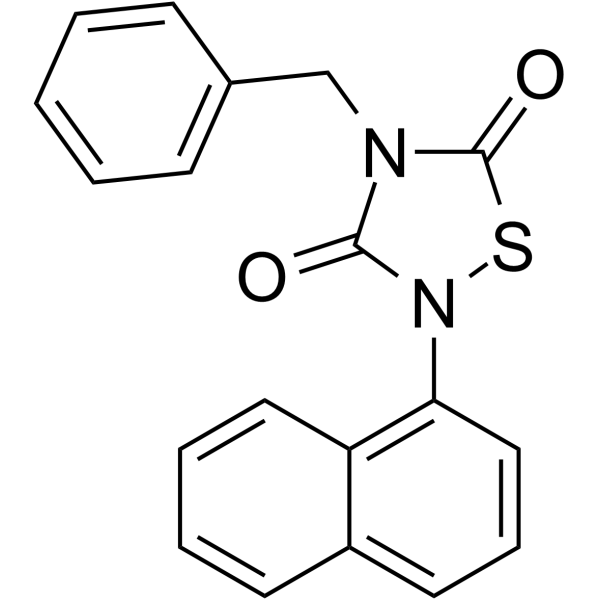
    Tideglusib
    5+ Cited Publications

    NP031112

    GSK-3 Neurological Disease
    Tideglusib (NP031112) is an irreversible GSK-3 inhibitor with IC50s of 5 nM and 60 nM for GSK-3β WT (1 h preincubation) and GSK-3β C199A (1 h preincubation), respectively.
    Tideglusib
  • HY-13867
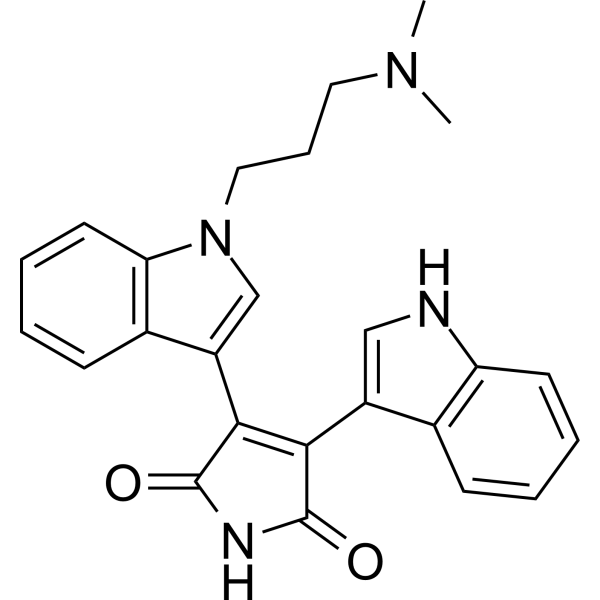
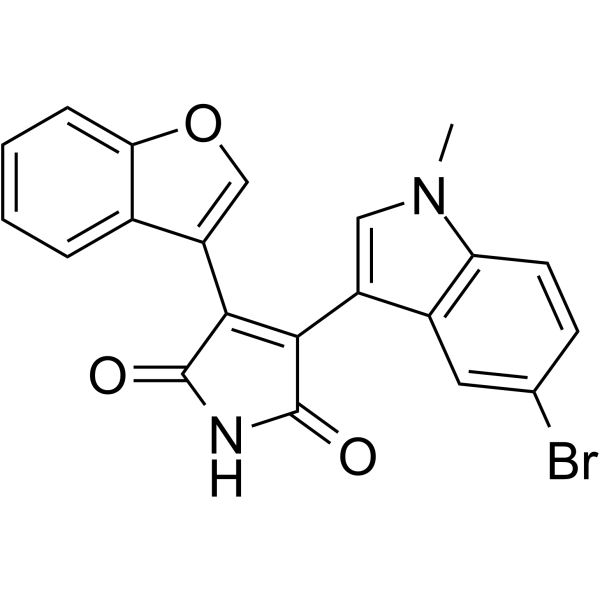
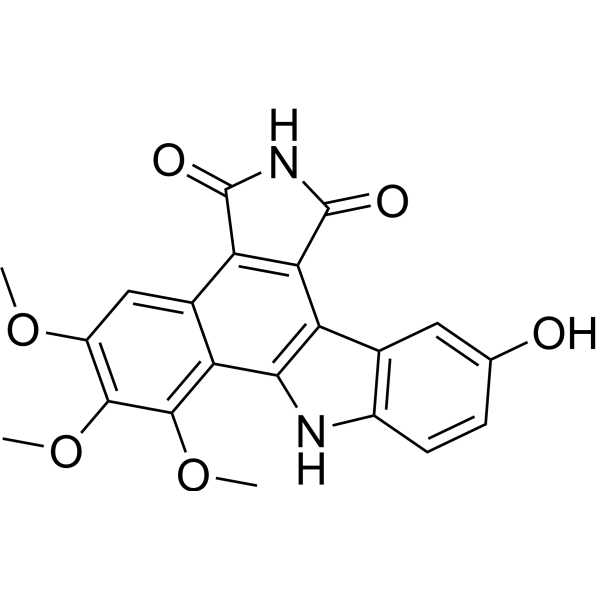
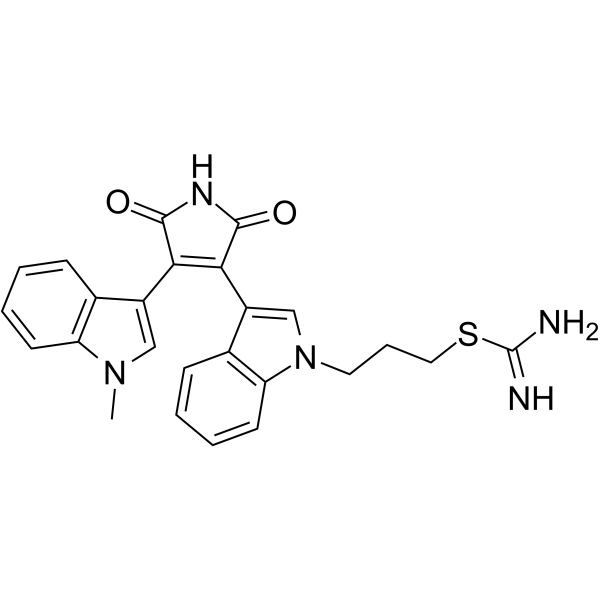
    Bisindolylmaleimide I
    35+ Cited Publications

    GF109203X; Go 6850

    PKC GSK-3 Metabolic Disease Cancer
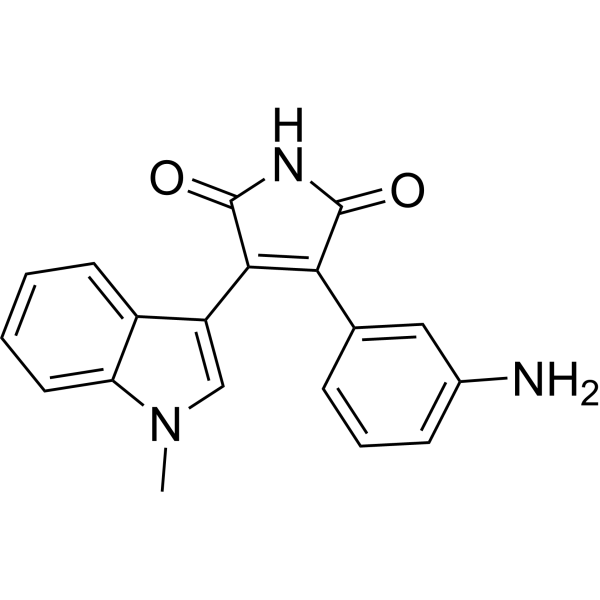
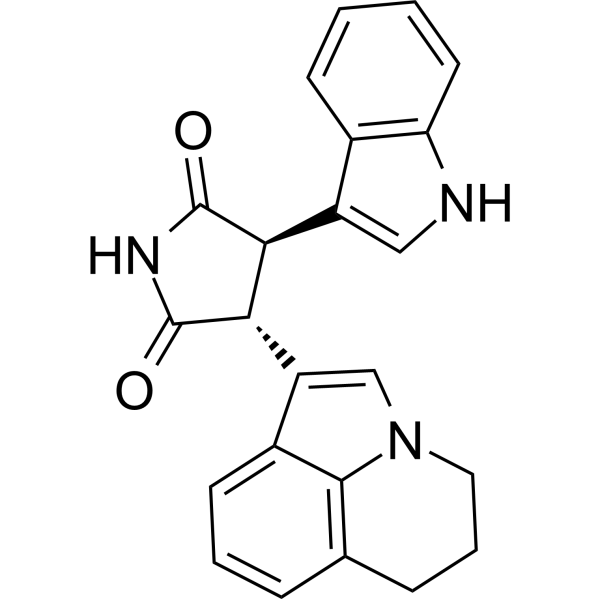
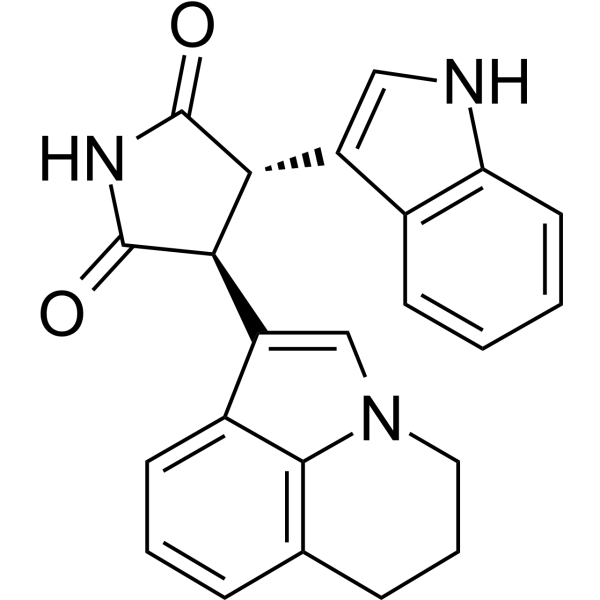
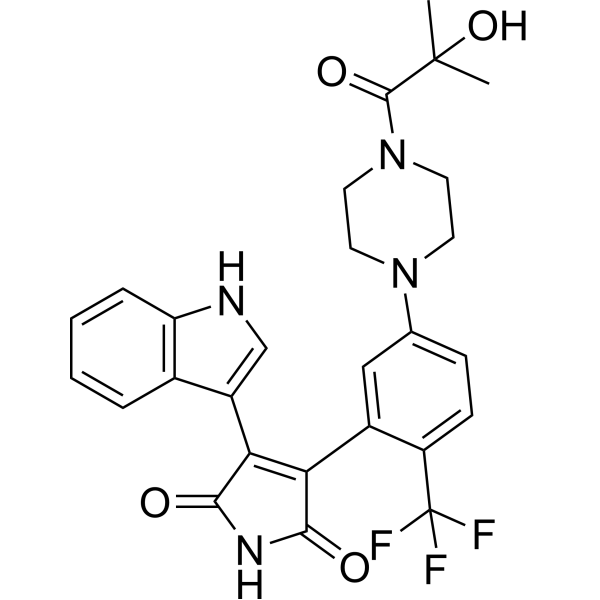
    Bisindolylmaleimide I (GF109203X) is a cell-permeable and reversible PKC inhibitor (IC50 of 20 nM, 17 nM, 16 nM, and 20 nM for PKCα, PKCβI, PKCβII, and PKCγ. Bisindolylmaleimide I is also a GSK-3 inhibitor [1] .
    Bisindolylmaleimide I
  • HY-10182A
    Laduviglusib monohydrochloride
    290+ Cited Publications

    CHIR-99021 monohydrochloride; CT99021 monohydrochloride

    Organoid GSK-3 Wnt β-catenin Autophagy Cancer
    Laduviglusib (CHIR-99021) monohydrochloride is a potent and selective GSK-3α/β inhibitor with IC50s of 10 nM and 6.7 nM. Laduviglusib monohydrochloride shows >500-fold selectivity for GSK-3 over CDC2, ERK2 and other protein kinases. Laduviglusib monohydrochloride is also a potent Wnt/β-catenin signaling pathway activator. Laduviglusib monohydrochloride enhances mouse and human embryonic stem cells self-renewal. Laduviglusib monohydrochloride induces autophagy [1] .
    Laduviglusib monohydrochloride
  • HY-130795
    GSK-3β inhibitor 2
    1 Publications Verification

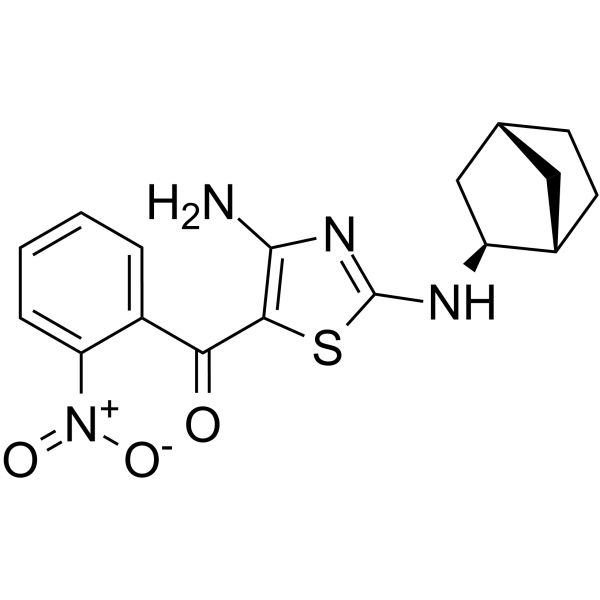
    GSK-3 Neurological Disease
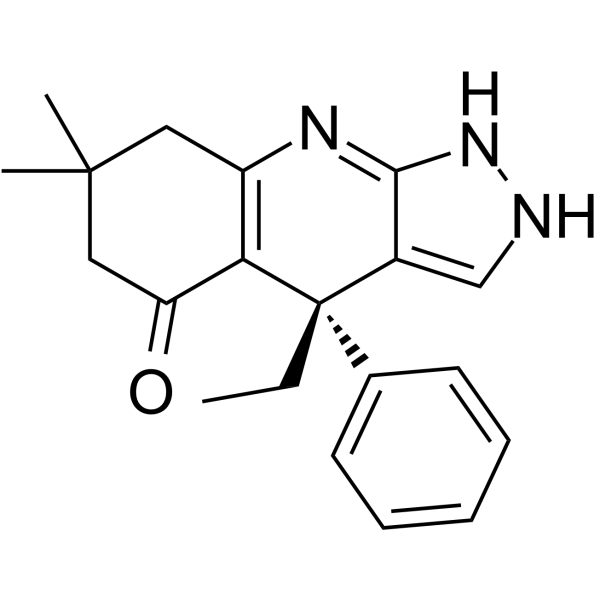
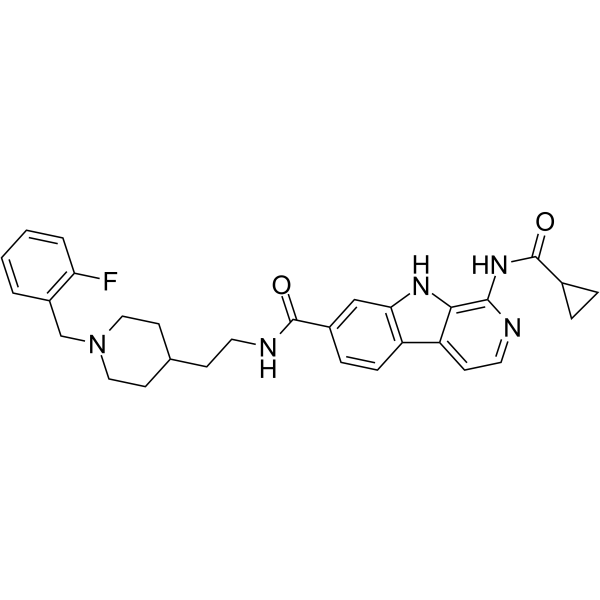
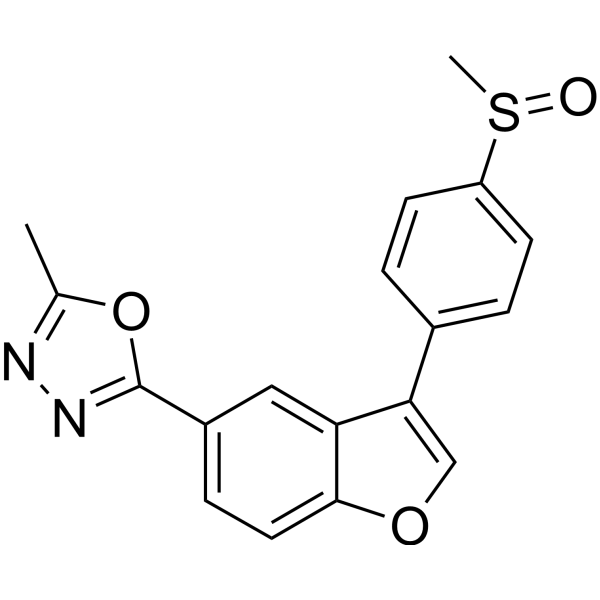
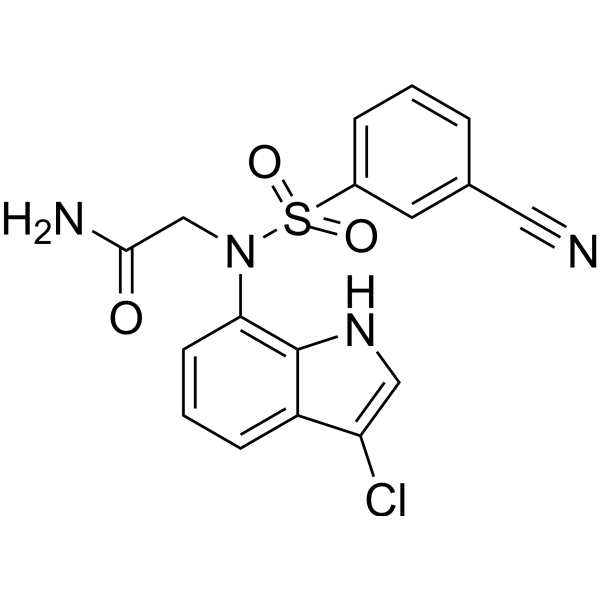
    GSK-3β inhibitor 2 (Compound 3) is a potent, selective and orally active GSK-3β inhibitor with an IC50 of 1.1 nM. GSK-3β inhibitor 2 can cross the blood-brain barrier. GSK-3β inhibitor 2 has the potential for Alzheimer's disease [1].
    GSK-3β inhibitor 2
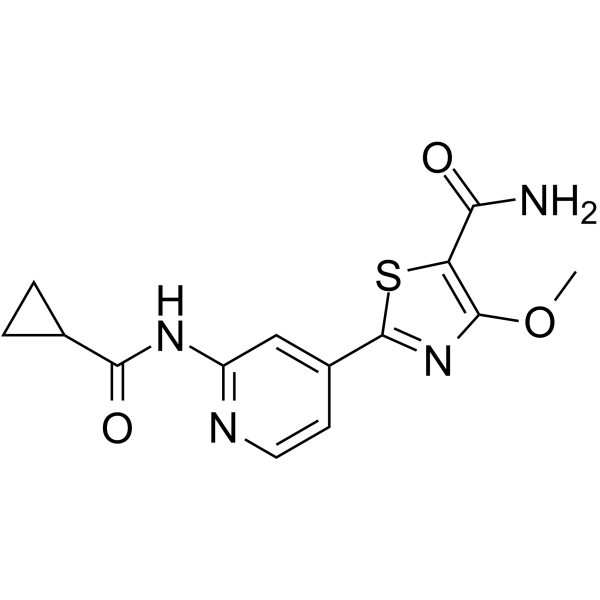
  • HY-107531

    GSK-3 Neurological Disease Cancer
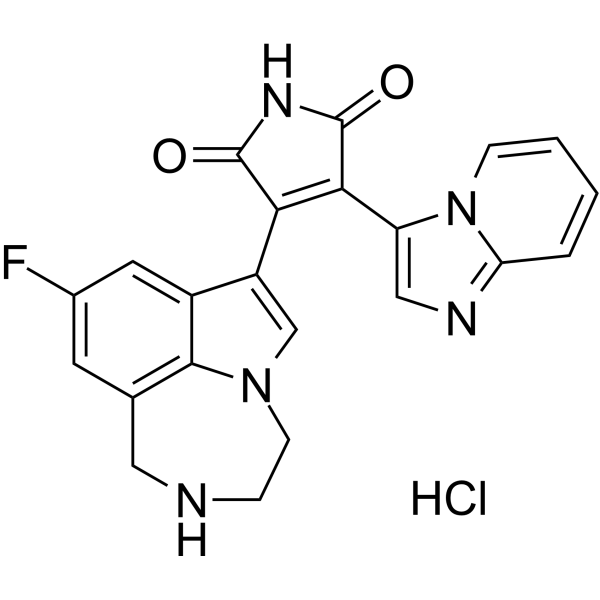
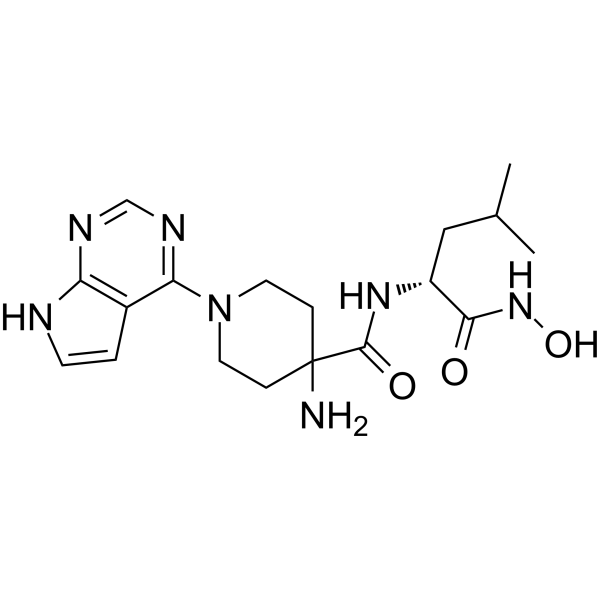
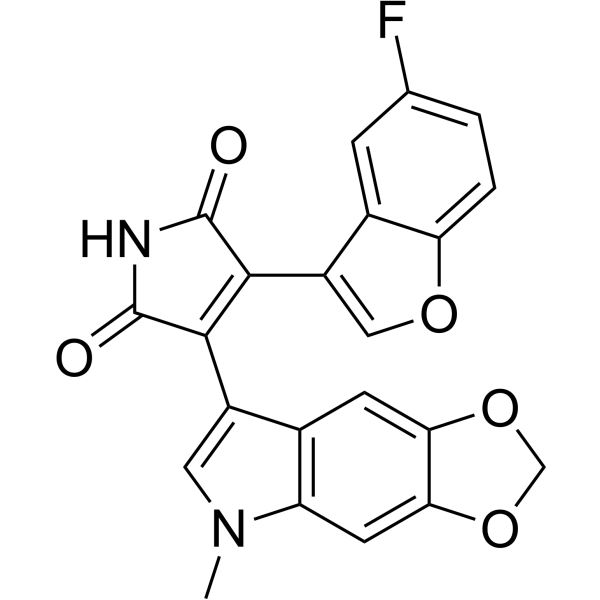
    A 1070722 is a potent and selective glycogen synthase kinase 3 (GSK-3) inhibitor, with a Ki of 0.6 nM for both GSK-3α and GSK-3β. A 1070722 can penetrate the blood-brain barrier (BBB) and accumulates in brain regions, thus potential for PET radiotracer for the quantification of GSK-3 in brain. A 1070722 decreases spontaneous locomotion [1] .
    A 1070722
  • HY-117049
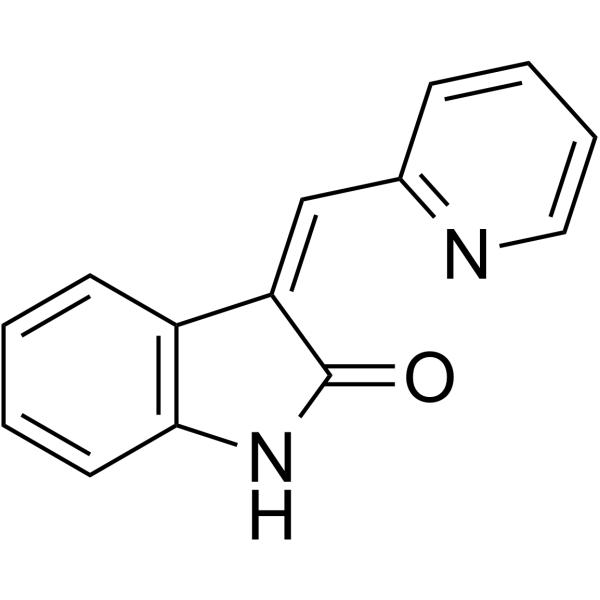
    Leucettine L41
    1 Publications Verification

    DYRK CDK GSK-3 Apoptosis Reactive Oxygen Species (ROS) Neurological Disease Metabolic Disease
    Leucettine L41 is a potent inhibitor of dual-specificity tyrosine phosphorylation-regulated kinases (DYRKs) and CDC-like kinases (CLKs). Leucettine L41 can also inhibit GSK-3 singnaling. Leucettine L41 can inhibit cell apoptosis and ROS production. Leucettine L41 can promote β-cell cell cycle progression, cell proliferation and increase insulin secretion. Leucettine L41 can be used for the researches of neurological disease and metabolic disease, such as Alzheimer’s disease (AD) and diabetes [1] .
    Leucettine L41
  • HY-126144
    GSK-3β inhibitor 1
    4 Publications Verification

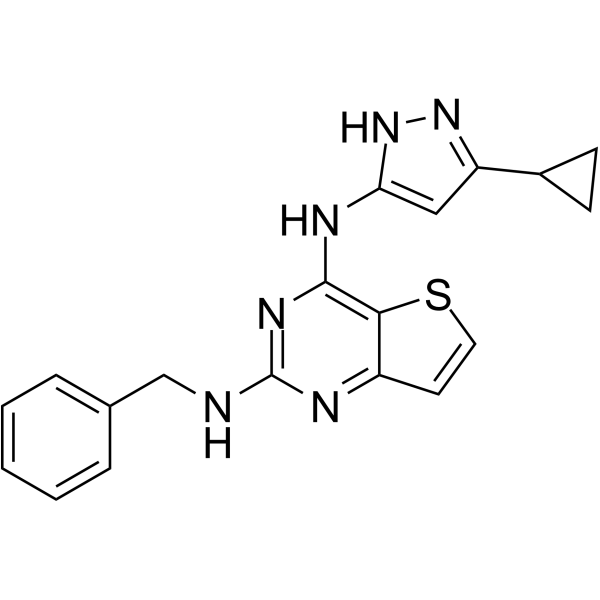
    GSK-3 Metabolic Disease Cancer
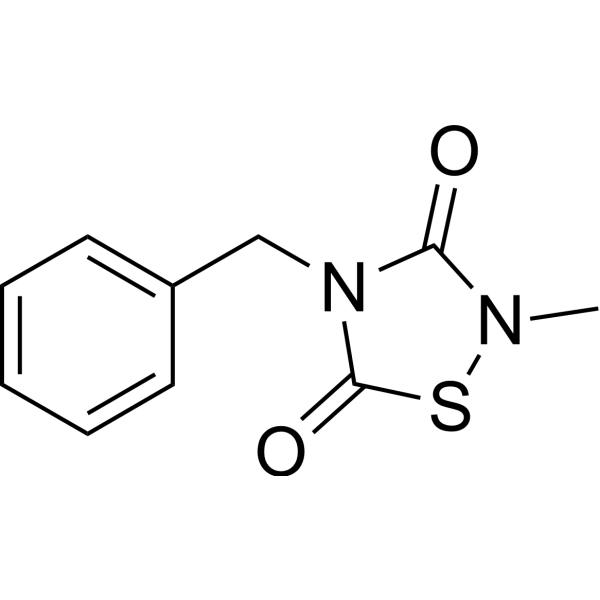
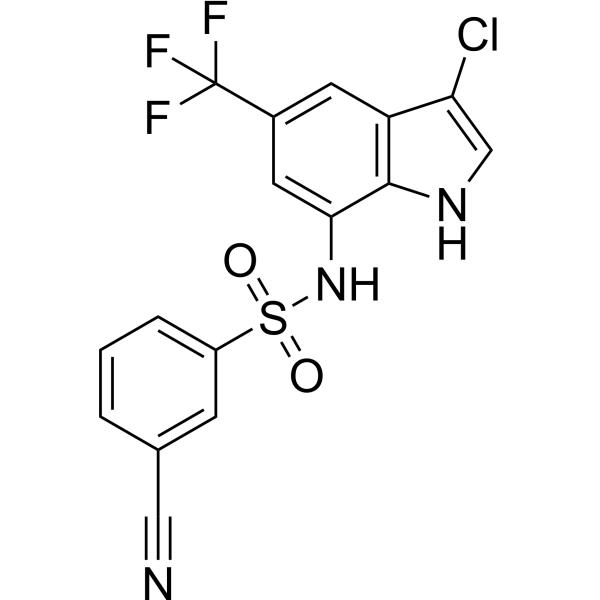
    GSK-3β inhibitor 1 (compound 3a) inhibits GSK-3β with an IC50 of 4.19 nM. GSK-3β inhibitor 1 demonstrates high antidiabetic efficacy in obese Streptozotocin (HY-13753)-treated rats [1].
    GSK-3β inhibitor 1
  • HY-10182R

    CHIR-99021 (Standard); CT99021 (Standard)

    Organoid GSK-3 Autophagy Wnt β-catenin Reference Standards Cancer
    Laduviglusib (Standard) is the analytical standard of Laduviglusib. Laduviglusib (CHIR-99021) is a potent, selective and orally active GSK-3α/β inhibitor with IC50s of 10 nM and 6.7 nM. Laduviglusib shows >500-fold selectivity for GSK-3 over CDC2, ERK2 and other protein kinases. Laduviglusib is also a potent Wnt/β-catenin signaling pathway activator. Laduviglusib enhances mouse and human embryonic stem cells self-renewal. Laduviglusib induces autophagy [1] .
    Laduviglusib (Standard)
  • HY-128879A
    VP3.15 dihydrobromide
    3 Publications Verification

    Phosphodiesterase (PDE) GSK-3 Tau Protein Cardiovascular Disease Neurological Disease Inflammation/Immunology
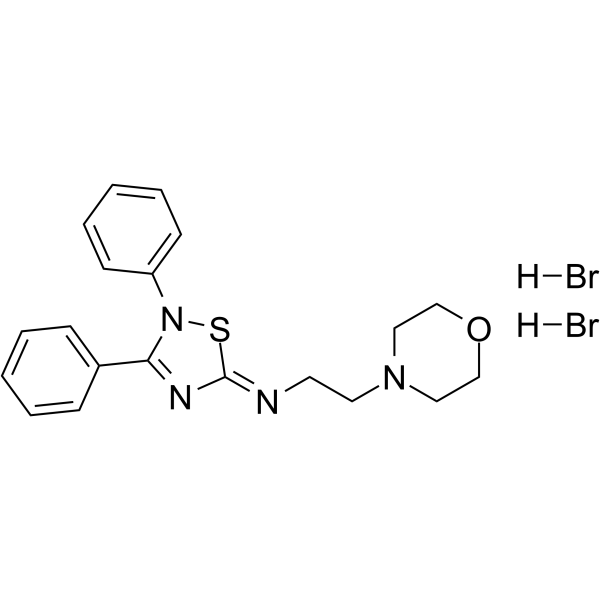
    VP3.15 dihydrobromide is a highly potent, orally bioavailable, and CNS-penetrant PDE7-GSK3 dual inhibitor, with IC50 values of 1.59 μM and 0.88 μM against PDE7 and GSK3, respectively . VP3.15 dihydrobromide elevates intracellular cAMP levels, suppresses immune responses, enhances remyelination, limits excessive tau phosphorylation, and alleviates neuroinflammation and neuronal loss. VP3.15 dihydrobromide promotes oligodendrocyte precursor cell differentiation, improves in vivo remyelination, inhibits autoimmune encephalomyelitis, and mitigates germinal matrix-intraventricular hemorrhage-related brain injury, cerebral atrophy, ventricular enlargement, and cognitive impairment. VP3.15 dihydrobromide can be used in research related to multiple sclerosis and germinal matrix-intraventricular hemorrhage [1] .
    VP3.15 dihydrobromide
  • HY-121629

    PDK-1 Cancer
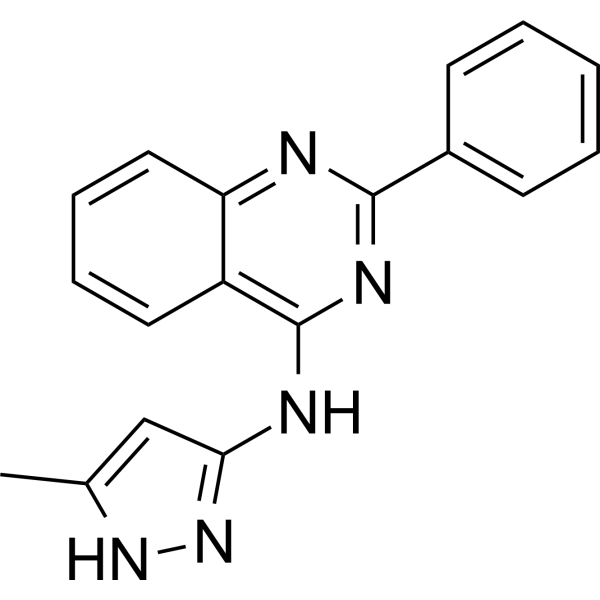
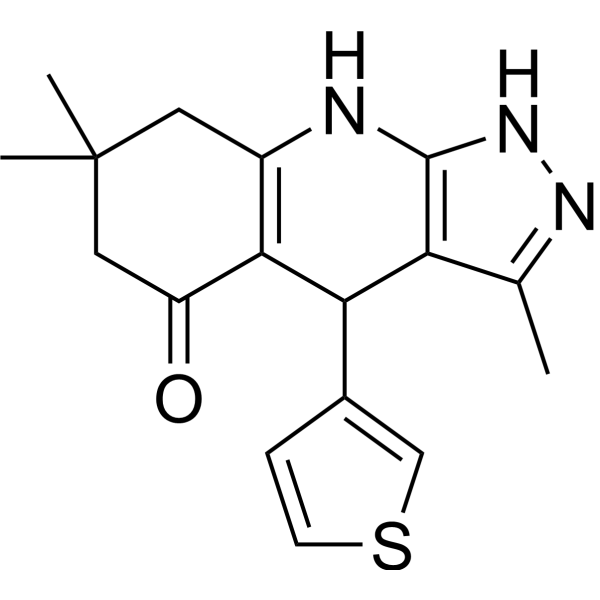
    PS210 is a potent and selective PDK1 activator with a Kd of 3 μM and targets the PIF-binding pocket of PDK1. PS210 is inactive against other protein kinases, including PDK1 downstream signaling components such as S6K, PKB/Akt or GSK3. In cells, the prodrug of PS210 (PS423) acts as a substrate-selective inhibitor of PDK1, inhibiting the phosphorylation and activation of S6K [1] .
    PS210
  • HY-155723

    CDK DYRK Others
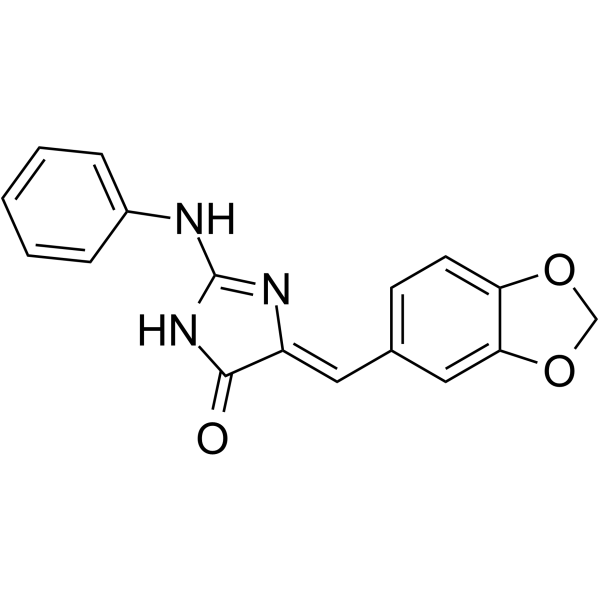
    Leucettinib-92 (compound 92) is an inhibitor of DYRK/CLK kinase, The IC50s are 147 nM (CLK1), 39 nM (CLK2), 5.2 nM (CLK4), 0.8 μM (CLK3), 124 nM (DYRK1A), 204 nM (DYRK1B), 0.16 μM (DYRK2), respectively. 1.0 μM (DYRK3), 0.52 μM (DYRK4), 2.78 μM (GSK3) [1].
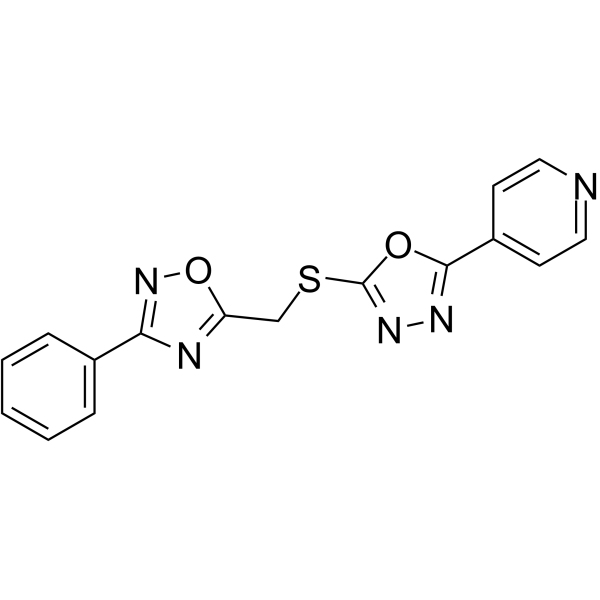
    Leucettinib-92
  • HY-13973A
    GSK-3 inhibitor 1
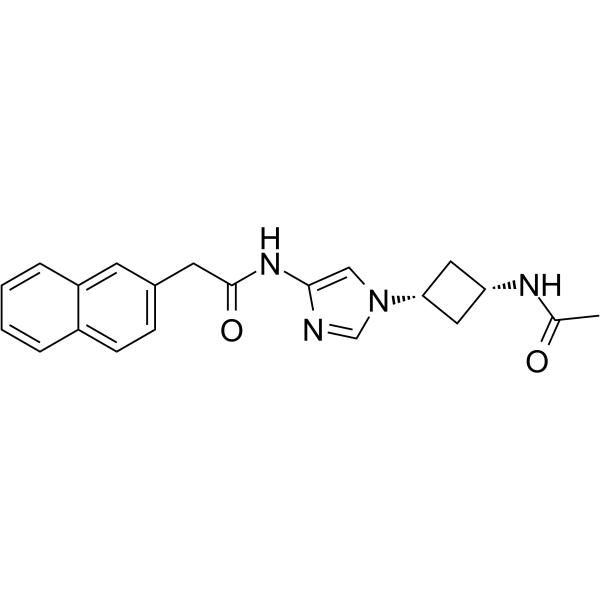
    1 Publications Verification

    GSK-3 Metabolic Disease
    GSK-3 inhibitor 1 (compound core 3) is a GSK-3 inhibitor that induces stem/progenitor cell self-renewal (e.g. induces stem/progenitor cell proliferation while maintaining the ability to differentiate into tissue cells in the progeny) [1] .
    GSK-3 inhibitor 1
  • HY-154851

    GSK-3 CDK Tau Protein Neurological Disease
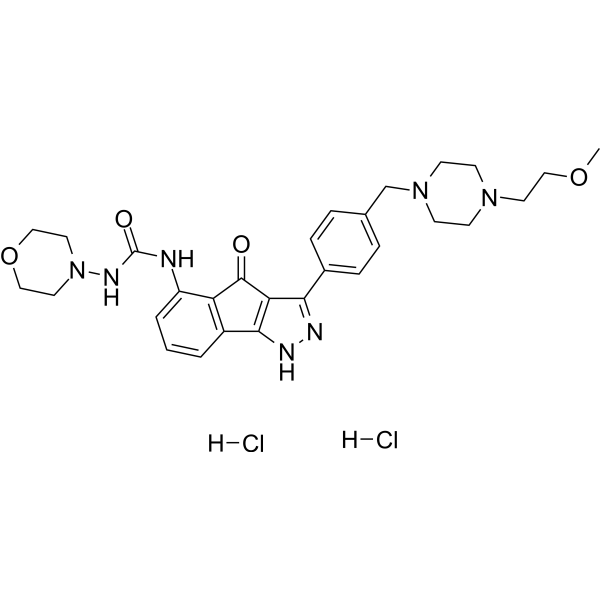
    GSK-3 inhibitor 3 is a selective, orally active and brain-penetrant inhibitor of GSK-3, with IC50s of 0.35 nM and 0.25 nM for GSK-3α and GSK-3β, respectively. GSK-3 inhibitor 3 lowers levels of tau protein phosphorylation at S396 in a triple-transgenic mouse Alzheimer’s disease model, with IC50 of 10 nM. GSK-3 inhibitor 3 can be used for neurological disease research [1].
    GSK-3 inhibitor 3
  • HY-153089
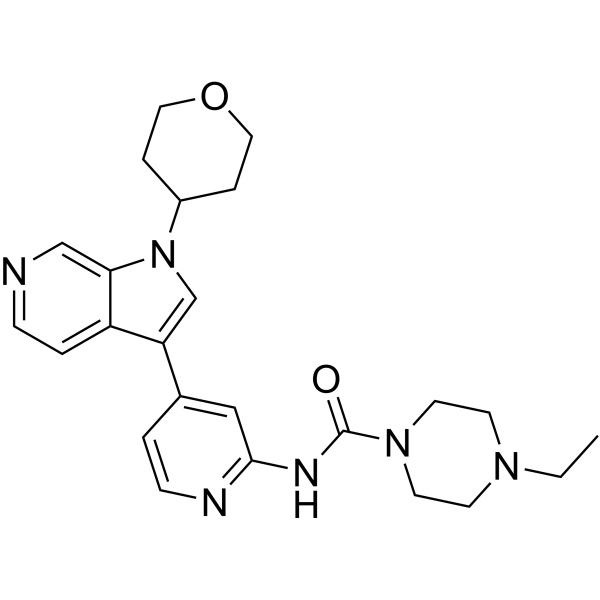
    GSK3-IN-3
    4 Publications Verification

    GSK-3 Mitophagy Neurological Disease
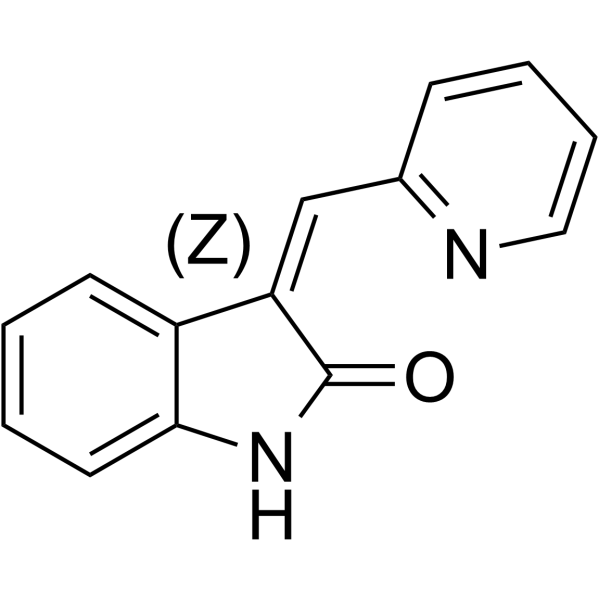
    GSK3-IN-3 is a mitophagy inducer, inducing Parkin-dependent mitophagy. GSK3-IN-3 is also a GSK-3 inhibitor with an IC50 value of 3.01 μM. GSK3-IN-3 is non-ATP nor substrate competitive and is neuroprotective against 6-OHDA [1] .
    GSK3-IN-3
  • HY-P10605

    Akt GSK-3 Cancer
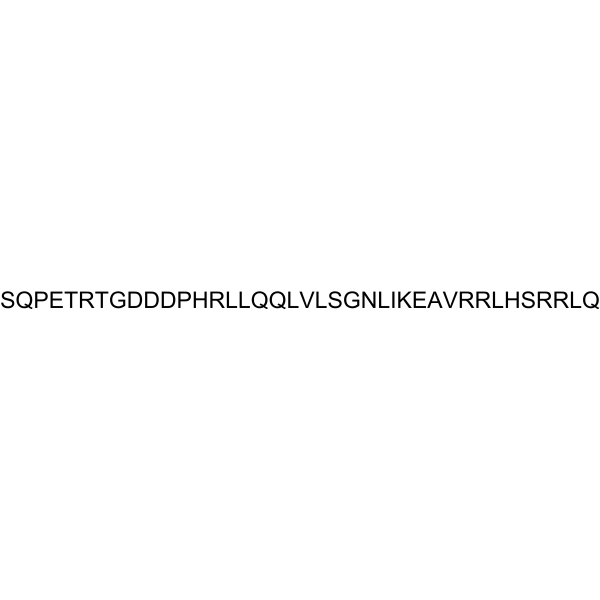
    GSK3β-peptide is a substrate mimetic peptide of glycogen synthase kinase 3-β (GSK3-β) that can bind to the active site of GSK3-β and mimic the behavior of a real substrate. GSK3β-peptide can be used to develop substrate mimetic inhibitors of Akt as potential anticancer drugs [1].
    GSK3β-peptide
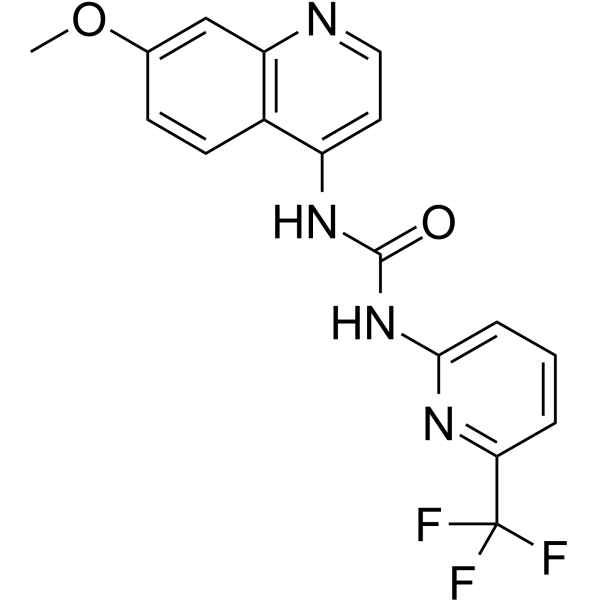
  • HY-122026

    PF-367

    GSK-3 Neurological Disease
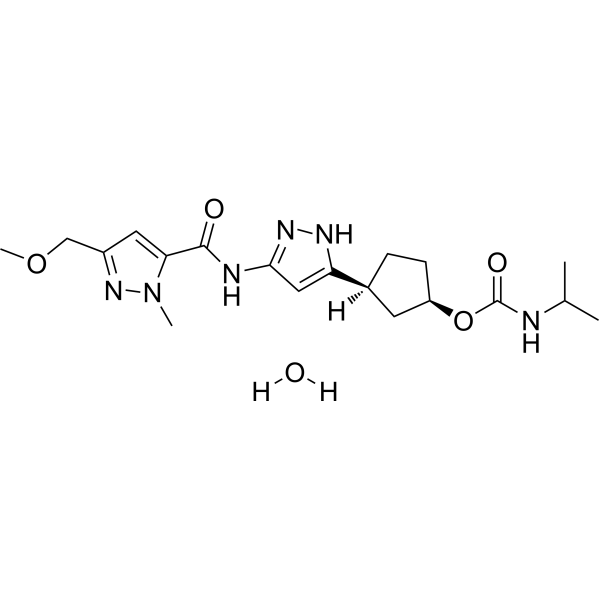
    PF-04802367 (PF-367) is a highly selective GSK-3 inhibitor with an IC50 of 2.1 nM based on a recombinant human GSK-3β enzyme assay and 1.1 nM based on ADP-Glo assay. PF-04802367 shows desirable central nervous system (CNS) properties and potency. PF-04802367 is equally effective at inhibition of the two known GSK-3 isoforms (GSK-3α and GSK-3β) with IC50 values of 10.0 and 9.0 nM in mobility shift assays, respectively [1].
    PF-04802367
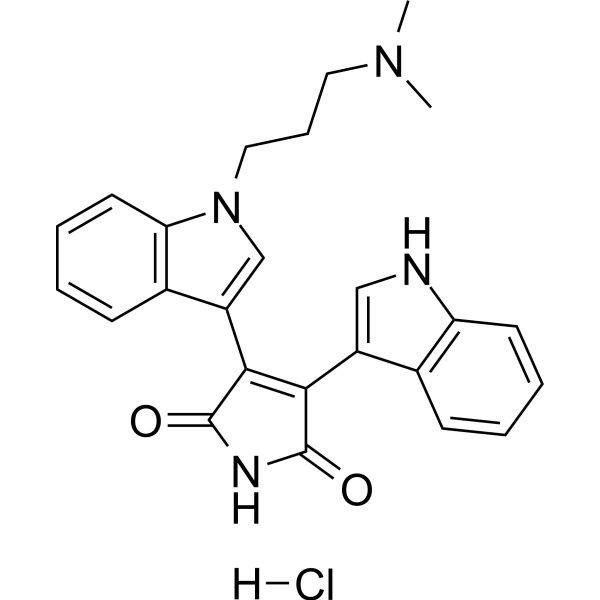
  • HY-13867A

    GF109203X hydrochloride; Go 6850 hydrochloride

    PKC GSK-3 Metabolic Disease Cancer
    Bisindolylmaleimide I (GF109203X) hydrochloride is a cell-permeable and reversible PKC inhibitor (IC50 of 20 nM, 17 nM, 16 nM, and 20 nM for PKCα, PKCβI, PKCβII, and PKCγ. Bisindolylmaleimide I hydrochloride is also a GSK-3 inhibitor [1] .
    Bisindolylmaleimide I hydrochloride
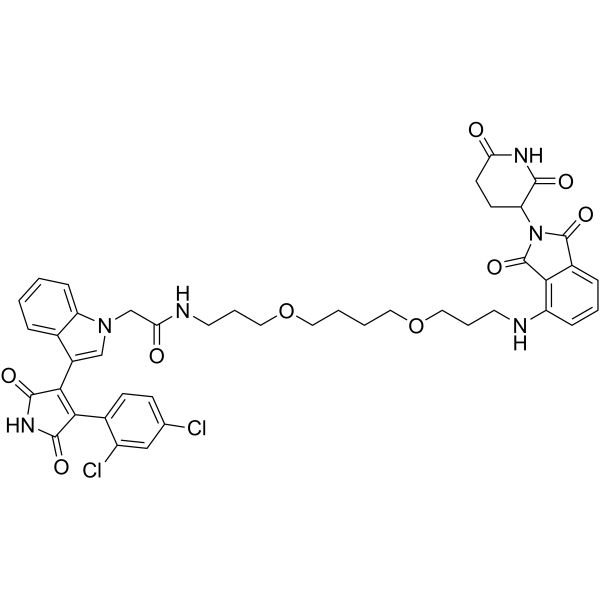
  • HY-149845

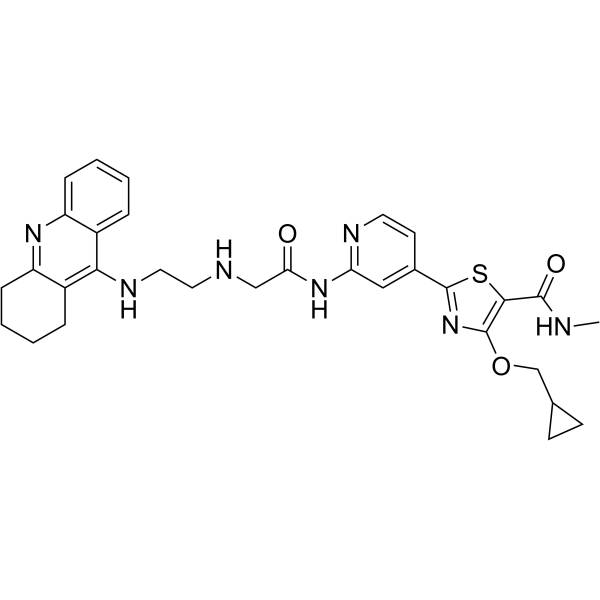
    PROTACs GSK-3 Neurological Disease
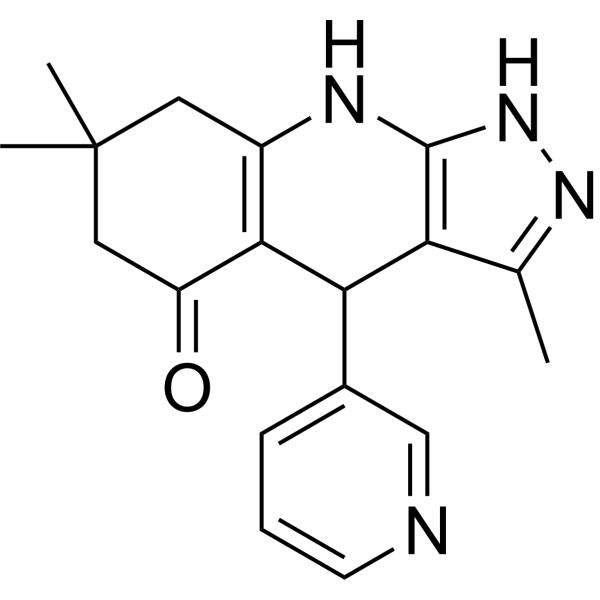
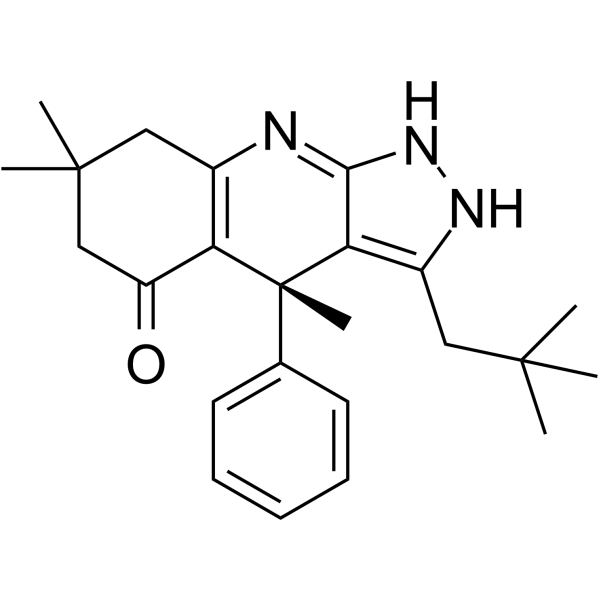
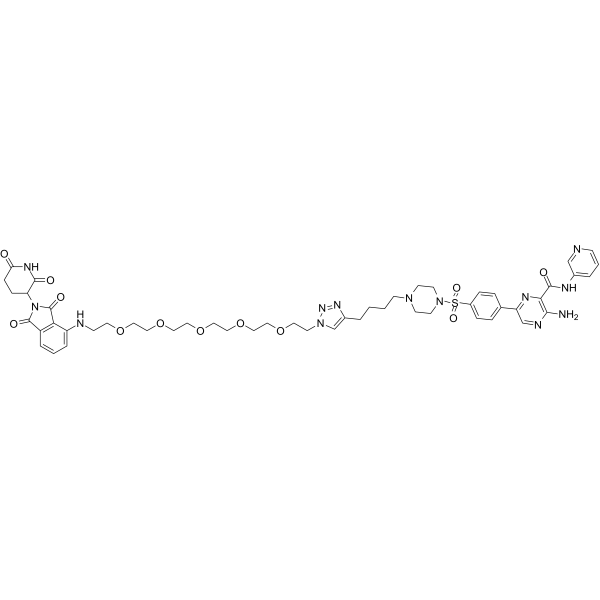
    PROTAC GSK-3β Degrader-1 (compound 1) is a degrader targets GSK-3β degradation with an IC50 value of 833 nM. PROTAC GSK-3β Degrader-1 contains SB-216763 (a GSK-3β inhibitor), a PEG linker and a CRBN (E3 ligase liand). PROTAC GSK-3β Degrader-1 reduces the neurotoxicity induced by Aβ25-35 peptide and CuSO4. PROTAC GSK-3β Degrader-1 can be used to research in Alzheimer's disease [1].
    PROTAC GSK-3β Degrader-1
  • HY-154852

    GSK-3 CDK Neurological Disease
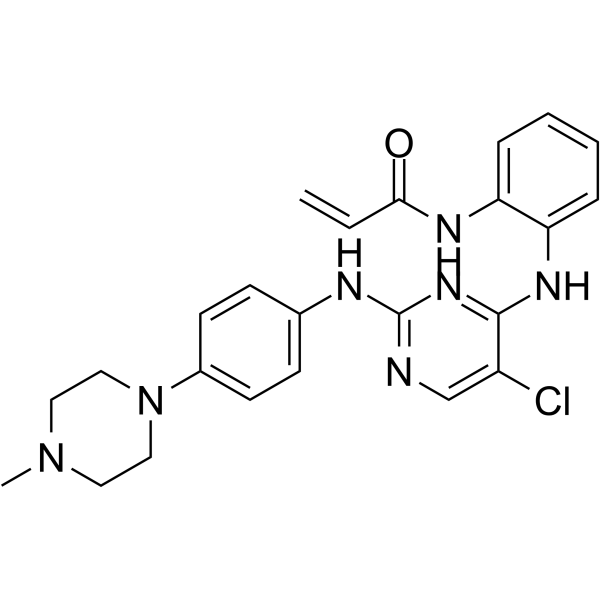
    GSK-3 inhibitor 4 is an orally active and brain-penetrant inhibitor of GSK-3, CDK2, and CDK5, with IC50 values of 0.56 nM (GSK-3β), 0.45 nM (GSK-3α), 0.47 μM, and 0.68 μM, respectively. GSK-3 inhibitor 4 effectively reduces the phosphorylation level of Tau protein. GSK-3 inhibitor 4 can be used in Alzheimer's disease (AD) studies [1].
    GSK-3 inhibitor 4
  • HY-137472

    GSK-3 Neurological Disease
    SAR502250 is a potent, selective, ATP competitive, orally active and brain-penetrant inhibitor of GSK3, with an IC50 of 12 nM for human GSK-3β. SAR502250 displays antidepressant-like activity. SAR502250 can be used for the research of Alzheimer’s disease (AD) [1] .
    SAR502250
  • HY-P1173

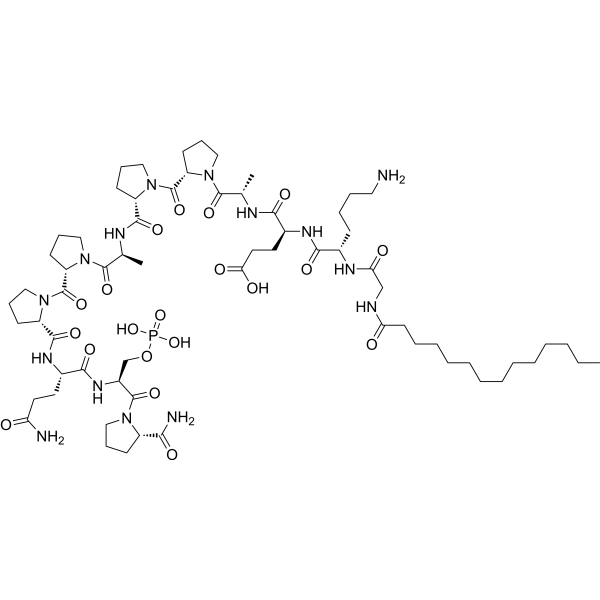
    Myristoylated L 803; gsk-3β Inhibitor XIII

    GSK-3 Amyloid-β Neurological Disease
    L803-mts (Myristoylated L 803) is a selective and substrate-competitive GSK-3 peptide inhibitor (IC50: 40 μM). L803-mts also reduces Aβ deposits and ameliorates cognitive deficits in 5XFAD mice. L803-mts shows antidepressive effect in the forced swimming test [1] .
    L803-mts
  • HY-149054

    GSK-3 Tau Protein AAK1 Pim PKC Neurological Disease
    GSK-3β inhibitor 13 (compound 47) is an orally active and potent GSK-3β inhibitor with blood-brain permeability. GSK-3β inhibitor 13 inhibits GSK-3β and GSK-3α with IC50s of 0.73 nM and 0.35 nM, respectively. GSK-3β inhibitor 13 significantly decreases the phosphorylation of tau (IC50=58 nM), which leads the formation of the neurofibrillary tangles associated with Alzheimer's disease [1].
    GSK-3β inhibitor 13
  • HY-112388
    GSK-3b Inhibitor XI
    1 Publications Verification

    GSK-3 Neurological Disease Metabolic Disease
    GSK-3b Inhibitor XI (Compound 33) is a potent and selective GSK3β inhibitor, with a Ki value of 25 nM. GSK-3b Inhibitor XI increases glycogen synthase (GS) activity. GSK-3b Inhibitor XI can be used for research on type 2 diabetes and Alzheimer’s disease [1].
    GSK-3b Inhibitor XI
  • HY-141480
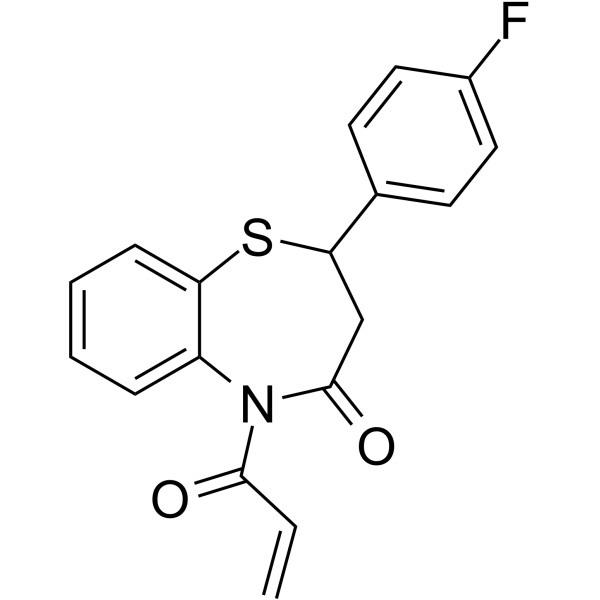
    GSK-3β inhibitor 3
    1 Publications Verification

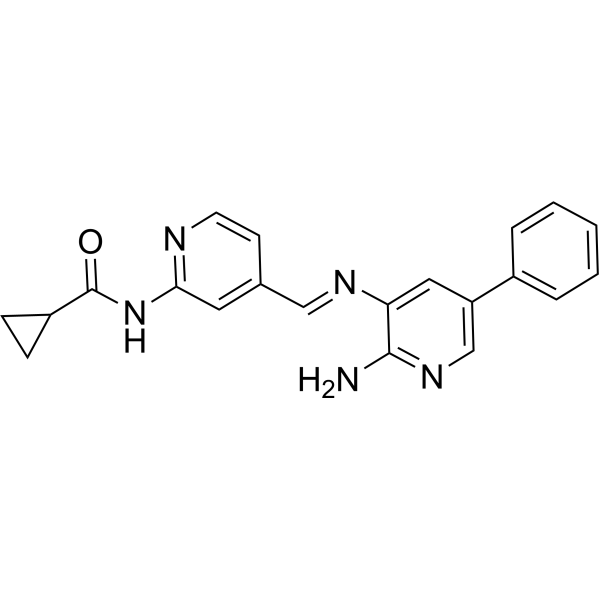
    GSK-3 Apoptosis Cancer
    GSK-3β inhibitor 3 is a potent, selective, irreversible and covalent inhibitor of Glycogen Synthase Kinase 3β (GSK-3β), with an IC50 of 6.6 μM. GSK-3β inhibitor 3 can be used for the research of acute promyelocytic leukemia [1].
    GSK-3β inhibitor 3
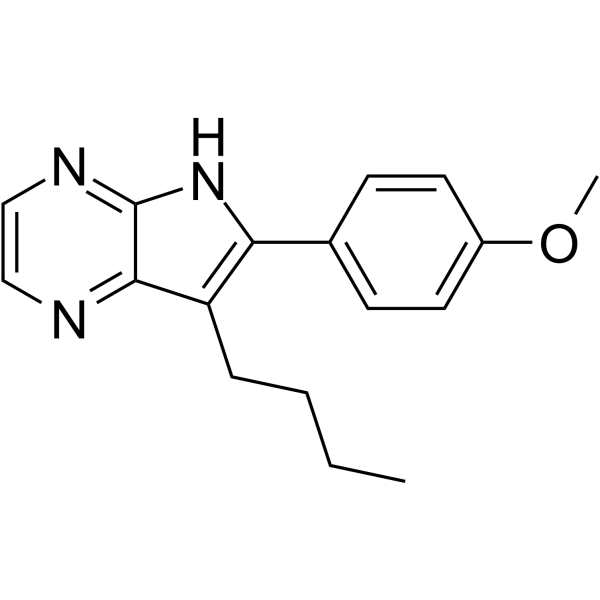
  • HY-14679

    GSK-3 Neurological Disease
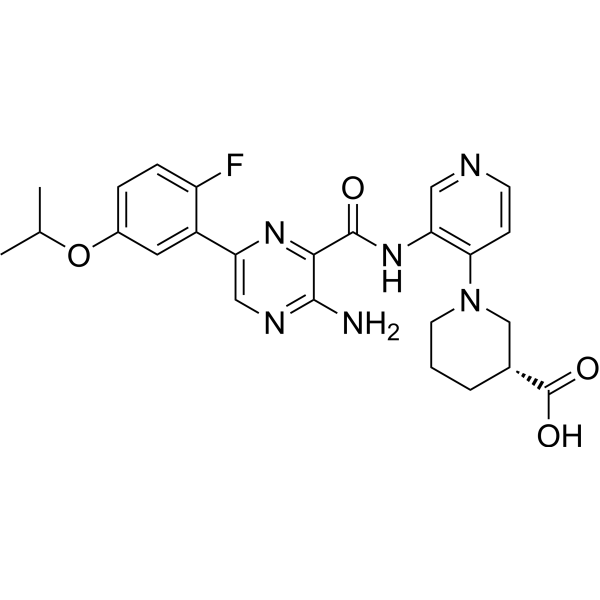
    GSK3β inhibitor II is an inhibitor of GSK3β. GSK3β inhibitor II can be used for research of Alzheimer’s disease (AD) [1].
    GSK3β inhibitor II
  • HY-Q48328

    GSK-3 Metabolic Disease
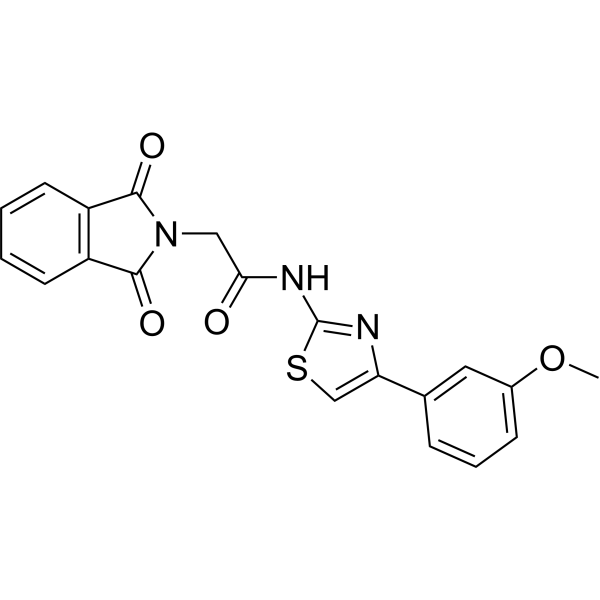
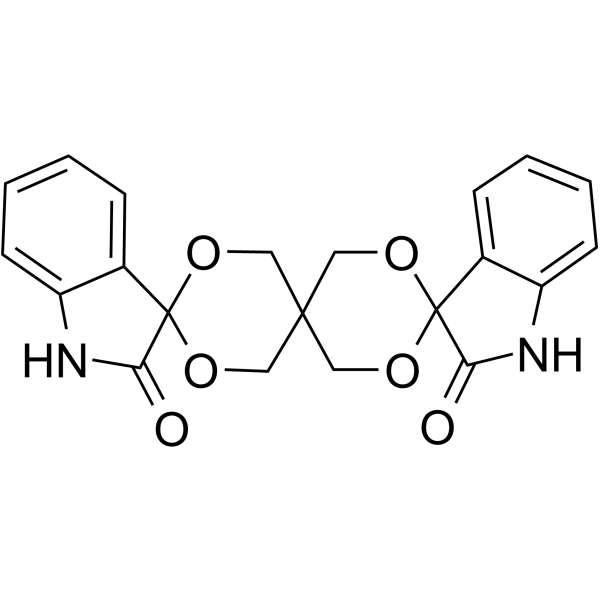
    GSK3-IN-1 (compound 11) is a GSK-3 inhibitor with an IC50 value of 12 μM. GSK3-IN-1 can be used in the research of diabetes [1].
    GSK3-IN-1
  • HY-111055

    GSK-3 Neurological Disease
    BIP-135 is a potent and selective ATP-competitive GSK-3 inhibitor, with IC50s of 16 nM and 21 nM for GSK-3α and GSK-3β, respectively. BIP 135 exhibits neuroprotective effect [1].
    BIP-135
  • HY-107815

    GSK-3 Neurological Disease
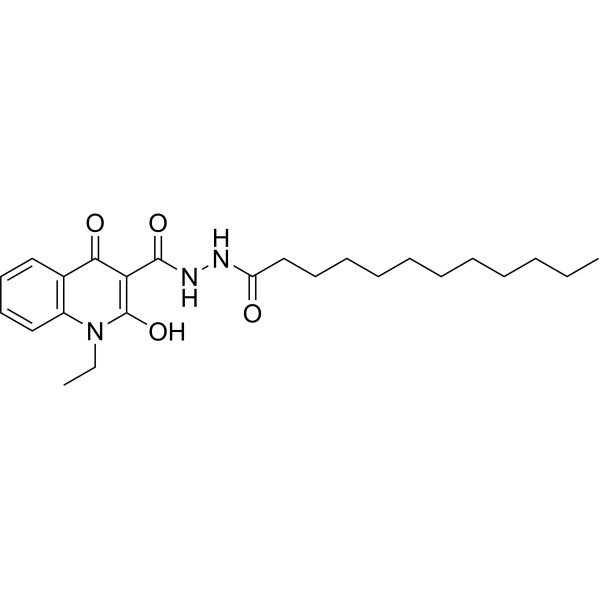
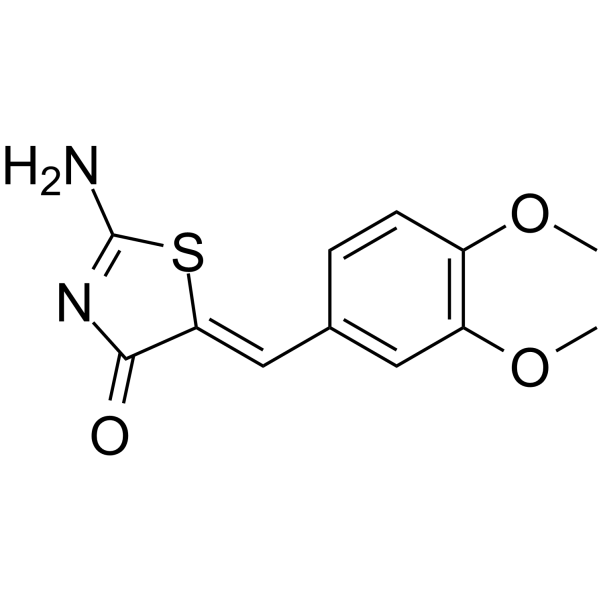
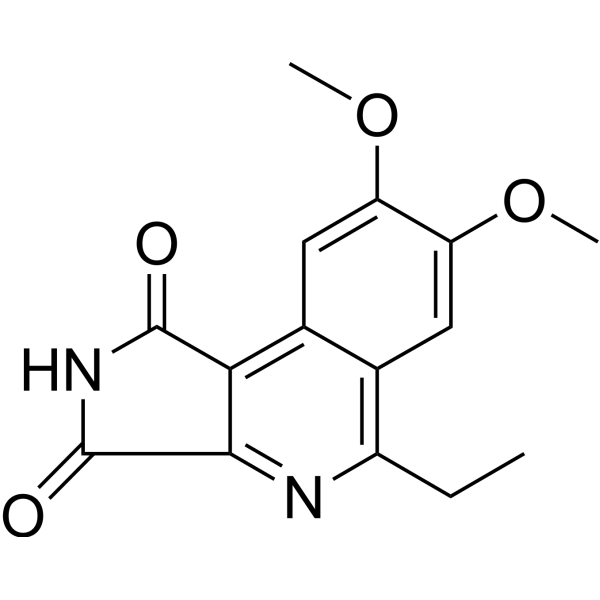
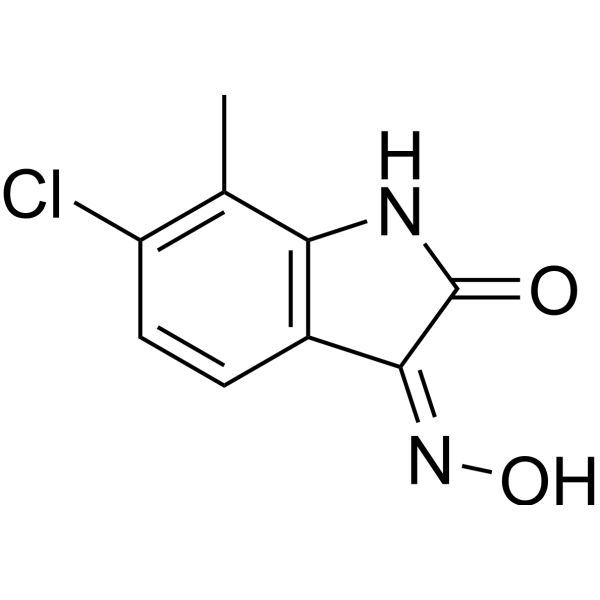
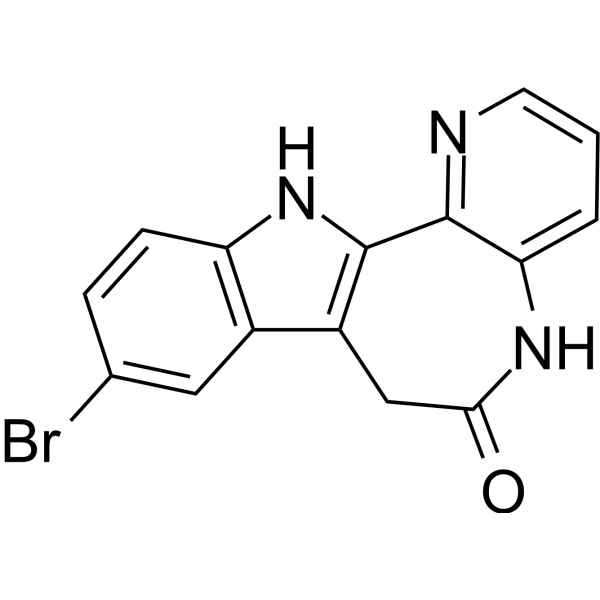
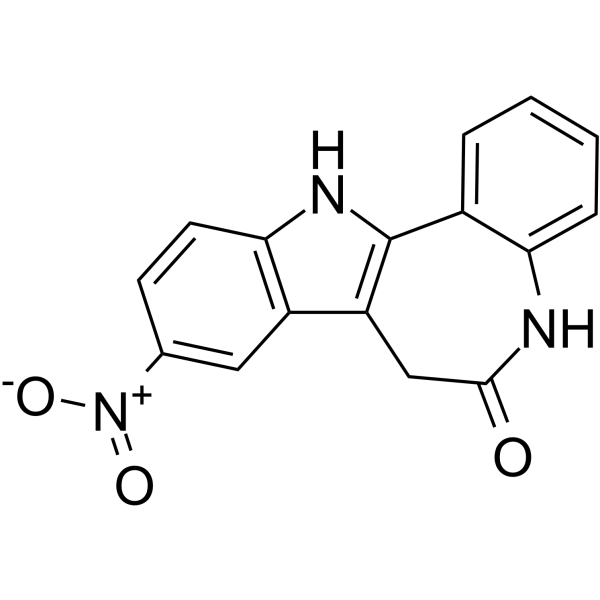
    CHIR 98024 (Compound L) is a glycogen synthase kinase 3 (GSK3) inhibitor with an EC50 of 0.2566 μM [1].
    CHIR 98024
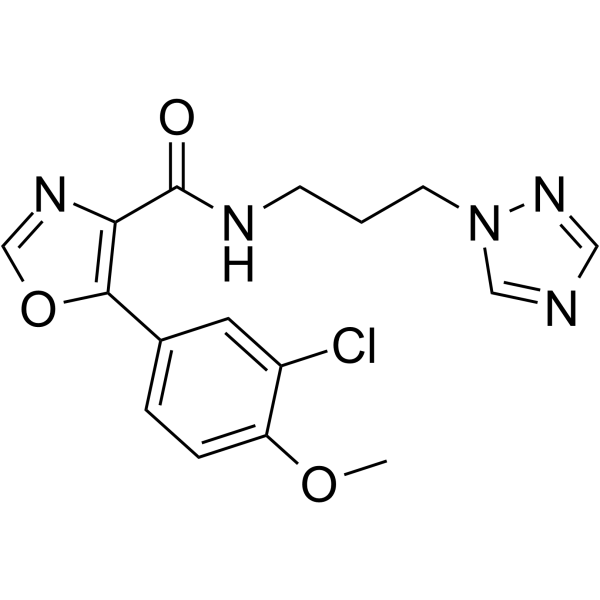
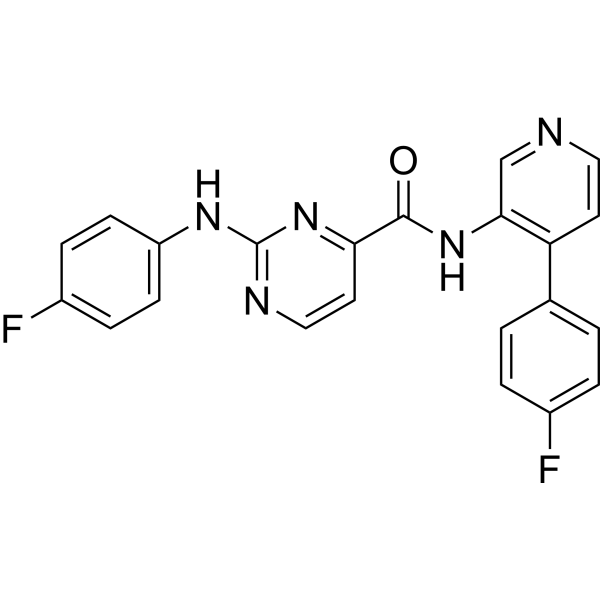
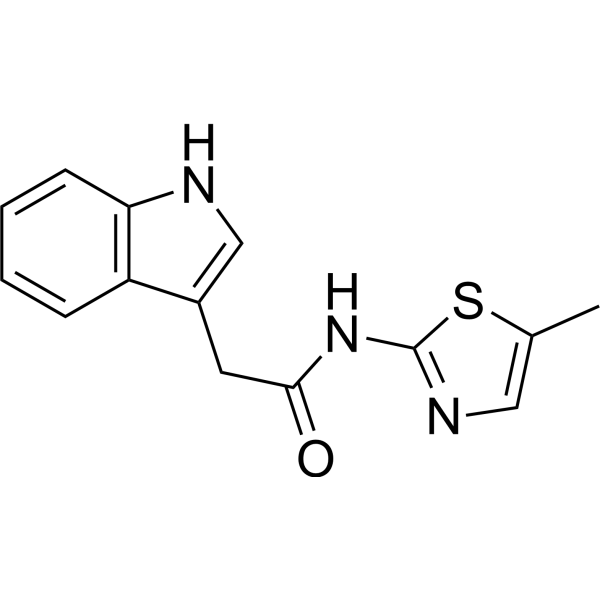
  • HY-114903

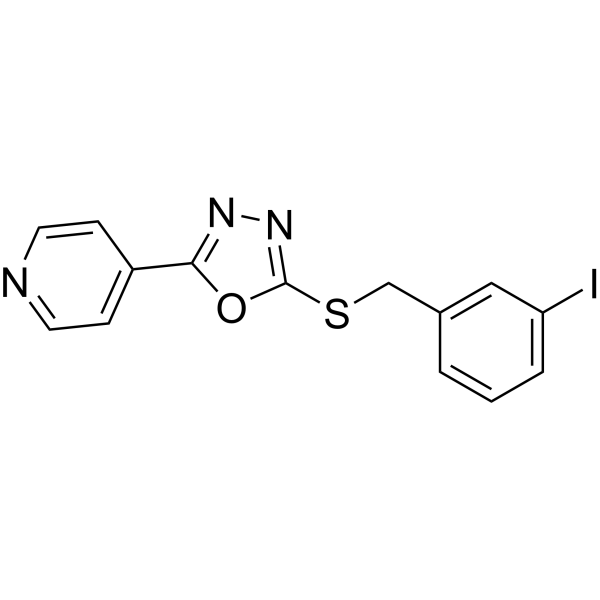
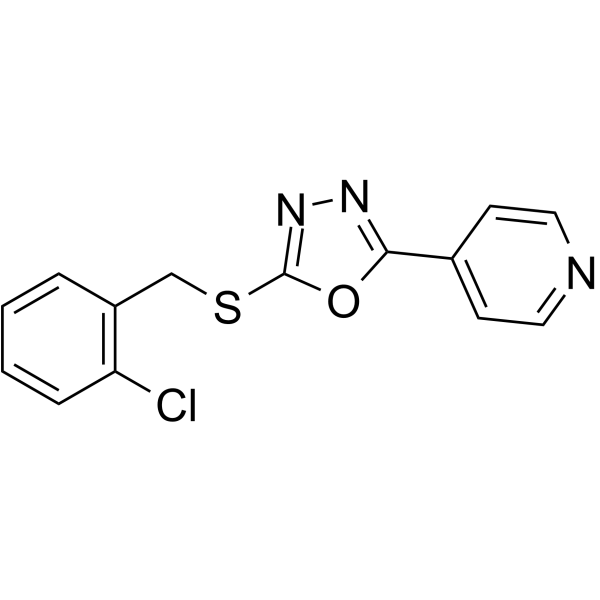
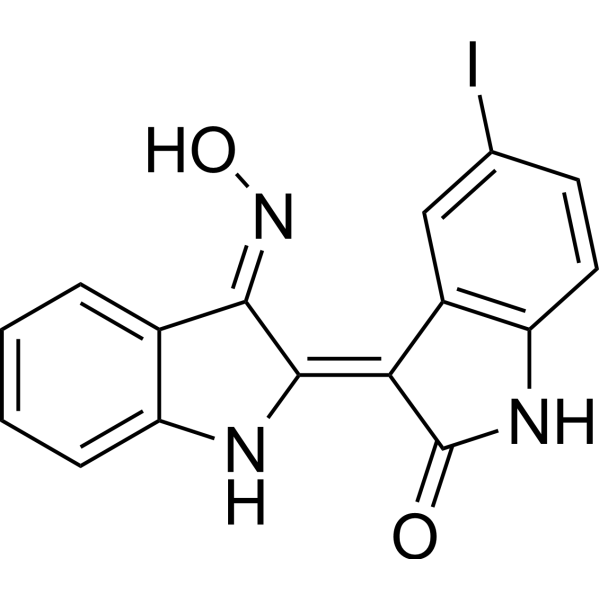
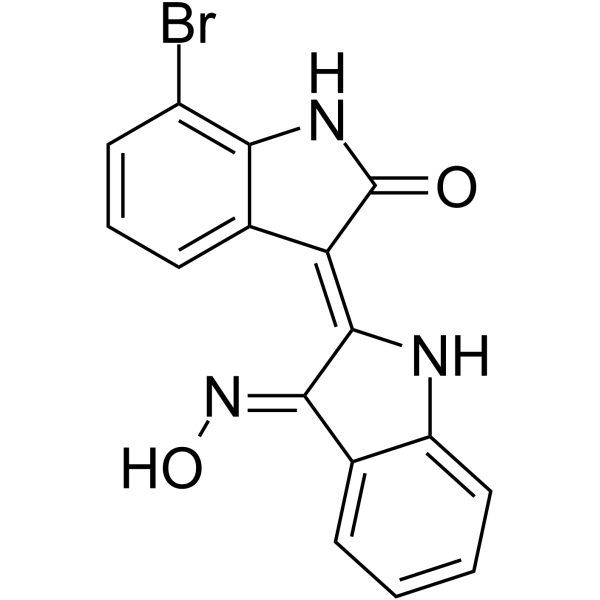
    gsk-​3 Inhibitor X

    GSK-3 CDK Neurological Disease Metabolic Disease Cancer
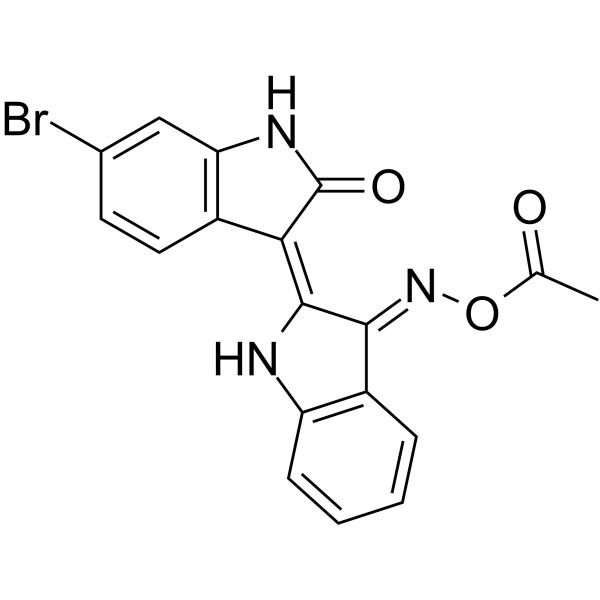
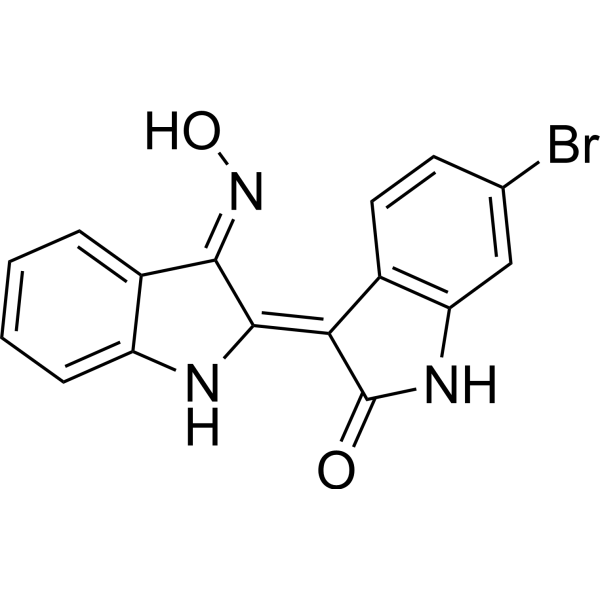
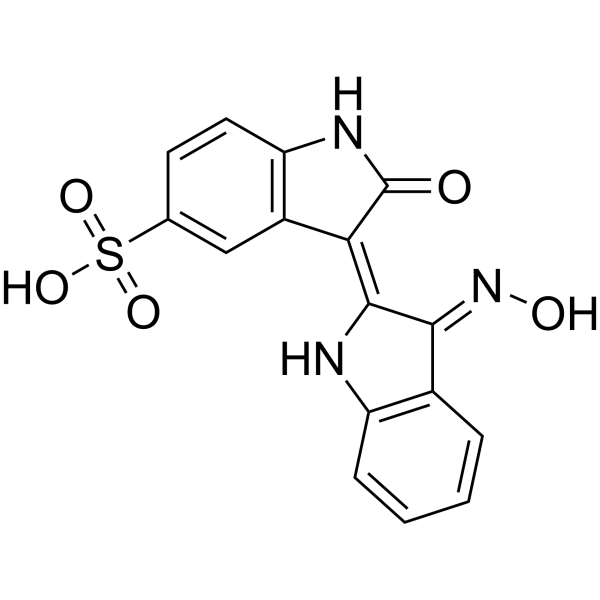
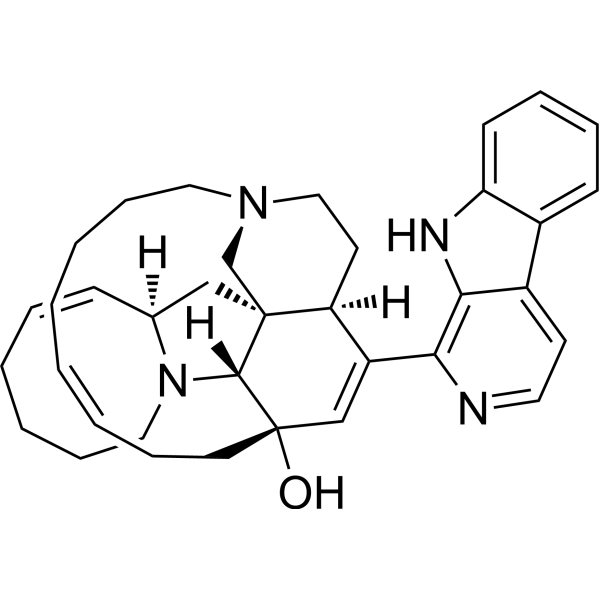
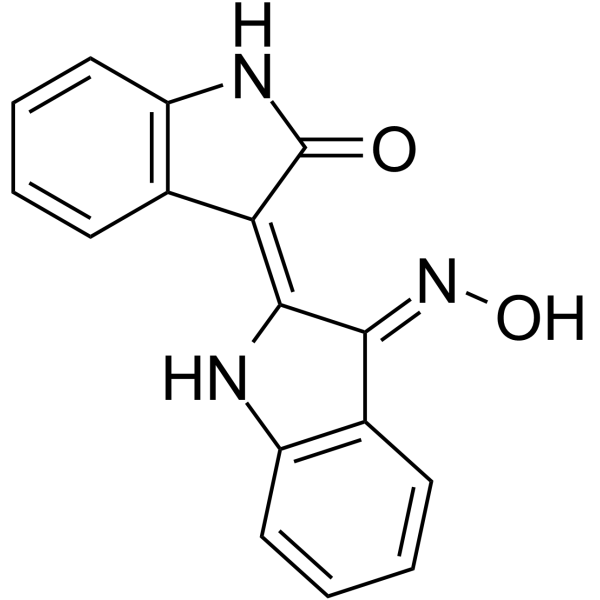
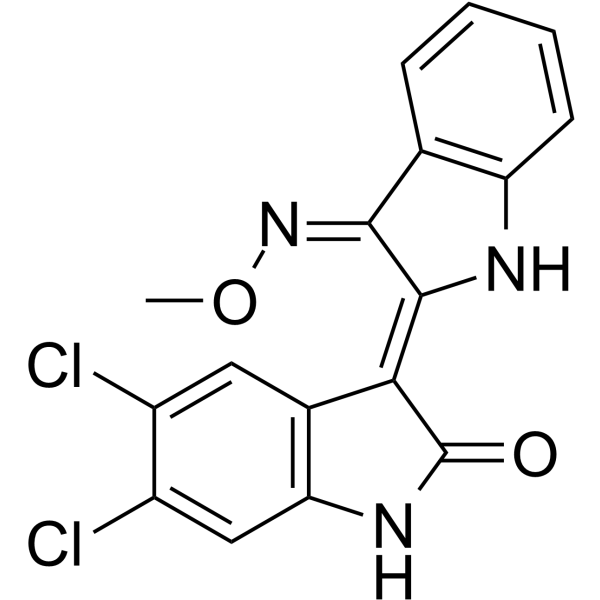
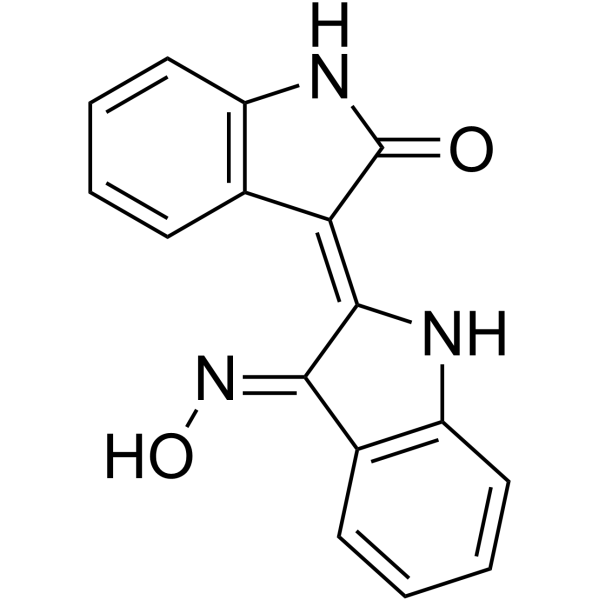
    (E/Z)-BIO-acetoxime (GSK-3 Inhibitor X) is a potent and selective GSK-3α/β inhibitor, with an IC50 of 10 nM. (E/Z)-BIO-acetoxime shows more than 200-flod selectivity over CDK5/p25, CDK2/cyclin A and CDK1/cyclin B (IC50=2.4, 4.3, 63 μM) [1].
    (E/Z)-BIO-acetoxime
  • HY-164907

    GSK-3 Neurological Disease
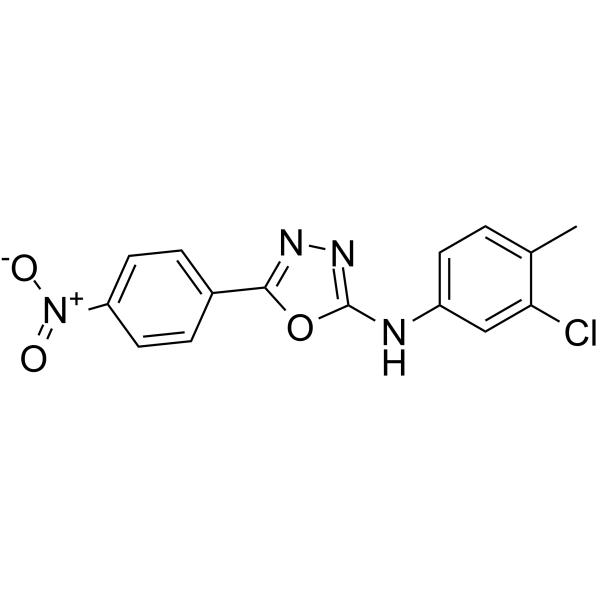
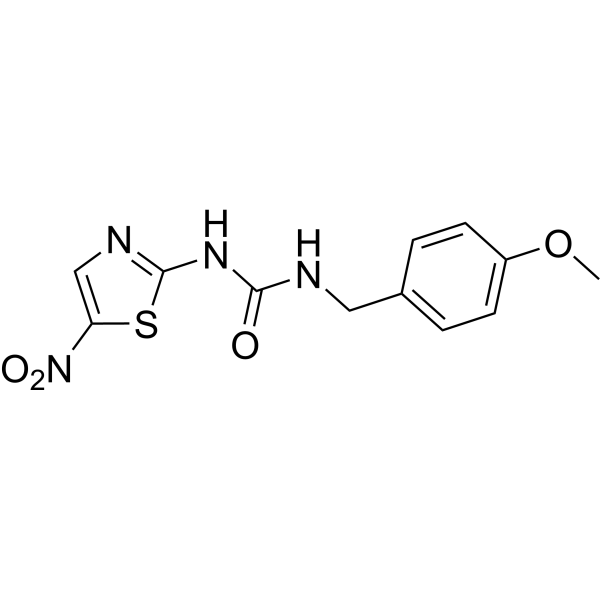
    GSK-3β inhibitor 22 (compound 20o) is a GSK-3β inhibitor with an IC50 of 3.1 nM. GSK-3β inhibitor 22 has the potential of the study of Alzheimer's disease [1].
    GSK-3β inhibitor 22
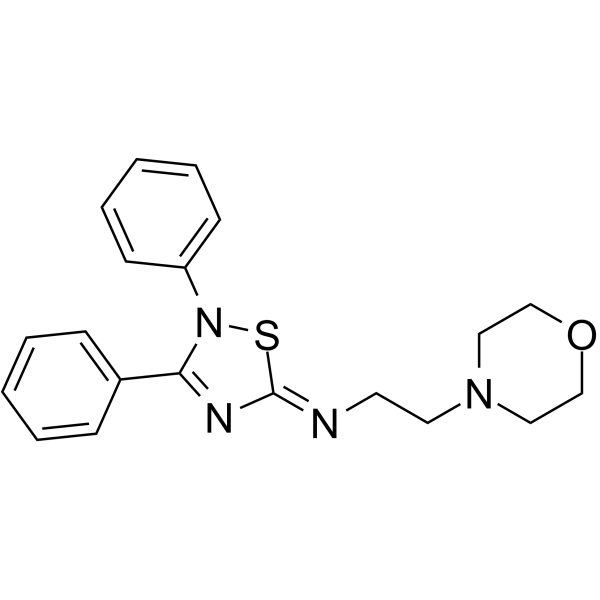
  • HY-120902

    Wnt GSK-3 Inflammation/Immunology
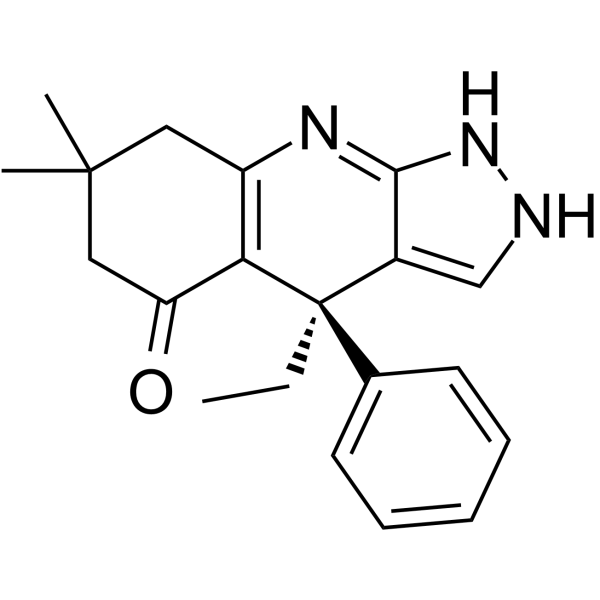
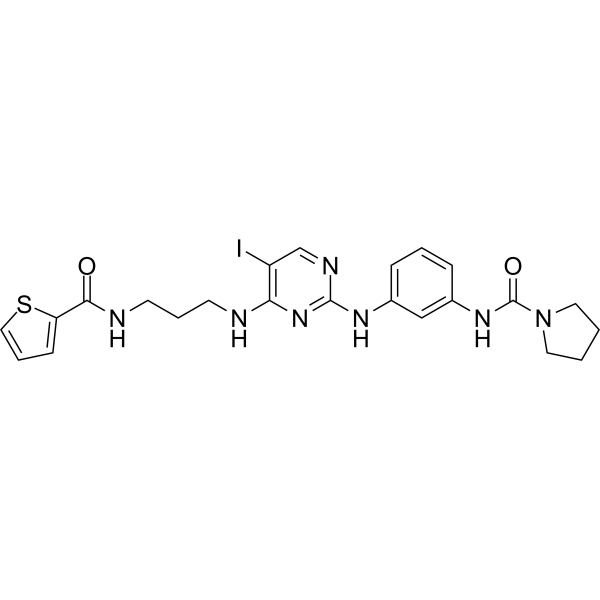
    GSK-3β inhibitor 8, a thiophenacil derivative, is an effective and selective inhibitor of GSK-3β (IC50=64 nM). GSK-3β inhibitor 8 negatively regulated Wnt signaling pathway and stimulated β cell proliferation [1] .
    GSK-3β inhibitor 8
  • HY-172171

    GSK-3 β-catenin Wnt Neurological Disease
    GSK3β-IN-2 (Compound S01) is the inhibitor for GSK3β with an IC50 of 0.35 nM. GSK3β-IN-2 activates Wnt/β-catenin signaling pathway, promotes neurogenesis and neurite growth. GSK3β-IN-2 inhibits Aβ-induced tau hyperphosphorylation at Ser396, reduces the formation of neurofibrillary tangles. GSK3β-IN-2 ameliorates Alzheimer's Disease in zebrafish model [1].
    GSK3β-IN-2
  • HY-112392

    GSK-3 Cancer
    GSK-3 Inhibitor XIII is a potent and ATP-competitive GSK-3 inhibitor with a Ki of 24 nM [1] [1] .
    GSK-3 Inhibitor XIII
  • HY-148329

    GSK-3 Metabolic Disease
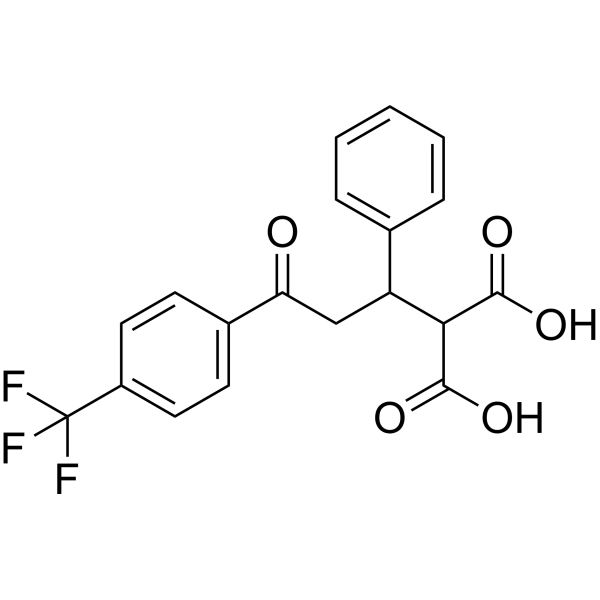
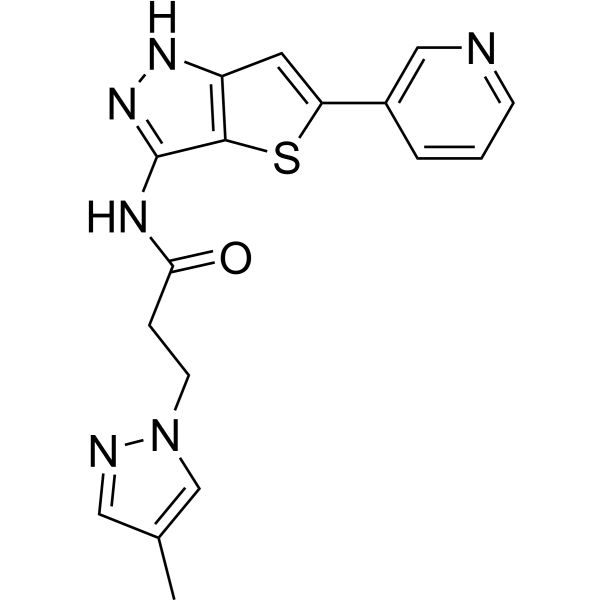
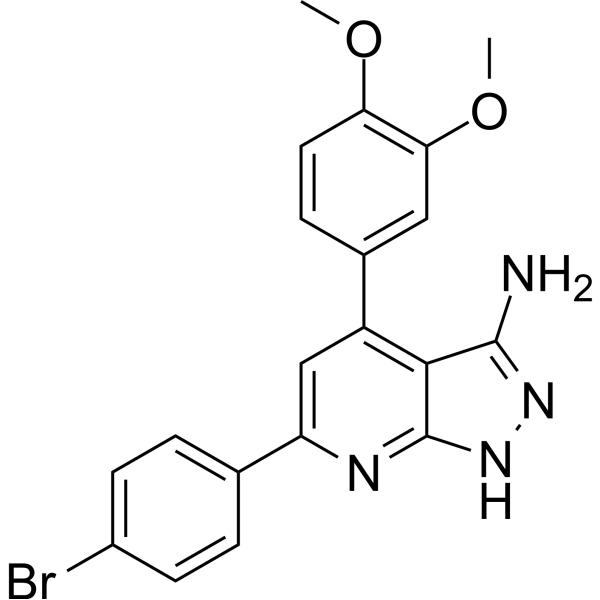
    GSK3-IN-2 (compound 8) is a potent GSK3 inhibitor [1].
    GSK3-IN-2
  • HY-134557

    GSK-3 Cancer
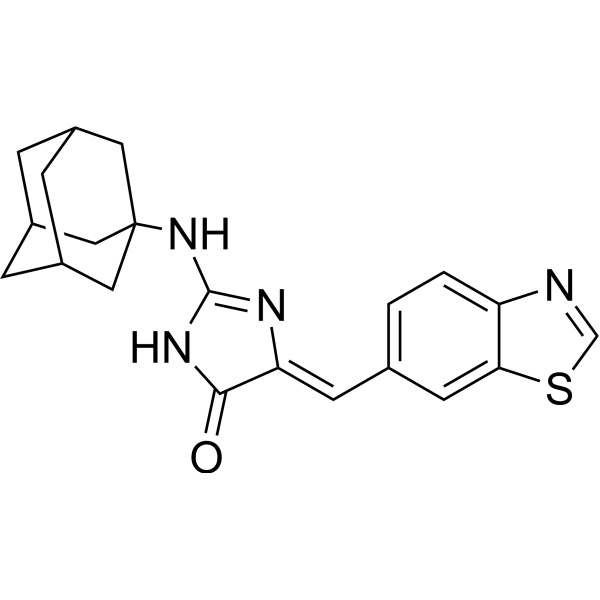
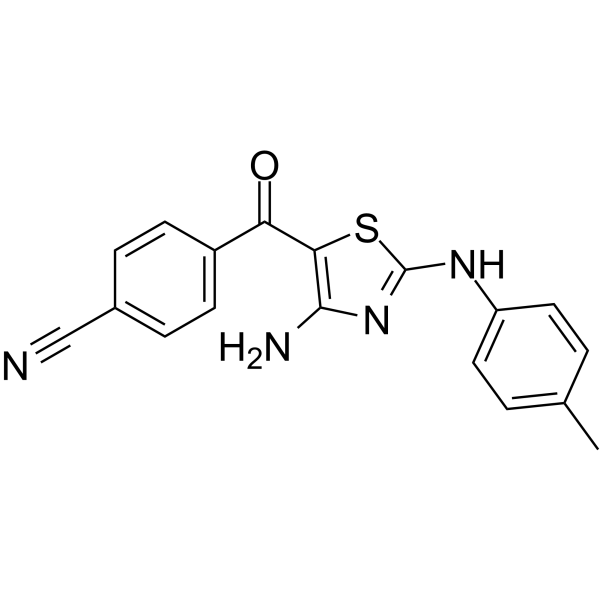
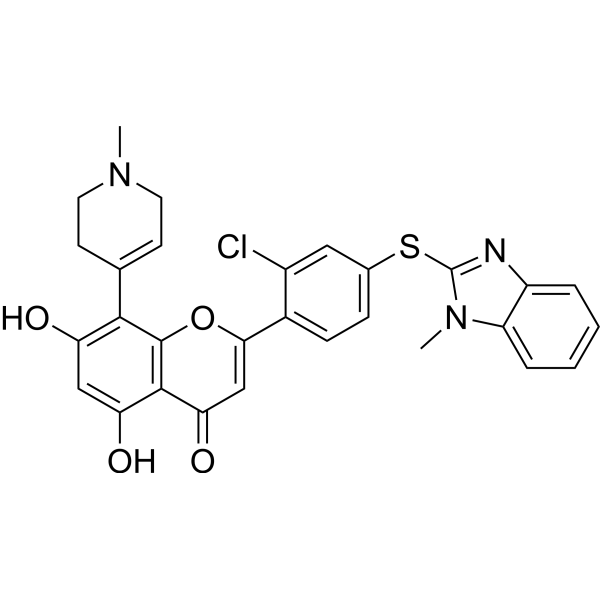
    GS87 is a highly specific and potent GSK3 inhibitor with IC50s of 415nM and 521nM for GSK3α and GSK3β, respectively. GS87 induces differentiation of acute myeloid leukemia (AML) cell lines by effectively activating GSK3-dependent signaling components including MAPK signaling. GS87 modulates key GSK3 target proteins involved in cell proliferation and differentiation more effectively than Lithium and SB415285 (SB). GS87 has the potential for acting as a differentiation agent for non-promyelocytic AML research [1].
    GS87
  • HY-134622

    CDK GSK-3 Neurological Disease Cancer
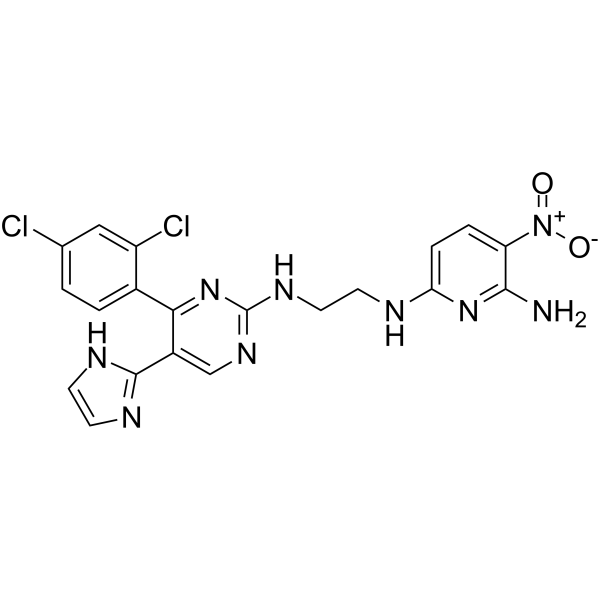
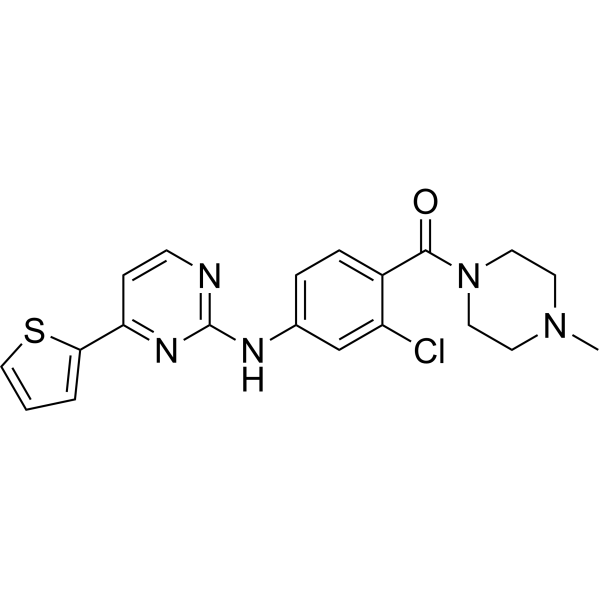
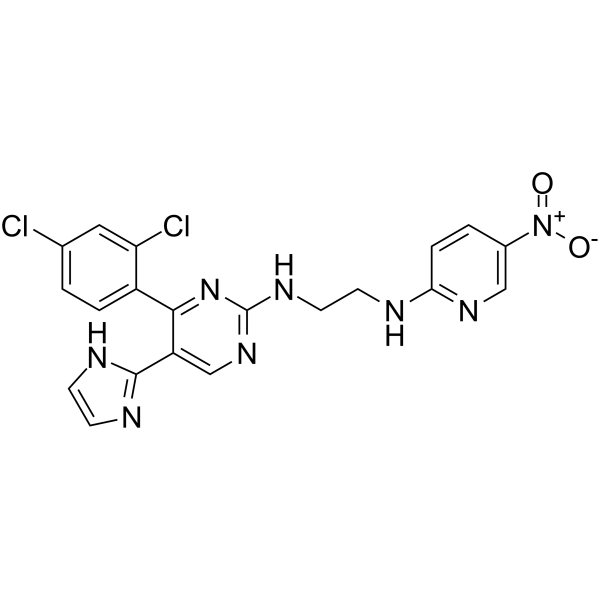
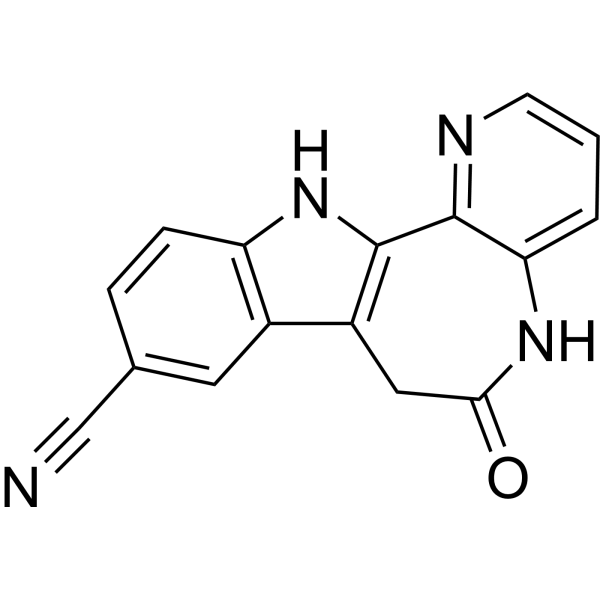
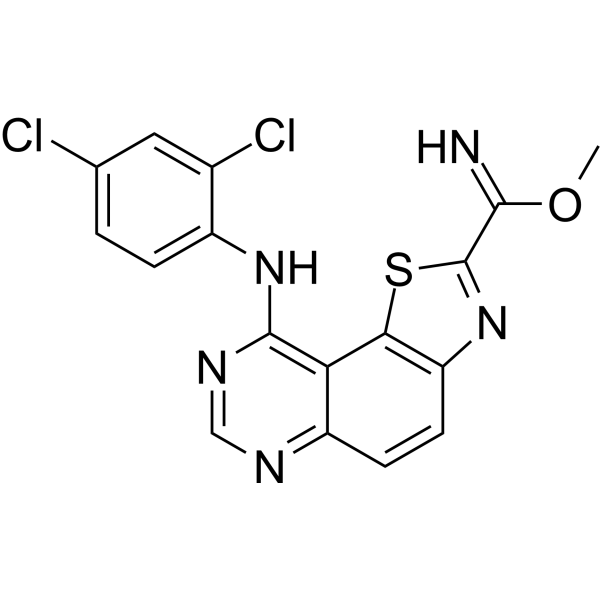
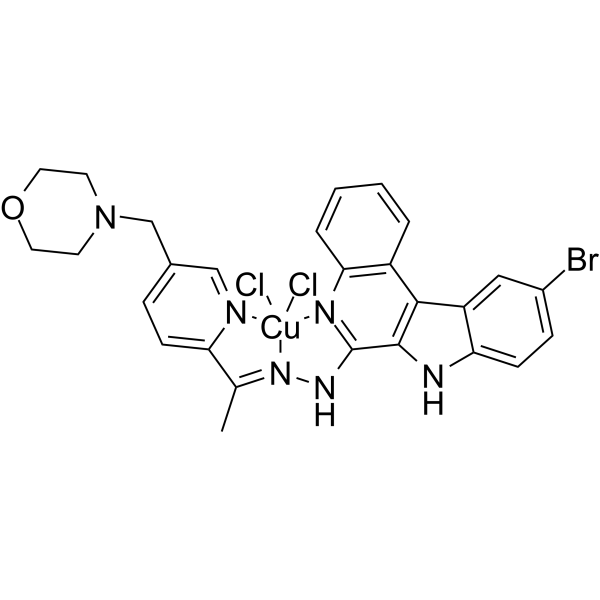
    GSK-3/CDK5/CDK2-IN-1, an imidazole derivative, is an inhibitor of cdk5, cdk2, and GSK-3 extracted from patent WO2002010141A1, example 9a. GSK-3/CDK5/CDK2-IN-1 can be used for the research of cancer, and neurodegenerative diseases [1].
    GSK-3/CDK5/CDK2-IN-1
  • HY-162675

    GSK-3 Infection Neurological Disease Metabolic Disease Cancer
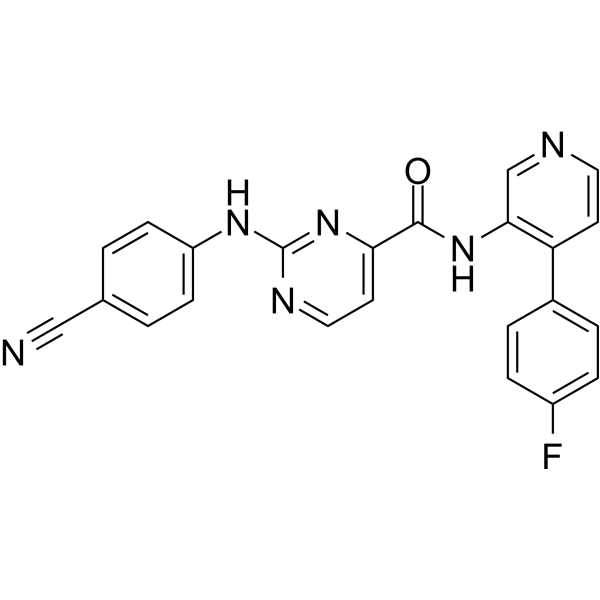
    COB-187 is a potent, ATP-competitive and selective inhibitor of GSK-3β. COB-187 inhibits GSK-3 through a reversible and Cysteine (Cys)-199-dependent mechanism. COB-187 inhibits LPS induced cytokine production and SARS-CoV-2 spike protein-induced CXCL10 production [1].
    COB-187
  • HY-100950

    GSK-3 CDK Inflammation/Immunology Cancer
    ABC1183 is an orally active selective dual GSK3 and CDK9 inhibitor. ABC1183 inhibits GSK3β, GSK3α and CDK9/cyclin T1 with the IC50 values of 657 nM, 327 nM and 321 nM, respectively. ABC1183 has anti-inflammatory and anti-tumor activities [1].
    ABC1183
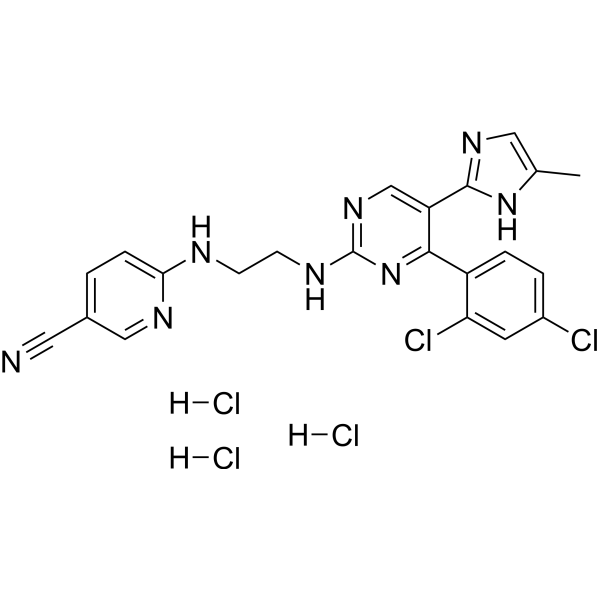
  • HY-10182C

    CHIR-99021 dihydrochloride; CT99021 dihydrochloride

    GSK-3 β-catenin Wnt Autophagy Organoid Neurological Disease Metabolic Disease Inflammation/Immunology Cancer
    Laduviglusib dihydrochloride (CHIR-99021 dihydrochloride; CT99021 dihydrochloride) is a potent, selective and orally active GSK-3α/β inhibitor with IC50s of 10 nM and 6.7 nM. Laduviglusib dihydrochloride shows >500-fold selectivity for GSK-3 over CDC2, ERK2 and other protein kinases. Laduviglusib dihydrochloride is also a potent Wnt/β-catenin signaling pathway activator. Laduviglusib dihydrochloride enhances mouse and human embryonic stem cells self-renewal. Laduviglusib dihydrochloride induces autophagy [1] .
    Laduviglusib dihydrochloride
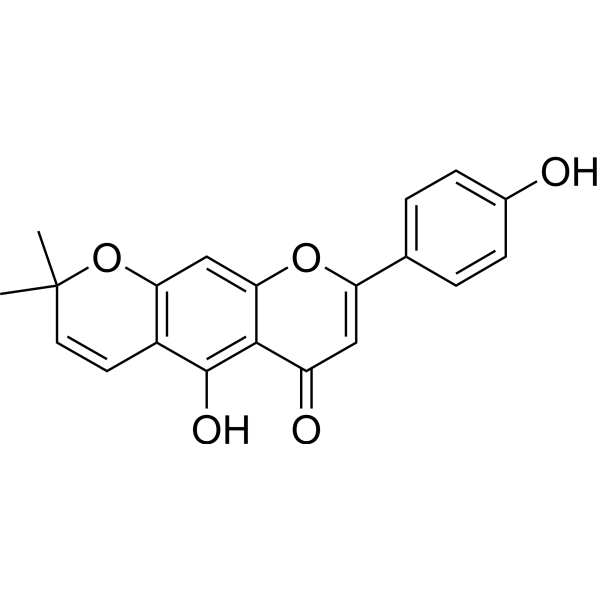
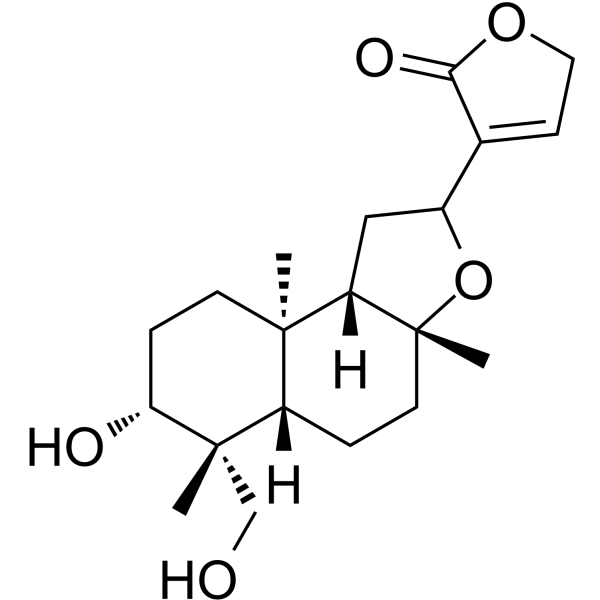
  • HY-N3542

    Glycosidase Cancer
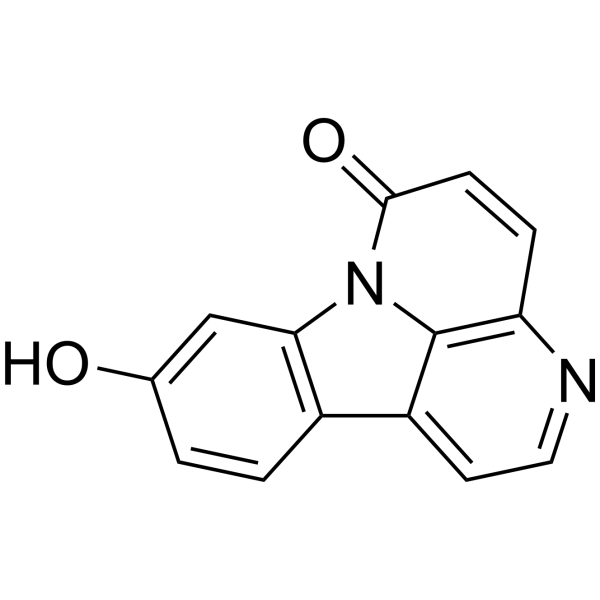
    Carpachromene is a potent α-glucosidase enzyme inhibitor. Carpachromene ameliorates insulin resistance in HepG2 cells via modulating IR/IRS1/PI3k/Akt/GSK3/FoxO1 pathway [1].
    Carpachromene
  • HY-126144A

    GSK-3 Metabolic Disease
    (E/Z)-GSK-3β inhibitor 1 is a racemic compound of (E)-GSK-3β inhibitor 1 and (Z)-GSK-3β inhibitor 1 isomers. GSK-3β inhibitor 1 (compound 3a) is a glycogen synthase kinase 3β (GSK-3β) inhibitor and demonstrates high antidiabetic efficacy, with an IC50 of 4.9 nM [1].
    (E/Z)-GSK-3β inhibitor 1
  • HY-W773779

    GSK-3 Neurological Disease Metabolic Disease Cancer
    GSK3-IN-9 (Compound 0713) is a selective glycogen synthase kinase 3 (GSK3) inhibitor. GSK3-IN-9 Fragile X syndrome, attention deficit hyperactivity disorder (ADHD), childhood seizure, intellectual disability, diabetes, acute myeloid leukemia (AML), autism, and psychiatric disorder [1].
    GSK3-IN-9
  • HY-128879

    Phosphodiesterase (PDE) GSK-3 Neurological Disease
    VP3.15 is a potent, orally bioavailable and CNS-penetrant dual phosphodiesterase (PDE)7- glycogen synthase kinase (GSK)3 inhibitor, with IC50s of 1.59 μM and 0.88 μM for PDE7 and GSK-3, respectively. VP3.15 has neuroprotective and neuroreparative activities, thus as potential combined anti-inflammatory and pro-remyelinating therapies for multiple sclerosis (MS) [1].
    VP3.15
  • HY-13867R

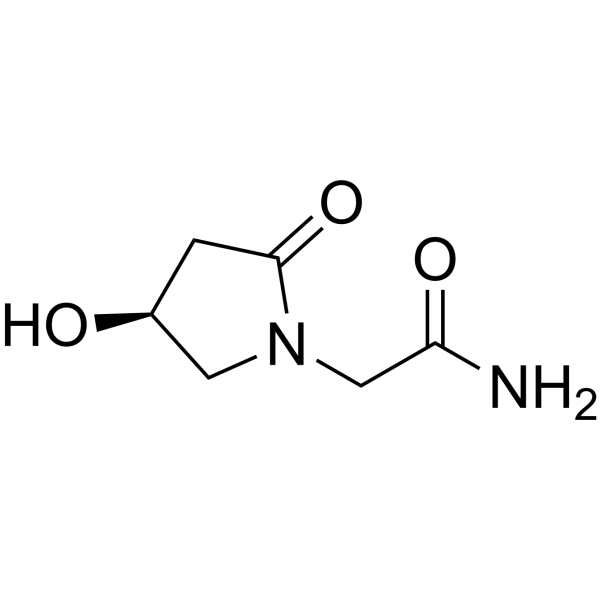
    GF109203X (Standard); Go 6850 (Standard)

    PKC GSK-3 Reference Standards Metabolic Disease Cancer
    Bisindolylmaleimide I (Standard) is the analytical standard of Bisindolylmaleimide I. This product is intended for research and analytical applications. Bisindolylmaleimide I (GF109203X) is a cell-permeable and reversible PKC inhibitor (IC50 of 20 nM, 17 nM, 16 nM, and 20 nM for PKCα, PKCβI, PKCβII, and PKCγ. Bisindolylmaleimide I is also a GSK-3 inhibitor [1] .
    Bisindolylmaleimide I (Standard)
  • HY-112336

    CDK GSK-3 Neurological Disease
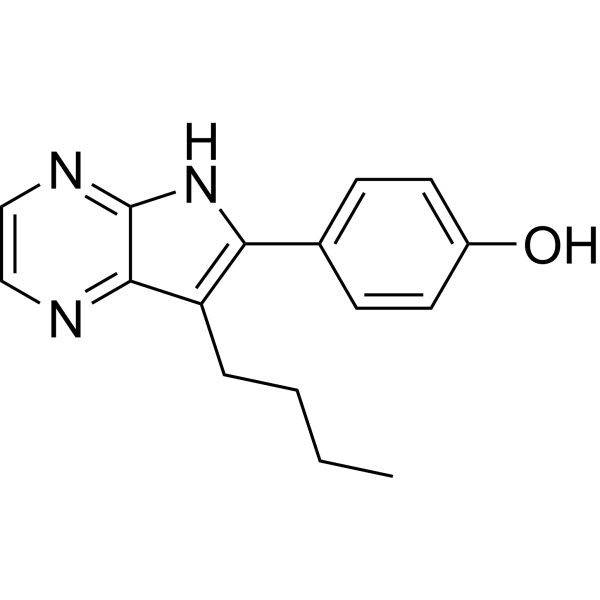
    Aloisine RP106 (compound 38) is a potent inhibitor of Cdk1/cyclin B, Cdk5/p25, and GSK3 with IC50s of 0.70µM, 1.5µM, 0.92 µM, respectively [1].
    Aloisine RP106
  • HY-147134

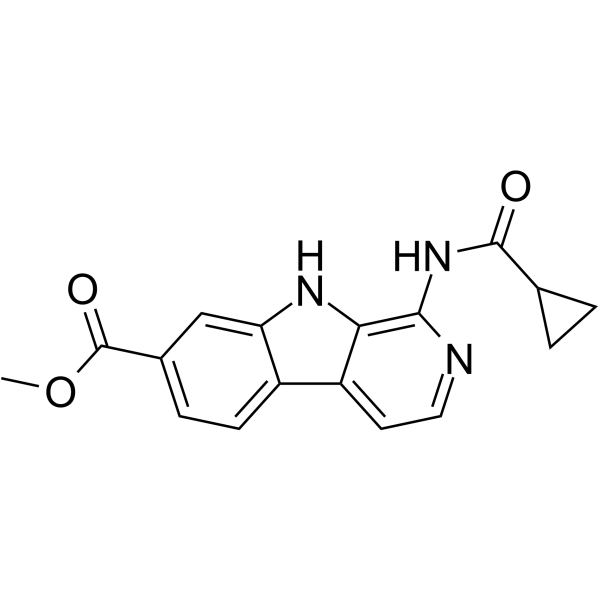
    GSK-3 Neurological Disease
    GSK-3β inhibitor 10 (compound 14a) is a highly potent GSK-3β inhibitor with an IC50 value of 80.5 nM. GSK-3β inhibitor 10 can be used for researching Alzheimer’s disease [1].
    GSK-3β inhibitor 10
  • HY-172198

    GSK-3 β-catenin DYRK JNK CDK CDKL Neurological Disease
    GSK3-IN-10 (Compound 4) is a multi-target inhibitor, that mainly targets GSK3α and GSK3β with IC50 of 1.0 nM and 2.0 nM. GSK3-IN-10 inhibits the activation of β-catenin, promotes the neuronal survival, and exhibits a protective effect against endoplasmic reticulum stress [1].
    GSK3-IN-10

Inquiry Online

Your information is safe with us. * Required Fields.

Salutation


Country or Region *

Applicant Name *


Organization Name *

Department *


Email Address *


Product Name *

Cat. No.


Requested quantity *

Phone Number *


Remarks

Inquiry Online

Inquiry Information

Product Name:
Cat. No.:
Quantity:
MCE Japan Authorized Agent: