



Ceftriaxone
Based on 23 publication(s) in Google Scholar
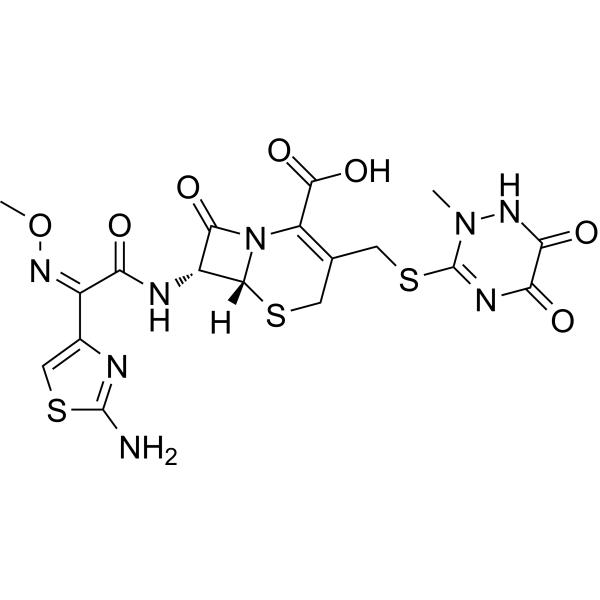
Ceftriaxone (Ro 13-9904 free acid) is a broad spectrum β-lactam third-generation cephalosporin antibiotic, which has good antibacterial activity against a variety of gram-negative and positive bacteria. Ceftriaxone is a covalent inhibitor of GSK3β with IC50 value of 0.78 μM. Ceftriaxone is an inhibitor of Aurora B. Ceftriaxone has anti-inflammatory, antitumor and antioxidant activities. Ceftriaxone can be used in the study of bacterial infections and meningitis.
연구목적의 판매만을 진행합니다. 환자를 대상으로 한 판매는 하지 않습니다.
- Purity : 99.87%
- CAS No.: 73384-59-5
- 화학식: C18H18N8O7S3
- 분자량:554.58
-
보관:Powder -20°C, 3 years , 4°C, 2 years ; In solvent -80°C, 6 months , -20°C, 1 month

To place orders, for customer services and technical support, please contact: MedChemExpress USA
Tel: 609-228-6898 E-mail: [email protected] [email protected]


-
 Biological Activity
-
Chemical Information
-
용액&용해도
- Protocol
- 순도&문서
- References
-
 Help & FAQs


-
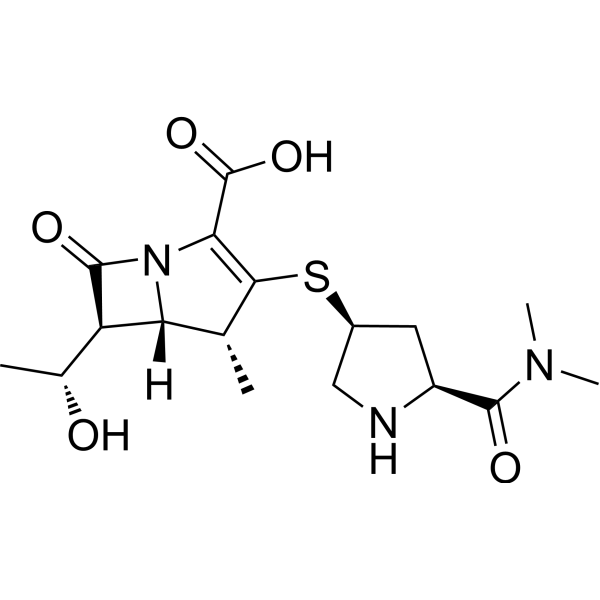
HY-13678
MeropenemAntimicrobial Agent -
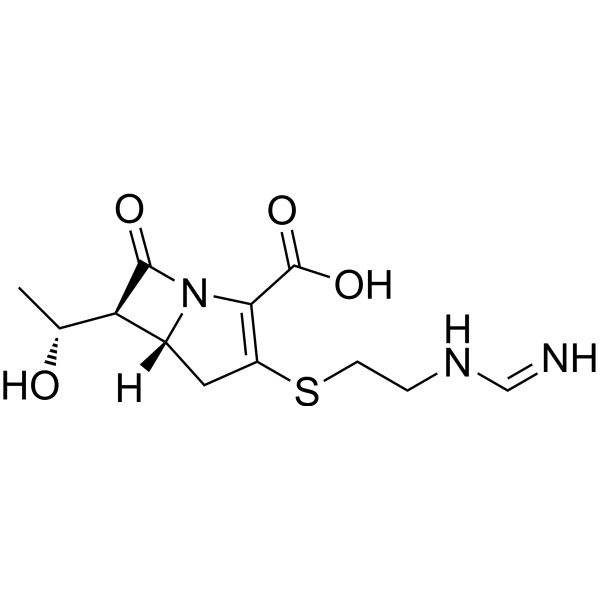
HY-B1369A
ImipenemAntibiotic -
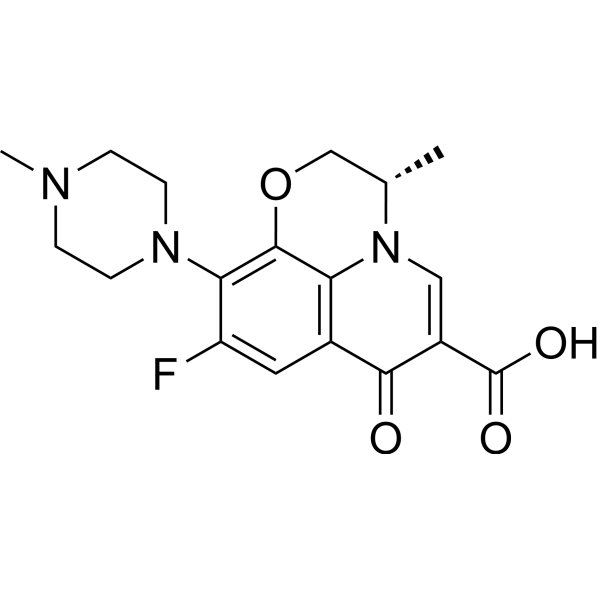
HY-B0330
LevofloxacinDNA Gyrase/Topoisomerase Inhibitor -
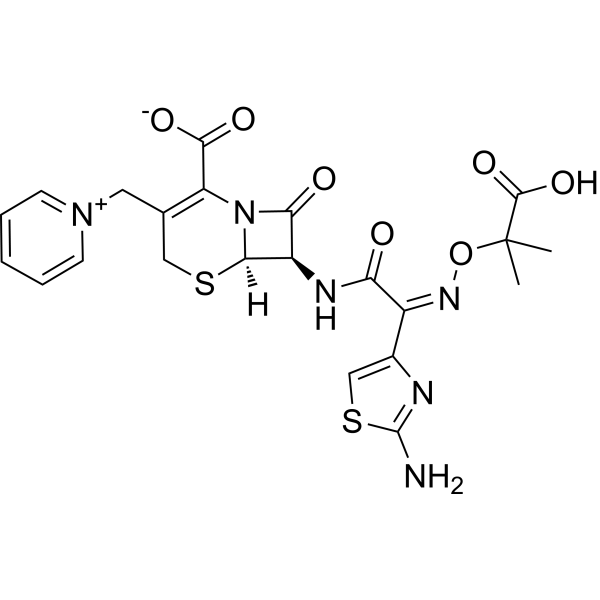
HY-B0593
CeftazidimeAntibiotic -
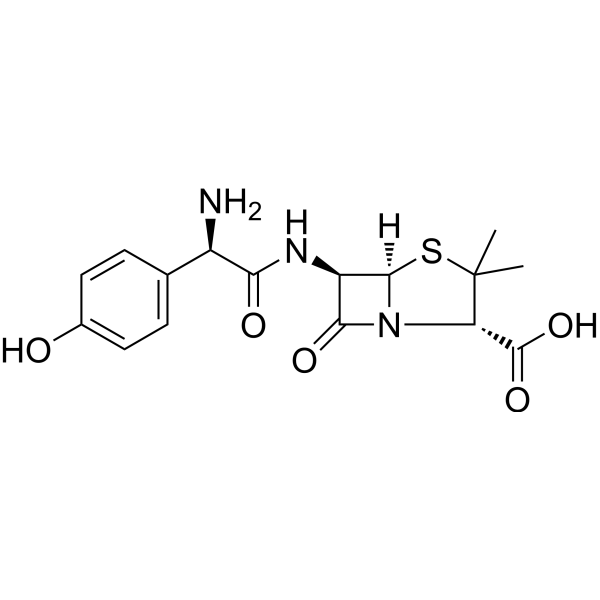
HY-B0467A
AmoxicillinAntibiotic -
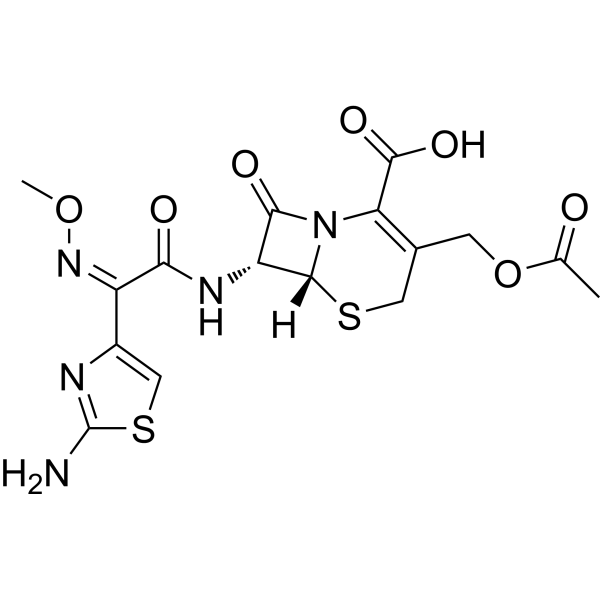
HY-A0088A
CefotaximeBacterial Inhibitor -

HY-B0712R
Ceftriaxone (Standard)Aurora B inhibitor -
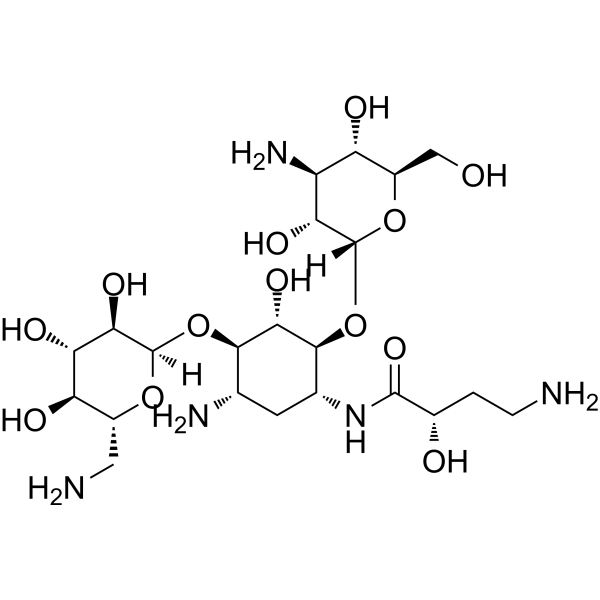
HY-B0509A
AmikacinAntibiotic -
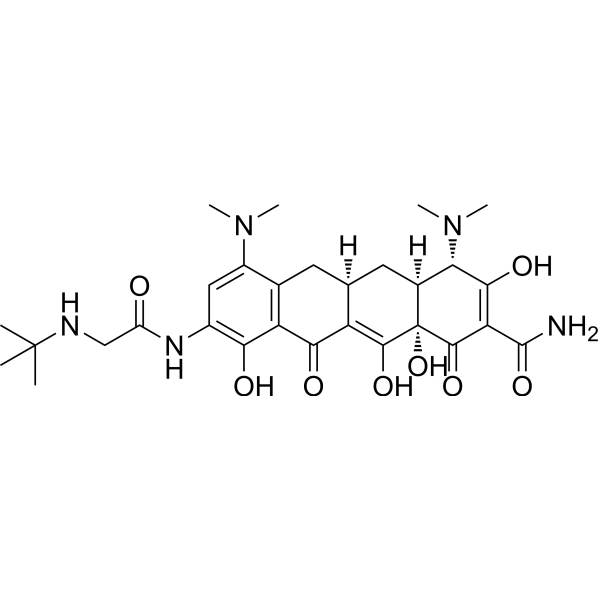
HY-B0117
TigecyclineBacterial Inhibitor -
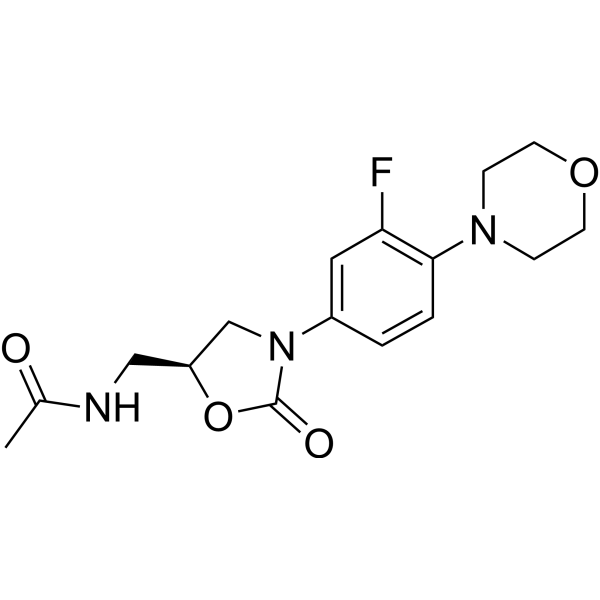
HY-10394
LinezolidAntibiotic -
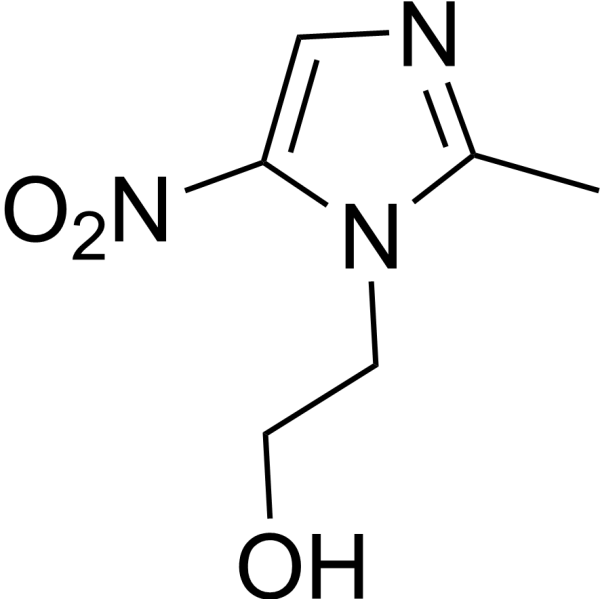
HY-B0318
MetronidazoleAntibiotic -
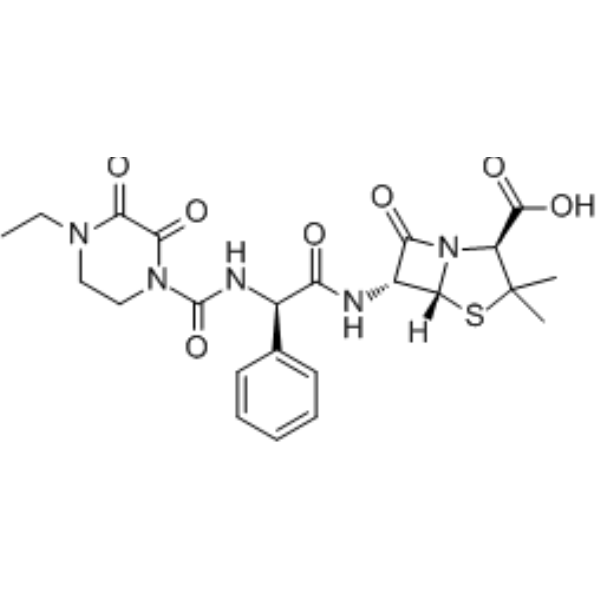
HY-B1923
Piperacillinβ-lactam Antibiotic
Publications Citing Use of MedChemExpress (MCE) Ceftriaxone
More- Signal Transduct Target Ther. 2025 Dec 15;10(1):406. [Abstract]
- Nat Commun. 2022 Mar 2;13(1):1116. [Abstract]
- Sci Adv. 2025 Dec 5;11(49):eadw7972. [Abstract]
- Chem Eng J. 2026 Aug 18.
- EBioMedicine. 2022 Apr;78:103943. [Abstract]
- Proc Natl Acad Sci U S A. 2025 Dec 2;122(48):e2524436122. [Abstract]
- Cell Chem Biol. 2024 Aug 15;31(8):1529-1541.e12. [Abstract]
- Food Res Int. 2026 Aug 31:238:119421. [Abstract]
- J Environ Chem Eng. 2026 Apr 16;14(3):122734.
- Emerg Microbes Infect. 2024 Dec;13(1):2321981. [Abstract]
- Talanta. 2026 Jul 15;312(Pt A):130306.
- BMC Microbiol. 2025 Apr 29;25(1):257. [Abstract]
- FASEB J. 2026 Jan 31;40(2):e71438. [Abstract]
- Antimicrob Agents Chemother. 2026 Apr;70(4):e0170625. [Abstract]
- Microbiol Spectr. 2025 Oct 16:e0160325. [Abstract]
- BMC Cancer. 2025 Jun 1;25(1):977. [Abstract]
- AMB Express. 2024 Dec 24;14(1):141. [Abstract]
- Infect Drug Resist. 2026 May 8;19.
- Diagn Microbiol Infect Dis. 2026 Nov;116(3):117584.
- Rapid Commun Mass Spectrom. 2026 May 30;40(10):e70053. [Abstract]
- Diagn Microbiol Infect Dis. 2026 Feb;114(2):117181. [Abstract]
- Authorea. 2026 May 12.
- Chemosphere. 2023 Dec:344:140353. [Abstract]
 Customer Validation & Images

-
Microbiological Assay
-
Microbiological Assay

All Antibiotic Isoforms
MoreAll Aurora Kinase Isoforms
More

Biological Activity
제품 설명
IC50 & Target
|
β-lactam |
Cellular Effect
|
Cell Line

|
Type | Value | Description | References |
|---|---|---|---|---|
| CHO | IC50 |
153.8 μM
Compound: ceftriaxone
|
Inhibition of Cav1.2 current measured using QPatch automatic path clamp system in CHO cells expressing Cav1.2, beta-2 and alpha-2/delta-1 subunits
Inhibition of Cav1.2 current measured using QPatch automatic path clamp system in CHO cells expressing Cav1.2, beta-2 and alpha-2/delta-1 subunits
|
[PMID: 23812503] |
| S2 | IC50 |
840 μM
Compound: Ceftriaxone
|
TP_TRANSPORTER: inhibition of PAH uptake in OAT1-expressing S2 cells
TP_TRANSPORTER: inhibition of PAH uptake in OAT1-expressing S2 cells
|
[PMID: 12005172] |
| S2 | IC50 |
>2000 μM
Compound: Ceftriaxone
|
TP_TRANSPORTER: inhibition of Estrone sulfate uptake in OAT3-expressing S2 cells
TP_TRANSPORTER: inhibition of Estrone sulfate uptake in OAT3-expressing S2 cells
|
[PMID: 12005172] |
In Vitro
Ceftriaxone (100 μM, 24 h) protects MPP+ treated astrocytes by inhibiting the NF-κB/JNK/c-Jun signaling pathway [3].
Ceftriaxone (500 μM, 24-48 h) effectively inhibits unanchored cell growth in A549, H520 and H1650 lung cancer cells by inhibiting Aurora B[4].
MedChemExpress (MCE) has not independently confirmed the accuracy of these methods. They are for reference only.
-
Cell Line:Astrocyte
-
Concentration:100 μM
-
Incubation Time:24 h
-
Result:Improved cell viability and increased glutamate uptake after MPP+ expose.
-
Cell Line:Astrocyte
-
Concentration:100 μM
-
Incubation Time:24 h
-
Result:Enhanced GLT-1 and GFAP expression. Decreased the expression of p-p50, p-IKKα, p-Relb. Decreased the number of TUNEL-positive cells.
In Vivo
Ceftriaxone (200, 400 mg/kg, Intraperitoneal injection) has a protective effect on convulsion induced by Pentylenetetrazol (PTZ) and PTZ-related oxidative damage in rats[6].
Ceftriaxone (100, 200 mg/kg, Intraperitoneal injection) reduces mechanical dysodynia and hyperalgesia by activating GLT-1 in Streptozocin (HY-13753)-induced diabetic rat models[7].
MedChemExpress (MCE) has not independently confirmed the accuracy of these methods. They are for reference only.
-
Animal Model:DGL-induced rat model[5]
-
Dosage:200 mg/kg
-
Administration:i.p.
-
Result:Reduced the BUN, Cr, AST and ALT levels. Attenuated the MDA levels and enhanced GPx and CAT activities. Reduced the levels of IL-1β and TNF-α mRNA.
-
Animal Model:PTZ-induced rat model[6]
-
Dosage:200, 400 mg/kg
-
Administration:i.p. 60 min before to PTZ (70 mg/kg)
-
Result:Both of the two ceftriaxone groups had lower spike percentages than the saline group. Significantly lower MDA levels and higher SOD activity in 200 and 400 mg/kg.
Clinical Trial
| NCT Number | Sponsor | Condition | Start Date |
Phase
|
|---|---|---|---|---|
| NCT01329991 | Plexxikon| | 2011-05 | PHASE1 |


Chemical Information
-
CAS No. 73384-59-5
-
Appearance Solid
-
분자량 554.58
-
화학식 C18H18N8O7S3
-
Color Off-white to yellow
-
SMILES
O=C(C(N12)=C(CSC(N(C)NC3=O)=NC3=O)CS[C@]2([H])[C@H](NC(/C(C4=CSC(N)=N4)=N\OC)=O)C1=O)O
-
Synonyms
Ro 13-9904 free acid
-
선적
Room temperature in continental US; may vary elsewhere.
-
보관
Powder -20°C 3 years 4°C 2 years In solvent -80°C 6 months -20°C 1 month


Publications (23)
-
Journal Impact Factor
-
Most Recent
-
Signal Transduct Target Ther
Selective depletion of tumor-associated SAMHD1 enhances chemotherapeutic efficacy and antitumor immune responses. [Abstract]2025 Dec 15;10(1):406. PMID: 41392286 -
Nat Commun
Antimicrobial resistance and population genomics of multidrug-resistant Escherichia coli in pig farms in mainland China. [Abstract]2022 Mar 2;13(1):1116. PMID: 35236849
Ceftriaxone purchased from MedChemExpress. Usage Cited in: Nat Commun. 2022 Mar 2;13(1):1116. [Abstract]
E. coli strains resistant to broad-spectrum cephalosporins (ceftriaxone and cefepime) were isolated from pig farms in 30 and 24 provinces, respectively.
-
Sci Adv
EphB1-NR2B receptor signaling in glutamatergic neurons of the ventroposteromedial thalamic nucleus regulates emergence from anesthesia. [Abstract]2025 Dec 5;11(49):eadw7972. PMID: 41348875 -
-
EBioMedicine
A novel inhibitor of monooxygenase reversed the activity of tetracyclines against tet(X3)/tet(X4)-positive bacteria. [Abstract]2022 Apr;78:103943. PMID: 35306337 -
Proc Natl Acad Sci U S A
Antibiotics accumulate in Klebsiella pneumoniae liver abscesses but fail to eliminate antibiotic-tolerant populations. [Abstract]2025 Dec 2;122(48):e2524436122. PMID: 41296732 -
Cell Chem Biol
AspSnFR: A genetically encoded biosensor for real-time monitoring of aspartate in live cells. [Abstract]2024 Aug 15;31(8):1529-1541.e12. PMID: 38806058 -
Food Res Int
Prevalence, plasmid transmission, and chromosomal integration of blaCTX-M genes in Salmonella isolated from retail chicken and pork meats in China. [Abstract]2026 Aug 31:238:119421. PMID: 42215089 -
-
Emerg Microbes Infect
AMXT-1501 targets membrane phospholipids against Gram-positive and -negative multidrug-resistant bacteria. [Abstract]2024 Dec;13(1):2321981. PMID: 38422452 -
-
BMC Microbiol
Klebsiella pneumoniae under xylose pressure: the growth adaptation, antimicrobial susceptibility, global proteomics analysis and role of XylA and XylB proteins. [Abstract]2025 Apr 29;25(1):257. PMID: 40301709 -
FASEB J
Enhancing the Susceptibility of Methicillin-Resistant Staphylococcus aureus to β-Lactam Antibiotics Through the Use of 4-Methoxysalicyl Aldehyde. [Abstract]2026 Jan 31;40(2):e71438. PMID: 41524623 -
Antimicrob Agents Chemother
Stepwise evolution and clonal enrichment of gepotidacin resistance in Neisseria gonorrhoeae. [Abstract]2026 Apr;70(4):e0170625. PMID: 41810969 -
Microbiol Spectr
The adaptive growth and mechanisms of Klebsiella pneumoniae under sucrose and glucose exposure. [Abstract]2025 Oct 16:e0160325. PMID: 41099518 -
BMC Cancer
Cholesterol-induced colorectal cancer progression and its mitigation through gut microbiota remodeling and simvastatin treatment. [Abstract]2025 Jun 1;25(1):977. PMID: 40452015 -
AMB Express
Repurposing pinaverium bromide against Staphylococcus and its biofilms with new mechanisms. [Abstract]2024 Dec 24;14(1):141. PMID: 39718732
Ceftriaxone purchased from MedChemExpress. Usage Cited in: AMB Express. 2024 Dec 24;14(1):141. [Abstract]
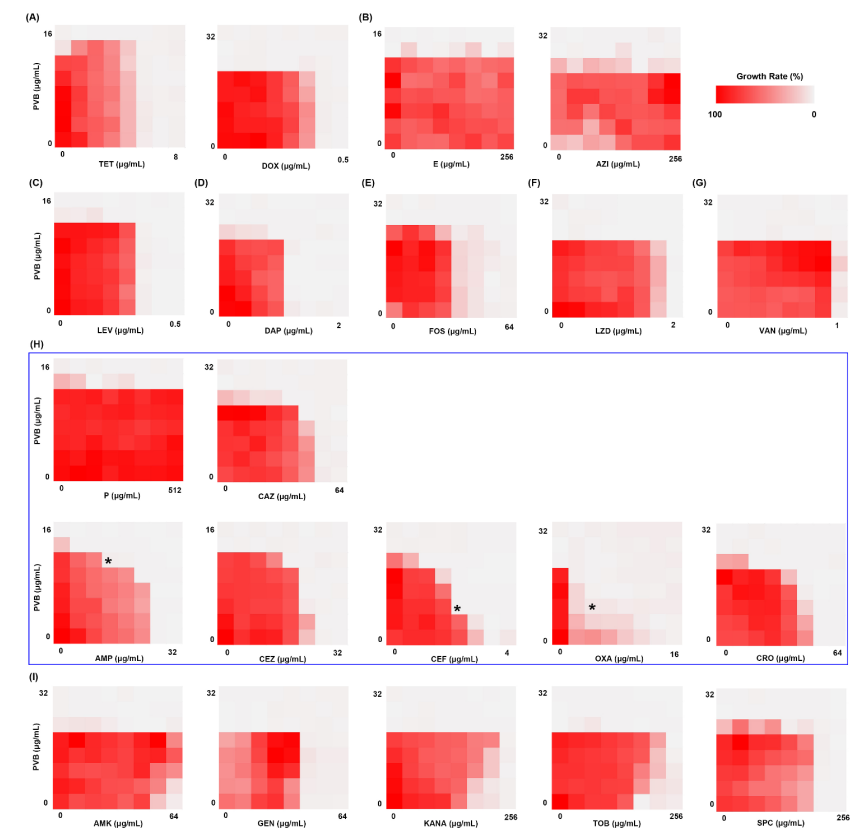
Combinational antimicrobial effects between PVB and conventional antibiotics against MRSA ATCC 43,300. TET, Tetracycline. DOX, Doxycycline. E, Erythromycin. AZI, Azithromycin. P, Penicillin. CAZ, Ceftazidime. AMP, Ampicillin. CEZ, Cefazolin. CEF, Cefotaxime. OXA, Oxacillin. CRO, Ceftriaxone. AMK, Amikacin. GEN, Gentamycin, KANA, Kanamycin. TOB, Tobramycin. SPC, Spectinomycin.
-
-
-
Rapid Commun Mass Spectrom
Sensitive Detection of Salmonella Susceptibility to Ceftriaxone and Azithromycin Using Matrix-Assisted Laser Desorption/Ionization Time-of-Flight Mass Spectrometry. [Abstract]2026 May 30;40(10):e70053. PMID: 41704149 -
Diagn Microbiol Infect Dis
2026 Feb;114(2):117181. PMID: 41205476 -
-
Chemosphere
Sustainable production of Fe-doped MnO2 nanoparticles for accelerated tetracycline antibiotic detoxification. [Abstract]2023 Dec:344:140353. PMID: 37797898


용액&용해도
In Vitro:
DMSO : 31.25 mg/mL (56.35 mM; ultrasonic and warming and heat to 60°C; Hygroscopic DMSO has a significant impact on the solubility of product, please use newly opened DMSO)
Please refer to the solubility information to select the appropriate solvent. Once prepared, please aliquot and store the solution to prevent product inactivation from repeated freeze-thaw cycles.
Storage method and period of stock solution: -80°C, 6 months; -20°C, 1 month. When stored at -80°C, please use it within 6 months. When stored at -20°C, please use it within 1 month.
Please refer to the solubility information to select the appropriate solvent. Once prepared, please aliquot and store the solution to prevent product inactivation from repeated freeze-thaw cycles.
Storage method and period of stock solution: -80°C, 6 months; -20°C, 1 month. When stored at -80°C, please use it within 6 months. When stored at -20°C, please use it within 1 month.
Concentration (start) × Volume (start) = Concentration (final) × Volume (final)
In Vivo:
Select the appropriate dissolution method based on your experimental animal and administration route.
- For the following dissolution methods, please ensure to first prepare a clear stock solution using an In Vitro approach and then sequentially add co-solvents:
- To ensure reliable experimental results, the clarified stock solution can be appropriately stored based on storage conditions. As for the working solution for In Vivo experiments, it is recommended to prepare freshly and use it on the same day.
- The percentages shown for the solvents indicate their volumetric ratio in the final prepared solution. If precipitation or phase separation occurs during preparation, heat and/or sonication can be used to aid dissolution.
Add each solvent one by one: 10% DMSO 40% PEG300 5% Tween-80 45% Saline
Solubility: ≥ 2.5 mg/mL (4.51 mM); Clear solution
This protocol yields a clear solution of ≥ 2.5 mg/mL (saturation unknown).
Taking 1 mL working solution as an example, add 100 μL DMSO stock solution (25.0 mg/mL) to 400 μL PEG300, and mix evenly; then add 50 μL Tween-80 and mix evenly; then add 450 μL Saline to adjust the volume to 1 mL.
Preparation of Saline: Dissolve 0.9 g sodium chloride in ddH₂O and dilute to 100 mL to obtain a clear Saline solution.
Add each solvent one by one: 10% DMSO 90% (20% SBE-β-CD in Saline)
Solubility: ≥ 2.5 mg/mL (4.51 mM); Clear solution
This protocol yields a clear solution of ≥ 2.5 mg/mL (saturation unknown).
Taking 1 mL working solution as an example, add 100 μL DMSO stock solution (25.0 mg/mL) to 900 μL 20% SBE-β-CD in Saline, and mix evenly.
Preparation of 20% SBE-β-CD in Saline (4°C, storage for one week): 2 g SBE-β-CD powder is dissolved in 10 mL Saline, completely dissolve until clear.
In Vivo Dissolution Calculator
Please enter the basic information of animal experiments:
-
-
-
-
Recommended: Prepare an additional quantity of animals to account for potential losses during experiments.
Please enter your animal formula composition:
-
%DMSO +
Recommended: Keep the proportion of DMSO in working solution below 2% if your animal is weak.
-
%+
-
+%Tween-80 + +
-
%Saline +
The co-solvents required include: DMSO, . All of co-solvents are available by MedChemExpress (MCE). , Tween 80. All of co-solvents are available by MedChemExpress (MCE).
Working solution concentration: 0.22 mg/mL
Method for preparing stock solution: mg drug dissolved in μL DMSO. Stock solution concentration: mg/mL.
1. Take μL DMSO stock solution;
2. Add μL .
μL , mix evenly;
3. Then add μL Tween 80, mix evenly;
4. Then add μL
Please ensure that the stock solution in the first step is dissolved to a clear state, and add co-solvents in sequence. You can use ultrasonic heating (ultrasonic cleaner, recommended frequency 20-40 kHz), vortexing, etc. to assist dissolution.


순도&문서
-
Data Sheet (284 KB)
-
SDS (560 KB)
- English - EN (560 KB)
- Français - FR (560 KB)
- Deutsch - DE (560 KB)
- Norwegian - NO (560 KB)
- Español - ES (560 KB)
- Swedish - SV (560 KB)
- Italian - IT (560 KB)
- Korean - KR (560 KB)
- Portuguese - PT (560 KB)
-
Handling Instructions (2659 KB)
References
[1]. Nahata MC, et al. Ceftriaxone: a third-generation cephalosporin. Drug Intell Clin Pharm. 1985 Dec;19(12):900-6. [Content Brief]
[2]. Nassar H, et al. Molecular docking, molecular dynamics simulations and in vitro screening reveal cefixime and ceftriaxone as GSK3β covalent inhibitors. RSC Adv. 2023 Apr 11;13(17):11278-11290. [Content Brief]
[3]. Zhang Y, et al. Ceftriaxone Protects Astrocytes from MPP(+) via Suppression of NF-κB/JNK/c-Jun Signaling. Mol Neurobiol. 2015 Aug;52(1):78-92. [Content Brief]
[4]. Li X, et al. Ceftriaxone, an FDA-approved cephalosporin antibiotic, suppresses lung cancer growth by targeting Aurora B. Carcinogenesis. 2012 Dec;33(12):2548-57. [Content Brief]
[5]. Hakimizadeh E, et al. Ceftriaxone improves hepatorenal damages in mice subjected to D-galactose-induced aging. Life Sci. 2020 Oct 1;258:118119. [Content Brief]
[6]. Uyanikgil Y, et al. Positive effects of ceftriaxone on pentylenetetrazol-induced convulsion model in rats. Int J Neurosci. 2016;126(1):70-5. [Content Brief]
[7]. Gunduz O, et al. Anti-allodynic and anti-hyperalgesic effects of ceftriaxone in streptozocin-induced diabetic rats. Neurosci Lett. 2011 Mar 10;491(1):23-5. [Content Brief]


Complete Stock Solution Preparation Table
Please refer to the solubility information to select the appropriate solvent. Once prepared, please aliquot and store the solution to prevent product inactivation from repeated freeze-thaw cycles.
Storage method and period of stock solution: -80°C, 6 months; -20°C, 1 month. When stored at -80°C, please use it within 6 months. When stored at -20°C, please use it within 1 month.
| Optional Solvent | Concentration Solvent Mass | 1 mg | 5 mg | 10 mg | 25 mg |
|---|---|---|---|---|---|
| DMSO | 1 mM | 1.8032 mL | 9.0158 mL | 18.0317 mL | 45.0792 mL |
| 5 mM | 0.3606 mL | 1.8032 mL | 3.6063 mL | 9.0158 mL | |
| 10 mM | 0.1803 mL | 0.9016 mL | 1.8032 mL | 4.5079 mL | |
| 15 mM | 0.1202 mL | 0.6011 mL | 1.2021 mL | 3.0053 mL | |
| 20 mM | 0.0902 mL | 0.4508 mL | 0.9016 mL | 2.2540 mL | |
| 25 mM | 0.0721 mL | 0.3606 mL | 0.7213 mL | 1.8032 mL | |
| 30 mM | 0.0601 mL | 0.3005 mL | 0.6011 mL | 1.5026 mL | |
| 40 mM | 0.0451 mL | 0.2254 mL | 0.4508 mL | 1.1270 mL | |
| 50 mM | 0.0361 mL | 0.1803 mL | 0.3606 mL | 0.9016 mL |


Ceftriaxone Related Classifications
HY-B0712 Related Classifications
 Powered by Bioz