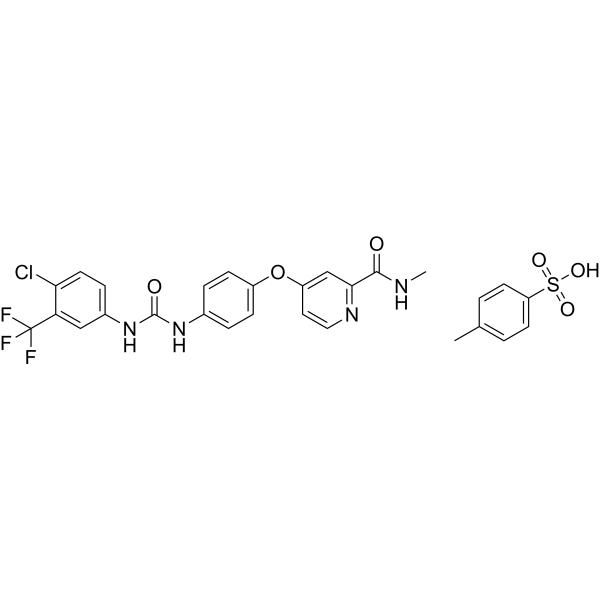
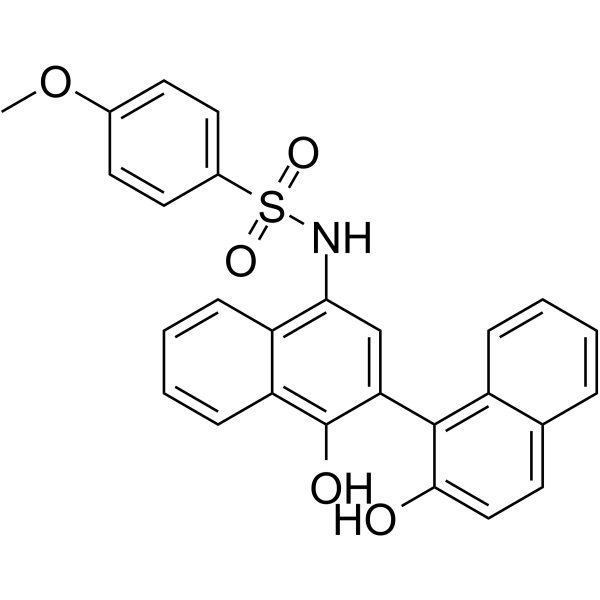
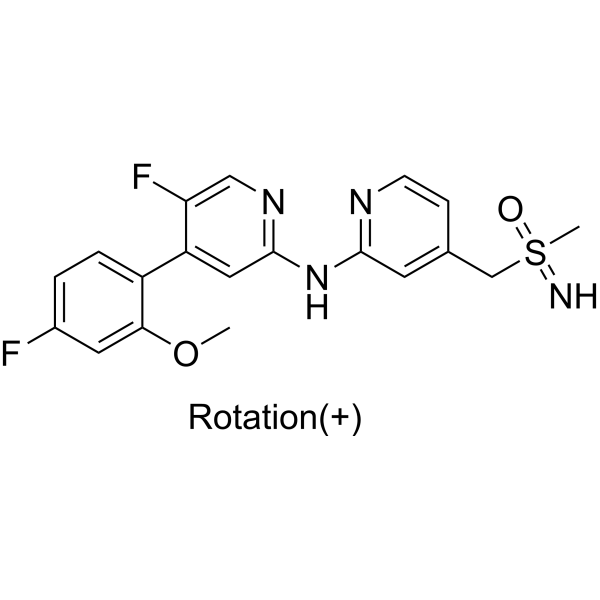
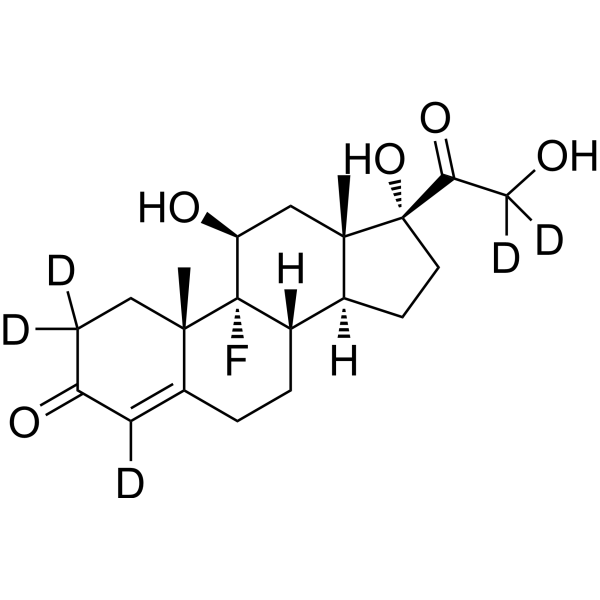
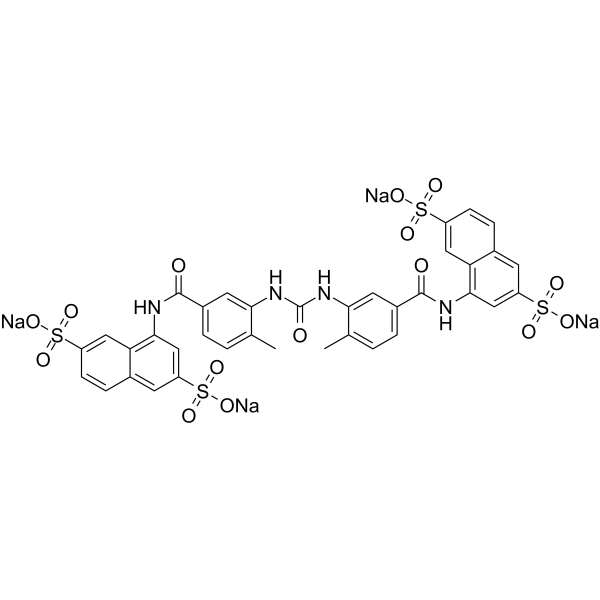
1. Search Result
Search Result
Results for "

Phosphorylation Blocker

" in MedChemExpress (MCE) Product Catalog:

288

Inhibitors & Agonists

3

Screening Libraries

2

Fluorescent Dyes

4

Biochemical Assay Reagents

21

Peptides

18

Inhibitory Antibodies

40

Natural
Products

5

Isotope-Labeled Compounds

2

Click Chemistry

1

Oligonucleotides

1

GMP Molecules

Cat. No. Product Name Target Research Areas Chemical Structure
  • HY-N6782
    Oligomycin
    Maximum Cited Publications
    105 Publications Verification

    Oxidative Phosphorylation ATP Synthase Fungal Antibiotic Infection Cancer
    Oligomycin, an antifungal antibiotic, is an inhibitor of H +-ATP-synthase. Oligomycin blocks oxidative phosphorylation and the electron transport chain. Oligomycin inhibits HIF-1alpha expression in hypoxic tumor cells .
    Oligomycin
  • HY-15597
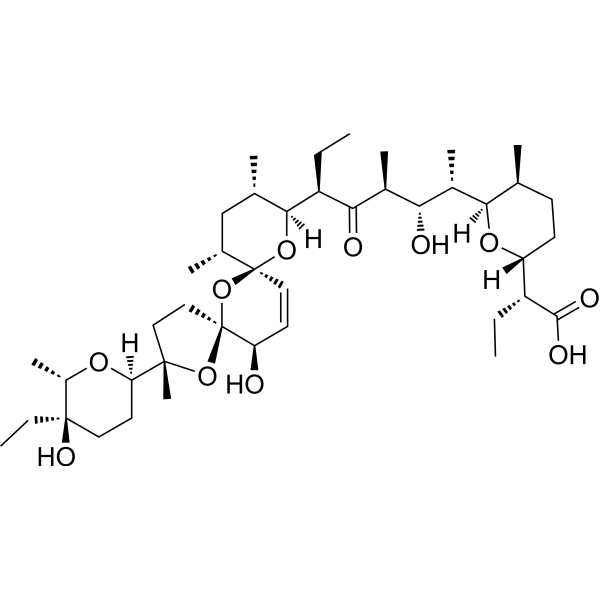
    Salinomycin
    45+ Cited Publications

    Procoxacin

    Bacterial Wnt β-catenin Mitophagy Autophagy Apoptosis Antibiotic Parasite Cancer
    Salinomycin (Procoxacin), a polyether potassium ionophore antibiotic, selectively inhibits the growth of gram-positive bacteria. Salinomycin is a potent inhibitor of Wnt/β-catenin signaling, blocks Wnt-induced LRP6 phosphorylation. Salinomycin shows selective activity against human cancer stem cells .
    Salinomycin
  • HY-17439
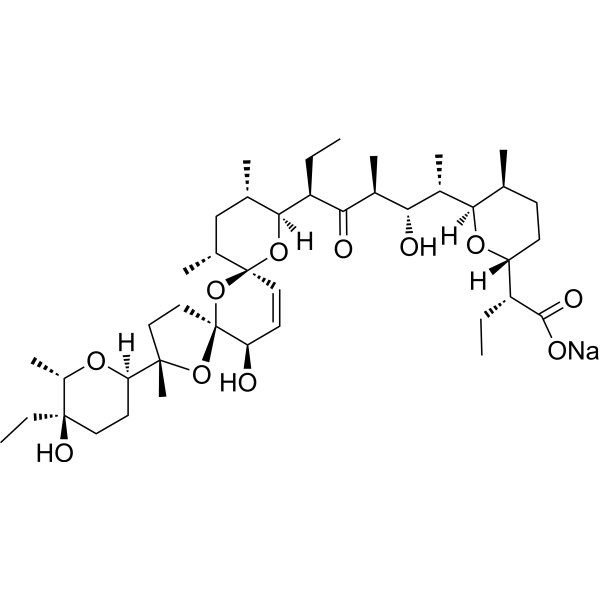
    Salinomycin sodium salt
    45+ Cited Publications

    Salinomycin sodium; Sodium salinomycin

    Wnt β-catenin Bacterial Autophagy Apoptosis Antibiotic Parasite Cancer
    Salinomycin sodium salt (Salinomycin sodium), an antibiotic potassium ionophore, is a potent inhibitor of Wnt/β-catenin signaling. Salinomycin sodium salt acts on the Wnt/Fzd/LRP complex, blocks Wnt-induced LRP6 phosphorylation, and causes degradation of the LRP6 protein. Salinomycin sodium salt shows selective activity against human cancer stem cells .
    Salinomycin sodium salt
  • HY-103248
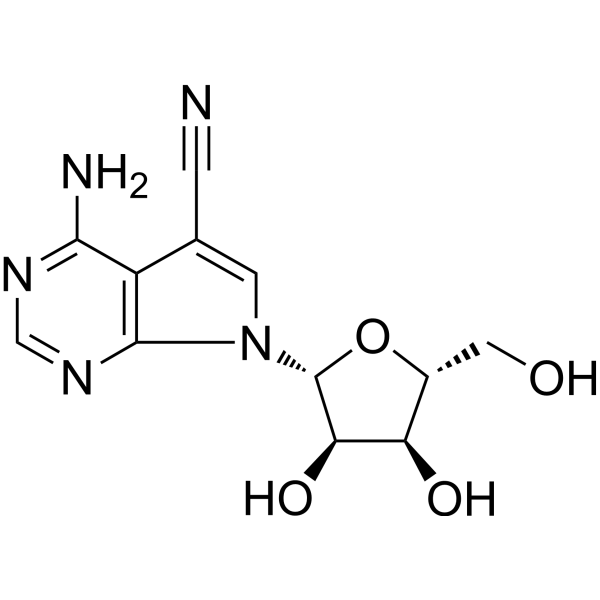
    Toyocamycin
    5+ Cited Publications

    Vengicide

    IRE1 Fungal Antibiotic Apoptosis CDK Infection Cancer
    Toyocamycin (Vengicide) is an adenosine analog produced by Streptomyces diastatochromogenes, acts as an XBP1 inhibitor. Toyocamycin blocks RNA synthesis and ribosome function, and induces apoptosis. Toyocamycin affects IRE1α-XBP1 pathway, and inhibits XBP1 mRNA cleavage with an IC50 value of 80 nM with affecting IRE1α auto-phosphorylation. Toyocamycin specifically inhibits CDK9 with an IC50 value of 79 nM .
    Toyocamycin
  • HY-100830
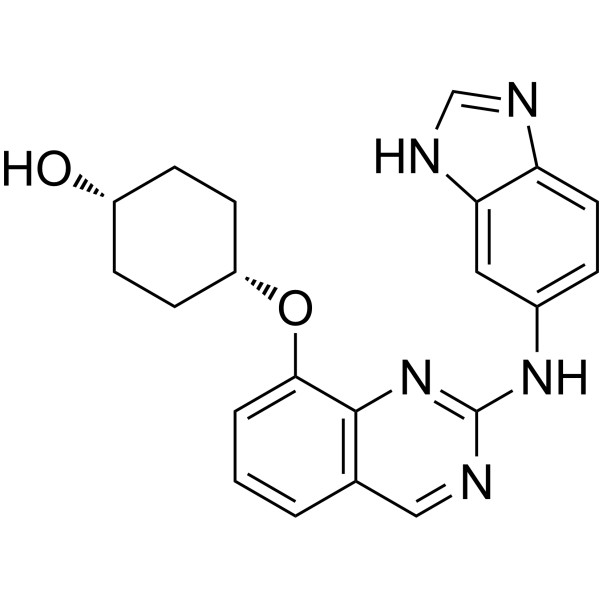
    NCB-0846
    4 Publications Verification

    Wnt MAP4K TGF-beta/Smad Cancer
    NCB-0846 is an orally active, selective inhibitor for Wnt, that inhibits Traf2- and Nck-interacting kinase (TNIK) with an IC50 of 21 nM. NCB-0846 blocks TGF-β signaling pathway by inhibiting SMAD2/3 phosphorylation and nuclear translocation .
    NCB-0846
  • HY-12283
    Rostafuroxin
    2 Publications Verification

    PST 2238

    Na+/K+ ATPase RSV Cardiovascular Disease
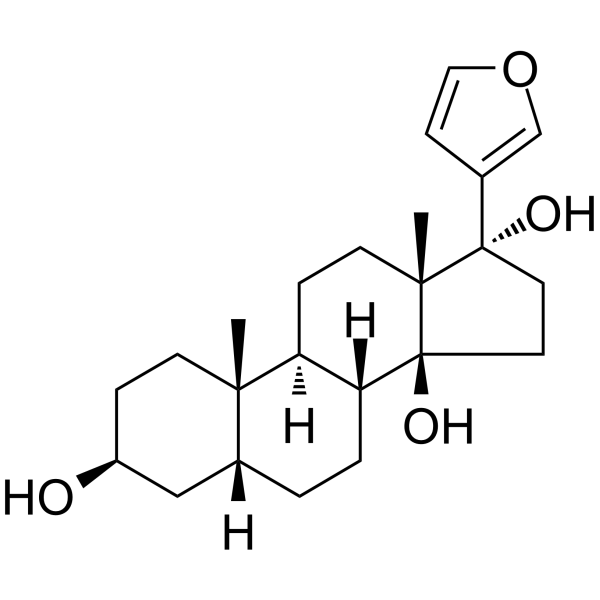
    Rostafuroxin (PST 2238), a digitoxigenin derivative, is an orally active and potent Na +,K +-ATPase (ATP1A1) antognist. Rostafuroxin binds specifically to the ATP1A1 extracellular domain and blocks respiratory syncytial virus (RSV)-triggered EGFR Tyr845 phosphorylation. Rostafuroxin has antihypertensive and anti-RSV activity .
    Rostafuroxin
  • HY-112701
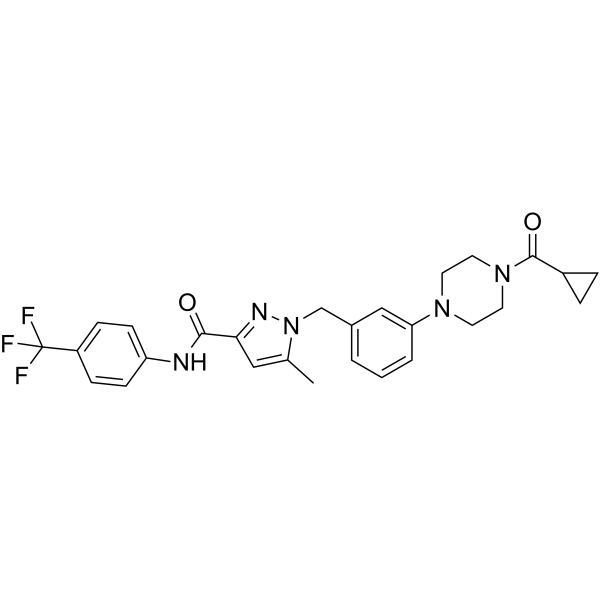
    CCR6 inhibitor 1
    5+ Cited Publications

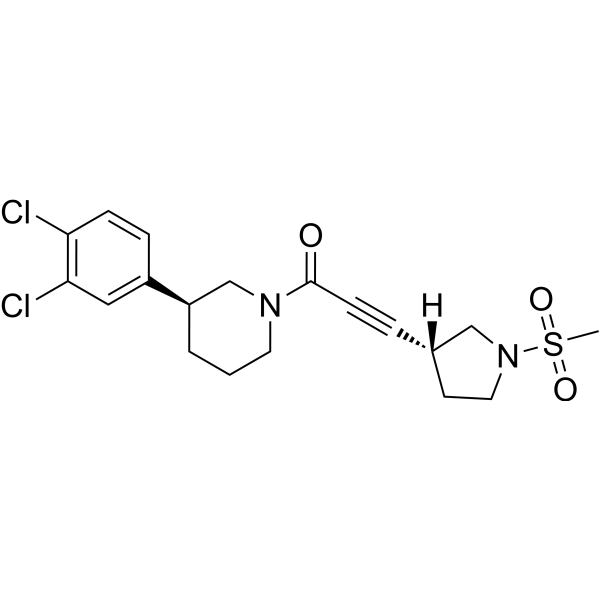
    CCR Inflammation/Immunology Endocrinology Cancer
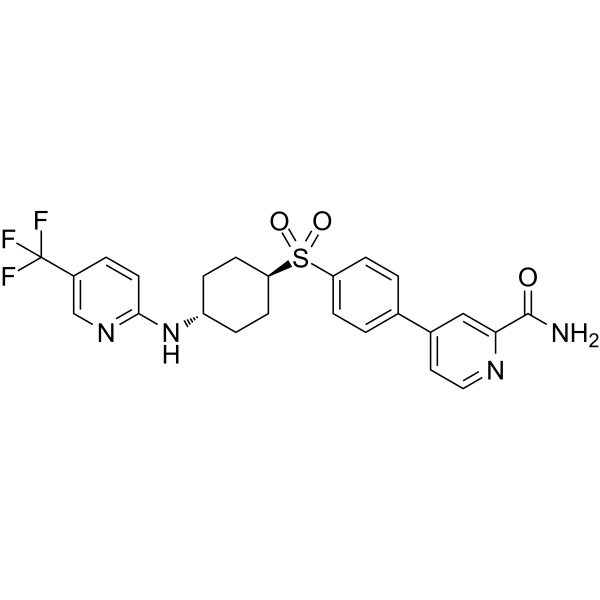
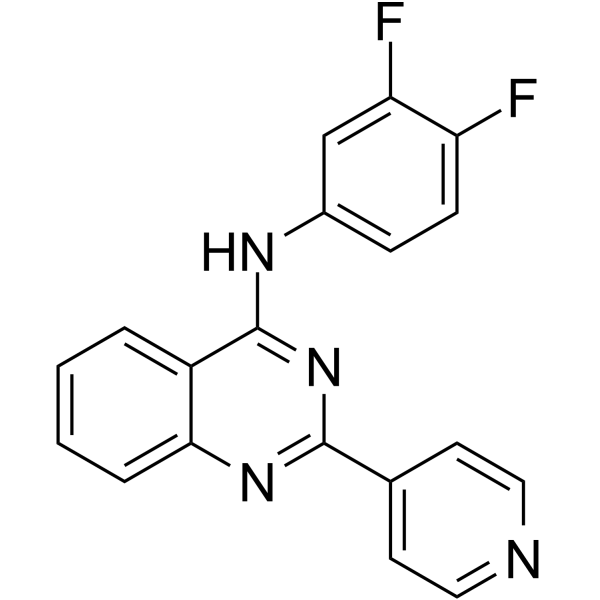
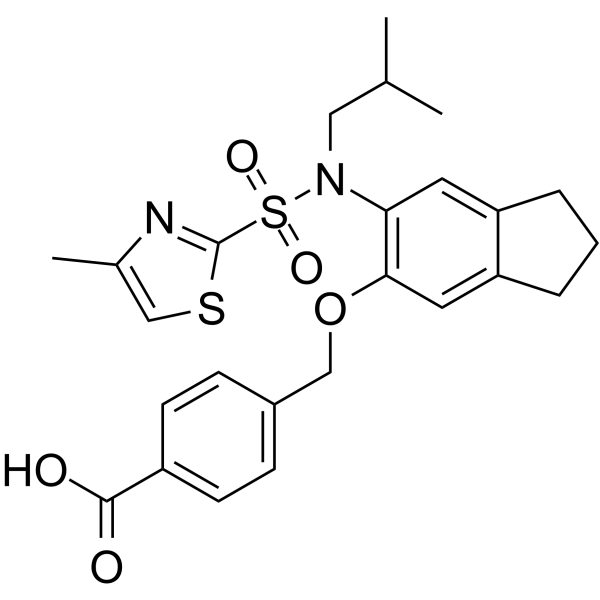
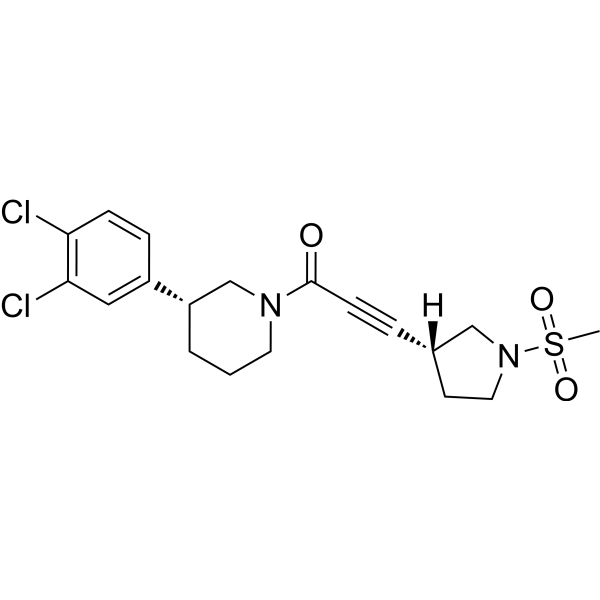
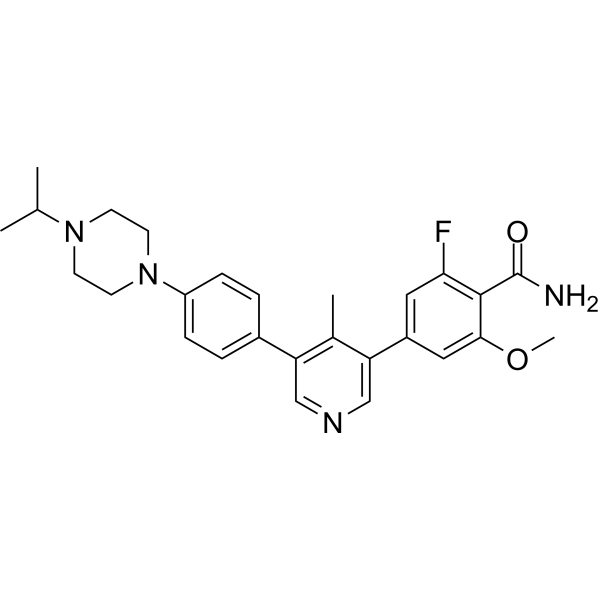
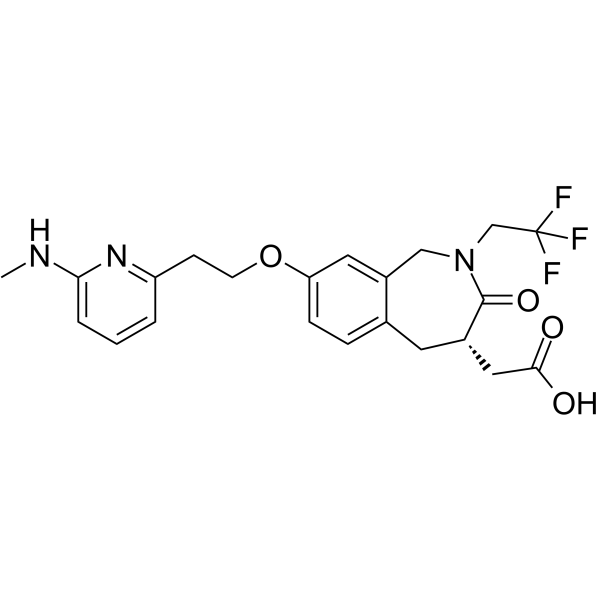
    CCR6 inhibitor 1 is a potent and selective CCR6 inhibitor, with IC50s of 0.45 and 6 nM for monkey and human CCR6, much more selective at CCR6 over human CCR1 (IC50, > 30000 nM), and CCR7 (IC50, 9400 nM). CCR6 inhibitor 1 markedly blocks ERK phosphorylation. CCR6 inhibitor 1 is used in the research of autoimmune diseases and cancer .
    CCR6 inhibitor 1
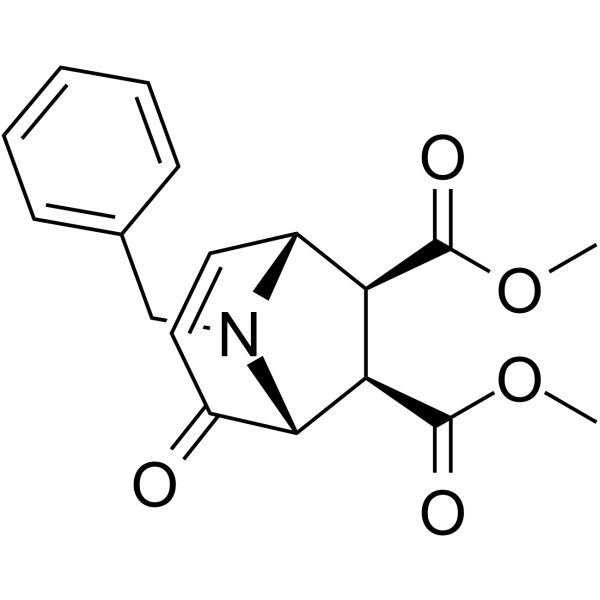
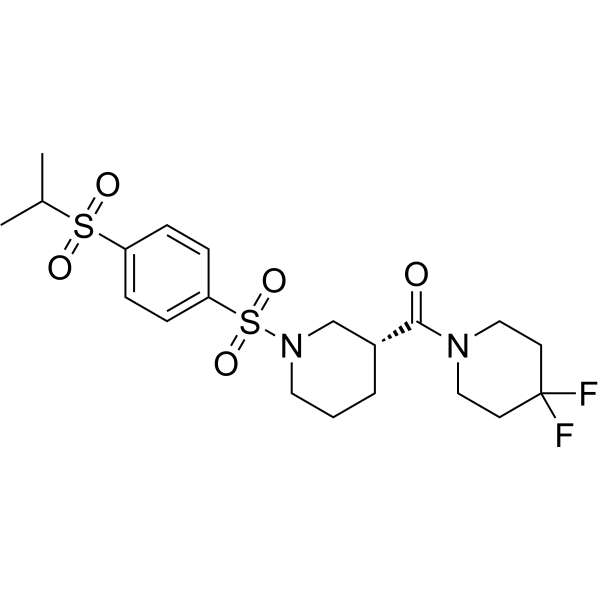
  • HY-173156

    Histone Methyltransferase Cancer
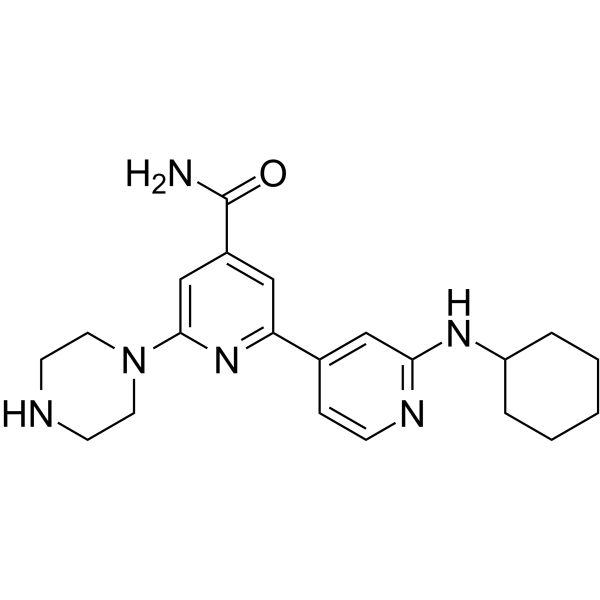
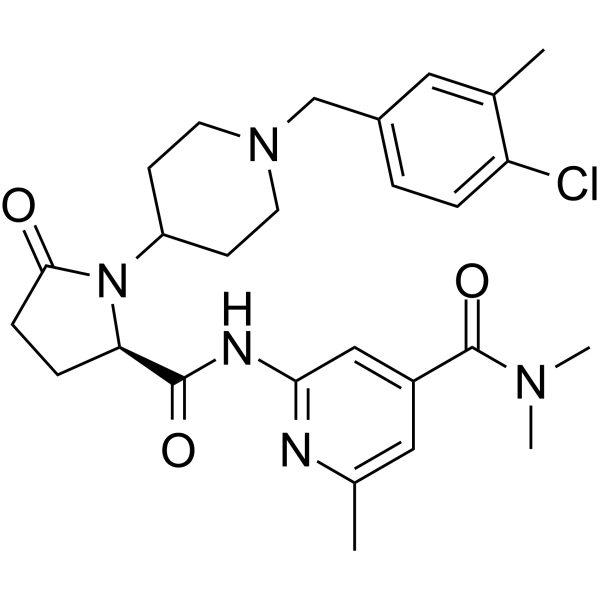
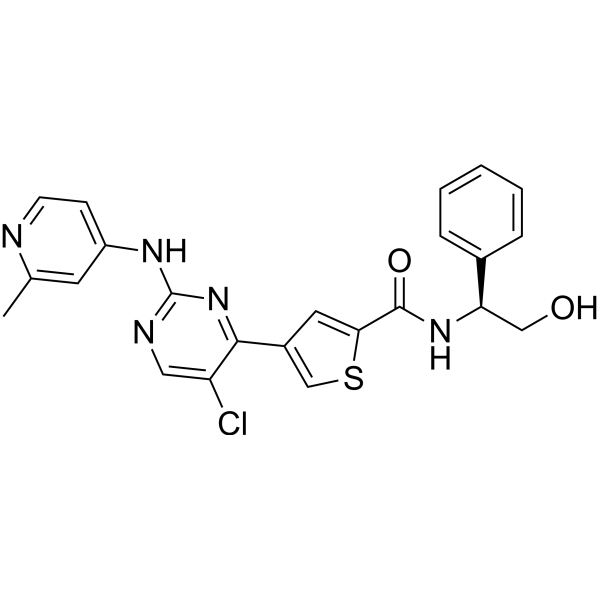
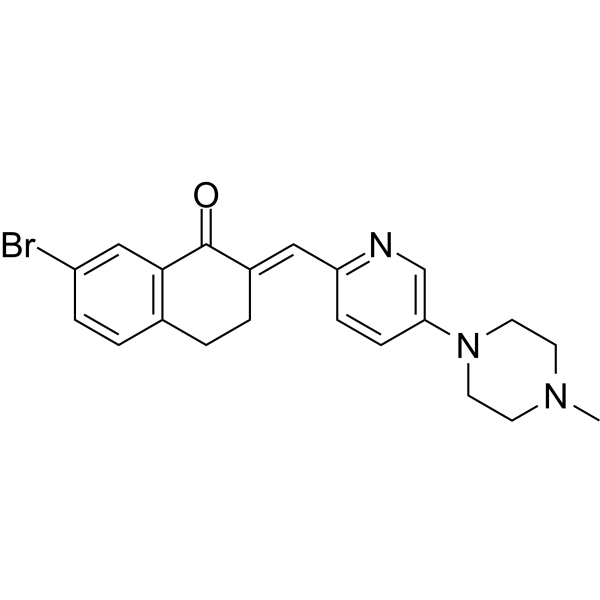
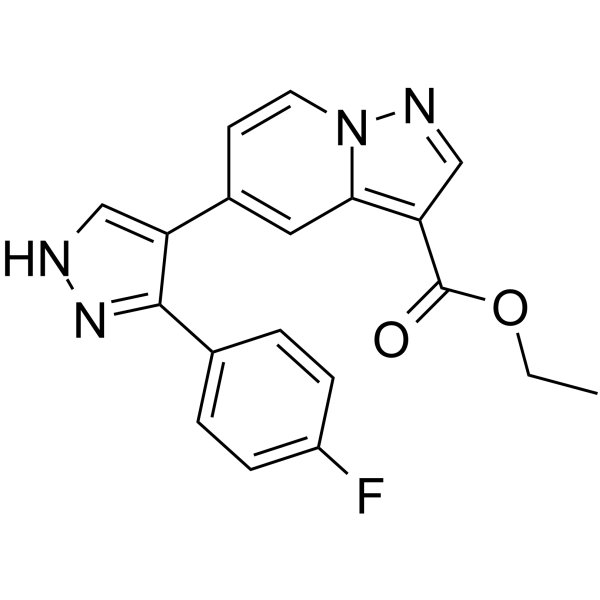
    UNC10013 is an inhibitor targeting the triple Tudor domain (3TD) of SETDB1. UNC10013 covalently binds to Cys385 of SETDB1 3TD, acts as a negative allosteric modulator of the methyltransferase domain of SETDB1, reduces the level of Akt methylation mediated by SETDB1, and blocks Tyr308 phosphorylation of Akt. UNC10013 is applicable to cancer-related research .
    UNC10013
  • HY-108559
    L-161982
    1 Publications Verification

    Prostaglandin Receptor Inflammation/Immunology
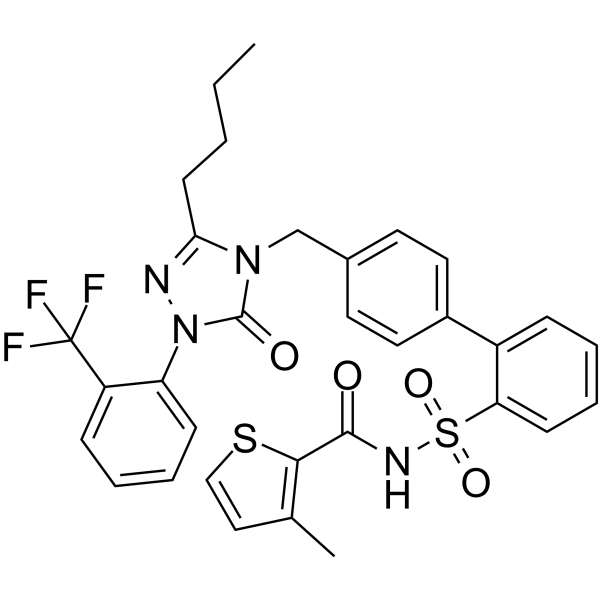
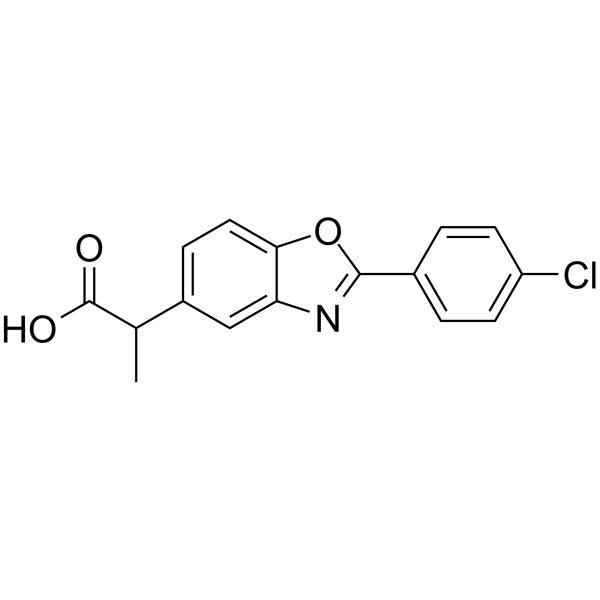
    L-161982 is a selective EP4 receptor antagonist. L-161982 completely blocks PGE2-induced ERK phosphorylation and cell proliferation of HCA-7 cells. L-161982 alleviates collagen-induced arthritis in mice .
    L-161982
  • HY-U00462

    Hexokinase Metabolic Disease Cancer
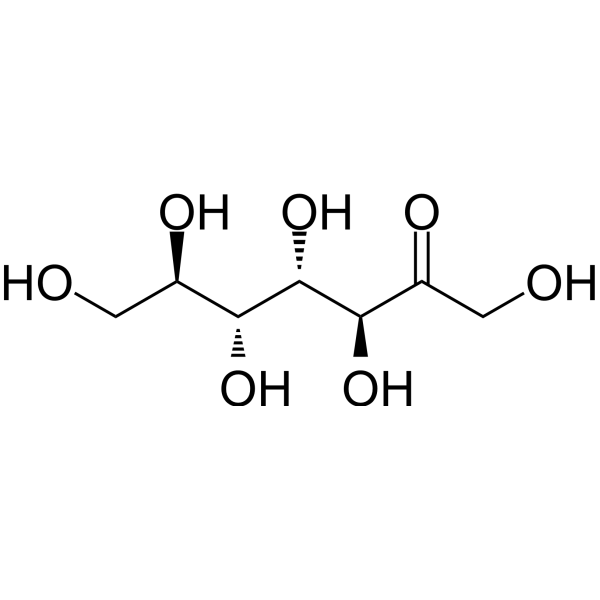
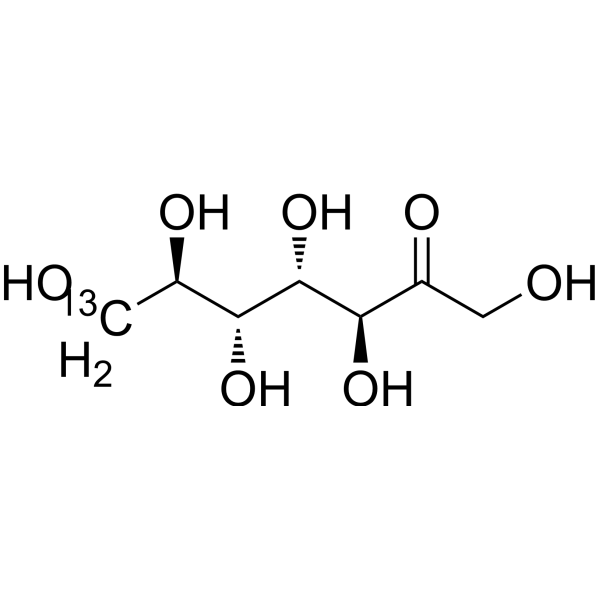
    D-Mannoheptulose is a 7-carbon keto sugar found in avocado. D-mannoheptulose is a specific inhibitor of D-glucose phosphorylation by hexokinase isoenzymes. D-Mannoheptulose can block insulin release and utilization of carbohydrate in rat. D-Mannoheptulose has various functions as anti-oxidants, anticancer effects and energy sources .
    D-Mannoheptulose
  • HY-149143
    JNJ-28583113
    5 Publications Verification

    TRP Channel Inflammation/Immunology
    JNJ-28583113 is an TRPM2 antagonist with brain permeability. JNJ-28583113 inhibits TRPM2 blocked phosphorylation of GSK3α and β subunits. JNJ-28583113 protects cells from oxidative stress induced cell death. JNJ-28583113 also suppresses cytokine release in response to pro-inflammatory stimuli in microglia .
    JNJ-28583113
  • HY-P9916

    Anti-Human IL6Rα, Human Antibody

    Interleukin Related STAT Apoptosis Inflammation/Immunology Cancer
    Sarilumab is a monoclonal antibody targeting IL6 that binds to IL6R and blocks the binding of IL6, thereby inhibiting the activation of the downstream STAT3 phosphorylation signaling pathway. In tumor cells with active IL6/STAT3 signaling pathways, Sarilumab induces Apoptosis and inhibits cell growth. Sarilumab is applicable to research related to prostate cancer, lung cancer and rheumatoid arthritis .
    Sarilumab
  • HY-110247
    TRAF-STOP inhibitor 6877002
    4 Publications Verification

    TNF Receptor NF-κB Cardiovascular Disease Inflammation/Immunology
    TRAF-STOP inhibitor 6877002 is a selective CD40-TRAF6 interaction inhibitor. TRAF-STOP inhibitor 6877002 exerts anti-atherosclerotic activity by blocking the CD40-TRAF6 signaling pathway, inhibiting classical monocyte activation, leukocyte recruitment, and macrophage activation and migration. TRAF-STOP inhibitor 6877002 reduces the phosphorylation levels of signaling intermediates in the canonical NF-κB pathway .
    TRAF-STOP inhibitor 6877002
  • HY-122198
    ML367
    1 Publications Verification

    Checkpoint Kinase (Chk) Cancer
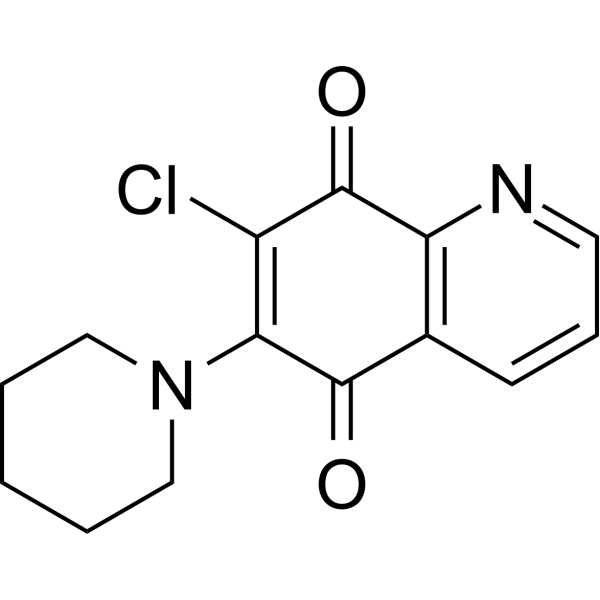
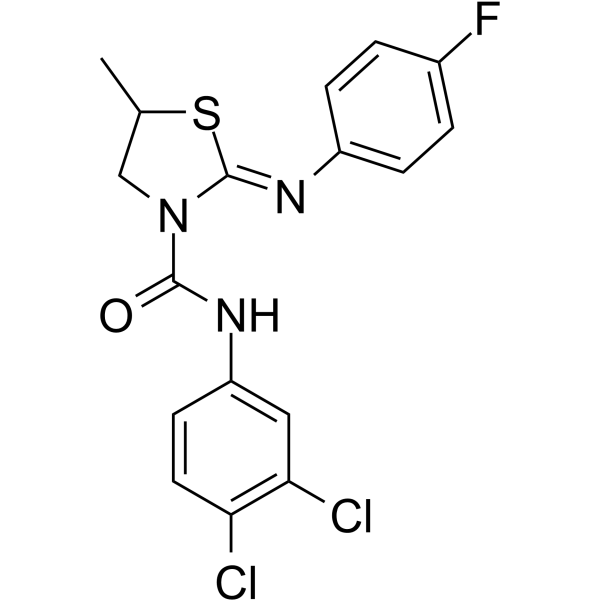
    ML367 is a potent inhibitor of ATPase family AAA domain-containing protein 5 (ATAD5) stabilization, acts as a probe molecule that has low micromolar inhibitory activity. ML367 blocks DNA repair pathways, suppresses general DNA damage responses including RPA32-phosphorylation and CHK1-phosphorylation in response to UV irradiation .
    ML367
  • HY-12960

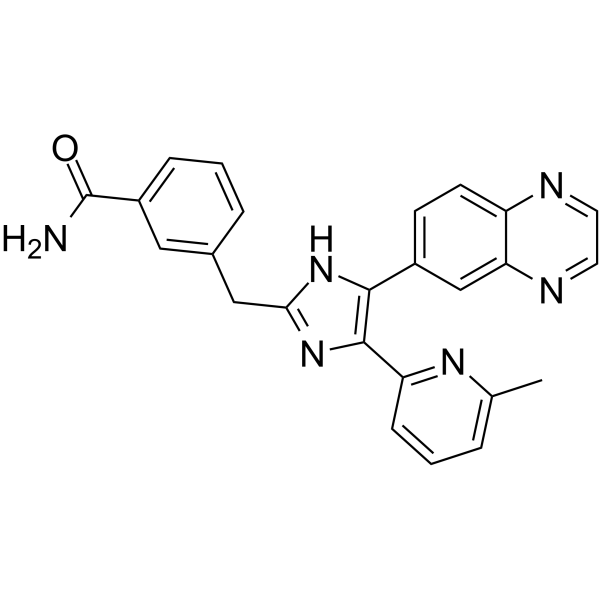
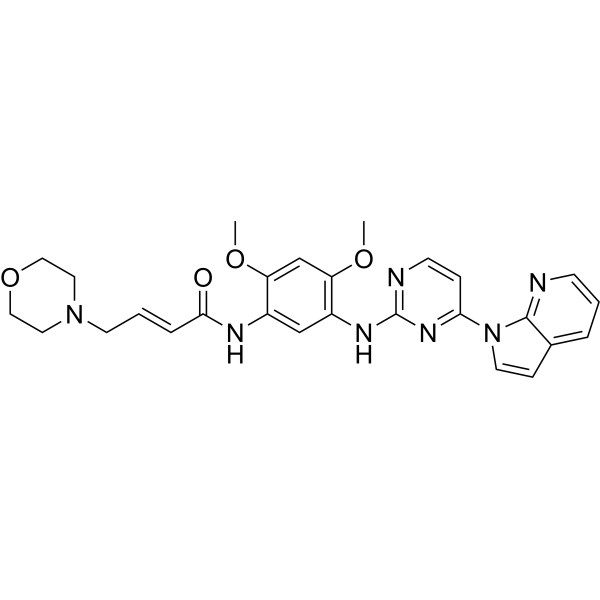
    FLT3-​IN-​1

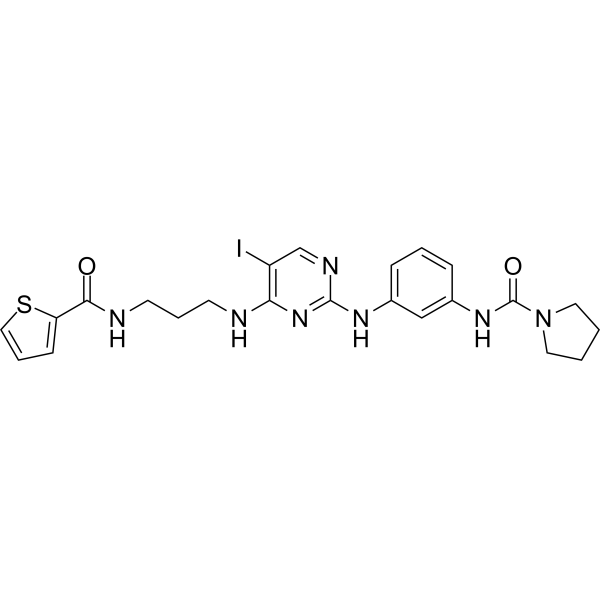
    FLT3 c-Kit Apoptosis Cancer
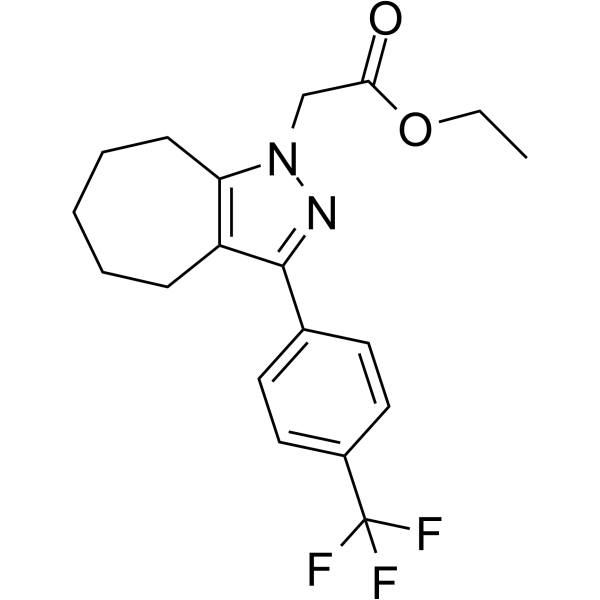
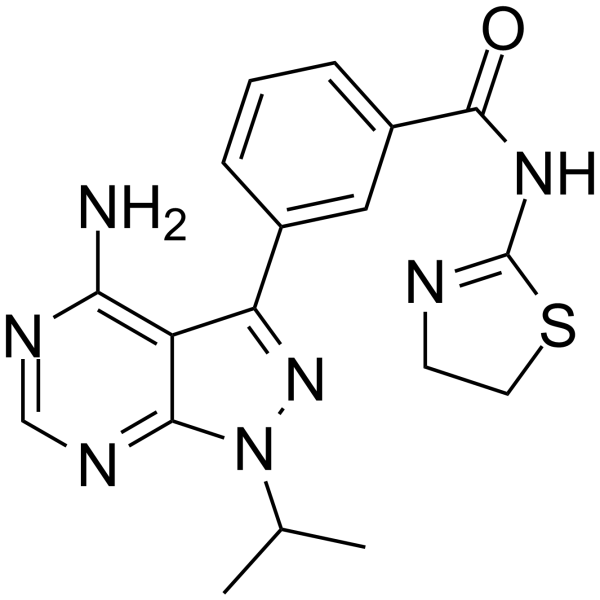
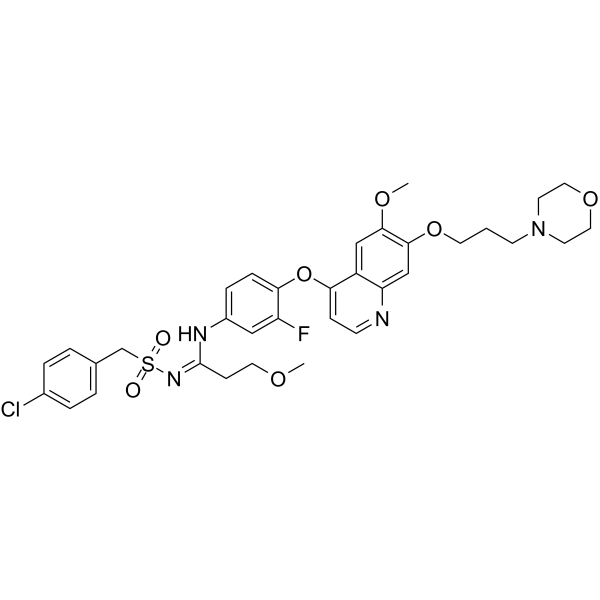
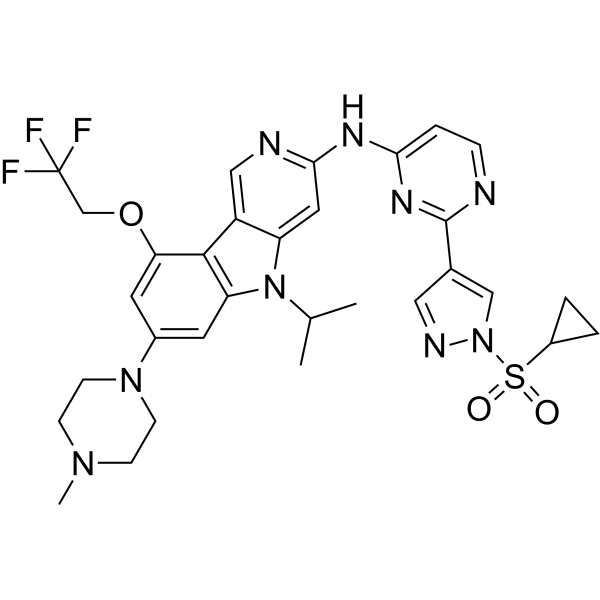
    SKLB4771 is a potent and selective Flt3 inhibitor with an IC50 value of 10 nM. SKLB4771 downregulates the phosphorylation of FLT3/STAT5/ERK, blocks cell proliferation, and induces apoptosis in tumor tissue .
    SKLB4771
  • HY-18758
    IN-1130
    1 Publications Verification

    TGF-β Receptor Inflammation/Immunology Cancer
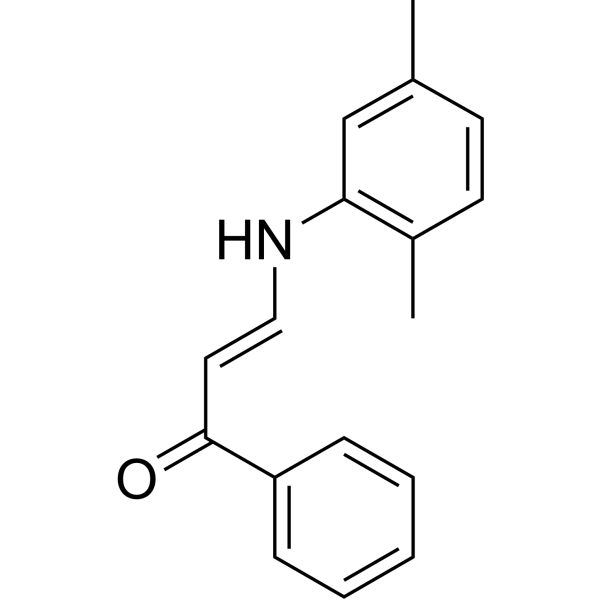
    IN-1130 is a highly selective transforming growth factor-β type I receptor kinase (ALK5) inhibitor with an IC50 of 5.3 nM for ALK5-mediated Smad3 phosphorylation. IN-1130 inhibits ALK5 phosphorylation of casein (IC50=36 nM) and p38α mitogen-activated protein kinase (IC50=4.3 μM). IN-1130 suppresses renal fibrosis in obstructive nephropathy and blocks breast cancer lung metastasis .
    IN-1130
  • HY-136882

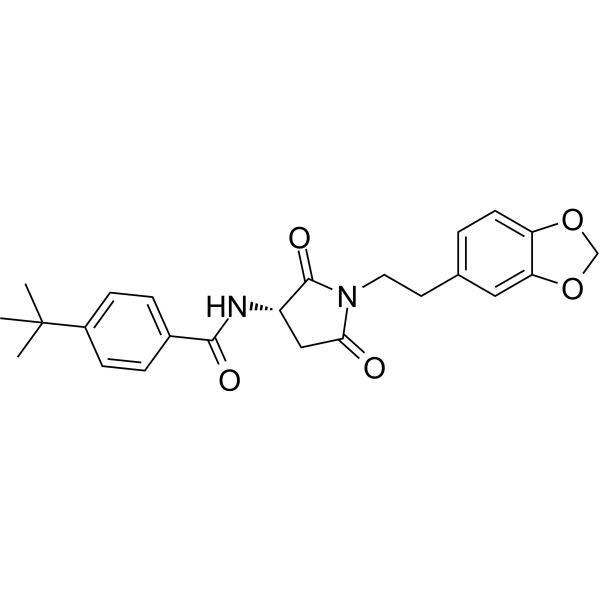
    PDHK Cancer
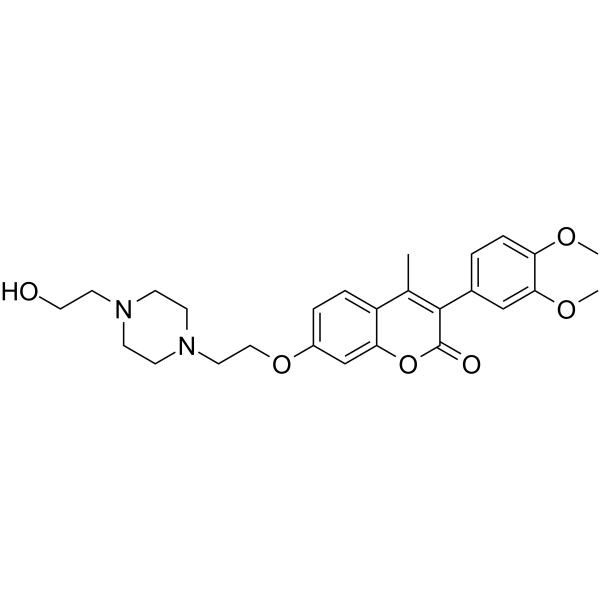
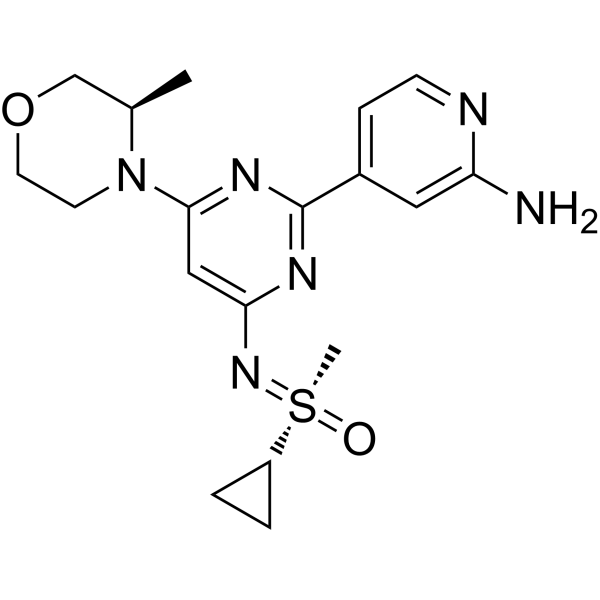
    TM-1 is a potent inhibitor of pyruvate dehydrogenase kinase (PDHK1). TM-1 inhibits PDHK1 and PDHK2 with IC50s of 2.97 μM and 5.2 μM, respectively. TM-1 blocks pyruvate dehydrogenase complex (PDHC) phosphorylation, and inhibits cell proliferation .
    TM-1
  • HY-N2484
    Methylnissolin
    2 Publications Verification

    Astrapterocarpan

    PDGFR ERK Cardiovascular Disease Neurological Disease Metabolic Disease Inflammation/Immunology
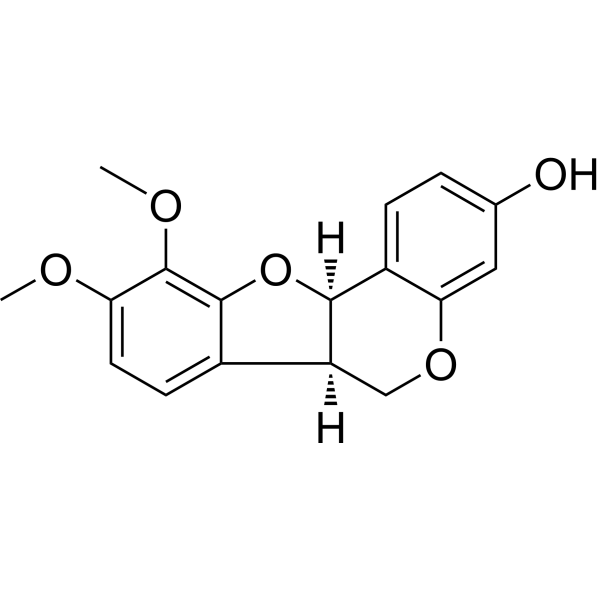
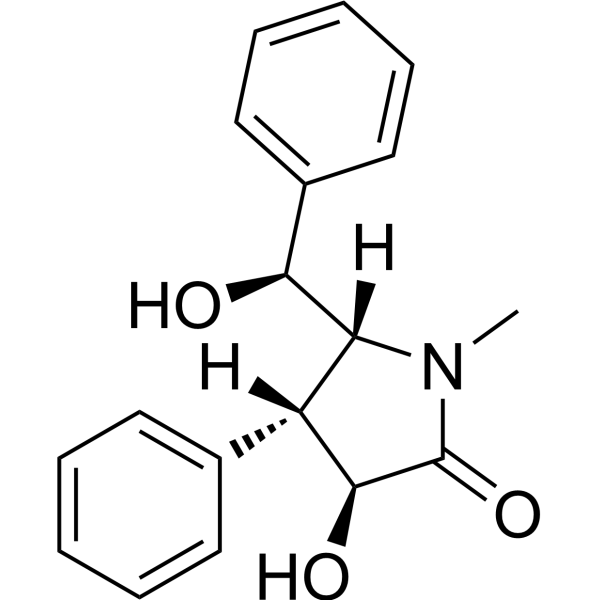
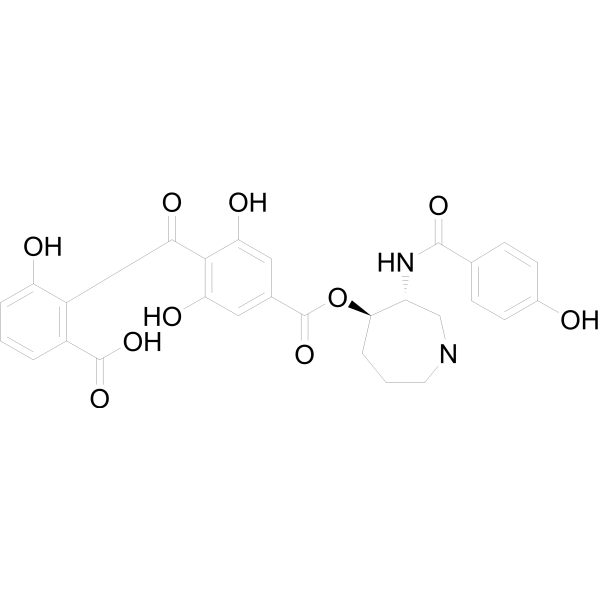
    Methylnissolin (Astrapterocarpan) is an osteoclast inhibitor with anti-inflammatory, neuroprotective and antioxidant activities. Methylnissolin downregulates the activation of the MAPK and PI3K/AKT pathways, inhibits the phosphorylation of MAPK1 and AKT1, and blocks PDGF-BB-induced phosphorylation of ERK1/2. Methylnissolin reduces the expression and secretion of proinflammatory mediators, decreases intracellular ROS levels, upregulates antioxidant enzymes, and downregulates osteoclastogenesis markers. Methylnissolin is applicable to research related to ischemic stroke, osteoporosis, cardiovascular diseases, skin aging, etc.
    Methylnissolin
  • HY-12274
    ML347
    5+ Cited Publications

    LDN 193719

    TGF-β Receptor Cancer
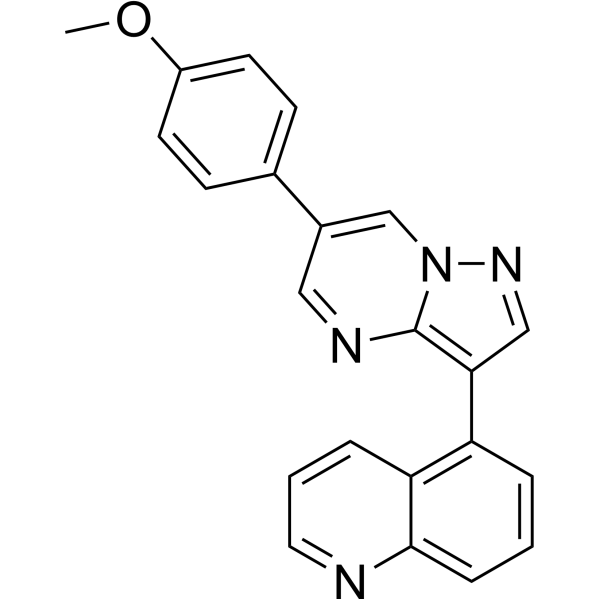
    ML347 (LDN193719) is a highly selective ALK1/ALK2 inhibitor. ML347 has IC50 values of 46 and 32 nM against ALK1 and ALK2, respectively, >300-fold selective over ALK3. ML347 block the phosphorylation of Smad1/5 by TGF-β1 .
    ML347
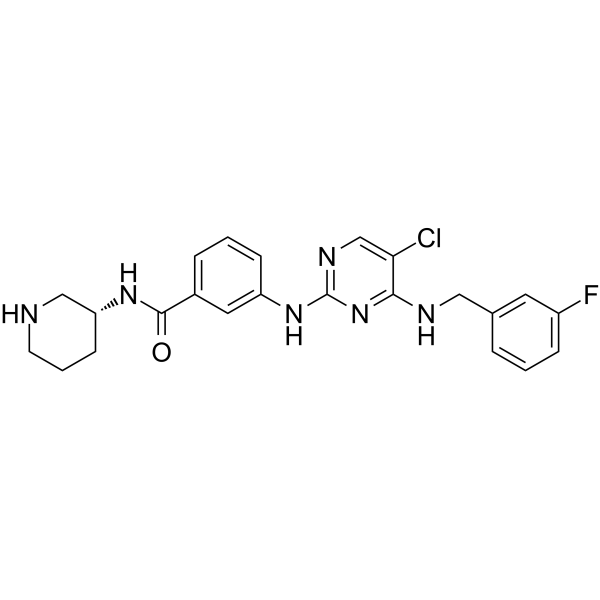
  • HY-172815

    JNK Eukaryotic Initiation Factor (eIF) p38 MAPK Cancer
    IDB-001 is a human ribosomal peptidyl transferase center (PTC) inhibitor that induces conformational changes and blocks translational elongation in specific sequence contexts through complementary interactions with Asp/Glu residues in nascent polypeptides. IDB-001 preferentially stalls ribosomes at positions containing acidic peptide motifs, thereby inhibiting cancer cell proliferation, and activates the integrated stress response via eIF2α phosphorylation at high concentrations. In addition, IDB-001 mildly triggers ribotoxic stress responses through phosphorylation of JNK and p38. IDB-001 has been applied to mechanistic studies of triple-negative breast cancer .
    IDB-001
  • HY-150700

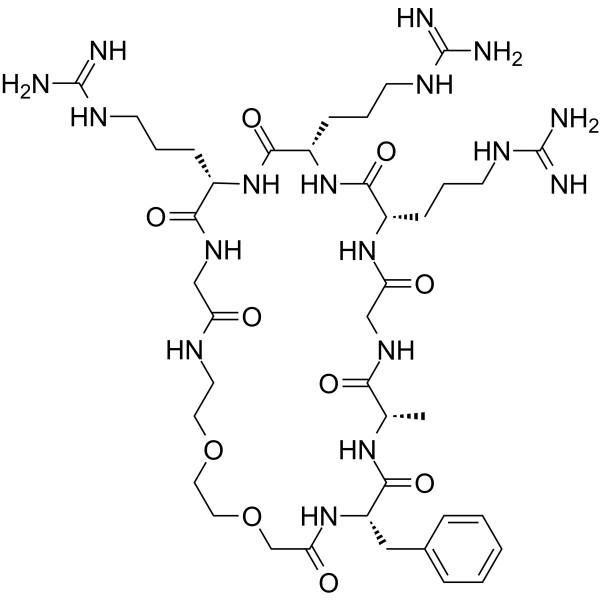
    ERK Metabolic Disease
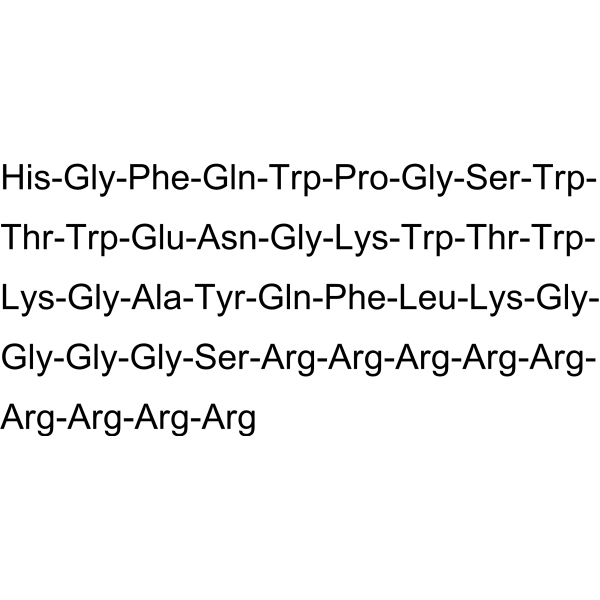
    RLX-33 is a potent, selective and blood-brain barrier (BBB) penetrant relaxin family peptide 3 (RXFP3) antagonist, also blocks relaxin-3-induced ERK1/2 phosphorylation, with IC50 values of 2.36 μM for RXFP3, 7.82 and 13.86 μM for ERK1 and ERK2 phosphorylation, respectively. RLX-33 can block the stimulation of food intake induced by the RXFP3-selective agonist R3/I5 in rats. RLX-33 can be used for the research of metabolic syndrome .
    RLX-33
  • HY-118052

    PKD HDAC Cardiovascular Disease
    BPKDi is an inhibitor of PKD. BPKDi inhibits three members of the PKD family, PKD1, PKD2, and PKD3, with IC50 values of 1 nM, 9 nM, and 1 nM, respectively. BPKDi blocks signal-dependent phosphorylation and nuclear export of class IIa HDACs in cardiomyocytes and concomitantly suppresses hypertrophy of these cells .
    BPKDi
  • HY-156591

    PROTACs Mixed Lineage Kinase Necroptosis Others
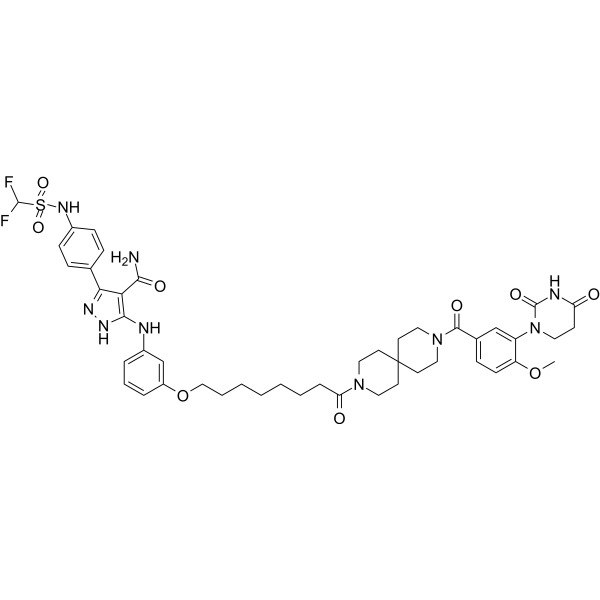
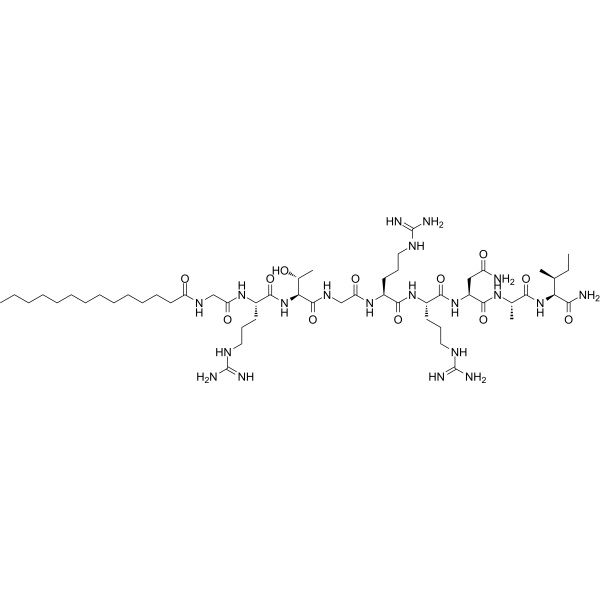
    PROTAC MLKL Degrader-1 is a selective MLKL PROTAC degrader with a DC50 of 2.4 μM. PROTAC MLKL Degrader-1 blocks necroptosis without modulating the phosphorylation of RIPK1 or RIPK3, and exhibits a linear correlation between MLKL levels and necroptotic cell death .
    PROTAC MLKL Degrader-1
  • HY-N0363
    (+)-Columbianetin
    2 Publications Verification

    (S)-Columbianetin

    ERK JNK Collagen TGF-beta/Smad p38 MAPK Reactive Oxygen Species (ROS) Others
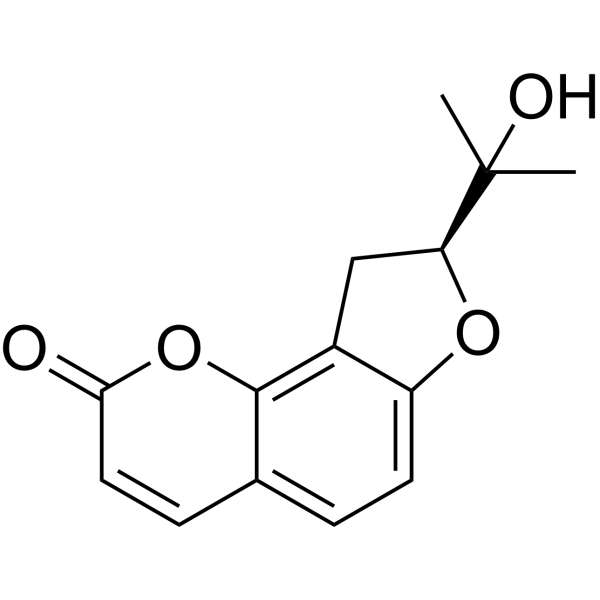
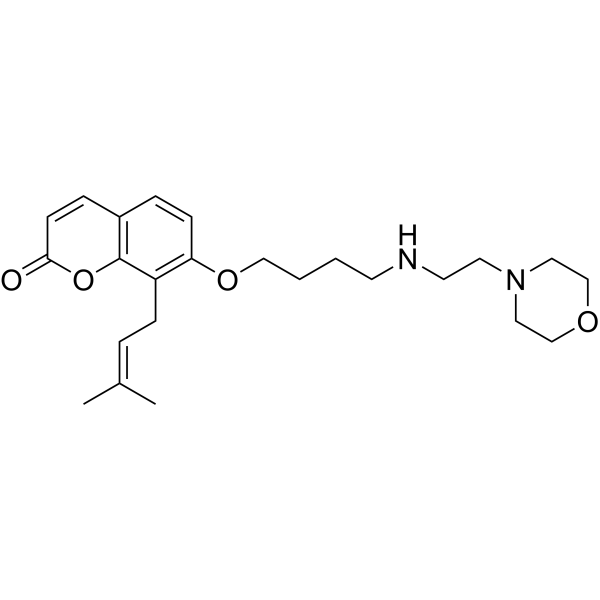
    (+)-Columbianetin ((S)-Columbianetin) acts as an inhibitor of JNK/ERK. (+)-Columbianetin inhibits UVA-induced phosphorylation of JNK and ERK, reduces the production of MMP-1, reverses UVA-induced Collagen (HY-NP003) degradation, and alleviates UVA-mediated inhibition of Smad2/3 phosphorylation and translocation. (+)-Columbianetin regulates the AP-1 and ASK1-MAPK signaling pathways, inhibits the production of ROS and blocks sub-G1 cell cycle arrest. (+)-Columbianetin is applicable to research related to skin aging .
    (+)-Columbianetin
  • HY-N6064
    Polygalacin D
    3 Publications Verification

    Apoptosis IAP Cancer
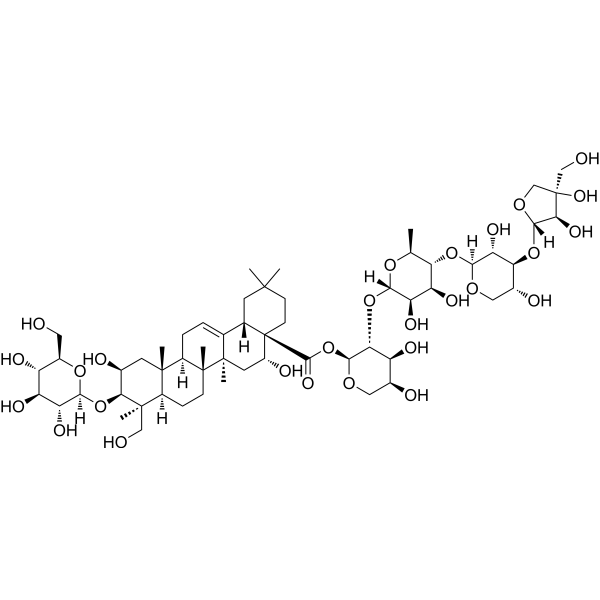
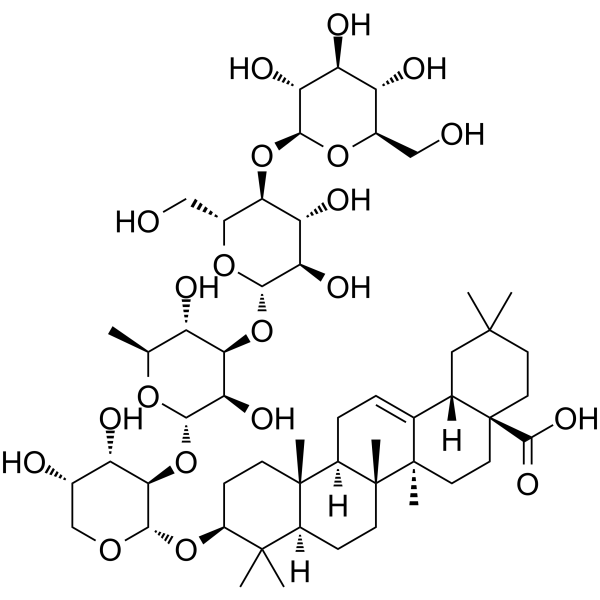
    Polygalacin D (PGD) is a bioactive compound isolated from Platycodon grandiflorum with anticancer and anti-proliferative properties. PGD suppresses the expression of the IAP family of proteins including survivin, cIAP-1 and cIAP-2 and blocks the PI3K/Akt pathway by inhibiting the phosphorylation of GSK3β, Akt and the expression of PI3K. Polygalacin D induces apoptosis
    Polygalacin D
  • HY-103471

    FAK Interleukin Related Cancer
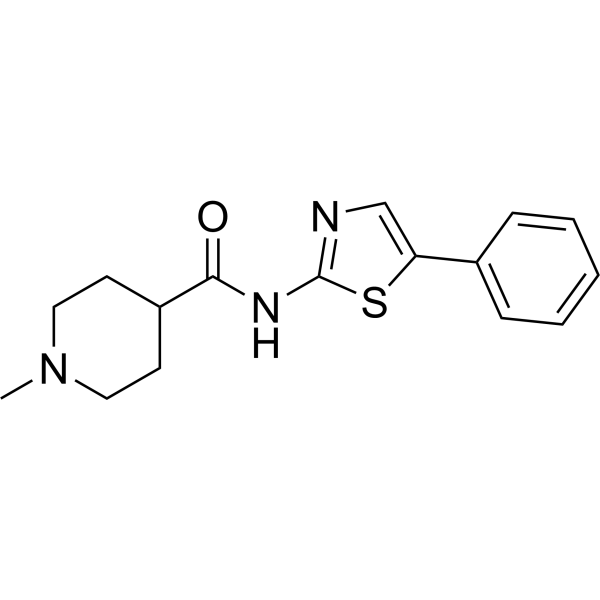
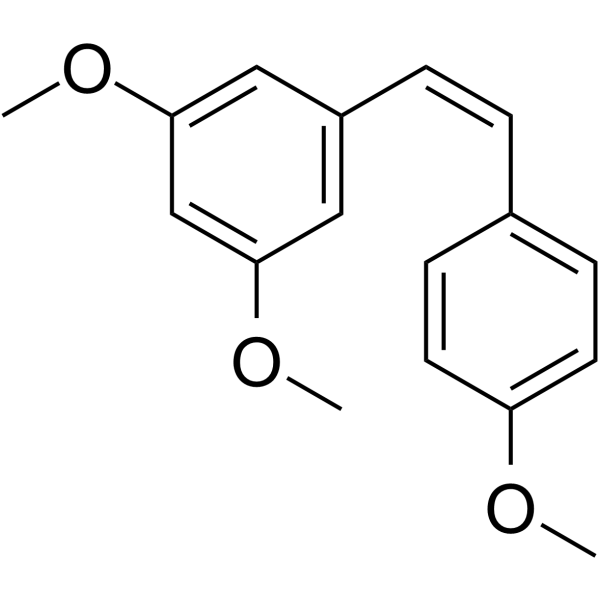
    Y11 inhibits the autophosphorylation of FAK1 by blocking the phosphorylation of Y397. Y11 increases the expression level of IL-6. Y11 is applicable for cancer research .
    Y11
  • HY-P3695

    FGFR Cancer
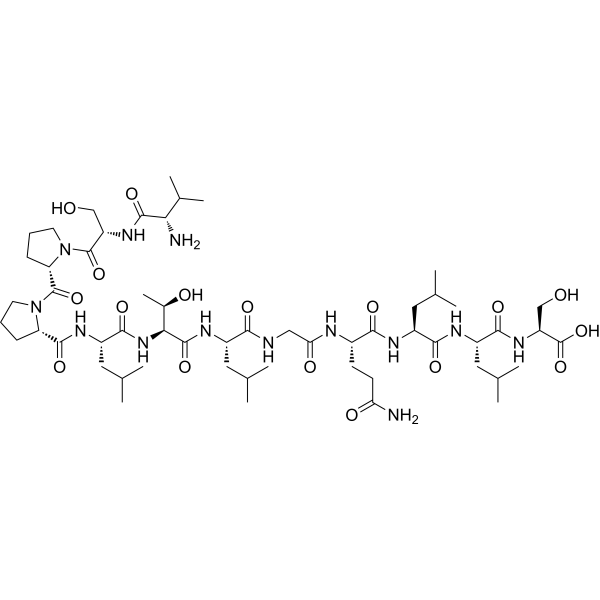
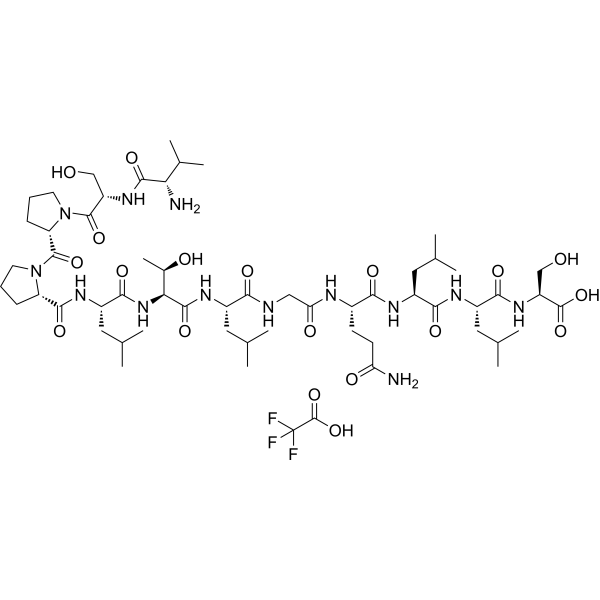
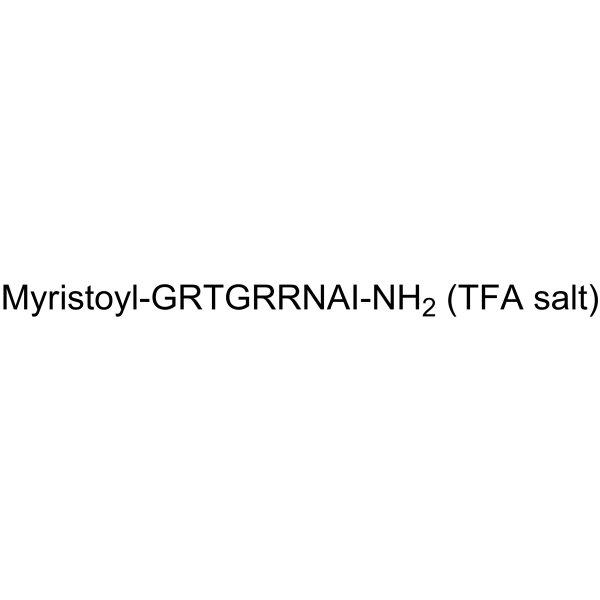
    VSPPLTLGQLLS is a small peptide FGFR3 inhibitor, peptide P3, inhibits FGFR3 phosphorylation. VSPPLTLGQLLS inhibits 9-cisRA-induced tracheal lymphangiogenesis and blocks lymphatic endothelial cell (LEC) proliferation, migration, and tubule formation .
    VSPPLTLGQLLS
  • HY-151776

    TZ-Cy3

    Fluorescent Dye Others
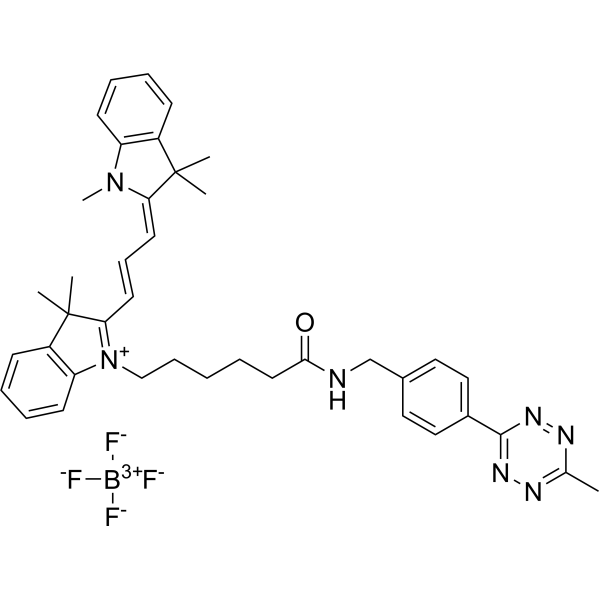
    Cy3 methyltetrazine (TZ-Cy3) is a click chemistry reagent with methyltetrazine building blocks that is highly reactive towards cyclooctene. Cy3 methyltetrazine is also a tetrazine-modified fluorescent probe that can be used to analyze protein phosphorylation in solution and living cells .
    Cy3 methyltetrazine
  • HY-P990084

    AVE1642; VRDN-001

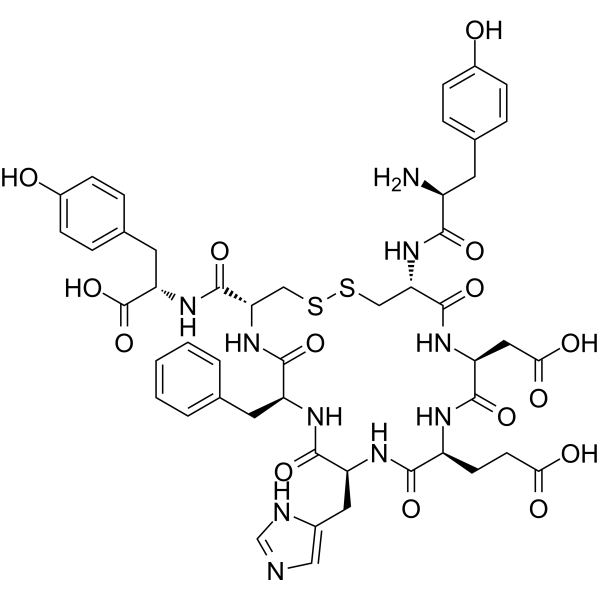
    IGF-1R Akt Neurological Disease Endocrinology
    Veligrotug (AVE1642) is a selective, fully human IGF-1R antagonist antibody with a Kd value of 0.55 nM for hIGF-1R. Veligrotug blocks the phosphorylation of downstream AKT. Veligrotug is applicable to research related to thyroid eye disease .
    Veligrotug
  • HY-P2282
    APTSTAT3-9R
    1 Publications Verification

    STAT Cancer
    APTSTAT3-9R, a specific STAT3-binding peptide, inhibits STAT3 activation and downstream signaling by specifically blocking STAT3 phosphorylation. APTSTAT3-9R exerts antiproliferative effects and antitumor activity .
    APTSTAT3-9R
  • HY-144012A

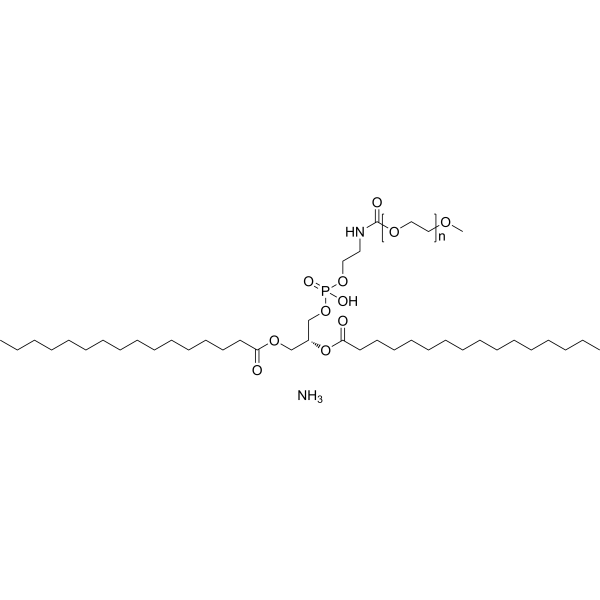
    16:0 PEG350 PE; 1,2-Dipalmitoyl-sn-glycero-3-phosphoethanolamine-N-[methoxy(polyethylene glycol)-350] ammonium

    Liposome CD1 Others
    DPPE-PEG350 is a CD1d-dependent lipid antagonist thus blocking the ERK phosphorylation pathway in iNKT cells . DPPE-PEG350 is a PEG lipid functional end group used in the synthesis of liposomes (LPs) for the design of conjugated polymer nanoparticles.
    DPPE-PEG350
  • HY-112700

    Phosphatase Neurological Disease
    SHIP2-IN-1 is a potent SHIP2 inhibitor, inhibits SHIP2 activity, with an IC50 of 2 μM. SHIP2-IN-1 blocks GSK3β activation by phosphorylation at the Ser9 residue. SHIP2-IN-1 is used in the research of Alzheimer’s disease .
    SHIP2-IN-1
  • HY-155805

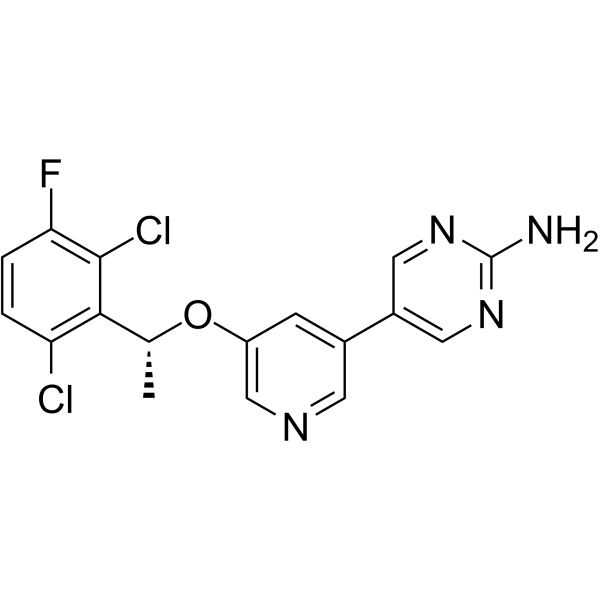
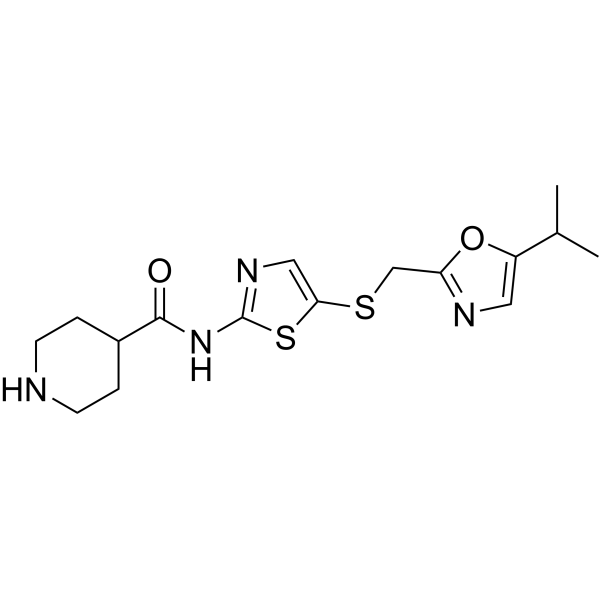
    CDK Cancer
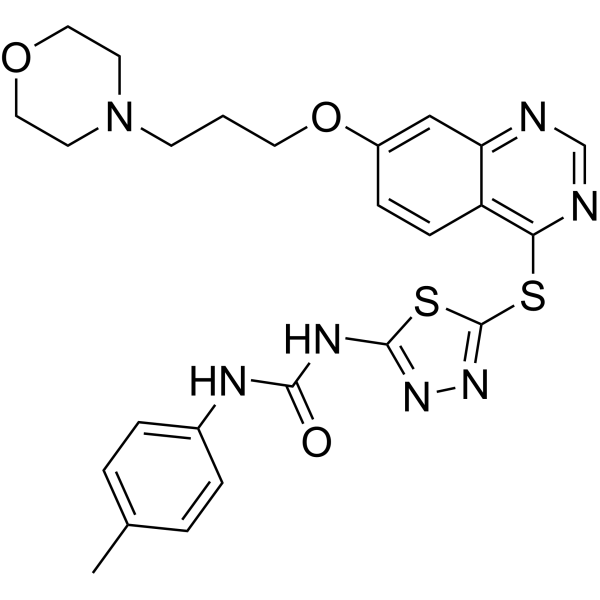
    CAF-382 (compound B1) is an analog of SNS-032 and a CDKL5 and pan-CDK inhibitor with a weak GSK3α/β affinity (>1.8 μM) and inhibitory activity. CAF-382 inhibits CDKL5 and blocks the phosphorylation of the CDKL5 E2 domain .
    SGC-CAF382-1
  • HY-144043

    TGF-β Receptor Cancer
    ALK5-IN-8 is a potent inhibitor of TGFβRI (ALK5). ALK5-IN-8 Inhibits the phosphorylation of ALK5 on its downstream signaling proteins (Smad2 or Smad3) by blocking the binding of TGFβRI to ligands, thereby affecting or blocking TGF-β signaling. ALK5-IN-8 has the potential for the research of various ALK5-mediated related diseases (extracted from patent WO2021190425A1, compound 1) .
    ALK5-IN-8
  • HY-P99161

    BGB149

    TAM Receptor Cancer
    Tilvestamab (BGB149) is a humanized anti-AXL antibody that blocks AXL-mediated cell signaling. Tilvestamab significantly inhibits Gas6-induced AXL activation in 786-0-Luc RCC cells and inhibits downstream AKT phosphorylation. Tilvestamab can be used in cancer research, particularly in AXL overexpressing renal cell carcinomas .
    Tilvestamab
  • HY-155554

    Mitochondrial Metabolism Oxidative Phosphorylation Reactive Oxygen Species (ROS) MMP Cancer
    SCAL-255 is a potent mitochondrial complex I (CI) inhibitor with an IC50 of 1.14 μM. SCAL-255 blocks mitochondrial function, inhibits oxygen consumption rate (OCR), induces reactive oxygen species (ROS) production, and reduces MMP. SCAL-255 can be used in the research of oxidative phosphorylation (OXPHOS)-dependent cancers, such as colorectal cancer (CRC) and acute myeloid leukemia (AML), etc .
    SCAL-255
  • HY-N1987
    Cucurbitacin IIb
    2 Publications Verification

    Apoptosis Inflammation/Immunology
    Cucurbitacin IIb is an active component isolated from Hemsleya amabilis, induces apoptosis with anti-inflammatory activity. Cucurbitacin IIb inhibits phosphorylation of STAT3, JNK and Erk1/2, enhances the phosphorylation of IκB and NF-κB (p65), blocks nuclear translocation of NF-κB (p65) and decreases mRNA levels of IκBα and TNF-α .
    Cucurbitacin IIb
  • HY-110151

    NF-κB Interleukin Related Inflammation/Immunology Cancer
    Bengamide B is an alkaloid with anti-tumor and anti-inflammatory activities. Bengamide B reduces the phosphorylation level of IκBα, thereby blocking the activation of NF-κB. Bengamide B inhibits the proliferation of tumor cells. Bengamide B can be used in research related to inflammatory diseases and cancers .
    Bengamide B
  • HY-110335

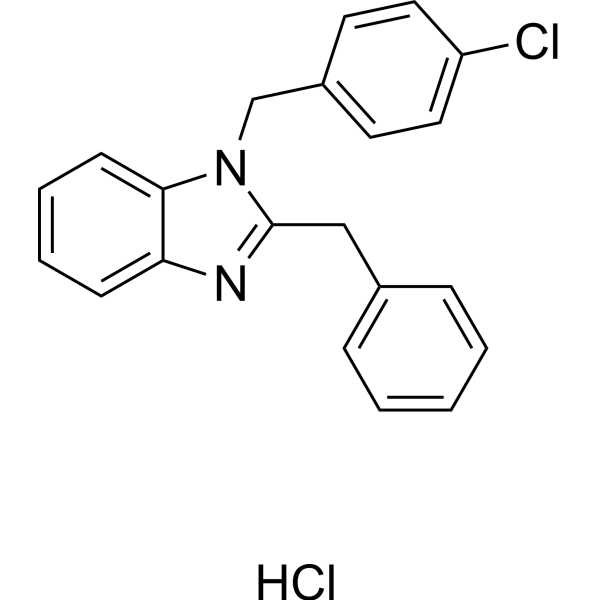
    ROCK Cancer
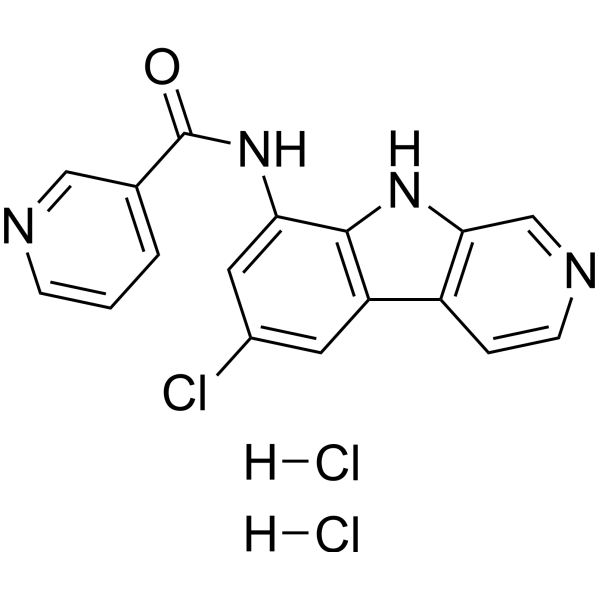
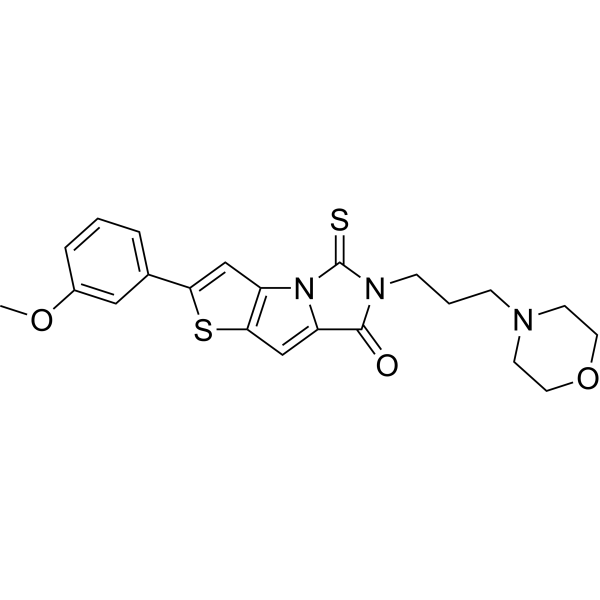
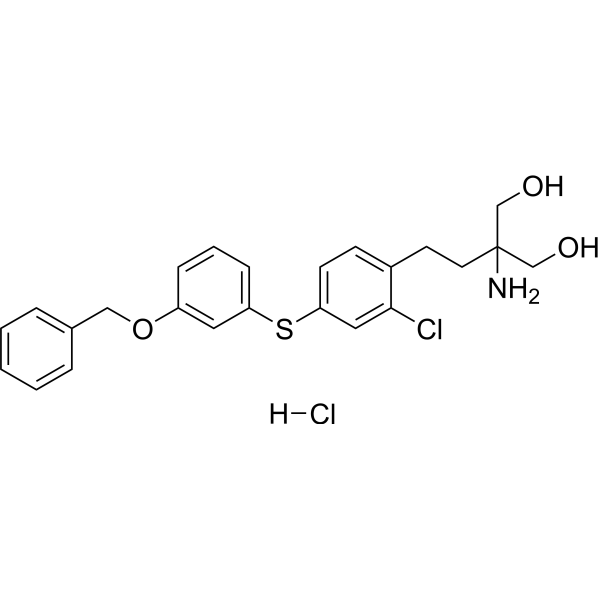
    OXA-06 hydrochloride is an ATP-competitive ROCK inhibitor that blocks anchorage-dependent growth and invasion of non-small cell lung cancer cell lines. OXA-06 hydrochloride inhibits cofilin phosphorylation but does not stimulate apoptosis .
    OXA-06 hydrochloride
  • HY-P10359A

    TGF-beta/Smad MMP Neurological Disease
    TAT-QFNP12 acetate is a peptide that blocks the NDRG2-PPM1A binding and reduces Smad2/3 phosphorylation, decreases astrocytic MMP-9 production and BBB disruption after subarachnoid hemorrhage (SAH) .
    TAT-QFNP12 acetate
  • HY-P991240

    KTN-3379

    EGFR Cancer
    CDX-3379 is a humanized monoclonal antibody inhibitor targeting ErbB3. CDX-3379 binds to ErbB3, blocking the dimerization of ErbB3 with other receptors, thereby inhibiting the phosphorylation of ErbB3. CDX-3379 can inhibit the growth and proliferation of tumor cells. CDX-3379 is promising for research of tumors expressing ErbB3 and NRG1, such as HNSCC .
    CDX-3379
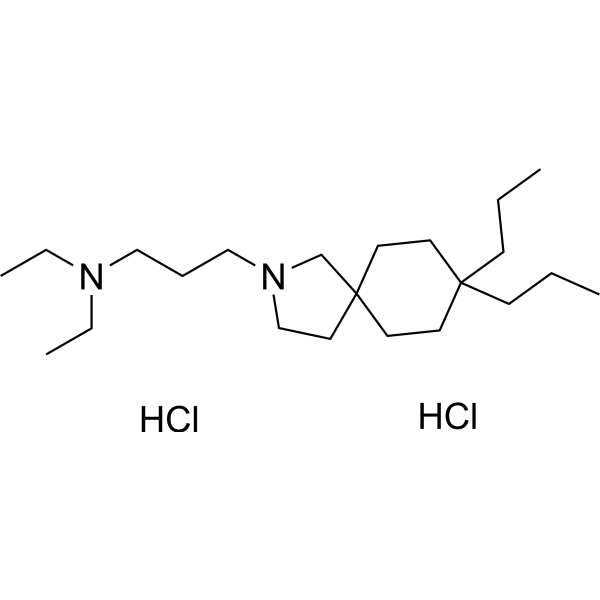
  • HY-13559

    Azaspirane ; SKF 106615-12; SKF 106615A12

    STAT Apoptosis Autophagy Reactive Oxygen Species (ROS) Caspase Bcl-2 Family p62 Atg8/LC3 PARP NF-κB PERK JAK Cardiovascular Disease Inflammation/Immunology Cancer
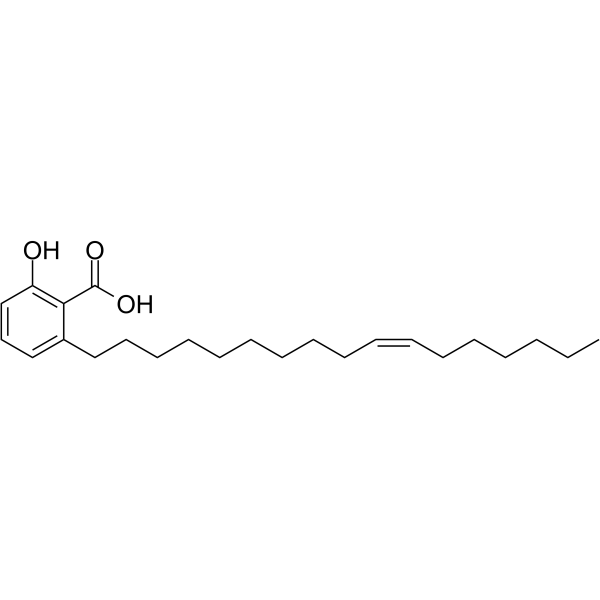
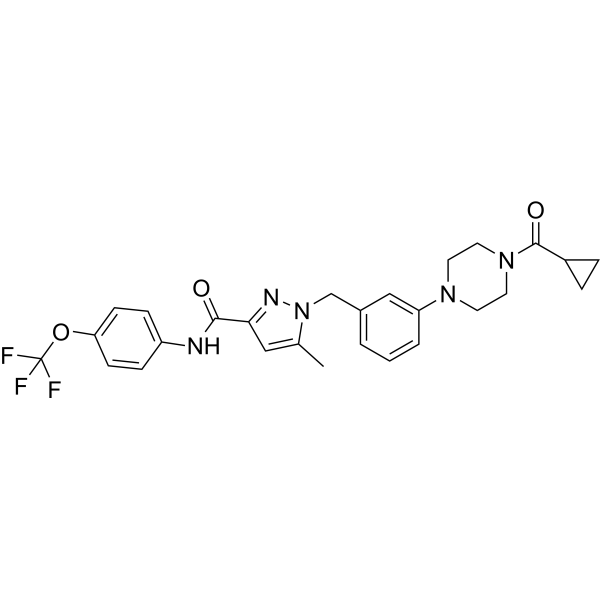
    Atiprimod (Azaspirane) is a STAT3 inhibitor with antitumor, anti-inflammatory, and anti-angiogenic activities. Atiprimod blocks the signaling pathways of IL-6 and VEGF by inhibiting the phosphorylation of signal transducer and activator of STAT3. Atiprimod blocks the JAK-STAT signaling pathway by inhibiting the phosphorylation of JAK2 and JAK3. Atiprimod also inhibits cell proliferation, induces cell cycle arrest, and induces autophagy and apoptosis. Atiprimod triggers persistent ER stress-mediated apoptosis in breast cancer cells by activating the PERK/eIF2α/ATF4/CHOP axis and inhibiting the nuclear translocation of STAT3/NF-κB. Atiprimod shows great anti-tumor activities in tumor xenograft mouse models. Atiprimod can be used for the study of pituitary adenoma, breast cancer, multiple myeloma and acute myeloid leukemia (AML) .
    Atiprimod
  • HY-17439R

    Salinomycin sodium (Standard); Sodium salinomycin (Standard)

    Reference Standards Wnt β-catenin Bacterial Autophagy Apoptosis Antibiotic Parasite Cancer
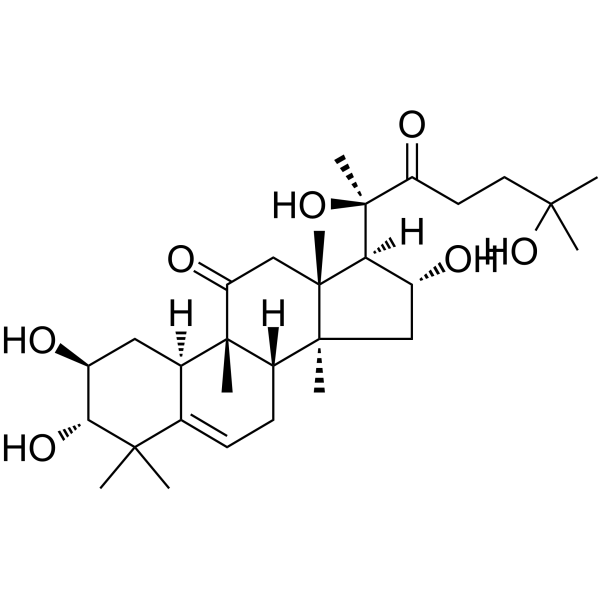
    Salinomycin (sodium salt) (Standard) is the analytical standard of Salinomycin (sodium salt). This product is intended for research and analytical applications. Salinomycin sodium salt (Salinomycin sodium), an antibiotic potassium ionophore, is a potent inhibitor of Wnt/β-catenin signaling. Salinomycin sodium salt (Salinomycin sodium) acts on the Wnt/Fzd/LRP complex, blocks Wnt-induced LRP6 phosphorylation, and causes degradation of the LRP6 protein. Salinomycin sodium salt (Salinomycin sodium) shows selective activity against human cancer stem cells .
    Salinomycin sodium salt (Standard)
  • HY-158036

    PROTACs STING IKK IFNAR CXCR Inflammation/Immunology
    PROTAC STING Degrader-2 is a STING PROTAC degrader with a DC50 of 0.53 μM. PROTAC STING Degrader-2 reduces the phosphorylation levels of TBK1 and IRF3. PROTAC STING Degrader-2 decreases the mRNA expression levels of IFN-β, CXCL10 and TNF-α, and blocks luciferase secretion. PROTAC STING Degrader-2 can be used in the research of autoimmune diseases .
    PROTAC STING Degrader-2
  • HY-15269

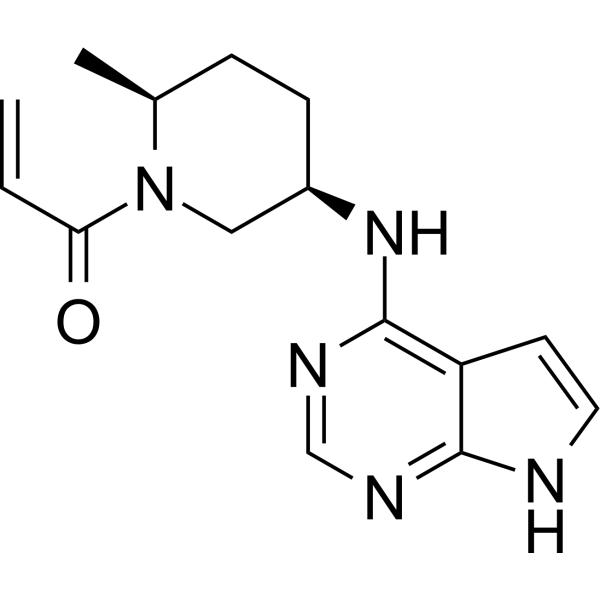
    mTOR Akt PI3K Cancer
    PP30 is a potent, selective, ATP-competitive mTOR inhibitor with an IC50 of 80 nM. PP30 blocks insulin-stimulated phosphorylation of Akt at residues S473 and T308, preventing the full activation of Akt. PP30 is applicable for cancer research .
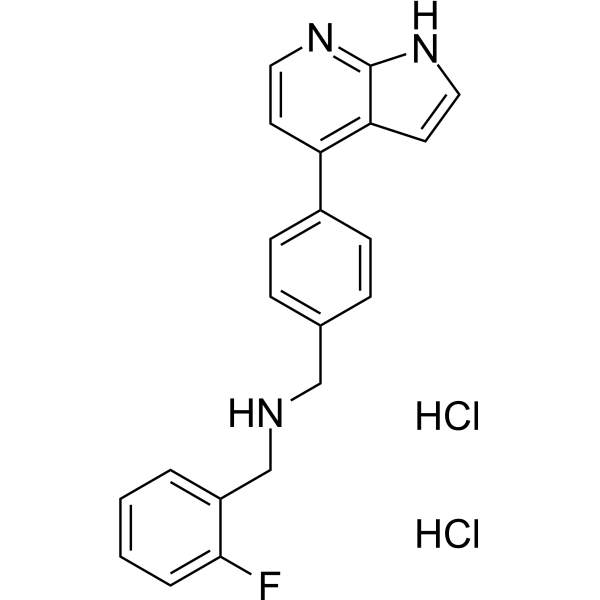
    PP30
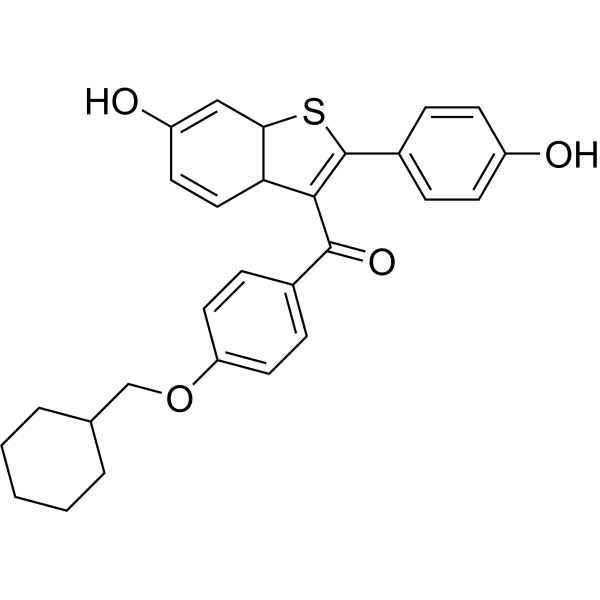
  • HY-12073

    Progesterone Receptor Endocrinology Cancer
    W-255348 is an effective non-steroidal progesterone receptor (PR) antagonist that acquires antagonist activity by binding to and subsequently blocking progesterone induced nuclear accumulation, phosphorylation, and PR promoter interactions. WAY-255348 can be used in the research of reproductive disorders or PR-positive breast cancer .
    WAY-255348
  • HY-N0811

    NO Synthase COX NF-κB MEK Inflammation/Immunology
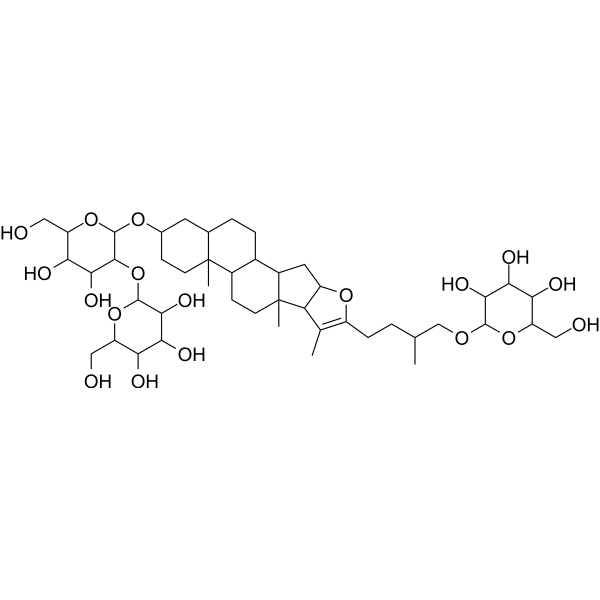
    Anemarsaponin B is a steroidal saponin. Anemarsaponin B decreases the protein and mRNA levels of iNOS and COX-2. Anemarsaponin B reduces the expressions and productions of pro-inflammatory cytokines, including TNF-a and IL-6. Anemarsaponin B inhibits the nuclear translocation of the p65 subunit of NF-κB by blocking the phosphorylation of IκBα. Anemarsaponin B also inhibits the phosphorylation of MAP kinase kinases 3/6 (MKK3/6) and mixed lineage kinase 3 (MLK3). Anti-inflammatory effect .
    Anemarsaponin B
  • HY-100830A

    Wnt MAP4K TGF-beta/Smad Inflammation/Immunology
    NCB-0970 is the negative control of NCB-0846 (HY-100830). NCB-0846 is an orally active, selective inhibitor for Wnt, that inhibits Traf2- and Nck-interacting kinase (TNIK) with an IC50 of 21 nM. NCB-0846 blocks TGF-β signaling pathway by inhibiting SMAD2/3 phosphorylation and nuclear translocation .
    NCB-0970
  • HY-174229

    LIM Kinase (LIMK) Neurological Disease Cancer
    SM311 (Compound 10), a chemical probe, is a potent selective irreversible LIMK1 inhibitor (EC50=0.045 μM, >30-fold selective over LIMK2). SM311 blocks cofilin phosphorylation and actin cytoskeleton regulation. SM311 is promising for research of neurodegenerative diseases like Fragile X syndrome (FXS) and Alzheimer’s disease, as well as tumor invasion .
    SM311
  • HY-107593

    IKK Inflammation/Immunology
    PS-1145 (dihydrochloride) is a potent IκB kinase-2 inhibitor with an IC50 value of 88 nM. PS-1145 (dihydrochloride) inhibits activity of NF-κB by blocking IκB kinase phosphorylation in tumor-bearing rats .
    PS-1145 dihydrochloride

Inquiry Online

Your information is safe with us. * Required Fields.

Salutation


Country or Region *

Applicant Name *


Organization Name *

Department *


Email Address *


Product Name *

Cat. No.


Requested quantity *

Phone Number *


Remarks

Inquiry Online

Inquiry Information

Product Name:
Cat. No.:
Quantity:
MCE Japan Authorized Agent: