Delivery of temperature sensitive items including proteins and kits will be paused on 6/19 for the Juneteenth holiday. For urgent orders please contact customer service.
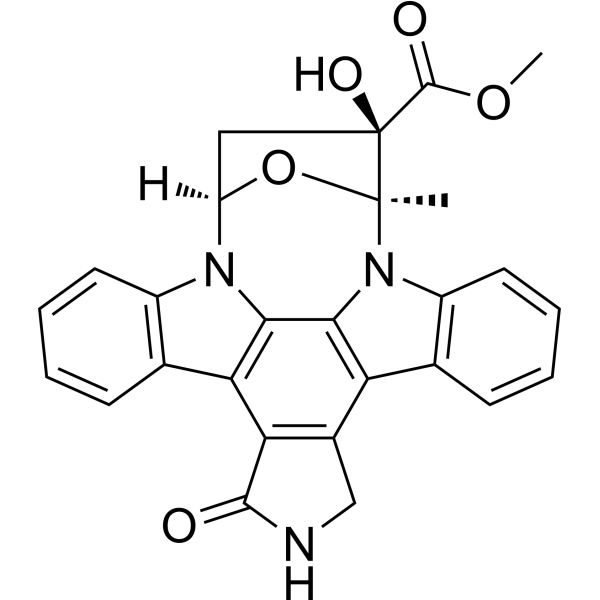
K-252a, a staurosporine analog, inhibits proteinkinase, with IC50 values of 470 nM, 140 nM, 270 nM, and 1.7 nM for PKC, PKA, Ca 2+/calmodulin-dependent kinase type II, and phosphorylase kinase, respectively . K-252a is a potent inhibitor (IC50 of 3 nM) of the tyrosine proteinkinase (TRK) activity of the NGF receptor gp140trk, the product of the trk protooncogene .
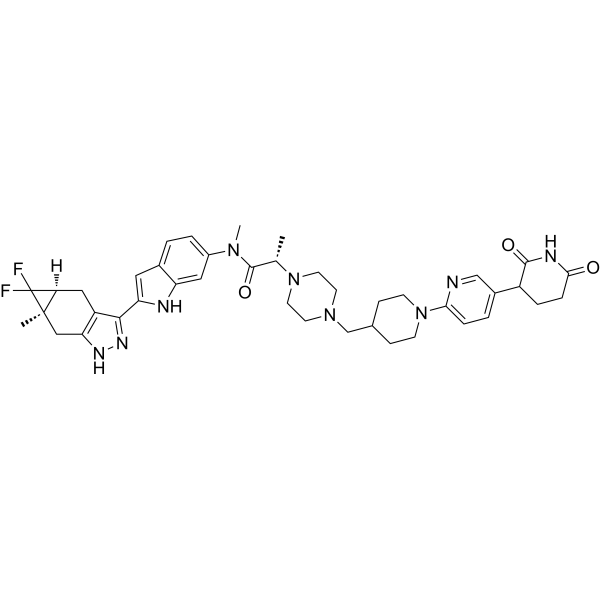
ITK degrader 2 is an orally active ITK PROTAC degrader with a DC50 < 0.001 nM. ITK degrader 2 degrades ITK via the ubiquitin-proteasome pathway. ITK degrader 2 can be used in the research of cancer, autoimmune diseases and inflammatory diseases .
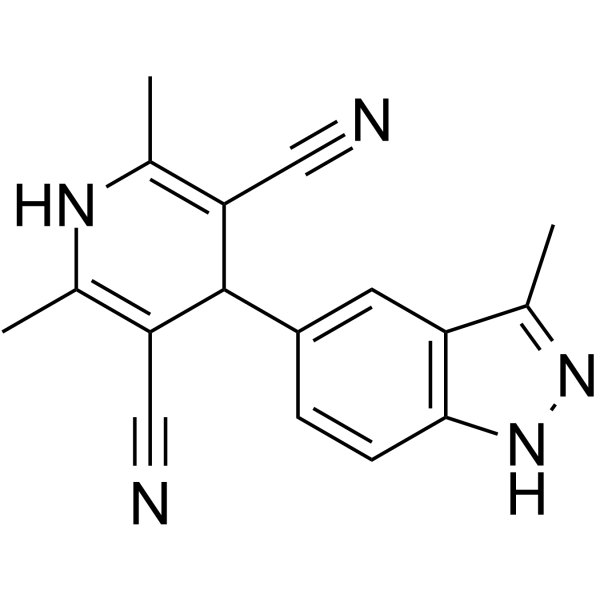
LRRK2/NUAK1/TYK2-IN-1 (conpound 226) shows inhibitory activity toward LRRK2 (Wt), LRRK2 (G2019), TYK2 and NUAK1, with IC50 values lower than 10 nM. LRRK2/NUAK1/TYK2-IN-1 can be used for autoimmune disease research .
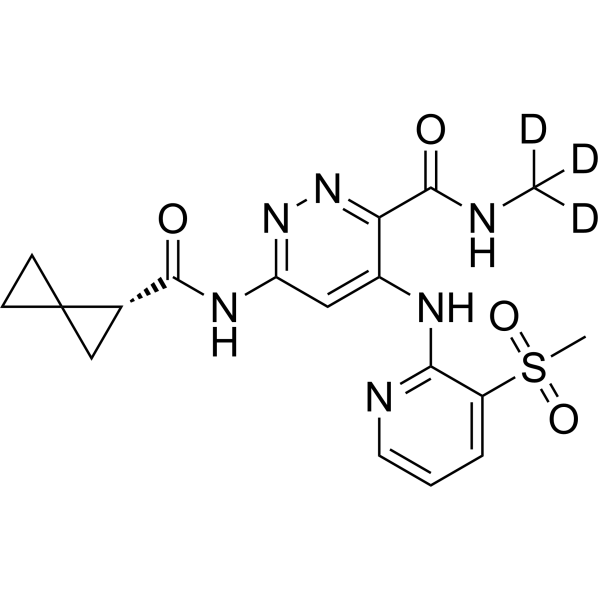
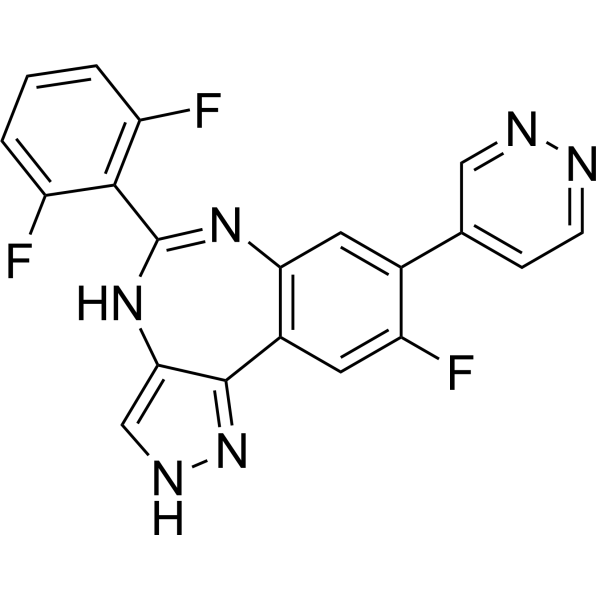
(rac)-Lomedeucitinib ((rac)-BMS-986322) is the racemate of Lomedeucitinib. Lomedeucitinib (BMS-986322) is a tyrosine proteinkinase (TYK2) inhibitor. Lomedeucitinib has anti-inflammatory activity and significant inhibitory effect on IFNα (IC50=0.047 μM) production downstream of IL-12/TYK2. Lomedeucitinib is indicated for the study of plaque psoriasis and pruritus .
Ladarutatug is a humanized monoclonal antibody targeting Tyrosine-proteinkinase receptor UFO. The Ladarutatug antibody isotype is human IgG4κ; the recommended isotype control is Human IgG4 (S228P) kappa, Isotype Control (HY-P99003) .
ALK-IN-29 (compound 4c) has a certain inhibitory effect on tyrosine proteinkinasesALK, CDK2/CyclinE1 and FAK, among which the strongest inhibitory effect on ALK kinase is 40.63% at a concentration of 10 μM. ALK-IN-29 can be used for anti-cancer research .
ALK-IN-29 (compound 4c) has a certain inhibitory effect on tyrosine proteinkinasesALK, CDK2/CyclinE1 and FAK, among which the strongest inhibitory effect on ALK kinase is 40.63% at a concentration of 10 μM. ALK-IN-29 can be used for anti-cancer research .
RET-IN-28 (Compound 16) is a RET (transmembrane receptor tyrosine proteinkinase) inhibitor. RET-IN-28 inhibits the activity of the mutant RET enzyme (RET-V804M), and can be applied to cancer research .
Anticancer agent 231 (Compound P5) is a tyrosine proteinkinase inhibitor with a IC50 value of 3.95 μM. Anticancer agent 231 inhibits the cell viability, cell proliferation, cell migration and cancer dryness of triple negative breast cancer (TNBC) cells by targeting EGFR-ERK 1/2 signaling pathway, and is expected to play an important role in the field of TNBC disease therapy .
LIG48 is ROS1 kinase domain and its mutant (G2032R ROS1 kinase domain) inhibitor. LIG48 remains within the mutated and wild-type ROS1 kinase domains. LIG48 can be used for the study of non-small cell lung cancer .
Ladarutatug is a humanized monoclonal antibody targeting Tyrosine-proteinkinase receptor UFO. The Ladarutatug antibody isotype is human IgG4κ; the recommended isotype control is Human IgG4 (S228P) kappa, Isotype Control (HY-P99003) .
K-252a, a staurosporine analog, inhibits proteinkinase, with IC50 values of 470 nM, 140 nM, 270 nM, and 1.7 nM for PKC, PKA, Ca 2+/calmodulin-dependent kinase type II, and phosphorylase kinase, respectively . K-252a is a potent inhibitor (IC50 of 3 nM) of the tyrosine proteinkinase (TRK) activity of the NGF receptor gp140trk, the product of the trk protooncogene .
TYRO3/DTK protein is a receptor tyrosine kinase that transduces signals by binding to ligands such as TULP1 or GAS6. TYRO3 is activated by ligand binding and regulates cell survival, migration, and differentiation, leading to dimerization and intracellular autophosphorylation to create docking sites for downstream signaling molecules. TYRO3/DTK Protein, Human (388a.a, HEK293, His) is the recombinant human-derived TYRO3/DTK protein, expressed by HEK293 , with C-6*His labeled tag.
TYRO3/DTK protein is a receptor tyrosine kinase that transduces signals by binding to ligands such as TULP1 or GAS6. TYRO3 is activated by ligand binding and regulates cell survival, migration, and differentiation, leading to dimerization and intracellular autophosphorylation to create docking sites for downstream signaling molecules. TYRO3/DTK Protein, Human (Biotinylated, sf9, Flag, Avi) is the recombinant human-derived TYRO3, expressed by Sf9 insect cells, with Avi, Flag labeled tag.
TYRO3/DTK protein is a receptor tyrosine kinase that transduces signals through ligands such as TULP1 or GAS6 to regulate cell survival, migration and differentiation.Ligand binding induces TYRO3 dimerization and autophosphorylation, creating docking sites for downstream molecules.TYRO3/DTK Protein, Mouse (HEK293, hFc) is the recombinant mouse-derived TYRO3/DTK protein, expressed by HEK293 , with C-hFc labeled tag.
CSK protein is a non-receptor tyrosine protein kinase that regulates cell growth, differentiation, migration and immune responses by phosphorylating Src family kinases (SFK) (such as LCK, SRC, HCK, FYN, LYN, CSK or YES1) . This phosphorylation induces SFK to form an inactive conformation, thereby inhibiting signaling by receptors such as T cell receptor (TCR) and B cell receptor (BCR). CSK Protein, Mouse (sf9) is the recombinant mouse-derived CSK protein, expressed by Sf9 insect cells , with tag free.
Mer protein is a receptor tyrosine kinase that transduces signals by binding to ligands such as LGALS3, TUB, TULP1, or GAS6, regulating cell survival, migration, differentiation, and apoptotic cell phagocytosis (endocytosis). Ligand binding induces autophosphorylation of MERTK, creating a docking site for downstream molecules. Mer Protein, Human (HEK293) is the recombinant human-derived Mer protein, expressed by HEK293 , with tag free.
Mer protein is a receptor tyrosine kinase that transduces signals by binding to ligands such as LGALS3, TUB, TULP1, or GAS6, regulating cell survival, migration, differentiation, and apoptotic cell phagocytosis (endocytosis). Ligand binding induces autophosphorylation of MERTK, creating a docking site for downstream molecules. Mer Protein, Human (sf9) is the recombinant human-derived Mer protein, expressed by Sf9 insect cells , with tag free.
The PTK7 protein is an inactive tyrosine kinase that plays a key role in both non-canonical and canonical Wnt signaling pathways. Effects include cell adhesion, migration, polarity, proliferation, actin cytoskeleton reorganization, and apoptosis. PTK7 Protein, Human (P.pastoris, His) is the recombinant human-derived PTK7 protein, expressed by P. pastoris , with N-6*His labeled tag.
MUSK protein is a receptor tyrosine kinase that plays a critical role in the formation of the neuromuscular junction (NMJ).MUSK is activated by the AGRIN-LRP4 complex and regulates the NMJ through gene expression, actin cytoskeleton reorganization, and acetylcholine receptor (AChR) clustering.MUSK Protein, Mouse (Myc, His-SUMO) is the recombinant mouse-derived MUSK protein, expressed by E.coli , with C-Myc, N-SUMO, N-10*His labeled tag.
TEC proteins are dynamic nonreceptor tyrosine kinases that transduce signals in a variety of cellular processes. In adaptive immunity, TEC regulate T cell development, affecting IL2 gene induction and CD28 signaling. TEC Protein, Human (sf9, GST) is the recombinant human-derived TEC protein, expressed by sf9 insect cells , with N-GST labeled tag.
Mer protein is a receptor tyrosine kinase that transduces signals by binding to ligands such as LGALS3, TUB, TULP1 or GAS6.Mer is critical in processes such as cell survival, migration, differentiation, and phagocytosis of apoptotic cells, and autophosphorylation occurs upon ligand binding.Mer Protein, Mouse (HEK293, Fc) is the recombinant mouse-derived Mer protein, expressed by HEK293 , with C-hFc labeled tag.
CSK is a non-receptor tyrosine protein kinase that critically regulates cell growth, differentiation, migration and immune responses by phosphorylating tyrosine residues in the C-terminal tail of Src family kinases (SFK). This induces an inactive conformation through intramolecular interactions with the SH2 domain of SFK. CSK Protein, Human (Active, sf9, GST) is the recombinant human-derived CSK protein, expressed by Sf9 insect cells , with N-GST labeled tag.
Mer protein is a receptor tyrosine kinase that transduces signals by binding to ligands such as LGALS3, TUB, TULP1, or GAS6, regulating cell survival, migration, differentiation, and apoptotic cell phagocytosis (endocytosis). Ligand binding induces autophosphorylation of MERTK, creating a docking site for downstream molecules. Mer Protein, Human (sf9, His-GST) is the recombinant human-derived Mer protein, expressed by Sf9 insect cells , with N-His, N-GST labeled tag.
Mer protein is a receptor tyrosine kinase that transduces signals by binding to ligands such as LGALS3, TUB, TULP1, or GAS6, regulating cell survival, migration, differentiation, and apoptotic cell phagocytosis (endocytosis). Ligand binding induces autophosphorylation of MERTK, creating a docking site for downstream molecules. Mer Protein, Human (HEK293, His-Fc) is the recombinant human-derived Mer protein, expressed by HEK293 , with C-hFc, C-His labeled tag.
CSK protein is a non-receptor tyrosine protein kinase that regulates cell growth, differentiation, migration and immune responses by phosphorylating Src family kinases (SFK) (such as LCK, SRC, HCK, FYN, LYN, CSK or YES1) . This phosphorylation induces SFK to form an inactive conformation, thereby inhibiting signaling by receptors such as T cell receptor (TCR) and B cell receptor (BCR). CSK Protein, Mouse (sf9, His-GST) is the recombinant mouse-derived CSK protein, expressed by Sf9 insect cells , with N-His, N-GST labeled tag.
Mer protein is a receptor tyrosine kinase that transduces signals by binding to ligands such as LGALS3, TUB, TULP1 or GAS6.Mer is critical in processes such as cell survival, migration, differentiation, and phagocytosis of apoptotic cells, and autophosphorylation occurs upon ligand binding.Mer Protein, Mouse (sf9, His-GST) is the recombinant mouse-derived Mer protein, expressed by Sf9 insect cells , with N-His, N-GST labeled tag.
The HGFR protein is a receptor tyrosine kinase that transduces signals by binding to hepatocyte growth factor/HGF ligand. It regulates proliferation, scattering, morphogenesis, and cell survival. HGFR Protein, Human (HEK293, hFc) is the recombinant human-derived HGFR protein, expressed by HEK293 , with C-hFc labeled tag.
AXL protein is a receptor tyrosine kinase that mediates signals by binding to GAS6 and regulates cell survival, proliferation, migration and differentiation. After ligand binding, AXL dimerizes and autophosphorylates, activating downstream molecules, such as PI3 kinase subunits, GRB2, PLCG1, etc. AXL Protein, Human (HEK293, His) is the recombinant human-derived AXL protein, expressed by HEK293 , with C-His labeled tag.
The VEGFR-1 protein is a tyrosine protein kinase that acts as a cell surface receptor for VEGFA, VEGFB, and PGF. It plays a crucial role in embryonic vasculature development, regulation of angiogenesis, cell survival, migration, macrophage function, chemotaxis, and cancer cell invasion. VEGFR-1 Protein, Human (HEK293, Fc) is the recombinant human-derived VEGFR-1 protein, expressed by HEK293 , with C-hFc labeled tag.
The BLK protein is a key non-receptor tyrosine kinase that is essential for B lymphocyte development and signal transduction. It regulates pro-B to pre-B transition, growth arrest, and apoptosis downstream of B cell receptors by binding and phosphorylating CD79A and CD79B. BLK Protein, Human (sf9, GST) is the recombinant human-derived BLK protein, expressed by Sf9 insect cells , with N-GST labeled tag.
SYK protein is a non-receptor tyrosine kinase that mediates signal transduction across different receptors, including B-cell receptors (BCR), affecting innate and adaptive immunity, cell adhesion, and osteoclast maturation , platelet activation and vascular development. SYK forms complexes with activated receptors, phosphorylates downstream effectors, and is critical in BCR and T cell receptor signaling. SYK Protein, Human (sf9, His) is the recombinant human-derived SYK protein, expressed by sf9 insect cells , with N-8*His labeled tag.
SYK protein is a non-receptor tyrosine kinase that mediates signal transduction across different receptors, including B-cell receptors (BCR), affecting innate and adaptive immunity, cell adhesion, and osteoclast maturation , platelet activation and vascular development. SYK forms complexes with activated receptors, phosphorylates downstream effectors, and is critical in BCR and T cell receptor signaling. SYK Protein, Human (sf9) is the recombinant human-derived SYK protein, expressed by sf9 insect cells , with tag free.
The Lck protein is a non-receptor tyrosine protein kinase that is essential for T cell development and function. Lck is constitutively associated with CD4 and CD8 receptors and is recruited to the TCR/CD3 complex following TCR interaction with MHC. Lck Protein, Human (sf9, GST) is the recombinant human-derived Lck protein, expressed by Sf9 insect cells , with N-GST labeled tag.
Lyn protein is a non-receptor tyrosine protein kinase that centrally mediates signals from diverse cell surface receptors, regulating immune responses, hematopoiesis, and integrin signaling. It acts as a negative or positive regulator depending on the context, affecting B cell responses, differentiation and inflammatory responses. LYNa Protein, Human (Active, sf9, GST) is the recombinant human-derived LYNa protein, expressed by Sf9 insect cells , with N-GST labeled tag.
The AXL protein has predicted roles in various cellular functions, binds to phosphatidylinositol 3-kinase and phosphatidylserine, and serves as a viral receptor. It negatively regulates apoptosis and positively regulates protein kinase B signaling. AXL Protein, Mouse (HEK293, His-Fc) is the recombinant mouse-derived AXL protein, expressed by HEK293 , with C-hFc, C-His labeled tag.
AXL Protein, Mouse (HEK293, His), a recombinant mouse AXL produced in HEK293 cells, has a His tag. AXL is a member of the TAM family with the high-affinity ligand growth arrest-specific protein 6 (GAS6). Anti-cancer activity.
TIE-1, a transmembrane kinase, modulates TEK/TIE2 activity, actively participating in the intricate regulation of angiogenesis. TIE-1 Protein, Human (HEK293, His) is the recombinant human-derived TIE-1 protein, expressed by HEK293 , with C-6*His labeled tag.
FES, a tyrosine-protein kinase, regulates cellular processes, including actin dynamics and cell spreading. It influences FCER1-mediated signaling in mast cells, KIT receptor pathways, and NGF-induced neurite outgrowth. FES contributes to HGF-triggered cell scattering and migration, phosphorylating proteins like BCR and HCLS1/HS1, impacting cellular signaling pathways. FES Protein, Human (His) is the recombinant human-derived FES, expressed by E. coli, with His labeled tag. The total length of FES Protein, Human (His) is 375 a.a..
The Lck protein is a non-receptor tyrosine protein kinase that is essential for T cell development and function. Lck is constitutively associated with CD4 and CD8 receptors and is recruited to the TCR/CD3 complex following TCR interaction with MHC. Lck Protein, Human (Biotinylated, sf9, Avi) is the recombinant human-derived Lck, expressed by Sf9 insect cells, with Avi labeled tag.
MER tyrosine kinase (MERTK) is a transmembrane protein with transmembrane receptor protein tyrosine kinase activity. MERTK has oncogenic properties and is often overexpressed or activated in various malignancies, activating several downstream signaling pathways including MAPK/ERK, PI3K/AKT, and JAK/STAT. MERTK is involved in animal organ development, synapse elimination, neutrophil clearance and protein kinase B signaling. Mer Protein, Human (HEK293, His) is the recombinant human-derived Mer protein, expressed by HEK293 , with C-6*His labeled tag.
HER3, a pivotal tyrosine-protein kinase, acts as a crucial cell receptor for neuregulins. Neuregulin-1 (NRG1) activation boosts tyrosine phosphorylation and interaction with p85 subunit of phosphatidylinositol 3-kinase. CSPG5 may also activate HER3. Its involvement in myeloid cell differentiation underscores HER3's vital role in essential cellular processes for normal development and function. HER3 Protein, Human (HEK293, His) is the recombinant human-derived HER3 protein, expressed by HEK293 , with C-6*His labeled tag.
HER3, a pivotal tyrosine-protein kinase, acts as a crucial cell receptor for neuregulins. Neuregulin-1 (NRG1) activation boosts tyrosine phosphorylation and interaction with p85 subunit of phosphatidylinositol 3-kinase. CSPG5 may also activate HER3. Its involvement in myeloid cell differentiation underscores HER3's vital role in essential cellular processes for normal development and function. HER3 Protein, Rat (HEK293, His) is the recombinant rat-derived HER3 protein, expressed by HEK293 , with C-His labeled tag.
HER3 is a tyrosine-protein kinase that is a key cell surface receptor for neuregulin. ErbB2 and ErbB3 can form dimers and activate signaling pathways including MAPK, PI3K/Akt and PLC纬 to promote tumor development. HER3 Protein, Rat (HEK293, Fc) is the recombinant rat-derived HER3 protein, expressed by HEK293 , with C-hFc labeled tag.
HER3, a pivotal tyrosine-protein kinase, acts as a crucial cell receptor for neuregulins. Neuregulin-1 (NRG1) activation boosts tyrosine phosphorylation and interaction with p85 subunit of phosphatidylinositol 3-kinase. CSPG5 may also activate HER3. Its involvement in myeloid cell differentiation underscores HER3's vital role in essential cellular processes for normal development and function. HER3 Protein, Rhesus Macaque (HEK293) is the recombinant Rhesus Macaque-derived HER3 protein, expressed by HEK293 , with tag free.
The EphA4 protein is a receptor tyrosine kinase that participates in bidirectional signaling with membrane-bound ephrin ligands including EFNA1 and EFNB3. EphA4 is activated by GPI-anchored ephrin A and transmembrane ephrin B and regulates cell morphology and integrin-dependent adhesion through regulation of Rac, Rap, and Rho GTPases. EphA4 Protein, Human (HEK293) is the recombinant human-derived EphA4 protein, expressed by HEK293 , with tag free.
TXK protein is a non-receptor tyrosine kinase that cooperates with ITK to regulate adaptive immune responses. TXK is activated by the T cell receptor (TCR) and is phosphorylated at Tyr-420 after being recruited to the cell membrane, affecting the development, function and differentiation of T cells. TXK Protein, Human (sf9, 268a.a, His, GST) is the recombinant human-derived TXK protein, expressed by sf9 insect cells , with His, GST labeled tag.
rHutyrosine-proteinkinase Blk/BLK, His; tyrosine-proteinkinase Blk; B Lymphocyte kinase; p55-Blk; BLK
Sf9 insect cells
The BLK protein is a key non-receptor tyrosine kinase that is essential for B lymphocyte development and signal transduction. It regulates pro-B to pre-B transition, growth arrest, and apoptosis downstream of B cell receptors by binding and phosphorylating CD79A and CD79B. BLK Protein, Human (Active, Sf9) is the recombinant human-derived BLK protein, expressed by Sf9.
ITK protein is a tyrosine kinase that plays a crucial role in directing adaptive immune responses by controlling the development, function, and differentiation of conventional T cells and unconventional NKT cells.After T cell receptor (TCR) activation by antigen-presenting cells (APC), ITK is recruited to the cell membrane and phosphorylated by LCK, thereby making it fully activated.ITK Protein, Mouse (sf9, His-GST) is the recombinant mouse-derived ITK protein, expressed by Sf9 insect cells , with N-His, N-GST labeled tag.
The BTK protein is a key non-receptor tyrosine kinase that is essential for B lymphocyte development and signaling. After BCR activation, BTK initiates a cascade reaction, phosphorylates PLCG2 and activates downstream pathways, affecting calcium mobilization and PKC activation. BTK Protein, Human (Active, Biotinylated, C481S, sf9, His, Avi) is the recombinant human-derived BTK, expressed by Sf9 insect cells, with His, Avi labeled tag.
RET protein is a receptor tyrosine protein kinase that plays a key role in cell proliferation, neuronal navigation, and differentiation upon binding to glial cell-derived neurotrophic factor family ligands. It regulates the delicate balance between cell death and survival, influences positional information, and is critical for intestinal organogenesis, enteric nervous system development, renal organogenesis, and Peyer's patch formation. RET Protein, Human (HEK293, His) is the recombinant human-derived RET protein, expressed by HEK293 , with N-His labeled tag.
HER3, a pivotal tyrosine-protein kinase, acts as a crucial cell receptor for neuregulins. Neuregulin-1 (NRG1) activation boosts tyrosine phosphorylation and interaction with p85 subunit of phosphatidylinositol 3-kinase. CSPG5 may also activate HER3. Its involvement in myeloid cell differentiation underscores HER3's vital role in essential cellular processes for normal development and function. HER3 Protein, Rhesus Macaque (HEK293, Fc) is the recombinant Rhesus Macaque-derived HER3 protein, expressed by HEK293 , with C-hFc labeled tag.
HER3, a pivotal tyrosine-protein kinase, acts as a crucial cell receptor for neuregulins. Neuregulin-1 (NRG1) activation boosts tyrosine phosphorylation and interaction with p85 subunit of phosphatidylinositol 3-kinase. CSPG5 may also activate HER3. Its involvement in myeloid cell differentiation underscores HER3's vital role in essential cellular processes for normal development and function. HER3 Protein, Human (HEK293, His, solution) is the recombinant human-derived HER3 protein, expressed by HEK293 , with C-6*His labeled tag.
HER3, a pivotal tyrosine-protein kinase, acts as a crucial cell receptor for neuregulins. Neuregulin-1 (NRG1) activation boosts tyrosine phosphorylation and interaction with p85 subunit of phosphatidylinositol 3-kinase. CSPG5 may also activate HER3. Its involvement in myeloid cell differentiation underscores HER3's vital role in essential cellular processes for normal development and function. HER3 Protein, Human (sf9, His-GST) is the recombinant human-derived HER3 protein, expressed by Sf9 insect cells , with N-His, N-GST labeled tag.
HER3, a pivotal tyrosine-protein kinase, acts as a crucial cell receptor for neuregulins. Neuregulin-1 (NRG1) activation boosts tyrosine phosphorylation and interaction with p85 subunit of phosphatidylinositol 3-kinase. CSPG5 may also activate HER3. Its involvement in myeloid cell differentiation underscores HER3's vital role in essential cellular processes for normal development and function. HER3 Protein, Human (Biotinylated, HEK293, Fc) is the recombinant human-derived HER3, expressed by HEK293, with C-hFc labeled tag.
HER3, a pivotal tyrosine-protein kinase, acts as a crucial cell receptor for neuregulins. Neuregulin-1 (NRG1) activation boosts tyrosine phosphorylation and interaction with p85 subunit of phosphatidylinositol 3-kinase. CSPG5 may also activate HER3. Its involvement in myeloid cell differentiation underscores HER3's vital role in essential cellular processes for normal development and function. HER3 Protein, Rhesus Macaque (HEK293, His) is the recombinant Rhesus Macaque-derived HER3 protein, expressed by HEK293 , with C-His labeled tag.
HER3, a pivotal tyrosine-protein kinase, acts as a crucial cell receptor for neuregulins. Neuregulin-1 (NRG1) activation boosts tyrosine phosphorylation and interaction with p85 subunit of phosphatidylinositol 3-kinase. CSPG5 may also activate HER3. Its involvement in myeloid cell differentiation underscores HER3's vital role in essential cellular processes for normal development and function. HER3 Protein, Human (Biotinylated, HEK293, His) is the recombinant human-derived HER3 protein, expressed by HEK293 , with C-His labeled tag.
YES1 is a non-receptor protein tyrosine kinase that regulates processes such as cell growth, survival, apoptosis, and cell-cell adhesion. It is activated by RTKs (EGFR, PDGFR, CSF1R, FGFR) to phosphorylate downstream substrates. YES1 Protein, Human (sf9, GST) is the recombinant human-derived YES1, expressed by Sf9 insect cells, with GST labeled tag.
The EphA4 protein is a receptor tyrosine kinase that participates in bidirectional signaling with membrane-bound ephrin ligands including EFNA1 and EFNB3. EphA4 is activated by GPI-anchored ephrin A and transmembrane ephrin B and regulates cell morphology and integrin-dependent adhesion through regulation of Rac, Rap, and Rho GTPases. EphA4 Protein, Human (HEK293, His) is the recombinant human-derived EphA4 protein, expressed by HEK293, with C-His labeled tag.
AXL Protein, Human (HEK293, His), a recombinant human AXL produced in HEK293 cells, has a His tag. AXL is a member of the TAM family with the high-affinity ligand growth arrest-specific protein 6 (GAS6). Anti-cancer activity.
MUSK protein is a receptor tyrosine kinase that plays a crucial role in the formation and maintenance of the neuromuscular junction (NMJ). After LRP4 recruits AGRIN, MUSK phosphorylates and activates, affecting gene expression, coordinating actin cytoskeletal reorganization, and clustering acetylcholine receptors (AChR) in the postsynaptic membrane. MUSK Protein, Human (P.pastoris, His) is the recombinant human-derived MUSK protein, expressed by P. pastoris , with N-6*His labeled tag.
ROR1 protein's minimal kinase activity in vitro suggests an improbable role as a tyrosine kinase in vivo. It serves as a receptor for WNT5A, activating NFkB signaling and potentially inhibiting WNT3A signaling. Notably, ROR1 plays a vital role in the inner ear, facilitating innervation of auditory hair cells by spiral ganglion neurons. ROR1 Protein, Human (sf9, His) is the recombinant human-derived ROR1 protein, expressed by Sf9 insect cells , with C-His labeled tag.
YES1 is a non-receptor protein tyrosine kinase that regulates processes such as cell growth, survival, apoptosis, and cell-cell adhesion. It is activated by RTKs (EGFR, PDGFR, CSF1R, FGFR) to phosphorylate downstream substrates. YES1 Protein, Human (sf9, His-GST) is the recombinant human-derived YES1 protein, expressed by Sf9 insect cells , with N-His, N-GST labeled tag.
FES, a tyrosine-protein kinase, regulates cellular processes, including actin dynamics and cell spreading. It influences FCER1-mediated signaling in mast cells, KIT receptor pathways, and NGF-induced neurite outgrowth. FES contributes to HGF-triggered cell scattering and migration, phosphorylating proteins like BCR and HCLS1/HS1, impacting cellular signaling pathways. FES Protein, Human (sf9, His-GST) is the recombinant human-derived FES protein, expressed by Sf9 insect cells , with N-His, N-GST labeled tag.
MELK is a multifunctional serine/threonine protein kinase that regulates the cell cycle, stem cell self-renewal, apoptosis, and splicing. MELK phosphorylates BCL2L14, CDC25B, MAP3K5/ASK1 and ZNF622, activates apoptosis through MAP3K5/ASK1, helps CDC25B localize during mitosis, and inhibits BCL2L14, which may affect breast cancer occurrence. MELK Protein, Human (His) is the recombinant human-derived MELK protein, expressed by E. coli , with N-6*His labeled tag.
MELK is a multifunctional serine/threonine protein kinase that regulates the cell cycle, stem cell self-renewal, apoptosis, and splicing. MELK phosphorylates BCL2L14, CDC25B, MAP3K5/ASK1 and ZNF622, activates apoptosis through MAP3K5/ASK1, helps CDC25B localize during mitosis, and inhibits BCL2L14, which may affect breast cancer occurrence. MELK Protein, Human is the recombinant human-derived MELK protein, expressed by E. coli , with tag free.
Src is a non-receptor protein tyrosine kinase that centralizes multiple cellular processes triggered by various receptors. It controls gene transcription, immune response, adhesion, cell cycle, apoptosis, migration and transformation. Src Protein, Human (sf9, His-GST) is the recombinant human-derived Src protein, expressed by Sf9 insect cells , with N-His, N-GST labeled tag.
Src, a non-receptor protein tyrosine kinase, displays a unique ability to phosphorylate synaptophysin with high affinity.Src Protein, Mouse (sf9, His-GST) is the recombinant mouse-derived Src protein, expressed by Sf9 insect cells , with N-His, N-GST labeled tag.
RET protein is a receptor tyrosine protein kinase that plays a key role in cell proliferation, neuronal navigation, and differentiation upon binding to glial cell-derived neurotrophic factor family ligands. It regulates the delicate balance between cell death and survival, influences positional information, and is critical for intestinal organogenesis, enteric nervous system development, renal organogenesis, and Peyer's patch formation. RET Protein, Human (sf9, His-GST) is the recombinant human-derived RET protein, expressed by Sf9 insect cells , with N-His, N-GST labeled tag.
Src is a non-receptor protein tyrosine kinase that centralizes multiple cellular processes triggered by various receptors. It controls gene transcription, immune response, adhesion, cell cycle, apoptosis, migration and transformation. Src Protein, Human (sf9, His, Flag) is the recombinant human-derived Src, expressed by Sf9 insect cells, with His, Flag labeled tag.
The HER2/CD340 protein is a dynamic tyrosine kinase that is essential in the neuregulin receptor complex and regulates microtubule dynamics. Upon activation, it triggers the MEMO1-RHOA-DIAPH1 pathway, inhibits GSK3B and promotes the association of APC and CLASP2 on the cell membrane to achieve microtubule stabilization. HER2/CD340 Protein, Human (HEK293, His) is the recombinant human-derived HER2/CD340 protein, expressed by HEK293 , with C-6*His labeled tag.
The HER2/CD340 protein is a dynamic tyrosine kinase that is essential in the neuregulin receptor complex and regulates microtubule dynamics. Upon activation, it triggers the MEMO1-RHOA-DIAPH1 pathway, inhibits GSK3B and promotes the association of APC and CLASP2 on the cell membrane to achieve microtubule stabilization. HER2/CD340 Protein, Human (HEK293, mFc) is the recombinant human-derived HER2/CD340 protein, expressed by HEK293, with C-mFc labeled tag.
The HER2/CD340 protein is a dynamic tyrosine kinase that is essential in the neuregulin receptor complex and regulates microtubule dynamics. Upon activation, it triggers the MEMO1-RHOA-DIAPH1 pathway, inhibits GSK3B and promotes the association of APC and CLASP2 on the cell membrane to achieve microtubule stabilization. HER2/CD340 Protein, Human (HEK293, Twin Strep) is the recombinant human-derived HER2/CD340 protein, expressed by HEK293, with C-Twin-Strep labeled tag.
FLT3 is a tyrosine-protein kinase receptor that regulates differentiation, proliferation, and survival of hematopoietic progenitor cells and dendritic cells. It phosphorylates downstream effectors such as SHC1 and AKT1, activating signaling cascades involving MTOR, RAS, and MAP kinases. FLT3 Protein, Human (HEK293, Fc, solution) is the recombinant human-derived FLT3 protein, expressed by HEK293 , with C-hFc labeled tag.
The EphA3 protein is a receptor tyrosine kinase that promiscuously binds to membrane-bound ephrin ligands to initiate bidirectional signaling. Activation of EphA3 is known to preferentially bind to EFNA5 and regulates cell-cell adhesion, cytoskeletal organization, and migration. EphA3 Protein, Human (sf9, GST) is the recombinant human-derived EphA3, expressed by Sf9 insect cells, with GST labeled tag. The total length of EphA3 Protein, Human (sf9, GST) is 405 a.a..
JAK1 protein is a non-receptor tyrosine kinase that plays a crucial role in IFN-α/β/γ signaling and serves as a kinase partner for IL-2 and IL-10 receptors. It cooperates with the type I interferon receptor IFNAR2 to phosphorylate and activate IFNAR2 upon interferon binding to IFNAR1-IFNAR2. JAK1 Protein, Human (P. pastoris, His) is the recombinant human-derived JAK1 protein, expressed by P. pastoris , with N-6*His labeled tag.
TYK2 Protein, Human (Biotinylated, sf9, His, Flag, Avi) is the recombinant human-derived TYK2, expressed by Sf9 insect cells , with His, Avi, Flag labeled tag. ,
The HER2/CD340 protein is a key protein tyrosine kinase that is a component of multiple cell surface receptor complexes and requires coreceptors for ligand binding.Its interaction within the neuregulin-receptor complex depends on neuregulin, and GP30 emerges as a potential ligand.HER2/CD340 Protein, Rat (His) is the recombinant rat-derived HER2/CD340 protein, expressed by E.coli , with C-6*His labeled tag.
The HER2/CD340 protein is a dynamic tyrosine kinase that is essential in the neuregulin receptor complex and regulates microtubule dynamics. Upon activation, it triggers the MEMO1-RHOA-DIAPH1 pathway, inhibits GSK3B and promotes the association of APC and CLASP2 on the cell membrane to achieve microtubule stabilization. HER2/CD340 Protein, Human (151a.a, HEK293, His) is the recombinant human-derived HER2/CD340 protein, expressed by HEK293, with C-His labeled tag.
The HER2/CD340 protein is a dynamic tyrosine kinase that is essential in the neuregulin receptor complex and regulates microtubule dynamics. Upon activation, it triggers the MEMO1-RHOA-DIAPH1 pathway, inhibits GSK3B and promotes the association of APC and CLASP2 on the cell membrane to achieve microtubule stabilization. HER2/CD340 Protein, Human (488a.a, HEK293, His) is the recombinant human-derived HER2/CD340 protein, expressed by HEK293, with C-His labeled tag.
The PTK7 protein is predicted to mediate cell adhesion molecule binding and play critical roles in a variety of cellular processes, including actin cytoskeleton reorganization and regulation of the canonical Wnt signaling pathway. It affects animal organ development, axis elongation, and epithelial morphogenesis. PTK7 Protein, Rat (HEK293, His) is the recombinant rat-derived PTK7 protein, expressed by HEK293 , with C-10*His labeled tag.
Ptk7 Protein is a cell surface receptor that plays a crucial role in regulating cell migration and tissue development. Dysregulation of Ptk7 Protein has been associated with various diseases, including cancer and developmental disorders. Targeting Ptk7 Protein may offer potential therapeutic interventions in these conditions by modulating cell migration, inhibiting tumor growth, and promoting normal tissue development. PTK7 Protein, Mouse (HEK293, His) is the recombinant mouse-derived PTK7 protein, expressed by HEK293 , with C-10*His labeled tag.
The PTK7 protein is an inactive tyrosine kinase that plays a key role in both non-canonical and canonical Wnt signaling pathways. Effects include cell adhesion, migration, polarity, proliferation, actin cytoskeleton reorganization, and apoptosis. PTK7 Protein, Rabbit (HEK293, His) is the recombinant Rabbit-derived PTK7 protein, expressed by HEK293 , with C-10*His labeled tag.
The PTK7 protein is predicted to mediate cell adhesion molecule binding and play critical roles in a variety of cellular processes, including actin cytoskeleton reorganization and regulation of the canonical Wnt signaling pathway. It affects animal organ development, axis elongation, and epithelial morphogenesis. PTK7 Protein, Rat (HEK293, Fc) is the recombinant rat-derived PTK7 protein, expressed by HEK293 , with C-hFc labeled tag.
BMX; Cytoplasmic tyrosine-proteinkinase BMX; Bone marrow tyrosinekinase gene in chromosome X protein; Epithelial and endothelial tyrosinekinase; ETK; NTK38
BMX proteins are nonreceptor tyrosine kinases that centrally regulate various signaling pathways that control actin dynamics, migration, proliferation, and survival. BMX participates in signal transduction of multiple receptors such as integrins, growth factor receptors, and cytokine receptors, induces BCAR1 tyrosine phosphorylation, and plays a key role in TNF-induced angiogenesis. BMX Protein, Human (sf9) is the recombinant human-derived BMX protein, expressed by sf9 insect cells , with tag free.
BMX; Cytoplasmic tyrosine-proteinkinase BMX; Bone marrow tyrosinekinase gene in chromosome X protein; Epithelial and endothelial tyrosinekinase; ETK; NTK38
BMX proteins are nonreceptor tyrosine kinases that centrally regulate various signaling pathways that control actin dynamics, migration, proliferation, and survival. BMX participates in signal transduction of multiple receptors such as integrins, growth factor receptors, and cytokine receptors, induces BCAR1 tyrosine phosphorylation, and plays a key role in TNF-induced angiogenesis. BMX Protein, Human (sf9, His) is the recombinant human-derived BMX protein, expressed by sf9 insect cells , with N-8*His labeled tag.
The ROR2 protein is a tyrosine protein kinase receptor that plays a critical role in early chondrocyte formation and is essential for cartilage and growth plate development. Phosphorylated YWHAB induces osteogenesis and bone formation. ROR2 Protein, Human (HEK293, His) is the recombinant human-derived ROR2 protein, expressed by HEK293 , with C-6*His labeled tag.
ROR1 protein's minimal kinase activity in vitro suggests an improbable role as a tyrosine kinase in vivo. It serves as a receptor for WNT5A, activating NFkB signaling and potentially inhibiting WNT3A signaling. Notably, ROR1 plays a vital role in the inner ear, facilitating innervation of auditory hair cells by spiral ganglion neurons. ROR1 Protein, Human (Biotinylated, HEK293, His-Avi) is the recombinant human-derived ROR1 protein, expressed by HEK293 , with C-Avi, C-6*His labeled tag.
SYK protein is a non-receptor tyrosine kinase that mediates signal transduction across different receptors, including B-cell receptors (BCR), affecting innate and adaptive immunity, cell adhesion, and osteoclast maturation, platelet activation and vascular development. SYK forms complexes with activated receptors, phosphorylates downstream effectors, and is critical in BCR and T cell receptor signaling. SYK Protein, Human (Biotinylated, sf9, Avi) is the recombinant human-derived SYK, expressed by Sf9 insect cells, with N-Avi labeled tag.
The HGFR protein is a receptor tyrosine kinase that transduces signals by binding to hepatocyte growth factor/HGF ligand. It regulates proliferation, scattering, morphogenesis, and cell survival. HGFR Protein, Human (Biotinylated, HEK293, His-Avi) is the recombinant human-derived HGFR protein, expressed by HEK293 , with C-Avi, C-6*His labeled tag.
EphB6, a kinase-defective receptor, interacts with ephrin-B1 and ephrin-B2, regulating cell adhesion and migration. It inhibits JNK activation, reduces IL-2 secretion and CD25 expression in response to ephrin-B2. EphB6 interacts with CBL, EPHB1, and FYN, highlighting its multifaceted role in cellular signaling. EphB6 Protein, Human (HEK293) is the recombinant human-derived EphB6 protein, expressed by HEK293 , with tag free.
Erb-b2 receptor tyrosine kinase 2 is a member of EGFR family. Erb-b2 receptor tyrosine kinase 2 is over-expressed in the tumors of many types of cancers. Erb-b2 receptor tyrosine kinase 2 enables ATP binding and transmembrane receptor protein tyrosine kinase activity. HER2/CD340 Protein, Cynomolgus (HEK293, His) is the recombinant cynomolgus-derived HER2/CD340 protein, expressed by HEK293 , with C-His labeled tag.
The PTK7 protein is an inactive tyrosine kinase that plays a key role in both non-canonical and canonical Wnt signaling pathways. Effects include cell adhesion, migration, polarity, proliferation, actin cytoskeleton reorganization, and apoptosis. PTK7 Protein, Cynomolgus/Rhesus macaque (HEK293, His) is the recombinant cynomolgus, Rhesus Macaque-derived PTK7 protein, expressed by HEK293 , with C-His labeled tag.
ITK protein is an important tyrosine kinase that regulates adaptive immune responses by affecting the development and function of T cells and NKT cells. Upon T cell receptor (TCR) activation, ITK undergoes LCK-mediated phosphorylation, leading to its activation. ITK Protein, Human (Active, 269a.a, sf9, His, GST) is the recombinant human-derived ITK, expressed by Sf9 insect cells, with His and GST labeled tag.
The BTK protein is a key non-receptor tyrosine kinase that is essential for B lymphocyte development and signaling. After BCR activation, BTK initiates a cascade reaction, phosphorylates PLCG2 and activates downstream pathways, affecting calcium mobilization and PKC activation. BTK Protein, Human (Active, sf9, GST, C481S) is the recombinant human-derived BTK protein, expressed by Sf9 insect cells, with N-GST labeled tag.
The BTK protein is a key non-receptor tyrosine kinase that is essential for B lymphocyte development and signaling. After BCR activation, BTK initiates a cascade reaction, phosphorylates PLCG2 and activates downstream pathways, affecting calcium mobilization and PKC activation. BTK Protein, Human (Active, sf9, GST) is the recombinant human-derived BTK protein, expressed by Sf9 insect cells, with N-GST labeled tag.
The BTK protein is a key non-receptor tyrosine kinase that is essential for B lymphocyte development and signaling. After BCR activation, BTK initiates a cascade reaction, phosphorylates PLCG2 and activates downstream pathways, affecting calcium mobilization and PKC activation. BTK Protein, Human (Active, sf9, GST, M437R) is the recombinant human-derived BTK protein, expressed by Sf9 insect cells, with N-GST labeled tag.
The BTK protein is a key non-receptor tyrosine kinase that is essential for B lymphocyte development and signaling. After BCR activation, BTK initiates a cascade reaction, phosphorylates PLCG2 and activates downstream pathways, affecting calcium mobilization and PKC activation. BTK Protein, Human (Active, sf9, GST, T316A) is the recombinant human-derived BTK protein, expressed by Sf9 insect cells, with N-GST labeled tag.
The BTK protein is a key non-receptor tyrosine kinase that is essential for B lymphocyte development and signaling. After BCR activation, BTK initiates a cascade reaction, phosphorylates PLCG2 and activates downstream pathways, affecting calcium mobilization and PKC activation. BTK Protein, Human (Active, sf9, GST, T474I) is the recombinant human-derived BTK protein, expressed by Sf9 insect cells, with N-GST labeled tag.
The BTK protein is a key non-receptor tyrosine kinase that is essential for B lymphocyte development and signaling. After BCR activation, BTK initiates a cascade reaction, phosphorylates PLCG2 and activates downstream pathways, affecting calcium mobilization and PKC activation. BTK Protein, Human (Active, sf9, GST, T474S) is the recombinant human-derived BTK protein, expressed by Sf9 insect cells, with N-GST labeled tag.
The BTK protein is a key non-receptor tyrosine kinase that is essential for B lymphocyte development and signaling. After BCR activation, BTK initiates a cascade reaction, phosphorylates PLCG2 and activates downstream pathways, affecting calcium mobilization and PKC activation. BTK Protein, Human (Active, sf9, C-His) is the recombinant human-derived BTK protein, expressed by sf9 insect cells , with C-His labeled tag.
ROR1 protein's minimal kinase activity in vitro suggests an improbable role as a tyrosine kinase in vivo. It serves as a receptor for WNT5A, activating NFkB signaling and potentially inhibiting WNT3A signaling. Notably, ROR1 plays a vital role in the inner ear, facilitating innervation of auditory hair cells by spiral ganglion neurons. ROR1 Protein, Human (HEK293, His) is the recombinant human-derived ROR1 protein, expressed by HEK293 , with C-6*His labeled tag.
The EphB3 protein is a receptor tyrosine kinase that binds to the transmembrane ephrin B ligand to initiate bidirectional signaling. The forward signal originates from the receptor, while the reverse signal originates from the ephrin ligand. EphB3 Protein, Rat (HEK293, His) is the recombinant rat-derived EphB3 protein, expressed by HEK293 , with C-His labeled tag.
EphB6, a kinase-defective receptor, interacts with ephrin-B1 and ephrin-B2, regulating cell adhesion and migration. It inhibits JNK activation, reduces IL-2 secretion and CD25 expression in response to ephrin-B2. EphB6 interacts with CBL, EPHB1, and FYN, highlighting its multifaceted role in cellular signaling. EphB6 Protein, Human (HEK293, Fc) is the recombinant human-derived EphB6 protein, expressed by HEK293 , with C-hFc labeled tag.
EphB6, a kinase-defective receptor, interacts with ephrin-B1 and ephrin-B2, regulating cell adhesion and migration. It inhibits JNK activation, reduces IL-2 secretion and CD25 expression in response to ephrin-B2. EphB6 interacts with CBL, EPHB1, and FYN, highlighting its multifaceted role in cellular signaling. EphB6 Protein, Human (HEK293, His) is the recombinant human-derived EphB6 protein, expressed by HEK293 , with C-His labeled tag.
EphB6 Protein, a kinase-defective receptor, binds ephrin-B1 and ephrin-B2, influencing cell adhesion and migration with nuanced effects. Its interaction with ephrin-B2 inhibits JNK activation, T-cell receptor-induced IL-2 secretion, and CD25 expression. EphB6 also interacts with CBL, EPHB1, and ligand-independently with FYN, highlighting its intricate role in cellular signaling pathways. EphB6 Protein, Mouse (HEK293, His) is the recombinant mouse-derived EphB6 protein, expressed by HEK293 , with C-His labeled tag.
The HER2/CD340 protein is a multifunctional tyrosine kinase that is a component of the neuregulin receptor complex and regulates microtubule dynamics. Activated HER2/CD340 triggers the MEMO1-RHOA-DIAPH1 pathway, inhibits GSK3B on the cell membrane and promotes the binding of APC and CLASP2, which is critical for microtubule stability. HER2/CD340 Protein, Rhesus Macaque (HEK293, Fc) is the recombinant Rhesus Macaque-derived HER2/CD340 protein, expressed by HEK293 , with C-hFc labeled tag.
The HER2/CD340 protein is a multifunctional tyrosine kinase that is a component of the neuregulin receptor complex and regulates microtubule dynamics. Activated HER2/CD340 triggers the MEMO1-RHOA-DIAPH1 pathway, inhibits GSK3B on the cell membrane and promotes the binding of APC and CLASP2, which is critical for microtubule stability. HER2/CD340 Protein, Rhesus Macaque (HEK293, His) is the recombinant Rhesus Macaque-derived HER2/CD340 protein, expressed by HEK293 , with C-His labeled tag.
EphB6 is a member of the receptor tyrosine kinase family expressed primarily in thymic cells and T cell subpopulations. EphB6, when stimulated by ephrin-B2, inhibited JNK activation, and decreased T-cell receptor-induced IL-2 secretion and CD25 expression. EphB6 promotes colorectal epithelial cell transformation and may serve as a novel biomarker and therapeutic target for colorectal cancer. EphB6 Protein, Cynomolgus (HEK293, Fc) is the recombinant cynomolgus-derived EphB6 protein, expressed by HEK293 , with C-hFc labeled tag.
Src is a non-receptor protein tyrosine kinase that centralizes multiple cellular processes triggered by various receptors. It controls gene transcription, immune response, adhesion, cell cycle, apoptosis, migration and transformation. SRC Protein, Human (His) is the recombinant human-derived SRC protein, expressed by E. coli , with N-10*His labeled tag.
The Janus kinase 2 (JAK2) protein is a critical non-receptor tyrosine kinase that drives important cellular processes affecting growth, development, differentiation, and histone modifications. JAK2 plays a role in innate and adaptive immunity, interacting with receptors such as growth hormone, erythropoietin, and interleukins. Janus kinase 2/JAK2 Protein, Human (Biotinylated, sf9) is the recombinant human-derived Janus kinase 2/JAK2 protein, expressed by Sf9 insect cells, with tag free.
AXL protein is a receptor tyrosine kinase that mediates signals by binding to GAS6 and regulates cell survival, proliferation, migration and differentiation. After ligand binding, AXL dimerizes and autophosphorylates, activating downstream molecules, such as PI3 kinase subunits, GRB2, PLCG1, etc. AXL Protein, Human (D266N, HEK293, His) is the recombinant human-derived AXL protein, expressed by HEK293 , with C-10*His labeled tag and D266N mutation.
AXL protein is a receptor tyrosine kinase that mediates signals by binding to GAS6 and regulates cell survival, proliferation, migration and differentiation. After ligand binding, AXL dimerizes and autophosphorylates, activating downstream molecules, such as PI3 kinase subunits, GRB2, PLCG1, etc. AXL Protein, Human (D266N, HEK293, hFc) is the recombinant human-derived AXL protein, expressed by HEK293 , with C-hFc labeled tag and D266N mutation.
Brk is a nonreceptor tyrosine protein kinase that regulates signaling pathways critical for epithelial tissue differentiation, normal maintenance, and tumor growth. Context-dependent functions involve a variety of substrates, including RNA-binding proteins, transcription factors, and signaling molecules. Brk/PTK6 Protein, Human (sf9, His, GST) is the recombinant human-derived Brk/PTK6, expressed by Sf9 insect cells, with His, GST labeled tag. The total length of Brk/PTK6 Protein, Human (sf9, His, GST) is 450 a.a..
HER4 Protein, crucial in central nervous system development, influences neural crest cell migration and axon guidance. Additionally, it participates in mammary gland differentiation, inducing milk proteins and contributing to lactation. HER4 Protein, Rat (HEK293, Fc) is the recombinant rat-derived HER4 protein, expressed by HEK293 , with C-hFc labeled tag.
HER4 Protein, crucial in central nervous system development, influences neural crest cell migration and axon guidance. Additionally, it participates in mammary gland differentiation, inducing milk proteins and contributing to lactation. HER4 Protein, Rat (HEK293, His) is the recombinant rat-derived HER4 protein, expressed by HEK293 , with C-His labeled tag.
The HER2/CD340 protein is a dynamic tyrosine kinase that is essential in the neuregulin receptor complex and regulates microtubule dynamics. Upon activation, it triggers the MEMO1-RHOA-DIAPH1 pathway, inhibits GSK3B and promotes the association of APC and CLASP2 on the cell membrane to achieve microtubule stabilization. HER2/CD340 Protein, Human (HEK293) is the recombinant human-derived HER2/CD340 protein, expressed by HEK293 , with tag free.
The HER2/CD340 Protein is a member of the receptor tyrosine kinase family.HER2/CD340 Protein participates in the PI3K/Akt signaling pathway to regulate the differentiation and apoptosis of neural stem cells in the cochlear nucleus.HER2/CD340 Protein is an overexpressed oncogenic factor in bladder cancer that activates the oncogenic signaling pathway, thereby promoting tumor cell survival/proliferation.HER2/CD340 Protein, Rat (HEK293) is the recombinant rat-derived HER2/CD340 protein, expressed by HEK293 , with tag free.
Mer protein is a receptor tyrosine kinase that transduces signals by binding to ligands such as LGALS3, TUB, TULP1, or GAS6, regulating cell survival, migration, differentiation, and apoptotic cell phagocytosis (endocytosis). Ligand binding induces autophosphorylation of MERTK, creating a docking site for downstream molecules. MERTK Protein, Human (HEK293, His) is the recombinant human-derived MERTK protein, expressed by HEK293 , with C-10*His labeled tag.
Mer protein is a receptor tyrosine kinase that transduces signals by binding to ligands such as LGALS3, TUB, TULP1 or GAS6.Mer is critical in processes such as cell survival, migration, differentiation, and phagocytosis of apoptotic cells, and autophosphorylation occurs upon ligand binding.MERTK Protein, Mouse (HEK293, His) is the recombinant mouse-derived MERTK protein, expressed by HEK293 , with C-10*His labeled tag.
MERTK protein is a receptor tyrosine kinase that transmits signals by binding to ligands such as LGALS3, TUB, TULP1 or GAS6. MERTK autophosphorylates upon ligand binding and controls cell survival, migration, differentiation, and endocytosis. MERTK Protein, Rat (HEK293, His) is the recombinant rat-derived MERTK protein, expressed by HEK293 , with N-6*His labeled tag.
Mer protein is a receptor tyrosine kinase that transduces signals by binding to ligands such as LGALS3, TUB, TULP1, or GAS6, regulating cell survival, migration, differentiation, and apoptotic cell phagocytosis (endocytosis). Ligand binding induces autophosphorylation of MERTK, creating a docking site for downstream molecules. Mer Protein, Human (HEK293, Fc) is the recombinant human-derived MERTK protein, expressed by HEK293, with C-hFc labeled tag.
HER4 is an important tyrosine protein kinase receptor for members of the neuregulin and EGF families that directs heart, central nervous system, and mammary gland development. It is critical for myocardial differentiation, postnatal cardiomyocyte proliferation, neural crest cell migration, axon guidance, and mammary gland function. HER4 Protein, Human (HEK293, His-Fc) is the recombinant human-derived HER4 protein, expressed by HEK293 , with C-hFc, C-10*His labeled tag.
The HER2/CD340 protein is a multifunctional tyrosine kinase that is a component of the neuregulin receptor complex and regulates microtubule dynamics. Activated HER2/CD340 triggers the MEMO1-RHOA-DIAPH1 pathway, inhibits GSK3B on the cell membrane and promotes the binding of APC and CLASP2, which is critical for microtubule stability. HER2/CD340 Protein, Mouse (HEK293, His) is the recombinant mouse-derived HER2/CD340 protein, expressed by HEK293 , with C-10*His labeled tag.
The HER2/CD340 protein is a multifunctional tyrosine kinase that is a component of the neuregulin receptor complex and regulates microtubule dynamics. Activated HER2/CD340 triggers the MEMO1-RHOA-DIAPH1 pathway, inhibits GSK3B on the cell membrane and promotes the binding of APC and CLASP2, which is critical for microtubule stability. HER2/CD340 Protein, Mouse (HEK293, Fc) is the recombinant mouse-derived HER2/CD340 protein, expressed by HEK293 , with C-hFc labeled tag.
The HER2/CD340 protein is a multifunctional tyrosine kinase that is a component of the neuregulin receptor complex and regulates microtubule dynamics.Activated HER2/CD340 triggers the MEMO1-RHOA-DIAPH1 pathway, inhibits GSK3B on the cell membrane and promotes the binding of APC and CLASP2, which is critical for microtubule stability.HER2/CD340 Protein, Rat (HEK293, His) is the recombinant rat-derived HER2/CD340 protein, expressed by HEK293 , with C-10*His labeled tag.
The HER2/CD340 protein is a multifunctional tyrosine kinase that is a component of the neuregulin receptor complex and regulates microtubule dynamics.Activated HER2/CD340 triggers the MEMO1-RHOA-DIAPH1 pathway, inhibits GSK3B on the cell membrane and promotes the binding of APC and CLASP2, which is critical for microtubule stability.HER2/CD340 Protein, Rat (HEK293, Fc) is the recombinant rat-derived HER2/CD340 protein, expressed by HEK293 , with C-hFc labeled tag.
The HER2/CD340 Protein is a member of the receptor tyrosine kinase family. HER2/CD340 Protein participates in the PI3K/Akt signaling pathway to regulate the differentiation and apoptosis of neural stem cells in the cochlear nucleus. HER2/CD340 Protein is an overexpressed oncogenic factor in bladder cancer that activates the oncogenic signaling pathway, thereby promoting tumor cell survival/proliferation. HER2/CD340 Protein, Canine (HEK293, His) is the recombinant canine-derived HER2/CD340 protein, expressed by HEK293 , with C-His labeled tag.
The EphB3 protein is a receptor tyrosine kinase that binds to the transmembrane ephrin B ligand to initiate bidirectional signaling. The forward signal originates from the receptor, while the reverse signal originates from the ephrin ligand. EphB3 Protein, Mouse (508a.a, HEK293, His) is the recombinant mouse-derived EphB3 protein, expressed by HEK293 , with C-His labeled tag.
EphA2 protein is a receptor tyrosine kinase that participates in bidirectional signaling with various ephrin A ligands, affecting cell migration, adhesion, proliferation and differentiation. It regulates cell adhesion and differentiation by interacting with DSG1 and inhibiting the ERK1/ERK2 signaling pathway. EphA2 Protein, Human (HEK293, His) is the recombinant human-derived EphA2 protein, expressed by HEK293 , with C-His labeled tag.
Mer protein is a receptor tyrosine kinase that transduces signals by binding to ligands such as LGALS3, TUB, TULP1, or GAS6, regulating cell survival, migration, differentiation, and apoptotic cell phagocytosis (endocytosis). Ligand binding induces autophosphorylation of MERTK, creating a docking site for downstream molecules. MERTK Protein, Human (Biotinylated, sf9, Flag, Avi) is the recombinant human-derived MERTK, expressed by Sf9 insect cells, with Avi, Flag labeled tag.
EphB2 protein is a receptor tyrosine kinase that participates in bidirectional signaling with the transmembrane ephrin B ligand. It guides commissural axons in the developing cerebral cortex, efferent growth cones of the inner ear, and retinal ganglion cell axons. EphB2 Protein, Human (sf9, GST) is the recombinant human-derived EphB2, expressed by Sf9 insect cells, with GST labeled tag. The total length of EphB2 Protein, Human (sf9, GST) is 475 a.a..
The EGFR vIII protein is a transmembrane glycoprotein in the protein kinase superfamily that acts as a receptor for epidermal growth factor. It acts on the cell surface, binds to epidermal growth factor, triggers receptor dimerization and tyrosine autophosphorylation, and promotes cell proliferation. EGFR vIII Protein, Human (HEK293, Fc) is the recombinant human-derived EGFR vIII protein, expressed by HEK293 , with C-hFc labeled tag.
The HER2/CD340 protein is a dynamic tyrosine kinase that is essential in the neuregulin receptor complex and regulates microtubule dynamics. Upon activation, it triggers the MEMO1-RHOA-DIAPH1 pathway, inhibits GSK3B and promotes the association of APC and CLASP2 on the cell membrane to achieve microtubule stabilization. HER2/CD340 Protein, Human (Biotinylated, HEK293, Fc) is the recombinant human-derived HER2/CD340 protein, expressed by HEK293 , with C-hFc labeled tag.
The HER2/CD340 protein is a multifunctional tyrosine kinase that is a component of the neuregulin receptor complex and regulates microtubule dynamics. Activated HER2/CD340 triggers the MEMO1-RHOA-DIAPH1 pathway, inhibits GSK3B on the cell membrane and promotes the binding of APC and CLASP2, which is critical for microtubule stability. HER2/CD340 Protein, Mouse (HEK293, N-His) is the recombinant mouse-derived HER2/CD340 protein, expressed by HEK293 , with N-His labeled tag.
Janus kinase 2/JAK2 Protein, Human is a recombinant human JAK2 expressed in E. coli with a His tag at the N-terminus. JAK2 is a non-receptor tyrosine kinase.
The HGFR protein is a receptor tyrosine kinase that transduces signals by binding to hepatocyte growth factor/HGF ligand. It regulates proliferation, scattering, morphogenesis, and cell survival. HGFR Protein, Human (HEK293, His) is the recombinant human-derived HGFR protein, expressed by HEK293 , with C-6*His labeled tag.
The HGFR protein is a receptor tyrosine kinase that transduces signals by binding to hepatocyte growth factor/HGF ligand. It regulates proliferation, scattering, morphogenesis, and cell survival. HGFR Protein, Human (HEK293, Fc) is the recombinant human-derived HGFR protein, expressed by HEK293 , with C-hFc labeled tag.
The HER2/CD340 protein is a dynamic tyrosine kinase that is essential in the neuregulin receptor complex and regulates microtubule dynamics. Upon activation, it triggers the MEMO1-RHOA-DIAPH1 pathway, inhibits GSK3B and promotes the association of APC and CLASP2 on the cell membrane to achieve microtubule stabilization. HER2/CD340 Protein, Human (142a.a, HEK293, His) is the recombinant human-derived HER2/CD340 protein, expressed by HEK293 , with C-His labeled tag.
The HER2/CD340 protein is a dynamic tyrosine kinase that is essential in the neuregulin receptor complex and regulates microtubule dynamics. Upon activation, it triggers the MEMO1-RHOA-DIAPH1 pathway, inhibits GSK3B and promotes the association of APC and CLASP2 on the cell membrane to achieve microtubule stabilization. FITC-Labeled HER2/CD340 Protein, Human (HEK293, His) is the recombinant human-derived FITC-Labeled HER2/CD340 protein, expressed by HEK293 , with C-His labeled tag.
The HCK protein is a hematopoietic cell-dominated non-receptor tyrosine protein kinase that is critical for innate immune responses in neutrophils, monocytes, macrophages, and mast cells. HCK Protein, Human (Q523E, Q524E, Q525I, sf9) is the recombinant human-derived HCK protein, expressed by sf9 insect cells , with tag free.
HER3, a pivotal tyrosine-protein kinase, acts as a crucial cell receptor for neuregulins. Neuregulin-1 (NRG1) activation boosts tyrosine phosphorylation and interaction with p85 subunit of phosphatidylinositol 3-kinase. CSPG5 may also activate HER3. Its involvement in myeloid cell differentiation underscores HER3's vital role in essential cellular processes for normal development and function. HER3 Protein, Human (HEK293, Fc) is the recombinant human-derived HER3 protein, expressed by HEK293 , with C-hFc labeled tag.
HER3, a pivotal tyrosine-protein kinase, acts as a crucial cell receptor for neuregulins. Neuregulin-1 (NRG1) activation boosts tyrosine phosphorylation and interaction with p85 subunit of phosphatidylinositol 3-kinase. CSPG5 may also activate HER3. Its involvement in myeloid cell differentiation underscores HER3's vital role in essential cellular processes for normal development and function. HER3 Protein, Human (HEK293, mFc) is the recombinant human-derived HER3 protein, expressed by HEK293, with C-mFc labeled tag.
The EGFR protein is a receptor tyrosine kinase that can bind to a variety of ligands, such as EGF, TGFA, AREG, epigen, BTC, epiregulin, and HBEGF, to initiate signaling cascades that mediate cellular responses. This involves receptor dimerization, autophosphorylation and recruitment of adapter proteins such as GRB2, activating downstream pathways such as RAS-RAF-MEK-ERK, PI3-kinase-AKT, PLCgamma-PKC and STAT. EGFR Protein, Human (621a.a, HEK293, His) is the recombinant human-derived EGFR protein, expressed by HEK293 , with C-6*His labeled tag.
Erb-b2 receptor tyrosine kinase 2 is a member of EGFR family. Erb-b2 receptor tyrosine kinase 2 is over-expressed in the tumors of many types of cancers. Erb-b2 receptor tyrosine kinase 2 enables ATP binding and transmembrane receptor protein tyrosine kinase activity. HER2/CD340 Protein, Rhesus Macaque (D121N, L122P, HEK293, Fc) is the recombinant cynomolgus-derived HER2/CD340 protein, expressed by HEK293 , with C-hFc labeled tag.
The HCK protein is a hematopoietic cell-dominated non-receptor tyrosine protein kinase that is critical for innate immune responses in neutrophils, monocytes, macrophages, and mast cells. HCK Protein, Human (Q523E, Q524E, Q525I, sf9, His) is the recombinant human-derived HCK protein, expressed by sf9 insect cells , with N-8*His labeled tag.
HER4 is an important tyrosine protein kinase receptor for members of the neuregulin and EGF families that directs heart, central nervous system, and mammary gland development. It is critical for myocardial differentiation, postnatal cardiomyocyte proliferation, neural crest cell migration, axon guidance, and mammary gland function. HER4 Protein, Human (HEK293, His) is the recombinant human-derived HER4 protein, expressed by HEK293 , with C-6*His labeled tag.
The EGFRvIII protein is a transmembrane glycoprotein in the protein kinase superfamily that acts as a receptor for epidermal growth factor. It acts on the cell surface, binds to epidermal growth factor, triggers receptor dimerization and tyrosine autophosphorylation, and promotes cell proliferation. EGFR vIII Protein, Human (HEK293, His) is the recombinant human-derived EGFR vIII protein, expressed by HEK293 , with C-6*His labeled tag.
The HER2/CD340 protein is a dynamic tyrosine kinase that is essential in the neuregulin receptor complex and regulates microtubule dynamics. Upon activation, it triggers the MEMO1-RHOA-DIAPH1 pathway, inhibits GSK3B and promotes the association of APC and CLASP2 on the cell membrane to achieve microtubule stabilization. HER2/CD340 Protein, Human (Biotinylated, 173a.a, HEK293, His) is the recombinant human-derived HER2/CD340 protein, expressed by HEK293 , with C-His labeled tag.
The HER2/CD340 protein is a dynamic tyrosine kinase that is essential in the neuregulin receptor complex and regulates microtubule dynamics. Upon activation, it triggers the MEMO1-RHOA-DIAPH1 pathway, inhibits GSK3B and promotes the association of APC and CLASP2 on the cell membrane to achieve microtubule stabilization. HER2/CD340 Protein, Human (Biotinylated, Domain 4, HEK293, His-Avi) is the recombinant human-derived HER2/CD340 protein, expressed by HEK293 , with C-His-Avi labeled tag.
TIE-2 is a tyrosine protein kinase that serves as a cell surface receptor for ANGPT1, ANGPT2, and ANGPT4 and exerts a global control over angiogenesis and vascular stability. It regulates endothelial cell survival, proliferation, migration, adhesion, and actin cytoskeletal reorganization. TIE-2 Protein, Human (Biotinylated, sf9, Avi) is the recombinant human-derived TIE-2, expressed by Sf9 insect cells, with Avi labeled tag.
HER3, a pivotal tyrosine-protein kinase, acts as a crucial cell receptor for neuregulins. Neuregulin-1 (NRG1) activation boosts tyrosine phosphorylation and interaction with p85 subunit of phosphatidylinositol 3-kinase. CSPG5 may also activate HER3. Its involvement in myeloid cell differentiation underscores HER3's vital role in essential cellular processes for normal development and function. HER3 Protein, Human (312a.a, HEK293, Fc) is the recombinant human-derived HER3 protein, expressed by HEK293 , with C-hFc labeled tag.
HER2/CD340 Protein, Human (HEK293, Fc) is a dynamic tyrosine kinase that is essential in the neuregulin receptor complex and regulates microtubule dynamics. Upon activation, it triggers the MEMO1-RHOA-DIAPH1 pathway, inhibits GSK3B and promotes the association of APC and CLASP2 on the cell membrane to achieve microtubule stabilization. HER2/CD340 Protein, Human (HEK293, Fc) is the recombinant human-derived HER2/CD340 protein, expressed by HEK293 , with C-hFc labeled tag.
EphA1 Protein, a receptor tyrosine kinase, engages in bidirectional signaling with membrane-bound ephrin-A ligands. Activation by EFNA1 regulates cell attachment, motility, angiogenesis, and proliferation. EphA1 may also play a role in apoptosis. EphA1 Protein, Human (sf9, His, GST) is the recombinant human-derived EphA1, expressed by Sf9 insect cells, with His, GST labeled tag. The total length of EphA1 Protein, Human (sf9, His, GST) is 409 a.a..
The EphA1 protein is a receptor tyrosine kinase that promiscuously binds to ephrin-A ligands on neighboring cells, initiating contact-dependent bidirectional signaling. The forward signal originates from the receptor and the reverse signal originates from the ephrin ligand. EphA1 Protein, Human (HEK293, His) is the recombinant human-derived EphA1 protein, expressed by HEK293 , with C-6*His labeled tag.
The FGR protein is a non-receptor tyrosine protein kinase that mediates immune regulation in various cell types. It transmits signals from receptors lacking kinase activity, affecting cytoskeletal remodeling, phagocytosis, adhesion, and migration. FGR Protein, Human (sf9, GST) is the recombinant human-derived FGR protein, expressed by sf9 insect cells , with N-GST labeled tag.
The EphB1 protein is a receptor tyrosine kinase that promiscuously binds to the transmembrane ephrin-B ligand of adjacent cells, initiating bidirectional signaling. The forward signal originates from the receptor and the reverse signal originates from the ephrin ligand. EphB1 Protein, Human (HEK293, Fc) is the recombinant human-derived EphB1 protein, expressed by HEK293 , with C-hFc labeled tag.
The EphA7 protein is a receptor tyrosine kinase that promiscuously binds to the GPI-anchored ephrin-A ligand to initiate bidirectional signaling. It participates in forward and reverse signaling pathways, uses EFNA5 as a functional ligand, regulates brain development and affects cell adhesion and repulsion. EphA7 Protein, Human (sf9) is the recombinant human-derived EphA7, expressed by Sf9 insect cells, with tag-free. The total length of EphA7 Protein, Human (sf9) is 419 a.a..
FLT3 is a tyrosine-protein kinase receptor that regulates differentiation, proliferation, and survival of hematopoietic progenitor cells and dendritic cells. It phosphorylates downstream effectors such as SHC1 and AKT1, activating signaling cascades involving MTOR, RAS, and MAP kinases. FLT3 Protein, Human (Biotinylated, sf9, His, Avi) is the recombinant human-derived FLT3, expressed by Sf9 insect cells, with Avi, His labeled tag. The total length of FLT3 Protein, Human (Biotinylated, sf9, His, Avi) is 370 a.a..
The EphB1 protein is a receptor tyrosine kinase that promiscuously binds to the transmembrane ephrin-B ligand of adjacent cells, initiating bidirectional signaling. The forward signal originates from the receptor and the reverse signal originates from the ephrin ligand. EphB1 Protein, Human is the recombinant human-derived EphB1, expressed by E. coli, with tag-free. The total length of EphB1 Protein, Human is 295 a.a..
CD117/c-kit is a tyrosine protein kinase receptor for KITLG/SCF that coordinates cell survival, proliferation, hematopoiesis, stem cell maintenance, gametogenesis, mast cell development, migration, and melanogenesis. Upon KITLG/SCF binding, CD117 activates the pathway and phosphorylates PIK3R1, PLCG1, SH2B2/APS, and CBL. CD117/c-kit Protein, Human (sf9, Twin-Strep) is the recombinant human-derived CD117/c-kit, expressed by Sf9 insect cells, with Twin-Strep tag.
FYN Protein, Human (Biotinylated, sf9, His, Flag, Avi) is the recombinant human-derived FYN, expressed by Sf9 insect cells , with Avi, His, Flag labeled tag.
The EIF2AK2 protein is an interferon-inducing kinase that initiates the innate immune response against viral infection. It phosphorylates eIF-2-α, activating the integrated stress response, inhibiting overall protein synthesis and favoring ISR-specific mRNAs such as ATF4. EIF2AK2 Protein, Human (Active, sf9, GST) is the recombinant human-derived EIF2AK2 protein, expressed by Sf9 insect cells, with N-GST labeled tag.
ABL1, Human (GST) is a non-receptor tyrosine-protein kinase. ABL1, Human is implicated in a wide range of cellular processes, including regulation of cell growth and survival, oxidative stress and DNA-damage responses, actin dynamics and cell migration, transmission of information about the cellular environment through integrin signaling.
ABL1 is a non-receptor tyrosine protein kinase that coordinates key cellular processes for growth and survival. It affects cytoskeletal remodeling, cell motility, and receptor endocytosis. ABL1 Protein, Human (sf9) is the recombinant human-derived ABL1, expressed by Sf9 insect cells, with tag-free. The total length of ABL1 Protein, Human (sf9) is 1104 a.a..
ABL1 is a non-receptor tyrosine protein kinase that coordinates key cellular processes for growth and survival. It affects cytoskeletal remodeling, cell motility, and receptor endocytosis. ABL1 Protein, Human (sf9, GST) is the recombinant human-derived ABL1 protein, expressed by Sf9 insect cells , with N-GST labeled tag.
RIPK2 is a multifunctional serine/threonine/tyrosine protein kinase that coordinates innate and adaptive immune responses. It is activated by bacterial peptidoglycan to form filaments in the NOD1 and NOD2 pathways, undergoing autophosphorylation and polyubiquitination. RIPK2 Protein, Human (P. pastoris, His) is the recombinant human-derived RIPK2 protein, expressed by P. pastoris , with C-6*His, C-6*His labeled tag.
(rac)-Lomedeucitinib ((rac)-BMS-986322) is the racemate of Lomedeucitinib. Lomedeucitinib (BMS-986322) is a tyrosine proteinkinase (TYK2) inhibitor. Lomedeucitinib has anti-inflammatory activity and significant inhibitory effect on IFNα (IC50=0.047 μM) production downstream of IL-12/TYK2. Lomedeucitinib is indicated for the study of plaque psoriasis and pruritus .
Phospho-Zap70(Tyr319)/Syk(Tyr352)Antibody (YA5860) is a Rabbit-derived and non-conjugated IgG monoclonal antibody, targeting to Phospho-Zap70(Tyr319)/Syk(Tyr352).
Phospho-JAK2 (Tyr1007/1008) Antibody (YA6449) is a Rabbit-derived and non-conjugated IgG monoclonal antibody, targeting to Phospho-JAK2 (Tyr1007/1008).
BMX; Cytoplasmic tyrosine-proteinkinase BMX; Bone marrow tyrosinekinase gene in chromosome X protein; Epithelial and endothelial tyrosinekinase; ETK; NTK38
WB, ELISA
Human
ETK Antibody (YA4755) is a Mouse-derived and non-conjugated monoclonal antibody, targeting to ETK.
Phospho-EGFR (Tyr1092) Antibody (YA9928) is a Rabbit-derived and non-conjugated IgG Recombinant, Monoclonal antibody, targeting to Phospho-EGFR (Tyr1092).
Phospho-EGFR (Tyr1045) Antibody (YA9929) is a Rabbit-derived and non-conjugated IgG Recombinant, Monoclonal antibody, targeting to Phospho-EGFR (Tyr1045).
Phospho-EGFR (Tyr845) Antibody (YA9930) is a Rabbit-derived and non-conjugated IgG Recombinant, Monoclonal antibody, targeting to Phospho-EGFR (Tyr845).
Phospho-EGFR (Thr669) Antibody (YA9931) is a Rabbit-derived and non-conjugated IgG Recombinant, Monoclonal antibody, targeting to Phospho-EGFR (Thr669).
Phospho-EGFR (Ser695) Antibody (YA9932) is a Rabbit-derived and non-conjugated IgG Recombinant, Monoclonal antibody, targeting to Phospho-EGFR (Ser695).
Phospho-EGFR (Tyr1173) Antibody (YA9933) is a Rabbit-derived and non-conjugated IgG Recombinant, Monoclonal antibody, targeting to Phospho-EGFR (Tyr1173).
Phospho-HER3/ErbB3 (Tyr1222) Antibody (YA9874) is a Rabbit-derived and non-conjugated IgG Recombinant, Monoclonal antibody, targeting to Phospho-HER3/ErbB3 (Tyr1222).
Phospho-ErbB3/HER3 (Tyr1289) Antibody (YA9875) is a Rabbit-derived and non-conjugated IgG Recombinant, Monoclonal antibody, targeting to Phospho-ErbB3/HER3 (Tyr1289).
Phospho-c-Met (Tyr1234/1235) Antibody (YA5844) is a Rabbit-derived and non-conjugated IgG monoclonal antibody, targeting to Phospho-c-Met (Tyr1234/1235).
MET; Hepatocyte growth factor receptor; HGF receptor; HGF/SF receptor; Proto-oncogene c-Met; Scatter factor receptor; SF receptor; tyrosine-proteinkinase Met
WB, IP
Human
Phospho-Met(c-Met) (Tyr1349) Antibody (YA213) is a Rabbit-derived and non-conjugated IgG monoclonal antibody, targeting to Phospho-Met(c-Met) (Tyr1349).
MET; Hepatocyte growth factor receptor; HGF receptor; HGF/SF receptor; Proto-oncogene c-Met; Scatter factor receptor; SF receptor; tyrosine-proteinkinase Met
WB, IP
Human
Phospho-Met(c-Met) (Tyr1349) Antibody (YA213) is a Rabbit-derived and non-conjugated IgG monoclonal antibody, targeting to Phospho-Met(c-Met) (Tyr1349).
Phospho-C-erbB-2/HER2(Tyr1221/Tyr1222) Antibody (YA5858) is a Rabbit-derived and non-conjugated IgG monoclonal antibody, targeting to Phospho-C-erbB-2/HER2(Tyr1221/Tyr1222).
Phospho-C-erbB-2/HER2(Tyr1221/Tyr1222) Antibody is a Rabbit-derived and non-conjugated IgG polyclonal antibody, targeting to Phospho-C-erbB-2/HER2(Tyr1221/Tyr1222).
Phospho-HER2 / ErbB2 (Thr686) Antibody (YA9918) is a Mouse-derived and non-conjugated IgG1 Monoclonal antibody, targeting to Phospho-HER2 / ErbB2 (Thr686).
Western blot analysis of extracts from THP-1(lane 2(20μg), Jurkat (lane 3(20μg) and NIH3T3(lane 4(20μg) using FOXO1A (HY-P80132) Rabbit mAb. Proteins were transferred
to a PVDF membrane and blocked with 5% non-fat milk in TBST for 2 hour at room temperature. The primary antibody (1/1000) and Loading control antibody (Beta Actin, HY-P80438, 1/10000) was
used in 5% non-fat milk in TBST at 4°C overnight. Goat Anti-Mouse/Rabbit IgG-HRP Secondary Antibody (1/10000) was used for 1 hour at room temperature.
Western blot analysis of extracts from THP-1(lane 2(20μg), Jurkat (lane 3(20μg) and NIH3T3(lane 4(20μg) using FOXO1A (HY-P80132) Rabbit mAb. Proteins were transferred
to a PVDF membrane and blocked with 5% non-fat milk in TBST for 2 hour at room temperature. The primary antibody (1/1000) and Loading control antibody (Beta Actin, HY-P80438, 1/10000) was
used in 5% non-fat milk in TBST at 4°C overnight. Goat Anti-Mouse/Rabbit IgG-HRP Secondary Antibody (1/10000) was used for 1 hour at room temperature.
Western blot analysis of extracts from THP-1(lane 2(20μg), Jurkat (lane 3(20μg) and NIH3T3(lane 4(20μg) using FOXO1A (HY-P80132) Rabbit mAb. Proteins were transferred
to a PVDF membrane and blocked with 5% non-fat milk in TBST for 2 hour at room temperature. The primary antibody (1/1000) and Loading control antibody (Beta Actin, HY-P80438, 1/10000) was
used in 5% non-fat milk in TBST at 4°C overnight. Goat Anti-Mouse/Rabbit IgG-HRP Secondary Antibody (1/10000) was used for 1 hour at room temperature.
Western blot analysis of extracts from THP-1(lane 2(20μg), Jurkat (lane 3(20μg) and NIH3T3(lane 4(20μg) using FOXO1A (HY-P80132) Rabbit mAb. Proteins were transferred
to a PVDF membrane and blocked with 5% non-fat milk in TBST for 2 hour at room temperature. The primary antibody (1/1000) and Loading control antibody (Beta Actin, HY-P80438, 1/10000) was
MedchemExpress Validation 03
Western blot analysis of extracts from THP-1(lane 2(20μg), Jurkat (lane 3(20μg) and NIH3T3(lane 4(20μg) using FOXO1A (HY-P80132) Rabbit mAb. Proteins were transferred
MedchemExpress Validation 04
Western blot analysis of extracts from THP-1(lane 2(20μg), Jurkat (lane 3(20μg) and NIH3T3(lane 4(20μg) using FOXO1A (HY-P80132) Rabbit mAb. Proteins were transferred
to a PVDF membrane and blocked with 5% non-fat milk in TBST for 2 hour at room temperature. The primary antibody (1/1000) and Loading control antibody (Beta Actin, HY-P80438, 1/10000) was
used in 5% non-fat milk in TBST at 4°C overnight. Goat Anti-Mouse/Rabbit IgG-HRP Secondary Antibody (1/10000) was used for 1 hour at room temperature.
MedchemExpress Validation
Western blot analysis of extracts from THP-1(lane 2(20μg), Jurkat (lane 3(20μg) and NIH3T3(lane 4(20μg) using FOXO1A (HY-P80132) Rabbit mAb. Proteins were transferred
to a PVDF membrane and blocked with 5% non-fat milk in TBST for 2 hour at room temperature. The primary antibody (1/1000) and Loading control antibody (Beta Actin, HY-P80438, 1/10000) was
used in 5% non-fat milk in TBST at 4°C overnight. Goat Anti-Mouse/Rabbit IgG-HRP Secondary Antibody (1/10000) was used for 1 hour at room temperature.
Western blot analysis of extracts from THP-1(lane 2(20μg), Jurkat (lane 3(20μg) and NIH3T3(lane 4(20μg) using FOXO1A (HY-P80132) Rabbit mAb. Proteins were transferred
to a PVDF membrane and blocked with 5% non-fat milk in TBST for 2 hour at room temperature. The primary antibody (1/1000) and Loading control antibody (Beta Actin, HY-P80438, 1/10000) was
used in 5% non-fat milk in TBST at 4°C overnight. Goat Anti-Mouse/Rabbit IgG-HRP Secondary Antibody (1/10000) was used for 1 hour at room temperature.
MedchemExpress Validation
Western blot analysis of extracts from THP-1(lane 2(20μg), Jurkat (lane 3(20μg) and NIH3T3(lane 4(20μg) using FOXO1A (HY-P80132) Rabbit mAb. Proteins were transferred
to a PVDF membrane and blocked with 5% non-fat milk in TBST for 2 hour at room temperature. The primary antibody (1/1000) and Loading control antibody (Beta Actin, HY-P80438, 1/10000) was
used in 5% non-fat milk in TBST at 4°C overnight. Goat Anti-Mouse/Rabbit IgG-HRP Secondary Antibody (1/10000) was used for 1 hour at room temperature.
MedchemExpress Validation
Western blot analysis of extracts from THP-1(lane 2(20μg), Jurkat (lane 3(20μg) and NIH3T3(lane 4(20μg) using FOXO1A (HY-P80132) Rabbit mAb. Proteins were transferred
to a PVDF membrane and blocked with 5% non-fat milk in TBST for 2 hour at room temperature. The primary antibody (1/1000) and Loading control antibody (Beta Actin, HY-P80438, 1/10000) was
used in 5% non-fat milk in TBST at 4°C overnight. Goat Anti-Mouse/Rabbit IgG-HRP Secondary Antibody (1/10000) was used for 1 hour at room temperature.
MedchemExpress Validation
Western blot analysis of extracts from THP-1(lane 2(20μg), Jurkat (lane 3(20μg) and NIH3T3(lane 4(20μg) using FOXO1A (HY-P80132) Rabbit mAb. Proteins were transferred
to a PVDF membrane and blocked with 5% non-fat milk in TBST for 2 hour at room temperature. The primary antibody (1/1000) and Loading control antibody (Beta Actin, HY-P80438, 1/10000) was
used in 5% non-fat milk in TBST at 4°C overnight. Goat Anti-Mouse/Rabbit IgG-HRP Secondary Antibody (1/10000) was used for 1 hour at room temperature.
MedchemExpress Validation
Western blot analysis of extracts from THP-1(lane 2(20μg), Jurkat (lane 3(20μg) and NIH3T3(lane 4(20μg) using FOXO1A (HY-P80132) Rabbit mAb. Proteins were transferred
to a PVDF membrane and blocked with 5% non-fat milk in TBST for 2 hour at room temperature. The primary antibody (1/1000) and Loading control antibody (Beta Actin, HY-P80438, 1/10000) was
used in 5% non-fat milk in TBST at 4°C overnight. Goat Anti-Mouse/Rabbit IgG-HRP Secondary Antibody (1/10000) was used for 1 hour at room temperature.
MedchemExpress Validation
Western blot analysis of extracts from THP-1(lane 2(20μg), Jurkat (lane 3(20μg) and NIH3T3(lane 4(20μg) using FOXO1A (HY-P80132) Rabbit mAb. Proteins were transferred
to a PVDF membrane and blocked with 5% non-fat milk in TBST for 2 hour at room temperature. The primary antibody (1/1000) and Loading control antibody (Beta Actin, HY-P80438, 1/10000) was
used in 5% non-fat milk in TBST at 4°C overnight. Goat Anti-Mouse/Rabbit IgG-HRP Secondary Antibody (1/10000) was used for 1 hour at room temperature.
MedchemExpress Validation
Western blot analysis of extracts from THP-1(lane 2(20μg), Jurkat (lane 3(20μg) and NIH3T3(lane 4(20μg) using FOXO1A (HY-P80132) Rabbit mAb. Proteins were transferred
to a PVDF membrane and blocked with 5% non-fat milk in TBST for 2 hour at room temperature. The primary antibody (1/1000) and Loading control antibody (Beta Actin, HY-P80438, 1/10000) was
used in 5% non-fat milk in TBST at 4°C overnight. Goat Anti-Mouse/Rabbit IgG-HRP Secondary Antibody (1/10000) was used for 1 hour at room temperature.
MedChemExpress values your privacy and your trust is important to us. We use cookies to enhance your website experience. Some cookies are necessary to run the website.
Privacy and Cookie Policy