Delivery of temperature sensitive items including proteins and kits will be paused on 6/19 for the Juneteenth holiday. For urgent orders please contact customer service.
AMP-PCP disodium is an ATP analogue and can bind to Hsp90 N-terminal domain with a Kd value of 3.8 μM. AMP-PCP disodium binding favors the formation of the active homodimer of Hsp90 .
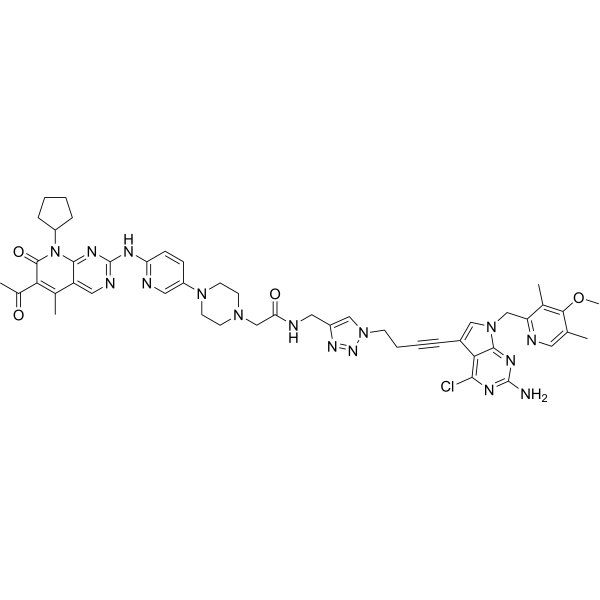
PROTAC HSP90 degrader BP3 is a potent and selective degradation of HSP90 in a CRBN-dependent fashion. PROTAC HSP90 degrader BP3 has a certain degradation effect on HSP90 protein in MCF-7 cells (DC50=0.99 μM). PROTAC HSP90 degrader BP3 inhibits the growth of breast cancer cell . PROTAC HSP90 degrader BP3 is a click chemistry reagent, it contains an Alkyne group and can undergo copper-catalyzed azide-alkyne cycloaddition (CuAAc) with molecules containing Azide groups.
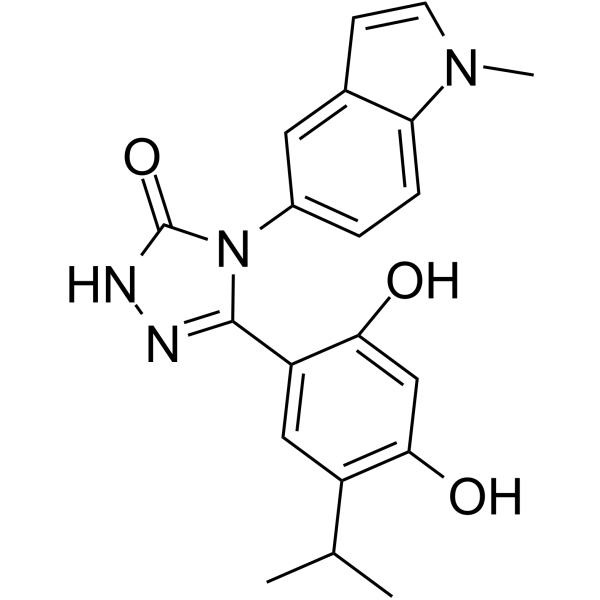
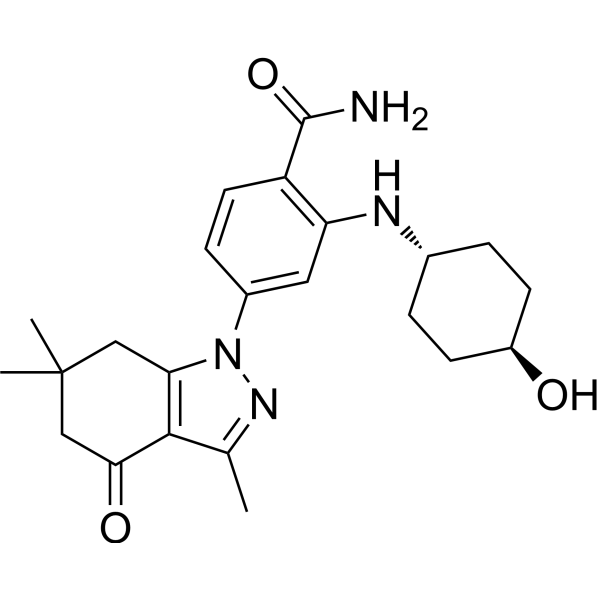
SNX-2112 (PF 04928473) is an orally active Hsp90 inhibitor, with a Kd of 16 nM for Hsp90 and IC50s of 30 nM, 30 nM for Hsp90 α and Hsp90 β, also induces Her-2 degradation, and inhibits Grp94 and Trap-1, with IC50s of 10 nM, 4.275 μM and 0.862 μM, respectively . SNX-2112 (PF 04928473) binds Hsp90 isoforms Hsp90α, Hsp90β and Hsp90b1/Grp94 with Kds of 4 nM, 6 nM and 484 nM, respectively .
Gedunin is a limonoid with anti-cancer, anti-viral, anti-inflammatory and insecticidal activities. Gedunin acts as a potent Hsp90 inhibitor and induces the degradation of Hsp90-dependent client proteins. Geduni may obstructs the entry of SARS-CoV-2 virus into human host cells and can be used for COVID-19 research .
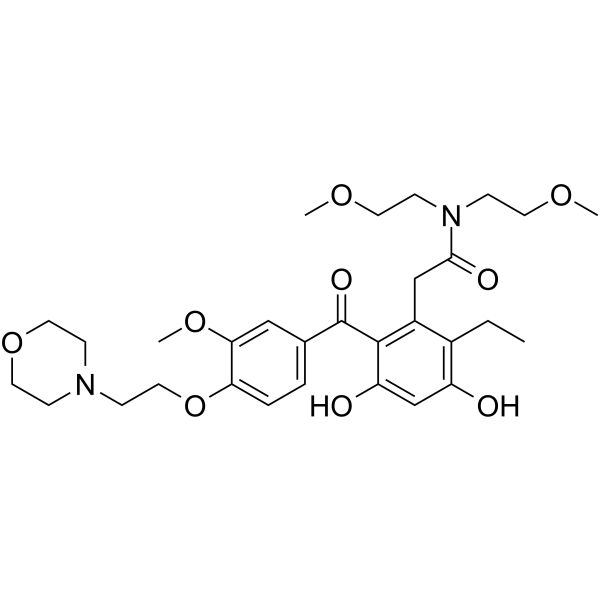
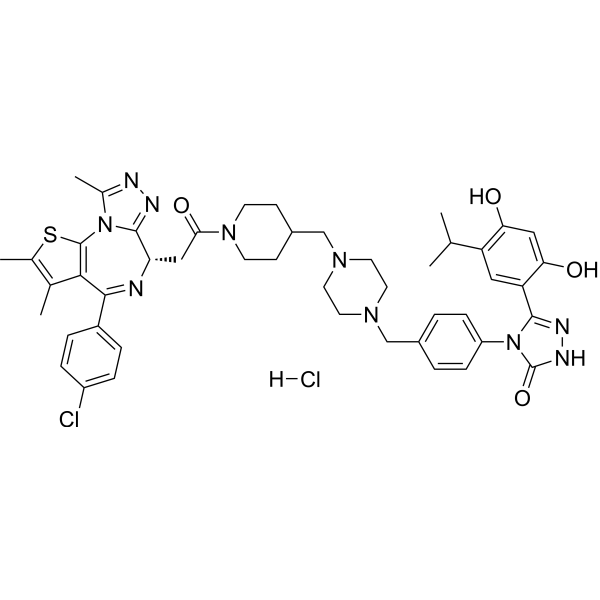
Hsp90-IN-17 (Example 5) hydrochloride is an HSP90 inhibitor that can be used in the study of proliferative diseases, such as cancer and neurodegenerative diseases .
HSP90-IN-23 (Comp 12-1) is an inhibitor of heat shock protein 90(HSP90) with an IC50 of 9 nM. HSP90-IN-23 induces apoptosis of tumor cells and arrests the tumor cell cycle in G0/G1 phase. HSP90-IN-23 can be used for cancer research .
Conglobatin (FW-04-806), a macrolide dilactone, is isolated from the culture of Streptomyces conglobatus. Conglobatin is an orally active Hsp90 inhibitor. Conglobatin can bind to the N-terminal domain of Hsp90 and disrupt Hsp90-Cdc37 complex formation. Conglobatin induces apoptosis in human breast cancer cells and esophageal squamous cell carcinoma cells, and exhibits antitumor activity in vivo .
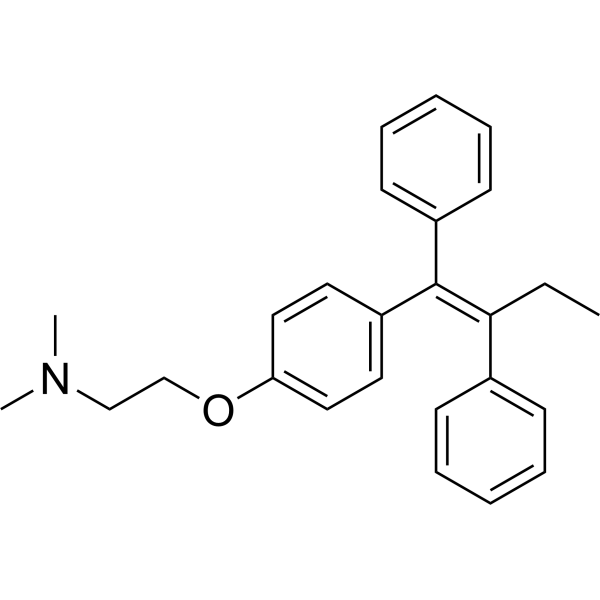
Tamoxifen-d5 is a deuterium labeled Tamoxifen. Tamoxifen (ICI 47699) is an orally active, selective estrogen receptor modulator (SERM). Tamoxifen is a potent Hsp90 activator and enhances the Hsp90 molecular chaperone ATPase activity .
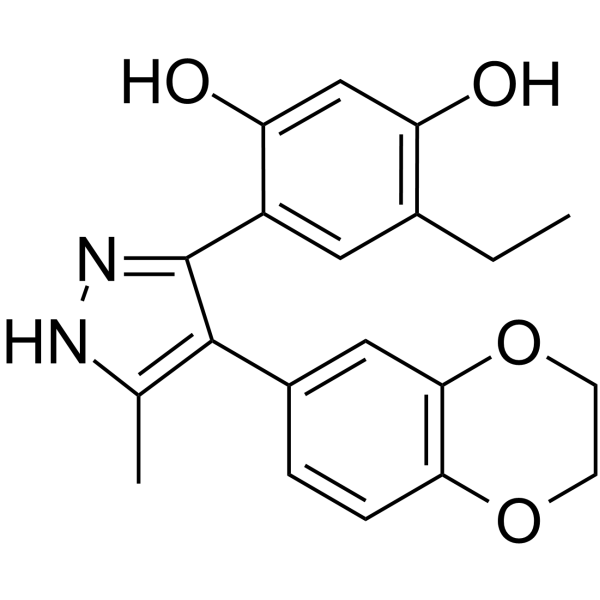
HSP90-IN-22 (Compound 35) is an Hsp90 inhibitor with antiproliferative properties on cells with IC50 values of 3.65 μM for MCF7 breast cancer cells and 2.71 μM for SKBr3 breast cancer cells, respectively.
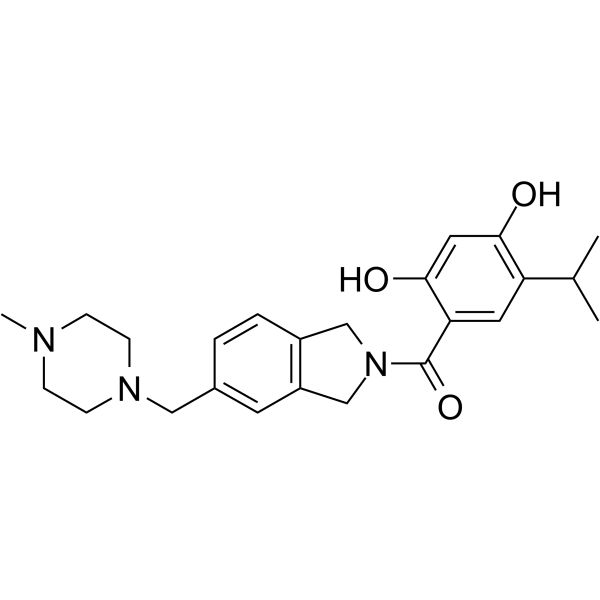
HSP90-IN-11 (Compound 12c) is a potent inhibitor of HSP90. HSP90-IN-11 displays potent HSP90α inhibition comparable to AUY-922 (Luminespib). HSP90-IN-11 shows significant antiproliferative activity in CRC and NSCLC cells in a double digit nM range. HSP90-IN-11 leads to rapid degradation of client proteins EGFR and Akt in NSCLC cells. HSP90-IN-11 induces significant accumulation of a sub-G1 phase population .
Hsp90-IN-42 (Compound 13l) is a potent heat shock protein 90(Hsp90) inhibitor (IC50=15.65 nM). Hsp90-IN-42 reduces the stability of the epidermal growth factor receptor (EGFR), suppressing the activation of the EGFR-Akt signaling pathway, inducing G0/G1 phase arrest in colorectal cancer cells (such as HT-29 cells), and slightly triggering apoptosis. Hsp90-IN-42 also inhibits cell proliferation and migration by down-regulating the expression of CDK12, CDK13, and Bcl-2 proteins, and up-regulating the expression of Bax protein. Hsp90-IN-42 is promising for research of colorectal cancer .
SEW84 is an inhibitor of Aha1-stimulated Hsp90 (ASH) ATPase activity. SEW84 inhibits Aha1-stimulated Hsp90 (ASH) activity with an IC50 value of 0.3 μM. SEW84 can be used in the study of protein deposition diseases .
KU-177 is a potent inhibitor of Hsp90 ATPase homologue 1 (Aha1), ablates Aha1-driven enhancement of Hsp90-dependent tau aggregation. KU-177 also disrupts Aha1/Hsp90 interactions (IC50=4.08 μM) without inhibition of Hsp90’s ATPase activity. KU-177 can be used for tauopathies research .
HSP90-IN-13 (compound 5k) is a highly potent HSP90 pan inhibitor with an IC50 value of 25.07 nM. HSP90-IN-13 has multi-target activity against EGFR, VEGFR-2 and Topoisomerase-2. HSP90-IN-13 causes cell cycle arrest at G2/M phase and induces apoptosis of MCF-7 cells through mitochondrial-mediated pathway .
Hsp90-Cdc37-IN-3 (Compound 9) is a novel celastrol−imidazole derivative with anticancer activity. Hsp90-Cdc37-IN-3 inhibits Hsp90−Cdc37 by covalent-binding, and induces apoptosis .
AMP-PCP is an ATP analogue and can bind to Hsp90 N-terminal domain with a Kd value of 3.8 μM. AMP-PCP binding favors the formation of the active homodimer of Hsp90 .
HDAC/HSP90-IN-3 (compound J5) is a potent and selective fungal Hsp90 and HDAC dual inhibitor, with IC50 values of 0.83 and 0.91 μM, respectively. HDAC/HSP90-IN-3 shows antifungal activity against azole resistant C. albicans. HDAC/HSP90-IN-3 can suppress important virulence factors and down-regulate drug-resistant genes ERG11 and CDR1 .
HSP90-IN-10 (Compound 16s) is a potent inhibitor of HSP90. HSP90-IN-10 exhibits high antiproliferative potency against HCC1954 breast cancer cells with the IC50 value of 6 µM. HSP90-IN-10 does not inhibit the growth of normal epithelial cells. HSP90-IN-10 also induces apoptosis .
Hsp90-IN-40 (Compound 15b) is a heat shock protein 90(Hsp90) C-terminal inhibitor. Hsp90-IN-40 exhibits antiproliferative activity against SKBr3 and MCF-7 breast cancer cells (IC50 of 2.57 µM and 2.43 µM, respectively). Hsp90-IN-40 inhibits cancer cell growth by inhibiting the Hsp90 C-terminal function, leading to Hsp90-dependent protein degradation. Hsp90-IN-40 can be used in breast cancer research .
Hsp90-IN-38 (compound 20m) is a HSP90 (heat shock protein) inhibitor. Hsp90-IN-38 exhibits strong HSP90 binding affinity with a Kd of 87 nM. Hsp90-IN-38 inhibits ATPase with an IC50 of 0.13 μM. Hsp90-IN-38 inhibits HCT116, MCF-7, SKBr3, K562 and A549 cells with IC50s of 0.187, 0.072, 0.105, 0.403 and 031 μM, respectively .
HSP90/mTOR-IN-1 is a potent and orally active Hsp90 and mTOR inhibitor with IC50 values of 69 nM and 29 nM, respectively. HSP90/mTOR-IN-1 suppresses the proliferation of SW780 cells through the over-activation of the PI3K/AKT/mTOR pathway. HSP90/mTOR-IN-1 induces apoptosis and autophagy via selective Hsp90 and mTOR inhibition. HSP90/mTOR-IN-1 also has considerable in vivo anti-tumor activity. HSP90/mTOR-IN-1 can be used for researching bladder cancer .
Aha1/Hsp90-IN-2 is a selective inhibitor of the Hsp90/Aha1 interaction, with its IC50 being 1.46 μM. Aha1/Hsp90-IN-2 inhibits the activation of Hsp90 ATPase activity mediated by Aha1 by specifically blocking the binding of Hsp90 to Aha1, thereby reducing tau protein aggregation. Aha1/Hsp90-IN-2 can be used for the study of neurodegenerative diseases, such as Alzheimer's disease .
HSP90-IN-14 (compound 4) is a potent Hsp90 (heat shock protein 90) inhibitor, with a Kd of 0.26 μM. HSP90-IN-14 shows anti-influenza virus activity in MDCK cells, with EC50 values of 2.6, 3.9, and 17 μM for influenza A/H3N2, A/H1N1, and B, respectively .
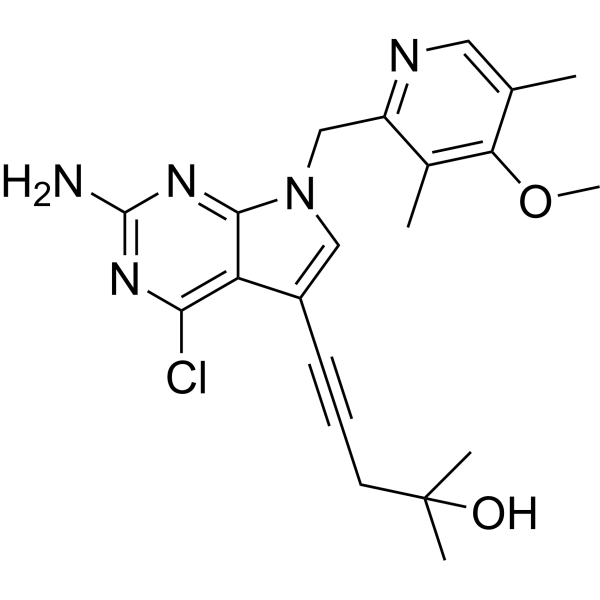
Hsp90-in-35 (Compound 379) is an inhibitor of Hsp90. The IC50 of HSP90-IN-35 for Her2 is between 0.05 and 0.5 μM. HSP90-IN-35 has antitumor activity. HSP90-IN-35 can be used to synthesize PROTAC (HY-153881) .
Hsp90-IN-15 is an Hsp90 inhibitor with anticancer activity. Hsp90-IN-15 induces cell apoptosis, arrests the cell cycle at S phase and decreases the expression level of Hsp90 in Hela cell .
HSP90-IN-29 (Compound 13), a benzoxazole derivative, is a potent and selective HSP-90 inhibitor with an IC50 value of 30 nM. HSP90-IN-29 has antitumor activity .
HSP90-IN-9 is a potent and selective HSP90 inhibitor. HSP90-IN-9 displays a fungicidal effect in a dose-dependent manner. HSP90-IN-9 inhibits fungal biofilm formation and fungal morphological changes after being combined with FLC. HSP90-IN-9 recovers FLC resistance by down-regulating the expression of related genes (ERG11, CDR1 and CDR2) .
Hsp90-IN-41 (Compound C1) is an inhibitor of Hsp90 (IC50 = 0.044 μM). Hsp90-IN-41 exhibits antifungal and antitumor (IC50 = 0.049 μM) activities in vitro .
Hsp90-IN-39 (Compound 16t) is a HSP90 inhibitor with notable selectivity for the HSP90α isoform. Hsp90-IN-39 demonstrates significant antiproliferative activity in various cancer cell lines, including MCF-7, HCT116, SKBr3, K562, and A549. Hsp90-IN-39 holds potential for cancer research .
HSP90-IN-33 (compound 24e) is a potent Hsp90 inhibitor with Kd values of ≥200, 7.3 µM for Hsp90α, Hsp90β, respectively. HSP90-IN-33 induces apoptosis and cell cycle arrest at G0/G1 phase. HSP90-IN-33 decreases the protein expression of ERα, CDK4 and Akt .
CDC20/HSP90-IN-1 (Compound 2b) is a Cdc20/Hsp90 inhibitor with a Kd of 16.2 μM for Cdc20 and a Kd of 0.241 μM for Hsp90α. CDC20/HSP90-IN-1 exerts potent antitumor activity through reducing p53-mediated Cdc20, upregulating Bim, downregulating Cyclin B1 expression, and disturbing B-Raf and AKT pathways via destroying Hsp90 chaperone function. CDC20/HSP90-IN-1 overcomes Vemurafenib (HY-12057)-induced resistant melanoma .
FKBP51-Hsp90-IN-2 (Compound E08) is a selective FKBP51-Hsp90 protein-protein interaction inhibitor with IC50 values of 0.4 µM and 5 µM for FKBP51 and FKBP52, respectively. FKBP51-Hsp90-IN-2 also effectively stimulates cellular energy metabolism and neurite growth. FKBP51-Hsp90-IN-2 can be used in research on neurodegenerative diseases and cancer .
HDAC6/HSP90-IN-1 (compound 17) is a potent and selective dual inhibitor of HDAC6 and HSP90, with IC50 values of 4.3 and 46.8 nM, respectively. HDAC6/HSP90-IN-1 down-regulates PD-L1 expression in INF-γ treated H1975 lung cancer cells. HDAC6/HSP90-IN-1 inhibits tumor growth in human H1975 xenograft mice .
FKBP51-Hsp90-IN-1 (Compound D10) is a selective inhibitor of the FKBP51-Hsp90 protein-protein interaction, with an IC50 value of 0.1 μM against FKBP51. FKBP51-Hsp90-IN-1 can be used in the research of stress-related diseases, Alzheimer's disease, and metabolic disorders .
MAO A/HSP90-IN-2 (compound 4-C) is a dual inhibitor of HSP90and MAO A with the IC50 values of 0.016 and 4.58 μM, respectively. MAO A/HSP90-IN-2 increases HSP70 expression and reduces HER2 and phospho-Akt expression, and decreases IFN-γ induced PD-L1 expression in GL26 cells. MAO A/HSP90-IN-2 inhibits the growth of Temozolomide (HY-17364) -sensitive and -resistant GBM cells, colon cancer, leukemia, non-small cell lung and other cancers, and has potential to inhibit tumor immune escape [1].
3-Phenyltoxoflavin, a derivative of Toxoflavin, is an Hsp90 inhibitor, with a Kd of 585 nM for the interaction of Hsp90-TPR2A. 3-Phenyltoxoflavin has anti-cancer activity .
Aha1/Hsp90-IN-1 (Compound 17) is an Aha1/Hsp90 complex inhibitor. Aha1/Hsp90-IN-1 disrupts Aha1/Hsp90 interactions with an IC50 of 3.32 μM. Aha1/Hsp90-IN-1 inhibits tau aggregation .
HSP90i-COCH2CH2-PEG4-NHBoc is a conjugate of the HSP90 Ligand (HY-174476) and the linker (HY-W021787). HSP90i-COCH2CH2-PEG4-NHBoc can be used for synthesis of LYTACs, such as dPDL1-4 (HY-174468) .
HDAC6/HSP90-IN-3 (Compound 17) is an orally active dual histone deacetylase 6 (HDAC6) and heat shock protein 90(HSP90) inhibitor with IC50 values of 28 nM and 0.88 μM, respectively. HDAC6/HSP90-IN-3 is promising for research of malignant tumors such as prostate cancer .
STA-1474 is an orally active and highly selective HSP90 inhibitor. STA-1474 can trigger tumor cell apoptosis. STA-1474 demonstrates significant antitumor efficacy in spontaneous canine cancer models (e.g., osteosarcoma, thyroid carcinoma). STA-1474 is promising for research of solid tumors (e.g., osteosarcoma, breast cancer) and HSP90-driven cancers .
HSP90α-IN-1 is a HSP90α inhibitor (IC50 = 111 nM) that exhibits senolytic activity across various cellular senescence models. HSP90α-IN-1 is related to the xanthinic family. HSP90α-IN-1 is involved in research on combating age-related inflammaging and diseases, including cancer, and possibly extend a healthy lifespan .
HSP90-IN-32 is a Hsp90 C-terminal inhibitor that displays anti-proliferative activities against SKMel173, SKMel103, SKMel19 and A375 cells with IC50 values of 1.01 μM, 0.782 μM, 0.607 μM and 1.413 μM , respectively. HSP90-IN-32 is promising for research of anti-cancer agents .
Hsp90-IN-34 (compound HAM-1) is a compound that inhibits the Aha1-Hsp90 chaperone complex with a high affinity for Hsp90/Aha1 (KDapp=23.5 µM). Hsp90-IN-34 modulates the ATPase activity of Hsp90 by affecting the interaction between Hsp90 and Aha1 .
HSP90-IN-19 is an effective heat shock protein 90 (Hsp90) inhibitor. HSP90-IN-19 has effective Hsp90 inhibitory activity with an IC50 value of 0.27 μM. HSP90-IN-19 can be used for the research of viral infection, neurodegenerative disease, and inflammation .
HSP90-IN-18 is an effective heat shock protein 90 (Hsp90) inhibitor. HSP90-IN-18 has effective Hsp90 inhibitory activity with an IC50 value of 0.39 μM. HSP90-IN-18 can be used for the research of viral infection, neurodegenerative disease, and inflammation .
HSP90-IN-30 (compound 3e) inhibits HSP90 chaperone activity. HSP90-IN-30 inhibits the activity of HIF-1 transcriptional under hypoxia with an IC50 value of 2.16 μM .
Hsp90ab1 Mouse Pre-designed siRNA Set A contains three designed siRNAs for Hsp90ab1 gene (Mouse), as well as a negative control, a positive control, and a FAM-labeled negative control.
These compounds have strong hdac and hsp90 inhibitory activities. Compound 20 (HDAC ic50 = 194 nm; Hsp90 α < b> Ic50 = 153 nm) and compound 26 ((HDAC ic50= 360 nm; Hsp90 α < b> Ic50 = 77 nm) shows the strongest HDAC and HSP90 α Inhibitory activity. Both compounds can induce hsp90 expression and down regulate hsp90 client proteins, which play an important role in regulating the survival and invasion of cancer cells.
CYP51/Hsp90-IN-1 (Compound MM4) is a dual CYP51/Hsp90 inhibitor. CYP51/Hsp90-IN-1 shows antifungal activity against Candida albicans and effectively inhibits important fungal virulence factors. CYP51/Hsp90-IN-1 is promising for research of invasive candidiasis .
EZH2/HSP90-IN-29 is a dual inhibitor for EZH2 and HSP90, with IC50s of 6.29 nM and 60.1 nM, for EZH2 and HSP90, respectively. EZH2/HSP90-IN-29 increases apoptosis/necrosis-related gene expression, induces cell cycle arrest at M phase and inhibits reactive oxygen species (ROS) catabolism pathway. EZH2/HSP90-IN-29 is able to cross the blood-brain-barrier (BBB) .
HDAC6/HSP90-IN-2 (compound 6e) is a dual inhibitor of HDAC6 and Hsp90, with IC50s of 105.7 and 61 nM, respectively. HDAC6/HSP90-IN-2 can be used for the research of cancer .
HSP90-IN-21 (5e) is an antiplasmodial agent, with IC50 values of 0.04, 0.17 and 2.91 μM against erythrocytic stage of P. falciparum (Pf3D7 and PfDd2 strains), cytotoxicity of human liver hepatocellular carcinoma cell line (HepG2), respectively .
HSP90/LSD1-IN-1 (compound 6) is a HSP90/LSD1 dual inhibitor. HSP90/LSD1-IN-1 inhibits the proliferation of prostate cancer cell lines PC-3 and DU145, with GI50 values of 0.24 and 0.30 μM, respectively .
HSP90-IN-31 (compound Be01) causes reduction of CD80 and CD86 expression on dendritic cells (DCs). HSP90-IN-31 decreases the production of pro-inflammatory cytokines (IL-6, TNF-α, and IL-1β) in BMDC and peritoneal macrophages stimulated by LPS (HY-D1056). Under the delayed-type hypersensitivity (DTH) mice model, HSP90-IN-31 reduces ear swelling and pro-inflammatory cytokines in the spleen .
HSP90AA1 Human Pre-designed siRNA Set A contains three designed siRNAs for HSP90AA1 gene (Human), as well as a negative control, a positive control, and a FAM-labeled negative control.
Hsp90-Cdc37-IN-2 (Compound 41) is an inhibitor for the interaction between heat shock protein 90(Hsp90) and cyclin 37 (Cdc37). Hsp90-Cdc37-IN-2 inhibits the proliferation of cancer cell A549, MCF-7, HOS and HepG2 with IC50 of 0.41-0.94 μM. Hsp90-Cdc37-IN-2 decreases the mitochondrial membrane potential, induces apoptosis, and arrest cell cycle at G0/G1 phase in A549 .
MAO A/HSP90-IN-1 (4-b) is a MAO A/HSP90 dual inhibitor with IC50 value of 1.77 μM and 0.019 μM in Glioblastoma (GBM) GL26 cells and HSP90α, respectively. MAO A/HSP90-IN-1 (4-b) can inhibit MAO A activity, HSP90 binding and the expression of HER2 and phospho-Akt to inhibit the growth of GBM, they also reduce PD-L1 expression, which inhibits T cell activation. MAO A/HSP90-IN-1 (4-b) have potential to inhibit tumor immune escape. MAO A/HSP90-IN-1 (4-b) can be used for brain tumor-related diseases research .
Among vibsanin a analogues, vibsanin a analog C (VAC) showed anti proliferative effect on various cancer cell lines, and the anti proliferative activity was the strongest among vibsanin a analogues. In addition, VAC fluctuated the amount of hsp90 related proteins in cells and inhibited hsp90 mediated protein refolding of luciferase in vitro.
Hsp90b1 Mouse Pre-designed siRNA Set A contains three designed siRNAs for Hsp90b1 gene (Mouse), as well as a negative control, a positive control, and a FAM-labeled negative control.
Hsp90-IN-45 is a Hsp90 inhibitor. Hsp90-IN-45 competitively binds to the ATP-binding site of purified Hsp90α with a Kd of 70 nM, blocks ATP hydrolysis, and disrupts Hsp90 client signaling. Hsp90-IN-45 inhibits ATPase activity of purified Hsp90α. Hsp90-IN-45 will be radiolabeled with 76/ 77Br for use as a radiotheragnostic agent for PET imaging and Meitner-Auger electron therapy. Hsp90-IN-45 can be used for the research of cancer .
Hsp90-IN-43 (Compound 12) is a Hsp90-TPR2A interaction inhibitor with an IC50 of 360 nM and a Kd of 928 nM. Hsp90-IN-43 effectively inhibits the proliferation of BT474 cells. Hsp90-IN-43 can be used for the study of breast cancer .
Hsp90-IN-47 (Compound C15) is a Hsp90 inhibitor and antifungal agent, with an IC50 of 0.014 μM against Hsp90α. When combined with Fluconazole (HY-B0101), Hsp90-IN-47 exerts significant synergistic antifungal effects against fluconazole-resistant Candida albicans 0304103. Hsp90-IN-47 exhibits antitumor activity against acute myeloid leukemia and non-small cell lung cancer .
HDAC/HSP90-IN-1 (compound 20) is a potent dual inhibitor of HDAC (IC50 = 194 nM) and HSP90(HSP90αIC50 = 153 nM). HDAC/HSP90-IN-1 induces HSP70 expression, downregulates HSP90 client proteins, and promotes acetylation of α-tubulin and histone H3 in cancer cells. HDAC/HSP90-IN-1 reduces PD-L1 expression in IFN-γ treated H1975 cells. HDAC/HSP90-IN-1 can be used for cancer research, such as lung and colon cancer .
HDAC/HSP90-IN-2 (compound 26) is a potent dual inhibitor of HDAC (IC50 = 360 nM) and HSP90(HSP90αIC50 = 77 nM). HDAC/HSP90-IN-2 induces HSP70 expression, downregulates HSP90 client proteins, and promotes acetylation of α-tubulin and histone H3 in cancer cells. HDAC/HSP90-IN-2 reduces PD-L1 expression in IFN-γ treated H1975 cells. HDAC/HSP90-IN-2 can be used for cancer research, such as lung and colon cancer .
Hsp90-IN-46 is a Hsp90 inhibitor. Hsp90-IN-46 exhibits broad-spectrum antiproliferative activity against tumor cell lines. Hsp90-IN-46 inhibits breast cancer cell proliferation by reducing colony formation and downregulating the proliferation marker Ki-67. Hsp90-IN-46 inhibits Hsp90 and its ATPase activity, downregulates the downstream substrate oncoproteins HER2 and CDK4, and moderately induces the heat shock response. Hsp90-IN-46 shows significant antitumor activity in a mouse model of triple-negative breast cancer tumor xenografts. Hsp90-IN-46 can be used for research on various cancers including triple-negative breast cancer, leukemia, non-small cell lung cancer, colon cancer, ovarian cancer, renal cancer, prostate cancer .
Hsp90-IN-48 is an orally active Hsp90 inhibitor with an IC50 of 19.4 nM. Hsp90-IN-48 improves tumor-cell uptake and intracellular active-component release, and suppresses tumor metastasis. Hsp90-IN-48 induces G2/M phase cell cycle arrest and tumor cell apoptosis whlie simultaneously inhibits Top1/Top2 activity. Hsp90-IN-48 inhibits tumor growth and can be used for colon cancer research .
Hsp90aa1 Rat Pre-designed siRNA Set A contains three designed siRNAs for Hsp90aa1 gene (Rat), as well as a negative control, a positive control, and a FAM-labeled negative control.
BIIB-028 is an orally active inhibitor for heat shock protein 90(Hsp90). BIIB-028 targets the ATP-binding site of Hsp90, disrupts the function of Hsp90, leads to the degradation of client proteins, that are crucial for cancer cell survival and proliferation .
HSP90-IN-28 (compound 12 h) is a potent and selective Hsp90 inhibitor with an IC50 of 0.46 μM for Hsp90α. HSP90-IN-28 exhibits ~48 fold selectivity versus other Hsp90β (IC50 = 22.28 μM) .
Hsp90aa1 Mouse Pre-designed siRNA Set A contains three designed siRNAs for Hsp90aa1 gene (Mouse), as well as a negative control, a positive control, and a FAM-labeled negative control.
Hsp90β decapeptide is a C-terminal peptide of Hsp90β, which contains conserved TPR-domain MEEVD. Hsp90β decapeptide is able to bind tightly the Tah1 protein with a Kd of 1.0 μM .
Hsp90β-IN-2 (Compound 16B) is a selective Hsp90β inhibitor with KDs of 225 nM and 73.32 μM against Hsp90β and Hsp90α. KUNB106 exhibits antiproliferative activity against MDA-MB-231 cells, A549 and SKOV-3 cells. KUNB106 can be used for the study of triple negative breast cancer .
HSP90B1 Human Pre-designed siRNA Set A contains three designed siRNAs for HSP90B1 gene (Human), as well as a negative control, a positive control, and a FAM-labeled negative control.
HSP90AB1 Human Pre-designed siRNA Set A contains three designed siRNAs for HSP90AB1 gene (Human), as well as a negative control, a positive control, and a FAM-labeled negative control.
NSC145366 monohydrochloride is a Hsp90 C-terminal inhibitor. NSC145366 monohydrochloride directly interacts with the C-terminus of Hsp90 and inhibits its chaperone activity. NSC145366 monohydrochloride strongly inhibits the growth of Saccharomyces cerevisiae cog7Δ and cog8Δ strains .
VWK147 is a second-generation HSP90 C-terminal domain (CTD) inhibitor. VWK147 targets the CTD dimerization interface, prevents HSP90 CTD dimerization, disrupts co-chaperone PPID binding to HSP90 CTD, and inhibits HSP90 chaperone function dependent on dimerization. VWK147 reduces protein levels of HSP90 client proteins ULK1, RIPK1, and CDK4 without inducing a heat shock response. VWK147 induces cell death, including apoptosis, in Cisplatin (HY-17394)-sensitive and -resistant urothelial carcinoma cells. VWK147 induces LC3-II accumulation, inhibits autophagosome-lysosome fusion to block canonical autophagy, and induces non-canonical LC3 lipidation independent of ULK1 and PIK3C3 complexes. VWK147 can be used for the research of urothelial carcinoma .
SNX-2112 (Standard) is the analytical standard of SNX-2112 (HY-10214). This product is intended for research and analytical applications. SNX-2112 (PF 04928473) is an orally active Hsp90 inhibitor, with a Kd of 16 nM for Hsp90 and IC50s of 30 nM, 30 nM for Hsp90 α and Hsp90 β, also induces Her-2 degradation, and inhibits Grp94 and Trap-1, with IC50s of 10 nM, 4.275 μM and 0.862 μM, respectively . SNX-2112 (PF 04928473) binds Hsp90 isoforms Hsp90α, Hsp90β and Hsp90b1/Grp94 with Kds of 4 nM, 6 nM and 484 nM, respectively .
Hsp90b1 Rat Pre-designed siRNA Set A contains three designed siRNAs for Hsp90b1 gene (Rat), as well as a negative control, a positive control, and a FAM-labeled negative control.
Hsp90ab1 Rat Pre-designed siRNA Set A contains three designed siRNAs for Hsp90ab1 gene (Rat), as well as a negative control, a positive control, and a FAM-labeled negative control.
HS-27, a fluorescently-tethered Hsp90 inhibitor, assays surface Hsp90 expression on intact tissue specimens. HS-27 is made up of the core elements of SNX-5422, an Hsp90 inhibitor, tethered via a PEG linker to a fluorescein derivative (fluorescein isothiocyanate or FITC), that binds to ectopically expressed Hsp90. HS-27 has potential use in a see-and-treat paradigm in breast cancer .
C086, a novel potent Hsp90 inhibitor, could inhibit cell cycle progression and induce cell apoptosis and anti-metastasis by regulating various mechanisms in different cell types .
Icapamespib (PU-HZ151; PU-AD) hydrochloride is a selective, orally active inhibitor of Epichaperomes assembled by HSP90 with slow dissociation kinetics. Icapamespib hydrochloride can cross the blood-brain barrier (BBB) ??and induce epichaperome disassembly by non-covalently binding to HSP90, restoring the normal protein-protein interaction network. Icapamespib hydrochloride can specifically disrupt disease-related abnormal protein interaction networks, reduce neurotoxic protein aggregation and tumor cell survival signals. Icapamespib hydrochloride can be used in the research of neurodegenerative diseases such as Alzheimer's disease, as well as cancers such as glioblastoma and metastatic breast cancer .
MPC-0767 is a potent, selective, and orally active hsp90 inhibitor. MPC-0767 is an L-alanine ester proagent of MPC-3100 with improved chemical stability .
NN-01-195 is a HSP90 and AURKA inhibitor. NN-01-195 binds tightly to and inhibits AURKA and HSP90, with an IC50 of 3.1 nM against AURKA and an IC50 of 8.7 nM against HSP90α. NN-01-195 induces mitotic arrest and spindle abnormality in tumor cells, and triggers cell apoptosis. NN-01-195 can be used in the research of solid tumors .
Alvespimycin (Standard) is the analytical standard of Alvespimycin (HY-10389). This product is intended for research and analytical applications. Alvespimycin (17-DMAG) is a potent inhibitor of Hsp90, binding to Hsp90 with an EC50 of 62 nM.
Anticancer agent 136 (compound 22), a C17-triazole analogue of Geldanamycin (GDM; HY-15230), has an IC50 of 3.38 μM for HDF and a Kd of 3.86 μM for Hsp90. Anticancer agent 136 is an apoptosis-inducing agent .
iHAC is an inhibitor HSP90-anchoring chimera, that covalently binds BRD4 ligand (+)-JQ-1 to HSP90, and inhibits the proliferation of cancer cells. iHAC activates the anti-tumor immune response, inhibits the recurrence and metastasis of 4T1 breast cancer in mouse models .
HVH-2930 is a HSP90 C-terminal domain inhibitor with high oral bioavailability. HVH-2930 downregulates HSP90 client proteins, inhibits the HER2 signaling pathway, induces apoptosis, and suppresses the proliferation of breast cancer cells. HVH-2930 inhibits the proliferation of tumors sensitive or resistant to Trastuzumab (HY-P9907). HVH-2930 is applicable to relevant research on breast cancer .
Tanespimycin (17-AAG) is a potent HSP90 inhibitor with an IC50 of 5 nM, having a 100-fold higher binding affinity for tumour cell derived HSP90 than normal cell derived HSP90 . Tanespimycin depletes cellular STK38/NDR1 and reduces STK38 kinase activity. Tanespimycin also downregulates the stk38 gene expression .
Geldanamycin-FITC, a Geldanamycin fluorescent probe, can be used in a fluorescence polarization assay for HSP90 inhibitors. Geldanamycin-FITC also can be used for detection of cell surface HSP90 (Ex/Em = 488/515 nm) .
DN401 is a potent TRAP1 inhibitor with an IC50 of 79 nM. DN401 shows a weak inhibition of Hsp90 (IC50 of 698 nM). DN401 inactivates mitochondrial TRAP1 and has potent anticancer activities .
PU3 is a small molecule inhibitor of Hsp90 that competes with geldanamycin for Hsp90. PU3 induces degradation of proteins, including Her2, similar to geldanamycin. PU3 inhibits the growth of breast cancer cells, causing retinoblastoma protein hypophosphorylation, G1 arrest, and differentiation. PU3 represents a novel class of synthetic compounds that bind to Hsp90 and inhibit the proliferation of cancer cells. PU3 could provide a new strategy for the treatment of cancers .
PU-20F is a Hsp90 inhibitor with an EC50 of 6.8 μM. PU-20F competes with Geldanamycin (HY-15230) for binding to Hsp90 and regulates the function of this molecular chaperone. PU-20F induces the degradation of oncogenic Her2 tyrosine kinase. PU-20F blocks the growth of breast cancer cells. PU-20F can be used in breast cancer-related research .
DDO3602 is a PARP1 HEMTAC degradation agent mediated by HSP90. DDO3602 has good anti-tumor activity and tumor selectivity. DDO3602 induces G2/M phase arrest, DNA damage, and inhibits cell migration by degrading PARP1 in MCF-7 cells (IC50 = 187 nM). DDO3602 can be used for research on cancer such as breast cancer. (Pink: PARP1 Ligand (HY-75706); Blue: HSP90 Ligand (HY-179203); Black: Linker (HY-W015300))
Tanespimycin (Standard) is the analytical standard of Tanespimycin. This product is intended for research and analytical applications. Tanespimycin (17-AAG) is a potent HSP90 inhibitor with an IC50 of 5 nM, having a 100-fold higher binding affinity for tumour cell derived HSP90 than normal cell derived HSP90 . Tanespimycin depletes cellular STK38/NDR1 and reduces STK38 kinase activity. Tanespimycin also downregulates the stk38 gene expression .
NVP-HSP990 is a potent, selective and orally active Hsp90 inhibitor, with IC50 values of 0.6, 0.8, and 8.5 nM for Hsp90α, Hsp90β, and Grp94, respectively.
YZ129 is an inhibitor of the HSP90-calcineurin-NFAT pathway against glioblastoma, directly binding to heat shock protein 90(HSP90) with an IC50 of 820 nM on NFAT nuclear translocation. YZ129-induced GBM cell-cycle arrest at the G2/M phase promotes apoptosis and inhibited tumor cell proliferation and migration .
CPUY201112 is a potent heat shock protein Hsp90 inhibitor with Kd of 27 nM. CPUY201112 induces p53-mediated apoptosis in MCF-7 cells, resulting in cell cycle arrest, which can be used in cancer research .
C1A is a class I/II HDACs and sirtuin inhibitor with an IC50 of 479 nM for HDAC6. C1A induces sustained acetylation of HDAC6 substrates, α-tubulin and HSP90. C1A shows srtong anticancer effcts, and induces apoptosis in cancer cells .
Lw13 is a Hsp90-targeting PROTAC and achieves maximum degradation at a concentration of 0.05 μM in Siha cells. Lw13 induces cell apoptosis and exhibits potent anti-tumor activity both in vitro and in vivo(Sturcture Note:(Blue: Cereblon ligand (HY-A0003), Black: linker;Pink: Hsp90 inhibitor SNX-5422 (HY-10213)) .
Luminespib (Standard) is the analytical standard of Luminespib. This product is intended for research and analytical applications. Luminespib (VER-52296) is a potent HSP90 inhibitor with IC50s of 7.8 and 21 nM for HSP90α and HSP90β, respectively .
Tasiamide B is a Cathepsin D inhibitor, which is a linear peptide found in the marine cyanobacteria Symploca sp.. Tasiamide B is proved as a good template for the development of aspartic proteases inhibitors. Tasiamide B is effective against skin cancer by strongly interacting with the target protein HSP90 .
PU-H54, a Grp94-selective inhibitor, can be used for the research of breast cancer. Hsp90 chaperone family, comprised in humans of four paralogs, Hsp90α, Hsp90β, Grp94 and Trap-1, has important roles in malignancy . PU-H54 is a click chemistry reagent, it contains an Alkyne group and can undergo copper-catalyzed azide-alkyne cycloaddition (CuAAc) with molecules containing Azide groups.
Falcarinol (Panaxynol) is a natural, orally active Hsp90 inhibitor targeting both the N-terminal and C-terminal of Hsp90 with limited toxicities. Falcarinol (Panaxynol) induces apoptosis . Falcarinol is a click chemistry reagent, it contains an Alkyne group and can undergo copper-catalyzed azide-alkyne cycloaddition (CuAAc) with molecules containing Azide groups.
Aminohexylgeldanamycin (AHGDM) hydrochloride, a Geldanamycin derivative, is a potent HSP90 inhibitor. Aminohexylgeldanamycin hydrochloride shows antiangiogenic and antitumor activities .
Aminohexylgeldanamycin (AHGDM), a Geldanamycin derivative, is a potent HSP90 inhibitor. Aminohexylgeldanamycin shows antiangiogenic and antitumor activities .
SST0116CL1 is a HSP90 inhibitor (IC50: 0.21 μM). SST0116CL1 binds to the ATP binding pocket of Hsp90, and interferes with Hsp90 chaperone function thus resulting in client protein (EGFR, CDK4 and AKT) degradation. SST0116CL1 induces degradation of Her2 in BT-474 cell (IC50: 0.2 μM). SST0116CL1 has antiproliferative activity and inhibits tumor growth. SST0116CL1 can be used for the study of leukemia, gastric and ovarian carcinoma .
Tamoxifen Citrate (ICI 46474) is an orally active, selective estrogen receptor modulator (SERM) which blocks estrogen action in breast cells and can activate estrogen activity in other cells, such as bone, liver, and uterine cells.Tamoxifen Citrate is a potent Hsp90 activator and enhances the Hsp90 molecular chaperone ATPase activity. Tamoxifen Citrate also potent inhibits infectious EBOV Zaire and Marburg (MARV) with IC50 of 0.1 μM and 1.8 μM, respectively. Tamoxifen Citrate activates autophagy and induces apoptosis. Tamoxifen Citrate can also be used to induce gene knockout in CreER transgenic mice .
17-Demethoxy-reblastatin (17-DR) is an inhibitor for heat shock protein 90(Hsp90), with an IC50 of 1.82 μM for yeast Hsp90 ATPase. 17-Demethoxy-reblastatin inhibits the proliferation of cancer cell HepG2 and SMMC7721, reduces the colony formation, and induces apoptosis through mitochondria and caspase mediated pathway .
PU3 is an Hsp90 inhibitor that competes with geldanamycin (GM) and others for the conserved ATP/ADP pocket of Hsp90. PU3 also induces degradation of proteins such as Her2 and inhibits breast cancer cell growth by causing retinoblastoma protein hypophosphorylation, G1 arrest, and cell differentiation. PU3 has the potential to be a cancer inhibitor. .
DDO-6600 is a covalent Hsp90 inhibitor. DDO-6600 disrupts the interaction between Hsp90 and its co-chaperone protein Cdc37, thereby inducing the degradation of kinase client proteins (such as AKT, CDK4, c-Raf). DDO-6600 has inhibitory activity against various cancer cells. DDO-6600 inhibits the migration and invasion of HCT-116 cells, and induces cell cycle arrest and apoptosis. DDO-6600 significantly inhibits tumor growth in the HCT-116 xenograft tumor model. DDO-6600 can be used for research on colorectal cancer .
HEMTAC WEE1 degrader-1 is a HSP90-mediated targeting chimera (HEMTAC) degrader of WEE1 (HSP90 enzyme inhibitory activity is IC50: 16.76 nM). HEMTAC WEE1 degrader-1 promotes the ubiquitination and degradation of WEE1. HEMTAC WEE1 degrader-1 blocks the G2/M cell cycle. HEMTAC WEE1 degrader-1 has anticancer activity in acute myeloid leukemia (AML) patient-derived xenograft (PDX) models. HEMTAC WEE1 degrader-1 can be used in AML research. (Pink: HSP90 binder; Blue: WEE1 ligand; Black: linker) .
Kongensin A is a natural product isolated from Croton kongensis. Kongensin A is an effective, covalent HSP90 inhibitor that blocks RIP3-dependent necroptosishas. Kongensin A is a potent necroptosis inhibitor and an apoptosis inducer. Kongensin A has potential anti-necroptosis and anti-inflammation applications .
Pimitespib (TAS-116) is an oral bioavailable, ATP-competitive, highly specific HSP90α/HSP90β inhibitor (Kis of 34.7 nM and 21.3 nM, respectively) without inhibiting other HSP90 family proteins such as GRP94 . Pimitespib demonstrates less ocular toxicity .
SNX-0723 is a potent Hsp90 Inhibitor with anti-Plasmodium activity. SNX-0723 shows high binding affinity for HsHsp90 and PfHsp90 with Kis of 4.4 and 47 nM, respectively. SNX-0723 inhibits liver-stage P. berghei ANKA parasites with the EC50 of 3.3 μM .
Gamitrinib TPP is a Gamitrinib (GA) mitochondrial matrix inhibitor. Gamitrinib TPP is a mitochondrial targeted HSP90 inhibitor with anti-cancer activity.
Tanespimycin-d5 (17-AAG-d5; NSC 330507-d5; CP 127374-d5) is the deuterium labeled Tanespimycin (HY-10211). Tanespimycin (17-AAG) is a potent HSP90 inhibitor with an IC50 of 5 nM, having a 100-fold higher binding affinity for tumour cell derived HSP90 than normal cell derived HSP90 . Tanespimycin depletes cellular STK38/NDR1 and reduces STK38 kinase activity. Tanespimycin also downregulates the stk38 gene expression .
GDCNF-11 is a HIM-PROTAC GPX4 degrader based on the chaperone protein HSP90. GDCNF-11 promotes the ubiquitination and degradation of GPX4 through the HSP 90 chaperone complex, reduces endogenous GPX4 expression to induce ferroptosis in HT-1080 cells, and the DC50 value is 0.08 μM (Pink: Target protein ligand (HY-153748); Blue: HSP90 ligand (HY-10212); Black: Linker (HY-W169526)) .
BX-2819 is a Hsp90 inhibitor with an IC50 value of 41 nM. BX-2819 inhibits the proliferation of cancer cells. BX-2819 can significantly inhibit the growth of NCI-N87 and HT-29 tumors in nude mice .
Diptoindonesin G is a 2-arylbenzofuran derivative and a modulator of estrogen receptor and HSP90 middle domain. Diptoindonesin G exhibits strong cytotoxicity against mouse leukemia P-388 cells with an IC50 of 13.2 μM. Diptoindonesin G has antitumor activity and can be used in the research of tumors such as breast cancer .
AEG3482 is a potent antiapoptotic compound that inhibits Jun kinase (JNK) activity through induced expression of heat shock protein 70 (HSP70). AEG3482 directly binds HSP90, thereby facilitating HSF1-dependent expression of HSP70 and HSP25 .
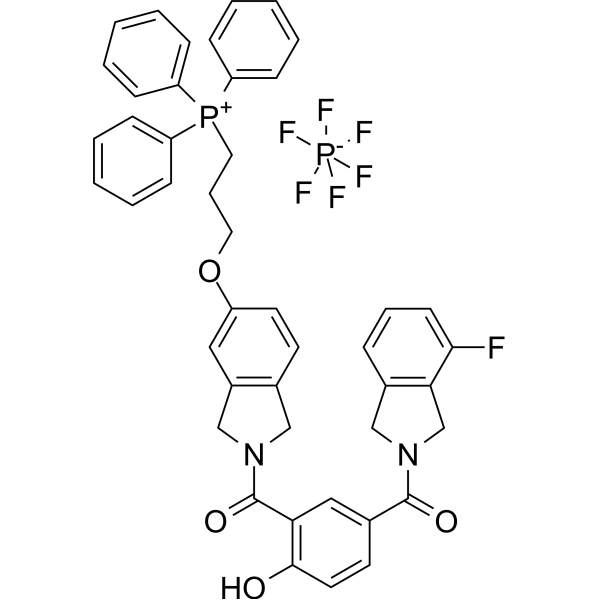
Gamitrinib TPP hexafluorophosphate is a Gamitrinib (GA) mitochondrial matrix inhibitor. Gamitrinib TPP hexafluorophosphate is a mitochondrial targeted HSP90 inhibitor with anti-cancer activity.
Antiproliferative agent-72 (Compound 10) is a Hsp90 inhibitor with a Kd of 11 nM. Antiproliferative agent-72 has antiproliferative activity with IC50s of 1.5 μM and 1.1 μM for HCT116 and NCI-N87 cells, respectively. Antiproliferative agent-72 can be used for cancers research .
Gamendazole, an indazole carboxylic acid (ICA), is an orally active, selective HSP90AB1 (HSP90BETA) and EEF1A1 (eEF1A) inhibitor. Gamendazole binds to the C-terminal nucleotide binding pocket of HSP90 and cause downregulation of clients AKT1 and ERBB2, but stabilizes the HSP90 heterocomplex. Gamendazole specifically inhibits the actin bundling function of EEF1A1, but does not bind to the nucleotide docking pocket nor inhibits the ribosome charging or protein translation functions of EEF1A1. Gamendazole, an antispermatogenic compound with antifertility effects, has the potential for reversible non-hormonal male contraceptive agent research .
Cemdomespib (KU-596) is a highly bioavailable second-generation Hsp90 modulator. Cemdomespib has shown efficacy in improving sensory deficits in models of diabetic peripheral neuropathy. Cemdomespib induces Hsp70 levels and manifest neuroprotective activity through induction of the heat shock response .
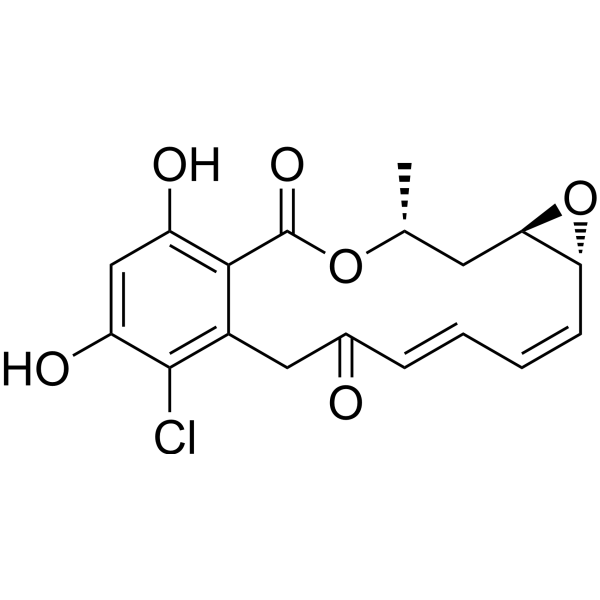
Pochonin D ((+)-Pochonin D) is an inhibitor of heat shock protein 90(Hsp90) with antiviral and anti-inflammatory activities. Pochonin D inhibits Hsp90, affects the homeostasis, folding and assembly processes of viral proteins, and reduces the replication capacity of viruses. Pochonin D is a copper ion carrier that can induce cuproptosis in triple-negative breast cancer cells by targeting PRDX1. Pochonin D reduces the infiltration of inflammatory cells, decreases the secretion of inflammatory cytokines such as TNF-α and IL-1β, and alleviates inflammatory responses. Pochonin D is a promising candidate for research on human rhinovirus (HRV) infection and cancer .
SST0116CL1 free base is a HSP90 inhibitor (IC50: 0.21 μM). SST0116CL1 free base binds to the ATP binding pocket of Hsp90, and interferes with Hsp90 chaperone function thus resulting in client protein (EGFR, CDK4 and AKT) degradation. SST0116CL1 free base induces degradation of Her2 in BT-474 cell (IC50: 0.2 μM). SST0116CL1 free base has antiproliferative activity and inhibits tumor growth. SST0116CL1 free base has antiproliferative activity and inhibits tumor growth. SST0116CL1 free base can be used for the study of leukemia, gastric and ovarian carcinoma .
Shepherdin (79-87) is amino acids 79 to 87 fragment of Shepherdin. Shepherdin is a peptidomimetic antagonist of the complex between Hsp90 and Survivin. Anticancer activity .
Tamoxifen-d3 hydrochloride is deuterated labeled Tamoxifen (Citrate) (HY-13757). Tamoxifen Citrate (ICI 46474) is an orally active, selective estrogen receptor modulator (SERM) which blocks estrogen action in breast cells and can activate estrogen activity in other cells, such as bone, liver, and uterine cells .Tamoxifen Citrate is a potent Hsp90 activator and enhances the Hsp90 molecular chaperone ATPase activity. Tamoxifen Citrate also potent inhibits infectious EBOV Zaire and Marburg (MARV) with IC50 of 0.1 μM and 1.8 μM, respectively . Tamoxifen Citrate activates autophagy and induces apoptosis .Tamoxifen Citrate also can induce gene knockout of CreER(T2) transgenic mouse .
Tamoxifen (Citrate) (Standard) is the analytical standard of Tamoxifen (Citrate). This product is intended for research and analytical applications. Tamoxifen Citrate (ICI 46474) is an orally active, selective estrogen receptor modulator (SERM) which blocks estrogen action in breast cells and can activate estrogen activity in other cells, such as bone, liver, and uterine cells .Tamoxifen Citrate is a potent Hsp90 activator and enhances the Hsp90 molecular chaperone ATPase activity. Tamoxifen Citrate also potent inhibits infectious EBOV Zaire and Marburg (MARV) with IC50 of 0.1 μM and 1.8 μM, respectively . Tamoxifen Citrate activates autophagy and induces apoptosis .Tamoxifen Citrate also can induce gene knockout of CreER(T2) transgenic mouse .
Tamoxifen (ICI 47699) is an orally active, selective estrogen receptor modulator (SERM) which blocks estrogen action in breast cells and can activate estrogen activity in other cells, such as bone, liver, and uterine cells. Tamoxifen is a potent Hsp90 activator and enhances the Hsp90 molecular chaperone ATPase activity. Tamoxifen also potent inhibits infectious EBOV Zaire and Marburg (MARV) with IC50 of 0.1 μM and 1.8 μM, respectively. Tamoxifen activates autophagy and induces apoptosis. Tamoxifen can also be dissolved in corn oil (HY-Y1888) for use in inducing gene knockout in CreER transgenic mice. Tamoxifen has better solubility in corn oil compared to Tamoxifen Citrate (HY-13757) .
DTX-P7 is a peptide-drug conjugate. DTX-P7, composed of Docetaxel (DTX, HY-B0011) and a heptapeptide (P7), induces unfolded protein response and subsequent apoptosis by degrading Hsp90 .
Wighteone (6-Isopentenylgenistein; Erythrinin B) is a prenylated isoflavone that acts as a HSP90/EGFRL858R/T790M inhibitor and antifungal agent. Wighteone reduces the expression level of HSP90, blocks EGF-induced phosphorylation of EGFR, and thereby inhibits the downstream ERK and AKT signaling pathways. Wighteone induces cell cycle redistribution, inhibits proliferation and triggers apoptosis in cancer cells. Wighteone can be isolated from Erythrina suberosa, and can also be induced to synthesize in Lotus japonicus under specific conditions. Wighteone can be used to study HER2-positive breast cancer, leukemia, non-small cell lung cancer with EGFR L858R/T790M mutation, and fungal infections .
Psa-AR is a PROTAC degrader targeting PSMA, with a Kd of 7.2 nM. Psa-AR exhibits strong degradation capabilities for AR, AR-V7, and HSP90, and induces cell apoptosis. Psa-AR demonstrates potent tumor suppressive activity in the 22Rv1 xenograft tumor model. Psa-AR can be used in the research of castration-resistant prostate cancer .
Shepherdin (79-87) TFA is amino acids 79 to 87 fragment of Shepherdin. Shepherdin is a peptidomimetic antagonist of the complex between Hsp90 and Survivin. Anticancer activity .
Camsirubicin (GPX-150) is a non-cardiotoxic Doxorubicin (HY-15142) analog that selectively targets topoisomerase IIβ. Camsirubicin reduces cell viability and clone formation of MDA-MB-468 breast cancer cells. Camsirubicin increases the exposure of CALR and HSP90 on the cell surface. Camsirubicin can be used for the study of breast cancer .
NMS-E973 is a potent and selective inhibitor of HSP90. NMS-E973 binds to the ATP binding site of Hsp90α with a DC50 of <10 nM. NMS-E973 is able to cross the blood-brain barrier (BBB). Antitumor efficacy .
SMTIN-P01 is a TRAP1 inhibitor that is selective for cytosolic Hsp90 and accumulates in mitochondria. SMTIN-P01 binds to the ATP-binding site of TRAP1 as an ATP mimic, thereby inhibiting ATPase and foldase activities. SMTIN-P01 induces mitochondrial membrane depolarization and proteolytic degradation in cancer cells. SMTIN-P01 exhibits significant cytotoxicity, but shows extremely low toxicity to primary mouse hepatocytes, and does not interfere with SIRT3-related functions or the levels of cytosolic Hsp90 substrates. SMTIN-P01 has important application value in cancer-related research .
KRAS G12C degrader-1 (Compound 283) is a potent KRAS G12C degrader (DC50: < 100 nM) for cancer research. KRAS G12C degrader-1 is a chaperone (HSP90)-mediated protein degrader (CHAMPs) .
DP-1 hydrochloride, a degradation product of SDC-TRAP-0063, is a fragment of Ganetespib. Ganetespib is a heat shock protein 90 (HSP90) inhibitor with anti-tumor activity .
DP-1, a degradation product of SDC-TRAP-0063, is a fragment of Ganetespib. Ganetespib is a heat shock protein 90 (HSP90) inhibitor with anti-tumor activity .
PROTAC Hsp90α degrader 1 is a selective PROTAC Hsp90α degrader with a DC50 of 0.295 μM. PROTAC Hsp90α degrader 1 exhibits antitumor activity with low toxic side effects. PROTAC Hsp90α degrader 1 can be used for the research of breast cancer .
VER-82576 (NVP-BEP800) is a potent, orally available and selective Hsp90 inhibitor, with an IC50 of 58 nM for Hsp90β; VER-82576 also slightly blocks Grp94 and Trap-1, with IC50s of 4.1 and 5.5 μM, respectively.
SNX-5422 (PF-04929113), a prodrug of SNX-2112, is an orally active Hsp90 inhibitor, with a Kd of 41 nM, and also induces Her-2 degradation, with an IC50 of 37 nM.
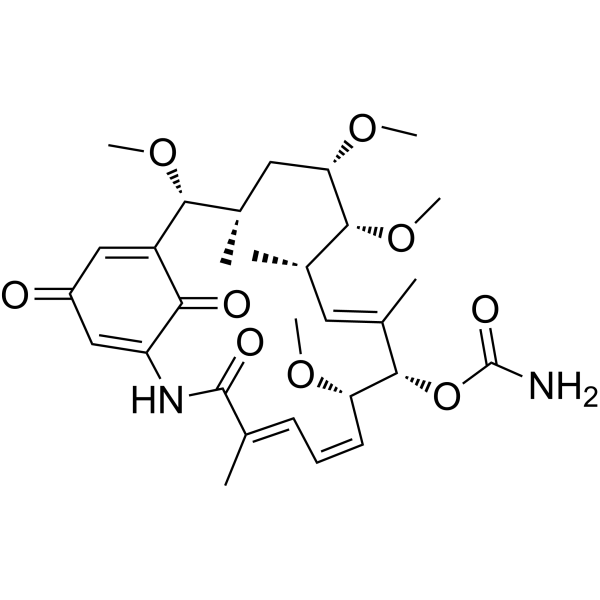
Geldanamycin is a Hsp90 inhibitor with antimicrobial activity against many Gram-positive and some Gram-negative bacteria. Geldanamycin has anti-influenza virus H5N1 activities.
SNX-5422 Mesylate (PF-04929113 Mesylate), a prodrug of SNX-2112, is an orally active Hsp90 inhibitor, with a Kd of 41 nM, and also induces Her-2 degradation, with an IC50 of 37 nM.
YK5 is a potent and selective Hsp70 inhibitor. YK5 selectively and tightly binds to the cytosolic Hsp70s in cancer cells. YK5 has biological activity partly by interfering with the formation of active oncogenic Hsp70/Hsp90/client protein complexes .
DDO-6079 is a potent CDC37 inhibitor. DDO-6079 inhibits HSP90-CDC37 and CDC37-CDK4/6 chaperone complex by binding to an allosteric site on CDC37. DDO-6079 decreases the thermostability of CDK6 .
HS-131, a near infrared dye tethered Hsp90 inhibitor, is able to detect oncogene-driven breast cancers, including multiple different molecular subtypes of human breast cancers .
CH5138303 is a potent and orally active Hsp90 inhibitor. CH5138303 shows high binding affinity for N-terminal Hsp90α, with Kd of 0.52 nM. CH5138303 shows potent anti-proliferative activity against human cancer cell lines (HCT116 and NCI-N87), with IC50 values of 0.098 and 0.066 μM, respectively. CH5138303 shows high oral bioavailability in mice (F=44.0%). CH5138303 shows potent antitumor efficacy in a human NCI-N87 gastric cancer xenograft model .
Chetomin, an active component of Chaetomium globosum, is a heat shock protein 90/hypoxia-inducible factor 1 alpha (Hsp90/HIF1α) pathway inhibitor. Chetomin is a potent, nontoxic non-small cell lung cancer cancer stem cells (NSCLC CSC)-targeting molecule .
Regaloside C is an anti-inflammatory agent and antioxidant that scavenges ABTS and DPPH free radicals. Regaloside C targets multiple molecules including TNF-α, MMP-2, ERα, AKT1, TLR4 and HSP90-α. Regaloside C is applicable to research related to inflammatory diseases .
XL888 is a potent and orally active HSP90 inhibitor with an IC50 value of 24 nM. XL888 shows anti-proliferation activity and induces Apoptosis. XL888 shows anti-tumor activity .
Ethoxyquin (Standard) is the analytical standard of Ethoxyquin. This product is intended for research and analytical applications. Ethoxyquin is an antioxidant which has been used in animal feed for many years and also an inhibitor of heat shock protein 90 (Hsp90).
AEG3482 (Standard) is the analytical standard of AEG3482 (HY-107599). This product is intended for research and analytical applications. AEG3482 is a potent antiapoptotic compound that inhibits Jun Kinase (JNK) activity through induced expression of heat shock protein 70 (HSP70). AEG3482 directly binds HSP90, thereby facilitating HSF1-dependent expression of HSP70 and HSP25 .
Icapamespib (PU-HZ151; PU-AD) is a selective, orally active inhibitor of Epichaperomes assembled by HSP90 with slow dissociation kinetics. Icapamespib can cross the blood-brain barrier (BBB) ??and induce epichaperome disassembly by non-covalently binding to HSP90, restoring the normal protein-protein interaction network. Icapamespib can specifically disrupt disease-related abnormal protein interaction networks, reduce neurotoxic protein aggregation and tumor cell survival signals. Icapamespib can be used in the research of neurodegenerative diseases such as Alzheimer's disease, as well as cancers such as glioblastoma and metastatic breast cancer .
BIIB021 (Standard) is the analytical standard of BIIB021. This product is intended for research and analytical applications. BIIB021 (CNF2024) is an orally active, fully synthetic inhibitor of HSP90 with a Ki and an EC50 of 1.7 nM and 38 nM, respectively .
PU24FCl is a specific inhibitor of Hsp90. PU24FCl exhibits wide-ranging anti-cancer activities. PU24FCl accumulates in tumors while being rapidly cleared from normal tissue .
Chaperone complex ligand 1 is a chaperone ligand for HSP90. Chaperone complex ligand 1 can be connected to the MET ligand (HY-50878) by a linker to synthesis of MET degrader OZD-MET 01 (HY-177893) .
TRAP1-IN-2 (compound 36) is a selective degrader of TRAP1 downstream proteins without affecting Hsp90's cytoplasmic downstream proteins. TRAP1-IN-2 also inhibits OXPHOS and alters cellular glycolysis metabolism. TRAP1-IN-2 destabilizes TRAP1 tetramers and disrupts mitochondrial membrane potential.
NCT-58 is a potent inhibitor of C-terminal HSP90. NCT-58 does not induce the heat shock response (HSR) due to its targeting of the C-terminal region and elicits anti-tumor activity via the simultaneous downregulation of HER family members as well as inhibition of Akt phosphorylation. NCT-58 kills Trastuzumab-resistant breast cancer stem-like cells. NCT-58 induces apoptosis in HER2-positive breast cancer cells .
Geldanamycin (Standard) is the analytical standard of Geldanamycin. This product is intended for research and analytical applications. Geldanamycin is a Hsp90 inhibitor with antimicrobial activity against many Gram-positive and some Gram-negative bacteria. Geldanamycin has anti-influenza virus H5N1 activities.
Tamoxifen-d3 is the deuterium labeled Tamoxifen . Tamoxifen (ICI 47699) is an orally active, selective estrogen receptor modulator (SERM) which blocks estrogen action in breast cells and can activate estrogen activity in other cells, such as bone, liver, and uterine cells . Tamoxifen is a potent Hsp90 activator and enhances the Hsp90 molecular chaperone ATPase activity. Tamoxifen also potent inhibits infectious EBOV Zaire and Marburg (MARV) with IC50 of 0.1 μM and 1.8 μM, respectively . Tamoxifen activates autophagy and induces apoptosis . Tamoxifen also can induce gene knockout of CreER(T2) transgenic mouse .
Gamitrinib TPP hexafluorophosphate (Standard) is the analytical standard of Gamitrinib TPP hexafluorophosphate (HY-102007A). This product is intended for research and analytical applications. Gamitrinib TPP hexafluorophosphate is a Gamitrinib (GA) mitochondrial matrix inhibitor. Gamitrinib TPP hexafluorophosphate is a mitochondrial targeted HSP90 inhibitor with anti-cancer activity.
[Ru(phen)2(xant)] hexafluorophosphate is an inducer of Autophagy. [Ru(phen)2(xant)] hexafluorophosphate eliminates CRC stem cells by targeting the chaperone Hsp90. [Ru(phen)2(xant)] hexafluorophosphate reduces cell migration and invasion .
GUT-70, a tricyclic coumarin, is a Hsp90 inhibitor. GUT-70 activates the caspase 2, 3, 8 and 9, and induces the apoptosis in leukemic cells. GUT-70 inhibits HIV-1 replication in chronically infected cells via suppression of the NF-κB pathway. GUT-70 can be used for the study of leukemic, mantle cell lymphoma (MCL) and HIV-1 infection .
Tamoxifen- 13C6 (ICI 47699- 13C6) is the 13C-labeled Tamoxifen (HY-13757A). Tamoxifen (ICI 47699) is an orally active, selective estrogen receptor modulator (SERM) which blocks estrogen action in breast cells and can activate estrogen activity in other cells, such as bone, liver, and uterine cells . Tamoxifen is a potent Hsp90 activator and enhances the Hsp90 molecular chaperone ATPase activity. Tamoxifen also potent inhibits infectious EBOV Zaire and Marburg (MARV) with IC50 of 0.1 μM and 1.8 μM, respectively . Tamoxifen activates autophagy and induces apoptosis . Tamoxifen also can induce gene knockout of CreER transgenic mouse .
Tamoxifen (Standard) is the analytical standard of Tamoxifen (HY-13757A). This product is intended for research and analytical applications. Tamoxifen (ICI 47699) is an orally active, selective estrogen receptor modulator (SERM) which blocks estrogen action in breast cells and can activate estrogen activity in other cells, such as bone, liver, and uterine cells . Tamoxifen is a potent Hsp90 activator and enhances the Hsp90 molecular chaperone ATPase activity. Tamoxifen also potent inhibits infectious EBOV Zaire and Marburg (MARV) with IC50 of 0.1 μM and 1.8 μM, respectively . Tamoxifen activates autophagy and induces apoptosis . Tamoxifen also can induce gene knockout of CreER(T2) transgenic mouse .
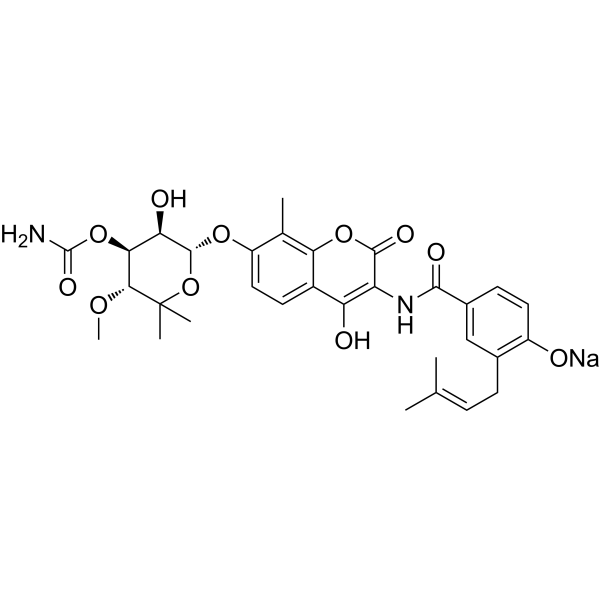
Novobiocin (Albamycin) sodium is a potent and orally active antibiotic. Novobiocin sodium also is a DNA gyrase inhibitor and a heat shock protein 90(Hsp90) antagonist. Novobiocin sodium has the potential for the research of highly beta-lactam-resistant pneumococcal infections. Novobiocin sodium shows anti-orthopoxvirus activity .
2-Methoxyhydroquinone is a phenolic compound that reduces TNF-α-induced production of chemokine (C-C motif) ligand 2 (CCL2) with an IC50 value of 64.3 µM. 2-Methoxyhydroquinone is also a precursor in the synthesis of the Hsp90 inhibitor Geldanamycin (HY-15230) .
Herbimycin A, an ansamycin antibiotic, acts as a Src family kinase inhibitor. Herbimycin A binds to the SH domain and inhibits the activity of p60 v-src and p210 BCR-ABL Herbimycin A inhibits Hsp90 and impairs recovery from heat shock. Herbimycin A exhibits antiangiogenic activity in endothelial cells in vitro.
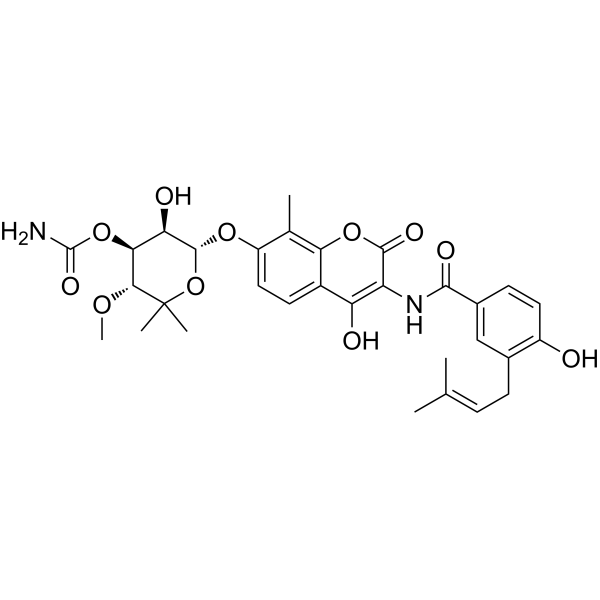
Novobiocin (Albamycin) is a potent and orally active antibiotic. Novobiocin also is a DNA gyrase inhibitor and a heat shock protein 90(Hsp90) antagonist. Novobiocin has the potential for the research of highly beta-lactam-resistant pneumococcal infections. Novobiocin shows anti-orthopoxvirus activity .
CliMB-325 is an HSP90 inhibitor that can induce MHC-I (EC50 = 498 nM) expression on the surface of CT26 murine colorectal cancer cells. CliMB-325 enhances T cell activation and exhibits lower toxicity. CliMB-325 can be used for the study of colorectal cancer .
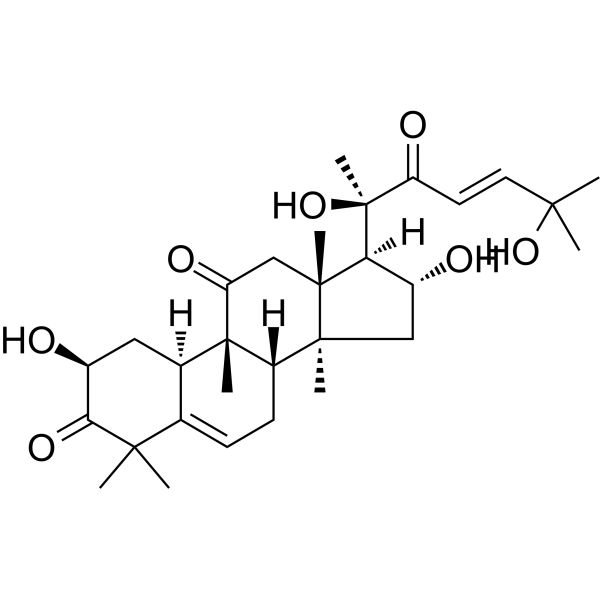
Cucurbitacin D is the active ingredient in Trichosanthes kirilowii and can disrupt the interaction between Hsp90 and two co-chaperones, Cdc37 and p23. Cucurbitacin D is an inflammasome activator. Cucurbitacin D induces cell cycle arrest and cell apoptosis, exhibiting anti-tumor and anti-inflammatory effects .
PDK-IN-1 (compound 7o) is a pyruvate dehydrogenase kinase (PDK) inhibitor. PDK-IN-1 shows IC50 values of 0.03 and 0.1 μM for PDK1 and HSP90, respectively. PDK-IN-1 targets PDH/PDK axis thus reducing efficiently the tumor mass .
WCA-814 is an androgen receptor (AR)antagonist-Hsp90 inhibitor conjugate. WCA-814 induces the degradation of full-length and AR-V7. WCA-814 has cytotoxic effect in prostatic cancer cells (IC50: 171.2 nM, 26.5 nM for LNCaP, 22Rv1 cell) .
BIIB021 (CNF2024) mesylate is the mesylate of BIIB021 (HY-10212). BIIB021 is an orally active Hsp90 inhibitor. BIIB021 inhibits the proliferation of chronic myeloid leukemia (CML) cells, with IC50 values of K562, K562/G, 32Dp210, and 32Dp210-T315I cells are 513.99, 603.53, 110.08, and 148.07 nM, respectively. BIIB021 degrades BCR-ABL protein and inhibits the β-catenin/c-Myc pathway. BIIB021 can also induce autophagy in CML cells. BIIB021 can be used for the research of CML .
Ganetespib (STA-9090) is a heat shock protein 90(HSP90) inhibitor which exhibits potent cytotoxicity in a wide variety of hematological and solid tumor cell lines. Ganetespib has antiangiogenic effects in colorectal cancer mediated through inhibition of HIF-1α and STAT3 .
DDO-6691 is a heat shock protein 90(HSP90) inhibitor. DDO-6691 has antiproliferative effects on a variety of tumor cells, with HCT-116 colon cancer cells being the most sensitive (IC50: 1.08 μM). DDO-6691 exhibits potent tumor growth inhibition in the HCT-116 xenograft mouse model .
Novobiocin (Standard) is the analytical standard of Novobiocin. This product is intended for research and analytical applications. Novobiocin (Albamycin) is a potent and orally active antibiotic. Novobiocin also is a DNA gyrase inhibitor and a heat shock protein 90 (Hsp90) antagonist. Novobiocin has the potential for the research of highly beta-lactam-resistant pneumococcal infections. Novobiocin shows anti-orthopoxvirus activity .
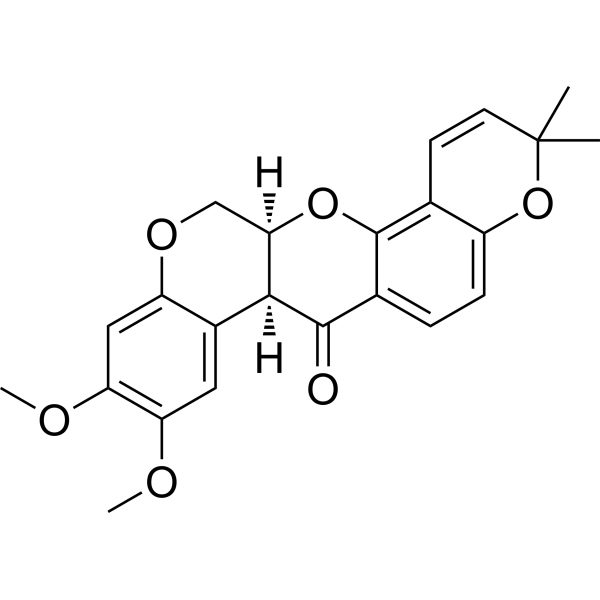
Deguelin, a naturally occurring rotenoid, acts as a chemopreventive agent by blocking multiple pathways like PI3K-Akt, IKK-NF-κB, and MAPK-mTOR-survivin-mediated apoptosis. Deguelin binding to Hsp90 leads to a decreased expression of numerous oncogenic proteins, including MEK1/2, Akt, HIF1α, COX-2, and NF-κB.
EC144 is a potent and selective inhibitor of heat shock protein 90(Hsp90) with an IC50 of 1.1 nM. EC144 inhibits tumor growth and causes partial tumor regressions. EC144 has the potential for the research of cancer diseases . EC144 is a click chemistry reagent, it contains an Alkyne group and can undergo copper-catalyzed azide-alkyne cycloaddition (CuAAc) with molecules containing Azide groups.
Cucurbitacin D (Standard) is the analytical standard of Cucurbitacin D. This product is intended for research and analytical applications. Cucurbitacin D is the active ingredient in Trichosanthes kirilowii and can disrupt the interaction between Hsp90 and two co-chaperones, Cdc37 and p23. Cucurbitacin D is an inflammasome activator. Cucurbitacin D induces cell cycle arrest and cell apoptosis, exhibiting anti-tumor and anti-inflammatory effects .
Cucurbitacin D (Standard) is the analytical standard of Cucurbitacin D. This product is intended for research and analytical applications. Cucurbitacin D is the active ingredient in Trichosanthes kirilowii and can disrupt the interaction between Hsp90 and two co-chaperones, Cdc37 and p23. Cucurbitacin D is an inflammasome activator. Cucurbitacin D induces cell cycle arrest and cell apoptosis, exhibiting anti-tumor and anti-inflammatory effects .
Ganetespib (Standard) is the analytical standard of Ganetespib. This product is intended for research and analytical applications. Ganetespib (STA-9090) is a heat shock protein 90 (HSP90) inhibitor which exhibits potent cytotoxicity in a wide variety of hematological and solid tumor cell lines. Ganetespib has antiangiogenic effects in colorectal cancer mediated through inhibition of HIF-1α and STAT3 .
Radicicol is an inhibitor of Hsp90 with an IC50 value < 1 μM, and leads to proteasomal degradation . Radicicol exhibits inhibition on PDK with IC50s of 230 μM (PDK1) and 400 μM (PDK3). Radicicol is an antifungal and antimalarial antibiotic, impairs mitochondrial replication by targeting P. falciparumtopoisomerase VIB . Radicicol is also an inhibitor of fat mass and obesity-associated protein (FTO), with an IC50 value of 16.04 μM .
STA-2842 is an inhibitor of heat shock protein HSP90 with potential to inhibit autosomal dominant polycystic kidney disease (ADPKD). ADPKD is caused by inherited mutations in the PKD1 or PKD2 genes that abnormally activate multiple signaling proteins and pathways that regulate cell proliferation. STA-2842 can significantly reduce initial renal cyst formation and kidney growth in mice, and slow disease progression in mice with existing cysts.
CH5015765 is an orally available Hsp90 inhibitor bound to the N-terminal ATP binding site, with a dissociation constant of 3.4 nM, CH5015765 exerts antiproliferative activity against human cancer cell lines, with IC50 values of 0.46 μM for HCT116 colorectal cancer cells and 0.57 μM for NCI-N87 gastric cancer cells. CH5015765 can be used for the study of cancer .
SNX-7081 is an Hsp90 inhibitor with Ki and IC50 values of 26 nM and 44 nM, respectively. SNX-7081 blocks the nuclear translocation of NF-κB, inhibits the production of pro-inflammatory cytokines, attenuates the ERK/JNK and PDGF signaling pathways, and suppresses LPS (HY-D1056)-induced nitric oxide production. SNX-7081 inhibits DNA repair, induces G2/M cell cycle arrest, and triggers apoptosis via downregulation of MYC/nucleolin and activation of Fas. SNX-7081 can be used in research related to rheumatoid arthritis and cancer .
MRLB-223 is a preferential HDAC1 and HDAC2 inhibitor with activity against tumor cells.MRLB-223 induces histone hyperacetylation, intrinsic apoptotic pathway activation, tumor cell apoptosis, Hsp90 hyperacetylation, and caspase-dependent Bcr-Abl degradation.MRLB-223 mediates p53-independent tumor cell death, with activity suppressed by Bcl-2 overexpression, and kills Bcr-Abl-expressing myeloid cells.MRLB-223 exerts effects in mice bearing Eμ-myc lymphomas.MRLB-223 can be used for the research of Eμ-myc lymphoma .
CC-11 is an orally active small molecule drug conjugate (SMDC) that links the PI3K/mTOR inhibitor with the extracellular heat shock protein 90(EHSP90) targeting ligand through a cleavable linker. CC-11 exhibits strong HSP90 binding activity (IC50 = 15 nM) and inhibits PI3Kα kinase activity (IC50 = 0.54 nM). CC-11 has anti-proliferative activity against colon cancer cells. CC-11 shows significant efficacy in the HCT-116 xenograft tumor model. CC-11 can be used for research on colon cancer .
EGFR-IN-182 (Compound 4) is an EGFR inhibitor with an IC50 value of 199 nM. EGFR-IN-182 inhibits HSP90 and PI3K, with IC50 values of 5.007 and 13.596 μM respectively. EGFR-IN-182 exhibits strong anti-proliferative activity against MCF-7 and MDA-MB-231 cells. EGFR-IN-182 downregulates Cyclin D1, inducing cell cycle arrest; it enhances the activity of caspase-9, inducing cell apoptosis. EGFR-IN-182 downregulates the expressions of ERK and AKT. EGFR-IN-182 can be used for research on breast cancer .
Deguelin (Standard) is the analytical standard of Deguelin. This product is intended for research and analytical applications. Deguelin, a naturally occurring rotenoid, acts as a chemopreventive agent by blocking multiple pathways like PI3K-Akt, IKK-NF-κB, and MAPK-mTOR-survivin-mediated apoptosis. Deguelin binding to Hsp90 leads to a decreased expression of numerous oncogenic proteins, including MEK1/2, Akt, HIF1α, COX-2, and NF-κB.
Onalespib (AT13387) is a potent and cross the blood-brain barrier heat-shock-protein-90(Hsp90) inhibitor. Onalespib inhibits the proliferation, survival and migration. Onalespib decreases the expression of EGFR, p-EGFR, AKT, P-AKT, ERK1/2, P-ERK1/2, S6, P-S6 protein. Onalespib shows antitumor activity. Onalespib has the potential for the research of non-small cell lung cancer (NSCLC) .
KW-2478 is an HSP90 inhibitor (IC50 = 3.8 nM). KW-2478 inhibits the growth and induces apoptosis in chronic myeloid leukemia (CML) cells and liver cancer cells. KW-2478 weakens the BCR/ABL and MAPK signaling pathways, leading to increased p27 and p21 expression and decreased cyclin B1 expression. KW-2478 downregulates STAT3 expression. KW-2478 may be used in research on cancers such as CML and liver cancer .
TRAP1-IN-1 (compound 35) is a potent and selective inhibitor of TRAP1,a mitochondrial isoform of Hsp90. TRAP1-IN-1 has >250-fold TRAP1 selectivity over Grp94,and disrupts TRAP1 tetramer stability,induces TRAP1 client protein degradation. TRAP1-IN-1 also inhibits mitochondrial complex I of oxidative phosphorylation OXPHOS,disrupts the mitochondrial membrane potential,and enhances glycolysis metabolism .
KW-2478 hydrochloride is an HSP90 inhibitor (IC50 = 3.8 nM). KW-2478 hydrochloride inhibits the growth and induces apoptosis in chronic myeloid leukemia (CML) cells and liver cancer cells. KW-2478 hydrochloride weakens the BCR/ABL and MAPK signaling pathways, leading to increased p27 and p21 expression and decreased cyclin B1 expression. KW-2478 hydrochloride downregulates STAT3 expression. KW-2478 hydrochloride may be used in research on cancers such as CML and liver cancer .
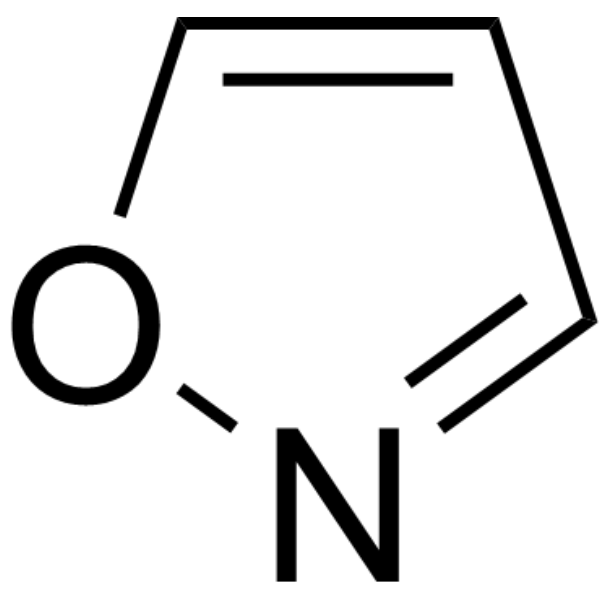
Isoxazole is a member of the five-membered heterocycle drug scaffold. Isoxazole has been used as a BET bromodomain inhibitor and can improve β-cell function in a diabetic mouse model. Isoxazole and its derivatives exhibit broad biological activities (such as antimicrobial, antibacterial, antifungal, antiviral, anticancer, anti-inflammatory, immunomodulatory, analgesic, anti-tuberculosis, and anti-diabetic effects). For example, the bicyclic Isoxazole can act as an HSP90 inhibitor, and the tricyclic Isoxazole is promising as a selective multidrug resistance protein (MRP1) inhibitor .
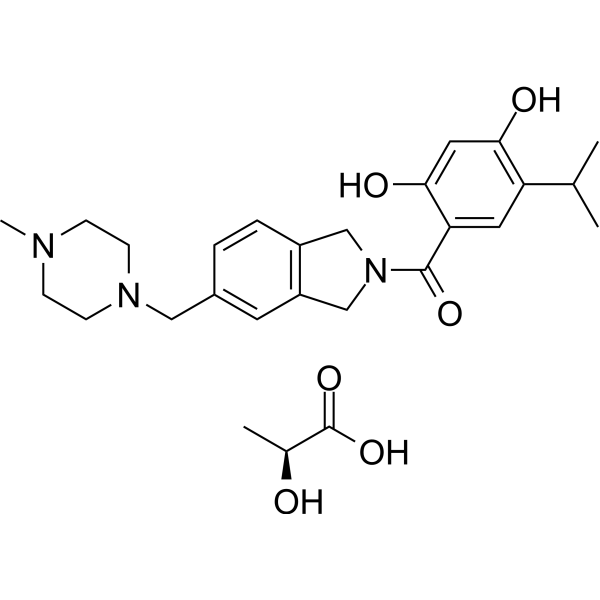
Onalespib lactate is a potent and cross the blood-brain barrier heat-shock-protein-90(Hsp90) inhibitor with an Kd value of 0.71 nM. Onalespib lactate inhibits the proliferation, survival and migration. Onalespib lactate decreases the expression of EGFR, p-EGFR, AKT, P-AKT, ERK1/2, P-ERK1/2, S6, P-S6 protein. Onalespib lactate shows antitumor activity. Onalespib lactate has the potential for the research of non-small cell lung cancer (NSCLC) .
AT-533 is a potent Hsp90 and HSV inhibitor. AT-533 suppresses tumor growth and angiogenesis by blocking the HIF-1α/VEGF/VEGFR-2 signaling pathway. AT-533 also inhibits the activation of the downstream pathways, including Akt/mTOR/p70S6K, Erk1/2 and FAK. AT-533 inhibits the tube formation, cell migration, and invasion of human umbilical vein endothelial cells (HUVECs) .
PS10 is a novel, potent and ATP-competitive pan-PDK inhibitor, inhibits all PDK isoforms with IC50 of 0.8 μM, 0.76 μM, 2.1 μM and 21.3 μM for PDK2, PDK4, PDK1, and PDK3, respectively. PS10 shows high affinity for PDK2 (Kd= 239 nM) than for Hsp90 (Kd= 47 μM) . PS10 improves glucose tolerance, stimulates myocardial carbohydrate oxidation in diet-induced obesity. PS10 has the potential for the investigation of diabetic cardiomyopathy .PDK: pyruvate dehydrogenase kinase
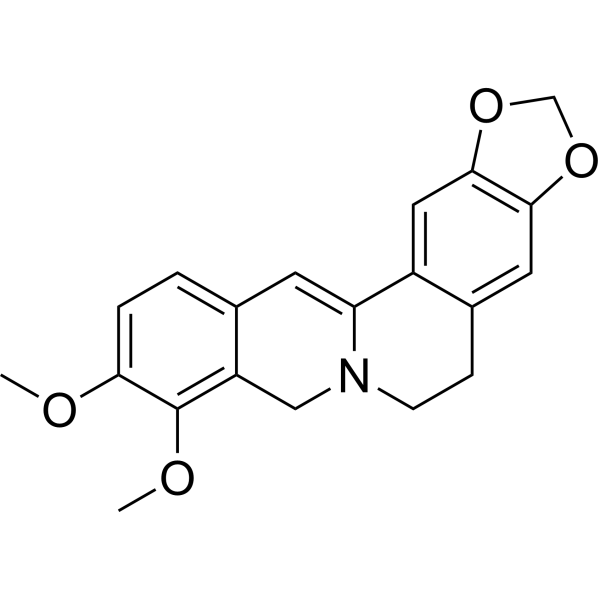
Dihydroberberine is a naturally occurring isoquinoline alkaloid with anti-inflammatory, anti-atherosclerotic, hypolipidemic and anti-tumor activities. Dihydroberberine inhibits the human ether-related gene (hERG) channel and significantly reduces the expression of heat shock protein 90(Hsp90) and its interaction with hERG. Dihydroberberine also blocks the TLR4/MyD88/NF-κB signaling pathway to reduce pro-inflammatory cytokines and immunoglobulins, and has inhibitory effects on DSS (HY-116282C)-induced experimental colitis. Dihydroberberine also increases the sensitivity of lung cancer to sunitinib (HY-10255A), with synergistic efficacy .
Antitumor agent-174 (Compound 10) directly engages the N-terminal site of Hsp90 and promotes the degradation of β-catenin, thereby suppressing the Wnt/β-catenin signaling. Antitumor agent-174 effectively inhibits proliferation, induce S and G2/M phases arrest and block the clonogenic ability in CRC cells. Antitumor agent-174 down-regulates CDK1, Cyclin D1, c-Myc, Cyclin B1, and Cyclin A2, and upregulaties P21 proteins. Antitumor agent-174 has significant anti-tumor efficacy against colorectal cancer (CRC) with excellent pharmacokinetics and low toxicity .
9 (10)-Nitrooleate (9(10)-Nitrated oleic acid) is an endogenous lipid signaling mediator with vasoprotective effects. 9 (10)-Nitrooleate enhances enzymatic activity and improves nitric oxide bioavailability by inducing phosphorylation of Akt and ERK1/2, regulating the multi-site phosphorylation status of eNOS and optimizing its interaction with Hsp90. 9 (10)-Nitrooleate also activates PPARα, PPARδ and PPARγ receptors, thereby regulating adipogenesis, glucose uptake and inflammation-related gene expression, and exhibits immunosuppressive effects by inhibiting neutrophil migration and cytokine secretion. 9 (10)-Nitrooleate is widely used in studies of sepsis and related inflammatory diseases .
Dihydroberberine (Standard) is the analytical standard of Dihydroberberine. This product is intended for research and analytical applications. Dihydroberberine is a naturally occurring isoquinoline alkaloid with anti-inflammatory, anti-atherosclerotic, hypolipidemic and anti-tumor activities. Dihydroberberine inhibits the human ether-related gene (hERG) channel and significantly reduces the expression of heat shock protein 90 (Hsp90) and its interaction with hERG. Dihydroberberine also blocks the TLR4/MyD88/NF-κB signaling pathway to reduce pro-inflammatory cytokines and immunoglobulins, and has inhibitory effects on DSS (HY-116282C)-induced experimental colitis. Dihydroberberine also increases the sensitivity of lung cancer to sunitinib (HY-10255A), with synergistic efficacy .
PKHB1 (txCD47) is a CD47 agonist and Thrombospondin-1 peptide mimetic. PKHB1 activates CD47 and triggers Caspase-independent, calcium-dependent cell death via mitochondrial alterations, ROS production, endoplasmic reticulum morphological changes, and dissipation of mitochondrial membrane potential. PKHB1 induces the exposure of Calreticulin, HSP70, and HSP90, thereby driving immunogenic cell death. PKHB1 promotes intratumoral CD8+ T cell infiltration and inhibits breast tumorigenesis. PKHB1 reduces HSV-1 levels and alleviates the severity of herpes simplex keratitis. PKHB1 can be used in research related to breast cancer, herpes simplex keratitis, and T-cell acute lymphoblastic leukemia .
HEMTAC CDK4/6 degrader 1 is a PROTAC connected by ligands for HSP90 and CDK4/6 with a Kd value of 35.7 μM. HEMTAC CDK4/6 degrader 1 induces CDK4/6 degradation in B16F10 melanoma cells. HEMTAC CDK4/6 degrader 1 arrests cell cycle at G0/G1 phase and induces apoptosis. HEMTAC CDK4/6 degrader 1 can be used in research of cancer . HEMTAC CDK4/6 degrader 1 is a click chemistry reagent, it contains an Alkyne group and can undergo copper-catalyzed azide-alkyne cycloaddition (CuAAc) with molecules containing Azide groups.
PU-11 is a Hsp90α/Hsp90β inhibitor with IC50 values of 18.6 μM and 89.8 μM and Kd values of 2 and 4.2 μM. PU-11 binds to the ATP-binding pocket of Hsp90α and Hsp90β and displays selective binding preference for Hsp90α over Hsp90β, mediated by the nonconserved Hsp90α Ser52 residue. PU-11 can be used for the research of neurodegenerative disorders .
WK88-1 is an apoptosis inducer and Hsp90 client protein inhibitor with antiproliferative and immunomodulatory activities. WK88-1 inhibits signaling pathways such as PI3K/Akt and NF-κB, and induces mitochondrial dysfunction and cell cycle arrest. WK88-1 effectively suppresses cancer cell migration and invasion, and reverses various EGFR mutations and resistance to Gefitinib (HY-50895). WK88-1 also regulates the differentiation of monocytes and dendritic cells, blocks the expression of multiple chemokines, inhibits immune cell migration and M1 marker transcription, and restores impaired endocytic activity. WK88-1 has been used in studies of breast cancer, non-small cell lung cancer with various EGFR mutations or Met amplification, and atherosclerosis and other related diseases .
NBE5 is an orally active hydrophobic tag-targeting (Hyt) degrader (HyTTD) that targets Keap1. NBE5 mimics protein misfolding and recruits the molecular chaperone Hsp90, while achieving targeted degradation of Keap1 through both the ubiquitin-proteasome system and the autophagy-lysosome system. Consequently, NBE5 relieves the inhibition of the transcription factor Nrf2 by Keap1, potently activates the Nrf2-mediated endogenous antioxidant pathway, and upregulates the expression of downstream antioxidant proteins such as HO-1 and GCLM. NBE5 effectively alleviates oxidative stress and inflammatory damage, and exhibits excellent in vivo activity in a mouse model of acute colitis induced by DSS (HY-116282C) .
NBE5 consists of a hydrophobic tag (HY-W022007), a Keap1-Nrf2 ligand (HY-14909), and a linker (HY-W014831).
Ly101-4B is an apoptosis inducer and multi-target inhibitor with antiproliferative, antitumor and cycytotoxic effects. Ly101-4B reduces HSF1 expression, inhibits microRNA-214 synthesis, downregulates HSP27, HSP70 and HSP90expression, while suppressing E2F-dependent transcriptional activity and downregulating its target genes. Ly101-4B induces caspase 3/7-mediated apoptosis by reducing DNA synthesis, inhibiting the cell cycle and G1/S phase transition, without affecting RNA synthesis or inducing necrosis. Ly101-4B is selective for pancreatic ductal adenocarcinoma cells with different genotypes and varying degrees of E2F dependence. Ly101-4B can be used in research related to epithelial ovarian cancer and pancreatic ductal adenocarcinoma .
KUNB106 is a selective Hsp90β inhibitor with KDs of 91 nM and 38 μM against Hsp90β and Hsp90α. KUNB106 exhibits antiproliferative activity against MDA-MB-231 cells, A549 and SKOV-3 cells. KUNB106 can be used for the study of triple negative breast cancer .
CCT018159 is an ATP-competitive HSP90β inhibitor, with an IC50 of 3.2 μM against human HSP90β ATPase and 6.6 μM against yeast HSP90β ATPase. CCT018159 induces cell cycle arrest and apoptosis in tumor cells, and inhibits invasion and angiogenesis. CCT018159 is applicable to cancer-related research .
AR/AR-V7 degrader-1 is an orally active AR and AR-V7 degrader. AR/AR-V7 degrader-1 disrupts the interaction between AR/AR-V7 and HSP90, leading to their ubiquitination and degradation in castration-resistant prostate cancer cells. AR/AR-V7 degrader-1 regulates the expression of cell cycle-related proteins in prostate cancer cells (downregulates CDK4, CDK6, Cyclin D1, Cyclin E1; upregulates P21) and induces G0/G1 phase arrest. AR/AR-V7 degrader-1 inhibits the proliferation and migration of prostate cancer cells. AR/AR-V7 degrader-1 suppresses the growth of castration-resistant prostate cancer tumors in nude mice and induces the degradation of AR and AR-V7 in tumor tissues. AR/AR-V7 degrader-1 is applicable to the research of castration-resistant prostate cancer .
NDNA4 (compound 17) is a selective inhibitor of Hsp90α (IC50: 0.34 μM). NDNA4 is a permanently charged analog with low membrane permeability and low cytotoxicity against Ovcar-8 and MCF-10A ((IC50 >100 μM)). NDNA4 prevents disruption of hERG channel maturation without generating a heat shock response or causing degradation of Hsp90α-dependent client proteins .
KI-328 is a novel inhibitor targeting KIT kinase that has selective activity against some KIT mutant kinases commonly found in acute myeloid leukemia (AML). KI-328 showed specificity for KIT kinase in in vitro kinase assays and inhibited the growth of wild-type (Wt) and mutant KIT-expressing cells, but had lower activity against D816V-KIT. Comparative analysis of the inhibitory effects of several potent KIT inhibitors on the growth of multiple mutant KIT-expressing cells showed that the multi-kinase inhibitors had comparable activity against D816V-KIT as against other mutant KITs; however, heat shock protein 90 (HSP90) inhibitors showed significant activity against D816V-KIT, inhibiting the growth of D816V-KIT-expressing cells at concentrations that did not affect the growth of other mutant KIT-expressing cells. These results suggest that potent KIT inhibitors have different activities against different types of KIT mutant kinases. Therefore, in clinical development, KIT inhibitors need to validate their activity against multiple types of KIT mutant kinases.
NDNA3 (compound 14) is a selective inhibitor of Hsp90α (IC50: 0.51 μM). NDNA3 is a permanently charged analog with low membrane permeability and low toxicity to Ovcar-8 (IC50: 12.66 μM) and MCF-10A (IC50: 11.72 μM) cells. NDNA3 prevents disruption of hERG channel maturation without generating a heat shock response or causing degradation of Hsp90α-dependent client proteins .
Dehydroherbarin is a selective inhibitor targeting HSP90α with blood-brain barrier penetration. Dehydroherbarin interferes with key pathways of tumor cell survival by binding to HSP90α, while exerting moderate antibacterial and anti-hepatitis A virus activities and inhibiting tumor cell migration. Dehydroherbarin can be used in research on tumors such as breast cancer .
KUNG94 is a selective Grp94/HSP90B inhibitor (IC50=8 nM). By inhibiting the chaperone function of Grp94, KUNG94 reduces the maturation and cell surface trafficking of its specific client proteins. KUNG94 can be used for studies on Grp94-related biological mechanisms, as well as diseases including cancer and primary open-angle glaucoma .
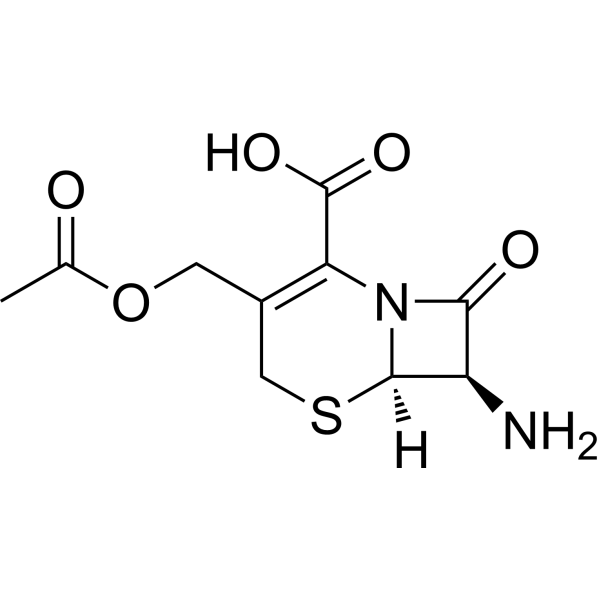
7-aminocephalosporanic acid (7-ACA) is a HSP90β inhibitor and an antibiotic. 7-Aminocephalosporanic acid is the core chemical structure of the synthesis of cephalosporin antibiotics and an effective β-lactamase inhibitor .
Grp94 Inhibitor-2 (compound 23), a cyclopropane analog, exhibits high affinity for glucose-regulated protein 94 (Grp94) with a Kd of 0.48 µM and 0.65 µM for Grp94 and Hsp90α, respectively .
7-Aminocephalosporanic acid (Standard) is the analytical standard of 7-Aminocephalosporanic acid. This product is intended for research and analytical applications. 7-aminocephalosporanic acid (7-ACA) is a HSP90β inhibitor and an antibiotic. 7-Aminocephalosporanic acid is the core chemical structure of the synthesis of cephalosporin antibiotics and an effective β-lactamase inhibitor .
Anticancer agent 249 (Compound 89) is an inhibitor for Hsp90β with IC50 of 16.5 μM in PC3MM2 cell. Anticancer agent 249 inhibits proliferation of cancer cells MCF-7, T47D, MDA-MB-231, MDA-MB-468 and SKBr3 with IC50 of 1.8-5.3 μM. Anticancer agent 249 induces apoptosis in MDA-MB-231. Anticancer agent 249 exhibits antitumor efficacy in mice .
KRAS G12D inhibitor 25 (Compound 148) is an inhibitor for KRAS G12C and HSP90α with IC50 of < 0.1 μM and 0.1-1 μM, respectively. KRAS G12D inhibitor 25 inhibits the proliferation of MIA PaCa-2 and NCI-H358 with EC50 of < 0.1 μM and 0.1-1 μM, respectively. KRAS G12D inhibitor 25 degrades ERBB2 with a DC50 of 0.1-1 μM .
19-epi-Scholaricine is an orally active indole alkaloid. 19-epi-Scholaricine downregulates the expression of profibrotic/apoptotic proteins (HRAS, HSP90AA1, KDR) and upregulates the expression of cell cycle-related protein (CDK2). 19-epi-Scholaricine suppresses ROS production and reduces the release of inflammatory mediators, thereby attenuating podocyte apoptosis, renal inflammation and oxidative stress by inhibiting AKT/mTOR. 19-epi-Scholaricine can be used in the research of chronic glomerulonephritis and membranous nephropathy .
Grp94-IN-3 (Compound 47) is a selective ATP competitive inhibitor of Grp94, with a Kd value of 76 nM. Grp94-IN-3 has a much lower affinity for Hsp90α, with a Kd value of 9.17 μM. Grp94-IN-3 induces the degradation of integrin α2 (Integrin α2) in MDA-MB-231 cells and reduces the intracellular accumulation of mutant cardiac proteins in human trabecular meshwork cells. Grp94-IN-3 can be used for the study of metastatic cancer and open-angle glaucoma .
PROTAC BRD4 Degrader-21 is a BRD4-targeting PROTAC degrader with an IC50 value of 59 nM. PROTAC BRD4 Degrader-21 induces ubiquitination of BRD4, leading to its degradation via the proteasome. PROTAC BRD4 Degrader-21 binds to recombinant HSP90α protein with moderate affinity, having an IC50 of 100-1000 nM. PROTAC BRD4 Degrader-21 induces cancer cell death. PROTAC BRD4 Degrader-21 inhibits tumor growth in xenograft mouse models. PROTAC BRD4 Degrader-21 can be used for the research of acute myeloid leukemia, diffuse large B-cell lymphoma .
AChE/BChE-IN-37 is a blood-brain barrier-permeable AChE/BChE inhibitor, with an IC50 of 73.65 μM against electric eel-derived AChE and an IC50 of 82.93 μM against horse-derived BChE. AChE/BChE-IN-37 exhibits chelating activity towards Cu 2+, Ca 2+, Mg 2+, Fe 2+ and Zn 2+. AChE/BChE-IN-37 interacts with HSP90AA1 and GSK-3β. AChE/BChE-IN-37 inhibits the self-induced aggregation of Aβ1-42. AChE/BChE-IN-37 suppresses LPS-induced NO production in cells. AChE/BChE-IN-37 can be used in research related to Alzheimer's disease and inflammatory diseases .
Ursolic acid acetate (Acetylursolic acid) is a triterpenoid compound and an inhibitor of Plasmodium falciparum heat shock protein 90(PfHsp90) with a KD of 8.16 μM. Ursolic acid acetate is cytotoxic to KB cells, with an IC50 value of 8.4 μM. Ursolic acid acetate can be used in tumor and antimalarial research .
DTHIB is a direct and selective heat shock factor 1 (HSF1) inhibitor with a Kd of 160 nM for DTHIB binding to the HSF1 DNA binding domain (DBD). DTHIB inhibits HSF1 cancer gene signature (HSF1 CaSig) and selectively stimulates degradation of nuclear HSF1. DTHIB has potently anticancer activities and can be used for prostate cancer research .
BF844 mitigate hearing loss associated with USH3 (usher syndrome type III) mutation CLRN1 (clarin-1) N48K. BF844 induces CLRN1 N48K transportes to the plasma membrane. BF844 shows significantly preserves hearing in vivo .
XYD049 is a CRBN-based molecular glue degrader targeting GSPT1, with a DC50 of 19 nM. XYD049 mediates the formation of a ternary complex between CRBN and GSPT1, thereby triggering CRBN- and proteasome-dependent degradation of GSPT1. By degrading GSPT1, XYD049 downregulates castration-resistant prostate cancer (CRPC)-related oncogenes, including BCL2, CDK2, E2F3, EGFR, HSP90B1, TMPRSS2, AR, AR-V7, PSA and c-Myc. XYD049 inhibits cancer cell growth and suppresses tumor growth in mice. XYD049 can be used for research on castration-resistant prostate cancer. XYD049 consists of a linker (black part) NH2-C5-NH-Boc (HY-W004710), a CRBN-based E3 ligase ligand (blue part) Thalidomide 4-fluoride (HY-41547), and a target protein ligand (red part) GSPT1 ligand-1 (HY-170821), among which the E3 ligase ligand plus linker forms the conjugate E3 Ligase Ligand-linker Conjugate 158 (HY-170822) .
Antiproliferative agent-78 (Compound 30) is an anticancer agent, with IC50 values of 37.14 μM and 16.91 μM against SKBR3 and MCF-7 cells, respectively. Antiproliferative agent-78 can be used for research on breast cancer .
Orazipone (OR 1384) is a small molecule immunomodulator with strong anti-inflammatory properties. Orazipone exerts its immunomodulatory effect by forming reversible thiol complexes, which bind to intracellular signaling proteins and the thiol groups of glutathione. Orazipone exhibits potent anti-eosinophilic activity by inducing apoptosis. Orazipone inhibits activation of inflammatory transcription factors NF-kB and STAT 1 and decreases inducible iNOS expression and NO production in response to inflammatory stimuli. Orazipone reduces NADPH oxidase activity and thereby decreases ROS production. Orazipone has a protective effect in intestinal radiation injury .
Flavokawain C is an orally active natural chalcone. Flavokawain C inhibits the proliferation of various cancer cells. Flavokawain C upregulates GADD153 in cancer cells, inhibits the phosphorylation of Akt and JNK, suppresses early ERK phosphorylation, activates late ERK phosphorylation, activates caspase related subtypes, induces PARP-1 cleavage, causes upregulation of p21 and p27, downregulation of mutant p53 and anti-apoptotic IAP proteins, elevates intracellular ROS levels, reduces SOD activity, and induces apoptosis. Flavokawain C downregulates FABP4, induces autophagy in cancer cells, and activates the AMPK/mTOR pathway . Flavokawain C decreases the expression of glycolysis-related proteins GLUT1 and HK2, and inhibits glycolysis in nasopharyngeal carcinoma cells. Flavokawain C inhibits the activation of the EGFR/PI3K/Akt/mTOR signaling pathway and reduces the expression of HSP90B1. Flavokawain C inhibits angiogenesis by decreasing the expression of angiogenic proteins Ang-1 and VEGF in human umbilical vein endothelial cells. Flavokawain C increases γ-H2AX levels in cells, inhibits the phosphorylation of FAK, PI3K and AKT in cells, and induces DNA damage in cells. Flavokawain C exerts anti-tumor activity in multiple tumor xenograft mouse models. Flavokawain C is applicable to research related to colorectal cancer, colon adenocarcinoma, nephroblastoma, nasopharyngeal carcinoma and liver cancer .
Kevetrin (3-Cyanopropyl carbamimidothioate; 4-Isothioureidobutyronitrile) is an apoptosis inducer that exhibits p53-dependent and p53-independent antitumor activity. In TP53 wild-type models, Kevetrin activates and stabilizes the p53 protein by altering the processing of MDM2, thereby inducing cell cycle arrest and apoptosis. Kevetrin shows higher sensitivity in mutant models. Kevetrin is applicable for the research of various cancers including acute myeloid leukemia and breast cancer .
EG36 is a selective E. coliDnaK inhibitor that inhibits DnaK ATPase activity at a concentration of 100 μM. EG36 directly binds to the nucleotide-binding domain (NBD) of E. coli DnaK by disrupting the DnaK-DnaJ interaction. EG36 can be used for research on bacterial infectious diseases .
Geldanamycin-FITC, a Geldanamycin fluorescent probe, can be used in a fluorescence polarization assay for HSP90 inhibitors. Geldanamycin-FITC also can be used for detection of cell surface HSP90 (Ex/Em = 488/515 nm) .
HS-131, a near infrared dye tethered Hsp90 inhibitor, is able to detect oncogene-driven breast cancers, including multiple different molecular subtypes of human breast cancers .
Shepherdin (79-87) is amino acids 79 to 87 fragment of Shepherdin. Shepherdin is a peptidomimetic antagonist of the complex between Hsp90 and Survivin. Anticancer activity .
Shepherdin (79-87) TFA is amino acids 79 to 87 fragment of Shepherdin. Shepherdin is a peptidomimetic antagonist of the complex between Hsp90 and Survivin. Anticancer activity .
DTX-P7 is a peptide-drug conjugate. DTX-P7, composed of Docetaxel (DTX, HY-B0011) and a heptapeptide (P7), induces unfolded protein response and subsequent apoptosis by degrading Hsp90 .
PKHB1 (txCD47) is a CD47 agonist and Thrombospondin-1 peptide mimetic. PKHB1 activates CD47 and triggers Caspase-independent, calcium-dependent cell death via mitochondrial alterations, ROS production, endoplasmic reticulum morphological changes, and dissipation of mitochondrial membrane potential. PKHB1 induces the exposure of Calreticulin, HSP70, and HSP90, thereby driving immunogenic cell death. PKHB1 promotes intratumoral CD8+ T cell infiltration and inhibits breast tumorigenesis. PKHB1 reduces HSV-1 levels and alleviates the severity of herpes simplex keratitis. PKHB1 can be used in research related to breast cancer, herpes simplex keratitis, and T-cell acute lymphoblastic leukemia .
Hsp90β decapeptide is a C-terminal peptide of Hsp90β, which contains conserved TPR-domain MEEVD. Hsp90β decapeptide is able to bind tightly the Tah1 protein with a Kd of 1.0 μM .
Geldanamycin is a Hsp90 inhibitor with antimicrobial activity against many Gram-positive and some Gram-negative bacteria. Geldanamycin has anti-influenza virus H5N1 activities.
Novobiocin (Albamycin) sodium is a potent and orally active antibiotic. Novobiocin sodium also is a DNA gyrase inhibitor and a heat shock protein 90(Hsp90) antagonist. Novobiocin sodium has the potential for the research of highly beta-lactam-resistant pneumococcal infections. Novobiocin sodium shows anti-orthopoxvirus activity .
Radicicol is an inhibitor of Hsp90 with an IC50 value < 1 μM, and leads to proteasomal degradation . Radicicol exhibits inhibition on PDK with IC50s of 230 μM (PDK1) and 400 μM (PDK3). Radicicol is an antifungal and antimalarial antibiotic, impairs mitochondrial replication by targeting P. falciparumtopoisomerase VIB . Radicicol is also an inhibitor of fat mass and obesity-associated protein (FTO), with an IC50 value of 16.04 μM .
Dihydroberberine is a naturally occurring isoquinoline alkaloid with anti-inflammatory, anti-atherosclerotic, hypolipidemic and anti-tumor activities. Dihydroberberine inhibits the human ether-related gene (hERG) channel and significantly reduces the expression of heat shock protein 90(Hsp90) and its interaction with hERG. Dihydroberberine also blocks the TLR4/MyD88/NF-κB signaling pathway to reduce pro-inflammatory cytokines and immunoglobulins, and has inhibitory effects on DSS (HY-116282C)-induced experimental colitis. Dihydroberberine also increases the sensitivity of lung cancer to sunitinib (HY-10255A), with synergistic efficacy .
Deguelin, a naturally occurring rotenoid, acts as a chemopreventive agent by blocking multiple pathways like PI3K-Akt, IKK-NF-κB, and MAPK-mTOR-survivin-mediated apoptosis. Deguelin binding to Hsp90 leads to a decreased expression of numerous oncogenic proteins, including MEK1/2, Akt, HIF1α, COX-2, and NF-κB.
Wighteone (6-Isopentenylgenistein; Erythrinin B) is a prenylated isoflavone that acts as a HSP90/EGFRL858R/T790M inhibitor and antifungal agent. Wighteone reduces the expression level of HSP90, blocks EGF-induced phosphorylation of EGFR, and thereby inhibits the downstream ERK and AKT signaling pathways. Wighteone induces cell cycle redistribution, inhibits proliferation and triggers apoptosis in cancer cells. Wighteone can be isolated from Erythrina suberosa, and can also be induced to synthesize in Lotus japonicus under specific conditions. Wighteone can be used to study HER2-positive breast cancer, leukemia, non-small cell lung cancer with EGFR L858R/T790M mutation, and fungal infections .
Cucurbitacin D is the active ingredient in Trichosanthes kirilowii and can disrupt the interaction between Hsp90 and two co-chaperones, Cdc37 and p23. Cucurbitacin D is an inflammasome activator. Cucurbitacin D induces cell cycle arrest and cell apoptosis, exhibiting anti-tumor and anti-inflammatory effects .
Gedunin is a limonoid with anti-cancer, anti-viral, anti-inflammatory and insecticidal activities. Gedunin acts as a potent Hsp90 inhibitor and induces the degradation of Hsp90-dependent client proteins. Geduni may obstructs the entry of SARS-CoV-2 virus into human host cells and can be used for COVID-19 research .
Falcarinol (Panaxynol) is a natural, orally active Hsp90 inhibitor targeting both the N-terminal and C-terminal of Hsp90 with limited toxicities. Falcarinol (Panaxynol) induces apoptosis . Falcarinol is a click chemistry reagent, it contains an Alkyne group and can undergo copper-catalyzed azide-alkyne cycloaddition (CuAAc) with molecules containing Azide groups.
7-aminocephalosporanic acid (7-ACA) is a HSP90β inhibitor and an antibiotic. 7-Aminocephalosporanic acid is the core chemical structure of the synthesis of cephalosporin antibiotics and an effective β-lactamase inhibitor .
Regaloside C is an anti-inflammatory agent and antioxidant that scavenges ABTS and DPPH free radicals. Regaloside C targets multiple molecules including TNF-α, MMP-2, ERα, AKT1, TLR4 and HSP90-α. Regaloside C is applicable to research related to inflammatory diseases .
Ursolic acid acetate (Acetylursolic acid) is a triterpenoid compound and an inhibitor of Plasmodium falciparum heat shock protein 90(PfHsp90) with a KD of 8.16 μM. Ursolic acid acetate is cytotoxic to KB cells, with an IC50 value of 8.4 μM. Ursolic acid acetate can be used in tumor and antimalarial research .
Flavokawain C is an orally active natural chalcone. Flavokawain C inhibits the proliferation of various cancer cells. Flavokawain C upregulates GADD153 in cancer cells, inhibits the phosphorylation of Akt and JNK, suppresses early ERK phosphorylation, activates late ERK phosphorylation, activates caspase related subtypes, induces PARP-1 cleavage, causes upregulation of p21 and p27, downregulation of mutant p53 and anti-apoptotic IAP proteins, elevates intracellular ROS levels, reduces SOD activity, and induces apoptosis. Flavokawain C downregulates FABP4, induces autophagy in cancer cells, and activates the AMPK/mTOR pathway . Flavokawain C decreases the expression of glycolysis-related proteins GLUT1 and HK2, and inhibits glycolysis in nasopharyngeal carcinoma cells. Flavokawain C inhibits the activation of the EGFR/PI3K/Akt/mTOR signaling pathway and reduces the expression of HSP90B1. Flavokawain C inhibits angiogenesis by decreasing the expression of angiogenic proteins Ang-1 and VEGF in human umbilical vein endothelial cells. Flavokawain C increases γ-H2AX levels in cells, inhibits the phosphorylation of FAK, PI3K and AKT in cells, and induces DNA damage in cells. Flavokawain C exerts anti-tumor activity in multiple tumor xenograft mouse models. Flavokawain C is applicable to research related to colorectal cancer, colon adenocarcinoma, nephroblastoma, nasopharyngeal carcinoma and liver cancer .
Conglobatin (FW-04-806), a macrolide dilactone, is isolated from the culture of Streptomyces conglobatus. Conglobatin is an orally active Hsp90 inhibitor. Conglobatin can bind to the N-terminal domain of Hsp90 and disrupt Hsp90-Cdc37 complex formation. Conglobatin induces apoptosis in human breast cancer cells and esophageal squamous cell carcinoma cells, and exhibits antitumor activity in vivo .
Herbimycin A, an ansamycin antibiotic, acts as a Src family kinase inhibitor. Herbimycin A binds to the SH domain and inhibits the activity of p60 v-src and p210 BCR-ABL Herbimycin A inhibits Hsp90 and impairs recovery from heat shock. Herbimycin A exhibits antiangiogenic activity in endothelial cells in vitro.
Kongensin A is a natural product isolated from Croton kongensis. Kongensin A is an effective, covalent HSP90 inhibitor that blocks RIP3-dependent necroptosishas. Kongensin A is a potent necroptosis inhibitor and an apoptosis inducer. Kongensin A has potential anti-necroptosis and anti-inflammation applications .
Pochonin D ((+)-Pochonin D) is an inhibitor of heat shock protein 90(Hsp90) with antiviral and anti-inflammatory activities. Pochonin D inhibits Hsp90, affects the homeostasis, folding and assembly processes of viral proteins, and reduces the replication capacity of viruses. Pochonin D is a copper ion carrier that can induce cuproptosis in triple-negative breast cancer cells by targeting PRDX1. Pochonin D reduces the infiltration of inflammatory cells, decreases the secretion of inflammatory cytokines such as TNF-α and IL-1β, and alleviates inflammatory responses. Pochonin D is a promising candidate for research on human rhinovirus (HRV) infection and cancer .
Tasiamide B is a Cathepsin D inhibitor, which is a linear peptide found in the marine cyanobacteria Symploca sp.. Tasiamide B is proved as a good template for the development of aspartic proteases inhibitors. Tasiamide B is effective against skin cancer by strongly interacting with the target protein HSP90 .
Geldanamycin (Standard) is the analytical standard of Geldanamycin. This product is intended for research and analytical applications. Geldanamycin is a Hsp90 inhibitor with antimicrobial activity against many Gram-positive and some Gram-negative bacteria. Geldanamycin has anti-influenza virus H5N1 activities.
Deguelin (Standard) is the analytical standard of Deguelin. This product is intended for research and analytical applications. Deguelin, a naturally occurring rotenoid, acts as a chemopreventive agent by blocking multiple pathways like PI3K-Akt, IKK-NF-κB, and MAPK-mTOR-survivin-mediated apoptosis. Deguelin binding to Hsp90 leads to a decreased expression of numerous oncogenic proteins, including MEK1/2, Akt, HIF1α, COX-2, and NF-κB.
Dihydroberberine (Standard) is the analytical standard of Dihydroberberine. This product is intended for research and analytical applications. Dihydroberberine is a naturally occurring isoquinoline alkaloid with anti-inflammatory, anti-atherosclerotic, hypolipidemic and anti-tumor activities. Dihydroberberine inhibits the human ether-related gene (hERG) channel and significantly reduces the expression of heat shock protein 90 (Hsp90) and its interaction with hERG. Dihydroberberine also blocks the TLR4/MyD88/NF-κB signaling pathway to reduce pro-inflammatory cytokines and immunoglobulins, and has inhibitory effects on DSS (HY-116282C)-induced experimental colitis. Dihydroberberine also increases the sensitivity of lung cancer to sunitinib (HY-10255A), with synergistic efficacy .
Diptoindonesin G is a 2-arylbenzofuran derivative and a modulator of estrogen receptor and HSP90 middle domain. Diptoindonesin G exhibits strong cytotoxicity against mouse leukemia P-388 cells with an IC50 of 13.2 μM. Diptoindonesin G has antitumor activity and can be used in the research of tumors such as breast cancer .
Cucurbitacin D (Standard) is the analytical standard of Cucurbitacin D. This product is intended for research and analytical applications. Cucurbitacin D is the active ingredient in Trichosanthes kirilowii and can disrupt the interaction between Hsp90 and two co-chaperones, Cdc37 and p23. Cucurbitacin D is an inflammasome activator. Cucurbitacin D induces cell cycle arrest and cell apoptosis, exhibiting anti-tumor and anti-inflammatory effects .
Dehydroherbarin is a selective inhibitor targeting HSP90α with blood-brain barrier penetration. Dehydroherbarin interferes with key pathways of tumor cell survival by binding to HSP90α, while exerting moderate antibacterial and anti-hepatitis A virus activities and inhibiting tumor cell migration. Dehydroherbarin can be used in research on tumors such as breast cancer .
The CDC37 protein is a co-chaperone that binds to kinases and promotes their interaction with Hsp90 complexes, thereby stabilizing and activating them. It inhibits the ATPase activity of HSP90AA1. CDC37 Protein, Mouse (sf9) is the recombinant mouse-derived CDC37 protein, expressed by Sf9 insect cells, with tag free.
The HSP90AA1 protein is an important molecular chaperone that coordinates the maturation and regulation of specific target proteins critical for cell cycle control and signal transduction. Its ATPase activity drives a functional cycle that induces conformational changes in client proteins for activation. HSP90AA1 Protein, Human (His-SUMO) is the recombinant human-derived HSP90AA1 protein, expressed by E. coli , with N-6*His, N-SUMO labeled tag.
The CDC37 protein is a co-chaperone that binds multiple kinases and promotes their interaction with the Hsp90 complex, resulting in stability and enhanced activity. CDC37 Protein, Human (sf9, GST) is the recombinant human-derived CDC37 protein, expressed by Sf9 insect cells , with C-GST labeled tag.
The CDC37 protein is a co-chaperone that binds to kinases and promotes their interaction with Hsp90 complexes, thereby stabilizing and activating them. It inhibits the ATPase activity of HSP90AA1. CDC37 Protein, Mouse (sf9, His-GST) is the recombinant mouse-derived CDC37 protein, expressed by Sf9 insect cells , with N-His, N-GST labeled tag.
The HSP90AA1 protein is an important molecular chaperone that coordinates the maturation and regulation of specific target proteins critical for cell cycle control and signal transduction. Its ATPase activity drives a functional cycle that induces conformational changes in client proteins for activation. HSP90AA1 Protein, Human (sf9, His) is the recombinant human-derived HSP90AA1 protein, expressed by Sf9 insect cells, with N-His labeled tag.
HSP90AA1 is a molecular chaperone that regulates target proteins involved in cell cycle control and signal transduction. It interacts with co-chaperones to regulate substrate recognition and chaperone function. HHSP90AA1 Protein, Sus scrofa (sf9, His) is the recombinant HSP90AA1 protein, expressed by sf9 insect cells , with N-6*His labeled tag.
Heat shock protein hsp90-alpha; Heat shock 86 kDa (hsp 86; hsp86); Heat shock protein family C member 1; Lipopolysaccharide-associated protein 2 (LAP-2; LPS-associated protein 2); Renal carcinoma antigen NY-REN-38; hsp90A, hspC1, hspCA
The HSP90AA1 protein is an important molecular chaperone that coordinates the maturation and regulation of specific target proteins critical for cell cycle control and signal transduction. Its ATPase activity drives a functional cycle that induces conformational changes in client proteins for activation. HSP90AA1 Protein, Human (His, Avi) is the recombinant human-derived HSP90AA1, expressed by E. coli, with C-Avi, C-6*His labeled tag.
As a chaperone with ATPase activity, TRAP1 protein plays a crucial role in protecting mitochondrial function and polarization, especially downstream of PINK1 and mitochondrial complex I. TRAP1 acts as a negative regulator of mitochondrial respiration, affecting the balance between oxidative phosphorylation and aerobic glycolysis. TRAP1 Protein, Human (GST) is the recombinant human-derived TRAP1 protein, expressed by E. coli , with N-GST labeled tag.
Tamoxifen-d5 is a deuterium labeled Tamoxifen. Tamoxifen (ICI 47699) is an orally active, selective estrogen receptor modulator (SERM). Tamoxifen is a potent Hsp90 activator and enhances the Hsp90 molecular chaperone ATPase activity .
Tanespimycin-d5 (17-AAG-d5; NSC 330507-d5; CP 127374-d5) is the deuterium labeled Tanespimycin (HY-10211). Tanespimycin (17-AAG) is a potent HSP90 inhibitor with an IC50 of 5 nM, having a 100-fold higher binding affinity for tumour cell derived HSP90 than normal cell derived HSP90 . Tanespimycin depletes cellular STK38/NDR1 and reduces STK38 kinase activity. Tanespimycin also downregulates the stk38 gene expression .
Tamoxifen-d3 hydrochloride is deuterated labeled Tamoxifen (Citrate) (HY-13757). Tamoxifen Citrate (ICI 46474) is an orally active, selective estrogen receptor modulator (SERM) which blocks estrogen action in breast cells and can activate estrogen activity in other cells, such as bone, liver, and uterine cells .Tamoxifen Citrate is a potent Hsp90 activator and enhances the Hsp90 molecular chaperone ATPase activity. Tamoxifen Citrate also potent inhibits infectious EBOV Zaire and Marburg (MARV) with IC50 of 0.1 μM and 1.8 μM, respectively . Tamoxifen Citrate activates autophagy and induces apoptosis .Tamoxifen Citrate also can induce gene knockout of CreER(T2) transgenic mouse .
Tamoxifen-d3 is the deuterium labeled Tamoxifen . Tamoxifen (ICI 47699) is an orally active, selective estrogen receptor modulator (SERM) which blocks estrogen action in breast cells and can activate estrogen activity in other cells, such as bone, liver, and uterine cells . Tamoxifen is a potent Hsp90 activator and enhances the Hsp90 molecular chaperone ATPase activity. Tamoxifen also potent inhibits infectious EBOV Zaire and Marburg (MARV) with IC50 of 0.1 μM and 1.8 μM, respectively . Tamoxifen activates autophagy and induces apoptosis . Tamoxifen also can induce gene knockout of CreER(T2) transgenic mouse .
Tamoxifen- 13C6 (ICI 47699- 13C6) is the 13C-labeled Tamoxifen (HY-13757A). Tamoxifen (ICI 47699) is an orally active, selective estrogen receptor modulator (SERM) which blocks estrogen action in breast cells and can activate estrogen activity in other cells, such as bone, liver, and uterine cells . Tamoxifen is a potent Hsp90 activator and enhances the Hsp90 molecular chaperone ATPase activity. Tamoxifen also potent inhibits infectious EBOV Zaire and Marburg (MARV) with IC50 of 0.1 μM and 1.8 μM, respectively . Tamoxifen activates autophagy and induces apoptosis . Tamoxifen also can induce gene knockout of CreER transgenic mouse .
PROTAC HSP90 degrader BP3 is a potent and selective degradation of HSP90 in a CRBN-dependent fashion. PROTAC HSP90 degrader BP3 has a certain degradation effect on HSP90 protein in MCF-7 cells (DC50=0.99 μM). PROTAC HSP90 degrader BP3 inhibits the growth of breast cancer cell . PROTAC HSP90 degrader BP3 is a click chemistry reagent, it contains an Alkyne group and can undergo copper-catalyzed azide-alkyne cycloaddition (CuAAc) with molecules containing Azide groups.
HEMTAC CDK4/6 degrader 1 is a PROTAC connected by ligands for HSP90 and CDK4/6 with a Kd value of 35.7 μM. HEMTAC CDK4/6 degrader 1 induces CDK4/6 degradation in B16F10 melanoma cells. HEMTAC CDK4/6 degrader 1 arrests cell cycle at G0/G1 phase and induces apoptosis. HEMTAC CDK4/6 degrader 1 can be used in research of cancer . HEMTAC CDK4/6 degrader 1 is a click chemistry reagent, it contains an Alkyne group and can undergo copper-catalyzed azide-alkyne cycloaddition (CuAAc) with molecules containing Azide groups.
PU-H54, a Grp94-selective inhibitor, can be used for the research of breast cancer. Hsp90 chaperone family, comprised in humans of four paralogs, Hsp90α, Hsp90β, Grp94 and Trap-1, has important roles in malignancy . PU-H54 is a click chemistry reagent, it contains an Alkyne group and can undergo copper-catalyzed azide-alkyne cycloaddition (CuAAc) with molecules containing Azide groups.
HSP90/LSD1-IN-1 (compound 6) is a HSP90/LSD1 dual inhibitor. HSP90/LSD1-IN-1 inhibits the proliferation of prostate cancer cell lines PC-3 and DU145, with GI50 values of 0.24 and 0.30 μM, respectively .
Hsp90ab1 Mouse Pre-designed siRNA Set A contains three designed siRNAs for Hsp90ab1 gene (Mouse), as well as a negative control, a positive control, and a FAM-labeled negative control.
HSP90AA1 Human Pre-designed siRNA Set A contains three designed siRNAs for HSP90AA1 gene (Human), as well as a negative control, a positive control, and a FAM-labeled negative control.
Hsp90b1 Mouse Pre-designed siRNA Set A contains three designed siRNAs for Hsp90b1 gene (Mouse), as well as a negative control, a positive control, and a FAM-labeled negative control.
Hsp90aa1 Rat Pre-designed siRNA Set A contains three designed siRNAs for Hsp90aa1 gene (Rat), as well as a negative control, a positive control, and a FAM-labeled negative control.
Hsp90aa1 Mouse Pre-designed siRNA Set A contains three designed siRNAs for Hsp90aa1 gene (Mouse), as well as a negative control, a positive control, and a FAM-labeled negative control.
HSP90B1 Human Pre-designed siRNA Set A contains three designed siRNAs for HSP90B1 gene (Human), as well as a negative control, a positive control, and a FAM-labeled negative control.
HSP90AB1 Human Pre-designed siRNA Set A contains three designed siRNAs for HSP90AB1 gene (Human), as well as a negative control, a positive control, and a FAM-labeled negative control.
Hsp90b1 Rat Pre-designed siRNA Set A contains three designed siRNAs for Hsp90b1 gene (Rat), as well as a negative control, a positive control, and a FAM-labeled negative control.
Hsp90ab1 Rat Pre-designed siRNA Set A contains three designed siRNAs for Hsp90ab1 gene (Rat), as well as a negative control, a positive control, and a FAM-labeled negative control.
Inquiry Online
Your information is safe with us. * Required Fields.
Western blot analysis of extracts from THP-1(lane 2(20μg), Jurkat (lane 3(20μg) and NIH3T3(lane 4(20μg) using FOXO1A (HY-P80132) Rabbit mAb. Proteins were transferred
to a PVDF membrane and blocked with 5% non-fat milk in TBST for 2 hour at room temperature. The primary antibody (1/1000) and Loading control antibody (Beta Actin, HY-P80438, 1/10000) was
used in 5% non-fat milk in TBST at 4°C overnight. Goat Anti-Mouse/Rabbit IgG-HRP Secondary Antibody (1/10000) was used for 1 hour at room temperature.
Western blot analysis of extracts from THP-1(lane 2(20μg), Jurkat (lane 3(20μg) and NIH3T3(lane 4(20μg) using FOXO1A (HY-P80132) Rabbit mAb. Proteins were transferred
to a PVDF membrane and blocked with 5% non-fat milk in TBST for 2 hour at room temperature. The primary antibody (1/1000) and Loading control antibody (Beta Actin, HY-P80438, 1/10000) was
used in 5% non-fat milk in TBST at 4°C overnight. Goat Anti-Mouse/Rabbit IgG-HRP Secondary Antibody (1/10000) was used for 1 hour at room temperature.
Western blot analysis of extracts from THP-1(lane 2(20μg), Jurkat (lane 3(20μg) and NIH3T3(lane 4(20μg) using FOXO1A (HY-P80132) Rabbit mAb. Proteins were transferred
to a PVDF membrane and blocked with 5% non-fat milk in TBST for 2 hour at room temperature. The primary antibody (1/1000) and Loading control antibody (Beta Actin, HY-P80438, 1/10000) was
used in 5% non-fat milk in TBST at 4°C overnight. Goat Anti-Mouse/Rabbit IgG-HRP Secondary Antibody (1/10000) was used for 1 hour at room temperature.
Western blot analysis of extracts from THP-1(lane 2(20μg), Jurkat (lane 3(20μg) and NIH3T3(lane 4(20μg) using FOXO1A (HY-P80132) Rabbit mAb. Proteins were transferred
to a PVDF membrane and blocked with 5% non-fat milk in TBST for 2 hour at room temperature. The primary antibody (1/1000) and Loading control antibody (Beta Actin, HY-P80438, 1/10000) was
MedchemExpress Validation 03
Western blot analysis of extracts from THP-1(lane 2(20μg), Jurkat (lane 3(20μg) and NIH3T3(lane 4(20μg) using FOXO1A (HY-P80132) Rabbit mAb. Proteins were transferred
MedchemExpress Validation 04
Western blot analysis of extracts from THP-1(lane 2(20μg), Jurkat (lane 3(20μg) and NIH3T3(lane 4(20μg) using FOXO1A (HY-P80132) Rabbit mAb. Proteins were transferred
to a PVDF membrane and blocked with 5% non-fat milk in TBST for 2 hour at room temperature. The primary antibody (1/1000) and Loading control antibody (Beta Actin, HY-P80438, 1/10000) was
used in 5% non-fat milk in TBST at 4°C overnight. Goat Anti-Mouse/Rabbit IgG-HRP Secondary Antibody (1/10000) was used for 1 hour at room temperature.
MedchemExpress Validation
Western blot analysis of extracts from THP-1(lane 2(20μg), Jurkat (lane 3(20μg) and NIH3T3(lane 4(20μg) using FOXO1A (HY-P80132) Rabbit mAb. Proteins were transferred
to a PVDF membrane and blocked with 5% non-fat milk in TBST for 2 hour at room temperature. The primary antibody (1/1000) and Loading control antibody (Beta Actin, HY-P80438, 1/10000) was
used in 5% non-fat milk in TBST at 4°C overnight. Goat Anti-Mouse/Rabbit IgG-HRP Secondary Antibody (1/10000) was used for 1 hour at room temperature.
Western blot analysis of extracts from THP-1(lane 2(20μg), Jurkat (lane 3(20μg) and NIH3T3(lane 4(20μg) using FOXO1A (HY-P80132) Rabbit mAb. Proteins were transferred
to a PVDF membrane and blocked with 5% non-fat milk in TBST for 2 hour at room temperature. The primary antibody (1/1000) and Loading control antibody (Beta Actin, HY-P80438, 1/10000) was
used in 5% non-fat milk in TBST at 4°C overnight. Goat Anti-Mouse/Rabbit IgG-HRP Secondary Antibody (1/10000) was used for 1 hour at room temperature.
MedchemExpress Validation
Western blot analysis of extracts from THP-1(lane 2(20μg), Jurkat (lane 3(20μg) and NIH3T3(lane 4(20μg) using FOXO1A (HY-P80132) Rabbit mAb. Proteins were transferred
to a PVDF membrane and blocked with 5% non-fat milk in TBST for 2 hour at room temperature. The primary antibody (1/1000) and Loading control antibody (Beta Actin, HY-P80438, 1/10000) was
used in 5% non-fat milk in TBST at 4°C overnight. Goat Anti-Mouse/Rabbit IgG-HRP Secondary Antibody (1/10000) was used for 1 hour at room temperature.
MedchemExpress Validation
Western blot analysis of extracts from THP-1(lane 2(20μg), Jurkat (lane 3(20μg) and NIH3T3(lane 4(20μg) using FOXO1A (HY-P80132) Rabbit mAb. Proteins were transferred
to a PVDF membrane and blocked with 5% non-fat milk in TBST for 2 hour at room temperature. The primary antibody (1/1000) and Loading control antibody (Beta Actin, HY-P80438, 1/10000) was
used in 5% non-fat milk in TBST at 4°C overnight. Goat Anti-Mouse/Rabbit IgG-HRP Secondary Antibody (1/10000) was used for 1 hour at room temperature.
MedchemExpress Validation
Western blot analysis of extracts from THP-1(lane 2(20μg), Jurkat (lane 3(20μg) and NIH3T3(lane 4(20μg) using FOXO1A (HY-P80132) Rabbit mAb. Proteins were transferred
to a PVDF membrane and blocked with 5% non-fat milk in TBST for 2 hour at room temperature. The primary antibody (1/1000) and Loading control antibody (Beta Actin, HY-P80438, 1/10000) was
used in 5% non-fat milk in TBST at 4°C overnight. Goat Anti-Mouse/Rabbit IgG-HRP Secondary Antibody (1/10000) was used for 1 hour at room temperature.
MedchemExpress Validation
Western blot analysis of extracts from THP-1(lane 2(20μg), Jurkat (lane 3(20μg) and NIH3T3(lane 4(20μg) using FOXO1A (HY-P80132) Rabbit mAb. Proteins were transferred
to a PVDF membrane and blocked with 5% non-fat milk in TBST for 2 hour at room temperature. The primary antibody (1/1000) and Loading control antibody (Beta Actin, HY-P80438, 1/10000) was
used in 5% non-fat milk in TBST at 4°C overnight. Goat Anti-Mouse/Rabbit IgG-HRP Secondary Antibody (1/10000) was used for 1 hour at room temperature.
MedchemExpress Validation
Western blot analysis of extracts from THP-1(lane 2(20μg), Jurkat (lane 3(20μg) and NIH3T3(lane 4(20μg) using FOXO1A (HY-P80132) Rabbit mAb. Proteins were transferred
to a PVDF membrane and blocked with 5% non-fat milk in TBST for 2 hour at room temperature. The primary antibody (1/1000) and Loading control antibody (Beta Actin, HY-P80438, 1/10000) was
used in 5% non-fat milk in TBST at 4°C overnight. Goat Anti-Mouse/Rabbit IgG-HRP Secondary Antibody (1/10000) was used for 1 hour at room temperature.
MedchemExpress Validation
Western blot analysis of extracts from THP-1(lane 2(20μg), Jurkat (lane 3(20μg) and NIH3T3(lane 4(20μg) using FOXO1A (HY-P80132) Rabbit mAb. Proteins were transferred
to a PVDF membrane and blocked with 5% non-fat milk in TBST for 2 hour at room temperature. The primary antibody (1/1000) and Loading control antibody (Beta Actin, HY-P80438, 1/10000) was
used in 5% non-fat milk in TBST at 4°C overnight. Goat Anti-Mouse/Rabbit IgG-HRP Secondary Antibody (1/10000) was used for 1 hour at room temperature.
MedChemExpress values your privacy and your trust is important to us. We use cookies to enhance your website experience. Some cookies are necessary to run the website.
Privacy and Cookie Policy





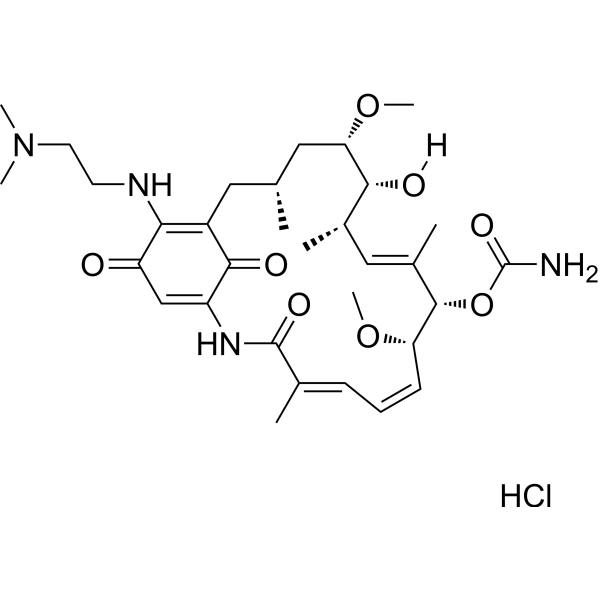
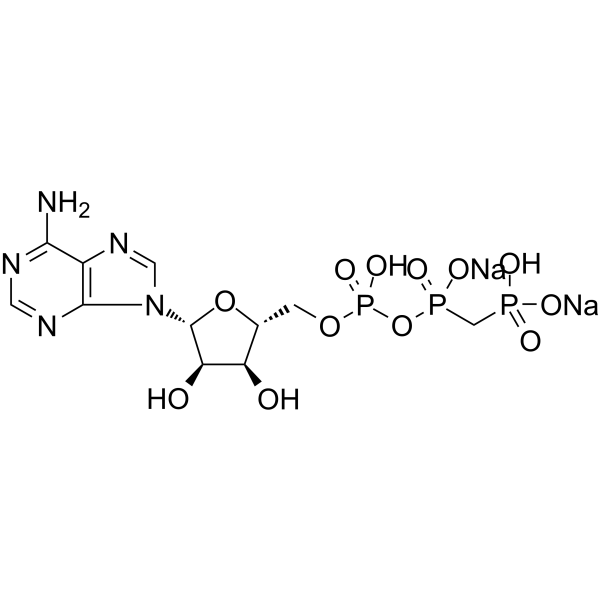
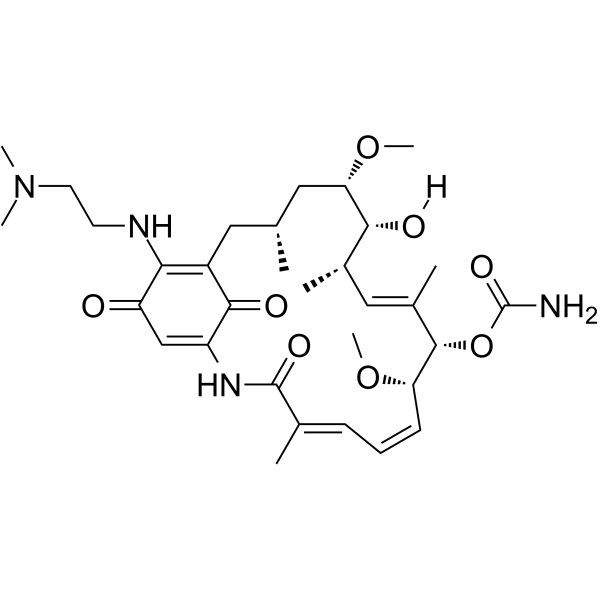
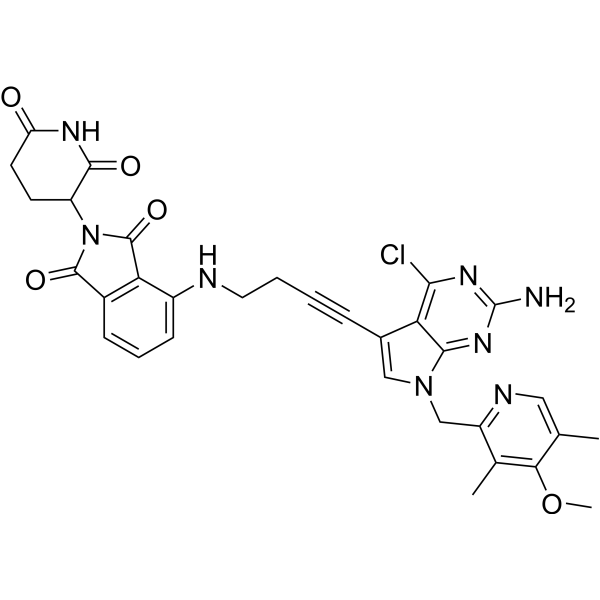
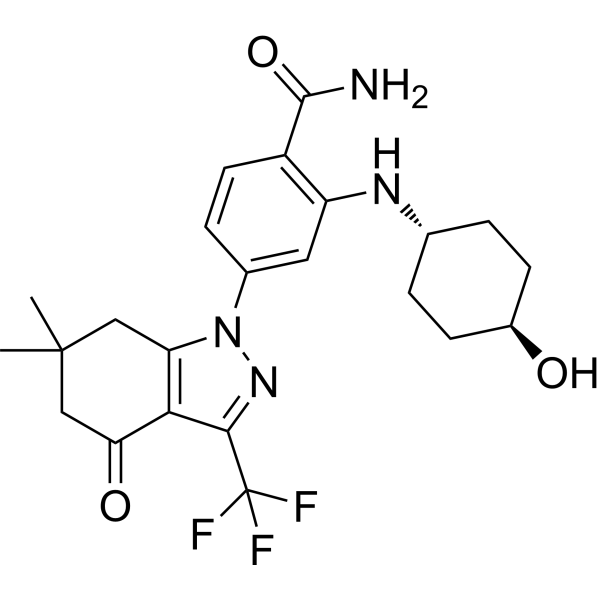
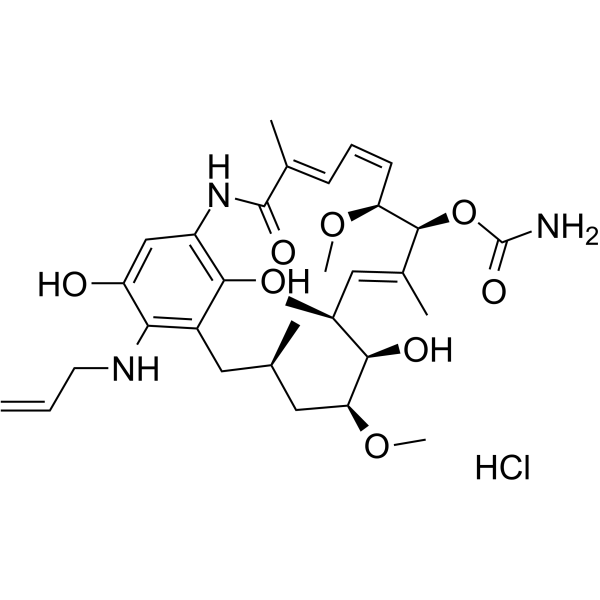
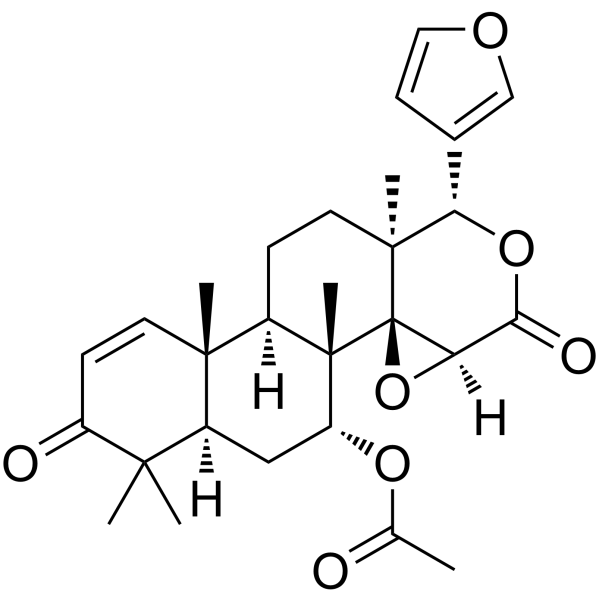
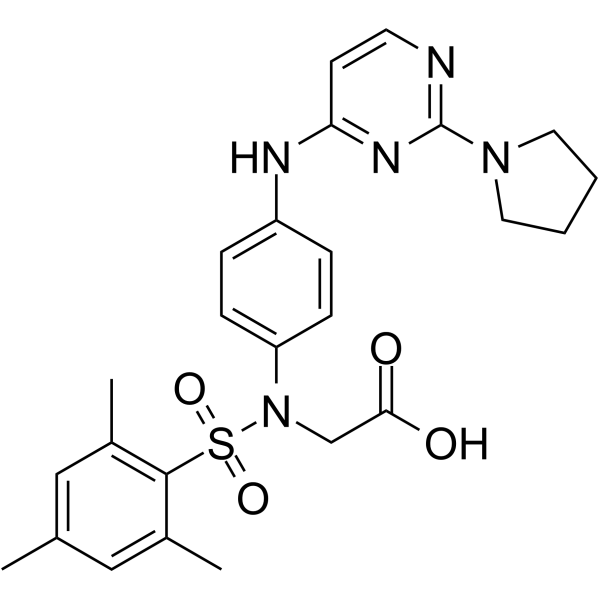
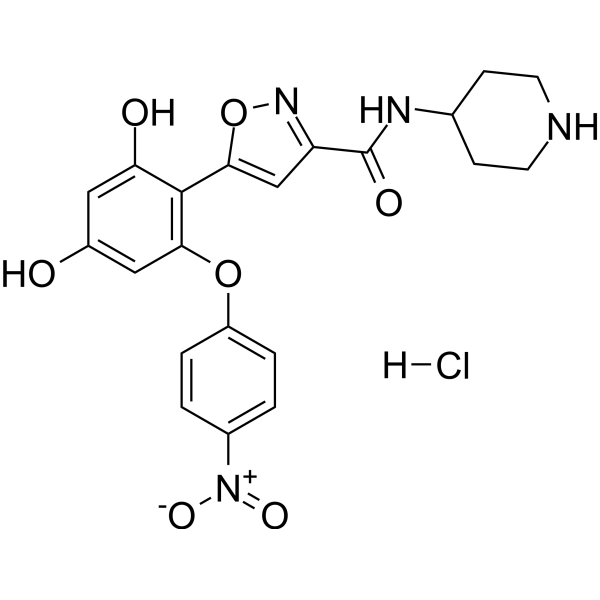

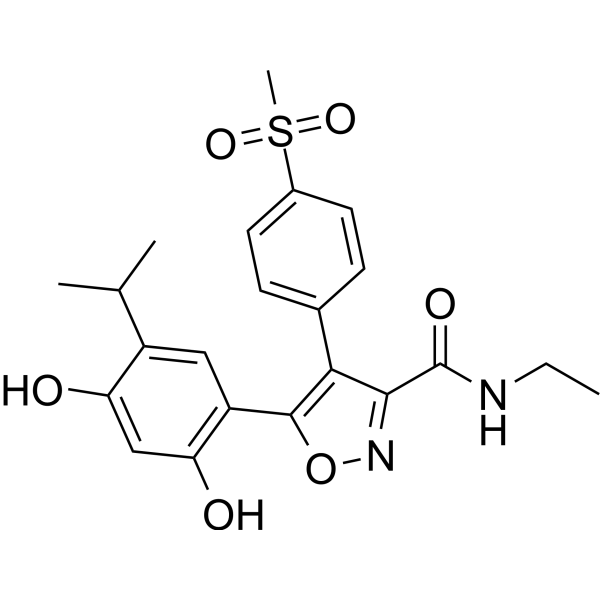
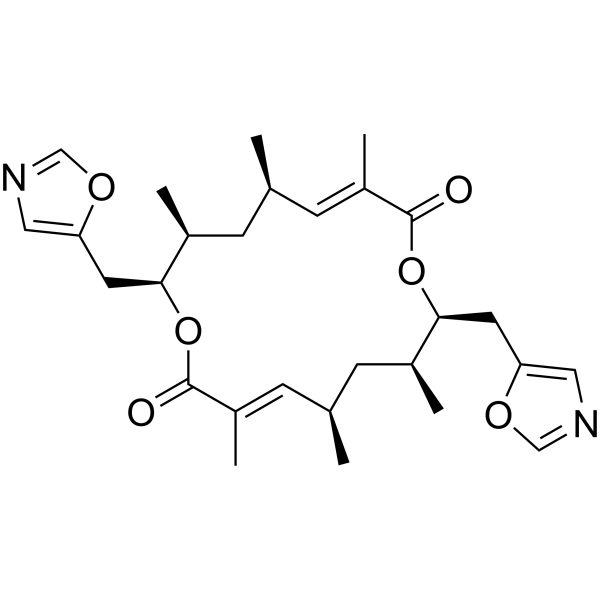
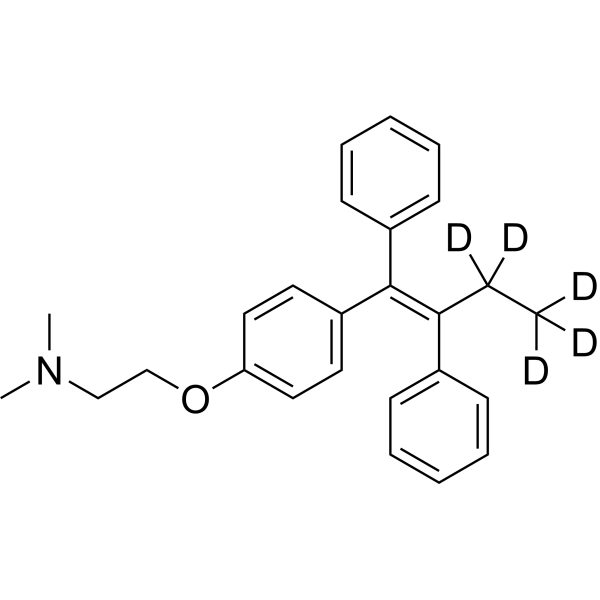
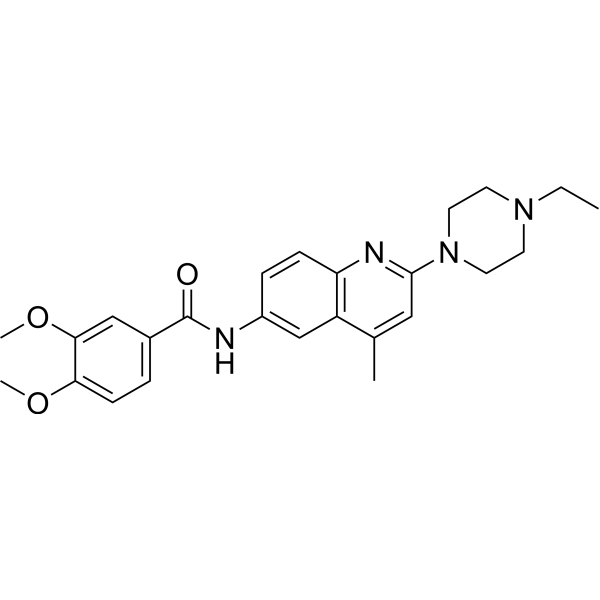
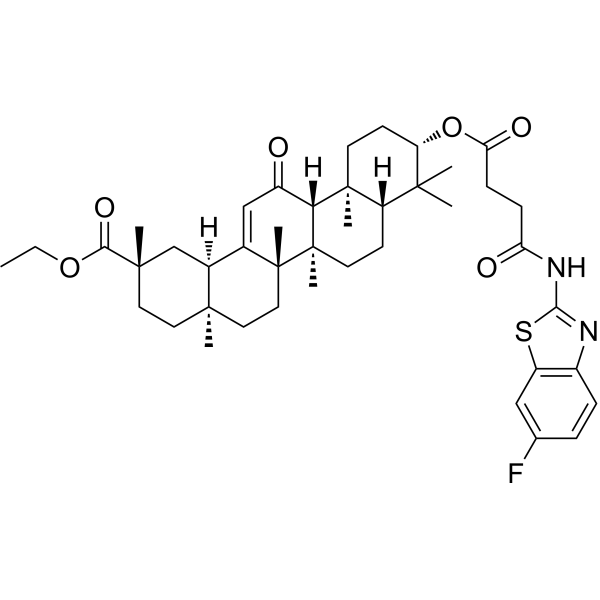
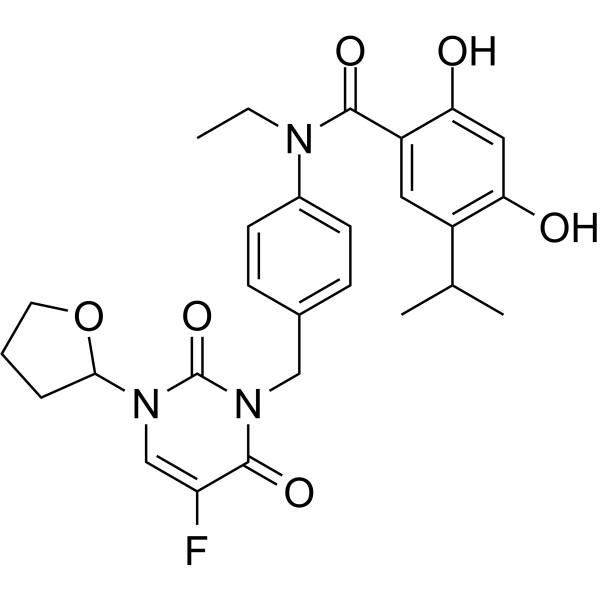


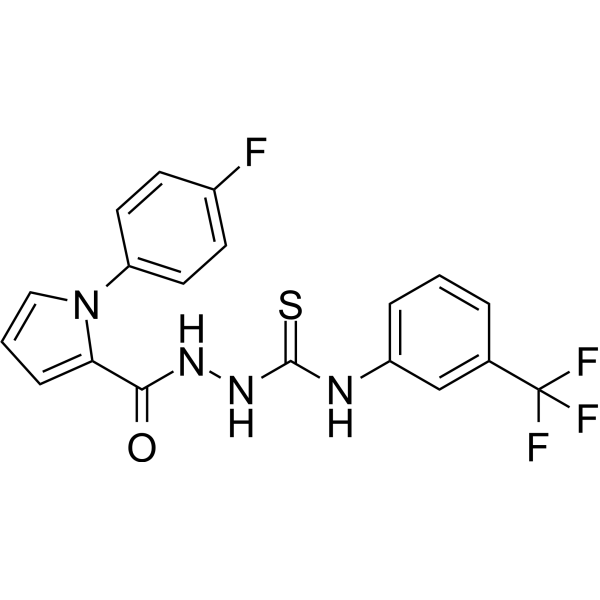
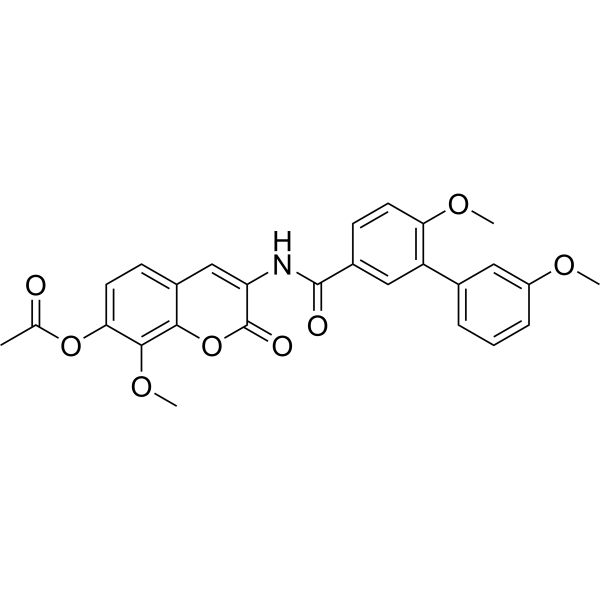
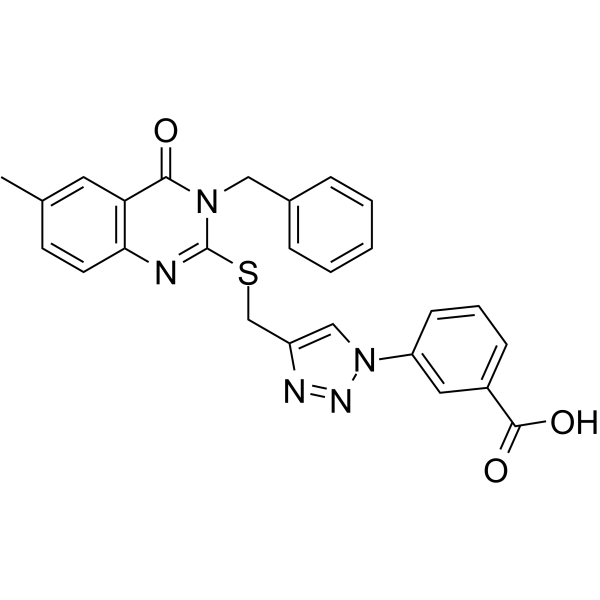
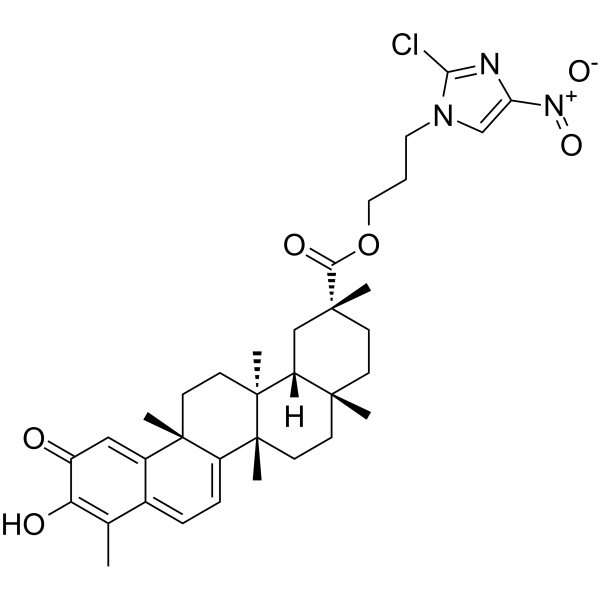
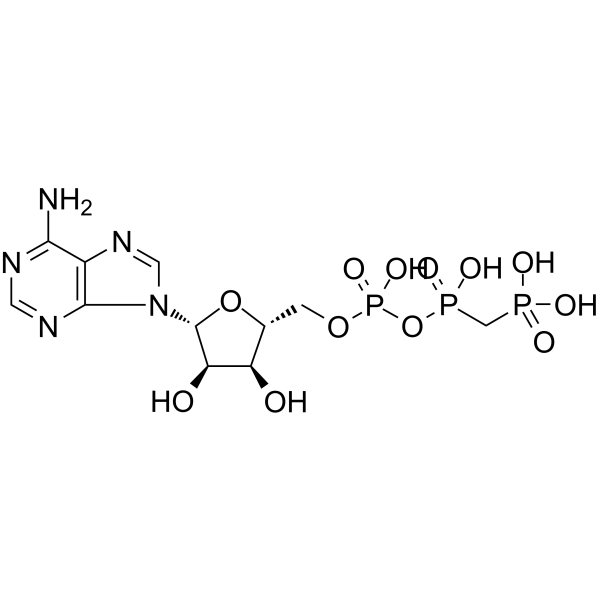
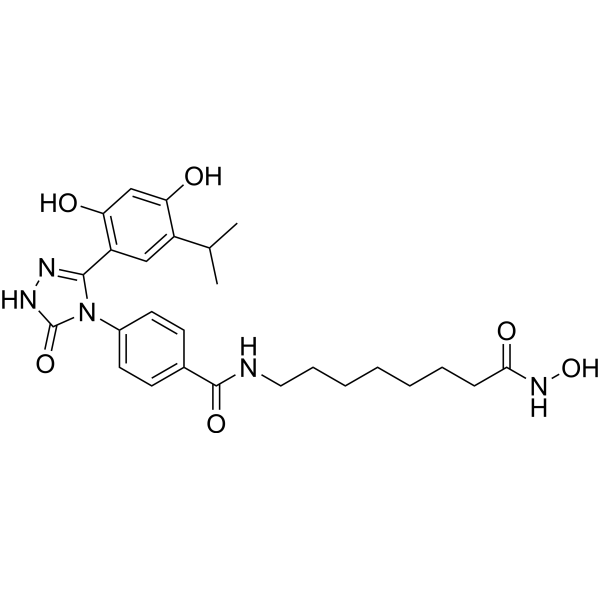

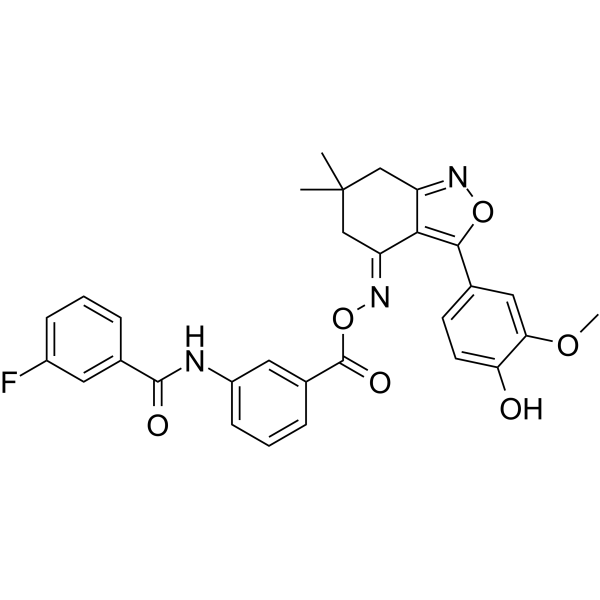


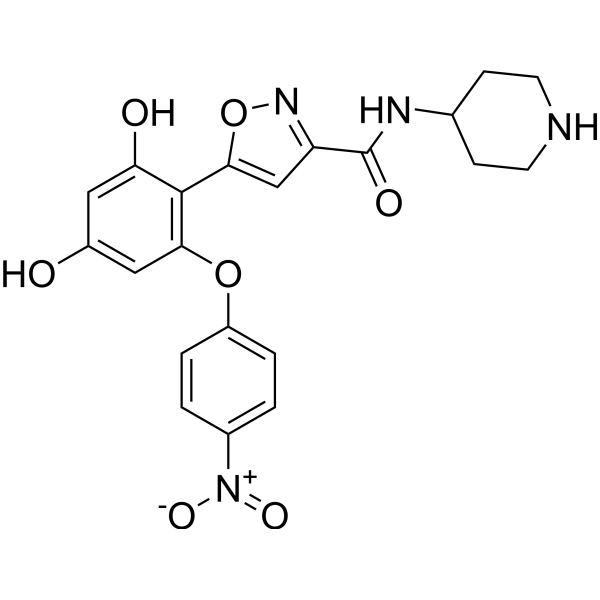
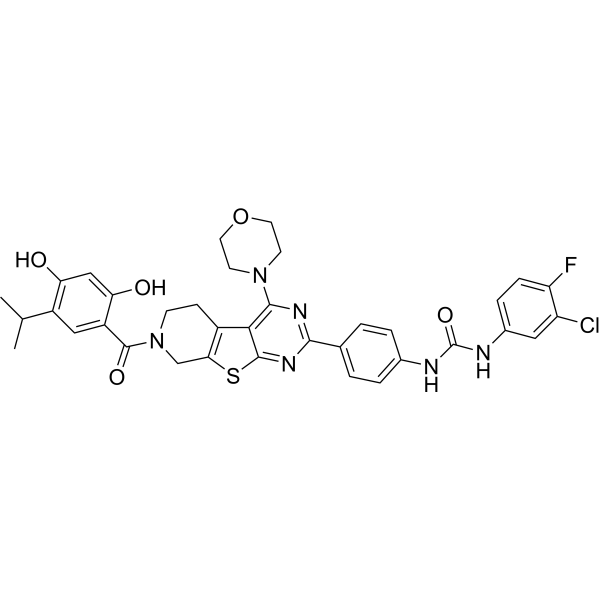

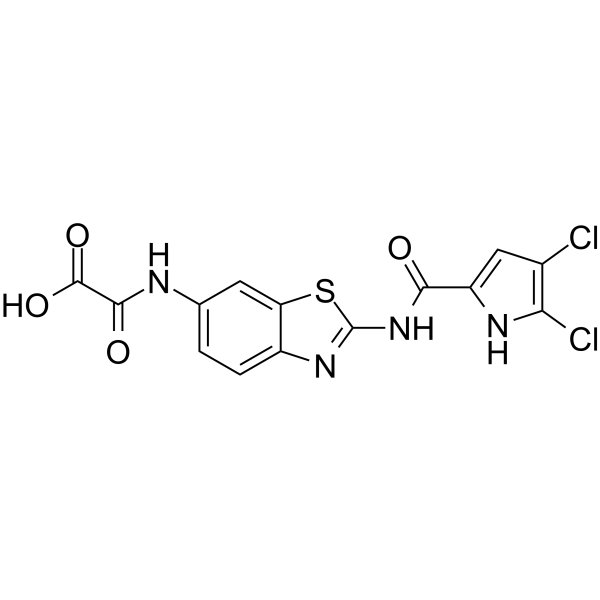

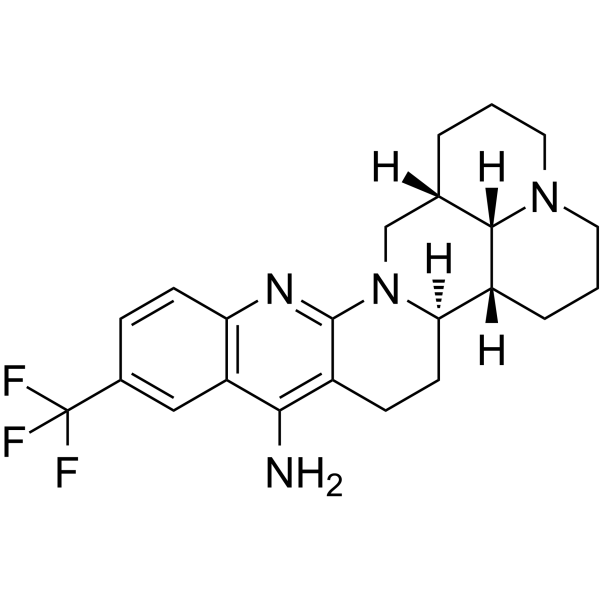
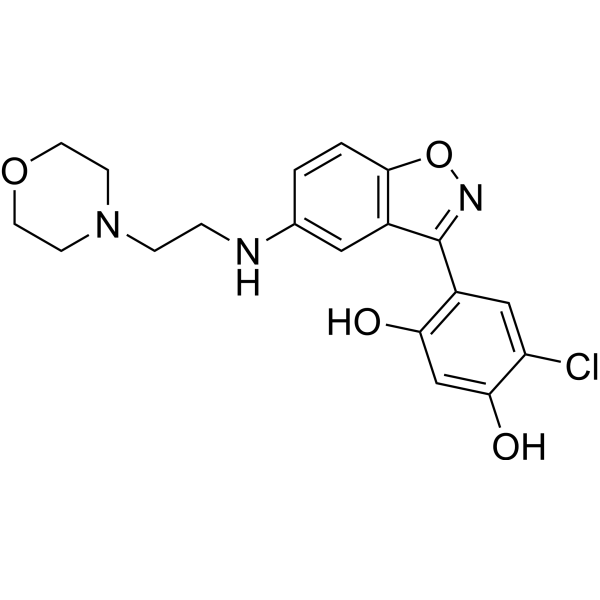
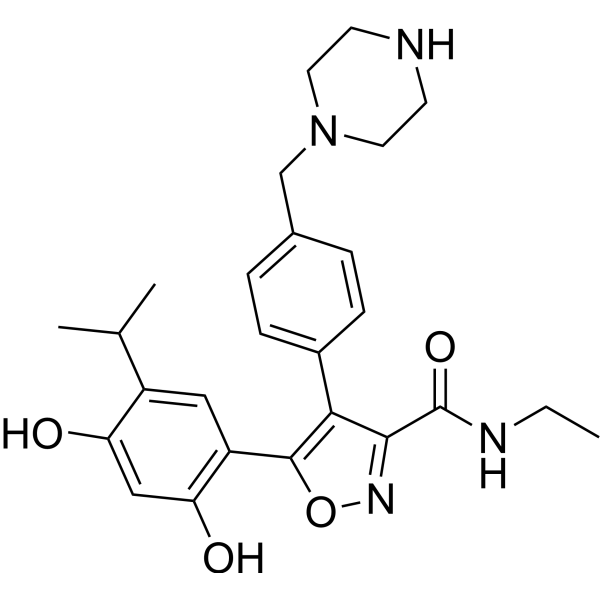
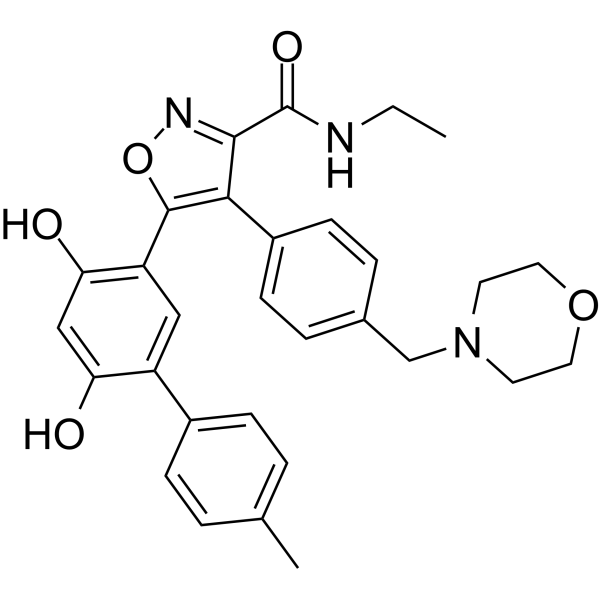


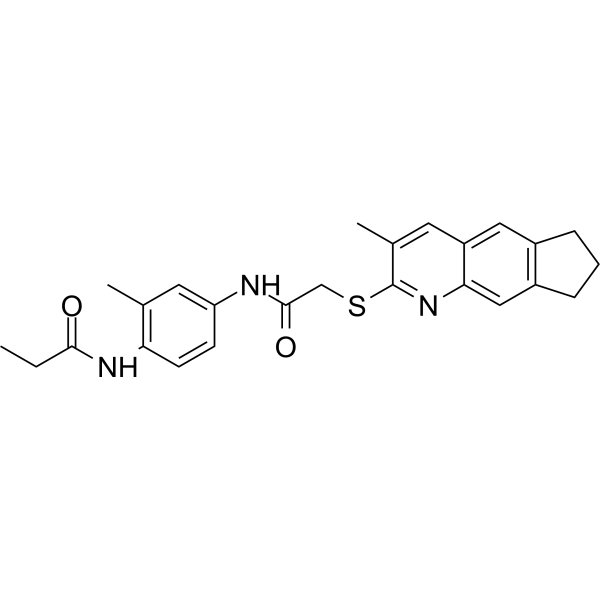
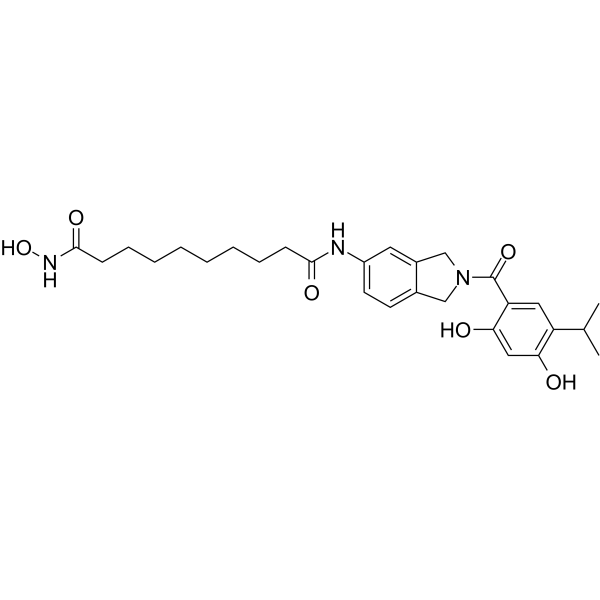
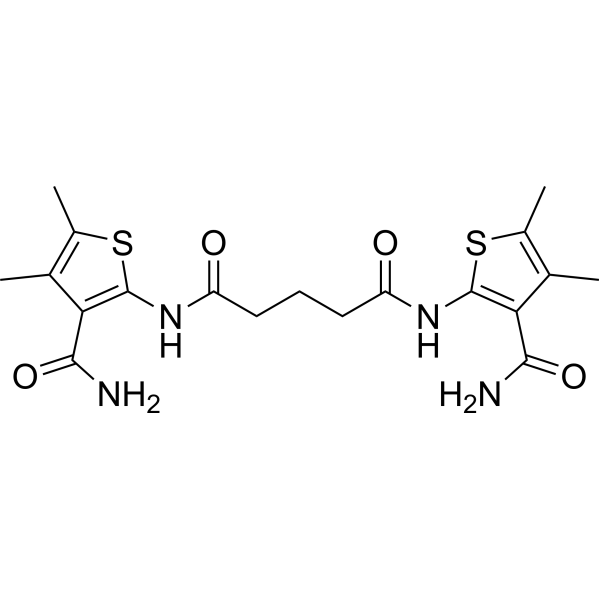
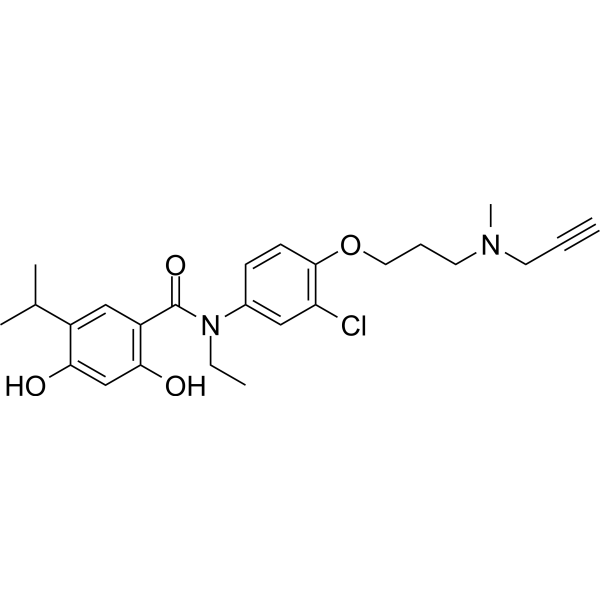
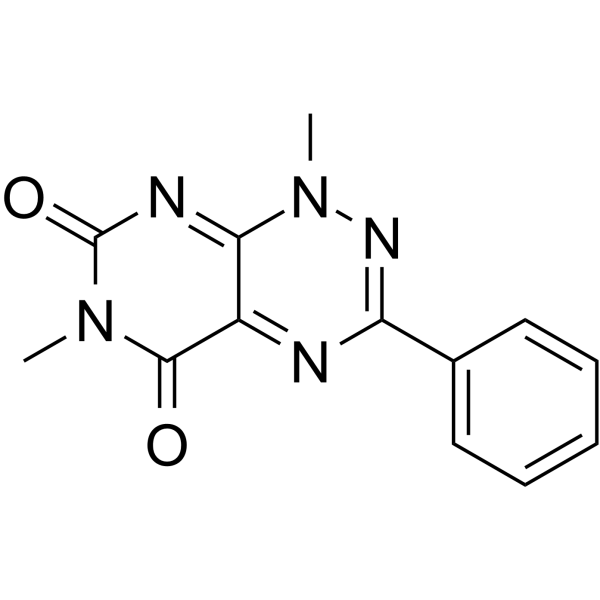
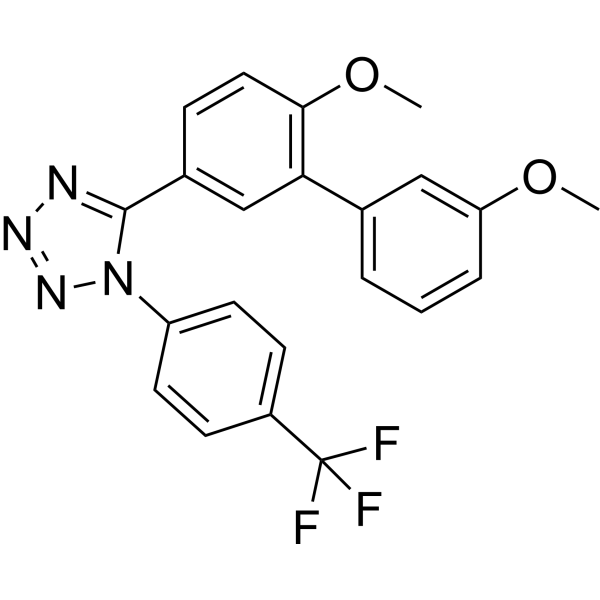


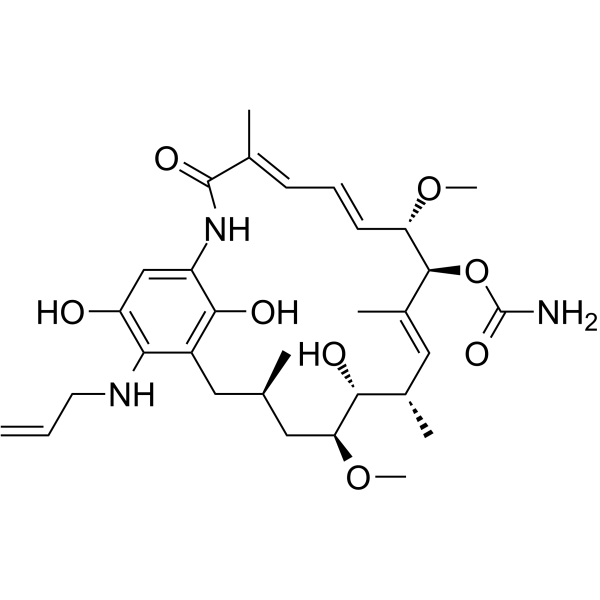
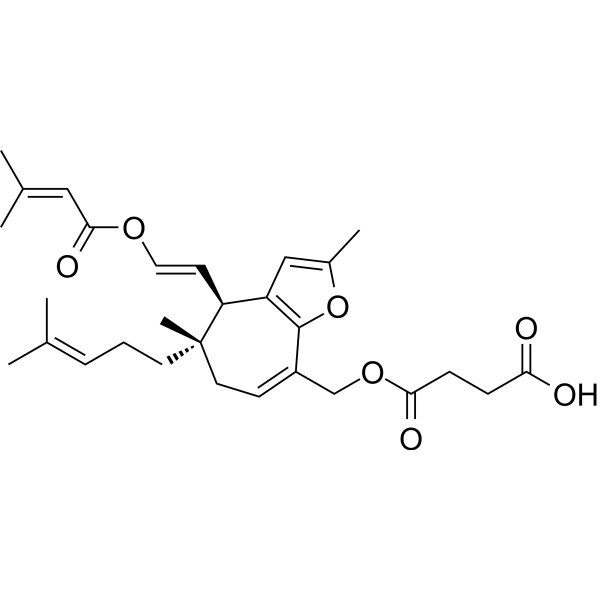
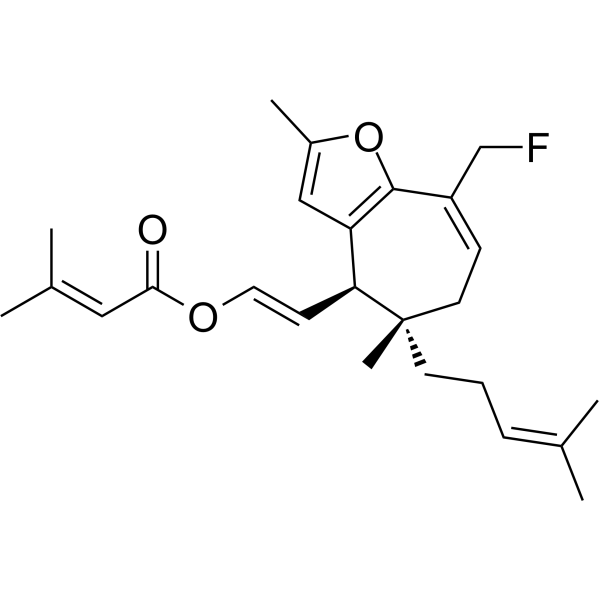
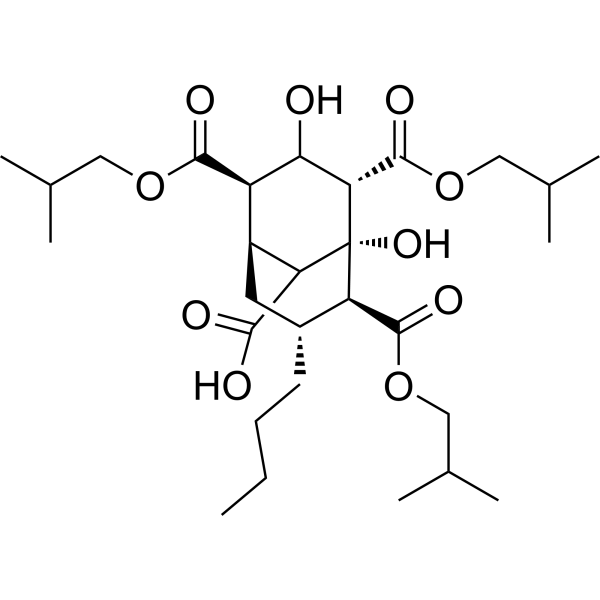
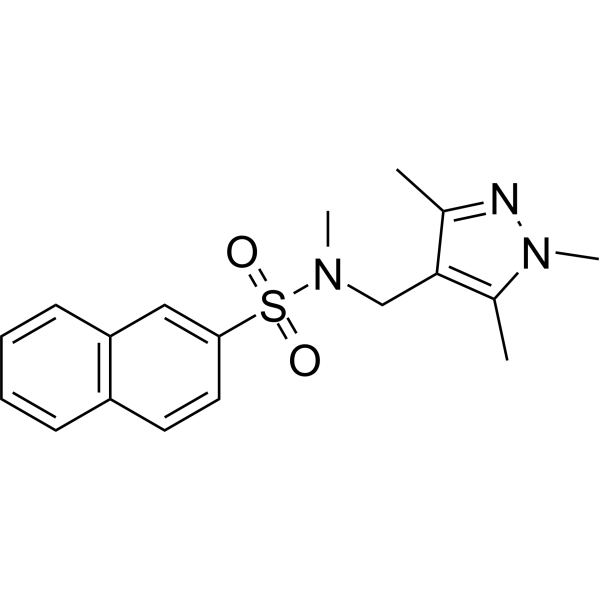
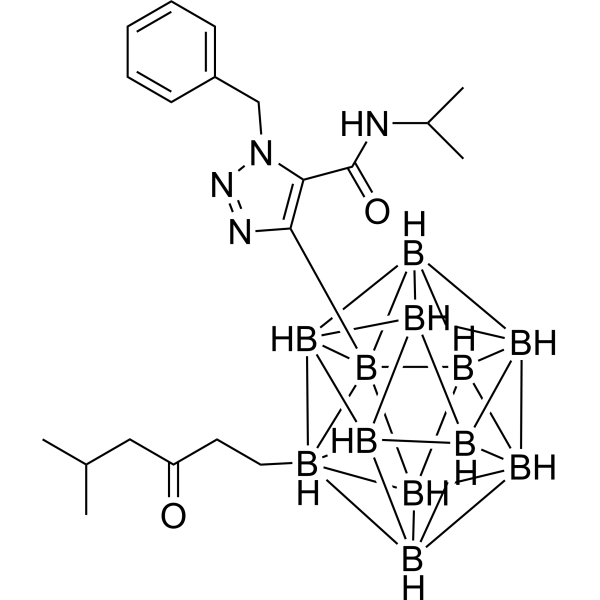
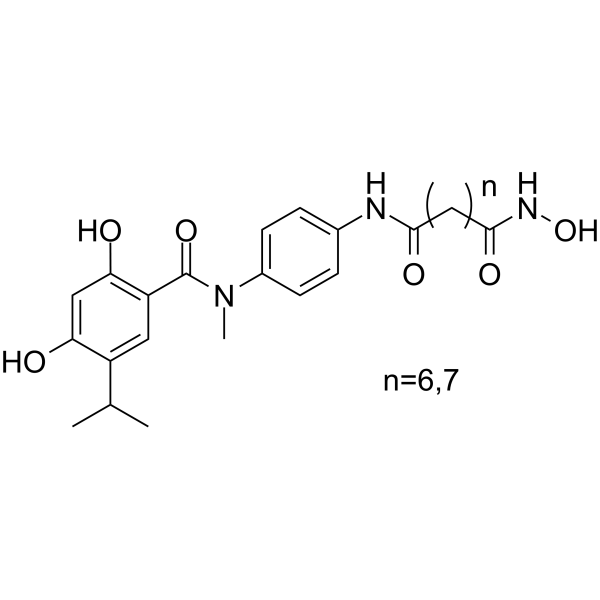


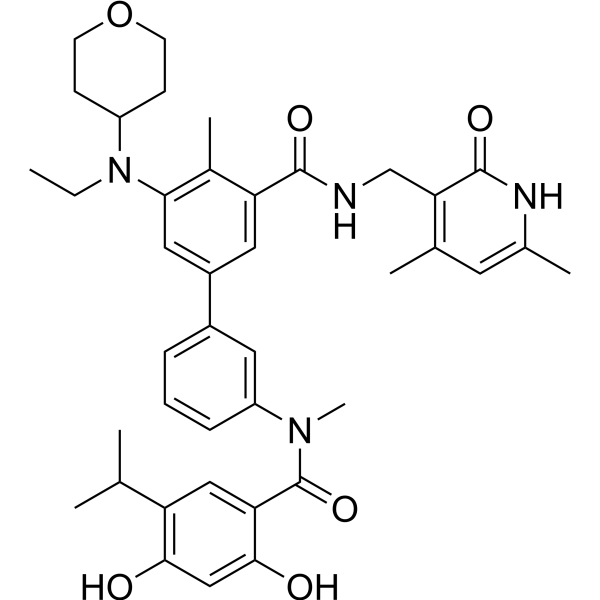
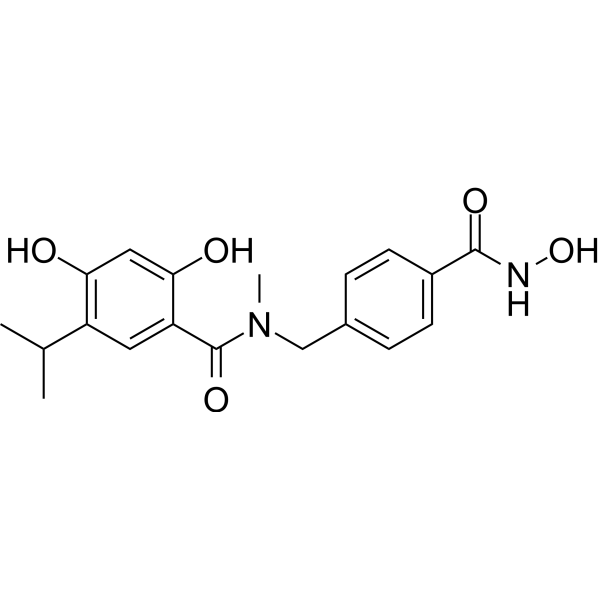
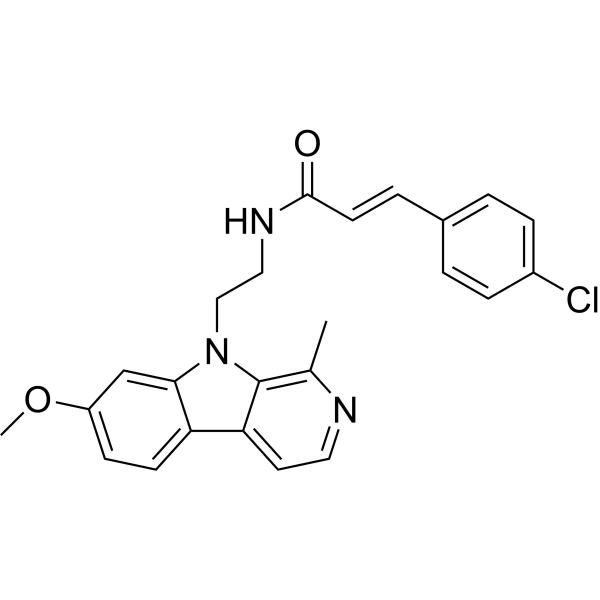


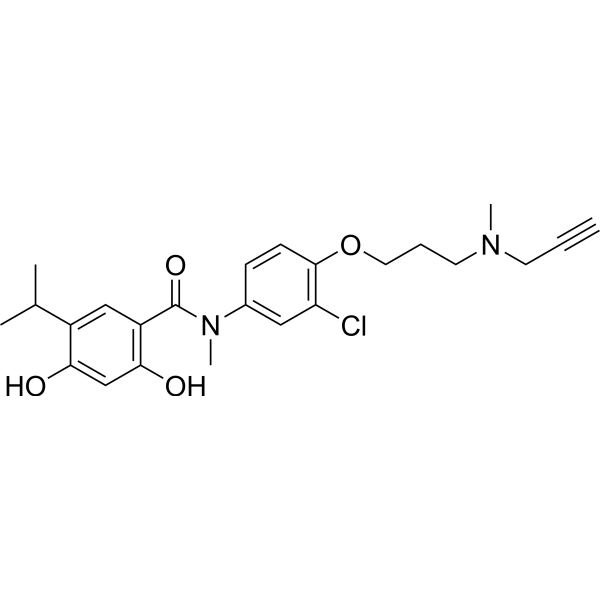

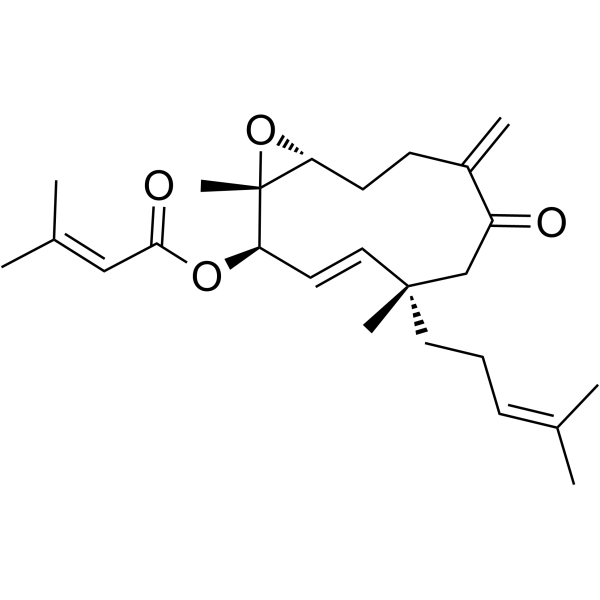


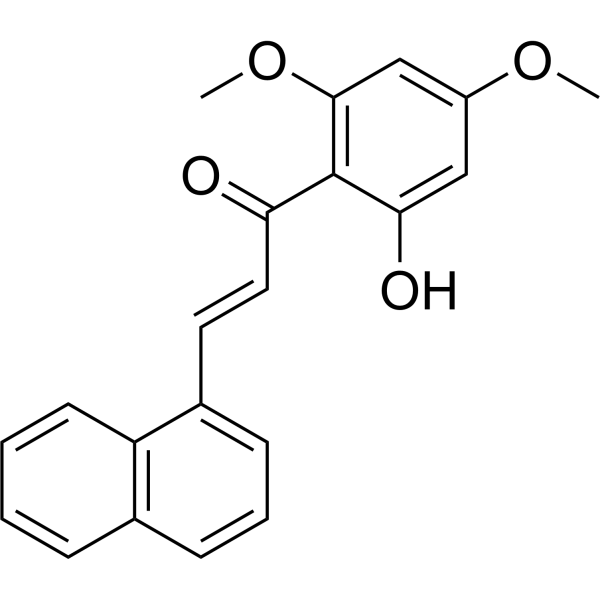


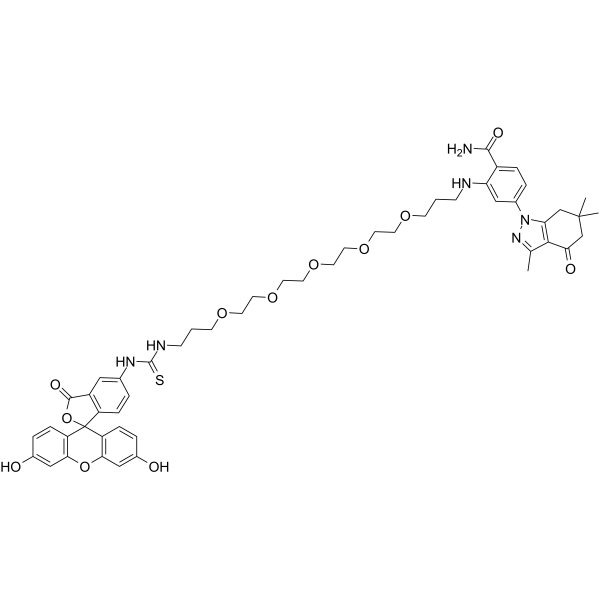

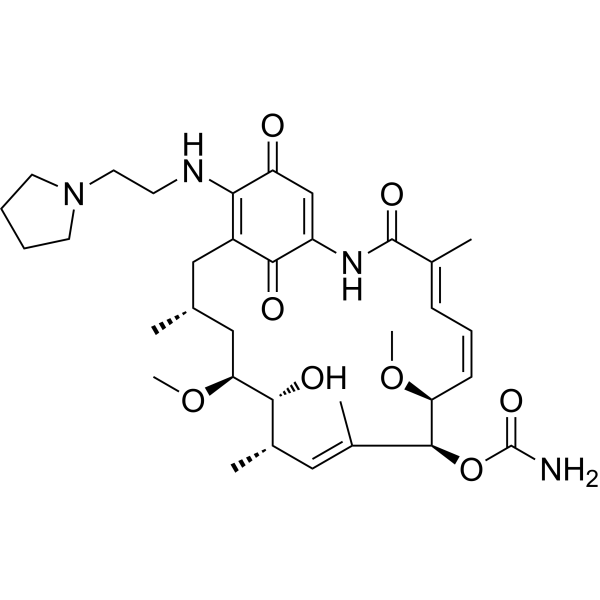


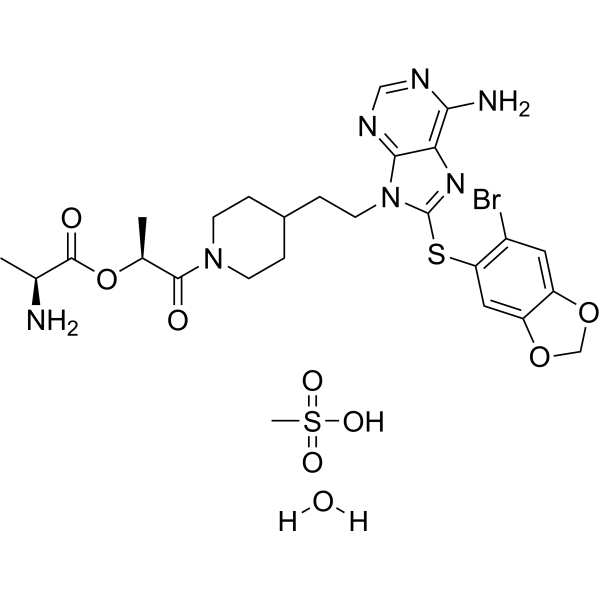


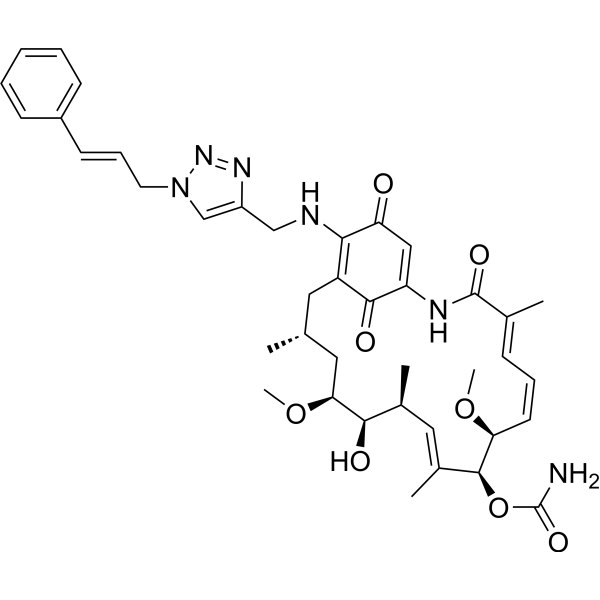
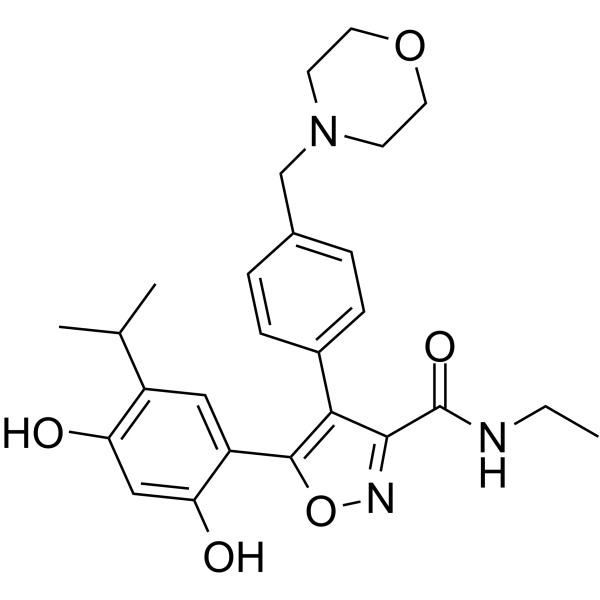


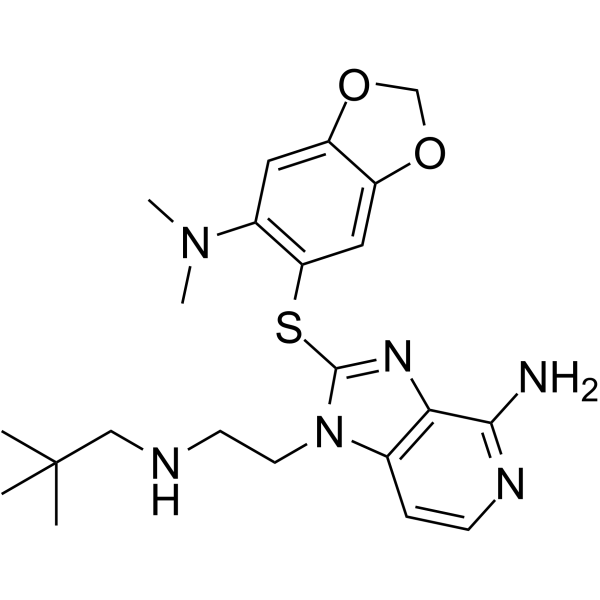
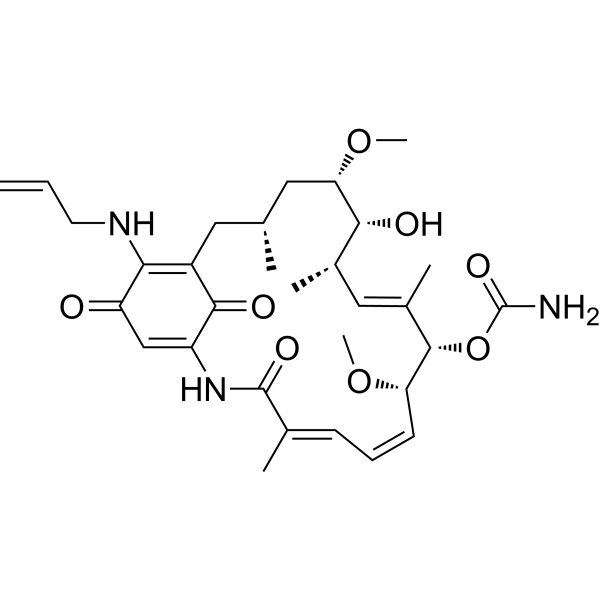
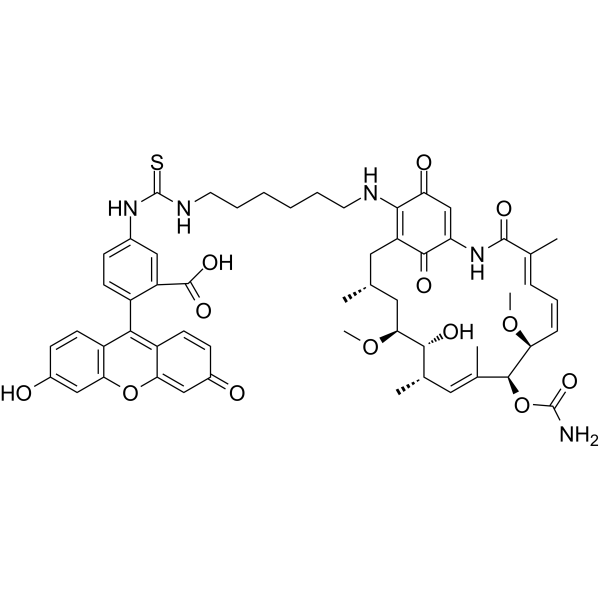

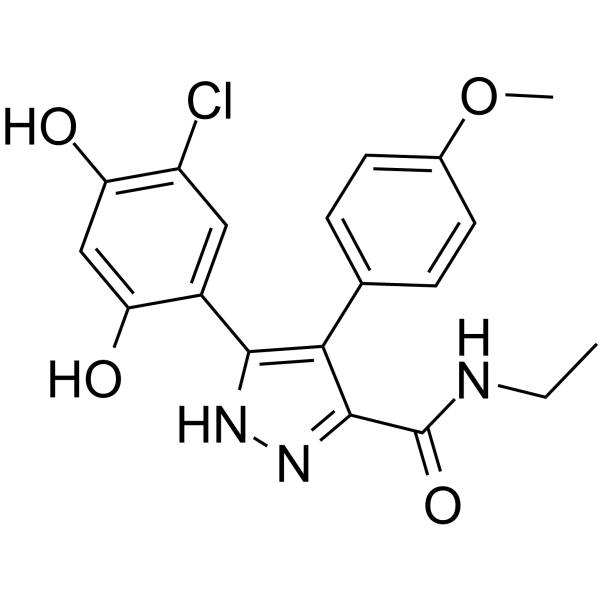


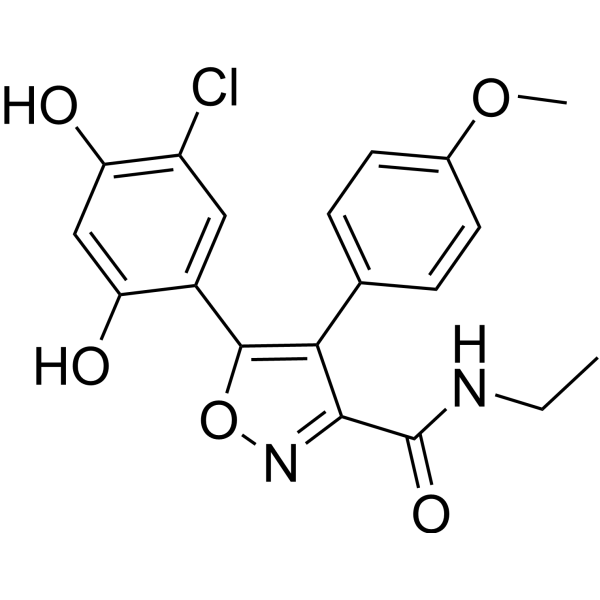


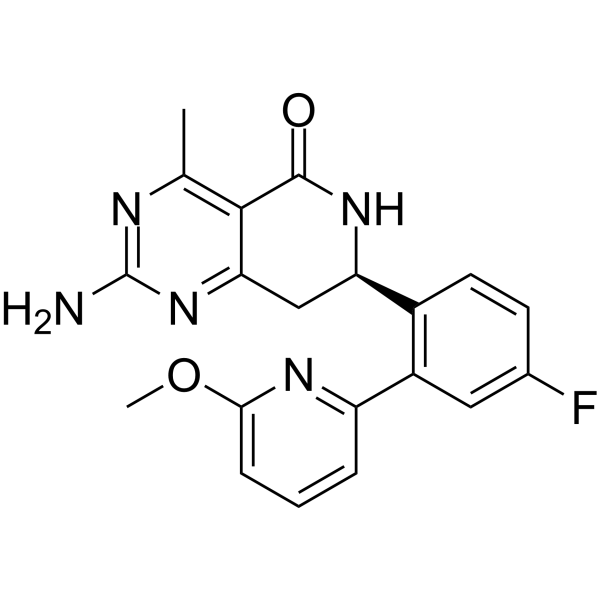
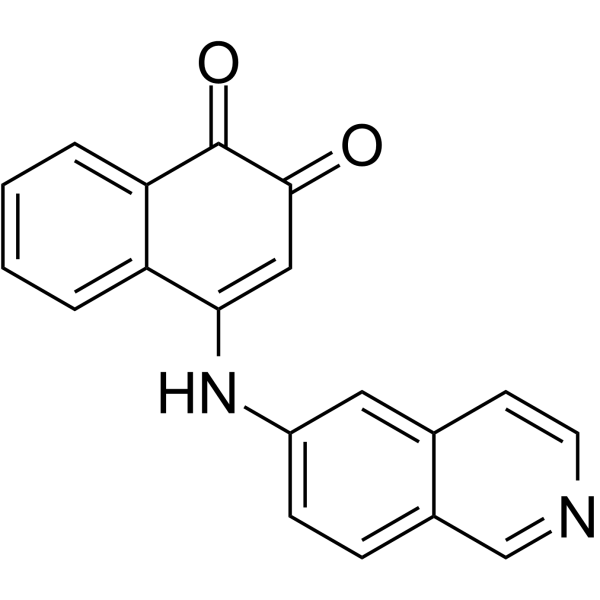
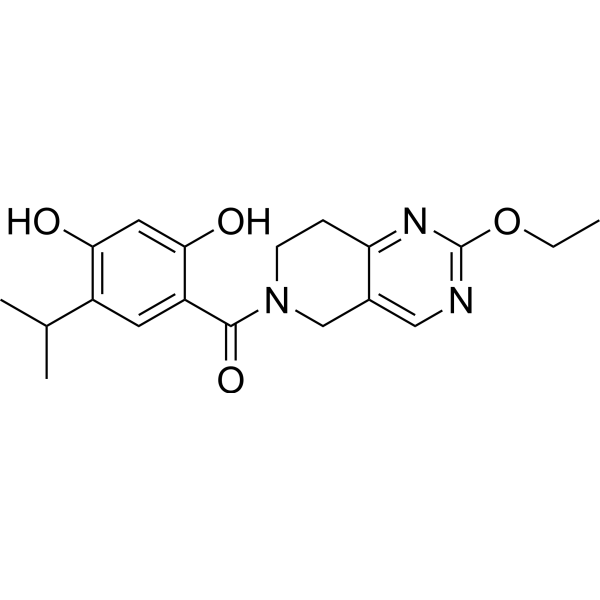


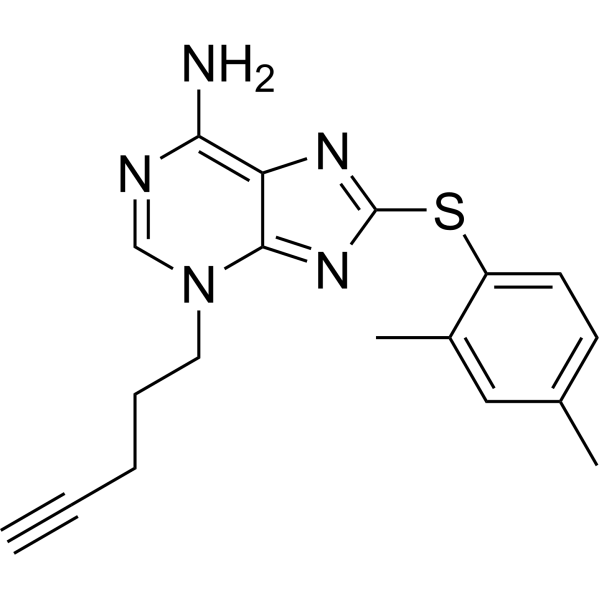
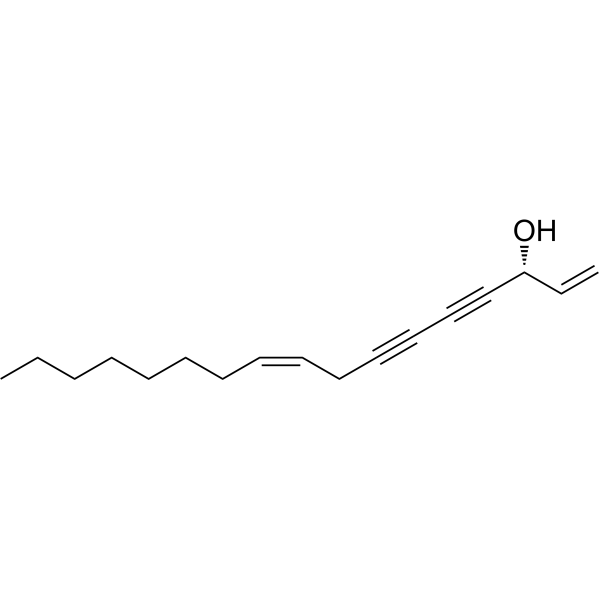
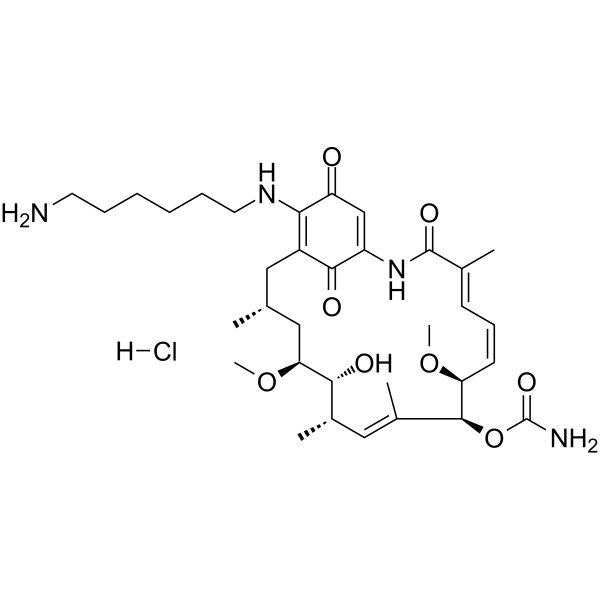
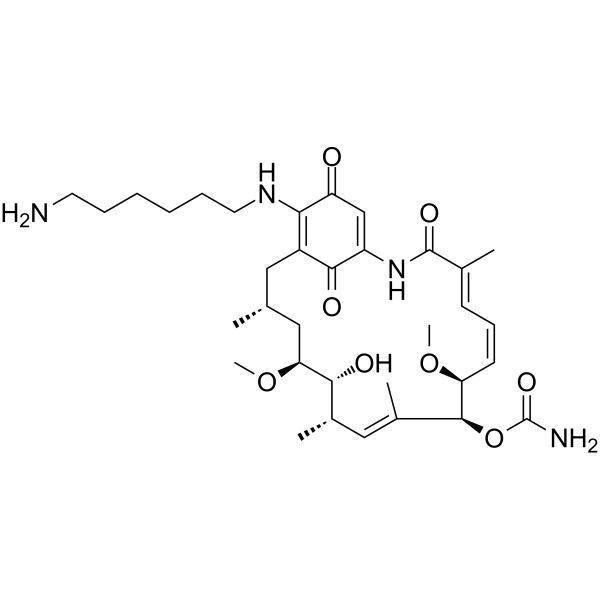


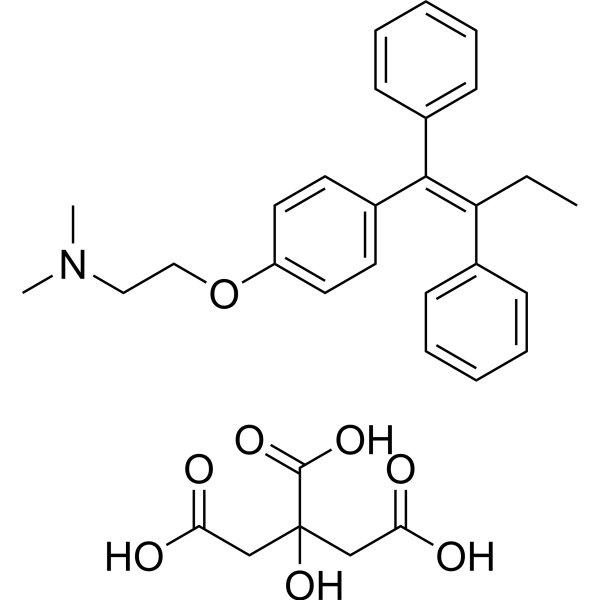


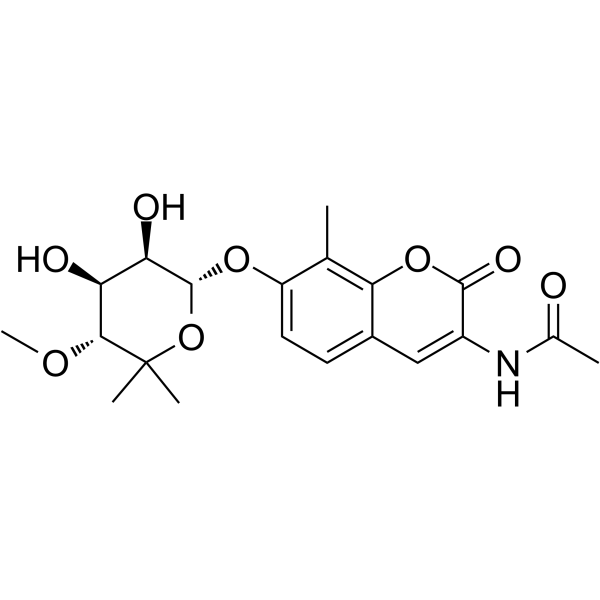

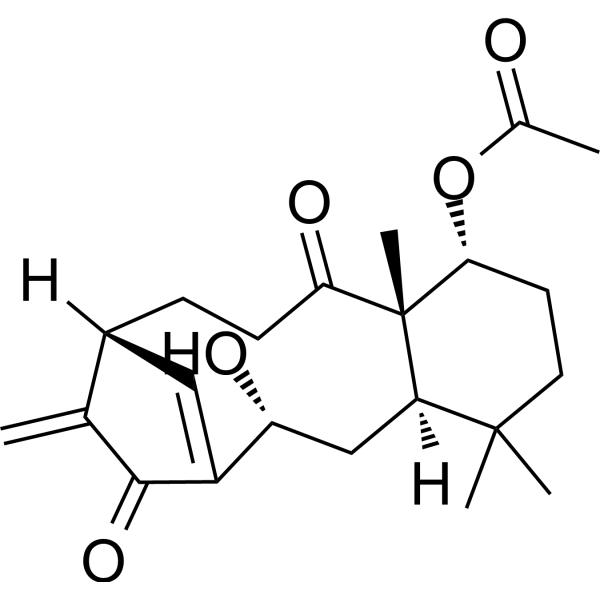
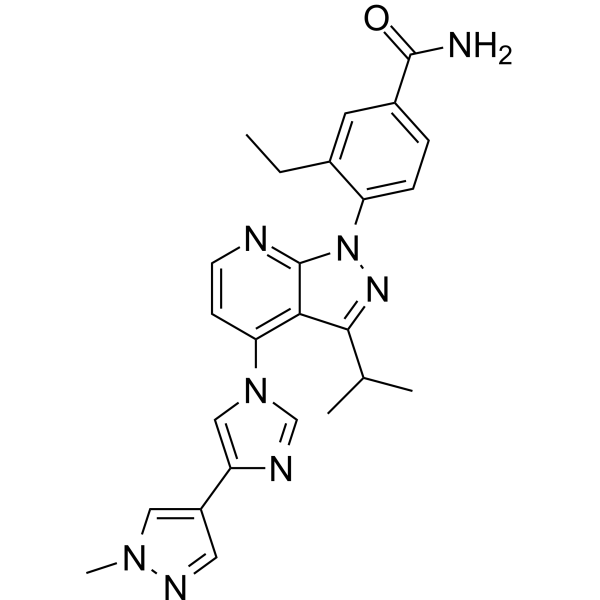
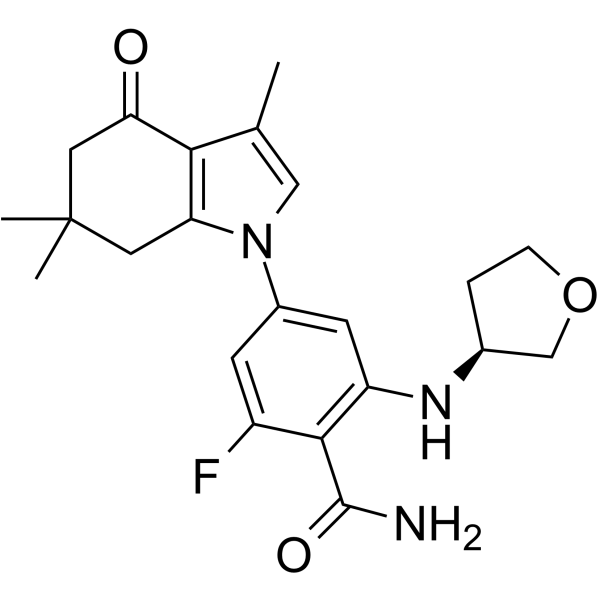
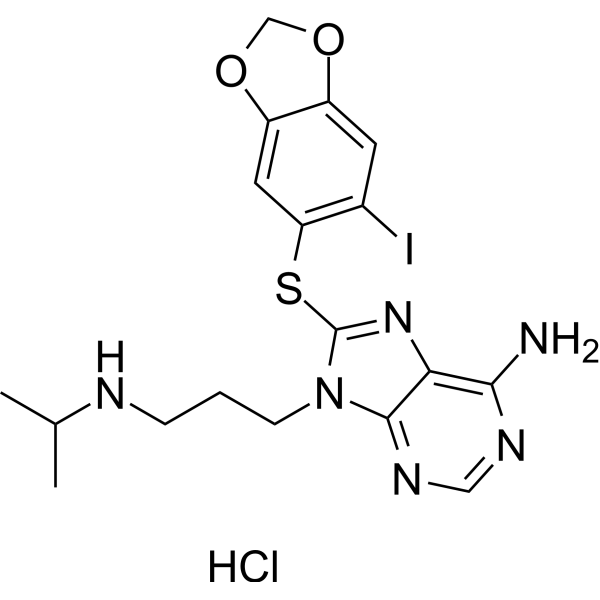
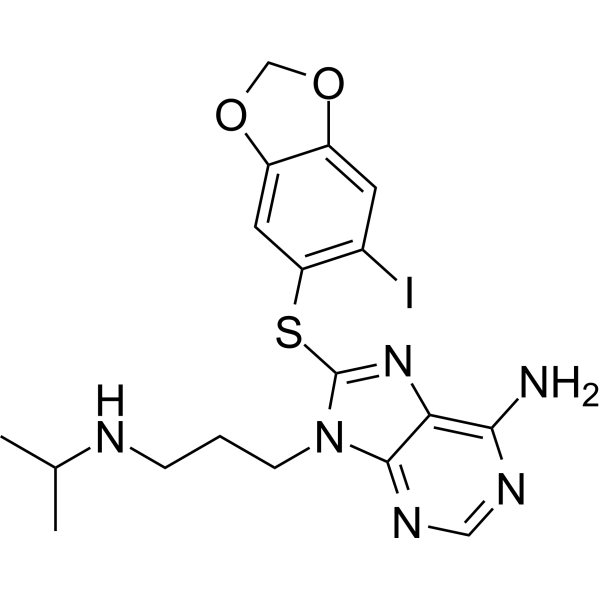
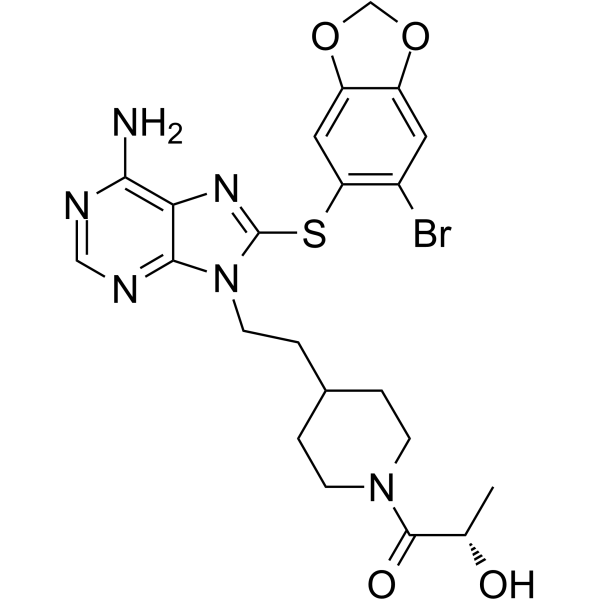
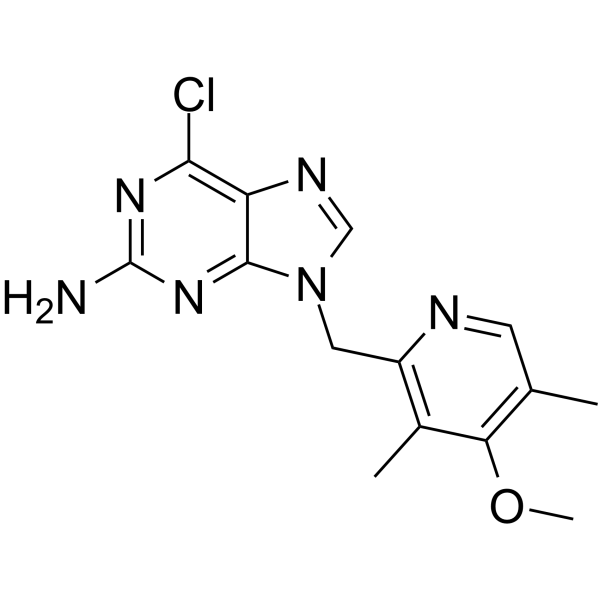
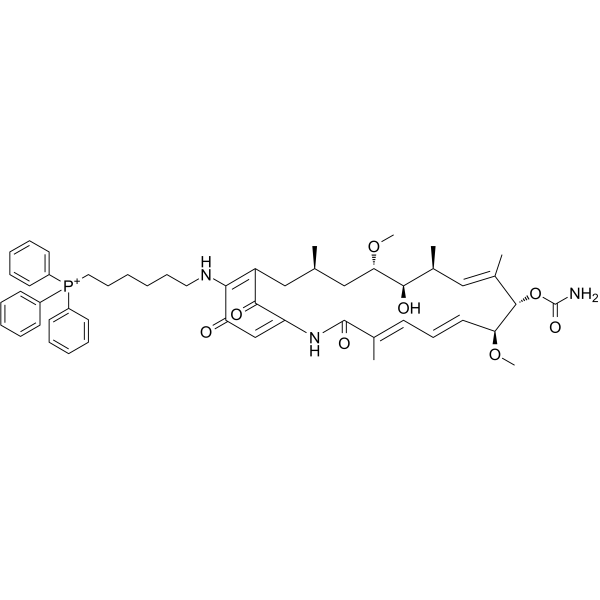


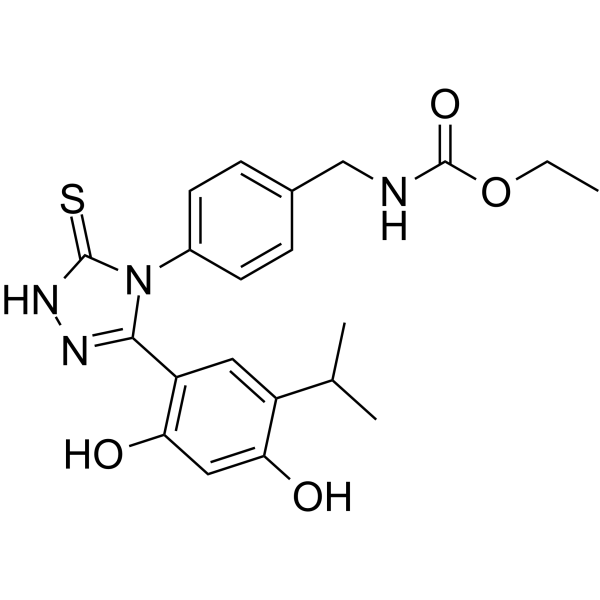
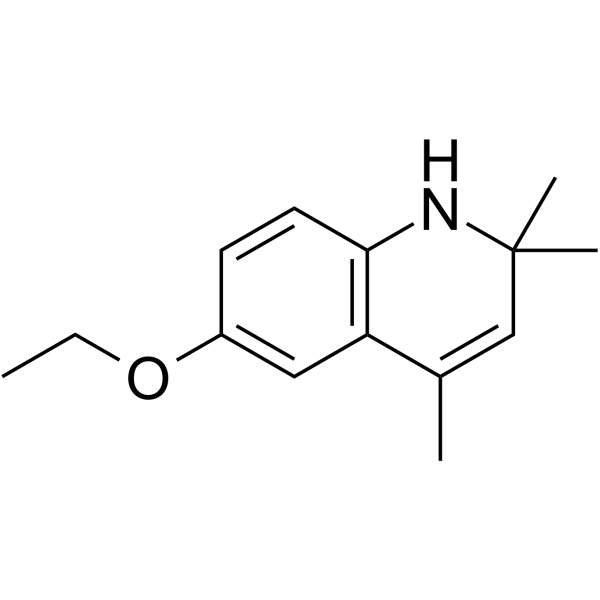


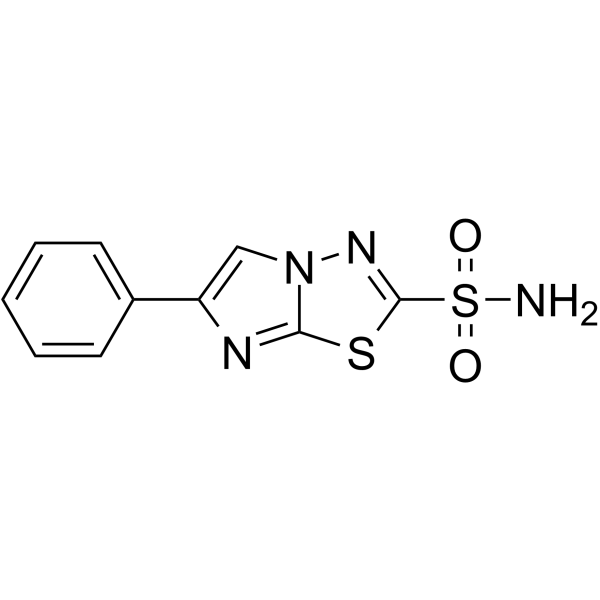
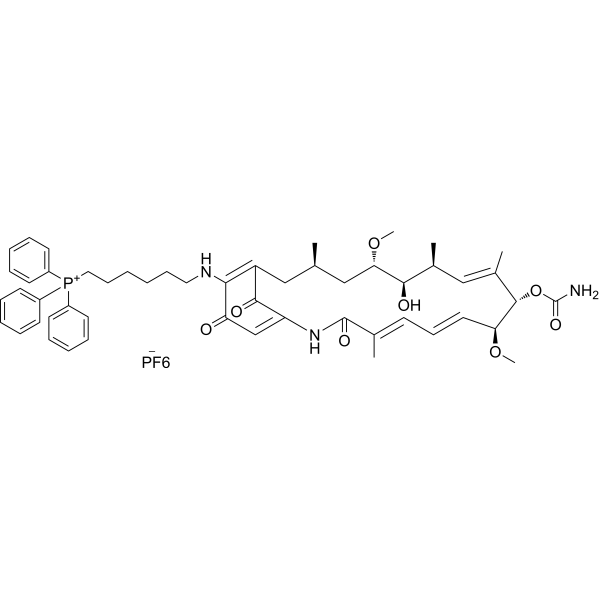


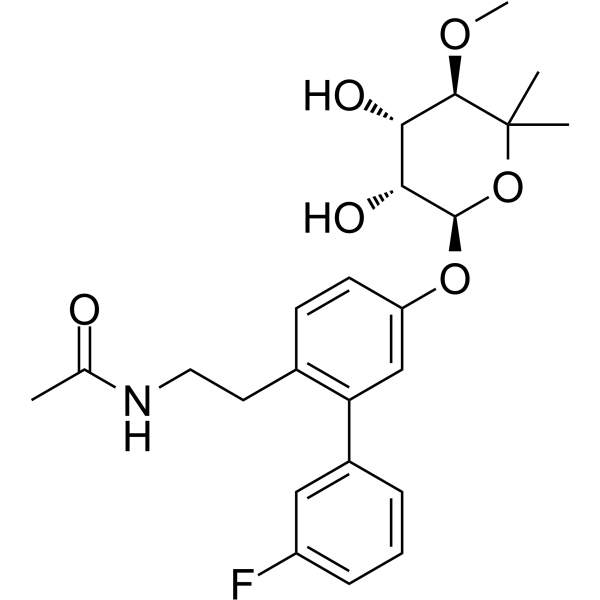


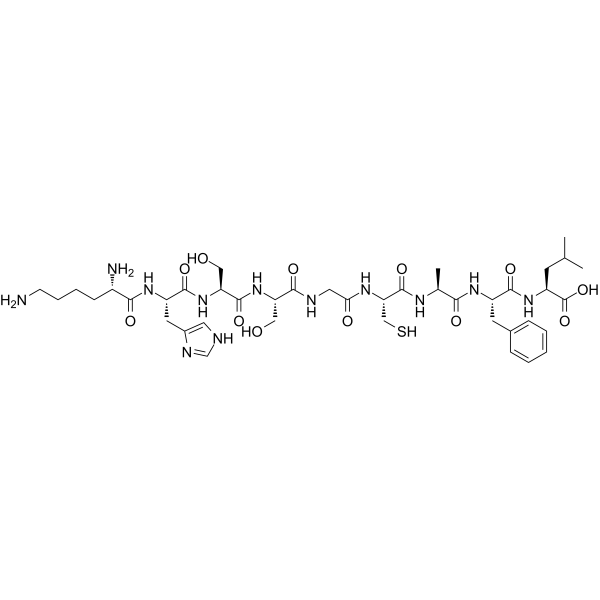
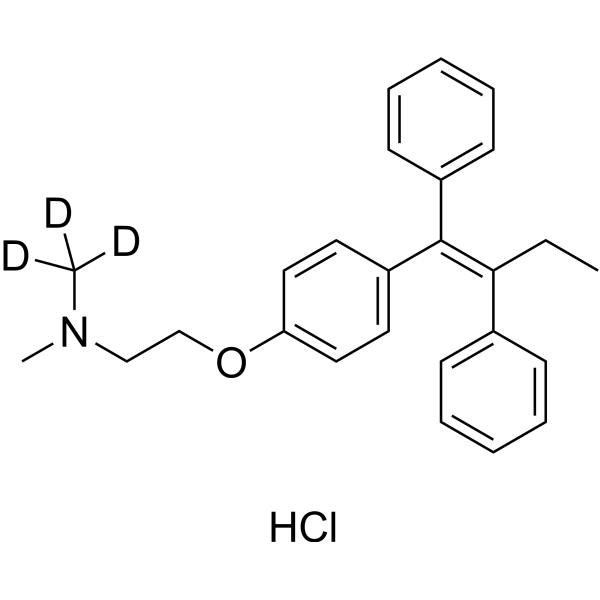

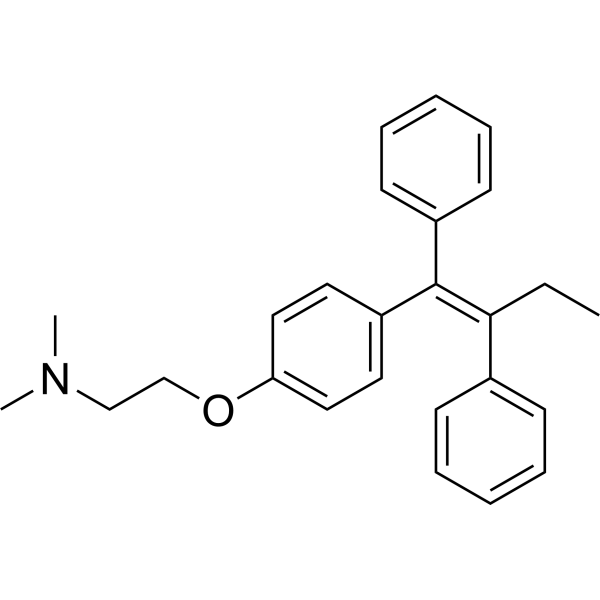

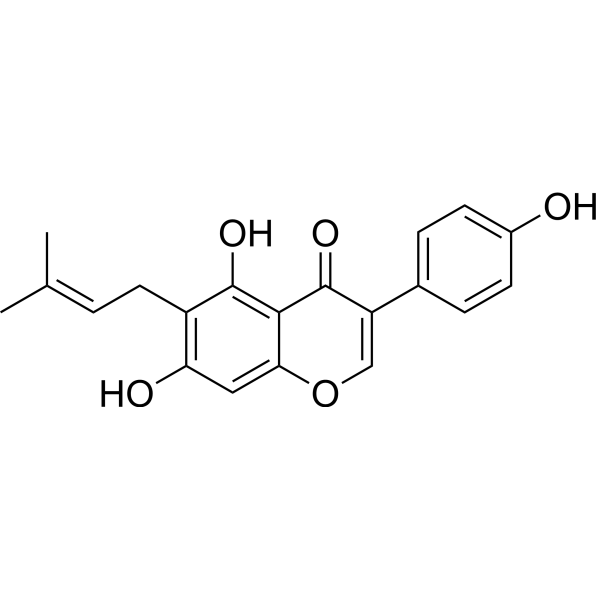

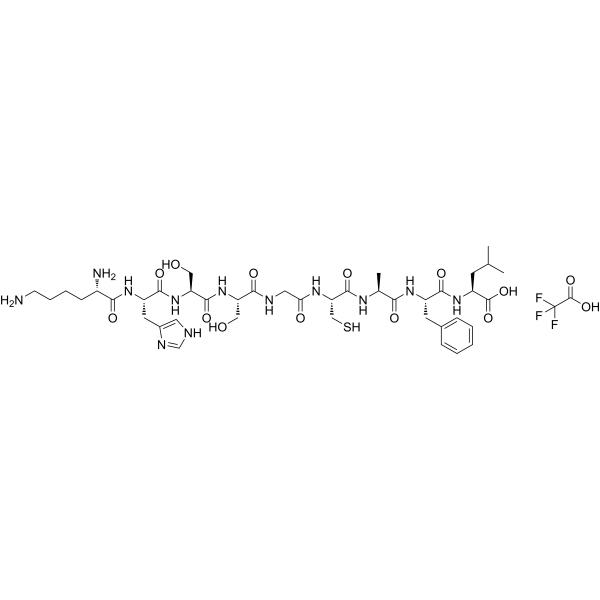

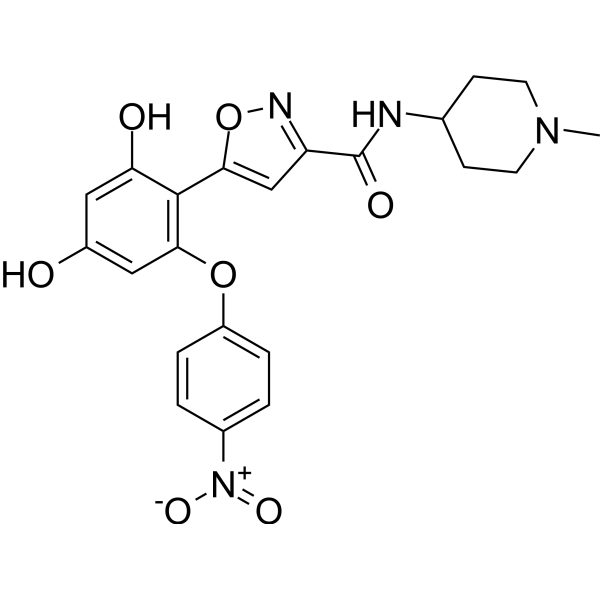

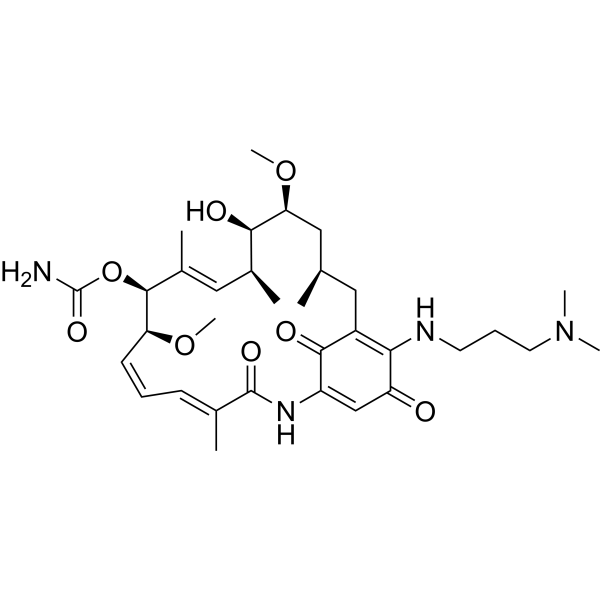
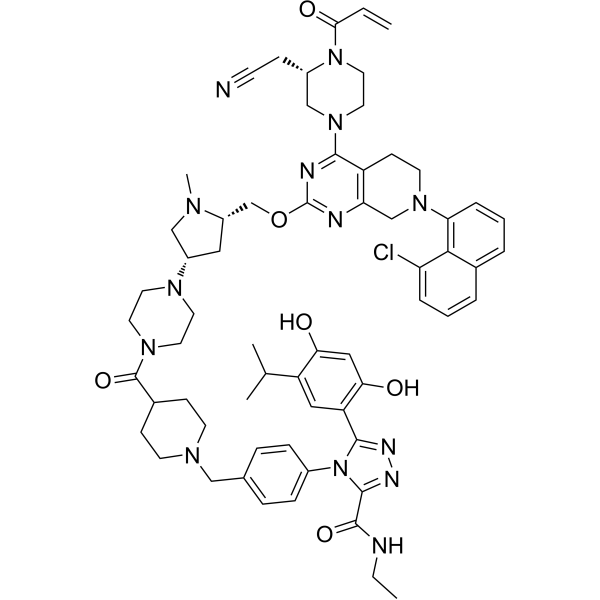
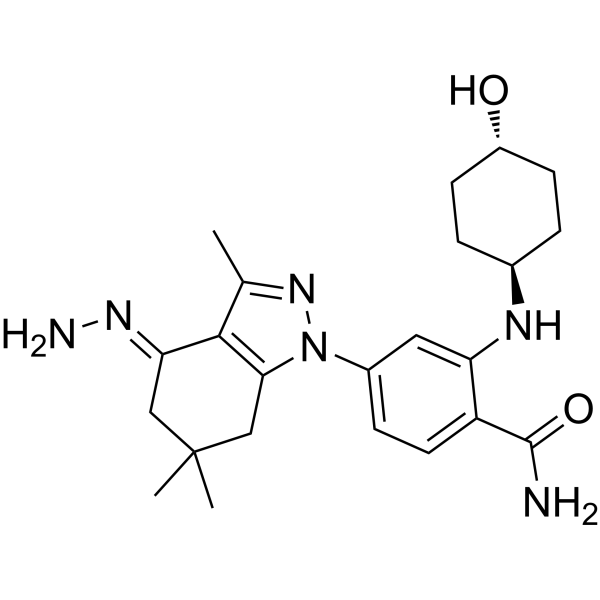

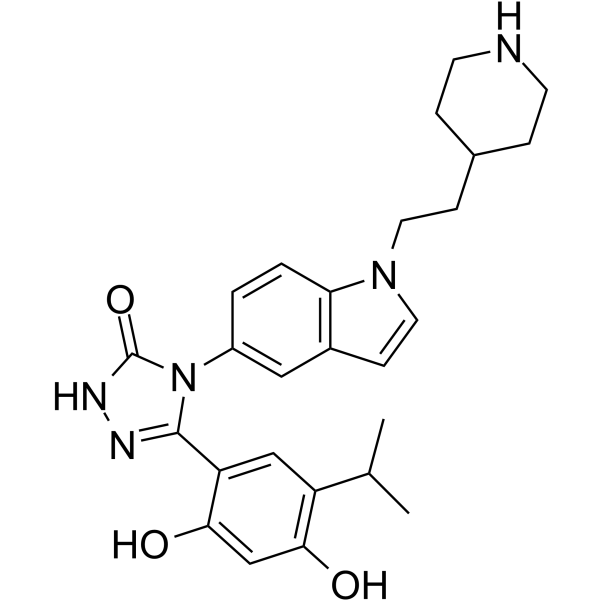
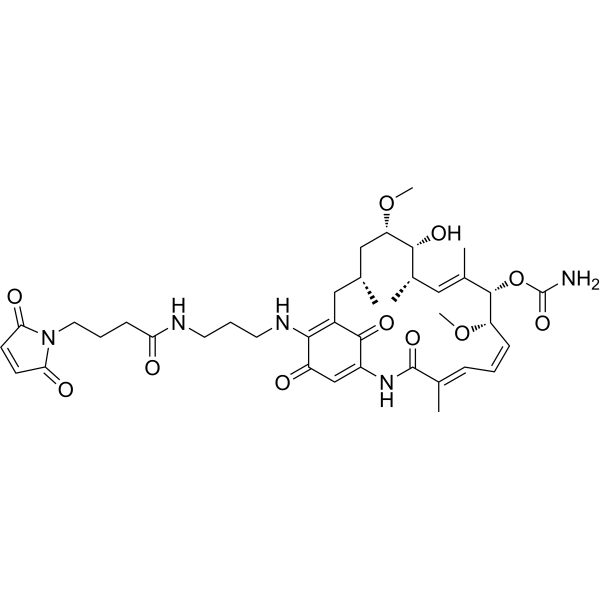
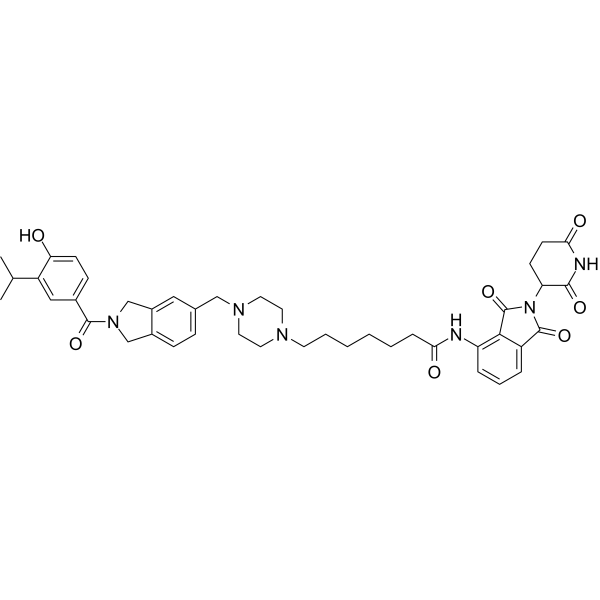
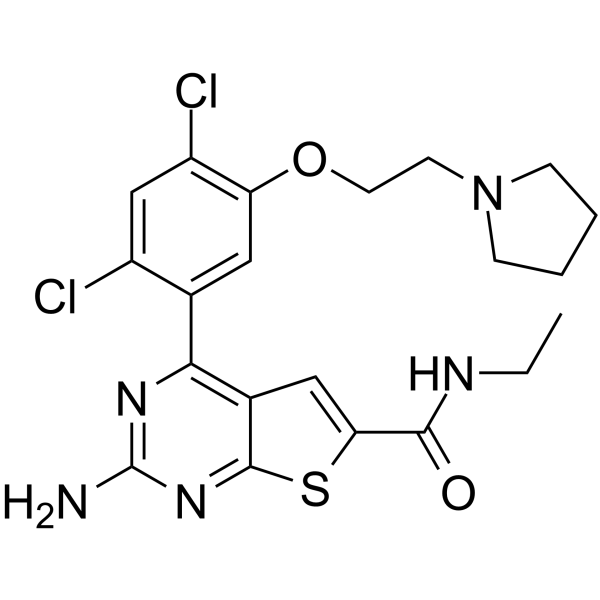
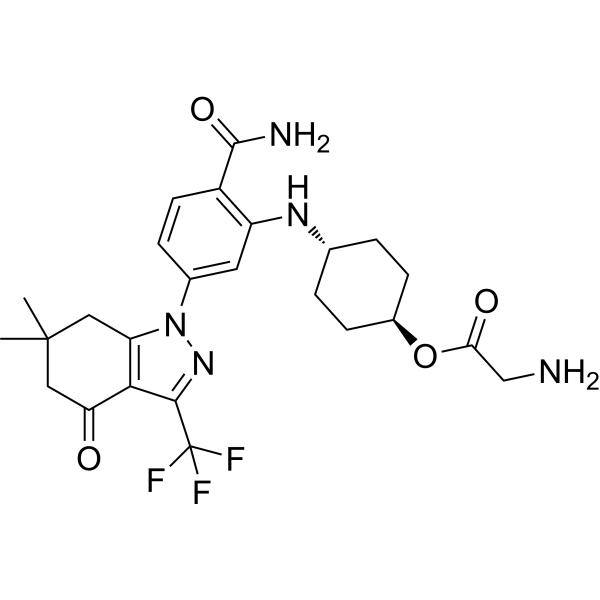
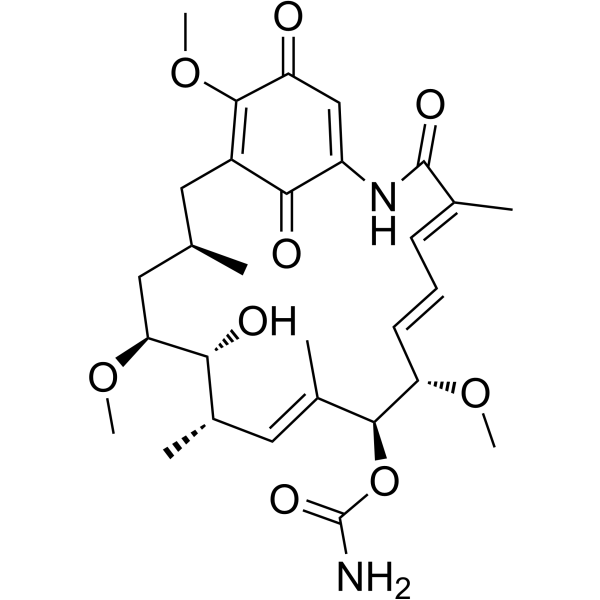

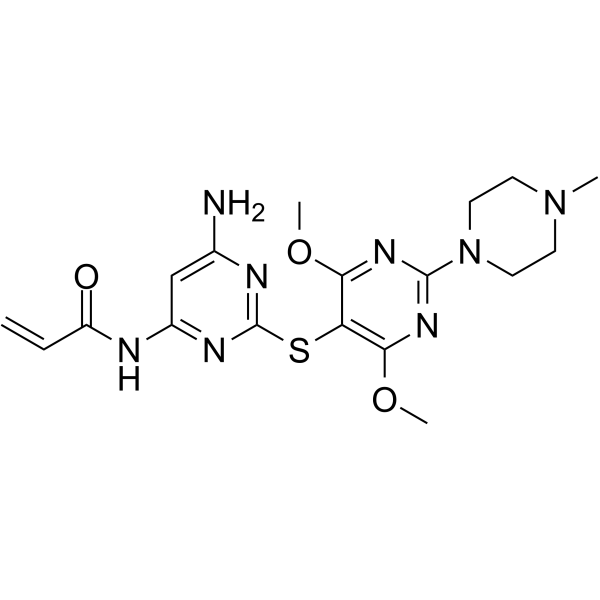

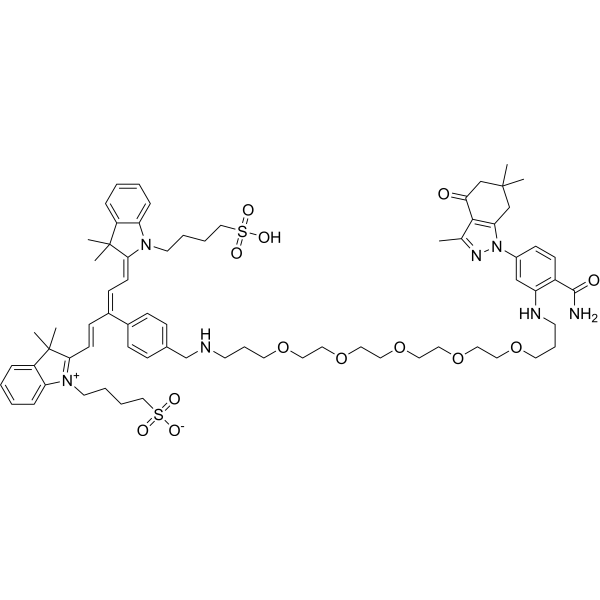
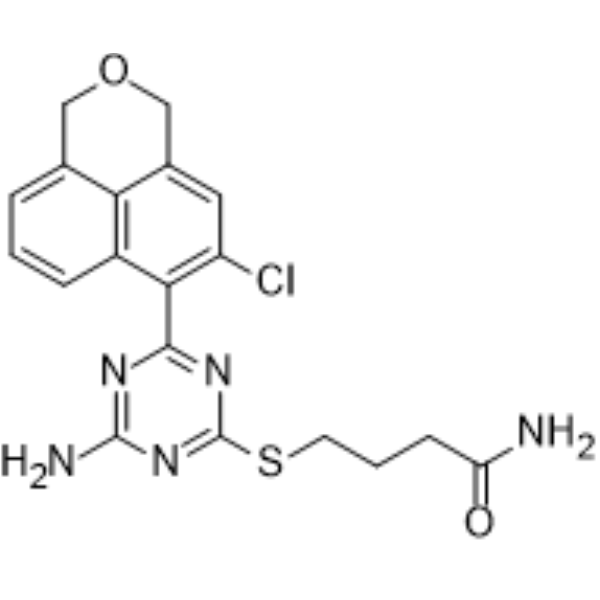
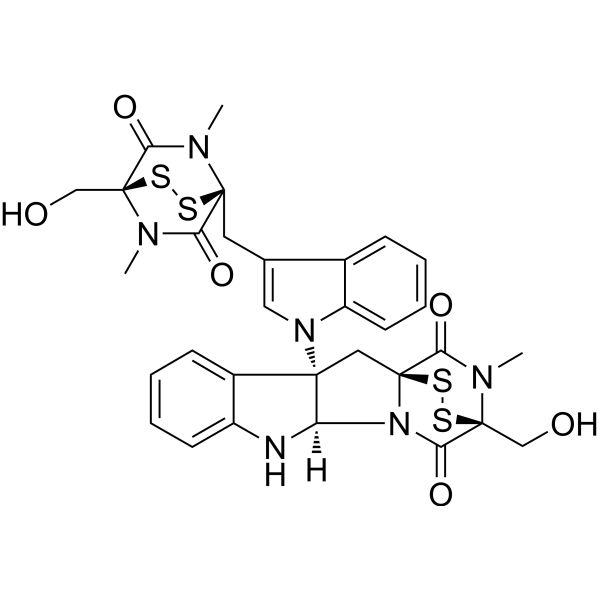
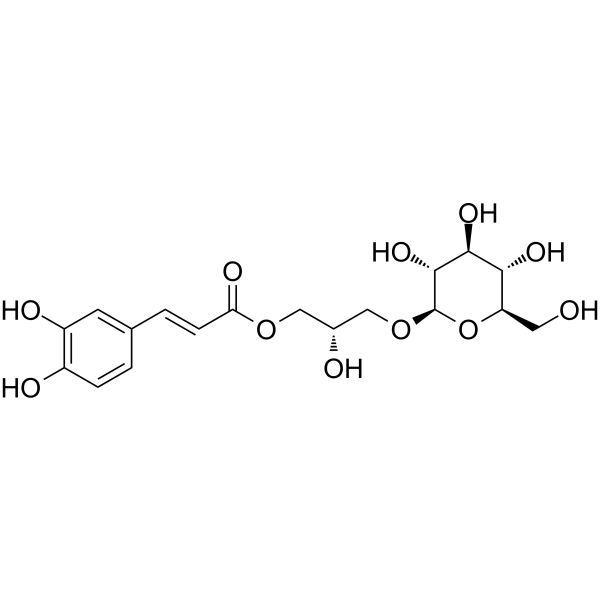
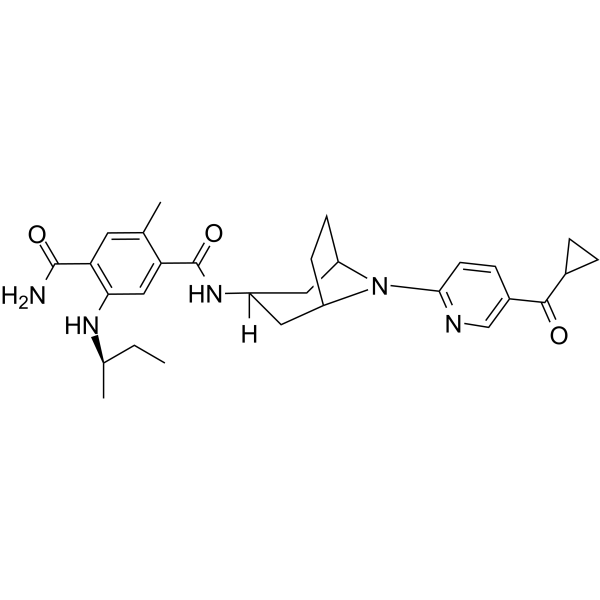


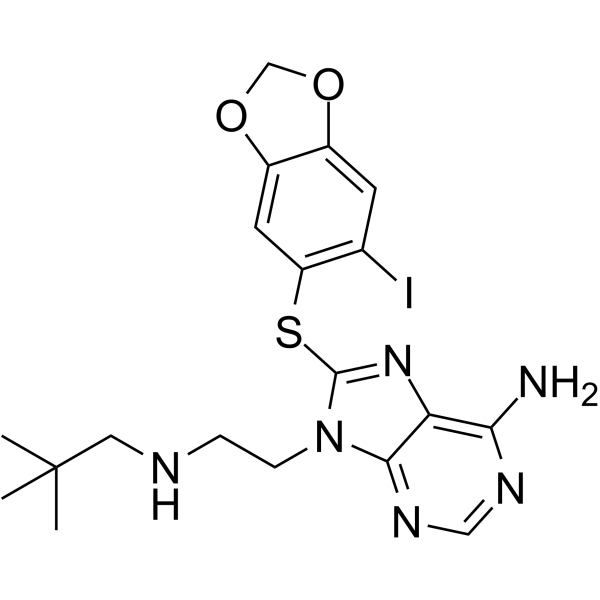

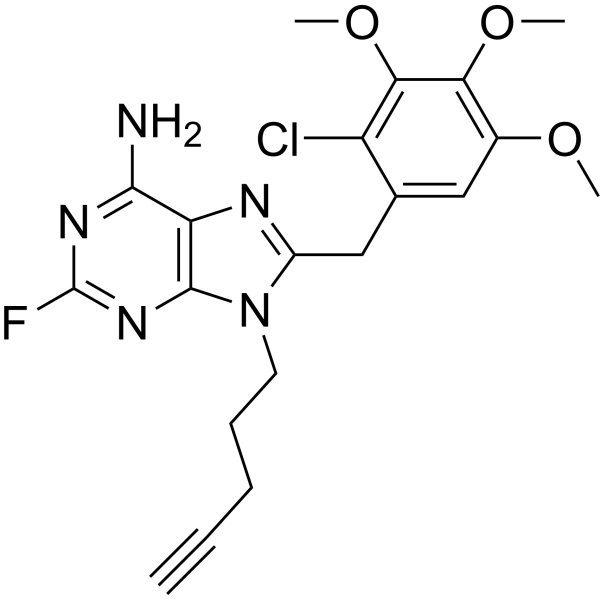

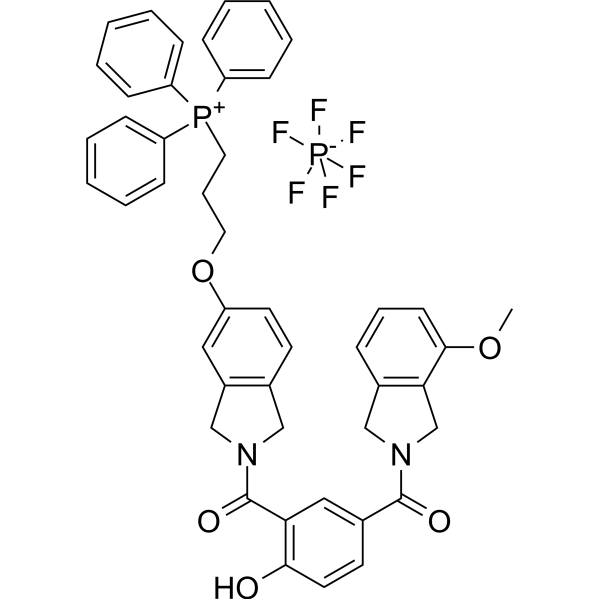
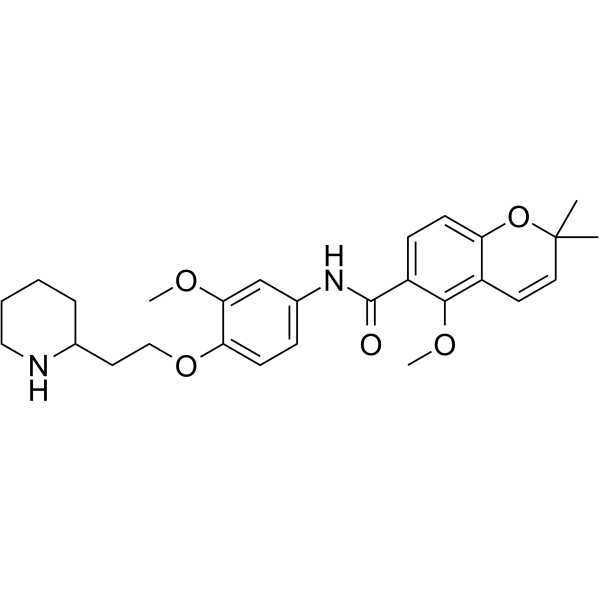

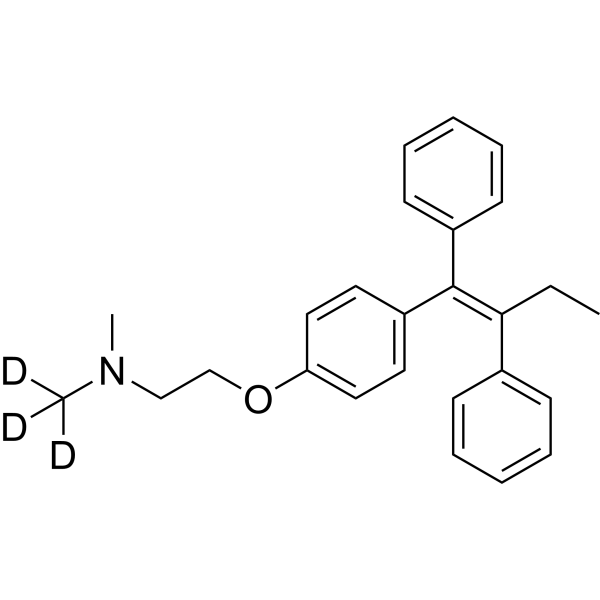

![[Ru(phen)2(xant)] hexafluorophosphate](http://file.medchemexpress.com/product_pic/hy-161102.gif)