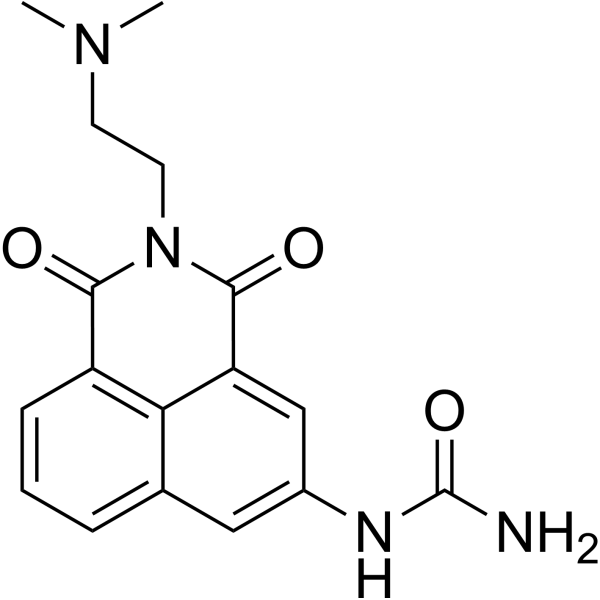
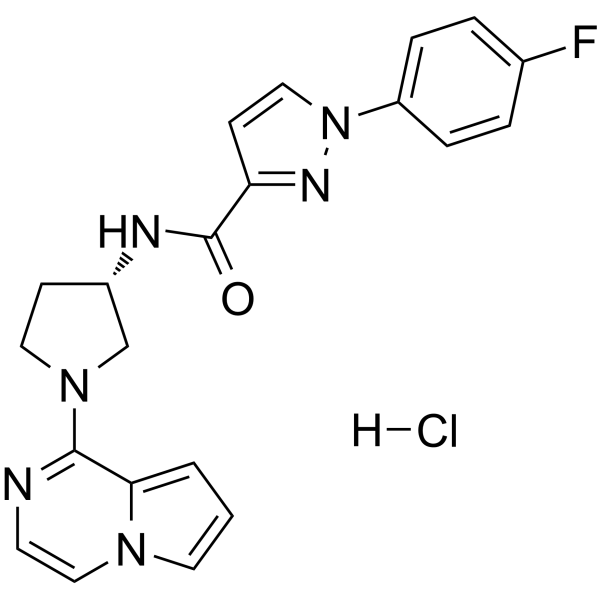
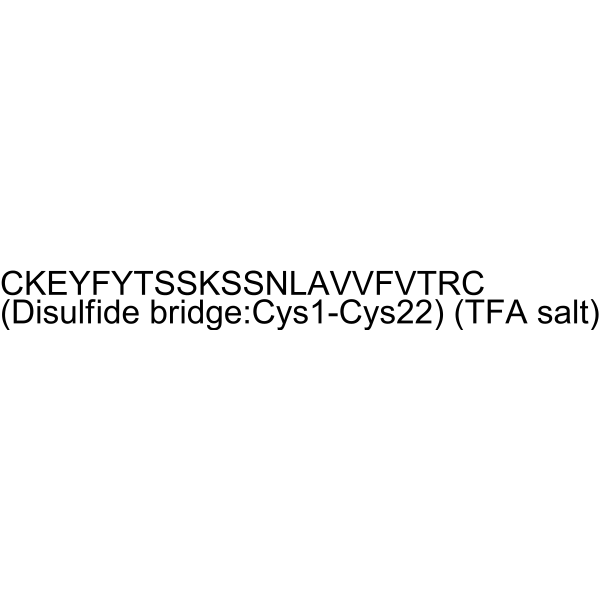
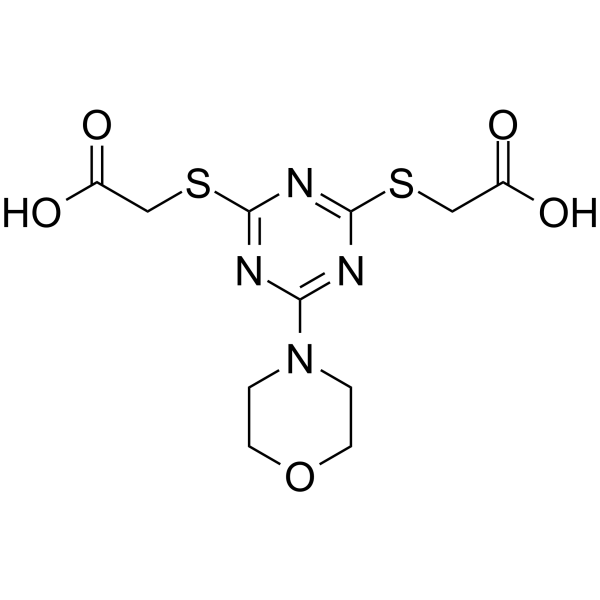
From 11:00 pm to 12:00 pm EST ( 8:00 pm to 9:00 pm PST ) on January 6th, the website will be under maintenance. We are sorry for the inconvenience. Please arrange your schedule properly.
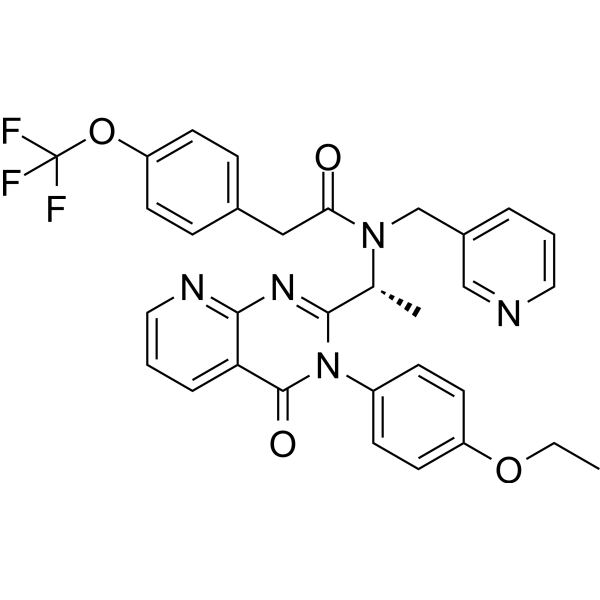
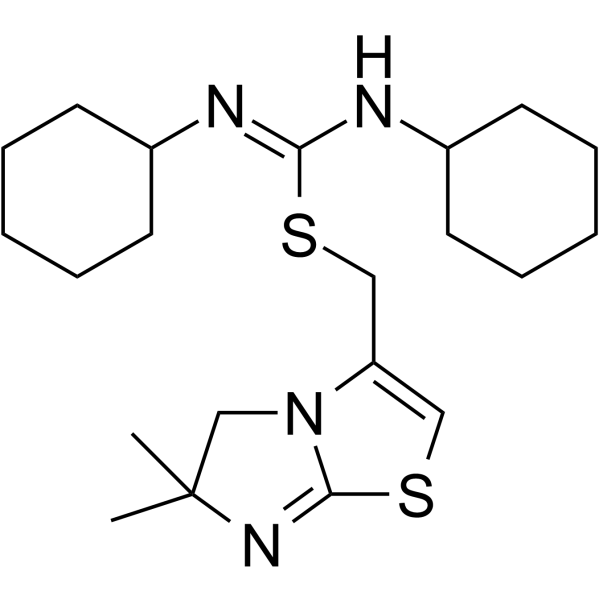
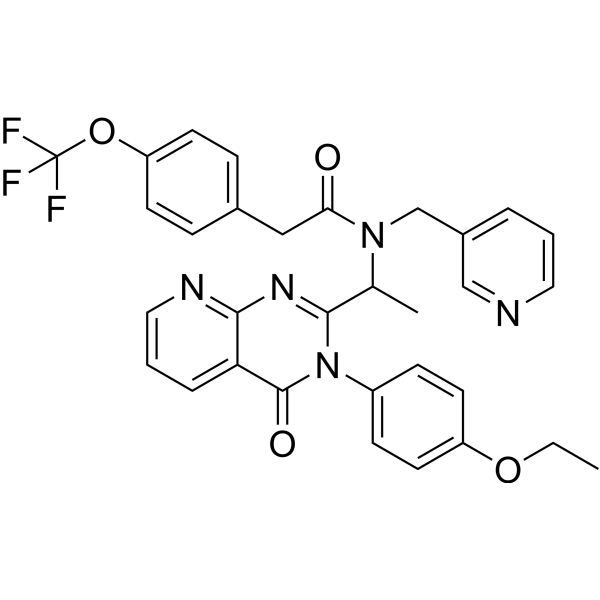
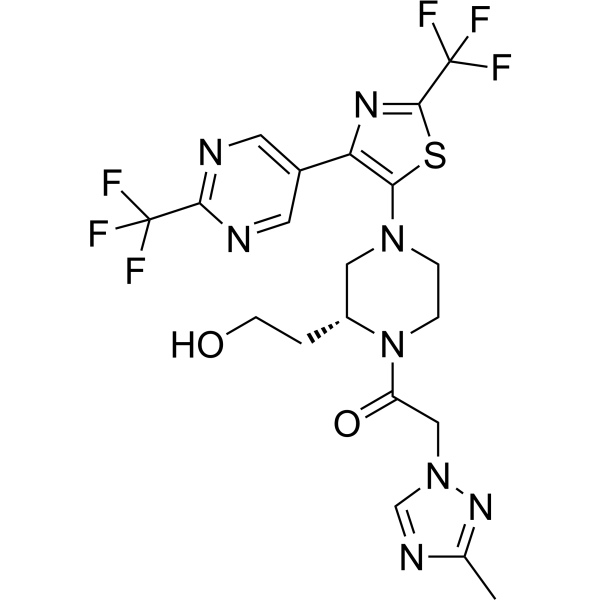
AMG 487 is an orally active and selective antagonist of CXC chemokine receptor 3 (CXCR3) which inhibits the binding of CXCL10 and CXCL11 to CXCR3 with IC50s of 8.0 and 8.2 nM, respectively .
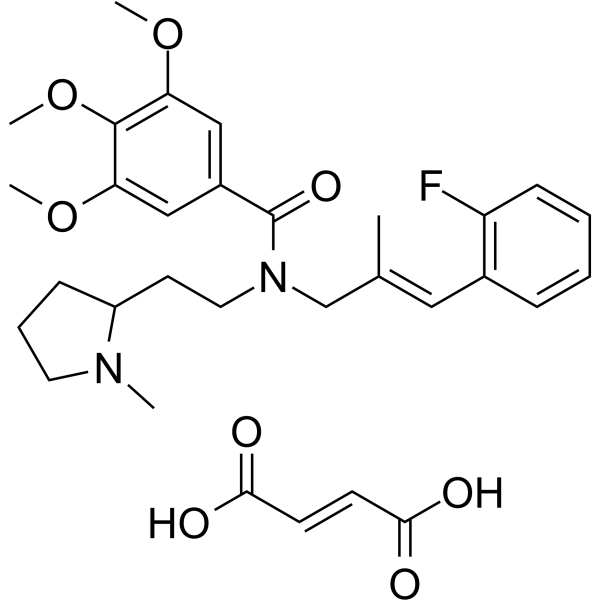
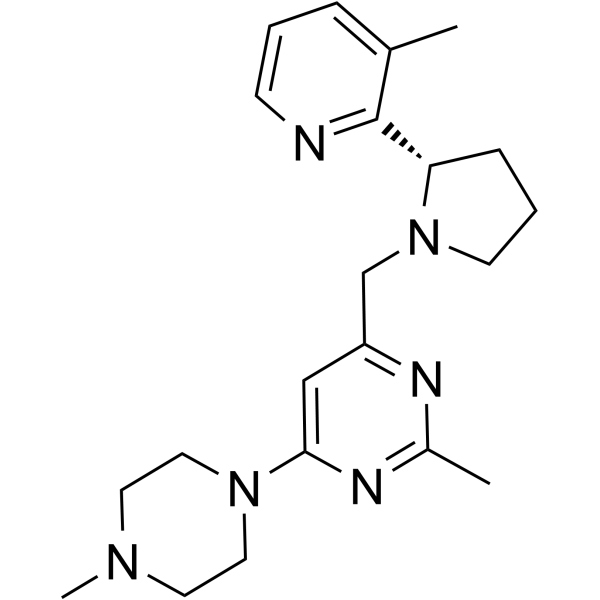
VUF11207 fumarate is a CXCR7 agonist that binds specifically to CXCR7. VUF11207 fumarate reduces CXCL12-mediated osteoclastogenesis and bone resorption by inhibiting ERK phosphorylation .
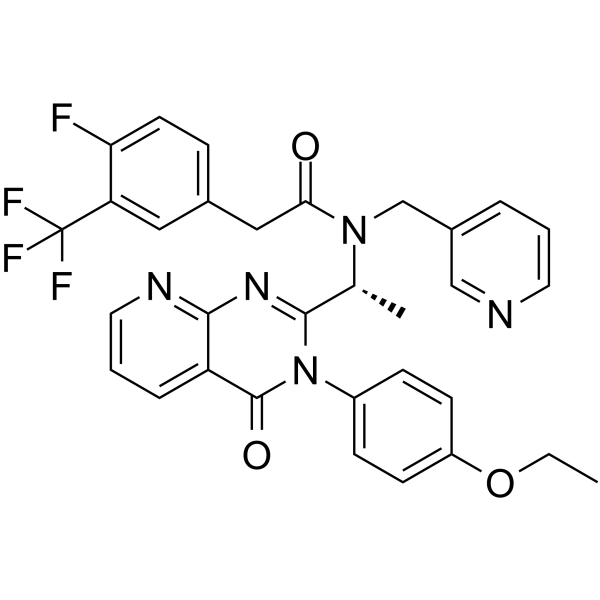
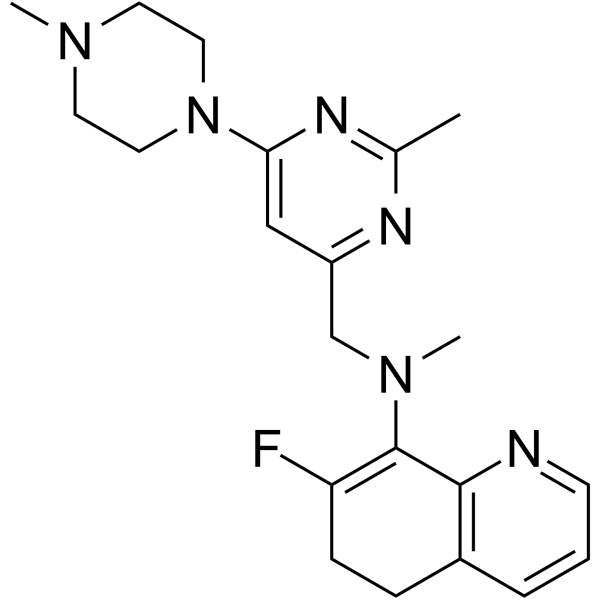
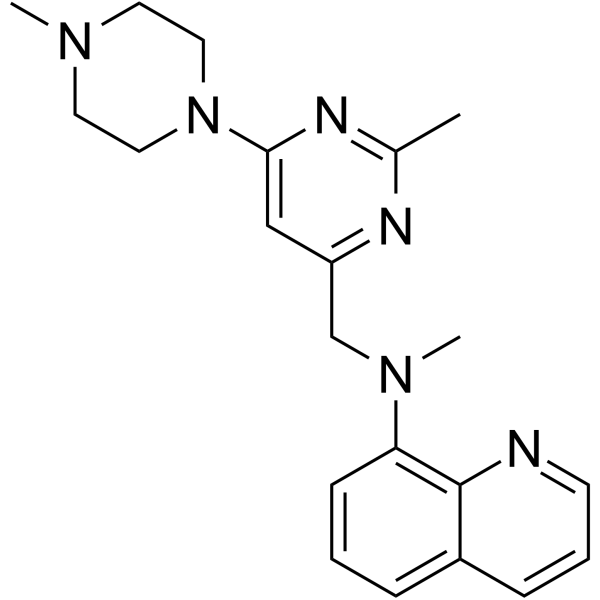
NBI-74330 is a potent antagonist for CXCR3, and exhibits potent inhibition of ( 125I)CXCL10 and ( 125I)CXCL11 specific binding with Ki of 1.5 and 3.2 nM, respectively.
Olaptesed pegol (NOX-A12) sodium is a L-oligoribonucleotide aptamer targeting CXCL12 based on a pegylated structure. Olaptesed pegol sodium neutralizes CXCL12, and CXCL12 inhibition mobilizes chronic lymphocytic leukemia cells into the circulation and prevents their homing into the protective microenvironment. Olaptesed pegol sodium can enhances the infiltration of human primary T cells and NK cells and inhibit tumor growth companied with anti-PD-1 antibody. Olaptesed pegol sodium can be used for researches of colon cancer and lymphocytic leukemia .
Olaptesed pegol (NOX-A12) is a L-oligoribonucleotide aptamer targeting CXCL12 based on a pegylated structure. Olaptesed pegol neutralizes CXCL12, and CXCL12 inhibition mobilizes chronic lymphocytic leukemia cells into the circulation and prevents their homing into the protective microenvironment. Olaptesed pegol can enhances the infiltration of human primary T cells and NK cells and inhibit tumor growth companied with anti-PD-1 antibody. Olaptesed pegol can be used for researches of colon cancer and lymphocytic leukemia .
Adakitug (BMS-986253) is a CHO-expressed human antibody targeting CXCL8/IL-8. Adakitug contains huIgG1 heavy chain and huκ light chain, with a predicted molecular weight (MW) of 144.94 kDa. The isotype control for Adakitug can refer to Human IgG1 kappa, Isotype Control (HY-P99001). Adakitug exhibits anti-tumor activity and can be applied in tumor research .
Anti-Mouse CXCL9/MIG Antibody (MIG-2F5.5) is an anti-mouse CXCL9/MIG IgG monoclonal antibody. Anti-Mouse CXCL9/MIG Antibody (MIG-2F5.5) can reduce tumor infiltration of CD8 + cytotoxic T cells (CTLs). Anti-Mouse CXCL9/MIG Antibody (MIG-2F5.5) can prolong the survival of transplanted hearts. Anti-Mouse CXCL9/MIG Antibody (MIG-2F5.5) can be used for researches on immunology and cancer such as prostate cancer .
VX5 (VX5/5261) is a humanized IgG1κ monoclonal antibody inhibitor targeting BCA-1/CXCL13. VX5 significantly inhibits human CXCL13-mediated internalization of CXCR5, blocks both human and mouse CXCL13-dependent B-cells chemotaxis and migration. VX5 can be used to study autoimmune diseases like multiple sclerosis and arthritis, and cancers like gastric lymphomas and colon cancer .
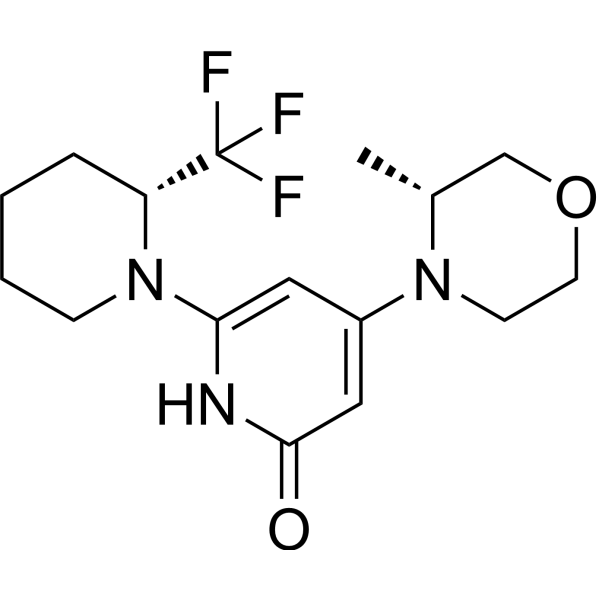
MSX-122 is an orally active partial antagonist of CXCR4, inhibiting CXCR4/CXCL12 actions, with an IC50 of ∼10 nM. MSX-122 has anti-inflammatory and anti-metastatic activity.
SCH-900875 is an orally active, brain-penetrant and selective CXCR3 receptor inhibitor, which also shows high selectivity over CXCR1 and CXCR2 receptors. SCH-900875 binds to CXCR3, blocking the binding of ligands CXCL9, CXCL10, and CXCL11, inhibiting downstream G protein and β-arrestin signaling pathways to suppress inflammatory cell migration. SCH-900875 is promising for research of autoimmune diseases (rheumatoid arthritis, multiple sclerosis) and inflammatory disorders (psoriasis, inflammatory bowel disease) .
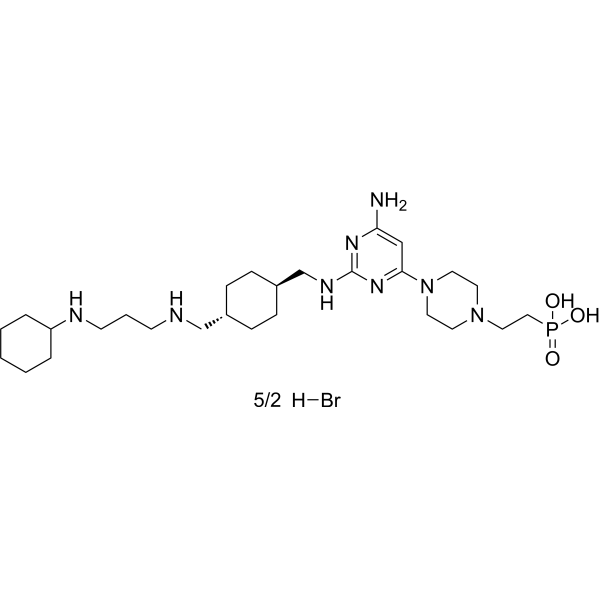
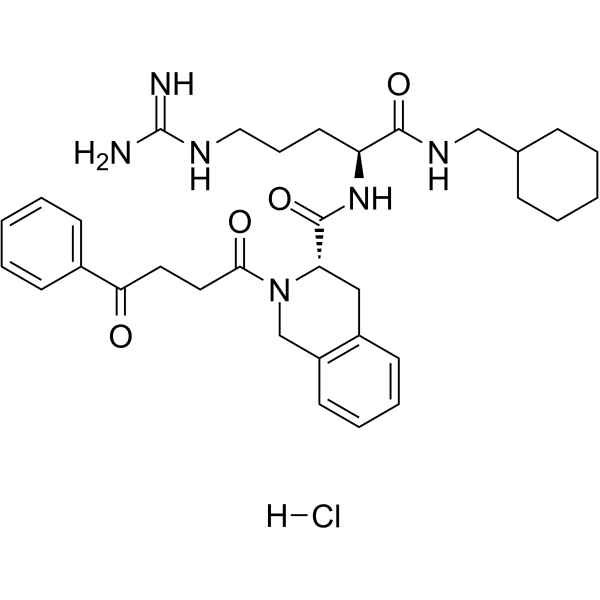
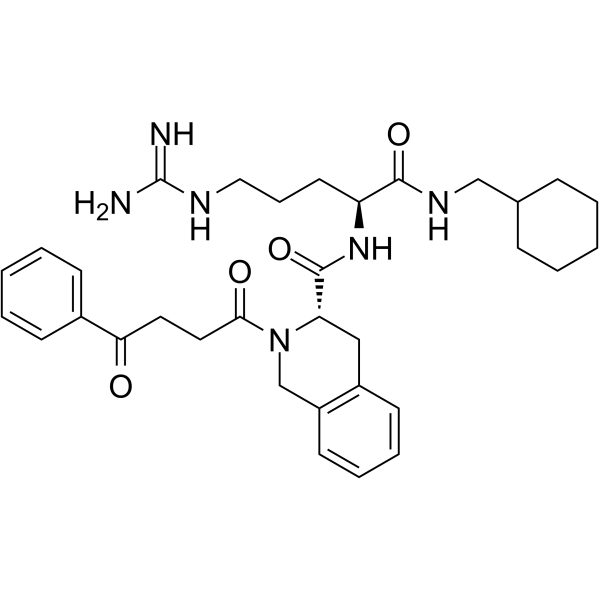
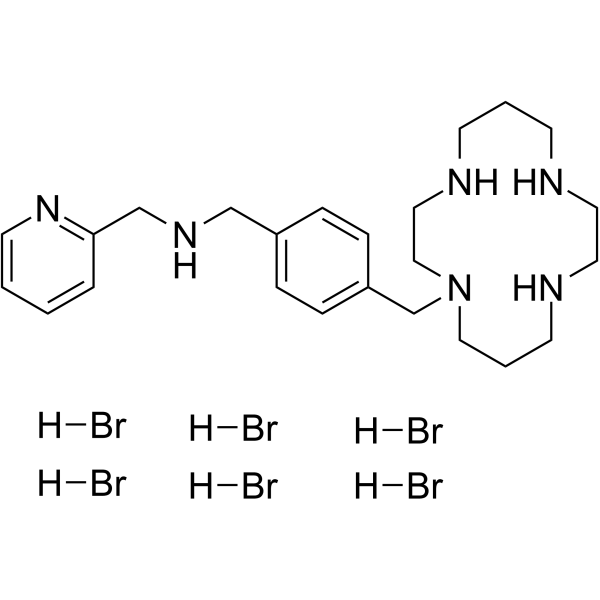
Burixafor (TG-0054) hydrobromide is a potent CXCR4 antagonist with a pIC50 of 7.4. Burixafor hydrobromide inhibits the binding of CXCL12 to CXCR4, antagonizes CXCL12-induced recruitment of Gαᵢ and β-arrestin2, and blocks the downstream Gαᵢ-mediated inhibitory effect on cAMP signal transduction. Burixafor hydrobromide mobilizes CD34 + hematopoietic stem/progenitor cells (HSPC) from the bone marrow to the peripheral blood. Burixafor hydrobromide can be used for research on autologous hematopoietic stem cell transplantation (ASCT) .
CXCR7 antagonist-1 is a CXCR7 antagonist that inhibits the binding of the SDF-1 chemokine (also known as the CXCL12 chemokine) or I-TAC (also known as CXCL11) to the chemokine receptor CXCR7. CXCR7 antagonist-1 is useful in preventing tumor cell proliferation, tumor formation, inflammatory diseases, and many other diseases .
Eldelumab (BMS-936557) is a human anti-CXCL10 (IP-10) monoclonal antibody (IgG1 type). Eldelumab selectively binds to CXCL10 and blocks CXCL10-induced calcium flux and cell migration. Eldelumab can be used in studies of autoimmune and auto-inflammatory diseases such as rheumatoid arthritis, ulcerative colitis and crohn's disease .
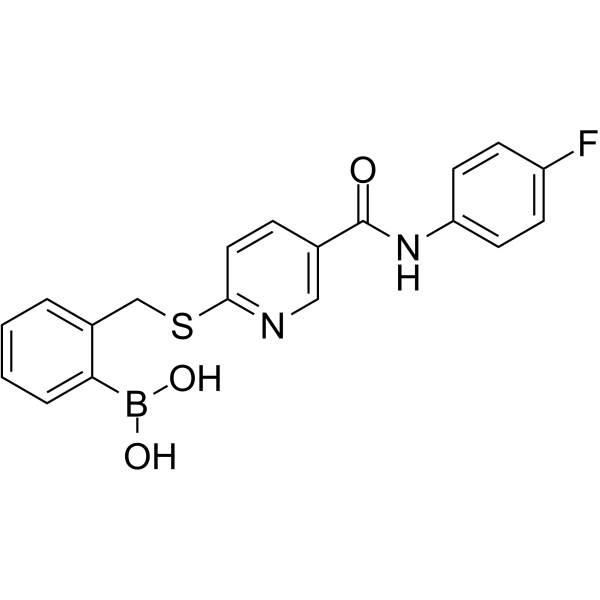
SX-517 is a dual CXCR2/1 antagonist, containing boronic acid. SX-517 inhibits CXCL1-induced Ca 2+ flux (IC50=38 nM), and antagonizes CXCL8-induced [(35)S]GTPγS binding (IC50=60 nM) and ERK1/2 phosphorylation. SX-517 has significant ability for inflammation suppression, in both humanized polymorphonuclear (PMN) cells and in murine model .
CXCR7 antagonist-1 hydrochloride is a CXCR7 antagonist that inhibits the binding of the SDF-1 chemokine (also known as the CXCL12 chemokine) or I-TAC (also known as CXCL11) to the chemokine receptor CXCR7. CXCR7 antagonist-1 hydrochloride is useful in preventing tumor cell proliferation, tumor formation, inflammatory diseases, and many other diseases .
CXCL8 (54-72) is a C-terminal peptide based on the chemokine CXCL8. CXCL8 (54-72) has an interaction between a long and highly positively charged C-terminal region and a negative charge on the GAG that binds to the GAG. CXCL8 (54-72) can inhibit the adhesion and migration of neutrophils and adhesion of endothelial cells. CXCL8 (54-72) can be used to study chemokines in inflammatory response .
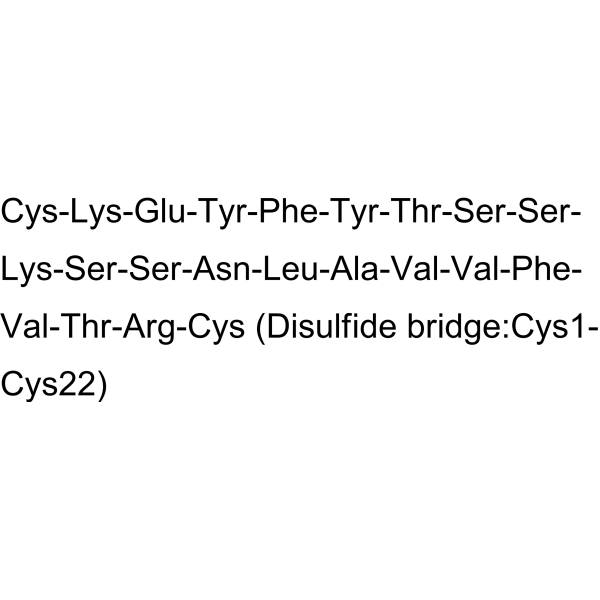
Cyclic MKEY TFA is a synthetic cyclic peptide inhibitor of CXCL4-CCL5 heterodimer formation, which protects against atherosclerosis and aortic aneurysm formation by mediating inflammation. Cyclic MKEY TFA also protects against stroke-induced brain injury in mice .
CXCL-CXCR1/2-IN-1 is an orally active ELR +CXCL-CXCR1/2 pathway inhibitor with an EC50 of 42.7 nM for CXCR2 . CXCL-CXCR1/2-IN-1 shows anticancer and antiangiogenic effects .
Anti-CXCL8/IL-8 Antibody is a human antibody expressed in CHO cells that targets CXCL8/IL-8. The Anti-CXCL8/IL-8 Antibody is composed of a huIgG1 heavy chain and a huκ light chain, with a predicted molecular weight (MW) of 145 kDa. The isotype control for Anti-CXCL8/IL-8 Antibody can be referenced as Human IgG1 kappa, Isotype Control (HY-P99001).
Anti-CXCL12/SDF1a Antibody is a CHO-expressed human antibody that targets CXCL12/SDF1a. The Anti-CXCL12/SDF1a Antibody has a huIgG1 heavy chain and a huκ light chain, with a predicted molecular weight (MW) of 145 kDa. For the isotype control of Anti-CXCL12/SDF1a Antibody, please refer to Human IgG1 kappa, Isotype Control (HY-P99001).
CXCR4 antagonist 6 (compound 46) is a potent CXCR4 antagonist with an IC50 value of 79 nM. CXCR4 antagonist 6 inhibits CXCL12 induced cytosolic calcium flux (IC50 = 0.25 nM). CXCR4 antagonist 6 significantly mitigates CXCL12/CXCR4 mediated cell migration. CXCR4 antagonist 6 exhibits marked efficacy in a cancer metastasis model in mice .
BPRCX 807 is a selective and potent CXCR4 (CXC chemokine receptor type 4) antagonist. BPRCX 807 inhibits CXCL12-mediated ERK and Akt phosphorylation. BPRCX 807 can significantly suppress primary tumor growth. BPRCX 807 can be used for the study of hepatocellular carcinoma .
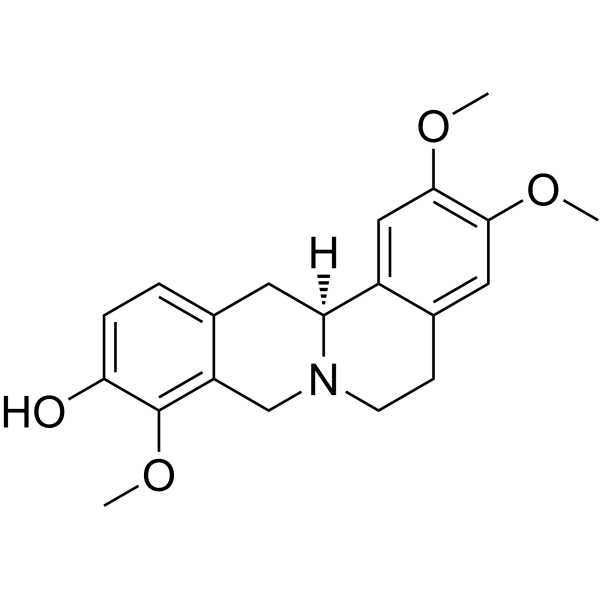
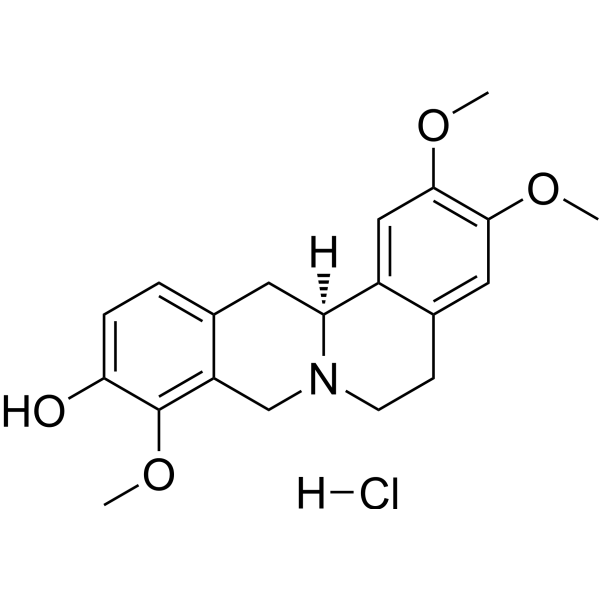
Corydalmine (L-Corydalmine) inhibits spore germination of some plant pathogenic as well as saprophytic fungi . Corydalmine acts as an oral analgesic agent, exhibiting potent analgesic activity . Corydalmine alleviates Vincristine-induced neuropathic pain in mice by inhibiting an NF-κB-dependent CXCL1/CXCR2 signaling pathway .
Pentixather is a radiolabeled peptide that can target CXCR4. Pentixather can disrupt the interaction between leukemic cells and the bone marrow microenvironment by targeting the CXCR4/CXCL12 signaling axis, reduce the retention of leukemic cells in the protective bone marrow niche, and thereby enhance the sensitivity of leukemic cells to treatment. Pentixather can be used for the study of acute lymphoblastic leukemia (ALL) and acute myeloid leukemia (AML) .
CXCL5 Human Pre-designed siRNA Set A contains three designed siRNAs for CXCL5 gene (Human), as well as a negative control, a positive control, and a FAM-labeled negative control.
Cxcl5 Mouse Pre-designed siRNA Set A contains three designed siRNAs for Cxcl5 gene (Mouse), as well as a negative control, a positive control, and a FAM-labeled negative control.
Cxcl12 Mouse Pre-designed siRNA Set A contains three designed siRNAs for Cxcl12 gene (Mouse), as well as a negative control, a positive control, and a FAM-labeled negative control.
HBP08 is a selective inhibitor of CXCL12/HMGB1 interaction. HBP08 has a high affinity for HMGB1 (Kd=0.8 μM). HBP08 inhibits CXCL12-mediated cell migration .
ICT5040 is a small molecule CXCR4 antagonist (IC50=3.8 μM). ICT5040 inhibits CXCL12-mediated proliferation and migration, and suppresses CXCL12-induced intracellular calcium mobilisation in U87 glioma cells .
(±)-AMG 487 is a racemate of AMG 487. AMG 487 is an orally active and selective antagonist of CXC chemokine receptor 3 (CXCR3) which inhibits the binding of CXCL10 and CXCL11 to CXCR3 with IC50s of 8.0 and 8.2 nM, respectively .
Paeoniflorin-6′-O-benzene sulfonate (CP-25) is the inhibitor for G protein-coupled receptor kinase 2 (GRK2) that inhibits the translocation of GRK2 to the cell membrane, inhibits JAK1/STAT3 signaling pathway. Paeoniflorin-6′-O-benzene sulfonate inhibits IL-17A/CXCL2-induced proliferation of HaCaT. Paeoniflorin-6′-O-benzene sulfonate reduces the levels of inflammatory factors and chemokines such as IL-17A, IL-17F, IFN-γ, TNF-α, IL-22, IL-23, CXCL2, CXCL3 and CXCL9, alleviates Imiquimod (HY-B0180)-induced psoriasis in mouse model .
Peptide R analogue 10 (compound 10) is an analog of the CXCR4 antagonist peptide Peptide R (HY-P4111) with stronger antagonistic potency, specificity and plasma stability. Peptide R analogue 10 can inhibit CXCL12-mediated cell migration, ERK phosphorylation and CXCR4 internalization. Peptide R analogue 10 can be used in the study of CXCR4 overexpressing leukemia and colon cancer .
CXCL9(74-103) is a derivative peptide of CXCL9 that has a high affinity for glycosaminoglycans (GAGs) and can bind to GAGs. CXCL9(74-103) possesses anti-angiogenic properties, capable of reducing EGF, VEGF165, and FGF-2-mediated angiogenesis processes in vitro, without exhibiting cytotoxicity .
The Anti-CXCL4/PF4 Antibody is a human antibody expressed in CHO cells that targets CXCL4/PF4. The Anti-CXCL4/PF4 Antibody has a huIgG4SP type heavy chain and a huκ type light chain, with a predicted molecular weight (MW) of 144.5 kDa. The isotype control for Anti-CXCL4/PF4 Antibody can be referenced as Human IgG4 kappa, Isotype Control (HY-P99003).
Human CXCL12 mRNA encodes the human C-X-C motif chemokine ligand 12 (CXCL12) protein, a stromal cell-derived alpha chemokine member of the intercrine family. CXCL12 functions as the ligand for the G-protein coupled receptor, chemokine (C-X-C motif) receptor 4, and plays a role in many diverse cellular functions, including embryogenesis, immune surveillance, inflammation response, tissue homeostasis, and tumor growth and metastasis.
CXCL2 Human Pre-designed siRNA Set A contains three designed siRNAs for CXCL2 gene (Human), as well as a negative control, a positive control, and a FAM-labeled negative control.
Cxcl17 Mouse Pre-designed siRNA Set A contains three designed siRNAs for Cxcl17 gene (Mouse), as well as a negative control, a positive control, and a FAM-labeled negative control.
Cxcl3 Mouse Pre-designed siRNA Set A contains three designed siRNAs for Cxcl3 gene (Mouse), as well as a negative control, a positive control, and a FAM-labeled negative control.
Cxcl14 Mouse Pre-designed siRNA Set A contains three designed siRNAs for Cxcl14 gene (Mouse), as well as a negative control, a positive control, and a FAM-labeled negative control.
Cxcl12 Rat Pre-designed siRNA Set A contains three designed siRNAs for Cxcl12 gene (Rat), as well as a negative control, a positive control, and a FAM-labeled negative control.
CXCL13 Human Pre-designed siRNA Set A contains three designed siRNAs for CXCL13 gene (Human), as well as a negative control, a positive control, and a FAM-labeled negative control.
Cxcl6 Rat Pre-designed siRNA Set A contains three designed siRNAs for Cxcl6 gene (Rat), as well as a negative control, a positive control, and a FAM-labeled negative control.
Cxcl11 Rat Pre-designed siRNA Set A contains three designed siRNAs for Cxcl11 gene (Rat), as well as a negative control, a positive control, and a FAM-labeled negative control.
CXCL14 Human Pre-designed siRNA Set A contains three designed siRNAs for CXCL14 gene (Human), as well as a negative control, a positive control, and a FAM-labeled negative control.
CXCL3 Human Pre-designed siRNA Set A contains three designed siRNAs for CXCL3 gene (Human), as well as a negative control, a positive control, and a FAM-labeled negative control.
CXCL1 Human Pre-designed siRNA Set A contains three designed siRNAs for CXCL1 gene (Human), as well as a negative control, a positive control, and a FAM-labeled negative control.
Cxcl1 Rat Pre-designed siRNA Set A contains three designed siRNAs for Cxcl1 gene (Rat), as well as a negative control, a positive control, and a FAM-labeled negative control.
Cxcl16 Rat Pre-designed siRNA Set A contains three designed siRNAs for Cxcl16 gene (Rat), as well as a negative control, a positive control, and a FAM-labeled negative control.
CXCL11 Human Pre-designed siRNA Set A contains three designed siRNAs for CXCL11 gene (Human), as well as a negative control, a positive control, and a FAM-labeled negative control.
Cxcl10 Rat Pre-designed siRNA Set A contains three designed siRNAs for Cxcl10 gene (Rat), as well as a negative control, a positive control, and a FAM-labeled negative control.
CXCL6 Human Pre-designed siRNA Set A contains three designed siRNAs for CXCL6 gene (Human), as well as a negative control, a positive control, and a FAM-labeled negative control.
Cxcl13 Rat Pre-designed siRNA Set A contains three designed siRNAs for Cxcl13 gene (Rat), as well as a negative control, a positive control, and a FAM-labeled negative control.
Cxcl1 Mouse Pre-designed siRNA Set A contains three designed siRNAs for Cxcl1 gene (Mouse), as well as a negative control, a positive control, and a FAM-labeled negative control.
CXCL16 Human Pre-designed siRNA Set A contains three designed siRNAs for CXCL16 gene (Human), as well as a negative control, a positive control, and a FAM-labeled negative control.
CXCL12 Human Pre-designed siRNA Set A contains three designed siRNAs for CXCL12 gene (Human), as well as a negative control, a positive control, and a FAM-labeled negative control.
CXCL9 Human Pre-designed siRNA Set A contains three designed siRNAs for CXCL9 gene (Human), as well as a negative control, a positive control, and a FAM-labeled negative control.
CXCL10 Human Pre-designed siRNA Set A contains three designed siRNAs for CXCL10 gene (Human), as well as a negative control, a positive control, and a FAM-labeled negative control.
Cxcl10 Mouse Pre-designed siRNA Set A contains three designed siRNAs for Cxcl10 gene (Mouse), as well as a negative control, a positive control, and a FAM-labeled negative control.
CX4338 is a CXCL8-mediated chemokine inhibitor with the activity of inhibiting CXCR2-mediated cell migration. CX4338 selectively inhibits CXCR2-mediated β-arrestin-2 recruitment and receptor internalization while enhancing CXCR2-mediated MAPK activation. CX4338 also inhibited CXCL8-induced chemotaxis, showing efficacy in CXCR2-overexpressing cells and human neutrophils. In vivo, CX4338 significantly reduced LPS-induced neutrophil numbers in mouse bronchoalveolar lavage fluid. The mechanism of action of CX4338 is to selectively inhibit CXCR2-mediated β-arrestin-2 activation, which is sufficient to inhibit CXCL8-mediated chemotaxis .
IS4 is a selective CXCR4 competitive antagonist, with an IC50 of 0.65 nM in THP-1 cells and 38.75 nM in Jurkat cells. IS4 is stable in serum and non-cytotoxic. IS4 competitively binds to CXCR4 with CXCL12, thereby inhibiting CXCL12-induced intracellular Ca 2+ release and cancer cell migration. IS4 can be used in the research on the prevention of metastasis of breast cancer, prostate cancer, leukemia, and other diseases .
Cyclic MKEY is a synthetic cyclic peptide inhibitor of CXCL4-CCL5 heterodimer formation, which protects against atherosclerosis and aortic aneurysm formation by mediating inflammation. Cyclic MKEY also protects against stroke-induced brain injury in mice .
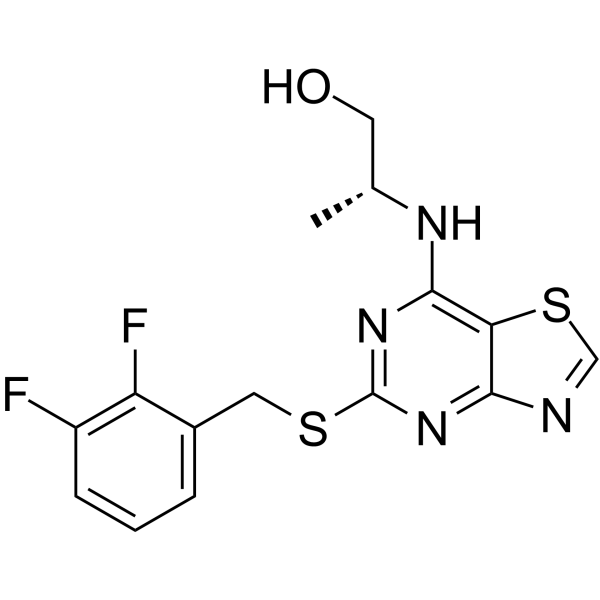
CXCR2 antagonist 4 (compound 7) is a potent CXCR2 antagonist with an IC50 value of 0.13 μM. CXCR2 antagonist 4 can inhibit CXCL8-induced cytosolic calcium increase (IC50 = 27 μM). CXCR2 antagonist 4 can be used for researching anticancer .
Corydalmine hydrochloride inhibits spore germination of some plant pathogenic as well as saprophytic fungi . Corydalmine hydrochloride acts as an oral analgesic agent, exhibiting potent analgesic activity . Corydalmine hydrochloride alleviates Vincristine-induced neuropathic pain in mice by inhibiting an NF-κB-dependent CXCL1/CXCR2 signaling pathway .
Human IL8 mRNA encodes the human interleukin 8 (IL8) protein, a member of the CXC chemokine family. IL8 is a major mediator of the inflammatory response. It also functions as a chemotactic factor by guiding the neutrophils to the site of infection.
VUF5834 is a non-peptide chemokine receptor CXCR3 antagonist with non-competitive antagonistic and inverse agonistic activities. VUF5834 blocks the effects of CXCL10 and CXCL11 on human CXCR3, exhibits non-competitive antagonistic and inverse agonistic properties to CXCR3, and, except for TAK-779, has a slightly lower affinity for rodent CXCR3 than for primate CXCR3.
NI-0801 is a humanized antibody expressed in CHO, targeting CXCL10/IP-10. NI-0801 contains huIgG1 heavy chain and huκ light chain, with a predicted molecular weight (MW) of 145 kDa. The isotype control for NI-0801 can be referenced as Human IgG1 kappa, Isotype Control (HY-P99001).
pCXCL8-1aa is an anti-inflammatory peptide. pCXCL8-1aa competitively inhibits the binding of CXCL8 to glycosaminoglycans such as heparin sulfate (HS) by binding with high affinity. This reduces the presentation of CXCL8 on the surface of vascular endothelial cells, thereby inhibiting neutrophil migration and inflammatory responses. pCXCL8-1aa can be used to study inflammatory diseases such as rheumatoid arthritis .
Anti-CXCL13 Antibody is a monoclonal antibody targeting CXCL13. It can be used in ELISA, FACS, and functional assays. For isotype controls of Anti-CXCL13 Antibody, please refer to Human IgG1 kappa, Isotype Control (HY-P99001).
Anti-Mouse CXCL16 Antibody (12-81) reacts with the extracellular domain of CXCL16. Anti-Mouse CXCL16 Antibody (12-81) can neutralize CXCL16/SR-PSOX both in vitro and in vivo. Recommend Isotype Controls: Rat IgG1 kappa, Isotype Control (HY-P99979) .
Anti-Mouse/Human CXCL12 Antibody (K15C) reacts with mouse CXCL12. Anti-Mouse/Human CXCL12 Antibody (K15C) has the effect of neutralizing CXCL12/SDF-1 both in vivo and in vitro. Recommend Isotype Controls: Mouse IgG2a kappa, Isotype Control (HY-P99978) .
Anti-Mouse CXCL10 Antibody (1F11) reacts with the pro-inflammatory CXCL10. Anti-Mouse CXCL10 Antibody (1F11) can be used for neutralization of CXCL10 (in vitro and in vivo) and for inhibition of T cell recruitment in vivo in a range of inflammatory disease models. Recommend Isotype Controls: Polyclonal Armenian hamster IgG, Isotype Control (HY-P990305) .
Cxcl2 Mouse Pre-designed siRNA Set A contains three designed siRNAs for Cxcl2 gene (Mouse), as well as a negative control, a positive control, and a FAM-labeled negative control.
Cxcl11 Mouse Pre-designed siRNA Set A contains three designed siRNAs for Cxcl11 gene (Mouse), as well as a negative control, a positive control, and a FAM-labeled negative control.
CXCL8 Human Pre-designed siRNA Set A contains three designed siRNAs for CXCL8 gene (Human), as well as a negative control, a positive control, and a FAM-labeled negative control.
CXCL17 Human Pre-designed siRNA Set A contains three designed siRNAs for CXCL17 gene (Human), as well as a negative control, a positive control, and a FAM-labeled negative control.
Cxcl13 Mouse Pre-designed siRNA Set A contains three designed siRNAs for Cxcl13 gene (Mouse), as well as a negative control, a positive control, and a FAM-labeled negative control.
Cxcl3 Rat Pre-designed siRNA Set A contains three designed siRNAs for Cxcl3 gene (Rat), as well as a negative control, a positive control, and a FAM-labeled negative control.
Cxcl14 Rat Pre-designed siRNA Set A contains three designed siRNAs for Cxcl14 gene (Rat), as well as a negative control, a positive control, and a FAM-labeled negative control.
Cxcl17 Rat Pre-designed siRNA Set A contains three designed siRNAs for Cxcl17 gene (Rat), as well as a negative control, a positive control, and a FAM-labeled negative control.
Cxcl16 Mouse Pre-designed siRNA Set A contains three designed siRNAs for Cxcl16 gene (Mouse), as well as a negative control, a positive control, and a FAM-labeled negative control.
Cxcl2 Rat Pre-designed siRNA Set A contains three designed siRNAs for Cxcl2 gene (Rat), as well as a negative control, a positive control, and a FAM-labeled negative control.
Hexaprofen is a 2-arylpropionic acid derivative. Hexaprofen inhibits CXCL8-induced chemotaxis, while no activity is detected against CXCL1-induced chemotaxis .
Peptide E5 is an antagonist targeting the CXCR4/CXCL12axis. Peptide E5 blocks the CXCR4/CXCL12 axis, downregulates CXCR4 expression, and inhibits the phosphorylation of downstream Akt and Erk. Peptide E5 induces apoptosis, suppresses migration and adhesion of breast cancer cells. Peptide E5 inhibits CXCL12-mediated endothelial progenitor cell recruitment, thereby suppressing tumor angiogenesis. Peptide E5 is applicable to relevant research on breast cancer .
BMS-986184 is a fully human monoclonal antibody targeting interferon gamma-induced protein 10 (IP-10)/CXCL10. BMS-986184 can be used for the research of lupus nephritis .
IT1t (dihydrochloride) (Standard) is the analytical standard of IT1t (dihydrochloride) (HY-101458A). This product is intended for research and analytical applications. IT1t dihydrochloride is a potent CXCR4 antagonist; inhibits CXCL12/CXCR4 interaction with an IC50 of 2.1 nM.
Anti-Mouse CXCR4 Antibody is a monoclonal antibody that specifically recognizes murine CXCR4 (C-X-C chemokine receptor 4), also known as fusin or CD184. CXCR4 is a seven-transmembrane G protein–coupled receptor whose principal endogenous ligand is CXCL12 (stromal cell–derived factor-1α, SDF-1α) and is widely expressed in hematopoietic cells, endothelial cells, neurons, as well as embryonic and adult stem cells. The CXCR4–CXCL12 signaling axis activates multiple downstream pathways, including ERK1/2, Ras, p38 MAPK, PLC/MAPK, and SAPK/JNK, thereby regulating cell survival, proliferation, migration, and stemness maintenance. Aberrant overexpression of CXCR4 is closely associated with poor prognosis and metastasis in various cancers, with CXCR4-positive tumor cells preferentially home to CXCL12-rich tissues such as the liver, bone marrow, lung, and lymph nodes. Accordingly, CXCR4 and its CXCL12-related antagonists emerge as attractive targets for experimental anticancer therapy. Anti-Mouse CXCR4 Antibody is generated using a cell-based immunization and screening strategy and exhibits high affinity for both endogenous and exogenous murine CXCR4. Anti-Mouse CXCR4 Antibody can be used for thestudy of chronic lymphocytic leukemia and multiple myeloma .
Burixafor (TG-0054) is a potent CXCR4 antagonist with a pIC50 of 7.4. Burixafor inhibits the binding of CXCL12 to CXCR4, antagonizes CXCL12-induced recruitment of Gαᵢ and β-arrestin2, and blocks the downstream Gαᵢ-mediated inhibitory effect on cAMP signal transduction. Burixafor mobilizes CD34 + hematopoietic stem/progenitor cells (HSPC) from the bone marrow to the peripheral blood. Burixafor can be used for research on autologous hematopoietic stem cell transplantation (ASCT) .
NVP CXCR2 20 is a selective CXCR2 inhibitor with analgesic and antinociceptive activities. NVP CXCR2 20 selectively blocks CXCR2 signaling and attenuates mechanical and thermal hypersensitivity in rat chronic constriction injury (CCI) models. NVP CXCR2 20 inhibits CXCL3-induced hypersensitivity in naive mice and reduces elevated CXCL3 protein levels in the spinal cord and dorsal root ganglia (DRG) of CCI-exposed rats. NVP CXCR2 20 can be used for the research of neuropathic pain and chronic obstructive pulmonary disease (COPD) .
Peptide R54 acetate (Pep R54 acetate) is a CXCR4 antagonist. Peptide R54 acetate inhibits CXCL12-dependent activation of pERK1/2 and pAKT. The combination of Peptide R54 acetate and Nivolumab (HY-P9903) suppresses melanoma growth. Peptide R54 (acetate) is applicable to research related to melanoma and ovarian cancer .
UCUF-965 is a CXCR4 positive allosteric modulator. UCUF-965 potentiates CXCL12-induced β-arrestin recruitment and cAMP signaling, activates lymphoblast migration, induces calcium flux, and does not bind CXCR4’s orthosteric CXCL12 site. UCUF-965 reduces miR-15b and miR-29a levels, increases miR-146a levels in fibroblasts. UCUF-965 enhances angiogenesis and reduces wound healing time in diabetic mice. UCUF-965 can be used for the research of diabetic wound healing impairment .
SRX3305 is an BTK/PI3K/BRD4 inhibitor with IC50s of 6.5 nM, 15 nM, and 4 nM toward BTK, PI3Kɑ and PI3Kδ, respectively. SRX3305 attenuates chronic lymphocytic leukemia (CLL) and mantle cell lymphoma (MCL) cell proliferation and promotes apoptosis in a dose-dependent fashion. SRX3305 yields potent anti-tumor effects but spares healthy bystander cells. SRX3305 inhibits the activation-induced proliferation of primary CLL cells in vitro and effectively blocks microenvironment-mediated survival signals. SRX3305 blocks CLL cell migration toward CXCL-12 and CXCL-13. SRX3305 maintains its anti-tumor effects in Ibrutinib (HY-10997)-resistant CLL cells. SRX3305 can be used for research in CLL, diffuse large B-cell lymphoma (DLBCL) and MCL .
Anti-Human/Monkey CXCR4 Antibody (12G5) reacts with human and monkey CXCR4. Anti-Human/Monkey CXCR4 Antibody (12G5) blocks the cognate ligand, CXCL12/SDF-1, and gp120/160 from binding to CXCR4. Recommend Isotype Controls: Mouse IgG2a kappa, Isotype Control (HY-P99978) .
ABX-IL8 is a human-derived antibody expressed in CHO cells, targeting CXCL8/IL-8. ABX-IL8 contains a huIgG2 heavy chain and a huκ light chain, with a predicted molecular weight (MW) of 143.94 kDa. The isotype control for ABX-IL8 can refer to Human IgG2 kappa, Isotype Control (HY-P99002).
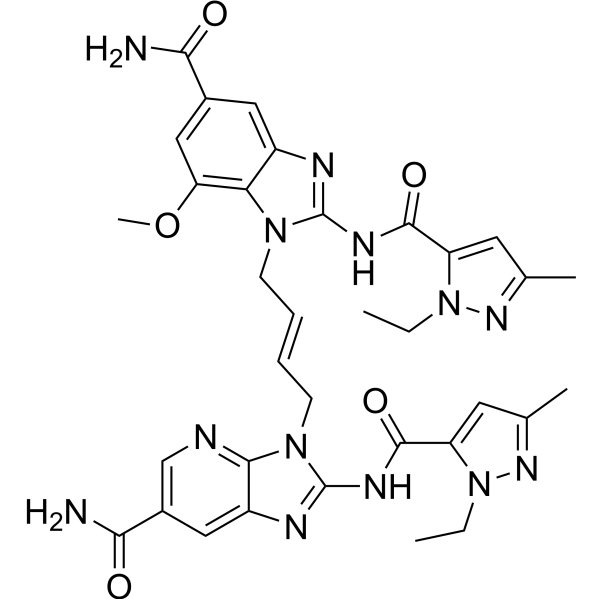
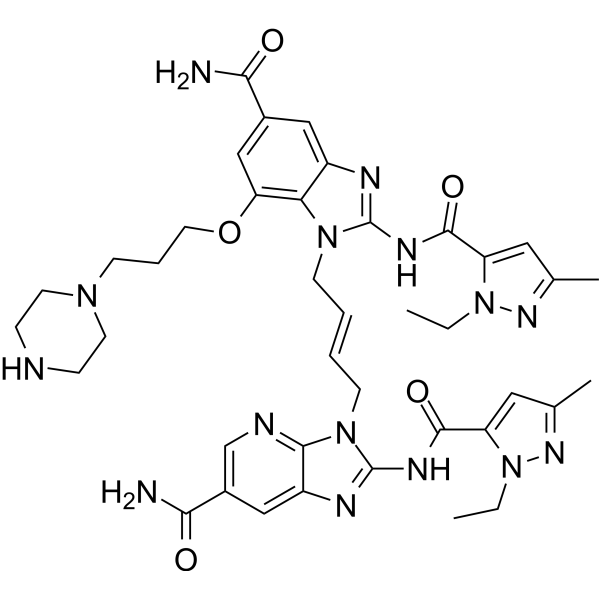
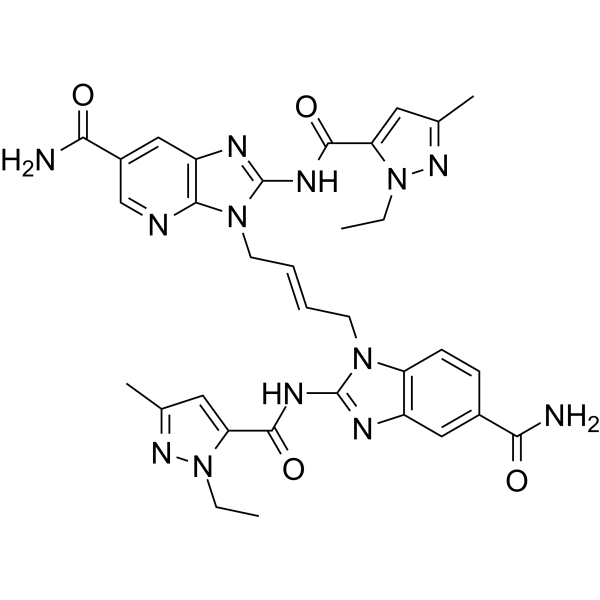
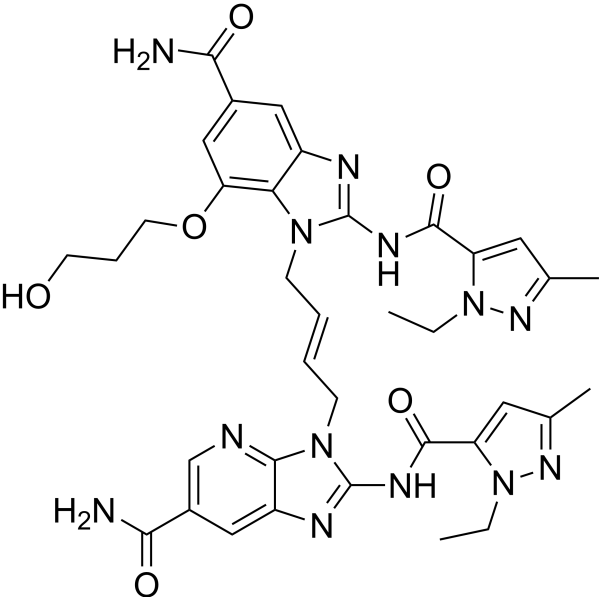
STING agonist-28 (CF510) is a non-nucleotide small-molecule STING agonist. STING agonist-23 activates STING, increases phosphorylation of STING, TBK1 and IRF3. STING agonist-23 promotes the levels of IFN-β, IL-6, CXCL-10, TNF-α, ISG-15, and CCL-5 in tumor cells. STING agonist-23 exhibits activity against SARS-CoV series strains .
STING agonist-24 (CF504) is a non-nucleotide small-molecule STING agonist. STING agonist-23 activates STING, increases phosphorylation of STING, TBK1 and IRF3. STING agonist-23 promotes the levels of IFN-β, IL-6, CXCL-10, TNF-α, ISG-15, and CCL-5 in tumor cells. STING agonist-23 exhibits activity against SARS-CoV series strains .
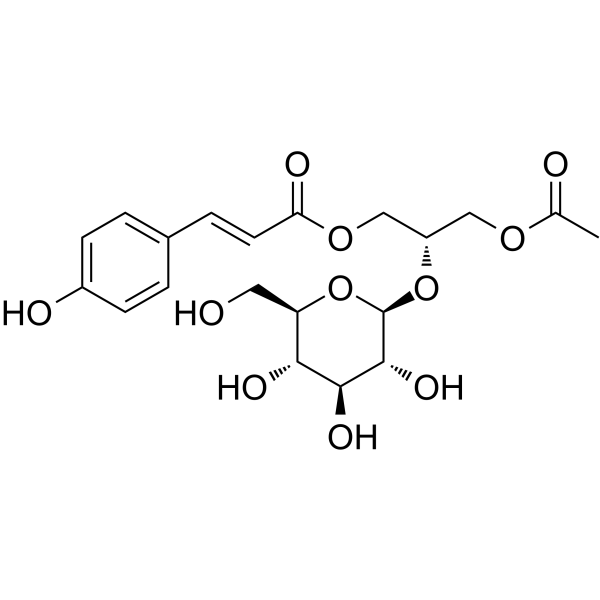
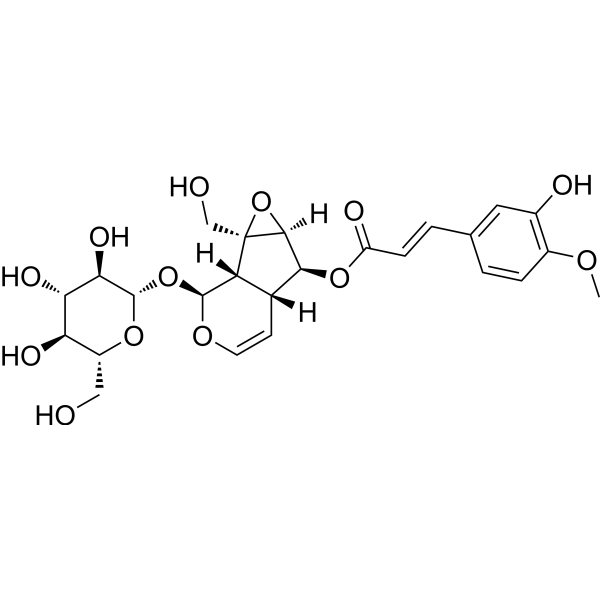
Regaloside B is a phenylpropane. Regaloside B can be isolated from Lilium longiflorum. Regaloside B can inhibit the expression of VCAM-1, iNOS, and COX-2, with a p-p65/p-65 ratio. Regaloside B inhibits the mRNA of various chemokines and angiogenic factors (CXCL9,CXCL10, IL8, IDO). Regaloside B has anti-inflammatory activity. Regaloside B can be used for osteogenic differentiation research .
CXCR4 antagonist 5 (compound 23) is a highly potent CXCR4 antagonist with an IC50 value of 8.8 nM. CXCR4 antagonist 5 can inhibit CXCL12-induced cytosolic calcium increase (IC50 = 0.02 nM) and inhibits CXCR4/CXLC12-mediated chemotaxis. CXCR4 antagonist 5 has good physicochemical properties and in vitro safety profiles, inhibiting CYP isozymes and hERG marginally or moderately .
STING agonist-26 (CF508) is a non-nucleotide small-molecule STING agonist. STING agonist-23 activates STING, increases phosphorylation of STING, TBK1 and IRF3. STING agonist-23 promotes the levels of IFN-β, IL-6, CXCL-10, TNF-α, ISG-15, and CCL-5 in tumor cells. STING agonist-23 exhibits activity against SARS-CoV series strains .
PF-06747143 is recombinant anti-human antibody targeting CXCR4. PF-06747143 blocks CXCL12-induced calcium flux, F-actin polymerization, chemotaxis, cell migration, and leukemic cell bone marrow homing. PF-06747143 reduces tumor burden and improves survival in mouse models of hematologic malignancies. PF-06747143 can be used for the research of chronic lymphocytic leukemia, acute myeloid leukemia, and hematologic malignancies .
STING agonist-23 (CF502) is a non-nucleotide small-molecule STING agonist. STING agonist-23 activates STING, increases phosphorylation of STING, TBK1 and IRF3. STING agonist-23 promotes the levels of IFN-β, IL-6, CXCL-10, TNF-α, ISG-15, and CCL-5 in tumor cells. STING agonist-23 exhibits activity against SARS-CoV series strains .
STING agonist-25 (CF505) is a non-nucleotide small-molecule STING agonist. STING agonist-23 activates STING, increases phosphorylation of STING, TBK1 and IRF3. STING agonist-23 promotes the levels of IFN-β, IL-6, CXCL-10, TNF-α, ISG-15, and CCL-5 in tumor cells. STING agonist-23 exhibits activity against SARS-CoV series strains .
E70K is a CXCL8 C-terminal peptide with a substitution of glutamic acid (E) 70 with lysine (K). E70K can reduce neutrophil adhesion and migration during inflammation .
CXCR4 antagonist 9 (Compound 2) is a CXCR4 antagonist with an IC50 of 15 nM. CXCR4 antagonist 9 inhibits CXCL12 induced cytosolic calcium increase with an IC50 of 1.3 nM .
EPI-X4 (hSA408–423 peptide) is an antagonist for C-X-C motif chemokine receptor 4 (CXCR4) with IC50 of 8.6 μM. EPI-X4 blocks the CXCL12-mediated signaling, inhibits chemokine-mediated migration and invasion of leukemia cell. EPI-X4 exhibits anti-inflammatory activity in mouse model. EPI-X4 exhibits antiviral activity against CXCR4-tropic HIV with IC50 of 8.6 μM .
PS372424 hydrochloride, a three amino-acid fragment of CXCL10, is a specific human CXCR3 agonist with anti-inflammatory activity. PS372424 hydrochloride prevents human T-cell migration in a humanized model of arthritic inflammation .
PS372424, a three amino-acid fragment of CXCL10, is a specific human CXCR3 agonist with anti-inflammatory activity. PS372424 prevents human T-cell migration in a humanized model of arthritic inflammation .
Human CXCR2 mRNA encodes the human C-X-C motif chemokine receptor 2 (CXCR2) protein, a member of the G-protein-coupled receptor family. CXCR2 is a receptor for interleukin 8 (IL8). It binds to IL8 with high affinity, and transduces the signal through a G-protein activated second messenger system. This receptor also binds to chemokine (C-X-C motif) ligand 1 (CXCL1/MGSA), a protein with melanoma growth stimulating activity, and has been shown to be a major component required for serum-dependent melanoma cell growth.
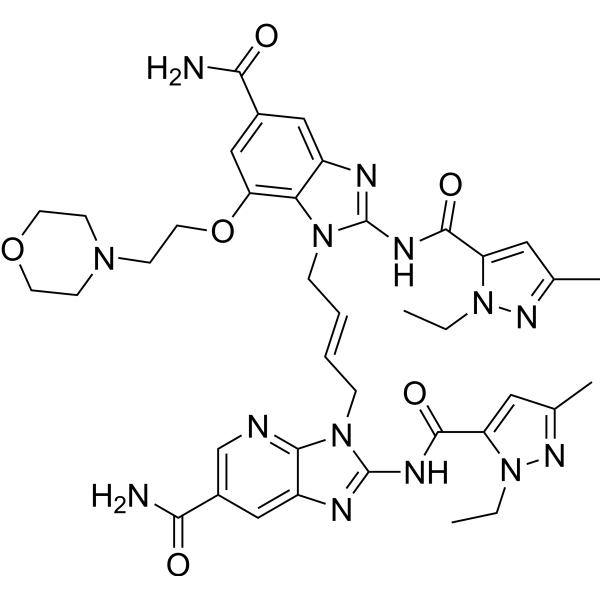
STING Degrader-2 (Compound SI-43) is a STING inhibitor and mutant-specific degrader. STING Degrader-2 can effectively inhibit cGAMP-induced STING activation and significantly reduce the release of IFN-β and CXCL-10. It inhibits the activity of STING by binding to two pockets of the STING dimer and induces proteasome-independent degradation of mutants STING S154 and STING M155 (DC50 values are 0.31 and 0.76 μM, respectively). STING Degrader-2 can be used to study STING-related autoimmune diseases .
HZD37-5 is a humanized monoclonal antibody specifically recognizing N78 loci of IL-17A. HZD37-5 binds to human and rhesus monkeys, blocks IL-17 induced signal transduction and the release of IL-6, IL-8, CXCL-1 and GM-GSF.HZD37-5 significantly inhibited human IL-17A induced-keratinocyte chemoattractant secretion. HZD37-5 can be used for the research of autoimmune diseases including psoriasis and psoriatic arthritis .
EZM8266 is an orally active and selective G9a (EHMT2) histone methyltransferase inhibitor with a human EHMT2IC50 of 1 pM. EZM8266 reduces repressive H3K9me2 marks at immune-stimulatory gene and endogenous retroviral element promoters. EZM8266 reduces colony formation, migration, and invasion of cancer cells. EZM8266 enhances IFN-γ response, increases MHC class I expression, and enhances CXCL10-mediated T cell recruitment in cancer cells. EZM8266 can be used for the research of hepatocellular carcinoma .
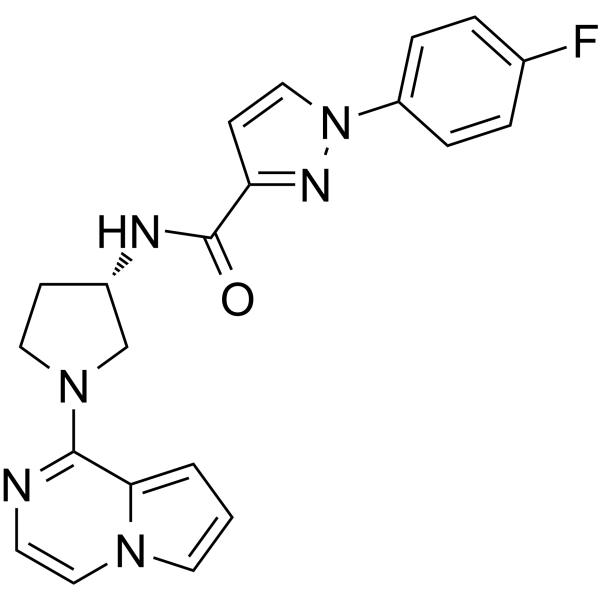
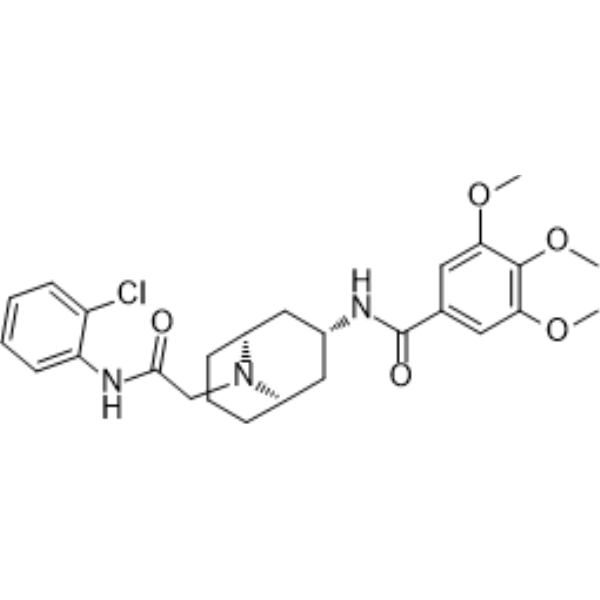
ACT-777991 is an orally active and selective CXCR3 antagonist. ACT-777991 has microsomes and hepatocytes stability across animal models. ACT-777991 inhibits the migration of activated T cells toward CXCL11 .
SK2220691 is a potent TRPV4 inhibitor. SK2220691 inhibits pulmonary edema induced by GSK1016790. SK2220691 inhibits HCl-induced increases in key factors such as VEGF, keratinocyte-derived chemokine (KC; CXCL1), and granulocyte colony-stimulating factor (GCSF) .
YU241279 is an orally active CXCR5 inhibitor. YU241279 inhibits CXCL13-mediated Gαq-dependent calcium influx and Gαi2-dependent cAMP reduction in CXCR5-expressing cells. YU241279 inhibits the proliferation of CXCR5-expressing lymphoma cells. YU241279 reduces tumor burden in the peripheral blood and bone marrow of mice implanted with lymphoma tissues. YU241279 is well tolerated during oral administration in mice, maintains stable plasma drug concentrations, and shows no metabolic changes. YU241279 can be used in the research of angioimmunoblastic T-cell lymphoma and Burkitt B-cell lymphoma .
SB02024 is a potent and orally active VPS34 inhibitor. SB02024 inhibits Vps34 kinase activity. SB02024 induces CCL5 and CXCL10 via STAT1/IRF7. SB02024 shows anticancer activity .
Minecoside is a CXCR4/STAT3 inhibitor with anticancer and anti-inflammatory activity. Minecoside decreases CXCR4 expression and suppresses STAT3 activation, thus to inhibit CXCL 12-induced invasion. Minecoside potently inhibits cancer metastasis and promotes apoptotic progression .
CXCR4 antagonist 8 (Compound 3) is a CXCR4 antagonist with an IC50 of 57 nM. CXCR4 antagonist 8 inhibits CXCL12 induced cytosolic calcium increase with an IC50 of 0.24 nM. CXCR4 antagonist 8 inhibits CXLC12/CXCR4 mediated cell migration .
IHCH-3185 is an orally active class I HDAC inhibitor (HDAC1 IC50 =102.9 nM) and A2AR antagonist (A2ARKi =7.6 nM). IHCH-3185 reverses immune gene silencing by inducing histone acetylation and blocks the adenosine signaling pathway to relieve T-cell suppression. IHCH-3185 exhibits antiproliferative activity, induces cell cycle arrest, and significantly improves the tumor microenvironment. IHCH-3185 reduces the proportion of regulatory T cells, increases the CD8 +/Treg ratio, and upregulates the expression of key factors such as H2-K1, Cxcl9 and Cxcl10. IHCH-3185 shows significant antitumor potential in CT26 and MC38 mouse tumor models and is suitable for related cancer research .
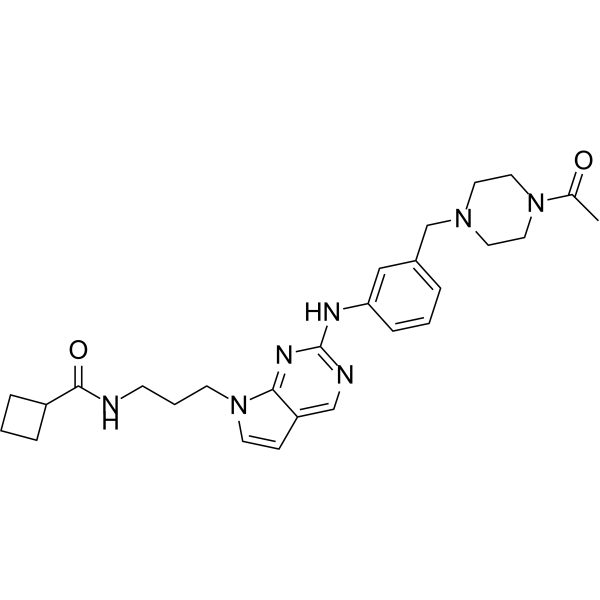
TBK1-IN-1 is a potent and selective TANK binding kinase 1 (TBK1) inhibitor with an IC50 value of 22.4 nM. TBK1-IN-1 inhibits TBK1 downstream target genes cxcl10 and ifnβ expression. TBK1-IN-1 has anticancer activity .
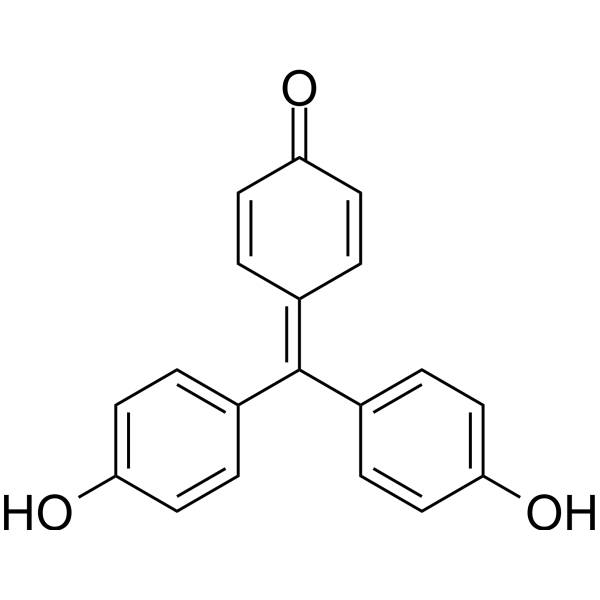
Rosolic Acid is an activator of Nrf2, as well as its downstream targets. Rosolic Acid increases the levels of angiogenic factors, decreases inflammation (TNF-α and IL-1β) and apoptotic markers (CXCL10 and CCL2). Rosolic Acid restores the function of pancreatic cells and protects endothelial cells (ECs) from endoplasmic reticulum stressed .
BC-1485 is a small molecule inhibitor of Fibrosis-inducing E3 ligase 1 (FIEL1). BC-1485 protects PIAS4 from ubiquitin-mediated degradation. BC-1485 decreases α-SMA, BAL and CXCL1. BC-1485 ameliorates fibrotic lung injury in murine models .
VB-85247 is a STING agonist. VB-85247 induces upregulation of inflammatory cytokines IFNα/β, TNFα, IL6, and CXCL10, as well as maturation and activation of dendritic cells by activating the STING pathway. VB-85247 can achieve regression of intrabladder tumors and can be used in bladder cancer research .
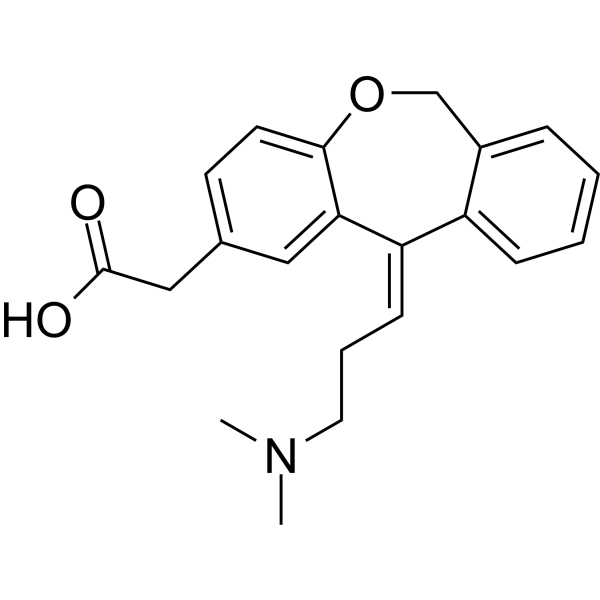
Olopatadine (ALO4943A; KW4679) is an orally active histamine H1 receptor antagonist and mast cell stabilizer. Olopatadine exerts antiallergic effects by blocking histamine H1 receptor-mediated activities. Olopatadine inhibits exocytosis, chemokine release, F-actin polymerization, CXCL10-induced calcium influx, and T cell chemotactic activity. Olopatadine also reduces the expression levels of CXCR3 on the surface of CD4 + and CD8 + T cells. Olopatadine inhibits scratching behavior, improves dermatitis scores, and suppresses intraepidermal neurite outgrowth. Olopatadine simultaneously decreases the levels of inflammatory markers, growth factors, histamine, and specific IgE, while increasing the expression of ErbB3A/HER3A. Olopatadine can be used in research related to seasonal pollinosis, chronic rhinitis, urticaria, allergic conjunctivitis, alopecia areata, and atopic dermatitis .
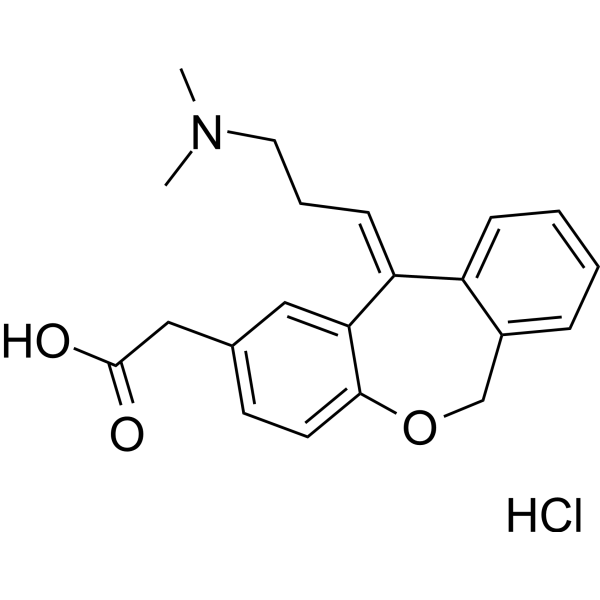
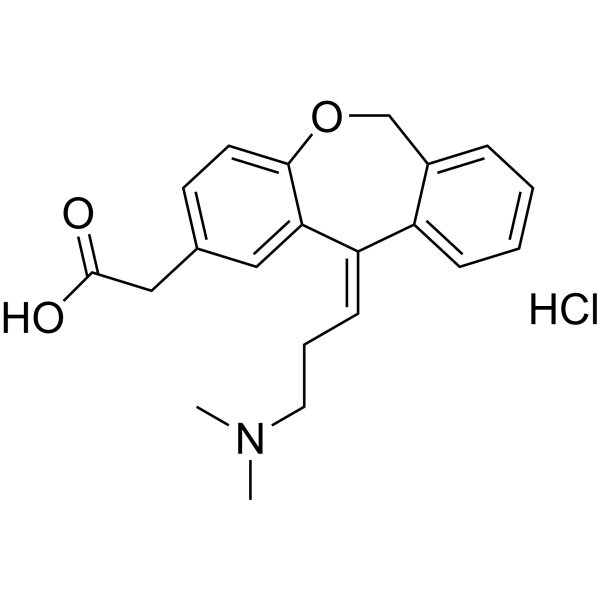
Olopatadine hydrochloride (ALO4943A; KW4679) is an orally active histamine H1 receptor antagonist and mast cell stabilizer. Olopatadine hydrochloride exerts antiallergic effects by blocking histamine H1 receptor-mediated activities. Olopatadine hydrochloride inhibits exocytosis, chemokine release, F-actin polymerization, CXCL10-induced calcium influx, and T cell chemotactic activity. Olopatadine hydrochloride also reduces the expression levels of CXCR3 on the surface of CD4 + and CD8 + T cells. Olopatadine hydrochloride inhibits scratching behavior, improves dermatitis scores, and suppresses intraepidermal neurite outgrowth. Olopatadine hydrochloride simultaneously decreases the levels of inflammatory markers, growth factors, histamine, and specific IgE, while increasing the expression of ErbB3A/HER3A. Olopatadine hydrochloride can be used in research related to seasonal pollinosis, chronic rhinitis, urticaria, allergic conjunctivitis, alopecia areata, and atopic dermatitis .
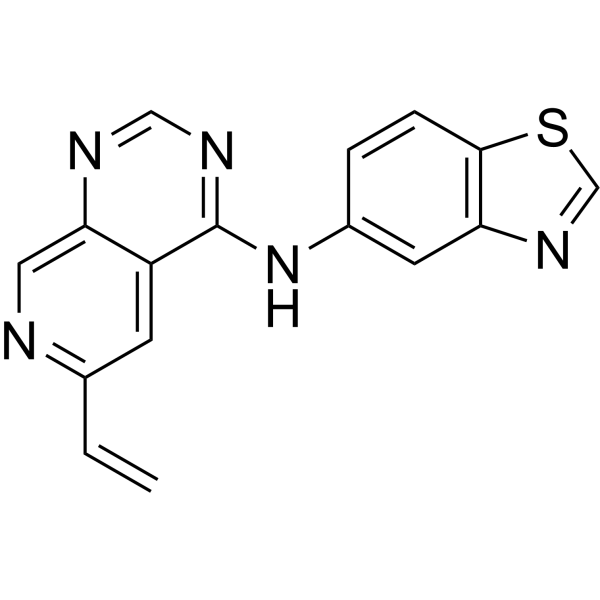
PF-06465469 is a covalent inhibitor of ITK with an IC50 of 2 nM. PF-06465469 also inhibits BTK. PF-06465469 inhibits cell migration in response to CXCL12. PF-06465469 decreases PD-1 and LAG-3 expression. PF-06465469 can be used to study leukemia and T-cell lymphoma .
COB-187 is a potent, ATP-competitive and selective inhibitor of GSK-3β. COB-187 inhibits GSK-3 through a reversible and Cysteine (Cys)-199-dependent mechanism. COB-187 inhibits LPS induced cytokine production and SARS-CoV-2 spike protein-induced CXCL10 production .
Vidutolimod (CMP-001) is a virus-like particle containing a TLR9 activator . Vidutolimod induces human peripheral blood mononuclear cells to secrete IFNα, and upregulates the gene expression of CXCL10, PDL1, IDO and CD80. Vidutolimod activates TLR9, which in turn triggers plasmacytoid dendritic cell activation, production of IFNγ and TNFα, induction of CXCL10, and recruitment of antitumor T cells. Vidutolimod causes influenza-like symptoms, hypotension and tumor regression, and its activity depends on the presence of anti-Qβ antibodies. Vidutolimod modulates monocyte function, promotes CD4 T cell proliferation, and activates multiple immune cell types in an environment with anti-Qβ antibodies. Vidutolimod prolongs the survival of tumor-bearing mice. Vidutolimod is used in research related to advanced melanoma, head and neck squamous cell carcinoma, and advanced non-small cell lung cancer .
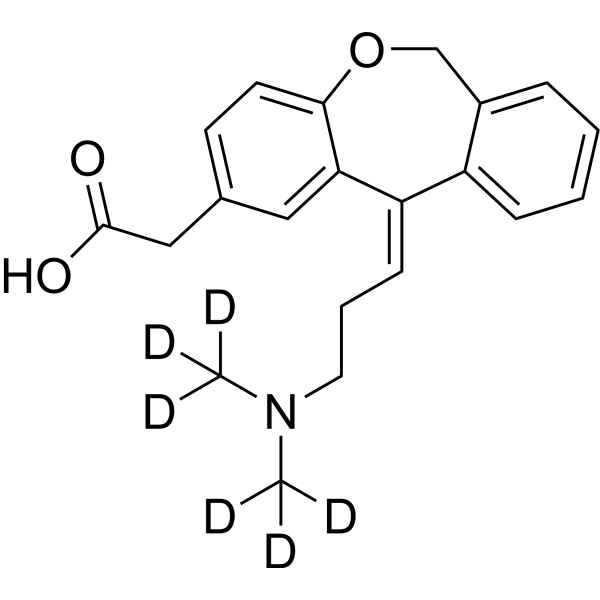
Olopatadine-d6 is the deuterium labeled Olopatadine. Olopatadine hydrochloride (ALO4943A; KW4679) is an orally active histamine H1 receptor antagonist and mast cell stabilizer. Olopatadine hydrochloride exerts antiallergic effects by blocking histamine H1 receptor-mediated activities. Olopatadine hydrochloride inhibits exocytosis, chemokine release, F-actin polymerization, CXCL10-induced calcium influx, and T cell chemotactic activity. Olopatadine hydrochloride also reduces the expression levels of CXCR3 on the surface of CD4 + and CD8 + T cells. Olopatadine hydrochloride inhibits scratching behavior, improves dermatitis scores, and suppresses intraepidermal neurite outgrowth. Olopatadine hydrochloride simultaneously decreases the levels of inflammatory markers, growth factors, histamine, and specific IgE, while increasing the expression of ErbB3A/HER3A. Olopatadine hydrochloride can be used in research related to seasonal pollinosis, chronic rhinitis, urticaria, allergic conjunctivitis, alopecia areata, and atopic dermatitis .
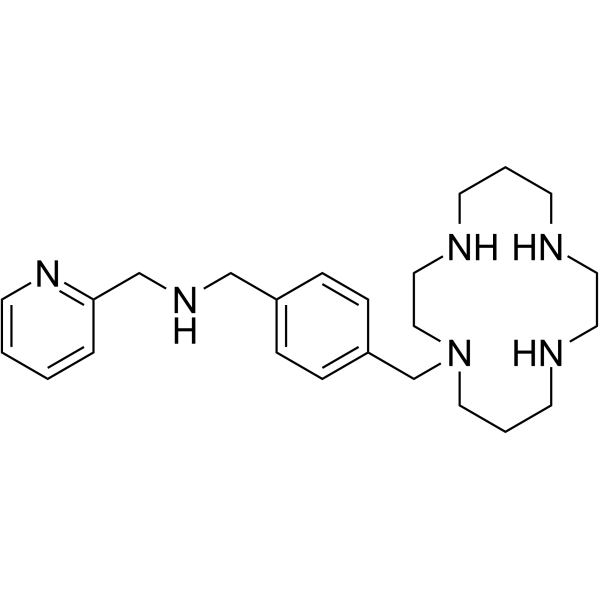
AMD 3465 (GENZ-644494) is a potent antagonist of CXCR4, inhibits binding of 12G5 mAb and CXCL12 AF647 to CXCR4, with IC50s of 0.75 nM and 18 nM in SupT1 cells; AMD 3465 also potently inhibits the replication of X4 HIV strains (IC50: 1-10 nM), but has no effect on CCR5-using (R5) viruses.
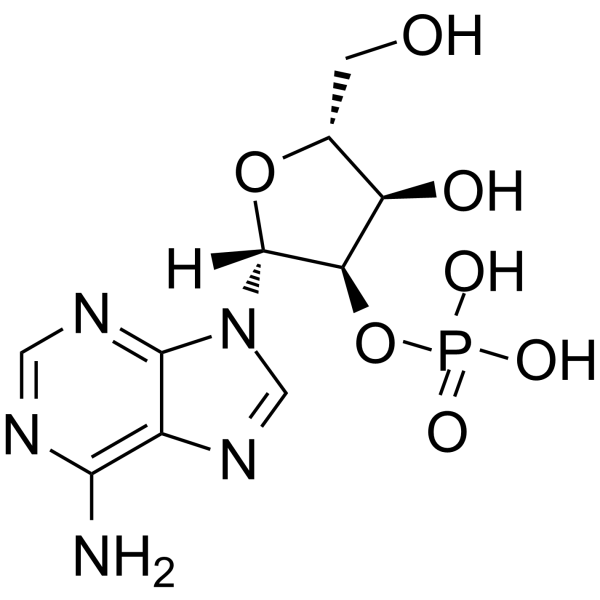
Adenosine-2'-monophosphate (2'-AMP) is converted by extracellular 2’,3'-CAMP. Adenosine-2'-monophosphate is further metabolized to extracellular adenosine (a mechanism called the extracellular 2’,3’-cAMP-adenosine pathway). Adenosine-2'-monophosphate inhibits LPS-induced TNF-α and CXCL10 production via A2A receptor activation .
STING agonist-44 (Compound 4) is a potent and selective STING agonist with an EC50 value of 5.68 for IRF induction in THP1 cells and 2.212 μM in RAW cells. STING agonist-44 activates the STING pathway, inducing the production of type I interferons and pro-inflammatory cytokines (e.g., CXCL10, TNFα). STING agonist-44 is promising for research of cancers .
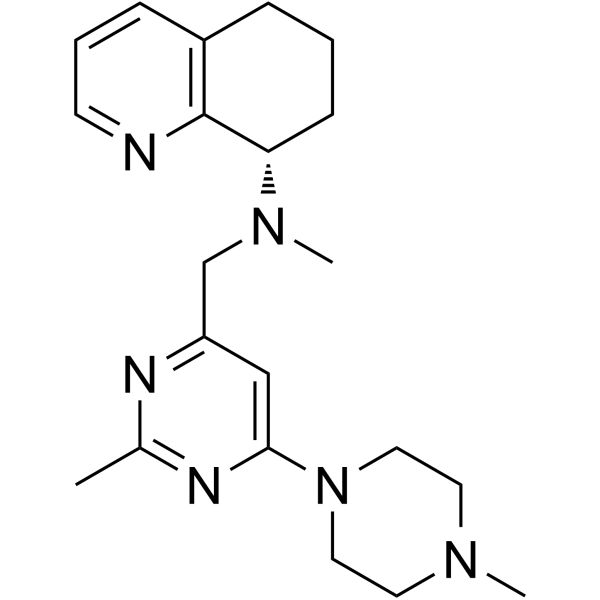
CCX662 is a selective CXCR7 inhibitor with human IC50 values of 9 nM (buffer) and 18 nM (100% human serum), and rat IC50 of 14 nM (100% rat serum). CCX662 blocks CXCL12 binding to CXCR7, inhibits CXCR4-directed trans-endothelial migration of CXCR4+/CXCR7+ cells. CCX662 can be used for the research of glioblastoma multiforme .
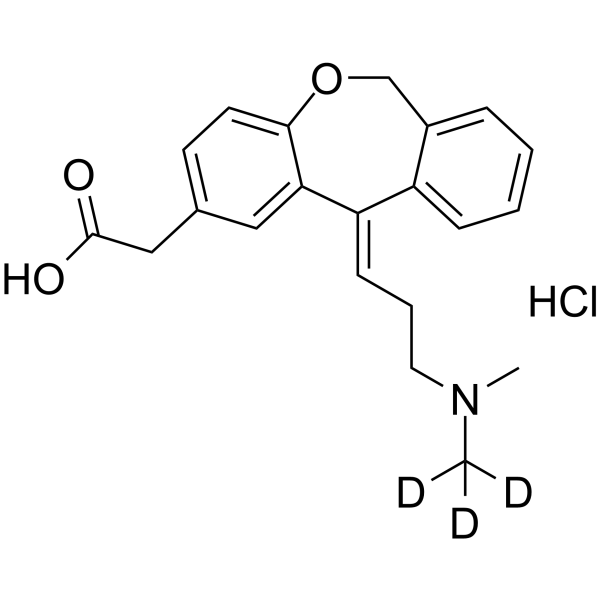
Olopatadine-d3 hydrochloride (ALO4943A-d3) is the deuterium labeled Olopatadine hydrochloride. Olopatadine hydrochloride (ALO4943A; KW4679) is an orally active histamine H1 receptor antagonist and mast cell stabilizer. Olopatadine hydrochloride exerts antiallergic effects by blocking histamine H1 receptor-mediated activities. Olopatadine hydrochloride inhibits exocytosis, chemokine release, F-actin polymerization, CXCL10-induced calcium influx, and T cell chemotactic activity. Olopatadine hydrochloride also reduces the expression levels of CXCR3 on the surface of CD4 + and CD8 + T cells. Olopatadine hydrochloride inhibits scratching behavior, improves dermatitis scores, and suppresses intraepidermal neurite outgrowth. Olopatadine hydrochloride simultaneously decreases the levels of inflammatory markers, growth factors, histamine, and specific IgE, while increasing the expression of ErbB3A/HER3A. Olopatadine hydrochloride can be used in research related to seasonal pollinosis, chronic rhinitis, urticaria, allergic conjunctivitis, alopecia areata, and atopic dermatitis .
Olopatadine (hydrochloride) (Standard) is the analytical standard of Olopatadine (hydrochloride). This product is intended for research and analytical applications. Olopatadine hydrochloride (ALO4943A; KW4679) is an orally active histamine H1 receptor antagonist and mast cell stabilizer. Olopatadine hydrochloride exerts antiallergic effects by blocking histamine H1 receptor-mediated activities. Olopatadine hydrochloride inhibits exocytosis, chemokine release, F-actin polymerization, CXCL10-induced calcium influx, and T cell chemotactic activity. Olopatadine hydrochloride also reduces the expression levels of CXCR3 on the surface of CD4 + and CD8 + T cells. Olopatadine hydrochloride inhibits scratching behavior, improves dermatitis scores, and suppresses intraepidermal neurite outgrowth. Olopatadine hydrochloride simultaneously decreases the levels of inflammatory markers, growth factors, histamine, and specific IgE, while increasing the expression of ErbB3A/HER3A. Olopatadine hydrochloride can be used in research related to seasonal pollinosis, chronic rhinitis, urticaria, allergic conjunctivitis, alopecia areata, and atopic dermatitis .
NPSR1 antagonist-1 is a potent and peripherally restricted neuropeptide S receptor 1 (NPSR1) antagonist. NPSR1 antagonist-1 can inhibit IL-6, PTGS2, IL-20, and CXCL8 expression. NPSR1 antagonist-1 can reduce TNF-α cytokine levels. NPSR1 antagonist-1 can be used for the research of inflammation, such as peritonitis .
AMD 3465 hexahydrobromide (GENZ-644494 hexahydrobromide) is a potent antagonist of CXCR4, inhibits binding of 12G5 mAb and CXCL12 AF647 to CXCR4, with IC50s of 0.75 nM and 18 nM in SupT1 cells; AMD 3465 also potently inhibits the replication of X4 HIV strains (IC50: 1-10 nM), but has no effect on CCR5-using (R5) viruses.
RIPK3-IN-3 (compound 20) is a selective inhibitor of RIP kinase RIPK3 (IC50=10 nM). RIPK3 mediates the phosphorylation of Mixed Lineage Kinase (MLKL) and causes necroptosis, while RIPK3-IN-3 inhibits p-MLKL oligomerization and thereby inhibits necroptosis. RIPK3-IN-3 also downregulates CXCL5 secretion and inhibits AsPC-1 cell migration and invasion .
Baminercept (BG 9924; TT-47) is an Ig fusion protein targeting the lymphotoxin β receptor (LTβR). Baminercept effectively regulates subsets of circulating immune cells by inhibiting LIGHT, LT-α1β2 and their receptors. Baminercept also increases blood lymphocyte counts and reduces plasma CXCL13 levels. Baminercept carries a high risk of hepatotoxicity. Baminercept can be used in research on rheumatoid arthritis and primary Sjögren's syndrome .
STING agonist-50 is an orally active STING agonist with an IC50 of 3.457 μM. STING agonist-50 activates the STING signaling pathway and promotes the phosphorylation of downstream TBK1 and IRF3. STING agonist-50 induces the expression of IFN-β, CXCL10 and IL-6. STING agonist-50 inhibits tumor growth in syngeneic mouse models. STING agonist-50 can be used for the research of colorectal cancer .
PF-06465469 (Standard) is the analytical standard of PF-06465469 (HY-108691). This product is intended for research and analytical applications. PF-06465469 is a covalent inhibitor of ITK with an IC50 of 2 nM. PF-06465469 also inhibits BTK. PF-06465469 inhibits cell migration in response to CXCL12. PF-06465469 decreases PD-1 and LAG-3 expression. PF-06465469 can be used to study leukemia and T-cell lymphoma .
Olopatadine-d6 (ALO4943A-d6; KW4679-d6) hydrochloride is deuterium-labeled Olopatadine (hydrochloride) (HY-B0426A). Olopatadine hydrochloride (ALO4943A; KW4679) is an orally active histamine H1 receptor antagonist and mast cell stabilizer. Olopatadine hydrochloride exerts antiallergic effects by blocking histamine H1 receptor-mediated activities. Olopatadine hydrochloride inhibits exocytosis, chemokine release, F-actin polymerization, CXCL10-induced calcium influx, and T cell chemotactic activity. Olopatadine hydrochloride also reduces the expression levels of CXCR3 on the surface of CD4 + and CD8 + T cells. Olopatadine hydrochloride inhibits scratching behavior, improves dermatitis scores, and suppresses intraepidermal neurite outgrowth. Olopatadine hydrochloride simultaneously decreases the levels of inflammatory markers, growth factors, histamine, and specific IgE, while increasing the expression of ErbB3A/HER3A. Olopatadine hydrochloride can be used in research related to seasonal pollinosis, chronic rhinitis, urticaria, allergic conjunctivitis, alopecia areata, and atopic dermatitis .
AMD 3465 (Standard) is the analytical standard of AMD 3465. This product is intended for research and analytical applications. AMD 3465 (GENZ-644494) is a potent antagonist of CXCR4, inhibits binding of 12G5 mAb and CXCL12AF647 to CXCR4, with IC50s of 0.75 nM and 18 nM in SupT1 cells; AMD 3465 also potently inhibits the replication of X4 HIV strains (IC50: 1-10 nM), but has no effect on CCR5-using (R5) viruses.
EVT0185 is an orally active ATP citrate lyase (ACLY) inhibitor. EVT0185 is converted to a CoA thioester in the liver by SLC27A2 and interacts with the CoA-binding site of ACLY. EVT0185-CoA inhibits ACLY activity with an IC50 of 2.5 μM. EVT0185 can phenocopy the immune and antitumour effects of genetic ACLY deletion. EVT0185 can increase tumour-infiltrating B cells and chemokine CXCL13 levels. EVT0185 can be used for the research of cancer, such as hepatocellular carcinoma (HCC) .
Anti-Mouse TNFR2 Antibody (TR75-54.7) is an anti-mouse TNFR2 IgG monoclonal antibody. Anti-Mouse TNFR2 Antibody (TR75-54.7) can reduce white blood cell count (WBC) and decrease the expression of some pro-inflammatory cytokines such as CCL2 and CXCL5. Anti-Mouse TNFR2 Antibody (TR75-54.7) can be used for researches on inflammation conditions and cancer such as breast cancer .
S-095029 is a humanized IgG1 monoclonal antibody inhibitor targeting NKG2A. S-095029 significantly attenuates Fc-effector functions, inhibits the interaction with its ligand HLA-E, and increases the antibody-dependent cellular cytotoxicity mediated by other Fc-competent mAbs. S-095029 has a potent antitumor activity with enhancement of killing activity and cytokine secretion (IFNγ, TNF-α and CXCL9) of NK and γδ T-cells in co-culture with cancer cells .
cGAS-IN-9 is a cyclic guanosine monophosphate-adenosine monophosphate synthase (cGAS) inhibitor, with IC50 values of 27.5 nM and 5.15 μM against human and murine cGAS, respectively. cGAS-IN-9 shows weak inhibitory activity against human soluble adenylate cyclase, with an IC50 of 26.4 μM. cGAS-IN-9 inhibits dsDNA-induced expression of IFNB1 and CXCL10, as well as activation of the NF-κB pathway, in human immune cells. cGAS-IN-9 can be used in research related to cGAS-dependent inflammatory diseases .
AMD 3465 (hexahydrobromide) (Standard) is the analytical standard of AMD 3465 (hexahydrobromide). This product is intended for research and analytical applications. AMD 3465 hexahydrobromide (GENZ-644494 hexahydrobromide) is a potent antagonist of CXCR4, inhibits binding of 12G5 mAb and CXCL12AF647 to CXCR4, with IC50s of 0.75 nM and 18 nM in SupT1 cells; AMD 3465 also potently inhibits the replication of X4 HIV strains (IC50: 1-10 nM), but has no effect on CCR5-using (R5) viruses.
FTO-IN-17 is an orally active and brain-penetrant FTO (m6A RNA demethylase) inhibitor with an IC50 of 1.1 μM. FTO-IN-17 stably binds the FTO catalytic pocket. FTO-IN-17 protects against Aβ1-42-induced toxicity while increasing global m6A levels and dampening pro-inflammatory gene (CXCL10,TNF-α) expression. FTO-IN-17 ameliorates anxiety-like behavior and rescues hippocampal-dependent spatial, recognition memory and neuroinflammation in Alzheimer's disease mice models .
TPST2-IN-1 is a potent and selective TPST2 inhibitor with an IC50 of 946 nM and a Ka of 19.4 μM. TPST2-IN-1 increases the phosphorylation of Stat1 and upregulates the IFNγ-responsive gene CXCL10 by inhibiting TPST2 activity.TPST2-IN-1 exhibits anti-tumor activity and enhances T cell-mediated antitumor immunity characterized by increased infiltration of effector CD8 + T cells. TPST2-IN-1 can be used for the research of cancer, such as colon cancer .
GSK1362 is a selective inverse agonist of REV-ERB. GSK1362disrupts the interaction of REV-ERBα with repressive co-modulators (NCoR1, SMRT2, RIP140). GSK1362 exerts an inverse agonist effect by increasing the transcription of BMAL1 to relieve BMAL1 repression by endogenous REV-ERB ligands. GSK1362 suppresses LPS (HY-D1056)-induced inflammatory cytokine expression, inhibits IL-1β-induced Cxcl5 transcription in cells. GSK1362 can be used for the study of inflammatory diseases .
BRD4 D1-IN-3 (compound 39) is a potent, selective, and cell-active BRD4-D1 inhibitor (IC50 = 39 nM, Ki = 2.4 nM) with >1700-fold selectivity over BRD2-D1. BRD4 D1-IN-3 reduces the expression of pro-inflammatory chemokines CXCL1 and CCL2 in an LPS (HY-D1056)-mediated cellular model of liver inflammation. BRD4 D1-IN-3 can be used for liver inflammation research .
NIK-IN-3 is a potent and orally active NF-κB-inducing kinase (NIK) inhibitor with an IC50 of 5.2 nM. NIK-IN-3 suppresses non-canonical NF-κB pathway activation and inhibits the secretion of pro-inflammatory cytokines, such as TNF-α, IL-6, IL-1β and chemokine CXCL12. NIK-IN-3 shows significant anti-inflammatory effects in LPS (HY-D1056)-induced sepsis mice model and DSS (HY-116282)-induced colitis model. NIK-IN-3 can be used for the research of inflammation, such as colitis .
ML339 is a selective CXCR6 antagonist with an IC50 of 140 nM. ML339 antagonizes β-arrestin recruitment and cAMP signaling pathway of human CXCR6 receptor induced by CXCL16, with IC50 of 0.3 μM and 1.4 μM, respectively. ML339 shows weaker activity against the recruitment of β-arrestin in mouse CXCR6 receptors, with an IC50 of 18 μM. ML339 has no inhibitory effect on CXCR5,CXCR4,CXCR6 and apelin receptor (APJ), with IC50 >79 μM. ML339 has the potential to promote the development of prostate cancer research .
Flt-3L-Ig (hum/hum) (hFlt3L) is a Flt3 ligand. Flt-3L-Ig (hum/hum) enhances the release of inflammatory cytokines from myeloid cells and dendritic cells in BRGSF-CBC mice induced by OKT3. Flt-3L-Ig (hum/hum) increases the release of IL-2, CCL2 and CXCL10 in an OKT3-dependent manner. Flt-3L-Ig (hum/hum) can be used in studies related to cytokine release syndrome. Flt-3L-Ig (hum/hum) can be used in studies related to psoriasis-like skin inflammation .
Snail IN-1 is an orally active Snail inhibitor with a Ka of 0.36 μM.Snail IN-1 disrupts Snail-CBP interaction, accelerates Snail protein degradation, reduces Snail acetylation, increases Snail polyubiquitination, and selectively downregulates Snail protein without altering other EMT transcription factors.Snail IN-1 reduces atherosclerotic plaque burden, modulates inflammation and plaque stability factors, downregulates CCL5, CXCL10, MMP2, and MMP9, and upregulates α-smooth muscle actin.Snail IN-1 exerts anti-inflammatory and plaque-stabilizing properties.Snail IN-1 can be used for the research of atherosclerosis .
PD-L1/HDAC-IN-1 (Compound 14) is the inhibitor for PD-L1 and HDAC that inhibits PD-1/PD-L1 interaction, HDAC2 and HDAC3 with IC50 of 88.10, 27.98 and 14.47 nM, respectively. PD-L1/HDAC-IN-1 exhibits slight cytotoxicity in MCF-7 (IC50=19.34 μM). PD-L1/HDAC-IN-1 upregulates the expression of PD-L1 and CXCL10, promoting anti-tumour immune response by recruiting T-cell infiltration into TME .
Topoisomerase I/II-IN-9 is a topoisomeraseI/II inhibitor (IC50<10 μM) and a DNA damage inducer. Topoisomerase I/II-IN-9 blocks the interaction between the enzyme and DNA by binding to the DNA-binding pocket of the enzyme. Topoisomerase I/II-IN-9 activates the cGAS-STING pathway and promotes the accumulation of cytoplasmic double-stranded DNA. This further drives the production of type I interferons, CCL5, CXCL10 and interferon-stimulated genes, and induces anti-tumor immune responses in vivo. Topoisomerase I/II-IN-9 can be applied to the research of related diseases such as triple-negative breast cancer, colorectal cancer and gastric cancer .
CSF1R-IN-22 (Compound C19) is an orally effective CSF-1R selective inhibitor (IC50<6 nM). CSF1R-IN-22 enhances the secretion of CXCL9 from M2 macrophages, increases CD8 + T cell infiltration. CSF1R-IN-22 boosts anti-tumor immune responses of anti-PD-1, and induces apoptosis in tumor cells. CSF1R-IN-22 can effectively reprogram M2-like TAMs (tumor-associated macrophages) to the M1 phenotype and reshape the TME by inducing the recruitment of CD8 + T cells into tumors and reducing the infiltration of immunosuppressive Tregs and MDSCs .
SMU-3k is a STING activator and PD-L1 inhibitor, with a PD-L1IC50 of 106 nM, a KD of 386 nM for human PD-L1, and a KD of 352 nM for murine PD-L1. SMU-3k activates the STING pathway, induces phosphorylation of TBK1 and IRF3, and promotes the expression of IFN-β, IL-6 and CXCL10. SMU-3k blocks the PD-1/PD-L1 interaction, reduces PD-L1 levels and induces PD-L1 internalization. Through dual immunomodulation, SMU-3k exerts synergistic tumor growth inhibitory effects in a mouse colon cancer model. SMU-3k can be used for the research of colon cancer .
PARP1-IN-44, an Olaparib (HY-10162) derivative, is an orally active PARP1 inhibitor (IC50 = 0.6 nM), and also inhibits PARP2 (IC50 = 1.0 nM) and PARP7 (IC50 = 7.5 nM). PARP1-IN-44 has selective antiproliferative activity against BRCA-deficient cancer cells with minimal toxicity to normal cells. PARP1-IN-44 induces G2/M phase arrest, promotes apoptosis, elevates ROS levels, disrupts mitochondrial membrane potential. PARP1-IN-44 suppresses PARylation while increasing γH2AX accumulation. PARP1-IN-44 activates the cGAS-STING pathway, upregulating IFN-β and CXCL10 expression. PARP1-IN-44 enhancing CD8+ T cell infiltration in a CT26 tumor mouse model, demonstrating robust in vivo antitumor efficacy .
EP4 receptor antagonist 7 (Compound 14) is an antagonist of the prostaglandin E2 (PGE2) receptor subtype EP4 with an IC50 value of 1.1 nM. EP4 receptor antagonist 7 inhibits PGE2-induced β-arrestin recruitment in HEK293 cells with an IC50 value of 0.9 nM. EP4 receptor antagonist 7 decreases PGE2-induced expression of mRNA encoding IL-4, macrophage mannose receptor 1 (Mrc1), chitinase-like protein 3 (Chil3), chemokine (C-X-C) motif ligand 1 (Cxcl1), triggering receptor expressed on myeloid cells 2 (Trem2), and arginase-1 (Arg1), in RAW 264.7 macrophages. EP4 receptor antagonist 7 combined with an anti-PD-1 antibody inhibits tumor growth and increases infiltration of CD 8+ T cells into tumors in a CT26 murine colon cancer model .
Rosolic Acid is an activator of Nrf2, as well as its downstream targets. Rosolic Acid increases the levels of angiogenic factors, decreases inflammation (TNF-α and IL-1β) and apoptotic markers (CXCL10 and CCL2). Rosolic Acid restores the function of pancreatic cells and protects endothelial cells (ECs) from endoplasmic reticulum stressed .
CXCL8 (54-72) is a C-terminal peptide based on the chemokine CXCL8. CXCL8 (54-72) has an interaction between a long and highly positively charged C-terminal region and a negative charge on the GAG that binds to the GAG. CXCL8 (54-72) can inhibit the adhesion and migration of neutrophils and adhesion of endothelial cells. CXCL8 (54-72) can be used to study chemokines in inflammatory response .
Cyclic MKEY TFA is a synthetic cyclic peptide inhibitor of CXCL4-CCL5 heterodimer formation, which protects against atherosclerosis and aortic aneurysm formation by mediating inflammation. Cyclic MKEY TFA also protects against stroke-induced brain injury in mice .
EPI-X4 (hSA408–423 peptide) is an antagonist for C-X-C motif chemokine receptor 4 (CXCR4) with IC50 of 8.6 μM. EPI-X4 blocks the CXCL12-mediated signaling, inhibits chemokine-mediated migration and invasion of leukemia cell. EPI-X4 exhibits anti-inflammatory activity in mouse model. EPI-X4 exhibits antiviral activity against CXCR4-tropic HIV with IC50 of 8.6 μM .
Pentixather is a radiolabeled peptide that can target CXCR4. Pentixather can disrupt the interaction between leukemic cells and the bone marrow microenvironment by targeting the CXCR4/CXCL12 signaling axis, reduce the retention of leukemic cells in the protective bone marrow niche, and thereby enhance the sensitivity of leukemic cells to treatment. Pentixather can be used for the study of acute lymphoblastic leukemia (ALL) and acute myeloid leukemia (AML) .
HBP08 is a selective inhibitor of CXCL12/HMGB1 interaction. HBP08 has a high affinity for HMGB1 (Kd=0.8 μM). HBP08 inhibits CXCL12-mediated cell migration .
Peptide R analogue 10 (compound 10) is an analog of the CXCR4 antagonist peptide Peptide R (HY-P4111) with stronger antagonistic potency, specificity and plasma stability. Peptide R analogue 10 can inhibit CXCL12-mediated cell migration, ERK phosphorylation and CXCR4 internalization. Peptide R analogue 10 can be used in the study of CXCR4 overexpressing leukemia and colon cancer .
CXCL9(74-103) is a derivative peptide of CXCL9 that has a high affinity for glycosaminoglycans (GAGs) and can bind to GAGs. CXCL9(74-103) possesses anti-angiogenic properties, capable of reducing EGF, VEGF165, and FGF-2-mediated angiogenesis processes in vitro, without exhibiting cytotoxicity .
IS4 is a selective CXCR4 competitive antagonist, with an IC50 of 0.65 nM in THP-1 cells and 38.75 nM in Jurkat cells. IS4 is stable in serum and non-cytotoxic. IS4 competitively binds to CXCR4 with CXCL12, thereby inhibiting CXCL12-induced intracellular Ca 2+ release and cancer cell migration. IS4 can be used in the research on the prevention of metastasis of breast cancer, prostate cancer, leukemia, and other diseases .
Cyclic MKEY is a synthetic cyclic peptide inhibitor of CXCL4-CCL5 heterodimer formation, which protects against atherosclerosis and aortic aneurysm formation by mediating inflammation. Cyclic MKEY also protects against stroke-induced brain injury in mice .
pCXCL8-1aa is an anti-inflammatory peptide. pCXCL8-1aa competitively inhibits the binding of CXCL8 to glycosaminoglycans such as heparin sulfate (HS) by binding with high affinity. This reduces the presentation of CXCL8 on the surface of vascular endothelial cells, thereby inhibiting neutrophil migration and inflammatory responses. pCXCL8-1aa can be used to study inflammatory diseases such as rheumatoid arthritis .
E70K is a CXCL8 C-terminal peptide with a substitution of glutamic acid (E) 70 with lysine (K). E70K can reduce neutrophil adhesion and migration during inflammation .
Peptide E5 is an antagonist targeting the CXCR4/CXCL12axis. Peptide E5 blocks the CXCR4/CXCL12 axis, downregulates CXCR4 expression, and inhibits the phosphorylation of downstream Akt and Erk. Peptide E5 induces apoptosis, suppresses migration and adhesion of breast cancer cells. Peptide E5 inhibits CXCL12-mediated endothelial progenitor cell recruitment, thereby suppressing tumor angiogenesis. Peptide E5 is applicable to relevant research on breast cancer .
Peptide R54 acetate (Pep R54 acetate) is a CXCR4 antagonist. Peptide R54 acetate inhibits CXCL12-dependent activation of pERK1/2 and pAKT. The combination of Peptide R54 acetate and Nivolumab (HY-P9903) suppresses melanoma growth. Peptide R54 (acetate) is applicable to research related to melanoma and ovarian cancer .
Adakitug (BMS-986253) is a CHO-expressed human antibody targeting CXCL8/IL-8. Adakitug contains huIgG1 heavy chain and huκ light chain, with a predicted molecular weight (MW) of 144.94 kDa. The isotype control for Adakitug can refer to Human IgG1 kappa, Isotype Control (HY-P99001). Adakitug exhibits anti-tumor activity and can be applied in tumor research .
Anti-Mouse CXCL9/MIG Antibody (MIG-2F5.5) is an anti-mouse CXCL9/MIG IgG monoclonal antibody. Anti-Mouse CXCL9/MIG Antibody (MIG-2F5.5) can reduce tumor infiltration of CD8 + cytotoxic T cells (CTLs). Anti-Mouse CXCL9/MIG Antibody (MIG-2F5.5) can prolong the survival of transplanted hearts. Anti-Mouse CXCL9/MIG Antibody (MIG-2F5.5) can be used for researches on immunology and cancer such as prostate cancer .
VX5 (VX5/5261) is a humanized IgG1κ monoclonal antibody inhibitor targeting BCA-1/CXCL13. VX5 significantly inhibits human CXCL13-mediated internalization of CXCR5, blocks both human and mouse CXCL13-dependent B-cells chemotaxis and migration. VX5 can be used to study autoimmune diseases like multiple sclerosis and arthritis, and cancers like gastric lymphomas and colon cancer .
Baminercept (BG 9924; TT-47) is an Ig fusion protein targeting the lymphotoxin β receptor (LTβR). Baminercept effectively regulates subsets of circulating immune cells by inhibiting LIGHT, LT-α1β2 and their receptors. Baminercept also increases blood lymphocyte counts and reduces plasma CXCL13 levels. Baminercept carries a high risk of hepatotoxicity. Baminercept can be used in research on rheumatoid arthritis and primary Sjögren's syndrome .
Eldelumab (BMS-936557) is a human anti-CXCL10 (IP-10) monoclonal antibody (IgG1 type). Eldelumab selectively binds to CXCL10 and blocks CXCL10-induced calcium flux and cell migration. Eldelumab can be used in studies of autoimmune and auto-inflammatory diseases such as rheumatoid arthritis, ulcerative colitis and crohn's disease .
ABX-IL8 is a human-derived antibody expressed in CHO cells, targeting CXCL8/IL-8. ABX-IL8 contains a huIgG2 heavy chain and a huκ light chain, with a predicted molecular weight (MW) of 143.94 kDa. The isotype control for ABX-IL8 can refer to Human IgG2 kappa, Isotype Control (HY-P99002).
Anti-Mouse TNFR2 Antibody (TR75-54.7) is an anti-mouse TNFR2 IgG monoclonal antibody. Anti-Mouse TNFR2 Antibody (TR75-54.7) can reduce white blood cell count (WBC) and decrease the expression of some pro-inflammatory cytokines such as CCL2 and CXCL5. Anti-Mouse TNFR2 Antibody (TR75-54.7) can be used for researches on inflammation conditions and cancer such as breast cancer .
Anti-CXCL8/IL-8 Antibody is a human antibody expressed in CHO cells that targets CXCL8/IL-8. The Anti-CXCL8/IL-8 Antibody is composed of a huIgG1 heavy chain and a huκ light chain, with a predicted molecular weight (MW) of 145 kDa. The isotype control for Anti-CXCL8/IL-8 Antibody can be referenced as Human IgG1 kappa, Isotype Control (HY-P99001).
Anti-CXCL12/SDF1a Antibody is a CHO-expressed human antibody that targets CXCL12/SDF1a. The Anti-CXCL12/SDF1a Antibody has a huIgG1 heavy chain and a huκ light chain, with a predicted molecular weight (MW) of 145 kDa. For the isotype control of Anti-CXCL12/SDF1a Antibody, please refer to Human IgG1 kappa, Isotype Control (HY-P99001).
Flt-3L-Ig (hum/hum) (hFlt3L) is a Flt3 ligand. Flt-3L-Ig (hum/hum) enhances the release of inflammatory cytokines from myeloid cells and dendritic cells in BRGSF-CBC mice induced by OKT3. Flt-3L-Ig (hum/hum) increases the release of IL-2, CCL2 and CXCL10 in an OKT3-dependent manner. Flt-3L-Ig (hum/hum) can be used in studies related to cytokine release syndrome. Flt-3L-Ig (hum/hum) can be used in studies related to psoriasis-like skin inflammation .
S-095029 is a humanized IgG1 monoclonal antibody inhibitor targeting NKG2A. S-095029 significantly attenuates Fc-effector functions, inhibits the interaction with its ligand HLA-E, and increases the antibody-dependent cellular cytotoxicity mediated by other Fc-competent mAbs. S-095029 has a potent antitumor activity with enhancement of killing activity and cytokine secretion (IFNγ, TNF-α and CXCL9) of NK and γδ T-cells in co-culture with cancer cells .
The Anti-CXCL4/PF4 Antibody is a human antibody expressed in CHO cells that targets CXCL4/PF4. The Anti-CXCL4/PF4 Antibody has a huIgG4SP type heavy chain and a huκ type light chain, with a predicted molecular weight (MW) of 144.5 kDa. The isotype control for Anti-CXCL4/PF4 Antibody can be referenced as Human IgG4 kappa, Isotype Control (HY-P99003).
NI-0801 is a humanized antibody expressed in CHO, targeting CXCL10/IP-10. NI-0801 contains huIgG1 heavy chain and huκ light chain, with a predicted molecular weight (MW) of 145 kDa. The isotype control for NI-0801 can be referenced as Human IgG1 kappa, Isotype Control (HY-P99001).
Anti-CXCL13 Antibody is a monoclonal antibody targeting CXCL13. It can be used in ELISA, FACS, and functional assays. For isotype controls of Anti-CXCL13 Antibody, please refer to Human IgG1 kappa, Isotype Control (HY-P99001).
Anti-Mouse CXCL16 Antibody (12-81) reacts with the extracellular domain of CXCL16. Anti-Mouse CXCL16 Antibody (12-81) can neutralize CXCL16/SR-PSOX both in vitro and in vivo. Recommend Isotype Controls: Rat IgG1 kappa, Isotype Control (HY-P99979) .
Anti-Mouse/Human CXCL12 Antibody (K15C) reacts with mouse CXCL12. Anti-Mouse/Human CXCL12 Antibody (K15C) has the effect of neutralizing CXCL12/SDF-1 both in vivo and in vitro. Recommend Isotype Controls: Mouse IgG2a kappa, Isotype Control (HY-P99978) .
Anti-Mouse CXCL10 Antibody (1F11) reacts with the pro-inflammatory CXCL10. Anti-Mouse CXCL10 Antibody (1F11) can be used for neutralization of CXCL10 (in vitro and in vivo) and for inhibition of T cell recruitment in vivo in a range of inflammatory disease models. Recommend Isotype Controls: Polyclonal Armenian hamster IgG, Isotype Control (HY-P990305) .
BMS-986184 is a fully human monoclonal antibody targeting interferon gamma-induced protein 10 (IP-10)/CXCL10. BMS-986184 can be used for the research of lupus nephritis .
Anti-Mouse CXCR4 Antibody is a monoclonal antibody that specifically recognizes murine CXCR4 (C-X-C chemokine receptor 4), also known as fusin or CD184. CXCR4 is a seven-transmembrane G protein–coupled receptor whose principal endogenous ligand is CXCL12 (stromal cell–derived factor-1α, SDF-1α) and is widely expressed in hematopoietic cells, endothelial cells, neurons, as well as embryonic and adult stem cells. The CXCR4–CXCL12 signaling axis activates multiple downstream pathways, including ERK1/2, Ras, p38 MAPK, PLC/MAPK, and SAPK/JNK, thereby regulating cell survival, proliferation, migration, and stemness maintenance. Aberrant overexpression of CXCR4 is closely associated with poor prognosis and metastasis in various cancers, with CXCR4-positive tumor cells preferentially home to CXCL12-rich tissues such as the liver, bone marrow, lung, and lymph nodes. Accordingly, CXCR4 and its CXCL12-related antagonists emerge as attractive targets for experimental anticancer therapy. Anti-Mouse CXCR4 Antibody is generated using a cell-based immunization and screening strategy and exhibits high affinity for both endogenous and exogenous murine CXCR4. Anti-Mouse CXCR4 Antibody can be used for thestudy of chronic lymphocytic leukemia and multiple myeloma .
Anti-Human/Monkey CXCR4 Antibody (12G5) reacts with human and monkey CXCR4. Anti-Human/Monkey CXCR4 Antibody (12G5) blocks the cognate ligand, CXCL12/SDF-1, and gp120/160 from binding to CXCR4. Recommend Isotype Controls: Mouse IgG2a kappa, Isotype Control (HY-P99978) .
PF-06747143 is recombinant anti-human antibody targeting CXCR4. PF-06747143 blocks CXCL12-induced calcium flux, F-actin polymerization, chemotaxis, cell migration, and leukemic cell bone marrow homing. PF-06747143 reduces tumor burden and improves survival in mouse models of hematologic malignancies. PF-06747143 can be used for the research of chronic lymphocytic leukemia, acute myeloid leukemia, and hematologic malignancies .
HZD37-5 is a humanized monoclonal antibody specifically recognizing N78 loci of IL-17A. HZD37-5 binds to human and rhesus monkeys, blocks IL-17 induced signal transduction and the release of IL-6, IL-8, CXCL-1 and GM-GSF.HZD37-5 significantly inhibited human IL-17A induced-keratinocyte chemoattractant secretion. HZD37-5 can be used for the research of autoimmune diseases including psoriasis and psoriatic arthritis .
Olopatadine hydrochloride (ALO4943A; KW4679) is an orally active histamine H1 receptor antagonist and mast cell stabilizer. Olopatadine hydrochloride exerts antiallergic effects by blocking histamine H1 receptor-mediated activities. Olopatadine hydrochloride inhibits exocytosis, chemokine release, F-actin polymerization, CXCL10-induced calcium influx, and T cell chemotactic activity. Olopatadine hydrochloride also reduces the expression levels of CXCR3 on the surface of CD4 + and CD8 + T cells. Olopatadine hydrochloride inhibits scratching behavior, improves dermatitis scores, and suppresses intraepidermal neurite outgrowth. Olopatadine hydrochloride simultaneously decreases the levels of inflammatory markers, growth factors, histamine, and specific IgE, while increasing the expression of ErbB3A/HER3A. Olopatadine hydrochloride can be used in research related to seasonal pollinosis, chronic rhinitis, urticaria, allergic conjunctivitis, alopecia areata, and atopic dermatitis .
Regaloside B is a phenylpropane. Regaloside B can be isolated from Lilium longiflorum. Regaloside B can inhibit the expression of VCAM-1, iNOS, and COX-2, with a p-p65/p-65 ratio. Regaloside B inhibits the mRNA of various chemokines and angiogenic factors (CXCL9,CXCL10, IL8, IDO). Regaloside B has anti-inflammatory activity. Regaloside B can be used for osteogenic differentiation research .
Adenosine-2'-monophosphate (2'-AMP) is converted by extracellular 2’,3'-CAMP. Adenosine-2'-monophosphate is further metabolized to extracellular adenosine (a mechanism called the extracellular 2’,3’-cAMP-adenosine pathway). Adenosine-2'-monophosphate inhibits LPS-induced TNF-α and CXCL10 production via A2A receptor activation .
Olopatadine (ALO4943A; KW4679) is an orally active histamine H1 receptor antagonist and mast cell stabilizer. Olopatadine exerts antiallergic effects by blocking histamine H1 receptor-mediated activities. Olopatadine inhibits exocytosis, chemokine release, F-actin polymerization, CXCL10-induced calcium influx, and T cell chemotactic activity. Olopatadine also reduces the expression levels of CXCR3 on the surface of CD4 + and CD8 + T cells. Olopatadine inhibits scratching behavior, improves dermatitis scores, and suppresses intraepidermal neurite outgrowth. Olopatadine simultaneously decreases the levels of inflammatory markers, growth factors, histamine, and specific IgE, while increasing the expression of ErbB3A/HER3A. Olopatadine can be used in research related to seasonal pollinosis, chronic rhinitis, urticaria, allergic conjunctivitis, alopecia areata, and atopic dermatitis .
Minecoside is a CXCR4/STAT3 inhibitor with anticancer and anti-inflammatory activity. Minecoside decreases CXCR4 expression and suppresses STAT3 activation, thus to inhibit CXCL 12-induced invasion. Minecoside potently inhibits cancer metastasis and promotes apoptotic progression .
Corydalmine (L-Corydalmine) inhibits spore germination of some plant pathogenic as well as saprophytic fungi . Corydalmine acts as an oral analgesic agent, exhibiting potent analgesic activity . Corydalmine alleviates Vincristine-induced neuropathic pain in mice by inhibiting an NF-κB-dependent CXCL1/CXCR2 signaling pathway .
Olopatadine (hydrochloride) (Standard) is the analytical standard of Olopatadine (hydrochloride). This product is intended for research and analytical applications. Olopatadine hydrochloride (ALO4943A; KW4679) is an orally active histamine H1 receptor antagonist and mast cell stabilizer. Olopatadine hydrochloride exerts antiallergic effects by blocking histamine H1 receptor-mediated activities. Olopatadine hydrochloride inhibits exocytosis, chemokine release, F-actin polymerization, CXCL10-induced calcium influx, and T cell chemotactic activity. Olopatadine hydrochloride also reduces the expression levels of CXCR3 on the surface of CD4 + and CD8 + T cells. Olopatadine hydrochloride inhibits scratching behavior, improves dermatitis scores, and suppresses intraepidermal neurite outgrowth. Olopatadine hydrochloride simultaneously decreases the levels of inflammatory markers, growth factors, histamine, and specific IgE, while increasing the expression of ErbB3A/HER3A. Olopatadine hydrochloride can be used in research related to seasonal pollinosis, chronic rhinitis, urticaria, allergic conjunctivitis, alopecia areata, and atopic dermatitis .
BRAK14 is a CXC chemokine constitutively expressed at the mRNA level in certain normal tissues. CXCL14/BRAK Protein, Rat (N-His) is the recombinant rat-derived CXCL14/BRAK protein, expressed by E. coli , with N-6*His labeled tag.
CXCL5, also known as neutrophil activating peptide 78 (ENA‐78), is a CXC chemokine containing ELR motif. CXCL5 promotes angiogenesis through interaction with its specific receptor CXCR2. CXCL5 is expressed by many immune cells, such as macrophages, eosinophils, and non-immune cells including mesothelial cells, and fibroblasts.CXCL5/CXCR2 axis not only contributes to the recruitment of neutrophils but also regulates the function of neutrophils in melanoma. ENA-78/CXCL5 Protein, Human is produced in E.coil, and consists of 70 amino acids (R45-N114).
CXCL7 (also known as neutrophil activating peptide 2, NAP-2) is a platelet-derived growth factor that belongs to the ELR+ CXC chemokine family, functioning as a potent chemoattractant and activator of neutrophils through binding to its receptor CXCR2. NAP-2/CXCL7 Protein, Rat (CHO) is produced in CHO cells, and consists of 62 amino acids (I46-I107).
C-X-C motif chemokine ligand 17 is the chemokine family member, and has a causative and protective effect in tumorigenesis. CXCL17 Protein, Rat is the recombinant rat-derived CXCL17 protein, expressed by E. coli , with tag free.
CXCL5, also known as neutrophil activating peptide 78 (ENA‐78), is a CXC chemokine containing ELR motif. CXCL5 promotes angiogenesis through interaction with its specific receptor CXCR2. CXCL5 is expressed by many immune cells, such as macrophages, eosinophils, and non-immune cells including mesothelial cells, and fibroblasts.CXCL5/CXCR2 axis not only contributes to the recruitment of neutrophils but also regulates the function of neutrophils in melanoma. ENA-78/CXCL5 Protein, Human (HEK293) is produced in HEK293 cells, and consists of 78 amino acids (A37-N114).
CXCL16, also known as SR-PSOX (scavenger receptor that binds phosphatidylserine and oxidized lipoprotein), is one member of the ELR-negative CXC chemokine subfamily. CXCL16 is a multifunctional protein involved in various inflammatory diseases, atherosclerosis, and cancer. CXCL16 can be observed in many cell types. CXCL16 Protein, Human (HEK293, Fc) is produced in HEK293 cells with a C-Terminal Fc-tag. It consists of 176 amino acids (N30-T205).
CXCL16, also known as SR-PSOX (scavenger receptor that binds phosphatidylserine and oxidized lipoprotein), is one member of the ELR-negative CXC chemokine subfamily. CXCL16 is a multifunctional protein involved in various inflammatory diseases, atherosclerosis, and cancer. CXCL16 can be observed in many cell types. CXCL16 Protein, Mouse (HEK293, Fc) is produced in HEK293 cells with a C-Terminal Fc-tag. It consists of 175 amino acids (N27-W201).
CXCL1 (Chemokine (C-X-C motif) ligand 1), also known as GRO alpha, NAP-3 or MGSA, belongs to the sub-family of CXC chemokine. CXCL1 is involved in the development of many inflammatory diseases, including the induction of angiogenesis and recruitment of neutrophils. CXCL1 is produced by many cell types, and activates CXCR2 and, at high levels, CXCR1. GRO-alpha/CXCL1 Protein, Human is produced in E. coli, and consists of 73 amino acids (A35-N107).
The CXCL5 protein is critical in neutrophil activation and displays enhanced chemotactic activity on neutrophils, with increased potency of ENA-78(8-78) and ENA-78(9-78) isoforms three times. Structurally, CXCL5 exists as monomers and homodimers, emphasizing its multifunctional molecular configuration. Animal-Free ENA-78/CXCL5 Protein, Human (His) is the recombinant human-derived animal-FreeENA-78/CXCL5 protein, expressed by E. coli , with N-His labeled tag. This product is for cell culture use only.
CXCL9, also known as MIG, is one member of the ELR-negative CXC chemokine subfamily, and can be induced by IFN-γ. CXCL9 binds to its receptor CXCR3 and can recruit CXCR3+ cells, such as effector T cells, regulatory T cells (Tregs) and CD8+ cytotoxic T cells. CXCL9 is involved in immunoregulatory and inflammatory processes, but it also play a key role in tumor growth, angiogenesis, and metastasis. MIG/CXCL9 Protein, Human is produced in E.coil, and consists of 103 amino acids (T23-T125).
The CXCL17 protein is a chemokine that attracts monocytes, macrophages, and dendritic cells and plays a role in angiogenesis and potential tumor development. CXCL17 Protein, Human is the recombinant human-derived CXCL17 protein, expressed by E. coli , with tag free.
CXCL5, also known as neutrophil activating peptide 78 (ENA‐78), is a CXC chemokine containing ELR motif. CXCL5 promotes angiogenesis through interaction with its specific receptor CXCR2. CXCL5 is expressed by many immune cells, such as macrophages, eosinophils, and non-immune cells including mesothelial cells, and fibroblasts.CXCL5/CXCR2 axis not only contributes to the recruitment of neutrophils but also regulates the function of neutrophils in melanoma. LIX/CXCL5 Protein, Mouse is produced in E.coil, and consists of 92 amino acids (A41-Q132).
Wnt-10b protein is a signaling molecule that plays a key role in embryonic development and tissue homeostasis. It is involved in regulating cell proliferation, differentiation and migration. PF-4/CXCL4 Protein, Human (His-Avi) is the recombinant human-derived PF-4/CXCL4 protein, expressed by E. coli , with C-Avi, N-His labeled tag.
CXCL2, also called Gro-beta or MIP-2, is a pro-inflammatory cytokine with chemotactic activities on neutrophils. CXCL2 is produced by activated monocytes and neutrophils and expressed at sites of inflammation. CXCL2 is involved in many immune responses including wound healing, cancer metastasis, and angiogenesis. MIP-2/CXCL2 Protein, Mouse is produced in E. coli, and consists of 74 amino acids (A27-N100).
CXCL15, also known as Lungkine or WECHE, is a member of the ELR motif-containing CXC chemokines. CXCL15 has neutrophil chemotactic activity. CXCL15 is high expression in the lungs of mice. CXCL15 Protein, Mouse (HEK293, His) is produced in HEK293 cells with six C-Terminal His-tags. It consists of 142 amino acids (Q26-A167).
PF-4/CXCL4 is a member of the CXC chemokine family that is released from the alpha-granules of activated platelets. PF-4/CXCL4 binds with high affinity to heparin, with antiheparin, antiangiogenic and immunomodulatory activities. PF-4/CXCL4 plays a role in hematopoiesis and immune cell modulation. PF-4/CXCL4 Protein, Mouse (HEK293, Fc) is produced in HEK293 cells with a C-Terminal Fc-tag. It consists of 76 amino acids (V30-S105).
GRO-alpha/CXCL1 protein attracts neutrophils and potentially contributes to inflammation through autocrine effects on endothelial cells. Processed forms of GRO-alpha, including GRO-alpha(4-73), GRO-alpha(5-73), and GRO-alpha(6-73), exhibit 30-fold greater chemotactic activity than the full-length protein. Animal-Free GRO-alpha/CXCL1 Protein, Human (His) is the recombinant human-derived animal-FreeGRO-alpha/CXCL1 protein, expressed by E. coli , with N-His labeled tag. This product is for cell culture use only.
Wnt-10b protein is a signaling molecule that plays a key role in embryonic development and tissue homeostasis. It is involved in regulating cell proliferation, differentiation and migration. PF-4/CXCL4 Protein, Human (Biotinylated, His-Avi) is the recombinant human-derived PF-4/CXCL4 protein, expressed by E. coli , with C-Avi, N-His labeled tag.
The CXCL16 protein has multiple functions, inducing chemotactic responses and initiating calcium mobilization. As a ligand, it binds to CXCR6/Bonzo and promotes cell signaling. CXCL16 Protein, Mouse (His) is the recombinant mouse-derived CXCL16 protein, expressed by E. coli , with N-6*His labeled tag.
GRO-alpha/CXCL1 protein attracts neutrophils and potentially contributes to inflammation through autocrine effects on endothelial cells. Processed forms of GRO-alpha, including GRO-alpha(4-73), GRO-alpha(5-73), and GRO-alpha(6-73), exhibit 30-fold greater chemotactic activity than the full-length protein. GRO-alpha/CXCL1 Protein, Human (HEK293, hFc) is the recombinant human-derived GRO-alpha/CXCL1 protein, expressed by HEK293, with C-hFc labeled tag.
CXCL16, also known as SR-PSOX (scavenger receptor that binds phosphatidylserine and oxidized lipoprotein), is one member of the ELR-negative CXC chemokine subfamily. CXCL16 is a multifunctional protein involved in various inflammatory diseases, atherosclerosis, and cancer. CXCL16 can be observed in many cell types. CXCL16 Protein, Mouse (HEK293, His) is produced in HEK293 cells with six C-Terminal His-tags. It consists of 175 amino acids (N27-W201).
CXCL3 is a chemoattractant for neutrophils and belongs to CXC chemokine subfamily. CXCL3 is a secreted growth factor that signals through its cognate receptor CXCR2. CXCL3 is involved in many immune responses including wound healing, cancer metastasis, and angiogenesis. GRO-ganma/CXCL3 Protein, Human is produced in E. coli , and consists of 73 amino acids (A35-N107).
CXCL9, also known as MIG, is one member of the ELR-negative CXC chemokine subfamily, and can be induced by IFN-γ. CXCL9 binds to its receptor CXCR3 and can recruit CXCR3+ cells, such as effector T cells, regulatory T cells (Tregs) and CD8+ cytotoxic T cells. CXCL9 is involved in immunoregulatory and inflammatory processes, but it also play a key role in tumor growth, angiogenesis, and metastasis. MIG/CXCL9 Protein, Rhesus Macaque is produced in E.coil, and consists of 103 amino acids (T23-T125).
MIG, also known as CXCL9 protein, occurs as a cytokine that affects the growth, movement, or activation state of cells involved in immune and inflammatory responses. Specifically, it acts as a potent chemoattractant for activated T cells, coordinating their migration. Animal-Free MIG/CXCL9 Protein, Human (His) is the recombinant human-derived animal-FreeMIG/CXCL9 protein, expressed by E. coli , with N-His labeled tag. This product is for cell culture use only.
The CXCL16 protein has multiple functions, inducing chemotactic responses and initiating calcium mobilization. As a ligand, it binds to CXCR6/Bonzo and promotes cell signaling. Animal-Free CXCL16 Protein, Mouse (His) is the recombinant mouse-derived animal-FreeCXCL16 protein, expressed by E. coli , with N-His labeled tag. This product is for cell culture use only.
SDF-1 alpha (Stromal Cell-Derived Factor-1α, SDF-1α) is a member of the chemokine α subfamily that lack the ELR domain. SDF-1α works as a chemoattractant for T- and B-lymphocytes and monocytes. SDF-1α is a ligand for CXCR4. The SDF-1α/CXCR4 signaling mediates many physiological processes including cell trafficking, angiogenesis, embryogenesis, tumor invasion and metastatic. It also controls the chemotaxis of hematopoietic stem cells homing to the bone marrow. SDF-1 alpha/CXCL12 Protein, Mouse is produced in E. coli.
SDF-1 alpha (Stromal Cell-Derived Factor-1α, SDF-1α) is a member of the chemokine α subfamily that lack the ELR domain. SDF-1α works as a chemoattractant for T- and B-lymphocytes and monocytes. SDF-1α is a ligand for CXCR4. The SDF-1α/CXCR4 signaling mediates many physiological processes including cell trafficking, angiogenesis, embryogenesis, tumor invasion and metastatic. It also controls the chemotaxis of hematopoietic stem cells homing to the bone marrow. SDF-1 alpha/CXCL12 Protein, Rat is produced in E. coli.
CXCL14 (also known as breast and kidney-expressed chemokine (BRAK)), as a non-ELR CXC chemokine. CXCL14 displays chemotactic activity for monocytes but not for B and T cells. CXCL14 is involved in cancer, immune responses, and epithelial cell proliferation and migration. CXCL14 is a potent inhibitor of angiogenesis, and also shows antimicrobial activity. CXCL14/BRAK Protein, Human is produced in E. coli, and consists of 77 amino acids (S35-E111).
CXCL16, also known as SR-PSOX (scavenger receptor that binds phosphatidylserine and oxidized lipoprotein), is one member of the ELR-negative CXC chemokine subfamily. CXCL16 is a multifunctional protein involved in various inflammatory diseases, atherosclerosis, and cancer. CXCL16 can be observed in many cell types. CXCL16 Protein, Human (HEK293, His) is produced in HEK293 cells with a C-Terminal His-tag. It consists of 176 amino acids (N49-T224).
CXCL2, also called Gro-beta or MIP-2, is a pro-inflammatory cytokine with chemotactic activities on neutrophils. CXCL2 is produced by activated monocytes and neutrophils and expressed at sites of inflammation. CXCL2 is involved in many immune responses including wound healing, cancer metastasis, and angiogenesis. GRO-beta/CXCL2 Protein, Human is produced in E. coli, and consists of 73 amino acids (A35-N107).
CXCL16, also known as SR-PSOX (scavenger receptor that binds phosphatidylserine and oxidized lipoprotein), is one member of the ELR-negative CXC chemokine subfamily. CXCL16 is a multifunctional protein involved in various inflammatory diseases, atherosclerosis, and cancer. CXCL16 can be observed in many cell types. CXCL16 Protein, Rat (HEK293, His) is produced in HEK293 cells with a C-Terminal His-tag.
CXCL16, also known as SR-PSOX (scavenger receptor that binds phosphatidylserine and oxidized lipoprotein), is one member of the ELR-negative CXC chemokine subfamily. CXCL16 is a multifunctional protein involved in various inflammatory diseases, atherosclerosis, and cancer. CXCL16 can be observed in many cell types. CXCL16 Protein, Canine (HEK293, His) is produced in HEK293 cells with a C-Terminal His-tag. It consists of 205 amino acids (M1-S205).
CXCL2, also called Gro-beta or MIP-2, is a pro-inflammatory cytokine with chemotactic activities on neutrophils. CXCL2 is produced by activated monocytes and neutrophils and expressed at sites of inflammation. CXCL2 is involved in many immune responses including wound healing, cancer metastasis, and angiogenesis. GRO-beta/CXCL2 Protein, Rat is produced in E. coli, and consists of 69 amino acids (A32-N100).
CXCL2, also called Gro-beta or MIP-2, is a pro-inflammatory cytokine with chemotactic activities on neutrophils. CXCL2 is produced by activated monocytes and neutrophils and expressed at sites of inflammation. CXCL2 is involved in many immune responses including wound healing, cancer metastasis, and angiogenesis. MIP-2/CXCL2 Protein, Mouse is produced in HEK293.
CXCL3 is a chemoattractant for neutrophils and belongs to CXC chemokine subfamily. CXCL3 is a secreted growth factor that signals through its cognate receptor CXCR2. CXCL3 is involved in many immune responses including wound healing, cancer metastasis, and angiogenesis. GRO-gamma/CXCL3 Protein, Human (CHO) is produced in CHO cells, and consists of 73 amino acids (A35-N107).
CXCL16, also known as SR-PSOX (scavenger receptor that binds phosphatidylserine and oxidized lipoprotein), is one member of the ELR-negative CXC chemokine subfamily. CXCL16 is a multifunctional protein involved in various inflammatory diseases, atherosclerosis, and cancer. CXCL16 can be observed in many cell types. CXCL16 Protein, Rat (HEK293, Fc) is produced in HEK293 cells with a C-Terminal Fc-tag.
CXCL16, also known as SR-PSOX (scavenger receptor that binds phosphatidylserine and oxidized lipoprotein), is one member of the ELR-negative CXC chemokine subfamily. CXCL16 is a multifunctional protein involved in various inflammatory diseases, atherosclerosis, and cancer. CXCL16 can be observed in many cell types. CXCL16 Protein, Canine (HEK293, Fc) is produced in HEK293 cells with a C-Terminal Fc-tag. It consists of 205 amino acids (M1-S205).
CXCL2, also called Gro-beta or MIP-2, is a pro-inflammatory cytokine with chemotactic activities on neutrophils. CXCL2 is produced by activated monocytes and neutrophils and expressed at sites of inflammation. CXCL2 is involved in many immune responses including wound healing, cancer metastasis, and angiogenesis. MIP-2/CXCL2 Protein, Mouse (His-SUMO) is produced in E. coli with a N-Terminal His-tag and a N-Terminal SUMO-tag. It consists of 73 amino acids (A28-N100).
The MIG/CXCL9 protein is part of the intercrine α family and is critical for chemokines involved in intercellular communication and immune responses. In this family, MIG/CXCL9 may play a key role in regulating inflammatory processes and influencing cellular interactions. MIG/CXCL9 Protein, Rabbit (His-SUMO) is the recombinant Rabbit-derived MIG/CXCL9 protein, expressed by E. coli , with N-SUMO, N-6*His labeled tag.
CXCL13, known as BCA-1 (B cell-attracting chemokine 1) or BLC (B-lymphocyte chemoattractant), is an efficacious attractant selective for B lymphocytes through binding to the BLR1/CXCR5 receptor. CXCL13 is a homeostatic chemokine, and is constitutively secreted by stromal cells in B-cell areas of secondary lymphoid tissues (follicles), such as spleen, lymph nodes, tonsils, and Peyer's patches. BCA-1/CXCL13 Protein, Human is produced in E. coli, and consists of 87 amino acids (V23-P109).
CXCL14 (also known as breast and kidney-expressed chemokine (BRAK)), as a non-ELR CXC chemokine. CXCL14 displays chemotactic activity for monocytes but not for B and T cells. CXCL14 is involved in cancer, immune responses, and epithelial cell proliferation and migration. CXCL14 is a potent inhibitor of angiogenesis, and also shows antimicrobial activity. CXCL14/BRAK Protein, Human (Biotinylated), a Biotinylated CXCL14 protein, is produced in E. coli, and consists of 77 amino acids (S35-E111).
CXCL1 (Chemokine (C-X-C motif) ligand 1), also known as GRO alpha, NAP-3 or MGSA, belongs to the sub-family of CXC chemokine. CXCL1 is involved in the development of many inflammatory diseases, including the induction of angiogenesis and recruitment of neutrophils. CXCL1 is produced by many cell types, and activates CXCR2 and, at high levels, CXCR1. GRO-alpha/CXCL1 Protein, Human (CHO) is produced in CHO cells, and consists of 73 amino acids (A35-N107).
CXCL9, also known as MIG, is one member of the ELR-negative CXC chemokine subfamily, and can be induced by IFN-γ. CXCL9 binds to its receptor CXCR3 and can recruit CXCR3+ cells, such as effector T cells, regulatory T cells (Tregs) and CD8+ cytotoxic T cells. CXCL9 is involved in immunoregulatory and inflammatory processes, but it also play a key role in tumor growth, angiogenesis, and metastasis. MIG/CXCL9 Protein, Human (HEK293, His) is produced in HEK293 cells with six C-Terminal His-tags. It consists of 103 amino acids (T23-T125).
IL-8/CXCL8 protein, a vital chemotactic factor, orchestrates inflammatory responses by attracting neutrophils, basophils, and T-cells to clear pathogens. It activates neutrophils and binds to CXCR1/CXCR2 receptors, initiating downstream signaling pathways. IL-8/CXCL8 homodimerizes, disrupted by tick evasin-3, and interacts with TNFAIP6, potentially regulating chemokine activity in the inflammatory microenvironment. IL-8/CXCL8 Protein, Cynomolgus (HEK293, His) is the recombinant cynomolgus-derived IL-8/CXCL8 protein, expressed by HEK293 , with N-His labeled tag.
MIP-2/CXCL2 protein selectively attracts polymorphonuclear leukocytes without inducing chemotaxis or oxidative burst.Its chemotactic function coordinates the directional migration of polymorphonuclear leukocytes and contributes to their recruitment in response to inflammatory signals.Animal-Free MIP-2/CXCL2 Protein, Mouse (His) is the recombinant mouse-derived animal-FreeMIP-2/CXCL2 protein, expressed by E.coli , with N-His labeled tag.This product is for cell culture use only.
MIP-2/CXCL2 protein selectively attracts polymorphonuclear leukocytes without inducing chemotaxis or oxidative burst.Its chemotactic function coordinates the directional migration of polymorphonuclear leukocytes and contributes to their recruitment in response to inflammatory signals.MIP-2/CXCL2 Protein, Mouse (His) is the recombinant mouse-derived MIP-2/CXCL2 protein, expressed by E.coli , with N-6*His labeled tag.
Interleukin-8 (IL-8), also known as CXCL8 or NAP-1, is a pro-inflammatory CXC chemokine. IL-8 acts on human neutrophils via two receptors, CXCR1 and CXCR2. IL-8 has a conserved Glu-Leu-Arg (ELR) N-terminal motif, and is an agonist for CXCR1/CXCR2. IL-8 is produced by various cells including leukocytes, endothelial cells, and epithelial cells. IL-8/CXCL8 Protein, Human is produced in E.coil.
CXCL10, also known as interferon γ-induced protein 10 kDa (IP-10), is a cytokine belonging to the CXC chemokine family. CXCL10 exerts its biological effects by binding to CXCR3. CXCL10 is a pleiotropic molecule capable of exerting potent biological functions, including promoting the chemotactic activity of CXCR3+ cells, inducing apoptosis, regulating cell growth and proliferation as well as angiogenesis in infectious and inflammatory diseases and cancer. IP-10/CXCL10 Protein, Human consists of 77 amino acids (V22-P98) and is expressed in E. coli.
CXCL1 (Chemokine (C-X-C motif) ligand 1), also known as GRO alpha, NAP-3 or MGSA, belongs to the sub-family of CXC chemokine. CXCL1 is involved in the development of many inflammatory diseases, including the induction of angiogenesis and recruitment of neutrophils. CXCL1 is produced by many cell types, and activates CXCR2 and, at high levels, CXCR1. GRO-alpha/CXCL1 Protein, Mouse is produced in E. coli, and consists of 72 amino acids (A25-N96).
CXCL1 (Chemokine (C-X-C motif) ligand 1), also known as GRO alpha, NAP-3 or MGSA, belongs to the sub-family of CXC chemokine. CXCL1 is involved in the development of many inflammatory diseases, including the induction of angiogenesis and recruitment of neutrophils. CXCL1 is produced by many cell types, and activates CXCR2 and, at high levels, CXCR1. GRO-alpha/CXCL1 Protein, Rat is produced in E. coli, and consists of 72 amino acids (A25-N96).
CXCL7 (also known as neutrophil activating peptide 2, NAP-2) is a platelet-derived growth factor that belongs to the ELR+ CXC chemokine family, functioning as a potent chemoattractant and activator of neutrophils through binding to its receptor CXCR2. NAP-2/CXCL7 Protein, Human is produced in E. coli , and consists of 70 amino acids (A59-D128).
CXCL7 (also known as neutrophil activating peptide 2, NAP-2) is a platelet-derived growth factor that belongs to the ELR+ CXC chemokine family, functioning as a potent chemoattractant and activator of neutrophils through binding to its receptor CXCR2. NAP-2/CXCL7 Protein, Rat is produced in E. coli , and consists of 62 amino acids (I46-I107).
PF-4/CXCL4 is a member of the CXC chemokine family that is released from the alpha-granules of activated platelets. PF-4/CXCL4 binds with high affinity to heparin, with antiheparin, antiangiogenic and immunomodulatory activities. PF-4/CXCL4 plays a role in hematopoiesis and immune cell modulation. PF-4/CXCL4 Protein, Human (HEK293) is produced in HEK293 cells, and consists of 70 amino acids (E32-S101).
The BCA-1/CXCL13 protein selectively attracts B lymphocytes without affecting T lymphocytes, monocytes, or neutrophils. Unlike other chemokines, it does not induce calcium release from B lymphocytes. BCA-1/CXCL13 Protein, Human (His) is the recombinant human-derived BCA-1/CXCL13 protein, expressed by E. coli, with N-His labeled tag.
The GRO-gama/CXCL3 Protein, acting as a CXCR2 ligand, induces chemotactic activity for neutrophils. It potentially influences inflammation through autocrine effects on endothelial cells. In vitro studies highlight the processed form GRO-gamma(5-73)'s fivefold increase in chemotactic activity for neutrophilic granulocytes, indicating a potential regulatory mechanism for neutrophil recruitment and function. GRO-gamma/CXCL3 Protein, Human (HEK293, Fc) is the recombinant human-derived GRO-gamma/CXCL3 protein, expressed by HEK293, with N-hFc labeled tag.
Interleukin-8 (IL-8), also known as CXCL8 or NAP-1, is a pro-inflammatory CXC chemokine. IL-8 acts on human neutrophils via two receptors, CXCR1 and CXCR2. IL-8 has a conserved Glu-Leu-Arg (ELR) N-terminal motif, and is an agonist for CXCR1/CXCR2. IL-8 is produced by various cells including leukocytes, endothelial cells, and epithelial cells. IL-8/CXCL8 Protein, Human (CHO) is produced in CHO cells, and consists of 77 amino acids (A23-S99).
SDF-1 beta (Stromal-derived factor-1β, SDF-1β) is a stromal derived CXC chemokine that signal through the CXCR4 receptor. SDF-1β has chemotactic activity on B and T cells. SDF-1 beta/CXCL12 Protein, Human (72a.a) is produced in E. coli, and consists of 72 amino acids (K22-M93).
CXCL7 (also known as neutrophil activating peptide 2, NAP-2) is a platelet-derived growth factor that belongs to the ELR+ CXC chemokine family, functioning as a potent chemoattractant and activator of neutrophils through binding to its receptor CXCR2. NAP-2/CXCL7 Protein, Human (CHO) is produced in CHO cells, and consists of 70 amino acids (A59-D128) .
CXCL7 (also known as neutrophil activating peptide 2, NAP-2) is a platelet-derived growth factor that belongs to the ELR+ CXC chemokine family, functioning as a potent chemoattractant and activator of neutrophils through binding to its receptor CXCR2. NAP-2/CXCL7 Protein, Mouse (His) is produced in E.coil with a N-Terminal His-tag. It consists of 74 amino acids (K40-Y113).
CXCL1 (Chemokine (C-X-C motif) ligand 1), also known as GRO alpha, NAP-3 or MGSA, belongs to the sub-family of CXC chemokine. CXCL1 is involved in the development of many inflammatory diseases, including the induction of angiogenesis and recruitment of neutrophils. CXCL1 is produced by many cell types, and activates CXCR2 and, at high levels, CXCR1. GRO-alpha/CXCL1 Protein, Mouse (CHO) is produced in CHO cells, and consists of 72 amino acids (A25-N96).
SDF-1 alpha (Stromal Cell-Derived Factor-1α, SDF-1α) is a member of the chemokine α subfamily that lack the ELR domain. SDF-1α works as a chemoattractant for T- and B-lymphocytes and monocytes. SDF-1α is a ligand for CXCR4. The SDF-1α/CXCR4 signaling mediates many physiological processes including cell trafficking, angiogenesis, embryogenesis, tumor invasion and metastatic. It also controls the chemotaxis of hematopoietic stem cells homing to the bone marrow. SDF-1 alpha/CXCL12 Protein, Human (His) is produced in E. coli with a N-Terminal His-tag. It consists of 68 amino acids (K22-K89).
GRO-beta/CXCL2 Protein, generated by activated monocytes and neutrophils, is prominently expressed at inflammatory sites. Notably, this chemokine, with hematoregulatory properties, suppresses hematopoietic progenitor cell proliferation in vitro. GRO-beta(5-73) displays heightened hematopoietic activity, emphasizing its significant role in regulating hematopoiesis. Animal-Free GRO-beta/CXCL2 Protein, Human (His) is the recombinant human-derived animal-FreeGRO-beta/CXCL2 protein, expressed by E. coli , with N-His labeled tag. This product is for cell culture use only.
The LIX/CXCL5 protein may recruit inflammatory cells to injured or infected tissues, suggesting a role in the immune response.Both GCP-2(1-78) and the more potent GCP-2(9-78) variant attract and activate neutrophils.Animal-Free LIX/CXCL5 Protein, Mouse (His) is the recombinant mouse-derived animal-FreeLIX/CXCL5 protein, expressed by E.coli , with N-His labeled tag.This product is for cell culture use only.
The BCA-1/CXCL13 protein is a member of the intercrine α family and is critical for chemokines involved in intercellular communication and immune responses. As part of this family, BCA-1/CXCL13 may play a key role in regulating inflammatory processes and influencing cellular interactions. BCA-1/CXCL13 Protein, Rat (His-GST) is the recombinant rat-derived BCA-1/CXCL13 protein, expressed by E. coli , with N-GST, N-6*His labeled tag.
IL-8/CXCL8 protein, a vital chemotactic factor, orchestrates inflammatory responses by attracting neutrophils, basophils, and T-cells to clear pathogens. It activates neutrophils and binds to CXCR1/CXCR2 receptors, initiating downstream signaling pathways. IL-8/CXCL8 homodimerizes, disrupted by tick evasin-3, and interacts with TNFAIP6, potentially regulating chemokine activity in the inflammatory microenvironment. IL-8/CXCL8 Protein, Human (Biotinylated, HEK293, His-Avi) is the recombinant human-derived IL-8/CXCL8 protein, expressed by HEK293 , with C-Avi, C-His labeled tag. The total length of IL-8/CXCL8 Protein, Human (Biotinylated, HEK293, His-Avi) is 72 a.a., with molecular weight of ~14 kDa.
GRO-beta/CXCL2 Protein, generated by activated monocytes and neutrophils, is prominently expressed at inflammatory sites. Notably, this chemokine, with hematoregulatory properties, suppresses hematopoietic progenitor cell proliferation in vitro. GRO-beta(5-73) displays heightened hematopoietic activity, emphasizing its significant role in regulating hematopoiesis. GRO-beta/CXCL2 Protein, Human (HEK293, hFc) is the recombinant human-derived GRO-beta/CXCL2 protein, expressed by HEK293, with C-hFc labeled tag.
CXCL10, also known as interferon γ-induced protein 10 kDa (IP-10), is a cytokine belonging to the CXC chemokine family. CXCL10 exerts its biological effects by binding to CXCR3. CXCL10 is a pleiotropic molecule capable of exerting potent biological functions, including promoting the chemotactic activity of CXCR3+ cells, inducing apoptosis, regulating cell growth and proliferation as well as angiogenesis in infectious and inflammatory diseases and cancer. IP-10/CRG-2/CXCL10 Protein, Mouse consists of 77 amino acids (I22-P98) and is expressed in E. coli.
CXCL5, also known as neutrophil activating peptide 78 (ENA‐78), is a CXC chemokine containing ELR motif. CXCL5 promotes angiogenesis through interaction with its specific receptor CXCR2. CXCL5 is expressed by many immune cells, such as macrophages, eosinophils, and non-immune cells including mesothelial cells, and fibroblasts.CXCL5/CXCR2 axis not only contributes to the recruitment of neutrophils but also regulates the function of neutrophils in melanoma. LIX/CXCL5 Protein, Mouse (74a.a, CHO) is produced in CHO cells, and consists of 74 amino acids (V45-A118).
The BCA-1/CXCL13 protein selectively attracts B lymphocytes without affecting T lymphocytes, monocytes, or neutrophils. Unlike other chemokines, it does not induce calcium release from B lymphocytes. Animal-Free BCA-1/CXCL13 Protein, Human (His) is the recombinant human-derived animal-FreeBCA-1/CXCL13 protein, expressed by E. coli , with N-His labeled tag. This product is for cell culture use only.
GRO-alpha (CXCL1) Protein, with chemotactic properties, attracts and activates neutrophils during inflammatory responses. This hematoregulatory chemokine also suppresses hematopoietic progenitor cell proliferation, emphasizing its intricate role in hematopoiesis regulation. The truncated form KC(5-72) notably exhibits significantly enhanced hematopoietic activity in vitro. Animal-Free GRO-alpha/CXCL1 Protein, Mouse is the recombinant mouse-derived animal-FreeGRO-alpha/CXCL1 protein, expressed by E. coli , with tag free. This product is for cell culture use only.
CXCL7 (also known as neutrophil activating peptide 2, NAP-2) is a platelet-derived growth factor that belongs to the ELR+ CXC chemokine family, functioning as a potent chemoattractant and activator of neutrophils through binding to its receptor CXCR2. CXCL7 Protein, Cynomolgus/Rhesus Macaque (HEK293, Fc) is produced in HEK293 cells with a N-Terminal Fc-tag. It consists of 70 amino acids (T59-D128).
CXCL3 is a chemoattractant for neutrophils and belongs to CXC chemokine subfamily. CXCL3 is a secreted growth factor that signals through its cognate receptor CXCR2. CXCL3 is involved in many immune responses including wound healing, cancer metastasis, and angiogenesis. DCIP-1/CXCL3 Protein, Mouse (P.pastoris) is produced in P.pastoris , and consists of 73 amino acids (A28-S100).
Platelet factor 4 (PF4) is released during platelet aggregation and neutralizes the anticoagulant effect of heparin with a higher binding affinity than chondroitin 4-sulfate chains. In addition to its anticoagulant effects, PF4 induces neutrophil and monocyte chemotaxis, thereby promoting immune responses. PF-4/CXCL4 Protein, Mouse is the recombinant mouse-derived Platelet factor 4 protein, expressed by E. coli , with tag free.
CXCL7 (also known as neutrophil activating peptide 2, NAP-2) is a platelet-derived growth factor that belongs to the ELR+ CXC chemokine family, functioning as a potent chemoattractant and activator of neutrophils through binding to its receptor CXCR2. NAP-2/CXCL7 Protein, Human (HEK 293, His) is produced in HEK293 cells with six C-Terminal His-tags. It consists of 94 amino acids (S35-D128).
CXCL6 (also known as granulocyte chemotactic protein-2, GCP-2), a member of the ELR+ CXC chemokine family, is a chemoattractant for neutrophilic granulocytes and initiates chemotaxis through the chemokine receptors CXCR1 and CXCR2. CXCL6 exerts neutrophil-activating and angiogenic activities, and has antibacterial action against Gram-negative and Gram-positive bacteria. GCP-2/CXCL6 Protein, Human (HEK293, His) is produced in HEK293 cells with six C-Terminal His-tags. It consists of 77 amino acids (G38-N114).
CXCL3 is a chemoattractant for neutrophils and belongs to CXC chemokine subfamily. CXCL3 is a secreted growth factor that signals through its cognate receptor CXCR2. CXCL3 is involved in many immune responses including wound healing, cancer metastasis, and angiogenesis. GRO-gamma/CXCL3 Protein, Human (His) is produced in E. coli with six N-Terminal His-tags. It consists of 73 amino acids (A35-N107).
CXCL1 (Chemokine (C-X-C motif) ligand 1), also known as GRO alpha, NAP-3 or MGSA, belongs to the sub-family of CXC chemokine. CXCL1 is involved in the development of many inflammatory diseases, including the induction of angiogenesis and recruitment of neutrophils. CXCL1 is produced by many cell types, and activates CXCR2 and, at high levels, CXCR1. GRO-alpha/CXCL1 Protein, Mouse (HEK293, His) is produced in HEK293 cells with six C-Terminal His-tags. It consists of 77 amino acids (A20-N96).
SDF-1 beta (Stromal-derived factor-1β, SDF-1β) is a stromal derived CXC chemokine that signal through the CXCR4 receptor. SDF-1β has chemotactic activity on B and T cells. SDF-1 beta/CXCL12 Protein, Human (HEK293, Fc) is produced in HEK293 cells with a N-Terminal Fc-tag. It consists of 72 amino acids (K22-M93).
The IP-10/CRG-2/CXCL10 protein is a pro-inflammatory cytokine involved in a variety of biological processes, including chemotaxis, immune cell activation, growth regulation, apoptosis, and vasostatic regulation. During viral infection, IP-10 crucially stimulates immune cell activation and migration to the site of infection. Animal-Free IP-10/CXCL10 Protein, Human (His) is the recombinant human-derived animal-FreeIP-10/CRG-2/CXCL10 protein, expressed by E. coli , with N-His labeled tag.This product is for cell culture use only.
The SDF-1 alpha/CXCL12 protein is a chemoattractant for immune cells. Animal-Free SDF-1 Beta/CXCL12 Protein, Human (His) is the recombinant human-derived animal-FreeSDF-1 Beta/CXCL12 protein, expressed by E. coli , with C-His labeled tag. This product is for cell culture use only.
The GCP-2/CXCL6 protein is a chemokine that eliminates pathogens by attracting neutrophils, basophils, and T cells and is an important mediator in inflammation. It activates neutrophils by binding to the G protein-coupled receptors CXCR1 and CXCR2, which are mainly expressed on neutrophils, monocytes, and endothelial cells. Animal-Free GCP-2/CXCL6 Protein, Human (His) is the recombinant human-derived animal-FreeGCP-2/CXCL6 protein, expressed by E. coli , with N-His labeled tag. This product is for cell culture use only.
NAP-2/CXCL7 protein (LA-PF4) triggers DNA synthesis, mitosis, glycolysis, cAMP accumulation, and hyaluronic acid synthesis. It contributes to the formation of plasminogen activator in human synovial cells and acts as a CXCR1/CXCR2 ligand together with variants such as NAP-2 (73). Animal-Free NAP-2/CXCL7 Protein, Human (His) is the recombinant human-derived animal-FreeNAP-2/CXCL7 protein, expressed by E. coli , with N-His labeled tag. This product is for cell culture use only.
NAP-2/CXCL7 proteins are members of the intercrine alpha family and are associated with chemokines that regulate intercellular communication and immune responses. As part of this family, NAP-2/CXCL7 may regulate inflammatory processes and cellular interactions. Animal-Free NAP-2/CXCL7 Protein, Mouse (His) is the recombinant mouse-derived animal-FreeNAP-2/CXCL7 protein, expressed by E. coli , with N-His labeled tag. This product is for cell culture use only.
CXCL7 (also known as neutrophil activating peptide 2, NAP-2) is a platelet-derived growth factor that belongs to the ELR+ CXC chemokine family, functioning as a potent chemoattractant and activator of neutrophils through binding to its receptor CXCR2. CXCL7 Protein, Cynomolgus/Rhesus Macaque (P.pastoris, His) is produced in P.pastoris with a C-Terminal His-tag. It consists of 94 amino acids (S35-D128).
CXCL7 (also known as neutrophil activating peptide 2, NAP-2) is a platelet-derived growth factor that belongs to the ELR+ CXC chemokine family, functioning as a potent chemoattractant and activator of neutrophils through binding to its receptor CXCR2. NAP-2/CXCL7 Protein, Rat (HEK293, Fc) is produced in HEK293 cells with a N-Terminal Fc-tag. It consists of 62 amino acids (I46-I107).
CXCL7 (also known as neutrophil activating peptide 2, NAP-2) is a platelet-derived growth factor that belongs to the ELR+ CXC chemokine family, functioning as a potent chemoattractant and activator of neutrophils through binding to its receptor CXCR2. NAP-2/CXCL7 Protein, Rat (P.pastoris, His) is produced in P.pastoris with a C-Terminal His-tag. It consists of 74 amino acids (K38-Y111).
SDF-1 beta (Stromal-derived factor-1β, SDF-1β) is a stromal derived CXC chemokine that signal through the CXCR4 receptor. SDF-1β has chemotactic activity on B and T cells. SDF-1 beta/CXCL12 Protein, Mouse is produced in E. coli, and consists of 72 amino acids (K22-M93).
CXCL11, also known as IFN-inducible T-cell α-chemoattractant (I-TAC), belongs to the ELR-negative CXC chemokine family. CXCL11 is produced by a variety of cells including leukocytes, fibroblasts, and endothelial cells upon stimulation with interferons (IFNs). CXCL11 signals through CXCR3. CXCL11 is associated with pleiotropic functions including chemotactic migration, regulation of cell proliferation and self-renewal, increasing cell adhesion, and modulation of angiostatic effects. I-TAC/CXCL11 Protein, Human consists of 73 amino acids (F22-F94) and is expressed in E. coli.
CXCL10, also known as interferon γ-induced protein 10 kDa (IP-10), is a cytokine belonging to the CXC chemokine family. CXCL10 exerts its biological effects by binding to CXCR3. CXCL10 is a pleiotropic molecule capable of exerting potent biological functions, including promoting the chemotactic activity of CXCR3+ cells, inducing apoptosis, regulating cell growth and proliferation as well as angiogenesis in infectious and inflammatory diseases and cancer. IP-10/CXCL10 Protein, Rat (HEK293) consists of 77 amino acids (I22-P98) and is expressed in HEK293 cells.
Interleukin-8 (IL-8), also known as CXCL8 or NAP-1, is a pro-inflammatory CXC chemokine. IL-8 acts on human neutrophils via two receptors, CXCR1 and CXCR2. IL-8 has a conserved Glu-Leu-Arg (ELR) N-terminal motif, and is an agonist for CXCR1/CXCR2. IL-8 is produced by various cells including leukocytes, endothelial cells, and epithelial cells. IL-8/CXCL8 Protein, Human (72a.a) is produced in E.coil, and consists of 72 amino acids (S28-S99).
SDF-1 beta (Stromal-derived factor-1β, SDF-1β) is a stromal derived CXC chemokine that signal through the CXCR4 receptor. SDF-1β has chemotactic activity on B and T cells. SDF-1 beta/CXCL12 Protein, Rat is produced in E. coli.
DCIP-1/CXCL3 Protein, a CXCR2 ligand, exhibits chemotactic activity for neutrophils, implicating its role in inflammation. It may autonomously affect endothelial cells. The protein's chemotactic activity implies a potential regulatory role in recruiting and activating neutrophils in response to inflammatory stimuli. Animal-Free DCIP-1/CXCL3 Protein, Mouse (His) is the recombinant mouse-derived animal-FreeDCIP-1/CXCL3 protein, expressed by E. coli , with N-His labeled tag. This product is for cell culture use only.
SDF-1 alpha (Stromal Cell-Derived Factor-1α, SDF-1α) is a member of the chemokine α subfamily that lack the ELR domain. SDF-1α works as a chemoattractant for T- and B-lymphocytes and monocytes. SDF-1α is a ligand for CXCR4. The SDF-1α/CXCR4 signaling mediates many physiological processes including cell trafficking, angiogenesis, embryogenesis, tumor invasion and metastatic. It also controls the chemotaxis of hematopoietic stem cells homing to the bone marrow. SDF-1 alpha/CXCL12 Protein, Mouse (CHO) is produced in CHO cells.
CXCL10, also known as interferon γ-induced protein 10 kDa (IP-10), is a cytokine belonging to the CXC chemokine family. CXCL10 exerts its biological effects by binding to CXCR3. CXCL10 is a pleiotropic molecule capable of exerting potent biological functions, including promoting the chemotactic activity of CXCR3+ cells, inducing apoptosis, regulating cell growth and proliferation as well as angiogenesis in infectious and inflammatory diseases and cancer. IP-10/CXCL10 Protein, Rat (P.pastoris, His) is produced in P.pastoris with a C-Terminal His-tag. It consists of 77 amino acids (I22-P98).
The GRO-gama/CXCL3 Protein, acting as a CXCR2 ligand, induces chemotactic activity for neutrophils. It potentially influences inflammation through autocrine effects on endothelial cells. In vitro studies highlight the processed form GRO-gamma(5-73)'s fivefold increase in chemotactic activity for neutrophilic granulocytes, indicating a potential regulatory mechanism for neutrophil recruitment and function. Animal-Free GRO-gama/CXCL3 Protein, Human (His) is the recombinant human-derived animal-FreeGRO-gama/CXCL3 protein, expressed by E. coli , with N-His, N-His labeled tag. This product is for cell culture use only.
CXCL16, also known as SR-PSOX (scavenger receptor that binds phosphatidylserine and oxidized lipoprotein), is one member of the ELR-negative CXC chemokine subfamily. CXCL16 is a multifunctional protein involved in various inflammatory diseases, atherosclerosis, and cancer. CXCL16 can be observed in many cell types. CXCL16 Protein, Mouse is produced in E. coli, and consists of 88 amino acids (N27-P114).
CXCL14/BRAK protein selectively attracts CESS B cells and THP-1 monocytes without affecting T cells. Its specific chemical attraction emphasizes its role in mediating B cell and monocyte migration, contributing to immune responses within the microenvironment. CXCL14/BRAK Protein, Mouse (His) is the recombinant mouse-derived CXCL14/BRAK protein, expressed by E. coli , with N-6*His labeled tag.
CXCL3 is a chemoattractant for neutrophils and belongs to CXC chemokine subfamily. CXCL3 is a secreted growth factor that signals through its cognate receptor CXCR2. CXCL3 is involved in many immune responses including wound healing, cancer metastasis, and angiogenesis. CXCL3 Protein, Rat (CHO) is produced in CHO cells.
The IP-10/CRG-2/CXCL10 protein is part of the intercrine α family and functions as a chemokine involved in intercellular communication and immune responses. Further studies may contribute to the regulation of inflammatory processes and cellular interactions and will be critical to uncovering specific functions and effects within the broader CxC family of chemokines. Animal-Free IP-10/CXCL10 Protein, Pig (His) is the recombinant pig-derived animal-FreeIP-10/CRG-2/CXCL10 protein, expressed by E. coli , with N-His labeled tag.This product is for cell culture use only.
CXCL11, also known as IFN-inducible T-cell α-chemoattractant (I-TAC), belongs to the ELR-negative CXC chemokine family. CXCL11 is produced by a variety of cells including leukocytes, fibroblasts, and endothelial cells upon stimulation with interferons (IFNs). CXCL11 signals through CXCR3. CXCL11 is associated with pleiotropic functions including chemotactic migration, regulation of cell proliferation and self-renewal, increasing cell adhesion, and modulation of angiostatic effects. I-TAC/CXCL11 Protein, Human (HEK293) consists of 73 amino acids (F22-F94) and is expressed in HEK293 cells.
NAP-2/CXCL7 proteins are members of the intercrine alpha family and are associated with chemokines that regulate intercellular communication and immune responses. As part of this family, NAP-2/CXCL7 may regulate inflammatory processes and cellular interactions. Animal-Free NAP-2/CXCL7 Protein, Mouse (62a.a, His) is the recombinant mouse-derived animal-FreeNAP-2/CXCL7 protein, expressed by E. coli , with N-His labeled tag.This product is for cell culture use only.
The CXCL11 protein selectively attracts interleukin-activated T cells and induces calcium release in these cells. Its binding to CXCR3 suggests a complex role in T cell chemotaxis and may be important in CNS diseases involving T cell recruitment. I-TAC/CXCL11 Protein, Mouse is the recombinant mouse-derived CXCL11 protein, expressed by E. coli , with tag free.
I-TAC/CXCL11 protein selectively attracts interleukin-activated T-cells, inducing calcium release and binding to CXCR3 receptors. It does not attract unstimulated T-cells, neutrophils, or monocytes. This protein may play a role in T-cell recruitment in central nervous system diseases and skin immune responses. It also interacts with TNFAIP6, potentially modulating inflammatory processes. Animal-Free I-TAC/CXCL11 Protein, Human (His) is the recombinant human-derived animal-FreeI-TAC/CXCL11 protein, expressed by E. coli , with N-His labeled tag. This product is for cell culture use only.
PF-4/CXCL4 is a member of the CXC chemokine family that is released from the alpha-granules of activated platelets. PF-4/CXCL4 binds with high affinity to heparin, with antiheparin, antiangiogenic and immunomodulatory activities. PF-4/CXCL4 plays a role in hematopoiesis and immune cell modulation. PF-4/CXCL4 Protein, Human (His) is produced in E.coli cells with N-6*His tag.
CXCL9, also known as MIG, is one member of the ELR-negative CXC chemokine subfamily, and can be induced by IFN-γ. CXCL9 binds to its receptor CXCR3 and can recruit CXCR3+ cells, such as effector T cells, regulatory T cells (Tregs) and CD8+ cytotoxic T cells. CXCL9 is involved in immunoregulatory and inflammatory processes, but it also play a key role in tumor growth, angiogenesis, and metastasis. MIG/CXCL9 Protein, Mouse (HEK293, His) is produced in HEK293 cells with six C-Terminal His-tags.
PF-4/CXCL4 is a member of the CXC chemokine family that is released from the alpha-granules of activated platelets. PF-4/CXCL4 binds with high affinity to heparin, with antiheparin, antiangiogenic and immunomodulatory activities. PF-4/CXCL4 plays a role in hematopoiesis and immune cell modulation. PF-4/CXCL4 Protein, Human (HEK293, His) is produced in HEK293 cells with six C-Terminal His-tags. It consists of 70 amino acids (E32-S101).
CXCL8 protein, a crucial chemotactic factor, drives inflammatory responses by attracting neutrophils, basophils, and T-cells, contributing to pathogen clearance. It plays a pivotal role in activating neutrophils and binds to CXCR1/CXCR2 receptors, initiating downstream signaling pathways. CXCL8 homodimerizes and interacts with TNFAIP6, potentially regulating chemokine activity in the inflammatory microenvironment. IL-8/CXCL8 Protein, Rhesus macaque (His) is the recombinant Rhesus Macaque-derived CXCL8 protein, expressed by E. coli , with N-6*His labeled tag.
The CXCL11 protein selectively attracts interleukin-activated T cells and induces calcium release in these cells. Its binding to CXCR3 suggests a complex role in T cell chemotaxis and may be important in CNS diseases involving T cell recruitment. Animal-Free I-TAC/CXCL11 Protein, Mouse (His) is the recombinant mouse-derived animal-FreeI-TAC/CXCL11 protein, expressed by E. coli , with N-His labeled tag. This product is for cell culture use only.
CXCL8 protein, a crucial chemotactic factor, drives inflammatory responses by attracting neutrophils, basophils, and T-cells, contributing to pathogen clearance. It plays a pivotal role in activating neutrophils and binds to CXCR1/CXCR2 receptors, initiating downstream signaling pathways. CXCL8 homodimerizes and interacts with TNFAIP6, potentially regulating chemokine activity in the inflammatory microenvironment. IL-8/CXCL8 Protein, Rhesus macaque (HEK293, His) is the recombinant rhesus macaque-derived CXCL8 protein, expressed by HEK293, with C-His labeled tag.
CXCL10 protein acts as a chemotactic factor for monocytes and T-lymphocytes, playing a crucial role in their migration in response to inflammatory signals. Through binding to CXCR3, CXCL10 selectively attracts monocytes and T-lymphocytes, positioning it as a key player in immune responses, contributing to the recruitment and activation of these immune cells in various physiological and pathological contexts. IP-10/CXCL10 Protein, Rhesus macaque (His) is the recombinant Rhesus Macaque-derived CXCL10 protein, expressed by E. coli , with N-6*His labeled tag.
The CXCL9 protein is part of the intercrine alpha family of chemokines critical for cell-to-cell communication and immune responses. In this family, CXCL9 may play a key role in regulating inflammatory processes and influencing cellular interactions. Animal-Free MIG/CXCL9 Protein, Pig (His) is the recombinant pig-derived animal-Free CXCL9 protein, expressed by E. coli , with N-His labeled tag.This product is for cell culture use only.
The IP-10/CXCL10 protein is a pro-inflammatory cytokine involved in a variety of biological processes, including chemotaxis, immune cell activation, growth regulation, apoptosis, and vasostatic regulation. During viral infection, IP-10 crucially stimulates immune cell activation and migration to the site of infection. IP-10/CXCL10 Protein, Human (HEK293, His-Myc) is the recombinant human-derived IP-10/CRG-2/CXCL10 protein, expressed by HEK293 , with N-Myc, N-6*His labeled tag.
Interleukin-8 (IL-8), also known as CXCL8 or NAP-1, is a pro-inflammatory CXC chemokine. IL-8 acts on human neutrophils via two receptors, CXCR1 and CXCR2. IL-8 has a conserved Glu-Leu-Arg (ELR) N-terminal motif, and is an agonist for CXCR1/CXCR2. IL-8 is produced by various cells including leukocytes, endothelial cells, and epithelial cells. IL-8/CXCL8 Protein, Canine is produced in E.coil, and consists of 79 amino acids (A23-P101).
IL-8/CXCL8 protein, a vital chemotactic factor, orchestrates inflammatory responses by attracting neutrophils, basophils, and T-cells to clear pathogens. It activates neutrophils and binds to CXCR1/CXCR2 receptors, initiating downstream signaling pathways. IL-8/CXCL8 homodimerizes, disrupted by tick evasin-3, and interacts with TNFAIP6, potentially regulating chemokine activity in the inflammatory microenvironment. IL-8/CXCL8 Protein, Porcine is the recombinant Porcine-derived IL-8/CXCL8 protein, expressed by E. coli , with tag free.
Interleukin-8 (IL-8), also known as CXCL8 or NAP-1, is a pro-inflammatory CXC chemokine. IL-8 acts on human neutrophils via two receptors, CXCR1 and CXCR2. IL-8 has a conserved Glu-Leu-Arg (ELR) N-terminal motif, and is an agonist for CXCR1/CXCR2. IL-8 is produced by various cells including leukocytes, endothelial cells, and epithelial cells. IL-8/CXCL8 Protein, Rhesus Macaque is produced in E.coil, and consists of 79 amino acids (A23-P101).
PF-4/CXCL4 is a member of the CXC chemokine family that is released from the alpha-granules of activated platelets. PF-4/CXCL4 binds with high affinity to heparin, with antiheparin, antiangiogenic and immunomodulatory activities. PF-4/CXCL4 plays a role in hematopoiesis and immune cell modulation. PF-4/CXCL4 Protein, Human (solution) is produced in E. coli , and consists of 70 amino acids (E32-S101).
GRO-alpha/CXCL1 protein attracts neutrophils and potentially contributes to inflammation through autocrine effects on endothelial cells. Processed forms of GRO-alpha, including GRO-alpha(4-73), GRO-alpha(5-73), and GRO-alpha(6-73), exhibit 30-fold greater chemotactic activity than the full-length protein. GRO-alpha/CXCL1 Protein, Human (His) is the recombinant human-derived GRO-alpha/CXCL1 protein, expressed by E. coli , with N-6*His labeled tag.
GRO-alpha (CXCL1) Protein, with chemotactic properties, attracts and activates neutrophils during inflammatory responses. This hematoregulatory chemokine also suppresses hematopoietic progenitor cell proliferation, emphasizing its intricate role in hematopoiesis regulation. The truncated form KC(5-72) notably exhibits significantly enhanced hematopoietic activity in vitro. GRO-alpha/CXCL1 Protein, Mouse (His) is the recombinant mouse-derived GRO-alpha/CXCL1 protein, expressed by E. coli , with N-6*His labeled tag.
SDF-1 (stromal cell-derived factor-1) is a homeostatic chemokine that binds CXCR4 and CXCR7 receptors and physiologically functions in hematopoiesis, leucocyte trafficking, cardiogenesis, and neurogenesis. SDF-1 is constitutively expressed in several organs including lung, liver, skeletal muscle, brain, kidney, heart, skin, and bone marrow. SDF-1 has an essential role in neural and vascular development, hematopoiesis, cancer and in immunity. SDF-1 Protein, Canine is produced in E. coli, and consists of 72 amino acids (K22-M93).
CXCL13, known as BCA-1 (B cell-attracting chemokine 1) or BLC (B-lymphocyte chemoattractant), is an efficacious attractant selective for B lymphocytes through binding to the BLR1/CXCR5 receptor. CXCL13 is a homeostatic chemokine, and is constitutively secreted by stromal cells in B-cell areas of secondary lymphoid tissues (follicles), such as spleen, lymph nodes, tonsils, and Peyer's patches. BCA-1/CXCL13 Protein, Cynomolgus (His) is produced in E. coli with a N-Terminal His-tag.
The CXCL13 protein is a member of the intercrine α family and is critical for chemokines involved in intercellular communication and immune responses. In this family, CXCL13 may play a key role in regulating inflammatory processes and influencing cellular interactions. Animal-Free CXCL13 Protein, Pig (His) is the recombinant pig-derived animal-FreeCXCL13 protein, expressed by E. coli , with N-His labeled tag. This product is for cell culture use only.
CXCL1 (Chemokine (C-X-C motif) ligand 1), also known as GRO alpha, NAP-3 or MGSA, belongs to the sub-family of CXC chemokine. CXCL1 is involved in the development of many inflammatory diseases, including the induction of angiogenesis and recruitment of neutrophils. CXCL1 is produced by many cell types, and activates CXCR2 and, at high levels, CXCR1. GRO-alpha/CXCL1 Protein, Human (HEK293, His) is produced in HEK293 cells with a C-Terminal His-tag. It consists of 73 amino acids (A35-N107).
Interleukin-8 (IL-8), also known as CXCL8 or NAP-1, is a pro-inflammatory CXC chemokine. IL-8 acts on human neutrophils via two receptors, CXCR1 and CXCR2. IL-8 has a conserved Glu-Leu-Arg (ELR) N-terminal motif, and is an agonist for CXCR1/CXCR2. IL-8 is produced by various cells including leukocytes, endothelial cells, and epithelial cells. IL-8/CXCL8 Protein, Human (HEK293, Fc) is produced in HEK293 cells with a N-Terminal Fc-tag.
The PF-4/CXCL4 protein released during platelet aggregation has a crucial impact on physiological processes. It neutralizes the anticoagulant effect of heparin with higher affinity than chondroitin 4-sulfate chains. Animal-Free PF-4/CXCL4 Protein, Human (His) is the recombinant human-derived animal-FreePF-4/CXCL4 protein, expressed by E. coli , with N-His labeled tag. This product is for cell culture use only.
CXCL13, known as BCA-1 (B cell-attracting chemokine 1) or BLC (B-lymphocyte chemoattractant), is an efficacious attractant selective for B lymphocytes through binding to the BLR1/CXCR5 receptor. CXCL13 is a homeostatic chemokine, and is constitutively secreted by stromal cells in B-cell areas of secondary lymphoid tissues (follicles), such as spleen, lymph nodes, tonsils, and Peyer's patches. BCA-1/CXCL13 Protein, Mouse (HEK293, His) is produced in HEK293 cells with a N-Terminal His-tag. It consists of 88 amino acids (I22-A109).
CXCL13, known as BCA-1 (B cell-attracting chemokine 1) or BLC (B-lymphocyte chemoattractant), is an efficacious attractant selective for B lymphocytes through binding to the BLR1/CXCR5 receptor. CXCL13 is a homeostatic chemokine, and is constitutively secreted by stromal cells in B-cell areas of secondary lymphoid tissues (follicles), such as spleen, lymph nodes, tonsils, and Peyer's patches. BCA-1/CXCL13 Protein, Mouse (HEK293, Fc) is produced in HEK293 cells with a N-Terminal Fc-tag. It consists of 88 amino acids (I22-A109).
SDF-1 alpha (CXCL12α) belongs to the CXC chemokine family and is encoded by the CXCL12 gene. SDF-1 alpha mediates cell chemotaxis and tissue repair through CXCR4/CXCR7, activates AMPK to inhibit NLRP3 inflammasome and pyroptosis; SDF-1 alpha promotes autophagy through the PI3K-mTOR pathway, is induced by upstream inflammatory factors such as TNF-α, and recruits integrins downstream to promote cell adhesion. SDF-1 alpha/CXCL12 Protein, Human is the recombinant human-derived SDF-1 alpha/CXCL12 protein, expressed by E. coli, with tag free.
The IP-10/CRG-2/CXCL10 protein is a proinflammatory cytokine that regulates immune cells, cell growth, apoptosis, and vasostatic effects. It is critical during viral infection by binding to CXCR3 to activate immune cells and migrate them to the site of infection. Animal-Free IP-10/CRG-2/CXCL10 Protein, Mouse (His) is the recombinant mouse-derived animal-FreeIP-10/CRG-2/CXCL10 protein, expressed by E. coli , with N-His labeled tag. This product is for cell culture use only.
Interleukin-8 (IL-8), also known as CXCL8 or NAP-1, is a pro-inflammatory CXC chemokine. IL-8 acts on human neutrophils via two receptors, CXCR1 and CXCR2. IL-8 has a conserved Glu-Leu-Arg (ELR) N-terminal motif, and is an agonist for CXCR1/CXCR2. IL-8 is produced by various cells including leukocytes, endothelial cells, and epithelial cells. IL-8/CXCL8 Protein, Human (HEK293, His) is produced in HEK293 cells with six C-Terminal His-tags. It consists of 79 amino acids (E21-S99).
IL-8/CXCL8 protein, a vital chemotactic factor, orchestrates inflammatory responses by attracting neutrophils, basophils, and T-cells to clear pathogens. It activates neutrophils and binds to CXCR1/CXCR2 receptors, initiating downstream signaling pathways. IL-8/CXCL8 homodimerizes, disrupted by tick evasin-3, and interacts with TNFAIP6, potentially regulating chemokine activity in the inflammatory microenvironment. Animal-Free IL-8/CXCL8 Protein, Pig (His) is the recombinant pig-derived animal-FreeIL-8/CXCL8 protein, expressed by E. coli , with C-His labeled tag. This product is for cell culture use only.
Interleukin-8 (IL-8), also known as CXCL8 or NAP-1, is a pro-inflammatory CXC chemokine. IL-8 acts on human neutrophils via two receptors, CXCR1 and CXCR2. IL-8 has a conserved Glu-Leu-Arg (ELR) N-terminal motif, and is an agonist for CXCR1/CXCR2. IL-8 is produced by various cells including leukocytes, endothelial cells, and epithelial cells. IL-8/CXCL8 Protein, Human (77a.a, HEK293) is produced in HEK293 cells, and consists of 77 amino acids (A23-S99).
CXCL3 is a chemoattractant for neutrophils and belongs to CXC chemokine subfamily. CXCL3 is a secreted growth factor that signals through its cognate receptor CXCR2. CXCL3 is involved in many immune responses including wound healing, cancer metastasis, and angiogenesis. DCIP-1/CXCL3 Protein, Mouse is produced in E. coli , and consists of 73 amino acids (A28-S100).
The SDF-1 α/CXCL12 protein acts as a chemoattractant with specific activity on T lymphocytes and monocytes (excluding neutrophils).It activates the CXC chemokine receptor CXCR4, inducing a rapid and transient rise in intracellular calcium ions and promoting chemotaxis.Animal-Free SDF-1 alpha/CXCL12 Protein, Mouse (His) is the recombinant mouse-derived animal-FreeSDF-1 alpha/CXCL12 protein, expressed by E.coli , with C-His labeled tag.This product is for cell culture use only.
PF4V1, also known as CXCL4L1, is a non-allelic variant of CXCL4. PF4V1 is a platelet-associated chemokine, and it binds to heparin is much weaker than in the close homolog PF4/CXCL4. PF4V1 is an inhibitor of angiogenesis and inhibitor of endothelial cell chemotaxis. PF4V1 is involved in inflammation, angiogenesis, and cancer. PF4V1 Protein, Human (HEK293, Fc) is produced in HEK293 cells with a C-Terminal Fc-tag. It consists of 104 amino acids (M1-S104).
I-TAC/CXCL11 Protein exhibits broad expression, notably in the lung (RPKM 3.0), mixtures (RPKM 2.0), and seven other tissues. This widespread distribution suggests its integral role in diverse physiological processes across different organ systems, underscoring the protein's significance in various biological contexts. Animal-Free I-TAC/CXCL11 Protein, Pig (His) is the recombinant pig-derived animal-FreeI-TAC/CXCL11 protein, expressed by E. coli , with N-His labeled tag. This product is for cell culture use only.
IL-8/CXCL8 protein, a vital chemotactic factor, orchestrates inflammatory responses by attracting neutrophils, basophils, and T-cells to clear pathogens. It activates neutrophils and binds to CXCR1/CXCR2 receptors, initiating downstream signaling pathways. IL-8/CXCL8 homodimerizes, disrupted by tick evasin-3, and interacts with TNFAIP6, potentially regulating chemokine activity in the inflammatory microenvironment. Animal-Free IL-8/CXCL8 Protein, Human (His) is the recombinant human-derived animal-FreeIL-8/CXCL8 protein, expressed by E. coli , with C-His labeled tag. This product is for cell culture use only.
IL-8/CXCL8 protein, a vital chemotactic factor, orchestrates inflammatory responses by attracting neutrophils, basophils, and T-cells to clear pathogens. It activates neutrophils and binds to CXCR1/CXCR2 receptors, initiating downstream signaling pathways. IL-8/CXCL8 homodimerizes, disrupted by tick evasin-3, and interacts with TNFAIP6, potentially regulating chemokine activity in the inflammatory microenvironment. IL-8/CXCL8 Protein, Human (HEK293) is the recombinant human-derived IL-8/CXCL8 protein, expressed by HEK293, with tag free.
Olopatadine-d6 is the deuterium labeled Olopatadine. Olopatadine hydrochloride (ALO4943A; KW4679) is an orally active histamine H1 receptor antagonist and mast cell stabilizer. Olopatadine hydrochloride exerts antiallergic effects by blocking histamine H1 receptor-mediated activities. Olopatadine hydrochloride inhibits exocytosis, chemokine release, F-actin polymerization, CXCL10-induced calcium influx, and T cell chemotactic activity. Olopatadine hydrochloride also reduces the expression levels of CXCR3 on the surface of CD4 + and CD8 + T cells. Olopatadine hydrochloride inhibits scratching behavior, improves dermatitis scores, and suppresses intraepidermal neurite outgrowth. Olopatadine hydrochloride simultaneously decreases the levels of inflammatory markers, growth factors, histamine, and specific IgE, while increasing the expression of ErbB3A/HER3A. Olopatadine hydrochloride can be used in research related to seasonal pollinosis, chronic rhinitis, urticaria, allergic conjunctivitis, alopecia areata, and atopic dermatitis .
Olopatadine-d3 hydrochloride (ALO4943A-d3) is the deuterium labeled Olopatadine hydrochloride. Olopatadine hydrochloride (ALO4943A; KW4679) is an orally active histamine H1 receptor antagonist and mast cell stabilizer. Olopatadine hydrochloride exerts antiallergic effects by blocking histamine H1 receptor-mediated activities. Olopatadine hydrochloride inhibits exocytosis, chemokine release, F-actin polymerization, CXCL10-induced calcium influx, and T cell chemotactic activity. Olopatadine hydrochloride also reduces the expression levels of CXCR3 on the surface of CD4 + and CD8 + T cells. Olopatadine hydrochloride inhibits scratching behavior, improves dermatitis scores, and suppresses intraepidermal neurite outgrowth. Olopatadine hydrochloride simultaneously decreases the levels of inflammatory markers, growth factors, histamine, and specific IgE, while increasing the expression of ErbB3A/HER3A. Olopatadine hydrochloride can be used in research related to seasonal pollinosis, chronic rhinitis, urticaria, allergic conjunctivitis, alopecia areata, and atopic dermatitis .
Olopatadine-d6 (ALO4943A-d6; KW4679-d6) hydrochloride is deuterium-labeled Olopatadine (hydrochloride) (HY-B0426A). Olopatadine hydrochloride (ALO4943A; KW4679) is an orally active histamine H1 receptor antagonist and mast cell stabilizer. Olopatadine hydrochloride exerts antiallergic effects by blocking histamine H1 receptor-mediated activities. Olopatadine hydrochloride inhibits exocytosis, chemokine release, F-actin polymerization, CXCL10-induced calcium influx, and T cell chemotactic activity. Olopatadine hydrochloride also reduces the expression levels of CXCR3 on the surface of CD4 + and CD8 + T cells. Olopatadine hydrochloride inhibits scratching behavior, improves dermatitis scores, and suppresses intraepidermal neurite outgrowth. Olopatadine hydrochloride simultaneously decreases the levels of inflammatory markers, growth factors, histamine, and specific IgE, while increasing the expression of ErbB3A/HER3A. Olopatadine hydrochloride can be used in research related to seasonal pollinosis, chronic rhinitis, urticaria, allergic conjunctivitis, alopecia areata, and atopic dermatitis .
Olaptesed pegol (NOX-A12) sodium is a L-oligoribonucleotide aptamer targeting CXCL12 based on a pegylated structure. Olaptesed pegol sodium neutralizes CXCL12, and CXCL12 inhibition mobilizes chronic lymphocytic leukemia cells into the circulation and prevents their homing into the protective microenvironment. Olaptesed pegol sodium can enhances the infiltration of human primary T cells and NK cells and inhibit tumor growth companied with anti-PD-1 antibody. Olaptesed pegol sodium can be used for researches of colon cancer and lymphocytic leukemia .
Olaptesed pegol (NOX-A12) is a L-oligoribonucleotide aptamer targeting CXCL12 based on a pegylated structure. Olaptesed pegol neutralizes CXCL12, and CXCL12 inhibition mobilizes chronic lymphocytic leukemia cells into the circulation and prevents their homing into the protective microenvironment. Olaptesed pegol can enhances the infiltration of human primary T cells and NK cells and inhibit tumor growth companied with anti-PD-1 antibody. Olaptesed pegol can be used for researches of colon cancer and lymphocytic leukemia .
Vidutolimod (CMP-001) is a virus-like particle containing a TLR9 activator . Vidutolimod induces human peripheral blood mononuclear cells to secrete IFNα, and upregulates the gene expression of CXCL10, PDL1, IDO and CD80. Vidutolimod activates TLR9, which in turn triggers plasmacytoid dendritic cell activation, production of IFNγ and TNFα, induction of CXCL10, and recruitment of antitumor T cells. Vidutolimod causes influenza-like symptoms, hypotension and tumor regression, and its activity depends on the presence of anti-Qβ antibodies. Vidutolimod modulates monocyte function, promotes CD4 T cell proliferation, and activates multiple immune cell types in an environment with anti-Qβ antibodies. Vidutolimod prolongs the survival of tumor-bearing mice. Vidutolimod is used in research related to advanced melanoma, head and neck squamous cell carcinoma, and advanced non-small cell lung cancer .
CXCL5 Human Pre-designed siRNA Set A contains three designed siRNAs for CXCL5 gene (Human), as well as a negative control, a positive control, and a FAM-labeled negative control.
Cxcl5 Mouse Pre-designed siRNA Set A contains three designed siRNAs for Cxcl5 gene (Mouse), as well as a negative control, a positive control, and a FAM-labeled negative control.
Cxcl12 Mouse Pre-designed siRNA Set A contains three designed siRNAs for Cxcl12 gene (Mouse), as well as a negative control, a positive control, and a FAM-labeled negative control.
Human CXCL12 mRNA encodes the human C-X-C motif chemokine ligand 12 (CXCL12) protein, a stromal cell-derived alpha chemokine member of the intercrine family. CXCL12 functions as the ligand for the G-protein coupled receptor, chemokine (C-X-C motif) receptor 4, and plays a role in many diverse cellular functions, including embryogenesis, immune surveillance, inflammation response, tissue homeostasis, and tumor growth and metastasis.
CXCL2 Human Pre-designed siRNA Set A contains three designed siRNAs for CXCL2 gene (Human), as well as a negative control, a positive control, and a FAM-labeled negative control.
Cxcl17 Mouse Pre-designed siRNA Set A contains three designed siRNAs for Cxcl17 gene (Mouse), as well as a negative control, a positive control, and a FAM-labeled negative control.
Cxcl3 Mouse Pre-designed siRNA Set A contains three designed siRNAs for Cxcl3 gene (Mouse), as well as a negative control, a positive control, and a FAM-labeled negative control.
Cxcl14 Mouse Pre-designed siRNA Set A contains three designed siRNAs for Cxcl14 gene (Mouse), as well as a negative control, a positive control, and a FAM-labeled negative control.
Cxcl12 Rat Pre-designed siRNA Set A contains three designed siRNAs for Cxcl12 gene (Rat), as well as a negative control, a positive control, and a FAM-labeled negative control.
CXCL13 Human Pre-designed siRNA Set A contains three designed siRNAs for CXCL13 gene (Human), as well as a negative control, a positive control, and a FAM-labeled negative control.
Cxcl6 Rat Pre-designed siRNA Set A contains three designed siRNAs for Cxcl6 gene (Rat), as well as a negative control, a positive control, and a FAM-labeled negative control.
Cxcl11 Rat Pre-designed siRNA Set A contains three designed siRNAs for Cxcl11 gene (Rat), as well as a negative control, a positive control, and a FAM-labeled negative control.
CXCL14 Human Pre-designed siRNA Set A contains three designed siRNAs for CXCL14 gene (Human), as well as a negative control, a positive control, and a FAM-labeled negative control.
CXCL3 Human Pre-designed siRNA Set A contains three designed siRNAs for CXCL3 gene (Human), as well as a negative control, a positive control, and a FAM-labeled negative control.
CXCL1 Human Pre-designed siRNA Set A contains three designed siRNAs for CXCL1 gene (Human), as well as a negative control, a positive control, and a FAM-labeled negative control.
Cxcl1 Rat Pre-designed siRNA Set A contains three designed siRNAs for Cxcl1 gene (Rat), as well as a negative control, a positive control, and a FAM-labeled negative control.
Cxcl16 Rat Pre-designed siRNA Set A contains three designed siRNAs for Cxcl16 gene (Rat), as well as a negative control, a positive control, and a FAM-labeled negative control.
CXCL11 Human Pre-designed siRNA Set A contains three designed siRNAs for CXCL11 gene (Human), as well as a negative control, a positive control, and a FAM-labeled negative control.
Cxcl10 Rat Pre-designed siRNA Set A contains three designed siRNAs for Cxcl10 gene (Rat), as well as a negative control, a positive control, and a FAM-labeled negative control.
CXCL6 Human Pre-designed siRNA Set A contains three designed siRNAs for CXCL6 gene (Human), as well as a negative control, a positive control, and a FAM-labeled negative control.
Cxcl13 Rat Pre-designed siRNA Set A contains three designed siRNAs for Cxcl13 gene (Rat), as well as a negative control, a positive control, and a FAM-labeled negative control.
Cxcl1 Mouse Pre-designed siRNA Set A contains three designed siRNAs for Cxcl1 gene (Mouse), as well as a negative control, a positive control, and a FAM-labeled negative control.
CXCL16 Human Pre-designed siRNA Set A contains three designed siRNAs for CXCL16 gene (Human), as well as a negative control, a positive control, and a FAM-labeled negative control.
CXCL12 Human Pre-designed siRNA Set A contains three designed siRNAs for CXCL12 gene (Human), as well as a negative control, a positive control, and a FAM-labeled negative control.
CXCL9 Human Pre-designed siRNA Set A contains three designed siRNAs for CXCL9 gene (Human), as well as a negative control, a positive control, and a FAM-labeled negative control.
CXCL10 Human Pre-designed siRNA Set A contains three designed siRNAs for CXCL10 gene (Human), as well as a negative control, a positive control, and a FAM-labeled negative control.
Cxcl10 Mouse Pre-designed siRNA Set A contains three designed siRNAs for Cxcl10 gene (Mouse), as well as a negative control, a positive control, and a FAM-labeled negative control.
Human IL8 mRNA encodes the human interleukin 8 (IL8) protein, a member of the CXC chemokine family. IL8 is a major mediator of the inflammatory response. It also functions as a chemotactic factor by guiding the neutrophils to the site of infection.
Human CXCR2 mRNA encodes the human C-X-C motif chemokine receptor 2 (CXCR2) protein, a member of the G-protein-coupled receptor family. CXCR2 is a receptor for interleukin 8 (IL8). It binds to IL8 with high affinity, and transduces the signal through a G-protein activated second messenger system. This receptor also binds to chemokine (C-X-C motif) ligand 1 (CXCL1/MGSA), a protein with melanoma growth stimulating activity, and has been shown to be a major component required for serum-dependent melanoma cell growth.
Cxcl2 Mouse Pre-designed siRNA Set A contains three designed siRNAs for Cxcl2 gene (Mouse), as well as a negative control, a positive control, and a FAM-labeled negative control.
Cxcl11 Mouse Pre-designed siRNA Set A contains three designed siRNAs for Cxcl11 gene (Mouse), as well as a negative control, a positive control, and a FAM-labeled negative control.
CXCL8 Human Pre-designed siRNA Set A contains three designed siRNAs for CXCL8 gene (Human), as well as a negative control, a positive control, and a FAM-labeled negative control.
CXCL17 Human Pre-designed siRNA Set A contains three designed siRNAs for CXCL17 gene (Human), as well as a negative control, a positive control, and a FAM-labeled negative control.
Cxcl13 Mouse Pre-designed siRNA Set A contains three designed siRNAs for Cxcl13 gene (Mouse), as well as a negative control, a positive control, and a FAM-labeled negative control.
Cxcl3 Rat Pre-designed siRNA Set A contains three designed siRNAs for Cxcl3 gene (Rat), as well as a negative control, a positive control, and a FAM-labeled negative control.
Cxcl14 Rat Pre-designed siRNA Set A contains three designed siRNAs for Cxcl14 gene (Rat), as well as a negative control, a positive control, and a FAM-labeled negative control.
Cxcl17 Rat Pre-designed siRNA Set A contains three designed siRNAs for Cxcl17 gene (Rat), as well as a negative control, a positive control, and a FAM-labeled negative control.
Cxcl16 Mouse Pre-designed siRNA Set A contains three designed siRNAs for Cxcl16 gene (Mouse), as well as a negative control, a positive control, and a FAM-labeled negative control.
Cxcl2 Rat Pre-designed siRNA Set A contains three designed siRNAs for Cxcl2 gene (Rat), as well as a negative control, a positive control, and a FAM-labeled negative control.
Inquiry Online
Your information is safe with us. * Required Fields.
Western blot analysis of extracts from THP-1(lane 2(20μg), Jurkat (lane 3(20μg) and NIH3T3(lane 4(20μg) using FOXO1A (HY-P80132) Rabbit mAb. Proteins were transferred
to a PVDF membrane and blocked with 5% non-fat milk in TBST for 2 hour at room temperature. The primary antibody (1/1000) and Loading control antibody (Beta Actin, HY-P80438, 1/10000) was
used in 5% non-fat milk in TBST at 4°C overnight. Goat Anti-Mouse/Rabbit IgG-HRP Secondary Antibody (1/10000) was used for 1 hour at room temperature.
Western blot analysis of extracts from THP-1(lane 2(20μg), Jurkat (lane 3(20μg) and NIH3T3(lane 4(20μg) using FOXO1A (HY-P80132) Rabbit mAb. Proteins were transferred
to a PVDF membrane and blocked with 5% non-fat milk in TBST for 2 hour at room temperature. The primary antibody (1/1000) and Loading control antibody (Beta Actin, HY-P80438, 1/10000) was
used in 5% non-fat milk in TBST at 4°C overnight. Goat Anti-Mouse/Rabbit IgG-HRP Secondary Antibody (1/10000) was used for 1 hour at room temperature.
Western blot analysis of extracts from THP-1(lane 2(20μg), Jurkat (lane 3(20μg) and NIH3T3(lane 4(20μg) using FOXO1A (HY-P80132) Rabbit mAb. Proteins were transferred
to a PVDF membrane and blocked with 5% non-fat milk in TBST for 2 hour at room temperature. The primary antibody (1/1000) and Loading control antibody (Beta Actin, HY-P80438, 1/10000) was
used in 5% non-fat milk in TBST at 4°C overnight. Goat Anti-Mouse/Rabbit IgG-HRP Secondary Antibody (1/10000) was used for 1 hour at room temperature.
Western blot analysis of extracts from THP-1(lane 2(20μg), Jurkat (lane 3(20μg) and NIH3T3(lane 4(20μg) using FOXO1A (HY-P80132) Rabbit mAb. Proteins were transferred
to a PVDF membrane and blocked with 5% non-fat milk in TBST for 2 hour at room temperature. The primary antibody (1/1000) and Loading control antibody (Beta Actin, HY-P80438, 1/10000) was
MedchemExpress Validation 03
Western blot analysis of extracts from THP-1(lane 2(20μg), Jurkat (lane 3(20μg) and NIH3T3(lane 4(20μg) using FOXO1A (HY-P80132) Rabbit mAb. Proteins were transferred
MedchemExpress Validation 04
Western blot analysis of extracts from THP-1(lane 2(20μg), Jurkat (lane 3(20μg) and NIH3T3(lane 4(20μg) using FOXO1A (HY-P80132) Rabbit mAb. Proteins were transferred
to a PVDF membrane and blocked with 5% non-fat milk in TBST for 2 hour at room temperature. The primary antibody (1/1000) and Loading control antibody (Beta Actin, HY-P80438, 1/10000) was
used in 5% non-fat milk in TBST at 4°C overnight. Goat Anti-Mouse/Rabbit IgG-HRP Secondary Antibody (1/10000) was used for 1 hour at room temperature.
MedchemExpress Validation
Western blot analysis of extracts from THP-1(lane 2(20μg), Jurkat (lane 3(20μg) and NIH3T3(lane 4(20μg) using FOXO1A (HY-P80132) Rabbit mAb. Proteins were transferred
to a PVDF membrane and blocked with 5% non-fat milk in TBST for 2 hour at room temperature. The primary antibody (1/1000) and Loading control antibody (Beta Actin, HY-P80438, 1/10000) was
used in 5% non-fat milk in TBST at 4°C overnight. Goat Anti-Mouse/Rabbit IgG-HRP Secondary Antibody (1/10000) was used for 1 hour at room temperature.
Western blot analysis of extracts from THP-1(lane 2(20μg), Jurkat (lane 3(20μg) and NIH3T3(lane 4(20μg) using FOXO1A (HY-P80132) Rabbit mAb. Proteins were transferred
to a PVDF membrane and blocked with 5% non-fat milk in TBST for 2 hour at room temperature. The primary antibody (1/1000) and Loading control antibody (Beta Actin, HY-P80438, 1/10000) was
used in 5% non-fat milk in TBST at 4°C overnight. Goat Anti-Mouse/Rabbit IgG-HRP Secondary Antibody (1/10000) was used for 1 hour at room temperature.
MedchemExpress Validation
Western blot analysis of extracts from THP-1(lane 2(20μg), Jurkat (lane 3(20μg) and NIH3T3(lane 4(20μg) using FOXO1A (HY-P80132) Rabbit mAb. Proteins were transferred
to a PVDF membrane and blocked with 5% non-fat milk in TBST for 2 hour at room temperature. The primary antibody (1/1000) and Loading control antibody (Beta Actin, HY-P80438, 1/10000) was
used in 5% non-fat milk in TBST at 4°C overnight. Goat Anti-Mouse/Rabbit IgG-HRP Secondary Antibody (1/10000) was used for 1 hour at room temperature.
MedchemExpress Validation
Western blot analysis of extracts from THP-1(lane 2(20μg), Jurkat (lane 3(20μg) and NIH3T3(lane 4(20μg) using FOXO1A (HY-P80132) Rabbit mAb. Proteins were transferred
to a PVDF membrane and blocked with 5% non-fat milk in TBST for 2 hour at room temperature. The primary antibody (1/1000) and Loading control antibody (Beta Actin, HY-P80438, 1/10000) was
used in 5% non-fat milk in TBST at 4°C overnight. Goat Anti-Mouse/Rabbit IgG-HRP Secondary Antibody (1/10000) was used for 1 hour at room temperature.
MedchemExpress Validation
Western blot analysis of extracts from THP-1(lane 2(20μg), Jurkat (lane 3(20μg) and NIH3T3(lane 4(20μg) using FOXO1A (HY-P80132) Rabbit mAb. Proteins were transferred
to a PVDF membrane and blocked with 5% non-fat milk in TBST for 2 hour at room temperature. The primary antibody (1/1000) and Loading control antibody (Beta Actin, HY-P80438, 1/10000) was
used in 5% non-fat milk in TBST at 4°C overnight. Goat Anti-Mouse/Rabbit IgG-HRP Secondary Antibody (1/10000) was used for 1 hour at room temperature.
MedchemExpress Validation
Western blot analysis of extracts from THP-1(lane 2(20μg), Jurkat (lane 3(20μg) and NIH3T3(lane 4(20μg) using FOXO1A (HY-P80132) Rabbit mAb. Proteins were transferred
to a PVDF membrane and blocked with 5% non-fat milk in TBST for 2 hour at room temperature. The primary antibody (1/1000) and Loading control antibody (Beta Actin, HY-P80438, 1/10000) was
used in 5% non-fat milk in TBST at 4°C overnight. Goat Anti-Mouse/Rabbit IgG-HRP Secondary Antibody (1/10000) was used for 1 hour at room temperature.
MedchemExpress Validation
Western blot analysis of extracts from THP-1(lane 2(20μg), Jurkat (lane 3(20μg) and NIH3T3(lane 4(20μg) using FOXO1A (HY-P80132) Rabbit mAb. Proteins were transferred
to a PVDF membrane and blocked with 5% non-fat milk in TBST for 2 hour at room temperature. The primary antibody (1/1000) and Loading control antibody (Beta Actin, HY-P80438, 1/10000) was
used in 5% non-fat milk in TBST at 4°C overnight. Goat Anti-Mouse/Rabbit IgG-HRP Secondary Antibody (1/10000) was used for 1 hour at room temperature.
MedchemExpress Validation
Western blot analysis of extracts from THP-1(lane 2(20μg), Jurkat (lane 3(20μg) and NIH3T3(lane 4(20μg) using FOXO1A (HY-P80132) Rabbit mAb. Proteins were transferred
to a PVDF membrane and blocked with 5% non-fat milk in TBST for 2 hour at room temperature. The primary antibody (1/1000) and Loading control antibody (Beta Actin, HY-P80438, 1/10000) was
used in 5% non-fat milk in TBST at 4°C overnight. Goat Anti-Mouse/Rabbit IgG-HRP Secondary Antibody (1/10000) was used for 1 hour at room temperature.
MedChemExpress values your privacy and your trust is important to us. We use cookies to enhance your website experience. Some cookies are necessary to run the website.
Privacy and Cookie Policy