1. Search Result
Search Result
Results for "

capacities

" in MedChemExpress (MCE) Product Catalog:

318

Inhibitors & Agonists

6

Screening Libraries

4

Fluorescent Dye

35

Biochemical Assay Reagents

15

Peptides

7

MCE Kits

4

Inhibitory Antibodies

71

Natural
Products

24

Isotope-Labeled Compounds

1

Click Chemistry

2

Oligonucleotides

Cat. No. Product Name Target Research Areas Chemical Structure
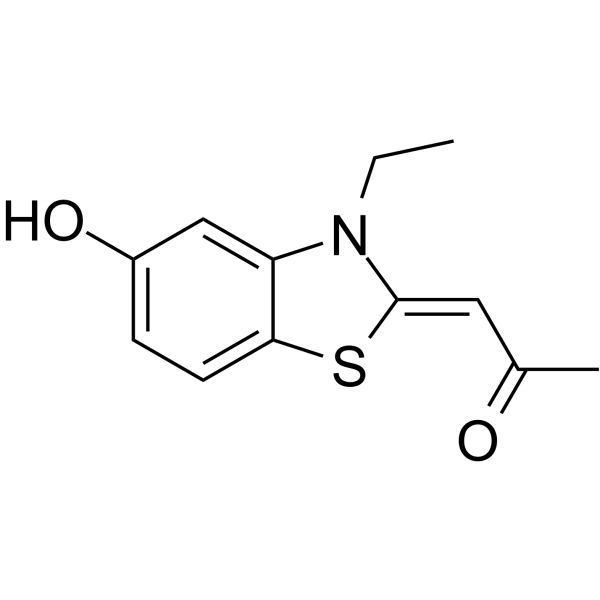
  • HY-15902
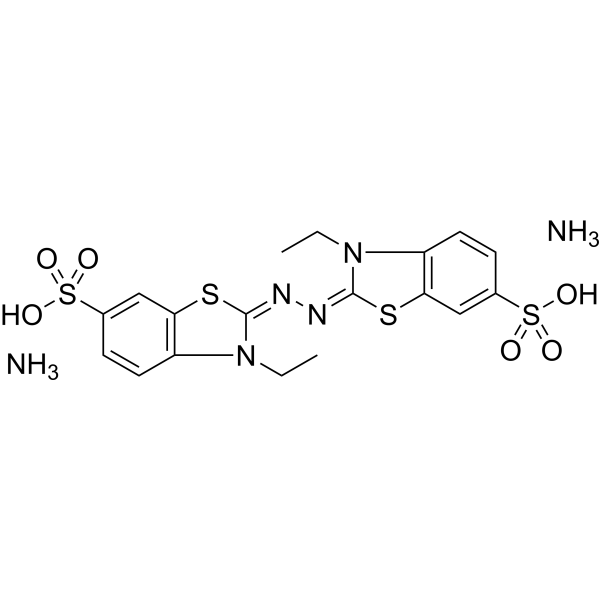
    ABTS diammonium salt
    10+ Cited Publications

    AzBTS-(NH4)2

    Fluorescent Dye Others
    ABTS diammonium salt (AzBTS-(NH4)2) is a substrate for horseradish peroxidase (HRP) conjugate. ABTS diammonium salt can be used to evaluate antioxidant capacity .
    ABTS diammonium salt
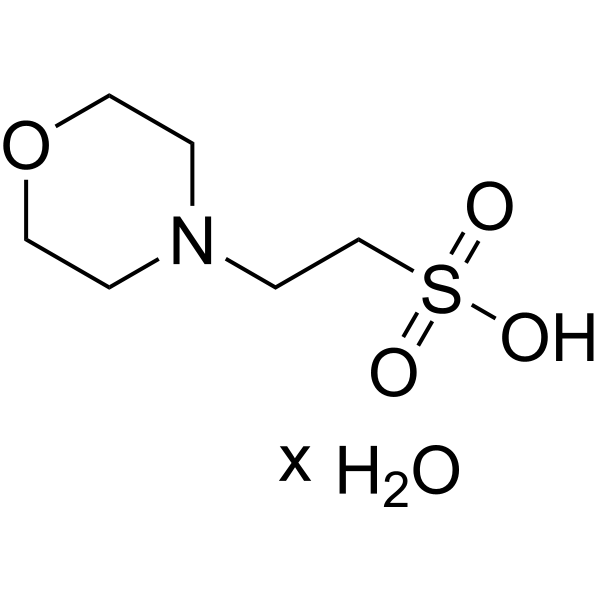
  • HY-D0858
    MES
    4 Publications Verification

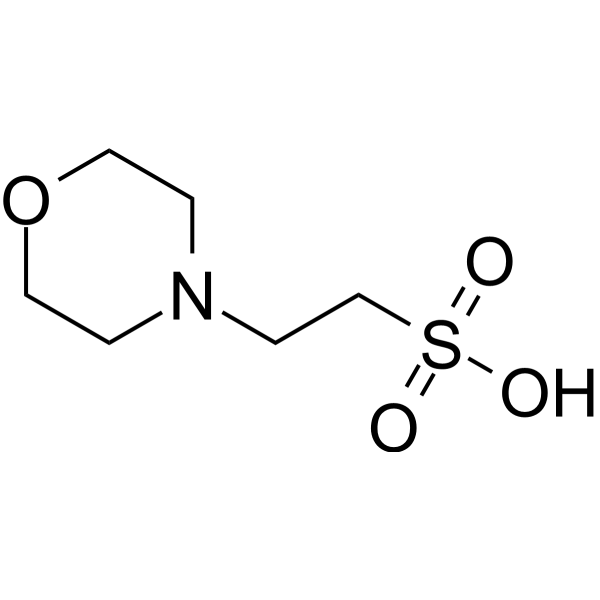
    2-Morpholinoethanesulphonic acid

    Biochemical Assay Reagents Others
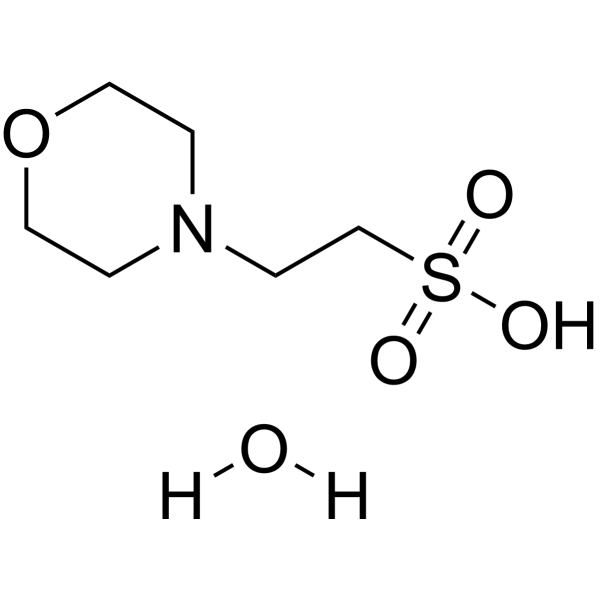
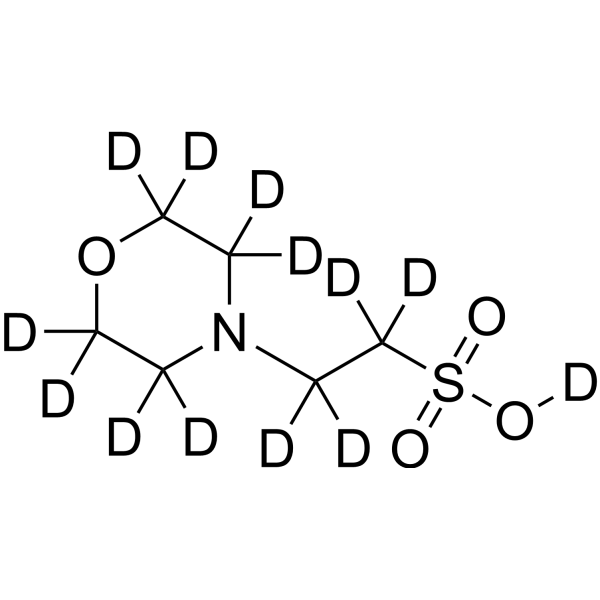
    MES (2-Morpholinoethanesulphonic acid) is a kind of amphoteric ion buffer, the buffer capacity ranging pH 5.5-7.0. As a Good's buffer, MES is widely used in biochemistry and molecular biology experiments, such as cell culture, enzyme activity determination, electrophoresis and protein studies .
    MES
  • HY-N0136
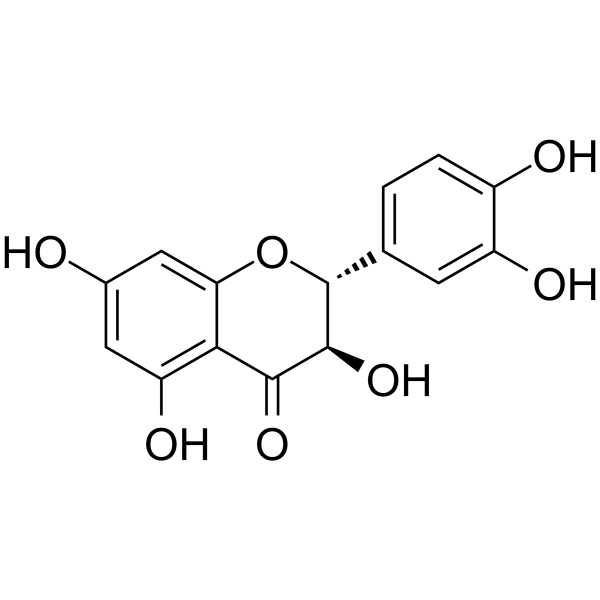
    Taxifolin
    Maximum Cited Publications
    27 Publications Verification

    (+)-Dihydroquercetin; (+)-Taxifolin

    TNF Receptor Autophagy Tyrosinase Inflammation/Immunology Cancer
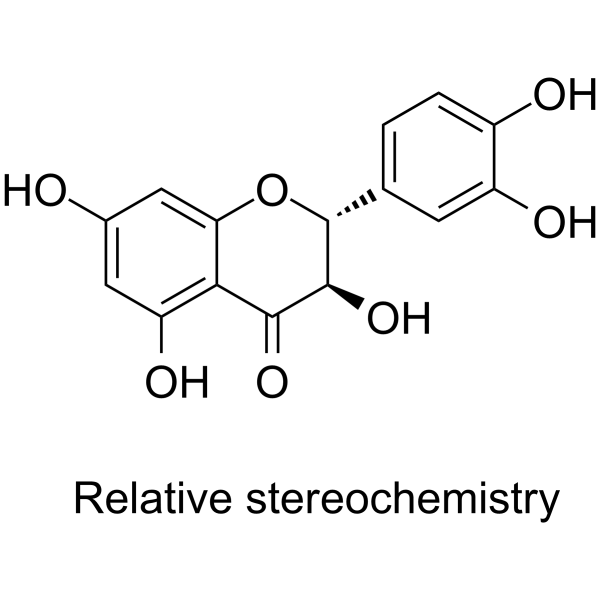
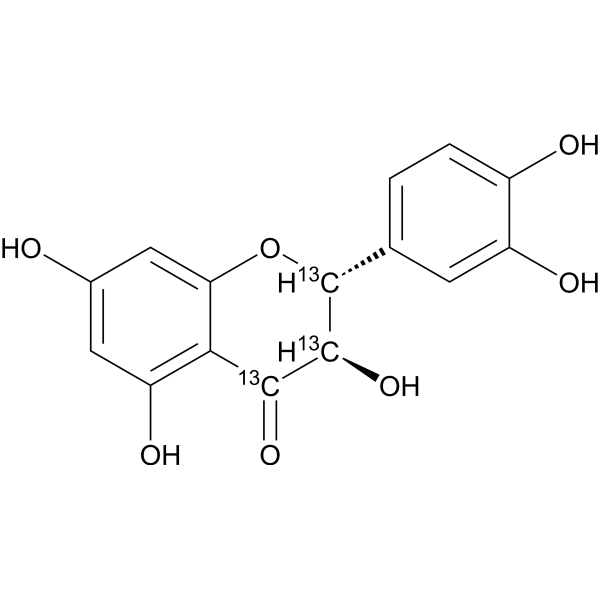
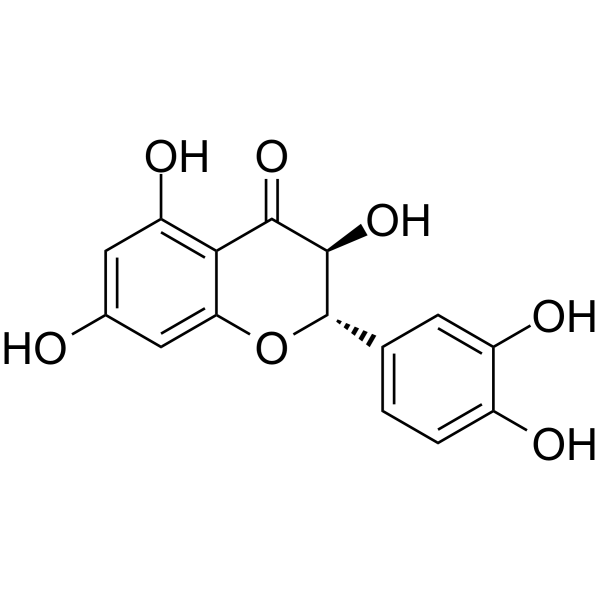
    Taxifolin ((+)-Dihydroquercetin) exhibits important anti-tyrosinase activity. Taxifolin exhibits significant inhibitory activity against collagenase with an IC50 value of 193.3 μM. Taxifolin is an important natural compound with antifibrotic activity. Taxifolin is a free radical scavenger with antioxidant capacity .
    Taxifolin
  • HY-131042
    NNMTi
    5+ Cited Publications

    Amine N-methyltransferase Metabolic Disease
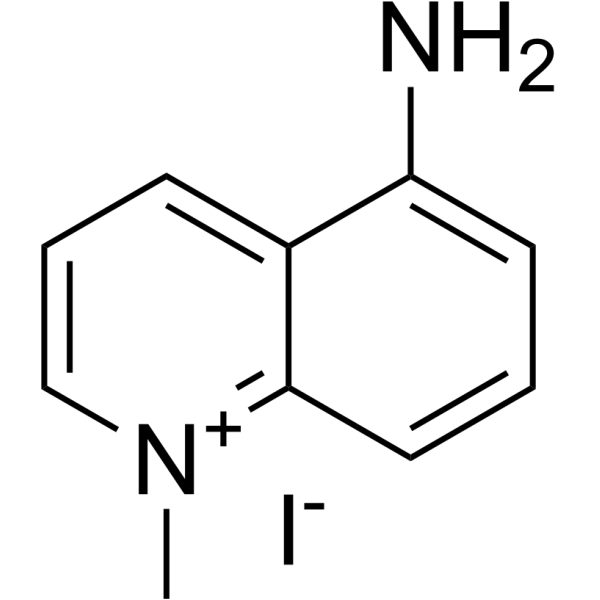
    NNMTi is a potent nicotinamide N-methyltransferase (NNMT) inhibitor (IC50=1.2 μM) and selectively binds to the NNMT substrate-binding site residues . NNMTi  promotes myoblast differentiation in vitro and enhances fusion and regenerative capacity of muscle stem cells (muSCs) in aged mice .
    NNMTi
  • HY-W250110

    Environmental Pollutants Biochemical Assay Reagents Infection Others
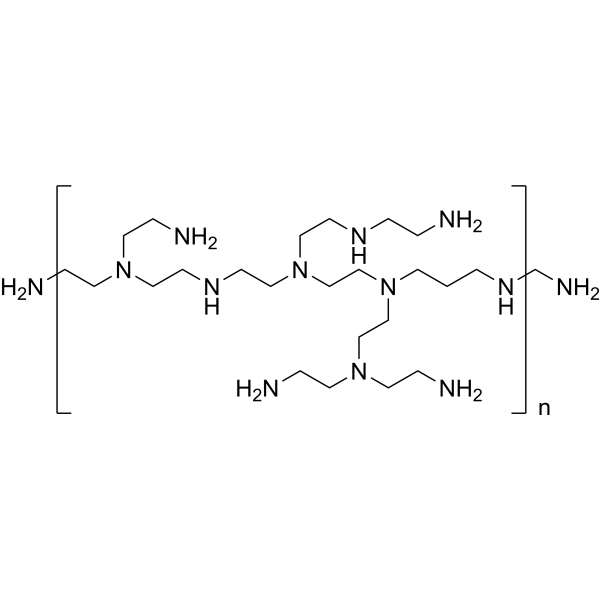
    Polyethylenimine (branched) (30% in water) is a organic macromolecule with high cationic-charge-density potential. Polyethylenimine (branched) (30% in water) can ensnare DNA as well as attach to cell membrane. Polyethylenimine (branched) (30% in water) also retains a substantial buffering capacity at virtually any pH. Polyethylenimine (branched) (30% in water) is widely used as transfection reagent .
    Polyethylenimine (branched) (30% in water)
  • HY-N6638
    Retrorsine
    2 Publications Verification

    Others Metabolic Disease
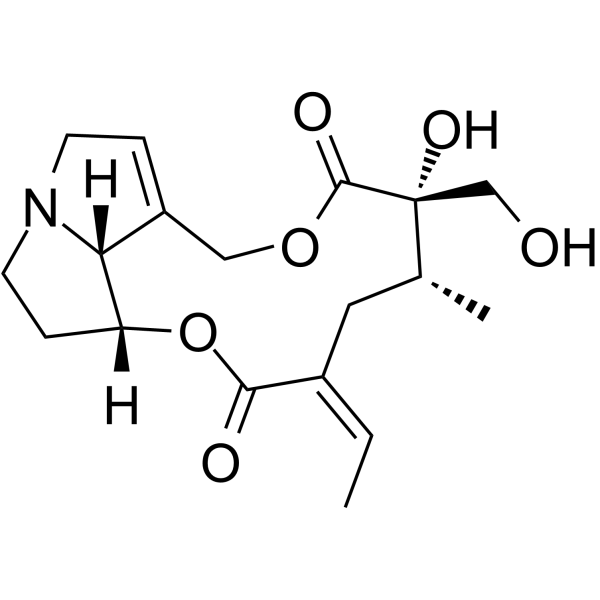
    Retrorsine is a naturally occurring toxic pyrrolizidine alkaloid. Retrorsine can bind with DNA and inhibits the proliferative capacity of hepatocytes. Retrorsine can be used for the research of hepatocellular injury .
    Retrorsine
  • HY-D0858A
    MES monohydrate
    4 Publications Verification

    2-Morpholinoethanesulphonic acid monohydrate

    Biochemical Assay Reagents Others
    MES (2-Morpholinoethanesulphonic acid) monohydrate is a kind of amphoteric ion buffer, the buffer capacity ranging pH 5.5-7.0. As a Good's buffer, MES monohydrate is widely used in biochemistry and molecular biology experiments, such as cell culture, enzyme activity determination, electrophoresis and protein studies .
    MES monohydrate
  • HY-18705
    Azoramide
    5+ Cited Publications

    Apoptosis Reactive Oxygen Species (ROS) Caspase Bcl-2 Family Mitochondrial Metabolism Endocrinology
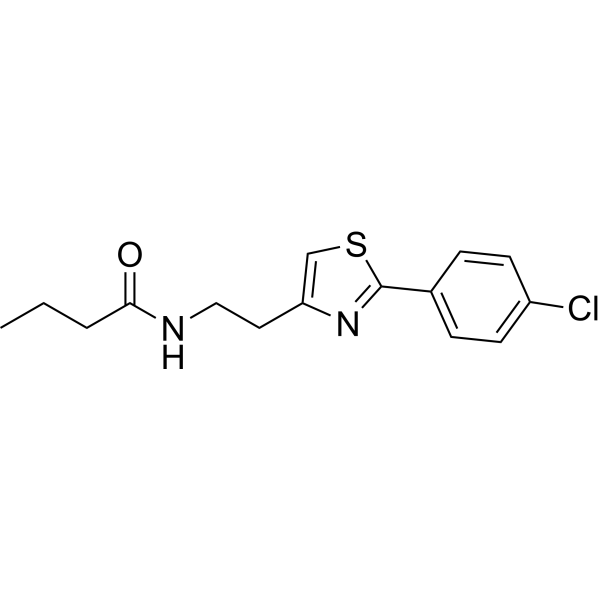
    Azoramide is a potent, orally active small-molecule modulator of the unfolded protein response (UPR). Azoramide improves ER protein folding and elevates ER chaperone capacity, which together protects cells against ER stress. Azoramide alleviates PLA2G6 mutant-induced ER stress through modulating unfolded protein response, and enhances the CERB signaling to rescue mitochondrial function, thereby preventing apoptosis of DA neurons. Azoramide has antidiabetic activity .
    Azoramide
  • HY-Y0808
    Dimethyl succinate
    1 Publications Verification

    Environmental Pollutants Apoptosis Neurological Disease Metabolic Disease
    Dimethyl succinate is an orally active cell permeable succinate analogue. Dimethyl succinate can disrupt the TCA cycle by elevating intracellular succinate levels, leading to reduced protein synthesis and impairs myogenic differentiation. Dimethyl succinate can induce apoptosis. Dimethyl succinate can decrease maximal cellular respiration and reserve capacity. Dimethyl succinate can rescue synapse loss in AD. Dimethyl succinate can be used for the researches of metabolic and neurological disease [1][2].
    Dimethyl succinate
  • HY-108476
    INDY
    2 Publications Verification

    DYRK Cancer
    INDY is a potent and ATP-competitive Dyrk1A and Dyrk1B inhibitor with IC50s of 0.24 μM and 0.23 μM, respectively. INDY binds in the ATP pocket of the enzyme and has a Ki value of 0.18 μM for Dyrk1A. INDY sharply reduces the self-renewal capacity of normal and tumorigenic cells in primary Glioblastoma (GBM) cell lines and neural progenitor cells .
    INDY
  • HY-W012997

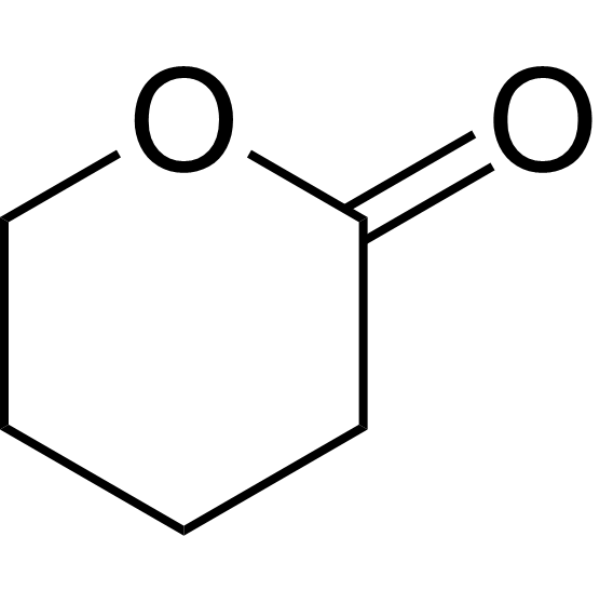
    δ-valerolactone

    Endogenous Metabolite Others
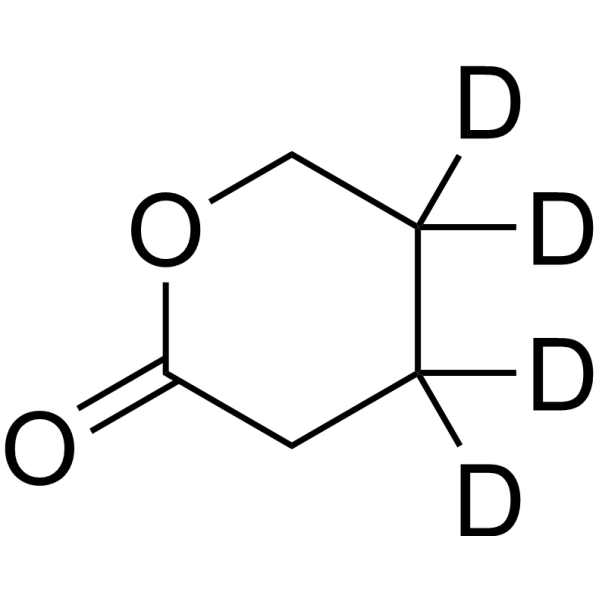
    Tetrahydro-2H-pyran-2-one (δ-valerolactone) is an endogenous metabolite with antioxidant capacity. Tetrahydro-2H-pyran-2-one is the small active molecule and can be used as drug intermediate .
    Tetrahydro-2H-pyran-2-one
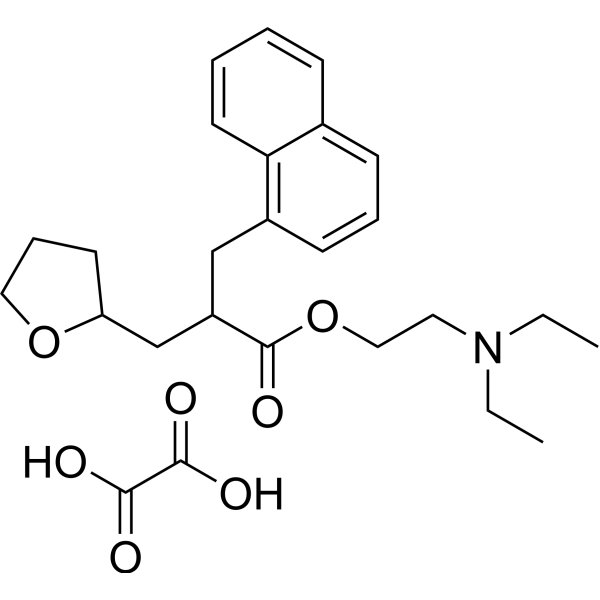
  • HY-B1107

    Nafronyl oxalate salt

    5-HT Receptor Cardiovascular Disease
    Naftidrofuryl oxalate (Nafronyl oxalate salt) is a drug used in the management of peripheral and cerebral vascular disorders as a vasodilator, enhance cellular oxidative capacity, and may also be a 5-HT2 receptor antagonist.
    Naftidrofuryl oxalate
  • HY-D0858C
    MES hydrate
    4 Publications Verification

    2-Morpholinoethanesulphonic acid hydrate

    Biochemical Assay Reagents Others
    MES (2-Morpholinoethanesulphonic acid) hydrate is a kind of amphoteric ion buffer, the buffer capacity ranging pH 5.5-7.0. As a Good's buffer, MES hydrate is widely used in biochemistry and molecular biology experiments, such as cell culture, enzyme activity determination, electrophoresis and protein studies .
    MES hydrate
  • HY-D0858E
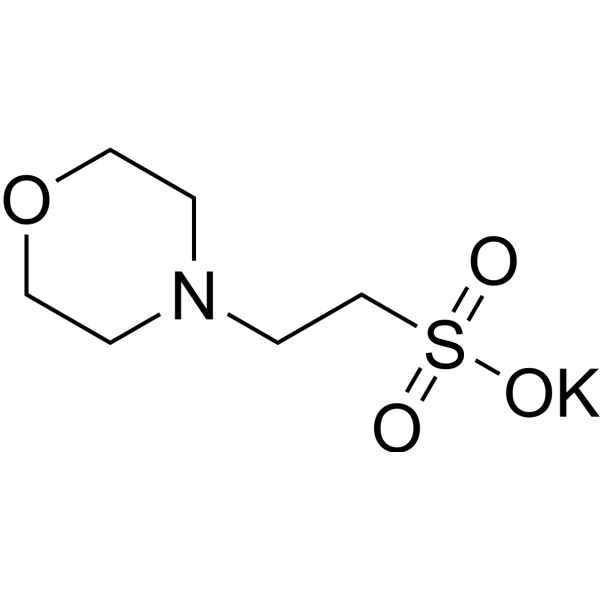
    MES potassium
    4 Publications Verification

    2-Morpholinoethanesulphonic acid potassium

    Biochemical Assay Reagents Others
    MES (2-Morpholinoethanesulphonic acid) potassium is a kind of amphoteric ion buffer, the buffer capacity ranging pH 5.5-7.0. As a Good's buffer, MES potassium is widely used in biochemistry and molecular biology experiments, such as cell culture, enzyme activity determination, electrophoresis and protein studies .
    MES potassium
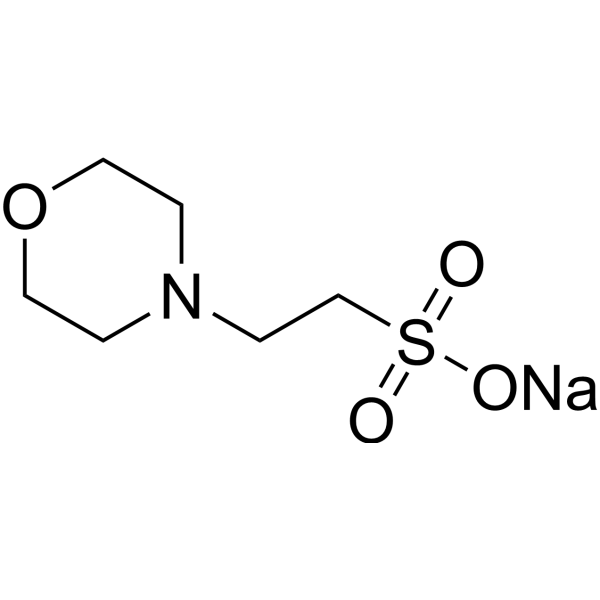
  • HY-D0858B
    MES sodium salt
    4 Publications Verification

    2-Morpholinoethanesulphonic acid sodium salt

    Biochemical Assay Reagents Others
    MES sodium salt (2-Morpholinoethanesulphonic acid) is a kind of amphoteric ion buffer, the buffer capacity ranging pH 5.5-7.0. As a Good's buffer, MES sodium salt is widely used in biochemistry and molecular biology experiments, such as cell culture, enzyme activity determination, electrophoresis and protein studies .
    MES sodium salt
  • HY-Y1055A
    Guanine hydrochloride
    3 Publications Verification

    Endogenous Metabolite DNA/RNA Synthesis Infection Neurological Disease Cancer
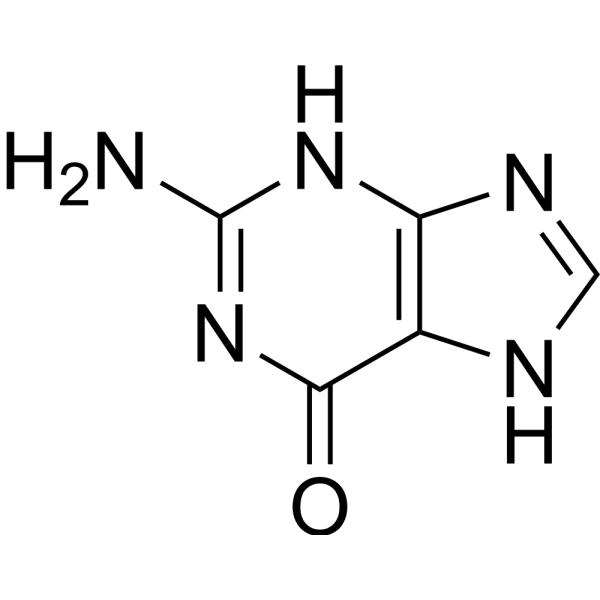
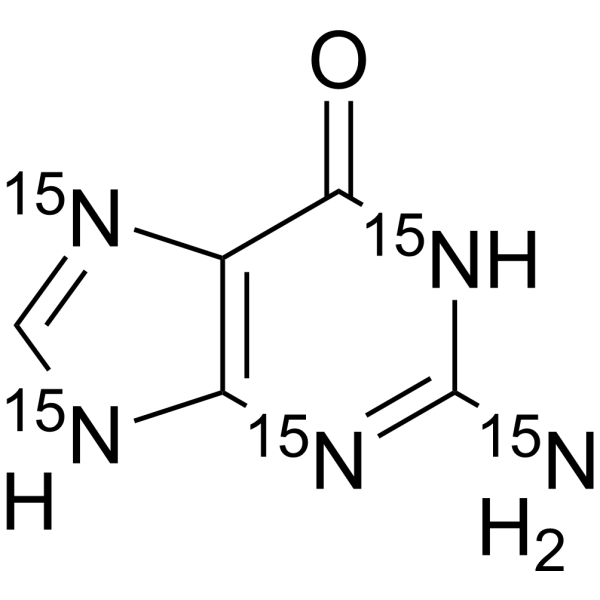
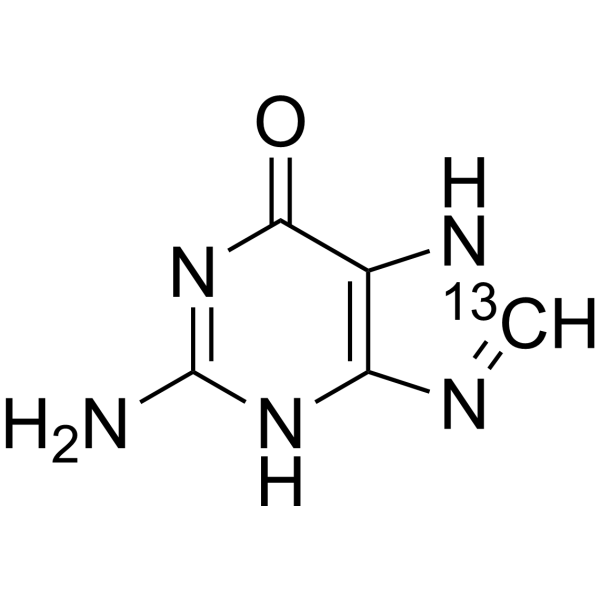
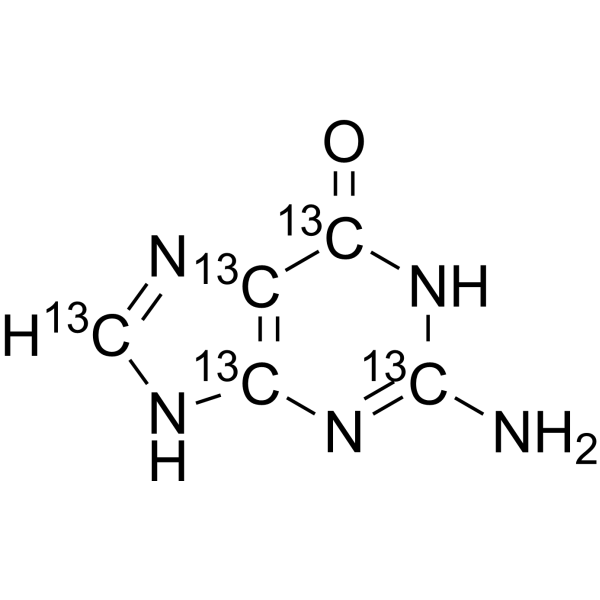
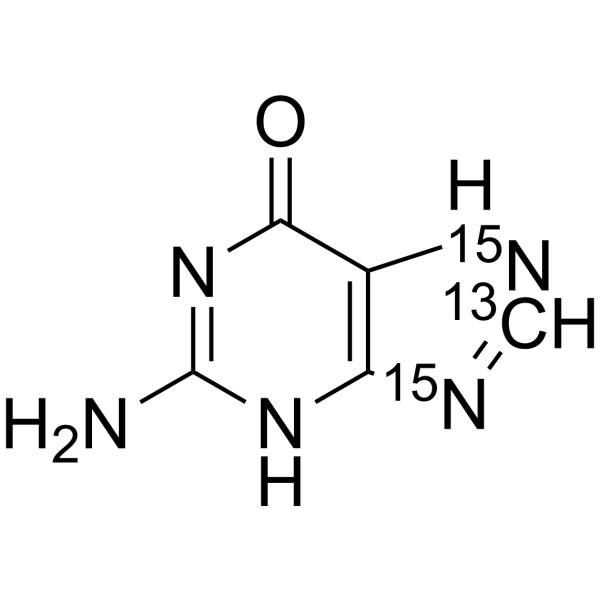
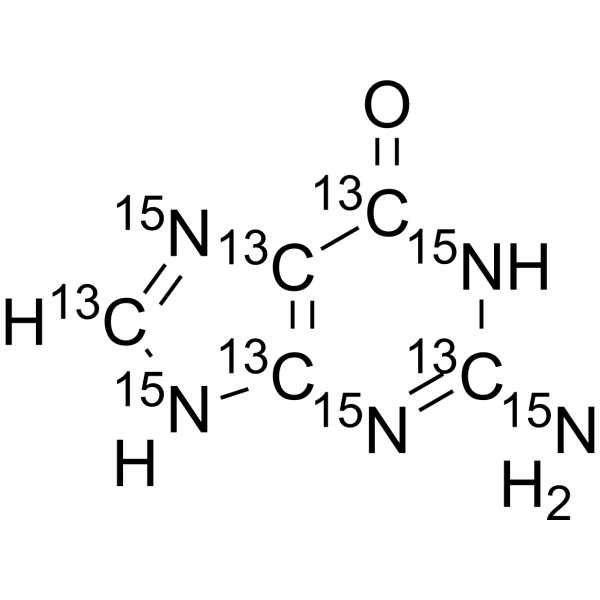
    Guanine hydrochloride is one of the fundamental components of nucleic acids (DNA and RNA). Guanine hydrochloride is a purine derivative, consisting of a fused pyrimidine-imidazole ring system with conjugated double bonds. Guanine hydrochloride has the potential to serve as a large-capacity N pool. Guanine hydrochloride has cytotoxic, antinociceptive and neuroprotective effects .
    Guanine hydrochloride
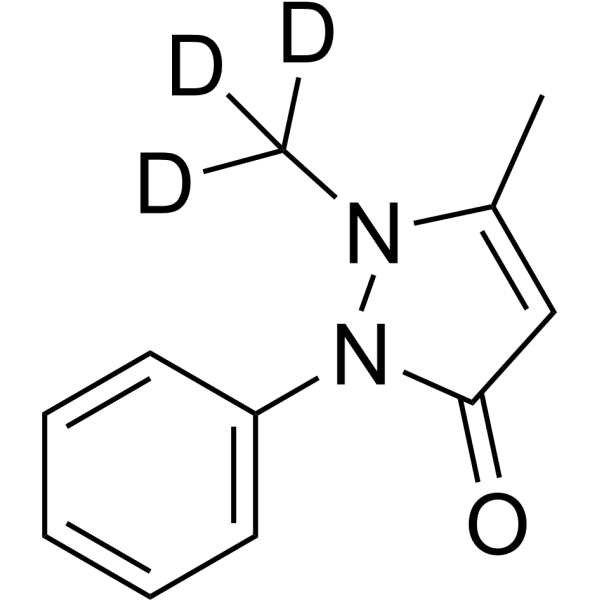
  • HY-B0171S

    Phenazone-d3; Phenazon-d3

    Isotope-Labeled Compounds Inflammation/Immunology
    Antipyrine-d3 is the deuterium labeled Antipyrine. Antipyrine (Phenazone) is an antipyretic and analgesic. Antipyrine can be used as a probe agent for oxidative agent metabolism. Antipyrine has been widely used in assessment of hepatic oxidative capacity .
    Antipyrine-d3
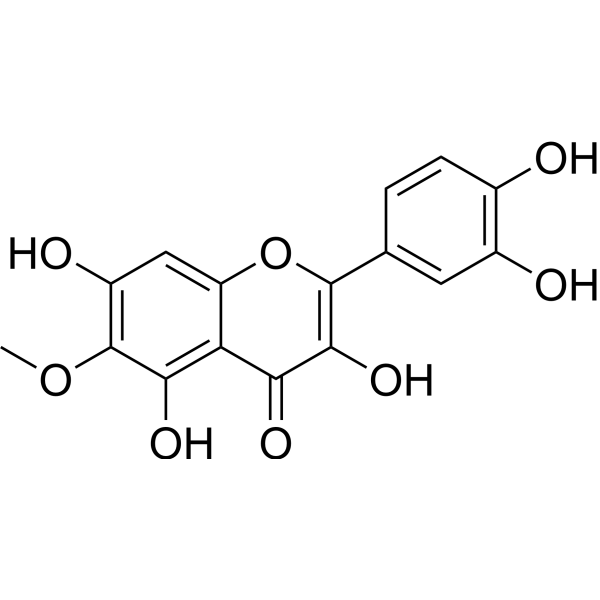
  • HY-N12503

    Apoptosis Caspase Cancer
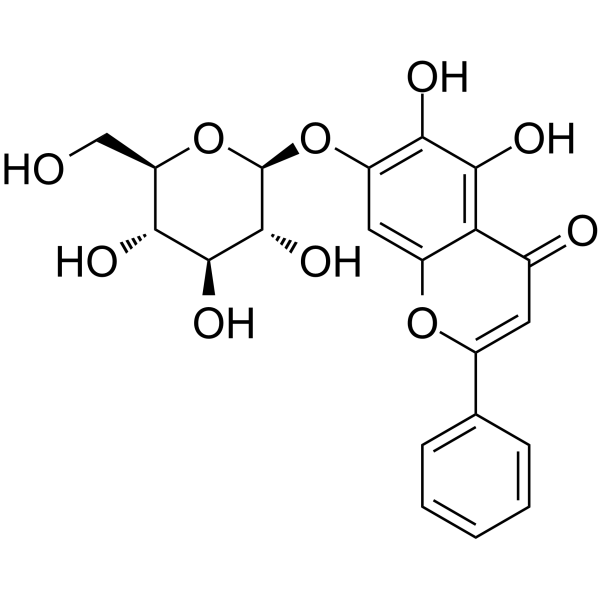
    Patuletin is a flavonol, that can be isolated from the flowers of Tagetes patula. Patuletin shows anti-proliferative activity against cancer cells. Patuletin causes significant nuclear fragmentation and has a great capacity to induce caspase-3 activation .
    Patuletin
  • HY-Y0332C

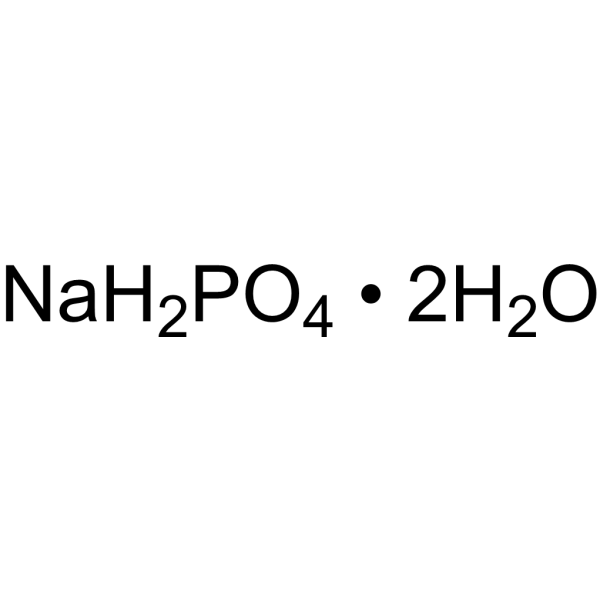
    Sodium phosphate dihydrate,≥99.0%

    Environmental Pollutants Biochemical Assay Reagents Others
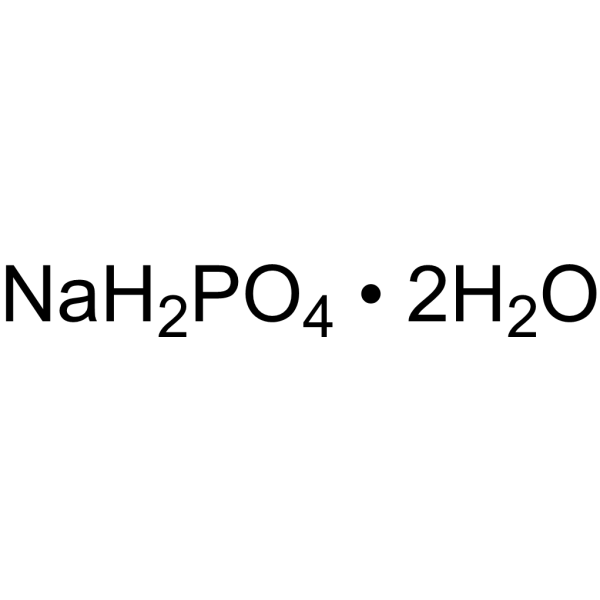
    Sodium dihydrogen phosphate dihydrate,≥99.0% (Sodium phosphate dihydrate,≥99.0%) is used as a buffer capacity reagent in molecular biology, biochemistry, and chromatography. Sodium dihydrogen phosphate dihydrate,≥99.0% is also used as a laxative and pH buffer when combined with other sodium phosphates and also used as fuel and detergent additives .
    Sodium dihydrogen phosphate dihydrate,≥99.0%
  • HY-101991

    PERK Eukaryotic Initiation Factor (eIF) Apoptosis Cancer
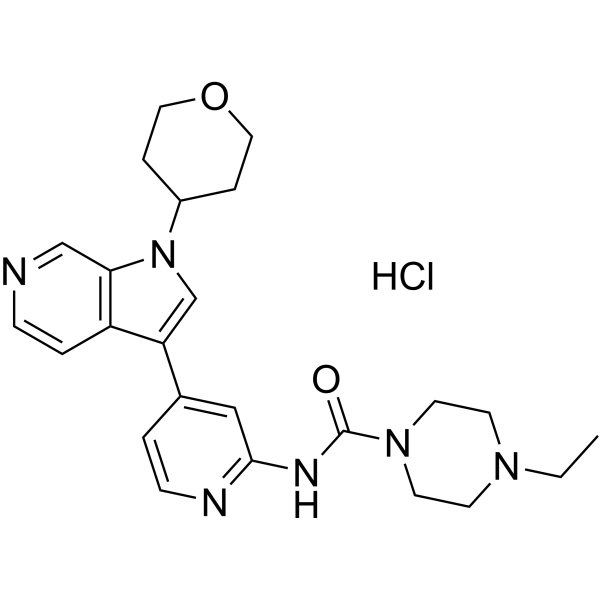
    ML291 is a UPR (unfolded protein response)-inducing sulfonamidebenzamide. ML291 overwhelms the adaptive capacity of the UPR and induces apoptosis in a variety of solid cancer models. ML291 can activate the PERK/eIF2a/CHOP (apoptotic) arm of the UPR and reduce leukemic cell burden .
    ML291
  • HY-160603

    TRP Channel Others
    PF-05214030 is a TRPV4 antagonist (IC50: 4 and 27nM for hTRPV4 and rTRPV4 respectively). PF-05214030 reverses the reduction in bladder capacity caused by intravesical infusion of a TRPV4 agonist .
    PF-05214030
  • HY-137989A

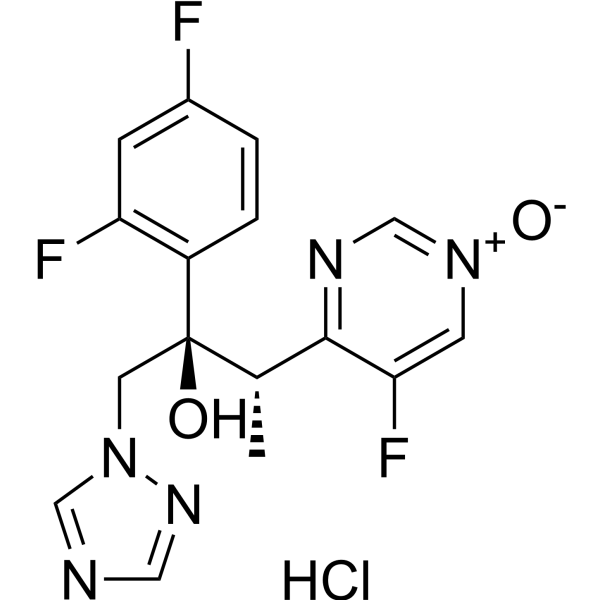
    Voriconazole oxynitride hydrochloride

    Drug Metabolite Infection
    Voriconazole N-oxide (Voriconazole oxynitride) (hydrochloride) is the main metabolite of Voriconazole (HY-76200) , a widely used triazole antibiotic (fungal). Voriconazole N-oxide (hydrochloride) provides information on the patient's drug metabolism capacity .
    Voriconazole N-oxide hydrochloride
  • HY-N3433
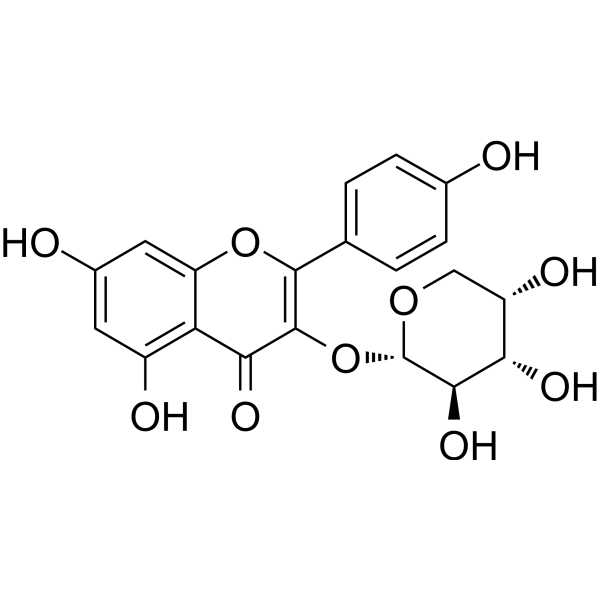
    Kaempferol 3-O-arabinoside
    1 Publications Verification

    Others Others
    Kaempferol 3-O-arabinoside is an antioxidant flavonoids isolated from ethyl acetate fraction (EAF) obtained from the leaves of Nectandra hihua. Kaempferol 3-O-arabinoside has good antioxidant capacity .
    Kaempferol 3-O-arabinoside
  • HY-N7541

    Others Inflammation/Immunology
    Antrodin A is one of the main active ingredients in the solid-state fermented A. camphorate mycelium. Antrodin A protects the liver from alcohol damage by improving the antioxidant and anti-inflammatory capacity of the liver and maintaining the stability of the intestinal flora .
    Antrodin A
  • HY-NP002K

    Biochemical Assay Reagents Others
    Rat Serum Albumin is a plasma protein derived from rat. Serum albumin is a multifunctional protein with extraordinary ligand binding capacity, making it a transporter molecule for a diverse range of metabolites, drugs, nutrients, metals and other molecules .
    Rat Serum Albumin
  • HY-N1521

    Lantadene A

    Others Inflammation/Immunology
    Rehmannic acid (lantadene A) is a compound isolated from Lantana camara. Rehmannic acid shows considerable in vitro antioxidant, free radical scavenging capacity activities in a dose dependant manner. Rehmannic acid is a promising candidate for use as an antioxidant and hepatoprotective agent .
    Rehmannic acid
  • HY-NP002O

    Biochemical Assay Reagents Others
    Cynomolgus Monkey serum albumin is a plasma protein derived from cynomolgus monkey. Serum albumin is a multifunctional protein with extraordinary ligand binding capacity, making it a transporter molecule for a diverse range of metabolites, drugs, nutrients, metals and other molecules.
    Cynomolgus Monkey serum albumin
  • HY-129137

    Cy 3-soph

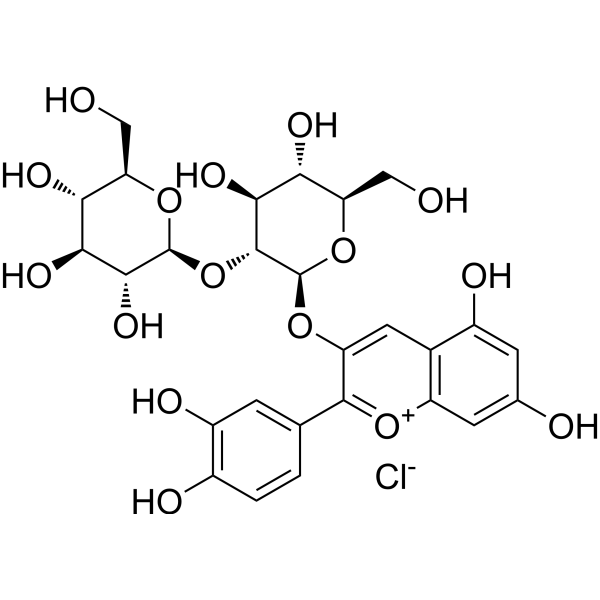
    Tyrosinase Others
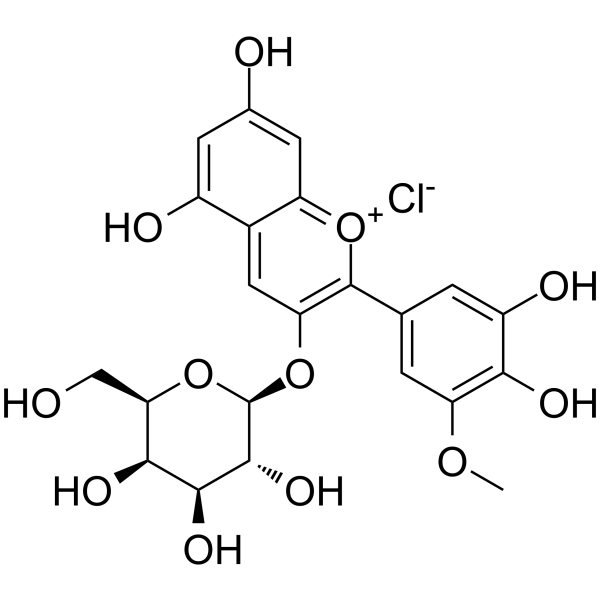
    Cyanidin 3-sophoroside chloride is a potent non-competitive reversible polyphenol oxidase (PPO)/Tyrosinase inhibitor. Also, Cyanidin 3-sophoroside chloride can be used as an anti-browning agent to inhibit the degree of PPO browning, enhance the antioxidant damage capacity of fruits and prolong the storage period .
    Cyanidin 3-sophoroside chloride
  • HY-102065

    Prostaglandin Receptor Others
    SC-19220 is a competitive prostaglandinn E2 receptor antagonist. SC-19220 increases the bladder capacity and reduced the voiding efficiency of micturition (elicited by slow transvesical filling) of urethane-anesthetized rats. SC-19220 can restores the balance in bone marrow granulocyte and monocyte production after burn sepsis .
    SC-19220
  • HY-B1557
    Betazole
    1 Publications Verification

    Ametazole

    Histamine Receptor Metabolic Disease
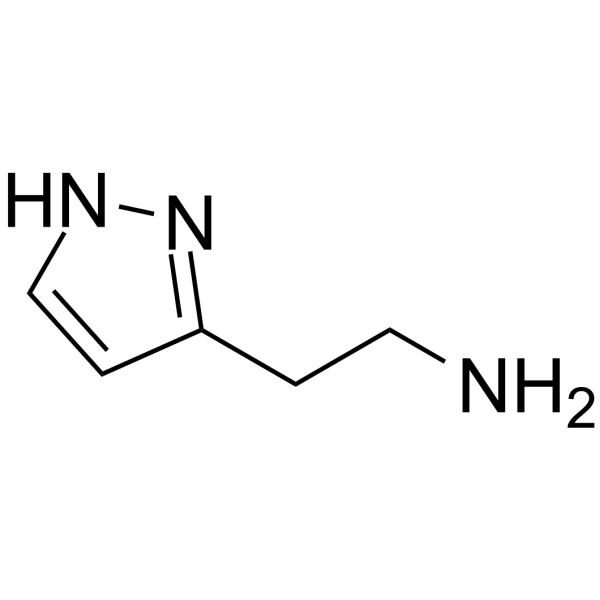
    Betazole (Ametazole), a pyrazole analogue of histamine, is an orally active histamine H2 receptor agonist. Betazole induces gastric acid secretion and causes an immediate and significant increase in common bile duct pressure. Betazole is used as a diagnostic agent known as histalog for investigating gastric acid secretory capacity .
    Betazole
  • HY-Y0332L

    Potassium phosphate monobasic, meets analytical specification of Ph. Eur., NF, E340

    Biochemical Assay Reagents NF-κB Others
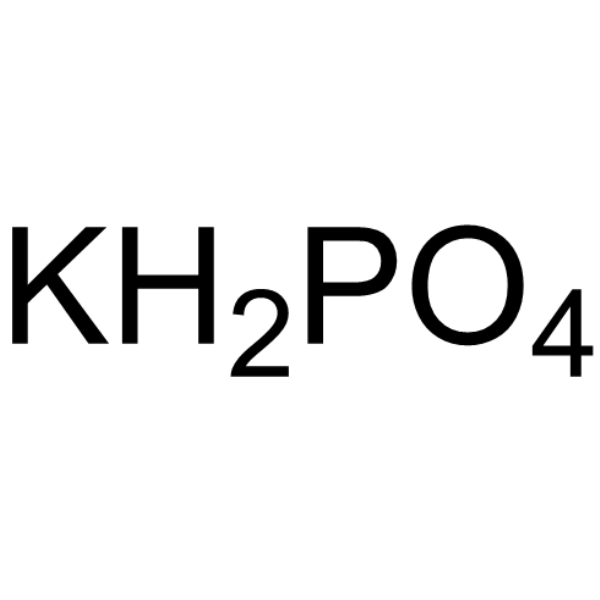
    Potassium dihydrogen phosphate (Potassium phosphate monobasic), meeting the analytical specifications of Ph. Eur., NF, E340, is a reagent with buffering capacity, used for preparing biological buffers. Potassium dihydrogen phosphate downregulates the expression of IκBα in the cytoplasm, increases the expression of p-P65 in the cytoplasm, and upregulates the expression of P65 in the nucleus, thereby activating the NF-κB pathway. Potassium dihydrogen phosphate promotes the proliferation of human periodontal ligament stem cells in the logarithmic growth phase. Potassium dihydrogen phosphate upregulates the expression of odontogenic/osteogenic markers (OCN, DSP/DSPP, OSX, RUNX2, ALP) in human periodontal ligament stem cells and enhances the mineralization capacity of these cells. Potassium dihydrogen phosphate can be used in the research of periodontal diseases .
    Potassium dihydrogen phosphate, meets analytical specification of Ph. Eur., NF, E340
  • HY-Y0332H

    Sodium phosphate monobasic dihydrate, for molecular biology

    Biochemical Assay Reagents Others
    Sodium dihydrogen phosphate dihydrate (Sodium phosphate monobasic dihydrate), for molecular biology is a phosphate compound and nucleating agent. At a content of 1.2%, Sodium dihydrogen phosphate dihydrate, for molecular biology eliminates the supercooling degree of sodium acetate trihydrate to 0°C while maintaining or slightly enhancing its latent heat storage capacity. Sodium dihydrogen phosphate dihydrate, for molecular biology can serve as a starting material for the synthesis of degradable sodium phosphate glasses, which are applied in craniomaxillofacial bone repair. Sodium dihydrogen phosphate dihydrate, for molecular biology is widely used in research on craniomaxillofacial bone repair and related fields .
    Sodium dihydrogen phosphate dihydrate, for molecular biology
  • HY-109560

    Zn-DTPA trisodium

    Biochemical Assay Reagents Others
    Pentetate zinc trisodium (Zn-DTPA trisodium) forms stable chelates with metal ions by exchanging zinc for a metal of greater binding capacity .
    Pentetate zinc trisodium
  • HY-109542

    Biochemical Assay Reagents Metabolic Disease
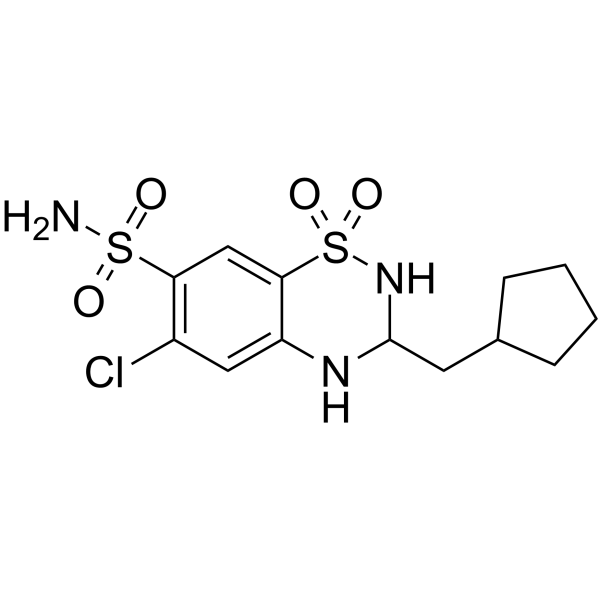
    Cyclopenthiazide is a benzothiadiazine diuretic with antihypertensive properties. Cyclopenthiazide exerts a diuretic effect by inhibiting the reabsorption of sodium chloride and water at the distal renal tubules. Cyclopenthiazide increases the excretory capacity of the rat kidney .
    Cyclopenthiazide
  • HY-Y0332G

    Potassium phosphate monobasic, for molecular biology

    Biochemical Assay Reagents Others
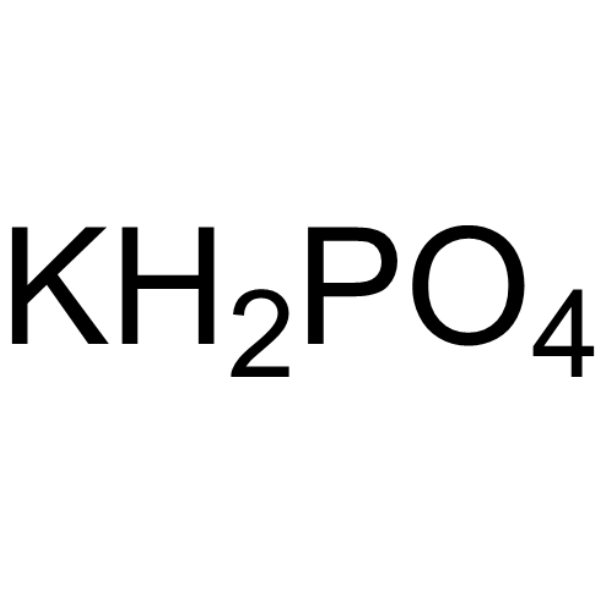
    Potassium dihydrogen phosphate (Potassium phosphate monobasic), for molecular biology, ≥ 99% is used as a buffer capacity reagent in molecular biology, biochemistry, and chromatography. For the preparation of biological buffers. It is also used to purify antibodies, and in combination with other sodium phosphates .
    Potassium dihydrogen phosphate, for molecular biology
  • HY-118618

    Hiyodorilactone A; Schkuhrin I

    STAT Cancer
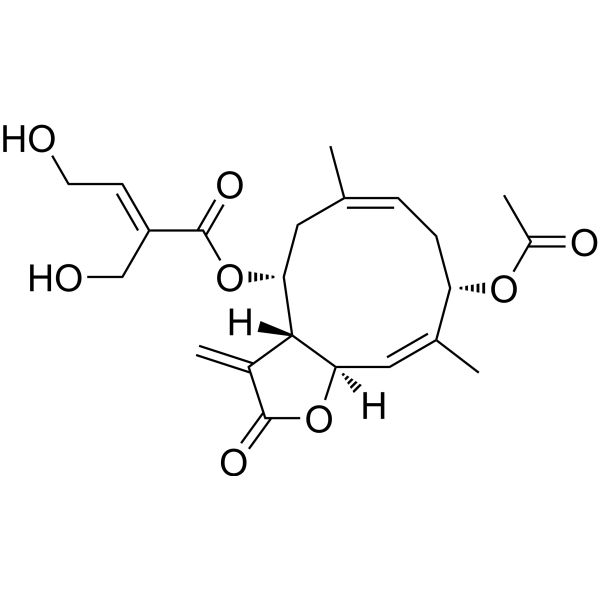
    Eucannabinolide is a STAT3 inhibitor. Eucannabinolide suppresses STAT3 activation at tyrosine 705, inhibiteds its translocation to nucleus, and decreases its DNA binding capacity. Eucannabinolide can be used for triple negative breast cancer (TNBC) diseases research .
    Eucannabinolide
  • HY-N0136B

    (-)-Dihydroquercetin

    Tyrosinase Inflammation/Immunology
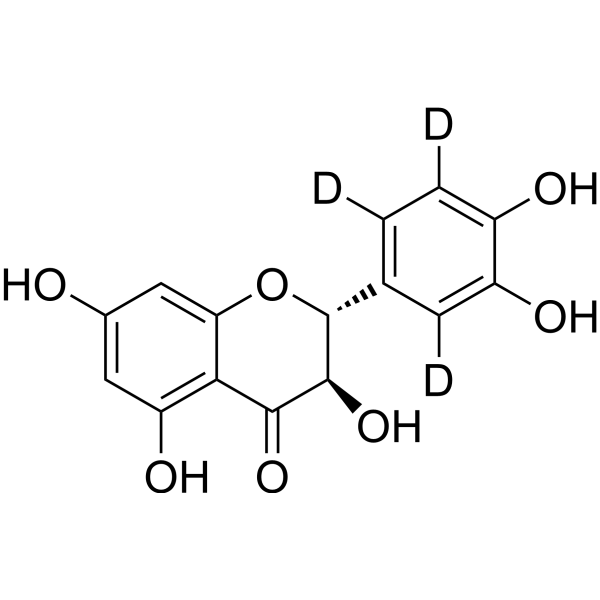
    (-)-Taxifolin is the less active enantiomer of Taxifolin. Taxifolin exhibits important anti-tyrosinase activity. Taxifolin exhibits significant inhibitory activity against collagenase with an IC50 value of 193.3 μM . Taxifolin is an important natural compound with antifibrotic activity. Taxifolin is a free radical scavenger with antioxidant capacity .
    (-)-Taxifolin
  • HY-177506

    Cholecystokinin Receptor Metabolic Disease
    FE100726 (Compound 39) is a Cholecystokinin 2 (CCK2) receptor agonist. FE100726 has a superior binding capacity on CCK2 receptor. FE100726 can induce gastric acid secretion in anaesthetized rat models. FE100726 can be used for diabetes research .
    FE100726
  • HY-D0858D
    MES hemisodium
    4 Publications Verification

    2-Morpholinoethanesulphonic acid hemisodium

    Biochemical Assay Reagents Others
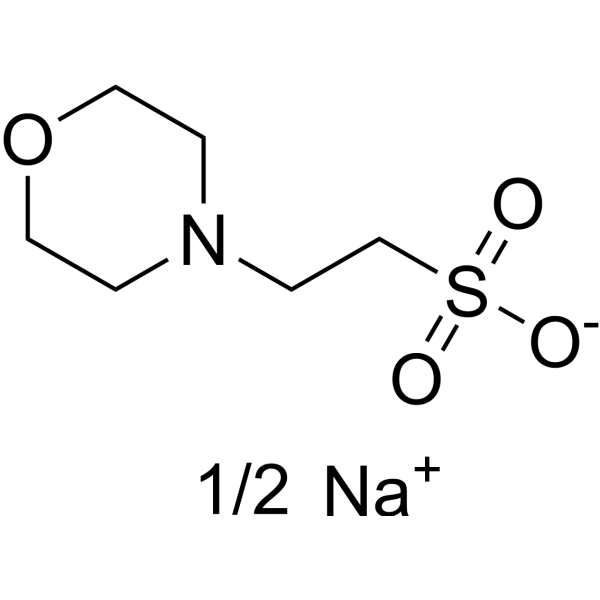
    MES (2-Morpholinoethanesulphonic acid) hemisodium is a kind of amphoteric ion buffer, the buffer capacity ranging pH 5.5-7.0. As a Good's buffer, MES hemisodium is widely used in biochemistry and molecular biology experiments, such as cell culture, enzyme activity determination, electrophoresis and protein studies .
    MES hemisodium
  • HY-B1557A

    Ametazole dihydrochloride

    Histamine Receptor Metabolic Disease
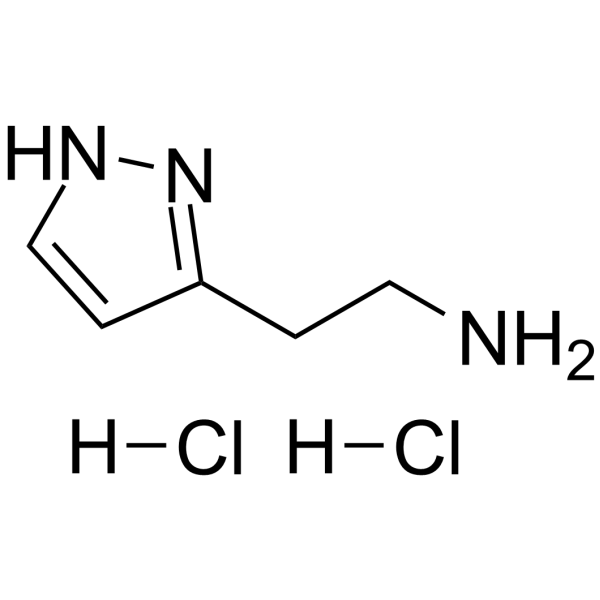
    Betazole (Ametazole) dihydrochloride, a pyrazole analogue of histamine, is an orally active H2 receptor agonist. Betazole dihydrochloride induces gastric acid secretion, and causes an immediate and significant increase in common bile duct pressure. Betazole dihydrochloride has been used as a diagnostic agent known as histalog, for investigating gastric acid secretory capacity .
    Betazole dihydrochloride
  • HY-W011757

    Biochemical Assay Reagents Others
    Neocuproine hydrochloride monohydrate, 99% can be used to prepare complex solutions for studying antioxidant capacity determination in biological samples based on copper reduction complexes.
    Neocuproine hydrochloride monohydrate, 99%
  • HY-W142258

    Parasite Infection
    6-Undecanone is a ligand of Odorant-binding protein 22 (OBP22) with a weak bind capacity. -Undecanone can be used as a negative control for Aedes aegypti mosquito infection research .
    6-Undecanone
  • HY-N9363

    Others Metabolic Disease
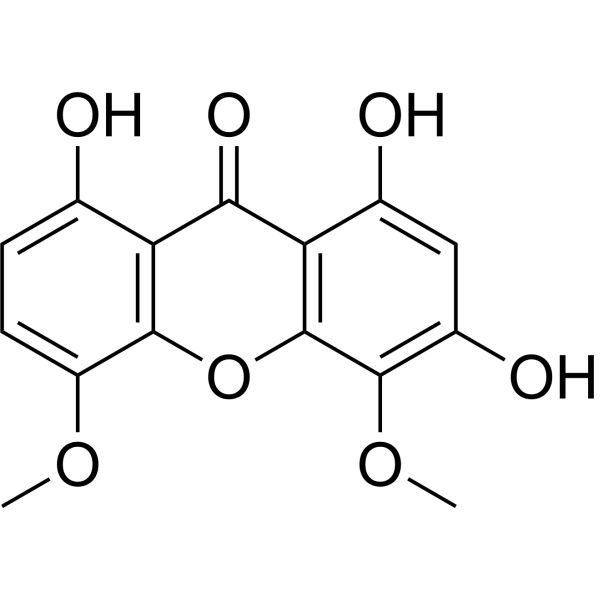
    Corymbiferin is one of active constituents, responsible for anti-diabetic properties. Corymbiferin improves antioxidant capacity and carbohydrate metabolism in diabetic rats, along with the improvement of histopathology of livers and pancreatic β cells .
    Corymbiferin
  • HY-NP002C

    Biochemical Assay Reagents Others
    Rabbit Serum Albumin (globulin free) is a plasma protein derived from rabbits. Serum albumin is a multifunctional protein with extraordinary ligand binding capacity, making it a transporter molecule for a diverse range of metabolites, drugs, nutrients, metals and other molecules .
    Rabbit Serum Albumin (globulin free)
  • HY-175753

    Others Cancer
    Z17544625 is a Fascin inhibitor. Z17544625 has a strong binding capacity to fascin and inhibits Actin bundling. Z17544625 significantly reduces proliferation and impairs migration of CRC cells. Z17544625 can be used for cancer, especially colorectal cancer (CRC) research .
    Z17544625
  • HY-118642

    Cholinesterase (ChE) Reactive Oxygen Species (ROS) Cardiovascular Disease Neurological Disease
    D-Ribose-L-cysteine ​​is an orally active cysteine ​​analog. D-Ribose-L-cysteine ​​improves cellular antioxidant capacity by enhancing intracellular glutathione (GSH) biosynthesis. In addition, D-Ribose-L-cysteine ​​has a memory-enhancing effect and can reverse Scopolamine (HY-N0296)-induced memory impairment by inhibiting oxidative stress and acetylcholinesterase (AChE) activity. D-Ribose-L-cysteine ​​can be used in the study of neurodegenerative and cardiovascular diseases .
    D-Ribose-L-cysteine
  • HY-123638

    Drug Intermediate Inflammation/Immunology
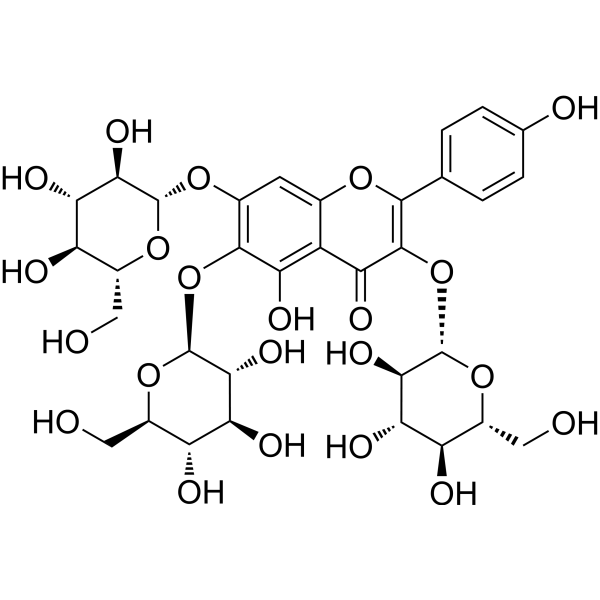
    6-hydroxykaempferol 3,6,7-tri-O-β-D-glucoside is a bio-active flavonoid from Carthamus tinctorius with antioxidant capacities in vitro .
    6-Hydroxykaempferol 3,6,7-tri-O-β-D-glucoside
  • HY-D1121

    Fluorescent Dye
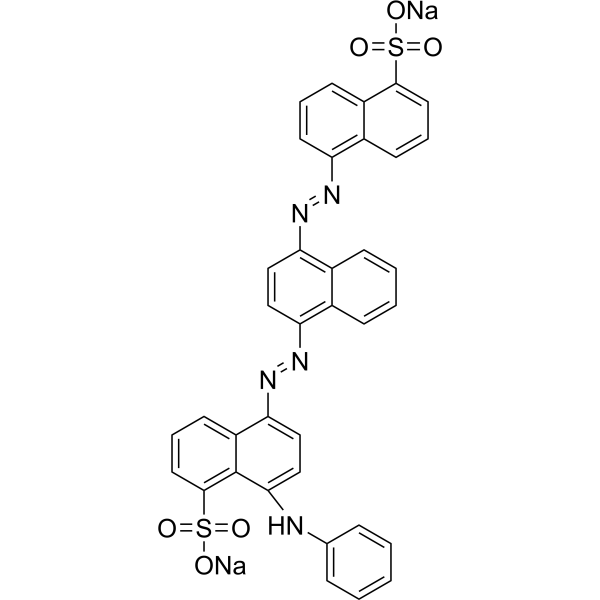
    Acid black 24 is a black agent whose staining effect is effectively removed by nanoscale zero-valent iron (NZVI) particles. The maximum unit removal capacity is 609.4 mg of dye per gram of NZVI.
    Acid black 24
  • HY-D1144

    Fluorescent Dye
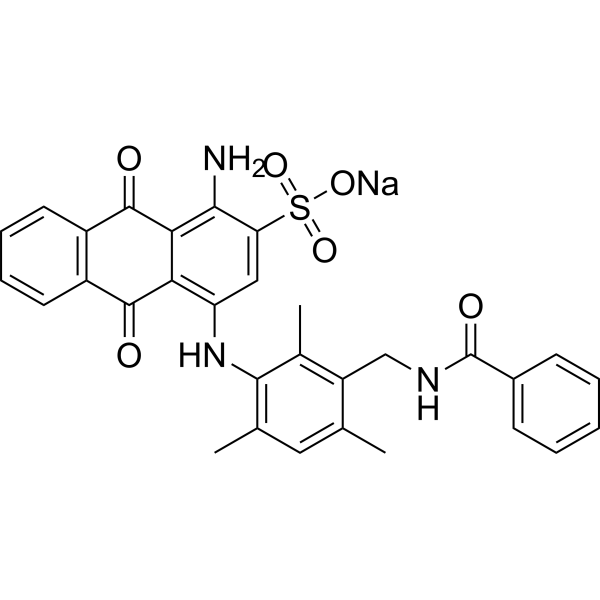
    Acid blue 260 is an azo dye whose staining effect is effectively removed by multi-walled carbon nanotubes (MWCNTs). At 298 K, the adsorption capacity of MWCNT is 233.34 mg/g; and increases with the increase of dye concentration and temperature.
    Acid blue 260
  • HY-P4111A

    CXCR Cancer
    Peptide R (TFA) is a synthetic and specific CXCR4 antagonist. Peptide R (TFA) shows outstanding capacities to remodel the tumor stroma. Peptide R (TFA) can be used for solid tumor (glioblastoma, etc.) research .
    Peptide R TFA

Inquiry Online

Your information is safe with us. * Required Fields.

Salutation


Country or Region *

Applicant Name *


Organization Name *

Department *


Email Address *


Product Name *

Cat. No.


Requested quantity *

Phone Number *


Remarks

Inquiry Online

Inquiry Information

Product Name:
Cat. No.:
Quantity:
MCE Japan Authorized Agent: