1. Search Result
Search Result
Pathways Recommended: Stem Cell/Wnt Cell Cycle/DNA Damage
Results for "

cancer cell viability

" in MedChemExpress (MCE) Product Catalog:

215

Inhibitors & Agonists

6

Fluorescent Dyes

5

Biochemical Assay Reagents

6

Peptides

4

Inhibitory Antibodies

40

Natural
Products

8

Isotope-Labeled Compounds

1

Click Chemistry

3

Oligonucleotides

3

GMP Molecules

Cat. No. Product Name Target Research Areas Chemical Structure
  • HY-15372
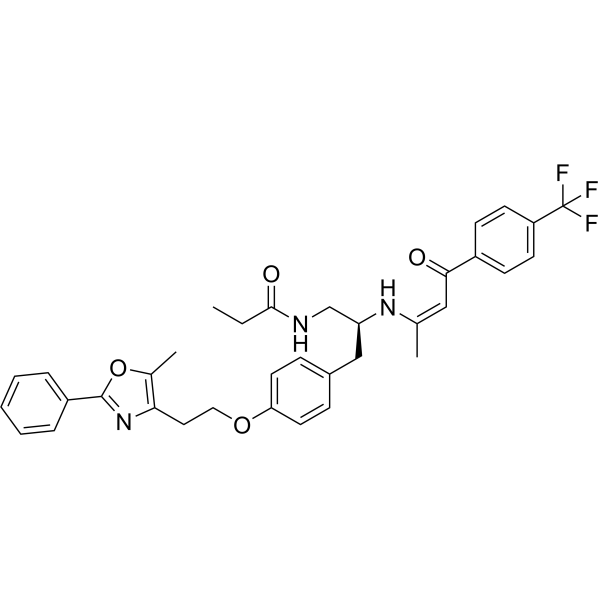
    GW6471
    65+ Cited Publications

    PPAR Apoptosis Cancer
    GW6471 is a selective peroxisome proliferator-activated receptor α (PPARα) antagonist. GW6471 reduces cancer stem cell viability, proliferation, and spheroid formation. GW6471 induces apoptosis and causes metabolic impairment including energy imbalance. GW6471 can be used for the research of paragangliomas and triple-negative breast cancer .
    GW6471
  • HY-13062
    Daunorubicin hydrochloride
    35+ Cited Publications

    Daunomycin hydrochloride; RP 13057 hydrochloride; Rubidomycin hydrochloride

    Topoisomerase DNA/RNA Synthesis ADC Payload Bacterial Autophagy Apoptosis Antibiotic Infection Neurological Disease Cancer
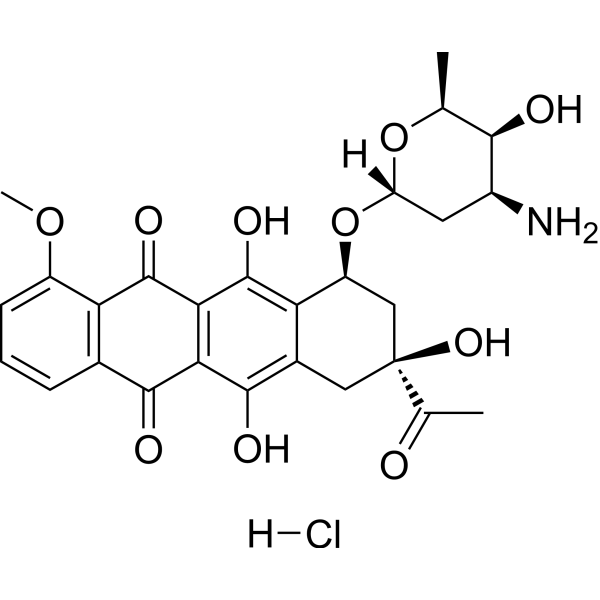
    Daunorubicin (Daunomycin) hydrochloride is a topoisomerase II inhibitor with potent anti-tumor activity. Daunorubicin hydrochloride inhibits DNA and RNA synthesis. Daunorubicin hydrochloride is a cytotoxin that inhibits cancer cell viability and induces apoptosis and necrosis. Daunorubicin hydrochloride is also an anthracycline antibiotic. Daunorubicin hydrochloride can be used in the research of infection and variety of cancers, including leukemia, non-Hodgkin lymphomas, Ewing's sarcoma, Wilms' tumor .
    Daunorubicin hydrochloride
  • HY-Q45780
    ZINC00640089
    5+ Cited Publications

    Akt Cancer
    ZINC00640089 is a specific Lipocalin-2 (LCN2) inhibitor. ZINC00640089 inhibits cell proliferation, cell viability and reduces AKT phosphorylation levels in SUM149 cells. ZINC00640089 has good potential for research in inflammatory breast cancer (IBC) .
    ZINC00640089
  • HY-12444
    Y15
    25+ Cited Publications

    FAK Inhibitor 14

    FAK Cancer
    Y15 is a potent and specific inhibitor of focal adhesion kinase (FAK) that inhibits its autophosphorylation activity, decreases the viability of cancer cells, and blocks tumor growth.
    Y15
  • HY-13062A
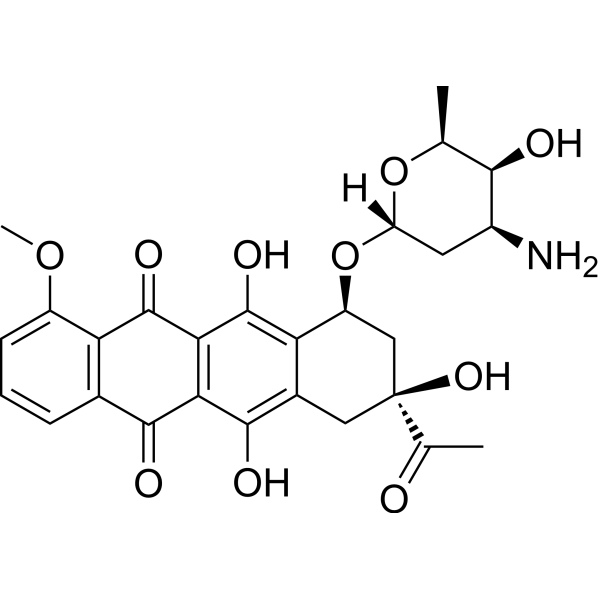
    Daunorubicin
    35+ Cited Publications

    Daunomycin; RP 13057; Rubidomycin

    Topoisomerase DNA/RNA Synthesis ADC Payload Autophagy Bacterial Antibiotic Apoptosis Infection Neurological Disease Cancer
    Daunorubicin (Daunomycin) is a topoisomerase II inhibitor with potent anti-tumor activity. Daunorubicin inhibits DNA and RNA synthesis. Daunorubicin is a cytotoxin that inhibits cancer cell viability and induces apoptosis and necrosis. Daunorubicin is also an anthracycline antibiotic. Daunorubicin can be used in the research of infection and variety of cancers, including leukemia, non-Hodgkin lymphomas, Ewing's sarcoma, Wilms' tumor .
    Daunorubicin
  • HY-119358
    Traumatic Acid
    3 Publications Verification

    Reactive Oxygen Species (ROS) Apoptosis Cardiovascular Disease Inflammation/Immunology
    Traumatic Acid is a wound healing agent and a cytokinin (phytohormone). Traumatic Acid enhances the biosynthesis of collagen in cultured human skin fibroblasts. Traumatic Acid inhibits MCF-7 breast cancer cells viability and enhances apoptosis and oxidative stress. Traumatic Acid can be used in studies of cancer, circulatory disorders (including arterial hypertension), and skin diseases associated with oxidative stress and impaired collagen biosynthesis .
    Traumatic Acid
  • HY-138536
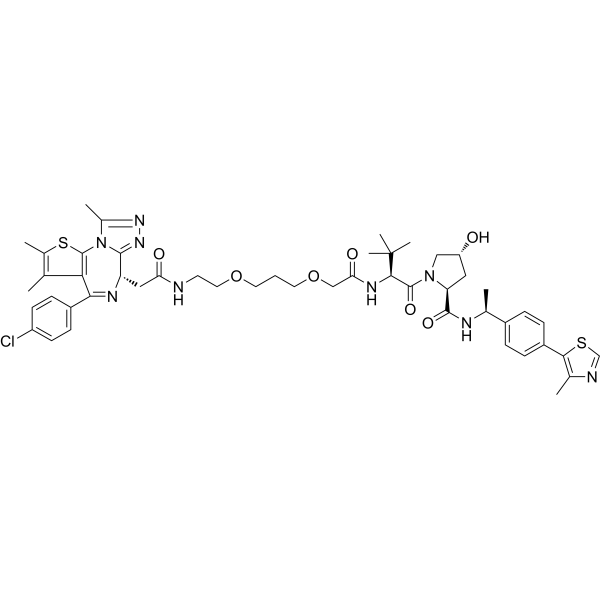
    PROTAC CBP/P300 Degrader-1
    1 Publications Verification

    PROTACs Epigenetic Reader Domain Cancer
    PROTAC CBP/P300 Degrader-1 is a potent PROTAC CBP/P300 degrader. PROTAC CBP/P300 Degrader-1 potently inhibited cell viability of multiple cancer cell lines .
    PROTAC CBP/P300 Degrader-1
  • HY-148364
    ZINC00784494
    2 Publications Verification

    Lipocalin Family Akt Cancer
    ZINC00784494 is a specific Lipocalin-2 (LCN2) inhibitor. ZINC00784494 inhibits cell proliferation, cell viability and reduces AKT phosphorylation levels in SUM149 cells. ZINC00784494 has good potential for research in inflammatory breast cancer (IBC) .
    ZINC00784494
  • HY-149897
    HA-CD44 interaction inhibitor 2
    1 Publications Verification

    Transmembrane Glycoprotein CD44 Cancer
    HA-CD44 interaction inhibitor 2 is a CD44 inhibitor that can inhibit the interaction between Hyaluronic acid (HA) (HY-B0633A) and CD44. HA-CD44 interaction inhibitor 2 acts as an antiproliferative agent against CD44 + cancer cells. HA-CD44 interaction inhibitor 2 can disrupt the integrity of cancer spheres and reduce cancer cell viability in a dose-dependent manner. HA-CD44 interaction inhibitor 2 is applicable for tumor research .
    HA-CD44 interaction inhibitor 2
  • HY-151361
    AMPK-IN-3
    5 Publications Verification

    AMPK Cancer
    AMPK-IN-3 (compound 67) is a potent and selective AMPK inhibitor with IC50s of 60.7, 107 and 3820 nM for AMPK (α2), AMPK (α1) and KDR, respectively. AMPK-IN-3 inhibits AMPK does not affect cell viability or cause significant cytotoxicity in K562 cells. AMPK-IN-3 can be used in study of cancer .
    AMPK-IN-3
  • HY-113455

    Alpha-dimorphecolic acid

    Endogenous Metabolite Apoptosis Drug Derivative Cancer
    9(S)-HODE (Alpha-dimorphecolic acid) is the major active derivative of Linoleic acid (HY-N0729). 9(S)-HODE regulates the expression of miR-361-3p. 9(S)-HODE reduces cancer cell viability and induces cancer cell apoptosis. 9(S)-HODE can be used in the research of acute myeloid leukemia .
    9(S)-HODE
  • HY-N1366

    Methylumbelliferone

    Apoptosis Bacterial Infection Cancer
    Herniarin is a natural coumarin occurs in some flowering plants with anticancer effects. Herniarin results in a significant decrease in cell viability by inducing apoptosis in MCF-7 cells. Herniarin also has anti-dermatophytic activity. Herniarin can be used for the study of bladder cancer and breast cancer .
    Herniarin
  • HY-12246
    XEN445
    1 Publications Verification

    Lipase Cardiovascular Disease Metabolic Disease Cancer
    XEN445 is a potent, selective and orally active endothelial lipase (EL) inhibitor with an IC50 value of 0.237 μM. XEN445 selectively inhibits phospholipase enzymatic activity of LIPG. XEN445 raises plasma HDL and cholesterol levles. XEN445 induces G1 cell cycle arrest, reduces cell viability, suppresses cancer stem cell self-renewal, and inhibits tumor formation in LIPG-expressing triple-negative breast cancer cells, while showing no inhibitory effect on invasiveness or cancer stem cell stemness in these cells. XEN445 can be used for the research of cancer and metabolic disease, such as triple-negative breast cancer .
    XEN445
  • HY-P9992

    BAY-2315497; PSMA-TTC

    PSMA Apoptosis Cancer
    Peligifatamab is a PSMA-targeted α-radioimmunoconjugate with an EC50 of 1.2 nM against human targets. Peligifatamab induces DNA damage, DNA double-strand breaks, cell cycle arrest and apoptosis (Apoptosis) in PSMA-positive prostate cancer cells. Peligifatamab reduces cell viability in a manner dependent on cellular PSMA expression levels. Peligifatamab inhibits tumor growth and tumor-induced abnormal bone growth in prostate cancer bone metastasis models. Peligifatamab exhibits antitumor efficacy in subcutaneous prostate cancer models and xenograft models. Peligifatamab can be used for the research of metastatic castration-resistant prostate cancer .
    Pelgifatamab
  • HY-149449

    Amino Acid Derivatives Cancer
    Poly-L-γ-glutamic acid sodium is a macromolecular polymer formed by the linkage of glutamic acid residues via peptide bonds between γ-amino and carboxyl groups. Poly-L-γ-glutamic acid sodium plays an important role as a carrier material in compound delivery systems. Poly-L-γ-glutamic acid sodium can deliver Paclitaxel (HY-B0015) to colon cancer cells, reduce cell viability and inhibit the growth of colon cancer spheroids. Poly-L-γ-glutamic acid sodium can be used as a carrier material and in studies related to colon cancer in mice .
    Poly-L-γ-glutamic acid sodium
  • HY-N11908

    cis-α-Santalol

    Akt Survivin Apoptosis Caspase PARP Metabolic Disease Cancer
    α-Santalol (cis-α-Santalol), a naturally occurring sesquiterpene, is an orally active anticancer agent and apoptosis inducer. α-Santalol activates caspase-3 to drive apoptotic processes. >α-Santalol induces apoptosis, decreases cell viability, and causes PARP cleavage in human prostate cancer cells. α-santalol inhibits Akt/Survivin pathway to induce cell death. α-Santalol can be used for the research of prostate cancer and diabetes mellitus .
    α-Santalol
  • HY-W008923
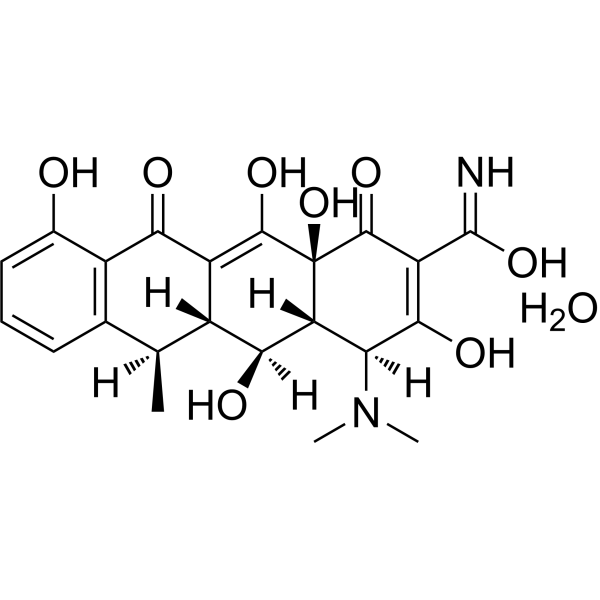
    Doxycycline monohydrate
    Maximum Cited Publications
    173 Publications Verification

    MMP Parasite Bacterial Antibiotic Apoptosis Akt PI3K Infection Neurological Disease Inflammation/Immunology Cancer
    Doxycycline monohydrate is an orally active highly lipophilic, tissue-permeable MMP inhibitor with broad-spectrum antibacterial activity. Doxycycline monohydrate is also a semi-synthetic antibiotic with chelating properties, which blocks bacterial protein synthesis and inhibits extracellular matrix degradation through interactions with zinc and calcium atoms. Doxycycline monohydrate also inhibits mitochondrial biogenesis, translation, and the expression of respiratory chain proteins. Doxycycline monohydrate induces apoptosis, inhibits autophagy and EMT, downregulates stem cell markers, and activates the PI3K-AKT pathway, thereby effectively inhibiting the viability and proliferation of cancer cells such as breast cancer cells. Doxycycline monohydrate also promotes the survival and self-renewal of embryonic stem cells and neural stem cells, and reduces the frequency of medium changes in culture. Doxycycline monohydrate has been applied in studies related to breast cancer, prostate cancer, bladder cancer, and other cancers .
    Doxycycline monohydrate
  • HY-172240

    TU2218 free base

    Anaplastic lymphoma kinase (ALK) VEGFR Inflammation/Immunology Cancer
    Tosposertib (TU2218 free base) is an ALK5/VEGFR2 dual inhibitor (IC50 = 1.2 nM/4.9 nM). Tosposertib directly restores the activity of damaged cytotoxic T lymphocytes (CTLs) and natural killer cells inhibited by TGFβ and suppresses the activity and viability of regulatory T cells. Tosposertib can be used for the study of melanoma and colon cancer .
    Tosposertib
  • HY-17602

    BBI503

    Apoptosis Cancer
    Amcasertib (BBI503) is an orally activate cancer stemness kinase inhibitor that enhances apoptosis. Amcasertib inhibits the expression of NANOG and CD133 and cell viability in PC-9/GR cells.
    Amcasertib
  • HY-156418

    DNA/RNA Synthesis Ferroptosis Apoptosis Reactive Oxygen Species (ROS) Cancer
    KY386 is a DHX33 helicase inhibitor with an IC50 of 0.019 μM. KY386 inhibits the cell viability of various cancer cells. KY386 induces ferroptosis in cancer cells, and induces apoptosis in some cancer cell lines. KY386 increases the intracellular levels of ROS, LPO and Fe 2+, and decreases the level of GSH in cancer cells . KY386 inhibits the growth of gastric cancer and colon cancer xenografts in nude mice. KY386 is applicable to the related research on liver cancer, lung cancer, pancreatic cancer, colorectal cancer, gastric cancer, breast cancer, leukemia, renal cancer, prostate cancer, esophageal cancer, cervical cancer, brain cancer (glioblastoma) and melanoma .
    KY386
  • HY-148836

    c-Myc Infection Cardiovascular Disease Cancer
    c-Myc inhibitor 6 (compound A102) is a c-Myc inhibitor. c-Myc inhibitor 6 decreases cancer cell viability and degrades c-Myc protein. c-Myc inhibitor 6 can be used for the research of c-Myc imbalance, such as cancer, cardiovascular diseases, and viral infection .
    c-Myc inhibitor 6
  • HY-168555

    PROTACs CDK Apoptosis Akt mTOR Cancer
    YJ1206 is an orally active selective CDK12/CDK13 PROTAC degrader. YJ1206 induces DNA damage and genomic instability, activates the AKT pathway, and triggers apoptosis. YJ1206 reduces tumor cell viability, inhibits tumor growth, and attenuates tumor cell dissemination. YJ1206 is applicable to research related to prostate cancer and high-grade serous tubo-ovarian cancer .
    YJ1206
  • HY-155163

    Anaplastic lymphoma kinase (ALK) ROS Kinase FAK Apoptosis Cancer
    APG-2449 is an orally active inhibitor for BCL-2 and multikinase (ALK/FAK/ROS1) with potent antitumor activities. APG-2449 reduces cell viability and enhances apoptosis in acute myeloid leukemia cells in vitro. APG-2449 decreases activation of FAK and its downstream effectors. APG-2449 can be studied in research for mesothelioma tumor, non-small cell lung cancer, ovarian cancer, hematologic and solid malignancies .
    APG-2449
  • HY-159989

    Epigenetic Reader Domain Cancer
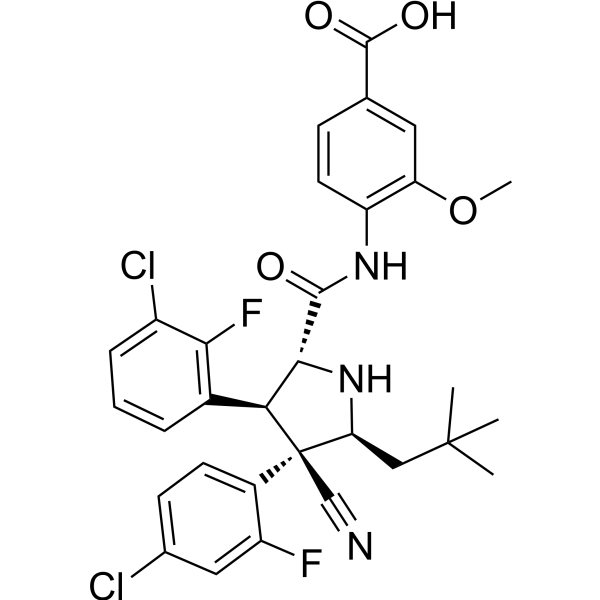
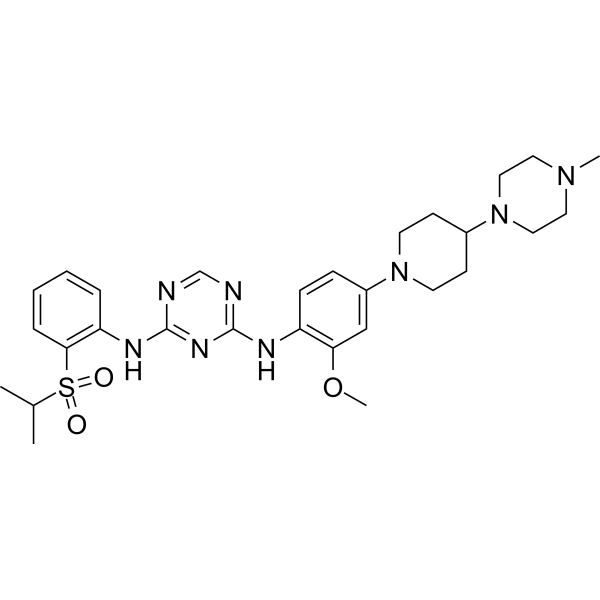
    UNC10142 (Compound 44) is a first-in-class small molecule antagonist of CHD1 that binds with an IC50 value of 1.7 μM. UNC10142 leads to a dose-dependent reduction in viability in PTEN-deficient prostate cancer cells .
    UNC10142
  • HY-N0674A
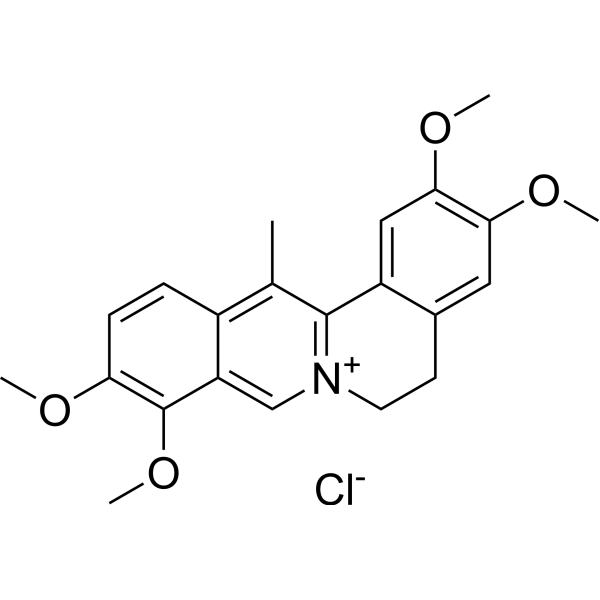
    Dehydrocorydaline chloride
    Maximum Cited Publications
    44 Publications Verification

    13-Methylpalmatine chloride

    Bcl-2 Family Caspase PARP p38 MAPK Parasite Autophagy Infection Cancer
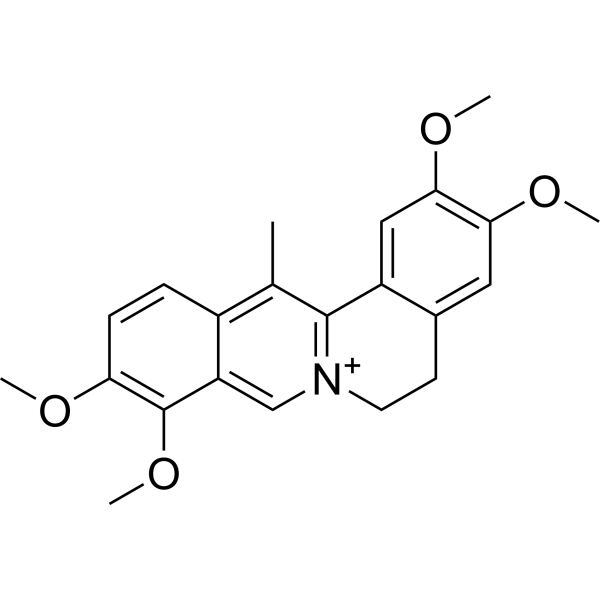
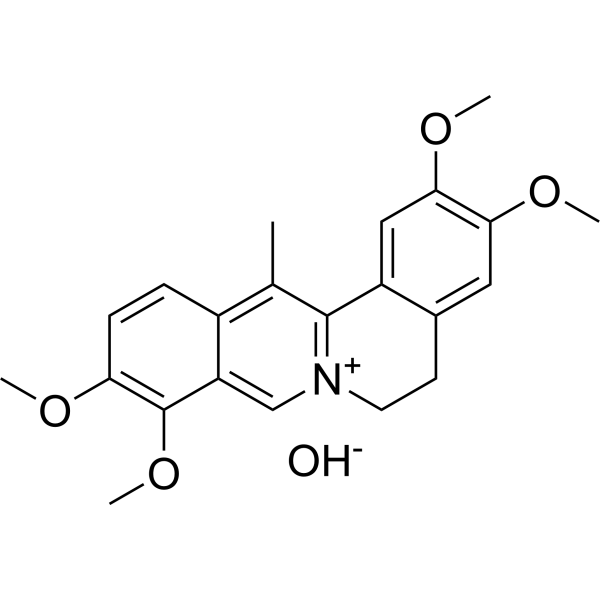
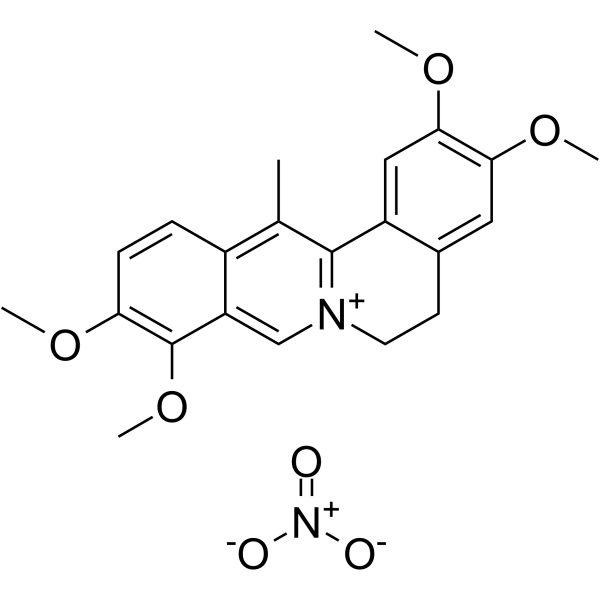
    Dehydrocorydaline chloride (13-Methylpalmatine chloride) is an alkaloid that regulates protein expression of Bax, Bcl-2; activates caspase-7, caspase-8, and inactivates PARP . Dehydrocorydaline chloride elevates p38 MAPK activation. Anti-inflammatory and anti-cancer activities . Dehydrocorydaline chloride shows strong anti-malarial effects (IC50?=38 nM), and low cytotoxicity (cell viability?>?90%) using P. falciparum 3D7 strain .
    Dehydrocorydaline chloride
  • HY-138537
    NF-κB-IN-1
    3 Publications Verification

    IKK Cancer
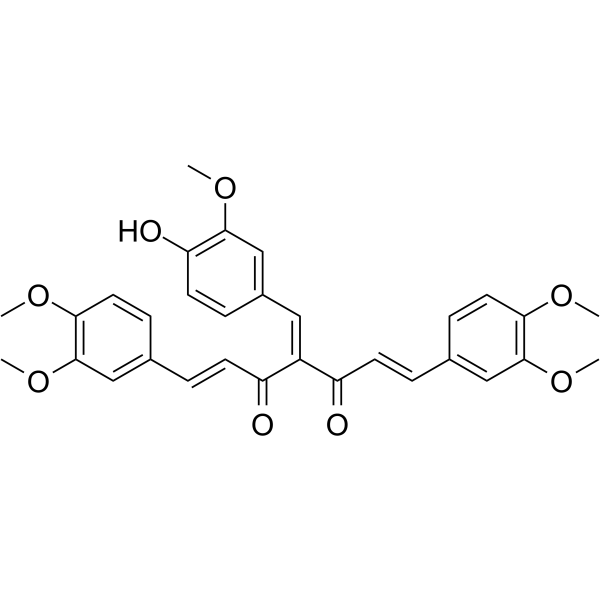
    NF-κB-IN-1, a 4-arylidene crucumin analogue, is a potent NF-κB signaling pathway inhibitor. NF-κB-IN-1 directly inhibits IKK to block NF-κB activation. NF-κB-IN-1 effectively inhibits the viability of lung cancer cells and attenuates the clonogenic activity of A549 cells .
    NF-κB-IN-1
  • HY-122182

    Histone Methyltransferase Apoptosis Cancer
    OTS193320, a imidazo[1,2-a]pyridine compound, is a SUV39H2 methyltransferase activity inhibitor. OTS193320 decreases global histone H3 lysine 9 tri-methylation levels in breast cancer cells and triggers apoptotic cell death. Combination of OTS193320 with Doxorubicin (HY-15142A) results in reduction of γ-H2AX levels as well as cancer cell viability compared to a single agent OTS193320 or DOX .
    OTS193320
  • HY-145816A
    JPS016 TFA
    1 Publications Verification

    HDAC PROTACs Apoptosis PINK1/Parkin Autophagy Reactive Oxygen Species (ROS) Cancer
    JPS016 TFA is a class I histone deacetylase (HDAC) PROTAC inhibitor. JPS016 TFA recruits the VHL E3 ligase (Ligands for E3 Ligase) to mediate the ubiquitination and proteasomal degradation of HDAC1, HDAC2 and HDAC3. JPS016 TFA reduces the viability of colon cancer cells and induces Apoptosis. JPS016 TFA activates the PINK1/Parkin mitochondrial Autophagy pathway, enhances cardiomyocyte viability, alleviates mitochondrial damage, and reduces mitochondrial ROS production in cells. JPS016 TFA is applicable to research related to colon cancer and sepsis cardiomyopathy .
    JPS016 TFA
  • HY-W115529

    Geranate; NSC 229335; GAGE

    Environmental Pollutants Fungal Tyrosinase Infection Cancer
    Geranic acid (Geranate) acts as a tyrosinase inhibitor and antifungal agent, with an IC50 value of 0.14-2.3 mM against mushroom tyrosinase. Geranic acid reduces the viability of human pancreatic cancer cells and B-lymphoma cells. Geranic acid inhibits mycelial growth of the maize pathogens Colletotrichum graminicola and Fusarium graminearum. Geranic acid is applicable to research related to fungal infections, pancreatic cancer and B-lymphoma .
    Geranic acid
  • HY-141890
    BAZ1A-IN-1
    1 Publications Verification

    Epigenetic Reader Domain Cancer
    BAZ1A-IN-1 is a potent inhibitor of BAZ1A (bromodomain-containing protein). BAZ1A-IN-1 shows a KD value of 0.52 μM against BAZ1A bromodomain. BAZ1A-IN-1 shows good anti-viability activity against cancer cell lines expressing a high level of BAZ1A, but weak or no activity against cancer cells with a low expression level of BAZ1A .
    BAZ1A-IN-1
  • HY-D1005I

    Biochemical Assay Reagents Others
    Poloxamer L61 is a non-ionic triblock copolymer surfactant. Poloxamer L61 effectively achieves intracellular molecular delivery to cancer cells during photoacoustic molecular delivery, and maintains cell viability by promoting cell membrane resealing, thus avoiding irreversible damage caused by laser-induced membrane permeabilization. Poloxamer L61 is a key component of SP1017, a compound related to gene therapy, which regulates the interaction between DNA and extracellular matrix as well as cellular uptake, and significantly enhances the distribution and bioavailability of plasmid DNA in skeletal muscle. Poloxamer L61 can be used in studies on local or systemic therapeutic protein production .
    Poloxamer L61
  • HY-P5831

    Others MDM-2/p53 Cancer
    Biotin-H10 is a specific anterior gradient homolog 2 (AGR2) inhibitor with a KD of 6.4 nM. Biotin-H10 inhibits cancer cells viability .
    Biotin-H10
  • HY-121522

    Histone Demethylase Cancer
    SD-70 is an inhibitor for histone demethylase JMJD2C and exhibits antitumor efficacy. SD-70 inhibits viability of cancer cells CWR22Rv1 (9% cell survival at 10 μM), PC3 (14% cell survival at 2 μM) and DU145 (26% cell survival at 2 μM) .
    SD-70
  • HY-N8389

    Bacterial Fungal PAK Akt STAT PD-1/PD-L1 Apoptosis CCR Infection Cancer
    Globulol is a terpenoid metabolite and Antimicrobial agent. Globulol can be isolated from Alpinia oxyphylla Miq. Globulol binds to PAK4, reduces the expression level of PAK4 in cancer cells, decreases the phosphorylation of AKT, and downregulates the expressions of STAT3, phosphorylated STAT3, and PD-L1. Globulol promotes the secretion of CCL4 by cancer cells. Globulol reduces the viability and proliferation ability of cancer cells, induces G0/G1 cell cycle arrest and Apoptosis in cancer cells, and inhibits cancer cell migration and the integrity of 3D tumor spheres. Globulol enhances the relevant effects of anti-PD-1 agents in the cancer cell microenvironment. Globulol exhibits anticancer activity against liver cancer. Globulol inhibits the mycelial growth of phytopathogenic fungi and the growth of phytopathogenic bacteria. Globulol can be used in studies related to hepatocellular carcinoma .
    Globulol
  • HY-169131

    AMPK Cancer
    ALKBH1-IN-4 prodrug (Compound 29E) is a prodrug of a DNA N6-methyladenine demethylase ALKBH1 inhibitor that significantly increases the abundance of 6mA in cells and upregulates the AMPK signaling pathway, thereby inhibiting the viability of gastric cancer cells. ALKBH1-IN-4 prodrug exhibits excellent cellular activity and favorable metabolic exposure in vivo, and holds promise for research in gastric cancer .
    ALKBH1-IN-3 prodrug
  • HY-N8481
    3,6-Dihydroxyflavone
    1 Publications Verification

    3,6-DHF

    Apoptosis Cancer
    3,6-Dihydroxyflavone is an anti-cancer agent. 3,6-Dihydroxyflavone dose- and time-dependently decreases cell viability and induces apoptosis by activating caspase cascade, cleaving poly (ADP-ribose) polymerase (PARP). 3,6-Dihydroxyflavone increases intracellular oxidative stress and lipid peroxidation .
    3,6-Dihydroxyflavone
  • HY-N7325

    PTEN Orexin Receptor (OX Receptor) Neurological Disease Cancer
    Valerosidate is an OX2R antagonist. Valerosidate increases expression of tumor suppressor proteins p53 and PTEN, selectively reduces colon cancer cell viability, and suppresses colon cancer cell migration. Valerosidate can be used for the research of colon cancer and insomnia .
    Valerosidate
  • HY-148838

    c-Myc Cancer
    c-Myc inhibitor 8 (compound 56) is a c-Myc inhibitor. c-Myc inhibitor 8 effectively inhibits cell viability of a variety of cancer cells. c-Myc inhibitor 8 inhibits human prostate and lung cancer growth in mouse models. c-Myc inhibitor 8 can be used for cancer research .
    c-Myc inhibitor 8
  • HY-123298
    Chrysotoxine
    1 Publications Verification

    Src Akt Apoptosis Cancer
    Chrysotoxine is a dual inhibitor of Src/Akt. Chrysotoxine suppresses cancer stem cells (CSCs) phenotypes by down-regulating Src/Akt signaling. Chrysotoxine reduces cell viability and increases apoptosis level in H460 and H23 cells instead of non-tumor cell lines. Chrysotoxine shows rapid excretion and low bioavailability in rats. Chrysotoxine is used in cancer research .
    Chrysotoxine
  • HY-138939

    Lipoxygenase Cancer
    5-LOX-IN-2, an inhibitor of 5-lipoxygenase (5-LOX) with an IC50 of 0.33 μM, inhibits 5-LOX in a dose-dependent manner . 5-LOX-IN-2, reduces the cell viability of renal cancer cells and induces apoptosis, can be used for cancer research .
    5-LOX-IN-2
  • HY-162276

    Reactive Oxygen Species (ROS) DNA/RNA Synthesis Cancer
    Anticancer agent 188 (compound D43) inhibits DNA synthesis in TNBC cells, leading to cell cycle arrest at the G2/M phase. Anticancer agent 188 has anti-cancer viability by inducing ROS-mediated apoptosis and DNA damage .
    Anticancer agent 188
  • HY-148933

    Anaplastic lymphoma kinase (ALK) Cancer
    ALKBH5-IN-2 (compound 6) is a potent ALKBH5 inhibitor with an IC50 value of 0.79 µM. ALKBH5-IN-2 inhibits cell viability .
    ALKBH5-IN-2
  • HY-145816

    PROTACs HDAC Apoptosis PINK1/Parkin Autophagy Reactive Oxygen Species (ROS) Cardiovascular Disease Cancer
    JPS016 is a class I histone deacetylase (HDAC) PROTAC inhibitor. JPS016 recruits the VHL E3 ligase (Ligands for E3 Ligase) to mediate the ubiquitination and proteasomal degradation of HDAC1, HDAC2 and HDAC3. JPS016 reduces the viability of colon cancer cells and induces Apoptosis. JPS016 activates the PINK1/Parkin mitochondrial Autophagy pathway, enhances cardiomyocyte viability, alleviates mitochondrial damage, and reduces mitochondrial ROS production in cells. JPS016 is applicable to research related to colon cancer and sepsis cardiomyopathy .
    JPS016
  • HY-N1366S

    7-Methoxycoumarin-d3; Methyl umbelliferyl ether-d3

    Isotope-Labeled Compounds Apoptosis Bacterial Infection Cancer
    Herniarin-d3 is the deuterium labeled Herniarin (HY-N1366). Herniarin is a natural coumarin occurs in some flowering plants with anticancer effects. Herniarin results in a significant decrease in cell viability by inducing apoptosis in MCF-7 cells. Herniarin also has anti-dermatophytic activity. Herniarin can be used for the study of bladder cancer and breast cancer .
    Herniarin-d3
  • HY-171789

    Poly(ADP-ribose) Glycohydrolase (PARG) Cancer
    PARG-IN-7 (Example 38) is a Poly ADP-ribose glycohydrolase (PARG) inhibitor (IC50: < 0.1 μM). PARG-IN-7 inhibits cell viability of HCC1806-XRCC1 KD (knock down) cells with an IC50 < 1 μM. PARG-IN-7 can be used for cancer research .
    PARG-IN-7
  • HY-164895

    PIN1 Cancer
    PIN1 degrader-1 (Compound 158H9) is the inhibitor for proline cis trans isomerase (Pin1) with an IC50 of 21.5 nM. PIN1 degrader-1 forms covalent bond with Cys113 of Pin1, induces conformational changes in Pin1, reduces its stability, and leads to a proteasome-dependently degradation. PIN1 degrader-1 inhibits the cell viability of multi cancer cells, and can be used in cancer research .
    PIN1 degrader-1
  • HY-N7678
    Gypenoside LXXV
    1 Publications Verification

    Others Cancer
    Gypenoside LXXV, isolated from Gynostemma pentaphyllum, is one of the deglycosylated shapes of ginsenoside Rb1. Gypenoside LXXV significantly reduces cancer cell viability and displays an anti-cancer effect .
    Gypenoside LXXV
  • HY-146433

    Apoptosis Cancer
    Anticancer agent 55 is a potent anticancer agent. Anticancer agent 55 shows anticancer activity via reducing the cell viability and cell migration in a dose-dependent manner. Anticancer agent 55 induces apoptosis. Anticancer agent 55 has the potential for the research of prostate cancer and breast cancer .
    Anticancer agent 55
  • HY-156502

    MAP4K Cancer
    TINK-IN-1 (Compound 9) is a potent and selective Traf2- and Nck-interacting kinase (TNIK) inhibitor with an IC50 of 8 nM. TINK-IN-1 inhibits colorectal cancer cells viability .
    TINK-IN-1
  • HY-W1126467

    Ras Cancer
    RAS-IN-5 (Example 2) is a RAS inhibitor. RAS-IN-5 significantly inhibits the interaction between RAF1 and active KRAS mutant protein or HRAS WT protein. RAS-IN-5 significantly inhibits the cell viability of KRAS, NRAS, and EGFR mutant cells. RAS-IN-5 can be used in the research of colorectal cancer, liver cancer, and non-small cell lung cancer .
    RAS-IN-5

Inquiry Online

Your information is safe with us. * Required Fields.

Salutation


Country or Region *

Applicant Name *


Organization Name *

Department *


Email Address *


Product Name *

Cat. No.


Requested quantity *

Phone Number *


Remarks

Inquiry Online

Inquiry Information

Product Name:
Cat. No.:
Quantity:
MCE Japan Authorized Agent:

