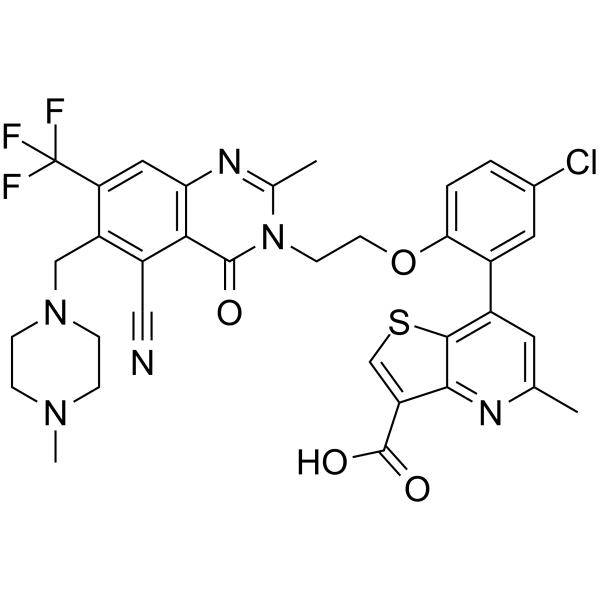
1. Search Result
Search Result
Results for "

Eukaryotic 14-3-3 Protein

" in MedChemExpress (MCE) Product Catalog:

217

Inhibitors & Agonists

2

Screening Libraries

4

Fluorescent Dyes

6

Biochemical Assay Reagents

18

Peptides

3

MCE Kits

36

Natural
Products

42

Recombinant Proteins

7

Isotope-Labeled Compounds

69

Antibodies

15

Oligonucleotides

Cat. No. Product Name Target Research Areas Chemical Structure
  • HY-17561
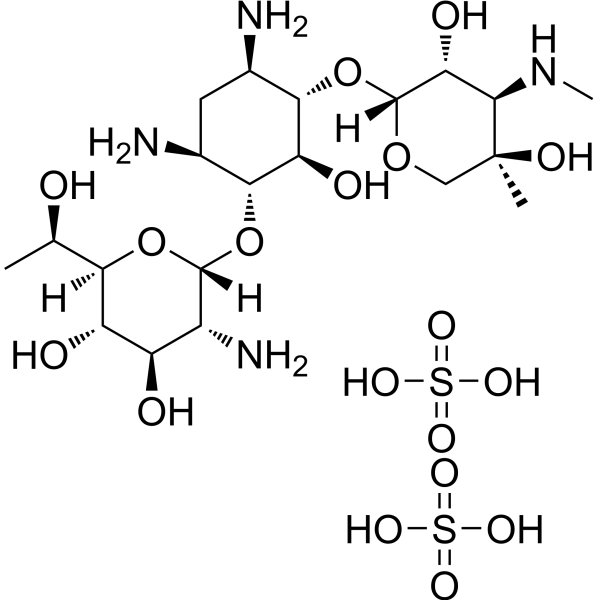
    G-418 disulfate
    Maximum Cited Publications
    61 Publications Verification

    Geneticin sulfate; Antibiotic G-418 sulfate

    Bacterial Antibiotic Infection
    G-418 disulfate (Geneticin sulfate), is an aminoglycoside antibiotic, inhibits protein synthesis in eukaryotes and prokaryotes. G-418 disulfate is commonly used as a selective agent for eukaryotic cells .
    G-418 disulfate
  • HY-B0490
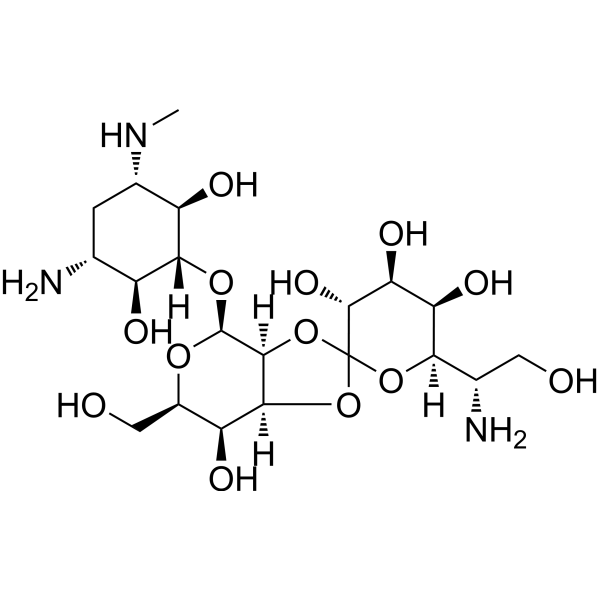
    Hygromycin B
    35+ Cited Publications

    Hygrovetine

    Bacterial Fungal Antibiotic Parasite Infection
    Hygromycin B is an aminoglycoside antibiotic active against prokaryotic and eukaryotic cells.
    Hygromycin B
  • HY-B2233B
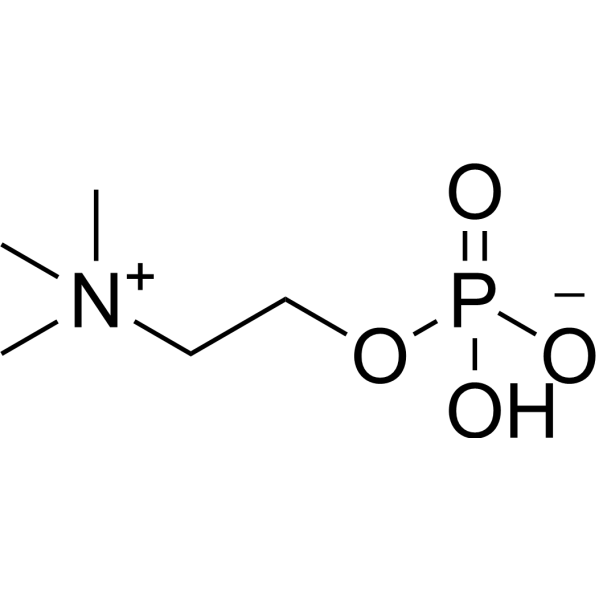
    Phosphorylcholine
    10+ Cited Publications

    Phosphocholine

    Endogenous Metabolite Adrenergic Receptor Cardiovascular Disease Neurological Disease Inflammation/Immunology
    Phosphatidylcholine is the main phospholipid component in eukaryotic biofilms. Phosphatidylcholine exists in commensal or pathogenic bacteria associated with eukaryotes in prokaryotes. Phosphorylcholine exhibits a surprising range of immunomodulatory properties .
    Phosphorylcholine
  • HY-108718
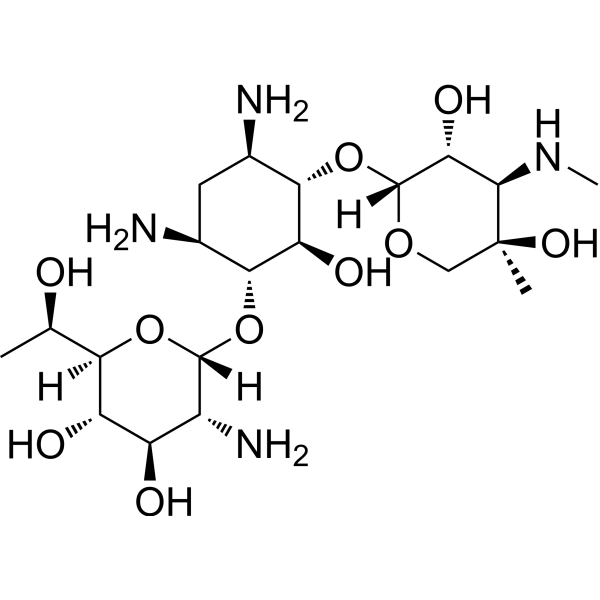
    G-418
    Maximum Cited Publications
    61 Publications Verification

    Geneticin; Antibiotic G-418

    Bacterial Parasite Antibiotic Infection
    G-418 (Geneticin) is an aminoglycoside antibiotic with a structure similar to gentamicin. It is toxic to both eukaryotic and prokaryotic cells and works by interfering with protein synthesis .
    G-418
  • HY-118660
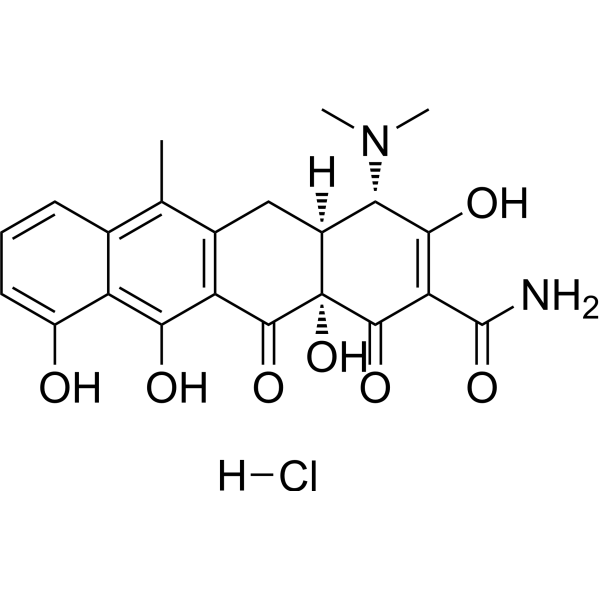
    Anhydrotetracycline hydrochloride
    2 Publications Verification

    Antibiotic Bacterial Infection
    Anhydrotetracycline hydrochloride, a tetracycline biosynthetic precursor, is a potent competitive broad-spectrum tetracycline destructase enzymes inhibitor. Anhydrotetracycline hydrochloride is an effector for tetracycline controlled gene expression systems in eukaryotic cells .
    Anhydrotetracycline hydrochloride
  • HY-13251
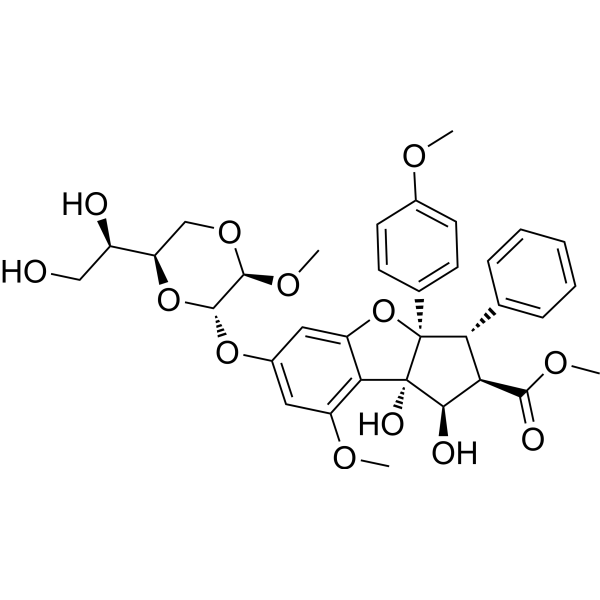
    Silvestrol
    50+ Cited Publications

    (-)-Silvestrol

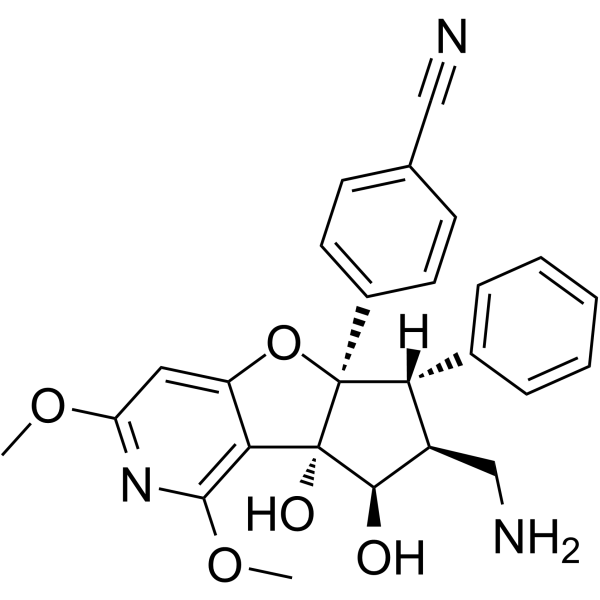
    Eukaryotic Initiation Factor (eIF) Apoptosis Autophagy Cancer
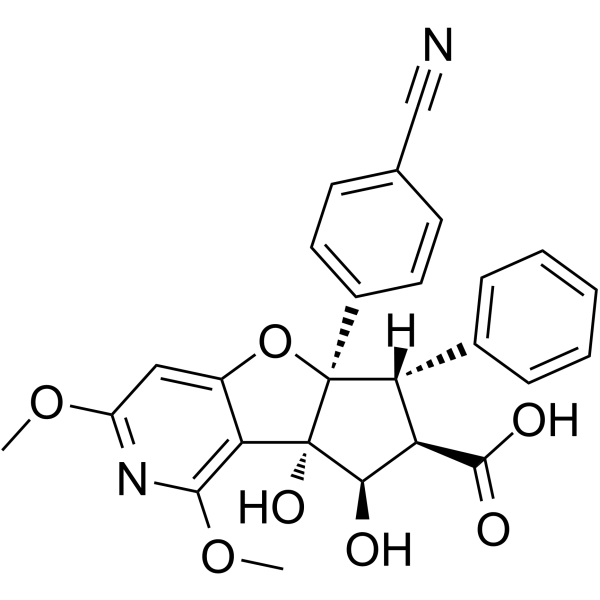
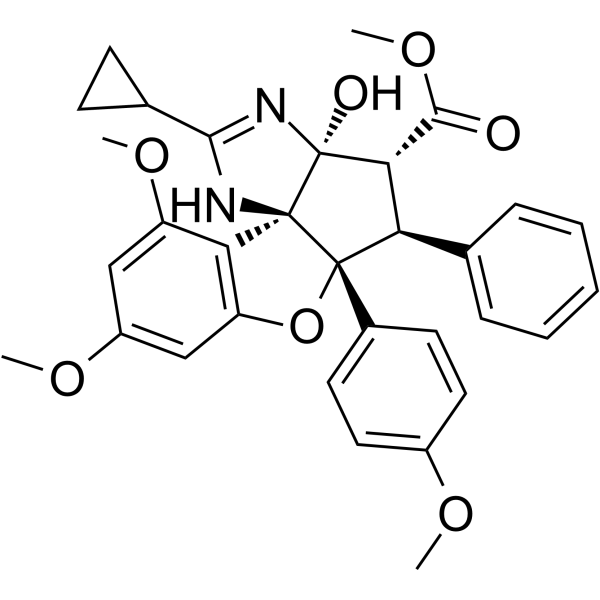
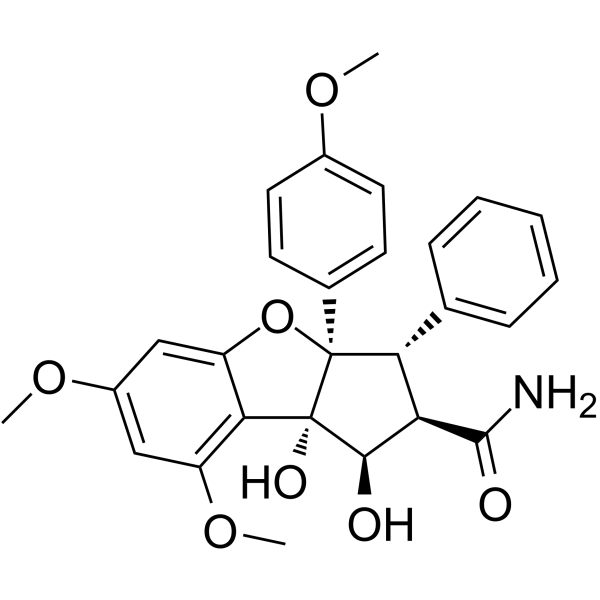
    Silvestrol is a eukaryotic translation initiation factor 4A (eIF4A) inhibitor isolated from Agave americana Linn.. Silvestrol induces autophagy and caspase-mediated apoptosis .
    Silvestrol
  • HY-125854
    Phosphatidylcholines, egg
    2 Publications Verification

    Liposome Cholinesterase (ChE) Monoamine Oxidase Apoptosis Neurological Disease Metabolic Disease Inflammation/Immunology
    Phosphatidylcholines, egg are a type of phosphatidylcholine that can be isolated and extracted from eggs, primarily present in egg yolks. As a major phospholipid component of cell membranes, Phosphatidylcholines, egg play a key role in providing nutrition and protection to the body. Phosphatidylcholines, egg can inhibit oxidative stress and neurotoxicity, exerting neuroprotective effects. Additionally, Phosphatidylcholines, egg can suppress the lymphatic absorption of cholesterol in the intestine and are also used in research on intestinal lipid absorption .
    Phosphatidylcholines, egg
  • HY-114231B
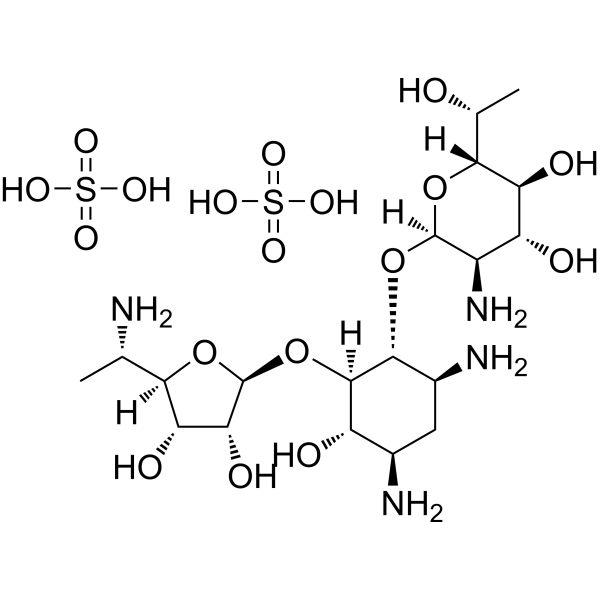
    Exaluren disulfate
    2 Publications Verification

    ELX-02 disulfate; NB-124 disulfate

    DNA/RNA Synthesis Inflammation/Immunology
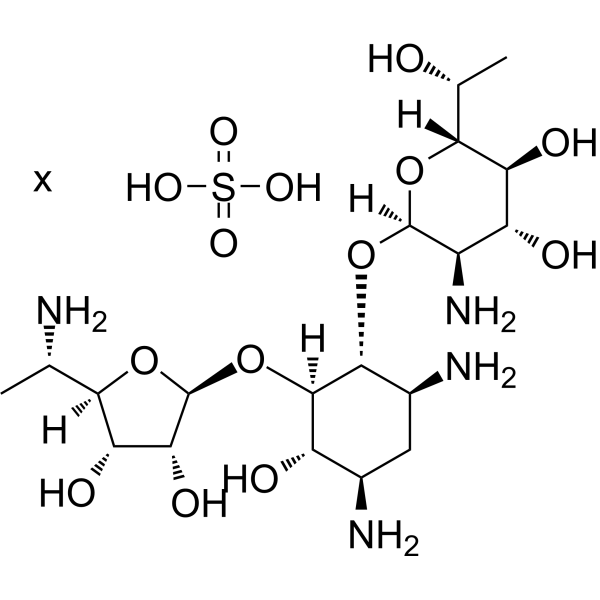
    Exaluren (ELX-02; NB-124) disulfate is an synthetic eukaryotic ribosome-selective glycoside that induces read-through of nonsense mutations, resulting in normally localized full-length functional proteins. Exaluren disulfate is used for the research of cystic fibrosis caused by nonsense mutations .
    Exaluren disulfate
  • HY-110096
    A-484954
    5+ Cited Publications

    CaMK Autophagy Cancer
    A-484954 is a highly selective eukaryotic elongationfactor-2 kinase(eEF2K) inhibitor, with an IC50 of 280 nM.
    A-484954
  • HY-18930

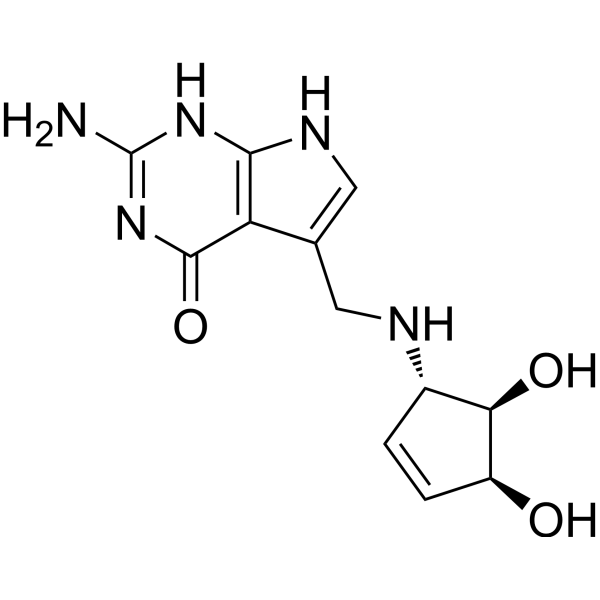
    CDK Cancer
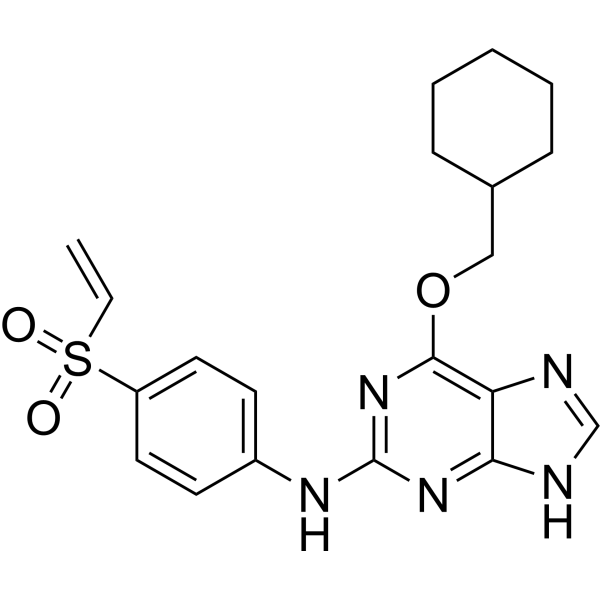
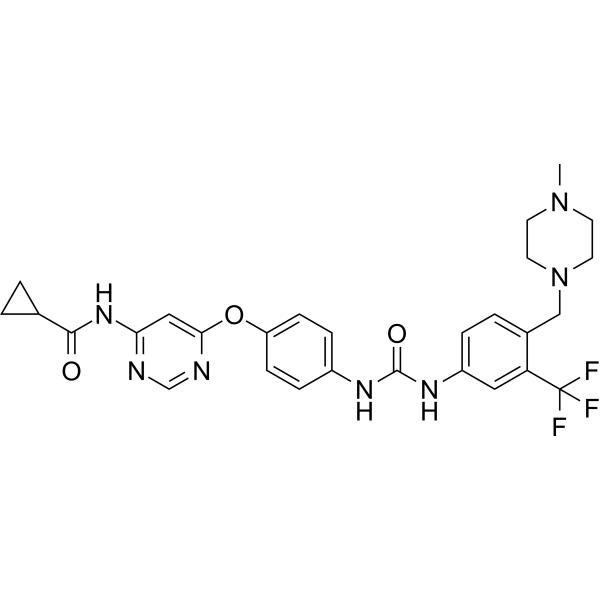
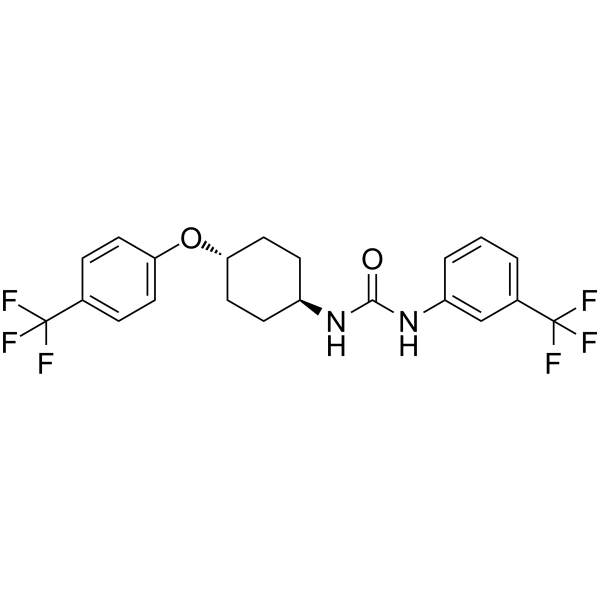
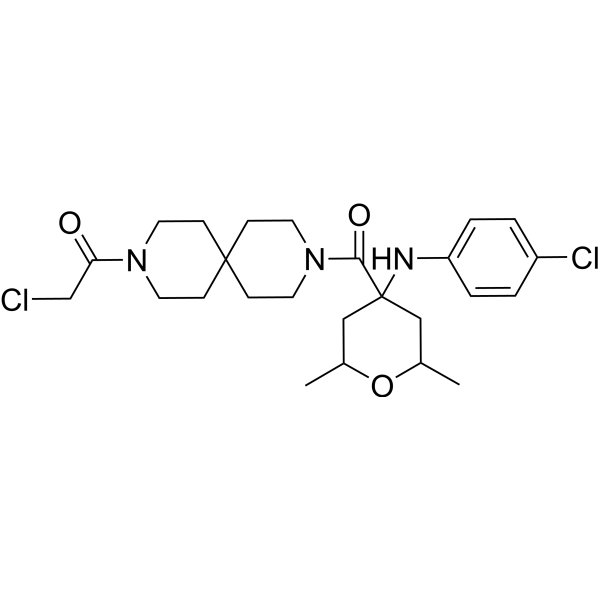
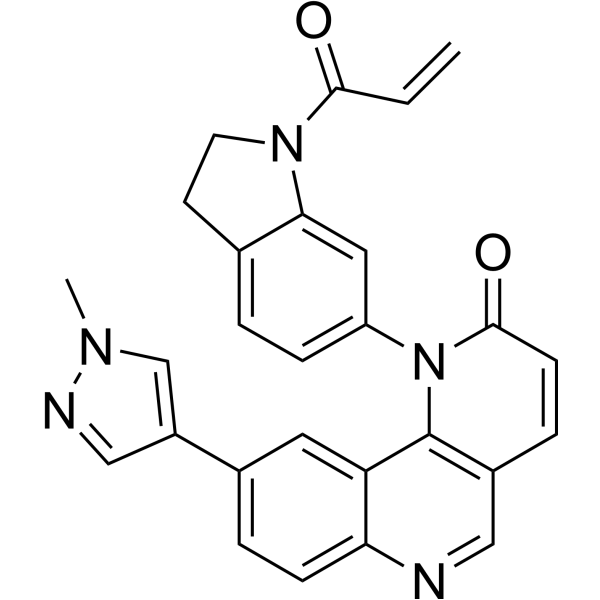
    NU6300 is a covalent, irreversible and ATP-competitive CDK2 inhibitor with an IC50 value of 0.16 μM. NU6300 can be used for the research of eukaryotic cell cycle- and transcription-related .
    NU6300
  • HY-122815
    Fusicoccin
    1 Publications Verification

    Fusicoccin A

    Apoptosis Cancer
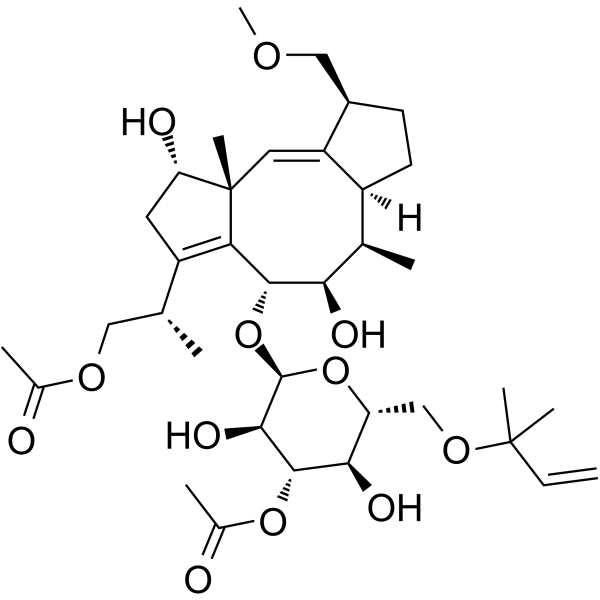
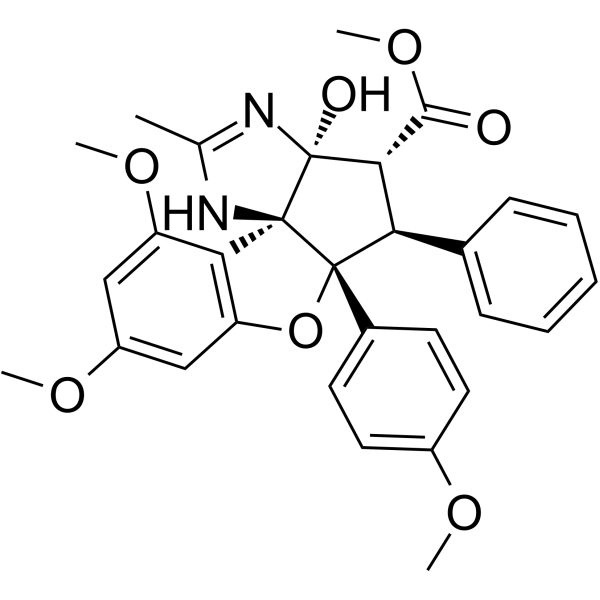
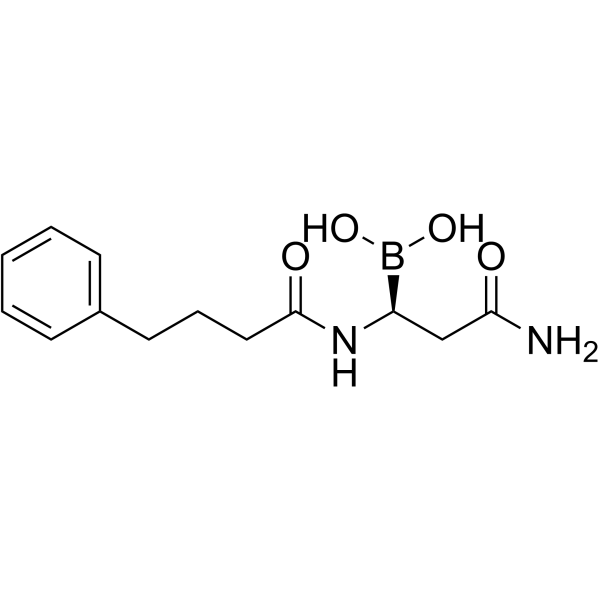
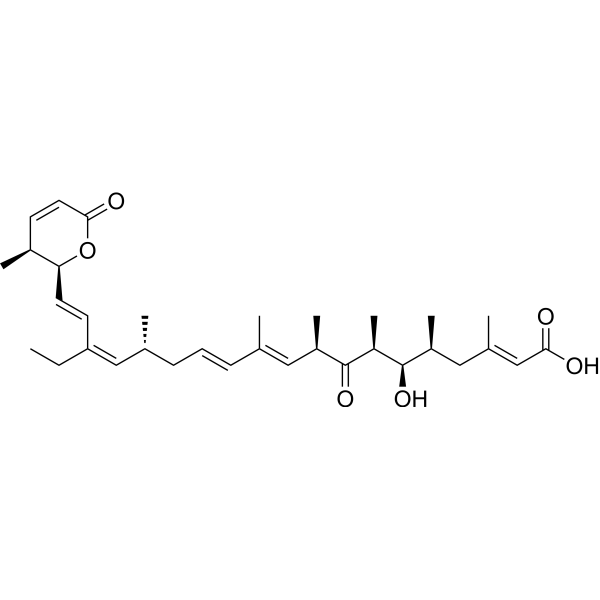
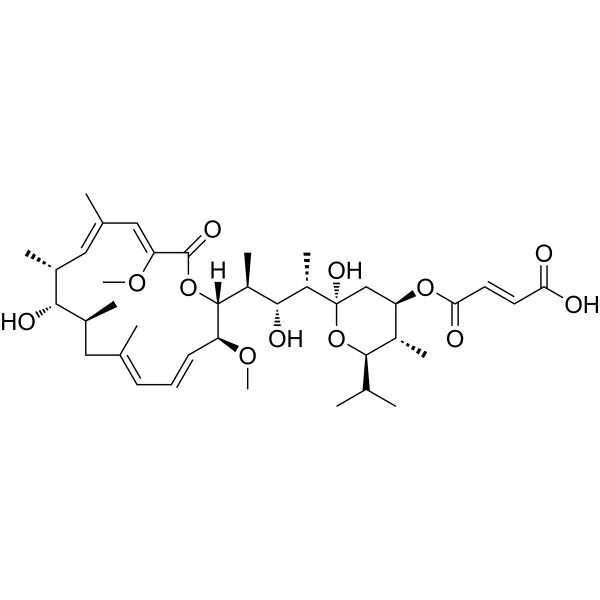
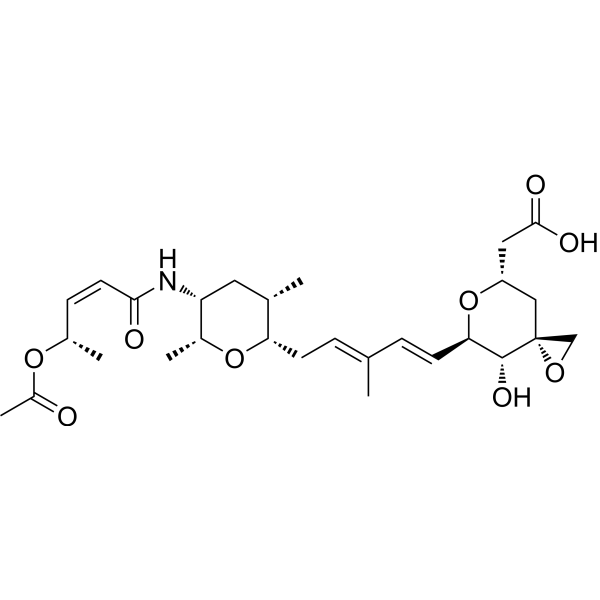
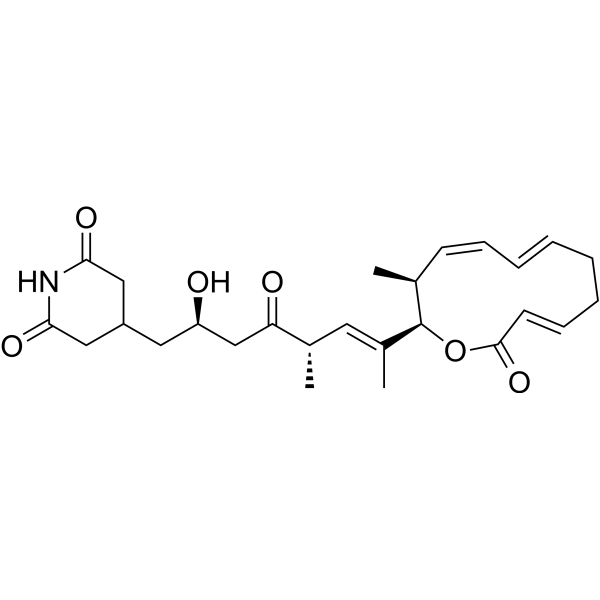
    Fusicoccin (Fusicoccin A), a fungal pytotoxin, is a stabilizer of specific 14-3-3 protein-protein interactions. Fusicoccin sabilizes H +-ATPase/14-3-3 cmplex in pants, maintaining the enzyme in activated state. Fusicoccin also stabilizes 14-3-3 protein interactions with binding partners containing a C-terminal 14-3-3 recognition motif (a mode 3 motif), such as ERα, GPIbα, TASK3, CTFR, and p53. Fusicoccin induces apoptosis in cancer cells and has anticancer activity .
    Fusicoccin
  • HY-115501

    14-3-3 Protein Ser/Thr Protease Cancer
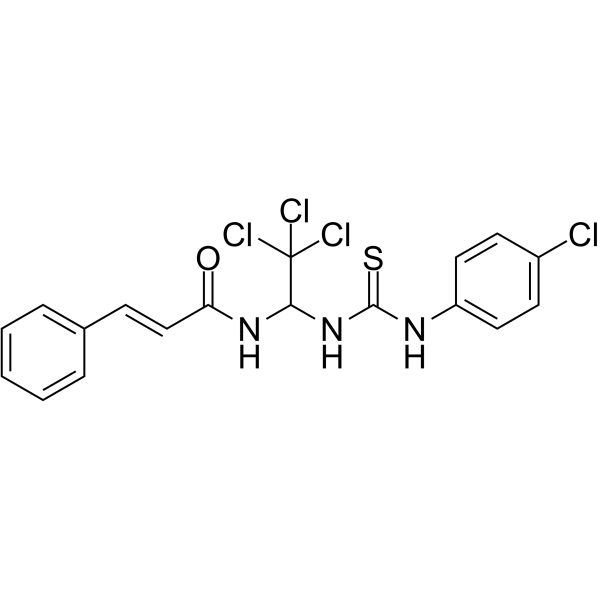
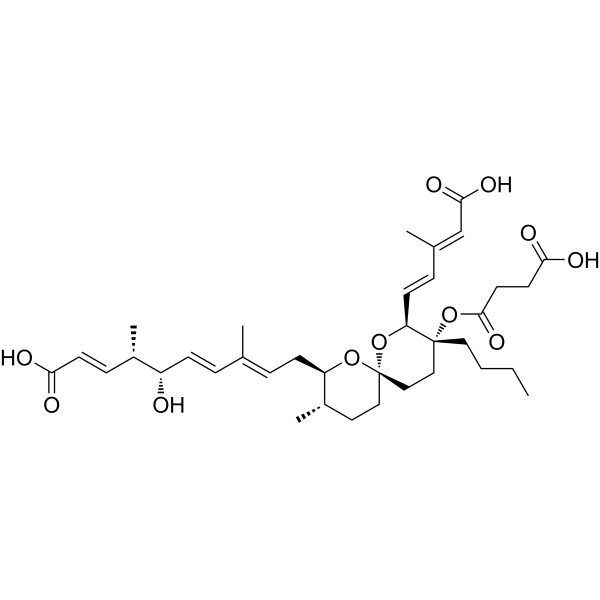
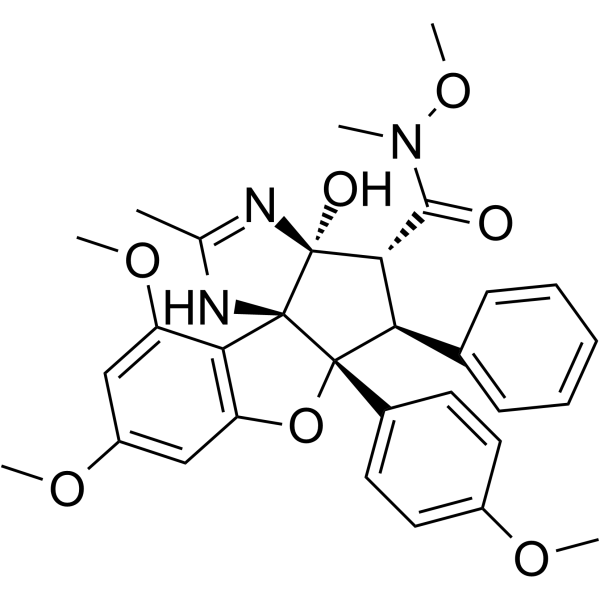
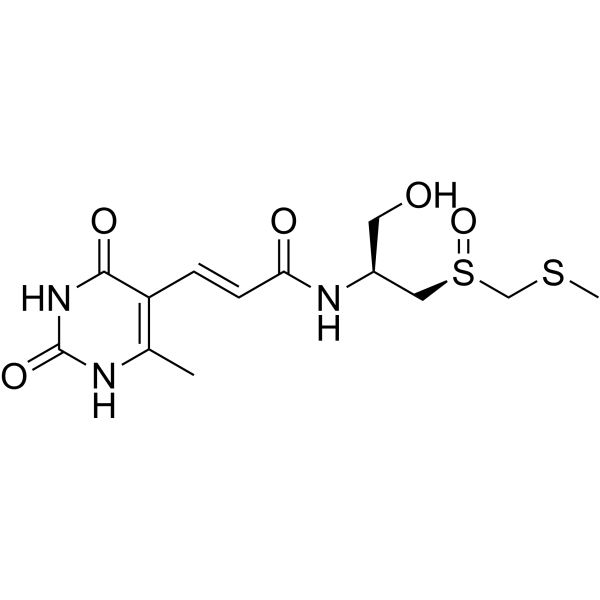
    (E)-FOBISIN101 is a 14-3-3 protein-protein interaction (14-3-3 protein-protein interaction) inhibitor, with IC50 values of 9.3 and 16.4 μM for disrupting the binding of 14-3-3ζ or 14-3-3γ to PRAS40, respectively. (E)-FOBISIN101 inhibits the binding of 14-3-3 to Raf-1 and proline-rich AKT substrate, and neutralizes the ability of 14-3-3 to activate exotoxin S ADP-ribosyltransferase. (E)-FOBISIN101 is applicable to 14-3-3-mediated cancer research .
    (E)-FOBISIN101
  • HY-B2233
    Phosphorylcholine chloride
    10+ Cited Publications

    Phosphocholine chloride

    Endogenous Metabolite Adrenergic Receptor Cardiovascular Disease Neurological Disease Inflammation/Immunology
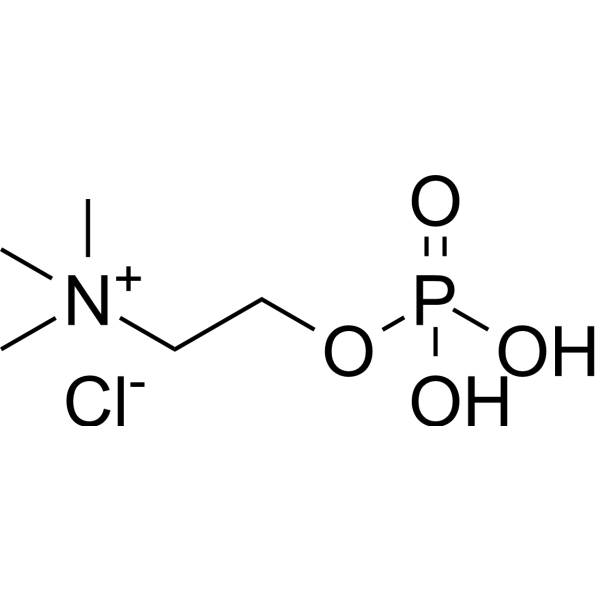
    Phosphorylcholine chloride (Phosphocholine chloride) is the main phospholipid component in eukaryotic biofilms. Phosphorylcholine chloride exists in commensal or pathogenic bacteria associated with eukaryotes in prokaryotes. Phosphorylcholine chloride exhibits a surprising range of immunomodulatory properties .
    Phosphorylcholine chloride
  • HY-15969
    Sal003
    4 Publications Verification

    Phosphatase Apoptosis Cancer
    Sal003 is a potent, specific and cell-permeable inhibitor of the eukaryotic translation initiation factor 2α (eIF2α) phosphatase. Sal003 is a derivative of salubrinal .
    Sal003
  • HY-100875
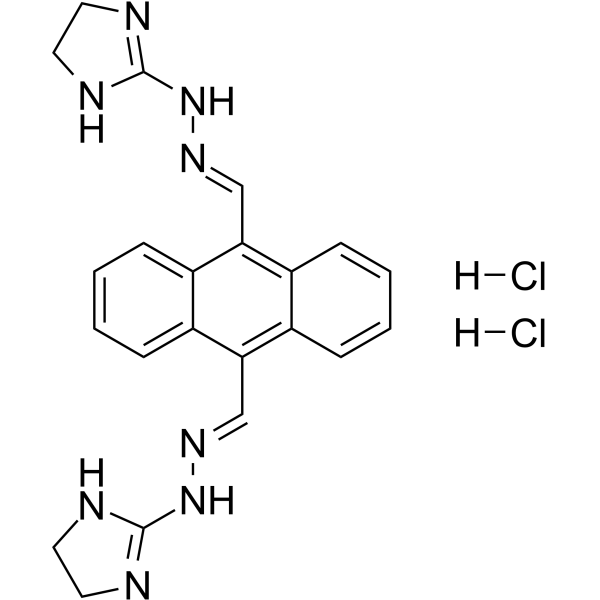
    Bisantrene
    5+ Cited Publications

    CL216942

    Topoisomerase Cancer
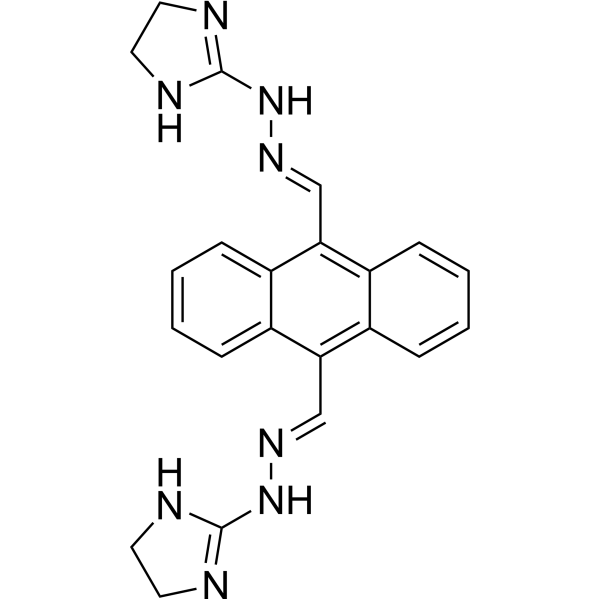
    Bisantrene is a highly effective antitumor agent, it exerts its cytotoxicity by affecting DNA intercalation. Bisantrene targets eukaryotic type II topoisomerases. Bisantrene is a substrate of MDR1 .
    Bisantrene
  • HY-101985
    BV02
    4 Publications Verification

    Bacterial PARP Caspase Apoptosis Autophagy Akt Infection Neurological Disease Inflammation/Immunology
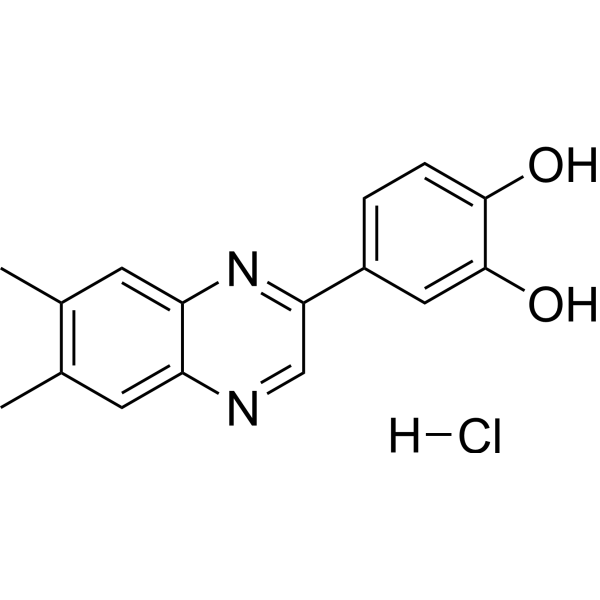
    BV02 is a 14-3-3 inhibitor and an antibacterial agent. BV02 enhances the cleavage of PARP and caspase-3. BV02 induces Apoptosis, Autophagy, and enhances Akt activation. BV02 has anti-B. melitensis infection and epilepsy-promoting effects. BV02 can also be used in colitis research.
    BV02
  • HY-12801
    DiZPK
    3 Publications Verification

    Biochemical Assay Reagents Others
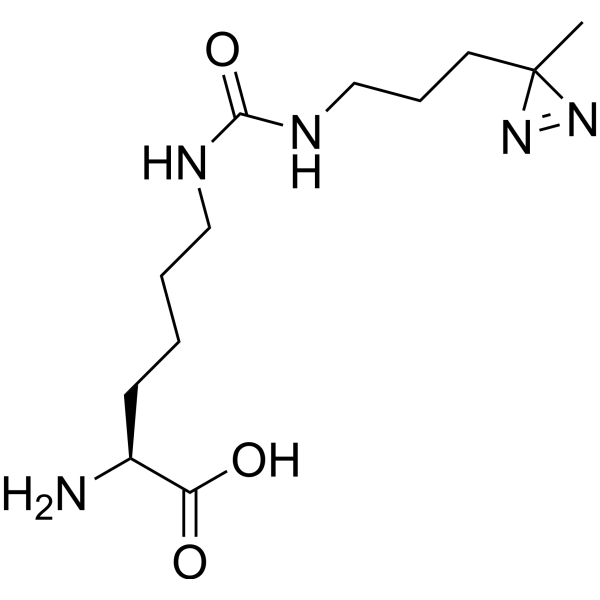
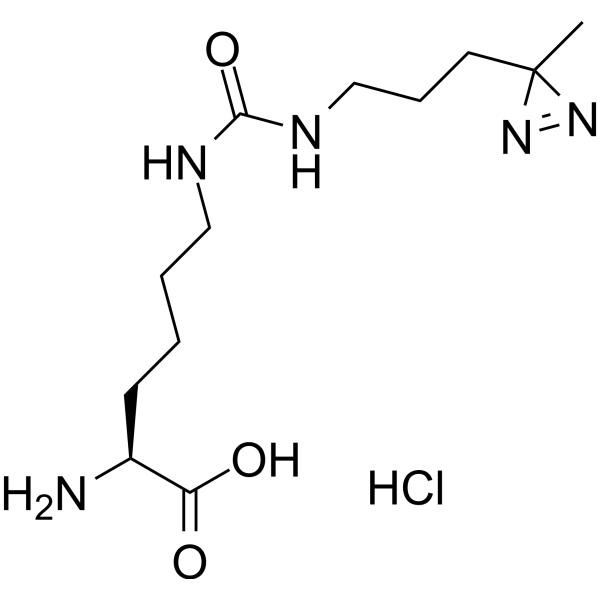
    DiZPK is a photocrosslinker for identifying direct protein-protein interactions in living prokaryotic and eukaryotic cells.
    DiZPK
  • HY-P2739

    Endogenous Metabolite Others
    Citrate synthase is responsible for catalyzing the first reaction of the citric acid cycle: the condensation of acetyl-CoA and oxaloacetate to form citrate. Citrate synthase is localized within eukaryotic cells in the mitochondrial matrix .
    Citrate synthase
  • HY-12462

    14-3-3 Protein GSK-3 Keap1-Nrf2 Ferroptosis IKK Neurological Disease Metabolic Disease Inflammation/Immunology Cancer
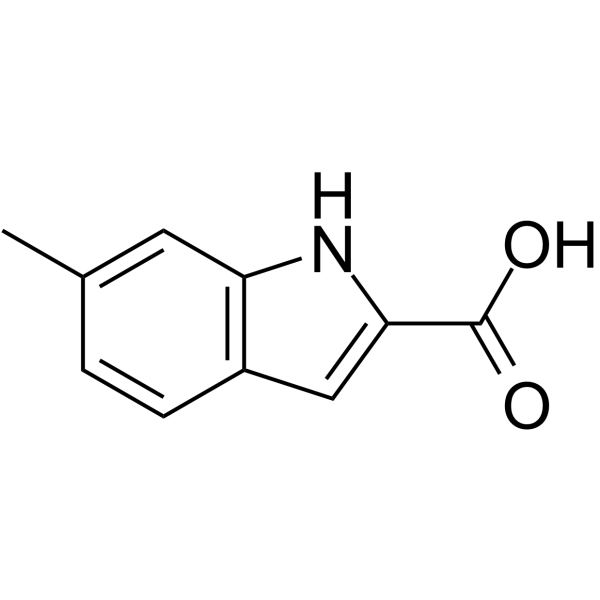
    WS3 is an allosteric inhibitor of 14-3-3 (14-3-3ζ: Kd = 2.29 μM). WS3 activates GSK3β by disrupting the binding of 14-3-3-pGSK3β, promotes the ubiquitination and degradation of NRF2, and inhibits the NRF2-ARE signaling pathway (IC50 = 135 nM). It exerts antioxidant inhibition and chemotherapeutic/ferroptosis sensitizing effects in tumors with hyperactivated NRF2. WS3 binds to EBP1/IKKε and promotes the proliferation of β cells and retinal pigment epithelial (RPE) cells, which can be applied to islet regeneration and RPE expansion transplantation . WS3 is applicable to research related to age-related macular degeneration, retinal degeneration and non-small cell lung cancer .
    WS3
  • HY-17561R

    Geneticin sulfate (Standard); Antibiotic G-418 sulfate (Standard)

    Reference Standards Bacterial Antibiotic Infection
    G-418 (disulfate) (Standard) is the analytical standard of G-418 (disulfate). This product is intended for research and analytical applications. G-418 disulfate (Geneticin sulfate), is an aminoglycoside antibiotic, inhibits protein synthesis in eukaryotes and prokaryotes. G-418 disulfate is commonly used as a selective agent for eukaryotic cells[1].
    G-418 disulfate (Standard)
  • HY-W416291

    Poly(A)

    mRNA Cancer
    Polyadenylic acid potassium (Poly(A)) is a polyribonucleotide. Polyadenylic acid potassium constitutes the 3'-poly(A) tail of eukaryotic mRNAs, governing mRNA maturation, stability, and translation initiation. Polyadenylic acid potassium serves as a target for studying nucleic acid structure-function relationships, with small molecules binding its tail influencing mRNA function and protein production. Polyadenylic acid (potassium) can be used for the research of cancer .
    Polyadenylic acid potassium
  • HY-114231
    Exaluren
    2 Publications Verification

    ELX-02; NB-124

    Drug Derivative Inflammation/Immunology
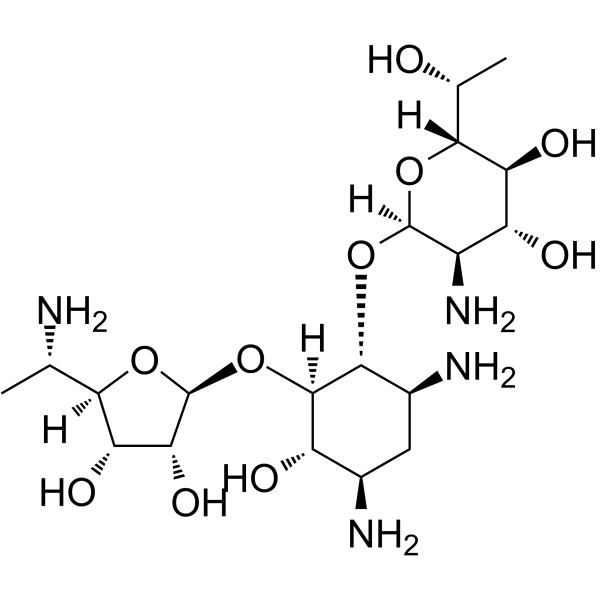
    Exaluren (ELX-02; NB-124) is an synthetic eukaryotic ribosome-selective glycoside that induces read-through of nonsense mutations, resulting in normally localized full-length functional proteins. Exaluren is used for the research of cystic fibrosis caused by nonsense mutations .
    Exaluren
  • HY-B1433

    S 9780

    Angiotensin-converting Enzyme (ACE) Cardiovascular Disease
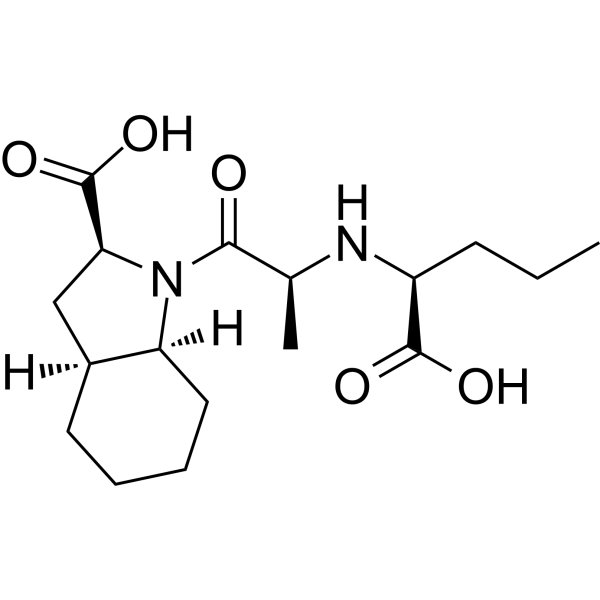
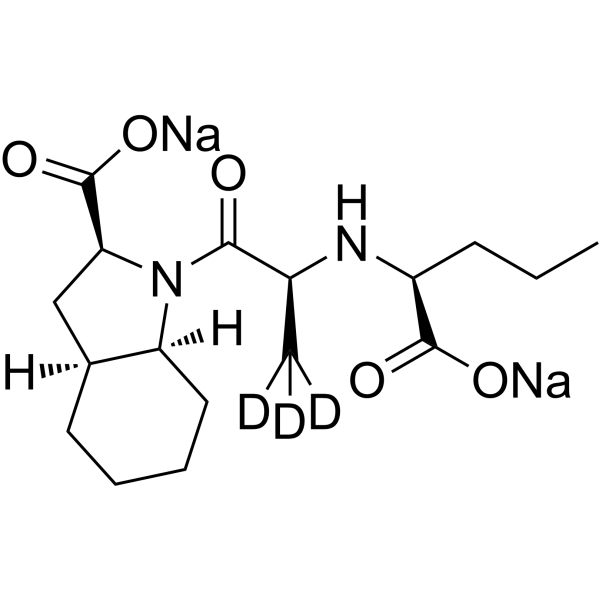
    Perindoprilat (S 9780) is an angiotensin-converting enzyme (ACE) inhibitor with the IC50 value ranging from 1.5 to 3.2 nM. Perindoprilat can be used in hypertension research .
    Perindoprilat
  • HY-B0490R

    Hygrovetine (Standard)

    Reference Standards Bacterial Fungal Antibiotic Parasite Infection
    Hygromycin B (Standard) is the analytical standard of Hygromycin B. This product is intended for research and analytical applications. Hygromycin B is an aminoglycoside antibiotic active against prokaryotic and eukaryotic cells.
    Hygromycin B (Standard)
  • HY-177590

    14-3-3 Protein MMP Others
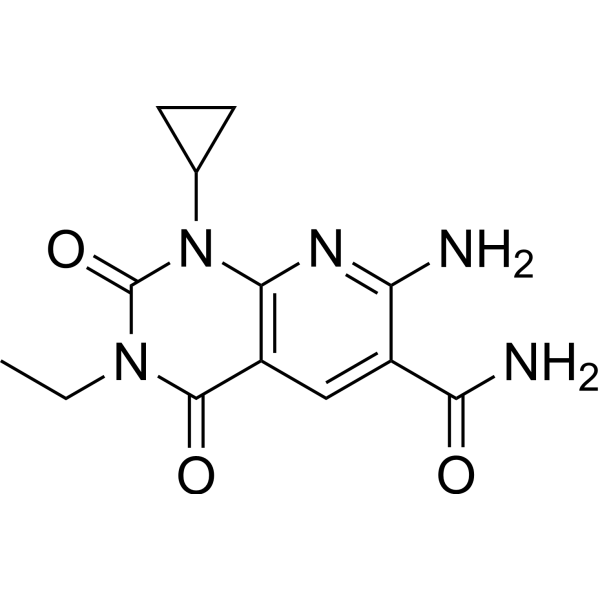
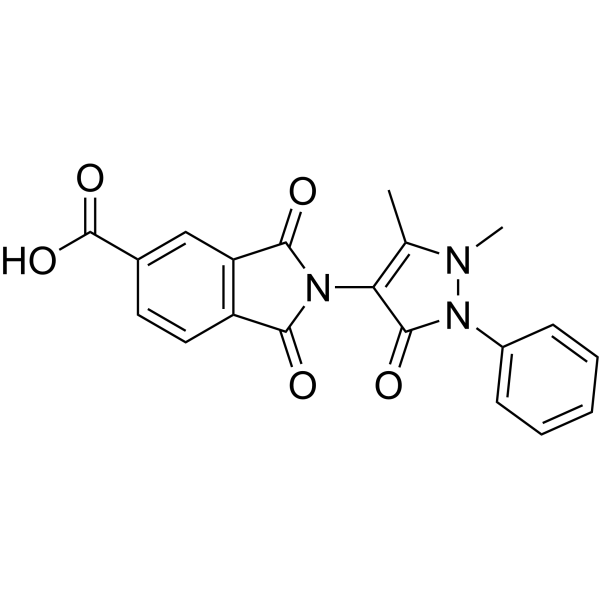
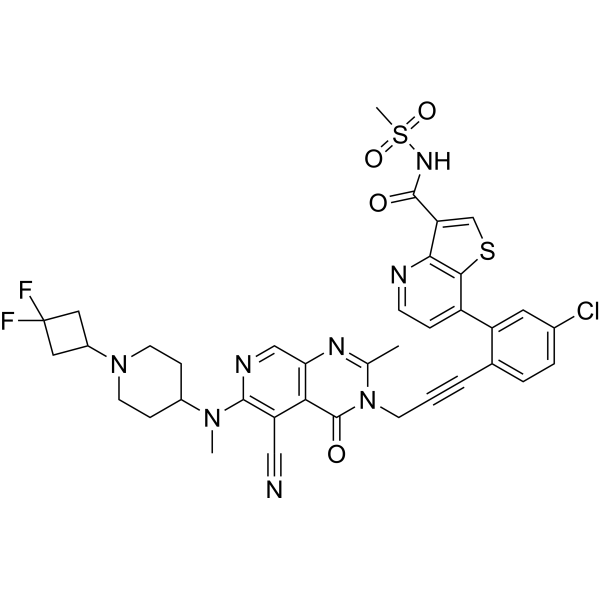
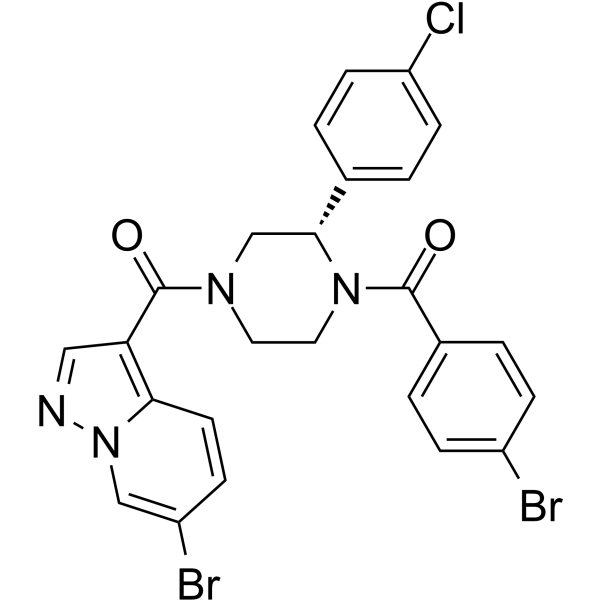
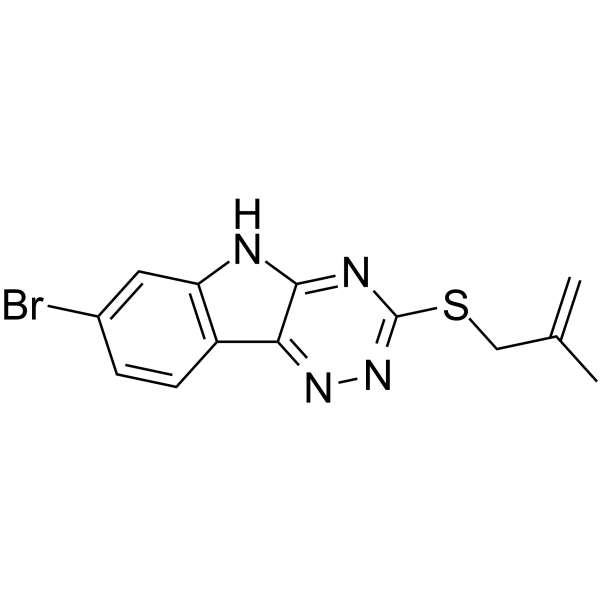
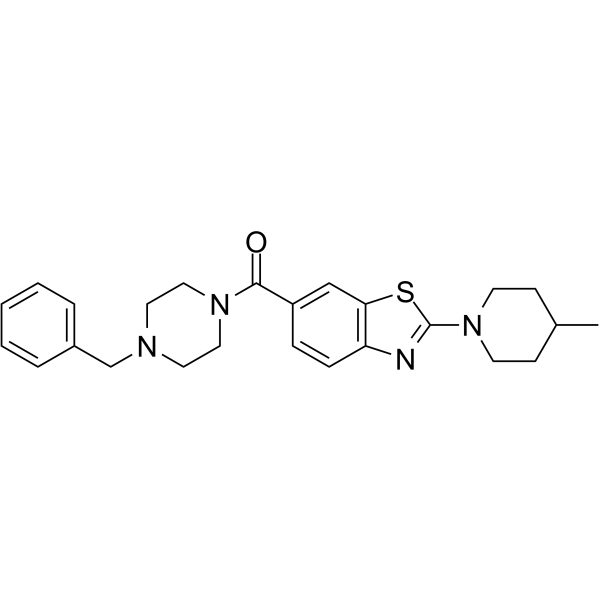
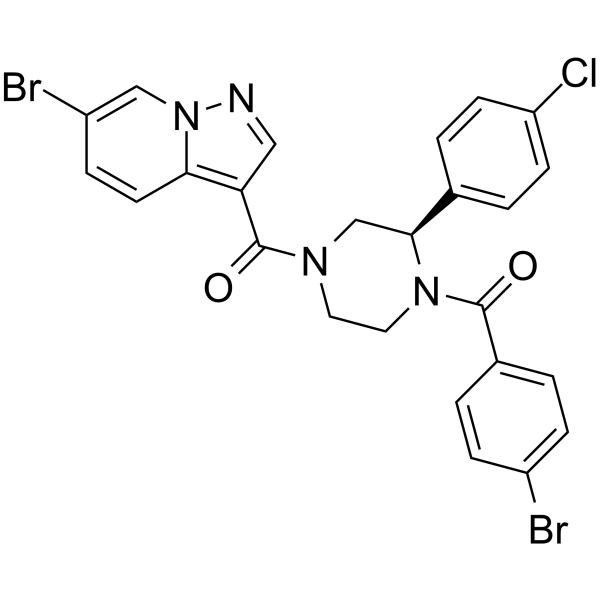
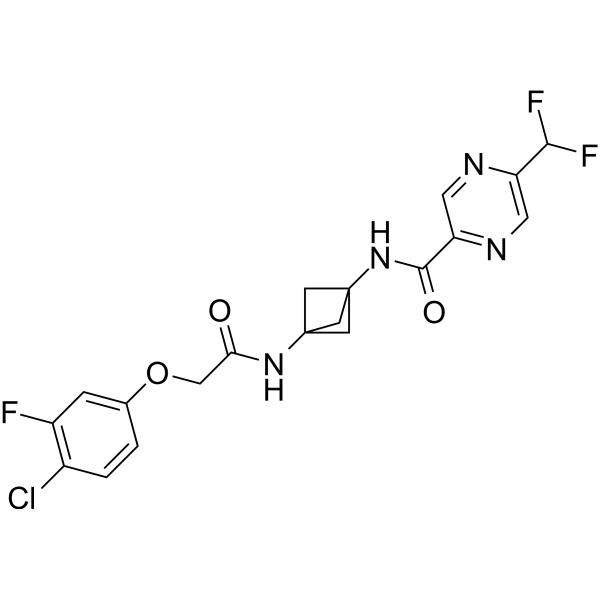
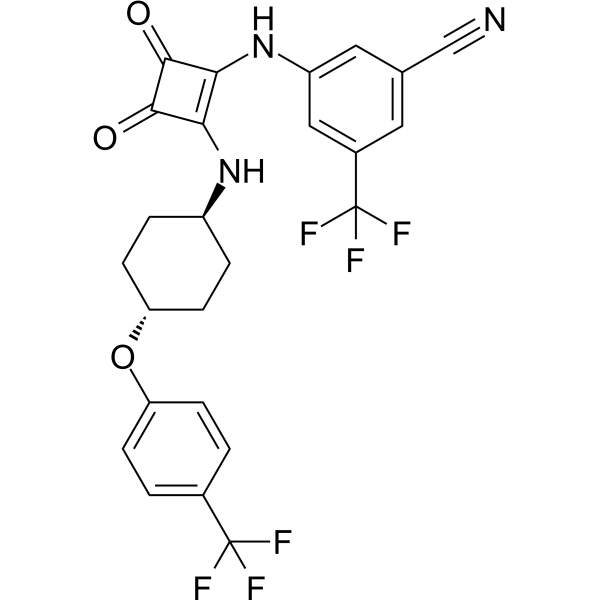
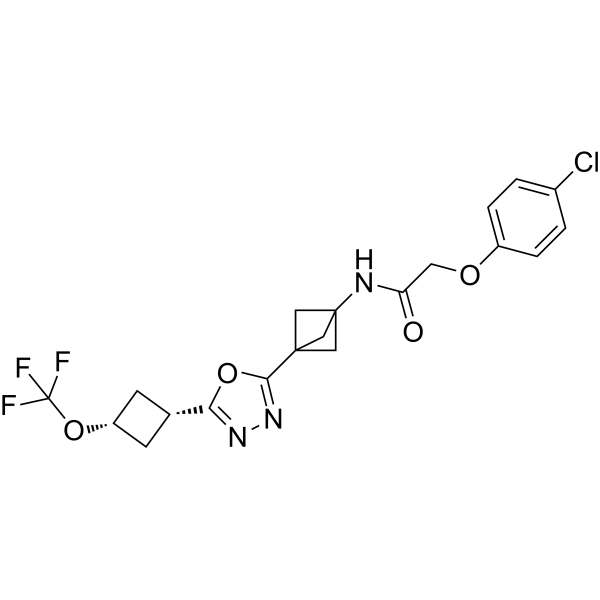
    14-3-3-IN-2 is a 14-3-3 protein inhibitor with an IC50 of 15 nM. 14-3-3-IN-2 can disrupt the interaction of 14-3-3α with aminopeptidase N and down-regulate 14-3-3α increased MMP-1 mRNA levels .
    14-3-3-IN-2
  • HY-E70003

    Biochemical Assay Reagents Endocrinology
    Glutamate dehydrogenase is an enzyme in both prokaryotes and eukaryotic mitochondria. Glutamate dehydrogenase can be used for the enzymatic determination of ammonia, alpha-ketoglutaric acid, L-glutamate and urease .
    Glutamate dehydrogenase
  • HY-145262

    Eukaryotic Initiation Factor (eIF) Cancer
    eIF4E-IN-2 is a potent inhibitor of eukaryotic initiation factor 4e (eIF4e) with an IC50 of 13 nM. eIF4E-IN-2 inhibits MDA-MB-361 cells proliferation. eIF4E-IN-2 can be used for the study of breast cancer .
    eIF4E-IN-2
  • HY-33838

    Eukaryotic Initiation Factor (eIF) Others
    eIF4A3-IN-8 serves as a negative control targeting eukaryotic initiation factor 4A3 (eIF4A3), with an IC50 > 100 μM; it exhibits no significant activity .
    eIF4A3-IN-8
  • HY-147832

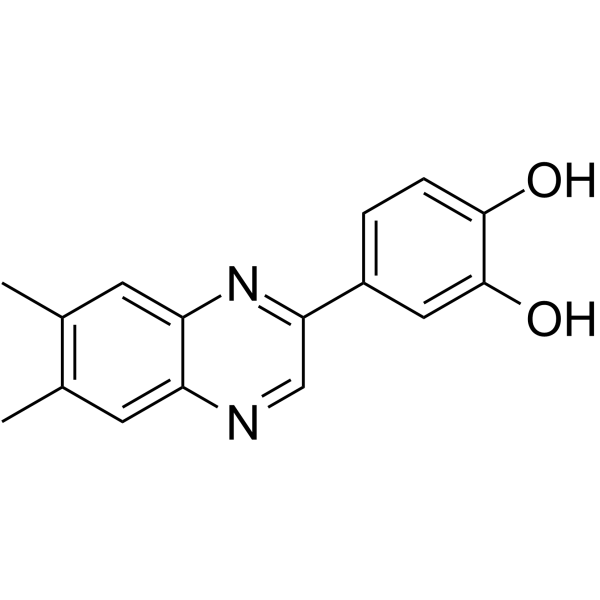
    Eukaryotic Initiation Factor (eIF) Cancer
    EIF2α activator 2 (Compound 1) is an activator of eukaryotic initiation factor 2 alpha (eIF2α) phosphorylation. EIF2α activator 2 exhibits high potency in SRB cell proliferation assays (IC50=0.46 μM). EIF2α activator 2 exhibits antiproliferative activity againist K562 and PBMC cells with IC50s of 4.79 and 10.52 μM, respectively .
    EIF2α activator 2
  • HY-P1380A

    Apoptosis Bcl-2 Family Caspase Cancer
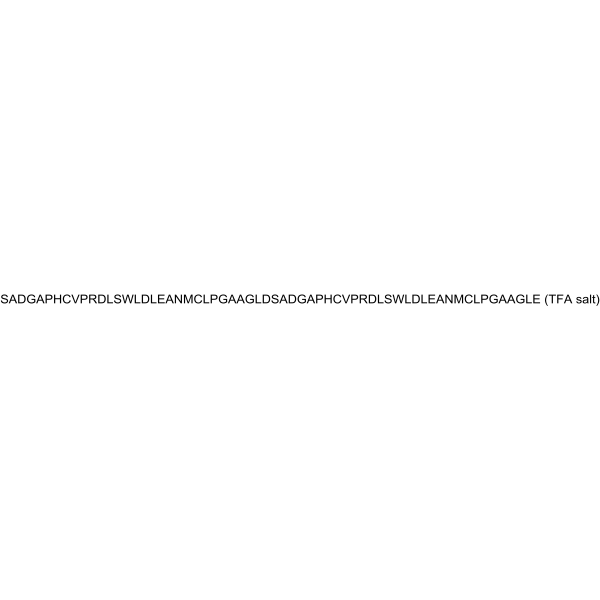
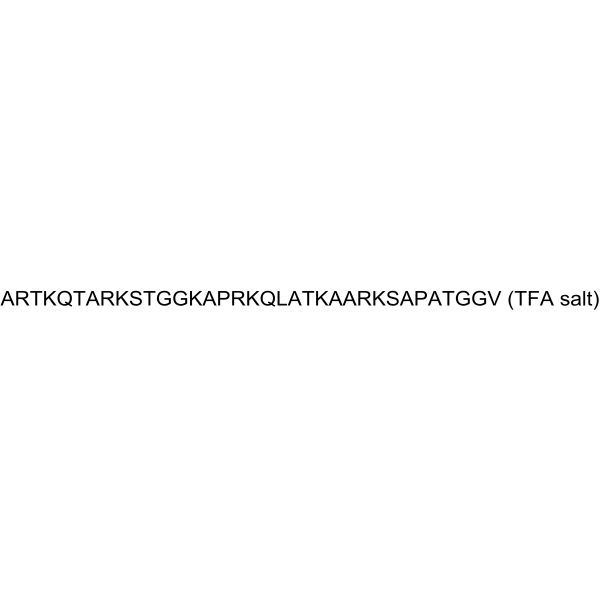
    Difopein TFA is a 14-3-3 protein inhibitor. Difopein TFA acts as an apoptosis inducer, regulates apoptosis-related proteins, downregulates Bcl-2, upregulates Bax, activates caspase-9 and caspase-3, and induces nuclear fragmentation, membrane-enclosed apoptotic bodies and DNA ladder formation. Difopein TFA serves as a tumor growth inhibitor, which inhibits the proliferation of glioma cells and induces their apoptosis in in vivo nude mouse models. Difopein TFA is applicable to glioma-related research .
    Difopein TFA
  • HY-NP143

    Reactive Oxygen Species (ROS) Adrenergic Receptor Inflammation/Immunology
    Nerve Growth Factor 2.5S,murine submaxillary gland is a neurotrophic polypeptide and protein growth factor isolated from murine submaxillary glands. Nerve Growth Factor 2.5S,murine submaxillary gland increases the survival rate, phagocytic capacity and superoxide anion production level of mouse cells. Nerve Growth Factor 2.5S,murine submaxillary gland acts through cell membrane surface receptors to mediate the differentiation and maintenance of adrenergic neurons in the sympathetic nervous system. Nerve Growth Factor 2.5S,murine submaxillary gland loses its activity and undergoes dimer dissociation due to oxidation; it remains active after modification of specific tryptophan residues, while its tyrosine residues are not essential for activity. Nerve Growth Factor 2.5S,murine submaxillary gland may play a role in the inflammatory process .
    Nerve Growth Factor 2.5S,murine submaxillary gland
  • HY-101785
    eIF4A3-IN-2
    1 Publications Verification

    Eukaryotic Initiation Factor (eIF) Autophagy Cancer
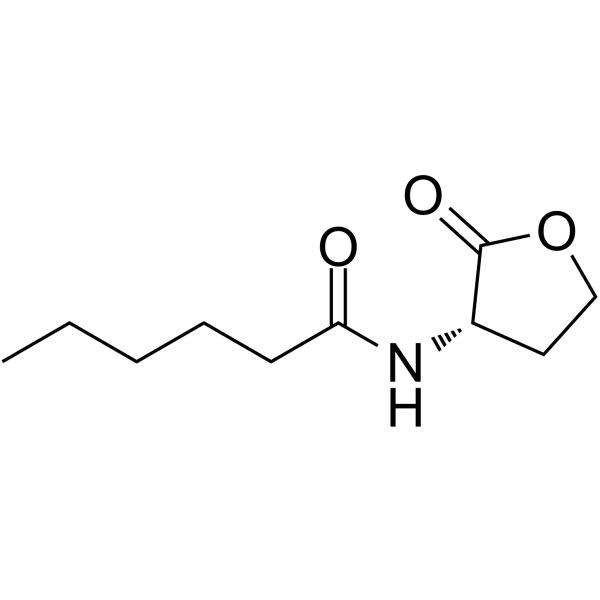
    eIF4A3-IN-2 is a highly selective and noncompetitive eukaryotic initiation factor 4A-3 (eIF4A3) inhibitor with an IC50 of 110 nM .
    eIF4A3-IN-2
  • HY-P1039A

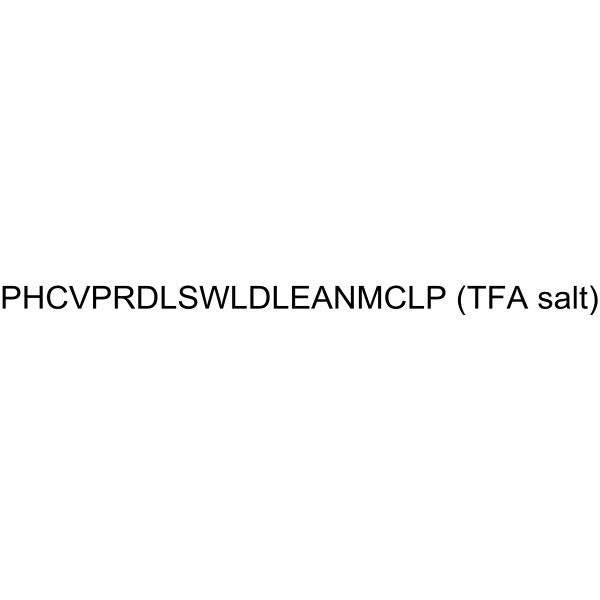
    PHCVPRDLSWLDLEANMCLP TFA

    Raf Cancer
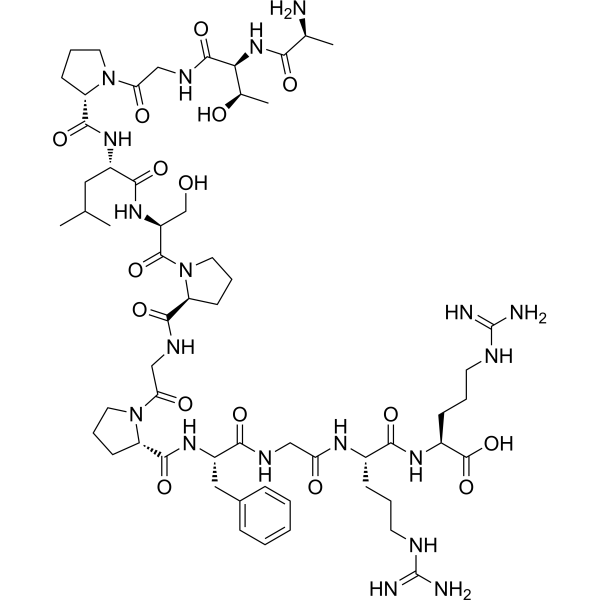
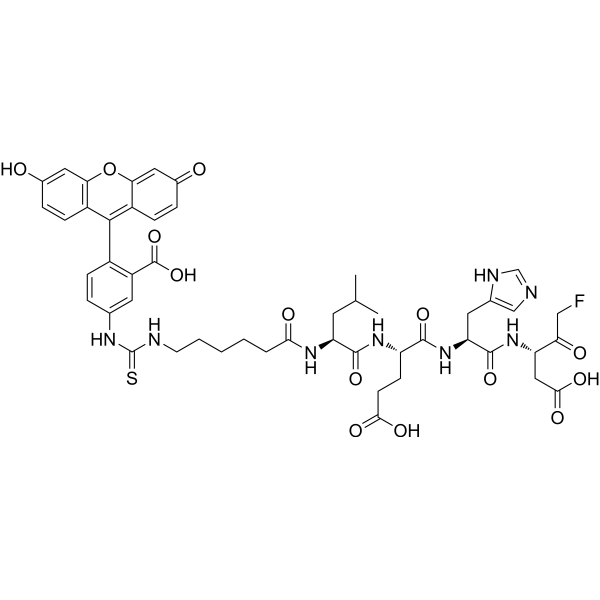
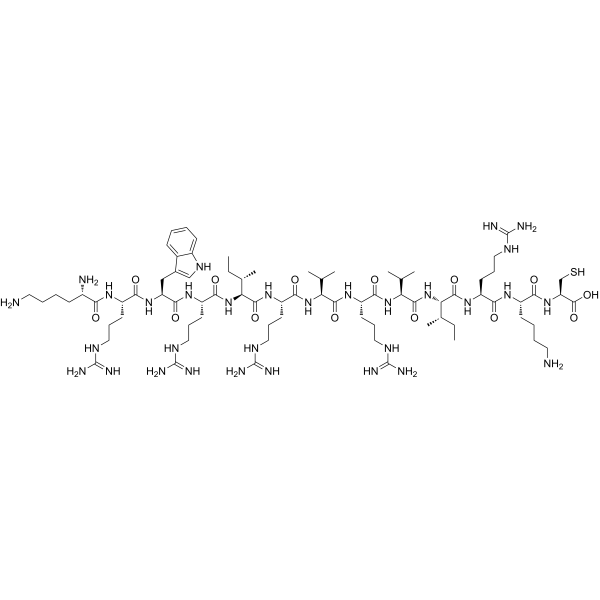
    R18 TFA is a peptide antagonists of 14-3-3, with a KD of 70-90 nM. R18 efficiently blocks the binding of 14-3-3 to the kinase Raf-1, a physiological ligand of 14-3-3, and effectively abolished the protective role of 14-3-3 against phosphatase-induced inactivation of Raf-1 .
    R18 TFA
  • HY-176844

    ADC Payloads Drug Intermediate Cancer
    eIF4A-IN-1 intermediate (Compound 71E) is an intermediate of Eukaryotic translation initiation factor 4A (eIF4A) inhibitor. eIF4A-IN-1 intermediate can be used as a cytotoxic payload for synthesis of antibody-drug conjugates (ADCs) .
    eIF4A-IN-1 intermediate
  • HY-143210

    Liposome Metabolic Disease
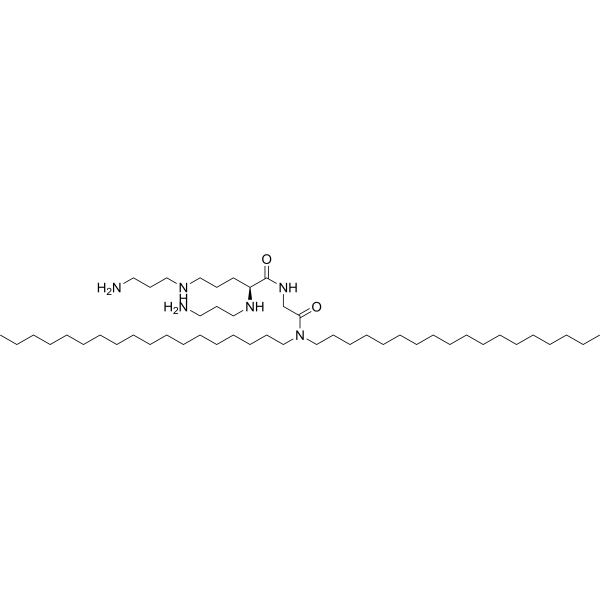
    Transfectam is a cationic lipid able to interact with DNA to form complexes that mediate efficient gene transfer into various eukaryotic cells .
    Transfectam
  • HY-W012311

    2′,3′-Dideoxythymidine; ddThd

    Nucleoside Antimetabolite/Analog DNA/RNA Synthesis Infection
    3′-Deoxythymidine (2′,3′-Dideoxythymidine), a nucleoside analog, inhibits eukaryotic cellular and viral DNA polymerases, and inhibits retrovirus infection in some cells .
    3′-Deoxythymidine
  • HY-100875A
    Bisantrene dihydrochloride
    5+ Cited Publications

    CL-216942 dihydrochloride

    Topoisomerase Cancer
    Bisantrene dihydrochloride is a highly effective antitumor agent, it exerts its cytotoxicity by affecting DNA intercalation. Bisantrene dihydrochloride targets eukaryotic type II topoisomerases. Bisantrene dihydrochloride is a substrate of MDR1 .
    Bisantrene dihydrochloride
  • HY-119757

    SU1433; AG1433

    PDGFR VEGFR Cancer
    Tyrphostin AG1433 (SU1433) is a tyrosine kinases inhibitor. AG1433 is also a selective PDGFRβ and VEGFR-2 (Flk-1/KDR) inhibitor with IC50s of 5.0 μM and 9.3 μM, respectively. Tyrphostin AG1433 prevents blood vessel formation .
    Tyrphostin AG1433
  • HY-169905

    Molecular Glues Others
    GR-14-3-3 stabilizer-1 (compound 10) is a molecular glue stabilizer that can be used to prepare molecular glues targeting glucocorticoids (GR) and block the interaction between GR and 14-3-3 .
    GR–14-3-3 stabilizer-1
  • HY-146302
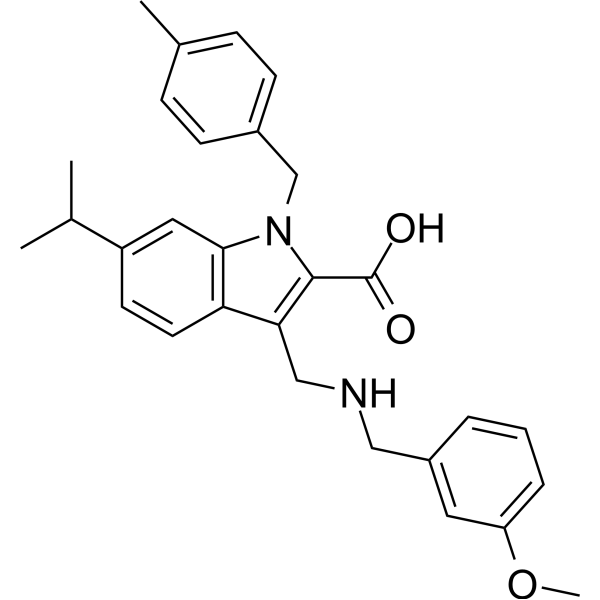
    14-3-3η Protein inhibitor 1
    2 Publications Verification

    14-3-3 Protein Apoptosis Cancer
    14-3-3η Protein inhibitor 1 (Compound C11) is a 14-3-3η protein inhibitor with a KD of 35 µM. 14-3-3η Protein inhibitor 1 shows inhibitory activities against several typical human liver cancer cell lines. 14-3-3η Protein inhibitor 1 induces cell apoptosis and G1-S cell cycle arrest with good metabolic stability .
    14-3-3η Protein inhibitor 1
  • HY-N1433

    Fungal mAChR Adrenergic Receptor Calcium Channel Cardiovascular Disease Infection Inflammation/Immunology
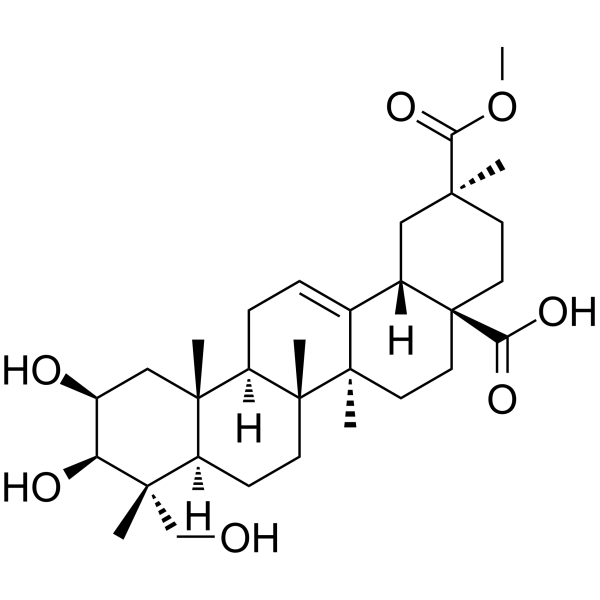
    Phytolaccagenin is a triterpenoid saponin aglycone, Antifungal agent, vasodilator, antihypertensive agent, and anti-inflammatory agent. Phytolaccagenin activates vascular and cardiac Muscarinic receptors, blocks cardiac β-adrenergic receptors, and inhibits voltage-dependent calcium channels in blood vessels. Phytolaccagenin inhibits the growth of Candida albicans and Cryptococcus neoformans. Phytolaccagenin induces vasodilation, produces negative inotropic and negative chronotropic effects, reduces mean arterial pressure, and inhibits LPS-induced inflammation. Phytolaccagenin exhibits enhanced antihypertensive effects in high salt-induced hypertensive rats. Phytolaccagenin can be used in the research of candidiasis, cryptococcosis, hypertension, and inflammation-related diseases .
    Phytolaccagenin
  • HY-100817

    Phosphatase Others
    Rbin-2 is a potent, reversible and selective inhibitor of Midasin (Mdn1), an enzyme belonging to the AAA+ (ATPases associated with diverse cellular activities) protein family. Rbin-2 inhibits eukaryotic ribosome biogenesis and is a powerful probe for the eukaryotic ribosome assembly .
    Rbin-2
  • HY-R00278

    MicroRNA Cancer
    hsa-miR-143-3p mimics are small, chemically synthesized double-stranded RNAs that mimic endogenous miRNAs and enable miRNA functional analysis by up-regulation of miRNA activity.
    hsa-miR-143-3p mimic
    hsa-miR-143-3p mimic
  • HY-111391R

    Diazoresorcinol sodium (Standard)

    Reference Standards Bacterial Others
    Resazurin (sodium) (Standard) is the analytical standard of Resazurin (sodium). This product is intended for research and analytical applications. Resazurin sodium (Diazoresorcinol sodium) is commonly used to measure bacterial and eukaryotic cell viability through its reduction to the fluorescent product resorufin.
    Resazurin sodium (Standard)
  • HY-P2465A

    DNA/RNA Synthesis Cancer
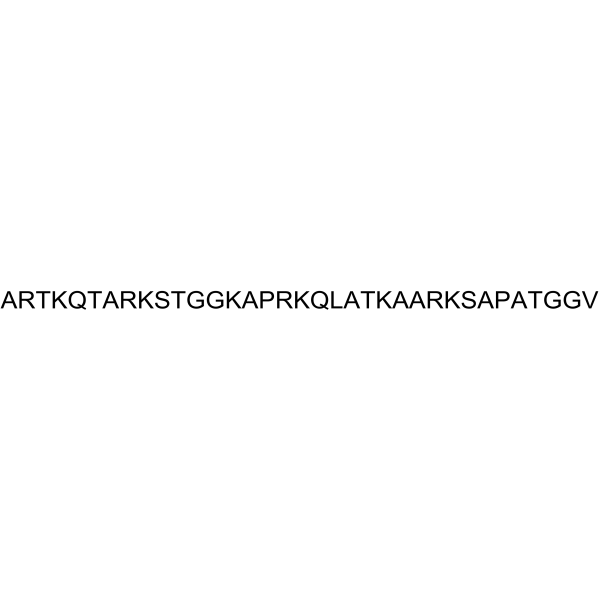
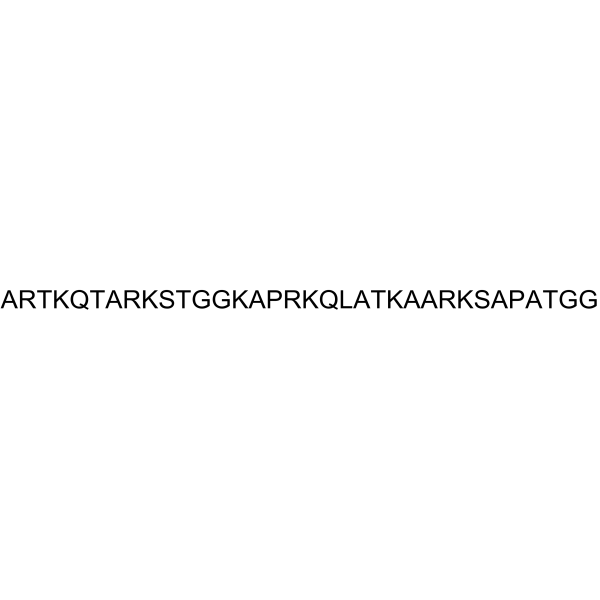
    Histone H3 (1-35) TFA is a 35-residue peptide of histone H3. Histone H3 is one of the five main histones involved in the structure of chromatin in eukaryotic cells .
    Histone H3 (1-35) TFA
  • HY-B2233A

    Biochemical Assay Reagents Adrenergic Receptor Cardiovascular Disease Neurological Disease Inflammation/Immunology
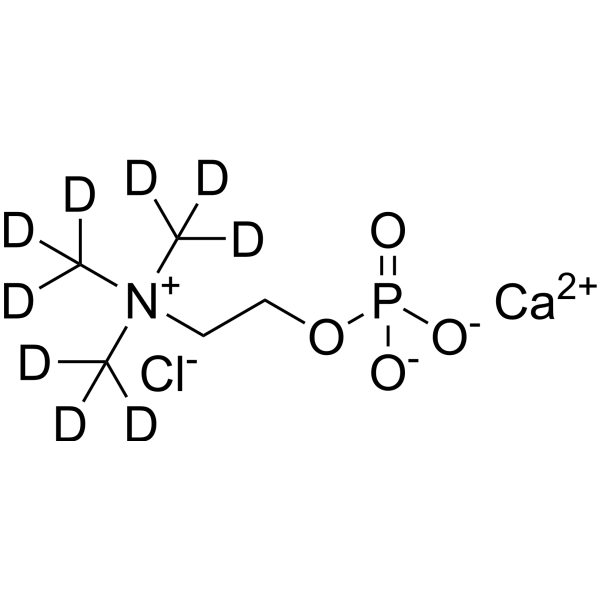
    Calcium phosphorylcholine chloride, 98% is the main phospholipid component in eukaryotic biofilms. Calcium phosphorylcholine chloride, 98% exists in commensal or pathogenic bacteria associated with eukaryotes in prokaryotes. Calcium phosphorylcholine chloride, 98% exhibits a surprising range of immunomodulatory properties .
    Calcium phosphorylcholine chloride, 98%
  • HY-W1005067

    Molecular Glues Hippo (MST) Estrogen Receptor/ERR Others
    EN171 is a covalent ligand that covalently targets both C38 and C96 on 14-3-3 to enhance 14-3-3 interactions with ERα, YAP and TAZ, leading to impaired estrogen receptor and Hippo pathway transcriptional activity. EN171 can not only be used as a molecular glue to enhance native protein interactions but can also be used as a covalent 14-3-3 recruiter in heterobifunctional molecules to sequester nuclear neo-substrates such as BRD4 and BLC6 into the cytosol .
    EN171
  • HY-W142596

    Liposome Others
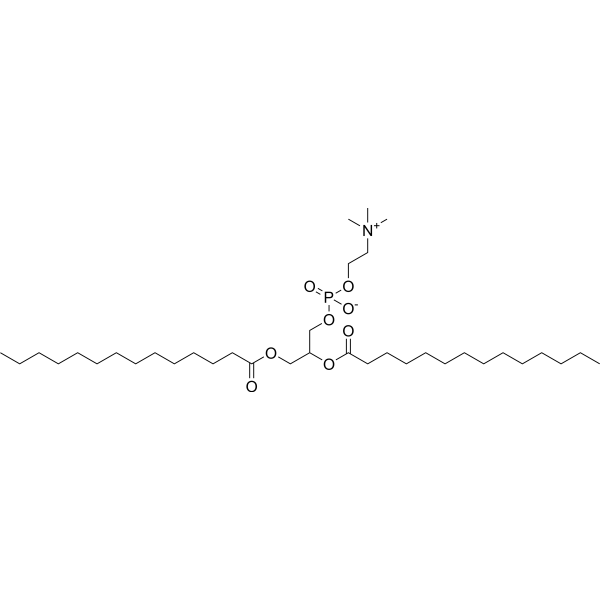
    1,2-DImyristoyl-rac-glycero-3-phosphocholine (DMPC), a zwitterionic phospholipid, is chosen as a simple eukaryotic cell membrane, mimicking the neutral charge of the surface membrane of eukaryotic plasma membranes .
    1,2-DImyristoyl-rac-glycero-3-phosphocholine
  • HY-B1433R

    S 9780 (Standard)

    Angiotensin-converting Enzyme (ACE) Reference Standards Cardiovascular Disease
    Perindoprilat (Standard) is the analytical standard of Perindoprilat. This product is intended for research and analytical applications. Perindoprilat (S 9780) is an angiotensin-converting enzyme (ACE) inhibitor with the IC50 value ranging from 1.5 to 3.2 nM. Perindoprilat can be used in hypertension research .
    Perindoprilat (Standard)
  • HY-156786

    Reactive Oxygen Species (ROS) Influenza Virus SARS-CoV HSV Infection
    TLD-1433 is the fourth-generation ruthenium (II) based photodynamic compound (PDC). TLD-1433 is activated by green light (525 ± 25 nm) and efficiently generates ROS to achieve pathogen inactivation. After photoinactivation, TLD-1433 significantly induces lipid peroxidation of the cell membrane, which can directly damage the integrity of the viral envelope. TLD-1433 has ID50 for enveloped viruses (such as H1N1 influenza virus, coronavirus OC43, HSV-1, Zika virus) is as low as nanomolar level; for non-enveloped viruses (such as adenovirus Ad5, mammalian rotavirus MRV), a concentration of micro-molar level is required for inactivation. TLD-1433 has antigen retention property and can be used for the preparation of inactivated vaccines .
    TLD-1433

Inquiry Online

Your information is safe with us. * Required Fields.

Salutation


Country or Region *

Applicant Name *


Organization Name *

Department *


Email Address *


Product Name *

Cat. No.


Requested quantity *

Phone Number *


Remarks

Inquiry Online

Inquiry Information

Product Name:
Cat. No.:
Quantity:
MCE Japan Authorized Agent: