Search Result
Results for "
mouse macrophages
" in MedChemExpress (MCE) Product Catalog:
-
- HY-114180
-
RU.521
Maximum Cited Publications
83 Publications Verification
RU320521
|
Cyclic GMP-AMP Synthase
|
Metabolic Disease
|
|
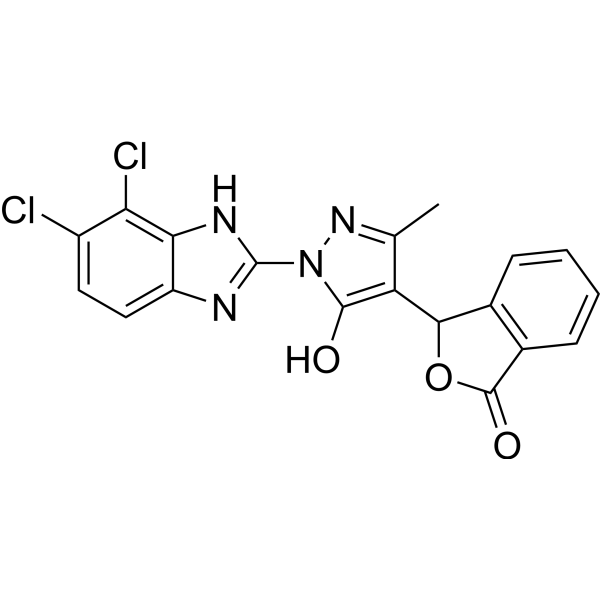
RU.521 (RU320521) is a potent and selective cyclic GMP-AMP synthase (cGAS) inhibitor and inhibits cGAS-mediated interferon upregulation. RU.521 suppresses dsDNA-activated reporter activity with an IC50 of 0.7 μM. RU.521 reduces constitutive expression of interferon in macrophages from a mouse model of Aicardi-Goutières syndrome (AGS) .
|
-
-
- HY-123942
-
|
|
Toll-like Receptor (TLR)
TNF Receptor
p38 MAPK
NF-κB
|
Inflammation/Immunology
Cancer
|
|
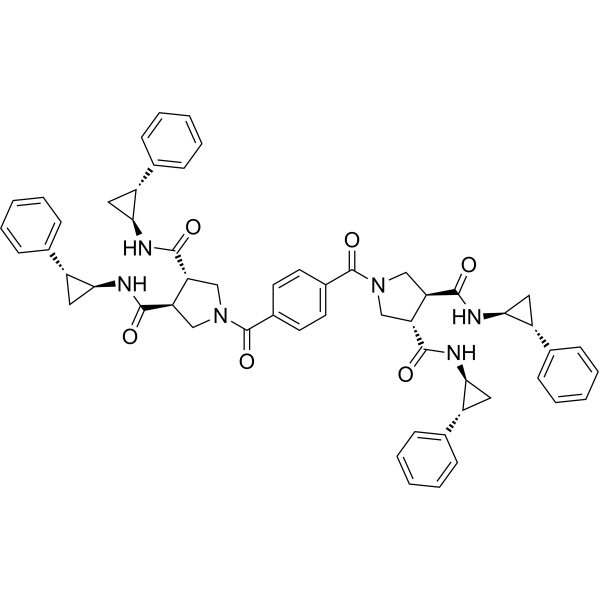
Diprovocim is a potent TLR1/TLR2 agonist. Diprovocim elicits full agonist activity in human THP-1 cells (EC50=110 pM). Diprovocim stimulates the release of TNF-α from mouse macrophages (EC50=1.3 nM). Diprovocim activates downstream MAPK and NF-κB signaling pathway. Diprovocim displays strong adjuvant activity in mice, particularly abetting cellular immune responses .
|
-
-
- HY-P4855
-
|
|
Bacterial
TNF Receptor
|
Infection
Inflammation/Immunology
|
|
CRAMP (mouse) is an antibacterial peptide and a functional homolog of LL-37 . CRAMP (mouse) exhibits potent antibacterial activity against Gram-negative bacteria . The complex formed by CRAMP (mouse) and CpG can activate macrophages to secrete TNF-α . CRAMP (mouse) plays a key role in wound healing, immune regulation and maintenance of intestinal homeostasis .
|
-
-
- HY-152830
-
|
Q702
|
c-Fms
TAM Receptor
MHC
|
Cancer
|
|
Adrixetinib (Q702) is an orally active triple inhibitor against CSF1R, Mer, and Axl, with Kd values of 8.7 nM, 0.8 nM, and 0.3 nM, respectively. Adrixetinib acts as a potent immune modulator that remodels the tumor microenvironment. Adrixetinib increases the abundance of M1 macrophages and CD8⁺ T cells, while decreasing the levels of M2 macrophages and myeloid-derived suppressor cells (MDSCs). Adrixetinib upregulates the expression of MHC class I and E-cadherin in tumor cells. Adrixetinib shows remarkable antitumor efficacy in syngeneic mouse tumor models. Adrixetinib is suitable for the research of breast cancer, renal adenocarcinoma, colon carcinoma, and melanoma .
|
-
-
- HY-18540
-
KT109
1 Publications Verification
|
MAGL
DAGL
|
Metabolic Disease
Inflammation/Immunology
|
|
KT109 is a potent and an isoform-selective inhibitor of diacylglycerol lipase-β (DAGLβ) with an IC50 of 42 nM. KT109 has ~60-fold selectivity for DAGLβ over DAGLα. KT109 shows inhibitory activity against PLA2G7 (IC50=1 µM). KT109 shows negligible activity against FAAH, MGLL, ABHD11, and cytosolic phospholipase A2 (cPLA2 or PLA2G4A). KT109 perturbs a lipid network involved in macrophage inflammatory responses and lowers 2-Arachidonoylglycerol (HY-W011051), Arachidonic acid (HY-109590) and eicosanoids in mouse peritoneal macrophages .
|
-
-
- HY-W008634
-
|
U-54461; U-54461S; PNU-54461
|
Toll-like Receptor (TLR)
|
Cancer
|
|
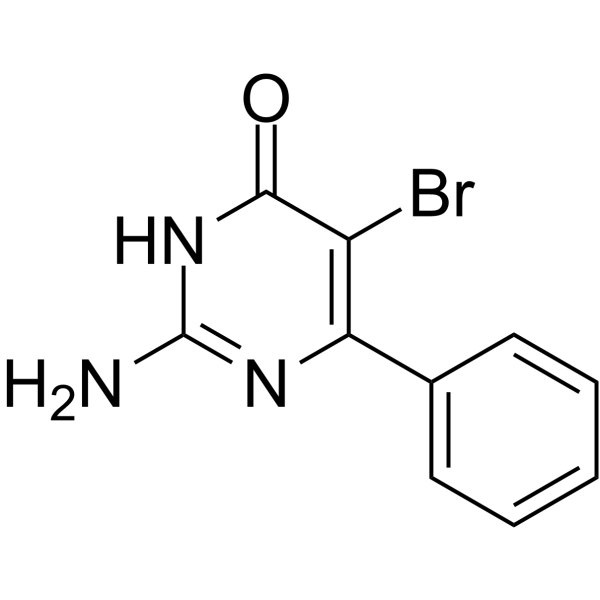
Bropirimine (U-54461; U-54461S; PNU-54461) is an orally active TLR7 agonist. Bropirimine inhibits RANKL-induced osteoclast differentiation of mouse bone marrow-derived macrophages (BMMs). Bropirimine exhibits dose-dependent direct inhibitory effects on colony formation of cultured KK-47 and 724 cells. Bropirimine can be used for the study of cancers and bone metabolic disorders such as osteoporosis .
|
-
-
- HY-P991621
-
|
EOS-215
|
TREM receptor
|
Cancer
|
|
EOS006215 (EOS-215) is a humanized monoclonal antibody targeting TREM-2. EOS006215 competes with TREM2 ligands, prevents TREM2 multimerization, and blocks downstream signaling. EOS006215 inhibits efferocytosis, reprograms transcriptomic profiles of monocyte-derived macrophages, alters metabolism and immune response genes, and increases pro-inflammatory marker secretion. EOS006215 reduces metastasis burden, delays tumor growth, and reprograms the tumor microenvironment to overcome anti-PD-1 resistance. EOS006215 can be used for the research of triple negative breast cancer and colorectal cancer .
|
-
-
- HY-D2769
-
|
Difluorocarboxyfluorescein azide, 6-isomer
|
Fluorescent Dye
|
Others
|
|
Oregon green 488 azide (Difluorocarboxyfluorescein azide, 6-isomer) is a bright green fluorescent azide-activated probe that reacts with terminal alkynes via copper-catalyzed azide-alkyne cycloaddition (CuAAC). Oregon green 488 azide can label goat anti-mouse IgG and exhibits excellent luminescence efficiency. Oregon green 488 azide, as a streptavidin conjugate, is used for flow cytometry staining of macrophages .
|
-
-
- HY-N2149A
-
-
-
- HY-160215
-
|
|
TGF-β Receptor
p38 MAPK
TGF-beta/Smad
Interleukin Related
|
Cancer
|
|
GFH018 is an orally active, selective and ATP-competitive TGF-βR1 inhibitor with an IC50 of 40 nM. GFH018 reactivates the immune system by blocking the immunosuppression mediated by regulatory T cells and M2 macrophages. GFH018 inhibits tumor angiogenesis. GFH018 suppresses tumor growth in mouse tumor models. GFH018 can be used for the research of solid tumors, hepatocellular carcinoma, colorectal cancer, breast cancer, and relapsed/metastatic nasopharyngeal carcinoma .
|
-
-
- HY-159838
-
|
EI‐1071
|
c-Fms
Amyloid-β
|
Neurological Disease
Cancer
|
|
Enrupatinib (EI‐1071) is a potent, orally active, CNS-penetrant and selective CSF1R inhibitor. Enrupatinib inhibits macrophage proliferation and osteoclast differentiation in vitro. Enrupatinib preserves microglia distal to Aβ plaques. Enrupatinib mitigates Alzheimer's disease (AD)-related pathologies by reducing neuroinflammation, preserving neuronal integrity, lowering disease-associated microglia gene expression, and enhancing cognitive function in 5xFAD and J20 mouse models. Enrupatinib reduces tumor-associated macrophage infiltration and enhances antitumor activity of anti-PD-1 antibody in murine colorectal cancer and breast cancer models. Enrupatinib can be used for the research of AD, colorectal cancer, and breast cancer .
|
-
-
- HY-P99136
-
|
|
IFNAR
|
Infection
Inflammation/Immunology
|
|
Anti-Mouse IFN gamma Antibody (H22) is an anti-mouse IFN gamma IgG antibody inhibitor derived from host Armenian Hamster. Anti-Mouse IFN gamma Antibody (H22) abrogates specific binding of I25II-rIFN-γ to macrophages. Anti-Mouse IFN gamma Antibody (H22) inhibits macrophage-activating factor (MAF) (ID50 = 56 ng). Anti-Mouse IFN gamma Antibody (H22) inhibits IFN-gamma dependent antiviral activity (ID50 = 2 ng). Anti-Mouse IFN gamma Antibody (H22) neutralizes IFNγ in mice. Anti-Mouse IFN gamma Antibody (H22) can be used for the researches of inflammation and infection, such as arthritis .
|
-
-
- HY-D2709
-
|
|
Fluorescent Dye
|
Others
|
|
Cy3 Dextran (MW 20000) is a fluorescent labeling reagent that combines Cy3 (HY-D0822) fluorescent dye and Dextran (HY-112624). The Cy3 fluorophore is commonly used in applications such as immunolabeling, nucleic acid labeling, fluorescence microscopy, and flow cytometry. Dextran has an inhibitory effect on thrombocyte aggregation and coagulation factors and is used as a plasma volume expander (Ex/Em = 550/570 nm) .
|
-
-
- HY-118131
-
|
|
Ser/Thr Protease
|
Infection
|
|
PKR-IN-C51(compound 51) is an ATP-competitive double-stranded RNA-activated protein kinase (PKR) inhibitor with an IC50 of 9 μM. PKR-IN-C51 inhibits intracellular PKR activation in a dose-dependent manner in primary mouse macrophages .
|
-
-
- HY-W142432
-
|
|
Biochemical Assay Reagents
β-catenin
Wnt
Arginase
TGF-beta/Smad
mTOR
Akt
ERK
Atg8/LC3
p62
Autophagy
|
Metabolic Disease
Inflammation/Immunology
Cancer
|
|
Perfluoroundecanoic acid is a perfluoroalkyl substance (PFAS). Perfluoroundecanoic acid is an orally active oxidative stress inducer. Perfluoroundecanoic acid promotes macrophage M2 polarization, activates Wnt/β-catenin signaling and enhances β-catenin nuclear accumulation. Perfluoroundecanoic acid -induced M2 phenotype macrophage accelerates tumor progression in vitro and in vivo. Perfluoroundecanoic acid induces DNA damage, reproductive and pathophysiological dysfunctions via oxidative stress in male Swiss mice. Perfluoroundecanoic acid inhibits Leydig cell development in pubertal male rats via inducing oxidative stress and autophagy. Perfluoroundecanoic acid accelerates insulitis development in a mouse model of type 1 diabetes. Perfluoroundecanoic acid can be used for the study of ovarian cancer, type 1 diabetes and inflammation .
|
-
-
- HY-P990131
-
|
|
CD47
|
Infection
Inflammation/Immunology
Cancer
|
|
Anti-Mouse CD47/IAP Antibody (MIAP301) is an anti-mouse CD47/IAP IgG2a monoclonal antibody. Anti-Mouse CD47/IAP Antibody (MIAP301) can effectively block CD47 signaling and enhance macrophage phagocytic function. Anti-Mouse CD47/IAP Antibody (MIAP301) can increase the infiltration of immune cells. Anti-Mouse CD47/IAP Antibody (MIAP301) restores the phagocytic function of myeloid cells and alleviate B cell inhibition. Anti-Mouse CD47/IAP Antibody (MIAP301) may interfere with wound healing. Anti-Mouse CD47/IAP Antibody (MIAP301) can be used for researches on cancer, inflammation and infection conditions such as melanoma, intestinal mucosal repair and sepsis .
|
-
-
- HY-I0501
-
|
o-aminoacetophenone
|
Bacterial
Apoptosis
Atg8/LC3
p62
Autophagy
|
Infection
Inflammation/Immunology
|
|
2'-Aminoacetophenone is an orally active inducer of apoptosis and respiratory biomarker. 2'-Aminoacetophenone can be used to detect Pseudomonas aeruginosa infections in the lungs of cystic fibrosis patients. 2'-Aminoacetophenone can inhibit the protein levels of LC3BII and p62 in macrophages infected with pqsA or mvfR and regulate autophagy. 2'-Aminoacetophenone can disrupt mitochondrial function by inducing oxidative stress and apoptosis signaling, leading to dysfunction in mouse skeletal muscle .
|
-
-
- HY-N2556
-
|
|
Others
|
Inflammation/Immunology
|
|
Tirucallol, a tetracyclic triterpene, is isolated from Euphorbia lacteal latex. Tirucallol has topical anti-inflammatory effect. Tirucallol can suppress ear edema in the mouse model and inhibit nitrite production in lipopolysaccharide-stimulated macrophages .
|
-
-
- HY-156174
-
|
|
Toll-like Receptor (TLR)
ADC Payload
|
Cancer
|
|
E104 (compound 1) is a potent and selective TLR7 agonist. E104 can be delivered by antibody-drug conjugate (ADC) technology to elicit potent anticancer activity. E104 induces the activation of mouse macrophages and hPBMCs .
|
-
-
- HY-145846
-
|
|
NO Synthase
Interleukin Related
|
Inflammation/Immunology
|
|
iNOs-IN-1 (YPW) is a potent inducible nitric oxide synthase (iNOS) inhibitor. iNOs-IN-1 can significantly inhibit the expression of IL-6 and iNOS, as well as reduce LPS-induced NO generation with dose-dependent manner in mouse macrophages. Anti-inflammatory effects .
|
-
-
- HY-135517
-
|
RXP-470
|
MMP
|
Cardiovascular Disease
|
|
RXP470.1 (RXP-470) is a potent, selective MMP-12 inhibitor with a Ki of 0.2 nM against human MMP-12. RXP470.1 is 2 to 4 orders of magnitude less potent against other MMPs. RXP470.1 significantly reduces atherosclerotic plaque cross-sectional area in mouse. RXP470.1 results in less complex plaques with increased smooth muscle cell:macrophage ratio, less macrophage apoptosis, increased cap thickness, smaller necrotic cores, and decreased incidence of calcification .
|
-
-
- HY-164304
-
-
-
- HY-P990132
-
|
|
CD47
|
Inflammation/Immunology
Cancer
|
|
Anti-Mouse/Rat/Human CD47/IAP Antibody (MIAP410) is an anti-mouse/rat/human CD47/IAP IgG1 monoclonal antibody. Anti-Mouse/Rat/Human CD47/IAP Antibody (MIAP410) can effectively block CD47 signaling and enhance macrophage phagocytic function. Anti-Mouse/Rat/Human CD47/IAP Antibody (MIAP410) can increase the infiltration of immune cells. Anti-Mouse/Rat/Human CD47/IAP Antibody (MIAP410) may interfere with wound healing. Anti-Mouse/Rat/Human CD47/IAP Antibody (MIAP410) can be used for researches on cancer and inflammation conditions such as breast cancer and intestinal mucosal repair .
|
-
-
- HY-145961
-
|
|
Toll-like Receptor (TLR)
TNF Receptor
|
Cancer
|
|
TLR7 agonist 4 is a TLR7 agonist with pro-inflammatory cytokine-stimulating activity. TLR7 agonist 4 modulates TLR7 activity to stimulate the production of pro-inflammatory cytokines. TLR7 agonist 4 stimulates mouse bone marrow-derived macrophages to produce the pro-inflammatory cytokine TNFα. TLR7 agonist 4 can be conjugated with antibodies to form conjugates. TLR7 agonist 4 is applicable to cancer research .
|
-
-
- HY-N0223
-
-
-
- HY-P990246
-
|
|
Adhesion G Protein-coupled Receptors (AGPCRs)
|
Inflammation/Immunology
|
|
Anti-Mouse F4/80 Antibody (CI:A3-1) is an anti-mouse F4/80 IgG2b monoclonal antibody. Anti-Mouse F4/80 Antibody (CI:A3-1) can clear macrophages. Anti-Mouse F4/80 Antibody (CI:A3-1) can be used for research on inflammation conditions such as endometriosis. Anti-Mouse F4/80 Antibody (CI:A3-1) often used for flow cytometry analysis and immunohistochemical analysis .
|
-
-
- HY-100911
-
|
|
Calmodulin
|
Neurological Disease
|
|
W-5 hydrochloride is a calmodulin antagonist. W-5 hydrochloride inhibits phosphodiesterase activation with an IC50 value of 240 µM. W-5 hydrochloride can be used as a negative control for W-7 (HY-100912) .
|
-
-
- HY-156959
-
|
|
JAK
TRP Channel
MetAP
|
Infection
Inflammation/Immunology
|
|
Ovalicin is a multi-target inhibitor that targets MetAP2, HRH2, JAK2 and TRPV1, with anti-inflammatory and anti-atopic dermatitis activities. Ovalicin covalently binds to MetAP2 to inhibit its function, thereby blocking the replication of Enterocytozoon bieneusi and Vittaforma corneae. Ovalicin alleviates intestinal injury and prolongs survival in infected mouse models, without showing obvious hepatorenal toxicity. Ovalicin attenuates LPS-induced calcium influx, reduces the infiltration of macrophages and mast cells in the skin, and regulates the expression of inflammation-related genes such as IL-31, effectively relieving allergic symptoms in mouse models. Ovalicin can be used for the research of microsporidiosis and atopic dermatitis .
|
-
-
- HY-176192
-
|
|
Toll-like Receptor (TLR)
NF-κB
p38 MAPK
ERK
IKK
TNF Receptor
Interleukin Related
|
Inflammation/Immunology
|
|
SMU-14a is a selective Toll-like receptor 3 (TLR3) inhibitor wirh an IC50 of 0.18 μM. SMU-14a reduces phosphorylation of p65, ERK, and TBK1 via NF-κB, MAPK, and IRF3 signaling pathways. SMU-14a inhibits IL-6 secretion in mouse peritoneal macrophages, downregulates TNF-α in human peripheral blood monocytes and decreases serum alanine aminotransferase (ALT) and aspartate aminotransferase (AST) levels. SMU-14a can be used for the research of acute hepatitis .
|
-
-
- HY-P990257
-
|
|
c-Fms
|
Cancer
|
|
Anti-Mouse CSF1 Antibody (5A1) is a rat-derived anti-mouse CSF1 IgG1 κ type antibody inhibitor. Anti-Mouse CSF1 Antibody (5A1) can inhibit cells proliferation and macrophage-induced invasion. Anti-Mouse CSF1 Antibody (5A1) shows potent anti-tumor effect in various tumor models, such as neuroblastoma .
|
-
-
- HY-P10894
-
|
|
Epigenetic Reader Domain
|
Cancer
|
|
mUNO is a tumor-homing peptide (mUNO, sequence: "CSPGAK") that specifically binds to mouse CD206, targeting tumor-associated macrophages that express CD206/MRC1. mUNO can interact with human recombinant CD206 .
|
-
-
- HY-118282
-
|
|
PGE synthase
|
Endocrinology
|
|
mPGES-1-IN-2 (compound III) is a benzimidazole-based mPGES-1 inhibitor that also inhibits adipophysin PGD synthase (I-PGDS) (5 μM, IR=60 %). mPGES-1-IN-2 reduces PGE2 production and tends to reduce levels of other prostaglandins. mPGES-1-IN-2 effectively inhibits acute inflammation in an air sac model stimulated by Carrageenan (HY-125474) in mice .
|
-
-
- HY-P99146
-
|
|
CD3
|
Infection
Neurological Disease
Inflammation/Immunology
Cancer
|
|
Anti-Mouse TCR gamma/delta Antibody (UC7-13D5) is an anti-mouse TCR gamma/delta IgG monoclonal antibody. Anti-Mouse TCR gamma/delta Antibody (UC7-13D5) can enter the blood-brain barrier. Anti-Mouse TCR gamma/delta Antibody (UC7-13D5) effectively depletes γδ T cells and reduces macrophage and neutrophil infiltration. Anti-Mouse TCR gamma/delta Antibody (UC7-13D5) can reduce the immune response of transplants. Anti-Mouse TCR gamma/delta Antibody (UC7-13D5) can be used for researches on inflammation conditions, virus infection and cancer such as arthritis, JHM virus and breast cancer .
|
-
-
- HY-N4022
-
|
Isobocconin; Seravschanin
|
Others
|
Inflammation/Immunology
|
|
Hyuganin D (Isobocconin) is a Coumarin (HY-N0709) constituent that substantially inhibits LPS (HY-D1056)-induced NO production in mouse peritoneal macrophages .
|
-
-
- HY-133133
-
-
-
- HY-173070
-
|
|
Toll-like Receptor (TLR)
IFNAR
PD-1/PD-L1
ADC Payload
|
Inflammation/Immunology
Cancer
|
|
TLR7 agonist 29 (Compound 1) is the agonist for TLR7 with an EC50 of 5.2 nM for human TLR7 (EC50 for mouse TLR7 is 48.2 nM). TLR7 agonist 29 activates bone marrow-derived macrophages (BMDMs), stimulates myeloid cells in the tumor microenvironment, promotes the expression of PD-L1, CD86 and IFN-α. TLR7 agonist 29 can be used as payload for synthesis of ADC .
|
-
-
- HY-156177
-
|
|
Toll-like Receptor (TLR)
|
Inflammation/Immunology
|
|
TLR7 agonist 16 (compound 16d) is a highly potent TLR7 agonist with an EC50 of 18 nM. TLR7 agonist 16 potently induces the activation of mouse macrophages and hPBMCs at low-nanomolar concentrations .
|
-
-
- HY-156176
-
|
|
Toll-like Receptor (TLR)
|
Inflammation/Immunology
|
|
TLR7 agonist 15 (compound 16b) is a highly potent TLR7 agonist with an EC50 of 18 nM. TLR7 agonist 15 potently induces the activation of mouse macrophages and hPBMCs at low-nanomolar concentrations .
|
-
-
- HY-159669
-
|
|
HIV Protease
|
Infection
Inflammation/Immunology
|
Stercobilin hydrochloride (amixture of isomers) is a bile pigment metabolized by gut bacteria, and it's also an HIV protease inhibitor, with a Ki of 4 μM. Stercobilin hydrochloride (a mixture of isomers) can induce pro-inflammatory activity in mouse macrophage RAW264 cells, including the production of TNF-α and IL-1β. Stercobilin hydrochloride (a mixture of isomers) can be used in studies of inflammation and viral infections .
|
-
-
- HY-172934
-
|
|
Toll-like Receptor (TLR)
NO Synthase
PROTACs
|
Inflammation/Immunology
Cancer
|
|
FGT-4 is a folate receptor β (FR-β) targeting chimeric molecule. FGT-4 is a TLR7 agonist. FGT-4 facilitates the secretion of iNOS and proinflammatory cytokine IL-6 associated with M1 macrophages and enhances the proliferation of cytotoxic CD8 + T cells. FGT-4 has anti-tumor activity in the 4T1 breast cancer mouse model. FGT-4 can be used for the study of cancer immunity. (Pink: target protein TLR7/8 agonist 1 ligand (HY-103698); black: linker (HY-172936); blue: FR-β ligand (HY-172935)) .
|
-
-
- HY-N3595
-
|
|
TNF Receptor
|
Inflammation/Immunology
|
|
Cleomiscosin A is a coumarino-lignoid from branch of Macaranga adenantha. Cleomiscosin A is active against TNF-alpha secretion of the mouse peritoneal macrophages .
|
-
-
- HY-120299
-
|
|
TNF Receptor
|
Inflammation/Immunology
|
|
KC01 is an effective inhibitor of ABHD16A, with IC50s of 90 nM for hABHD16A and 520 nM for mABHD16A. KC01 significantly reduces lyso-PSs, and decreases lyso-PS and LPS-induced cytokine production in mouse macrophages .
|
-
-
- HY-158093
-
|
|
NOD-like Receptor (NLR)
|
Inflammation/Immunology
|
|
NIC-12 is a potent NLRP3 inhibitor. NIC-12 selectively reduces circulating IL-1ß levels in the LPS-endotoxemia mice model. NIC-12 inhibits NLRP3 inflammasome activation in mouse macrophages .
|
-
-
- HY-149122
-
|
|
NOD-like Receptor (NLR)
|
Inflammation/Immunology
|
|
NLRP3-IN-15 is a potent and selective NLRP3 inflammasome inhibitor. NLRP3-IN-15 inhibits IL-1β release with an IC50 of 0.114 μM. NLRP3-IN-15 can be used for the research of inflammation .
|
-
-
- HY-152830A
-
|
Q702 TFA
|
c-Fms
TAM Receptor
MHC
|
Cancer
|
|
Adrixetinib (Q702) TFA is an orally active triple inhibitor against CSF1R, Mer, and Axl, with Kd values of 8.7 nM, 0.8 nM, and 0.3 nM, respectively. Adrixetinib TFA acts as a potent immune modulator that remodels the tumor microenvironment. Adrixetinib TFA increases the abundance of M1 macrophages and CD8⁺ T cells, while decreasing the levels of M2 macrophages and myeloid-derived suppressor cells (MDSCs). Adrixetinib TFA upregulates the expression of MHC class I and E-cadherin in tumor cells. Adrixetinib TFA shows remarkable antitumor efficacy in syngeneic mouse tumor models. Adrixetinib TFA is suitable for the research of breast cancer, renal adenocarcinoma, colon carcinoma, and melanoma .
|
-
-
- HY-133132
-
-
-
- HY-145245
-
-
-
- HY-P991181
-
|
|
Transmembrane Glycoprotein
|
Cancer
|
|
VTX-1218 is a VSIG4 inhibitor with human Kd 7.4 nM. VTX-1218 blocks VSIG4 activity, relieves VSIG4-mediated macrophage suppression, repolarizes tumor-associated macrophages and induces T cell activation. VTX-1218 upregulates cytokines and chemokines linked to immune cell recruitment. VTX-1218 can be used for the research of multiple cancer types .
|
-
-
- HY-168954
-
|
|
c-Fms
Apoptosis
Akt
ERK
STAT
|
Inflammation/Immunology
Cancer
|
|
CSF1R-IN-26 (Compound III-1) is the inhibitor for CSF-1R with an IC50 of 20.07 nM. CSF1R-IN-26 promotes the polarization of M2 macrophages to M1 macrophages, thereby inducing apoptosis in MC-38 cancer cell. CSF1R-IN-26 inhibits the activation of AKT/ERK/STAT3 signaling pathway. CSF1R-IN-26 reconstructs the tumor immune microenvironment and exhibits antitumor activity in mouse models. CSF1R-IN-26 exhibits pharmacokinetics characteristics in SD rats with a half-life 1.86 hours, and an oral bioavailability of 79.22% .
|
-
-
- HY-160215A
-
|
|
TGF-β Receptor
p38 MAPK
TGF-beta/Smad
Interleukin Related
|
Cancer
|
|
GFH018 is an orally active, selective and ATP-competitive TGF-βR1 inhibitor with an IC50 of 40 nM. GFH018 reactivates the immune system by blocking the immunosuppression mediated by regulatory T cells and M2 macrophages. GFH018 inhibits tumor angiogenesis. GFH018 suppresses tumor growth in mouse tumor models. GFH018 can be used for the research of solid tumors, hepatocellular carcinoma, colorectal cancer, breast cancer, and relapsed/metastatic nasopharyngeal carcinoma .
|
-
- HY-145253
-
|
|
PROTAC Linkers
Toll-like Receptor (TLR)
|
Inflammation/Immunology
|
|
Tri(TLR4-IN-C34-C2-amide-PEG1)-amide-C3-COOH is a linker that incorporates TLR4 inhibitor TLR4-IN-C34. TLR4-IN-C34 inhibits TLR4 in enterocytes and macrophages, and reduces systemic inflammation in mouse models of endotoxemia and necrotizing enterocolitis .
|
-
- HY-13075
-
|
|
c-Fms
Trk Receptor
c-Kit
TAM Receptor
FLT3
|
Inflammation/Immunology
|
|
c-Fms-IN-3 is an orally active c-Fms (CSF1R) kinase inhibitor (IC50 = 0. 8 nM). c-Fms-IN-3 inhibits CSF1R kinase activity and reduces macrophage populations. c-Fms-IN-3 reduces bone erosion, pannus invasion, cartilage damage, and inflammation in collagen (HY-NP003)-induced arthritis mouse model. c-Fms-IN-3 is useful for arthritis research .
|
-
- HY-145255
-
|
|
PROTAC Linkers
Toll-like Receptor (TLR)
|
Inflammation/Immunology
|
|
Tri(TLR4-IN-C34-C2-amide-C3-amide-PEG1)-amide-C3-COOH is a linker that incorporates TLR4 inhibitor TLR4-IN-C34. TLR4-IN-C34 inhibits TLR4 in enterocytes and macrophages, and reduces systemic inflammation in mouse models of endotoxemia and necrotizing enterocolitis .
|
-
- HY-156175
-
|
|
Toll-like Receptor (TLR)
|
Inflammation/Immunology
|
|
TLR7 agonist 14 (compound 17b) is a highly potent TLR7 agonist with an EC50 of 18 nM. TLR7 agonist 14 potently induces the activation of mouse macrophages and hPBMCs at low-nanomolar concentrations .
|
-
- HY-168935
-
|
|
NO Synthase
TNF Receptor
Interleukin Related
|
Inflammation/Immunology
|
|
Anti-inflammatory agent 95 (Compound 2e) is an anti-inflammatory agent that exhibits the most potent anti-inflammatory activity in LPS (HY-D1056)-induced RAW 264.7 mouse macrophages.
It significantly inhibits the production of NO, with an IC50 of 8.8 μM, and reduces the secretion of TNF-α and IL-1β, with inhibition rates reaching 60% and over 90%, respectively, at a concentration of 100 μM.
Anti-inflammatory agent 95 holds promise for research in the field of inflammatory diseases .
|
-
- HY-168089
-
|
|
NOD-like Receptor (NLR)
|
Inflammation/Immunology
|
|
NLRP3-IN-49 (compound Z48) is a potent and specific NLRP3 inhibitor (IC50=0.26 μM in THP-1 cells, IC50=0.21 μM in mouse bone marrow macrophages). NLRP3-IN-49 can directly bind to NLRP3 protein (Kd=1.05 μM), effectively preventing the assembly and activation of NLRP3 inflammasome, thereby exhibiting anti-inflammatory properties. NLRP3-IN-49 can be used in the study of inflammatory bowel disease .
|
-
- HY-155821
-
|
|
NF-κB
NO Synthase
TNF Receptor
Interleukin Related
|
Inflammation/Immunology
|
|
Anti-inflammatory agent 55 (compound 9j) is a derivative of Coixol and has anti-inflammatory activity. Anti-inflammatory agent 54 inhibits the NF-κB pathway and downregulates the expression of iNOS, TNF-α, IL-6 and IL-1β. Anti-inflammatory agent 54 inhibits LPS-induced nitric oxide (NO) production in RAW264.7 macrophages (IC50: 0.8 μM) and exerts in vivo anti-inflammatory activity in a mouse auricular edema model .
|
-
- HY-155820
-
|
|
NF-κB
NO Synthase
TNF Receptor
Interleukin Related
|
Inflammation/Immunology
|
|
Anti-inflammatory agent 54 (compound 9c) is a derivative of Coixol and has anti-inflammatory activity. Anti-inflammatory agent 54 inhibits the NF-κB pathway and downregulates the expression of iNOS, TNF-α, IL-6 and IL-1β. Anti-inflammatory agent 54 inhibits LPS-induced nitric oxide (NO) production in RAW264.7 macrophages (IC50: 2.4 μM) and exerts in vivo anti-inflammatory activity in a mouse auricular edema model .
|
-
- HY-P2792
-
-
- HY-N11494
-
|
|
NF-κB
|
Others
|
|
Dauricumine is a chlorinated alkaloid that inhibits NF-κB ligand-induced differentiation of mouse bone marrow-derived macrophages into multinucleated osteoclasts .
|
-
- HY-138056
-
|
|
Microtubule/Tubulin
|
Others
|
|
7-Acetyl paclitaxel is a microtubule depolymerization inhibitor which inhibits calcium-induced microtubule depolymerization. 7-Acetyl paclitaxel reduces the growth of J774.2 macrophages (IC50 ~ 60 nM) and increases the levels of nitric oxide (NO) and TNF in isolated mouse peritoneal macrophages .
|
-
- HY-19606
-
|
Antibiotic MI 43-37F11
|
Interleukin Related
NO Synthase
|
Metabolic Disease
Inflammation/Immunology
Cancer
|
|
Cytogenin (Antibiotic MI 43-37F11) is an orally active antineoplastic antibiotic. Cytogenin regulates the inflammatory cytokine, reduces the levels of iNOS, NO and IL-6 in mouse macrophages, and exhibits antidiabetic efficacy in mice. Cytogenin inhibits growth of Ehrlich ascites tumor in mouse model .
|
-
- HY-P3600
-
|
|
Apoptosis
|
Inflammation/Immunology
|
|
FIZZ-1 (32-51) (mouse) is a cysteine-rich secretory protein that is highly expressed by macrophages, bronchial epithelial and type II alveolar epithelial cells (AEC) in allergic airway inflammation. FIZZ1 (32-51) (mouse) also shows an antiapoptotic effect on lung fibroblasts. FIZZ-1 (32-51) (mouse) can be used in the study of allergic pneumonia .
|
-
- HY-N7699A
-
|
|
TNF Receptor
|
Neurological Disease
Inflammation/Immunology
|
|
D-Trimannuronic acid, an alginate oligomer is extracted from seaweed. D-Trimannuronic acid can induce TNF‐α secretion by mouse macrophage cell lines. D-Trimannuronic acid can be used for the research of pain and vascular dementia .
|
-
- HY-124911
-
|
|
5-HT Receptor
|
Infection
|
|
LY53857 free base is a selective 5-HT2 receptor antagonist with the ED50 of 17.5 nM. LY53857 free base shows antiviral activity against influenza A virus .
|
-
- HY-161954
-
|
|
HDAC
|
Cancer
|
|
HDAC8-IN-12 (compound 5k) is a non-hydroxamic acid, selective inhibitor of HDAC8 (IC50: 0.12 nM) and a potent inhibitor of breast cancer. HDAC8-IN-12 triggers anti-tumor immunity by activating T cells, increasing the proportion of M1 macrophages and decreasing the proportion of M2 macrophages. HDAC8-IN-12 (50 mg/kg) exerts tumor suppressive effects in an orthotopic mouse model of breast cancer .
|
-
- HY-W168309A
-
|
|
Endogenous Metabolite
|
Inflammation/Immunology
|
|
Trans-Caffeic aldehyde is a type of phenylpropanoid compound, which was discovered in the secondary metabolites of the actinomycete Acrocarpospora punica. Trans-Caffeic aldehyde does not exhibit inhibitory activity against NO production in the mouse macrophage (RAW 264.7) model induced by LPS (HY-D1056) .
|
-
- HY-113628
-
|
VML-530
|
Leukotriene Receptor
|
Inflammation/Immunology
|
|
ABT-080 is an orally active inhibitor of leukotriene biosynthesis. ABT-080 simultaneously blocks the leukotriene pathways leading to the synthesis of LTB4 and LTC4, but does not inhibit PGH2 biosynthesis. ABT-080 can block bronchoconstriction and be used in the research of asthma and related inflammations
|
-
- HY-121365
-
|
|
Bacterial
|
Infection
|
|
Forphenicinol is an immunomodulator and a derivative of the bacterial metabolite forphenicine. It increases the phagocytosis of yeast by peritoneal macrophages isolated from thioglycolate-stimulated mice. Forphenicinol (100 μg/animal) prevents cyclophosphamide-induced suppression of delayed-type hypersensitivity (DTH), as well as enhances DTH in response to the hapten oxazolone or sheep red blood cells in mice. It enhances the bactericidal activity of macrophages against P. aeruginosa in mice when administered at a dose of 0.5 mg/kg.2 Forphenicinol (15.6-1,000 μg/animal) increases survival in a mouse model of P. aeruginosa infection. It also inhibits tumor growth in S180 sarcoma and IMC carcinoma mouse xenograft models when administered at doses ranging from 0.05 to 5 mg/kg per day.
|
-
- HY-149123
-
|
|
NOD-like Receptor (NLR)
|
Inflammation/Immunology
|
|
NLRP3-IN-16 is a potent and selective NLRP3 inflammasome inhibitor. NLRP3-IN-16 inhibits IL-1β release with an IC50 of 0.065 μM. NLRP3-IN-16 can be used for the research of inflammation .
|
-
- HY-149121
-
|
|
NOD-like Receptor (NLR)
|
Inflammation/Immunology
|
|
NLRP3-IN-14 is a potent and selective NLRP3 inflammasome inhibitor (KD: 5.87 μM). NLRP3-IN-14 inhibits IL-1β release with an IC50 of 0.131 μM. NLRP3-IN-14 can be used for the research of inflammation .
|
-
- HY-169262
-
|
|
Phospholipase
Apoptosis
|
Cancer
|
|
PLD-IN-1 (Compound 3r) is an orally active inhibitor for phospholipase D with an IC50 of 1.97 μM. PLD-IN-1 reduces the expression of CD24, CD47 and PD-L1, enhances the calreticulin expression, and thus modulates the immune evasion mechanism in lung cancer cells by promoting the phagocytosis of cancer cells by macrophages. PLD-IN-1 inhibits the cell viability of lung cancer cell A549, HCC44, H460 and HCC15 with IC50 of 18.44, 22.31, 24.85 and 21.45 μM, respectively. PLD-IN-1 can induce apoptosis and inhibits migration in cell A549. PLD-IN-1 enhances the level of pro-inflammatory M1 macrophages and decreases the level of anti-inflammatory M2 macrophages, exhibits antitumor efficacy in mouse model .
|
-
- HY-W746847
-
-
- HY-N2939
-
|
|
Others
|
Others
|
|
Bis-5,5-Nortrachelogenin is isolated from active extract of root of Wikstroemia indica. Bis-5,5-Nortrachelogenin inhibits nitric oxide (NO) production in a lipopolysaccharide (LPS) and recombinant mouse interferon-γ(IFN-γ) activated murine macrophage-like cell line, RAW 264.7 with an IC50 value of 48.6 mM .
|
-
- HY-146723
-
|
|
IKK
|
Inflammation/Immunology
|
|
IKKβ-IN-1 is a potent and orally active IkappaB (IKK-β) inhibitor with IC50 of 0.20 μM. IKKβ-IN-1 can reduce PGE2 and TNF-α production in mouse macrophage cells. IKKβ-IN-1 has the ability to protect mice against septic shock induced mortality .
|
-
- HY-105825
-
|
SH-G 318AB
|
Endogenous Metabolite
|
Inflammation/Immunology
|
|
Sermetacin (SH-G 318AB) is an anti-inflammatory agent with biocompatibility and anti-inflammatory activity. Sermetacin is stable in saline and suitable for compound delivery. Sermetacin exhibits good biocompatibility in the RAW 264.7 mouse macrophage cell line. The anti-inflammatory response of sermetacin is comparable to that of its parent compound, indomethacin. Sermetacin may show potential in future applications of self-delivery of compound delivery .
|
-
- HY-106422
-
|
EP-013420; S-013420
|
Bacterial
|
Infection
Inflammation/Immunology
|
|
EDP-420 (EP-013420; S-013420) is an orally active antibacterial agent. EDP-420 inhibits the Mycobacterium avium complex (MAC) in macrophages. EDP-420 reduces bacterial counts in a mouse model of macrolide infection. EDP-420 inhibits pneumococcal activity in a rabbit model of meningitis. EDP-420 can be used in research on inflammatory infectious diseases such as meningitis .
|
-
- HY-162004
-
|
|
NF-κB
Toll-like Receptor (TLR)
|
Inflammation/Immunology
|
|
NF-κB-IN-14 (compound 5e) significantly inhibits nitric oxide production in LPS-induced macrophages (IC50: 6.4 μM). NF-κB-IN-14 disrupts the TLR4-MyD88 protein interaction, leading to the suppression of the NF-κB signaling pathway suppression. NF-κB-IN-14 reduces ear edema and inflammation in an atopic dermatitis mouse model .
|
-
- HY-W197328
-
|
|
Parasite
|
Infection
|
|
Isonicotinaldehyde 2-pyridin is an antileishmanial agent that is effective against the promastigotes of L. amazonensis and L. braziliensis. Isonicotinaldehyde 2-pyridin has no significant toxic effects on mouse macrophages. The biological activity of Isonicotinaldehyde 2-pyridin is closely related to increasing reactive oxygen species (ROS) and interfering with parasite mitochondrial function. Isonicotinaldehyde 2-pyridin showed its effects on L. amazonensis in preliminary studies on its pharmacological mechanism of action .
|
-
- HY-11046A
-
|
|
Endogenous Metabolite
|
Inflammation/Immunology
|
|
KRP-109 is a neutrophil elastase (NE) inhibitor with activity in reducing lung inflammation. KRP-109 improves survival in mouse models and reduces the number of neutrophils and inflammation in the alveolar walls. KRP-109 significantly reduced cell and neutrophil counts in bronchoalveolar lavage fluid, as well as cytokine levels such as interleukin 1β and macrophage inflammatory protein 2. KRP-109 can be used in the research of severe pneumonia .
|
-
- HY-167715
-
|
|
Histamine Receptor
Phosphodiesterase (PDE)
|
Inflammation/Immunology
|
|
Traxanox is an orally available diuretic that enhances phagocytosis of yeast granules by mouse peritoneal macrophages and rat peritoneal polymorphonuclear leukocytes in vitro.
Traxanox inhibits IgE-mediated histamine release and cyclic AMP phosphodiesterase
activity.Traxanox exhibits anti-inflammatory activity, as it inhibits the anaphylactoid reaction and reduces pleural fluid accumulation in experimental models of inflammation. Traxanox also demonstrates a synergistic effect when combined with hydrocortisone or indomethacin in suppressing adjuvant arthritis in rats.
|
-
- HY-145254
-
|
|
Toll-like Receptor (TLR)
|
Inflammation/Immunology
|
|
Tri(TLR4-IN-C34-PEG2-amide-PEG1)-amide-C3-COOH is a linker that incorporates TLR4 inhibitor TLR4-IN-C34. TLR4-IN-C34 inhibits TLR4 in enterocytes and macrophages, and reduces systemic inflammation in mouse models of endotoxemia and necrotizing enterocolitis .
|
-
- HY-P992064
-
|
|
Interleukin Related
|
Inflammation/Immunology
|
|
Anti-Mouse IL-4 Antibody (11B.11) is an inhibitor of mouse interleukin-4. Anti-Mouse IL-4 Antibody (11B.11) blocks the chemotactic activity of mouse IL-4 on mouse peritoneal macrophages.
|
-
- HY-181508
-
|
|
Parasite
|
Infection
|
|
Antitrypanosomal agent 30 (compound 6b) is a trypanocidal agent with extremely low cytotoxicity against mouse macrophages. Antitrypanosomal agent 30 can be used for the research of Chagas disease .
|
-
- HY-183688
-
|
|
Bacterial
Phosphatase
p38 MAPK
ERK
|
Infection
|
|
MptpB-IN-3 is a selective inhibitor of Mycobacterium tuberculosis protein tyrosine phosphatase B (MptpB) with an IC50 of 0.19 μM. MptpB-IN-3 blocks MptpB-mediated inhibition of the macrophage MAPK pathway and restores the phosphorylation levels of Erk1/2 and p38. MptpB-IN-3 exhibits direct anti-tuberculosis activity against Mycobacterium tuberculosis and reduces the Mycobacterium tuberculosis load in mouse macrophages. MptpB-IN-3 can be used for tuberculosis research .
|
-
- HY-183626
-
|
|
PAI-1
Ser/Thr Protease
Furin
MMP
Notch
Apoptosis
|
Inflammation/Immunology
Cancer
|
|
TM5614 sodium is an orally active and specific PAI-1 inhibitor with an IC50 of <6.95 μM. TM5614 sodium blocks the interaction between PAI-1 and serine proteases or LRP-1, and enhances plasmin generation. TM5614 sodium restores macrophage efferocytosis and promotes macrophage polarization. TM5614 sodium alleviates PAI-1-mediated inhibition of Furin, promotes MT1-MMP maturation, activates the NOTCH1 signaling pathway, inhibits proliferation and induces apoptosis. TM5614 sodium promotes skeletal muscle regeneration and alleviates inflammation in a mouse model of skeletal muscle injury. TM5614 sodium can be used in research on skeletal muscle injury-induced inflammation and chronic myeloid leukemia .
|
-
- HY-182040
-
|
|
NF-κB
Heme Oxygenase (HO)
Interleukin Related
Reactive Oxygen Species (ROS)
NO Synthase
|
Inflammation/Immunology
|
|
Nrf2 activator-24 is a Nrf2 activator with anti-inflammatory and antioxidant activities. Nrf2 activator-24 promotes the nuclear translocation of Nrf2, thereby inducing the expression of downstream antioxidant and cytoprotective genes. Nrf2 activator-24 inhibits cytokine-driven inflammatory responses in keratinocytes. Nrf2 activator-24 attenuates inflammation, nitrosation and oxidative stress responses in macrophages. Nrf2 activator-24 alleviates local inflammation and atopic dermatitis-like symptoms in DNCB-induced mouse models. Nrf2 activator-24 can be used in research related to atopic dermatitis .
|
-
- HY-182723
-
|
|
GPR84
|
Cancer
|
|
PSB-16671 is an allosteric agonist of GPR84. PSB-16671 recruits β-arrestins and couples to Gi, enhances the Gi activation potency of orthosteric agonists, and exerts a synergistic effect with orthosteric agonists. PSB-16671 promotes G protein activation and partial chemotaxis independent of GPR84 in mouse neutrophils, maintains the phagocytic function of macrophages against cancer cells without inducing receptor desensitization. PSB-16671 can be used in cancer-related research .
|
-
- HY-P992059
-
|
|
CD1
|
Cancer
|
|
Anti-Mouse CD1d Antibody (1B1) is an antibody targeting mouse CD1d (Kd=12.5 nM). By inserting into the lipid-binding groove of CD1d, Anti-Mouse CD1d Antibody (1B1) overlaps with the binding sites of type I and type II NKT cell receptors (TCR), thereby effectively blocking TCR-mediated interactions. Anti-Mouse CD1d Antibody (1B1) activates antigen-presenting cells such as dendritic cells and macrophages, induces them to release IL-12p70, and increases the levels of key cytokines including IL-12, IFN-γ and IFN-α in mouse serum. Anti-Mouse CD1d Antibody (1B1) can be used in studies related to renal cancer, breast cancer and colon adenocarcinoma. When combined with anti-DR5 or anti-CD137 antibodies and chemotherapeutic drugs, Anti-Mouse CD1d Antibody (1B1) exhibits significant tumor inhibitory and even eradication effects in mice .
|
-
- HY-N18117
-
|
|
EBV
|
Infection
Cancer
|
|
21-Hydroxyisoohchininolide is a salannin-type limonoid. 21-Hydroxyisoohchininolide inhibits lipopolysaccharide (LPS, HY-D1056)-induced nitric oxide production in mouse macrophages. 21-Hydroxyisoohchininolide exhibits cytotoxic activity against leukemia cells and breast cancer cells. 21-Hydroxyisoohchininolide suppresses phorbol 12-myristate 13-acetate (PMA) (HY-18739)-induced activation of Epstein-Barr virus early antigen in lymphocytes. 21-Hydroxyisoohchininolide can be used for the research of leukemia, breast cancer and inflammatory diseases .
|
-
- HY-W040232
-
|
|
Others
|
Inflammation/Immunology
|
|
Dichlorodipropylstannane is an immunomodulatory agent and significantly reduces the percentage of mouse peritoneal macrophages capable of ingesting yeast.
|
-
- HY-D3190
-
|
|
Fluorescent Dye
Apoptosis
|
Inflammation/Immunology
|
|
BODIPY-DOX is a conjugate composed of BODIPY and Doxorubicin (HY-15142A), as well as a pH-activated fluorescent probe for M1 macrophages and an apoptosis inducer. BODIPY-DOX undergoes pH-induced hydrazone bond cleavage in acidic M1 macrophage phagosomes, thereby releasing cytotoxic Doxorubicin (Dox) and inhibiting the function of pro-inflammatory M1 macrophages. BODIPY-DOX highly selectively inhibits the production of relevant pro-inflammatory cytokines by mouse and human monocyte-derived M1 macrophages, while exerting minimal effects on M2 or unactivated macrophages. Therefore, BODIPY-DOX enables simultaneous fluorescent tracing, differentiation and elimination of specific macrophage subsets, and exhibits the potential to regulate tissue regeneration in zebrafish models .
|
-
- HY-183934
-
|
|
NF-κB
JNK
ERK
p38 MAPK
TNF Receptor
Interleukin Related
|
Inflammation/Immunology
|
|
Anti-inflammatory agent 99 is a chalcone derivative. Anti-inflammatory agent 99 inhibits LPS (HY-D1056)-induced NF-κB nuclear translocation and suppress the phosphorylation of JNK, ERK, and p38. Anti-inflammatory agent 99 inhibits the expression of cytoinflammatory factors such as TNF-α and IL-6 induced by LPS. Anti-inflammatory agent 99 can be used for the research of LPS-induced septic shock .
|
-
- HY-N19645
-
|
|
Others
|
Inflammation/Immunology
|
|
(-)-3--2-hydroxy-8-methoxy-1,4-naphthoquinone (Compound 1) is a naphthoquinone compound. (-)-3--2-hydroxy-8-methoxy-1,4-naphthoquinone is isolated from the bulbs of Eleutherine americana. (-)-3--2-hydroxy-8-methoxy-1,4-naphthoquinone shows no activity against lipopolysaccharide-induced nitric oxide production .
|
-
- HY-P991805
-
|
|
Orphan GPCR
|
Inflammation/Immunology
|
|
Anti-Mouse F4/80 Antibody (Cl:A3-1) reacts with the mouse F4/80. The F4/80 receptor is generally considered a murine pan-macrophage marker. Recommend Isotype Controls: Rat IgG2b kappa, Isotype Control (HY-P990682) .
|
-
- HY-P992338
-
|
|
Mesothelin
Constitutive Androstane Receptor
|
Inflammation/Immunology
Cancer
|
|
CT-1119 is an autologous human anti-Mesothelin chimeric antigen receptor macrophage (CAR-M). CT-1119 mediates CAR-dependent, antigen-dependent functional activities. CT-1119 acts as a phagocytosis inducer, tumor cell killer, pro-inflammatory cytokine inducer, and M1 macrophage polarizer. CT-1119 exhibits stronger resistance to M2 repolarization and reduces tumor burden in a mouse lung cancer xenograft model. CT-1119 can be used for the research of mesothelin-expressing solid tumors .
|
-
- HY-P991840
-
|
|
Transmembrane Glycoprotein
|
Inflammation/Immunology
|
|
Anti-CD68 Antibody (KP1) is a anti-CD68 monoclonal antibody (mAb). CD68 is present in various cell types, including monocytes/macrophages and fibroblasts. Recommend Isotype Controls: Mouse IgG1 kappa, Isotype Control (HY-P99977) .
|
-
- HY-183809
-
|
|
Hexokinase
|
Inflammation/Immunology
|
|
ZSW is a hexokinase 2 (HK2) inhibitor with human HK2 IC50 of 0.48 μM, human HK2 Ka of 252.00 μM, and selectivity over HK3 and GCK. ZSW binds directly to HK2, inhibits its enzymatic activity, modulates macrophage phenotypes through glycolysis inhibition, and inhibits NF-κB nuclear translocation by preventing IκBα phosphorylation and degradation. ZSW alleviates inflammatory bowel disease (IBD) and improves the intestinal inflammatory state of IBD mice. ZSW can be used for the research of inflammatory bowel disease .
|
-
- HY-11046
-
|
|
Elastase
|
Inflammation/Immunology
|
|
KRP-109 is a neutrophil elastase (NE) inhibitor with activity in reducing lung inflammation. KRP-109 improves survival in mouse models and reduces the number of neutrophils and inflammation in the alveolar walls. KRP-109 significantly reduced cell and neutrophil counts in bronchoalveolar lavage fluid, as well as cytokine levels such as interleukin 1β and macrophage inflammatory protein 2. KRP-109 can be used in the research of severe pneumonia .
|
-
- HY-W142432S
-
|
|
Isotope-Labeled Compounds
Biochemical Assay Reagents
β-catenin
Wnt
Arginase
TGF-beta/Smad
mTOR
Akt
ERK
Atg8/LC3
p62
Autophagy
|
Metabolic Disease
|
|
Perfluoroundecanoic acid- 13C7 is the 13C-labeled Perfluoroundecanoic acid (HY-W142432). Perfluoroundecanoic acid is a perfluoroalkyl substance (PFAS). Perfluoroundecanoic acid is an orally active oxidative stress inducer. Perfluoroundecanoic acid promotes macrophage M2 polarization, activates Wnt/β-catenin signaling and enhances β-catenin nuclear accumulation. Perfluoroundecanoic acid -induced M2 phenotype macrophage accelerates tumor progression in vitro and in vivo. Perfluoroundecanoic acid induces DNA damage, reproductive and pathophysiological dysfunctions via oxidative stress in male Swiss mice. Perfluoroundecanoic acid inhibits Leydig cell development in pubertal male rats via inducing oxidative stress and autophagy. Perfluoroundecanoic acid accelerates insulitis development in a mouse model of type 1 diabetes. Perfluoroundecanoic acid can be used for the study of ovarian cancer, type 1 diabetes and inflammation .
|
-
- HY-12700
-
|
|
Trace Amine-associated Receptor (TAAR)
|
Neurological Disease
|
|
RO5256390 is an orally effective trace amine associated receptor 1 (TAAR1) agonist. RO5256390 exhibits pro-cognitive and antidepressant-like properties in rodent and primate models, showing similar brain activation patterns to Olanzapine (HY-14541). RO5256390 blocks compulsive overeating behavior in rats. RO5256390 can inhibit ATP (HY-B2176)-induced TNF secretion in mouse bone marrow-derived macrophages .
|
-
- HY-W341547
-
|
|
Adrenergic Receptor
|
Inflammation/Immunology
|
|
3,4-Dihydro-6,7-isoquinolinediol (compound 7) is a β2-AR agonist with an EC50 of 106.9 μM in CH-K1/GA1S cells. 3,4-Dihydro-6,7-isoquinolinediol can also inhibit the production of NO in mouse macrophage RAW 264.7 cells induced by lipopolysaccharide, showing anti-inflammatory activity .
|
-
- HY-N3364
-
|
|
Flavivirus
Dengue Virus
TNF Receptor
NF-κB
NO Synthase
COX
JNK
p38 MAPK
IKK
|
Infection
Inflammation/Immunology
|
|
Lucidone, an anti-inflammatory agent that can be isolated from the fruit of Lindera erythrocarpa Makino. Lucidone inhibits LPS-induced NO and PGE2 production in RAW 264.7 mouse macrophages. Lucidone also decreases TNF-α secretion, iNOS and COX-2 expression. Lucidone prevents NF-κB translocation and inhibits JNK and p38MAPK signals. Lucidone also has inhibitory activity against Dengue virus (DENV) (EC50=25 μM) .
|
-
- HY-114164G
-
-
- HY-162649
-
|
|
Toll-like Receptor (TLR)
NF-κB
p38 MAPK
|
Inflammation/Immunology
|
|
TIC10g is a dual inhibitor for toll-like receptor 7 and 9 (TLR7 and TLR9), which inhibits TLR7 and TLR9 mediated TNF-α release in mouse macrophages (IC50 is 14.5 μM and 6.5 μM) and human B lymphocytes (IC50 is 7.69 μM and 11.5 μM). TIC10g inhibits the activation of NF-κB and MAPK, and exhibits anti-inflammatory activity against systemic lupus erythematosus and rheumatoid arthritis .
|
-
- HY-153149
-
|
|
Adenosine Receptor
Apoptosis
PGC-1α
|
Metabolic Disease
Inflammation/Immunology
|
|
LJ-2698 is an orally active adenosine A3 receptor antagonist. LJ-2698 induces increased levels of anti-inflammatory cytokines in macrophages and significantly elevates the number of anti-inflammatory M2 macrophages in the lung. LJ-2698 prevents alveolar cavity enlargement, restores pulmonary function, inhibits matrix metalloproteinase activity and pulmonary cell apoptosis in the lung tissues of mice. LJ-2698 prevents renal injury, inhibits renal lipid accumulation, and increases PGC1α levels in renal tissues of mice with diabetic nephropathy. LJ-2698 is applicable to the research of emphysema and diabetic nephropathy .
|
-
- HY-W923189
-
|
|
Interleukin Related
COX
TNF Receptor
NOD-like Receptor (NLR)
NO Synthase
PERK
p38 MAPK
Reactive Oxygen Species (ROS)
Caspase
Autophagy
Herbicide
|
Inflammation/Immunology
Cancer
|
|
Neral is a plant-derived anti-inflammatory, antioxidant and anticancer agent. Neral inhibits the phosphorylation of ERK1/2, p38 MAPK and IκB in macrophages induced by LPS (HY-D1056), suppresses the secretion of TNF-α and IL-6, as well as the expression of pro-IL-1β, iNOS and COX-2 in cells, and reduces the production of ROS in cells. Neral inhibits the activation of the NLRP3 inflammasome, and decreases the activation of caspase-1 and the secretion of IL-1β in mouse macrophages. Neral induces autophagy, and exhibits antiproliferative activity both in in vitro breast cancer cell models and mouse xenograft models. Neral regulates brassinosteroid, jasmonic acid and ethylene signaling pathways, and induces the expression of AP2/ERF-ERF and bHLH family genes in rice roots. Neral acts as a herbicide safener, alleviates the damage induced by Fenoxaprop-P-ethyl (HY-B2013), and promotes the elongation of rice roots. Neral can be used in research related to breast cancer, inflammatory and immune system diseases, and herbicide safeners .
|
-
- HY-165613
-
|
Dipalmitoyl-S-glyceryl-cysteine; S-[2,3-Bis(palmitoyloxy)propyl]cysteine
|
Toll-like Receptor (TLR)
Influenza Virus
NF-κB
|
Infection
Inflammation/Immunology
|
|
Pam2Cys (Dipalmitoyl-S-glyceryl-cysteine; S-[2,3-Bis(palmitoyloxy)propyl]cysteine) is a TLR2 agonist and immunostimulant. Pam2Cys binds to TLR2 to activate dendritic cells and trigger the TLR2-dependent NF-κB signaling pathway. Pam2Cys also induces dendritic cell maturation by upregulating the expression of cell surface MHC II molecules. Pam2Cys activates innate immune signaling pathways, drives pro-inflammatory and antimicrobial responses, enhances the expression of macrophage activation markers, increases phagocytic activity, induces the release of IL-12 and pro-inflammatory cytokines, and polarizes macrophages into a pro-inflammatory, antimicrobial phenotype without interfering with IL-10-induced macrophage polarization. Pam2Cys also serves as the lipid moiety in synthetic lipopeptide vaccines and possesses self-adjuvant properties. Pam2Cys enhances the immunogenicity of conjugated peptide segments and induces cellular and humoral immune responses. However, it does not activate CD4 T cells in mouse splenocyte cultures when used alone. Pam2Cys activates pulmonary TLR2 signaling pathways, triggers innate immune responses, recruits neutrophils and macrophages, induces the secretion of various cytokines, alleviates symptoms and damages associated with influenza A virus infection in mice without impairing adaptive immunity. Pam2Cys can be used in studies related to tuberculosis and influenza A virus infection .
|
-
- HY-P990297
-
|
|
CCR
HIV
|
Infection
Inflammation/Immunology
Cancer
|
|
Anti-Mouse/Rat/Human CCL2/MCP-1 Antibody (2H5) is an anti-mouse/rat/human CCL2/MCP-1 IgG monoclonal antibody. Anti-Mouse/Rat/Human CCL2/MCP-1 Antibody (2H5) can reverse the immunosuppressive microenvironment by blocking the CCL2 signaling pathway. Anti-Mouse/Rat/Human CCL2/MCP-1 Antibody (2H5) can reduce the secretion of IFN-γ and the infiltration of macrophages. CCL2/MCP-1 Antibody (2H5) can reduce the amount of HIV virus by increasing the proportion of T cells. Anti-Mouse/Rat/Human CCL2/MCP-1 Antibody (2H5) can be used for researches on inflammation conditions, virus infection and cancer such as inflammatory bowel disease (IBD), hepatocellular carcinoma (HCC) and HIV .
|
-
- HY-B2097
-
|
YM 175; Bisphonal
|
Farnesyl Transferase
|
Metabolic Disease
|
|
Incadronate disodium (YM 175) is a bisphosphonate with strong inhibitory activity on bone resorption. Incadronate disodium indirectly stimulates renal 25-hydroxyvitamin D-1-hydroxylase by increasing circulating parathyroid hormone. Incadronate disodium, a cholesterol-lowering agent, is a potent inhibitor of rat liver microsomal squalene synthase (Ki=57 nM). Incadronate disodium inhibits sterol biosynthesis in mouse macrophage J774 cells (IC50=64 μM). Incadronate disodium has the potential for malignant tumors research .
|
-
- HY-N0352
-
|
|
Parasite
|
Infection
|
|
Tuberostemonine is a stenine alkaloid that can be isolated from Stemona tuberosa and Stemona sessifolia. Tuberostemonine is an antimalarial agent that has inhibitory activity against Ferredoxin-NADP + reductases (FNRs) from Plasmodium falciparum (PfFNR). Tuberostemonine can reduce the number of citric acid-induced coughs in guinea pigs. Tuberostemonine decreases bronchoalveolar lavage fluid (BALF), neutrophil and macrophage infiltration and reduces peribronchial and perivascular inflammatory cell infiltration in mouse model of acute lung inflammation. Tuberostemonine has a level of activity as a feeding deterrent .
|
-
- HY-W092043
-
-
- HY-155848
-
|
|
Phosphatase
|
Cancer
|
|
LYP-IN-4 (compound D14) is a reversible and selective inhibitor of lymphotyrosine phosphatase (LYP) (Ki=1.34 μM, IC50=3.52μM). LYP-IN-4 inhibits LYP to regulate TCR signaling, up-regulates PD-1/PD-L1 expression, and enhance anti-tumor immunity. LYP-IN-4 activates T cells and inhibits M2 macrophage polarization, inhibits tumor growth in MC38 isogenic mouse models.
|
-
- HY-P992441
-
|
|
Transmembrane Glycoprotein
|
Cancer
|
|
PHST001 is a humanized anti-CD24 antibody. PHST001 binds cell-surface CD24, blocks CD24-Siglec10 interaction, and engages Fc receptors to promote macrophage-mediated tumor cell phagocytosis. PHST001 inhibits growth of breast cancer and ovarian cancer, and reduces metastatic lesions in mouse xenograft models. PHST001 can be used for the research of triple negative breast cancer, HER2+ breast cancer, metastatic tumors, and ovarian cancer .
|
-
- HY-D3250
-
|
|
Fluorescent Dye
NO Synthase
|
Cardiovascular Disease
|
|
PYSNO is a lysosome-targeted fluorescent probe based on a pyridazinone skeleton (λem=515-565 nm, λex=405 nm) that can be used to track nitric oxide (NO) production in vivo. PYSNO exhibits a rapid, highly sensitive and highly selective "turn-on" response to endogenous and exogenous NO by blocking photoinduced electron transfer and regulating radiative decay rates. PYSNO enables precise in vivo monitoring in a mouse model of myocardial fibrosis and can be applied to the research of related diseases .
|
-
- HY-182989
-
|
|
Tyrosinase
|
Metabolic Disease
Inflammation/Immunology
|
|
Tyrosinase-IN-50 (Compound 14) is a Tyrosinase inhibitor (IC50 is 0.06 μM or 0.16 μM). Tyrosinase-IN-50 inhibits melanogenesis in multiple cell types. Tyrosinase-IN-50 can be used for the research of hyperpigmentation-related diseases and inflammatory diseases .
|
-
- HY-P10943
-
|
|
Fluorescent Dye
|
Inflammation/Immunology
Cancer
|
|
APO-15 is a phosphatidylserine-binding fluorescent probe and apoptosis imaging reagent. APO-15 exhibits high chemical stability under proteolytic and oxidative conditions, enables quantification and imaging of drug-induced apoptosis in preclinical mouse models, and is applicable to fixed tissue samples and multiple in vivo administration routes (Ex = 488 nm; Em = 525 nm). APO-15 can be used in studies related to acute lung injury and breast cancer .
|
-
- HY-P10947
-
|
|
Epigenetic Reader Domain
YAP
|
Cancer
|
|
MACTIDE-V is an orally active and selective peptide-drug conjugate targeting CD206. MACTIDE-V delivers Verteporfin (HY-B0146) to CD206 + tumor-associated macrophages (TAM) to inhibit the YAP/TAZ signaling pathway, prompting YAP exclusion from the nucleus, inducing TAM polarization toward an anti-tumoral phenotype with enhanced phagocytosis and antigen presentation, and boosting T cell infiltration and NK cell activity. MACTIDE-V suppresses primary tumor growth and lung metastasis in triple-negative breast cancer (TNBC) mouse models .
|
-
- HY-161778
-
|
|
HDAC
VD/VDR
|
Inflammation/Immunology
Cancer
|
|
ZG-126 is an agonist for vitamin D receptor (VDR) and an inhibitor for histone deacetylase (HDAC) (IC50=0.63-67.6 μM). ZG-126 exhibits cytotoxicity in cancer cells MDA-MB-231 and 4T1. ZG-126 exhibits antitumor and anti-metastatic efficacy against melanoma and triple-negative breast cancer (TNBC) in mouse models. ZG-126 also exhibits anti-inflammatory activity, through the reduction of macrophage infiltration and immunosuppressive M2-polarization .
|
-
- HY-N17383
-
|
|
Toll-like Receptor (TLR)
NF-κB
Collagen
Interleukin Related
Cadherin
NOD-like Receptor (NLR)
TGF-β Receptor
FXR
Apoptosis
|
Metabolic Disease
Inflammation/Immunology
|
|
Ligusticum cycloprolactam is a potent, orally active, and CNS-penetrant TLR4/NF-κB inhibitor, exhibiting anti-inflammatory and neuroprotective activity. Ligusticum cycloprolactam reduces FPR1 expression, inhibits NLRP3 inflammasome, TLR4/NF-κB, hepatic MAPK and TGF-β signaling, and selectively activates hepatic FXR. Ligusticum cycloprolactam attenuates pro-inflammatory mediator production, enhances anti-inflammatory cytokine secretion, regulates renal uric acid transporters, and preserves intestinal microbiota composition. Ligusticum cycloprolactam can be used for the research of ischemic stroke, hyperuricemic nephropathy, neuroinflammation, and metabolic dysfunction-associated fatty liver disease .
|
-
- HY-P990252
-
|
|
Notch
Interleukin Related
NF-κB
VEGFR
FGFR
NO Synthase
|
Metabolic Disease
Inflammation/Immunology
Cancer
|
|
Anti-Mouse Delta-like protein 4/DLL4 Antibody (HMD4-2) is an anti-mouse Delta-like protein 4/DLL4 IgG monoclonal antibody. Anti-Mouse Delta-like protein 4/DLL4 Antibody (HMD4-2) can reduce angiogenesis and density by blocking the DLL4-Notch signaling pathway. Anti-Mouse Delta-like protein 4/DLL4 Antibody (HMD4-2) reduces inflammatory response by decreasing NF-κB activity and pro-inflammatory factors (IL-1β, iNOS, IL-6) levels. Anti-Mouse Delta-like protein 4/DLL4 Antibody (HMD4-2) can inhibit Th17 cell differentiation and IL-17A production. Anti-Mouse Delta-like protein 4/DLL4 Antibody (HMD4-2) can reduce macrophage infiltration and alleviate insulin resistance. Anti-Mouse Delta-like protein 4/DLL4 Antibody (HMD4-2) can be used for researches on inflammation, metabolic conditions and cancer such as atherosclerosis, pancreatic cancer and asthma .
|
-
- HY-I0501R
-
|
o-aminoacetophenone (Standard)
|
Reference Standards
Bacterial
Apoptosis
Atg8/LC3
p62
Autophagy
|
Infection
Inflammation/Immunology
|
|
2'-Aminoacetophenone (Standard) is the analytical standard of 2'-Aminoacetophenone. This product is intended for research and analytical applications. 2'-Aminoacetophenone is an orally active inducer of apoptosis and respiratory biomarker. 2'-Aminoacetophenone can be used to detect Pseudomonas aeruginosa infections in the lungs of cystic fibrosis patients. 2'-Aminoacetophenone can inhibit the protein levels of LC3BII and p62 in macrophages infected with pqsA or mvfR and regulate autophagy. 2'-Aminoacetophenone can disrupt mitochondrial function by inducing oxidative stress and apoptosis signaling, leading to dysfunction in mouse skeletal muscle .
|
-
- HY-P990868
-
|
|
CD2
|
Inflammation/Immunology
Cancer
|
|
Anti-CD2 Antibody (CB.219) is an anti-human CD2 IgG2b monoclonal antibody. Anti-CD2 Antibody (CB.219) can reduce the infiltration of T cells, macrophages, and the number of Tregs in the colon. Anti-CD2 Antibody (CB.219) can be used for research on infection and inflammation such as toxoplasma infection and colitis. The recommend isotype control of Anti-CD2 Antibody (CB.219): Mouse IgG2b kappa, Isotype Control (HY-P99982) .
|
-
- HY-171900
-
|
|
Liposome
|
Inflammation/Immunology
|
|
Lipid 114 is an ionizable cationic lipid with a pKa of approximately 6.8. Lipid 114 can be used to generate lipid nanoparticles (LNP) to deliver siRNA in vitro as well as in vivo. Lipid 114 LNPs encapsulating siRNA that targets IL-1β can reduce IL-1β expression in macrophages. Lipid 114 LNPs encapsulating siRNA that targets IL-1β also reduces hepatic and renal expression of IL-1β, as well as decreasing hepatic inflammation in mouse model with LPS-induced acute liver failure .
|
-
- HY-P991057
-
|
|
CD47
|
Cancer
|
|
STI-6643 is a fully human IgG4 antibody that targets CD47. STI-6643 blocks CD47-SIRPα interaction, and enables macrophage-mediated phagocytosis of tumor cells. STI-6643 shows anti-tumor activity in mouse lymphoma xenograft models. STI-6643 can be used for the research of Burkitt's lymphoma, solid tumors, relapsed or refractory tumors, and lymphoma. The isotype control for STI-6643 can refer to Human IgG4 (S228P) kappa, Isotype Control (HY-P99003) .
|
-
- HY-182308
-
|
|
Interleukin Related
TNF Receptor
|
Inflammation/Immunology
|
|
LC-PDA-01 is a selective peroxiredoxin 1 (PRDX1) activator with an EC50 of 111.8 nM and a human KD of 123.2 nM. LC-PDA-01 inhibits the expression of pro-inflammatory cytokines IL-1β, IL-6 and TNF-α. LC-PDA-01 can be used in antioxidant/anti-inflammatory research .
|
-
- HY-P2936A
-
|
|
Insecticide
Phosphodiesterase (PDE)
|
Infection
Neurological Disease
Inflammation/Immunology
|
|
Sphingomyelin phosphodiesterase, Bacillus cereus is a sphingomyelin hydrolase and Insecticide. Sphingomyelin phosphodiesterase, Bacillus cereus catalyzes the decomposition of sphingomyelin into ceramide and phosphorylcholine. Sphingomyelin phosphodiesterase, Bacillus cereus causes rapid paralysis and death in injected insects, including German cockroaches and black cutworms. Sphingomyelin phosphodiesterase, Bacillus cereus reduces H2O2 production. Sphingomyelin phosphodiesterase, Bacillus cereus can be used in studies related to sepsis and endophthalmitis .
|
-
- HY-N19723
-
|
Verbascosaponin B
|
COX
Lipoxygenase
|
Inflammation/Immunology
|
|
Buddlejasaponin I (Verbascosaponin B) is an inhibitor of COX and 5-LOX. Buddlejasaponin I inhibits the production of COX metabolites PGE2, TXB2, and the 5-LOX metabolite LTC4 . Buddlejasaponin I reduces ear swelling in mice. Buddlejasaponin I is applicable to inflammation-related research .
|
-
- HY-160222
-
|
|
HSV
STING
IFNAR
NF-κB
|
Infection
|
|
HSV-60mer sodium is a 60 bp double-stranded DNA oligonucleotide derived from the HSV-1 genome, and also an IFNβ inducer. HSV-60mer sodium colocalizes with endogenous cytoplasmic IFI16 in immune cells. HSV-60mer sodium activates the transcription factors IRF3 and NF-κB, induces the production of proinflammatory cytokines, and inhibits HSV-1 replication in immune cells. HSV-60mer sodium can be used in studies related to herpes simplex virus type 1 infection .
|
-
- HY-169089A
-
|
|
Drug Derivative
|
Cancer
|
|
RP-182-PEG3-K(palmitic acid)-NH2 (Compound 1a) TFA is a fatty acid derivative of the immunomodulatory peptide RP-182. RP-182-PEG3-K(palmitic acid)-NH2 TFA inhibits CD206 high M2-like macrophage (IC50 of 3.2 μM) and induces phagocytosis. RP-182-PEG3-K(palmitic acid)-NH2 TFA exhibits antitumor efficacy in mouse B16 melanoma allografts .
|
-
- HY-169089
-
|
|
Drug Derivative
|
Cancer
|
|
RP-182-PEG3-K palmitic acid-NH2 (Compound 1a) is a fatty acid derivative of the immunomodulatory peptide RP-182. RP-182-PEG3-K palmitic acid-NH2 inhibits CD206 high M2-like macrophage (IC50 of 3.2 μM) and induces phagocytosis. RP-182-PEG3-K palmitic acid-NH2 exhibits antitumor efficacy in mouse B16 melanoma allografts .
|
-
- HY-112825
-
|
|
Platelet-activating Factor Receptor (PAFR)
|
Inflammation/Immunology
|
|
TSI-01 is a pro-inflammatory phospholipid mediator that is rapidly synthesized by lyso-PAF acetyltransferase (lyso-PAFAT) in response to extracellular stimuli. Two types of lyso-PAFAT have been identified: lysophosphatidylcholine acyltransferase (LPCAT)1, which is mostly expressed in the lungs, and LPCAT2, which is expressed in inflammatory cells. TSI-01 is a selective inhibitor of LPCAT2 (IC50s=0.47 versus 3.02 μM for human LPCAT2 and LPCAT1, respectively). 60 μM it is shown to suppress PAF biosynthesis in mouse peritoneal macrophages stimulated with a calcium ionophore.
|
-
- HY-N10424
-
|
|
Na+/K+ ATPase
Apoptosis
Interleukin Related
NO Synthase
Bacterial
Parasite
|
Cardiovascular Disease
Infection
Neurological Disease
Inflammation/Immunology
|
|
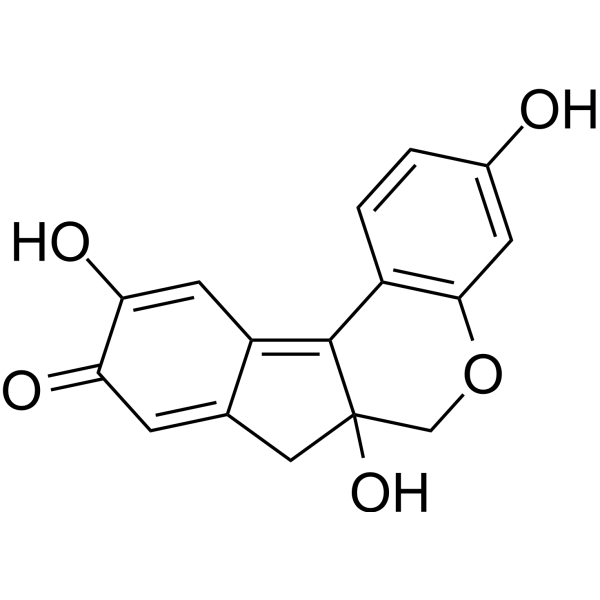
Brazilein is a compound with anti-inflammatory and neuroprotective activities, with an IC50 of 500 μM against guinea pig Na +,K +-ATPase. Brazilein reduces iNOS mRNA expression, thereby inhibiting nitric oxide production in immune cells. Brazilein suppresses inflammatory responses by reducing the mRNA expression of TNF-α and IL-6, but has no effect on IL-1β expression. Brazilein reduces the cerebral infarction volume and improves the neurological function scores of rats with cerebral ischemia-reperfusion injury. Brazilein induces apoptosis of splenic lymphocytes in mice. Brazilein inhibits humoral immune responses in mice, and causes thymus and spleen atrophy as well as body weight loss in mice. Brazilein also possesses antimalarial and antibacterial activities. Brazilein is also a red dye. Brazilein can be used in studies related to the infection, nervous system, cardiovascular system and inflammatory diseases .
|
-
- HY-183337
-
|
|
NOD-like Receptor (NLR)
Interleukin Related
|
Inflammation/Immunology
|
|
ZM734 is an orally active and selective NLRP3 inflammasome inhibitor. ZM734 inhibits the secretion of IL-1β. ZM734 alleviates pulmonary inflammation in a mouse model of acute lung injury. ZM734 can be used for the research of inflammatory diseases such as acute lung injury .
|
-
- HY-B1016
-
|
AR-12008
|
PDGFR
Phosphodiesterase (PDE)
Prostaglandin Receptor
|
Cardiovascular Disease
Neurological Disease
|
|
Trapidil (AR-12008) is an orally active vasodilator and antiplatelet agent. Trapidil antagonizes platelet-derived growth factor (PDGF), inhibits phosphodiesterase, thromboxane A2 synthesis and pro-inflammatory cytokine production. Trapidil promotes prostacyclin biosynthesis, reduces lipid peroxidation, regulates nitric oxide metabolism, and inhibits cell proliferation and migration. Trapidil exerts tissue-protective effects, regulates bone turnover, and inhibits pyroptosis via the GPX3/Nrf2 pathway. Trapidil is applicable to research related to renal ischemia-reperfusion injury, chronic stable angina, restenosis, meningioma, diabetic cardiomyopathy and peripheral nerve crush injury .
|
-
- HY-157131
-
|
|
TRP Channel
|
Neurological Disease
|
|
TRPV2-selective blocker 1 is a TRPV2-selective blocker that inhibits calcium influx and ionic currents. TRPV2-selective blocker 1 exhibits an IC50 of 6.3 μM against rat TRPV2, and shows no activity against TRPV1, TRPV3 or TRPV4 channels. TRPV2-selective blocker 1 attenuates macrophage phagocytosis, LPS-induced macrophage migration, and calcium microdomains generated by peripheral TRPV2. TRPV2-selective blocker 1 is non-cytotoxic and can be used to investigate the function of TRPV2 during immune processes .
|
-
- HY-N1336
-
|
|
Others
|
Others
|
|
Rubianthraquinone is a anthraquinone, that can be isolated from the roots of Rubia yunnanensis. Rubianthraquinone inhibits NO production and degranulation .
|
-
- HY-163032
-
|
|
FABP
|
Cardiovascular Disease
Metabolic Disease
Inflammation/Immunology
|
|
FABP4-IN-3 (compound C3) is a highly selective FABP4 inhibitor (FABP4 Ki = 25 ± 3 a nM, FABP3 Ki = 15.03 μM) which exhibits a 601-fold selectivity over FABP3. FABP4-IN-3 also shows metabolic stability and potent cellular anti-inflammatory activity, making it promising to get involved in the research of metabolic disease, cardiac dysfunction and inflammation-related disease .
|
-
- HY-162641
-
|
|
IRAK
NF-κB
p38 MAPK
TNF Receptor
|
Inflammation/Immunology
|
|
AF-45 inhibits IRAK4 and IRAK1, with IC50s of 128 nM and 1765 nM. AF-45 inhibits the release of IL-6 and TNF-α in macrophages, with IC50s of 0.53-1.54 μM and 0.6-2.75 μM. AF-45 is also an inhibitor for NF-κB/MAPK signaling pathway. AF-45 exhibits anti-inflammatory activities against DSS-induced ulcerative colitis and Lipopolysaccharide (HY-D1056)-induced acute lung injury in mouse model. AF-45 exhibits good pharmacokinetic characteristics in rat models .
|
-
- HY-182939
-
|
|
MNK
Eukaryotic Initiation Factor (eIF)
NF-κB
|
Inflammation/Immunology
|
|
MNK1/2-IN-10 is an orally active, selective MNK1/MNK2 inhibitor, with an IC50 of 10.84 nM for MNK1 and an IC50 of 12.81 nM for MNK2. MNK1/2-IN-10 inhibits eIF4E phosphorylation, the NF-κB signaling pathway, macrophage polarization, oxidative stress and the production of pro-inflammatory cytokines. MNK1/2-IN-10 alleviates kidney and spleen damage in LPS (HY-D1056)-induced inflammatory mouse models. Anti-inflammatory agent 115 is applicable for research related to acute inflammation .
|
-
- HY-180829
-
|
|
HDAC
NF-κB
IKK
COX
NO Synthase
|
Inflammation/Immunology
|
|
HDAC6-IN-71 (Compound 24) is a HDAC6 inhibitor with IC50 values for HDAC6 and HDAC1 of 13.68 and 443.12 nM respectively. HDAC6-IN-71 effectively inhibits the production of NO by mouse macrophages, with its IC50 being 2.31 μM. HDAC6-IN-71 inhibits the HDAC6-NF-κB signaling pathway, reduces the levels of phosphorylated IκB-α and IKK-α/β, and suppresses the expression of downstream inflammatory proteins COX-2 and iNOS. HDAC6-IN-71 significantly alleviates ulcerative colitis in mice .
|
-
- HY-N0853A
-
|
Alisol A 24-monoacetate; Alisol A monoacetate
|
AMPK
Carnitine Palmitoyltransferase (CPT)
Acyltransferase
Fatty Acid Synthase (FASN)
Acetyl-CoA Carboxylase
Bcl-2 Family
PPAR
Nuclear Factor of activated T Cells (NFAT)
PI3K
Akt
PKA
ERK
Apoptosis
Autophagy
|
Cardiovascular Disease
Infection
Neurological Disease
Metabolic Disease
Endocrinology
|
|
Alisol A 24-acetate (Alisol A monoacetate) is an orally active derivative of protostane-type tetracyclic triterpenoid. Alisol A 24-acetate upregulates the expression of adiponectin, AMPKα, CPT1, and ACOX1; downregulates the expression of SREBP-1c, ACC, FAS, Bcl-2, Bcl-xl, PPAR-γ, perilipin A, and NFATc1; inhibits the activity of PI3K/Akt/mTOR and HMGR; and activates the PKA and ERK signaling pathways. Alisol A 24-acetate regulates cell apoptosis (apoptosis), autophagy (Autophagy, hepatic lipid accumulation, inflammatory response, neuroprotection, MRSA membrane integrity, and osteoclast differentiation. Alisol A 24-acetate can be used in research related to non-alcoholic fatty liver disease, nephrotoxicity, obesity, global cerebral ischemia-reperfusion injury, bacterial infection, and osteoporosis .
|
-
- HY-NP078A
-
|
PSA (FITC)
|
Biochemical Assay Reagents
CD3
|
Inflammation/Immunology
Endocrinology
|
|
Pisum sativum Agglutinin (PSA) FITC is a plant lectin conjugated with FITC (HY-66019). Pisum sativum Agglutinin FITC serves as an acrosome stain for detecting the acrosomal status of sperm. Pisum sativum Agglutinin exhibits lymphocyte mitogenic and immunomodulatory activities .
|
-
- HY-D3225
-
|
|
Fluorescent Dye
|
Neurological Disease
|
|
MD-B is a •OH Fluorescent probe with blood-brain barrier permeability. MD-B undergoes single-electron oxidation by hydroxyl radicals (•OH), which triggers fluorescence enhancement and enables in-situ imaging of •OH. MD-B allows imaging analysis of hydroxyl radicals (•OH) in the mouse brain, revealing a positive correlation between elevated •OH levels and the severity of depressive phenotypes. MD-B can be used in depression-related research .
|
-
- HY-W750903
-
|
|
NO Synthase
|
Inflammation/Immunology
|
|
Dihydroxanthohumol is a chalcone found in Humulus lupulus L. Dihydroxanthohumol is a nitric oxide (NO) production inhibitor. Dihydroxanthohumol slightly suppresses LPS (HY-D1056)/IFN-γ-induced iNOS protein expression and NO production. Dihydroxanthohumol exhibits cytotoxicity at high concentrations .
|
-
- HY-175645
-
|
|
NOD-like Receptor (NLR)
URAT1
Interleukin Related
OAT
GLUT
|
Metabolic Disease
Inflammation/Immunology
|
|
NLRP3/URAT1-IN-1 is an orally active double inhibitor of NLRP3 and URAT1 (IC50 = 3.81 μM). NLRP3/URAT1-IN-1 inhibits IL-1β release in LPS (HY-D1056) and ATP-stimulated mouse bone marrow-derived macrophages (BMDMs), with an IC50 of 2.61 μM. NLRP3/URAT1-IN-1 reduces serum uric acid (SUA) and alleviates liver/kidney damage in mice with acute hyperuricemia (HUA). NLRP3/URAT1-IN-1can be used for the study of gout and hyperuricemia .
|
-
- HY-167939
-
|
|
Adrenergic Receptor
|
Inflammation/Immunology
|
|
(R)-Bambuterol is a β2-receptor agonist with anti-asthmatic and colitis-improving activity. (R)-Bambuterol is indicated for the treatment of asthma and chronic obstructive pulmonary disease and has the advantage of a once-daily dosing and a favorable side effect profile. (R)-Bambuterol significantly reduced disease severity in a mouse model of colitis, more effectively than (RS)-Bambuterol or (S)-Bambuterol. (R)-Bambuterol can significantly reduce the levels of inflammatory cytokines and reduce the infiltration of macrophages in mice with colitis. (R)-Bambuterol also increases β2-adrenoceptor levels and reduces the expression of IL-6, IL-17 and other related proteins in colon tissue in a dose-dependent manner .
|
-
- HY-130743
-
|
Bis-eugenol; Dehydrodieugenol
|
Parasite
|
Infection
|
|
Dieugenol is a neolignan that has been found in N. leucantha and has antioxidative and antiprotozoal activities. It inhibits the formation of thiobarbituric acid reactive substances (TBARS) and scavenges superoxide anions, but not hydroxyl radicals, in cell-free assays. It has anti-trypanosomal activity against T. cruzi amastigotes and trypomastigotes (IC50s=15.1 and 11.5 μM, respectively) but is cytotoxic to NCTC L-929 fibroblasts with a 50% cytotoxic concentration (CC50) value of 58.2 μM.2 Dieugenol (15 μM) disrupts the integrity of the T. cruzi trypomastigote plasma membrane but does not induce the production of reactive oxygen species (ROS) in trypomastigotes or LPS-stimulated and unstimulated isolated mouse peritoneal macrophages.
|
-
- HY-W615446
-
|
|
Glutathione S-transferase
Interleukin Related
|
Inflammation/Immunology
Cancer
|
|
GSTO1-IN-3 is a potent GSTO1-1 inhibitor with an IC50 of 0.11 μM, and shows selectivity over GSTO2-2, GSTA1-1 and GSTP1-1 (IC50 > 100 μM). GSTO1-IN-3 enhances the cytotoxicity of Cisplatin (HY-17394) against human breast cancer cells. GSTO1-IN-3 inhibits IL-1β release in mouse bone marrow-derived macrophage (BMDM) cells. GSTO1-IN-3 attenuates inflammation in mice. GSTO1-IN-3 can be used for breast cancer and inflammation research .
|
-
- HY-P6292
-
|
|
PACAP Receptor
PKA
ERK
PI3K
Akt
GSK-3
|
Neurological Disease
Cancer
|
|
KS-133 is a bicyclic peptide with VIPR2 antagonistic activity that can cross the blood-brain barrier. KS-133 selectively blocks VIPR2-mediated Gq/Ca, Gs/cAMP, cAMP/PKA/ERK and PI3K/AKT/GSK3β signaling pathways. KS-133 inhibits VIPR2 agonist-induced CREB phosphorylation in the prefrontal cortex of mice. KS-133 shifts the polarization direction of macrophages toward M1. KS-133 attenuates cancer cell proliferation and reduces the cell cycle distribution level at the S-M phase. KS-133 exerts antitumor effects in a mouse model of colorectal cancer. KS-133 reverses cognitive decline in mouse models of psychiatric disorders. KS-133 can be used for research related to schizophrenia, colorectal cancer and breast cancer .
|
-
- HY-W743094
-
|
|
Drug Derivative
|
Inflammation/Immunology
Cancer
|
|
Methylstenbolone is a steroid and an anti-inflammatory agent. Methylstenbolone inhibits nitric oxide production in macrophages and exhibits cytotoxicity against breast cancer cells and normal fibroblasts. Methylstenbolone can be used for the research of inflammation and breast cancer .
|
-
- HY-182970
-
|
|
PROTACs
HIV
Interleukin Related
|
Inflammation/Immunology
|
|
PROTAC SAMHD1 Degrader-1 is an orally active targeted SAMHD1 PROTAC degrader, with an IC50 of 6.3 μM against the dNTP hydrolase activity of SAMHD1. PROTAC SAMHD1 Degrader-1 binds to SAMHD1 inside cells and mediates its degradation, with low off-target effects. PROTAC SAMHD1 Degrader-1 inhibits the production of pro-inflammatory cytokines and interferes with the cascade amplification process of inflammatory responses. PROTAC SAMHD1 Degrader-1 delays the progression of pulmonary fibrosis and exerts protective effects on lung tissues. PROTAC SAMHD1 Degrader-1 can be used in pulmonary fibrosis-related research. (Pink: SAMHD1 Target protein ligand (HY-182973); Blue: DCAF1 ligand (HY-182974); Black: linker (HY-W067705)) .
|
-
- HY-182644
-
|
|
Toll-like Receptor (TLR)
NF-κB
TNF Receptor
Interleukin Related
|
Cancer
|
|
SMU-Z1 is a TLR1/2 heterodimer agonist with an EC50 of 4.88 nM. SMU-Z1 activates the NF-κB pathway, triggers pro-inflammatory cytokine production, and induces the generation of TNF-α, IL-1β, IL-6 and NO. SMU-Z1 promotes splenocyte proliferation and upregulates the expression of CD8 +T cells, NK cells and dendritic cells. SMU-Z1 exhibits significant anti-tumor effects in mouse leukemia models. SMU-Z1 can be used for leukemia-related research .
|
-
- HY-102065R
-
|
|
Reference Standards
Prostaglandin Receptor
RANKL/RANK
|
Metabolic Disease
|
|
SC-19220 (Standard) is the analytical standard of SC-19220 (HY-102065). This product is intended for research and analytical applications. SC-19220 is a prostaglandin E2 receptor EP1 antagonist. SC-19220 blocks functional EP1 receptor activation, and RANK/RANKL signaling pathway. SC-19220 inhibits osteoclast formation and bone resorption by pre-existing osteoclasts. SC-19220 can be used for the research of osteoporotic disorders, inflammatory bone resorption .
|
-
- HY-102065
-
|
|
Prostaglandin Receptor
RANKL/RANK
|
Metabolic Disease
|
|
SC-19220 is a prostaglandin E2 receptor EP1 antagonist. SC-19220 blocks functional EP1 receptor activation, and RANK/RANKL signaling pathway. SC-19220 inhibits osteoclast formation and bone resorption by pre-existing osteoclasts. SC-19220 can be used for the research of osteoporotic disorders, inflammatory bone resorption .
|
-
- HY-176879
-
|
|
Drug Derivative
Bacterial
|
Infection
|
|
NHS-PEG2000-Mannose is an NHS-PEG-Mannose containing PEG2000. NHS-PEG-Mannose is a D-mannose derivative and linker. NHS-PEG-Mannose can bind to phage coat proteins via amino-carboxyl reaction to form mannose-modified phage (Man-phage) .
|
-
- HY-W722277A
-
|
|
Interleukin Related
NADH Dehydrogenase
TNF Receptor
JAK
STAT
IRAK
|
Inflammation/Immunology
|
|
LCC-12 (formate) is a copper (II) chelator and a derivative of the biguanide metformin (HY-B0627). LCC-12 (formate) reduces its hydrogen peroxide-dependent oxidation of NADH to NAD+. LCC-12 (formate) reduces IL-1β, IL-2, IL-6, IL-8, and TNF-α levels, as well as JAK2, STAT2, and IL-1 receptor-associated kinase 4 (IRAK4) levels in primary human cytokine-activated monocyte-derived macrophages (MDMs). LCC-12 (formate) reduces the number of CD80+ and CD86+ cytokine-activated MDMs. LCC-12 LCC-12 (formate) improves survival in a mouse model of sepsis induced by LPS or cecal ligation and puncture .
|
-
- HY-P990858
-
|
|
CD47
|
Cancer
|
|
Anti-CD47 Antibody (B6.H12) is a kind of mouse IgG1 κ chimeric antibody, targeting to human CD47. Anti-CD47 Antibody (B6.H12) blocks CD47 interactions with SIRPα. Anti-CD47 Antibody (B6.H12) inhibits cell proliferation, cell migration and invasion. Anti-CD47 Antibody (B6.H12) increases macrophage phagocytosis. Anti-CD47 Antibody (B6.H12) shows potent anti-tumor effect in various tumor models, such as osteosarcoma .
|
-
- HY-179047
-
|
|
Toll-like Receptor (TLR)
MyD88
IKK
p38 MAPK
ERK
TNF Receptor
Interleukin Related
|
Inflammation/Immunology
Cancer
|
|
SMU-L11-R is a selective TLR7 agonist with an EC50 of 0.012 μM for human TLR7. SMU-L11-R specifically activates TLR7, recruits MyD88, and triggers MAPK/NF-κB pathways, leading to TNF-α/IL-1β/IL-6 secretion in both mouse and human peripheral blood mononuclear cells. SMU-L11-R promotes M1-like macrophage polarization. SMU-L11-R exhibits excellent synergistic anti-tumor effects with PD-L1 inhibitors by upregulating CD8 +T cells. SMU-L11-R shows potential in colorectal cancer studies .
|
-
- HY-N11262
-
|
|
Phosphodiesterase (PDE)
Sirtuin
PGC-1α
p38 MAPK
HSP
TNF Receptor
NO Synthase
Apoptosis
|
Metabolic Disease
Inflammation/Immunology
|
|
Sudachitin is an orally active compound that potently inhibits mouse PDE1C and human PDE4B, with IC50 values of 5.0 μM and 15.0 μM, respectively. Sudachitin upregulates Sirt1 and PGC‑1α expression in skeletal muscle to regulate energy metabolism and promote mitochondrial biogenesis. Sudachitin improves lipid metabolism, glucose tolerance, insulin sensitivity, energy expenditure, and fatty acid β‑oxidation. Sudachitin activates p38MAPK signaling, induces HSP27 phosphorylation and caspase‑dependent apoptosis, and blocks EGF‑driven keratinocyte migration and proliferation. Sudachitin suppresses LPS‑induced TNF‑α, NO, and iNOS expression in macrophages and shows potent anti‑inflammatory activity. Sudachitin can be used for the research of metabolic syndrome, type 2 diabetes, and psoriasis. .
|
-
- HY-W420454
-
|
|
Others
|
Inflammation/Immunology
Cancer
|
|
Danshenspiroketallactone is a lactone found in the roots of Salvia miltiorrhiza. Danshenspiroketallactone shows no anti-inflammatory and anticancer activity .
|
-
- HY-N17448
-
|
|
Drug Derivative
|
Others
|
|
Fraxinuacidoside functions as a norditerpene glucopyranoside with a unique carbon skeleton. Fraxinuacidoside can be found in the stem bark of Fraxinus sieboldiana .
|
-
- HY-P1181
-
|
|
Toll-like Receptor (TLR)
NO Synthase
IKK
Akt
PKC
NF-κB
p38 MAPK
Interleukin Related
|
Cardiovascular Disease
Infection
Inflammation/Immunology
Cancer
|
|
Pam2CSK4 is a TLR2 agonist. Pam2CSK4 induces the expression of iNOS and NO in macrophage cell lines via TBK1 and MyD88 molecules. Pam2CSK4 activates the NF-κB and Bruton's tyrosine kinase signaling pathways in platelets, and promotes platelet-endothelial cell interactions. TLR2 activation triggered by Pam2CSK4 expands myeloid-derived suppressor cells (MDSCs) and suppresses anti-tumor immune responses in the tumor microenvironment. Pam2CSK4 acts as a Th2-polarizing adjuvant in mouse vaccine models against Leishmania major and Brugia malayi. Pam2CSK4 can be used in the research of various diseases, including thromboinflammatory diseases, sepsis, atherosclerosis, heart failure, influenza, lymphoma, melanoma, cutaneous leishmaniasis and lymphatic filariasis .
|
-
- HY-182366
-
|
|
Histone Methyltransferase
|
Neurological Disease
Inflammation/Immunology
|
|
EED-IN-5 is an orally active, EZH2-selective trisubstituted pyridine-based EED-H3K27me3 inhibitor and immunomodulator with anti-inflammatory activity. The IC50 value of EED-IN-5 against EED is 28.21 nM. In mouse models, EED-IN-5 preferentially and persistently accumulates in lymph nodes after oral administration. By reducing the H3K27me3 level of dendritic cells and inhibiting their migration, EED-IN-5 decreases the infiltration of specific dendritic cells, macrophages and T cells into the spinal cord and brain. EED-IN-5 exhibits hERG inhibitory activity, shows negative results in the Mini-Ames test, and causes no obvious toxicity upon long-term high-dose administration. EED-IN-5 can be used for the research of multiple sclerosis .
|
-
- HY-19667
-
|
DPC 333
|
TNF Receptor
NF-κB
Apoptosis
p38 MAPK
|
Neurological Disease
Inflammation/Immunology
|
|
BMS-561392 (BMS-561392) is a selective ADAM17(TACE) inhibitor. BMS-561392 inhibits TNF-α secretion by regulating signaling pathways such as p44 MAPK and NF-κB. BMS-561392 also affects the survival of central nervous system-related cells including oligodendrocytes and microglia. BMS-561392 promotes microglial apoptosis, enlarges the injury area and exacerbates astrogliosis in a mouse spinal cord injury model. BMS-561392 can be used in research related to spinal cord injury and inflammatory diseases .
|
-
- HY-120602
-
-
- HY-15193B
-
|
|
SGK
Drug Isomer
|
Cardiovascular Disease
Cancer
|
|
EMD638683 (S-Form) (Compound 1a), the S-enantiomer of EMD638683 (HY-15193), is a SGK1 inhibitor with an IC50 value > 300 nM. EMD638683 is an orally active SGK1 inhibitor with an IC50 of 3 μM. EMD638683 exhibits strong inhibition against SGK1, moderate inhibition against SGK2 and SGK3, and shows excellent selectivity for other AGC kinase family members. EMD638683 has antihypertensive activity by inhibiting SGK1, and independently of the blood pressure-lowering effect, it effectively prevents heart inflammation and fibrosis caused by hypertension by inhibiting the cardiac NLRP3 inflammation body/ IL-1β axis. EMD638683 promotes apoptosis of colon cancer cells and sensitizes radiotherapy. EMD638683 (S-Form) can be used in research related to hypertension, hypertensive heart damage, and colon cancer .
|
-
- HY-182026
-
|
|
FXR
G protein-coupled Bile Acid Receptor 1
TNF Receptor
Reactive Oxygen Species (ROS)
|
Inflammation/Immunology
|
|
FXR agonist 17 is an orally active, steroidal FXR agonist with EC50 values of 42.2 nM (TR-FRET) and 176.4 nM (luciferase reporter assay), respectively. FXR agonist 17 activates TGR5 (EC50 = 2.6 μM) but does not activate hMRGPRX4. FXR agonist 17 exerts anti-inflammatory, hepatoprotective and antifibrotic effects, improves the non-alcoholic steatohepatitis (NAFLD) activity score and reduces the severity of liver fibrosis. FXR agonist 17 can be used for the research of NAFLD, cholestatic liver disease and liver fibrosis .
|
-
- HY-19667A
-
|
DPC 333 formate
|
TNF Receptor
NF-κB
Apoptosis
p38 MAPK
|
Neurological Disease
Inflammation/Immunology
|
|
BMS-561392 formate (DPC 333 formate) is a selective ADAM17(TACE) inhibitor. BMS-561392 formate inhibits TNF-α secretion by regulating signaling pathways such as p44 MAPK and NF-κB. BMS-561392 formate also affects the survival of central nervous system-related cells including oligodendrocytes and microglia. BMS-561392 formate promotes microglial apoptosis, enlarges the injury area and exacerbates astrogliosis in a mouse spinal cord injury model. BMS-561392 formate can be used in research related to spinal cord injury and inflammatory diseases .
|
-
- HY-186053
-
|
|
Parasite
|
Infection
|
|
Antimalarial agent 56 is an orally active antimalarial agent. Antimalarial agent 56 inhibits the growth of both drug-sensitive and drug-resistant Plasmodium falciparum strains in vitro. Antimalarial agent 56 can be used in malaria research .
|
-
- HY-NP070
-
|
LTL
|
|
Inflammation/Immunology
|
|
Lotus tetragonolobus lectin (LTL) is a plant lectin that specifically recognizes and binds to α-L-fucopyranosyl residues, a sugar structure serving as the key terminal glycosyl group of human blood type O antigen (H antigen). Lotus tetragonolobus lectin exerts macrophage migration inhibitory activity in monomeric form. Lotus tetragonolobus lectin labels and identifies renal proximal tubular epithelial cells to evaluate histopathological changes of sepsis-induced acute kidney injury. Lotus tetragonolobus lectin is applicable to studies in glycobiology, immunology and renal pathology .
|
-
- HY-P1181A
-
|
|
Toll-like Receptor (TLR)
NO Synthase
IKK
Akt
PKC
NF-κB
p38 MAPK
Interleukin Related
|
Cardiovascular Disease
Infection
Inflammation/Immunology
Cancer
|
|
Pam2CSK4 TFA is a TLR2 agonist. Pam2CSK4 TFA induces the expression of iNOS and NO in macrophage cell lines via TBK1 and MyD88 molecules. Pam2CSK4 TFA activates the NF-κB and Bruton's tyrosine kinase signaling pathways in platelets, and promotes platelet-endothelial cell interactions. TLR2 activation triggered by Pam2CSK4 TFA expands myeloid-derived suppressor cells (MDSCs) and suppresses anti-tumor immune responses in the tumor microenvironment. Pam2CSK4 TFA acts as a Th2-polarizing adjuvant in mouse vaccine models against Leishmania major and Brugia malayi. Pam2CSK4 TFA can be used in the research of various diseases, including thromboinflammatory diseases, sepsis, atherosclerosis, heart failure, influenza, lymphoma, melanoma, cutaneous leishmaniasis and lymphatic filariasis .
|
-
- HY-182757
-
|
|
RANKL/RANK
Nuclear Factor of activated T Cells (NFAT)
Cathepsin
|
Metabolic Disease
Inflammation/Immunology
|
|
Y1693 is an orally active RANKL inhibitor with a Kd of 5.03 μM for hRANKL. Y1693 inhibits the activation of the downstream c-fos/NFATc1 signaling pathway by blocking its interaction with RANK. Y1693 significantly inhibits RANKL-induced osteoclast differentiation, F-actin ring formation and bone resorptive activity, while downregulating the mRNA and protein expressions of TRAP, cathepsin K, c-fos and NFATc1. Y1693 shows no obvious cytotoxicity to bone marrow-derived macrophages and osteoclast precursor cells, and exhibits favorable ADME properties. Y1693 improves ovariectomy-induced osteoporosis in mice and reverses ligation-induced periodontal alveolar bone loss. Y1693 is applicable to research related to osteoporosis and periodontal diseases .
|
-
- HY-P991016
-
|
PT-217
|
CD47
|
Inflammation/Immunology
|
|
Peluntamig (PT-217) is a bispecific antibody targeting DLL3 and CD47. The antibody arms of Peluntamig specifically bind to DLL3 on small cell lung cancer tumor cells while blocking the CD47-SIRPa interaction, thereby effectively stimulating macrophage phagocytosis and inducing NK cell-mediated cytotoxicity. Peluntamig exhibits significant anti-tumor activity against small cell lung cancer and also has favorable safety profiles. Peluntamig can be used in a variety of tumor-related studies including those on small cell lung cancer and L1210 leukemia .
|
-
- HY-183296
-
|
|
NOD-like Receptor (NLR)
Interleukin Related
Caspase
|
Inflammation/Immunology
|
|
NLRP3-IN-91 is a potent NLRP3 inflammasome inhibitor with a Kd of 558.4 nM. NLRP3-IN-91 directly targets the NLRP3 NACHT domain, blocks inflammasome assembly and activation, and exerts anti-inflammatory effects. NLRP3-IN-91 increases survival time in a murine model of LPS (HY-D1056)-induced sepsis. NLRP3-IN-91 can be used for the research of sepsis .
|
-
- HY-183008
-
|
|
Parasite
TNF Receptor
Interleukin Related
NF-κB
Toll-like Receptor (TLR)
|
Infection
Inflammation/Immunology
|
|
BSF2 is a anti-Leishmania agent. BSF2 modulates gene expression linked to ubiquitination, chromatin remodeling, and peroxisomal membrane transport pathways in Leishmania braziliensis. BSF2 downregulates TNF, IL-17, NF-κB, and Toll-like receptor pathways in Leishmania-infected macrophages. BSF2 exerts leishmanicidal activity against intracellular Leishmania braziliensis amastigotes. BSF2 can be used for the research of american tegumentary leishmaniasis .
|
-
- HY-182034
-
|
|
Toll-like Receptor (TLR)
Interleukin Related
TNF Receptor
|
Inflammation/Immunology
|
|
GAP214 is a monosaccharide lipid A analogue and TLR4/MD-2 complex modulator.GAP214 binds to the TLR4/MD-2 complex via hydrophobic interactions, salt bridges, and hydrogen bonds, induces dimerization of the complex to initiate intracellular signaling cascades.GAP214 functions as an immunostimulant and vaccine adjuvant, enhances antigen-specific IgG antibody production in a mouse model .
|
-
- HY-W587743
-
|
AMK hydrochloride
|
Prostaglandin Receptor
PGE synthase
COX
Reactive Oxygen Species (ROS)
|
Neurological Disease
Metabolic Disease
|
|
N1-Acetyl-5-methoxykynuramine (AMK) hydrochloride is an active metabolite of the neurohormone melatonin (HY-B0075). N1-Acetyl-5-methoxykynuramine hydrochloride (200 µM) effectively scavenges singlet oxygen (ROS).1 It also inhibits the production of prostaglandin E2 (PGE2) and prostaglandin D2 (PGD2) induced by epinephrine and arachidonic acid in a concentration- and time-dependent manner, and suppresses the increase in COX-2 levels induced by LPS (HY-D1056) in RAW 264.7 macrophages at a concentration of 500 µM. In a mouse model of Parkinson's disease induced by MPTP (HY-15608), N1-Acetyl-5-methoxykynuramine hydrochloride (20 mg/kg) reduces the increase in lipid peroxidation in the cytosol and mitochondria of the substantia nigra and striatum. N1-Acetyl-5-methoxykynuramine hydrochloride can be used in research on metabolic and neurological diseases
|
-
- HY-105005
-
|
AAD-2004
|
Prostaglandin Receptor
PGE synthase
Reactive Oxygen Species (ROS)
Apoptosis
|
Neurological Disease
Inflammation/Immunology
|
|
Crisdesalazine (AAD-2004) is a microsomal prostaglandin E2 synthase-1 (mPGES-1) inhibitor. Crisdesalazine acts as a potent free radical scavenger that directly neutralizes reactive oxygen species (ROS) including hydrogen peroxide, exerting neuroprotective effects against apoptosis and axonal damage. Crisdesalazine inhibits PGE2 production, mediates inflammatory responses, and promotes the conversion of macrophages from the pro-inflammatory M1 phenotype to the anti-inflammatory M2 phenotype. Crisdesalazine is applicable to neuroprotection research in multiple sclerosis and spinal cord injury .
|
-
- HY-P2460
-
|
|
Bacterial
Fungal
Interleukin Related
TNF Receptor
|
Infection
Inflammation/Immunology
|
|
SMAP‑29 is a cathelicidin antimicrobial peptide with LPS‑binding and anti‑inflammatory properties. SMAP‑29 exerts broad‑spectrum antimicrobial activity against bacteria, fungi and multidrug‑resistant isolates. SMAP‑29 kills pathogens by permeabilizing bacterial membranes, inducing depolarization and cell lysis, and also inhibits inflammatory cytokines while reducing lethality in septic shock and pneumonia models. SMAP-29 can be used for research on bacterial infections, drug-resistant infections, septic shock .
|
-
- HY-P99529
-
|
BAX1810; TAK-752; SM101
|
Fc Receptor (FcR)
|
Inflammation/Immunology
|
|
Valziflocept (BAX1810; TAK-752) is a recombinant soluble human FcγRIIb receptor that targets Fc and FcγR. FcγRs bind to and neutralize pathogenic IgG, thereby acting as a "decoy" or "scavenger" receptor that reduces the severity of autoimmune diseases. Valziflocept is used in research on autoimmune diseases such as systemic lupus erythematosus (SLE) .
|
-
- HY-182380
-
|
|
STAT
NOD-like Receptor (NLR)
Apoptosis
|
Others
Neurological Disease
Inflammation/Immunology
Cancer
|
|
ODZ10117 is a STAT3 and NLRP3 inhibitor with a human STAT3 SH2 domain IC50 of 7.5 μM. ODZ10117 binds to the STAT3 SH2 domain, suppressing tyrosine phosphorylation, dimerization, nuclear translocation, and transcriptional activity. ODZ10117 binds to NLRP3, impairs NEK7 interaction, prevents inflammasome formation, and inhibits caspase-1 and IL-1β cleavage.ODZ10117 reduces MSU (HY-B2130A)-induced IL-1β release, lowers LPS (HY-D1056)-induced sepsis mortality, and exhibits anti-inflammatory effects. ODZ10117 induces apoptosis, suppresses breast cancer cell migration and invasion, reduces tumor growth and lung metastasis, and extends survival in breast cancer models. ODZ10117 can be used for the research of Monosodium urate (HY-B2130A)-induced peritonitis, LPS-induced sepsis, breast cancer, glioblastoma, and Alzheimer's disease .
|
-
- HY-165557
-
|
|
P2X Receptor
|
Inflammation/Immunology
|
|
GSK1370319A (compound 1a) is a human P2X7 receptor inhibitor with an IC50 of 474 nM and a Ki of 176 nM. GSK1370319A inhibits the production of IL-1β, reduces the generation of reactive oxygen species (ROS), and increases the survival rate of macrophages. GSK1370319A can be used for the research of inflammatory bowel disease .
|
-
- HY-155351
-
|
|
PARP
Cytochrome P450
|
Cancer
|
|
PARP7-IN-15 is an orally active and selective PARP7 inhibitor with an IC50 of 0.56 nM. PARP7-IN-15 inhibits the enzymatic activity of PARP7 and induces anti-tumor activity against lung cancer in vivo. PARP7-IN-15 can be used for the research of lung cancer .
|
-
- HY-111165
-
|
|
HSP
NF-κB
ERK
JNK
PDGFR
c-Myc
DNA/RNA Synthesis
Apoptosis
|
Inflammation/Immunology
Cancer
|
|
SNX-7081 is an Hsp90 inhibitor with Ki and IC50 values of 26 nM and 44 nM, respectively. SNX-7081 blocks the nuclear translocation of NF-κB, inhibits the production of pro-inflammatory cytokines, attenuates the ERK/JNK and PDGF signaling pathways, and suppresses LPS (HY-D1056)-induced nitric oxide production. SNX-7081 inhibits DNA repair, induces G2/M cell cycle arrest, and triggers apoptosis via downregulation of MYC/nucleolin and activation of Fas. SNX-7081 can be used in research related to rheumatoid arthritis and cancer .
|
-
- HY-138135
-
|
Fidaxomicin metabolite OP-1118
|
NF-κB
ERK
Apoptosis
Bacterial
|
Infection
|
|
OP-1118 (Fidaxomicin metabolite OP-1118) is an orally active dual inhibitor of NF-κB and ERK1/2, with low systemic plasma exposure, no accumulation, and primary excretion via feces. By inhibiting the phosphorylation of NF-κB and ERK1/2 and reducing the expression of pro-inflammatory cytokines, OP-1118 exerts significant anti-inflammatory, cytoprotective, anti-apoptotic and antibacterial activities. In Clostridium difficile infection models, OP-1118 effectively blocks toxin-mediated intestinal inflammation, cell rounding, histological damage and apoptosis, and its protective effect can be reversed by PMA (HY-18739) .
|
-
- HY-N6871
-
|
|
Bacterial
IKK
Ferroptosis
|
Infection
Metabolic Disease
Inflammation/Immunology
Cancer
|
Abietic acid, an orally active diterpene isolated from Colophony, displays significant anti-proliferative, anti-inflammatory, anti-obesity effect, bacteriostatic, cell cycle arresting and pro-apoptotic activities. Abietic acid inhibits lipoxygenase activity for allergy. Abietic acid enhances cell migration and tube formation in HUVECs. Abietic acid induces significant angiogenic potential, which is associated with upregulation of extracellular signal-regulated kinase (ERK) and p38 expression. Abietic acid attenuates sepsis-induced lung injury by inhibiting nuclear factor kappa-light-chain-enhancer of activated B cells (NF-κB) pathway to inhibit M1 macrophage polarization. Abietic acid exhibits a positive effect against liver injury by attenuating inflammation and ferroptosis. Abietic acid shows accelerated wound closure in a mouse model of cutaneous wounds. Abietic acid significantly reduces the proliferation and growth of NSCLC cells by IKKβ inhibition.Additionally, Abietic acid ameliorates psoriasis-like inflammation and modulates gut microbiota in mice. Abietic acid is promising for research in non-small-cell lung cancer (NSCLC), liver injury-related deseases and psoriasis .
|
-
- HY-P11242
-
|
|
Bacterial
NF-κB
p38 MAPK
JNK
ERK
TNF Receptor
Interleukin Related
|
Infection
|
Cm-CATH2 is an antimicrobial peptide discovered from Chelonia mydas. Cm-CATH2 has a potent, broad-spectrum and rapid bactericidal ability by rapidly destroying the integrity of bacterial cell membranes. It shows strong activity against Gram-positive bacteria (such as VREF, Staphylococcus aureus), Gram-negative bacteria (such as Escherichia coli, Klebsiella pneumoniae), and fungi (such as Candida albicans) with MICs ranges from 1.17 to 18.75 μg/mL. Cm-CATH2 is also effective against various aquatic pathogenic bacteria. Cm-CATH2 not only inhibits biofilm formation but can also remove the formed biofilms. Cm-CATH2 has immunomodulatory functions and chemotactic effects on immune cells, and can inhibit the production of pro-inflammatory cytokines by macrophages stimulated by LPS (HY-D1056). Cm-CATH2 prevents the activation of NF-κB by inhibiting the degradation of IκBα, and also inhibits the phosphorylation of MAPK signaling pathways (p38, JNK, ERK). Cm-CATH2 demonstrates strong anti-infective ability in mouse peritonitis models and pneumonia models .
|
-
- HY-N3415
-
|
|
Apoptosis
Autophagy
Caspase
Ferroptosis
SARS-CoV
|
Neurological Disease
Inflammation/Immunology
Cancer
|
|
Kumatakenin is an orally active apoptosis inducer and autophagy inhibitor, with a Kd value of 2.94 μM for mouse ATG5. Kumatakenin increases the activities of caspase-3, caspase-8 and caspase-9, thereby inducing caspase-dependent apoptosis in ovarian cancer cells. Kumatakenin reduces the expression of chemokines and pro-oncogenic factors in ovarian cancer cells, and inhibits M2 macrophage polarization. Kumatakenin inactivates TRIM65 function, reduces the expression and stability of FASN, and thus inhibits the proliferation, migration, invasion and tumor progression of esophageal cancer cells. Kumatakenin interacts with ATG5 to reduce its protein level, decrease LC3 level, and reduce the number of autophagosomes in the hippocampus. Kumatakenin binds to Eno3 to upregulate its expression, reduce the stability and expression level of IRP1 mRNA, inhibit ferroptosis, alleviate intestinal inflammation, and restore epithelial barrier function. Kumatakenin enhances the efficacy of antibiotics against pathogenic bacteria, inhibits SARS-CoV-2 replication, and reduces cytokine production. Kumatakenin is applicable to research related to ovarian cancer, esophageal cancer, depression and colitis .
|
-
- HY-P10364
-
|
UBI(29-41)
|
Bacterial
Antibiotic
|
Infection
Inflammation/Immunology
|
|
Ubiquicidin (29-41) (UBI (29-41)) is an Antimicrobial peptide and infection-localizing agent. Ubiquicidin (29-41) acts as an infection-specific imaging agent and infection-targeting agent. Ubiquicidin (29-41) serves as an antibiotic efficacy monitoring agent, and its aggregation level in infections induced by Staphylococcus aureus is higher than that in infections induced by Escherichia coli .
|
-
- HY-N4267
-
|
|
Calcium Channel
Platelet-activating Factor Receptor (PAFR)
UGT
Leukotriene Receptor
TNF Receptor
PGE synthase
Interleukin Related
|
Cardiovascular Disease
Infection
Inflammation/Immunology
|
|
Yangambin is a PAF receptor antagonist and UGT1A1/UGT1A3 inhibitor, with an IC50 of 29.7 μM and a Ki of 17.1 μM against human UGT1A1, and an IC50 of 56.5 μM and a Ki of 66.8 μM against human UGT1A3. Yangambin blocks PAF-mediated responses, inhibits LTB4-mediated neutrophil infiltration, and suppresses inflammatory events and anaphylactic contraction. Yangambin acts as a central nervous system inhibitor to reduce spontaneous activity, and also exhibits analgesic, anticonvulsant, antileishmanial, vasodilatory and hypotensive effects. Yangambin blocks voltage-gated Ca 2+ channels, reduces the production of NO, TNF-α, IL-6 and PGE2 in cells, increases the production of IL-10, and exerts a protective effect against cardiovascular injury. Yangambin can be used in research related to allergies, cutaneous leishmaniasis, central nervous system diseases and cardiovascular diseases .
|
-
- HY-P5081
-
|
|
TGF-β Receptor
Collagen
|
Inflammation/Immunology
|
|
Endotrophin (Mus musculus) is an adipokine, a cleavage fragment derived from Collagen VI, whose levels are elevated in adipose tissue and breast tumors of obese mice. Endotrophin (Mus musculus) activates the TGF-β signaling pathway and reduces the expression of hormone-sensitive lipase. Endotrophin (Mus musculus) induces adipogenesis, lipid accumulation, fibrosis, inflammation, angiogenesis, adipose tissue expansion, epithelial-mesenchymal transition, and insulin resistance; it also induces Cisplatin (HY-17394) resistance in cancer cells. Endotrophin (Mus musculus) can be used in research related to metabolic diseases such as obesity and type 2 diabetes, as well as cancers such as breast cancer .
|
-
- HY-N18117A
-
|
|
NO Synthase
EBV
|
Infection
Inflammation/Immunology
Cancer
|
|
23-Hydroxyohchininolide is a limonoid found in the leaves of Melia azedarach L.. 23-Hydroxyohchininolide inhibits LPS (HY-D1056)-induced NO production and exerts cytotoxic activity against human leukemia and stomach cancer cells. 23-Hydroxyohchininolide inhibits TPA (HY-18739)-induced Epstein-Barr virus early antigen activation. 23-Hydroxyohchininolide can be used for the research of cancer, infection and inflammatory disease .
|
-
- HY-N0171A
-
|
β-Sitosterol (purity>98%); 22,23-Dihydrostigmasterol (purity>98%)
|
Bacterial
Apoptosis
Reactive Oxygen Species (ROS)
MDM-2/p53
Caspase
PARP
MMP
Bcl-2 Family
HIF/HIF Prolyl-Hydroxylase
TNF Receptor
Interleukin Related
NF-κB
mTOR
Lactate Dehydrogenase
CDK
Glutathione Peroxidase
SOD
|
Infection
Cardiovascular Disease
Inflammation/Immunology
Cancer
|
|
Beta-Sitosterol (purity>98%) is orally active. Beta-Sitosterol exhibits multiple activities, including anti-inflammatory, anticancer, antioxidant, antimicrobial, antidiabetic, antioxidant enzyme, and analgesic. Beta-Sitosterol inhibits inflammation and impaired adipogenesis in bovine mammary epithelial cells by reducing levels of ROS, TNF-α, IL-1β, and NF-κB p65 and restoring the activity of the HIF-1α/mTOR signaling pathway. Beta-Sitosterol induces apoptosis in cancer cells through ROS-mediated mitochondrial dysregulation and p53 activation. Beta-Sitosterol exerts its anticancer effects in cancer cells by activating caspase-3, caspase-8, and caspase-9, mediating PARP inactivation, MMP loss, altered Bcl-2-Bax ratio, and cytochrome c release. Beta-Sitosterol modulates macrophage polarization and reduces rheumatoid inflammation in mice. Beta-Sitosterol inhibits tumor growth in multiple mouse cancer models. Beta-Sitosterol can be used in the research of arthritis, lung cancer, breast cancer and other cancers, diabetes, etc .
|
-
- HY-N0171R
-
|
β-Sitosterol (Standard); 22,23-Dihydrostigmasterol (Standard))
|
Reference Standards
Apoptosis
Endogenous Metabolite
|
Cardiovascular Disease
Inflammation/Immunology
Cancer
|
|
Beta-Sitosterol (Standard) is the analytical standard of Beta-Sitosterol. This product is intended for research and analytical applications. Beta-Sitosterol (purity≥80%) is orally active. Beta-Sitosterol exhibits multiple activities, including anti-inflammatory, anticancer, antioxidant, antimicrobial, antidiabetic, antioxidant enzyme, and analgesic. Beta-Sitosterol inhibits inflammation and impaired adipogenesis in bovine mammary epithelial cells by reducing levels of ROS, TNF-α, IL-1β, and NF-κB p65 and restoring the activity of the HIF-1α/mTOR signaling pathway. Beta-Sitosterol induces apoptosis in cancer cells through ROS-mediated mitochondrial dysregulation and p53 activation. Beta-Sitosterol exerts its anticancer effects in cancer cells by activating caspase-3, caspase-8, and caspase-9, mediating PARP inactivation, MMP loss, altered Bcl-2-Bax ratio, and cytochrome c release. Beta-Sitosterol modulates macrophage polarization and reduces rheumatoid inflammation in mice. Beta-Sitosterol inhibits tumor growth in multiple mouse cancer models. Beta-Sitosterol can be used in the research of arthritis, lung cancer, breast cancer and other cancers, diabetes, etc.
|
-
- HY-N0171
-
|
|
Apoptosis
Endogenous Metabolite
|
Cardiovascular Disease
Inflammation/Immunology
Cancer
|
|
Beta-Sitosterol (purity≥80%) is orally active. Beta-Sitosterol exhibits multiple activities, including anti-inflammatory, anticancer, antioxidant, antimicrobial, antidiabetic, antioxidant enzyme, and analgesic. Beta-Sitosterol inhibits inflammation and impaired adipogenesis in bovine mammary epithelial cells by reducing levels of ROS, TNF-α, IL-1β, and NF-κB p65 and restoring the activity of the HIF-1α/mTOR signaling pathway. Beta-Sitosterol induces apoptosis in cancer cells through ROS-mediated mitochondrial dysregulation and p53 activation. Beta-Sitosterol exerts its anticancer effects in cancer cells by activating caspase-3, caspase-8, and caspase-9, mediating PARP inactivation, MMP loss, altered Bcl-2-Bax ratio, and cytochrome c release. Beta-Sitosterol modulates macrophage polarization and reduces rheumatoid inflammation in mice. Beta-Sitosterol inhibits tumor growth in multiple mouse cancer models. Beta-Sitosterol can be used in the research of arthritis, lung cancer, breast cancer and other cancers, diabetes, etc .
|
-
- HY-116783
-
|
|
Bacterial
DNA/RNA Synthesis
|
Infection
|
|
GyrB-IN-1 is a DNA gyrase (GyrB) inhibitor. GyrB-IN-1 shows an IC50 of 19.1 μM against Mycobacterium smegmatis GyrB ATPase activity and 21.9 μM against Mycobacterium tuberculosis GyrB DNA supercoiling activity. GyrB-IN-1 exerts antimycobacterial activity and has cytotoxicity. GyrB-IN-1 can be used for the research of tuberculosis .
|
-
- HY-N2217
-
-
- HY-185207
-
|
|
Pyroptosis
|
Infection
Cancer
|
|
CQ80 is a PEPD/XPNPEP1 inhibitor and selective CARD8 inflammasome activator. CQ80 has IC50 values of 0.91 μM for PEPD, 43 μM for XPNPEP1. CQ80 promotes the accumulation of Xaa-Pro peptides by inhibiting PEPD and XPNPEP1, releases the fragment of CARD8 for inflammasome formation, and induces pyroptosis via GSDMD cleavage. CQ80 can be used for research on inflammasome, CARD8-expressing cancer cells, HIV-1-infected cell clearance, acute myeloid leukemia (AML) .
|
-
- HY-D1056F
-
|
Biotin-LPS, from Escherichia coli (O111:B4)
|
Biochemical Assay Reagents
|
Inflammation/Immunology
|
Biotin-Lipopolysaccharide, from E.coli O111:B4 (Biotin-LPS, from Escherichia coli (O111:B4)) is a biotin-conjugated Lipopolysaccharide (LPS) (HY-D1056A1) that can be coupled with streptavidin protein. Biotin-Lipopolysaccharide, from E.coli O111:B4 can be used to identify Lipopolysaccharide ligands. Lipopolysaccharides, from E. coli O111:B4 (LPS, from Escherichia coli (O111:B4)) are endotoxins and TLR4 activators extracted from Escherichia coli (E. coli O111:B4) and are classified as S (smooth) type LPS. Lipopolysaccharides, from E. coli O111:B4 possess the typical three-part structure: O-antigen, R3-type core oligosaccharide, and lipid A. Lipopolysaccharides, from E. coli O111:B4 activate TLR-4 in immune cells and can cause significant gastric diseases. Lipopolysaccharides, from E. coli O111:B4 can also induce M1-type polarization in mouse macrophages .
It is recommended to prepare a solution with concentration ≥2 mg/mL. Vortex thoroughly for more than 10 minutes. Due to the adsorption characteristics of LPS, silanized container or low adsorption centrifuge tubes should be used for aliquoting and storage, and mix thoroughly before use.
|
-
- HY-P991896
-
|
AT14-012
|
Transmembrane Glycoprotein
|
Inflammation/Immunology
Cancer
|
|
AT1412 is a CD9-binding antibody. AT1412 binds to the tetraspanin protein CD9 and modulates CD9 function by enhancing T cell adhesion to endothelial cells (HUVECs) and transendothelial migration. AT1412 binds to B-ALL cell lines but not to T-ALL. AT1412 induces antibody-dependent cellular cytotoxicity in B-ALL cell lines. AT1412 binds to melanoma cells, B-ALL, gastric cancer, colorectal cancer, and pancreatic cancer cells [1] .
|
-
-
- HY-D2769
-
|
Difluorocarboxyfluorescein azide, 6-isomer
|
蛍光色素
|
|
Oregon green 488 azide (Difluorocarboxyfluorescein azide, 6-isomer) is a bright green fluorescent azide-activated probe that reacts with terminal alkynes via copper-catalyzed azide-alkyne cycloaddition (CuAAC). Oregon green 488 azide can label goat anti-mouse IgG and exhibits excellent luminescence efficiency. Oregon green 488 azide, as a streptavidin conjugate, is used for flow cytometry staining of macrophages .
|
-
- HY-D2709
-
|
|
蛍光色素
|
|
Cy3 Dextran (MW 20000) is a fluorescent labeling reagent that combines Cy3 (HY-D0822) fluorescent dye and Dextran (HY-112624). The Cy3 fluorophore is commonly used in applications such as immunolabeling, nucleic acid labeling, fluorescence microscopy, and flow cytometry. Dextran has an inhibitory effect on thrombocyte aggregation and coagulation factors and is used as a plasma volume expander (Ex/Em = 550/570 nm) .
|
-
- HY-D3190
-
|
|
蛍光色素
|
|
BODIPY-DOX is a conjugate composed of BODIPY and Doxorubicin (HY-15142A), as well as a pH-activated fluorescent probe for M1 macrophages and an apoptosis inducer. BODIPY-DOX undergoes pH-induced hydrazone bond cleavage in acidic M1 macrophage phagosomes, thereby releasing cytotoxic Doxorubicin (Dox) and inhibiting the function of pro-inflammatory M1 macrophages. BODIPY-DOX highly selectively inhibits the production of relevant pro-inflammatory cytokines by mouse and human monocyte-derived M1 macrophages, while exerting minimal effects on M2 or unactivated macrophages. Therefore, BODIPY-DOX enables simultaneous fluorescent tracing, differentiation and elimination of specific macrophage subsets, and exhibits the potential to regulate tissue regeneration in zebrafish models .
|
-
- HY-D3250
-
|
|
蛍光色素
|
|
PYSNO is a lysosome-targeted fluorescent probe based on a pyridazinone skeleton (λem=515-565 nm, λex=405 nm) that can be used to track nitric oxide (NO) production in vivo. PYSNO exhibits a rapid, highly sensitive and highly selective "turn-on" response to endogenous and exogenous NO by blocking photoinduced electron transfer and regulating radiative decay rates. PYSNO enables precise in vivo monitoring in a mouse model of myocardial fibrosis and can be applied to the research of related diseases .
|
-
- HY-D3225
-
|
|
蛍光色素
|
|
MD-B is a •OH Fluorescent probe with blood-brain barrier permeability. MD-B undergoes single-electron oxidation by hydroxyl radicals (•OH), which triggers fluorescence enhancement and enables in-situ imaging of •OH. MD-B allows imaging analysis of hydroxyl radicals (•OH) in the mouse brain, revealing a positive correlation between elevated •OH levels and the severity of depressive phenotypes. MD-B can be used in depression-related research .
|
-
- HY-NP070
-
|
LTL
|
生化学アッセイ試薬
|
|
Lotus tetragonolobus lectin (LTL) is a plant lectin that specifically recognizes and binds to α-L-fucopyranosyl residues, a sugar structure serving as the key terminal glycosyl group of human blood type O antigen (H antigen). Lotus tetragonolobus lectin exerts macrophage migration inhibitory activity in monomeric form. Lotus tetragonolobus lectin labels and identifies renal proximal tubular epithelial cells to evaluate histopathological changes of sepsis-induced acute kidney injury. Lotus tetragonolobus lectin is applicable to studies in glycobiology, immunology and renal pathology .
|
-
- HY-D1056F
-
|
Biotin-LPS, from Escherichia coli (O111:B4)
|
生化学アッセイ試薬
|
Biotin-Lipopolysaccharide, from E.coli O111:B4 (Biotin-LPS, from Escherichia coli (O111:B4)) is a biotin-conjugated Lipopolysaccharide (LPS) (HY-D1056A1) that can be coupled with streptavidin protein. Biotin-Lipopolysaccharide, from E.coli O111:B4 can be used to identify Lipopolysaccharide ligands. Lipopolysaccharides, from E. coli O111:B4 (LPS, from Escherichia coli (O111:B4)) are endotoxins and TLR4 activators extracted from Escherichia coli (E. coli O111:B4) and are classified as S (smooth) type LPS. Lipopolysaccharides, from E. coli O111:B4 possess the typical three-part structure: O-antigen, R3-type core oligosaccharide, and lipid A. Lipopolysaccharides, from E. coli O111:B4 activate TLR-4 in immune cells and can cause significant gastric diseases. Lipopolysaccharides, from E. coli O111:B4 can also induce M1-type polarization in mouse macrophages .
It is recommended to prepare a solution with concentration ≥2 mg/mL. Vortex thoroughly for more than 10 minutes. Due to the adsorption characteristics of LPS, silanized container or low adsorption centrifuge tubes should be used for aliquoting and storage, and mix thoroughly before use.
|
-
- HY-NP078A
-
|
PSA (FITC)
|
生化学アッセイ試薬
|
|
Pisum sativum Agglutinin (PSA) FITC is a plant lectin conjugated with FITC (HY-66019). Pisum sativum Agglutinin FITC serves as an acrosome stain for detecting the acrosomal status of sperm. Pisum sativum Agglutinin exhibits lymphocyte mitogenic and immunomodulatory activities .
|
-
- HY-159669
-
|
|
生化学アッセイ試薬
|
Stercobilin hydrochloride (amixture of isomers) is a bile pigment metabolized by gut bacteria, and it's also an HIV protease inhibitor, with a Ki of 4 μM. Stercobilin hydrochloride (a mixture of isomers) can induce pro-inflammatory activity in mouse macrophage RAW264 cells, including the production of TNF-α and IL-1β. Stercobilin hydrochloride (a mixture of isomers) can be used in studies of inflammation and viral infections .
|
-
- HY-P4855
-
|
|
Bacterial
TNF Receptor
|
Infection
Inflammation/Immunology
|
|
CRAMP (mouse) is an antibacterial peptide and a functional homolog of LL-37 . CRAMP (mouse) exhibits potent antibacterial activity against Gram-negative bacteria . The complex formed by CRAMP (mouse) and CpG can activate macrophages to secrete TNF-α . CRAMP (mouse) plays a key role in wound healing, immune regulation and maintenance of intestinal homeostasis .
|
-
- HY-P1181A
-
|
|
Toll-like Receptor (TLR)
NO Synthase
IKK
Akt
PKC
NF-κB
p38 MAPK
Interleukin Related
|
Cardiovascular Disease
Infection
Inflammation/Immunology
Cancer
|
|
Pam2CSK4 TFA is a TLR2 agonist. Pam2CSK4 TFA induces the expression of iNOS and NO in macrophage cell lines via TBK1 and MyD88 molecules. Pam2CSK4 TFA activates the NF-κB and Bruton's tyrosine kinase signaling pathways in platelets, and promotes platelet-endothelial cell interactions. TLR2 activation triggered by Pam2CSK4 TFA expands myeloid-derived suppressor cells (MDSCs) and suppresses anti-tumor immune responses in the tumor microenvironment. Pam2CSK4 TFA acts as a Th2-polarizing adjuvant in mouse vaccine models against Leishmania major and Brugia malayi. Pam2CSK4 TFA can be used in the research of various diseases, including thromboinflammatory diseases, sepsis, atherosclerosis, heart failure, influenza, lymphoma, melanoma, cutaneous leishmaniasis and lymphatic filariasis .
|
-
- HY-P2460
-
|
|
Bacterial
Fungal
Interleukin Related
TNF Receptor
|
Infection
Inflammation/Immunology
|
|
SMAP‑29 is a cathelicidin antimicrobial peptide with LPS‑binding and anti‑inflammatory properties. SMAP‑29 exerts broad‑spectrum antimicrobial activity against bacteria, fungi and multidrug‑resistant isolates. SMAP‑29 kills pathogens by permeabilizing bacterial membranes, inducing depolarization and cell lysis, and also inhibits inflammatory cytokines while reducing lethality in septic shock and pneumonia models. SMAP-29 can be used for research on bacterial infections, drug-resistant infections, septic shock .
|
-
- HY-P10943
-
|
|
Fluorescent Dye
|
Inflammation/Immunology
Cancer
|
|
APO-15 is a phosphatidylserine-binding fluorescent probe and apoptosis imaging reagent. APO-15 exhibits high chemical stability under proteolytic and oxidative conditions, enables quantification and imaging of drug-induced apoptosis in preclinical mouse models, and is applicable to fixed tissue samples and multiple in vivo administration routes (Ex = 488 nm; Em = 525 nm). APO-15 can be used in studies related to acute lung injury and breast cancer .
|
-
- HY-P6292
-
|
|
PACAP Receptor
PKA
ERK
PI3K
Akt
GSK-3
|
Neurological Disease
Cancer
|
|
KS-133 is a bicyclic peptide with VIPR2 antagonistic activity that can cross the blood-brain barrier. KS-133 selectively blocks VIPR2-mediated Gq/Ca, Gs/cAMP, cAMP/PKA/ERK and PI3K/AKT/GSK3β signaling pathways. KS-133 inhibits VIPR2 agonist-induced CREB phosphorylation in the prefrontal cortex of mice. KS-133 shifts the polarization direction of macrophages toward M1. KS-133 attenuates cancer cell proliferation and reduces the cell cycle distribution level at the S-M phase. KS-133 exerts antitumor effects in a mouse model of colorectal cancer. KS-133 reverses cognitive decline in mouse models of psychiatric disorders. KS-133 can be used for research related to schizophrenia, colorectal cancer and breast cancer .
|
-
- HY-P1181
-
|
|
Toll-like Receptor (TLR)
NO Synthase
IKK
Akt
PKC
NF-κB
p38 MAPK
Interleukin Related
|
Cardiovascular Disease
Infection
Inflammation/Immunology
Cancer
|
|
Pam2CSK4 is a TLR2 agonist. Pam2CSK4 induces the expression of iNOS and NO in macrophage cell lines via TBK1 and MyD88 molecules. Pam2CSK4 activates the NF-κB and Bruton's tyrosine kinase signaling pathways in platelets, and promotes platelet-endothelial cell interactions. TLR2 activation triggered by Pam2CSK4 expands myeloid-derived suppressor cells (MDSCs) and suppresses anti-tumor immune responses in the tumor microenvironment. Pam2CSK4 acts as a Th2-polarizing adjuvant in mouse vaccine models against Leishmania major and Brugia malayi. Pam2CSK4 can be used in the research of various diseases, including thromboinflammatory diseases, sepsis, atherosclerosis, heart failure, influenza, lymphoma, melanoma, cutaneous leishmaniasis and lymphatic filariasis .
|
-
- HY-P10894
-
|
|
Epigenetic Reader Domain
|
Cancer
|
|
mUNO is a tumor-homing peptide (mUNO, sequence: "CSPGAK") that specifically binds to mouse CD206, targeting tumor-associated macrophages that express CD206/MRC1. mUNO can interact with human recombinant CD206 .
|
-
- HY-169089
-
|
|
Drug Derivative
|
Cancer
|
|
RP-182-PEG3-K palmitic acid-NH2 (Compound 1a) is a fatty acid derivative of the immunomodulatory peptide RP-182. RP-182-PEG3-K palmitic acid-NH2 inhibits CD206 high M2-like macrophage (IC50 of 3.2 μM) and induces phagocytosis. RP-182-PEG3-K palmitic acid-NH2 exhibits antitumor efficacy in mouse B16 melanoma allografts .
|
-
- HY-P10364
-
|
UBI(29-41)
|
Bacterial
Antibiotic
|
Infection
Inflammation/Immunology
|
|
Ubiquicidin (29-41) (UBI (29-41)) is an Antimicrobial peptide and infection-localizing agent. Ubiquicidin (29-41) acts as an infection-specific imaging agent and infection-targeting agent. Ubiquicidin (29-41) serves as an antibiotic efficacy monitoring agent, and its aggregation level in infections induced by Staphylococcus aureus is higher than that in infections induced by Escherichia coli .
|
-
- HY-P5081
-
|
|
TGF-β Receptor
Collagen
|
Inflammation/Immunology
|
|
Endotrophin (Mus musculus) is an adipokine, a cleavage fragment derived from Collagen VI, whose levels are elevated in adipose tissue and breast tumors of obese mice. Endotrophin (Mus musculus) activates the TGF-β signaling pathway and reduces the expression of hormone-sensitive lipase. Endotrophin (Mus musculus) induces adipogenesis, lipid accumulation, fibrosis, inflammation, angiogenesis, adipose tissue expansion, epithelial-mesenchymal transition, and insulin resistance; it also induces Cisplatin (HY-17394) resistance in cancer cells. Endotrophin (Mus musculus) can be used in research related to metabolic diseases such as obesity and type 2 diabetes, as well as cancers such as breast cancer .
|
-
- HY-P10947
-
|
|
Epigenetic Reader Domain
YAP
|
Cancer
|
|
MACTIDE-V is an orally active and selective peptide-drug conjugate targeting CD206. MACTIDE-V delivers Verteporfin (HY-B0146) to CD206 + tumor-associated macrophages (TAM) to inhibit the YAP/TAZ signaling pathway, prompting YAP exclusion from the nucleus, inducing TAM polarization toward an anti-tumoral phenotype with enhanced phagocytosis and antigen presentation, and boosting T cell infiltration and NK cell activity. MACTIDE-V suppresses primary tumor growth and lung metastasis in triple-negative breast cancer (TNBC) mouse models .
|
-
- HY-169089A
-
|
|
Drug Derivative
|
Cancer
|
|
RP-182-PEG3-K(palmitic acid)-NH2 (Compound 1a) TFA is a fatty acid derivative of the immunomodulatory peptide RP-182. RP-182-PEG3-K(palmitic acid)-NH2 TFA inhibits CD206 high M2-like macrophage (IC50 of 3.2 μM) and induces phagocytosis. RP-182-PEG3-K(palmitic acid)-NH2 TFA exhibits antitumor efficacy in mouse B16 melanoma allografts .
|
-
- HY-P2792
-
-
- HY-P3600
-
|
|
Apoptosis
|
Inflammation/Immunology
|
|
FIZZ-1 (32-51) (mouse) is a cysteine-rich secretory protein that is highly expressed by macrophages, bronchial epithelial and type II alveolar epithelial cells (AEC) in allergic airway inflammation. FIZZ1 (32-51) (mouse) also shows an antiapoptotic effect on lung fibroblasts. FIZZ-1 (32-51) (mouse) can be used in the study of allergic pneumonia .
|
-
- HY-P11242
-
|
|
Bacterial
NF-κB
p38 MAPK
JNK
ERK
TNF Receptor
Interleukin Related
|
Infection
|
Cm-CATH2 is an antimicrobial peptide discovered from Chelonia mydas. Cm-CATH2 has a potent, broad-spectrum and rapid bactericidal ability by rapidly destroying the integrity of bacterial cell membranes. It shows strong activity against Gram-positive bacteria (such as VREF, Staphylococcus aureus), Gram-negative bacteria (such as Escherichia coli, Klebsiella pneumoniae), and fungi (such as Candida albicans) with MICs ranges from 1.17 to 18.75 μg/mL. Cm-CATH2 is also effective against various aquatic pathogenic bacteria. Cm-CATH2 not only inhibits biofilm formation but can also remove the formed biofilms. Cm-CATH2 has immunomodulatory functions and chemotactic effects on immune cells, and can inhibit the production of pro-inflammatory cytokines by macrophages stimulated by LPS (HY-D1056). Cm-CATH2 prevents the activation of NF-κB by inhibiting the degradation of IκBα, and also inhibits the phosphorylation of MAPK signaling pathways (p38, JNK, ERK). Cm-CATH2 demonstrates strong anti-infective ability in mouse peritonitis models and pneumonia models .
|
| 製品番号 |
製品名 |
Target |
研究分野 |
Image |
-
- HY-P991621
-
|
EOS-215
|
TREM receptor
|
Cancer
|
|
EOS006215 (EOS-215) is a humanized monoclonal antibody targeting TREM-2. EOS006215 competes with TREM2 ligands, prevents TREM2 multimerization, and blocks downstream signaling. EOS006215 inhibits efferocytosis, reprograms transcriptomic profiles of monocyte-derived macrophages, alters metabolism and immune response genes, and increases pro-inflammatory marker secretion. EOS006215 reduces metastasis burden, delays tumor growth, and reprograms the tumor microenvironment to overcome anti-PD-1 resistance. EOS006215 can be used for the research of triple negative breast cancer and colorectal cancer .
|
-
(5)
-
- HY-P990297
-
|
|
CCR
HIV
|
Infection
Inflammation/Immunology
Cancer
|
|
Anti-Mouse/Rat/Human CCL2/MCP-1 Antibody (2H5) is an anti-mouse/rat/human CCL2/MCP-1 IgG monoclonal antibody. Anti-Mouse/Rat/Human CCL2/MCP-1 Antibody (2H5) can reverse the immunosuppressive microenvironment by blocking the CCL2 signaling pathway. Anti-Mouse/Rat/Human CCL2/MCP-1 Antibody (2H5) can reduce the secretion of IFN-γ and the infiltration of macrophages. CCL2/MCP-1 Antibody (2H5) can reduce the amount of HIV virus by increasing the proportion of T cells. Anti-Mouse/Rat/Human CCL2/MCP-1 Antibody (2H5) can be used for researches on inflammation conditions, virus infection and cancer such as inflammatory bowel disease (IBD), hepatocellular carcinoma (HCC) and HIV .
|
-
(5)
-
- HY-P990858
-
|
|
CD47
|
Cancer
|
|
Anti-CD47 Antibody (B6.H12) is a kind of mouse IgG1 κ chimeric antibody, targeting to human CD47. Anti-CD47 Antibody (B6.H12) blocks CD47 interactions with SIRPα. Anti-CD47 Antibody (B6.H12) inhibits cell proliferation, cell migration and invasion. Anti-CD47 Antibody (B6.H12) increases macrophage phagocytosis. Anti-CD47 Antibody (B6.H12) shows potent anti-tumor effect in various tumor models, such as osteosarcoma .
|
-
(5)
-
- HY-P99136
-
|
|
IFNAR
|
Infection
Inflammation/Immunology
|
|
Anti-Mouse IFN gamma Antibody (H22) is an anti-mouse IFN gamma IgG antibody inhibitor derived from host Armenian Hamster. Anti-Mouse IFN gamma Antibody (H22) abrogates specific binding of I25II-rIFN-γ to macrophages. Anti-Mouse IFN gamma Antibody (H22) inhibits macrophage-activating factor (MAF) (ID50 = 56 ng). Anti-Mouse IFN gamma Antibody (H22) inhibits IFN-gamma dependent antiviral activity (ID50 = 2 ng). Anti-Mouse IFN gamma Antibody (H22) neutralizes IFNγ in mice. Anti-Mouse IFN gamma Antibody (H22) can be used for the researches of inflammation and infection, such as arthritis .
|
-
(5)
-
- HY-P990131
-
|
|
CD47
|
Infection
Inflammation/Immunology
Cancer
|
|
Anti-Mouse CD47/IAP Antibody (MIAP301) is an anti-mouse CD47/IAP IgG2a monoclonal antibody. Anti-Mouse CD47/IAP Antibody (MIAP301) can effectively block CD47 signaling and enhance macrophage phagocytic function. Anti-Mouse CD47/IAP Antibody (MIAP301) can increase the infiltration of immune cells. Anti-Mouse CD47/IAP Antibody (MIAP301) restores the phagocytic function of myeloid cells and alleviate B cell inhibition. Anti-Mouse CD47/IAP Antibody (MIAP301) may interfere with wound healing. Anti-Mouse CD47/IAP Antibody (MIAP301) can be used for researches on cancer, inflammation and infection conditions such as melanoma, intestinal mucosal repair and sepsis .
|
-
(5)
-
- HY-P99529
-
|
BAX1810; TAK-752; SM101
|
Fc Receptor (FcR)
|
Inflammation/Immunology
|
|
Valziflocept (BAX1810; TAK-752) is a recombinant soluble human FcγRIIb receptor that targets Fc and FcγR. FcγRs bind to and neutralize pathogenic IgG, thereby acting as a "decoy" or "scavenger" receptor that reduces the severity of autoimmune diseases. Valziflocept is used in research on autoimmune diseases such as systemic lupus erythematosus (SLE) .
|
-
(5)
-
- HY-P990132
-
|
|
CD47
|
Inflammation/Immunology
Cancer
|
|
Anti-Mouse/Rat/Human CD47/IAP Antibody (MIAP410) is an anti-mouse/rat/human CD47/IAP IgG1 monoclonal antibody. Anti-Mouse/Rat/Human CD47/IAP Antibody (MIAP410) can effectively block CD47 signaling and enhance macrophage phagocytic function. Anti-Mouse/Rat/Human CD47/IAP Antibody (MIAP410) can increase the infiltration of immune cells. Anti-Mouse/Rat/Human CD47/IAP Antibody (MIAP410) may interfere with wound healing. Anti-Mouse/Rat/Human CD47/IAP Antibody (MIAP410) can be used for researches on cancer and inflammation conditions such as breast cancer and intestinal mucosal repair .
|
-
(5)
-
- HY-P990246
-
|
|
Adhesion G Protein-coupled Receptors (AGPCRs)
|
Inflammation/Immunology
|
|
Anti-Mouse F4/80 Antibody (CI:A3-1) is an anti-mouse F4/80 IgG2b monoclonal antibody. Anti-Mouse F4/80 Antibody (CI:A3-1) can clear macrophages. Anti-Mouse F4/80 Antibody (CI:A3-1) can be used for research on inflammation conditions such as endometriosis. Anti-Mouse F4/80 Antibody (CI:A3-1) often used for flow cytometry analysis and immunohistochemical analysis .
|
-
(5)
-
- HY-P990257
-
|
|
c-Fms
|
Cancer
|
|
Anti-Mouse CSF1 Antibody (5A1) is a rat-derived anti-mouse CSF1 IgG1 κ type antibody inhibitor. Anti-Mouse CSF1 Antibody (5A1) can inhibit cells proliferation and macrophage-induced invasion. Anti-Mouse CSF1 Antibody (5A1) shows potent anti-tumor effect in various tumor models, such as neuroblastoma .
|
-
(5)
-
- HY-P99146
-
|
|
CD3
|
Infection
Neurological Disease
Inflammation/Immunology
Cancer
|
|
Anti-Mouse TCR gamma/delta Antibody (UC7-13D5) is an anti-mouse TCR gamma/delta IgG monoclonal antibody. Anti-Mouse TCR gamma/delta Antibody (UC7-13D5) can enter the blood-brain barrier. Anti-Mouse TCR gamma/delta Antibody (UC7-13D5) effectively depletes γδ T cells and reduces macrophage and neutrophil infiltration. Anti-Mouse TCR gamma/delta Antibody (UC7-13D5) can reduce the immune response of transplants. Anti-Mouse TCR gamma/delta Antibody (UC7-13D5) can be used for researches on inflammation conditions, virus infection and cancer such as arthritis, JHM virus and breast cancer .
|
-
(5)
-
- HY-P991057
-
|
|
CD47
|
Cancer
|
|
STI-6643 is a fully human IgG4 antibody that targets CD47. STI-6643 blocks CD47-SIRPα interaction, and enables macrophage-mediated phagocytosis of tumor cells. STI-6643 shows anti-tumor activity in mouse lymphoma xenograft models. STI-6643 can be used for the research of Burkitt's lymphoma, solid tumors, relapsed or refractory tumors, and lymphoma. The isotype control for STI-6643 can refer to Human IgG4 (S228P) kappa, Isotype Control (HY-P99003) .
|
-
(5)
-
- HY-P991181
-
|
|
Transmembrane Glycoprotein
|
Cancer
|
|
VTX-1218 is a VSIG4 inhibitor with human Kd 7.4 nM. VTX-1218 blocks VSIG4 activity, relieves VSIG4-mediated macrophage suppression, repolarizes tumor-associated macrophages and induces T cell activation. VTX-1218 upregulates cytokines and chemokines linked to immune cell recruitment. VTX-1218 can be used for the research of multiple cancer types .
|
-
(5)
-
- HY-P990868
-
|
|
CD2
|
Inflammation/Immunology
Cancer
|
|
Anti-CD2 Antibody (CB.219) is an anti-human CD2 IgG2b monoclonal antibody. Anti-CD2 Antibody (CB.219) can reduce the infiltration of T cells, macrophages, and the number of Tregs in the colon. Anti-CD2 Antibody (CB.219) can be used for research on infection and inflammation such as toxoplasma infection and colitis. The recommend isotype control of Anti-CD2 Antibody (CB.219): Mouse IgG2b kappa, Isotype Control (HY-P99982) .
|
-
(5)
-
- HY-P991016
-
|
PT-217
|
CD47
|
Inflammation/Immunology
|
|
Peluntamig (PT-217) is a bispecific antibody targeting DLL3 and CD47. The antibody arms of Peluntamig specifically bind to DLL3 on small cell lung cancer tumor cells while blocking the CD47-SIRPa interaction, thereby effectively stimulating macrophage phagocytosis and inducing NK cell-mediated cytotoxicity. Peluntamig exhibits significant anti-tumor activity against small cell lung cancer and also has favorable safety profiles. Peluntamig can be used in a variety of tumor-related studies including those on small cell lung cancer and L1210 leukemia .
|
-
(5)
-
- HY-P990252
-
|
|
Notch
Interleukin Related
NF-κB
VEGFR
FGFR
NO Synthase
|
Metabolic Disease
Inflammation/Immunology
Cancer
|
|
Anti-Mouse Delta-like protein 4/DLL4 Antibody (HMD4-2) is an anti-mouse Delta-like protein 4/DLL4 IgG monoclonal antibody. Anti-Mouse Delta-like protein 4/DLL4 Antibody (HMD4-2) can reduce angiogenesis and density by blocking the DLL4-Notch signaling pathway. Anti-Mouse Delta-like protein 4/DLL4 Antibody (HMD4-2) reduces inflammatory response by decreasing NF-κB activity and pro-inflammatory factors (IL-1β, iNOS, IL-6) levels. Anti-Mouse Delta-like protein 4/DLL4 Antibody (HMD4-2) can inhibit Th17 cell differentiation and IL-17A production. Anti-Mouse Delta-like protein 4/DLL4 Antibody (HMD4-2) can reduce macrophage infiltration and alleviate insulin resistance. Anti-Mouse Delta-like protein 4/DLL4 Antibody (HMD4-2) can be used for researches on inflammation, metabolic conditions and cancer such as atherosclerosis, pancreatic cancer and asthma .
|
-
(5)
-
- HY-P992064
-
|
|
Interleukin Related
|
Inflammation/Immunology
|
|
Anti-Mouse IL-4 Antibody (11B.11) is an inhibitor of mouse interleukin-4. Anti-Mouse IL-4 Antibody (11B.11) blocks the chemotactic activity of mouse IL-4 on mouse peritoneal macrophages.
|
-
(5)
-
- HY-P992059
-
|
|
CD1
|
Cancer
|
|
Anti-Mouse CD1d Antibody (1B1) is an antibody targeting mouse CD1d (Kd=12.5 nM). By inserting into the lipid-binding groove of CD1d, Anti-Mouse CD1d Antibody (1B1) overlaps with the binding sites of type I and type II NKT cell receptors (TCR), thereby effectively blocking TCR-mediated interactions. Anti-Mouse CD1d Antibody (1B1) activates antigen-presenting cells such as dendritic cells and macrophages, induces them to release IL-12p70, and increases the levels of key cytokines including IL-12, IFN-γ and IFN-α in mouse serum. Anti-Mouse CD1d Antibody (1B1) can be used in studies related to renal cancer, breast cancer and colon adenocarcinoma. When combined with anti-DR5 or anti-CD137 antibodies and chemotherapeutic drugs, Anti-Mouse CD1d Antibody (1B1) exhibits significant tumor inhibitory and even eradication effects in mice .
|
-
(5)
-
- HY-P991805
-
|
|
Orphan GPCR
|
Inflammation/Immunology
|
|
Anti-Mouse F4/80 Antibody (Cl:A3-1) reacts with the mouse F4/80. The F4/80 receptor is generally considered a murine pan-macrophage marker. Recommend Isotype Controls: Rat IgG2b kappa, Isotype Control (HY-P990682) .
|
-
(5)
-
- HY-P992338
-
|
|
Mesothelin
Constitutive Androstane Receptor
|
Inflammation/Immunology
Cancer
|
|
CT-1119 is an autologous human anti-Mesothelin chimeric antigen receptor macrophage (CAR-M). CT-1119 mediates CAR-dependent, antigen-dependent functional activities. CT-1119 acts as a phagocytosis inducer, tumor cell killer, pro-inflammatory cytokine inducer, and M1 macrophage polarizer. CT-1119 exhibits stronger resistance to M2 repolarization and reduces tumor burden in a mouse lung cancer xenograft model. CT-1119 can be used for the research of mesothelin-expressing solid tumors .
|
-
(5)
-
- HY-P991840
-
|
|
Transmembrane Glycoprotein
|
Inflammation/Immunology
|
|
Anti-CD68 Antibody (KP1) is a anti-CD68 monoclonal antibody (mAb). CD68 is present in various cell types, including monocytes/macrophages and fibroblasts. Recommend Isotype Controls: Mouse IgG1 kappa, Isotype Control (HY-P99977) .
|
-
(5)
-
- HY-P992441
-
|
|
Transmembrane Glycoprotein
|
Cancer
|
|
PHST001 is a humanized anti-CD24 antibody. PHST001 binds cell-surface CD24, blocks CD24-Siglec10 interaction, and engages Fc receptors to promote macrophage-mediated tumor cell phagocytosis. PHST001 inhibits growth of breast cancer and ovarian cancer, and reduces metastatic lesions in mouse xenograft models. PHST001 can be used for the research of triple negative breast cancer, HER2+ breast cancer, metastatic tumors, and ovarian cancer .
|
-
(5)
-
- HY-P991896
-
|
AT14-012
|
Transmembrane Glycoprotein
|
Inflammation/Immunology
Cancer
|
|
AT1412 is a CD9-binding antibody. AT1412 binds to the tetraspanin protein CD9 and modulates CD9 function by enhancing T cell adhesion to endothelial cells (HUVECs) and transendothelial migration. AT1412 binds to B-ALL cell lines but not to T-ALL. AT1412 induces antibody-dependent cellular cytotoxicity in B-ALL cell lines. AT1412 binds to melanoma cells, B-ALL, gastric cancer, colorectal cancer, and pancreatic cancer cells [1] .
|
-
(5)
| 製品番号 |
製品名 |
Category |
Target |
構造式 |
-
- HY-N0171A
-
|
β-Sitosterol (purity>98%); 22,23-Dihydrostigmasterol (purity>98%)
|
Cardiovascular Disease
Structural Classification
Classification of Application Fields
Leguminosae
Glycine max (L.) merr
Plants
Inflammation/Immunology
Disease Research Fields
Steroids
Source Classification
|
Bacterial
Apoptosis
Reactive Oxygen Species (ROS)
MDM-2/p53
Caspase
PARP
MMP
Bcl-2 Family
HIF/HIF Prolyl-Hydroxylase
TNF Receptor
Interleukin Related
NF-κB
mTOR
Lactate Dehydrogenase
CDK
Glutathione Peroxidase
SOD
|
|
Beta-Sitosterol (purity>98%) is orally active. Beta-Sitosterol exhibits multiple activities, including anti-inflammatory, anticancer, antioxidant, antimicrobial, antidiabetic, antioxidant enzyme, and analgesic. Beta-Sitosterol inhibits inflammation and impaired adipogenesis in bovine mammary epithelial cells by reducing levels of ROS, TNF-α, IL-1β, and NF-κB p65 and restoring the activity of the HIF-1α/mTOR signaling pathway. Beta-Sitosterol induces apoptosis in cancer cells through ROS-mediated mitochondrial dysregulation and p53 activation. Beta-Sitosterol exerts its anticancer effects in cancer cells by activating caspase-3, caspase-8, and caspase-9, mediating PARP inactivation, MMP loss, altered Bcl-2-Bax ratio, and cytochrome c release. Beta-Sitosterol modulates macrophage polarization and reduces rheumatoid inflammation in mice. Beta-Sitosterol inhibits tumor growth in multiple mouse cancer models. Beta-Sitosterol can be used in the research of arthritis, lung cancer, breast cancer and other cancers, diabetes, etc .
|
-
-
- HY-N0171
-
|
|
Cardiovascular Disease
other families
Classification of Application Fields
Leguminosae
Plants
Endogenous metabolite
Glycyrrhiza uralensis Fisch.
Inflammation/Immunology
Disease Research Fields
Steroids
Source Classification
|
Apoptosis
Endogenous Metabolite
|
|
Beta-Sitosterol (purity≥80%) is orally active. Beta-Sitosterol exhibits multiple activities, including anti-inflammatory, anticancer, antioxidant, antimicrobial, antidiabetic, antioxidant enzyme, and analgesic. Beta-Sitosterol inhibits inflammation and impaired adipogenesis in bovine mammary epithelial cells by reducing levels of ROS, TNF-α, IL-1β, and NF-κB p65 and restoring the activity of the HIF-1α/mTOR signaling pathway. Beta-Sitosterol induces apoptosis in cancer cells through ROS-mediated mitochondrial dysregulation and p53 activation. Beta-Sitosterol exerts its anticancer effects in cancer cells by activating caspase-3, caspase-8, and caspase-9, mediating PARP inactivation, MMP loss, altered Bcl-2-Bax ratio, and cytochrome c release. Beta-Sitosterol modulates macrophage polarization and reduces rheumatoid inflammation in mice. Beta-Sitosterol inhibits tumor growth in multiple mouse cancer models. Beta-Sitosterol can be used in the research of arthritis, lung cancer, breast cancer and other cancers, diabetes, etc .
|
-
-
- HY-N6871
-
|
|
Infection
Colophony
Classification of Application Fields
Pinaceae
Ketones, Aldehydes, Acids
Metabolic Disease
Plants
Inflammation/Immunology
Disease Research Fields
|
Bacterial
IKK
Ferroptosis
|
Abietic acid, an orally active diterpene isolated from Colophony, displays significant anti-proliferative, anti-inflammatory, anti-obesity effect, bacteriostatic, cell cycle arresting and pro-apoptotic activities. Abietic acid inhibits lipoxygenase activity for allergy. Abietic acid enhances cell migration and tube formation in HUVECs. Abietic acid induces significant angiogenic potential, which is associated with upregulation of extracellular signal-regulated kinase (ERK) and p38 expression. Abietic acid attenuates sepsis-induced lung injury by inhibiting nuclear factor kappa-light-chain-enhancer of activated B cells (NF-κB) pathway to inhibit M1 macrophage polarization. Abietic acid exhibits a positive effect against liver injury by attenuating inflammation and ferroptosis. Abietic acid shows accelerated wound closure in a mouse model of cutaneous wounds. Abietic acid significantly reduces the proliferation and growth of NSCLC cells by IKKβ inhibition.Additionally, Abietic acid ameliorates psoriasis-like inflammation and modulates gut microbiota in mice. Abietic acid is promising for research in non-small-cell lung cancer (NSCLC), liver injury-related deseases and psoriasis .
|
-
-
- HY-N3415
-
|
|
Flavonols
Structural Classification
Flavonoids
Classification of Application Fields
Phenols
Polyphenols
Myrtaceae
Plants
Syzygium aromaticum
Disease Research Fields
Source Classification
Cancer
|
Apoptosis
Autophagy
Caspase
Ferroptosis
SARS-CoV
|
|
Kumatakenin is an orally active apoptosis inducer and autophagy inhibitor, with a Kd value of 2.94 μM for mouse ATG5. Kumatakenin increases the activities of caspase-3, caspase-8 and caspase-9, thereby inducing caspase-dependent apoptosis in ovarian cancer cells. Kumatakenin reduces the expression of chemokines and pro-oncogenic factors in ovarian cancer cells, and inhibits M2 macrophage polarization. Kumatakenin inactivates TRIM65 function, reduces the expression and stability of FASN, and thus inhibits the proliferation, migration, invasion and tumor progression of esophageal cancer cells. Kumatakenin interacts with ATG5 to reduce its protein level, decrease LC3 level, and reduce the number of autophagosomes in the hippocampus. Kumatakenin binds to Eno3 to upregulate its expression, reduce the stability and expression level of IRP1 mRNA, inhibit ferroptosis, alleviate intestinal inflammation, and restore epithelial barrier function. Kumatakenin enhances the efficacy of antibiotics against pathogenic bacteria, inhibits SARS-CoV-2 replication, and reduces cytokine production. Kumatakenin is applicable to research related to ovarian cancer, esophageal cancer, depression and colitis .
|
-
-
- HY-N0171R
-
|
β-Sitosterol (Standard); 22,23-Dihydrostigmasterol (Standard))
|
Cardiovascular Disease
other families
Classification of Application Fields
Leguminosae
Plants
Endogenous metabolite
Glycyrrhiza uralensis Fisch.
Inflammation/Immunology
Disease Research Fields
Steroids
Source Classification
|
Reference Standards
Apoptosis
Endogenous Metabolite
|
|
Beta-Sitosterol (Standard) is the analytical standard of Beta-Sitosterol. This product is intended for research and analytical applications. Beta-Sitosterol (purity≥80%) is orally active. Beta-Sitosterol exhibits multiple activities, including anti-inflammatory, anticancer, antioxidant, antimicrobial, antidiabetic, antioxidant enzyme, and analgesic. Beta-Sitosterol inhibits inflammation and impaired adipogenesis in bovine mammary epithelial cells by reducing levels of ROS, TNF-α, IL-1β, and NF-κB p65 and restoring the activity of the HIF-1α/mTOR signaling pathway. Beta-Sitosterol induces apoptosis in cancer cells through ROS-mediated mitochondrial dysregulation and p53 activation. Beta-Sitosterol exerts its anticancer effects in cancer cells by activating caspase-3, caspase-8, and caspase-9, mediating PARP inactivation, MMP loss, altered Bcl-2-Bax ratio, and cytochrome c release. Beta-Sitosterol modulates macrophage polarization and reduces rheumatoid inflammation in mice. Beta-Sitosterol inhibits tumor growth in multiple mouse cancer models. Beta-Sitosterol can be used in the research of arthritis, lung cancer, breast cancer and other cancers, diabetes, etc.
|
-
-
- HY-N2149A
-
-
-
- HY-N0352
-
|
|
Infection
Alkaloids
other families
Pyrrole Alkaloids
Classification of Application Fields
Plants
Disease Research Fields
Source Classification
|
Parasite
|
|
Tuberostemonine is a stenine alkaloid that can be isolated from Stemona tuberosa and Stemona sessifolia. Tuberostemonine is an antimalarial agent that has inhibitory activity against Ferredoxin-NADP + reductases (FNRs) from Plasmodium falciparum (PfFNR). Tuberostemonine can reduce the number of citric acid-induced coughs in guinea pigs. Tuberostemonine decreases bronchoalveolar lavage fluid (BALF), neutrophil and macrophage infiltration and reduces peribronchial and perivascular inflammatory cell infiltration in mouse model of acute lung inflammation. Tuberostemonine has a level of activity as a feeding deterrent .
|
-
-
- HY-N10424
-
-
-
- HY-N2217
-
-
-
- HY-I0501
-
-
-
- HY-N2556
-
-
-
- HY-N0853A
-
|
Alisol A 24-monoacetate; Alisol A monoacetate
|
Triterpenes
Structural Classification
Alisma plantago-aquatica Linn.
Classification of Application Fields
Terpenoids
Other Diseases
Alismataceae
Plants
Disease Research Fields
Source Classification
|
AMPK
Carnitine Palmitoyltransferase (CPT)
Acyltransferase
Fatty Acid Synthase (FASN)
Acetyl-CoA Carboxylase
Bcl-2 Family
PPAR
Nuclear Factor of activated T Cells (NFAT)
PI3K
Akt
PKA
ERK
Apoptosis
Autophagy
|
|
Alisol A 24-acetate (Alisol A monoacetate) is an orally active derivative of protostane-type tetracyclic triterpenoid. Alisol A 24-acetate upregulates the expression of adiponectin, AMPKα, CPT1, and ACOX1; downregulates the expression of SREBP-1c, ACC, FAS, Bcl-2, Bcl-xl, PPAR-γ, perilipin A, and NFATc1; inhibits the activity of PI3K/Akt/mTOR and HMGR; and activates the PKA and ERK signaling pathways. Alisol A 24-acetate regulates cell apoptosis (apoptosis), autophagy (Autophagy, hepatic lipid accumulation, inflammatory response, neuroprotection, MRSA membrane integrity, and osteoclast differentiation. Alisol A 24-acetate can be used in research related to non-alcoholic fatty liver disease, nephrotoxicity, obesity, global cerebral ischemia-reperfusion injury, bacterial infection, and osteoporosis .
|
-
-
- HY-N0223
-
-
-
- HY-N3364
-
-
-
- HY-I0501R
-
|
o-aminoacetophenone (Standard)
|
Microorganisms
Ketones, Aldehydes, Acids
Source Classification
|
Reference Standards
Bacterial
Apoptosis
Atg8/LC3
p62
Autophagy
|
|
2'-Aminoacetophenone (Standard) is the analytical standard of 2'-Aminoacetophenone. This product is intended for research and analytical applications. 2'-Aminoacetophenone is an orally active inducer of apoptosis and respiratory biomarker. 2'-Aminoacetophenone can be used to detect Pseudomonas aeruginosa infections in the lungs of cystic fibrosis patients. 2'-Aminoacetophenone can inhibit the protein levels of LC3BII and p62 in macrophages infected with pqsA or mvfR and regulate autophagy. 2'-Aminoacetophenone can disrupt mitochondrial function by inducing oxidative stress and apoptosis signaling, leading to dysfunction in mouse skeletal muscle .
|
-
-
- HY-N11262
-
|
|
Structural Classification
Flavonoids
Flavones
Rutaceae
Citrus sudachi Hort. ex Shirai.
Plants
Source Classification
|
Phosphodiesterase (PDE)
Sirtuin
PGC-1α
p38 MAPK
HSP
TNF Receptor
NO Synthase
Apoptosis
|
|
Sudachitin is an orally active compound that potently inhibits mouse PDE1C and human PDE4B, with IC50 values of 5.0 μM and 15.0 μM, respectively. Sudachitin upregulates Sirt1 and PGC‑1α expression in skeletal muscle to regulate energy metabolism and promote mitochondrial biogenesis. Sudachitin improves lipid metabolism, glucose tolerance, insulin sensitivity, energy expenditure, and fatty acid β‑oxidation. Sudachitin activates p38MAPK signaling, induces HSP27 phosphorylation and caspase‑dependent apoptosis, and blocks EGF‑driven keratinocyte migration and proliferation. Sudachitin suppresses LPS‑induced TNF‑α, NO, and iNOS expression in macrophages and shows potent anti‑inflammatory activity. Sudachitin can be used for the research of metabolic syndrome, type 2 diabetes, and psoriasis. .
|
-
-
- HY-N4267
-
|
|
Cardiovascular Disease
Structural Classification
other families
Classification of Application Fields
Lignans
Phenylpropanoids
Plants
Disease Research Fields
Source Classification
|
Calcium Channel
Platelet-activating Factor Receptor (PAFR)
UGT
Leukotriene Receptor
TNF Receptor
PGE synthase
Interleukin Related
|
|
Yangambin is a PAF receptor antagonist and UGT1A1/UGT1A3 inhibitor, with an IC50 of 29.7 μM and a Ki of 17.1 μM against human UGT1A1, and an IC50 of 56.5 μM and a Ki of 66.8 μM against human UGT1A3. Yangambin blocks PAF-mediated responses, inhibits LTB4-mediated neutrophil infiltration, and suppresses inflammatory events and anaphylactic contraction. Yangambin acts as a central nervous system inhibitor to reduce spontaneous activity, and also exhibits analgesic, anticonvulsant, antileishmanial, vasodilatory and hypotensive effects. Yangambin blocks voltage-gated Ca 2+ channels, reduces the production of NO, TNF-α, IL-6 and PGE2 in cells, increases the production of IL-10, and exerts a protective effect against cardiovascular injury. Yangambin can be used in research related to allergies, cutaneous leishmaniasis, central nervous system diseases and cardiovascular diseases .
|
-
-
- HY-N4022
-
-
-
- HY-N3595
-
-
-
- HY-P2792
-
-
-
- HY-N11494
-
-
-
- HY-N7699A
-
-
-
- HY-W168309A
-
-
-
- HY-N2939
-
-
-
- HY-N1336
-
-
-
- HY-N18117
-
|
|
Structural Classification
Terpenoids
Melia azedarach L.
Diterpenoids
Plants
Meliaceae
Source Classification
|
EBV
|
|
21-Hydroxyisoohchininolide is a salannin-type limonoid. 21-Hydroxyisoohchininolide inhibits lipopolysaccharide (LPS, HY-D1056)-induced nitric oxide production in mouse macrophages. 21-Hydroxyisoohchininolide exhibits cytotoxic activity against leukemia cells and breast cancer cells. 21-Hydroxyisoohchininolide suppresses phorbol 12-myristate 13-acetate (PMA) (HY-18739)-induced activation of Epstein-Barr virus early antigen in lymphocytes. 21-Hydroxyisoohchininolide can be used for the research of leukemia, breast cancer and inflammatory diseases .
|
-
-
- HY-N19645
-
-
-
- HY-N17383
-
|
|
Structural Classification
天然物
Umbelliferae
Plants
Echinacea angustifolia DC.
Source Classification
|
Toll-like Receptor (TLR)
NF-κB
Collagen
Interleukin Related
Cadherin
NOD-like Receptor (NLR)
TGF-β Receptor
FXR
Apoptosis
|
|
Ligusticum cycloprolactam is a potent, orally active, and CNS-penetrant TLR4/NF-κB inhibitor, exhibiting anti-inflammatory and neuroprotective activity. Ligusticum cycloprolactam reduces FPR1 expression, inhibits NLRP3 inflammasome, TLR4/NF-κB, hepatic MAPK and TGF-β signaling, and selectively activates hepatic FXR. Ligusticum cycloprolactam attenuates pro-inflammatory mediator production, enhances anti-inflammatory cytokine secretion, regulates renal uric acid transporters, and preserves intestinal microbiota composition. Ligusticum cycloprolactam can be used for the research of ischemic stroke, hyperuricemic nephropathy, neuroinflammation, and metabolic dysfunction-associated fatty liver disease .
|
-
-
- HY-N19723
-
-
-
- HY-W750903
-
-
-
- HY-W420454
-
-
-
- HY-N17448
-
-
-
- HY-N18117A
-
-
-
- HY-W746847
-
|
|
|
Epibetulinic acid-d3 is the deuterium labeled Epibetulinic acid (HY-N0223). Epibetulinic acid exhibits potent inhibitory effects on NO and prostaglandin E2 (PGE2) production in mouse macrophages (RAW 264.7) stimulated with bacterial endotoxin with IC50s of 0.7 and 0.6 μM, respectively. Anti-inflammatory activity .
|
-
-
- HY-W142432S
-
|
|
|
Perfluoroundecanoic acid- 13C7 is the 13C-labeled Perfluoroundecanoic acid (HY-W142432). Perfluoroundecanoic acid is a perfluoroalkyl substance (PFAS). Perfluoroundecanoic acid is an orally active oxidative stress inducer. Perfluoroundecanoic acid promotes macrophage M2 polarization, activates Wnt/β-catenin signaling and enhances β-catenin nuclear accumulation. Perfluoroundecanoic acid -induced M2 phenotype macrophage accelerates tumor progression in vitro and in vivo. Perfluoroundecanoic acid induces DNA damage, reproductive and pathophysiological dysfunctions via oxidative stress in male Swiss mice. Perfluoroundecanoic acid inhibits Leydig cell development in pubertal male rats via inducing oxidative stress and autophagy. Perfluoroundecanoic acid accelerates insulitis development in a mouse model of type 1 diabetes. Perfluoroundecanoic acid can be used for the study of ovarian cancer, type 1 diabetes and inflammation .
|
-
-
- HY-D2769
-
|
Difluorocarboxyfluorescein azide, 6-isomer
|
|
Azide
|
|
Oregon green 488 azide (Difluorocarboxyfluorescein azide, 6-isomer) is a bright green fluorescent azide-activated probe that reacts with terminal alkynes via copper-catalyzed azide-alkyne cycloaddition (CuAAC). Oregon green 488 azide can label goat anti-mouse IgG and exhibits excellent luminescence efficiency. Oregon green 488 azide, as a streptavidin conjugate, is used for flow cytometry staining of macrophages .
|
-
- HY-N0171A
-
|
β-Sitosterol (purity>98%); 22,23-Dihydrostigmasterol (purity>98%)
|
|
Cholesterol
|
|
Beta-Sitosterol (purity>98%) is orally active. Beta-Sitosterol exhibits multiple activities, including anti-inflammatory, anticancer, antioxidant, antimicrobial, antidiabetic, antioxidant enzyme, and analgesic. Beta-Sitosterol inhibits inflammation and impaired adipogenesis in bovine mammary epithelial cells by reducing levels of ROS, TNF-α, IL-1β, and NF-κB p65 and restoring the activity of the HIF-1α/mTOR signaling pathway. Beta-Sitosterol induces apoptosis in cancer cells through ROS-mediated mitochondrial dysregulation and p53 activation. Beta-Sitosterol exerts its anticancer effects in cancer cells by activating caspase-3, caspase-8, and caspase-9, mediating PARP inactivation, MMP loss, altered Bcl-2-Bax ratio, and cytochrome c release. Beta-Sitosterol modulates macrophage polarization and reduces rheumatoid inflammation in mice. Beta-Sitosterol inhibits tumor growth in multiple mouse cancer models. Beta-Sitosterol can be used in the research of arthritis, lung cancer, breast cancer and other cancers, diabetes, etc .
|
-
- HY-N0171
-
|
|
|
Cholesterol
|
|
Beta-Sitosterol (purity≥80%) is orally active. Beta-Sitosterol exhibits multiple activities, including anti-inflammatory, anticancer, antioxidant, antimicrobial, antidiabetic, antioxidant enzyme, and analgesic. Beta-Sitosterol inhibits inflammation and impaired adipogenesis in bovine mammary epithelial cells by reducing levels of ROS, TNF-α, IL-1β, and NF-κB p65 and restoring the activity of the HIF-1α/mTOR signaling pathway. Beta-Sitosterol induces apoptosis in cancer cells through ROS-mediated mitochondrial dysregulation and p53 activation. Beta-Sitosterol exerts its anticancer effects in cancer cells by activating caspase-3, caspase-8, and caspase-9, mediating PARP inactivation, MMP loss, altered Bcl-2-Bax ratio, and cytochrome c release. Beta-Sitosterol modulates macrophage polarization and reduces rheumatoid inflammation in mice. Beta-Sitosterol inhibits tumor growth in multiple mouse cancer models. Beta-Sitosterol can be used in the research of arthritis, lung cancer, breast cancer and other cancers, diabetes, etc .
|
-
- HY-171900
-
|
|
|
Cationic Lipids
|
|
Lipid 114 is an ionizable cationic lipid with a pKa of approximately 6.8. Lipid 114 can be used to generate lipid nanoparticles (LNP) to deliver siRNA in vitro as well as in vivo. Lipid 114 LNPs encapsulating siRNA that targets IL-1β can reduce IL-1β expression in macrophages. Lipid 114 LNPs encapsulating siRNA that targets IL-1β also reduces hepatic and renal expression of IL-1β, as well as decreasing hepatic inflammation in mouse model with LPS-induced acute liver failure .
|
入力情報は安全に管理されます. ※ 必須入力項目.
Inquiry Information
- 製品名:
- 製品番号:
- 数量:
- MCE 日本正規代理店:

