1. Search Result
Search Result
Results for "

Protein Serine-Threonine Kinase

" in MedChemExpress (MCE) Product Catalog:

70

阻害剤およびアゴニスト

3

スクリーニングライブラリ

3

ペプチド

1

天然物

197

組換えタンパク質

142

抗体

4

オリゴヌクレオチド

製品番号 製品名 Target 研究分野 構造式
  • HY-70006
    Galeterone
    3 Publications Verification

    TOK-001; VN-124-1

    Molecular Glues Androgen Receptor MNK Cytochrome P450 Apoptosis Cancer
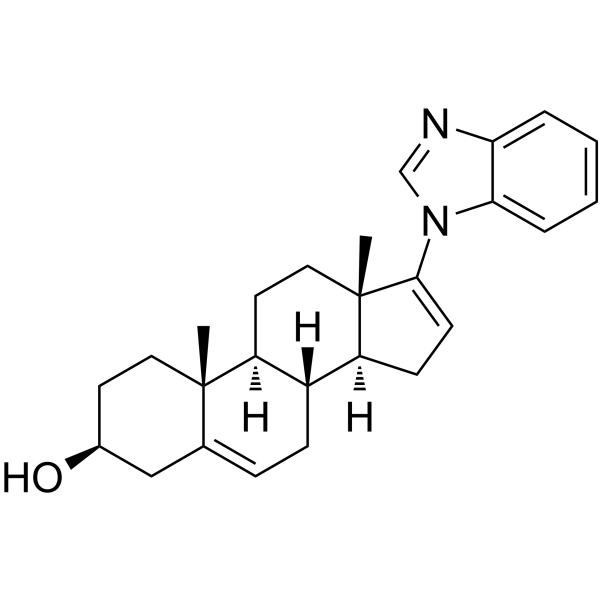
    Galeterone (TOK-001) is a potent, orally active molecular glue degrader, which degrades androgen receptor (AR) and its splice variants (AR-Vs) and MAP kinase-interacting serine/threonine protein kinase Mnk1/2. Galeterone also functions as a CYP17 inhibitor (IC50 = 47 nM). Galeterone induces cell apoptosis. Galeterone inhibits tumor growth in human prostate cancer xenograft mouse models. Galeterone can be used for castration resistant prostate cancer (CRPC) and pancreatic ductal adenocarcinoma (PDAC) research [1][2].
    Galeterone
  • HY-W010128

    6-Dimethylaminopurine; 6-DMAP

    CDK DNA/RNA Synthesis Apoptosis Cancer
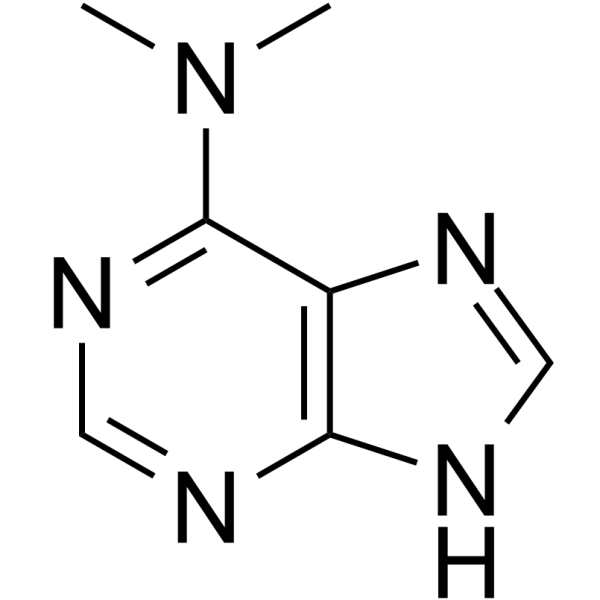
    6-(Dimethylamino) purine (6-Dimethylaminopurine) is a serine threonine protein kinase inhibitor. 6-(Dimethylamino) purine can inhibit prolactin induced expression of lactoprotein genes in rabbit mammary gland cells. 6-(Dimethylamino) purine can affect the maturation of mammalian oocytes. 6-(Dimethylamino) purine can lead to downregulation of genes related to cell proliferation and cell cycle progression, such as proliferating cell nuclear antigen, insulin-like gene 1, and serine protease inhibitor 2 genes, and induce apoptosis in lymphoma cells (apoptosis) .
    6-(Dimethylamino)purine
  • HY-114492

    GSK'547

    RIP kinase Cancer
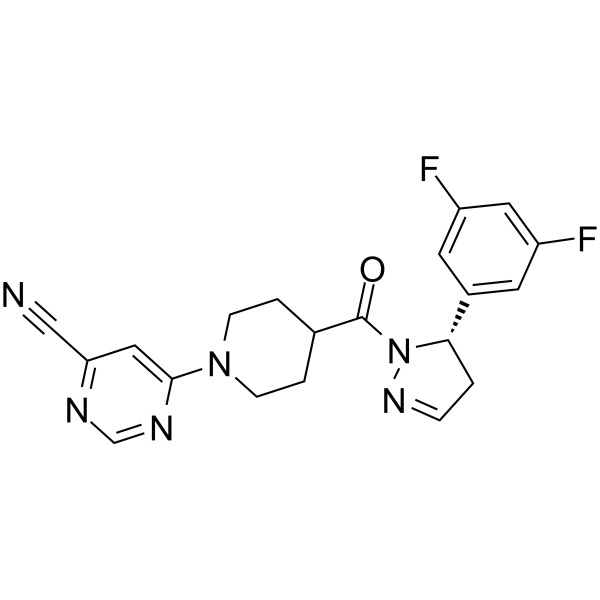
    GSK547 (GSK'547) is a highly selective and potent inhibitor of receptor-interacting serine/threonine protein kinase 1 (RIPK1), inhibits macrophage-mediated adaptive immune tolerance in pancreatic cancer .
    GSK547
  • HY-148297

    LY3871801; R 552

    RIP kinase Inflammation/Immunology
    Ocadusertib is a potent Serine/Threonine kinase receptor-interacting protein kinase 1 (RIPK1) inhibitor .
    Ocadusertib
  • HY-150617
    Lartesertib
    1 Publications Verification

    M4076; ATM Inhibitor-5

    ATM/ATR STING PD-1/PD-L1 Cardiovascular Disease Inflammation/Immunology Cancer
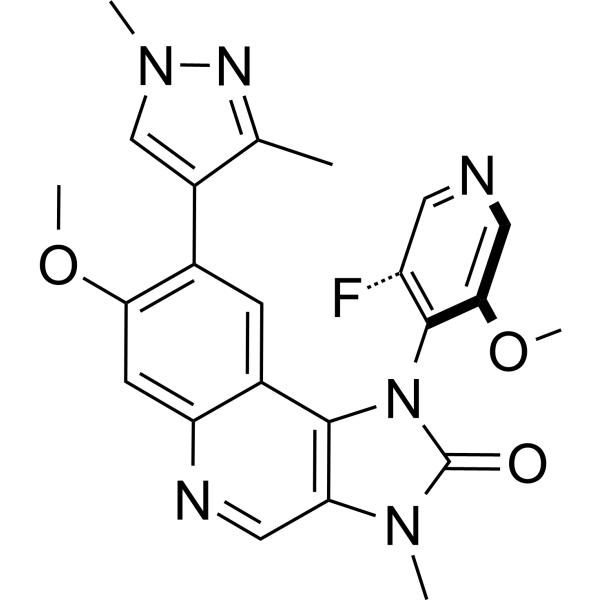
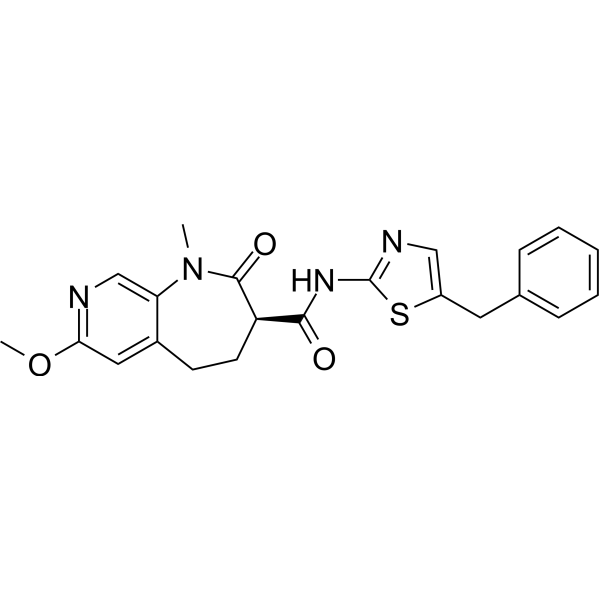
    Lartesertib (M4076) is an inhibitor of the serine/threonine protein kinase ATM with high potency. Lartesertib can inhibit the growth of multiple hematopoietic cell lines. Additionally, when combined with the ATR inhibitor Tuvusertib (HY-111451), Lartesertib can promote the death of tumor cells, activate the immune signaling pathway, and exhibit anti-tumor activity .
    Lartesertib
  • HY-112557
    PROTAC TBK1 degrader-2
    1 Publications Verification

    PROTACs IKK Cancer
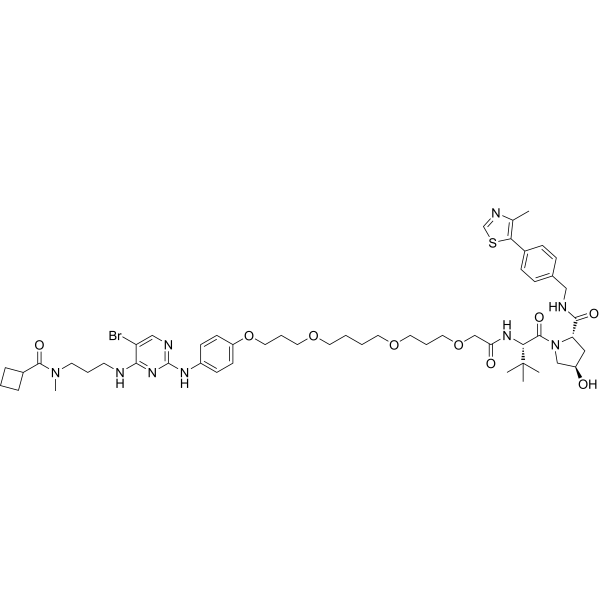
    PROTAC TBK1 degrader-2 is a Ligands for Target Protein for PROTAC. PROTAC TBK1 degrader-2 is a potent degrader based on the serine/threonine kinase TANK-binding kinase 1 (TBK1) (DC50=15 nM; Kd=4.6 nM) with a maximum efficiency of 96%. PROTAC TBK1 degrader-2 also targets to IkB kinase IKKε (IC50=8.7 nM), with low selectivity over TBK1 (IC50=1.3 nM) .
    PROTAC TBK1 degrader-2
  • HY-111866
    PROTAC RIPK degrader-2
    1 Publications Verification

    PROTACs RIP kinase Metabolic Disease Cancer
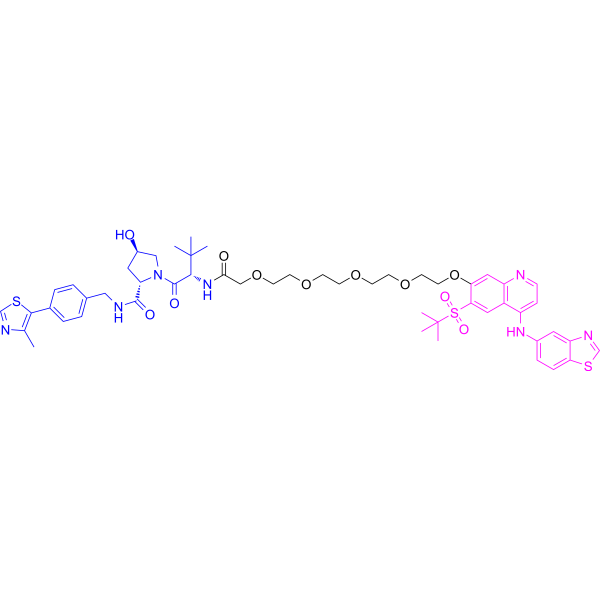
    PROTAC RIPK degraders -2 is a non-peptide PROTAC based on von Hippel-Lindau and targets serine-threonine kinase RIPK2, which is highly selective to the degradation of RIPK2. PROTAC RIPK degrader-2 acts as an activator to increase cell death and activate ion channels in cancer cells. PROTAC RIPK degrader-2 also can inhibit protein interactions, such as receptors and ligands, involved in a variety of diseases, such as cancer and diabetes .
    PROTAC RIPK degrader-2
  • HY-P2948

    Ser/Thr Protein Kinase

    Biochemical Assay Reagents Infection
    Protein serine/threonine kinase is a type of serine/threonine protein kinase. Protein serine/threonine kinases are pleiotropic signaling proteins that can phosphorylate various substrates, thereby initiating branched signaling pathways. Mycobacteria protein serine/threonine kinase plays a crucial role in signal transduction pathways, ultimately determining the growth and metabolic adaptability of mycobacteria .
    Protein serine/threonine kinase
  • HY-E70373

    Biochemical Assay Reagents Others
    λ Protein phosphatase is a serine/threonine phosphatase encoded by bacteriophage Lambda. λ Protein phosphatase is activated with requirement for divalent cations, such as Mn 2+. λ Protein phosphatase is able to dephosphorylate casein, adenovirus E1A protein, and the α subunit of phosphorylase kinase
    λ Protein phosphatase
  • HY-160777

    Galeterone 3β-imidazole

    Molecular Glues Androgen Receptor MNK Apoptosis Cancer
    VNPP433-3β (Galeterone 3β-imidazole) is an orally active molecular glue degrader, which degrades androgen receptor (AR) and its splice variants (AR-Vs) and MAP kinase-interacting serine/threonine protein kinase Mnk1/2. VNPP433-3β induces cell apoptosis. VNPP433-3β inhibits tumor growth in the CWR22Rv1 xenograft mouse model. VNPP433-3β can be used for the study of castration resistant prostate cancer (CRPC) and pancreatic ductal adenocarcinoma (PDAC) .
    VNPP433-3β
  • HY-169789

    PI3K Metabolic Disease Cancer
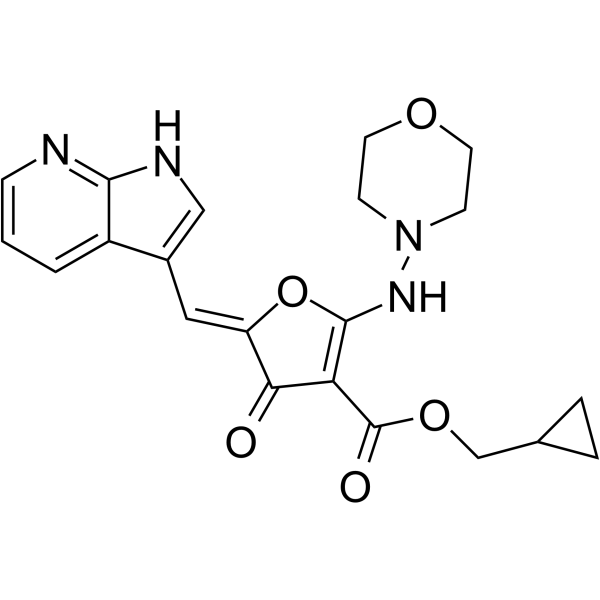
    PKN3-IN-1 (compound 16) inhibits PKN3 (serine/threonine protein kinase 3) and GAK (cyclin G-associated kinase) with IC50 of 0.014 μM and Ki of 0.0044 μM respectively. PKN3-IN-1 is a potential tool compound to study the cell biology of PKN3 and its role in pancreatic and prostate cancer and T-cell acute lymphoblastic leukemia .
    PKN3-IN-1
  • HY-E70625

    Casein Kinase Cancer
    Casein Kinase 2 (CK2) is a serine/threonine protein kinase that is highly conserved among eukaryotes and has roles in many different cellular processes, such as cell survival, cell cycle regulation, cell polarity, stress responses, transcription and translation .
    Casein Kinase 2
  • HY-P5435

    Ser/Thr Kinase Others
    LKBtide is a biological active peptide. (This is a peptide substrate that is phosphorylated by Serine/Threonine kinase 11 (STK11), also known as LKB1. LKBtide is derived from sucrose non-fermenting 1 (SNF1) protein kinase, which is normally activated by the LKB1/AMP-activated protein kinase (AMPK) signaling pathway.)
    LKBtide
  • HY-116611

    Ser/Thr Kinase Bacterial Infection
    IMB-YH-8 is a serine/threonine protein kinase (PknB) inhibitor. IMB-YH-8 has strong antibacterial activity against Mycobacterium tuberculosis (MIC = 0.25 µg/mL). IMB-YH-8 can be used in the research of tuberculosis .
    IMB-YH-8
  • HY-E70653

    CDK Cancer
    CDK1 is a cyclin-dependent kinase that functions as a serine/threonine protein kinase, and is a key player in cell cycle regulation. CDK1/CycB1 Recombinant Human Active Protein Kinase is an ortholog of CDK1. CDK1/cyclin B1 complexes initiates mitotic entry by phosphorylating a multitude of proteins to condense chromosomes, disrupt the nuclear envelope, and enable microtubules polymerization to attach and to segregate the chromosomes .
    CDK1/CycB1 Recombinant Human Active Protein Kinase
  • HY-70006A

    TOK-001 hydrochloride; VN-124-1 hydrochloride

    Molecular Glues Androgen Receptor MNK Cytochrome P450 Apoptosis Cancer
    Galeterone (TOK-001) hydrochloride is a potent, orally active molecular glue degrader, which degrades androgen receptor (AR) and its splice variants (AR-Vs) and MAP kinase-interacting serine/threonine protein kinase Mnk1/2. Galeterone hydrochloride also functions as a CYP17 inhibitor (IC50 = 47 nM). Galeterone hydrochloride induces cell apoptosis. Galeterone hydrochloride inhibits tumor growth in human prostate cancer xenograft mouse models. Galeterone hydrochloride can be used for castration resistant prostate cancer (CRPC) and pancreatic ductal adenocarcinoma (PDAC) research [1][2].
    Galeterone hydrochloride
  • HY-E70648

    AMPK Cancer
    AMPK is an αβγ heterotrimeric serinethreonine kinase activated by decreasing concentrations of adenosine triphosphate (ATP) and increasing AMP concentrations. AMPK alpha 1 Recombinant Human Active Protein Kinase is obtained by co-expressing AMPKα1 proteins .
    AMPK alpha 1 Recombinant Human Active Protein Kinase
  • HY-W174279

    EGFR Ras Phosphatase Metabolic Disease
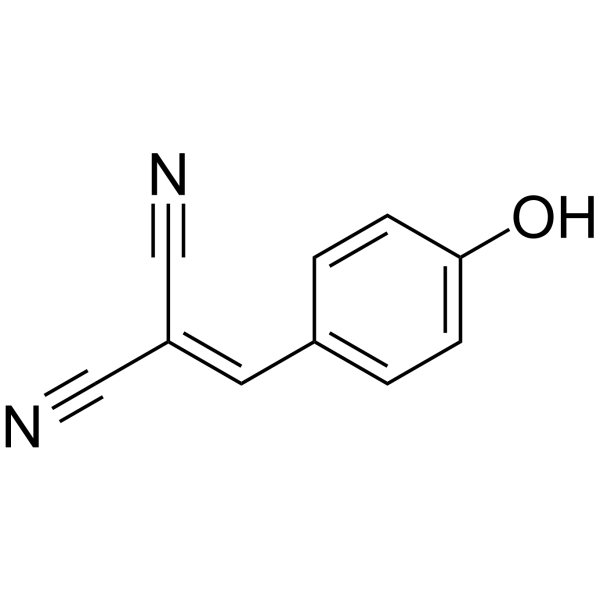
    Tyrphostin 8 is a tyrosine kinase, with an IC50 of 560 μM for EGFR kinase. Tyrphostin 8 is also a GTPase inhibitor. Tyrphostin 8 can inhibit the protein serine/threonine phosphatase calcineurin (IC50=21 μM) .
    Tyrphostin 8
  • HY-130519

    CDK Cancer
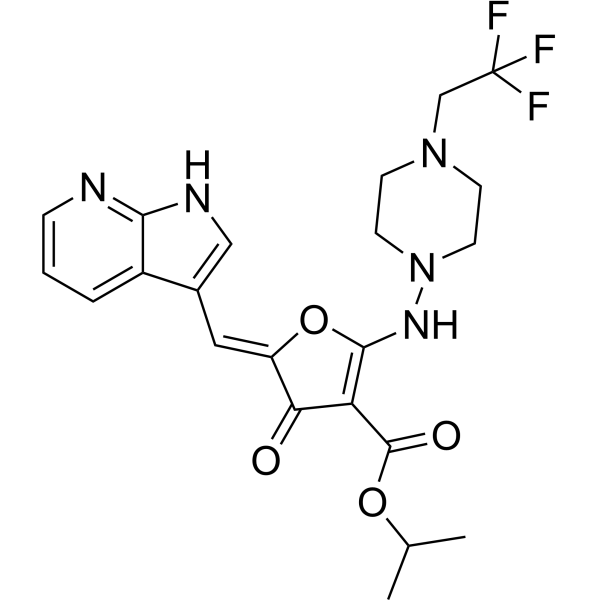
    Cdc7-IN-7 (compound I-E) is a potent Cdc7 kinase inhibitor extracted from patent WO2019165473A1, compound I-E. Cdc7 is a serine-threonine protein kinase enzyme which is essential for the initiation of DNA replication in the cell cycle .
    Cdc7-IN-7
  • HY-E70852

    PKC Cancer
    PKC is a family of serine/threonine kinases involved in several processes including proliferation, differentiation, apoptosis, and migration. PKCα is a classical PKC isoform that contains a C1 domain that binds to diacylglycerol (DAG). PKCα Recombinant Human Active Protein Kinase is a recombinant PKCα protein that can be used to study PKCα-related functions .
    PKCα Recombinant Human Active Protein Kinase
  • HY-E70830

    DYRK Cancer
    Homeodomain interacting protein kinase 2 (HIPK2) is an evolutionary conserved serine/threonine kinase that regulates gene expression by phosphorylation of transcription factors and accessory components of the transcription machinery. HIPK2 is activated in response to DNA-damaging agents or morphogenic signals. HIPK2 Recombinant Human Active Protein Kinase is a recombinant HIPK2 protein that can be used to study HIPK2-related functions .
    HIPK2 Recombinant Human Active Protein Kinase
  • HY-145035

    MAP4K Inflammation/Immunology Cancer
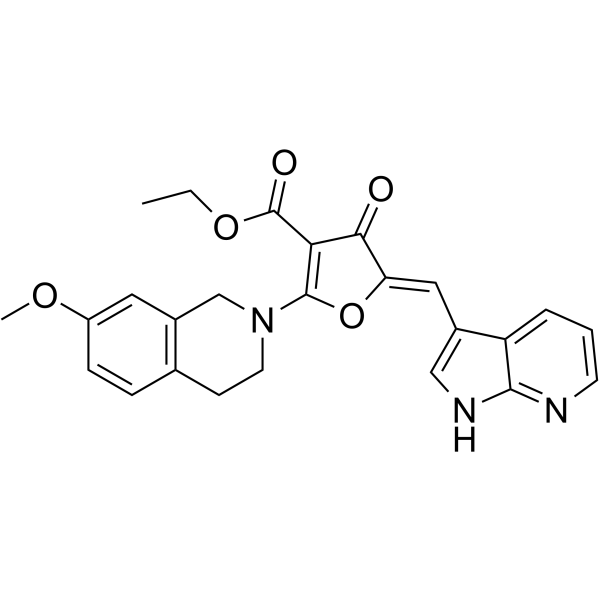
    HPK1-IN-9 is potent inhibitor of HPK1. HPK1 is a serine/threonine protein kinase cloned from hematopoietic progenitor cells and belongs to the MAP4K family of mammalian Ste-20-related protein kinases. HPK1-IN-9 has the potential for the research of HPK1 related diseases (extracted from patent WO2021213317A1, compound 112) .
    HPK1-IN-9
  • HY-E70839

    Ser/Thr Kinase Cancer
    MAP4K5 (KHS1) belongs to the mammalian Ste20-like serine/threonine kinase family. MAP4K5 plays an important role in regulating a range of cellular responses and is involved in Wnt signaling in hematopoietic cells. KHS1 Recombinant Human Active Protein Kinase is a recombinant KHS1 protein that can be used to study KHS1-related functions .
    KHS1 Recombinant Human Active Protein Kinase
  • HY-E70731

    IRAK Inflammation/Immunology
    The IRAK4 protein is a serine/threonine protein kinase that is critical for initiating the innate immune response through the Toll-like receptor (TLR) and IL-1R signaling pathways. After TLR is activated, it rapidly forms the Myddosome with IRAK2. IRAK4 aa104-460 Recombinant Human Active Protein Kinase is a recombinant IRAK4 aa104-460 protein that can be used to study IRAK4 aa104-460-related functions .
    IRAK4 aa104-460 Recombinant Human Active Protein Kinase
  • HY-150617A

    (Rac)-M4076; (Rac)-ATM Inhibitor-5

    ATM/ATR STING PD-1/PD-L1 Cardiovascular Disease Inflammation/Immunology Cancer
    (Rac)-Lartesertib ((Rac)-M4076) is an isoform of Lartesertib (HY-150617). Lartesertib (M4076) is an inhibitor of the serine/threonine protein kinase ATM with high potency. Lartesertib can inhibit the growth of multiple hematopoietic cell lines. Additionally, when combined with the ATR inhibitor Tuvusertib (HY-111451), Lartesertib can promote the death of tumor cells, activate the immune signaling pathway, and exhibit anti-tumor activity .
    (Rac)-Lartesertib
  • HY-160777A

    Galeterone 3β-imidazole dihydrochloride

    Molecular Glues Androgen Receptor MNK Apoptosis Cancer
    VNPP433-3β (Galeterone 3β-imidazole) dihydrochloride is an orally active molecular glue degrader, which degrades androgen receptor (AR) and its splice variants (AR-Vs) and MAP kinase-interacting serine/threonine protein kinase Mnk1/2. VNPP433-3β dihydrochloride induces cell apoptosis. VNPP433-3β dihydrochloride inhibits tumor growth in the CWR22Rv1 xenograft mouse model. VNPP433-3β dihydrochloride can be used for the study of castration resistant prostate cancer (CRPC) and pancreatic ductal adenocarcinoma (PDAC) .
    VNPP433-3β dihydrochloride
  • HY-160777B

    Galeterone 3β-imidazole hydrochloride

    Molecular Glues Androgen Receptor MNK Apoptosis Cancer
    VNPP433-3β (Galeterone 3β-imidazole) hydrochloride is an orally active molecular glue degrader, which degrades androgen receptor (AR) and its splice variants (AR-Vs) and MAP kinase-interacting serine/threonine protein kinase Mnk1/2. VNPP433-3β hydrochloride induces cell apoptosis. VNPP433-3β hydrochloride inhibits tumor growth in the CWR22Rv1 xenograft mouse model. VNPP433-3β hydrochloride can be used for the study of castration resistant prostate cancer (CRPC) and pancreatic ductal adenocarcinoma (PDAC) .
    VNPP433-3β hydrochloride
  • HY-E70793

    AMPK Cancer
    AMPK is an αβγ heterotrimeric serinethreonine kinase activated by decreasing concentrations of adenosine triphosphate (ATP) and increasing AMP concentrations. Biotin-AMPKα1β1γ1 Recombinant Human Active Protein Kinase is obtained by co-expressing AMPKα1, AMPKβ1, and AMPKγ1 proteins and is biotinylated .
    Biotin-AMPKα1β1γ1 Recombinant Human Active Protein Kinase
  • HY-171291

    Ser/Thr Kinase Inflammation/Immunology Cancer
    Protein kinase inhibitor 14 (Compound 13) exhibits inhibitory effects against a variety of serine/threonine kinase and receptor/non-receptor tyrosine kinase .
    Protein kinase inhibitor 14
  • HY-169587

    Ser/Thr Kinase Bacterial Infection
    Protein kinase G inhibitor-3 (Compound 177) is an inhibitor of mycobacterial serine/threonine protein kinases. Protein kinase G inhibitor-3 can be used in the research of diseases related to mycobacterial infections .
    Protein kinase G inhibitor-3
  • HY-E70656

    CDK Cancer
    CDK1 is a cyclin-dependent kinase that functions as a serine/threonine protein kinase, and is a key player in cell cycle regulation. CDK1/CycO Recombinant Human Active Protein Kinase is an ortholog of CDK1 .
    CDK1/CycO Recombinant Human Active Protein Kinase
  • HY-E70691

    CDK Cancer
    CLK1 is one of the dual specificity kinases and is the founding member of the 'LAMMER' family of kinases. CLK1 activity is positively regulated by phosphorylation on either tyrosine residues or serine/threonine residues, and is negatively regulated by steric constraints mediated by the N-terminal domain, as well as, by phosphorylation on a subset of serine/threonine residues within the catalytic domain. CLK1 Recombinant Human Active Protein Kinase is a recombinant CLK1 protein that can be used to study CLK1-related functions .
    CLK1 Recombinant Human Active Protein Kinase
  • HY-E70655

    CDK Cancer
    CDK1 is a cyclin-dependent kinase that functions as a serine/threonine protein kinase, and is a key player in cell cycle regulation. CDK1/CycE2 Recombinant Human Active Protein Kinase is an ortholog of CDK1 .
    CDK1/CycE2 Recombinant Human Active Protein Kinase
  • HY-E70651

    CDK Cancer
    CDK1 is a cyclin-dependent kinase that functions as a serine/threonine protein kinase, and is a key player in cell cycle regulation. CDK1/CycA1 Recombinant Human Active Protein Kinase is an ortholog of CDK1 .
    CDK1/CycA1 Recombinant Human Active Protein Kinase
  • HY-E70654

    CDK Cancer
    CDK1 is a cyclin-dependent kinase that functions as a serine/threonine protein kinase, and is a key player in cell cycle regulation. CDK1/CycA1 Recombinant Human Active Protein Kinase is an ortholog of CDK1 .
    CDK1/CycE1 Recombinant Human Active Protein Kinase
  • HY-401475

    PKC Cardiovascular Disease Inflammation/Immunology Cancer
    Protein kinase inhibitor 9 (Compound example 175) is an inhibitor of serine/threonine and tyrosine kinase activity. Protein kinase inhibitor 9 can be used for the research of cancer, hyper proliferative disorders, rheumatoid arthritis, disorders of the immune system, transplant rejections and imflammatory disorders .
    Protein kinase inhibitor 9
  • HY-E70813

    CaMK Neurological Disease
    CaMKK2 is a serine/threonine protein kinase and the central component of a Ca 2+-calmodulin activated signalling pathway. CaMKK2 is highly enriched in brain neurons and regulates energy metabolism and neuronal processes. CAMKK2 Recombinant Human Active Protein Kinase is obtained by expressing CAMKK2 proteins .
    CAMKK2 Recombinant Human Active Protein Kinase
  • HY-114492A

    RIP kinase Cancer
    (Rac)-GSK547 is the racemate of GSK547. GSK547 is a highly selective and potent inhibitor of receptor-interacting serine/threonine protein kinase 1 (RIP1), inhibits macrophage-mediated adaptive immune tolerance in pancreatic cancer .
    (Rac)-GSK547
  • HY-130515

    CDK Cancer
    Cdc7-IN-3 (compound I-A) is a potent Cdc7 kinase inhibitor extracted from patent WO2019165473A1, compound I-B. Cdc7 is a serine-threonine protein kinase enzyme which is essential for the initiation of DNA replication in the cell cycle .
    Cdc7-IN-3
  • HY-130517

    CDK Cancer
    Cdc7-IN-5 (compound I-B) is a potent Cdc7 kinase inhibitor extracted from patent WO2019165473A1, compound I-B. Cdc7 is a serine-threonine protein kinase enzyme which is essential for the initiation of DNA replication in the cell cycle .
    Cdc7-IN-5
  • HY-130516

    CDK Cancer
    Cdc7-IN-4 (compound I-C) is a potent Cdc7 kinase inhibitor extracted from patent WO2019165473A1, compound I-C. Cdc7 is a serine-threonine protein kinase enzyme which is essential for the initiation of DNA replication in the cell cycle .
    Cdc7-IN-4
  • HY-164041

    PKC Others
    Staurosporine-Boc, a natural product isolated from the actinomyces Streptomyces staurosporeus, is a potent non-selective inhibitor of protein kinase. Staurosporine-Boc inhibits a variety of protein kinases, including protein kinase C (PKC), tyrosine kinase, and serine/threonine kinase. Because of its broad inhibition profile, Staurosporine-Boc is widely used as a tool compound in biological research, especially when studying cell signaling pathways .
    Staurosporine-Boc
  • HY-E70801

    Hippo (MST) Cancer
    MST2 is a class of serine/threonine protein kinases, which plays the central roles in the Hippo pathway controlling the cell proliferation, differentiation, and apoptosis during development. Biotin-MST2 Recombinant Human Active Protein Kinase is a recombinant MST2 protein that can be used to study MST2-related functions, and is biotinylated .
    Biotin-MST2 Recombinant Human Active Protein Kinase
  • HY-174775

    mRNA Cancer
    Human BMPR1A mRNA encodes the human bone morphogenetic protein receptor type 1A (BMPR1A) protein, a family of transmembrane serine/threonine kinases. BMPR1A may play a role in positively regulating chondrocyte differentiation through GDF5 interaction and mediating induction of adipogenesis by GDF6.
    Human BMPR1A mRNA
  • HY-E70851

    AMPK Cancer
    NUAK2 is a member of the SNF1/AMP kinase (AMPK) family (serine/threonine kinases) that is regulated by the putative tumor suppressor LKB1 (20-23) and also by death receptor signaling through NF-κB. Nuak2 Recombinant Human Active Protein Kinase is a recombinant Nuak2 protein that can be used to study Nuak2-related functions .
    Nuak2 Recombinant Human Active Protein Kinase
  • HY-E70841

    LIM Kinase (LIMK) Cancer
    LIM kinase 2 (LIMK2) is a serine/threonine and tyrosine kinases. LIMK2 plays a crucial role in the regulation of cytoskeleton dynamics by controlling actin filaments and microtubule turnover, especially through the phosphorylation of cofilin, an actin depolymerising factor. LIMK2 Recombinant Human Active Protein Kinase is a recombinant LIMK2 protein that can be used to study LIMK2-related functions .
    LIMK2 Recombinant Human Active Protein Kinase
  • HY-174531

    mRNA Cancer
    Human TGFBR1 mRNA encodes the human transforming growth factor beta receptor 1 (TGFBR1) protein, a serine/threonine protein kinase. TGFBR1 can form a heteromeric complex with type II TGF-beta receptors when bound to TGF-beta, transducing the TGF-beta signal from the cell surface to the cytoplasm.
    Human TGFBR1 mRNA
  • HY-174720

    mRNA Inflammation/Immunology
    Human EIF2AK2 mRNA encodes the human eukaryotic translation initiation factor 2 alpha kinase 2 (EIF2AK2) protein, a serine/threonine protein kinase that is activated by autophosphorylation after binding to dsRNA. EIF2AK2 plays a key role in the innate immune response to viral infection and is also involved in the regulation of signal transduction, apoptosis, cell proliferation and differentiation.
    Human EIF2AK2 mRNA
  • HY-145039

    MAP4K Inflammation/Immunology Cancer
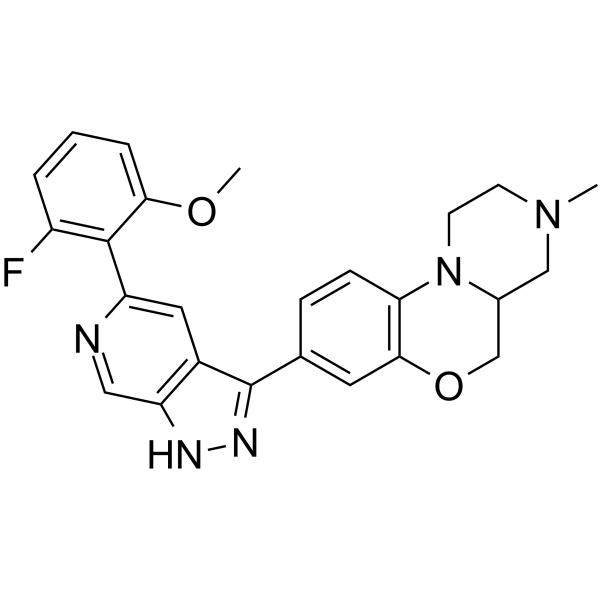
    HPK1-IN-13 is potent inhibitor of HPK1. HPK1 is a serine/threonine protein kinase cloned from hematopoietic progenitor cells and belongs to the MAP4K family of mammalian Ste-20-related protein kinases. HPK1-IN-13 has the potential for the research of HPK1 related diseases (extracted from patent WO2021213317A1, compound 64) .
    HPK1-IN-13
  • HY-145038

    MAP4K Inflammation/Immunology Cancer
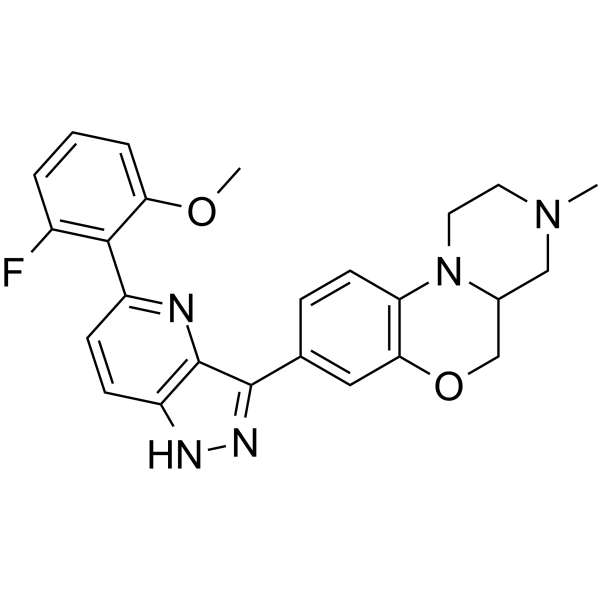
    HPK1-IN-12 is potent inhibitor of HPK1. HPK1 is a serine/threonine protein kinase cloned from hematopoietic progenitor cells and belongs to the MAP4K family of mammalian Ste-20-related protein kinases. HPK1-IN-12 has the potential for the research of HPK1 related diseases (extracted from patent WO2021213317A1, compound 85) .
    HPK1-IN-12

オンラインお問い合わせ

入力情報は安全に管理されます. 必須入力項目.

タイトル


国或いは地域 *

お名前 *


組纖名 *

デパートメント *


メールアドレス *


製品名 *

製品番号


カスタマ需要量 *

電話番号 *


必ず会社名を記載ください。個人への返信は行いません。

備考

バルクお問い合わせ

Inquiry Information

製品名:
製品番号:
数量:
MCE 日本正規代理店: