Search Result
Results for "
aspergillus
" in MedChemExpress (MCE) Product Catalog:
7
Biochemical Assay Reagents
8
Isotope-Labeled Compounds
| Cat. No. |
Product Name |
Target |
Research Areas |
Chemical Structure |
-
- HY-135849
-
|
|
Reactive Oxygen Species (ROS)
|
Cancer
|
|
Catalase, Aspergillus niger is a key enzyme in the metabolism of H2O2 and reactive oxygen species (ROS), and its expression and localization is markedly altered in tumors . Free oxygen radical scavenger.
|
-
-
- HY-P2857
-
|
Amyloglucosidase, aspergillus niger
|
Endogenous Metabolite
|
Metabolic Disease
|
|
Amyloglucosidase, Aspergillus niger (Amyloglucosidase, Aspergillus niger) is a starch-hydrolyzing enzyme with high catalytic efficiency towards soluble starch and raw starch. Amyloglucosidase, Aspergillus niger hydrolyzes α-1,4 and α-1,6 glycosidic linkages in starch and similar substrates, and primarily releases β-glucose molecules from the non-reducing ends. Amyloglucosidase, Aspergillus niger participates in glycogen metabolism and is associated with type II glycogen storage disease. Amyloglucosidase, Aspergillus niger converts starch into glucose, and is applicable to the industrial production of high-fructose syrup, ethanol and other fermented products .
|
-
-
- HY-B2228
-
|
|
Biochemical Assay Reagents
|
Cancer
|
|
Proteinase, Aspergillus oryzae is a serine protease that hydrolyzes peptide bonds in protein substrates, preferring alkaline conditions (optimal pH 10.5). It efficiently degrades casein, poly-L-glutamic acid, and poly-L-lysine, with activity irreversibly inhibited by diisopropylfluorophosphate (DFP) and potato inhibitor. This enzyme catalyzes proteolysis via serine residues in its active site, finding applications in food processing (e.g., soy sauce fermentation), detergents, and leather industries due to its high yield in solid-state fermentation and cost-effective production.
|
-
-
- HY-P2773
-
|
|
DNA/RNA Synthesis
|
Others
|
|
Nuclease S1, Aspergillus oryzae is a specific endonuclease that degrades single stranded DNA (ssDNA) and RNA. Nuclease S1 can also remove protruding single-strand ends from double-stranded DNA .
|
-
-
- HY-101399
-
|
H-γ-Glu-Phe-OH; γ-Glutamylphenylalanine
|
Endogenous Metabolite
|
Others
|
|
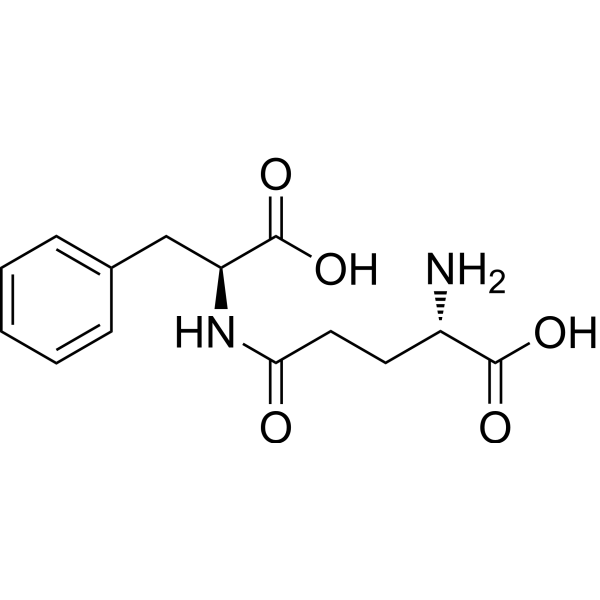
γ-Glu-Phe is synthesized by Bacillus amyloliquefaciens (GBA) and Aspergillus oryzae (GAO). γ-Glu-Phe or the post-enzymatic reaction mixture enhances the umami intensity of commercial soy sauce and model chicken broth .
|
-
-
- HY-P2762
-
|
|
Amylases
|
Others
|
|
α-Amylase from Aspergillus oryzae is an amylase. α-Amylase from Aspergillus oryzae can be used for various biochemical studies .
|
-
-
- HY-P2973
-
|
aspergillus acid protease
|
Proteasome
|
Others
|
|
Aspergillopepsin I (Aspergillus acid protease) is a metal-containing aspartic protease that catalyzes the hydrolysis of peptide bonds in soybean 7S globulin, soybean 11S globulin and various proteins, with broad specificity. Aspergillopepsin I is intended for use in wine production, where it hydrolyzes haze-forming proteins into small peptides to prevent turbidity during storage. Aspergillopepsin I can be used in studies related to soybean protein hydrolysis and wine production .
|
-
-
- HY-P2871
-
|
EC 3.2.1.22
|
Endogenous Metabolite
|
Others
|
|
α-Galactosidase, Aspergillus niger (EC 3.2.1.22), that is, α-galactosidase, is a glycoside hydrolase that widely exists in animals, plants and microorganisms, and is often used in biochemical research. α-Galactosidase catalyzes the hydrolysis of α-1,6-linked terminal galactose residues, including galactooligosaccharides, galactomannans, and galactolipids. Catalyzes many catabolic processes including cleavage of glycoproteins, glycolipids and polysaccharides .
|
-
-
- HY-W007626
-
|
|
Fungal
|
Infection
|
|
3,5-Dimethoxybenzaldehyde is an antifungal agent. 3,5-Dimethoxybenzaldehyde exhibits antifungal activity against Saccharomyces cerevisiae cell wall integrity mutants (slt2Δ and bck1Δ) and Aspergillus fumigatus MAPK mutants (sakAΔ and mpkCΔ) .
|
-
-
- HY-E70222
-
|
|
Others
|
Others
|
|
Phytase, from Aspergillus niger degrades phytic acid into inositol and phosphate. Phytase, from Aspergillus niger phytase treatment can minimize the anti-nutritional effect of phytic acid .
|
-
-
- HY-E70332
-
|
|
Endogenous Metabolite
|
Others
|
|
Lipase, Aspergillus niger is a biocatalyst and a key enzyme in new biocatalyst technology. Enzyme engineering focuses on enhancing enzyme reaction kinetics, substrate selectivity, and activity under harsh conditions such as low or high pH. By introducing stimulus responsiveness to these enzyme modifications, dynamic control of activity is also possible .
|
-
-
- HY-P0229
-
|
Rnase T1
|
DNA/RNA Synthesis
|
Others
|
|
Ribonulease T1, Aspergillus oryzae (Rnase T1), is commonly used in biochemical research. Ribonuclease T1 is an endonuclease that can specifically degrade single stranded RNA. Ribonuclease T1 can form nucleoside 2 ', 3 '-cyclic phosphoric acid intermediates to cut the phosphodiester bond between 3' -guanosine residues and adjacent nucleoside 5 '-OH groups to produce 3' -GMP terminal oligonucleotides .
|
-
-
- HY-E70396
-
|
|
Biochemical Assay Reagents
|
Others
|
|
Pectolyase Y-23, A. japonicus is an enzyme derived from Aspergillus japonicas. Pectolyase Y-23, A. japonicus can be used in combination with cellulase to isolate bioactive protoplasts .
|
-
-
- HY-W099579
-
|
Kojic dipalmitate
|
Tyrosinase
|
Endocrinology
|
|
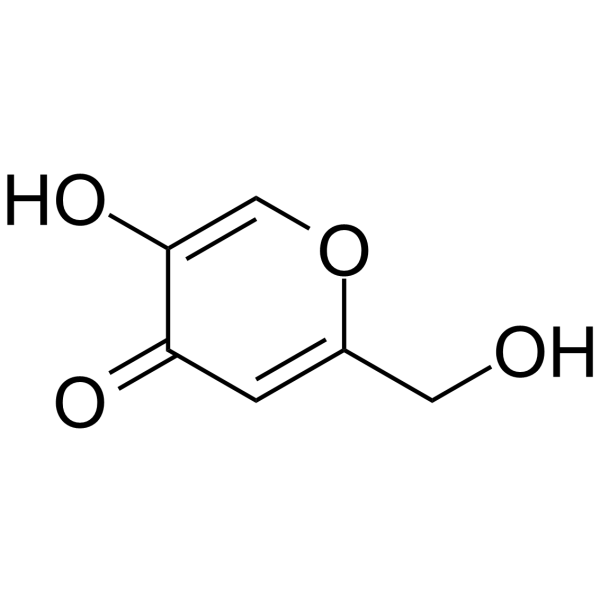
Kojic acid dipalmitate (Kojic dipalmitate) is a derivative of Kojic acid (HY-W050154), a fungal metabolite that can be produced by species of Aspergillus, Acetobacter and Penicillium. Kojic acid dipalmitate is a slow and reversible competitive inhibitor of tyrosinase. Kojic acid dipalmitate can be used for skin‐lightening agent research .
|
-
-
- HY-N8571
-
|
|
Others
|
Others
|
|
6-Methoxyflavonol (Compound 15) is a natural flavone isolated from the marine-derived fungus Aspergillus candidus .
|
-
-
- HY-Y1422E
-
|
|
Biochemical Assay Reagents
Lipase
|
Others
|
Lipase, Aspergillus niger (Immobilized) is an immobilized triacylglycerol acyl hydrolase and biocatalyst. Lipase, Aspergillus niger (Immobilized) broadly catalyzes the hydrolysis of glycerol-long-chain fatty acid esters, exhibits positional selectivity for the 1,3-positions of glycerol, but shows low hydrolysis efficiency for castor oil. Lipase, Aspergillus niger (Immobilized) displays optimal activity at 45°C and pH 7.0, and remains stable at temperatures up to 60°C and over a broad pH range of 2.0-9.0. Lipase, Aspergillus niger (Immobilized) is activated by Ca 2+ and Mg 2+, but inhibited by Mn 2+, Fe 2+ and Zn 2+ .
|
-
-
- HY-126386A
-
|
|
Biochemical Assay Reagents
|
Others
|
|
Pectinase, aspergillus acne is a mixed enzymes that hydrolyze pectic substances, it mostly presents in microorganisms and higher plants. Pectinase is involved in the metabolism of the cell wall as well as in the growth of the cell, senescence, ripening of fruits, pathogenesis and abscission process .
|
-
-
- HY-N3300
-
-
-
- HY-125723
-
|
SL 7810; A-30912 A
|
Endogenous Metabolite
Fungal
Antibiotic
|
Infection
|
|
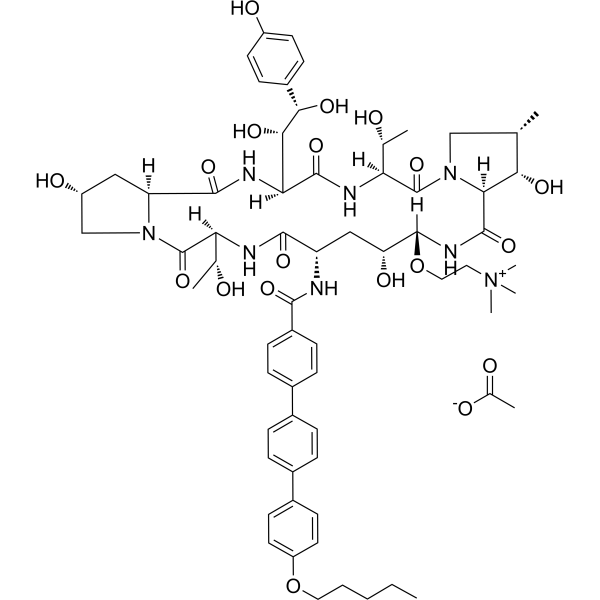
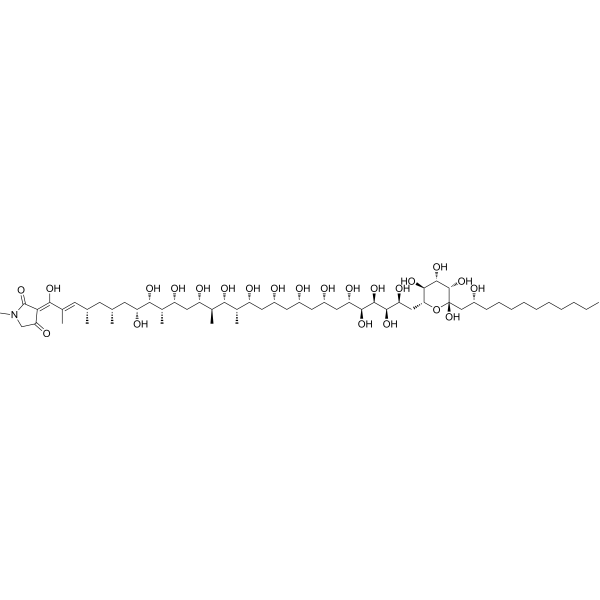
Echinocandin B (SL 7810) is a lipopeptide antifungal antibiotic. Echinocandin B is produced by Aspergillus nidulans. Echinocandin B inhibits β-1,3-glucan activity, thereby blocking the biosynthesis of fungal cell walls. Echinocandin B exhibits activity against a variety of Aspergillus species .
|
-
-
- HY-N10311
-
|
|
Fungal
|
Infection
|
|
Neosartoricin B is the secondary metabolite, which can be produced by Aspergillus nidulans. Neosartoricin B may regulate immunomodulatory effects with the host during infection and colonization by pathogenic fungi .
|
-
-
- HY-127157
-
|
|
Herbicide
|
Others
|
|
Aspterric acid is a carotane compound, which is initially isolated from Aspergillus terreus. Aspterric acid is an inhibitor for pollen development in Arabidopsis thaliana .
|
-
-
- HY-B2192A
-
|
Maltin
|
Biochemical Assay Reagents
|
Others
|
|
Diastase, Aspergillus oryzae (Maltin) is a starch hydrolase derived from Aspergillus oryzae. Diastase, Aspergillus oryzae catalyzes starch hydrolysis through sequential stages, first producing dextrins, then glucose and maltose .
|
-
-
- HY-E70888
-
|
|
Lipase
|
Others
|
|
Lipase, Candida antarctica, expressed in Aspergillus niger, is a serine hydrolase, which belongs to the α/β hydrolase fold family .
|
-
-
- HY-121133
-
|
|
Endogenous Metabolite
|
Others
|
|
(-)-Cyclopenol is a fungal metabolite isolated from an Australian marine-derived isolate of Aspergillus versicolor (MST-MF495) .
|
-
-
- HY-N16402
-
|
|
Cytochrome P450
Endogenous Metabolite
|
Cancer
|
|
Aspergillusidone D (Compound 1), a brominated depsidone, is a Aromatase inhibitor with an IC50 of 0.8 μM. Aspergillusidone D can be isolated from fungus Aspergillus unguis cultured in KBr medium. Aspergillusidone D has potent cytotoxicity against cancers cells, such as MOLT-3 cells. Aspergillusidone D can be used for cancers like breast cancer research .
|
-
-
- HY-N16403
-
|
|
Cytochrome P450
Endogenous Metabolite
Bacterial
Insecticide
Fungal
|
Infection
Cancer
|
|
Aspergillusidone F is a Depsidone and antibacterial agent. Aspergillusidone F can be isolated from a marine fungus Aspergillus unguis. Aspergillusidone F potently inhibits Aromatase with an IC50 of 0.5 μM. Aspergillusidone F exhibits antibacterial activity against Pseudomonas aeruginosa and Methicillin (HY-121544)-resistant Staphylococcus aureus. Aspergillusidone F exhibits potent larvicidal activity against Artemia salina larvae, with an LC50 value of 12.8 μM. Aspergillusidone F exhibits anticancer activity against intrahepatic cholangiocarcinoma, non-small cell lung cancer, and acute lymphoblastic leukemia .
|
-
-
- HY-126657
-
|
|
Fungal
|
Infection
|
|
Fumigaclavine A, a clavine alkaloid, is a Mycotoxin produced by Aspergillus fumigatus. A. fumigatus can be isolated from contaminating moldy silage .
|
-
-
- HY-W077257
-
-
-
- HY-N12056
-
|
|
Fungal
|
Infection
|
|
Cyclo(L-leucyl-L-valyl) inhibits Aflatoxin production by Aspergillus parasiticus.Cyclo(L-leucyl-L-valyl) inhibits transcription of the Aflatoxin-related genes aflR, hexB, pksL1, and dmtA. .
|
-
-
- HY-N16452
-
|
|
Fungal
|
Infection
Neurological Disease
|
|
Asperindole F is an indole-diterpene alkaloid that can be isolated from the coral-associated fungi Aspergillus candidus. Asperindole F exhibits no significant regulatory activity in the model of primary cultured cortical neuronal hyperexcitation .
|
-
-
- HY-126795
-
|
|
Fungal
|
Infection
|
|
Aspergillin PZ is a novel isoindole-alkaloid from Aspergillus awamori. Aspergillin PZ induces conidia of P. oryzae to deform moderately .
|
-
-
- HY-N12179
-
|
|
Bacterial
|
Others
|
|
Brevianamide M (compound 4) is a metabolite of Aspergillus versicolor. This is an endophytic fungus isolated from the marine brown alga Sargassum. Brevianamide M has antimicrobial activity against Escherichia coli and Staphylococcus aureus .
|
-
-
- HY-134666A
-
|
|
Dipeptidyl Peptidase
Fungal
Bacterial
|
Infection
|
|
Dioctatin A hydrochloride is a metabolite of Streptomyces and an inhibitor of human dipeptidyl aminopeptidase II. Dioctatin A hydrochloride can inhibit aflatoxin production by Aspergillus parasiticus with an IC50 of 4.0 μM. Dioctatin A hydrochloride can reduce the mRNA levels of aflatoxin biosynthetic genes and the regulatory gene aflR, inhibit conidiation and decrease the mRNA level of the brlA gene, and also promote kojic acid production. In addition, Dioctatin A hydrochloride can inhibit sterigmatocystin production. Dioctatin A hydrochloride has pleiotropic regulatory effects on the production and differentiation of fungal secondary metabolites .
|
-
-
- HY-131050
-
|
|
Bacterial
Fungal
|
Infection
|
|
Aspergillus niger-IN-1 (Compound 17), a derivative of thiazolidine-2,4-dione, acts as an antimicrobial agent. Aspergillus niger-IN-1 exhibited antimicrobial activity against various bacterial and fungal strains, including Bacillus subtilis, Staphylococcus aureus, Klebsiella pneumonia, Escherichia coli, Salmonella typhi, Candida albicans and Aspergillus niger, with MIC values of 11.3, 5.65, 11.3, 5.65, 5.65, 5.65, and 5.65 μM/mL, respectively .
|
-
-
- HY-116909
-
|
|
Drug Metabolite
|
Others
|
|
O-Methylsterigmatocystin is a metabolite in Aspergillus flavus and Aspergillus parasiticus .
|
-
-
- HY-E70326
-
|
|
Endogenous Metabolite
|
Others
|
|
Acid Protease, Aspergillus niger is a biocatalyst and a key enzyme in new biocatalyst technology. Enzyme engineering focuses on enhancing enzyme reaction kinetics, substrate selectivity, and activity under harsh conditions such as low or high pH. By introducing stimulus responsiveness to these enzyme modifications, dynamic control of activity is also possible .
|
-
-
- HY-W791671
-
|
|
Biochemical Assay Reagents
Apoptosis
|
Cancer
|
|
Aspergillus giganteus α-sarcin is a ribosome-inactivating protein that induces apoptosis in rhabdomyosarcoma cells. α-Sarcin is suitable for inducing apoptosis and inhibiting protein synthesis .
|
-
-
- HY-N14960
-
|
|
Antibiotic
|
|
|
Clavariopsin A is a cyclic depsipeptide antibiotic. Clavariopsin A shows antifungal activity for Candida albicans IFO 0583, Candida albicans ATCC 10231, Aspergillus niger AJ117374, Aspergillus fumigatus AJ117190, Aspergillus fumigatus JCM1739 with MIC values of 8, 8, 16, 2, 4 μg/mL, respectively .
|
-
-
- HY-164620
-
|
|
Fungal
|
Infection
|
|
Antifungal agent 112 (Compound 1e) exhibits antifungal activity against Candida albicans, Aspergillus niger and Aspergillus fumigatus with MIC of 0.0024, 0.0022 and 0.0028 M, respectively .
|
-
-
- HY-N14961
-
|
|
Antibiotic
|
Infection
|
|
Clavariopsin B is a cyclic depsipeptide antibiotic. Clavariopsin B shows antifungal activity for Candida albicans IFO 0583, Candida albicans ATCC 10231, Aspergillus niger AJ117374, Aspergillus fumigatus AJ117190, Aspergillus fumigatus JCM1739 with MIC values of 8, 8, 16, 4, 4 μg/mL, respectively .
|
-
-
- HY-108079
-
|
|
Fungal
|
Infection
|
|
KOS-2079 is an antifungal agent. KOS-2079 has strong inhibitory activity against Aspergillus flavus 204303 (MIC = 1.10 μg/mL) and Aspergillus fumigatus 204305 (MIC = 1.32 μg/mL). KOS-2079 is commonly used in the study of fungal infection .
|
-
-
- HY-123006
-
-
-
- HY-N8258
-
-
-
- HY-N8846
-
|
|
Fungal
|
Infection
|
|
dl-Aloesol is a natural product that can be isolated from fungus Aspergillus sp. Aspergillus sp metabolites has cytotoxic, antibacterial, free radical scavenging, anti-parasitic, antiviral and antiproliferative activities, etc .
|
-
-
- HY-N12183
-
|
|
Others
|
Others
|
|
Brevianamide Q (Compound 3) is an alkaloid derived from Aspergillus versicolor .
|
-
-
- HY-122336
-
-
-
- HY-N12903
-
|
|
Others
|
Others
|
|
Carnemycin B is an aryl C-glycoside and can be isolated from Aspergillus carneus .
|
-
-
- HY-N15604
-
|
|
Fungal
|
Others
|
|
Fonsecin is a component of dimeric naphtho-γ-pyrone. Fonsecin can be isolated from a culture extract of Aspergillus niger C-433 .
|
-
-
- HY-N8267
-
|
|
Others
|
Others
|
|
Territrem A is a shock-causing mycotoxin isolated from Aspergillus terreus .
|
-
-
- HY-N8552
-
-
- HY-105713
-
|
|
Bacterial
|
Infection
|
|
Sulochrin is a metabolite produced by Aspergillus terreus var. aureus. I. Sulochrin has antimicrobial activities .
|
-
- HY-19404
-
|
CS-758; R-120758
|
Fungal
|
Infection
|
|
Embeconazole (CS-758; R-120758) is an antifungal agent against Candida albicans, Cryptococcus neoformans, Aspergillus fumigatus and Aspergillus flavus, with MICs of 8, 16, 63 and 250 μM, respectively .
|
-
- HY-129813
-
|
|
Insecticide
|
Others
|
|
Aspochracin is an insecticidal substance and a cyclotripeptide which can be extracted from Aspergillus ochraceus. Aspochracin can be utilized in insecticidal research .
|
-
- HY-108416
-
|
|
Drug Intermediate
|
Others
|
|
5,7-Dihydroxy-4-methylphthalide is a key intermediate in the synthesis of Mycophenolic acid and a secondary metabolite of Aspergillus flavus .
|
-
- HY-P0068
-
|
HMR 3270; IP960; NXL201
|
Fungal
|
Infection
|
|
Aminocandin (HMR 3270) is water-soluble antifungal agent of the echinocandin class with excellent activity against Aspergillus and Candida spp. .
|
-
- HY-N8520
-
|
|
Bacterial
|
Infection
Cancer
|
|
Variculanol is an antimicrobial, anticancer and anti-HCV NS3/4A Protease agent which can be extracted from marine fungus Aspergillus versicolor .
|
-
- HY-106923
-
|
|
Fungal
Drug Derivative
|
Infection
|
|
BMS-181184 is a new Pradimicin derivative and fungicide. BMS-181184 exhibits fungicidal activity against yeasts, dermatophytes, and most Aspergillus fumigatus strains. BMS-181184 is active against Sporothrix schenckii, dematiaceous fungi, and some members of the non-Aspergillus hyaline hyphomycetes .
|
-
- HY-125538
-
-
- HY-N16451
-
|
|
Fungal
|
Infection
Neurological Disease
|
|
Asperindole E is an indole-diterpene alkaloid that can be isolated from the coral-associated fungi Aspergillus candidus. Asperindole E exhibits no significant regulatory activity in the model of primary cultured cortical neuronal hyperexcitation .
|
-
- HY-N16131
-
|
|
Drug Derivative
|
Others
|
|
Sydonic acid is a bisabolane-type sesquiterpenoid that can be isolated from the fungus Aspergillus sydowii BTBU20213012, which was obtained from a marine sediment sample in the Western Pacific .
|
-
- HY-135154
-
|
|
GABA Receptor
|
Neurological Disease
|
|
epi-Aszonalenin A is a benzodiazepine fungal metabolite originally isolated from Aspergillus novofumigatus. epi-Aszonalenin A can be used as a psychoactive agent .
|
-
- HY-123519
-
|
|
Insecticide
|
Infection
|
|
14α-Hydroxy Paspalinine is a paspalinine derivative with antiinsectan activity from the sclerotia of Aspergillus nomius .
|
-
- HY-122367
-
|
|
Bacterial
|
Neurological Disease
|
|
Neoxaline is an alkaloid produced by Aspergillus japonicus. Neoxaline does not possess antimicrobial activities, but weakly stimulates the central nervous system .
|
-
- HY-N11989
-
|
|
Others
|
Cancer
|
|
Nanangenine B is a sesquiterpenoid, which can be isolated from Aspergillus nanangensis. Nanangenine B exhibits cytotixicity in cancer cell NS-1 with an IC50 of 38 μg/mL .
|
-
- HY-N9220
-
|
|
Influenza Virus
|
Infection
|
|
6-Epi-albassitriol can be isolated from Aspergillus sp. FH-A 6357. 6-Epi-albassitriol inhibits the cholesterol synthesis with an inhibition rate of 40% at a concentration of 10 nM in HepG2. 6-Epi-albassitriol exhibits antiviral activity against influenza A virus and parainfluenza virus with MIC of 44.4-133.3 µg/mL .
|
-
- HY-123161
-
|
|
Drug Derivative
|
Others
|
|
JBIR-15 is a new aspochracin derivative. JBIR-15 is isolated from a sponge-derived fungus, Aspergillus sclerotiorum Huber Sp080903f04 .
|
-
- HY-N8908
-
|
|
Others
|
Infection
|
|
2α,9α,11-Trihydroxy-6-oxodrim-7-ene is a natural product that can be isolated from the culture medium of the marine-derived fungus Aspergillus insuetus .
|
-
- HY-117934
-
|
|
Drug Metabolite
|
Infection
|
|
Isokotanin B is a metabolite of bicoumarin isolated from the sclerotia of Aspergillus alliaceus. Isokotanin B shows activity against the corn earworm Helicoverpa zea and the dried fruit bettle Carpophilus hemipterus .
|
-
- HY-124874
-
|
(rel)-Aspergillimide; (rel)-VM55598
|
nAChR
|
Neurological Disease
|
|
(rel)-Asperparaline A ((rel)-Aspergillimide), an anthelmintic metabolite, is isolated from okara that has been fermented with Aspergillus japonicas JV-23. (rel)-Asperparaline A is also a potent and selective antagonist of nAChR. (rel)-Asperparaline A exhibits paralytic activity in silk worms .
|
-
- HY-N8512
-
|
|
Fungal
|
Infection
|
|
Asperfuran is an antifungal dihydrobenzofuran derivative produced by a strain of Aspergillus oryzae. Asperfuran weakly inhibits chitin synthase from Coprinus cinereus. Asperfuran shows weak cytotoxicity In HeLa S3 and L1210 cells with an IC50 of 25 μg/ml .
|
-
- HY-N6181
-
|
|
Others
|
Endocrinology
|
|
Terrelumamide A is a lumazine-containing peptide. Terrelumamide A is isolated from the culture broth of the marine-derived fungus Aspergillus terreus. Terrelumamide A exhibits pharmacological activity by improving insulin sensitivity. Terrelumamide A has the potential in the application of DNA sequence recognition .
|
-
- HY-101399A
-
|
H-γ-Glu-Phe-OH TFA; γ-Glutamylphenylalanine TFA
|
Endogenous Metabolite
|
Others
|
|
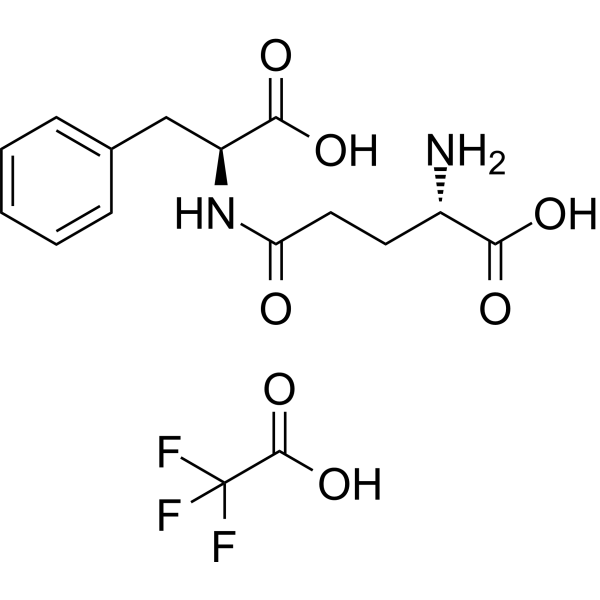
γ-Glu-Phe TFA (γ-Glutamylphenylalanine TFA) is synthesized by Bacillus amyloliquefaciens (GBA) and Aspergillus oryzae (GAO). γ-Glu-Phe TFA or the post-enzymatic reaction mixture enhances the umami intensity of commercial soy sauce and model chicken broth .
|
-
- HY-169485
-
|
|
Endogenous Metabolite
|
Others
|
|
Aspinolide B is a pentaketide and a 10-membered lactone with plant growth regulatory activity, which can be extracted from Aspergillus ochraceus. Aspinolide B promotes the growth of lateral roots in S. lycopersicum and can be utilized in related research .
|
-
- HY-169119
-
|
|
Cytochrome P450
Fungal
|
Infection
|
|
Antifungal agent 114 (Compound 19g) is an inhibitor for Cytochrome P450, that inhibits CYP1A2, CYP2C9, CYP2C19 CYP2D6 and CYP3A4 at 10 μM. Antifungal agent 114 exhibits antifungal activity against Cryptococcus neoformans, Candida and Aspergillus, with MIC <0.0625 μg/mL. Antifungal agent 114 exhibits good metabolic stability in human liver microsomes with a half-time of 107 minutes .
|
-
- HY-114664
-
|
|
HSP
|
Infection
Cancer
|
|
KNK423 is a specific heat shock protein (HSP) synthesis inhibitor. KNK423 improves the efficiency of Amphotericin B in inhibiting resistant Aspergillus terreus by blocking HSP70. KNK423 can be used in cancer and bacterial infection research .
|
-
- HY-122467
-
|
|
Bacterial
|
Infection
Cancer
|
|
Kumbicin C is a bis-indolyl benzenoid compound from an Australian soil fungus, Aspergillus kumbius. Kumbicin C inhibits the growth of mouse myeloma cells and the Gram-positive bacterium Bacillus subtilis .
|
-
- HY-N19612
-
|
|
Ser/Thr Protease
|
Others
|
|
Proteasefrom aspergillus oryzae is a serine protease identified in the non-transgenic Aspergillus ochraceus strain AE-P. Proteasefrom aspergillus oryzae functions as a food enzyme and catalyzes protein hydrolysis with broad-spectrum specificity .
|
-
- HY-P2877A
-
-
- HY-B2228B
-
|
|
Endogenous Metabolite
|
Metabolic Disease
|
|
Proteinase, Aspergillus melleus, is an enzyme that hydrolyzes proteins, that is, it initiates protein catabolism by hydrolyzing the peptide bonds that link amino acids in a polypeptide chain.
|
-
- HY-P2996D
-
-
- HY-P2973A
-
|
aspergillus acid protease (Xeno-free)
|
Fungal
Endogenous Metabolite
|
Infection
|
|
Aspergillopepsin I (Xeno-free) is an acid protease and aspartic protease. Aspergillopepsin I (Xeno-free) is derived from the marine fungus Aspergillus tubingensis. Aspergillopepsin I from Aspergillus tubingensis hydrolyzes glycinin, especially the 7S globulin .
|
-
- HY-E70119D
-
|
|
Biochemical Assay Reagents
|
Metabolic Disease
|
|
Pectate Lyase, Aspergillus sp. (EC 4.2.2.2) is an enzyme involved in the maceration and soft rotting of plant tissue. Pectate lyase is responsible for the eliminative cleavage of pectate, yielding oligosaccharides with 4-deoxy-α-D-mann-4-enuronosyl groups at their non-reducing ends.
|
-
- HY-E70350
-
|
|
Endogenous Metabolite
|
Others
|
|
Ribonuclease T2, Aspergillus oryzae is a biocatalyst and a key enzyme in new biocatalyst technology. Enzyme engineering focuses on enhancing enzyme reaction kinetics, substrate selectivity, and activity under harsh conditions such as low or high pH. By introducing stimulus responsiveness to these enzyme modifications, dynamic control of activity is also possible .
|
-
- HY-N12916
-
|
|
Others
|
Others
|
|
Dihydrogeodin is a substrate of dihydrodixin oxidase and can be isolated from Aspergillus terreus .
|
-
- HY-W344656
-
-
- HY-N19838
-
-
- HY-125723A
-
|
SL 7810 (purity>85%); A-30912 A (purity>85%)
|
Antibiotic
Fungal
Endogenous Metabolite
|
Infection
|
|
Echinocandin B (purity>85%) (SL 7810 (purity>85%)) is a lipopeptide antifungal antibiotic. Echinocandin B (purity>85%) is produced by Aspergillus nidulans. Echinocandin B (purity>85%) inhibits β-1,3-glucan activity, thereby blocking the biosynthesis of fungal cell walls. Echinocandin B (purity>85%) exhibits activity against a variety of Aspergillus species .
|
-
- HY-N19755
-
|
|
Fungal
|
Infection
|
|
Clemontanoside-C is an oleanane-based triterpenoid saponin and antifungal agent found in the roots of Lepidagathis cuspidata. Clemontanoside-C acts against Aspergillus flavus, Rhizopus stolinifer, Penicillum nodatum, and Aspergillus fumigatus. Clemontanoside-C can be used for the research of fungal infections .
|
-
- HY-N16405
-
|
|
Others
|
Others
|
|
Asperindole B is an indole-diterpene alkaloid that can be isolated from Aspergillus sp.KMM 4676 .
|
-
- HY-N8571R
-
|
|
Others
Reference Standards
|
Others
|
|
6-Methoxyflavonol (Standard) is the analytical standard of 6-Methoxyflavonol (HY-N8571). This product is intended for research and analytical applications. 6-Methoxyflavonol (Compound 15) is a natural flavone isolated from the marine-derived fungus Aspergillus candidus .
|
-
- HY-N8491C
-
|
|
Others
|
Others
|
|
(+)-Neodihydrocarveol is a monoterpenoid compound. (+)-Neodihydrocarveol is a major metabolite during the biotransformation of (-)-limonene (HY-Z0478) by the fungus Aspergillus cellulosae M-77 .
|
-
- HY-N3687
-
|
|
Others
|
Cancer
|
|
Dasycarpol (compound 2) is a product of microbial transformation of fraxinellone by Aspergillus niger (AS 3.421). Dasycarpol shows moderate cytotoxicity against A549 cells ,with the IC50 of 20 ug/mL .
|
-
- HY-N16432
-
|
|
Fungal
|
Infection
|
|
Nidulol is a compound that can be isolated from the fungus Aspergillus nidulans metabolites. Nidulol shows no phytotoxic activity against Zea mays and Medicago polymorpha L. at a concentration of 5 mM .
|
-
- HY-N19644
-
|
|
Fungal
|
Infection
|
|
(-)-Oxysporidinone is an antifungal agent. (-)-Oxysporidinone inhibits the growth of Aspergillus fumigatus and Cryptococcus neoformans. (-)-Oxysporidinone can be used in studies related to fungal infections .
|
-
- HY-125723B
-
|
SL 7810 (purity>65%); A-30912 A (purity>65%)
|
Antibiotic
Fungal
Endogenous Metabolite
|
Infection
|
|
Echinocandin B (purity>65%) (SL 7810 (purity>65%)) is a lipopeptide antifungal antibiotic. Echinocandin B (purity>65%) is produced by Aspergillus nidulans. Echinocandin B (purity>65%) inhibits β-1,3-glucan activity, thereby blocking the biosynthesis of fungal cell walls. Echinocandin B (purity>65%) exhibits activity against a variety of Aspergillus species .
|
-
- HY-182489
-
-
- HY-180483
-
|
|
Fungal
|
Infection
|
|
Antifungal agent 144 (Compound 3f) is a highly selective antifungal agent against Aspergillus niger, with an MIC of 7.5 μg/mL. Antifungal agent 144 simultaneously inhibits chitin deacetylase AngCDA and 1,3-β-glucan synthase. Antifungal agent 144 functions by disrupting the integrity of the fungal cell wall and does not bind to Ergosterol (HY-N0181). Antifungal agent 144 can be used for research on Aspergillus niger infections .
|
-
- HY-130052
-
|
|
Bacterial
|
Infection
|
|
Rosellichalasin is an antibacterial agent isolated from the endophytic fungus Aspergillus flavipes Y-62. Rosellichalasin exhibits antibacterial activity .
|
-
- HY-N19294
-
|
|
Others
|
Cancer
|
|
Hancockiamide A is a compound found in the Australian soil fungus Aspergillus hancockii. Hancockiamide A inhibits tumor cell viability and inactivity against fibroblasts. Hancockiamide A can be used for the research of myeloma .
|
-
- HY-N19781
-
|
|
Bacterial
|
Infection
|
|
Kipukasin B is an antibacterial agent. Kipukasin B exhibits activity against the Gram-positive strain Bacillus subtilis. Kipukasin B is isolated from Aspergillus versicolor obtained from Hawaii. Kipukasin B can be used in the research of Gram-positive bacterial infections .
|
-
- HY-N12614
-
|
|
SHP1
Phosphatase
|
Metabolic Disease
|
|
Diorcinol is a potent SHP1 inhibitor with an IC50 value of 0.96 μM. Diorcinol can be isolated from Aspergillus sydowii. Diorcinol has good blood-brain barrier penetration and can be used for diabetes research .
|
-
- HY-W099579R
-
|
Kojic dipalmitate (Standard)
|
Reference Standards
Tyrosinase
|
Endocrinology
|
|
Kojic acid dipalmitate (Standard) is the analytical standard of Kojic acid dipalmitate. This product is intended for research and analytical applications. Kojic acid dipalmitate (Kojic dipalmitate) is a derivative of Kojic acid (HY-W050154), a fungal metabolite that can be produced by species of Aspergillus, Acetobacter and Penicillium. Kojic acid dipalmitate is a slow and reversible competitive inhibitor of tyrosinase. Kojic acid dipalmitate can be used for skin‐lightening agent research .
|
-
- HY-114220
-
|
|
Fungal
|
Infection
|
|
T-2307, an arylamidine, has antifungal activities in vitro and in vivo. T-2307 exhibits broad-spectrum activity against clinically significant pathogens, including Candida species (MIC range, 0.00025 to 0.0078 μg/ml), Cryptococcus neoformans (MIC range, 0.0039 to 0.0625 μg/ml), and Aspergillus species (MIC range, 0.0156 to 4 μg/mL) .
|
-
- HY-146024
-
|
|
Fungal
|
Infection
|
|
Antifungal agent 28 (compound 18) is a potent and selective antifungal agent. Antifungal agent 28 inhibits pathogenic strains of C. albicans and non-albicans species including fluconazole-resistant strains. Antifungal agent 28 inhibits Cryptococcus and Aspergillus strains. Antifungal agent 28 disrupts mature Candida biofilm .
|
-
- HY-W320276
-
|
|
Endogenous Metabolite
Bacterial
Parasite
|
Infection
Others
|
|
Dill apiole is an aromatic ether, which is an important aroma component in herbs and spices such as dill (Anethum graveolens), parsley (Petroselinum crispum) and basil (Perilla frutescens). Dill apiole exhibits antimicrobial activity against Aspergillus parasiticus and Aedes aegypti .
|
-
- HY-W017143
-
|
|
Fungal
|
Infection
|
|
Antifungal agent 158 is an α-pyrone derivative that can be found in Trichoderma harzianum, exhibiting antifungal activity against select plant-pathogenic fungi, including Chaetomium spp., Curvularia lunata, and Aspergillus flavus. Antifungal agent 158 is non-toxic to greenhouse-grown bean, corn, and tobacco plants. Antifungal agent 158 can be used for research on Aspergillus flavus infection .
|
-
- HY-N19716
-
|
|
Drug Derivative
|
Others
|
|
Austamide is an indole alkaloid found in cultures of Aspergillus ustus. Austamide undergoes biosynthesis via the classical mevalonate pathway with nonface-selective reverse prenylation of its indole ring .
|
-
- HY-N10268
-
|
NSC 299113
|
Apoptosis
|
Cancer
|
|
3-Hydroxyterphenyllin is a metabolite of Aspergillus candidus.3-Hydroxyterphenyllin suppresses proliferation and causes cytotoxicity against A2780/CP70 and OVCAR-3 cells. 3-Hydroxyterphenyllin induces S phase arrest and apoptosis. 3-Hydroxyterphenyllin has the potential for the research of ovarian cancer .
|
-
- HY-W587956
-
|
|
Fungal
|
Infection
|
|
α-Guaiene is a natural sesquiterpene and fungicidal agent found in Pogostemon cablin (patchouli) essential oil. α-Guaiene suppresses the growth of Aspergillus niger, Candida albicans, Microsporum gypseum, and Trichophyton mentagrophytes. α-Guaiene can be used for the study of fungal infection .
|
-
- HY-N19876
-
-
- HY-43806
-
|
|
Fungal
Bacterial
|
Infection
|
|
Antifungal agent 143 is potent antifungal agent which also exihibits antibacterial activity. Antifungal agent 143 inhibits growth of Candida albicans and Aspergillus niger, Escherichia coli, Pseudomonas aeruginosa, Staphylococcus aureus, and Streptococcus pyogenes. Antifungal agent 143 can be used for antimicrobial research .
|
-
- HY-146464
-
|
|
Fungal
|
Infection
|
|
Antifungal agent 30 (compound A18) is a potent antifungal agent. Antifungal agent 30 shows excellent antifungal activity against Candida albicans (CPCC400616) and Aspergillus fumigatus, with MIC of 0.03 and 0.5 μg/mL, respectively. Antifungal agent 30 also shows excellent antifungal activity against fluconazole-resistant strains. The potent antifungal activity of Antifungal agent 30 mainly causes by hydrogen and coordination bond interaction with the CYP51 .
|
-
- HY-N16404
-
|
|
Apoptosis
Endogenous Metabolite
|
Cancer
|
|
Asperindole A is an indole-diterpene alkaloid. Asperindole A can be isolated from fungus Aspergillus sp. KMM 4676. Asperindole A induces Apoptosis. Asperindole A exerts cytotoxic activity against hormone-resistant and hormone-sensitive prostate cancer cells .
|
-
- HY-N14582
-
|
|
Antibiotic
Fungal
|
Infection
|
|
Glomosporin is a cyclic ester peptide antifungal antibiotic, and it has moderate anti-Aspergillus flavus (including Aspergillus Niger and Aspergillus Niger), yeast activity (MIC is 16 μg/mL) .
|
-
- HY-N12264
-
|
|
Antibiotic
Bacterial
Fungal
|
Infection
|
|
Burnettramic acid A is an antibiotic, which can be isolated from Aspergillus burnettii. Burnettramic acid A exhibits antibacterial and antifungal activities, with IC50 of 0.2, 0.5, 2.3 and 5.9 μg/mL, for Saccharomyces cerevisiae, Candida albicans, Bacillus subtilis and Staphylococcus aureus, respectively. Burnettramic acid A exhibits cytotoxicity in cancer cell NS-1 with IC50 of 13.8 μg/mL .
|
-
- HY-W032878
-
|
|
Fungal
SOD
|
Infection
|
|
N,N-Bis(3-aminopropyl)dodecylamine is a potent fungicidal agent with remarkable activity against Aspergillus niger. N,N-Bis(3-aminopropyl)dodecylamine induces oxidative stress and regulates the activities of multiple antioxidant and mitochondrial enzymes in a concentration‑ and duration‑dependent manner. N,N-Bis(3-aminopropyl)dodecylamine disrupts fungal organelles, remodels mitochondrial morphology and impairs mitochondria‑related cellular functions. N,N-Bis(3-aminopropyl)dodecylamine can be used for the research of fungicidal mechanisms and oxidative stress in Aspergillus niger .
|
-
- HY-P2124
-
|
|
Antibiotic
Bacterial
|
Infection
|
|
Cyclo(L-Trp-L-Trp) is an antibiotic, and shows antimicrobial activity. Cyclo(L-Trp-L-Trp) can inhibit A. baumannii, as well as Candida albicans, Bacillus subtilis, Micrococcus luteus, Saccharomyces cerevisiae, Aspergillus niger, Staphylococcus aureus. Cyclo(L-Trp-L-Trp) can be used in microbial infection research .
|
-
- HY-N12752
-
|
Casbene
|
Bacterial
Fungal
|
Infection
|
|
(-)-Casbene (Casbene) is an antimicrobial agent that can be found in Euphorbiaceae plants. (-)-Casbene retards Aspergillus niger development, and inhibits Escherichia coli growth. (-)-Casbene can be used for the research of bacterial and fungal infection .
|
-
- HY-165191
-
|
|
Fungal
|
Infection
|
|
LY214352 is an antifungal agent that targets dihydroorotate dehydrogenase (DHO-DH). LY214352 exhibits antifungal activity against Aspergillus nidulans and agriculturally important ascomycete fungi. LY214352 can be used in studies related to grape gray mold, apple scab, and fungal infections caused by ascomycetes .
|
-
- HY-W988754
-
|
|
Herbicide
|
Others
|
|
O-(2,4-Dichlorophenyl) O-methyl isopropylphosphoramidothioate (Zytron) is a herbicide. At conventional application doses, Zytron exerts no adverse effects on molds, actinomycetes or soil bacteria in field plots or model systems. Zytron can be degraded by Aspergillus clavatus .
|
-
- HY-113542
-
|
(+)-Blasticidin A
|
Antibiotic
Fungal
|
Infection
|
|
Blasticidin A ((+)-Blasticidin A) is a tetraamide acid derivative antibiotic produced by Streptomyces griseochromogenes, as well as a selective inhibitor of aflatoxin production. Blasticidin A exhibits antimicrobial activity against yeast. Blasticidin A can be used in research related to aflatoxin contamination (infection by Aspergillus sp.) .
|
-
- HY-N19180
-
|
|
Drug Derivative
|
Others
|
|
Hancockiamide C is a phenylacetic piperazine natural products found in Aspergillus hancockii. Hancockiamide C is synthesized via the hkm biosynthetic gene cluster, involving NRPS Hkm11 and the acetyltransferase Hkm3. Hancockiamide C inhibits seed germination of Arabidopsis thaliana (MIC = 6.3 μg/mL), but shows no activity against Eragrostis tef seeds .
|
-
- HY-N19938
-
|
|
Reactive Oxygen Species (ROS)
|
Others
|
|
Roseopurpurin B is a polyketide compound found in Aspergillus aculeatus DL1011 and Penicillium roseopurpureum (CMB-MF038), with DPPH scavenging activity. Roseopurpurin B shows no cytotoxicity against human cancer cells, and exhibits no growth inhibitory activity against Gram-positive or Gram-negative bacteria .
|
-
- HY-126386
-
|
EC 3.2.1.15
|
Biochemical Assay Reagents
|
Others
|
|
Pectinase (EC 3.2.1.15) is a mixed enzymes that hydrolyze pectic substances, it mostly presents in microorganisms and higher plants. Pectinase is involved in the metabolism of the cell wall as well as in the growth of the cell, senescence, ripening of fruits, pathogenesis and abscission process .
|
-
- HY-N14509
-
|
|
Fungal
|
Infection
|
|
Queenslandon has moderate anti-streptomyces, penicillium, Penicillium, Aspergillus fumigatus, aspergillus flavus and other fungal activities. And it has no effect on bacteria .
|
-
- HY-109706
-
|
|
Bacterial
Fungal
|
Infection
|
|
(Rac)-CPI-098 shows antibacterial activity. (Rac)-CPI-098 exhibits superior anti-fungal activity against Monascus ruber, better activity against Aspergillus fumigates, good activity against Aspergillus niger and Aspergillus parasites and moderate activity against Candida albicans .
|
-
- HY-N19795
-
|
|
Antibiotic
Bacterial
|
Infection
|
|
Desferritriacetylfusigen is a desferrisideramine antibiotic found in Aspergillus deflectus and bacterial growth inhibitor. Desferritriacetylfusigen induces strong iron deficiency in sensitive bacteria to block growth, with activity abolished by iron (III) addition. Desferritriacetylfusigen exhibits medium-dependent bacterial growth inhibition, with no or weak activity against yeasts and fungi. can be used for research on bacterial infection .
|
-
- HY-W068682
-
|
Hemipyocyanine; 1-Phenazinol; Hemi-pyocyanin
|
Amylases
Bacterial
|
Infection
Neurological Disease
Metabolic Disease
Inflammation/Immunology
Cancer
|
|
1-Hydroxyphenazine (Hemipyocyanine; 1-Phenazinol; Hemi-pyocyanin) is an inhibitor for α-Amylase with an IC50 of 3.1 μg/mL . 1-Hydroxyphenazine exhibits anticancer and anti-inflammatory activity against cells A549, 1321N1 and RAW264.7, antifungal and antibacterial activity against strains Candida albicans, Aspergillus fumigatus, Escherichia coli and Xanthomonas campestris .
|
-
- HY-N9869
-
|
|
Bacterial
|
Infection
|
|
(E,Z)-Platanoside is a flavonoid glycoside. (E,Z)-Platanoside is a potent and highly selective MRSA inhibitor; it exhibits low activity against other tested strains, including Gram-negative bacteria, intracellular Mycobacterium intracellulare, Candida albicans, Cryptococcus neoformans, and Aspergillus fumigatus. (E,Z)-Platanoside can be used in research on MRSA infections .
|
-
- HY-116132
-
-
- HY-N14102
-
|
|
Fungal
|
Infection
|
|
Chlorflavonin has the activities of anti-aspergillus, yeast, botrytis, and other fungal. Among these fungi, anti-Aspergillus fumigatus activity is particularly strong, the minimum inhibitory concentration up to 0.08 μg/mL .
|
-
- HY-N14390
-
-
- HY-N14306
-
|
|
Bacterial
|
Infection
|
|
Aspersitin is a metabolite of Aspergillus parasiticus with antibacterial activity .
|
-
- HY-N14304
-
-
- HY-N14842
-
|
|
Others
|
Others
|
|
Fiscalin A is a natural product found in Aspergillus fischeri .
|
-
- HY-N15481
-
|
|
Others
|
Others
|
|
Nanangenine A is a drimane sesquiterpene that has been found in Aspergillus.
|
-
- HY-N14749
-
-
- HY-N10257
-
-
- HY-N14879
-
-
- HY-N10193
-
-
- HY-N10080
-
-
- HY-N14843
-
|
|
Others
|
Others
|
|
Fiscalin B is a natural product found in Aspergillus fischeri .
|
-
- HY-P1939
-
|
Cyclo(L-prolyl-L-leucyl)
|
Fungal
Bacterial
Influenza Virus
|
Infection
|
|
Cyclo(L-Leu-L-Pro) is a cyclic dipeptide with broad-spectrum antibacterial, antiviral and antifungal activities. Its biological activity is highly dependent on the stereoconfiguration and is widely present in microbial metabolites. Cyclo(L-Leu-L-Pro) efficiently and specifically inhibits the production of aflatoxin by Aspergillus flavus. The cis configuration of Cyclo(L-Leu-L-Pro) (cis-cyclo(L-Leu-L-Pro)) has broad-spectrum antibacterial activity against multi-drug resistant bacteria and significantly inhibits the influenza A virus H3N2 .
|
-
- HY-N15056
-
|
|
Fungal
|
Infection
|
|
Chainin has anti-yeast and Aspergillus Niger fungal activity .
|
-
- HY-N16052
-
|
|
Others
|
Others
|
|
Dechlorflavonin is a flavone that can be isolated from Aspergillus candidus strain .
|
-
- HY-111238
-
-
- HY-N9713
-
|
|
Others
|
Others
|
|
Dihydroxyaflavinine (Compound Ⅲ) is an indole metabolite extracted from Aspergillus flavus .
|
-
- HY-N12197
-
|
|
Others
|
Others
|
|
Terretonin A is a meroterpenoid that can be isolated from the endophytic fungus Aspergillus terreus .
|
-
- HY-N16411
-
|
|
Others
|
Others
|
|
Carneamide A is a prenylated indole alkaloid produced by a marine-derived Aspergillus sp .
|
-
- HY-133196
-
|
|
Others
|
Others
|
|
Ustusolate A is a Sesquiterpenoids product that can be isolated from From Aspergillus ustus .
|
-
- HY-N7609
-
|
|
Bacterial
|
Infection
|
|
Kipukasin D is an natural nucleoside derived from Aspergillus versicolor with antibacterial activity .
|
-
- HY-172191
-
-
- HY-N6189
-
-
- HY-Z8472
-
-
- HY-N14186
-
-
- HY-N12181
-
|
|
Others
|
Others
|
|
Brevianamide R (compound 4) is an alkaloid isolated from Aspergillus versicolor on fermented rice .
|
-
- HY-N11541
-
|
Didemethylasperxanthone
|
Others
|
Others
|
|
Norrubrofusarin (Didemethylasperxanthone) is a natural product that can be obtained by demethylation of the metabolite (Compound III) of Aspergillus nige .
|
-
- HY-N14555
-
|
|
Others
|
Others
|
|
Dihydropergillin is found in the strain of Aspergillus ustus (ATCC 38849). Dihydropergillin can inhibit the growth of plants .
|
-
- HY-N6829
-
|
Quercetin-3,3',4',7-tetramethylether
|
Tyrosinase
Fungal
SARS-CoV
Apoptosis
Reactive Oxygen Species (ROS)
|
Infection
Neurological Disease
Metabolic Disease
Inflammation/Immunology
|
|
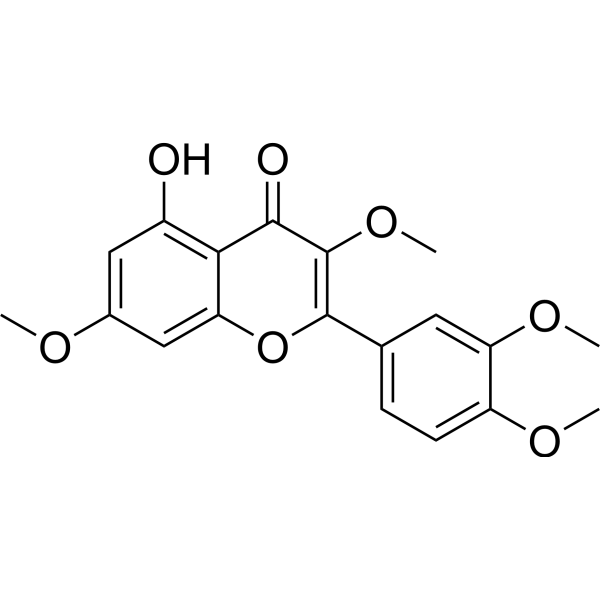
Retusin (Quercetin-3,3',4',7-tetramethylether) is a tyrosinase inhibitor, with IC50 values of 50.9 μM and 51.8 μM against mushroom and intracellular tyrosinase, respectively. Retusin also acts as a free radical scavenger, melanogenesis inhibitor, anti-apoptosis agent, neuroprotective agent, antiemetic, antifungal agent, and antiviral agent. Retusin scavenges ABTS• + and DPPH• free radicals. Retusin can be used in studies related to hyperpigmentation, vomiting, Aspergillus niger infection, and COVID-19 infection .
|
-
- HY-N16429
-
|
|
Endogenous Metabolite
|
Others
|
|
Neosartoricin D, a polyketide, is a microbial secondary metabolite. Neosartoricin D can be isolated from the cultural of Aspergillus nidulans. Neosartoricin D is an analog of Neosartoricin B (HY-N10311). Neosartoricin B is the secondary metabolite, which can be produced by Aspergillus nidulans. Neosartoricin B may regulate immunomodulatory effects with the host during infection and colonization by pathogenic fungi .
|
-
- HY-137141
-
|
SB202327
|
Parasite
|
Infection
|
|
16-Keto Aspergillimide (SB202327) is an anthelmintic agent isolated from Aspergillus strain IMI 337664 .
|
-
- HY-145477
-
-
- HY-N16051
-
|
CJ-19784
|
Bacterial
Fungal
|
Infection
|
|
Bromoflavone (CJ-19784) is a flavone that can be isolated from Aspergillus candidus. Bromoflavone shows anti-Mtb activity with an MIC90 value of 1.2 μM. Bromoflavone is also an antifungal agent. Bromoflavone inhibits the growth of pathogenic fungi, Candida albicans, Cryptococcus neoformans and Aspergillus fumigatus with IC50 values of 0.11, 20 and 0.54 μg/mL, respectively. .
|
-
- HY-N14011
-
|
|
Antibiotic
Bacterial
|
Infection
|
|
Cedarmycin A has activities against Candida, Cryptococcus neoforme and Aspergillus fumigatus, with the MIC values of 12.5-50 μg/mL .
|
-
- HY-N12389
-
|
|
Fungal
|
Infection
|
|
Quellenin is an anti-saprolegnia compound. Quellenin can be isolated from deep-sea fungus Aspergillus sp. YK-76
|
-
- HY-U00249
-
|
R66905
|
Fungal
|
Infection
|
|
Saperconazole (R66905) is a broad-spectrum antifungal triazole and has potent activity against Aspergillus with an MIC90 of 0.19 mg/L.
|
-
- HY-N1734
-
|
|
Others
|
Others
|
|
2-Hydroxydiplopterol is a Triterpenoids product that can be isolated from the metabolites of the fungal strain Aspergillus variecolor B-17. .
|
-
- HY-116671
-
|
|
Phospholipase
|
Others
|
|
Folipastatin is a potent inhibitor of phospholipase A2 with an IC50 of 39 μM. Folipastatin is a new depsidone compound from Aspergillus unguis .
|
-
- HY-U00249R
-
|
R66905 (Standard)
|
Reference Standards
Fungal
|
Infection
|
|
Saperconazole (R66905) is a broad-spectrum antifungal triazole and has potent activity against Aspergillus with an MIC90 of 0.19 mg/L.
|
-
- HY-N14012
-
|
|
Antibiotic
Bacterial
|
Infection
|
|
Cedarmycin B has activities against Candida, Cryptococcus neoforme and Aspergillus fumigatus, with the MIC values of 12.5-50 μg/mL .
|
-
- HY-114510
-
|
|
Discoidin Domain Receptor
Histone Acetyltransferase
Sirtuin
Fungal
Apoptosis
|
Infection
Cancer
|
|
PRMT/HKMT-IN-1 is an epigenetic multi-target protein arginine methyltransferases (PRMTs) and histone lysine methyltransferases (HKMTs) inhibitor. PRMT/HKMT-IN-1 inhibits Aspergillus nidulans RmtA with an IC50 of 29 μM. PRMT/HKMT-IN-1 inhibits human PRMT1, p300/CBP HAT, CARM1, SET7, SIRT1 and SIRT2. PRMT/HKMT-IN-1 inhibits methylation of histone H3K4, H4R3, and H3R17 residues. CBP/p300-IN-23 induces apoptosis, arrests cell cycle in S phase, and triggers granulocytic differentiation in leukemia cells. PRMT/HKMT-IN-1 can be used for the research of leukemia .
|
-
- HY-133709
-
|
|
Parasite
|
Infection
|
|
β-Aflatrem is an insecticide metabolite from the sclerotium of Aspergillus flavus that exhibits significant activity against the corn borer H. zea .
|
-
- HY-N15478
-
|
|
Others
|
Others
|
|
Nanangenine G is a drimane sesquiterpene that has been found in Aspergillus. It is cytotoxic to NS-1 mouse myeloma cells (IC50 = 47 μg/ml).
|
-
- HY-N7078
-
|
|
Others
|
Others
|
|
Spiculisporic acid is a γ-butenolide isolated from the cultue of Aspergillus sp . Spiculisporic acid is a microbial biosurfactant and has anti-oxidative stress actions .
|
-
- HY-126765
-
-
- HY-129585
-
|
|
Fungal
|
Infection
|
|
SM-4470 is an orally active antifungal compound. SM-4470 has inhibitory activity against yeast, Aspergillus, and dermatophytes in vitro .
|
-
- HY-138288
-
|
|
Others
|
Others
|
|
threo-6'-Hydroxyustusolate C is an ustusolic acid ester that can be isolated from the fermentation broth of the mangrove-derived fungus Aspergillus ustus 094102 .
|
-
- HY-N0642
-
|
|
Drug Derivative
Calcium Channel
|
Metabolic Disease
|
|
α-L-Rhamnose monohydrate is a neutral sugar present in plants, animals, viruses and bacteria. α-L-Rhamnose monohydrate is a ligand for α-L-rhamnose-recognizing lectin sites, trigger intracellular signaling pathways. α-L-Rhamnose monohydrate induces rhaE and rhaA expression as a specific carbon source in Aspergillus nidulans, while glucose inhibits its cellular uptake. α-L-Rhamnose monohydrate induces rapid and transient increases in intracellular free Ca 2+ concentration in normal human dermal fibroblasts .
|
-
- HY-P5569
-
|
|
Fungal
|
Infection
|
|
SP-B peptide is an antimicrobial peptide. SP-B peptide has antifungal activity against strains of Cryptococcus neoformans, Candida albicans and Aspergillus fumigatus
|
-
- HY-111357
-
|
|
Fungal
|
Infection
|
|
Antifungal agent 2 is a broad-spectrum fungal inhibitor which inhibits growth of pertinent species of Candida, Cryptococcus, and Aspergillus at a concentration as low as 0.5 μg/mL.
|
-
- HY-N14122
-
|
|
Fungal
|
Infection
|
|
Cladosporide B is found in the strain of Cladosporium sp. IFM 49189. Cladosporide B has slightly stronger anti-Aspergillus fumigatus activity than Cladosporide A .
|
-
- HY-125694
-
|
|
Fungal
|
Infection
|
|
MFB-1041 is an orally active antifungal agent, but exhibits poor oral absorption. MFB-1041 induces the binding of drug to serum albumin .
|
-
- HY-119821
-
|
|
Glycosidase
|
Infection
|
|
Terphenyllin is a naturally abundant p-terphenyl metabolite isolated from the coral derived fungus Aspergillus candidus, has significant α-glucosidase inhibitory activity .
|
-
- HY-W357146
-
|
Phenethyl β-D-galactoside
|
Others
|
Others
|
|
2-Phenylethyl β-D-galactopyranoside (Phenethyl β-D-galactoside) can be synthesized catalyzed by Aspergillus oryzae β-galactosidase .
|
-
- HY-N9554
-
|
|
Neurokinin Receptor
Endogenous Metabolite
Calcium Channel
|
Neurological Disease
Inflammation/Immunology
|
|
WIN-64821 is a secondary metabolite produced by Aspergillus species, and acts as a Neurokinin Receptor antagonist. The Ki values of WIN-64821 for NK1, NK2 and NK3 receptors are 0.24 (human astrocytoma cells), 0.26 (rat duodenum) and 15.2 (guinea pig forebrain) μM, respectively. WIN-64821 inhibits apamin-induced contraction of rat vas deferens, blocks substance P-induced contraction of guinea pig ileum and Ca 2+ efflux in human astrocytoma cells. WIN-64821 is applicable to analgesic and anti-inflammatory research .
|
-
- HY-121254
-
-
- HY-N8894
-
|
(-)-Isolariciresinol 3α-O-β-D-glucopyranoside
|
Others
|
Others
|
|
(-)-Isolariciresinol 9'-O-glucoside ((-)-Isolariciresinol 3α-O-β-D-glucopyranoside) is a Diterpenoids product that can be isolated from From Aspergillus flavus .
|
-
- HY-N14018
-
|
|
Antibiotic
Fungal
|
Infection
|
|
Glidobactin A is an acyl peptide antibiotic. Glidobactin A has activity against Candida, Aspergillus fumigatus and Trichophyton, but it is not effective against Candida albicans M-9 infection in mice .
|
-
- HY-108009
-
|
Biafungin; CD101; SP-3025
|
Fungal
|
Infection
|
|
Rezafungin (Biafungin) is a next-generation, broad-spectrum, and long-lasting echinocandin. Rezafungin shows potent antifungal activity against Candida spp., Aspergillus spp., and Pneumocystis spp. .
|
-
- HY-N7312
-
|
(-)-Ditryptophenaline
|
Neurokinin Receptor
Endogenous Metabolite
|
Inflammation/Immunology
|
|
Ditryptophenaline ((-)-Ditryptophenaline) is a secondary metabolite. Ditryptophenaline can be isolated from Aspergillus flavus. Ditryptophenaline inhibits the Substance P receptor. Ditryptophenaline exhibits potential analgesic and anti-inflammatory activities .
|
-
- HY-108009A
-
|
Biafungin acetate; CD101 acetate; SP-3025 acetate
|
Fungal
|
Infection
|
|
Rezafungin acetate (Biafungin acetate) is a next-generation, broad-spectrum, and long-lasting echinocandin. Rezafungin acetate shows potent antifungal activity against Candida spp., Aspergillus spp., and Pneumocystis spp. .
|
-
- HY-N14121
-
|
|
Fungal
|
Infection
|
|
Cladosporide A is found in the strain of Cladosporium sp. IFM 49189. Cladosporide A inhibits Aspergillus fumigatus with IC50 of 0.5-4.0 μg/mL, but it has no effect on other filamentous fungi .
|
-
- HY-P10588
-
|
|
Neurokinin Receptor
|
Others
|
|
WIN 66306 is a cyclic heptapeptide that can be isolated from an Aspergillus species. WIN 66306 is a neurokinin antagonist with antagonistic effects on both NK1 and NK2 receptors .
|
-
- HY-N14737
-
|
|
Fungal
|
Infection
Inflammation/Immunology
|
|
Dunaimycin A1 is a 24-membered macrolide compound with immunosuppressive activity and antifungal activity against Aspergillus niger. Dunaimycin A1 is promising for research of autoimmune diseases .
|
-
- HY-107126B
-
|
MK 3118 phosphate; SCY-078 phosphate
|
Fungal
|
Infection
|
|
Ibrexafungerp phosphate is an orally active β-1,3-glucan synthesis inhibitor, with potential antifungal activity. Ibrexafungerp phosphate can be used for research of Candida and Aspergillus infections .
|
-
- HY-N15052
-
|
|
Bacterial
|
Infection
Cancer
|
|
Monorden C has the effect of arresting the cell cycle of Jurket cells in G1 and G2/M phases. Monorden C has anti-Aspergillus niger activity .
|
-
- HY-N9720
-
|
|
Antibiotic
Bacterial
Fungal
|
Infection
|
|
Herbarin is a quinone antibiotic. Herbarin complex has anti-Gram-positive bacteria, negative bacteria, Citrus Canker xanthomonas, potato early blight, Aspergillus Niger, Decaprous and other fungal activities .
|
-
- HY-N14881
-
|
|
Bacterial
|
Infection
Cancer
|
|
Monorden E has the effect of arresting the cell cycle of Jurket cells in G1 and G2/M phases. Monorden E has anti-Aspergillus niger activity .
|
-
- HY-N14866
-
|
|
Bacterial
|
Infection
Cancer
|
|
Monorden B has the effect of arresting the cell cycle of Jurket cells in G1 and G2/M phases. Monorden B has anti-Aspergillus niger activity .
|
-
- HY-N6783
-
|
|
Fungal
Antibiotic
|
Infection
|
|
Oligomycin C is a macrolide antibiotic produced by Streptomyces strains. Oligomycin C exhibits a strong activity against Aspergillus niger, Alternaria alternata, Botrytis cinerea and Phytophthora capsici but no activity toward bacteria .
|
-
- HY-113614
-
|
|
Bacterial
|
Infection
|
|
Tetrahydrobostrycin is a secondary metabolite from Aspergillus sp., which exhibits a weak inhibitory activity against Staphylococcus aureus and Escherichia coli (100 mg/disc with the inhibition zones of 15 and 9.2 mm in diameter) .
|
-
- HY-107126
-
|
MK 3118; SCY-078
|
Fungal
|
Infection
|
|
Ibrexafungerp (MK 3118) is an orally active β-1,3-glucan synthesis inhibitor, with potential antifungal activity. Ibrexafungerp can be used for research of Candida and Aspergillus infections .
|
-
- HY-133101
-
|
|
Endogenous Metabolite
|
Cancer
|
|
14-Norpseurotin is a compound isolated from the culture of Aspergillus fumigatus. 14-Norpseurotin significantly induces neurite outgrowth of rat pheochromocytoma cells (PC12) at a 10.0 microM concentration .
|
-
- HY-30220
-
-
- HY-30220R
-
|
L-(-)-3-Phenyllactic Acid (Standard)
|
Endogenous Metabolite
Fungal
Reference Standards
|
Infection
Metabolic Disease
|
|
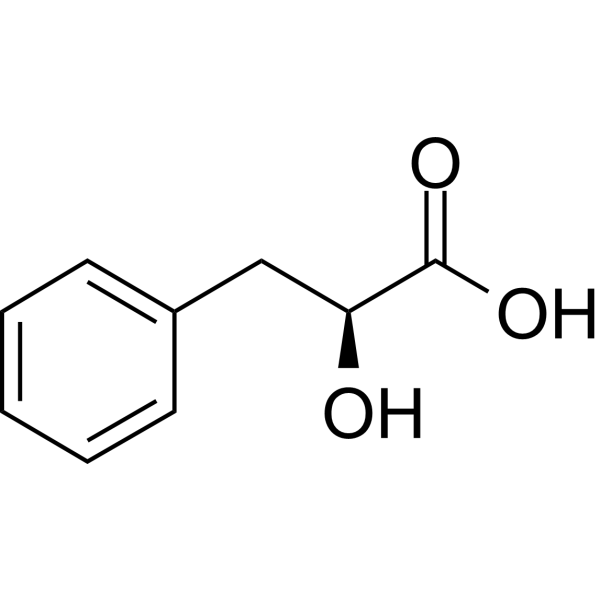
(S)-2-Hydroxy-3-phenylpropanoic acid (Standard) is the analytical standard of (S)-2-Hydroxy-3-phenylpropanoic acid. This product is intended for research and analytical applications. (S)-2-Hydroxy-3-phenylpropanoic acid is the L-configuration of 2-Hydroxy-3-phenylpropanoic acid, and its level is closely related to some diseases, such as phenylketonuria .
|
-
- HY-170616
-
|
|
Fungal
Interleukin Related
|
Infection
Inflammation/Immunology
|
|
JH-FK-08 is an inhibitor for the serine/threonine-specific phosphatase calcineurin. JH-FK-08 exhibits antifungal activity that inhibits C. neoformans with MIC80 of 0.8 µg/mL. JH-FK-08 exhibits immunosuppressive activity and inhibits the IL-2 expression with an IC50 of 42.6 nM. JH-FK-08 exhibits anti-infectious activity in mouse models .
|
-
- HY-N9002
-
-
- HY-N14614
-
|
|
Acyltransferase
|
Metabolic Disease
|
|
Pyripyropene B is a powerful acyl-CoA: cholesterol acyltransferase 2 (ACAT2) inhibitor found in the fungus Aspergillus fumigatus FO 1289. Pyripyropene B inhibits acyl-CoA: cholesterol acyltransferase with an IC50 of 117 nM .
|
-
- HY-N15480
-
|
|
Bacterial
|
Cancer
|
|
Nanangenine C is a drimane sesquiterpene that has been found in Aspergillus. It is active against B. subtilis (IC50 = 5.7 μg/ml) and cytotoxic to NS-1 mouse myeloma cells (IC50 = 4.1 μg/ml).
|
-
- HY-W038767
-
|
p-Toluoylhydrazine
|
Bacterial
Fungal
|
Infection
|
|
4-Methylbenzohydrazide (p-ToluoylHYdrazine) (Compound 5) is an antibacterial agent. 4-Methylbenzohydrazide shows a pMIC value of 1.38 against Staphylococcus aureus, Bacillus subtilis, Escherichia coli, and Aspergillus niger .
|
-
- HY-104029
-
|
F901318
|
Fungal
Dihydroorotate Dehydrogenase
|
Infection
|
|
Olorofim (F901318) selectively inhibits fungal dihydroorotate dehydrogenase (DHODH), a key enzyme in the pyrimidine biosynthesis pathway. Olorofim (F901318). Olorofim exhibits excellent activity against A. fumigatus and other Aspergillus spp. .
|
-
- HY-N16401
-
|
|
Bacterial
Drug Derivative
|
Infection
|
|
Aspergillumarin B (Compound 2) is a derivative of dihydroisocoumarin. Aspergillumarin B can be isolated from the endophytic fungus Aspergillus sp.. Aspergillumarin B has a weak antibacterial activity against Staphylococcus aureus and Bacillus subtilis .
|
-
- HY-N7569
-
|
|
Apoptosis
Caspase
PPAR
|
Cancer
|
|
Demethoxyfumitremorgin C is a secondary metabolite of the marine fungus, Aspergillus fumigatus. Demethoxyfumitremorgin C induces prostate cancer cell apoptosis. Demethoxyfumitremorgin C activates caspase-3, -8, and -9, leading to PARP/ cleavage .
|
-
- HY-122785
-
|
|
Fungal
|
Infection
|
|
Fusapyrone is a broad-spectrum antifungal metabolite first isolated from Fusarium species. It has been investigated for use in the control of postharvest crop diseases such as inhibiting the growth of ochratoxin-producing strains of Aspergillus section Nigri in wine grapes.
|
-
- HY-N15077
-
|
|
Antibiotic
Bacterial
|
Infection
|
|
11-Deacetoxywortmannin is an antibiotic found in Aspergillus janus NRRL 3807 and Penicillum funiculosum NRRL 3363. 11-Deacetoxywortmannin has a strong anti-fungal and anti-inflammatory effect, and has an anti-edema effect .
|
-
- HY-N12877
-
|
|
Bacterial
|
Infection
|
|
Ophiobolin H is a fungal metabolite that can be isolated from Aspergillus ustus. Ophiobolin H inhibits growth of Bacillus subtilis cultures. Ophiobolin H induces hyperacusia in day-old chicks at rates up to 375 mg/kg .
|
-
- HY-N6772
-
|
|
Autophagy
|
Cancer
|
|
Cytochalasin E, an epoxide containing Aspergillus-derived fungal metabolite, inhibits angiogenesis and tumor growth. Cytochalasin E is a potent actin depolymerization agent, and it binds and caps the barbed end of actin filaments to prevent actin elongation .
|
-
- HY-107126A
-
|
MK 3118 citrate; SCY-078 citrate
|
Fungal
|
Infection
|
|
Ibrexafungerp citrate (MK 3118 citrate) is an orally active β-1,3-glucan synthesis inhibitor, with potential antifungal activity. Ibrexafungerp citrate is an investigational agent for the treatment of Candida and Aspergillus infections .
|
-
- HY-N8406
-
|
|
Bacterial
Antibiotic
|
Infection
|
|
Monomethylsulochrin is a potent antibacterial metabolite from endophytic fungus Aspergillus fumigatus, isolated from Albizia lucidior leaves (fabaceae). Monomethylsulochrin exhibits anti-Staphylococcus aureus activity with minimum inhibitory concentration (MIC) of 31.25 μg/mL .
|
-
- HY-P2996
-
|
|
Others
|
Others
|
|
NAD(P)H-Nitrate reductase is isolated from Aspergillus niger that catalyses the reduction of nitrate to nitrite via a two-electron transfer. In plants, the electron donor for Nitrate reductase is NADPH is NADH:Nitrate reductase and a bispecific NAD(P)H: Nitrate reductase .
|
-
- HY-N18070
-
|
|
Drug Derivative
PKC
Fungal
|
Cardiovascular Disease
Infection
Inflammation/Immunology
Cancer
|
|
12-Deoxyphorbol-13-isobutyrate-20-acetate is a 12-deoxy-phorbol diterpene ester. 12-Deoxyphorbol-13-isobutyrate-20-acetate is a protein kinase C (PKC) agonist that activates protein kinase C to phosphorylate troponin I and troponin T. 12-Deoxyphorbol-13-isobutyrate-20-acetate induces skin irritation and necrosis in mice without cocarcinogenic activity. 12-Deoxyphorbol-13-isobutyrate-20-acetate inhibits Aspergillus carbonarius growth. 12-Deoxyphorbol-13-isobutyrate-20-acetate supports research on heart failure, cardiomyopathies and fungal infection .
|
-
- HY-B0751
-
|
Amebacilin; NSC9168
|
Parasite
HIV
Antibiotic
|
Infection
|
|
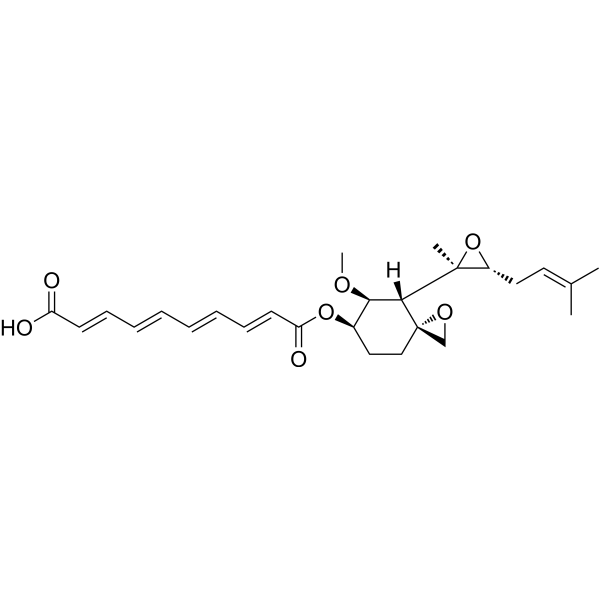
Fumagillin(NSC9168) is an antimicrobial compound first isolated in 1949 from the fungus Aspergillus fumigatu. Fumagillin can inhibits HIV‐1 infection through the inhibition of HIV-1 viral protein R (Vpr) activity.
|
-
- HY-N6777
-
-
- HY-N8336
-
|
|
Antibiotic
Bacterial
Fungal
|
Infection
Cancer
|
|
IT-143A is an antibiotic, that exhibits antibacterial and antifungal activity against Micrococcus luteus and Aspergillus fumigatus with MIC of 6.25-25 μg/mL. IT-143A inhibits growth of cancer cell KB with an IC50 of 0.36 ng/mL .
|
-
- HY-N12534
-
|
|
Apoptosis
|
Cancer
|
|
Monaspin B is a natural product produced by the co-culture of Monascus purpureus and Aspergillus oryzae. Monaspin B exerts anti-proliferation activity by inducing apoptosis of HL-60 cells, IC50 160 nM. Monaspin B has antitumor activity .
|
-
- HY-P2005
-
|
|
Reactive Oxygen Species (ROS)
SOD
|
Others
|
|
Malformin C is an algicidal peptide can be isolated from Aspergillus and exhibits dose-dependent algicidal activity. Malformin C induces a significant increase in ROS levels in algal cells, resulting in impaired SOD activity and high production of MDA content .
|
-
- HY-P10916
-
|
|
Drug Metabolite
Fungal
|
Infection
|
|
Micafungin metabolite M1 is an active metabolite of Micafungin (HY-17579), which is metabolized by arylsulfatase and exhibits antifungal activity. Micafungin metabolite M1 can be used for research on deep fungal infections caused by Candida and Aspergillus species .
|
-
- HY-N10272
-
|
|
Fungal
Bacterial
|
Infection
|
|
Avenaciolide is an antifungal bis-γ-lactone found in Aspergillus avenaceus. Avenaciolide has also antibacterial action. Avenaciolide is a specific inhibitor of glutamate transport in rat liver mitochondria. Avenaciolide interferes with the ability of ADP to stimulate the rate of glutamate oxidation .
|
-
- HY-N14302
-
|
|
Antibiotic
Bacterial
|
Infection
Cancer
|
|
44-HomooIigomycin A is an antitumor antibiotic. 44-Homooligomycin A has activity against fungi such as Aspergillus, Penicillium and Fusarium, but not against yeast and bacteria. 44-Homooligomycin A has moderate anti-tumor activity against Colon 26 in vivo .
|
-
- HY-N6779
-
Patulin
4 Publications Verification
Terinin
|
Bacterial
Apoptosis
Autophagy
Antibiotic
|
Infection
|
|
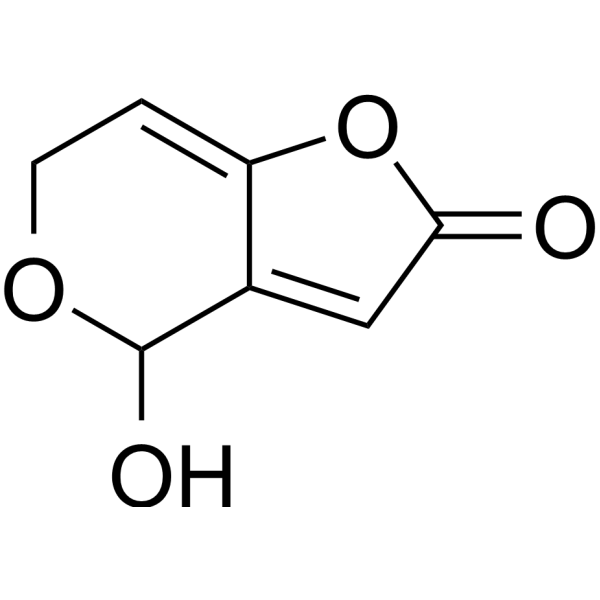
Patulin (Terinin) is a mycotoxin produced by fungi including the Aspergillus, Penicillium, and Byssochlamys species, causes chromosome breakage, mutation, teratogenic and cytotoxic. Patulin induces autophagy-dependent apoptosis through lysosomal-mitochondrial axis, and causes DNA damage .
|
-
- HY-N6725
-
-
- HY-W009815
-
|
δ-Laurolactone
|
Environmental Pollutants
Fungal
|
Infection
|
|
δ-Dodecalactone can be obtained from L. plantarum AF1. δ-Dodecalactone exhibits potent antifungal activity against molds Aspergillus flavus, A. fumigatus, A. petrakii, A. ochraceus, A. nidulans, and Penicillium roqueforti. δ-Dodecalactone is a flavoring compound .
|
-
- HY-W782599
-
|
|
Fungal
PKC
Calcineurin
|
Infection
|
|
Senkyunolide B is a phthalide found in Angelica sinensis. Senkyunolide B has broad antifungal activities. Senkyunolide B affects the spore germination and hyphae growth of Aspergillus fumigatus via down-regulating phosphatidylinositol-PKC-calcineurin axis and the expression of ENG genes .
|
-
- HY-E70107
-
|
Cbh1
|
Others
|
Others
|
|
Cellobiohydrolase I, Trichoderma longibrachiatum (Cbh1) belongs to glycoside hydrolase family 7 (GH7) that catalyzes the processive hydrolysis of cellulose into cellobiose .
|
-
- HY-N8285
-
|
|
Parasite
|
Infection
|
|
Sporogen AO-1 is a fungal metabolite originally isolated from the fungusAspergillus oryzae. Sporogen AO-1 has significant antimalarial activity againstplasmodium falciparum, with an IC50 value of 1.53 μM, and also has certain cytotoxicity .
|
-
- HY-N8009
-
|
|
Biochemical Assay Reagents
|
Others
|
|
Rebaudioside O is a heptapyranosyl diterpene glycoside that occurs in the leaves of Stevia rebaudiana Bertoni. Rebaudioside O serves as a sweetener .
|
-
- HY-N14364
-
|
Flavipucin
|
Antibiotic
Bacterial
Parasite
|
Infection
|
|
Flavipucine (Flavipucin), a glutarimide antibiotic, is found in the strain of Aspergillus flavipes F-2090/7. Flavipucine has antibacterial activity against B. subtilis. Flavipucine has antiprotozoal activity. Flavipucine has cytotoxic activity against several cancer cells .
|
-
- HY-N7078R
-
|
|
Others
Reference Standards
|
Others
|
|
Spiculisporic acid (Standard) is the analytical standard of Spiculisporic acid (HY-N7078). This product is intended for research and analytical applications. Spiculisporic acid is a γ-butenolide isolated from the cultue of Aspergillus sp . Spiculisporic acid is a microbial biosurfactant and has anti-oxidative stress actions .
|
-
- HY-129578
-
-
- HY-N14305
-
|
|
Antibiotic
Bacterial
|
Infection
Cancer
|
|
44-HomooIigomycin B is an antitumor antibiotic. 44-Homooligomycin B has activity against fungi such as Aspergillus, Penicillium and Fusarium, but not against yeast and bacteria. 44-Homooligomycin B has moderate anti-tumor activity against Colon 26 in vivo .
|
-
- HY-159809
-
|
|
Bacterial
|
Infection
Inflammation/Immunology
|
|
Antibacterial agent 249 demonstrates broad-spectrum antimicrobial properties, effectively inhibiting the growth of Aspergillus niger, Bacillus subtilis, Pseudomonas albicans, Escherichia coli, and Staphylococcus aureus, while also exhibiting anti-inflammatory activity in vitro, making it a potential candidate for treating bacterial infections.
|
-
- HY-N15048
-
|
|
Fungal
|
Infection
|
|
Phellinsin selectively inhibits the activity of the chitin synthase I and II with IC50s (μg/mL) of 76 and 28, respectively. Phellinsin has the antifungal activity on Colletotrichum lagenarium, Pyricularia oryzae, Aspergillus fumigatus and Trichophyton mentagrophytes and so on (MIC is 12.5-50 μg/mL) .
|
-
- HY-N1063
-
|
Xanthoxyline
|
Fungal
|
Infection
Metabolic Disease
|
|
Xanthoxylin (Xanthoxyline) can be isolated from Zanthoxylum simulans. Xanthoxylin has antifungal and antioxidant effects. The MIC of Xanthoxylin against Toxoplasma neonatorum and Aspergillus fumigatus were 50 µg/mL and 75 µg/mL, respectively. Xanthoxylin can be used in the study of anti-epileptic diseases .
|
-
- HY-N1063R
-
|
Xanthoxyline (Standard)
|
Reference Standards
Fungal
|
Infection
Metabolic Disease
|
|
Xanthoxylin (Xanthoxyline) can be isolated from Zanthoxylum simulans. Xanthoxylin has antifungal and antioxidant effects. The MIC of Xanthoxylin against Toxoplasma neonatorum and Aspergillus fumigatus were 50 µg/mL and 75 µg/mL, respectively. Xanthoxylin can be used in the study of anti-epileptic diseases .
|
-
- HY-N8509
-
|
Deacetylchevalone C
|
Bacterial
|
Infection
|
|
Chevalone E (Deacetylchevalone C) (Compound 3) is a meroditerpenoid. Chevalone E can be isolated from the fungus Aspergillus similanensis sp. Chevalone E has a synergic effect with Oxacillin (HY-B0925A) and Ampicillin (HY-B0522) against MRSA .
|
-
- HY-N14685
-
|
|
Antibiotic
Fungal
|
Infection
|
|
Heptaibin is a peptaibol antifungal antibiotic. Heptaibin has the activity against Gram-positive bacteria (MIC is 8 μg/mL) such as Staphylococcus aureus and fungi (MIC is 13-32 μg/mL) such as Aspergillus, Candida albicans and cryptococcus neofordii, and it has moderate anti-Rhabditella pseudoelongata activity (MIC is 50 μg/mL) .
|
-
- HY-N15359
-
|
|
Bacterial
|
Infection
|
|
Germicidin C is a microbial metabolite with antibacterial activity, which is found in the marine sponge-derived fungus Aspergillus niger. Germicidin C can inhibit the growth of various pathogenic bacteria such as Staphylococcus aureus, Escherichia coli, and Bacillus subtilis with MIC values ranging from 32 to 64 µg/mL .
|
-
- HY-119728
-
|
|
Influenza Virus
|
Infection
|
|
FR198248 is an anti-influenza agent and peptide deformylase (PDF) inhibitor. FR198248 can be isolated from Aspergillus flavipes. FR198248 potently inhibits the PDF of Staphylococcus aureus with an IC50 of 3.6 µM. FR198248 can be used for antiviral and antibacterial research .
|
-
- HY-N10281
-
|
|
Bacterial
|
Infection
|
|
Asperglaucin B is an alkylated salicylaldehyde derivative from the fungus Aspergillus chevalieri SQ-8, with antibacterial activities. Asperglaucin B displays potent antibacterial activities against two plant pathogens Pseudomonas syringae pv actinidae (Psa) and Bacillus cereus, with an MIC value of 6.25 μM .
|
-
- HY-P2274
-
|
|
Parasite
|
Infection
|
|
Argifin is a sub-nanomolar chitinase inhibitor produced by soil microorganisms, with IC50s of 0.025 μM, 6.4 μM , 1.1 μM and 4.5 μM for SmChiA (Serratia marcescens chitinaese A), SmChiB, Aspergillus fumigatus chitinase B1 and human chitotriosidase, respectively .
|
-
- HY-N5160
-
|
|
Antibiotic
Fungal
|
Infection
|
|
Arborcandin A is a 1,3-β-glucan synthase inhibitor that serves as an antifungal antibiotic. Arborcandin A exhibits IC50 values of 0.25 μg/mL and 0.05 μg/mL against Candida albicans and Aspergillus fumigatus, respectively. Additionally, Arborcandin A has an MIC of 4-8 μg/mL against the genus Candida .
|
-
- HY-N5165
-
|
|
Antibiotic
Fungal
|
Infection
|
|
Arborcandin F is a 1,3-β-glucan synthase inhibitor that serves as an antifungal antibiotic. Arborcandin F exhibits IC50 values of 0.012 μg/mL against both Candida albicans and Aspergillus fumigatus. Additionally, Arborcandin F has an MIC of 2-4 μg/mL against the genus Candida .
|
-
- HY-N17260
-
|
|
Bacterial
|
Infection
|
|
Phellandral is an aldehyde compound that can be found in Eucalyptus camaldulensis and Thymus seravschanicus. The phellandral-containing eucalyptus essential oil exhibits significant inhibitory effects on various plant pathogenic fungi, especially on Aspergillus flavus. Phellandral, together with other oxygenated monoterpenoids, constitutes an important basis for the antibacterial activity of the essential oil .
|
-
- HY-109125A
-
|
SPA-S-753; SPA-S-752 L-aspartate
|
Antibiotic
Fungal
|
Infection
|
|
Amcipatricin diaspartate (SPA-S-753) is a semi-synthetic polyene antibiotic, with potent broad-spectrum antifungal activity .
|
-
- HY-147804
-
|
|
SARS-CoV
Bacterial
Fungal
|
Infection
|
|
SARS-CoV-2 3CLpro-IN-3 (Compound 3d) is a SARS CoV-2 3CLpro inhibitor with antiviral, antibacterial and antifungal activities .
|
-
- HY-P2569
-
|
|
Apoptosis
|
Cancer
|
|
Malformin A1, a cyclic pentapeptide isolated from Aspergillus niger, possess a range of bioactive properties including antibacterial activity. Malformin A1 shows potent cytotoxic activities on human colorectal cancer cells. Malformin A1 induces apoptosis by activating PARP, caspase 3, -7, and -9 .
|
-
- HY-N12196
-
|
|
Cytochrome P450
|
Infection
|
|
Terretonin is a fungal terpenoid isolated from Aspergillus terreus. The complete biosynthetic pathway of terretonin includes: cytochrome P450 Trt6 catalyzes the oxidation of terrenoid to obtain an unstable intermediate; then it is catalyzed by isomerase Trt14 and processed by non-heme iron-dependent dioxygenase Trt7 to complete the biosynthesis of terretonin .
|
-
- HY-N5163
-
|
|
Antibiotic
Fungal
|
Infection
|
|
Arborcandin D is a 1,3-β-glucan synthase inhibitor that serves as an antifungal antibiotic. Arborcandin D exhibits IC50 values of 3 μg/mL and 0.35 μg/mL against Candida albicans and Aspergillus fumigatus, respectively. Additionally, Arborcandin D has an MIC of 4 μg/mL against the genus Candida .
|
-
- HY-104029R
-
|
F901318 (Standard)
|
Fungal
Reference Standards
Dihydroorotate Dehydrogenase
|
Infection
|
|
Olorofim (Standard) is the analytical standard of Olorofim (HY-104029). This product is intended for research and analytical applications. Olorofim (F901318) selectively inhibits fungal dihydroorotate dehydrogenase (DHODH), a key enzyme in the pyrimidine biosynthesis pathway. Olorofim (F901318). Olorofim exhibits excellent activity against A. fumigatus and other Aspergillus spp. .
|
-
- HY-N14020
-
|
GlbC
|
Antibiotic
Fungal
|
Infection
Cancer
|
|
Glidobactin C (GlbC) is an anti-tumor antibiotic. Glidobactin C (GlbC) has the activity against pathogenic fungi and yeast. Glidobactin C has anti-Candida albicans and Aspergillus fumigatus activity with a MIC of 0.8 μg/mL. Glidobactin C also extends the survival of mice inoculated with leukemia P388 cells .
|
-
- HY-N16443
-
|
|
Endogenous Metabolite
Fungal
Bacterial
|
Infection
|
|
Sporminarin A (Compound 1), a polyketide, is a microbial secondary metabolite. Sporminarin A can be isolated from the Sporormiella minimoides. Sporminarin A has significant antifungal activity against Aspergillus flavus with an MIC50 of 25 μg/mL. Sporminarin A also has antibacterial activity against Staphylococcus aureus (ATCC 29213) and Candida albicans (ATCC 14053) .
|
-
- HY-P2996A
-
|
|
Drug Isomer
|
Others
|
|
Nitrate Reductase, Arabidopsis thaliana is the isomer of NAD(P)H-Nitrate reductase (HY-P2996). NAD(P)H-Nitrate reductase is isolated from Aspergillus niger that catalyses the reduction of nitrate to nitrite via a two-electron transfer. In plants,the electron donor for Nitrate reductase is NADPH is NADH:Nitrate reductase and a bispecific NAD(P)H: Nitrate reductase .
|
-
- HY-N5162
-
|
|
Antibiotic
Fungal
|
Infection
|
|
Arborcandin C is a 1,3-β-glucan synthase inhibitor that serves as an antifungal antibiotic. Arborcandin C exhibits IC50 values of 0.15 μg/mL and 0.015 μg/mL against Candida albicans and Aspergillus fumigatus, respectively. Additionally, Arborcandin C has an MIC of 1-2 μg/mL against the genus Candida .
|
-
- HY-135422
-
|
Methylustin
|
Bacterial
Fungal
|
Infection
|
|
Nidulin (Methylustin) is a depsidone isolated from a marine fungus Aspergillus unguis. Nidulin shows antifungal and antibacterial against pathogenetic strains, Pseudomonas aeruginosa, Methicillin-resistant Staphylococcus aureus and Candida albicans with inhibition zones of 9.5 mm, 9.0 mm and 9.0 mm, respectively. Nidulin exhibits potent larvicidality against brine shrimp .
|
-
- HY-N5161
-
|
|
Antibiotic
Fungal
|
Infection
|
|
Arborcandin B is a 1,3-β-glucan synthase inhibitor that serves as an antifungal antibiotic. Arborcandin B exhibits IC50 values of 0.30 μg/mL and 0.025 μg/mL against Candida albicans and Aspergillus fumigatus, respectively. Additionally, Arborcandin B has an MIC of 2-4 μg/mL against the genus Candida .
|
-
- HY-B0751R
-
|
Amebacilin (Standard); NSC9168 (Standard)
|
Reference Standards
Parasite
HIV
Antibiotic
|
Infection
|
|
Fumagillin (Standard) is the analytical standard of Fumagillin. This product is intended for research and analytical applications. Fumagillin(NSC9168) is an antimicrobial compound first isolated in 1949 from the fungus Aspergillus fumigatu. Fumagillin can inhibits HIV‐1 infection through the inhibition of HIV-1 viral protein R (Vpr) activity.
|
-
- HY-N6786
-
|
|
Endogenous Metabolite
|
Metabolic Disease
|
|
Ochratoxin B is an orally active secondary metabolite of Aspergillus ochraceus and non-chlorinated analog of the mycotoxin Ochratoxin A. Ochratoxin B reduces the toxic effects of Ochratoxin A (HY-N6788). Ochratoxin B inhibits cell division. Ochratoxin B causes craniofacial malformations in Xenopus laevis embryos .
|
-
- HY-N6777S
-
|
|
Isotope-Labeled Compounds
|
Cancer
|
|
Penicillic acid- 13C8 is the 13C-labeled Penicillic acid (HY-N6777). Penicillic acid is a polyketide mycotoxin produced by several species of Aspergillus and Penicillium. Penicillic acid exhibits cytotoxicity in rat alveolar macrophages (AM) in vitro. Penicillic acid inhibits Fas ligand-induced apoptosis by blocking self-processing of caspase-8 .
|
-
- HY-180416
-
|
|
Antibiotic
|
Cancer
|
|
TMC-169 is a potent antibiotic of the Aspochalasin group that can be isolated from Aspergillus flavipes. TMC-169 exhibits anti-tumor activity against multiple cancer cells. TMC-169 can be used for the research of cancer, such as hematologic malignancies, non-small cell lung cancer, breast cancer, and glioma .
|
-
- HY-N6779R
-
|
Terinin (Standard)
|
Reference Standards
Bacterial
Apoptosis
Autophagy
Antibiotic
|
Infection
|
|
Patulin (Standard) is the analytical standard of Patulin. This product is intended for research and analytical applications. Patulin (Terinin) is a mycotoxin produced by fungi including the Aspergillus, Penicillium, and Byssochlamys species, causes chromosome breakage, mutation, teratogenic and cytotoxic. Patulin induces autophagy-dependent apoptosis through lysosomal-mitochondrial axis, and causes DNA damage .
|
-
- HY-N16441
-
|
|
Endogenous Metabolite
Influenza Virus
|
Infection
|
|
Pulvic acid (Compound 3), a butenolide, is a microbial secondary metabolite. Pulvic acid can be isolated from the marine-derived fungus Aspergillus terreus Gwq-48. Pulvic acid has significant antiviral activity with an IC50 of 29.1 μg/mL for influenza A H1N1 virus. Pulvic acid can be used for influenza virus infections research .
|
-
- HY-P11342
-
|
|
Fungal
HSV
|
Infection
|
|
Verlamelin A is a macrocyclic depsipeptide with antifungal and antiviral activity. Verlamelin A shows
antifungal activity toward Aspergillus versicolor and Curvularia australiensis and also has antiviral activity toward
HSV-1 (IC50 = 16.7 μM). Verlamelin A is isolated from the entomopathogenic fungus Lecanicillium sp. Verlamelin A is useful for antifungal and antiviral research .
|
-
- HY-N6725R
-
|
|
Reference Standards
DNA/RNA Synthesis
Bacterial
Apoptosis
Antibiotic
Endogenous Metabolite
|
Infection
Cancer
|
|
Sterigmatocystine (Standard) is the analytical standard of Sterigmatocystine. This product is intended for research and analytical applications. Sterigmatocystine is a precursor of aflatoxins and a mycotoxin produced by common mold strains from Aspergillus versicolor . Sterigmatocystine, a inhibitor of G1 Phase and DNA synthesis, is used to inhibit p21 activity. Sterigmatocystine has teratogenic, and carcinogenic effects in animals .
|
-
- HY-N5164
-
|
|
Antibiotic
Fungal
|
Infection
|
|
Arborcandin E is a 1,3-β-glucan synthase inhibitor that serves as an antifungal antibiotic. Arborcandin E exhibits IC50 values of 0.1 μg/mL and 0.012 μg/mL against Candida albicans and Aspergillus fumigatus, respectively. Additionally, Arborcandin E has an MIC of 0.5-2 μg/mL against the genus Candida .
|
-
- HY-121003
-
|
|
Fungal
Parasite
|
Infection
|
|
Aspyrone is a polyketide fungal metabolite that has been found in Aspergillus and has diverse biological activities. It is active against a panel of 13 fungi when used at a concentration of 20 μg/mL and a panel of 21 bacteria in a disc assay when used at a concentration of 100 μg per disc.1 Aspyrone (10-1,000 mg/L) is nematocidal against P. penetrans.
|
-
- HY-P2902
-
|
|
Endogenous Metabolite
|
Cancer
|
|
Glucose oxidase is used in the food and beverage industry as a preservative and stabilizer and is commonly derived from the fungus Aspergillus niger. Glucose oxidase can react with intracellular glucose and oxygen (O2) to produce hydrogen peroxide (H2O2) and gluconic acid, which can cut off the nutrition source of cancer cells and consequently inhibit their proliferation .
|
-
- HY-129578R
-
|
|
Reference Standards
Autophagy
Cathepsin
|
Infection
Inflammation/Immunology
Cancer
|
|
Asperphenamate (Standard) is the analytical standard of Asperphenamate. This product is intended for research and analytical applications. Asperphenamate, a fungal metabolite of Aspergillus flatiipes with anti-cancer effect, exhibits IC50 values of 92.3 μM, 96.5 μM and 97.9 μM in T47D, MDA-MB-231 and HL-60 cells, respectively[1][2].
|
-
- HY-N16428
-
|
NSC 356436
|
Endogenous Metabolite
Fungal
Bacterial
|
Infection
Cancer
|
|
Neoaspergillic acid (NSC 356436) (Compound 2) is a microbial secondary metabolite. Neoaspergillic acid can be isolated from the endophytic fungus Aspergillus sp. SPH2. Neoaspergillic acid has potent antifungal activity against Alternaria alternata, Botrytis cinerea and Fusarium oxysporum. Neoaspergillic acid appears during the exponential phase of fungal growth. Neoaspergillic acid also antitumor and antibacterial effects .
|
-
- HY-N16445
-
|
(-)-Strevertene A
|
Endogenous Metabolite
Antibiotic
Fungal
|
Infection
|
|
Strevertene A ((-)-Strevertene A) (Compound 1), a pentaene macrolide, is a microbial secondary metabolite. Strevertene A is an antibiotic and has a potent antifungal activity. Strevertene A significantly inhibits the mycelial growth of phytopathogenic fungi (such as Alternaria mali, Aspergillus oryzae and Cylindrocarpon destructans) with IC50s of 4-16 μg/mL. Strevertenes A can strongly prevent Fusarium wilt development on tomato plants .
|
-
- HY-135445
-
|
21-Norrapamycin
|
Fungal
|
Infection
|
|
Prolylrapamycin (21-Norrapamycin) is the derivative of Rapamycin (HY-10219). Prolylrapamycin exhibits antifungal activity, that inhibits Candida albicans, Saccharomyces cerevisiae, and Fusarium oxysporum with MIC of 0.125-2 μg/mL .
|
-
- HY-N6027
-
|
|
Fungal
Bacterial
|
Infection
|
|
Cyclosporin C is a fungal metabolite that has been found in T. inflatum and has diverse biological activities, including antifungal, antiviral, and immunosuppressant properties. Cyclosporin C shows no activity against bacteria or yeasts .
|
-
- HY-W069116
-
|
|
Fungal
|
Infection
|
|
Antifungal agent 146 (Compound 19l) is a broad-spectrum antifungal agent. Antifungal agent 146 has inhibitory effects on the main dermatophytes that cause onychomycosis (Trichophyton rubrum, Trichophyton mentagrophytes) and other fungi (Candida albicans, Cryptococcus neoformans and Aspergillus fumigatus) with MIC values of 16, 16, 64, 32, and 32 μg/mL. Antifungal agent 146 can be used for the research of infection .
|
-
- HY-B0751S
-
|
Amebacilin-13C26; NSC9168-13C26
|
Isotope-Labeled Compounds
|
Infection
|
|
Fumagillin- 13C26 (Amebacilin- 13C26) is the 13C-labeled Fumagillin (HY-B0751). Fumagillin(NSC9168) is an antimicrobial compound first isolated in 1949 from the fungus Aspergillus fumigatu. Fumagillin can inhibits HIV‐1 infection through the inhibition of HIV-1 viral protein R (Vpr) activity.
|
-
- HY-B0614A
-
|
|
Bacterial
Fungal
|
Infection
|
|
Mafenide Acetate is a potent sulfonamide antimicrobial agent. Mafenide Acetate exhibits antibacterial activity against Staphylococcus aureus and Pseudomonas aeruginosa. Mafenide Acetate also exhibits antifungal activity against filamentous fungi (e.g., Lichtheimia and Aspergillus flavus). Mafenide Acetate can be used in the research of skin grafts on burn wounds, post-traumatic invasive fungal infections, and bacterially contaminated wounds .
|
-
- HY-N6688
-
|
|
Potassium Channel
Bacterial
|
Infection
Neurological Disease
|
|
Verruculogen is a tremorgenic mycotoxin and inhibitor of the M phase of the mammalian cell cycle. Verruculogen is produced by Penicillium and Aspergillus species. Verruculogen enhances the binding of ChTX to maxi-k channels with a K1/2 value of 170 nM. Verruculogen inhibits the amplitude of Ca 2+-activated K + currents. Verruculogen induces severe tremors in infected animals .
|
-
- HY-136153
-
|
|
Fungal
|
Infection
|
|
Amphotericin X1 is an 13-O-methyl derivative of Amphotericin B with good antifungal activity. Amphotericin X1 inhibits Candida albicans 33/079, C.parapsilosis 937A, Cryptococcus neoformans 451, Aspergillus niger 57A and A.fumigatus with MIC values of 1 μg/mL, 8 μg/mL, 1 μg/mL, 2 μg/mL and 2 μg/mL, respectively .
|
-
- HY-178722
-
|
|
Fungal
Bacterial
|
Infection
|
|
Deferasirox methyl ester (compound 6a), a derivative of Deferasirox (HY-17359), is an antimicrobial agent. Deferasirox methyl ester exhibits activities against Staphylococcus aureus, Staphylococcus epidermidis, Escherichia coli, Candida albicans and Aspergillus niger with MICs of 0.5, 4.0, 1.0, 4.0, and 2.0 μg/mL, respectively. Deferasirox methyl ester can be used for antimicrobial research .
|
-
- HY-N4096R
-
|
|
Reference Standards
Others
|
Inflammation/Immunology
|
|
Kojic acid dipalmitate (Standard) is the analytical standard of Kojic acid dipalmitate. This product is intended for research and analytical applications. Kojic acid dipalmitate (Kojic dipalmitate) is a derivative of Kojic acid (HY-W050154), a fungal metabolite that can be produced by species of Aspergillus, Acetobacter and Penicillium. Kojic acid dipalmitate is a slow and reversible competitive inhibitor of tyrosinase. Kojic acid dipalmitate can be used for skin‐lightening agent research .
|
-
- HY-N11576
-
|
|
Apoptosis
GSK-3
c-Myc
β-catenin
|
Cancer
|
|
Secalonic acid D is a toxic compound against tumor cells. Secalonic acid D can be isolated from the metabolites of Aspergillus aculeatus. Secalonic acid D activates GSK3-β, and degrades β-catenin. Thus, Secalonic acid D down-regulates c-Myc expression, arrests cell cycle at G1 phase, induces cell apoptosis .
|
-
- HY-N12106
-
|
Fumicycline
|
Endogenous Metabolite
Fungal
|
Infection
|
|
Neosartoricin (Fumicycline) (Compound 3), a prenylated anthracenone, is a microbial secondary metabolite. Neosartoricin can be isolated from Aspergillus fumigatus and Neosartorya fischeri. Neosartoricin has immunosuppressive activity, and significantly inhibits T-cell proliferative activity with an IC50 of 3 μM. Neosartoricin may be beneficial to fungal defense, facilitating infection through suppressing the host adaptive immunity without involvement of primary virulence .
|
-
- HY-P2274R
-
|
|
Reference Standards
Parasite
|
Infection
|
|
Argifin (Standard) is the analytical standard of Argifin. This product is intended for research and analytical applications. Argifin is a sub-nanomolar chitinase inhibitor produced by soil microorganisms, with IC50s of 0.025 μM, 6.4 μM , 1.1 μM and 4.5 μM for SmChiA (Serratia marcescens chitinaese A), SmChiB, Aspergillus fumigatus chitinase B1 and human chitotriosidase, respectively[1].
|
-
- HY-N6779S
-
|
Terinin-13C7
|
Isotope-Labeled Compounds
|
Infection
|
|
Patulin- 13C7 (Terinin- 13C7) is the 13C labeled Patulin (HY-N6779) . Patulin (Terinin) is a mycotoxin produced by fungi including the Aspergillus, Penicillium, and Byssochlamys species, is suspected to be clastogenic, mutagenic, teratogenic and cytotoxic. Patulin induces autophagy-dependent apoptosis through lysosomal-mitochondrial axis, and causes DNA damage .
|
-
- HY-136753
-
|
|
Fungal
|
Infection
|
|
Antifungal agent-162 (Compound 1c) is an Antifungal agent. Antifungal agent-162 exhibits potent in vitro antifungal activity against Candida albicans, Cryptococcus neoformans, Candida parapsilosis, Candida tropicalis, Candida krusei, and Microsporum gypseum (with MIC80 values ranging from 0.0156 to 0.25 μg/mL), while shows no activity against Aspergillus fumigatus .
|
-
- HY-107126AR
-
|
MK 3118 citrate (Standard); SCY-078 citrate (Standard)
|
Reference Standards
Fungal
|
Infection
|
|
Ibrexafungerp citrate (Standard) (MK 3118 citrate (Standard)) is the analytical standard of Ibrexafungerp (citrate) (HY-107126A). This product is intended for research and analytical applications. Ibrexafungerp citrate (MK 3118 citrate) is an orally active β-1,3-glucan synthesis inhibitor, with potential antifungal activity. Ibrexafungerp citrate is an investigational agent for the treatment of Candida and Aspergillus infections .
|
-
- HY-N16065
-
|
|
Bacterial
|
Infection
|
|
Prenylterphenyllin (Compound 1) is an antibacterial agent. Prenylterphenyllin can be isolated from marine-derived fungus Aspergillus candidus IF10. Prenylterphenyllin has cytotoxic activity against KB3-1 cells with an IC50 of 8.5 mg/mL. Prenylterphenyllin also has antibacterial activities against Xanthomonas oryzae and Erwinia amylovora with MICs of both 20 μg/mL .
|
-
- HY-N14135
-
|
|
Fungal
|
Infection
Cancer
|
|
Cystothiazole A has antifungal activity. Cystothiazole A can inhibit candida albicans, saccharomyces cerevisiae and aspergillus smoke with MIC values of 0.4 μg/mL, 0.1 μg/mL and 1.6 μg/mL, respectively. Cystothiazole A also inhibits human tumor cell, such as HPT-116 and K562 cells with MIC values of 130 ng/mL and 110 ng/mL, respectively. Cystothiazole A has no anti-bacterial effect .
|
-
- HY-119387
-
|
|
Bacterial
|
Infection
|
|
Chevalone B was isolated from the ethyl acetate extract of the marine sponge-associated fungus Aspergillus similanensis. The structure of Chevalone B was confirmed by 1D and 2D NMR spectroscopy. Chevalone B showed antimicrobial activity against Gram-positive and Gram-negative bacteria, Candida albicans, and multidrug-resistant strains from the environment. Studies on Chevalone B have shown its potential value in antimicrobial applications.
|
-
- HY-117766
-
|
PC945
|
Fungal
Cytochrome P450
|
Infection
|
|
Opelconazole (PC945), a potent, long-acting antifungal triazole, possesses activity against a broad range of both azole-susceptible and azole-resistant strains of Aspergillus fumigatus. Opelconazole is also a potent, tightly binding inhibitor of A. fumigatus sterol 14α-demethylase activity, CYP51A and CYP51B, with IC50s of 0.23 μM and 0.22 μM, respectively .
|
-
- HY-N3097R
-
-
- HY-N3097
-
-
- HY-B0856
-
|
|
Fungal
Tyrosinase
Antibiotic
|
Infection
|
|
Validamycin A, a fungicidal, is an agricultural antibiotic. Validamycin A is originally isolated from Streptomyces hygroscopicus var. limoneus. Validamycin A inhibits the growth of A. flavus, with a MIC of 1?μg/mL . Validamycin A shows potent inhibitory activity against trehalase of Rhizoctonia solani, with an IC50 of 72 μM . Validamycin A is a reversible tyrosinase inhibitor, with a Ki of 5.893 mM .
|
-
- HY-101399S
-
|
H-γ-Glu-Phe-OH-13C9,15N; γ-Glutamylphenylalanine-13C9,15N
|
Isotope-Labeled Compounds
|
Others
|
|
γ-Glu-(Phe- 13C9, 15N) is the 13C and 15N labeled isotope of γ-Glu-Phe(HY-101399).γ-Glu-Phe or the postenzymatic reaction mixture enhanced the umami intensity of commercial soy sauce and model chicken soup.
|
-
- HY-101399R
-
|
H-γ-Glu-Phe-OH (Standard); γ-Glutamylphenylalanine (Standard)
|
Reference Standards
Endogenous Metabolite
|
Others
|
|
Ceftezole (sodium) (Standard) is the analytical standard of Ceftezole (sodium). This product is intended for research and analytical applications. Ceftezole sodium (CTZ sodium) is a broad-spectrum cephem antibiotic against many species of gram-positive and gram-negative bacteria. Ceftezole sodium (CTZ sodium) is an alpha-glucosidase inhibitor with in vivo anti-diabetic activity .
|
-
- HY-125916
-
|
|
Endogenous Metabolite
|
Cancer
|
|
Pseurotin A is a secondary metabolite of Aspergillus and other fungi. Pseurotin A is a competitive inhibitor of chitin synthase and a neuritogenic agent. Pseurotin A inhibits IgE production (IC50 = 3.6 μM). Pseurotin A inhibits the PCSK9-LDLr interaction. Pseurotin A shows dose-dependent reduction of PCSK9, along with increased LDLR levels in hormone-dependent breast cancer cell lines. Pseurotin A exhibits antitumor activity .
|
-
- HY-123888
-
|
|
E1/E2/E3 Enzyme
Bacterial
|
Cancer
|
|
Viomellein is a SUMOylation inhibitor with antibacterial and anticancer activities. Viomellein inhibits biofilm formation of strains produced from the fungus Aspergillus ochraceus from the Mediterranean sponge Agelas oroides. Viomellein exhibits cytotoxicity against A2780 human ovarian cancer cells with an IC50 value of 5.0 μM. Viomellein also inhibits SUMOylation of RanGAP1 (GTPase activating protein) with an IC50 of 10.2 μM .
|
-
- HY-W012530
-
|
|
Endogenous Metabolite
PDI
|
Infection
Metabolic Disease
|
|
Phenylpyruvic acid is a precursor of the antifungal compound phenyllactic acid. Phenylpyruvic acid can improve the antifungal activity of eight lactic acid bacterial strains through the addition into a dedined growth medium. Phenylpyruvic acid demonstrates improved inhibitory activity against fungal bread contaminants Aspergillus niger and Penicillium roqueforti. Phenylpyruvic acid affects enzyme activity of the pentose phosphate pathway involved in the oxidative phase in rat brain homogenates. Phenylpyruvic acid can reduce glucose-6-phosphate dehydrogenase activity .
|
-
- HY-147814
-
|
|
Bacterial
Fungal
|
Infection
|
|
KFU-127 (Compound 6b) is a broad spectrum topical antimicrobial capable of one-shot targeting of bacterial and fungal-bacterial biofilms. KFU-127 is considerably toxic for eukaryotic cells . KFU-127 is a click chemistry reagent, it contains an Alkyne group and can undergo copper-catalyzed azide-alkyne cycloaddition (CuAAc) with molecules containing Azide groups.
|
-
- HY-N7236
-
|
|
Parasite
Fungal
|
Infection
|
|
Pervicoside B is a glycoside C isolated from Neothyone gibbosa sea cucumber. In vitro studies have shown that Pervicoside B has a potent antiparasitic effect against Leishmania mexicana, inhibiting 100% of promastigotes at 5-10 μg/mL. Pervicoside B also exhibits strong antifungal activity against Aspergillus niger, with MIC values ranging from 4.65 to 16.7 μg/mL. Pervicoside B has potential applications in the inhibition of parasitic infections and fungal diseases .
|
-
- HY-P10329
-
|
|
Fungal
|
Infection
|
|
KK14(R) is an analog of the de novo synthetic peptide KK14, which exhibits antifungal activity against Fusarium culmorum, Penicillium expansum and Aspergillus niger , with MICs of 6.25, 12.5 and 12.5 μg/mL, respecitvely. KK14(R) exhibits good heat- and pH-stability. KK14(R) exhibits cytotoxicity against cells Caco-2 and RAW264.7 .
|
-
- HY-N6786R
-
|
|
Endogenous Metabolite
Reference Standards
|
Metabolic Disease
|
|
Ochratoxin B (Standard) is the analytical standard of Ochratoxin B (HY-N6786). This product is intended for research and analytical applications. Ochratoxin B is an orally active secondary metabolite of Aspergillus ochraceus and non-chlorinated analog of the mycotoxin Ochratoxin A. Ochratoxin B reduces the toxic effects of Ochratoxin A (HY-N6788). Ochratoxin B inhibits cell division. Ochratoxin B causes craniofacial malformations in Xenopus laevis embryos .
|
-
- HY-N6786S
-
|
|
Isotope-Labeled Compounds
Endogenous Metabolite
|
Metabolic Disease
|
|
Ochratoxin B- 13C20 is 13C-labeled Ochratoxin B (HY-N6786). Ochratoxin B is an orally active secondary metabolite of Aspergillus ochraceus and non-chlorinated analog of the mycotoxin Ochratoxin A. Ochratoxin B reduces the toxic effects of Ochratoxin A (HY-N6788). Ochratoxin B inhibits cell division. Ochratoxin B causes craniofacial malformations in Xenopus laevis embryos .
|
-
- HY-B1324A
-
|
Ro 13-8996 free base
|
Fungal
Cytochrome P450
Antibiotic
|
Infection
Cancer
|
|
Oxiconazole (Ro 13-8996) is a broad spectrum anti-fungal agent which can inhibit the growth of Candida, Aspergillus and Trichophyton. Oxiconazole is also a highly efficacious activator of CYP3A4 transactivation, which could be antagonized by Rifampicin (HY-B0272) in a competitive manner. Oxiconazole exhibits inhibitory effect against colorectal cancer (CRC) via peroxiredoxin-2 (PRDX2)-mediated autophagy arrest .
|
-
- HY-B1324
-
|
Ro 13-8996
|
Fungal
Cytochrome P450
Antibiotic
|
Infection
Cancer
|
|
Oxiconazole (Ro 13-8996) nitrate is a broad spectrum anti-fungal agent which can inhibit the growth of Candida, Aspergillus and Trichophyton. Oxiconazole nitrate is also a highly efficacious activator of CYP3A4 transactivation, which could be antagonized by Rifampicin (HY-B0272) in a competitive manner. Oxiconazole nitrate exhibits inhibitory effect against colorectal cancer (CRC) via peroxiredoxin-2 (PRDX2)-mediated autophagy arrest .
|
-
- HY-N16448
-
|
|
Bacterial
|
Infection
|
|
Xanthoascin (Compound 1) is a natural phenolic metabolite with strong anti plant pathogen activity. Xanthoascin can be extracted from the solid fermentation product of endophytic fungus Aspergillus sp. IFB-YXS isolated from Ginkgo biloba leaves. Xanthoascin has a MIC of 0.3125 µg/mL against Clavibacter michiganense subsp. Sepedonicus and moderate inhibitory activity against other pathogens (MIC = 5-20 µg/mL). Xanthoascin can disrupt the permeability of bacterial cell membranes, leading to nucleic acid leakage .
|
-
- HY-N5123
-
|
|
Endogenous Metabolite
|
Metabolic Disease
|
|
α-L-Rhamnose is a neutral sugar present in plants, animals, viruses and bacteria. α-L-Rhamnose is a ligand for α-L-rhamnose-recognizing lectin sites, trigger intracellular signaling pathways. α-L-Rhamnose induces rhaE and rhaA expression as a specific carbon source in Aspergillus nidulans, while glucose inhibits its cellular uptake. α-L-Rhamnose induces rapid and transient increases in intracellular free Ca 2+ concentration in normal human dermal fibroblasts .
|
-
- HY-Y0337A
-
|
|
Endogenous Metabolite
|
Metabolic Disease
Cancer
|
|
L-Cysteine hydrochloride is an orally active conditionally essential amino acid, which acts as a precursor for biologically active molecules such as hydrogen sulphide (H2S), glutathione and taurine. L-Cysteine hydrochloride suppresses ghrelin and reduces appetite in rodents. L-Cysteine hydrochloride inhibits Aspergillus flavus growth and AFB synthesis by disrupting cell structure and antioxidant system balance. L-Cysteine hydrochloride enhances relaxant responses of rat aortic rings to NO and reduces responses to endothelium-derived relaxing factor (EDRF) .
|
-
- HY-B0614AR
-
|
|
Reference Standards
Bacterial
Fungal
|
Infection
|
|
Mafenide (Acetate) (Standard) is the analytical standard of Mafenide Acetate (HY-B0614A). This product is intended for research and analytical applications. Mafenide Acetate is a potent sulfonamide antimicrobial agent. Mafenide Acetate exhibits antibacterial activity against Staphylococcus aureus and Pseudomonas aeruginosa. Mafenide Acetate also exhibits antifungal activity against filamentous fungi (e.g., Lichtheimia and Aspergillus flavus). Mafenide Acetate can be used in the research of skin grafts on burn wounds, post-traumatic invasive fungal infections, and bacterially contaminated wounds .
|
-
- HY-183333
-
|
|
Fungal
|
Infection
|
|
CHNQD-02204 is a potent and selective antifungal agent with in vitro activity against Candida albicans, with a MIC of 0.025 μg/mL. CHNQD-02204 inhibits ergosterol biosynthesis, disrupts the membrane integrity and biofilm formation of Candida albicans, and suppresses the morphological transition of Candida albicans from yeast to hyphal form. CHNQD-02204 can be used in studies related to candidal infections .
|
-
- HY-158402
-
|
|
Bacterial
Fungal
|
Infection
Inflammation/Immunology
|
|
Anti-inflammatory agent 84 (Compound 4D) is a derivative of Coumarin (HY-N0709) with antimicrobial and anti-inflammatory activities. Anti-inflammatory agent 84 inhibits E. coli, Candida albicans, Staphylococcus aureus and methicillin-resistant S. aureus (MRSA), with MIC of 312, 156, 19 and 316 μg/mL, respectively. Anti-inflammatory agent 84 inhibits biofilm formation of S. aureus, E. coli and MRSA, with IC50 of 185, 321 and 99 μM, respectively. Anti-inflammatory agent 84 inhibits nitric oxide production in Lipopolysaccharide (HY-D1056)-stimulated RAW264.7 macrophage cell .
|
-
- HY-N2544
-
-
- HY-146023
-
|
|
Bacterial
Fungal
|
Infection
|
|
Antifungal agent 27 (compound 7) is a antifungal agent. Antifungal agent 27 shows moderate antibacterial and weak antifungal activities against MRSA and C. albicans SS5314, with MIC values of 8 and 32 μg/mL, respectively .
|
-
- HY-N15309
-
|
Torvoside K
|
Fungal
|
Infection
|
|
Torvoside C (Torvoside K) is a compound found in Solanum torvum with antifungal activity. The ZOIs and MIC values of Torvoside C against the tested fungi (Alternaria brassicicola, Alternaria geophila, Aspergillus flavus, etc.) range from 33.4% to 87.4% and 31.25 to 250 μg/mL, respectively. Additionally, it exhibits a dose-dependent inhibitory effect on the production of mycotoxins aflatoxin B1 and fumonisin B1, which are produced by A. flavus and F. verticillioides, respectively. Torvoside C can be used for research in the field of antifungal infection .
|
-
- HY-W012530R
-
|
|
Reference Standards
Endogenous Metabolite
PDI
|
Infection
Metabolic Disease
|
|
Phenylpyruvic acid (Standard) is the analytical standard of Phenylpyruvic acid. This product is intended for research and analytical applications. Phenylpyruvic acid is a precursor of the antifungal compound phenyllactic acid. Phenylpyruvic acid can improve the antifungal activity of eight lactic acid bacterial strains through the addition into a dedined growth medium. Phenylpyruvic acid demonstrates improved inhibitory activity against fungal bread contaminants Aspergillus niger and Penicillium roqueforti. Phenylpyruvic acid affects enzyme activity of the pentose phosphate pathway involved in the oxidative phase in rat brain homogenates. Phenylpyruvic acid can reduce glucose-6-phosphate dehydrogenase activity .
|
-
- HY-N16066
-
|
CHNQD-0803
|
AMPK
Apoptosis
NF-κB
TNF Receptor
|
Inflammation/Immunology
|
|
Candidusin A (CHNQD-0803) (Compound 4) is a AMPK activator with a KD of 47.28 nM. Candidusin A can be isolated from marine fungus Aspergillus candidus. Candidusin A has cytotoxic activity and induces apoptosis in human prostate cancer cells (22Rv1, PC-3 and LNCaP cells). Candidusin A reduces adipogenesis genes expression and fat deposition, negatively regulates the NF-κB-TNFα inflammatory axis to suppress inflammation, and ameliorates liver injury and fibrosis. Candidusin A can be used for non-alcoholic steatohepatitis (NASH) research .
|
-
- HY-W016203
-
|
Sodium phenylpyruvate
|
Endogenous Metabolite
PDI
|
Infection
Metabolic Disease
|
|
Phenylpyruvic acid sodium is a endogenous metabolite that participates in the synthesis of 3-phenyllactic acid (PLA) by lactate dehydrogenase. Phenylpyruvic acid is a precursor of the antifungal compound phenyllactic acid. Phenylpyruvic acid can improve the antifungal activity of eight lactic acid bacterial strains through the addition into a dedined growth medium. Phenylpyruvic acid demonstrates improved inhibitory activity against fungal bread contaminants Aspergillus niger and Penicillium roqueforti. Phenylpyruvic acid affects enzyme activity of the pentose phosphate pathway involved in the oxidative phase in rat brain homogenates. Phenylpyruvic acid can reduce glucose-6-phosphate dehydrogenase activity .
|
-
- HY-W039915
-
|
|
Glycosidase
|
Others
|
|
Allyl α-D-galactopyranoside is an α-galactoside and acceptor/donor substrate for transgalactosylation reactions. Allyl α-D-galactopyranoside acts as an acceptor substrate in α-galactosidase-catalyzed transgalactosylation, and serves as a donor substrate to form longer α-galactosyl-containing oligosaccharides. Allyl α-D-galactopyranoside serves as a model compound for investigating the catalytic mechanism and substrate specificity of glycoside hydrolases and glycosyltransferases .
|
-
- HY-101399SA
-
|
H-γ-Glu-Phe-OH-13C9,15N TFA; γ-Glutamylphenylalanine-13C9,15N TFA
|
Isotope-Labeled Compounds
Endogenous Metabolite
|
Others
|
|
γ-Glu-(Phe-13C9,15N) (γ-Glutamylphenylalanine-13C9,15N) TFA is the 13C- and 15N-labeled γ-Glu-Phe TFA (HY-101399A). γ-Glu-Phe TFA is synthesized by Bacillus amyloliquefaciens (GBA) and Aspergillus oryzae (GAO). γ-Glu-Phe TFA or the post-enzymatic reaction mixture enhances the umami intensity of commercial soy sauce and model chicken broth .
|
-
- HY-N17442
-
|
|
Topoisomerase
Caspase
PARP
Fungal
DNA/RNA Synthesis
|
Infection
Cancer
|
|
Echinoside A is a saponin. Echinoside A can be isolated from sea cucumber. Echinoside A inhibits the catalytic activity of Top2α, reduces the noncovalent binding of Top2α to DNA. Echinoside A activates Caspase-3 and induces PARP cleavage. Echinoside A induces Apoptosis. Echinoside A has anticancer activity against prostate cancer, hepatocellular carcinoma, and S-180 sarcoma. Echinoside A exhibits antifungal activity against a variety of fungi, with a minimum growth inhibitory concentration range of 3.12 to 50.0 μg/mL, including potent activity against Aspergillus and Penicillium species .
|
-
- HY-W162983
-
|
|
COX
|
Neurological Disease
Inflammation/Immunology
|
|
3,4-Diphenyl-5H-furan-2-one is a natural compound isolated from the endophytic fungus Aspergillus flavipes AIL8 derived from the mangrove plant Acanthus ilicifolius. 3,4-Diphenyl-5H-furan-2-one is a derivative of 2,3-diphenyltetrahydrofuran (DPTF), which is a COX-2 inhibitor. 3,4-Diphenyl-5H-furan-2-one can be used as a lead compound for inflammation and pain .
|
-
- HY-B1324R
-
|
Ro 13-8996 (Standard)
|
Reference Standards
Fungal
Cytochrome P450
Antibiotic
|
Infection
Cancer
|
|
Oxiconazole nitrate (Standard) is the analytical standard of Oxiconazole nitrate. This product is intended for research and analytical applications. Oxiconazole (Ro 13-8996) nitrate is a broad spectrum anti-fungal agent which can inhibit the growth of Candida, Aspergillus and Trichophyton. Oxiconazole nitrate is also a highly efficacious activator of CYP3A4 transactivation, which could be antagonized by Rifampicin (HY-B0272) in a competitive manner. Oxiconazole nitrate exhibits inhibitory effect against colorectal cancer (CRC) via peroxiredoxin-2 (PRDX2)-mediated autophagy arrest .
|
-
- HY-N6829R
-
|
Quercetin-3,3',4',7-tetramethylether (Standard)
|
Reference Standards
Tyrosinase
Fungal
SARS-CoV
Apoptosis
Reactive Oxygen Species (ROS)
|
Infection
Neurological Disease
Metabolic Disease
Inflammation/Immunology
|
|
Retusin (Quercetin-3,3',4',7-tetramethylether) (Standard) is the analytical standard of Retusin. This product is intended for research and analytical applications. Retusin is a tyrosinase inhibitor, with IC50 values of 50.9 μM and 51.8 μM against mushroom and intracellular tyrosinase, respectively. Retusin also acts as a free radical scavenger, melanogenesis inhibitor, anti-apoptosis agent, neuroprotective agent, antiemetic, antifungal agent, and antiviral agent. Retusin scavenges ABTS• + and DPPH• free radicals. Retusin can be used in studies related to hyperpigmentation, vomiting, Aspergillus niger infection, and COVID-19 infection.
|
-
- HY-Y0337AR
-
|
|
Reference Standards
Endogenous Metabolite
|
Metabolic Disease
Cancer
|
|
L-Cysteine (hydrochloride) (Standard) is the analytical standard of L-Cysteine (hydrochloride). This product is intended for research and analytical applications. L-Cysteine hydrochloride is an orally active conditionally essential amino acid, which acts as a precursor for biologically active molecules such as hydrogen sulphide (H2S), glutathione and taurine. L-Cysteine hydrochloride suppresses ghrelin and reduces appetite in rodents. L-Cysteine hydrochloride inhibits Aspergillus flavus growth and AFB synthesis by disrupting cell structure and antioxidant system balance. L-Cysteine hydrochloride enhances relaxant responses of rat aortic rings to NO and reduces responses to endothelium-derived relaxing factor (EDRF) [4].
|
-
- HY-W050154
-
|
|
Parasite
Tyrosinase
NF-κB
CDK
|
Infection
Inflammation/Immunology
Cancer
|
|
Kojic acid is a substance produced by Aspergillus oryzae that is orally effective and can also be absorbed transdermally. Kojic acid exhibits various biological activities, including anti-aging, anti-nematode, antimicrobial, antioxidant, and anti-inflammatory effects. Kojic acid is a Tyrosinase inhibitor with an Mushroom Tyrosinase IC50 of 182.7 μM. Kojic acid prevents melanin production by capturing copper ions that bind to the tyrosinase active site, thus inhibiting its activation. Kojic acid also suppresses the NF-κB and p21 signaling pathways in human keratinocytes. Kojic acid derivatives have anticancer activity .
|
-
- HY-174353S
-
|
|
Isotope-Labeled Compounds
Cytochrome P450
Fungal
|
Infection
|
|
CYP51-IN-23-d3 is a potent and broad-spectrum CYP51 inhibitor with a MIC80 of 1 μg/mL against Aspergillus fumigatum. CYP51-IN-23-d3 can prevent fungal phase transformation and biofilm formation. CYP51-IN-23-d3 exhibits anti-drug resistance activity and fungal activity, and shows excellent safety for cells and significant pharmacological activity in mice. CYP51-IN-23-d3 can be used for the study of invasive fungal infections (IFIs) .
|
-
- HY-W050154S
-
|
|
Parasite
Isotope-Labeled Compounds
|
Infection
|
|
Kojic acid- 13C6 is 13C labeled Kojic acid (HY-W050154). Kojic acid is a substance produced by Aspergillus oryzae that is orally effective and can also be absorbed transdermally. Kojic acid exhibits various biological activities, including anti-aging, anti-nematode, antimicrobial, antioxidant, and anti-inflammatory effects. Kojic acid is a Tyrosinase inhibitor with an Mushroom Tyrosinase IC50 of 182.7 μM. Kojic acid prevents melanin production by capturing copper ions that bind to the tyrosinase active site, thus inhibiting its activation. Kojic acid also suppresses the NF-κB and p21 signaling pathways in human keratinocytes. Kojic acid derivatives have anticancer activity .
|
-
- HY-34439
-
|
NSC 49139
|
Environmental Pollutants
Endogenous Metabolite
|
Metabolic Disease
|
|
2,5-Dimethylpyrazine (NSC 49139) is an endogenous metabolite. 2,5-Dimethylpyrazine in produced in food systems of two whey protein hydrolysates, obtained using either trypsin or proteinase from Aspergillus melleus. 2,5-Dimethylpyrazine can be qualitatively monitored using a stable isotope dilution assay. 2,5-Dimethylpyrazine can also be generated via microbial mechanisms using Bacillus subtilis. 2,5-Dimethylpyrazine can be oxidized to form 5-methylpyrazine-2-carboxylic acid, which is the intermediate in the synthesis of antilipoltic agent. 2,5-Dimethylpyrazine is a volatile compound that can give a roasted peanut flavor .
|
-
- HY-174353
-
|
|
Cytochrome P450
Fungal
|
Infection
|
|
CYP51-IN-22, the non-deuterated analog of CYP51-IN-23-d3 (HY-174353S), is a potent and broad-spectrum CYP51 inhibitor.CYP51-IN-22 inhibits Aspergillus fumigatum with a MIC80 of 1 μg/mL. CYP51-IN-22 can prevent fungal phase transformation and biofilm formation. CYP51-IN-22 exhibits anti-drug resistance activity and fungal activity, and shows excellent safety for cells and significant pharmacological activity in mice. CYP51-IN-22 can be used for the study of invasive fungal infections (IFIs) .
|
-
- HY-183872
-
|
|
Fungal
N-myristoyltransferase
|
Infection
|
|
FTR1335 is an Antifungal agent as well as a selective, substrate peptide-competitive, and myristoyl-CoA non-competitive inhibitor of N-myristoyltransferase CaNmt, with an IC50 of 0.49 nM against Candida albicans CaNmt. FTR1335 exhibits fungicidal activity against Candida albicans and inhibits the growth of Candida tropicalis. FTR1335 can be used in research related to Candida albicans infections .
|
-
- HY-147805
-
|
|
SARS-CoV
Bacterial
Fungal
|
Infection
|
|
SARS-CoV-2 3CLpro-IN-4 (Compound 5g) is a SARS CoV-2 3CLpro inhibitor with antiviral, antibacterial and antifungal activities .
|
-
- HY-108385
-
|
|
Isotope-Labeled Compounds
Endogenous Metabolite
DNA/RNA Synthesis
PPAR
Reactive Oxygen Species (ROS)
Apoptosis
Fungal
|
Inflammation/Immunology
Cancer
|
|
Ochratoxin A-D4 (Phe-OTA-D4) is the deuterium labeled Ochratoxin A. Ochratoxin A is an orally active food-borne mycotoxin that can cross the blood-brain barrier. Ochratoxin A is a secondary metabolite of fungi belonging to the genera Aspergillus and Penicillium, and is classified as a Group 2B carcinogen. Ochratoxin A exerts its effects through multiple pathways, including inducing oxidative stress, inhibiting mitochondrial respiration, causing oxidative DNA damage, disrupting the PPAR-γ-CD36 axis, inducing immunosuppression, generating ROS, mediating mitochondria-dependent apoptosis, inhibiting glutamate uptake, triggering demyelination and neuroinflammation, inducing DNA hypomethylation, and inhibiting cell proliferation. Ochratoxin A can induce nephrotoxicity, hepatotoxicity, immunotoxicity, and neurotoxicity, and also exhibits mutagenicity, teratogenicity, and carcinogenicity.
|
-
- HY-138050
-
|
(-)-Nyasol; (Z)-Hinokiresinol; cis-Hinokiresinol
|
NO Synthase
Bacterial
Fungal
Parasite
Leukotriene Receptor
|
Infection
Inflammation/Immunology
|
|
Nyasol ((-)-Nyasol) is an active compound that has antifungal, antibacterial, antileishmanial, hyaluronidase inhibition activities. Nyasol inhibits LTB4 binding to human neutrophils. Nyasol suppresses neuroinflammatory response through the inhibition of I-κB degradation in LPS (HY-D1056)-stimulated BV-2 microglial cells .
|
-
- HY-P0263A
-
|
|
Bacterial
Fungal
|
Infection
|
|
Dermaseptin TFA, a peptide isolated from frog skin, exhibits potent antimicrobial activity against bacteria, fungi, and protozoa at micromolar concentration .
|
-
- HY-P3173
-
|
R-enzyme
|
Biochemical Assay Reagents
|
Others
|
|
Pullulanase (R-enzyme) is a key starch debranching enzyme that specifically hydrolyzes α-1,6-glycosidic linkages in polysaccharides such as amylopectin and pullulan, facilitating the efficient degradation of starch into fermentable sugars .
|
-
- HY-W134163
-
|
trans-2-Octenal
|
Fungal
Reactive Oxygen Species (ROS)
Mitochondrial Metabolism
Phosphatase
Pyruvate Kinase
|
Infection
|
|
(E)-2-Octenal is an Antifungal agent. (E)-2-Octenal disrupts cell membrane integrity and causes ROS accumulation. (E)-2-Octenal decreases the activities of phosphofructokinase and pyruvate kinase. (E)-2-Octenal inhibits Neofusicoccum parvum growth by disrupting mitochondrial energy metabolism. (E)-2-Octenal suppresses the growth of a Prochloraz (HY-B0845)-resistant Penicillium italicum strain. (E)-2-octenal exerts a broad-spectrum and potent inhibitory effect on various fungi, including Sclerotium rolfsii, Metarhizium anisopliae sensu lato, and Aspergillus flavus, etc. (E)-2-Octenal can be used for the research of citrus blue mold and mango stem-end rot .
|
-
- HY-W050154R
-
|
|
Reference Standards
Parasite
Tyrosinase
NF-κB
CDK
|
Infection
Inflammation/Immunology
Cancer
|
|
Kojic acid (Standard) is the analytical standard of Kojic acid. This product is intended for research and analytical applications. Kojic acid is a substance produced by Aspergillus oryzae, with various biological activities including antitumor, insecticidal, antibacterial, antioxidant, and radioprotective effects. Kojic acid exhibits tyrosinase inhibition activity by capturing copper ions that bind to the active site of tyrosinase, preventing its activation. Tyrosinase is a key enzyme in the biosynthesis of melanin, so kojic acid can block melanin production. Additionally, kojic acid shows potential inhibition of NF-κB activity in human keratinocytes, which may also be related to the anti-melanogenic effect induced by kojic acid. Kojic acid is effective when administered orally and can also be absorbed transdermally. Nano-carrier systems prepared with kojic acid demonstrate effective delivery of anticancer drugs. Kojic acid holds promise for research in cancer, infectious diseases, and skin whitening among other fields .
|
-
- HY-P2124R
-
|
|
Reference Standards
Antibiotic
Bacterial
|
Infection
|
|
L-Isoleucine (Standard) is the analytical standard of L-Isoleucine. This product is intended for research and analytical applications. L-Isoleucine is an orally active branched chain amino acid, which is the L-enantiomer of isoleucine. L-Isoleucine has a role as a Saccharomyces cerevisiae metabolite, an Escherichia coli metabolite, a plant metabolite, a human metabolite, an algal metabolite and a mouse metabolite. L-Isoleucine regulates the inflammatory response to protect against pathogens in vivo and in vitro .
|
-
- HY-P2543
-
|
|
Neuropeptide Y Receptor
|
Cardiovascular Disease
Neurological Disease
|
|
Neuropeptide Y (3-36) (human, rat) is a neuropeptide Y fragment derived from humans or rats. Neuropeptide Y is an extremely abundant neurotransmitter in central and peripheral neurons, and it participates in the regulation of psychomotor activity, circadian rhythm, feeding behavior and cardiovascular function. Neuropeptide Y (3-36) (human, rat) can serve as a substrate to be sequentially degraded from its N-terminus by AfuS28, and it requires binding to AfuS28 and SedB to be decomposed into amino acids, dipeptides and tripeptides [1] [2].
|
-
- HY-W011654
-
|
4-Aminophenyl-beta-D-galactopyranoside, 98%
|
Glycosidase
|
Inflammation/Immunology
Cancer
|
|
4-Aminophenyl-β-D-galactopyranoside, 98% is a highly efficient substrate for β-galactosidase. It is specifically hydrolyzed by this enzyme to release galactose and electroactive p-aminophenol. 4-Aminophenyl-β-D-galactopyranoside, 98% is widely used in colorimetric and electrochemical assays for detecting β-galactosidase activity and determining enzyme kinetics, such as in biosensing fields including cellular senescence, pathogen and contaminant detection. In addition, since β-galactosidase is often overexpressed in primary ovarian cancer, 4-Aminophenyl-β-D-galactopyranoside, 98% can also be applied to related research on primary ovarian cancer .
|
-
- HY-136760
-
|
|
Cytochrome P450
Fungal
|
Infection
|
|
CYP51-IN-10 is cytochrome P450 14a-demethylase (CYP51) inhibitor with antifungal activity. CYP51-IN-10 can be used for the research of fungal infection .
|
-
- HY-125459
-
|
|
Fungal
|
Infection
|
|
L-705589 is a semi-synthetic penicillin-type antifungal agent. L-705589 exerts its antifungal effect by inhibiting the 1,3-β-D-glucan synthase in the fungal cell wall. L-705589 exhibits potent bactericidal activity against various Candida species (such as Candida albicans, Candida glabrata, Candida krusei, etc.) (MFC: 0.06 - 8 μg/mL), but has relatively weak activity against Cryptococcus neoformans (MFC: 32 - 64 μg/mL). L-705589 remains active against drug-resistant Candida strains and is not prone to inducing drug resistance. L-705589 significantly improves survival rates in the model of minor invasive aspergillosis .
|
-
- HY-W072994
-
|
|
Fungal
Insecticide
|
Infection
|
|
Copper naphthenate is an organocopper compound with the properties of a fungicide, preservative, oil-borne protectant, and toxicant. Copper naphthenate increases serum and urine copper levels in exposed populations, causes skin irritation, and induces intraperitoneal toxicity in rats. Copper naphthenate inhibits the growth of decay fungi and molds on moso bamboo, kills the free-living stages of Ichthyophthirius multifiliis, and controls wood-boring insects and termites .
|
-
- HY-W047709
-
|
THEED; THEEN
|
Biochemical Assay Reagents
Bacterial
Fungal
|
Infection
Cancer
|
|
N,N,N',N'-Tetrakis(2-hydroxyethyl)ethylenediamine (THEED; THEEN) is a tetrapodal pentadentate chelating ligand that functions as a chelator to form stable complexes with metal ions. N,N,N',N'-Tetrakis(2-hydroxyethyl)ethylenediamine serves as a versatile building block for organic synthesis, a reagent for metal extraction, and an auxiliary for catalytic reactions. N,N,N',N'-Tetrakis(2-hydroxyethyl)ethylenediamine-derived metal complexes exhibit antibacterial, antifungal, and anticancer activities. N,N,N',N'-Tetrakis(2-hydroxyethyl)ethylenediamine and its metal complexes can be used for research related to breast cancer, leukemia, various bacterial and fungal infections .
|
-
- HY-P2877
-
|
|
Endogenous Metabolite
|
Others
|
|
Tannase is a tannin acyl hydrolase. Tannase catalyzes the hydrolysis of ester bonds in gallotannins, complex tannins and gallic acid esters to release gallic acid. Tannase plays a role in industrial production, including the manufacture of instant tea, beer, fruit juice, some wines, and the production of gallic acid .
|
-
- HY-119847
-
|
BAY-W-6341
|
Fungal
|
Infection
|
|
Abafungin (BAY-W-6341) is a broad-spectrum fungicidal arylguanidine compound and a selective inhibitor of sterol-C-24-methyltransferase. Abafungin blocks the transmethylation reaction at the C-24 position of the sterol side chain during the ergosterol biosynthesis pathway. Abafungin directly disrupts fungal cell membrane integrity, and diminishes fungal viability independent of the fungal growth state. Abafungin can be applied to the research of fungal infections, particularly dermatomycoses .
|
-
- HY-N19934
-
|
|
Others
|
Others
|
|
Protogenkwanin 4'-glucoside is a flavonoid glucoside that can be found in the fertile sprouts of Equisetum arvense L. Protogenkwanin 4'-glucoside can be used for biochemical research .
|
-
- HY-136755
-
|
|
Cytochrome P450
Fungal
|
Infection
|
|
CYP51-IN-5 is a cytochrome P450 14α-demethylase (CYP51) inhibitor and an antifungal (fungal) agent belonging to the triazole derivative class. CYP51-IN-5 is applicable to the research of Candida albicans, Cryptococcus neoformans, Candida parapsilosis, Candida tropicalis, Trichophyton rubrum, Candida krusei and Microsporum gypseum .
|
-
- HY-N16867
-
|
8-HPODE; PsiBα
|
Fungal
|
Others
|
|
8(R)-Hydroxylinoleic acid (8-HPODE; PsiBα) is an oxygenated unsaturated C18 fatty acid that regulates fungal sporulation. 8(R)-Hydroxylinoleic acid increases the level of ascospores and decreases the level of conidia in fungi. 8(R)-Hydroxylinoleic acid can be used in studies related to fungi .
|
-
- HY-182569
-
|
|
VEGFR
|
Inflammation/Immunology
Cancer
|
|
FR 111142 is an angiogenesis inhibitor (IC50 = 18.4 μM) and has anti-inflammatory activity (IC50 = 20.6 μM). FR 111142 inhibits capillary-like tube formation as well as nitric oxide production in LPS (HY-D1056)-activated murine macrophages. FR 111142 enhances catabolism of low-density lipoprotein (LDL). FR 111142 does not induce significant cytotoxicity in human endothelial progenitor cells, nor affect cell viability of murine macrophages. FR 111142 can be used for the research of cancer, inflammatory diseases .
|
-
- HY-W013040
-
|
1,4-Diazine
|
Drug Intermediate
|
Cardiovascular Disease
Infection
Inflammation/Immunology
Cancer
|
|
Pyrazine (1,4-Diazine) is an aromatic nitrogen-containing heterocyclic compound with two nitrogen atoms, and is well known for its electron-deficient property. Pyrazine serves as a key pharmacophore in a variety of drugs, and also acts as the core skeleton of derivatives with anticancer, antimycobacterial, antithrombotic and anti-inflammatory activities .
|
-
- HY-182496
-
|
|
Antibiotic
Bacterial
|
Infection
|
|
Kanchanamycin A is a 36-membered polyol macrolide antibiotic found in Streptomyces olivaceus Tü 4018, with high activity against Pseudomonas fluorescens, weak activity against Gram-positive bacteria and filamentous fungi, and no activity against yeasts. Kanchanamycin A inhibits growth of Pseudomonas fluorescens, Botrytis cinerea, Mucor miehei, Penicillium notatum, and Staphylococcus aureus. Kanchanamycin A is commonly used in the study of bacterial infections .
|
-
- HY-N7698
-
|
|
Biochemical Assay Reagents
|
Others
|
|
Tetra-N-acetylchitotetraose is a linear chitosan oligosaccharide. Tetra-N-acetylchitotetraose is a component of the hpo-chitoo gosacchaπdes (LCOs) secreted from Rhizobia. Tetra-N-acetylchitotetraose is also a substrate for the Rhizobium leguminosarum nodulation protein NodB, a CO deacetylase .
|
-
- HY-183249
-
|
|
Acetyl-CoA synthetase
Fungal
|
Infection
|
|
Ac-CoA Synthase-IN-2 is an Ac-CoA Synthase (ACS) inhibitor and antifungal agent. Ac-CoA Synthase-IN-2 binds in the ATP/acetyl-AMP pocket of fungal and human ACS enzymes to exert competitive inhibition with ATP, and inhibits Cryptococcus neoformans CnKbc1-mediated acetoacetate-to-aceto-acetyl CoA conversion. Ac-CoA Synthase-IN-2 can be used for the research of fungal infections .
|
-
- HY-Y0790R
-
|
p-Isopropylbenzaldehyde (Standard)
|
α-synuclein
Reference Standards
|
Infection
Neurological Disease
Inflammation/Immunology
Cancer
|
|
Cuminaldehyde Standard is the analytical standard of Cuminaldehyde. This product is intended for research and analytical applications. Cuminaldehyde is the main component of Cuminum cyminum and has multiple biological activities, including anti-inflammatory, anti-cancer, anti-diabetic, anti-injury, anti-neuropathy and antibacterial effects. Cuminaldehyde is an inhibitor of aldose reductase (IC50= 0.00085 mg/mL) and α-glucosidase (IC50=0.5 mg/mL). Cuminaldehyde also inhibits the fibrillation of α-synuclein and prevents its aggregation Cuminaldehyde can induce apoptosis in colon adenocarcinoma cells by targeting topoisomerase I and II. In addition, Cuminaldehyde also exerts anti-inflammatory activity by inhibiting lipoxygenase. Cuminaldehyde has a strong inhibitory effect on the growth of Aspergillus flavus and the biosynthesis of aflatoxin B1 (AFB1). Cuminaldehyde can exert anti-injury and anti-neuropathy effects by participating in opioid receptors, L-arginine/NO/cGMP pathways and anti-inflammatory effects. Cuminaldehyde has potential application value in the research of neurodegenerative diseases, cancer, diabetes and neuropathic pain diseases .
|
-
- HY-N17436
-
|
|
Bacterial
|
Inflammation/Immunology
Cancer
|
|
Demethoxyhexahydrocurcumin is a Curcumin (HY-N0005) biotransformation metabolite and diarylheptanoid with antioxidant and antimicrobial activities. Demethoxyhexahydrocurcumin scavenges free radicals, inhibits cancer cell viability, and suppresses microbial growth. Demethoxyhexahydrocurcumin can be used for the research of colorectal cancer .
|
-
- HY-N17734
-
|
|
Bacterial
Fungal
|
Infection
|
|
2-Deethoxy-2-hydroxyphantomolin, Germacranolide, is an Antifungal and Antibacterial agent. 2-Deethoxy-2-hydroxyphantomolin can be isolated from Elephantopus tomentosus Linn and E. mollis. 2-Deethoxy-2-hydroxyphantomolin is moderately active against Candida albicans (14 mm clearing zone) and slightly active against Escherichia coli (12 mm), Pseudomonas aeruginosa (12 mm), Bacillus subtilis (14 mm), and Trichophyton mentagrophytes (13 mm) .
|
-
- HY-W104752
-
-
- HY-N19815
-
|
Aspergilol E
|
Bacterial
Fungal
|
Infection
|
|
Gibellulin A is a natural antimicrobial agent. Gibellulin A inhibits the growth of aquatic bacteria, human pathogenic bacteria and phytopathogenic fungi.Gibellulin A can be used for the research of bacterial and fungal infections .
|
-
- HY-134635
-
|
|
Bacterial
Fungal
HIV
CDK
|
Infection
Cancer
|
|
Dehydrozingerone is a ginger-derived component and cyclin D1 inhibitor that downregulates cyclin D1 expression and induces cell cycle G1 phase arrest. Dehydrozingerone reduces the proliferative capacity of castration-resistant prostate cancer cells under in vitro conditions. Dehydrozingerone reduces subcutaneous tumor growth by inhibiting cell proliferation and angiogenesis. Dehydrozingerone exerts antibacterial and antifungal activities via its α,β-unsaturated carbonyl conjugated system. Dehydrozingerone can be used in studies related to castration-resistant prostate cancer, bacterial infections, and food spoilage fungal infections .
|
-
- HY-123565
-
|
|
Tie
Fungal
Bacterial
|
Infection
Cancer
|
|
TP-S1-68 (Compound 10) is a TIE-2 inhibitor with an IC50 of 3.65 μM. TP-S1-68 exhibits antibacterial activity against a variety of fungal and bacteria. TP-S1-68 serves as a starting compound for the further development of TIE-2 inhibitors. TP-S1-68 can be used in research related to solid tumors, bacterial infections and fungal infections .
|
-
- HY-N6723
-
|
|
Ceramidase
Acyltransferase
|
Infection
Cancer
|
|
Fumonisin B2 is a selective ceramide synthase inhibitor and carcinogenic mycotoxin with toxicity comparable to that of Fumonisin B1 (HY-N6719). Fumonisin B2 inhibits de novo sphingolipid biosynthesis by blocking the amide bond formation between fatty acids and dihydrosphingosine, which leads to a massive intracellular accumulation of free dihydrosphingosine, altered sphingosine levels, subsequent inhibition of cell proliferation, and induction of cell death. Fumonisin B2 is used to investigate the pathogenesis of diseases associated with Fusarium verticillioides contamination, including equine leukoencephalomalacia, porcine pulmonary edema syndrome, human esophageal cancer, and rat hepatocellular carcinoma .
|
-
- HY-147110
-
|
|
Fungal
|
Infection
Inflammation/Immunology
|
|
APX2039 is a brain-penetrant and orally active Gwt1 protein inhibitor. APX2039 inhibits an early step in fungal glycosylphosphatidylinositol anchor biosynthesis. APX2039 can be used for the research of cryptococcal meningitis and invasive mycosis caused by Talaromyces marneffei .
|
-
- HY-W012880
-
|
Hexane-1,2-diol
|
Environmental Pollutants
Bacterial
Fungal
|
Infection
|
|
1,2-Hexanediol (Hexane-1,2-diol) is a broad-spectrum antibacterial agent. 1,2-Hexanediol exhibits bactericidal activity against Gram-positive and Gram-negative bacteria, as well as antifungal activity against fungal organisms. 1,2-Hexanediol disrupts the cytoplasmic membrane potential of bacteria. 1,2-Hexanediol can be used in research on bacterial and fungal infections, as well as cosmetic preservation .
|
-
- HY-153624
-
|
|
Fungal
|
Infection
|
|
Antifungal agent 59 is an antifungal agent, with MIC values of 0.01-1 μg/mL. Antifungal agent 59 prevents the formation of fungi biofilms, but also has safety .
|
-
| Cat. No. |
Product Name |
Type |
-
- HY-B2228
-
|
|
Biochemical Assay Reagents
|
|
Proteinase, Aspergillus oryzae is a serine protease that hydrolyzes peptide bonds in protein substrates, preferring alkaline conditions (optimal pH 10.5). It efficiently degrades casein, poly-L-glutamic acid, and poly-L-lysine, with activity irreversibly inhibited by diisopropylfluorophosphate (DFP) and potato inhibitor. This enzyme catalyzes proteolysis via serine residues in its active site, finding applications in food processing (e.g., soy sauce fermentation), detergents, and leather industries due to its high yield in solid-state fermentation and cost-effective production.
|
-
- HY-W011654
-
|
4-Aminophenyl-beta-D-galactopyranoside, 98%
|
Biochemical Assay Reagents
|
|
4-Aminophenyl-β-D-galactopyranoside, 98% is a highly efficient substrate for β-galactosidase. It is specifically hydrolyzed by this enzyme to release galactose and electroactive p-aminophenol. 4-Aminophenyl-β-D-galactopyranoside, 98% is widely used in colorimetric and electrochemical assays for detecting β-galactosidase activity and determining enzyme kinetics, such as in biosensing fields including cellular senescence, pathogen and contaminant detection. In addition, since β-galactosidase is often overexpressed in primary ovarian cancer, 4-Aminophenyl-β-D-galactopyranoside, 98% can also be applied to related research on primary ovarian cancer .
|
-
- HY-W007626
-
|
|
Biochemical Assay Reagents
|
|
3,5-Dimethoxybenzaldehyde is an antifungal agent. 3,5-Dimethoxybenzaldehyde exhibits antifungal activity against Saccharomyces cerevisiae cell wall integrity mutants (slt2Δ and bck1Δ) and Aspergillus fumigatus MAPK mutants (sakAΔ and mpkCΔ) .
|
-
- HY-W039915
-
|
|
Biochemical Assay Reagents
|
|
Allyl α-D-galactopyranoside is an α-galactoside and acceptor/donor substrate for transgalactosylation reactions. Allyl α-D-galactopyranoside acts as an acceptor substrate in α-galactosidase-catalyzed transgalactosylation, and serves as a donor substrate to form longer α-galactosyl-containing oligosaccharides. Allyl α-D-galactopyranoside serves as a model compound for investigating the catalytic mechanism and substrate specificity of glycoside hydrolases and glycosyltransferases .
|
-
- HY-W791671
-
|
|
Biochemical Assay Reagents
|
|
Aspergillus giganteus α-sarcin is a ribosome-inactivating protein that induces apoptosis in rhabdomyosarcoma cells. α-Sarcin is suitable for inducing apoptosis and inhibiting protein synthesis .
|
-
- HY-172191
-
-
- HY-N10272
-
|
|
Biochemical Assay Reagents
|
|
Avenaciolide is an antifungal bis-γ-lactone found in Aspergillus avenaceus. Avenaciolide has also antibacterial action. Avenaciolide is a specific inhibitor of glutamate transport in rat liver mitochondria. Avenaciolide interferes with the ability of ADP to stimulate the rate of glutamate oxidation .
|
| Cat. No. |
Product Name |
Target |
Research Area |
-
- HY-P1939
-
|
Cyclo(L-prolyl-L-leucyl)
|
Fungal
Bacterial
Influenza Virus
|
Infection
|
|
Cyclo(L-Leu-L-Pro) is a cyclic dipeptide with broad-spectrum antibacterial, antiviral and antifungal activities. Its biological activity is highly dependent on the stereoconfiguration and is widely present in microbial metabolites. Cyclo(L-Leu-L-Pro) efficiently and specifically inhibits the production of aflatoxin by Aspergillus flavus. The cis configuration of Cyclo(L-Leu-L-Pro) (cis-cyclo(L-Leu-L-Pro)) has broad-spectrum antibacterial activity against multi-drug resistant bacteria and significantly inhibits the influenza A virus H3N2 .
|
-
- HY-101399
-
|
H-γ-Glu-Phe-OH; γ-Glutamylphenylalanine
|
Endogenous Metabolite
|
Others
|
|
γ-Glu-Phe is synthesized by Bacillus amyloliquefaciens (GBA) and Aspergillus oryzae (GAO). γ-Glu-Phe or the post-enzymatic reaction mixture enhances the umami intensity of commercial soy sauce and model chicken broth .
|
-
- HY-P2543
-
|
|
Neuropeptide Y Receptor
|
Cardiovascular Disease
Neurological Disease
|
|
Neuropeptide Y (3-36) (human, rat) is a neuropeptide Y fragment derived from humans or rats. Neuropeptide Y is an extremely abundant neurotransmitter in central and peripheral neurons, and it participates in the regulation of psychomotor activity, circadian rhythm, feeding behavior and cardiovascular function. Neuropeptide Y (3-36) (human, rat) can serve as a substrate to be sequentially degraded from its N-terminus by AfuS28, and it requires binding to AfuS28 and SedB to be decomposed into amino acids, dipeptides and tripeptides [1] [2].
|
-
- HY-P2124
-
|
|
Antibiotic
Bacterial
|
Infection
|
|
Cyclo(L-Trp-L-Trp) is an antibiotic, and shows antimicrobial activity. Cyclo(L-Trp-L-Trp) can inhibit A. baumannii, as well as Candida albicans, Bacillus subtilis, Micrococcus luteus, Saccharomyces cerevisiae, Aspergillus niger, Staphylococcus aureus. Cyclo(L-Trp-L-Trp) can be used in microbial infection research .
|
-
- HY-P2274
-
|
|
Parasite
|
Infection
|
|
Argifin is a sub-nanomolar chitinase inhibitor produced by soil microorganisms, with IC50s of 0.025 μM, 6.4 μM , 1.1 μM and 4.5 μM for SmChiA (Serratia marcescens chitinaese A), SmChiB, Aspergillus fumigatus chitinase B1 and human chitotriosidase, respectively .
|
-
- HY-101399R
-
|
H-γ-Glu-Phe-OH (Standard); γ-Glutamylphenylalanine (Standard)
|
Reference Standards
Endogenous Metabolite
|
Others
|
|
Ceftezole (sodium) (Standard) is the analytical standard of Ceftezole (sodium). This product is intended for research and analytical applications. Ceftezole sodium (CTZ sodium) is a broad-spectrum cephem antibiotic against many species of gram-positive and gram-negative bacteria. Ceftezole sodium (CTZ sodium) is an alpha-glucosidase inhibitor with in vivo anti-diabetic activity .
|
-
- HY-P2005
-
|
|
Reactive Oxygen Species (ROS)
SOD
|
Others
|
|
Malformin C is an algicidal peptide can be isolated from Aspergillus and exhibits dose-dependent algicidal activity. Malformin C induces a significant increase in ROS levels in algal cells, resulting in impaired SOD activity and high production of MDA content .
|
-
- HY-P2569
-
|
|
Apoptosis
|
Cancer
|
|
Malformin A1, a cyclic pentapeptide isolated from Aspergillus niger, possess a range of bioactive properties including antibacterial activity. Malformin A1 shows potent cytotoxic activities on human colorectal cancer cells. Malformin A1 induces apoptosis by activating PARP, caspase 3, -7, and -9 .
|
-
- HY-P11342
-
|
|
Fungal
HSV
|
Infection
|
|
Verlamelin A is a macrocyclic depsipeptide with antifungal and antiviral activity. Verlamelin A shows
antifungal activity toward Aspergillus versicolor and Curvularia australiensis and also has antiviral activity toward
HSV-1 (IC50 = 16.7 μM). Verlamelin A is isolated from the entomopathogenic fungus Lecanicillium sp. Verlamelin A is useful for antifungal and antiviral research .
|
-
- HY-P0068
-
|
HMR 3270; IP960; NXL201
|
Fungal
|
Infection
|
|
Aminocandin (HMR 3270) is water-soluble antifungal agent of the echinocandin class with excellent activity against Aspergillus and Candida spp. .
|
-
- HY-101399A
-
|
H-γ-Glu-Phe-OH TFA; γ-Glutamylphenylalanine TFA
|
Endogenous Metabolite
|
Others
|
|
γ-Glu-Phe TFA (γ-Glutamylphenylalanine TFA) is synthesized by Bacillus amyloliquefaciens (GBA) and Aspergillus oryzae (GAO). γ-Glu-Phe TFA or the post-enzymatic reaction mixture enhances the umami intensity of commercial soy sauce and model chicken broth .
|
-
- HY-P5569
-
|
|
Fungal
|
Infection
|
|
SP-B peptide is an antimicrobial peptide. SP-B peptide has antifungal activity against strains of Cryptococcus neoformans, Candida albicans and Aspergillus fumigatus
|
-
- HY-P10588
-
|
|
Neurokinin Receptor
|
Others
|
|
WIN 66306 is a cyclic heptapeptide that can be isolated from an Aspergillus species. WIN 66306 is a neurokinin antagonist with antagonistic effects on both NK1 and NK2 receptors .
|
-
- HY-P10916
-
|
|
Drug Metabolite
Fungal
|
Infection
|
|
Micafungin metabolite M1 is an active metabolite of Micafungin (HY-17579), which is metabolized by arylsulfatase and exhibits antifungal activity. Micafungin metabolite M1 can be used for research on deep fungal infections caused by Candida and Aspergillus species .
|
-
- HY-P2274R
-
|
|
Reference Standards
Parasite
|
Infection
|
|
Argifin (Standard) is the analytical standard of Argifin. This product is intended for research and analytical applications. Argifin is a sub-nanomolar chitinase inhibitor produced by soil microorganisms, with IC50s of 0.025 μM, 6.4 μM , 1.1 μM and 4.5 μM for SmChiA (Serratia marcescens chitinaese A), SmChiB, Aspergillus fumigatus chitinase B1 and human chitotriosidase, respectively[1].
|
-
- HY-P10329
-
|
|
Fungal
|
Infection
|
|
KK14(R) is an analog of the de novo synthetic peptide KK14, which exhibits antifungal activity against Fusarium culmorum, Penicillium expansum and Aspergillus niger , with MICs of 6.25, 12.5 and 12.5 μg/mL, respecitvely. KK14(R) exhibits good heat- and pH-stability. KK14(R) exhibits cytotoxicity against cells Caco-2 and RAW264.7 .
|
-
- HY-P0263A
-
|
|
Bacterial
Fungal
|
Infection
|
|
Dermaseptin TFA, a peptide isolated from frog skin, exhibits potent antimicrobial activity against bacteria, fungi, and protozoa at micromolar concentration .
|
-
- HY-P2124R
-
|
|
Reference Standards
Antibiotic
Bacterial
|
Infection
|
|
L-Isoleucine (Standard) is the analytical standard of L-Isoleucine. This product is intended for research and analytical applications. L-Isoleucine is an orally active branched chain amino acid, which is the L-enantiomer of isoleucine. L-Isoleucine has a role as a Saccharomyces cerevisiae metabolite, an Escherichia coli metabolite, a plant metabolite, a human metabolite, an algal metabolite and a mouse metabolite. L-Isoleucine regulates the inflammatory response to protect against pathogens in vivo and in vitro .
|
| Cat. No. |
Product Name |
Category |
Target |
Chemical Structure |
-
- HY-P2857
-
|
Amyloglucosidase, aspergillus niger
|
Structural Classification
Natural Products
Microorganisms
Animals
Classification of Application Fields
Metabolic Disease
Disease Research Fields
Source Classification
|
Endogenous Metabolite
|
|
Amyloglucosidase, Aspergillus niger (Amyloglucosidase, Aspergillus niger) is a starch-hydrolyzing enzyme with high catalytic efficiency towards soluble starch and raw starch. Amyloglucosidase, Aspergillus niger hydrolyzes α-1,4 and α-1,6 glycosidic linkages in starch and similar substrates, and primarily releases β-glucose molecules from the non-reducing ends. Amyloglucosidase, Aspergillus niger participates in glycogen metabolism and is associated with type II glycogen storage disease. Amyloglucosidase, Aspergillus niger converts starch into glucose, and is applicable to the industrial production of high-fructose syrup, ethanol and other fermented products .
|
-
-
- HY-101399
-
-
-
- HY-N8571
-
-
-
- HY-N12614
-
-
-
- HY-N3300
-
-
-
- HY-125723
-
-
-
- HY-N10311
-
-
-
- HY-127157
-
-
-
- HY-W320276
-
-
-
- HY-121133
-
-
-
- HY-N16411
-
-
-
- HY-N16402
-
|
|
Natural Products
Microorganisms
Source Classification
|
Cytochrome P450
Endogenous Metabolite
|
|
Aspergillusidone D (Compound 1), a brominated depsidone, is a Aromatase inhibitor with an IC50 of 0.8 μM. Aspergillusidone D can be isolated from fungus Aspergillus unguis cultured in KBr medium. Aspergillusidone D has potent cytotoxicity against cancers cells, such as MOLT-3 cells. Aspergillusidone D can be used for cancers like breast cancer research .
|
-
-
- HY-N16403
-
|
|
Structural Classification
Natural Products
Microorganisms
Source Classification
|
Cytochrome P450
Endogenous Metabolite
Bacterial
Insecticide
Fungal
|
|
Aspergillusidone F is a Depsidone and antibacterial agent. Aspergillusidone F can be isolated from a marine fungus Aspergillus unguis. Aspergillusidone F potently inhibits Aromatase with an IC50 of 0.5 μM. Aspergillusidone F exhibits antibacterial activity against Pseudomonas aeruginosa and Methicillin (HY-121544)-resistant Staphylococcus aureus. Aspergillusidone F exhibits potent larvicidal activity against Artemia salina larvae, with an LC50 value of 12.8 μM. Aspergillusidone F exhibits anticancer activity against intrahepatic cholangiocarcinoma, non-small cell lung cancer, and acute lymphoblastic leukemia .
|
-
-
- HY-126657
-
-
-
- HY-W077257
-
-
-
- HY-N12056
-
-
-
- HY-N16452
-
-
-
- HY-126795
-
-
-
- HY-N12179
-
-
-
- HY-Z8472
-
-
-
- HY-116909
-
-
-
- HY-N14960
-
|
|
Microorganisms
Antibiotics
Other Antibiotics
Source Classification
|
Antibiotic
|
|
Clavariopsin A is a cyclic depsipeptide antibiotic. Clavariopsin A shows antifungal activity for Candida albicans IFO 0583, Candida albicans ATCC 10231, Aspergillus niger AJ117374, Aspergillus fumigatus AJ117190, Aspergillus fumigatus JCM1739 with MIC values of 8, 8, 16, 2, 4 μg/mL, respectively .
|
-
-
- HY-N14961
-
|
|
Microorganisms
Antibiotics
Other Antibiotics
Source Classification
|
Antibiotic
|
|
Clavariopsin B is a cyclic depsipeptide antibiotic. Clavariopsin B shows antifungal activity for Candida albicans IFO 0583, Candida albicans ATCC 10231, Aspergillus niger AJ117374, Aspergillus fumigatus AJ117190, Aspergillus fumigatus JCM1739 with MIC values of 8, 8, 16, 4, 4 μg/mL, respectively .
|
-
-
- HY-123006
-
-
-
- HY-N8258
-
-
-
- HY-N8846
-
-
-
- HY-N12183
-
-
-
- HY-N12903
-
-
-
- HY-N15604
-
-
-
- HY-N8267
-
-
-
- HY-N8552
-
-
-
- HY-105713
-
-
-
- HY-129813
-
-
-
- HY-N8520
-
-
-
- HY-125538
-
-
-
- HY-N16451
-
-
-
- HY-N16131
-
-
-
- HY-135154
-
-
-
- HY-123519
-
-
-
- HY-122367
-
-
-
- HY-N11989
-
-
-
- HY-123161
-
-
-
- HY-N8908
-
-
-
- HY-117934
-
-
-
- HY-124874
-
|
(rel)-Aspergillimide; (rel)-VM55598
|
Alkaloids
Microorganisms
Pyrrole Alkaloids
Source Classification
|
nAChR
|
|
(rel)-Asperparaline A ((rel)-Aspergillimide), an anthelmintic metabolite, is isolated from okara that has been fermented with Aspergillus japonicas JV-23. (rel)-Asperparaline A is also a potent and selective antagonist of nAChR. (rel)-Asperparaline A exhibits paralytic activity in silk worms .
|
-
-
- HY-N8512
-
-
-
- HY-N6181
-
-
-
- HY-101399A
-
-
-
- HY-122467
-
-
-
- HY-N10268
-
-
- HY-N16404
-
-
- HY-N14582
-
-
- HY-N12264
-
|
|
Microorganisms
Antibiotics
Source Classification
|
Antibiotic
Bacterial
Fungal
|
|
Burnettramic acid A is an antibiotic, which can be isolated from Aspergillus burnettii. Burnettramic acid A exhibits antibacterial and antifungal activities, with IC50 of 0.2, 0.5, 2.3 and 5.9 μg/mL, for Saccharomyces cerevisiae, Candida albicans, Bacillus subtilis and Staphylococcus aureus, respectively. Burnettramic acid A exhibits cytotoxicity in cancer cell NS-1 with IC50 of 13.8 μg/mL .
|
-
- HY-N14509
-
-
- HY-116132
-
-
- HY-N14102
-
-
- HY-N14304
-
-
- HY-N14842
-
-
- HY-N14749
-
-
- HY-N10257
-
-
- HY-N10193
-
-
- HY-N10080
-
-
- HY-N16052
-
-
- HY-111238
-
-
- HY-N12197
-
-
- HY-N7609
-
-
- HY-N14186
-
-
- HY-N19612
-
-
- HY-N12916
-
-
- HY-W344656
-
-
- HY-N19838
-
-
- HY-125723A
-
-
- HY-N19755
-
-
- HY-N16405
-
-
- HY-N8571R
-
-
- HY-N8491C
-
-
- HY-N3687
-
-
- HY-N16432
-
-
- HY-N19644
-
-
- HY-125723B
-
-
- HY-130052
-
-
- HY-N19294
-
-
- HY-N19781
-
-
- HY-W017143
-
|
|
Structural Classification
Microorganisms
Ketones, Aldehydes, Acids
Source Classification
|
Fungal
|
|
Antifungal agent 158 is an α-pyrone derivative that can be found in Trichoderma harzianum, exhibiting antifungal activity against select plant-pathogenic fungi, including Chaetomium spp., Curvularia lunata, and Aspergillus flavus. Antifungal agent 158 is non-toxic to greenhouse-grown bean, corn, and tobacco plants. Antifungal agent 158 can be used for research on Aspergillus flavus infection .
|
-
- HY-N19716
-
-
- HY-N19876
-
-
- HY-N12752
-
-
- HY-N19180
-
-
- HY-N19938
-
-
- HY-N19795
-
|
|
Structural Classification
Microorganisms
Antibiotics
Source Classification
|
Antibiotic
Bacterial
|
|
Desferritriacetylfusigen is a desferrisideramine antibiotic found in Aspergillus deflectus and bacterial growth inhibitor. Desferritriacetylfusigen induces strong iron deficiency in sensitive bacteria to block growth, with activity abolished by iron (III) addition. Desferritriacetylfusigen exhibits medium-dependent bacterial growth inhibition, with no or weak activity against yeasts and fungi. can be used for research on bacterial infection .
|
-
- HY-N9869
-
-
- HY-N14390
-
-
- HY-N14306
-
-
- HY-N15481
-
-
- HY-N14879
-
-
- HY-N14843
-
-
- HY-N15056
-
-
- HY-N9713
-
-
- HY-133196
-
-
- HY-N12181
-
-
- HY-N11541
-
-
- HY-N14555
-
-
- HY-N6829
-
|
Quercetin-3,3',4',7-tetramethylether
|
Flavonols
Structural Classification
Monophenols
Flavonoids
Entada phaseoloides (L.) Merr.
Classification of Application Fields
Labiatae
Phenols
Plants
Inflammation/Immunology
Disease Research Fields
Source Classification
|
Tyrosinase
Fungal
SARS-CoV
Apoptosis
Reactive Oxygen Species (ROS)
|
|
Retusin (Quercetin-3,3',4',7-tetramethylether) is a tyrosinase inhibitor, with IC50 values of 50.9 μM and 51.8 μM against mushroom and intracellular tyrosinase, respectively. Retusin also acts as a free radical scavenger, melanogenesis inhibitor, anti-apoptosis agent, neuroprotective agent, antiemetic, antifungal agent, and antiviral agent. Retusin scavenges ABTS• + and DPPH• free radicals. Retusin can be used in studies related to hyperpigmentation, vomiting, Aspergillus niger infection, and COVID-19 infection .
|
-
- HY-N16429
-
|
|
Natural Products
Microorganisms
Source Classification
|
Endogenous Metabolite
|
|
Neosartoricin D, a polyketide, is a microbial secondary metabolite. Neosartoricin D can be isolated from the cultural of Aspergillus nidulans. Neosartoricin D is an analog of Neosartoricin B (HY-N10311). Neosartoricin B is the secondary metabolite, which can be produced by Aspergillus nidulans. Neosartoricin B may regulate immunomodulatory effects with the host during infection and colonization by pathogenic fungi .
|
-
- HY-137141
-
-
- HY-N16051
-
|
CJ-19784
|
Flavonoids
Flavones
Marine natural products
Marine microorganism
Source Classification
|
Bacterial
Fungal
|
|
Bromoflavone (CJ-19784) is a flavone that can be isolated from Aspergillus candidus. Bromoflavone shows anti-Mtb activity with an MIC90 value of 1.2 μM. Bromoflavone is also an antifungal agent. Bromoflavone inhibits the growth of pathogenic fungi, Candida albicans, Cryptococcus neoformans and Aspergillus fumigatus with IC50 values of 0.11, 20 and 0.54 μg/mL, respectively. .
|
-
- HY-N14011
-
-
- HY-N12389
-
-
- HY-N1734
-
-
- HY-116671
-
-
- HY-N14012
-
-
- HY-133709
-
-
- HY-N15478
-
-
- HY-N7078
-
-
- HY-126765
-
-
- HY-138288
-
-
- HY-N0642
-
-
- HY-N14122
-
-
- HY-119821
-
-
- HY-N9554
-
-
- HY-121254
-
-
- HY-N8894
-
-
- HY-N14018
-
-
- HY-N7312
-
-
- HY-N14121
-
-
- HY-N14737
-
-
- HY-N15052
-
-
- HY-N9720
-
-
- HY-N14881
-
-
- HY-N14866
-
-
- HY-N6783
-
-
- HY-113614
-
-
- HY-30220
-
-
- HY-30220R
-
-
- HY-N9002
-
-
- HY-N14614
-
-
- HY-N15480
-
-
- HY-N16401
-
-
- HY-N7569
-
-
- HY-N15077
-
-
- HY-N12877
-
-
- HY-N6772
-
-
- HY-N8406
-
|
|
Microorganisms
Phenols
Source Classification
|
Bacterial
Antibiotic
|
|
Monomethylsulochrin is a potent antibacterial metabolite from endophytic fungus Aspergillus fumigatus, isolated from Albizia lucidior leaves (fabaceae). Monomethylsulochrin exhibits anti-Staphylococcus aureus activity with minimum inhibitory concentration (MIC) of 31.25 μg/mL .
|
-
- HY-N18070
-
|
|
Structural Classification
Euphorbia resinifera O. Berg
Terpenoids
Sesquiterpenes
Euphorbiaceae
Plants
Source Classification
|
Drug Derivative
PKC
Fungal
|
|
12-Deoxyphorbol-13-isobutyrate-20-acetate is a 12-deoxy-phorbol diterpene ester. 12-Deoxyphorbol-13-isobutyrate-20-acetate is a protein kinase C (PKC) agonist that activates protein kinase C to phosphorylate troponin I and troponin T. 12-Deoxyphorbol-13-isobutyrate-20-acetate induces skin irritation and necrosis in mice without cocarcinogenic activity. 12-Deoxyphorbol-13-isobutyrate-20-acetate inhibits Aspergillus carbonarius growth. 12-Deoxyphorbol-13-isobutyrate-20-acetate supports research on heart failure, cardiomyopathies and fungal infection .
|
-
- HY-B0751
-
-
- HY-N6777
-
-
- HY-N8336
-
-
- HY-N12534
-
|
|
Natural Products
Microorganisms
Source Classification
|
Apoptosis
|
|
Monaspin B is a natural product produced by the co-culture of Monascus purpureus and Aspergillus oryzae. Monaspin B exerts anti-proliferation activity by inducing apoptosis of HL-60 cells, IC50 160 nM. Monaspin B has antitumor activity .
|
-
- HY-P2005
-
-
- HY-N10272
-
-
- HY-N14302
-
-
- HY-N6779
-
-
- HY-N6725
-
-
- HY-W782599
-
-
- HY-N8285
-
|
|
Natural Products
Microorganisms
Source Classification
|
Parasite
|
|
Sporogen AO-1 is a fungal metabolite originally isolated from the fungusAspergillus oryzae. Sporogen AO-1 has significant antimalarial activity againstplasmodium falciparum, with an IC50 value of 1.53 μM, and also has certain cytotoxicity .
|
-
- HY-N8009
-
-
- HY-N14364
-
-
- HY-N7078R
-
-
- HY-129578
-
-
- HY-N14305
-
-
- HY-N15048
-
|
|
Natural Products
Microorganisms
Source Classification
|
Fungal
|
|
Phellinsin selectively inhibits the activity of the chitin synthase I and II with IC50s (μg/mL) of 76 and 28, respectively. Phellinsin has the antifungal activity on Colletotrichum lagenarium, Pyricularia oryzae, Aspergillus fumigatus and Trichophyton mentagrophytes and so on (MIC is 12.5-50 μg/mL) .
|
-
- HY-N1063
-
-
- HY-N1063R
-
-
- HY-N8509
-
|
Deacetylchevalone C
|
Microorganisms
Terpenoids
Diterpenoids
Source Classification
|
Bacterial
|
|
Chevalone E (Deacetylchevalone C) (Compound 3) is a meroditerpenoid. Chevalone E can be isolated from the fungus Aspergillus similanensis sp. Chevalone E has a synergic effect with Oxacillin (HY-B0925A) and Ampicillin (HY-B0522) against MRSA .
|
-
- HY-N14685
-
|
|
Natural Products
Microorganisms
Source Classification
|
Antibiotic
Fungal
|
|
Heptaibin is a peptaibol antifungal antibiotic. Heptaibin has the activity against Gram-positive bacteria (MIC is 8 μg/mL) such as Staphylococcus aureus and fungi (MIC is 13-32 μg/mL) such as Aspergillus, Candida albicans and cryptococcus neofordii, and it has moderate anti-Rhabditella pseudoelongata activity (MIC is 50 μg/mL) .
|
-
- HY-N15359
-
|
|
Natural Products
Microorganisms
Source Classification
|
Bacterial
|
|
Germicidin C is a microbial metabolite with antibacterial activity, which is found in the marine sponge-derived fungus Aspergillus niger. Germicidin C can inhibit the growth of various pathogenic bacteria such as Staphylococcus aureus, Escherichia coli, and Bacillus subtilis with MIC values ranging from 32 to 64 µg/mL .
|
-
- HY-119728
-
|
|
Microorganisms
Phenols
Polyphenols
Source Classification
|
Influenza Virus
|
|
FR198248 is an anti-influenza agent and peptide deformylase (PDF) inhibitor. FR198248 can be isolated from Aspergillus flavipes. FR198248 potently inhibits the PDF of Staphylococcus aureus with an IC50 of 3.6 µM. FR198248 can be used for antiviral and antibacterial research .
|
-
- HY-N10281
-
-
- HY-P2274
-
-
- HY-N5160
-
|
|
Natural Products
Microorganisms
Source Classification
|
Antibiotic
Fungal
|
|
Arborcandin A is a 1,3-β-glucan synthase inhibitor that serves as an antifungal antibiotic. Arborcandin A exhibits IC50 values of 0.25 μg/mL and 0.05 μg/mL against Candida albicans and Aspergillus fumigatus, respectively. Additionally, Arborcandin A has an MIC of 4-8 μg/mL against the genus Candida .
|
-
- HY-N5165
-
|
|
Natural Products
Microorganisms
Source Classification
|
Antibiotic
Fungal
|
|
Arborcandin F is a 1,3-β-glucan synthase inhibitor that serves as an antifungal antibiotic. Arborcandin F exhibits IC50 values of 0.012 μg/mL against both Candida albicans and Aspergillus fumigatus. Additionally, Arborcandin F has an MIC of 2-4 μg/mL against the genus Candida .
|
-
- HY-N17260
-
-
- HY-P2569
-
-
- HY-N12196
-
|
|
Other Monoterpenes
Microorganisms
Terpenoids
Source Classification
|
Cytochrome P450
|
|
Terretonin is a fungal terpenoid isolated from Aspergillus terreus. The complete biosynthetic pathway of terretonin includes: cytochrome P450 Trt6 catalyzes the oxidation of terrenoid to obtain an unstable intermediate; then it is catalyzed by isomerase Trt14 and processed by non-heme iron-dependent dioxygenase Trt7 to complete the biosynthesis of terretonin .
|
-
- HY-N5163
-
|
|
Natural Products
Microorganisms
Source Classification
|
Antibiotic
Fungal
|
|
Arborcandin D is a 1,3-β-glucan synthase inhibitor that serves as an antifungal antibiotic. Arborcandin D exhibits IC50 values of 3 μg/mL and 0.35 μg/mL against Candida albicans and Aspergillus fumigatus, respectively. Additionally, Arborcandin D has an MIC of 4 μg/mL against the genus Candida .
|
-
- HY-N14020
-
|
GlbC
|
Microorganisms
Antibiotics
Other Antibiotics
Source Classification
|
Antibiotic
Fungal
|
|
Glidobactin C (GlbC) is an anti-tumor antibiotic. Glidobactin C (GlbC) has the activity against pathogenic fungi and yeast. Glidobactin C has anti-Candida albicans and Aspergillus fumigatus activity with a MIC of 0.8 μg/mL. Glidobactin C also extends the survival of mice inoculated with leukemia P388 cells .
|
-
- HY-N16443
-
-
- HY-N5162
-
|
|
Natural Products
Microorganisms
Source Classification
|
Antibiotic
Fungal
|
|
Arborcandin C is a 1,3-β-glucan synthase inhibitor that serves as an antifungal antibiotic. Arborcandin C exhibits IC50 values of 0.15 μg/mL and 0.015 μg/mL against Candida albicans and Aspergillus fumigatus, respectively. Additionally, Arborcandin C has an MIC of 1-2 μg/mL against the genus Candida .
|
-
- HY-135422
-
|
Methylustin
|
Natural Products
Microorganisms
Source Classification
|
Bacterial
Fungal
|
|
Nidulin (Methylustin) is a depsidone isolated from a marine fungus Aspergillus unguis. Nidulin shows antifungal and antibacterial against pathogenetic strains, Pseudomonas aeruginosa, Methicillin-resistant Staphylococcus aureus and Candida albicans with inhibition zones of 9.5 mm, 9.0 mm and 9.0 mm, respectively. Nidulin exhibits potent larvicidality against brine shrimp .
|
-
- HY-N5161
-
-
- HY-B0751R
-
-
- HY-N6786
-
-
- HY-N6779R
-
-
- HY-N16441
-
-
- HY-P11342
-
|
|
Structural Classification
Natural Products
Microorganisms
Source Classification
|
Fungal
HSV
|
|
Verlamelin A is a macrocyclic depsipeptide with antifungal and antiviral activity. Verlamelin A shows
antifungal activity toward Aspergillus versicolor and Curvularia australiensis and also has antiviral activity toward
HSV-1 (IC50 = 16.7 μM). Verlamelin A is isolated from the entomopathogenic fungus Lecanicillium sp. Verlamelin A is useful for antifungal and antiviral research .
|
-
- HY-N6725R
-
-
- HY-N5164
-
|
|
Natural Products
Microorganisms
Source Classification
|
Antibiotic
Fungal
|
|
Arborcandin E is a 1,3-β-glucan synthase inhibitor that serves as an antifungal antibiotic. Arborcandin E exhibits IC50 values of 0.1 μg/mL and 0.012 μg/mL against Candida albicans and Aspergillus fumigatus, respectively. Additionally, Arborcandin E has an MIC of 0.5-2 μg/mL against the genus Candida .
|
-
- HY-129578R
-
-
- HY-N16428
-
|
NSC 356436
|
Natural Products
Microorganisms
Source Classification
|
Endogenous Metabolite
Fungal
Bacterial
|
|
Neoaspergillic acid (NSC 356436) (Compound 2) is a microbial secondary metabolite. Neoaspergillic acid can be isolated from the endophytic fungus Aspergillus sp. SPH2. Neoaspergillic acid has potent antifungal activity against Alternaria alternata, Botrytis cinerea and Fusarium oxysporum. Neoaspergillic acid appears during the exponential phase of fungal growth. Neoaspergillic acid also antitumor and antibacterial effects .
|
-
- HY-N16445
-
-
- HY-135445
-
|
21-Norrapamycin
|
Natural Products
Microorganisms
Source Classification
|
Fungal
|
|
Prolylrapamycin (21-Norrapamycin) is the derivative of Rapamycin (HY-10219). Prolylrapamycin exhibits antifungal activity, that inhibits Candida albicans, Saccharomyces cerevisiae, and Fusarium oxysporum with MIC of 0.125-2 μg/mL .
|
-
- HY-N6688
-
-
- HY-N4096R
-
-
- HY-N11576
-
-
- HY-N12106
-
|
Fumicycline
|
Microorganisms
Phenols
Polyphenols
Source Classification
|
Endogenous Metabolite
Fungal
|
|
Neosartoricin (Fumicycline) (Compound 3), a prenylated anthracenone, is a microbial secondary metabolite. Neosartoricin can be isolated from Aspergillus fumigatus and Neosartorya fischeri. Neosartoricin has immunosuppressive activity, and significantly inhibits T-cell proliferative activity with an IC50 of 3 μM. Neosartoricin may be beneficial to fungal defense, facilitating infection through suppressing the host adaptive immunity without involvement of primary virulence .
|
-
- HY-P2274R
-
|
|
Natural Products
Microorganisms
Source Classification
|
Reference Standards
Parasite
|
|
Argifin (Standard) is the analytical standard of Argifin. This product is intended for research and analytical applications. Argifin is a sub-nanomolar chitinase inhibitor produced by soil microorganisms, with IC50s of 0.025 μM, 6.4 μM , 1.1 μM and 4.5 μM for SmChiA (Serratia marcescens chitinaese A), SmChiB, Aspergillus fumigatus chitinase B1 and human chitotriosidase, respectively[1].
|
-
- HY-N16065
-
|
|
Microorganisms
Phenols
Polyphenols
Source Classification
|
Bacterial
|
|
Prenylterphenyllin (Compound 1) is an antibacterial agent. Prenylterphenyllin can be isolated from marine-derived fungus Aspergillus candidus IF10. Prenylterphenyllin has cytotoxic activity against KB3-1 cells with an IC50 of 8.5 mg/mL. Prenylterphenyllin also has antibacterial activities against Xanthomonas oryzae and Erwinia amylovora with MICs of both 20 μg/mL .
|
-
- HY-N14135
-
|
|
Microorganisms
Antibiotics
Other Antibiotics
Source Classification
|
Fungal
|
|
Cystothiazole A has antifungal activity. Cystothiazole A can inhibit candida albicans, saccharomyces cerevisiae and aspergillus smoke with MIC values of 0.4 μg/mL, 0.1 μg/mL and 1.6 μg/mL, respectively. Cystothiazole A also inhibits human tumor cell, such as HPT-116 and K562 cells with MIC values of 130 ng/mL and 110 ng/mL, respectively. Cystothiazole A has no anti-bacterial effect .
|
-
- HY-119387
-
|
|
Other Terpenoids
Microorganisms
Terpenoids
Source Classification
|
Bacterial
|
|
Chevalone B was isolated from the ethyl acetate extract of the marine sponge-associated fungus Aspergillus similanensis. The structure of Chevalone B was confirmed by 1D and 2D NMR spectroscopy. Chevalone B showed antimicrobial activity against Gram-positive and Gram-negative bacteria, Candida albicans, and multidrug-resistant strains from the environment. Studies on Chevalone B have shown its potential value in antimicrobial applications.
|
-
- HY-N3097R
-
-
- HY-N3097
-
-
- HY-B0856
-
-
- HY-101399R
-
-
- HY-125916
-
-
- HY-123888
-
|
|
Microorganisms
Phenols
Polyphenols
Source Classification
|
E1/E2/E3 Enzyme
Bacterial
|
|
Viomellein is a SUMOylation inhibitor with antibacterial and anticancer activities. Viomellein inhibits biofilm formation of strains produced from the fungus Aspergillus ochraceus from the Mediterranean sponge Agelas oroides. Viomellein exhibits cytotoxicity against A2780 human ovarian cancer cells with an IC50 value of 5.0 μM. Viomellein also inhibits SUMOylation of RanGAP1 (GTPase activating protein) with an IC50 of 10.2 μM .
|
-
- HY-W012530
-
-
- HY-N7236
-
|
|
Triterpenes
Animals
Terpenoids
Source Classification
|
Parasite
Fungal
|
|
Pervicoside B is a glycoside C isolated from Neothyone gibbosa sea cucumber. In vitro studies have shown that Pervicoside B has a potent antiparasitic effect against Leishmania mexicana, inhibiting 100% of promastigotes at 5-10 μg/mL. Pervicoside B also exhibits strong antifungal activity against Aspergillus niger, with MIC values ranging from 4.65 to 16.7 μg/mL. Pervicoside B has potential applications in the inhibition of parasitic infections and fungal diseases .
|
-
- HY-N6786R
-
-
- HY-N16448
-
|
|
Monophenols
Microorganisms
Phenols
Source Classification
|
Bacterial
|
|
Xanthoascin (Compound 1) is a natural phenolic metabolite with strong anti plant pathogen activity. Xanthoascin can be extracted from the solid fermentation product of endophytic fungus Aspergillus sp. IFB-YXS isolated from Ginkgo biloba leaves. Xanthoascin has a MIC of 0.3125 µg/mL against Clavibacter michiganense subsp. Sepedonicus and moderate inhibitory activity against other pathogens (MIC = 5-20 µg/mL). Xanthoascin can disrupt the permeability of bacterial cell membranes, leading to nucleic acid leakage .
|
-
- HY-N5123
-
-
- HY-Y0337A
-
-
- HY-N2544
-
-
- HY-N15309
-
|
Torvoside K
|
Structural Classification
Solanum torvum Swartz
Solanaceae
Plants
Steroids
Source Classification
|
Fungal
|
|
Torvoside C (Torvoside K) is a compound found in Solanum torvum with antifungal activity. The ZOIs and MIC values of Torvoside C against the tested fungi (Alternaria brassicicola, Alternaria geophila, Aspergillus flavus, etc.) range from 33.4% to 87.4% and 31.25 to 250 μg/mL, respectively. Additionally, it exhibits a dose-dependent inhibitory effect on the production of mycotoxins aflatoxin B1 and fumonisin B1, which are produced by A. flavus and F. verticillioides, respectively. Torvoside C can be used for research in the field of antifungal infection .
|
-
- HY-W012530R
-
-
- HY-N16066
-
|
CHNQD-0803
|
Monophenols
Microorganisms
Phenols
Source Classification
|
AMPK
Apoptosis
NF-κB
TNF Receptor
|
|
Candidusin A (CHNQD-0803) (Compound 4) is a AMPK activator with a KD of 47.28 nM. Candidusin A can be isolated from marine fungus Aspergillus candidus. Candidusin A has cytotoxic activity and induces apoptosis in human prostate cancer cells (22Rv1, PC-3 and LNCaP cells). Candidusin A reduces adipogenesis genes expression and fat deposition, negatively regulates the NF-κB-TNFα inflammatory axis to suppress inflammation, and ameliorates liver injury and fibrosis. Candidusin A can be used for non-alcoholic steatohepatitis (NASH) research .
|
-
- HY-N17442
-
|
|
Triterpenes
Structural Classification
Polysaccharides
Animals
Terpenoids
Saccharides
Source Classification
|
Topoisomerase
Caspase
PARP
Fungal
DNA/RNA Synthesis
|
|
Echinoside A is a saponin. Echinoside A can be isolated from sea cucumber. Echinoside A inhibits the catalytic activity of Top2α, reduces the noncovalent binding of Top2α to DNA. Echinoside A activates Caspase-3 and induces PARP cleavage. Echinoside A induces Apoptosis. Echinoside A has anticancer activity against prostate cancer, hepatocellular carcinoma, and S-180 sarcoma. Echinoside A exhibits antifungal activity against a variety of fungi, with a minimum growth inhibitory concentration range of 3.12 to 50.0 μg/mL, including potent activity against Aspergillus and Penicillium species .
|
-
- HY-W162983
-
|
|
Callicarpa cathayana Hung T. Chang
Natural Products
Acanthaceae
Plants
Source Classification
|
COX
|
|
3,4-Diphenyl-5H-furan-2-one is a natural compound isolated from the endophytic fungus Aspergillus flavipes AIL8 derived from the mangrove plant Acanthus ilicifolius. 3,4-Diphenyl-5H-furan-2-one is a derivative of 2,3-diphenyltetrahydrofuran (DPTF), which is a COX-2 inhibitor. 3,4-Diphenyl-5H-furan-2-one can be used as a lead compound for inflammation and pain .
|
-
- HY-N6829R
-
|
Quercetin-3,3',4',7-tetramethylether (Standard)
|
Flavonols
Structural Classification
Monophenols
Flavonoids
Entada phaseoloides (L.) Merr.
Labiatae
Phenols
Plants
Source Classification
|
Reference Standards
Tyrosinase
Fungal
SARS-CoV
Apoptosis
Reactive Oxygen Species (ROS)
|
|
Retusin (Quercetin-3,3',4',7-tetramethylether) (Standard) is the analytical standard of Retusin. This product is intended for research and analytical applications. Retusin is a tyrosinase inhibitor, with IC50 values of 50.9 μM and 51.8 μM against mushroom and intracellular tyrosinase, respectively. Retusin also acts as a free radical scavenger, melanogenesis inhibitor, anti-apoptosis agent, neuroprotective agent, antiemetic, antifungal agent, and antiviral agent. Retusin scavenges ABTS• + and DPPH• free radicals. Retusin can be used in studies related to hyperpigmentation, vomiting, Aspergillus niger infection, and COVID-19 infection.
|
-
- HY-Y0337AR
-
|
|
Structural Classification
Amino acids
Endogenous metabolite
Source Classification
|
Reference Standards
Endogenous Metabolite
|
|
L-Cysteine (hydrochloride) (Standard) is the analytical standard of L-Cysteine (hydrochloride). This product is intended for research and analytical applications. L-Cysteine hydrochloride is an orally active conditionally essential amino acid, which acts as a precursor for biologically active molecules such as hydrogen sulphide (H2S), glutathione and taurine. L-Cysteine hydrochloride suppresses ghrelin and reduces appetite in rodents. L-Cysteine hydrochloride inhibits Aspergillus flavus growth and AFB synthesis by disrupting cell structure and antioxidant system balance. L-Cysteine hydrochloride enhances relaxant responses of rat aortic rings to NO and reduces responses to endothelium-derived relaxing factor (EDRF) [4].
|
-
- HY-W050154
-
-
- HY-34439
-
-
- HY-138050
-
-
- HY-W134163
-
-
- HY-W050154R
-
|
|
Structural Classification
Human Gut Microbiota Metabolites
Microorganisms
Ketones, Aldehydes, Acids
Endogenous metabolite
Source Classification
|
Reference Standards
Parasite
Tyrosinase
NF-κB
CDK
|
|
Kojic acid (Standard) is the analytical standard of Kojic acid. This product is intended for research and analytical applications. Kojic acid is a substance produced by Aspergillus oryzae, with various biological activities including antitumor, insecticidal, antibacterial, antioxidant, and radioprotective effects. Kojic acid exhibits tyrosinase inhibition activity by capturing copper ions that bind to the active site of tyrosinase, preventing its activation. Tyrosinase is a key enzyme in the biosynthesis of melanin, so kojic acid can block melanin production. Additionally, kojic acid shows potential inhibition of NF-κB activity in human keratinocytes, which may also be related to the anti-melanogenic effect induced by kojic acid. Kojic acid is effective when administered orally and can also be absorbed transdermally. Nano-carrier systems prepared with kojic acid demonstrate effective delivery of anticancer drugs. Kojic acid holds promise for research in cancer, infectious diseases, and skin whitening among other fields .
|
-
- HY-N19934
-
-
- HY-N16867
-
-
- HY-182569
-
|
|
Structural Classification
Natural Products
Microorganisms
Source Classification
|
VEGFR
|
|
FR 111142 is an angiogenesis inhibitor (IC50 = 18.4 μM) and has anti-inflammatory activity (IC50 = 20.6 μM). FR 111142 inhibits capillary-like tube formation as well as nitric oxide production in LPS (HY-D1056)-activated murine macrophages. FR 111142 enhances catabolism of low-density lipoprotein (LDL). FR 111142 does not induce significant cytotoxicity in human endothelial progenitor cells, nor affect cell viability of murine macrophages. FR 111142 can be used for the research of cancer, inflammatory diseases .
|
-
- HY-182496
-
|
|
Structural Classification
Microorganisms
Ketones, Aldehydes, Acids
Source Classification
|
Antibiotic
Bacterial
|
|
Kanchanamycin A is a 36-membered polyol macrolide antibiotic found in Streptomyces olivaceus Tü 4018, with high activity against Pseudomonas fluorescens, weak activity against Gram-positive bacteria and filamentous fungi, and no activity against yeasts. Kanchanamycin A inhibits growth of Pseudomonas fluorescens, Botrytis cinerea, Mucor miehei, Penicillium notatum, and Staphylococcus aureus. Kanchanamycin A is commonly used in the study of bacterial infections .
|
-
- HY-Y0790R
-
|
p-Isopropylbenzaldehyde (Standard)
|
Structural Classification
Ketones, Aldehydes, Acids
Rudbeckia laciniata L.
Umbelliferae
Plants
Endogenous metabolite
Source Classification
|
α-synuclein
Reference Standards
|
|
Cuminaldehyde Standard is the analytical standard of Cuminaldehyde. This product is intended for research and analytical applications. Cuminaldehyde is the main component of Cuminum cyminum and has multiple biological activities, including anti-inflammatory, anti-cancer, anti-diabetic, anti-injury, anti-neuropathy and antibacterial effects. Cuminaldehyde is an inhibitor of aldose reductase (IC50= 0.00085 mg/mL) and α-glucosidase (IC50=0.5 mg/mL). Cuminaldehyde also inhibits the fibrillation of α-synuclein and prevents its aggregation Cuminaldehyde can induce apoptosis in colon adenocarcinoma cells by targeting topoisomerase I and II. In addition, Cuminaldehyde also exerts anti-inflammatory activity by inhibiting lipoxygenase. Cuminaldehyde has a strong inhibitory effect on the growth of Aspergillus flavus and the biosynthesis of aflatoxin B1 (AFB1). Cuminaldehyde can exert anti-injury and anti-neuropathy effects by participating in opioid receptors, L-arginine/NO/cGMP pathways and anti-inflammatory effects. Cuminaldehyde has potential application value in the research of neurodegenerative diseases, cancer, diabetes and neuropathic pain diseases .
|
-
- HY-N17436
-
-
- HY-N17734
-
|
|
Structural Classification
Other Monoterpenes
Terpenoids
Plants
Boraginaceae
Source Classification
|
Bacterial
Fungal
|
|
2-Deethoxy-2-hydroxyphantomolin, Germacranolide, is an Antifungal and Antibacterial agent. 2-Deethoxy-2-hydroxyphantomolin can be isolated from Elephantopus tomentosus Linn and E. mollis. 2-Deethoxy-2-hydroxyphantomolin is moderately active against Candida albicans (14 mm clearing zone) and slightly active against Escherichia coli (12 mm), Pseudomonas aeruginosa (12 mm), Bacillus subtilis (14 mm), and Trichophyton mentagrophytes (13 mm) .
|
-
- HY-N19815
-
-
- HY-N6723
-
-
| Cat. No. |
Product Name |
Chemical Structure |
-
- HY-101399SA
-
|
|
|
γ-Glu-(Phe-13C9,15N) (γ-Glutamylphenylalanine-13C9,15N) TFA is the 13C- and 15N-labeled γ-Glu-Phe TFA (HY-101399A). γ-Glu-Phe TFA is synthesized by Bacillus amyloliquefaciens (GBA) and Aspergillus oryzae (GAO). γ-Glu-Phe TFA or the post-enzymatic reaction mixture enhances the umami intensity of commercial soy sauce and model chicken broth .
|
-
-
- HY-W050154S
-
|
|
|
Kojic acid- 13C6 is 13C labeled Kojic acid (HY-W050154). Kojic acid is a substance produced by Aspergillus oryzae that is orally effective and can also be absorbed transdermally. Kojic acid exhibits various biological activities, including anti-aging, anti-nematode, antimicrobial, antioxidant, and anti-inflammatory effects. Kojic acid is a Tyrosinase inhibitor with an Mushroom Tyrosinase IC50 of 182.7 μM. Kojic acid prevents melanin production by capturing copper ions that bind to the tyrosinase active site, thus inhibiting its activation. Kojic acid also suppresses the NF-κB and p21 signaling pathways in human keratinocytes. Kojic acid derivatives have anticancer activity .
|
-
-
- HY-N6779S
-
|
|
|
Patulin- 13C7 (Terinin- 13C7) is the 13C labeled Patulin (HY-N6779) . Patulin (Terinin) is a mycotoxin produced by fungi including the Aspergillus, Penicillium, and Byssochlamys species, is suspected to be clastogenic, mutagenic, teratogenic and cytotoxic. Patulin induces autophagy-dependent apoptosis through lysosomal-mitochondrial axis, and causes DNA damage .
|
-
-
- HY-101399S
-
|
|
|
γ-Glu-(Phe- 13C9, 15N) is the 13C and 15N labeled isotope of γ-Glu-Phe(HY-101399).γ-Glu-Phe or the postenzymatic reaction mixture enhanced the umami intensity of commercial soy sauce and model chicken soup.
|
-
-
- HY-N6786S
-
|
|
|
Ochratoxin B- 13C20 is 13C-labeled Ochratoxin B (HY-N6786). Ochratoxin B is an orally active secondary metabolite of Aspergillus ochraceus and non-chlorinated analog of the mycotoxin Ochratoxin A. Ochratoxin B reduces the toxic effects of Ochratoxin A (HY-N6788). Ochratoxin B inhibits cell division. Ochratoxin B causes craniofacial malformations in Xenopus laevis embryos .
|
-
-
- HY-174353S
-
|
|
|
CYP51-IN-23-d3 is a potent and broad-spectrum CYP51 inhibitor with a MIC80 of 1 μg/mL against Aspergillus fumigatum. CYP51-IN-23-d3 can prevent fungal phase transformation and biofilm formation. CYP51-IN-23-d3 exhibits anti-drug resistance activity and fungal activity, and shows excellent safety for cells and significant pharmacological activity in mice. CYP51-IN-23-d3 can be used for the study of invasive fungal infections (IFIs) .
|
-
-
- HY-N6777S
-
|
|
|
Penicillic acid- 13C8 is the 13C-labeled Penicillic acid (HY-N6777). Penicillic acid is a polyketide mycotoxin produced by several species of Aspergillus and Penicillium. Penicillic acid exhibits cytotoxicity in rat alveolar macrophages (AM) in vitro. Penicillic acid inhibits Fas ligand-induced apoptosis by blocking self-processing of caspase-8 .
|
-
-
- HY-B0751S
-
|
|
|
Fumagillin- 13C26 (Amebacilin- 13C26) is the 13C-labeled Fumagillin (HY-B0751). Fumagillin(NSC9168) is an antimicrobial compound first isolated in 1949 from the fungus Aspergillus fumigatu. Fumagillin can inhibits HIV‐1 infection through the inhibition of HIV-1 viral protein R (Vpr) activity.
|
-
| Cat. No. |
Product Name |
|
Classification |
Your information is safe with us. * Required Fields.
Inquiry Information
- Product Name:
- Cat. No.:
- Quantity:
- MCE Japan Authorized Agent:

