1. Search Result
Search Result
Results for "

cognitive disease

" in MedChemExpress (MCE) Product Catalog:

324

Inhibitors & Agonists

1

Screening Libraries

1

Fluorescent Dyes

1

Biochemical Assay Reagents

11

Peptides

5

Inhibitory Antibodies

49

Natural
Products

20

Isotope-Labeled Compounds

2

Oligonucleotides

Cat. No. Product Name Target Research Areas Chemical Structure
  • HY-B0402
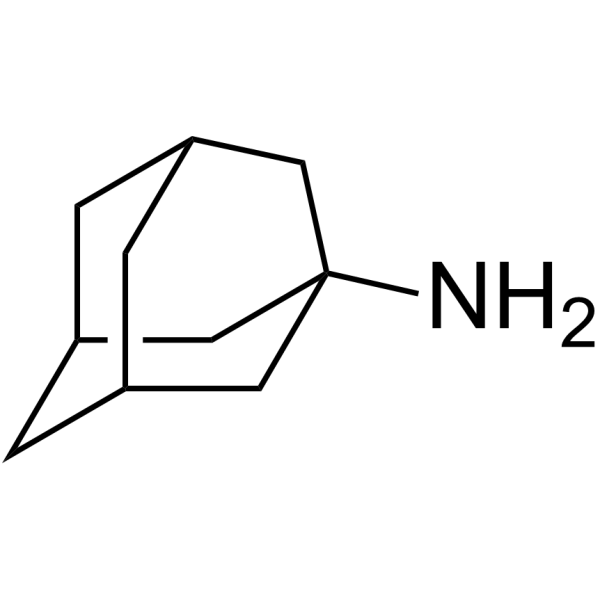
    Amantadine
    5+ Cited Publications

    1-Adamantanamine; 1-Aminoadamantane

    Influenza Virus Orthopoxvirus SARS-CoV Apoptosis CDK Bcl-2 Family Infection Neurological Disease Cancer
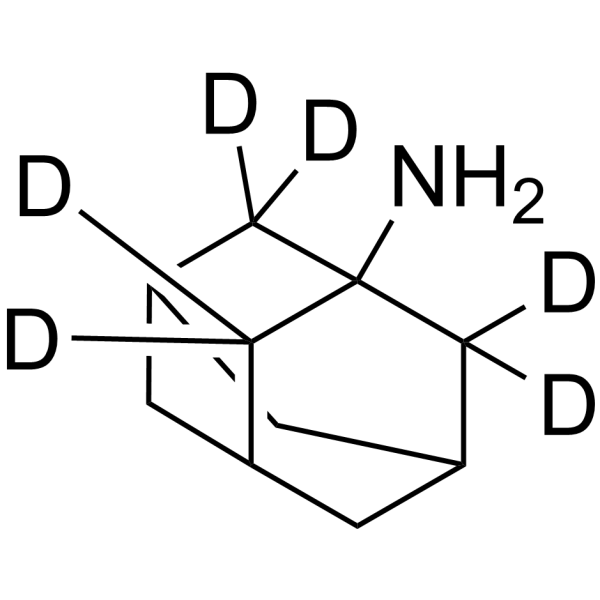
    Amantadine (1-Adamantanamine) is an orally avtive and potent antiviral agent with activity against influenza A viruses. Amantadine inhibits several ion channels such as NMDA and M2, and also inhibits Coronavirus ion channels. Amantadine also has anti-orthopoxvirus and anticancer activity. Amantadine can be used for Parkinson's disease, postoperative cognitive dysfunction (POCD) and COVID-19 research .
    Amantadine
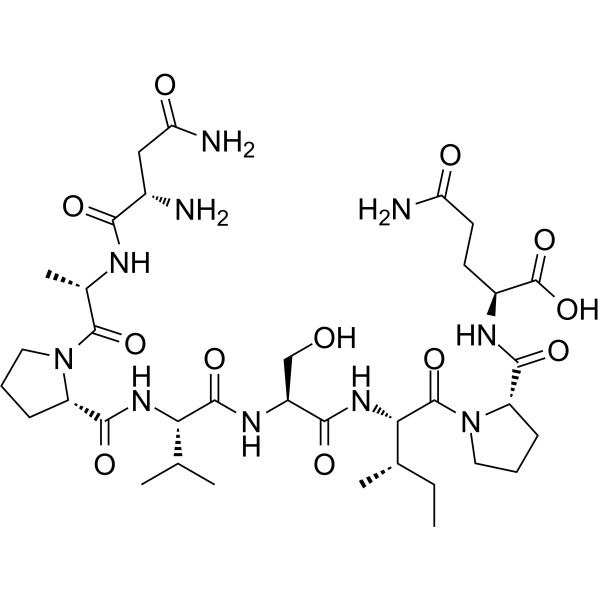
  • HY-P3247

    Insulin Receptor Neurological Disease Metabolic Disease
    [D-Ala2]-GIP (human) is a GIP receptor agonist (EC50 = 630 pM). [D-Ala2]-GIP (human) improves glucose tolerance. [D-Ala2]-GIP (human) shows neuroprotective activity in MPTP (HY-W114750)-induced Parkinson's disease model. [D-Ala2]-GIP (human) also improves cognitive function and hippocampal synaptic plasticity in obese diabetic rats. [D-Ala2]-GIP (human) can be used for research of type 2 diabetes, Parkinson's disease, etc
    [D-Ala2]-GIP (human)
  • HY-B0402A
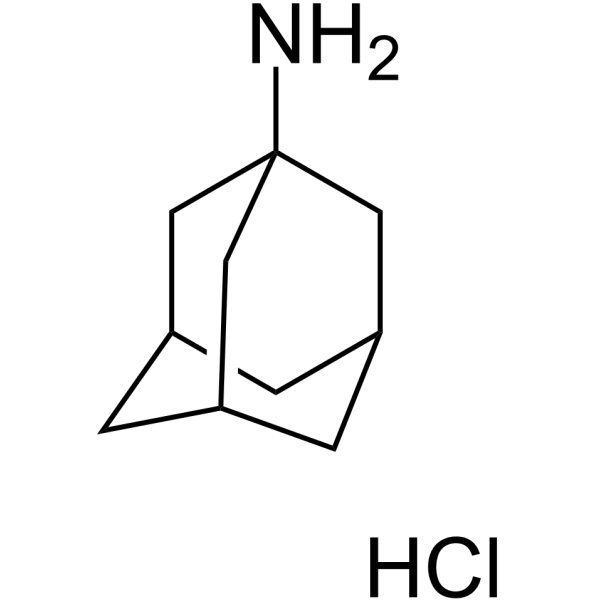
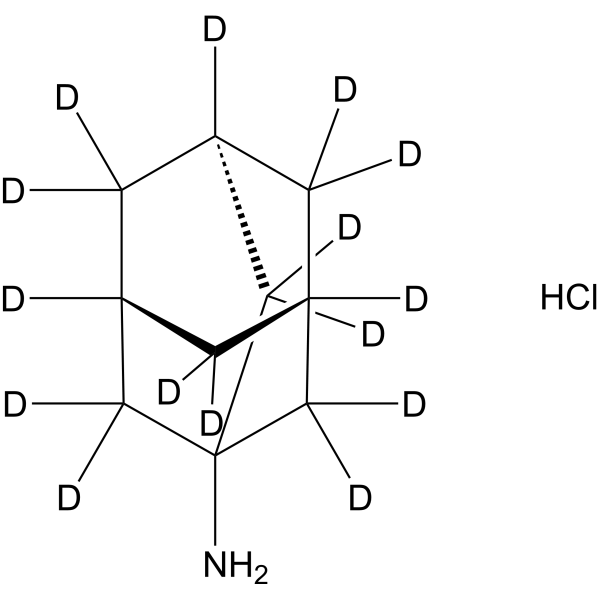
    Amantadine hydrochloride
    5+ Cited Publications

    1-Adamantanamine hydrochloride; 1-Adamantylamine hydrochloride; 1-Aminoadamantane hydrochloride

    Influenza Virus Orthopoxvirus SARS-CoV Apoptosis Bcl-2 Family CDK Infection Neurological Disease Cancer
    Amantadine (1-Adamantanamine) hydrochloride is an orally avtive and potent antiviral agent with activity against influenza A viruses. Amantadine hydrochloride inhibits several ion channels such as NMDA and M2, and also inhibits Coronavirus ion channels. Amantadine hydrochloride also has anti-orthopoxvirus and anticancer activity. Amantadine hydrochloride can be used for Parkinson's disease, postoperative cognitive dysfunction (POCD) and COVID-19 research .
    Amantadine hydrochloride
  • HY-11013

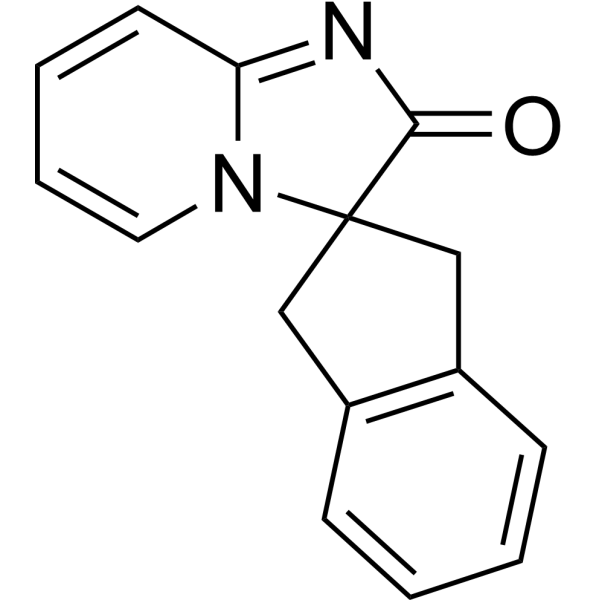
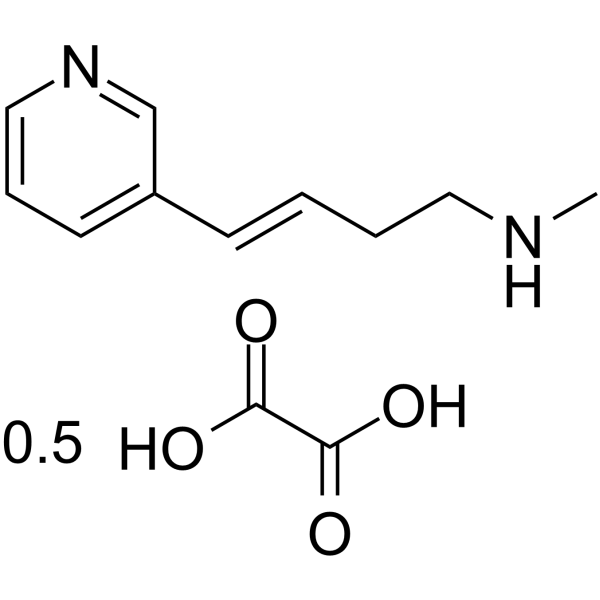
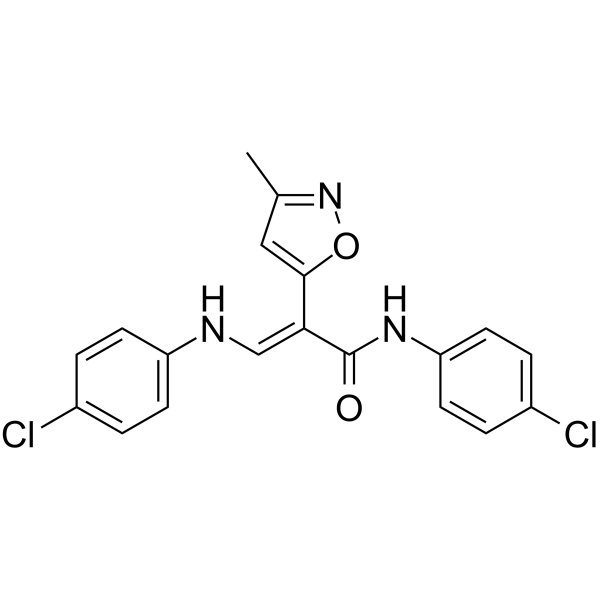
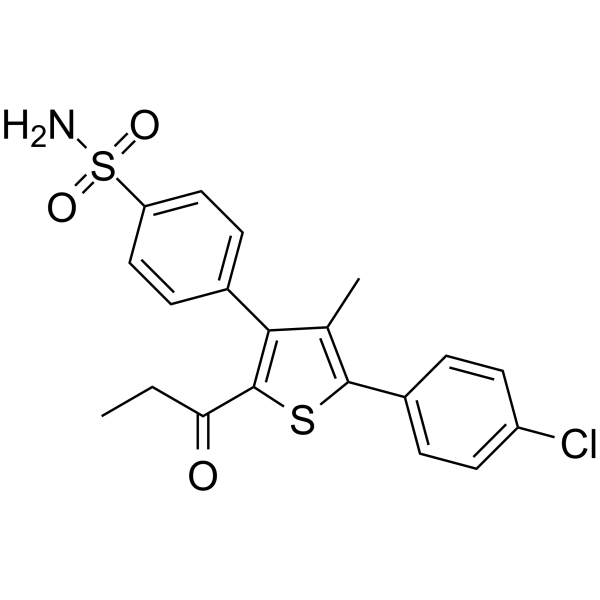
    ST-101

    Calcium Channel nAChR Neurological Disease Cancer
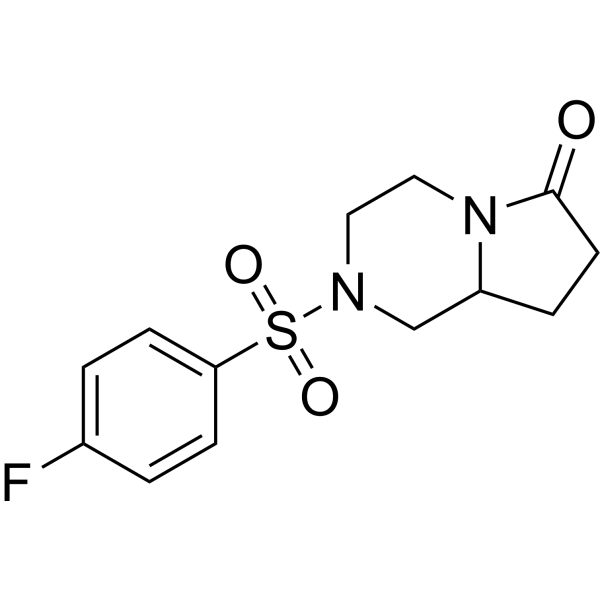
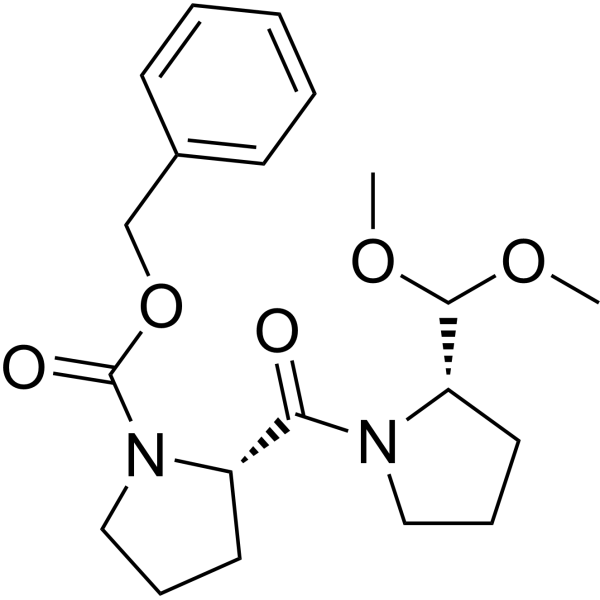
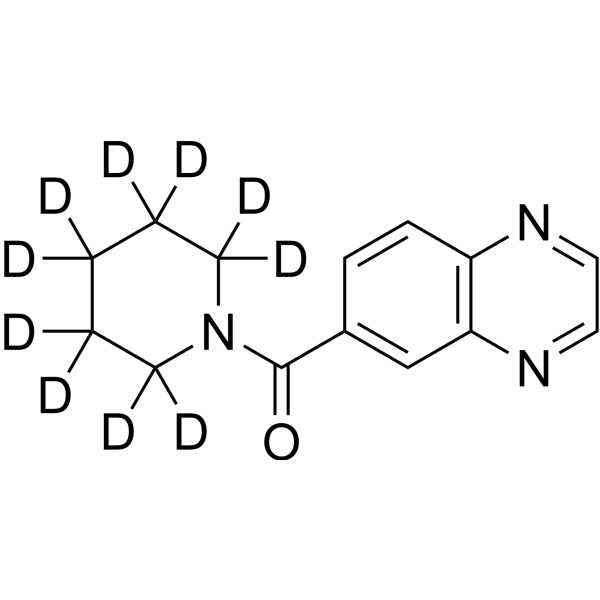
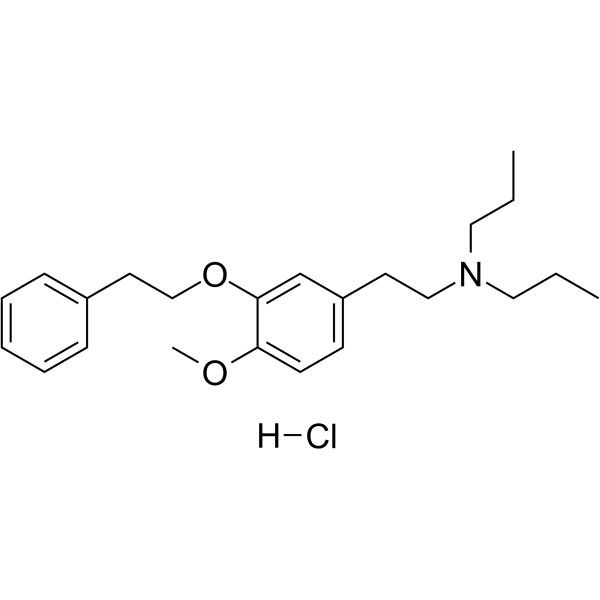
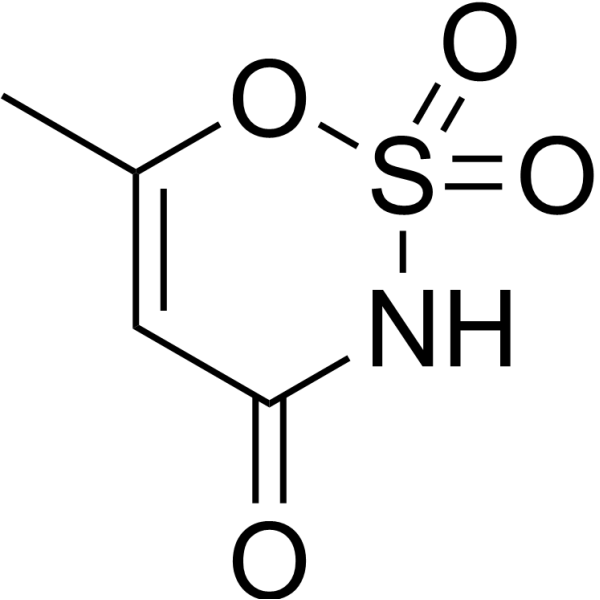
    ZSET1446 is a novel cognitive enhancer that significantly improves learning deficits in various types of Alzheimer disease (AD) models.
    ZSET1446
  • HY-111338
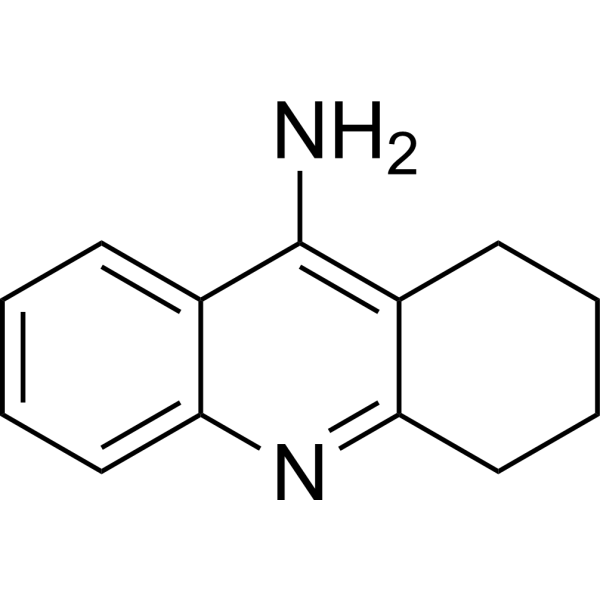
    Tacrine
    5+ Cited Publications

    Cholinesterase (ChE) Neurological Disease
    Tacrine is an effective oral acetylcholine (AChE) inhibitor (IC50 = 109 nM) and also acts as an active substrate for CYP1A2. Tacrine can restore cognitive dysfunction in elderly rats. Tacrine can cause liver toxicity and is used in research related to Alzheimer's disease .
    Tacrine
  • HY-N2195
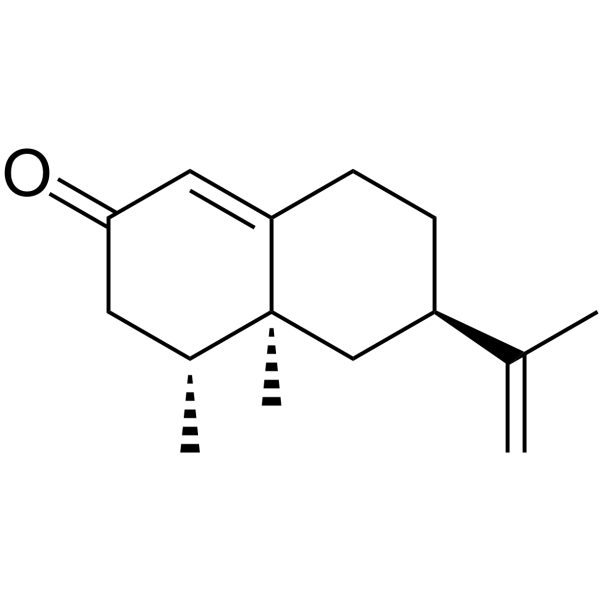
    Nootkatone
    4 Publications Verification

    (+)-Nootkatone

    Environmental Pollutants Interleukin Related TNF Receptor Neurological Disease
    Nootkatone, a neuroprotective agent from Vitis vinifera, has antioxidant and anti-inflammatory effects . Nootkatone improves cognitive impairment in lipopolysaccharide-induced mouse model of Alzheimer's disease .
    Nootkatone
  • HY-10933
    CX516
    2 Publications Verification

    BDP 12

    iGluR Neurological Disease
    CX516 (BDP 12) is an ampakine and acts as an AMPA receptor positive allosteric modulator for the research of Alzheimer's disease, schizophrenia and mild cognitive impairment (MCI) .
    CX516
  • HY-17550

    DM-235

    iGluR Neurological Disease
    Sunifiram (DM-235) is an ampakine-like compound and an agonist of AMPA receptor with oral activity. Sunifiram can increase the release of acetylcholine in the rat cerebral cortex and exhibits potent cognitive enhancement effects with better nootropic activity compared to piracetam (HY-B0585). Sunifiram is promising for research in neurodegenerative diseases such as mild cognitive impairment (MCI) and Alzheimer's disease (AD) .
    Sunifiram
  • HY-168894

    Ferroptosis JAK STAT p38 MAPK AMPK GSK-3 Apoptosis HSP TNF Receptor Cardiovascular Disease Neurological Disease Metabolic Disease Cancer
    CT-1 is a secreted protein belonging to the IL-6 cytokine family. Overexpression of CT-1 enhances cell proliferation, migration and angiogenesis via the ADMA/DDAH pathway. CT-1 inhibits the growth of triple-negative breast cancer cells by simultaneously inducing Ferroptosis in N2-type tumor-associated neutrophils and cancer cells. CT-1 activates the Jak/STAT-3, p42/p44 MAPK and AMPK pathways, and inhibits GSK-3β activity through phosphorylation to induce cardiomyocyte hypertrophy. CT-1 enhances the viability of cardiomyocytes and neurons, reduces cell Apoptosis, induces the expression of heat shock proteins (HSP) and BNP, and inhibits TNF levels. CT-1 exerts anti-tumor activity in mouse models of triple-negative breast cancer. CT-1 improves cognitive impairment in mice. CT-1 is applicable to the research of ischemic heart disease, triple-negative breast cancer, myocardial hypertrophy, Parkinson's disease, hypertensive heart disease, myocardial infarction, acute Chagas cardiomyopathy, high-fat diet-induced cognitive impairment and diabetes-related cognitive impairment .
    CT-1
  • HY-110291

    LPL Receptor Neurological Disease
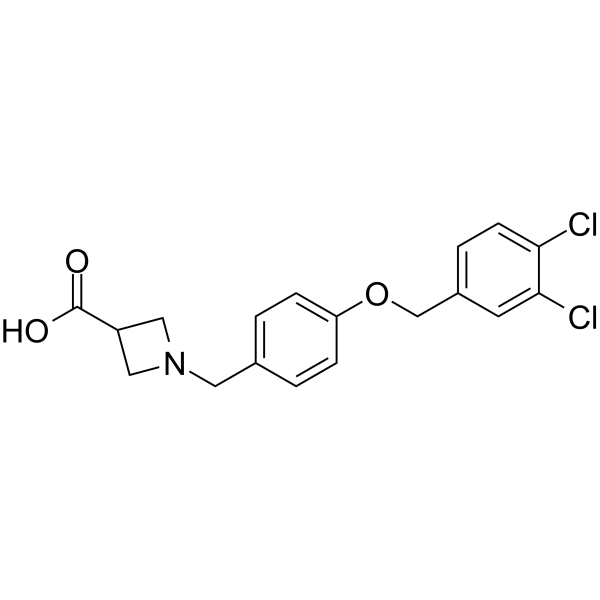
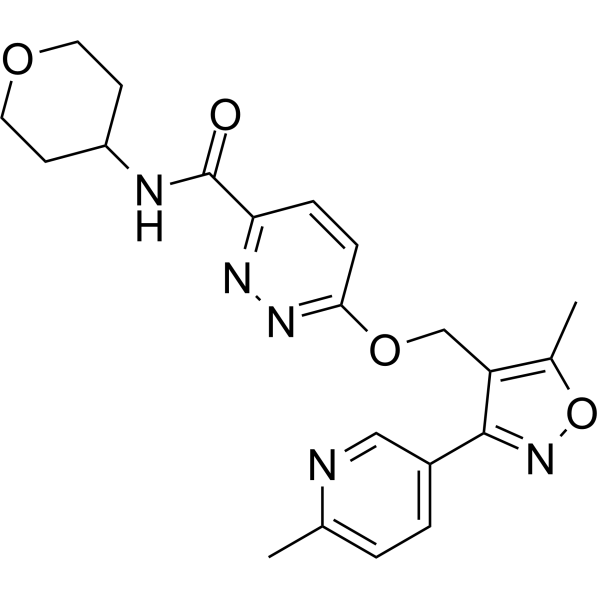
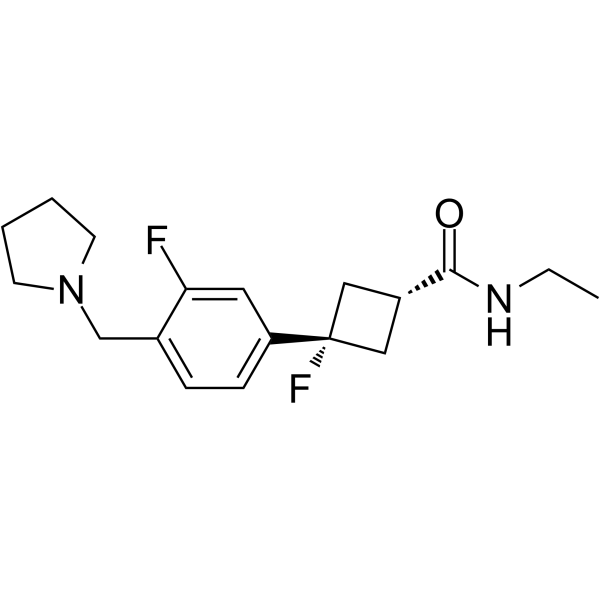
    A-971432 is a potent, selective and orally active sphingosine-1-phosphate (S1P) receptor 5 agonist with IC50s of .362, >10, 0.006 μM for S1P1, S1P3, S1P5 respectively. A-971432 protects blood–brain barrier (BBB) homeostasis. A-971432 reverses age-related cognitive decline. A-971432 has the potential for the research of alzheimer’s disease or multiple sclerosis .
    A-971432
  • HY-W009081

    Free Fatty Acid Receptor Neurological Disease
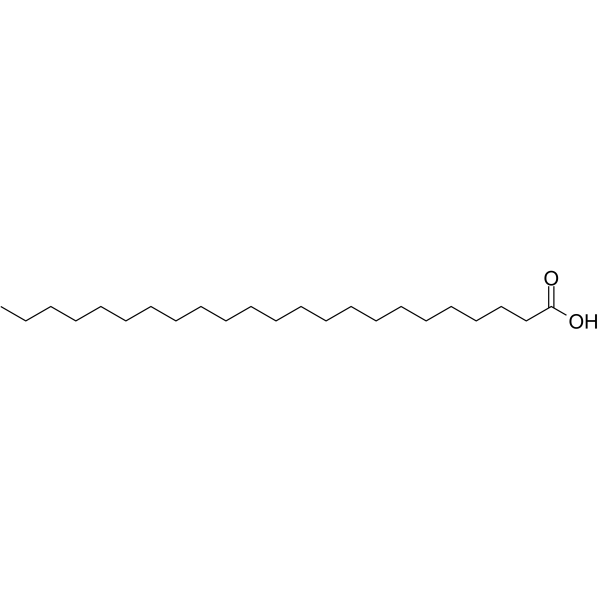
    Tricosanoic acid is an endogenous agonist of long-chain saturated fatty acids and free fatty acid receptor FFAR1, which can activate hair growth. Tricosanoic acid (C23:0) has the activity of improving cognitive function by regulating neuronal membrane fluidity, inhibiting neuroinflammatory response, participating in myelination and neuronal energy metabolism. Tricosanoic acid expression levels are low in the prefrontal cortex of Alzheimer's disease (AD) models; while better cognitive performance corresponds to higher serum concentration levels. Tricosanoic acid can be used as a biomarker for diseases related to cognitive decline .
    Tricosanoic acid
  • HY-107111

    mAChR Neurological Disease
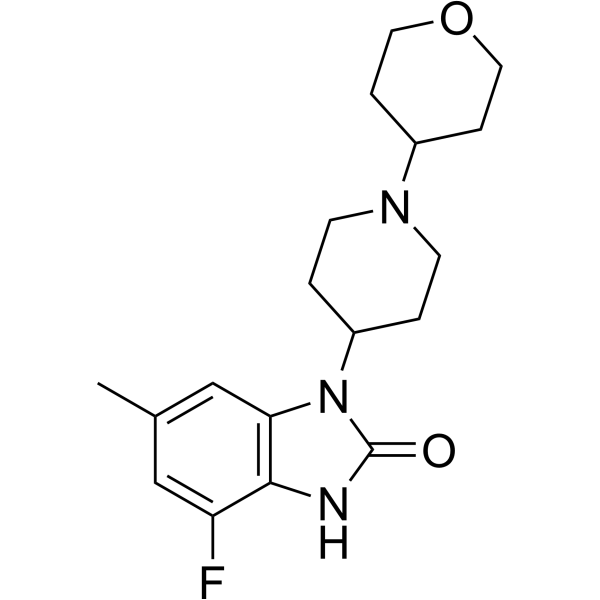
    GSK1034702 is an orally active and allosteric agonist of M1 mAChR (pEC50=8.1) that can cross the blood-brain barrier. GSK1034702 activates the Gq/11 protein-mediated signaling pathway, enhancing neuronal firing and long-term potentiation (LTP) in the CA1 region of the hippocampus. GSK1034702 can modulate hippocampal function, improve memory encoding in the nicotine withdrawal cognitive dysfunction model, and show pro-cognitive effects in rodents. GSK1034702 can be used for the study of the mechanisms of cognitive impairment diseases such as Alzheimer's disease, and has certain peripheral M receptor activation-related side effects (such as gastrointestinal reactions) .
    GSK1034702
  • HY-132806

    RG-7816; RO-7017773

    GABA Receptor Neurological Disease
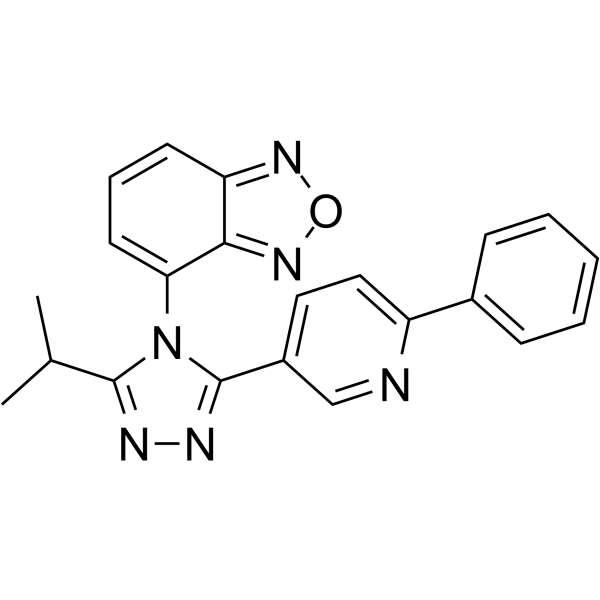
    Alogabat is a positive allosteric modulator (PAM) and agonist (Ki <100 nM) of the GABAA α5 receptor, targeting the α5β3γ2 subunit with a Ki of 8.7 nM. Alogabat increases the expression level of α5β3γ2 in oocytes (1.97-fold). GABAA has been implicated in cognitive impairment associated with central nervous system (CNS) disorders, brain cancer (including brain tumors such as medulloblastoma), and can be used in the study of mild cognitive impairment (MCI), amnestic MCI (aMCI), age-associated memory impairment (AAMI), age-related cognitive decline (ARCD), dementia, Alzheimer's disease (AD), prodromal AD, post-traumatic stress disorder (PTSD), schizophrenia, bipolar disorder, amyotrophic lateral sclerosis (ALS), cognitive impairment associated with cancer treatment, mental retardation, Parkinson's disease (PD), autism spectrum disorder, fragile X, Rett syndrome, obsessive-compulsive behavior, and substance addiction .
    Alogabat
  • HY-17455

    CI-879 free base

    Prolyl Endopeptidase (PREP) Neurological Disease
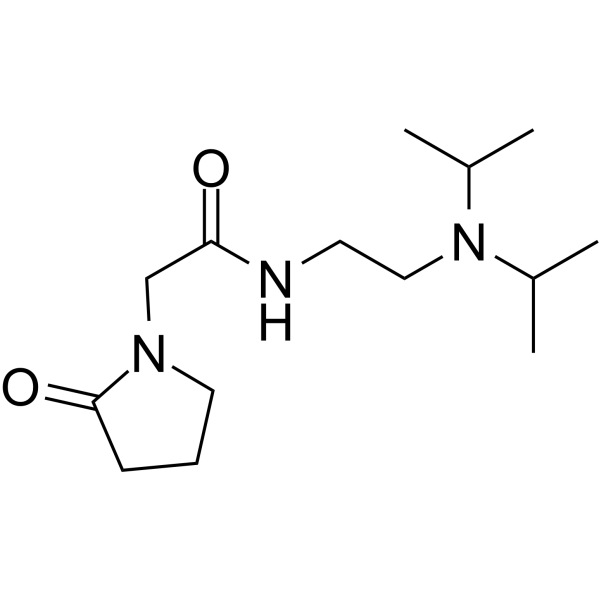
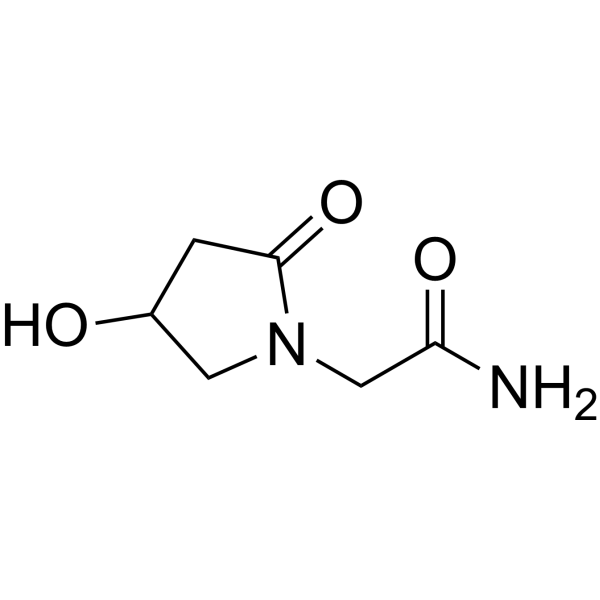
    Pramiracetam (CI-879 free base) is a PREP (prolyl endopeptidase) inhibitor. Pramiracetam improves cognitive impairment caused by traumatic brain injury. Pramiracetam can be used in the study of neurodegenerative diseases .
    Pramiracetam
  • HY-B0702

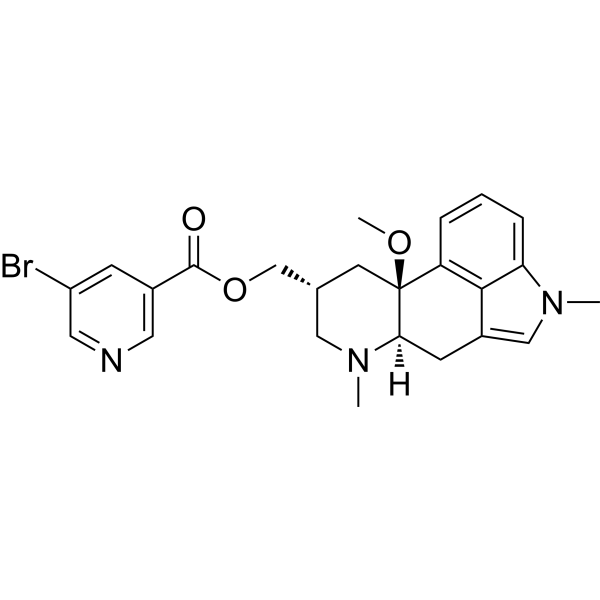
    Adrenergic Receptor Cardiovascular Disease Neurological Disease
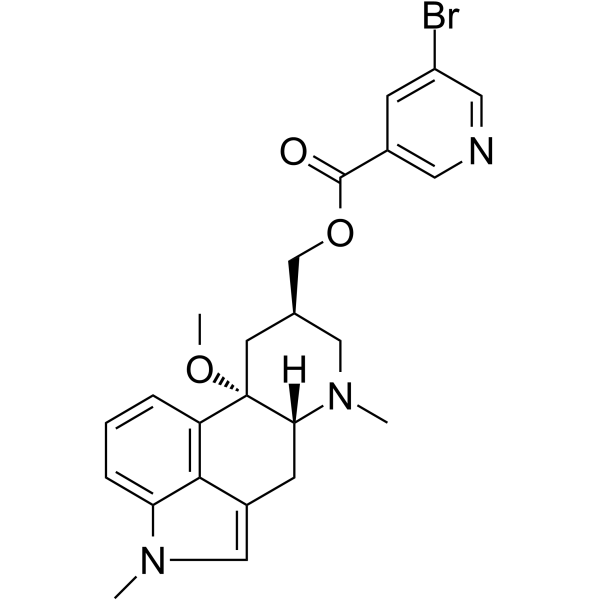
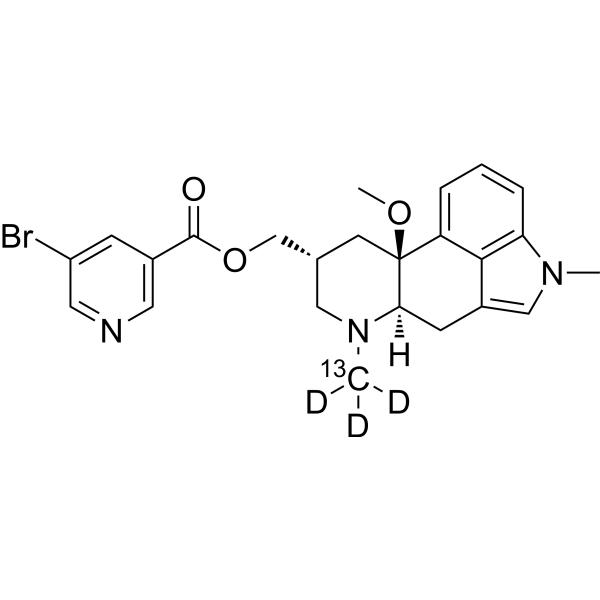
    Nicergoline, an ergoline derivative ester of bromonicotinic acid, is a potent, selective and orally active antagonist of α1A-adrenoceptor. Nicergoline has vasodilator effects. Nicergoline also has ameliorative effects on cognitive function in mouse models of Alzheimer's disease .
    Nicergoline
  • HY-11044

    Histamine Receptor Neurological Disease Metabolic Disease Inflammation/Immunology
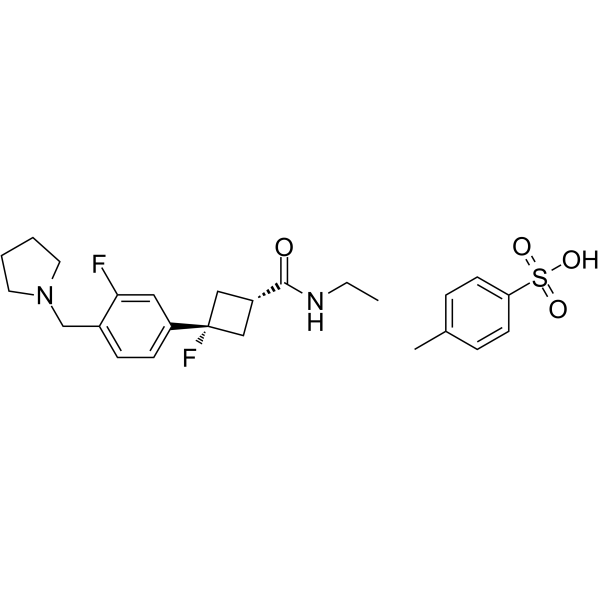
    PF-03654746 Tosylate is a potent, selective and brain-penetrant histamine H3 receptor antagonist. PF-03654746 Tosylate reduces allergen-induced nasal symptoms . PF-03654746 Tosylate has potential for treatment of human cognitive disorders, improves cognitive efficacy and disease-modifying effects in Alzheimer's disease (AD) .
    PF-03654746 Tosylate
  • HY-116565
    Usmarapride
    1 Publications Verification

    SUVN-D4010

    5-HT Receptor Neurological Disease
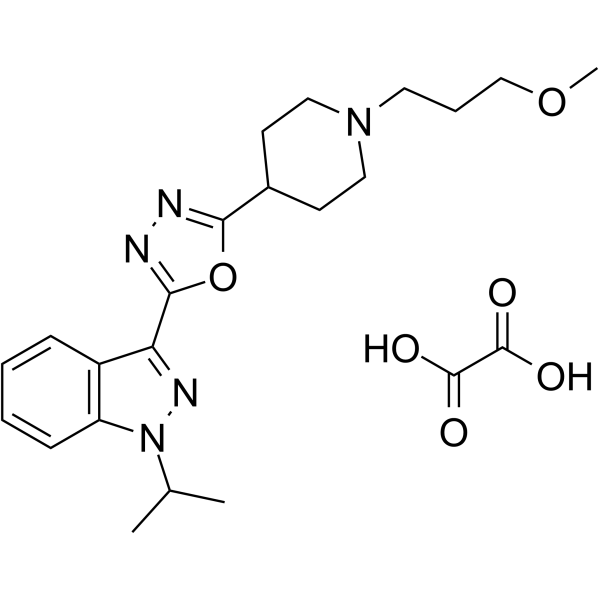
    Usmarapride (SUVN-D4010) (Example 3)is a potent, selective, orally active and brain penetrant 5-HT4 receptor partial agonist (EC50=27.5 nM). Usmarapride (SUVN-D4010) can be used for the research of cognitive deficits associated with Alzheimer's disease .
    Usmarapride
  • HY-103374

    (-)-Eseroline phenylcarbamate; (-)-Phenserine

    Cholinesterase (ChE) Amyloid-β Neurological Disease
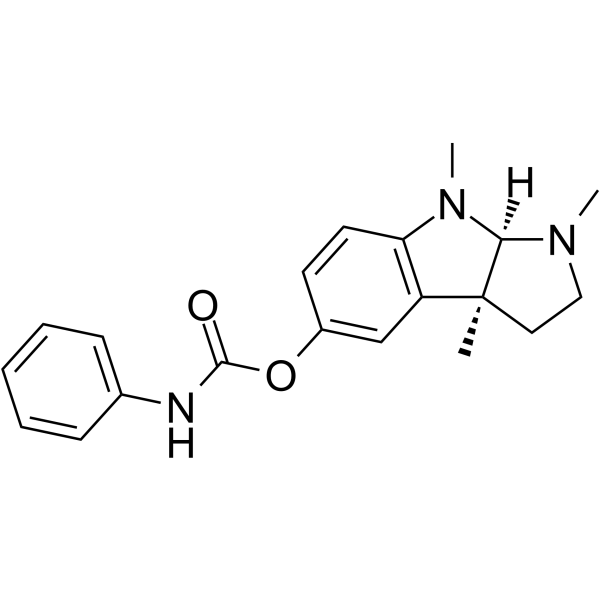
    Phenserine ((-)-Eseroline phenylcarbamate) is a derivative of Physostigmine (HY-N6608) and is a potent, noncompetitive, long-acting and selective AChE inhibitor. Phenserine reduces β-amyloid precursor protein (APP) and β-amyloid peptide (Aβ) formation. Phenserine improves cognitive performance and attenuates the progression of Alzheimer's disease .
    Phenserine
  • HY-125931

    DM232

    iGluR Neurological Disease Inflammation/Immunology
    Unifiram (DM232) is a AMPA receptor activator and cognitive enhancer. Unifiram activates the AMPA-mediated neurotransmission system. Unifiram reverses NBQX-induced amnesia in the passive avoidance test in mice. Unifiram reverses the antagonistic effect of kynurenic acid on NMDA-mediated [ 3H]NA release in rat hippocampal slices. Unifiram enhances excitatory synaptic transmission in the rat hippocampus in vitro. Unifiram can be used in studies related to amnesia and cognitive dysfunction, including age-related memory decline, neurodegenerative diseases such as Alzheimer's disease or Parkinson's disease, multiple sclerosis, schizophrenia, and attention deficit hyperactivity disorder .
    Unifiram
  • HY-123976
    MPT0G211
    1 Publications Verification

    HDAC Neurological Disease Cancer
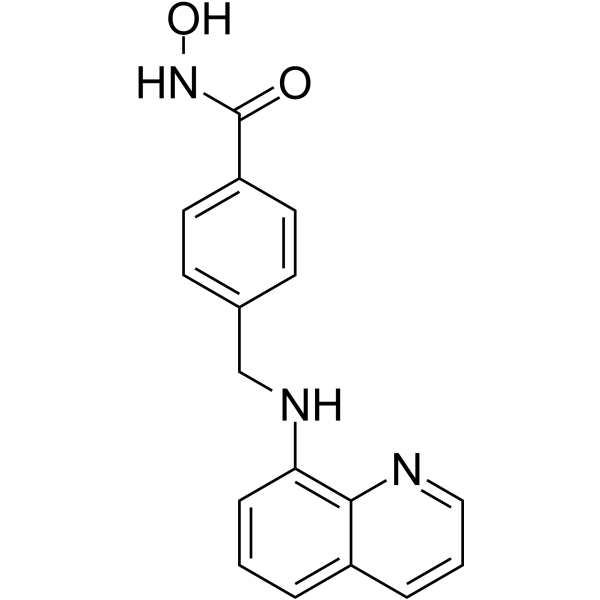
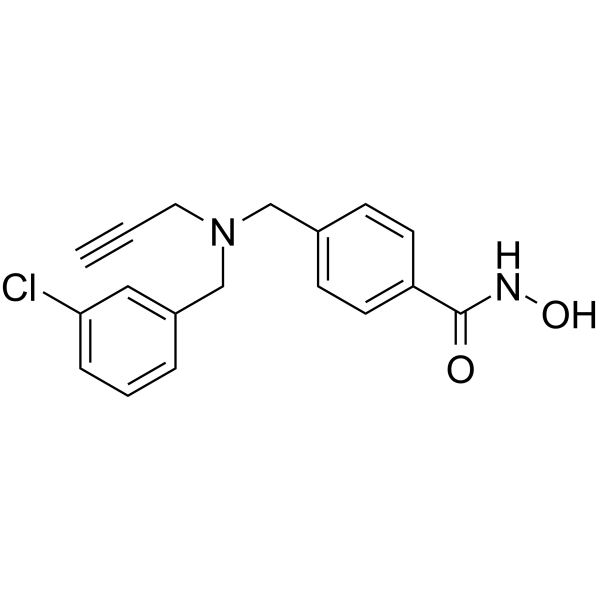
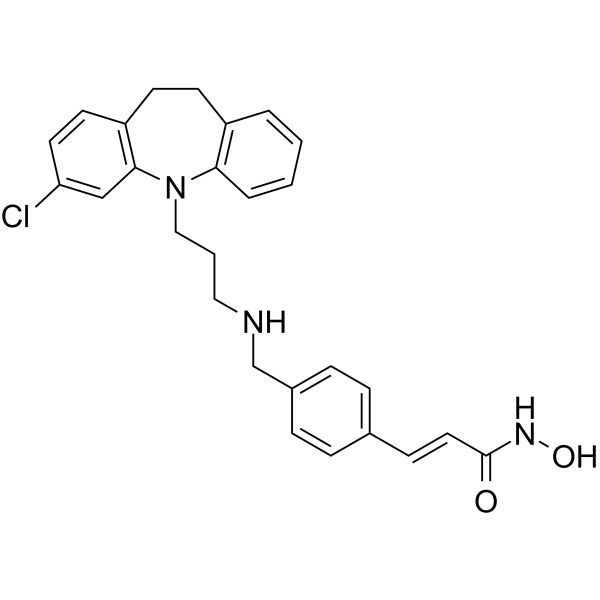
    MPT0G211 is a potent, orally active and selective HDAC6 inhibitor (IC50=0.291 nM). MPT0G211 displays >1000-fold selective for HDAC6 over other HDAC isoforms. MPT0G211 can penetrate the blood-brain barrier. MPT0G211 ameliorates tau phosphorylation and cognitive deficits in an Alzheimer’s disease model. MPT0G211 has anti-metastatic and neuroprotective effects. Anticancer activities .
    MPT0G211
  • HY-14111
    GSK189254A
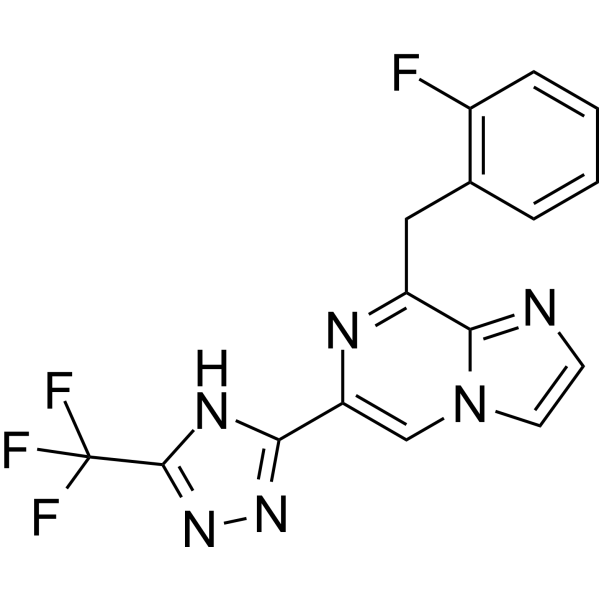
    2 Publications Verification

    GSK189254 free base

    Histamine Receptor Neurological Disease Endocrinology
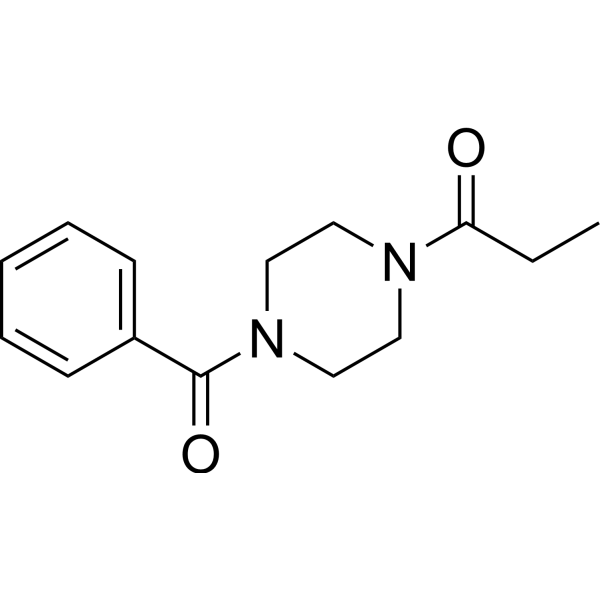
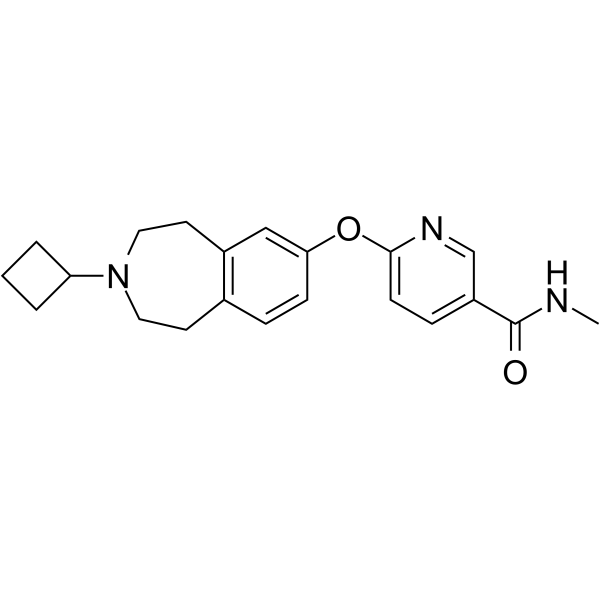
    GSK189254A (GSK189254 free base) is a novel, potent and selective histamine H3 receptor antagonist with pKi values of 9.59-9.90 and 8.51-9.17 for human and rat H3, respectively.
    GSK189254A
  • HY-118342
    PQCA
    1 Publications Verification

    mAChR Neurological Disease
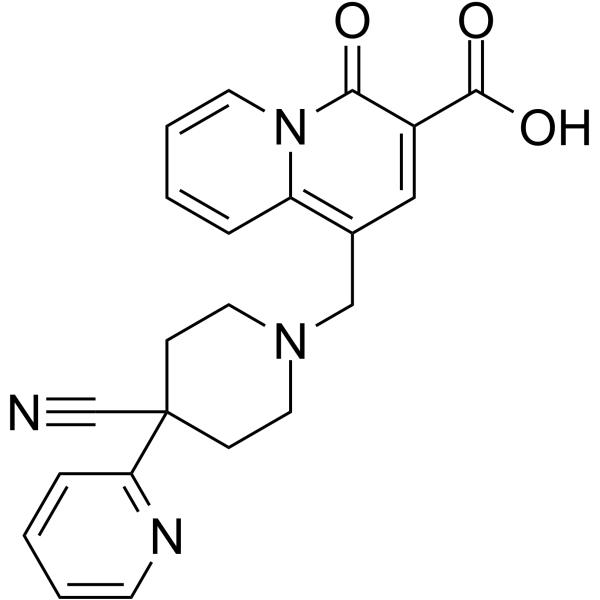
    PQCA is a highly selective and potent muscarinic M1 receptor positive allosteric modulator. PQCA has an EC50 value of 49 nM and 135 nM on rhesus and human M1 receptor, respectively. PQCA is inactive for other muscarinic receptors. PQCA has potential to reduce the cognitive deficits associated with Alzheimer's disease .
    PQCA
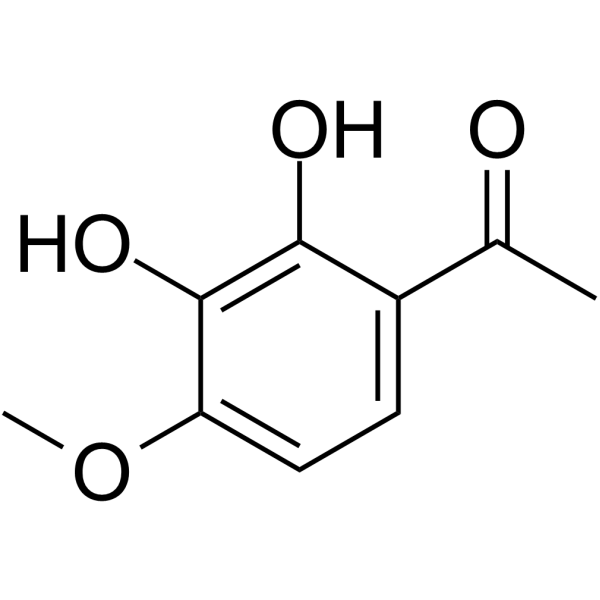
  • HY-N7509

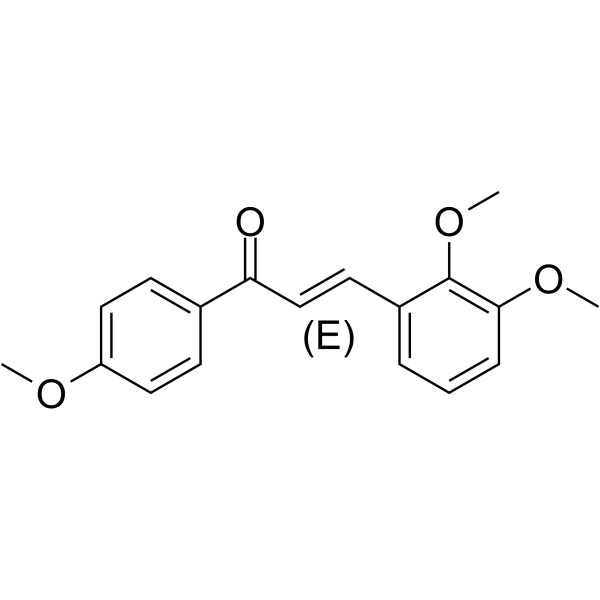
    Gallacetophenone-4-methyl ether

    Others Neurological Disease
    2,3-Dihydroxy-4-methoxyacetophenone is a neuroprotective compound from Cynenchum paniculatum. 2,3-Dihydroxy-4-methoxyacetophenone improves cognitive function and may has the potential for the treatment of Alzheimer's disease research .
    2,3-Dihydroxy-4-methoxyacetophenone
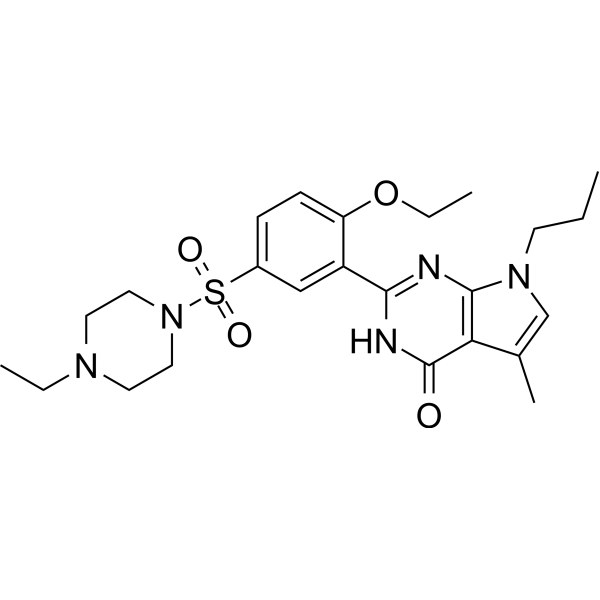
  • HY-133712

    Tunodafil

    Phosphodiesterase (PDE) Neurological Disease
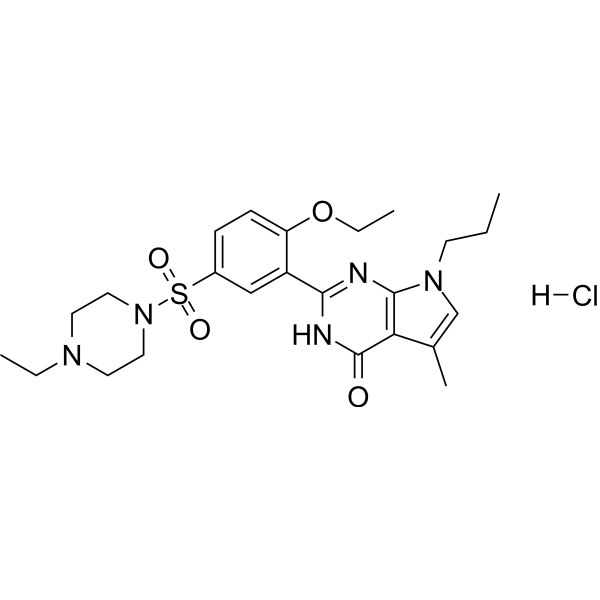
    Yonkenafil (Tunodafil), a novel phosphodiesterase 5 (PDE5) inhibitor, is effective in reducing cerebral infarction, neurological deficits, edema, and neuronal damage in the infarcted area. Yonkenafil may improve cognitive function by modulating neurogenesis and has a potential therapeutic effect on Alzheimer's disease .
    Yonkenafil
  • HY-108901
    Formoterol hemifumarate hydrate
    5+ Cited Publications

    Adrenergic Receptor Neurological Disease Inflammation/Immunology
    Formoterol hemifumarate hydrate is a selective, long-acting beta 2-adrenoceptor agonist. Formoterol is a bronchodilator used for the research of the asthma and chronic obstructive pulmonary disease (COPD). Formoterol hemifumarate hydrate induces mitochondrial biogenesis and promotes cognitive recovery after traumatic brain injury .
    Formoterol hemifumarate hydrate
  • HY-118363

    mAChR Neurological Disease
    Lu AE51090 is selective muscarinic M1 receptor agonist with blood-brain barrier penetration. Lu AE51090 activates human M1 receptor with EC50 of 61 nM, while showing no significant agonism at M2-M5 receptors. Lu AE51090 exerts procognitive effects in mice. Lu AE51090 can be used for the study of Alzheimer’s disease (AD) and cognitive impairment associated with schizophrenia (CIAS) .
    Lu AE51090
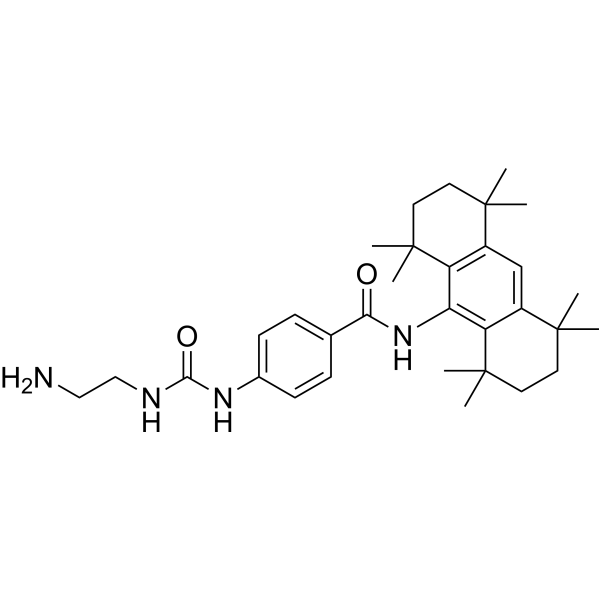
  • HY-139973

    Amyloid-β Neurological Disease
    OAB-14, is a Bexarotene (HY-14171) derivative, improves Alzheimer's disease-related pathologies and cognitive impairments by increasing β-amyloid clearance in APP/PS1 mice. OAB-14 effectively ameliorates the dysfunction of the endosomal-autophagic-lysosomal pathway in APP/PS1 transgenic mice .
    OAB-14
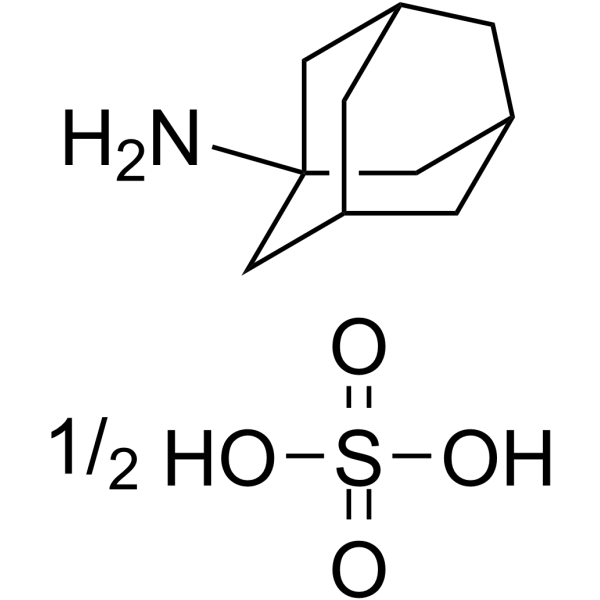
  • HY-B0402B

    1-Adamantanamine sulfate; 1-Aminoadamantane sulfate

    Influenza Virus Orthopoxvirus SARS-CoV Apoptosis CDK Bcl-2 Family Infection Neurological Disease Cancer
    Amantadine (1-Adamantanamine) sulfate is an orally avtive and potent antiviral agent with activity against influenza A viruses. Amantadine sulfate inhibits several ion channels such as NMDA and M2, and also inhibits Coronavirus ion channels. Amantadine sulfate also has anti-orthopoxvirus and anticancer activity. Amantadine sulfate can be used for Parkinson's disease, postoperative cognitive dysfunction (POCD) and COVID-19 research .
    Amantadine sulfate
  • HY-113970A

    WEB 1881 FU hydrochloride

    mAChR Calcium Channel Neurological Disease
    Nebracetam (WEB 1881 FU) hydrochloride is an orally active M1 muscarinic receptor agonist. Nebracetam hydrochloride can induce an increase in intracellular Ca 2+ concentration, with an EC50 value of 1.59 mM. Nebracetam hydrochloride exhibits neuroprotective activity and the ability to improve cognitive impairment. Nebracetam hydrochloride can be used in the research of neurological diseases such as Alzheimer's disease .
    Nebracetam hydrochloride
  • HY-113155A

    Drug Intermediate Neurological Disease
    17-Hydroxypregnenolone sulfate sodium is a key intermediate in adrenal and gonadal steroidogenesis. 17-Hydroxypregnenolone sulfate sodium acts as a precursor in the biosynthesis of steroid hormones (e.g., glucocorticoids, sex hormones). 17-Hydroxypregnenolone sulfate sodium is promising for research of adrenal function development and neurosteroid-related diseases (e.g., cognitive impairment, neurodegenerative diseases) .
    17-Hydroxypregnenolone sulfate sodium
  • HY-136838

    (R)-E2020 free base

    Cholinesterase (ChE) Neurological Disease Cancer
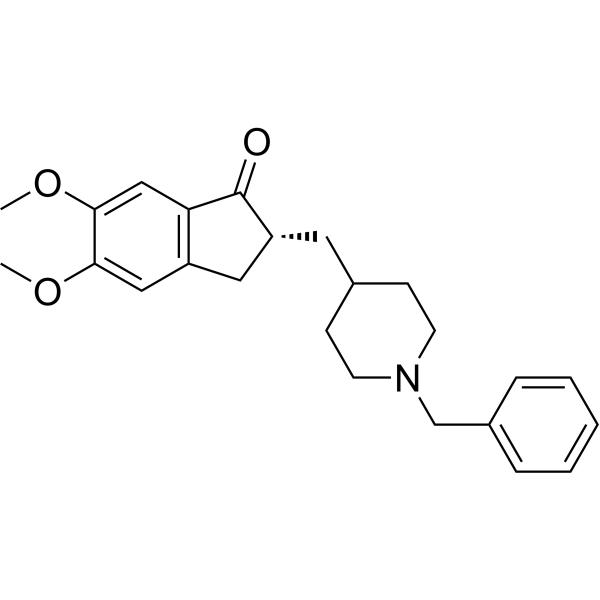
    (R)-Donepezil is a R-enantiomer of Donepezil (HY-14566). Donepezil is a specific and potent AChE inhibitor .
    (R)-Donepezil
  • HY-103424

    Dopamine Receptor Neurological Disease
    A-412997 dihydrochloride is a selective dopamine D4 receptor agonist. A-412997 dihydrochloride improves cognitive performance in rats and can be used in the research of psychiatric diseases .
    A-412997 dihydrochloride
  • HY-107676

    nAChR Neurological Disease
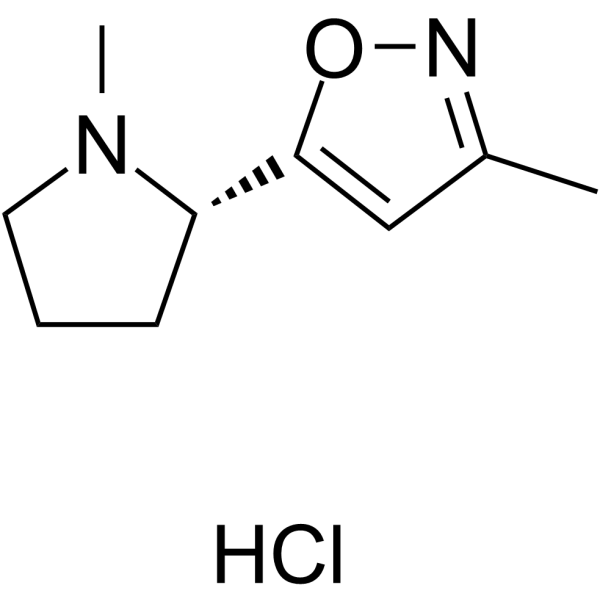
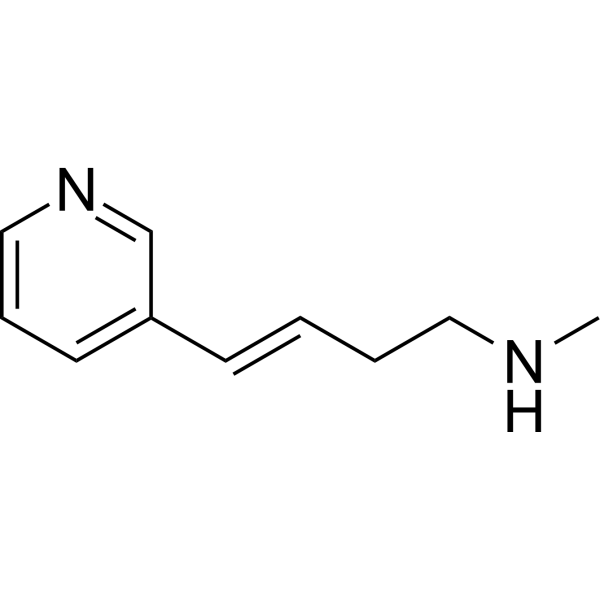
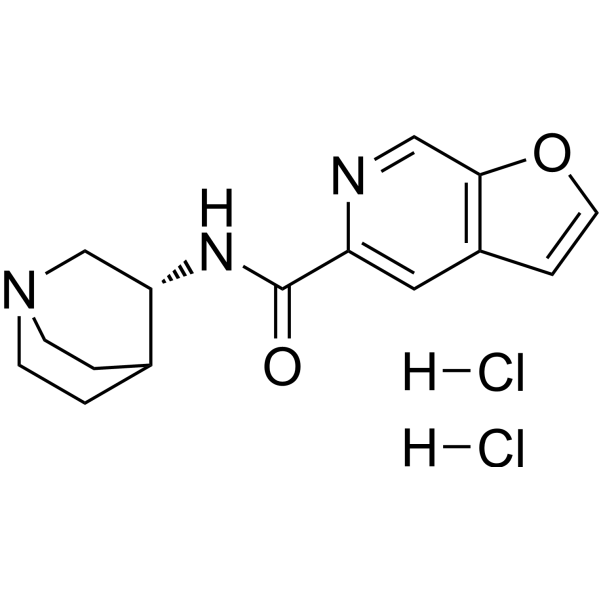
    SIB-1553A is an orally bioavailable nicotinic acetylcholine receptors (nAChRs) agonist, with selectivity for β4 subunit-containing nAChRs. SIB-1553A is also a selective neuronal nAChR ligand. SIB-1553A is a cognitive enhancer, and has therapeutic potential for the symptomatic treatment of Alzheimer’s disease and other cognitive disorders .
    SIB-1553A
  • HY-117710B

    Cholinesterase (ChE) Amyloid-β ERK TNF Receptor Interleukin Related Neurological Disease
    AD-35 is an orally active anti-Alzheimer's disease (AD) agent with moderate AChE inhibitory activity and metal ion chelating ability. AD-35 exhibits IC50 values for AChE and BuChE of 793 nM and 31428 nM, respectively. AD-35 can form chelates with Cu²⁺ and Fe³⁺, but its chelating ability for Zn²⁺ is relatively weak. AD-35 can inhibit aggregation and disassemble the formed Aβ aggregates, and inhibit Aβ-induced ERK phosphorylation. AD-35 inhibits neuroinflammation in AD rat models and demonstrates a strong effect in improving cognitive function .
    AD-35
  • HY-P11540

    Cholecystokinin Receptor MMP Amyloid-β Neurological Disease
    CCKBR agonist-1 (Compound 3r1) is a Gq-protein-preferring cholecystokinin B receptor (CCKBR) agonist with an EC50 of 35 pM. CCKBR agonist-1 significantly increases the survival rate of neurons, with an EC50 of 37 pM. CCKBR agonist-1 can improve the cognitive decline in mice by upregulating α-secretase (ADAM10) and calcium signaling molecule PLCB4, reduce the number of amyloid β () plaques, and promote long-term potentiation (LTP). CCKBR agonist-1 can be used for the study of Alzheimer's disease .
    CCKBR agonist-1
  • HY-124389

    Histamine Receptor Neurological Disease
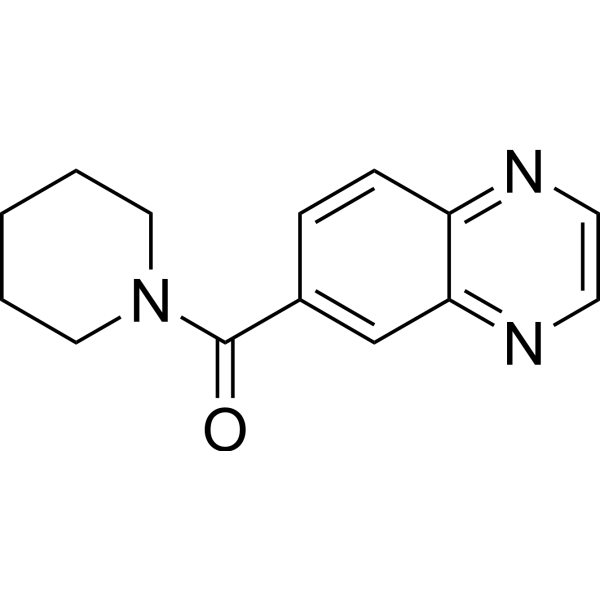
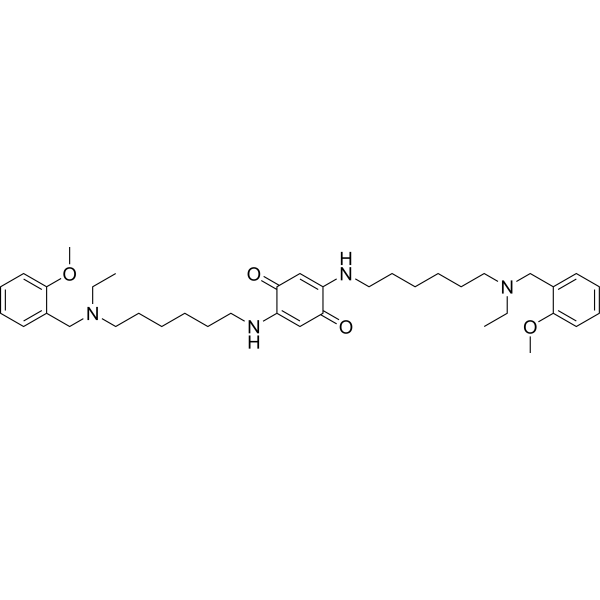
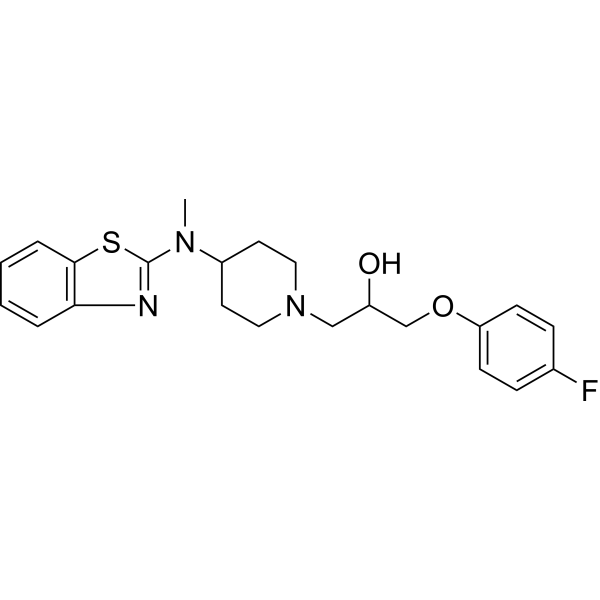
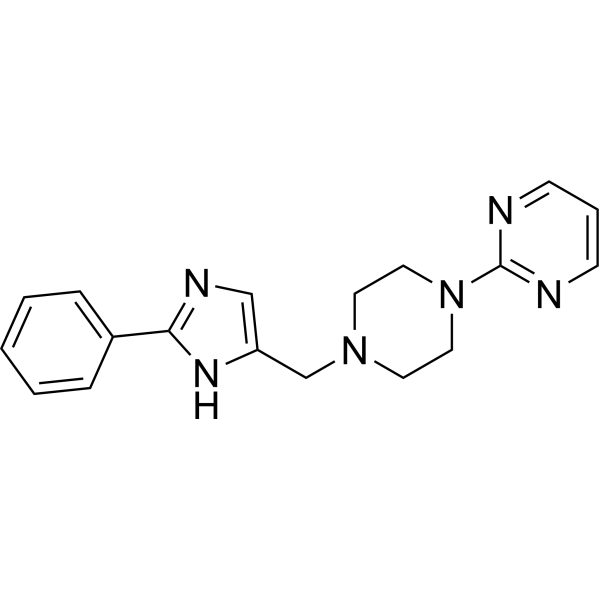
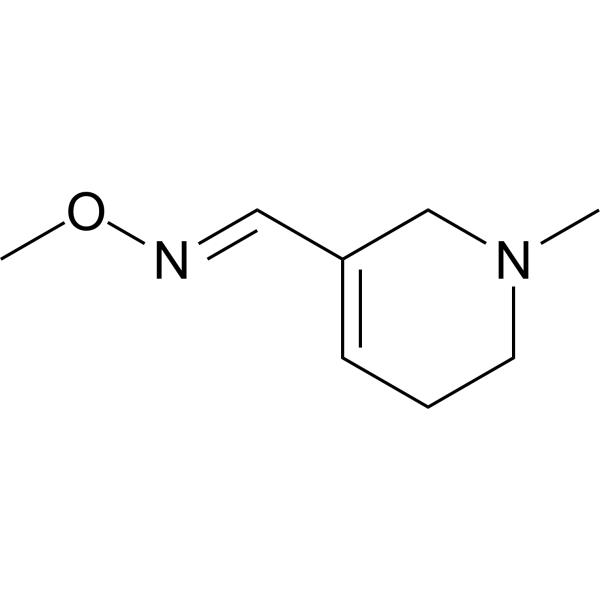
    UCL-1972 is an antagonist of Histamine H3 receptor. UCL-1972 can be studied in research on cognitive diseases .
    UCL-1972
  • HY-105170B

    nAChR Neurological Disease
    ABT-418 hydrochloride is a potent and selective agonist of nAChRs with cognitive enhancing and anxiolytic activities. ABT-418 hydrochloride activates cholinergic channel and can be used for research of Alzheimer's disease .
    ABT-418 hydrochloride
  • HY-19490A

    (S)-AQW-051

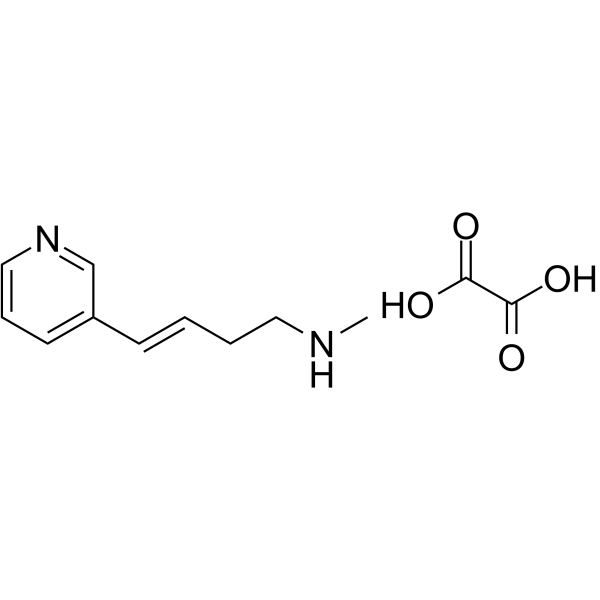
    nAChR Neurological Disease
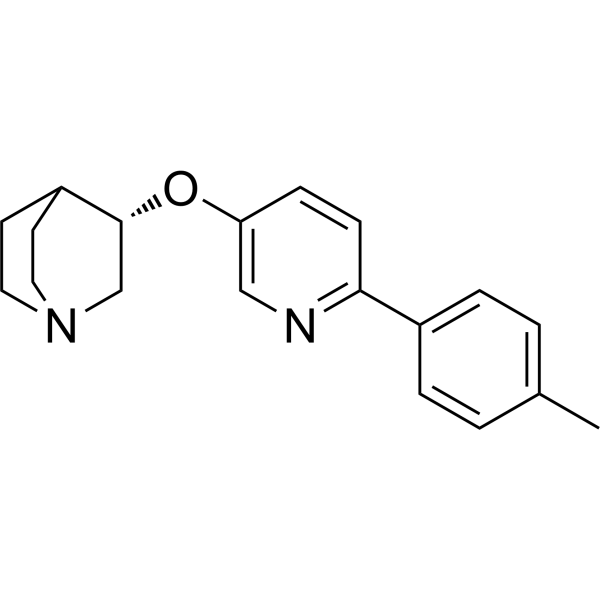
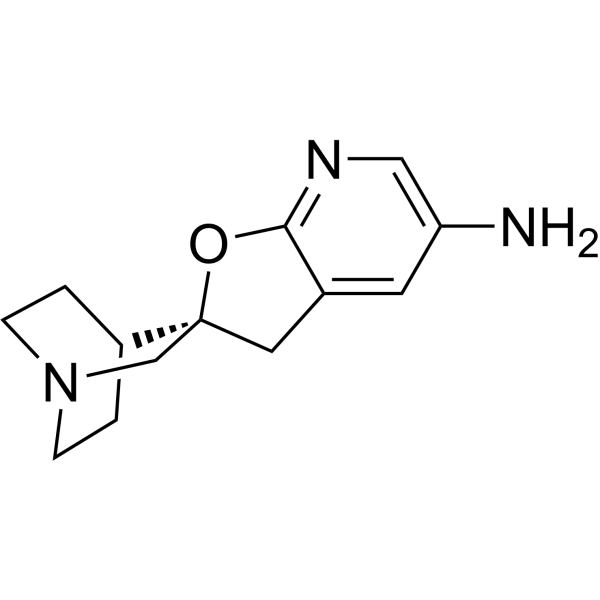
    (S)-VQW-765 ((S)-AQW-051) is an orally active, selective and effective α7 nicotinic ACh receptor (nAChR) partial agonist. (S)-VQW-765 has potential applications in cognitive disorders related to neurological diseases, such as Alzheimer's disease or schizophrenia .
    (S)-VQW-765
  • HY-W001273

    CI-879 sulfate

    Prolyl Endopeptidase (PREP) Neurological Disease
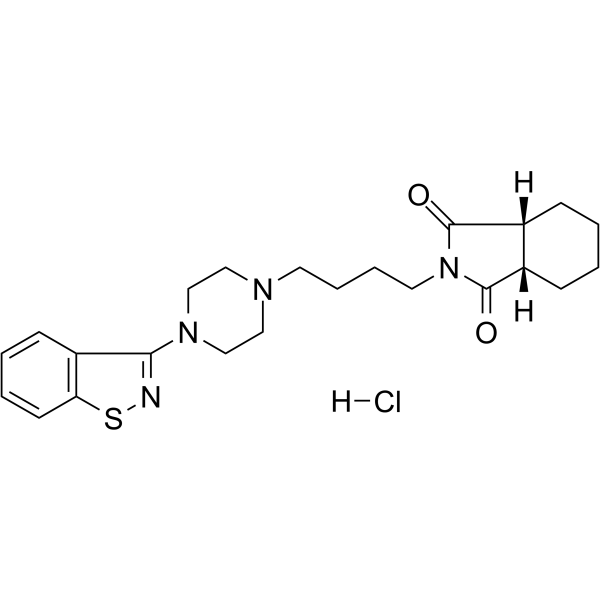
    Pramiracetam (CI-879) sulfate Pramiracetam is a PREP (prolyl endopeptidase) inhibitor. Pramiracetam sulfate improves cognitive impairment caused by traumatic brain injury. Pramiracetam sulfate can be used in the study of neurodegenerative diseases .
    Pramiracetam sulfate
  • HY-110176

    GlyT Neurological Disease
    ASP2535 is a potent, orally bioavailable, selective, brain permeable and centrally-active glycine transporter-1 (GlyT1) inhibitor. ASP2535 can improve cognitive impairment in animal models of schizophrenia and Alzheimer's disease .
    ASP2535
  • HY-N2195R

    (+)-Nootkatone (Standard)

    Reference Standards Interleukin Related TNF Receptor Neurological Disease
    Nootkatone (Standard) is the analytical standard of Nootkatone. This product is intended for research and analytical applications. Nootkatone, a neuroprotective agent from Vitis vinifera, has antioxidant and anti-inflammatory effects[1]. Nootkatone improves cognitive impairment in lipopolysaccharide-induced mouse model of Alzheimer's disease[2].
    Nootkatone (Standard)
  • HY-N10408

    Apoptosis Autophagy Neurological Disease Cancer
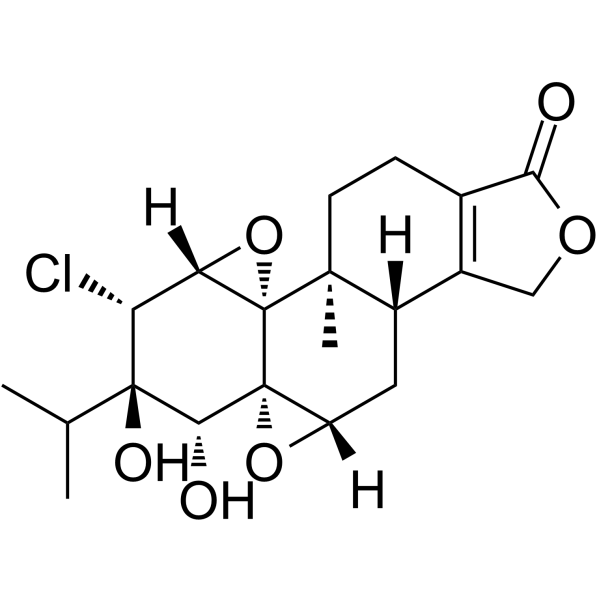
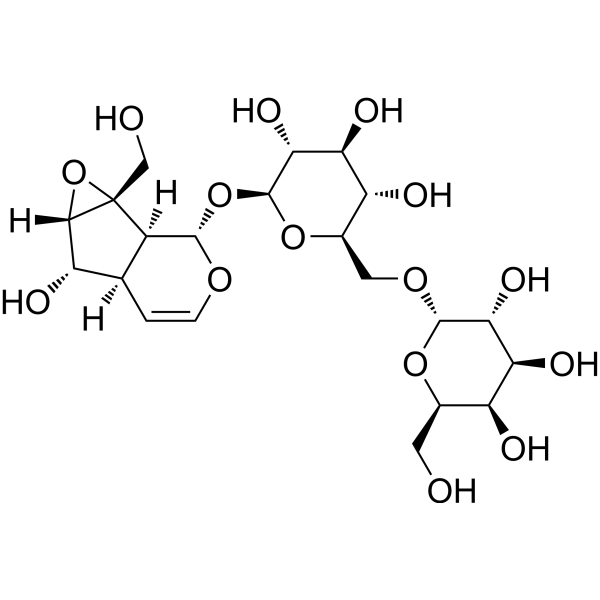
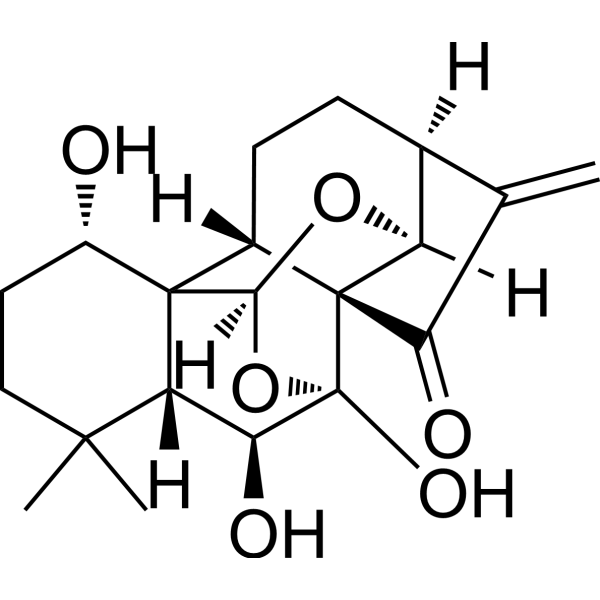
    Tripchlorolide is a neuroprotective agent that can be found in Tripterygium wilfordii. Tripchlorolide prevents tumor growth by inducing apoptosis and autophagy. Tripchlorolide improves cognitive deficits in Alzheimer's disease .
    Tripchlorolide
  • HY-113745

    Amino acid Transporter Neurological Disease
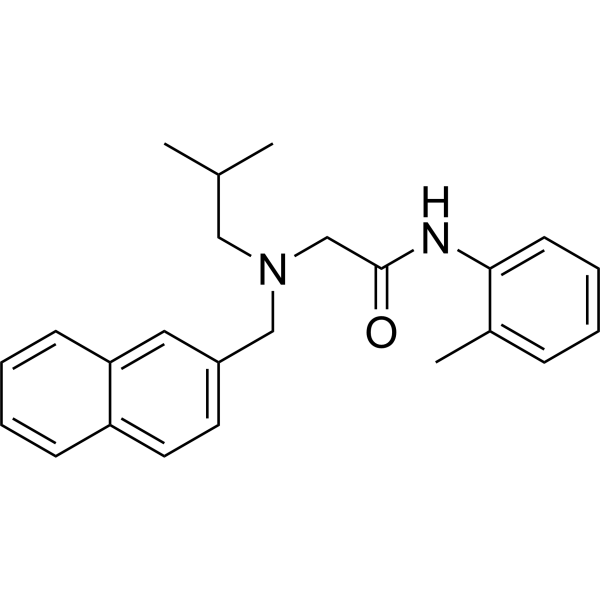
    LX-6171 is an orally active SLC6A7 inhibitor. LX-6171 can be used to study diseases characterized by cognitive impairment, such as Alzheimer's disease, schizophrenia or vascular dementia .
    LX-6171
  • HY-153189

    Trk Receptor Neurological Disease
    TrkB-IN-1 is a potent and orally active TrkB agonist and has favorable PK properties. TrkB-IN-1 reverses the cognitive defects in an AD mouse model and can be used for alzheimer’s disease research .
    TrkB-IN-1
  • HY-116565A
    Usmarapride free base
    1 Publications Verification

    SUVN-D4010 free base

    5-HT Receptor Neurological Disease
    Usmarapride (SUVN-D4010) free base is a potent, selective, orally active and brain penetrant 5-HT4 receptor partial agonist (EC50=44 nM). Usmarapride (SUVN-D4010) free base can be used for the research of cognitive deficits associated with Alzheimer's disease .
    Usmarapride free base
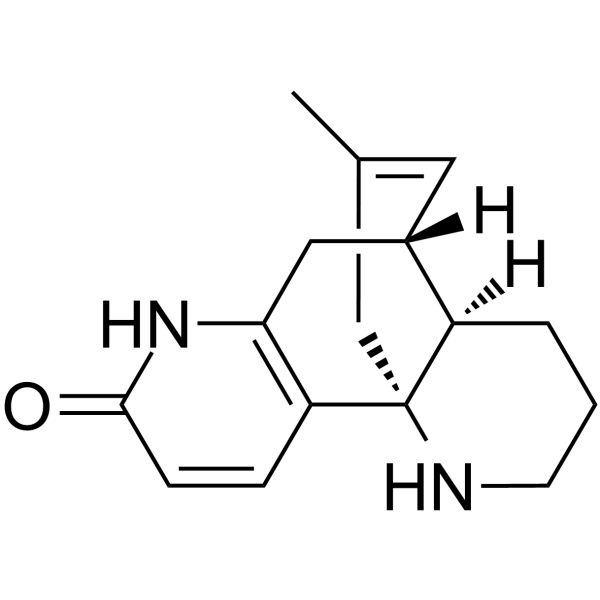
  • HY-179459

    Wnt LDLR Amyloid-β Neurological Disease
    SJ-300 is a potent and selective, orally active and brain-penetrat DKK3-LRP1 interaction inhibitor. SJ-300 restores clearance in AD models. SJ 300 binds to mLRPIV with a Kd of 7.9 μM, inhibits the DKK3 mLRPIV complex with an IC50 of 3.2 μM, and does not disrupt the binding of to LRP1. SJ 300 rescues cognitive function and ameliorates neuropathology ( plaque reduction ≈ 73.3 %) in vivo. SJ 300 can be employed for research in Alzheimer’s disease .
    SJ-300
  • HY-156634

    NYX-783

    iGluR Neurological Disease
    Risevistinel (NYX-783) is a positive allosteric modulator of N-methyl-D-aspartate (NMDA) receptor. Nevadistinel can be used to inhibit cognitive impairment associated with neurodegenerative diseases, such as mild cognitive impairment, mild Alzheimer's disease, Parkinson's disease, Lewy body disease .
    Risevistinel
  • HY-156626

    NYX-458; NYX-3054

    iGluR Neurological Disease
    Nevadistinel (NYX-458; NYX-3054) is a positive allosteric modulator of N-methyl-D-aspartate (NMDA) receptor. Nevadistinel can be used to inhibit cognitive impairment associated with neurodegenerative diseases, such as mild cognitive impairment, mild Alzheimer's disease, Parkinson's disease, Lewy body disease .
    Nevadistinel
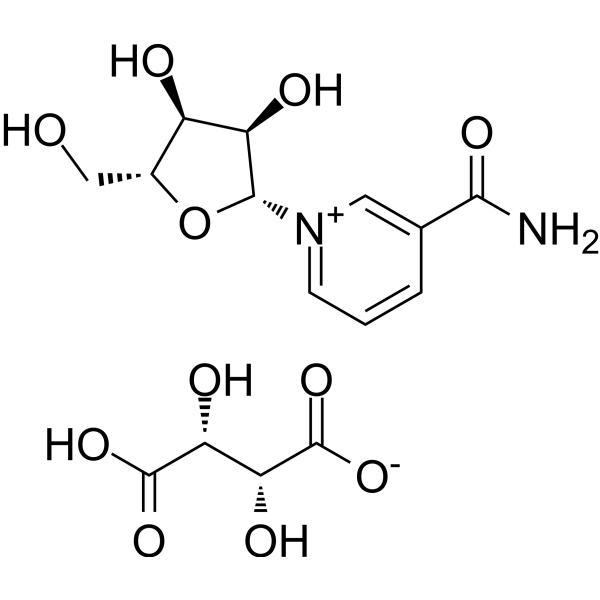
  • HY-19092

    mAChR Neurological Disease
    YM-796 dihydroxybutanedioate is a selective muscarinic M1 receptor agonist. YM-796 dihydroxybutanedioate can improve cognitive impairment and reduce amyloid plaque deposition. YM-796 dihydroxybutanedioate can be used in the research of cognitive impairment diseases such as Alzheimer's disease .
    YM-796 dihydroxybutanedioate
  • HY-B0402AR

    1-Adamantanamine hydrochloride (Standard); 1-Adamantylamine hydrochloride (Standard); 1-Aminoadamantane hydrochloride (Standard)

    Reference Standards Influenza Virus Orthopoxvirus SARS-CoV Apoptosis Bcl-2 Family CDK Infection Neurological Disease Cancer
    Amantadine (hydrochloride) (Standard) is the analytical standard of Amantadine (hydrochloride). This product is intended for research and analytical applications. Amantadine (1-Adamantanamine) hydrochloride is an orally avtive and potent antiviral agent with activity against influenza A viruses. Amantadine hydrochloride inhibits several ion channels such as NMDA and M2, and also inhibits Coronavirus ion channels. Amantadine hydrochloride also has anti-orthopoxvirus and anticancer activity. Amantadine hydrochloride can be used for Parkinson's disease, postoperative cognitive dysfunction (POCD) and COVID-19 research .
    Amantadine hydrochloride (Standard)

Inquiry Online

Your information is safe with us. * Required Fields.

Salutation


Country or Region *

Applicant Name *


Organization Name *

Department *


Email Address *


Product Name *

Cat. No.


Requested quantity *

Phone Number *


Remarks

Inquiry Online

Inquiry Information

Product Name:
Cat. No.:
Quantity:
MCE Japan Authorized Agent: