1. Search Result
Search Result
Results for "

Selective toxicity

" in MedChemExpress (MCE) Product Catalog:

320

Inhibitors & Agonists

9

Screening Libraries

8

Fluorescent Dyes

3

Biochemical Assay Reagents

12

Peptides

1

Inhibitory Antibodies

19

Natural
Products

10

Isotope-Labeled Compounds

3

Click Chemistry

1

Oligonucleotides

Cat. No. Product Name Target Research Areas Chemical Structure
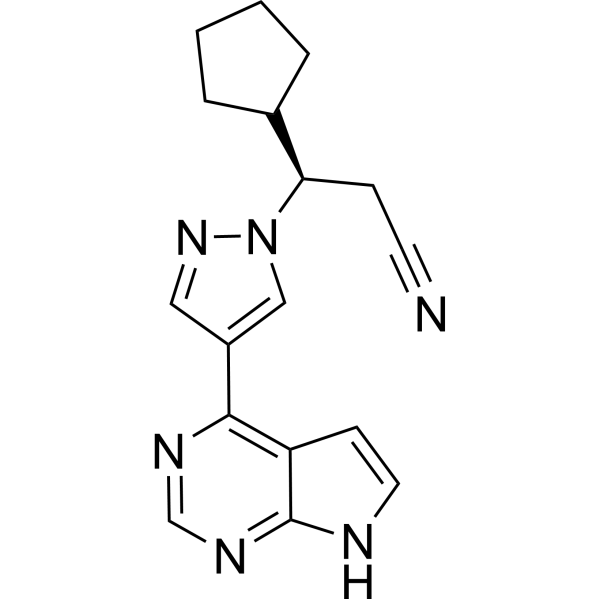
  • HY-50856
    Ruxolitinib
    Maximum Cited Publications
    259 Publications Verification

    INCB18424

    JAK Autophagy Mitophagy Apoptosis Cancer
    Ruxolitinib (INCB18424) is an orally active and selective JAK1/2 inhibitor with IC50s of 3.3 nM and 2.8 nM in cell-free assays, and has 130-fold selectivity for JAK1/2 over JAK3 . Ruxolitinib induces autophagy and kills tumor cells through toxic mitophagy .
    Ruxolitinib
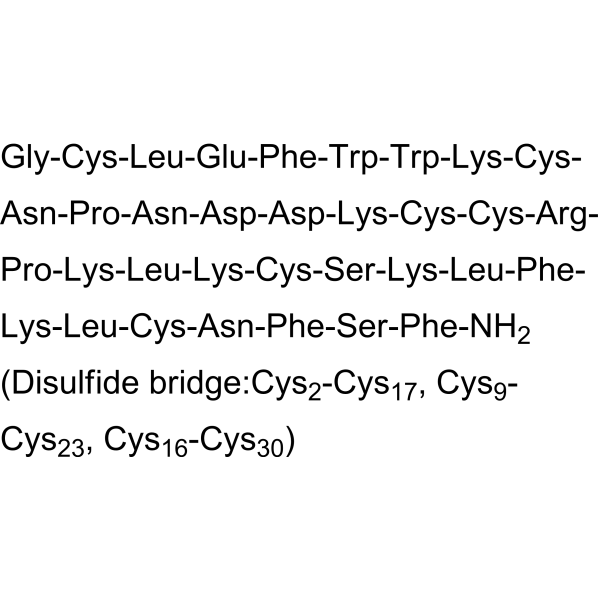
  • HY-P1410
    GsMTx4
    110+ Cited Publications

    TRP Channel Piezo Channel Cardiovascular Disease Neurological Disease Inflammation/Immunology
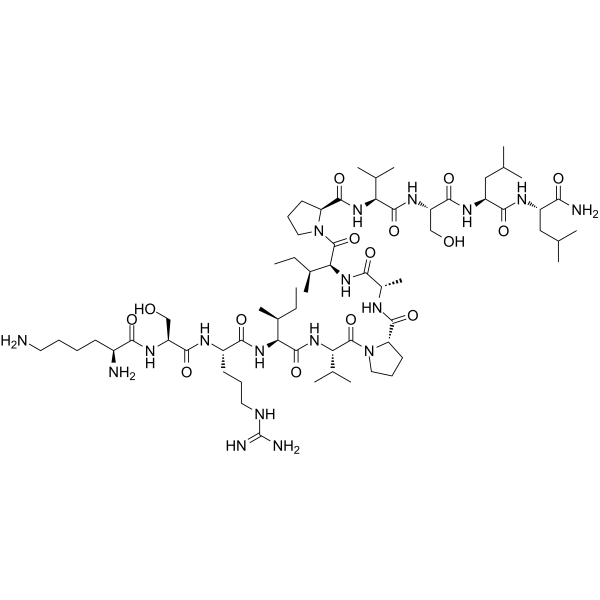
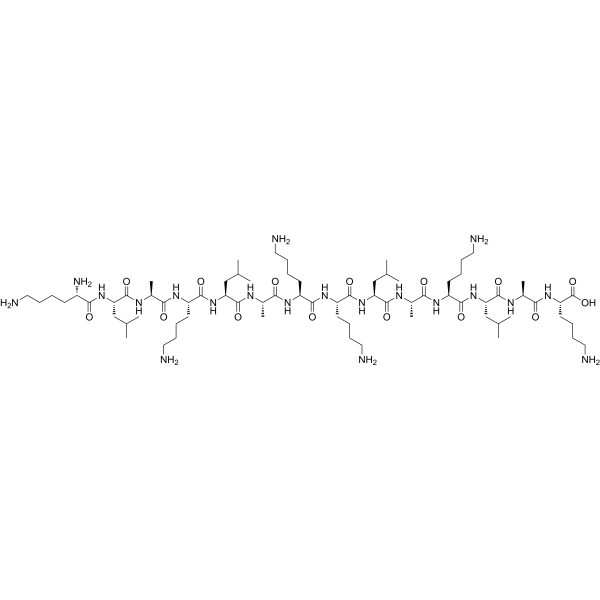
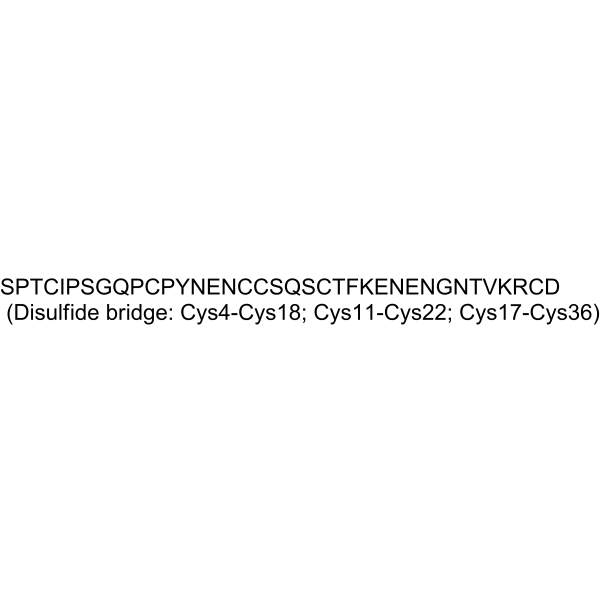
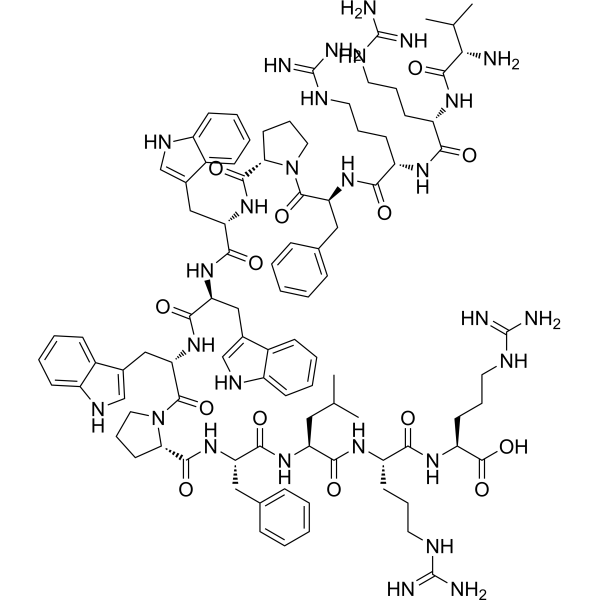
    GsMTx4 is a spider venom peptide that selectively inhibits cationic-permeable mechanosensitive channels (MSCs) belonging to the Piezo and TRP channel families. GsMTx4 also blocks cation-selective stretch-activated channels (SACs) , attenuates lysophosphatidylcholine (LPC)-induced astrocyte toxicity and microglial reactivity. GsMTx4 is an important pharmacological tool for identifying the role of these excitatory MSCs in normal physiology and pathology .
    GsMTx4
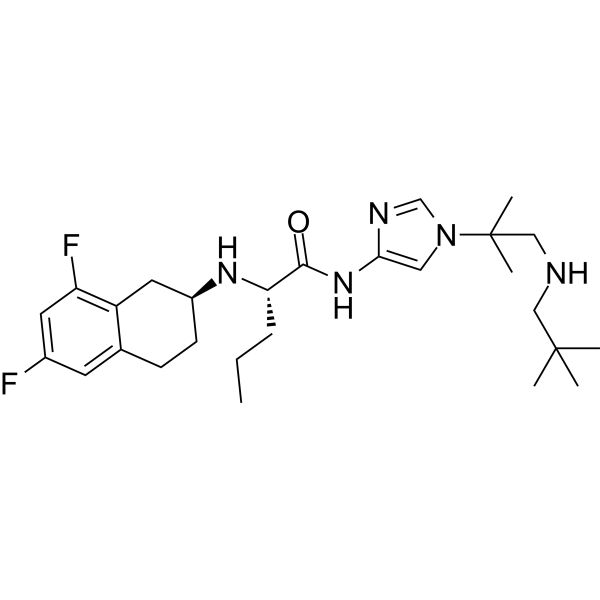
  • HY-15185
    Nirogacestat
    10+ Cited Publications

    PF-3084014

    γ-secretase Apoptosis Neurological Disease Cancer
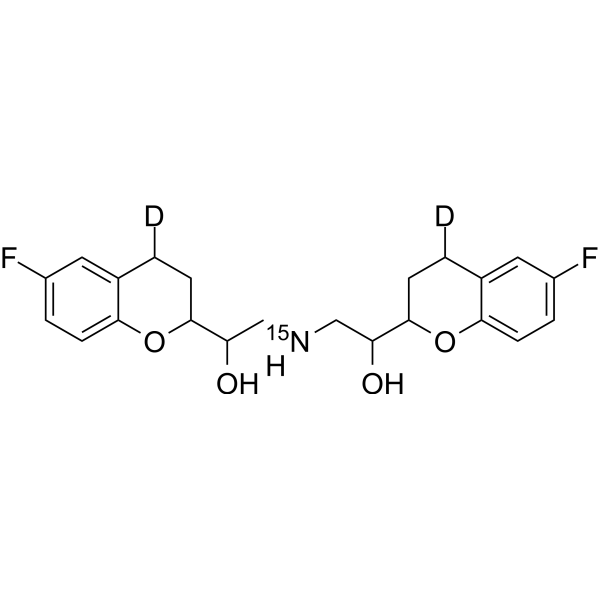
    Nirogacestat (PF-3084014) is a reversible, orally bioavailable, noncompetitive, and selective γ-secretase inhibitor with an IC50 of 6.2 nM. Inhibition of Notch signaling by Nirogacestat while minimizing gastrointestinal toxicity presents a promising approach for research of Notch receptor-dependent cancers .
    Nirogacestat
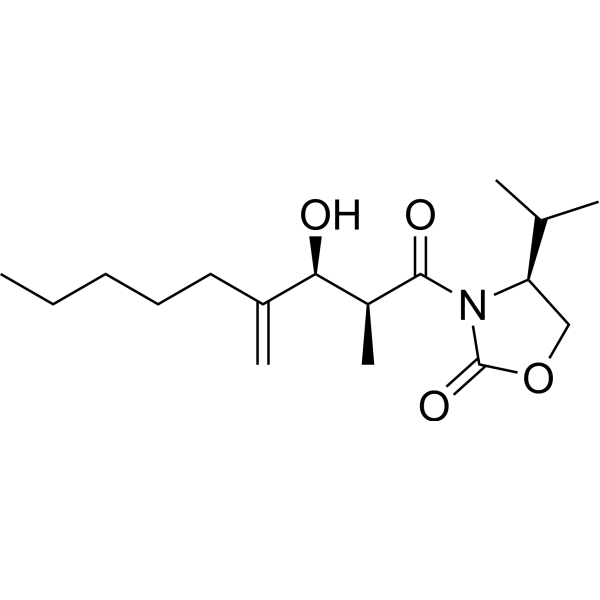
  • HY-102084
    LMT-28
    10+ Cited Publications

    Interleukin Related Inflammation/Immunology
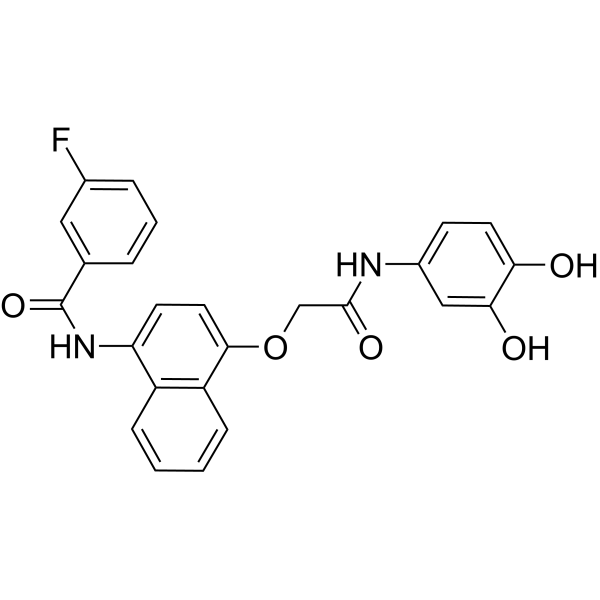
    LMT-28 is an orally active and the first synthetic IL-6 inhibitor that functions through direct binding to gp130. LMT-28 shows low toxicity and selectively inhibits IL-6-induced phosphorylation of STAT3, JAK2, and gp130 .
    LMT-28
  • HY-135985
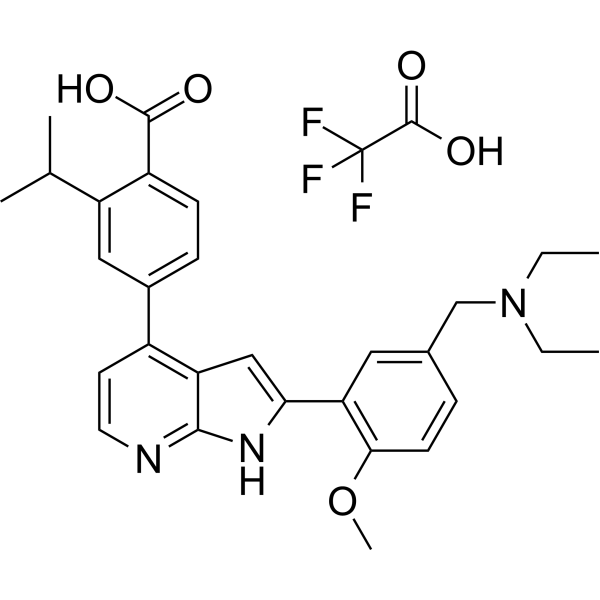
    DCLK1-IN-1
    4 Publications Verification

    Fluorescent Dye Cancer
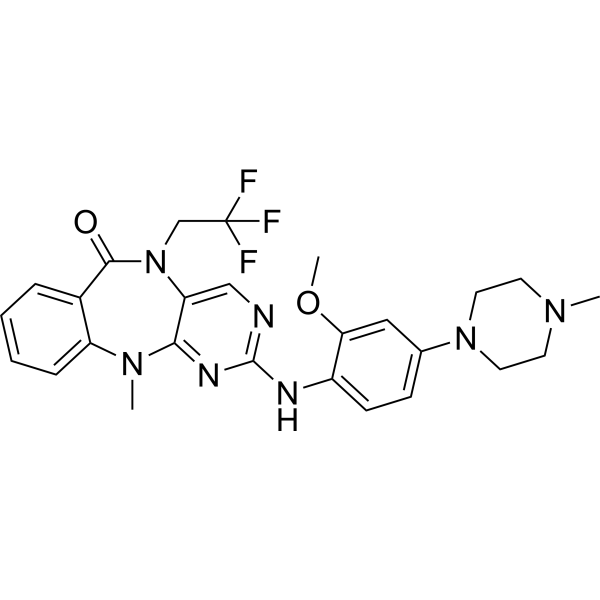
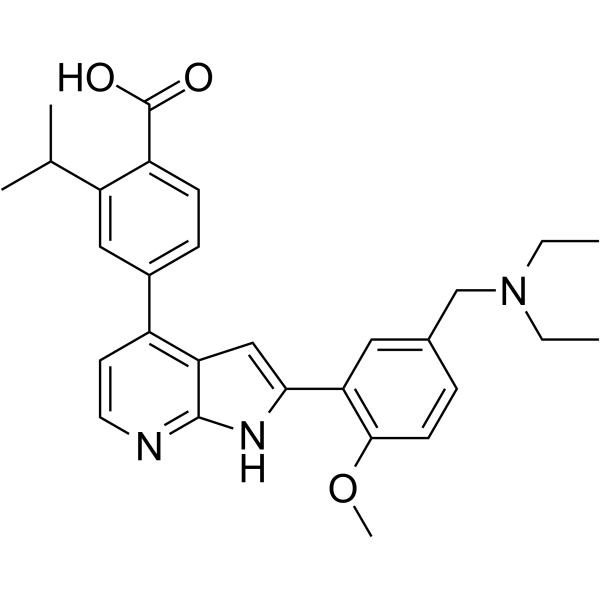
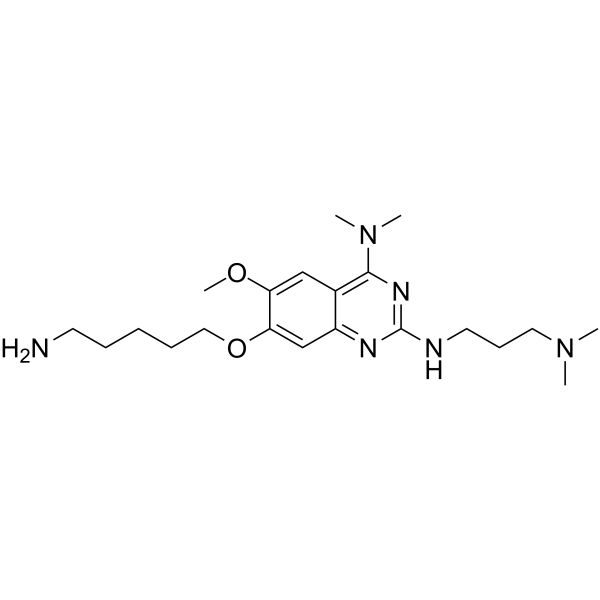
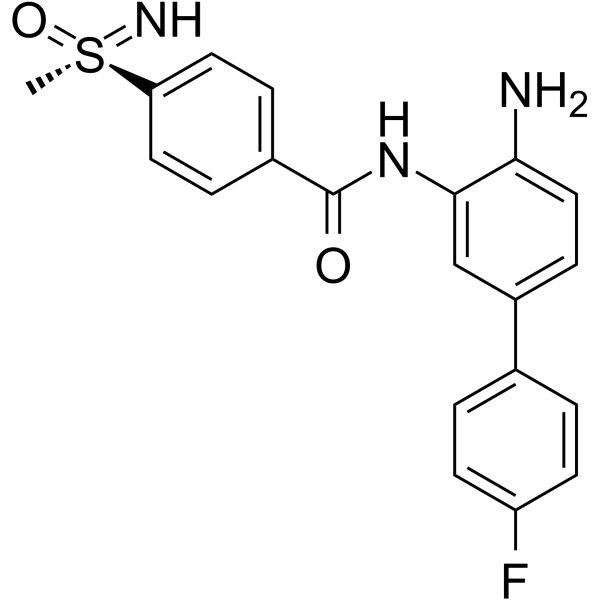
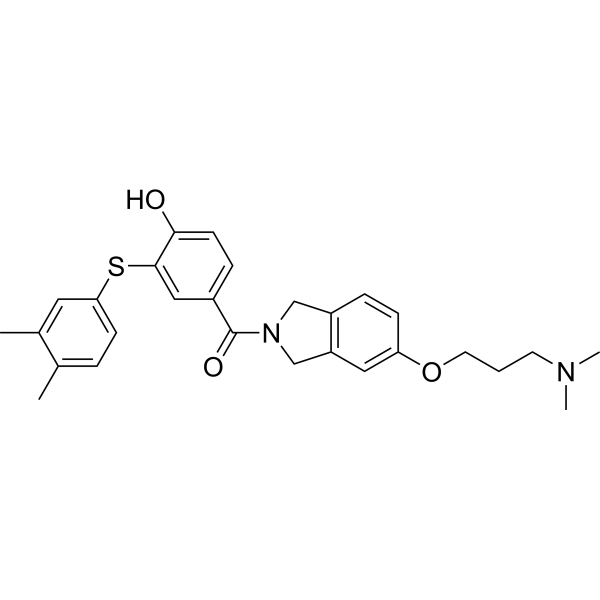
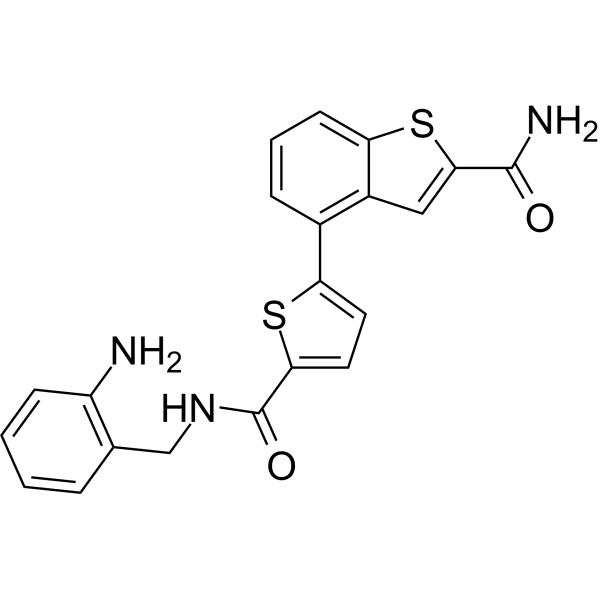
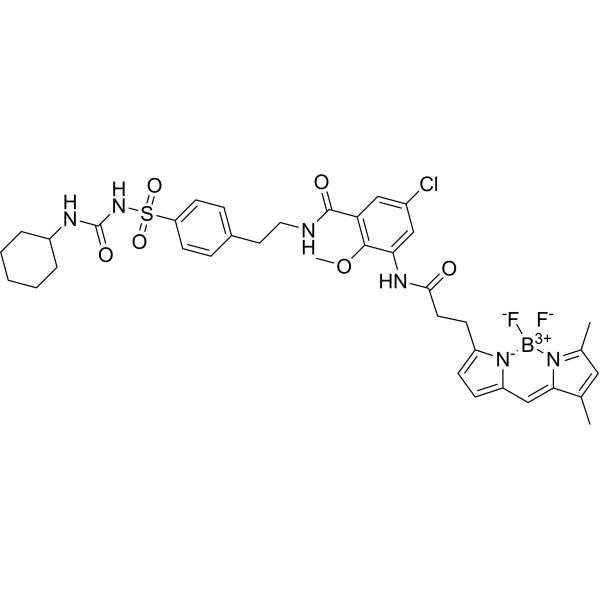
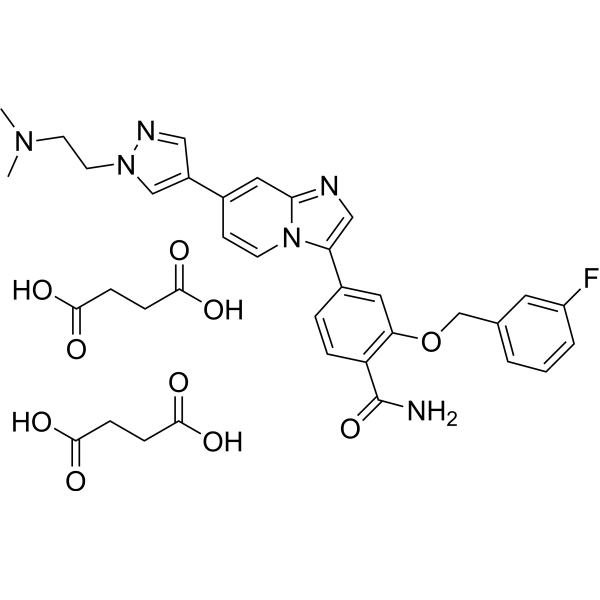
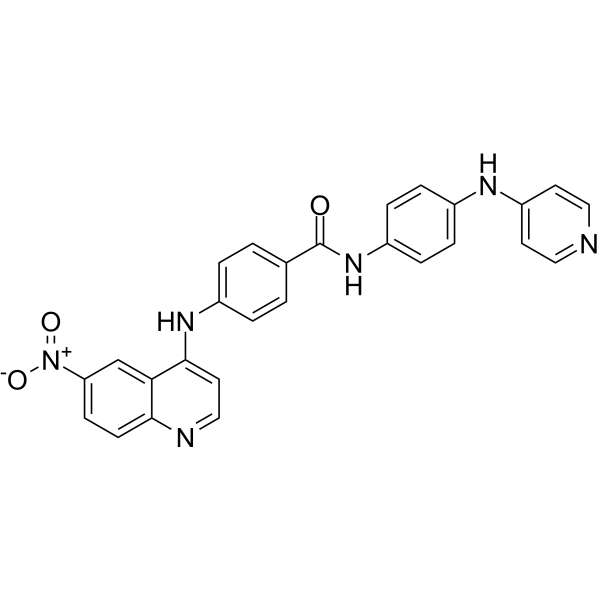
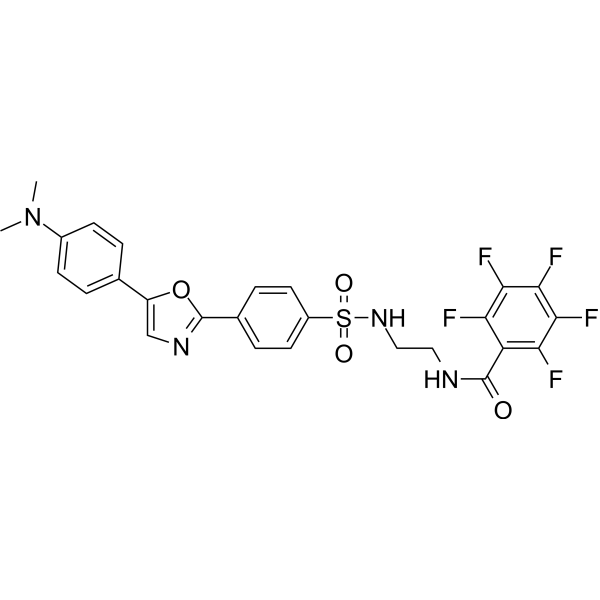
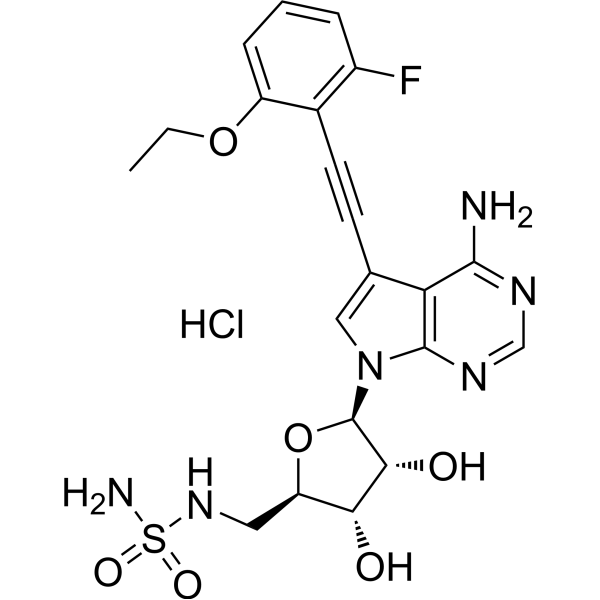
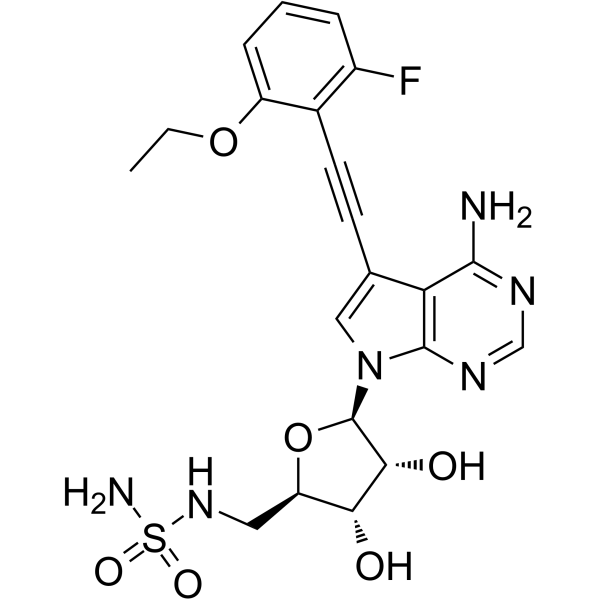
    DCLK1-IN-1 is a selective, oral bioavailability in vivo-compatible chemical probe of the doublecortin like kinase 1 (DCLK1 kinase) domain. DCLK1-IN-1 inhibits DCLK1 and DCLK2 kinases (IC50: DCLK1=9.5/57.2 nM and DCLK2=31/103 nM in binding and kinase assay, respectively). DCLK1-IN-1 shows low toxicity, and can investigate DCLK1 biology and establish its role in cancer, like DCLK1 + pancreatic ductal adenocarcinoma (PDAC) .
    DCLK1-IN-1
  • HY-P1410A
    GsMTx4 TFA
    110+ Cited Publications

    TRP Channel Piezo Channel Cardiovascular Disease Neurological Disease Inflammation/Immunology
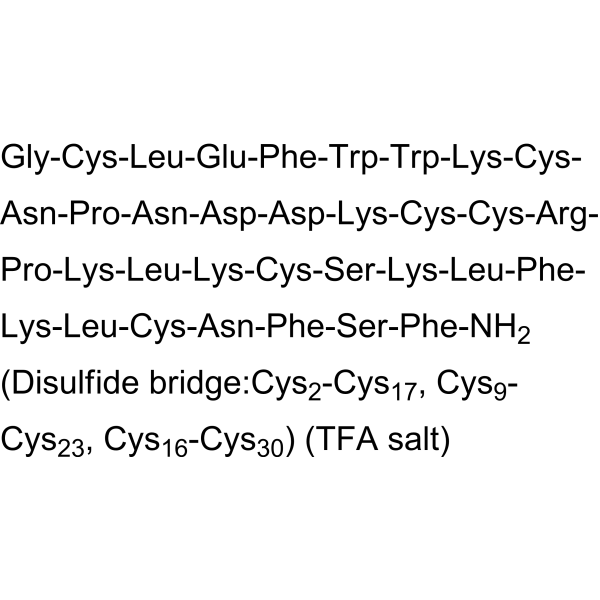
    GsMTx4 TFA is a spider venom peptide that selectively inhibits cationic-permeable mechanosensitive channels (MSCs) belonging to the Piezo and TRP channel families. GsMTx4 TFA also blocks cation-selective stretch-activated channels (SACs) , attenuates lysophosphatidylcholine (LPC)-induced astrocyte toxicity and microglial reactivity. GsMTx4 TFA is an important pharmacological tool for identifying the role of these excitatory MSCs in normal physiology and pathology .
    GsMTx4 TFA
  • HY-136241
    OT-82
    1 Publications Verification

    NAMPT Caspase Cancer
    OT-82 is a potent, selective and orally active inhibitor of NAMPT. OT-82 is selectively toxic to cells of hematopoietic origin and?induces cell death in a NAD + dependent manner. OT-82 is a promising antineoplastic agent for the study of hematological malignancies .
    OT-82
  • HY-117288
    S55746
    1 Publications Verification

    BCL201

    Bcl-2 Family Cancer
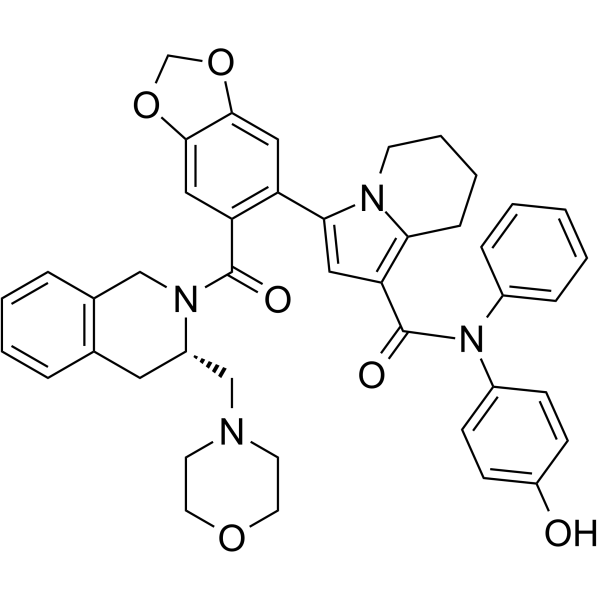
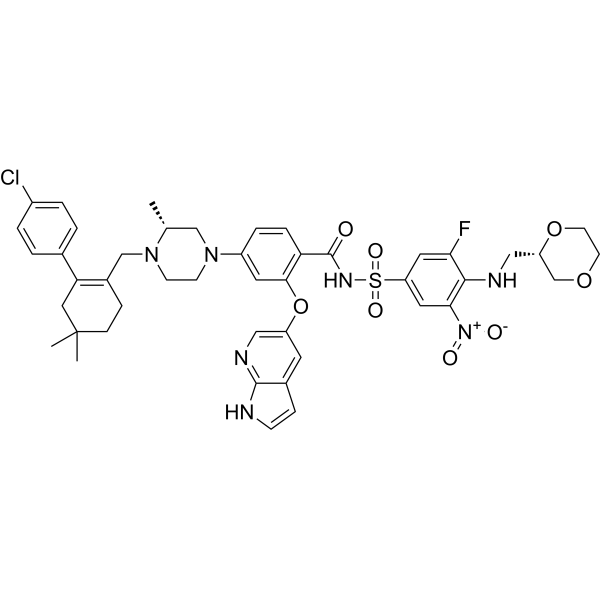
    S55746 (BCL201) is a potent, orally active and selective BCL-2 inhibitor, with a Ki of 1.3 nM and a Kd of 3.9 nM. S55746 (BCL201) has antitumor activity with low toxicity .
    S55746
  • HY-131922

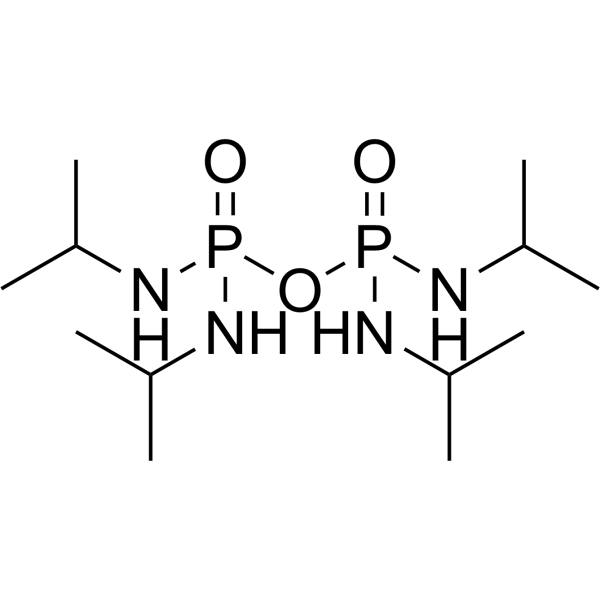
    Tetraisopropyl pyrophosphoramide

    Cholinesterase (ChE) Neurological Disease
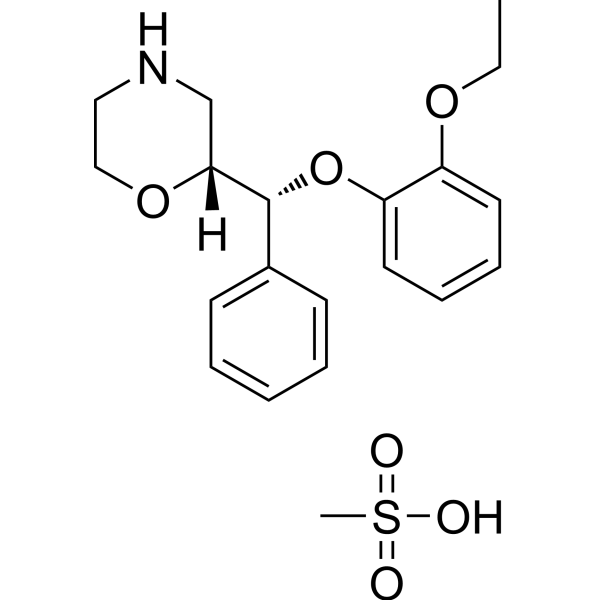
    Iso-OMPA (Tetraisopropyl pyrophosphoramide) is a selective inhibitor of the irreversible butyrylcholinesterase (BuChE). Iso-OMPA enhances soman toxicity in rats associated with the inhibition of plasma carboxylesterase (CarbE) .
    Iso-OMPA
  • HY-100012
    CBR-5884
    15+ Cited Publications

    Phosphoglycerate Dehydrogenase (PHGDH) Cancer
    CBR-5884 is an active, selective inhibitor of phosphoglycerate dehydrogenase (PHGDH) with an IC50 of 33 μM. CBR-5884 inhibits de novo serine synthesis in cancer cells and is selectively toxic to cancer cell lines with high serine biosynthetic activity. CBR-5884 selectively inhibits the proliferation of melanoma and breast cancer lines that have a high propensity for serine synthesis .
    CBR-5884
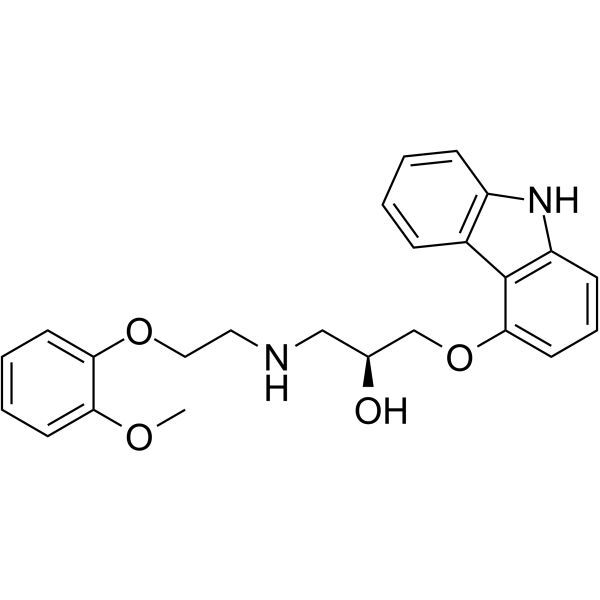
  • HY-B0006B

    (S)-BM 14190

    Adrenergic Receptor Cardiovascular Disease
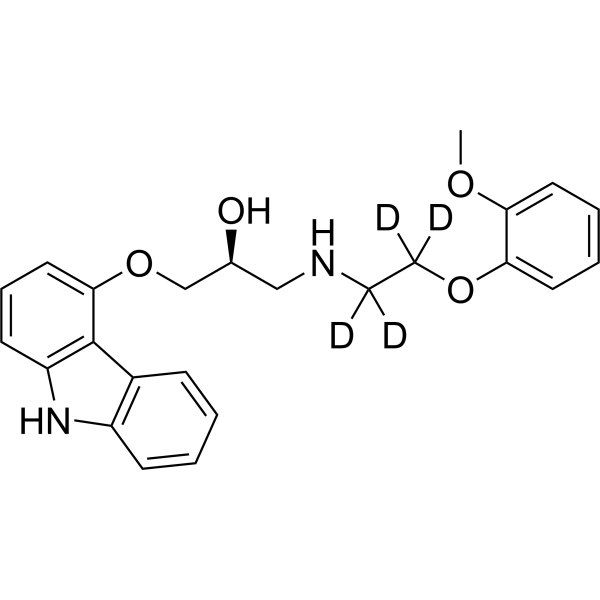
    (S)-Carvedilol, the S-enantiomer of Carvedilol, is a non-selective β/α-1 blocker. (S)-Carvedilol exerts protection against the vascular or cardiac toxicity of Doxorubicin (DOX) .
    (S)-Carvedilol
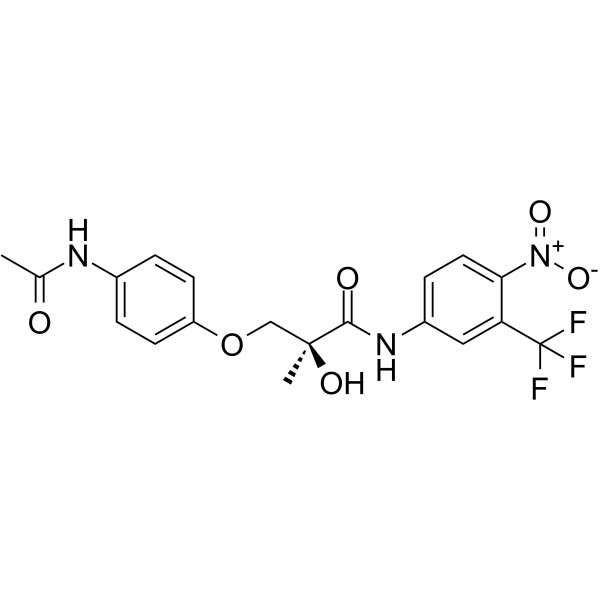
  • HY-12023
    GTx-007
    4 Publications Verification

    S-4

    Androgen Receptor Cancer
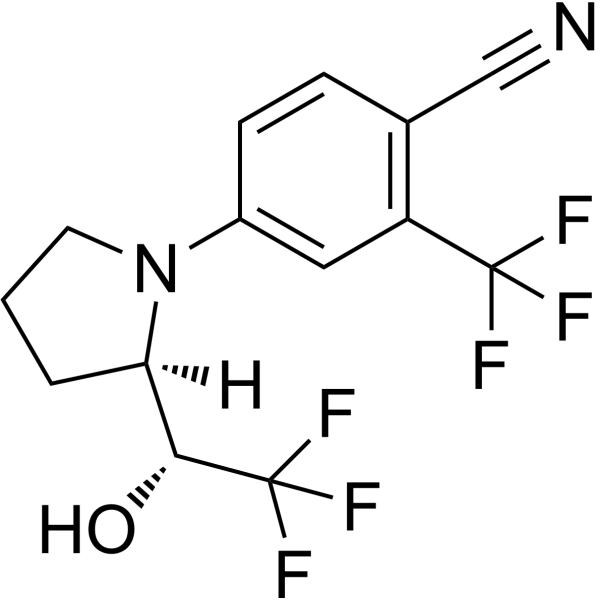
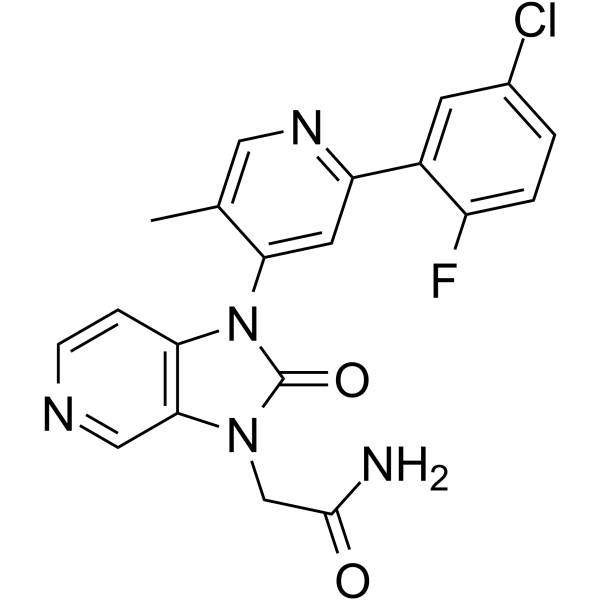
    GTx-007 (S-4) is an orally active and selective nonsteroidal androgen receptor (AR) modulator (SARM) and a partial agonist, with Ki of 4 nM. GTx-007 (S-4) is identified as SARMs with potent and tissue-selective in vivo pharmacological activity .
    GTx-007
  • HY-111253

    LPL Receptor Neurological Disease
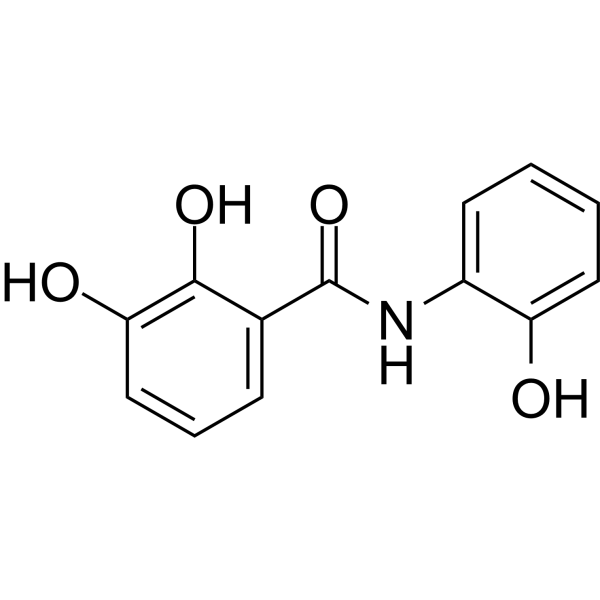
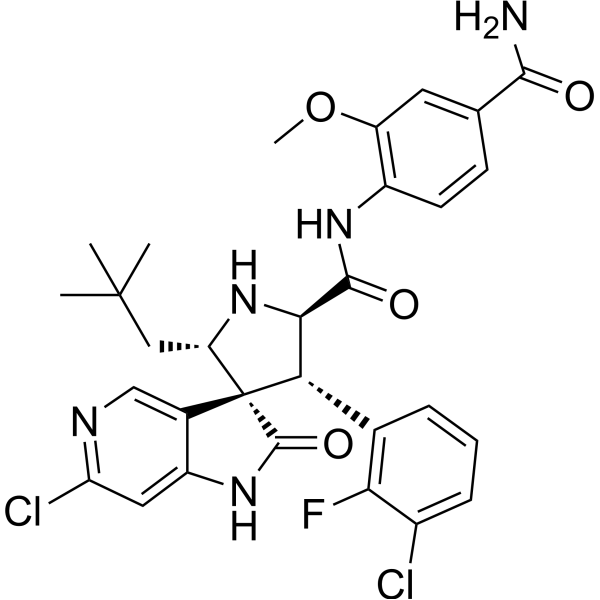
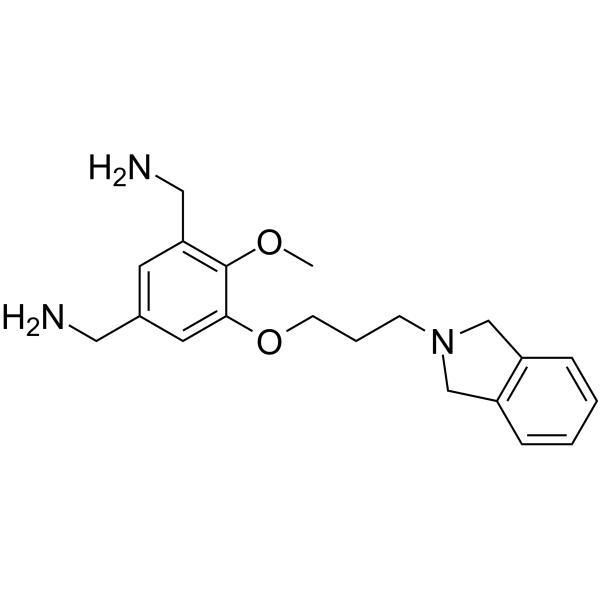
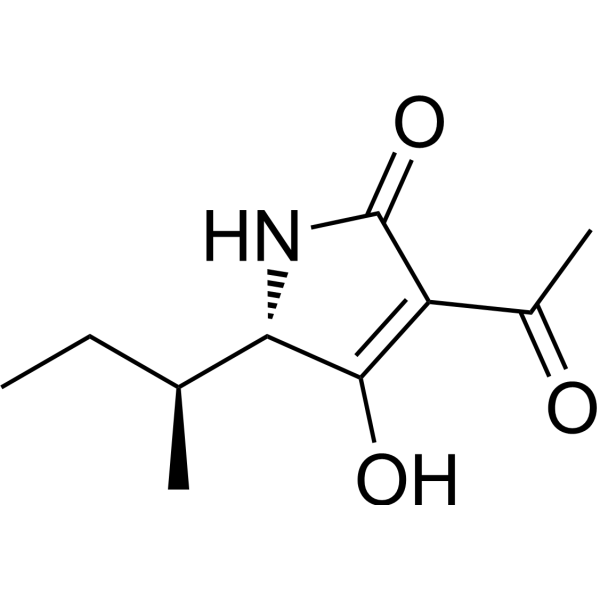
    CYM-5478 is a potent and highly selective S1P2 agonist with an EC50 of 119 nM in a TGFα-shedding assay. CYM-5478 protects neural-derived cell lines against Cisplatin toxicity .
    CYM-5478
  • HY-101511

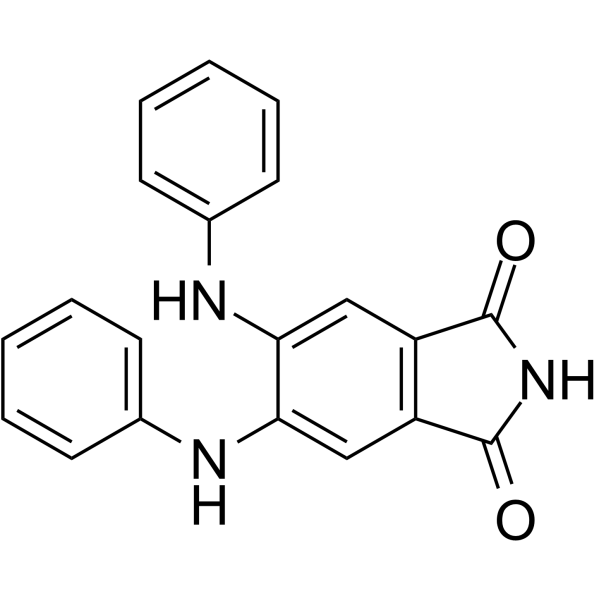
    P-glycoprotein Cancer
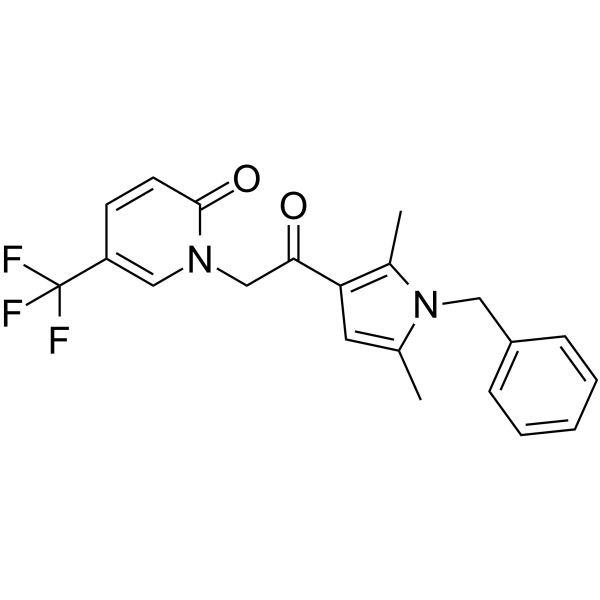
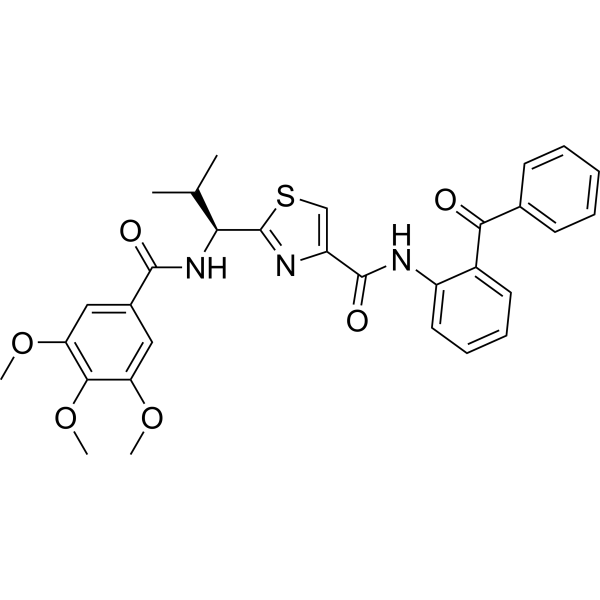
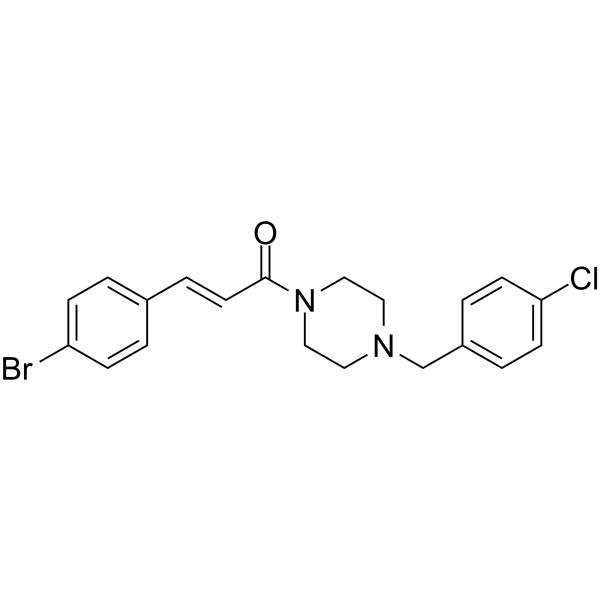
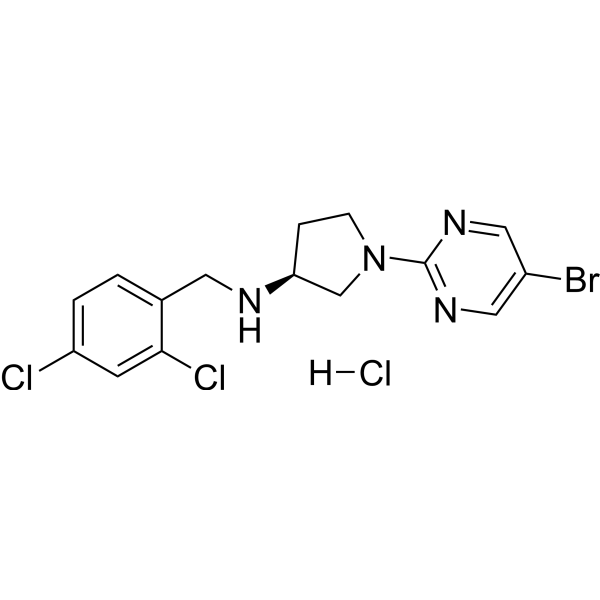
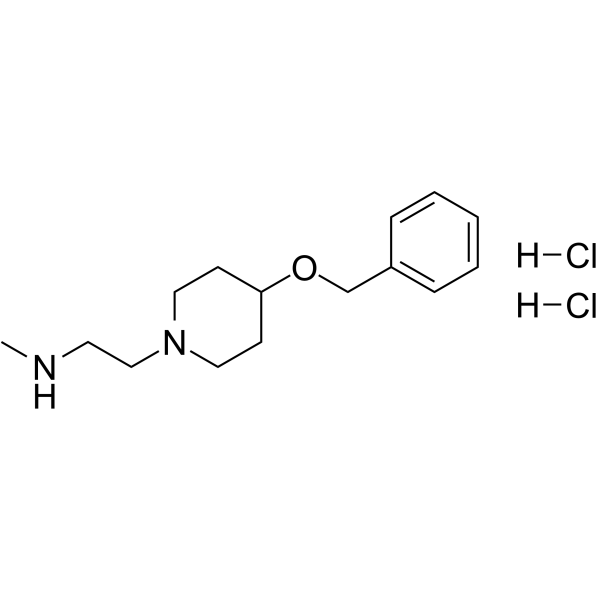
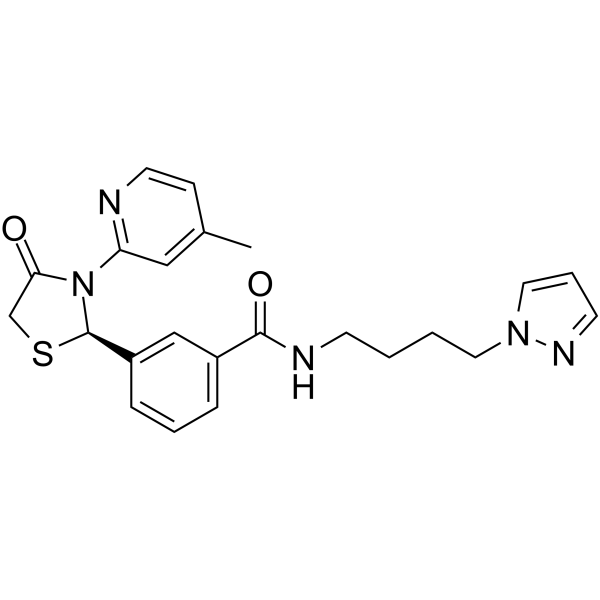
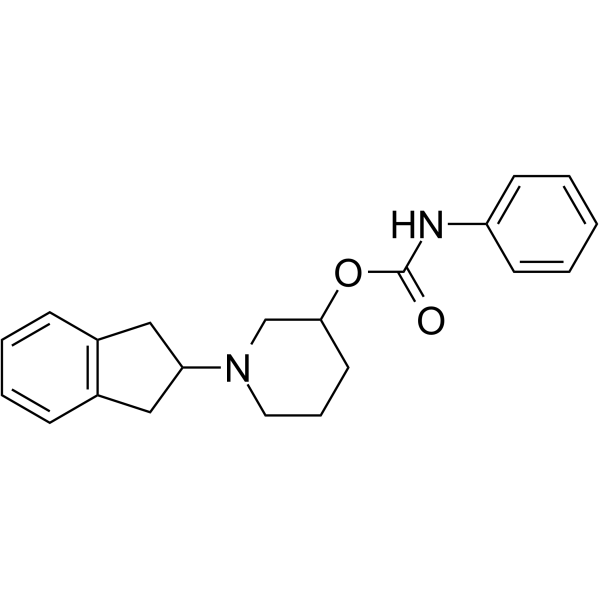
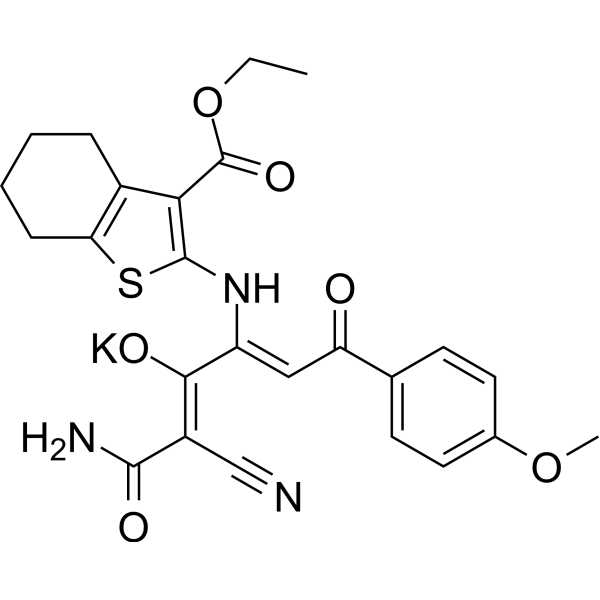
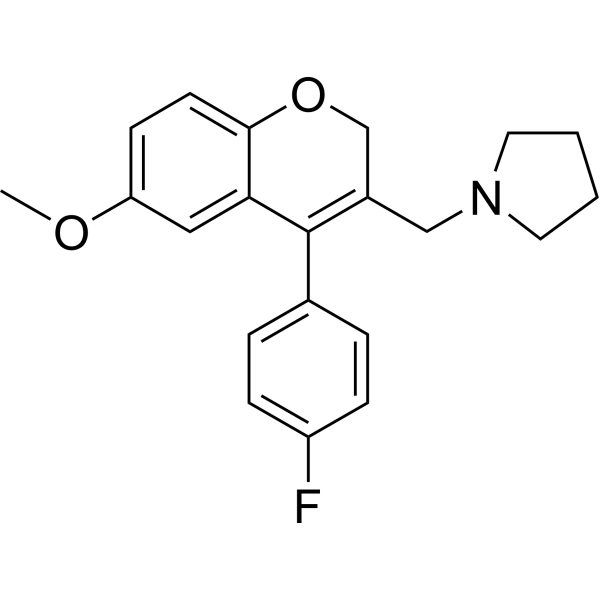
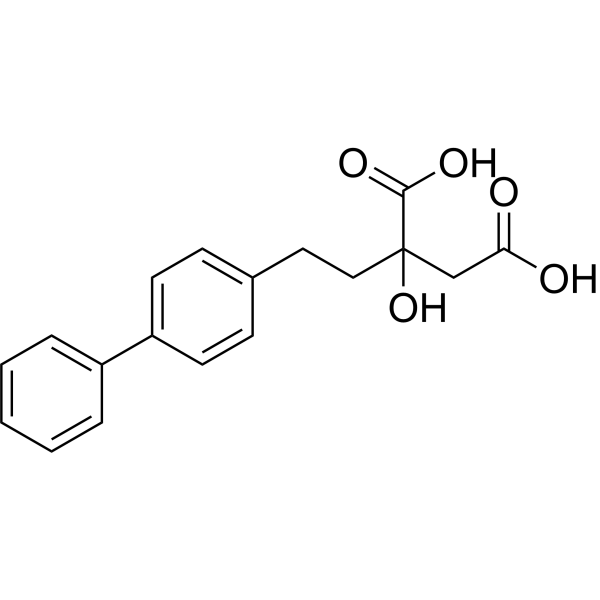
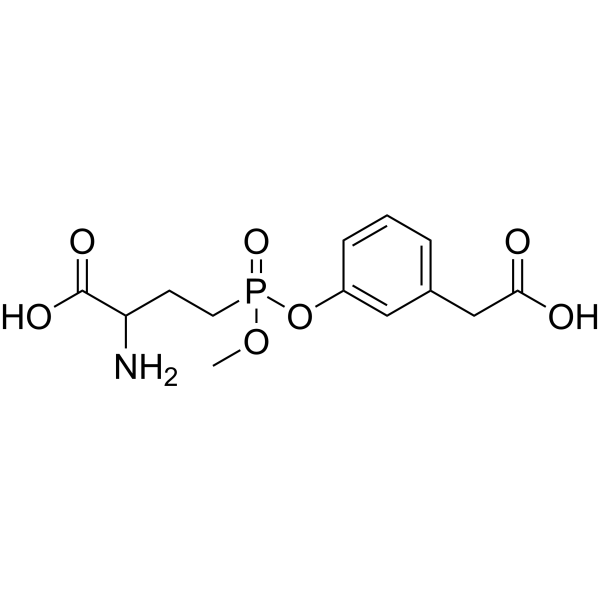
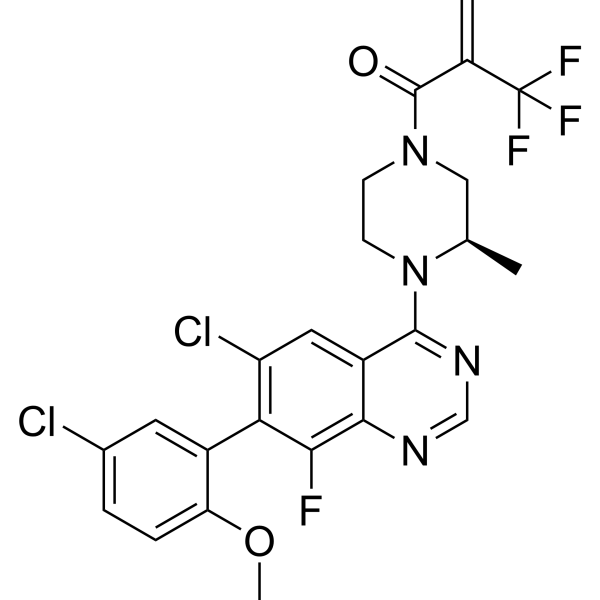
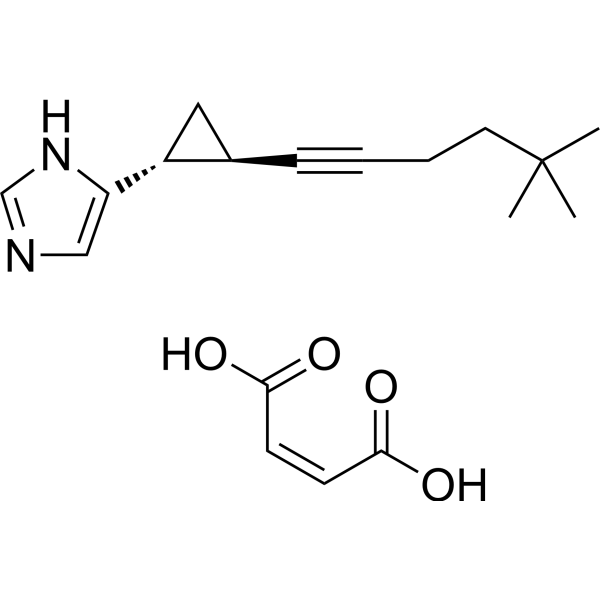
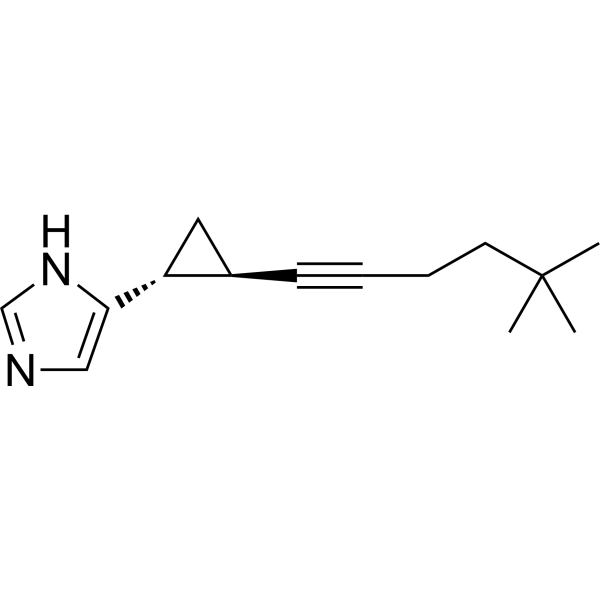
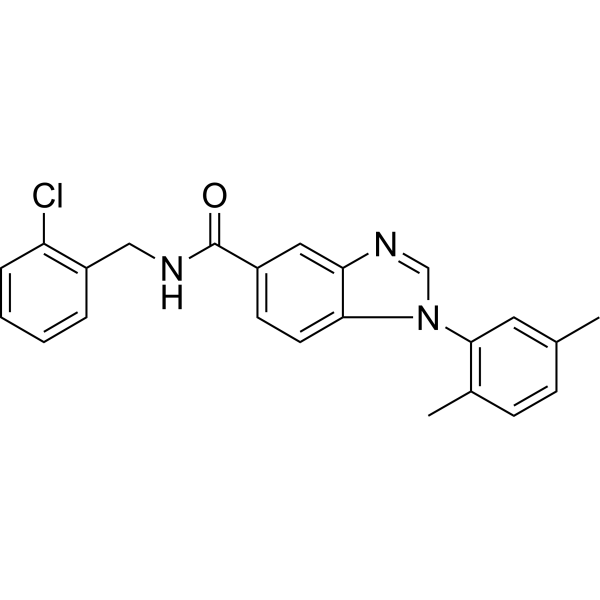
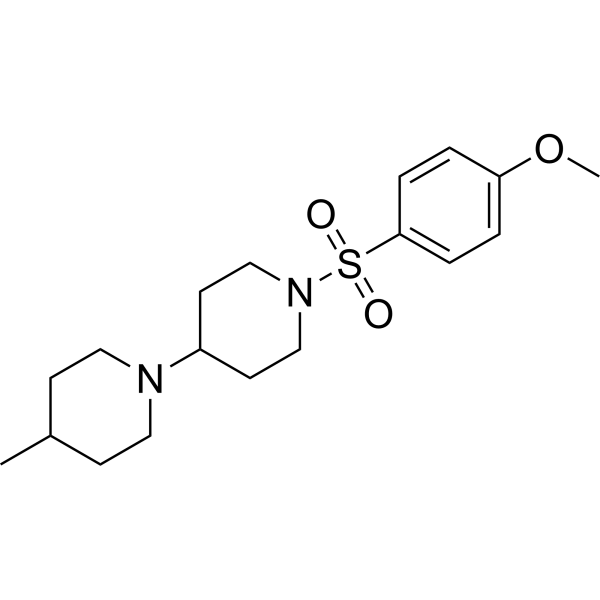
    TTT-28 is a synthesized thiazole-valine peptidomimetic, a novel selective inhibitor of ABCB1 (P-gp/MDR1) with high efficacy and low toxicity, which reverses the ATP-binding cassette sub-family B member 1 (ABCB1)-mediated multidrug resistance (MDR) by selectively blocking the efflux function of ABCB1 .
    TTT-28
  • HY-15185B
    Nirogacestat dihydrobromide
    10+ Cited Publications

    PF-3084014 dihydrobromide; PF-03084014 dihydrobromide

    γ-secretase Apoptosis Cancer
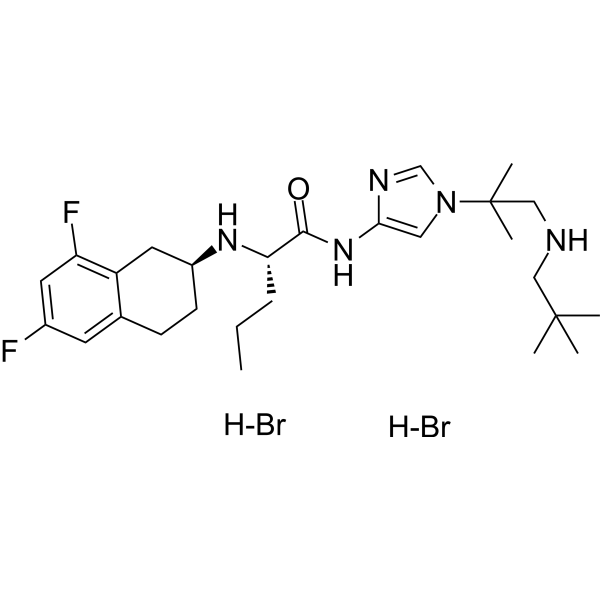
    Nirogacestat dihydrobromide (PF-3084014 dihydrobromide) is a reversible, orally bioavailable, noncompetitive, and selective γ-secretase inhibitor with an IC50 of 6.2 nM. Inhibition of Notch signaling by Nirogacestat dihydrobromide while minimizing gastrointestinal toxicity presents a promising approach for research of Notch receptor-dependent cancers .
    Nirogacestat dihydrobromide
  • HY-50856R

    INCB18424 (Standard)

    Reference Standards JAK Autophagy Mitophagy Apoptosis Cancer
    Ruxolitinib (Standard) is the analytical standard of Ruxolitinib. This product is intended for research and analytical applications. Ruxolitinib (INCB18424) is a potent and selective JAK1/2 inhibitor with IC50s of 3.3 nM and 2.8 nM in cell-free assays, and has 130-fold selectivity for JAK1/2 over JAK3 . Ruxolitinib induces autophagy and kills tumor cells through toxic mitophagy .
    Ruxolitinib (Standard)
  • HY-134990
    Hematoporphyrin monomethyl ether
    2 Publications Verification

    Apoptosis Cancer
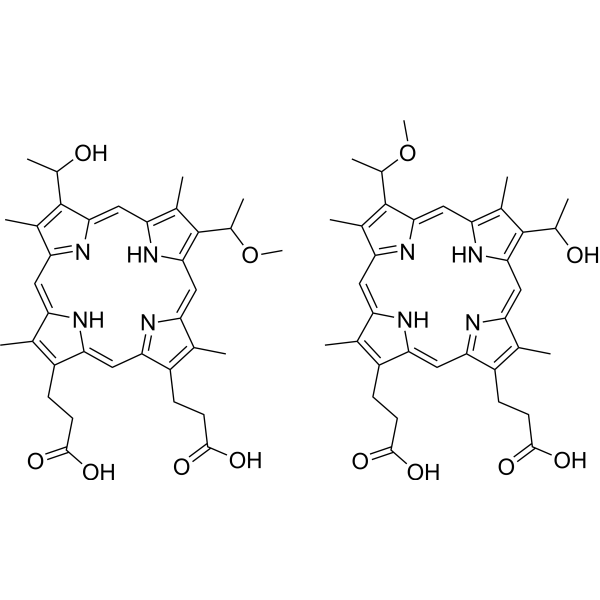
    Hematoporphyrin monomethyl ether, second generation of porphyrin-related photosensitizer, is characterized by its single form, high yield of singlet oxygen, high selectivity, and low toxicity, which has been widely used in the diagnosis and research of various tumors, including lung cancer, bladder cancer, and nevus flammeus and brain glioma .
    Hematoporphyrin monomethyl ether
  • HY-B1950

    (R)-Quizalofop ethyl; Quinofop-ethyl

    Environmental Pollutants SOD Herbicide Infection
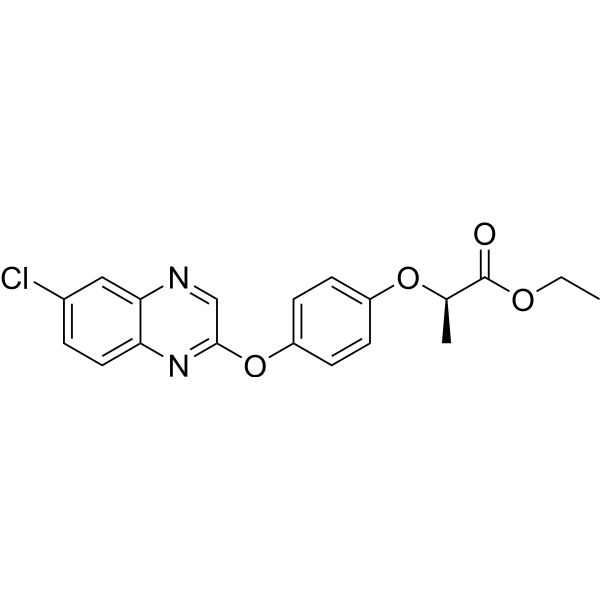
    Quizalofop-P-ethyl is a low-toxicity herbicide, a highly selective new type of post-emergence herbicide for dryland crops, with high selectivity between gramineous weeds and dicotyledonous crops, and it has good control efficacy against gramineous weeds in broadleaf crop fields.
    Quizalofop-p-ethyl
  • HY-148466
    IGUANA-1
    1 Publications Verification

    Aldehyde Dehydrogenase (ALDH) Cancer
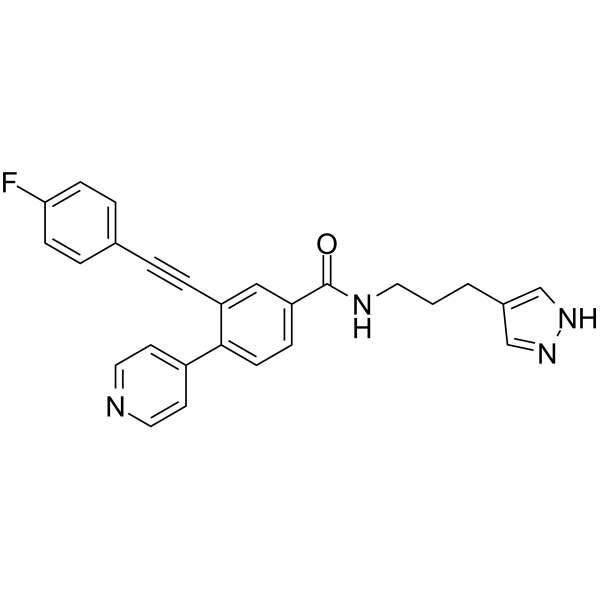
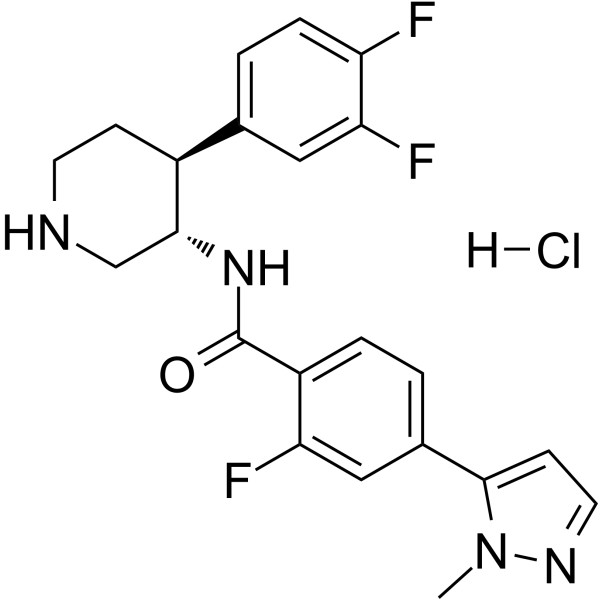
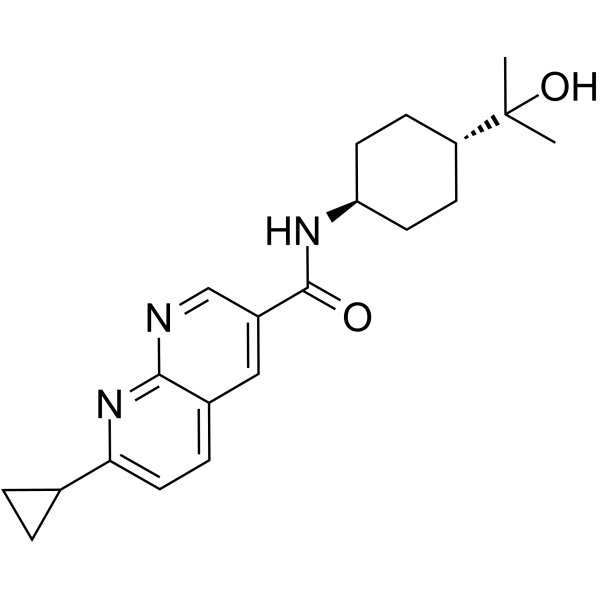
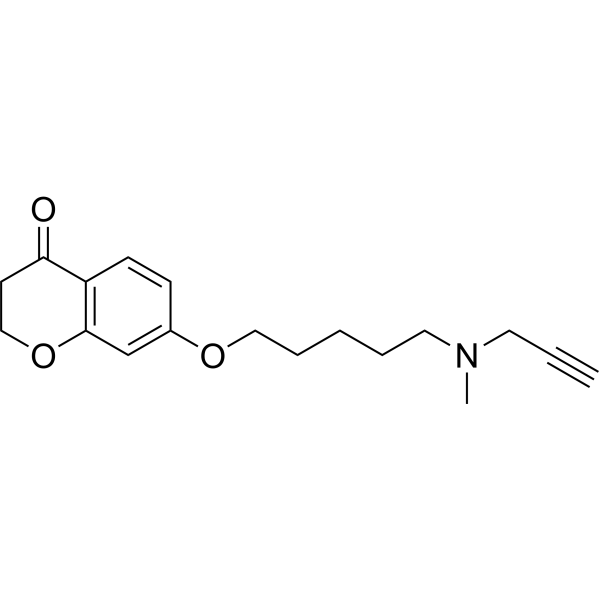
    IGUANA-1 is a potent and selective ALDH1B1 inhibitor. IGUANA-1 shows no significant mitochondrial toxicity. IGUANA-1 has antitumor activity .
    IGUANA-1
  • HY-N1373
    Sophoridine
    5+ Cited Publications

    Apoptosis Cancer
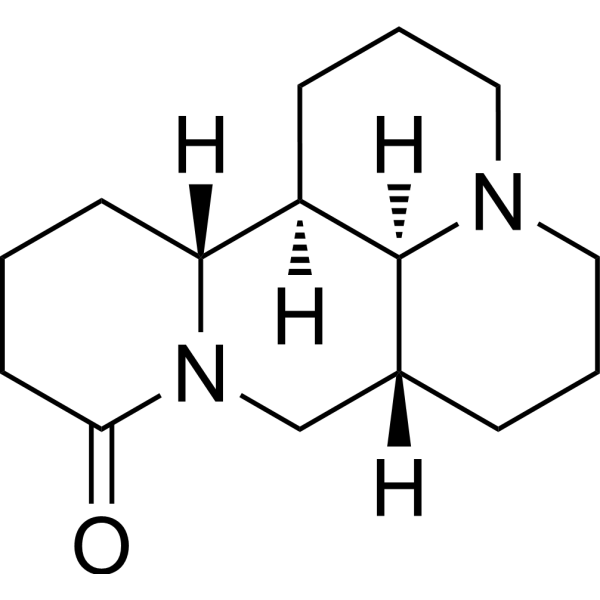
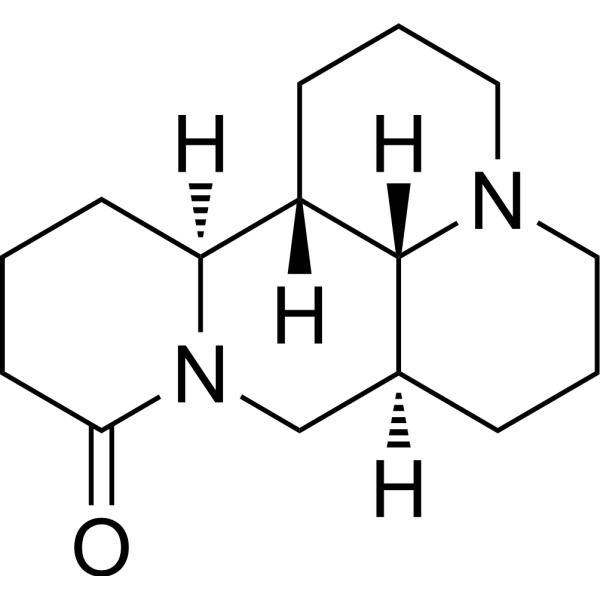
    Sophoridine is a quinolizidine alkaloid isolated from Leguminous plant Sophora flavescens. Sophoridine induces apoptosis. Sophoridine has the potential to be a novel, potent and selective antitumor agent candidate for pancreatic cancer with well-tolerated toxicity .
    Sophoridine
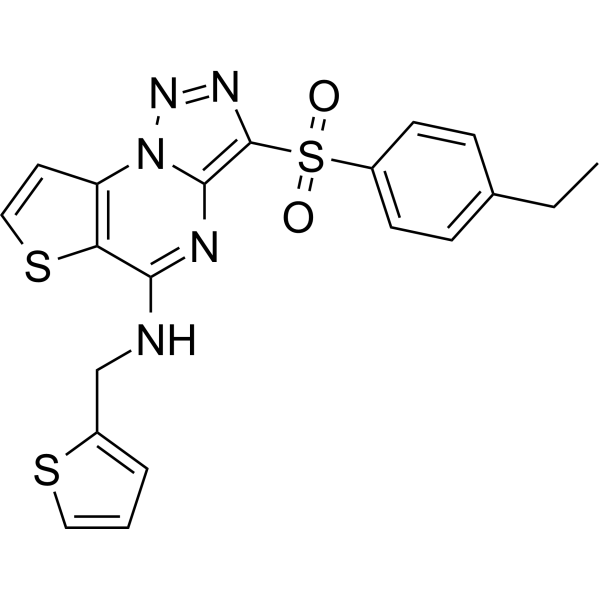
  • HY-132302

    Akt PKA PKC ROCK Ribosomal S6 Kinase (RSK) SGK Cancer
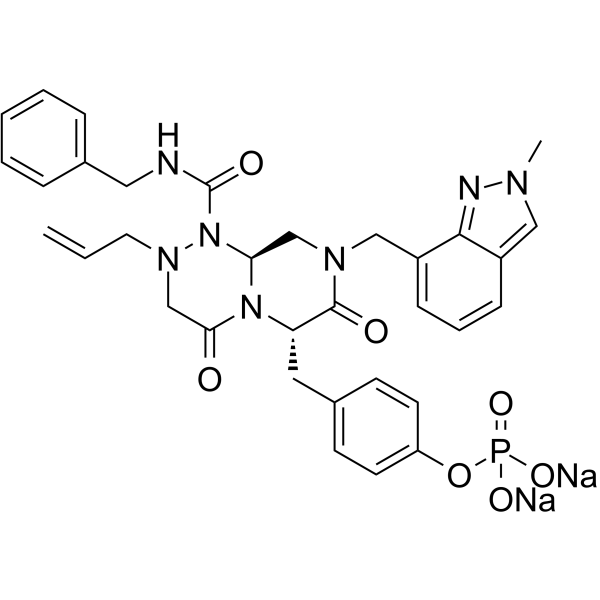
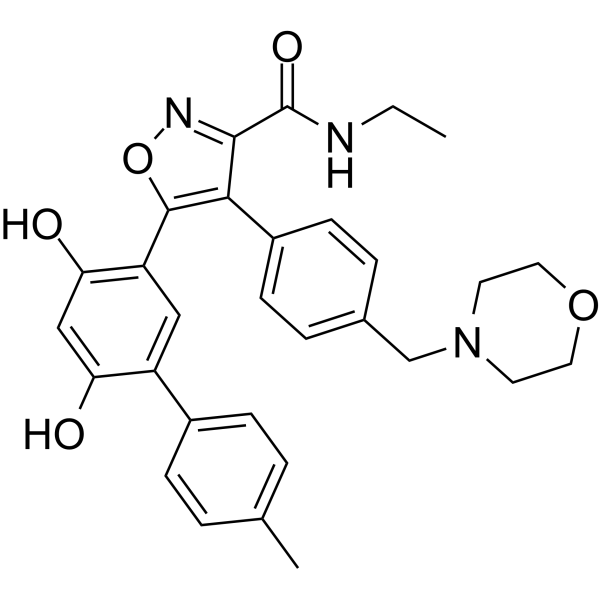
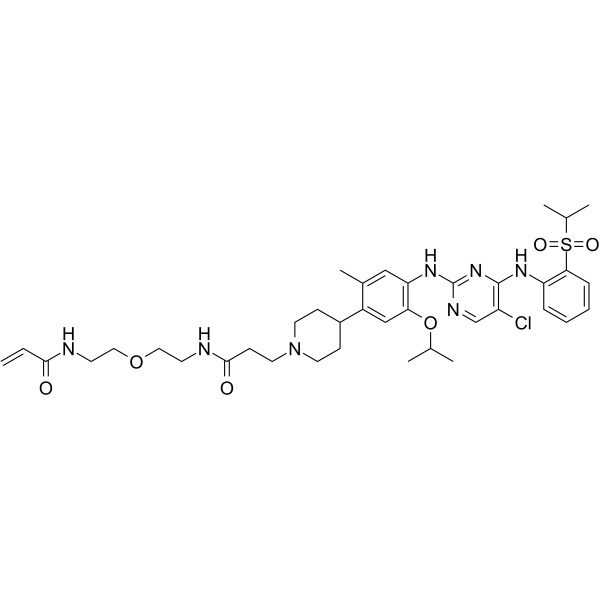
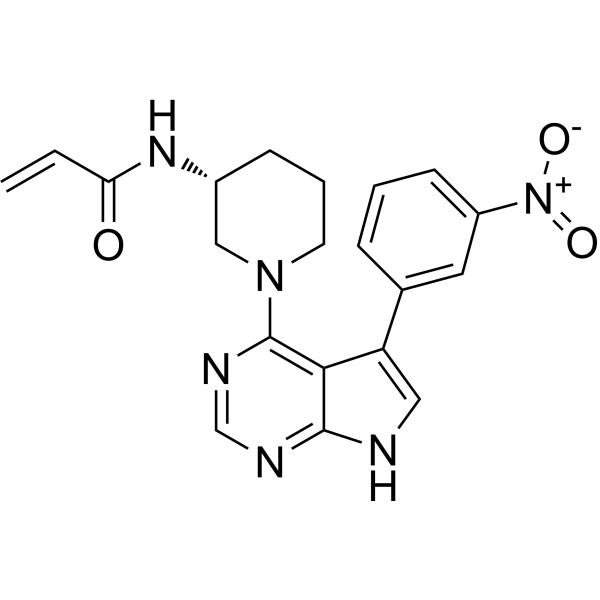
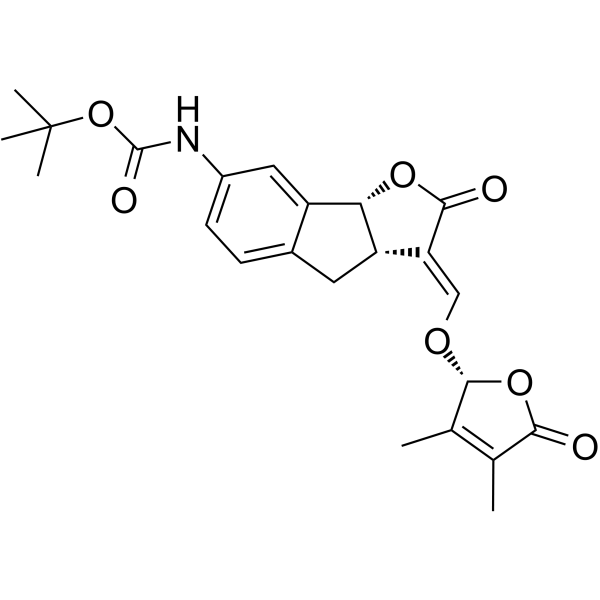
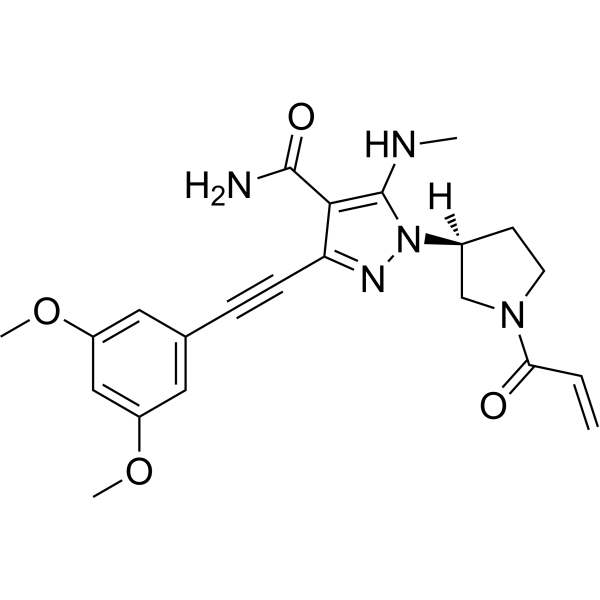
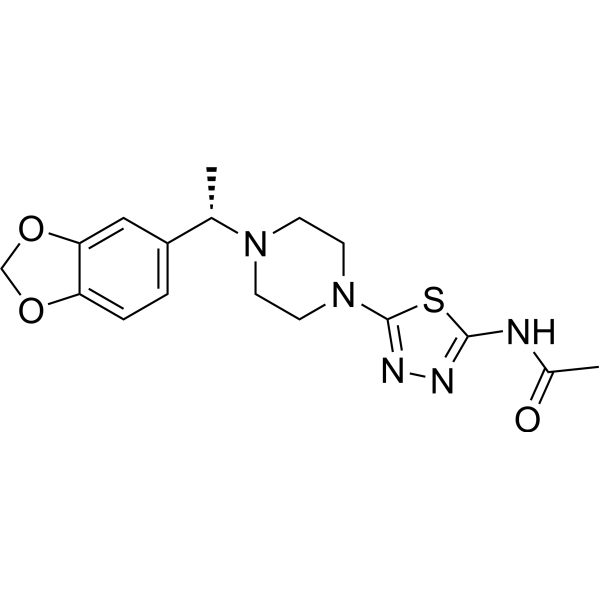
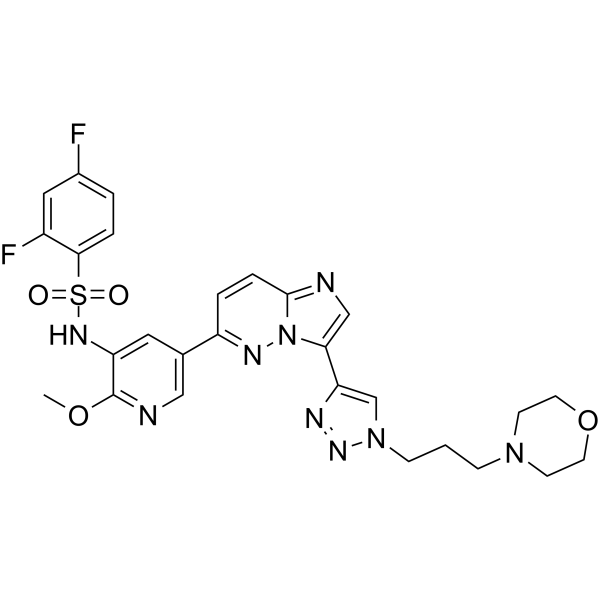
    Hu7691 is an orally active, selective Akt inhibitor with IC50s of 4.0 nM, 97.5 nM, 28 nM for Akt1, Akt2 and Akt3, respectively. Hu7691 inhibits tumor growth and enables decrease of cutaneous toxicity in mice .
    Hu7691
  • HY-B1022
    Dimesna
    1 Publications Verification

    BNP-7787

    Drug Derivative Endocrinology Cancer
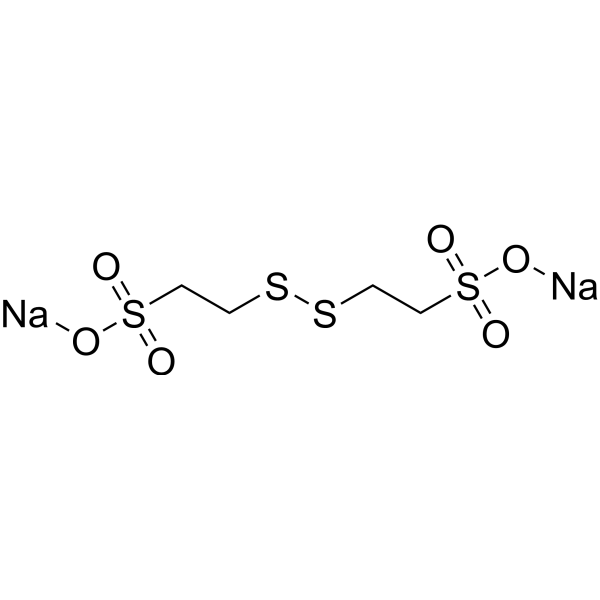
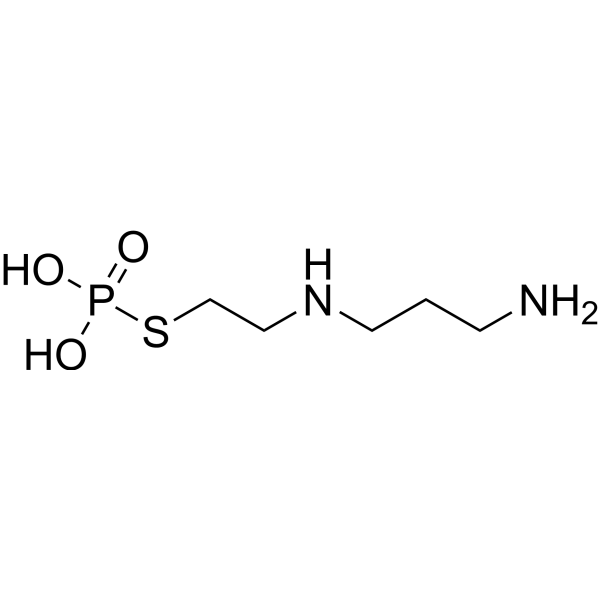
    Dimesna (BNP-7787), the disulfide form of Mesna (HY-13679), is a platinum-related toxicity protective agent. Dimesna converts to Mesna, which in turn inactivates toxic platinum substances. Dimesna does not interfere with the antitumor activity of platinum compounds. Dimesna does not affect the antiproliferative effects of Cisplatin (HY-17394) or Carboplatin (HY-17393). Dimesna counteracts Cisplatin-induced nephrotoxicity. Dimesna exerts selective protective effects on the kidneys. Dimesna can be used in studies related to ovarian cancer and Cisplatin-induced nephrotoxicity .
    Dimesna
  • HY-17424
    Penciclovir
    1 Publications Verification

    BRL 39123; VSA 671

    HSV Infection
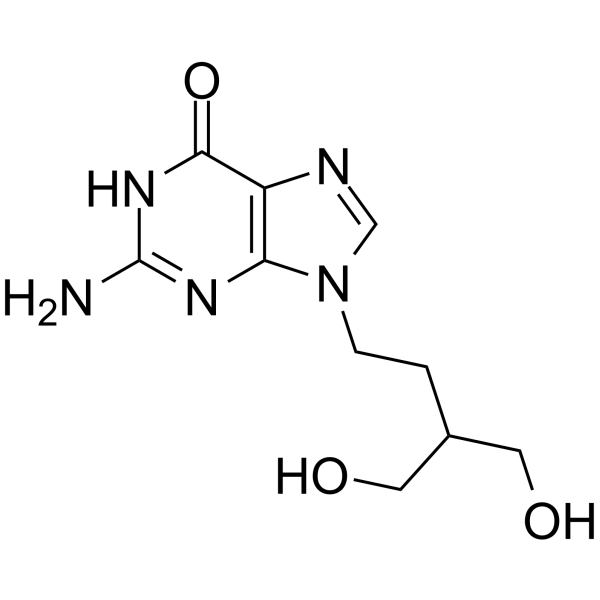
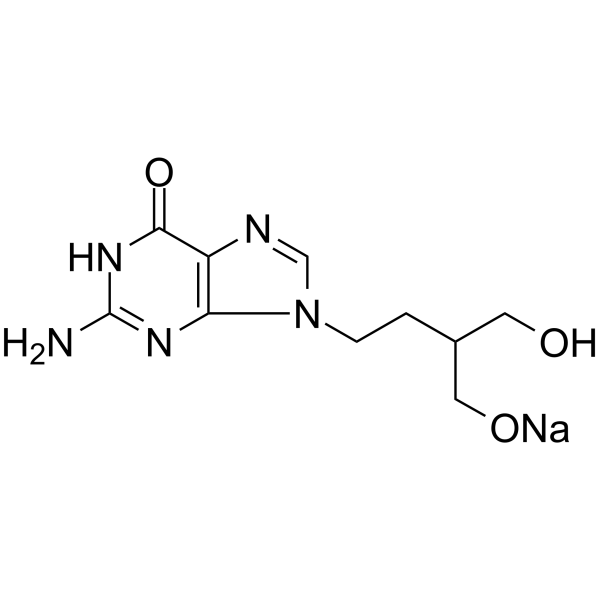
    Penciclovir (VSA 671) is a potent and selective anti-herpesvirus agent with EC50 values of 0.5, 0.8 μg/ml for HSV-1 (HFEM), HSV-2 (MS), respectively. Penciclovir shows anti-herpesvirus activity with no-toxic. Penciclovir preventes mortality in mouse .
    Penciclovir
  • HY-100360
    MS049
    1 Publications Verification

    Histone Methyltransferase Cancer
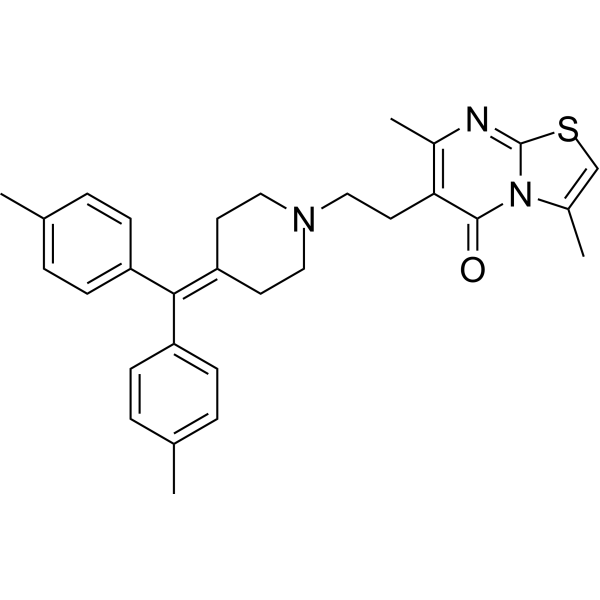
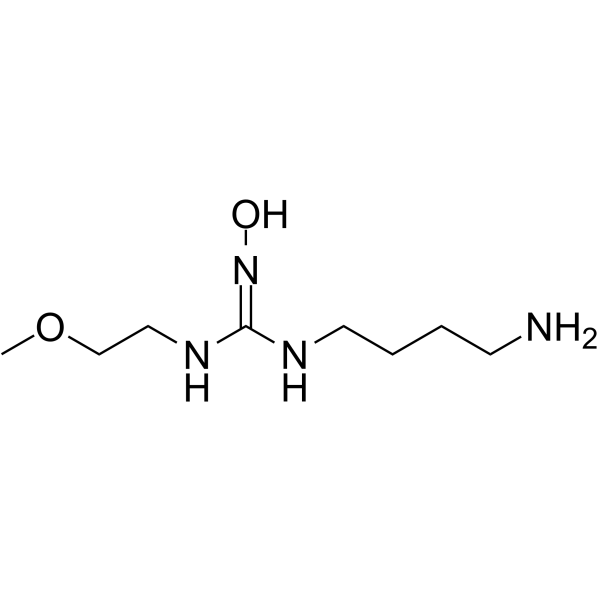
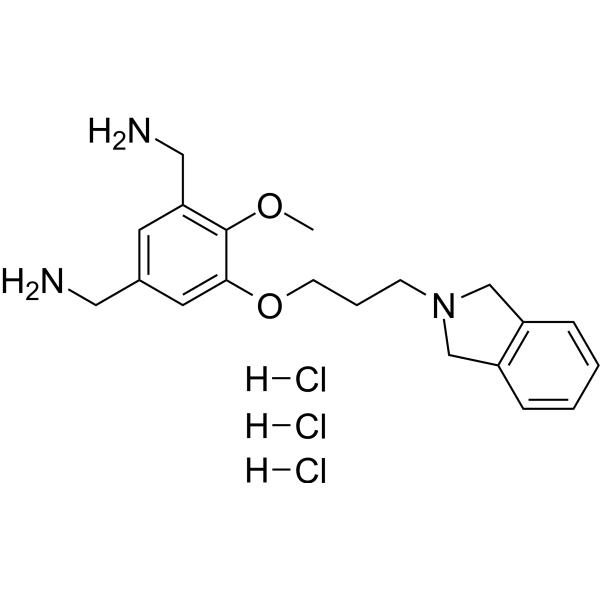
    MS049, a chemical probe, is a potent, selective, and cell-active dual inhibitor of PRMT4 and PRMT6 with IC50s of 34 nM and 43 nM, respectively. MS049 reduces levels of Med12me2a and H3R2me2a in HEK293 cells. MS049 is not toxic and does not affect the growth of HEK293 cells .
    MS049
  • HY-101189

    Histamine Receptor Neurological Disease Endocrinology
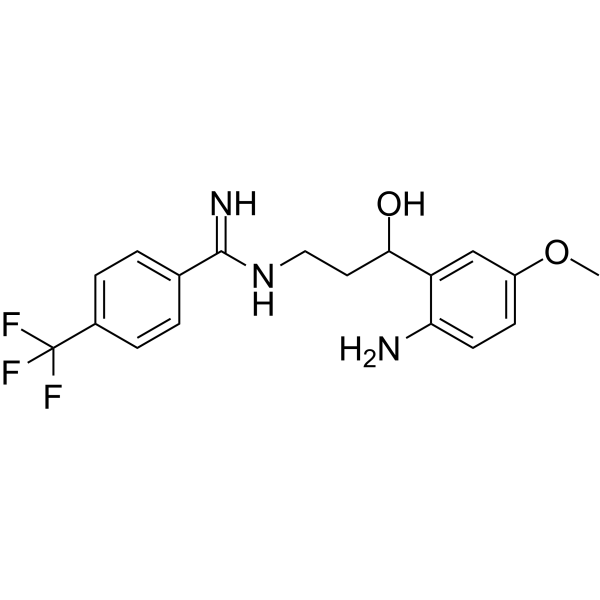
    JNJ-39758979, a chemical probe, is a selective, orally active, and high-affinity histamine H4 receptor antagonist with Kis of 12.5, 5.3, and 25 nM for human, mouse, and monkey histamine H4 receptor, respectively. JNJ-39758979 functionally antagonizes histamine-induced cAMP inhibition with a pA2 of 7.9 in transfected cells. JNJ-39758979 shows good anti-inflammatory and antipruritic activity .
    JNJ-39758979
  • HY-116814
    ML401
    1 Publications Verification

    EBI2/GPR183 Inflammation/Immunology
    ML401, a potent chemical probe, selectively antagonizes EBI2 (also known as GPR183) with an IC50 of 1.03 nM. ML401 displays activity in a chemotaxis assay (IC50=6.24 nM). ML401 shows good stability and no toxicity .
    ML401
  • HY-18959
    CWP232228
    5+ Cited Publications

    β-catenin Wnt Cancer
    CWP232228, a highly potent selective Wnt/β-catenin signaling inhibitor, antagonizes binding of β-catenin to T-cell factor (TCF) in the nucleus. CWP232228 suppresses tumor formation and metastasis without toxicity through the inhibition of the growth of breast and liver cancer stem cells (CSCs) .
    CWP232228
  • HY-D1456

    Pyruvate Kinase Cancer
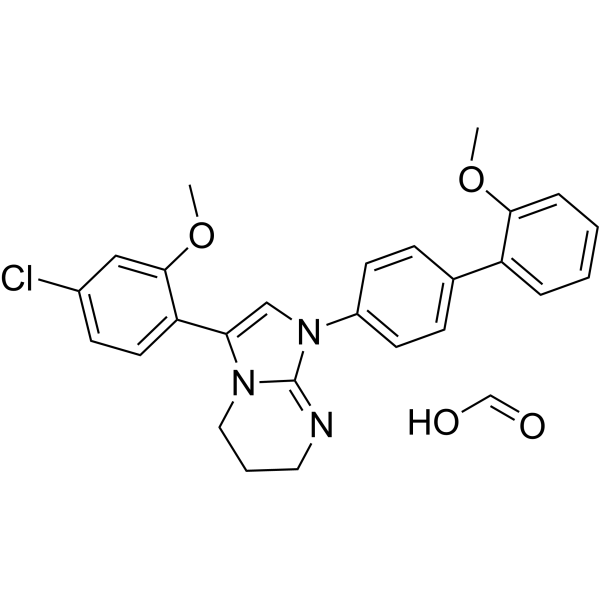
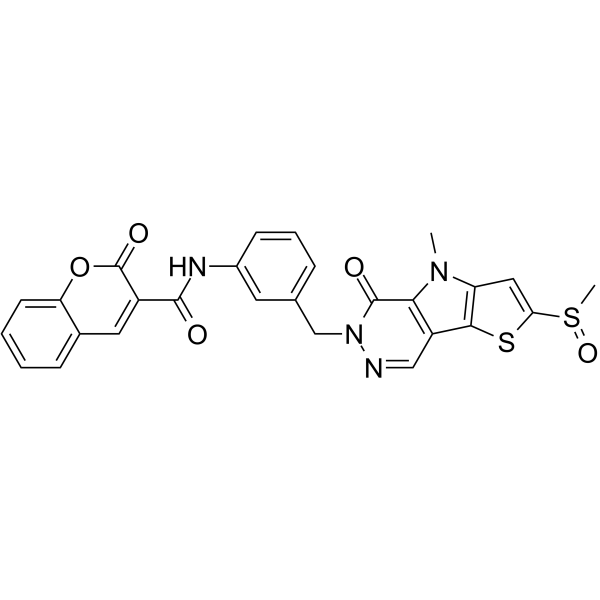
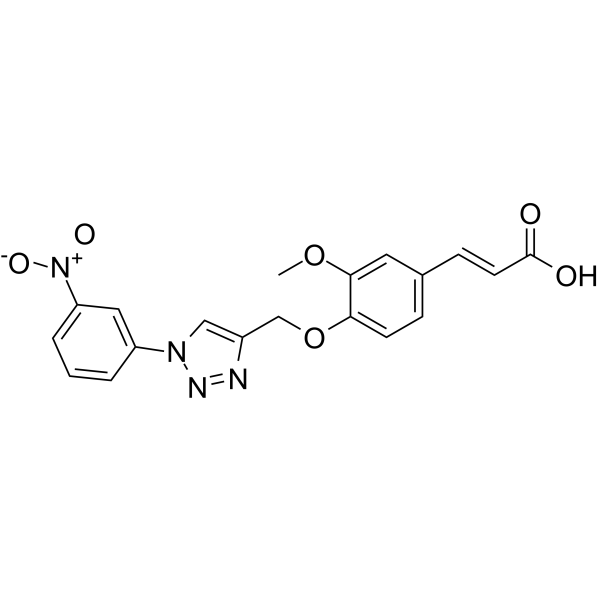
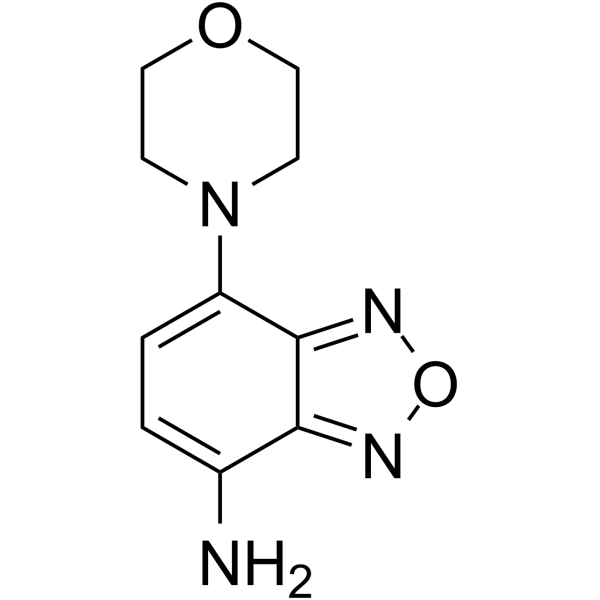
    TEPC466 is a novel TEPP-46-based aggregation-induced emission (AIE) probe. TEPC466 shows a high degree of selectivity and sensitivity for the detection of PKM2 protein via the AIE effect. EPC466 can be used for the detection of PKM2. TEPC466 is successfully applied in imaging the PKM2 protein in colorectal cancer cells with low toxicity. TEPC466 is a useful tool for cancer diagnosis and research .
    TEPC466
  • HY-100574D

    Protein Arginine Deiminase Apoptosis Cancer
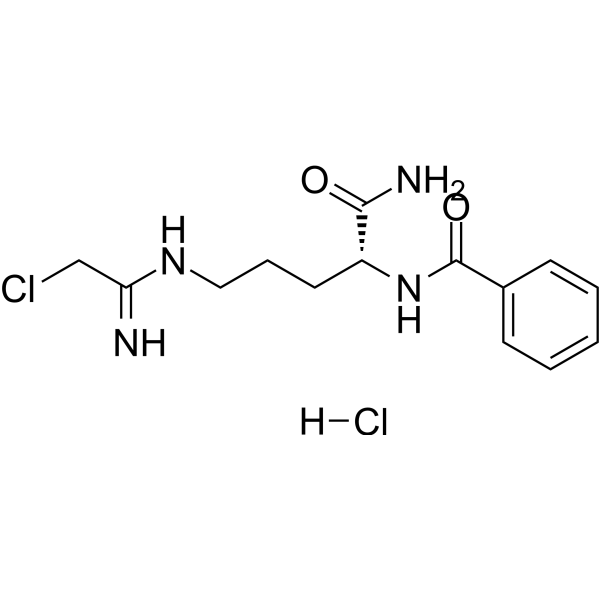
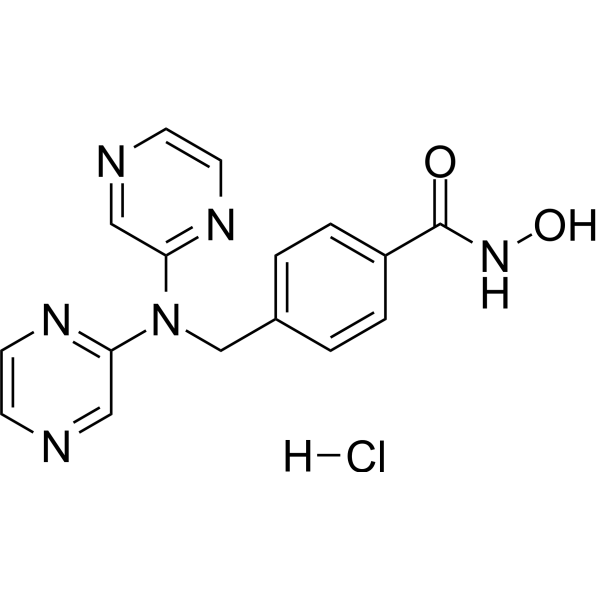
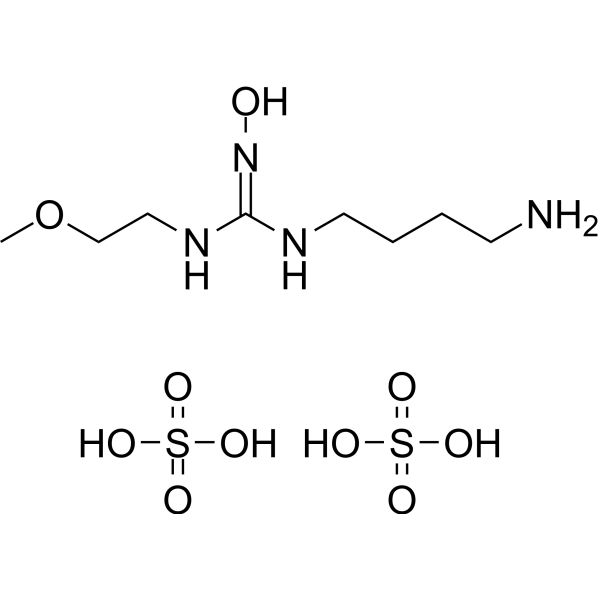
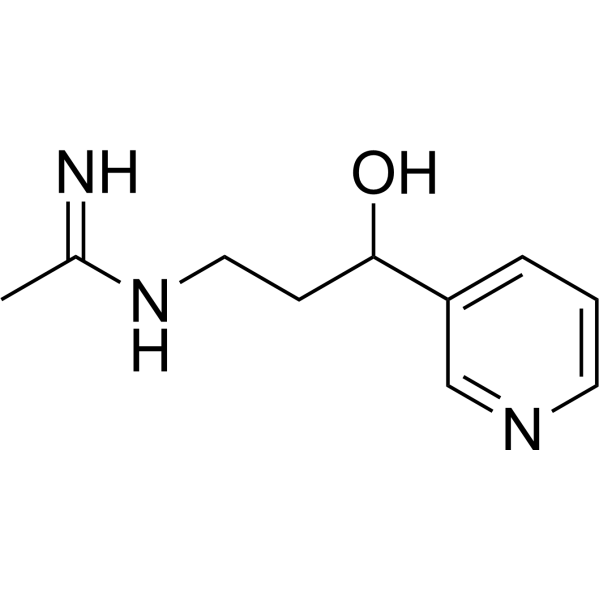
    D-Cl-amidine hydrochloride is a potent and highly selective PAD1 inhibitor. D-Cl-amidine is well-torelated with no significant toxicity .
    D-Cl-amidine hydrochloride
  • HY-D1262

    Thiol-green 2

    Fluorescent Dye Others
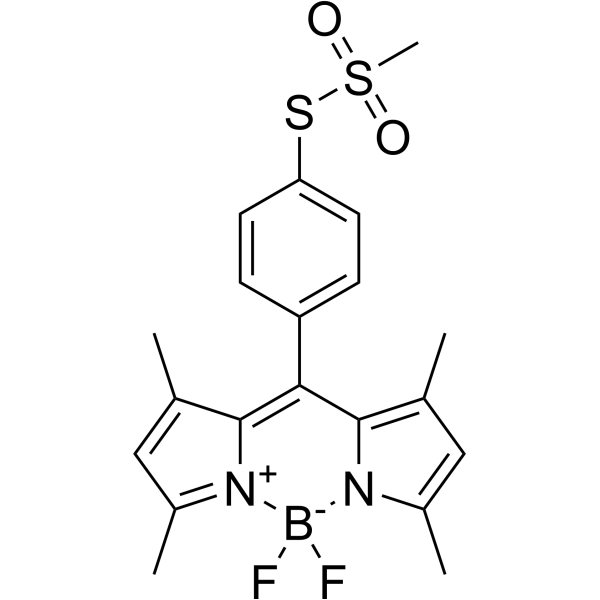
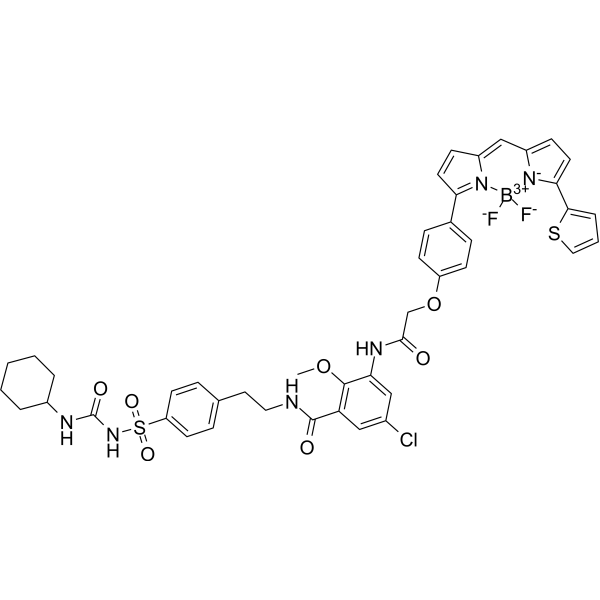
    BODIPY-TS (Thiol-green 2) is a fast response and thiol-specific turn-on probe. BODIPY-TS utilizes the thiosulfonate scaffold as a thiol recognition unit. BODIPY-TS has low toxicity, and features high selectivity, low detection limit, and quantitative reaction to thiols . Ex: 490 nM; Em: 515 nM.
    BODIPY-TS
  • HY-126323

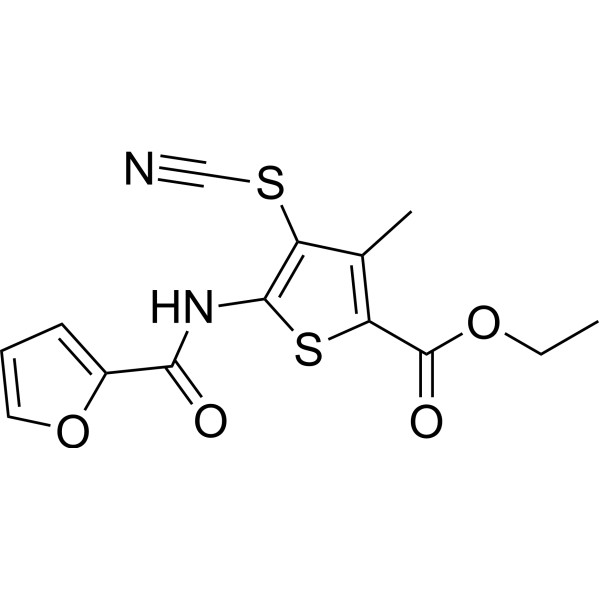
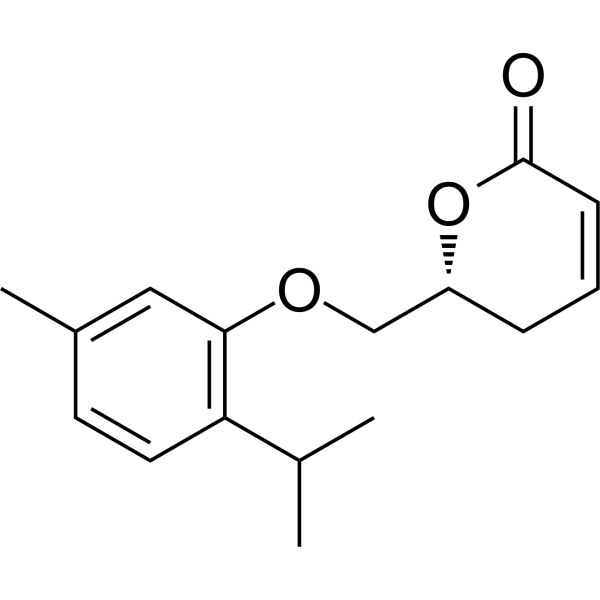
    Parasite Infection
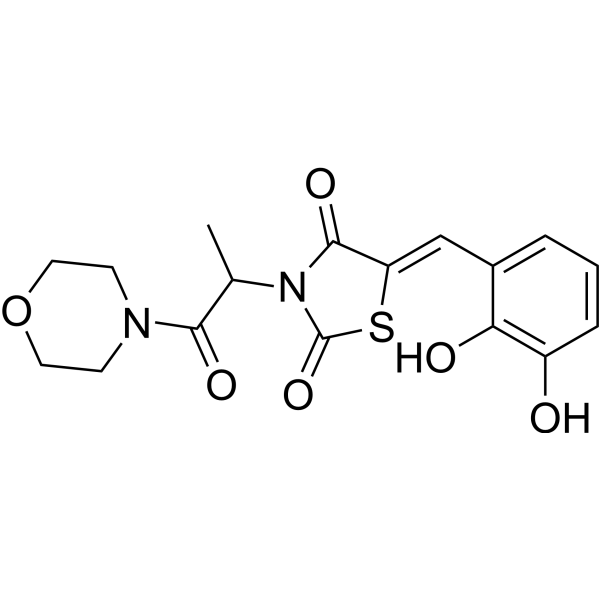
    TCMDC-135051 is a highly selective and potent protein kinase PfCLK3 inhibitor with low off-target toxicity. TCMDC-135051 prevents trophozoite-to-schizont transition, disrupts transcription and reduces transmission to the mosquito vector. TCMDC-135051 has antiparasiticidal activity (EC50=320 nM) .
    TCMDC-135051
  • HY-125170

    STAT Cancer
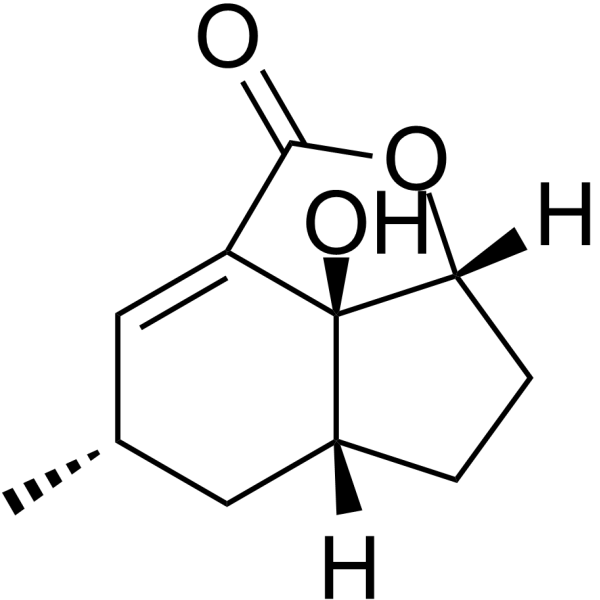
    Galiellalactone is a is a small non-toxic and non-mutagenic fungal metabolite, a selective inhibitor of STAT3 signaling, with an IC50 of 250-500 nM. Galiellalactone can be used to research castration-resistant prostate cancer .
    Galiellalactone
  • HY-N5058

    Apoptosis Cancer
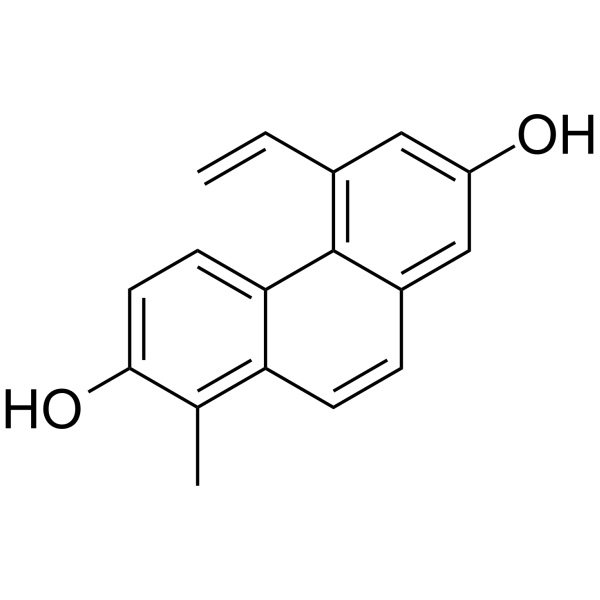
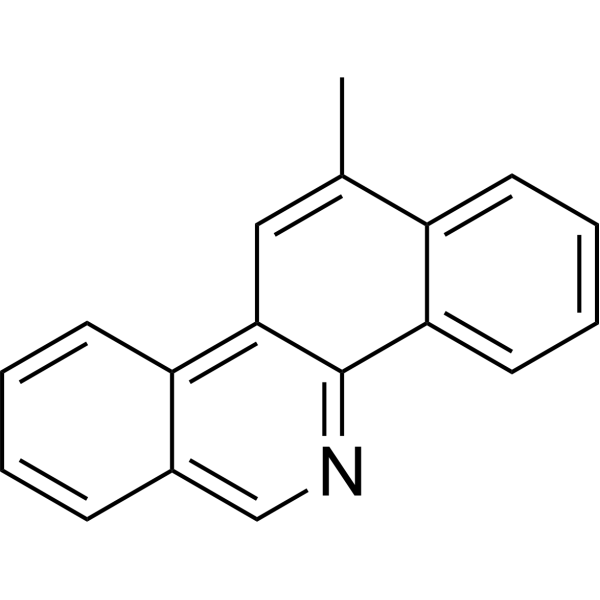
    Dehydroeffusol is a phenanthrene from medicinal herb Juncus effuses. Dehydroeffusol inhibits gastric cancer cell growth and tumorigenicity by selectively inducing tumor-suppressive endoplasmic reticulum stress and a moderate apoptosis. It shows very low toxicity .
    Dehydroeffusol
  • HY-125851

    TGF-β Receptor Inflammation/Immunology
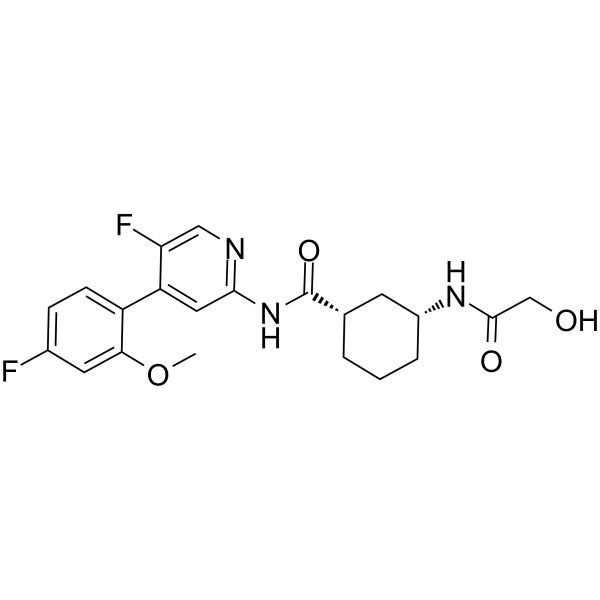
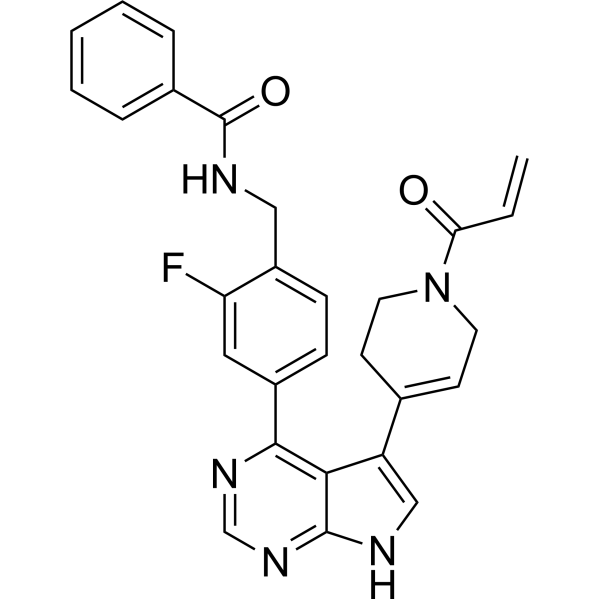
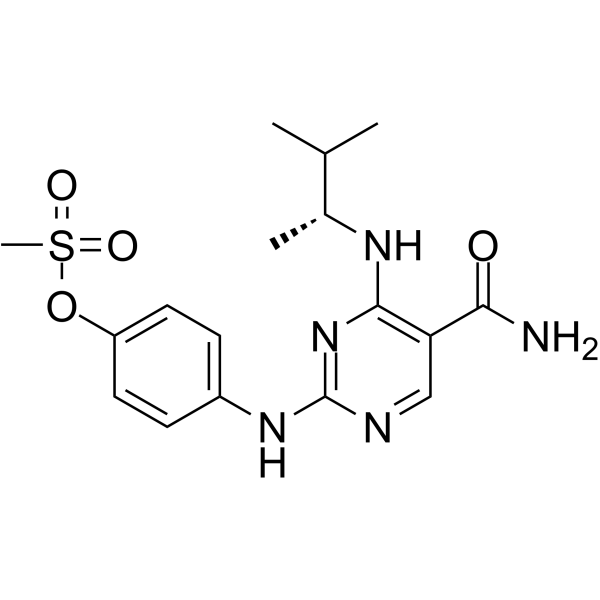
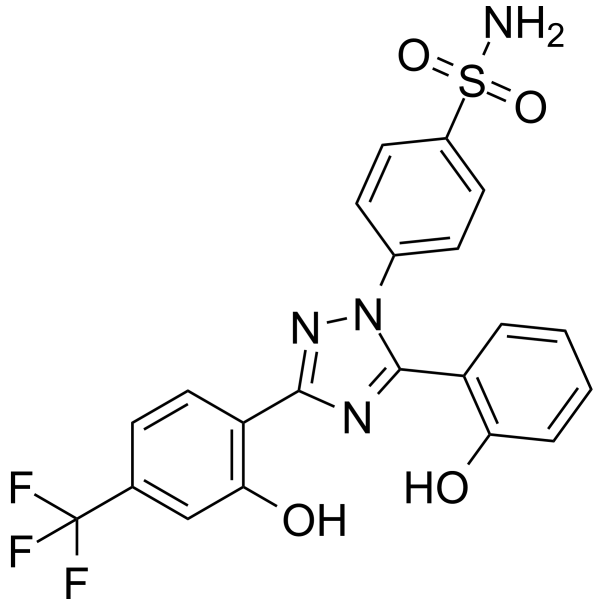
    TP-008, a chemical probe, is a potent, selective and orally active (Activin-Like Kinase 5) ALK5 inhibitor with pIC50 and pEC50 values of 7.6 and 6.63, respectively. TGFβRI-IN-2 can produce observed cardiac toxicity in vivo at high dose .
    TP-008
  • HY-132297A
    PARP1-IN-5 dihydrochloride
    1 Publications Verification

    PARP Cancer
    PARP1-IN-5 dihydrochloride is a low toxicity, orally active, potent and selective PARP-1 inhibitor (IC50 =14.7 nM). PARP1-IN-5 dihydrochloride can be used for the research of cancer .
    PARP1-IN-5 dihydrochloride
  • HY-19637

    Topoisomerase Cancer
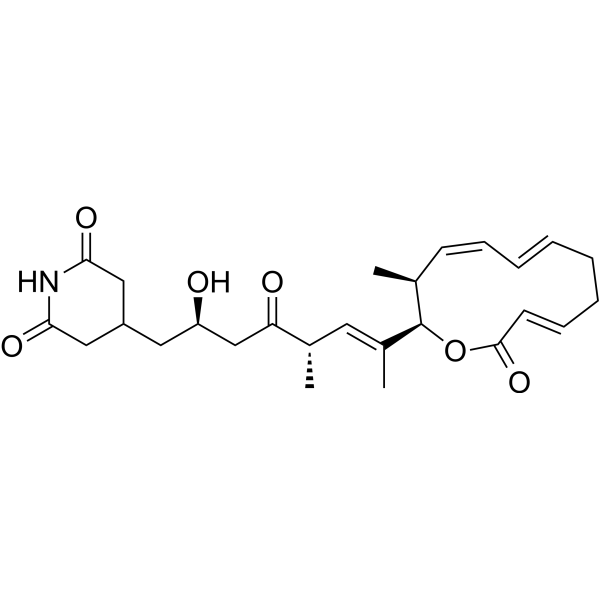
    SW044248 is a non-canonical topoisomerase I inhibitor, and selectively toxic for certain non-small cell lung cancer (NSCLC) cell lines.
    SW044248
  • HY-117288A
    S55746 hydrochloride
    1 Publications Verification

    BCL201 hydrochloride

    Bcl-2 Family Cancer
    S55746 hydrochloride (BCL201 hydrochloride) is a potent, orally active and selective BCL-2 inhibitor, with a Ki of 1.3 nM and a Kd of 3.9 nM. S55746 hydrochloride (BCL201 hydrochloride) has antitumor activity with low toxicity .
    S55746 hydrochloride
  • HY-131922R

    Tetraisopropyl pyrophosphoramide (Standard)

    Cholinesterase (ChE) Reference Standards Neurological Disease
    Iso-OMPA (Standard) is the analytical standard of Iso-OMPA. This product is intended for research and analytical applications. Iso-OMPA (Tetraisopropyl pyrophosphoramide) is a selective inhibitor of the irreversible butyrylcholinesterase (BuChE). Iso-OMPA enhances soman toxicity in rats associated with the inhibition of plasma carboxylesterase (CarbE) .
    Iso-OMPA (Standard)
  • HY-126323B

    Parasite Infection
    TCMDC-135051 hydrochloride is a highly selective and potent protein kinase PfCLK3 inhibitor with low off-target toxicity. TCMDC-135051 hydrochloride prevents trophozoite-to-schizont transition, disrupts transcription and reduces transmission to the mosquito vector. TCMDC-135051 hydrochloride has antiparasiticidal activity (EC50=320 nM) .
    TCMDC-135051 hydrochloride
  • HY-N16571

    Fluorescent Dye Endogenous Metabolite Others
    Marionol is a type of flavonol compound and belongs to the secondary metabolites of plants. Marionol exhibits significant specificity towards Cu²⁺ and possesses the characteristic of intramolecular proton transfer in excited state (ESIPT), enabling it to generate strong fluorescence upon excitation by ultraviolet light. The maximum excitation/emission wavelengths are 350 nm and 510 nm (depending on the solvent), respectively. Marionol can be used as a fluorescence probe for Cu²⁺ .
    Marionol
  • HY-107509

    mGluR Neurological Disease
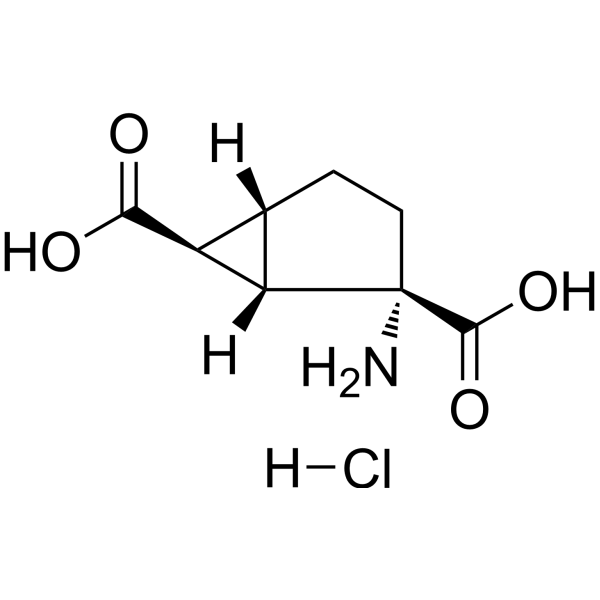
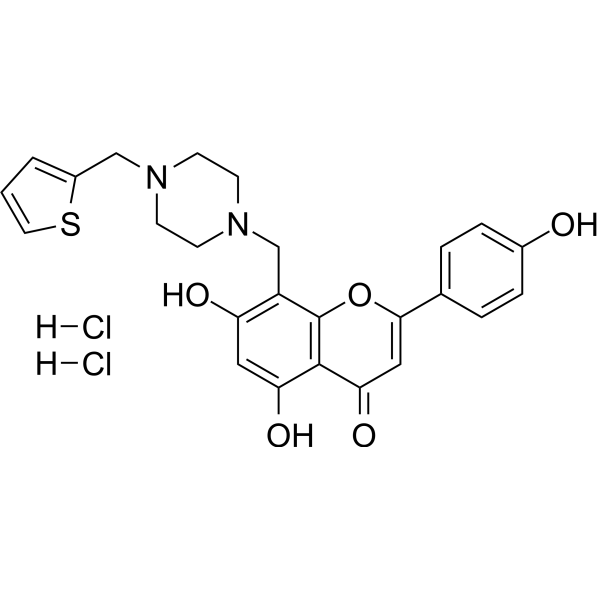
    LY2389575 hydrochloride is a selective and noncompetitive mGlu3 negative allosteric modulator (NAM), with an IC50 value of 190 nM. LY2389575 hydrochloride induces an increase in Mrc1 levels. LY2389575 hydrochloride also independently amplifies Amyloid beta (Aβ) toxicity and can be used in study of Alzheimer's disease .
    LY2389575 hydrochloride
  • HY-132297

    PARP Cancer
    PARP1-IN-5 is a low toxicity, orally active, potent and selective PARP-1 inhibitor (IC50 =14.7 nM). PARP1-IN-5 can be used for the research of cancer .
    PARP1-IN-5
  • HY-146370

    COX Inflammation/Immunology
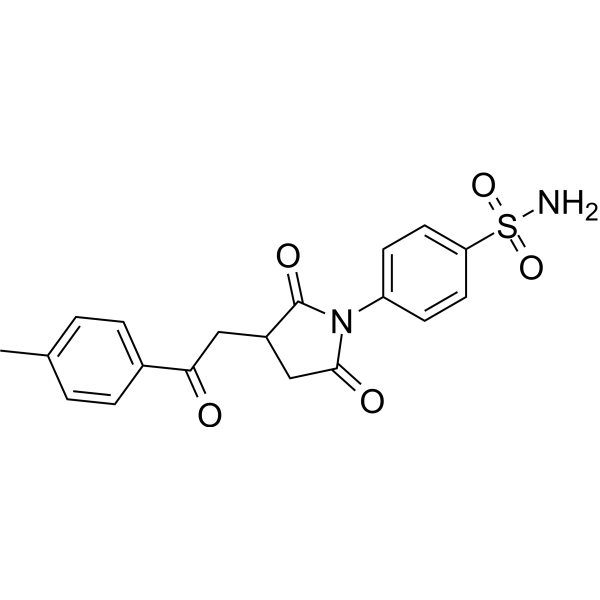
    COX-2-IN-12 (compound 3b) is a potent and selective inhibitor of COX-2 with an IC50 of 19.98 μM. COX-2-IN-12 is an anti-inflammatory agent. COX-2-IN-12 shows safety in-vivo acute toxicity study .
    COX-2-IN-12
  • HY-145427

    DNA-PK Cancer
    NU5455 is a potent, selective, and orally active inhibitor of DNA-PKcs. NU5455 administration increases both the efficacy and the toxicity of a parenterally administered topoisomerase inhibitor. NU5455 enhances the activity of Doxorubicin released locally in liver tumor xenografts without inducing any adverse effect .
    NU5455
  • HY-100360A

    Histone Methyltransferase Cancer
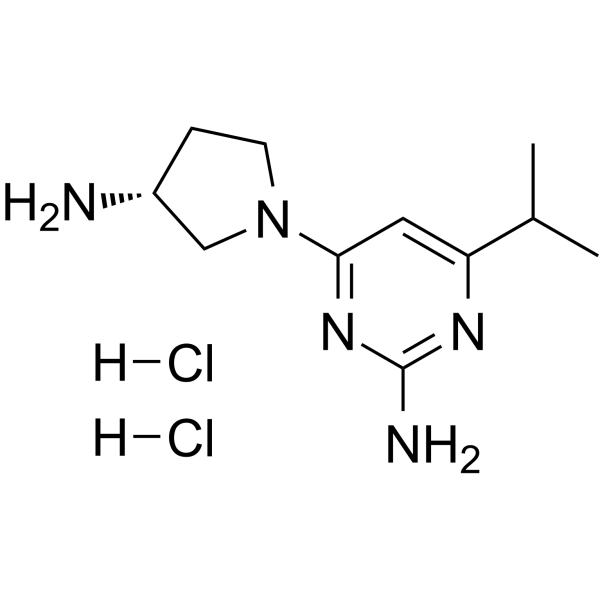
    MS049 dihydrochloride is a potent, selective, and cell-active dual inhibitor of PRMT4 and PRMT6 with IC50s of 34 nM and 43 nM, respectively. MS049 dihydrochloride reduces levels of Med12me2a and H3R2me2a in HEK293 cells. MS049 dihydrochloride is not toxic and does not affect the growth of HEK293 cells .
    MS049 dihydrochloride
  • HY-100574C

    Protein Arginine Deiminase Apoptosis Inflammation/Immunology Cancer
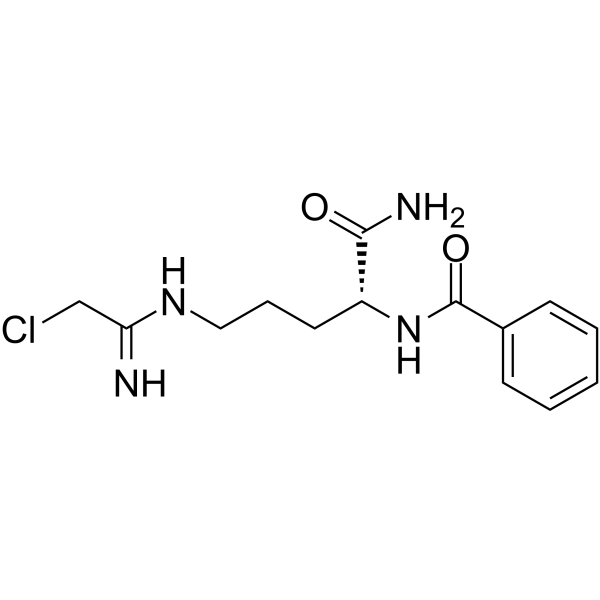
    D-Cl-amidine is a potent and highly selective PAD1 inhibitor. D-Cl-amidine is well-torelated with no significant toxicity .
    D-Cl-amidine
  • HY-19856

    FV-100

    Drug Intermediate VZV Infection
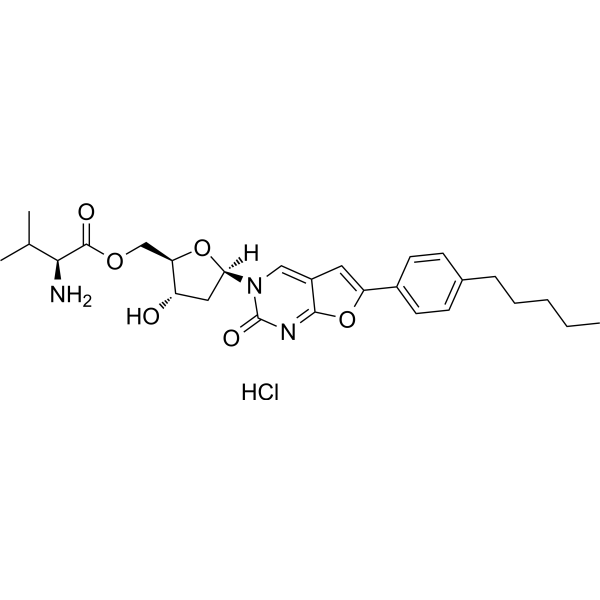
    FV-100 is a potent, selective and orally active anti-varicella zoster virus agent. FV-100 is a proagent of CF-1743. FV-100 exhibits very low toxicity in vivo .
    Valnivudine hydrochloride
  • HY-146391

    P-glycoprotein Cancer
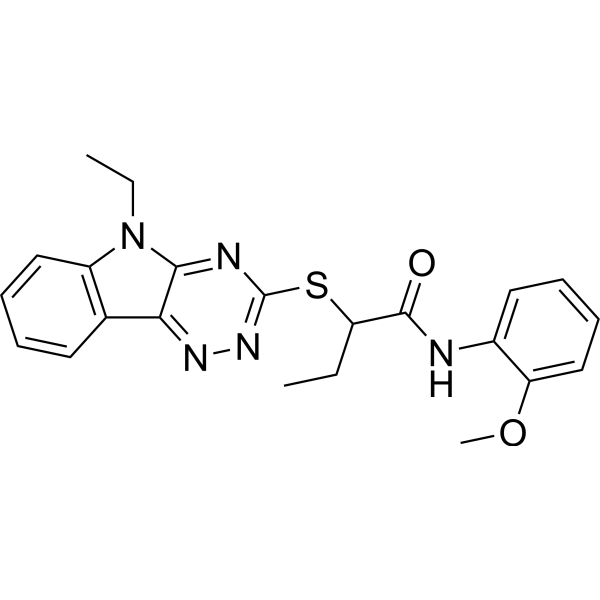
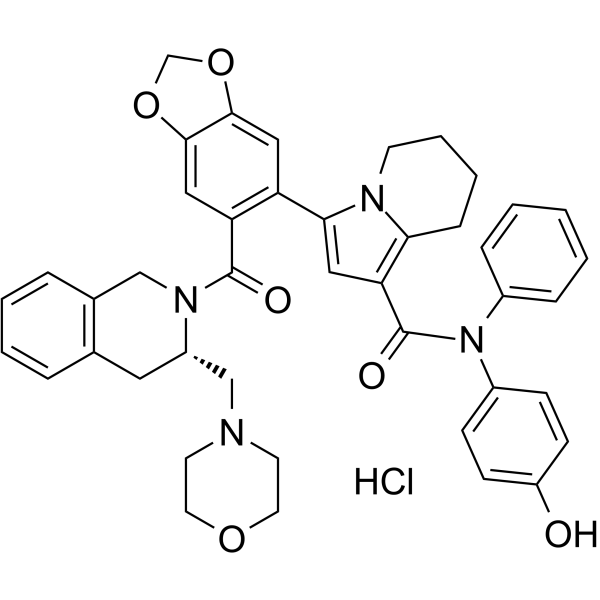
    P-gp inhibitor 4 (Compound 8b) is a selective P-glycoprotein modulator with an EC50 of 94 nM. P-gp inhibitor 4 increases agent transport across gastro-intestinal barrier and recovers doxorubicin toxicity in multidrug resistant cancer cells .
    P-gp inhibitor 4
  • HY-148174

    DGK Cancer
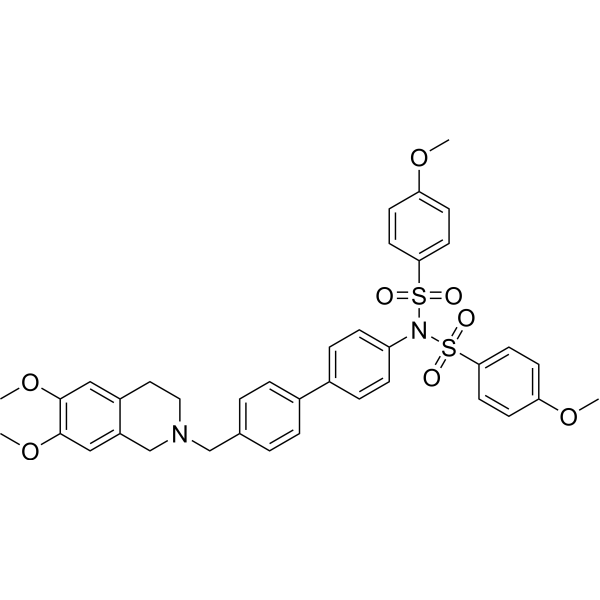
    JNJ-3790339, a Ritanserin (HY-10791) analog, is a potent and selective diacylglycerol kinase (DGKα) inhibitor with an IC50 of 9.6 μM. JNJ-3790339 has induction of toxicity in malignant cells, and improves ability to upregulate T cell activation .
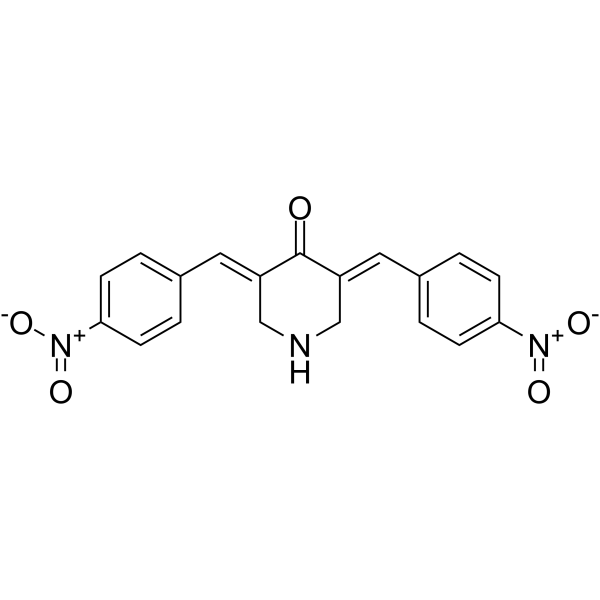
    JNJ-3790339
  • HY-160031

    GLP Receptor Cardiovascular Disease
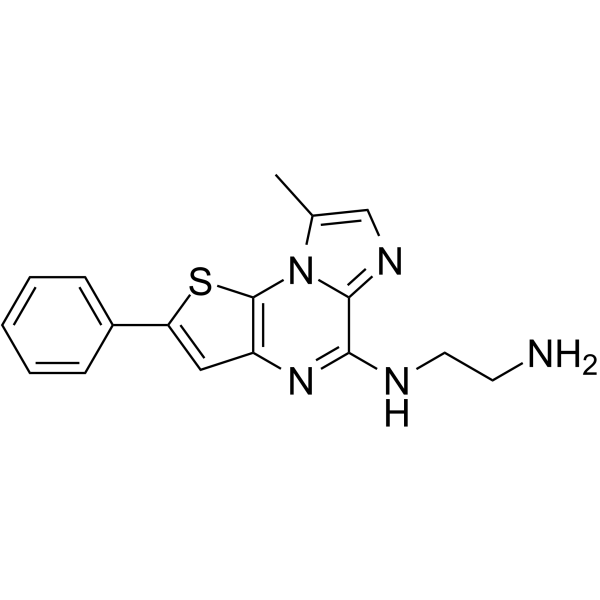
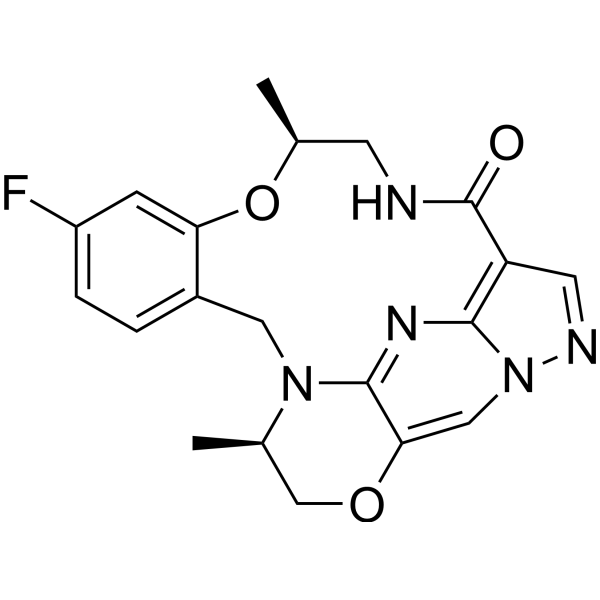
    GLP-1R agonist 19 (M3190) is a potent and selective GLP-1R agonist. GLP-1R agonist 19 has excellent plasma stability, liver microsomal stability, and low hERG toxicity .
    GLP-1R agonist 19

Inquiry Online

Your information is safe with us. * Required Fields.

Salutation


Country or Region *

Applicant Name *


Organization Name *

Department *


Email Address *


Product Name *

Cat. No.


Requested quantity *

Phone Number *


Remarks

Inquiry Online

Inquiry Information

Product Name:
Cat. No.:
Quantity:
MCE Japan Authorized Agent: