Delivery of temperature sensitive items including proteins and kits will be paused on 6/19 for the Juneteenth holiday. For urgent orders please contact customer service.
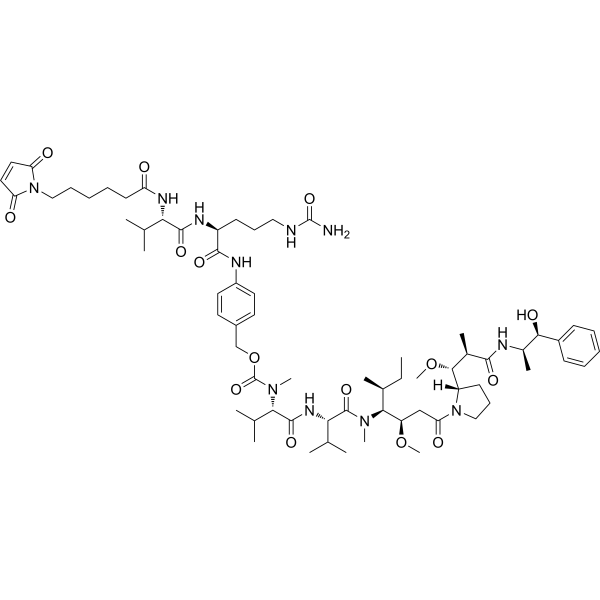
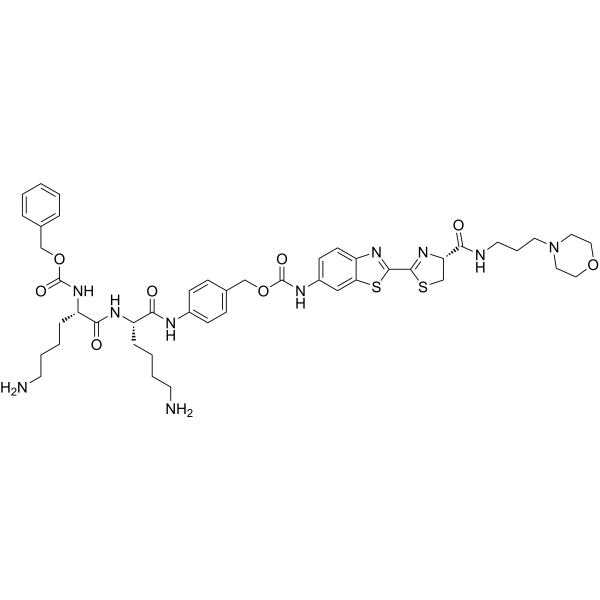
VcMMAE (mc-vc-PAB-MMAE) is a agent-linker conjugate for ADC with potent antitumor activity by using the anti-mitotic agent, monomethyl auristatin E (MMAE, a tubulin inhibitor), linked via the lysosomally cleavable dipeptide, valine-citrulline (vc).
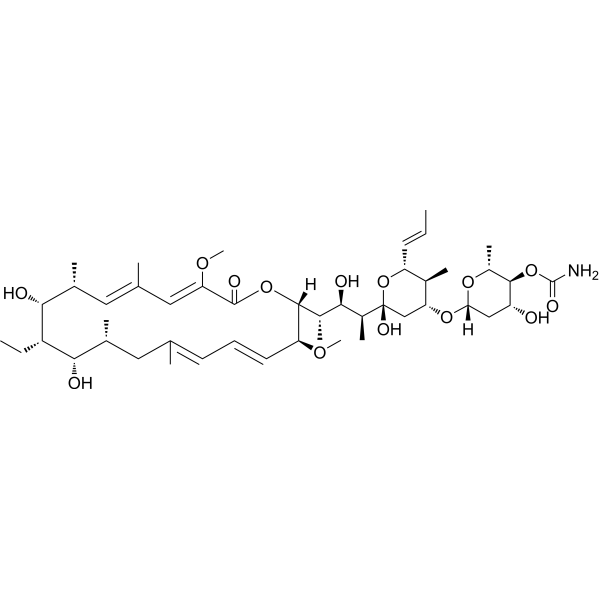
Concanamycin A (Folimycin; Antibiotic X 4357B) is a macrolide antibiotic, a vacuolar type H +-ATPase (V-ATPase) inhibitor. Concanamycin A is also an inhibitor of lysosomal acidification, can be used to T cell-mediated inflammation research - .
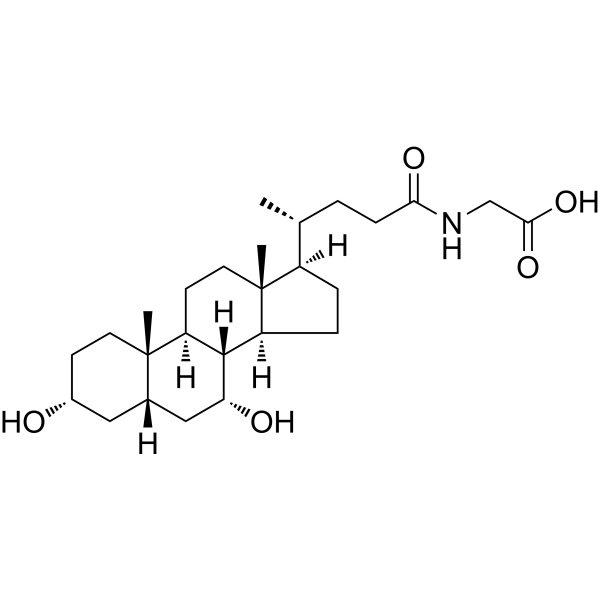
Glycochenodeoxycholic acid (Chenodeoxycholylglycine) is a relatively toxic bile salt generated in the liver from chenodeoxycholic acid and glycine. Glycochenodeoxycholic acid inhibits Autophagosome formation and impairs lysosomal function by inhibiting lysosomal proteolysis and increasing lysosomal pH in human normal liver cells, leading to the Apoptosis of human hepatocyte cells. Glycochenodeoxycholic acid induces stemness and chemoresistance via activating STAT3 signaling pathway in hepatocellular carcinoma cells (HCC). Glycochenodeoxycholic acid is promising for research in the field of cholestasis desease, hepatocellular carcinoma and primary sclerosing cholangitis (PSC) .
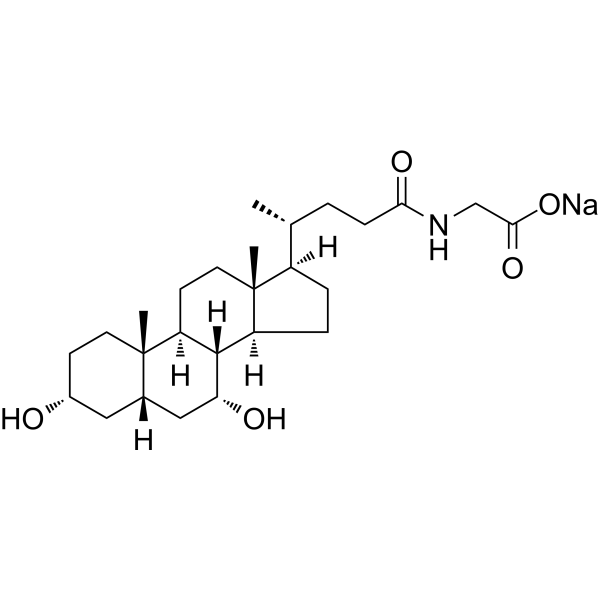
Glycochenodeoxycholic acid sodium salt (Sodium glycochenodeoxycholate) is a relatively toxic bile salt generated in the liver from chenodeoxycholic acid and glycine. Glycochenodeoxycholic acid sodium salt inhibits Autophagosome formation and impairs lysosomal function by inhibiting lysosomal proteolysis and increasing lysosomal pH in human normal liver cells, leading to the Apoptosis of human hepatocyte cells. Glycochenodeoxycholic acid sodium salt induces stemness and chemoresistance via activating STAT3 signaling pathway in hepatocellular carcinoma cells (HCC). Glycochenodeoxycholic acid sodium salt is promising for research in the field of cholestasis desease, hepatocellular carcinoma and primary sclerosing cholangitis (PSC) .
ML-SA1, as a selective TRPML agonist, inhibits Dengue virus 2 (DENV2) and Zika virus (ZIKV) by promoting lysosomal acidification and protease activity. The IC50 value of ML-SA1 against DENV2 RNA and ZIKV RNA is 8.3 μM and 52.99 μM, respectively. ML-SA1 induces autophagy. ML-SA1 can be used for the research of broad-spectrum antiviral .
DQ-BSA-Red is a bovine serum albumin labeled with a red fluorescent dye that can be used to detect lysosomal activity. The excitation wavelength and emission wavelength of DQ-BSA-Red are 590 nm and 620 nm, respectively. The BSA molecule in DQ-BSA-Red is labeled with high concentration of red fluorescent dye in multiple sites, which shows high fluorescence self-inhibition. Once DQ-BSA-RED enters the lysosome, DQ-BSA is cleaved by lysosomal proteases, resulting in unquenched and released fluorescent fragments, emitting bright fluorescence. Inactivated lysosomes are unable to degrade the BSA protein and thus have a lower or even no fluorescent signal .
Vacuolin-1 is a potent and cell-permeable lysosomal exocytosis inhibitor. Vacuolin-1 blocks the Ca 2+-dependent exocytosis of lysosomes and prevents the release of lysosomal content without affecting the process of resealing. vacuolin‐1 is a potent and selective PIKfyve inhibitor and inhibits late‐stage autophagy by impairing lysosomal maturation. Vacuolin-1 can induce vacuole formation and increase the percentage of enucleated cells .
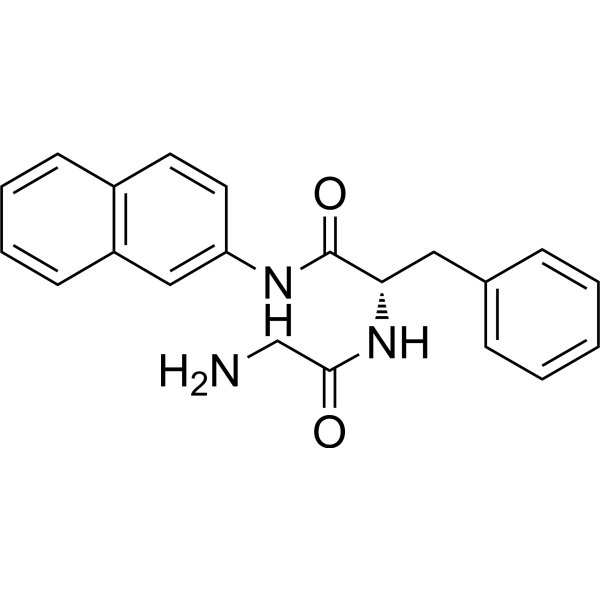
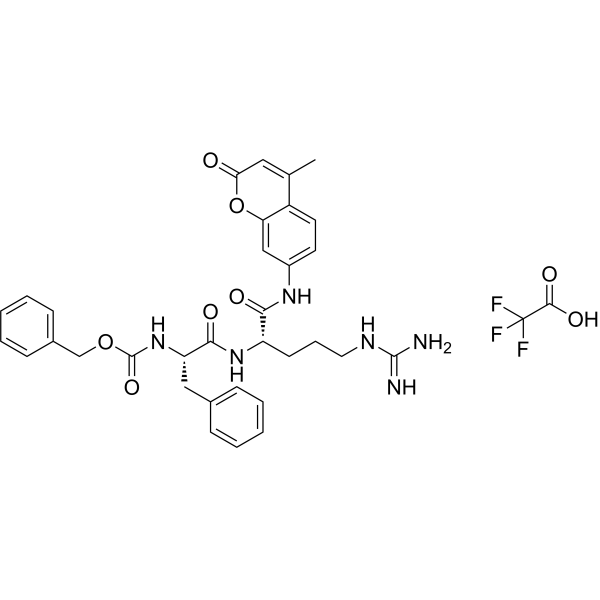
Gly-Phe-β-naphthylamide is a substrate of Cathepsin C (HY-P2922) and belongs to the lysosomal agonist. Gly-Phe-β-naphthylamide can freely pass through the cell membrane and organelle membrane. Gly-Phe-β-naphthylamide will be specifically hydrolyzed by Cathepsin C, ultimately leading to a permeability lysis when it enters the acidic compartment. Gly-Phe-β-naphthylamide can be used to study lysosomal hydrolysis, lysosomal membrane permeability, and the function of cathepsin C .
EN6 is a small-molecule in vivo autophagy activator that covalently targets cysteine 277 in the ATP6V1A subunit of the lysosomalv-ATPase. EN6-mediated modification of ATP6V1A uncouples v-ATPase from Rag, leading to inhibition of mTORC1 signalling, increased lysosomal acidification, and activation of autophagy. EN6 also scavenges TDP-43 aggregates (causative agents of frontotemporal dementia) in a lysosome-dependent manner .
Beta-glucuronidase is a glycosyl hydrolase that hydrolyzes β-glucuronic acid and sulfate esters in urine and other biological fluids, and then releases β-glucuronate .
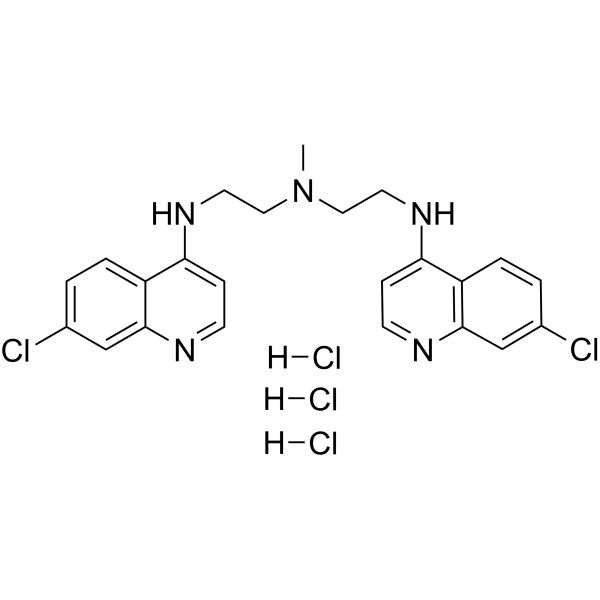
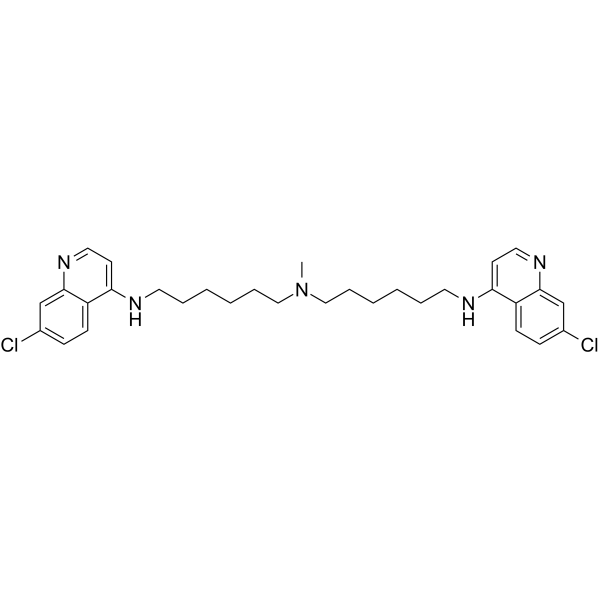
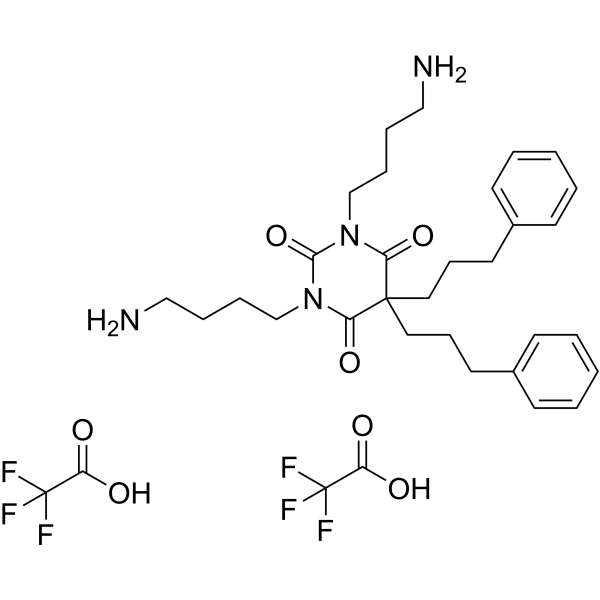
Lys05 (Lys01 trihydrochloride) is a novel lysosomal autophagy inhibitor with IC50 values of 3.6, 3.8, 6 and 7.9 μM for 1205Lu, c8161, LN229 and HT-29 cell line in the MTT assay.
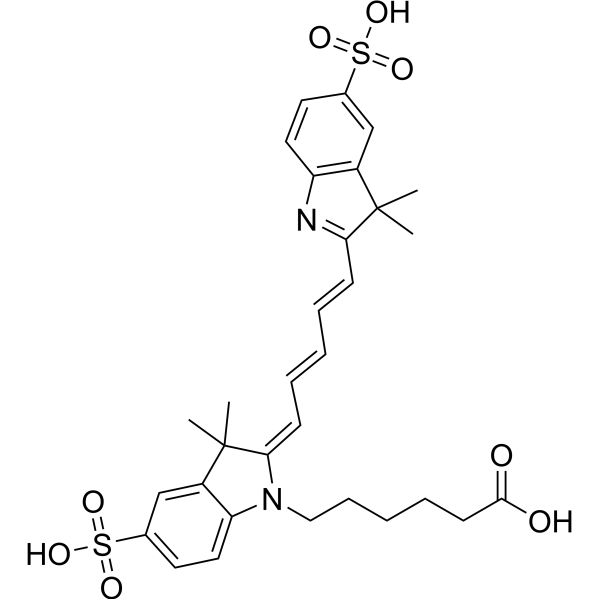
pH Receptor Probe is a pH-sensitive cyanine derivative and a environmental sensitive fluorophore. pH Receptor Probe has a pH-sensitive maximal absorption at 644 nm and emission at 664 nm. pH Receptor Probe has been used as a pH sensor of lysosomal compartments .
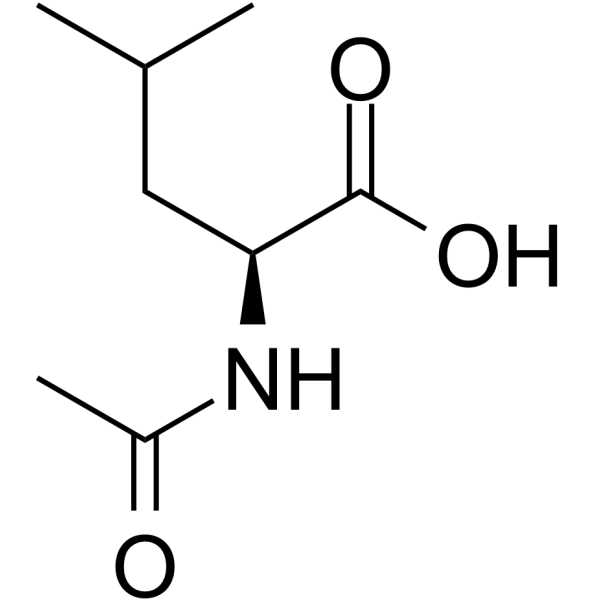
Levacetylleucine (N-acetyl-L-leucine), an orally bioavailable and brain-penetrant compound, is an acetylated derivative of amino acid Leucine. Levacetylleucine is the active form of N-acetyl-leucine (NAL). Levacetylleucine attenuates neuronal death and neuroinflammation in the cortical tissue of mice. Levacetylleucine also potentially improves ameliorates lysosomal and metabolic dysfunction. Levacetylleucine improves compensation of postural symptoms after unilateral chemical labyrinthectomy (UL) in rats. Levacetylleucine is promising for research of neurological manifestations of Niemann-Pick disease type C, traumatic brain injury and neurodegeneration prevention .
2-PPA is a lysosomalpotassium and proton channel TMEM175 pore blocker. 2-PPA binds at a TMEM175 pore site to occlude potassium and proton ion permeation pathways. 2-PPA increases lysosomal macromolecule catabolism, accelerates macropinocytosis. 2-PPA binds to hepatic protein in covalent. 2-PPA can be used for the research of Parkinson's disease .
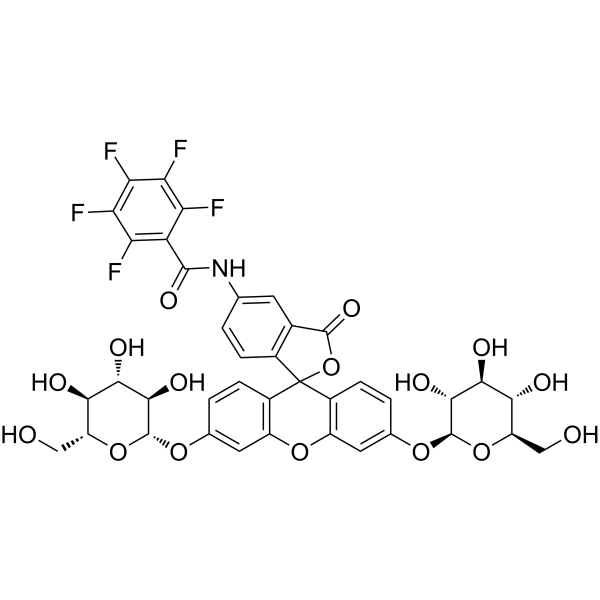
PFB-FDGlu is a selective lysosomal Glucocerebrosidase (GCase) substrate, which is metabolised by GCase to yield fluorescein. PFB-FDGlu is cell permeable and can be used with a flow cytometer to measure GCase activity in living cells on a single-cell basis .
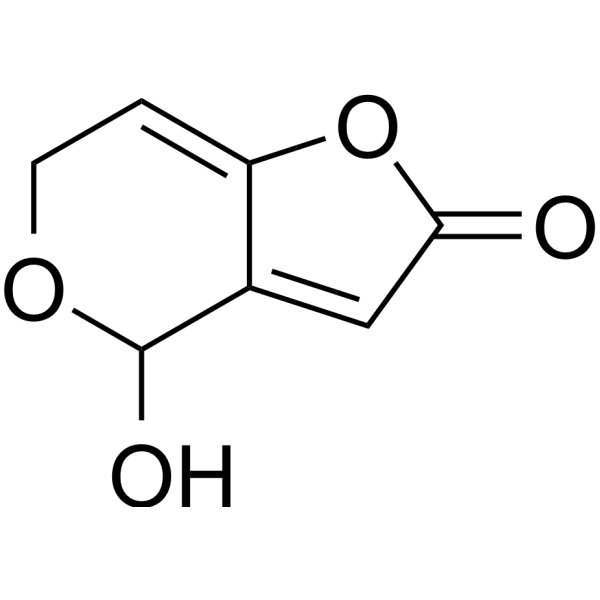
Patulin (Terinin) is a mycotoxin produced by fungi including the Aspergillus, Penicillium, and Byssochlamys species, causes chromosome breakage, mutation, teratogenic and cytotoxic. Patulin induces autophagy-dependent apoptosis through lysosomal-mitochondrial axis, and causes DNA damage .
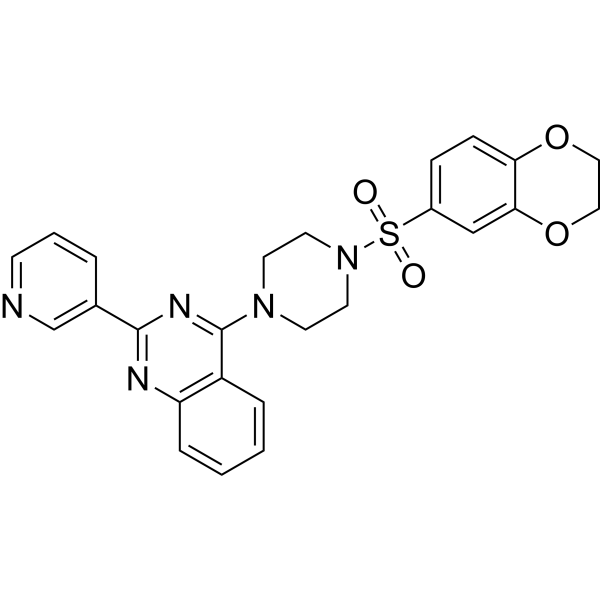
TMEM175 modulator 1 (compound 47) is a TMEM175 modulator.TMEM175 modulator 1 modulates activity of the lysosomal potassium ion channel TMEM175.TMEM175 modulator 1 can be used for the research of parkinson’s disease, dementia, alzheimer’s disease, l-dopa induced dyskinesia .
Aldometanib (LXY-05-029) is an orally active aldolase inhibitor. Aldometanib can activate lysosomal adenosine monophosphate-activated protein kinase (AMPK) and decreases blood glucose. Aldometanib can be used for the research of metabolic homeostasis .
Glucocerebrosidase-IN-1 (compound 11a) is a potent and selective GCase (glucocerebrosidase) inhibitor, with an IC50 of 29.3 μM and a Ki of 18.5 μM. Glucocerebrosidase-IN-1 can be used for the research of Gaucher disease (GD) and Parkinson’s disease (PD) .
UGT8-IN-1 is a brain penetrable and orally active inhibitor of ceramide galactosyltransferase enzyme (UGT8). UGT8-IN-1 can be used in the study for lysosomal storage disorders .
SSK1, a senescence-specific killing compound, is a β-galactosidase-targeted proagent attenuates inflammation. SSK1 is activated by lysosomal β-galactosidase and selectively killed senescent cells through the activation of p38 MAPK and induction of apoptosis .
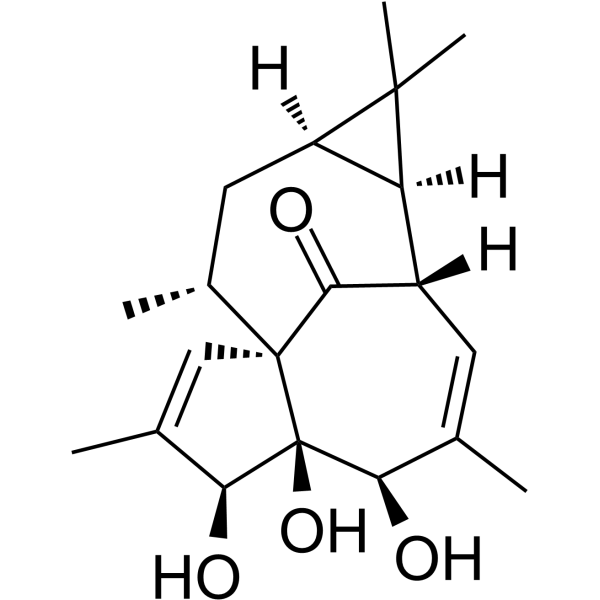
20-Deoxyingenol, a diterpene, is isolated from the roots of Euphorbia kansui. 20-Deoxyingenol can promote autophagy and lysosomal biogenesis by promoting the nuclear translocation of transcription factor EB (TFEB) in vitro. 20-Deoxyingenol can be used for the research of osteoarthritis (OA) .
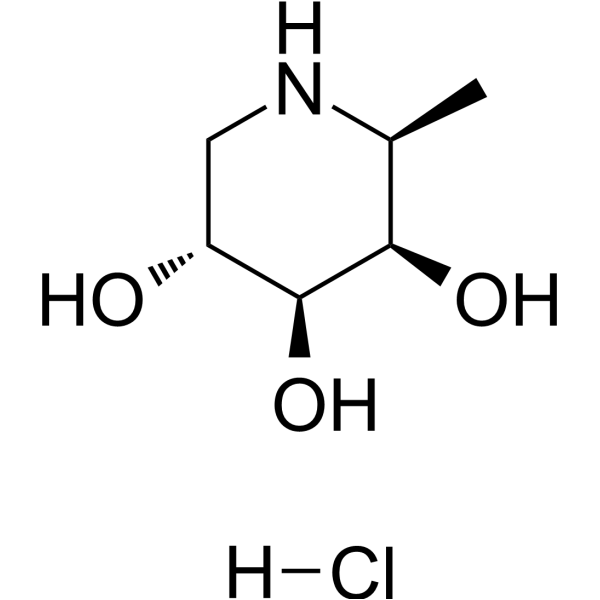
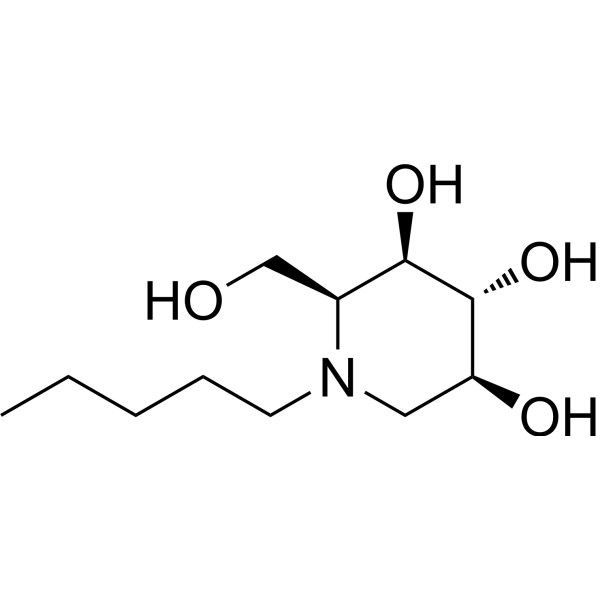
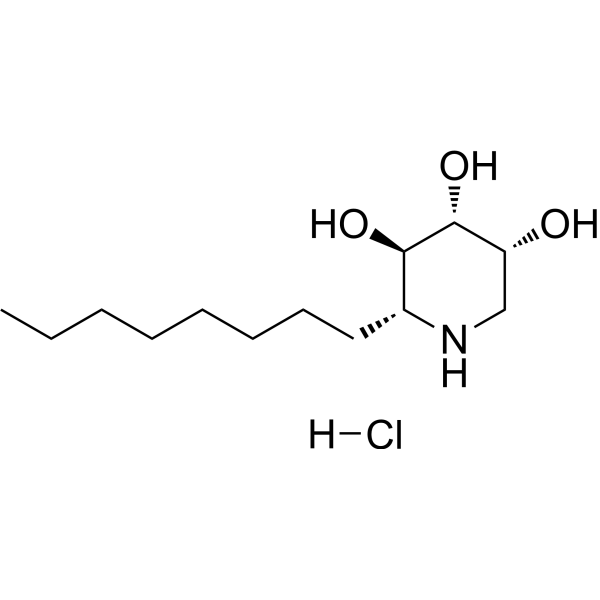
Deoxyfuconojirimycin hydrochloride is a highly specific α-L-fucosidase inhibitor, with a Ki value of 10 nM against human liver lysosomalα-L-fucosidase and a Ki value of 140 nM against Charonia lampasα-L-fucosidase. Deoxyfuconojirimycin hydrochloride completely inhibits the activity of all soluble α-L-fucosidases in human liver, including multiple post-translationally generated enzyme forms. Deoxyfuconojirimycin hydrochloride exhibits no anti-human immunodeficiency virus activity .
AP-6 is a selective inhibitor of TMEM175 with activity in modulating lysosomal function. Acute inhibition of TMEM175 by AP-6 increases lysosomal macromolecular catabolism, thereby accelerating macrophage and other digestive processes. AP-6 may be used in Parkinson's disease research .
TriGalNAc CBz is a GalNAc derivative and tri-GalNAc is an asialoglycoprotein receptor (ASGPR) ligand. TriGalNAc CBz can be used for mRNA drug delivery as well as lysosomal targeted chimerism (LYTAC) studies .
Vps34-IN-4 (compound 19) is a potent, selective, and orally active inhibitor of VPS34. Vps34-IN-4 inhibits the autophagy in vivo. Autophagy is a dynamic process that regulates lysosomal-dependent degradation of cellular components .
ARL-17477 is a dual inhibitor of NOS1and the autophagy-lysosomal system with anticancer activity and can inhibit tumor growth in KRAS-mutated cancers .
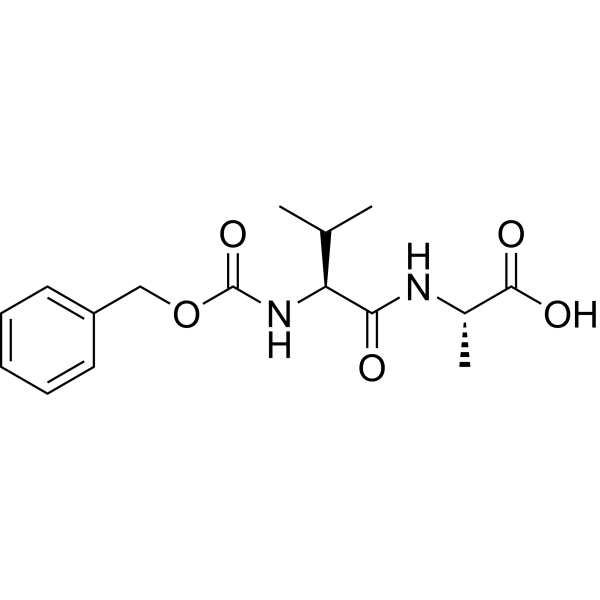
Z-Val-Ala-OH is a dipeptide derivative of valine and alanine. Z-Val-Ala-OH undergoes cleavage by cathepsin B and other lysosomal proteases to enable payload release following lysosomal internalization.Z-Val-Ala-OH can be used for the research of antibody-drug conjugate (ADC) development[1] .
α-L-Fucosidase, Microorganism (EC 3.2.1.51) is an enzyme that catalyzes the chemical reaction. Serum activity of α-L-Fucosidase, Microorganism, a lysosomal enzyme present in all mammalian cells, has been proposed as a marker of hepatocellular carcinoma (HCC) .
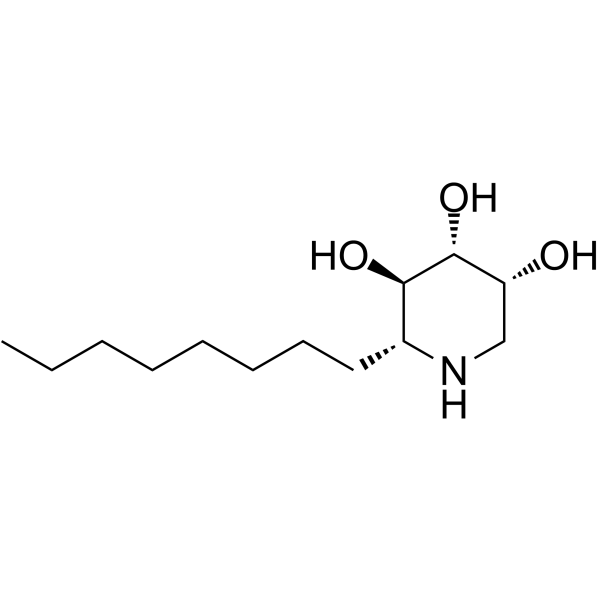
Sinbaglustat (OGT2378) is a dual inhibitor of glucosylceramide synthase (GCS) and non-lysosomal glucosyl ceramidase (GBA2). Sinbaglustat is an orally available N-alkyl iminosugar that crosses the blood-brain barrier. Sinbaglustat can be used for the research of central neurodegenerative diseases associated with lysosomal dysfunctions .
(R)-DOI hydrochloride is a selective 5HT2A receptor agonist. (R)-DOI hydrochloride has anti-inflammatory, anti-oxidative stress, and lysosomal function-improving effects. (R)-DOI hydrochloride can be used for the researches of inflammation and neurological disease, such as Alzheimer's disease .
WX8 (Ro 91-4714) is an ATP-competitive PIKFYVE inhibitor, with Kd values of 0.9 nM and 340 nM for PIKFYVE and PIP4K2C, respectively. WX8 (Ro 91-4714) inhibits lysosomal fission without effecting homotypic lysosomal fusion. WX8 (Ro 91-4714) is used in the research of autophagy-dependent cancer .
pH Receptor Probe (solution) is a pH-sensitive cyanine derivative and a environmental sensitive fluorophore. pH Receptor Probe has a pH-sensitive maximal absorption at 644 nm and emission at 664 nm. pH Receptor Probe has been used as a pH sensor of lysosomal compartments . Solvent and concentration: DMSO: 10 mM
Arylquin 1, a prostate-apoptosis-response-4 (Par-4) secretagogue, targets vimentin to induce Par-4 secretion. Arylquin 1 induces non-apoptotic cell death in cancer cells through the induction of lysosomal membrane permeabilization (LMP) .
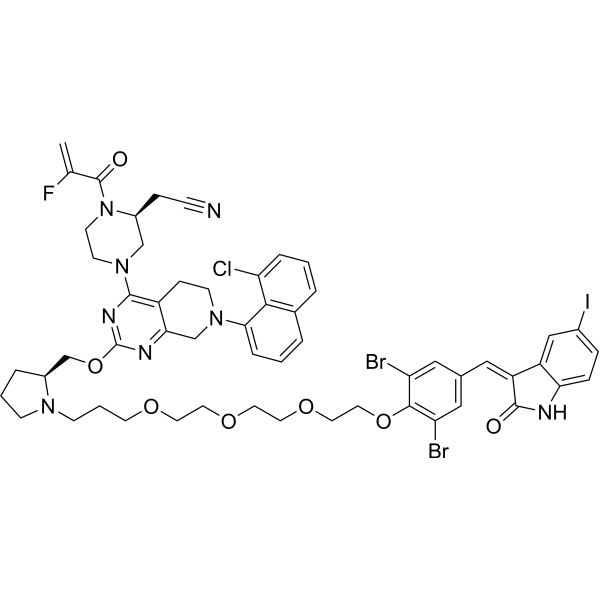
KRAS degrader-1 is a potent KRAS degrader. KRAS degrader-1 targets specific proteins for degradation via the autophagy-lysosomal degradation pathway. KRAS degrader-1 is suitable for use in cancer research. (Blue: KRAS G12C-IN-72 (HY-128414); Black: Linker (HY-175587); Pink: 5-Iodoindolin-2-one (HY-76986); Blue + Black: KRAS ligand-Linker Conjugate 7 (HY-175586)) .
Cathepsin C is a lysosomal cysteine protease essential for catalytic activation of many serine proteases, including proteinase 3 (PR3), neutrophil elastase (NE), cathepsin G (CTSG), granzyme A/B/C, and mast cell chymase .
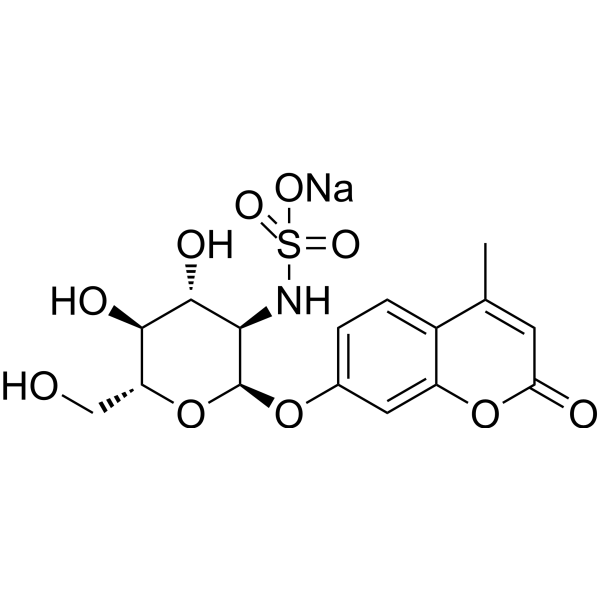
4-MU-α-GlcNS sodium is a fluorogenic substrate of heparin sulphamidase, is desulfurized into 4-MU-α-GlcNH2.4-MU-α-GlcNH2 can liberate 4-methylumbelliferone (4-MU, fluorescent product) via α-glucosaminidase catalysis, with the emission wavelength maxima of 445-454 nm. 4-MU-α-GlcNS sodium can be used to heparin sulphamidase deficiencies associated with Mucopolisaccaridosis IIIA and other lysosomal disorders researches .
Glycochenodeoxycholic acid (Standard) is the analytical standard of Glycochenodeoxycholic acid. This product is intended for research and analytical applications. Glycochenodeoxycholic acid (Chenodeoxycholylglycine) is a relatively toxic bile salt generated in the liver from chenodeoxycholic acid and glycine. Glycochenodeoxycholic acid inhibits Autophagosome formation and impairs lysosomal function by inhibiting lysosomal proteolysis and increasing lysosomal pH in human normal liver cells, leading to the Apoptosis of human hepatocyte cells. Glycochenodeoxycholic acid induces stemness and chemoresistance via activating STAT3 signaling pathway in hepatocellular carcinoma cells (HCC). Glycochenodeoxycholic acid is promising for research in the field of cholestasis desease, hepatocellular carcinoma and primary sclerosing cholangitis (PSC)[1][2][3][4].
Glycochenodeoxycholic acid sodium salt (Standard) is the analytical standard of Glycochenodeoxycholic acid sodium salt. This product is intended for research and analytical applications. Glycochenodeoxycholic acid sodium salt (Sodium glycochenodeoxycholate) is a relatively toxic bile salt generated in the liver from chenodeoxycholic acid and glycine. Glycochenodeoxycholic acid sodium salt inhibits Autophagosome formation and impairs lysosomal function by inhibiting lysosomal proteolysis and increasing lysosomal pH in human normal liver cells, leading to the Apoptosis of human hepatocyte cells. Glycochenodeoxycholic acid sodium salt induces stemness and chemoresistance via activating STAT3 signaling pathway in hepatocellular carcinoma cells (HCC). Glycochenodeoxycholic acid sodium salt is promising for research in the field of cholestasis desease, hepatocellular carcinoma and primary sclerosing cholangitis (PSC) .
Naphthazarin (DHNQ) is a naturally occurring compound. Naphthazarin is effective by various cellular mechanisms including oxidative stress, activation of mitochondrial apoptosis-inducing factor (AIF), depolymerization of microtubules, interference with lysosomal function and p53-dependent p21 activation. Naphthazarin triggers apoptosis and has anti-tumor effects .
FR-167356 is a potent, orally active and selective vacuolar ATPase inhibitor with IC50 values of 170, 220, 370, and 1200 nM for osteoclast plasma membranes, macrophage microsomes, renal brush border membranes, and liver lysosomal membranes, respectively. FR-167356 inhibits bone resorption and ovariectomy-induced bone loss .
Cathepsin D (CTSD) is a lysosomal aspartic protease encoded by the CTSD gene. Cathepsin D regulates lysosomal protease activity. Loss of Cathepsin D leads to lysosomal dysfunction and the accumulation of various cellular proteins associated with neurodegenerative diseases. Cathepsin D is involved in breast cancer metastasis. Cathepsin D can be used in research on diseases such as breast cancer and stroke .
Galactosylceramide (GalC) is a galactosylceramide that has been implicated in many physiological and pathological phenomena. For example, important lysosomal storage disorders such as Gaucher disease (GD) and neurodegenerative diseases are characterized by GlcCer accumulation.
Myeloperoxidase, Human Neutrophil is a peroxidase. Myeloperoxidase, Human Neutrophil is a potent antibacterial agent by catalyzing the H2O2-dependent oxidation of chloride anion to generate hypochlorous acid. Myeloperoxidase, Human Neutrophil catalyzes the degradation of N-retinyl-idene-N-retinylethanolamine, a toxic form of retinal lipofuscin. Myeloperoxidase, Human Neutrophil also triggers lysosomal stress and cell death. Myeloperoxidase, Human Neutrophil can be used for the researches of inflammation and infection .
4α-Hydroxycholesterol is an isomer of 4β-Hydroxycholesterol (HY-124265). 4α-Hydroxycholesterol has a slight effect on the integrity of lysosomal membranes in mouse primary oligodendrocyte cultures .
Glucocerebrosidase-IN-1 (compound 11a) hydrochloride is a potent and selective GCase (glucocerebrosidase) inhibitor, with an IC50 of 29.3 μM and a Ki of 18.5 μM. Glucocerebrosidase-IN-1 hydrochloride can be used for the research of Gaucher disease (GD) and Parkinson’s disease (PD) .
N-Boc-3-hydroxy-1,2,3,6-tetrahydropyridine can increase the activity of β-glucocerebrosidase by 20%. N-Boc-3-hydroxy-1,2,3,6-tetrahydropyridine can be used in the study of lysosomal storage diseases and other protein storage diseases .
PROTAC PD-L1 degrader-2 is a PD-L1PROTAC degrader with an IC50 of 197.4 nM and a Kd of 301 nM. PROTAC PD-L1 degrader-2 induces PD-L1 endocytosis, drives degradation via the proteasomal and lysosomal pathways, and inhibits the PD-1/PD-L1 interaction. As an immune activator, PROTAC PD-L1 degrader-2 increases the levels of CD4 +, CD8 +, granzyme B and perforin. PROTAC PD-L1 degrader-2 can be used in studies related to colon cancer immunology .
YLDLAPL is a sleep-enhancing peptide that can be isolated from truffle albumin hydrolysate. YLDLAPL exhibits sleep-promoting effects via regulation of lysosomalautophagy, neurological activity, tyrosine metabolism, and fatty acid elongation .
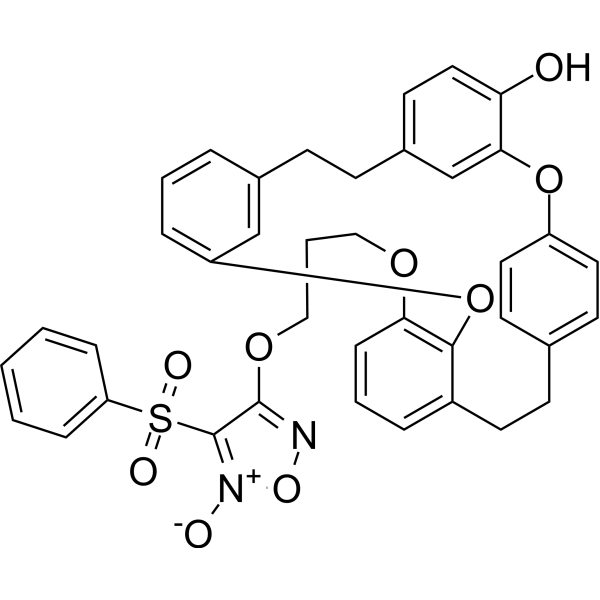
Lysosomal P-gp targeted agent 1 (Compound 14) is an anti-tumor agent targeting lysosomalP-glycoprotein (Pgp). Lysosomal P-gp targeted agent 1 is selectively transported into lysosomes by overexpressed Pgp, release nitric oxide (NO) to generate reactive oxygen species (ROS), resulting in lysosomal membrane permeabilization (LMP) and inducing apoptosis. Lysosomal P-gp targeted agent 1 can overcome P-glycoprotein-mediated drug resistance and lead to cell cycle arrest, but relatively low toxicity to normal cells. Lysosomal P-gp targeted agent 1 has antitumor activity, significantly inhibits tumor volume .
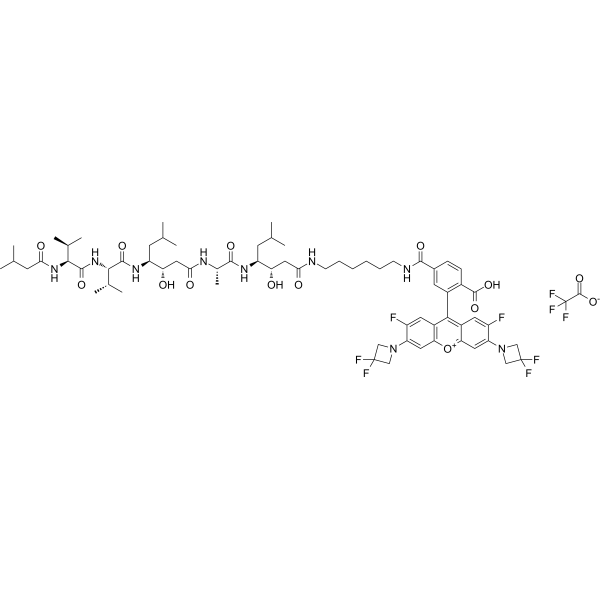
JF526–Pepstatin A TFA is a fluorescent dye that can be used for lysosomal staining in live cells. The excitation maximum is 530 nm and the emission maximum is 549 nm .
Cathepsin H, human liver is an aminopeptidase and an endopeptidase. Involved in the catabolism of proteins in the lysosomal system. Cathepsin H, human liver has a key role in the regulation of the biological behavior of tumor cells and the pathological processes of brain diseases .
MPM-1, a marine Eusynstyelamides mimic, is a potent anticancer agent. MPM-1 can rapidly kill cancer cells in vitro by inducing a necrosis-like death. MPM-1 has the ability to induce immunogenic cell death. MPM-1 causes perturbation of autophagy and lysosomal swelling in cancer cells .
Clervonafusp alfa (VAL-1221) is a fusion protein targeting both cytosolic and lysosomal glycogen. Clervonafusp alfa is comprised of the Fab portion of a cell-penetrating antibody and recombinant human acid alphaglucosidase (rhGAA), the former utilizing the nucleoside transporter ENT-2 to gain access to the cytosol, and the latter enters lysosomes via mannose-6-phosphate receptors (M6PRs). Clervonafusp alfa can be used for late-onset Pompe disease research .
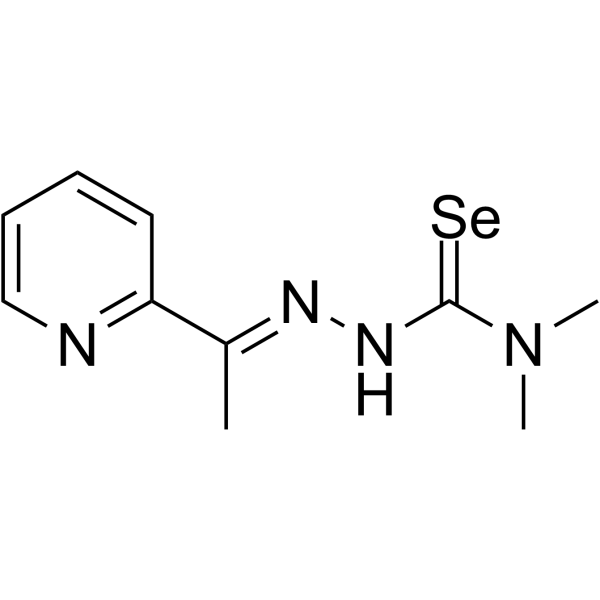
Ap44mSe is a selenosemicarbazone that effectively depletes cellular Fe, resulting in transferrin receptor-1 up-regulation, ferritin down-regulation, and increased expression of the potent metastasis suppressor, N-myc downstream regulated gene-1. Ap44mSe forms redox active Cu complexes that target the lysosome to induce lysosomal membrane permeabilization .
Glycochenodeoxycholic acid sodium salt (Standard) is the analytical standard of Glycochenodeoxycholic acid sodium salt. This product is intended for research and analytical applications. Glycochenodeoxycholic acid sodium salt (Sodium glycochenodeoxycholate) is a relatively toxic bile salt generated in the liver from chenodeoxycholic acid and glycine. Glycochenodeoxycholic acid sodium salt inhibits Autophagosome formation and impairs lysosomal function by inhibiting lysosomal proteolysis and increasing lysosomal pH in human normal liver cells, leading to the Apoptosis of human hepatocyte cells. Glycochenodeoxycholic acid sodium salt induces stemness and chemoresistance via activating STAT3 signaling pathway in hepatocellular carcinoma cells (HCC). Glycochenodeoxycholic acid sodium salt is promising for research in the field of cholestasis desease, hepatocellular carcinoma and primary sclerosing cholangitis (PSC) .
Erythrabyssin II (EL-19) is a potent late-stage autophagy inhibitor that blocks the fusion of autophagosome and lysosome. Erythrabyssin II leads to the accumulation of autophagic substrates and does not impair lysosomal pH or lysosomal enzyme activity. Erythrabyssin II suppresses ovarian cancer organoid activity and induces apoptosis. Erythrabyssin II can be used for the study of ovarian cancer .
2′-Hydroxy-5′-nitrohexadecanamide is a lysosomal hydrolase inhibitor and is a lipid containing pentadecanoic acid and a terminal nitrophenol in its structure. 2′-Hydroxy-5′-nitrohexadecanamide can cause intracellular lipid accumulation by inhibiting lysosomal hydrolase activity. Additionally, 2′-Hydroxy-5′-nitrohexadecanamide can be used to synthesize chromogenic substrates for measuring sphingolipase activity .
Alglucosidase alfa (rhGAA) is a hydrolytic lysosomal glycogen-specific recombinant humanα-glucosidase. Alglucosidase alfa can be used for Pompe disease research .
Euphorblin R (EOF2) is a rhamnyl diterpenoid isolated from Euphorbia resinifera. Euphorblin R may promote lysosomal biogenesis and has the potential to be used in the study of lysosome-related diseases.
(-)-Isopinocampheol (l-Isopinocampheol) is a compound with anti-filovirus activity. Its derivatives inhibit infection by Ebola virus and Marburg virus, possibly through binding to surface glycoproteins. It also has lysosomal affinity.
Glucosylceramide synthase-IN-5 (G3-3) is a glucosylceramide synthase (GCS) inhibitor that can be used for the study of the diseases and disorders associated with GCS activity, such as lysosomal storage disorders .
Glucosylceramide synthase-IN-6 (G3-3B) is a glucosylceramide synthase (GCS) inhibitor that can be used for the study of the diseases and disorders associated with GCS activity, such as lysosomal storage disorders .
TMEM175 modulator 4 (Compound 3) is a TMEM175 modulator. TMEM175 modulator 4 modulates the activity of the lysosomal potassium channel TMEM175. TMEM175 modulator 4 can be used for research related to Parkinson's disease .
LUF7996 is a CCR2 PROTAC Degrader degrading CCR2 with DC50 = 2.6 μM. LUF7996 demonstrates engagement of both and the E3 ligase cereblon and displays sustain and concentration-dependent degradation of CCR2. LUF7996 reliance on the lysosomal pathway to induce CCR2 degradation. LUF7996 efficiently inhibits monocyte migration in virto .
F-SLOH is a brain-penerant and orally active TFEB activator and amyloid-β inhibitor with an IC50 of 3.4 μM against amyloid-β. F-SLOH promotes nuclear translocation of TFEB, driving autophagy and lysosomal biogenesis. F-SLOH reduces amyloid-β oligomers and Tau aggregates via autophagy lysosomal degradation pathway. F-SLOH can be used for the research of Alzheimer’s disease .
GALA-chol is a cholesterol-conjugated pH-responsive fusion peptide that can serve as a delivery adjuvant. GALA-chol enhances the endocytosis of siRNA RET/PTC1-SQ nanoparticles, inhibits cell viability, and undergoes pH-responsive charge conversion in the acidic lysosomal environment, thereby promoting lysosomal escape of small extracellular vesicle (sEV) cargo. GALA-chol anchors to the sEV membrane and maintains the structural integrity and intrinsic homing activity of sEVs. GALA-chol can be used in studies related to adjuvant delivery .
Galacto-PUGNAc is a selective competitive inhibitor of lysosomal β-hexosaminidases (HEX), with Ki values of 51 and 18 nM, for hHEXA and hHEXB, respectively. Galacto-PUGNAc elevates GM2 ganglioside levels in neuroblastoma cells. Galacto-PUGNAc can be used for the research of neurodegenerative disorders .
Morfamquat dichloride (PP 745) is a bipyridine herbicide. Acute poisoning by Morfamquat dichloride strongly stimulates the reticuloendothelial system, causes lysosomal membrane damage and enzyme leakage, and interferes with the function of hepatocyte Golgi apparatus and related glucose metabolic pathways. Morfamquat dichloride significantly increases the activities of acid phosphatase and β-glucuronidase, exerting toxic effects on mice, while pre-administration of vitamin E alleviates such toxicity .
ML-SA1 (Standard) is the analytical standard of ML-SA1 (HY-108462). This product is intended for research and analytical applications. ML-SA1, as a selective TRPML agonist, inhibits Dengue virus 2 (DENV2) and Zika virus (ZIKV) by promoting lysosomal acidification and protease activity. The IC50 value of ML-SA1 against DENV2 RNA and ZIKV RNA is 8.3 μM and 52.99 μM, respectively. ML-SA1 induces autophagy. ML-SA1 can be used for the research of broad-spectrum antiviral .
Nur77 modulator 5 is a Nur77 modulator. Nur77 modulator 5 induces lysosomal dysfunction, impaired autophagic flux, and apoptosis with increased PARP cleavage, TUNEL positivity, and Annexin V/PI staining. Nur77 modulator 5 can be used for the research of gastric cancer .
MrTAC-8, methylarginine-targeting chimera (MrTAC), is a BRD4 degrader with DC50 values of 46 nM in HeLa cells. MrTAC-8 recruits PRMT1, PRMT3, PRMT4, PRMT5, and PRMT7 to target proteins, inducing arginine methylation that triggers lysosomal degradation. MrTAC-8 degrades proteins across diverse subcellular localizations and independent of native proteolytic routes. MrTAC-8 can be used for the research of cervical cancer, glioblastoma .
ERX-208 is an anticancer agent that induces endoplasmic reticulum stress by targeting lysosomal acid lipase A (LIPA), ultimately leading to cancer cell apoptosis. ERX-208 can be used in ovarian cancer research .
Atz-L5 is a PD-L1PTAC (PSMA-targeted chimera) degrader (DC50: 18 pM in PC3-PIP cells; 2 pM in LNCaP cells) and LYTAC. Atz-L5 promotes lysosomal degradation of PD-L1 in PSMA-positive prostate cancer cells. Atz-L5 is applicable to the research of prostate cancer .
LysoFP-NH2 is a lysosomal-targeted fluorescent probe with amino acid functionalized derivatives. LysoFP-NH2 can be used to detect lysosomalNO levels in living cells .
Ahx-GALA-Cys is a GALA peptide (HY-P5423) derivative with an N-terminal 6-aminohexanoic acid (Ahx) linker and a C-terminal cysteine residue. Ahx-GALA-Cys possesses strong covalent coupling capacity, which can be used to conjugate fluorophores and targeting ligands for investigating the surface functionalization of small extracellular vesicles (sEV) and lysosomal escape .
Ctx-L3 is a selective EGFRPTAC (PSMA-targeted chimera) degrader (DC50: 4.3 pM in LNCaP cells) and LYTAC. Ctx-L3 recruits prostate-specific membrane antigen (PSMA) and mediates lysosomal degradation of EGFR in PSMA-positive prostate cancer cells. Ctx-L3 exhibits degrading activity against EGFR in prostate cancer cells. Ctx-L3 is applicable to related research on prostate cancer .
CHI3L1-IN-5 (Compound Z17) is a highly selective CHI3L1 inhibitor with a KD value of 6 μM. CHI3L1-IN-5 restores the clearance ability of astrocytes by rejuvenating lysosomal function and Aβ uptake. CHI3L1-IN-5 alleviates neuroinflammation by inhibiting the NF-κB pathway. CHI3L1-IN-5 can be used for research on Alzheimer's disease .
Autophagy activator-2 is a potent autophagy activator with EC50 values of 14.33 μM. Autophagy activator-2 acts as a proteostasis modulator and small-molecule chaperone that upregulates I1061T mutant NPC1 expression and facilitates cholesterol efflux. Autophagy activator-2 reduces lysosomal hydrolase levels. Autophagy activator-2 can be used for the study of Niemann-Pick Type C disease .
Cicletanine is a voltage-dependent Ca 2+ channel inhibitor. Cicletanine inhibits α-adrenoceptor-mediated Ca 2+ release pathway, and shows vasodilatory effects on isolated vascular smooth muscle. Cicletanine directly stimulates lysosomal and cytoplasmic cholesteryl ester hydrolase activity. Cicletanine can be used for the research of hypertension .
Fentomycin-1 is a ferroptosis inducer. Fentomycin-1 activates lysosomal iron 2+ under acidic conditions with hydrogen peroxide to form a reactive iron-oxo species, which induces oxidative degradation, oxidation, and lipolysis of membrane phospholipids, triggering ferroptosis. Fentomycin-1 can be used for the research of pancreatic ductal adenocarcinoma, breast cancer metastasis, and melanoma .
TBC1D2-IN-1 is a potent orally active and selective TBC1D2 inhibitor with a Kd of 1.1 μM. TBC1D2-IN-1 selectively inhibits TBC1D2-mediated GTP hydrolysis on RAB7A-GTP, promotes RAB7A accumulation on lysosomal membranes, and induces apoptosis and autophagy. TBC1D2-IN-1 exerts selective antiproliferative activity cancer cells. TBC1D2-IN-1 can be used for the research of cervical carcinoma .
Anti-Mouse DDR2 Antibody (DAB0065) is a mAb that specifically targets mouse discoidin domain receptor DDR2 without cross-reacting with DDR1. Anti-Mouse DDR2 Antibody (DAB0065) binds to the extracellular domain of native mouse DDR2, induces endocytosis and lysosomal degradation of DDR2, and this process is independent of collagen binding. Anti-Mouse DDR2 Antibody (DAB0065) exhibits significant therapeutic effects in both the unilateral ureteral obstruction (UUO) mouse model of renal fibrosis and the bleomycin (HY-108345)-induced mouse model of pulmonary fibrosis, effectively downregulating the mRNA expression of type I collagen Col1a1 and fibronectin Fn1. Anti-Mouse DDR2 Antibody (DAB0065) can be humanized and has the potential to be developed as a targeted agent for diseases such as idiopathic pulmonary fibrosis and renal fibrosis .
CDg16 is a selective fluorescent dye targeting SLC18B1 (λabs/λem=458/544 nm) that is actively transported into lysosomal vesicles of activated macrophages independent of the endocytic pathway. CDg16 enables highly specific vesicle localization in live cells. CDg16 exhibits no cytotoxicity and accurately distinguishes activated M1 and M2 subsets from different origins. CDg16 shows low background staining in non-activated cells and normal organs, making it suitable for time-lapse imaging. In preclinical animal models of inflammatory sites, atherosclerotic plaques and liver inflammation, CDg16 allows visualization of activated macrophages. CDg16 can be used to study inflammation-related diseases and atherosclerosis .
MEDI3726 (ADCT-401) is a prostate-specific membrane antigen (PSMA)-targeting antibody-drug conjugate (ADC), composed of LP Tesirine (HY-128952) and antibody J591 (HY-P991359). MEDI3726 binds PSMA’s extracellular domain, triggers endocytosis, undergoes lysosomal degradation to release a pyrrolobenzodiazepine warhead. MEDI3726 induces DNA crosslinking, DNA damage, cell death, cytotoxicity, and inhibits tumor growth in mouse xenograft models. MEDI3726 undergoes in vivo catabolism primarily via heavy-light chain dissociation, with minimal warhead deconjugation. MEDI3726 can be used for the research of metastatic castration-resistant prostate cancer and prostate cancers .
ONOO-LysopH is a new Rhodamine-based near-infrared fluorescent probe. ONOO-LysopH is acid-sensitive, exhibiting rapid near-infrared fluorescence enhancement around 686 nm under acidic pH conditions. ONOO-LysopH also displays a rapid NIR turn-on fluorescence around 678 nm for ONOO− at physiological pH. ONOO-LysopH can target lysosomes to track lysosomal pH changes and image endogenous/exogenous ONOO− in live cells. ONOO-LysopH is applicable for cell imaging ONOO− and tracking lysosomal pH changes .
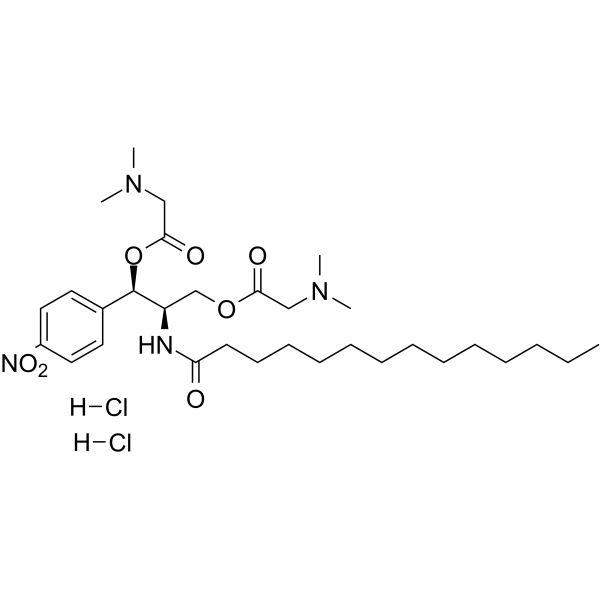
LCL521 dihydrochloride (Standard) is the analytical standard of LCL521 dihydrochloride (HY-103593A). This product is intended for research and analytical applications. LCL521 dihydrochloride is an acid ceramidase (ACDase) inhibitor. LCL521 also inhibits the lysosomal acid sphingomyelinase (ASMase) .
α1-3,4 Fucosidase, Sweet almond is an enzyme that breaks down fucose. Fucosidosis is an autosomal recessive lysosomal storage disease caused by defective alpha-L-fucosidase with accumulation of fucose in the tissues.
JZP-430 is a potent, highly selective, irreversible inhibitor of α/β-hydrolase domain 6 (ABHD6) with an IC50 of 44 nM, exhibits ~230-fold selectivity over fatty acid amide hydrolase (FAAH) and lysosomal acid lipase (LAL) .
Brinazarone (SR 33287) is an inhibitor for acid lysosomalsphingomyelinase, and leads to cellular lipidosis. Brinazarone potentiates the cytotoxic effects of anti-Thy 1.2 AT15E RTA-IT on T2 cells and anti-CD5 T101 on CEM cells .
KSA01 is a two-dimensional fluorescent probe. KSA01 can detect SA-β-gal activity and sense lysosomal pH. KSA01 can accurately distinguish cellular aging from other pathological states with high expression of β-gal .
Neocarzilin A (NCA) reduces BST-2 levels via lysosomal degradation. Neocarzilin A has antimigratory and antiproliferative effects on cancer cells. Neocarzilin A inhibits cancer cell migration via irreversible binding to the synaptic vesicle membrane protein VAT-1 .
Apoptosis inducer 29 (compund Y9) is an apoptosis inducer that exhibits antitumor effects in non-small cell lung cancer. Apoptosis inducer 29 selectively acidifies lysosomes and induces lysosomal dysfunction, with superior potency to Gboixn (HY-111651) in vitro and in vivo. .
Alkyne-cRGD is an integrin ligand. Alkyne-cRGD can be used in the study of degraders. Alkyne-cRGD undergoes copper-catalyzed azide-alkyne cycloaddition reaction .
Multi-target kinase-IN-9 is a multi-target enzyme inhibitor with antiproliferative and antiangiogenic activities, and exhibits remarkable selectivity against hepatocellular carcinoma cells. By broadly binding to the active sites or ATP-binding regions of multiple key enzymes including DNA polymerase β, Pyruvate KinaseM2 (PKM2), Multi-target kinase-IN-9 comprehensively disrupts DNA repair and replication, glycolysis, chromatin dynamics and transcriptional programs, and blocks the self-renewal of cancer stem cells. Multi-target kinase-IN-9 induces genomic instability, lysosomal dysfunction and autophagic flux impairment, thereby triggering tumor cell death, effectively inhibiting tumor proliferation, invasion, metastasis and angiogenesis, and significantly reducing tumor volume in xenograft models. Multi-target kinase-IN-9 is applicable to hepatocellular carcinoma-related research .
Lyso-laurdan, a derivative of Laurdan (HY-D0080), is a fluorescent probe. Lyso-Laurdan accumulates in the lysosome via a morpholine group that is entrapped in lysosome via protonation to its cationic form in the acidic compartment. Lyso-laurdan is localized to lysosomes, allowing for the study of lysosomal membranes .
ARL 17477 (Standard) is the analytical standard of ARL 17477 (HY-107720). This product is intended for research and analytical applications. ARL-17477 is a dual inhibitor of NOS1and the autophagy-lysosomal system with anticancer activity and can inhibit tumor growth in KRAS-mutated cancers .
Clodronate liposomes, a mixture of Clodronate encapsulated by phospholipids, is a macrophage scavenger. Clodronate liposomes is engulfed by macrophages in the body. Under the action of lysosomal phosphatases in macrophages, Clodronate dissolved in liposomes will be gradually released and accumulated in cells. When a certain concentration is reached, macrophages will be irreversibly damaged and apoptosis will be induced .
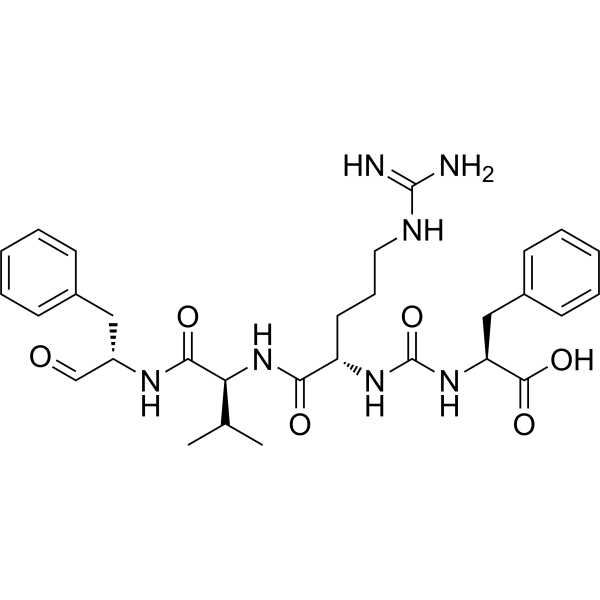
SP-Chymostatin B (α-MAPI) is a strong inhibitor of many proteases, including chymotrypsin, papain, chymotrypsin-like serine proteinases, chymases, and lysosomal cysteine proteinases such as cathepsins A,B,C, H, and L. SP-Chymostatin B weakly inhibits human leucocyte elastase .
Dibenzyl trisulfide (DTS) is an active ingredient that can be isolated from Petiveria alliacea L.. Dibenzyl trisulfide inhibits cell proliferation and migration. Dibenzyl trisulfide decreased the mRNA and protein expression of BAK-1 and LTA. Dibenzyl trisulfide induces lysosomal membrane permeabilization and cathepsin B release .
SKI-II is an oral active and synthetic inhibitor of sphingosine kinase (SK) activity, with IC50 values of 78 μM and 45 μM for SK1 and for SK2, respectively. SKI II causes an irreversible inhibition of SK1 by inducing its lysosomal and/or proteasomal degradation .
FZ-AD005 is a DLL3-targeting antibody-drug conjugate (ADC) with high selectivity, composed of the anti-DLL3 antibody FZ-A038 (HY-P990896), a dipeptide linker (Val-Ala), and DXd (HY-13631D). The Kd value of FZ-AD005 for humanDLL3 ranges from 13.29 to 58.3 pmol/L. After binding to DLL3 on the cell surface, FZ-AD005 mediates endocytosis, and the payload DXd is released via cleavage by lysosomal cathepsins. DXd inhibits topoisomerase TopI to induce double-strand DNA breaks, cell cycle arrest and apoptosis, and FZ-AD005 exhibits bystander killing activity against adjacent DLL3-negative cells. FZ-AD005 shows stable circulation in vivo, has good tolerance and acceptable pharmacokinetic profiles in rats and cynomolgus monkeys, and effectively inhibits the growth of DLL3-expressing tumor cells. FZ-AD005 serves as a promising candidate molecule for research on small cell lung cancer and human neuroendocrine prostate cancer .
LysoTracker Red is a Red fluorescently labeled lysosomal probe with a maximum excitation/emission wavelength of 577/590 nm. The structure is composed of a fluorescein group and linked weak bases, which can freely cross the cell membrane and gather on spherical organelles. It is suitable for observing the internal biosynthesis and related pathogenesis of lysosomes .
NAMPT degrader-1 (Compound A3), an autophagosome-tethering compound (ATTEC), is an nicotinamide phosphoribosyltransferase (NAMPT) degrader with an IC50 of 0.023 μM. NAMPT degrader-1 significantly induces the degradation of NAMPT through the autophagy-lysosomal pathway and shows excellent cellular antitumor potency .
Hsp70TAC PD-1 Degrader-2 is a PD-L1 Hsp70TAC (Hsp70-targeting Chimeras) degrader with Kd values of 0.36 μM. Hsp70TAC PD-1 Degrader-2 forms a ternary complex with Hsp70 and PD-L1 to drive PD-L1 degradation. Hsp70TAC PD-1 Degrader-2 induces degradation of mature membrane-bound PD-L1 in an Hsp70-dependent manner and via caveolin-mediated endocytosis and lysosomal trafficking. Hsp70TAC PD-1 Degrader-2 accumulates preferentially in tumor cells with elevated Hsp70 expression for tumor-selective PD-L1 degradation. Hsp70TAC PD-1 Degrader-2 can be used for the research of cancer, such as breast invasive carcinoma, glioblastoma multiforme, diffuse large b-cell lymphoma . (Pink: PD-1/PD-L1 ligand (HY-19745A); Blue: Hsp70 ligand (HY-182979); Black: linker (HY-182982)).
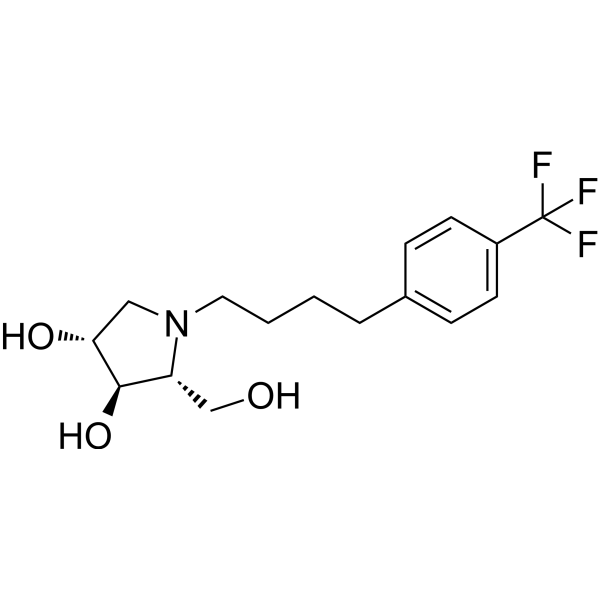
N-4′-(p-Trifluoromethylphenyl)butyl-DAB (compound 5g) is an agonit of lysosomal acid α-glucosidase (GAA). N-4′-(p-Trifluoromethylphenyl)butyl-DAB increases intracellular GAA activities dose-dependently, in Pompe patient's fibroblasts with the M519V mutation .
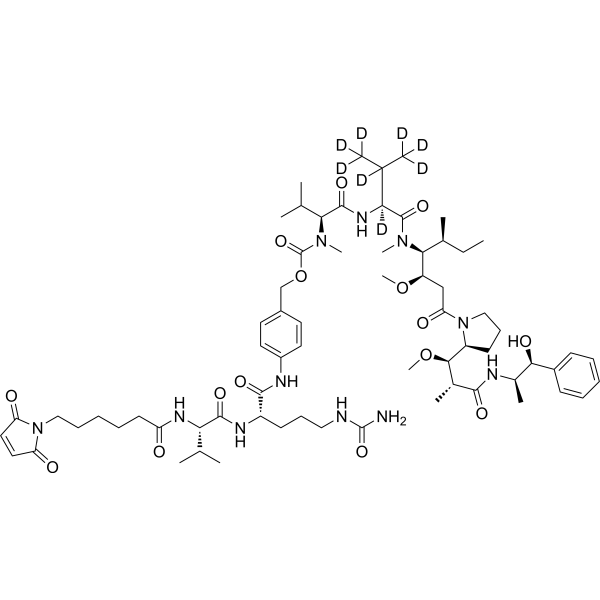
VcMMAE-d8 is an isotope of VcMMAE (HY-15575). VcMMAE-d8 is a agent-linker conjugate for ADC with potent antitumor activity by using the anti-mitotic agent, monomethyl auristatin E (MMAE, a tubulin inhibitor), linked via the lysosomally cleavable dipeptide, valine-citrulline (vc) .
Sphingosine (C22-D-erythro-Sphingosine) is a metabolite of sphingolipid and a pro-Apoptotic signaling messenger. Sphingosine induces apoptosis via Caspase-dependent, mitochondria-dependent and lysosomal affinity detergent pathways, downregulates Bcl-2 and Bcl-xL, and truncates Bid and Bax. Sphingosine is used for cancer research .
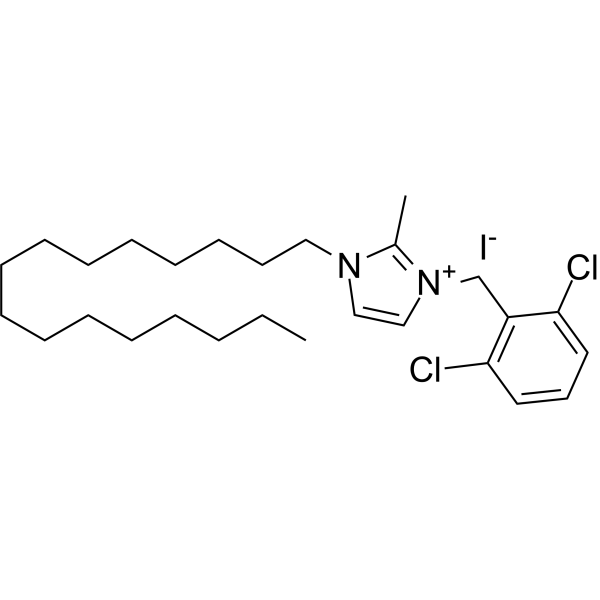
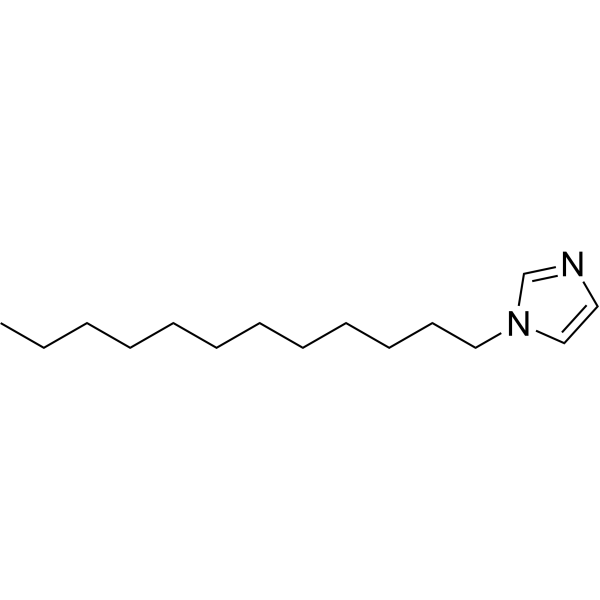
1-Dodecylimidazole (N-Dodecylimidazole) is a lysosomotropic detergent and a cytotoxic agent. 1-Dodecylimidazole causes cell death by its acid-dependent accumulation in lysosomes, disruption of the lysosomal membrane, and releaseof cysteine proteases into the cytoplasm. 1-Dodecylimidazole has hypocholesterolaemic activity and broad-spectrum antifungal activity .
NCGC00092410 is a potent, selective, and nonsugar glucocerebrosidase (GC) inhibitor, with an IC50 of 31 nM. NCGC00092410 shows no activity against the related hydrolases at concentrations up to 77 μM. NCGC00092410, a GC chaperone, and increases the activity and lysosomal localization of glucocerebrosidase in mutant cell lines. NCGC00092410 can be used for the research of Gaucher disease .
ERX-41 is an orally active and stereospecific small molecule targeting to lysosomal acid lipase A (LIPA). ERX-41 induces endoplasmic reticulum (ER) stress resulting in cell death, indicating a function independent of LIPA but dependent on its ER localization. ERX-41 involves in a targeted strategy for solid tumors .
Lepunafusp alfa (JR-171) is a BBB-penetrable fusion protein consisting of J-Brain Cargo and IDUA (a lysosomal enzyme, α-L-iduronidase). Lepunafusp alfa can reduce concentration of heparan sulfate (HS) and dermatan sulfate (DS). Lepunafusp alfa can be used for research of mucopolysaccharidosis type I .
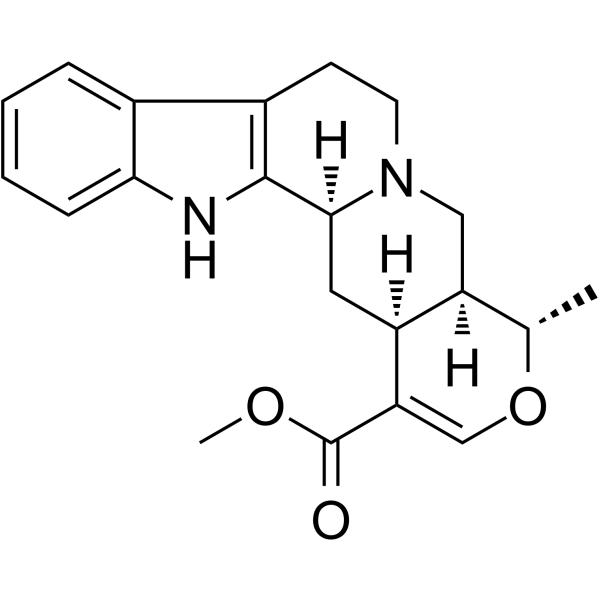
Tetrahydroalstonine ((-)-Tetrahydroalstonine) is an indole alkaloid and a selective α₂-adrenergic receptor antagonist. Tetrahydroalstonine exhibits certain neuroprotective effects. Tetrahydroalstonine can regulate autophagy-lysosomal function by activating the Akt/mTOR pathway, significantly reducing OGD/R-induced primary cortical neuronal injury .
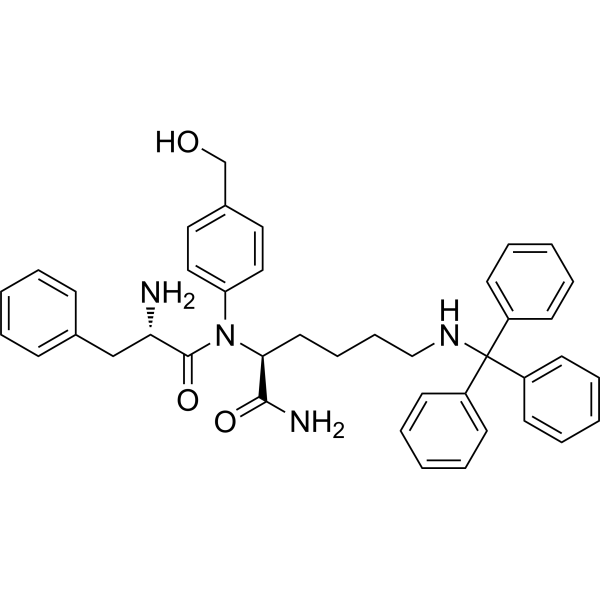
Phe-Lys(Trt)-PAB is a cathepsin B substrate, and a cleavable ADC linker. Phe-Lys(Trt)-PAB acts as a lysosomally cleavable substrate for cysteine protease cathepsin B, with cleavage enabling linked anticancer drug release via self-immolative spacer . Phe-Lys(Trt)-PAB can be used for synthesis of ADCs .
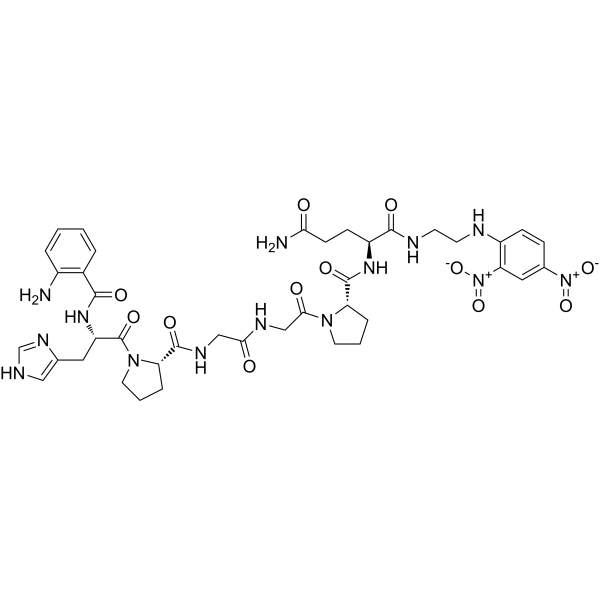
Abz-HPGGPQ-EDDnp (Cathepsin K substrate) is a biological active peptide. (Cathepsins are a class of globular lysosomal proteases, playing a vital role in mammalian cellular turnover. They degrade polypeptides and are distinguished by their substrate specificities. Cathepsin K is the lysosomal cysteine protease involved in bone remodeling and resorption. It has potential as a drug target in autoimmune diseases and osteoporosis.This FRET peptide can be used to monitor selectively cathepsin K activity in physiological fluids and cell lysates. Abz-HPGGPQ-EDDnp [where Abz represents o-aminobenzoic acid and EDDnp represents N -(2, 4-dinitrophenyl)-ethylenediamine], a substrate initially developed for trypanosomal enzymes, is efficiently cleaved at the Gly-Gly bond by cathepsin K. This peptide is resistant to hydrolysis by cathepsins B, F, H, L, S and V, Ex/Em=340 nm/420 nm.)
FDW028 a potent and highly selective FUT8 inhibitor. FUT8 exhibits potent anti-tumor activity by defucosylation and impelling lysosomal degradation of B7-H3 through the chaperone-mediated autophagy (CMA) pathway. FDW028 can be used for metastatic colorectal cancer (mCRC) research .
OAB-14, is a Bexarotene (HY-14171) derivative, improves Alzheimer's disease-related pathologies and cognitive impairments by increasing β-amyloid clearance in APP/PS1 mice. OAB-14 effectively ameliorates the dysfunction of the endosomal-autophagic-lysosomal pathway in APP/PS1 transgenic mice .
Patulin (Standard) is the analytical standard of Patulin. This product is intended for research and analytical applications. Patulin (Terinin) is a mycotoxin produced by fungi including the Aspergillus, Penicillium, and Byssochlamys species, causes chromosome breakage, mutation, teratogenic and cytotoxic. Patulin induces autophagy-dependent apoptosis through lysosomal-mitochondrial axis, and causes DNA damage .
LysoTracker Red (solution) is a Red fluorescently labeled lysosomal probe with a maximum excitation/emission wavelength of 577/590 nm. The structure is composed of a fluorescein group and linked weak bases, which can freely cross the cell membrane and gather on spherical organelles. It is suitable for observing the internal biosynthesis and related pathogenesis of lysosomes . Solvent and concentration: DMSO: 1 mM
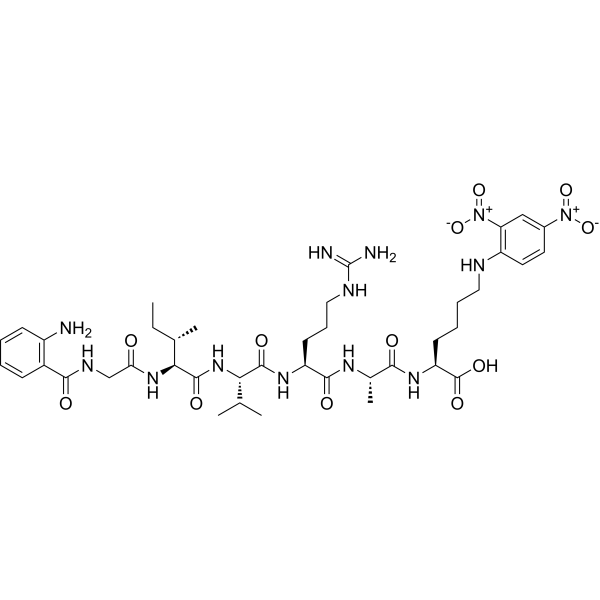
Abz-GIVRAK(Dnp) is the most efficient substrate for cathepsin B and is highly selective for this enzyme among lysosomal cysteine proteases. After Abz-GIVRAK(Dnp) is hydrolyzed, aminoacylbenziminosulfosuccinic acid (Abz-SAS) is released, and dinitrobenzoyl (Dnp) is also released. The product of this hydrolysis reaction, Abz-SAS, is fluorescent under ultraviolet light and can emit a fluorescent signal .
Lalistat 2 is an inhibitor of many lipases especially Lysosomal acid lipase (LAL, IC50 = 152 nM), which is a key enzyme that degrades neutral lipids at an acidic pH in lysosomes. Lalistat 2 is commonly used to investigate the cell-specific functions of LAL and LAL deficiency in vitro, as well as specifically measure LAL activity in human blood samples or cells .
NpCy-4 is a reliable reporter for monitoring lysosomal pH and viscosity changes in real time during Autophagy (λex = 650 nm; λem = 660-740 nm). NpCy-4 demonstrates a superior signal-to-background ratio (SBR) for cellular imaging. NpCy-4 facilitates real-time, noninvasive diagnostic imaging of acute gastritis model with high contrast .
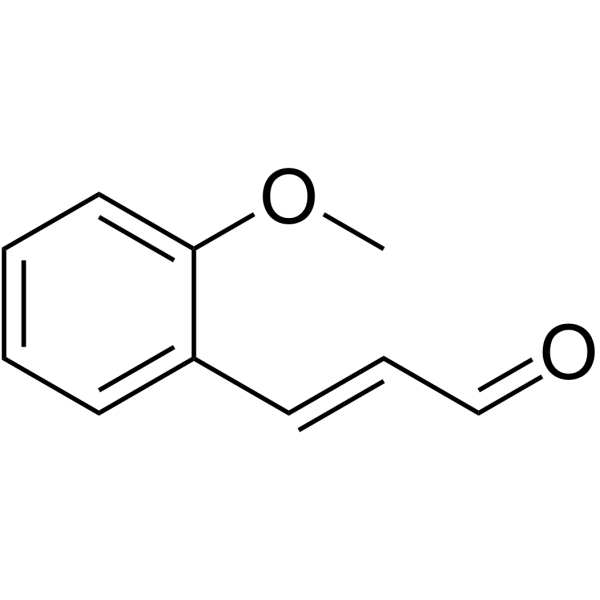
2-Methoxycinnamaldehyde (o-Methoxycinnamaldehyde) is a natural compound that can be isolated from Cinnamomum cassia. 2-Methoxycinnamaldehyde inhibits topoisomerase-I/II and NF-κB signaling pathway, causes mitochondrial dysfunction, induces lysosomal vesiculation, thereby leading to DNA damage and cell apoptosis. 2-Methoxycinnamaldehyde exhibits antitumor effects .
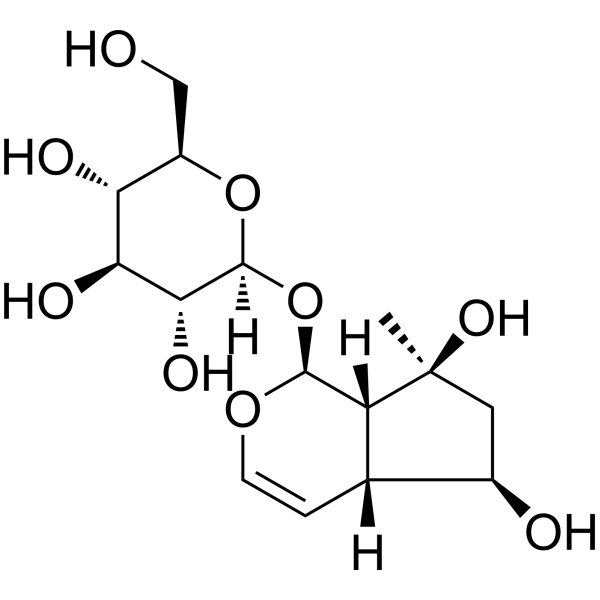
Ajugol is an orally active iridoid glycoside found in the traditional Chinese medicine Leonurus japonicus. Ajugol is an autophagy activator. Ajugol activates TFEB-mediated autophagy and lysosomal biogenesis. Ajugol also has anti-inflammatory effects. Ajugol has great potential in the research of asthma, non-alcoholic fatty liver disease (NAFLD), and osteoarthritis .
Green DND-26 is a green fluorescently labeled lysosomal probe with a maximum excitation/emission wavelength of 504/511 nm. The structure is composed of a fluorescein group and linked weak bases, which can freely cross the cell membrane and generally gather on spherical organelles. Green DND-26 is suitable for observing the internal biosynthesis and related pathogenesis of lysosomes .
KGA-4066 is a novel non-ATP-competitive CDK2 inhibitor. KGA-4066 inhibits CDK2/Cyclin A2 with an IC50 value of 236.7 nM, disrupts their interaction, promots CDK2 degradation via the lysosomal pathway. KGA-4066 has anticancer activity against hepatocellular carcinoma .
Glucocerebrosidase-IN-2 (compound 12) is a quinazoline analogue and an inhibitor of glucocerebrosidase (GC). Glucocerebrosidase-IN-2 has the potential to improve GC translocation to lysosomes in Gaucher disease patient-derived cells (mostly carrying the N370S mutation). Glucocerebrosidase-IN-2 inhibits the hydrolysis of 4-methylumbelliferone β-D-glucopyranoside (4MU) and fluorescent glycosylceramide (FlourGC) in N370S mutant tissues with an AC50 of 25.29 μM .
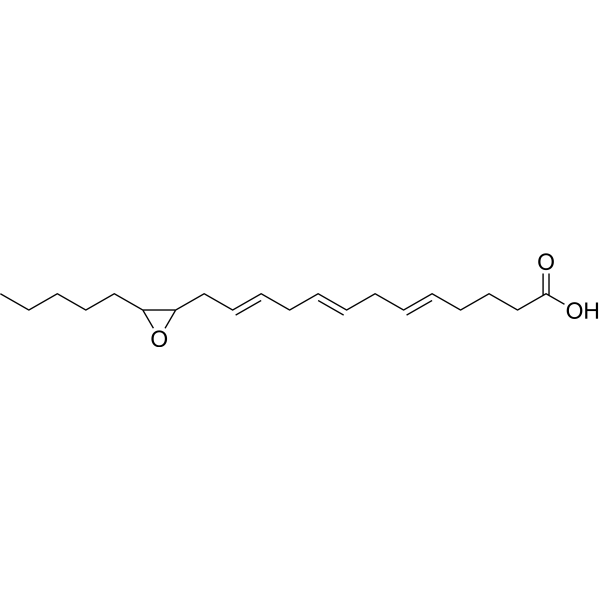
14,15-Epoxyeicosatrienoic acid (14,15-EET) is a metabolite of Arachidonic acid (HY-109590). 14,15-Epoxyeicosatrienoic acid is a potent inhibitor of in vivo platelet aggregation. 14,15-Epoxyeicosatrienoic acid facilitates astrocytic Aβ clearance. 14,15-Epoxyeicosatrienoic acid can be used for Alzheimer's Disease research .
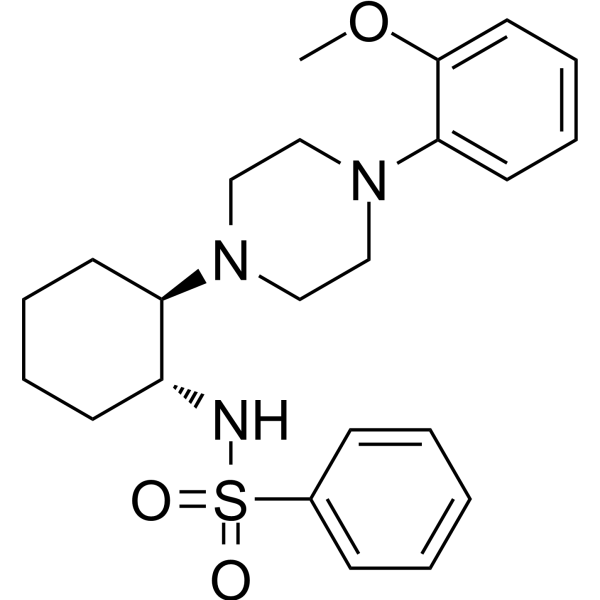
(1R,2R)-ML-SI3 is an isomer of ML-SI3 and a potent inhibitor of three isoforms of TRPML. (1R,2R)-ML-SI3 inhibits TRPMLs with IC50s of 1.6 μM (TRPML1), 2.3 μM (TRPML2), and 12.5 μM (TRPML3), respectively .
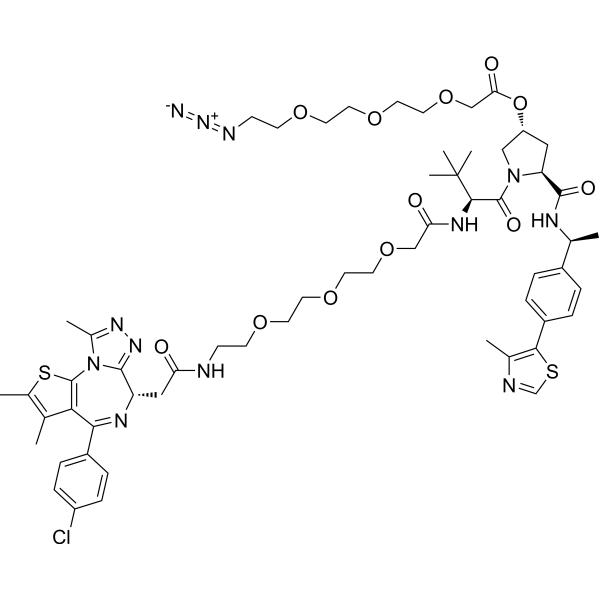
PROTAC BRD4 Degrader-5-CO-PEG3-N3 is a PROTAC-linker Conjugate for PAC, comprises the BRD4 degrader (MZ 1 (HY-107425) analog) and PEG-based linker. PROTAC BRD4 Degrader-5-CO-PEG3-N3 is a click chemistry reagent, it contains an Azide group and can undergo copper-catalyzed azide-alkyne cycloaddition reaction (CuAAc) with molecules containing Alkyne groups. It can also undergo strain-promoted alkyne-azide cycloaddition (SPAAC) reactions with molecules containing DBCO or BCN groups. PROTAC BRD4 Degrader-5-CO-PEG3-N3 can be used for the research of HER2-positive breast cancer .
NC-002, a cell-permeable peptide, is a Trypsin-like proteasome inhibitor without inhibition of lysosomal cysteine proteases. NC-002 is the epoxyketone derivative of Leupeptin (HY-18234). NC-002 sensitizes myeloma cells to Bortezomib (HY-10227) and Carfilzomib (HY-10455). NC-002 can be used for cancers research .
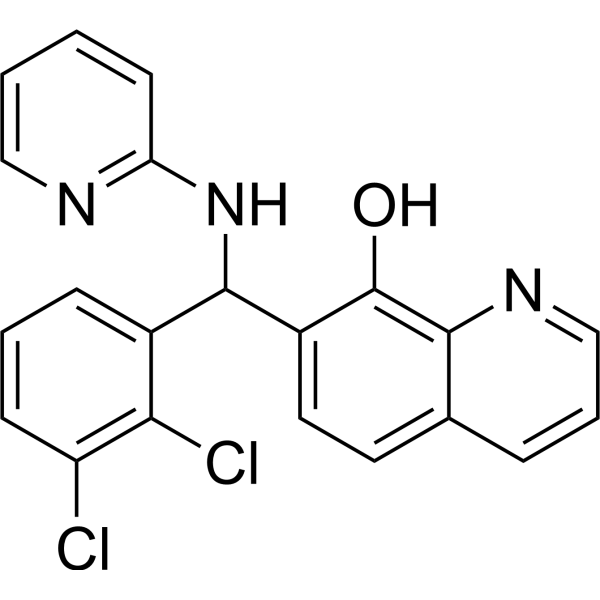
G721-0377 is a CHI3L1 modulator with a humanKd value of 45 μM. G721-0377 binds to CHI3L1 and modulates downstream signaling pathways. G721-0377 suppresses CHI3L1-induced NF-κB activation, decreases secretion of CHI3L1 and IL-6. G721-0377 can be used for the research of Alzheimer's disease .
EGA is an inhibitor that selectively targets the endosomal trafficking pathways. EGA targets the proteins involved in the endosomal trafficking pathways through which multiple toxins and viruses enter cells. EGA exerts its activity by inhibiting the trafficking from early endosomes to late endosomes, blocking the entry of multiple acid-dependent bacterial toxins and viruses into mammalian cells and delaying the lysosomal targeting and degradation of EGFR .
JZP-430 (Standard) is the analytical standard of JZP-430 (HY-101457). This product is intended for research and analytical applications. JZP-430 is a potent, highly selective, irreversible inhibitor of α/β-hydrolase domain 6 (ABHD6) with an IC50 of 44 nM, exhibits ~230-fold selectivity over fatty acid amide hydrolase (FAAH) and lysosomal acid lipase (LAL) .
Carboxypeptidase G, Pseudomonas sp. (EC 3.4.17.11) is a lysosomal thiol-dependent protease that stepwise cleaves γ-glutamylpteroyl polyγ-glutamic acid to generate pteroyl-α-glutamic acid (folic acid) and free glutamic acid. Carboxypeptidase G is highly specific for the γ-glutamyl bond but not for the C-terminal amino acid of the leaving group. Carboxypeptidase G can be activated by Zn 2+ ions.
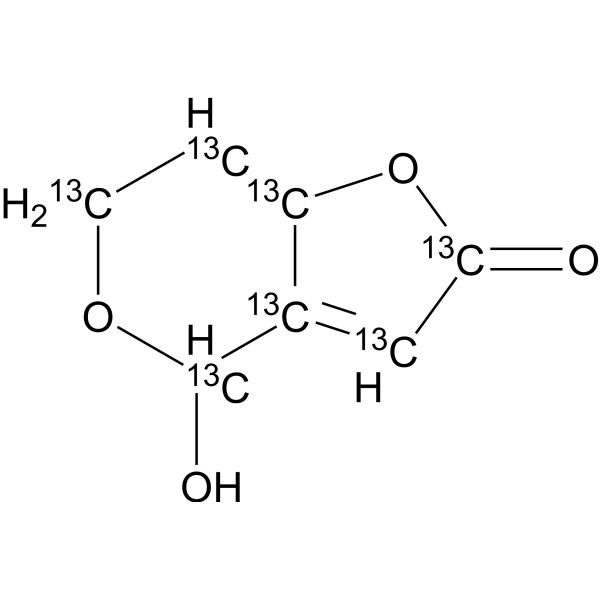
Patulin- 13C7 (Terinin- 13C7) is the 13C labeled Patulin (HY-N6779) . Patulin (Terinin) is a mycotoxin produced by fungi including the Aspergillus, Penicillium, and Byssochlamys species, is suspected to be clastogenic, mutagenic, teratogenic and cytotoxic. Patulin induces autophagy-dependent apoptosis through lysosomal-mitochondrial axis, and causes DNA damage .
Green DND-26 (solution) is a green fluorescently labeled lysosomal probe with a maximum excitation/emission wavelength of 504/511 nm. The structure is composed of a fluorescein group and linked weak bases, which can freely cross the cell membrane and generally gather on spherical organelles. Green DND-26 is suitable for observing the internal biosynthesis and related pathogenesis of lysosomes . Solvent and concentration: DMSO: 2 mM
DEL-C1 is a CHI3L1 inhibitor. DEL-C1 can restore the ability to clear Amyloid-β and repair lysosomal function of astrocytes. DEL-C1 can inhibit NF-κB signaling and IL-6 secretion. DEL-C1 can be used for the researches of inflammation and neurological disease, such as Alzheimer's disease .
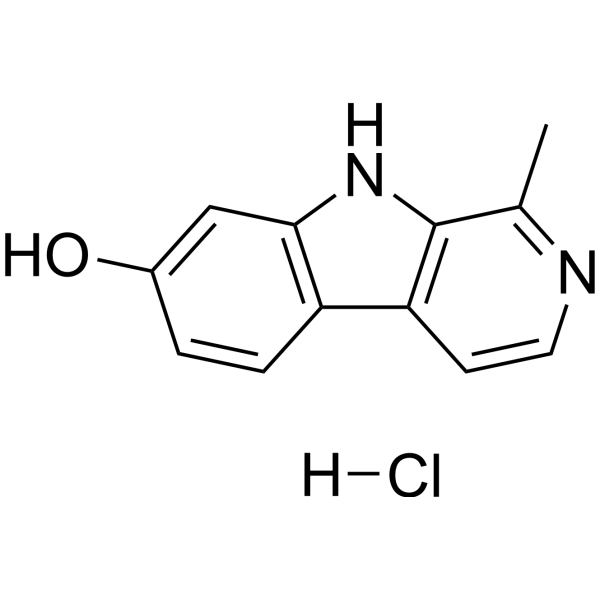
Harmol hydrochloride is an orally active β-carboline alkaloid. Harmol hydrochloride is a TFEB activator and monoamine oxidase inhibitor. Harmol hydrochloride can induce cell mitosis, Autophagy and Apoptosis. Harmol hydrochloride promotes the degradation of α-synuclein by regulating the autophagy-lysosomal pathway. Harmol hydrochloride has anti-tumor, anti-depressant and anti-aging activities. Harmol hydrochloride improves motor impairment in a mouse Parkinson's disease model .
GlcNAc-1-Phosphotransferase is an α2β2γ2 hexamer with core catalytic α- and β-subunits derived from GNPTAB. GlcNAc-1-Phosphotransferase catalyzes the addition of the il group of N-acetylglucosamine-1-phosphate to the terminal mannose. Mutations in GlcNAc-1-Phosphotransferase cause lysosomal storage disorders such as mucolipidosis .
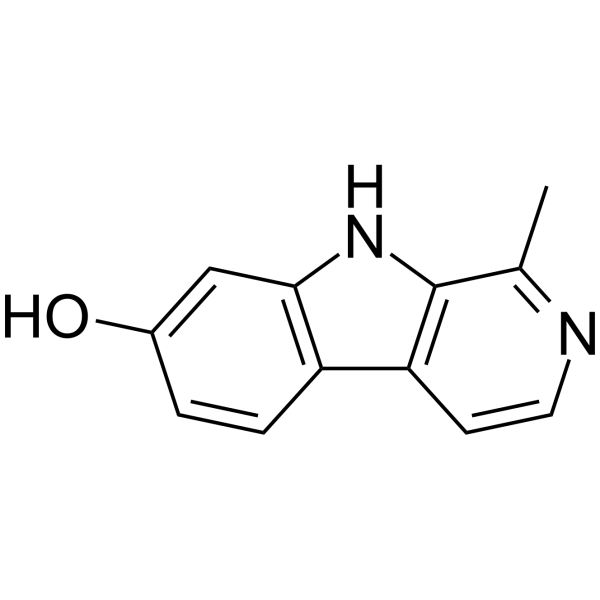
Harmol is an orally active β-carboline alkaloid. Harmol is a TFEB activator and monoamine oxidase inhibitor. Harmol can induce cell mitosis, Autophagy and Apoptosis. Harmol promotes the degradation of α-synuclein by regulating the autophagy-lysosomal pathway. Harmol has anti-tumor, anti-depressant and anti-aging activities. Harmol improves motor impairment in a mouse Parkinson's disease model .
3β,5α,6β-Trihydroxycholanic acid is a metabolite of 3β,5α,6β-Trihydroxycholestane (HY-W010934). 3β,5α,6β-Trihydroxycholanic acid can be used in research related to neurodegenerative diseases associated with lysosomal dysfunction .
MS1-96 is an orally active PD-L1 (programmed death-ligand 1) degrader. MS1-96 effectively reduced PD-L1 protein levels across multiple colorectal cancer (CRC) cell lines. MS1-96 directly binds to PD-L1 (KD = 2.58 μM) and enhances the interaction between HIP1R and PD-L1, thereby altering the intracellular trafficking of PD-L1 within clathrin-coated vesicles. MS1-96 induces abnormal N-glycosylation of PD-L1, destabilizing the protein and hastening its lysosome-mediated degradation. MS1-96 can be used for the study of colorectal cancer .
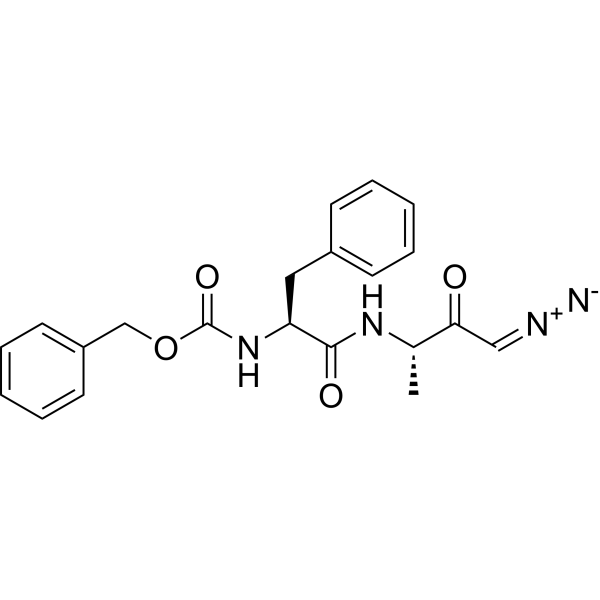
Z-Phe-Ala-diazomethylketone binds directly to Aβ42 monomers and small oligomers. Z-Phe-Ala-diazomethylketone inhibits the formation of Aβ42 dodecamers and inhibits Aβ42 fibril formation in the solution. Z-Phe-Ala-diazomethylketone has the potential for neurodegenerative disorders research .
Mal-VC-PAB-DMEA-PNU-159682 is a agent-linker conjugate for ADC with potent antitumor activity by using the anti-topoisomerase II agent, PNU-159682, linked via the lysosomally cleavable dipeptide, Mc-VC-PAB. Mal-VC-PAB-DMEA-PNU-159682 can be used in the synthesis of Anti-CD22-NMS249 (HY-164761) .
Lalistat 1 is a potent, selective, and competitive inhibitor of lysosomal acid lipase (LAL) and against purified human LAL (phLAL) with an IC50 of 68 nM. Lalistat 1 is a inhibitor of immunoglobulin A1 protease (IgA1P) proteases for H. influenzae, has less effects on other serine hydrolases (trypsin or β-lactamase, etc.). Lalistat 1 can be used for the research of niemann-pick type C (NPC) disease .
CA77.1 is a potent, brain-penetrant and orally active chaperone-mediated autophagy (CMA) activator with favorable pharmacokinetics. CA77.1 is a derivative of AR7 (HY-101106) and can increase the expression of the lysosomal receptor LAMP2A in?lysosomes. CA77.1 improves behavior and neuropathology in PS19 mice model and can be used for alzheimer's?disease research .
ML-20, Malabaricone C (HY-N8518) analogue, is a autophagy inhibitor and radiosensitizer. ML-20 inhibits cell growth, induces cell apoptosis . ML-20 induces DNA double-strand breaks, loss of mitochondrial membrane potential (MMP), and lysosomal membrane permeabilization (LMP). ML-20 induces endoplasmic reticulum stress and concurrent inhibition of autophagy flux due to LMP .
SM875 is a cellular prion protein (PrP) degrader (IC50: 7.87 μM). SM875 targets PrP folding intermediates and promotes its degradation through the autophagy-lysosomal pathway. SM875 only acts on nascent, immature PrP molecules and has no effect on mature PrP before synthesis. SM875 can inhibit prion replication and has potential in the study of neurodegenerative diseases (i.e., prion diseases) .
1-Dodecylimidazole (Standard) is the analytical standard of 1-Dodecylimidazole. This product is intended for research and analytical applications. 1-Dodecylimidazole (N-Dodecylimidazole) is a lysosomotropic detergent and a cytotoxic agent. 1-Dodecylimidazole causes cell death by its acid-dependent accumulation in lysosomes, disruption of the lysosomal membrane, and releaseof cysteine proteases into the cytoplasm. 1-Dodecylimidazole has hypocholesterolaemic activity and broad-spectrum antifungal activity .
Ajugol (Standard) is the analytical standard of Ajugol (HY-N0914). This product is intended for research and analytical applications. Ajugol is an orally active iridoid glycoside found in the traditional Chinese medicine Leonurus japonicus. Ajugol is an autophagy activator. Ajugol activates TFEB-mediated autophagy and lysosomal biogenesis. Ajugol also has anti-inflammatory effects. Ajugol has great potential in the research of asthma, non-alcoholic fatty liver disease (NAFLD), and osteoarthritis .
2-Methoxycinnamaldehyde (Standard) is the analytical standard of 2-Methoxycinnamaldehyde. This product is intended for research and analytical applications. 2-Methoxycinnamaldehyde (o-Methoxycinnamaldehyde) is a natural compound that can be isolated from Cinnamomum cassia. 2-Methoxycinnamaldehyde inhibits topoisomerase-I/II and NF-κB signaling pathway, causes mitochondrial dysfunction, induces lysosomal vesiculation, thereby leading to DNA damage and cell apoptosis. 2-Methoxycinnamaldehyde exhibits antitumor effects .
KSA02 is a two-dimensional intelligent fluorescent probe. KSA02 not only detects the activity of the aging-related β-galactosidase (SA-β-gal), but also can simultaneously sense the pH value changes of the lysosomal microenvironment where SA-β-gal is located. KSA02 can distinguish between aging and cancer, track the aging process, and evaluate the efficacy of anti-aging agents. KSA02 can be used for the study of aging biology .
LysoFP-NO2 is a turn-on fluorescent probe for carbon monoxide (CO) that localizes to the lysosome. In the presence of lysosomal CO, lysoFP-NO2 is transformed into lysoFP-NH2, which is highly fluorescent. LysoFP-NO2 is selective for CO over various reactive nitrogen, oxygen, and sulfur species. It displays excitation/emission maxima of 440/528 nm, respectively, and is not cytotoxic to HepG2 cells for up to five hours when used at a concentration of 30 μM.
IITZ-02 is a lysosomotropic Autophagy inhibitor. IITZ-02 enhances autophagosome accumulation but inhibits autophagosomal degradation by impairing lysosomal function, finally inducing the inhibition of autophagy. IITZ-02 abolishes mitochondrial membrane potential and induces apoptosis through the mitochondria-mediated pathway. IITZ-02 has a potent antitumor activity in MDA-MB-231 xenograft mouse models. IITZ-02 can be used for cancers research .
Ezurpimtrostat hydrochloride (GNS561 hydrochloride) is an orally active PPT1 inhibitor, autophagy inhibitor, immunomodulator, anti-inflammatory agent, and anticancer agent. Ezurpimtrostat hydrochloride inhibits PPT1, dysregulates lysosomal function, redistributes mTOR, and induces apoptosis. Ezurpimtrostat hydrochloride reduces IFN‑α, CRP, immune complex deposition, and SARS‑CoV‑2 viral load. Ezurpimtrostat hydrochloride can be used for the study of systemic lupus erythematosus, SARS‑CoV‑2, hepatocellular carcinoma, fibrosis, and related disorders .
RSC-1255 is a potent and selective Vacuolar H⁺-ATPase (V-ATPase) inhibitor that directly binds the mammalian V-ATPase complex with a Kd = 23 nM. RSC-1255 exhibits preferential cytotoxicity toward KRAS-mutant cancer cells, especially KRAS G13D and KRAS G12V cells. RSC-1255 induces apoptosis and blocks lysosomal acidification, autophagy, and macropinocytosis in cancer cells. RSC-1255 can be used for the study of KRAS-driven lung and colon cancers .
β-Mannosidase, Streptomyces coelicolor (EC 3.2.1.25) catalyses the following chemical reaction:Hydrolysis of terminal, non-reducing beta-D-mannose residues in beta-D-mannosides. This gene encodes a member of the glycosyl hydrolase 2 family. The encoded protein localizes to the lysosome where it is the final exoglycosidase in the pathway for N-linked glycoprotein oligosaccharide catabolism. Mutations in this gene are associated with beta-mannosidosis, a lysosomal storage disease that has a wide spectrum of neurological involvement.
CH-123 is an orally active lipid-lowering agent. CH-123 inhibits the elevated activities of β-glucuronidase, β-galactosidase, N-acetyl-β-glucosaminidase and acid phosphatase in aortic smooth muscle cells and hepatocytes. CH-123 reduces serum total lipid and cholesterol levels, as well as intracellular cholesterol content in aortic smooth muscle cells. CH-123 significantly inhibits lysosomal enzyme activity. CH-123 can be used in the research of atherosclerosis .
M4K3233 is a selective ALK2 PROTAC degrader with a pDC50 of 7.3 and a pIC50 of 6.6. M4K3233 recruits CRBN to form a ternary complex with ALK2, mediating ALK2 degradation via the proteasomal and lysosomal pathways. M4K3233 induces moderate downregulation of RIPK2 and significant downregulation of SIK3 in mammalian cells. M4K3233 is applicable to research related to glioblastoma .
Laroprovstat (AZD0780) is an orall active PCSK9 inhibitor. PCSK9-IN-12 has bind affinity for PCSK9 with a Kd value of <200 nM. Laroprovstat binds to a pocket in the PCSK9 C-terminal domain and does not affect the PCSK9-LDL receptor (LDLR) interaction. Laroprovstat inhibits lysosomal trafficking of PSCK9-LDLR complexes and prevents PCSK9-induced LDLR degradation. Laroprovstat can be used for the research of hypercholesterolemia .
Ezurpimtrostat (GNS561) is an orally active PPT1 inhibitor, autophagy inhibitor, immunomodulator, anti-inflammatory agent, and anticancer agent. Ezurpimtrostat inhibits PPT1, dysregulates lysosomal function, redistributes mTOR, and induces apoptosis. Ezurpimtrostat reduces IFN‑α, CRP, immune complex deposition, and SARS‑CoV‑2 viral load. Ezurpimtrostat can be used for the study of systemic lupus erythematosus, SARS‑CoV‑2, hepatocellular carcinoma, fibrosis, and related disorders .
Lactacystin is a potent, orally active, irreversible, cell-permeable, selective 20S proteasome inhibitor (IC50 = 4.8 μM). Lactacystin also inhibits the lysosomal enzyme cathepsin A. Lactacystin inhibits cell growth and induces apoptosisand cell cycle arrest, and has antiviral and antioxidative activity. Lactacystin induces neurite outgrowth and hypertension. Lactacystin has the potential for the research of cancer, Neurological Disease, hypertension and Malaria, and so on [2] [6] .
Hapalindole Q (Compound (+)-1) is an autophagy (Autophagy) inhibitor targeting YAP1. Hapalindole Q binds to the Hippo pathway transcription factor YAP1 with a Kd of 9.13 μM and induces its degradation via the chaperone-mediated autophagy (CMA) pathway. This process inhibits Rab7-mediated fusion of autophagosomes and lysosomes, thereby reducing overall autophagy levels without affecting lysosomal function. Hapalindole Q holds promise for research in cancer (e.g., liver cancer, breast cancer, etc.) .
Harmol (Standard) is the analytical standard of Harmol (HY-107811). This product is intended for research and analytical applications. Harmol hydrochloride is an orally active β-carboline alkaloid. Harmol hydrochloride is a TFEB activator and monoamine oxidase inhibitor. Harmol can induce cell mitosis, Autophagy and Apoptosis. Harmol promotes the degradation of α-synuclein by regulating the autophagy-lysosomal pathway. Harmol has anti-tumor, anti-depressant and anti-aging activities. Harmol improves motor impairment in a mouse Parkinson's disease model .
Raludotatug Deruxtecan is an antibody-drug conjugate targeting CDH6, with an EC50 of 64.7 ng/mL in humans, 70.4 ng/mL in cynomolgus monkeys, and 228 ng/mL in mice. Raludotatug Deruxtecan specifically binds to CDH6 on the surface of cancer cells, triggers lysosomal internalization, and releases the DXd payload that inhibits TOP1. Raludotatug Deruxtecan induces DNA damage, Chk1 phosphorylation, caspase-3 cleavage, apoptosis, and bystander cell death. Raludotatug Deruxtecan is applicable to research related to serous ovarian cancer and renal cell carcinoma .
β-Mannosidase is a lysosomal exo‑acting enzyme. β-Mannosidase catalyzes hydrolysis of β‑1,4‑linked mannosides, non‑reducing terminal mannoses in N‑glycoproteins, and Man‑β‑1,4‑GlcNAc linkages to release mannose. β-Mannosidase contributes to glycoprotein catabolism and supports Bifidobacteria colonization via N‑glycan depolymerization. β-Mannosidase can be used for the research of β-mannosidosis and β-mannosidase deficiency .
IGN523 is an anti-CD98 antibody (hCD98, KD = 0.55 nM). IGN523 induces antibody-dependent cell-mediated cytotoxicity (ADCC) activity, lysosomal membrane permeabilization, and inhibition of essential amino acid transport, ultimately leading to caspase-3 and caspase-7-mediated apoptosis of tumor cells. IGN523 inhibits tumor growth in multiple tumor xenograft models. IGN523 is useful in the research of non-small cell lung cancer (NSCLC), acute myeloid leukemia (AML), and other cancers. .
4-Methylumbelliferyl-α-L-iduronide 2-sulfate (4-MU-α-idoa 2-sulfate) sodium is a fluorogenic substrate of iduronate-2-sulfatase (I2S). 4-Methylumbelliferyl-α-L-iduronide 2-sulfate sodium can be hydrolyzed by lysosomal enzyme α-l-iduronidase (IDUA) and release the fluorophore 4-Methylumbelliferone (HY-N0187). 4-Methylumbelliferyl-α-L-iduronide 2-sulfate sodium can be used to detect Hurler syndrome .
GN-604 is a targeted drug conjugate (Targeted Drug Conjugate, TDC) formed by conjugation of GNS561 (HY-137978) with DN604, a Pt (II) complex. GN-604 selectively inhibits PPT1, induces lysosomal dysfunction, suppresses autophagy and triggers apoptosis. GN-604 promotes the targeted sequestration of Pt (II) inside cells, induces DNA damage and inhibits the proliferation of malignant cells. GN-604 is applicable to research related to triple-negative breast cancer .
TPC2-A1-P is a powerful and membrane permeable agonist of two pore channel 2 (TPC2) with an EC50 of 10.5 μM. TPC2-A1-P plays its role by mimicking the physiological actions of PI(3,5)P2. TPC2-A1-P also shows higher potency to induce Na 2+ mobilisation from TPC2 than TPC-A1-N (HY-131614). TPC2-A1-P can be used to probe different functions of TPC2 channels in intact cells .
Acid Ceramidase-IN-1 is orally active and blood-brain barrier penetrant acid ceramidase (AC, ASAH-1) inhibitor (hAC IC50=0.166 μM). Acid Ceramidase-IN-1 reduces AC activity, accumulates ceramide species (Cer (d18:0/16:0), Cer (d18:1/16:0)), and decreases sphingosine levels. Acid Ceramidase-IN-1 can be used for the study of severe neurological lysosomal storage diseases (LSDs) such as Gaucher’s disease (GD) and Krabbe’s disease (KD) .
Nrf2-IN-4 is a Nrf2 inhibitor. Nrf2-IN-4 induces ferroptosis via NRF2 inhibition. Nrf2-IN-4 disrupts cellular iron homeostasis, facilitates ferritin degradation, and ultimately triggers ferroptosis. Nrf2-IN-4 induces lysosome activation by promoting iron-dependent ROS production and lysosomal acidification. Nrf2-IN-4 demonstrates significant antitumor efficacy. Nrf2-IN-4 can be used for the study of breast cancer .
Disobutamide (SC-31828) is an orally active, blood-brain barrier permeable cationic amphiphilic ditertiary amine piperidine ring compound with antiarrhythmic properties. Disobutamide induces lysosomal phospholipid accumulation, which triggers extensive cytoplasmic vacuolization and leads to cell death. Disobutamide prolongs multiple electrocardiographic intervals in canine hearts, induces cardiac arrest at high doses, and causes decreased retinal reflectivity. Disobutamide can be used in studies related to arrhythmias, and also serves as a model drug for investigating the storage mechanisms and toxicity thresholds of intracellular amphiphilic compounds .
Anticancer agent 292 (Compound P4) is a photosensitizer for anti-melanoma. Anticancer agent 292 shows good biocompatibility under dark conditions and, upon illumination, induces apoptosis and partial necrosis in B16-F10 cells by disrupting the lysosomal membrane. Anticancer agent 292 not only directly kills tumor cells through the generation of reactive oxygen species (ROS), but also induces immune-prone cell death (ICD), thereby generating anti-tumor immune effects. Anticancer agent 292 can be used in the research of photodynamic therapy for melanoma .
NDI-Lyso is a lysosome-targeted anticancer agent that induces the formation of rigid long fibers in cancer cell lysosomes through an enzyme-instructed self-assembly (EISA) mechanism catalyzed by cathepsin B. This process triggers lysosomal swelling, membrane permeabilization (LMP), and membrane disruption, ultimately leading to cancer cell apoptosis via a non-classical caspase-independent pathway. NDI-Lyso exhibits significant selective anticancer activity in various cancer cell lines and drug-resistant cancer cells (IC50 ~10 μM) while showing low toxicity to normal cells (IC50 > 60 μM) .
Leukotriene B5 (LTB5) is a leukotriene with diverse biological activities. It is a metabolite of eicosapentaenoic acid formed through the 5-lipoxygenase (5-LO) pathway. LTB5 increases contraction of bullfrog lung strips ex vivo in a concentration-dependent manner. In vivo, LTB5 (100 nM) reduces tumor volume in mice injected with Tm1 murine melanoma cells. LTB5 also elicits chemokinesis and lysosomal enzyme release from polymorphonuclear leukocytes (PMNLs) 20- to 30-fold less, and induces platelet aggregation 8-fold less, potently than LTB4.
RIPK1-IN-41 is an orally active RIPK1 inhibitor with an IC50 of 92 nM and a KD of 106.8 nM. RIPK1-IN-41 reduces the phosphorylation level of RIPK1, inhibits necrosome formation, blocks the activation of RIPK3 and MLKL, maintains mitochondrial and lysosomal functions, preserves cell membrane integrity, and suppresses necroptosis. RIPK1-IN-41 alleviates hypothermia and multi-organ damage in a mouse model of systemic inflammatory response syndrome induced by mTNF-α. RIPK1-IN-41 is applicable to research related to systemic inflammatory response syndrome .
Avicin G is a sphingomyelinase inhibitor and plasma membrane disruptor. Avicin G inhibits the enzymatic activities of neutral sphingomyelinases (SMPD2/3) and acid sphingomyelinase (SMPD1), elevates intracellular sphingomyelin levels, and alters the distribution of sphingomyelin. Avicin G interferes with the lateral segregation of GTP- and GDP-bound H-Ras, inhibits the signal output of oncogenic K-Ras and H-Ras, reduces the phosphorylation of ERK and Akt, increases lysosomal pH, and inhibits the endocytic recycling of epidermal growth factor receptor. Avicin G can be used in research related to pancreatic ductal adenocarcinoma and non-small cell lung cancer .
TPC2-A1-N is a powerful and Ca 2+-permeable agonist of two pore channel 2 (TPC2), which plays its role by mimicking the physiological actions of NAADP. TPC2-A1-P reproducibly evokes significant Ca 2+ responses from TPC2 (EC50=7.8 μM), and the effect can be blocked by several TPC blockers. TPC2-A1-N can be used to probe different functions of TPC2 channels in intact cells .
Anle138b-F105 is an autophagy-targeting chimera (AUTOTAC) that targets p62/Sequestosome-1/SQSTM1. Anle138b-F105 binds to the ZZ domain of p62, induces conformational activation, self-oligomerization, interaction with LC3, and formation of autophagosomes. Anle138b-F105 induces autophagic flux of ubiquitin-conjugated aggregated proteins, leading to their lysosomal degradation. Anle138b-F105 is applicable for the research of neurodegenerative proteinopathies .
C20 Sphingomyelin (d18:1/20:0) (N-eicosanoyl-D-erythro-Sphingosylphosphorylcholine; SM(d18:1/20:0)) is a naturally occurring sphingolipid. C20 Sphingomyelin (d18:1/20:0) levels are upregulated in the hippocampus of streptozotocin (HY-13753)-induced diabetic rats and in human plasma, positively correlating with insulin resistance in obese humans. C20 Sphingomyelin (d18:1/20:0) is also upregulated in the liver of a mouse model of Niemann-Pick C1 disease, a neurodegenerative cholesterol sphingolipid lysosomal storage disorder.
Nrf2-IN-4 (Compound PhcY) hydrobromide is a Nrf2 inhibitor. Nrf2-IN-4 hydrobromide induces ferroptosis via NRF2 inhibition. Nrf2-IN-4 hydrobromide disrupts cellular iron homeostasis, facilitates ferritin degradation, and ultimately triggers ferroptosis. Nrf2-IN-4 hydrobromide induces lysosome activation by promoting iron-dependent ROS production and lysosomal acidification. Nrf2-IN-4 hydrobromide demonstrates significant antitumor efficacy. Nrf2-IN-4 hydrobromide can be used for the study of breast cancer .
ML-SI3 is a mixture of cis/trans ML-SI3 (HY-139426A), which is a TRPML1/2 channel inhibitor with IC50s of 4.7 μM and 1.7 μM, respectively. ML-SI3 also inhibits lysosomal calcium efflux and blocks downstream TRPML1-mediated autophagy. The cis/trans ML-SI3 (HY-139426A) components of ML-SI3 are TRPML2 activators with EC50s of 3.3 μM and 9.4 μM, respectively .
MMRi62, a ferroptosis inducer targeting MDM2-MDM4 (negative regulators of tumor suppressor p53). MMRi62 shows a P53-independent pro-apoptotic activity against pancreatic ductal adenocarcinoma (PDAC) cells and induce autophagy. MMRi62 inducesferroptosis, resulting in a increase of reactive oxygen and lysosomal degradation of ferritin heavy chain (FTH1). MMRi62 also leads to proteasomal degradation of mutant p53, also inhibits orthotopic xenograft PDAC mouse model in vivo with high frequency mutation characteristics of KRAS and TP53.12 .
hIMB1636 is a humanized monoclonal antibody targeting Trop2. By binding to the conformational Trop2 epitope, hIMB1636 regulates related signaling pathways, triggers lysosomal endocytosis, and further induces apoptosis, cell cycle arrest, and antibody-dependent cellular cytotoxicity. hIMB1636 effectively inhibits tumor cell proliferation, migration and in vivo tumor growth, and also exerts bystander killing effect and mediates long-term retention. hIMB1636 can be conjugated with NOTA/DOTA for radiolabeling to enable immuno-PET imaging, or prepared as hIMB1636-LDP-AE to significantly inhibit the growth of breast cancer and lung cancer xenografts .
PROTAC sEH-degrader-3 (Compound 1a) is a targeted sEH PROTAC degrader that can selectively degrade sEH in the cytosol without affecting sEH in peroxisomes. PROTAC sEH-degrader-3 degrades sEH through a CRBN-dependent lysosomal pathway rather than the proteasome, with an IC50 of 0.8 nM against hsEH. PROTAC sEH-degrader-3 can inhibit endoplasmic reticulum stress and can be used in the research of inflammation, metabolic diseases, and other diseases related to endoplasmic reticulum stress. (Pink: sEH inhibitor (HY-114266); Black: Linker (HY-W008352); Blue: E3 Ligase Ligand (HY-14658)) .
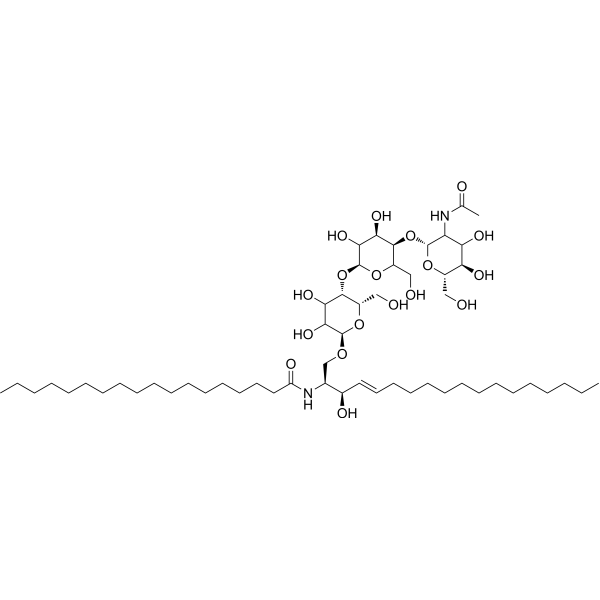
Ganglioside GM2 asialo (asialo-GM2) is a glycosphingolipid containing three monosaccharide residues and one fatty acid of variable chain length, but lacks the sialic acid residue present on ganglioside M2. Asialo-GM2 is found at low or undetectable levels in normal human brains, but it accumulates in the brains of patients with Tay-Sachs disease and Sandhoff disease, which are expressed as lysosomal β- A neurodegenerative disorder characterized by hexosaminidase A and B deficiency. It also binds to various bacteria, including Pseudomonas isolated from cystic fibrosis patients. The Asialo-GM2 mixture contains ganglioside GM2 asialo molecular species with fatty acyl chains of variable length.
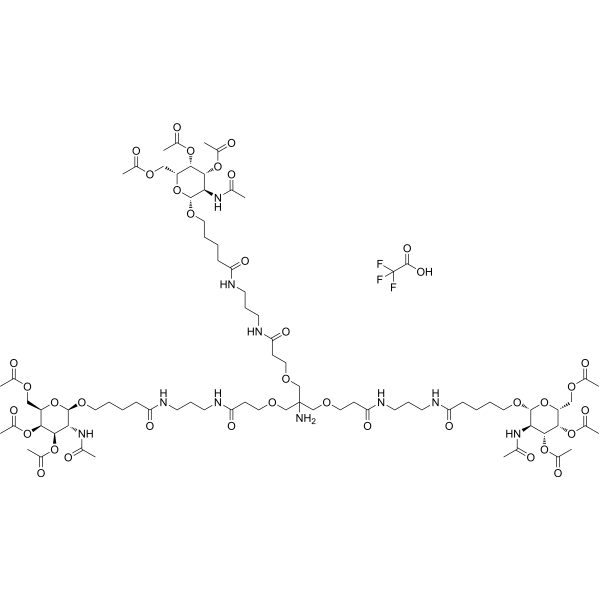
Tri-GalNAc(OAc)3 TFA is a trivalent N-acetylgalactosamine (GalNAc) derivative that can be used to synthesize GalNAc-LYTAC. Tri-GalNAc is a specific ligand targeting the asialoglycoprotein receptor (ASGPR), mediating the endocytosis and transport of cell surface proteins (such as EGFR, HER2) to lysosomes for degradation by lysosomal targeting chimeras (LYTACs). Tri-GalNAc significantly reduces the level of target proteins and inhibits downstream signaling pathways (such as EGFR-mediated Akt and MAPK signals). Tri-GalNAc(OAc)3 TFA can be used for hepatocyte targeting studies, and can degrade carcinogenic membrane proteins and inhibit tumor cell proliferation in liver cancer cell models .
Atezolizumab-MMAE is an anti-PD-L1 antibody-drug conjugate (ADC) with an EC50 of 1.1 nM. Atezolizumab-MMAE is composed of a humanized anti-PD-L1 antibody (Atezolizumab) (HY-P9904), a lysosomally cleavable dipeptide linker (valine-citrulline), a tubulin inhibitor (MMAE) (HY-15162), and the drug-linker conjugate for ADC is VcMMAE (HY-15575). Atezolizumab-MMAE has a potent cytotoxicity (EC50: 9.75-11.94 nM) and immune activation effect. Atezolizumab-MMAE has a significantly anti-tumor activity in MC38 xenograft PD-1-humanized immune system mice model .
ATI-1 is an autophagy initiation inhibitor. ATI-1 targets valosin-containing protein (VCP/p97, disrupts its interaction with UFL1, impairs UFMylation homeostasis associated with VCP, promotes polyubiquitination and degradation of Beclin1, and blocks the formation of early autophagosomes. ATI-1 induces synergistic death of autophagy-dependent malignant tumor cells under nutrient deprivation conditions, accompanied by decreased mitochondrial membrane potential, reduced ROS levels and lysosomal stress. ATI-1 exhibits anti-tumor efficacy in a pancreatic adenocarcinoma xenograft mouse model. ATI-1 can be used for the research of pancreatic adenocarcinoma and lung cancer .
LacCer (d18:1/16:0) (C16 Lactosylceramide (d18:1/16:0)) is an endogenous bioactive sphingolipid that can form membrane microdomains with Lyn kinase and the αi subunits of inhibitory G protein-coupled receptors (GPCRs). The levels of LacCer (d18:1/16:0) are elevated in the plasma of insulin-resistant cattle. In a mouse model of Niemann-Pick type C1 disease (a neurodegenerative cholesterol-sphingolipid lysosomal storage disorder), the expression of LacCer (d18:1/16:0) is also upregulated. LacCer (d18:1/16:0) can be used in research on metabolic diseases and neurodegenerative diseases .
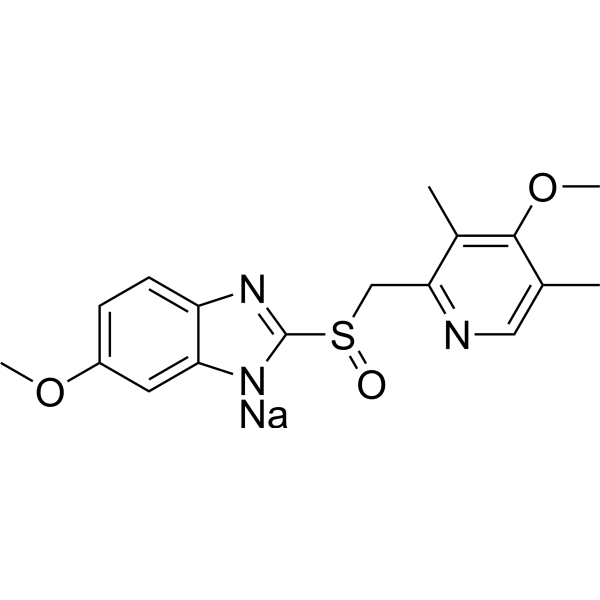
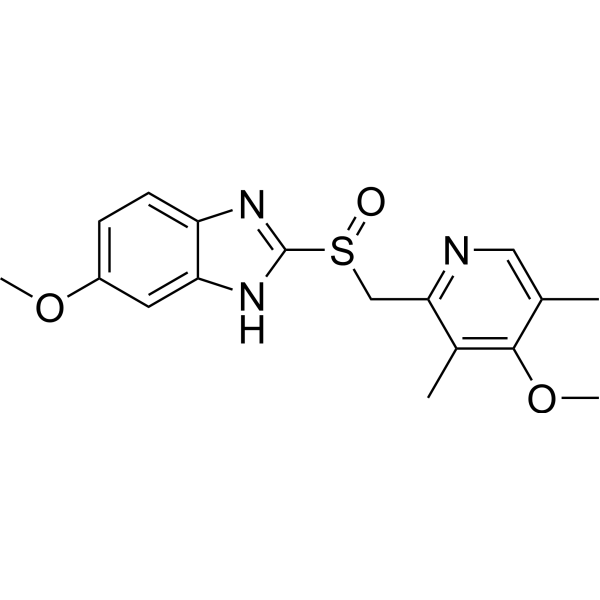
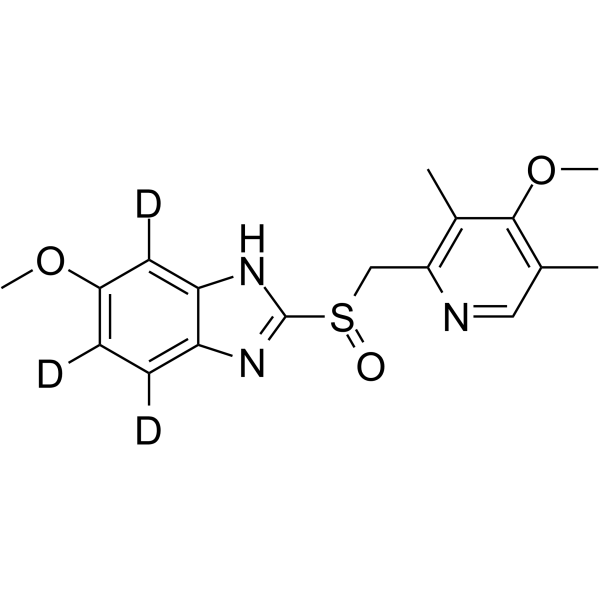
Omeprazole (H 16868) sodium is an orally active H +,K +-ATPase inhibitor and a proton pump inhibitor. Omeprazole sodium competitively inhibits CYP2C19, CYP3A4, and CYP2C9 activity. Omeprazole sodium inhibits gastric acid secretion and can be used for acid-related gastrointestinal disorders. Omeprazole sodium inhibits pancreatic cancer cell proliferation, induces apoptosis, autophagosome accumulation (elevated LC3-I and LC3-II levels), oxidative stress, and cytogenetic imbalance, modulates lysosomal transport, reduces inflammatory cytokines. Omeprazole sodium alters small intestinal morphology and magnesium absorption, and induces gastric mucosa morphologic changes. Omeprazole sodium aslo has neuroprotective and antibacterial effects .
gp91 ds-tat, a biological active peptide, is a NADPH oxidase 2 (Nox2) inhibitor. gp91 ds-tat blocks NADPH oxidase-dependent superoxide production. gp91 ds-tat ameliorates high glucose-induced increase in total ROS, LPOs and iron levels. gp91 ds-tat inhibits homocysteine (Hcy)-induced activation of NLRP3 inflammasomes and restores Hcy-inhibited lysosomalTRPML1 channel activity. gp91 ds-tat improves cerebrovascular and cognitive function in APP/PS1 mice. gp91 ds-tat can be used for the study of Alzheimer’s disease (AD), glomerular inflammation and cardiovascular disease .
Datopotamab deruxtecan (DS-1062) solution is a TROP2-targeted antibody-drug conjugate (ADC) with human TROP2 Kd of 0.74 nmol/L. Datopotamab deruxtecan solution consists of the antibody Datopotamab (HY-P99843) and the toxic molecule-linker conjugate Deruxtecan (HY-13631E). Datopotamab deruxtecan solution binds TROP2, triggers internalization and lysosomal trafficking and releases DXd topoisomerase I inhibitor payload. Datopotamab deruxtecan solution disrupts DNA function, induces DNA damage, apoptosis, and bystander killing of tumor microenvironment cells. Datopotamab deruxtecan solution can be used in research related to triple-negative breast cancer, gastric cancer, and non-small cell lung cancer .
D-Arabinose is is an orally active antidepressant and a growth inhibitor of C. elegans (IC50 is 7.5 mM). D-Arabinose can penetrate the blood-brain barrier, selectively interfere with the metabolism of D-ribose and D-fructose, and inhibit the growth of nematodes. D-Arabinose can also inhibit the synthesis of cell biofilm and exert antibacterial activity. D-Arabinose activates the ACSS2-PPARγ/TFEB-CRTC1 axis through the lysosomalAXIN-LKB1-AMPK pathway, inducing CRTC1 transcription, exerts antidepressant-like activity. D-Arabinose is the ring-opened form of the aldopentose D-?Arabinose (HY-N7082) .
CQY684 (PCA062 antibody) is a monoclonal antibody targeting CDH3/P-cadherin, which locks P-cadherin in an X-dimer conformation and enhances the stability of this adhesion structure. CQY684 induces P-cadherin phosphorylation and promotes its dissociation from the cytoplasmic region of P-cadherin. As an endocytosis inducer and lysosome-targeting agent, CQY684 facilitates the internalization of the P-cadherin-CQY684 complex and improves the turnover efficiency of P-cadherin. CQY684 serves as a platform for the delivery of intracellular anticancer compounds, which is achieved through the targeted lysosomal transport of the antibody-P-cadherin complex. CQY684 is applicable to the research of breast cancer, esophageal cancer, and head and neck cancer .
Omeprazole (H 16868) is an orally active H +,K +-ATPase inhibitor and a proton pump inhibitor. Omeprazole competitively inhibits CYP2C19, CYP3A4, and CYP2C9 activity. Omeprazole inhibits gastric acid secretion and can be used for acid-related gastrointestinal disorders. Omeprazole inhibits pancreatic cancer cell proliferation, induces apoptosis, autophagosome accumulation (elevated LC3-I and LC3-II levels), oxidative stress, and cytogenetic imbalance, modulates lysosomal transport, reduces inflammatory cytokines. Omeprazole alters small intestinal morphology and magnesium absorption, and induces gastric mucosa morphologic changes. Omeprazole aslo has neuroprotective and antibacterial effects .
Ono 3307 Free base is a novel synthetic protease inhibitor that exhibits protective effects against acute pancreatitis by preventing hyperamylasemia and pancreatic edema. Ono 3307 Free base also inhibits the redistribution of lysosomal enzymes in acinar cells and mitigates lactic dehydrogenase discharge. Ono 3307 Free base effectively reduces cathepsin B leakage from lysosomes in a dose-dependent manner. Ono 3307 Free base is able to target trypsin (Ki=48 nM), thrombin (Ki=0.18 μM), plasma kallikrein (Ki=0.29 μM), plasmin (Ki=0.31 μM), pancreatic kallikrein (Ki=3.6 μM), and chymotrypsin (Ki=47 μM).
dPDL1-4 is a potent and selective eHSPTAC eHSP90 PD-L1 degrader with DC50s of 7.77 μM and 6.52 μM in HeLa and B16F10 cells. dPDL1-4 bridges eHSP90 with the target protein, inducing lysosomal degradation. dPDL1-4 can degrade PD-L1 significantly and inhibits tumor growth. dPDL1-4 can be used for the study of cervical cancer and melanoma. ((Pink: eHSP90 ligand (HY-174476); Blue: PD-L1 ligand (HY-116274); Black: Linker (HY-W021787); HSP ligand + linker: HY-174799)) .
H9-KGDEVD-MMAE is an antibody-drug conjugate that specifically binds to PRND to enable precise drug delivery to tumor vasculature and cancer cells. H9-KGDEVD-MMAE contains a linker cleavable by cathepsin B and caspase-3/7, allowing the release of MMAE in lysosomes. H9-KGDEVD-MMAE induces apoptosis, produces a bystander effect, and disrupts tumor vasculature. H9-KGDEVD-MMAE achieves deep tumor penetration and exhibits durable anti-tumor efficacy without systemic toxicity in preclinical models of highly vascularized malignant tumors. H9-KGDEVD-MMAE can be applied to research related to glioblastoma, sarcoma, and renal cell carcinoma .
FITC-HA (MW 5000) is hyaluronic acid (HA) (HY-B0633A) labeled with FITC (HY-66019). FITC-HA retains the ability of HA to bind to receptors (such as CD44) and form extracellular matrices, while it can be detected by fluorescence microscopy or flow cytometry for tracing the localization, binding, internalization and metabolic pathways of HA in cells, tissues or living organisms (Ex/Em ≈ 490/520 nM) .
FITC-HA (MW 200000) is hyaluronic acid (HA) (HY-B0633A) labeled with FITC (HY-66019). FITC-HA retains the ability of HA to bind to receptors (such as CD44) and form extracellular matrices, while it can be detected by fluorescence microscopy or flow cytometry for tracing the localization, binding, internalization and metabolic pathways of HA in cells, tissues or living organisms (Ex/Em ≈ 490/520 nM) .
5-C-phenethyl-DNJ is a selective α-glucosidaseGAA inhibitor, with its Ki value for rhGAA being 0.81 μM. 5-C-phenethyl-DNJ exhibits extremely high selectivity for GANAB, GBA1, and GBA2. 5-C-phenethyl-DNJ can be used for the study of Pompe disease .
FITC-HA (MW 10000) is hyaluronic acid (HA) (HY-B0633A) labeled with FITC (HY-66019). FITC-HA retains the ability of HA to bind to receptors (such as CD44) and form extracellular matrices, while it can be detected by fluorescence microscopy or flow cytometry for tracing the localization, binding, internalization and metabolic pathways of HA in cells, tissues or living organisms (Ex/Em ≈ 490/520 nM) .
FITC-HA (MW 3000) is hyaluronic acid (HA) (HY-B0633A) labeled with FITC (HY-66019). FITC-HA retains the ability of HA to bind to receptors (such as CD44) and form extracellular matrices, while it can be detected by fluorescence microscopy or flow cytometry for tracing the localization, binding, internalization and metabolic pathways of HA in cells, tissues or living organisms (Ex/Em ≈ 490/520 nM) .
FITC-HA (MW 50000) is hyaluronic acid (HA) (HY-B0633A) labeled with FITC (HY-66019). FITC-HA retains the ability of HA to bind to receptors (such as CD44) and form extracellular matrices, while it can be detected by fluorescence microscopy or flow cytometry for tracing the localization, binding, internalization and metabolic pathways of HA in cells, tissues or living organisms (Ex/Em ≈ 490/520 nM) .
FITC-HA (MW 100000) is hyaluronic acid (HA) (HY-B0633A) labeled with FITC (HY-66019). FITC-HA retains the ability of HA to bind to receptors (such as CD44) and form extracellular matrices, while it can be detected by fluorescence microscopy or flow cytometry for tracing the localization, binding, internalization and metabolic pathways of HA in cells, tissues or living organisms (Ex/Em ≈ 490/520 nM) .
FITC-HA (MW 500000) is hyaluronic acid (HA) (HY-B0633A) labeled with FITC (HY-66019). FITC-HA retains the ability of HA to bind to receptors (such as CD44) and form extracellular matrices, while it can be detected by fluorescence microscopy or flow cytometry for tracing the localization, binding, internalization and metabolic pathways of HA in cells, tissues or living organisms (Ex/Em ≈ 490/520 nM) .
FITC-HA (MW 7000) is hyaluronic acid (HA) (HY-B0633A) labeled with FITC (HY-66019). FITC-HA retains the ability of HA to bind to receptors (such as CD44) and form extracellular matrices, while it can be detected by fluorescence microscopy or flow cytometry for tracing the localization, binding, internalization and metabolic pathways of HA in cells, tissues or living organisms (Ex/Em ≈ 490/520 nM) .
FITC-HA (MW 1000000) is hyaluronic acid (HA) (HY-B0633A) labeled with FITC (HY-66019). FITC-HA retains the ability of HA to bind to receptors (such as CD44) and form extracellular matrices, while it can be detected by fluorescence microscopy or flow cytometry for tracing the localization, binding, internalization and metabolic pathways of HA in cells, tissues or living organisms (Ex/Em ≈ 490/520 nM) .
Omeprazole (sodium) (Standard) is the analytical standard of Omeprazole (sodium). This product is intended for research and analytical applications. Omeprazole sodium (H 16868) is an orally active H +,K +-ATPase inhibitor and a proton pump inhibitor. Omeprazole sodium competitively inhibits CYP2C19, CYP3A4, and CYP2C9 activity. Omeprazole sodium inhibits gastric acid secretion and can be used for acid-related gastrointestinal disorders. Omeprazole sodium inhibits pancreatic cancer cell proliferation, induces apoptosis, autophagosome accumulation (elevated LC3-I and LC3-II levels), oxidative stress, and cytogenetic imbalance, modulates lysosomal transport, reduces inflammatory cytokines. Omeprazole sodium alters small intestinal morphology and magnesium absorption, and induces gastric mucosa morphologic changes. Omeprazole sodium aslo has neuroprotective and antibacterial effects .
Caudatin is an orally active and brain-penetrant C-21 steroidal found in Cynanchum bungei decne witha variety of biological activities. Caudatin can inhibit cell proliferation, migration, invasion, cause cell phase arrest, induce apoptosis, autophagy, ROS prodution and loss of mitochondrial membrane potential. Caudatin activates PARP, caspase-3, -7, -9, upregulates pro-apoptotic Bad and Bax and downregulates anti-apoptotic Bcl-2 and Bcl-XL. Caudatin suppresses VEGF, FAK phosphorylation, upregulates p21, p27, DR5 protein expression, activates the p38 MAPK, JNK and PPARα/TFEB-mediated autophagy-lysosomal signaling pathways. Caudatin can be used for the research of cancer, inflammation and neurological disease, such as glioma and Alzheimer's disease .
D-Arabinopyranose is a rare aldehyde pentose, and its ring-opened form is D-arabinose (HY-N0059). D-arabinose is is an orally active antidepressant and a growth inhibitor of C. elegans (IC50 is 7.5 mM). D-arabinose can penetrate the blood-brain barrier, selectively interfere with the metabolism of D-ribose and D-fructose, and inhibit the growth of nematodes. D-arabinose can also inhibit the synthesis of cell biofilm and exert antibacterial activity. D-arabinose activates the ACSS2-PPARγ/TFEB-CRTC1 axis through the lysosomalAXIN-LKB1-AMPK pathway, inducing CRTC1 transcription, exerts antidepressant-like activity. D-arabinose is the ring-opened form of the aldopentose D-?Arabinose (HY-N7082) .
D-Arabinose-d2 is the deuterium labeled D-Arabinose (HY-N0059). D-Arabinose is is an orally active antidepressant and a growth inhibitor of C. elegans (IC50 is 7.5 mM). D-Arabinose can penetrate the blood-brain barrier, selectively interfere with the metabolism of D-ribose and D-fructose, and inhibit the growth of nematodes. D-Arabinose can also inhibit the synthesis of cell biofilm and exert antibacterial activity. D-Arabinose activates the ACSS2-PPARγ/TFEB-CRTC1 axis through the lysosomalAXIN-LKB1-AMPK pathway, inducing CRTC1 transcription, exerts antidepressant-like activity. D-Arabinose is the ring-opened form of the aldopentose D-?Arabinose (HY-N7082) .
C2 Adamantanyl galactosylceramide (AdaGalCer) (d18:1/2:0) is a bioactive sphingolipid. C2 Adamantanyl galactosylceramide (d18:1/2:0) stimulates glucocerebrosidase activity in vitro. C2 Adamantanyl galactosylceramide (d18:1/2:0) inhibits microsomal LacCer and Gb3 synthase, and inhibits cell sulfatide synthesis. C2 Adamantanyl galactosylceramide (d18:1/2:0) reduces glucosylceramide (GlcCer) levels in normal and lysosomal storage disease (LSD) cells. C2 Adamantanyl galactosylceramide (d18:1/2:0) acts as a substrate for A4GALT and is able to lower Gb3 levels with an IC50 concentration of 40 μM in fabry disease cells .
D-Arabinose- 13C is the 13C labeled D-Arabinose (HY-N0059). D-Arabinose is is an orally active antidepressant and a growth inhibitor of C. elegans (IC50 is 7.5 mM). D-Arabinose can penetrate the blood-brain barrier, selectively interfere with the metabolism of D-ribose and D-fructose, and inhibit the growth of nematodes. D-Arabinose can also inhibit the synthesis of cell biofilm and exert antibacterial activity. D-Arabinose activates the ACSS2-PPARγ/TFEB-CRTC1 axis through the lysosomalAXIN-LKB1-AMPK pathway, inducing CRTC1 transcription, exerts antidepressant-like activity. D-Arabinose is the ring-opened form of the aldopentose D-?Arabinose (HY-N7082) .
Omeprazole (Standard) is the analytical standard of Omeprazole. This product is intended for research and analytical applications. Omeprazole (H 16868) is an orally active H +,K +-ATPase inhibitor and a proton pump inhibitor. Omeprazole competitively inhibits CYP2C19, CYP3A4, and CYP2C9 activity. Omeprazole inhibits gastric acid secretion and can be used for acid-related gastrointestinal disorders. Omeprazole inhibits pancreatic cancer cell proliferation, induces apoptosis, autophagosome accumulation (elevated LC3-I and LC3-II levels), oxidative stress, and cytogenetic imbalance, modulates lysosomal transport, reduces inflammatory cytokines. Omeprazole alters small intestinal morphology and magnesium absorption, and induces gastric mucosa morphologic changes. Omeprazole aslo has neuroprotective and antibacterial effects .
D-Arabinose-d6 is the deuterium labeled D-Arabinose (HY-N0059). D-Arabinose is is an orally active antidepressant and a growth inhibitor of C. elegans (IC50 is 7.5 mM). D-Arabinose can penetrate the blood-brain barrier, selectively interfere with the metabolism of D-ribose and D-fructose, and inhibit the growth of nematodes. D-Arabinose can also inhibit the synthesis of cell biofilm and exert antibacterial activity. D-Arabinose activates the ACSS2-PPARγ/TFEB-CRTC1 axis through the lysosomalAXIN-LKB1-AMPK pathway, inducing CRTC1 transcription, exerts antidepressant-like activity. D-Arabinose is the ring-opened form of the aldopentose D-?Arabinose (HY-N7082) .
D-Arabinose (Standard) is the analytical standard of D-Arabinose. This product is intended for research and analytical applications. D-Arabinose is is an orally active antidepressant and a growth inhibitor of C. elegans (IC50 is 7.5 mM). D-Arabinose can penetrate the blood-brain barrier, selectively interfere with the metabolism of D-ribose and D-fructose, and inhibit the growth of nematodes. D-Arabinose can also inhibit the synthesis of cell biofilm and exert antibacterial activity. D-Arabinose activates the ACSS2-PPARγ/TFEB-CRTC1 axis through the lysosomalAXIN-LKB1-AMPK pathway, inducing CRTC1 transcription, exerts antidepressant-like activity. D-Arabinose is the ring-opened form of the aldopentose D-?Arabinose (HY-N7082) .
Omeprazole-d3 sodium is deuterated labeled Omeprazole (HY-B0113). Omeprazole sodium (H 16868) is an orally active H +,K +-ATPase inhibitor and a proton pump inhibitor. Omeprazole sodium competitively inhibits CYP2C19, CYP3A4, and CYP2C9 activity. Omeprazole sodium inhibits gastric acid secretion and can be used for acid-related gastrointestinal disorders. Omeprazole sodium inhibits pancreatic cancer cell proliferation, induces apoptosis, autophagosome accumulation (elevated LC3-I and LC3-II levels), oxidative stress, and cytogenetic imbalance, modulates lysosomal transport, reduces inflammatory cytokines. Omeprazole sodium alters small intestinal morphology and magnesium absorption, and induces gastric mucosa morphologic changes. Omeprazole sodium aslo has neuroprotective and antibacterial effects .
Omeprazole (H 16868) magnesium is an orally active H +,K +-ATPase inhibitor and a proton pump inhibitor. Omeprazole magnesium competitively inhibits CYP2C19, CYP3A4, and CYP2C9 activity. Omeprazole magnesium inhibits gastric acid secretion and can be used for acid-related gastrointestinal disorders. Omeprazole magnesium inhibits pancreatic cancer cell proliferation, induces apoptosis, autophagosome accumulation (elevated LC3-I and LC3-II levels), oxidative stress, and cytogenetic imbalance, modulates lysosomal transport, reduces inflammatory cytokines. Omeprazole magnesium alters small intestinal morphology and magnesium absorption, and induces gastric mucosa morphologic changes. Omeprazole magnesium aslo has neuroprotective and antibacterial effects .
D-Arabinose-d5 is the deuterium labeled D-Arabinose (HY-N0059). D-Arabinose is is an orally active antidepressant and a growth inhibitor of C. elegans (IC50 is 7.5 mM). D-Arabinose can penetrate the blood-brain barrier, selectively interfere with the metabolism of D-ribose and D-fructose, and inhibit the growth of nematodes. D-Arabinose can also inhibit the synthesis of cell biofilm and exert antibacterial activity. D-Arabinose activates the ACSS2-PPARγ/TFEB-CRTC1 axis through the lysosomalAXIN-LKB1-AMPK pathway, inducing CRTC1 transcription, exerts antidepressant-like activity. D-Arabinose is the ring-opened form of the aldopentose D-?Arabinose (HY-N7082) .
YTK-105 is a p62/ZZ binding domain ligand and Autophagy enhancer. YTK-105 activates p62-dependent selective macroautophagy. YTK-105 serves as an autophagy-targeting ligand (ATL) for synthesizing AUTOTAC degraders .
L 741742 hydrochloride is a highly selective and brain-penetrant D4 dopamine receptor antagonist, with Ki values of 3.5 nM, 770 nM and >1700 nM for human D4, D3 and D2 receptors, respectively. L 741742 hydrochloride suppresses PDGFRβ, ERK1/2, and mTOR signaling pathways, and impairs autophagic flux while disrupting lysosomal function.L 741742 hydrochloride induces G0/G1 cell-cycle arrest and apoptosis, promotes neuronal differentiation of normal human neural stem cells, selectively inhibits growth and clonogenic potential of glioblastoma neural stem cells and primary glioblastoma tumor cells, exerts synergistic effects with Temozolomide (TMZ) (HY-17364) against glioblastoma neural stem cells in vitro, and inhibits glioblastoma neural stem cell xenograft growth in immunocompromised mice. L 741742 hydrochloride can be used for the research of schizophrenia and glioblastoma .
Omeprazole sulfone (methoxy-d3) is the deuterium labeled Omeprazole sulfone. Omeprazole sulfone (H 16868) is an orally active H +,K +-ATPase inhibitor and a proton pump inhibitor. Omeprazole sulfone competitively inhibits CYP2C19, CYP3A4, and CYP2C9 activity. Omeprazole sulfone inhibits gastric acid secretion and can be used for acid-related gastrointestinal disorders. Omeprazole sulfone inhibits pancreatic cancer cell proliferation, induces apoptosis, autophagosome accumulation (elevated LC3-I and LC3-II levels), oxidative stress, and cytogenetic imbalance, modulates lysosomal transport, reduces inflammatory cytokines. Omeprazole sulfone alters small intestinal morphology and magnesium absorption, and induces gastric mucosa morphologic changes. Omeprazole sulfone aslo has neuroprotective and antibacterial effects .
Omeprazole-d6 (H 16868-d6) is deuterium labeled Omeprazole. Omeprazole (H 16868) is an orally active H +,K +-ATPase inhibitor and a proton pump inhibitor. Omeprazole competitively inhibits CYP2C19, CYP3A4, and CYP2C9 activity. Omeprazole inhibits gastric acid secretion and can be used for acid-related gastrointestinal disorders. Omeprazole inhibits pancreatic cancer cell proliferation, induces apoptosis, autophagosome accumulation (elevated LC3-I and LC3-II levels), oxidative stress, and cytogenetic imbalance, modulates lysosomal transport, reduces inflammatory cytokines. Omeprazole alters small intestinal morphology and magnesium absorption, and induces gastric mucosa morphologic changes. Omeprazole aslo has neuroprotective and antibacterial effects .
L 741742 is a highly selective and brain-penetrant D4 dopamine receptor antagonist, with Ki values of 3.5 nM, 770 nM and >1700 nM for human D4, D3 and D2 receptors, respectively. L 741742 suppresses PDGFRβ, ERK1/2, and mTOR signaling pathways, and impairs autophagic flux while disrupting lysosomal function.L 741742 induces G0/G1 cell-cycle arrest and apoptosis, promotes neuronal differentiation of normal human neural stem cells, selectively inhibits growth and clonogenic potential of glioblastoma neural stem cells and primary glioblastoma tumor cells, exerts synergistic effects with Temozolomide (TMZ) (HY-17364) against glioblastoma neural stem cells in vitro, and inhibits glioblastoma neural stem cell xenograft growth in immunocompromised mice. L 741742 can be used for the research of schizophrenia and glioblastoma .
Omeprazole- 13C,d3 is a 13C-labeled and deuterium labeled Omeprazole. Omeprazole (H 16868) is an orally active H +,K +-ATPase inhibitor and a proton pump inhibitor. Omeprazole competitively inhibits CYP2C19, CYP3A4, and CYP2C9 activity. Omeprazole inhibits gastric acid secretion and can be used for acid-related gastrointestinal disorders. Omeprazole inhibits pancreatic cancer cell proliferation, induces apoptosis, autophagosome accumulation (elevated LC3-I and LC3-II levels), oxidative stress, and cytogenetic imbalance, modulates lysosomal transport, reduces inflammatory cytokines. Omeprazole alters small intestinal morphology and magnesium absorption, and induces gastric mucosa morphologic changes. Omeprazole aslo has neuroprotective and antibacterial effects .
LacCer (d18:1/16:0) (C16 Lactosylceramide (d18:1/16:0))-d3 is the deuterium labeled LacCer (d18:1/16:0) (HY-153830). LacCer (d18:1/16:0) is an endogenous bioactive sphingolipid that can form membrane microdomains with Lyn kinase and the αi subunits of inhibitory G protein-coupled receptors (GPCRs). LacCer (d18:1/16:0) are elevated in the plasma of insulin-resistant cattle. LacCer (d18:1/16:0) is also upregulated in a mouse model of Niemann-Pick type C1 disease (a neurodegenerative cholesterol-sphingolipid lysosomal storage disorder). LacCer (d18:1/16:0) can be used in research on metabolic diseases and neurodegenerative diseases .
Omeprazole-d3 (H 16868-d3) is deuterium labeled Omeprazole. Omeprazole (H 16868) is an orally active H +,K +-ATPase inhibitor and a proton pump inhibitor. Omeprazole competitively inhibits CYP2C19, CYP3A4, and CYP2C9 activity. Omeprazole inhibits gastric acid secretion and can be used for acid-related gastrointestinal disorders. Omeprazole inhibits pancreatic cancer cell proliferation, induces apoptosis, autophagosome accumulation (elevated LC3-I and LC3-II levels), oxidative stress, and cytogenetic imbalance, modulates lysosomal transport, reduces inflammatory cytokines. Omeprazole alters small intestinal morphology and magnesium absorption, and induces gastric mucosa morphologic changes. Omeprazole aslo has neuroprotective and antibacterial effects .
D-Arabinose- 13C-1 is the 13C labeled D-Arabinose (HY-N0059). D-Arabinose is is an orally active antidepressant and a growth inhibitor of C. elegans (IC50 is 7.5 mM). D-Arabinose can penetrate the blood-brain barrier, selectively interfere with the metabolism of D-ribose and D-fructose, and inhibit the growth of nematodes. D-Arabinose can also inhibit the synthesis of cell biofilm and exert antibacterial activity. D-Arabinose activates the ACSS2-PPARγ/TFEB-CRTC1 axis through the lysosomalAXIN-LKB1-AMPK pathway, inducing CRTC1 transcription, exerts antidepressant-like activity. D-Arabinose is the ring-opened form of the aldopentose D-?Arabinose (HY-N7082) .
D-Arabinose- 13C-2 is the 13C labeled D-Arabinose (HY-N0059). D-Arabinose is is an orally active antidepressant and a growth inhibitor of C. elegans (IC50 is 7.5 mM). D-Arabinose can penetrate the blood-brain barrier, selectively interfere with the metabolism of D-ribose and D-fructose, and inhibit the growth of nematodes. D-Arabinose can also inhibit the synthesis of cell biofilm and exert antibacterial activity. D-Arabinose activates the ACSS2-PPARγ/TFEB-CRTC1 axis through the lysosomalAXIN-LKB1-AMPK pathway, inducing CRTC1 transcription, exerts antidepressant-like activity. D-Arabinose is the ring-opened form of the aldopentose D-?Arabinose (HY-N7082) .
D-Arabinose- 13C-3 is the 13C labeled D-Arabinose (HY-N0059). D-Arabinose is is an orally active antidepressant and a growth inhibitor of C. elegans (IC50 is 7.5 mM). D-Arabinose can penetrate the blood-brain barrier, selectively interfere with the metabolism of D-ribose and D-fructose, and inhibit the growth of nematodes. D-Arabinose can also inhibit the synthesis of cell biofilm and exert antibacterial activity. D-Arabinose activates the ACSS2-PPARγ/TFEB-CRTC1 axis through the lysosomalAXIN-LKB1-AMPK pathway, inducing CRTC1 transcription, exerts antidepressant-like activity. D-Arabinose is the ring-opened form of the aldopentose D-?Arabinose (HY-N7082) .
Pulchinenoside E2 is a triterpenoid saponin. Pulchinenoside E2 inhibits the phosphorylation of STAT3 and JAK2, blocks the nuclear translocation and transcriptional activity of STAT3, and suppresses STAT3-dependent mitochondrial oxidative phosphorylation. Pulchinenoside E2 inhibits invasion, migration and autophagy of triple-negative breast cancer cells. Pulchinenoside E2 can be used in research related to triple-negative breast cancer .
CP-467688 is an orally active retinotoxic agent. CP-467688 induces increased lysosome volume, phagocytosis inhibition and autophagy inhibition in retinal cells. CP-467688 is applicable to the research of retinopathy .
D-Arabinopyranos- 13C5 is 13C labeled D-Arabinopyranos (HY-N7082). D-Arabinopyranose is a rare aldehyde pentose, and its ring-opened form is D-arabinose (HY-N0059). D-arabinose is is an orally active antidepressant and a growth inhibitor of C. elegans (IC50 is 7.5 mM). D-arabinose can penetrate the blood-brain barrier, selectively interfere with the metabolism of D-ribose and D-fructose, and inhibit the growth of nematodes. D-arabinose can also inhibit the synthesis of cell biofilm and exert antibacterial activity. D-arabinose activates the ACSS2-PPARγ/TFEB-CRTC1 axis through the lysosomalAXIN-LKB1-AMPK pathway, inducing CRTC1 transcription, exerts antidepressant-like activity. D-arabinose is the ring-opened form of the aldopentose D-?Arabinose (HY-N7082) .
Omeprazole-d3-1 is the deuterium labeled Omeprazole. Omeprazole-1 (H 16868) is an orally active H +,K +-ATPase inhibitor and a proton pump inhibitor. Omeprazole-1 competitively inhibits CYP2C19, CYP3A4, and CYP2C9 activity. Omeprazole-1 inhibits gastric acid secretion and can be used for acid-related gastrointestinal disorders. Omeprazole-1 inhibits pancreatic cancer cell proliferation, induces apoptosis, autophagosome accumulation (elevated LC3-I and LC3-II levels), oxidative stress, and cytogenetic imbalance, modulates lysosomal transport, reduces inflammatory cytokines. Omeprazole-1 alters small intestinal morphology and magnesium absorption, and induces gastric mucosa morphologic changes. Omeprazole-1 aslo has neuroprotective and antibacterial effects .
Caudatin (Standard) is the analytical standard of Caudatin (HY-N1983). This product is intended for research and analytical applications. Caudatin is an orally active and brain-penetrant C-21 steroidal found in Cynanchum bungei decne witha variety of biological activities. Caudatin can inhibit cell proliferation, migration, invasion, cause cell phase arrest, induce apoptosis, autophagy, ROS prodution and loss of mitochondrial membrane potential. Caudatin activates PARP, caspase-3, -7, -9, upregulates pro-apoptotic Bad and Bax and downregulates anti-apoptotic Bcl-2 and Bcl-XL. Caudatin suppresses VEGF, FAK phosphorylation, upregulates p21, p27, DR5 protein expression, activates the p38 MAPK, JNK and PPARα/TFEB-mediated autophagy-lysosomal signaling pathways. Caudatin can be used for the research of cancer, inflammation and neurological disease, such as glioma and Alzheimer's disease .
GlcCer (d18:1/18:0) (C18 Glucosyl(β) ceramide (d18:1/18:0)) is a glycosphingolipids that activates the Wnt/β-catenin pathway by targeting LRP6. GlcCer (d18:1/18:0) drives EMT, migration, invasion and GBA1-mediated liver cancer metastasis. GlcCer (d18:1/18:0) accumulates to impair lysosomal function and induce toxic α-synuclein aggregation. GlcCer (d18:1/18:0) supports growth, sporulation, germination and virulence in Penicillium digitatum. GlcCer (d18:1/18:0) is reduced in demyelinated mouse corpus callosum. GlcCer (d18:1/18:0) can be used for the research of liver cancer, synucleinopathies, fungal, Parkinson’s disease and Gaucher disease .
PLGA nanoparticles, 100nm, are biodegradable tumor-targeting nanocarriers that can serve as drug delivery enhancers and multidrug resistance inhibitors. PLGA nanoparticles, 100nm, passively enriched through the EPR effect and actively targeted via ligand-mediated endocytosis, can encapsulate various antitumor active molecules. PLGA nanoparticles, 100nm can specifically recognize multiple types of tumor cells and improve cellular uptake, cytotoxicity and antiproliferative effects after modification with ligands such as transferrin, folic acid, and RGD. PLGA nanoparticles, 100nm can encapsulate various therapeutic drugs and can be surface modified to achieve targeting, imaging, and prolonged circulation time, making them suitable for cancer-related research .
Plantagoside is a flavanone glucoside found in Plantago asiatica seeds, acting as a specific non-competitive α-mannosidase inhibitor with IC50 values of 5 μM and a Ki of 2.7 μM (jack bean). Plantagoside suppresses antibody response and Concanavalin A (HY-P2149)-induced lymphocyte proliferation in mouse spleen cells. Plantagoside inhibits the Maillard reaction, advanced glycation end product formation, and glycation-dependent protein-protein cross-link formation. Plantagoside can be used for the research of diabetes .
Trastuzumab vedotin (MRG002; Trastuzumab MMAE) is an antibody-drug conjugate and cytotoxin targeting HER2, with a Kd of 7.50E-11 M for human HER2. After binding to HER2, Trastuzumab vedotin undergoes internalization and lysosomal trafficking, delivering a cytotoxic payload to HER2-expressing cells and inducing tumor regression in in vivo xenograft models with HER2-expressing tumors. The anti-tumor activity of Trastuzumab vedotin is enhanced when used in combination with anti-PD-1 antibodies, and it exhibits preclinical anti-tumor activity in drug-resistant breast cancer, gastric cancer, and urothelial carcinoma PDX models. Trastuzumab vedotin has low antibody-dependent cellular cytotoxicity activity and can be used in studies related to HER2-positive breast cancer, HER2-positive gastric cancer, and unresectable locally advanced or metastatic HER2-positive urothelial carcinoma .
Notoginsenoside Ft1 is an orally active bioactive saponin. Notoginsenoside Ft1 inhibits the PI3K/AKT/mTOR signaling pathway, activates the p38 MAPK and ERK1/2 signaling pathways, and increases the proportion of CD8 + T cells, thereby inducing apoptosis and lysosomal cell death in various cancer cells, and promoting angiogenesis. Notoginsenoside Ft1 causes vasodilation by activating glucocorticoid receptors (GR) and estrogen receptor beta (ERβ) in endothelial cells. Notoginsenoside Ft1 increases intracellular Ca 2+ accumulation, reduces cAMP levels by activating a signaling network mediated through P2Y12 receptors, and promotes platelet aggregation, thereby exerting a procoagulant effect. Notoginsenoside Ft1 inhibits ferroptosis (ferroptosis) in renal tubular epithelial cells by activating the TGR5 receptor, thereby demonstrating a renal protective effect. Notoginsenoside Ft1 acts as a TGR5 agonist and an FXR antagonist to combat obesity and insulin resistance .
CCG-203586 is a brain-penetrant glucosylceramide synthase (GCS) inhibitor. CCG-203586 reduces GCS production and brain levels, blocks the first committed step in ganglioside biosynthesis, and lowers downstream ganglioside levels. CCG-203586 can be used for the research of Tay-Sachs, Sandhoff disease, and types 2 and 3 Gaucher disease .
Penisimplicissin is a funicone-like compound and antiviral agent. Penisimplicissin reduces the expression of AhR and viral nucleocapsid protein. Penisimplicissin improves the cell viability and morphological characteristics of CCoV-infected cells. Penisimplicissin inhibits CCoV infection. Penisimplicissin can be used in studies related to canine coronavirus infection .
IU1 is a selective, reversible USP14 inhibitor with an IC50 of 4-5 μM. IU1 binds USP14’s catalytic cleft to block deubiquitinase activity. IU1 induces calpain-dependent Tau cleavage, causes ATP deficits, reduces E1~Ub thioester levels and 26S proteasome assembly. IU1 enhances 26S proteasome chymotrypsin-like activity, modulates LC3B-dependent autophagy flux, reduces cancer cell proliferation and migration, and blocks G0/G1 to S phase cell cycle transition in follicular thyroid cancer cells. IU1 activates autophagy-lysosomal and ubiquitin-proteasome pathways, triggers apoptosis, and reduces cervical cancer cell growth. IU1 enhances degradation of proteasome substrates linked to neurodegenerative disease, accelerates oxidized protein degradation, and increases oxidative stress resistance. IU1 can be used for the research of Alzheimer’s disease, follicular thyroid cancer, ischemic stroke, cervical cancer, and neurodegenerative disease .
ATC-324 is an bivalent AR (Androgen Receptor) degrader based on the protein degradation technology platform AUTOphagy-TArgeting Chimera (AUTOTAC). ATC-324 induces the formation of AR/p62 complex, leading to autophagy-lysosomal degradation of AR. ATC-324 can reduce nuclear AR levels and downregulate target gene expression of AR and AR-v7, and also has a degradation effect on common AR mutants in PCa . ATC-324 is composed of target-binding ligand (TBL) Enzalutamide (HY-70002) and p62/SQSTM1 autophagy-targeting ligand (ATL) YT 6-2 analog-1 (HY-169386), connected by Boc-NH-PEG4-CH2CH2NH2 (HY-W008352). Among them, the active control of the target protein ligand is Enzalutamide carboxylic acid (HY-70002B), and the conjugate composed of the autophagy-targeting ligand and the linker is YT 6-2-PEG3-C2-NH2 (HY-169387).
Sandoz 58-035 is a selective acyl-CoA:cholesterol acyltransferase (ACAT) inhibitor. Sandoz 58-035 inhibits this enzyme in intact cells and isolated microsomal fractions. Sandoz 58-035 blocks the esterification of exogenous vesicle-derived cholesterol and the incorporation of oleic acid into cellular cholesterol esters, reducing the formation and accumulation of cholesterol esters. Sandoz 58-035 causes a slight increase in cellular free cholesterol, and at high concentrations, it also causes a slight reduction in overall cellular protein synthesis. Sandoz 58-035 can be used in studies related to cellular cholesterol regulation .
INCA033989 is a fully human IgG1 monoclonal antibody targeting mutCALR (KD = 1.75 nM for mutCALR del52; KD = 6.78 nM for mutCALR ins5). INCA033989 antagonizes mutCALR-driven signaling and proliferation. INCA033989 selectively inhibits pSTAT3/pSTAT5. INCA033989 prevents thrombocytosis and reduces the expansion of mutCALR-positive cells. INCA033989 is useful for research on myeloproliferative neoplasms .
Autophagy is a lysosomal degradation pathway that is essential for cell survival, differentiation, development, and homeostasis. The process of autophagy in mammalian cells is as follows: a portion of cytoplasm, including organelles, is enclosed by a phagophore or isolation membrane to form an autophagosome. The outer membrane of the autophagosome subsequently fuses with the endosome and then the lysosome, and the internal material is degraded. Autophagy plays a wide variety of physiological and pathophysiological roles. Defective autophagy contributes to various pathologies, including infections, cancer, neurodegeneration, aging, and heart disease.
MCE provides a unique collection of 1,996 autophagy pathway-related compounds that is a useful tool for the research of autophagy-related regulation and diseases.
Datopotamab deruxtecan (DS-1062) solution is a TROP2-targeted antibody-drug conjugate (ADC) with human TROP2 Kd of 0.74 nmol/L. Datopotamab deruxtecan solution consists of the antibody Datopotamab (HY-P99843) and the toxic molecule-linker conjugate Deruxtecan (HY-13631E). Datopotamab deruxtecan solution binds TROP2, triggers internalization and lysosomal trafficking and releases DXd topoisomerase I inhibitor payload. Datopotamab deruxtecan solution disrupts DNA function, induces DNA damage, apoptosis, and bystander killing of tumor microenvironment cells. Datopotamab deruxtecan solution can be used in research related to triple-negative breast cancer, gastric cancer, and non-small cell lung cancer .
LysoTracker Red is a Red fluorescently labeled lysosomal probe with a maximum excitation/emission wavelength of 577/590 nm. The structure is composed of a fluorescein group and linked weak bases, which can freely cross the cell membrane and gather on spherical organelles. It is suitable for observing the internal biosynthesis and related pathogenesis of lysosomes .
DQ-BSA-Red is a bovine serum albumin labeled with a red fluorescent dye that can be used to detect lysosomal activity. The excitation wavelength and emission wavelength of DQ-BSA-Red are 590 nm and 620 nm, respectively. The BSA molecule in DQ-BSA-Red is labeled with high concentration of red fluorescent dye in multiple sites, which shows high fluorescence self-inhibition. Once DQ-BSA-RED enters the lysosome, DQ-BSA is cleaved by lysosomal proteases, resulting in unquenched and released fluorescent fragments, emitting bright fluorescence. Inactivated lysosomes are unable to degrade the BSA protein and thus have a lower or even no fluorescent signal .
LysoTracker Red (solution) is a Red fluorescently labeled lysosomal probe with a maximum excitation/emission wavelength of 577/590 nm. The structure is composed of a fluorescein group and linked weak bases, which can freely cross the cell membrane and gather on spherical organelles. It is suitable for observing the internal biosynthesis and related pathogenesis of lysosomes . Solvent and concentration: DMSO: 1 mM
Trastuzumab vedotin (MRG002; Trastuzumab MMAE) is an antibody-drug conjugate and cytotoxin targeting HER2, with a Kd of 7.50E-11 M for human HER2. After binding to HER2, Trastuzumab vedotin undergoes internalization and lysosomal trafficking, delivering a cytotoxic payload to HER2-expressing cells and inducing tumor regression in in vivo xenograft models with HER2-expressing tumors. The anti-tumor activity of Trastuzumab vedotin is enhanced when used in combination with anti-PD-1 antibodies, and it exhibits preclinical anti-tumor activity in drug-resistant breast cancer, gastric cancer, and urothelial carcinoma PDX models. Trastuzumab vedotin has low antibody-dependent cellular cytotoxicity activity and can be used in studies related to HER2-positive breast cancer, HER2-positive gastric cancer, and unresectable locally advanced or metastatic HER2-positive urothelial carcinoma .
pH Receptor Probe is a pH-sensitive cyanine derivative and a environmental sensitive fluorophore. pH Receptor Probe has a pH-sensitive maximal absorption at 644 nm and emission at 664 nm. pH Receptor Probe has been used as a pH sensor of lysosomal compartments .
FZ-AD005 is a DLL3-targeting antibody-drug conjugate (ADC) with high selectivity, composed of the anti-DLL3 antibody FZ-A038 (HY-P990896), a dipeptide linker (Val-Ala), and DXd (HY-13631D). The Kd value of FZ-AD005 for humanDLL3 ranges from 13.29 to 58.3 pmol/L. After binding to DLL3 on the cell surface, FZ-AD005 mediates endocytosis, and the payload DXd is released via cleavage by lysosomal cathepsins. DXd inhibits topoisomerase TopI to induce double-strand DNA breaks, cell cycle arrest and apoptosis, and FZ-AD005 exhibits bystander killing activity against adjacent DLL3-negative cells. FZ-AD005 shows stable circulation in vivo, has good tolerance and acceptable pharmacokinetic profiles in rats and cynomolgus monkeys, and effectively inhibits the growth of DLL3-expressing tumor cells. FZ-AD005 serves as a promising candidate molecule for research on small cell lung cancer and human neuroendocrine prostate cancer .
Green DND-26 is a green fluorescently labeled lysosomal probe with a maximum excitation/emission wavelength of 504/511 nm. The structure is composed of a fluorescein group and linked weak bases, which can freely cross the cell membrane and generally gather on spherical organelles. Green DND-26 is suitable for observing the internal biosynthesis and related pathogenesis of lysosomes .
FITC-HA (MW 1000000) is hyaluronic acid (HA) (HY-B0633A) labeled with FITC (HY-66019). FITC-HA retains the ability of HA to bind to receptors (such as CD44) and form extracellular matrices, while it can be detected by fluorescence microscopy or flow cytometry for tracing the localization, binding, internalization and metabolic pathways of HA in cells, tissues or living organisms (Ex/Em ≈ 490/520 nM) .
pH Receptor Probe (solution) is a pH-sensitive cyanine derivative and a environmental sensitive fluorophore. pH Receptor Probe has a pH-sensitive maximal absorption at 644 nm and emission at 664 nm. pH Receptor Probe has been used as a pH sensor of lysosomal compartments . Solvent and concentration: DMSO: 10 mM
4-MU-α-GlcNS sodium is a fluorogenic substrate of heparin sulphamidase, is desulfurized into 4-MU-α-GlcNH2.4-MU-α-GlcNH2 can liberate 4-methylumbelliferone (4-MU, fluorescent product) via α-glucosaminidase catalysis, with the emission wavelength maxima of 445-454 nm. 4-MU-α-GlcNS sodium can be used to heparin sulphamidase deficiencies associated with Mucopolisaccaridosis IIIA and other lysosomal disorders researches .
FITC-HA (MW 5000) is hyaluronic acid (HA) (HY-B0633A) labeled with FITC (HY-66019). FITC-HA retains the ability of HA to bind to receptors (such as CD44) and form extracellular matrices, while it can be detected by fluorescence microscopy or flow cytometry for tracing the localization, binding, internalization and metabolic pathways of HA in cells, tissues or living organisms (Ex/Em ≈ 490/520 nM) .
FITC-HA (MW 200000) is hyaluronic acid (HA) (HY-B0633A) labeled with FITC (HY-66019). FITC-HA retains the ability of HA to bind to receptors (such as CD44) and form extracellular matrices, while it can be detected by fluorescence microscopy or flow cytometry for tracing the localization, binding, internalization and metabolic pathways of HA in cells, tissues or living organisms (Ex/Em ≈ 490/520 nM) .
FITC-HA (MW 50000) is hyaluronic acid (HA) (HY-B0633A) labeled with FITC (HY-66019). FITC-HA retains the ability of HA to bind to receptors (such as CD44) and form extracellular matrices, while it can be detected by fluorescence microscopy or flow cytometry for tracing the localization, binding, internalization and metabolic pathways of HA in cells, tissues or living organisms (Ex/Em ≈ 490/520 nM) .
FITC-HA (MW 100000) is hyaluronic acid (HA) (HY-B0633A) labeled with FITC (HY-66019). FITC-HA retains the ability of HA to bind to receptors (such as CD44) and form extracellular matrices, while it can be detected by fluorescence microscopy or flow cytometry for tracing the localization, binding, internalization and metabolic pathways of HA in cells, tissues or living organisms (Ex/Em ≈ 490/520 nM) .
JF526–Pepstatin A TFA is a fluorescent dye that can be used for lysosomal staining in live cells. The excitation maximum is 530 nm and the emission maximum is 549 nm .
KSA01 is a two-dimensional fluorescent probe. KSA01 can detect SA-β-gal activity and sense lysosomal pH. KSA01 can accurately distinguish cellular aging from other pathological states with high expression of β-gal .
NpCy-4 is a reliable reporter for monitoring lysosomal pH and viscosity changes in real time during Autophagy (λex = 650 nm; λem = 660-740 nm). NpCy-4 demonstrates a superior signal-to-background ratio (SBR) for cellular imaging. NpCy-4 facilitates real-time, noninvasive diagnostic imaging of acute gastritis model with high contrast .
KSA02 is a two-dimensional intelligent fluorescent probe. KSA02 not only detects the activity of the aging-related β-galactosidase (SA-β-gal), but also can simultaneously sense the pH value changes of the lysosomal microenvironment where SA-β-gal is located. KSA02 can distinguish between aging and cancer, track the aging process, and evaluate the efficacy of anti-aging agents. KSA02 can be used for the study of aging biology .
FITC-HA (MW 10000) is hyaluronic acid (HA) (HY-B0633A) labeled with FITC (HY-66019). FITC-HA retains the ability of HA to bind to receptors (such as CD44) and form extracellular matrices, while it can be detected by fluorescence microscopy or flow cytometry for tracing the localization, binding, internalization and metabolic pathways of HA in cells, tissues or living organisms (Ex/Em ≈ 490/520 nM) .
FITC-HA (MW 3000) is hyaluronic acid (HA) (HY-B0633A) labeled with FITC (HY-66019). FITC-HA retains the ability of HA to bind to receptors (such as CD44) and form extracellular matrices, while it can be detected by fluorescence microscopy or flow cytometry for tracing the localization, binding, internalization and metabolic pathways of HA in cells, tissues or living organisms (Ex/Em ≈ 490/520 nM) .
FITC-HA (MW 500000) is hyaluronic acid (HA) (HY-B0633A) labeled with FITC (HY-66019). FITC-HA retains the ability of HA to bind to receptors (such as CD44) and form extracellular matrices, while it can be detected by fluorescence microscopy or flow cytometry for tracing the localization, binding, internalization and metabolic pathways of HA in cells, tissues or living organisms (Ex/Em ≈ 490/520 nM) .
CDg16 is a selective fluorescent dye targeting SLC18B1 (λabs/λem=458/544 nm) that is actively transported into lysosomal vesicles of activated macrophages independent of the endocytic pathway. CDg16 enables highly specific vesicle localization in live cells. CDg16 exhibits no cytotoxicity and accurately distinguishes activated M1 and M2 subsets from different origins. CDg16 shows low background staining in non-activated cells and normal organs, making it suitable for time-lapse imaging. In preclinical animal models of inflammatory sites, atherosclerotic plaques and liver inflammation, CDg16 allows visualization of activated macrophages. CDg16 can be used to study inflammation-related diseases and atherosclerosis .
ONOO-LysopH is a new Rhodamine-based near-infrared fluorescent probe. ONOO-LysopH is acid-sensitive, exhibiting rapid near-infrared fluorescence enhancement around 686 nm under acidic pH conditions. ONOO-LysopH also displays a rapid NIR turn-on fluorescence around 678 nm for ONOO− at physiological pH. ONOO-LysopH can target lysosomes to track lysosomal pH changes and image endogenous/exogenous ONOO− in live cells. ONOO-LysopH is applicable for cell imaging ONOO− and tracking lysosomal pH changes .
Green DND-26 (solution) is a green fluorescently labeled lysosomal probe with a maximum excitation/emission wavelength of 504/511 nm. The structure is composed of a fluorescein group and linked weak bases, which can freely cross the cell membrane and generally gather on spherical organelles. Green DND-26 is suitable for observing the internal biosynthesis and related pathogenesis of lysosomes . Solvent and concentration: DMSO: 2 mM
FITC-HA (MW 7000) is hyaluronic acid (HA) (HY-B0633A) labeled with FITC (HY-66019). FITC-HA retains the ability of HA to bind to receptors (such as CD44) and form extracellular matrices, while it can be detected by fluorescence microscopy or flow cytometry for tracing the localization, binding, internalization and metabolic pathways of HA in cells, tissues or living organisms (Ex/Em ≈ 490/520 nM) .
Clodronate liposomes, a mixture of Clodronate encapsulated by phospholipids, is a macrophage scavenger. Clodronate liposomes is engulfed by macrophages in the body. Under the action of lysosomal phosphatases in macrophages, Clodronate dissolved in liposomes will be gradually released and accumulated in cells. When a certain concentration is reached, macrophages will be irreversibly damaged and apoptosis will be induced .
Deoxyfuconojirimycin hydrochloride is a highly specific α-L-fucosidase inhibitor, with a Ki value of 10 nM against human liver lysosomalα-L-fucosidase and a Ki value of 140 nM against Charonia lampasα-L-fucosidase. Deoxyfuconojirimycin hydrochloride completely inhibits the activity of all soluble α-L-fucosidases in human liver, including multiple post-translationally generated enzyme forms. Deoxyfuconojirimycin hydrochloride exhibits no anti-human immunodeficiency virus activity .
1-Dodecylimidazole (N-Dodecylimidazole) is a lysosomotropic detergent and a cytotoxic agent. 1-Dodecylimidazole causes cell death by its acid-dependent accumulation in lysosomes, disruption of the lysosomal membrane, and releaseof cysteine proteases into the cytoplasm. 1-Dodecylimidazole has hypocholesterolaemic activity and broad-spectrum antifungal activity .
PLGA nanoparticles, 100nm, are biodegradable tumor-targeting nanocarriers that can serve as drug delivery enhancers and multidrug resistance inhibitors. PLGA nanoparticles, 100nm, passively enriched through the EPR effect and actively targeted via ligand-mediated endocytosis, can encapsulate various antitumor active molecules. PLGA nanoparticles, 100nm can specifically recognize multiple types of tumor cells and improve cellular uptake, cytotoxicity and antiproliferative effects after modification with ligands such as transferrin, folic acid, and RGD. PLGA nanoparticles, 100nm can encapsulate various therapeutic drugs and can be surface modified to achieve targeting, imaging, and prolonged circulation time, making them suitable for cancer-related research .
Lysosomalα-mannosidase (EC:3.2.1.24; MAN2B1; LAMAN) is an exoglycosidase that hydrolyzes α-mannosidic linkages of mannoglycans. Lysosomalα-mannosidase can be used in the study of α-mannosidosis .
Arylsulfatase G is a lysosomal sulfatase. Arylsulfatase G has a high degree of sequence similarity with all sulphatases and in particular with arylsulphatases. Arylsulfatase G can be used for the research of metabolic .
2′-Hydroxy-5′-nitrohexadecanamide is a lysosomal hydrolase inhibitor and is a lipid containing pentadecanoic acid and a terminal nitrophenol in its structure. 2′-Hydroxy-5′-nitrohexadecanamide can cause intracellular lipid accumulation by inhibiting lysosomal hydrolase activity. Additionally, 2′-Hydroxy-5′-nitrohexadecanamide can be used to synthesize chromogenic substrates for measuring sphingolipase activity .
Ganglioside GM2 asialo (asialo-GM2) is a glycosphingolipid containing three monosaccharide residues and one fatty acid of variable chain length, but lacks the sialic acid residue present on ganglioside M2. Asialo-GM2 is found at low or undetectable levels in normal human brains, but it accumulates in the brains of patients with Tay-Sachs disease and Sandhoff disease, which are expressed as lysosomal β- A neurodegenerative disorder characterized by hexosaminidase A and B deficiency. It also binds to various bacteria, including Pseudomonas isolated from cystic fibrosis patients. The Asialo-GM2 mixture contains ganglioside GM2 asialo molecular species with fatty acyl chains of variable length.
1-Dodecylimidazole (Standard) is the analytical standard of 1-Dodecylimidazole. This product is intended for research and analytical applications. 1-Dodecylimidazole (N-Dodecylimidazole) is a lysosomotropic detergent and a cytotoxic agent. 1-Dodecylimidazole causes cell death by its acid-dependent accumulation in lysosomes, disruption of the lysosomal membrane, and releaseof cysteine proteases into the cytoplasm. 1-Dodecylimidazole has hypocholesterolaemic activity and broad-spectrum antifungal activity .
Alkyne-cRGD is an integrin ligand. Alkyne-cRGD can be used in the study of degraders. Alkyne-cRGD undergoes copper-catalyzed azide-alkyne cycloaddition reaction .
gp91 ds-tat, a biological active peptide, is a NADPH oxidase 2 (Nox2) inhibitor. gp91 ds-tat blocks NADPH oxidase-dependent superoxide production. gp91 ds-tat ameliorates high glucose-induced increase in total ROS, LPOs and iron levels. gp91 ds-tat inhibits homocysteine (Hcy)-induced activation of NLRP3 inflammasomes and restores Hcy-inhibited lysosomalTRPML1 channel activity. gp91 ds-tat improves cerebrovascular and cognitive function in APP/PS1 mice. gp91 ds-tat can be used for the study of Alzheimer’s disease (AD), glomerular inflammation and cardiovascular disease .
Z-Val-Ala-OH is a dipeptide derivative of valine and alanine. Z-Val-Ala-OH undergoes cleavage by cathepsin B and other lysosomal proteases to enable payload release following lysosomal internalization.Z-Val-Ala-OH can be used for the research of antibody-drug conjugate (ADC) development[1] .
Z-Phe-Ala-diazomethylketone binds directly to Aβ42 monomers and small oligomers. Z-Phe-Ala-diazomethylketone inhibits the formation of Aβ42 dodecamers and inhibits Aβ42 fibril formation in the solution. Z-Phe-Ala-diazomethylketone has the potential for neurodegenerative disorders research .
YLDLAPL is a sleep-enhancing peptide that can be isolated from truffle albumin hydrolysate. YLDLAPL exhibits sleep-promoting effects via regulation of lysosomalautophagy, neurological activity, tyrosine metabolism, and fatty acid elongation .
Abz-HPGGPQ-EDDnp (Cathepsin K substrate) is a biological active peptide. (Cathepsins are a class of globular lysosomal proteases, playing a vital role in mammalian cellular turnover. They degrade polypeptides and are distinguished by their substrate specificities. Cathepsin K is the lysosomal cysteine protease involved in bone remodeling and resorption. It has potential as a drug target in autoimmune diseases and osteoporosis.This FRET peptide can be used to monitor selectively cathepsin K activity in physiological fluids and cell lysates. Abz-HPGGPQ-EDDnp [where Abz represents o-aminobenzoic acid and EDDnp represents N -(2, 4-dinitrophenyl)-ethylenediamine], a substrate initially developed for trypanosomal enzymes, is efficiently cleaved at the Gly-Gly bond by cathepsin K. This peptide is resistant to hydrolysis by cathepsins B, F, H, L, S and V, Ex/Em=340 nm/420 nm.)
Abz-GIVRAK(Dnp) is the most efficient substrate for cathepsin B and is highly selective for this enzyme among lysosomal cysteine proteases. After Abz-GIVRAK(Dnp) is hydrolyzed, aminoacylbenziminosulfosuccinic acid (Abz-SAS) is released, and dinitrobenzoyl (Dnp) is also released. The product of this hydrolysis reaction, Abz-SAS, is fluorescent under ultraviolet light and can emit a fluorescent signal .
NC-002, a cell-permeable peptide, is a Trypsin-like proteasome inhibitor without inhibition of lysosomal cysteine proteases. NC-002 is the epoxyketone derivative of Leupeptin (HY-18234). NC-002 sensitizes myeloma cells to Bortezomib (HY-10227) and Carfilzomib (HY-10455). NC-002 can be used for cancers research .
NDI-Lyso is a lysosome-targeted anticancer agent that induces the formation of rigid long fibers in cancer cell lysosomes through an enzyme-instructed self-assembly (EISA) mechanism catalyzed by cathepsin B. This process triggers lysosomal swelling, membrane permeabilization (LMP), and membrane disruption, ultimately leading to cancer cell apoptosis via a non-classical caspase-independent pathway. NDI-Lyso exhibits significant selective anticancer activity in various cancer cell lines and drug-resistant cancer cells (IC50 ~10 μM) while showing low toxicity to normal cells (IC50 > 60 μM) .
GALA-chol is a cholesterol-conjugated pH-responsive fusion peptide that can serve as a delivery adjuvant. GALA-chol enhances the endocytosis of siRNA RET/PTC1-SQ nanoparticles, inhibits cell viability, and undergoes pH-responsive charge conversion in the acidic lysosomal environment, thereby promoting lysosomal escape of small extracellular vesicle (sEV) cargo. GALA-chol anchors to the sEV membrane and maintains the structural integrity and intrinsic homing activity of sEVs. GALA-chol can be used in studies related to adjuvant delivery .
Ahx-GALA-Cys is a GALA peptide (HY-P5423) derivative with an N-terminal 6-aminohexanoic acid (Ahx) linker and a C-terminal cysteine residue. Ahx-GALA-Cys possesses strong covalent coupling capacity, which can be used to conjugate fluorophores and targeting ligands for investigating the surface functionalization of small extracellular vesicles (sEV) and lysosomal escape .
IGN523 is an anti-CD98 antibody (hCD98, KD = 0.55 nM). IGN523 induces antibody-dependent cell-mediated cytotoxicity (ADCC) activity, lysosomal membrane permeabilization, and inhibition of essential amino acid transport, ultimately leading to caspase-3 and caspase-7-mediated apoptosis of tumor cells. IGN523 inhibits tumor growth in multiple tumor xenograft models. IGN523 is useful in the research of non-small cell lung cancer (NSCLC), acute myeloid leukemia (AML), and other cancers. .
CQY684 (PCA062 antibody) is a monoclonal antibody targeting CDH3/P-cadherin, which locks P-cadherin in an X-dimer conformation and enhances the stability of this adhesion structure. CQY684 induces P-cadherin phosphorylation and promotes its dissociation from the cytoplasmic region of P-cadherin. As an endocytosis inducer and lysosome-targeting agent, CQY684 facilitates the internalization of the P-cadherin-CQY684 complex and improves the turnover efficiency of P-cadherin. CQY684 serves as a platform for the delivery of intracellular anticancer compounds, which is achieved through the targeted lysosomal transport of the antibody-P-cadherin complex. CQY684 is applicable to the research of breast cancer, esophageal cancer, and head and neck cancer .
Lepunafusp alfa (JR-171) is a BBB-penetrable fusion protein consisting of J-Brain Cargo and IDUA (a lysosomal enzyme, α-L-iduronidase). Lepunafusp alfa can reduce concentration of heparan sulfate (HS) and dermatan sulfate (DS). Lepunafusp alfa can be used for research of mucopolysaccharidosis type I .
Clervonafusp alfa (VAL-1221) is a fusion protein targeting both cytosolic and lysosomal glycogen. Clervonafusp alfa is comprised of the Fab portion of a cell-penetrating antibody and recombinant human acid alphaglucosidase (rhGAA), the former utilizing the nucleoside transporter ENT-2 to gain access to the cytosol, and the latter enters lysosomes via mannose-6-phosphate receptors (M6PRs). Clervonafusp alfa can be used for late-onset Pompe disease research .
Anti-Mouse DDR2 Antibody (DAB0065) is a mAb that specifically targets mouse discoidin domain receptor DDR2 without cross-reacting with DDR1. Anti-Mouse DDR2 Antibody (DAB0065) binds to the extracellular domain of native mouse DDR2, induces endocytosis and lysosomal degradation of DDR2, and this process is independent of collagen binding. Anti-Mouse DDR2 Antibody (DAB0065) exhibits significant therapeutic effects in both the unilateral ureteral obstruction (UUO) mouse model of renal fibrosis and the bleomycin (HY-108345)-induced mouse model of pulmonary fibrosis, effectively downregulating the mRNA expression of type I collagen Col1a1 and fibronectin Fn1. Anti-Mouse DDR2 Antibody (DAB0065) can be humanized and has the potential to be developed as a targeted agent for diseases such as idiopathic pulmonary fibrosis and renal fibrosis .
hIMB1636 is a humanized monoclonal antibody targeting Trop2. By binding to the conformational Trop2 epitope, hIMB1636 regulates related signaling pathways, triggers lysosomal endocytosis, and further induces apoptosis, cell cycle arrest, and antibody-dependent cellular cytotoxicity. hIMB1636 effectively inhibits tumor cell proliferation, migration and in vivo tumor growth, and also exerts bystander killing effect and mediates long-term retention. hIMB1636 can be conjugated with NOTA/DOTA for radiolabeling to enable immuno-PET imaging, or prepared as hIMB1636-LDP-AE to significantly inhibit the growth of breast cancer and lung cancer xenografts .
INCA033989 is a fully human IgG1 monoclonal antibody targeting mutCALR (KD = 1.75 nM for mutCALR del52; KD = 6.78 nM for mutCALR ins5). INCA033989 antagonizes mutCALR-driven signaling and proliferation. INCA033989 selectively inhibits pSTAT3/pSTAT5. INCA033989 prevents thrombocytosis and reduces the expansion of mutCALR-positive cells. INCA033989 is useful for research on myeloproliferative neoplasms .
Concanamycin A (Folimycin; Antibiotic X 4357B) is a macrolide antibiotic, a vacuolar type H +-ATPase (V-ATPase) inhibitor. Concanamycin A is also an inhibitor of lysosomal acidification, can be used to T cell-mediated inflammation research - .
Glycochenodeoxycholic acid (Chenodeoxycholylglycine) is a relatively toxic bile salt generated in the liver from chenodeoxycholic acid and glycine. Glycochenodeoxycholic acid inhibits Autophagosome formation and impairs lysosomal function by inhibiting lysosomal proteolysis and increasing lysosomal pH in human normal liver cells, leading to the Apoptosis of human hepatocyte cells. Glycochenodeoxycholic acid induces stemness and chemoresistance via activating STAT3 signaling pathway in hepatocellular carcinoma cells (HCC). Glycochenodeoxycholic acid is promising for research in the field of cholestasis desease, hepatocellular carcinoma and primary sclerosing cholangitis (PSC) .
Lactacystin is a potent, orally active, irreversible, cell-permeable, selective 20S proteasome inhibitor (IC50 = 4.8 μM). Lactacystin also inhibits the lysosomal enzyme cathepsin A. Lactacystin inhibits cell growth and induces apoptosisand cell cycle arrest, and has antiviral and antioxidative activity. Lactacystin induces neurite outgrowth and hypertension. Lactacystin has the potential for the research of cancer, Neurological Disease, hypertension and Malaria, and so on [2] [6] .
Glycochenodeoxycholic acid sodium salt (Sodium glycochenodeoxycholate) is a relatively toxic bile salt generated in the liver from chenodeoxycholic acid and glycine. Glycochenodeoxycholic acid sodium salt inhibits Autophagosome formation and impairs lysosomal function by inhibiting lysosomal proteolysis and increasing lysosomal pH in human normal liver cells, leading to the Apoptosis of human hepatocyte cells. Glycochenodeoxycholic acid sodium salt induces stemness and chemoresistance via activating STAT3 signaling pathway in hepatocellular carcinoma cells (HCC). Glycochenodeoxycholic acid sodium salt is promising for research in the field of cholestasis desease, hepatocellular carcinoma and primary sclerosing cholangitis (PSC) .
Levacetylleucine (N-acetyl-L-leucine), an orally bioavailable and brain-penetrant compound, is an acetylated derivative of amino acid Leucine. Levacetylleucine is the active form of N-acetyl-leucine (NAL). Levacetylleucine attenuates neuronal death and neuroinflammation in the cortical tissue of mice. Levacetylleucine also potentially improves ameliorates lysosomal and metabolic dysfunction. Levacetylleucine improves compensation of postural symptoms after unilateral chemical labyrinthectomy (UL) in rats. Levacetylleucine is promising for research of neurological manifestations of Niemann-Pick disease type C, traumatic brain injury and neurodegeneration prevention .
Patulin (Terinin) is a mycotoxin produced by fungi including the Aspergillus, Penicillium, and Byssochlamys species, causes chromosome breakage, mutation, teratogenic and cytotoxic. Patulin induces autophagy-dependent apoptosis through lysosomal-mitochondrial axis, and causes DNA damage .
Tetrahydroalstonine ((-)-Tetrahydroalstonine) is an indole alkaloid and a selective α₂-adrenergic receptor antagonist. Tetrahydroalstonine exhibits certain neuroprotective effects. Tetrahydroalstonine can regulate autophagy-lysosomal function by activating the Akt/mTOR pathway, significantly reducing OGD/R-induced primary cortical neuronal injury .
Harmol is an orally active β-carboline alkaloid. Harmol is a TFEB activator and monoamine oxidase inhibitor. Harmol can induce cell mitosis, Autophagy and Apoptosis. Harmol promotes the degradation of α-synuclein by regulating the autophagy-lysosomal pathway. Harmol has anti-tumor, anti-depressant and anti-aging activities. Harmol improves motor impairment in a mouse Parkinson's disease model .
D-Arabinose is is an orally active antidepressant and a growth inhibitor of C. elegans (IC50 is 7.5 mM). D-Arabinose can penetrate the blood-brain barrier, selectively interfere with the metabolism of D-ribose and D-fructose, and inhibit the growth of nematodes. D-Arabinose can also inhibit the synthesis of cell biofilm and exert antibacterial activity. D-Arabinose activates the ACSS2-PPARγ/TFEB-CRTC1 axis through the lysosomalAXIN-LKB1-AMPK pathway, inducing CRTC1 transcription, exerts antidepressant-like activity. D-Arabinose is the ring-opened form of the aldopentose D-?Arabinose (HY-N7082) .
20-Deoxyingenol, a diterpene, is isolated from the roots of Euphorbia kansui. 20-Deoxyingenol can promote autophagy and lysosomal biogenesis by promoting the nuclear translocation of transcription factor EB (TFEB) in vitro. 20-Deoxyingenol can be used for the research of osteoarthritis (OA) .
Ajugol is an orally active iridoid glycoside found in the traditional Chinese medicine Leonurus japonicus. Ajugol is an autophagy activator. Ajugol activates TFEB-mediated autophagy and lysosomal biogenesis. Ajugol also has anti-inflammatory effects. Ajugol has great potential in the research of asthma, non-alcoholic fatty liver disease (NAFLD), and osteoarthritis .
2-Methoxycinnamaldehyde (o-Methoxycinnamaldehyde) is a natural compound that can be isolated from Cinnamomum cassia. 2-Methoxycinnamaldehyde inhibits topoisomerase-I/II and NF-κB signaling pathway, causes mitochondrial dysfunction, induces lysosomal vesiculation, thereby leading to DNA damage and cell apoptosis. 2-Methoxycinnamaldehyde exhibits antitumor effects .
Caudatin is an orally active and brain-penetrant C-21 steroidal found in Cynanchum bungei decne witha variety of biological activities. Caudatin can inhibit cell proliferation, migration, invasion, cause cell phase arrest, induce apoptosis, autophagy, ROS prodution and loss of mitochondrial membrane potential. Caudatin activates PARP, caspase-3, -7, -9, upregulates pro-apoptotic Bad and Bax and downregulates anti-apoptotic Bcl-2 and Bcl-XL. Caudatin suppresses VEGF, FAK phosphorylation, upregulates p21, p27, DR5 protein expression, activates the p38 MAPK, JNK and PPARα/TFEB-mediated autophagy-lysosomal signaling pathways. Caudatin can be used for the research of cancer, inflammation and neurological disease, such as glioma and Alzheimer's disease .
D-Arabinopyranose is a rare aldehyde pentose, and its ring-opened form is D-arabinose (HY-N0059). D-arabinose is is an orally active antidepressant and a growth inhibitor of C. elegans (IC50 is 7.5 mM). D-arabinose can penetrate the blood-brain barrier, selectively interfere with the metabolism of D-ribose and D-fructose, and inhibit the growth of nematodes. D-arabinose can also inhibit the synthesis of cell biofilm and exert antibacterial activity. D-arabinose activates the ACSS2-PPARγ/TFEB-CRTC1 axis through the lysosomalAXIN-LKB1-AMPK pathway, inducing CRTC1 transcription, exerts antidepressant-like activity. D-arabinose is the ring-opened form of the aldopentose D-?Arabinose (HY-N7082) .
Plantagoside is a flavanone glucoside found in Plantago asiatica seeds, acting as a specific non-competitive α-mannosidase inhibitor with IC50 values of 5 μM and a Ki of 2.7 μM (jack bean). Plantagoside suppresses antibody response and Concanavalin A (HY-P2149)-induced lymphocyte proliferation in mouse spleen cells. Plantagoside inhibits the Maillard reaction, advanced glycation end product formation, and glycation-dependent protein-protein cross-link formation. Plantagoside can be used for the research of diabetes .
LacCer (d18:1/16:0) (C16 Lactosylceramide (d18:1/16:0)) is an endogenous bioactive sphingolipid that can form membrane microdomains with Lyn kinase and the αi subunits of inhibitory G protein-coupled receptors (GPCRs). The levels of LacCer (d18:1/16:0) are elevated in the plasma of insulin-resistant cattle. In a mouse model of Niemann-Pick type C1 disease (a neurodegenerative cholesterol-sphingolipid lysosomal storage disorder), the expression of LacCer (d18:1/16:0) is also upregulated. LacCer (d18:1/16:0) can be used in research on metabolic diseases and neurodegenerative diseases .
Notoginsenoside Ft1 is an orally active bioactive saponin. Notoginsenoside Ft1 inhibits the PI3K/AKT/mTOR signaling pathway, activates the p38 MAPK and ERK1/2 signaling pathways, and increases the proportion of CD8 + T cells, thereby inducing apoptosis and lysosomal cell death in various cancer cells, and promoting angiogenesis. Notoginsenoside Ft1 causes vasodilation by activating glucocorticoid receptors (GR) and estrogen receptor beta (ERβ) in endothelial cells. Notoginsenoside Ft1 increases intracellular Ca 2+ accumulation, reduces cAMP levels by activating a signaling network mediated through P2Y12 receptors, and promotes platelet aggregation, thereby exerting a procoagulant effect. Notoginsenoside Ft1 inhibits ferroptosis (ferroptosis) in renal tubular epithelial cells by activating the TGR5 receptor, thereby demonstrating a renal protective effect. Notoginsenoside Ft1 acts as a TGR5 agonist and an FXR antagonist to combat obesity and insulin resistance .
Glycochenodeoxycholic acid (Standard) is the analytical standard of Glycochenodeoxycholic acid. This product is intended for research and analytical applications. Glycochenodeoxycholic acid (Chenodeoxycholylglycine) is a relatively toxic bile salt generated in the liver from chenodeoxycholic acid and glycine. Glycochenodeoxycholic acid inhibits Autophagosome formation and impairs lysosomal function by inhibiting lysosomal proteolysis and increasing lysosomal pH in human normal liver cells, leading to the Apoptosis of human hepatocyte cells. Glycochenodeoxycholic acid induces stemness and chemoresistance via activating STAT3 signaling pathway in hepatocellular carcinoma cells (HCC). Glycochenodeoxycholic acid is promising for research in the field of cholestasis desease, hepatocellular carcinoma and primary sclerosing cholangitis (PSC)[1][2][3][4].
Glycochenodeoxycholic acid sodium salt (Standard) is the analytical standard of Glycochenodeoxycholic acid sodium salt. This product is intended for research and analytical applications. Glycochenodeoxycholic acid sodium salt (Sodium glycochenodeoxycholate) is a relatively toxic bile salt generated in the liver from chenodeoxycholic acid and glycine. Glycochenodeoxycholic acid sodium salt inhibits Autophagosome formation and impairs lysosomal function by inhibiting lysosomal proteolysis and increasing lysosomal pH in human normal liver cells, leading to the Apoptosis of human hepatocyte cells. Glycochenodeoxycholic acid sodium salt induces stemness and chemoresistance via activating STAT3 signaling pathway in hepatocellular carcinoma cells (HCC). Glycochenodeoxycholic acid sodium salt is promising for research in the field of cholestasis desease, hepatocellular carcinoma and primary sclerosing cholangitis (PSC) .
Naphthazarin (DHNQ) is a naturally occurring compound. Naphthazarin is effective by various cellular mechanisms including oxidative stress, activation of mitochondrial apoptosis-inducing factor (AIF), depolymerization of microtubules, interference with lysosomal function and p53-dependent p21 activation. Naphthazarin triggers apoptosis and has anti-tumor effects .
Neocarzilin A (NCA) reduces BST-2 levels via lysosomal degradation. Neocarzilin A has antimigratory and antiproliferative effects on cancer cells. Neocarzilin A inhibits cancer cell migration via irreversible binding to the synaptic vesicle membrane protein VAT-1 .
Dibenzyl trisulfide (DTS) is an active ingredient that can be isolated from Petiveria alliacea L.. Dibenzyl trisulfide inhibits cell proliferation and migration. Dibenzyl trisulfide decreased the mRNA and protein expression of BAK-1 and LTA. Dibenzyl trisulfide induces lysosomal membrane permeabilization and cathepsin B release .
Patulin (Standard) is the analytical standard of Patulin. This product is intended for research and analytical applications. Patulin (Terinin) is a mycotoxin produced by fungi including the Aspergillus, Penicillium, and Byssochlamys species, causes chromosome breakage, mutation, teratogenic and cytotoxic. Patulin induces autophagy-dependent apoptosis through lysosomal-mitochondrial axis, and causes DNA damage .
Caudatin (Standard) is the analytical standard of Caudatin (HY-N1983). This product is intended for research and analytical applications. Caudatin is an orally active and brain-penetrant C-21 steroidal found in Cynanchum bungei decne witha variety of biological activities. Caudatin can inhibit cell proliferation, migration, invasion, cause cell phase arrest, induce apoptosis, autophagy, ROS prodution and loss of mitochondrial membrane potential. Caudatin activates PARP, caspase-3, -7, -9, upregulates pro-apoptotic Bad and Bax and downregulates anti-apoptotic Bcl-2 and Bcl-XL. Caudatin suppresses VEGF, FAK phosphorylation, upregulates p21, p27, DR5 protein expression, activates the p38 MAPK, JNK and PPARα/TFEB-mediated autophagy-lysosomal signaling pathways. Caudatin can be used for the research of cancer, inflammation and neurological disease, such as glioma and Alzheimer's disease .
D-Arabinose (Standard) is the analytical standard of D-Arabinose. This product is intended for research and analytical applications. D-Arabinose is is an orally active antidepressant and a growth inhibitor of C. elegans (IC50 is 7.5 mM). D-Arabinose can penetrate the blood-brain barrier, selectively interfere with the metabolism of D-ribose and D-fructose, and inhibit the growth of nematodes. D-Arabinose can also inhibit the synthesis of cell biofilm and exert antibacterial activity. D-Arabinose activates the ACSS2-PPARγ/TFEB-CRTC1 axis through the lysosomalAXIN-LKB1-AMPK pathway, inducing CRTC1 transcription, exerts antidepressant-like activity. D-Arabinose is the ring-opened form of the aldopentose D-?Arabinose (HY-N7082) .
Erythrabyssin II (EL-19) is a potent late-stage autophagy inhibitor that blocks the fusion of autophagosome and lysosome. Erythrabyssin II leads to the accumulation of autophagic substrates and does not impair lysosomal pH or lysosomal enzyme activity. Erythrabyssin II suppresses ovarian cancer organoid activity and induces apoptosis. Erythrabyssin II can be used for the study of ovarian cancer .
Euphorblin R (EOF2) is a rhamnyl diterpenoid isolated from Euphorbia resinifera. Euphorblin R may promote lysosomal biogenesis and has the potential to be used in the study of lysosome-related diseases.
(-)-Isopinocampheol (l-Isopinocampheol) is a compound with anti-filovirus activity. Its derivatives inhibit infection by Ebola virus and Marburg virus, possibly through binding to surface glycoproteins. It also has lysosomal affinity.
Lyso-laurdan, a derivative of Laurdan (HY-D0080), is a fluorescent probe. Lyso-Laurdan accumulates in the lysosome via a morpholine group that is entrapped in lysosome via protonation to its cationic form in the acidic compartment. Lyso-laurdan is localized to lysosomes, allowing for the study of lysosomal membranes .
Ajugol (Standard) is the analytical standard of Ajugol (HY-N0914). This product is intended for research and analytical applications. Ajugol is an orally active iridoid glycoside found in the traditional Chinese medicine Leonurus japonicus. Ajugol is an autophagy activator. Ajugol activates TFEB-mediated autophagy and lysosomal biogenesis. Ajugol also has anti-inflammatory effects. Ajugol has great potential in the research of asthma, non-alcoholic fatty liver disease (NAFLD), and osteoarthritis .
2-Methoxycinnamaldehyde (Standard) is the analytical standard of 2-Methoxycinnamaldehyde. This product is intended for research and analytical applications. 2-Methoxycinnamaldehyde (o-Methoxycinnamaldehyde) is a natural compound that can be isolated from Cinnamomum cassia. 2-Methoxycinnamaldehyde inhibits topoisomerase-I/II and NF-κB signaling pathway, causes mitochondrial dysfunction, induces lysosomal vesiculation, thereby leading to DNA damage and cell apoptosis. 2-Methoxycinnamaldehyde exhibits antitumor effects .
Hapalindole Q (Compound (+)-1) is an autophagy (Autophagy) inhibitor targeting YAP1. Hapalindole Q binds to the Hippo pathway transcription factor YAP1 with a Kd of 9.13 μM and induces its degradation via the chaperone-mediated autophagy (CMA) pathway. This process inhibits Rab7-mediated fusion of autophagosomes and lysosomes, thereby reducing overall autophagy levels without affecting lysosomal function. Hapalindole Q holds promise for research in cancer (e.g., liver cancer, breast cancer, etc.) .
Harmol (Standard) is the analytical standard of Harmol (HY-107811). This product is intended for research and analytical applications. Harmol hydrochloride is an orally active β-carboline alkaloid. Harmol hydrochloride is a TFEB activator and monoamine oxidase inhibitor. Harmol can induce cell mitosis, Autophagy and Apoptosis. Harmol promotes the degradation of α-synuclein by regulating the autophagy-lysosomal pathway. Harmol has anti-tumor, anti-depressant and anti-aging activities. Harmol improves motor impairment in a mouse Parkinson's disease model .
Pulchinenoside E2 is a triterpenoid saponin. Pulchinenoside E2 inhibits the phosphorylation of STAT3 and JAK2, blocks the nuclear translocation and transcriptional activity of STAT3, and suppresses STAT3-dependent mitochondrial oxidative phosphorylation. Pulchinenoside E2 inhibits invasion, migration and autophagy of triple-negative breast cancer cells. Pulchinenoside E2 can be used in research related to triple-negative breast cancer .
Avicin G is a sphingomyelinase inhibitor and plasma membrane disruptor. Avicin G inhibits the enzymatic activities of neutral sphingomyelinases (SMPD2/3) and acid sphingomyelinase (SMPD1), elevates intracellular sphingomyelin levels, and alters the distribution of sphingomyelin. Avicin G interferes with the lateral segregation of GTP- and GDP-bound H-Ras, inhibits the signal output of oncogenic K-Ras and H-Ras, reduces the phosphorylation of ERK and Akt, increases lysosomal pH, and inhibits the endocytic recycling of epidermal growth factor receptor. Avicin G can be used in research related to pancreatic ductal adenocarcinoma and non-small cell lung cancer .
Penisimplicissin is a funicone-like compound and antiviral agent. Penisimplicissin reduces the expression of AhR and viral nucleocapsid protein. Penisimplicissin improves the cell viability and morphological characteristics of CCoV-infected cells. Penisimplicissin inhibits CCoV infection. Penisimplicissin can be used in studies related to canine coronavirus infection .
PRCP protein acts as an enzyme that cleaves the C-terminal amino acid linked to proline in peptides, including angiotensin II, III and des-Arg9-bradykinin. Although some substrates retain enzymatic activity even at neutral pH, this cleavage activity is noteworthy because it occurs at acidic pH. PRCP Protein, Human (HEK293, His) is the recombinant human-derived PRCP protein, expressed by HEK293 , with C-6*His labeled tag.
Cathepsin A, a multifunctional protein, crucially supports beta-galactosidase and neuraminidase activities.It forms protective associations with these enzymes, ensuring their stability and overall function.Cathepsin A also displays carboxypeptidase activity and the ability to deamidate tachykinins, highlighting its diverse enzymatic functions.Cathepsin A Protein, Mouse (HEK293, His) is the recombinant mouse-derived Cathepsin A protein, expressed by HEK293 , with C-10*His labeled tag.
The multifunctional ATP6AP2 protein serves as a cellular receptor for renin and prorenin, contributing to lysosomal V-ATPase assembly and endolysosomal acidification. It participates in renin-dependent reactions, activates ERK1/2, and may enhance the catalytic efficiency of renin in the renin-angiotensin system. ATP6AP2 Protein, Human (His) is the recombinant human-derived ATP6AP2 protein, expressed by E. coli , with N-6*His labeled tag.
GBA (glucosylceramidase) is a lysosomal enzyme that degrades lipids and aids in cell membrane turnover. It hydrolyzes glucosylceramide to form ceramide and glucose. GBA/Glucosylceramidase Protein, Human (HEK293, His) is the recombinant human-derived GBA/Glucosylceramidase protein, expressed by HEK293 , with C-His labeled tag.
IFI30 is a lysosomal thiol reductase that plays a critical role in reducing protein disulfide bonds in the lysosomal environment. This enzymatic activity is critical for complete unfolding of proteins for lysosomal degradation. IFI30 Protein, Human (HEK293, His) is the recombinant human-derived IFI30 protein, expressed by HEK293 , with C-His labeled tag.
Cathepsin A protein is an important protective factor for β-galactosidase and neuraminidase, maintaining their stability and optimizing enzyme activity. Its carboxypeptidase activity expands its functional repertoire and can deamid tachykinins and participate in a variety of biochemical processes. Cathepsin A Protein, Human (HEK293, His) is the recombinant human-derived Cathepsin A, expressed by HEK293, with C-6*His labeled tag. The total length of Cathepsin A Protein, Human (HEK293, His) is 452 a.a..
Cathepsin A Protein, Human (HEK293, His, solution) is a 58-60 kDa human cathepsin A protein with a His-flag. Cathepsin A is a multicatalytic enzyme with carboxypeptidase activities.
Group XV phospholipase A2 (Pla2g15) exhibits dual calcium-dependent phospholipase and O-acyltransferase activities that contribute to glycerophospholipid homeostasis and acyl remodeling in acidic cellular compartments. Group XV phospholipase A2/Pla2g15, Mouse (His, myc) is the recombinant mouse-derived Group XV phospholipase A2/Pla2g15, expressed by E. coli , with N-His, C-Myc labeled tag.
The Sialidase-1 protein plays a crucial role in cellular processes by catalyzing the removal of the sialic acid (N-acetylneuraminic acid) moiety from glycoproteins and glycolipids. Its enzymatic activity is strictly dependent on its presence in multienzyme complexes, emphasizing the cooperative nature of its function. Sialidase-1 Protein, Human (HEK293, His) is the recombinant human-derived Sialidase-1 protein, expressed by HEK293 , with C-6*His labeled tag.
Hyaluronidase 2 (HYAL2) protein participates in the hydrolysis of high molecular weight hyaluronic acid, generating intermediate-sized products. Despite low activity, HYAL2 contributes to extracellular matrix dynamics through hyaluronic acid breakdown. Furthermore, it associates with and negatively regulates MST1R, suggesting a potential role in cellular processes mediated by MST1R. Hyaluronidase 2/HYAL2 Protein, Human (HEK293, His) is the recombinant human-derived Hyaluronidase 2/HYAL2 protein, expressed by HEK293 , with C-His labeled tag.
TPP1, a lysosomal serine protease, acts as a non-specific lysosomal peptidase, displaying tripeptidyl-peptidase I activity in lysosomal protein degradation. Its function involves generating tripeptides from the breakdown products of other lysosomal proteinases, emphasizing its role in processing and hydrolyzing peptides within the lysosomal environment. Notably, TPP1 requires substrates with an unsubstituted N-terminus. TPP1 Protein, Human (HEK293, His) is the recombinant human-derived TPP1 protein, expressed by HEK293 , with C-6*His labeled tag.
The multifunctional ATP6AP2 protein serves as a cellular receptor for renin and prorenin, contributing to lysosomal V-ATPase assembly and endolysosomal acidification. It participates in renin-dependent reactions, activates ERK1/2, and may enhance the catalytic efficiency of renin in the renin-angiotensin system. ATP6AP2 Protein, Human (His-SUMO) is the recombinant human-derived ATP6AP2 protein, expressed by E. coli , with N-6*His, N-SUMO labeled tag.
Lysosome Membrane protein 2; 85 kDa lysosomal Membrane Sialoglycoprotein; LGP85; CD36 Antigen-Like 2; Lysosome Membrane protein II; LIMP II; Scavenger Receptor Class B Member 2; CD36; SCARB2; CD36L2; LIMPII
SCARB2/LIMP-2 Protein functions as a lysosomal receptor, specifically guiding glucosylceramidase (GBA1) to lysosomes. Additionally, it serves as a receptor for enterovirus 71, emphasizing its role in mediating cellular interactions during viral invasion and cellular entry processes. SCARB2/LIMP-2 Protein, Human (HEK293, His) is the recombinant human-derived SCARB2/LIMP-2 protein, expressed by HEK293 , with C-6*His labeled tag.
Ragulator Complex protein LAMTOR3; Late Endosomal/lysosomal Adaptor and MAPK and MTOR Activator 3; MEK-Binding Partner 1; Mp1; Mitogen-Activated protein Kinase Kinase 1-Interacting protein 1; Mitogen-Activated protein Kinase Scaffold protein 1; LAMTOR3; MAP2K1IP
The MAPKSP1 protein, also known as porphobilinogen deaminase (HMBS), is crucial in the heme biosynthetic pathway and catalyzes the sequential polymerization of four porphobilinogen molecules to form hydroxymethyl bixane. The process begins with the assembly of the dipyrromethane cofactor of porphobilinogen or preuroporphyrinogen. MAPKSP1 Protein, Human (His) is the recombinant human-derived MAPKSP1 protein, expressed by E. coli , with N-6*His labeled tag.
C11orf59; LAMTOR1; Late endosomal/lysosomal adaptor and MAPK and MTOR activator 1; Lipid raft adaptor protein p18; LTOR1_human; p18; p27Kip1-releasing factor from RhoA; p27RF-Rho; PDRO; PP7157; protein associated with DRMs and endosomes; Ragulator complex protein LAMTOR1; ragulator complex protein PDRO; Ragulator1; RhoA activator C11orf59
The LAMTOR1 protein is an important component of the Ragulator complex and plays dual roles in amino acid sensing and mTORC1 activation. It acts as a guanine nucleotide exchange factor (GEF) for Rag GTPases and mediates their recruitment to the lysosomal membrane. LAMTOR1 Protein, Human (His) is the recombinant human-derived LAMTOR1 protein, expressed by E. coli , with N-His labeled tag.
VcMMAE-d8 is an isotope of VcMMAE (HY-15575). VcMMAE-d8 is a agent-linker conjugate for ADC with potent antitumor activity by using the anti-mitotic agent, monomethyl auristatin E (MMAE, a tubulin inhibitor), linked via the lysosomally cleavable dipeptide, valine-citrulline (vc) .
Omeprazole-d3 (H 16868-d3) is deuterium labeled Omeprazole. Omeprazole (H 16868) is an orally active H +,K +-ATPase inhibitor and a proton pump inhibitor. Omeprazole competitively inhibits CYP2C19, CYP3A4, and CYP2C9 activity. Omeprazole inhibits gastric acid secretion and can be used for acid-related gastrointestinal disorders. Omeprazole inhibits pancreatic cancer cell proliferation, induces apoptosis, autophagosome accumulation (elevated LC3-I and LC3-II levels), oxidative stress, and cytogenetic imbalance, modulates lysosomal transport, reduces inflammatory cytokines. Omeprazole alters small intestinal morphology and magnesium absorption, and induces gastric mucosa morphologic changes. Omeprazole aslo has neuroprotective and antibacterial effects .
Omeprazole- 13C,d3 is a 13C-labeled and deuterium labeled Omeprazole. Omeprazole (H 16868) is an orally active H +,K +-ATPase inhibitor and a proton pump inhibitor. Omeprazole competitively inhibits CYP2C19, CYP3A4, and CYP2C9 activity. Omeprazole inhibits gastric acid secretion and can be used for acid-related gastrointestinal disorders. Omeprazole inhibits pancreatic cancer cell proliferation, induces apoptosis, autophagosome accumulation (elevated LC3-I and LC3-II levels), oxidative stress, and cytogenetic imbalance, modulates lysosomal transport, reduces inflammatory cytokines. Omeprazole alters small intestinal morphology and magnesium absorption, and induces gastric mucosa morphologic changes. Omeprazole aslo has neuroprotective and antibacterial effects .
LacCer (d18:1/16:0) (C16 Lactosylceramide (d18:1/16:0))-d3 is the deuterium labeled LacCer (d18:1/16:0) (HY-153830). LacCer (d18:1/16:0) is an endogenous bioactive sphingolipid that can form membrane microdomains with Lyn kinase and the αi subunits of inhibitory G protein-coupled receptors (GPCRs). LacCer (d18:1/16:0) are elevated in the plasma of insulin-resistant cattle. LacCer (d18:1/16:0) is also upregulated in a mouse model of Niemann-Pick type C1 disease (a neurodegenerative cholesterol-sphingolipid lysosomal storage disorder). LacCer (d18:1/16:0) can be used in research on metabolic diseases and neurodegenerative diseases .
D-Arabinose- 13C-1 is the 13C labeled D-Arabinose (HY-N0059). D-Arabinose is is an orally active antidepressant and a growth inhibitor of C. elegans (IC50 is 7.5 mM). D-Arabinose can penetrate the blood-brain barrier, selectively interfere with the metabolism of D-ribose and D-fructose, and inhibit the growth of nematodes. D-Arabinose can also inhibit the synthesis of cell biofilm and exert antibacterial activity. D-Arabinose activates the ACSS2-PPARγ/TFEB-CRTC1 axis through the lysosomalAXIN-LKB1-AMPK pathway, inducing CRTC1 transcription, exerts antidepressant-like activity. D-Arabinose is the ring-opened form of the aldopentose D-?Arabinose (HY-N7082) .
D-Arabinose- 13C-3 is the 13C labeled D-Arabinose (HY-N0059). D-Arabinose is is an orally active antidepressant and a growth inhibitor of C. elegans (IC50 is 7.5 mM). D-Arabinose can penetrate the blood-brain barrier, selectively interfere with the metabolism of D-ribose and D-fructose, and inhibit the growth of nematodes. D-Arabinose can also inhibit the synthesis of cell biofilm and exert antibacterial activity. D-Arabinose activates the ACSS2-PPARγ/TFEB-CRTC1 axis through the lysosomalAXIN-LKB1-AMPK pathway, inducing CRTC1 transcription, exerts antidepressant-like activity. D-Arabinose is the ring-opened form of the aldopentose D-?Arabinose (HY-N7082) .
Patulin- 13C7 (Terinin- 13C7) is the 13C labeled Patulin (HY-N6779) . Patulin (Terinin) is a mycotoxin produced by fungi including the Aspergillus, Penicillium, and Byssochlamys species, is suspected to be clastogenic, mutagenic, teratogenic and cytotoxic. Patulin induces autophagy-dependent apoptosis through lysosomal-mitochondrial axis, and causes DNA damage .
D-Arabinose-d2 is the deuterium labeled D-Arabinose (HY-N0059). D-Arabinose is is an orally active antidepressant and a growth inhibitor of C. elegans (IC50 is 7.5 mM). D-Arabinose can penetrate the blood-brain barrier, selectively interfere with the metabolism of D-ribose and D-fructose, and inhibit the growth of nematodes. D-Arabinose can also inhibit the synthesis of cell biofilm and exert antibacterial activity. D-Arabinose activates the ACSS2-PPARγ/TFEB-CRTC1 axis through the lysosomalAXIN-LKB1-AMPK pathway, inducing CRTC1 transcription, exerts antidepressant-like activity. D-Arabinose is the ring-opened form of the aldopentose D-?Arabinose (HY-N7082) .
D-Arabinose- 13C is the 13C labeled D-Arabinose (HY-N0059). D-Arabinose is is an orally active antidepressant and a growth inhibitor of C. elegans (IC50 is 7.5 mM). D-Arabinose can penetrate the blood-brain barrier, selectively interfere with the metabolism of D-ribose and D-fructose, and inhibit the growth of nematodes. D-Arabinose can also inhibit the synthesis of cell biofilm and exert antibacterial activity. D-Arabinose activates the ACSS2-PPARγ/TFEB-CRTC1 axis through the lysosomalAXIN-LKB1-AMPK pathway, inducing CRTC1 transcription, exerts antidepressant-like activity. D-Arabinose is the ring-opened form of the aldopentose D-?Arabinose (HY-N7082) .
D-Arabinose-d6 is the deuterium labeled D-Arabinose (HY-N0059). D-Arabinose is is an orally active antidepressant and a growth inhibitor of C. elegans (IC50 is 7.5 mM). D-Arabinose can penetrate the blood-brain barrier, selectively interfere with the metabolism of D-ribose and D-fructose, and inhibit the growth of nematodes. D-Arabinose can also inhibit the synthesis of cell biofilm and exert antibacterial activity. D-Arabinose activates the ACSS2-PPARγ/TFEB-CRTC1 axis through the lysosomalAXIN-LKB1-AMPK pathway, inducing CRTC1 transcription, exerts antidepressant-like activity. D-Arabinose is the ring-opened form of the aldopentose D-?Arabinose (HY-N7082) .
Omeprazole-d3 sodium is deuterated labeled Omeprazole (HY-B0113). Omeprazole sodium (H 16868) is an orally active H +,K +-ATPase inhibitor and a proton pump inhibitor. Omeprazole sodium competitively inhibits CYP2C19, CYP3A4, and CYP2C9 activity. Omeprazole sodium inhibits gastric acid secretion and can be used for acid-related gastrointestinal disorders. Omeprazole sodium inhibits pancreatic cancer cell proliferation, induces apoptosis, autophagosome accumulation (elevated LC3-I and LC3-II levels), oxidative stress, and cytogenetic imbalance, modulates lysosomal transport, reduces inflammatory cytokines. Omeprazole sodium alters small intestinal morphology and magnesium absorption, and induces gastric mucosa morphologic changes. Omeprazole sodium aslo has neuroprotective and antibacterial effects .
D-Arabinose-d5 is the deuterium labeled D-Arabinose (HY-N0059). D-Arabinose is is an orally active antidepressant and a growth inhibitor of C. elegans (IC50 is 7.5 mM). D-Arabinose can penetrate the blood-brain barrier, selectively interfere with the metabolism of D-ribose and D-fructose, and inhibit the growth of nematodes. D-Arabinose can also inhibit the synthesis of cell biofilm and exert antibacterial activity. D-Arabinose activates the ACSS2-PPARγ/TFEB-CRTC1 axis through the lysosomalAXIN-LKB1-AMPK pathway, inducing CRTC1 transcription, exerts antidepressant-like activity. D-Arabinose is the ring-opened form of the aldopentose D-?Arabinose (HY-N7082) .
Omeprazole sulfone (methoxy-d3) is the deuterium labeled Omeprazole sulfone. Omeprazole sulfone (H 16868) is an orally active H +,K +-ATPase inhibitor and a proton pump inhibitor. Omeprazole sulfone competitively inhibits CYP2C19, CYP3A4, and CYP2C9 activity. Omeprazole sulfone inhibits gastric acid secretion and can be used for acid-related gastrointestinal disorders. Omeprazole sulfone inhibits pancreatic cancer cell proliferation, induces apoptosis, autophagosome accumulation (elevated LC3-I and LC3-II levels), oxidative stress, and cytogenetic imbalance, modulates lysosomal transport, reduces inflammatory cytokines. Omeprazole sulfone alters small intestinal morphology and magnesium absorption, and induces gastric mucosa morphologic changes. Omeprazole sulfone aslo has neuroprotective and antibacterial effects .
Omeprazole-d6 (H 16868-d6) is deuterium labeled Omeprazole. Omeprazole (H 16868) is an orally active H +,K +-ATPase inhibitor and a proton pump inhibitor. Omeprazole competitively inhibits CYP2C19, CYP3A4, and CYP2C9 activity. Omeprazole inhibits gastric acid secretion and can be used for acid-related gastrointestinal disorders. Omeprazole inhibits pancreatic cancer cell proliferation, induces apoptosis, autophagosome accumulation (elevated LC3-I and LC3-II levels), oxidative stress, and cytogenetic imbalance, modulates lysosomal transport, reduces inflammatory cytokines. Omeprazole alters small intestinal morphology and magnesium absorption, and induces gastric mucosa morphologic changes. Omeprazole aslo has neuroprotective and antibacterial effects .
D-Arabinose- 13C-2 is the 13C labeled D-Arabinose (HY-N0059). D-Arabinose is is an orally active antidepressant and a growth inhibitor of C. elegans (IC50 is 7.5 mM). D-Arabinose can penetrate the blood-brain barrier, selectively interfere with the metabolism of D-ribose and D-fructose, and inhibit the growth of nematodes. D-Arabinose can also inhibit the synthesis of cell biofilm and exert antibacterial activity. D-Arabinose activates the ACSS2-PPARγ/TFEB-CRTC1 axis through the lysosomalAXIN-LKB1-AMPK pathway, inducing CRTC1 transcription, exerts antidepressant-like activity. D-Arabinose is the ring-opened form of the aldopentose D-?Arabinose (HY-N7082) .
D-Arabinopyranos- 13C5 is 13C labeled D-Arabinopyranos (HY-N7082). D-Arabinopyranose is a rare aldehyde pentose, and its ring-opened form is D-arabinose (HY-N0059). D-arabinose is is an orally active antidepressant and a growth inhibitor of C. elegans (IC50 is 7.5 mM). D-arabinose can penetrate the blood-brain barrier, selectively interfere with the metabolism of D-ribose and D-fructose, and inhibit the growth of nematodes. D-arabinose can also inhibit the synthesis of cell biofilm and exert antibacterial activity. D-arabinose activates the ACSS2-PPARγ/TFEB-CRTC1 axis through the lysosomalAXIN-LKB1-AMPK pathway, inducing CRTC1 transcription, exerts antidepressant-like activity. D-arabinose is the ring-opened form of the aldopentose D-?Arabinose (HY-N7082) .
Omeprazole-d3-1 is the deuterium labeled Omeprazole. Omeprazole-1 (H 16868) is an orally active H +,K +-ATPase inhibitor and a proton pump inhibitor. Omeprazole-1 competitively inhibits CYP2C19, CYP3A4, and CYP2C9 activity. Omeprazole-1 inhibits gastric acid secretion and can be used for acid-related gastrointestinal disorders. Omeprazole-1 inhibits pancreatic cancer cell proliferation, induces apoptosis, autophagosome accumulation (elevated LC3-I and LC3-II levels), oxidative stress, and cytogenetic imbalance, modulates lysosomal transport, reduces inflammatory cytokines. Omeprazole-1 alters small intestinal morphology and magnesium absorption, and induces gastric mucosa morphologic changes. Omeprazole-1 aslo has neuroprotective and antibacterial effects .
PPGB, CTSA, lysosomal protective protein, Carboxypeptidase C, Carboxypeptidase L, Cathepsin A, Protective protein cathepsin A, Protective protein for beta-galactosidase, PPCA
WB, IHC-P, ICC/IF
Human, Mouse, Rat
Cathepsin A 32k Antibody is a Rabbit-derived and non-conjugated IgG Polyclonal antibody, targeting to Cathepsin A 32k.
AMRF; CD36; CD36L2; EPM4; HLGP85; LGP85; LIMP2; LIMPII; Scarb2; SRBII; LIMPII; lysosomal integral membrane protein II antibody; Lysosome membrane protein 2 antibody
WB, IHC-P, ICC/IF
Human, Mouse, Rat, Monkey
Lysosome Membrane Protein 2 Antibody (YA2567) is a Rabbit-derived and non-conjugated IgG monoclonal antibody, targeting to Lysosome Membrane Protein 2.
PROTAC BRD4 Degrader-5-CO-PEG3-N3 is a PROTAC-linker Conjugate for PAC, comprises the BRD4 degrader (MZ 1 (HY-107425) analog) and PEG-based linker. PROTAC BRD4 Degrader-5-CO-PEG3-N3 is a click chemistry reagent, it contains an Azide group and can undergo copper-catalyzed azide-alkyne cycloaddition reaction (CuAAc) with molecules containing Alkyne groups. It can also undergo strain-promoted alkyne-azide cycloaddition (SPAAC) reactions with molecules containing DBCO or BCN groups. PROTAC BRD4 Degrader-5-CO-PEG3-N3 can be used for the research of HER2-positive breast cancer .
Alkyne-cRGD is an integrin ligand. Alkyne-cRGD can be used in the study of degraders. Alkyne-cRGD undergoes copper-catalyzed azide-alkyne cycloaddition reaction .
Inquiry Online
Your information is safe with us. * Required Fields.
Western blot analysis of extracts from THP-1(lane 2(20μg), Jurkat (lane 3(20μg) and NIH3T3(lane 4(20μg) using FOXO1A (HY-P80132) Rabbit mAb. Proteins were transferred
to a PVDF membrane and blocked with 5% non-fat milk in TBST for 2 hour at room temperature. The primary antibody (1/1000) and Loading control antibody (Beta Actin, HY-P80438, 1/10000) was
used in 5% non-fat milk in TBST at 4°C overnight. Goat Anti-Mouse/Rabbit IgG-HRP Secondary Antibody (1/10000) was used for 1 hour at room temperature.
Western blot analysis of extracts from THP-1(lane 2(20μg), Jurkat (lane 3(20μg) and NIH3T3(lane 4(20μg) using FOXO1A (HY-P80132) Rabbit mAb. Proteins were transferred
to a PVDF membrane and blocked with 5% non-fat milk in TBST for 2 hour at room temperature. The primary antibody (1/1000) and Loading control antibody (Beta Actin, HY-P80438, 1/10000) was
used in 5% non-fat milk in TBST at 4°C overnight. Goat Anti-Mouse/Rabbit IgG-HRP Secondary Antibody (1/10000) was used for 1 hour at room temperature.
Western blot analysis of extracts from THP-1(lane 2(20μg), Jurkat (lane 3(20μg) and NIH3T3(lane 4(20μg) using FOXO1A (HY-P80132) Rabbit mAb. Proteins were transferred
to a PVDF membrane and blocked with 5% non-fat milk in TBST for 2 hour at room temperature. The primary antibody (1/1000) and Loading control antibody (Beta Actin, HY-P80438, 1/10000) was
used in 5% non-fat milk in TBST at 4°C overnight. Goat Anti-Mouse/Rabbit IgG-HRP Secondary Antibody (1/10000) was used for 1 hour at room temperature.
Western blot analysis of extracts from THP-1(lane 2(20μg), Jurkat (lane 3(20μg) and NIH3T3(lane 4(20μg) using FOXO1A (HY-P80132) Rabbit mAb. Proteins were transferred
to a PVDF membrane and blocked with 5% non-fat milk in TBST for 2 hour at room temperature. The primary antibody (1/1000) and Loading control antibody (Beta Actin, HY-P80438, 1/10000) was
MedchemExpress Validation 03
Western blot analysis of extracts from THP-1(lane 2(20μg), Jurkat (lane 3(20μg) and NIH3T3(lane 4(20μg) using FOXO1A (HY-P80132) Rabbit mAb. Proteins were transferred
MedchemExpress Validation 04
Western blot analysis of extracts from THP-1(lane 2(20μg), Jurkat (lane 3(20μg) and NIH3T3(lane 4(20μg) using FOXO1A (HY-P80132) Rabbit mAb. Proteins were transferred
to a PVDF membrane and blocked with 5% non-fat milk in TBST for 2 hour at room temperature. The primary antibody (1/1000) and Loading control antibody (Beta Actin, HY-P80438, 1/10000) was
used in 5% non-fat milk in TBST at 4°C overnight. Goat Anti-Mouse/Rabbit IgG-HRP Secondary Antibody (1/10000) was used for 1 hour at room temperature.
MedchemExpress Validation
Western blot analysis of extracts from THP-1(lane 2(20μg), Jurkat (lane 3(20μg) and NIH3T3(lane 4(20μg) using FOXO1A (HY-P80132) Rabbit mAb. Proteins were transferred
to a PVDF membrane and blocked with 5% non-fat milk in TBST for 2 hour at room temperature. The primary antibody (1/1000) and Loading control antibody (Beta Actin, HY-P80438, 1/10000) was
used in 5% non-fat milk in TBST at 4°C overnight. Goat Anti-Mouse/Rabbit IgG-HRP Secondary Antibody (1/10000) was used for 1 hour at room temperature.
Western blot analysis of extracts from THP-1(lane 2(20μg), Jurkat (lane 3(20μg) and NIH3T3(lane 4(20μg) using FOXO1A (HY-P80132) Rabbit mAb. Proteins were transferred
to a PVDF membrane and blocked with 5% non-fat milk in TBST for 2 hour at room temperature. The primary antibody (1/1000) and Loading control antibody (Beta Actin, HY-P80438, 1/10000) was
used in 5% non-fat milk in TBST at 4°C overnight. Goat Anti-Mouse/Rabbit IgG-HRP Secondary Antibody (1/10000) was used for 1 hour at room temperature.
MedchemExpress Validation
Western blot analysis of extracts from THP-1(lane 2(20μg), Jurkat (lane 3(20μg) and NIH3T3(lane 4(20μg) using FOXO1A (HY-P80132) Rabbit mAb. Proteins were transferred
to a PVDF membrane and blocked with 5% non-fat milk in TBST for 2 hour at room temperature. The primary antibody (1/1000) and Loading control antibody (Beta Actin, HY-P80438, 1/10000) was
used in 5% non-fat milk in TBST at 4°C overnight. Goat Anti-Mouse/Rabbit IgG-HRP Secondary Antibody (1/10000) was used for 1 hour at room temperature.
MedchemExpress Validation
Western blot analysis of extracts from THP-1(lane 2(20μg), Jurkat (lane 3(20μg) and NIH3T3(lane 4(20μg) using FOXO1A (HY-P80132) Rabbit mAb. Proteins were transferred
to a PVDF membrane and blocked with 5% non-fat milk in TBST for 2 hour at room temperature. The primary antibody (1/1000) and Loading control antibody (Beta Actin, HY-P80438, 1/10000) was
used in 5% non-fat milk in TBST at 4°C overnight. Goat Anti-Mouse/Rabbit IgG-HRP Secondary Antibody (1/10000) was used for 1 hour at room temperature.
MedchemExpress Validation
Western blot analysis of extracts from THP-1(lane 2(20μg), Jurkat (lane 3(20μg) and NIH3T3(lane 4(20μg) using FOXO1A (HY-P80132) Rabbit mAb. Proteins were transferred
to a PVDF membrane and blocked with 5% non-fat milk in TBST for 2 hour at room temperature. The primary antibody (1/1000) and Loading control antibody (Beta Actin, HY-P80438, 1/10000) was
used in 5% non-fat milk in TBST at 4°C overnight. Goat Anti-Mouse/Rabbit IgG-HRP Secondary Antibody (1/10000) was used for 1 hour at room temperature.
MedchemExpress Validation
Western blot analysis of extracts from THP-1(lane 2(20μg), Jurkat (lane 3(20μg) and NIH3T3(lane 4(20μg) using FOXO1A (HY-P80132) Rabbit mAb. Proteins were transferred
to a PVDF membrane and blocked with 5% non-fat milk in TBST for 2 hour at room temperature. The primary antibody (1/1000) and Loading control antibody (Beta Actin, HY-P80438, 1/10000) was
used in 5% non-fat milk in TBST at 4°C overnight. Goat Anti-Mouse/Rabbit IgG-HRP Secondary Antibody (1/10000) was used for 1 hour at room temperature.
MedchemExpress Validation
Western blot analysis of extracts from THP-1(lane 2(20μg), Jurkat (lane 3(20μg) and NIH3T3(lane 4(20μg) using FOXO1A (HY-P80132) Rabbit mAb. Proteins were transferred
to a PVDF membrane and blocked with 5% non-fat milk in TBST for 2 hour at room temperature. The primary antibody (1/1000) and Loading control antibody (Beta Actin, HY-P80438, 1/10000) was
used in 5% non-fat milk in TBST at 4°C overnight. Goat Anti-Mouse/Rabbit IgG-HRP Secondary Antibody (1/10000) was used for 1 hour at room temperature.
MedchemExpress Validation
Western blot analysis of extracts from THP-1(lane 2(20μg), Jurkat (lane 3(20μg) and NIH3T3(lane 4(20μg) using FOXO1A (HY-P80132) Rabbit mAb. Proteins were transferred
to a PVDF membrane and blocked with 5% non-fat milk in TBST for 2 hour at room temperature. The primary antibody (1/1000) and Loading control antibody (Beta Actin, HY-P80438, 1/10000) was
used in 5% non-fat milk in TBST at 4°C overnight. Goat Anti-Mouse/Rabbit IgG-HRP Secondary Antibody (1/10000) was used for 1 hour at room temperature.
MedChemExpress values your privacy and your trust is important to us. We use cookies to enhance your website experience. Some cookies are necessary to run the website.
Privacy and Cookie Policy