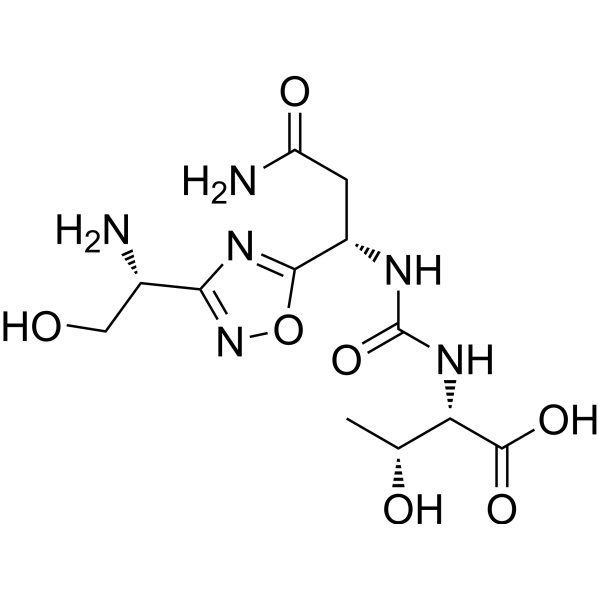
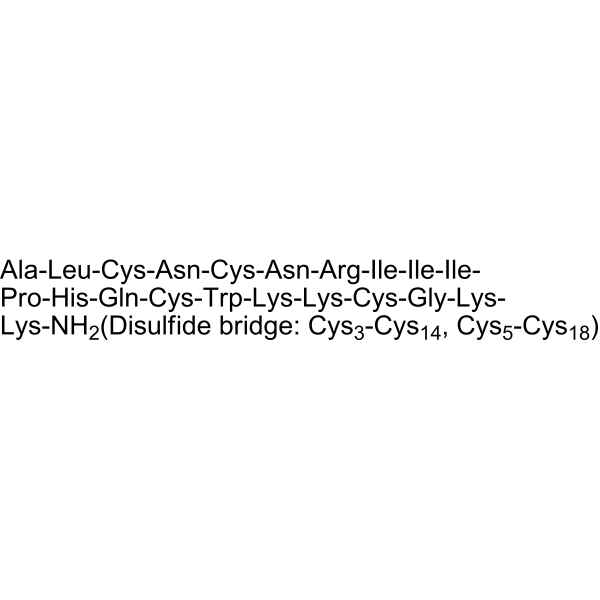
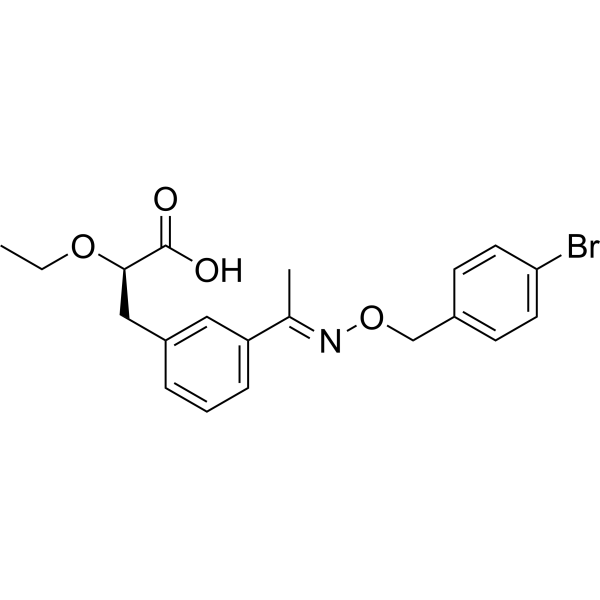
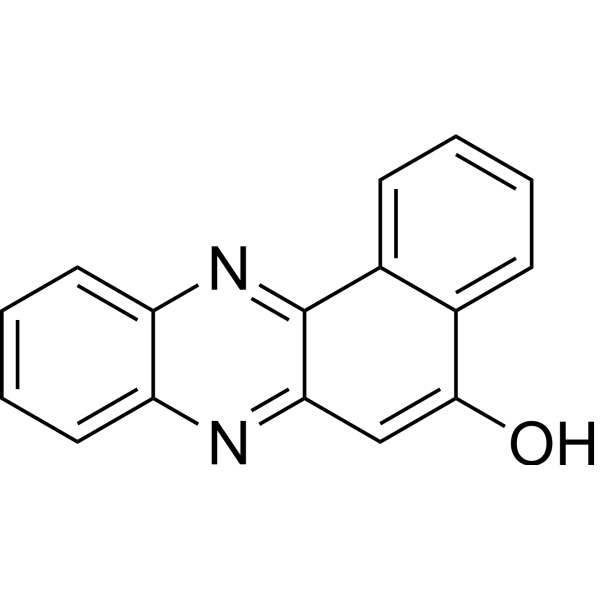
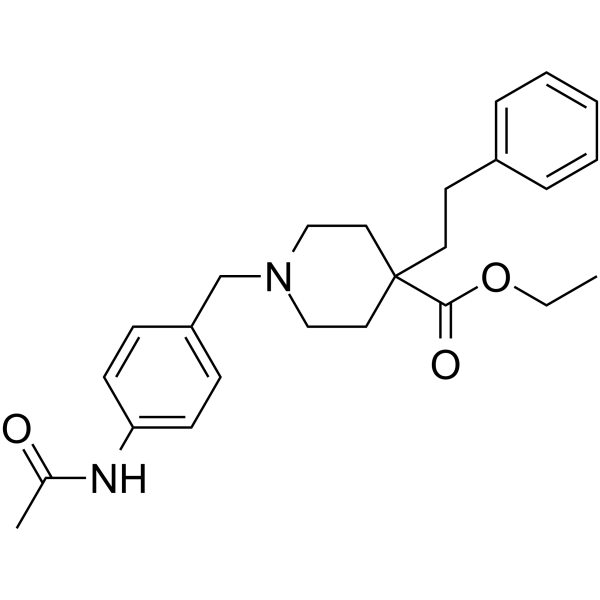
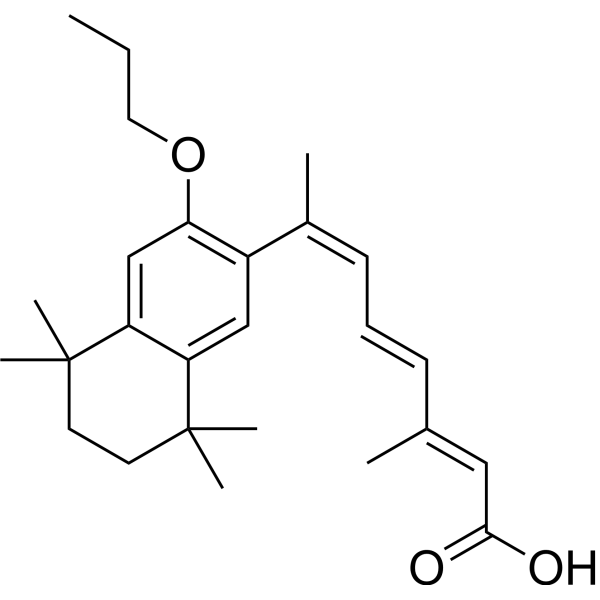
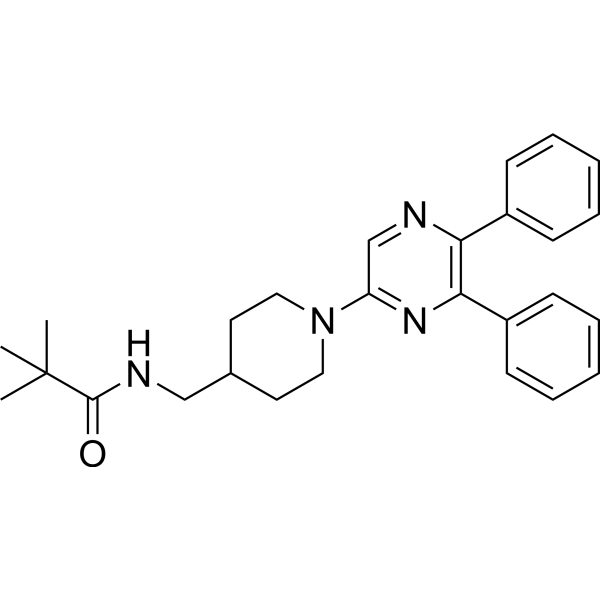
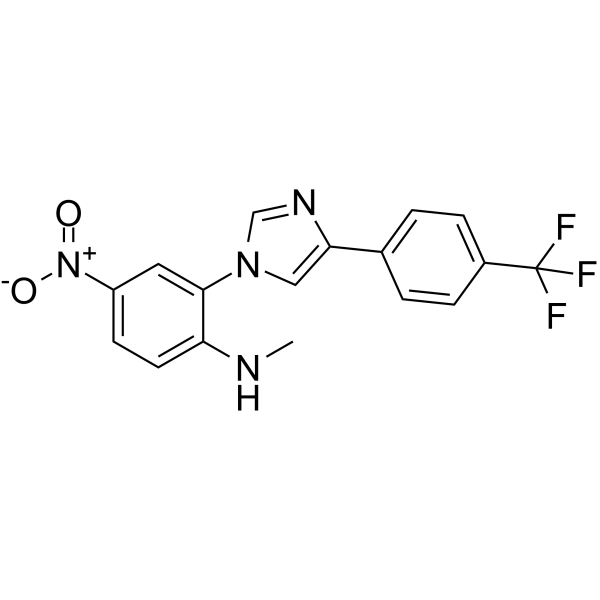
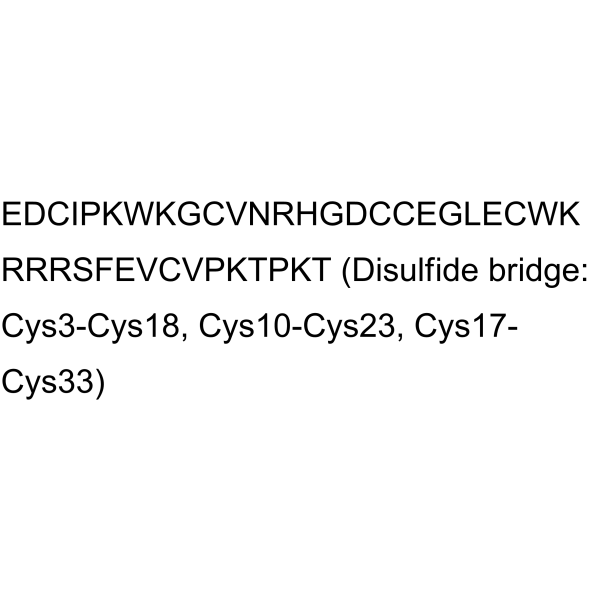
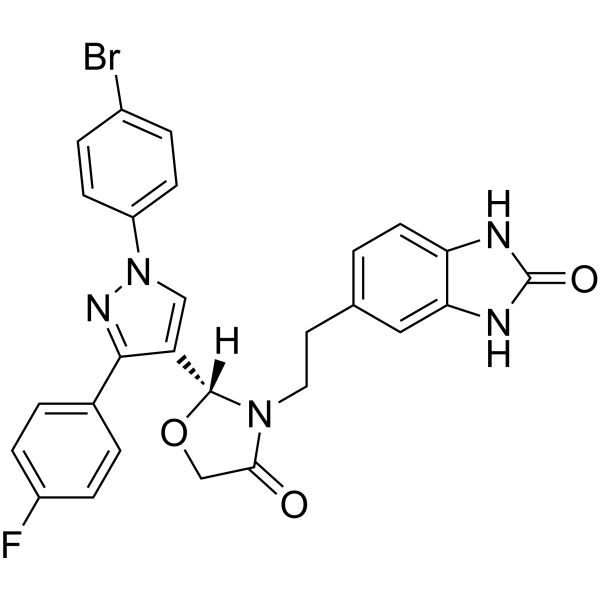
1. Search Result
Search Result
Results for "

α,β-tubulin heterodimer interface

" in MedChemExpress (MCE) Product Catalog:

203

Inhibitors & Agonists

6

Screening Libraries

6

Fluorescent Dyes

10

Biochemical Assay Reagents

22

Peptides

9

Inhibitory Antibodies

9

Natural
Products

141

Recombinant Proteins

7

Isotope-Labeled Compounds

2

Antibodies

3

Click Chemistry

9

Oligonucleotides

Cat. No. Product Name Target Research Areas Chemical Structure
  • HY-D0844
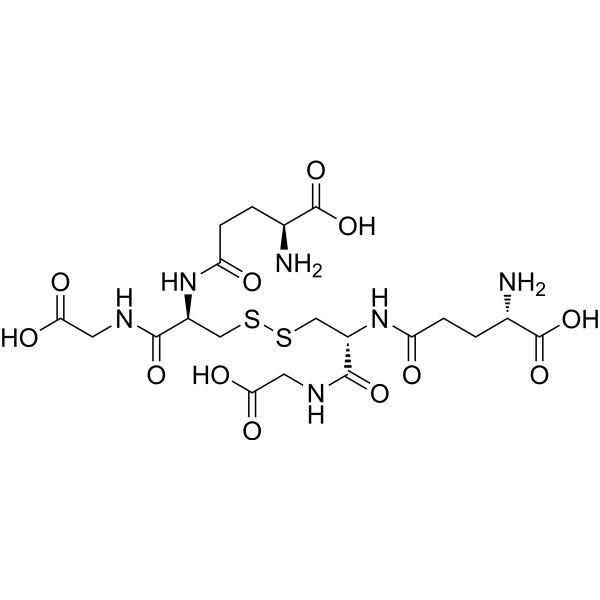
    Glutathione oxidized
    Maximum Cited Publications
    8 Publications Verification

    L-Glutathione oxidized; GSSG; Oxiglutatione

    Endogenous Metabolite Reactive Oxygen Species (ROS) Metabolic Disease
    Glutathione oxidized (L-Glutathione oxidized) is produced by the oxidation of glutathione. Detoxification of reactive oxygen species is accompanied by production of glutathione oxidized. Glutathione oxidized can be used for the research of sickle cells and erythrocytes .
    Glutathione oxidized
  • HY-19528
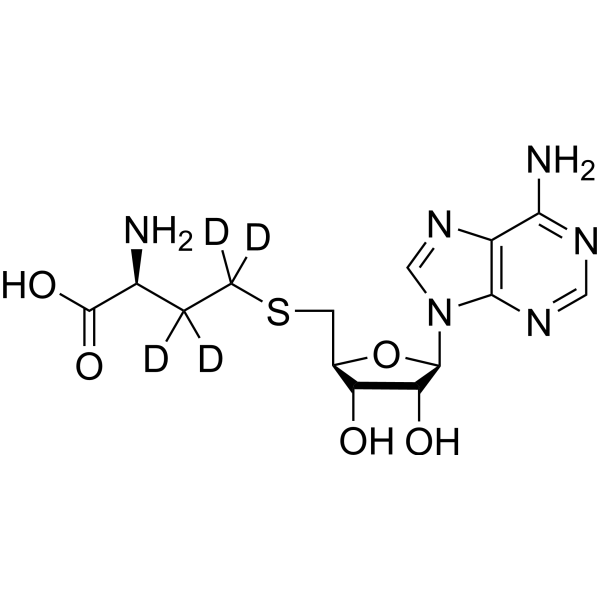
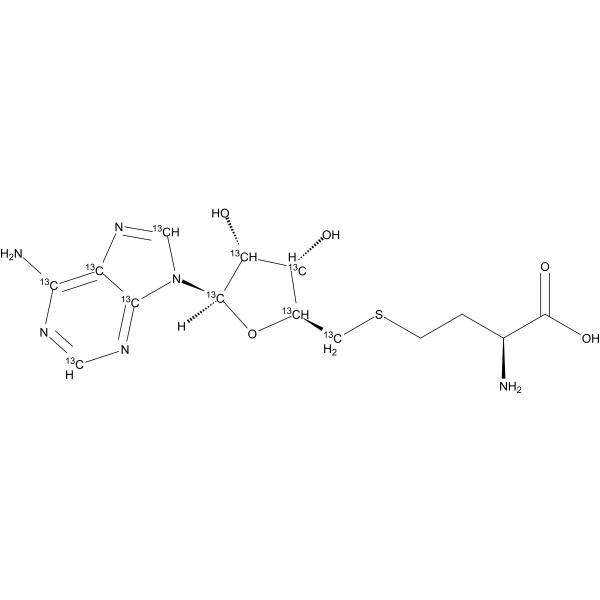
    SAH
    15+ Cited Publications

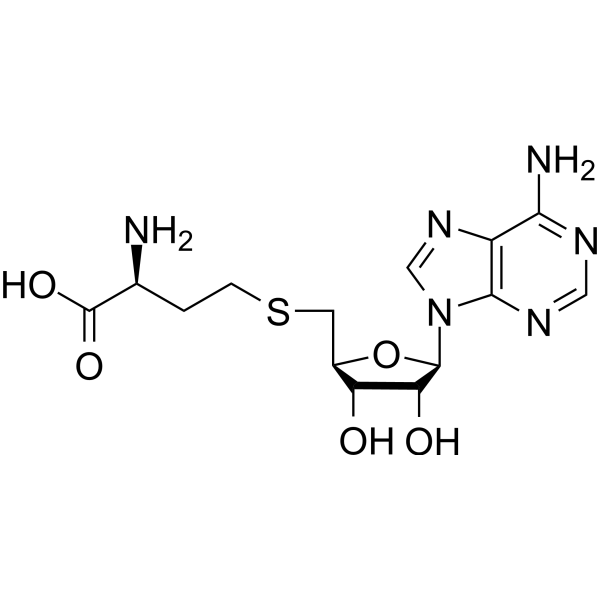
    SAH (S-Adenosylhomocysteine)

    Endogenous Metabolite Metabolic Disease
    SAH (S-Adenosylhomocysteine) is an amino acid derivative and a modulartor in several metabolic pathways. It is an intermediate in the synthesis of cysteine and adenosine . SAH is an inhibitor for METTL3-METTL14 heterodimer complex (METTL3-14) with an IC50 of 0.9 µM .
    SAH
  • HY-17029
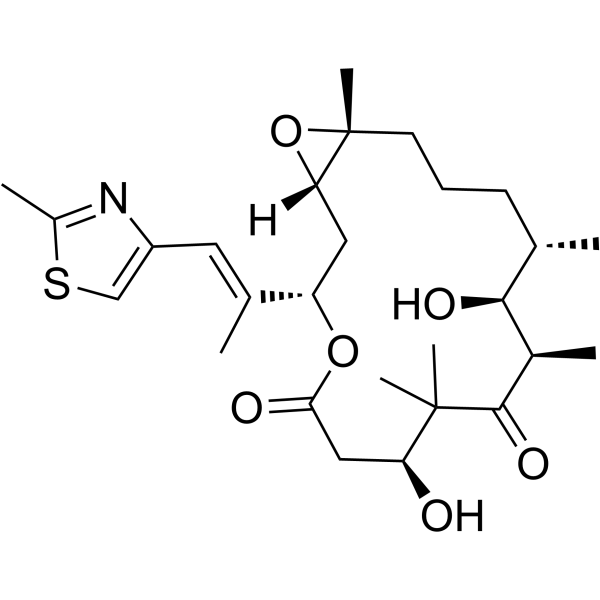
    Epothilone B
    5+ Cited Publications

    EPO 906; Patupilone

    Microtubule/Tubulin Fungal Apoptosis Antibiotic Bacterial Infection Cancer
    Epothilone B is a microtubule stabilizer (MSA) with a Ki of 0.71μM, and is a MSA with blood-brain barrier permeability. Epothilone B acts by binding to the αβ-tubulin heterodimer subunit which causes decreasing of αβ-tubulin dissociation .
    Epothilone B
  • HY-P99676

    SI-B001; BL-B01D1 Antibody

    EGFR Cancer
    Izalontamab (SI-B001) is a bispecific anti-EGFR/HER3 monoclonal antibody with high selectivity for EGFR/HER3 heterodimer. Izalontamab can be used for the research of cancer .
    Izalontamab
  • HY-W099535

    Biochemical Assay Reagents Others
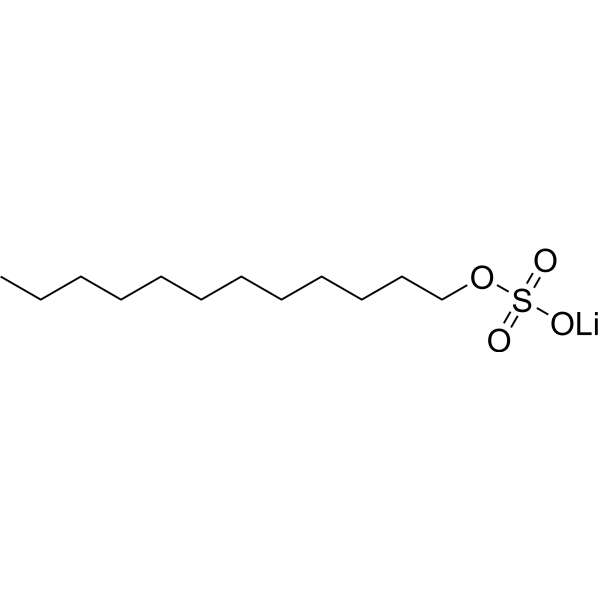
    Lithium dodecyl sulfate is an anionic hydrocarbon surfactant with both surface tension reduction and interfacial adsorption capabilities. Lithium dodecyl sulfate induces low surface viscosity; it forms micelles in aqueous solutions through entropy-driven (low temperature) and enthalpy-driven (high temperature) mechanisms. When acting synergistically with tetrabutylammonium bromide, Lithium dodecyl sulfate exhibits cloud point behavior due to micelle aggregation and phase separation. Lithium dodecyl sulfate can form an adsorption layer at the air-water interface with quantifiable surface excess and minimum area per molecule, and it has higher equilibrium surface tension and foamability compared to other dodecyl sulfate counterion variants. The foam stability of Lithium dodecyl sulfate above its critical micelle concentration is low, and its dynamic surface tension pattern changes dynamically with bubble frequency .
    Lithium dodecyl sulfate
  • HY-Y1422

    Alkaline lipase

    Environmental Pollutants Lipase Metabolic Disease
    Triacylglycerol lipase is an enzyme catalyzing the hydrolysis of triacylglycerol. Triacylglycerol lipase promotes fat decomposition, providing energy and lipid precursors for cells. Triacylglycerol lipase is used in the research of metabolic diseases such as diabetes and obesity .
    Triacylglycerol lipase
  • HY-Y1666

    Biochemical Assay Reagents Others
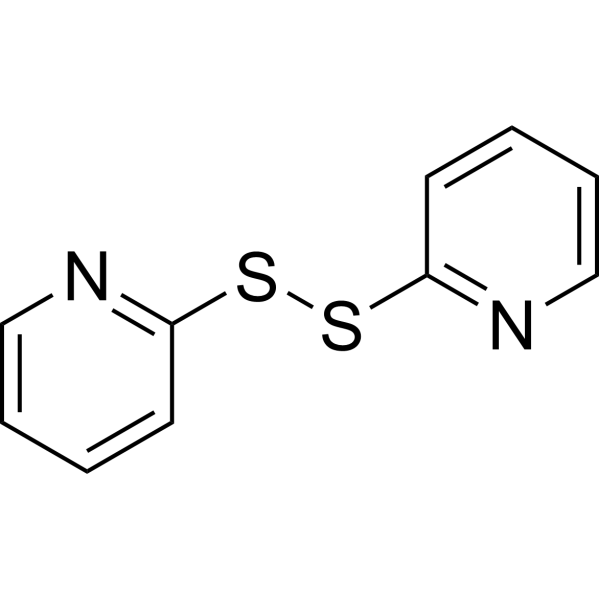
    2,2′-Dipyridyl disulfide is a useful reagent for the determination of sulfhydryl groups. 2,2′-Dipyridyl disulfide is a common reagent in peptide chemistry, often used in oxidation–reduction condensations to form peptide bonds or in coupling reactions to form disulfide-linked heterodimers .
    2,2′-Dipyridyl disulfide
  • HY-W068119A

    2-Maleimidoethylamine hydrochloride

    Biochemical Assay Reagents Cancer
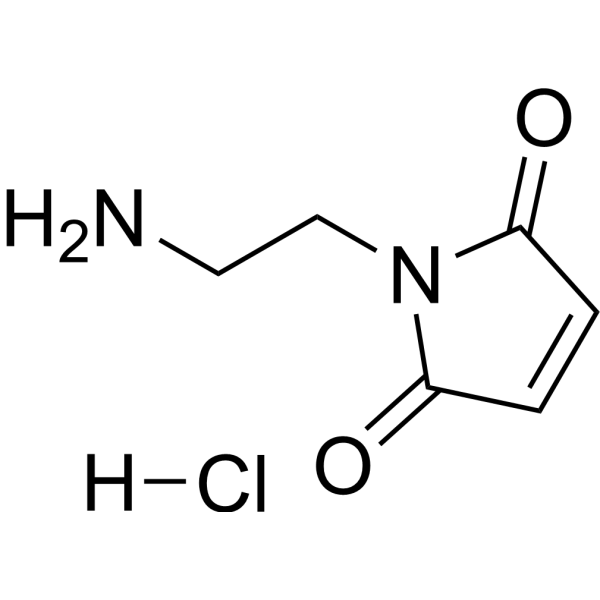
    N-(2-Aminoethyl)maleimide (2-Maleimidoethylamine) hydrochloride is a selective covalent binding agent for thiol groups (RSGs), covalently binding to thiols via an irreversible thioether bond to prepare MMP-2-sensitive nanosystems. Under near-neutral conditions, the maleimide group in N-(2-Aminoethyl)maleimide hydrochloride binds to thiol groups via a nucleophilic addition reaction, and can be used to modify polymers or biological interfaces, enhancing mucosal adhesion and regulating the surface charge of biological interfaces. N-(2-Aminoethyl)maleimide hydrochloride can optimize the adhesion performance of drug delivery carriers and cell interactions with biological interfaces, and is applied in transmucosal drug delivery systems (such as drug carriers for oral and bladder sites) and biomaterial surface engineering research, providing support for tissue implantation, regeneration, and related drug delivery .
    N-(2-Aminoethyl)maleimide hydrochloride
  • HY-122571
    Retro-2
    2 Publications Verification

    Filovirus Parasite Autophagy Infection Cancer
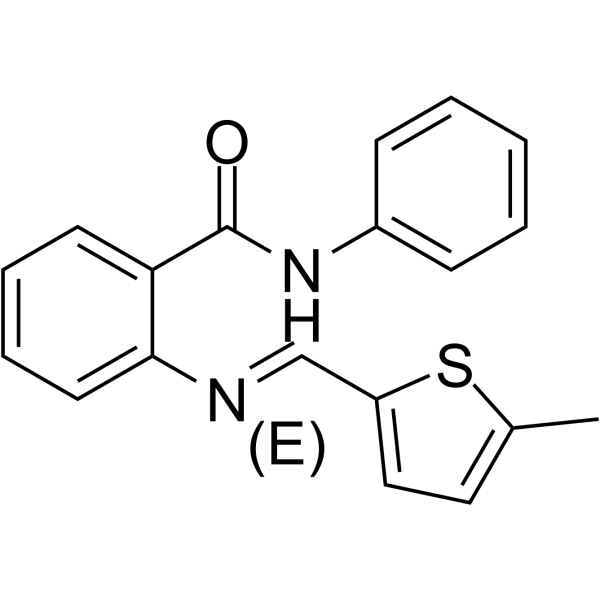
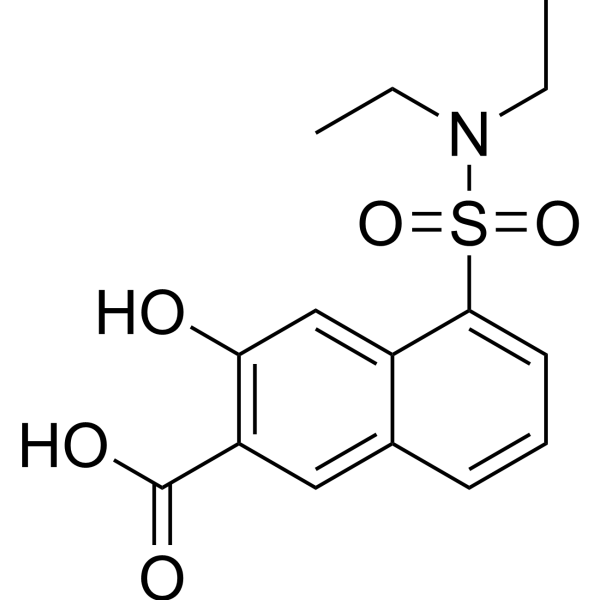
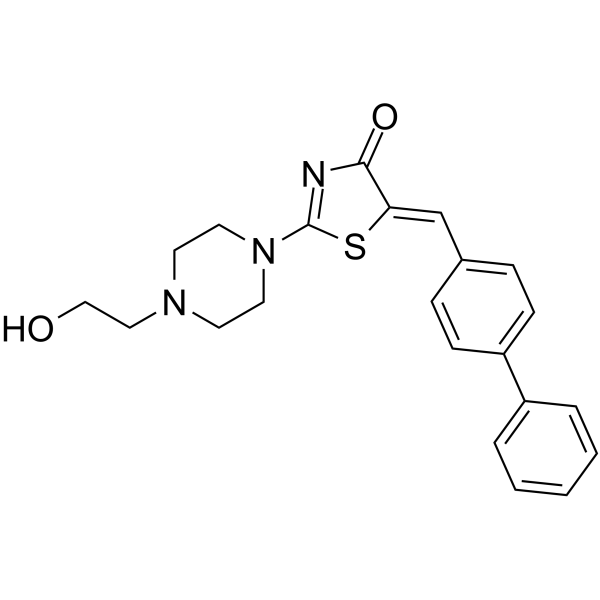
    Retro-2 is a selective inhibitor of retrograde protein trafficking at the endosome-trans-Golgi network interface. Retro-2 is an ebolavirus (EBOV) infection inhibitor with an EC50 of 12.2 μM in HeLa cells. Retro-2 induces cell autophagy .
    Retro-2
  • HY-P3229
    SN52
    2 Publications Verification

    NF-κB Cancer
    SN52 is a potent, competitive, and cell-permeable inhibitor of NF-κB2. SN52 is a variant of the SN50 peptide and inhibits the nuclear translocation of p52-RelB heterodimers. SN52 has a strong radiosensitization effect on prostate cancer cells. SN52 can be used for cancer research .
    SN52
  • HY-19621

    HIF/HIF Prolyl-Hydroxylase Cancer
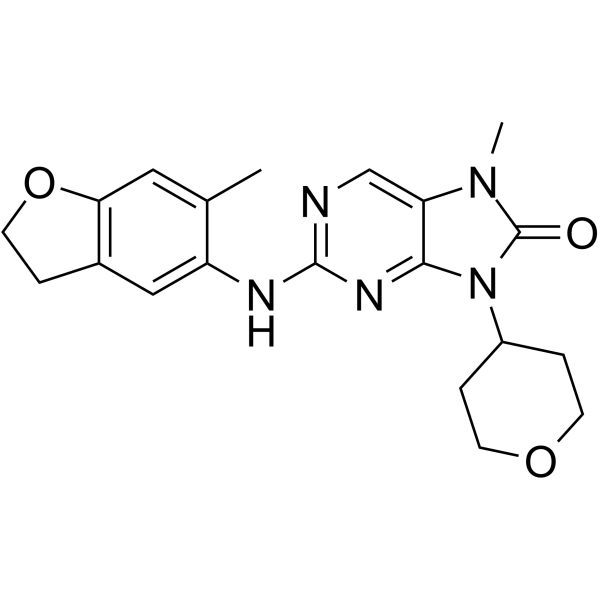
    THS-044 is a modulator of the formation of the HIF2α/ARNT heterodimer. THS-044 binding stabilizes the HIF2α PAS-B folded state (KD = 2 μM), for regulating HIF2 activity in endogenous and pathological settings, and does not bind to HIF1α or ARNT PAS-B. THS-044 can be used for the study of diseases related to hypoxia .
    THS-044
  • HY-101093
    CA-170
    2 Publications Verification

    PD-1/PD-L1 Inflammation/Immunology Cancer
    CA-170 is an orally delivered dual inhibitor of VISTA and PD-L1. CA-170 exhibits potent rescue of proliferation and effector functions of T cells inhibited by PD-L1/L2 and VISTA with selectivity over other immune checkpoint proteins as well as a broad panel of receptors and enzymes .
    CA-170
  • HY-P1275
    Tertiapin-Q
    3 Publications Verification

    Potassium Channel Cardiovascular Disease
    Tertiapin-Q is a highly selective blocker of GIRK1/4 heterodimer and ROMK1 (Kir1.1).
    Tertiapin-Q
  • HY-115672
    KS15
    3 Publications Verification

    Cryptochrome Cancer
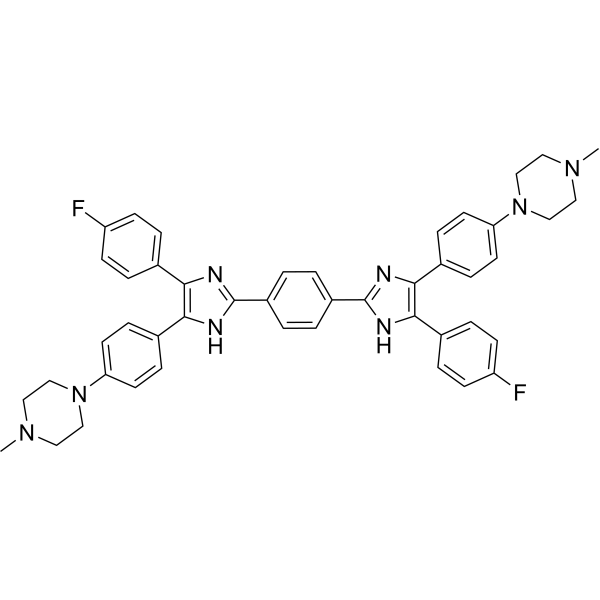
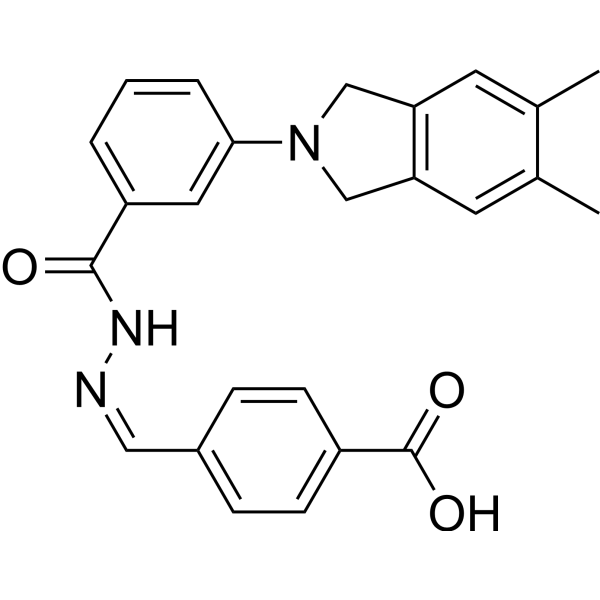
    KS15 is an inhibitor of the interactions between cryptochromes (CRYs: CRY1 and CRY2) and the CLOCK:BMAL1 heterodimer. KS15 impairs the feedback actions of CRYs on E-box-dependent transcription (EC50=4.9 μM) by CLOCK:BMAL1 heterodimer, an indispensable transcriptional regulator of the mammalian circadian clock. Anti-proliferative activity .
    KS15
  • HY-107198
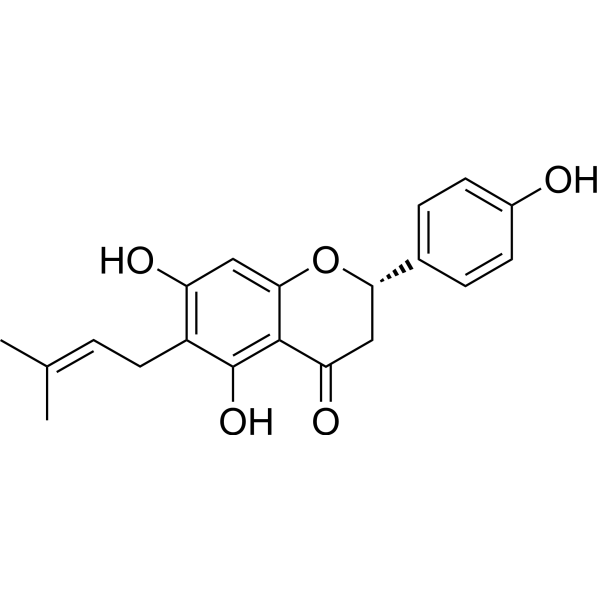
    (2S)-6-Prenylnaringenin
    1 Publications Verification

    GABA Receptor Neurological Disease
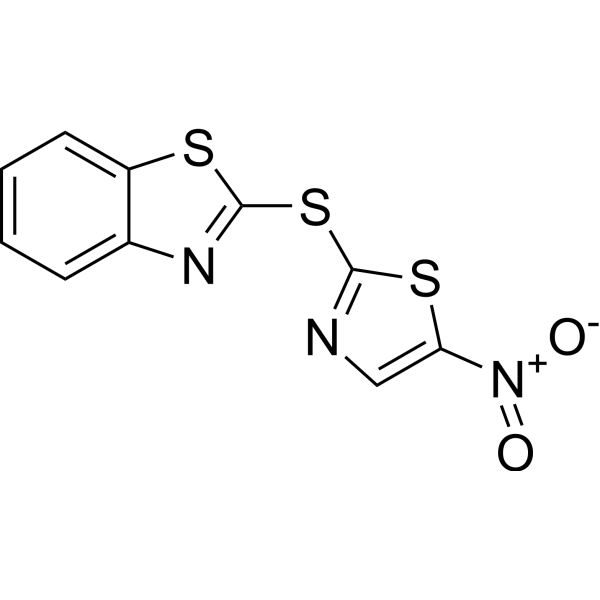
    (2S)-6-Prenylnaringenin is the most efficient compound in forebrain. (2S)-6-Prenylnaringenin acts as a GABAA positive allosteric modulator at α+β- binding interface .
    (2S)-6-Prenylnaringenin
  • HY-125098
    Illudin S
    1 Publications Verification

    DNA Alkylator/Crosslinker Apoptosis Infection Cancer
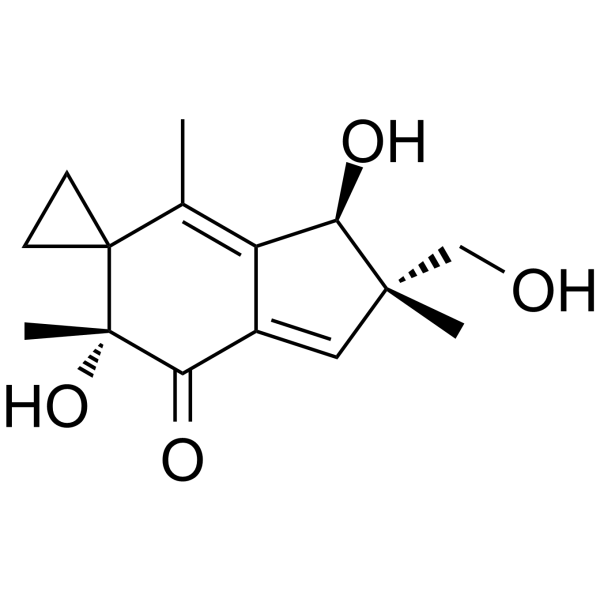
    Illudin S, a cytotoxic Illudin, is a natural sesquiterpene with strong anti-tumour and antiviral activities. Illudin S has genotoxic activities. Illudin S blocks the G1-S phase interface of the cell cycle in human leukemia cells .
    Illudin S
  • HY-W034344

    Biochemical Assay Reagents Others
    Sodium methanesulfonate is a hygroscopic atmospheric aerosol, which typically forms from the reaction of methanesulfonic acid with sodium chloride or sea salt particles. Sodium methanesulfonate can serve as a substrate for oxidation reactions, undergoing heterogeneous oxidation by hydroxyl radicals at the air-aerosol interface, thereby initiating subsequent aerosol-phase chain reactions. Sodium methanesulfonate exhibits significant temperature-dependent deliquescence and efflorescence properties; particularly at lower temperatures relevant to the troposphere, its deliquescence and efflorescence relative humidity increase accordingly .
    Sodium methanesulfonate
  • HY-117401

    Fluorescent Dye Others
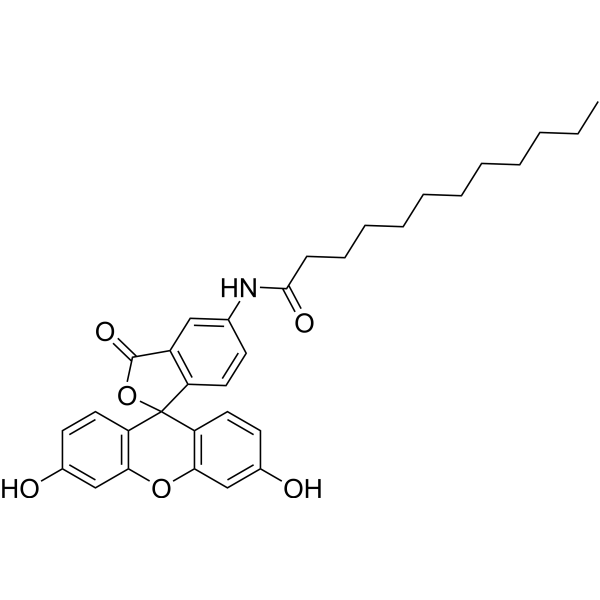
    5-Dodecanoylaminofluorescein is an amphipathic (amphoteric) fluorescent probe (Ex/Em = 485 nm/515-535 nm), which consists of a hydrophilic fluorescein core and a hydrophobic dodecanoyl group (C12 fatty acid chain) linked by an amide bond. 5-Dodecanoylaminofluorescein is mainly used as an interface-localized radical trapping/indicator probe. Dodecanoylaminofluorescein can be used for the determination of the antioxidant properties of emulsions, or can serve as a lipophilic drug model for the study of passive skin penetration when encapsulated in tyrosine-derived nanospheres .
    5-Dodecanoylaminofluorescein
  • HY-W041994

    Fructose-1,6-bisphosphate aldolase Biochemical Assay Reagents Cancer
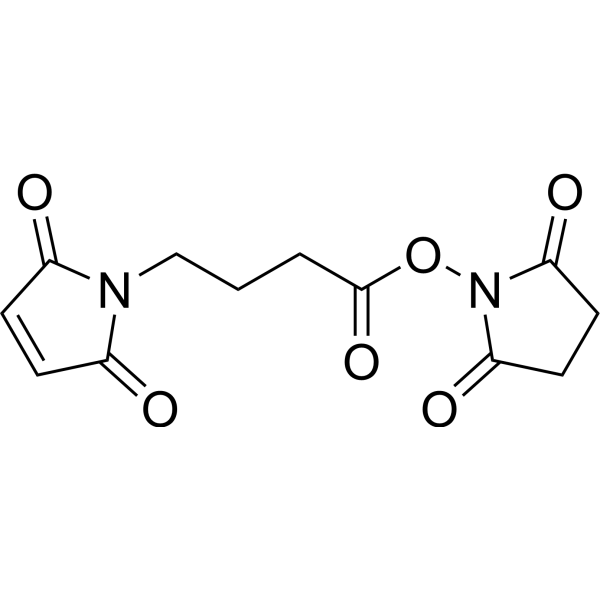
    GMBS is a heterobifunctional crosslinker targeting primary amines and sulfhydryl groups. GMBS can be used for chemical crosslinking of proteins and crosslinking mass spectrometry (CXMS) to study protein folding and map interfaces between interacting proteins .
    GMBS
  • HY-123905

    MicroRNA Parasite Infection Cancer
    LIN28 inhibitor LI71 is a LIN28 inhibitor that effectively inhibits LIN28:let-7 binding (IC50: 7 μM). LIN28 inhibitor LI71 can abolish LIN28-mediated oligouridylation of let-7 precursor (IC50: 27 μM). LIN28 inhibitor LI71 has potential application value in LIN28-driven cancer research. LIN28 inhibitor LI71 inhibits the interaction of cold shock protein of Plasmodium falciparum (PfCoSP) with DNA and α/β tubulin and has an inhibitory effect on Plasmodium falciparum .
    LIN28 inhibitor LI71
  • HY-W004864

    Amino Acid Derivatives Others
    Fmoc-(S)-2-(4-pentenyl) Ala-OH is an Fmoc-protected unnatural amino acid. Fmoc-(S)-2-(4-pentenyl) Ala-OH can be used for polypeptide synthesis, such as NYAD-13 (HY-P10834) .
    Fmoc-(S)-2-(4-pentenyl)Ala-OH
  • HY-122683
    sAJM589
    2 Publications Verification

    c-Myc Cancer
    sAJM589 is a Myc inhibitor which potently disrupts the Myc-Max heterodimer with an IC50 of 1.8 μM .
    sAJM589
  • HY-131010

    Fluorescent Dye Microtubule/Tubulin Cancer
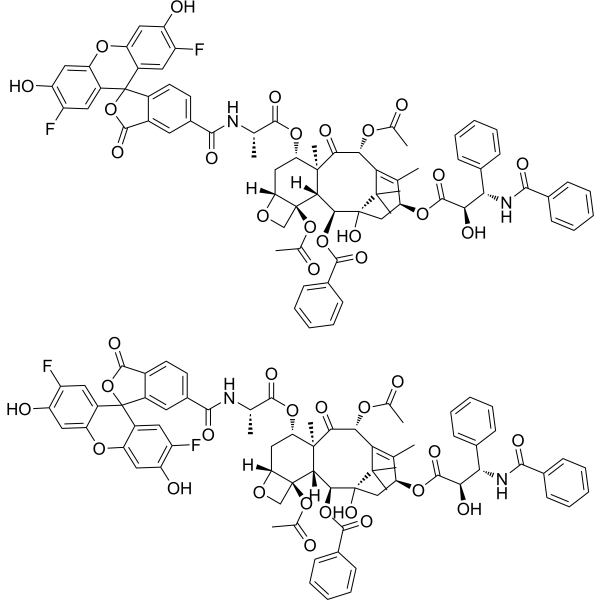
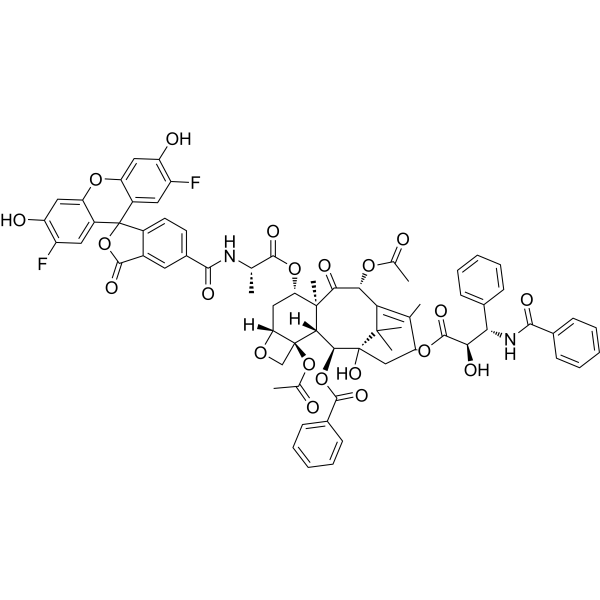
    Flutax-2 (5/6-mixture) is an active fluorescent derivative of paclitaxel. Flutax-2 (5/6-mixture) binds to a polymerized α,β tubulin dimer. Excitation/emission wavelength: 496/524 nm. Paclitaxel, a diterpenoid secondary metabolite produced by Taxus species, can be used for the research of a variety of cancers .
    Flutax-2 (5/6-mixture)
  • HY-104006

    Opioid Receptor Neurological Disease
    CYM51010 is a biased ligand of μ-opioid receptor – δ-opioid receptor heterodimers with an EC50 of 403 nM. CYM51010 exhibits anti-nociceptive activity similar to morphine but with a decreased levels of tolerance development and withdrawal symptoms .
    CYM51010
  • HY-108523

    UVI 2112

    RAR/RXR Metabolic Disease
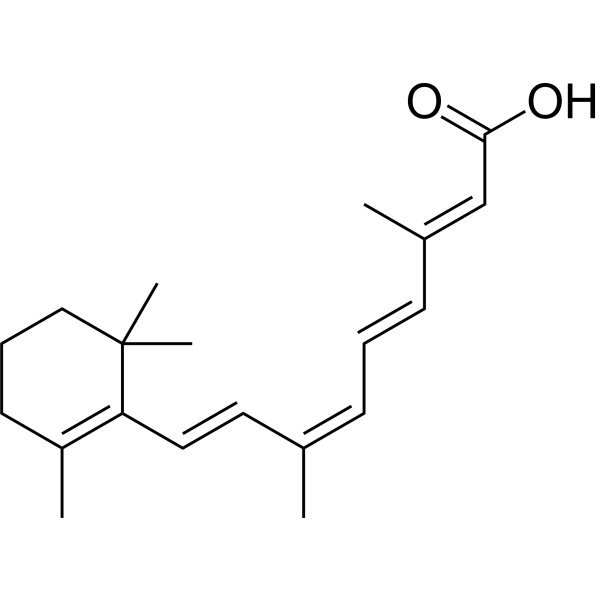
    LG100754 (UVI 2112) is a RXR dimers modulater. LG100754 acts as a RXR:RXR homodimer antagonist, but functions as a agonist towards RXR:PPARα and RXR:PPARγ heterodimers. LG100754 is an insulin sensitizer that functions through RXR .
    LG100754
  • HY-125978

    c-Myc Cancer
    JY-3-094 is a Myc inhibitor that inhibits Myc-Max heterodimer formation (IC50: 33 μM) .
    JY-3-094
  • HY-P99184

    Integrin Infection Inflammation/Immunology Cancer
    Abrilumab is a fully human monoclonal antibody directed against α4β7. Abrilumab selectively binds the α4β7 integrin heterodimer. Abrilumab can be used for the research of inflammatory bowel disease (IBD) .
    Abrilumab
  • HY-W014861

    Tetramethyl-ammoniuiodide

    Biochemical Assay Reagents Others
    Tetramethylammonium iodide (Tetramethyl-ammoniuiodide) is a capillary active agent and weakly capillary active quasi-simple salt. Tetramethylammonium iodide decreases aqueous solution surface tension with increasing concentration and exhibits surface accumulation of constituent ions at liquid-vapor interfaces .
    Tetramethylammonium iodide
  • HY-162161

    Fluorescent Dye Microtubule/Tubulin Cancer
    Flutax-2 is an active fluorescent derivative of Paclitaxel (HY-B0015) that binds to polymerized αβ-tubulin dimers. Flutax-2 is applicable for imaging microtubules in live cells, isolated cytoskeletons and parasites (Ex/Em=496/526 nm) .
    Flutax-2
  • HY-177655A

    Fovista sodium

    PDGFR Cancer
    Pegpleranib (Fovista) sodium is a pegylated DNA aptamer that selectively binds to PDGF-BB and PDGF-AB homodimers and heterodimers, interrupting the interaction with their associated tyrosine kinase receptors.
    Pegpleranib sodium
  • HY-120875

    RAR/RXR Neurological Disease
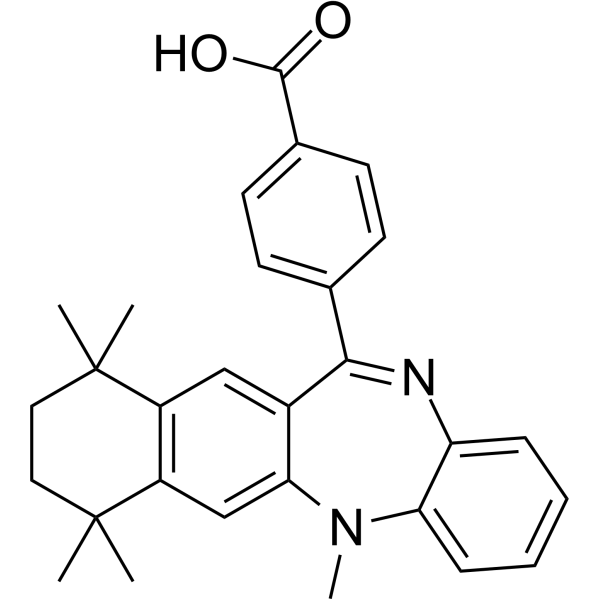
    HX600 is a synthetic agonist for RXR (Retinoid X Receptor) heterodimer complex. HX600 prevents ischemia-induced neuronal damage. HX600 has orally bioactivity .
    HX600
  • HY-P1949A

    CXCR Cardiovascular Disease Cancer
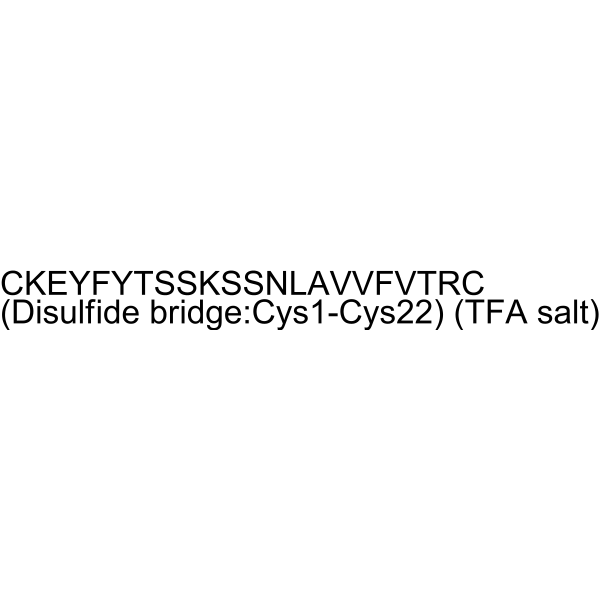
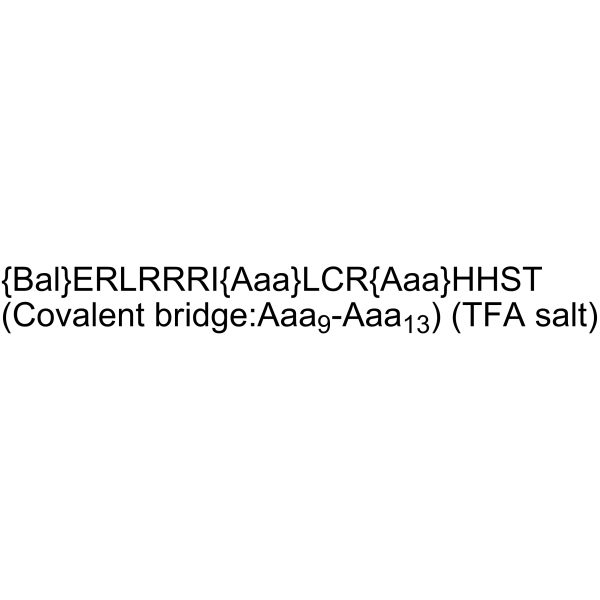
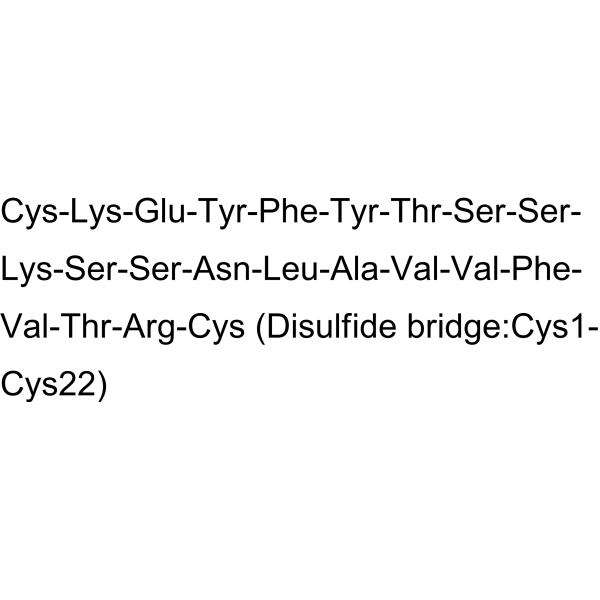
    Cyclic MKEY TFA is a synthetic cyclic peptide inhibitor of CXCL4-CCL5 heterodimer formation, which protects against atherosclerosis and aortic aneurysm formation by mediating inflammation. Cyclic MKEY TFA also protects against stroke-induced brain injury in mice .
    Cyclic MKEY TFA
  • HY-171444

    γ-secretase Amyloid-β Neurological Disease
    GSM III is a γ-Secretase complexe (GSEC) modulator. GSM III significantly regulates amyloid-β (Aβ) length at the extracellular interface between the protease (NCT, PSEN) and the substrate APPC99. GSM III can be used for Alzheimer's disease (AD) research .
    GSM III
  • HY-P990818

    Fc Receptor (FcR) Inflammation/Immunology
    Anti-Rat FcRn heavy chain heterodimers Antibody (1G3) is an anti-rat FcRn heavy chain heterodimers IgG1 monoclonal antibody. Anti-Rat FcRn heavy chain heterodimers Antibody (1G3) can effectively bind to FcRn and competitively inhibit the binding of IgG to FcRn. Anti-Rat FcRn heavy chain heterodimers Antibody (1G3) can reduce the total serum IgG level. Anti-Rat FcRn heavy chain heterodimers Antibody (1G3) can be used for researches on autoimmune conditions such as experimental autoimmune myasthenia gravis (EAMG). The recommend isotype control of Anti-Rat FcRn heavy chain heterodimers Antibody (1G3): Mouse IgG1 kappa, Isotype Control (HY-P99977) .
    Anti-Rat FcRn heavy chain heterodimers Antibody (1G3)
  • HY-W611371

    TRP Channel iGluR Neurological Disease
    FP802 is an orally active potent TwinF interface inhibitor that disrupts and detoxifies the NMDAR/TRPM4 death complex. FP802 exerts powerful neuroprotective effects in the 5xFAD mouse model of Alzheimer’s disease (AD) by preventing cognitive decline, preserving neuronal structural integrity, reducing amyloid-β plaque formation, and mitigating mitochondrial pathology . FP802 stops loss of motor neurons, reduces serum neurofilament light chain (NfL) levels, improves motor performance, and extends life in a mouse model of amyotrophic lateral sclerosis (ALS). FP802 can be used for AD and ALS research .
    FP802
  • HY-112374

    HIF/HIF Prolyl-Hydroxylase Neurological Disease
    NPAS3-IN-1 is a potent inhibitor of NPAS3-ARNT heterodimerization and regulates NPAS3 transcription by disrupting the heterodimerization of NPAS3 with ARNT at the cellular level .
    NPAS3-IN-1
  • HY-N0347

    Progesterone Receptor Endocrinology
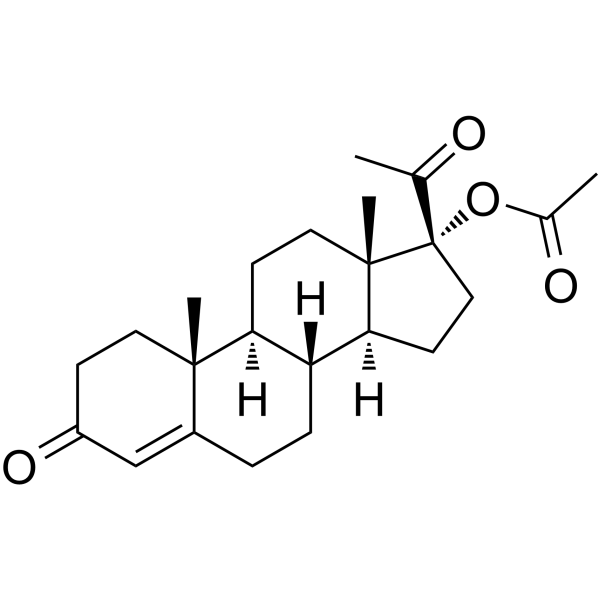
    17α-Hydroxyprogesterone acetate possesses progestational activity. 17α-Hydroxyprogesterone acetate has antiinflammatory effects at the murine maternal-fetal interface .
    17α-Hydroxyprogesterone acetate
  • HY-121068

    Angiotensin-converting Enzyme (ACE) SARS-CoV Infection
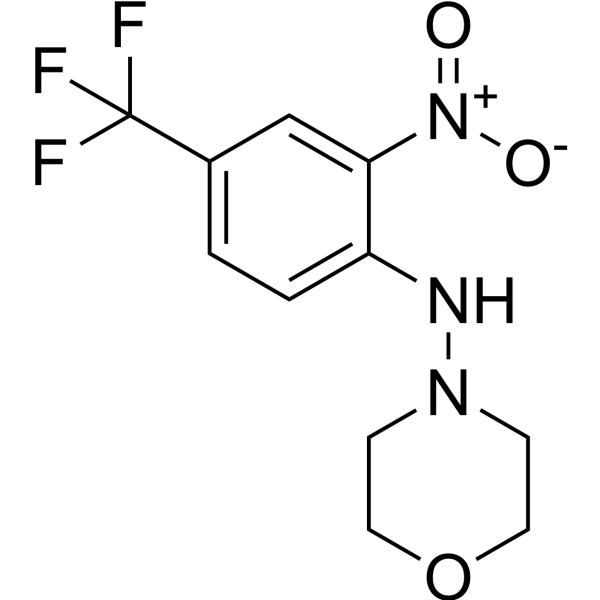
    Bisoxatin is a laxative drug used for constipation. Bisoxatin binds substantially at the S-protein-ACE2 interface. Bisoxatin has the potential for inhibiting SARS-CoV-2 entry into the host research .
    Bisoxatin
  • HY-136607

    Biochemical Assay Reagents Others
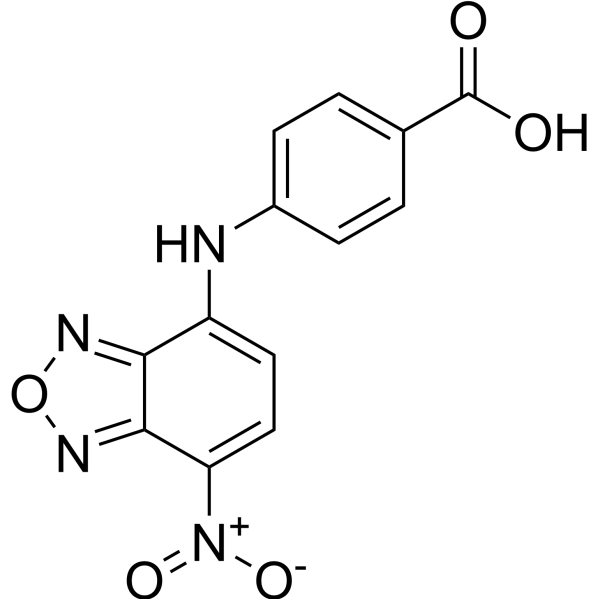
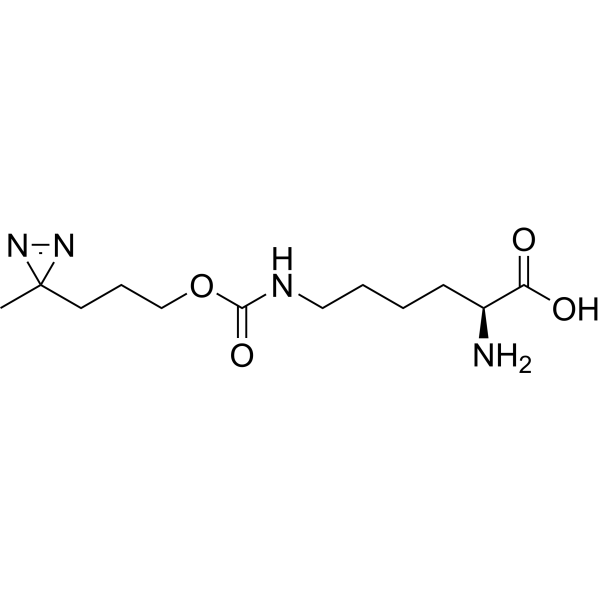
    DiAzK is a bifunctional amino acid. DiAzK can be inserted into almost any protein interface with minimal structural perturbation using genetic code expansion .
    DiAzK
  • HY-146812

    G-quadruplex Cancer
    DIZ-3 is a selective multimeric G4 ligand based on a G4-ligand-dimerizing strategy. DIZ-3 intercalates into the G4-G4 interface, stabilizing the higher-order structure. DIZ-3 induces cell cycle arrest and apoptosis, and thus inhibits cell proliferation in alternative lengthening of telomere (ALT) cancer cells .
    DIZ-3
  • HY-P10405A

    Dopamine Receptor Neurological Disease
    TAT-D1 peptide acetate is a dopamine D1-D2 receptor heterodimer inhibitor. TAT-D1 peptide acetate disrupts the function of dopamine D1-D2 receptor heteromers, enhances subchronic amphetamine-induced locomotor activity, and exacerbates the expression of amphetamine-induced locomotor sensitization. TAT-D1 peptide acetate produces rapid anxiolytic and antidepressant-like effects in rat models of depression and anxiety, and inhibits c-fos expression in the nucleus accumbens of rats. TAT-D1 peptide acetate can be used in the research of psychostimulant addiction, depression and anxiety disorders .
    TAT-D1 peptide acetate
  • HY-N15995

    Biochemical Assay Reagents Others
    DOPE-PEG(2000) Carboxylic acid sodium is a stabilizer. DOPE-PEG(2000) Carboxylic acid sodium produce a coating around the ferrofluid droplet chains which are dispersed in 5CB. DOPE-PEG(2000) Carboxylic acid sodium tends to fold, effectively shielding the surrounding LC molecules from the homeotropic anchoring at the droplet interface and leading to smaller deformations and thus also creating a more stable interface .
    DOPE-PEG(2000) Carboxylic acid sodium
  • HY-121896

    SHP2 Cancer
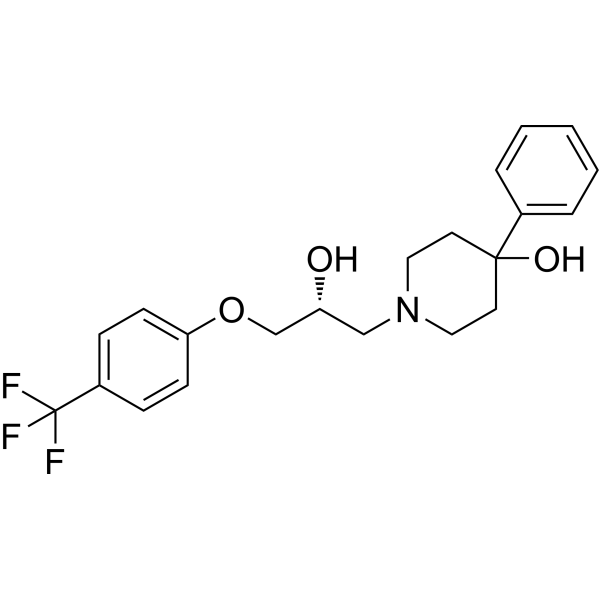
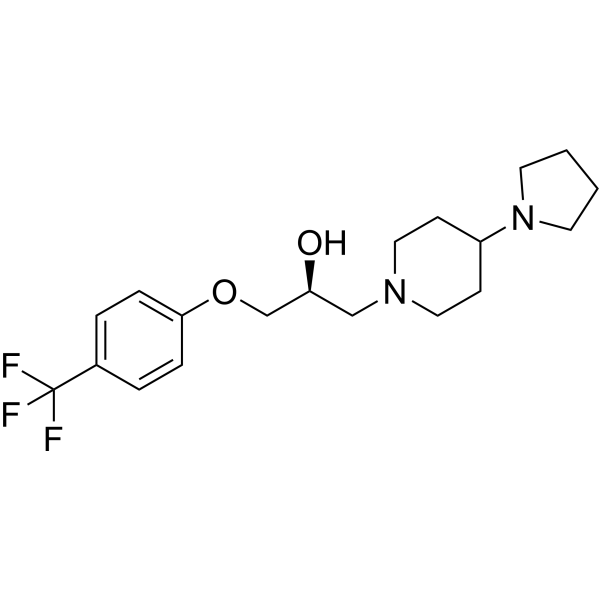
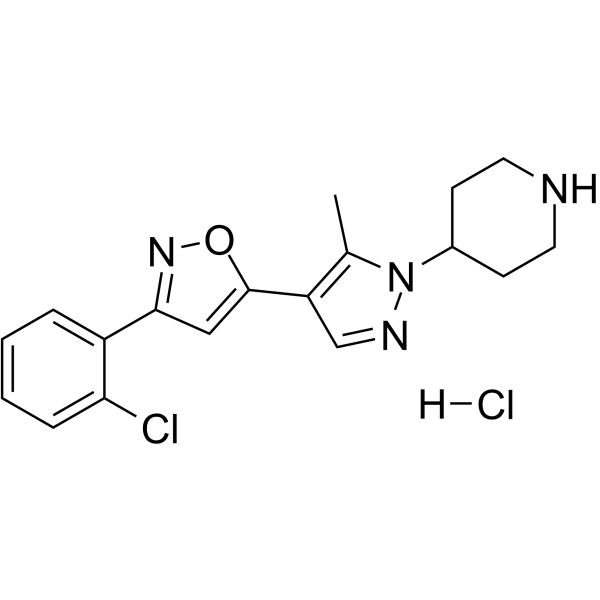
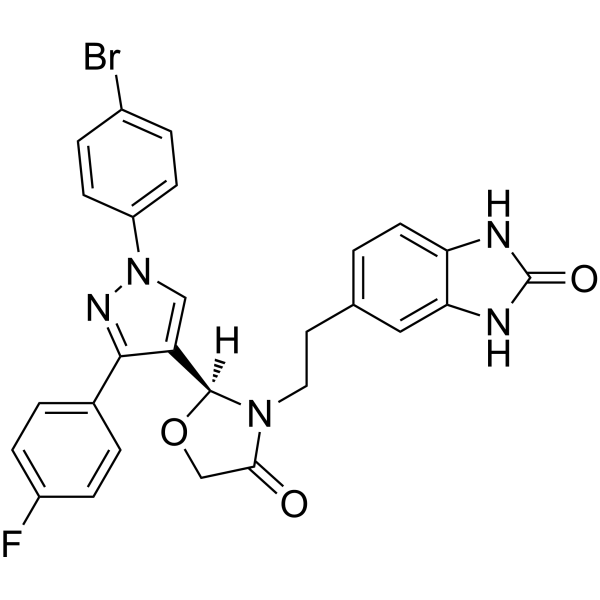
    DSHN is a potent small heterodimer partner (SHP) activator. DSHN inhibits Ccl2 expression and secretion by inhibiting p65 activation of Ccl2 promoter activity. DSHN can be used in research of cancer .
    DSHN
  • HY-163829

    Toll-like Receptor (TLR) NF-κB Cancer
    TLR2 agonist 1 (Compound R-7d) is an agonist for human toll-like receptor 2 (TLR 2) with an EC50 of 116 pM. TLR2 agonist 1 enhances NF-κB promoter activation through TLR2/TLR1 heterodimers .
    TLR2 agonist 1
  • HY-P10405

    Dopamine Receptor Neurological Disease
    TAT-D1 peptide is a dopamine D1-D2 receptor heterodimer inhibitor. TAT-D1 peptide disrupts the function of dopamine D1-D2 receptor heteromers, enhances subchronic amphetamine-induced locomotor activity, and exacerbates the expression of amphetamine-induced locomotor sensitization. TAT-D1 peptide produces rapid anxiolytic and antidepressant-like effects in rat models of depression and anxiety, and inhibits c-fos expression in the nucleus accumbens of rats. TAT-D1 peptide can be used in the research of psychostimulant addiction, depression and anxiety disorders .
    TAT-D1 peptide
  • HY-W611371A

    TRP Channel iGluR Neurological Disease
    FP802 dihydrochloride is an orally active potent TwinF interface inhibitor that disrupts and detoxifies the NMDAR/TRPM4 death complex. FP802 dihydrochloride exerts powerful neuroprotective effects in the 5xFAD mouse model of Alzheimer’s disease (AD) by preventing cognitive decline, preserving neuronal structural integrity, reducing amyloid-β plaque formation, and mitigating mitochondrial pathology . FP802 dihydrochloride stops loss of motor neurons, reduces serum neurofilament light chain (NfL) levels, improves motor performance, and extends life in a mouse model of amyotrophic lateral sclerosis (ALS) . FP802 dihydrochloride can be used for AD and ALS research .
    FP802 dihydrochloride
  • HY-177655

    Fovista

    PDGFR Cancer
    Pegpleranib (Fovista) is a pegylated DNA aptamer that selectively binds to PDGF-BB and PDGF-AB homodimers and heterodimers, interrupting the interaction with their associated tyrosine kinase receptors.
    Pegpleranib
  • HY-P3223A

    Opioid Receptor Neurological Disease
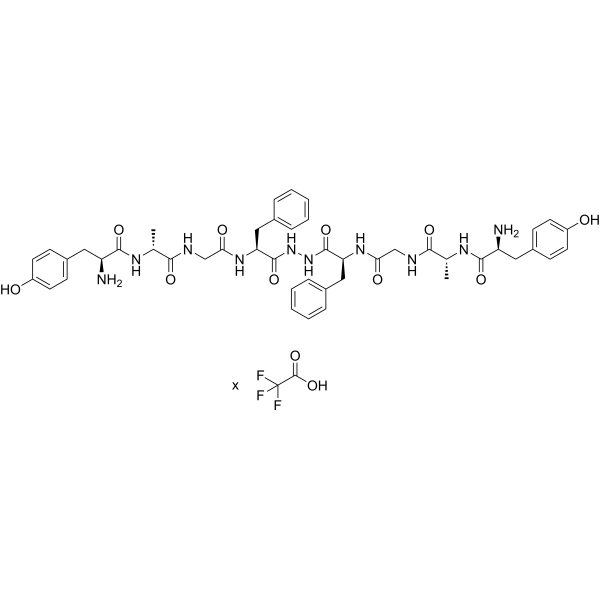
    Biphalin acetate, a BBB-penetrable opioid peptide analog, contains two active enkephalin pharmacophores.Biphalin acetate has high affinity for opioid receptors. Biphalin acetate shows analgesic effect in acute, neuropathic, and chronic animal pain models. Biphalin acetate is also an antiviral, antiproliferative, anti-inflammatory, and neuroprotective agent .
    Biphalin acetate
  • HY-122016A

    Bacterial Infection Inflammation/Immunology
    BRD-4592 is an allosteric inhibitor targeting Mycobacterium tuberculosis tryptophan synthase (TrpAB). BRD-4592 binds at the α-β-subunit interface of TrpAB, with an IC50 of 70.9 nM for the α-subunit and 22.6 nM for the β-subunit .
    BRD-4592
  • HY-17029R

    EPO 906 (Standard); Patupilone (Standard)

    Reference Standards Microtubule/Tubulin Fungal Apoptosis Antibiotic Bacterial Infection Cancer
    Epothilone B (Standard) is the analytical standard of Epothilone B. This product is intended for research and analytical applications. Epothilone B is a microtubule stabilizer with a Ki of 0.71μM. It acts by binding to the αβ-tubulin heterodimer subunit which causes decreasing of αβ-tubulin dissociation.
    Epothilone B (Standard)

Inquiry Online

Your information is safe with us. * Required Fields.

Salutation


Country or Region *

Applicant Name *


Organization Name *

Department *


Email Address *


Product Name *

Cat. No.


Requested quantity *

Phone Number *


Remarks

Inquiry Online

Inquiry Information

Product Name:
Cat. No.:
Quantity:
MCE Japan Authorized Agent: