1. Search Result
Search Result
Results for "

bacterial proteins

" in MedChemExpress (MCE) Product Catalog:

368

Inhibitors & Agonists

5

Screening Libraries

6

Fluorescent Dyes

13

Biochemical Assay Reagents

26

Peptides

14

MCE Kits

2

Inhibitory Antibodies

69

Natural
Products

33

Isotope-Labeled Compounds

1

Click Chemistry

10

Oligonucleotides

1

GMP Molecules

Cat. No. Product Name Target Research Areas Chemical Structure
  • HY-18982
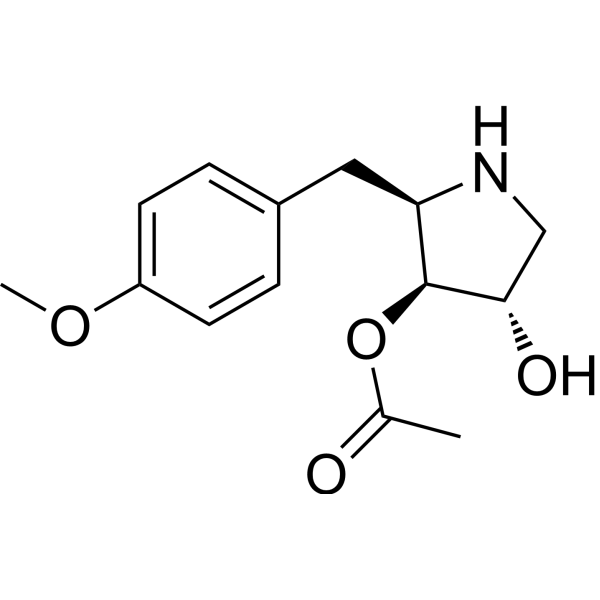
    Anisomycin
    Maximum Cited Publications
    138 Publications Verification

    Flagecidin; Wuningmeisu C

    DNA/RNA Synthesis JNK Bacterial Apoptosis Antibiotic Parasite Infection Cancer
    Anisomycin is a potent protein synthesis inhibitor which interferes with protein and DNA synthesis by inhibiting peptidyl transferase or the 80S ribosome system . Anisomycin is a JNK activator, which increases phospho-JNK . Anisomycin is a bacterial antibiotic .
    Anisomycin
  • HY-B1329
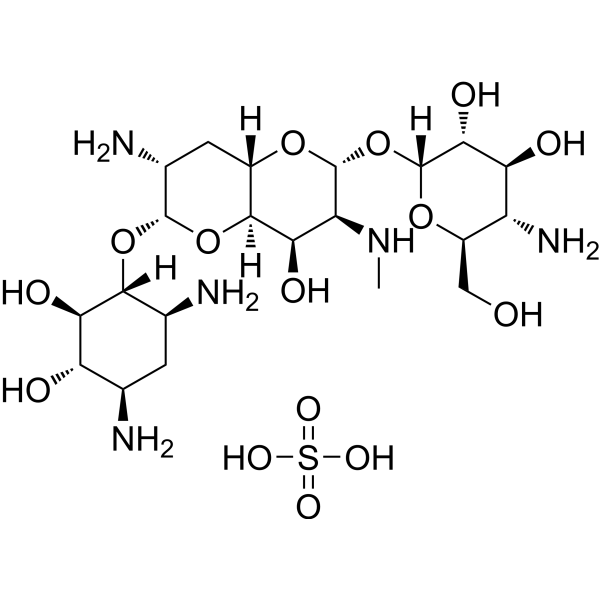
    Apramycin sulfate
    4 Publications Verification

    Nebramycin II sulfate

    Bacterial Antibiotic Infection
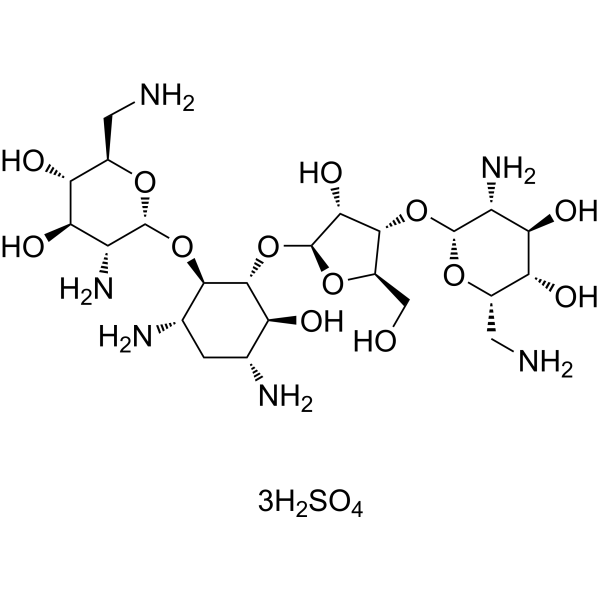
    Apramycin (EBL 1003) sulfate is an orally active, acidic pH tolerant and aminoglycoside-modifying-enzymes-tolerant aminoglycoside antibiotic which inhibits protein biosynthesis by targeting the bacterial ribosome. Apramycin sulfate is a potential anti-drug-resistance antibiotic .
    Apramycin sulfate
  • HY-B1906
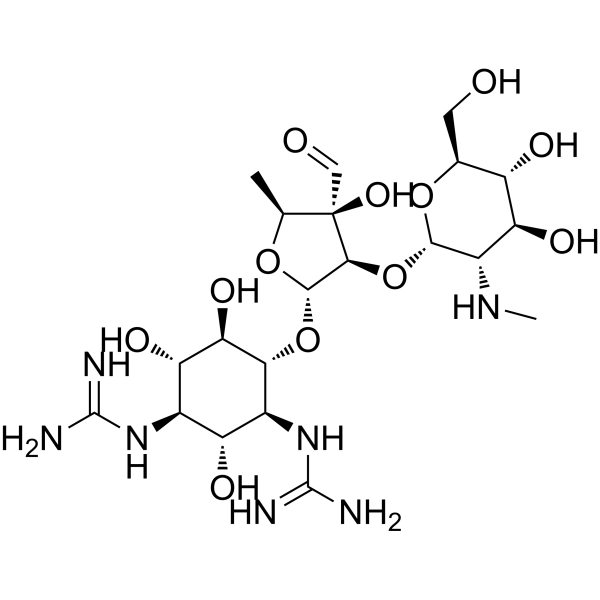
    Streptomycin
    45+ Cited Publications

    Agrept; Agrimycin; Streptomycin A

    Environmental Pollutants Antibiotic Bacterial Infection Neurological Disease
    Streptomycin (Agrept) is an effective antibiotic against M. tuberculosis, is used for the research of tuberculosis (TB). Streptomycin also is a bacteriocidal agent that can be used for the research of a number of bacterial infections. Streptomycin can bind strongly to nucleic acids, interferes and blocks protein synthesis while permitting continued RNA and DNA synthesis. Streptomycin, as a common antibiotic used in culture media, also is a blocker of stretch-activated and mechanosensitive ion channels in neurons and cardiac myocytes .
    Streptomycin
  • HY-B0956
    Paromomycin sulfate
    4 Publications Verification

    Aminosidine sulfate

    Antibiotic Parasite Bacterial Infection
    Paromomycin (Aminosidine) sulfate, a neomycin (HY-B0470) derivative, is a broad spectrum aminoglycoside antibiotic with amebicidal and bactericidal effects. Paromomycin sulfate prematures termination of translation of mRNA and inhibits protein synthesis by specifically binds to the RNA oligonucleotide at the A site of bacterial 30S ribosomes. Paromomycin sulfate can be used for the research of bacterial and parasitic infections .
    Paromomycin sulfate
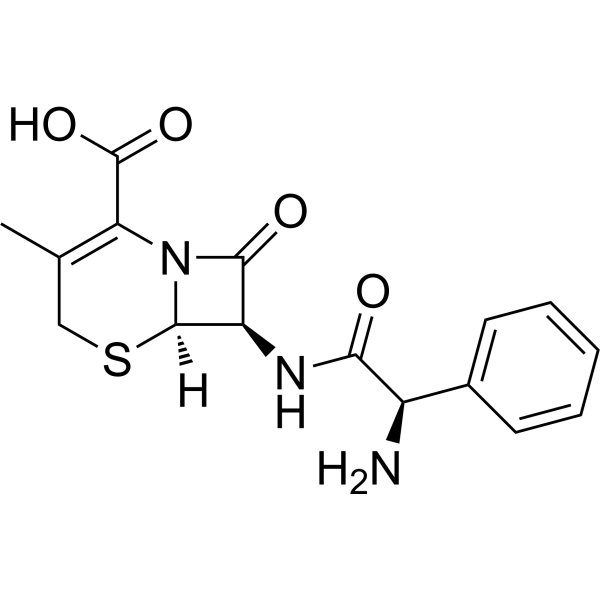
  • HY-B0200
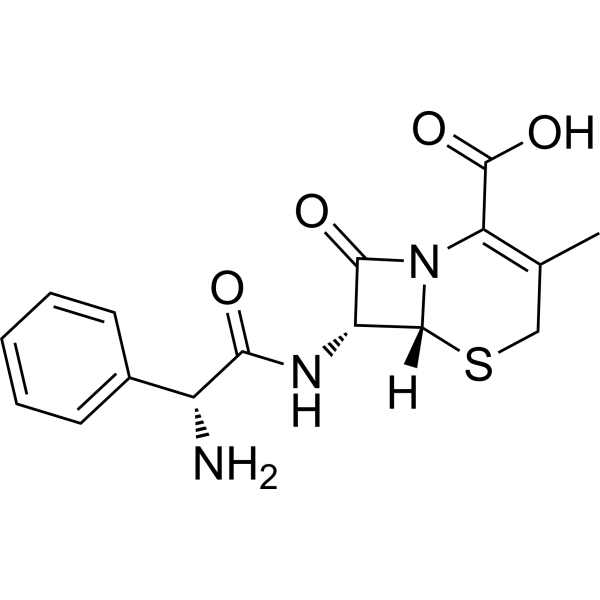
    Cephalexin
    5+ Cited Publications

    Cefalexin; Cephacillin

    Penicillin-binding protein (PBP) Antibiotic Bacterial Infection Cancer
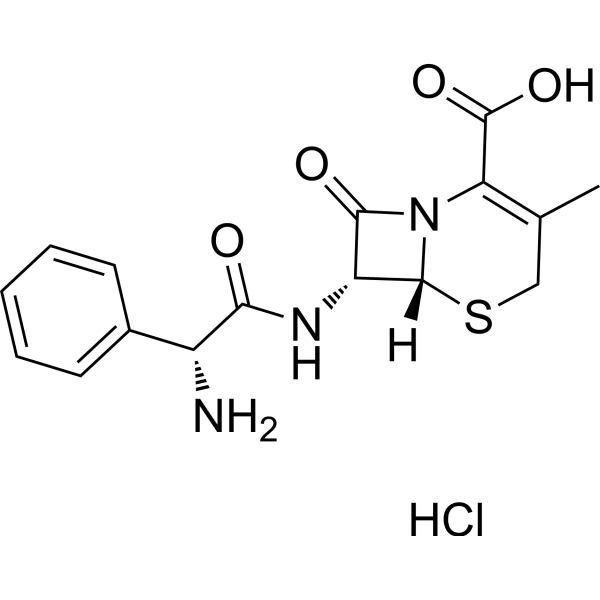
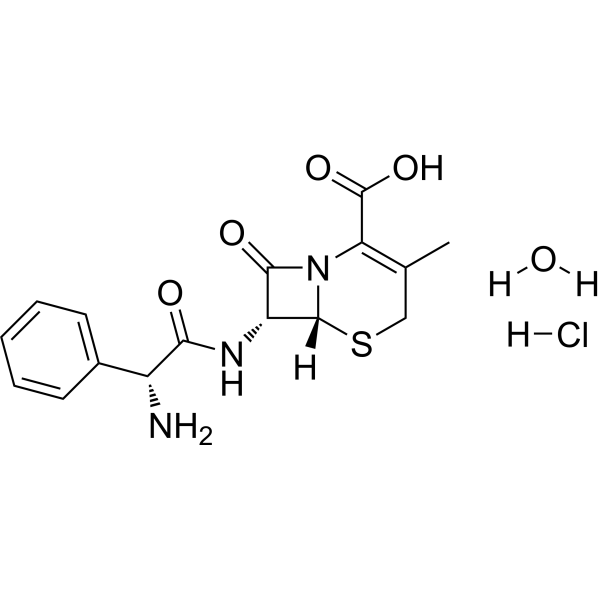
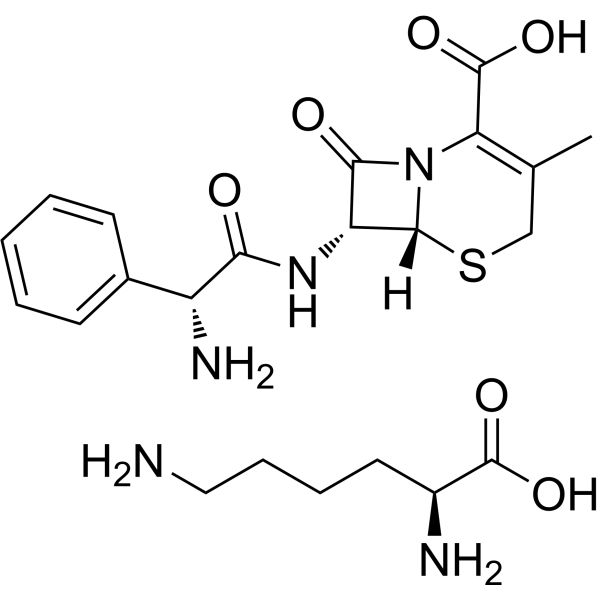
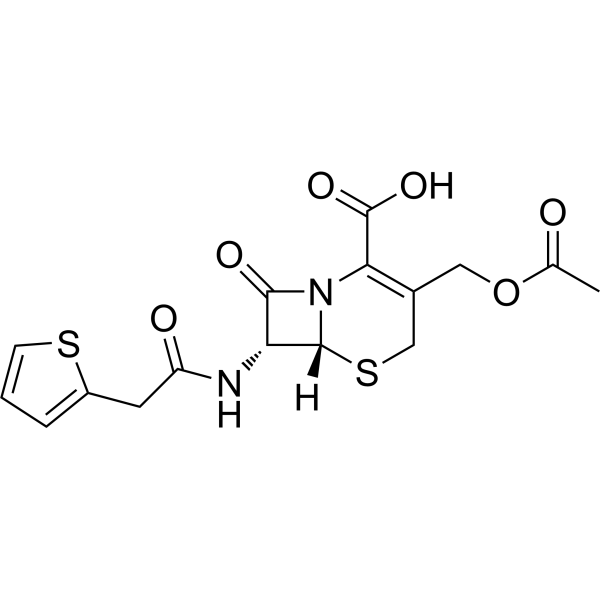
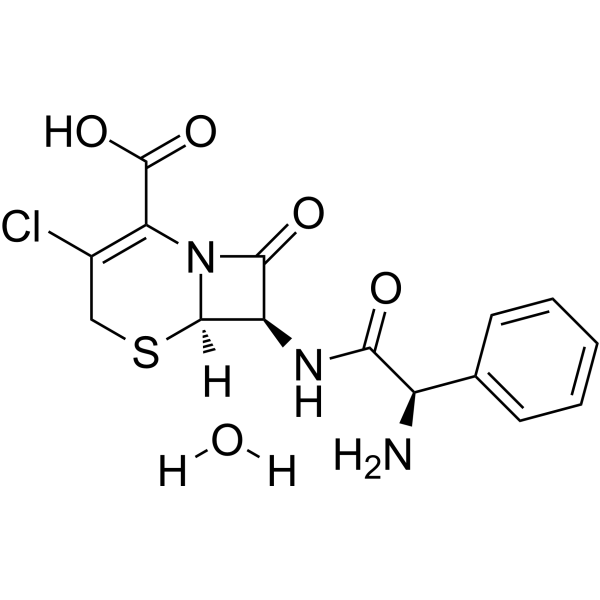
    Cephalexin (Cefalexin) is a potent, orally active semisynthetic cephalosporin antibiotic with a broad antibacterial spectrum. Cephalexin has antibacterial activity against a wide variety of gram-positive and gram-negative bacteria. Cephalexin targets penicillin-binding proteins (PBPs) to inhibit bacterial cell wall assembly. Cephalexin is used for the research of pneumonia, strep throat, and bacterial endocarditis, et al .
    Cephalexin
  • HY-10392
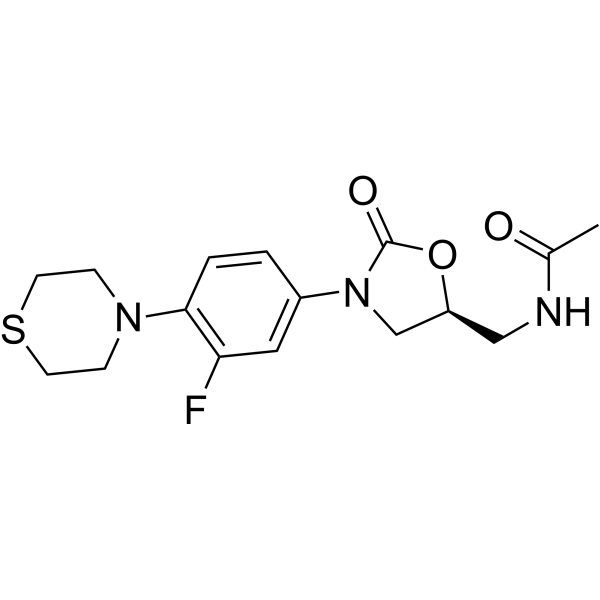
    Sutezolid
    4 Publications Verification

    PNU-100480; U-100480; PF-02341272

    Bacterial Antibiotic Infection
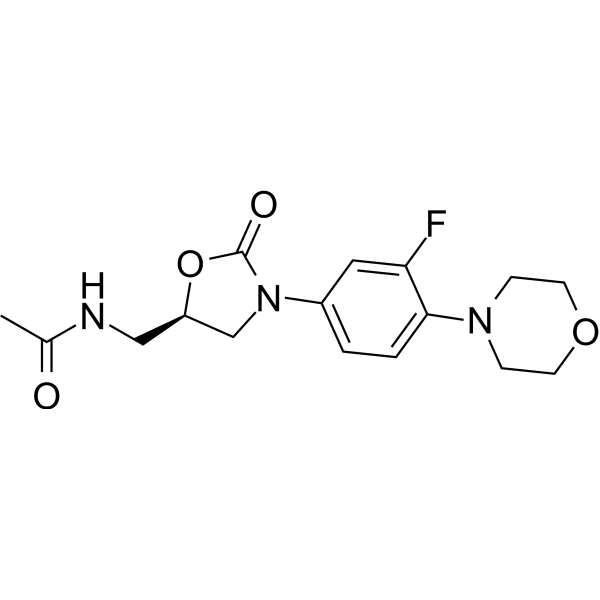
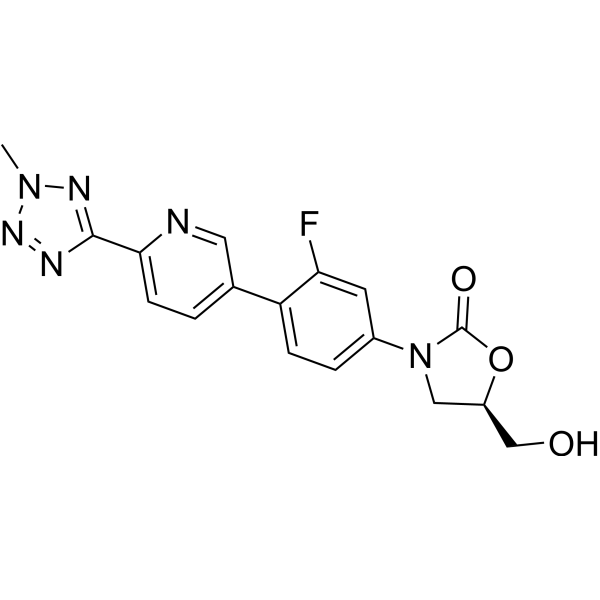
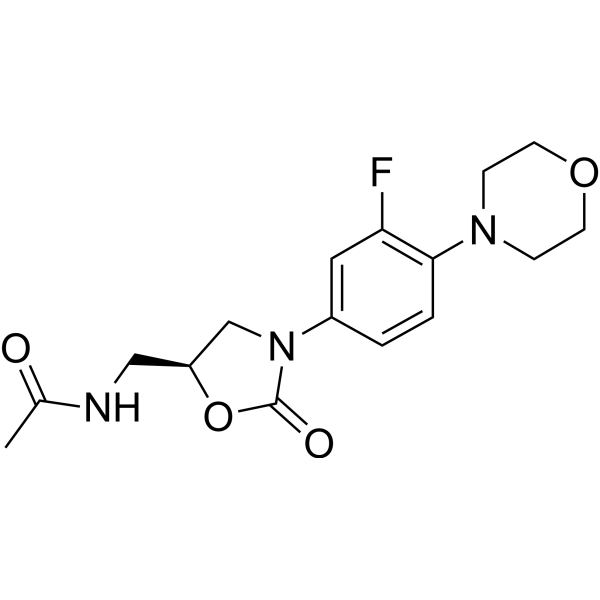
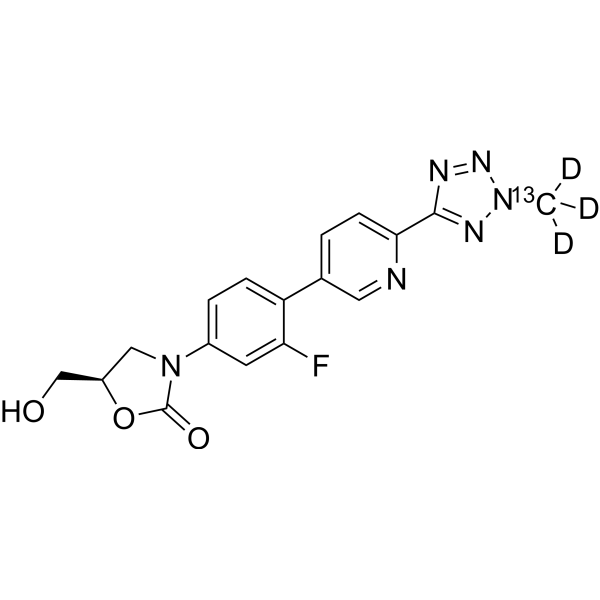
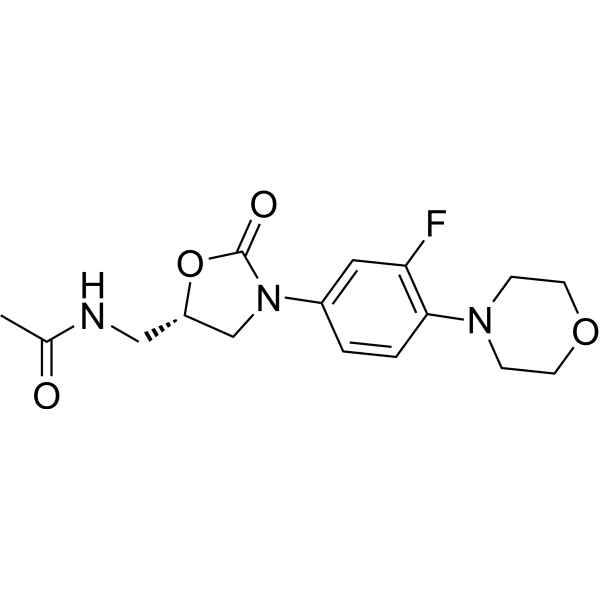
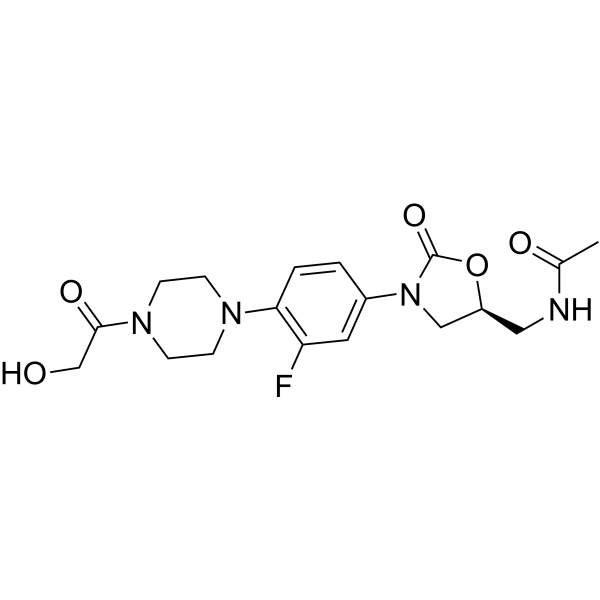
    Sutezolid (PNU-100480), an orally active oxazolidinone antimicrobial agent, acts by inhibiting bacterial protein synthesis. Sutezolid has potent activity against mycobacteria, and is used for the research of drug-resistant tuberculosis .
    Sutezolid
  • HY-W012669

    Phthaldialdehyde

    Environmental Pollutants Biochemical Assay Reagents Infection
    Phthalaldehyde (Phthaldialdehyde) reacts with proteins containing primary amines and blocked amino-terminal peptides of amino acids. Phthalaldehyde stabilizes bacterial outer membranes and cell walls, increases the optical density of bacterial cell suspensions, and inhibits bacterial lysis induced by ethylenediaminetetraacetic acid and sodium dodecyl sulfate. Phthalaldehyde exhibits bactericidal activity against Gram-negative vegetative bacteria .
    Phthalaldehyde
  • HY-B1228
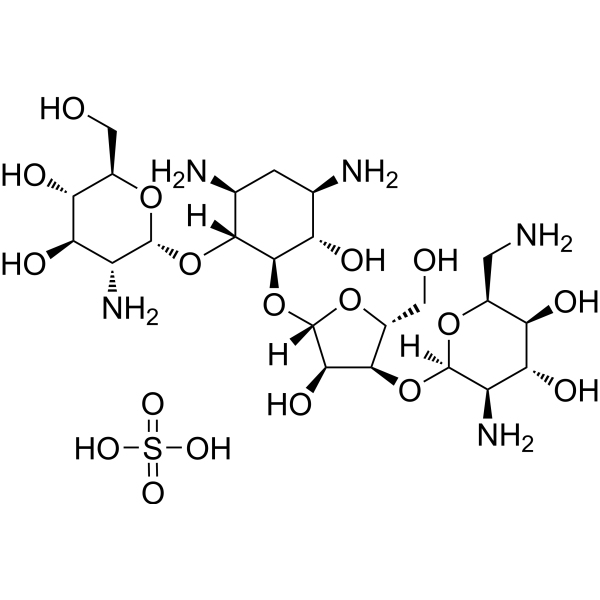
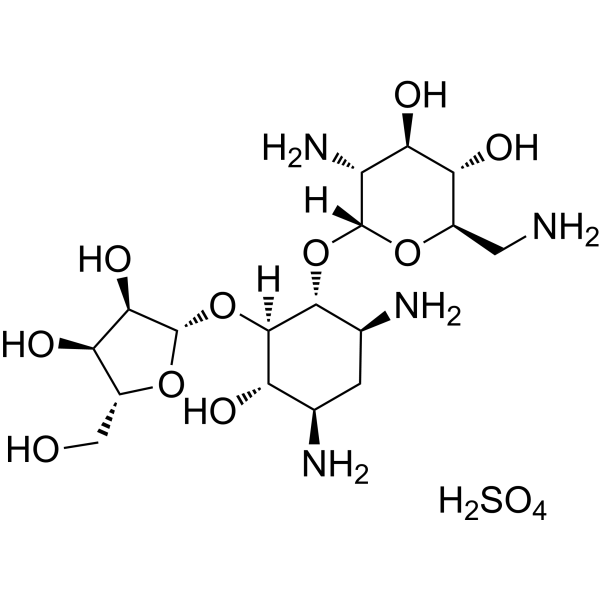
    Ribostamycin sulfate
    1 Publications Verification

    Vistamycin sulfate

    Antibiotic PDI Infection
    Ribostamycin sulfate (Vistamycin sulfate) is a broad-spectrum aminoglycoside Antibiotic with bactericidal activity against Gram-positive cocci, Gram-negative cocci, bacilli, and drug-resistant strains. Ribostamycin sulfate also acts as an inhibitor of protein disulfide isomerase (PDI), with a binding constant KD of 319 μM for bovine PDI. Ribostamycin sulfate targets bacterial 16S ribosomal RNA and the 30S ribosomal subunit, causing translational misreading and thereby inhibiting bacterial protein synthesis. Ribostamycin sulfate disrupts the integrity of bacterial cell membranes, induces membrane pore formation, and leads to bacterial death. Ribostamycin sulfate can be used in studies related to bacterial infections .
    Ribostamycin sulfate
  • HY-B0198
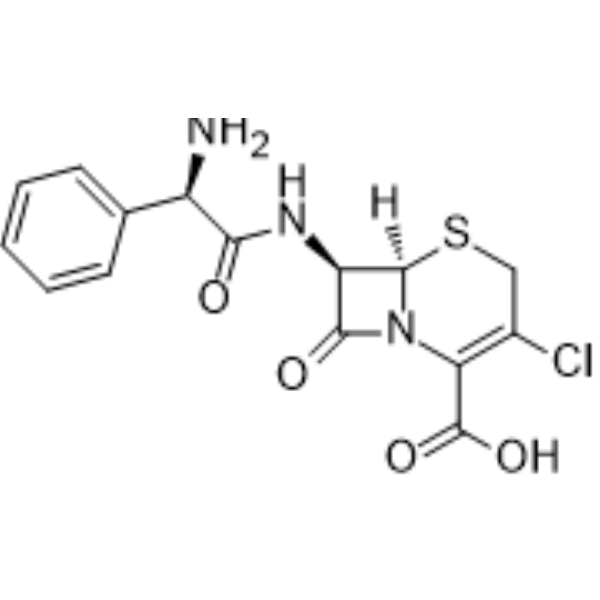
    Cefaclor
    2 Publications Verification

    Antibiotic Penicillin-binding protein (PBP) Bacterial 5-HT Receptor Infection Neurological Disease Inflammation/Immunology
    Cefaclor is a well-absorbed orally active cephalosporin antibiotic. Cefaclor can specifically bind to specific for penicillin-binding protein 3 (PBP3). Cefaclor can be used for the research of depression and kinds of infections caused by bacteria, such as respiratory tract infections, bacterial bronchitis, pharyngitis and skin infections .
    Cefaclor
  • HY-W133898

    Environmental Pollutants Biochemical Assay Reagents Others
    Tryptone is a peptide-rich bacterial culture medium component that can regulate bacterial cell surface proteins and biofilm-related genes. Tryptone promotes the expression and assembly of bacterial adhesion proteins (such as LapA and LapF) by providing peptide substances as structural factors, enhancing cell surface hydrophobicity and intercellular adhesion, thereby stabilizing the biofilm matrix and supporting the maturation and maintenance of bacterial biofilms. The peptide mixture contained in Tryptone can specifically regulate the transcription of bacterial adhesion-related genes (such as activating LapA and inhibiting LapF), affecting the synthesis and localization of biofilm structural proteins .
    Tryptone
  • HY-A0162
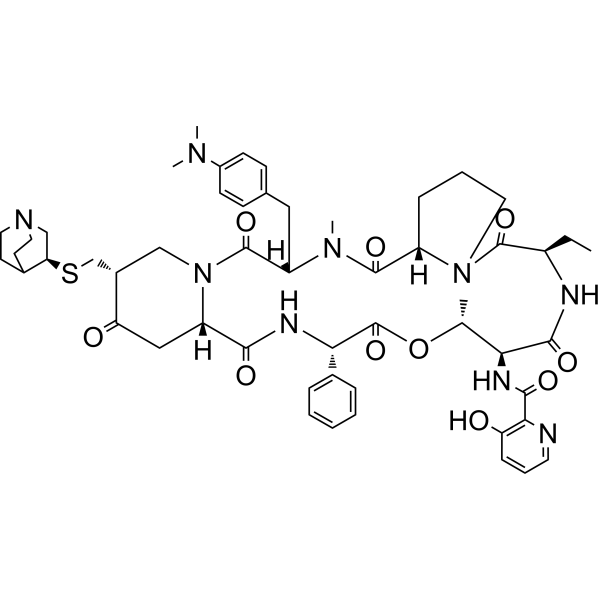
    Quinupristin
    1 Publications Verification

    Bacterial Infection
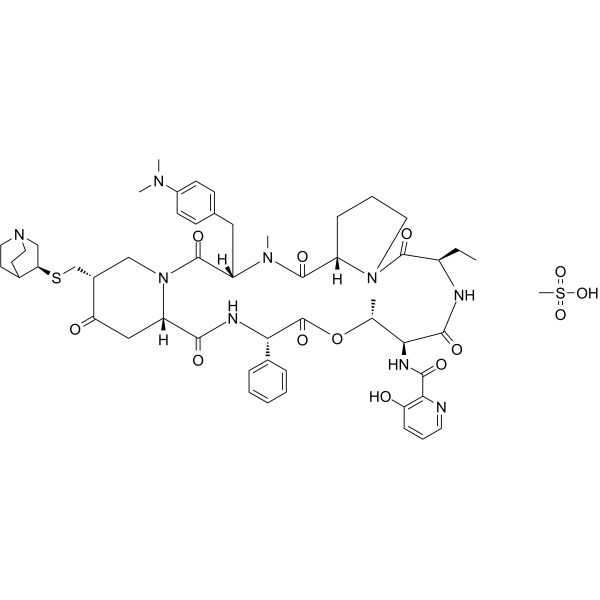
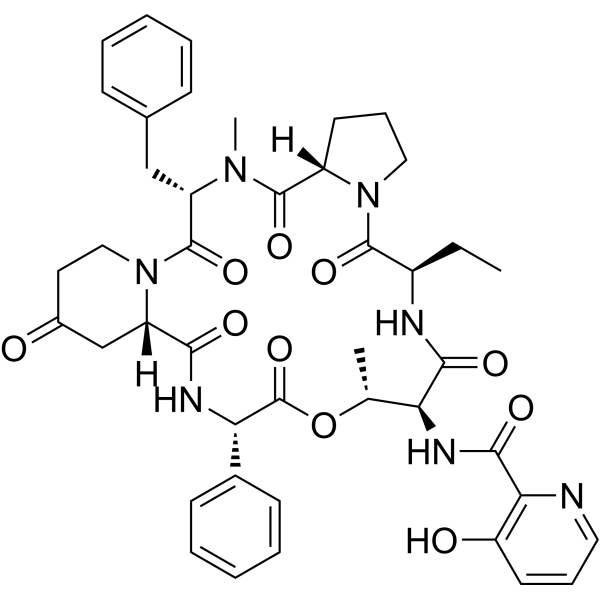
    Quinupristin is a streptogramin antibiotic. Quinupristin blocks peptide bond synthesis to prevent the extension of polypeptide chains and promote the detachment of incomplete protein chains in the bacterial ribosomal subunits .
    Quinupristin
  • HY-126387

    Bacterial Antibiotic Penicillin-binding protein (PBP) Infection
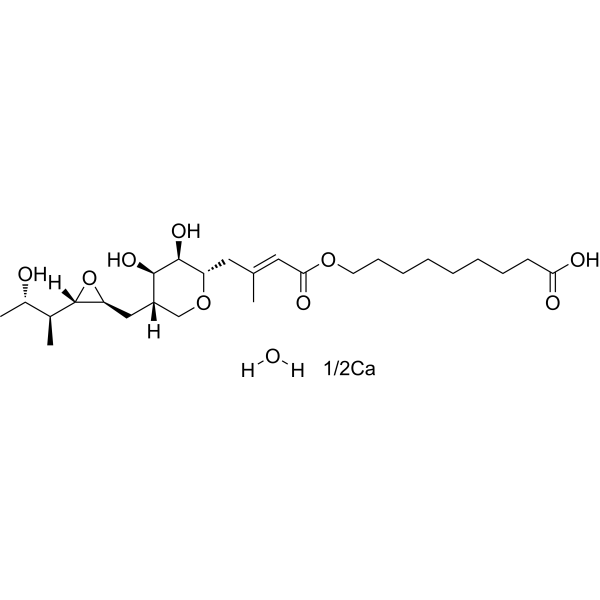
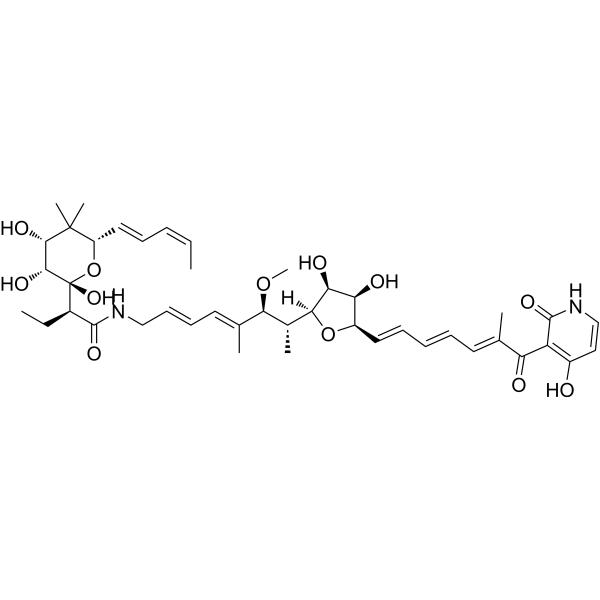
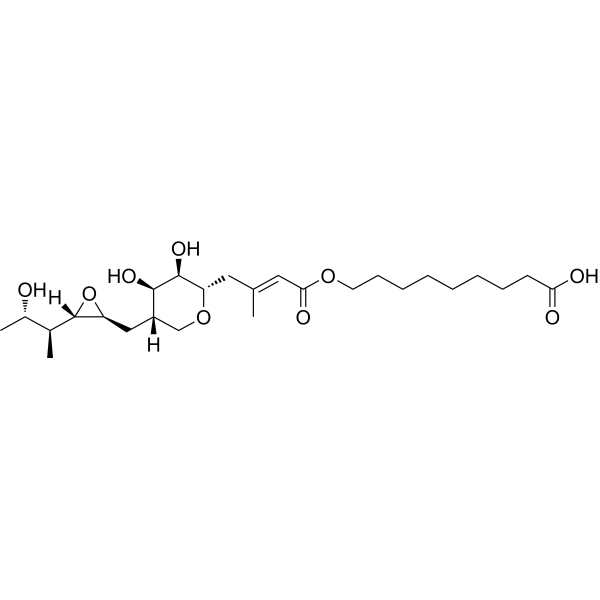
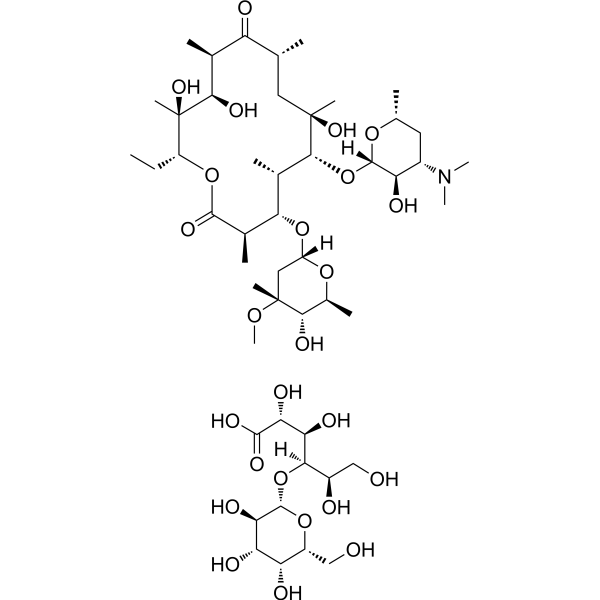
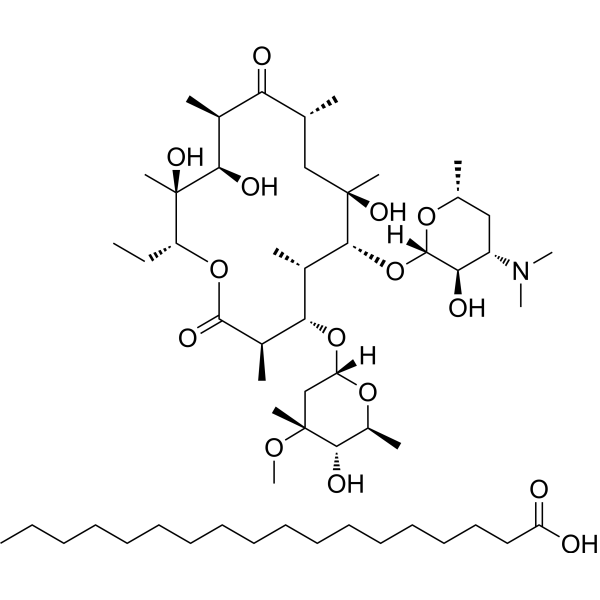
    Moenomycin complex is a class of antibacterial agents and PBP inhibitors, with Kd values ranging from 94 nM to 1690 nM against various bacterial PBPs. Moenomycin complex inhibits bacterial growth by blocking the transglycosylase activity of class A penicillin-binding proteins (PBPs). Moenomycin complex is used in the research of bacterial infections .
    Moenomycin complex
  • HY-14865
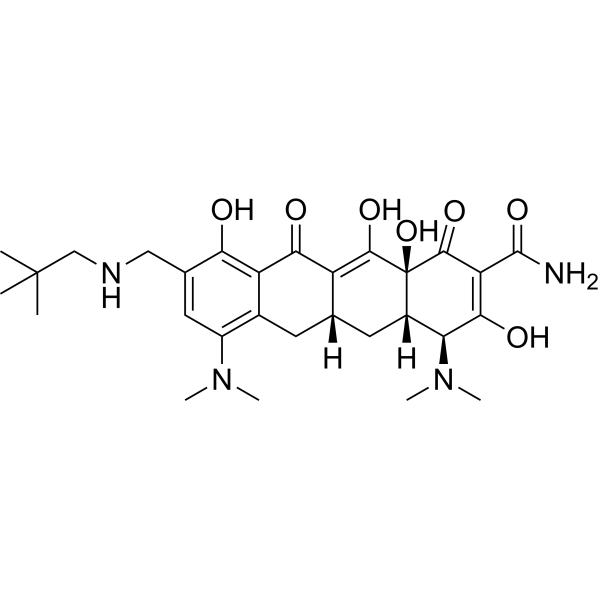
    Omadacycline
    30+ Cited Publications

    PTK 0796; Amadacycline

    Bacterial Antibiotic Infection
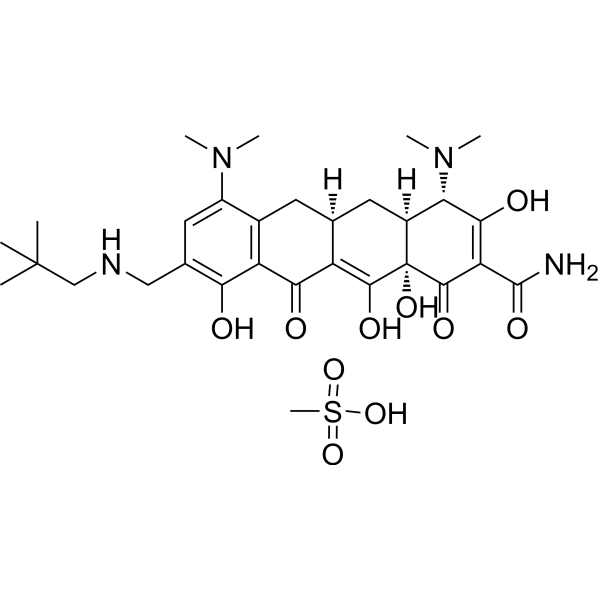
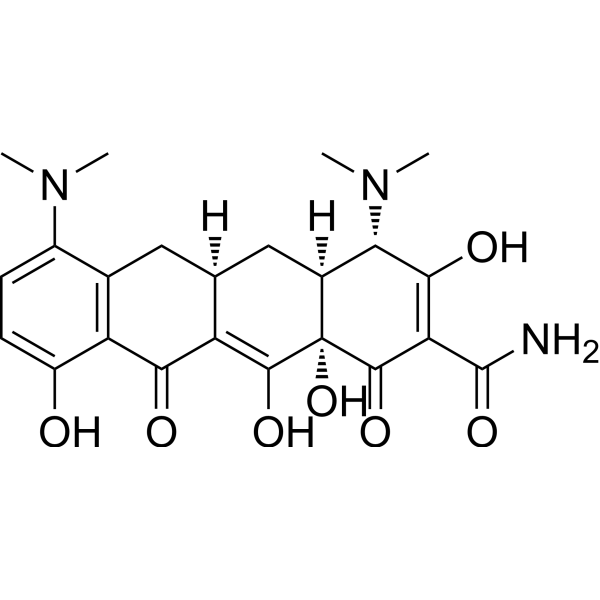
    Omadacycline (PTK 0796), a first-in-class orally active aminomethylcycline antibacterial, is a member of the tetracycline class of antibiotics. Omadacycline acts through the inhibition of bacterial protein synthesis by binding to the 30S ribosomal subunit. Omadacycline possesses broad-spectrum antibacterial activity against aerobic and anaerobic Gram-positive and Gram-negative bacteria, as well as atypical bacteria. Omadacycline can be used for the research of acute bacterial skin and skin-structure infections, community-acquired pneumonia, and urinary tract infections .
    Omadacycline
  • HY-16908A
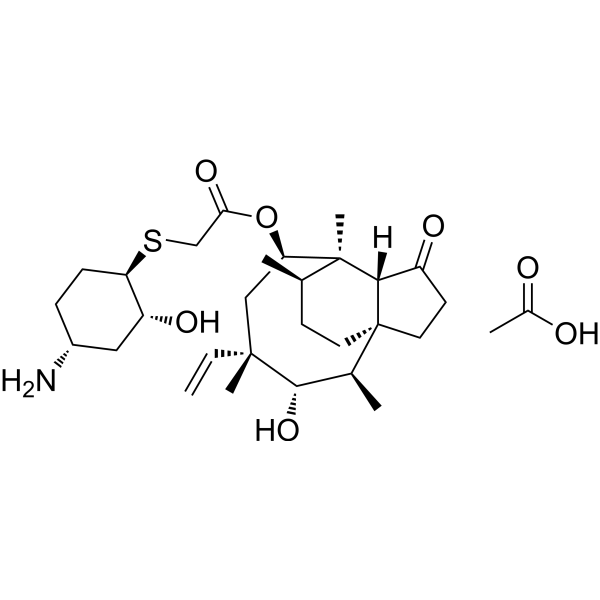
    Lefamulin acetate
    4 Publications Verification

    BC-3781 acetate

    Bacterial Antibiotic Infection Inflammation/Immunology
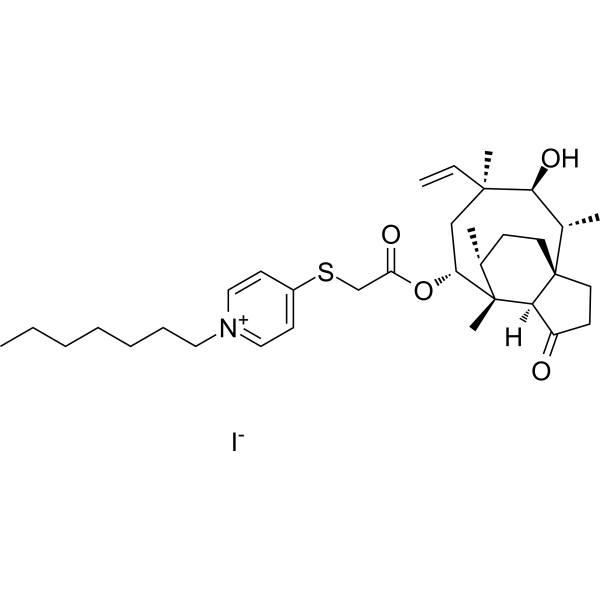
    Lefamulin (BC-3781) acetate is an orally active antibiotic. Lefamulin acetate inhibits protein synthesis by binding to the peptidyl transferase center of the 50S bacterial ribosome. Lefamulin acetate has anti-inflammatory activity. Lefamulin acetate can be used in the research of bacterial infections, such as bacterial pneumonia .
    Lefamulin acetate
  • HY-14865B
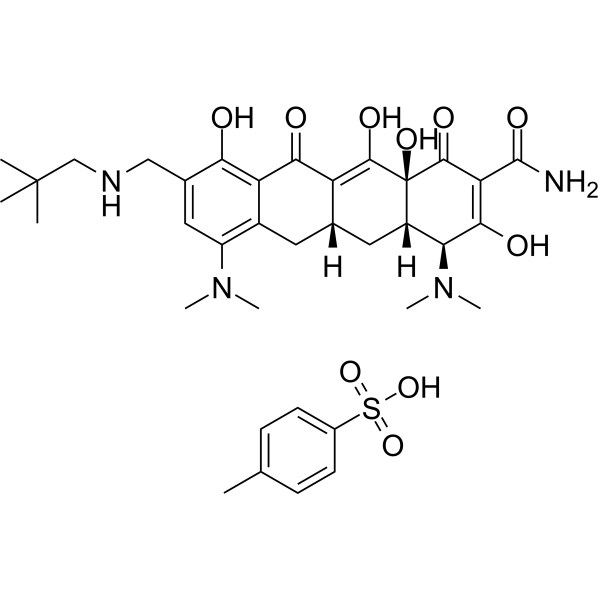
    Omadacycline tosylate
    30+ Cited Publications

    PTK 0796 tosylate; Amadacycline tosylate

    Bacterial Antibiotic Infection
    Omadacycline (PTK 0796) tosylate, a first-in-class orally active aminomethylcycline antibacterial, is a member of the tetracycline class of antibiotics. Omadacycline tosylate acts through the inhibition of bacterial protein synthesis by binding to the 30S ribosomal subunit. Omadacycline tosylate possesses broad-spectrum antibacterial activity against aerobic and anaerobic Gram-positive and Gram-negative bacteria, as well as atypical bacteria. Omadacycline tosylate can be used for the research of acute bacterial skin and skin-structure infections, community-acquired pneumonia, and urinary tract infections .
    Omadacycline tosylate
  • HY-W034067

    Biochemical Assay Reagents Bacterial Infection
    Silver nitrite is an inorganic compound with the chemical formula AgNO2. Silver nitrite can inhibit cell division and bacterial growth by interfering with protein synthesis .
    Silver nitrite
  • HY-14865C
    Omadacycline hydrochloride
    30+ Cited Publications

    PTK0796 hydrochloride; Amadacycline hydrochloride

    Bacterial Antibiotic Infection
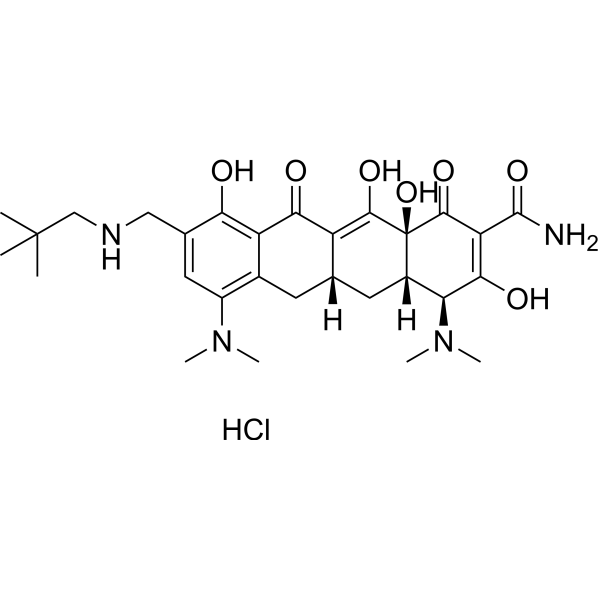
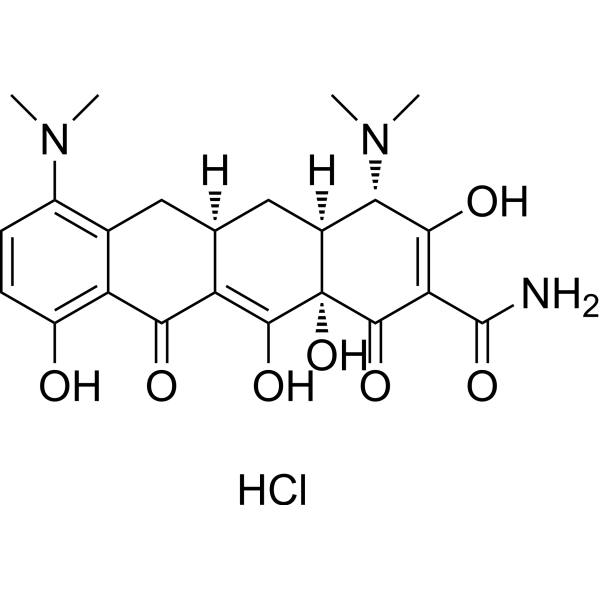
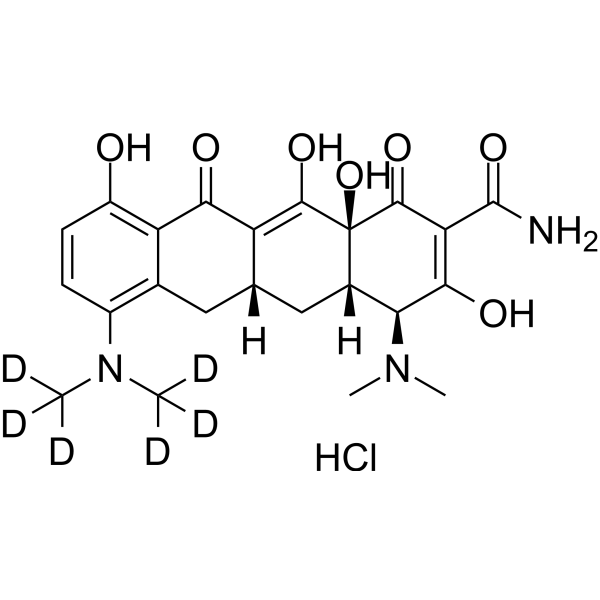
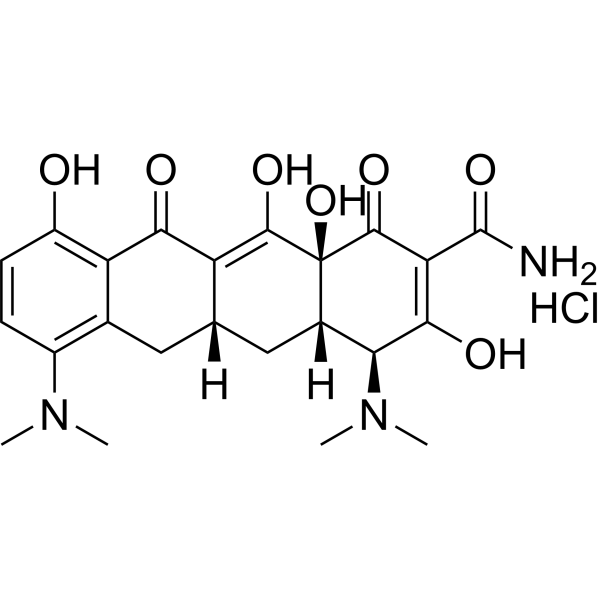
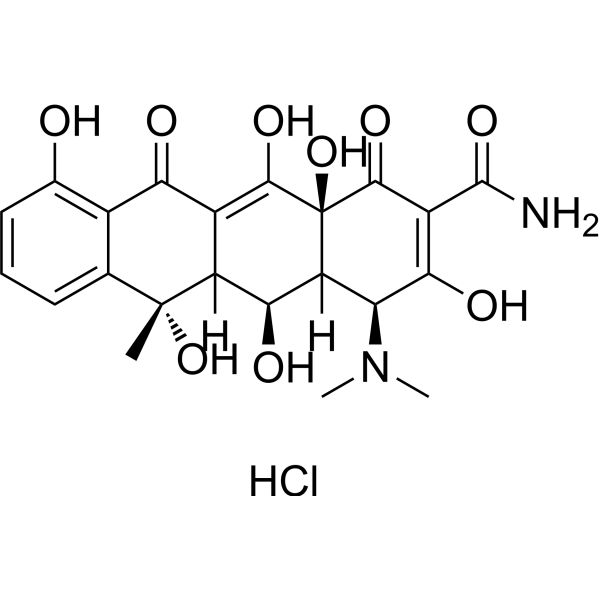
    Omadacycline (PTK 0796) hydrochloride, a first-in-class orally active aminomethylcycline antibacterial, is a member of the tetracycline class of antibiotics. Omadacycline hydrochloride acts through the inhibition of bacterial protein synthesis by binding to the 30S ribosomal subunit. Omadacycline hydrochloride possesses broad-spectrum antibacterial activity against aerobic and anaerobic Gram-positive and Gram-negative bacteria, as well as atypical bacteria. Omadacycline hydrochloride can be used for the research of acute bacterial skin and skin-structure infections, community-acquired pneumonia, and urinary tract infections .
    Omadacycline hydrochloride
  • HY-D2381

    Fluorescent Dye Others
    AF 488 maleimide is a thiol-reactive dye used to label SH groups of proteins, which can attach the AF 488 fluorophore to cysteine residue-containing proteins and peptides as well as other thiolated molecules. AF 488 maleimide enables real-time visualization of dynamic pilus extension and retraction in live bacterial cells via epifluorescence microscopy (Ex/Em = 470/520 nm) .
    AF 488 maleimide
  • HY-P1068A

    Bacterial Infection
    Recombinant human lysozyme (plant expression) is a conserved anti-bacterial protein that causes bacterial lysis and death by hydrolyzing bacterial cell wall peptidoglycan (PG). Recombinant human lysozyme (plant expression) can be used to study bacterial infections .
    Recombinant human lysozyme (plant expression)
  • HY-B1824
    Cefpirome sulfate
    1 Publications Verification

    HR-810 sulfate

    Bacterial Antibiotic Infection
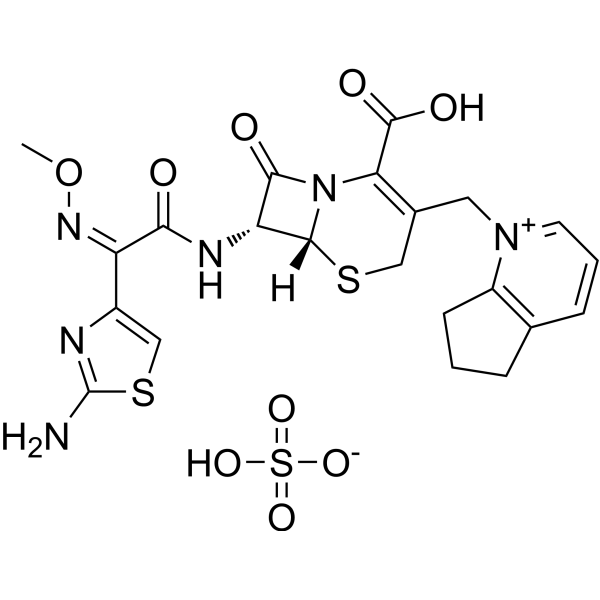
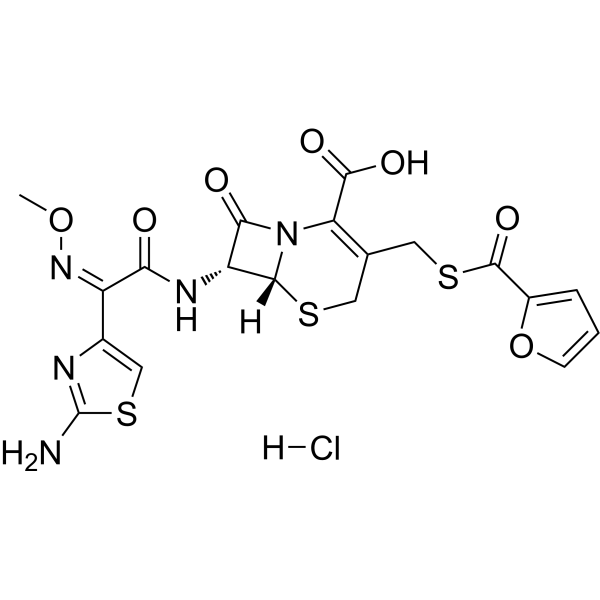
    Cefpirome (HR-810) sulfate is a cephalosporin antibiotic that can cross cell membranes and the blood-brain barrier. Cefpirome sulfate binds to penicillin-binding proteins with high affinity, thereby inhibiting bacterial cell wall synthesis. Cefpirome sulfate exhibits bactericidal and growth-inhibitory activities against Gram-negative bacteria, Gram-positive bacteria, and susceptible anaerobic bacteria (including some β-lactamase-producing strains) .
    Cefpirome sulfate
  • HY-121268
    Demeclocycline
    5 Publications Verification

    Antibiotic Bacterial Infection Inflammation/Immunology Cancer
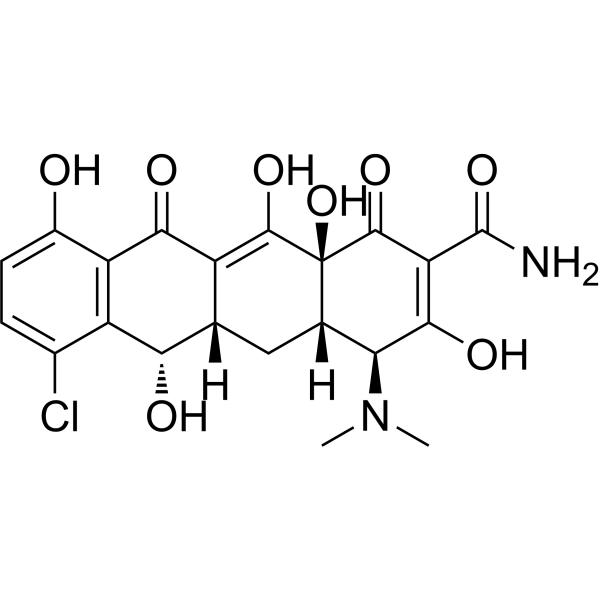
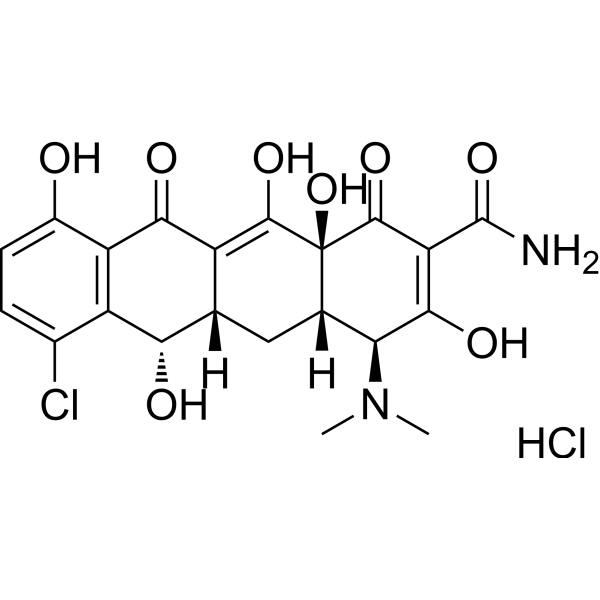
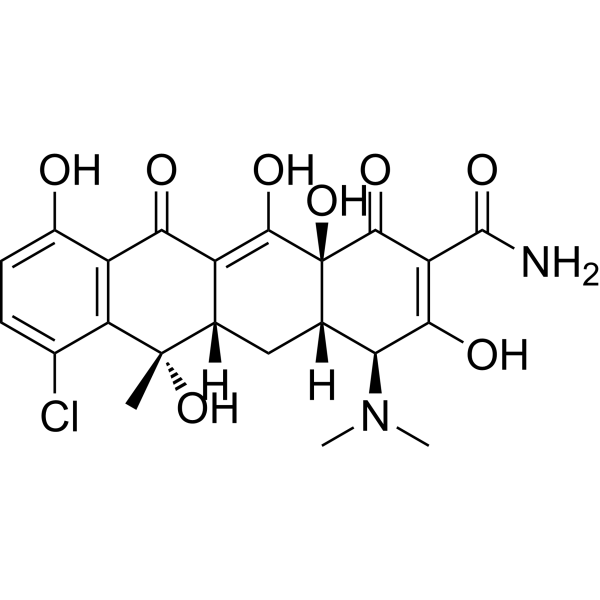
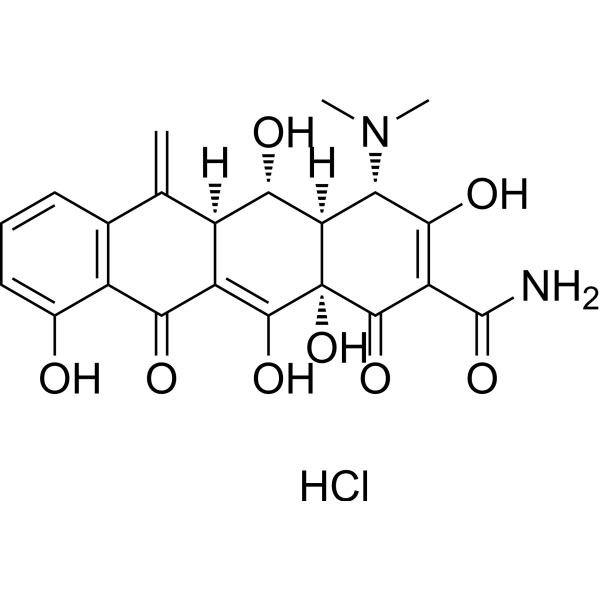
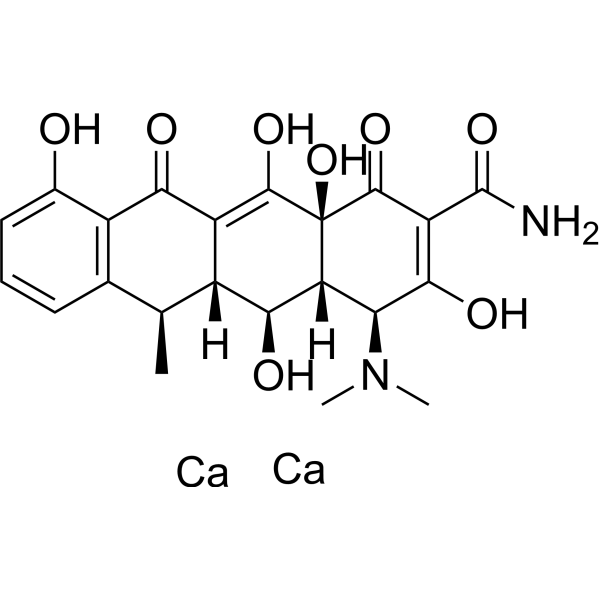
    Demeclocycline is an orally active tetracycline antibiotic. Demeclocycline impairs protein synthesis by binding to the 30S ribosomal subunit to inhibit binding of aminoacyl tRNA. Demeclocycline shows anti-bacterial activitise to a wide variety of bacterial infections .
    Demeclocycline
  • HY-N7102
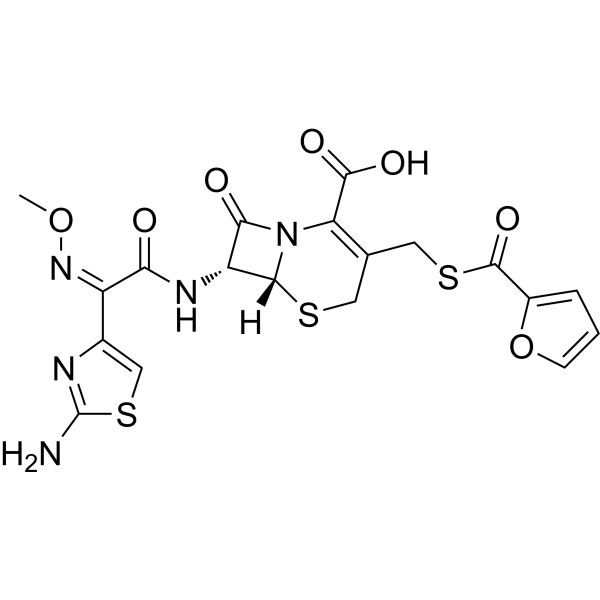
    Ceftiofur
    4 Publications Verification

    Antibiotic Bacterial NF-κB p38 MAPK TNF Receptor Interleukin Related Infection
    Ceftiofur is a cell wall synthesis inhibitor that targets bacterial penicillin-binding proteins (PBPs) and has anti-inflammatory effects in endotoxemia. Ceftiofur exerts bactericidal effects by inhibiting the synthesis of bacterial cell wall peptidoglycan, leading to bacterial cell lysis. Ceftiofur also inhibits the activation of NF-κB and MAPKs, thereby reducing the secretion of pro-inflammatory cytokines such as TNF-α, IL-1β, and IL-6 .
    Ceftiofur
  • HY-B0898
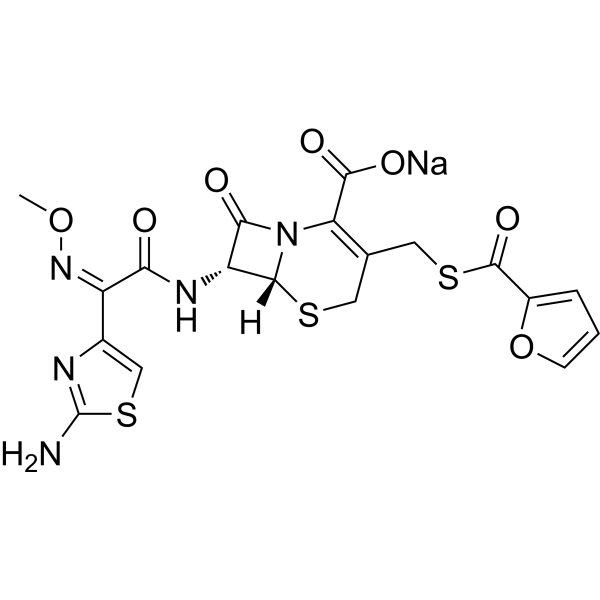
    Ceftiofur sodium
    4 Publications Verification

    sodium ceftiofur

    Antibiotic Bacterial NF-κB p38 MAPK TNF Receptor Interleukin Related Infection
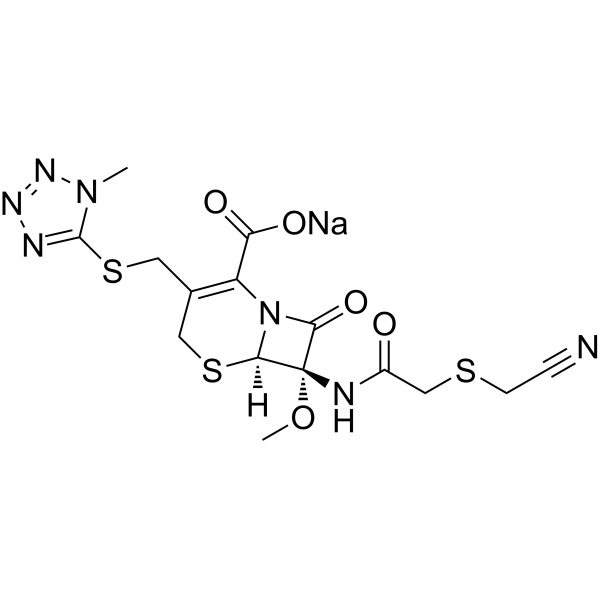
    Ceftiofur sodium is a cell wall synthesis inhibitor that targets bacterial penicillin-binding proteins (PBPs) and has anti-inflammatory effects in endotoxemia. Ceftiofur sodium exerts bactericidal effects by inhibiting the synthesis of bacterial cell wall peptidoglycan, leading to bacterial cell lysis. Ceftiofur sodium also inhibits the activation of NF-κB and MAPKs, thereby reducing the secretion of pro-inflammatory cytokines such as TNF-α, IL-1β, and IL-6 .
    Ceftiofur sodium
  • HY-141667

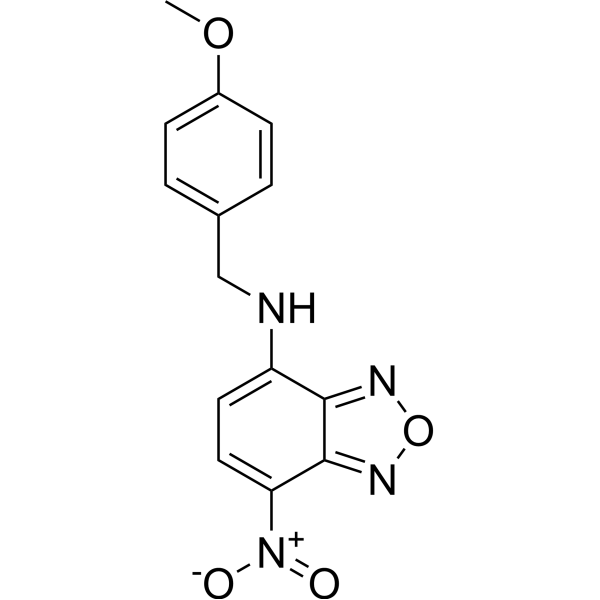
    7-(p-Methoxybenzylamino)-4-nitrobenz-2,1,3-oxadiazole

    Fluorescent Dye Others
    MBD (7-(p-Methoxybenzylamino)-4-nitrobenz-2,1,3-oxadiazole), a new fluorescent probe for protein and nucleoprotein conformation, is applied to bacterial ribosomes and to bovine trypsinogen and trypsin. MBD is strongly fluorescent upon binding to a hydrophobic area of a macromolecule .
    MBD
  • HY-16908
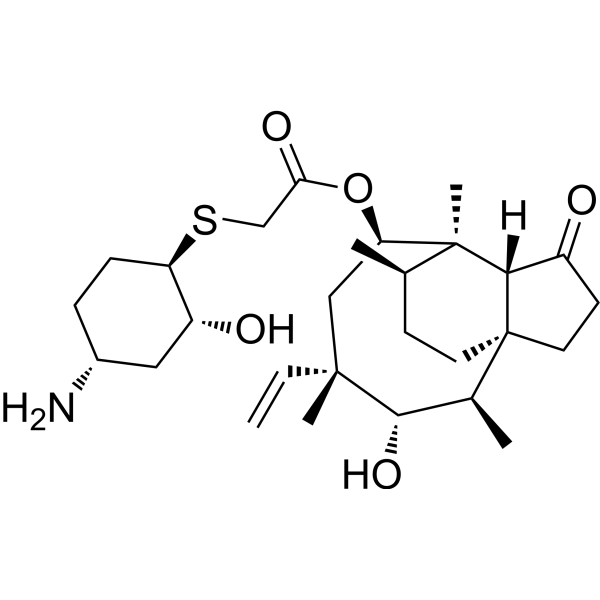
    Lefamulin
    4 Publications Verification

    BC-3781

    Bacterial Antibiotic Infection
    Lefamulin (BC-3781) is an orally active antibiotic. Lefamulin inhibits protein synthesis by binding to the peptidyl transferase center of the 50S bacterial ribosome. Lefamulin has anti-inflammatory activity. Lefamulin can be used in the research of bacterial infections, such as bacterial pneumonia .
    Lefamulin
  • HY-B1244
    Dimetridazole
    1 Publications Verification

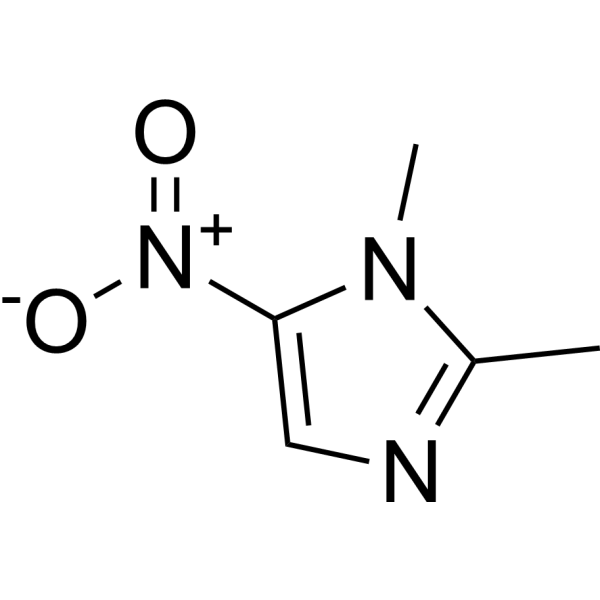
    1,2-Dimethyl-5-nitroimidazole

    Environmental Pollutants Antibiotic Bacterial Parasite Infection
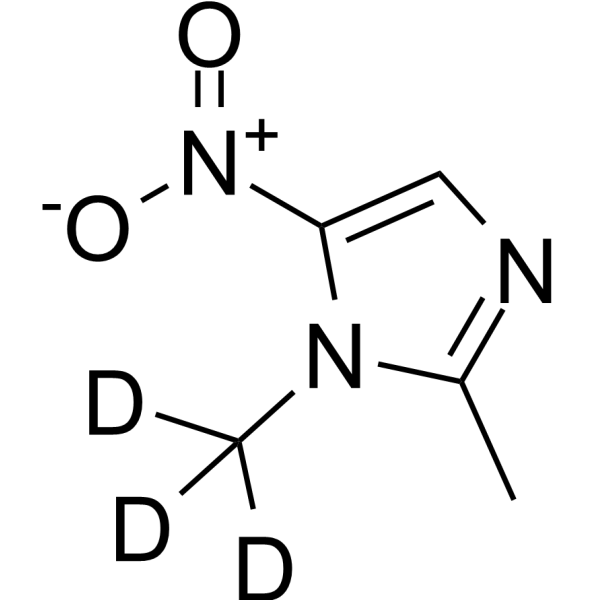
    Dimetridazole is a nitroimidazole antibiotic. Dimetridazole inhibits protein synthesis in cultures of Campylobacter jejuni. Dimetridazole is genotoxic. Dimetridazole can be used in the research of protozoal and bacterial infections .
    Dimetridazole
  • HY-P10233A

    Bacterial Infection
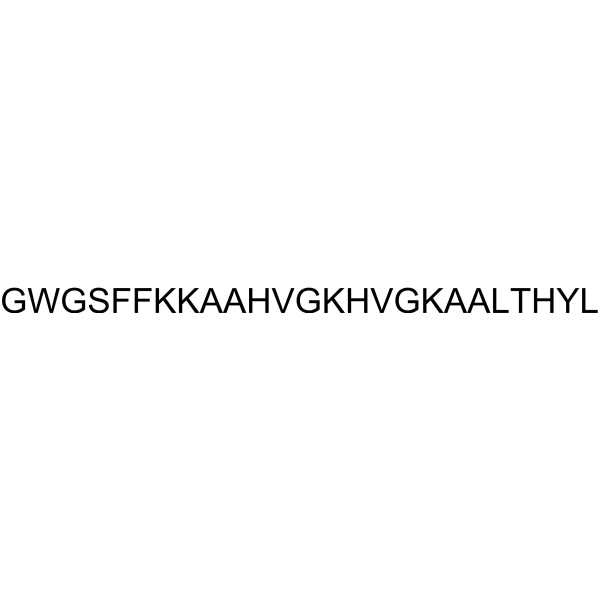
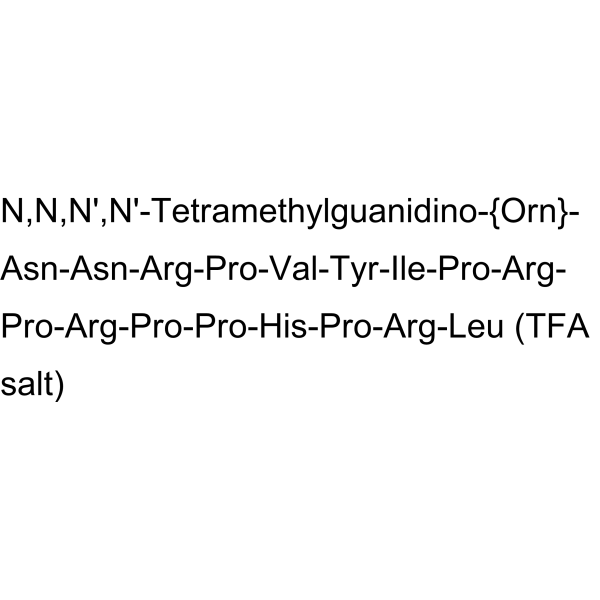
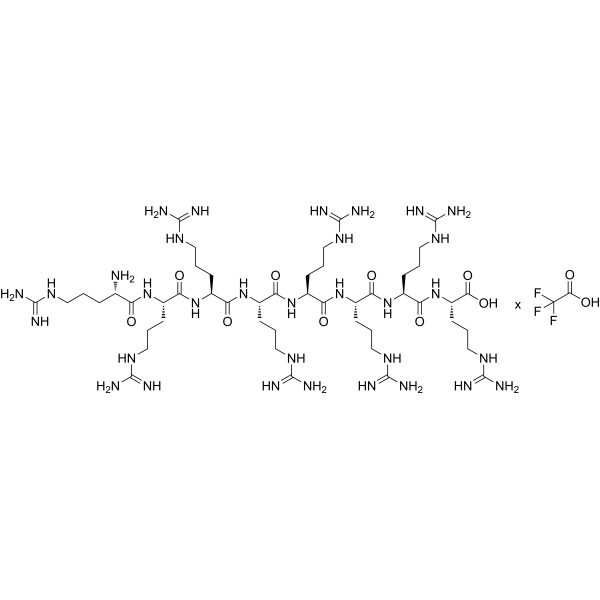
    SAAP 148 TFA is a synthetic antimicrobial peptide (bacteria) that interacts with and disrupts the lipid bilayer of bacterial cytoplasmic membranes, thereby inducing changes in membrane permeability and bacterial death. SAAP 148 TFA kills drug-resistant, multidrug-resistant and persister bacterial strains, inhibits biofilm formation, eliminates established biofilms, and blocks bacterial colonization on implant surfaces. SAAP 148 TFA retains its activity after modification or immobilization, exhibits variable cytotoxicity in different human cell models, and shows reduced efficacy in protein-rich environments. SAAP 148 TFA can be used in infection-related research .
    SAAP 148 TFA
  • HY-121219

    Bacterial Infection
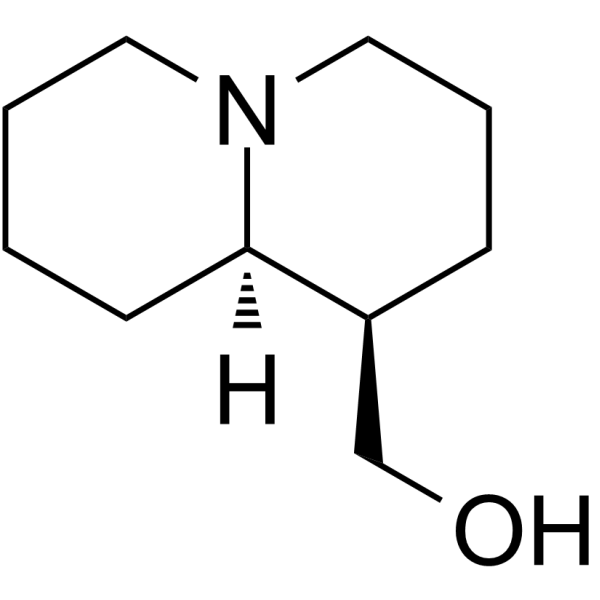
    (-)-Lupinine is an alkaloid and membrane fusion inhibitor. (-)-Lupinine does not affect the synthesis of proinflammatory cytokines during the host response to Serratia proteamaculans infection. (-)-Lupinine can enhance the expression of the bacterial surface protein OmpX. (-)-Lupinine can be used for research on bacterial infections .
    (-)-Lupinine
  • HY-118099

    Bacterial Drug Metabolite Infection
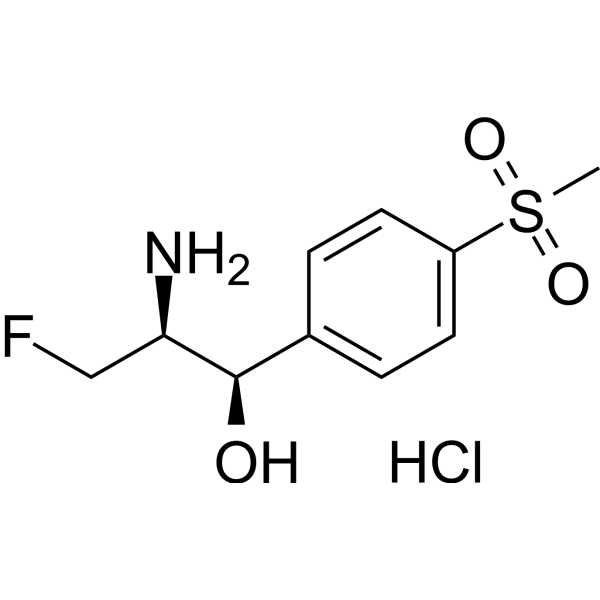
    Florfenicol amine hydrochloride is a metabolite of Florfenicol (HY-B1374). Florfenicol inhibits bacterial protein synthesis by binding to 50S and 70S subunits in the ribosome to abolish the activity of peptidyltransferase. Florfenicol, is a veterinary antibiotic, can be used in aquaculture to control susceptible bacterial diseases .
    Florfenicol amine hydrochloride
  • HY-N7089
    Benzoyleneurea
    1 Publications Verification

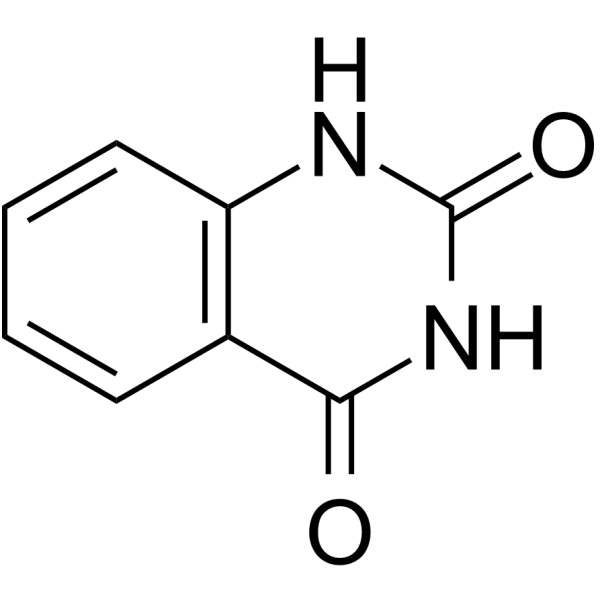
    quinazolinedione

    Bacterial Infection
    Benzoyleneurea possesses anti-bacterial activity. Benzoyleneurea scaffold can be used in the synthesis of novel protein geranylgeranyltransferase-I (PGGTase-I) inhibitors .
    Benzoyleneurea
  • HY-B1596A
    Ceftizoxime sodium
    1 Publications Verification

    SKF-88373

    Penicillin-binding protein (PBP) Bacterial Antibiotic Infection
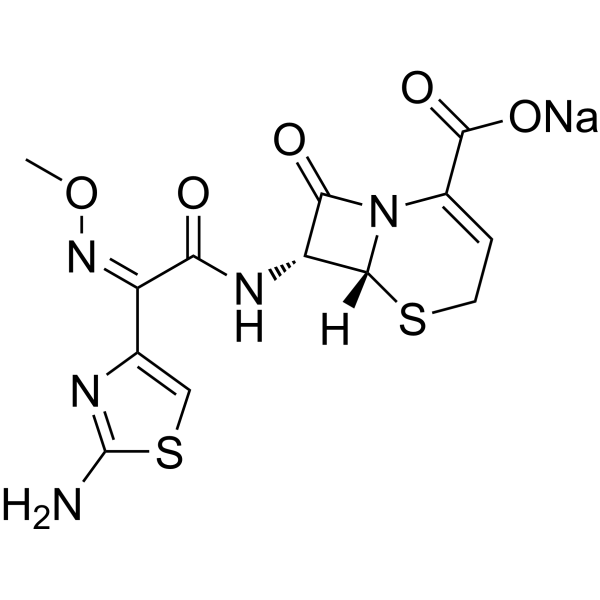
    Ceftizoxime sodium (SKF-88373) is third generation cephalosporin effective against Gram-negative and Gram-positive bacteria. It binds penicillin-binding proteins (PBPs) and inhibits the bacterial cell wall synthesis.
    Ceftizoxime sodium
  • HY-N11857

    Antibiotic Bacterial Infection
    Gentamicin C2 is an aminoglycoside antibiotic with broad-spectrum bactericidal activity, selectively binding to the bacterial 16S rRNA A-site. Gentamicin C2 interferes with protein synthesis initiation and translation fidelity to exert bactericidal effects. Gentamicin C2 can be used for the research of bacterial infections .
    Gentamicin C2
  • HY-123515

    Infection
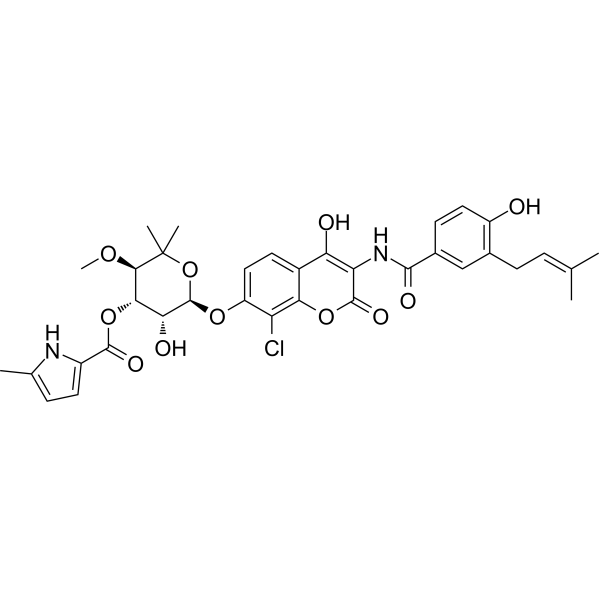
    Clorobiocin is an antibacterial agent with an IC50 of 0.21 μM against the B subunit of E. coli DNA gyrase. Clorobiocin targets the mLaC protein of Gram-negative bacteria. Clorobiocin potently inhibits bacterial DNA replication. Clorobiocin can be used in studies on Gram-negative bacterial infections, such as Acinetobacter baumannii and E. coli infections .
    Clorobiocin
  • HY-B1906R

    Agrept (Standard); Agrimycin (Standard); Streptomycin A (Standard)

    Reference Standards Antibiotic Bacterial Infection Neurological Disease
    Streptomycin (Standard) is the analytical standard of Streptomycin. This product is intended for research and analytical applications. Streptomycin (Agrept) is an effective antibiotic against M. tuberculosis, is used for the research of tuberculosis (TB). Streptomycin also is a bacteriocidal agent that can be used for the research of a number of bacterial infections. Streptomycin can bind strongly to nucleic acids, interferes and blocks protein synthesis while permitting continued RNA and DNA synthesis. Streptomycin, as a common antibiotic used in culture media, also is a blocker of stretch-activated and mechanosensitive ion channels in neurons and cardiac myocytes .
    Streptomycin (Standard)
  • HY-20899

    6BrW

    Bacterial Others
    6-Bromo-L-tryptophan (6BrW) is a compound that can be incorporated into recombinant proteins by a specific system in bacterial cells, causing a blue shift in fluorescence emission and absorption maxima.
    6-Bromo-L-tryptophan
  • HY-115448

    Bacterial Infection
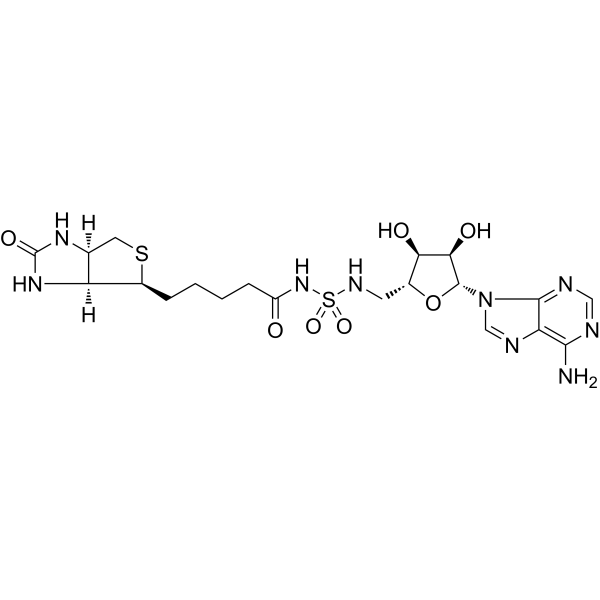
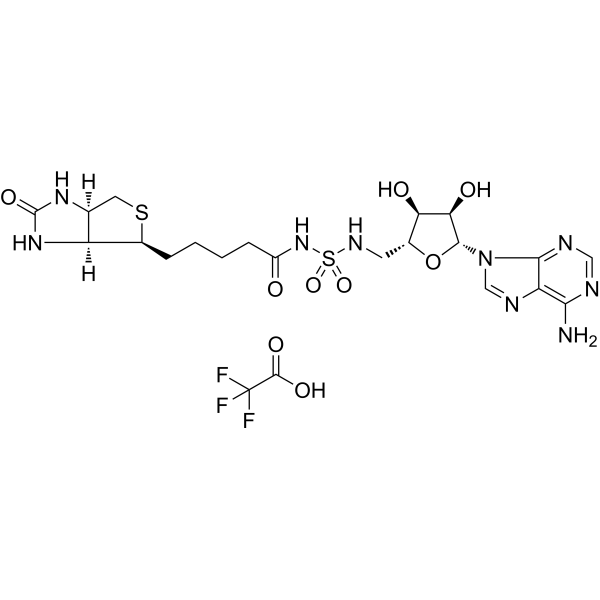
    Bio-AMS is a potent bacterial biotin protein ligase inhibitor. Bio-AMS possesses selective activity against Mycobacterium tuberculosis (Mtb) and arrests fatty acid and lipid biosynthesis .
    Bio-AMS
  • HY-149734

    Bacterial Infection
    MA220607 is a FtsZ protein inhibitor with activity against both Gram-positive and Gram-negative bacteria. MA220607 inhibits bacterial growth and shows low bacterial resistance frequency. MA220607 increases bacterial membrane permeability and alters proton gradients. MA220607 blocks the formation of bacterial biofilms. MA220607 can be used in studies of bacterial infections .
    MA220607
  • HY-B1329R

    Nebramycin II sulfate (Standard)

    Reference Standards Bacterial Antibiotic Infection
    Apramycin (sulfate) (Standard) is the analytical standard of Apramycin (sulfate). This product is intended for research and analytical applications. Apramycin (EBL 1003) is an orally active, acidic pH tolerant and aminoglycoside-modifying-enzymes-tolerant aminoglycoside antibiotic which inhibits protein biosynthesis by targeting the bacterial ribosome. Apramycin is a potential anti-drug-resistance antibiotic .
    Apramycin sulfate (Standard)
  • HY-B0198A
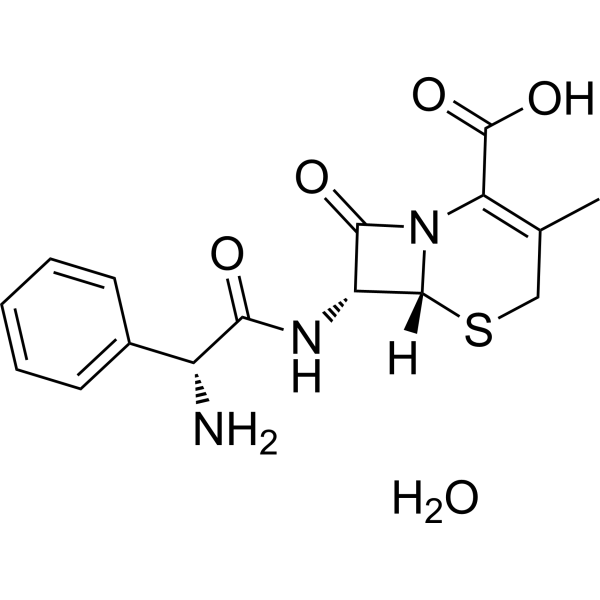
    Cefaclor monohydrate
    2 Publications Verification

    Antibiotic Bacterial Penicillin-binding protein (PBP) 5-HT Receptor Infection Neurological Disease Inflammation/Immunology
    Cefaclor is a well-absorbed orally active cephalosporin antibiotic. Cefaclor can specifically bind to specific for penicillin-binding protein 3 (PBP3). Cefaclor can be used for the research of depression and kinds of infections caused by bacteria, such as respiratory tract infections, bacterial bronchitis, pharyngitis and skin infections .
    Cefaclor monohydrate
  • HY-111903

    Bacterial Infection
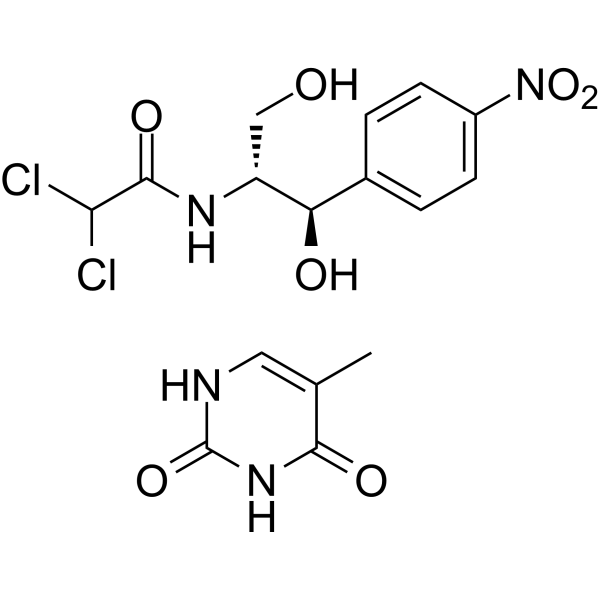
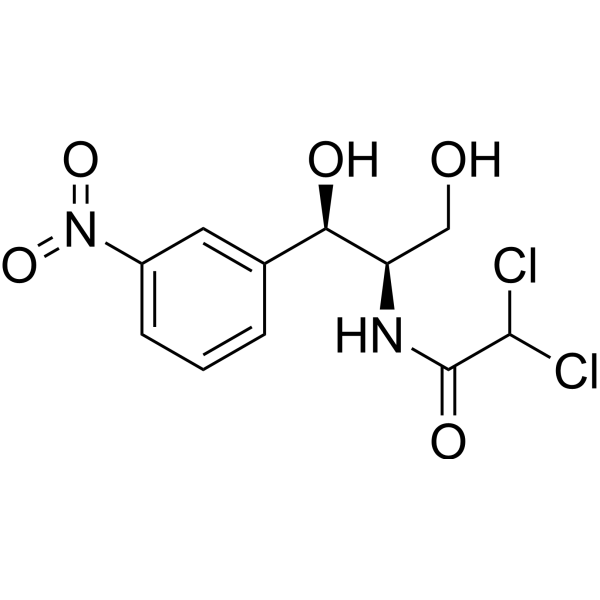
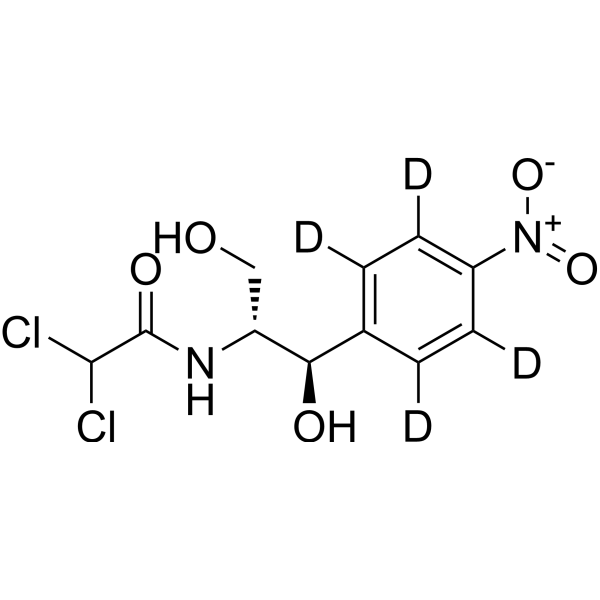
    Levomecol (Chloramphenicol), made up of Chloramphenicol, Methyluracil, is a broad-spectrum antibiotic that is derived from the bacterium Streptomyces venezuelae. Levomecol (Chloramphenicol)) stops bacterial growth by binding to the bacterial ribosome (blocking peptidyl transferase) and inhibiting protein synthesis .
    Levomecol
  • HY-P5641
    Pleurocidin
    1 Publications Verification

    Bacterial p38 MAPK NF-κB NADH Dehydrogenase Antibiotic Infection Inflammation/Immunology
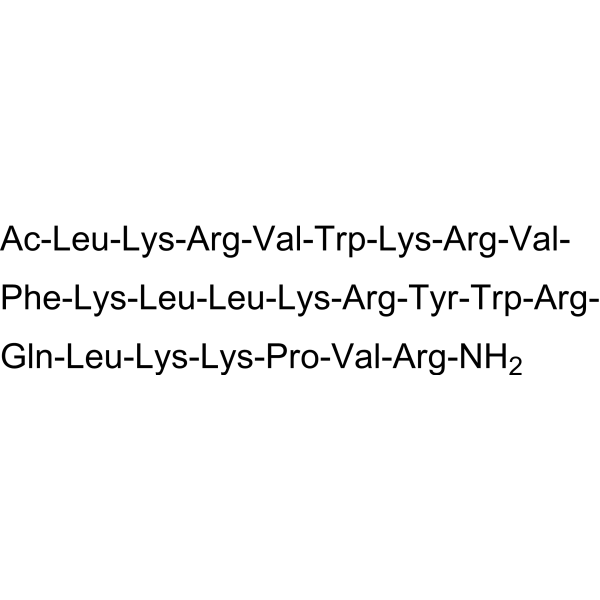
    Pleurocidin is an Antimicrobial peptide. Pleurocidin is derived from the skin mucosa or intestinal secretions of Pseudopleuronectes americanus. Pleurocidin inhibits the expression of key proteins in the MAPK and NF-κB inflammatory signaling pathways. Pleurocidin alters serum inflammatory and immune cytokine levels, regulates the down-regulation of tight junction proteins, and modulates the intestinal flora. Pleurocidin exerts antibacterial activity by inducing bacterial membrane damage, hydroxyl radical formation, and NADH depletion, and also produces a synergistic effect with Antibiotics. Pleurocidin alleviates DSS-induced ulcerative colitis. Pleurocidin can be used for research on ulcerative colitis, bacterial infections, and bacterial biofilm-related infections .
    Pleurocidin
  • HY-B0026
    Ceftiofur hydrochloride
    4 Publications Verification

    Antibiotic Bacterial NF-κB p38 MAPK TNF Receptor Interleukin Related Infection
    Ceftiofur hydrochloride is a cell wall synthesis inhibitor that targets bacterial penicillin-binding proteins (PBPs) and has anti-inflammatory effects in endotoxemia. Ceftiofur hydrochloride exerts bactericidal effects by inhibiting the synthesis of bacterial cell wall peptidoglycan, leading to bacterial cell lysis. Ceftiofur hydrochloride also inhibits the activation of NF-κB and MAPKs, thereby reducing the secretion of pro-inflammatory cytokines such as TNF-α, IL-1β, and IL-6 .
    Ceftiofur hydrochloride
  • HY-P10233

    Bacterial Infection
    SAAP 148 is a synthetic antimicrobial peptide (bacteria) that interacts with and disrupts the lipid bilayer of bacterial cytoplasmic membranes, thereby inducing changes in membrane permeability and bacterial death. SAAP 148 kills drug-resistant, multidrug-resistant and persister bacterial strains, inhibits biofilm formation, eliminates established biofilms, and blocks bacterial colonization on implant surfaces. SAAP 148 retains its activity after modification or immobilization, exhibits variable cytotoxicity in different human cell models, and shows reduced efficacy in protein-rich environments. SAAP 148 can be used in infection-related research .
    SAAP 148
  • HY-147304

    Bacterial Others
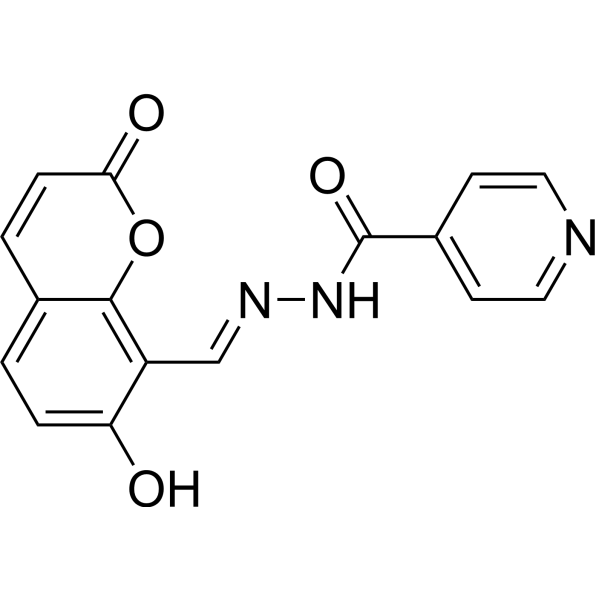
    BPH-1086 (compound 10) is an IspH inhibitor, IspH domain fused with ribosomal protein S1 (RPS1) can bind to mRNA or form part of the bacterial ribosome .
    BPH-1086
  • HY-150699

    Bacterial Infection
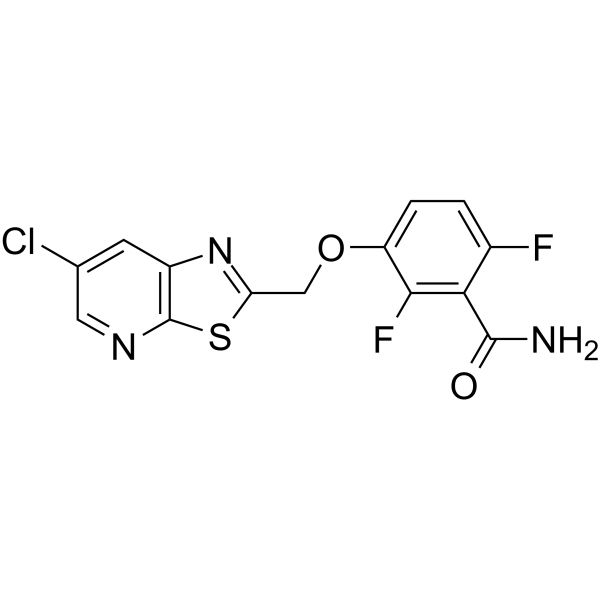
    TXA6101 is a bacterial protein FtsZ (filamentous temperature-sensitive protein Z) inhibitor that inhibits bacterial division. TXA6101 has antimicrobial activity against MRSA isolates expressing either the G193D or G196S mutant FtsZ with the MIC value of 1 μg/mL, retains significant activity against the TXA707-resistant FtsZ mutant. TXA6101 can be used as a potential method against Gram-negative bacterial infections .
    TXA6101
  • HY-141641

    HSL

    Bacterial Infection
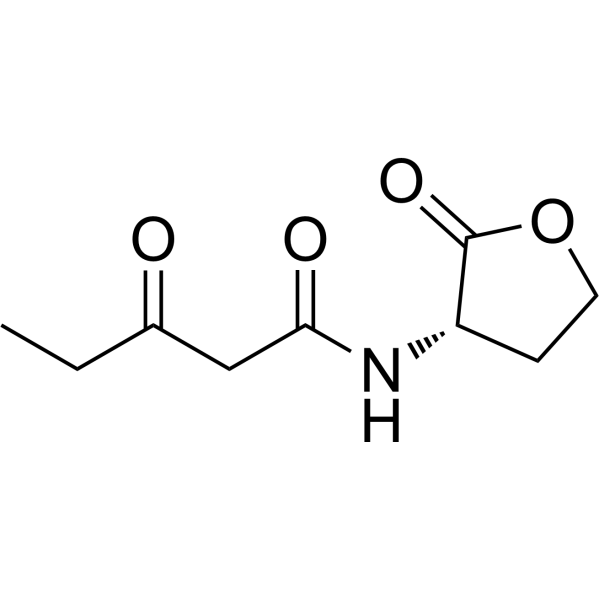
    N-(3-Oxopentanoyl)-L-homoserine lactone is an autoinducer, a kind of chemical signal molecule which passively diffuses across the bacterial envelope and accumulates intracellularly at high bacterial densities. It may bind to a protein related to the LuxR protein of V. fischeri and causes cell density-dependent gene expression. N-(3-Oxopentanoyl)-L-homoserine can be used for research of quorum sensing .
    N-(3-Oxopentanoyl)-L-homoserine lactone
  • HY-P10980

    DNA/RNA Synthesis Bacterial Infection
    Citrocin is a potent bacterial RNA polymerase (RNAP) inhibitor. Citrocin shows significant inhibitory activity against Escherichia coli RNAP with an MIC range of 16-125 μM. Citrocin specifically binds to and inhibits RNA polymerase to block bacterial transcription and enters cells mainly through inner membrane protein SbmA. Citrocin is promising for research of Gram-negative bacterial infections, such as enterohemorrhagic E. coli .
    Citrocin
  • HY-12480

    GSK 1322322

    Bacterial Infection
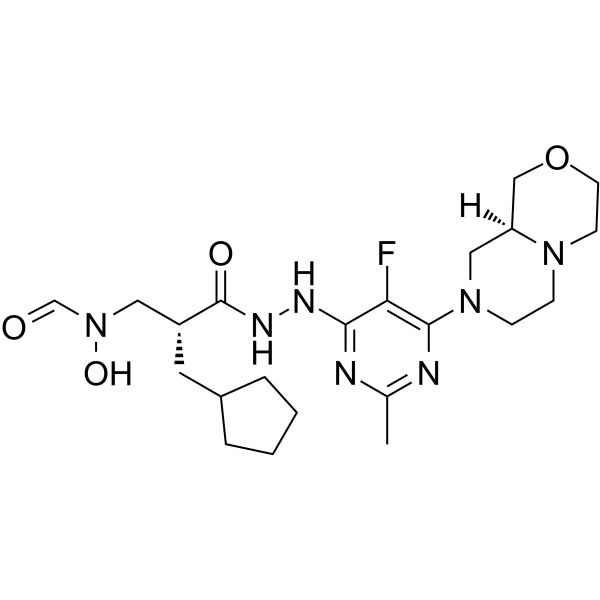
    Lanopepden (GSK 1322322) is a peptidyl peptidase (PDF) inhibitor. Lanopepden inhibits PDF activity, preventing bacterial protein synthesis, thereby exerting antibacterial activity. Lanopepden is primarily effective against Gram-positive bacteria. Lanopepden is used in the study of acute bacterial skin and skin structure infections .
    Lanopepden
  • HY-E70420

    Bacterial Inflammation/Immunology
    SpeB cysteine protease is a potent modifier of immunologically important host and bacterial proteins. SpeB cysteine protease degrades streptolysin O (SLO) in extracellular vesicles .
    SpeB cysteine protease
  • HY-106597A

    Bacterial Antibiotic Infection
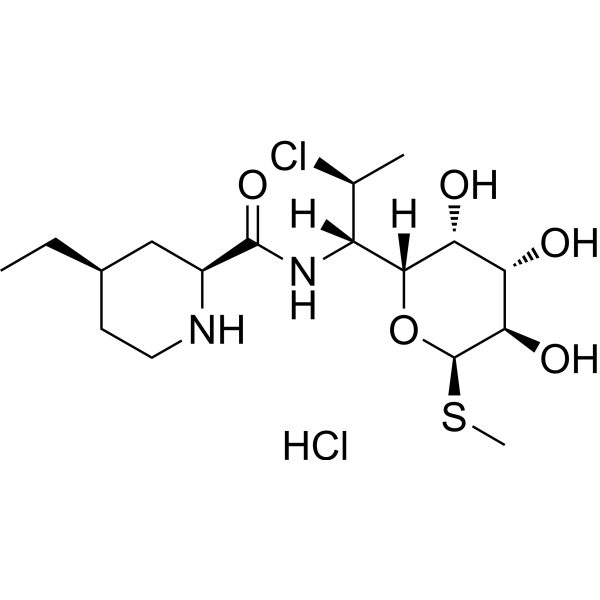
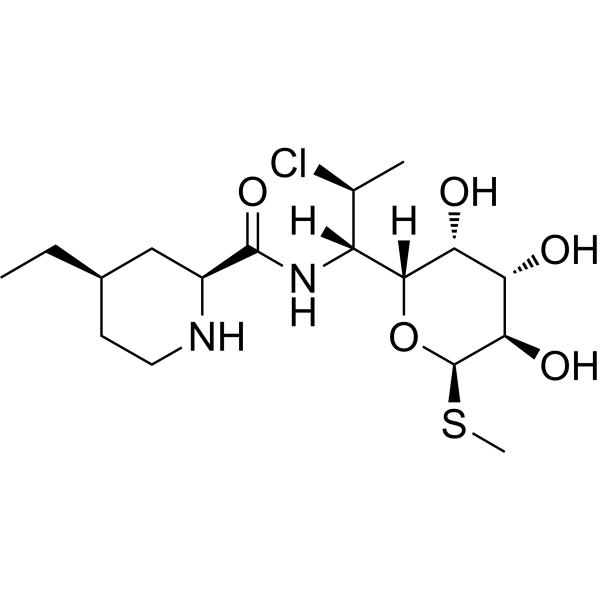
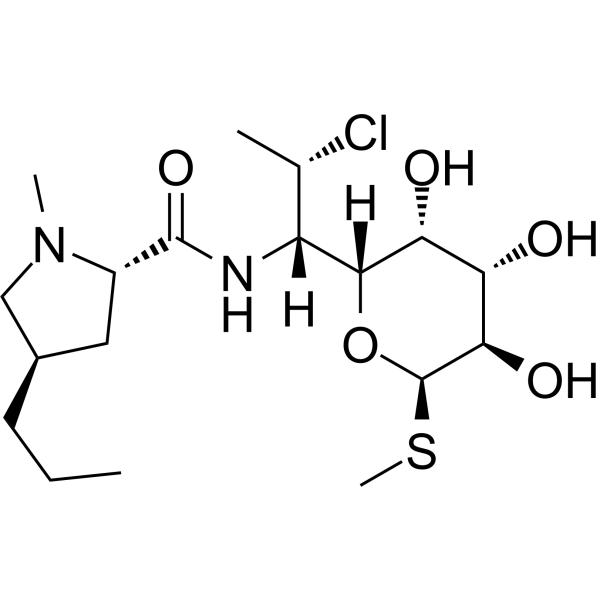
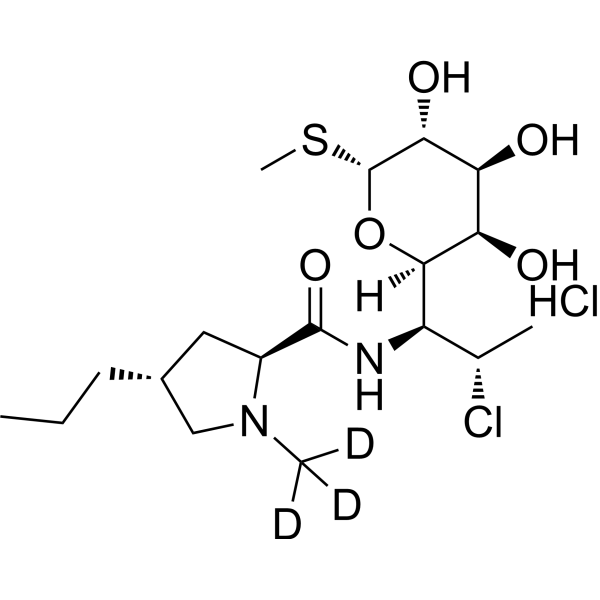
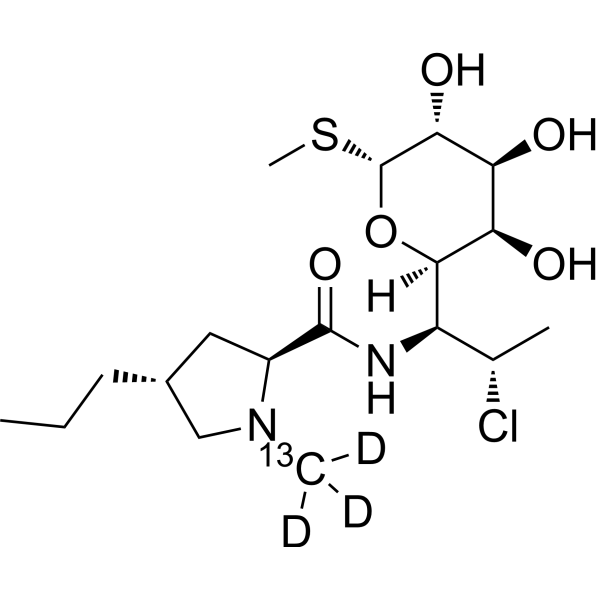
    Pirlimycin hydrochloride, a lincosamide antibiotic, is active against Gram-positive bacteria. Pirlimycin hydrochloride acts by inhibiting bacterial protein synthesis via binding with the 50S subunit of the ribosome .
    Pirlimycin hydrochloride

Inquiry Online

Your information is safe with us. * Required Fields.

Salutation


Country or Region *

Applicant Name *


Organization Name *

Department *


Email Address *


Product Name *

Cat. No.


Requested quantity *

Phone Number *


Remarks

Inquiry Online

Inquiry Information

Product Name:
Cat. No.:
Quantity:
MCE Japan Authorized Agent: