



6-OAU
Based on 6 publication(s) in Google Scholar
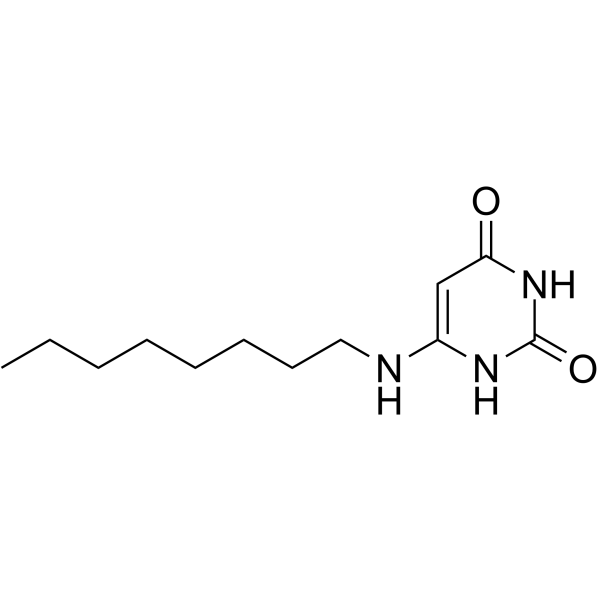
6-OAU (GTPL5846) (6-n-octylaminouracil) is an GPR84 (G protein-coupled receptor 84) agonist, with an EC50 value of 105 nM. 6-OAU works as a chemoattractant to both PMNs and macrophages, and amplifies the proinflammatory cytokine IL-8, shows proinflammatory function. 6-OAU also displays anti-bacterial function.
Nos produits utilisent uniquement pour la recherche. Nous ne vendons pas aux patients.
- Pureté : 99.77%
- CAS No.: 83797-69-7
- Formule: C12H21N3O2
- Masse moléculaire:239.31
-
Stockage:Powder -20°C, 3 years , 4°C, 2 years ; In solvent -80°C, 2 years , -20°C, 1 year

To place orders, for customer services and technical support, please contact: MedChemExpress USA
Tel: 609-228-6898 E-mail: [email protected] [email protected]


-
 Activité biologique
-
Chemical Information
-
Solvant et solubilité
- Protocole
- Pureté et documentation
- Références
-
 Help & FAQs


-
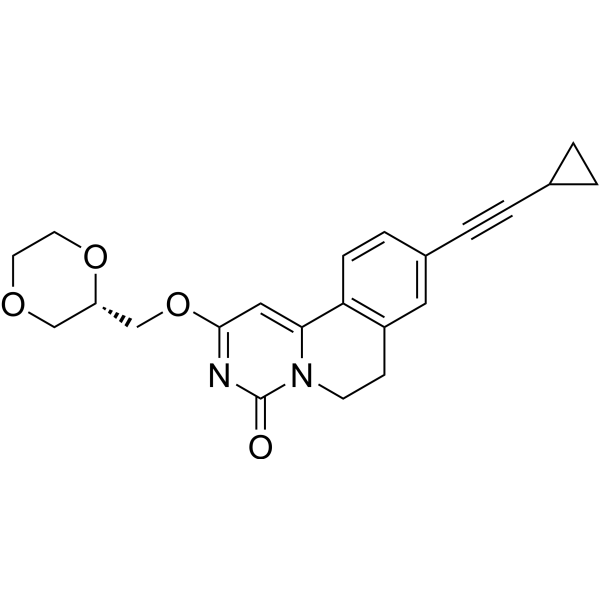
HY-135303
GLPG1205GPR84 Antagonist -
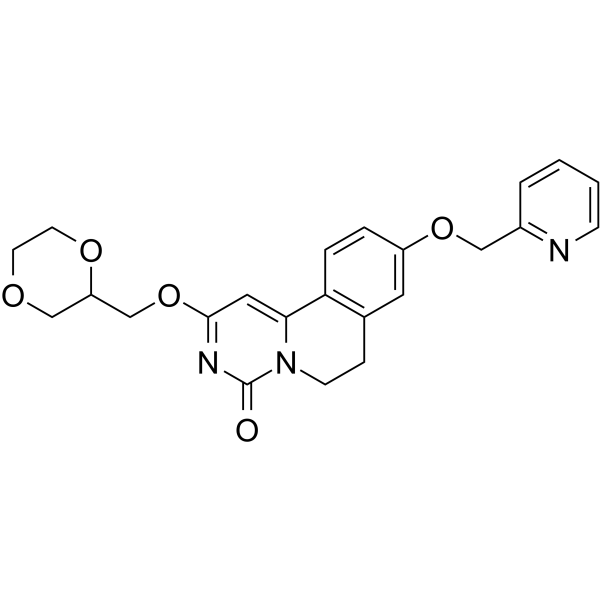
HY-112562
GPR84 antagonist 8GPR84 Antagonist -
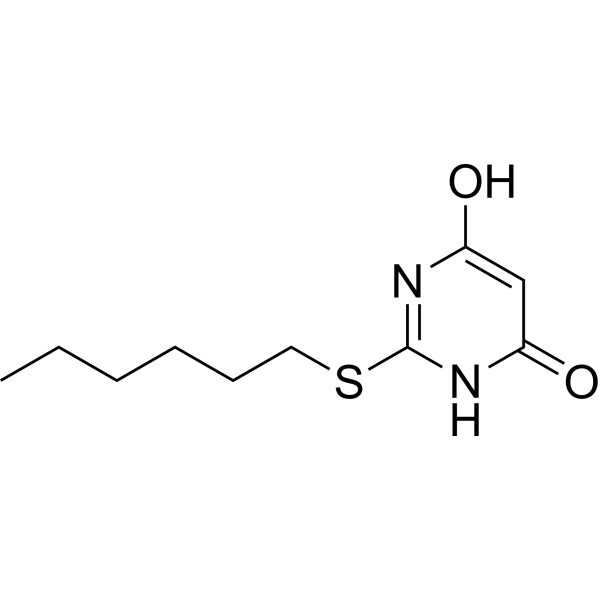
HY-124571
ZQ-16GPR84 Agonist -
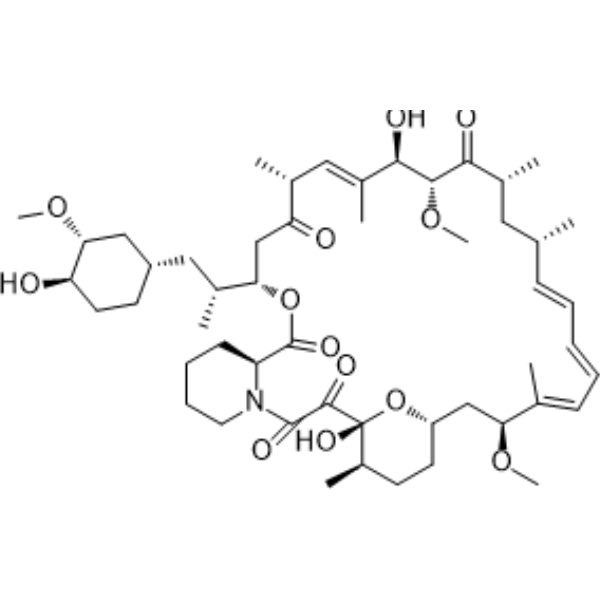
HY-10219
RapamycinmTOR Inhibitor -
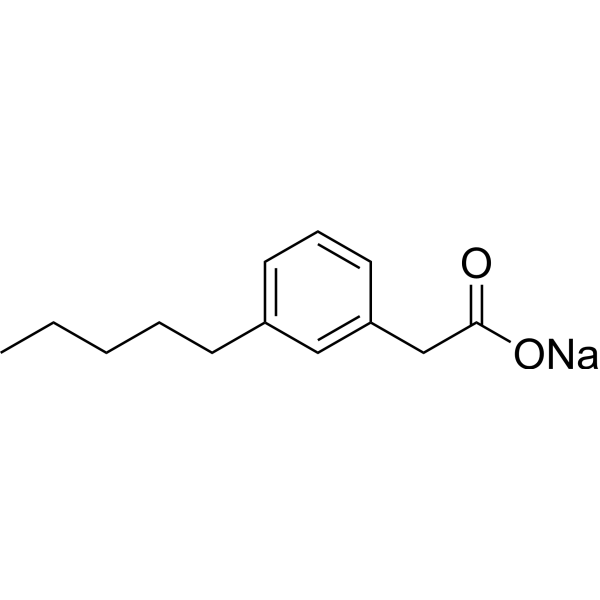
HY-100775
Fezagepras sodiumGPR40/GPR84 Modulator -
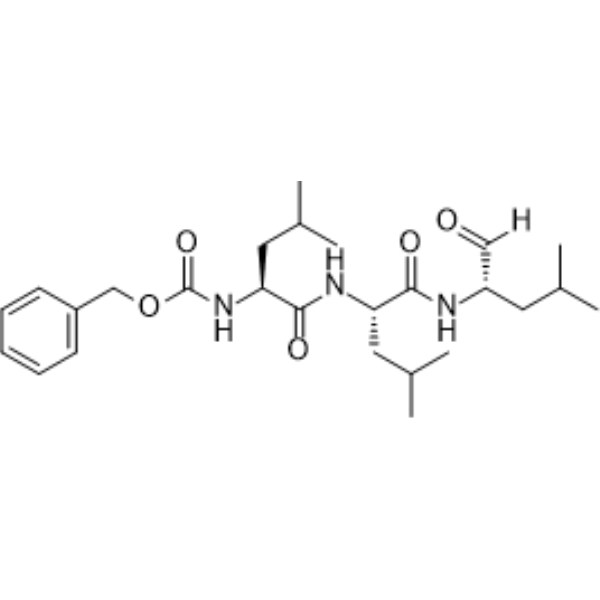
HY-13259
MG-132Proteasome Inhibitor -
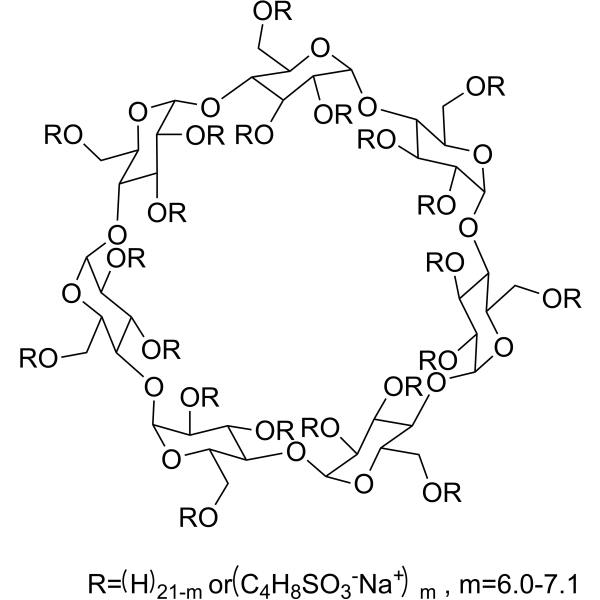
HY-17031
SBE-β-CDExcipient -
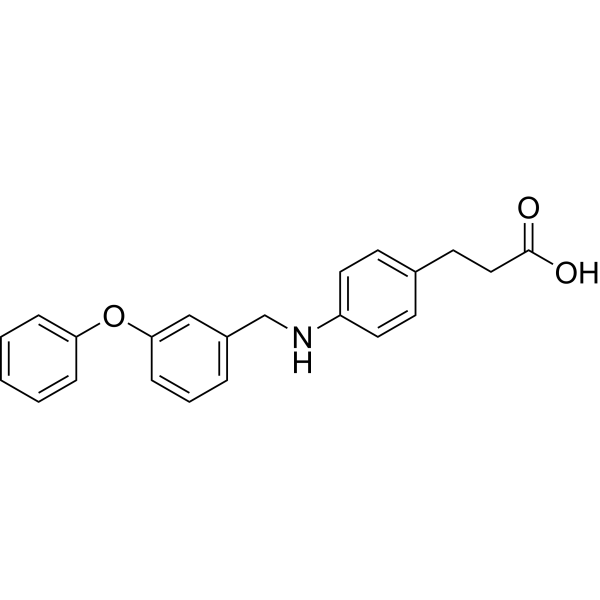
HY-15589
GW9508GPR40 Agonist -
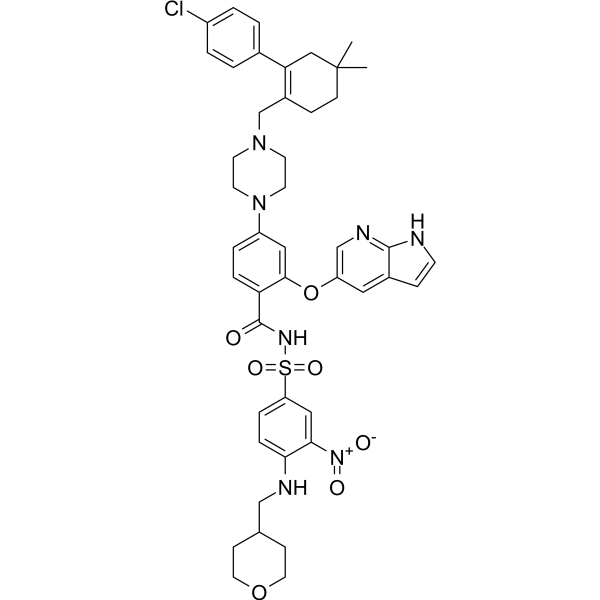
HY-15531
VenetoclaxBCL-2 Inhibitor -
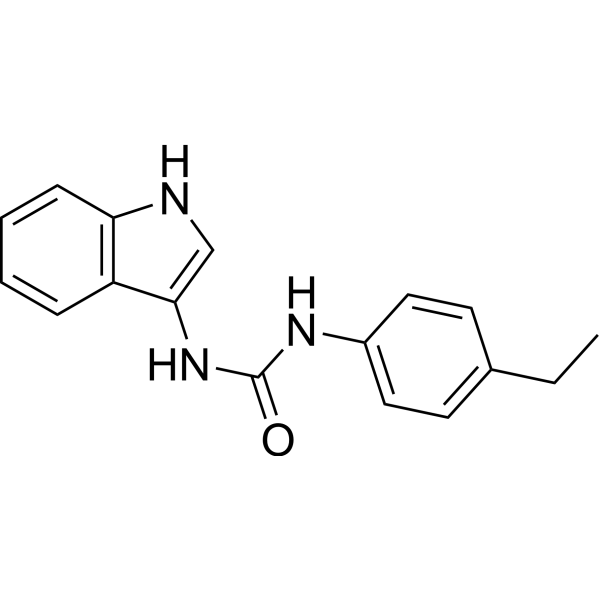
HY-112693
H-151STING Antagonist -
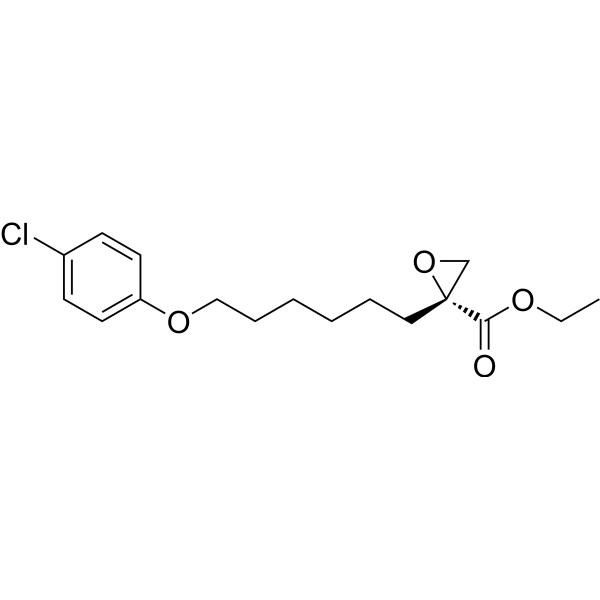
HY-50202
EtomoxirCPT1a Inhibitor -
HY-Y0366
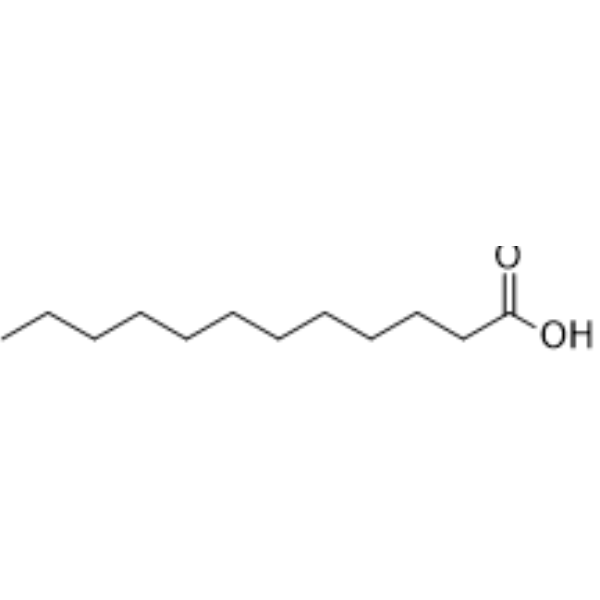
Lauric acidMiddle Chain-free Fatty Acid
Publications Citing Use of MedChemExpress (MCE) 6-OAU
More- J Clin Invest. 2023 Dec 15;133(24):e168992. [Abstract]
- Cancer Immunol Res. 2026 Jan 20. [Abstract]
- J Ethnopharmacol. 2025 Sep 8;355(Pt A):120575. [Abstract]
- Int Immunopharmacol. 2025 Oct 10:163:115190. [Abstract]
- Naunyn Schmiedebergs Arch Pharmacol. 2026 May 29. [Abstract]
- J Radiat Res Appl Sci. 2026 Apr 5;19(2):102360.
 Customer Validation & Images

-
Histological Imaging/Staining

-
RT-PCR

-
IF

-
WB

Voir tous les produits spécifiques à Isoform Antibiotic
More

Activité biologique
Description
IC50 & Target
|
ERK |
Cellular Effect
|
Cell Line

|
Type | Value | Description | References |
|---|---|---|---|---|
| CHO | EC50 |
0.0167 μM
Compound: 3
|
Agonist activity at recombinant human GPR84 expressed in CHO cells co-expressing beta-galactosidase/beta-arrestin2 assessed as inhibition of forskolin-stimulated [3H]cAMP accumulation measured after 15 mins by radioactive assay
Agonist activity at recombinant human GPR84 expressed in CHO cells co-expressing beta-galactosidase/beta-arrestin2 assessed as inhibition of forskolin-stimulated [3H]cAMP accumulation measured after 15 mins by radioactive assay
|
[PMID: 31721581] |
| CHO | EC50 |
0.114 μM
Compound: 3
|
Agonist activity at recombinant human GPR84 expressed in CHO cells assessed as beta-arrestin 2 recruitment measured after 90 mins by beta-galactosidase based PathHunter assay
Agonist activity at recombinant human GPR84 expressed in CHO cells assessed as beta-arrestin 2 recruitment measured after 90 mins by beta-galactosidase based PathHunter assay
|
[PMID: 31721581] |
| HEK293 | EC50 |
0.105 μM
Compound: 3
|
Agonist activity at recombinant human GPR84 expressed in HEK293 cells co-expressing Gqi5 assessed as increase in myo-[3H]inositol phosphate accumulation measured after 2 hrs by topcount scintillation counting method
Agonist activity at recombinant human GPR84 expressed in HEK293 cells co-expressing Gqi5 assessed as increase in myo-[3H]inositol phosphate accumulation measured after 2 hrs by topcount scintillation counting method
|
[PMID: 31721581] |
| HEK293 | EC50 |
0.341 μM
Compound: 3
|
Agonist activity at recombinant human GPR84 stably expressed in HEK293 cells co-expressing Galpha16 assessed as inhibition of forskolin-induced cAMP accumulation preincubated for 30 mins followed by forskolin addition and measured after 30 mins by HTRF as
Agonist activity at recombinant human GPR84 stably expressed in HEK293 cells co-expressing Galpha16 assessed as inhibition of forskolin-induced cAMP accumulation preincubated for 30 mins followed by forskolin addition and measured after 30 mins by HTRF as
|
[PMID: 31721581] |
| HEK293 | EC50 |
0.653 μM
Compound: 6-OAU
|
Agonist activity at GPR84 (unknown origin) expressed in HEK293 cells coexpressing Galpha16 protein by Fluo-4 AM dye based calcium mobilization assay
Agonist activity at GPR84 (unknown origin) expressed in HEK293 cells coexpressing Galpha16 protein by Fluo-4 AM dye based calcium mobilization assay
|
[PMID: 27326330] |
| HEK293 | EC50 |
1.25 μM
Compound: 3
|
Agonist activity at recombinant human GPR84 stably expressed in HEK293 cells co-expressing Galpha16 assessed as increase in intracellular calcium mobilization by Fluo-4 AM dye based fluorescence assay
Agonist activity at recombinant human GPR84 stably expressed in HEK293 cells co-expressing Galpha16 assessed as increase in intracellular calcium mobilization by Fluo-4 AM dye based fluorescence assay
|
[PMID: 31721581] |
| HEK293 | EC50 |
1.75 μM
Compound: 3
|
Agonist activity at recombinant human GPR84 expressed in HEK293 cells assessed as beta-arrestin 2 recruitment measured after 20 mins by luciferase reporter gene assay
Agonist activity at recombinant human GPR84 expressed in HEK293 cells assessed as beta-arrestin 2 recruitment measured after 20 mins by luciferase reporter gene assay
|
[PMID: 31721581] |
| HEK293 | EC50 |
438 nM
Compound: 6-OAU
|
Agonist activity at GPR84 (unknown origin) expressed in in HEK293 cells assessed as inhibition of forskolin-stimulated cAMP accumulation preincubated for 30 mins followed by forskolin addition measured after 30 mins by HTRF assay
Agonist activity at GPR84 (unknown origin) expressed in in HEK293 cells assessed as inhibition of forskolin-stimulated cAMP accumulation preincubated for 30 mins followed by forskolin addition measured after 30 mins by HTRF assay
|
[PMID: 27326330] |
| Sf9 | EC50 |
0.512 μM
Compound: 3
|
Agonist activity at human Gi1alpha-coupled GPR84 expressed in baculovirus infected Sf9 insect cells assessed as stimulation of [35S]GTPgammaS binding measured after 1 hr by liquid scintillation counting method
Agonist activity at human Gi1alpha-coupled GPR84 expressed in baculovirus infected Sf9 insect cells assessed as stimulation of [35S]GTPgammaS binding measured after 1 hr by liquid scintillation counting method
|
[PMID: 31721581] |
| Sf9 | EC50 |
512 nM
Compound: 6-OAU
|
Agonist activity at human GPR84 fused with bovine Galphai1 protein expressed in baculovirus infected sf9 cell membrane incubated for 1 hr by [35S]GTPgammaS binding assay
Agonist activity at human GPR84 fused with bovine Galphai1 protein expressed in baculovirus infected sf9 cell membrane incubated for 1 hr by [35S]GTPgammaS binding assay
|
[PMID: 27326330] |
In Vitro
GPR84 gene exhibits high expression in human polymorphonuclear leukocytes (PMNs) and macrophages, 6-OAU acts on proinflammatory function by activitating GPR84[1].
6-OAU (0.01 nM-0.1 mM; 1 h) activates human GPR84 in the presence of Gqi5 chimera with an EC50 value of 105 nM in HEK293 cells[1].
6-OAU (0, 6.25, 200 μM; 30 min) stimulates [35S]GTP binding, accumulates phosphoinositides, and induces GPR84-EGFP internalization in a GPR84-dependent manner[1].
6-OAU (1 nM-1 mM; 1 h) provokes chemotaxis of PMNs in a concentration-dependent manner with an EC50 value of 318 nM[1].
6-OAU (0-10 μM; 4 h) increases the secretion of IL-8 from LPS-stimulated PMNs[1].
6-OAU (0-0.4 μM; 16 h) also amplifies TNF-α production from U937 macrophages[1].
6-OAU (2 μM; 4 h) decreases ERK phosphorylation and MCP-1 protein expression, (2 μM; 48 h) decreases MCP-1 secretion in macrophages [2].
6-OAU (2 μM; 24 h) reduces ROS production during B. abortus infection in RAW264.7 cells[2].
6-OAU (2 μM; 0, 30, and 60 min) inhibits adhesion and Brucella uptake in RAW264.7 cells and (2 μM; 30 min) shows anti-infection against Brucella and Salmonella infection[2].
MedChemExpress (MCE) has not independently confirmed the accuracy of these methods. They are for reference only.
-
Cell Line:B. abortus
-
Concentration:0, 0.02, 0.2, 2 μM
-
Incubation Time:0, 2, 24, 48, 72 hours
-
Result:Decreased B. abortus survivability begin at 48 h with a dose of 2 μM.
-
Cell Line:RAW264.7 cells infected with B. abortus
-
Concentration:2 μM
-
Incubation Time:4 hours
-
Result:Reduced ERK phosphorylation and MALT1 expression in RAW264.7 macrophages.
In Vivo
6-OAU (10 mg/kg; i.v.) raises the blood CXCL1 level in rats[1].
6-OAU (1 mg/mL; s.c.) attracts both PMNs and macrophages into the air pouch[1].
6-OAU (2 μM, 100 mL/mouse; s.c.) augments resistance to Brucella infection, and reduces bacterial proliferation in spleens and livers[2].
MedChemExpress (MCE) has not independently confirmed the accuracy of these methods. They are for reference only.
-
Animal Model:Female Lewis rats(4-week-old)[1]
-
Dosage:10 mg/kg
-
Administration:Intravenous injection; collecting blood 3 h after injection
-
Result:Increased the elevation of a chemokine, CXCL1 concentration in the serum peaking at 3 h after the injection.
-
Animal Model:Rat air pouch model (4-week-old female rats)[1]
-
Dosage:1 mg/mL (PBS)
-
Administration:Subcutaneous injection; washing the cavity 4 h after injection
-
Result:Attracted both PMNs and macrophages into the air pouch, peaking at 4 h after the injection.
-
Animal Model:ICR female mice (7-week-old)[2]
-
Dosage:2 μM (100 μL/mouse)
-
Administration:Oral average; 7 days and another 14 days after treated mouse with B. abortus (2 × 10⁵ CFU /100 μL; i.p.)
-
Result:Reduced bacterial proliferation in the liver and spleen, and decreased IFN-γ but augmented IL-6 serum level.
Lowed splenic weight of mice and splenic proliferation.


Chemical Information
-
CAS No. 83797-69-7
-
Appearance Solid
-
Masse moléculaire 239.31
-
Formule C12H21N3O2
-
Color Light yellow to yellow
-
SMILES
O=C1NC(C=C(NCCCCCCCC)N1)=O
-
Synonyms
GTPL5846
-
Livraison
Room temperature in continental US; may vary elsewhere.
-
Stockage
Powder -20°C 3 years 4°C 2 years In solvent -80°C 2 years -20°C 1 year


Publications (6)
-
Journal Impact Factor
-
Most Recent
-
J Clin Invest
GPR84-mediated signal transduction effects metabolic function by promoting brown adipocyte activity. [Abstract]2023 Dec 15;133(24):e168992. PMID: 37856216
6-OAU purchased from MedChemExpress. Usage Cited in: J Clin Invest. 2023 Dec 15;133(24):e168992. [Abstract]
Images of Oil Red O staining in WT and KO brown adipocytes with or without GPR84 agonist 6-OAU (50 μM) treatment.
6-OAU purchased from MedChemExpress. Usage Cited in: J Clin Invest. 2023 Dec 15;133(24):e168992. [Abstract]
Ucp1, Cidea, and Pgc1α mRNA levels in WT and KO brown adipocytes with or without 6-OAU (50 μM) treatment.
6-OAU purchased from MedChemExpress. Usage Cited in: J Clin Invest. 2023 Dec 15;133(24):e168992. [Abstract]
WT and GPR84-KO brown adipocytes were incubated with the calcium-sensitive dye Fluo-4 AM for 1 hour at RT, followed by live-cell imaging with a confocal laser-scanning microscope and stimulation with 6-OAU (50 μM).
6-OAU purchased from MedChemExpress. Usage Cited in: J Clin Invest. 2023 Dec 15;133(24):e168992. [Abstract]
Western blotting analysis of UCP1 protein expression in BAT from vehicle- and 6-OAU (6 mg/kg, s.c.)–treated mice at 6 days after cold exposure.
-
Cancer Immunol Res
Medium-Chain Fatty Acid Receptor GPR84 Modulates Cytotoxic CD8 T cells Antitumor Immunity Through Metabolic Reprogramming. [Abstract]2026 Jan 20. PMID: 41557755 -
J Ethnopharmacol
Isobavachalcone ameliorates TNBS-induced Crohn's disease-like colitis via GPR84-PI3K-AKT axis. [Abstract]2025 Sep 8;355(Pt A):120575. PMID: 40930295 -
Int Immunopharmacol
A novel GPR84 antagonist attenuates diabetic lung injury by inhibiting pyroptosis via the cGAS-STING pathway in pulmonary vascular endothelial cells. [Abstract]2025 Oct 10:163:115190. PMID: 40695150 -
Naunyn Schmiedebergs Arch Pharmacol
Label-free cell phenotypic profiling of sphingosine-1-phosphate receptor 1 and discovery of its agonist from natural products. [Abstract]2026 May 29. PMID: 42209736 -


Solvant et solubilité
In Vitro:
DMSO : 25 mg/mL (104.47 mM; Need ultrasonic; Hygroscopic DMSO has a significant impact on the solubility of product, please use newly opened DMSO)
Please refer to the solubility information to select the appropriate solvent. Once prepared, please aliquot and store the solution to prevent product inactivation from repeated freeze-thaw cycles.
Storage method and period of stock solution: -80°C, 2 years; -20°C, 1 year. When stored at -80°C, please use it within 2 years. When stored at -20°C, please use it within 1 year.
Please refer to the solubility information to select the appropriate solvent. Once prepared, please aliquot and store the solution to prevent product inactivation from repeated freeze-thaw cycles.
Storage method and period of stock solution: -80°C, 2 years; -20°C, 1 year. When stored at -80°C, please use it within 2 years. When stored at -20°C, please use it within 1 year.
Concentration (start) × Volume (start) = Concentration (final) × Volume (final)
In Vivo:
Select the appropriate dissolution method based on your experimental animal and administration route.
- For the following dissolution methods, please ensure to first prepare a clear stock solution using an In Vitro approach and then sequentially add co-solvents:
- To ensure reliable experimental results, the clarified stock solution can be appropriately stored based on storage conditions. As for the working solution for In Vivo experiments, it is recommended to prepare freshly and use it on the same day.
- The percentages shown for the solvents indicate their volumetric ratio in the final prepared solution. If precipitation or phase separation occurs during preparation, heat and/or sonication can be used to aid dissolution.
In Vivo Dissolution Calculator
Please enter the basic information of animal experiments:
-
-
-
-
Recommended: Prepare an additional quantity of animals to account for potential losses during experiments.
Please enter your animal formula composition:
-
%DMSO +
Recommended: Keep the proportion of DMSO in working solution below 2% if your animal is weak.
-
%+
-
+%Tween-80 + +
-
%Saline +
The co-solvents required include: DMSO, . All of co-solvents are available by MedChemExpress (MCE). , Tween 80. All of co-solvents are available by MedChemExpress (MCE).
Working solution concentration: 0.22 mg/mL
Method for preparing stock solution: mg drug dissolved in μL DMSO. Stock solution concentration: mg/mL.
1. Take μL DMSO stock solution;
2. Add μL .
μL , mix evenly;
3. Then add μL Tween 80, mix evenly;
4. Then add μL
Please ensure that the stock solution in the first step is dissolved to a clear state, and add co-solvents in sequence. You can use ultrasonic heating (ultrasonic cleaner, recommended frequency 20-40 kHz), vortexing, etc. to assist dissolution.


Pureté et documentation
-
Fiche technique (277 KB)
-
SDS (396 KB)
- English - EN (396 KB)
- Français - FR (396 KB)
- Deutsch - DE (396 KB)
- Norwegian - NO (396 KB)
- Español - ES (396 KB)
- Swedish - SV (396 KB)
- Italian - IT (396 KB)
- Korean - KR (396 KB)
- Portuguese - PT (396 KB)
-
Instruction de manipulation (2659 KB)
Références
[1]. Suzuki M, et al. Medium-chain fatty acid-sensing receptor, GPR84, is a proinflammatory receptor. J Biol Chem. 2013 Apr 12;288(15):10684-91. [Content Brief]
[2]. Reyes AWB, et al. Immune-metabolic receptor GPR84 surrogate and endogenous agonists, 6-OAU and lauric acid, alter Brucella abortus 544 infection in both in vitro and in vivo systems. Microb Pathog. 2021 Sep. 158:105079. [Content Brief]


Complete Stock Solution Preparation Table
Please refer to the solubility information to select the appropriate solvent. Once prepared, please aliquot and store the solution to prevent product inactivation from repeated freeze-thaw cycles.
Storage method and period of stock solution: -80°C, 2 years; -20°C, 1 year. When stored at -80°C, please use it within 2 years. When stored at -20°C, please use it within 1 year.
| Optional Solvent | Concentration Solvent Mass | 1 mg | 5 mg | 10 mg | 25 mg |
|---|---|---|---|---|---|
| DMSO | 1 mM | 4.1787 mL | 20.8934 mL | 41.7868 mL | 104.4670 mL |
| 5 mM | 0.8357 mL | 4.1787 mL | 8.3574 mL | 20.8934 mL | |
| 10 mM | 0.4179 mL | 2.0893 mL | 4.1787 mL | 10.4467 mL | |
| 15 mM | 0.2786 mL | 1.3929 mL | 2.7858 mL | 6.9645 mL | |
| 20 mM | 0.2089 mL | 1.0447 mL | 2.0893 mL | 5.2234 mL | |
| 25 mM | 0.1671 mL | 0.8357 mL | 1.6715 mL | 4.1787 mL | |
| 30 mM | 0.1393 mL | 0.6964 mL | 1.3929 mL | 3.4822 mL | |
| 40 mM | 0.1045 mL | 0.5223 mL | 1.0447 mL | 2.6117 mL | |
| 50 mM | 0.0836 mL | 0.4179 mL | 0.8357 mL | 2.0893 mL | |
| 60 mM | 0.0696 mL | 0.3482 mL | 0.6964 mL | 1.7411 mL | |
| 80 mM | 0.0522 mL | 0.2612 mL | 0.5223 mL | 1.3058 mL | |
| 100 mM | 0.0418 mL | 0.2089 mL | 0.4179 mL | 1.0447 mL |


6-OAU Related Classifications
HY-12764 Related Classifications
 Powered by Bioz