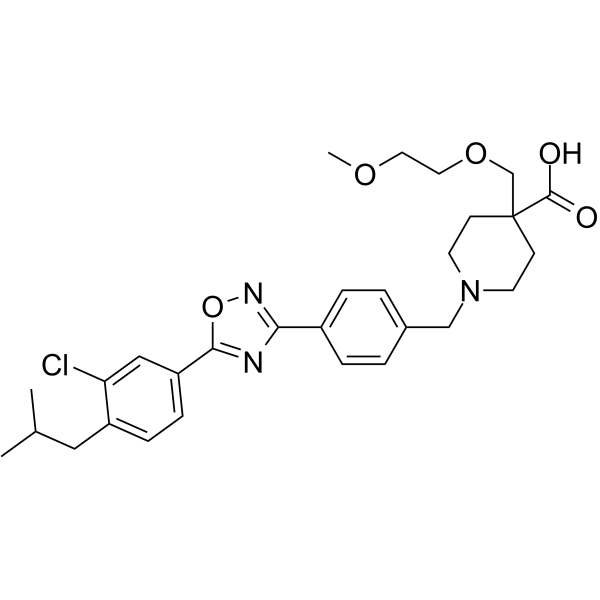
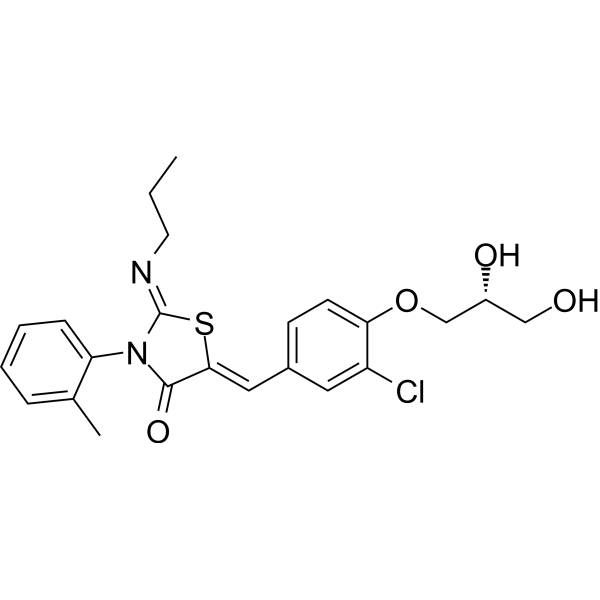
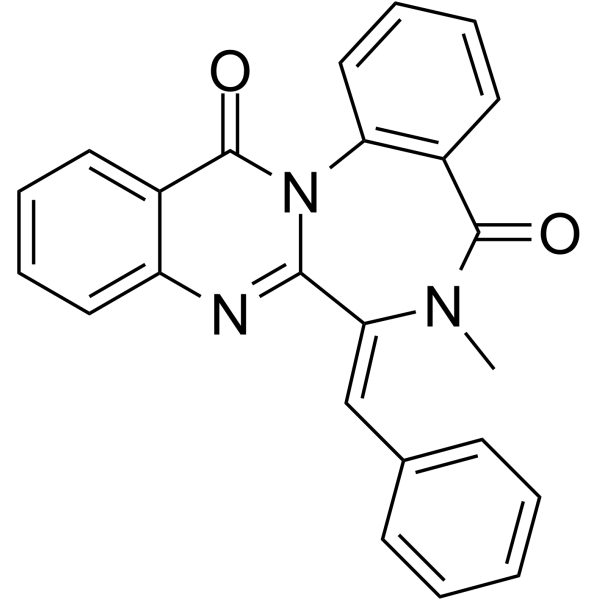
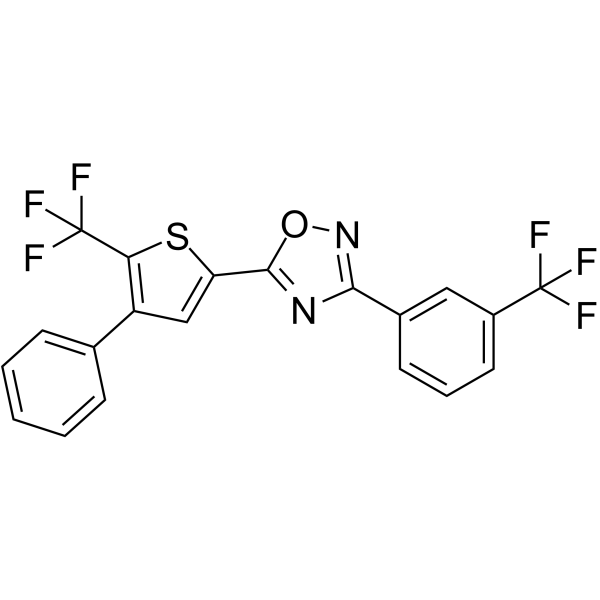
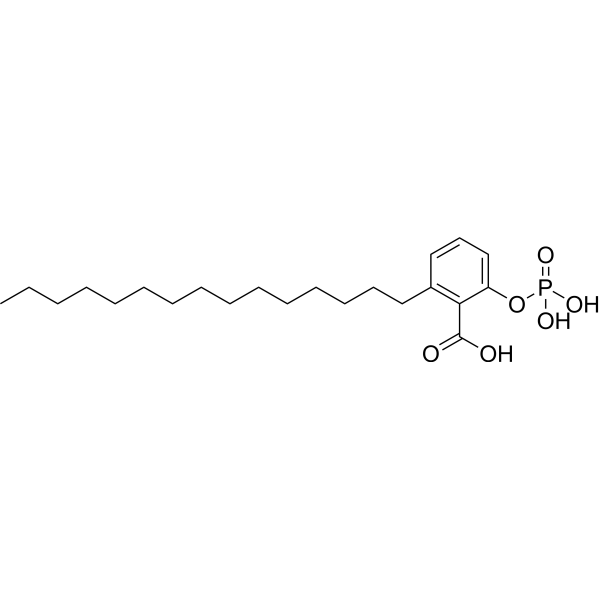
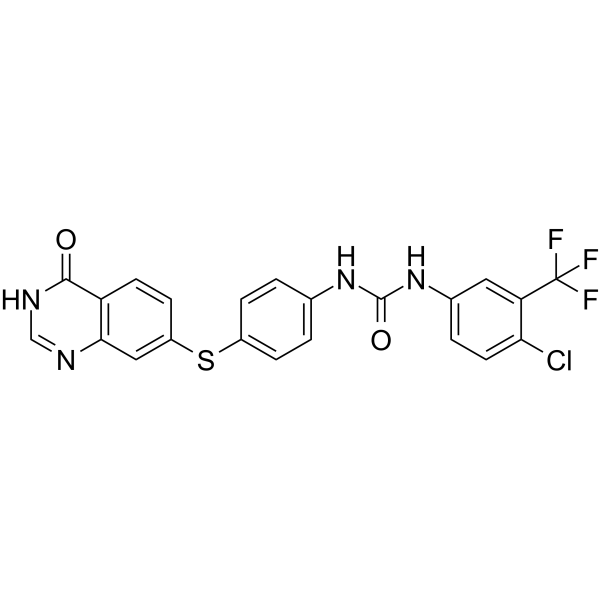
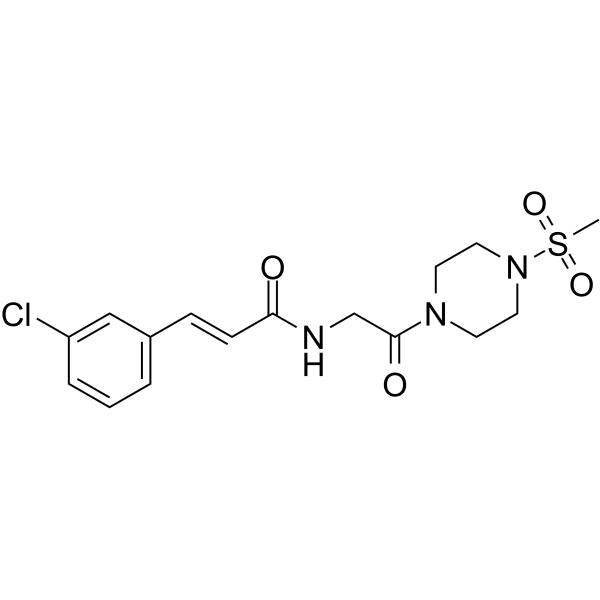
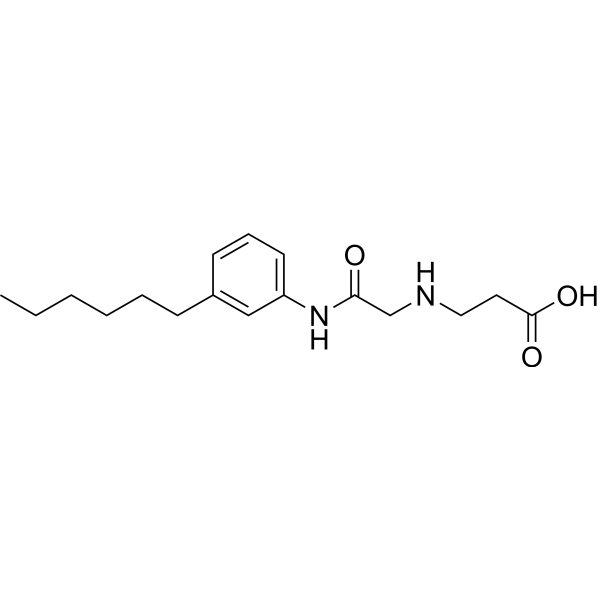
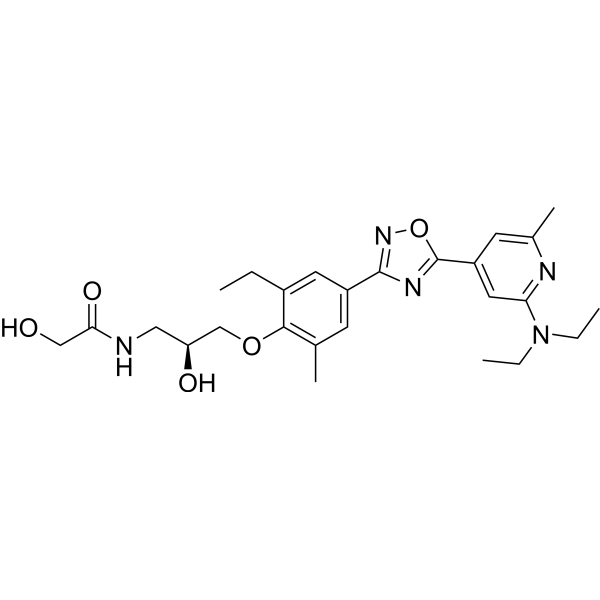
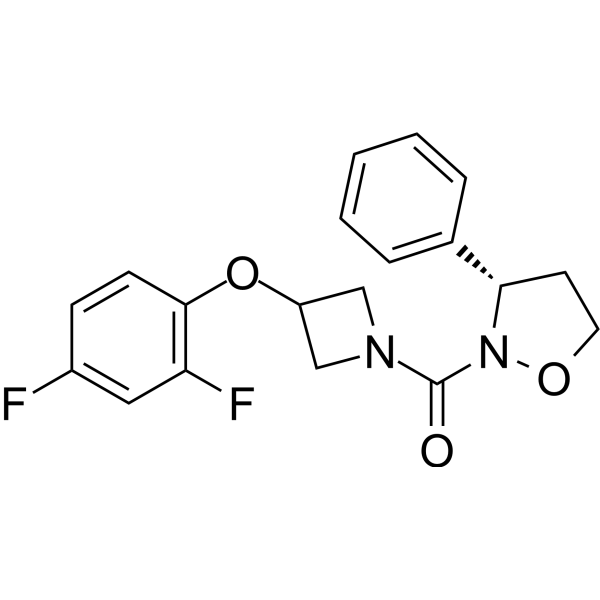
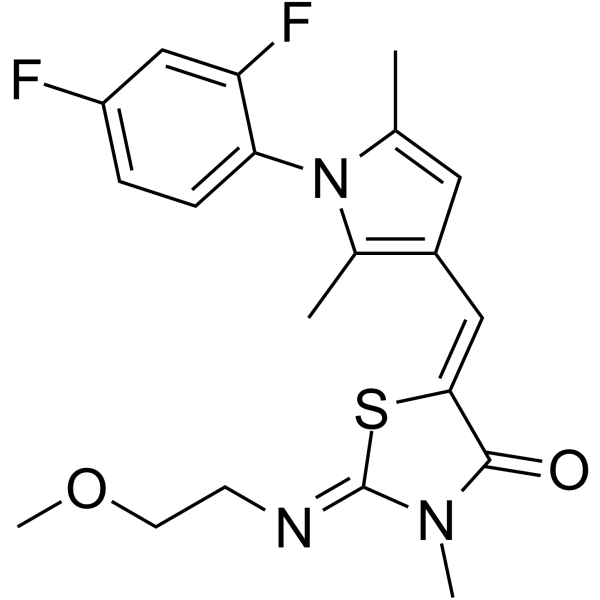
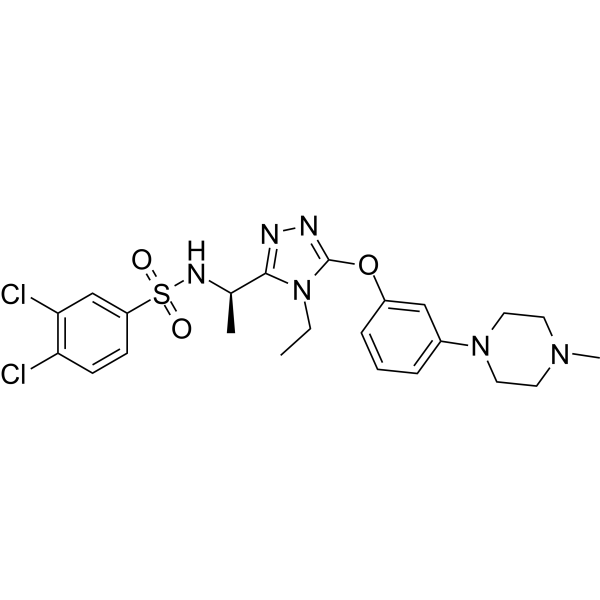
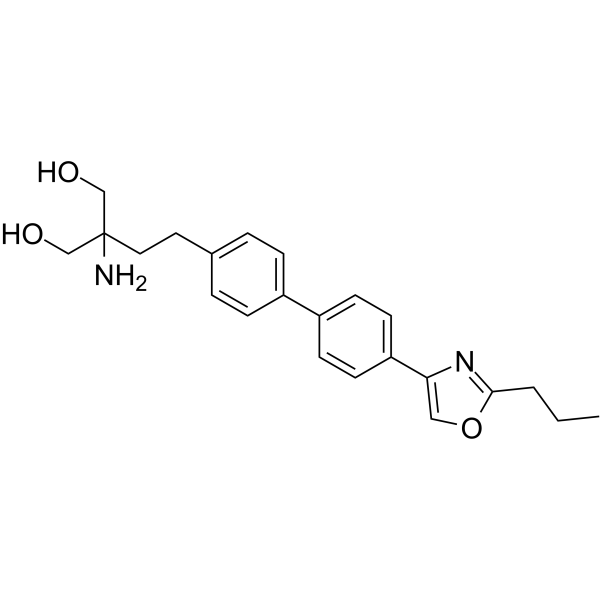
SZL P1-41 is a specific Skp2 inhibitor, binds to the F-box domain of Skp2 to prevent Skp1 association and Skp2 SCF complex formation. SZL P1-41, like Skp2 deficiency, augments p27-mediated apoptosis/senescence, while it impairs Akt-driven glycolysis. Anti-tumor activities [1] .
Ezatiostat (TER199 free base; TLK199) is a tripeptide analog of glutathione and is a selective and orally active glutathione S-transferase P1-1(GSTP1) inhibitor. Ezatiostat leads to JNK activation by inhibiting GSTP1. Ezatiostat stimulates both lymphocyte production and bone marrow progenitor proliferation. Ezatiostat has the potential for myelodysplastic syndrome (MDS) treatment [1] .
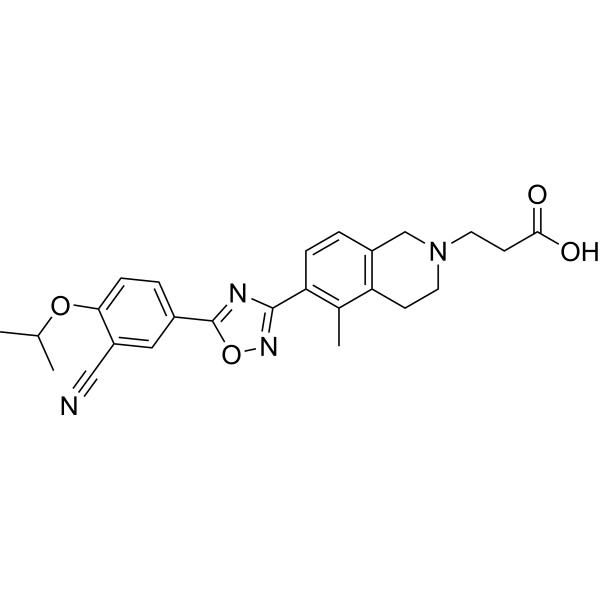
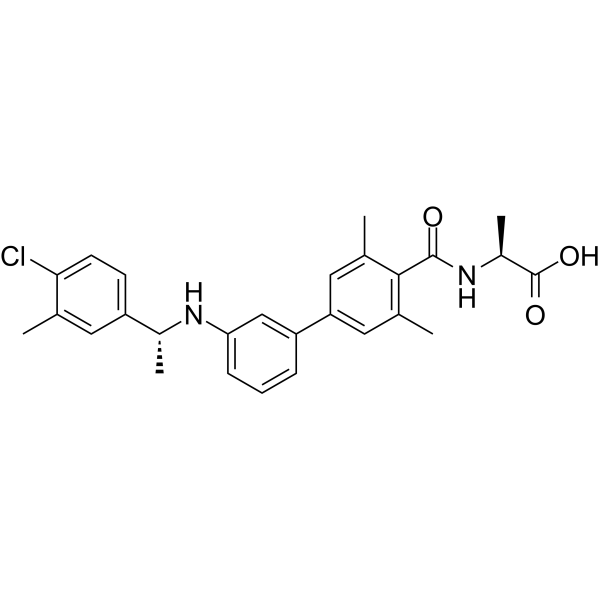
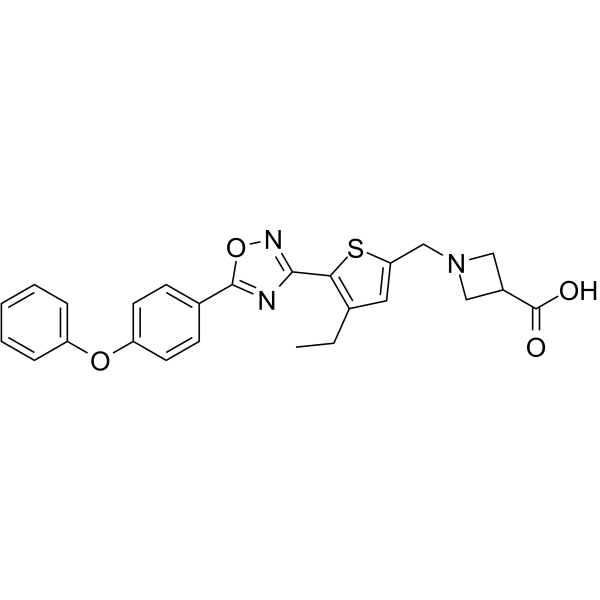
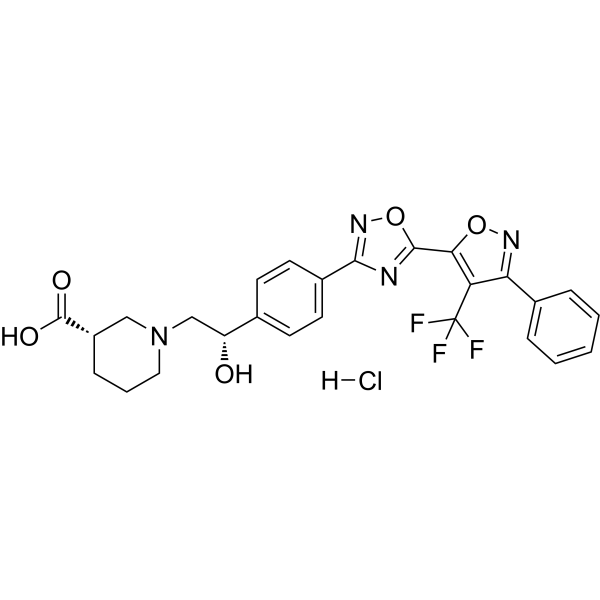
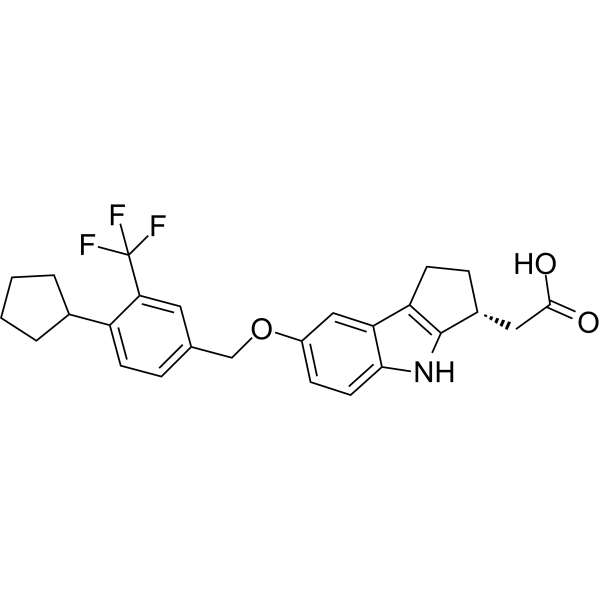
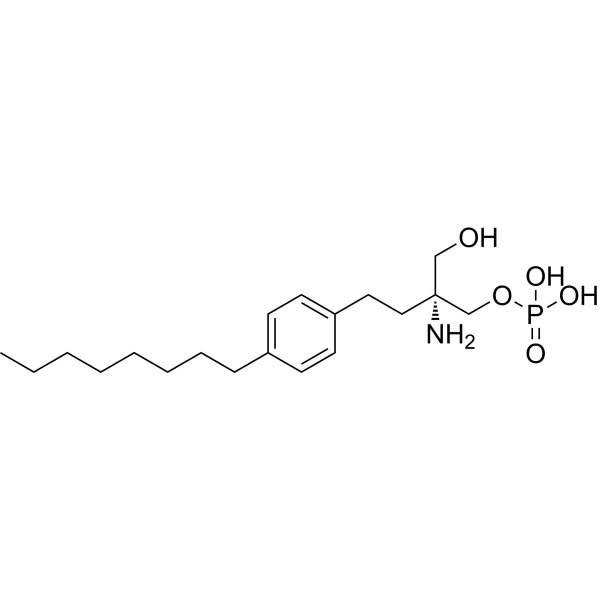
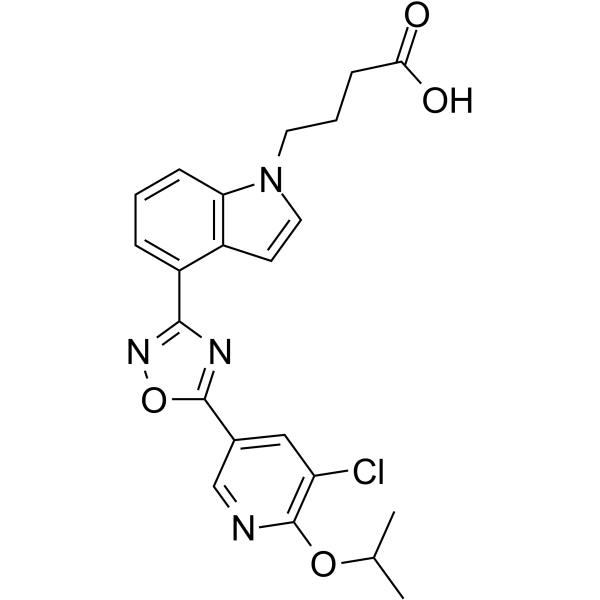
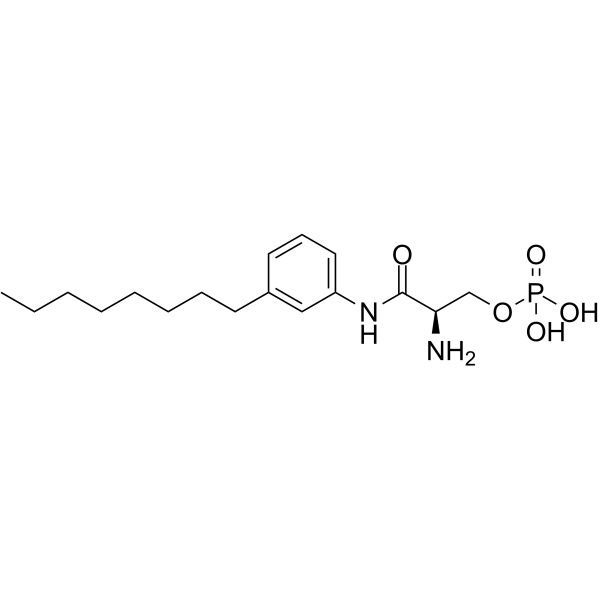
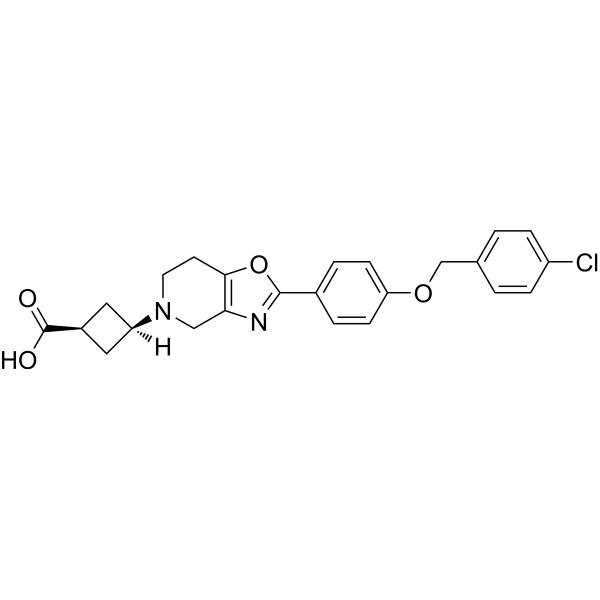
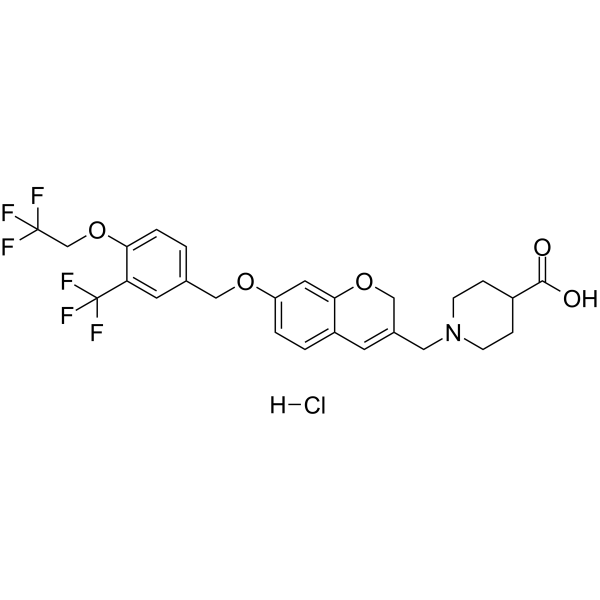
SAR247799 (S1P1 agonist 3) is an oral activity, selective G-protein-biased sphingosine-1 phosphate receptor-1 (S1P1 ) agonist, with EC50s rang from 12.6 to 493 nM in S1P1-overexpressing cells and HUVECs. SAR247799 can be used for the research of endothelial protection, including type-2 diabetes, metabolic syndrome [1] .
Ap4A tetraammonium (P1,P4-Di-(adenosine-5')-tetraphosphate tetraammonium) is a conserved second messenger in organisms ranging from bacteria to humans. Ap4A tetraammonium binds to the histidine triad nucleotide-binding protein 1 (HINT1) activates the transcription of genes downstream of MITF. Ap4A tetraammonium induces apoptosis[1] .
Nuclease P1 is a single-stranded specific endonuclease, it hydrolyzes nucleic acids into 5'-mononucleotides and cleaves the single-stranded region of a double-stranded nucleic acid. Nuclease P1 is one of the most well-known single stranded specific nucleases in the field of molecular biology, it is widely used in the pharmaceutical and food industries [1]. Nuclease P1 can be obtained by fermentation of Penicillium citrinum: through extraction process, ultrafiltration concentration, drying and purification, etc.
Micrococcin P1 is a macrocyclic peptide antibiotic and is a potent hepatitis C virus (HCV) inhibitor with an EC50 range of 0.1-0.5 μM [1]. Micrococcin P1 has in vitro antibacterial activity against Gram-positive bacterial strains. The MIC values of Micrococcin P1 against S. aureus 1974149, E. faecalis 1674621 and S. pyogenes 1744264 are 2 μg/mL, 1 μg/mL and 1 μg/mL, respectively . Micrococcin P1 is also a potent inhibitor of the malaria parasitePlasmodium falciparum .
House Dust Mite Extract, from D. pteronyssinus is a house dust mite allergenic extract derived from Dermatophagoides pteronyssinus. House Dust Mite Extract, from D. pteronyssinus increases serum IgE, IgG1 and IgG2a levels, and elevates the levels of Interleukins 4, 5, 6, 10, 13 and 17. House Dust Mite Extract, from D. pteronyssinus induces significant asthmatic pathological changes. House Dust Mite Extract, from D. pteronyssinus can be used in studies related to asthma and allergic conjunctivitis [1] .
12-Hydroxystearic acid is a structurally simple and cost-effective low molecular weight organogelator, and its metal salts and derivatives find roles in many important applications [1] .
TLK117, the active metabolite of TLK199, selective inhibits Glutathione S-transferase P1–1(GSTP1-1) with a Ki of 0.4 μM for GSTP. TLK117 also competitively inhibits glyoxalase I with a Ki of 0.56 μM.
NBDHEX is a potent glutathione S-transferase P1-1(GSTP1-1) inhibitor. NBDHEX induces apoptosis of tumor cells. NBDHEX acts as an anticancer agent by inhibiting GSTs catalytic activity, avoiding inconvenience of the inhibitor extrusion from the cell by specific pumps and disrupting the interaction between the GSTP1-1 and key signaling effectors. NBDHEX can also act as late-phase autophagy inhibitor [1] .
THZ-P1-2 is a first-in-class and selective PI5P4K inhibitor, with an IC50 of 190 nM for PI5P4Kα. THZ-P1-2 covalently targets cysteines on a disordered loop in PI5P4Kα/β/γ. THZ-P1-2 causes autophagy disruption and upregulates TFEB signaling. THZ-P1-2 displays anticancer activity in leukemia cell lines [1].
2,5-Diphenyloxazole (PPO; DPO; POP) is a fluorescent dye, as well as a substrate and metabolite precursor of cytochrome P-450 (cytochrome P-448/P1-450). 2,5-Diphenyloxazole serves as a scintillator [1] .
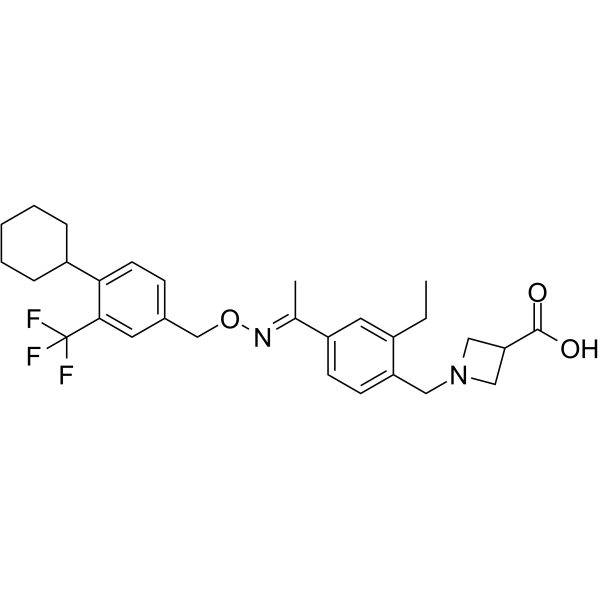
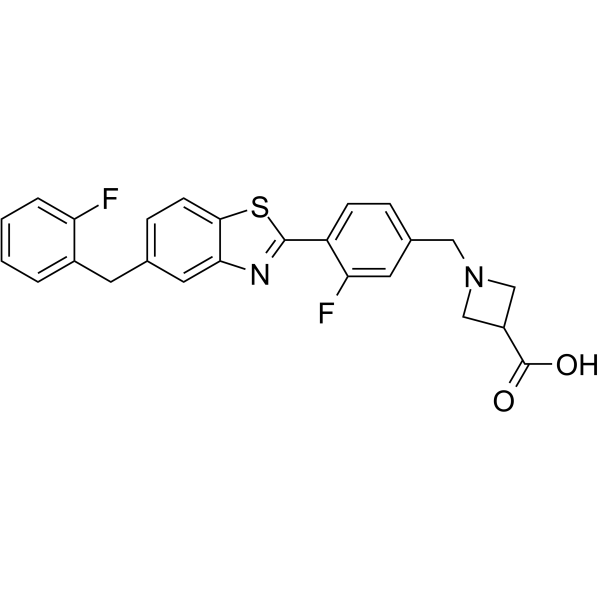
Ex26 (S1P1-IN-Ex26) is a potent and selective sphingosine 1-phosphate receptor 1(S1P1) antagonist (IC50=0.93 nM). Ex26 shows >3,000-fold selectivity for S1P1 over other Sphingosine 1-phosphate receptors. Ex26 can be used in experimental autoimmune encephalomyelitis reseach [1].
Cecropin P1, porcine is an antibacterial peptide that can be isolated from the upper part of the small intestine of the pig. Cecropin P1, porcine shows antibacterial activity against Gram-negative bacteria. Cecropin P1, porcine shows antiviral activity and inhibits PRRSV infection [1] .
Me-diazirine-cooh (3-(3-Methyl-3H-diazirin-3-yl) propanoic acid) is a molecular building block containing an aliphatic diazirine ring. Me-diazirine-cooh undergoes orthogonal coupling in solid-phase peptide synthesis to introduce the Diazirine group into collagen-mimetic peptides. Me-diazirine-cooh is used to construct the photoaffinity probe P1[1] .
PZ-128 (P1pal-7), a cell-penetrating lipopeptide pepducin, is a first-in-class, specific and reversible protease-activated receptor-1(PAR1) antagonist. PZ-128 targets the cytoplasmic surface of PAR1 and interrupts signaling to internally-located G (PAR1-G) proteins. PZ-128 has antiplatelet, anti-metastatic, anti-angiogenic and anticancer effects [1] .
PTD-p65-P1 Peptide TFA is a potent, selective nuclear transcription factor NF-κB inhibitor and derives from the p65 subunit of NF-κB amino acid residues 271-282, which selectively inhibits NF-κB activation induced by various inflammatory stimulation, down-regulate NF-κB-mediated gene expression and up-regulate apoptosis[1] .
PROTAC ERα Degrader-1 comprises an ubiquitin E3 ligase binding group, a linker and a protein binding group. PROTAC ERα Degrader-1 extracts from patent WO2017201449A1, compound P1. PROTAC ERα Degrader-1 is an estrogen receptor-alpha (ERα) degrader.
Canfosfamide (TLK-286, TER286) is a glutathione analogue prodrug that is activated by glutathione S-transferase P1-1 and induces apoptosis. Canfosfamide also inhibits the catalytic kinase activity of DNA-dependent protein kinase (DNA-PK). Canfosfamide produces an anticancer alkylating agent and a glutathione derivative after activation. Canfosfamide can be used to research malignancies [1] .
alpha-1,4-Galactosyltransferase (LgtC) (A4GALT) is a glycosphingolipid-specific glycosyltransferase. alpha-1,4-Galactosyltransferase (LgtC) transfers a galactose to the alpha-1,4 position of lactosylceramide to form globotriaosylceramide. alpha-1,4-Galactosyltransferase (LgtC) can be used for the synthesis of P1 blood group antigens [1] .
J10-1 is a hapten small molecule. J10-1 accelerates peptide exchange in MHC class II molecules in an HLA-DM-independent manner, and its effect is not affected by the polymorphism of the P1 pocket of MHC class II molecules. J10-1 enhances the processes of peptide dissociation, peptide binding and peptide association of MHC class II molecules on the surface of B cells. J10-1 can be used for research on immunoregulation [1].
Substance P(1-7) TFA is a fragment of the neuropeptide, substance P (SP). Substance P(1-7) TFA gives depressor and bradycardic effects when applied to the nucleus tractus solitarius [1].
Potassiumalum, for cell culture (Aluminum potassium sulfate dodecahydrate, for cell culture) is an egg white adjuvant. Potassiumalum, for cell culture acts as a mordant to help dyes bind to tissue components, enhancing the staining effect and stability during staining. Potassiumalum, for cell culture can induce allergic reactions in mice. Potassium alum, for cell culture can be used in research for bacterial and tissue staining [1] .
Ap4A (P1,P4-Di-(adenosine-5')-tetraphosphate) is a conserved second messenger in organisms ranging from bacteria to humans. Ap4A binds to the histidine triad nucleotide-binding protein 1 (HINT1) activates the transcription of genes downstream of MITF. Ap4A induces apoptosis[1] .
DEC-RVRK-CMK (Decanoyl-Arg-Val-Arg-Lys-chloromethylketone) TFA is a peptide-based CMK (chloromethylketone) inhibitor that targets and inactivates the secreted soluble kexin (Kex2) (Ki=8.45 μM). The yeast enzyme Kex2 (kexin, EC 3.4.21.61) is a calcium-dependent transmembrane protease and belongs to the mammalian protease family of the serine protease subtilisin family. The binding mechanism of Kex2 with different CMK inhibitors depends on substrate selectivity, particularly the selective differences between lysine and arginine at the P1 position [1].
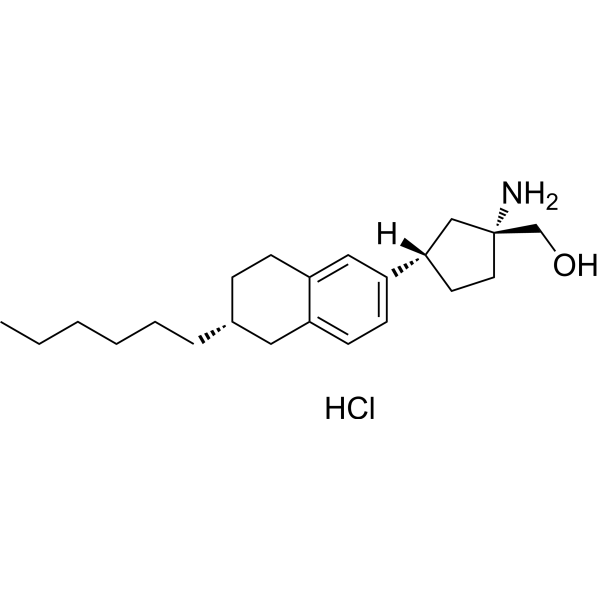
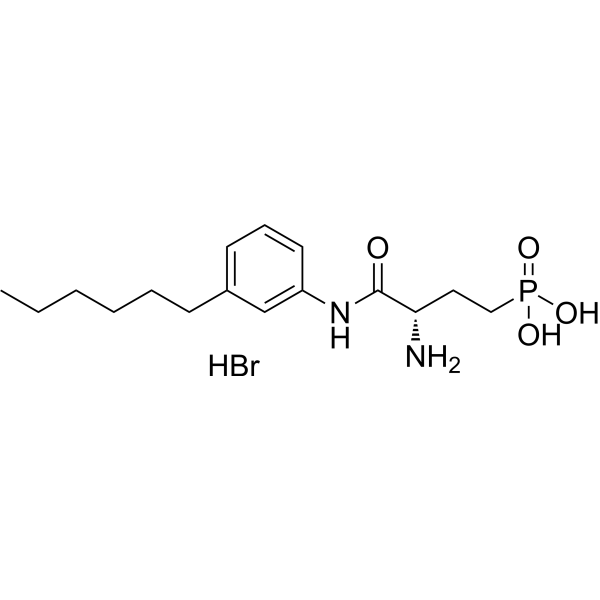
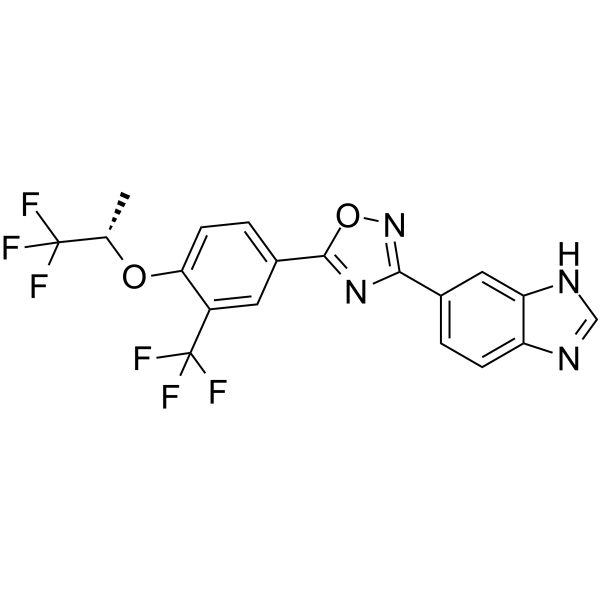
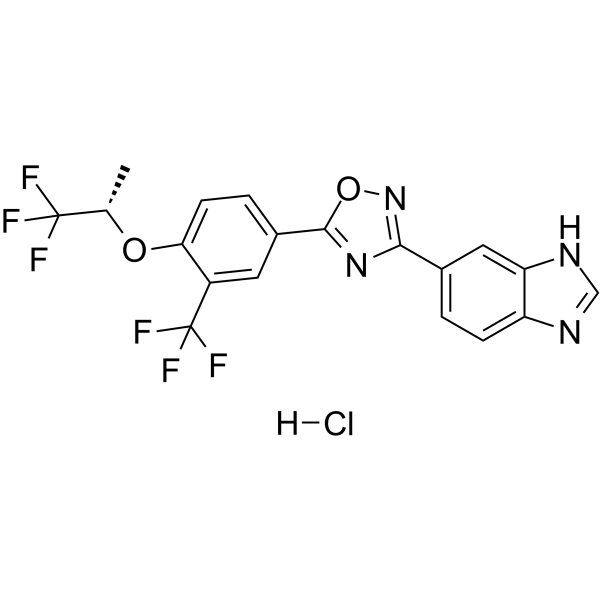
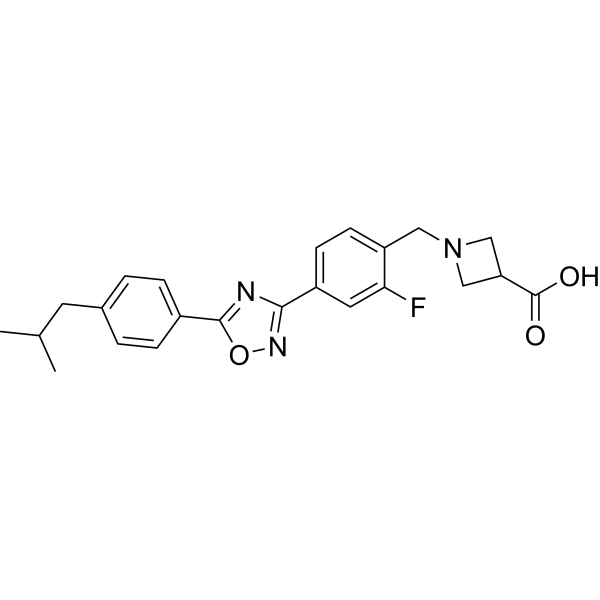
S1P1 agonist III is an orally active hS1P1 agonist with an EC50 value of 18 nM. S1P1 agonist III shows limited activity against hS1P3. S1P1 agonist III can be used in the research of multiple sclerosis [1].
DBCO-tag peptide P1 is a cysteine-containing peptide tag. DBCO-tag peptide P1 selectively reacts with dibenzocyclooctyne (DBCO) to yield stable dibenzocyclooctenyl thioethers. DBCO-tag peptide P1 enables site-selective mEGFP labeling and antibody (such as Trastuzumab (HY-P9907)) labelling without impairing the protein binding function. DBCO-tag peptide P1 can be used for ADC synthesis and mEGFP labeling research [1].
Bis (2-methyl-3-furyl) disulfide is a meat-characteristic aroma compound that binds to oral mucins. Bis (2-methyl-3-furyl) disulfide interacts with oral mucins via hydrogen bonding, hydrophobic interactions and van der Waals forces to form stable spontaneous 1:1 complexes, and the interaction strength varies with pH. Bis (2-methyl-3-furyl) disulfide contributes to the production of unique meat aroma and flavor, and its binding to oral mucins alters aroma perception [1] .
SLC6A19-IN-3 (Compound 83-P1-P2) is a potent, selective and orally active SLC6A19 inhibitor with an IC50 of 28 nM. SLC6A19-IN-3 can block SLC6A19-mediated transmembrane transport of phenylalanine, reducing intestinal absorption of phenylalanine from food and renal tubular reabsorption of phenylalanine. SLC6A19-IN-3 can be used for the research of metabolic disease, such as phenylketonuria [1].
DEC-RVRK-CMK (Decanoyl-Arg-Val-Arg-Lys-chloromethylketone) is a peptide-based CMK (chloromethylketone) inhibitor that targets and inactivates the secreted soluble kexin (Kex2) (Ki=8.45 μM). The yeast enzyme Kex2 (kexin, EC 3.4.21.61) is a calcium-dependent transmembrane protease and belongs to the mammalian protease family of the serine protease subtilisin family. The binding mechanism of Kex2 with different CMK inhibitors depends on substrate selectivity, particularly the selective differences between lysine and arginine at the P1 position [1].
Substance P(1-4) is a potent neurokinin receptors (NK-R) antagonist. Substance P(1-4) has regulation of normal hematopoiesis and inhibits endogenous erythroid colony (EEC) formation [1].
PEG4000-bis-amine (Poly(ethylene glycol)-bis-amine 4000) is a diamine-terminated polyethylene glycol that acts as a linker for conjugate synthesis. PEG4000-bis-amine facilitates the development of MUC1aptamer-based near-infrared fluorescent probes, and also conjugates folic acid with the near-infrared dye ICG-Der-01 to form a tumor-targeting probe. PEG4000-bis-amine supports the synthesis of folic acid-PEG-DSPE conjugates for the preparation of folic acid-targeted biliposomes. PEG4000-bis-amine is widely used in studies related to breast cancer, non-small cell lung cancer, hepatocellular carcinoma, rheumatoid arthritis, and tumors with high folate receptor expression [1] .
BTM-P1 is a polycationic peptide that exhibits antibacterial activity against both Gram-positive and Gram-negative bacteria. BTM-P1 can form ion-permeable channels in the inner mitochondrial membrane to interfere with mitochondrial energy processes [1].
PTD-p65-P1 Peptide is a potent, selective nuclear transcription factor NF-κB inhibitor and derives from the p65 subunit of NF-κB amino acid residues 271-282, which selectively inhibits NF-κB activation induced by various inflammatory stimulation, down-regulate NF-κB-mediated gene expression and up-regulate apoptosis[1] .
P1 is a broad-spectrum antimicrobial peptide. P1 shows antibacterial activity against Gram-positive and Gram-negative bacteria,such as B. anthracis spores and Carbapenem-resistant A. baumannii and K. pneumoniae[1].
Polymyxin P1 is a lipopeptide antibiotic belonging to the Polymyxin family, and it is a secondary metabolite produced by the rhizosphere bacterium Paenibacillus polymyxaM-1. Polymyxin P1 binds to bacterial outer membrane lipopolysaccharides, permeabilizes cell membranes, and induces dense protrusions on the cell surface of phytopathogenic Erwinia strains. Polymyxin P1 inhibits the growth of phytopathogenic Erwinia amylovora and E. carotovora. Polymyxin P1 can be used for the research of fire blight and soft rot [1].
Cecropin P1, porcine acetate is an antibacterial peptide that can be isolated from the upper part of the small intestine of the pig. Cecropin P1, porcine acetate shows antibacterial activity against Gram-negative bacteria. Cecropin P1, porcine acetate shows antiviral activity and inhibits PRRSV infection [1] .
Ezatiostat hydrochloride (TER199; TLK199 hydrochloride) is a tripeptide analog of glutathione and is a selective and orally active glutathione S-transferase P1-1(GSTP1) inhibitor. Ezatiostat hydrochloride leads to JNK activation by inhibiting GSTP1. Ezatiostat hydrochloride stimulates both lymphocyte production and bone marrow progenitor proliferation. Ezatiostat hydrochloride has the potential for myelodysplastic syndrome (MDS) treatment [1] .
Substance P(1-7) is a fragment of the neuropeptide, substance P (SP). Substance P(1-7) gives depressor and bradycardic effects when applied to the nucleus tractus solitarius [1].
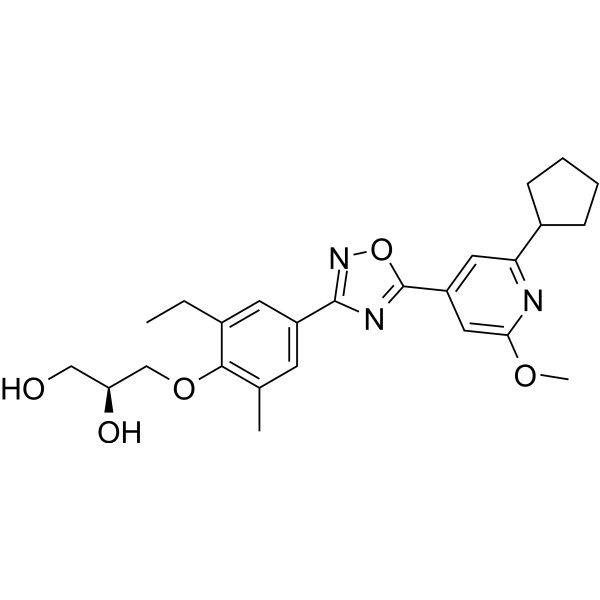
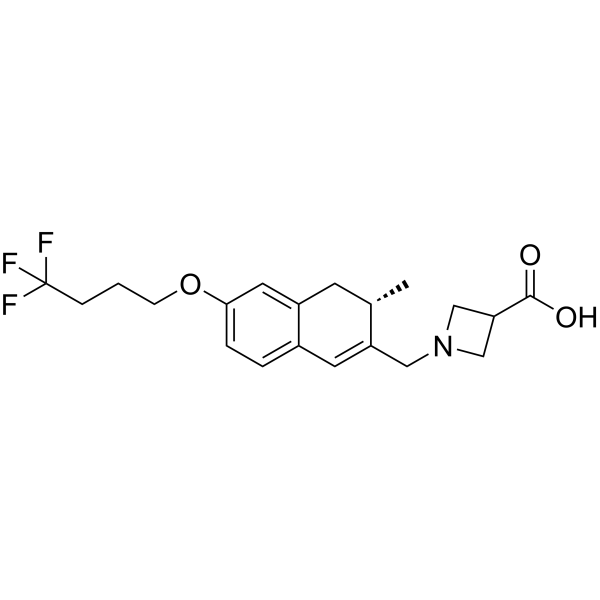
S1P1 agonist 7 is a potent, orally active, and β-arrestin-biased S1P1 agonist (EC50(G‑protein) = 12.7 nM and EC50(β‑arrestin) = 3.23 nM). S1P1 agonist 7 demonstrates potent immunomodulatory activity and a favorable safety profile. S1P1 agonist 7 exhibits excellent metabolic stability, minimal to moderate CYP inhibition, and S1P3-sparing selectivity. S1P1 agonist 7 shows pharmacokinetics, effectively reduces circulating lymphocytes, and significantly alleviates disease severity in experimental autoimmune encephalomyelitis (EAE) mouse models under both prophylactic and therapeutic regimens. S1P1 agonist 7 can be used for multiple sclerosis (MS) research [1].
TTA-P1 is a potent state-independent compound inhibiting human T-type calcium channel. T-type calcium channels play a role in diverse physiological responses including neuronal burst firing, hormone secretion, and cell growth. TTA-P1 has the potential for the research of absence epilepsy [1].
SAF-p1 is a self-assembling fiber peptide that can form sticky-ended heterodimers by assembling with SAF-p2 (HY-P10703) through complementary amino acid sequences. These heterodimers further self-assemble into long-chain fiber structures. SAF-p1 is promising for the development of nanomaterials in the biomedical field [1].
P1,P2-Diuridine-5’-diphosphate (Up2U) is a symmetrical dinucleoside polyphosphate containing two pyrimidine base moieties. P1,P2-Diuridine-5’-diphosphate is also an activator of purinergic P2Y receptor[1].
PtdIns-(3)-P1(1,2-dioctanoyl) sodium (compound 1b) is a glycogen phosphate that plays a key role in eukaryotic membrane trafficking and agonist-activated intracellular signaling [1].
12-Methyltridecanoic acid is a methylated fatty acid that has been found in milk. 12-Methyltridecanoic acid (200 μM) reduces angiogenesis and corneal opacity in alkaline or Pseudomonas aeruginosa-induced ocular mouse models.
Polymyxin P1 TFA is a lipopeptide antibiotic belonging to the Polymyxin family, and it is a secondary metabolite produced by the rhizosphere bacterium Paenibacillus polymyxaM-1. Polymyxin P1 TFA binds to bacterial outer membrane lipopolysaccharides, permeabilizes cell membranes, and induces dense protrusions on the cell surface of phytopathogenic Erwinia strains. Polymyxin P1 TFA inhibits the growth of phytopathogenic Erwinia amylovora and E. carotovora. Polymyxin P1 TFA can be used for the research of fire blight and soft rot [1].
Cre recombinase is a resolvase derived from the P1 bacteriophage. Cre recombinase catalyzes site-specific recombination between two loxP DNA sequences, converts dimers of P1 chromosome into monomers before cell division. Cre recombinase is utilized in genetic engineering and molecular biology applications [1].
Ac-EVKKQR-pNA is a competitive chromogenic para-nitroanilide substrate corresponding to the P6-P1 segment amino-terminal to the NS2B-NS3 cleavage site but with a more reactive, hydrolytically cleavable, para-nitroanilide at the P1’ position. Ac-EVKKQR-pNA is promising for research of dengue 2 virus and flavivirus virus infection [1].
1,2-Dioctanoyl-sn-glycero-3-phospho-(1'-myo-inositol-4'-phosphate) (PtdIns-(4)-P1 (1,2-dioctanoyl)) ammonium is a synthetic phosphatidylinositol. 1,2-Dioctanoyl-sn-glycero-3-phospho-(1'-myo-inositol-4'-phosphate) ammonium can be used for the research of signal transduction research [1].
Canfosfamide (hydrochloride) is a prodrug that upon activation by glutathione s-transferase P1-1 (GSTP1-1) yields an anticancer alkylating agent and a glutathione derivative.
1-(2-Quinoxalinyl)-1,2,3,4-butanetetrol is an endogenous metabolite. The imprinted polymer P-1 shows affinity for 1-(2-Quinoxalinyl)-1,2,3,4-butanetetrol [1].
SARS 3CLpro-IN-1 (Compound 3b) is a SARS 3CL protease inhibitor with an IC50 value of 95 μM, as a specific stereo isomer
of the octahydroisochromene scaffold, directs the P1 site imidazole [1].
Antitubercular agent-39 (Compound P1) is a potent antitubercular agent. Antitubercular agent-39 is active against drug-resistant strains and drug-susceptible clinical isolates. Antitubercular agent-39 inhibits Mtb strain H37Rv with a MIC less than 1 μM [1].
Antileishmanial agent-31 (Compound p1) is a pyrazole derivative. Antileishmanial agent-31 has anti-leishmania activity with an IC50 of 35.53 μg/mL. In addition, Antileishmanial agent-31 has high stability. Antileishmanial agent-31 can be used for anti-leishmaniasis research [1].
sCNH240 (Compound P1) is an oral active and selective Rv1625c/Cya activator. sCNH240 has significant anti-tuberculosis activity with a MIC90 of 1.24 μM for Mycobacterium tuberculosis (Mtb) H37Rv strain on cholesterol. sCNH240 can be used for tuberculosis research [1].
Palmitoyloleoylphosphatidylglycerol is an anionic surfactant lipid. Palmitoyloleoylphosphatidylglycerol suppresses Der p 2-stimulated inflammatory responses in lung epithelial cells and macrophages [1].
(S,S)-Z-FA-FMK is a cell-permeable, irreversible cathepsin B inhibitor. (S,S)-Z-FA-FMK blocks LPS-induced production of IL-1α and IL-1β. (S,S)-Z-FA-FMK can be used as a negative control for caspase-1 and caspase-2 inhibitors because it lacks an aspartic acid residue at the P1 position [1] .
C3001a is a selective TREK-1 and TREK-2 channel activator with EC50 values of 12.81 μM and 11.31 μM, respectively. C3001a does not affect other two-pore domain K + (K2P) channels. C3001a binds to the cryptic binding site formed by P1 and TM4 in TREK-1. C3001a can be used for the study of pain and pancreatitis [1].
Mcl-1 inhibitor 20 (compound 47) is a Mcl-1 inhibitor with anti-leukemic effects. Mcl-1 inhibitor 20 can bind to the BH3 binding groove of Mcl-1 (Ki=24 nM), occupy the P1 pocket in Mcl-1, and form interactions with Lys234 and Val249. Mcl-1 inhibitor 20 has good microsomal stability, pharmacokinetic characteristics and low cardiotoxicity [1].
GSTP1-1 inhibitor 2 (Compound 5g) is an hGSTP1-1 (glutathione S-transferase P1-1) inhibitor with an IC50 value of 12.2 μM. GSTP1-1 inhibitor 2 exhibits significant cytotoxicity against DU-145, PC3, and MCF-7 cell lines, with CC50 values of 36.6 μM, 11.9 μM, and 17.4 μM, respectively. It can be used in cancer research [1].
P1D-34 is a Pin1PROTAC degrader with a DC50 value of 177 nM. P1D-34 also down-regulates Pin1 client proteins such as Cyclin D1, Rb, Mcl-1, Akt, and c-Myc. P1D-34 shows anti-proliferative activities in a panel of acute myeloid leukemia (AML) cell lines. P1D-34 induces cell DNA damage and apoptosis by releasing ROS generation. Pink: PIN1 ligand (HY-171442A), Blue: CRBN ligand (HY-14658), Black: Linker (HY-W014883) [1].
S1P1 agonist 5 is a selective and orally active S1P1 agonist. S1P1 agonist 5 inhibits the lymphocyte egress from the lymphoid tissue to the peripheral blood. S1P1 agonist 5 has the potential for the research of multiple sclerosis (MS) [1].
S1P1 agonist 6 (Compound I) is a S1P1 agonist that reduces autoimmune ability by blocking the transportation of lymphocytes. S1P1 agonist 6 can be used as an immunosuppressive agent in the study of various autoimmune diseases research [1].
S1P1 agonist 6 hemicalcium (Compound I) is a S1P1 agonist that reduces autoimmune ability by blocking the transportation of lymphocytes. S1P1 agonist 6 hemicalcium can be used as an immunosuppressive agent in the study of various autoimmune diseases research [1].
PIP4P1 Human Pre-designed siRNA Set A contains three designed siRNAs for PIP4P1 gene (Human), as well as a negative control, a positive control, and a FAM-labeled negative control.
12-Hydroxystearic acid (Standard) is the analytical standard of 12-Hydroxystearic acid. This product is intended for research and analytical applications. 12-Hydroxystearic acid is a structurally simple and cost-effective low molecular weight organogelator, and its metal salts and derivatives find roles in many important applications [1] .
Bis(2-methyl-3-furyl)disulfide (Standard) is the analytical standard of Bis(2-methyl-3-furyl)disulfide. This product is used for research and analytical applications. Bis(2-methyl-3-furyl)disulfide is a meat flavor characteristic aroma compound that can bind to oral mucin. Bis(2-methyl-3-furyl)disulfide can interact with oral mucin through hydrogen bonds, hydrophobic interactions, and van der Waals forces to form a stable spontaneous 1:1 complex, and the interaction intensity varies with pH. Bis(2-methyl-3-furyl)disulfide helps to produce unique meat aroma and flavor, and its binding to oral mucin will change the perception of aroma.
SZL P1-41 (Standard) is the analytical standard of SZL P1-41 (HY-100237). This product is intended for research and analytical applications. SZL P1-41 is a specific Skp2 inhibitor, binds to the F-box domain of Skp2 to prevent Skp1 association and Skp2 SCF complex formation. SZL P1-41, like Skp2 deficiency, augments p27-mediated apoptosis/senescence, while it impairs Akt-driven glycolysis. Anti-tumor activities [1] .
PtdIns-(4)-P1-(1,2-dihexanoyl) sodium is a synthetic phosphatidylinositol (PtdIns) derivative. PtdIns-(4)-P1-(1,2-dihexanoyl) sodium can be used as a membrane phospholipid model in in vitro enzymology studies [1].
PtdIns-(5)-P1-(1,2-dioctanoyl) ammonium is a synthetic phosphatidylinositol (PtdIns) derivative. PtdIns-(5)-P1-(1,2-dioctanoyl) ammonium can be used as a membrane phospholipid model in in vitro enzymology studies [1].
Rennin, Mucor miehei (EC 3.4.23.23) hydrolyzes proteins, preferentially hydrolyzing hydrophobic residues at the P1 and P1' positions. Rennin, Mucor miehei (EC 3.4.23.23) can coagulate milk. Because the P1 position cannot accept lysine, it cannot activate trypsinogen.
Boc-NH-PAB(triacetyl-β-D-glucopyranuronate)-PNP (Compound 16) is a β-glucuronide-type linker precursor that couples with NeoDegrader P1 to synthesize the NeoDegrader P1-β-Glucuronide Linker Complex. Boc-NH-PAB(triacetyl-β-D-glucopyranuronate)-PNP and its derived linker-payload complexes can be used for the research of acute myeloid leukemia [1].
PtdIns-(3)-P1 (1,2-dipalmitoyl) (Compound 7) ammonium is a derivative of phosphatidylinositol 3-phosphate (PtdIns(3)P). phosphatidylinositol 3-phosphate can bind to the FYVE domain of human EEA1 and act as a second messenger in cellular signaling and membrane trafficking. phosphatidylinositol 3-phosphate can stimulate ROS formation by regulating the neutrophil oxidase complex [1] .
Cholesterol heptanoic acid is a lipophilic Cholesterol (HY-N0322) derivative. Cholesterol heptanoic acid can combine with peptides (such as peptides P1 and P2) to form lipopeptides, which possess antiviral activity. Cholesterol heptanoic acid can be used for research of HIV infection [1].
DPPI-5-P (ammonium) (PtdIns-(5)-P1) can be phosphorylated to form disphosphates such as PtdIns-(4,5)-P2. DPPI-5-P (ammonium) can also be cleaved by PI-specific phospholipase C (PLC) to give inositol triphosphates [1].
JNK1ligand-1 (Compound P1) is a selective JNK1 inhibitor. JNK1ligand-1 can be used as a JNK1 ligand to synthesize a series of PROTAC molecules, such as PROTAC JNK1-targeted-1 (HY-170601). PROTAC JNK1-targeted-1 can be used for the research of pulmonary fibrosis [1].
Antibacterial agent 256 (Compound C09) is an inhibitor for type I signal peptidase (SPase I). Antibacterial agent 256 inhibits gram-positive bacteria, that inhibits S. aureus ATCC 29213, E. faecium QF31, E. faecalis SF23-1 and S. suisP1/7, with MIC of 1-16 μg/mL. Antibacterial agent 256 exhibits cytotoxicity in cancer cell HEp-2 and Caco-2 with CC50 of 14.65 μg/mL and 21.93 μg/mL. Antibacterial agent 256 exhibits a hemolytic activity on mouse RBCs, with an HC50 of 13.29 μg/mL. Antibacterial agent 256 ameliorates the MRSA skin infection in mouse model [1].
CS1P1 is a brain-penetrant and selective S1PR1 antagonist and PET radiotracer, with human S1PR1IC50 values of 2.1 nM. CS1P1 binds specifically to S1PR1 to enable in vivo receptor expression quantification. CS1P1 can be used as PET radiotracer when labelled with 11C. CS1P1 can be used for the research of multiple sclerosis, neointimal hyperplasia, vascular inflammation [1] .
CP-69799 is an azahomostatine-containing oligopeptide transition-state analogue inhibitor with a hog renin IC50 of 6e-9 M, human plasma renin IC50 of 3e-7 M and Ki of 0.310 μM, and endothiapepsin Ki of 0.27 μM. CP-69799 binds endothiapepsin’s active site cleft in extended conformation, fills S4 to S3' pockets, displaces native solvent molecules, induces domain rotation, and reduces thermal mobility of endothiapepsin’s flap and helix regions. CP-69799 acts as a transition-state analogue inhibitor of hog renin and human plasma renin. CP-69799 contains a polar lysine residue at the P2' position, with a nitrogen atom replacing the P1' Cα atom of the hydroxyethylene dipeptide isostere. CP-69799 can be used for the research of hypertension [1].
S1P1 agonist 1 (Standard) is the analytical standard of S1P1 agonist 1 (HY-104069). This product is intended for research and analytical applications. S1P1 Agonist 1 is a S1P1 agonist with immunomodulatory activities.
D8P1C1 is a high-affinity ADAM17 inhibitor (with a Kd of 180 pM targeting ADAM17-ECD) that reduces the shedding and phosphorylation of EGFR ligands. D8P1C1 inhibits cancer cell proliferation in vitro and tumor growth in xenograft models. 89Zr-DFO-D8P1C1 radioimmunological PET imaging shows its substantial accumulation in ovarian tumor xenografts, serving as a platform for generating bispecific T-cell engager derivatives. D8P1C1 can be applied to research on related diseases including triple-negative breast cancer, various types of ovarian cancer, lung adenocarcinoma, glioma, and colon cancer [1] .
PZ-128 (Standard) (P1pal-7 (Standard)) is the analytical standard of PZ-128 (HY-107146). This product is intended for research and analytical applications. PZ-128 (P1pal-7), a cell-penetrating lipopeptide pepducin, is a first-in-class, specific and reversible protease-activated receptor-1 (PAR1) antagonist. PZ-128 targets the cytoplasmic surface of PAR1 and interrupts signaling to internally-located G (PAR1-G) proteins. PZ-128 has antiplatelet, anti-metastatic, anti-angiogenic and anticancer effects [1] .
ALDH3A1-IN-4 is a selective ALDH3A1 inhibitor with an IC50 of 0.2 μM. ALDH3A1-IN-4 binds to the aldehyde-binding pocket of ALDH3A1 via hydrophobic interactions and van der Waals forces. ALDH3A1-IN-4 acts as a chemosensitizer that sensitizes ALDH3A1-expressing cancer cells to the antiproliferative effect of mafosfamide, but does not produce a sensitizing effect on non-cancer cells that do not express ALDH3A1. ALDH3A1-IN-4 is applicable to research related to lung adenocarcinoma and glioblastoma [1].
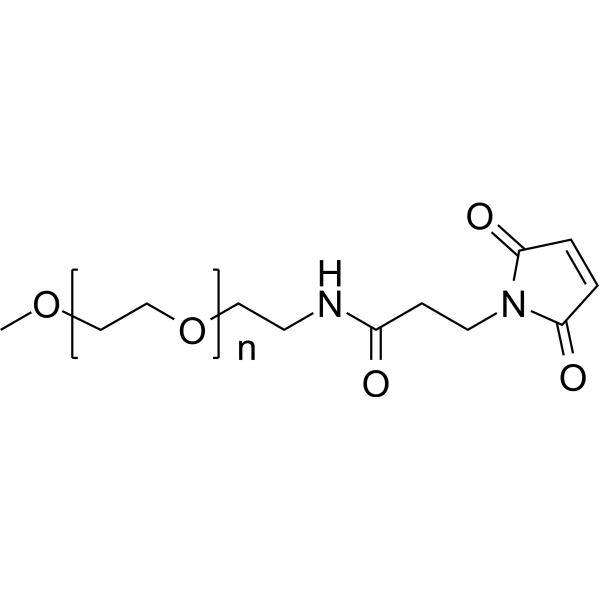
mPEG5000-Mal (mPEG5000-Maleimide) is a PEG-derived selective covalent binding agent for sulfhydryl groups (RSGs), which can form irreversible thioether bonds with sulfhydryl groups under near-neutral conditions via the maleimide group. The mechanism of action of mPEG5000-Mal can be divided into two categories: firstly, as an enzyme modifier, it binds to target proteins through hydrophobic interactions, hydrogen bonds, and van der Waals forces, altering the protein's secondary structure; secondly, as a nanoparticle surface modifier, it covalently binds to sulfhydryl groups on the surface of red blood cells, changing the surface properties and morphology of the red blood cells, leading to their phagocytosis by macrophages of the reticuloendothelial system. mPEG5000-Mal can react with free cysteine in proteins, increasing the apparent molecular weight of the modified protein by 10-15 kDa for detection purposes. mPEG5000-Mal can enhance the thermal stability and catalytic activity of enzymes, and improve the macrophage targeting of nanoparticles, enabling targeted drug delivery. mPEG5000-Mal can be applied in enzyme engineering research in the food industry and in oncology, assisting radiotherapy by inhibiting tumor-associated macrophage infiltration and enhancing anti-tumor immune responses [1] .
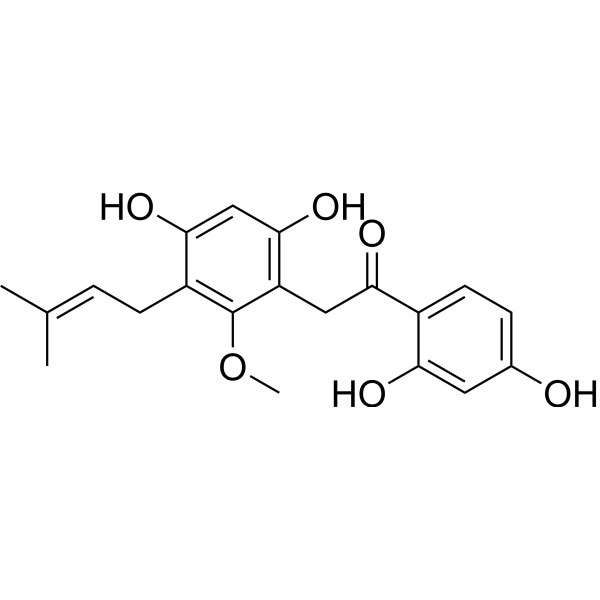
Artonin U is an artonin. Artonin U can be isolated from Artocarpus species. Artonin U binds to hERα, as measured by docking score and Prime MM-GBSA binding free energy evaluation. Artonin U can be used in breast cancer research [1].
α-Glucosidase-IN-111 (Compound 5d) is an α-glucosidase (α-Glucosidase) inhibitor with a IC50 of 34.99 μg/mL. α-Glucosidase-IN-111 effectively scavenges DPPH free radicals and ABTS free radicals, with IC50 values of 5.33 and 5.84 μg/mL, respectively. α-Glucosidase-IN-111 can be used in the research of type 2 diabetes [1].
Coumarin-30 is a coumarin-based fluorescent dye and environment-sensitive fluorescent probe (in aqueous medium, λex = 430 nm, λem = 495 nm). Coumarin-30 serves as a dopant for organic light-emitting diodes [1].
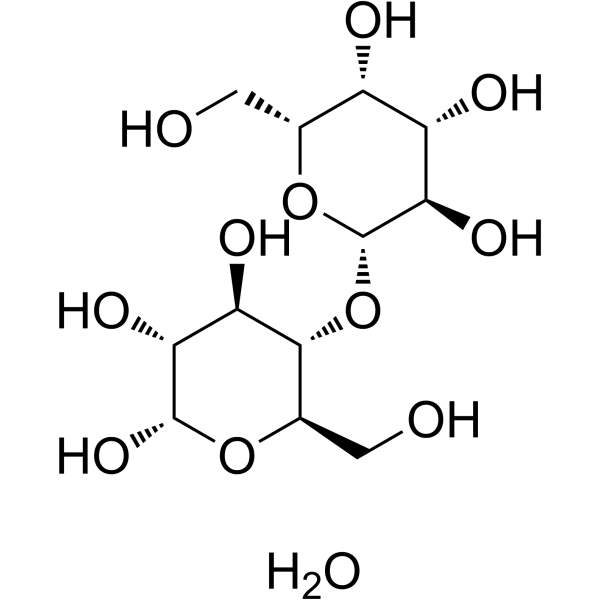
α-Lactose hydrate (α-D-Lactose (hydrate)) is the primary carbohydrate in the milk of most mammals. α-Lactose hydrate consists of glucose and galactose and exists in two isomeric forms, α and β. α-Lactose hydrate has numerous applications in the food and pharmaceutical industries, such as serving as a bulking or agglomerating agent, and a diluent for pigments, flavors or enzymes [1].
D-myo-Inositol-3-phosphate (sodium) is one of the members in inositol phosphate family of second messengers that play an important role in transmitting cellular signals. D-myo-Inositol-3-phosphate (sodium) can be formed by the dephosphorylation of polyphosphate inositols [1] .
D-myo-Inositol-1-phosphate (sodium salt) is one of the members in inositol phosphate family of second messengers that play an important role in transmitting cellular signals. D-myo-Inositol-1-phosphate (sodium salt) can be formed by the dephosphorylation of polyphosphate inositols [1] .
Vibozilimod (SCD-044) is an oral S1P1/EDG1 receptor-selective agonist with an EC50 of <1 nM. Vibozilimod promotes S1P1/EDG1 receptor internalization, inhibits lymphocyte migration, induces lymphopenia and reduces lymphocyte counts. Vibozilimod is used for the research of inflammatory diseases such as psoriasis and atopic dermatitis [1] .
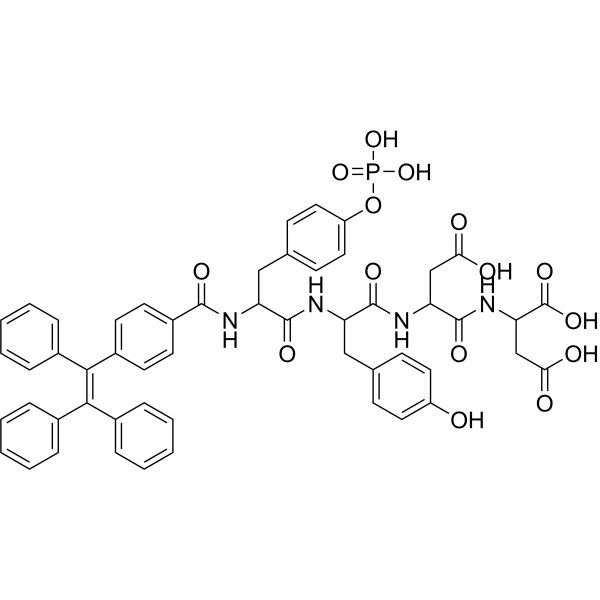
TPE-1p is a cascade-activated AIEgen-peptide probe. TPE-1p self-assembles in aqueous solution to exhibit bright fluorescence in response to alkaline phosphatase (ALP) and ChT-L. TPE-1p can be utilized to noninvasively assess the inhibition efficiency of a ChT-L inhibitor in cells [1].
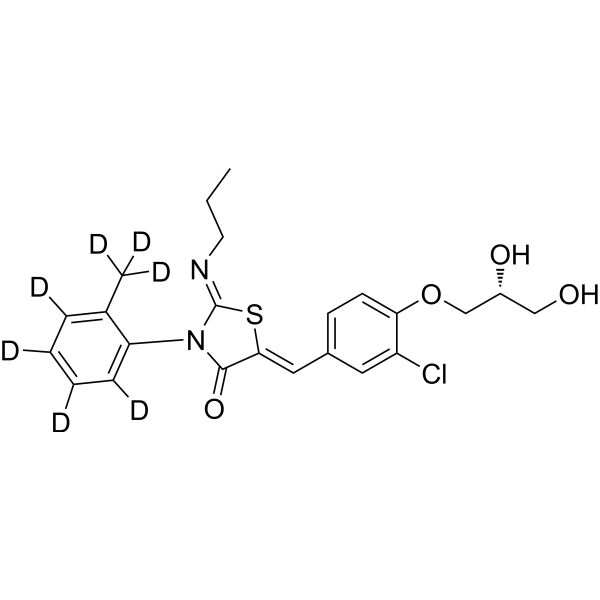
Ponesimod (ACT-128800) is a potent, selective and orally active agonist of S1P1, with an IC50 of 6 nM in a radioligand binding assay. Ponesimod activates S1P1-mediated signal transduction with high potency (EC50=5.7 nM). Ponesimod can protect against lymphocyte-mediated tissue inflammation [1] .
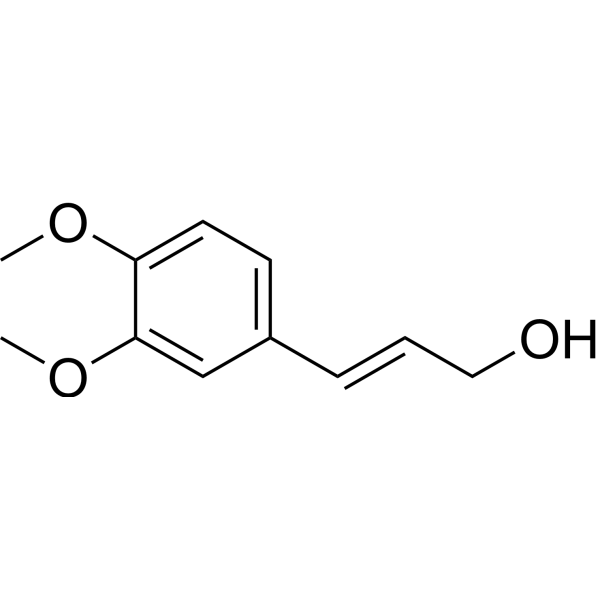
(E)-3,4-Dimethoxycinnamyl alcohol is an antimutagenic. (E)-3,4-Dimethoxycinnamyl alcohol has antimutagenic activity against furylfuramide, Trp-P-1, and activated Trp-P-1[1].
Galcuronokinase (AtGalAK) is a member of the GHMP kinase family. Galcuronokinase (AtGalAK) catalyzes the ATP-dependent conversion of alpha-d-galacturonic acid (d-GalA) to alpha-d-galacturonic acid-1-phosphate (GalA-1-P) .
Ponesimod (Standard) is the analytical standard of Ponesimod. This product is intended for research and analytical applications. Ponesimod (ACT-128800) is a potent, selective and orally active agonist of S1P1, with an IC50 of 6 nM in a radioligand binding assay. Ponesimod activates S1P1-mediated signal transduction with high potency (EC50=5.7 nM). Ponesimod can protect against lymphocyte-mediated tissue inflammation [1] .
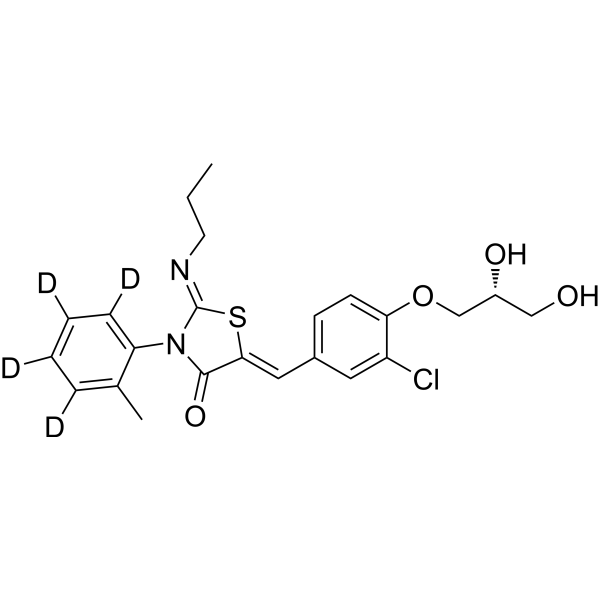
Ponesimod-d4 (ACT-128800-d4) is the deuterium labeled Ponesimod (HY-10569) [1]. Ponesimod (ACT-128800) is a potent, selective and orally active agonist of S1P1, with an IC50 of 6 nM in a radioligand binding assay. Ponesimod activates S1P1-mediated signal transduction with high potency (EC50=5.7 nM). Ponesimod can protect against lymphocyte-mediated tissue inflammation .
N-Acetylhexosamine kinase (NahK) is an anomeric kinase acting on a glucose-type substrate. N-Acetylhexosamine kinase catalyzes the phosphorylation of GlcNAc or GalNAc at the anomeric C1 position with ATP to form N-acetylhexosamine 1-phosphate (GlcNAc-1P/GalNAc-1P) .
NIBR-0213 is a potent, orally active and selective S1P1 antagonist with efficacy in experimental autoimmune encephalomyelitis. NIBR-0213 displays potent and comparable potency on human and rat S1P1 (IC50 of 2.0 nM and 2.3 nM, respectively) in GTPγ 35S assays [1].
Ponesimod-d7 (ACT-128800-d7) is the deuterium-labeled Ponesimod (HY-10569). Ponesimod-d7 (ACT-128800) is a potent, selective and orally active agonist of S1P1, with an IC50 of 6 nM in a radioligand binding assay. Ponesimod-d7 activates S1P1-mediated signal transduction with high potency (EC50=5.7 nM). Ponesimod-d7 can protect against lymphocyte-mediated tissue inflammation [1] .
Siponimod (BAF-312) is an orally active, blood-brain barrier penetrant dual agonist of S1P1/S1P5, with EC50 values of 0.39 nM and 0.98 nM, respectively. Siponimod induces S1P1 internalization, activates GIRK channels, inhibits lymphocyte egress, reduces peripheral lymphocyte counts, triggers transient bradycardia, prevents synaptic neurodegeneration, promotes remyelination, alleviates demyelination, and prevents the loss of GABAergic interneurons. Siponimod can be used in research related to multiple sclerosis [1] .
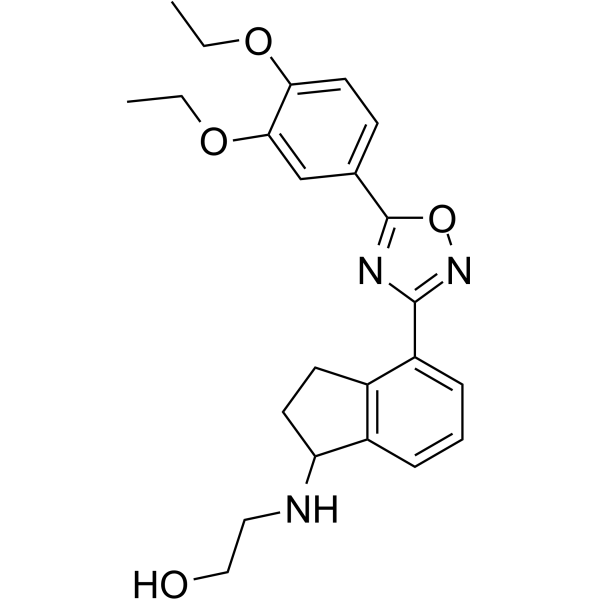
CYM5442 is a potent, highly-selective and orally active sphingosine 1-phosphate (S1P1) receptor agonist with an EC50 of 1.35 nM. CYM5442 is inactive against S1P2, S1P3, S1P4, and S1P5. CYM5442 activates S1P1-dependent p42/p44-MAPK phosphorylation. CYM5442 exerts retinal neuroprotection. CYM5442 can easily penetrate the central nervous system (CNS) [1] .
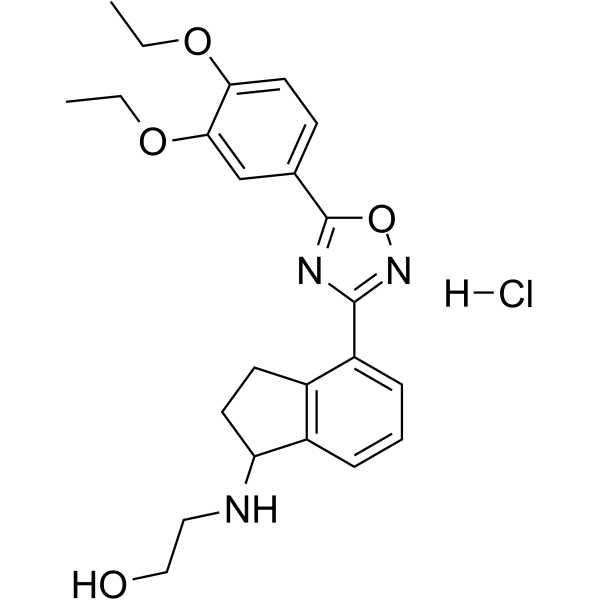
CYM5442 hydrochloride is a potent, highly-selective and orally active sphingosine 1-phosphate (S1P1) receptor agonist with an EC50 of 1.35 nM. CYM5442 hydrochloride is inactive against S1P2, S1P3, S1P4, and S1P5. CYM5442 hydrochloride activates S1P1-dependent p42/p44-MAPK phosphorylation. CYM5442 exerts retinal neuroprotection. CYM5442 hydrochloride can easily penetrate the central nervous system (CNS) [1] .
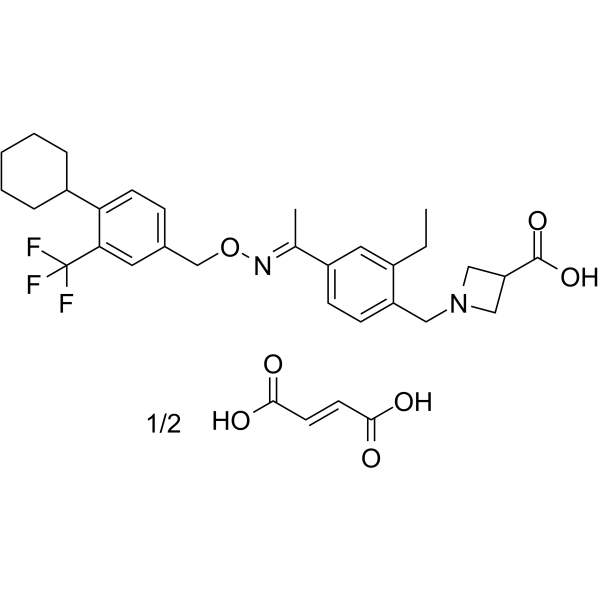
Siponimod (BAF-312) hemifumarate is an orally active, blood-brain barrier penetrant dual agonist of S1P1/S1P5, with EC50 values of 0.39 nM and 0.98 nM, respectively. Siponimod hemifumarate induces S1P1 internalization, activates GIRK channels, inhibits lymphocyte egress, reduces peripheral lymphocyte counts, triggers transient bradycardia, prevents synaptic neurodegeneration, promotes remyelination, alleviates demyelination, and prevents the loss of GABAergic interneurons. Siponimod hemifumarate can be used in research related to multiple sclerosis [1] .
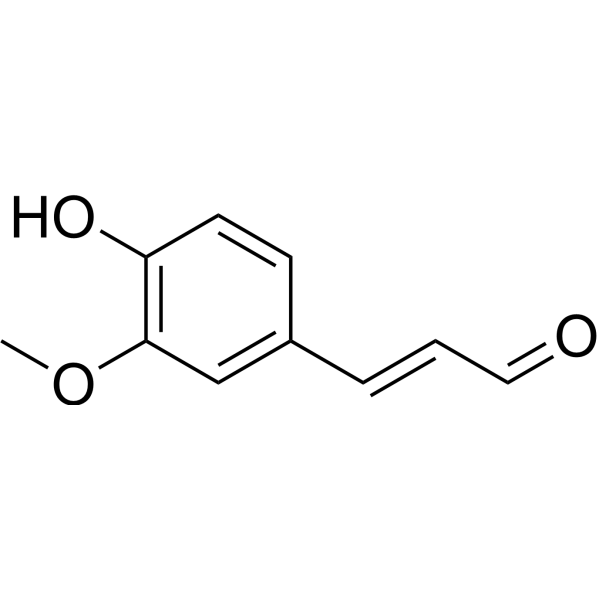
trans-Coniferyl aldehyde (compound 2) is a natural compound isolated from the buds of clove (Syzygium aromaticum).trans-Coniferyl aldehyde suppresses 63% of the UV mutable gene expression at 1.20 μM, and with an ID50 value of 0.76 μM,and has the antimutagenic
activities against furylfuramide, Trp-P-1, and activated Trp-P-1[1].
SNAP-549 is a DY-549P1-labeled SNAP tag fluorescent probe, specifically designed for single-molecule imaging and dynamic tracking of proteins in living cells. SNAP-549 only labels SNAP-tag fusion proteins, with low background signals and forming irreversible connections, making it suitable for long-term observation [1].
CS-2100 (Compound 10b) is a potent, selective, orally active and S1P3-sparingS1P1 agonist with an EC50 of 4.0 nM for human S1P1. CS-2100 shows in vivo immunosuppressive efficacy in rats with an ID50 (infective dose) of 0.407 mg/kg for HvGR [1].
Siponimod (BAF-312) (Standard) is the analytical standard of Siponimod. This product is intended for research and analytical applications. Siponimod is an orally active, blood-brain barrier penetrant dual agonist of S1P1/S1P5, with EC50 values of 0.39 nM and 0.98 nM, respectively. Siponimod induces S1P1 internalization, activates GIRK channels, inhibits lymphocyte egress, reduces peripheral lymphocyte counts, triggers transient bradycardia, prevents synaptic neurodegeneration, promotes remyelination, alleviates demyelination, and prevents the loss of GABAergic interneurons. Siponimod can be used in research related to multiple sclerosis.
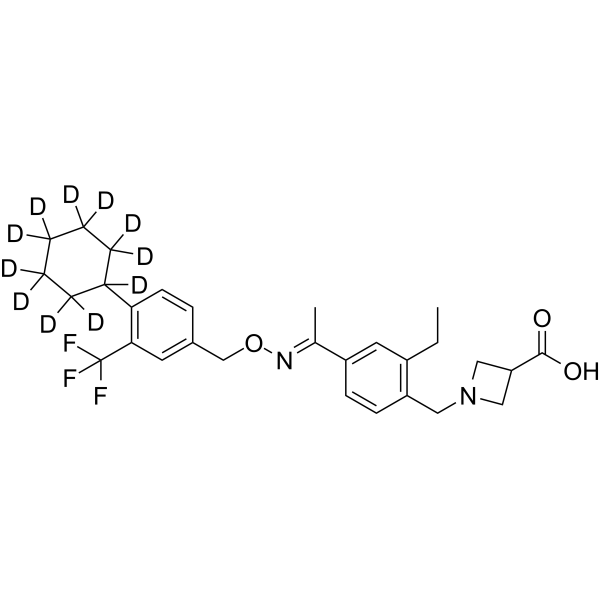
Siponimod-d11 (BAF-312-d11) is deuterium labeled Siponimod (HY-12355). Siponimod is an orally active, blood-brain barrier penetrant dual agonist of S1P1/S1P5, with EC50 values of 0.39 nM and 0.98 nM, respectively. Siponimod induces S1P1 internalization, activates GIRK channels, inhibits lymphocyte egress, reduces peripheral lymphocyte counts, triggers transient bradycardia, prevents synaptic neurodegeneration, promotes remyelination, alleviates demyelination, and prevents the loss of GABAergic interneurons. Siponimod can be used in research related to multiple sclerosis.
CYM5442 (Standard) is the analytical standard of CYM5442. This product is intended for research and analytical applications. CYM5442 is a potent, highly-selective and orally active sphingosine 1-phosphate (S1P1) receptor agonist with an EC50 of 1.35 nM. CYM5442 is inactive against S1P2, S1P3, S1P4, and S1P5. CYM5442 activates S1P1-dependent p42/p44-MAPK phosphorylation. CYM5442 exerts retinal neuroprotection. CYM5442 can easily penetrate the central nervous system (CNS) [1] .
RP-001 is a picomolar short-acting S1P1(EDG1) selective agonist, with an EC50 of 9 pM. RP-00 induces internalization and polyubiquitination of S1P1. RP-001 has little activity on S1P2-S1P4 and only moderate affinity for S1P5 [1].
SEW2871 is an orally active, potent, highly selective S1P1 (sphingosine-1-phosphate type 1 receptor) agonist, with an EC50 of 13.8 nM. SEW2871 activates ERK, Akt, and Rac signaling pathways and induces S1P1 internalization and recycling. SEW2871 reduces lymphocyte numbers in blood. SEW2871 can be used for the research of diabetes, Alzheimer’s disease, liver fibrosis, and inflammatory responses [1] .
SEW2871 is an orally active, potent, highly selective S1P1 (sphingosine-1-phosphate type 1 receptor) agonist, with an EC50 of 13.8 nM. SEW2871 activates ERK, Akt, and Rac signaling pathways and induces S1P1 internalization and recycling. SEW2871 reduces lymphocyte numbers in blood. SEW2871 can be used for the research of diabetes, Alzheimer’s disease, liver fibrosis, and inflammatory responses [1] .
RP-001 hydrochloride is a picomolar short-acting S1P1(EDG1) selective agonist, with an EC50 of 9 pM. RP-00 hydrochloride induces internalization and polyubiquitination of S1P1. RP-001 hydrochloride has little activity on S1P2-S1P4 and only moderate affinity for S1P5 [1].
Udifitimod (BMS-986166) is a potent, selective and orally active S1P1R modulator. Udifitimod has the potential for the research of autoimmune diseases [1] .
BMS-960 is a potent and selective S1P1 receptor agonist containing isoxazole, which can be used in the research of immune diseases and vascular diseases [1].
AMG 369 is an orally active and potent dual S1P1/S1P5 agonist with limited activity at S1P3 and no activity at S1P2/S1P4. AMG 369 reduces blood lymphocyte counts. AMG 369 delays onset and reduces severity of experimental autoimmune encephalomyelitis in rat [1].
AUY 954 hydrochloride is a potent and selective sphingosine-1-phosphate (S1P(1)) receptor agonist, exhibiting significant immunomodulatory activity. AUY 954 hydrochloride induces a profound and reversible reduction of circulating lymphocytes upon oral administration. AUY 954 hydrochloride has demonstrated efficacy in prolonging cardiac allograft survival when used in combination with RAD001 in a stringent transplantation model. AUY 954 hydrochloride effectively prevents experimental autoimmune neuritis in rats, showcasing its therapeutic potential in autoimmune conditions.
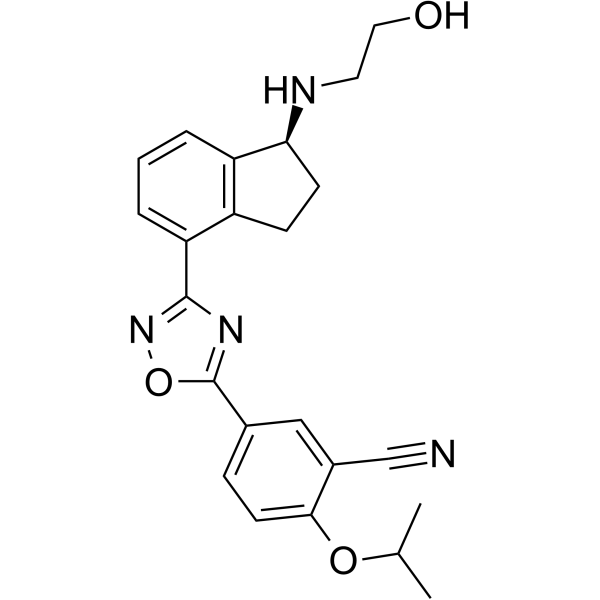
Ozanimod (RPC-1063) is a CNS-penetrant sphingosine 1-phosphate (S1P) receptor modulator that binds with high affinity selectively to S1P receptor subtypes 1 (S1P1) and 5 (S1P5). Ozanimod has modulate effect for hS1P1 and hS1P5 receptor with EC50s of 1.03 nM and 8.6 nM, respectively. Ozanimod can be used for the research of relapsing multiple sclerosis (MS) [1].
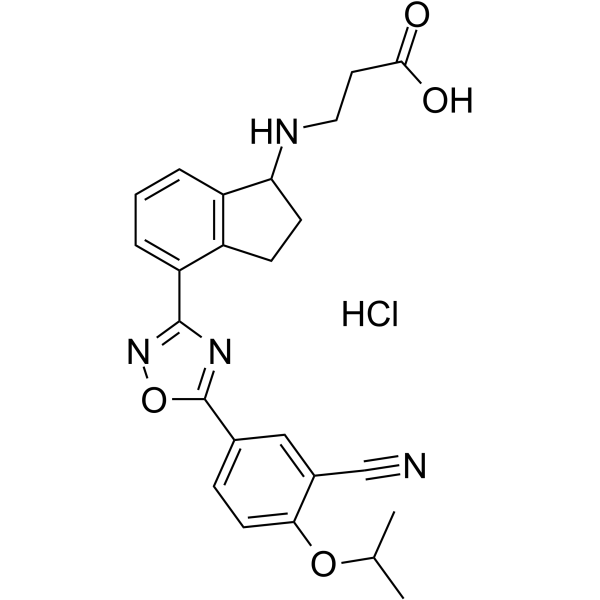
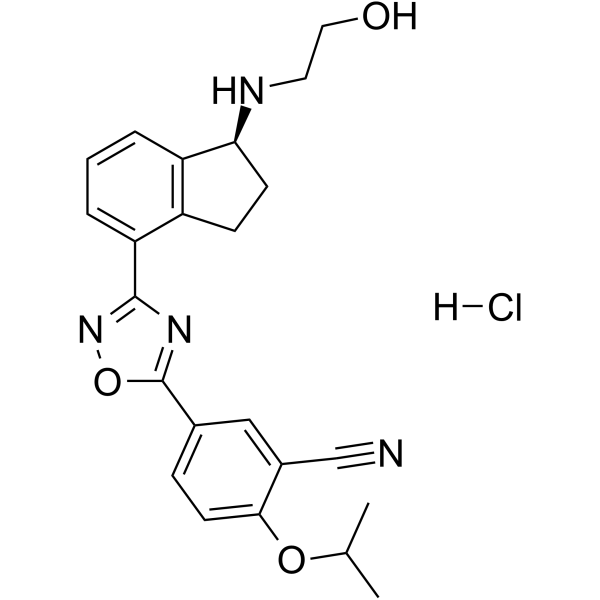
Ozanimod (RPC-1063) hydrochloride, a sphingosine 1-phosphate (S1P) receptor modulator that binds with high affinity selectively to S1P receptor subtypes 1 (S1P1) and 5 (S1P5). Ozanimod hydrochloride has modulate effect for hS1P1 and hS1P5 receptor with EC50s of 1.03 nM and 8.6 nM, respectively. Ozanimod hydrochloride can be used for the research of relapsing multiple sclerosis (MS) [1].
(-)-Byakangelicin (Compound 9) is a furanocoumarin compound found in the peels of Citrus limon. (-)-Byakangelicin has antimutagenic activity for Trp-P-1 and PhIP and can be used for the research of cancer [1].
BMS-960 free base is a potent and selective S1P1 receptor agonist containing isoxazole, which can be used in the research of immune diseases and vascular diseases [1].
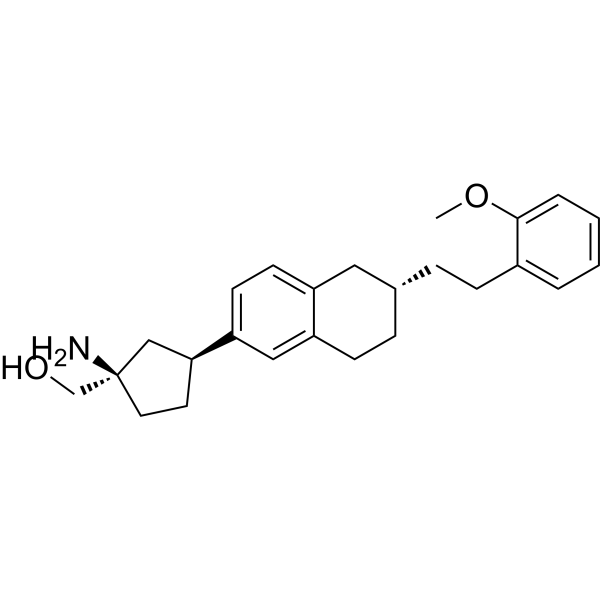
Etrasimod (APD334) is a potent, selective and orally available antagonist of the sphingosine-1-phosphate-1(S1P1) receptor with an IC50 value of 1.88 nM in CHO cells.
CYM50260 is a potent and exquisitely selective sphingosine-1-phosphate 4 receptor (S1P4-R) agonist with an EC50 of 45 nM. CYM50260 displays no activity against S1P1-R,S1P2-R,S1P3-R and S1P5-R[1].
CS-0777-P, the phosphorylated form of CS-0777, acts as a potent and selective modulator of the S1P receptor-1 (S1P1). It exhibits approximately 320-fold higher agonist activity for human S1P1 compared to S1P3, with an EC50 of 1.1 nM. In pharmacological studies, CS-0777-P demonstrated significant effects in vitro as an S1P1 and S1P3 agonist, leading to lowered peripheral blood lymphocyte counts and suppressive effects on experimental autoimmune encephalomyelitis (EAE) in rats. Pharmacokinetic studies in rats revealed rapid lymphocyte count reductions following oral administration, making CS-0777 a promising candidate currently undergoing clinical trials for the treatment of multiple sclerosis (MS) [1].
CAY10734 is the agonist for sphingosine-1-phosphate receptor 1(S1P1) with an IC50 of 1.3 nM. CAY10734 promotes the recirculation of peripheral blood lymphocytes, and is a potential immunosuppressant [1].
Cenerimod (ACT-334441) is a potent, selective and orally active S1P1 receptor modulator, with an EC50 of 1 nM. Cenerimod shows more than 36 fold selctivity for hS1P1 over hS1P2, hS1P3, hS1P4, and hS1P5 receptor subtypes (EC50s=>10000, 228, 2134, and 36 nM, respectively). Cenerimod can attenuate murine experimental autoimmune encephalomyelitis (EAE) and murine sclerodermatous [1] .
Ozanimod (Standard) is the analytical standard of Ozanimod. This product is intended for research and analytical applications. Ozanimod (RPC-1063), a sphingosine 1-phosphate (S1P) receptor modulator that binds with high affinity selectively to S1P receptor subtypes 1 (S1P1) and 5 (S1P5). Ozanimod has modulate effect for hS1P1 and hS1P5 receptor with EC50s of 1.03 nM and 8.6 nM, respectively. Ozanimod can be used for the research of relapsing multiple sclerosis (MS) [1].
Agaridoxin (GDHB) is a blocker of catecholamine and adrenergic alpha-type receptors isolated from mushrooms. Agaridoxin activates adenylyl cyclase in rat hypothalamic membrane granules in the presence of guanosyl imide diphosphate (Gpp(NH)p) .
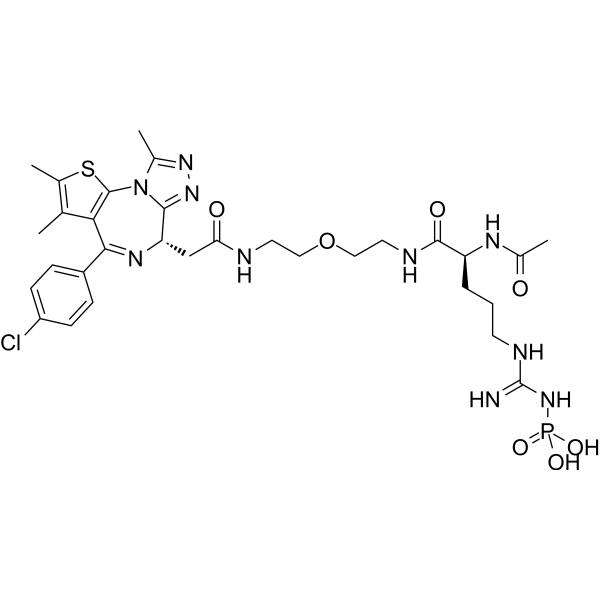
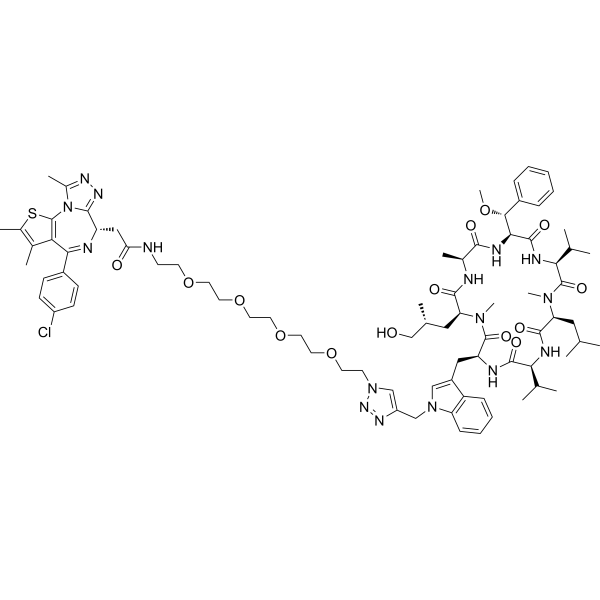
BI01826025 (pArg-JQ1) is a bromodomain1 of BRDT (BRDTBD1) PROTAC degrader. BI01826025 can be used for testing the regulatory effect of ClpC2 on the ClpC1P1P2 protease [1].
ASP-4058 is a next-generation, selective and oral bioactive agonist for Sphingosine 1-Phosphate receptors 1 and 5 (S1P1 and S1P5), ameliorates rodent experimental autoimmune encephalomyelitis with a favorable safety profile [1].
ASP-4058 hydrochloride is a next-generation, selective and orally active agonist for Sphingosine 1-Phosphate receptors 1 and 5 (S1P1 and S1P5), ameliorates rodent experimental autoimmune encephalomyelitis with a favorable safety profile [1].
GlcNAc kinase (EcNagK) (N-Acetylglucosamine kinase) is a GlcNAc-metabolizing enzyme. GlcNAc kinase (EcNagK) transfers the gamma-phosphoryl group of an ATP onto the hydroxyl group at the C-6 of GlcNAc to generate a GlcNAc-6-P .
W123, a FTY720 analog, is a competitive sphingosine 1-phosphate type 1 (S1P1) receptor antagonist. W123 is measured by GTPγS activation, MAPK recruitment, cell migration, and ligand-induced receptor internalization [1].
ACT-209905 is a S1P1 receptor agonist. ACT-209905 can inhibit glioblastoma (GBM) cell growth and migration. ACT-209905 also has immunomodulating activity, and can be used in research of autoimmune diseases [1].
Ozanimod-d6 (RPC-1063-d6) is the deuterium labeled Ozanimod (HY-12288). Ozanimod (RPC-1063) is a CNS-penetrant sphingosine 1-phosphate (S1P) receptor modulator that binds with high affinity selectively to S1P receptor subtypes 1 (S1P1) and 5 (S1P5). Ozanimod has modulate effect for hS1P1 and hS1P5 receptor with EC50s of 1.03 nM and 8.6 nM, respectively. Ozanimod can be used for the research of relapsing multiple sclerosis (MS) [1].
RIP1 kinase inhibitor 6 is a potent and selective RIP1 kinase inhibitor with an IC50 of < 100 nM in human R1P1 kinase assay. RIP1 kinase inhibitor 6 is extracted from patent WO2020103884, example 80 [1].
Etrasimod (Standard) is the analytical standard of Etrasimod. This product is intended for research and analytical applications. Etrasimod (APD334) is a potent, selective and orally available antagonist of the sphingosine-1-phosphate-1 (S1P1) receptor with an IC50 value of 1.88 nM in CHO cells.
PF-462991 (PF-991) is a S1P1 receptor agonist with an EC50 of 1.9 nM. PF-462991 functionally activates this receptor via the β-arrestin pathway. PF-462991 is applicable to research related to rheumatoid arthritis [1] .
Galactose-1-phosphate Uridyltransferase, Galactose-adapted yeast (EC 2.7.7.12) facilitates the simultaneous conversion of uridine diphosphoglucose (UDP-glucose) and galactose-1-phosphate (gal-1P) to uridine diphosphogalactose (UDP-galactose) and glucose-1-phosphate.
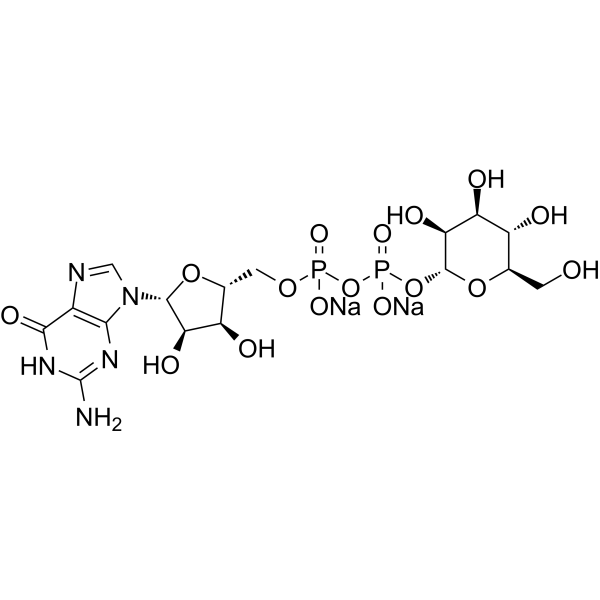
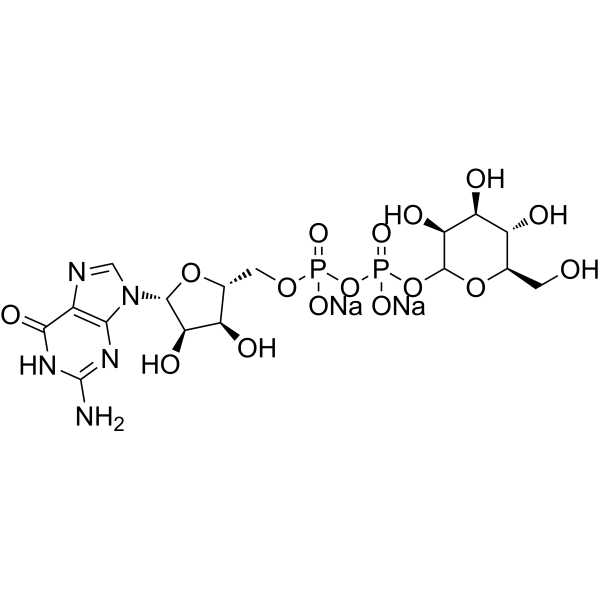
GDP-α-D-mannose disodium is the donor substrate for mannosyltransferases and the precursor of GDP-β-L-fucose. GDP-α-D-mannose disodium gives a competitive inhibition with respect to GTP (Ki 14.7 μM) and an uncompetitive inhibition with respect to mannose-1-P (Ki 115 μM) [1].
GSK1842799, an alkyl-substituted biaryl amino alcohol, is a selective S1P1 modulator developed for multiple sclerosis (MS). Upon phosphorylation, GSK1842799-P exhibited subnanomolar S1P1 agonist activity with over 1000-fold selectivity over S1P3. The compound showed good oral bioavailability, rapid in vivo conversion to GSK1842799-P, and significant lymphocyte count reduction at 0.1 mg/kg. It matched FTY720 efficacy at 3 mg/kg in the mouse EAE model and achieved comparable plasma levels to FTY-720 phosphate in cynomolgus monkeys. With favorable ADME, PK/PD properties, and toxicology, GSK1842799 advanced to further clinical development [1].
CYM50308 (ML248) is a potent, selective and high affinity sphingosine-1-phosphate receptor 4 (S1P4-R) agonist with an EC50 of 56 nM. CYM50308 displays 37-fold more selective for S1P4-R than S1P5-R. CYM50308 has no activity at S1P1-R,S1P2-R and S1P3-R subtypes at concentrations up to 25 μM [1].
PIN1 ligand-2 (Intermediate M6) is a PROTAC target protein ligand (Ligands for Target Protein for PROTACs). PIN1 ligand-2 can be used for synthesizing PROTACT (Rac)-P1D-34 (HY-171334) [1].
SRG-II-19F (dCym-JQ1) is a bromodomain1 of BRDT (BRDTBD1)PROTAC degrader. SRG-II-19F can be used for testing the regulatory effect of ClpC2 on the ClpC1P1P2 protease [1].
SK-124 is an orally active, selective SIK2/SIK3 inhibitor. SK-124 inhibits SIK2 and SIK3. SK-124 increases P1NP and CTX. SK-124 increases bone formation and bone mass [1].
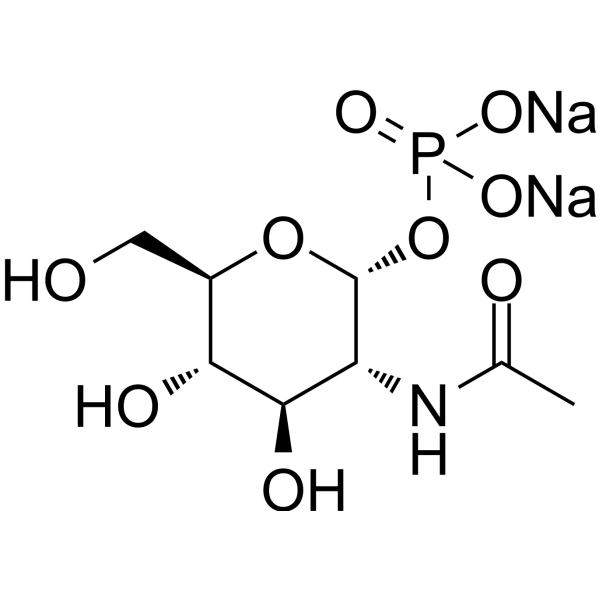
N-acetyl-α-d-glucosamine 1-phosphate disodium (GlcNAc-1-P) is an ectopic sugar phosphate and a key intermediate in N-glycoprotein biosynthesis. N-acetyl-α-d-glucosamine 1-phosphate disodium serves as a metabolic precursor of teichoic acid and muramic acid, which are components of bacterial cell walls [1].
XL541 is a potent, selective S1P1 antagonist. XL541 inhibits GDP-GTP exchange. XL541 causes frank surface hemorrhaging of tumors. XL541 collaborates with Paclitaxel (HY-B0015) to exhibit antitumor activity against breast cancer and lung cancer [1].
Pilosulin-1 (86-112) is a specific peptide segment of the Pilosulin 1 protein. Pilosulin 1 is the main allergen (Myr p 1) in the venom of Australian diving ants (Myrmecia pilosula), possessing potent cytotoxicity and antibacterial activity. Pilosulin-1 (86-112) is an IgE-binding component and is a secondary allergen [1].
BMS-986104 is a potent and selective S1P1 receptor modulator. BMS-986104 is effective in a mouse EAE model, which is comparable to FTY720. Mechanistically, BMS-986104 exhibites excellent remyelinating effects on lysophosphatidylcholine (LPC)-induced demyelination in a three-dimensional brain cell culture assay.
GlcNAc 1-P uridyltransferase (CjGlmU) is a sugar nucleotidyltransferase (SNT). GlcNAc 1-P uridyltransferase (CjGlmU) utilizes UTP and GlcNAc-1-P as its natural substrates, synthesizes UDP-GlcNAc. GlcNAc 1-P uridyltransferase (CjGlmU) has the potential for the research of antimicrobial agents [1].
UDP-sugar pyrophosphorylase (BlUSP) is the enzyme capable of activating glucose-1-phosphate (Glc-1-P) to UDP-glucose (UDP-Glc). UDP-sugar pyrophosphorylase (BlUSP) catalyzes a reversible transfer of the uridyl group from UTP to sugar-1-phosphate, producing UDP-sugar and pyrophosphate (PPi) [1].
Etrasimod-d9 (APD334-d9) is a deuterium labeled Etrasimod (HY-12789). Etrasimod (APD334) is a potent, selective and orally available antagonist of the sphingosine-1-phosphate-1 (S1P1) receptor with an IC50 value of 1.88 nM in CHO cells. [1].
GSK2018682 hydrochloride is an agonist for S1P1 and S1P5 receptor with pEC50s of 7.7 and 7.2, respectively, and has no agonist activity towards human S1P2, S1P3, or S1P4. GSK2018682 hydrochloride is used in the research of multiple sclerosis.
GlcNAc 1-P uridyltransferase (PmGlmU) catalyzes high efficient synthesis of UDP-GlcNAc from GlcNAc-1-P and UTP. GlcNAc 1-P uridyltransferase (PmGlmU) is used to break down the pyrophosphate formed in the PmGlmU reaction to inorganic phosphate to shift the equilibrium of the coupled enzymatic reactions towards the formation of UDP-GlcNA [1].
TASP0277308 is a highly selective S1P1 antagonist. TASP0277308 possesses immunomodulatory activities, including lymphopenia, a block in T cell egress from the thymus, marginal zone B cell displacement, and the upregulation of CD69 expression on lymphocytes. TASP0277308 can be used for the research of collagen-induced arthritis in mice [1].
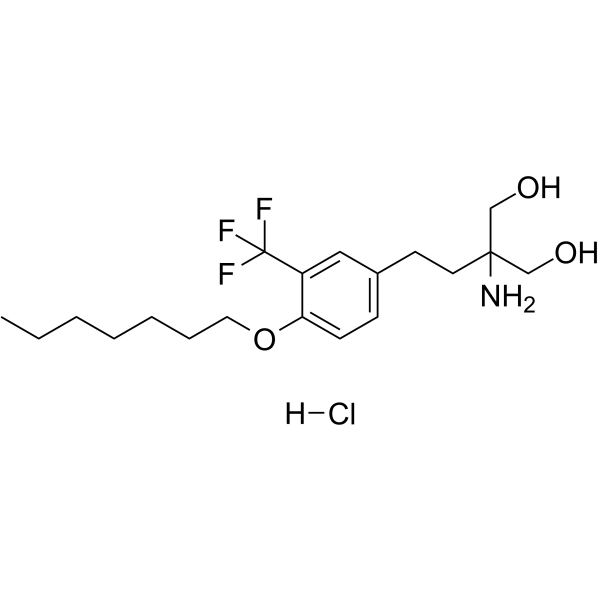
Etrasimod arginine is an orally available S1P receptor modulator that is a potent full agonist of the S1P1 receptor and has partial agonist activity at S1P4. Etrasimod arginine reduces inflammation in a CD4 +CD45RB high T cell-transferred mouse colitis model [1].
GSK2018682 is an agonist for S1P1 and S1P5 receptor with pEC50s of 7.7 and 7.2, respectively, and has no agonist activity towards human S1P2, S1P3, or S1P4. GSK2018682 is used in the research of multiple sclerosis.
TC-SP 14 (compound 14) is an orally active and potent S1P1 agonist (EC50 = 0.042 μM) with minimal activity at S1P3 (EC50 = 3.47 μM). TC-SP 14 significantly reduces blood lymphocyte counts and attenuates a delayed type hypersensitivity (DTH) response to antigen challenge [1].
CYM50308 (Standard) is the analytical standard of CYM50308 (HY-108495). This product is intended for research and analytical applications. CYM50308 (ML248) is a potent, selective and high affinity sphingosine-1-phosphate receptor 4 (S1P4-R) agonist with an EC50 of 56 nM. CYM50308 displays 37-fold more selective for S1P4-R than S1P5-R. CYM50308 has no activity at S1P1-R, S1P2-R and S1P3-R subtypes at concentrations up to 25 μM [1].
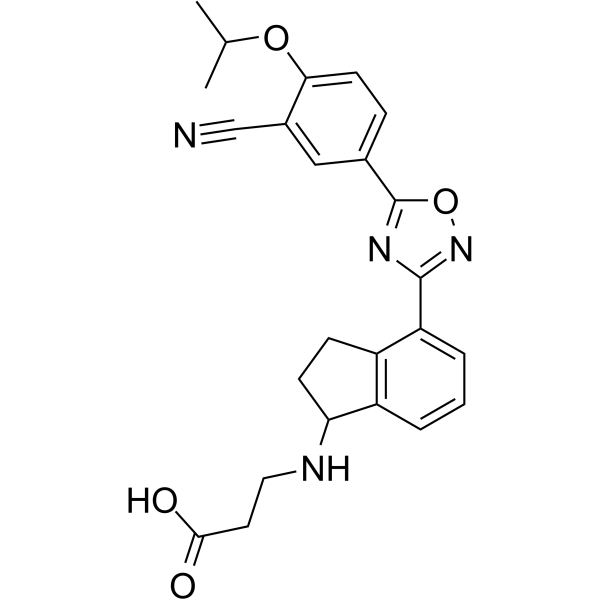
Icanbelimod (S1p receptor agonist 1) is a potent and orally active S1P receptor agonist, exhibits an activity of inducing S1P1 internalization (EC50=9.83 nM). Icanbelimod has the potential for the study of arthritis and EAE (experimental autoimmune encephalitis). Icanbelimod is extracted from patent WO2015039587A1, Compound 2.
(±)-(17S,18R)-Epoxyeicosatetraenoic acid ((±)-17 (S),18 (R)-EETeTr) is one of the constituent enantiomers of (±) 17 (18)-EpETE. (±) 17 (18)-EpETE is an active metabolite of the ω-3 fatty acid eicosapentaenoic acid, and also an agonist of sphingosine-1-phosphate receptor 1 (S1P1) [1].
VPC 23019, an aryl amide-containing Sphingosine 1-phosphate (S1P) analog, is a competitive antagonist at the S1P1 and S1P3 receptors (pKi= 7.86 and 5.93, respectively) and an agonist at the S1P4 and S1P5 receptors (pEC50= 6.58 and 7.07, respectively) [1].
L-threo Lysosphingomyelin (d18:1) (L-threo-Sphingosylphosphorylcholine) is an endogenous bioactive sphingolipid. L-threo Lysosphingomyelin (d18:1) is a potent S1P receptor agonist with EC50s of 19.3, 131.8, and 313.3 nM for hS1P1,hS1P3, and hS1P2, respectively [1].
S1p receptor agonist 2 (compound 1) is an agonist of S1P5 receptor, exhibits selectivity over the S1P1 and/or S1P3 receptors. S1p receptor agonist 2 can be used for endogenous SIP signaling system research, and alleviating or preventing CNS disorders research, such as neurodegenerative disorders [1].
3-Phenylphenol is a secondary metabolite. 3-Phenylphenol can induce the hbp gene cluster in Pseudomonas sp. strain P1B16. 3-Phenylphenol can bind to the Sge1 transcription factor of Fusarium oxysporum f. sp. cubense and disrupt the function of virulence regulators. 3-Phenylphenol can be used in studies related to banana fusarium wilt [1] .
S1P5 receptor agonist-1 (Example 6) is an effective and selective S1P5 receptor (S1P5 receptor) agonist. The EC50 values for S1P5 and S1P1 receptors are 20 nM and > 3 μM, respectively. S1P5 receptor agonist-1 can be used in studies on neuroprotection and immune regulation [1].
Phenylalanylphenylalanylamide (H-Phe-Phe-NH₂) is a ligand for the substance P 1–7 (SP1-7) binding site with a Ki value of 1.5 nM. Phenylalanylphenylalanylamide exerts significant anti-allodynic and anti-hyperalgesic effects in animal models of neuropathic pain following central administratio. Phenylalanylphenylalanylamide shows no distinct effect after peripheral (intraperitoneal) administration. Phenylalanylphenylalanylamide can be used for research on pain-related diseases [1].
GSK 1842799 hydrochloride is a selective S1P1 receptor agonist with potent agonist activity and exceptional selectivity over S1P3. GSK 1842799 hydrochloride demonstrates good oral bioavailability and rapid conversion to its active phosphorylated form. GSK 1842799 hydrochloride significantly reduces blood lymphocyte counts in vivo following oral administration. GSK 1842799 hydrochloride has shown efficacy comparable to FTY720 in the mouse EAE model of multiple sclerosis.
N-acetylglucosamine-1-P uridyltransferase (AGX1) (EC 2.3.1.157) (GlcNAc1pUT) is a bifunctional acetyltransferase/uridyltransferase. N-acetylglucosamine-1-P uridyltransferase (AGX1) binds GlcNAc-1-P and UTP, and catalyzes an uridyltransfer reaction to synthesize UDP-GlcNAc. N-acetylglucosamine-1-P uridyltransferase (AGX1) is a bifunctional enzyme exclusive to prokaryotes [1].
(S)-FTY-720 Vinylphosphonate is a chiral phosphonate analogue of Fingolimod (HY-11063). (S)-FTY-720 Vinylphosphonate can activate the S1P1 receptor with an EC50 value of 75 nM. (S)-FTY-720 Vinylphosphonate can significantly inhibit Camptothecin (HY-16560)-induced apoptosis in IEC-6 cells. (S)-FTY-720 Vinylphosphonate is applicable for the research of autoimmune diseases [1].
Icanbelimod (Standard) is the analytical standard of Icanbelimod (HY-101265). This product is intended for research and analytical applications. Icanbelimod (S1p receptor agonist 1) is a potent and orally active S1P receptor agonist, exhibits an activity of inducing S1P1 internalization (EC50=9.83 nM). Icanbelimod has the potential for the study of arthritis and EAE (experimental autoimmune encephalitis). Icanbelimod is extracted from patent WO2015039587A1, Compound 2.
IMMH001, also called SYL930, is an orally active, potent and selective S1P1 (sphingosine-1-phosphate receptor 1) agonist. IMMH001 decreased levels of both chemokines and proinflammatory cytokines, including IL-1β, IL-5, IL-18, IP10, CCL3, and CCL5. IMMH001 can be used for rheumatoid arthritis (RA) research [1] .
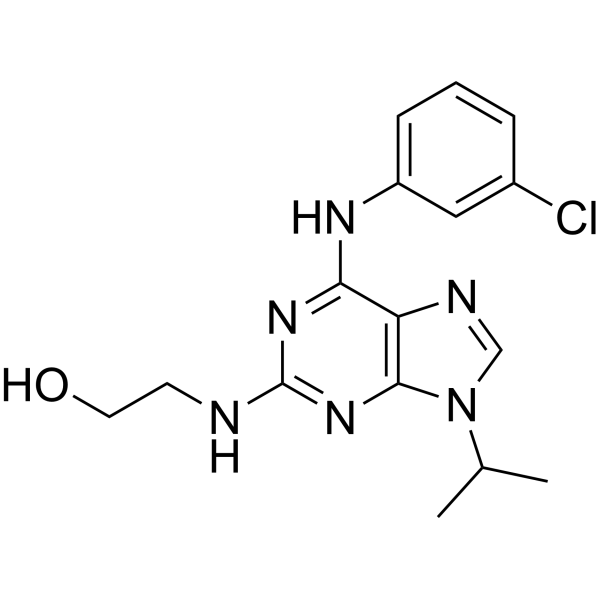
NG 52 is a potent, cell-permeable, selective, ATP-compatible and orally active Cdc28p and Pho85p kinase inhibitor with IC50s of 7 μM and 2 μM, respectively. NG 52 also inhibits the activity of phosphoglycerate kinase 1(PGK1) with an IC50 of 2.5 μM. NG 52 is inactive against yeast kinases Kin28p, Srb10, and Cak1p .
Thymidine phosphorylase is a nucleoside metabolism enzyme that plays an important role in the pyrimidine salvage pathway. Thymidine phosphorylase catalyzes the conversion of thymidine to thymine and 2-deoxy-α-D-ribose-1-phosphate (dRib-1-P). Thymidine phosphorylase plays an important role in platelet activation in vitro and thrombosis in vivo by participating in multiple signaling pathways. Thymidine phosphorylase can be used for the study of myocardial infarction, stroke, pulmonary embolism and cancer [1].
ASP1126 is a selective and orally active sphingosine-1-phosphate(S1P) agonist, with EC50 values of 7.12 nM, 517 nM for hS1P1 and hS1P3, respectively. ASP1126 decreases the number of peripheral lymphocytes, naive T cells, central memory T cells and effector memory T cells in the peripheral blood. ASP1126 has the potential to be applied in clinical transplantation with improved safety profile [1].
D-galactosyl-β1-3-N-acetyl-D-hexosamine phosphorylase (BiGalHexNAcP) is a member of CAZy glycoside hydrolase GH112 family, is often used in biochemical studies. D-galactosyl-β1-3-N-acetyl-D-hexosamine phosphorylase (BiGalHexNAcP) catalyses the phosphorolysis of lacto-n-biose and galacto-n-biose, to produce Gal-1-P and the corresponding N-acetyl-D-hexosamine [1].
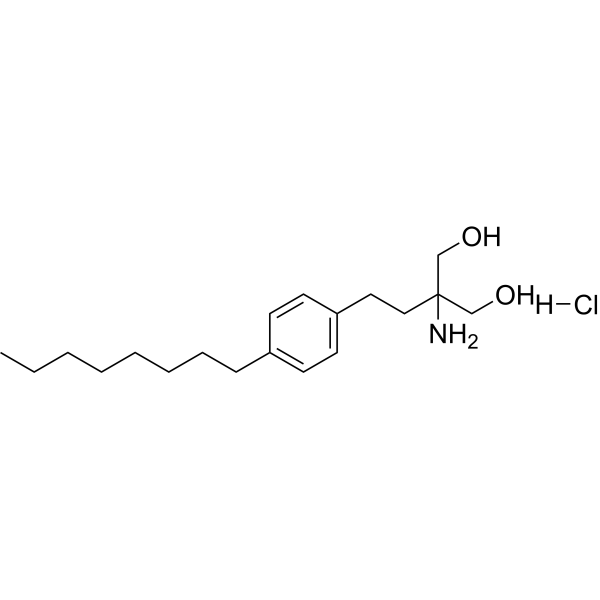
Fingolimod (hydrochloride) (Standard) is the analytical standard of Fingolimod (hydrochloride). This product is intended for research and analytical applications. Fingolimod hydrochloride (FTY720), an analog of sphingosine, is a potent sphingosine 1-phosphate(S1P) receptors modulator. Fingolimod hydrochloride is phosphorylated by sphingosine kinases, particularly by SK2, and then binds S1PR1, 3, 4, and 5. Fingolimod hydrochloride induces the internalization of S1P1, and consequently, inhibits S1P activity. Fingolimod hydrochloride also is a pak1 activator [1] .
BMS-520 is a potent, orally active and selective sphingosine-1-phosphate1(S1P1) agonist with an EC50 of 0.47nM. BMS-520 shows ~3400-fold selectivity over S1P3. BMS-520 demonstrates impressive efficacy in a rat model of arthritis and in a mouse experimental autoimmune encephalomyelitis (EAE) model of multiple sclerosis. BMS-520 can be used for arthritis and EAE research [1].
VPC 23019 (Standard) is the analytical standard of VPC 23019 (HY-108490). This product is intended for research and analytical applications. VPC 23019, an aryl amide-containing Sphingosine 1-phosphate (S1P) analog, is a competitive antagonist at the S1P1 and S1P3 receptors (pKi= 7.86 and 5.93, respectively) and an agonist at the S1P4 and S1P5 receptors (pEC50= 6.58 and 7.07, respectively) [1].
NG 52 (Standard) is the analytical standard of NG 52. This product is intended for research and analytical applications. NG 52 is a potent, cell-permeable, selective, ATP-compatible and orally active Cdc28p and Pho85p kinase inhibitor with IC50s of 7 μM and 2 μM, respectively. NG 52 also inhibits the activity of phosphoglycerate kinase 1 (PGK1) with an IC50 of 2.5 μM. NG 52 is inactive against yeast kinases Kin28p, Srb10, and Cak1p .
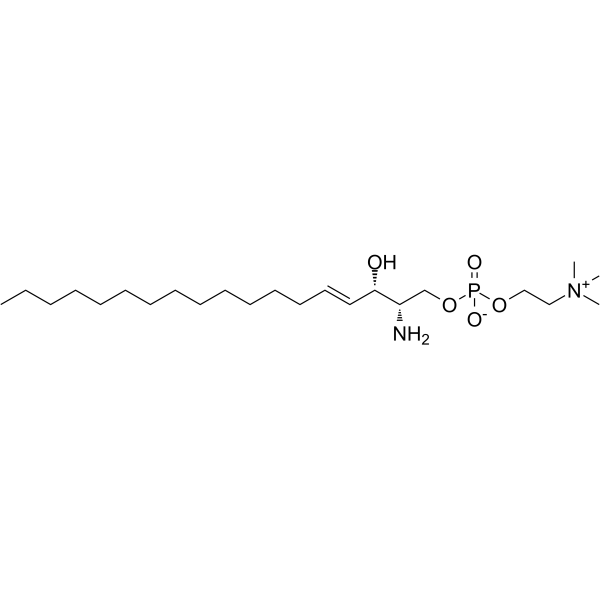
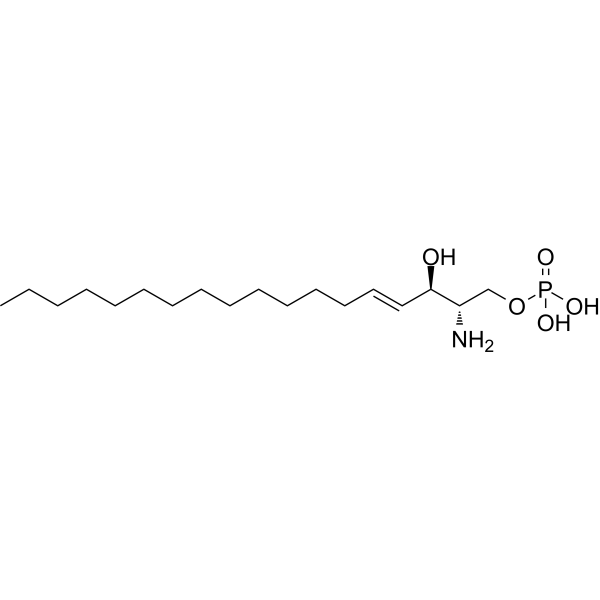
Sphingosine-1-phosphate (S1P) is an agonist of S1P1-5 receptors and a ligand of GPR3, GPR6 and GPR12. Sphingosine-1-phosphate is an intracellular second messenger and mobilizes Ca 2+ as an extracellular ligand for G protein-coupled receptors [1]. Sphingosine-1-phosphate is an important lipid mediator generated from Sphingomyelin (HY-113498) or other membrane phospholipids . Sphingosine-1-phosphate stimulates the DNA synthesis, cell proliferation and migration .
A-971432 is a potent, selective and orally active sphingosine-1-phosphate (S1P) receptor 5 agonist with IC50s of .362, >10, 0.006 μM for S1P1, S1P3, S1P5 respectively. A-971432 protects blood–brain barrier (BBB) homeostasis. A-971432 reverses age-related cognitive decline. A-971432 has the potential for the research of alzheimer’s disease or multiple sclerosis [1] .
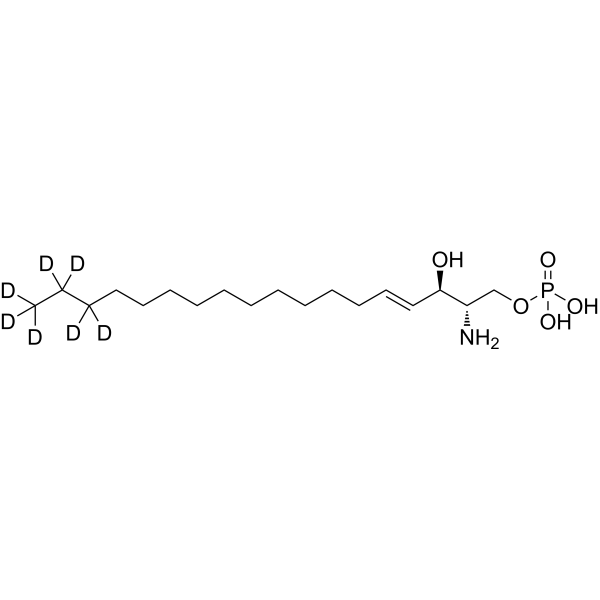
Sphingosine-1-phosphate-d7 is the deuterium labeled Sphingosine-1-phosphate. Sphingosine-1-phosphate (S1P) is an agonist of S1P1-5 receptors and a ligand of GPR3, GPR6 and GPR12.?Sphingosine-1-phosphate is an intracellular second messenger and mobilizes Ca2+ as an extracellular ligand for G protein-coupled receptors [1]. Sphingosine-1-phosphate is an important lipid mediator generated from Sphingomyelin (HY-113498) or other membrane phospholipids .
Amiselimod (MT-1303) is converted to its active metabolite Amiselimod phosphate by sphingosine kinases in vivo. Amiselimod is an orally active and high selectivity sphingosine 1-phosphate receptor-1(S1P1) agonist, designed to reduce the bradycardia effects associated with fingolimod and other S1P receptor modulators. Amiselimod inhibits chronic colitis via inhibiting infiltration of colitogenic Th1 and Th17 cells into the colon. Amiselimod inhibits lupus nephritis by reducing the infiltration of autoreactive T cells into the kidneys. Amiselimodis promising for research of autoimmune diseases [1] .
GDP-D-mannose disodium consists of GDP-α-D-mannose (HY-N7389B) and GDP-β-D-mannose. GDP-α-D-mannose serves as a donor substrate for mannosyltransferases and acts as a precursor of GDP-β-L-fucose. GDP-α-D-mannose exerts competitive inhibition on GTP (with a Ki value of 14.7 μM) and non-competitive inhibition on mannose-1-P (with a Ki value of 115 μM). GDP-D-mannose disodium is metabolized to GDP-L-fucose (HY-134433) via GMDS (Gmd) and TSTA3 (WcaG) [1] .
Amiselimod (MT-1303) hydrochloride is converted to its active metabolite Amiselimod phosphate by sphingosine kinases in vivo. Amiselimod hydrochloride is an orally active and high selectivity sphingosine 1-phosphate receptor-1(S1P1) agonist, designed to reduce the bradycardia effects associated with fingolimod and other S1P receptor modulators. Amiselimod hydrochloride inhibits chronic colitis via inhibiting infiltration of colitogenic Th1 and Th17 cells into the colon. Amiselimod hydrochloride inhibits lupus nephritis by reducing the infiltration of autoreactive T cells into the kidneys. Amiselimod hydrochloride is promising for research of autoimmune diseases [1] .
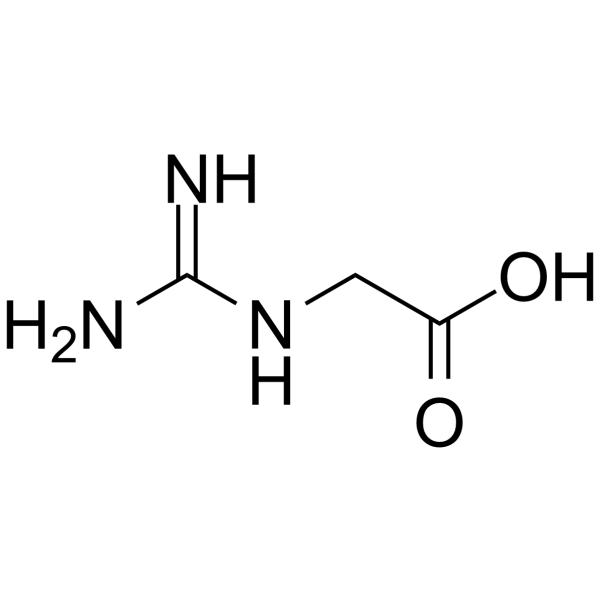
Glycocyamine (Guanidinoacetic acid) is a direct precursor of creatine and an orally active energy metabolism regulator and myogenic differentiation inducer. Glycocyamine can activate the Akt/mTOR/S6K signaling pathway via miR-133a-3p and miR-1a-3p, and stimulate the mRNA expression of myogenic differentiation factor 1 (MyoD) and myopoietin (MyoG). Glycocyamine can increase muscle creatine concentration and maintain ATP homeostasis through the creatine phosphate/creatine kinase system. Glycocyamine can be used in research on feed additives for poultry farming [1] .
Glycocyamine- 13C (Guanidinoacetic acid- 13C) is the 13C-labeled Glycocyamine (HY-W021448). Glycocyamine is a direct precursor of creatine and an orally active energy metabolism regulator and myogenic differentiation inducer. Glycocyamine can activate the Akt/mTOR/S6K signaling pathway via miR-133a-3p and miR-1a-3p, and stimulate the mRNA expression of myogenic differentiation factor 1 (MyoD) and myopoietin (MyoG). Glycocyamine can increase muscle creatine concentration and maintain ATP homeostasis through the creatine phosphate/creatine kinase system. Glycocyamine can be used in research on feed additives for poultry farming.
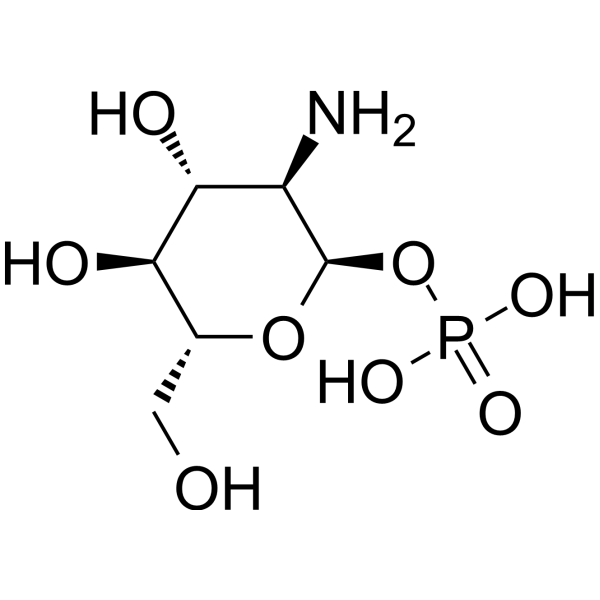
α-D-Glucosamine 1-phosphate is a glycosyl donor analog of Glc-1-P. α-D-Glucosamine 1-phosphate acts as a glycosyl donor to produce α(1→4)-linked glucosamine chains in the enzyme-catalyzed polymerization reaction mediated by thermostable α-glucan phosphorylase. α-D-Glucosamine 1-phosphate serves as a glycosyl donor analog to generate a pentasaccharide with a glucosamine residue at the non-reducing end in the maltotetraose glucosamination reaction catalyzed by potato α-glucan phosphorylase. α-D-Glucosamine 1-phosphate is used for the synthesis of amphiphilic block polysaccharides with pH-responsive assembly/disassembly properties [1].
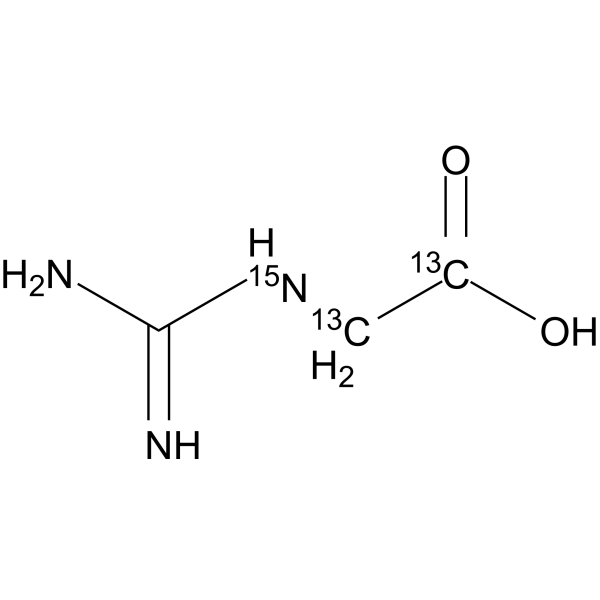
Glycocyamine- 15N, 13C2 (Guanidinoacetic acid- 15N, 13C2) is the 13C and 15N labeled Glycocyamine (HY-W021448) [1]. Clycocyamine is a direct precursor of creatine and an orally active energy metabolism regulator and myogenic differentiation inducer. Glycocyamine can activate the Akt/mTOR/S6K signaling pathway via miR-133a-3p and miR-1a-3p, and stimulate the mRNA expression of myogenic differentiation factor 1 (MyoD) and myopoietin (MyoG). Glycocyamine can increase muscle creatine concentration and maintain ATP homeostasis through the creatine phosphate/creatine kinase system. Glycocyamine can be used in research on feed additives for poultry farming.
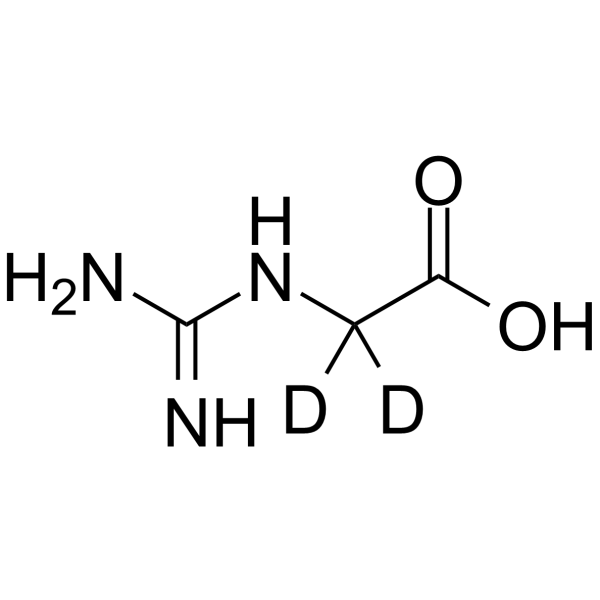
Glycocyamine-d2 (Guanidinoacetic acid-d2) is the deuterium labeled Glycocyamine (HY-W021448). Glycocyamine is a direct precursor of creatine and an orally active energy metabolism regulator and myogenic differentiation inducer. Glycocyamine can activate the Akt/mTOR/S6K signaling pathway via miR-133a-3p and miR-1a-3p, and stimulate the mRNA expression of myogenic differentiation factor 1 (MyoD) and myopoietin (MyoG). Glycocyamine can increase muscle creatine concentration and maintain ATP homeostasis through the creatine phosphate/creatine kinase system. Glycocyamine can be used in research on feed additives for poultry farming.
DBCO-tag peptide P1 is a cysteine-containing peptide tag. DBCO-tag peptide P1 selectively reacts with dibenzocyclooctyne (DBCO) to yield stable dibenzocyclooctenyl thioethers. DBCO-tag peptide P1 enables site-selective mEGFP labeling and antibody (such as Trastuzumab (HY-P9907)) labelling without impairing the protein binding function. DBCO-tag peptide P1 can be used for ADC synthesis and mEGFP labeling research [1].
SNAP-549 is a DY-549P1-labeled SNAP tag fluorescent probe, specifically designed for single-molecule imaging and dynamic tracking of proteins in living cells. SNAP-549 only labels SNAP-tag fusion proteins, with low background signals and forming irreversible connections, making it suitable for long-term observation [1].
Coumarin-30 is a coumarin-based fluorescent dye and environment-sensitive fluorescent probe (in aqueous medium, λex = 430 nm, λem = 495 nm). Coumarin-30 serves as a dopant for organic light-emitting diodes [1].
mPEG5000-Mal (mPEG5000-Maleimide) is a PEG-derived selective covalent binding agent for sulfhydryl groups (RSGs), which can form irreversible thioether bonds with sulfhydryl groups under near-neutral conditions via the maleimide group. The mechanism of action of mPEG5000-Mal can be divided into two categories: firstly, as an enzyme modifier, it binds to target proteins through hydrophobic interactions, hydrogen bonds, and van der Waals forces, altering the protein's secondary structure; secondly, as a nanoparticle surface modifier, it covalently binds to sulfhydryl groups on the surface of red blood cells, changing the surface properties and morphology of the red blood cells, leading to their phagocytosis by macrophages of the reticuloendothelial system. mPEG5000-Mal can react with free cysteine in proteins, increasing the apparent molecular weight of the modified protein by 10-15 kDa for detection purposes. mPEG5000-Mal can enhance the thermal stability and catalytic activity of enzymes, and improve the macrophage targeting of nanoparticles, enabling targeted drug delivery. mPEG5000-Mal can be applied in enzyme engineering research in the food industry and in oncology, assisting radiotherapy by inhibiting tumor-associated macrophage infiltration and enhancing anti-tumor immune responses [1] .
House Dust Mite Extract, from D. pteronyssinus is a house dust mite allergenic extract derived from Dermatophagoides pteronyssinus. House Dust Mite Extract, from D. pteronyssinus increases serum IgE, IgG1 and IgG2a levels, and elevates the levels of Interleukins 4, 5, 6, 10, 13 and 17. House Dust Mite Extract, from D. pteronyssinus induces significant asthmatic pathological changes. House Dust Mite Extract, from D. pteronyssinus can be used in studies related to asthma and allergic conjunctivitis [1] .
2,5-Diphenyloxazole (PPO; DPO; POP) is a fluorescent dye, as well as a substrate and metabolite precursor of cytochrome P-450 (cytochrome P-448/P1-450). 2,5-Diphenyloxazole serves as a scintillator [1] .
Potassiumalum, for cell culture (Aluminum potassium sulfate dodecahydrate, for cell culture) is an egg white adjuvant. Potassiumalum, for cell culture acts as a mordant to help dyes bind to tissue components, enhancing the staining effect and stability during staining. Potassiumalum, for cell culture can induce allergic reactions in mice. Potassium alum, for cell culture can be used in research for bacterial and tissue staining [1] .
PEG4000-bis-amine (Poly(ethylene glycol)-bis-amine 4000) is a diamine-terminated polyethylene glycol that acts as a linker for conjugate synthesis. PEG4000-bis-amine facilitates the development of MUC1aptamer-based near-infrared fluorescent probes, and also conjugates folic acid with the near-infrared dye ICG-Der-01 to form a tumor-targeting probe. PEG4000-bis-amine supports the synthesis of folic acid-PEG-DSPE conjugates for the preparation of folic acid-targeted biliposomes. PEG4000-bis-amine is widely used in studies related to breast cancer, non-small cell lung cancer, hepatocellular carcinoma, rheumatoid arthritis, and tumors with high folate receptor expression [1] .
12-Methyltridecanoic acid is a methylated fatty acid that has been found in milk. 12-Methyltridecanoic acid (200 μM) reduces angiogenesis and corneal opacity in alkaline or Pseudomonas aeruginosa-induced ocular mouse models.
1,2-Dioctanoyl-sn-glycero-3-phospho-(1'-myo-inositol-4'-phosphate) (PtdIns-(4)-P1 (1,2-dioctanoyl)) ammonium is a synthetic phosphatidylinositol. 1,2-Dioctanoyl-sn-glycero-3-phospho-(1'-myo-inositol-4'-phosphate) ammonium can be used for the research of signal transduction research [1].
Palmitoyloleoylphosphatidylglycerol is an anionic surfactant lipid. Palmitoyloleoylphosphatidylglycerol suppresses Der p 2-stimulated inflammatory responses in lung epithelial cells and macrophages [1].
Ezatiostat (TER199 free base; TLK199) is a tripeptide analog of glutathione and is a selective and orally active glutathione S-transferase P1-1(GSTP1) inhibitor. Ezatiostat leads to JNK activation by inhibiting GSTP1. Ezatiostat stimulates both lymphocyte production and bone marrow progenitor proliferation. Ezatiostat has the potential for myelodysplastic syndrome (MDS) treatment [1] .
TLK117, the active metabolite of TLK199, selective inhibits Glutathione S-transferase P1–1(GSTP1-1) with a Ki of 0.4 μM for GSTP. TLK117 also competitively inhibits glyoxalase I with a Ki of 0.56 μM.
Cecropin P1, porcine is an antibacterial peptide that can be isolated from the upper part of the small intestine of the pig. Cecropin P1, porcine shows antibacterial activity against Gram-negative bacteria. Cecropin P1, porcine shows antiviral activity and inhibits PRRSV infection [1] .
PZ-128 (P1pal-7), a cell-penetrating lipopeptide pepducin, is a first-in-class, specific and reversible protease-activated receptor-1(PAR1) antagonist. PZ-128 targets the cytoplasmic surface of PAR1 and interrupts signaling to internally-located G (PAR1-G) proteins. PZ-128 has antiplatelet, anti-metastatic, anti-angiogenic and anticancer effects [1] .
PTD-p65-P1 Peptide TFA is a potent, selective nuclear transcription factor NF-κB inhibitor and derives from the p65 subunit of NF-κB amino acid residues 271-282, which selectively inhibits NF-κB activation induced by various inflammatory stimulation, down-regulate NF-κB-mediated gene expression and up-regulate apoptosis[1] .
Substance P(1-7) TFA is a fragment of the neuropeptide, substance P (SP). Substance P(1-7) TFA gives depressor and bradycardic effects when applied to the nucleus tractus solitarius [1].
DEC-RVRK-CMK (Decanoyl-Arg-Val-Arg-Lys-chloromethylketone) TFA is a peptide-based CMK (chloromethylketone) inhibitor that targets and inactivates the secreted soluble kexin (Kex2) (Ki=8.45 μM). The yeast enzyme Kex2 (kexin, EC 3.4.21.61) is a calcium-dependent transmembrane protease and belongs to the mammalian protease family of the serine protease subtilisin family. The binding mechanism of Kex2 with different CMK inhibitors depends on substrate selectivity, particularly the selective differences between lysine and arginine at the P1 position [1].
WEYIPNV is a ligand for SurA, specifically binding to the P1 domain of SurA (Kd: 1-14 μM). The binding of WEYIPNV promotes the release of the P1 domain from the core domain [1].
DBCO-tag peptide P1 is a cysteine-containing peptide tag. DBCO-tag peptide P1 selectively reacts with dibenzocyclooctyne (DBCO) to yield stable dibenzocyclooctenyl thioethers. DBCO-tag peptide P1 enables site-selective mEGFP labeling and antibody (such as Trastuzumab (HY-P9907)) labelling without impairing the protein binding function. DBCO-tag peptide P1 can be used for ADC synthesis and mEGFP labeling research [1].
DEC-RVRK-CMK (Decanoyl-Arg-Val-Arg-Lys-chloromethylketone) is a peptide-based CMK (chloromethylketone) inhibitor that targets and inactivates the secreted soluble kexin (Kex2) (Ki=8.45 μM). The yeast enzyme Kex2 (kexin, EC 3.4.21.61) is a calcium-dependent transmembrane protease and belongs to the mammalian protease family of the serine protease subtilisin family. The binding mechanism of Kex2 with different CMK inhibitors depends on substrate selectivity, particularly the selective differences between lysine and arginine at the P1 position [1].
Substance P(1-4) is a potent neurokinin receptors (NK-R) antagonist. Substance P(1-4) has regulation of normal hematopoiesis and inhibits endogenous erythroid colony (EEC) formation [1].
BTM-P1 is a polycationic peptide that exhibits antibacterial activity against both Gram-positive and Gram-negative bacteria. BTM-P1 can form ion-permeable channels in the inner mitochondrial membrane to interfere with mitochondrial energy processes [1].
PTD-p65-P1 Peptide is a potent, selective nuclear transcription factor NF-κB inhibitor and derives from the p65 subunit of NF-κB amino acid residues 271-282, which selectively inhibits NF-κB activation induced by various inflammatory stimulation, down-regulate NF-κB-mediated gene expression and up-regulate apoptosis[1] .
P1 is a broad-spectrum antimicrobial peptide. P1 shows antibacterial activity against Gram-positive and Gram-negative bacteria,such as B. anthracis spores and Carbapenem-resistant A. baumannii and K. pneumoniae[1].
Polymyxin P1 is a lipopeptide antibiotic belonging to the Polymyxin family, and it is a secondary metabolite produced by the rhizosphere bacterium Paenibacillus polymyxaM-1. Polymyxin P1 binds to bacterial outer membrane lipopolysaccharides, permeabilizes cell membranes, and induces dense protrusions on the cell surface of phytopathogenic Erwinia strains. Polymyxin P1 inhibits the growth of phytopathogenic Erwinia amylovora and E. carotovora. Polymyxin P1 can be used for the research of fire blight and soft rot [1].
Cecropin P1, porcine acetate is an antibacterial peptide that can be isolated from the upper part of the small intestine of the pig. Cecropin P1, porcine acetate shows antibacterial activity against Gram-negative bacteria. Cecropin P1, porcine acetate shows antiviral activity and inhibits PRRSV infection [1] .
Ezatiostat hydrochloride (TER199; TLK199 hydrochloride) is a tripeptide analog of glutathione and is a selective and orally active glutathione S-transferase P1-1(GSTP1) inhibitor. Ezatiostat hydrochloride leads to JNK activation by inhibiting GSTP1. Ezatiostat hydrochloride stimulates both lymphocyte production and bone marrow progenitor proliferation. Ezatiostat hydrochloride has the potential for myelodysplastic syndrome (MDS) treatment [1] .
Substance P(1-7) is a fragment of the neuropeptide, substance P (SP). Substance P(1-7) gives depressor and bradycardic effects when applied to the nucleus tractus solitarius [1].
SAF-p1 is a self-assembling fiber peptide that can form sticky-ended heterodimers by assembling with SAF-p2 (HY-P10703) through complementary amino acid sequences. These heterodimers further self-assemble into long-chain fiber structures. SAF-p1 is promising for the development of nanomaterials in the biomedical field [1].
Polymyxin P1 TFA is a lipopeptide antibiotic belonging to the Polymyxin family, and it is a secondary metabolite produced by the rhizosphere bacterium Paenibacillus polymyxaM-1. Polymyxin P1 TFA binds to bacterial outer membrane lipopolysaccharides, permeabilizes cell membranes, and induces dense protrusions on the cell surface of phytopathogenic Erwinia strains. Polymyxin P1 TFA inhibits the growth of phytopathogenic Erwinia amylovora and E. carotovora. Polymyxin P1 TFA can be used for the research of fire blight and soft rot [1].
Ac-EVKKQR-pNA is a competitive chromogenic para-nitroanilide substrate corresponding to the P6-P1 segment amino-terminal to the NS2B-NS3 cleavage site but with a more reactive, hydrolytically cleavable, para-nitroanilide at the P1’ position. Ac-EVKKQR-pNA is promising for research of dengue 2 virus and flavivirus virus infection [1].
Ac-Asp-Glu-Asp(EDANS)-Glu-Glu-Abu-ψ-(COO)Ala-Ser-Lys(DABCYL)-NH2 (HCV NS3 protease substrate) is a biological active peptide. (This peptide is a HCV protease substrate incorporating an ester bond between residues P1 and P1. Due to ready transesterification of the scissile bond to the acyl-enzyme intermediate, this substrate shows very high kcat/Km values, enabling detection of activity with subnanomolar nonstructural protein 3 (NS3 protease) concentrations. It is widely used for the continuous assay of NS3 protease activity. Substrate cleavage is proportional to the enzyme concentration with a detection limit for NS3 between 1 nM and 250 pM.
(S,S)-Z-FA-FMK is a cell-permeable, irreversible cathepsin B inhibitor. (S,S)-Z-FA-FMK blocks LPS-induced production of IL-1α and IL-1β. (S,S)-Z-FA-FMK can be used as a negative control for caspase-1 and caspase-2 inhibitors because it lacks an aspartic acid residue at the P1 position [1] .
CP-69799 is an azahomostatine-containing oligopeptide transition-state analogue inhibitor with a hog renin IC50 of 6e-9 M, human plasma renin IC50 of 3e-7 M and Ki of 0.310 μM, and endothiapepsin Ki of 0.27 μM. CP-69799 binds endothiapepsin’s active site cleft in extended conformation, fills S4 to S3' pockets, displaces native solvent molecules, induces domain rotation, and reduces thermal mobility of endothiapepsin’s flap and helix regions. CP-69799 acts as a transition-state analogue inhibitor of hog renin and human plasma renin. CP-69799 contains a polar lysine residue at the P2' position, with a nitrogen atom replacing the P1' Cα atom of the hydroxyethylene dipeptide isostere. CP-69799 can be used for the research of hypertension [1].
PZ-128 (Standard) (P1pal-7 (Standard)) is the analytical standard of PZ-128 (HY-107146). This product is intended for research and analytical applications. PZ-128 (P1pal-7), a cell-penetrating lipopeptide pepducin, is a first-in-class, specific and reversible protease-activated receptor-1 (PAR1) antagonist. PZ-128 targets the cytoplasmic surface of PAR1 and interrupts signaling to internally-located G (PAR1-G) proteins. PZ-128 has antiplatelet, anti-metastatic, anti-angiogenic and anticancer effects [1] .
Pilosulin-1 (86-112) is a specific peptide segment of the Pilosulin 1 protein. Pilosulin 1 is the main allergen (Myr p 1) in the venom of Australian diving ants (Myrmecia pilosula), possessing potent cytotoxicity and antibacterial activity. Pilosulin-1 (86-112) is an IgE-binding component and is a secondary allergen [1].
The Anti-158P1D7 Antibody is a human-derived antibody expressed in CHO cells, targeting 158P1D7. The Anti-158P1D7 Antibody contains a huIgG2 heavy chain and a huκ light chain, with a predicted molecular weight (MW) of 150 kDa. The isotype control for the Anti-158P1D7 Antibody can be referenced as Human IgG2 kappa, Isotype Control (HY-P99002).
D8P1C1 is a high-affinity ADAM17 inhibitor (with a Kd of 180 pM targeting ADAM17-ECD) that reduces the shedding and phosphorylation of EGFR ligands. D8P1C1 inhibits cancer cell proliferation in vitro and tumor growth in xenograft models. 89Zr-DFO-D8P1C1 radioimmunological PET imaging shows its substantial accumulation in ovarian tumor xenografts, serving as a platform for generating bispecific T-cell engager derivatives. D8P1C1 can be applied to research on related diseases including triple-negative breast cancer, various types of ovarian cancer, lung adenocarcinoma, glioma, and colon cancer [1] .
Sphingosine-1-phosphate (S1P) is an agonist of S1P1-5 receptors and a ligand of GPR3, GPR6 and GPR12. Sphingosine-1-phosphate is an intracellular second messenger and mobilizes Ca 2+ as an extracellular ligand for G protein-coupled receptors [1]. Sphingosine-1-phosphate is an important lipid mediator generated from Sphingomyelin (HY-113498) or other membrane phospholipids . Sphingosine-1-phosphate stimulates the DNA synthesis, cell proliferation and migration .
Glycocyamine (Guanidinoacetic acid) is a direct precursor of creatine and an orally active energy metabolism regulator and myogenic differentiation inducer. Glycocyamine can activate the Akt/mTOR/S6K signaling pathway via miR-133a-3p and miR-1a-3p, and stimulate the mRNA expression of myogenic differentiation factor 1 (MyoD) and myopoietin (MyoG). Glycocyamine can increase muscle creatine concentration and maintain ATP homeostasis through the creatine phosphate/creatine kinase system. Glycocyamine can be used in research on feed additives for poultry farming [1] .
α-Lactose hydrate (α-D-Lactose (hydrate)) is the primary carbohydrate in the milk of most mammals. α-Lactose hydrate consists of glucose and galactose and exists in two isomeric forms, α and β. α-Lactose hydrate has numerous applications in the food and pharmaceutical industries, such as serving as a bulking or agglomerating agent, and a diluent for pigments, flavors or enzymes [1].
N-acetyl-α-d-glucosamine 1-phosphate disodium (GlcNAc-1-P) is an ectopic sugar phosphate and a key intermediate in N-glycoprotein biosynthesis. N-acetyl-α-d-glucosamine 1-phosphate disodium serves as a metabolic precursor of teichoic acid and muramic acid, which are components of bacterial cell walls [1].
12-Hydroxystearic acid is a structurally simple and cost-effective low molecular weight organogelator, and its metal salts and derivatives find roles in many important applications [1] .
GDP-D-mannose disodium consists of GDP-α-D-mannose (HY-N7389B) and GDP-β-D-mannose. GDP-α-D-mannose serves as a donor substrate for mannosyltransferases and acts as a precursor of GDP-β-L-fucose. GDP-α-D-mannose exerts competitive inhibition on GTP (with a Ki value of 14.7 μM) and non-competitive inhibition on mannose-1-P (with a Ki value of 115 μM). GDP-D-mannose disodium is metabolized to GDP-L-fucose (HY-134433) via GMDS (Gmd) and TSTA3 (WcaG) [1] .
Ap4A (P1,P4-Di-(adenosine-5')-tetraphosphate) is a conserved second messenger in organisms ranging from bacteria to humans. Ap4A binds to the histidine triad nucleotide-binding protein 1 (HINT1) activates the transcription of genes downstream of MITF. Ap4A induces apoptosis[1] .
Bis (2-methyl-3-furyl) disulfide is a meat-characteristic aroma compound that binds to oral mucins. Bis (2-methyl-3-furyl) disulfide interacts with oral mucins via hydrogen bonding, hydrophobic interactions and van der Waals forces to form stable spontaneous 1:1 complexes, and the interaction strength varies with pH. Bis (2-methyl-3-furyl) disulfide contributes to the production of unique meat aroma and flavor, and its binding to oral mucins alters aroma perception [1] .
Polymyxin P1 is a lipopeptide antibiotic belonging to the Polymyxin family, and it is a secondary metabolite produced by the rhizosphere bacterium Paenibacillus polymyxaM-1. Polymyxin P1 binds to bacterial outer membrane lipopolysaccharides, permeabilizes cell membranes, and induces dense protrusions on the cell surface of phytopathogenic Erwinia strains. Polymyxin P1 inhibits the growth of phytopathogenic Erwinia amylovora and E. carotovora. Polymyxin P1 can be used for the research of fire blight and soft rot [1].
trans-Coniferyl aldehyde (compound 2) is a natural compound isolated from the buds of clove (Syzygium aromaticum).trans-Coniferyl aldehyde suppresses 63% of the UV mutable gene expression at 1.20 μM, and with an ID50 value of 0.76 μM,and has the antimutagenic
activities against furylfuramide, Trp-P-1, and activated Trp-P-1[1].
(-)-Byakangelicin (Compound 9) is a furanocoumarin compound found in the peels of Citrus limon. (-)-Byakangelicin has antimutagenic activity for Trp-P-1 and PhIP and can be used for the research of cancer [1].
GDP-α-D-mannose disodium is the donor substrate for mannosyltransferases and the precursor of GDP-β-L-fucose. GDP-α-D-mannose disodium gives a competitive inhibition with respect to GTP (Ki 14.7 μM) and an uncompetitive inhibition with respect to mannose-1-P (Ki 115 μM) [1].
1-(2-Quinoxalinyl)-1,2,3,4-butanetetrol is an endogenous metabolite. The imprinted polymer P-1 shows affinity for 1-(2-Quinoxalinyl)-1,2,3,4-butanetetrol [1].
12-Hydroxystearic acid (Standard) is the analytical standard of 12-Hydroxystearic acid. This product is intended for research and analytical applications. 12-Hydroxystearic acid is a structurally simple and cost-effective low molecular weight organogelator, and its metal salts and derivatives find roles in many important applications [1] .
Bis(2-methyl-3-furyl)disulfide (Standard) is the analytical standard of Bis(2-methyl-3-furyl)disulfide. This product is used for research and analytical applications. Bis(2-methyl-3-furyl)disulfide is a meat flavor characteristic aroma compound that can bind to oral mucin. Bis(2-methyl-3-furyl)disulfide can interact with oral mucin through hydrogen bonds, hydrophobic interactions, and van der Waals forces to form a stable spontaneous 1:1 complex, and the interaction intensity varies with pH. Bis(2-methyl-3-furyl)disulfide helps to produce unique meat aroma and flavor, and its binding to oral mucin will change the perception of aroma.
(E)-3,4-Dimethoxycinnamyl alcohol is an antimutagenic. (E)-3,4-Dimethoxycinnamyl alcohol has antimutagenic activity against furylfuramide, Trp-P-1, and activated Trp-P-1[1].
α-D-Glucosamine 1-phosphate is a glycosyl donor analog of Glc-1-P. α-D-Glucosamine 1-phosphate acts as a glycosyl donor to produce α(1→4)-linked glucosamine chains in the enzyme-catalyzed polymerization reaction mediated by thermostable α-glucan phosphorylase. α-D-Glucosamine 1-phosphate serves as a glycosyl donor analog to generate a pentasaccharide with a glucosamine residue at the non-reducing end in the maltotetraose glucosamination reaction catalyzed by potato α-glucan phosphorylase. α-D-Glucosamine 1-phosphate is used for the synthesis of amphiphilic block polysaccharides with pH-responsive assembly/disassembly properties [1].
Artonin U is an artonin. Artonin U can be isolated from Artocarpus species. Artonin U binds to hERα, as measured by docking score and Prime MM-GBSA binding free energy evaluation. Artonin U can be used in breast cancer research [1].
Aminopeptidase P1 Protein, Human (His) is a recombinant human Aminopeptidase P1 with a His tag at the C-terminus. Aminopeptidase P1 belongs to a family of aminopeptidase Ps (aminopeptidases P1-3 encoded by the Xpnpep1-3 genes) that cleave the N-terminal amino acid residue of peptides in which the penultimate amino acid is proline.
The RPLP1 protein plays a critical role in the fundamental cellular process of elongation of protein synthesis. It binds to RPLP2 and forms a heterodimer on the ribosome side stalk, positioning RPLP1 as a component of the ribosomal machinery. RPLP1 Protein, Human (sf9, His) is the recombinant human-derived RPLP1 protein, expressed by Sf9 insect cells , with N-His labeled tag.
The Der p 23 protein was identified as a member of the allergic house dust mite proteins and does not exhibit chitin-binding ability in vitro. This unique feature distinguishes Der p 23 from other proteins known for their affinity to chitin, emphasizing its unique properties. Der p 23 Protein, Dermatophagoides pteronyssinus (HEK293, His) is the recombinant Der p 23 protein, expressed by HEK293 , with C-His labeled tag.
DERP5 protein exhibits a monomeric structure and forms homodimeric trimers through concentration-dependent oligomerization, which plays a key role in allergic reactions. Multiple population studies have shown that DERP5 binds to IgE and is associated with mite allergy symptoms such as asthma and rhinitis. DERP5 Protein, Dermatophagoides pteronyssinus (His) is the recombinant DERP5 protein, expressed by E. coli , with N-His labeled tag.
Aminopeptidase P1 Protein, a metalloaminopeptidase, crucially catalyzes the removal of penultimate prolyl residues from peptide N-termini, including substrates like Arg-Pro-Pro. This activity significantly contributes to specific peptide degradation, exemplified in bradykinin processing. Aminopeptidase P1's selective prolyl cleavage underscores its importance in modulating peptide structures and functions within biological systems. Aminopeptidase P1 Protein, Human (His-SUMO) is the recombinant human-derived Aminopeptidase P1 protein, expressed by E. coli , with N-6*His, N-SUMO labeled tag.
DERP1 Protein, a thiol protease, selectively cleaves target proteins with distinct structural features, favoring substrates with a large hydrophobic side chain in the P2 position or basic residues. This specificity underscores DERP1's functional significance in cellular processes. DERP1 Protein, Dermatophagoides pteronyssinus (HEK293, His) is the recombinant DERP1 protein, expressed by HEK293 , with C-10*His, C-His labeled tag.
DERP1 Protein, a thiol protease, selectively cleaves target proteins with distinct structural features, favoring substrates with a large hydrophobic side chain in the P2 position or basic residues. This specificity underscores DERP1's functional significance in cellular processes. DERP1 Protein, Dermatophagoides pteronyssinus (C132A, N150E, HEK293, His) is the recombinant DERP1 protein, expressed by HEK293 , with C-His labeled tag and C132A, N150E mutation.
ST2/IL1RL1 Protein potently inhibits IL-33 signaling. ST2/IL1RL1 Protein, Human (310a.a, HEK293, His) is the recombinant human-derived ST2/IL1RL1 protein, expressed by HEK293 , with C-His labeled tag.
ST2/IL1RL1 Protein potently inhibits IL-33 signaling. ST2/IL1RL1 Protein, Human (HEK293) is the recombinant human-derived ST2/IL1RL1 protein, expressed by HEK293 , with tag free.
ST2/IL1RL1 Protein potently inhibits IL-33 signaling. ST2/IL1RL1 Protein, Human (HEK293, Fc) is the recombinant human-derived ST2/IL1RL1 protein, expressed by HEK293 , with C-hFc labeled tag.
ST2/IL1RL1 Protein potently inhibits IL-33 signaling. ST2/IL1RL1 Protein, Human (HEK293, His) is the recombinant human-derived ST2/IL1RL1 protein, expressed by HEK293 , with C-10*His labeled tag.
The MIF protein is a pro-inflammatory cytokine that plays a crucial role in the innate immune response against bacterial pathogens.Its presence at sites of inflammation suggests its role as a mediator in the regulation of macrophage function during host defense.MIF Protein, Mouse (His) is the recombinant mouse-derived MIF protein, expressed by E.coli , with C-6*His labeled tag.
The MIF protein is a pro-inflammatory cytokine that plays a crucial role in the innate immune response against bacterial pathogens.Its presence at sites of inflammation suggests its role as a mediator in the regulation of macrophage function during host defense.Animal-Free MIF Protein, Mouse (His) is the recombinant mouse-derived animal-FreeMIF protein, expressed by E.coli , with C-His labeled tag.This product is for cell culture use only.
CD161 Protein plays a crucial role in inhibiting NK cell cytotoxicity by activating specific acid sphingomyelinase/SMPD1, elevating ceramide levels. Activation stimulates AKT1/PKB and RPS6KA1/RSK1 kinases, enhancing anti-CD3-induced T-cell proliferation. As a lectin, CD161 binds to Gal-alpha(1,3)Gal and N-acetyllactosamine epitopes, acting as a ligand for CLEC2D/LLT1. Existing as a homodimer, CD161 interacts with acid sphingomyelinase/SMPD1, contributing to its multifaceted immune regulatory functions. CD161 Protein, Cynomolgus (HEK293, His) is the recombinant cynomolgus-derived CD161 protein, expressed by HEK293 , with C-His labeled tag.
CD161 protein plays a crucial role in inhibiting NK cell toxicity by activating specific acid sphingomyelinase/SMPD1 and increasing ceramide levels. Activation stimulates AKT1/PKB and RPS6KA1/RSK1 kinases, enhancing anti-CD3-induced T cell proliferation. CD161 Protein, Human (Biotinylated, HEK293, His-Avi) is the recombinant human-derived CD161 protein, expressed by HEK293 , with C-Avi, C-His labeled tag.
CD161 Protein plays a crucial role in inhibiting NK cell cytotoxicity by activating specific acid sphingomyelinase/SMPD1, elevating ceramide levels. Activation stimulates AKT1/PKB and RPS6KA1/RSK1 kinases, enhancing anti-CD3-induced T-cell proliferation. As a lectin, CD161 binds to Gal-alpha(1,3)Gal and N-acetyllactosamine epitopes, acting as a ligand for CLEC2D/LLT1. Existing as a homodimer, CD161 interacts with acid sphingomyelinase/SMPD1, contributing to its multifaceted immune regulatory functions. CD161 Protein, Cynomolgus (Biotinylated, HEK293, His-Avi) is the recombinant cynomolgus-derived CD161 protein, expressed by HEK293 , with C-Avi, C-His labeled tag.
CL-P1/COLEC12 is a multifunctional scavenger receptor that effectively defends against microorganisms and promotes their binding and phagocytosis, covering Gram-positive and Gram-negative bacteria and yeast. In addition, it mediates the recognition, internalization, and degradation of oxidatively modified low-density lipoprotein (oxLDL) by vascular endothelial cells. CL-P1/COLEC12 Protein, Rat (sf9, His) is the recombinant rat-derived CL-P1/COLEC12 protein, expressed by Sf9 insect cells , with N-His labeled tag.
Collectin-12 is a family of Ca2+-dependent, C-type lectins that contain a collagenous domain and function as recognition molecules for molecular patterns found on pathogens (1 - 4). CL-P1/COLEC12 Protein, Rhesus Macaque (sf9, His) is the recombinant Rhesus Macaque-derived CL-P1/COLEC12 protein, expressed by Sf9 insect cells , with N-His labeled tag.
MASP2 Protein exhibits a deficiency in conserved residue(s) crucial for feature annotation propagation. MASP2 Protein, Cynomolgus (His) is the recombinant cynomolgus-derived MASP2 protein, expressed by E. coli , with C-His labeled tag.
MASP2 Protein, a serum protease, critically activates the complement system by auto-catalytically cleaving and subsequently cleaving C2 and C4. This process leads to the activation of C3 and the formation of C3 convertase, essential for the complement cascade. MASP2 Protein, Human (His) is the recombinant human-derived MASP2 protein, expressed by E. coli , with C-His labeled tag.
MASP2 Protein, a serum protease, plays a pivotal role in activating the complement system by cleaving C2 and C4 upon auto-catalytic cleavage.This activation leads to the formation of C3 convertase, a crucial step in initiating the complement cascade through mannose-binding lectin.MASP2 Protein, Mouse (His) is the recombinant mouse-derived MASP2 protein, expressed by E.coli , with C-His labeled tag.
Mannan-binding lectin serine protease 2 (MASP2) is a protein defective in conserved residues required for propagation of signature annotations. Specific residues missing in MASP2 prevent the propagation of certain functional features associated with this protein. MASP2 Protein, Rat (His) is the recombinant rat-derived MASP2 protein, expressed by E. coli , with C-His labeled tag.
Mannan-binding lectin serine protease 2 (MASP2) is a protein defective in conserved residues required for propagation of signature annotations. Specific residues missing in MASP2 prevent the propagation of certain functional features associated with this protein. MASP2 Protein, Rat (Biotinylated, His) is the recombinant rat-derived MASP2 protein, expressed by E. coli , with C-His labeled tag.
Prostaglandin F2 receptor inhibitor (PTGFRN) is a type I transmembrane Ig superfamily cell adhesion molecule. PTGFRN is overexpressed in glioblastoma and promotes cell growth and radiation resistance through the PI3K-AKT signaling pathway. PTGFRN is involved in adipocyte maturation, muscle regeneration, tumor angiogenesis, metastasis, inhibition of follicle-stimulating hormone and luteinizing hormone secretion, and plasmodium infection. FPRP/PTGFRN Protein, Cynomolgus (HEK293, His) is the recombinant cynomolgus-derived FPRP/PTGFRN protein, expressed by HEK293 , with C-His labeled tag.
The TPM4 protein binds actin filaments in muscle and non-muscle cells and critically regulates calcium-dependent muscle contraction with the help of the vertebrate troponin complex. In smooth muscle cells, TPM4 interacts with caldesmon and contributes to contraction regulation. TPM4 Protein, Human (HEK293, His) is the recombinant human-derived TPM4 protein, expressed by HEK293 , with N-6*His labeled tag.
TFF3 Protein is crucial for maintaining and repairing the intestinal mucosa, promoting epithelial cell mobility as a motogen. As a monomer, TFF3 has individual effects, while as a disulfide-linked homodimer, it enhances cellular responses for intestinal lining integrity. TFF3's multifaceted nature underscores its significance in balancing mucosal maintenance and repair in the gastrointestinal tract. TFF3 Protein, Human (P. pastoris, His) is the recombinant human-derived TFF3 protein, expressed by P. pastoris , with N-6*His labeled tag.
TFF3 Protein intricately maintains and repairs the intestinal mucosa, acting as a motogen that promotes epithelial cell mobility during healing. Existing as a monomer, TFF3 can form homodimers through disulfide linkages, suggesting a role in mediating crucial interactions. Its involvement in mucosal repair underscores TFF3's significance in dynamic processes that preserve the integrity and functionality of the intestinal lining. TFF3 Protein, Canine (HEK293, His) is the recombinant canine-derived TFF3 protein, expressed by HEK293 , with C-10*His labeled tag.
TPBG/5T4 protein acts as an inhibitor of Wnt/β-catenin signaling, possibly by interacting indirectly with LRP6 and hindering Wnt3a-dependent LRP6 internalization. This means that TPBG/5T4 plays a crucial role in regulating the complex Wnt/β-catenin signaling pathway and exerts a regulatory influence on cellular responses related to this pathway. TPBG/5T4 Protein, Human (HEK293, hFc) is the recombinant human-derived TPBG/5T4 protein, expressed by HEK293 , with C-hFc labeled tag.
TPBG/5T4 protein acts as an inhibitor of Wnt/β-catenin signaling, possibly by interacting indirectly with LRP6 and hindering Wnt3a-dependent LRP6 internalization. This means that TPBG/5T4 plays a crucial role in regulating the complex Wnt/β-catenin signaling pathway and exerts a regulatory influence on cellular responses related to this pathway. TPBG/5T4 Protein, Human (HEK293, mFc) is the recombinant human-derived TPBG/5T4 protein, expressed by HEK293 , with C-mFc labeled tag.
TPBG/5T4 protein acts as an inhibitor of Wnt/β-catenin signaling, possibly by interacting indirectly with LRP6 and hindering Wnt3a-dependent LRP6 internalization. This means that TPBG/5T4 plays a crucial role in regulating the complex Wnt/β-catenin signaling pathway and exerts a regulatory influence on cellular responses related to this pathway. TPBG/5T4 Protein, Human (HEK293, Avi-His) is the recombinant human-derived TPBG/5T4 protein, expressed by HEK293 , with C-Avi, C-6*His labeled tag.
TPBG/5T4 protein acts as an inhibitor of Wnt/β-catenin signaling, possibly by interacting indirectly with LRP6 and hindering Wnt3a-dependent LRP6 internalization. This means that TPBG/5T4 plays a crucial role in regulating the complex Wnt/β-catenin signaling pathway and exerts a regulatory influence on cellular responses related to this pathway. TPBG/5T4 Protein, Human (Biotinylated, HEK293, His-Avi) is the recombinant human-derived TPBG/5T4 protein, expressed by HEK293 , with C-Avi, C-His labeled tag.
TPBG/5T4 protein acts as an inhibitor of Wnt/β-catenin signaling, possibly by interacting indirectly with LRP6 and hindering Wnt3a-dependent LRP6 internalization. This means that TPBG/5T4 plays a crucial role in regulating the complex Wnt/β-catenin signaling pathway and exerts a regulatory influence on cellular responses related to this pathway. TPBG/5T4 Protein, Human (FITC, HEK293, His-Avi) is the recombinant human-derived TPBG/5T4 protein, expressed by HEK293 , with C-Avi, C-His labeled tag.
The Klrb1a protein is critical for stimulating NK cell cytotoxicity and contributes to immune defense mechanisms.Klrb1a exists as a homodimer with disulfide bonds and complexly regulates NK cell activity.Klrb1a Protein, Mouse (HEK293, His) is the recombinant mouse-derived Klrb1a protein, expressed by HEK293 , with N-His labeled tag.
CD161 protein plays a crucial role in inhibiting NK cell toxicity by activating specific acid sphingomyelinase/SMPD1 and increasing ceramide levels. Activation stimulates AKT1/PKB and RPS6KA1/RSK1 kinases, enhancing anti-CD3-induced T cell proliferation. CD161 Protein, Human (HEK293, Fc) is the recombinant human-derived CD161 protein, expressed by HEK293 , with C-hFc labeled tag.
TPBG/5T4 protein acts as an inhibitor of Wnt/β-catenin signaling, possibly by interacting indirectly with LRP6 and hindering Wnt3a-dependent LRP6 internalization. This means that TPBG/5T4 plays a crucial role in regulating the complex Wnt/β-catenin signaling pathway and exerts a regulatory influence on cellular responses related to this pathway. TPBG/5T4 Protein, Human (HEK293, His) is the recombinant human-derived TPBG/5T4 protein, expressed by HEK293 , with C-6*His labeled tag.
TFF1 protein functions as a mucous gel stabilizer, vital for fortifying the gastrointestinal mucosa against noxious agents. It contributes to the mucous layer's integrity, providing a crucial physical barrier for the gastrointestinal tract, safeguarding it from potential harm. TFF1's stabilizing role emphasizes its significance in preserving the mucosal barrier, essential for overall gastrointestinal health and protection. TFF1 Protein, Mouse (HEK293, Fc) is the recombinant mouse-derived TFF1 protein, expressed by HEK293 , with C-hFc labeled tag.
TFF1 protein functions as a mucous gel stabilizer, vital for fortifying the gastrointestinal mucosa against noxious agents. It contributes to the mucous layer's integrity, providing a crucial physical barrier for the gastrointestinal tract, safeguarding it from potential harm. TFF1's stabilizing role emphasizes its significance in preserving the mucosal barrier, essential for overall gastrointestinal health and protection. TFF1 Protein, Human (HEK293, His) is the recombinant human-derived TFF1 protein, expressed by HEK293 , with C-6*His labeled tag.
TPBG/5T4 protein blocks Wnt3a-dependent LRP6 internalization by indirectly interacting with LRP6, thereby potentially inhibiting Wnt/β-catenin signaling. This unique mechanism suggests that TPBG/5T4 plays a crucial role in regulating the Wnt/β-catenin pathway by disrupting LRP6 internalization and affecting downstream signaling. TPBG/5T4 Protein, Cynomolgus (HEK293, His) is the recombinant cynomolgus-derived TPBG/5T4 protein, expressed by HEK293 , with C-6*His labeled tag.
TPBG/5T4 protein acts as an inhibitor of Wnt/β-catenin signaling, possibly by interacting indirectly with LRP6 and hindering Wnt3a-dependent LRP6 internalization.This suggests that TPBG/5T4 plays a key role in regulating the complex Wnt/β-catenin signaling pathway and influencing cellular responses related to this pathway.TPBG/5T4 Protein, Mouse (HEK293, His) is the recombinant mouse-derived TPBG/5T4 protein, expressed by HEK293 , with C-6*His labeled tag.
TPBG/5T4 protein blocks Wnt3a-dependent LRP6 internalization by indirectly interacting with LRP6, thereby potentially inhibiting Wnt/β-catenin signaling. This unique mechanism suggests that TPBG/5T4 plays a crucial role in regulating the Wnt/β-catenin pathway by disrupting LRP6 internalization and affecting downstream signaling. TPBG/5T4 Protein, Cynomolgus (HEK293, N-His, C-Myc) is the recombinant cynomolgus-derived TPBG/5T4 protein, expressed by HEK293 , with C-Myc, N-10*His labeled tag.
FPRP/PTGFRN protein plays a key role in regulating prostaglandin F2-α (PGF2-α) signaling by inhibiting the binding of PGF2-α to its FP receptor. This inhibition reduces receptor number without changing the affinity constant, revealing subtle mechanisms. FPRP/PTGFRN Protein, Human (HEK293, His) is the recombinant human-derived FPRP/PTGFRN protein, expressed by HEK293 , with C-His labeled tag.
The FPRP/PTGFRN Protein inhibits PGF2-alpha binding to its FP receptor, mainly by reducing receptor numbers.It interacts with CD9 and CD81, preventing myotube fusion in myoblasts during muscle regeneration.It also forms a complex with CD9, CD81, and IGSF8, potentially interacting with other tetraspanins like CD63, CD82, and CD151.These interactions highlight its regulatory role in prostaglandin signaling and muscle regeneration.FPRP/PTGFRN Protein, Mouse (HEK293, His) is the recombinant mouse-derived FPRP/PTGFRN protein, expressed by HEK293 , with C-His labeled tag.
GOLM1 Protein, amid partial comprehension, acts as a cellular response protein to viral infections, with an intricate role yet to be fully understood. Interactions with DYM suggest potential links to cellular dynamics or host-virus interactions. Further investigation is crucial to delineate GOLM1's specific contributions and implications in cellular defense mechanisms against viral infections. GOLM1 Protein, Human (His, Solution) is the recombinant human-derived GOLM1 protein, expressed by E. coli , with N-6*His labeled tag.
GOLM1 Protein, amid partial comprehension, acts as a cellular response protein to viral infections, with an intricate role yet to be fully understood. Interactions with DYM suggest potential links to cellular dynamics or host-virus interactions. Further investigation is crucial to delineate GOLM1's specific contributions and implications in cellular defense mechanisms against viral infections. GOLM1 Protein, Human (His) is the recombinant human-derived GOLM1 protein, expressed by E. coli , with N-6*His labeled tag.
TFF1 protein functions as a mucous gel stabilizer, vital for fortifying the gastrointestinal mucosa against noxious agents. It contributes to the mucous layer's integrity, providing a crucial physical barrier for the gastrointestinal tract, safeguarding it from potential harm. TFF1's stabilizing role emphasizes its significance in preserving the mucosal barrier, essential for overall gastrointestinal health and protection. TFF1 Protein, Human is the recombinant human-derived TFF1 protein, expressed by E. coli , with tag free.
The EIF2AK2 protein is an interferon-inducing kinase that initiates the innate immune response against viral infection. It phosphorylates eIF-2-α, activating the integrated stress response, inhibiting overall protein synthesis and favoring ISR-specific mRNAs such as ATF4. EIF2AK2 Protein, Human (Active, sf9, GST) is the recombinant human-derived EIF2AK2 protein, expressed by Sf9 insect cells, with N-GST labeled tag.
Sphingosine-1-phosphate-d7 is the deuterium labeled Sphingosine-1-phosphate. Sphingosine-1-phosphate (S1P) is an agonist of S1P1-5 receptors and a ligand of GPR3, GPR6 and GPR12.?Sphingosine-1-phosphate is an intracellular second messenger and mobilizes Ca2+ as an extracellular ligand for G protein-coupled receptors [1]. Sphingosine-1-phosphate is an important lipid mediator generated from Sphingomyelin (HY-113498) or other membrane phospholipids .
Glycocyamine- 15N, 13C2 (Guanidinoacetic acid- 15N, 13C2) is the 13C and 15N labeled Glycocyamine (HY-W021448) [1]. Clycocyamine is a direct precursor of creatine and an orally active energy metabolism regulator and myogenic differentiation inducer. Glycocyamine can activate the Akt/mTOR/S6K signaling pathway via miR-133a-3p and miR-1a-3p, and stimulate the mRNA expression of myogenic differentiation factor 1 (MyoD) and myopoietin (MyoG). Glycocyamine can increase muscle creatine concentration and maintain ATP homeostasis through the creatine phosphate/creatine kinase system. Glycocyamine can be used in research on feed additives for poultry farming.
Glycocyamine-d2 (Guanidinoacetic acid-d2) is the deuterium labeled Glycocyamine (HY-W021448). Glycocyamine is a direct precursor of creatine and an orally active energy metabolism regulator and myogenic differentiation inducer. Glycocyamine can activate the Akt/mTOR/S6K signaling pathway via miR-133a-3p and miR-1a-3p, and stimulate the mRNA expression of myogenic differentiation factor 1 (MyoD) and myopoietin (MyoG). Glycocyamine can increase muscle creatine concentration and maintain ATP homeostasis through the creatine phosphate/creatine kinase system. Glycocyamine can be used in research on feed additives for poultry farming.
Siponimod-d11 (BAF-312-d11) is deuterium labeled Siponimod (HY-12355). Siponimod is an orally active, blood-brain barrier penetrant dual agonist of S1P1/S1P5, with EC50 values of 0.39 nM and 0.98 nM, respectively. Siponimod induces S1P1 internalization, activates GIRK channels, inhibits lymphocyte egress, reduces peripheral lymphocyte counts, triggers transient bradycardia, prevents synaptic neurodegeneration, promotes remyelination, alleviates demyelination, and prevents the loss of GABAergic interneurons. Siponimod can be used in research related to multiple sclerosis.
Etrasimod-d9 (APD334-d9) is a deuterium labeled Etrasimod (HY-12789). Etrasimod (APD334) is a potent, selective and orally available antagonist of the sphingosine-1-phosphate-1 (S1P1) receptor with an IC50 value of 1.88 nM in CHO cells. [1].
Ponesimod-d4 (ACT-128800-d4) is the deuterium labeled Ponesimod (HY-10569) [1]. Ponesimod (ACT-128800) is a potent, selective and orally active agonist of S1P1, with an IC50 of 6 nM in a radioligand binding assay. Ponesimod activates S1P1-mediated signal transduction with high potency (EC50=5.7 nM). Ponesimod can protect against lymphocyte-mediated tissue inflammation .
Ponesimod-d7 (ACT-128800-d7) is the deuterium-labeled Ponesimod (HY-10569). Ponesimod-d7 (ACT-128800) is a potent, selective and orally active agonist of S1P1, with an IC50 of 6 nM in a radioligand binding assay. Ponesimod-d7 activates S1P1-mediated signal transduction with high potency (EC50=5.7 nM). Ponesimod-d7 can protect against lymphocyte-mediated tissue inflammation [1] .
Glycocyamine- 13C (Guanidinoacetic acid- 13C) is the 13C-labeled Glycocyamine (HY-W021448). Glycocyamine is a direct precursor of creatine and an orally active energy metabolism regulator and myogenic differentiation inducer. Glycocyamine can activate the Akt/mTOR/S6K signaling pathway via miR-133a-3p and miR-1a-3p, and stimulate the mRNA expression of myogenic differentiation factor 1 (MyoD) and myopoietin (MyoG). Glycocyamine can increase muscle creatine concentration and maintain ATP homeostasis through the creatine phosphate/creatine kinase system. Glycocyamine can be used in research on feed additives for poultry farming.
Ozanimod-d6 (RPC-1063-d6) is the deuterium labeled Ozanimod (HY-12288). Ozanimod (RPC-1063) is a CNS-penetrant sphingosine 1-phosphate (S1P) receptor modulator that binds with high affinity selectively to S1P receptor subtypes 1 (S1P1) and 5 (S1P5). Ozanimod has modulate effect for hS1P1 and hS1P5 receptor with EC50s of 1.03 nM and 8.6 nM, respectively. Ozanimod can be used for the research of relapsing multiple sclerosis (MS) [1].
Trefoil factor 1; Breast cancer estrogen-inducible protein; PNR-2; Polypeptide P1.A; hP1.A; Protein pS2;
IHC-P, ELISA
Human
Estrogen Inducible Protein pS2 Antibody (YA5738) is a Mouse-derived and non-conjugated IgG1 monoclonal antibody, targeting to Estrogen Inducible Protein pS2.
BCEI; Breast cancer estrogen inducible protein; Breast cancer estrogen inducible sequence; Breast cancer estrogen-inducible protein; D21S21; Gastrointestinal trefoil protein; Gastrointestinal trefoil protein pS2; hP1.A; HP1A; HPS 2; HPS2; pNR 2; PNR-2; pNR2; Polypeptide P1.A; Protein pS2; PS 2; pS2; pS2 protein; TFF 1; TFF1; TFF1_HUMAN; Trefoil factor 1
IHC-P, WB, ICC/IF, ELISA
Human
Estrogen Inducible Protein pS2 Antibody (YA5628) is a Mouse-derived and non-conjugated IgG1 monoclonal antibody, targeting to Estrogen Inducible Protein pS2.
PEG4000-bis-amine (Poly(ethylene glycol)-bis-amine 4000) is a diamine-terminated polyethylene glycol that acts as a linker for conjugate synthesis. PEG4000-bis-amine facilitates the development of MUC1aptamer-based near-infrared fluorescent probes, and also conjugates folic acid with the near-infrared dye ICG-Der-01 to form a tumor-targeting probe. PEG4000-bis-amine supports the synthesis of folic acid-PEG-DSPE conjugates for the preparation of folic acid-targeted biliposomes. PEG4000-bis-amine is widely used in studies related to breast cancer, non-small cell lung cancer, hepatocellular carcinoma, rheumatoid arthritis, and tumors with high folate receptor expression [1] .
PtdIns-(3)-P1(1,2-dioctanoyl) sodium (compound 1b) is a glycogen phosphate that plays a key role in eukaryotic membrane trafficking and agonist-activated intracellular signaling [1].
1,2-Dioctanoyl-sn-glycero-3-phospho-(1'-myo-inositol-4'-phosphate) (PtdIns-(4)-P1 (1,2-dioctanoyl)) ammonium is a synthetic phosphatidylinositol. 1,2-Dioctanoyl-sn-glycero-3-phospho-(1'-myo-inositol-4'-phosphate) ammonium can be used for the research of signal transduction research [1].
Palmitoyloleoylphosphatidylglycerol is an anionic surfactant lipid. Palmitoyloleoylphosphatidylglycerol suppresses Der p 2-stimulated inflammatory responses in lung epithelial cells and macrophages [1].
PIP4P1 Human Pre-designed siRNA Set A contains three designed siRNAs for PIP4P1 gene (Human), as well as a negative control, a positive control, and a FAM-labeled negative control.
Inquiry Online
Your information is safe with us. * Required Fields.
Western blot analysis of extracts from THP-1(lane 2(20μg), Jurkat (lane 3(20μg) and NIH3T3(lane 4(20μg) using FOXO1A (HY-P80132) Rabbit mAb. Proteins were transferred
to a PVDF membrane and blocked with 5% non-fat milk in TBST for 2 hour at room temperature. The primary antibody (1/1000) and Loading control antibody (Beta Actin, HY-P80438, 1/10000) was
used in 5% non-fat milk in TBST at 4°C overnight. Goat Anti-Mouse/Rabbit IgG-HRP Secondary Antibody (1/10000) was used for 1 hour at room temperature.
Western blot analysis of extracts from THP-1(lane 2(20μg), Jurkat (lane 3(20μg) and NIH3T3(lane 4(20μg) using FOXO1A (HY-P80132) Rabbit mAb. Proteins were transferred
to a PVDF membrane and blocked with 5% non-fat milk in TBST for 2 hour at room temperature. The primary antibody (1/1000) and Loading control antibody (Beta Actin, HY-P80438, 1/10000) was
used in 5% non-fat milk in TBST at 4°C overnight. Goat Anti-Mouse/Rabbit IgG-HRP Secondary Antibody (1/10000) was used for 1 hour at room temperature.
Western blot analysis of extracts from THP-1(lane 2(20μg), Jurkat (lane 3(20μg) and NIH3T3(lane 4(20μg) using FOXO1A (HY-P80132) Rabbit mAb. Proteins were transferred
to a PVDF membrane and blocked with 5% non-fat milk in TBST for 2 hour at room temperature. The primary antibody (1/1000) and Loading control antibody (Beta Actin, HY-P80438, 1/10000) was
used in 5% non-fat milk in TBST at 4°C overnight. Goat Anti-Mouse/Rabbit IgG-HRP Secondary Antibody (1/10000) was used for 1 hour at room temperature.
Western blot analysis of extracts from THP-1(lane 2(20μg), Jurkat (lane 3(20μg) and NIH3T3(lane 4(20μg) using FOXO1A (HY-P80132) Rabbit mAb. Proteins were transferred
to a PVDF membrane and blocked with 5% non-fat milk in TBST for 2 hour at room temperature. The primary antibody (1/1000) and Loading control antibody (Beta Actin, HY-P80438, 1/10000) was
MedchemExpress Validation 03
Western blot analysis of extracts from THP-1(lane 2(20μg), Jurkat (lane 3(20μg) and NIH3T3(lane 4(20μg) using FOXO1A (HY-P80132) Rabbit mAb. Proteins were transferred
MedchemExpress Validation 04
Western blot analysis of extracts from THP-1(lane 2(20μg), Jurkat (lane 3(20μg) and NIH3T3(lane 4(20μg) using FOXO1A (HY-P80132) Rabbit mAb. Proteins were transferred
to a PVDF membrane and blocked with 5% non-fat milk in TBST for 2 hour at room temperature. The primary antibody (1/1000) and Loading control antibody (Beta Actin, HY-P80438, 1/10000) was
used in 5% non-fat milk in TBST at 4°C overnight. Goat Anti-Mouse/Rabbit IgG-HRP Secondary Antibody (1/10000) was used for 1 hour at room temperature.
MedchemExpress Validation
Western blot analysis of extracts from THP-1(lane 2(20μg), Jurkat (lane 3(20μg) and NIH3T3(lane 4(20μg) using FOXO1A (HY-P80132) Rabbit mAb. Proteins were transferred
to a PVDF membrane and blocked with 5% non-fat milk in TBST for 2 hour at room temperature. The primary antibody (1/1000) and Loading control antibody (Beta Actin, HY-P80438, 1/10000) was
used in 5% non-fat milk in TBST at 4°C overnight. Goat Anti-Mouse/Rabbit IgG-HRP Secondary Antibody (1/10000) was used for 1 hour at room temperature.
Western blot analysis of extracts from THP-1(lane 2(20μg), Jurkat (lane 3(20μg) and NIH3T3(lane 4(20μg) using FOXO1A (HY-P80132) Rabbit mAb. Proteins were transferred
to a PVDF membrane and blocked with 5% non-fat milk in TBST for 2 hour at room temperature. The primary antibody (1/1000) and Loading control antibody (Beta Actin, HY-P80438, 1/10000) was
used in 5% non-fat milk in TBST at 4°C overnight. Goat Anti-Mouse/Rabbit IgG-HRP Secondary Antibody (1/10000) was used for 1 hour at room temperature.
MedchemExpress Validation
Western blot analysis of extracts from THP-1(lane 2(20μg), Jurkat (lane 3(20μg) and NIH3T3(lane 4(20μg) using FOXO1A (HY-P80132) Rabbit mAb. Proteins were transferred
to a PVDF membrane and blocked with 5% non-fat milk in TBST for 2 hour at room temperature. The primary antibody (1/1000) and Loading control antibody (Beta Actin, HY-P80438, 1/10000) was
used in 5% non-fat milk in TBST at 4°C overnight. Goat Anti-Mouse/Rabbit IgG-HRP Secondary Antibody (1/10000) was used for 1 hour at room temperature.
MedchemExpress Validation
Western blot analysis of extracts from THP-1(lane 2(20μg), Jurkat (lane 3(20μg) and NIH3T3(lane 4(20μg) using FOXO1A (HY-P80132) Rabbit mAb. Proteins were transferred
to a PVDF membrane and blocked with 5% non-fat milk in TBST for 2 hour at room temperature. The primary antibody (1/1000) and Loading control antibody (Beta Actin, HY-P80438, 1/10000) was
used in 5% non-fat milk in TBST at 4°C overnight. Goat Anti-Mouse/Rabbit IgG-HRP Secondary Antibody (1/10000) was used for 1 hour at room temperature.
MedchemExpress Validation
Western blot analysis of extracts from THP-1(lane 2(20μg), Jurkat (lane 3(20μg) and NIH3T3(lane 4(20μg) using FOXO1A (HY-P80132) Rabbit mAb. Proteins were transferred
to a PVDF membrane and blocked with 5% non-fat milk in TBST for 2 hour at room temperature. The primary antibody (1/1000) and Loading control antibody (Beta Actin, HY-P80438, 1/10000) was
used in 5% non-fat milk in TBST at 4°C overnight. Goat Anti-Mouse/Rabbit IgG-HRP Secondary Antibody (1/10000) was used for 1 hour at room temperature.
MedchemExpress Validation
Western blot analysis of extracts from THP-1(lane 2(20μg), Jurkat (lane 3(20μg) and NIH3T3(lane 4(20μg) using FOXO1A (HY-P80132) Rabbit mAb. Proteins were transferred
to a PVDF membrane and blocked with 5% non-fat milk in TBST for 2 hour at room temperature. The primary antibody (1/1000) and Loading control antibody (Beta Actin, HY-P80438, 1/10000) was
used in 5% non-fat milk in TBST at 4°C overnight. Goat Anti-Mouse/Rabbit IgG-HRP Secondary Antibody (1/10000) was used for 1 hour at room temperature.
MedchemExpress Validation
Western blot analysis of extracts from THP-1(lane 2(20μg), Jurkat (lane 3(20μg) and NIH3T3(lane 4(20μg) using FOXO1A (HY-P80132) Rabbit mAb. Proteins were transferred
to a PVDF membrane and blocked with 5% non-fat milk in TBST for 2 hour at room temperature. The primary antibody (1/1000) and Loading control antibody (Beta Actin, HY-P80438, 1/10000) was
used in 5% non-fat milk in TBST at 4°C overnight. Goat Anti-Mouse/Rabbit IgG-HRP Secondary Antibody (1/10000) was used for 1 hour at room temperature.
MedchemExpress Validation
Western blot analysis of extracts from THP-1(lane 2(20μg), Jurkat (lane 3(20μg) and NIH3T3(lane 4(20μg) using FOXO1A (HY-P80132) Rabbit mAb. Proteins were transferred
to a PVDF membrane and blocked with 5% non-fat milk in TBST for 2 hour at room temperature. The primary antibody (1/1000) and Loading control antibody (Beta Actin, HY-P80438, 1/10000) was
used in 5% non-fat milk in TBST at 4°C overnight. Goat Anti-Mouse/Rabbit IgG-HRP Secondary Antibody (1/10000) was used for 1 hour at room temperature.
MedChemExpress values your privacy and your trust is important to us. We use cookies to enhance your website experience. Some cookies are necessary to run the website.
Privacy and Cookie Policy





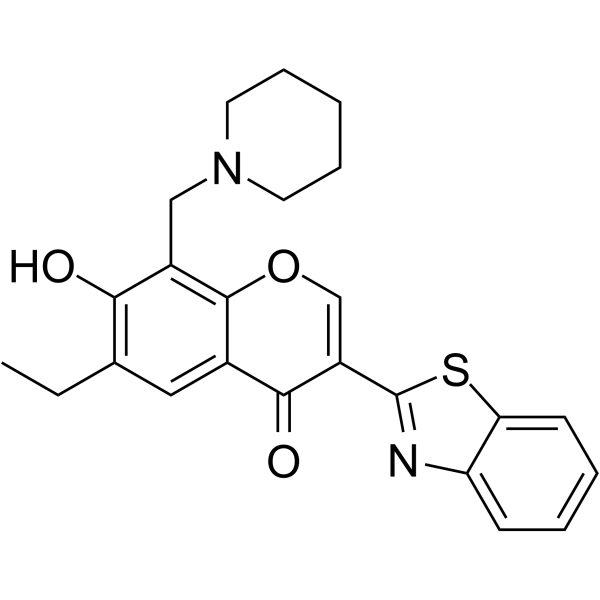
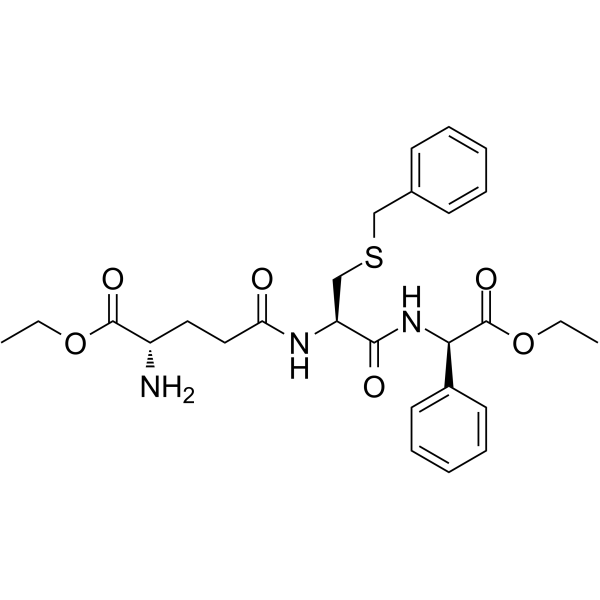
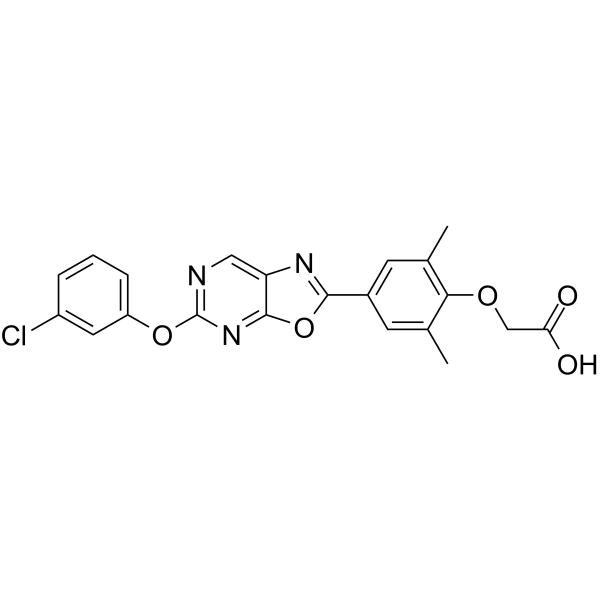


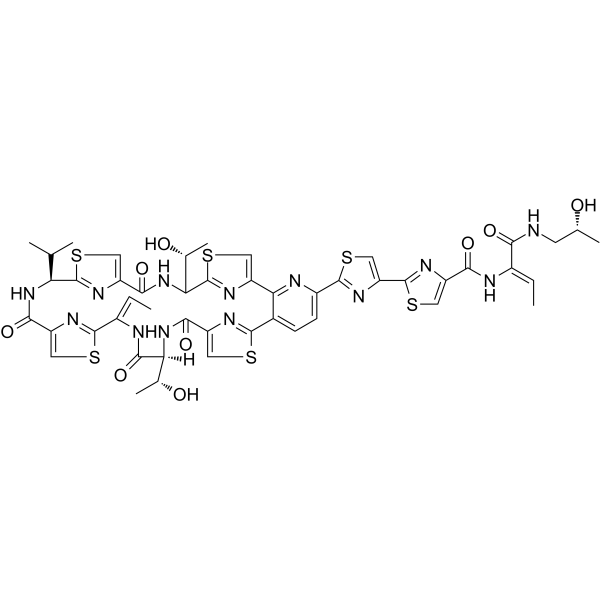

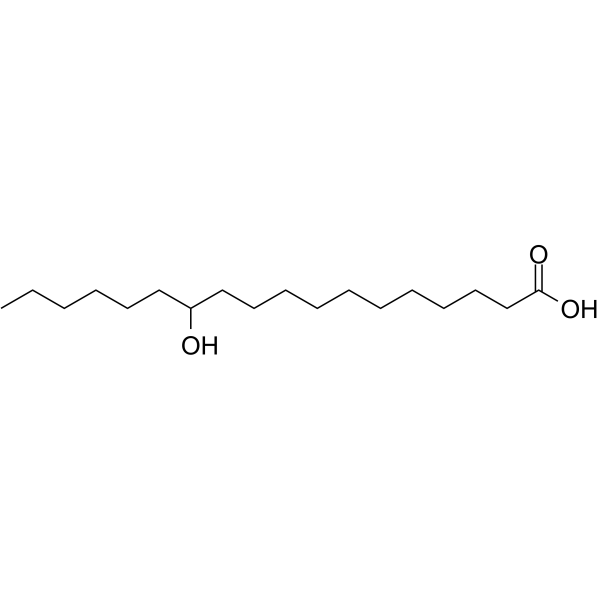
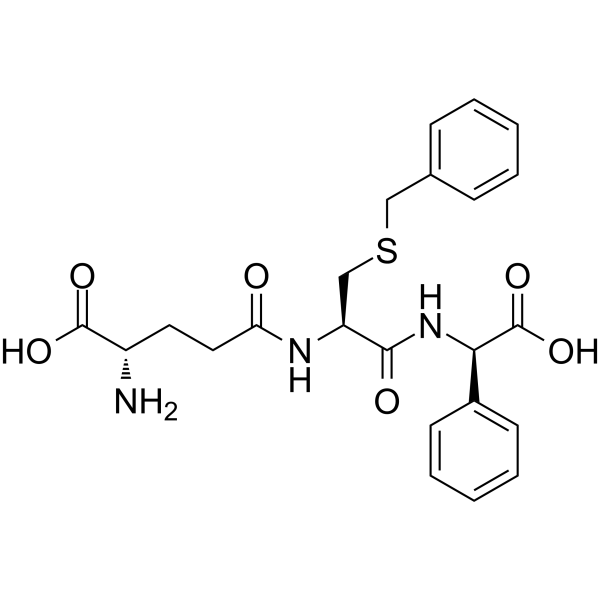
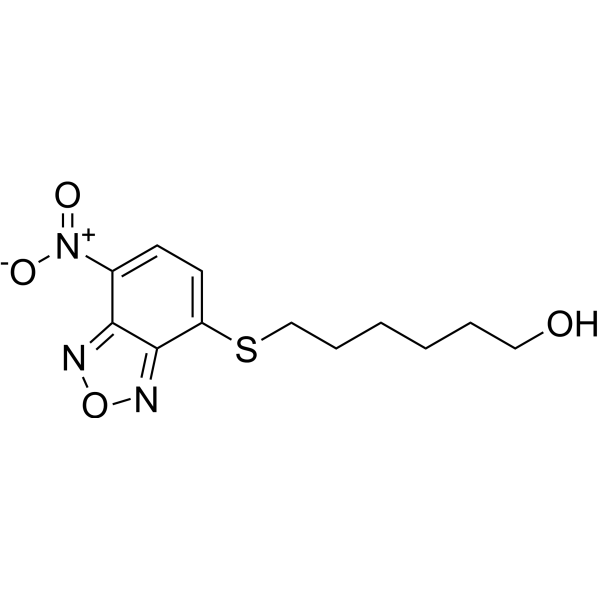
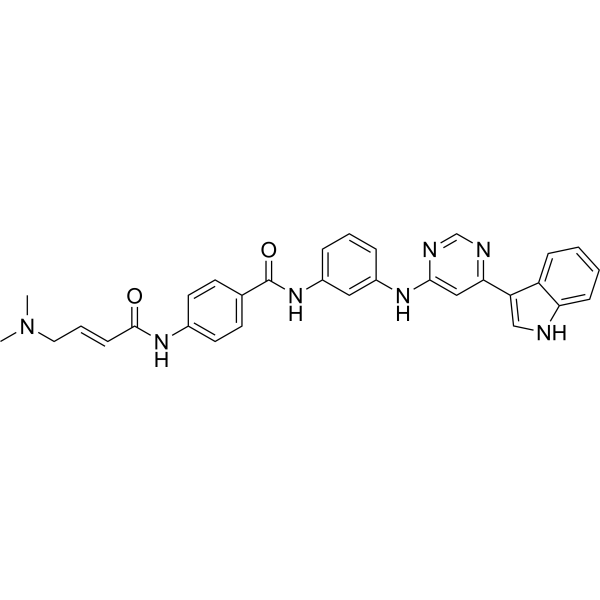

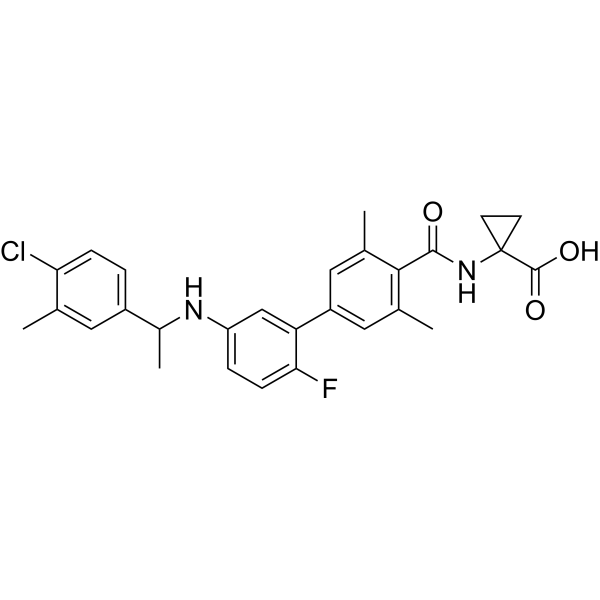



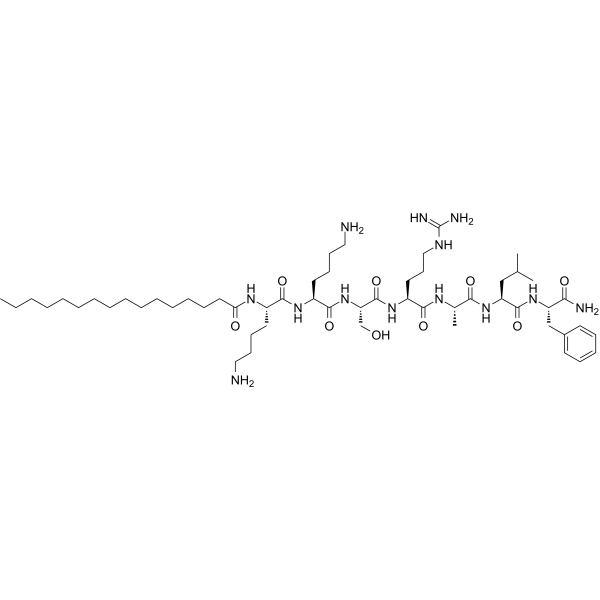

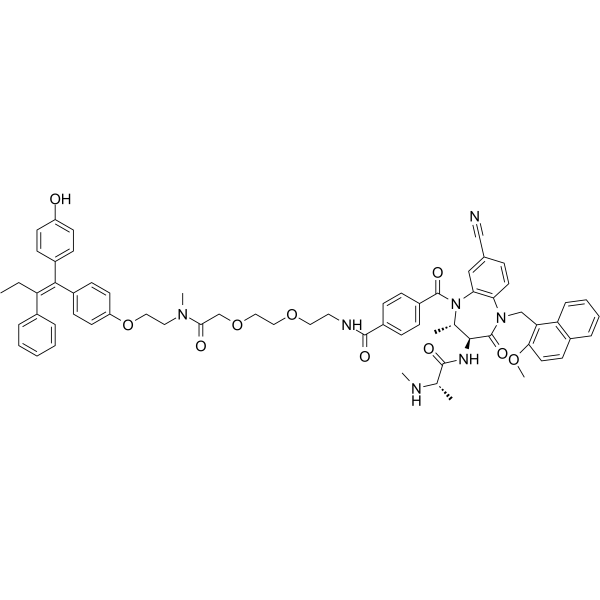
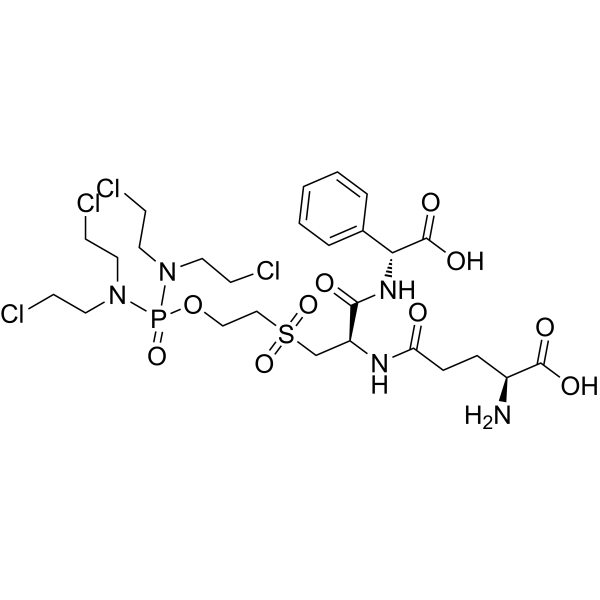
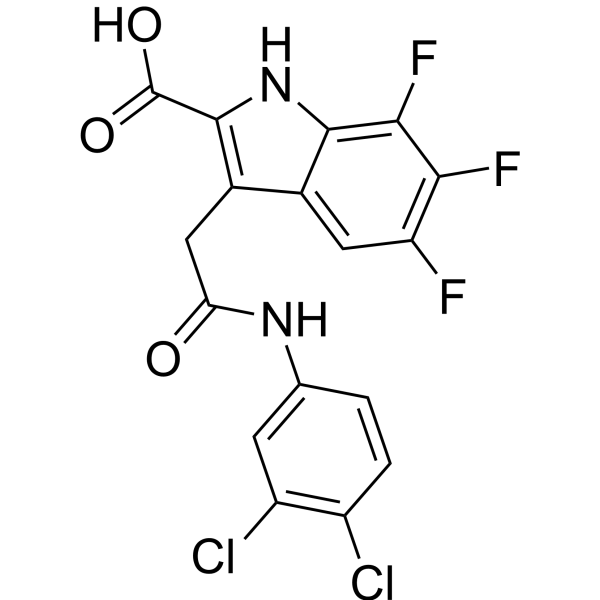
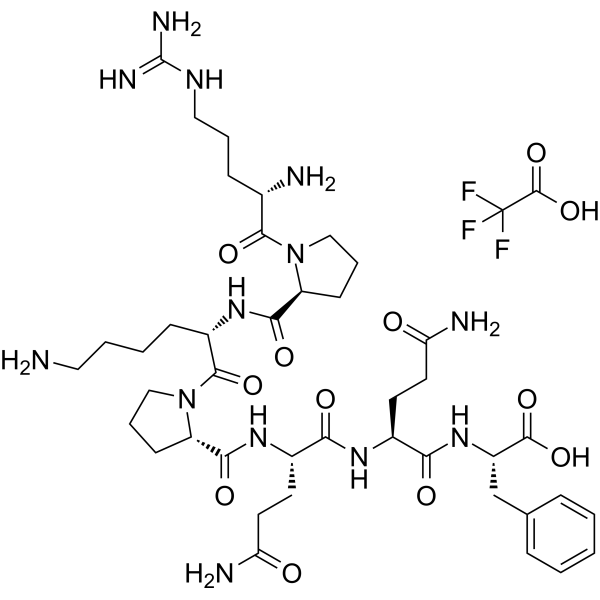
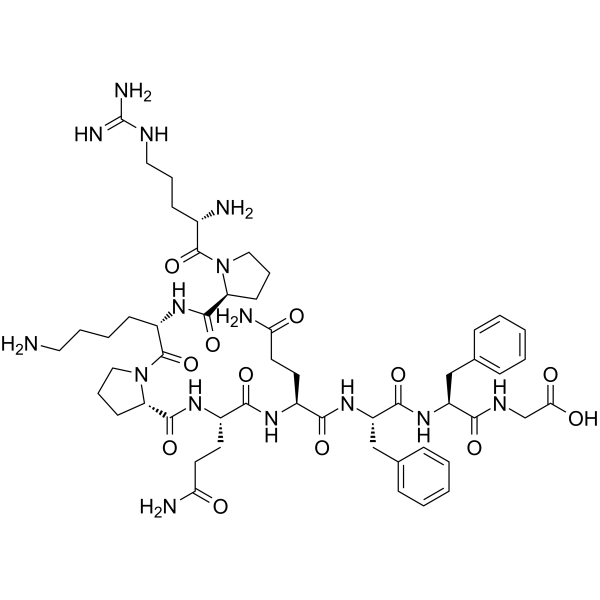


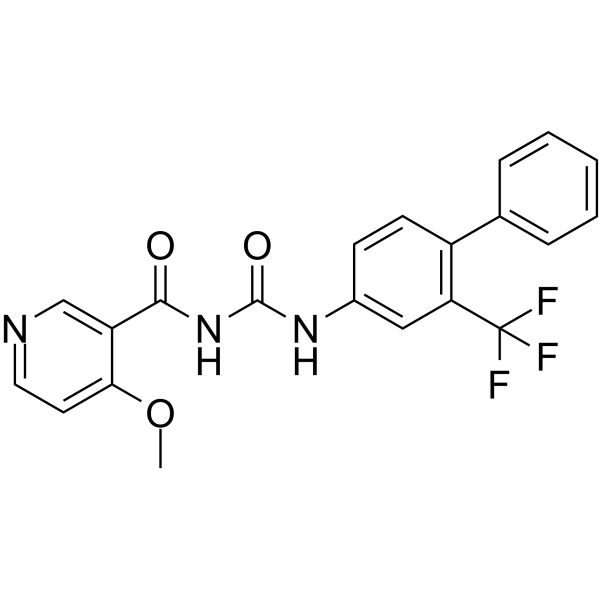

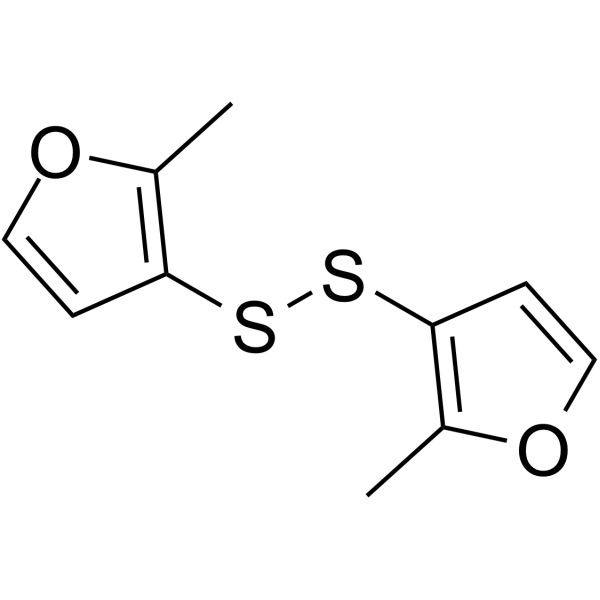

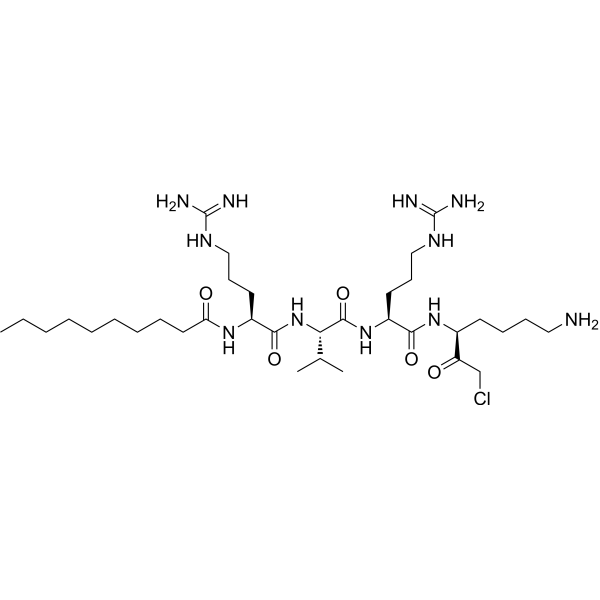
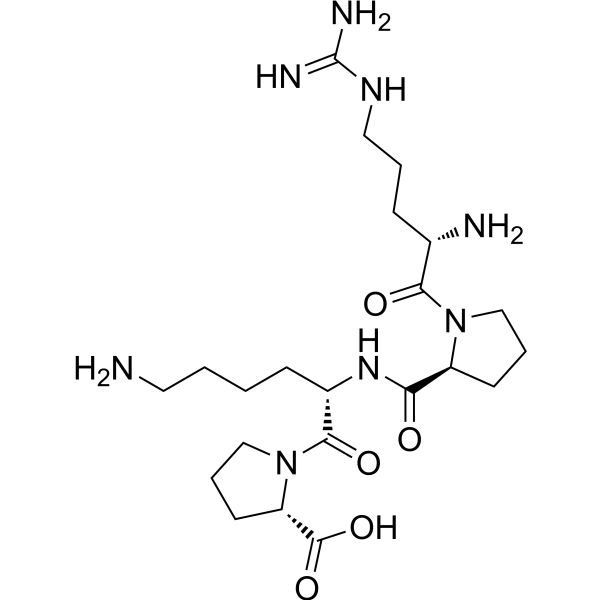

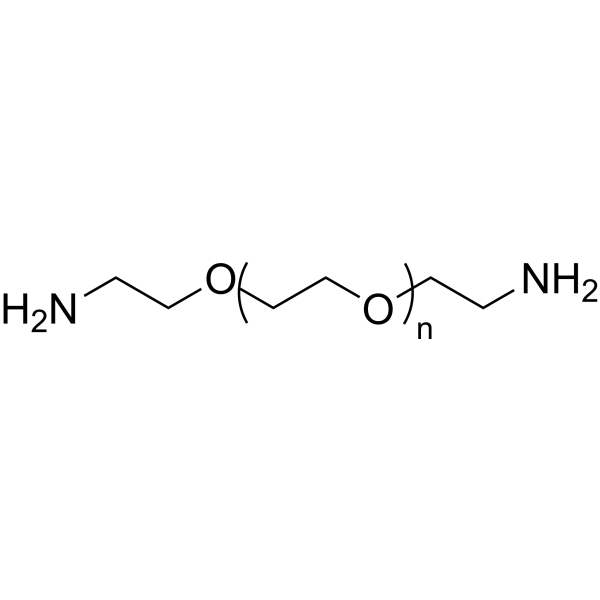



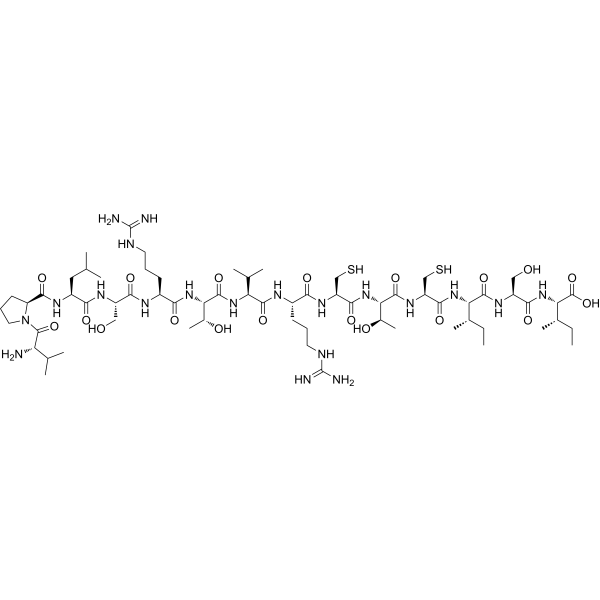

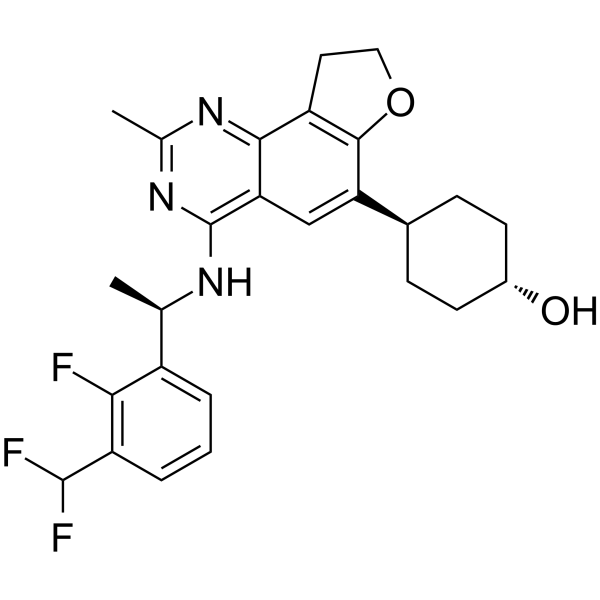
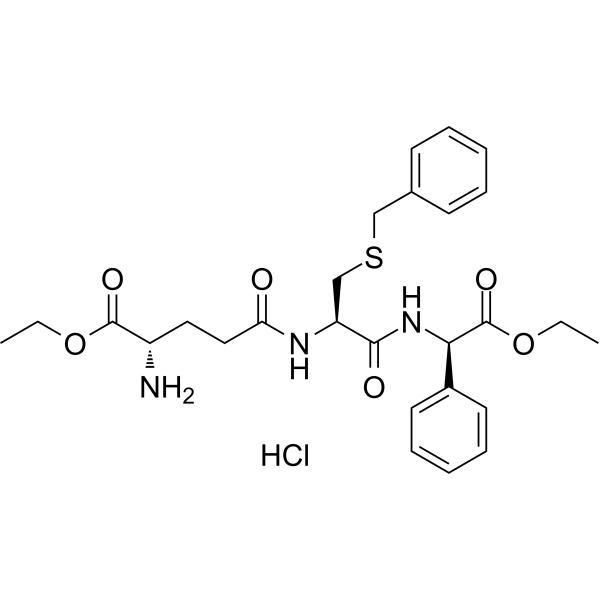
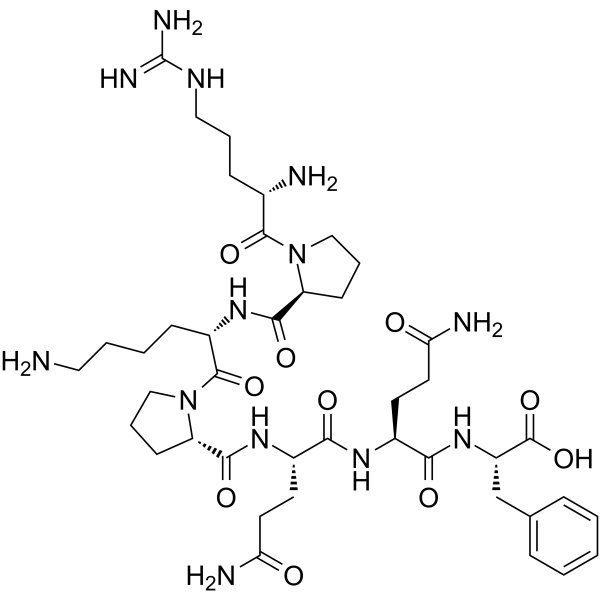

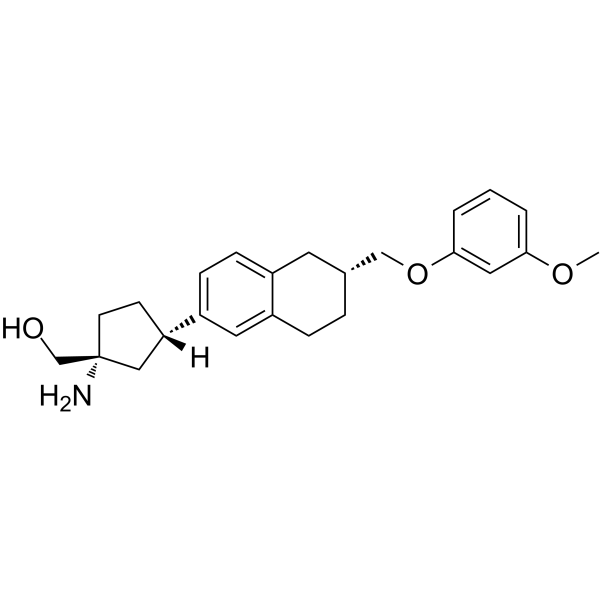

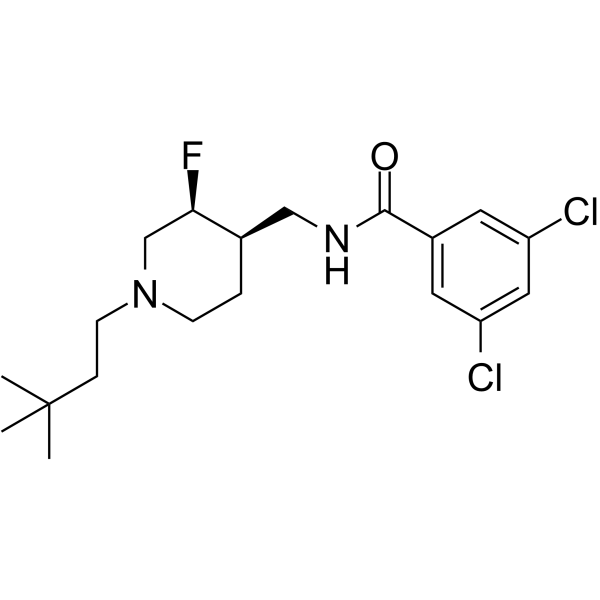


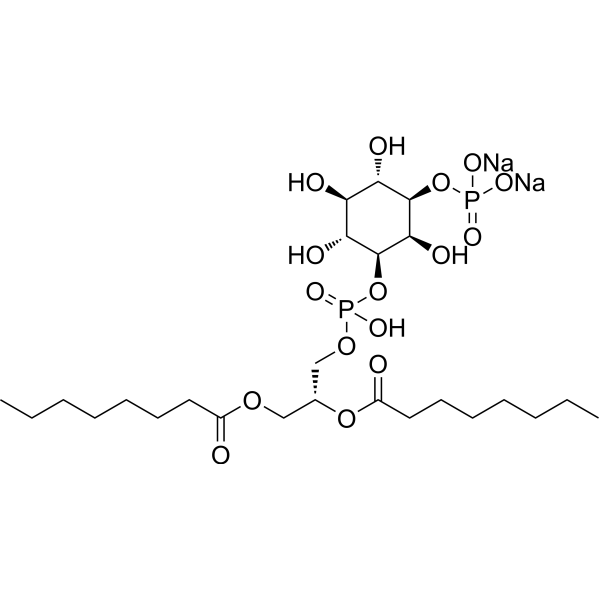
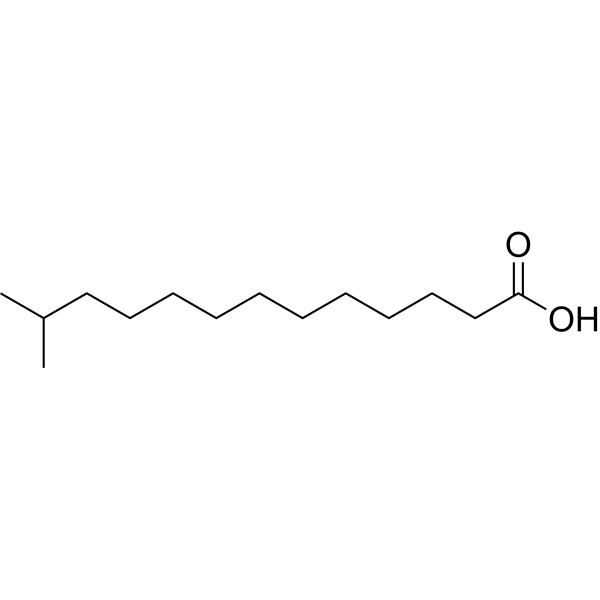


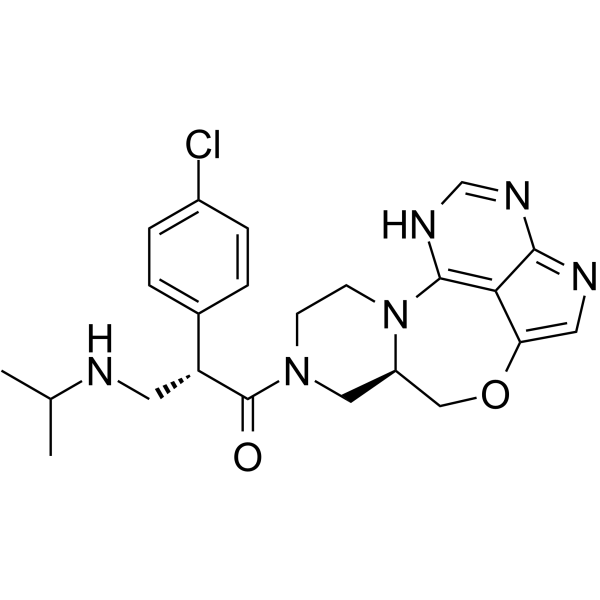


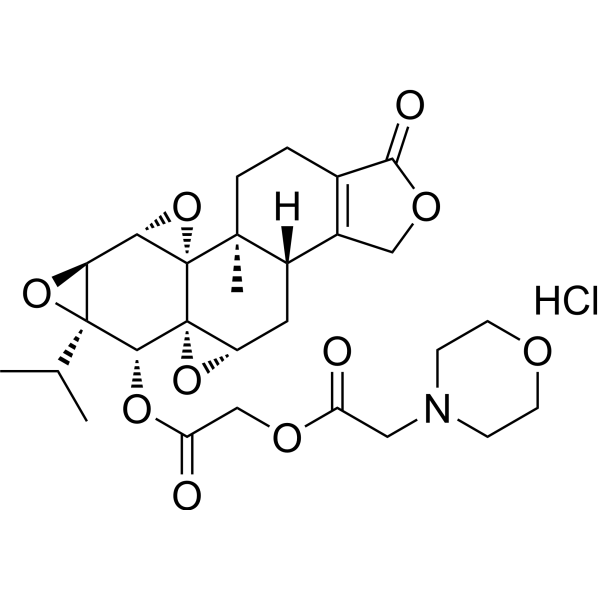
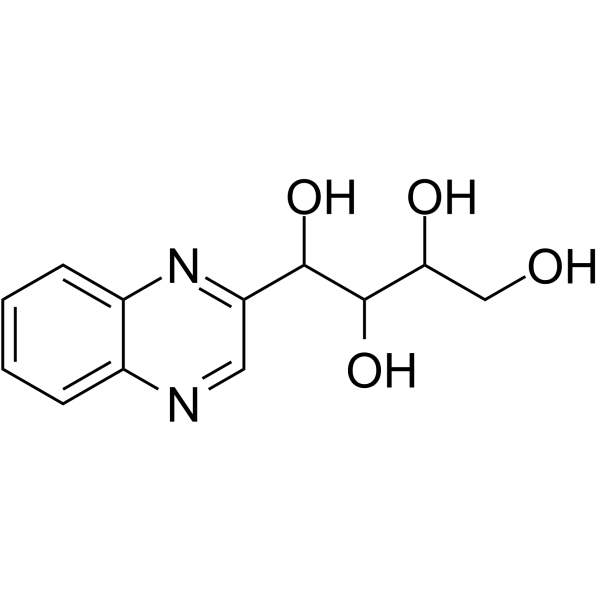
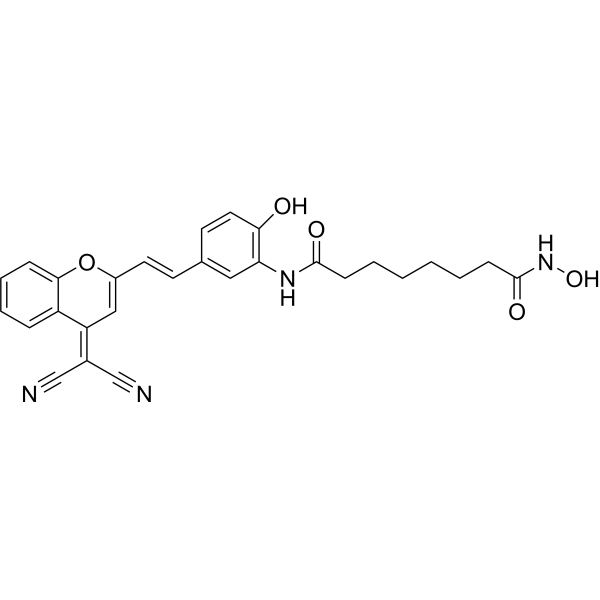
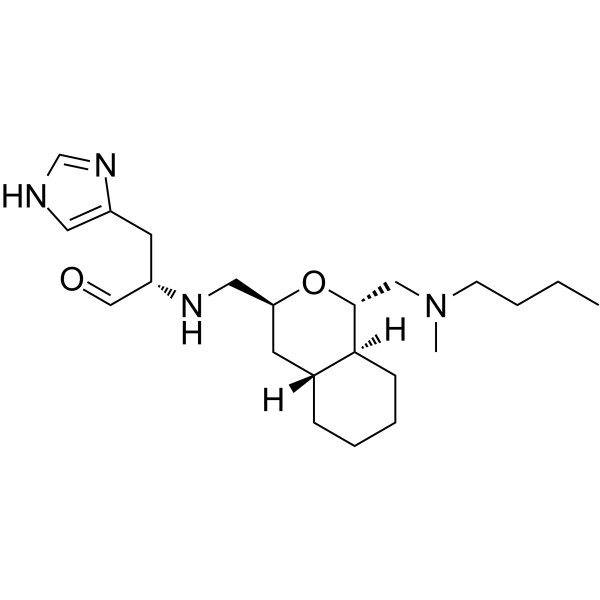
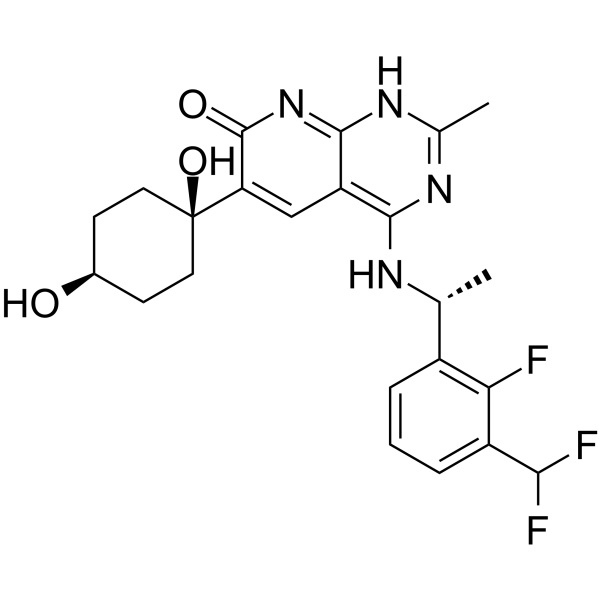
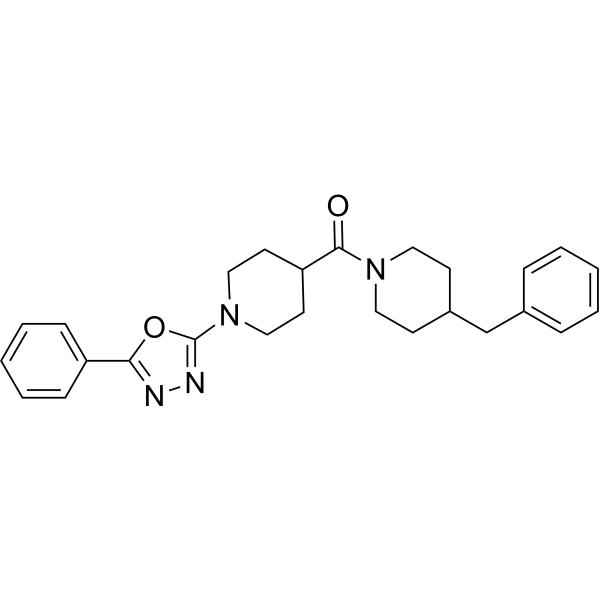


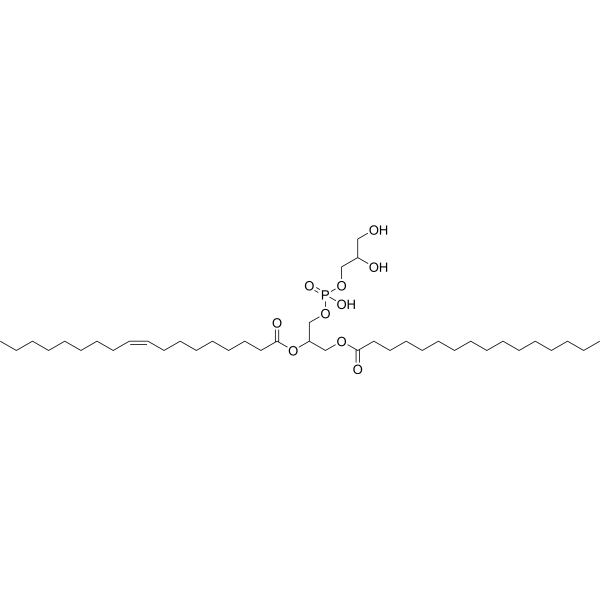
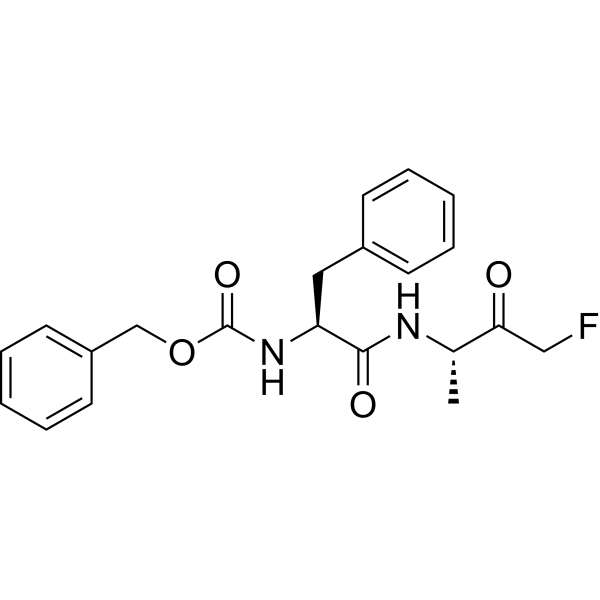


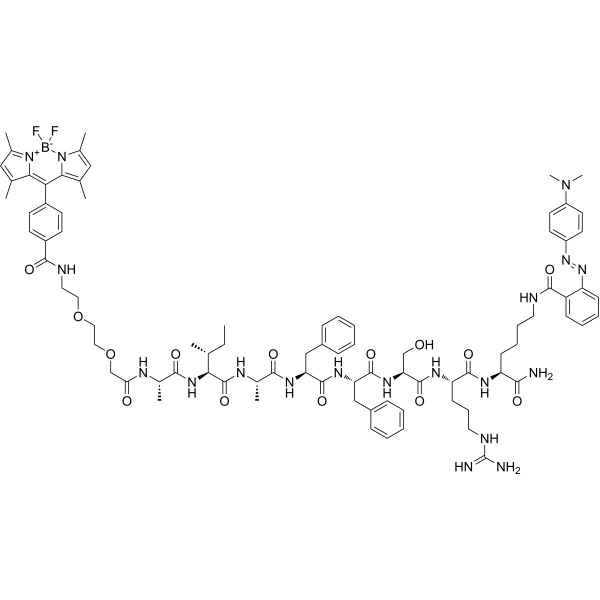
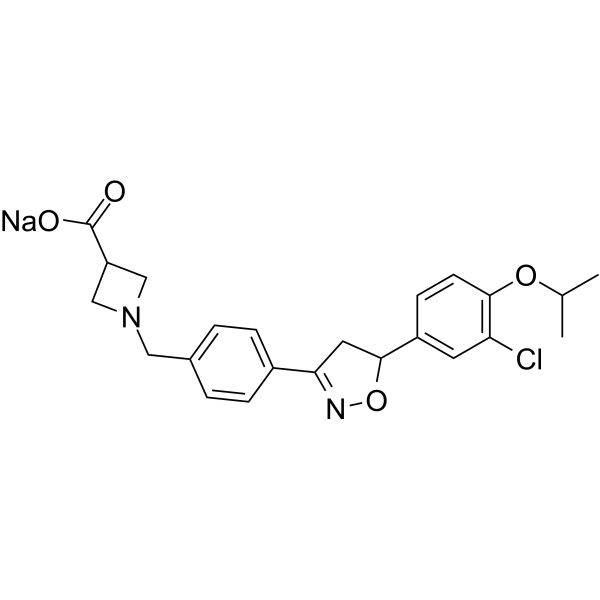
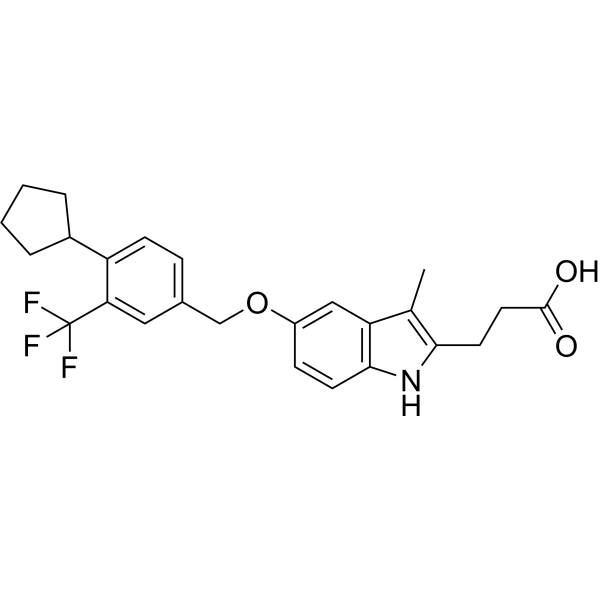
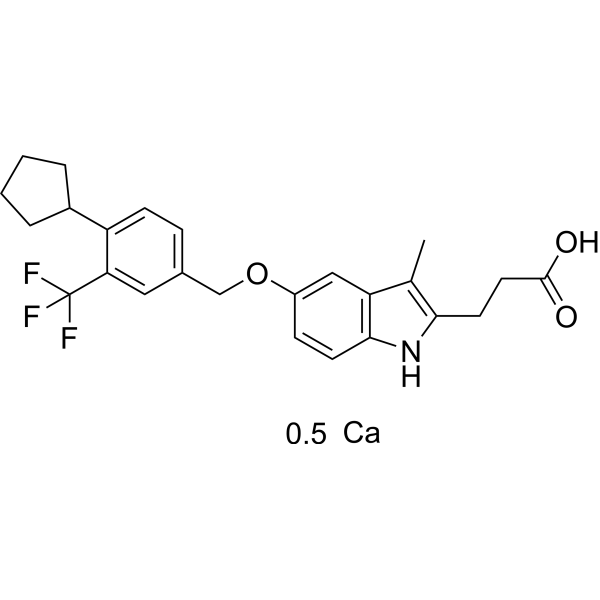


![P,P′-[(1,2-Diphenyl-1,2-ethenediyl)di-4,1-phenylene] bisdihydrogen phosphate](http://file.medchemexpress.com/product_pic/hy-w124409.gif)