Search Result
Results for "
compound 10
" in MedChemExpress (MCE) Product Catalog:
1
Isotope-Labeled Compounds
| Cat. No. |
Product Name |
Target |
Research Areas |
Chemical Structure |
-
- HY-10072
-
|
|
NF-κB
AP-1
|
Inflammation/Immunology
|
|
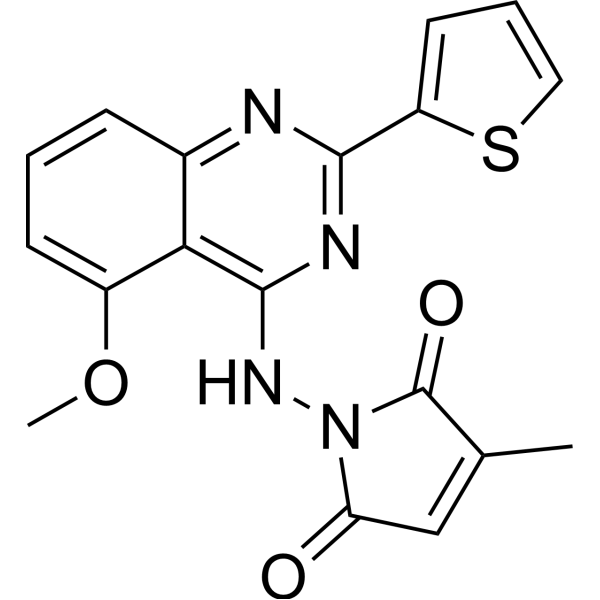
SPC 839 (compound 10) is an orally active inhibitor of AP-1 and NF-kB mediated transcriptional activation with IC50 of 0.008 μM .
|
-
-
- HY-N3872
-
|
|
Others
|
Others
|
|
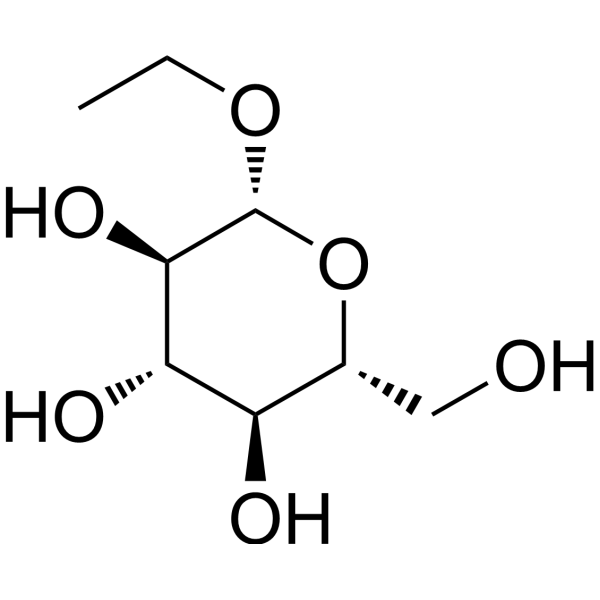
Ethyl β-D-glucopyranoside (compound 10) is an ethyl derivative. Ethyl β-D-glucopyranoside can be isolated from ethanolic extract of Scabiosa stellata LS.
|
-
-
- HY-147028
-
-
-
- HY-176976
-
|
|
Drug-Linker Conjugates for ADC
|
Cancer
|
|
Exatecan-mpGNNG (Compound 10a) is the linker-payload component of an antibody-drug conjugate (ADC). Exatecan-mpGNNG is composed of Exatecan (HY-13631), a potent topoisomerase I inhibitor, and the linker .
|
-

-
- HY-155403
-
-
-
- HY-149827
-
-
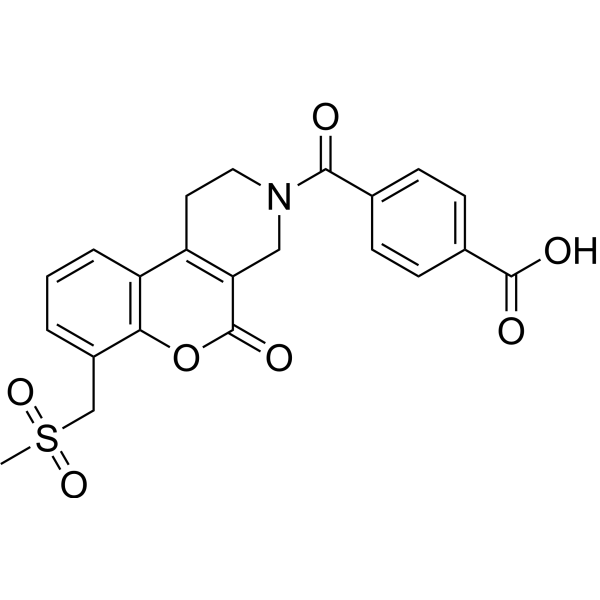
-
- HY-D2418
-
|
|
Fluorescent Dye
|
Metabolic Disease
|
|
PS-SCOTfluor-12 (compound 10) is a fluorescent probe for imaging Lactic acid (HY-B2227) metabolism in live cells. λex/λem= 485/605 nm .
|
-

-
- HY-N10488
-
|
|
Cholinesterase (ChE)
|
Neurological Disease
|
|
BChE-IN-11 (compound 10) is a potent, selective and non-competitive BChE (butyrylcholinesterase) inhibitor, with an IC50 of 2.1 μM. BChE-IN-11 can be used for Alzheimer's disease (AD) research .
|
-
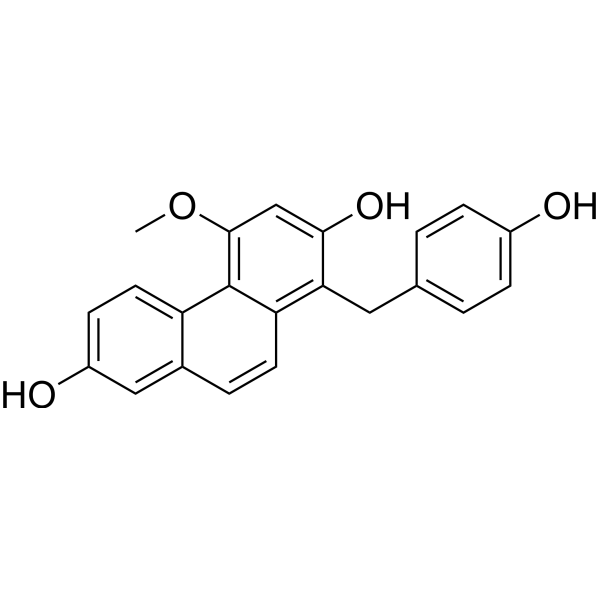
-
- HY-158005
-
|
|
Apoptosis
|
Cancer
|
|
Anticancer agent 195 (Compound 10) is an inhibitor for ELF3-MED23 PPI with Ki of 0.68 μM. Anticancer agent 195 induces apoptosis and exhibits antitumor activity .
|
-
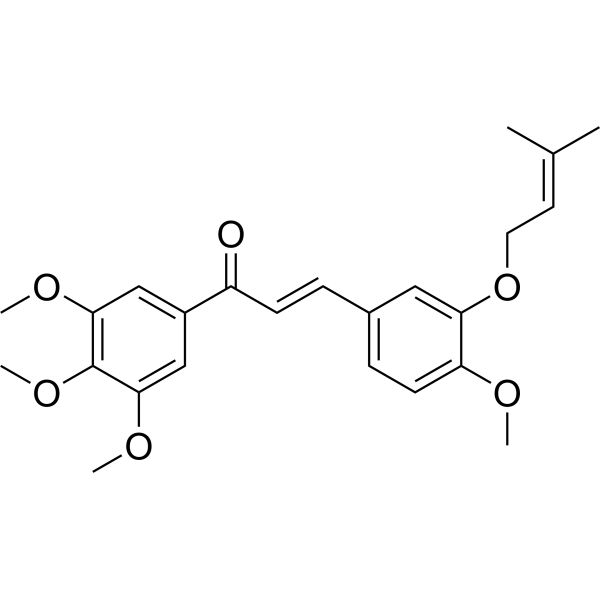
-
- HY-169915
-
-

-
- HY-112428
-
-
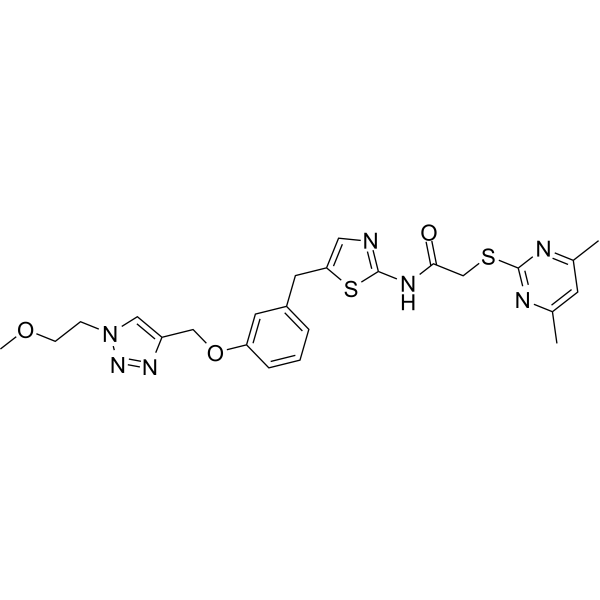
-
- HY-152954
-
|
|
DAPK
|
Inflammation/Immunology
|
|
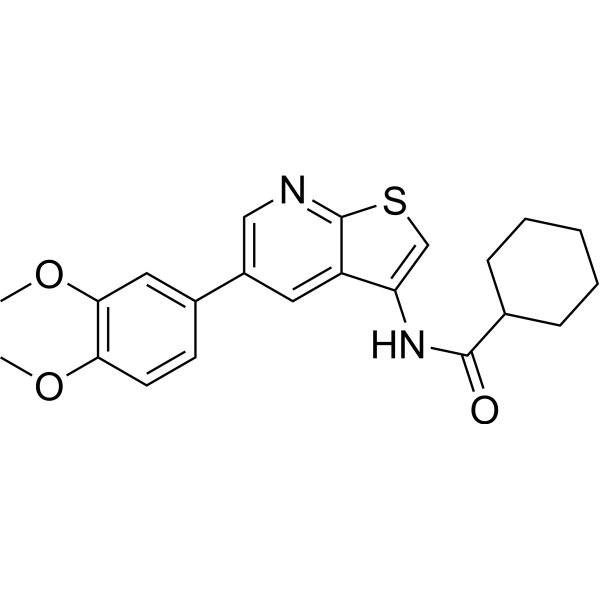
DRAK1/2-IN-1 (compound 10e) is an active dual DRAK1 and DRAK2 inhibitor with Kd values of 1 μM and 6 μM, respectively .
|
-
-
- HY-138040
-
|
|
Ligands for E3 Ligase
|
Cancer
|
|
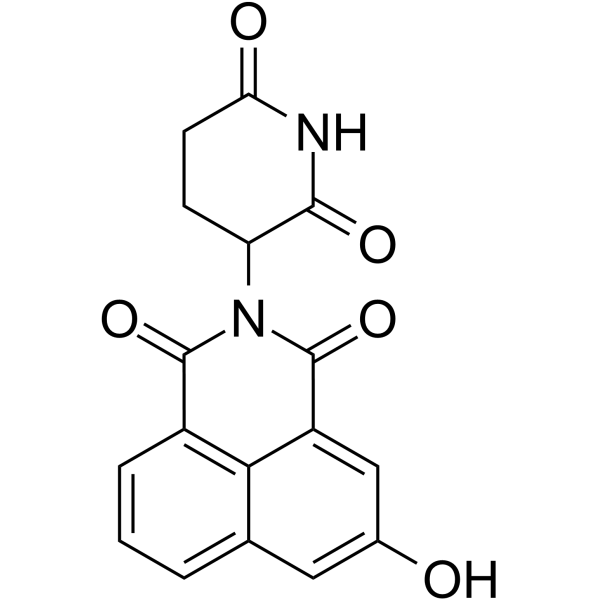
CRBN modulator-1, a Thalidomide analog and a CRBN modulator extracted from WO2020006262A1, compound 10, has an IC50 of 3.5 μM and a Ki of 0.98 μM .
|
-
-
- HY-147304
-
|
|
Bacterial
|
Others
|
|
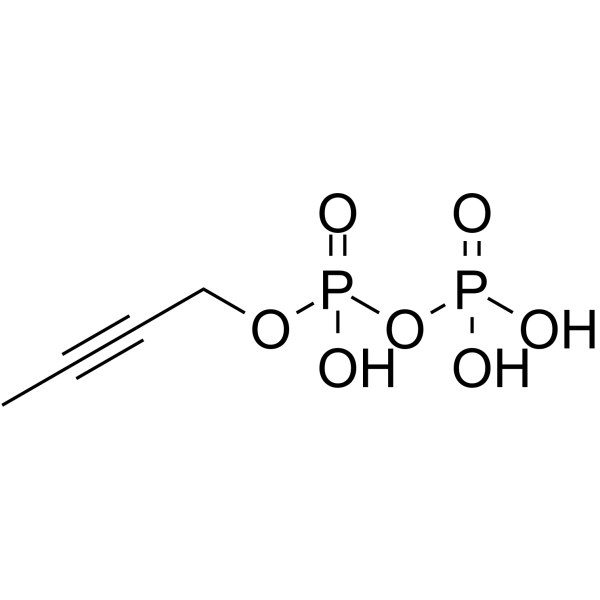
BPH-1086 (compound 10) is an IspH inhibitor, IspH domain fused with ribosomal protein S1 (RPS1) can bind to mRNA or form part of the bacterial ribosome .
|
-
-
- HY-146128
-
|
|
Glycosidase
|
Metabolic Disease
|
|
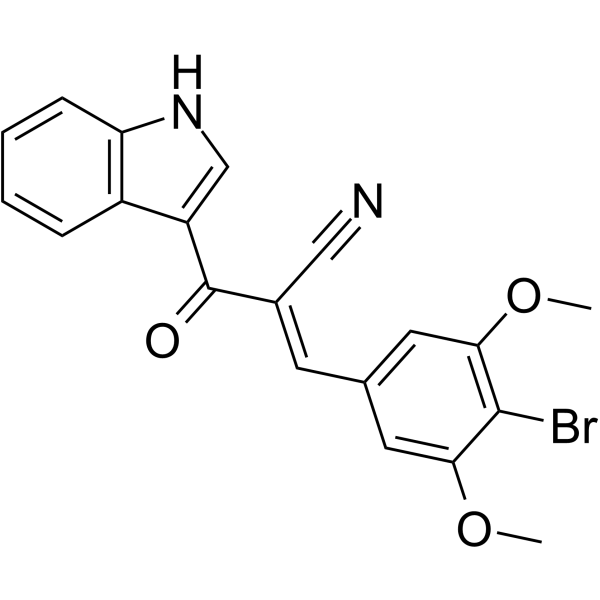
Anti-hyperglycemic agent-1 (compound 10) is a potent α-Glucosidase inhibitor, with an IC50 of 0.53 μM. Anti-hyperglycemic agent-1 can be used for diabetes research .
|
-
-
- HY-146214
-
|
|
CDK
|
Cancer
|
|
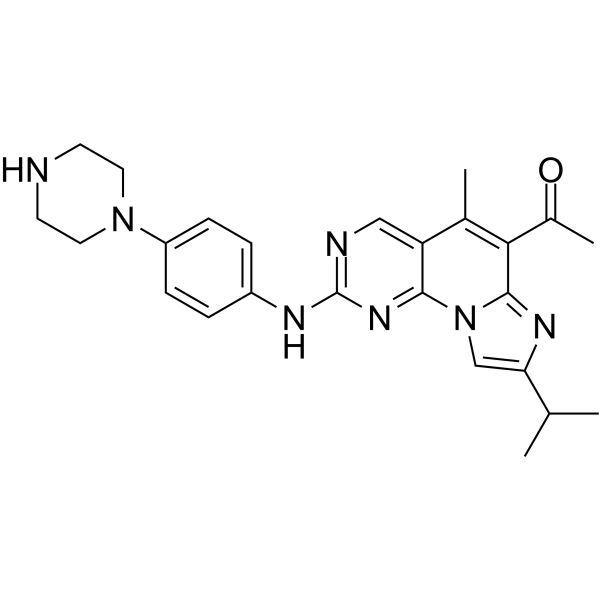
As a cdk4/6 inhibitor. Compounds 10B and 10C showed low nanomolar activity, ideal antiproliferative activity, excellent metabolic properties and acceptable pharmacokinetics on cdk4/6.
|
-
-
- HY-144554
-
-
-
- HY-W099488
-
|
|
Drug Intermediate
|
Cancer
|
|
Capecitabine 2',3'-diacetate (Compound 10b) is the prodrug for the antitumor agent Capecitabine (HY-B0016) .
|
-

-
- HY-151206
-
|
|
Bacterial
|
Infection
|
|
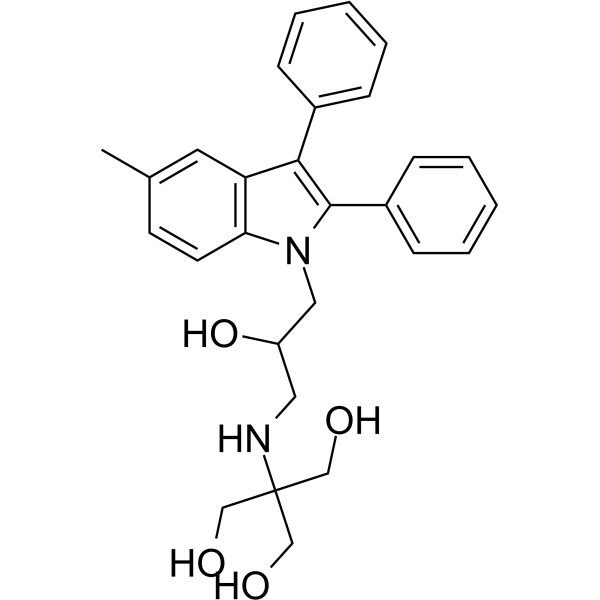
PknB-IN-2 (Compound 10) is a Mycobacterium tuberculosis protein kinase B (PknB) inhibitor with an IC50 of 12.1 μM .
|
-
-
- HY-W094665
-
|
|
Biochemical Assay Reagents
|
Others
|
|
7-(Diethylamino)-4-(hydroxymethyl)coumarin (compound 10) is an organic compound that can be used as a photosensitizer in organic synthesis .
|
-

-
- HY-112147
-
-
-
- HY-153674
-
|
|
SOS1
PROTACs
Ras
|
Cancer
|
|
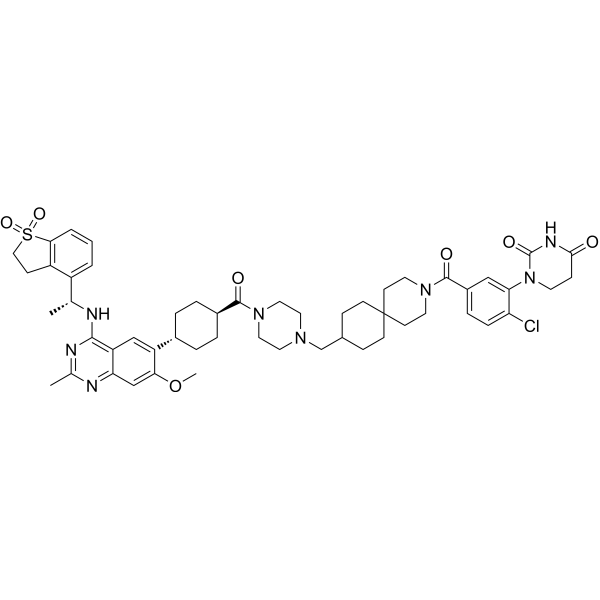
PROTAC SOS1 degrader-4 (compound 10) is a potent SOS1 degrader. PROTAC SOS1 degrader-4 shows antiproliferative activity .
|
-
-
- HY-14509
-
-

-
- HY-159656
-
|
|
PNPLA3
|
Others
|
|
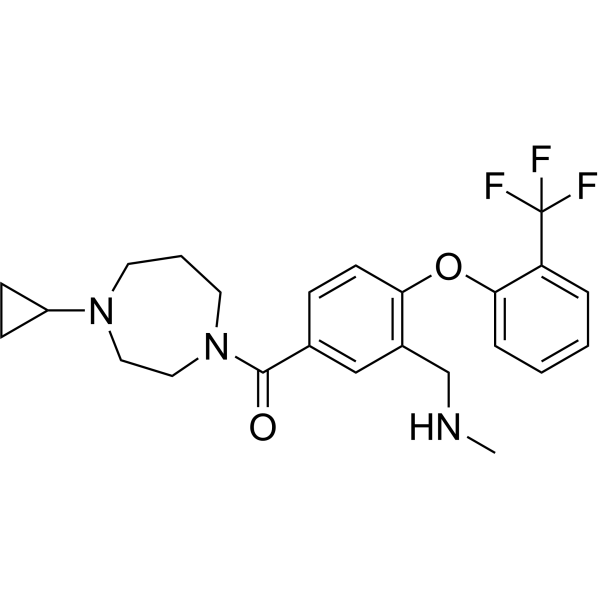
PNPLA3 modifier 1 (compound 10) is a Patatin-like phospholipase domain-containing protein 3 (pnpla3) modifier, with a geometric mean EC50 of 4.9 nM .
|
-

-
- HY-160668
-
-
-
- HY-135667
-
-
-
- HY-159178
-
-

-
- HY-170425
-
|
|
CDK
|
Cancer
|
CDK7-IN-32 (compound10) is a CDK7 inhibitor .
|
-

-
- HY-101517
-
|
|
PI3K
|
Cancer
|
|
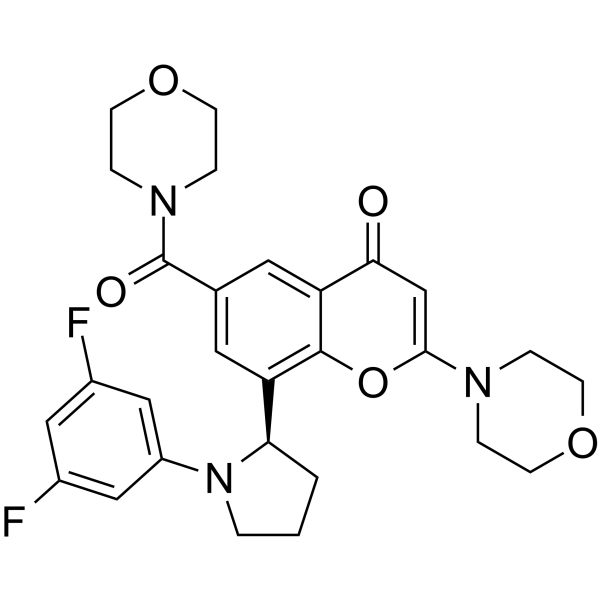
PI3K-IN-2 (compound 10) is a potent and orally active PI3Kβ/δ (IC50=7.1/8.6 nM) inhibitor with excellent selectivity versus PI3Kσ and PI3Kγ (IC50=13/190 nM, respectively) .
|
-
-
- HY-149374
-
|
|
Microtubule/Tubulin
|
Cancer
|
|
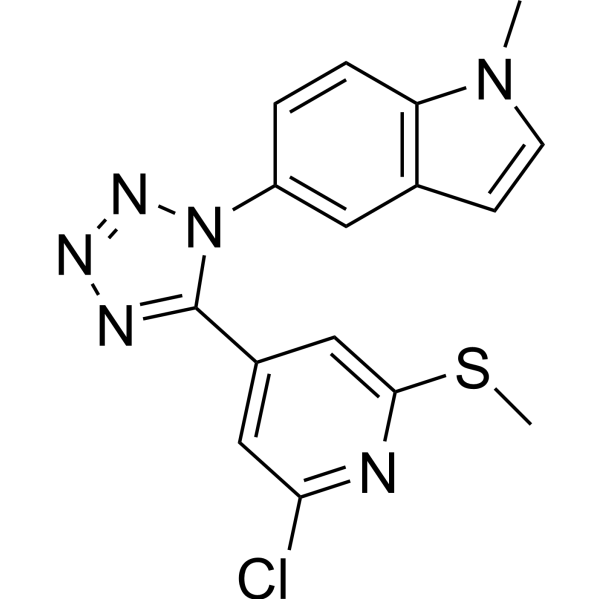
Tubulin inhibitor 36 (Compound 10) is a novel and potent tubulin inhibitor and inhibits the polymerization of microtubular protein then induces apoptosis with an IC50 value of 1.5±0.1 μM. Tubulin inhibitor 36 (Compound 10) has significant anti-mitotic effect and exhibits activities against glioblastoma cells. Tubulin inhibitor 36 (Compound 10) has anti-tumor effects and can be used for glioblastoma multiforme (GBM) research .
|
-
-
- HY-149657
-
-
-
- HY-150002
-
-
-
- HY-N12276
-
-
-
- HY-N12190
-
|
|
Others
|
Others
|
|
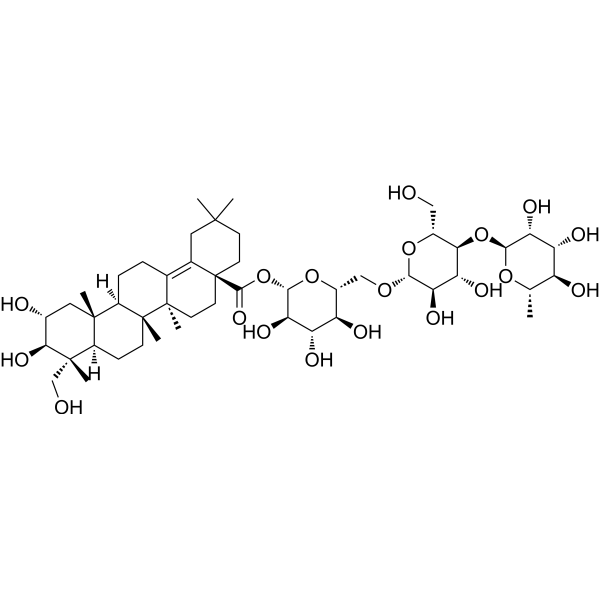
Centellasaponin A (compound 10) is a pentacyclic triterpene saponin isolated from the methanolic extract of Centella asiatica .
|
-
-
- HY-157822
-
-
-
- HY-114971
-
-

-
- HY-161312
-
|
|
Bacterial
Fungal
|
Infection
|
|
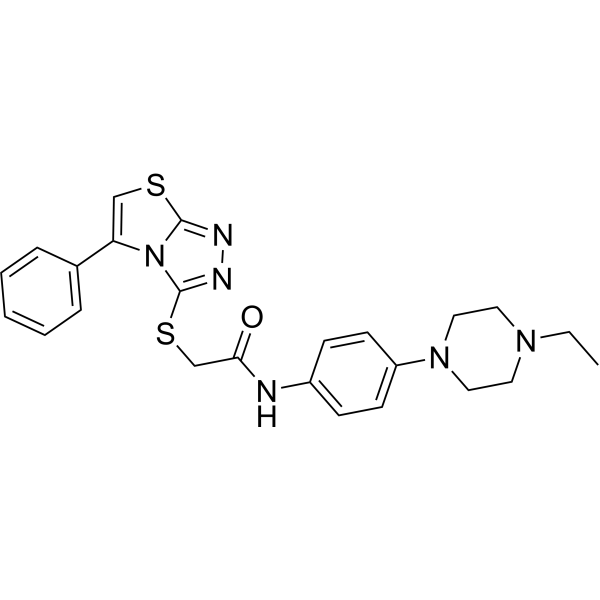
Antifungal agent 93 (compound 10) is a potent antifungal agent. Antifungal agent 93 shows antimicrobial activity .
|
-
-
- HY-N12411
-
|
|
Calmodulin
|
Others
|
|
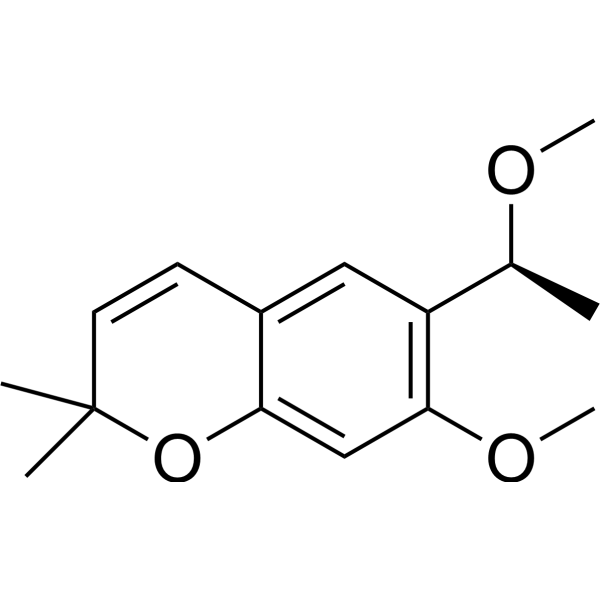
(S)-O-Methylencecalinol (compound 10) is a calmodulin-targeting molecule isolated from the aerial parts of Ageratina grandifolia .
|
-
-
- HY-N3745
-
|
|
Others
|
Others
|
|
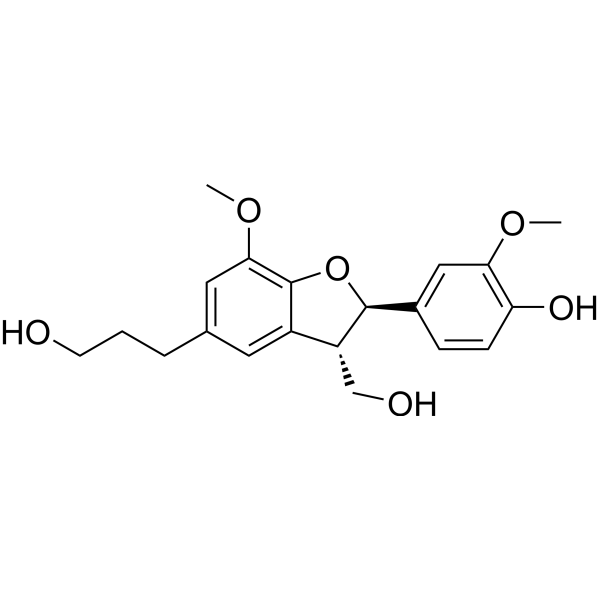
(-)-(7R, 8S)-dihydrodehydrodiconiferyl alcohol (compound 10) is a lignan isolated from Hedyotis uncinella .
|
-
-
- HY-W923661
-
|
PA(O-18:0/0:0); 1-Oleyl LPA; 1-Octadecyl LPA
|
LPL Receptor
|
Others
|
|
1-Octadecyl lysophosphatidic acid (compound 10) is a GPR92 receptor (LPA5) activator with potential flavoring effects .
|
-

-
- HY-157660
-
|
|
Drug Isomer
|
Others
|
|
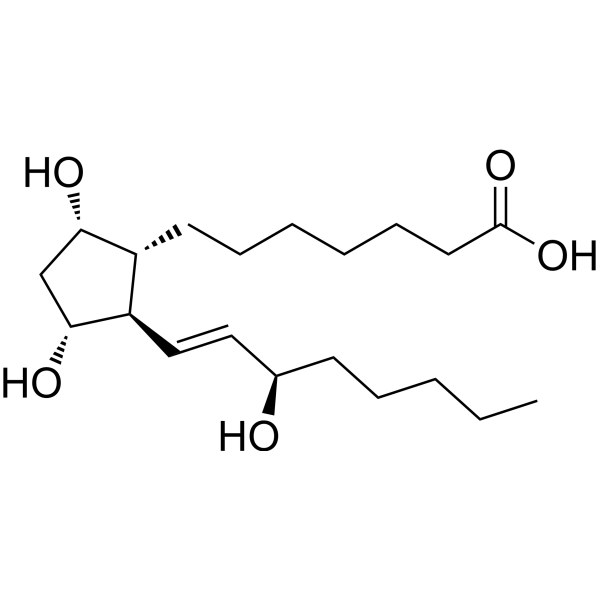
15(R)-Prostaglandin F1α (compound 10) is the C-15 epimer of PGF1α .
|
-
-
- HY-155043
-
|
|
Microtubule/Tubulin
|
Cancer
|
|
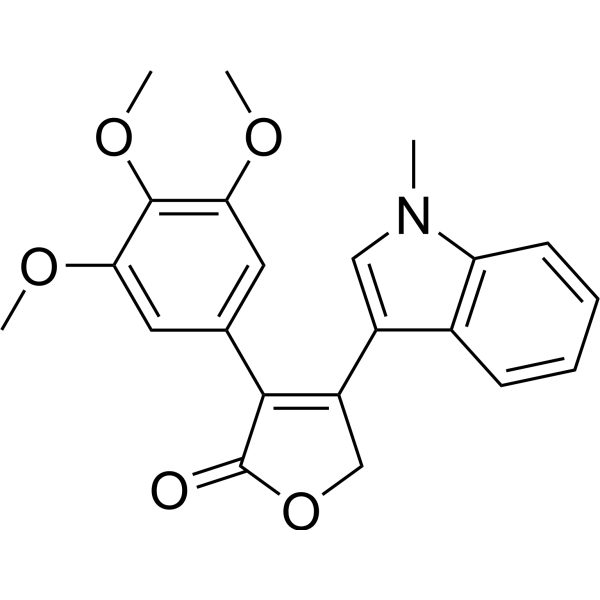
Tubulin polymerization-IN-42 (compound 10j), an indole-substituted furanone, is an inhibitor of tubulin polymerization with anti-cancer activity .
|
-
-
- HY-N12043
-
|
|
Others
|
Others
|
|
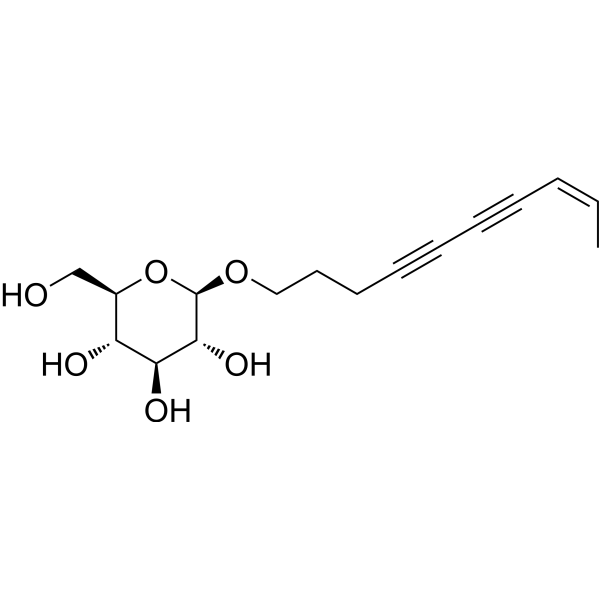
Bidenoside C (compound 10) is a polyacetylene glycoside (Polyacetylene Glycoside), which can be isolated from the flowers of Coreopsis lanceolata (Asteraceae) .
|
-
-
- HY-N15368
-
|
|
Antibiotic
Bacterial
|
Infection
|
|
Pradimicinone I (Compound 10), a Pradimicin A (HY-132191) analog, is an antibiotic. Pradimicinone I is promising for research of antibacterial agents .
|
-

-
- HY-147353
-
|
|
Carbonic Anhydrase
|
Others
|
|
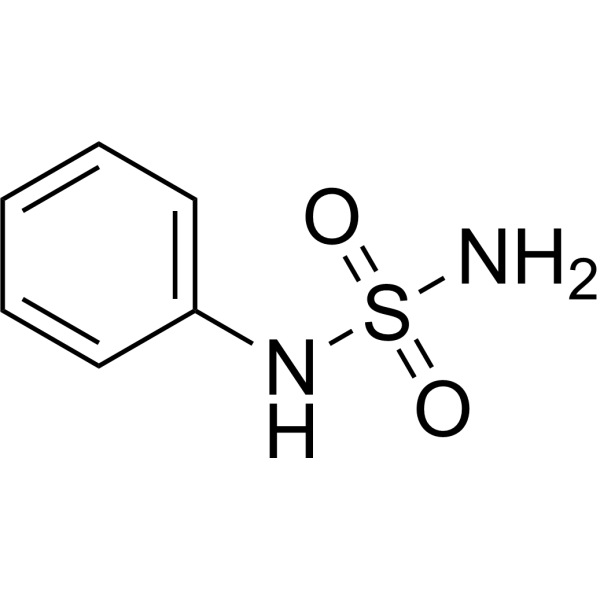
Phenylsulfamide (Compound 10) is a human carbonic anhydrase-II (hCA-II) inhibitor with a Kd of 45.50 μM and a Ki of 79.60 μM .
|
-
-
- HY-149524
-
|
|
Sirtuin
|
Cancer
|
|
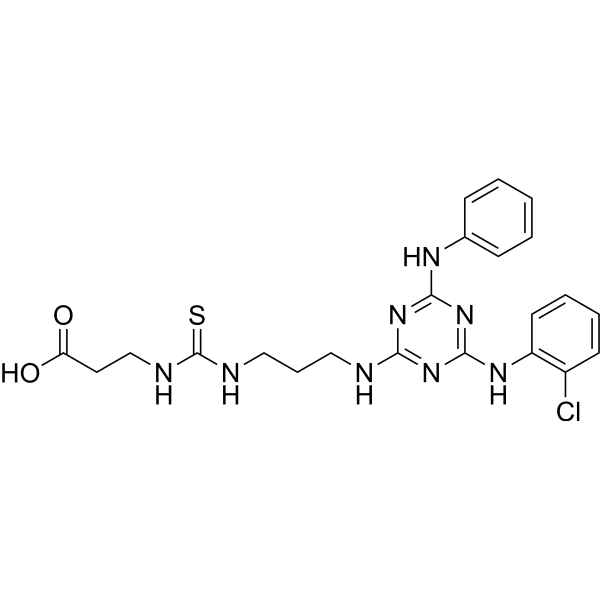
SIRT5 inhibitor 8 (compound 10) is a competitive inhibitor (IC50: 5.38 μM) of sirtuin SIRT5 with anticancer potential .
|
-
-
- HY-D2311
-
|
|
CDK
|
Cancer
|
|
CDK19 Probe 1 (Compound 10c) is a CDK19 inhibitor (IC50: 1.01 μM) and can be used for cancer research .
|
-

-
- HY-161867
-
|
|
Thrombin
|
Others
|
|
Platelet aggregation-IN-1 (Compound 10e) is an inhibitor for platelet aggregation, that inhibits 100% thrombin-induced platalet aggregation at 50 μM .
|
-

-
- HY-161624
-
-

-
- HY-168064
-
|
|
EGFR
|
Cancer
|
|
EGFR-IN-124 (compound 10A) is an EGFR inhibitor, with IC50 of 0.54 μM. EGFR-IN-124 can be used in anti-cancer research .
|
-

- HY-161855
-
|
|
VEGFR
Apoptosis
|
Cancer
|
|
VEGFR-2-IN-50 (Compound 10f) is a VEGFR-2 inhibitor and apoptosis inducer, with an IC50 value of 0.33 μM. VEGFR-2-IN-50 (Compound 10f) has growth inhibitory activity on MCF-7 and MDA-MB-231 breast cancer cell lines, with IC50 values of 19.86 μM and 10.88 μM, respectively, which is expected to be used in the study of breast cancer diseases .
|
-

- HY-136714
-
|
|
Bcl-2 Family
|
Cancer
|
|
Bcl-2-IN-3 (Compound 10) is a Bcl-2 inhibitor. Bcl-2-IN-3 can be used for the research of cancer .
|
-

- HY-N12163
-
|
|
Others
|
Others
|
|
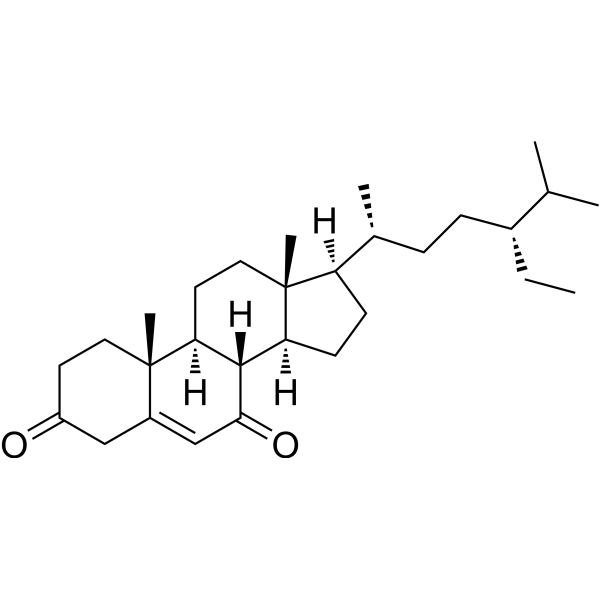
Stigmast-5-ene-3,7-dione (Compound 10) is a compound isolated from the roots, leaves and twigs of Penianthus longifolius .
|
-
- HY-105589
-
|
HL 707
|
Parasite
|
Infection
|
|
Liroldine (Compound 10) is an anti-amebic agent that exhibits effective anti-amebic activity in both the intestines and livers of mice. Liroldine can be utilized for the research of amebiasis .
|
-

- HY-156183
-
|
|
MDM-2/p53
ERK
|
Cancer
|
|
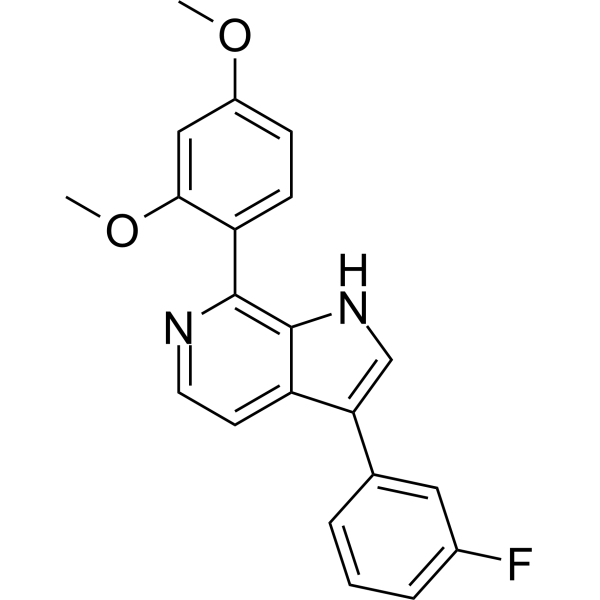
Antiproliferative agent-37 (compound 10J) shows anti-proliferative effect by arresting the cells at the G2/M phase of the cell cycle .
|
-
- HY-151354
-
|
|
Bacterial
|
Infection
|
|
Antibacterial agent 121 (Compound 10) is an antibacterial agent. Antibacterial agent 121 shows anti-mycobacterial and anti-inflammatory activities and can be used in Tuberculosis (TB) research .
|
-
- HY-14357
-
|
|
IGF-1R
|
Cancer
|
|
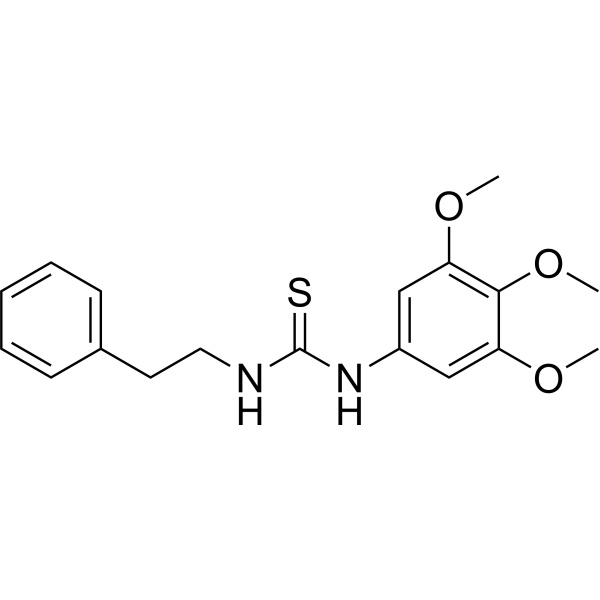
BMS 695735 (compound 10) is an inhibitor of IGF-1R with an IC50 value of 0.034 μM. BMS 695735 has anti-tumor activity .
|
-

- HY-161714
-
|
|
SOS1
Ras
|
Cancer
|
|
HH0043 (Compound 10f) is an orally active and potent SOS1 inhibitor, with IC50 value of 5.8 nM. HH0043 can be used for the research of cancer .
|
-

- HY-163823
-
|
|
Histone Acetyltransferase
|
Others
|
|
WIZ degrader 6 (compound 10) is a WIZ degrader with the EC50 of <0.01μM. WIZ degrader 6 can be used for study of sickle cell disease .
|
-

- HY-158018
-
|
|
EGFR
|
Cancer
|
|
EGFR-TK-IN-2 (compound 10b) is EGFR-TK inhibitor with the IC50 of 0.16 μM. EGFR-TK-IN-2 inhibits cell growth .
|
-
- HY-161822
-
|
|
Bacterial
|
Infection
|
|
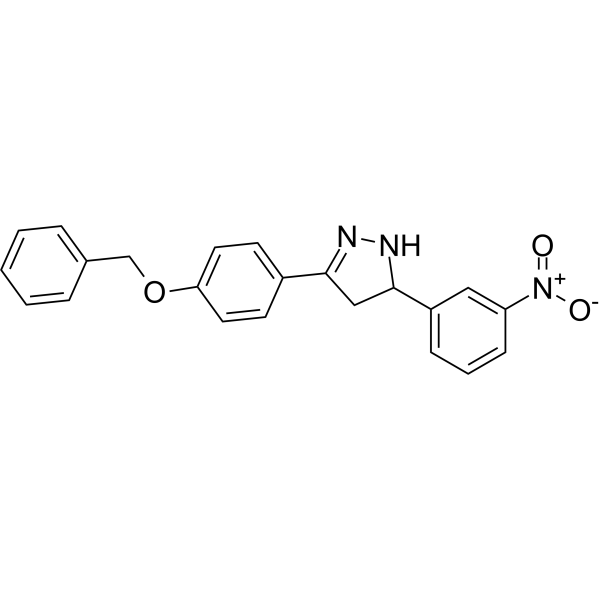
Antibacterial agent 230 (compound 10) is an effective Antifungal agent. The MIC value of antibacterial agent 230 against fluconazole-resistant fungi is 2.0 ~ 16.0 μg/mL .
|
-

- HY-171451
-
|
|
Phosphorylase
|
Metabolic Disease
|
|
RMGPa-IN-1 (Compound 10C) is a rabbit muscle glycogen phosphorylase a (RMGPa) inhibitor with an IC50 value of 82.5 μM. RMGPa-IN-1 is promising for research of diabetes .
|
-

- HY-169571
-
|
|
Bacterial
|
Infection
|
|
Antimicrobial agent-38 (compound 10) is a potent inhibitor of methicillin-resistant S. aureus strain ATCC 700699 and nonresistant strain ATCC 29213, with MICs of 32 and 64 mg/L .
|
-

- HY-163568
-
|
|
RSV
|
Infection
|
|
RSV-IN-11 (compound 10b) shows antiviral activity against RSV with the IC50 of 6.32 μM. RSV-IN-10 can be used for study of respiratory infection .
|
-

- HY-119324
-
|
|
Apoptosis
|
Others
|
|
Anticancer agent 254 (compound 10) is a dichloroacetic acid-loaded compound with enhanced antitumor activity against leukemia cells in vitro and better stability in vivo, and can be considered for preclinical evaluation of cancer inhibition.
|
-

- HY-W024692
-
|
Indometacin methylester
|
17β-HSD
|
Cancer
|
|
Indomethacin methylester (Compound 10; Indometacin methylester) is a potent and selective AKR1C3 inhibitor with an IC50 value of 5.67 μM. Indomethacin methylester is promising for research of postate cancer .
|
-

- HY-146652
-
|
|
Bacterial
|
Infection
|
|
UGM-IN-3 (compound 10a) is a UDP-galactopyranose mutase (UGM) inhibitor with a Kd of 66 μM. UGM-IN-3 inhibits the growth of Mycobacterium tuberculosis with a MIC value of 6.2 μg/mL .
|
-
- HY-172913
-
|
|
Influenza Virus
|
Infection
|
|
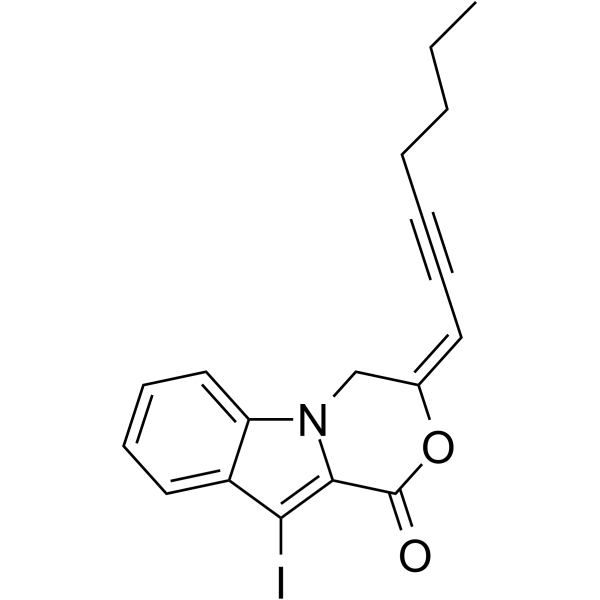
Influenza A virus-IN-16 (compound 10) is a potent anti-viral agent. Influenza A virus-IN-16 inhibits pseudotyped H7N1 with an EC50 of 0.09 μM .
|
-

- HY-146101
-
|
|
iGluR
|
Neurological Disease
|
|
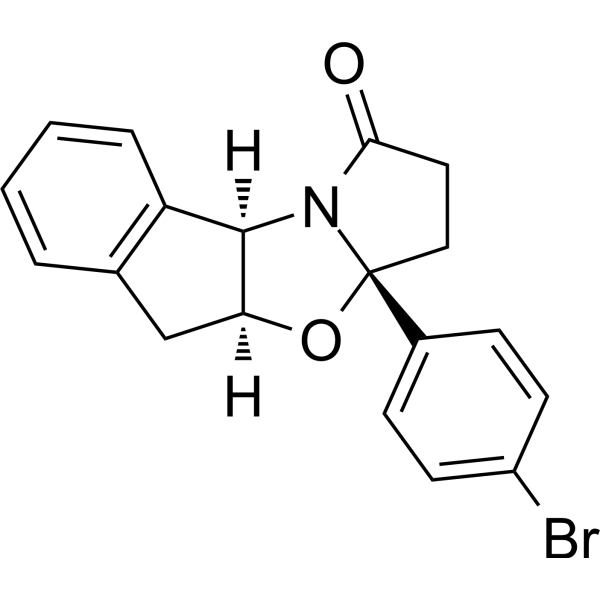
NMDA receptor antagonist 5 (Compound 10e) is a potent, brain permeable and non-toxic NMDA receptor antagonist. NMDA receptor antagonist 5 can be used for neurological disorder research .
|
-
- HY-163530
-
-

- HY-172622
-
-

- HY-163000
-
|
|
EGFR
|
Cancer
|
|
EGFR-IN-129 (Compound 10b) is a potent and selective EGFR inhibitor, with an IC50 of 51.2 nM. EGFR-IN-129 exhibits broadest-spectrum antiproliferative activity against the NCI-tumor panel .
|
-

- HY-W099668
-
|
|
Cytochrome P450
|
Metabolic Disease
Cancer
|
|
2-Pentylbenzimidazole (Compound 10f), benzimidazole derivative, is an aminopyrine N-demethylase inhibitor with a pIC50 of 4.3. 2-Pentylbenzimidazole can be used for the researches of cancer and metabolic disease .
|
-

- HY-121397
-
|
|
ROS Kinase
|
Inflammation/Immunology
|
|
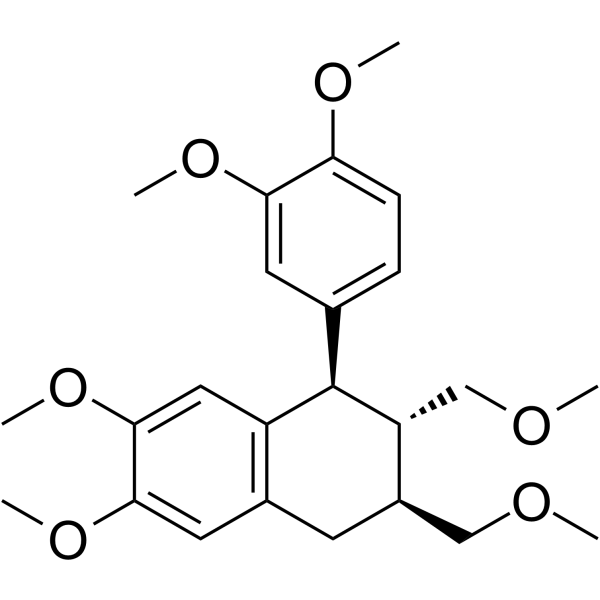
Phyltetralin (Compound 10) is a natural product than can be isolated from the hexane-ethyl acetate extract of Phyllanthus amarus leaves. Phyltetralin possesses immunosuppressive effects on different lineages of innate immune system .
|
-
- HY-149227
-
-
- HY-117677
-
|
|
CDK
|
Cancer
|
|
Cdc7-IN-21 (compound 10c) is a potent and selective Cdc7 inhibitor with an IC50 of 0.07 nM. Cdc7-IN-21 can be used to study cancer .
|
-

- HY-155090
-
|
|
ATM/ATR
|
Cancer
|
|
ATM Inhibitor-8 (Compound 10r) is a highly potent, selective and orally active ATM inhibitor,with an IC50 of 1.15 nM. ATM Inhibitor-8 exhibits anti-tumor activity .
|
-
- HY-161455
-
|
|
Xanthine Oxidase
|
Inflammation/Immunology
|
|
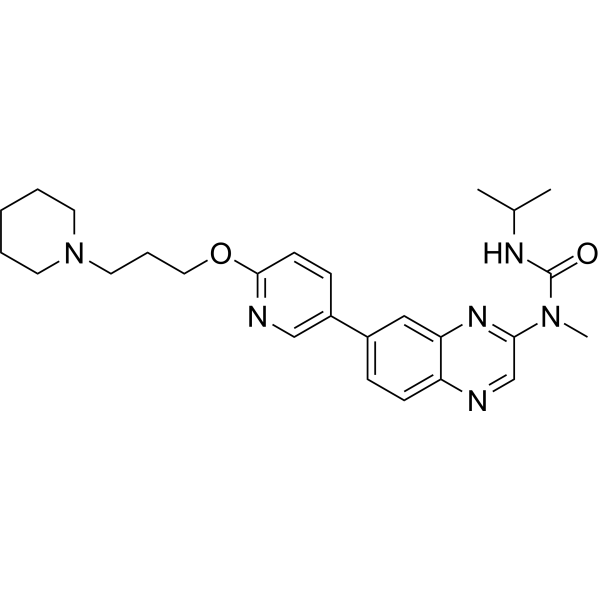
Xanthine oxidase-IN-13 (Compound 10) is a selective xanthine oxidase inhibitor (IC50: 149.56 μM for bovine xanthine oxidase). Xanthine oxidase-IN-13 can be used for research of inflammatory arthritis .
|
-
- HY-164005
-
-

- HY-146431
-
|
|
Angiotensin Receptor
|
Others
|
|
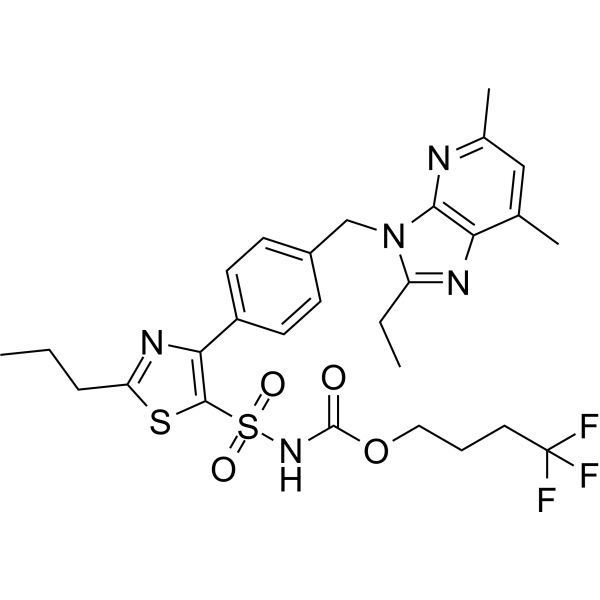
AT1R antagonist 1 (compound 10) is a potent AT1R selective ligand. AT1R antagonist 1 exhibits a fair AT1R affinity, with a Ki of 8.5 nM .
|
-
- HY-139035
-
|
|
CRFR
|
Neurological Disease
|
|
CRHR1 antagonist 1 (compound 10a) is a non-peptide corticotropin-releasing hormone type 1 receptor (CRHR1) antagonist. CRHR1 antagonist 1 can be utilized in mental disorders research .
|
-

- HY-N18095
-
|
|
Drug Metabolite
|
Others
|
|
Tricyclodehydroisohumulone (Compound 10) is an oxidation product of α-acid, which is found in hop resin .
|
-

- HY-N3591
-
|
|
Others
|
Others
|
|
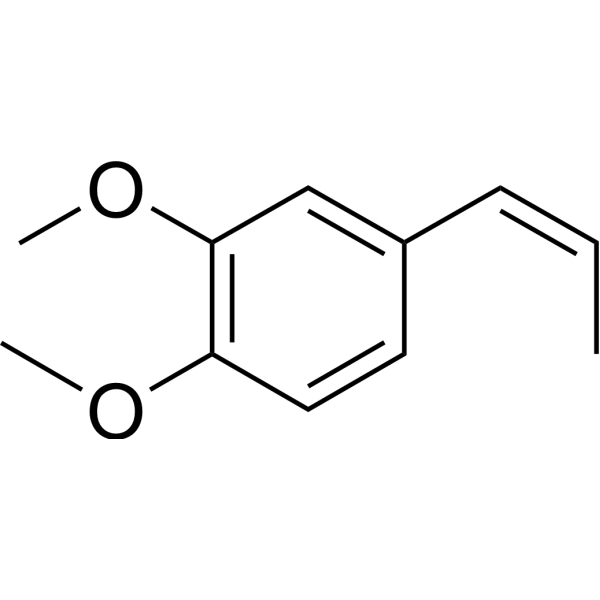
cis-Methylisoeugenol (compound 10) can be isolated from the MeOH extract of R. fasciculatum .
|
-
- HY-163558
-
-

- HY-N17515
-
|
|
Drug Derivative
|
Others
|
|
Kolavic acid (Compound 10) is a clerodane-type diterpenoid compound found in the leaves and young branches of Callicarpa cathayana .
|
-

- HY-B1942
-
-

- HY-W101604
-
|
H-HoLeu-OH
|
Amino Acid Derivatives
|
Others
|
|
L-Homoleucine (H-HoLeu-OH) (Compound 10) is a non-proteinogenic amino acid building block. L-Homoleucinemycoplanecin is present in Mycoplanecin .
|
-

- HY-163531
-
-
- HY-W1142093
-
-

- HY-N11514
-
|
|
Others
|
Inflammation/Immunology
|
|
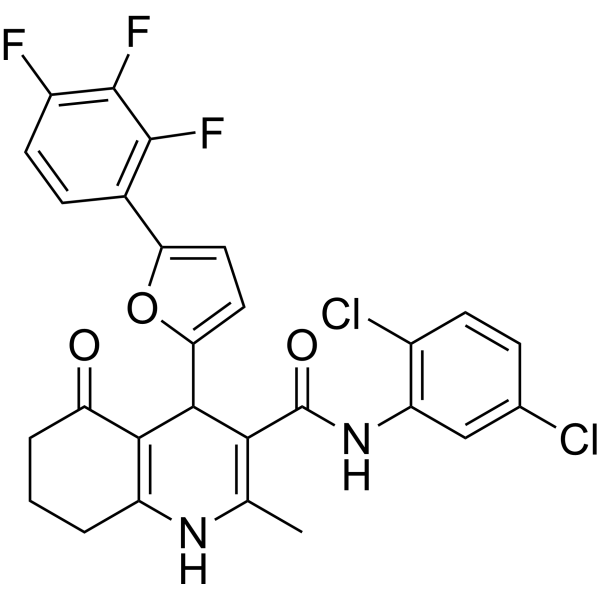
Anti-osteoporosis agent-2 (Compound 10) is an anti-osteoporosis agent. Anti-osteoporosis agent-2 inhibits differentiation on osteoclast induced by RANKL .
|
-
- HY-172611
-
|
|
Microtubule/Tubulin
|
Cancer
|
|
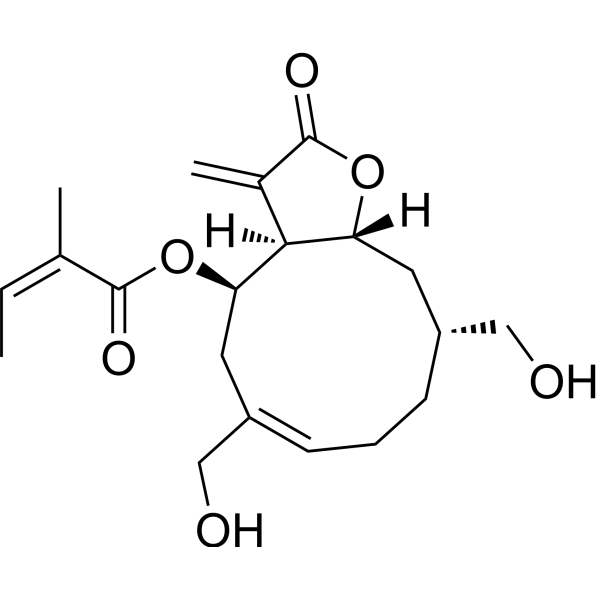
Tubulin polymerization-IN-78 (compound 10a) is a tubulin polymerization inhibitor with an IC50 value of 2.69 μM. Tubulin polymerization-IN-78 shows antiproliferative activity .
|
-

- HY-186138
-
|
|
Thyroid Hormone Receptor
|
Metabolic Disease
|
|
TR modulator-1 (compound 10c) is a selective thyroid hormone receptor (TR) modulator. TR modulator-1 can be used in the research of hyperthyroidism and thyrotoxicosis .
|
-

- HY-186216
-
|
|
Drug Derivative
|
Neurological Disease
|
|
Feruloylmethyl 4-hydroxycinnamate (Compound 10b) is a bioactive analog of Calebin A (HY-W783478). Feruloylmethyl 4-hydroxycinnamate can be used for research on neurological diseases .
|
-

- HY-N11685
-
|
Xanthogalol
|
Bacterial
Fungal
|
Infection
|
|
(±)-Lomatin (Xanthogalol) (Compound 10) is a coumarin-type secondary metabolite. (±)-Lomatin can be found in Coleonema album. (±)-Lomatin can be used for the research of bacterial infections, mycobacterial infections, and fungal infections .
|
-

- HY-182641
-
|
SAG-Cl (cis-isomer)
|
Gli
|
Cardiovascular Disease
|
|
SAG analog (cis-isomer) (SAG-Cl (cis-isomer)) (Compound 10b) is a Gli1 activator with an EC50 of 7.6 nM. SAG analog (cis-isomer) is non-toxic .
|
-

- HY-N17286
-
|
|
Drug Derivative
|
Others
|
|
12-Hydroxy-4,11(13)-eudesmadien-15-al (Compound 10) is an eudesane-type sesquiterpene isolated from the leaves of Ambrosia arborescens .
|
-

- HY-N8345
-
|
|
Others
|
Others
|
|
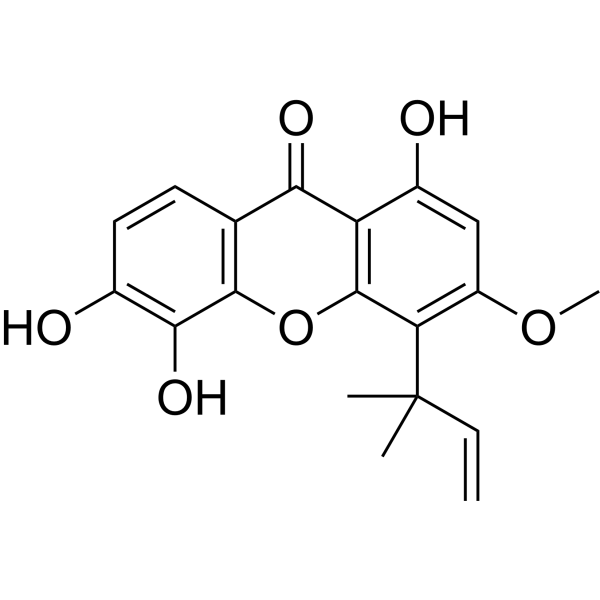
Isocudraniaxanthone B (compound 10) is a kind of xanthone. Isocudraniaxanthone B can be isolated from Calophyllum caledonicum. Isocudraniaxanthone B has antimalarial activity with an IC50 value of 3.2 μg/mL .
|
-
- HY-183305
-
|
|
Bacterial
|
Infection
|
|
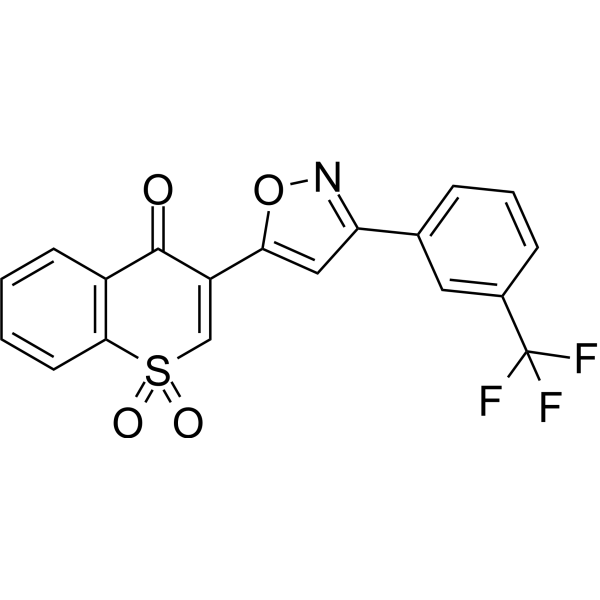
Antibiofilm-IN-1 (Compound 10) is a biofilm inhibitor and Antibacterial agent. Antibiofilm-IN-1 potently inhibits biofilm formation by Staphylococcus aureus, Bacillus subtilis, Escherichia coli and Pseudomonas aeruginosa .
|
-

- HY-N3872R
-
|
|
Others
Reference Standards
|
Others
|
|
Ethyl β-D-glucopyranoside (compound 10) is a kind of phenolic compound. Ethyl β-D-glucopyranoside can be isolated from ethanolic extract of Scabiosa stellata LS
|
-

- HY-123118
-
|
|
DNA-PK
|
Cancer
|
|
NU-7031 (compound 10), a coumarin derivative, is a DNA-PK inhibitor with an IC50 of 1.7 μM. NU-7031 can be used for the study of cancer .
|
-

- HY-163031
-
|
|
Monoamine Oxidase
|
Neurological Disease
|
|
MAO-B-IN-28 (compound 10e) is a potent hMAO-B inhibitor with an IC50 of 1.9±0.5 nM. MAO-B-IN-28 can be used as a candidate for neurodegenerative diseases research .
|
-
- HY-108697A
-
|
|
HIF/HIF Prolyl-Hydroxylase
|
Cancer
|
|
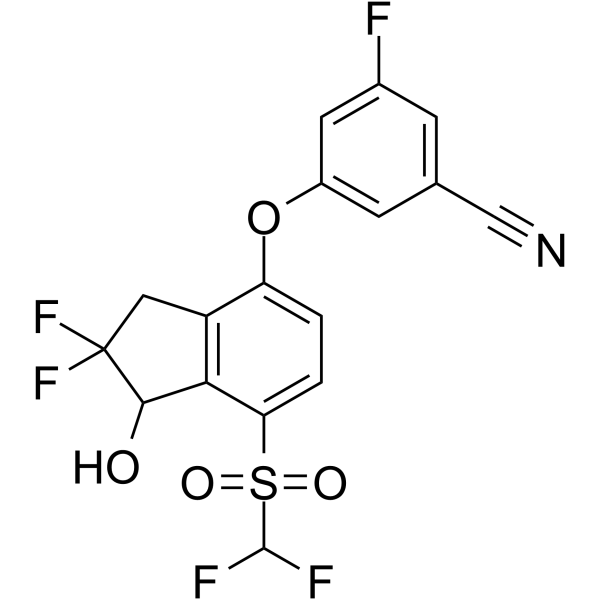
(Rac)-PT2399 (Compound 10e), the racemate of PT2399, acts as a potent and specific hypoxia-inducible factor 2a (HIF-2α) inhibitor with an IC50 of 0.01 μM .
|
-
- HY-161907
-
-

- HY-161927
-
|
|
EGFR
Apoptosis
|
Cancer
|
|
EGFR-TK-IN-4 (compound 10k) is a potent and selective EGFR-TK inhibitor. EGFR-TK-IN-4 can induce apoptosis . EGFR-TK-IN-4 has antitumor activity .
|
-

- HY-170654
-
|
|
Opioid Receptor
|
Neurological Disease
|
|
Opioid receptor antagonist 1 (Compound 10) is an Orvinol (HY-D0168)-based opioid receptor antagonist. Opioid receptor antagonist 1 has antagonistic activity to the analgesic properties of Morphine .
|
-

- HY-136707
-
|
|
Acyltransferase
|
Metabolic Disease
|
|
DGAT-1 inhibitor 3 (compound 10) is a potent DGAT-1 inhibitor with an IC50 value of 0.038 µM. DGAT-1 inhibitor 3 has the potential for the research of obesity and diabetes .
|
-

- HY-172297
-
-

- HY-185492
-
-

- HY-135275
-
|
|
Bcl-2 Family
|
Cancer
|
|
BCL-XL-IN-4 (compound 10) is a potent and selective BCL-XL inhibitor with Ki values of 0.042, 170 nM for BCL-XL, BCL-2, respectively. BCL-XL-IN-4 shows cytotoxicity .
|
-

- HY-102031
-
|
YY-20394
|
PI3K
|
Inflammation/Immunology
Cancer
|
|
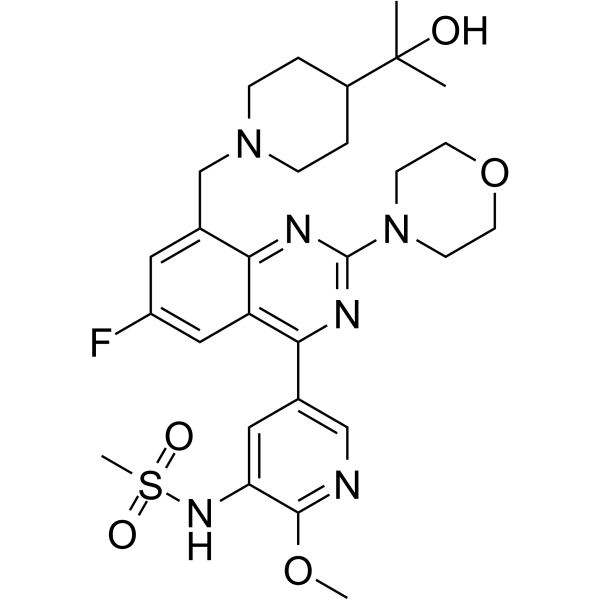
Linperlisib (YY-20394) is a potent, orally bioavailable and selective inhibitor of PI3Kδ extracted from patent WO 2015055071 A1, compound 10; has an IC50 of 6.4 nM .
|
-
- HY-153168
-
|
|
Phosphodiesterase (PDE)
|
Cardiovascular Disease
|
|
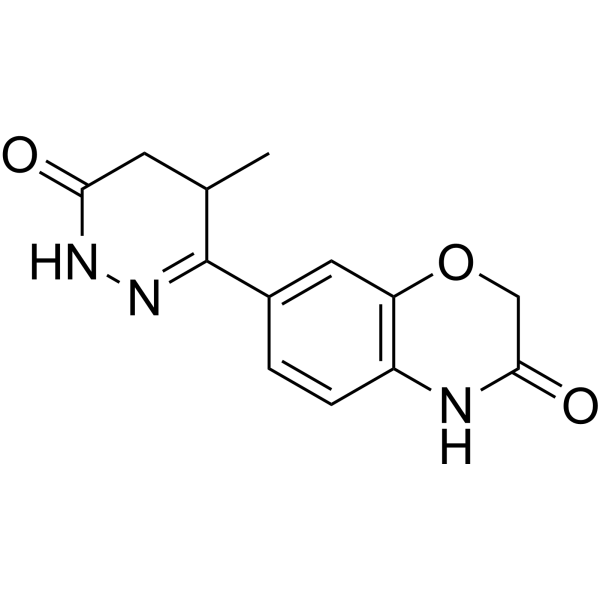
Bemoradan (compound 10a) is an orally active and selective canine Phosphodiesterase (PDE) fraction III inhibitor. Bemoradan is a long-acting, potent, inotropic vasodilator and a novel cardiotonic agent, and can be used in congestive heart
failure research .
|
-
- HY-162758
-
|
|
Aldose Reductase
|
Metabolic Disease
|
|
ALR2-IN-5 (Compound 10a) is an inhibitor of ALR2 with an IC50 value of 99.29 nM. ALR2-IN-5 exhibits hypoglycemic effects and can be utilized in research related to diabetes .
|
-

- HY-D2575
-
|
|
Biochemical Assay Reagents
|
Inflammation/Immunology
|
|
WYneN (compound 10) is a functionalized Wittig-alkyne probe. WYneN exhibits strong reactivity with sulfinic acid dipeptide models, similar to the parent Wittig reagent. WYneN can be used to reveal the function of oxidative modifications on a proteome-wide scale .
|
-

- HY-156915
-
|
|
Pim
|
Inflammation/Immunology
Cancer
|
|
Pim-1 Kinase Inhibitor 13 (compound 10) is a Pim-1 kinase inhibitor with an IC50 of 4.41 μM. Pim-1 Kinase Inhibitor 13 can be utilized in immunology or cancer research .
|
-

- HY-181698
-
|
|
MMP
|
Inflammation/Immunology
|
|
MMP13-IN-6 (Compound 10a) is a MMP-13 inhibitor with a Ki value of 40 nM against hMMP-13. MMP13-IN-6 can be used in the research of osteoarthritis and rheumatoid arthritis .
|
-

- HY-182505
-
|
|
Bacterial
|
Infection
|
|
QS-IN-1 (Compound 10 in Table 2 on page 18) is a quorum sensing (QS) inhibitor with an IC50 of 1.22 μM against agr-type QS. QS-IN-1 is applicable to the research of bacterial infections .
|
-

- HY-169905
-
|
|
Molecular Glues
|
Others
|
|
GR-14-3-3 stabilizer-1 (compound 10) is a molecular glue stabilizer that can be used to prepare molecular glues targeting glucocorticoids (GR) and block the interaction between GR and 14-3-3 .
|
-

- HY-W018811
-
|
|
Bacterial
|
Infection
|
|
Antibacterial agent 268 (Compound 10e) is an antibacterial agent with antimycobacterial properties. Antibacterial agent 268 shows high anti-bacterial properties at sub-micromolar values (MIC=0.44-0.07 μM) .
|
-

- HY-156524
-
|
|
Deubiquitinase
|
Cancer
|
|
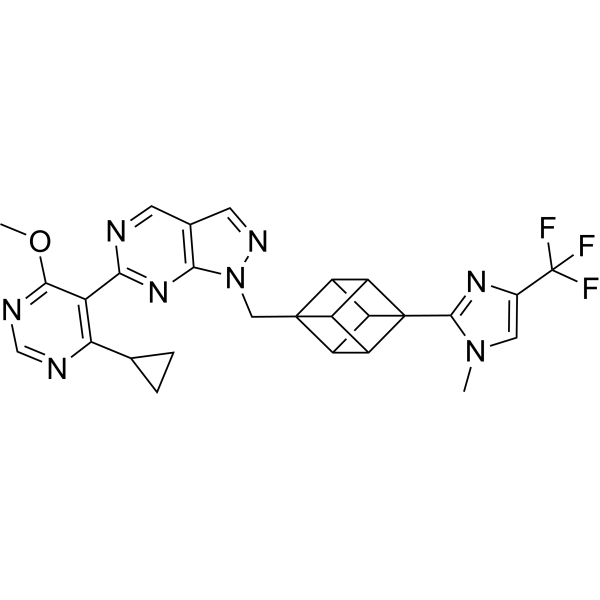
USP1-IN-5 (compound 10) is a USP1 inhibitor (IC50<50 nM). USP1-IN-5 also inhibits MDA-MB-436 cells with IC50 <50 nM .
|
-
- HY-147795
-
-
- HY-153731
-
|
|
Deubiquitinase
|
Cancer
|
|
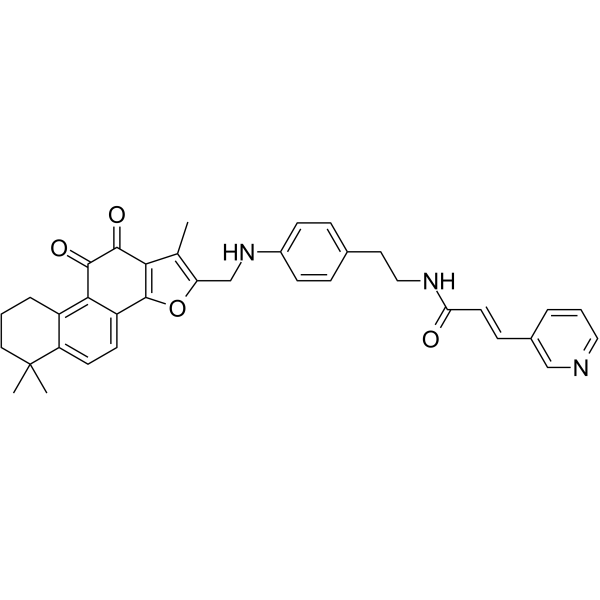
USP1-IN-4 (compound 10) is an effective USP1 inhibitor with an IC50 value of 2.44 nM. USP1-IN-4 has anticancer activity and synergistic activity with various anticancer drugs .
|
-
- HY-114191
-
|
|
Somatostatin Receptor
|
Metabolic Disease
Endocrinology
|
|
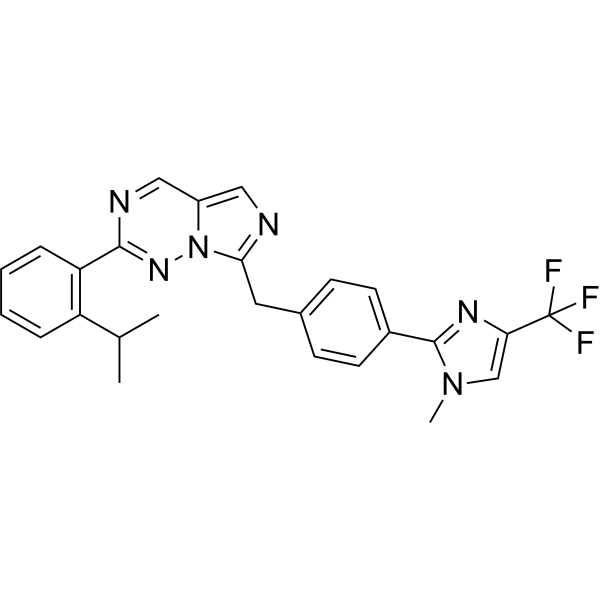
SSTR5 antagonist 2 (compound 10) is a highly potent, oral active and selective somatostatin (receptor) subtype 5 (SSTR5) antagonist and has potential for the research of treat type 2 diabetes mellitus (T2DM) .
|
-
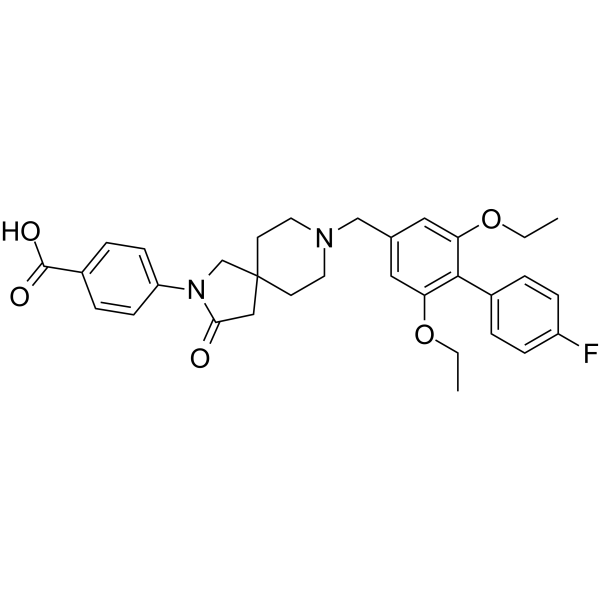
- HY-158386
-
|
|
IRE1
|
Cancer
|
|
IRE1a-IN-1 (Compound 10) is an IRE1α inhibitor, with an IC50 of less than 100 nM for XBP1 mRNA. IRE1a-IN-1 can be used for the research of cancer .
|
-

- HY-114191A
-
|
|
Somatostatin Receptor
|
Metabolic Disease
Endocrinology
|
|
SSTR5 Antagonist 1 (compound 10) is a highly potent, oral active and selective somatostatin (receptor) subtype 5 (SSTR5) antagonist and has potential for the research of treat type 2 diabetes mellitus (T2DM) .
|
-
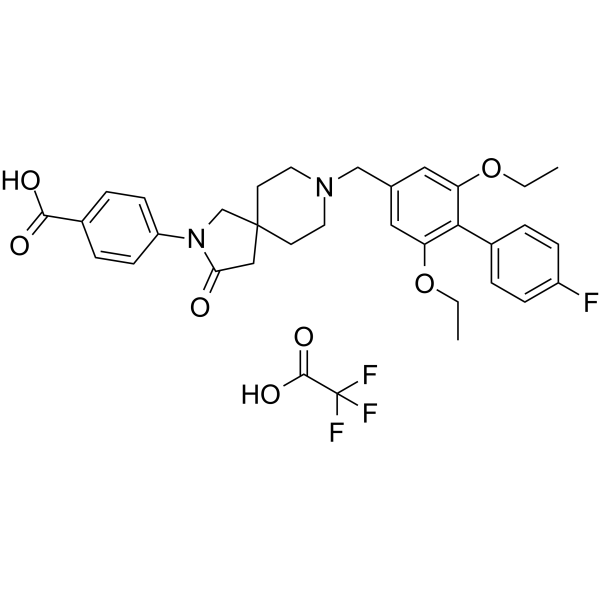
- HY-168515
-
|
|
CDK
|
Cancer
|
|
CDK9-IN-35 (compound 10j) is an inhibitor of CDK9/Cyclin T1 with an IC50 value of 10.2 nM and against the HCT-116 cell line with an IC50 value of 20 nM .
|
-

- HY-161433
-
|
|
Monoamine Transporter
|
Neurological Disease
|
|
VMAT2-IN-3 (compound 10) is a potent vesicular monoamine transporter-2 (VMAT2) inhibitor with a Ki of 0.71 nM. VMAT2-IN-3 has the potential for neurological or psychiatric disease research .
|
-
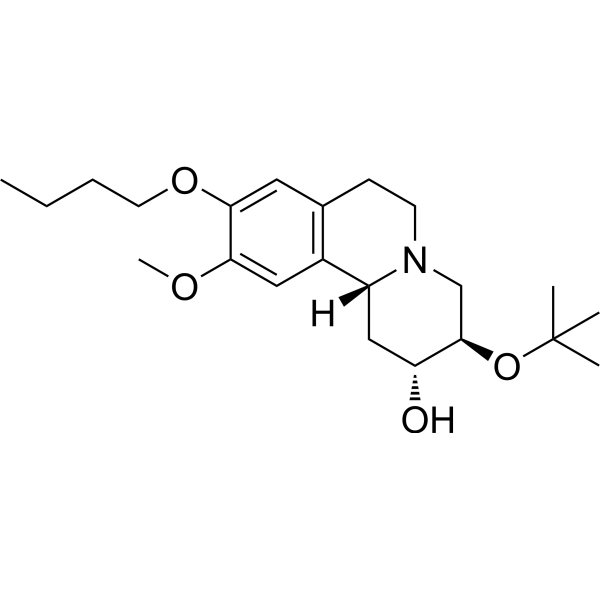
- HY-169109
-
|
|
DAPK
|
Neurological Disease
|
|
DAPK1-IN-1 (compound 10) is a death-associated protein kinase 1 (DAPK1) inhibitor with a Kd value of 0.63 μM. DAPK1-IN-1 can be used in Alzheimer’s disease research .
|
-

- HY-176403
-
-

- HY-146125
-
|
|
Endonuclease
|
Metabolic Disease
|
|
CGCG/CGG ligand 1 (compound 10), an anthracenone derivative, is a CGCG or CGG short spacer-ligand. CGCG/CGG ligand 1 can protect cleavable sites of DNA with the multiple CGCG or continuous CGG sites from the restriction enzyme .
|
-
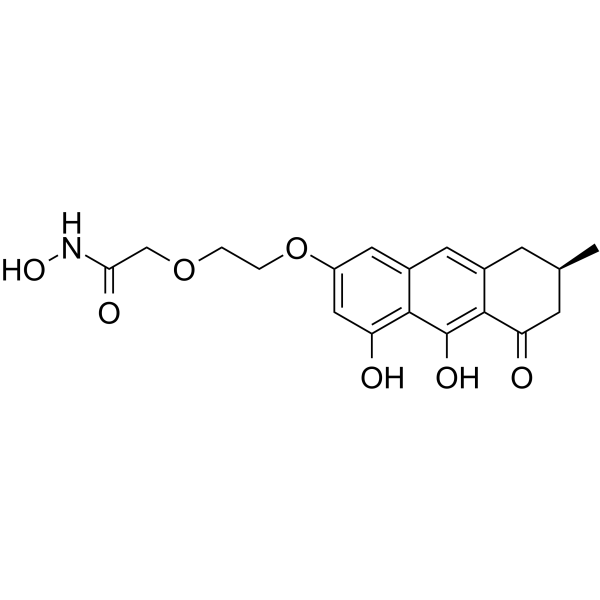
- HY-162541
-
|
|
Glycosidase
|
Metabolic Disease
|
|
α-Glucosidase-IN-64 (compound 10) is a potent α-glucosidase inhibitor with an IC50 value of 8.62 µM. α-Glucosidase-IN-64 is a polycyclic polyprenylated acylphloroglucinol that can be isolated from hypericum beanii .
|
-

- HY-153579
-
|
|
Interleukin Related
|
Inflammation/Immunology
|
|
Anti-inflammatory agent 42 (Compound 10j) is an anti-inflammatory agent. Anti-inflammatory agent 42 shows excellent inhibition on the expression of TNF-α and IL-6 in LPS (HY-D1056)-stimulated macrophages .
|
-
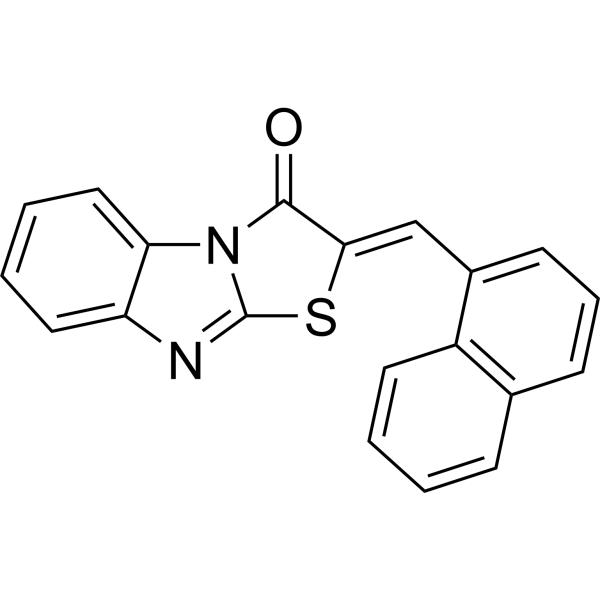
- HY-170690
-
|
|
FGFR
|
Cancer
|
|
FGFR4-IN-22 (compound 10f) is a potent inhibitor of FGFR4, with the IC50 of 5.4 nM. FGFR4-IN-22 serve as a potential lead compound targeting FGFR4 for anti-HCC agent
development .
|
-

- HY-N12032
-
|
|
Others
|
Others
|
|
Acacetin 7-O-β-D-xylopyranosyl-(1→2)[α-L-rhamnopyranosyl-(1→6)]-β-D-glucopyranoside (Compound 10), a flavone glycoside, can be isolated from extracts of the leaves of Robinia pseudoacacia .
|
-
![Acacetin 7-O-β-D-xylopyranosyl-(1→2)[α-L-rhamnopyranosyl-(1→6)]-β-D-glucopyranoside](//file.medchemexpress.com/product_pic/hy-n12032.gif)
- HY-149347
-
|
|
Bacterial
|
Infection
|
|
Mtb-IN-3 (compound 10c) is an inhibitor of Mycobacterium tuberculosis (Mtb). Mtb-IN-3 shows selective, potent in vitro antimycobacterial activity without cytotoxicity. Mtb-IN-3 inhibits colony-forming in spleen in the murine tuberculosis model .
|
-
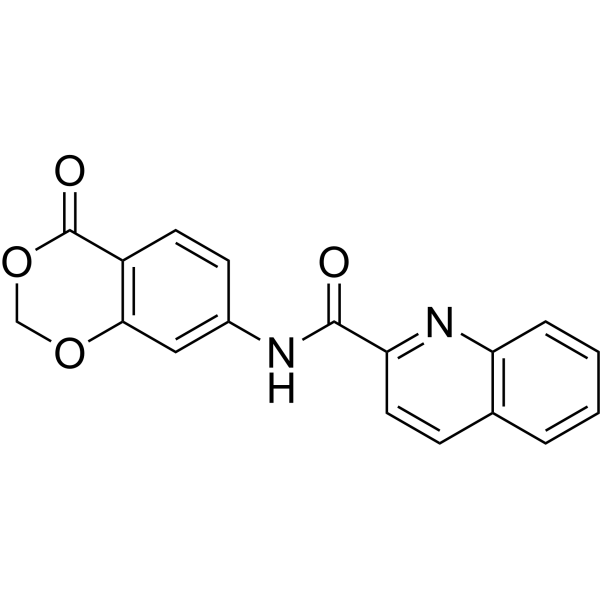
- HY-180447
-
-

- HY-155234
-
|
|
Steroid Sulfatase
|
Cancer
|
|
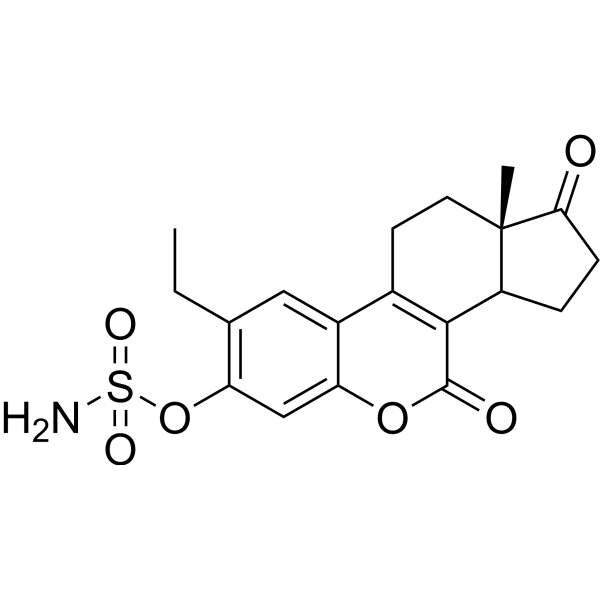
Steroid sulfatase-IN-6 (Compound 10c) is an irreversible inhibitor of steroid sulfatase (STS). Steroid sulfatase-IN-6 has an Ki value of 0.4 nM for human placenta STS. Steroid sulfatase-IN-6 can be used for tumor diseases research .
|
-
- HY-107561
-
|
|
Histamine Receptor
|
Inflammation/Immunology
|
|
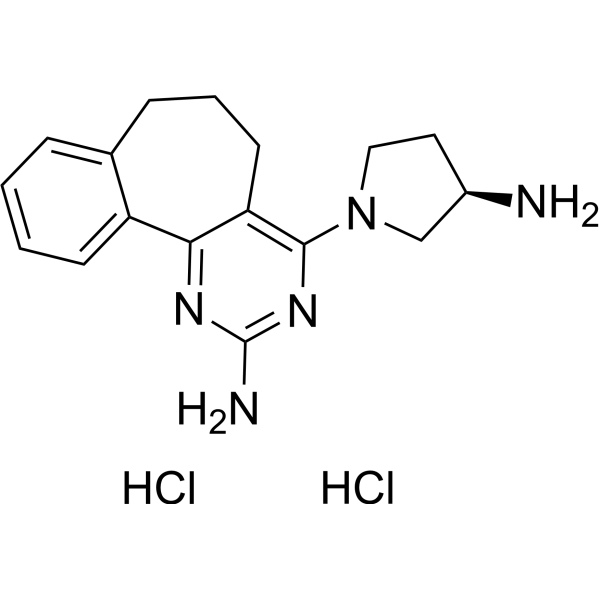
A-943931 (Compound 10) is a histamine H4 receptor antagonists. A-943931 has improved pharmacotropic and in vivo efficacy in models of pain and inflammation. A-943931 can be used in vivo anti-inflammatory and anti-nociception research .
|
-
- HY-W765881
-
|
|
Isotope-Labeled Compounds
Drug Intermediate
|
Cancer
|
|
Capecitabine 2',3'-diacetate-d11 is the deuterium labeled Capecitabine 2',3'-diacetate (HY-W099488). Capecitabine 2',3'-diacetate (Compound 10b) is the prodrug for the antitumor agent Capecitabine (HY-B0016) .
|
-

- HY-169315
-
|
|
Keap1-Nrf2
|
Cancer
|
|
Nrf2 activator 17 (compound 10) is an Nrf2 activator that inhibits the interaction between Keap1 and Nrf2 with an IC50 of < 0.1 pM. Additionally, Nrf2 activator 17 has an EC50 of < 10 μM in HepG2 cells .
|
-

- HY-180296
-
|
|
Cholinesterase (ChE)
|
Neurological Disease
|
|
AChE-IN-103 (Compound 10) is an inhibitor of ACh. AChE-IN-103 exhibits log IC50 values of 1.477 and 2.2 for models based on alignments I and II. AChE-IN-103 can be studied in research on Alzheimer’s disease .
|
-

- HY-103537
-
|
|
γ-secretase
Amyloid-β
|
Neurological Disease
|
|
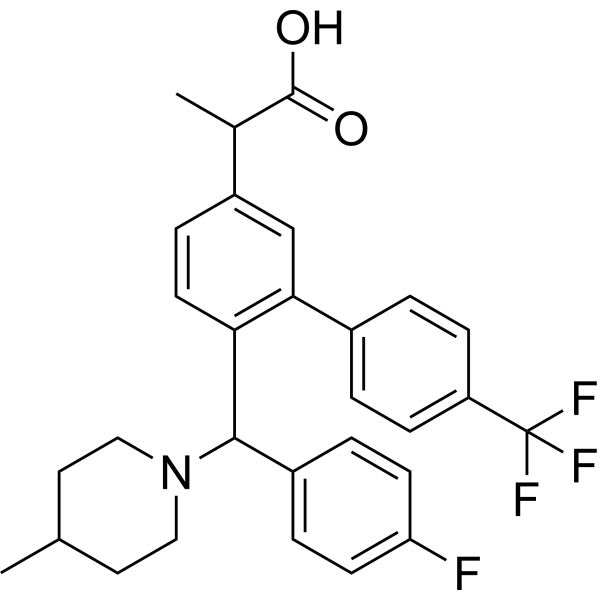
(Rac)-BIIB042 (Compound 10) is an modulator of γ-Secretase. (Rac)-BIIB042 reduces Amyloid-β 42 level with an EC50 value of 0.39 µM. (Rac)-BIIB042 can be used for the study of Alzheimer's disease .
|
-
- HY-149520
-
|
|
MAP4K
|
Cancer
|
|
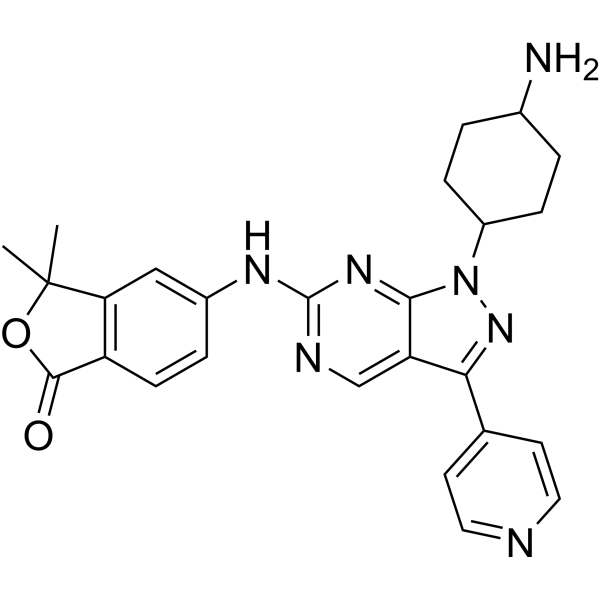
HPK1-IN-39 (Compound 10n) is a selective HPK1 Inhibitor (IC50: 29 nM). HPK1-IN-39 inhibits the phosphorylation of SLP76. HPK1-IN-39 can be used for research of cancer immunotherapy .
|
-
- HY-161145
-
|
|
EGFR
Apoptosis
Microtubule/Tubulin
|
Cancer
|
|
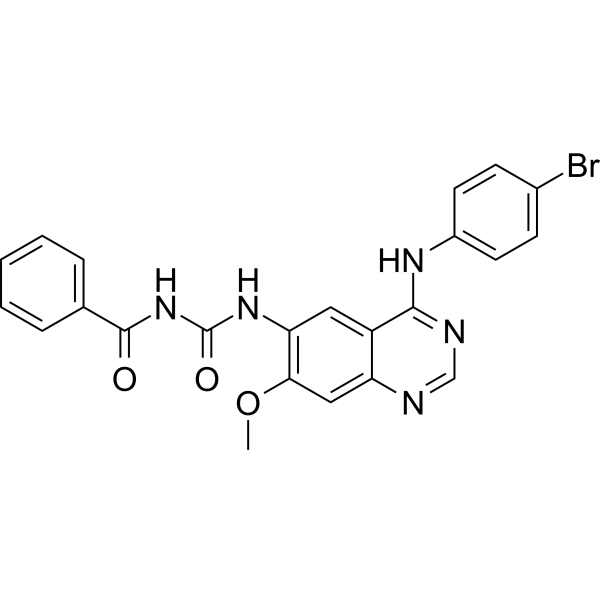
EGFR/microtubule-IN-1 (Compound 10c) is a dual inhibitor targeting EGFR and tubulin. The IC50 for inhibiting EGFR is 10.66 nM. EGFR/microtubule-IN-1 can reduce the phosphorylation levels of EGFR, AKT and ERK, hinder tubulin polymerization, and induce apoptosis .
|
-
- HY-169955
-
|
|
Histone Acetyltransferase
Molecular Glues
|
Cardiovascular Disease
|
|
WIZ degrader 8 (compound 10) is a potent and selective degrader of the transcription factor WIZ, which can potently induce HbF expression. WIZ degrader 8 can lead to WIZ degradation and induce HbF expression, and has the potential to be an inhibitor of sickle cell disease .
|
-

- HY-144782
-
|
|
HDAC
Autophagy
|
Cancer
|
|
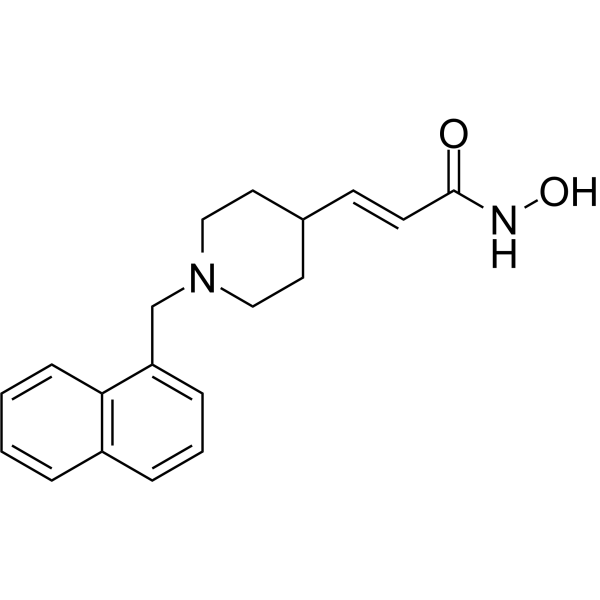
HDAC10-IN-2 (compound 10c) is a potent and highly selective HDAC10 inhibitor, with an IC50 of 20 nM. HDAC10-IN-2 modulates autophagy in aggressive FLT3-ITD positive acute myeloid leukemia cells .
|
-
- HY-N1252
-
|
|
Others
|
Cancer
|
|
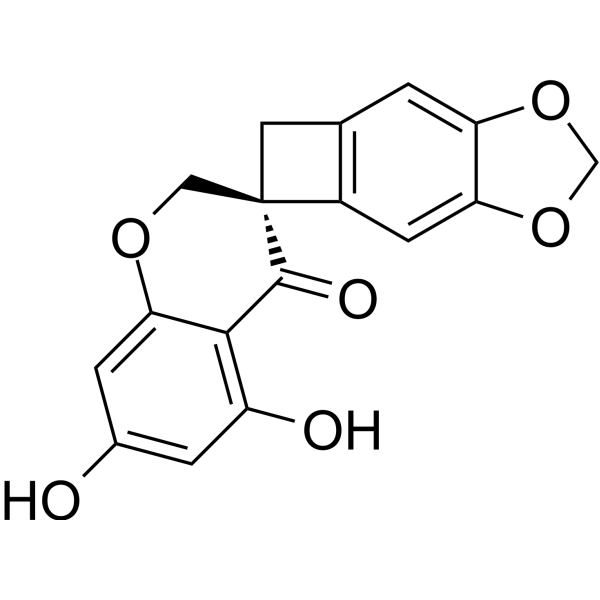
Scillascillin (compound 10) is a homoisoflavanone. Scillascillin can be isolated from S. scilloides. Scillascillin shows anticancer activity towards MCF-7 (breast cancer) and DU-145 (prostate cancer) cells with the IC50 of 9.59 and 11.32 ug/ml, respectively .
|
-
- HY-144782A
-
|
|
HDAC
Autophagy
|
Cancer
|
|
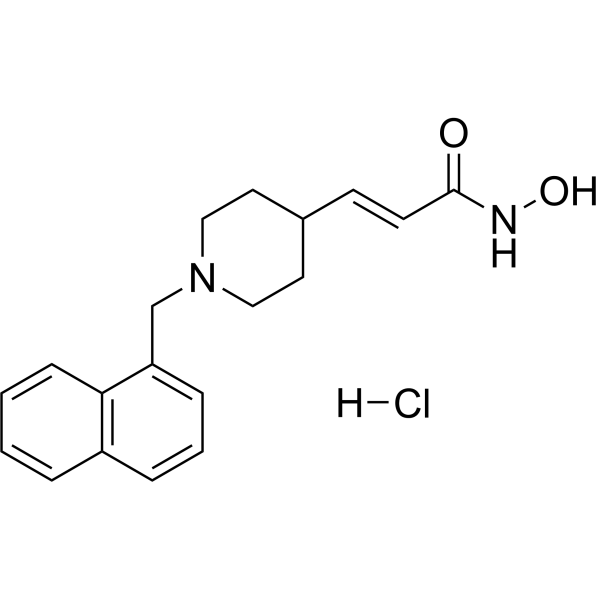
HDAC10-IN-2 hydrochloride (compound 10c) is a potent and highly selective HDAC10 inhibitor, with an IC50 of 20 nM. HDAC10-IN-2 hydrochloride modulates autophagy in aggressive FLT3-ITD positive acute myeloid leukemia cells .
|
-
- HY-173354
-
|
|
Dihydroorotate Dehydrogenase
|
Infection
|
|
hDHODH-IN-17 (Compound 10) is a human dihydroorotate dehydrogenase (hDHODH) inhibitor, with an IC50 of 0.188 μM. hDHODH-IN-17 is in good agreement with the hDHODH activity pocket and interacted well with amino acid residues. hDHODH-IN-17 is the potential broad-spectrum antiviral agent .
|
-

- HY-N10642
-
|
|
Others
|
Others
|
|
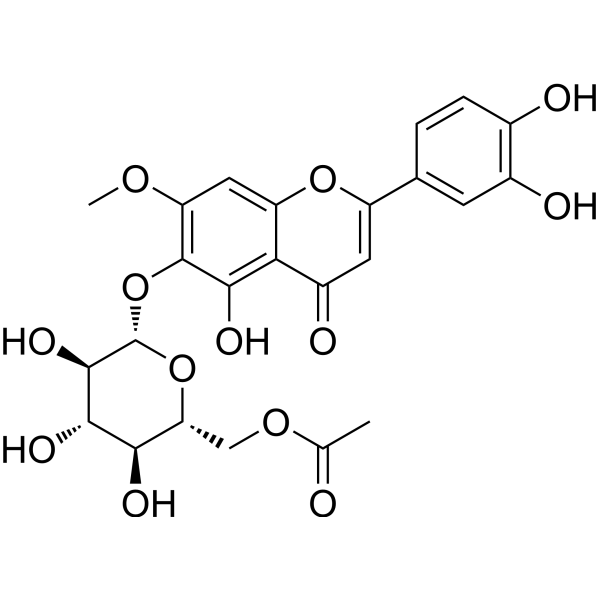
Pedaliin 6''-acetate (compound 10) is a natural product that can be isolated from Dracocephalum tanguticum. Pedaliin 6''-acetate shows antioxidative activity and cytoprotective effect on doxorubicin (DOX)-induced toxicity in H9c2 cardiomyocytes with an EC50 value of 19.1 μM .
|
-
- HY-N1622
-
|
|
Others
|
Cancer
|
|
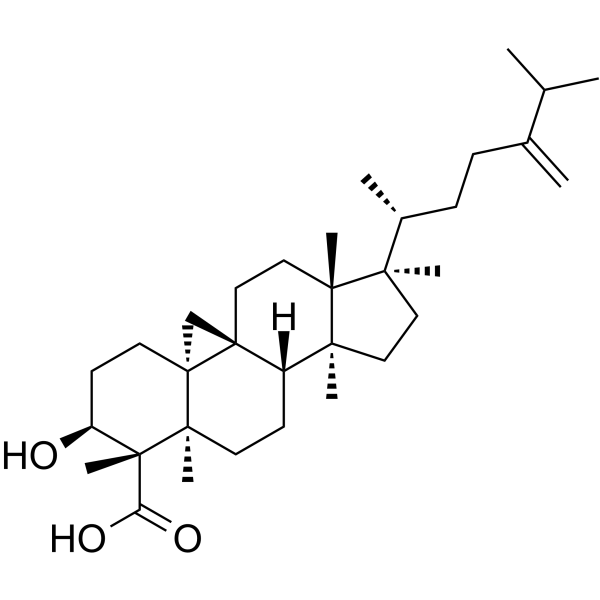
1-Dehydroxy-23-deoxojessic acid (compound 10) is a cycloartane-type triterpene. 1-Dehydroxy-23-deoxojessic acid exhibits cytotoxicity against murine colon 26-L5 carcinoma cells, with an EC50 of 62.38 μM .
|
-
- HY-10072R
-
|
|
NF-κB
Reference Standards
AP-1
|
Inflammation/Immunology
|
|
SPC 839 (Standard) is the analytical standard of SPC 839 (HY-10072). This product is intended for research and analytical applications. SPC 839 (compound 10) is an orally active inhibitor of AP-1 and NF-kB mediated transcriptional activation with IC50 of 0.008 μM .
|
-

- HY-180447A
-
-

- HY-163003
-
|
|
Parasite
|
Infection
|
|
Antitrypanosomal agent 19 (compound 10) is an orally available antitrypanosomal agent. Antitrypanosomal agent 19 effectively inhibits the growth of trypanosomatids T. b. brucei, T. b. gambiense and T. b. rhodesiense, mitigating the Human trypanosomiasis (HAT)-induced acute infectious toxicity in mice .
|
-
- HY-13232
-
|
|
Itk
|
Inflammation/Immunology
|
|
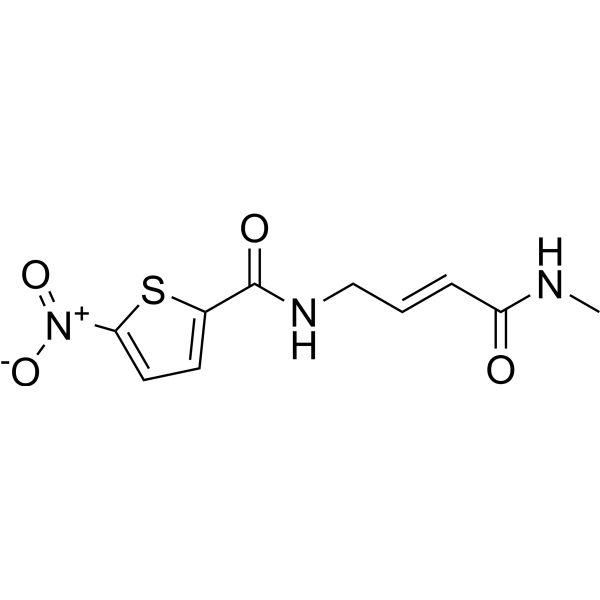
ITK antagonist (compound 10 n) is a potent, orally active and selective ITK (Interleukin-2 inducible T-cell kinase) antagonist (IC50=1 and 20 nM in different assays). ITK antagonist inhibits insulin receptor kinase (IRK) with an IC50 of 160 nM .
|
-
- HY-N9738
-
|
|
Endogenous Metabolite
|
Others
|
|
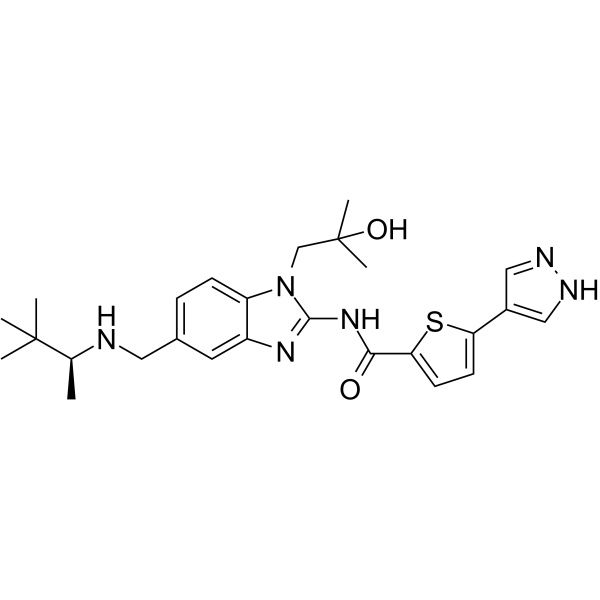
14β,16β-Dihydroxy-3β-(β-D-glucopyranosyloxy)-5α-bufa-20,22-dienolide (compound 10) is a butadiene lactone that can be used in related research in the field of life sciences.
|
-

- HY-116625
-
|
|
GHSR
|
Neurological Disease
|
|
PF-04628935 (compound 10n) is a potent ghrelin receptor inverse agonist, with an IC50 of 4.6 nM. PF-04628935 exhibits oral bioavailability of 43% in rats and shows reasonable penetration into the brain. PF-04628935 can be used for stress and anxiety research .
|
-
- HY-170797
-
|
|
Glycosidase
|
Metabolic Disease
|
|
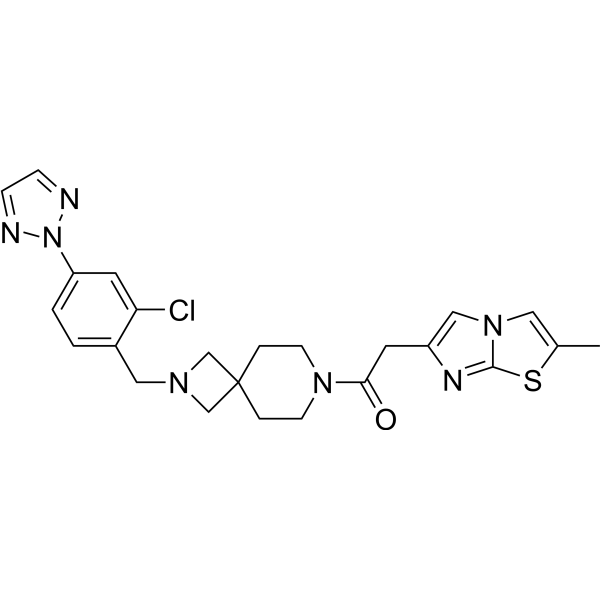
α-Glucosidase-IN-80 (Compound 10n) is a potent competitive inhibitor of α-glucosidase, with an IC50 of 48.4 μM. α-Glucosidase-IN-80 has good pharmacokinetic properties and toxicity profiles and can be used in the research of diabetes-related diseases .
|
-

- HY-162790
-
|
|
SARS-CoV
Virus Protease
|
Infection
|
|
SARS-CoV-2-IN-95 (Compound 10) is an inhibitor for SARS-CoV-2 PLpro with an IC50 of 0.39 μM. SARS-CoV-2-IN-95 exhibits antiviral activity in mouse SARS-CoV-2-infected model .
|
-

- HY-185266
-
|
|
DNA/RNA Synthesis
|
Cancer
|
|
Rev1-CT/RIR PPI-IN-2 (compound 10) is a Rev1-CT/RIR protein-protein interaction inhibitor.Rev1-CT/RIR PPI-IN-2 enhances cisplatin-mediated cell killing .
|
-

- HY-163515
-
|
|
Ras
|
Cancer
|
|
Anticancer agent 207 (compound 10b) is a potent anticancer agent. Anticancer agent 207 bounds to the NRAS rG4 with a KD value of 2.31 µM. Anticancer agent 207 shows cytotoxicity and decreases the expression of NRAS protein. Anticancer agent 207 shows antitumor activity .
|
-
- HY-155034
-
|
|
Topoisomerase
GLUT
|
Cancer
|
|
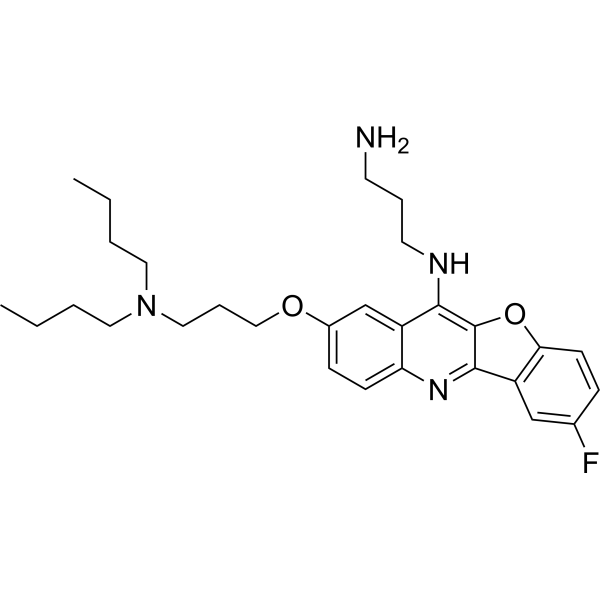
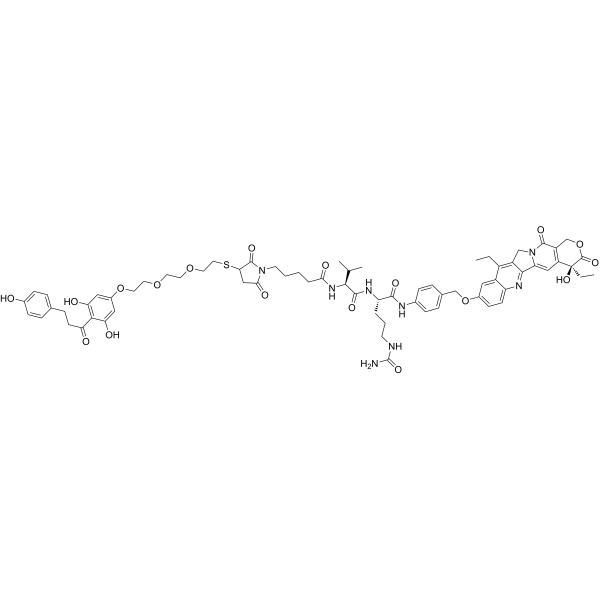
Antitumor agent-102 (compound 10) is a conjugate of Topoisomerase I inhibitor SN38 and glucose transporter inhibitor, targeting to colorectal cancer. Antitumor agent-102 induces higher concentrations of free SN38 in tumor tissues than Irinotecan (HY-16562) .
|
-
- HY-115992
-
|
|
CDK
|
Cancer
|
|
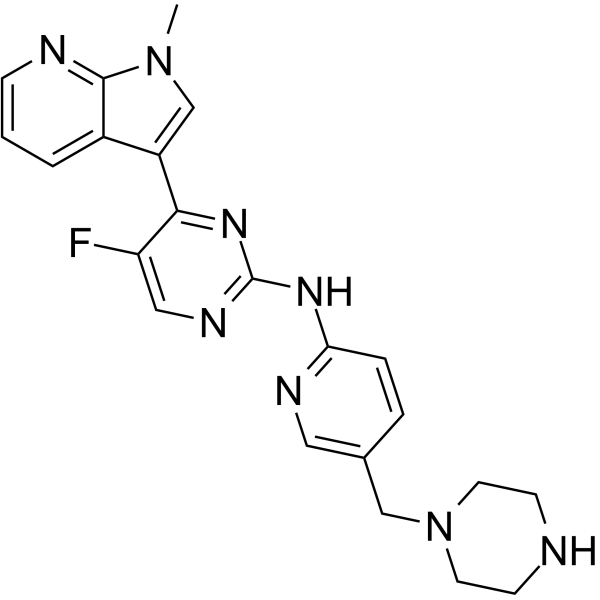
CDK4/6-IN-9 (compound 10) is a selective CDK4/6 inhibitor with an IC50 of 905 nM for CDK6/cyclin D1. CDK4/6-IN-9 has the potential for multiple myeloma (MM) research .
|
-
- HY-178386
-
|
|
BCRP
|
Cancer
|
|
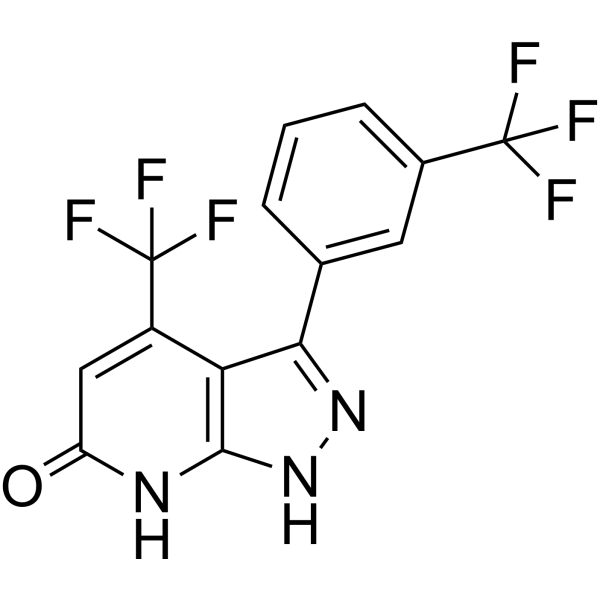
ABCG2-IN-5 (Compound 10) is a is a selective ABCG2 inhibitor, with an IC50 of 0.34 µM. ABCG2-IN-5 can be used for the study of ABCG2-overexpressing tumors such as non-small cell lung cancer (NSCLC) .
|
-

- HY-115960
-
|
|
Others
|
Cancer
|
|
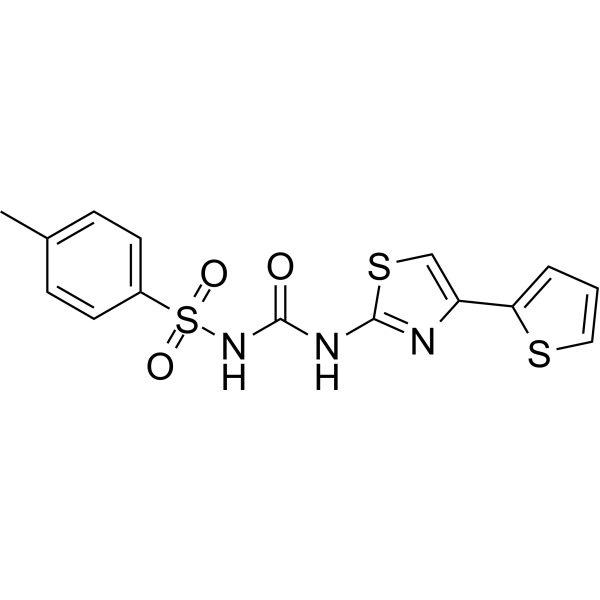
Anticancer agent 35 (compound 10), a sulfonylurea derivative, is a potent anticancer agent. Anticancer agent 35 inhibits A549, A431, PACA2 cell growth with IC50s of 18.1 µg/mL, 4.0 µg/mL, 18.9 µg/mL, respectively .
|
-
- HY-176504
-
|
|
Adenosine Receptor
|
Cardiovascular Disease
|
|
Adenosine receptor agonist 2 (Compound 10) is an adenosine A2B receptor (A2BR) agonist with an EC50 of 0.38 nM. Adenosine receptor agonist 2 significantly inhibits the accumulation of cAMP and calcium. Adenosine receptor agonist 2 can be used for cardioprotection research .
|
-

- HY-14412
-
|
|
p38 MAPK
|
Cancer
|
|
p38α inhibitor 4 (compound 10) is a selective and allosteric p38α inhibitor with an IC50 value of 1.2 μM. p38α inhibitor 4 exhibits no activity against p38β, p38γ, and p38δ .
|
-
- HY-156424
-
|
|
NADPH Oxidase
|
Inflammation/Immunology
|
|
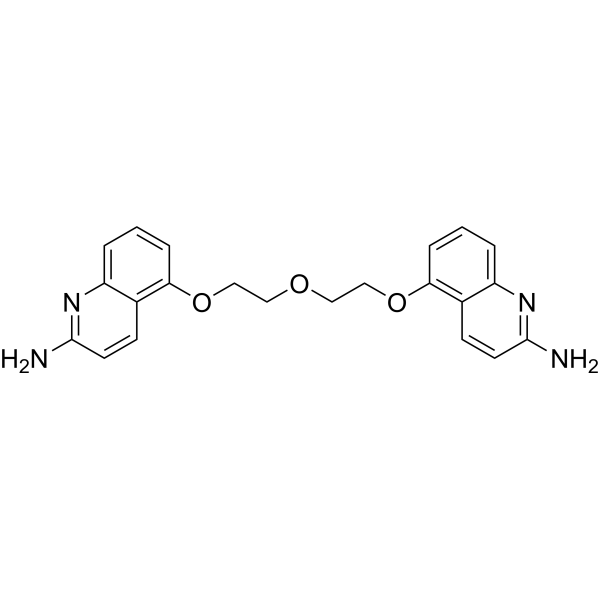
NOX2-IN-1 (compound 10) is an inhibitor of nicotinamide adenine dinucleotide phosphate oxidase isoform 2 (NOX2). NOX2-IN-1 targets the p47phox p22phox protein protein interaction with favorable binding affinities and cellular activities .
|
-
- HY-146422
-
|
|
PROTACs
EGFR
Apoptosis
|
Cancer
|
|
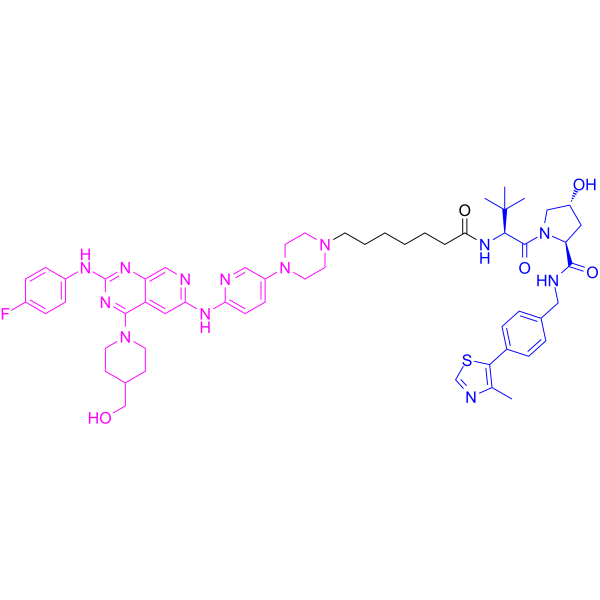
PROTAC EGFR degrader 5 (Compound 10), a PROTAC EGFR degrader, potently degrades EGFR Del19 in HCC827 cells with the DC50 of 34.8 nM. PROTAC EGFR degrader 5 significantly induces the apoptosis of HCC827 cells and arrest the cells in G1 phase .
|
-
- HY-107539
-
|
|
GPR35
|
Others
|
|
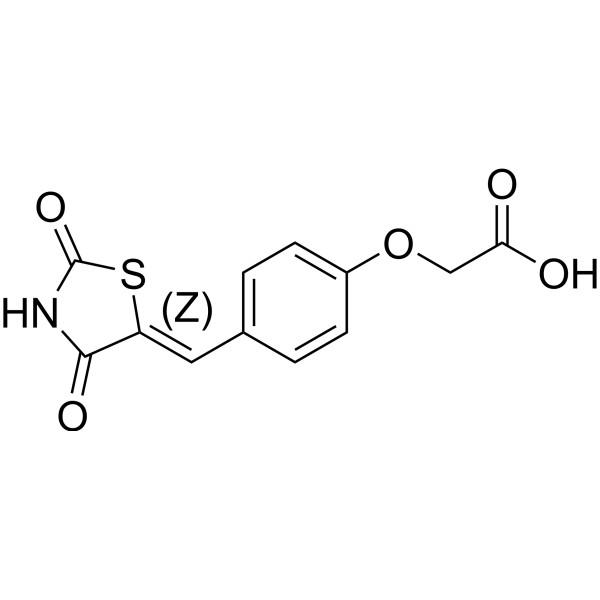
GPR35 agonist 4 (compound 10) is a potent GPR35 agonist with an pEC50 of 5.86. GPR35 agonist 4 shows high potency human and rat GPR35. Mutation of arginine 3.36 eliminates agonist function of GPR35 agonist 4 .
|
-
- HY-146321
-
|
|
Chloride Channel
|
Cancer
|
|
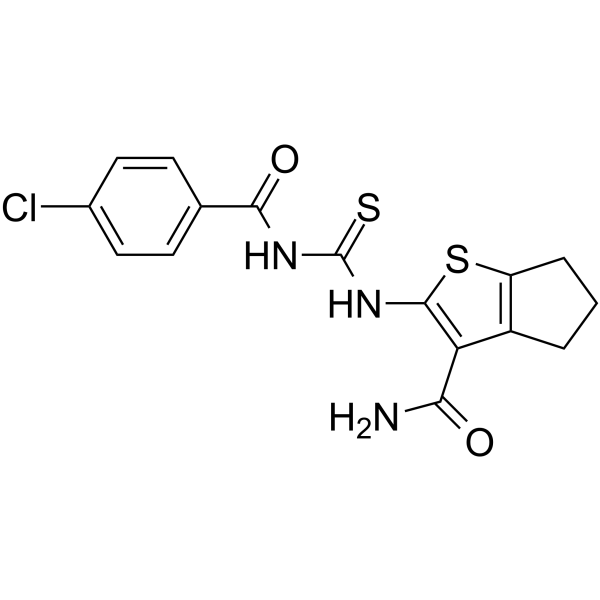
ANO1-IN-2 (Compound 10q) is a selective ANO1 channel blocker with an IC50 of 1.75 μM and 7.43 μM against ANO1 and ANO2, respectively. ANO1-IN-2 suppresses strongly proliferation of glioblastoma cells .
|
-
- HY-120270
-
|
|
AMPK
|
Metabolic Disease
|
|
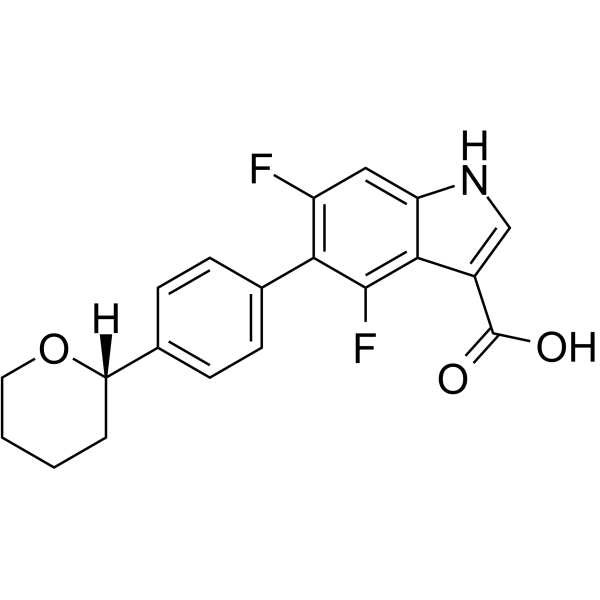
PF-06679142 (Compound 10) is a potent, orally active AMPK activator with an EC50 of 22 nM against α1β1γ1-AMPK. PF-06679142 can be used for diabetic nephropathy research .
|
-
- HY-146342
-
|
|
FAAH
MAGL
|
Neurological Disease
|
|
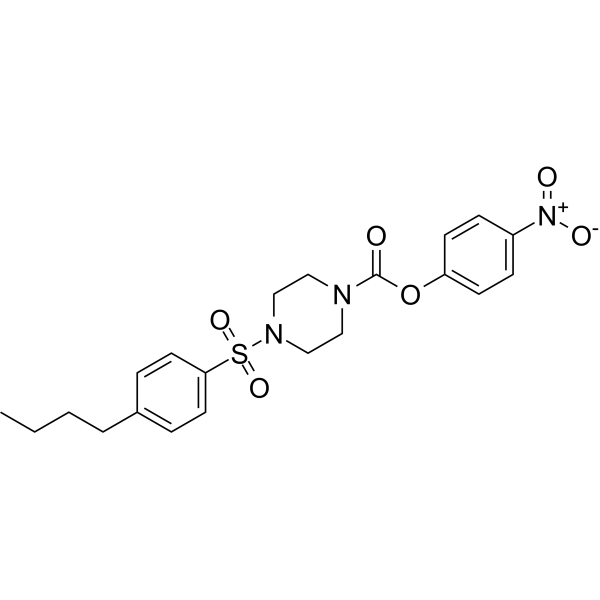
FAAH/MAGL-IN-3 (Compound 10) is an irreversible fatty acid amide hydrolase (FAAH) and monoacylglycerol lipase (MAGL) dual inhibitor with IC50 values of 179 and 759 nM against FAAH and MAGL, respectively. FAAH/MAGL-IN-3 shows low PAMPA (Parallel Artificial Membrane Permeability Assay) permeability .
|
-
- HY-175366
-
|
|
Opioid Receptor
Arrestin
|
Neurological Disease
|
|
DOR agonist 3 (Compound 10) is a δ-opioid receptor (DOR)-selective positive allosteric modulator. DOR agonist 3 enhances G protein signaling while reducing β-arrestin2 recruitment. DOR agonist 3 is promising for research of chronic pain and depression .
|
-

- HY-169941
-
|
|
Estrogen Receptor/ERR
|
Metabolic Disease
Cancer
|
|
ERα/ERβ antagonist-1 (Compound 10) is partial antagonists of ERα and ERβ. ERα/ERβ antagonist-1 reduces ERα and ERβ activity in a dose-dependent manner in HepG2 liver cells .
|
-

- HY-163722
-
|
|
EGFR
Dihydrofolate reductase (DHFR)
|
Cancer
|
|
EGFR/DHFR-IN-1 (Compound 10e) is a dual inhibitor of EGFR and DHFR with IC50s of 0.151 and 0.541 µM, respectively. EGFR/DHFR-IN-1 arrests the cell cycle at both G0-G1 and S phases .
|
-

- HY-155702
-
|
|
Fungal
|
Infection
|
|
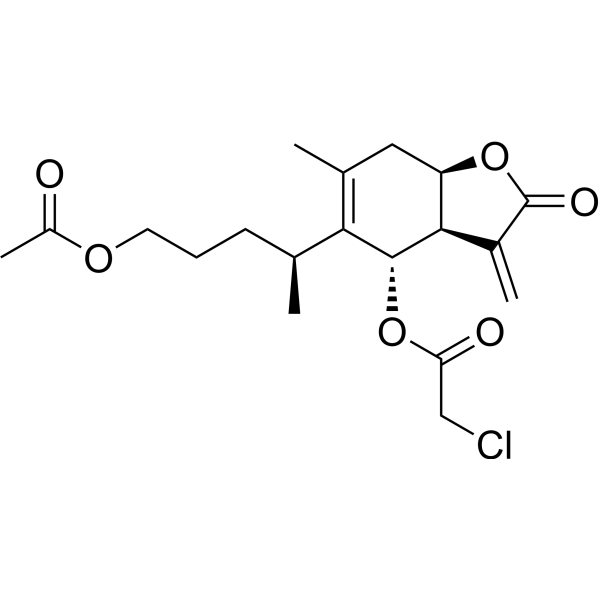
Antifungal agent 66 (compound 10) has antifungal activity. Antifungal agent 66 has a broad-spectrum antifungal activity against seven phytopathogenic fungal mycelia. Antifungal agent 66 has pronounced inhibitory activity against the spore of B. cinerea with an IC50 value of 47.7 μg/mL .
|
-
- HY-N19769
-
|
|
Others
|
Others
|
|
Phenylmethyl O-β-D-glucopyranosyl-(1→3)-O-β-D-glucopyranoside (Compound 10) is a triglycoside compound. Phenylmethyl O-β-D-glucopyranosyl-(1→3)-O-β-D-glucopyranoside is isolated from the whole plant of sesame (Sesamum indicum) .
|
-
![Phenylmethyl O-β-D-glucopyranosyl-(1→3)-O-[β-D-xylopyranosyl-(1→2)]-β-D-glucopyranoside](//file.medchemexpress.com/product_pic/hy-n19769.gif)
- HY-145908
-
|
|
NO Synthase
|
Cancer
|
|
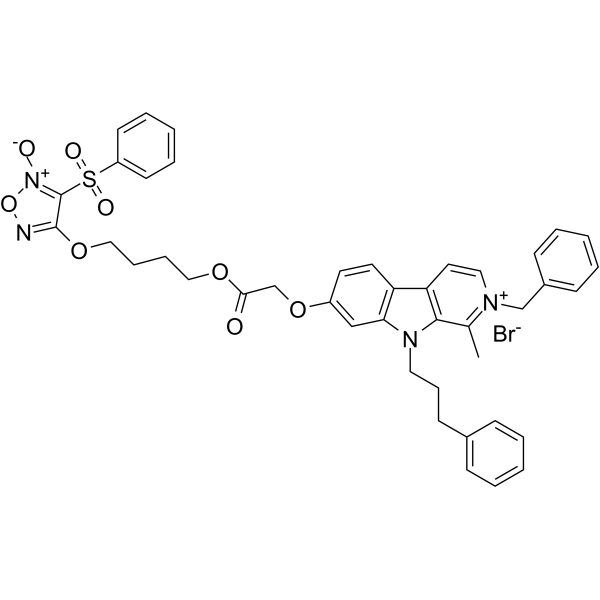
Antitumor agent-49 (Compound 10) is a Harmine derivative-furoxan hybrids containing NO donor, with antitumor activities. Antitumor agent-49 shows cytotoxic activity against HepG2 cells with an IC50 of 1.79 µM. Antitumor agent-49 produces high levels of NO in vitro .
|
-
- HY-155710
-
|
|
Fungal
|
Infection
|
|
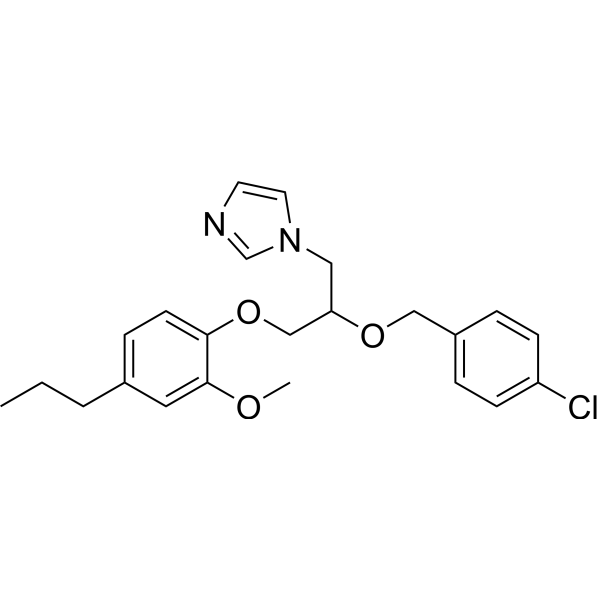
Antifungal agent 68 (compound 10) is an antifungal agent against Candida and Cryptococcus gattii. Antifungal agent 68 inhibits fungal ergosterol biosynthesis, possibly by targeting lanosterol 14α-demethylase (CYP51). There is an interaction between the imidazole ring of antifungal agent 68 and the heme group of CYP51 .
|
-
- HY-172407
-
|
|
Opioid Receptor
|
Others
|
|
KOR agonist 5 (Compound 10a) is a KOR/MOR modulator with agonistic activity towards KOR and antagonistic activity towards MOR. KOR agonist 5 can effectively block morphine-induced antinociception and inhibition of intestinal motility. KOR agonist 5 can be used in the research of Substance Use Disorder (SUD) .
|
-

- HY-162657
-
|
|
Cholinesterase (ChE)
|
Cancer
|
|
AChE-IN-74 (Compound 10) is a modulator for cholinesterase. AChE-IN-74 inhibits the proliferation of liver cancer cell Hep3B and SkHep1 with IC50 of 3.6 and 19.9 μM. AChE-IN-74 exhibits a low embryonic toxicity in zebrafish models (10-15 μM) .
|
-

- HY-181326
-
|
|
PROTACs
Histone Methyltransferase
|
Cancer
|
|
PROTAC EZH2 Degrader-25 (compound 10) is an EZH2-targeting PROTAC degrader. PROTAC EZH2 Degrader-25 triggers ubiquitination and subsequent proteasomal degradation of EZH2. PROTAC EZH2 Degrader-25 can be used for the research of lymphoma .
|
-

- HY-147516
-
|
|
SARS-CoV
|
Infection
|
|
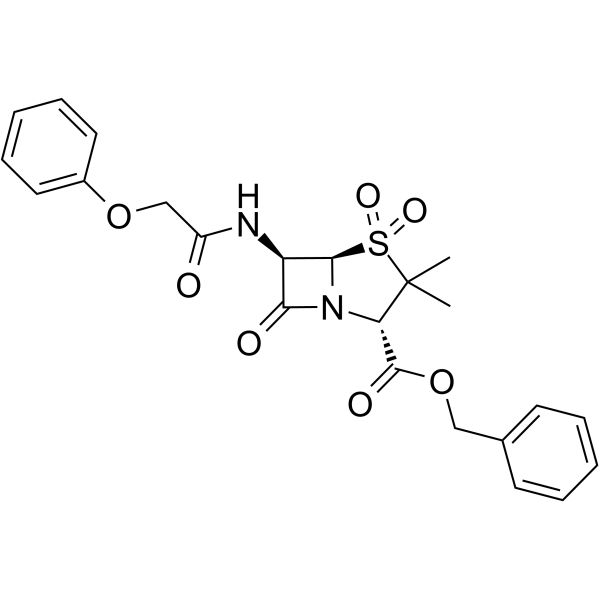
SARS-CoV-2-IN-21 (compound 10), a penicillin sulfone benzyl C6 derivative, is a potent SARS-CoV-2 main protease inhibitor, with an IC50 of 5.3 μM. SARS-CoV-2-IN-21 can be used for COVID-19 research .
|
-
- HY-158017
-
|
|
PI3K
|
Cancer
|
|
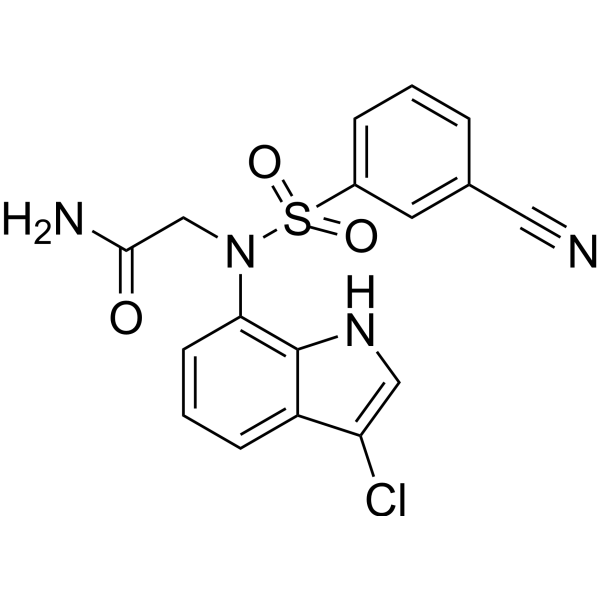
WXM-1-170 (compound 10) is a Indisulam (HY-13650) derivative,and inhibits the migration of gastric cancer cells. WXM-1-170 attenuates PI3K/AKT/GSK-3β/β-catenin signaling pathway .
|
-
- HY-168707
-
|
|
Casein Kinase
|
Cancer
|
|
CK2-IN-14 (Compound 10b) is an inhibitor for cyclin kinase 2α with an IC50 of 36.7 nM. CK2-IN-14 inhibits the growth of cancer cell 786-O and U937 with GI50 of 7.3 μM and 7.5 μM .
|
-

- HY-174843
-
|
|
IRAK
|
Inflammation/Immunology
|
|
IRAK4-IN-32 (Compound 10) is a potent interleukin-1 receptor-associated kinase 4 (IRAK4) inhibitor with an enzymatic IC50 value of 18.86 nM and a cellular IC50 value of 6.19 nM. IRAK4-IN-32 is promising for research of inflammatory and autoimmune diseases .
|
-

- HY-120636
-
|
|
P2Y Receptor
|
Cardiovascular Disease
|
|
P2Y1 antagonist 1 (compound 10q) is a potent antagonist of P2Y1, with the IC50s of 1.1 nM and 0.24 μM in FLIPR assay and hPA assay, respectively. P2Y1 antagonist 1 plays an important role in antiplatelet research .
|
-

- HY-172130
-
|
|
PI3K
Epigenetic Reader Domain
|
Cancer
|
|
PI3Kδ/BET-IN-1 (compound 10b) shows excellent and balanced activities against PI3Kδ (IC50 = 112 nM) and BRD4-BD1 (IC50 = 19 nM) and exhibits strong antiproliferative activities in DLBCL cells .
|
-

- HY-W023836
-
|
|
Drug Derivative
Pregnane X Receptor (PXR)
|
Others
|
|
4-Chloro-2-(trifluoroacetyl)aniline (Compound 10), an analog of Efavirenz (HY-10572), is a Pregnane X receptor (PXR) ligand. 4-Chloro-2-(trifluoroacetyl)aniline has no PXR activation activity without induction of Cyp3a11 mRNA expression .
|
-

- HY-N5033
-
|
|
Bcl-2 Family
Caspase
|
Cancer
|
|
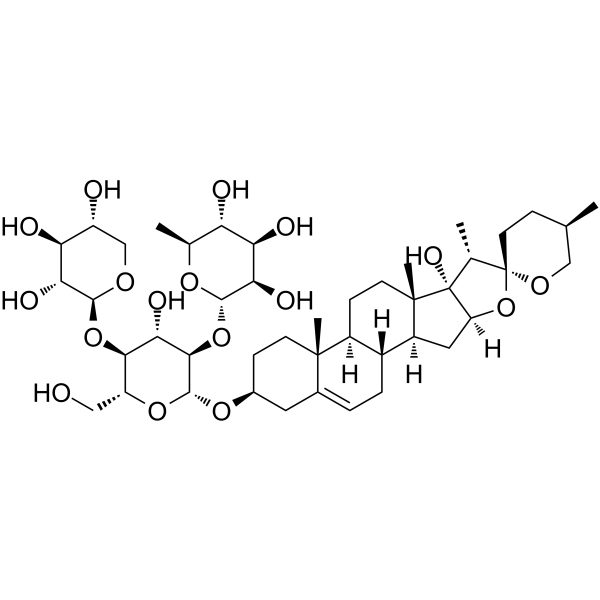
17-Hydroxy sprengerinin C (compound 10) is a glycoside compound isolated from rhizomes of Polygonatum sibiricum. 17-Hydroxy sprengerinin C possesses stronger anticancer activities. 17-Hydroxy sprengerinin C reduces the expression of Blc-2 and pro-caspase3 and increases the production of Bax .
|
-
- HY-162311
-
|
|
Ferroptosis
Autophagy
Reactive Oxygen Species (ROS)
|
Cancer
|
|
Anticancer agent 194 (compound 10p) is a ferroptosis and autophagy inducer. Anticancer agent 194 arrests colon cancer cell cycle at G2/M phase, but can't induce cell apoptosis. Anticancer agent 194 independently triggeres cell ferroptosis and autophagy through the massive accumulation of ROS .
|
-
- HY-176172
-
|
|
Btk
|
Cancer
|
|
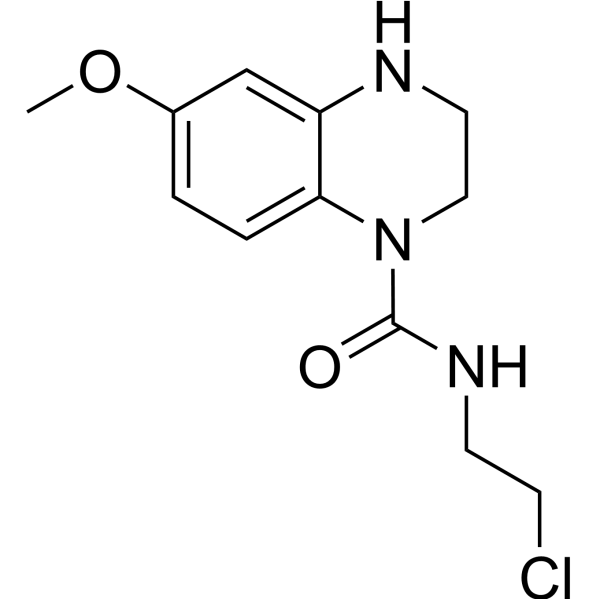
BTK-IN-44 (Compound 10) is a potent noncovalent inhibitor of Bruton’s tyrosine kinase (BTK) with an IC50 value of 24.7 nM. BTK-IN-44 interferes with signaling pathways of B cell malignancies, showing antitumor effects in lymphoma cells. BTK-IN-44 is promising for research of B cell malignancies (such as lymphoma) .
|
-

- HY-180778
-
|
|
Insecticide
Cholinesterase (ChE)
|
Infection
|
|
Insecticidal agent 28 (Compound 10) is an insecticide targeting the Culex pipiens. Insecticidal agent 28 exhibits LC₅₀ values for killing larvae and adults of 40.15 ppm and 55.02 ppm respectively. Insecticidal agent 28 inhibits the acetylcholinesterase (AchE) of the Anopheles gambiae. Insecticidal agent 28 shows lower cytotoxicity .
|
-

- HY-168178
-
|
|
HSP
STAT
|
Cardiovascular Disease
|
|
Hsp110-STAT3 PPI-IN-2 (compound 10b) is a Hsp110-STAT3 interaction disruptor. Hsp110-STAT3 PPI-IN-2 can be used in pulmonary arterial hypertension (PAH) related research .
|
-

- HY-158758
-
|
|
PROTACs
IRAK
|
Inflammation/Immunology
|
|
PROTAC IRAK4 degrader-10 (compound 10) is an oral active PROTAC based on Cereblon ligand, and induces the degradation of IRAK4 with maximum degradation of 95.94% and the DC50 of 7.68 nM in HEK293 cells (Sturcture Note:(Blue: Cereblon ligand, Black: linker;Pink: IRAK4 ligand) .
|
-

- HY-155233
-
|
|
Steroid Sulfatase
|
Cancer
|
|
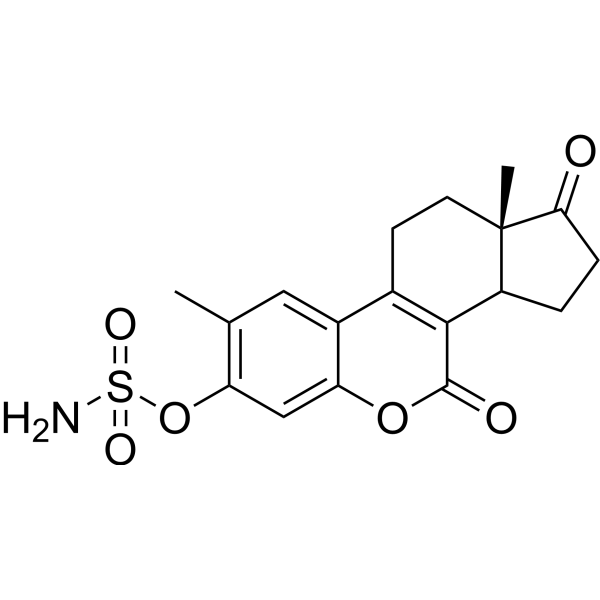
Steroid sulfatase-IN-5 (compound 10b) is a steroid sulfatase (STS) inhibitor (IC50: 0.32 nM). Steroid sulfatase-IN-5 inhibits T-47D cell proliferation with an IC50 of 35.7 μM. Steroid sulfatase-IN-5 can be used for research of breast cancer .
|
-
- HY-103258
-
|
|
MAP3K
Apoptosis
|
Cancer
|
|
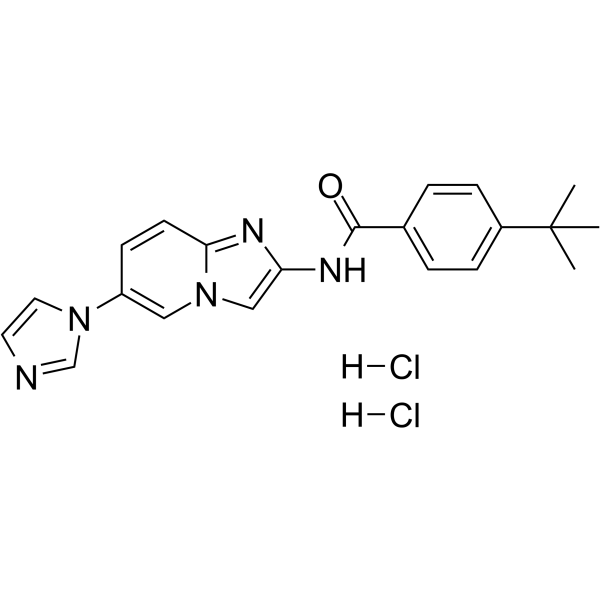
TC ASK 10 (Compound 10) is a potent, selective and orally active apoptosis signal-regulating kinase 1 (ASK1) inhibitor with an IC50 of 14 nM. The inhibitory activities of TC ASK 10 towards other representative panel of kinases are less than 50%, except for ASK2 (IC50 of 0.51 μM) .
|
-
- HY-174853
-
|
|
E1/E2/E3 Enzyme
|
Others
|
|
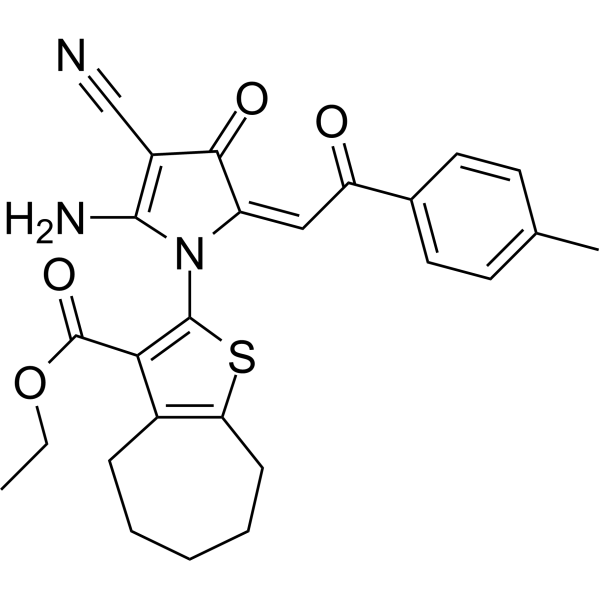
TRIM25 ligand-1 (Compound 10) is a covalent ligand. TRIM25 ligand-1 can covalently bind to Cys498 in the PRYSPRY domain of TRIM25 and enhance its auto-ubiquitination activity. TRIM25 ligand-1 is selective for TRIM25 in vitro and in live cells .
|
-

- HY-W008874
-
|
|
Topoisomerase
|
Cancer
|
|
meso-Tetra(4-pyridyl)porphine (Compound 10) is a porphyrin derivative. meso-Tetra(4-pyridyl)porphine is a weak inhibitor of human topoisomerase I (Top1) with an EC50 value greater than 50 µM. meso-Tetra(4-pyridyl)porphine can be used in tumor research .
|
-

- HY-149950
-
|
|
Apoptosis
|
Cancer
|
|
Anticancer agent 106 (compound 10ic) is an anticancer agent that induces apoptosis in B16-F10 melanoma cells. Anticancer agent 106 also potently inhibits metastatic nodules in a mouse model of lung metastatic melanoma. Anticancer agent 106 can be used in the study of cancer, especially lung metastatic melanoma .
|
-
- HY-163433
-
|
|
Glycosidase
|
Metabolic Disease
|
|
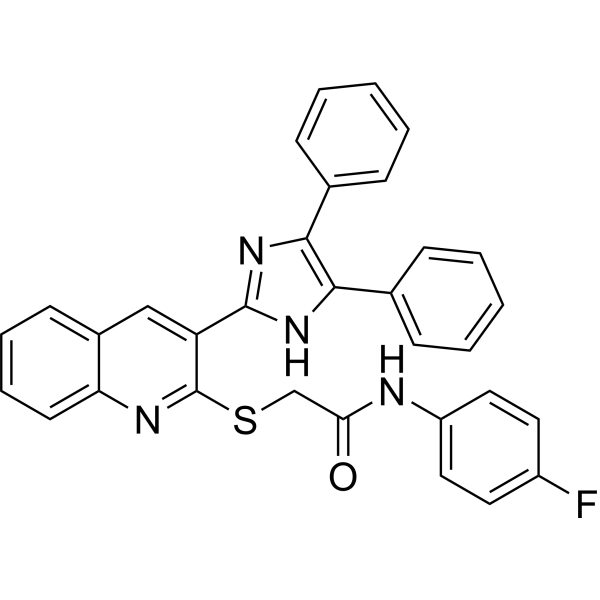
α-Glucosidase-IN-57 (Compound 10c) is a competitive and orally active α-glucosidase inhibitor with an IC50 value of 0.180 μM and a Ki of 0.15 μM. α-Glucosidase-IN-57 can reduce fasting and overall blood glucose levels in mice, and can be used for anti-diabetes research .
|
-
- HY-159085
-
|
|
P-glycoprotein
|
Cancer
|
|
P-gp inhibitor 24 (Compound 10) is an inhibitor for P-glycoprotein (P-gp)), that inhibits the P-gp mediated fluorescent dye efflux. P-gp inhibitor 24 exhibits multidrug resistance (MDR) reversal effect, enhances the cytotoxicity of Vincristine (HY-N0488) and Etoposide (HY-13629) in cancer cells .
|
-

- HY-176947
-
|
|
Drug Intermediate
|
Cancer
|
|
Demethyl-sapanisertib-C2-amide-PEG7-C2-N3 (Compound 10c) is an azide group linker used for coupling, which can be employed in the synthesis of "Rapa-Link" compounds, such as M-1111 (HY-176948), an mTOR inhibitor .
|
-

- HY-150728
-
|
|
Cholinesterase (ChE)
|
Neurological Disease
|
|
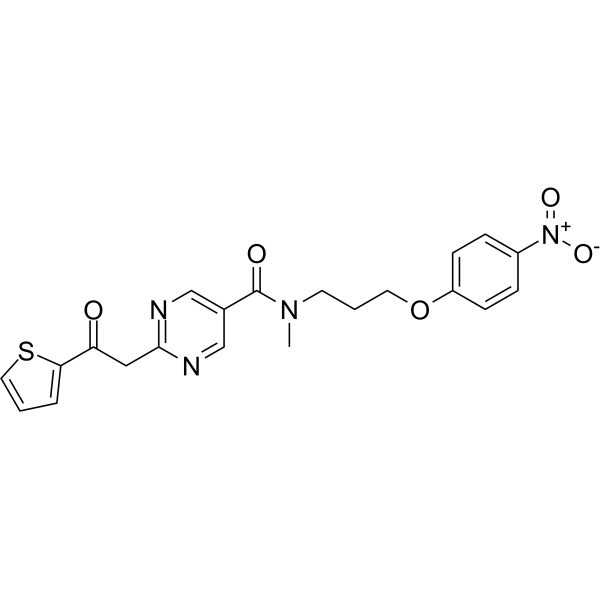
AChE-IN-22 (compound 10q) is a selective acetylcholinesterase (AChE) inhibitor against AChE and BuChE with the IC50 values of 0.88 μM and 10 μM, respectively. AChE-IN-22 can bind to both the CAS (catalytic active site) and PAS (peripheral anionic site) of AChE and has the potential for the research of Alzheimer's disease .
|
-
- HY-159087
-
|
|
PROTACs
|
Cancer
|
|
RGB110 (Compound 10d) is a PROTAC inhibitor for D-dopachrome tautomerase with an IC50 of 5.9 μM. RGB110 causes no degradation of D-DT. (Pink: ligand for target protein (HY-159164); Black: linker (HY-W125017); Blue: ligand for E3 ligase CRBN (HY-10984))
|
-

- HY-152726
-
|
|
Toll-like Receptor (TLR)
Nucleoside Antimetabolite/Analog
|
Infection
Cancer
|
|
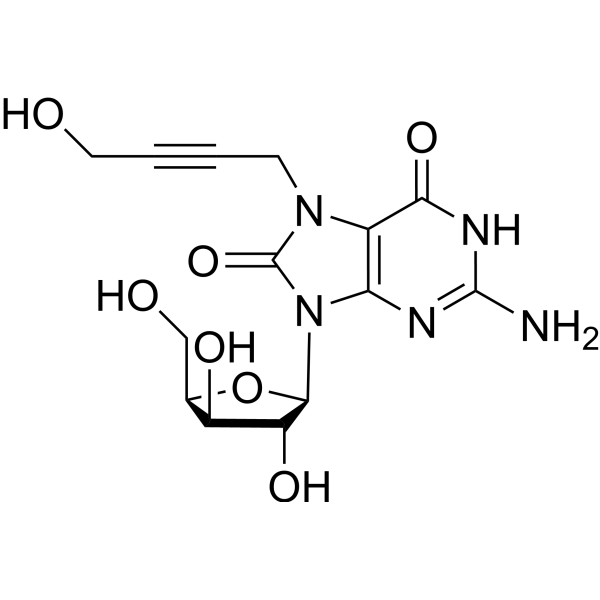
TLR7 agonist 9 (compound 10) is an aonist of TLR7. TLR7 agonist 9 can be used for research of cancer and infectious disease . TLR7 agonist 9 is a click chemistry reagent, it contains an Alkyne group and can undergo copper-catalyzed azide-alkyne cycloaddition (CuAAc) with molecules containing Azide groups.
|
-
- HY-176538
-
|
|
HSP
|
Cancer
|
|
Antiproliferative agent-72 (Compound 10) is a Hsp90 inhibitor with a Kd of 11 nM. Antiproliferative agent-72 has antiproliferative activity with IC50s of 1.5 μM and 1.1 μM for HCT116 and NCI-N87 cells, respectively. Antiproliferative agent-72 can be used for cancers research .
|
-

- HY-147236
-
|
|
Toll-like Receptor (TLR)
|
Inflammation/Immunology
|
|
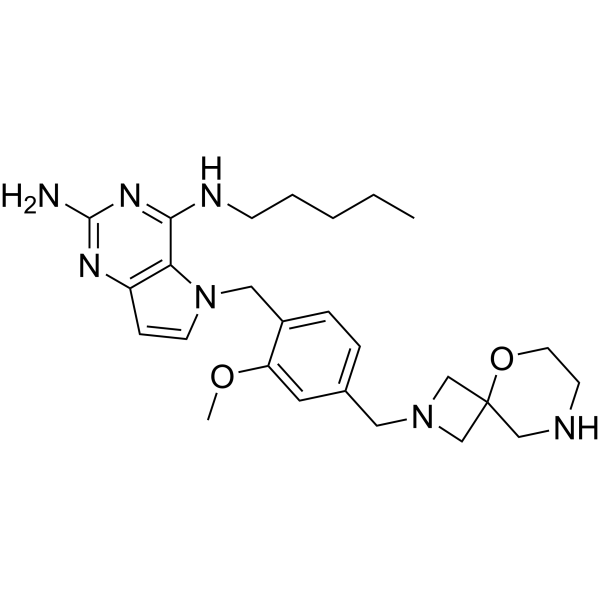
TLR7/8 agonist 7 (compound 10) is a TLR7/8 agonist. TLR7/8 agonist 7 activates a variety of immune cells and it can be used to synthesize immune stimulating antibody conjugate (ISAC) molecules. TLR7/8 agonist 7 can be used for the research of immunity .
|
-
- HY-N17505
-
|
|
Others
|
Others
|
|
(1S,2R,4S)-Borneol β-D-glucopyranoside (Compound 10) is a monoterpenoid glucoside.(1S,2R,4S)-Borneol β-D-glucopyranoside can be found in the leaf of Thymus vulgaris .
|
-

- HY-151959
-
|
|
FXR
|
Cardiovascular Disease
Metabolic Disease
Inflammation/Immunology
|
|
FXR agonist 4 (compound 10a) is an agonist of farnesoid X receptor (FXR) with an EC50 value of 1.05 μM. FXR agonist 4 effectively improves hyperlipidemia, hepatic steatosis, insulin resistance and hepatic inflammation in DIO mice. FXR agonist 4 can be used for the research of non-alcoholic fatty liver disease (NAFLD) .
|
-
- HY-147748
-
|
|
COX
|
Inflammation/Immunology
|
|
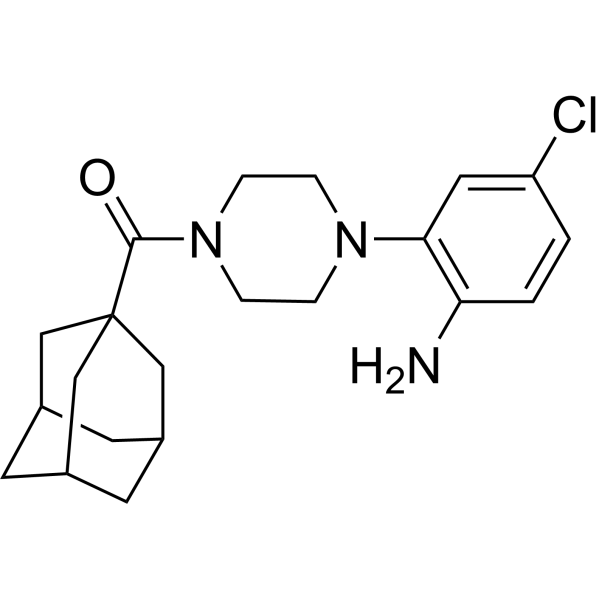
COX-2-IN-17 (compound 10) is a potent and BBB-penetrated COX-2 (cyclooxygenase-2) inhibitor, with an IC50 of 0.02 μM. COX-2-IN-17 shows anti-inflammatory and analgesic activities. COX-2-IN-17 attenuates hyperalgesia in the neurogenic phase as well as the inflammatory phase .
|
-
- HY-103367
-
|
|
Checkpoint Kinase (Chk)
|
Cancer
|
|
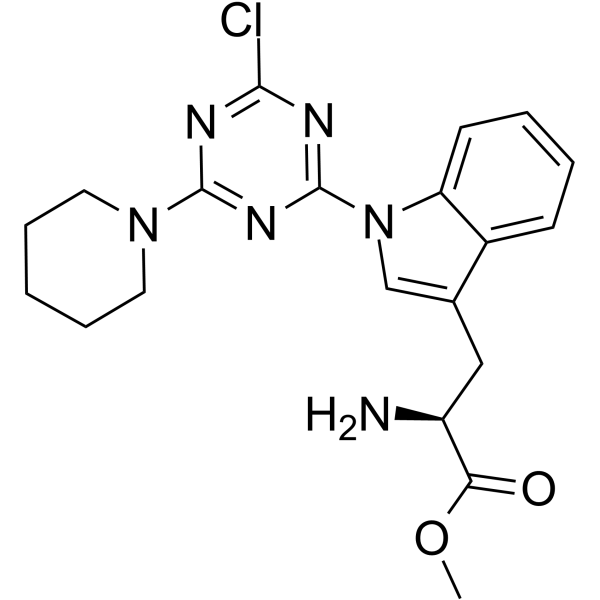
CHK1-IN-7 (Compound 10c) is a potent human CHK1 inhibitor. CHK1-IN-7 shows no single agent effect, potentiates the antiproliferative effect of Gemcitabine HY-17026 in both prostate and breast cancer cell lines. CHK1-IN-7 can be used for the research of cancer .
|
-
- HY-155819
-
|
|
mAChR
Phosphodiesterase (PDE)
|
Inflammation/Immunology
|
|
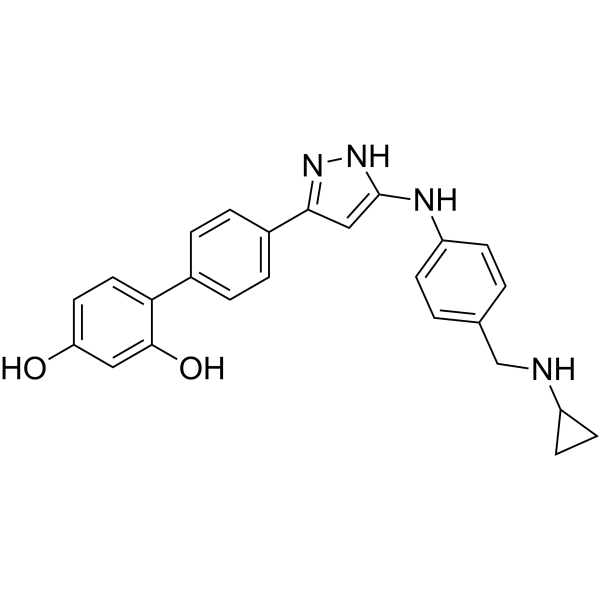
M3/PDE4 modulator-1 (compound 10f) is a bifunctional molecule that is an M3 mAChR antagonist and a PDE4 inhibitor. M3/PDE4 modulator-1 (10-1000 nM/kg; iv) reduces cysteine eosinophil influx in the OVA rat model .
|
-
- HY-176977
-
|
|
Drug-Linker Conjugates for ADC
|
Cancer
|
|
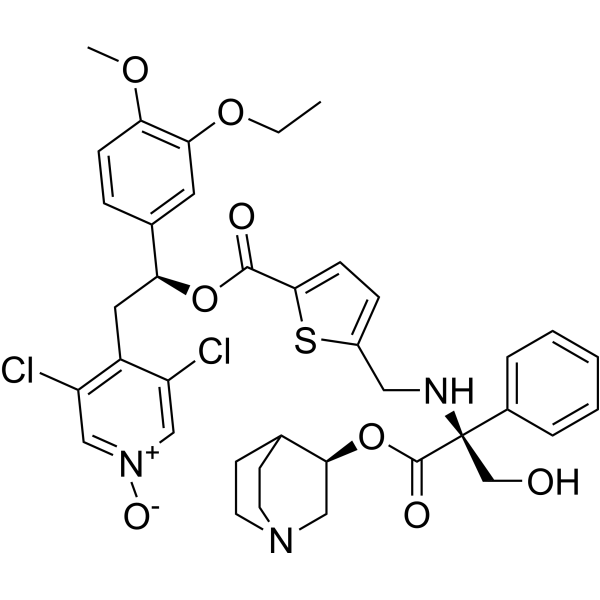
Exatecan-mpGly-Asn-Asn-(βAla) (Compound 10b) is a conjugate of Exatecan (HY-13631) and a linker. Exatecan-mpGly-Asn-Asn-(βAla) can be used to synthesize ADCs, such as α-HER2_mpGlyAsnAsn(β-Ala)_Exatecan. Exatecan-mpGly-Asn-Asn-(βAla) can also be used in tumor research .
|
-

- HY-169357B
-
|
|
E3 Ligase Ligand-Linker Conjugates
|
Cancer
|
|
Acepromazine-1-piperazinepropanamine dihydrochloride (compound 10) is a synthesized E3 ligase ligand-linker conjugate (E3 Ligase Ligand-Linker Conjugate) that incorporates a TRIM21 ligand and a linker. Acepromazine-1-piperazinepropanamine dihydrochloride can be connected to the target protein ligand to form a PROTAC molecule, TrimTAC1 (HY-169355) .
|
-

- HY-149105
-
|
|
Estrogen Receptor/ERR
|
Endocrinology
|
|
FSH receptor antagonist 1 (compound 10) is a potent antagonist of the G(s)-protein-coupled human follicle-stimulating hormone (FSH) receptor. FSH receptor antagonist 1 exhibits an IC50 of 28 nM on a cell line expressing the human FSH receptor. FSH receptor antagonist 1 significantly inhibits follicle growth and ovulation in an ex vivo mouse model .
|
-

- HY-169955A
-
|
|
Histone Acetyltransferase
Molecular Glues
|
Cardiovascular Disease
|
|
WIZ degrader 8 (TFA) is the trifluoroacetic acid of WIZ degrader 8 (HY-169955). WIZ degrader 8 (compound 10) is a potent and selective degrader of the transcription factor WIZ, which can potently induce HbF expression. WIZ degrader 8 can lead to WIZ degradation and induce HbF expression, and has the potential to be an inhibitor of sickle cell disease .
|
-

- HY-170810
-
|
|
Bacterial
|
Infection
|
|
E.coli Gyrase B-IN-1 (Compound 10g) is a E.coli Gyrase B inhibitor with antibacterial activities. E.coli Gyrase B-IN-1 has potent inhibitory activity against E. coli, with a MIC value of 0.12 mM. E.coli Gyrase B-IN-1 is promising for research of antimicrobial agents .
|
-

- HY-132243
-
|
|
Nuclear Factor of activated T Cells (NFAT)
|
Inflammation/Immunology
|
|
NFAT Inhibitor-3 (Compound 10) is a factor nuclear factor of activated T cells (NFAT) inhibitor. NFAT Inhibitor-3 inhibits IL-2 production. NFAT Inhibitor-3 binds in a sequence-selective manner directly to DNA. NFAT Inhibitor-3 can be used for the research of transcription factor dysregulation .
|
-

- HY-173063
-
|
|
Toll-like Receptor (TLR)
NF-κB
MyD88
|
Inflammation/Immunology
|
|
TLR8 antagonist-1 (Compound 10) is a selective TLR8 antagonist. TLR8 antagonist-1 can inhibit TLR8-mediated inflammation and signaling pathways, reduce the recruitment of MyD88, and inhibit the NF-κB and IRF pathways. TLR8 antagonist-1 has anti-inflammatory activity .
|
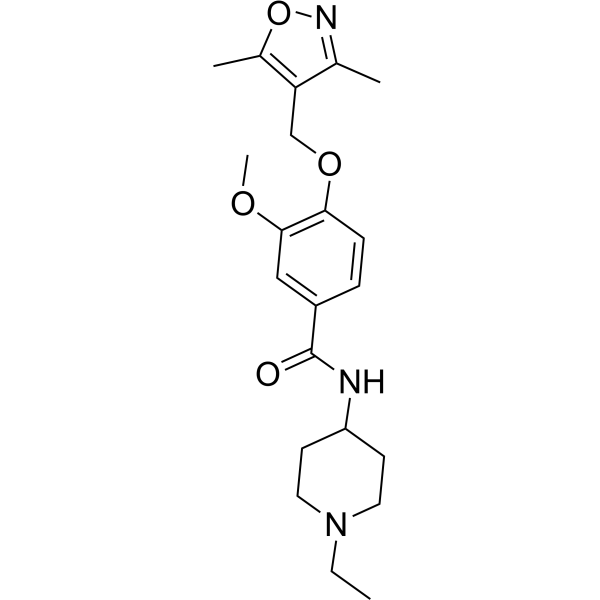
-
- HY-169357
-
|
|
E3 Ligase Ligand-Linker Conjugates
|
Cancer
|
|
Acepromazine-1-piperazinepropanamine (compound 10) is a synthesized E3 ligase ligand-linker conjugate (E3 Ligase Ligand-Linker Conjugate) that incorporates a TRIM21 ligand and a linker. Acepromazine-1-piperazinepropanamine can be connected to the target protein ligand to form a PROTAC molecule, TrimTAC1 (HY-169355) .
|
-

- HY-157464
-
|
|
Drug Derivative
|
Cancer
|
|
[Ru(phen)2(4-Me-Sal)]BF4 (compound 10), a Ru(II)-based polypyridyl complexe, displays outstanding antiproliferative activity against drug-sensitive CCRF-CEM and multidrug-resistant CEM/ADR5000 leukemia cells (IC50=0.52 μM and 5.56 μM, respectively) .
|
-
![[Ru(phen)2(4-Me-Sal)]BF4](//file.medchemexpress.com/product_pic/hy-157464.gif)
- HY-172172
-
|
|
Thymidylate Synthase
Apoptosis
|
Cancer
|
|
TS-IN-6 (Compound 10) is a thymidylate synthase (TS) inhibitor with an IC50 value of 0.54 μM, demonstrating significant antiproliferative activity. TS-IN-6 induces G1 phase cell cycle arrest and apoptosis (marked by substantial increases in both early and late apoptotic rates) and shows potential for research on cancers such as colon, breast, and liver cancers .
|
-

- HY-150573
-
|
|
CDK
Carbonic Anhydrase
|
Cancer
|
|
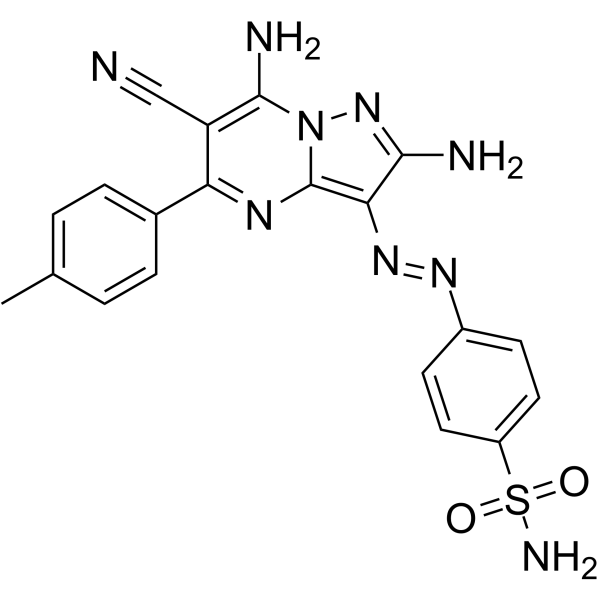
CDK2-IN-12 (compound 10b) is a potent CDK2 inhibitor, with an IC50 of 11.6 μM. CDK2-IN-12 inhibits hCA (carbonic anhydrase) isoforms I, II, IX and XII, with KI values of 3534, 638.4, 44.3, and 48.8 nM. CDK2-IN-12 shows anticancer activity .
|
-
- HY-157323
-
|
|
HDAC
Apoptosis
|
Cancer
|
|
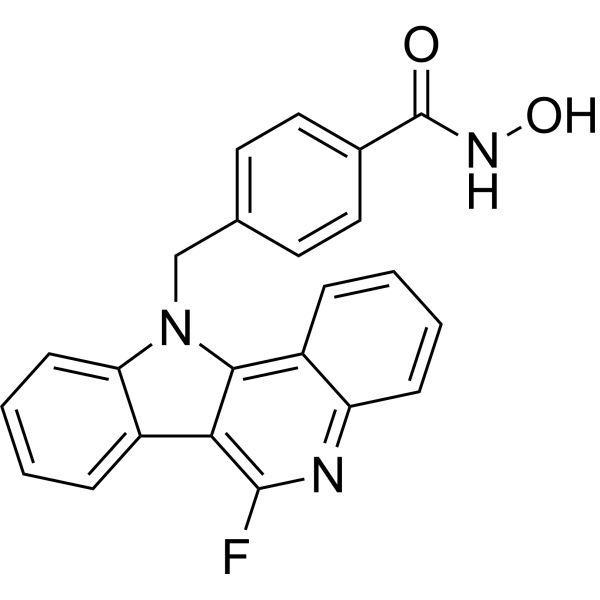
HDAC6-IN-28 (compound 10C) is a potent inhibitor of HDAC6 with an IC50 of 261 nM. HDAC6-IN-28 significantly induces apoptosis and S-phase arrest in B16-F10 cells. HDAC6-IN-28 efficiently increases the expression of acetylated-α-tubulin in vitro and in vivo .
|
-
- HY-172544
-
|
|
Tau Protein
|
Neurological Disease
|
|
TTBK1/2-IN-3 (Compound 10) is a potent inhibitor of tau tubulin kinase 1 (TTBK1) and TTBK2, with IC50 values of 579 nM and 258 nM, respectively. TTBK1/2-IN-3 inhibits the phosphorylation of TDP-43. TTBK1/2-IN-3 reduces the expression of primary cilia on the surface of iPSCs .
|
-

- HY-147192
-
|
|
E3 Ligase Ligand-Linker Conjugates
|
Cancer
|
|
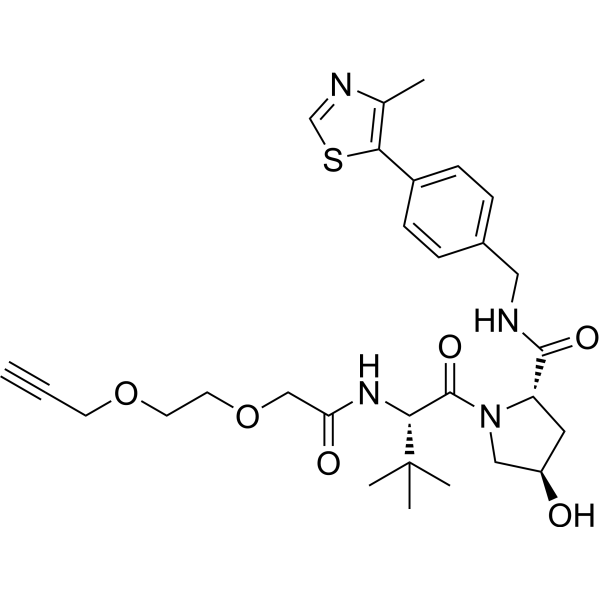
(S,R,S)-AHPC-O-PEG1-propargyl (Compound 10b) is an E3 ligand for the synthesis of PROTAC . (S,R,S)-AHPC-O-PEG1-propargyl is a click chemistry reagent, it contains an Alkyne group and can undergo copper-catalyzed azide-alkyne cycloaddition (CuAAc) with molecules containing Azide groups.
|
-
- HY-180226
-
|
|
Apoptosis
Akt
ERK
STAT
Ribosomal S6 Kinase (RSK)
|
Cancer
|
|
Apoptosis inducer 55 (Compound 10) is an Apoptosis inducer. Apoptosis inducer 55 induces rapid apoptosis via the intrinsic pathway. Apoptosis inducer 55 potently inhibits several signaling cascades including AKT, ERK1/2, STAT1, STAT3, and S6K. Apoptosis inducer 55 has anti-cancer activity against melanoma .
|
-

- HY-181681
-
|
|
CCR
CXCR
|
Cancer
|
|
CXCR2 antagonist 10 (Compound 10b) is a CCR2 antagonist with an IC50 of 0.48 μM. CXCR2 antagonist 10 also exhibits antagonistic activity against CXCR2/CCR7, with IC50 values of 4.18 μM and 2.07 μM, respectively. CXCR2 antagonist 10 is applicable for cancer research .
|
-

- HY-108697AR
-
|
|
Reference Standards
HIF/HIF Prolyl-Hydroxylase
|
Cancer
|
|
(Rac)-PT2399 (Standard) is the analytical standard of (Rac)-PT2399 (HY-108697A). This product is intended for research and analytical applications. (Rac)-PT2399 (Compound 10e), the racemate of PT2399, acts as a potent and specific hypoxia-inducible factor 2a (HIF-2α) inhibitor with an IC50 of 0.01 μM .
|
-

- HY-147798
-
|
|
EGFR
CDK
|
Cancer
|
|
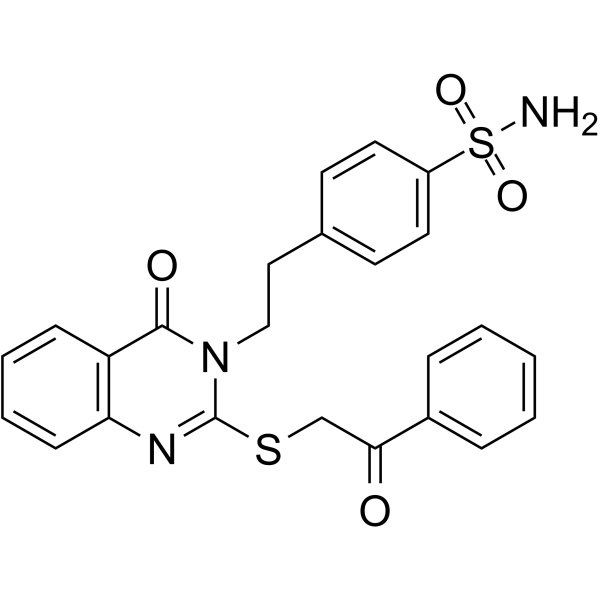
EGFR/HER2/CDK9-IN-3 (Compound 10) is a potent inhibitor of EGFR/HER2/CDK9 with IC50s of 191.08, 132.65, and 113.98 nM, respectively. EGFR/HER2/CDK9-IN-3 exhibits remarkable antitumor activity .
|
-
- HY-153970
-
|
|
URAT1
|
Inflammation/Immunology
|
|
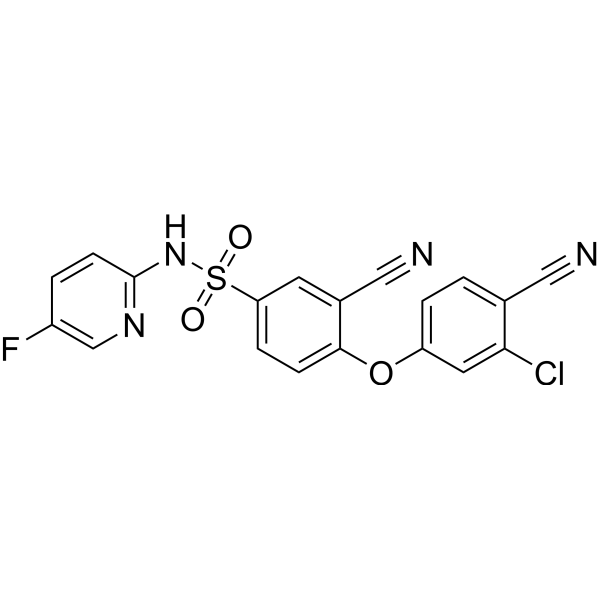
URAT1 inhibitor 7 (compound 10f) is a potent URAT1 inhibitor, with an IC50 of 12 nM. URAT1 inhibitor 7 exhibits microsomal stability (HLM <13 µL/min/mg). URAT1 inhibitor 7 also inhibits CYP2C9, with an IC50 of 4.2 μM. URAT1 inhibitor 7 can be used for gout research .
|
-
- HY-149941
-
|
|
Neurotensin Receptor
|
Neurological Disease
|
|
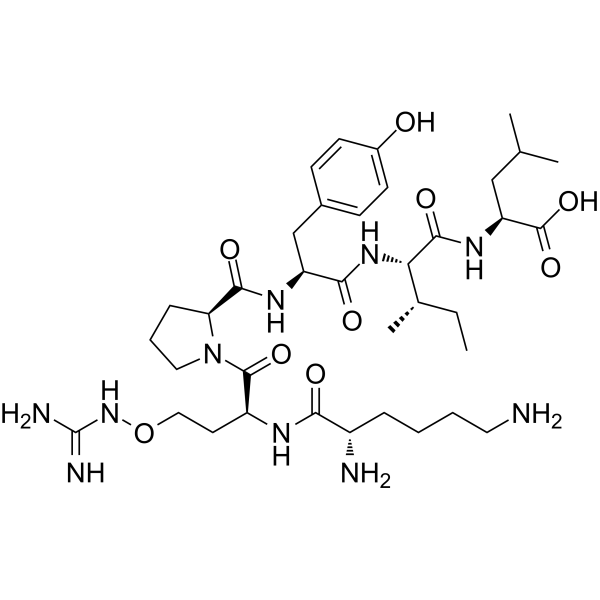
hNTS1R agonist-1 (Compound 10) is a BBB permeable hNTS1R full agonist (Ki: 6.9 nM) . hNTS1R agonist-1 increases motor function and memory in a mouse model of Parkinson's disease (PD). hNTS1R agonist-1 is a Neurotensin(8-13) analog and is a neuroprotective agent .
|
-
- HY-147705
-
|
|
PPAR
|
Metabolic Disease
|
|
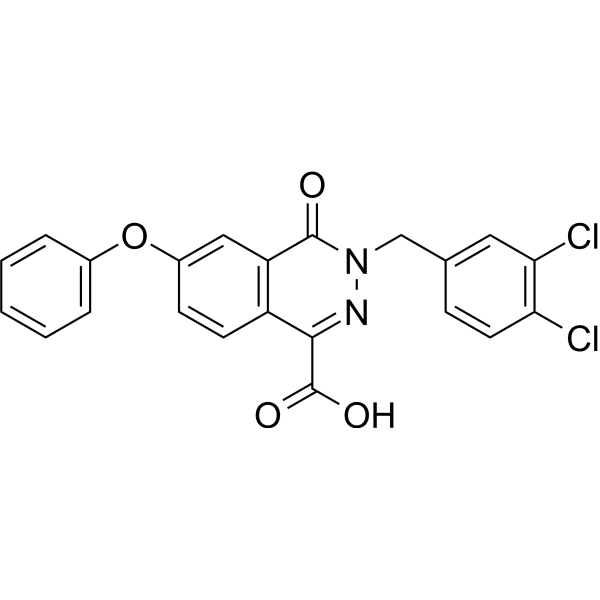
PPARγ phosphorylation inhibitor 1 (Compound 10) is a potent PPARγ binder with the IC50 of 24 nM. PPARγ phosphorylation inhibitor 1 inhibits CDK5-mediated phosphorylation of PPARγ Ser273 with the IC50 of 160 nM. PPARγ phosphorylation inhibitor 1 displays negligible PPARγ agonism in a reporter gene assay. Antidiabetic effects .
|
-
- HY-149346
-
|
|
Bacterial
|
Infection
|
|
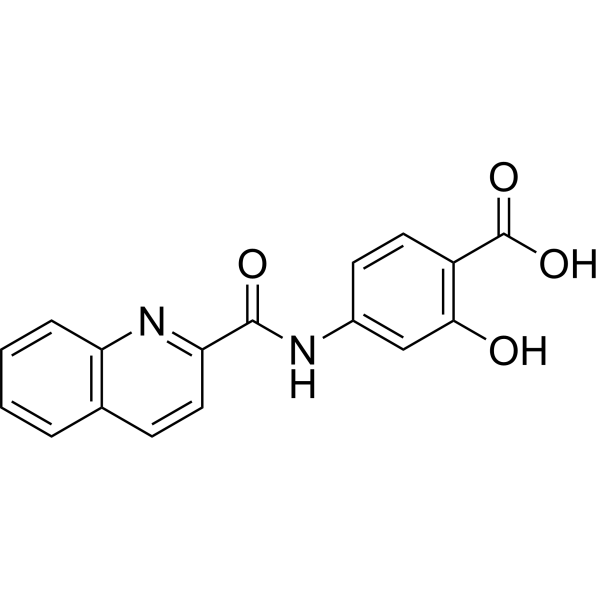
Mtb-IN-2 (compound 10c) is an antimicrobial agent against Mycobacterium tuberculosis (Mtb), without cytotoxicity. Mtb-IN-2 significantly decreases colony-forming units (CFU) in spleen of murine tuberculosis models, and distinguishes both drug-sensitive and drug-resistant Mtb H37Rv strains. Mtb-IN-2 affects methionine metabolism but not folate pathway directly.
|
-
- HY-178999
-
|
|
Drug Derivative
|
Cancer
|
|
Carnosol analog 1 (Compound 10) is a derivative of carnosol. Carnosol analog 1 attenuates myotube atrophy (67.08% reversal) and adipocyte lipolysis in C26 tumor-conditioned models. Carnosol analog 1 alleviates cachexia-related weight loss without altering tumor progression in C26 tumor-bearing mice. Carnosol analog 1 can be used for the study of cancer cachexia .
|
-

- HY-146516
-
|
|
MDM-2/p53
Apoptosis
Reactive Oxygen Species (ROS)
|
Cancer
|
|
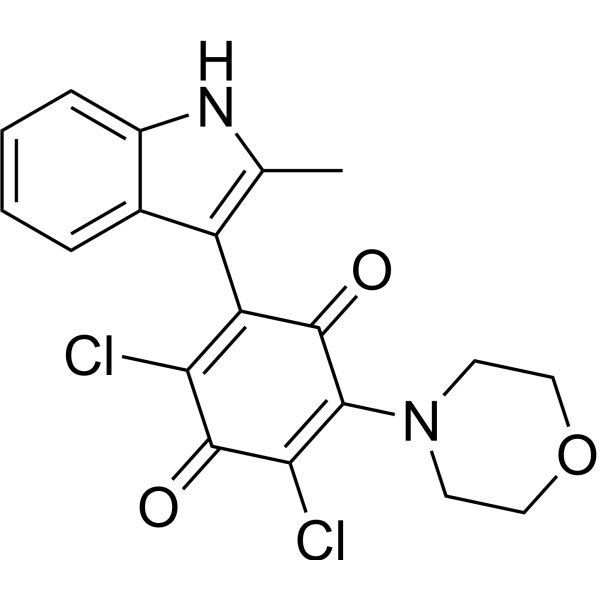
Anticancer agent 42 (compound 10d) is an orally active anticancer agent, and shows a potent antitumor activity against MDA-MB-231 cell with an IC50 of 0.07 μM. Anticancer agent 42 can exert its anticancer activity by activating apoptotic pathway and p53 expression. Anticancer agent 42 can be used to study metastatic breast cancer .
|
-
- HY-W033815
-
|
|
HCV
HCV Protease
|
Infection
|
|
6-Chloroindole-2-carboxylic acid (Compound 10g) is a derivative of 2-carboxyindole. 6-Chloroindole-2-carboxylic acid can bind to the hepatitis C virus NS3 protease/NS4A cofactor complex, and its KD value for the ns4a-ns3p protein is 0.4 mM.
|
-

- HY-162430
-
|
|
Bacterial
|
Infection
|
|
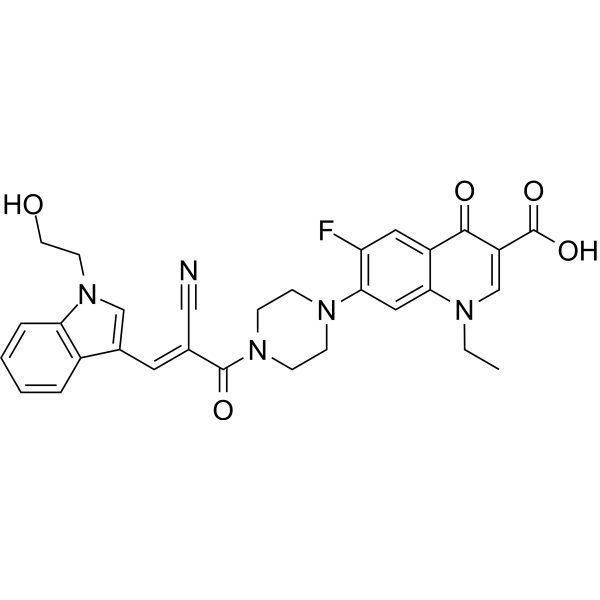
Antibacterial agent 206 (Compound 10e) is a indolylacryloyl-derived oxacins, which exhibits broad antibacterial spectrum with MIC of 0.25-1 μg/mL. Antibacterial agent 206 reduces the exopolysaccharide, eliminates the biofilm, and thus attenuates the drug resistance. Antibacterial agent 206 exhibits antibacterial activity through destory of membrane integrity, accumulation of reactive oxygen species ROS, and inhibition of DNA replication .
|
-
- HY-172783
-
|
|
Cytochrome P450
Apoptosis
|
Cancer
|
|
Aromatase-IN-5 (Compound 10) is a potent inhibitor of aromatase with an IC50 value of 0.06 μM. Aromatase-IN-5 effectively blocks estrogen production. Aromatase-IN-5 inhibits the proliferation of breast cancer cell lines like MCF-7, arrests the cell cycle at the G1 phase, and induces apoptosis. Aromatase-IN-5 is promising for research of breast cancer .
|
-

- HY-163570
-
|
|
Protoporphyrinogen IX oxidase
|
Others
|
|
PPO-IN-11 (Compound 10bh) is an inhibitor for protoporphyrinogen IX oxidase (PPO), that inhibits nicotiana tabacum PPO (NtPPO) with Ki of 0.0603 μM. PPO-IN-11 exhibits herbicidal activities against dicot weeds Leaf mustard, Chickweed, Chenopodium serotinum and monocot weeds Alopecurus aequalis, Poa annua, and Polypogon fugax with a dose of 150 g a.i./ha .
|
-

- HY-181832
-
|
|
AMPK
Apoptosis
|
Cancer
|
|
ASS1 activator 1 (Compound 10f) is a ASS1 activator with an EC50 of 1.90 μM. ASS1 activator 1 enhances the activity of ASS1 and promotes AMPK phosphorylation. ASS1 activator 1 induces cell Apoptosis. ASS1 activator 1 exhibits anticancer activity against triple-negative breast cancer, colorectal cancer and liver cancer .
|
-

- HY-182001
-
|
|
Cholinesterase (ChE)
GSK-3
|
Neurological Disease
|
|
Multi-kinase-IN-13 (Compound 10F) is an inhibitor of AChE, BuChE, and GSK-3β, with an IC50 of 3 nM against hAChE, 303 nM against hBuChE, and 7.58 nM against GSK-3β. Multi-kinase-IN-13 exhibits in vitro iron chelating activity. AChE-IN-110 can be used in the research of Alzheimer's disease .
|
-

- HY-179150
-
|
|
EGFR
Tyrosinase
|
Cancer
|
|
EGFR-TK-IN-6 (compound 10B) is an EGFR-TK inhibitor (IC50 = 0.65 μM). EGFR-TK-IN-6 has anti proliferative activity against MCF-7 cells (IC50 = 37.7 μM). EGFR-TK-IN-6 has low toxicity to normal cells. EGFR-TK-IN-6 can be used for cancer research .
|
-

- HY-108493
-
|
|
LPL Receptor
|
Inflammation/Immunology
|
|
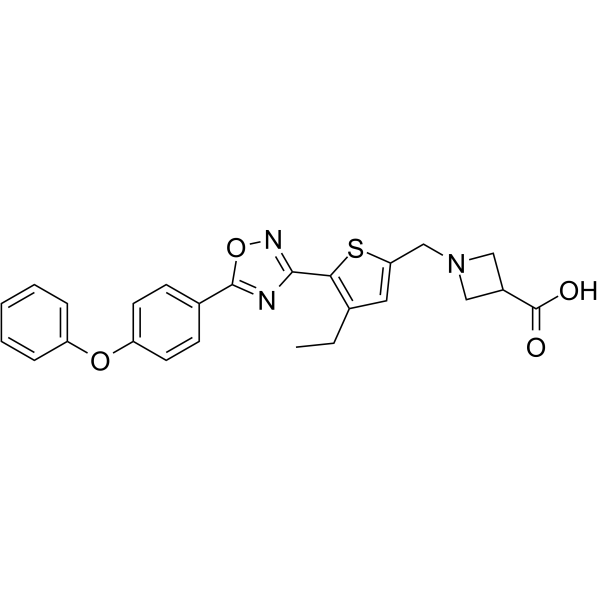
CS-2100 (Compound 10b) is a potent, selective, orally active and S1P3-sparing S1P1 agonist with an EC50 of 4.0 nM for human S1P1. CS-2100 shows in vivo immunosuppressive efficacy in rats with an ID50 (infective dose) of 0.407 mg/kg for HvGR .
|
-
- HY-155572
-
|
|
Keap1-Nrf2
|
Inflammation/Immunology
|
|
Nrf2 activator-8 (compound 10e) is a Nrf2 activator (EC50=37.9 nM). Nrf2 activator-8 exhibits remarkable antioxidant and anti-inflammatory effects in BV-2 microglial cells. Nrf2 activator-8 can significantly restore spatial memory deficits in a mouse model of lipopolysaccharide (LPS)-induced neuroinflammation .
|
-
- HY-162429
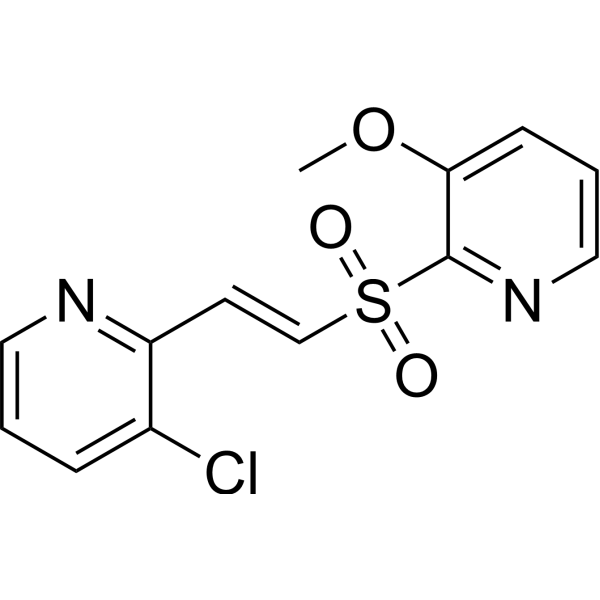
-
|
|
Bacterial
|
Infection
|
|
Antibacterial agent 205 (Compound 10d) is a indolylacryloyl-derived oxacins, which exhibits broad antibacterial spectrum with MIC of 0.25-0.5 μg/mL. Antibacterial agent 205 reduces the exopolysaccharide, eliminates the biofilm, and thus attenuates the drug resistance. Antibacterial agent 205 exhibits antibacterial activity through destory of membrane integrity, accumulation of reactive oxygen species ROS, and inhibition of DNA replication .
|
-
- HY-176170
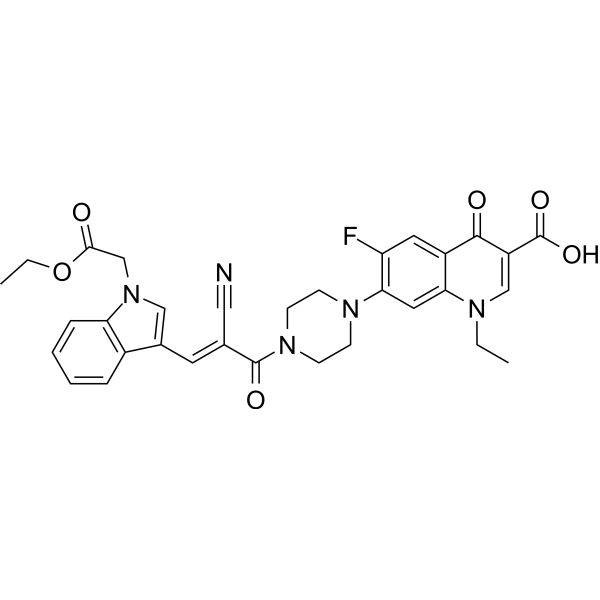
-
|
|
SOS1
|
Cancer
|
|
SOS1-IN-19 (Compound 10i) is a potent inhibitor of SOS1 (Son of Sevenless 1) with an IC50 value of 165.2 nM. SOS1-IN-19 blocks KRAS activation by preventing GDP/GTP exchange in KRAS signaling pathway. SOS1-IN-19 is promising for research of KRAS-driven cancers (e.g., NSCLC and colorectal cancer) .
|
-

- HY-162362
-
|
|
PROTACs
GLP Receptor
|
Cancer
|
|
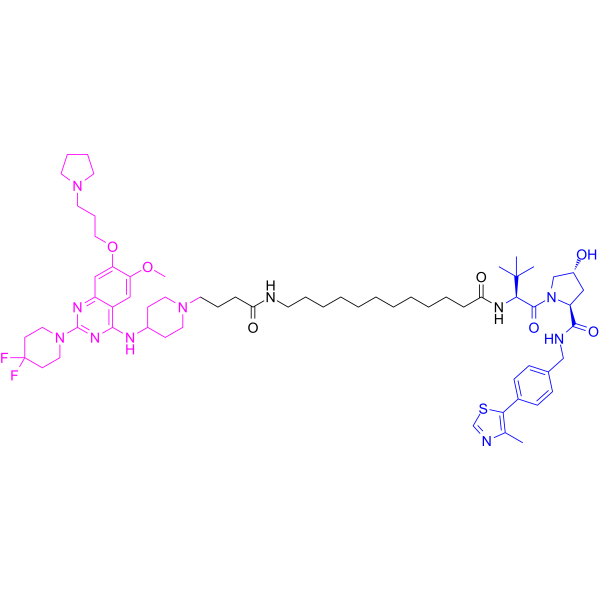
MS8709 (compound 10), a potential anticancer therapeutic, is a first-in-class G9a/GLP PROTAC degrader. MS8709 is based on G9a/GLP inhibitor UNC0642 and recruits the von Hippel Lindau (VHL) E3 ligase (Red: G9a/GLP inhibitor UNC0642; Blue: VHL ligand; Black: linker) .
|
-
- HY-161226
-
|
|
17β-HSD
|
Metabolic Disease
|
|
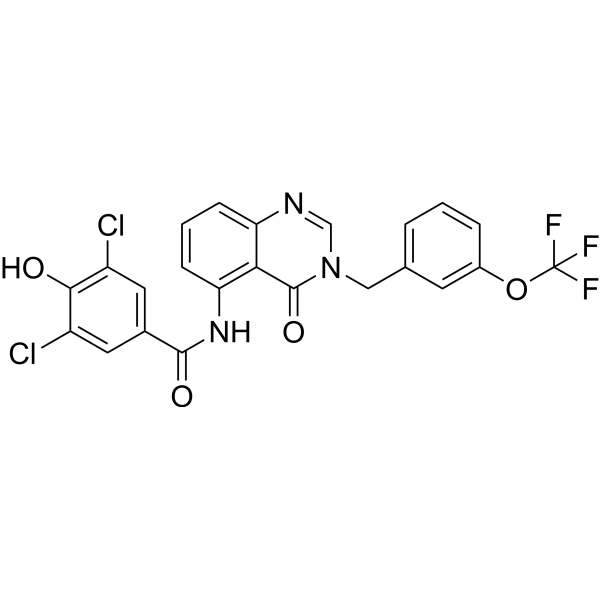
HSD17B13-IN-42 (compound 10)? is a ppotent inhibitor of hydroxysteroid 17?-dehydrogenase 13 (HSD17B13), with the IC50 of < 0.1 μM? estradiol? as substrates. HSD17B13-IN-42? plays an important role in nonalcoholic fatty liver diseases (NAFLDs) including NASH (nonalcoholic steatohepatitis) .
|
-
- HY-W286614
-
|
|
Ribosomal S6 Kinase (RSK)
|
Inflammation/Immunology
Cancer
|
|
RSK2-IN-4 (Compound 10) is a RSK2 inhibitor, with an inhibition rate of 13.73% on RSK2 activity at 10 μM. RSK2-IN-4 binds to the ATP-binding site of RSK2 in the NTKD (N-terminal kinase domain), with the electron-donating group at the 4-position of the phenyl ring being the key determinant for its inhibitory activity .
|
-

- HY-181738
-
|
|
Transmembrane Glycoprotein
|
Cardiovascular Disease
Neurological Disease
|
|
GPR17 agonist 2 (compound 10) is a human GPR17 agonist and selective P2Y receptor non-activator.GPR17 agonist 2 modulates intracellular cAMP levels through functional activation of its target receptor.GPR17 agonist 2 can be used for the research of multiple sclerosis, cerebral ischemia, traumatic brain injury, spinal cord injury .
|
-

- HY-155510
-
|
|
Bacterial
|
Infection
|
|
DprE1-IN-5 (Compound 10) is a DprE1 inhibitor. DprE1-IN-5 has anti-TB activity against Mtb H37Rv strain (MIC: 4 μM). DprE1-IN-5 also has antimycobacterial activity against drug-resistant strains. DprE1-IN-5 has high microsomal stability .
|
-
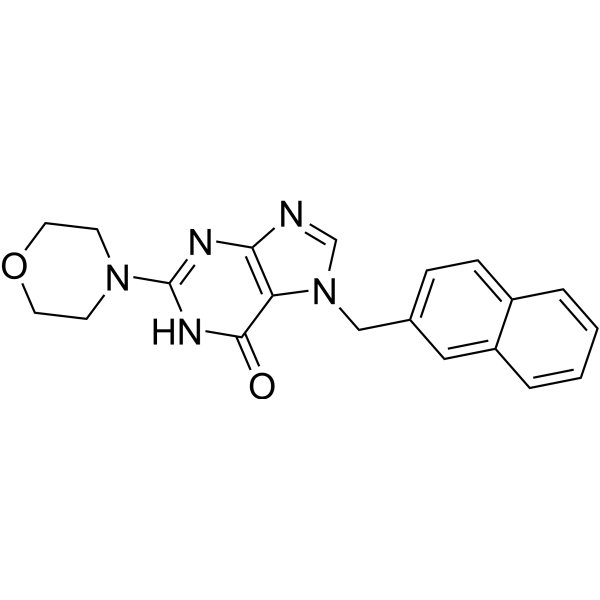
- HY-143598
-
|
|
Ras
|
Cancer
|
|
KRAS G12C inhibitor 42 is a potent inhibitor of KRAS G12C. The Ras family of proteins is an important intracellular signaling molecule that plays an important role in growth and development. KRAS G12C inhibitor 42 has the potential for the research of KRAS G12C-mediated cancer (extracted from patent WO2020146613A1, compound 10) .
|
-
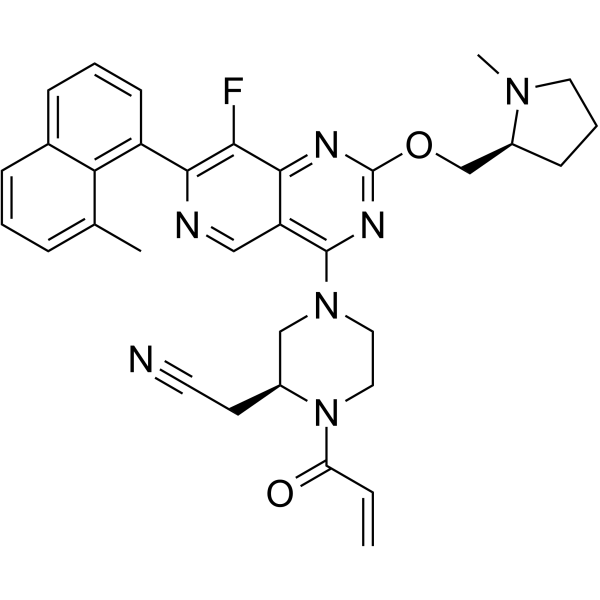
- HY-174229
-
|
|
LIM Kinase (LIMK)
|
Neurological Disease
Cancer
|
|
SM311 (Compound 10), a chemical probe, is a potent selective irreversible LIMK1 inhibitor (EC50=0.045 μM, >30-fold selective over LIMK2). SM311 blocks cofilin phosphorylation and actin cytoskeleton regulation. SM311 is promising for research of neurodegenerative diseases like Fragile X syndrome (FXS) and Alzheimer’s disease, as well as tumor invasion .
|
-

- HY-159603
-
|
|
Parasite
Na+/K+ ATPase
|
Infection
|
|
S-WJM992 (compound 10ahb) is an antiparasitic agent that inhibits ATPase activity under high [Na+] conditions. S-WJM992 also has significant inhibitory effects on parasites that have developed PfATP4 inhibitor-resistance. S-WJM992 is a potential transmission blocker that effectively inhibits gamete development and prevents parasite transmission to mosquitoes via blood feeding .
|
-

- HY-173164
-
|
|
EGFR
Raf
Apoptosis
|
Cancer
|
|
EGFR/BRAFV600E-IN-4 (Compound 10f) is a dual EGFR and BRAF V600E inhibitor with IC50 values of 61 nM and 43 nM, respectively. EGFR/BRAFV600E-IN-4 arrests cell cycle, induces apoptosis in both early and late stages and inhibits cancer cells growth in vitro, and has a broad anticancer activity .
|
-

- HY-153508
-
|
|
Chloride Channel
|
Others
|
|
ANO1-IN-4 (Compound 10bm) is a reversible inhibitor for calcium-activated chloride channel transmembrane protein 16A (TMEM16A, also known as ANO1) with an IC50 of 0.030 µM. ANO1-IN-4 exhibits good metabolic stability in rat liver microsomes. ANO1-IN-4 inhibits spontaneous contraction in mouse isolated ileum .
|
-

- HY-178190
-
|
|
Wee1
|
Cancer
|
|
WEE1-IN-13 (Compound 10) is a highly selective WEE1 kinase inhibitor (IC50=0.7 nM). WEE1-IN-13 abrogates the G2/M checkpoint and induces tumor cell apoptosis. WEE1-IN-13 is promising for research of solid tumors (e.g., non-small cell lung cancer, ovarian cancer) .
|
-

- HY-162574
-
|
|
Cytochrome P450
|
Cancer
|
|
CYP11B2-IN-2 (Compound 10k) is an inhibitor for enzyme aldosterone synthase CYP11B2 with an IC50 of 0.3 nM. CYP11B2-IN-2 CYP11B-IN-2 is labeled with 18F and can be used as a positron emission tomography (PET) tracer for the diagnosis of primary aldosteronism .
|
-

- HY-168654
-
|
|
Wee1
|
Cancer
|
|
WEE1 degrader 1 (Compound 10) is a CRBN-dependent molecular glue degrader of WEE1 and casein kinase 1α (CK1α) with sub-2 nM DC50 values for both targets. WEE1 degrader 1 can be used for the research of acute lymphoblastic leukemia, acute monocytic leukemia, acute promyelocytic leukemia, colorectal adenocarcinoma, diffuse large b cell lymphoma .
|
-

- HY-163715
-
|
|
FAK
|
Cancer
|
|
Antitumor agent-165 (Compound 10l) is a potent focal adhesion kinase (FAK) inhibitor. Antitumor agent-165 exhibits effective antiproliferative activity against CAPAN-1, PANC-1, PATU-T, SUIT-2, BxPC-3, PDAC-3 and PANC-1 GR with IC50s in the range of 1.04-3.44 μM .
|
-

- HY-149735
-
|
|
Epigenetic Reader Domain
Apoptosis
|
Cancer
|
|
BET-IN-20 (compound 10) is an inhibitor of BRD4 BD1 (IC50=1.9 nM) with anticancer activity. BET-IN-20 can promote acute myeloid leukemia (AML) cell apoptosis and arrest the cell cycle in the G0/G1 phase. BET-IN-20 also inhibits c-Myc and CDK6 and enhances PARP cleavage .
|
-
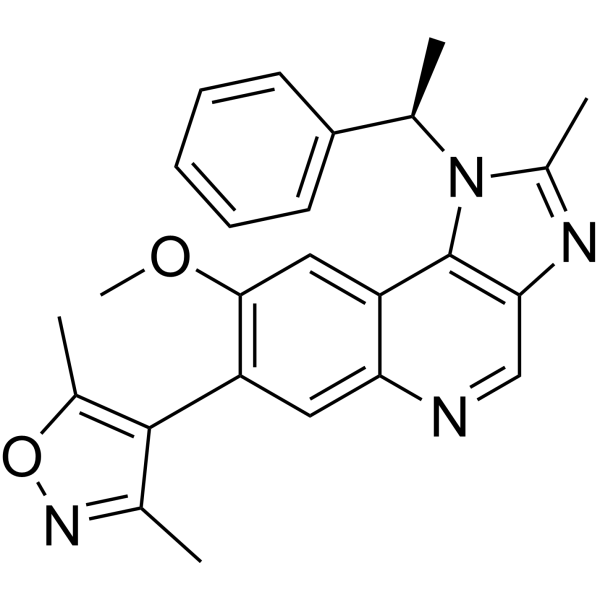
- HY-163439
-
|
|
Amylases
Glycosidase
|
Metabolic Disease
|
|
α-Amylase/α-Glucosidase-IN-12 (compound 10k) is a dual inhibitor targeting α-glucosidase and α-amylase with IC50 of 34.52 nM and 24.62 nM, respectively. α-Amylase/α-Glucosidase-IN-12 is an inhibitor designed based on triazolo[4,3-b][1,2,4]triazine and has the potential to be used in diabetes research .
|
-

- HY-156092
-
|
|
BCRP
Apoptosis
|
Cancer
|
|
Antitumor photosensitizer-4 (compound 10b) is a potent tyrosine kinase inhibitor (TKI) targeting ABCG2. Antitumor photosensitizer-4 is a photosensitizer (PS) consisting of a conjugate of dasatinib (HY-10181) and imatinib (HY-15463). Antitumor photosensitizer-4 induces apoptosis and ROS production and exhibits strong phototoxicity to HepG2 and B16-F10 cells .
|
-
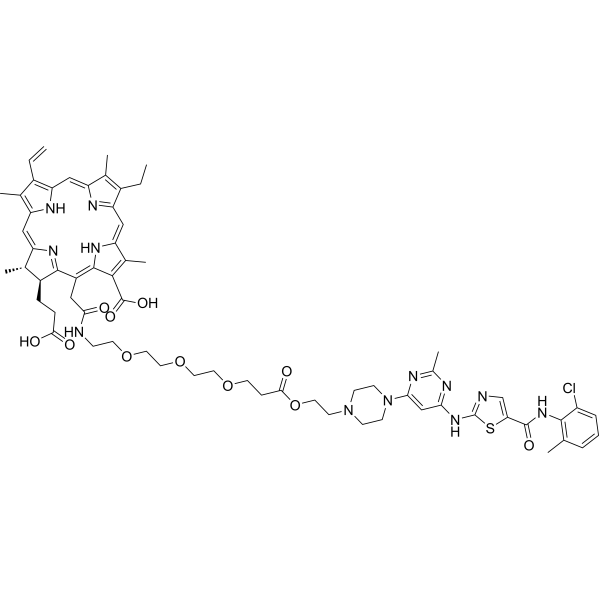
- HY-125001
-
|
|
CDK
Ligands for Target Protein for PROTAC
|
Cancer
|
|
JH-VIII-49 (compound 10) is a potent and selective CDK8 inhibitor (IC50=16 nM) with excellent biological activity. JH-VIII-49 promotes CDK8 inhibition through its steroid backbone design. JH-VIII-49 can be used in the synthesis of PROTAC as a target protein ligand of JH-XI-10-02 (HY-111518) .
|
-

- HY-155118
-
|
|
EGFR
|
Cancer
|
|
EGFR-IN-81 (Compound 10i) is an EGFR inhibitor. EGFR-IN-81 inhibits EGFR WT and L858R/T790M with IC50s 4.38 nM and 5.69 nM. EGFR-IN-81 has cytotoxic activity against MCF-7 and HCT116 cells with of 2.07 μM and 6.72 μM respectively .
|
-
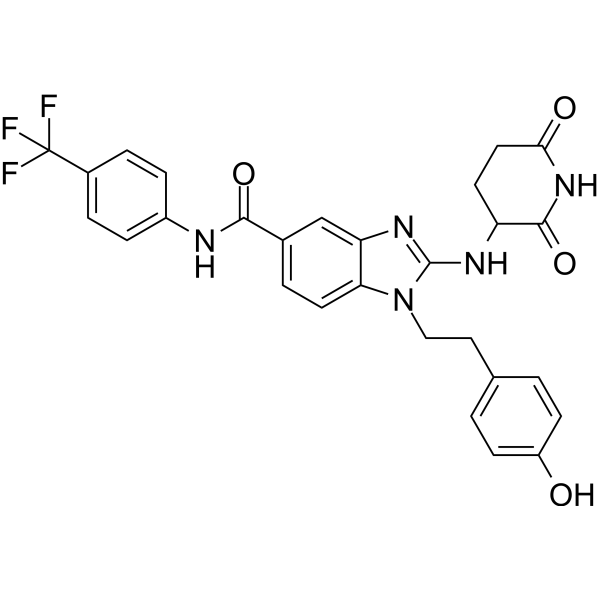
- HY-178920
-
|
|
α-synuclein
|
Neurological Disease
|
|
α-Synuclein-IN-17 (Compound 10) is an α-Synuclein inhibitor, with an IC50 value of 9 μM. α-Synuclein-IN-17 exhibits potent inhibitory activity against both in-vitro assembled asyn fibrils and LBD brain tissue-amplified asyn fibrils. α-Synuclein-IN-17 can be used for the study of Parkinson's disease (PD) and Lewy Body Disease (LBD) .
|
-

- HY-185172
-
|
|
Phosphodiesterase (PDE)
Drug Intermediate
|
Inflammation/Immunology
|
|
PDE4-IN precursor (Compound 10) is an orally active prodrug of phosphodiesterase 4 (PDE4) inhibitor. PDE4-IN precursor undergoes enzymatic hydrolysis in the colon to release the active PDE4 inhibitor, which exerts local anti-inflammatory effects on the colonic mucosa. PDE4-IN precursor is applicable to research related to ulcerative colitis, Crohn's disease, and other relevant conditions .
|
-

- HY-153016
-
|
|
HIF/HIF Prolyl-Hydroxylase
|
Inflammation/Immunology
|
|
HIF-2α agonist 2 (compound 10) is a HIF-2α agonist with an EC50 value of 1.68 μM at the dose of 20 μM. HIF-2α agonist 2 is non-cytotoxic against 786-O-HRE-Luc cells. HIF-2α agonist 2 can be used for oxygen metabolism research .
|
-
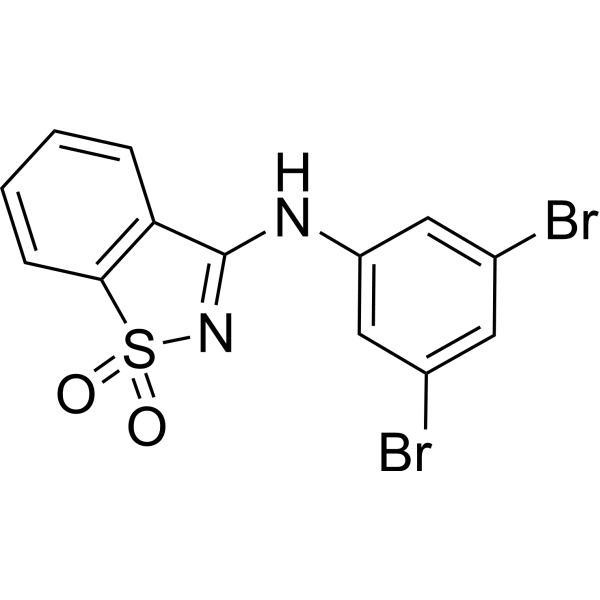
- HY-179053
-
-

- HY-120323
-
|
|
TNF Receptor
|
Inflammation/Immunology
|
|
DRI-C21045 (compound 10) is a potent and selective inhibitor of the CD40-CD40L costimulatory protein-protein interaction (PPI) with an IC50 of 0.17 μM. DRI-C21045 shows concentration-dependent inhibition of the activation of NF-κB and B cell proliferation all induced by CD40L with IC50s of 17.1 μM and 4.5 μM, respectively .
|
-
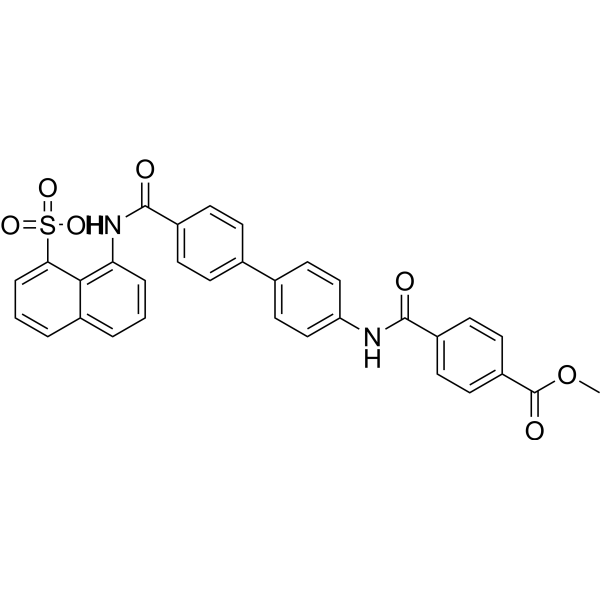
- HY-156083
-
|
|
CDK
|
Cancer
|
|
PROTAC CDK9/CycT1 Degrader-1 (compounds 10) is a potent inhibitor of CDK9. PROTAC CDK9/CycT1 Degrader-1 can be used as a PROTAC target protein ligand for PROTAC synthesis. PROTAC CDK9/CycT1 Degrader-1 shows strong anti-proliferative activity in solid tumors .
|
-
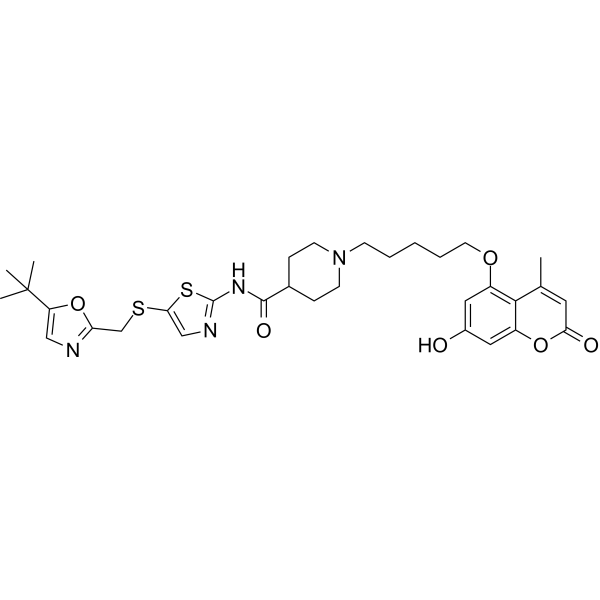
- HY-179709
-
|
|
Beta-lactamase
Bacterial
|
Infection
|
|
NDM-1-IN-12 (Compound 10c) is an inhibitor of NDM-1 metallo-β-lactamase, with an IC50 value of 9 nM. NDM-1-IN-12 effectively reverses bacterial resistance to β-lactam antibiotics and shows an additive effect when used in combination with antibiotics and SBL inhibitors. NDM-1-IN-12 can be used in the research of anti-multi-drug resistant bacteria .
|
-

- HY-134635R
-
|
|
Bacterial
Fungal
HIV
|
Infection
Neurological Disease
Cancer
|
|
Dehydrozingerone (Standard) is the analytical standard of Dehydrozingerone. This product is intended for research and analytical applications. Dehydrozingerone (Compound 10), a structural half analogue of Curcumin (HY-N0005), is a phenolic compound with antibacterial, anticancer, antioxidant, anti-Alzheimer’s and antifungal activity, which is isolated from ginger (Zingiber officinale) rhizomes. Dehydrozingerone shows moderate inhibitory activities on the secretion of HBsAg in HepG 2 cells with an IC50 value of 0.50 mM .
|
-

- HY-P10973
-
|
|
CXCR
ERK
|
Cancer
|
|
Peptide R analogue 10 (compound 10) is an analog of the CXCR4 antagonist peptide Peptide R (HY-P4111) with stronger antagonistic potency, specificity and plasma stability. Peptide R analogue 10 can inhibit CXCL12-mediated cell migration, ERK phosphorylation and CXCR4 internalization. Peptide R analogue 10 can be used in the study of CXCR4 overexpressing leukemia and colon cancer .
|
-

- HY-159491
-
|
|
Dipeptidyl Peptidase
Glycosidase
Amylases
|
Metabolic Disease
|
|
DPP-4-IN-11 (compound 10) is an orally active DPP-4 inhibitor (IC50=2.75 μM) with anti-type 2 diabetes activity. DPP-4-IN-11 exerts its glucose-lowering effect by inhibiting the activities of α-glucosidase (IC50=3.02 μM) and α-amylase (IC50=3.3 μM) .
|
-

- HY-168073
-
|
|
EGFR
VEGFR
Apoptosis
Microtubule/Tubulin
|
Cancer
|
|
EGFR/VEGFR2-IN-1 (Compound 10e) is a VEGFR-2 and EGFR inhibitor (IC50: 0.26 and 0.14 μM respectively). EGFR/VEGFR2-IN-1 inhibits tubulin polymerization with an IC50 of 40.9 μM. EGFR/VEGFR2-IN-1 induces apoptosis. EGFR/VEGFR2-IN-1 can be used for research of antileukemia and antilymphoma .
|
-

- HY-171592
-
|
|
RIP kinase
NOD-like Receptor (NLR)
TNF Receptor
|
Inflammation/Immunology
|
|
RIPK2-IN-7 (Compound 10w) is an orally active, selective RIPK2 inhibitor (IC50: 0.6 nM). RIPK2-IN-7 inhibits RIPK2 kinase activity, blocks the nucleotide-binding oligomerization domain (NOD) signaling pathway, and reduces the production of inflammatory factors (such as TNFα). RIPK2-IN-7 can be used in the study of inflammatory bowel disease (IBD) .
|
-

- HY-162844
-
|
|
Drug Derivative
IFNAR
NF-κB
Interleukin Related
TNF Receptor
|
Cancer
|
|
CDN-3 (Compound 10) is a cyclic dideoxy nucleotide derivative. CDN-3 can stimulate the production of IFN-β, activate the IRF-3 and NF-κB pathways, and induce the production of type I interferons as well as pro-inflammatory factors such as IL-6 and TNF-α. CDN-3 can inhibit cancer cells proliferation. CDN-3 can be used for research of colon cancer .
|
-

- HY-N13115A
-
|
(E)-21-Angeloyl-protoaescigenin
|
Others
|
Cancer
|
|
Protoescigenin 21-tiglate (compound 10) is a glycosidic oleanane-type triterpenoid (BAT) that can be isolated from the acid hydrolysis product (AHP) of the crude extract of Aesculus chinensis seeds. Aesculus-derived triterpenoids (BAT) generally exhibit good antitumor, anti-inflammatory, and anti-Alzheimer's activities. However, the antitumor activity of Protoescigenin 21-tiglate is relatively weak, with IC50 values of >80 μM and 80 μM against MCF-7 and HeLa cells, respectively .
|
-

- HY-163453
-
|
|
EGFR
|
Cancer
|
|
HER2-IN-19 (Compound 10e) is a potent inhibitor of HER2 and EGFR with IC50 values of 0.87 respectively and 3.5 nM. HER2-IN-19 has potent inhibitory activity against tumor cells, IC50 NCI-N87 = 1.63 nM, IC50 BT474= 15.17 nM, IC50 BaF3-HER2YVMA = 1.49 nM .
|
-
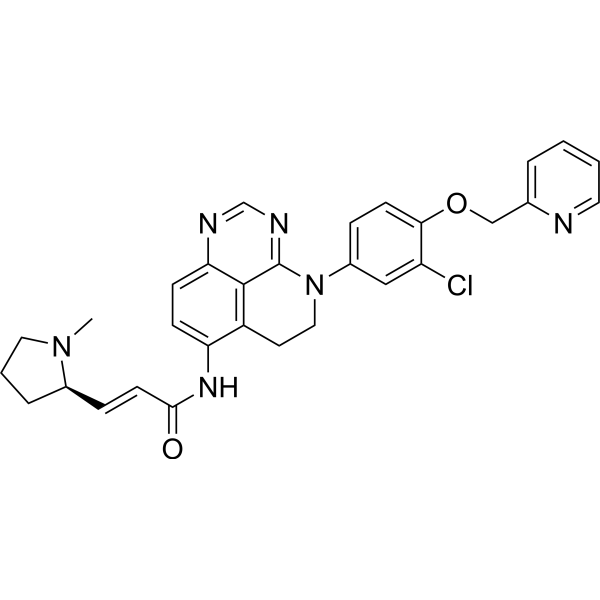
- HY-P11498
-
|
|
Drug Intermediate
Bacterial
|
Infection
|
|
Cyclomarin monomer-2 (Compound 10), a cyclomarin monomer, is a pre-dimerization precursor that can form Homo-BacPROTACs targeting the degradation of ClpC1. Cyclomarin monomer-2 binds to the Mtb ClpC1 protein with a KD of 4.0 nM. The MIC of Cyclomarin monomer-2 against the Mtb H37Rv standard strain is 3.1 μM. Cyclomarin monomer-2 can be used as a key intermediate in the development of Homo-BacPROTACs .
|
-

- HY-103258R
-
|
|
Reference Standards
MAP3K
Apoptosis
|
Cancer
|
|
TC ASK 10 (Standard) is the analytical standard of TC ASK 10 (HY-103258). This product is intended for research and analytical applications. TC ASK 10 (Compound 10) is a potent, selective and orally active apoptosis signal-regulating kinase 1 (ASK1) inhibitor with an IC50 of 14 nM. The inhibitory activities of TC ASK 10 towards other representative panel of kinases are less than 50%, except for ASK2 (IC50 of 0.51 μM) .
|
-

- HY-127024A
-
|
|
Thyroid Hormone Receptor
|
Metabolic Disease
|
|
TR antagonist 2 (Compound 10a) is a competitive thyroid hormone receptors (TRα/β) antagonist (IC50=47 nM). TR antagonist 2 competes with triiodothyronine (T3) for binding to the ligand-binding domain of TR to block receptor-coactivator complex formation and inhibit target gene transcription, reducing thyroid hormone-mediated hypermetabolic effects. TR antagonist 2 is promising for research of hyperthyroidism (e.g., Graves' disease) and thyrotoxicosis .
|
-

- HY-123565
-
|
|
Tie
Fungal
Bacterial
|
Infection
Cancer
|
|
TP-S1-68 (Compound 10) is a TIE-2 inhibitor with an IC50 of 3.65 μM. TP-S1-68 exhibits antibacterial activity against a variety of fungal and bacteria. TP-S1-68 serves as a starting compound for the further development of TIE-2 inhibitors. TP-S1-68 can be used in research related to solid tumors, bacterial infections and fungal infections .
|
-

- HY-162062
-
|
|
EGFR
|
Cancer
|
|
EGFR WT/T790M/L858R-IN-1 (compound 10d) is a potent EGFR inhibitor, with IC50s of 0.097, 0.280, and 0.051?μM for EGFR WT, EGFR T790M, and EGFR L858R, respectively. EGFR WT/T790M/L858R-IN-1 can be used for the research of cancer .
|
-
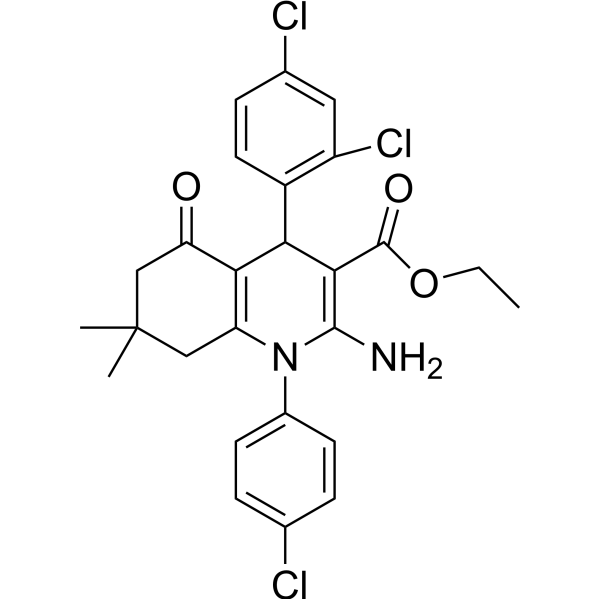
- HY-149331
-
|
|
TNF Receptor
Caspase
NF-κB
|
Inflammation/Immunology
|
|
TNF-α-IN-11 (Compound 10) is a TNF-α inhibitor with a KD value of 12.06 μM. TNF-α-IN-11 binds to TNF-α and blocks the activation of TNF-α-trigged caspase and NF-κB signaling pathway. TNF-α-IN-11 inhibits the phosphorylation of IκBα, as well as the nuclear translocation of NF κB p65. TNF-α-IN-11 can be used for research of TNF-α-mediated autoimmune diseases .
|
-
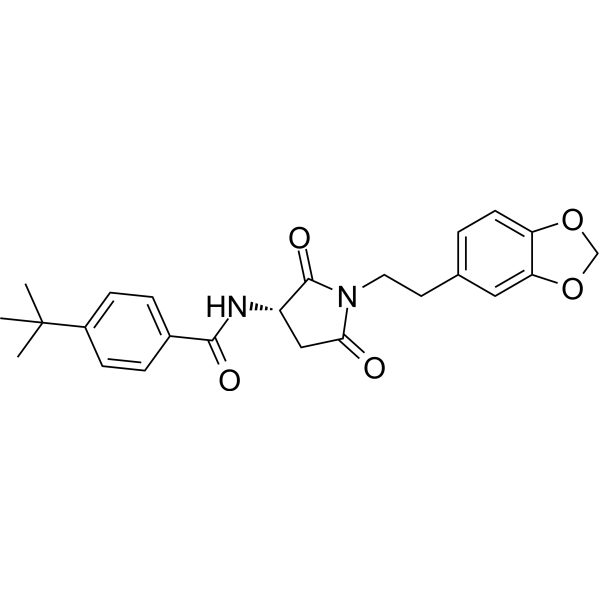
- HY-177967
-
|
|
Drug Derivative
|
Cancer
|
|
Antitumor agent-209 (Compound 10g), a quinolone derivative, is an antitumor agent. Antitumor agent-209 can inhibit proliferation of HCT-116, RKO, DLD1, HepG2, BGC-823, NCI-H1650 and SK-OV-3 cells with IC50 values of 0.37, 0.58, 0.81, 0.79, 0.89, 0.78 and 0.89 μM .
|
-

- HY-178440
-
|
|
EGFR
COX
Apoptosis
|
Inflammation/Immunology
Cancer
|
|
EGFR/COX-2-IN-2 (Compound 10a) is a dual inhibitor targeting epidermal growth factor receptor (EGFR) (IC50= 6.0 μM) and cyclooxygenase-2 (COX-2) (IC50=50 μM). EGFR/COX-2-IN-2 induces S-phase cell cycle arrest and apoptosis. EGFR/COX-2-IN-2 is promising for research of cancers and inflammation-related diseases .
|
-

- HY-115866
-
|
|
COX
|
Cancer
|
|
COX-2-IN-6 (compound 10) is an orally active, gut-restricted and selective cyclooxygenase-2 (COX-2) inhibitor for colorectal Chemoprevention of cancer. COX-2-IN-6 selectively targets COX-2 with an IC50 of 0.84 μM and a Ki of 69 nM. COX-2-IN-6 also inhibits COX-2-driven PGE2 synthesis with an IC50 of 0.60 μM .
|
-
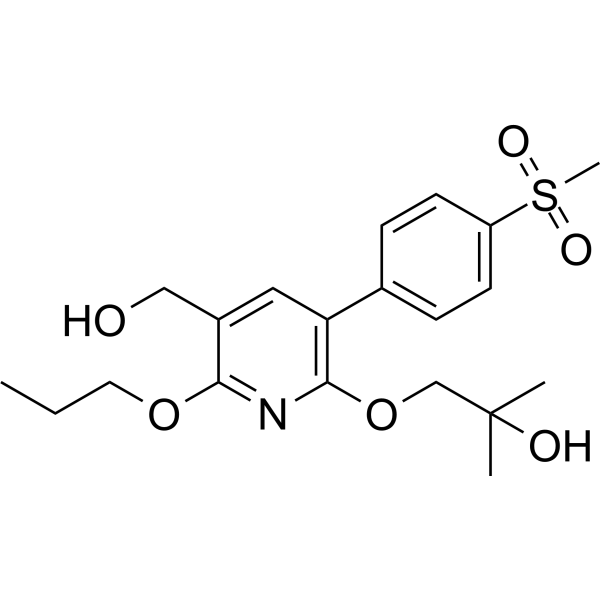
- HY-180147
-
|
|
Microtubule/Tubulin
Reactive Oxygen Species (ROS)
Apoptosis
|
Cancer
|
|
Microtubule-IN-14 (Compound 10u) is a microtubule inhibitor. Microtubule-IN-14 inhibits the polymerization of tubulin, thereby preventing the formation of the spindle apparatus in cell mitosis and blocking the cell cycle at the G2/M phase. Microtubule-IN-14 induces a decrease in mitochondrial membrane potential and a burst of reactive oxygen species (ROS), promoting tumor cell apoptosis. Microtubule-IN-14 can be used for the study of non-small cell lung cancer and liver cancer .
|
-

- HY-162577
-
|
|
FGFR
|
Cancer
|
|
FGFR-IN-14 (compound 10h) is a pan-FGFR inhibitor. FGFR-IN-14 inhibits FGFR1, FGFR2, FGFR3 and FGFR2 V564F gatekeeper mutant with IC50s of 46, 41, 99, and 62 nM, respectively. FGFR-IN-14 strongly suppresses NCI-H520 lung cancer cells, SNU-16 and KATO III gastric cancer cells proliferation with IC50s of 19, 59, and 73 nM, respectively .
|
-

- HY-172594
-
|
|
MAP4K
Interleukin Related
|
Inflammation/Immunology
Cancer
|
|
HPK1-IN-57 (Compound 10c) is a hematopoietic progenitor kinase 1 (HPK1) inhibitor with an IC50 value of 0.09 nM. HPK1-IN-57 inhibits the activity of HPK1 kinase, hindering the phosphorylation of the downstream adaptor protein SLP76 (IC50 is 33.74 nM) and effectively stimulating the secretion of the T cell activation marker IL-2 (EC50 is 84.24 nM). HPK1-IN-57 is promising for research of tumor immunotherapy .
|
-

- HY-150309
-
|
|
PI3K
|
Cancer
|
|
PI3K-IN-54 (compound 10w) is a pan-PI3K inhibitor. The IC50 values of PI3K-IN-54 for p110α, p110β, and p110δ are 0.22 nM, 1.4 nM, and 0.38 nM, respectively. PI3K-IN-54 can be used in cancer research .
|
-

- HY-147405
-
|
PF-07284890; ARRY-461
|
Raf
ERK
|
Cancer
|
|
Tinlorafenib (PF-07284890) is the orally active inhibitor for BRAF and CRAF with IC50s of 5.8 nM and 4.1 nM. Tinlorafenib (Compound 10) inhibits V600E mutated BRAF and V600K mutanted BRAF with IC50s of 4.25 nM and 2.7 nM. Tinlorafenib can cross the blood brain barrier. Tinlorafenib demonstrates CNS penetration and can be used in the research of BRAF-associated malignant and benign tumors of the CNS as well as extracranial malignancies .
|
-
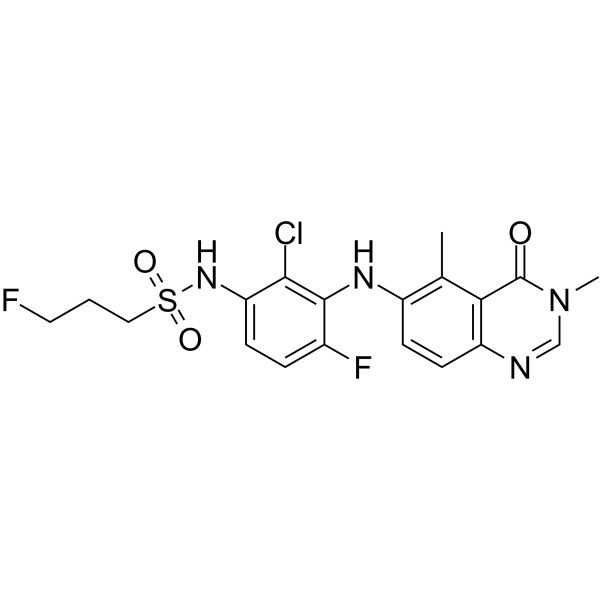
- HY-178691
-
|
|
11β-HSD
|
Metabolic Disease
|
|
11β-HSD1-IN-24 (Compound 10l) is a potent and selective 11β-HSD1 inhibitor with an IC50 of 0.5 nM. 11β-HSD1-IN-24 can effectively block the conversion of inactive Cortisone (HY-17461) to active Cortisol (HY-N0583). 11β-HSD1-IN-24 can be used for the research of metabolic disease, such as type 2 diabetes .
|
-

- HY-149211
-
|
|
Cholinesterase (ChE)
Beta-secretase
Amyloid-β
|
Neurological Disease
|
|
AChE/BChE-IN-12 (compound 10b), a 3,5-dimethoxy analogue, is a potent AChE, BChE, and β-secretase-1 (BACE-1) inhibitor, with IC50 values of 2.57, 3.26, and 10.65 μM, respectively. AChE/BChE-IN-12 crosses the blood-brain barrier via passive diffusion and inhibits the self-aggregation of amyloid-β monomers. AChE/BChE-IN-12 can be used for Alzheimer’s disease (AD) research .
|
-
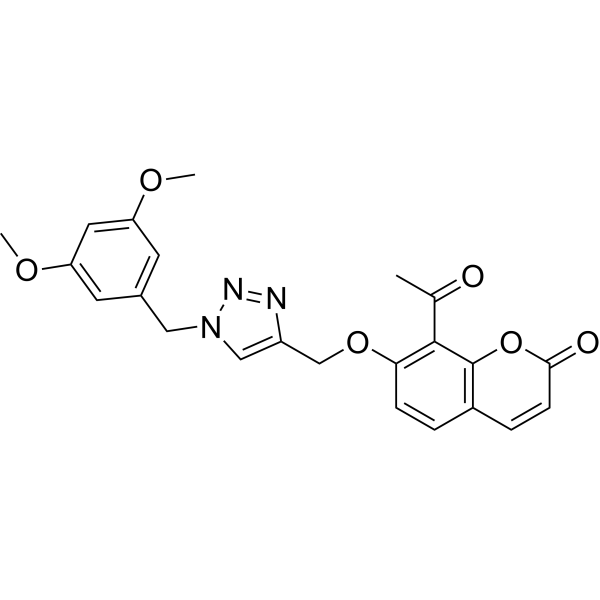
- HY-139781
-
|
|
PD-1/PD-L1
Apoptosis
|
Cancer
|
|
PD-L1-IN-1 (Compound 10) is a potent PD-L1 inhibitor with an IC50 of 115 nM. PD-L1-IN-1 strongly binds with the PD-L1 protein and challenged it in a co-culture of PD-L1 expressing cancer cells and peripheral blood mononuclear cells enhanced antitumor immune activity of the latter. PD-L1-IN-1 significantly exhibits low cytotoxicity in healthy cells .
|
-
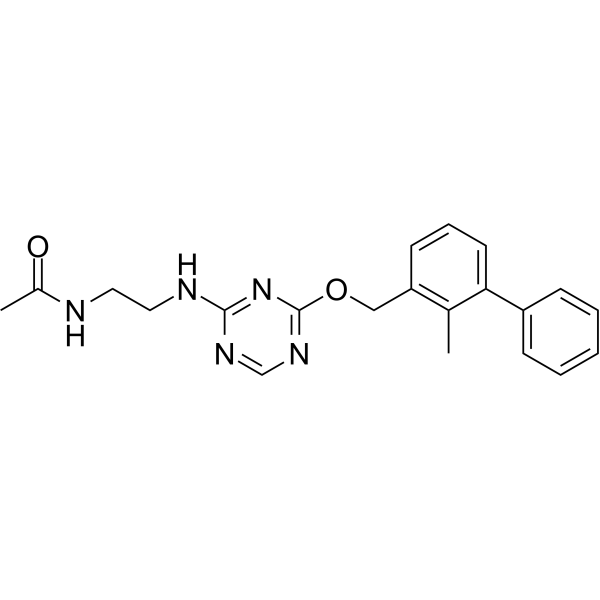
- HY-N17604
-
|
|
Drug Derivative
|
Cancer
|
|
(6aR,11aR)-Edunol (compound 10) is a pterocarpan and antiproliferative agent. (6aR,11aR)-Edunol can be found in the roots of Lonchocarpus bussei and the stem bark of Lonchocarpus eriocalyx. (6aR,11aR)-Edunol exerts antiproliferative effects against drug-sensitive leukemia cells and multidrug-resistant leukemia cells. (6aR,11aR)-Edunol can be used for the research of leukemia .
|
-

- HY-149976
-
|
|
Pim
|
Cancer
|
|
Pim-1 kinase inhibitor 4 (Compound 10f) is a Pim-1 kinase inhibitor (IC50: 17.01 nM). Pim-1 kinase inhibitor 4 also has antioxidant activity and inhibits DPPH. Pim-1 kinase inhibitor 4 induces apoptosis in PC-3 cell, and inhibits PC-3 cell growth with an IC50 of 16 nM. Pim-1 kinase inhibitor 4 can be used for research of prostate cancer .
|
-
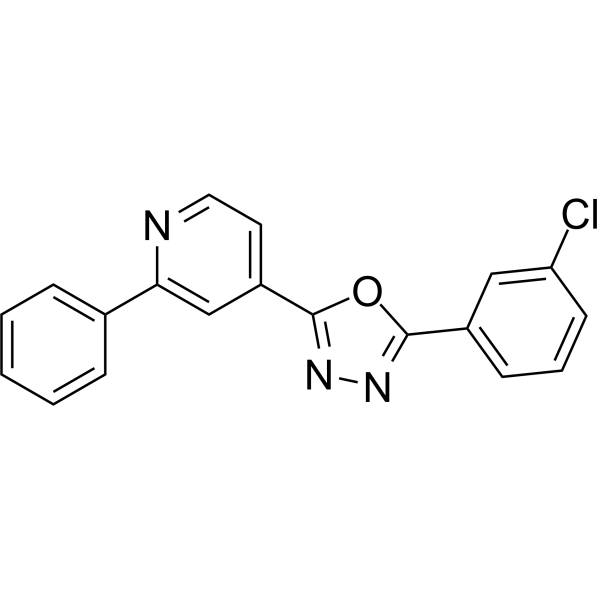
- HY-180148
-
|
|
Microtubule/Tubulin
Reactive Oxygen Species (ROS)
Apoptosis
|
Cancer
|
|
Microtubule-IN-15 (Compound 10v) is a microtubule inhibitor. Microtubule-IN-15 inhibits the polymerization of tubulin, thereby preventing the formation of the spindle apparatus in cell mitosis and blocking the cell cycle at the G2/M phase. Microtubule-IN-15 induces a decrease in mitochondrial membrane potential and a burst of reactive oxygen species (ROS), promoting tumor cell apoptosis. Microtubule-IN-15 can be used for the study of non-small cell lung cancer and liver cancer .
|
-

- HY-146478
-
|
|
Adenosine Receptor
|
Neurological Disease
Inflammation/Immunology
|
|
A1/A3 AR antagonist 1 (compound 10) is a potent adenosine 1 (A1) and adenosine 3 (A3) receptor dual antagonist with Kis of 36.7 nM, 25.4 nM and 1.47 nM for human A1, human A3 and rat A1, respectively. A1/A3 AR antagonist 1 can be used for researching kidney failure, inflammatory pulmonary diseases, and Alzheimer’s disease .
|
-
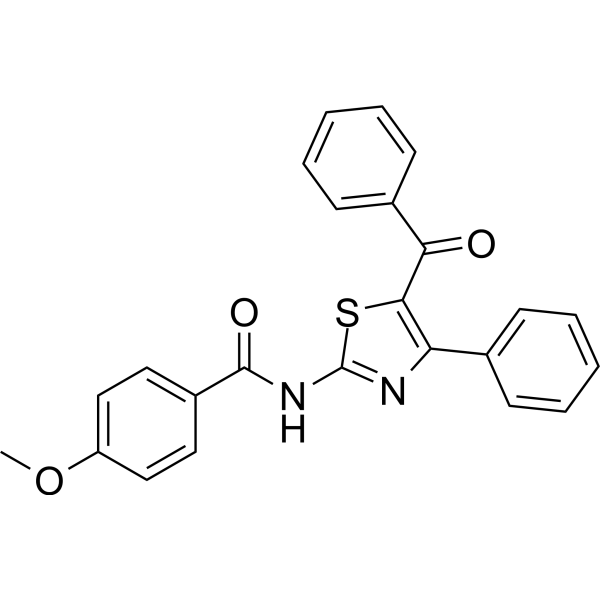
- HY-179437
-
|
|
HIV
|
Infection
|
|
anti-HIV agent 1 (compound 10i) is a potent antiviral agent with anti-HIV activity (IC50 = 10.6 nM). anti-HIV agent 1 exhibits moderate to no inhibitory activity against RT mutant strains, but maintains their activity against wild-type viruses. anti-HIV agent 1 strongly shows dual inhibition of the viral attachment and reverse transcriptase phases of the viral life cycle. anti-HIV agent 1 can be used for HIV infection research .
|
-

- HY-149709
-
|
|
ICMT
|
Cancer
|
|
ICMT-IN-35 (compound 10n) is a FTPA-triazole compound and ICMT inhibitor (IC50=0.8 μM). ICMT-IN-35 is taken up by mammalian cells and can prevent K-Ras membrane localization and induce K-Ras mislocalization. Furthermore, ICMT-IN-35 is selectively cytotoxic against ICMT +/+ MEF cells and has low micromolar activity (IC50=0.8 μM) against metastatic pancreatic cancer cell lines .
|
-
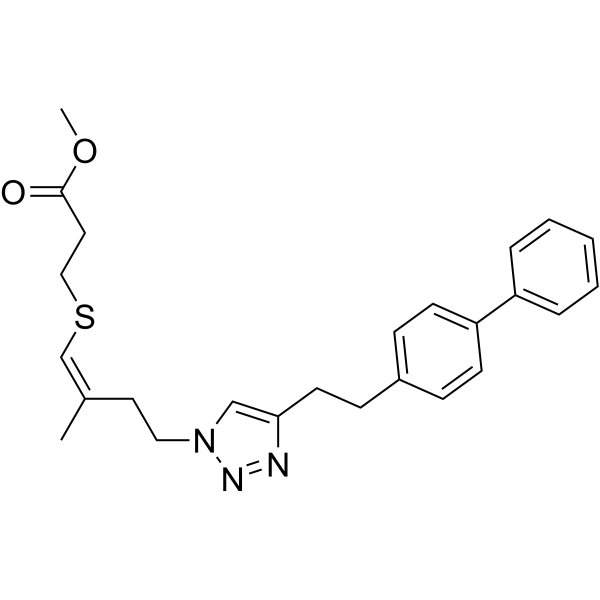
- HY-149058
-
|
|
Influenza Virus
|
Infection
|
|
Neuraminidase-IN-13 (Compound 10) is a neuraminidase inhibitor with antiviral activity and low cytotoxicity. Neuraminidase-IN-13 significantly inhibits NDV infection of Vero cells by preventing the release of viral particles from infected cells . Neuraminidase-IN-13 is a click chemistry reagent, it contains an Azide group and can undergo copper-catalyzed azide-alkyne cycloaddition reaction (CuAAc) with molecules containing Alkyne groups. It can also undergo strain-promoted alkyne-azide cycloaddition (SPAAC) reactions with molecules containing DBCO or BCN groups.
|
-
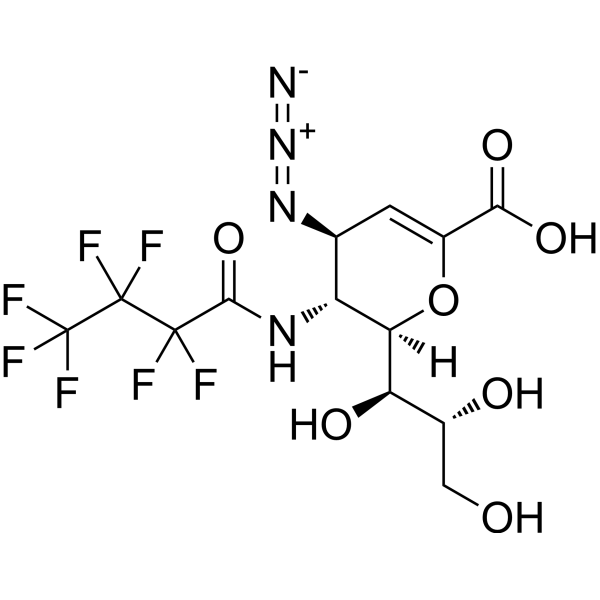
- HY-168557
-
|
|
SARS-CoV
|
Infection
|
|
SARS-CoV-2-IN-101 (compound 10O) is a potent and orally active SARS-CoV-2 inhibitor with an EC50 value of 0.64 µM for HCoV-229E. SARS-CoV-2-IN-101 shows cyotoxicity. SARS-CoV-2-IN-101 decreases the expression of HCoV-229E N protein and RNA level. SARS-CoV-2-IN-101 shows broad-spectrum anti-coronaviral effect .
|
-

- HY-171038
-
|
|
STAT
|
Inflammation/Immunology
|
|
STAT3-IN-39 (compound 10K) is an orally active STAT3 inhibitor that exhibits excellent inhibitory activity against STAT3 phosphorylation, with an IC50 of 0.47 μM in NIH-3T3 cells. STAT3-IN-39 inhibits the TGF-β1-induced fibrotic response and blocks the epithelial-mesenchymal transition in A549. STAT3-IN-39 can be utilized in research related to idiopathic pulmonary fibrosis .
|
-

- HY-162268
-
|
|
MALT1
Apoptosis
|
Inflammation/Immunology
Cancer
|
|
MALT1-IN-13 (compound 10m) is inhibitor for mucosa-associated lymphoid tissue lymphoma translocation protein 1 (MALT1), which to binds MALT1 protease covalently and irreversibly, inhibits MALT1 with the IC50 of 1.7 μM. MALT1-IN-13 inhibits proliferation against ABC-DLBCL and induces apoptosis in ABC-DLBCL HBL1. MALT1-IN-13 regulates mTOR and PI3K-Akt pathways .
|
-
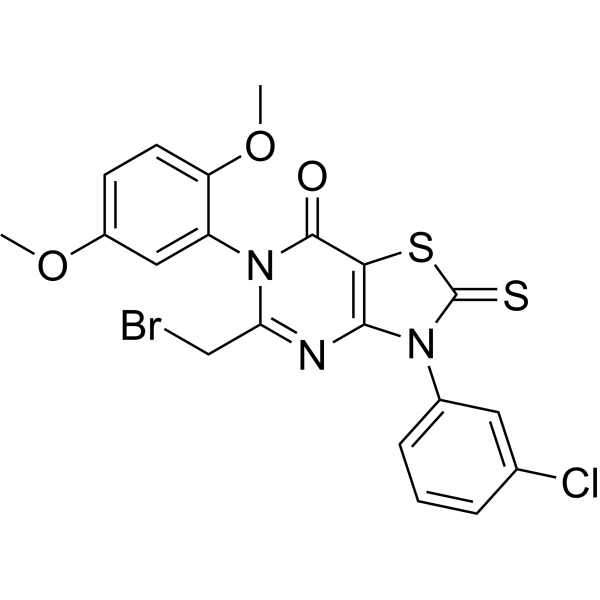
- HY-149262
-
|
|
CDK
DYRK
Autophagy
|
Cancer
|
|
CLK1-IN-3 (compound 10ad) is a potent and selective Clk1 inhibitor, with an IC50 of 5 nM and over 300-fold selectivity for Dyrk1A. CLK1-IN-3 also shows a relatively potent inhibition against Clk2 and Clk4, with IC50 values of 42 and 108 nM, respectively. CLK1-IN-3 potently induces autophagy in vitro. CLK1-IN-3 can be used for acute liver injury (ALI) research .
|
-
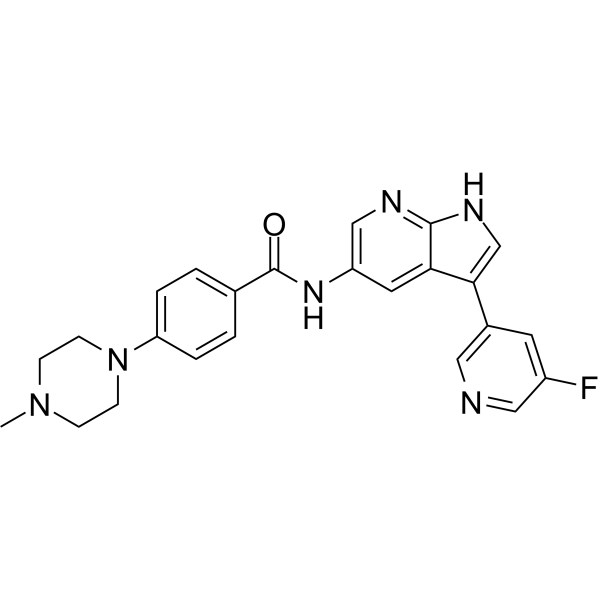
- HY-161986
-
|
|
HIV
|
Infection
|
|
HIV-1 inhibitor-74 (compound 10c) is a potent HIV-1 inhibitor with an EC50 value of 0.0047 µM for HIV-1 IIIB. HIV-1 inhibitor-74 shows cytotoxicity. HIV-1 inhibitor-74 inhibits WT HIV-1 RT activity with an IC50 value of 0.134 µM. HIV-1 inhibitor-74 shows broad-spectrum anti HIV-1 activity .
|
-

- HY-170402
-
|
|
Sirtuin
Apoptosis
|
Cancer
|
|
SIRT6-IN-4 (Compound 10d) is a selective inhibitor for SIRT6 with an IC50 of 5.68 μM. SIRT6-IN-4 inhibits the proliferation of MCF-7 with an IC50 of 8.30 μM. SIRT6-IN-4 arrests the cell cycle at G2/M phase, inhibits thecell migration and invasion of MCF-7, and induces apoptosis. SIRT6-IN-4 exhibits antitumor efficacy in mouse models .
|
-

- HY-173318
-
|
|
Bacterial
|
Infection
|
|
Anti-MRSA agent 25 (Compound 10c) is an antibacterial agent with a MIC of 0.25 μg/mL against methicillin-resistant Staphylococcus aureus (MRSA). Anti-MRSA agent 25 exerts its antibacterial activity by inhibiting biofilm formation, disrupting the cell wall (interacting with peptidoglycan and lipoteichoic acids), acting on the cell membrane (causing depolarization, increasing permeability, and disrupting integrity), reducing metabolic activity, interfering with cellular redox homeostasis, and binding to DNA. Anti-MRSA agent 25 is expected to be used in the research of the anti-infection field .
|
-

- HY-162720
-
|
|
HIV
Potassium Channel
Reverse Transcriptase
|
Infection
|
|
NNRT-IN-4 (Compound 10p) is an inhibitor for non-nucleoside reverse transcriptase (NNRT) with an IC50 of 0.713 µM for HIV-1 RT. NNRT-IN-4 exhibits antiviral efficacy, inhibits HIV-1 wildtype and mutant strains with EC50 of 6-63 nM. NNRT-IN-4 exhibits a slight inhibitory activities against hERG (IC50=25.9 µM) and CYP enzymes (IC50>50 µM). NNRT-IN-4 exhibits good tolerability and safety in mice (2 g/kg) .
|
-

- HY-173038
-
|
|
EGFR
ERK
STAT
Apoptosis
|
Cancer
|
|
EGFR-IN-151 (Compound 10) inhibits EGFR and its downstream signaling pathways ERK/STAT3. EGFR-IN-151 inhibits the proliferation of a variety lung cancer cells (IC50s for NCI-H1781, HCC827, NCI-H3255 and NCI-H1975 is 11.7, 5.19, 7.32 and 1.53 μM, respectively), inhibits the colony formation and migration of H1975, arrests the cell cycle at G1 phase, and induces apoptosis in H1975 .
|
-

- HY-179025
-
|
|
Phytohormone
|
Others
|
|
GA3ox-IN-1 (Compound 10e) is a GA3β-hydroxylase (GA3ox) inhibitor. GA3ox-IN-1 inhibits Arabidopsis root growth with an IC50 of 90 μM. GA3ox-IN-1 also suppresses the elongation of rice second leaf sheath. GA3ox-IN-1 can alleviate oxidative damage to Arabidopsis seedlings under NaCl salt stress and reduce the accumulation of superoxide anion .
|
-

- HY-179032
-
|
|
VEGFR
PI3K
Akt
mTOR
Apoptosis
|
Cancer
|
|
VEGFR-2-IN-77 (Compound 10) is a VEGFR-2 inhibitor with an IC50 value of 139 nM. VEGFR-2-IN-77 inhibits the PI3K/AKT/mTOR pathway. VEGFR-2-IN-77 exhibits selective cytotoxicity, being particularly sensitive to leukemia and prostate cancer cells. VEGFR-2-IN-77 causes cell cycle arrest and apoptosis, inhibiting cell migration and invasion. VEGFR-2-IN-77 can be used for the study of leukemia and prostate cancer.
|
-

- HY-176207
-
|
|
ByeTAC
HDAC
|
Cancer
|
|
HDAC6 degrader-6 (compound 10c) is a ByeTAC protein degrader targeting HDAC6, with IC50 values of 0.034 μM, 0.166 μM, 0.703 μM, and 0.293 μM for HDAC6, HDAC1, HDAC2, and HDAC3, respectively. HDAC6 degrader-6 induces cell apoptosis and can be used for the study of multiple myeloma(Blue: USP14 ligand HY-159808; Pink: HDAC ligand HY-176209; Black: linker HY-W016871)
|
-

- HY-178951
-
|
|
STING
IKK
Reactive Oxygen Species (ROS)
IFNAR
PARP
Caspase
|
Inflammation/Immunology
|
|
STING-IN-17 (compound 10a) is an orally active STING (human STING IC50 = 29 nM, mouse STING IC50 = 15 nM) inhibitor. STING-IN-17 can inhibit the phosphorylation of STING, TBK1 and IRF3. STING-IN-17 dose dependently inhibits the mRNA expression of IP10, IFNB1 and ISG56. STING-IN-17 can reduce ROS and inhibit the expression of cleaved-PARP/caspase-3. STING-IN-17 can improve kidney function. STING-IN-17 can be used for research on inflammatory conditions such as acute kidney injury .
|
-

- HY-155199
-
|
|
Phosphodiesterase (PDE)
|
Inflammation/Immunology
|
|
PDE1-IN-5 (Compound 10c) is a selective PDE1C inhibitor (IC50: 15 nM). PDE1-IN-5 has anti- inflammatory activity, and inhibits expression of iNOS, TNF-α, IL-1α, IL-1β, and IL-6 induced by LPS. PDE1-IN-5 has anti-inflammatory bowel disease (IBD) effects in the dextran sodium sulfate (DSS)-Induced colitis mice model. PDE1-IN-5 can be used for research of IBD .
|
-
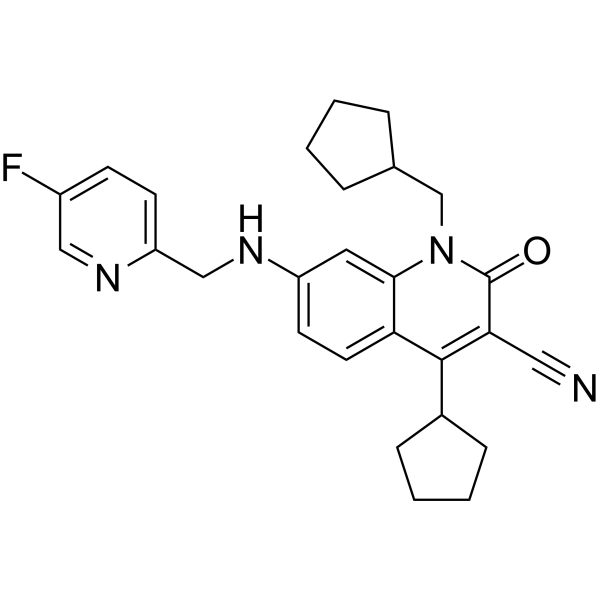
- HY-172901
-
|
|
AMPK
|
Cardiovascular Disease
Metabolic Disease
|
|
AMPK activator 17 (Compound 10g) is an orally active AMPK activator. AMPK activator 17 has significant anti-adipogenic (IC50: 3.4 μM) and dyslipidemia-modifying activities. AMPK activator 17 inhibits the early stages of adipocyte differentiation (mitotic clonal expansion) by activating the AMPK pathway. AMPK activator 17 can enhance mitochondrial function and fatty acid oxidation in mature adipocytes. AMPK activator 17 improves dyslipidemia by promoting reverse cholesterol transport. AMPK activator 17 can be used in the study of obesity and related metabolic diseases (such as type 2 diabetes and cardiovascular disease) .
|
-

- HY-170919
-
|
|
FGFR
|
Cancer
|
|
FGFR2/3-IN-2 (compound 10) is an orally active FGFR2 and FGFR3 inhibitor. FGFR2/3-IN-2 inhibits FGFR2 and FGFR3 with IC50s of 3.7 nM and 31.2 nM (preincubation time 1 h), respectively. FGFR2/3-IN-2 spares FGFR1/4 and other kinases without causing diarrhea and serum phosphate elevation in vivo. FGFR2/3-IN-2 induces tumor stasis or regression in the SNU-16 gastric cancer model .
|
-

- HY-174137
-
|
|
Apoptosis
FLT3
|
Cancer
|
|
FLT3-IN-31 (compound 10q) is a potent FLT3 inhibitor with IC50 values of 0.16, 2.4 nM for FLT3, FLT3-D835Y, resprctively. FLT3-IN-31 shows antiproliferation activity. FLT3-IN-31 decreases the protein expression of p-FLT3, P-STAT5, P-ERK. FLT3-IN-31 induces apoptosis and cell cycle arrest at G1 phase. FLT3-IN-31 shows antitumor activity .
|
-

- HY-163434
-
|
|
EGFR
Histone Methyltransferase
|
Cancer
|
|
PRMT5/EGFR-IN-1 (Compound 10p) is an orally active dual PRMT5/EGFR inhibitor, with IC50s of 15.47 and 19.31 μM, respectively. PRMT5/EGFR-IN-1 exhibits antiproliferative activity against A549, MCF7, HeLa, and MDA-MB-231 cell lines. PRMT5/EGFR-IN-1 has favorable in vivo PK and PD properties. PRMT5/EGFR-IN-1 can significantly inhibit the growth of MCF7 orthotopic xenograft tumors .
|
-
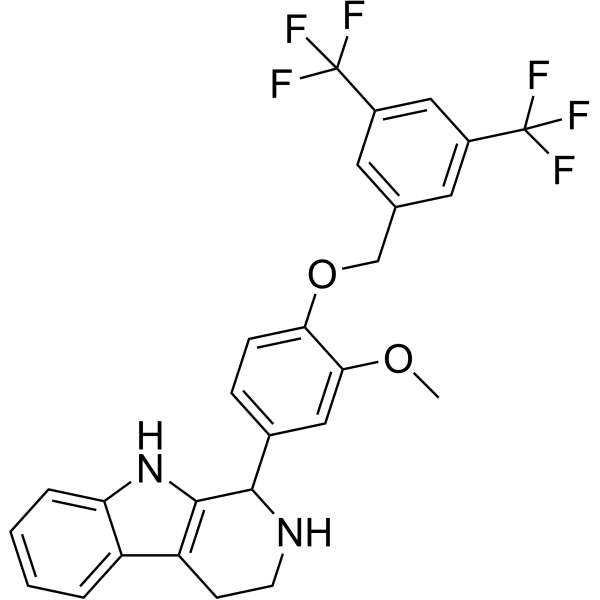
- HY-179140
-
|
|
EGFR
VEGFR
Apoptosis
|
Cancer
|
|
EGFR/VEGFR2-IN-8 (compound 10k) is a dual EGFR/VEGFR-2 inhibitor (EGFR IC50 = 57 nM, VEGFR-2 IC50 = 21 nM). EGFR/VEGFR2-IN-8 has anti proliferative activity against various tumor cells, such as MCF-7 (IC50 = 20 nM), Panc-1 (IC50 = 22 nM), A-549 (IC50 = 23 nM), HT-29 (IC50 = 23 nM) cells. EGFR/VEGFR2-IN-8 has antioxidant and apoptosis inducing activity. EGFR/VEGFR2-IN-8 can be used for research on various types of cancer .
|
-

- HY-156470
-
|
|
Trk Receptor
Anaplastic lymphoma kinase (ALK)
c-Kit
EGFR
Pim
Casein Kinase
Checkpoint Kinase (Chk)
CDK
Apoptosis
|
Cancer
|
|
Multi-kinase-IN-6 (compound 10e) is a multikinase inhibitor that shows good enzyme inhibitory activity against TrkA, ALK2, c-KIT, EGFR, PIM1, CK2α, CHK1, and CDK2. Multi-kinase-IN-6 reveals antiproliferative activity against MCF7, HCT116 and EKVX with IC50 values of 3.36 μM, 1.40 μM and 3.49 μM, respectively. Multi-kinase-IN-6 shows cell cycle arrest at the G1/S phase and G1 phase in MCF7 and HCT116 cells with good apoptotic effect .
|
-
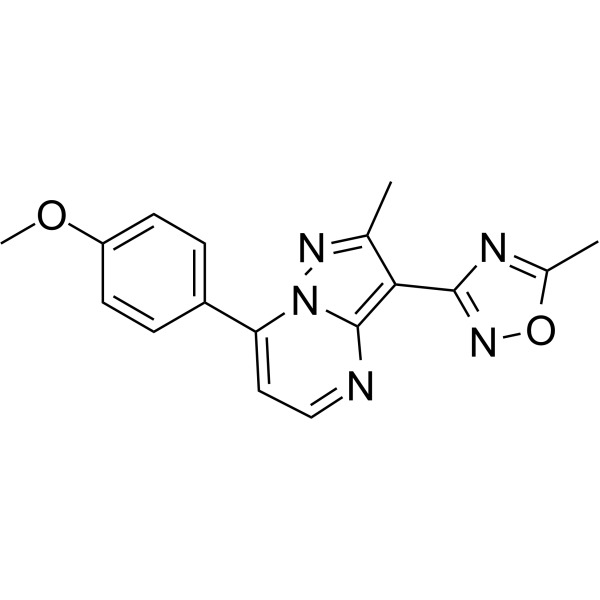
- HY-175804
-
|
|
SARS-CoV
|
Infection
|
|
M2 ion channel blocker-2 (Compound 10) is a M2 channel blocker. M2 ion channel blocker-2 significantly blocks wild-type and mutant M2 (L27F and V27A) ion channels. M2 ion channel blocker-2 has potent antiviral activity against HCoV-229E (EC50: 4.7 μM in cytopathic effect) but not against influenza A virus. M2 ion channel blocker-2 has no significant inhibition of hERG and cytochrome P450 (CYP1A2, CYP2C19, and CYP3A4) activity .
|
-

- HY-179044
-
|
|
p38 MAPK
JNK
Caspase
Apoptosis
|
Cancer
|
|
MKK7-JNK activator 1 (Compound 10) is a MKK7-JNK pathway activator. MKK7-JNK activator 1 effectively inhibits the proliferation and migration of MDA-MB-468 cells, induces G2/M phase arrest and caspase -dependent apoptosis (independent of ROS production). MKK7-JNK activator 1 significantly increases the levels of p-MKK7 and p-JNK, but does not affect p-ERK or p-p38. MKK7-JNK activator 1 can be used for the study of triple-negative breast cancer (TNBC) .
|
-

- HY-150609
-
|
|
SHP2
Phosphatase
CDK
|
Cancer
|
|
SHP2/CDK4-IN-1 (compound 10) is an orally active and potent SHP2 and CDK4 dual inhibitor, with IC50 values of 4.3 and 18.2 nM, respectively. SHP2/CDK4-IN-1 effectively induces G0/G1 arrest to prevent the proliferation of TNBC cell lines. SHP2/CDK4-IN-1 shows significant antitumor efficacy in the EMT6 syngeneic mouse model. SHP2/CDK4-IN-1 can be used for triple-negative breast cancer (TNBC) research .
|
-
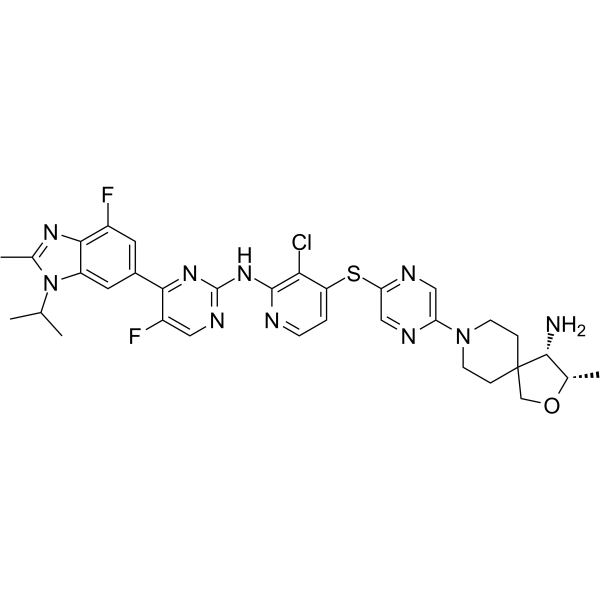
- HY-144791
-
|
|
Bcl-2 Family
MDM-2/p53
Caspase
Apoptosis
|
Cancer
|
|
Bcl-2-IN-6 (compound 10) is a potent Bcl-2 (B-cell lymphoma-2) inhibitor. Bcl-2-IN-7 down-regulates the expression of Bcl-2, and increases the expression of p53, Bax, and caspase-7 mRNA. Bcl-2-IN-7 induces cell cycle arrest and apoptosis in breast cancer MCF-7 cells. Bcl-2-IN-7 shows good anticancer activity, with IC50 values of 20.91, 22.30, 42.29, and 48.00 μM against MCF-7, LoVo, HepG2, and A549 cell lines, respectively .
|
-
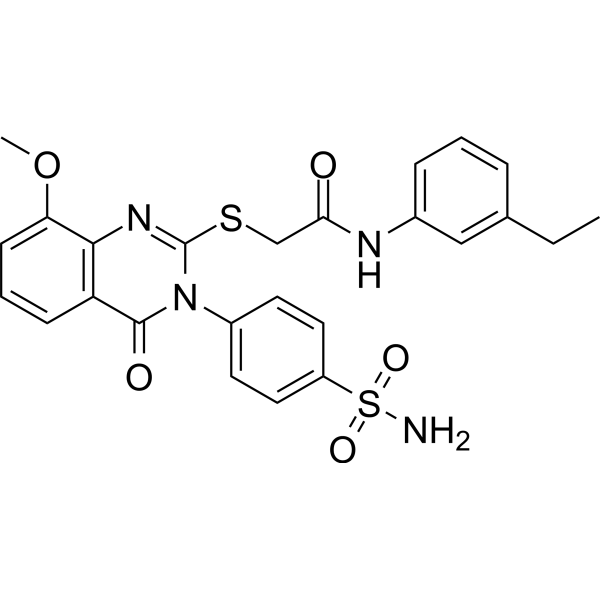
- HY-161826
-
|
|
Wnt
β-catenin
HSP
CDK
c-Myc
|
Cancer
|
|
Antitumor agent-174 (Compound 10) directly engages the N-terminal site of Hsp90 and promotes the degradation of β-catenin, thereby suppressing the Wnt/β-catenin signaling. Antitumor agent-174 effectively inhibits proliferation, induce S and G2/M phases arrest and block the clonogenic ability in CRC cells. Antitumor agent-174 down-regulates CDK1, Cyclin D1, c-Myc, Cyclin B1, and Cyclin A2, and upregulaties P21 proteins. Antitumor agent-174 has significant anti-tumor efficacy against colorectal cancer (CRC) with excellent pharmacokinetics and low toxicity .
|
-

- HY-173023
-
|
|
Apoptosis
Indoleamine 2,3-Dioxygenase (IDO)
Reactive Oxygen Species (ROS)
|
Cancer
|
|
IDOi-Pt(IV) prodrug-1 (Compound 10) is an IDOi-Pt(IV) prodrug. IDOi-Pt(IV) prodrug-1 inhibits IDO expression. IDOi-Pt(IV) prodrug-1 induces apoptosis, decreases the mitochondrial membrane potential, inhibits tumor cell migration and invasion. IDOi-Pt(IV) prodrug-1 induces reactive oxygen species-mediated endoplasmic reticulum stress and secretion of damage-associated molecular patterns (DAMPs), thereby presenting immunogenic cell death (ICD) effects. IDOi-Pt(IV) prodrug-1 has high-efficiency and low-toxicity antitumor effects compared to Cisplatin (HY-17394) .
|
-

- HY-149866
-
|
|
Cytochrome P450
HIV
Reverse Transcriptase
|
Infection
|
|
HIV-1 inhibitor-58 (Compound 10c) is a broad-spectrum antiviral agent. HIV-1 inhibitor-58 is a non-nucleoside reverse transcriptase inhibitor. HIV-1 inhibitor-58 inhibits WT strain IIIB, NNRTI-resistant strains (such as K103N and E138K) in MT-4 cells, with EC50 less than 50 nM. HIV-1 inhibitor-58 also inhibits CYP2C9 and CYP2C19 (IC50: 2.06 μM, 1.91 μM). HIV-1 inhibitor-58 can be used for HIV infection reserch .
|
-
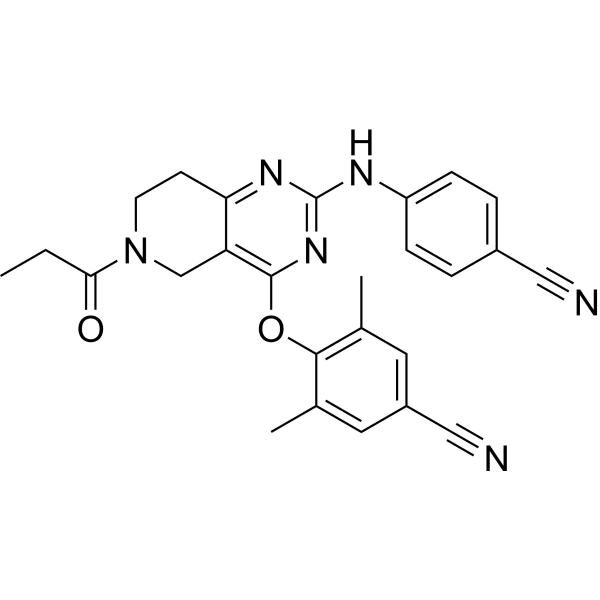
- HY-178962
-
|
|
Drug Metabolite
|
Cancer
|
|
Antitumor agent-207 (compound 10K) is a Pt(IV)-NO prodrug with high lipid solubility, good stability, and excellent tumor targeted release ability. Antitumor agent-207 has significant anti proliferative activity in various cells such as TE-1 (IC50 = 1.79 μM), TE-10 (IC50 = 1.95 μM), KYSE-30 IC50 = 5.99 μM), KYSE-520 (IC50 = 5.53 μM) cells. Antitumor agent-207 can significantly enhance intracellular Pt accumulation and DNA platformization levels, and effectively release NO. Antitumor agent-207 can be used for research on cancers such as esophageal cancer .
|
-

- HY-156086
-
|
|
Trk Receptor
|
Cancer
|
|
TRK-IN-24 (compound 10g) is a Trk Receptor inhibitor that inhibits TRKA, TRKC, TRKA G595R, TRKA G667C and TRKA F589L IC50s are 5.21, 4.51, 6.77, 1.42 and 6.13 nM respectively. TRK-IN-24 has antitumor efficacy in BaF3-CD74-NTRK1 G595R and BaF3-CD74-NTRK1 G667C xenograft models. TRK-IN-24 inhibits the proliferation of Ba/F3 cells transfected with single mutants such as SF, GK, and xDFG, with an IC50 of 1.43-47.56 nM .
|
-
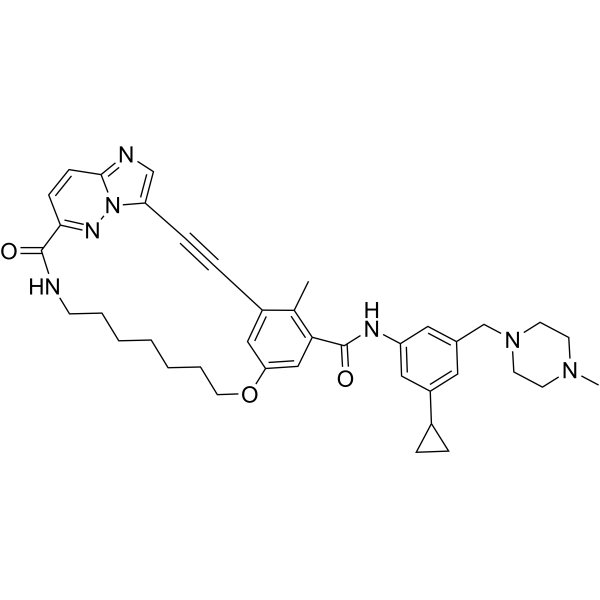
- HY-168650
-
|
|
ROCK
HDAC
|
Inflammation/Immunology
Cancer
|
|
ROCK/HDAC-IN-1 (Compound 10h) is an orally active ROCK/HDAC inhibitor. ROCK/HDAC-IN-1 inhibits ROCK1/2 (IC50: 254.9 nM, 58.18 nM) and HDAC1/2/3/6/8 (IC50: 9.09, 8.03, 6.26, 0.41, 7.69 nM). ROCK/HDAC-IN-1 stimulates the activation of DAMPs, specifically Calreticulin (CRT) exposure and HMGB1 release, indicating that it is a potential ICD inducer.. ROCK/HDAC-IN-1 has antiproliferative activity against breast cancer cells (IC50: 0.37 μM for MDA-MB-231 cell), and inhibits tumor growth and activates T cells without apparent toxicity .
|
-

- HY-173331
-
|
|
Chloride Channel
Apoptosis
Autophagy
|
Cancer
|
|
Antitumor agent-201 (Compound 10) is a chloride transport activator that targets the Golgi apparatus. Its EC50 for promoting the transmembrane transport of chloride ions is 1.53 mol%, and its IC50 against HepG2 cells is 7.13 μM. Antitumor agent-201 exerts its anti-cancer activity by selectively acting on the Golgi apparatus, disrupting the chloride ion homeostasis within it, reducing the expression of key proteins such as GM130 and GRASP55, altering the structure and function of the Golgi apparatus, triggering Autophagy of the Golgi apparatus, and further inducing Apoptosis of cancer cells and arresting cancer cells in the G2/M phase. Antitumor agent-201 can be used in the research field of cancer diseases .
|
-

- HY-162927
-
|
|
MDM-2/p53
Apoptosis
|
Cancer
|
|
p53-MDM2-IN-6 (Compound 10a), a LSM-83177 hydrazone analog, is a potent p53-MDM2 inhibitor with an IC50 value of 11.08 µg/mL. p53-MDM2-IN-6 arrests the cell cycle in the S phase and induces early and late Apoptosis with antiproliferative activity against HT29 cell lines with an IC50 value of 10.44 µg/mL. p53-MDM2-IN-6 inhibits p53-MDM2 interaction with increment in p-53 level and decrease the expression of GST enzymes. p53-MDM2-IN-6 is promising for research of colorectal cancer .
|
-

- HY-W072025
-
|
|
Cytochrome P450
Keap1-Nrf2
Heme Oxygenase (HO)
Reactive Oxygen Species (ROS)
|
Inflammation/Immunology
|
|
CYP2E1-IN-1 (Compound 10) is an orally active cytochrome P450 2E1 (CYP2E1) inhibitor with a Kd of 7.02 μM, an IC50 of 1.64 μM, and a Ki of 0.897 μM. CYP2E1-IN-1 activates the Nrf2/HO-1 signaling pathway and inhibits ROS production, thereby alleviating pancreatic injury. CYP2E1-IN-1 has significant anti-inflammatory and antioxidant activities and can effectively reduce inflammation and oxidative stress in severe acute pancreatitis (SAP). CYP2E1-IN-1 can be used in the study of SAP and other inflammatory-related diseases .
|
-

- HY-146095
-
|
|
MDM-2/p53
DNA/RNA Synthesis
Apoptosis
|
Cancer
|
|
p53 Activator 2 (compound 10ah) intercalats into DNA and results in significant DNA double-strand break.p53 Activator 2 increases the expression of p53, p-p53, CDK4, p21 to cause cell cycle arrest at G2/M phase.p53 Activator 2 induce apoptosis and significantly down-regulates the anti-apoptosis proteins Bcl-2, Bcl-xL and the levels of cyclin B1.p53 Activator 2 has anti-proliferation activity against MGC-803 cells, with an IC50 of 1.73 µM. p53 Activator 2 displays potent anticancer efficiency against MGC-803 xenograft tumors models .
|
-
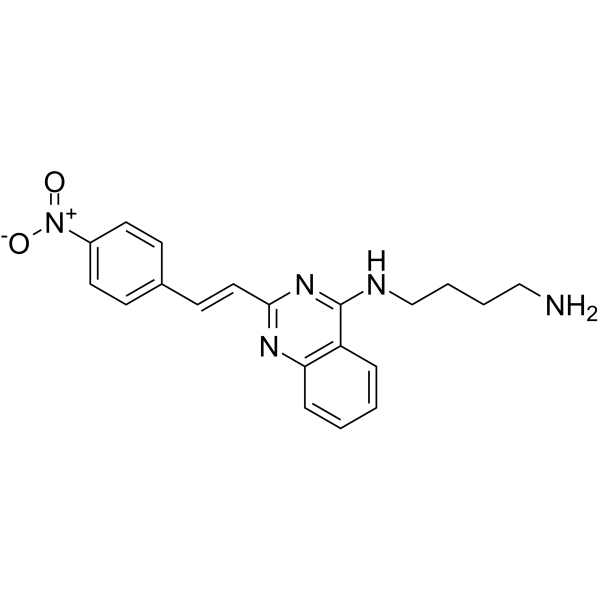
- HY-120247
-
|
|
Vasopressin Receptor
P-glycoprotein
|
Others
|
|
TASP0434299 (Compound 10) is a labeled ligand for the vasopressin V1b receptor. TASP0434299 exhibits high binding affinity for human and murine V1B receptors, with IC50 values of 0.526 nM and 0.641 nM, respectively, and shows potent antagonistic activity against the human V1B receptor with an IC50 of 0.639 nM. TASP0434299 is a substrate for human and rhesus monkey P-glycoprotein, resulting in low brain uptake in rhesus monkeys. TASP0434299 binds to V1B receptors in rat and monkey pituitary tissues in a saturable and specific manner both in vitro and in vivo. When radiolabeled with tritium or 11C, TASP0434299 serves as a prototype V1B receptor radiotracer to visualize V1B receptor in the pituitary gland of anesthetized monkeys via positron emission tomography .
|
-

- HY-146365
-
|
|
DNA/RNA Synthesis
HIV
|
Infection
Inflammation/Immunology
|
|
HIV-1 inhibitor-30 (compound 10i) is a potent HIV-1 inhibitor with an EC50 value of 40 nM and an IC50 value of 80 nM for HIV-1 RT DNA polymerase. HIV-1 inhibitor-30 has highly antiretroviral activity against seven non-nucleoside reverse transcriptase inhibitor (NNRTI)-resistant HIV-1 strains (RT-K103N; RT-Y181C; RT-K103N,Y181C; RT-L100I,K103N; RT-Y188L; RT-K103N,G190A; RT-K103N,V108I) with IC50s of 0.04~1.42 μM. HIV-1 inhibitor-30 can be used for researching AIDS .
|
-
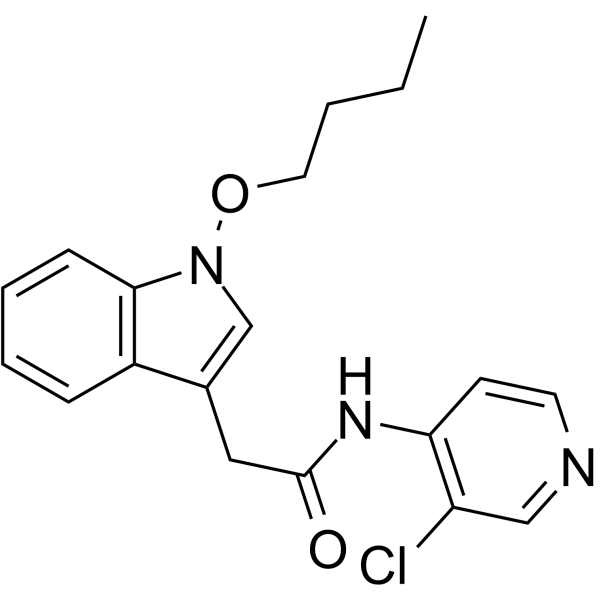
| Cat. No. |
Product Name |
Type |
-
- HY-D2418
-
|
|
Fluorescent Dyes
|
|
PS-SCOTfluor-12 (compound 10) is a fluorescent probe for imaging Lactic acid (HY-B2227) metabolism in live cells. λex/λem= 485/605 nm .
|
-
- HY-D2575
-
|
|
Fluorescent Dyes
|
|
WYneN (compound 10) is a functionalized Wittig-alkyne probe. WYneN exhibits strong reactivity with sulfinic acid dipeptide models, similar to the parent Wittig reagent. WYneN can be used to reveal the function of oxidative modifications on a proteome-wide scale .
|
-
- HY-D2311
-
|
|
Fluorescent Dyes
|
|
CDK19 Probe 1 (Compound 10c) is a CDK19 inhibitor (IC50: 1.01 μM) and can be used for cancer research .
|
| Cat. No. |
Product Name |
Target |
Research Area |
-
- HY-P11498
-
|
|
Drug Intermediate
Bacterial
|
Infection
|
|
Cyclomarin monomer-2 (Compound 10), a cyclomarin monomer, is a pre-dimerization precursor that can form Homo-BacPROTACs targeting the degradation of ClpC1. Cyclomarin monomer-2 binds to the Mtb ClpC1 protein with a KD of 4.0 nM. The MIC of Cyclomarin monomer-2 against the Mtb H37Rv standard strain is 3.1 μM. Cyclomarin monomer-2 can be used as a key intermediate in the development of Homo-BacPROTACs .
|
-
- HY-P10973
-
|
|
CXCR
ERK
|
Cancer
|
|
Peptide R analogue 10 (compound 10) is an analog of the CXCR4 antagonist peptide Peptide R (HY-P4111) with stronger antagonistic potency, specificity and plasma stability. Peptide R analogue 10 can inhibit CXCL12-mediated cell migration, ERK phosphorylation and CXCR4 internalization. Peptide R analogue 10 can be used in the study of CXCR4 overexpressing leukemia and colon cancer .
|
-
- HY-149941
-
|
|
Neurotensin Receptor
|
Neurological Disease
|
|
hNTS1R agonist-1 (Compound 10) is a BBB permeable hNTS1R full agonist (Ki: 6.9 nM) . hNTS1R agonist-1 increases motor function and memory in a mouse model of Parkinson's disease (PD). hNTS1R agonist-1 is a Neurotensin(8-13) analog and is a neuroprotective agent .
|
| Cat. No. |
Product Name |
Category |
Target |
Chemical Structure |
| Cat. No. |
Product Name |
Chemical Structure |
-
- HY-W765881
-
|
|
|
Capecitabine 2',3'-diacetate-d11 is the deuterium labeled Capecitabine 2',3'-diacetate (HY-W099488). Capecitabine 2',3'-diacetate (Compound 10b) is the prodrug for the antitumor agent Capecitabine (HY-B0016) .
|
-
| Cat. No. |
Product Name |
|
Classification |
-
- HY-147192
-
|
|
|
Alkynes
|
|
(S,R,S)-AHPC-O-PEG1-propargyl (Compound 10b) is an E3 ligand for the synthesis of PROTAC . (S,R,S)-AHPC-O-PEG1-propargyl is a click chemistry reagent, it contains an Alkyne group and can undergo copper-catalyzed azide-alkyne cycloaddition (CuAAc) with molecules containing Azide groups.
|
-
- HY-180447
-
|
|
|
Tetrazine
|
|
Tz-Ph-PEG4-NH-DOTA (Compound 10) is a 1,2,4,5-tetrazine (Tz) derivative. Tz-Ph-PEG4-NH-DOTA can be used in PET imaging and tumor research .
|
-
- HY-157411
-
|
|
|
Alkynes
|
|
anti-TNBC agent-5 (compound 10C) is a triple-negative breast cancer (TNBC) inhibitor with good stability and pharmacokinetic properties. anti-TNBC agent-5 exhibits antiproliferative activity against a variety of cancer cells. anti-TNBC agent-5 can also effectively inhibit TNBC lung metastasis activity in the MDA-MB-231 xenograft model. anti-TNBC agent-5 can be used in cancer research .
|
-
- HY-149058
-
|
|
|
Azide
|
|
Neuraminidase-IN-13 (Compound 10) is a neuraminidase inhibitor with antiviral activity and low cytotoxicity. Neuraminidase-IN-13 significantly inhibits NDV infection of Vero cells by preventing the release of viral particles from infected cells . Neuraminidase-IN-13 is a click chemistry reagent, it contains an Azide group and can undergo copper-catalyzed azide-alkyne cycloaddition reaction (CuAAc) with molecules containing Alkyne groups. It can also undergo strain-promoted alkyne-azide cycloaddition (SPAAC) reactions with molecules containing DBCO or BCN groups.
|
-
- HY-178962
-
|
|
|
Alkynes
|
|
Antitumor agent-207 (compound 10K) is a Pt(IV)-NO prodrug with high lipid solubility, good stability, and excellent tumor targeted release ability. Antitumor agent-207 has significant anti proliferative activity in various cells such as TE-1 (IC50 = 1.79 μM), TE-10 (IC50 = 1.95 μM), KYSE-30 IC50 = 5.99 μM), KYSE-520 (IC50 = 5.53 μM) cells. Antitumor agent-207 can significantly enhance intracellular Pt accumulation and DNA platformization levels, and effectively release NO. Antitumor agent-207 can be used for research on cancers such as esophageal cancer .
|
-
- HY-176947
-
|
|
|
Azide
|
|
Demethyl-sapanisertib-C2-amide-PEG7-C2-N3 (Compound 10c) is an azide group linker used for coupling, which can be employed in the synthesis of "Rapa-Link" compounds, such as M-1111 (HY-176948), an mTOR inhibitor .
|
-
- HY-159087
-
|
|
|
Azide
|
|
RGB110 (Compound 10d) is a PROTAC inhibitor for D-dopachrome tautomerase with an IC50 of 5.9 μM. RGB110 causes no degradation of D-DT. (Pink: ligand for target protein (HY-159164); Black: linker (HY-W125017); Blue: ligand for E3 ligase CRBN (HY-10984))
|
Your information is safe with us. * Required Fields.
Inquiry Information
- Product Name:
- Cat. No.:
- Quantity:
- MCE Japan Authorized Agent:





![Acacetin 7-O-β-D-xylopyranosyl-(1→2)[α-L-rhamnopyranosyl-(1→6)]-β-D-glucopyranoside](http://file.medchemexpress.com/product_pic/hy-n12032.gif)


![Phenylmethyl O-β-D-glucopyranosyl-(1→3)-O-[β-D-xylopyranosyl-(1→2)]-β-D-glucopyranoside](http://file.medchemexpress.com/product_pic/hy-n19769.gif)


![[Ru(phen)2(4-Me-Sal)]BF4](http://file.medchemexpress.com/product_pic/hy-157464.gif)





