1. Search Result
Search Result
Results for "

JNK Activator

" in MedChemExpress (MCE) Product Catalog:

230

Inhibitors & Agonists

1

Screening Libraries

11

Peptides

3

Inhibitory Antibodies

99

Natural
Products

12

Isotope-Labeled Compounds

Targets Recommended:
Cat. No. Product Name Target Research Areas Chemical Structure
  • HY-18982
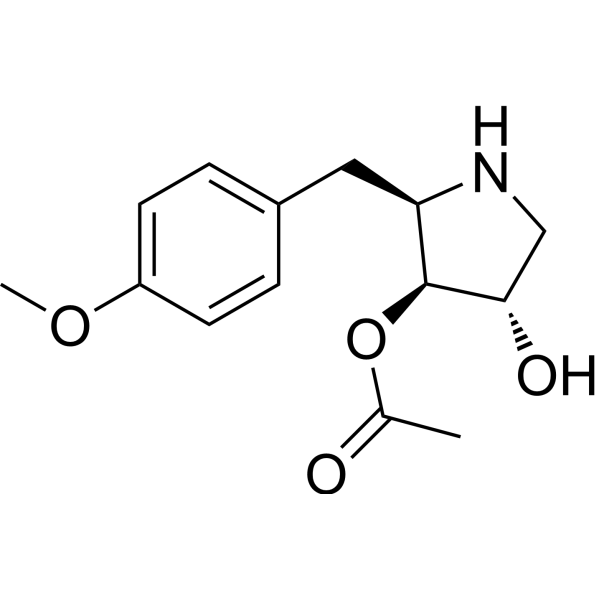
    Anisomycin
    Maximum Cited Publications
    138 Publications Verification

    Flagecidin; Wuningmeisu C

    DNA/RNA Synthesis JNK Bacterial Apoptosis Antibiotic Parasite Infection Cancer
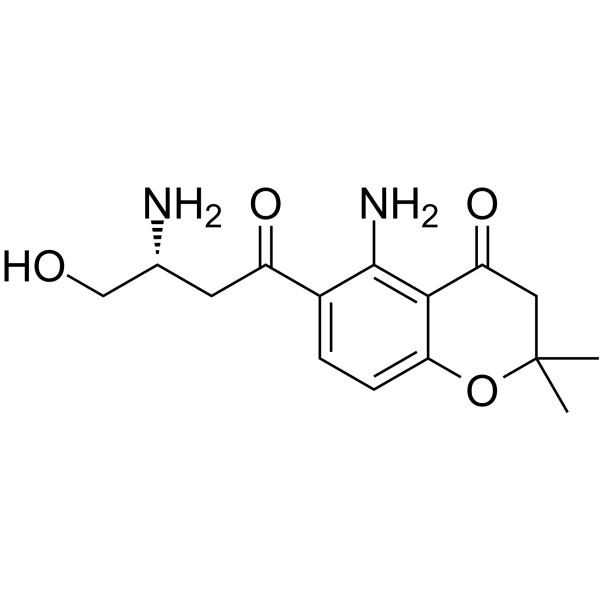
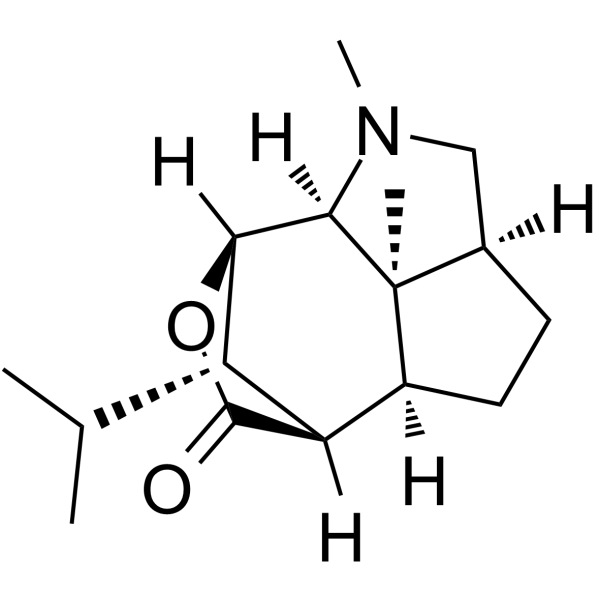
    Anisomycin is a potent protein synthesis inhibitor which interferes with protein and DNA synthesis by inhibiting peptidyl transferase or the 80S ribosome system . Anisomycin is a JNK activator, which increases phospho-JNK . Anisomycin is a bacterial antibiotic .
    Anisomycin
  • HY-N0431
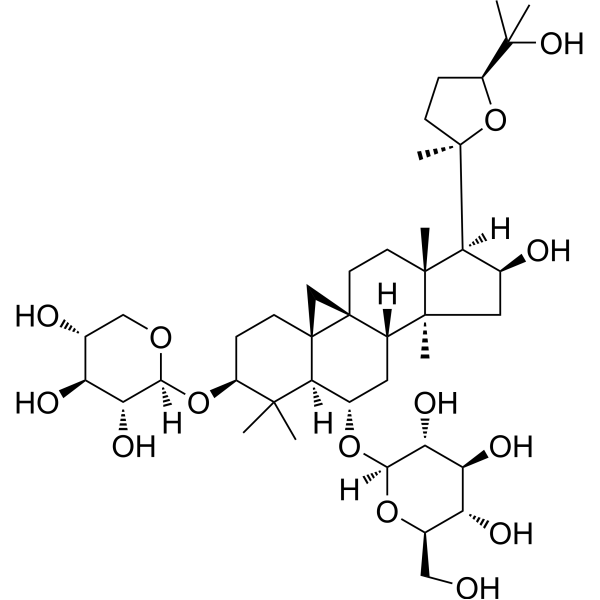
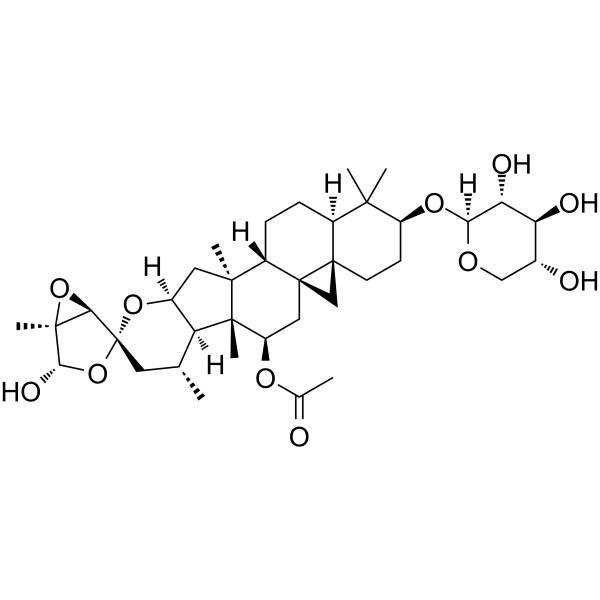
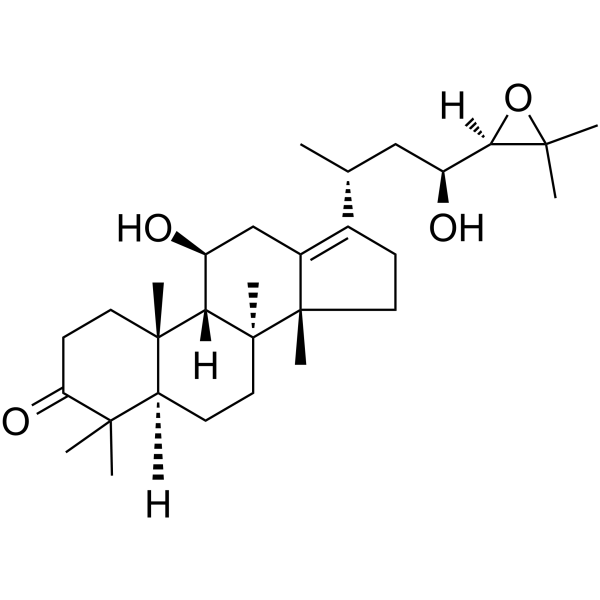
    Astragaloside IV
    30+ Cited Publications

    MMP ERK JNK Cancer
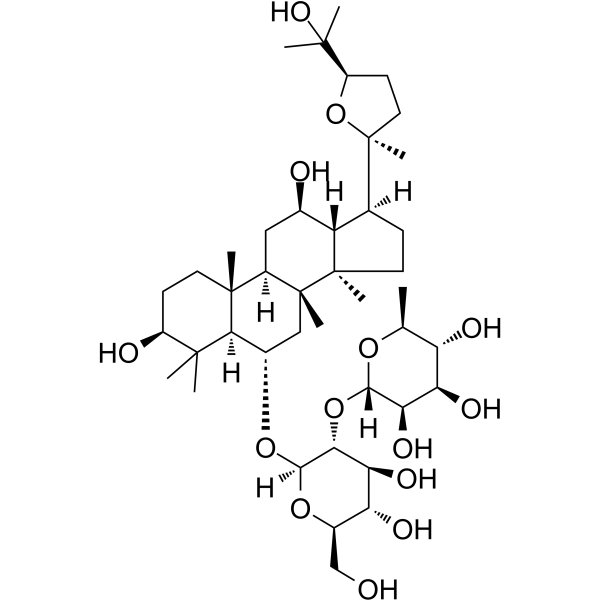
    Astragaloside IV, an active component isolated from Astragalus membranaceus, suppresses the activation of ERK1/2 and JNK, and downregulates matrix metalloproteases (MMP)-2, (MMP)-9 in MDA-MB-231 breast cancer cells.
    Astragaloside IV
  • HY-N0052A
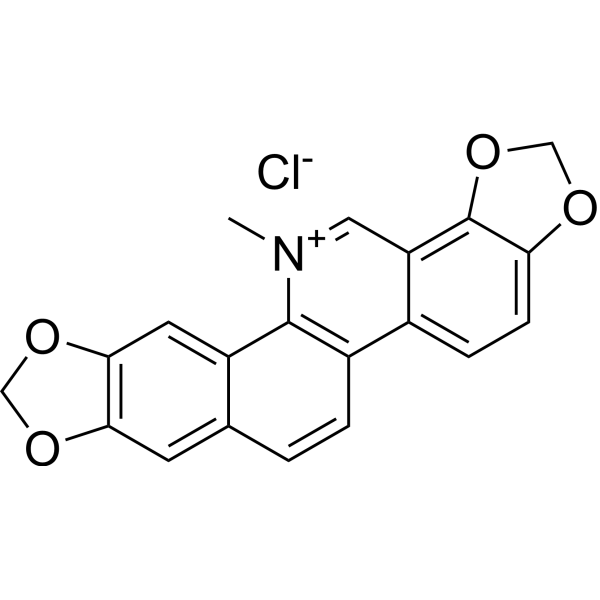
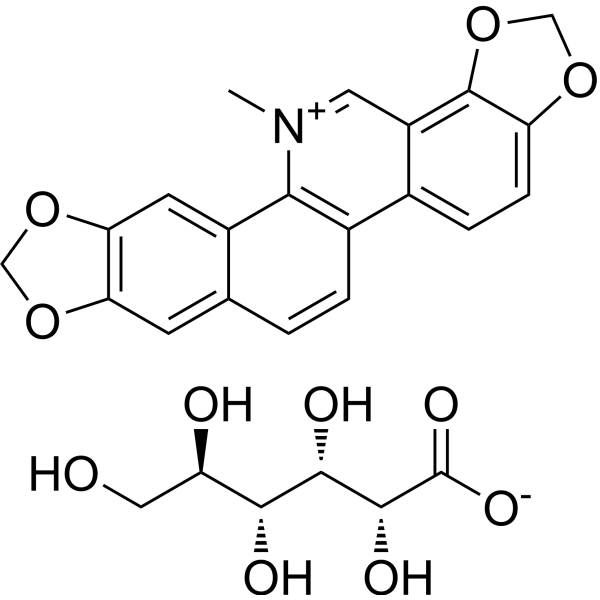
    Sanguinarine chloride
    10+ Cited Publications

    Sanguinarin chloride; Sanguinarium chloride; Pseudochelerythrine chloride

    Apoptosis Autophagy Bacterial Parasite Cancer
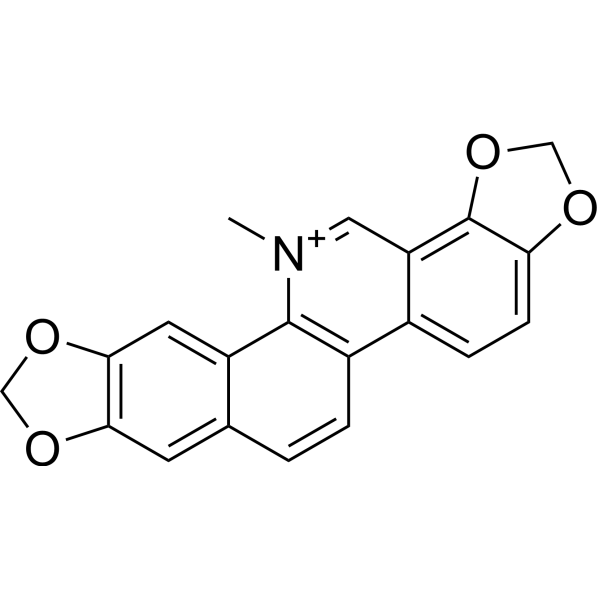
    Sanguinarine (Sanguinarin) chloride, a benzophenanthridine alkaloid derived from the root of Sanguinaria Canadensis, can stimulate apoptosis via activating the production of reactive oxygen species (ROS). Sanguinarine-induced apoptosis is associated with the activation of JNK and NF-κB.
    Sanguinarine chloride
  • HY-N0773
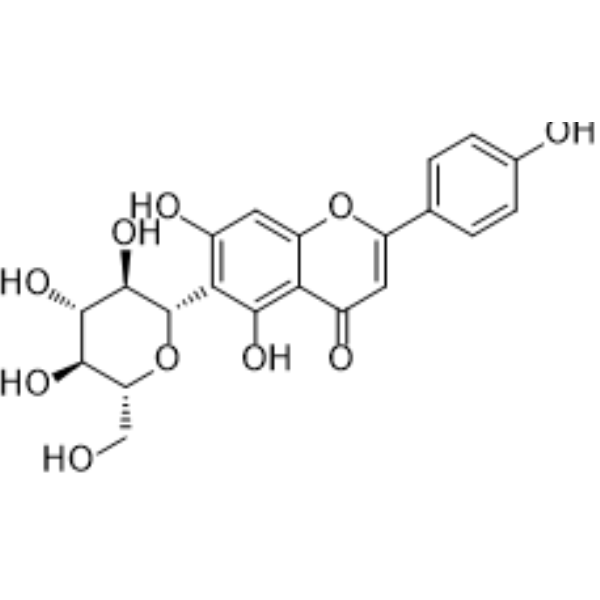
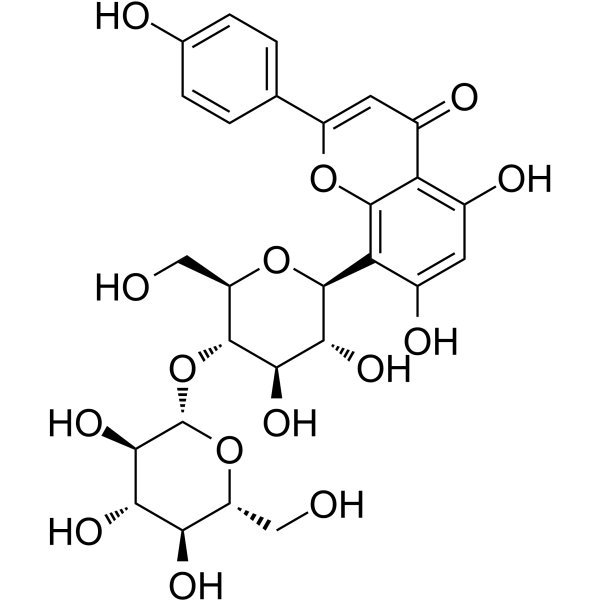
    Isovitexin
    5+ Cited Publications

    Saponaretin; Homovitexin

    JNK NF-κB Inflammation/Immunology
    Isovitexin is a flavonoid isolated from passion flower, Cannabis and, and the palm, possesses anti-inflammatory and anti-oxidant activities; Isovitexin acts like a JNK1/2 inhibitor and inhibits the activation of NF-κB.
    Isovitexin
  • HY-N0047
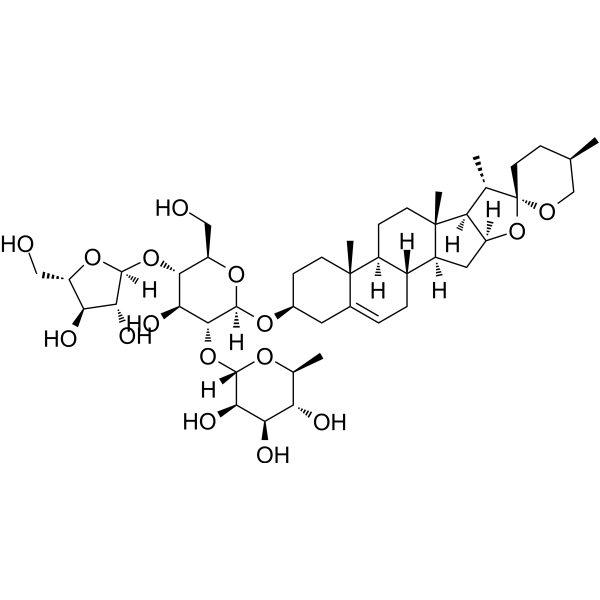
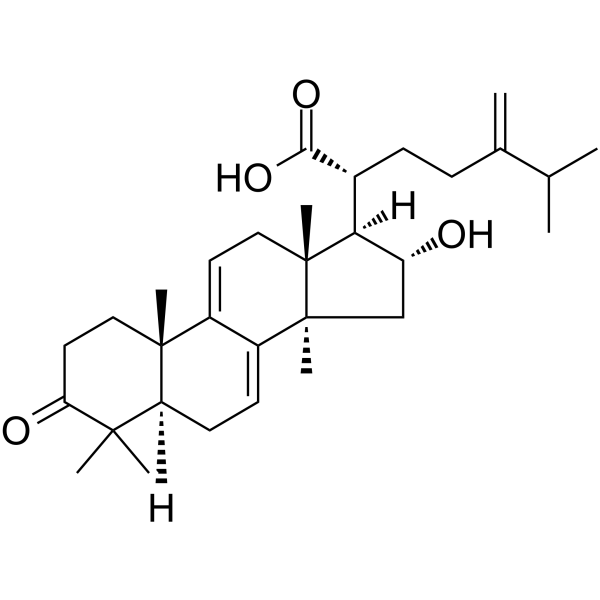
    Polyphyllin I
    5 Publications Verification

    JNK mTOR Akt PDK-1 Autophagy Apoptosis Cancer
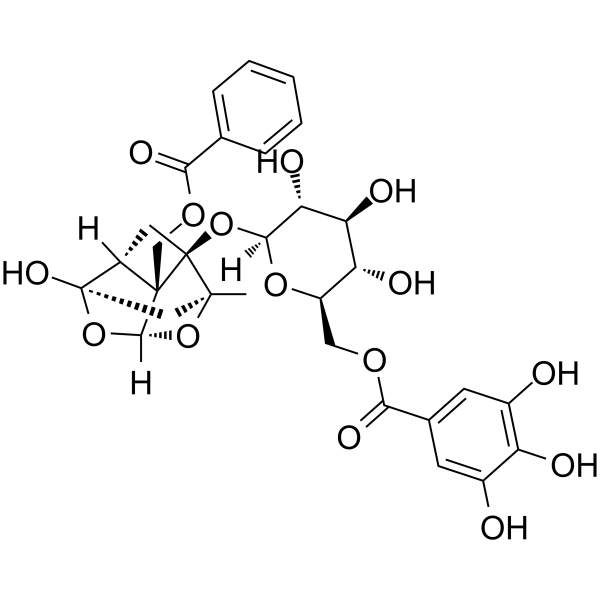
    Polyphyllin I is a bioactive constituent extracted from Paris polyphylla, has strong anti-tumor activity. Polyphyllin I is an activator of the JNK signaling pathway and is an inhibitor of PDK1/Akt/mTOR signaling. Polyphyllin I induces autophagy, G2/M phase arrest and apoptosis .
    Polyphyllin I
  • HY-111431A
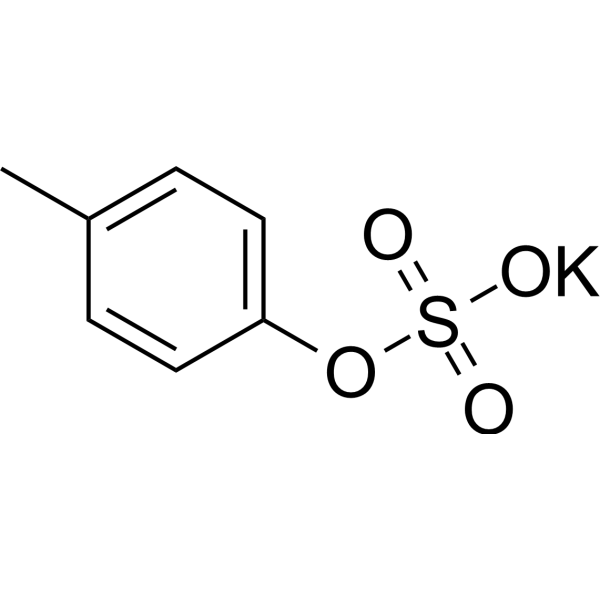
    p-Cresyl sulfate potassium
    5+ Cited Publications

    p-Tolyl sulfate potassium

    Endogenous Metabolite JNK p38 MAPK Metabolic Disease Inflammation/Immunology
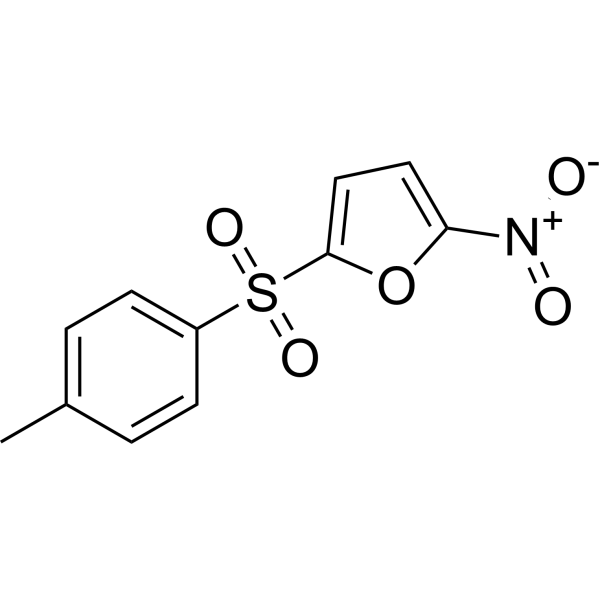
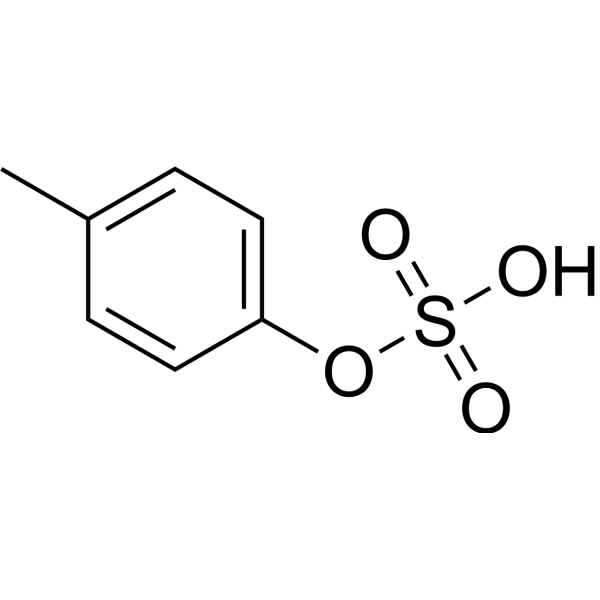
    p-Cresyl sulfate potassium is a uremic toxin that binds to a prototype protein. p-Cresyl sulfate potassium activates the JNK and p38 MAPK signaling pathways. p-Cresyl sulfate potassium has pro-inflammatory activity .
    p-Cresyl sulfate potassium
  • HY-152860

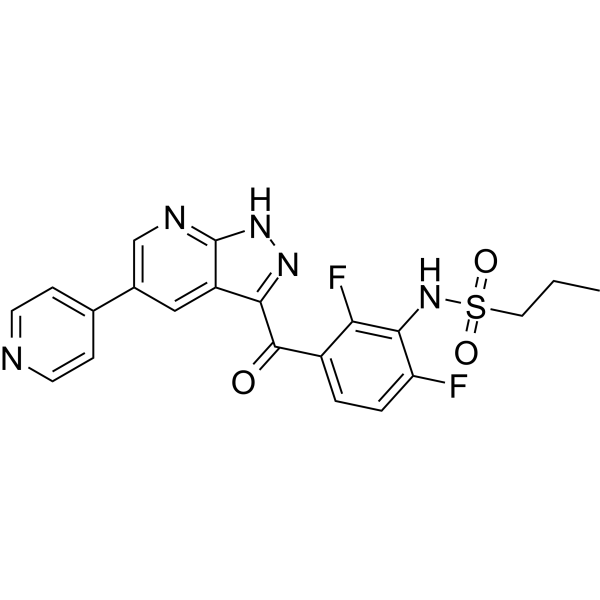
    HRX-0215

    p38 MAPK JNK NF-κB MDM-2/p53 Cancer
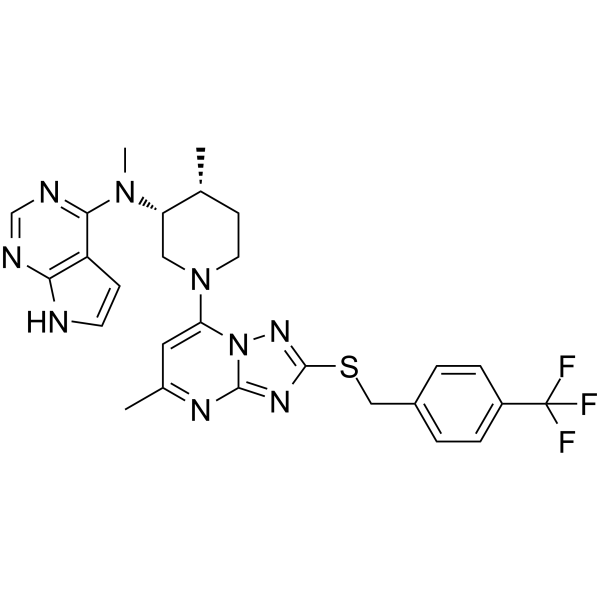
    Darizmetinib (HRX-0215) is an orally active, potent and selective inhibitor of mitogen-activated protein kinase kinase 4 (MKK4). Darizmetinib leads to enhancement of the MKK7 and JNK1 signaling pathways, thereby activating the transcription factors ATF2 and ELK1, promoting cell proliferation and liver regeneration. Darizmetinib is promising for research of preventing liver failure after extensive oncological liver resections or transplantation of small liver grafts .
    Darizmetinib
  • HY-N2149
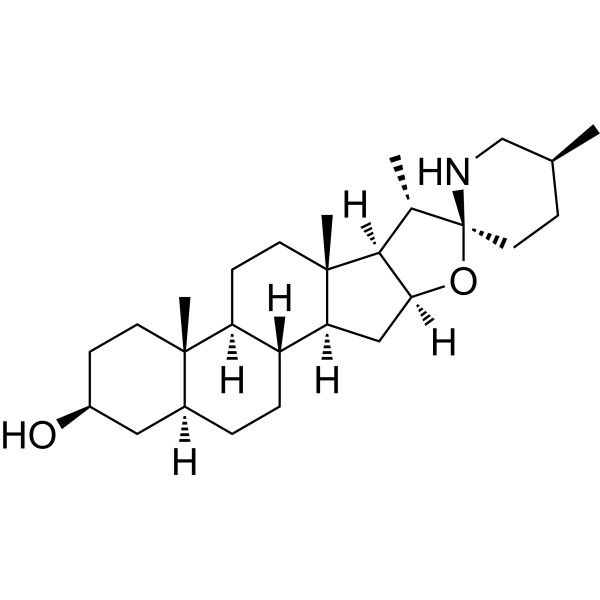
    Tomatidine
    5+ Cited Publications

    NF-κB JNK Autophagy Endogenous Metabolite Cardiovascular Disease Inflammation/Immunology
    Tomatidine acts as an anti-inflammatory agent by blocking NF-κB and JNK signaling . Tomatidine activates autophagy either in mammal cells or C elegans .
    Tomatidine
  • HY-B1839

    Environmental Pollutants JNK Fungal p38 MAPK Bcl-2 Family Caspase Autophagy Apoptosis Infection
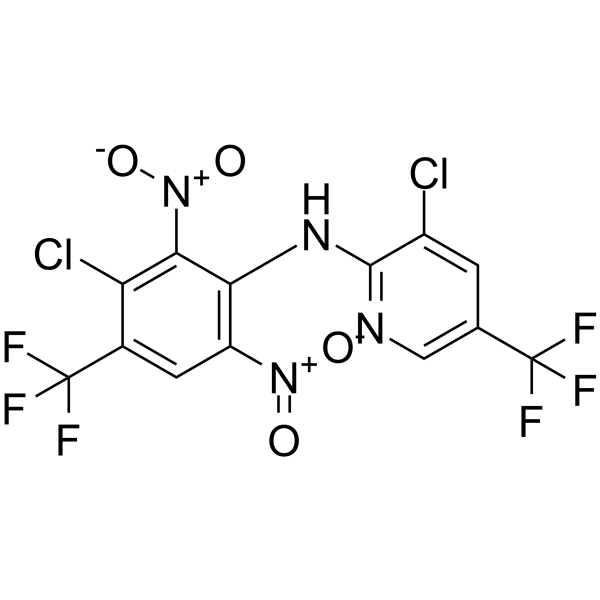
    Fluazinam is an orally active dinitroaniline fungicide. Fluazinam induces phosphorylation of JNK, activates p38 pathway, decreases Bcl-2, activates caspase-3, decreases complex I activity, increases Autophagy and Apoptosis. Fluazinam has strong antifungal activity against F. fujikuroi and B. maydis. Fluazinam has a negative impact on Brachydanio rerio and worker bees .
    Fluazinam
  • HY-13634A
    Ezatiostat
    Maximum Cited Publications
    8 Publications Verification

    TER199free base; TLK199

    Glutathione S-transferase Apoptosis Cancer
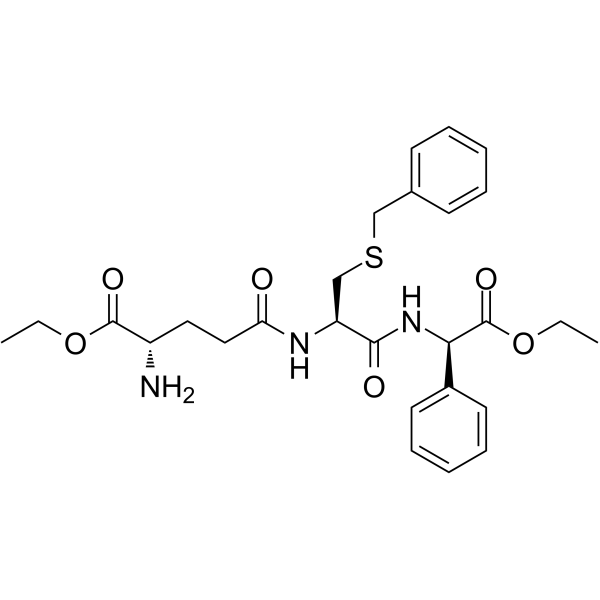
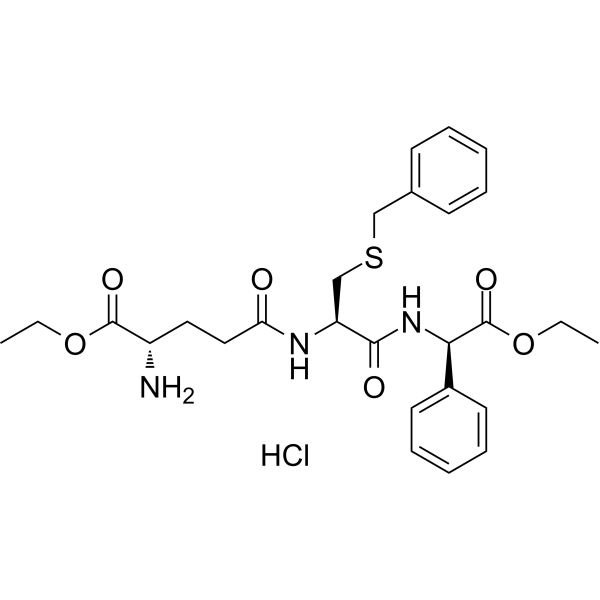
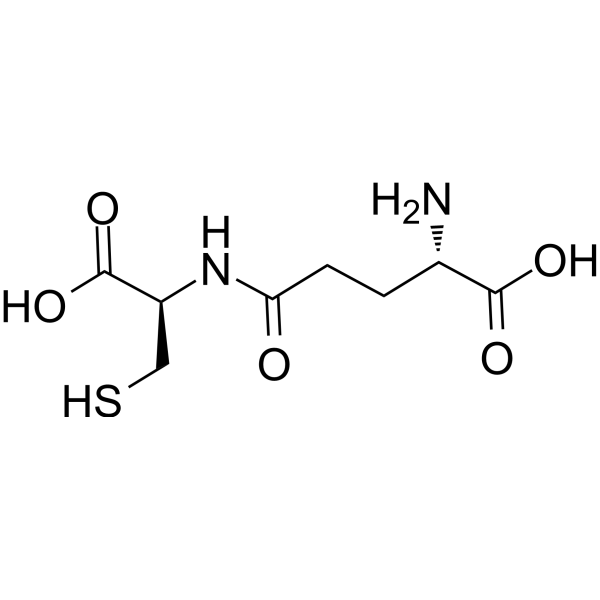
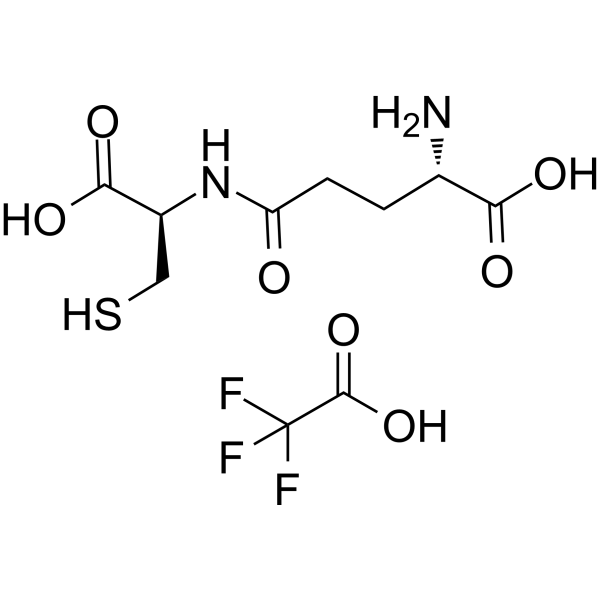
    Ezatiostat (TER199 free base; TLK199) is a tripeptide analog of glutathione and is a selective and orally active glutathione S-transferase P1-1 (GSTP1) inhibitor. Ezatiostat leads to JNK activation by inhibiting GSTP1. Ezatiostat stimulates both lymphocyte production and bone marrow progenitor proliferation. Ezatiostat has the potential for myelodysplastic syndrome (MDS) treatment .
    Ezatiostat
  • HY-N0052

    Sanguinarin; Sanguinarium; Pseudochelerythrine

    Apoptosis Autophagy Cancer
    Sanguinarine (Sanguinarin), a benzophenanthridine alkaloid derived from the root of Sanguinaria Canadensis, can stimulate apoptosis via activating the production of reactive oxygen species (ROS). Sanguinarine-induced apoptosis is associated with the activation of JNK and NF-κB.
    Sanguinarine
  • HY-15415
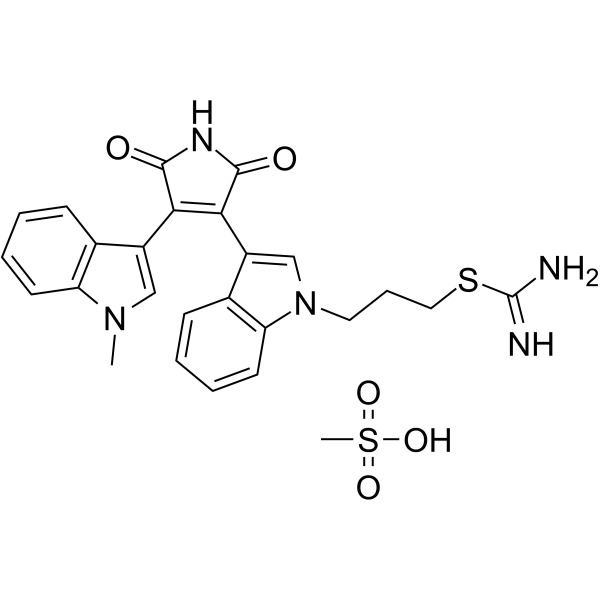
    KB-R7943 mesylate
    4 Publications Verification

    Na+/Ca2+ Exchanger Autophagy Cancer
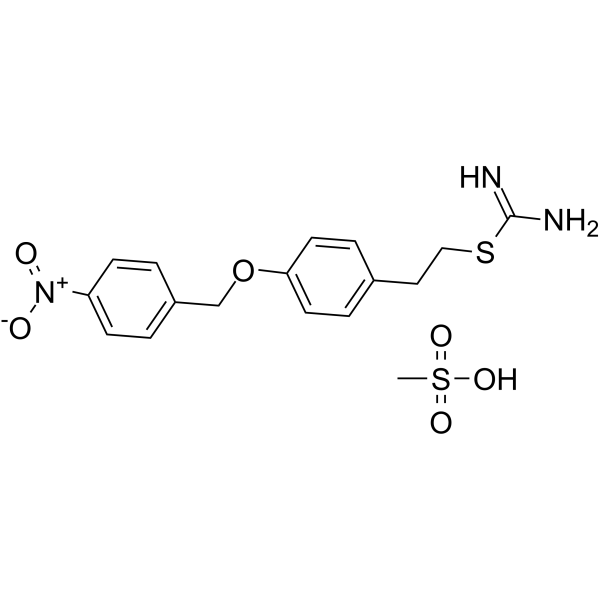
    KB-R7943 mesylate is a widely used inhibitor of the reverse Na +/Ca 2+ exchanger (NCXrev) with IC50 of 5.7±2.1 μM. KB-R7943 mesylate induces cancer cell death via activating the JNK pathway and blocking autophagic flux.
    KB-R7943 mesylate
  • HY-148510

    Phosphatase Apoptosis Akt ERK Reactive Oxygen Species (ROS) Cancer
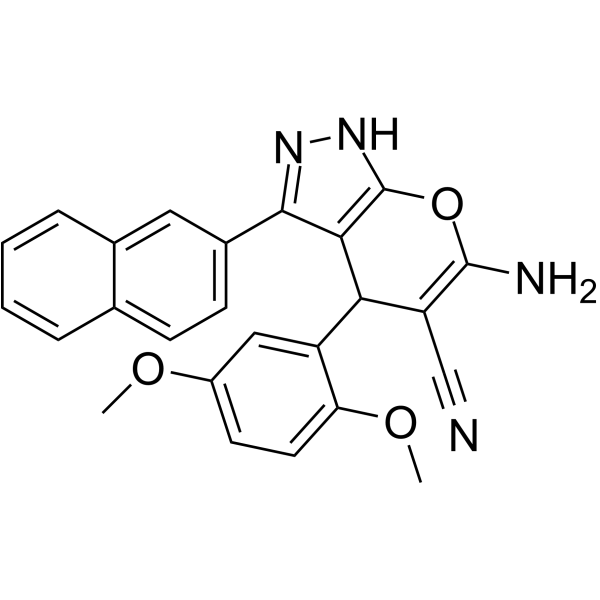
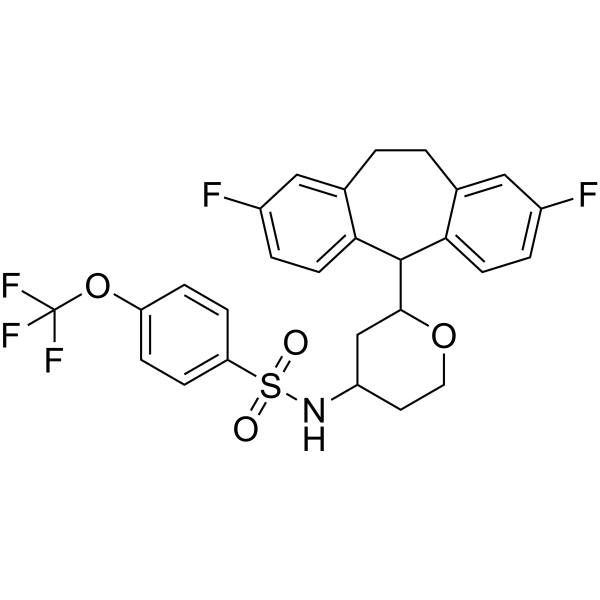
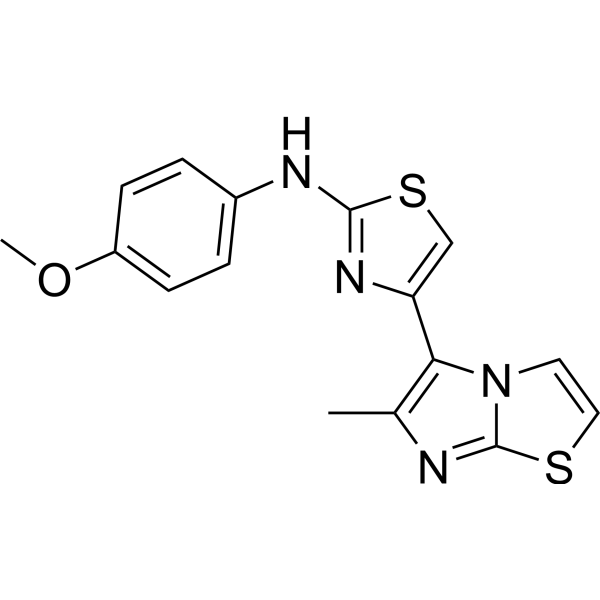
    HKB99 is an allosteric inhibitor of phosphoglycerate mutase 1 (PGAM1). HKB99 induces apoptosis. HKB99 inhibits the formation of invasive pseudopodia and inhibits migration. HKB99 increases the oxidative stress, activates JNK/c-Jun and suppresses AKT and ERK. HKB99 can be used for the research of non-small-cell lung cancer (NSCLC) .
    HKB99
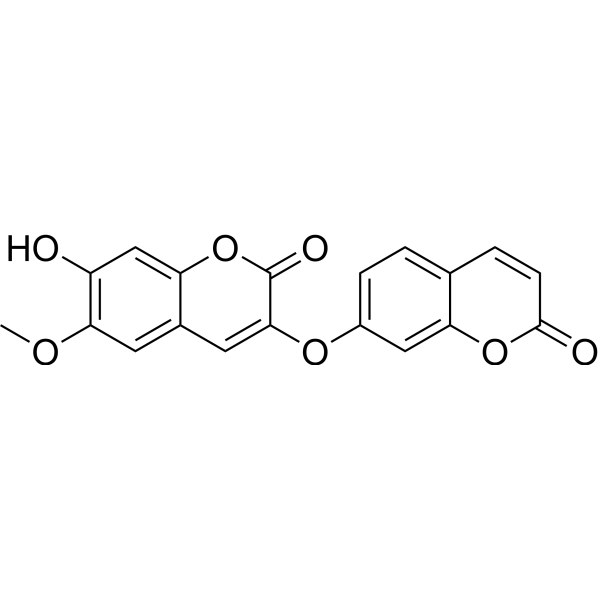
  • HY-N0699
    Daphnoretin
    3 Publications Verification

    Dephnoretin; Thymelol

    PKC Influenza Virus NOD-like Receptor (NLR) Apoptosis HBV JNK PI3K Akt CDK Caspase Bcl-2 Family Infection Inflammation/Immunology Cancer
    Daphnoretin (Dephnoretin; Thymelol) is a protein kinase C (PKC) activator that inhibits the expression of hepatitis B virus (HBV) surface antigen (HBsAg) and exhibits antiviral activity. Daphnoretin exerts its antitumor effects by inhibiting the activation of the PI3K/AKT signaling pathway and triggers the mitochondrial apoptosis pathway. Daphnoretin alleviates chondrocyte apoptosis and inflammatory responses by inhibiting endoplasmic reticulum stress and activation of the NLRP3 inflammasome. Daphnoretin regulates the differentiation and maturation of dendritic cells, inhibits their immunostimulatory function by downregulating the phosphorylation level of JNK, and thus exerts a protective effect in skin graft rejection .
    Daphnoretin
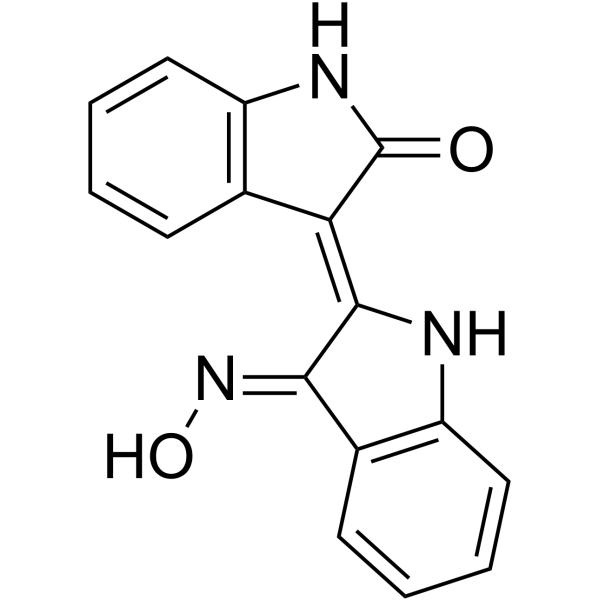
  • HY-139254

    IDR3O; I3O

    CDK GSK-3 JNK Wnt Neurological Disease
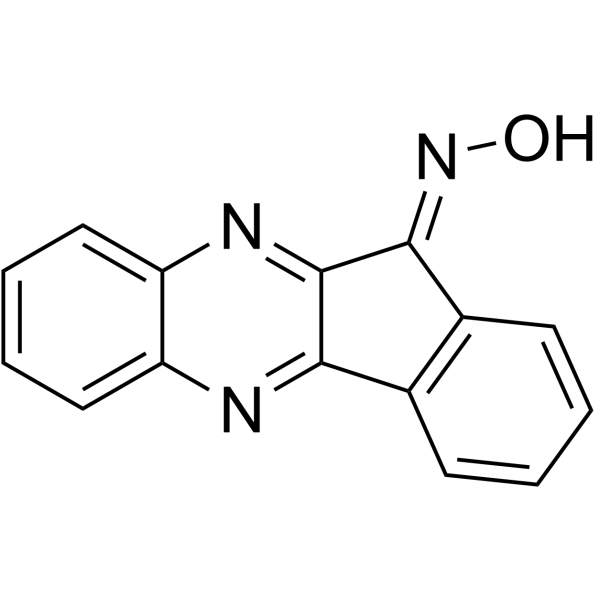
    Indirubin-3′-oxime (IDR3O), a synthetic derivative of indirubin, is a potent inhibitor of cyclin-dependent kinases (CDKs) and glycogen synthase kinase 3β (GSK3β). Indirubin-3′-oxime directly inhibits the activity of all three isoforms of JNK (JNK1, JNK2, and JNK3), with IC50s of 0.8 μM, 1.4 μM, and 1.0 μM, respectively. Indirubin-3′-oxime can enhance height growth via activation of Wnt/β-catenin signaling in chondrocytes .
    Indirubin-3′-oxime
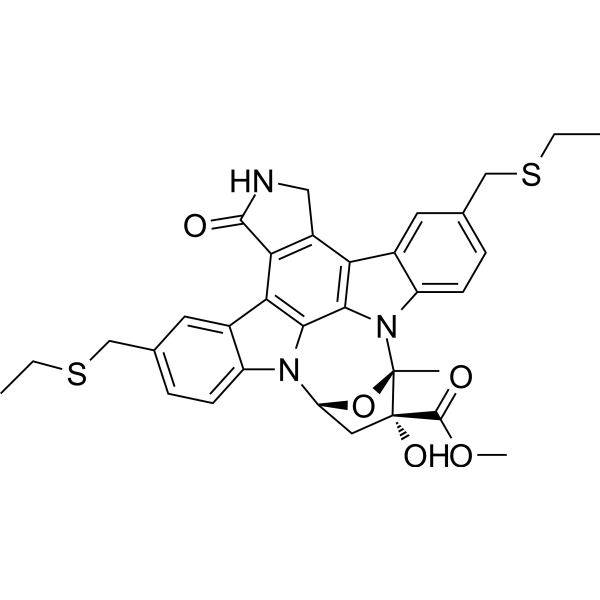
  • HY-10412

    KT7515

    JNK Mixed Lineage Kinase MDM-2/p53 Neurological Disease
    CEP-1347 is an inhibitor of the JNK/SAPK pathway with neuroprotective effects. CEP-1347 blocks JNK1 activation induced by members of the mixed lineage kinase (MLK) family (MLK3, MLK2, MLK1, dual leucine zipper kinase, and leucine zipper kinase). As an inhibitor of MDM4, CEP-1347 can more effectively inhibit the growth of glioma cells expressing wild-type p53 .
    CEP-1347
  • HY-113756A
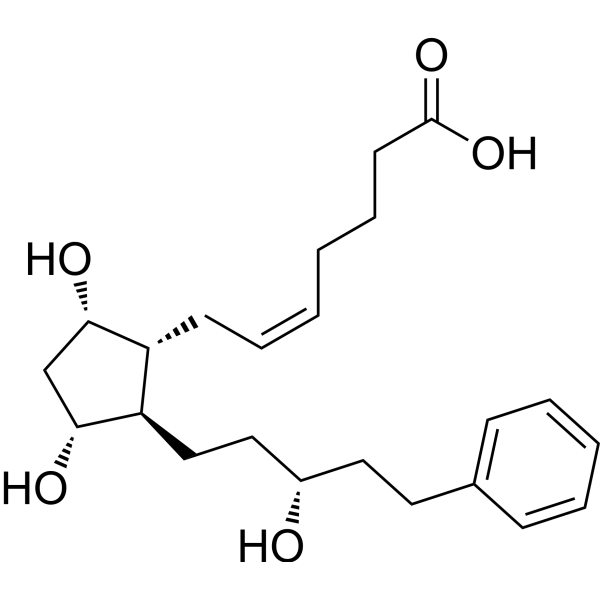
    Latanoprost acid
    1 Publications Verification

    Prostaglandin Receptor ERK Akt JNK p38 MAPK Inflammation/Immunology
    Latanoprost acid, an analog of prostaglandin (PG) F2α, is an selective prostanoid receptor (FP) agonist that specifically activates the FP-PG receptor . Latanoprost acid inhibits RANKL-induced osteoclastgenesis and function by inhibiting ERK, AKT, JNK, and p38 cascade, following by the c-fos/NFATc1 pathway. Latanoprost acid is a medication which works to lower pressure inside the eyes .
    Latanoprost acid
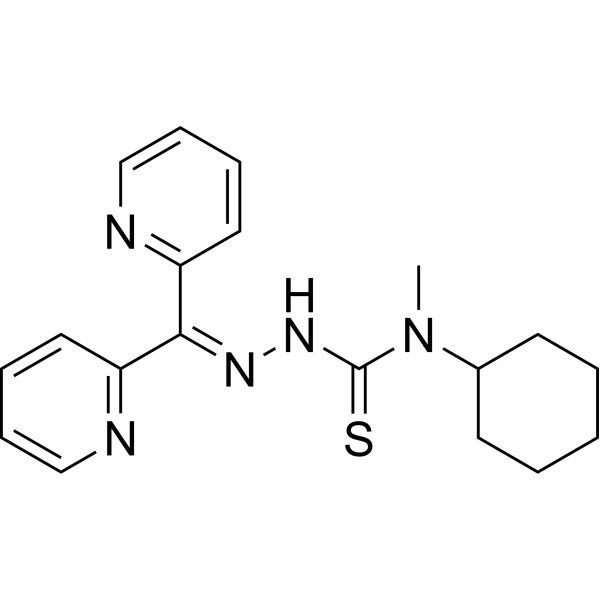
  • HY-114243

    NF-κB JNK Caspase Apoptosis Neurological Disease Cancer
    DpC is a selective, orally active iron chelator with anticancer activity. DpC acts on signaling pathway-related targets such as JNK, NF-κB, and its activity is competitively inhibited by another iron chelator Dp44mT (HY-18973). By chelating intracellular iron and copper ions in tumor cells to form redox-active complexes, DpC induces oxidative stress, activates the JNK, NF-κB pathways and downregulates IκBα, upregulates the expressions of neuroglobin and cytoglobin, activates caspase 3/9 to induce tumor cell apoptosis. It also overcomes P-glycoprotein-mediated multidrug resistance through a lysosome-targeting mechanism, and exhibits broad-spectrum synergistic effects when combined with various chemotherapeutic agents. DpC inhibits tumor metastasis and increases TNF-α levels in the tumor microenvironment to enhance endogenous immune responses. DpC is applicable to the research of various malignancies including neuroblastoma, pancreatic cancer, prostate cancer, lung cancer, and breast cancer .
    DpC
  • HY-N2149A
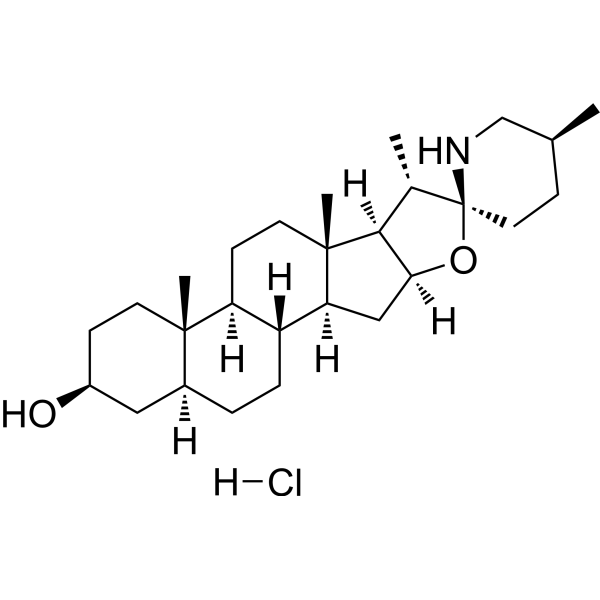
    Tomatidine hydrochloride
    5+ Cited Publications

    NF-κB JNK Autophagy Endogenous Metabolite Cardiovascular Disease Inflammation/Immunology
    Tomatidine hydrochloride acts as an anti-inflammatory agent by blocking NF-κB and JNK signaling . Tomatidine hydrochloride activates autophagy either in mammal cells or C elegans .
    Tomatidine hydrochloride
  • HY-103640
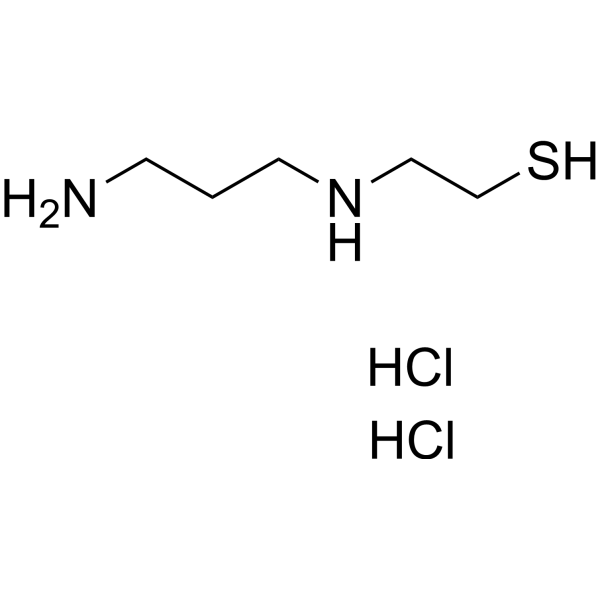
    Amifostine thiol dihydrochloride
    1 Publications Verification

    WR-1065 dihydrochloride

    MDM-2/p53 Cancer
    Amifostine thiol (WR-1065) dihydrochloride can protect normal tissues from the toxic effects of certain cancer agents and activate p53 through a JNK-dependent signaling pathway.
    Amifostine thiol dihydrochloride
  • HY-13703A
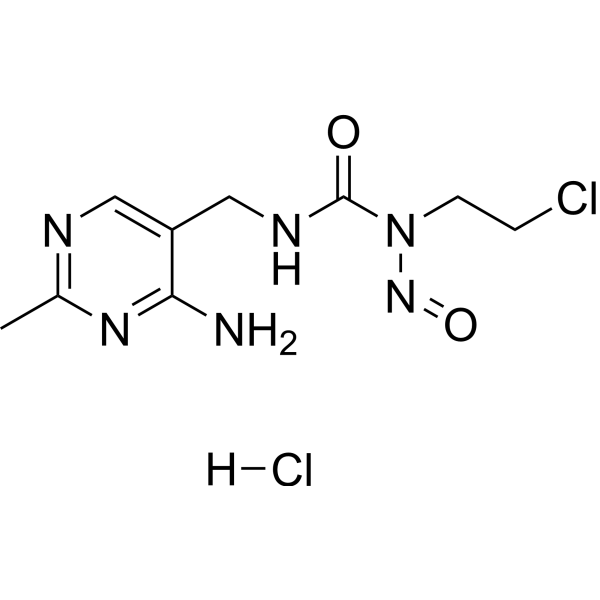
    Nimustine hydrochloride
    1 Publications Verification

    ACNU

    DNA Alkylator/Crosslinker DNA/RNA Synthesis Apoptosis p38 MAPK JNK AP-1 Cancer
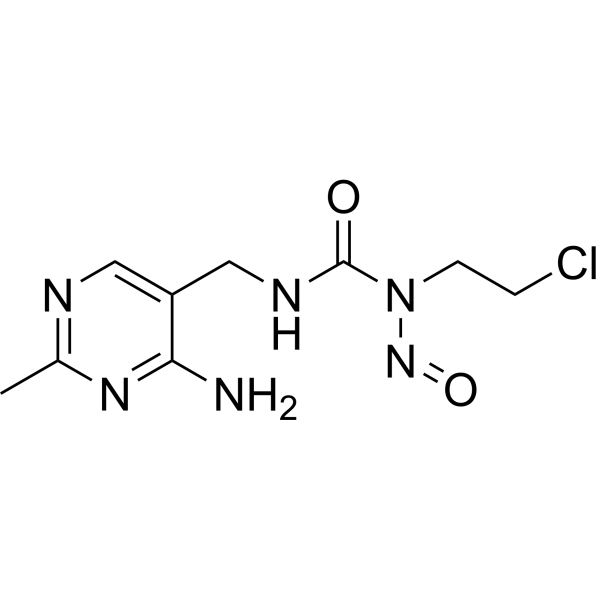
    Nimustine hydrochloride (ACNU) is the hydrochloride salt form of Nimustine (HY-13703). Nimustine hydrochloride is an alkylating agent, which induces DNA double-strand breaks (DSBs) and inter-strand crosslinks (ICLs), thereby activating the DNA damage response (DDR) signaling pathway. Nimustine hydrochloride activates p38 MAPK/JNK signaling pathway, and exhibits antitumor activity .
    Nimustine hydrochloride
  • HY-N1504
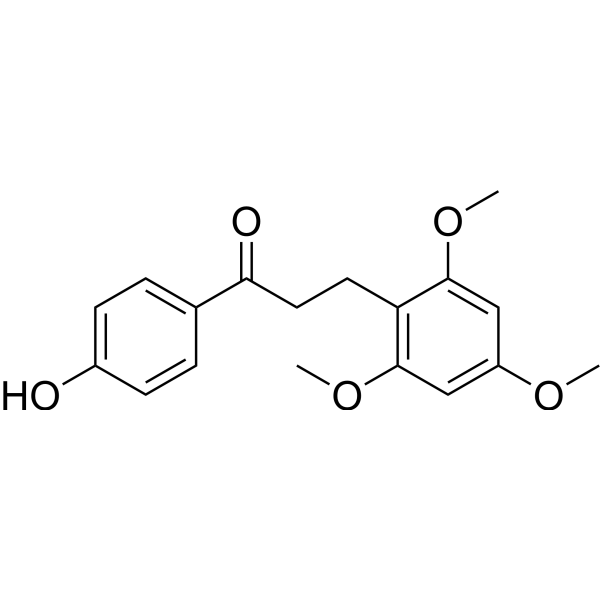
    Loureirin B
    4 Publications Verification

    PAI-1 Potassium Channel ERK JNK Metabolic Disease
    Loureirin B, a flavonoid extracted from Dracaena cochinchinensis, is an inhibitor of plasminogen activator inhibitor-1 (PAI-1), with an IC50 of 26.10 μM; Loureirin B also inhibits KATP, the phosphorylation of ERK and JNK, and has anti-diabetic activity.
    Loureirin B
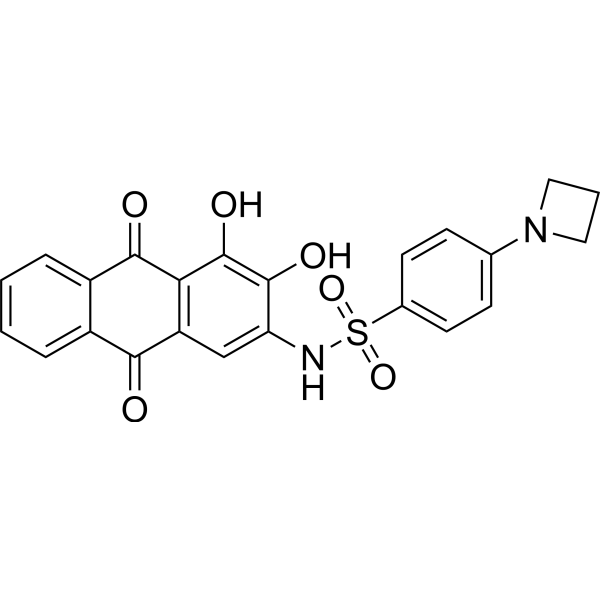
  • HY-W762011

    Apoptosis Reactive Oxygen Species (ROS) JNK Oxidative Phosphorylation Inflammation/Immunology Cancer
    BDE 47 targets mitochondria, inhibits mitochondrial oxidative phosphorylation (OXPHOS), decreases mitochondrial membrane potential (MMP) and induces apoptosis in embryonic cell. BDE 47 induces the generation of ROS, and activates the JNK signaling pathway. BDE 47 exhibits embryonic developmental toxicity in zebrafish .
    BDE 47
  • HY-14266
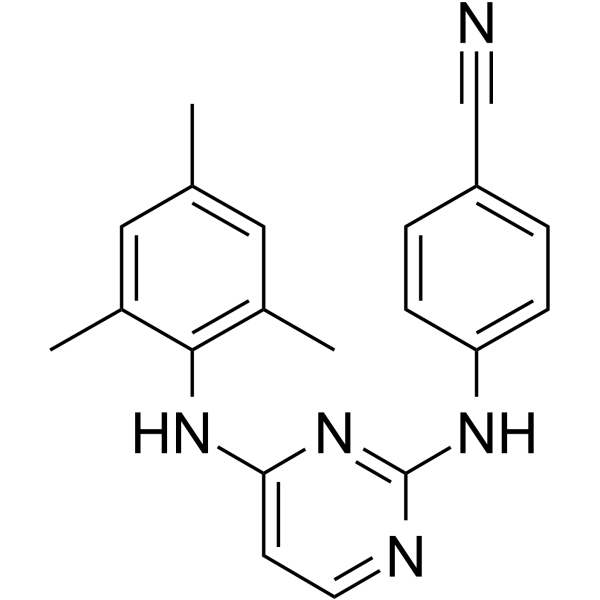
    Dapivirine
    2 Publications Verification

    TMC120; R147681

    HIV Reverse Transcriptase Apoptosis Autophagy Infection
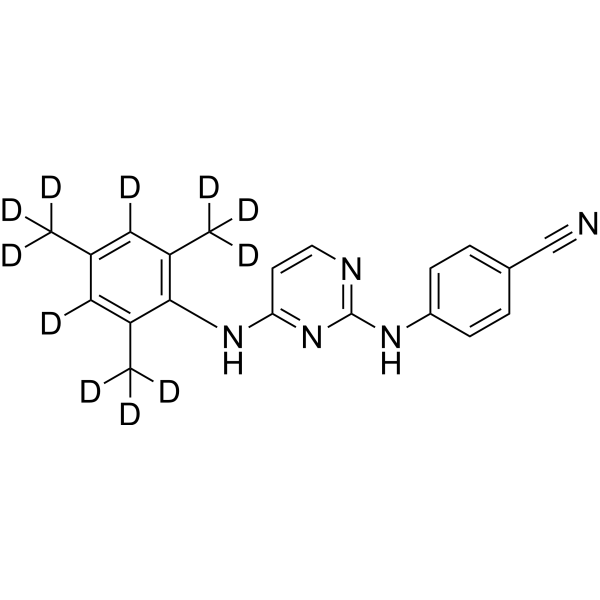
    Dapivirine (TMC120), the prototype of diarylpyrimidines (DAPY), is an orally active and nonnucleoside reverse transcriptase inhibitor (NRTI). Dapivirine (TMC120) binds directly to HIV-1 reverse transcriptase. Dapivirine (TMC120) regulates autophagy and induced Akt, Bad and SAPK/JNK activations .
    Dapivirine
  • HY-N7259

    JNK p38 MAPK Apoptosis Inflammation/Immunology
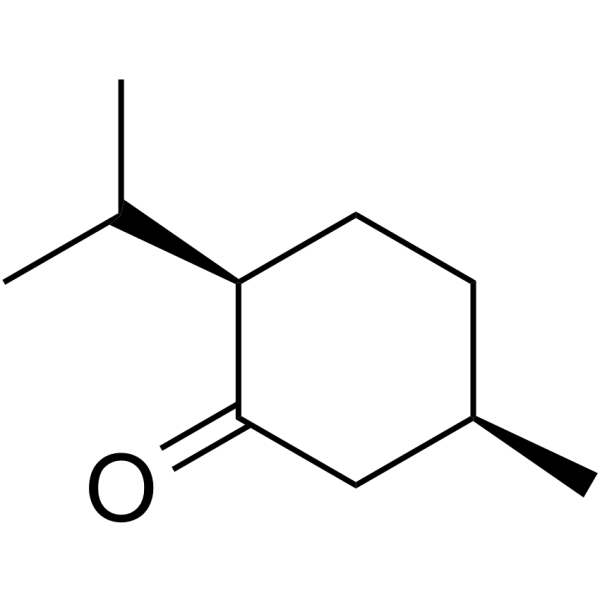
    (+)-Isomenthone is an enantiomer form of Menthone (HY-N2381). (+)-Isomenthone blocks TNF-α-triggered activation of the JNK and p38 MAPK pathways.(+)-Isomenthone inhibits TNF-α-mediated reductions in cell viability, increases in apoptosis, and downstream apoptotic events linked to pathway activation.(+)-Isomenthone protects human dermal fibroblasts against TNF-α-induced cell death under serum-deprived conditions .
    (+)-Isomenthone
  • HY-B1014

    VD/VDR p38 MAPK JNK ERK NF-κB Akt GSK-3 PKA Apoptosis Cardiovascular Disease Inflammation/Immunology Cancer
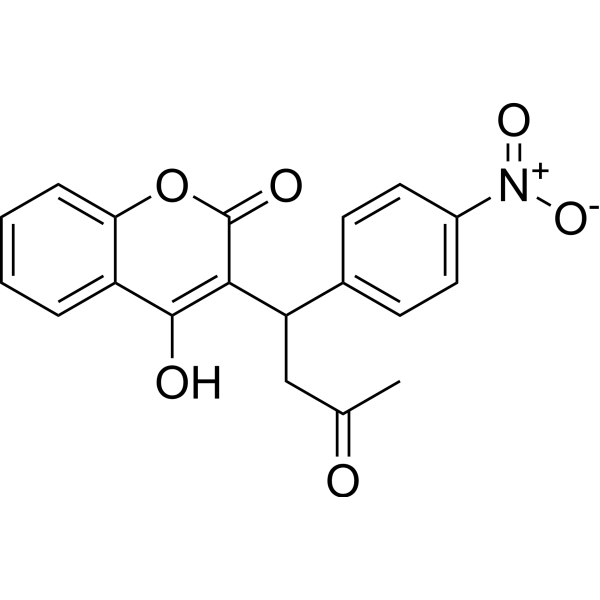
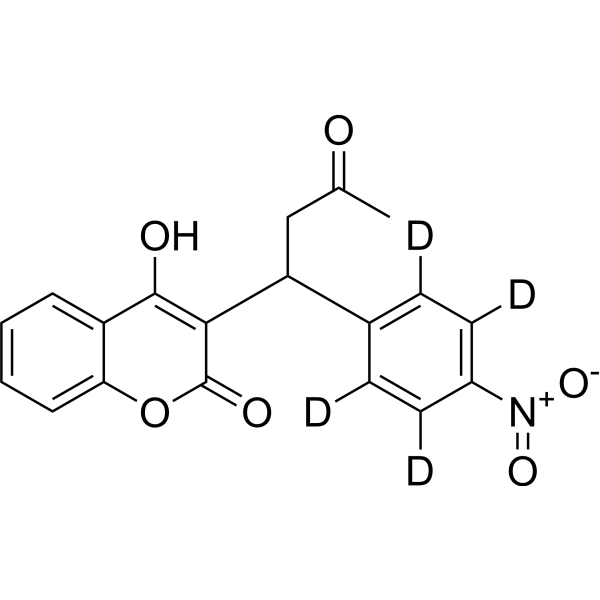
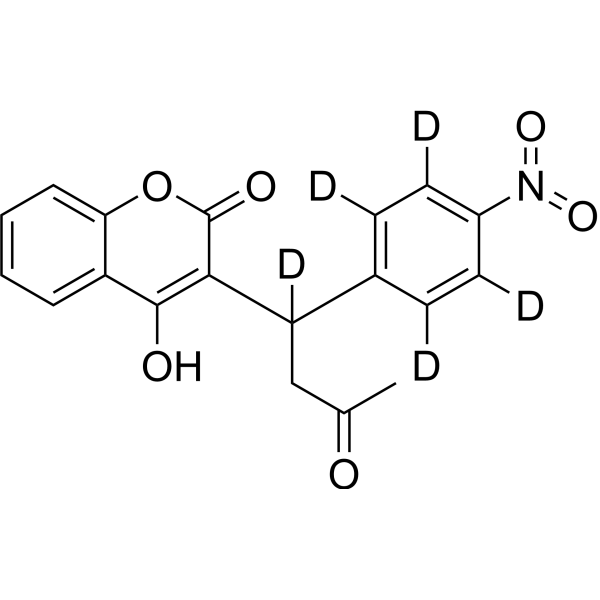
    Acenocoumarol is an anticoagulant that functions as a Vitamin K antagonist. Acenocoumarol inhibits MAPK/ERK/JNK signaling pathway, reduces the nuclear translocation of NF-κB p65, activates Akt/GSK3β signaling pathway. Acenocoumarol induces apoptosis in cell A549, arrests cell cycle at S phase .
    Acenocoumarol
  • HY-N4322
    Decursinol angelate
    1 Publications Verification

    PKC Inflammation/Immunology Cancer
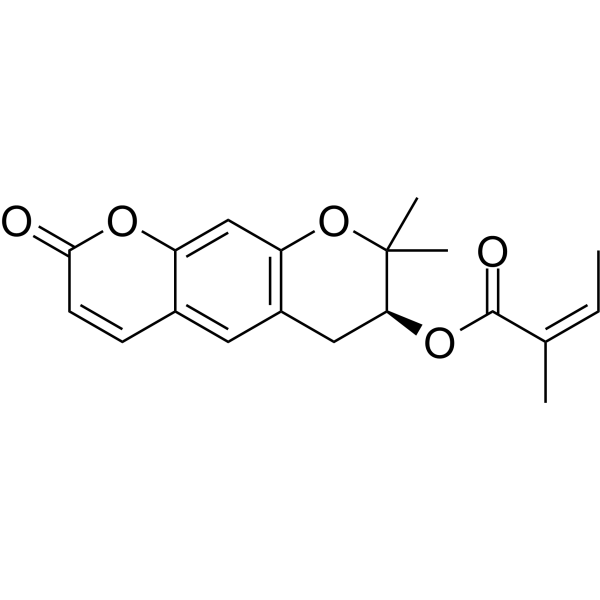
    Decursinol angelate acts as a PKC activator and GDH inhibitor, with an IC50 of 1.432 μM against human GDH. Decursinol angelate activates PKC, downregulates PKCα and PKCβII isoforms, and exerts cytotoxic activity against cancer cells. Decursinol angelate binds to GDH and inhibits its enzymatic activity. Decursinol angelate inhibits VEGF-induced autophosphorylation of VEGFR2, downstream p42/44 ERK and JNK-MAPK signaling pathways, as well as the angiogenesis process. Decursinol angelate is applicable to research related to cancer and leukemia .
    Decursinol angelate
  • HY-12873

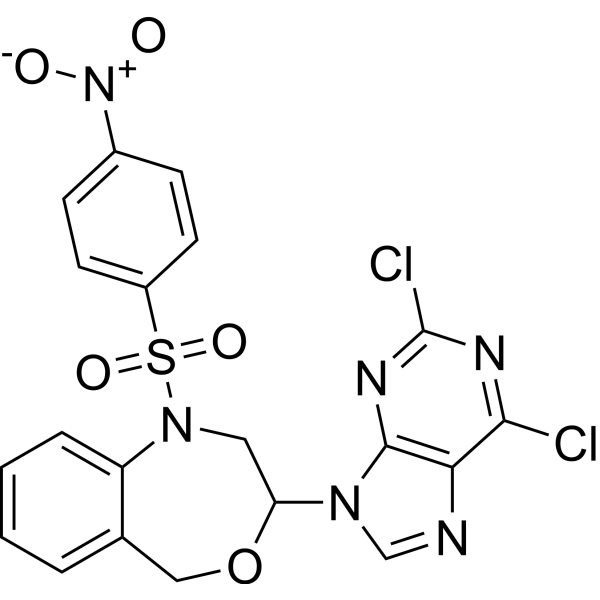
    Ras p38 MAPK JNK Cancer
    RBC8 is a selective and allosteric RALA and RALB inhibitor. RBC8 stabilizes the inactive GDP-bound state of Ral, preventing its activation. RBC8 promotes the phosphorylation of proteins related to the MAPK/JNK pathway. RBC8 has the activity of inhibiting tumor cell proliferation, migration and invasion. RBC8 is used in the study of various cancers such as lung cancer, gastric cancer, and multiple myeloma .
    RBC8
  • HY-113041

    PGA2; Medullin

    Apoptosis Caspase PARP ERK MDM-2/p53 JNK HSV Infection Cancer
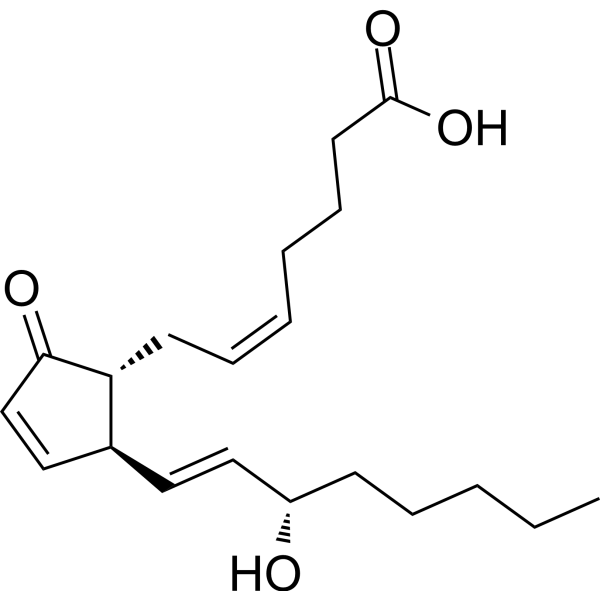
    Prostaglandin A2 (PGA2) is a Cyclopentenone prostaglandin. Prostaglandin A2 induces Caspase-dependent Apoptosis, activates p53. Prostaglandin A2 activates ERK2 and JNK1/SAPK. Prostaglandin A2 shows antiviral activity against HSV-1. Prostaglandin A2 has anti-tumor effects. Prostaglandin A2 can be used for the research of colorectal cancer, colorectal carcinoma, breast carcinoma, and herpetic keratitis .
    Prostaglandin A2
  • HY-N6872

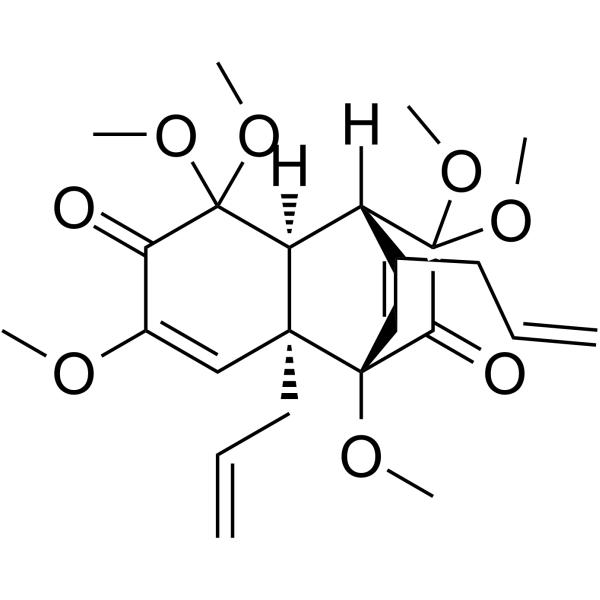
    JNK Akt Apoptosis Autophagy Reactive Oxygen Species (ROS) Cancer
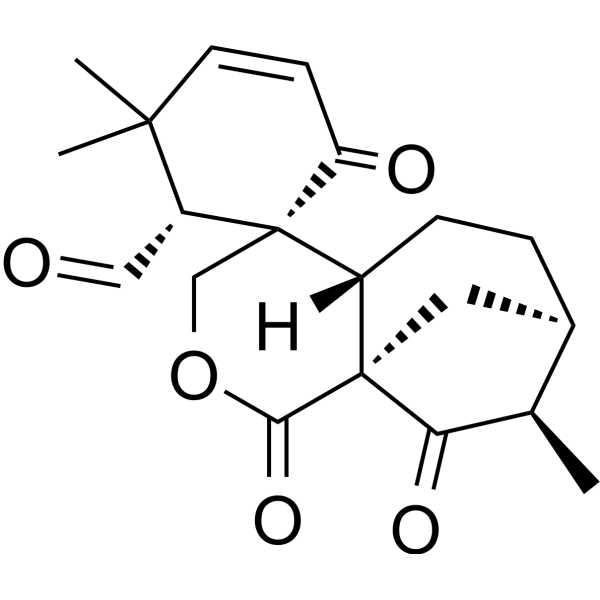
    Actein, a triterpene glycoside, shows an inhibitory effect on cancer cells, which is isolated from the rhizomes of Cimicifuga foetida. Actein suppresses cell proliferation, induces autophagy and apoptosis through promoting ROS/JNK activation, and blunting AKT pathway in bladder cancer. Actein has little toxicity in vivo .
    Actein
  • HY-N0431R

    Reference Standards MMP ERK JNK Cancer
    Astragaloside IV (Standard) is the analytical standard of Astragaloside IV. This product is intended for research and analytical applications. Astragaloside IV, an active component isolated from Astragalus membranaceus, suppresses the activation of ERK1/2 and JNK, and downregulates matrix metalloproteases (MMP)-2, (MMP)-9 in MDA-MB-231 breast cancer cells.
    Astragaloside IV (Standard)
  • HY-156420

    Phosphatase Apoptosis Inflammation/Immunology Cancer
    ATUX-1215 is an activator of protein phosphatase 2A (PP2A). ATUX-1215 reduced the phosphorylation of ERK, p38, JNK, and Akt and the secretion of IL-12p70, GM-CSF, and IL1α in Bleomycin hydrochloride (HY-17565A)-treated animals. ATUX-1215 can slow the progression of lung fibrosis .
    ATUX-1215
  • HY-124421

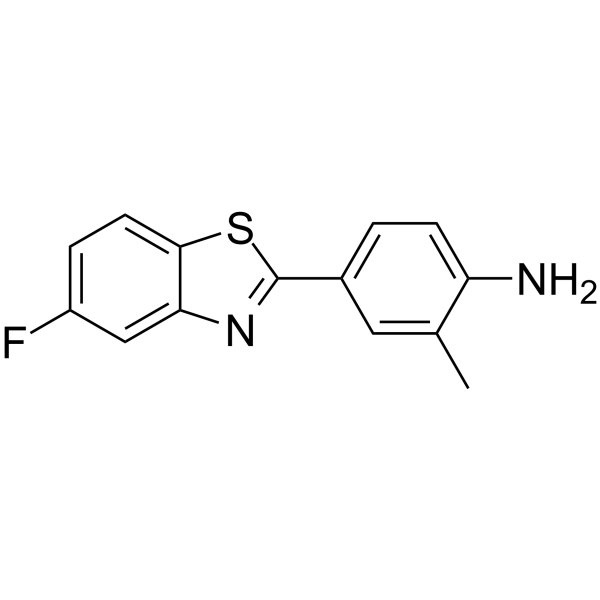
    NSC-703786

    Aryl Hydrocarbon Receptor Others
    5F-203 (NSC-703786) is a cytotoxic molecule that forms DNA adducts and cell cycle arrest. 5F-203 induces aryl hydrocarbon receptor (AhR) signaling and elevates expression of CYP1A1. 5F-203 also increases the levels of reactive oxygen species as well as activates JNK, ERK, and p38 .
    5F-203
  • HY-N6826
    Asatone
    3 Publications Verification

    NF-κB Inflammation/Immunology
    Asatone is an active component isolated from Radix et Rhizoma Asari, with anti-inflammatory effect via activation of NF-κB and donwn regulation of p-MAPK (ERK, JNK and p38) pathways .
    Asatone
  • HY-N2156

    ERK TGF-beta/Smad Wnt β-catenin JNK p38 MAPK Metabolic Disease Inflammation/Immunology
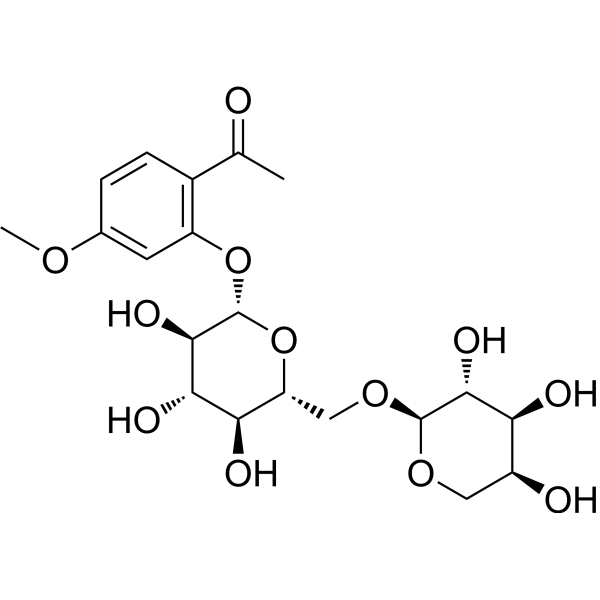
    Paeonolide, found in Paeonia suffruticosa, is an ERK1/2 activator. Paeonolide promotes early and late osteoblast differentiation, stimulates pre-osteoblast transmigration, and activates the BMP-Smad1/5/8, Wnt-β-catenin, JNK and p38 pathways. Paeonolide can be used for the research of osteoporosis, periodontitis .
    Paeonolide
  • HY-137864
    Amifostine thiol
    1 Publications Verification

    WR-1065

    MDM-2/p53 Cancer
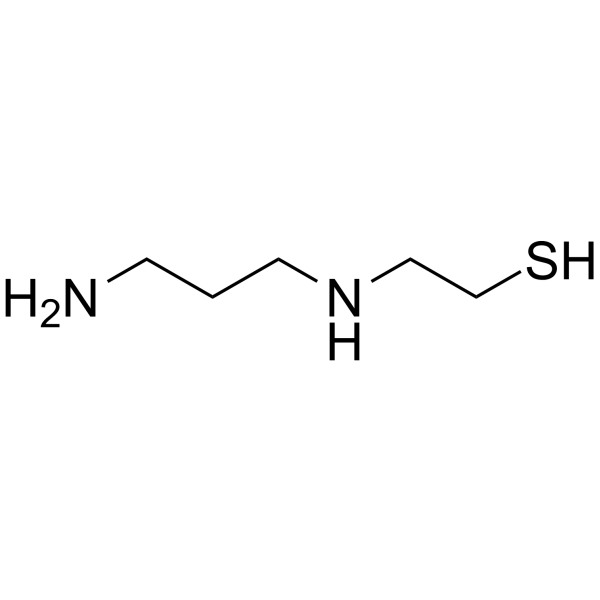
    Amifostine thiol (WR-1065) is an active metabolite of the cytoprotector Amifostine (HY-B0639). Amifostine thiol is a cytoprotective agent with radioprotective abilities. Amifostine thiol activates p53 through a JNK-dependent signaling pathway .
    Amifostine thiol
  • HY-N3711

    JNK ERK Apoptosis Neurological Disease
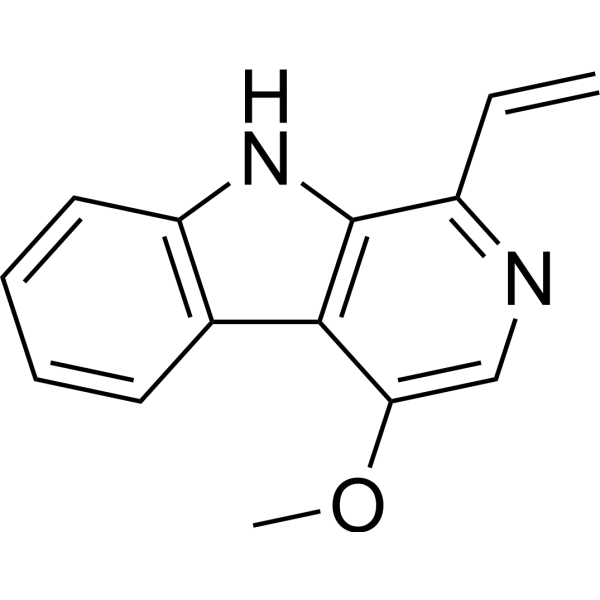
    Dehydrocrenatidine, a β-carboline alkaloid that can be isolated from Picrasma quassioides. Dehydrocrenatidine induces cell apoptosis by activates ERK and JNK. Dehydrocrenatidine inhibits invasion and migration of cancer cells, it also suppresses neuronal excitability to exert analgesic effects .
    Dehydrocrenatine
  • HY-N3000

    JNK IRE1 Akt mTOR YAP Reactive Oxygen Species (ROS) Autophagy Apoptosis Ferroptosis Fungal Infection Inflammation/Immunology Cancer
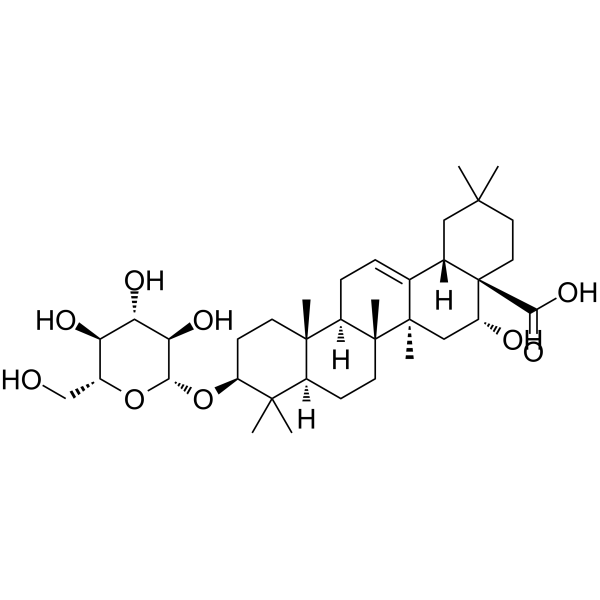
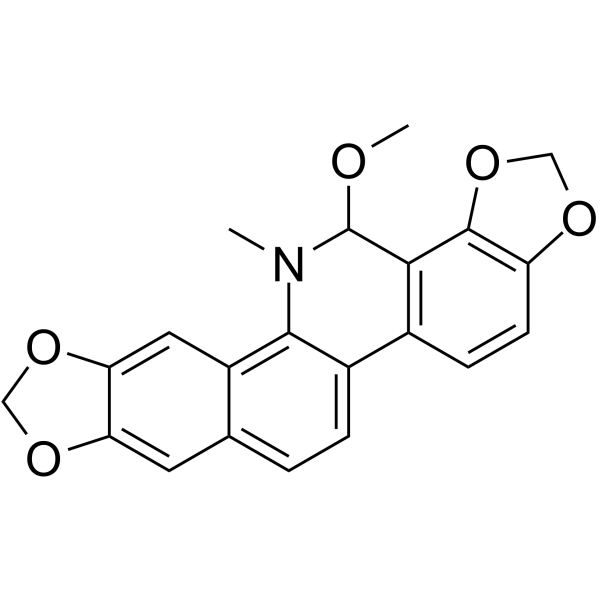
    6-Methoxydihydrosanguinarine is an alkaloid with activity across multiple cancer cell types. 6-Methoxydihydrosanguinarine activates IRE1/JNK signaling, blocks Akt/mTOR and PI3K/AKT/mTOR pathways, reduces expression of Cdc25C, CyclinB1, Cdc2, YAP/TAZ, Survivin, GPX4, and EGFR, upregulates IRE1 and DR5, and activates JNK and caspases. 6-Methoxydihydrosanguinarine induces apoptosis, G2/M phase arrest, DNA damage, ROS generation, lipid peroxidation, ferroptosis, autophagy, and suppresses cancer cell growth. 6-Methoxydihydrosanguinarine disruptes the biofilm formation of Candida albicans (C. albicans). 6-Methoxydihydrosanguinarine can be used for the research of non-small cell lung cancer, hepatocellular carcinoma, melanoma, colon carcinoma, ovarian cancer and breast cancer .
    6-Methoxydihydrosanguinarine
  • HY-N3138

    Bacterial Apoptosis Reactive Oxygen Species (ROS) ERK JNK Caspase SOD Fungal Infection Neurological Disease
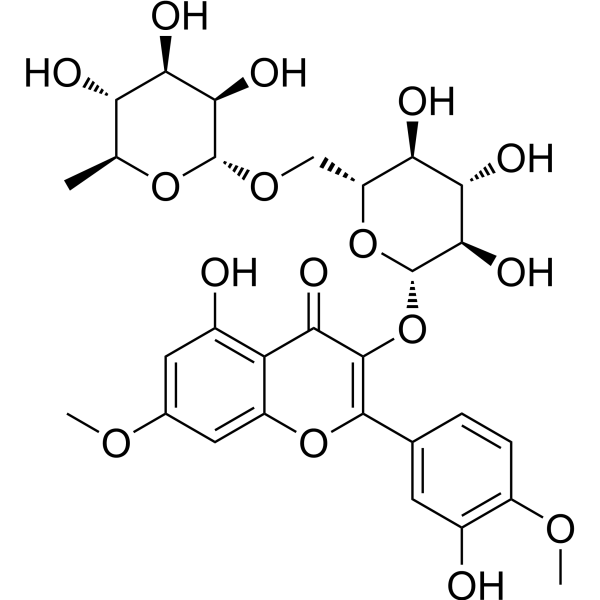
    Ombuoside has antioxidant properties, inhibiting ROS production and apoptosis. Ombuoside exerts neuroprotective effects through the ERK-JNK-caspase-3 system. Ombuoside promotes Dopamine biosynthesis through TH and CREB activation. Ombuoside exhibits antimicrobial activity against several Gram-positive and Gram-negative bacteria, as well as Candida albicans
    Ombuoside
  • HY-N1508

    MMP Apoptosis Autophagy NF-κB TNF Receptor COX Toll-like Receptor (TLR) SOD ASK1 JNK Cardiovascular Disease Inflammation/Immunology Endocrinology Cancer
    Ecliptasaponin A is an orally active pentacyclic triterpenoid saponin. Ecliptasaponin A exerts anti-tumor activity by activating ASK1/JNK pathway, inducing apoptosis and autophagy in lung cancer cells. Ecliptasaponin A exerts anti-inflammatory/anti-fibrotic effects and protects the cardiovascular system by inhibiting the HMGB1/TLR4/NF-κB pathway, and the expression of COX-2 and MMP-9. Ecliptasaponin A can enhance SOD activity, reduce MDA levels, and alleviate oxidative stress damage. Ecliptasaponin A exerts chondroprotective effects by inhibiting the expression of MMP13 and regulating inflammatory factors. Ecliptasaponin A improves ovarian function and regulates sex hormones by upregulating the expression of ESR1 receptors .
    Ecliptasaponin A
  • HY-100233
    IQ-1S free acid
    1 Publications Verification

    JNK Inflammation/Immunology Cancer
    IQ-1S free acid is a prospective inhibitor of NF-κB/activating protein 1 (AP-1) activity with an IC50 of 2.3±0.41 μM. IQ-1S free acid has binding affinity (Kd values) in the nanomolar range for all three JNKs with Kds of 100 nM, 240 nM, and 360 nM for JNK3, JNK1, and JNK2, respectively.
    IQ-1S free acid
  • HY-18982R

    Flagecidin (Standard); Wuningmeisu C (Standard)

    Reference Standards DNA/RNA Synthesis JNK Bacterial Apoptosis Antibiotic Parasite Infection Cancer
    Anisomycin (Standard) is the analytical standard of Anisomycin. This product is intended for research and analytical applications. Anisomycin is a potent protein synthesis inhibitor which interferes with protein and DNA synthesis by inhibiting peptidyl transferase or the 80S ribosome system[1]. Anisomycin is a JNK activator, which increases phospho-JNK[2][3]. Anisomycin is a bacterial antibiotic[4].
    Anisomycin (Standard)
  • HY-P2319A

    p38 MAPK JNK Inflammation/Immunology
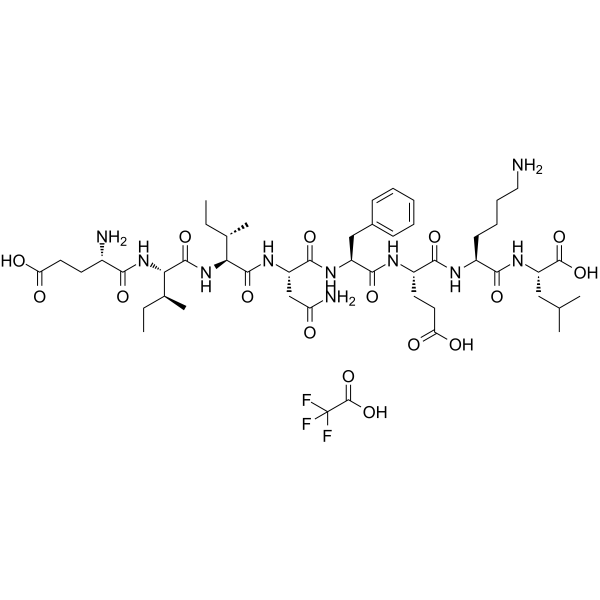
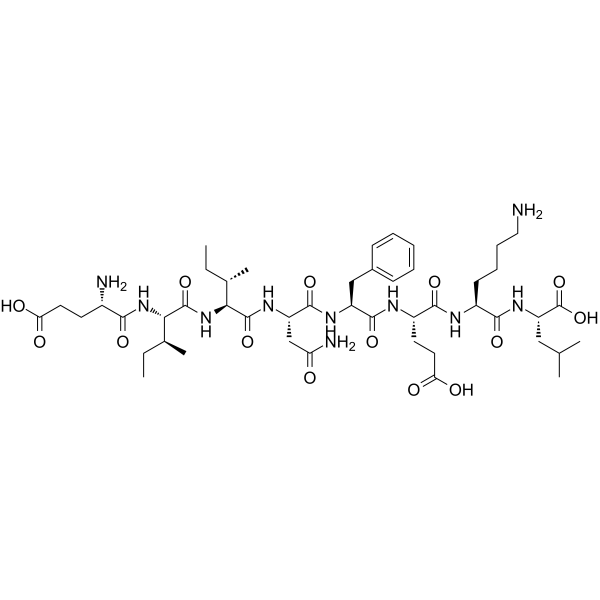
    OVA-E1 peptide TFA, is an antagonist variant of SIINFEKL [OVA (257-264). OVA-E1 peptide, activates the p38 and JNK cascades similarly in mutant and wild-type thymocytes .
    OVA-E1 peptide TFA
  • HY-W753791

    TNF Receptor JNK Neurological Disease Inflammation/Immunology
    (±)-Perillaldehyde has an antidepressant effect by modulating the olfactory nervous system in a mouse model of stress-induced depression. (±)-Perillaldehyde also has anti-inflammatory activity, inducing JNK activation in RAW264.7 cells and inhibiting the expression of TNF-α, with an IC50 of 171.7 μM .
    (±)-Perillaldehyde
  • HY-133095

    STAT PPAR Inflammation/Immunology
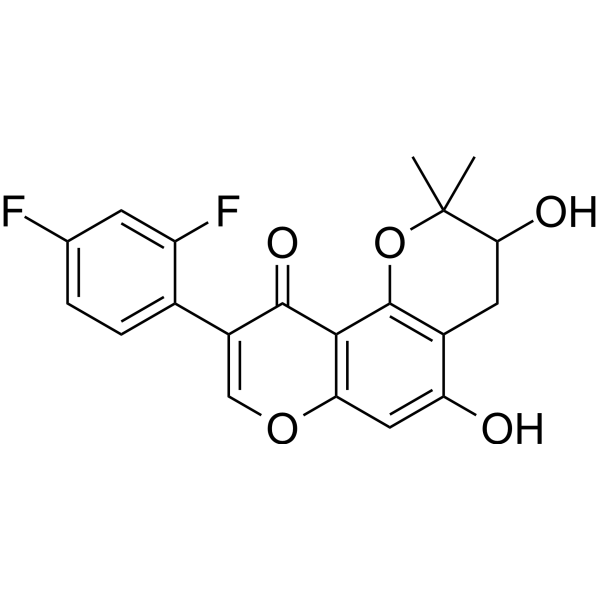
    BML-260 is a potent inhibitor of dual-specific phosphatases JSP-1 and DUSP22. BML-260 can activate UCP1 and thermogenesis in adipocytes in a JSP-1-independent manner. The effect of BML-260 on adipocytes is partially achieved through the activation of CREB, STAT3, and PPAR signaling pathways. BML-260 can be used in the research of inflammatory and proliferative disorders associated with JNK signaling dysfunction as well as obesity .
    BML-260
  • HY-N2149R

    Reference Standards NF-κB JNK Autophagy Endogenous Metabolite Cardiovascular Disease Inflammation/Immunology
    Tomatidine acts as an anti-inflammatory agent by blocking NF-κB and JNK signaling . Tomatidine activates autophagy either in mammal cells or C elegans .
    Tomatidine (Standard)
  • HY-121683

    16:1 Aldehyde; trans-2-Hexadecenal

    Mixed Lineage Kinase Apoptosis JNK Microtubule/Tubulin Cancer
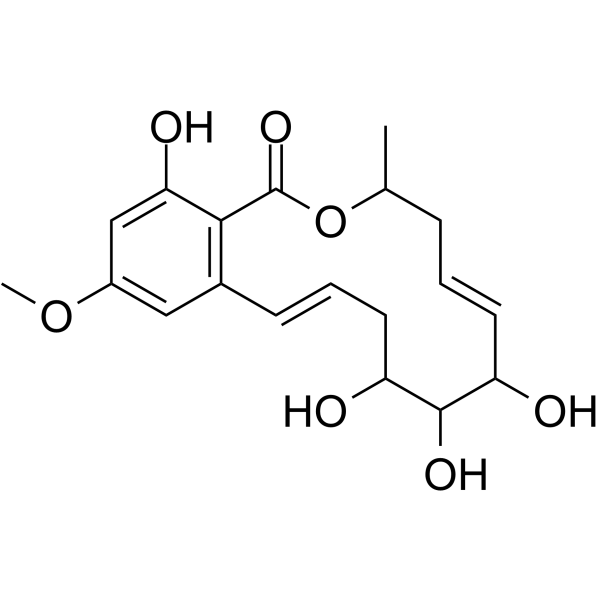
    (E)-2-Hexadecenal (trans-2-Hexadecenal) is an MLK3 activator that induces cytoskeletal remodeling, leading to cell rounding, detachment, and ultimately apoptosis in human and mouse cells. (E)-2-Hexadecenal activates the MLK3 signaling pathway, phosphorylating MKK4/7 and JNK, subsequently activating downstream targets of JNK, such as c-Jun phosphorylation, cytochrome c release, Bax activation, Bid cleavage, and Bim translocation to mitochondria. (E)-2-Hexadecenal has potential applications in research related to sphingolipid signaling pathways .
    (E)-2-Hexadecenal
  • HY-15035

    ACS 15; ATB-337

    MDM-2/p53 JNK SOD Cardiovascular Disease Inflammation/Immunology
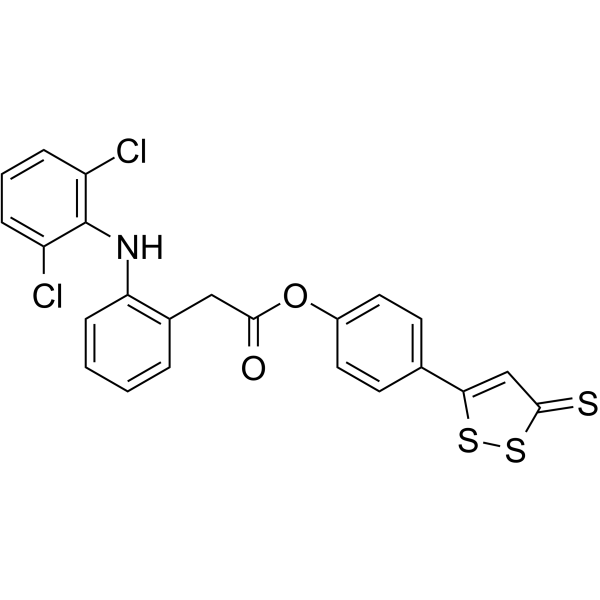
    S-Diclofenac (ACS 15) is a hybrid molecule of an H2S donor and the NSAID diclofenac. S-Diclofenac activates the p53 signaling pathway, and inhibits the activation of JNK. S-Diclofenac exhibits antioxidant and anti-inflammatory activities .
    S-Diclofenac
  • HY-125953

    Ceramide (Egg, Chicken)

    JNK p38 MAPK Phosphatase Akt Survivin CDK mTOR Apoptosis Autophagy Reactive Oxygen Species (ROS) Neurological Disease Cancer
    Ceramide (Egg) (Ceramide (Egg, Chicken)) is a ceramide from chicken. Ceramide (Egg) is a sphingomyelin signaling pathway second messenger. Ceramide (Egg) activates PP2A, JNK, p38 MAPK, CAPK, ceramide-activated protein phosphatase, Vav, PKCζ, and SAPK/JNK cascade. Ceramide (Egg) downregulates or inhibits AKT, survivin, CDK2, mTOR, and FLIP. Ceramide (Egg) mediates apoptosis, autophagy, cell cycle arrest, mitochondrial dysfunction, redox state shifts, and ROS generation. Ceramide (Egg) can be used for the research of cancer and neurological disease .
    Ceramide (Egg)
  • HY-N6576

    p38 MAPK ERK JNK IAP PARP Apoptosis Caspase Cancer
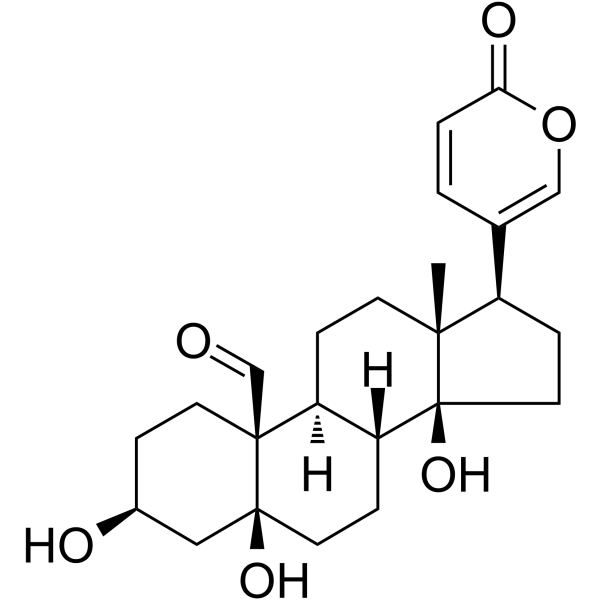
    Hellebrigenin is an inhibitor that selectively targets the MAPK signaling pathway (ERK, p38, JNK) and XIAP, and can inhibit Akt expression and phosphorylation. Hellebrigenin can activate endogenous apoptosis pathways (such as mitochondrial membrane potential disruption, Caspase family activation, PARP cleavage), downregulate anti-apoptotic proteins (Bcl-2, Bcl-xL) and upregulate pro-apoptotic proteins (Bax, Bak). Hellebrigenin can also induce DNA double-strand breaks to activate the ATM pathway. Hellebrigenin can inhibit tumor cell proliferation and clone formation, and is mainly used in the study of oral squamous cell carcinoma, liver cancer and other cancers .
    Hellebrigenin

Inquiry Online

Your information is safe with us. * Required Fields.

Salutation


Country or Region *

Applicant Name *


Organization Name *

Department *


Email Address *


Product Name *

Cat. No.


Requested quantity *

Phone Number *


Remarks

Inquiry Online

Inquiry Information

Product Name:
Cat. No.:
Quantity:
MCE Japan Authorized Agent: