

Search Result
Results for "
inactivation inhibitor
" in MedChemExpress (MCE) Product Catalog:
7
Biochemical Assay Reagents
16
Isotope-Labeled Compounds
| Cat. No. |
Product Name |
Target |
Research Areas |
Chemical Structure |
-
- HY-130149
-
|
MRTX849
|
Ras
|
Cancer
|
|
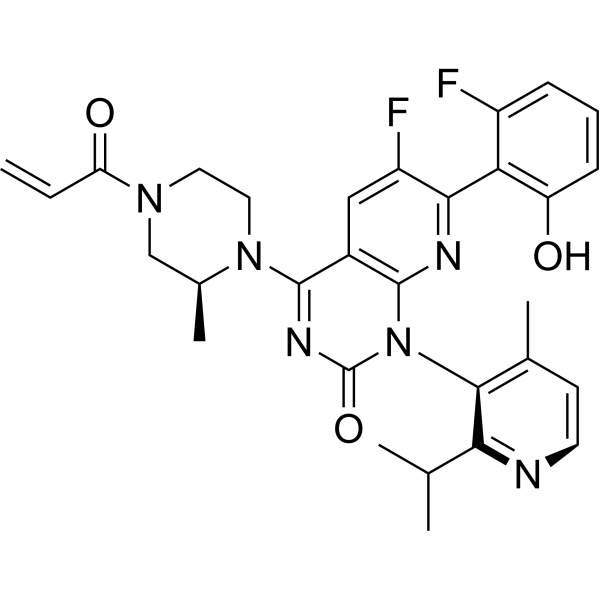
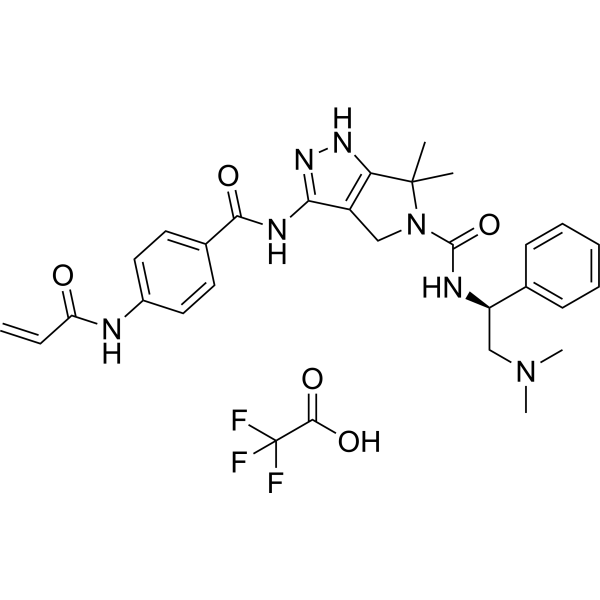
Adagrasib (MRTX849) is a potent, orally-available, and mutation-selective covalent inhibitor of KRAS G12C with potential antineoplastic activity. Adagrasib covalently binds to KRAS G12C at the cysteine at residue 12, locks the protein in its inactive GDP-bound conformation, and inhibits KRAS-dependent signal transduction .
|
-
-
- HY-108847
-
|
|
TNF Receptor
Bacterial
|
Inflammation/Immunology
Cancer
|
|
Etanercept, a dimeric fusion protein that binds TNF, acts as a TNF inhibitor. Etanercept competitively inhibits the binding of both TNF-α and TNF-β to cell surface TNF receptors, rendering TNF biologically inactive. Etanercept shows efficacy against rheumatoid arthritis, juvenile idiopathic arthritis, and plaque psoriasis .
|
-
-
- HY-A0256
-
|
|
Beta-lactamase
Antibiotic
Bacterial
|
Infection
Inflammation/Immunology
|
|
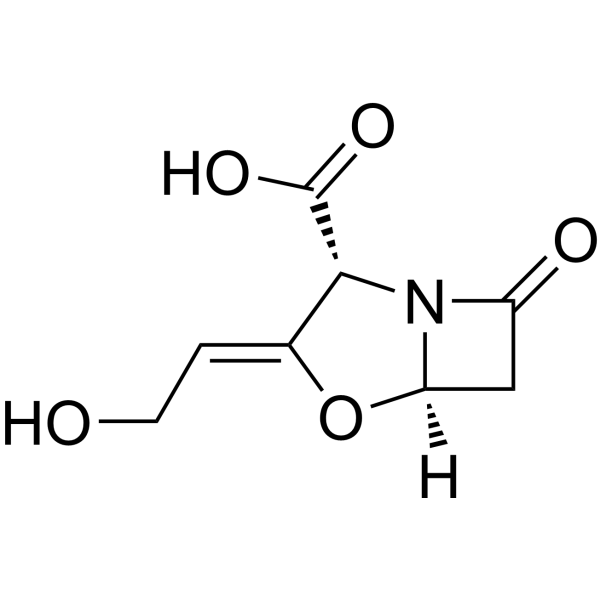
Clavulanic acid is a naturally occurring powerful bacterial β-lactamases inhibitor for research of infections caused by bacteria, including infections of the ears. Clavulanic acid is active against a wide spectrum of gram-positive and gram-negative bacterias .
|
-
-
- HY-126373
-
|
SN-38G
|
Drug Metabolite
|
Cancer
|
|
SN-38 glucuronide is an inactive metabolite of the anticancer active molecule Irinotecan (HY-16562) and has toxic effects on the gastrointestinal tract. Irinotecan is a topoisomerase I inhibitor which can be used for researching colon and rectal cancer .
|
-
-
- HY-B0185A
-
|
Lignocaine hydrochloride
|
Sodium Channel
MEK
ERK
NF-κB
Apoptosis
|
Cardiovascular Disease
Cancer
|
|
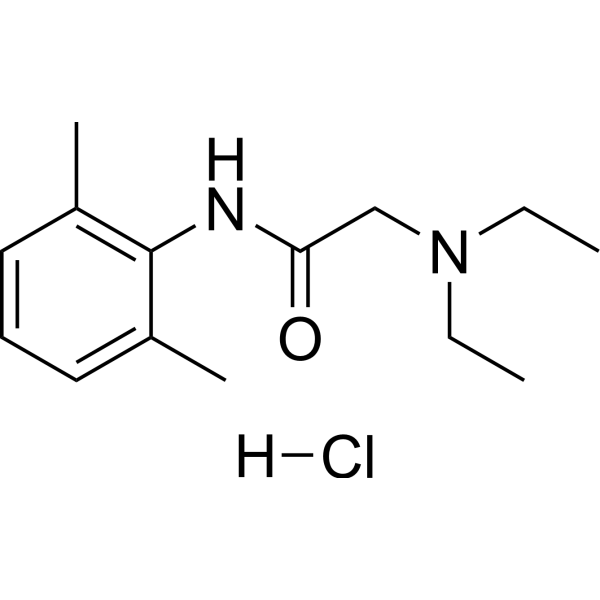
Lidocaine hydrochloride (Lignocaine hydrochloride) inhibits sodium channels involving complex voltage and using dependence . Lidocaine hydrochloride decreases growth, migration and invasion of gastric carcinoma cells via up-regulating miR-145 expression and further inactivation of MEK/ERK and NF-κB signaling pathways. Lidocaine hydrochloride is an amide derivative and a agent to treat ventricular arrhythmia and an effective tumor-inhibitor .
|
-
-
- HY-W040030
-
Hematin
1 Publications Verification
|
Cytochrome P450
|
Metabolic Disease
Cancer
|
|
Hematin, an iron-containing porphyrin, inhibits the activity of clotting factors and also fibrin clot lysis through the mechanism of binding to and inactivation of hemostatic proteins . Hematin can be used for the research of acute porphyrias and cancer .
|
-
-
- HY-138935
-
|
BI-425809
|
GlyT
|
Neurological Disease
|
|
Iclepertin (BI-425809) is a potent, selective and orally active glycine transporter 1 (GlyT1) inhibitor. Iclepertin is inactive against GlyT2. Iclepertin can be used for Alzheimer disease and schizophrenia research .
|
-
-
- HY-15483
-
DY131
3 Publications Verification
GSK 9089
|
Estrogen Receptor/ERR
Smo
|
Endocrinology
Cancer
|
|
DY131 (GSK 9089) is a potent and selective ERRγ and ERRβ agonist. DY131displays inactive against ERRα, ERα and ERβ . DY131 also inhibits Smo signaling .
|
-
-
- HY-78131B
-
|
(R)-Ibuprofen
|
NF-κB
|
Inflammation/Immunology
Cancer
|
|
(R)-(-)-Ibuprofen is the R enantiomer of Ibuprofen, inactive on COX, inhibits NF-κB activation; (R)-(-)-Ibuprofen exhibits anti-inflammatory and antinociceptive effects.
|
-
-
- HY-113083
-
|
APAP-glu
|
Drug Metabolite
Endogenous Metabolite
|
Others
|
|
Acetaminophen glucuronide (APAP-glu) is an inactive glucuronide metabolite of Acetaminophen (HY-66005) . Acetaminophen is a selective cyclooxygenase-2 (COX-2) inhibitor and a potent hepatic N-acetyltransferase 2 (NAT2) inhibitor .
|
-
-
- HY-108630
-
|
|
Phospholipase
|
Others
|
|
U-73343, works as a protonophore, is an inactive analog of U-73122 and can be used as a negative control. U-73343 dose-dependently inhibits acid secretion irrespective of the stimulant. U-73122 is a phospholipase C (PLC) and 5-LO (5-lipoxygenase) inhibitor with an IC50 of 1-2.1 μM for PLC .
|
-
-
- HY-107477
-
|
|
Epigenetic Reader Domain
|
Cancer
|
|
GSK8573 is an inactive control compound for GSK2801 (acetyl-lysine competitive inhibitor of BAZ2A and BAZ2B bromodomains). GSK8573 has binding activity to BRD9 with a Kd value of 1.04 μM and is inactive against BAZ2A/B and other bromodomain familiy. GSK8573 can be used as a structurally related negative control compound in biological experiments .
|
-
-
- HY-15647
-
BRD9539
1 Publications Verification
|
Histone Methyltransferase
|
Cancer
|
|
BRD9539 is a histone methyltransferase G9a inhibitor with an IC50 of 6.3 μM. BRD9539 also inhibits PRC2 activity and is inactive against SUV39H1, NSD2 and DNMT1 .
|
-
-
- HY-N0929
-
|
|
COX
Reactive Oxygen Species (ROS)
|
Cancer
|
|
Hexahydrocurcumin is one of the major metabolites of curcumin and a selective, orally active COX-2 inhibitor. Hexahydrocurcumin is inactive against COX-1. Hexahydrocurcumin has antioxidant, anticancer and anti-inflammatory activities .
|
-
-
- HY-122700
-
|
|
Complement System
|
Inflammation/Immunology
|
|
Factor D inhibitor 6 is a potent, highly selective and orally active factor D (FD) inhibitor with an IC50 of 30 nM and a Kd of 6 nM. Factor D inhibitor 6 is inactive against factor B, lassical and lectin complement-pathway activation, and a broad assay panel of receptors, ion channels, kinases and proteases .
|
-
-
- HY-13896
-
|
|
EGFR
Autophagy
Apoptosis
|
Cancer
|
|
PD168393 is a potent, selective and cell-permeable inhibitor of EGFR tyrosine kinase and ErbB2. PD168393 irreversiblely inactivates EGF receptor ( IC50=0.7 nM) and is inactive against insulin receptor, PDGFR, FGFR and PKC .
|
-
-
- HY-N7067
-
|
|
Proton Pump
Bacterial
COX
NF-κB
ERK
Akt
|
Infection
Inflammation/Immunology
|
|
Revaprazan hydrochloride is reversible proton pump inhibitor. Revaprazan hydrochloride can inhibit gastric acid secretion and protect gastric mucosa. Revaprazan hydrochloride can inhibit IkappaB-alpha degradation as well as Akt inactivation, resulting in attenuation of H. pylori-induced COX-2 expression. Revaprazan hydrochloride can be used for the researches of infection and inflammmation, such as H. pylori-infected gastric inflammation and gastric ulcer .
|
-
-
- HY-15779A
-
|
|
SphK
Apoptosis
|
Cancer
|
|
K145 hydrochloride is a selective, substrate-competitive and orally active SphK2 inhibitor with an IC50 of 4.3 μM and a Ki of 6.4 μM. K145 hydrochloride is inactive against SphK1 and other protein kinases. K145 hydrochloride induces cell apoptosis and has potently antitumor activity .
|
-
-
- HY-132203
-
|
|
RIP kinase
|
Inflammation/Immunology
Cancer
|
|
Necrostatin-34 (Nec-34), a RIPK1 kinase inhibitor, stabilizes RIPK1 kinase in an inactive conformation by occupying a distinct binding pocket in the kinase domain .
|
-
-
- HY-P1918
-
|
|
APC
|
Cardiovascular Disease
|
|
Activated Protein C (390-404), human is a polypeptide fragment of vitamin K-dependent serine protease activated protein C (APC), which inhibits the anticoagulant activity of APC. Activated Protein C (390-404), human inhibits APC-catalyzed inactivation of factor Va .
|
-
-
- HY-139984
-
|
|
Btk
|
Neurological Disease
Inflammation/Immunology
|
|
BIIB091 is a potent, selective, orally active and reversible BTK inhibitor, with an IC50 of <0.5 nM. BIIB091 binds the BTK protein to sequester TYR-551 into an inactive conformation with excellent affinity. BIIB091 can be used for the research of multiple sclerosis .
|
-
-
- HY-128777
-
|
|
VDAC
Apoptosis
|
Cancer
|
|
WEHI-9625 is a tricyclic sulfone, first-in-class inhibitor of apoptosis with an EC50 of 69 nM. WEHI-9625 binds to VDAC2 and promotes its ability to inhibit apoptosis driven by mouse BAK. WEHI-9625 is completely inactive against both human BAK and the closely related apoptosis effector BAX .
|
-
-
- HY-136658
-
|
|
STAT
Apoptosis
|
Cancer
|
|
STAT3-IN-48 is a Sorafenib analogue and potently inhibits the phosphorylation of STAT3. STAT3-IN-48 induces cell apoptosis through SHP-1 dependent STAT3 inactivation. STAT3-IN-48 does not inhibit kinase activity and has anticancer effects .
|
-
-
- HY-18563
-
|
|
HCV
|
Infection
|
|
4-Phenoxybenzylamine inhibits the function of the NS3 protein by stabilizing an inactive conformation with an IC50 of about 500 μM against FL NS3/4a.
|
-
-
- HY-15159
-
|
|
Polo-like Kinase (PLK)
|
Cancer
|
|
Cyclapolin 9 is a potent, selective and ATP-competitive polo-like kinase 1 (PLK1) inhibitor with an IC50 of 500 nM. Cyclapolin 9 is inactive against other kinases .
|
-
-
- HY-13633
-
|
|
Aldose Reductase
|
Metabolic Disease
Cancer
|
|
Exisulind is an inactive metabolite of the nonsteroidal, anti-inflammatory agent sulindac . Exisulind inhibits aldose reductase with an IC50 of 367 nM in vitro and may contribute to the beneficial pharmacological effects of sulindac on type 2 diabetic complications .
|
-
-
- HY-B1386
-
-
-
- HY-121954
-
|
Nec-1 (inactive control)
|
Necroptosis
|
Cancer
|
|
Necrostatin-1 (Nec-1) (inactive control) is an inactive analog of Necrostatin-1 (HY-15760). Necrostatin-1 is a potent necroptosis inhibitor .
|
-
-
- HY-107657
-
|
|
Myosin
|
Others
|
|
(+)-Blebbistatin is the inactive enantiomer of (–)-Blebbistatin. (–)-Blebbistatin is a selective inhibitor of myosin II ATPase .
|
-
-
- HY-135846
-
-
-
- HY-120343
-
-
-
- HY-107621
-
|
|
MEK
|
Cancer
|
|
U0124, an inactive U0126 analog, has no effect on c-Fos and c-Jun protein or mRNA levels. U0126 is a MEK inhibitor. U0124 does not inhibit MEK at concentrations up to 100 μM .
|
-
-
- HY-108437
-
|
|
Wnt
|
Infection
Cancer
|
|
exo-IWR-1, an inactive stereoisomer of Endo-IWR-1, is a negative control of IWR-1 (HY-12238). IWR-1 is a tankyrase inhibitor which inhibits Wnt/β-catenin signaling pathway .
|
-
-
- HY-151239
-
|
AR 00440993
|
Cytochrome P450
|
Cancer
|
|
ONT-993 is an aliphatic hydroxylated metabolite. ONT-993 inhibits CYP2D6 (IC50=7.9 µM) and causes metabolism-dependent inactivation of CYP3A (KI=1.6 µM) .
|
-
-
- HY-148745
-
|
|
HSP
|
Cancer
|
|
JG-258 is an inactive negative control for Hsp70 inhibitors .
|
-
-
- HY-145081
-
|
|
Drug Derivative
|
Infection
|
|
Pitnot-2 is an inactive analog of clathrin inhibitor Pitstop 2. Pitnot-2 can be used as negative control .
|
-
-
- HY-150070
-
|
UCL-1397
|
Ser/Thr Protease
|
Neurological Disease
|
|
Butabindide (UCL-1397) is a potent, selective tripeptidvl peptidase II (TPP II) inhibitor with Ki values of 7 nM and 10 μM for TPP II and TPP I, respectively. Butabindide inhibits TPP II to protect CCK-8 against inactivation .
|
-
-
- HY-107759
-
|
UCL-1397 oxalate
|
Ser/Thr Protease
|
Neurological Disease
|
|
Butabindide (UCL-1397) oxalate is a potent, selective tripeptidvl peptidase II (TPP II) inhibitor with Ki values of 7 nM and 10 μM for TPP II and TPP I, respectively. Butabindide oxalate inhibits TPP II to protect CCK-8 against inactivation .
|
-
-
- HY-P1402
-
|
|
PKC
|
Others
|
|
[Glu27]-PKC (19-36) is an inactive control for protein kinase C (PKC) (19-36). PKC (19-36) is a pseudosubstrate peptide inhibitor of protein kinase C, it may be responsible for maintaining the enzyme in the inactive form in the absence of allosteric activators such as phospholipids .
|
-
-
- HY-90009C
-
|
ent-IC-351
|
Phosphodiesterase (PDE)
|
Cancer
|
|
ent-Tadalafil (ent-IC-351), compound (6S,12aS), is a inactive cis-enantiomer of compound (6R,12aS). compound (6R,12aS) is a potent PDE5 inhibitor with an IC50 of 0.090 μM, while ent-Tadalafil is inactive at concentrations up to 10 µM .
|
-
-
- HY-78131BS
-
|
(R)-Ibuprofen-d3
|
NF-κB
|
Inflammation/Immunology
Cancer
|
|
(R)-(-)-Ibuprofen-d3 is the deuterium labeled (R)-(-)-Ibuprofen. (R)-(-)-Ibuprofen is the R enantiomer of Ibuprofen, inactive on COX, inhibits NF-κB activation; (R)-(-)-Ibuprofen exhibits anti-inflammatory and antinociceptive effects.
|
-
-
- HY-125143
-
|
|
MAGL
|
Metabolic Disease
|
|
ABC34 is an inactive control compound of JJH260. ABC34 does not inhibit the fluorophosphonate reactivity or fatty acid esters of hydroxy fatty acid (FAHFA) hydrolysis activity of AIG1. ABC34 can inhibit both ABHD6 and PPT122 .
|
-
-
- HY-P3892
-
|
|
PKC
|
Inflammation/Immunology
|
|
Protein Kinase C (19-35) Peptide is the PKC pseudosubstrate inhibitor/region. Protein Kinase C (19-35) Peptide possibly blocks the substrate-binding site in its kinase domain, makes the cytoplasmic form of PKC inactive .
|
-
-
- HY-175496
-
|
|
Ceramidase
|
Inflammation/Immunology
|
|
Acid Ceramidase-IN-3 is a acid ceramidase (aCDase) inhibitor. Acid Ceramidase-IN-3 inhibits the enzymatic activity of aCDase with a pIC 50 of 8.5 in enzymatic assays and 6.8 in A375 melanoma cellular assays. Acid Ceramidase-IN-3 promotes HSC inactivation, as measured by a dose-dependent
reduction in COL1A1 and ACTA2. Acid Ceramidase-IN-3 inhibits aCDase activity in HSCs, promotes HSC inactivation and suppresses YAP/TAZ nuclear localization. Acid Ceramidase-IN-3 increases Dynein/Kinesin (NDE1, NDEL1.
KIF3B, KIF15) while decreases several proteins involved with signaling pathway (SARM1, RGAP1,
PDGF-D,PDGFR-B). Acid Ceramidase-IN-3 can be used for the study of fibrotic diseases .
|
-
-
- HY-15779
-
|
|
SphK
Apoptosis
|
Cancer
|
|
K145 is a selective, substrate-competitive and orally active SphK2 inhibitor with an IC50 of 4.3 µM and a Ki of 6.4 µM. K145 is inactive against SphK1 and other protein kinases. K145 induces cell apoptosis and has potently antitumor activity .
|
-
-
- HY-N0929R
-
|
|
Reference Standards
COX
Reactive Oxygen Species (ROS)
|
Cancer
|
|
Hexahydrocurcumin (Standard) is the analytical standard of Hexahydrocurcumin. This product is intended for research and analytical applications. Hexahydrocurcumin is one of the major metabolites of curcumin and a selective, orally active COX-2 inhibitor. Hexahydrocurcumin is inactive against COX-1. Hexahydrocurcumin has antioxidant, anticancer and anti-inflammatory activities .
|
-
-
- HY-A0256R
-
|
|
Beta-lactamase
Reference Standards
Antibiotic
Bacterial
|
Infection
Inflammation/Immunology
|
|
Clavulanic acid (Standard) is the analytical standard of Clavulanic acid. This product is intended for research and analytical applications. Clavulanic acid is a naturally occurring powerful bacterial β-lactamases inhibitor for research of infections caused by bacteria, including infections of the ears. Clavulanic acid is active against a wide spectrum of gram-positive and gram-negative bacterias[1].
|
-
-
- HY-111744
-
|
|
Drug Derivative
|
Metabolic Disease
|
|
Deacetylanisomycin is a potent growth regulator in plants and an inactive derivative of Anisomycin. Anisomycin is a potent protein synthesis inhibitor .
|
-
-
- HY-134673B
-
|
|
METTL3
|
Others
|
|
UZH1b is an enantiomer of UZH1a (a METTL3 inhibitor). UZH1b is essentially inactive for METTL3 (IC50=28 µM) .
|
-
-
- HY-118421
-
|
|
Parasite
HDAC
|
Infection
|
|
Nullscript is a negative control for Scriptaid. Nullscript is a known inactive analog of Scriptaid . Scriptaid is a representative HDAC inhibitor . Nullscript inhibits Cryptosporidium (C. parvum) growth with the IC50 value of 2.1 μM .
|
-
- HY-131284
-
|
|
Drug Metabolite
|
Others
|
|
(S)-Dehydro Venlafaxine is an inactive S-enantiomer of Dehydro Venlafaxine. Dehydro Venlafaxine is an impurity of Venlafaxine hydrochloride. Venlafaxine hydrochloride (Wy 45030 hydrochloride) is a potent serotonin (5-HT) / norepinephrine (NE) reuptake dual inhibitor .
|
-
- HY-P2243
-
|
|
JNK
|
Neurological Disease
|
|
D-JBD19 is an impermeable peptide that serves as an inactive control for the JNK inhibitor D-JNKI1 (HY-P0069). D-JNKI1 has neuroprotective effects .
|
-
- HY-W409181
-
|
|
Proteasome
|
Neurological Disease
|
|
(Rac)-PD 151746 is the optically inactive racemate of PD 151746 (HY-19749). PD 151746 is a neuroprotective calpain inhibitor with Ki values of 0.26 μM (u-calpain) and 5.33 μM (m-calpain), respectively .
|
-
- HY-119370
-
|
|
Bcr-Abl
Apoptosis
|
Cancer
|
|
CHMFL-ABL-121 is a highly potent type II ABL kinase inhibitor with IC50s of 2 nM and 0.2 nM against purified inactive ABL wt and T315I kinase protein, respectively .
|
-
- HY-W140208
-
|
|
Cytochrome P450
|
Neurological Disease
|
|
3-Phenylthiophene (Compound 25) is a CYP2A6 inhibitor with a Ki value of 3.3 μM. The Ki values for CYP2E1, CYP2B6, CYP2C9, and CYP2C19 are 9.7, 14, 112, and 107 μM respectively. It shows no significant inhibition on CYP3A4 and CYP2D6. 3-Phenylthiophene can be used in smoking cessation research .
|
-
- HY-179110
-
|
|
Eukaryotic Initiation Factor (eIF)
|
Infection
Cancer
|
|
ISR activator 1 (compound B) is an eIF2B allosteric inhibitor. ISR activator 1 stabilizes the inactive state of eIF2B, inhibits translation initiation and global protein synthesis, and selectively activates the ISR pathway. ISR activator 1 can be used for research on cancer and viral infections .
|
-
- HY-P10234
-
|
|
Sodium Channel
|
Neurological Disease
|
|
Poneratoxin is the modulator for voltage-gated sodium channel (NaV, EC50 for NaV1.6 and NaV1.7 is 97 nM and 2.3 µM), that lowers the voltage threshold for activation and inhibits the inactivation of channels, enhances the excitability of neurons, and leads to the transmission of pain signals .
|
-
- HY-123956
-
|
|
IRAK
|
Inflammation/Immunology
|
|
HG-12-6 is a type II inhibitor of IRAK4. HG-12-6 shows preferential binding to unphosphorylated inactive IRAK4 with an IC50 of 165 nM. HG-12-6 can modulate IRAK4 activity in autoimmunity and inflammation .
|
-
- HY-112382
-
|
|
Drug Isomer
|
Others
|
|
Iso-olomoucine is an inactive stereoisomer of the CDK5 inhibitor olomoucine with IC50 >1 mM .
|
-
- HY-139890
-
|
|
Src
|
Others
|
|
DC-Srci-6649 is a c-Src kinase inhibitor that inhibits the phosphorylation and locks c-Src in the inactive state.
|
-
- HY-113894
-
|
|
Aurora Kinase
|
Cancer
|
|
Retreversine is an inactive control for Reversine. Reversine is a novel class of ATP-competitive Aurora kinase inhibitor .
|
-
- HY-132926
-
|
|
MAP4K
|
Cancer
|
|
HPK1-IN-8 is an allosteric, inactive conformation-selective inhibitor of full-length HPK1.
|
-
- HY-16560B
-
|
(R)-Campathecin; (R)-(+)-Camptothecin; (R)-CPT
|
Topoisomerase
Drug Isomer
|
Others
|
|
(R)-Camptothecin is an enantiomer of Camptothecin (CPT), is inactive as an inhibitor of the DNA religation reaction and consequently do not poison Top1 .
|
-
- HY-132186
-
|
|
HIV
|
Infection
|
|
Abacavir carboxylate is an inactive metabolite of the HIV-1 reverse transcriptase inhibitor Abacavir (HY-17423) .
|
-
- HY-100815
-
|
|
iGluR
|
Neurological Disease
|
|
(R)-AMPA is an inactive AMPA receptor ligand that inhibits the release of excitatory amino acids from neurons. (R)-AMPA is inactive in experiments that enhance the release of [3H]D-aspartate induced by electrical stimulation. (R)-AMPA is inhibited by competitive and noncompetitive AMPA receptor selective antagonists in response to AMPA and glutamate .
|
-
- HY-130658
-
-
- HY-129253
-
|
|
HPV
|
Infection
|
|
GSK984 is an inactive control probe for GSK983 (HY-119098), a dihydroorotate dehydrogenase (DHODH) inhibitor with antiviral activity .
|
-
- HY-U00459A
-
|
GSK163 (S enantiomer)
|
IRE1
|
Others
|
|
GSK2850163 S enantiomer is the inactive enantiomer of GSK2850163. GSK2850163 is an inositol-requiring enzyme-1 alpha (IRE1a) inhibitor.
|
-
- HY-111176
-
|
3-Phenyl-2-sulfanylpropanoic acid
|
Cathepsin
|
Others
|
|
PD 145305 (3-Phenyl-2-sulfanylpropanoic acid) is an inactive analogue of PD150606. PD150606 is a selective calpain inhibitor .
|
-
- HY-118202A
-
|
(-)-Methoxyverapamil hydrochloride
|
Calcium Channel
|
Cardiovascular Disease
|
|
(-)-Gallopamil (hydrochloride) exerts a selective modulation of the fast voltage-dependent inactivation. (-)-Gallopamil (hydrochloride) inhibits efficiently Cav1.2 constructs formed by β-subunits (promoting fast voltage-dependent inactivation). (-)-Gallopamil (hydrochloride) also accelerates the voltage-dependent phase of ICa decay (as well as the voltage-dependent decay of Ba 2+ currents). (-)-Gallopamil (hydrochloride) is promising for research of antiarrhythmics .
|
-
- HY-118202
-
|
(-)-Methoxyverapamil
|
Calcium Channel
|
Cardiovascular Disease
|
|
(-)-Gallopamil exerts a selective modulation of the fast voltage-dependent inactivation. (-)-Gallopamil inhibits efficiently Cav1.2 constructs formed by β-subunits (promoting fast voltage-dependent inactivation). (-)-Gallopamil also accelerates the voltage-dependent phase of ICa decay (as well as the voltage-dependent decay of Ba 2+ currents). (-)-Gallopamil is promising for research of antiarrhythmics .
|
-
- HY-137117
-
|
15-keto Prostaglandin E1
|
Drug Metabolite
|
Others
|
|
15-keto-PGE1 is an inactive Prostaglandin E1 (PGE1) metabolite. Prostaglandin E1 induces vasodilation and inhibits platelet aggregation .
|
-
- HY-138871
-
-
- HY-162683A
-
|
|
CDK
Drug Isomer
|
Cancer
|
|
(R)-PHA533533 is an inactive enantiomer (S)-PHA533533 (active enantiomer) (HY-162683). (S)-PHA533533 is a CDK2 inhibitor with antitumor activity .
|
-
- HY-161955
-
|
|
TMV
|
Infection
|
|
TMV-IN-11 (compound syn-3g) is a potent TMV inhibitor with high inactivation capacity (IC50: 120.7 μg/mL). TMV-IN-11 can effectively inhibit the expression of TMV .
|
-
- HY-112464
-
|
|
Pyruvate Kinase
|
Neurological Disease
|
|
PKR Inhibitor, negative control is an inactive structural analog of RNA-dependent protein kinase (PKR) inhibitor, which can be used as a negative control. PKR Inhibitor, negative control can also inhibit LK-induced neuronal death, exhibiting significant neuroprotective effects .
|
-
- HY-123632
-
|
|
Cytochrome P450
|
Others
|
|
(3S,5S)-Atorvastatin sodium salt is a pregnane X receptor (PXR) activator and the inactive enantiomer of Atorvastatin. Atorvastatin is an orally active HMG-CoA reductase inhibitor with lipid-lowering capabilities .
|
-
- HY-160879
-
|
|
Filovirus
|
Infection
|
|
EBOV-IN-4 (compound 12), a benzothiazepine, is a potent Ebola virus (EBOV) inhibitor with 64.9% inhibitory for EBOV-GP-pseudotype virus (pEBOV) with 10 μM. EBOV-IN-4 is inactive with ASFV .
|
-
- HY-158098
-
|
|
FGFR
|
Metabolic Disease
|
|
FGFR1 inhibitor-11 (compound 5g) binds to FGFR1, inactivation of its downstream ERK1/2 and IκBα/NF-κB signaling inhibited RANKL-induced osteoclastogenesis. FGFR1 inhibitor-11 has oral bioactivity .
|
-
- HY-14200A
-
|
TVP1022 mesylate; S-PAI mesylate
|
Monoamine Oxidase
|
Neurological Disease
|
|
(S)-Rasagiline (TVP1022) mesylate is the relatively inactive S-enantiomer form of Rasagiline mesylate. Rasagiline mesylate is a highly potent selective irreversible MAO inhibitor with IC50s of 4.43 nM and 412 nM for rat brain MAO B and A activity, respectively .
|
-
- HY-12349
-
|
|
Enterovirus
|
Infection
|
|
H1PVAT is a potent and selective inhibitor of poliovirus serotypes (PV-1, PV-2, PV-3), and inhibits early stage of the replication. H1PVAT interacts with viral capsid directly and protects PV against heat inactivation .
|
-
- HY-19675
-
|
LT-NS 001; MX 1094
|
COX
|
Inflammation/Immunology
|
|
Naproxen etemesil is a lipophilic, non-acidic, inactive proagent of naproxen that is hydrolysed to pharmacologically active Naproxen once absorbed. Naproxen is a COX-1 and COX-2 inhibitor with IC50s of 8.72 and 5.15 μM, respectively in cell assay.
|
-
- HY-P5772
-
|
|
Sodium Channel
|
Neurological Disease
|
|
Jingzhaotoxin-II, a 32 amino acid residues including two acidic and two basic residues, is a neurotoxin. Jingzhaotoxin-II inhibits voltage-gated sodium channels (VGSC) that significantly slows rapid inactivation of TTX-resistant (TTX-R) VGSC on cardiac myocytes with the IC50 of 0.26 μM .
|
-
- HY-P5872
-
|
JZTX-XI
|
Sodium Channel
|
Neurological Disease
|
|
Jingzhaotoxin XI (JZTX-XI) is a sodium conductance inhibitor with an IC50 of 124 nM. Jingzhaotoxin XI slows the fast inactivation (EC50=1.18±0.2 μM) of Nav1.5 expressed in Chinese hamster ovary (CHO-K1) cells .
|
-
- HY-147691
-
|
|
Glutathione Peroxidase
Potassium Channel
|
Inflammation/Immunology
|
|
MPO-IN-5 (compound 1) is a potent, irreversible MPO (myeloperoxidase) inhibitor. MPO-IN-5 inhibits MPO peroxidation and hERG binding, with IC50 values of 0.22 and 2.8 μM, respectively. MPO-IN-5 shows rapid kinetics of inhibition, with enzyme inactivation rate (kinact/Ki) of 23000 M −1s −1 .
|
-
- HY-105933
-
|
|
Lipoxygenase
COX
Leukotriene Receptor
|
Inflammation/Immunology
|
|
L-652343 is a dual cyclooxygenase/lipoxygenase inhibitor. L-652343 can inhibit the production of LTB4 in isolated human polymorphonuclear leukocytes treated with Calcimycin (HY-N6687) (IC50: 1.4 μM), but it is inactive in whole blood. L-652343 can be used in the research of inflammatory and immune diseases .
|
-
- HY-168766
-
|
|
Prostaglandin Receptor
COX
|
Inflammation/Immunology
|
|
O-Acetylsalicylhydroxamic acid is an acetylation inhibitor of prostaglandin H2 synthase that can suppress PGE2 synthesis in the body and block the cyclooxygenase activity of PGHS in vitro. O-Acetylsalicylhydroxamic acid requires the presence of the active site residue Ser-529 to act on human PGHS-1; the S529A mutant is resistant to the inactivation effects of this inhibitor .
|
-
- HY-50683S
-
|
|
c-Met/HGFR
|
Cancer
|
|
JNJ-38877605-d1 (compound DO-2) is a highly selective MNNG HOS transforming (MET) inhibitor. JNJ-38877605-d1 is thought to diminish the formation of the Aldehyde Oxidase 1 inactive metabolite M3 .
|
-
- HY-113083R
-
|
APAP-glu (Standard)
|
Reference Standards
Drug Metabolite
Endogenous Metabolite
|
Others
|
|
Acetaminophen glucuronide (Standard) is the analytical standard of Acetaminophen glucuronide. This product is intended for research and analytical applications. Acetaminophen glucuronide (APAP-glu) is an inactive glucuronide metabolite of Acetaminophen (HY-66005) . Acetaminophen is a selective cyclooxygenase-2 (COX-2) inhibitor and a potent hepatic N-acetyltransferase 2 (NAT2) inhibitor .
|
-
- HY-181714
-
|
|
EGFR
|
Cancer
|
|
EGFR-IN-203 is a EGFR kinase domain inhibitor targeting EGFR T790M/C797S/V948R. EGFR-IN-203 stably binds to the allosteric pocket of EGFR in an inactive conformation. EGFR-IN-203 can be used in research related to cancers such as non-small cell lung cancer .
|
-
- HY-123153
-
|
|
Isocitrate Dehydrogenase (IDH)
|
Cancer
|
|
GSK990 is an inactive mutant IDH1 inhibitor with no significant inhibitory activity against wild-type or mutant IDH1/IDH2 enzymes. In experiments, GSK990 can serve as an inactive negative control for the IDH1 inhibitor GSK321 (HY-18948). GSK990 is applicable to the research of acute myeloid leukemia .
|
-
- HY-W141446
-
|
|
Eukaryotic Initiation Factor (eIF)
|
Others
|
|
VT00065 is a covalent DHS inhibitor. VT00065 forms a redox-dependent covalent bond with the catalytic lysine K329 of DHS, locking the enzyme in an inactive state .
|
-
- HY-N19294
-
|
|
Others
|
Cancer
|
|
Hancockiamide A is a compound found in the Australian soil fungus Aspergillus hancockii. Hancockiamide A inhibits tumor cell viability and inactivity against fibroblasts. Hancockiamide A can be used for the research of myeloma .
|
-
- HY-107657R
-
|
|
Reference Standards
Myosin
|
Others
|
|
(+)-Blebbistatin (Standard) is the analytical standard of (+)-Blebbistatin (HY-107657). This product is intended for research and analytical applications. (+)-Blebbistatin is the inactive enantiomer of (–)-Blebbistatin. (–)-Blebbistatin is a selective inhibitor of myosin II ATPase .
|
-
- HY-N11719
-
|
|
Bacterial
|
Infection
|
|
Clusin is a lignan that can be found in Hernandia nymphaeifolia. Clusin inhibits growth of the Gram-negative pathogen Neisseria gonorrhoeae. Clusin is inactive against murine lymphocytic leukemia cells and human cancer cells .
|
-
- HY-107477R
-
|
|
Reference Standards
Epigenetic Reader Domain
|
Cancer
|
|
GSK8573 (Standard) is the analytical standard of GSK8573 (HY-107477). This product is intended for research and analytical applications. GSK8573 is an inactive control compound for GSK2801 (acetyl-lysine competitive inhibitor of BAZ2A and BAZ2B bromodomains). GSK8573 has binding activity to BRD9 with a Kd value of 1.04 μM and is inactive against BAZ2A/B and other bromodomain familiy. GSK8573 can be used as a structurally related negative control compound in biological experiments .
|
-
- HY-N17557
-
|
Schizarin D
|
HBV
HIV
|
Infection
|
|
Schizanrin D (Schizarin D) is a C18 Dibenzocyclooctadiene lignin. Schizanrin D can be derived from dried stems of Kadsura matsudai. Schizanrin D inhibits HBeAg production. Schizanrin D is inactive in vitro against HIV replication .
|
-
- HY-P11479
-
|
|
E1/E2/E3 Enzyme
|
Inflammation/Immunology
|
|
Cbl-b-IN-31 (Compound Pep 1) is a Cbl-b inhibitor with a Kd of 0.42 μM. Cbl-b-IN-31 is inactive in cellular assays. Cbl-b-IN-31 can be used in the research of immune-mediated diseases .
|
-
- HY-182428
-
|
|
SARS-CoV
|
Infection
|
|
UAWJ248 is a SARS-CoV-2 main protease (M pro) inhibitor with an IC50 of 0.012 μM. UAWJ248 inhibits activity via initial reversible binding followed by irreversible inactivation. UAWJ248 inhibits SARS-CoV-2 replication and can be used for the research of SARS-CoV-2 infection .
|
-
- HY-107621R
-
|
|
Reference Standards
MEK
|
Cancer
|
|
U0124 (Standard) is the analytical standard of U0124 (HY-107621). This product is intended for research and analytical applications. U0124, an inactive U0126 analog, has no effect on c-Fos and c-Jun protein or mRNA levels. U0126 is a MEK inhibitor. U0124 does not inhibit MEK at concentrations up to 100 μM .
|
-
- HY-151376
-
|
|
Proteasome
|
Infection
|
|
SAP2-IN-1 is a secreted aspartic protease 2 (SAP2) inhibitor and has potent SAP2 inhibitory activity with an IC50 value of 0.92 μM. SAP2-IN-1 also is a virulence factor inhibitor and is inactive in vitro. SAP2-IN-1 can be used for the research of infection .
|
-
- HY-121851
-
|
SB 641257
|
Proton Pump
Bacterial
COX
NF-κB
ERK
Akt
|
Infection
Inflammation/Immunology
|
|
Revaprazan (SB 641257) is reversible proton pump inhibitor. Revaprazan can inhibit gastric acid secretion and protect gastric mucosa. Revaprazan can inhibit IkappaB-alpha degradation as well as Akt inactivation, resulting in attenuation of H. pylori-induced COX-2 expression. Revaprazan can be used for the researches of infection and inflammmation, such as H. pylori-infected gastric inflammation and gastric ulcer .
|
-
- HY-W745860
-
|
|
Reactive Oxygen Species (ROS)
|
Cancer
|
|
Hexahydrocurcumin-d6 is the deuterium labeled Hexahydrocurcumin (HY-N0929). Hexahydrocurcumin is one of the major metabolites of curcumin and a selective, orally active COX-2 inhibitor. Hexahydrocurcumin is inactive against COX-1. Hexahydrocurcumin has antioxidant, anticancer and anti-inflammatory activities .
|
-
- HY-B0589C
-
|
|
Cytochrome P450
|
Metabolic Disease
|
|
(3S,5S)-Atorvastatin is a inactive enantiomer of Atorvastatin. (3S,5S)-Atorvastatin can activate pregnane X receptor (PXR). Atorvastatin is an orally active HMG-CoA reductase inhibitor, has the ability to effectively decrease blood lipids .
|
-
- HY-18901
-
|
|
RIP kinase
|
Inflammation/Immunology
|
|
RIPK1-IN-4 (compound 8) is a potent and selective type II kinase inhibitor of receptor interacting protein 1 (RIP1) kinase and binds to a DLG-out inactive form of RIP1 with an IC50s of 16 nM and 10 nM for RIP1 and ADP-Glo kinase .
|
-
- HY-W007432
-
|
|
Biochemical Assay Reagents
|
Others
|
|
RuPhos is a Buchwald ligand. In aqueous Suzuki-Miyaura catalytic transfer polymerization, RuPhos forms inactive Pd (RuPhos)2 with palladium and inhibits diffusion to improve polymerization controllability. RuPhos additional addition in anhydrous Kumada polymerization exacerbates catalyst deactivation and chain transfer, significantly impairing polymerization control .
|
-
- HY-15517A
-
|
|
CaMK
Autophagy
|
Cancer
|
|
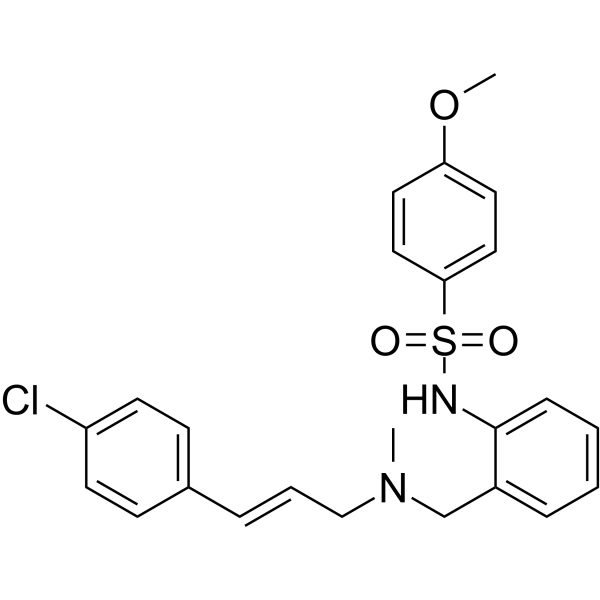
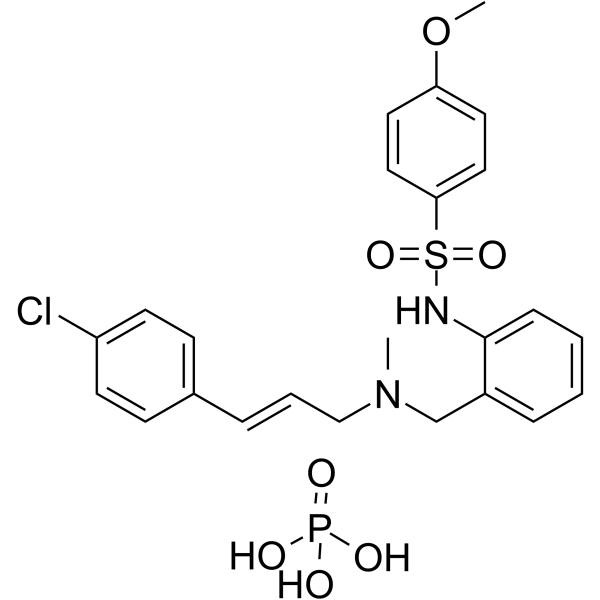
KN-92 phosphate is an inactive derivative of KN-93, without CaM kinase inhibitory activity. KN-92 phosphate is intended to be used as a control compound in studies designed to elucidate the antagonist activities of KN-93. KN-93 is a cell-permeable, reversible and competitive CaMKII inhibitor .
|
-
- HY-126373S1
-
|
SN-38G-13C6
|
Isotope-Labeled Compounds
|
Others
|
|
SN-38 glucuronide- 13C6 is the 13C labeled SN-38 glucuronide (HY-126373) . SN-38 glucuronide is an inactive metabolite of the cancer agent Irinotecan. Irinotecan is a topoisomerase I inhibitor which can be used for researching colon and rectal cancer .
|
-
- HY-N0314
-
-
- HY-19714
-
XY1
1 Publications Verification
|
Drug Derivative
|
Cancer
|
|
XY1 is an analog of SGC707 (HY-19715), a potent and selective PRMT3 inhibitor with an IC50 of 31 nM. XY1 is completely inactive against PRMT3. XY1 and SGC707 represent an excellent pair of tools for further elucidating the biological functions and disease relevance of PRMT3 .
|
-
- HY-P3882
-
|
|
Amino Acid Derivatives
|
Neurological Disease
|
|
Fmoc-Ala-Glu-Gln-Lys-NH2 (AEQK) is a tetrapeptide. Fmoc-Ala-Glu-Gln-Lys-NH2 is the inactive control for Fmoc-Ala-Glu-Asn-Lys-NH2 (AENK) peptide inhibitor. AENK blocks proteolysis of UNC5C protein .
|
-
- HY-121585
-
|
|
Lipoxygenase
|
Inflammation/Immunology
|
|
CAY10698 (compound 1) is a potent and selective inhibitor of 12-Lipoxygenase (12-LOX) with an IC50 of 5.1 μM. CAY10698 is inactive against 5-LOX, 15-LOX-1, 15-LOX-2 and COX-1/2 .
|
-
- HY-15517
-
|
|
CaMK
|
Cancer
|
|
KN-92 is an inactive derivative of KN-93, without CaM kinase inhibitory activity. KN-92 is intended to be used as a control compound in studies designed to elucidate the antagonist activities of KN-93. KN-93 is a cell-permeable, reversible and competitive CaMKII inhibitor .
|
-
- HY-N6691
-
|
3-Veratroylveracevine
|
Sodium Channel
|
Neurological Disease
|
|
Veratridine (3-Veratroylveracevine) is a plant neurotoxin, a voltage-gated sodium channels (VGSCs) agonist. Veratridine inhibits the peak current of Nav1.7, with an IC50 of 18.39 µM. Veratridine regulates sodium ion channels mainly by activating sodium ion channels, preventing channel inactivation and increasing sodium ion flow .
|
-
- HY-114865
-
|
|
RGS Protein
Calcium Channel
|
Neurological Disease
|
|
BMS-192364 is targeting the Gα-RGS interaction to produce an inactive Gα-RGS complex. BMS-192364 reduces urinary bladder contraction and exert RGS-agonist properties by increasing the action of GAPs on Gq proteins. BMS-192364 inhibits calcium flux .
|
-
- HY-111457
-
BAY-677
1 Publications Verification
|
Elastase
|
Inflammation/Immunology
|
|
BAY-677 is an inactive control for BAY-678. BAY-678 is an orally bioavailable, highly potent, selective and cell-permeable inhibitor of human neutrophil elastase (HNE), with an IC50 of 20 nM . BAY-678 is also nominated as a chemical probe to the public via the Structural Genomics Consortium (SGC) .
|
-
- HY-145381
-
|
|
11β-HSD
|
Metabolic Disease
|
|
11β-HSD1-IN-6 is a an 11β-HSD-1 inhibitor. The 11β hydroxysteroid dehydrogenase enzymes (11β-HSDs) mediate the interconversion of the glucocorticoid (GC) corticosterone or cortisol to an inactive form, 11-dehydrocorticosterone (11-DHC) or Cortisone, respectively .
|
-
- HY-173642
-
|
|
Galactokinase
|
Metabolic Disease
|
|
NCGC00238624 is a selective galactokinase (GALK1) inhibitor with IC50s of 7.69 μM and 13.67 μM against the human and mouse recombinant GALK1, respectively. NCGC00238624 is inactive against GALK2 and other kinases at 10 μM. NCGC00238624 can be used for the study of classic galactosemia .
|
-
- HY-P10234A
-
|
|
Sodium Channel
|
Neurological Disease
|
|
Poneratoxin acetate is the acetate salt form of Poneratoxin (HY-P10234). Poneratoxin acetate is the modulator for voltage-gated sodium channel (NaV, EC50 for NaV1.6 and NaV1.7 is 97 nM and 2.3 µM), that lowers the voltage threshold for activation and inhibits the inactivation of channels, enhances the excitability of neurons, and leads to the transmission of pain signals .
|
-
- HY-177416
-
|
|
DYRK
|
Cancer
|
|
MU1787 is a highly selective homeodomain-interacting protein kinase (HIPK) inhibitor with a furopyridine core, and shows improved selectivity against CLKs, with inactivity against DYRK1B, DYRK2, and MLK2/3 in in vitro cellular assays. MU1787 can be used for the research of malignancies .
|
-
- HY-183293
-
|
|
E1/E2/E3 Enzyme
|
Others
|
|
Cbl-b-IN-32 is a Cbl-b inhibitor with an IC50 of 6.83 μM. Cbl-b-IN-32 binds to the TKB-LH interface, stabilizes the inactive conformation of Cbl-b, engages Tyr363 via hydrogen bonds and water bridges, and forms hydrogen bonds with Phe261 and Phe263 .
|
-
- HY-120600
-
|
|
Necroptosis
Apoptosis
RIP kinase
|
Inflammation/Immunology
|
|
Sibiriline is a specific competitive inhibitor of RIPK1 that targets the RIPK1 ATP-binding site and locks it in an inactive conformation. Sibiriline inhibits TNF-induced RIPK1-dependent necroptosis and RIPK1-dependent apoptosis, but does not protect cells from caspase-dependent apoptosis. Sibiriline protects mice from concanavalin A-induced hepatitis and has the potential to inhibit immune-dependent hepatitis. .
|
-
- HY-10929
-
UNC0224
2 Publications Verification
|
Histone Methyltransferase
|
Cancer
|
|
UNC0224 is a potent and selective histone methyltransferase G9a inhibitor with a Ki of 2.6 nM, an IC50 of 15 nM and a Kd of 23 nM. UNC0224 also potently inhibits b>GLP with assay-dependent IC50 values of 20-58 nM. UNC0224 is inactive against SET7/9, SET8/PreSET7, PRMT3 and JMJD2E .
|
-
- HY-B0185
-
|
Lignocaine
|
Sodium Channel
MEK
ERK
NF-κB
Apoptosis
|
Cardiovascular Disease
Cancer
|
|
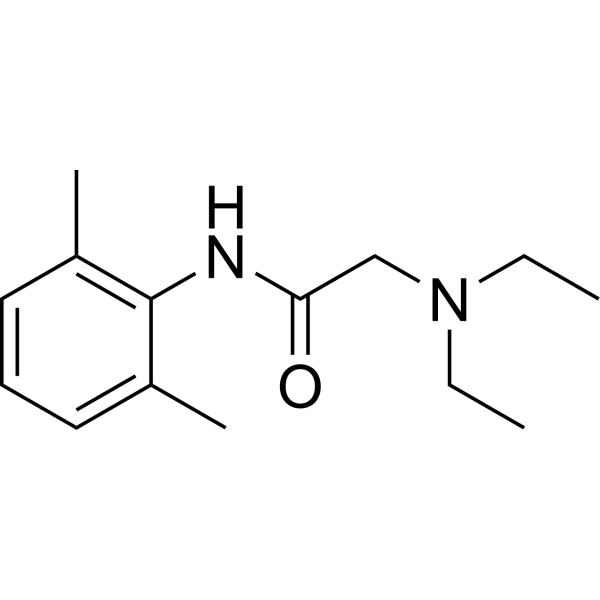
Lidocaine (Lignocaine) inhibits sodium channels involving complex voltage and using dependence . Lidocaine decreases growth, migration and invasion of gastric carcinoma cells via up-regulating miR-145 expression and further inactivation of MEK/ERK and NF-κB signaling pathways. Lidocaine is an amide derivative and has potential for the research of ventricular arrhythmia .
|
-
- HY-P5781
-
|
|
Sodium Channel
|
Neurological Disease
|
|
δ-Theraphotoxin-Hm1b is a 42-amino acid peptide isolated from Togo starburst tarantula (Heteroscodra maculata) venom. δ-Theraphotoxin-Hm1b selectively inhibits inactivation of NaV1.1 but have no effect on NaV1.7 .
|
-
- HY-E70291
-
|
GALNT4
|
MAP3K
p38 MAPK
JNK
NF-κB
Endogenous Metabolite
|
Cancer
|
|
N-Acetylgalactosaminyltransferase 4 (GALNT4) is a glycosyltransferase capable of inhibiting the activation of ASK1. By directly binding to ASK1, N-Acetylgalactosaminyltransferase 4 suppresses its N-terminal dimerization and subsequent phosphorylation, leading to robust inactivation of downstream JNK/p38 and NF-κB signals, and thereby improving the prognosis of liver surgery .
|
-
- HY-128049
-
|
|
Beta-lactamase
|
Infection
|
|
ML121 is a selective and potent VIM-2 inhibitor with an IC50 of 54 nM and a Ki of 148 nM. ML121 shows inactive in IMP-1 and TEM-1 beta-lactamase assays. ML121 can potentiate the antibiotic activity of Imipenem (HY-B1369A) in VIM-2 transformed E.coli .
|
-
- HY-B0185B
-
|
Lignocaine hydrochloride hydrate
|
Sodium Channel
MEK
ERK
NF-κB
Apoptosis
|
Cardiovascular Disease
Cancer
|
|
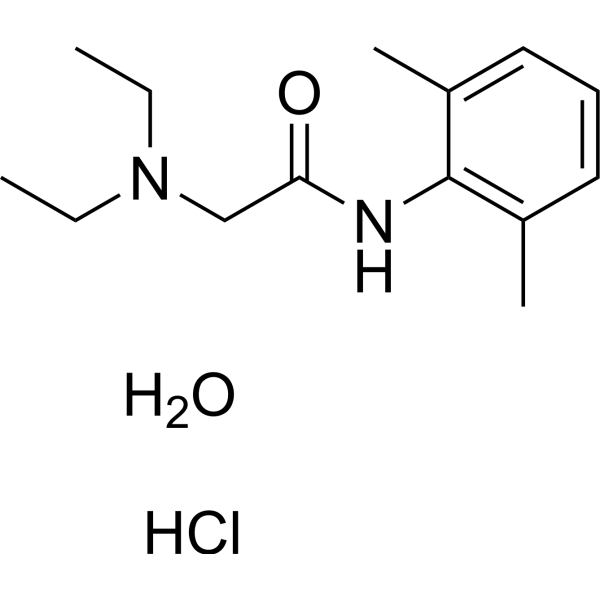
Lidocaine (Lignocaine) hydrochloride hydrate inhibits sodium channels involving complex voltage and using dependence. Lidocaine hydrochloride hydrate decreases growth, migration and invasion of gastric carcinoma cells via up-regulating miR-145 expression and further inactivation of MEK/ERK and NF-κB signaling pathways. Lidocaine hydrochloride hydrate is an amide derivative and has potential for the research of ventricular arrhythmia .
|
-
- HY-174420
-
|
|
LRRK2
|
Neurological Disease
|
|
RN277 is an inhibitor for LRRK2 type II kinase. RN277 can be used as a cellular tool targeting the LRRK2 inactive state. RN277 can inhibit LRRK1 kinase activity in vitro. RN277 inhibits LRRK2 kinase activity in vitro (IC50 = 70 nM). RN277 reduces phosphorylation of Rab8a dose-dependently. RN277 can be studied in research for Parkingson’s disease .
|
-
- HY-121410
-
Narasin
2 Publications Verification
|
Bacterial
Apoptosis
Parasite
NF-κB
Antibiotic
|
Infection
Cancer
|
|
Narasin is a cationic ionophore antibiotic and coccidiostat agent. Narasin inhibits NF-κB signaling and induces tumor cells apoptosis. Narasin has antimicrobial, antiviral anticancer activity. Narasin inhibits tumor metastasis and growth of ERα‑positive breast cancer cells by inactivation of the TGF-β/SMAD3 and IL‑6/STAT3 signaling pathways .
|
-
- HY-102020A
-
|
|
DNA/RNA Synthesis
|
Neurological Disease
|
|
RG3039 hydrochloride is an orally active, blood-brain barrier-permeable DcpS inhibitor with an IC50 of 4.2 nM against hDcpS. RG3039 hydrochloride inhibits the decapping activity of DcpS and maintains DcpS in a catalytically inactive conformation in the central nervous system and other tissues. RG3039 hydrochloride extends survival and improves function in spinal muscular atrophy mice. RG3039 hydrochloride is applicable to research related to spinal muscular atrophy .
|
-
- HY-108437R
-
|
|
Reference Standards
Wnt
|
Infection
Cancer
|
|
exo-IWR-1 (Standard) is the analytical standard of exo-IWR-1 (HY-108437). This product is intended for research and analytical applications. exo-IWR-1, an inactive stereoisomer of Endo-IWR-1, is a negative control of IWR-1 (HY-12238). IWR-1 is a tankyrase inhibitor which inhibits Wnt/β-catenin signaling pathway .
|
-
- HY-B0185AS1
-
|
Lignocaine-d6 hydrochloride
|
Sodium Channel
MEK
ERK
NF-κB
Apoptosis
|
Cardiovascular Disease
Cancer
|
|
Lidocaine-d6 (hydrochloride) is deuterium labeled Lidocaine (hydrochloride). Lidocaine hydrochloride (Lignocaine hydrochloride) inhibits sodium channels involving complex voltage and using dependence . Lidocaine hydrochloride decreases growth, migration and invasion of gastric carcinoma cells via up-regulating miR-145 expression and further inactivation of MEK/ERK and NF-κB signaling pathways. Lidocaine hydrochloride is an amide derivative and a agent to treat ventricular arrhythmia and an effective tumor-inhibitor .
|
-
- HY-W140439
-
|
18:1 Lyso PC
|
Endogenous Metabolite
|
Inflammation/Immunology
|
|
1-Oleoyl-sn-glycero-3-phosphocholine (18:1 Lyso PC), a lysophospholipid, is a GPR82 inhibitor. 1-Oleoyl-sn-glycero-3-phosphocholine abrogates constitutive Gi-coupled GPR82 activity, shifts active/inactive equilibrium to inactive, suppresses Gi protein activation, increases cAMP production, and decreases GTPγS binding to Gαi proteins. 1-Oleoyl-sn-glycero-3-phosphocholine contributes to adipocyte lipolysis regulation.1-Oleoyl-sn-glycero-3-phosphocholine exhibits reduced serum levels in mouse models of steatohepatitis, linked to hepatic Lpcat 1-4 up-regulation .
|
-
- HY-107779
-
|
|
Raf
|
Cancer
|
|
BI-882370 is a potent and selective RAF kinase inhibitor that binds to the ATP binding site of the kinase positioned in the DFG-out (inactive) conformation of the BRAF kinase. BI-882370 (BI 882370) inhibits the oncogenic BRAF V600E-mutant, the WT BRAF and CRAF kinases with IC50s of 0.4, 0.8, and 0.6 nM, respectively. BI-882370 also inhibits SRC family kinases .
|
-
- HY-100627A
-
|
|
MEK
|
Cancer
|
|
APS-2-79 hydrochloride is a KSR-dependent MEK antagonist. APS-2-79 inhibits ATP biotin binding to KSR2 within the KSR2-MEK1 complexe with an IC50 of 120 nM. APS-2-79 makes the stabilization of the KSR inactive state antagonizes oncogenic Ras-MAPK signaling .
|
-
- HY-121329
-
|
AMA-1080; Ro 17-2301
|
Penicillin-binding protein (PBP)
Antibiotic
Bacterial
|
Infection
|
|
Carumonam (AMA-1080; Ro 17-2301) is a sulfonated monocyclic β-Lactam Antibiotic, targeting to penicillin-binding protein (PBP). Carumonam exerts highly activity against Enterobacteriaceae, Pseudomonas aeruginosa, and Haemophilus influenzae, while it weakly and even inactively inhibits Streptococcus pneumoniae and Staphylococcus aureus. Carumonam is resistant to beta-lactamase-mediated hydrolysis .
|
-
- HY-100627
-
|
|
MEK
|
Cancer
|
|
APS-2-79 is a KSR-dependent MEK antagonist. APS-2-79 inhibits ATP biotin binding to KSR2 within the KSR2-MEK1 complexe with an IC50 of 120 nM. APS-2-79 makes the stabilization of the KSR inactive state antagonizes oncogenic Ras-MAPK signaling .
|
-
- HY-108706
-
|
|
Histone Demethylase
|
Cancer
|
|
KDM2A/7A-IN-1 is a first-in-class, selective and cell-permeable inhibitor of histone lysine demethylases KDM2A/7A, with an IC50 of 0.16 μM for KDM2A, exhibits 75 fold selevtivity over other JmjC lysine demethylases, and is inactive on methyl transferases, and histone acetyl transferases .
|
-
- HY-13868
-
|
|
Ras
|
Cancer
|
|
SCH-53870 is a Ras activation inhibitor that binds to the Ras-GDP complex, keeping the Ras protein in an inactive GDP-bound state and preventing it from switching to an active GTP-bound state. SCH-53870 affects cell signaling and cell proliferation by preventing the activation of Ras protein. SCH-53870 can be used in cancer research .
|
-
- HY-114965
-
|
|
Histone Methyltransferase
|
Inflammation/Immunology
Cancer
|
|
TP-064, a chemical probe, is a potent and selective proteinarginine methyltransferase 4 (PRMT4; CARM1) inhibitor (IC50 <10 nM). TP-064 inhibits dimethylation of BAF155 (IC50 of 340 nM) and MED12 (IC50 of 43 nM). TP-064 is inactive against the other family members except for PRMT6 (IC50 of 1.3 μM). TP-064 has anticancer activities .
|
-
- HY-12873
-
|
|
Ras
p38 MAPK
JNK
|
Cancer
|
|
RBC8 is a selective and allosteric RALA and RALB inhibitor. RBC8 stabilizes the inactive GDP-bound state of Ral, preventing its activation. RBC8 promotes the phosphorylation of proteins related to the MAPK/JNK pathway. RBC8 has the activity of inhibiting tumor cell proliferation, migration and invasion. RBC8 is used in the study of various cancers such as lung cancer, gastric cancer, and multiple myeloma .
|
-
- HY-15424
-
|
NSC 113939; 5-ITu
|
Adenosine Kinase
|
Cancer
|
|
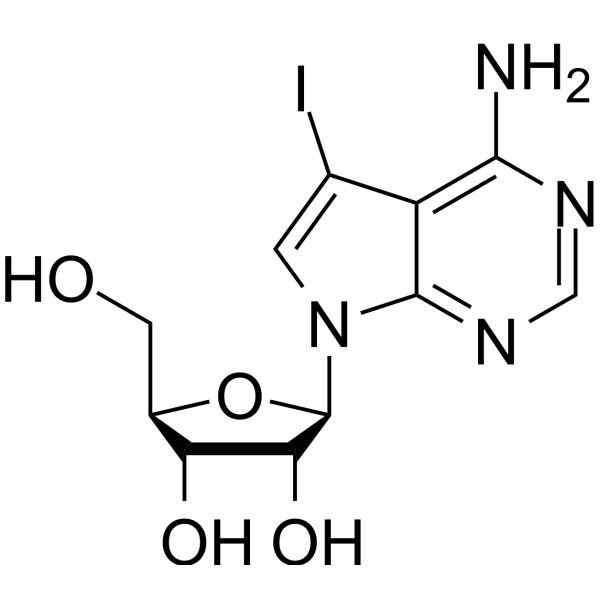
5-Iodotubercidin (NSC 113939), an ATP mimetic, is a potent adenosine kinase inhibitor with an IC50 of 26 nM. 5-Iodotubercidin (NSC 113939) initiates glycogen synthesis in isolated hepatocytes by causing inactivation of phosphorylase and activation of glycogen synthase. 5-Iodotubercidin (NSC 113939) also inhibits CK1, insulin receptor tyrosine kinase, phosphorylase kinase, PKA, CK2, PKC and Haspin .
|
-
- HY-114277
-
|
AMG-510
|
Ras
|
Cancer
|
|
Sotorasib (AMG-510) is a first-in-class, orally bioavailable, and selective KRAS G12C covalent inhibitor. Sotorasib irreversibly inhibits KRAS G12C by locking it in an inactive GDP-bound state. Sotorasib leads to the regression of KRAS G12C‑mutated locally advanced or metastatic non‑small cell lung cancer (NSCLC) .
|
-
- HY-78931B
-
|
|
Drug Intermediate
|
Cancer
|
|
(S,S,S,S,R)-Boc-Dap-NE is the inactive isomer of Boc-Dap-NE (HY-78931), and can be used as an experimental control. Boc-Dap-NE, is an intermediate in the synthesis of Monomethyl auristatin E (HY-15162), which is an inhibitor of tubulin polymerization. Monomethyl auristatin E can be used to synthesize Antibody-Drug Conjugates (ADCs) as ADC Cytotoxin.
|
-
- HY-W653919
-
|
|
Isotope-Labeled Compounds
Drug Metabolite
|
Cancer
|
|
SN-38 glucuronide-d3 is deuterium labeled SN-38 glucuronide. SN-38 glucuronide is an inactive metabolite of the anticancer active molecule Irinotecan (HY-16562) and has toxic effects on the gastrointestinal tract. Irinotecan is a topoisomerase I inhibitor which can be used for researching colon and rectal cancer .
|
-
- HY-78931A
-
|
|
Drug Intermediate
|
Cancer
|
|
(R,S,S,R,S)-Boc-Dap-NE is the inactive isomer of Boc-Dap-NE (HY-78931), and can be used as an experimental control. Boc-Dap-NE, is an intermediate in the synthesis of Monomethyl auristatin E (HY-15162), which is an inhibitor of tubulin polymerization. Monomethyl auristatin E can be used to synthesize Antibody-Drug Conjugates (ADCs) as ADC Cytotoxin.
|
-
- HY-101125B
-
|
D-45
|
Epigenetic Reader Domain
|
Cancer
|
|
D-Moses (D-45) is an enantiomer of L-Moses (HY-101125). L-Moses (L-45) is a potent and selective p300/CBP-associated factor (PCAF) bromodomain (Brd) inhibitor. D-Moses shows no observable binding for PCAF Brd. D-Moses can be used as an inactive control compound to L-Moses .
|
-
- HY-113849
-
|
MLS000573151
|
Ras
|
Inflammation/Immunology
|
|
MLS-573151 (MLS000573151) is a selective GTPase Cdc42 inhibitor with an EC50 of 2 μM. MLS-573151 is inactive against other GTPases family members, such as Rab2, Rab7, H-Ras, Rac1, Rac 2 and RhoA wild-type. MLS-573151 acts by blocking the binding of GTP to Cdc42 .
|
-
- HY-16926
-
|
|
Arp2/3 Complex
HIV
|
Infection
Cancer
|
|
CK-666 is a cell-permeable actin-related protein Arp2/3 complex inhibitor (IC50=12 μM). CK-666 binds to Arp2/3 complex, stabilizes the inactive state of the complex, blocking movement of the Arp2 and Arp3 subunits into the activated filament-like (short pitch) conformation .
|
-
- HY-181071
-
|
|
DNA/RNA Synthesis
Drug Intermediate
|
Cancer
|
|
POLRMT-IN-3 is a photosensitive inhibitor of mitochondrial RNA polymerase (POLRMT). POLRMT-IN-3 is biologically inactive in the dark but rapidly releases the active parent compound LJ03 upon illumination with 405 nm light, enabling spatiotemporally precise inhibition of POLRMT. POLRMT-IN-3 exhibits antitumor activity and can be used in research on tumors such as pancreatic cancer and ovarian cancer .
|
-
- HY-102020
-
RG3039
3 Publications Verification
PF-06687859
|
DNA/RNA Synthesis
|
Neurological Disease
|
|
RG3039 (PF-06687859) is an orally active, blood-brain barrier-permeable DcpS inhibitor with an IC50 of 4.2 nM against hDcpS. RG3039 inhibits the decapping activity of DcpS and maintains DcpS in a catalytically inactive conformation in the central nervous system and other tissues. RG3039 extends survival and improves function in spinal muscular atrophy mice. RG3039 is applicable to research related to spinal muscular atrophy .
|
-
- HY-121629
-
|
|
PDK-1
|
Cancer
|
|
PS210 is a potent and selective PDK1 activator with a Kd of 3 μM and targets the PIF-binding pocket of PDK1. PS210 is inactive against other protein kinases, including PDK1 downstream signaling components such as S6K, PKB/Akt or GSK3. In cells, the prodrug of PS210 (PS423) acts as a substrate-selective inhibitor of PDK1, inhibiting the phosphorylation and activation of S6K .
|
-
- HY-181753
-
|
|
Creatine Kinase
Amino acid Transporter
|
Inflammation/Immunology
Cancer
|
|
INSP-0154 is a potent creatine kinase B (CKB)/creatine transporter (SLC6A8) inhibitor. INSP-0154 binds to the SLC6A8 occluded pocket, prevents creatine transport into cells, and protects SLC6A8 cysteine residue C144 from irreversible inactivation. INSP-0154 inhibits creatine uptake in mouse heart tissue. INSP-0154 can be used for the research of cancer .
|
-
- HY-N9684
-
|
|
EGFR
GSK-3
Hedgehog
Akt
ERK
Apoptosis
|
Cancer
|
|
Degalactotigonin is a saponin-selective inhibitor targeting the EGFR, GSK3β and Hedgehog/Gli1 pathways and can be isolated from Solanum nigrum (Solanum nigrum). Degalactotigonin inhibits EGFR phosphorylation and the downstream Akt/ERK signaling pathway, and at the same time inhibits the Hedgehog/Gli1 pathway through GSK3β inactivation, thereby inducing cancer cell apoptosis, arresting the cell cycle, and inhibiting migration and invasion. Degalactotigonin can be used in targeted research on malignant tumors such as pancreatic cancer and osteosarcoma .
|
-
- HY-15154
-
|
Compound 52
|
CDK
|
Cancer
|
|
NG 52 is a potent, cell-permeable, selective, ATP-compatible and orally active Cdc28p and Pho85p kinase inhibitor with IC50s of 7 μM and 2 μM, respectively. NG 52 also inhibits the activity of phosphoglycerate kinase 1 (PGK1) with an IC50 of 2.5 μM. NG 52 is inactive against yeast kinases Kin28p, Srb10, and Cak1p .
|
-
- HY-182445
-
|
|
Angiotensin-converting Enzyme (ACE)
|
Cardiovascular Disease
|
|
FPL 66564 is a short-acting angiotensin-converting enzyme (ACE) inhibitor with an IC50 of 5.7 nM against rabbit ACE. FPL 66564 inhibits ACE activity at the functional level and is hydrolyzed in human blood into inactive hydrophilic metabolites. FPL 66564 modulates angiotensin I-induced pressor responses in anesthetized rats, and its effects rapidly return to baseline after cessation of intravenous infusion. FPL 66564 can be used for research on cardiovascular regulation related to critical illness .
|
-
- HY-169996
-
-
- HY-125444
-
|
|
LIM Kinase (LIMK)
|
Neurological Disease
Cancer
|
|
TH251 is a LIMK1 and LIMK2 inhibitor with IC50s of 52 nM and 47 nM against LIMK1 and LIMK2, respectively. TH251 binds to inactive αC-out and DFG-out LIMK1 conformations, inhibits unphosphorylated LIMK1 and LIMK2 enzymatic activity, and exhibits unchanged potency despite PAK-mediated phosphorylation of either kinase. TH251 can be used for the research of cancers, glaucoma, and CNS diseases .
|
-
- HY-120496
-
|
ASP3662
|
11β-HSD
|
Neurological Disease
Metabolic Disease
|
|
Clofutriben (ASP3662) is a selective, orally active and brain-penetrant 11β-hydroxysteroid dehydrogenase type 1 (11β-HSD1) inhibitor with Ki values of 5.3 nM (human), 2.6 nM (mouse), and 23 nM (rat). Clofutriben inhibits conversion of inactive glucocorticoids to active glucocorticoids, reducing intracellular glucocorticoid exposure. Clofutriben ameliorates neuropathic pain, and restores muscle pressure thresholds in rodent models, while lacking effects in inflammatory pain .
|
-
- HY-14200
-
|
TVP1022; S-PAI
|
Monoamine Oxidase
|
Neurological Disease
|
|
(S)-Rasagiline (TVP1022) is the relatively inactive S-enantiomer form of Rasagiline. Rasagiline is a highly potent selective irreversible MAO inhibitor with IC50s of 4.43 nM and 412 nM for rat brain MAO B and A activity, respectively . (S)-Rasagiline is a click chemistry reagent, it contains an Alkyne group and can undergo copper-catalyzed azide-alkyne cycloaddition (CuAAc) with molecules containing Azide groups.
|
-
- HY-B0185S1
-
|
|
Sodium Channel
MEK
ERK
NF-κB
Apoptosis
|
Cardiovascular Disease
Cancer
|
|
Lidocaine-d10 is the deuterium labeled Lidocaine. Lidocaine (Lignocaine) inhibits sodium channels involving complex voltage and using dependence . Lidocaine decreases growth, migration and invasion of gastric carcinoma cells via up-regulating miR-145 expression and further inactivation of MEK/ERK and NF-κB signaling pathways. Lidocaine is an amide derivative and has potential for the research of ventricular arrhythmia .
|
-
- HY-N0314R
-
|
|
Reference Standards
Interleukin Related
Prostaglandin Receptor
Apoptosis
|
Inflammation/Immunology
|
|
Pectolinarin (Standard) is the analytical standard of Pectolinarin. This product is intended for research and analytical applications. Pectolinarin possesses anti-inflammatory activity . Pectolinarin inhibits secretion of IL-6 and IL-8, as well as the production of PGE2 and NO. Pectolinarin suppresses cell proliferation and inflammatory response and induces apoptosis via inactivation of the PI3K/Akt pathway .
|
-
- HY-B0185AS
-
|
|
Sodium Channel
MEK
ERK
NF-κB
Apoptosis
|
Cardiovascular Disease
Cancer
|
|
Lidocaine-d10 (hydrochloride) is the deuterium labeled Lidocaine hydrochloride. Lidocaine hydrochloride (Lignocaine hydrochloride) inhibits sodium channels involving complex voltage and using dependence . Lidocaine hydrochloride decreases growth, migration and invasion of gastric carcinoma cells via up-regulating miR-145 expression and further inactivation of MEK/ERK and NF-κB signaling pathways. Lidocaine hydrochloride, an amide derivative, has the potential for the research of the ventricular arrhythmia .
|
-
- HY-145082
-
|
|
Drug Derivative
|
Others
|
|
4-Sulfo-N-(4-aminobenzyl)-1,8-naphthalimide potassium is an inactive 1,8-Naphthalimide derivative. 4-Sulfo-N-(4-aminobenzyl)-1,8-naphthalimide potassium can be used as a negative control for the clathrin inhibitor 3-Sulfo-N-benzyl-1,8-naphthalimide, potassium salt .
|
-
- HY-183704
-
-
- HY-170930
-
|
|
GABA Receptor
Sodium Channel
|
Neurological Disease
|
|
Anticonvulsant agent 9 (compound 4f) is an α1β2γ2 GABAA receptors activator. Anticonvulsant agent 9 activatesα1β2γ2 GABAA receptors with an EC50 of 1.24 μM. Anticonvulsant agent 9 inhibits the inactivation of Nav1.2 channels. Anticonvulsant agent 9 exhibits significant anticonvulsant activities .
|
-
- HY-134673
-
UZH1
3 Publications Verification
|
Apoptosis
|
Cancer
|
|
UZH1 is a racemate of UZH1a and UZH1b. UZH1a is a potent and selective METTL3 inhibitor, with an IC50 of 280 nM. UZH1b (IC50=28 µM) is essentially inactive. UZH1 can be used for epitranscriptomic modulation of cellular processes. UZH1 has antitumor activity. UZH1 also can be used as a chemical probe for studying METTL3 .
|
-
- HY-120660
-
|
|
RSV
|
Infection
|
|
AZD-4316 is a respiratory syncytial virus (RSV) L protein inhibitor. AZD-4316 has an inhibitory effect on RSV A subtypes (such as strain A2) and can effectively block viral replication in the early stage of infection (the viral entry stage). AZD-4316 is inactive when administered 12-24 hours after infection. AZD-4316 can be used for the research of RSV infection .
|
-
- HY-B0780
-
-
- HY-123090
-
|
|
11β-HSD
|
Metabolic Disease
|
|
11β-HSD1-IN-12 is a 11β-HSD1 inhibitor (Example 21 in reference patent). 11β-HSD1 regenerates active glucocorticoids from inactive forms and is important in regulating intracellular glucocorticoid concentration. 11β-HSD1-IN-12 can be used in the research of obesity and metabolic syndrome .
|
-
- HY-P99950
-
|
ALX148
|
CD47
|
|
|
Evorpacept (ALX148) is a high-affinity CD47-blocking fusion protein with an inactive human immunoglobulin Fc region. Evorpacept binds to CD47, blocks the interaction of the CD47-SIRPα immune checkpoint, and inhibits the binding of wild-type SIRPα to CD47. Evorpacept is applicable to research related to acute myeloid leukemia .
|
-
- HY-B0185S
-
|
|
Isotope-Labeled Compounds
Sodium Channel
MEK
ERK
NF-κB
Apoptosis
|
Cardiovascular Disease
Cancer
|
|
N-Oxide Lidocaine-d10 is the deuterium labeled Lidocaine. Lidocaine (Lignocaine) inhibits sodium channels involving complex voltage and using dependence . Lidocaine decreases growth, migration and invasion of gastric carcinoma cells via up-regulating miR-145 expression and further inactivation of MEK/ERK and NF-κB signaling pathways. Lidocaine is an amide derivative and has potential for the research of ventricular arrhythmia .
|
-
- HY-N6691R
-
|
3-Veratroylveracevine (Standard)
|
Reference Standards
Sodium Channel
|
Neurological Disease
|
|
Veratridine (Standard) is the analytical standard of Veratridine. This product is intended for research and analytical applications. Veratridine (3-Veratroylveracevine) is a plant neurotoxin, a voltage-gated sodium channels (VGSCs) agonist. Veratridine inhibits the peak current of Nav1.7, with an IC50 of 18.39?μM. Veratridine regulates sodium ion channels mainly by activating sodium ion channels, preventing channel inactivation and increasing sodium ion flow .
|
-
- HY-101544
-
|
|
FGFR
|
Cancer
|
|
ARQ 069, an analog of ARQ 523, inhibits FGFR in an enantiospecific manner. ARQ 069 targets the unphosphorylated, inactive forms of FGFR1/FGFR2 kinases (IC50s of 0.84 μM and 1.23 μM, respectively). ARQ 069 inhibits FGFR1/FGFR2 autophosphorylation (IC50s of 2.8 and 1.9 μM, respectively) through a mechanism in a non-ATP competitive dependent manner .
|
-
- HY-108630R
-
|
|
Reference Standards
Phospholipase
|
Others
|
|
U-73343 (Standard) is the analytical standard of U-73343 (HY-108630). This product is intended for research and analytical applications. U-73343, works as a protonophore, is an inactive analog of U-73122 and can be used as a negative control. U-73343 dose-dependently inhibits acid secretion irrespective of the stimulant. U-73122 is a phospholipase C (PLC) and 5-LO (5-lipoxygenase) inhibitor with an IC50 of 1-2.1 μM for PLC .
|
-
- HY-100764
-
YUKA1
1 Publications Verification
|
Histone Demethylase
|
Cancer
|
|
YUKA1 is a potent and cell permeable Lysine demethylase 5A (KDM5A) inhibitor, with an IC50 of 2.66 μM. YUKA1 has less inhibitory active on KDM5C (IC50 = 7.12 μM) and is inactive on KDM5B, KDM6A or KDM6B. YUKA1 can increase H3K4me3 levels and inhibit cell proliferation. YUKA1 can be used for the research of cancer, such as lung and breast cancers .
|
-
- HY-114277R
-
|
AMG-510 (Standard)
|
Ras
Reference Standards
|
Cancer
|
|
Sotorasib (Standard) is the analytical standard of Sotorasib. This product is intended for research and analytical applications. Sotorasib (AMG-510) is a first-in-class, orally bioavailable, and selective KRAS G12C covalent inhibitor. Sotorasib irreversibly inhibits KRAS G12C by locking it in an inactive GDP-bound state. Sotorasib leads to the regression of KRAS G12C‑mutated locally advanced or metastatic non‑small cell lung cancer (NSCLC) .
|
-
- HY-176531
-
|
|
Others
|
Infection
|
|
Antiviral agent 69 (Compound L2) is a capsid protein residue THR155-targeting inhibitor of phytoviral intercellular traffic. Antiviral agent 69 has an excellent antiviral activity against Potato virus Y (PVY) with an EC50 of 128.10 μg/mL for inactivation effect. Antiviral agent 69 effectively decreases viral accumulation in host plant Nicotiana benthamiana, promising for novel pesticide research and development .
|
-
- HY-B0185R
-
|
Lignocaine (Standard)
|
Reference Standards
Sodium Channel
MEK
ERK
NF-κB
Apoptosis
|
Cardiovascular Disease
Cancer
|
|
Lidocaine (Standard) is the analytical standard of Lidocaine. This product is intended for research and analytical applications. Lidocaine (Lignocaine) inhibits sodium channels involving complex voltage and using dependence . Lidocaine decreases growth, migration and invasion of gastric carcinoma cells via up-regulating miR-145 expression and further inactivation of MEK/ERK and NF-κB signaling pathways. Lidocaine is an amide derivative and has potential for the research of ventricular arrhythmia .
|
-
- HY-B0185S2
-
|
Lignocaine-d6
|
Isotope-Labeled Compounds
Apoptosis
Sodium Channel
NF-κB
MEK
ERK
|
Cardiovascular Disease
Cancer
|
|
Lidocaine-d6 (Lignocaine-d6) is deuterium labeled Lidocaine. Lidocaine (Lignocaine) inhibits sodium channels involving complex voltage and using dependence . Lidocaine decreases growth, migration and invasion of gastric carcinoma cells via up-regulating miR-145 expression and further inactivation of MEK/ERK and NF-κB signaling pathways. Lidocaine is an amide derivative and has potential for the research of ventricular arrhythmia .
|
-
- HY-B0185BR
-
|
Lignocaine hydrochloride hydrate (Standard)
|
Reference Standards
Sodium Channel
MEK
ERK
NF-κB
Apoptosis
|
Cardiovascular Disease
Cancer
|
|
Lidocaine (hydrochloride hydrate) (Standard) is the analytical standard of Lidocaine (hydrochloride hydrate). This product is intended for research and analytical applications. Lidocaine (Lignocaine) hydrochloride hydrate inhibits sodium channels involving complex voltage and using dependence. Lidocaine hydrochloride hydrate decreases growth, migration and invasion of gastric carcinoma cells via up-regulating miR-145 expression and further inactivation of MEK/ERK and NF-κB signaling pathways. Lidocaine hydrochloride hydrate is an amide derivative and has potential for the research of ventricular arrhythmia .
|
-
- HY-12028
-
PD98059
Maximum Cited Publications
391 Publications Verification
|
MEK
ERK
Aryl Hydrocarbon Receptor
Autophagy
|
Cancer
|
|
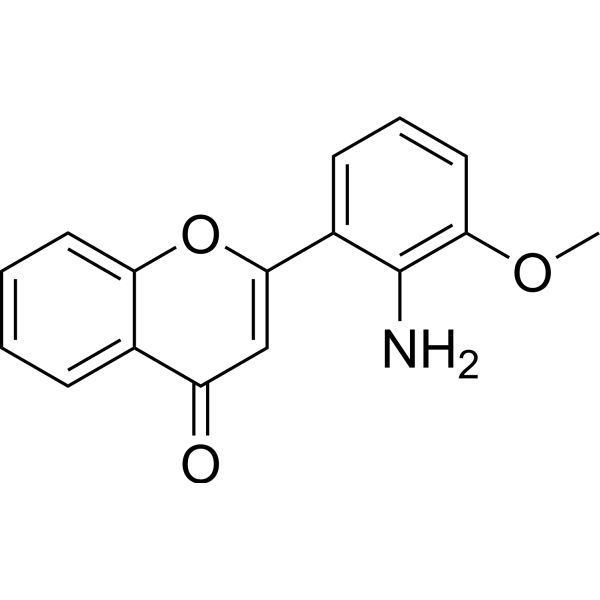
PD98059 is a potent and selective MEK inhibitor with an IC50 of 5 µM. PD98059 binds to the inactive form of MEK, thereby preventing the activation of MEK1 (IC50 of 2-7 µM) and MEK2 (IC50 of 50 µM) by upstream kinases. PD98059 is a ERK1/2 signaling inhibitor. PD98059 is a ligand for the aryl hydrocarbon receptor (AHR), and suppresses TCDD binding (IC50 of 4 μM) and AHR transformation (IC50 of 1 μM). PD98059 also inhibits Mycobacterium bovis Bacillus CalmetteGuerin (BCG)-induced autophagy .
|
-
- HY-Y0788
-
|
|
HIV
|
Infection
|
|
Indoline is a derivative of Indole (HY-W001132). Indoline can use as the basic structure for CD4 mimetic compounds (CD4mcs), which triggers conformational changes of the HIV-1 envelope glycoprotein (Env) in advance, and causes viral inactivation. Indoline binds to gp120. Indoline CD4mcs can inhibit HIV-1AD8 with an IC50 in the micromolar range .
|
-
- HY-P5157
-
|
|
Potassium Channel
|
Neurological Disease
|
|
BmP02 is a selective Kv1.3 channel blocker and a highly-selective Kv4.2 modulator, which can be isolated from Chinese scorpion (Buthus martensi Karsch) venom. BmP02 also delays the inactivation of Kv4.2 in HEK293T cells, with an EC50 value of ~850 nM. BmP02 inhibits the transient outward potassium currents (Ito) in ventricular muscle cells .
|
-
- HY-P1928
-
|
|
Bcl-2 Family
|
Neurological Disease
Endocrinology
|
Humanin, an anti-apoptotic peptide of 24 amino acids, is a Bax inhibitor. Humanin prevents the translocation of Bax from cytosol to mitochondria, blocks Bax from the inactive to active conformation. Humanin is a mitochondria-associated peptide with a neuroprotective effect against AD-related neurotoxicity. Humanin also improves overall insulin sensitivity in animal. Humanin are related to aging . Humanin analogue, in which the serine at position 14 is replaced by glycine, names HNG .
|
-
- HY-15873A
-
|
|
Farnesyl Transferase
Ras
p38 MAPK
|
Cancer
|
|
FTI 276 TFA is a farnesyltransferase (FTase) inhibitor with an IC50 of 0.5 nM, and it exhibits selectivity for FTase over geranylgeranyltransferase I (GGTase I). FTI 276 TFA blocks the farnesylation of H-Ras and K-Ras4B, causes inactive Ras-Raf complexes to accumulate in the cytoplasm, and inhibits constitutive MAPK activation. FTI 276 TFA reduces the number, incidence and volume of tumors, and restricts the growth of tumors expressing activated K-ras. FTI 276 TFA can be used in research related to pulmonary adenoma .
|
-
- HY-114277S2
-
|
AMG-510-d3
|
Isotope-Labeled Compounds
Ras
|
Cancer
|
|
Sotorasib-d3 (AMG-510-d3) is deuterium labeled Sotorasib. Sotorasib (AMG-510) is a first-in-class, orally bioavailable, and selective KRAS G12C covalent inhibitor. Sotorasib irreversibly inhibits KRAS G12C by locking it in an inactive GDP-bound state. Sotorasib leads to the regression of KRAS G12C?mutated locally advanced or metastatic non?small cell lung cancer (NSCLC) .
|
-
- HY-148852
-
|
|
HSV
|
Infection
|
|
PNU-183792, a 4-oxo-dihydroquinoline, is an orally active HSV polymerases inhibitor. PNU-183792 shows a broad-spectrum antiviral activity, with IC50 values of 0.69 μM, 0.37 μM and 0.58 μM for human cytomegalovirus (HCM), varicella zoster virus and HSV polymerases, respectively. PNU-183792 is inactive against human α, γ and δ polymerases. PNU-183792 also inhibits simian varicella virus (SVV), murine cytomegalovirus (MCMV) and rat cytomegalovirus (RCMV) .
|
-
- HY-116423A
-
|
|
NEKs
|
Cancer
|
|
JH295 hydrate is a potent, irreversible and selective NIMA-related kinase 2 (Nek2) inhibitor with an IC50 of 770 nM. JH295 hydrate inhibits cellular Nek2 via alkylation of Cys22. JH295 hydrate is inactive against the mitotic kinases, Cdk1, Aurora B or Plk1, and does not perturb bipolar spindle assembly or the spindle assembly checkpoint . JH295 (hydrate) is a click chemistry reagent, it contains an Alkyne group and can undergo copper-catalyzed azide-alkyne cycloaddition (CuAAc) with molecules containing Azide groups.
|
-
- HY-15424R
-
|
NSC 113939 (Standard); 5-ITu (Standard)
|
Adenosine Kinase
Reference Standards
|
Cancer
|
|
5-Iodotubercidin (Standard) is the analytical standard of 5-Iodotubercidin. This product is intended for research and analytical applications. 5-Iodotubercidin (NSC 113939), an ATP mimetic, is a potent adenosine kinase inhibitor with an IC50 of 26 nM. 5-Iodotubercidin (NSC 113939) initiates glycogen synthesis in isolated hepatocytes by causing inactivation of phosphorylase and activation of glycogen synthase. 5-Iodotubercidin (NSC 113939) also inhibits CK1, insulin receptor tyrosine kinase, phosphorylase kinase, PKA, CK2, PKC and Haspin .
|
-
- HY-114277S
-
|
AMG-510-d7
|
Isotope-Labeled Compounds
Ras
|
Cancer
|
|
Sotorasib-d7 (AMG-510-d7) is a deuterium-labeled Sotorasib (HY-114277). Sotorasib (AMG-510) is a first-in-class, orally bioavailable, and selective KRAS G12C covalent inhibitor. Sotorasib irreversibly inhibits KRAS G12C by locking it in an inactive GDP-bound state. Sotorasib leads to the regression of KRAS G12C‑mutated locally advanced or metastatic non‑small cell lung cancer (NSCLC) .
|
-
- HY-184124
-
|
|
Androgen Receptor
Histone Acetyltransferase
|
Cancer
|
|
JYZ3032 is an orally active super inhibitor of androgen receptor (AR) and p300/CBP. JYZ3032 redirects the catalytic activity of p300 and locks the complex in a transcriptionally inactive state, thereby inhibiting AR-driven transcription and proliferation. JYZ3032 induces deep and durable tumor regression in castration-resistant and patient-derived xenograft models, and exhibits good tolerability. JYZ3032 can be used in research related to metastatic castration-resistant prostate cancer and prostate cancer .
|
-
- HY-116423
-
|
|
NEKs
|
Cancer
|
|
JH295 is a potent, irreversible and selective NIMA-related kinase 2 (Nek2) inhibitor with an IC50 of 770 nM. JH295 inhibits cellular Nek2 via alkylation of Cys22. JH295 is inactive against the mitotic kinases, Cdk1, Aurora B or Plk1, and does not perturb bipolar spindle assembly or the spindle assembly checkpoint . JH295 is a click chemistry reagent, it contains an Alkyne group and can undergo copper-catalyzed azide-alkyne cycloaddition (CuAAc) with molecules containing Azide groups.
|
-
- HY-158107
-
|
|
Ras
|
Cancer
|
|
BBO-8520 is a direct small molecule covalent inhibitor targeting KRAS G12C with high oral availability. BBO-8520 has the characteristics of KRAS G12C (OFF) inhibitor and the function of blocking KRAS G12C (ON) signal. BBO-8520 inhibits cell proliferation by inhibiting KRAS G12C (ON) by binding GTP protein. BBO-8520 can block RAS-RAF1 interaction and return KRAS G12C to the inactive (OFF) state. BBO-8520 can be used for the research of cancer .
|
-
- HY-15335
-
|
|
MDM-2/p53
E1/E2/E3 Enzyme
|
Cancer
|
|
Nutlin-3b, the inactive form of Nutlin-3 (HY-50696), is a p53/MDM2 inhibitor with an IC50 of 13.6 μM. Nutlin-3b is 150 times less potent in binding to MDM2 than Nutlin-3a (HY-10029). Nutlin-3b is promising for research of cancers .
|
-
- HY-117026
-
LKY-047
1 Publications Verification
|
Cytochrome P450
|
Metabolic Disease
Inflammation/Immunology
|
|
LKY-047, a Decursin derivative, is a potent and selective reversible competitive cytochrome P45022J2 (CYP2J2) inhibitor with an IC50 of 1.7 μM. LKY-047 is inactive against other human P450s, such as CYPs 1A2, 2A6, 2B6, 2C8, 2C9, 2C19, 2D6, 2E1, and 3A .
|
-
- HY-135887
-
|
|
Anaplastic lymphoma kinase (ALK)
Apoptosis
Autophagy
|
Cancer
|
|
ZX-29 is a potent and selective ALK inhibitor with an IC50 of 2.1 nM, 1.3 nM and 3.9 nM for ALK, ALK L1196M and ALK G1202R mutations, respectively. ZX-29 is inactive against EGFR. ZX-29 induces apoptosis by inducing endoplasmic reticulum (ER) stress and overcomes cell resistance caused by an ALK mutation. ZX-29 also induces protective autophagy and has antitumor effect .
|
-
- HY-134581A
-
|
M5049 hydrochloride
|
Toll-like Receptor (TLR)
|
Inflammation/Immunology
|
|
Enpatoran (M5049) hydrochloride is a potent, orally active and dual TLR7/8 inhibitor with IC50s of 11.1 nM and 24.1 nM in HEK293 cells, respectively. Enpatoran hydrochloride is inactive against TLR3, TLR4 and TLR9. Enpatoran hydrochloride can block molecule synthetic ligands and natural endogenous RNA ligands. Enpatoran hydrochloride exhibits excellent pharmacokinetic properties in vivo. Enpatoran hydrochloride can be used for both innate and adaptive autoimmunity blocking research .
|
-
- HY-P5455
-
|
|
LIM Kinase (LIMK)
|
Others
|
|
S3 Fragment is a biological active peptide. (This peptide contains the unique amino-terminal phosphorylation site of Xenopus ADF/cofilin, the LIM kinase (LIMK) phosphorylation site. LIMK1 is a key regulator of the actin cytoskeleton through its phosphorylation of ADF/cofilin at serine-3 for inactivation. This peptide is a fragment of the S3 peptide containing the serine-3 sequence of ADF/cofilin that has been widely used as an effective competitive inhibitor of LIMK1.)
|
-
- HY-134581
-
|
M5049
|
Toll-like Receptor (TLR)
|
Inflammation/Immunology
|
|
Enpatoran (M5049) is a potent, orally active and dual TLR7/8 inhibitor with IC50s of 11.1 nM and 24.1 nM in HEK293 cells, respectively. Enpatoran is inactive against TLR3, TLR4 and TLR9. Enpatoran can block molecule synthetic ligands and natural endogenous RNA ligands. Enpatoran exhibits excellent pharmacokinetic properties in vivo. Enpatoran can be used for both innate and adaptive autoimmunity blocking research .
|
-
- HY-107858
-
|
3,4-Dimethoxybenzyl alcohol
|
Endogenous Metabolite
Bacterial
|
Infection
|
|
Veratryl alcohol (3,4-Dimethoxybenzyl alcohol) is a secondary metabolite of lignin-degrading fungi, commonly used as a substrate for lignin peroxidase (LiP) to measure lignin degradation activity. Veratryl alcohol protects LiP from inactivation by H2O2 and prevents the accumulation of LiP III compounds. Veratryl alcohol also acts as a stabilizer for manganese-dependent peroxidases (MnP). Veratryl alcohol is a quorum-sensing inhibitor (QSI) and exhibits antibacterial efficacy .
|
-
- HY-107779R
-
|
|
Reference Standards
Raf
|
Cancer
|
|
BI-882370 (Standard) is the analytical standard of BI-882370 (HY-107779). This product is intended for research and analytical applications. BI-882370 is a potent and selective RAF Kinase inhibitor that binds to the ATP binding site of the Kinase positioned in the DFG-out (inactive) conformation of the BRAF Kinase. BI-882370 (BI 882370) inhibits the oncogenic BRAFV600E-mutant, the WT BRAF and CRAF Kinases with IC50s of 0.4, 0.8, and 0.6 nM, respectively. BI-882370 also inhibits SRC family Kinases .
|
-
- HY-180200
-
|
|
Ras
ERK
|
Cancer
|
|
RNK08954 is an orally active KRASG12D inhibitor with a Kd of 0.0395 nM. RNK08954 selectively binds the inactive GDP-bound KRASG12D form, suppresses downstream KRAS-mediated signaling pathways p-ERK1/2 experssion. RNK08954 inhibits KRASG12D-mutant cell proliferation, induces G0-G1 cell cycle arrest, and inhibits tumor growth in mouse xenograft models. RNK08954 can be used for the research of non-small cell lung cancer, pancreatic ductal adenocarcinoma .
|
-
- HY-112306
-
|
DCC-2618
|
c-Kit
PDGFR
FLT3
VEGFR
Apoptosis
|
Cancer
|
|
Ripretinib (DCC-2618) is an orally bioavailable, selective KIT and PDGFRA switch-control inhibitor. Ripretinib (DCC-2618) targets and binds to both wild-type and mutant forms of KIT and PDGFRA specifically at their switch pocket binding sites, thereby preventing the switch from inactive to active conformations of these kinases and inactivating their wild-type and mutant forms. Ripretinib (DCC-2618) also inhibits multiple other kinase targets, such as FLT3 and KDR (or VEGFR-2) . DCC-2618 exerts antineoplastic effect and induces apoptosis .
|
-
- HY-15154R
-
|
Compound 52 (Standard)
|
CDK
Reference Standards
|
Cancer
|
|
NG 52 (Standard) is the analytical standard of NG 52. This product is intended for research and analytical applications. NG 52 is a potent, cell-permeable, selective, ATP-compatible and orally active Cdc28p and Pho85p kinase inhibitor with IC50s of 7 μM and 2 μM, respectively. NG 52 also inhibits the activity of phosphoglycerate kinase 1 (PGK1) with an IC50 of 2.5 μM. NG 52 is inactive against yeast kinases Kin28p, Srb10, and Cak1p .
|
-
- HY-147927A
-
|
|
Enteropeptidase
|
Metabolic Disease
|
|
(S)-Human enteropeptidase-IN-1 (Compound 6c) is an orally active enteropeptidase inhibitor with low systemic exposure (IC50 (initial): 26 nM; IC50 (app): 1.8 nM). (S)-Human enteropeptidase-IN-1 promotes increased fecal protein output and effectively reduces body weight in a diet-induced obese (DIO) rat model. (S)-Human enteropeptidase-IN-1 inhibits enteropeptidase via a reversible covalent mechanism and prolongs the enzyme inactivation time. (S)-Human enteropeptidase-IN-1 can be used in anti-obesity research .
|
-
- HY-102020R
-
|
PF-06687859 (Standard)
|
DNA/RNA Synthesis
Reference Standards
|
Neurological Disease
|
|
RG3039 (Standard) is the analytical standard of RG3039 (HY-102020). This product is intended for research and analytical applications. RG3039 (PF-06687859) is an orally active, blood-brain barrier-permeable DcpS inhibitor with an IC50 of 4.2 nM against hDcpS. RG3039 inhibits the decapping activity of DcpS and maintains DcpS in a catalytically inactive conformation in the central nervous system and other tissues. RG3039 extends survival and improves function in spinal muscular atrophy mice. RG3039 is applicable to research related to spinal muscular atrophy .
|
-
- HY-179569
-
|
|
TMV
|
Infection
|
|
Antiviral agent 73 (compound D13) is a potent intercellular movement inhibitor with antiviral activity. Antiviral agent 73 shows inactivation activity against potato virus Y (PVY) with an EC50 of 79.5 μg/mL. Antiviral agent 73 effectively inhibits virus infection by forming stable hydrogen bonds with Pro154 of PVY coat protein. Antiviral agent 73 can interfere with the process of Pro154-mediated viral intercellular trafficking in plasmodesmata. Antiviral agent 73 can be used for plant virus prevention and control .
|
-
- HY-126194
-
|
Ro 61-1448
|
Drug Metabolite
COMT
Amyloid-β
Apoptosis
Reactive Oxygen Species (ROS)
|
Others
|
|
Tolcapone 3-β-D-glucuronide (Ro 61-1448) is an O-methyl metabolite of Tolcapone (HY-17406) and is pharmacologically inactive. Tolcapone (Ro 40-7592) is a selective, potent and orally active COMT inhibitor with an IC50of 773 nM. Tolcapone can inhibits α-syn and Aβ42 oligomerization and fibrillogenesis. Tolcapone can cause oxidative stress and induce cancer cells apoptosis and ROS production. Tolcapone can be used for the researches of cancer and neurological disease, such as Parkinson disease and neuroblastoma .
|
-
- HY-160478
-
|
|
Bcr-Abl
|
Cancer
|
|
GNF-6 (Compound 14) inhibits the gatekeeper threonine residue mutation of BCR-ABL-T315I with IC50s of 0.25 μM, 0.09 μM and 0.590 μM for c-ABL-T334I, BCR-ABL and BCR-ABL-T315I variants, respectively. GNF-6, an ATP competitive inhibitor, disrupts the assembly of the hydrophobic spine (a network of hydrophobic interactions), thereby locking the kinase in an inactive ‘DFG-out’ conformation .
|
-
- HY-174802
-
|
|
Cyclic GMP-AMP Synthase
IKK
IFNAR
|
Neurological Disease
Inflammation/Immunology
Cancer
|
|
XL-3158 is a selective and cross-species Cyclic GMP-AMP synthase (cGAS) inhibitor (IC50: 11.1 μM for human cGAS, 2.19 μM for mouse cGAS). XL-3158 simultaneously occupy allosteric and orthosteric sites, stabilizing the activation loop in a closed, inactive conformation and thereby attenuating the cGAS-DNA interactions. XL-3158 inhibits cGAS by targeting phase separation. XL-3158 efficiently penetrates cells by inhibiting aggregate formation, effectively reducing the local concentration of cGAS within cells. XL-3158 can be used for the study of cGAS-dependent inflammatory diseases.
|
-
- HY-178691
-
|
|
11β-HSD
|
Metabolic Disease
|
|
11β-HSD1-IN-24 (Compound 10l) is a potent and selective 11β-HSD1 inhibitor with an IC50 of 0.5 nM. 11β-HSD1-IN-24 can effectively block the conversion of inactive Cortisone (HY-17461) to active Cortisol (HY-N0583). 11β-HSD1-IN-24 can be used for the research of metabolic disease, such as type 2 diabetes .
|
-
- HY-151486
-
|
|
GLUT
|
Cancer
|
|
GLUT1-IN-1 is a glucose transporter 1 (GLUT1) inhibitor and has a GLUT1-specific inactivation ability. GLUT1-IN-1 exhibits concentration-dependent cytotoxicity for HeLa, A549 and HepG2 cells with IC50 values of 5.49 μM, 11.14 μM, and 8.73 μM, respectively. GLUT1-IN-1 can be used for the research of photodynamic therapy (PDT) and severals cancer .
|
-
- HY-128206
-
I3MT-3
5 Publications Verification
HMPSNE
|
Hippo (MST)
|
Metabolic Disease
|
|
I3MT-3 (HMPSNE) is a potent, selective, and cell-membrane permeable inhibitor of 3-Mercaptopyruvate sulfurtransferase (3MST) (IC50=2.7 μM). I3MT-3 is inactive for other H2S/sulfane sulfur-producing enzymes.?I3MT-3 targets a persulfurated cysteine residue located in the active site of 3MST .
|
-
- HY-176921
-
|
|
Leukotriene Receptor
|
Inflammation/Immunology
|
|
ONO-2570366 (Compound 11a) is an antagonist of the cysteinyl leukotriene receptors CysLT1R and CysLT2R (IC50 = 14 nM). ONO-2570366 inhibits the binding of LTD4inactive receptor conformation, thereby preventing the Gq signaling pathway mediated by receptor activation. ONO-2570366 can be used for the researches of inflammation and immunology, such as asthma .
|
-
- HY-130118
-
|
|
Mas-related G-protein-coupled Receptor (MRGPR)
|
Neurological Disease
|
|
MRGPRX1 agonist 1 is a highly potent MRGPRX1 agonist (EC50=50 nM) with greater than 50-fold selectivity for δ, μ, and κ opioid receptors. MRGPRX1 agonist 1 is inactive against MRGPRC11. MRGPRC11 inhibits high voltage-activated (HVA) Ca 2+ currents, reduces neurotransmitter release, and mitigates nociceptive transmission in the spinal cord. MRGPRX1 agonist 1 is useful for the study of chronic pain, especially neuropathic pain .
|
-
- HY-P992417
-
|
|
CD20
Apoptosis
|
Cancer
|
|
MT-3724 is a CD20-targeted endotoxin B. MT-3724 binds to CD20, triggers receptor internalization, traffics to the endoplasmic reticulum, and induces permanent ribosomal inactivation to mediate cell killing. MT-3724 can inhibit protein synthesis and promote tumor cell apoptosis. MT-3724 can be used for the research of relapsed or refractory B-cell non-Hodgkin’s lymphomas and diffuse large B-cell lymphoma .
|
-
- HY-16183A
-
|
Echothiophate chloride
|
Cholinesterase (ChE)
|
Cardiovascular Disease
|
|
Echothiophate (Echothiophate) chloride is a highly effective, long-lasting cholinesterase inhibitor employed as a miotic for managing glaucoma. Echothiopate chloride forms a covalent bond with the serine residue at the active site of cholinesterase through its phosphate group, rendering the enzyme permanently inactive and necessitating the synthesis of new enzymes by the cell. Given its irreversible binding to cholinesterase and the extremely slow rate of hydrolysis, the effects of echothiophate can persist for a week or longer. Echothiopate chloride is utilized as an ocular antihypertensive agent in the treatment of chronic glaucoma and, in certain cases, accommodative esotropia.
|
-
- HY-149677
-
|
|
Mitochondrial Metabolism
|
Cancer
|
|
ZK53 is a selective activator of mitochondrial caseinolytic protease P (HsClpP) (EC50: 1.37?μM for α-casein hydrolysis by HsClpP). ZK53 is is inactive toward bacterial ClpP proteins. ZK53 induces apoptosis in H1703, H520 and SK-MES-1 cells. ZK53 induces dysregulation of mitochondrial functions in lung squamous cell carcinoma (LUSC) cells. ZK53 inhibits tumor growth in H1703 xenograft mouse model .
|
-
- HY-100627R
-
|
|
MEK
Reference Standards
|
Cancer
|
|
APS-2-79 (Standard) is the analytical standard of APS-2-79 (HY-100627). This product is intended for research and analytical applications. APS-2-79 is a KSR-dependent MEK antagonist. APS-2-79 inhibits ATPbiotin binding to KSR2 within the KSR2-MEK1 complexe with an IC50 of 120 nM. APS-2-79 makes the stabilization of the KSR inactive state antagonizes oncogenic Ras-MAPK signaling .
|
-
- HY-B0185G
-
|
Lignocaine
|
Apoptosis
Sodium Channel
MEK
ERK
NF-κB
|
Cancer
|
|
Lidocaine (GMP) is Lidocaine (HY-B0185) produced by using GMP guidelines. GMP small molecules work appropriately as an auxiliary reagent for cell therapy manufacture. Lidocaine inhibits sodium channels involving complex voltage and using dependence . Lidocaine decreases growth, migration and invasion of gastric carcinoma cells via up-regulating miR-145 expression and further inactivation of MEK/ERK and NF-κB signaling pathways. Lidocaine is an amide derivative and has potential for the research of ventricular arrhythmia .
|
-
- HY-158107A
-
|
|
Drug Isomer
Ras
|
Cancer
|
|
(4R)-BBO-8520 (Compound 314), an isomer of BBO-8520 (HY-158107), is a selective KRAS G12C inhibitor. BBO-8520 has the characteristics of KRAS G12C (OFF) inhibitor and the function of blocking KRAS G12C (ON) signal. BBO-8520 inhibits cell proliferation by inhibiting KRAS G12C (ON) by binding GTP protein. BBO-8520 can block RAS-RAF1 interaction and return KRAS G12C to the inactive (OFF) state. (4R)-BBO-8520 can be used for the research of cancer .
|
-
- HY-12028R
-
|
|
MEK
ERK
Aryl Hydrocarbon Receptor
Autophagy
|
Cancer
|
|
PD98059 (Standard) is the analytical standard of PD98059. This product is intended for research and analytical applications. PD98059 is a potent and selective MEK inhibitor with an IC50 of 5 µM. PD98059 binds to the inactive form of MEK, thereby preventing the activation of MEK1 (IC50 of 2-7 µM) and MEK2 (IC50 of 50 µM) by upstream kinases. PD98059 is a ERK1/2 signaling inhibitor. PD98059 is a ligand for the aryl hydrocarbon receptor (AHR), and suppresses TCDD binding (IC50 of 4 μM) and AHR transformation (IC50 of 1 μM). PD98059 also inhibits Mycobacterium bovis Bacillus CalmetteGuerin (BCG)-induced autophagy .
|
-
- HY-162895
-
|
|
Polo-like Kinase (PLK)
Akt
CDK
Caspase
Apoptosis
|
Cancer
|
NL13 is a Polo-like kinase 4 (PLK4) inhibitor with an IC50 value of 2.32 μM. NL13 can inhibit the viability of PC3 and DU145 prostate cancer cells, with IC50 values of 3.51 μM and 2.53 μM, respectively. NL13 can lead to the inactivation of the AKT signaling pathway by downregulating CCNB1/CDK1, inducing G2/M cell cycle arrest, and triggering apoptosis through the cleavage of caspase-9/caspase-3. In prostate cancer mice, NL13 can inhibit tumor growth .
|
-
- HY-P10984
-
|
|
Integrin
|
Metabolic Disease
Inflammation/Immunology
Cancer
|
|
FNIII14 is derived from the 14th fibronectin (FN) type III-like (FN-III) repeat of FN molecule. FNIII14 is capable of inhibiting cell adhesion to the extracellular matrix (ECM). FNIII14 induces a conformational change in β1-integrin from the active to the inactive form, and blocks integrin-mediated signaling. FNIII14 has anti-fibrotic, anti-cancer effect. FNIII14 can be used for research of metabolic diseases, organ fibrosis, and malignant tumors .
|
-
- HY-182883
-
|
|
Ras
|
Cancer
|
|
KRASG12C IN-20 is an orally potent KRAS G12C inhibitor with an EC50 of 3.9 nM. KRASG12C IN-20 covalently modifies KRAS G12C in its inactive GDP-bound state and locks it to block oncogenic signal transduction. KRASG12C IN-20 exhibits significant activity in lung adenocarcinoma xenograft models. KRASG12C IN-20 can be used for research related to lung adenocarcinoma .
|
-
- HY-P5395
-
|
|
HIV
|
Others
|
|
TAT-GluR23A Fusion Peptide is a biological active peptide. (This is the GluR23A sequence, a control inactive peptide used as a mutant counterpart to glutamate receptor endocytosis inhibitor (GluR23Y), connected to an 11 amino acid cell permeable HIV Trans-Activator of Transcription (TAT) protein transduction domain (PTD). GluR23A is derived from GluR23Y amino acids 869 to 877, with Ala substituted for Tyr, and thus lacking essential phosphorylation sites.Control peptide of HY-P2259)
|
-
- HY-136995
-
|
|
Sodium Channel
|
Cardiovascular Disease
|
|
AFD-21 maleate is a drug with antiarrhythmic activity. AFD-21 maleate inhibits sodium channels by binding to sodium channels in an inactive state, with both use-dependent and voltage-dependent effects. The unbinding rate of AFD-21 maleate is similar to that of Class I antiarrhythmic drugs with moderate kinetics. AFD-21 maleate can cause a slight prolongation of the action potential duration and significantly reduce the maximum rise rate of the action potential at certain concentrations. AFD-21 maleate also showed use-dependent blocking effects as stimulation frequency increased .
|
-
- HY-101257
-
|
|
CDK
|
Cancer
|
|
YKL-5-124 is a potent, selective, irreversible and covalent CDK7 inhibitor with IC50s of 53.5 nM and 9.7 nM for CDK7 and CDK7/Mat1/CycH, respectively. YKL-5-124 is >100-fold greater selective for CDK7 than CDK9 and CDK2, and inactive against CDK12 and CDK13. YKL-5-124 induces a strong cell-cycle arrest, inhibits E2F-driven gene expression, and exhibits little effect on RNA polymerase II phosphorylation status .
|
-
- HY-100764R
-
|
|
Histone Demethylase
Reference Standards
|
Cancer
|
|
YUKA1 (Standard) is the analytical standard of YUKA1 (HY-100764). This product is intended for research and analytical applications. YUKA1 is a potent and cell permeable Lysine demethylase 5A (KDM5A) inhibitor, with an IC50 of 2.66 μM. YUKA1 has less inhibitory active on KDM5C (IC50 = 7.12 μM) and is inactive on KDM5B, KDM6A or KDM6B. YUKA1 can increase H3K4me3 levels and inhibit cell proliferation. YUKA1 can be used for the research of cancer, such as lung and breast cancers .
|
-
- HY-181965
-
|
|
Ras
ERK
p38 MAPK
|
Cancer
|
|
KRAS G12C-IN-78 is a selective SWII-binding KRASG12C dual inhibitor targeting both inactive and active states. KRAS G12C-IN-78 rapidly inhibits ERK1/2 phosphorylation, induces covalent adduct formation with endogenous KRASG12C, suppresses MAPK pathway gene expression, and inhibits cellular proliferation in KRASG12C mutant cells. KRAS G12C-IN-78 can be used for the research of KRASG12C mutant solid tumors, including pancreatic ductal adenocarcinoma and non-small cell lung cancer .
|
-
- HY-P99463
-
|
AVB-500; AVB-S6-500
|
TAM Receptor
PI3K
Akt
p38 MAPK
|
Cancer
|
|
Batiraxcept (AVB-500; AVB-S6-500) is a selective, soluble AXL receptor and GAS6 inhibitor that targets the GAS6-AXL signaling axis. Batiraxcept is orally inactive and does not cross the blood-brain barrier. Batiraxcept competitively binds to GAS6 ((KD <1 nM), preventing its interaction with the AXL receptor tyrosine kinase, thereby inhibiting downstream PI3K/AKT and MAPK signaling pathways, reducing tumor cell glycolysis, angiogenesis, and metastatic potential. Batiraxcept has demonstrated antitumor activity in preclinical models of endometrial, cholangiocarcinoma, and ovarian cancer by inhibiting tumor growth, invasion, and metastasis .
|
-
- HY-136960
-
|
|
Adrenergic Receptor
|
Others
|
|
β2AR antagonist 1 is a potent β2-adrenergic receptor (β2AR) inhibitor. β2AR antagonist 1 exhibits high selectivity for β2AR over β1AR, vasopressin receptor type 2, and angiotensin type 1 receptor. β2AR antagonist 1 stabilizes the inactive conformation of β2AR and interferes with its coupling to G proteins and β-arrestins .
|
-
- HY-12545
-
|
PbTx-3
|
Sodium Channel
|
Inflammation/Immunology
|
|
Brevetoxin-3 (PbTx-3) is a potent allosteric voltage-gated Na + channel activator and has multiple active centers (A-ring lactone, C-42 of R side chain) . Brevetoxin-3 (PbTx-3) has a high affinity to site 5 of the voltage-sensitive Na + channels, inhibits the inactivation of Na + channels and prolongs the mean open time of these channels. Brevetoxin-3 (PbTx-3) repeated exposures can lead to prolonged airway hyperresponsiveness (AHR) and lung inflammation .
|
-
- HY-150260
-
|
|
Bacterial
|
Infection
|
|
SA09-Cu is a noncompetitive and potent NDM-1 inhibitor with an IC50 of 9.6 nM. SA09-Cu can convert NDM-1 into an inactive state by oxidizing the Zn(II)-thiolate site of the enzyme and avoids to be reduced by intracellular thiols of bacteria. SA09-Cu exhibits excellent inhibition against a series of clinical NDM-1-producing carbapenem-resistant Enterobacteriaceae (CRE) in restoring the Meropenem (HY-13678) effect, and slows down the development of carbapenem resistance .
|
-
- HY-101257B
-
|
|
CDK
|
Cancer
|
|
YKL-5-124 TFA is a potent, selective, irreversible and covalent CDK7 inhibitor with IC50s of 53.5 nM and 9.7 nM for CDK7 and CDK7/Mat1/CycH, respectively. YKL-5-124 TFA is >100-fold greater selective for CDK7 than CDK9 and CDK2, and inactive against CDK12 and CDK13. YKL-5-124 TFA induces a strong cell-cycle arrest, inhibits E2F-driven gene expression, and exhibits little effect on RNA polymerase II phosphorylation status .
|
-
- HY-N8380
-
|
|
Apoptosis
Autophagy
PI3K
Necroptosis
|
Cardiovascular Disease
Inflammation/Immunology
Cancer
|
|
(-)-Latifolin, a flavonoid, induces apoptotic cell death by targeting PI3K/AKT/mTOR/p70S6K signaling. (-)-Latifolin significantly inhibits the cell proliferation of oral squamous cell carcinoma (OSCC), and causes the anti-metastatic activities by effectively blocking cell migration, invasion, and adhesion via the inactivation of FAK/Src. (-)-Latifolin suppresses autophagic-related proteins and autophagosome formation. (-)-Latifolin inhibits necroptosis by dephosphorylating necroptosis-regulatory proteins (RIP1, RIP3, and MLKL). (-)-Latifolin has beneficial effects on anti-aging, anti-carcinogenic, anti-inflammatory, and cardio-protective activities .
|
-
- HY-112306R
-
|
DCC-2618 (Standard)
|
c-Kit
PDGFR
FLT3
VEGFR
Apoptosis
Reference Standards
|
Cancer
|
|
Ripretinib (Standard) is the analytical standard of Ripretinib. This product is intended for research and analytical applications. Ripretinib (DCC-2618) is an orally bioavailable, selective KIT and PDGFRA switch-control inhibitor. Ripretinib (DCC-2618) targets and binds to both wild-type and mutant forms of KIT and PDGFRA specifically at their switch pocket binding sites, thereby preventing the switch from inactive to active conformations of these kinases and inactivating their wild-type and mutant forms. Ripretinib (DCC-2618) also inhibits multiple other kinase targets, such as FLT3 and KDR (or VEGFR-2) . DCC-2618 exerts antineoplastic effect and induces apoptosis .
|
-
- HY-108706R
-
|
|
Reference Standards
Histone Demethylase
|
Cancer
|
|
KdM2A/7A-IN-1 (Standard) is the analytical standard of KdM2A/7A-IN-1 (HY-108706). This product is intended for research and analytical applications. KdM2A/7A-IN-1 is a first-in-class, selective and cell-permeable inhibitor of histone lysine demethylases KdM2A/7A, with an IC50 of 0.16 μM for KdM2A, exhibits 75 fold selevtivity over other JmjC lysine demethylases, and is inactive on methyl transferases, and histone acetyl transferases .
|
-
- HY-W749297A
-
|
Phleomycin D2 sulfate
|
DNA/RNA Synthesis
Bacterial
|
Infection
Cancer
|
|
Bleomycin B2 (Phleomycin D2) sulfate is a selective antitumor and antibacterial agent that induces DNA strand breaks and inhibits DNA ligase activity. The optimal pH for the activity of Bleomycin B2 sulfate is 9.1, and its efficacy is enhanced by thiol compounds or hydrogen peroxide. Bleomycin B2 sulfate undergoes enzymatic inactivation via bleomycin-inactivating enzymes, exhibits selective retention in squamous cell carcinoma, and is inactivated most rapidly in liver and kidney homogenates. Bleomycin B2 sulfate can be applied in research related to squamous cell carcinoma and other relevant studies .
|
-
- HY-Y0070
-
|
|
Phytohormone
Aldehyde Dehydrogenase (ALDH)
|
Cancer
|
|
Cyanamide is a cell division and plant growth inhibitor, as well as an allelochemical derived from Vicia villosa. Cyanamide inhibits root growth and biomass accumulation in a dose-dependent manner by disrupting the formation of mitotic spindles and phragmoplast complexes, reducing the number of mitotic cells and blocking the cell cycle. The effects of Cyanamide are partially reversible after removal from low-concentration environments. Cyanamide is also a specific inhibitor of aldehyde dehydrogenase (ALDH). Although Cyanamide has no direct effect on tumor growth, it can significantly enhance the anti-tumor efficacy of Cyclophosphamide (HY-17420) at non-toxic doses by inhibiting the inactivation of Cyclophosphamide. Cyanamide enables Cyclophosphamide to exert equivalent therapeutic effects at lower doses, effectively inhibiting the growth of primary and metastatic tumors and prolonging the lifespan of tumor-bearing mice. Cyanamide is commonly used in studies related to ha-1 hepatoma and rls lymphosarcoma .
|
-
- HY-N3741
-
|
Didrovaltratum
|
Calcium Channel
Reactive Oxygen Species (ROS)
Autophagy
|
Inflammation/Immunology
Cancer
|
|
Didrovaltrate (Didrovaltratum) is an L-type calcium channel blocker, ROS scavenger, autophagy enhancer, and lipid accumulation inhibitor. Didrovaltrate blocks L-type calcium currents in a concentration-dependent manner, shifts the current-voltage curve upward, modulates steady-state inactivation kinetics, and inhibits the nuclear translocation of glucocorticoid receptors. Didrovaltrate reduces ROS levels, downregulates the expression of muscle atrophy-related genes, enhances autophagy via lipophagy, and decreases Oleic acid-induced lipid accumulation. Didrovaltrate exhibits cytotoxic activity against cancer cells. Didrovaltrate can be used in research related to skeletal muscle atrophy, non-alcoholic fatty liver disease, breast cancer, lung cancer, gastric cancer, and prostate cancer .
|
-
- HY-W011426
-
|
Propan-2-yl hexadecanoate
|
Environmental Pollutants
Biochemical Assay Reagents
Liposome
|
Others
|
|
Isopropyl palmitate is an fatty acid ester. Isopropyl palmitate can be used for design and characterization of bioactive bilayer films. The bilayer membrane not only has the ability to scavenge free radicals and inhibit lipid peroxidation, but also can inhibit the growth of known foodborne pathogens. Isopropyl palmitate can be used as an excipient, such as lubricant, oily carrier, solvent, controlled-release transdermal film. Pharmaceutical excipients, or pharmaceutical auxiliaries, refer to other chemical substances used in the pharmaceutical process other than pharmaceutical ingredients. Pharmaceutical excipients generally refer to inactive ingredients in pharmaceutical preparations, which can improve the stability, solubility and processability of pharmaceutical preparations. Pharmaceutical excipients also affect the absorption, distribution, metabolism, and elimination (ADME) processes of co-administered drugs .
|
-
- HY-N3387
-
|
|
Apoptosis
NF-κB
Akt
MMP
|
Inflammation/Immunology
Cancer
|
|
Licoricidin (LCD) is isolated from Glycyrrhiza uralensis Fisch, possesses anti-cancer activities. Licoricidin (LCD) inhibit SW480 cells (IC50=7.2 μM) by inducing cycle arrest, apoptosis and autophagy, and is a potential chemopreventive or chemotherapeutic agent against colorectal cancer . Licoricidin (LCD) inhibits Lung Metastasis by inhibition of tumor angiogenesis and lymphangiogenesis as well as changes in the local microenvironment of tumor tissues the anticarcinogenic effect . Licoricidin enhanced gemcitabine-induced cytotoxicity in Osteosarcoma (OS) cells by inactivation of the Akt and NF-κB pathways in vitro and in vivo . Licoricidin blocks UVA-induced photoaging via ROS scavenging, limits the activity of MMP-1, it can be considered as an active ingredient in new topically applied anti-ageing formulations .
|
-
- HY-183649
-
|
|
Biochemical Assay Reagents
|
Cardiovascular Disease
|
|
BCN-PEG6-OH is a neutralizing agent and anticoagulant inhibitor containing strained alkyne. BCN-PEG6-OH undergoes strain-promoted alkyne-azide cycloaddition (SPAAC) click reaction with azido-Warfarin to generate an inactive product that can be rapidly cleared via the kidneys. In mice, BCN-PEG6-OH effectively reduces the anticoagulant activity of azido-Warfarin in a dose-dependent manner, normalizes prothrombin time, and exhibits no inherent anticoagulant or procoagulant effects when administered alone. BCN-PEG6-OH can be used for the research of drug-induced coagulopathy .
|
-
- HY-P1441A
-
|
|
Sodium Channel
|
Neurological Disease
|
|
Mambalgin 1 TFA is a selective ASIC1a inhibitor (IC50 values are 192 and 72 nM for human ASIC1a and ASIC1a/1b dimer, respectively). Mambalgin 1 TFA binds to closed/inactive channel. Mambalgin 1 TFA is selective for ASIC1a over ASIC2a, ASIC3, TRPV1, P2X2, 5-HT3, Nav1.8, Cav3.2 and Kv1.2 channels. Mambalgin 1 TFA increases latency of withdrawal response in mouse tail-flick and paw-flick tests.
|
-
- HY-W738271
-
|
3,4-Dimethoxybenzyl alcohol-13C
|
Isotope-Labeled Compounds
Bacterial
Endogenous Metabolite
|
Infection
|
|
Veratryl alcohol- 13C (3,4-Dimethoxybenzyl alcohol- 13C) is the 13C-labeled Veratryl alcohol (HY-107858). Veratryl alcohol (3,4-Dimethoxybenzyl alcohol) is a secondary metabolite of lignin-degrading fungi, commonly used as a substrate for lignin peroxidase (LiP) to measure lignin degradation activity. Veratryl alcohol protects LiP from inactivation by H2O2 and prevents the accumulation of LiP III compounds. Veratryl alcohol also acts as a stabilizer for manganese-dependent peroxidases (MnP). Veratryl alcohol is a quorum-sensing inhibitor (QSI) and exhibits antibacterial efficacy .
|
-
- HY-B1128
-
|
Cephamandole
|
Antibiotic
Bacterial
|
Infection
|
|
Cefamandole (Cephamandole) is a semi-synthetic second-generation cephalosporin antibiotic with broad-spectrum antimicrobial activity. Cefamandole is resistant to hydrolysis by β-lactamases produced by some Gram-negative bacteria. Cefamandole kills Gram-positive cocci and various Gram-negative bacilli mainly by inhibiting cell wall synthesis, but it is inactive against Pseudomonas, Proteus vulgaris and Providencia stuartii, and its efficacy is affected by inoculum size. The plasma elimination half-life of Cefamandole in rats is only 0.4 h, it is mainly excreted in urine in biologically active form, and it hardly penetrates the non-inflamed blood-brain barrier. Cefamandole is widely used in studies related to bacterial infections .
|
-
- HY-120026
-
|
KB015
|
Thyroid Hormone Receptor
Calcium Channel
Potassium Channel
Sodium Channel
|
Cardiovascular Disease
|
|
KB130015 (KB015) is an orally active and potent ThRα and ThRβ (thyroid hormone receptor) inhibitor, with IC50 values of 4.5 and 5.1 μM, respectively. KB130015 markedly slows the kinetics of inactivation of Na + channels. KB130015 activates hERG1 channels (EC50 = 12.2 μM) and large-conductance Ca 2+-activated K + (BKCa) channels formed by hSlo1 (α) subunits in HEK 293 cells. KB130015 has antiarrhythmic properties. KB130015 can be used for the study of cardiovascular disease .
|
-
- HY-B1128A
-
|
Cephamandole sodium
|
Antibiotic
Bacterial
|
Infection
|
|
Cefamandole (Cephamandole) sodium is a semi-synthetic second-generation cephalosporin antibiotic with broad-spectrum antimicrobial activity. Cefamandole sodium is resistant to hydrolysis by β-lactamases produced by some Gram-negative bacteria. Cefamandole sodium kills Gram-positive cocci and various Gram-negative bacilli mainly by inhibiting cell wall synthesis, but it is inactive against Pseudomonas, Proteus vulgaris and Providencia stuartii, and its efficacy is affected by inoculum size. The plasma elimination half-life of Cefamandole sodium in rats is only 0.4 h, it is mainly excreted in urine in biologically active form, and it hardly penetrates the non-inflamed blood-brain barrier. Cefamandole sodium is widely used in studies related to bacterial infections .
|
-
- HY-176785S
-
|
|
Ras
Apoptosis
p38 MAPK
Caspase
TNF Receptor
|
Cancer
|
|
MCB-294 is a dual-state pan-KRAS inhibitor that selectively inhibits KRAS over NRAS and HRAS. MCB-294 capable of binding both the active (GTP-bound) and inactive (GDP-bound) forms of KRAS with Kds of approximately 1 pM and 10 nM, respectively. MCB-294 broadly impairs the growth of hTERT-HPNE cells expressing G12D, G12C, G12V, G12S, G13D, and wild-type KRAS, with IC50s of approximately 700 nM. MCB-294 induces irreversible apoptosis in KRAS-mutated tumors. MCB-294 effectively suppress KRAS G12C inhibitor-resistant cancer cells and remodel the tumor immune microenvironment. MCB-294 can be used for the study of pancreatic cancer, colorectal cancer and lung cancer .
|
-
- HY-B1588S
-
|
|
Amyloid-β
HIV
11β-HSD
|
Infection
Neurological Disease
Inflammation/Immunology
|
|
Carbenoxolone-d4 is deuterium labeled Carbenoxolone. Carbenoxolone, a semi-synthetic derivative of glycyrrhetinic acid, has previously been used for the management of dyspepsia and peptic ulcer because of its anti-inflammatory properties . Carbenoxolone, a general hemichannel and gap junction inhibitor, has the therapeutic potential of carbenoxolone in the research of chronic liver disease . Carbenoxolone is a suitable candidate for the inhibition of Aβ42 aggregation and the therapeutic potential of Cbx against AD . Carbenoxolone is small molecule Pannexin1 (Panx1,is an ATP release channel) inhibitor, attenuate Panx1 channel activity through modulation of the first extracellular loop .Carbenoxolone is an 11β-hydroxysteroid dehydrogenase type 1 (11β-HSD1) inhibitor that converts inactive glucocorticoid into an active form. Carbenoxolone has antiviral activity against DENV infection targeting the virus itself .
|
-
- HY-181964
-
|
|
|
Cancer
|
|
KRAS G12C-IN-77 is an orally active and selective KRAS G12C covalent dual-state inhibitor that binds with high affinity to both GDP-bound (inactive state) and GTP-bound (active state) KRAS G12C (IC50 = 133 nM). KRAS G12C-IN-77 rapidly inhibits ERK1/2 phosphorylation, induces the formation of covalent adducts with endogenous KRAS G12C, suppresses the expression of MAPK pathway genes, and inhibits the proliferation of KRAS G12C-mutant cells. KRAS G12C-IN-77 is applicable to research related to KRAS G12C-mutant solid tumors, including pancreatic ductal adenocarcinoma and non-small cell lung cancer .
|
-
- HY-183335
-
|
|
Smo
Hedgehog
Gli
Apoptosis
Caspase
|
Cancer
|
|
Anticancer agent 321 is a Smoothened (SMO) inhibitor with a human IC50 of 0.12 μM, enhanced aqueous solubility, good plasma and metabolic stability, moderate therapeutic index, preliminary safety profile, and moderate oral bioavailability in rats.Anticancer agent 321 binds to SMO’s 7-transmembrane helical channel, forming hydrogen bonds with Asp384 and hydrophobic/π-π interactions with His470, Phe391, Tyr394, stabilizing SMO’s inactive conformation to inhibit Hedgehog/GLI signaling.Anticancer agent 321 inhibits proliferation, suppresses colony formation, induces apoptosis, and downregulates Hedgehog/GLI pathway target genes GLI1, GLI2, Ptch1, HHip in cancer cells.Anticancer agent 321 inhibits tumor growth, downregulates Ki67 and SOX2, and upregulates cleaved-caspase 3 in tumor tissues.Anticancer agent 321 can be used for the research of cutaneous squamous cell carcinoma .
|
-
- HY-W011426R
-
|
Propan-2-yl hexadecanoate (Standard)
|
Biochemical Assay Reagents
Liposome
Reference Standards
|
Others
|
|
Isopropyl palmitate (Standard) is the analytical standard of Isopropyl palmitate. This product is intended for research and analytical applications. Isopropyl palmitate is an fatty acid ester. Isopropyl palmitate can be used for design and characterization of bioactive bilayer films. The bilayer membrane not only has the ability to scavenge free radicals and inhibit lipid peroxidation, but also can inhibit the growth of known foodborne pathogens. Isopropyl palmitate can be used as an excipient, such as lubricant, oily carrier, solvent, controlled-release transdermal film. Pharmaceutical excipients, or pharmaceutical auxiliaries, refer to other chemical substances used in the pharmaceutical process other than pharmaceutical ingredients. Pharmaceutical excipients generally refer to inactive ingredients in pharmaceutical preparations, which can improve the stability, solubility and processability of pharmaceutical preparations. Pharmaceutical excipients also affect the absorption, distribution, metabolism, and elimination (ADME) processes of co-administered drugs .
|
-
- HY-W012618R
-
|
|
Drug Intermediate
Reference Standards
|
Others
|
|
Isopropyl palmitate (Standard) is the analytical standard of Isopropyl palmitate. This product is intended for research and analytical applications. Isopropyl palmitate is an fatty acid ester. Isopropyl palmitate can be used for design and characterization of bioactive bilayer films. The bilayer membrane not only has the ability to scavenge free radicals and inhibit lipid peroxidation, but also can inhibit the growth of known foodborne pathogens. Isopropyl palmitate can be used as an excipient, such as lubricant, oily carrier, solvent, controlled-release transdermal film. Pharmaceutical excipients, or pharmaceutical auxiliaries, refer to other chemical substances used in the pharmaceutical process other than pharmaceutical ingredients. Pharmaceutical excipients generally refer to inactive ingredients in pharmaceutical preparations, which can improve the stability, solubility and processability of pharmaceutical preparations. Pharmaceutical excipients also affect the absorption, distribution, metabolism, and elimination (ADME) processes of co-administered drugs .
|
-
- HY-W720629
-
|
|
Isotope-Labeled Compounds
Phytohormone
Aldehyde Dehydrogenase (ALDH)
|
Others
|
|
Cyanamide- 15N2 is the 15N-labeled Cyanamide (HY-Y0070). Cyanamide is a cell division and plant growth inhibitor, as well as an allelochemical derived from Vicia villosa. Cyanamide inhibits root growth and biomass accumulation in a dose-dependent manner by disrupting the formation of mitotic spindles and phragmoplast complexes, reducing the number of mitotic cells and blocking the cell cycle. The effects of Cyanamide are partially reversible after removal from low-concentration environments. Cyanamide is also a specific inhibitor of aldehyde dehydrogenase (ALDH). Although Cyanamide has no direct effect on tumor growth, it can significantly enhance the anti-tumor efficacy of Cyclophosphamide (HY-17420) at non-toxic doses by inhibiting the inactivation of Cyclophosphamide. Cyanamide enables Cyclophosphamide to exert equivalent therapeutic effects at lower doses, effectively inhibiting the growth of primary and metastatic tumors and prolonging the lifespan of tumor-bearing mice. Cyanamide is commonly used in studies related to ha-1 hepatoma and rls lymphosarcoma .
|
-
- HY-B1128B
-
|
Cephamandole lithium
|
Antibiotic
Bacterial
|
Infection
|
|
Cefamandole (Cephamandole) lithium is a semi-synthetic second-generation cephalosporin antibiotic with broad-spectrum antimicrobial activity. Cefamandole lithium is resistant to hydrolysis by β-lactamases produced by some Gram-negative bacteria. Cefamandole lithium kills Gram-positive cocci and various Gram-negative bacilli mainly by inhibiting cell wall synthesis, but it is inactive against Pseudomonas, Proteus vulgaris and Providencia stuartii, and its efficacy is affected by inoculum size. The plasma elimination half-life of Cefamandole lithium in rats is only 0.4 h, it is mainly excreted in urine in biologically active form, and it hardly penetrates the non-inflamed blood-brain barrier. Cefamandole lithium is widely used in studies related to bacterial infections .
|
-
- HY-P2310
-
|
|
Bacterial
Parasite
Apoptosis
HIV
HSV
CMV
TNF Receptor
NOD-like Receptor (NLR)
DNA/RNA Synthesis
Influenza Virus
|
Cardiovascular Disease
Infection
|
|
Defensin HNP-1 human is a type of human neutrophil peptide (HNPs). Defensin HNP-1 human possesses immunomodulatory functions and can delay the apoptosis of neutrophils. Defensin HNP-1 human inhibits DNA/RNA/protein synthesis and interferes with metabolic pathways, thus exhibiting broad antibacterial activity. Defensin HNP-1 human has direct inactivation effects on HIV, HSV-1, HSV-2, CMV, influenza virus, etc. Defensin HNP-1 human has antileishmanial activity. Defensin HNP-1 human is involved in endothelial cell dysfunction during the early development of atherosclerosis .
|
-
- HY-101522
-
|
|
EGFR
BMX Kinase
Btk
MEK
|
Cancer
|
|
CHMFL-EGFR-202 is a potent, irreversible inhibitor of epidermal growth factor receptor (EGFR) mutant kinase, with IC50s of 5.3 nM and 8.3 nM for drug-resistant mutant EGFR T790M and WT EGFR kinases, respectively. CHMFL-EGFR-202 exhibits ~10-fold selectivity for EGFR L858R/T790M against the EGFR wild-type in cells. CHMFL-EGFR-202 adopts a covalent “DFG-in-C-helix-out” inactive binding conformation with EGFR, with strong antiproliferative effects against EGFR mutant-driven nonsmall-cell lung cancer (NSCLC) cell lines .
|
-
- HY-B1167A
-
|
Cardiorythmine hydrochloride; (+)-Ajmaline hydrochloride
|
Others
|
Cardiovascular Disease
|
|
Ajmaline hydrochloride is a Class Ia antiarrhythmic agent. It inhibits HERG potassium channels with IC50s of 1.0 μmol/l and 42.3 μmol/l in HEK cells and moth spider oocytes respectively. The inhibitory effect of Ajmaline hydrochloride is rapid, reversible, and positive frequency dependent. It acts primarily on the open state of the HERG channel and may also be combined with the inactivated state. The inhibitory effect of ajmaline hydrochloride is dependent on aromatic residues in the S6 domain, and the sensitivity is significantly reduced in the inactivation-deficient HERG S620T channel. It can also slightly affect the activation voltage of HERG channels. Ajmaline hydrochloride's inhibitory effect on HERG channels may contribute to both its potent antiarrhythmic effects and its potential proarrhythmic risk.
|
-
- HY-B1128AR
-
|
Cephamandole sodium (Standard)
|
Reference Standards
Antibiotic
Bacterial
|
Infection
|
|
Cefamandole (sodium) (Standard) is the analytical standard of Cefamandole (sodium). This product is intended for research and analytical applications. Cefamandole (Cephamandole) sodium is a semi-synthetic second-generation cephalosporin antibiotic with broad-spectrum antimicrobial activity. Cefamandole sodium is resistant to hydrolysis by β-lactamases produced by some Gram-negative bacteria. Cefamandole sodium kills Gram-positive cocci and various Gram-negative bacilli mainly by inhibiting cell wall synthesis, but it is inactive against Pseudomonas, Proteus vulgaris and Providencia stuartii, and its efficacy is affected by inoculum size. The plasma elimination half-life of Cefamandole sodium in rats is only 0.4 h, it is mainly excreted in urine in biologically active form, and it hardly penetrates the non-inflamed blood-brain barrier. Cefamandole sodium is widely used in studies related to bacterial infections .
|
-
- HY-115596
-
|
|
Calcium Channel
|
Neurological Disease
|
|
BTT-369 is a CaVα1·CaVβ3 protein-protein complex antagonist with a Ki of 2.0 μM. BTT-369 inhibits CaV2.2 currents, with an apparent IC50 value of 31 μM. BTT-369 disrupts the interaction between CaVα1 and CaVβ3 subunits. BTT-369 reduces the current density of CaV2.2, and shifts the voltage dependence of steady-state inactivation and activation of CaV2.2 to more positive potentials. BTT-369 alleviates mechanical hyperalgesia in a rat model of tibial nerve injury. BTT-369 can be used for the study of neuropathic pain .
|
-
- HY-P2310A
-
|
|
Bacterial
Parasite
Apoptosis
HIV
HSV
CMV
TNF Receptor
Interleukin Related
NOD-like Receptor (NLR)
DNA/RNA Synthesis
Influenza Virus
|
Cardiovascular Disease
Infection
|
|
Defensin HNP-1 human TFA is a type of human neutrophil peptide (HNPs). Defensin HNP-1 human TFA possesses immunomodulatory functions and can delay the apoptosis of neutrophils. Defensin HNP-1 human TFA inhibits DNA/RNA/protein synthesis and interferes with metabolic pathways, thus exhibiting broad antibacterial activity. Defensin HNP-1 human TFA has direct inactivation effects on HIV, HSV-1, HSV-2, CMV, influenza virus, etc. Defensin HNP-1 human TFA has antileishmanial activity. Defensin HNP-1 human TFA is involved in endothelial cell dysfunction during the early development of atherosclerosis .
|
-
- HY-183723
-
|
|
Dihydroceramide Desaturase 1 (DES1)
|
Metabolic Disease
|
|
GAA-4OH is a potent and irreversible dihydroceramide desaturase-1 (DES1) inhibitor with an IC50 of 0.6 μM and a Ki of 139.5 nM. GAA-4OH undergoes oxidation to form a reactive iminoquinone that covalently blocks DES1’s catalytic cavity, causing permanent enzyme inactivation. GAA-4OH modulates sphingolipid balance by reducing ceramide-to-dihydroceramide ratios in liver tissue. GAA-4OH improves liver steatosis, inflammation, fibrosis, and reduces pro-inflammatory and pro-fibrogenic gene expression. GAA-4OH can be used for the research of metabolic dysfunction-associated steatotic liver disease (MASLD) .
|
-
- HY-P992448
-
|
|
PD-1/PD-L1
|
Cancer
|
|
RC98 is a monoclonal antibody targeting programmed cell death ligand 1 (PD-L1) and acts as a selective PD-L1 inhibitor. RC98 binds specifically to human and cynomolgus monkey PD-L1. RC98 blocks the interaction between PD-L1 and its receptor PD-1 to reverse T-cell inactivation mediated by PD-1/PD-L1 signaling. RC98 enhances the cytotoxic T-lymphocyte-mediated anti-tumor immune response against PD-L1-expressing tumor cells. RC98 can be used for the research of tumor immunity and solid tumors .
|
-
- HY-W115721
-
|
Sodium rhodizonate dibasic
|
Reactive Oxygen Species (ROS)
DNA/RNA Synthesis
|
Others
|
|
Rhodizonic acid disodium (Sodium rhodizonate dibasic) is a transition metal-dependent pro-oxidant and lead detection agent that induces reactive oxygen species generation, DNA damage, and inhibits Aconitase activity. Rhodizonic acid disodium generates superoxide anion radicals in an iron (II)-dependent manner, leading to aconitase inactivation. Rhodizonic acid disodium also triggers hydroxyl radical-mediated DNA strand breaks and 8-OHdG formation via copper ion reduction. Rhodizonic acid disodium reacts with lead to form a scarlet precipitate, with the color intensity proportional to lead content, enabling qualitative or quantitative analysis of lead. Rhodizonic acid disodium can also be used for real-time visualization of the dynamic process of lead sequestration in the plant rhizosphere and evaluation of the effects of environmental factors such as soil type on the stability of lead-sequestering structures .
|
-
- HY-N0171A
-
|
β-Sitosterol (purity>98%); 22,23-Dihydrostigmasterol (purity>98%)
|
Bacterial
Apoptosis
Reactive Oxygen Species (ROS)
MDM-2/p53
Caspase
PARP
MMP
Bcl-2 Family
HIF/HIF Prolyl-Hydroxylase
TNF Receptor
Interleukin Related
NF-κB
mTOR
Lactate Dehydrogenase
CDK
Glutathione Peroxidase
SOD
|
Infection
Cardiovascular Disease
Inflammation/Immunology
Cancer
|
|
Beta-Sitosterol (purity>98%) is orally active. Beta-Sitosterol exhibits multiple activities, including anti-inflammatory, anticancer, antioxidant, antimicrobial, antidiabetic, antioxidant enzyme, and analgesic. Beta-Sitosterol inhibits inflammation and impaired adipogenesis in bovine mammary epithelial cells by reducing levels of ROS, TNF-α, IL-1β, and NF-κB p65 and restoring the activity of the HIF-1α/mTOR signaling pathway. Beta-Sitosterol induces apoptosis in cancer cells through ROS-mediated mitochondrial dysregulation and p53 activation. Beta-Sitosterol exerts its anticancer effects in cancer cells by activating caspase-3, caspase-8, and caspase-9, mediating PARP inactivation, MMP loss, altered Bcl-2-Bax ratio, and cytochrome c release. Beta-Sitosterol modulates macrophage polarization and reduces rheumatoid inflammation in mice. Beta-Sitosterol inhibits tumor growth in multiple mouse cancer models. Beta-Sitosterol can be used in the research of arthritis, lung cancer, breast cancer and other cancers, diabetes, etc .
|
-
- HY-N0171R
-
|
β-Sitosterol (Standard); 22,23-Dihydrostigmasterol (Standard))
|
Reference Standards
Apoptosis
Endogenous Metabolite
|
Cardiovascular Disease
Inflammation/Immunology
Cancer
|
|
Beta-Sitosterol (Standard) is the analytical standard of Beta-Sitosterol. This product is intended for research and analytical applications. Beta-Sitosterol (purity≥80%) is orally active. Beta-Sitosterol exhibits multiple activities, including anti-inflammatory, anticancer, antioxidant, antimicrobial, antidiabetic, antioxidant enzyme, and analgesic. Beta-Sitosterol inhibits inflammation and impaired adipogenesis in bovine mammary epithelial cells by reducing levels of ROS, TNF-α, IL-1β, and NF-κB p65 and restoring the activity of the HIF-1α/mTOR signaling pathway. Beta-Sitosterol induces apoptosis in cancer cells through ROS-mediated mitochondrial dysregulation and p53 activation. Beta-Sitosterol exerts its anticancer effects in cancer cells by activating caspase-3, caspase-8, and caspase-9, mediating PARP inactivation, MMP loss, altered Bcl-2-Bax ratio, and cytochrome c release. Beta-Sitosterol modulates macrophage polarization and reduces rheumatoid inflammation in mice. Beta-Sitosterol inhibits tumor growth in multiple mouse cancer models. Beta-Sitosterol can be used in the research of arthritis, lung cancer, breast cancer and other cancers, diabetes, etc.
|
-
- HY-N0171
-
|
|
Apoptosis
Endogenous Metabolite
|
Cardiovascular Disease
Inflammation/Immunology
Cancer
|
|
Beta-Sitosterol (purity≥80%) is orally active. Beta-Sitosterol exhibits multiple activities, including anti-inflammatory, anticancer, antioxidant, antimicrobial, antidiabetic, antioxidant enzyme, and analgesic. Beta-Sitosterol inhibits inflammation and impaired adipogenesis in bovine mammary epithelial cells by reducing levels of ROS, TNF-α, IL-1β, and NF-κB p65 and restoring the activity of the HIF-1α/mTOR signaling pathway. Beta-Sitosterol induces apoptosis in cancer cells through ROS-mediated mitochondrial dysregulation and p53 activation. Beta-Sitosterol exerts its anticancer effects in cancer cells by activating caspase-3, caspase-8, and caspase-9, mediating PARP inactivation, MMP loss, altered Bcl-2-Bax ratio, and cytochrome c release. Beta-Sitosterol modulates macrophage polarization and reduces rheumatoid inflammation in mice. Beta-Sitosterol inhibits tumor growth in multiple mouse cancer models. Beta-Sitosterol can be used in the research of arthritis, lung cancer, breast cancer and other cancers, diabetes, etc .
|
-
| Cat. No. |
Product Name |
Type |
-
- HY-B0185G
-
|
Lignocaine
|
Fluorescent Dyes
|
|
Lidocaine (GMP) is Lidocaine (HY-B0185) produced by using GMP guidelines. GMP small molecules work appropriately as an auxiliary reagent for cell therapy manufacture. Lidocaine inhibits sodium channels involving complex voltage and using dependence . Lidocaine decreases growth, migration and invasion of gastric carcinoma cells via up-regulating miR-145 expression and further inactivation of MEK/ERK and NF-κB signaling pathways. Lidocaine is an amide derivative and has potential for the research of ventricular arrhythmia .
|
| Cat. No. |
Product Name |
Type |
-
- HY-W007432
-
|
|
Biochemical Assay Reagents
|
|
RuPhos is a Buchwald ligand. In aqueous Suzuki-Miyaura catalytic transfer polymerization, RuPhos forms inactive Pd (RuPhos)2 with palladium and inhibits diffusion to improve polymerization controllability. RuPhos additional addition in anhydrous Kumada polymerization exacerbates catalyst deactivation and chain transfer, significantly impairing polymerization control .
|
-
- HY-W011426
-
|
Propan-2-yl hexadecanoate
|
Biochemical Assay Reagents
|
|
Isopropyl palmitate is an fatty acid ester. Isopropyl palmitate can be used for design and characterization of bioactive bilayer films. The bilayer membrane not only has the ability to scavenge free radicals and inhibit lipid peroxidation, but also can inhibit the growth of known foodborne pathogens. Isopropyl palmitate can be used as an excipient, such as lubricant, oily carrier, solvent, controlled-release transdermal film. Pharmaceutical excipients, or pharmaceutical auxiliaries, refer to other chemical substances used in the pharmaceutical process other than pharmaceutical ingredients. Pharmaceutical excipients generally refer to inactive ingredients in pharmaceutical preparations, which can improve the stability, solubility and processability of pharmaceutical preparations. Pharmaceutical excipients also affect the absorption, distribution, metabolism, and elimination (ADME) processes of co-administered drugs .
|
-
- HY-W115721
-
|
Sodium rhodizonate dibasic
|
Biochemical Assay Reagents
|
|
Rhodizonic acid disodium (Sodium rhodizonate dibasic) is a transition metal-dependent pro-oxidant and lead detection agent that induces reactive oxygen species generation, DNA damage, and inhibits Aconitase activity. Rhodizonic acid disodium generates superoxide anion radicals in an iron (II)-dependent manner, leading to aconitase inactivation. Rhodizonic acid disodium also triggers hydroxyl radical-mediated DNA strand breaks and 8-OHdG formation via copper ion reduction. Rhodizonic acid disodium reacts with lead to form a scarlet precipitate, with the color intensity proportional to lead content, enabling qualitative or quantitative analysis of lead. Rhodizonic acid disodium can also be used for real-time visualization of the dynamic process of lead sequestration in the plant rhizosphere and evaluation of the effects of environmental factors such as soil type on the stability of lead-sequestering structures .
|
-
- HY-Y0788
-
|
|
Biochemical Assay Reagents
|
|
Indoline is a derivative of Indole (HY-W001132). Indoline can use as the basic structure for CD4 mimetic compounds (CD4mcs), which triggers conformational changes of the HIV-1 envelope glycoprotein (Env) in advance, and causes viral inactivation. Indoline binds to gp120. Indoline CD4mcs can inhibit HIV-1AD8 with an IC50 in the micromolar range .
|
-
- HY-B0185G
-
|
Lignocaine
|
Biochemical Assay Reagents
|
|
Lidocaine (GMP) is Lidocaine (HY-B0185) produced by using GMP guidelines. GMP small molecules work appropriately as an auxiliary reagent for cell therapy manufacture. Lidocaine inhibits sodium channels involving complex voltage and using dependence . Lidocaine decreases growth, migration and invasion of gastric carcinoma cells via up-regulating miR-145 expression and further inactivation of MEK/ERK and NF-κB signaling pathways. Lidocaine is an amide derivative and has potential for the research of ventricular arrhythmia .
|
-
- HY-W011426R
-
|
Propan-2-yl hexadecanoate (Standard)
|
Biochemical Assay Reagents
|
|
Isopropyl palmitate (Standard) is the analytical standard of Isopropyl palmitate. This product is intended for research and analytical applications. Isopropyl palmitate is an fatty acid ester. Isopropyl palmitate can be used for design and characterization of bioactive bilayer films. The bilayer membrane not only has the ability to scavenge free radicals and inhibit lipid peroxidation, but also can inhibit the growth of known foodborne pathogens. Isopropyl palmitate can be used as an excipient, such as lubricant, oily carrier, solvent, controlled-release transdermal film. Pharmaceutical excipients, or pharmaceutical auxiliaries, refer to other chemical substances used in the pharmaceutical process other than pharmaceutical ingredients. Pharmaceutical excipients generally refer to inactive ingredients in pharmaceutical preparations, which can improve the stability, solubility and processability of pharmaceutical preparations. Pharmaceutical excipients also affect the absorption, distribution, metabolism, and elimination (ADME) processes of co-administered drugs .
|
-
- HY-Y0070
-
|
|
Biochemical Assay Reagents
|
|
Cyanamide is a cell division and plant growth inhibitor, as well as an allelochemical derived from Vicia villosa. Cyanamide inhibits root growth and biomass accumulation in a dose-dependent manner by disrupting the formation of mitotic spindles and phragmoplast complexes, reducing the number of mitotic cells and blocking the cell cycle. The effects of Cyanamide are partially reversible after removal from low-concentration environments. Cyanamide is also a specific inhibitor of aldehyde dehydrogenase (ALDH). Although Cyanamide has no direct effect on tumor growth, it can significantly enhance the anti-tumor efficacy of Cyclophosphamide (HY-17420) at non-toxic doses by inhibiting the inactivation of Cyclophosphamide. Cyanamide enables Cyclophosphamide to exert equivalent therapeutic effects at lower doses, effectively inhibiting the growth of primary and metastatic tumors and prolonging the lifespan of tumor-bearing mice. Cyanamide is commonly used in studies related to ha-1 hepatoma and rls lymphosarcoma .
|
| Cat. No. |
Product Name |
Target |
Research Area |
-
- HY-P2310
-
|
|
Bacterial
Parasite
Apoptosis
HIV
HSV
CMV
TNF Receptor
NOD-like Receptor (NLR)
DNA/RNA Synthesis
Influenza Virus
|
Cardiovascular Disease
Infection
|
|
Defensin HNP-1 human is a type of human neutrophil peptide (HNPs). Defensin HNP-1 human possesses immunomodulatory functions and can delay the apoptosis of neutrophils. Defensin HNP-1 human inhibits DNA/RNA/protein synthesis and interferes with metabolic pathways, thus exhibiting broad antibacterial activity. Defensin HNP-1 human has direct inactivation effects on HIV, HSV-1, HSV-2, CMV, influenza virus, etc. Defensin HNP-1 human has antileishmanial activity. Defensin HNP-1 human is involved in endothelial cell dysfunction during the early development of atherosclerosis .
|
-
- HY-P1928
-
|
|
Bcl-2 Family
|
Neurological Disease
Endocrinology
|
Humanin, an anti-apoptotic peptide of 24 amino acids, is a Bax inhibitor. Humanin prevents the translocation of Bax from cytosol to mitochondria, blocks Bax from the inactive to active conformation. Humanin is a mitochondria-associated peptide with a neuroprotective effect against AD-related neurotoxicity. Humanin also improves overall insulin sensitivity in animal. Humanin are related to aging . Humanin analogue, in which the serine at position 14 is replaced by glycine, names HNG .
|
-
- HY-P2310A
-
|
|
Bacterial
Parasite
Apoptosis
HIV
HSV
CMV
TNF Receptor
Interleukin Related
NOD-like Receptor (NLR)
DNA/RNA Synthesis
Influenza Virus
|
Cardiovascular Disease
Infection
|
|
Defensin HNP-1 human TFA is a type of human neutrophil peptide (HNPs). Defensin HNP-1 human TFA possesses immunomodulatory functions and can delay the apoptosis of neutrophils. Defensin HNP-1 human TFA inhibits DNA/RNA/protein synthesis and interferes with metabolic pathways, thus exhibiting broad antibacterial activity. Defensin HNP-1 human TFA has direct inactivation effects on HIV, HSV-1, HSV-2, CMV, influenza virus, etc. Defensin HNP-1 human TFA has antileishmanial activity. Defensin HNP-1 human TFA is involved in endothelial cell dysfunction during the early development of atherosclerosis .
|
-
- HY-P1918
-
|
|
APC
|
Cardiovascular Disease
|
|
Activated Protein C (390-404), human is a polypeptide fragment of vitamin K-dependent serine protease activated protein C (APC), which inhibits the anticoagulant activity of APC. Activated Protein C (390-404), human inhibits APC-catalyzed inactivation of factor Va .
|
-
- HY-P10234A
-
|
|
Sodium Channel
|
Neurological Disease
|
|
Poneratoxin acetate is the acetate salt form of Poneratoxin (HY-P10234). Poneratoxin acetate is the modulator for voltage-gated sodium channel (NaV, EC50 for NaV1.6 and NaV1.7 is 97 nM and 2.3 µM), that lowers the voltage threshold for activation and inhibits the inactivation of channels, enhances the excitability of neurons, and leads to the transmission of pain signals .
|
-
- HY-P5455
-
|
|
LIM Kinase (LIMK)
|
Others
|
|
S3 Fragment is a biological active peptide. (This peptide contains the unique amino-terminal phosphorylation site of Xenopus ADF/cofilin, the LIM kinase (LIMK) phosphorylation site. LIMK1 is a key regulator of the actin cytoskeleton through its phosphorylation of ADF/cofilin at serine-3 for inactivation. This peptide is a fragment of the S3 peptide containing the serine-3 sequence of ADF/cofilin that has been widely used as an effective competitive inhibitor of LIMK1.)
|
-
- HY-P1402
-
|
|
PKC
|
Others
|
|
[Glu27]-PKC (19-36) is an inactive control for protein kinase C (PKC) (19-36). PKC (19-36) is a pseudosubstrate peptide inhibitor of protein kinase C, it may be responsible for maintaining the enzyme in the inactive form in the absence of allosteric activators such as phospholipids .
|
-
- HY-P3892
-
|
|
PKC
|
Inflammation/Immunology
|
|
Protein Kinase C (19-35) Peptide is the PKC pseudosubstrate inhibitor/region. Protein Kinase C (19-35) Peptide possibly blocks the substrate-binding site in its kinase domain, makes the cytoplasmic form of PKC inactive .
|
-
- HY-P5781
-
|
|
Sodium Channel
|
Neurological Disease
|
|
δ-Theraphotoxin-Hm1b is a 42-amino acid peptide isolated from Togo starburst tarantula (Heteroscodra maculata) venom. δ-Theraphotoxin-Hm1b selectively inhibits inactivation of NaV1.1 but have no effect on NaV1.7 .
|
-
- HY-P2243
-
|
|
JNK
|
Neurological Disease
|
|
D-JBD19 is an impermeable peptide that serves as an inactive control for the JNK inhibitor D-JNKI1 (HY-P0069). D-JNKI1 has neuroprotective effects .
|
-
- HY-P10234
-
|
|
Sodium Channel
|
Neurological Disease
|
|
Poneratoxin is the modulator for voltage-gated sodium channel (NaV, EC50 for NaV1.6 and NaV1.7 is 97 nM and 2.3 µM), that lowers the voltage threshold for activation and inhibits the inactivation of channels, enhances the excitability of neurons, and leads to the transmission of pain signals .
|
-
- HY-P10984
-
|
|
Integrin
|
Metabolic Disease
Inflammation/Immunology
Cancer
|
|
FNIII14 is derived from the 14th fibronectin (FN) type III-like (FN-III) repeat of FN molecule. FNIII14 is capable of inhibiting cell adhesion to the extracellular matrix (ECM). FNIII14 induces a conformational change in β1-integrin from the active to the inactive form, and blocks integrin-mediated signaling. FNIII14 has anti-fibrotic, anti-cancer effect. FNIII14 can be used for research of metabolic diseases, organ fibrosis, and malignant tumors .
|
-
- HY-P1441A
-
|
|
Sodium Channel
|
Neurological Disease
|
|
Mambalgin 1 TFA is a selective ASIC1a inhibitor (IC50 values are 192 and 72 nM for human ASIC1a and ASIC1a/1b dimer, respectively). Mambalgin 1 TFA binds to closed/inactive channel. Mambalgin 1 TFA is selective for ASIC1a over ASIC2a, ASIC3, TRPV1, P2X2, 5-HT3, Nav1.8, Cav3.2 and Kv1.2 channels. Mambalgin 1 TFA increases latency of withdrawal response in mouse tail-flick and paw-flick tests.
|
-
- HY-P5772
-
|
|
Sodium Channel
|
Neurological Disease
|
|
Jingzhaotoxin-II, a 32 amino acid residues including two acidic and two basic residues, is a neurotoxin. Jingzhaotoxin-II inhibits voltage-gated sodium channels (VGSC) that significantly slows rapid inactivation of TTX-resistant (TTX-R) VGSC on cardiac myocytes with the IC50 of 0.26 μM .
|
-
- HY-P5872
-
|
JZTX-XI
|
Sodium Channel
|
Neurological Disease
|
|
Jingzhaotoxin XI (JZTX-XI) is a sodium conductance inhibitor with an IC50 of 124 nM. Jingzhaotoxin XI slows the fast inactivation (EC50=1.18±0.2 μM) of Nav1.5 expressed in Chinese hamster ovary (CHO-K1) cells .
|
-
- HY-P3882
-
|
|
Amino Acid Derivatives
|
Neurological Disease
|
|
Fmoc-Ala-Glu-Gln-Lys-NH2 (AEQK) is a tetrapeptide. Fmoc-Ala-Glu-Gln-Lys-NH2 is the inactive control for Fmoc-Ala-Glu-Asn-Lys-NH2 (AENK) peptide inhibitor. AENK blocks proteolysis of UNC5C protein .
|
-
- HY-P5395
-
|
|
HIV
|
Others
|
|
TAT-GluR23A Fusion Peptide is a biological active peptide. (This is the GluR23A sequence, a control inactive peptide used as a mutant counterpart to glutamate receptor endocytosis inhibitor (GluR23Y), connected to an 11 amino acid cell permeable HIV Trans-Activator of Transcription (TAT) protein transduction domain (PTD). GluR23A is derived from GluR23Y amino acids 869 to 877, with Ala substituted for Tyr, and thus lacking essential phosphorylation sites.Control peptide of HY-P2259)
|
-
- HY-P11479
-
|
|
E1/E2/E3 Enzyme
|
Inflammation/Immunology
|
|
Cbl-b-IN-31 (Compound Pep 1) is a Cbl-b inhibitor with a Kd of 0.42 μM. Cbl-b-IN-31 is inactive in cellular assays. Cbl-b-IN-31 can be used in the research of immune-mediated diseases .
|
-
- HY-P5157
-
|
|
Potassium Channel
|
Neurological Disease
|
|
BmP02 is a selective Kv1.3 channel blocker and a highly-selective Kv4.2 modulator, which can be isolated from Chinese scorpion (Buthus martensi Karsch) venom. BmP02 also delays the inactivation of Kv4.2 in HEK293T cells, with an EC50 value of ~850 nM. BmP02 inhibits the transient outward potassium currents (Ito) in ventricular muscle cells .
|
| Cat. No. |
Product Name |
Target |
Research Area |
Image |
-
- HY-108847
-
|
|
TNF Receptor
Bacterial
|
Inflammation/Immunology
Cancer
|
|
Etanercept, a dimeric fusion protein that binds TNF, acts as a TNF inhibitor. Etanercept competitively inhibits the binding of both TNF-α and TNF-β to cell surface TNF receptors, rendering TNF biologically inactive. Etanercept shows efficacy against rheumatoid arthritis, juvenile idiopathic arthritis, and plaque psoriasis .
|
-
(5)
-
- HY-P99950
-
|
ALX148
|
CD47
|
|
|
Evorpacept (ALX148) is a high-affinity CD47-blocking fusion protein with an inactive human immunoglobulin Fc region. Evorpacept binds to CD47, blocks the interaction of the CD47-SIRPα immune checkpoint, and inhibits the binding of wild-type SIRPα to CD47. Evorpacept is applicable to research related to acute myeloid leukemia .
|
-
(5)
-
- HY-P99463
-
|
AVB-500; AVB-S6-500
|
TAM Receptor
PI3K
Akt
p38 MAPK
|
Cancer
|
|
Batiraxcept (AVB-500; AVB-S6-500) is a selective, soluble AXL receptor and GAS6 inhibitor that targets the GAS6-AXL signaling axis. Batiraxcept is orally inactive and does not cross the blood-brain barrier. Batiraxcept competitively binds to GAS6 ((KD <1 nM), preventing its interaction with the AXL receptor tyrosine kinase, thereby inhibiting downstream PI3K/AKT and MAPK signaling pathways, reducing tumor cell glycolysis, angiogenesis, and metastatic potential. Batiraxcept has demonstrated antitumor activity in preclinical models of endometrial, cholangiocarcinoma, and ovarian cancer by inhibiting tumor growth, invasion, and metastasis .
|
-
(5)
-
- HY-P992417
-
|
|
CD20
Apoptosis
|
Cancer
|
|
MT-3724 is a CD20-targeted endotoxin B. MT-3724 binds to CD20, triggers receptor internalization, traffics to the endoplasmic reticulum, and induces permanent ribosomal inactivation to mediate cell killing. MT-3724 can inhibit protein synthesis and promote tumor cell apoptosis. MT-3724 can be used for the research of relapsed or refractory B-cell non-Hodgkin’s lymphomas and diffuse large B-cell lymphoma .
|
-
(5)
-
- HY-P992448
-
|
|
PD-1/PD-L1
|
Cancer
|
|
RC98 is a monoclonal antibody targeting programmed cell death ligand 1 (PD-L1) and acts as a selective PD-L1 inhibitor. RC98 binds specifically to human and cynomolgus monkey PD-L1. RC98 blocks the interaction between PD-L1 and its receptor PD-1 to reverse T-cell inactivation mediated by PD-1/PD-L1 signaling. RC98 enhances the cytotoxic T-lymphocyte-mediated anti-tumor immune response against PD-L1-expressing tumor cells. RC98 can be used for the research of tumor immunity and solid tumors .
|
-
(5)
| Cat. No. |
Product Name |
Category |
Target |
Chemical Structure |
-
- HY-N0171A
-
|
β-Sitosterol (purity>98%); 22,23-Dihydrostigmasterol (purity>98%)
|
Cardiovascular Disease
Structural Classification
Classification of Application Fields
Leguminosae
Glycine max (L.) merr
Plants
Inflammation/Immunology
Disease Research Fields
Steroids
Source Classification
|
Bacterial
Apoptosis
Reactive Oxygen Species (ROS)
MDM-2/p53
Caspase
PARP
MMP
Bcl-2 Family
HIF/HIF Prolyl-Hydroxylase
TNF Receptor
Interleukin Related
NF-κB
mTOR
Lactate Dehydrogenase
CDK
Glutathione Peroxidase
SOD
|
|
Beta-Sitosterol (purity>98%) is orally active. Beta-Sitosterol exhibits multiple activities, including anti-inflammatory, anticancer, antioxidant, antimicrobial, antidiabetic, antioxidant enzyme, and analgesic. Beta-Sitosterol inhibits inflammation and impaired adipogenesis in bovine mammary epithelial cells by reducing levels of ROS, TNF-α, IL-1β, and NF-κB p65 and restoring the activity of the HIF-1α/mTOR signaling pathway. Beta-Sitosterol induces apoptosis in cancer cells through ROS-mediated mitochondrial dysregulation and p53 activation. Beta-Sitosterol exerts its anticancer effects in cancer cells by activating caspase-3, caspase-8, and caspase-9, mediating PARP inactivation, MMP loss, altered Bcl-2-Bax ratio, and cytochrome c release. Beta-Sitosterol modulates macrophage polarization and reduces rheumatoid inflammation in mice. Beta-Sitosterol inhibits tumor growth in multiple mouse cancer models. Beta-Sitosterol can be used in the research of arthritis, lung cancer, breast cancer and other cancers, diabetes, etc .
|
-
-
- HY-N6691
-
-
-
- HY-N0171
-
|
|
Cardiovascular Disease
other families
Classification of Application Fields
Leguminosae
Plants
Endogenous metabolite
Glycyrrhiza uralensis Fisch.
Inflammation/Immunology
Disease Research Fields
Steroids
Source Classification
|
Apoptosis
Endogenous Metabolite
|
|
Beta-Sitosterol (purity≥80%) is orally active. Beta-Sitosterol exhibits multiple activities, including anti-inflammatory, anticancer, antioxidant, antimicrobial, antidiabetic, antioxidant enzyme, and analgesic. Beta-Sitosterol inhibits inflammation and impaired adipogenesis in bovine mammary epithelial cells by reducing levels of ROS, TNF-α, IL-1β, and NF-κB p65 and restoring the activity of the HIF-1α/mTOR signaling pathway. Beta-Sitosterol induces apoptosis in cancer cells through ROS-mediated mitochondrial dysregulation and p53 activation. Beta-Sitosterol exerts its anticancer effects in cancer cells by activating caspase-3, caspase-8, and caspase-9, mediating PARP inactivation, MMP loss, altered Bcl-2-Bax ratio, and cytochrome c release. Beta-Sitosterol modulates macrophage polarization and reduces rheumatoid inflammation in mice. Beta-Sitosterol inhibits tumor growth in multiple mouse cancer models. Beta-Sitosterol can be used in the research of arthritis, lung cancer, breast cancer and other cancers, diabetes, etc .
|
-
-
- HY-N0314
-
-
-
- HY-113083
-
-
-
- HY-12545
-
-
-
- HY-N3387
-
-
-
- HY-N0171R
-
|
β-Sitosterol (Standard); 22,23-Dihydrostigmasterol (Standard))
|
Cardiovascular Disease
other families
Classification of Application Fields
Leguminosae
Plants
Endogenous metabolite
Glycyrrhiza uralensis Fisch.
Inflammation/Immunology
Disease Research Fields
Steroids
Source Classification
|
Reference Standards
Apoptosis
Endogenous Metabolite
|
|
Beta-Sitosterol (Standard) is the analytical standard of Beta-Sitosterol. This product is intended for research and analytical applications. Beta-Sitosterol (purity≥80%) is orally active. Beta-Sitosterol exhibits multiple activities, including anti-inflammatory, anticancer, antioxidant, antimicrobial, antidiabetic, antioxidant enzyme, and analgesic. Beta-Sitosterol inhibits inflammation and impaired adipogenesis in bovine mammary epithelial cells by reducing levels of ROS, TNF-α, IL-1β, and NF-κB p65 and restoring the activity of the HIF-1α/mTOR signaling pathway. Beta-Sitosterol induces apoptosis in cancer cells through ROS-mediated mitochondrial dysregulation and p53 activation. Beta-Sitosterol exerts its anticancer effects in cancer cells by activating caspase-3, caspase-8, and caspase-9, mediating PARP inactivation, MMP loss, altered Bcl-2-Bax ratio, and cytochrome c release. Beta-Sitosterol modulates macrophage polarization and reduces rheumatoid inflammation in mice. Beta-Sitosterol inhibits tumor growth in multiple mouse cancer models. Beta-Sitosterol can be used in the research of arthritis, lung cancer, breast cancer and other cancers, diabetes, etc.
|
-
-
- HY-N0929
-
-
-
- HY-107858
-
-
-
- HY-N3741
-
|
Didrovaltratum
|
Structural Classification
Natural Products
Classification of Application Fields
Valeriana officinalis Linn.
Plants
Valerianaceae
Disease Research Fields
Source Classification
Cancer
|
Calcium Channel
Reactive Oxygen Species (ROS)
Autophagy
|
|
Didrovaltrate (Didrovaltratum) is an L-type calcium channel blocker, ROS scavenger, autophagy enhancer, and lipid accumulation inhibitor. Didrovaltrate blocks L-type calcium currents in a concentration-dependent manner, shifts the current-voltage curve upward, modulates steady-state inactivation kinetics, and inhibits the nuclear translocation of glucocorticoid receptors. Didrovaltrate reduces ROS levels, downregulates the expression of muscle atrophy-related genes, enhances autophagy via lipophagy, and decreases Oleic acid-induced lipid accumulation. Didrovaltrate exhibits cytotoxic activity against cancer cells. Didrovaltrate can be used in research related to skeletal muscle atrophy, non-alcoholic fatty liver disease, breast cancer, lung cancer, gastric cancer, and prostate cancer .
|
-
-
- HY-N0929R
-
-
-
- HY-N6691R
-
-
-
- HY-113083R
-
-
-
- HY-N0314R
-
-
-
- HY-126194
-
-
-
- HY-N8380
-
|
|
Dalbergia hupeana Hance
Phenols
Polyphenols
Plants
Source Classification
Fabaceae
|
Apoptosis
Autophagy
PI3K
Necroptosis
|
|
(-)-Latifolin, a flavonoid, induces apoptotic cell death by targeting PI3K/AKT/mTOR/p70S6K signaling. (-)-Latifolin significantly inhibits the cell proliferation of oral squamous cell carcinoma (OSCC), and causes the anti-metastatic activities by effectively blocking cell migration, invasion, and adhesion via the inactivation of FAK/Src. (-)-Latifolin suppresses autophagic-related proteins and autophagosome formation. (-)-Latifolin inhibits necroptosis by dephosphorylating necroptosis-regulatory proteins (RIP1, RIP3, and MLKL). (-)-Latifolin has beneficial effects on anti-aging, anti-carcinogenic, anti-inflammatory, and cardio-protective activities .
|
-
-
- HY-B1167A
-
|
Cardiorythmine hydrochloride; (+)-Ajmaline hydrochloride
|
Rauvolfia verticillata (Lour.) Baill.
Apocynaceae
Natural Products
Plants
Source Classification
|
Others
|
|
Ajmaline hydrochloride is a Class Ia antiarrhythmic agent. It inhibits HERG potassium channels with IC50s of 1.0 μmol/l and 42.3 μmol/l in HEK cells and moth spider oocytes respectively. The inhibitory effect of Ajmaline hydrochloride is rapid, reversible, and positive frequency dependent. It acts primarily on the open state of the HERG channel and may also be combined with the inactivated state. The inhibitory effect of ajmaline hydrochloride is dependent on aromatic residues in the S6 domain, and the sensitivity is significantly reduced in the inactivation-deficient HERG S620T channel. It can also slightly affect the activation voltage of HERG channels. Ajmaline hydrochloride's inhibitory effect on HERG channels may contribute to both its potent antiarrhythmic effects and its potential proarrhythmic risk.
|
-
-
- HY-N19294
-
-
-
- HY-N11719
-
-
-
- HY-N17557
-
-
-
- HY-N9684
-
|
|
Plantaginaceae
Digitalis purpurea L.
Structural Classification
Natural Products
Plants
Source Classification
|
EGFR
GSK-3
Hedgehog
Akt
ERK
Apoptosis
|
|
Degalactotigonin is a saponin-selective inhibitor targeting the EGFR, GSK3β and Hedgehog/Gli1 pathways and can be isolated from Solanum nigrum (Solanum nigrum). Degalactotigonin inhibits EGFR phosphorylation and the downstream Akt/ERK signaling pathway, and at the same time inhibits the Hedgehog/Gli1 pathway through GSK3β inactivation, thereby inducing cancer cell apoptosis, arresting the cell cycle, and inhibiting migration and invasion. Degalactotigonin can be used in targeted research on malignant tumors such as pancreatic cancer and osteosarcoma .
|
-
| Cat. No. |
Product Name |
Chemical Structure |
-
- HY-B0185S1
-
|
|
|
Lidocaine-d10 is the deuterium labeled Lidocaine. Lidocaine (Lignocaine) inhibits sodium channels involving complex voltage and using dependence . Lidocaine decreases growth, migration and invasion of gastric carcinoma cells via up-regulating miR-145 expression and further inactivation of MEK/ERK and NF-κB signaling pathways. Lidocaine is an amide derivative and has potential for the research of ventricular arrhythmia .
|
-
-
- HY-176785S
-
|
|
|
MCB-294 is a dual-state pan-KRAS inhibitor that selectively inhibits KRAS over NRAS and HRAS. MCB-294 capable of binding both the active (GTP-bound) and inactive (GDP-bound) forms of KRAS with Kds of approximately 1 pM and 10 nM, respectively. MCB-294 broadly impairs the growth of hTERT-HPNE cells expressing G12D, G12C, G12V, G12S, G13D, and wild-type KRAS, with IC50s of approximately 700 nM. MCB-294 induces irreversible apoptosis in KRAS-mutated tumors. MCB-294 effectively suppress KRAS G12C inhibitor-resistant cancer cells and remodel the tumor immune microenvironment. MCB-294 can be used for the study of pancreatic cancer, colorectal cancer and lung cancer .
|
-
-
- HY-B0185AS
-
|
|
|
Lidocaine-d10 (hydrochloride) is the deuterium labeled Lidocaine hydrochloride. Lidocaine hydrochloride (Lignocaine hydrochloride) inhibits sodium channels involving complex voltage and using dependence . Lidocaine hydrochloride decreases growth, migration and invasion of gastric carcinoma cells via up-regulating miR-145 expression and further inactivation of MEK/ERK and NF-κB signaling pathways. Lidocaine hydrochloride, an amide derivative, has the potential for the research of the ventricular arrhythmia .
|
-
-
- HY-114277S
-
|
|
|
Sotorasib-d7 (AMG-510-d7) is a deuterium-labeled Sotorasib (HY-114277). Sotorasib (AMG-510) is a first-in-class, orally bioavailable, and selective KRAS G12C covalent inhibitor. Sotorasib irreversibly inhibits KRAS G12C by locking it in an inactive GDP-bound state. Sotorasib leads to the regression of KRAS G12C‑mutated locally advanced or metastatic non‑small cell lung cancer (NSCLC) .
|
-
-
- HY-126373S1
-
|
|
|
SN-38 glucuronide- 13C6 is the 13C labeled SN-38 glucuronide (HY-126373) . SN-38 glucuronide is an inactive metabolite of the cancer agent Irinotecan. Irinotecan is a topoisomerase I inhibitor which can be used for researching colon and rectal cancer .
|
-
-
- HY-B0185AS1
-
|
|
|
Lidocaine-d6 (hydrochloride) is deuterium labeled Lidocaine (hydrochloride). Lidocaine hydrochloride (Lignocaine hydrochloride) inhibits sodium channels involving complex voltage and using dependence . Lidocaine hydrochloride decreases growth, migration and invasion of gastric carcinoma cells via up-regulating miR-145 expression and further inactivation of MEK/ERK and NF-κB signaling pathways. Lidocaine hydrochloride is an amide derivative and a agent to treat ventricular arrhythmia and an effective tumor-inhibitor .
|
-
-
- HY-78131BS
-
|
|
|
(R)-(-)-Ibuprofen-d3 is the deuterium labeled (R)-(-)-Ibuprofen. (R)-(-)-Ibuprofen is the R enantiomer of Ibuprofen, inactive on COX, inhibits NF-κB activation; (R)-(-)-Ibuprofen exhibits anti-inflammatory and antinociceptive effects.
|
-
-
- HY-B0185S
-
|
|
|
N-Oxide Lidocaine-d10 is the deuterium labeled Lidocaine. Lidocaine (Lignocaine) inhibits sodium channels involving complex voltage and using dependence . Lidocaine decreases growth, migration and invasion of gastric carcinoma cells via up-regulating miR-145 expression and further inactivation of MEK/ERK and NF-κB signaling pathways. Lidocaine is an amide derivative and has potential for the research of ventricular arrhythmia .
|
-
-
- HY-114277S2
-
|
|
|
Sotorasib-d3 (AMG-510-d3) is deuterium labeled Sotorasib. Sotorasib (AMG-510) is a first-in-class, orally bioavailable, and selective KRAS G12C covalent inhibitor. Sotorasib irreversibly inhibits KRAS G12C by locking it in an inactive GDP-bound state. Sotorasib leads to the regression of KRAS G12C?mutated locally advanced or metastatic non?small cell lung cancer (NSCLC) .
|
-
-
- HY-B1588S
-
|
|
|
Carbenoxolone-d4 is deuterium labeled Carbenoxolone. Carbenoxolone, a semi-synthetic derivative of glycyrrhetinic acid, has previously been used for the management of dyspepsia and peptic ulcer because of its anti-inflammatory properties . Carbenoxolone, a general hemichannel and gap junction inhibitor, has the therapeutic potential of carbenoxolone in the research of chronic liver disease . Carbenoxolone is a suitable candidate for the inhibition of Aβ42 aggregation and the therapeutic potential of Cbx against AD . Carbenoxolone is small molecule Pannexin1 (Panx1,is an ATP release channel) inhibitor, attenuate Panx1 channel activity through modulation of the first extracellular loop .Carbenoxolone is an 11β-hydroxysteroid dehydrogenase type 1 (11β-HSD1) inhibitor that converts inactive glucocorticoid into an active form. Carbenoxolone has antiviral activity against DENV infection targeting the virus itself .
|
-
-
- HY-50683S
-
|
|
|
JNJ-38877605-d1 (compound DO-2) is a highly selective MNNG HOS transforming (MET) inhibitor. JNJ-38877605-d1 is thought to diminish the formation of the Aldehyde Oxidase 1 inactive metabolite M3 .
|
-
-
- HY-W745860
-
|
|
|
Hexahydrocurcumin-d6 is the deuterium labeled Hexahydrocurcumin (HY-N0929). Hexahydrocurcumin is one of the major metabolites of curcumin and a selective, orally active COX-2 inhibitor. Hexahydrocurcumin is inactive against COX-1. Hexahydrocurcumin has antioxidant, anticancer and anti-inflammatory activities .
|
-
-
- HY-W653919
-
|
|
|
SN-38 glucuronide-d3 is deuterium labeled SN-38 glucuronide. SN-38 glucuronide is an inactive metabolite of the anticancer active molecule Irinotecan (HY-16562) and has toxic effects on the gastrointestinal tract. Irinotecan is a topoisomerase I inhibitor which can be used for researching colon and rectal cancer .
|
-
-
- HY-B0185S2
-
|
|
|
Lidocaine-d6 (Lignocaine-d6) is deuterium labeled Lidocaine. Lidocaine (Lignocaine) inhibits sodium channels involving complex voltage and using dependence . Lidocaine decreases growth, migration and invasion of gastric carcinoma cells via up-regulating miR-145 expression and further inactivation of MEK/ERK and NF-κB signaling pathways. Lidocaine is an amide derivative and has potential for the research of ventricular arrhythmia .
|
-
-
- HY-W738271
-
|
|
|
Veratryl alcohol- 13C (3,4-Dimethoxybenzyl alcohol- 13C) is the 13C-labeled Veratryl alcohol (HY-107858). Veratryl alcohol (3,4-Dimethoxybenzyl alcohol) is a secondary metabolite of lignin-degrading fungi, commonly used as a substrate for lignin peroxidase (LiP) to measure lignin degradation activity. Veratryl alcohol protects LiP from inactivation by H2O2 and prevents the accumulation of LiP III compounds. Veratryl alcohol also acts as a stabilizer for manganese-dependent peroxidases (MnP). Veratryl alcohol is a quorum-sensing inhibitor (QSI) and exhibits antibacterial efficacy .
|
-
-
- HY-W720629
-
|
|
|
Cyanamide- 15N2 is the 15N-labeled Cyanamide (HY-Y0070). Cyanamide is a cell division and plant growth inhibitor, as well as an allelochemical derived from Vicia villosa. Cyanamide inhibits root growth and biomass accumulation in a dose-dependent manner by disrupting the formation of mitotic spindles and phragmoplast complexes, reducing the number of mitotic cells and blocking the cell cycle. The effects of Cyanamide are partially reversible after removal from low-concentration environments. Cyanamide is also a specific inhibitor of aldehyde dehydrogenase (ALDH). Although Cyanamide has no direct effect on tumor growth, it can significantly enhance the anti-tumor efficacy of Cyclophosphamide (HY-17420) at non-toxic doses by inhibiting the inactivation of Cyclophosphamide. Cyanamide enables Cyclophosphamide to exert equivalent therapeutic effects at lower doses, effectively inhibiting the growth of primary and metastatic tumors and prolonging the lifespan of tumor-bearing mice. Cyanamide is commonly used in studies related to ha-1 hepatoma and rls lymphosarcoma .
|
-
| Cat. No. |
Product Name |
|
Classification |
-
- HY-116423
-
|
|
|
Alkynes
|
|
JH295 is a potent, irreversible and selective NIMA-related kinase 2 (Nek2) inhibitor with an IC50 of 770 nM. JH295 inhibits cellular Nek2 via alkylation of Cys22. JH295 is inactive against the mitotic kinases, Cdk1, Aurora B or Plk1, and does not perturb bipolar spindle assembly or the spindle assembly checkpoint . JH295 is a click chemistry reagent, it contains an Alkyne group and can undergo copper-catalyzed azide-alkyne cycloaddition (CuAAc) with molecules containing Azide groups.
|
-
- HY-176785S
-
|
|
|
Alkynes
|
|
MCB-294 is a dual-state pan-KRAS inhibitor that selectively inhibits KRAS over NRAS and HRAS. MCB-294 capable of binding both the active (GTP-bound) and inactive (GDP-bound) forms of KRAS with Kds of approximately 1 pM and 10 nM, respectively. MCB-294 broadly impairs the growth of hTERT-HPNE cells expressing G12D, G12C, G12V, G12S, G13D, and wild-type KRAS, with IC50s of approximately 700 nM. MCB-294 induces irreversible apoptosis in KRAS-mutated tumors. MCB-294 effectively suppress KRAS G12C inhibitor-resistant cancer cells and remodel the tumor immune microenvironment. MCB-294 can be used for the study of pancreatic cancer, colorectal cancer and lung cancer .
|
-
- HY-14200
-
|
TVP1022; S-PAI
|
|
Alkynes
|
|
(S)-Rasagiline (TVP1022) is the relatively inactive S-enantiomer form of Rasagiline. Rasagiline is a highly potent selective irreversible MAO inhibitor with IC50s of 4.43 nM and 412 nM for rat brain MAO B and A activity, respectively . (S)-Rasagiline is a click chemistry reagent, it contains an Alkyne group and can undergo copper-catalyzed azide-alkyne cycloaddition (CuAAc) with molecules containing Azide groups.
|
-
- HY-116423A
-
|
|
|
Alkynes
|
|
JH295 hydrate is a potent, irreversible and selective NIMA-related kinase 2 (Nek2) inhibitor with an IC50 of 770 nM. JH295 hydrate inhibits cellular Nek2 via alkylation of Cys22. JH295 hydrate is inactive against the mitotic kinases, Cdk1, Aurora B or Plk1, and does not perturb bipolar spindle assembly or the spindle assembly checkpoint . JH295 (hydrate) is a click chemistry reagent, it contains an Alkyne group and can undergo copper-catalyzed azide-alkyne cycloaddition (CuAAc) with molecules containing Azide groups.
|
-
- HY-180200
-
|
|
|
Alkynes
|
|
RNK08954 is an orally active KRASG12D inhibitor with a Kd of 0.0395 nM. RNK08954 selectively binds the inactive GDP-bound KRASG12D form, suppresses downstream KRAS-mediated signaling pathways p-ERK1/2 experssion. RNK08954 inhibits KRASG12D-mutant cell proliferation, induces G0-G1 cell cycle arrest, and inhibits tumor growth in mouse xenograft models. RNK08954 can be used for the research of non-small cell lung cancer, pancreatic ductal adenocarcinoma .
|
| Cat. No. |
Product Name |
|
Classification |
-
- HY-N0171A
-
|
β-Sitosterol (purity>98%); 22,23-Dihydrostigmasterol (purity>98%)
|
|
Cholesterol
|
|
Beta-Sitosterol (purity>98%) is orally active. Beta-Sitosterol exhibits multiple activities, including anti-inflammatory, anticancer, antioxidant, antimicrobial, antidiabetic, antioxidant enzyme, and analgesic. Beta-Sitosterol inhibits inflammation and impaired adipogenesis in bovine mammary epithelial cells by reducing levels of ROS, TNF-α, IL-1β, and NF-κB p65 and restoring the activity of the HIF-1α/mTOR signaling pathway. Beta-Sitosterol induces apoptosis in cancer cells through ROS-mediated mitochondrial dysregulation and p53 activation. Beta-Sitosterol exerts its anticancer effects in cancer cells by activating caspase-3, caspase-8, and caspase-9, mediating PARP inactivation, MMP loss, altered Bcl-2-Bax ratio, and cytochrome c release. Beta-Sitosterol modulates macrophage polarization and reduces rheumatoid inflammation in mice. Beta-Sitosterol inhibits tumor growth in multiple mouse cancer models. Beta-Sitosterol can be used in the research of arthritis, lung cancer, breast cancer and other cancers, diabetes, etc .
|
-
- HY-N0171
-
|
|
|
Cholesterol
|
|
Beta-Sitosterol (purity≥80%) is orally active. Beta-Sitosterol exhibits multiple activities, including anti-inflammatory, anticancer, antioxidant, antimicrobial, antidiabetic, antioxidant enzyme, and analgesic. Beta-Sitosterol inhibits inflammation and impaired adipogenesis in bovine mammary epithelial cells by reducing levels of ROS, TNF-α, IL-1β, and NF-κB p65 and restoring the activity of the HIF-1α/mTOR signaling pathway. Beta-Sitosterol induces apoptosis in cancer cells through ROS-mediated mitochondrial dysregulation and p53 activation. Beta-Sitosterol exerts its anticancer effects in cancer cells by activating caspase-3, caspase-8, and caspase-9, mediating PARP inactivation, MMP loss, altered Bcl-2-Bax ratio, and cytochrome c release. Beta-Sitosterol modulates macrophage polarization and reduces rheumatoid inflammation in mice. Beta-Sitosterol inhibits tumor growth in multiple mouse cancer models. Beta-Sitosterol can be used in the research of arthritis, lung cancer, breast cancer and other cancers, diabetes, etc .
|
-
- HY-W140439
-
|
18:1 Lyso PC
|
|
Phospholipids
|
|
1-Oleoyl-sn-glycero-3-phosphocholine (18:1 Lyso PC), a lysophospholipid, is a GPR82 inhibitor. 1-Oleoyl-sn-glycero-3-phosphocholine abrogates constitutive Gi-coupled GPR82 activity, shifts active/inactive equilibrium to inactive, suppresses Gi protein activation, increases cAMP production, and decreases GTPγS binding to Gαi proteins. 1-Oleoyl-sn-glycero-3-phosphocholine contributes to adipocyte lipolysis regulation.1-Oleoyl-sn-glycero-3-phosphocholine exhibits reduced serum levels in mouse models of steatohepatitis, linked to hepatic Lpcat 1-4 up-regulation .
|
-
- HY-W011426
-
|
Propan-2-yl hexadecanoate
|
|
Solvents
|
|
Isopropyl palmitate is an fatty acid ester. Isopropyl palmitate can be used for design and characterization of bioactive bilayer films. The bilayer membrane not only has the ability to scavenge free radicals and inhibit lipid peroxidation, but also can inhibit the growth of known foodborne pathogens. Isopropyl palmitate can be used as an excipient, such as lubricant, oily carrier, solvent, controlled-release transdermal film. Pharmaceutical excipients, or pharmaceutical auxiliaries, refer to other chemical substances used in the pharmaceutical process other than pharmaceutical ingredients. Pharmaceutical excipients generally refer to inactive ingredients in pharmaceutical preparations, which can improve the stability, solubility and processability of pharmaceutical preparations. Pharmaceutical excipients also affect the absorption, distribution, metabolism, and elimination (ADME) processes of co-administered drugs .
|
| Cat. No. |
Product Name |
Target |
Research Areas |
Chemical Structure |
-
- HY-B0185G
-
|
Lignocaine
|
Apoptosis
Sodium Channel
MEK
ERK
NF-κB
|
Cancer
|
|
Lidocaine (GMP) is Lidocaine (HY-B0185) produced by using GMP guidelines. GMP small molecules work appropriately as an auxiliary reagent for cell therapy manufacture. Lidocaine inhibits sodium channels involving complex voltage and using dependence . Lidocaine decreases growth, migration and invasion of gastric carcinoma cells via up-regulating miR-145 expression and further inactivation of MEK/ERK and NF-κB signaling pathways. Lidocaine is an amide derivative and has potential for the research of ventricular arrhythmia .
|
-
Your information is safe with us. * Required Fields.
Inquiry Information
- Product Name:
- Cat. No.:
- Quantity:
- MCE Japan Authorized Agent:

