1. Search Result
Search Result
Results for "

Potassium chloride, meets analytical specification of Ph. Eur., BP, USP, FCC, E508, ≤0.0001% Al

" in MedChemExpress (MCE) Product Catalog:

100

Inhibitors & Agonists

17

Screening Libraries

30

Biochemical Assay Reagents

100

MCE Kits

1

Natural
Products

55

Recombinant Proteins

1

Isotope-Labeled Compounds

43

Antibodies

1

Oligonucleotides

Cat. No. Product Name Target Research Areas Chemical Structure
  • HY-Y0320

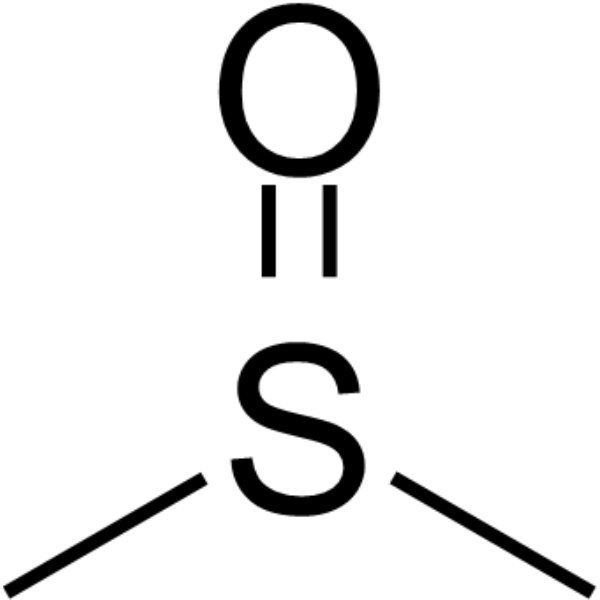
    DMSO, meets analytical specification of Ch.P.

    Environmental Pollutants Bacterial Cholinesterase (ChE) Infection Inflammation/Immunology Cancer
    Dimethyl sulfoxide (DMSO), meets analytical specification of Ch.P. is an aprotic solvent that dissolves polar and non-polar compounds, including water-insoluble therapeutic and toxic agents. Dimethyl sulfoxide (DMSO) has a strong affinity for water and can rapidly penetrate or enhance the penetration of other substances into biological membranes. Dimethyl sulfoxide also has potential free radical scavenging and anticholinesterase effects and may affect coagulation activity. Dimethyl sulfoxide also induces histamine release from mast cells but is thought to have low systemic toxicity. Dimethyl sulfoxide also exhibits antifreeze and antibacterial properties .
    MCE provides Dimethyl sulfoxide that complies with the inspection standards (Ch.P) of Part 4 of the Chinese Pharmacopoeia (2020 Edition). Amicrobic, low endotoxin, can be used in various biochemical experiments such as drug dissolution.
    Dimethyl sulfoxide, meets analytical specification of Ch.P.
  • HY-Y0344I

    Halite, meets analytical specification of Ph. Eur. BP USP

    Biochemical Assay Reagents Na+/K+ ATPase Interleukin Related Inflammation/Immunology Cancer
    Sodium chloride, meets analytical specification of Ph. Eur. BP USP, ≤0.00002% Al, an inorganic salt is an orally active salt. Sodium chloride, meets analytical specification of Ph. Eur. BP USP, ≤0.00002% Al, an inorganic salt induces the expression of ATP1A1. Sodium chloride, meets analytical specification of Ph. Eur. BP USP, ≤0.00002% Al, an inorganic salt induces the pro-inflammatory cytokines IL-2, TNFα, IL-9 and several chemokines. Sodium chloride, meets analytical specification of Ph. Eur. BP USP, ≤0.00002% Al, an inorganic salt enhances the anti-tumor activities of Digoxin (HY-B1049) against small cell lung cancer. Sodium chloride, meets analytical specification of Ph. Eur. BP USP, ≤0.00002% Al, an inorganic salt drives autoimmune disease by the induction of pathogenic Th17 cells .
    Sodium chloride, meets analytical specification of Ph. Eur. BP USP, ≤0.00002% Al
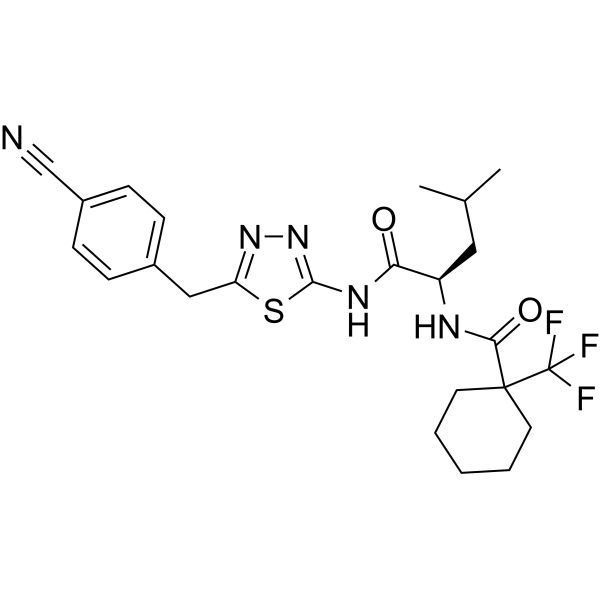
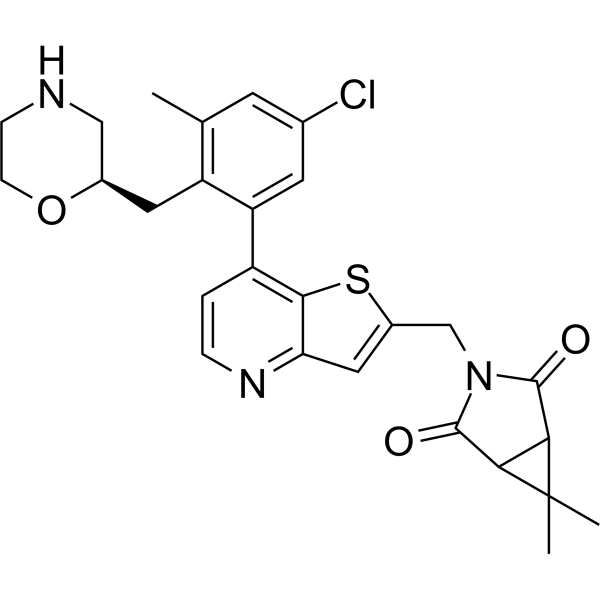
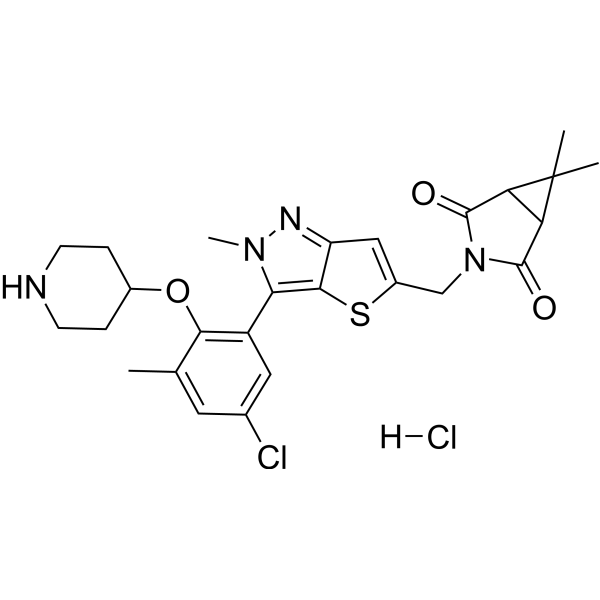
  • HY-145471
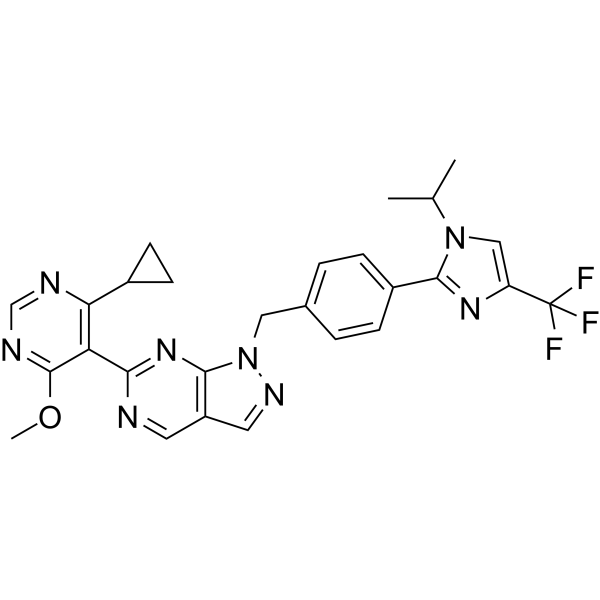
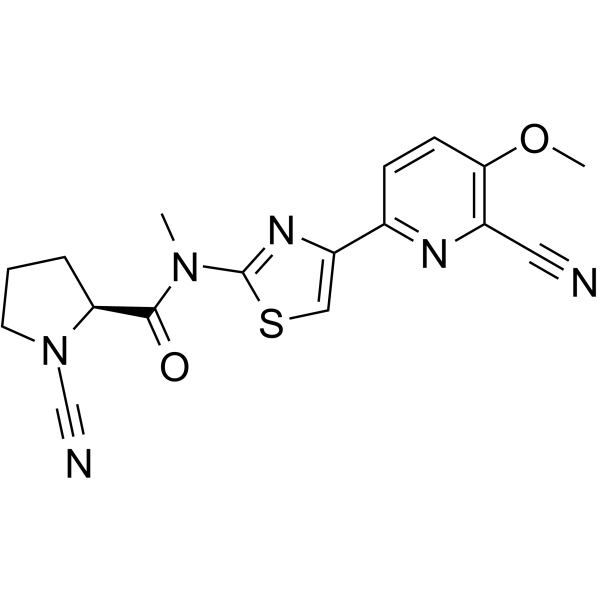
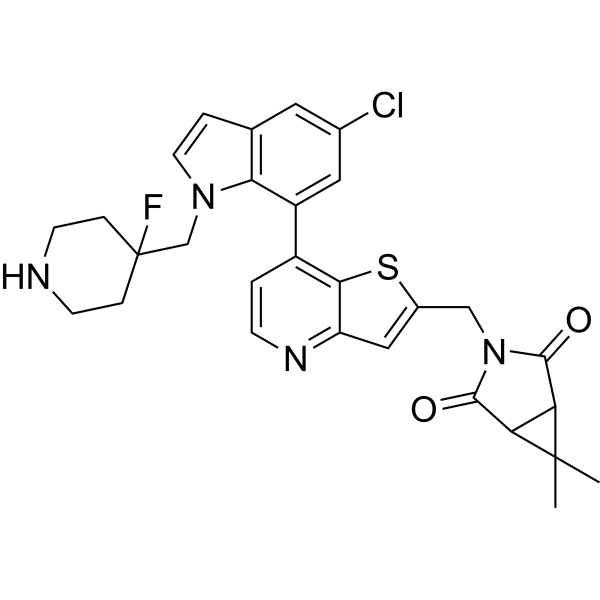
    KSQ-4279
    1 Publications Verification

    USP1-IN-1

    Deubiquitinase PARP Cancer
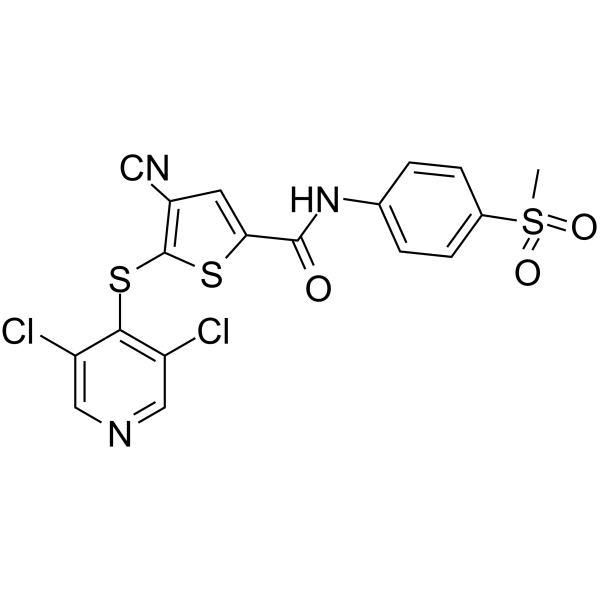
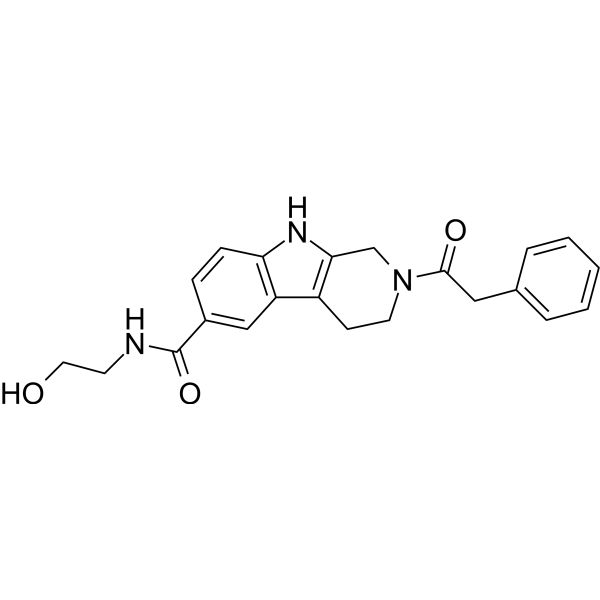
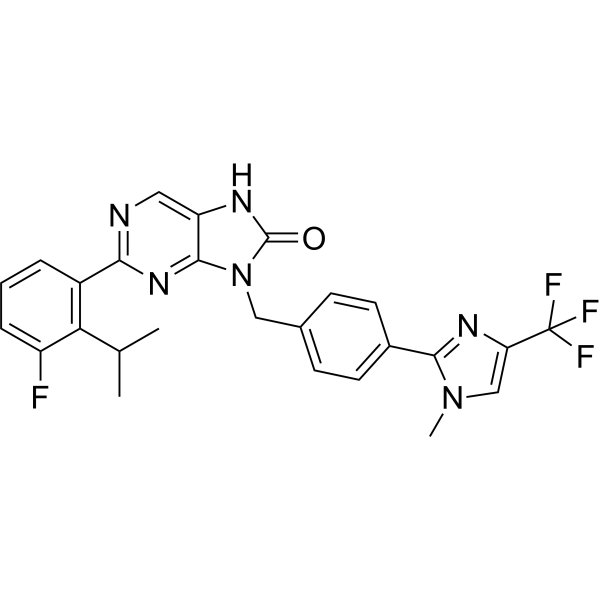
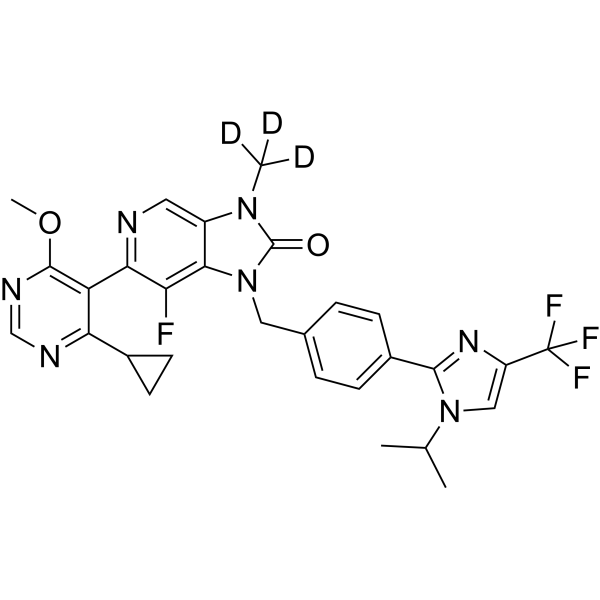
    KSQ-4279 (USP1-IN-1) is a potent USP1 inhibitor and a selective PARP1 inhibitor. KSQ-4279 is promising for research of cancers .
    KSQ-4279
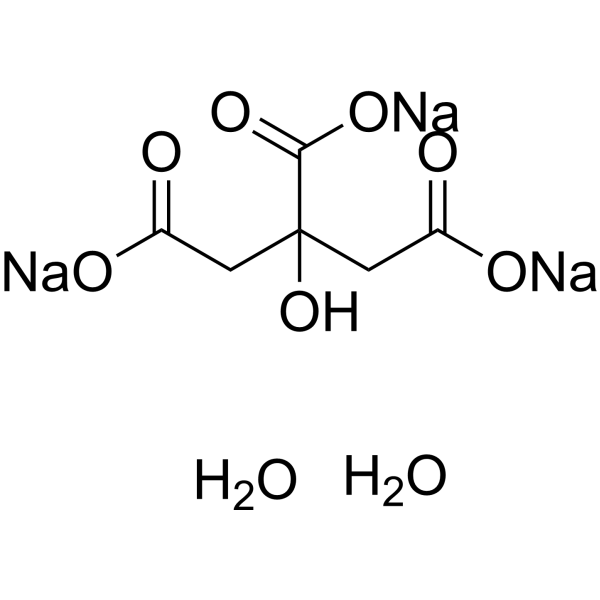
  • HY-B1610E

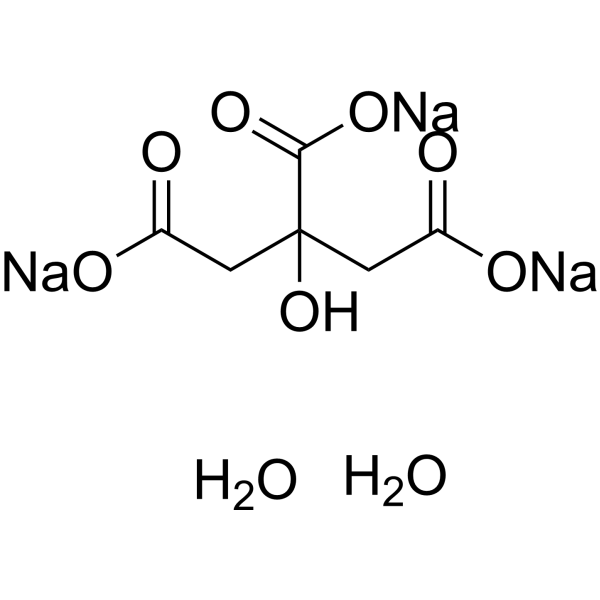
    Trisodium citrate dihydrate, meets USP testing specifications

    Environmental Pollutants Biochemical Assay Reagents Cardiovascular Disease
    Sodium citrate dihydrate, meets USP testing specifications is an anticoagulant and also used as a buffer and food preservatives .
    Sodium citrate dihydrate, meets USP testing specifications
  • HY-Y1325H

    Environmental Pollutants Fungal Endogenous Metabolite Caspase PPAR AMPK Reactive Oxygen Species (ROS) Neurological Disease Metabolic Disease Inflammation/Immunology Cancer
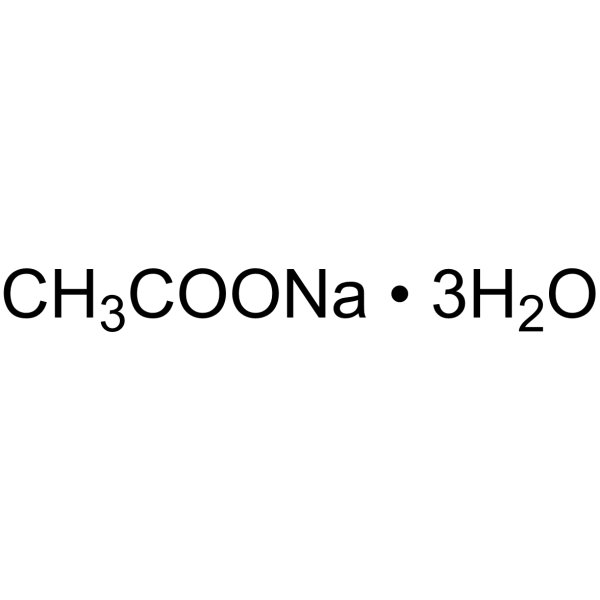
    Sodium acetate trihydrate is a carboxylic acid and short-chain fatty acid (SCFAs). Sodium acetate trihydrate activates AMPK, increases ROS, cleaved caspase 9, PPARα, downregulates SREBP-1c, ChREBP expression. Sodium acetate trihydrate exhibits antifungal activity against Saccharomyces cerevisiae W303-1A. Sodium acetate trihydrate regulates energy metabolism. Sodium acetate trihydrate has anticancer activity against gastric cancer. Sodium acetate trihydrate induces writhing reaction and ulcerative colitis. Sodium acetate trihydrate can be used in the researches for gastric cancer, ulcerative colitis, hepatic steatosis, and pain .
    Sodium acetate trihydrate, meets analytical specification of Ph. Eur. BP USP FCC E262, ≤0.00002% Al
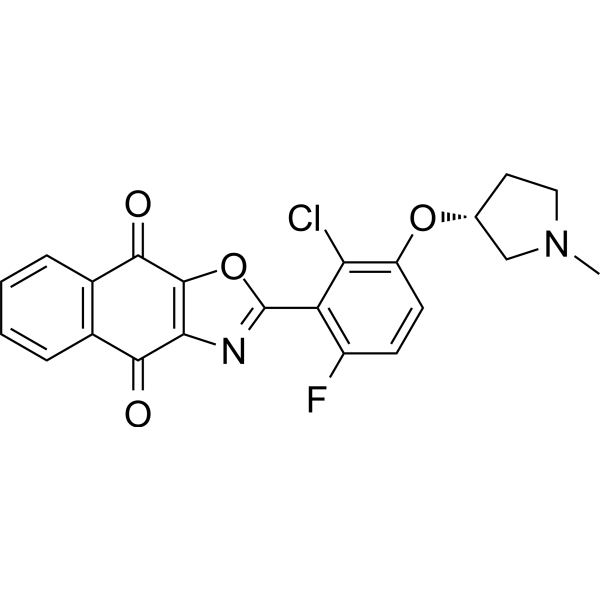
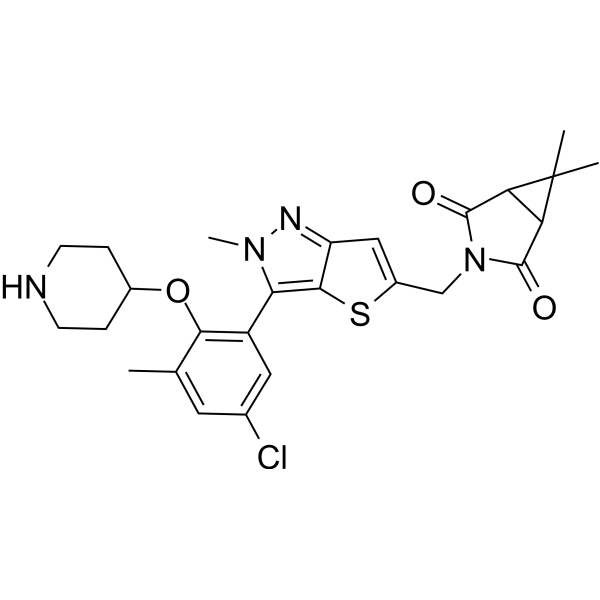
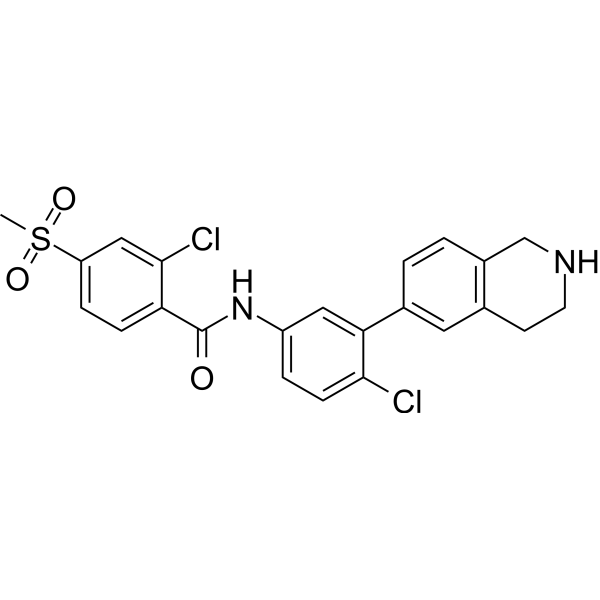
  • HY-153045
    BAY-805
    3 Publications Verification

    Deubiquitinase Cancer
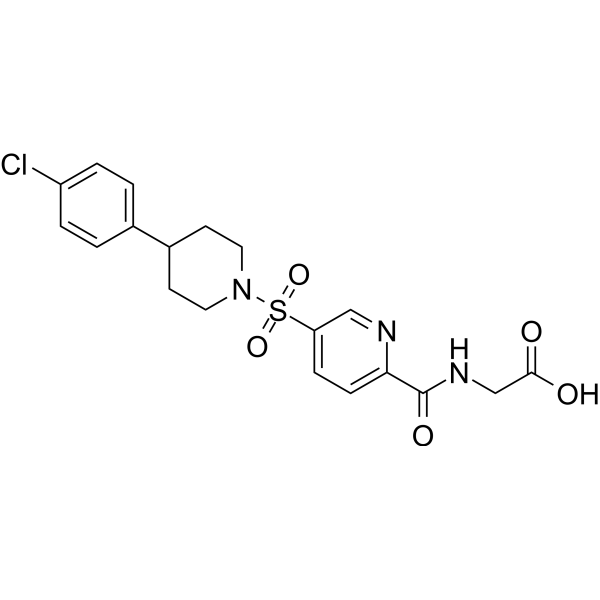
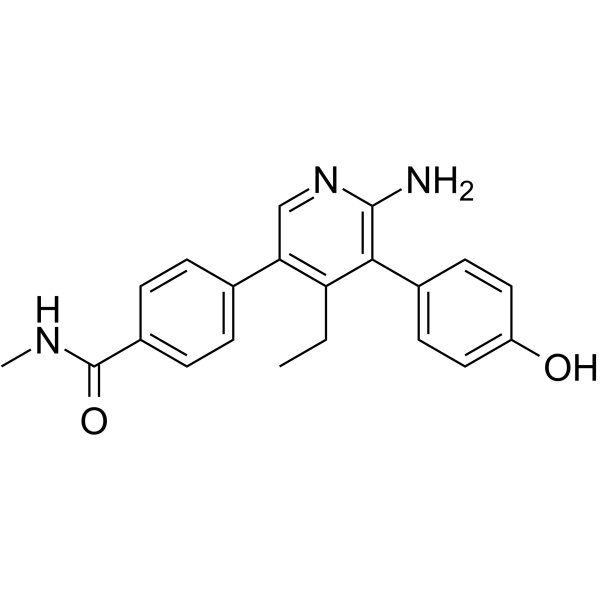
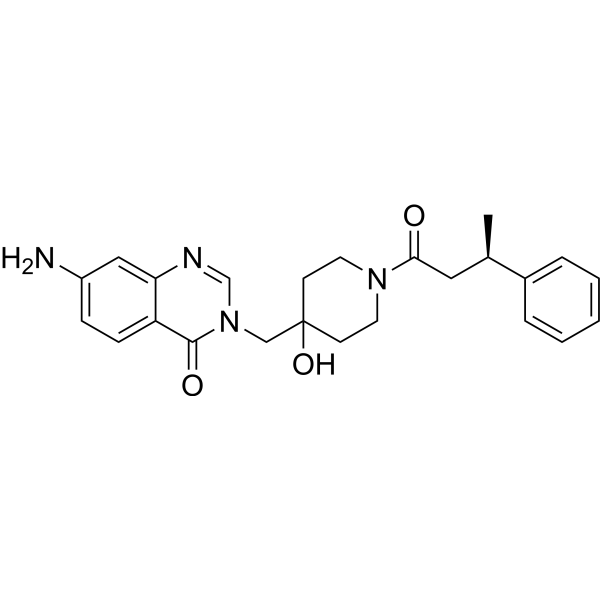
    BAY-805, a chemical probe, is a selective inhibitor of ubiquitin-specific protease USP21. BAY-805 has high selectivity for deubiquitinating enzyme (DUB) targets, kinases, proteases and other common target enzymes .
    BAY-805
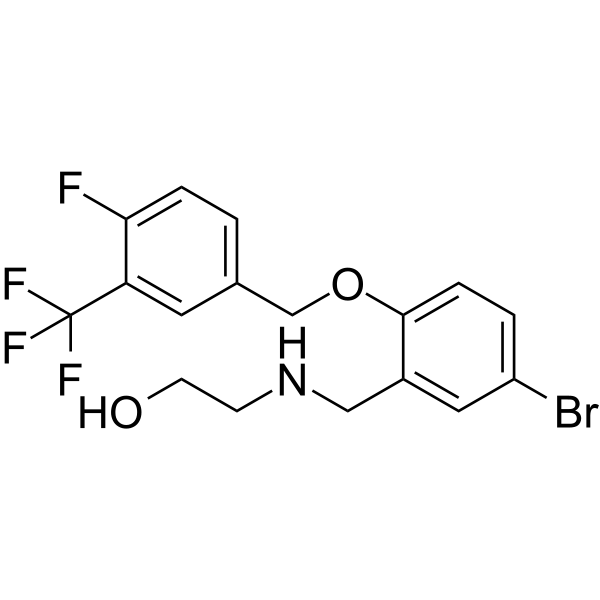
  • HY-151563
    OTUB1/USP8-IN-1
    2 Publications Verification

    Deubiquitinase Cancer
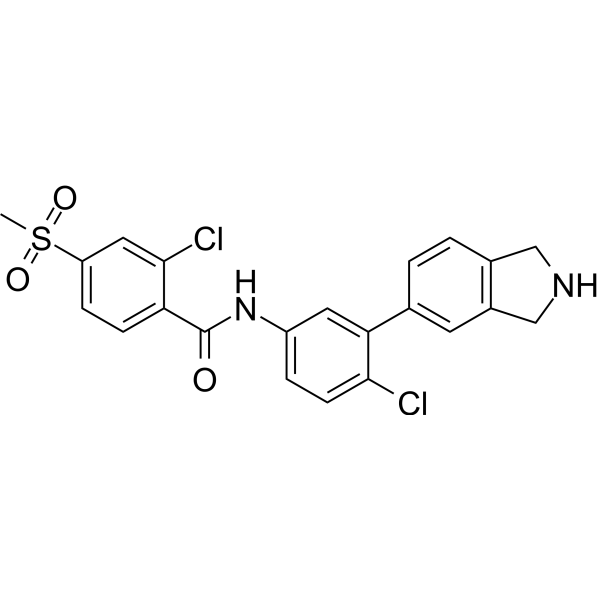
    OTUB1/USP8-IN-1 is a potent dual OTUB1/USP8 inhibitor with IC50 values of 0.17 and 0.28 nM for OTUB1 and USP8, respectively. OTUB1/USP8-IN-1 can be used in research of cancer .
    OTUB1/USP8-IN-1
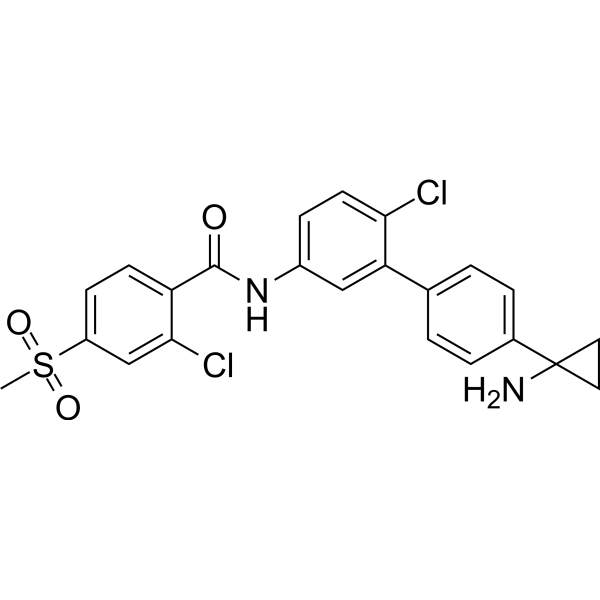
  • HY-117370
    USP25/28 inhibitor AZ1
    5+ Cited Publications

    AZ1

    Deubiquitinase Cancer
    USP25/28 inhibitor AZ1 (AZ1) is an orally active, selective, noncompetitive, dual ubiquitin specific protease (USP) 25/28 inhibitor with IC50s of 0.7 μM and 0.6 μM, respectively. USP25/28 inhibitor AZ1 attenuates colitis and tumorigenesis in the mice model .
    USP25/28 inhibitor AZ1
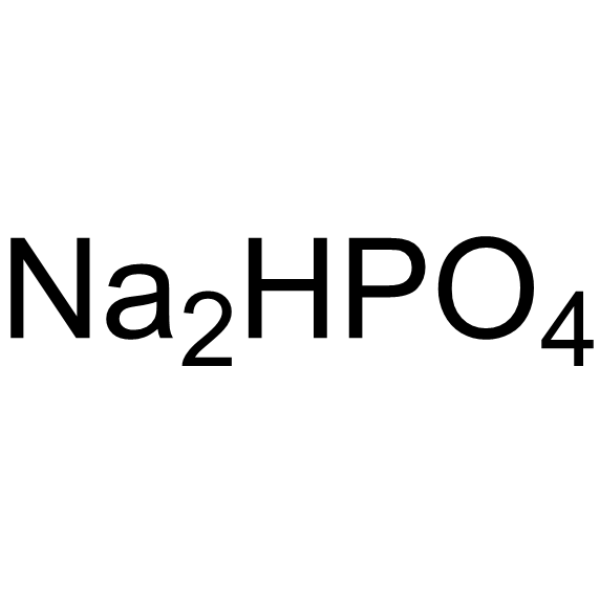
  • HY-Y0308D

    Disodium hydrogen phosphate, meets analytical specification of Ph. Eur. BP USP FCC E339

    Biochemical Assay Reagents Endocrinology
    Sodium phosphate dibasic (Disodium hydrogen phosphate), meets analytical specification of Ph. Eur. BP USP FCC E339 is an inorganic dibasic phosphate that functions as an electrolyte supplement, a buffer carrier for injectable drugs, while also exhibiting nephrotoxicity. Sodium phosphate dibasic, meets analytical specification of Ph. Eur. BP USP FCC E339 induces extensive nephrotic syndrome-like changes, including systemic symptoms such as persistent proteinuria, lipemia, hypercholesterolemia, and anemia, and causes severe renal pathological alterations such as renal enlargement, glomerular calcification, podocyte injury, and tubulointerstitial lesions. Sodium phosphate dibasic, meets analytical specification of Ph. Eur. BP USP FCC E339 has the ability to induce phosphate-induced nephropathy and glomerular calcification, and can be widely used in studies on nephrotic syndrome and related renal pathological mechanisms .
    Sodium phosphate dibasic, meets analytical specification of Ph. Eur. BP USP FCC E339
  • HY-13487
    USP7/USP47 inhibitor
    3 Publications Verification

    Deubiquitinase Cancer
    USP7/USP47 inhibitor is a selective ubiquitin-specific protease 7/47 (USP7/USP47) inhibitor, with EC50s of 0.42 μM and 1.0 μM, respectively.
    USP7/USP47 inhibitor
  • HY-Y0320R
    Dimethyl sulfoxide (Standard)
    1 Publications Verification

    DMSO, meets analytical specification of Ch.P. (Standard)

    Reference Standards Cholinesterase (ChE) Bacterial Infection Inflammation/Immunology Cancer
    Dimethyl sulfoxide (Standard) is the analytical standard of Dimethyl sulfoxide. This product is intended for research and analytical applications. Dimethyl sulfoxide (DMSO) is an aprotic solvent that dissolves both polar and nonpolar compounds. Dimethyl sulfoxide has anti-freezing and bacteriostatic properties .
    Dimethyl sulfoxide (Standard)
  • HY-Y1269H

    Salmiac, meets analytical specification of Ph. Eur. BP USP FCC

    Autophagy Biochemical Assay Reagents Cancer
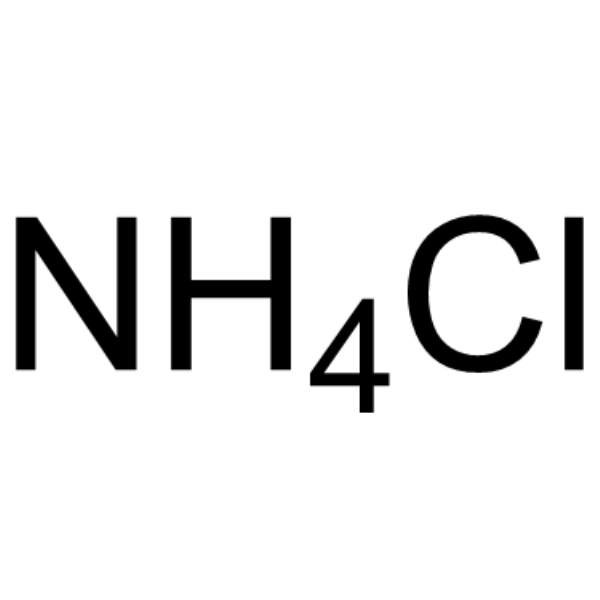
    Ammonium chloride, meets analytical specification of Ph. Eur. BP USP FCC (Salmiac, meets analytical specification of Ph. Eur. BP USP FCC) can be used as a heteropolar compound to regulate pH value, which can cause intracellular alkalination and metabolic acidosis, thus affecting the activity of enzymes and affecting the process of biological systems. Ammonium chloride is an autophagy inhibitor. Ammonium chloride is also a lysosome inhibitor .
    Ammonium chloride, meets analytical specification of Ph. Eur. BP USP FCC
  • HY-W251598I

    Sodium hydrogen carbonate, meets analytical specification of Ph. Eur., BP, USP, FCC, E500

    Bacterial NO Synthase Inflammation/Immunology Cancer
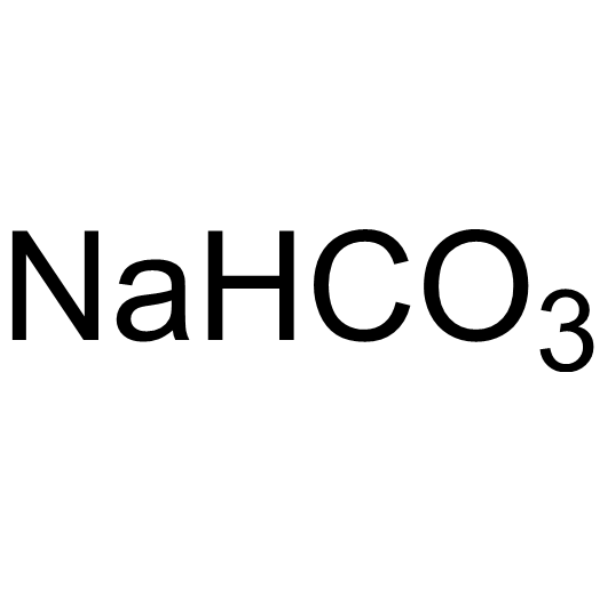
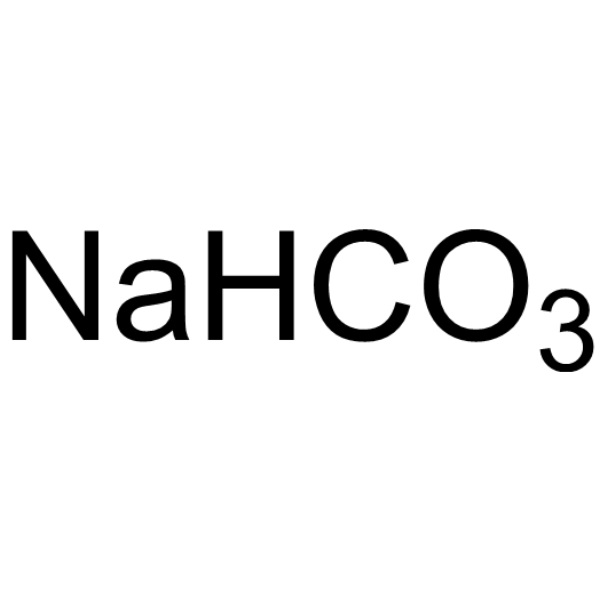
    Sodium bicarbonate, meets analytical specification of Ph. Eur., BP, USP, FCC, E500 is an inorganic salt that is neutral to slightly alkaline and easily decomposes when exposed to moisture in the air. Sodium bicarbonate can maintain the pH of the culture medium, thereby affecting the expression of inducible nitric oxide synthase (iNOS) and nitric oxide (NO) production in macrophages and reversing the acidosis of the tumor microenvironment. Sodium bicarbonate is widely used in the fields of food, medicine, cosmetics, etc. Its main uses include buffers, flavoring agents, disinfectants, pharmaceuticals, and proton gradient regulators. Sodium bicarbonate is also commonly used as an antacid to inhibit gastrointestinal diseases, neutralize gastric acid, and reduce gastric discomfort .
    Sodium bicarbonate, meets analytical specification of Ph. Eur., BP, USP, FCC, E500
  • HY-Y0537J

    Biochemical Assay Reagents Others
    Potassium chloride, meets analytical specification of Ph. Eur., BP, USP, FCC, E508, ≤0.0001% Al is a neutral potassium salt that can be used for buffer preparation, and can be used in biochemical research .
    Potassium chloride, meets analytical specification of Ph. Eur., BP, USP, FCC, E508, ≤0.0001% Al
  • HY-139979
    USP5-IN-1
    3 Publications Verification

    Deubiquitinase Cancer
    USP5-IN-1 (compound 64) is a selective competitive inhibitor of USP5 zinc finger ubiquitin binding domain (ZnF-UBD) (KD=2.8 μM). USP5-IN-1 competitively blocks the binding of ubiquitin to ZnF-UBD, inhibits the catalytic activity of USP5, and thus hinders the hydrolysis of ubiquitin chains. USP5-IN-1 can inhibit USP5 cleavage of Lys48-linked diubiquitin substrates in vitro and is a potential USP5 chemical probe and potential inhibitor of USP5-related cancers.
    USP5-IN-1
  • HY-148046
    USP15-IN-1
    5 Publications Verification

    Deubiquitinase Cancer
    USP15-IN-1 is a potent USP15 inhibitor with an IC50 value of 3.76 μM. USP15-IN-1 can be used for researching anticancer .
    USP15-IN-1
  • HY-Y1184C

    Potassium hydrogen carbonate, meets analytical specification of Ph. Eur., BP, USP, E501, 99.5%(T)

    Biochemical Assay Reagents Others
    Potassium bicarbonate (Potassium hydrogen carbonate) is a commonly used biochemical reagent. Potassium bicarbonate, meets analytical specification of Ph. Eur., BP, USP, E501, 99.5%(T) can be used as a biomaterial related to life science research .
    Potassium bicarbonate, meets analytical specification of Ph. Eur., BP, USP, E501, 99.5%(T)
  • HY-W094475D

    Epsom salts, meets analytical specification of Ph. Eur. BP USP FCC

    Drug Derivative Neurological Disease Metabolic Disease
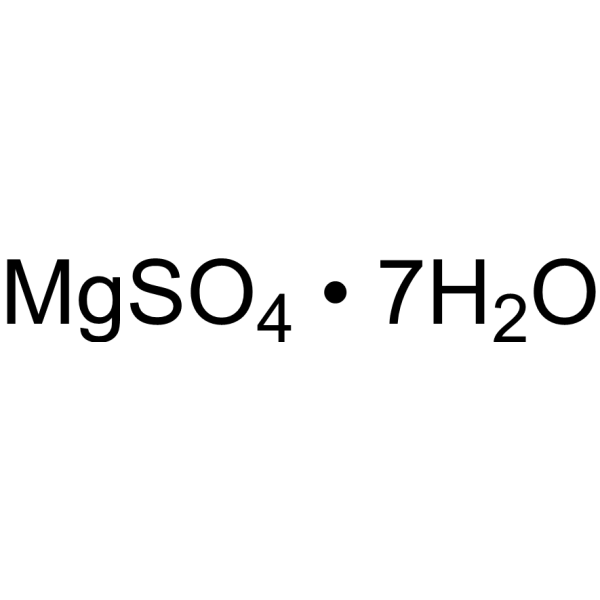
    Magnesium sulfate heptahydrate, meets analytical specification of Ph. Eur. BP USP FCC (Epsom salts, meets analytical specification of Ph. Eur. BP USP FCC) is currently the anticonvulsant of choice for the prevention and control of eclamptic fits and is also widely used as a tocolytic agent .
    Magnesium sulfate heptahydrate, meets analytical specification of Ph. Eur. BP USP FCC
  • HY-ER013I

    Calcined soda meets analytical specification of Ph. Eur., BP, NF, FCC, E500

    Biochemical Assay Reagents Neurological Disease
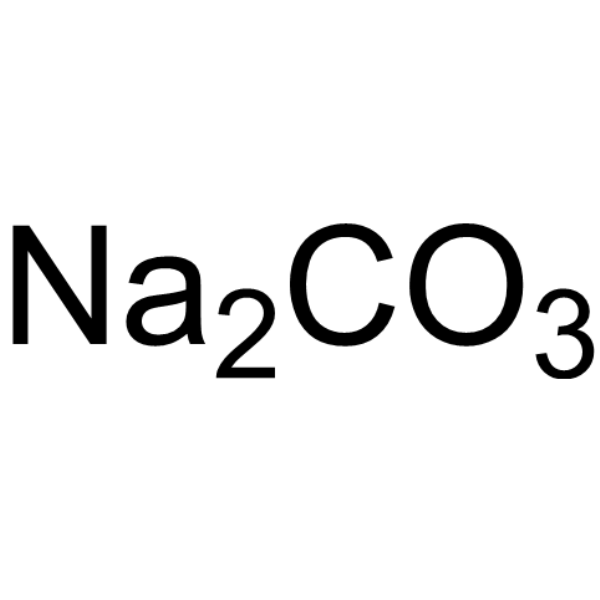
    Sodium carbonate anhydrous, meets analytical specification of Ph. Eur., BP, NF, FCC, E500 is a biochemical assay reagent suitable for buffer configuration .
    Sodium carbonate anhydrous, meets analytical specification of Ph. Eur., BP, NF, FCC, E500
  • HY-Y0317I

    Disodium sulfate, meets analytical specification of Ph. Eur. BP USP

    Biochemical Assay Reagents Cancer
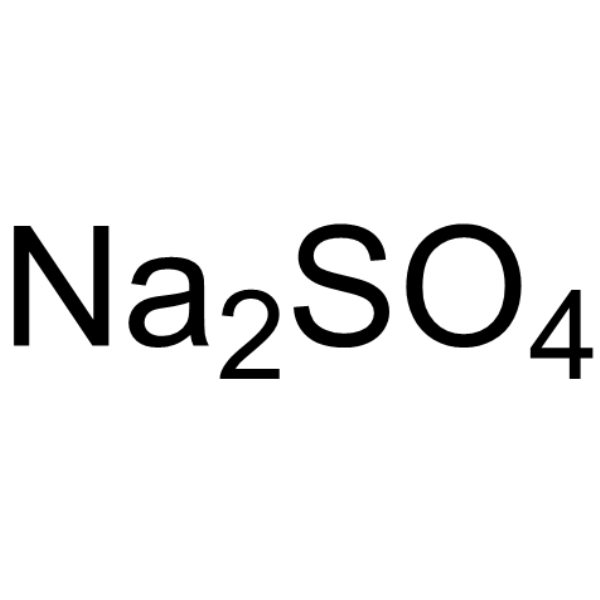
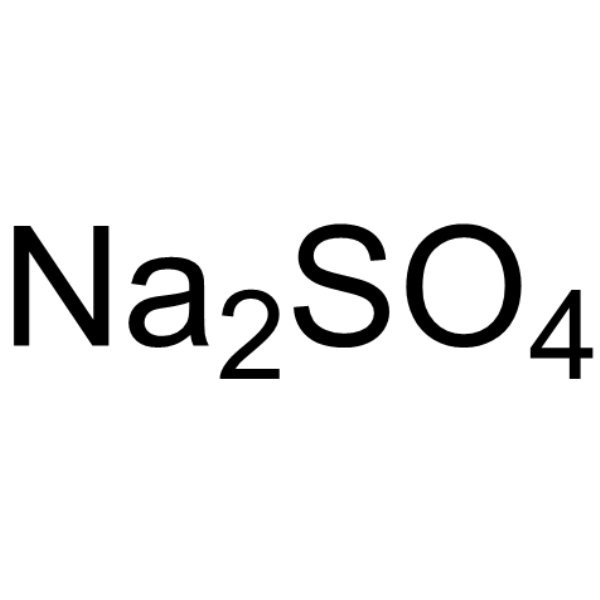
    Sodium sulfate anhydrous (Disodium sulfate), meets analytical specification of Ph. Eur. BP USP is an orally active multifunctional ionic salt that serves as a protein precipitant, collagen fibril bundling inducer, and chlorine-free sodium source. Sodium sulfate anhydrous, meets analytical specification of Ph. Eur. BP USP promotes collagen fibril bundling to increase matrix pore size, alters cancer cell morphology and regulates their migration direction via geometric signals, and separates plasma/serum proteins or concentrates proteins at 37°C without causing thermal denaturation. In poultry farming applications, Sodium sulfate anhydrous, meets analytical specification of Ph. Eur. BP USP improves laying performance and eggshell quality, and is safe and effective at an addition level of 0.3-1.5%, while a high concentration of 3.0% causes negative physiological effects. Sodium sulfate anhydrous, meets analytical specification of Ph. Eur. BP USP can be widely applied in scientific research on cervical cancer and related fields .
    Sodium sulfate anhydrous, meets analytical specification of Ph. Eur. BP USP
  • HY-136910

    USP7-IN-7

    Deubiquitinase MDM-2/p53 Cancer
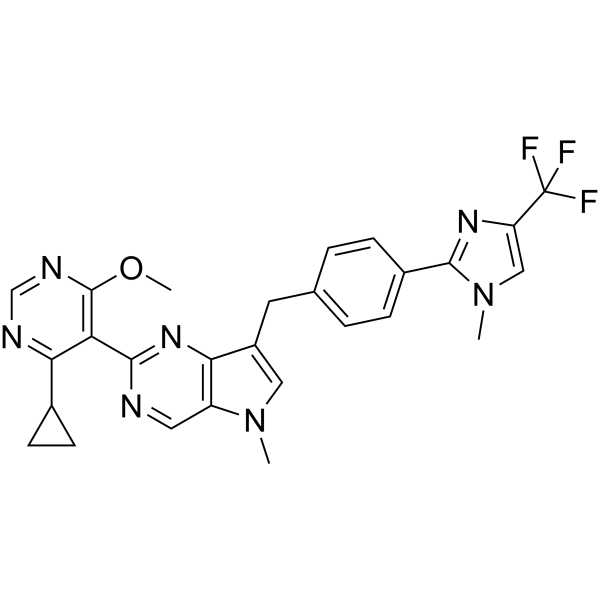
    USP7-797 (USP7-IN-7) is an orally available, selective USP7 inhibitor (IC50=0.5 nmol/L) with antitumor activity. USP7-797 reduces the level of MDM2, thereby increasing the stability and activity of p53, leading to cell cycle arrest and apoptosis. USP7-797 has low nanomolar cytotoxicity against p53 mutant cancer cell lines, p53 wild-type hematological tumors, and neuroblastoma cell lines .
    USP7-797
  • HY-134817
    USP7-IN-8
    1 Publications Verification

    Deubiquitinase Cancer
    USP7-IN-8 (example 81) is a selective ubiquitin-specific protease 7 (USP7) inhibitor with an IC50 of 1.4 μM in an Ub-Rho110 assay. USP7-IN-8 shows no activity against USP47 and USP5. USP7-IN-8 has anticancer effects .
    USP7-IN-8
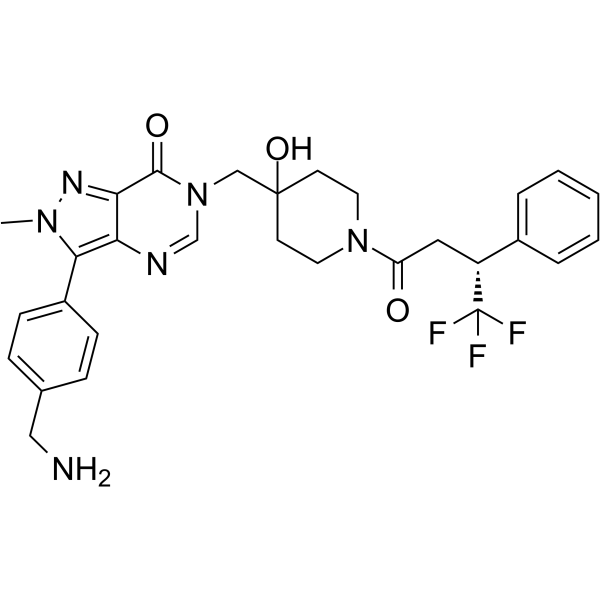
  • HY-149230

    Deubiquitinase Cancer
    USP28-IN-4 is a USP28 inhibitor (IC50=0.04 μM) with high selectivity over USP2, USP7, USP8, USP9x, UCHL3 and UCHL5. USP28-IN-4 shows cytotoxicity against cancer cells, down-regulates the cellular level of c-Myc through ubiquitin-proteasome system. USP28-IN-4 also decreases the ankyrase-1/2 level in vitro. USP28-IN-4 enhance the sensitivity of colorectal cancer cells to Regorafenib (HY-10331) .
    USP28-IN-4
  • HY-148184

    Deubiquitinase Cancer
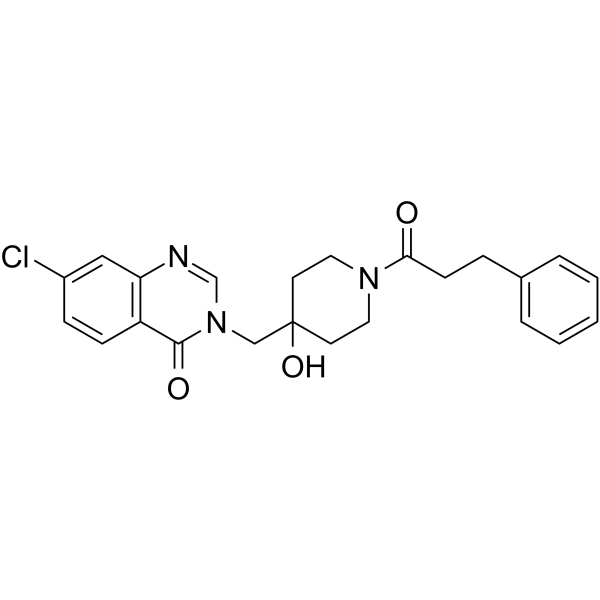
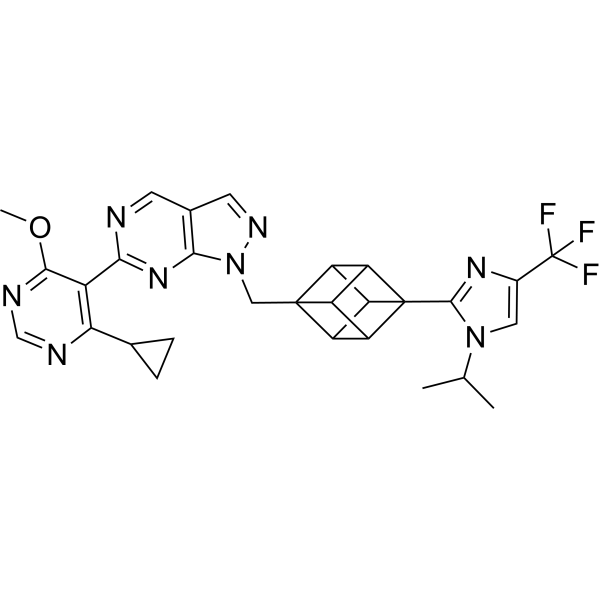
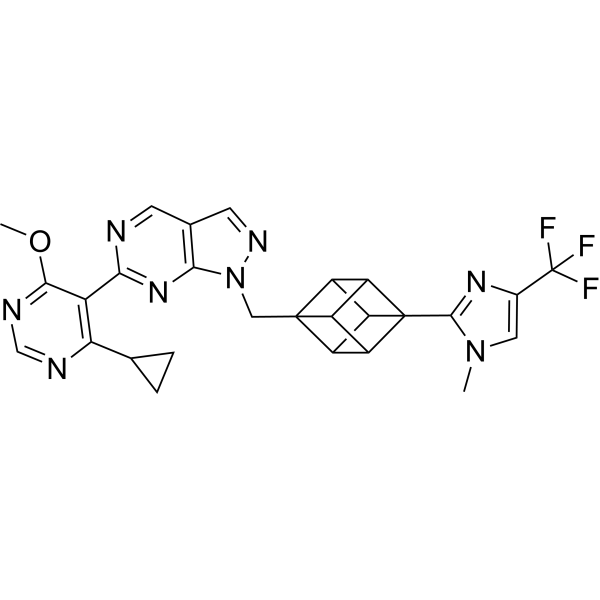
    USP1-IN-3 is a selective USPI inhibitor. USP1-IN-3 inhibits USPI-UAFI with an IC50 value of <30 nM. USP1-IN-3 can be used for the research of cancer .
    USP1-IN-3
  • HY-16709
    USP7-IN-1
    5+ Cited Publications

    Deubiquitinase Cancer
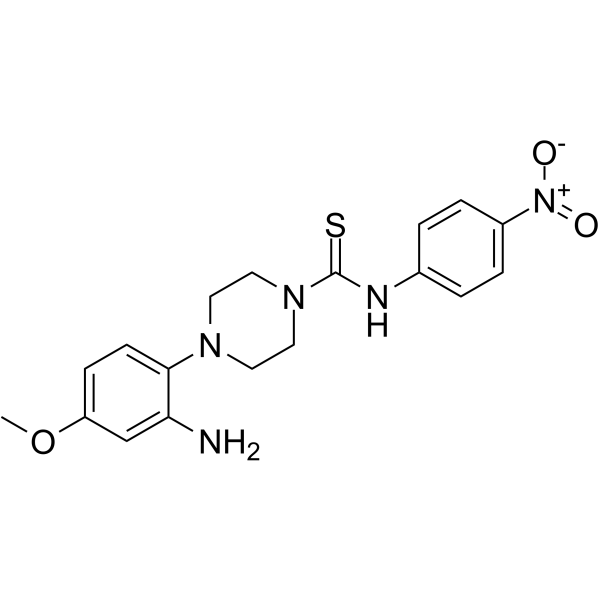
    USP7-IN-1 is a selective and reversible inhibitor of ubiquitin-specific protease 7 (USP7), with an IC50 of 77 μM, and can be used for the research of cancer.
    USP7-IN-1
  • HY-173352

    Deubiquitinase Cancer
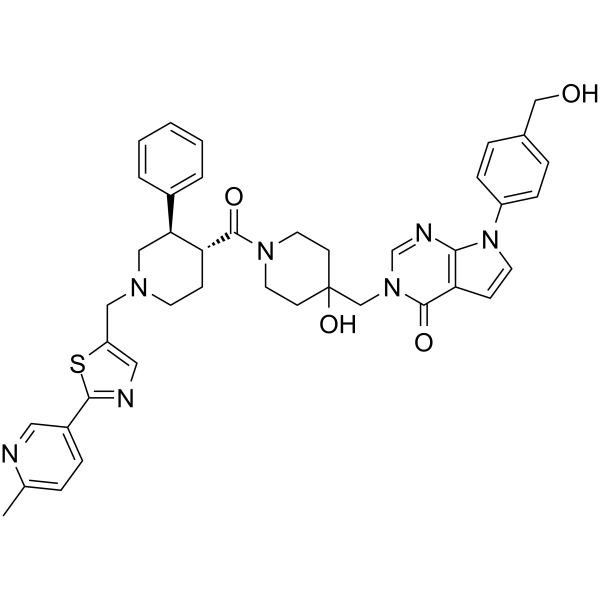
    USP7 activator 1 (compound MS-8) is an activator of USP7 by engaging the allosteric C-terminal binding pocket of USP7 .
    USP7 activator 1
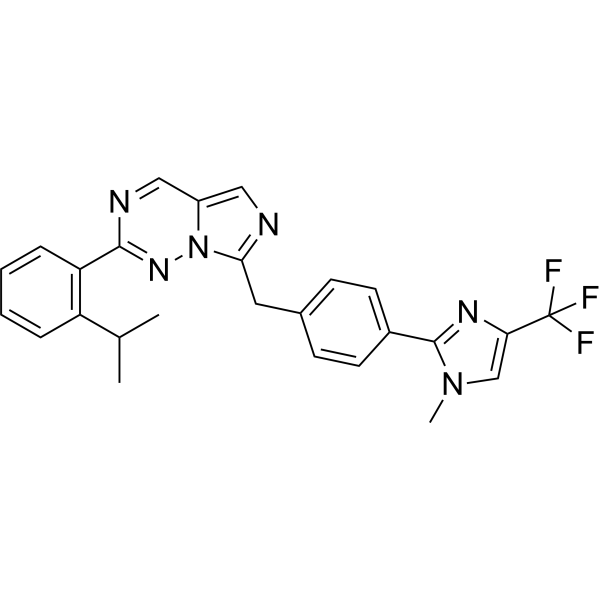
  • HY-175360

    Target Protein Ligand-Linker Conjugates Deubiquitinase Cancer
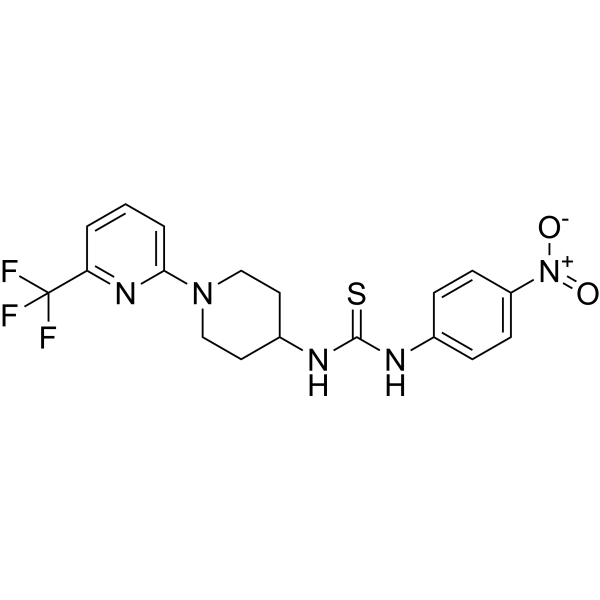
    USP7 Ligand-Linker Conjugates 1 is an Target Protein Ligand-Linker Conjugate that incorporates a ligand for USP7 (HY-175359) and a PROTAC linker, which recruits E3 ligases. USP7 Ligand-Linker Conjugates 1 can be used for synthesis of PROTAC USP7 Degrader-1 (HY-175358) .
    USP7 Ligand-Linker Conjugates 1
  • HY-ER013J

    Biochemical Assay Reagents Others
    Sodium carbonate, anhydrous, meets analytical specification of Ep, BP, JP, NF is a biochemical reagent and a buffer component.
    Sodium carbonate, anhydrous, meets analytical specification of Ep,BP,JP,NF
  • HY-Y0319B3

    Biochemical Assay Reagents Others
    Potassium acetate, meets analytical specification of Ph. Eur. BP E261 is a high-purity grade reagent suitable for a wide range of research applications, particularly in pharmaceutical development, organic synthesis, and biochemistry .
    Potassium acetate, meets analytical specification of Ph. Eur. BP E261
  • HY-W134423B

    Biochemical Assay Reagents Others
    Agar, meets USP testing specifications is a high-quality selective growth support and substrate for non-adherent cells. Agar, meets USP testing specifications effectively supports the growth, colony formation and metachromatic matrix production of chondrocytes, and also facilitates the isolation and differentiation of pure chondrocyte strains by restricting the proliferation of fibroblast-like cells. Chondrocytes grown in Agar, meets USP testing specifications can be successfully transferred to a liquid suspension culture system, where they continue to proliferate while retaining the characteristics exhibited during growth in agar .
    Agar, meets USP testing specifications
  • HY-148482

    Deubiquitinase Cancer
    USP7-IN-11 is a potent ubiquitin-specific protease 7 (USP7) (Deubiquitinase) inhibitor with an IC50 of 0.37 nM. USP7-IN-11 has anticancer effects (WO2022048498A1; Example 187) .
    USP7-IN-11
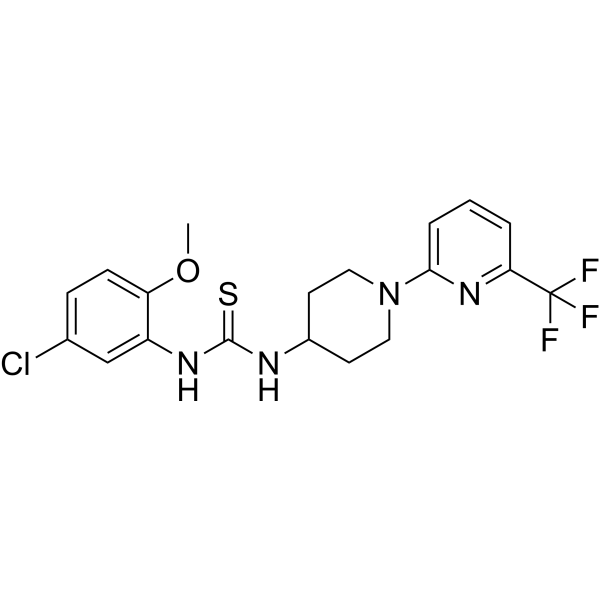
  • HY-147032

    Deubiquitinase Cancer
    USP8-IN-1 is a USP8 inhibitor with an IC50 of 1.9 μM. USP8-IN-1 inhibits H1975 cell growth with a GI50 of 82.04 μM (CN111138358A; U10) .
    USP8-IN-1
  • HY-148099

    Deubiquitinase Cancer
    USP1-IN-2 (Compound I-193) is a potent ubiquitin-specific protease 1 (USP1) inhibitor with an IC50 of less than about 50 nM. USP1-IN-2 can be used for the study of cancers such as osteosarcoma .
    USP1-IN-2
  • HY-111623

    Deubiquitinase Cancer
    USP30 inhibitor 11 is a selective and potent ubiquitin specific peptidase 30 (USP30) inhibitor with an IC50 of 0.01 μΜ, the example 83 extracted from patent WO2017009650A1. USP30 inhibitor 11 is used for the study of cancer and conditions involving mitochondrial dysfunction .
    USP30 inhibitor 11
  • HY-Y0332L

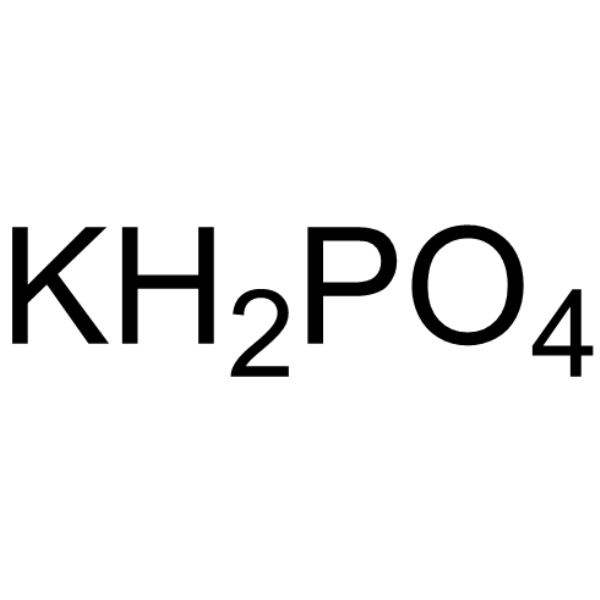
    Potassium phosphate monobasic, meets analytical specification of Ph. Eur., NF, E340

    Biochemical Assay Reagents NF-κB Others
    Potassium dihydrogen phosphate (Potassium phosphate monobasic), meeting the analytical specifications of Ph. Eur., NF, E340, is a reagent with buffering capacity, used for preparing biological buffers. Potassium dihydrogen phosphate downregulates the expression of IκBα in the cytoplasm, increases the expression of p-P65 in the cytoplasm, and upregulates the expression of P65 in the nucleus, thereby activating the NF-κB pathway. Potassium dihydrogen phosphate promotes the proliferation of human periodontal ligament stem cells in the logarithmic growth phase. Potassium dihydrogen phosphate upregulates the expression of odontogenic/osteogenic markers (OCN, DSP/DSPP, OSX, RUNX2, ALP) in human periodontal ligament stem cells and enhances the mineralization capacity of these cells. Potassium dihydrogen phosphate can be used in the research of periodontal diseases .
    Potassium dihydrogen phosphate, meets analytical specification of Ph. Eur., NF, E340
  • HY-B2243H

    Sodium phosphate monobasic (USP); Monosodium dihydrogen orthophosphate (USP); Monosodium phosphate (USP)

    Biochemical Assay Reagents Others
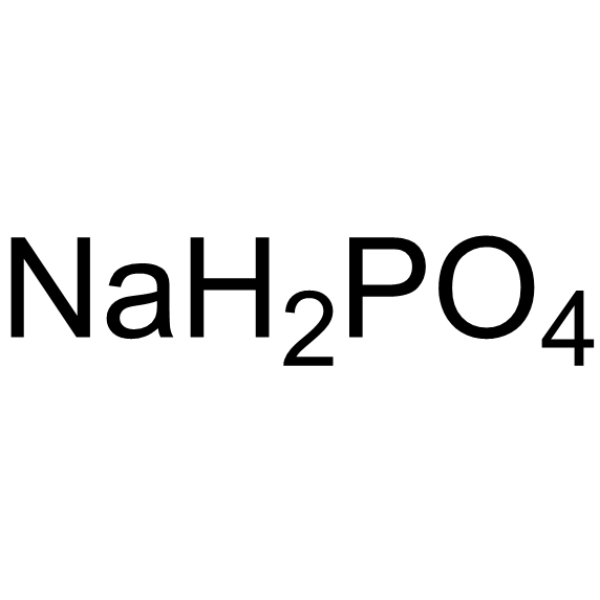
    Anhydrous sodium dihydrogen phosphate, meets USP testing specifications is an inorganic salt. It is a chemical compound of sodium with a phosphate counter ion. Anhydrous sodium dihydrogen phosphate, meets USP testing specifications can be used as a pH buffer with other sodium phosphates .
    Anhydrous sodium dihydrogen phosphate, meets USP testing specifications
  • HY-163622

    Apoptosis Deubiquitinase Cancer
    USP10-IN-3 (compound D1) is a potent USP10 inhibitor with an IC50 value of 7.2 µM. USP10-IN-3 inhibits cell proliferation. USP10-IN-3 induces apoptosis and cell cycle arrest at S-phase .
    USP10-IN-3
  • HY-153731

    Deubiquitinase Cancer
    USP1-IN-4 (compound 10) is an effective USP1 inhibitor with an IC50 value of 2.44 nM. USP1-IN-4 has anticancer activity and synergistic activity with various anticancer drugs .
    USP1-IN-4
  • HY-149902

    Deubiquitinase Cancer
    USP8-IN-3 (Compd U51) is a deubiquitinase USP8 inhibitor with an IC50 value of 4.0 μM. USP8-IN-3 also inhibits the proliferation of GH3 and H1957 cells with GI50s of 37.03 μM and 6.01 μM, respectively .
    USP8-IN-3
  • HY-146887

    Deubiquitinase Apoptosis Cancer
    USP7-IN-9 is a highly potent ubiquitin-specific protease 7 (USP7) inhibitor with an IC50 value of 40.8 nM. USP7-IN-9 can induce apoptosis and arrest cell progression at G0/G1 and S phases in RS4; 11 cells. USP7-IN-9 reduces the protein levels of oncoproteins MDM2 and DNMT1 and increases the protein levels of tumor suppressors p53 and p21 .
    USP7-IN-9
  • HY-175358

    PROTACs Deubiquitinase Cancer
    PROTAC USP7 Degrader-1 is a VHL-recruiting PROTAC and USP7 degrader with binding activity to both USP7 and the VHL E3 ubiquitin ligase. PROTAC USP7 Degrader-1 recruits the VHL E3 ligase to mediate the ubiquitination and subsequent proteolytic degradation of USP7 .
    PROTAC USP7 Degrader-1
  • HY-151563A
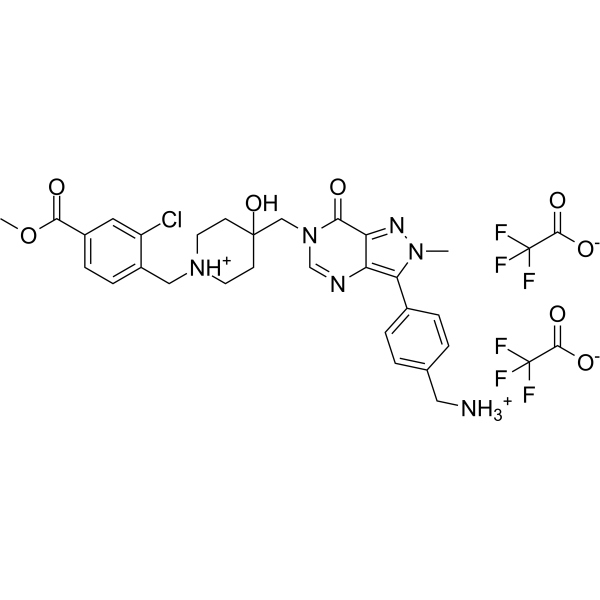
    OTUB1/USP8-IN-1 TFA
    2 Publications Verification

    Deubiquitinase Cancer
    OTUB1/USP8-IN-1 TFA is the TFA salt form of OTUB1/USP8-IN-1 (HY-151563). OTUB1/USP8-IN-1 TFA is a dual inhibitor for OTUB1/USP8, IC50 for OTUB1 and USP8 is 0.17 and 0.28 nM, respectively. OTUB1/USP8-IN-1 TFA inhibits proliferation of NSCLC cells. OTUB1/USP8-IN-1 TFA exhibits good pharmacokinetic characters in ICR mouse, and exhibits antitumor activity in H1975 xenograft mouse model .
    OTUB1/USP8-IN-1 TFA
  • HY-W094708D

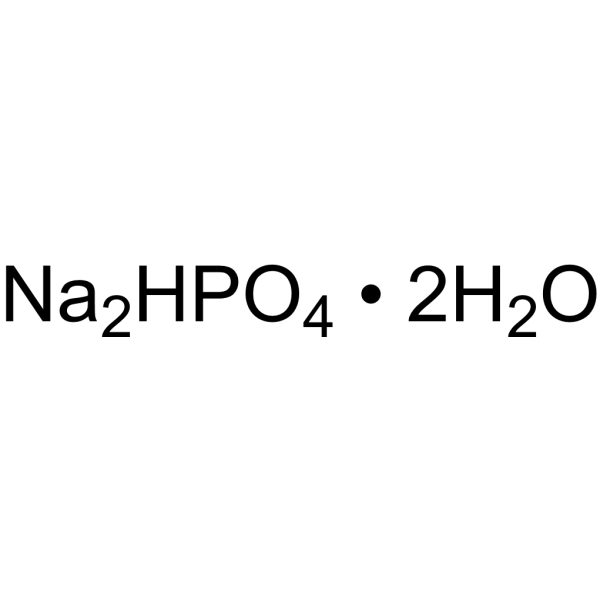
    Disodium hydrogen phosphate dihydrate, meets analytical specification of Ph. Eur. BP

    Biochemical Assay Reagents Others
    Sodium phosphate dibasic dihydrate, meets analytical specification of Ph. Eur. BP is an inorganic salt that can be used for life science related research .
    Sodium phosphate dibasic dihydrate, meets analytical specification of Ph. Eur. BP
  • HY-Y0344H

    Halite (Pharmaceutical primary standard, USP)

    Biochemical Assay Reagents Na+/K+ ATPase Interleukin Related Inflammation/Immunology Cancer
    Sodium chloride, United States Pharmacopeia (USP) Reference Standard is an orally active salt. Sodium chloride, United States Pharmacopeia (USP) Reference Standard induces the expression of ATP1A1. Sodium chloride, for cell culture induces the pro-inflammatory cytokines IL-2, TNFα, IL-9 and several chemokines. Sodium chloride, United States Pharmacopeia (USP) Reference Standard enhances the anti-tumor activities of Digoxin (HY-B1049) against small cell lung cancer. Sodium chloride, United States Pharmacopeia (USP) Reference Standard drives autoimmune disease by the induction of pathogenic Th17 cells .
    Sodium chloride, United States Pharmacopeia (USP) Reference Standard
  • HY-161909

    Deubiquitinase Cardiovascular Disease Neurological Disease
    USP30-IN-1 is a selective inhibitor of USP30 with an IC50 value of 94 nM. USP30-IN-1 can be used in the research of diseases with impaired mitophagy by targeting USP30 .
    USP30-IN-1
  • HY-176704

    Deubiquitinase Cancer
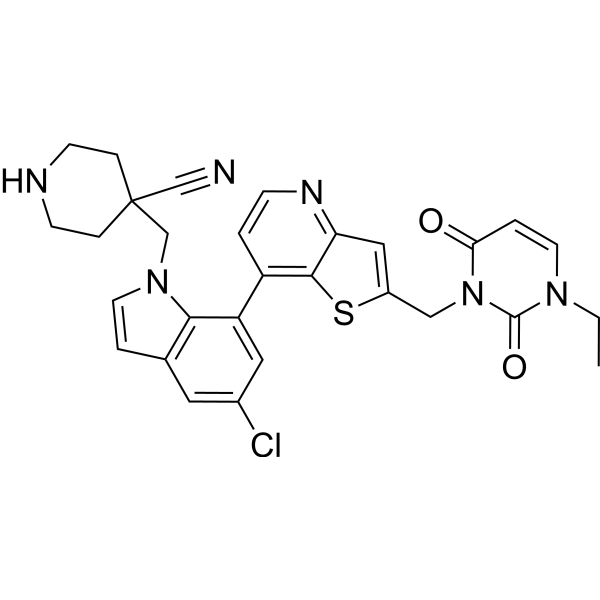
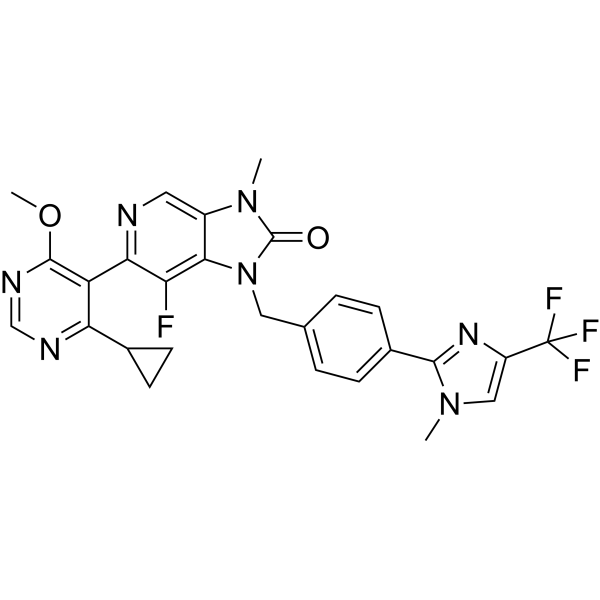
    USP1-IN-13 (Compound 2) is a potent and orally active USP1 inhibitor with an IC50 value of 1.02 nM. USP1-IN-13 can be used for the study of breast cancer .
    USP1-IN-13
  • HY-112128
    USP7-IN-3
    1 Publications Verification

    Deubiquitinase MDM-2/p53 Cancer
    USP7-IN-3 (Compound 5) is an effective and selective allosteric inhibitor of ubiquitin-specific protease 7 (USP7). USP7-IN-3 can be used for research on acute lymphoblastic leukemia .
    USP7-IN-3
  • HY-149901

    Deubiquitinase Cancer
    USP8-IN-2 (Compd U52) is a deubiquitinase USP8 inhibitor with an IC50 value of 6.0 μM. USP8-IN-2 also inhibits the proliferation of H1957 cells with an GI50 value of 24.93 μM, respectively .
    USP8-IN-2
  • HY-148481

    Deubiquitinase Cancer
    USP7-IN-10 (compound 1) is a potent ubiquitin-specific protease 7 (USP7) inhibitor, with an IC50 of 13.39 nM .
    USP7-IN-10
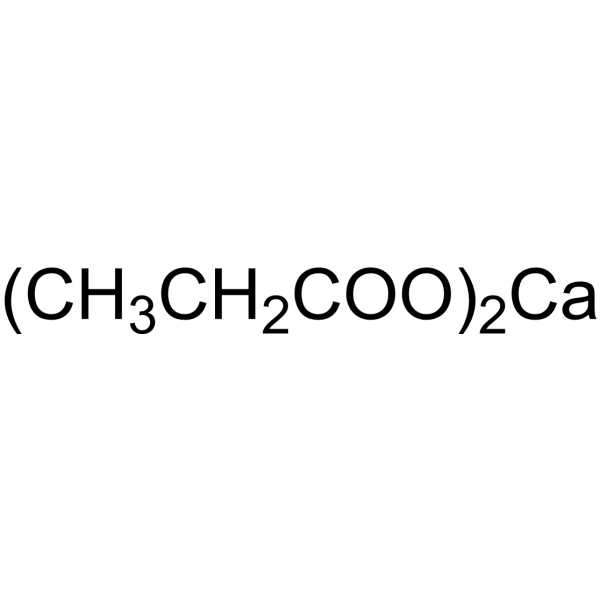
  • HY-B1580A

    Bioban-C, meets analytical specification of E282

    Biochemical Assay Reagents Metabolic Disease
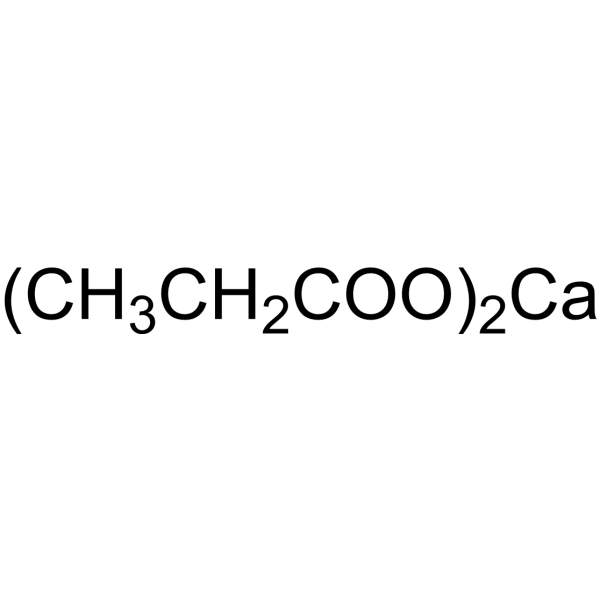
    Calcium propionate, meets analytical specification of E282 is an orally active auxiliary agent for preventing milk fever and improving the health of dairy cows. Calcium propionate can be used for research on dairy cow milk fever and subclinical hypocalcemia .
    Calcium propionate, meets analytical specification of E282

Inquiry Online

Your information is safe with us. * Required Fields.

Salutation


Country or Region *

Applicant Name *


Organization Name *

Department *


Email Address *


Product Name *

Cat. No.


Requested quantity *

Phone Number *


Remarks

Inquiry Online

Inquiry Information

Product Name:
Cat. No.:
Quantity:
MCE Japan Authorized Agent: