1. Search Result
Search Result
Results for "

anti-inflammatory cytokine

" in MedChemExpress (MCE) Product Catalog:

267

Inhibitors & Agonists

1

Screening Libraries

2

Biochemical Assay Reagents

12

Peptides

4

Inhibitory Antibodies

107

Natural
Products

7

Isotope-Labeled Compounds

9

Antibodies

3

Click Chemistry

1

Oligonucleotides

Cat. No. Product Name Target Research Areas Chemical Structure
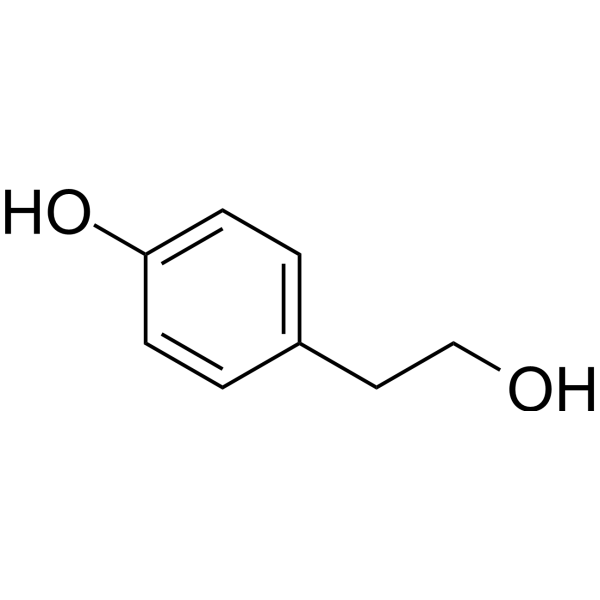
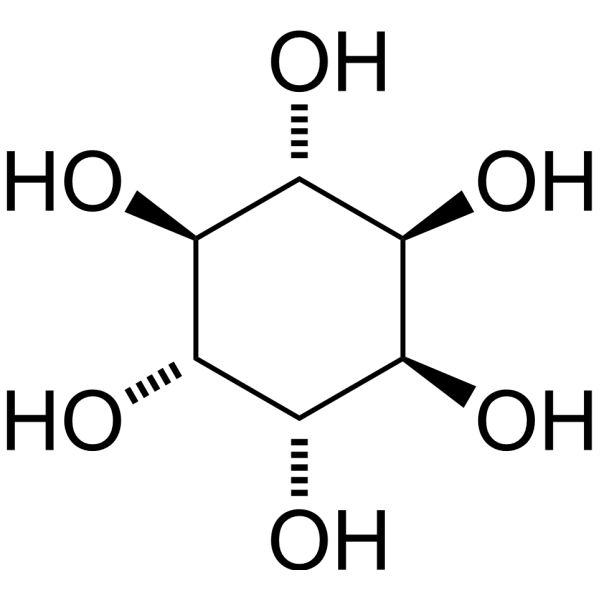
  • HY-N0474
    Tyrosol
    4 Publications Verification

    NF-κB Endogenous Metabolite Inflammation/Immunology
    Tyrosol is a derivative of phenethyl alcohol. Tyrosol attenuates pro-inflammatory cytokines from cultured astrocytes and NF-κB activation. Anti-oxidative and anti-inflammatory effects .
    Tyrosol
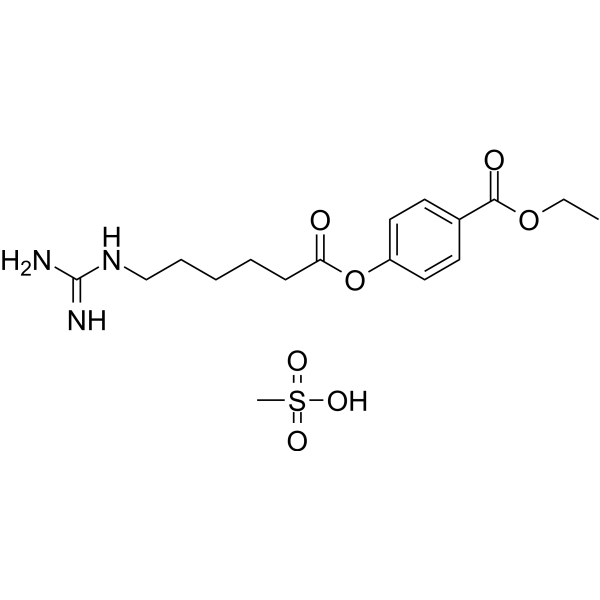
  • HY-B0385
    Gabexate mesylate
    4 Publications Verification

    FOY

    Proteasome Factor Xa Inflammation/Immunology
    Gabexate mesylate (FOY) is is a competitive and non-antigenic synthetic inhibitor of trypsin-like serine proteinases. Gabexate mesylate inhibits human thrombin, urokinase, plasmin, and Factor Xa with Kis of 0.97, 1.3, 1.6, and 8.5 μM, respectively. Gabexate mesylate binds to human and bovine tryptase with Kis of 3.4 nM and 18 μM, respectively. Gabexate mesylate exerts an anticoagulant effect on the clotting activity of thrombin and has anti-inflammatory effect by viainhibition of NF-κB, proinflammatory cytokines, and nitric oxide. Gabexate mesylate is used for pancreatitis and disseminated intravascular coagulation .
    Gabexate mesylate
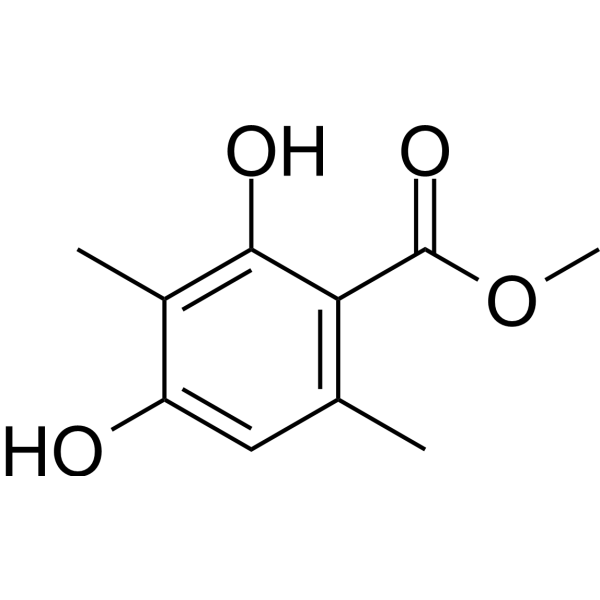
  • HY-N2908

    Methyl atrarate

    Environmental Pollutants NF-κB Androgen Receptor p38 MAPK NO Synthase Inflammation/Immunology Cancer
    Atraric acid (Methyl atrarate) is a specific androgen receptor (AR) antagonist with anti-inflammatory and anticancer effects. Atraric acid represses the expression of the endogenous prostate specific antigen gene in both LNCaP and C4-2 cells. Atraric acid can also inhibit the synthesis of NO and cytokine, and suppress the MAPK-NFκB signaling pathway. Atraric acid can be used to research prostate diseases and inflammatory diseases .
    Atraric acid
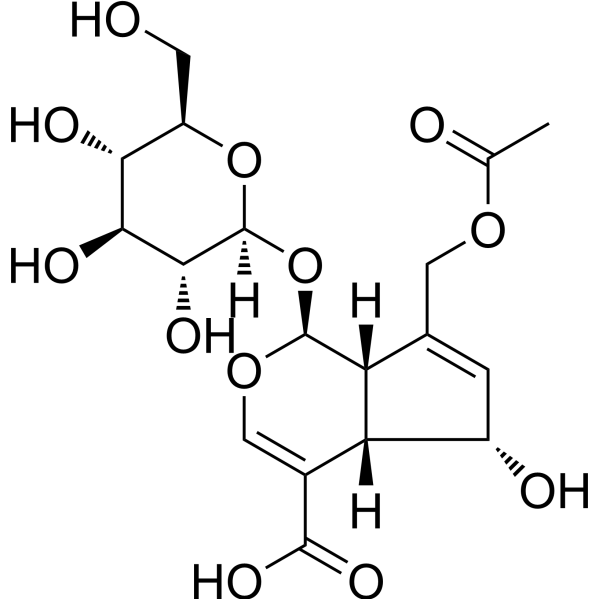
  • HY-N6246

    NF-κB ERK Inflammation/Immunology Cancer
    Asperulosidic Acid (ASPA), a bioactive iridoid glycoside, is extracted from the herbs of Hedyotis diffusa Willd. Asperulosidic Acid (ASPA) has anti-tumor, anti-oxidant, and anti-inflammatory activities . ASPA is related to the inhibition of inflammatory cytokines (TNF-α, IL-6) and mediators via suppression of the NF-κB and mitogen-activated protein kinase (MAPK) signaling pathways .
    Asperulosidic Acid
  • HY-159657

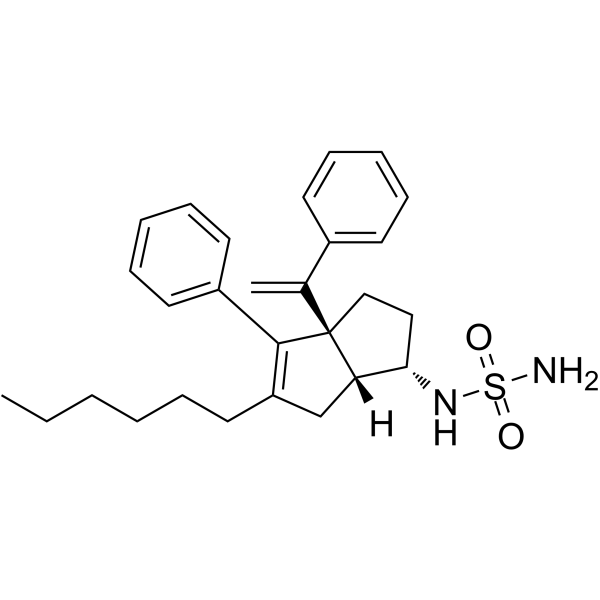
    Salt-inducible Kinase (SIK) Interleukin Related Inflammation/Immunology
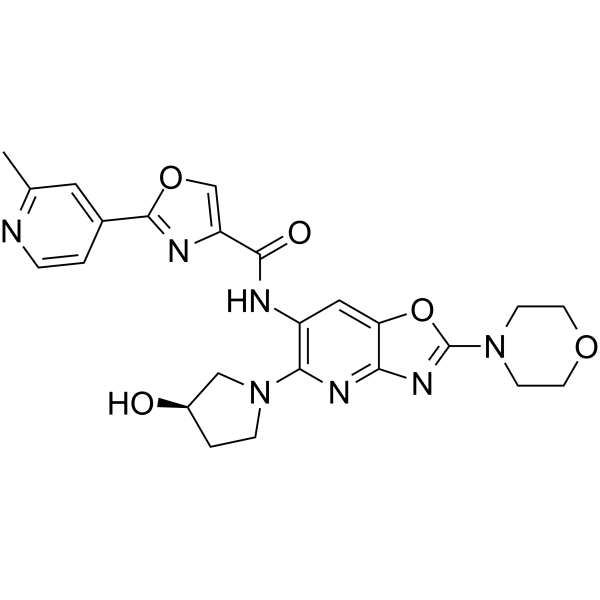
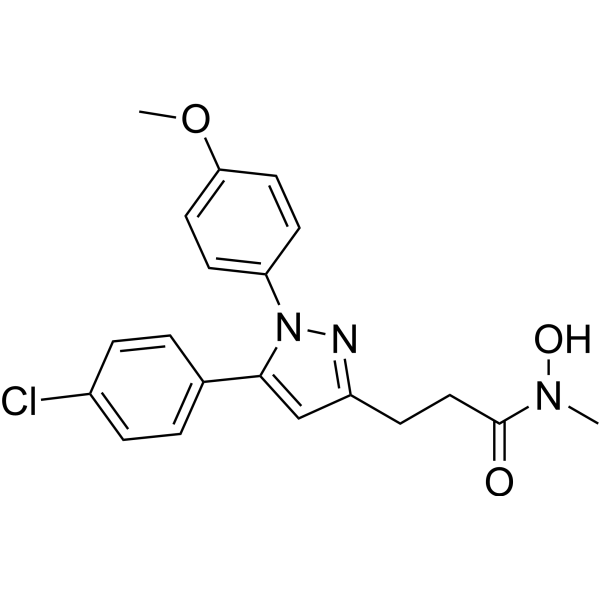
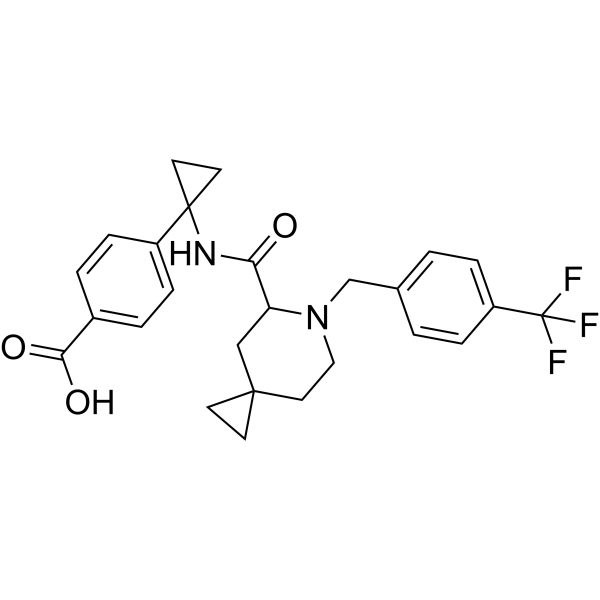
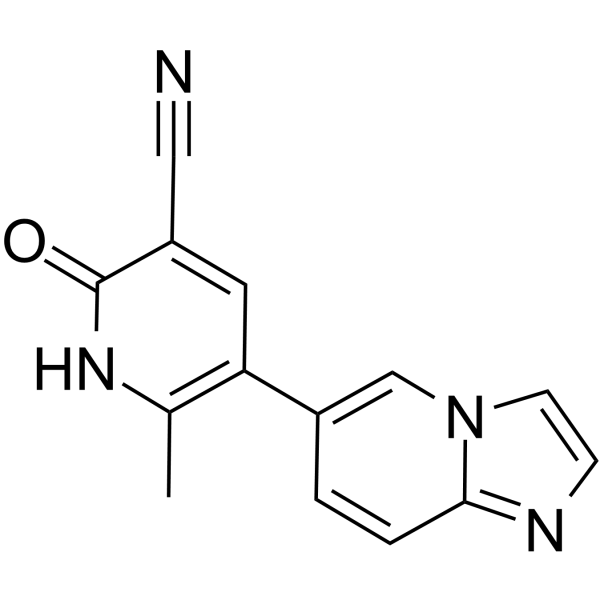
    PF-07899895 (Compound 34) is a SIK inhibitor, with IC50 values of 1.2 nM, 0.9 nM, and 1.8 nM against SIK1, SIK2, and SIK3, respectively. PF-07899895 modulates the anti-inflammatory cytokine IL-10 in immune cells. PF-07899895 is applicable to research related to inflammatory diseases .
    PF-07899895
  • HY-N0279
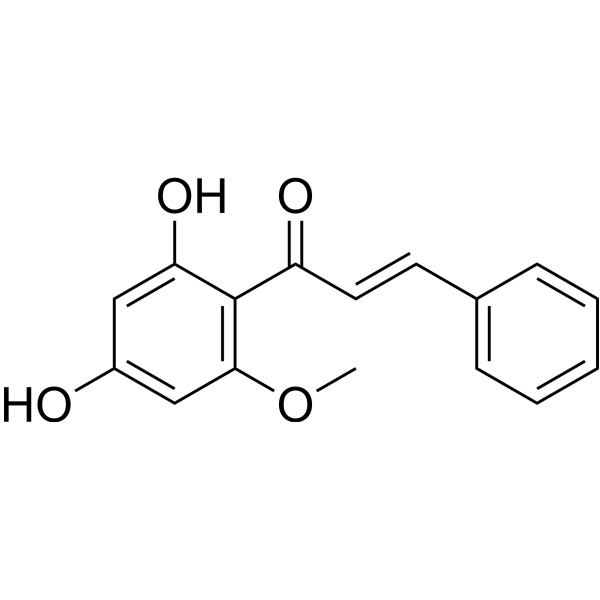
    Cardamonin
    Maximum Cited Publications
    17 Publications Verification

    Cardamomin; Alpinetin chalcone

    NF-κB STAT Wnt β-catenin Bcl-2 Family Apoptosis Cardiovascular Disease Metabolic Disease Inflammation/Immunology Cancer
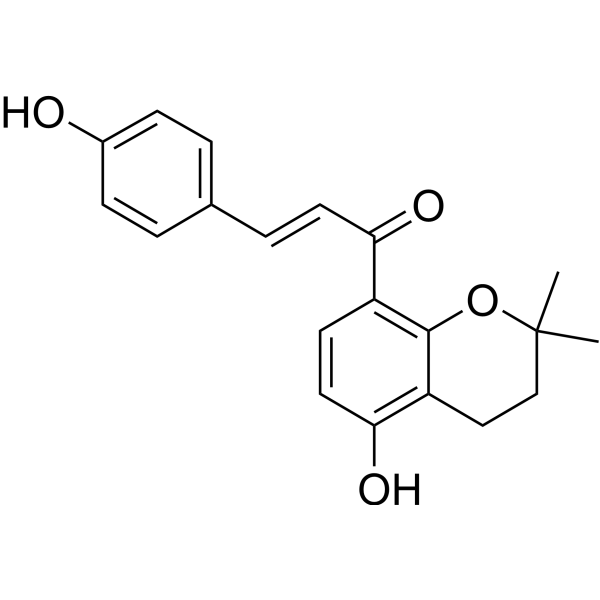
    Cardamonin can be found from cardamom, and can target various signaling molecules, transcriptional factors, cytokines and enzymes. Cardamonin can inhibit mTOR, NF-κB, Akt, STAT3, Wnt/β-catenin and COX-2. Cardamonin shows anticancer, anti-inflammatory, antimicrobial and antidiabetic activities .
    Cardamonin
  • HY-147105

    Orphan Nuclear Receptor Interleukin Related Inflammation/Immunology
    LRH-1 agonist-2 (Compound 6N) is a selective, full LRH-1 agonist with an EC50 of 15.7 nM. LRH-1 agonist-2 directly interacts with the Thr352 and His390 residues in the LRH-1 binding pocket, promotes allosteric signaling to the activation function surface (AFS), stabilizes the AFS and enhances coactivator recruitment. LRH-1 agonist-2 induces the anti-inflammatory cytokine IL-10, and reduces the pro-inflammatory cytokines IL-1β and TNFα. LRH-1 modulator-1 exerts anti-inflammatory effects in intestinal organoids. LRH-1 modulator-1 can be used in studies related to inflammatory bowel disease .
    LRH-1 agonist-2
  • HY-N8211
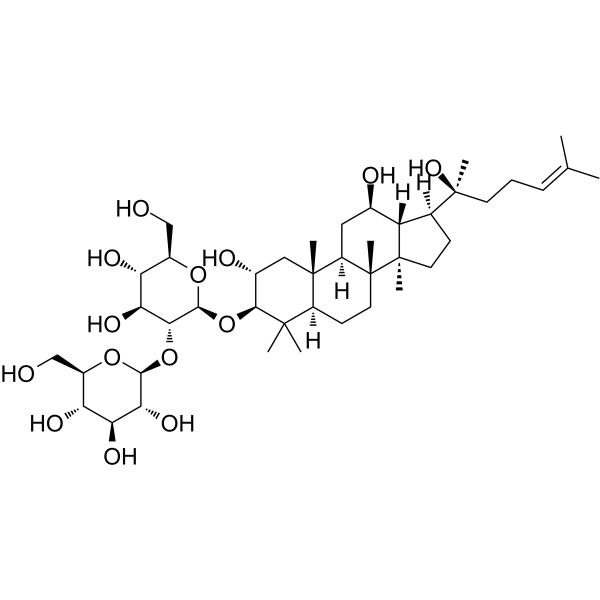
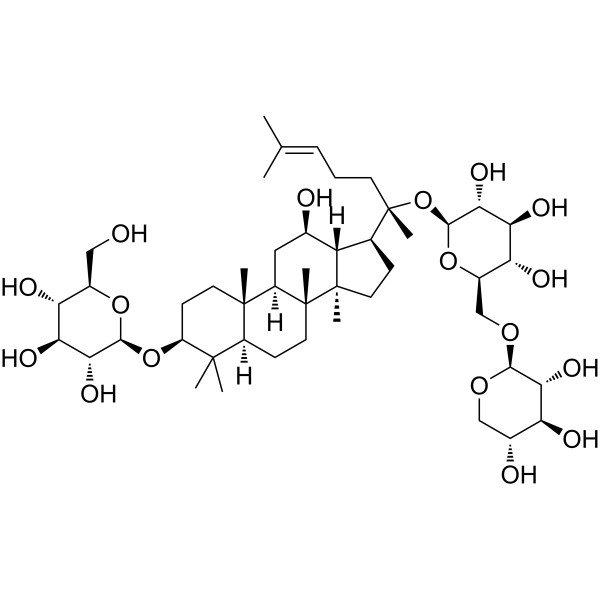
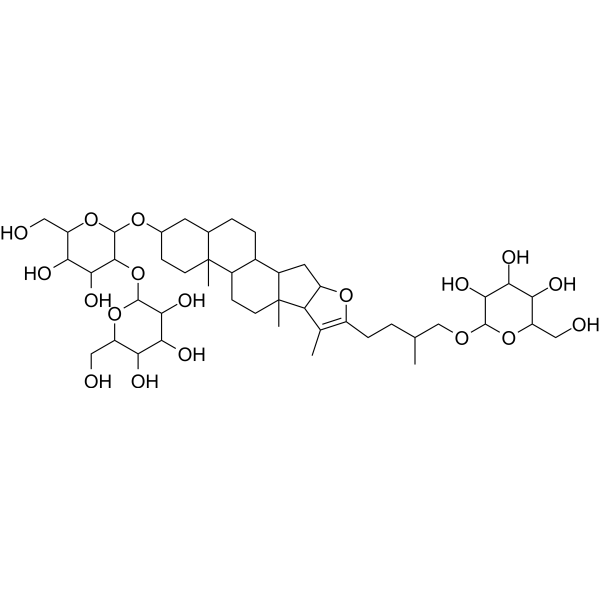
    Gypenoside L
    4 Publications Verification

    p38 MAPK ERK NF-κB Inflammation/Immunology Cancer
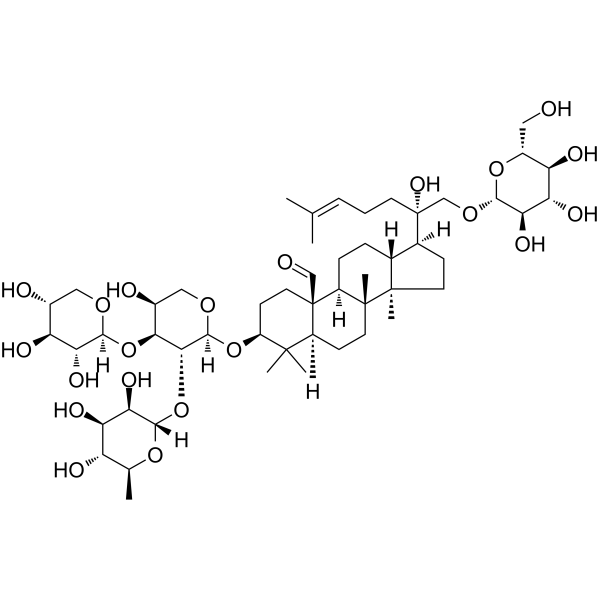
    Gypenoside L is a saponin that can be found in Gynostemma pentaphyllum. Gypenoside L increases the SA-β-galactosidase activity, promotes the production of senescence-associated secretory cytokines. Gypenoside L also can activate p38 and ERK MAPK pathways and NF-κB pathway to induce senescence. Gypenoside L exhibits anti-tumor and anti-inflammatory activities .
    Gypenoside L
  • HY-126382
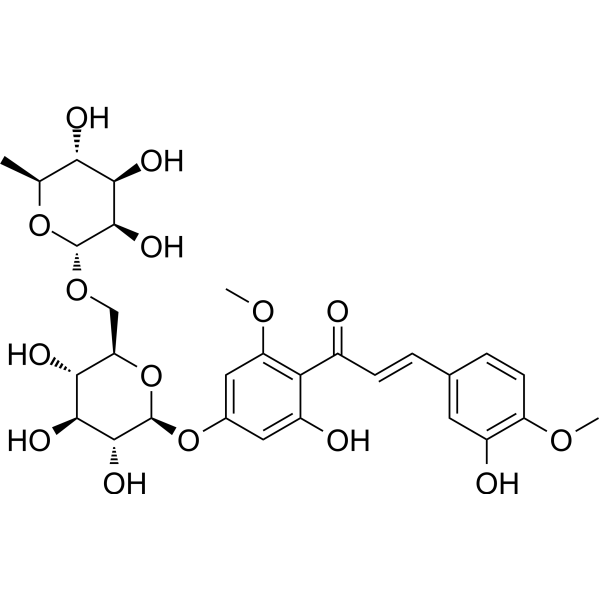
    Hesperidin methylchalcone
    1 Publications Verification

    NF-κB Inflammation/Immunology
    Hesperidin methylchalcone (Hesperidin methyl chalcone) is an orally active flavonoid that has analgesic, anti-inflammatory and antioxidant properties. Hesperidin methylchalcone exhibits vasoprotective activity. Hesperidin methylchalcone inhibits oxidative stress, cytokine production and NF-κB activation. Hesperidin methylchalcone can be used for the research of gout disease .
    Hesperidin methylchalcone
  • HY-B1648

    Biochemical Assay Reagents Cardiovascular Disease
    Ferric pyrophosphate is an orally effective anti-inflammatory agent and iron fortifier. Ferric pyrophosphate downregulates the expression of colonic pro-inflammatory cytokines, modulates the intestinal flora, and corrects the dysbiosis associated with iron deficiency anemia (IDA). Ferric pyrophosphate can be used in studies related to iron deficiency anemia .
    Ferric pyrophosphate
  • HY-23119

    Thiocyanate sodium

    Environmental Pollutants Reactive Oxygen Species (ROS) Interleukin Related Inflammation/Immunology
    Sodium thiocyanate reduces plasma levels of the pro-inflammatory cytokine IL-6, and increases the anti-inflammatory cytokine IL-10 levels. Sodium thiocyanate also significantly reduces of ROS formation .
    Sodium thiocyanate, GR, 99%
  • HY-N2083

    NF-κB Inflammation/Immunology
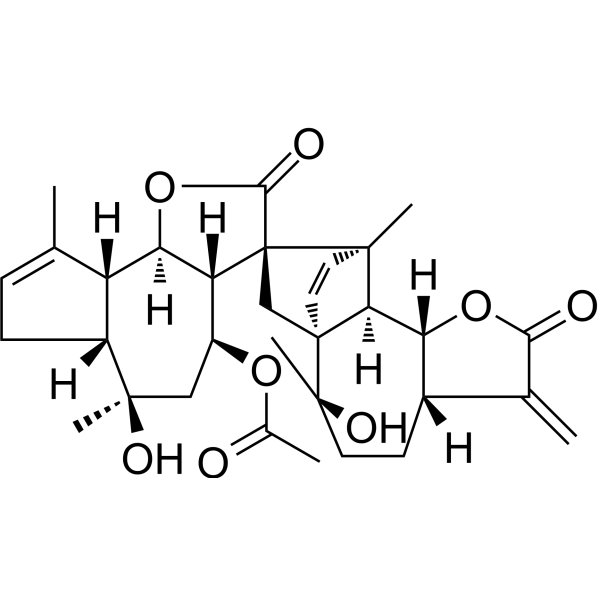
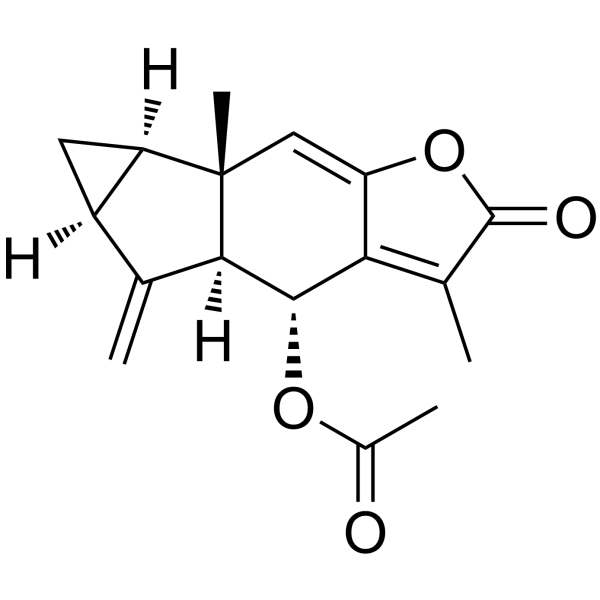
    Handelin is a guaianolide dimer from Chrysanthemum boreale that has potent anti-inflammatory activity by down-regulating NF-κB signaling and pro-inflammatory cytokine production .
    Handelin
  • HY-126114
    Lupeol acetate
    1 Publications Verification

    COX Interleukin Related Bacterial Fungal Parasite Infection Inflammation/Immunology Cancer
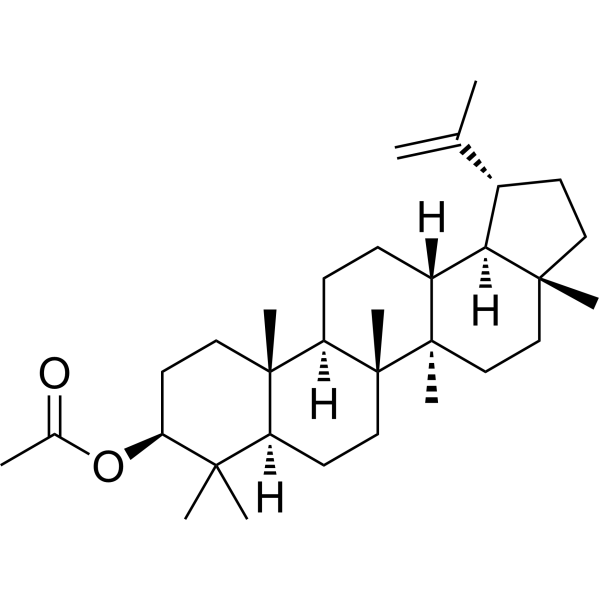
    Lupeol acetate is a derivative of Lupeol. Lupeol acetate is an anti-inflammatory, antibacterial, anti-trypanosomic and anticancer agent with oral activity. Lupeol acetate significantly improves the symptoms of rheumatoid arthritis by down-regulating the expression of inflammatory cytokines and osteoclast production. Lupeol acetate inhibits spermatogenesis in male rats and eventually led to infertility .
    Lupeol acetate
  • HY-W012732
    Isoquinoline
    2 Publications Verification

    Environmental Pollutants Parasite Drug Isomer TNF Receptor HIV NF-κB Interleukin Related Neurological Disease Cancer
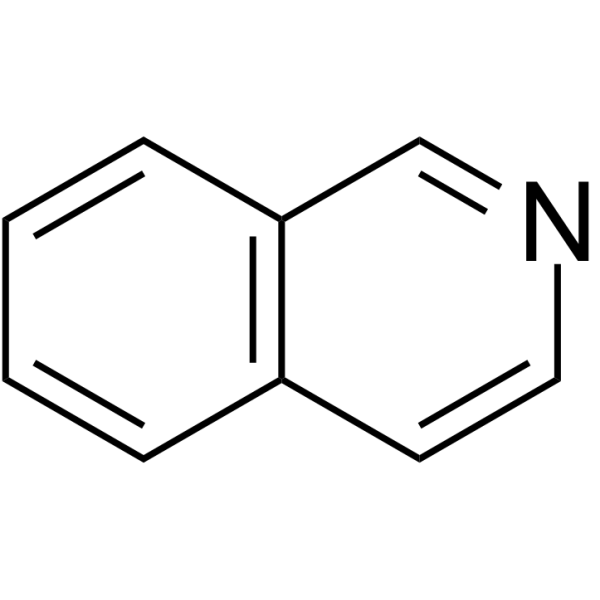
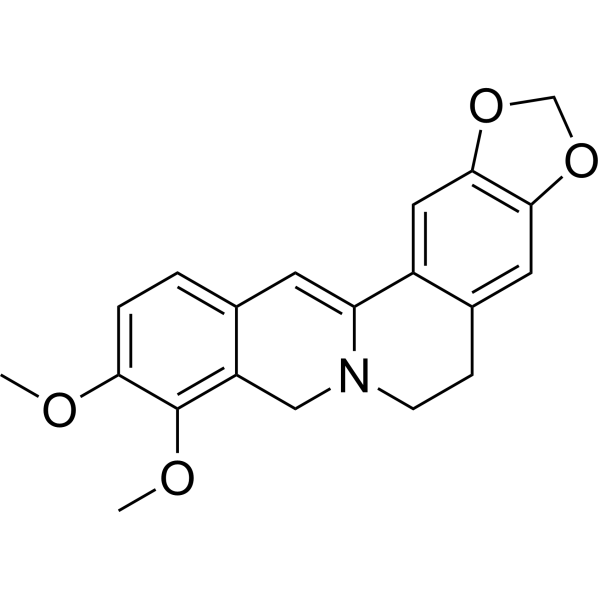
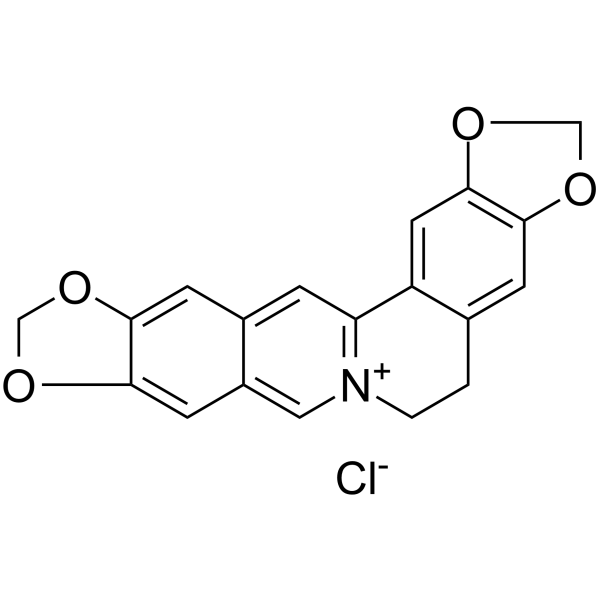
    Isoquinoline is an analog of pyridine. Isoquinoline-based alkaloids, such as p-tolyl bisisoquinoline, phthaloyl isoquinoline, and naphthyl isoquinoline, exhibit anticancer activity. Berberine, an isoquinoline alkaloid, exerts anti-inflammatory effects in diabetic mice by downregulating the gene expression ratios of pro-/anti-inflammatory and Th1/Th2 cytokines. Additionally, some isoquinoline-based compounds also possess antidepressant, antibacterial, antimalarial, and anti-HIV activities .
    Isoquinoline
  • HY-W089845
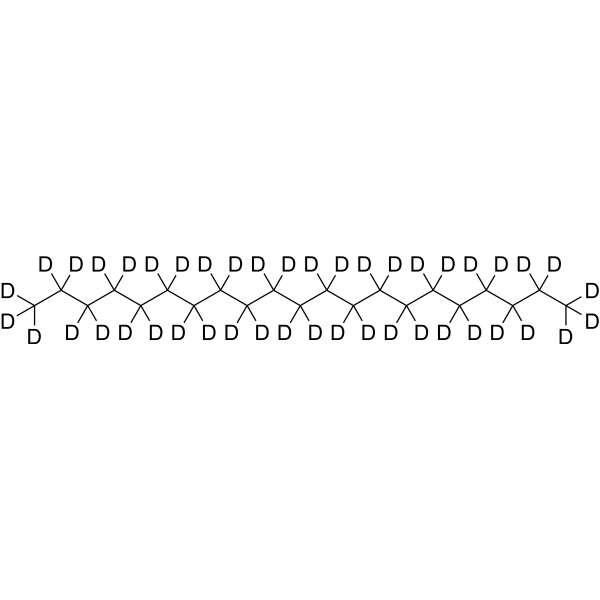
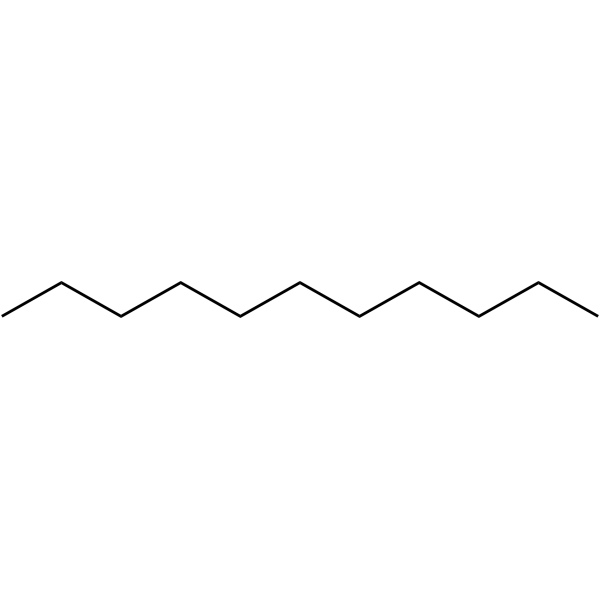
    Heneicosane
    1 Publications Verification

    Environmental Pollutants Fungal Sex Pheromone Infection Endocrinology
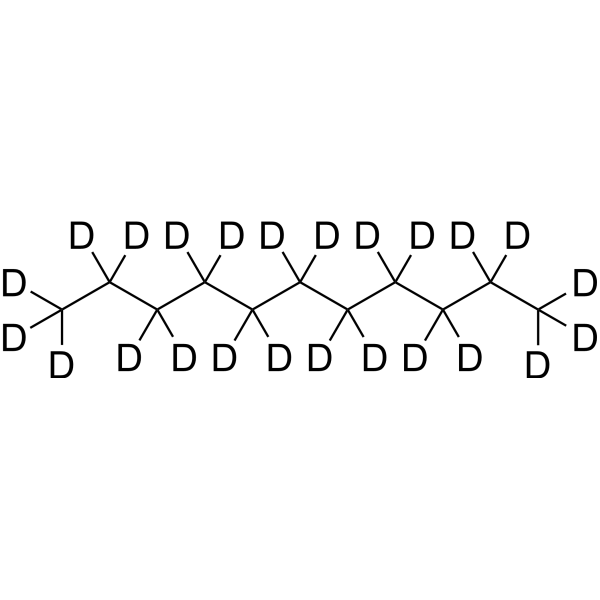
    Heneicosane is a royal-specific pheromone of insects (such as subterranean termites) and is an identification signal for queens and kings in termites. Heneicosane mediates royal recognition and the maintenance of social division of labor by being sensed by worker ants and triggering vibrations and antennal behaviors. Heneicosane can exert anti-inflammatory, analgesic and antipyretic activities by inhibiting the release of inflammatory mediators (such as prostaglandins and cytokines). At the same time, Heneicosane can also inhibit the mycelial growth of aflatoxin-producing fungi and inhibit the production of aflatoxin. Heneicosane can be used in insect chemical ecology research to analyze the regulatory mechanism of termite social behavior, and is also a potential target for new anti-inflammatory drugs .
    Heneicosane
  • HY-17002
    Suplatast (Tosilate)
    1 Publications Verification

    IPD 1151T

    Interleukin Related Inflammation/Immunology
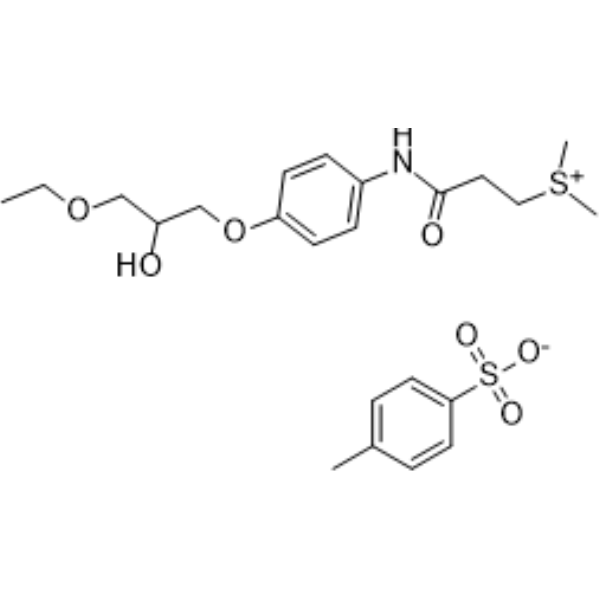
    Suplatast Tosilate (IPD 1151T) is an orally active Th2 cytokine inhibitor which can inhibit both IL-4 and IL-5 production from Th2 cells and suppress IgE synthesis. Suplatast Tosilate is an anti-allergic agent. Suplatast Tosilate has antiasthmatic, anti-inflammatory and antifibrotic activity .
    Suplatast (Tosilate)
  • HY-P99008
    Atibuclimab
    2 Publications Verification

    IC14

    Toll-like Receptor (TLR) Infection Neurological Disease Inflammation/Immunology
    Atibuclimab (IC14), is a chimeric monoclonal antibody directed against CD14 and is composed of murine variable and human IgG4 Fc regions. Atibuclimab attenuates Lipopolysaccharides (HY-D1056) (LPS)-induced symptoms and strongly inhibits LPS-induced proinflammatory cytokine release, while only delaying the release of the anti-inflammatory cytokines soluble TNF receptor type I and IL-1 receptor antagonist. Atibuclimab can be used for the research of amyotrophic lateral sclerosis, sepsis, community-acquired pneumonia, or acute lung injury .
    Atibuclimab
  • HY-135317
    Emavusertib
    5+ Cited Publications

    CA-4948

    IRAK Apoptosis FLT3 NF-κB MyD88 Inflammation/Immunology Cancer
    Emavusertib is an orally active inhibitor for IRAK4 (IC50=57 nM) and FLT3. Emavusertib inhibits NF-κB and MyD88 signaling pathways, reduces the generation of pro-inflammatory cytokines like IL-6 and IL-10, thereby exhibiting anti-inflammatory and anti-proliferative activities against cancer cells, leading to cell apoptosis. Emavusertib exhibits antitumor activity in mouse model
    Emavusertib
  • HY-N7696

    Apoptosis Inflammation/Immunology
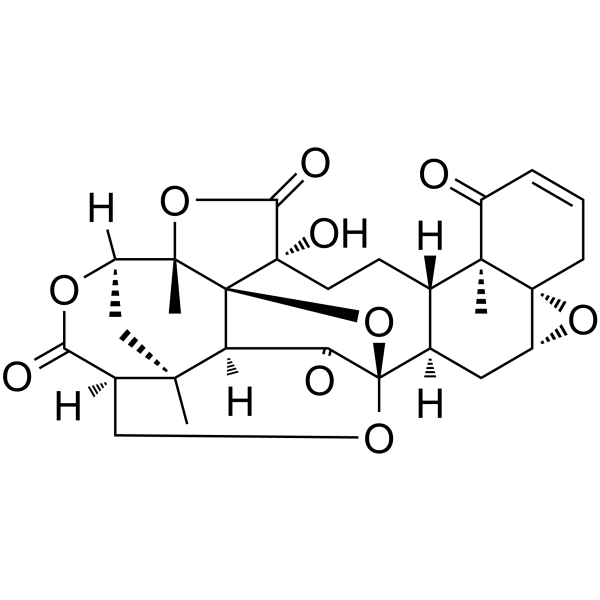
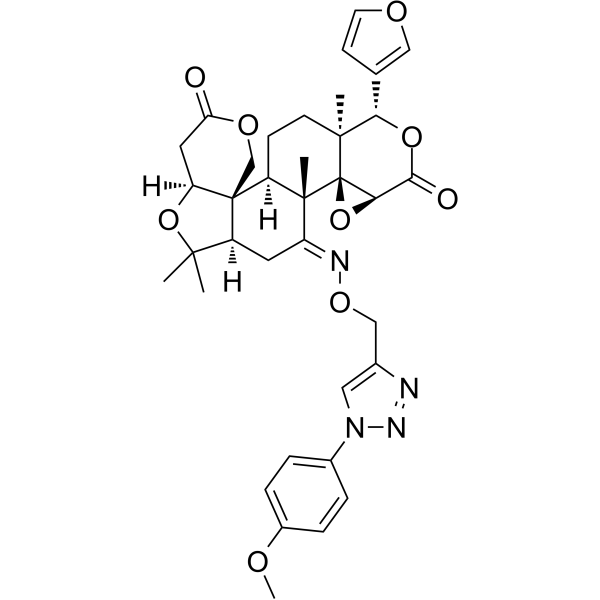
    Physalin F is a secosteroid with potent anti-inflammatory and immunomodulatory activities. Physalin F induces apoptosis of PBMC, decreasing the spontaneous proliferation and cytokine production caused by Human T-lymphotropic virus type 1 (HTLV-1) infection .
    Physalin F
  • HY-18325
    AN-3485
    1 Publications Verification

    Toll-like Receptor (TLR) NF-κB Interleukin Related Inflammation/Immunology Cancer
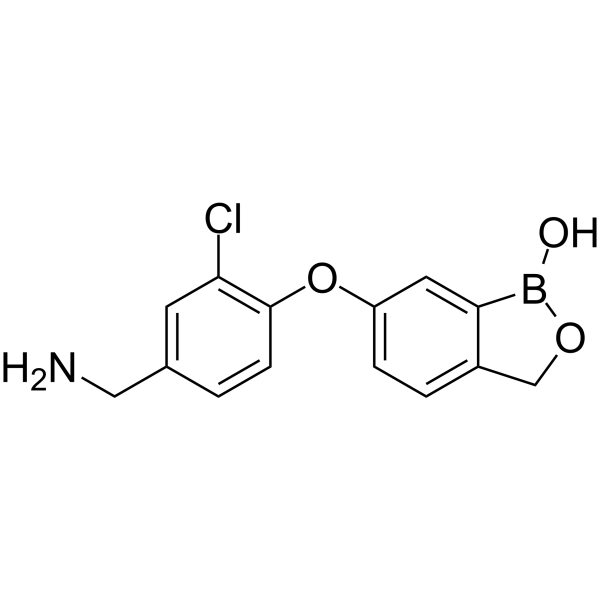
    AN-3485 is a benzoxaborole analogue and an orally active antagonist of the Toll-like pathway. AN-3485 can inhibit TLR-mediated inflammatory cytokine secretion and has significant anti-inflammatory activity. In addition, AN-3485 also has certain anti-tumor activity .
    AN-3485
  • HY-10656

    Urotensin Receptor Inflammation/Immunology
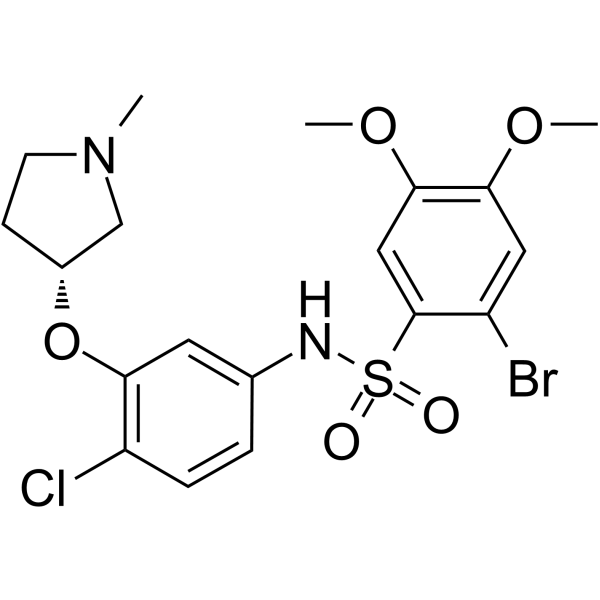
    SB-657510 is a selective urotensin II (UII) receptor (UT) antagonist. The Ki values are 61, 17, 30, 65 and 56 nM for human, monkey, cat, rat and mouse receptors, respectively. SB-657510 exerts anti-inflammatory effects by inhibiting UII-induced upregulation of inflammatory mediators such as adhesion molecules, cytokines, and tissue factor in human vascular endothelial cells .
    SB-657510
  • HY-P11077

    TLT-1 (94-110)

    TREM receptor Inflammation/Immunology
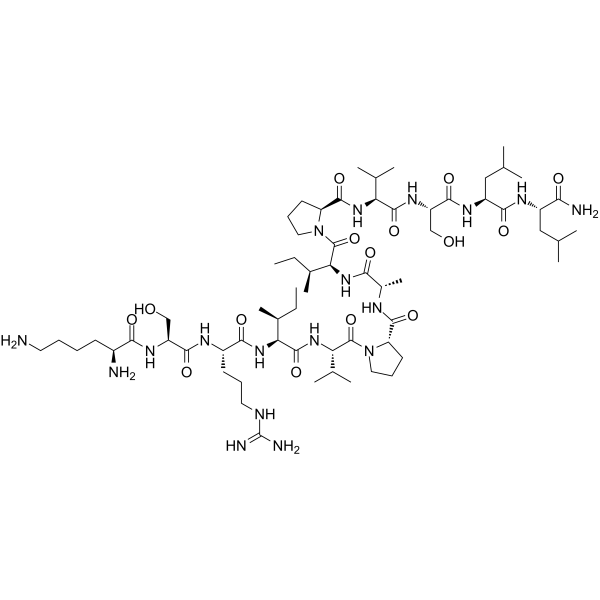
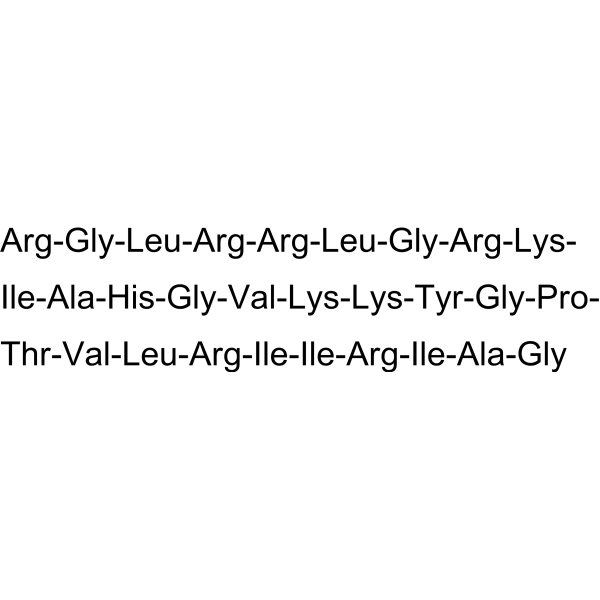
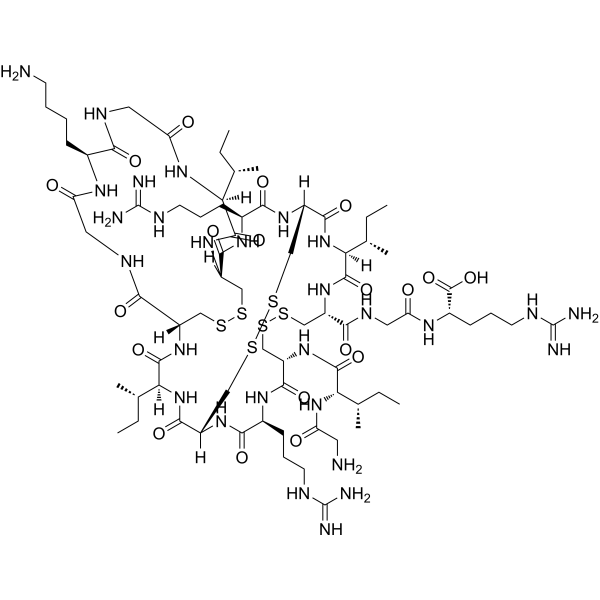
    LR-17 (TLT-1 (94-110)), a 17-aa peptide, is a TREM-1 inhibitor. LR-17 shows anti-inflammatory effects that can reduce the secretion of pro-inflammatory cytokines induced by Lipopolysaccharides (HY-D1056) (LPS). LR-17 can be used for the study of sepsis .
    LR-17
  • HY-W010253

    Apoptosis Interleukin Related NF-κB Reactive Oxygen Species (ROS) Bcl-2 Family NOD-like Receptor (NLR) Cytochrome P450 Infection Inflammation/Immunology
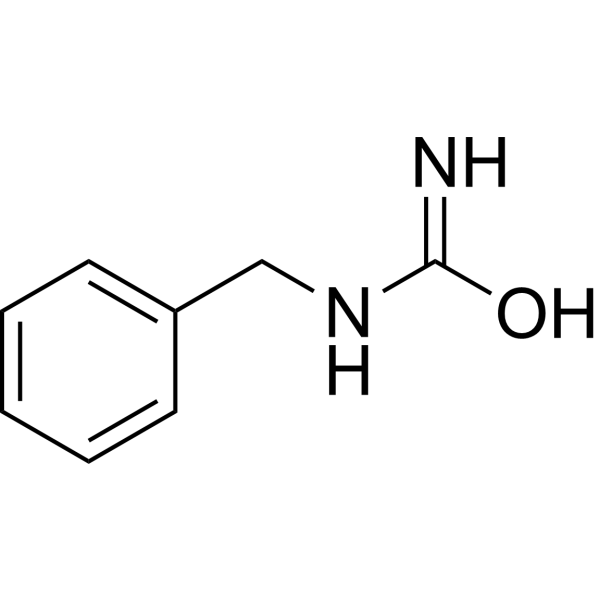
    Benzylurea is an anti-inflammatory agent. Benzylurea inhibits LPS (HY-D1056)-induced upregulation of MTCH2 expression and regulates pathways associated with mitochondrial function, inflammation and cell survival. Benzylurea alleviates LPS-induced proliferation inhibition and apoptosis of periodontal ligament fibroblasts, as well as the release of proinflammatory cytokines. Benzylurea can be used in studies related to periodontitis .
    Benzylurea
  • HY-N0474R

    Reference Standards NF-κB Endogenous Metabolite Inflammation/Immunology
    Tyrosol (Standard) is the analytical standard of Tyrosol. This product is intended for research and analytical applications. Tyrosol is a derivative of phenethyl alcohol. Tyrosol attenuates pro-inflammatory cytokines from cultured astrocytes and NF-κB activation. Anti-oxidative and anti-inflammatory effects .
    Tyrosol (Standard)
  • HY-156025

    Hydroxycarboxylic Acid Receptor (HCAR) Inflammation/Immunology
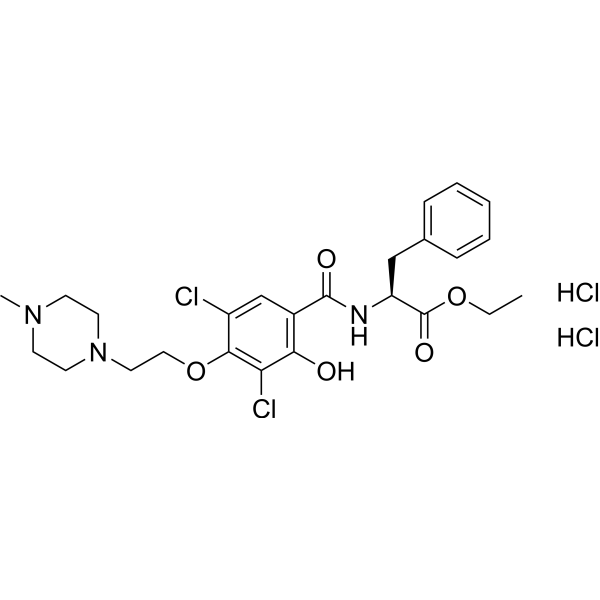
    HCAR2 agonist 1 (Compound 9n) is a Gi protein-biased allosteric modulator of HCAR2. HCAR2 agonist 1 activates the Gi protein signaling pathway. HCAR2 agonist 1 shows anti-inflammatory effect, and reduces mRNA level of pro-inflammatory cytokine (TNF-α, IL-1β, IL-6, and MCP-1). HCAR2 agonist 1 enhances anti-inflammatory effects of orthosteric agonists in the mouse model of colitis .
    HCAR2 agonist 1
  • HY-145307

    Bacterial Infection Inflammation/Immunology
    DATPT is a 12WLVSKF17 peptide-mimetic molecule. DATPT blocks the SNX9-p47phox interaction in the endosome and suppresses reactive oxygen species and inflammatory cytokine production. DATPT with anti-inflammatory and antibacterial functions has the potential for the research of sepsis .
    DATPT
  • HY-152251

    Cannabinoid Receptor FAAH Inflammation/Immunology
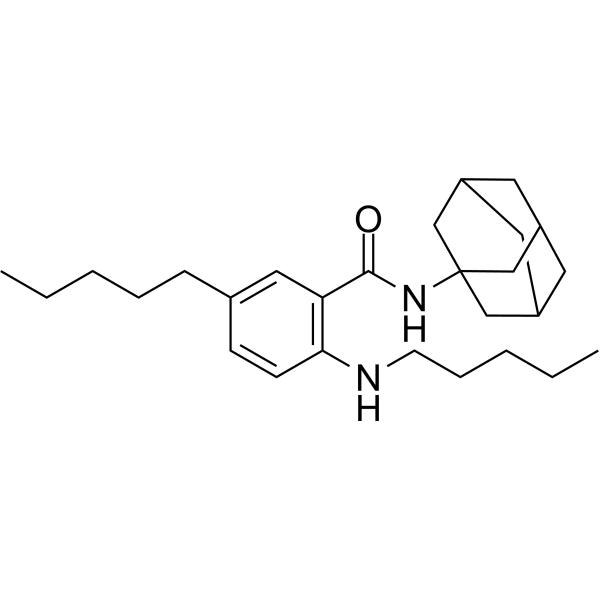
    CB2R/FAAH modulator-1 is a cannabinoid type 2 receptor (CB2R) full agonist with Kis of 14.8 nM and 241.3 nM for CB2R and CB1R, respectively. CB2R/FAAH modulator-1 is a fatty acid amide hydrolase (FAAH) inhibitor with an IC50 of 4 μM. CB2R/FAAH modulator-1 decreases pro-inflammatory and increases anti-inflammatory cytokines production .
    CB2R/FAAH modulator-1
  • HY-W322573

    COX Inflammation/Immunology
    (R)-Ketoprofen is an orally active nonsteroidal anti-inflammatory drug (NSAID) with analgesic properties. (R)-Ketoprofen does not significantly amplify the increase of inflammatory cytokines (such as tumor necrosis factor (TNF) and interleukin-1 (IL-1)) induced by LPS, but it can inhibit the anti-inflammatory activity of (S)-Ketoprofen .
    (R)-Ketoprofen
  • HY-N7372

    Apoptosis Infection Inflammation/Immunology
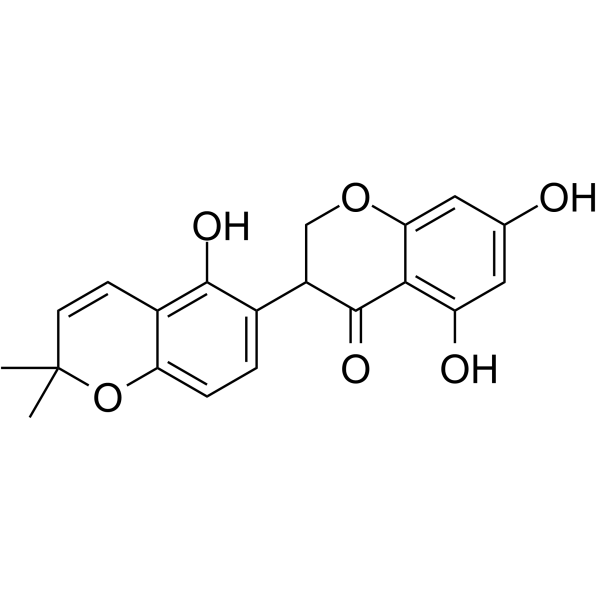
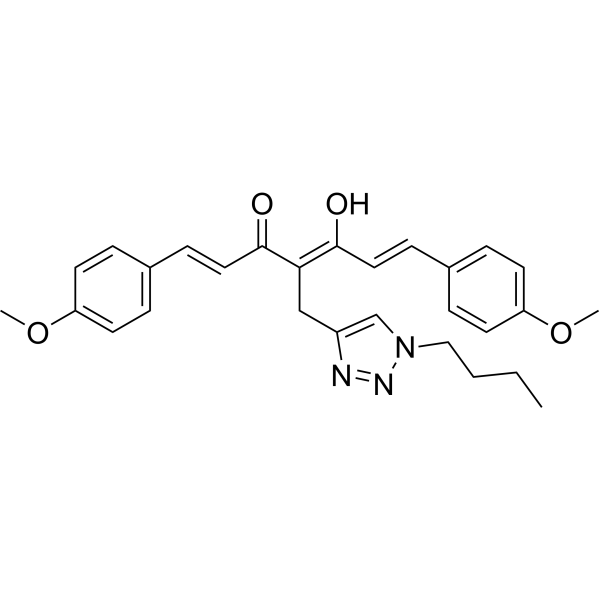
    Licoisoflavanone is an orally active isoflavane-based immunomodulator with multiple activities including antiviral, anti-inflammatory, cytoprotective and cancer cell apoptosis-inducing effects. Licoisoflavanone can be isolated from the roots and rhizomes of Glycyrrhiza uralensis Fisch. Licoisoflavanone not only enhances the body's immunity, but also effectively prevents acute respiratory distress syndrome and multiple organ damage by alleviating cytokine storm, thereby reducing the degree of inflammation. In rats, Licoisoflavanone undergoes multiple metabolic transformation processes such as glucuronidation, hydroxylation, sulfation, methylation and dehydrogenation. Licoisoflavanone has become an important candidate molecule for research on COVID-19 and related inflammatory diseases .
    Licoisoflavanone
  • HY-N6927

    Coleonol B

    TNF Receptor Interleukin Related Inflammation/Immunology
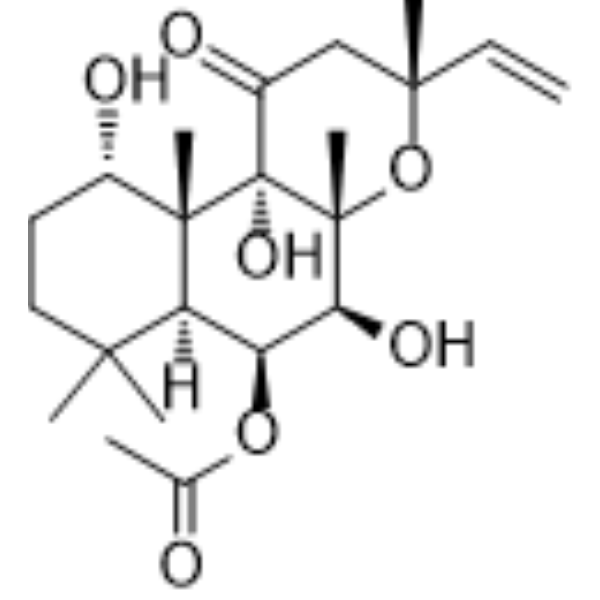
    Isoforskolin is the principle active component of C. forskohlii native to China. Isoforskolin reduces the secretion of lipopolysaccharide (LPS)-induced cytokines, namely TNF-α, IL-1β, IL-6 and IL-8, in human mononuclear leukocytes. Isoforskolin acts as an anti-inflammatory agent for the treatment of Lyme arthritis .
    Isoforskolin
  • HY-149391

    PROTACs Btk Inflammation/Immunology
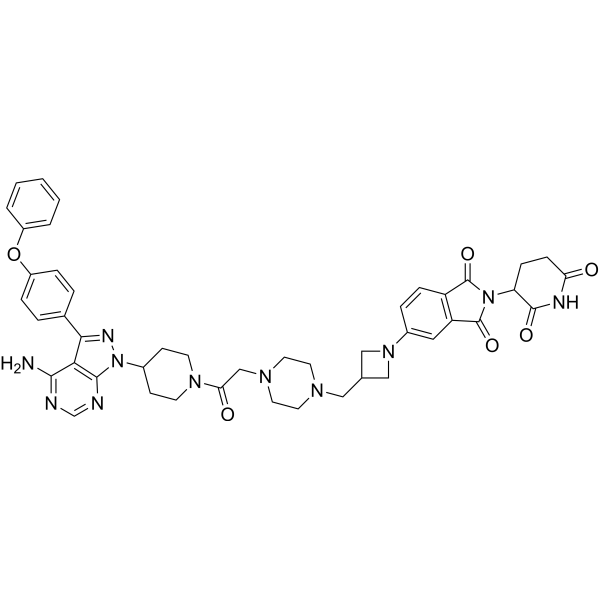
    PROTAC BTK Degrader-6 (Compound 15) is a PROTAC BTK degrader (DC50: 3.18 nM. PROTAC BTK Degrader-6 has anti-inflammatory activity, inhibits NF-κB activation, and inhibits the expression of pro-inflammatory cytokines (e.g. IL-1β, IL-6) .
    PROTAC BTK Degrader-6
  • HY-P10839

    NF-κB Inflammation/Immunology
    NBD peptide inhibits NF-κB signaling pathway through inhibition of the NEMO-IKK complex combination. NBD peptide exhibits anti-inflammatory efficacy through block of pro-inflammatory cytokines production. NBD peptide exhibits immunosuppressive activity through regulation of immune cells. NBD peptide enhances its transmembrane ability by combining with cell-penetrating peptide HIV-TAT .
    NBD peptide
  • HY-152581

    Cannabinoid Receptor Inflammation/Immunology
    CB2R antagonist 3 is a selective antagonist of cannabinoid type 2 receptor (CB2R). CB2R antagonist 3 has high affinity for human CB2R and specific selectivity for CB1R. CB2R antagonist 3 can be combined with CB65 (HY-110047), the activator of CB2R. CB2R antagonist 3 effectively up-regulates the expression of anti-inflammatory cytokines and down-regulates the expression of pro-inflammatory cytokines .
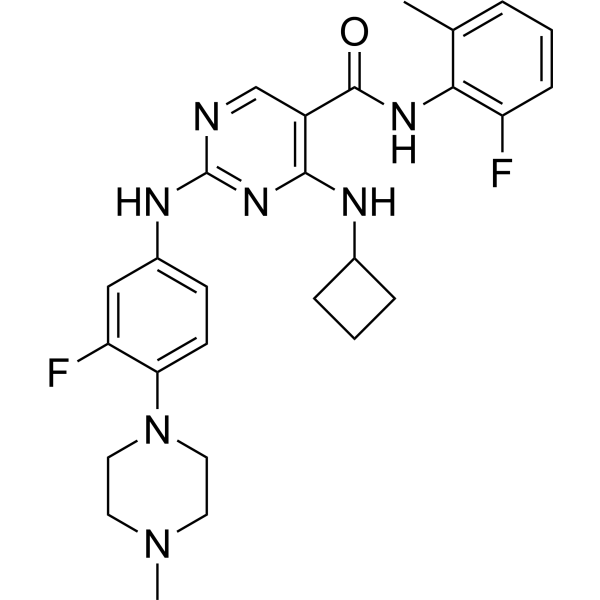
    CB2R antagonist 3
  • HY-N6908

    Bacterial p38 MAPK Apoptosis PARP Bcl-2 Family Caspase Interleukin Related COX PERK JNK NF-κB NO Synthase SOD Infection Neurological Disease Inflammation/Immunology Cancer
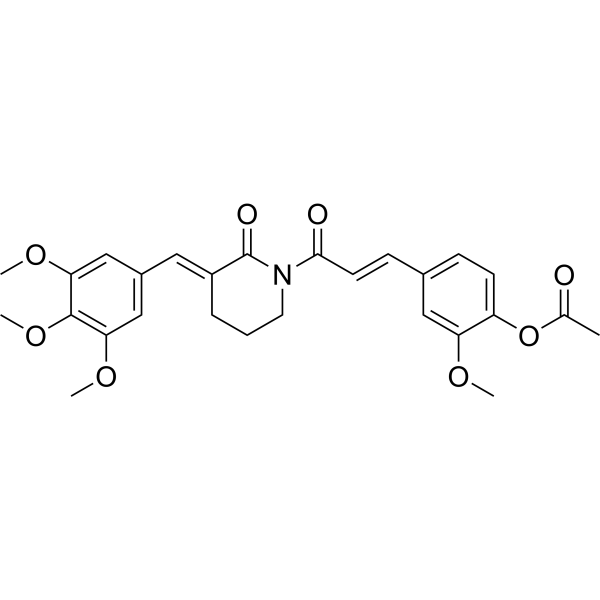
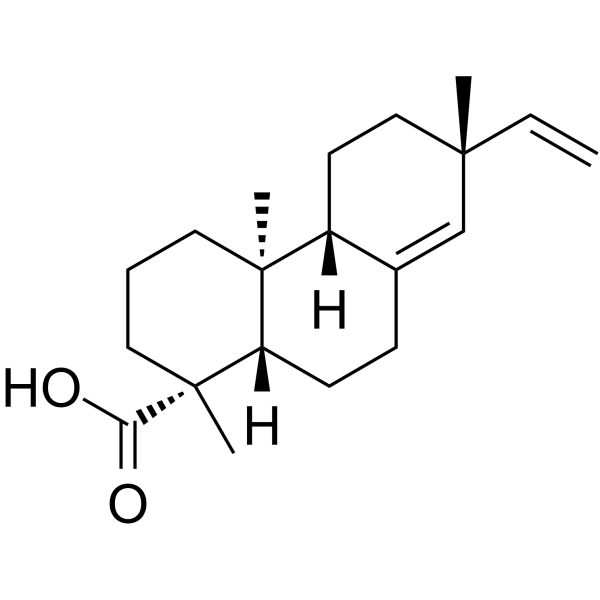
    Continentalic acid is a diterpenoid organic acid. Continentalic acid exhibits multiple activities including anti-inflammatory, antioxidant, neuroprotective, antibacterial and antitumor effects. Continentalic acid alleviates oxidative stress, reduces pro-inflammatory cytokine production, inhibits MAPK phosphorylation and neutrophil infiltration, and induces growth inhibition and apoptosis of cancer cells. Continentalic acid can be used in research related to traumatic brain injury, cancer, inflammation and infections .
    Continentalic acid
  • HY-W145695

    Biochemical Assay Reagents Apoptosis Interleukin Related IFNAR Cardiovascular Disease Inflammation/Immunology
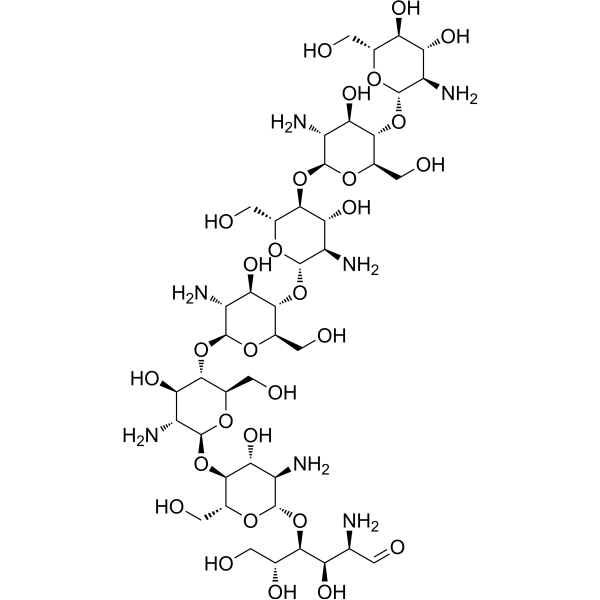
    Chitoheptaose is an orally active chitooligosaccharide (degree of polymerization = 7). Chitoheptaose can be extracted from the exoskeletons of crustaceans, such as the shells of crabs, shrimps and lobsters. Chitoheptaose reduces pro-inflammatory cytokines while increasing the levels of anti-inflammatory cytokines (decreasing the levels of pro-inflammatory cytokines IL-1β, IL-17A and IFN-γ, and increasing the level of the anti-inflammatory cytokine IL-10). Chitoheptaose possesses antioxidant, anti-inflammatory and anti-Apoptotic activities. Chitoheptaose improves cardiac parameters, alleviates myocarditis injury, and exerts cardioprotective effects in a rat model of myocarditis. Chitoheptaose can be used in studies related to myocarditis .
    Chitoheptaose
  • HY-149365

    Salt-inducible Kinase (SIK) Inflammation/Immunology
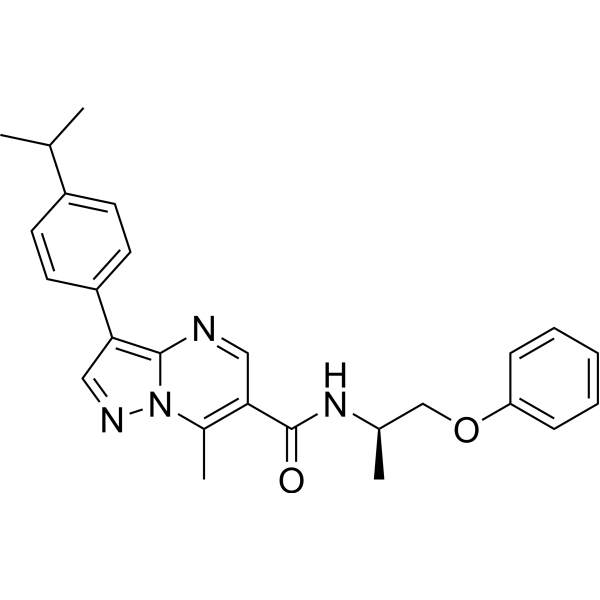
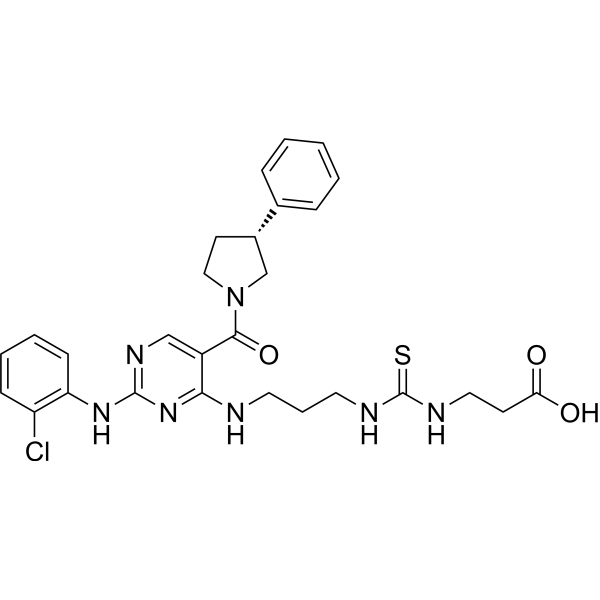
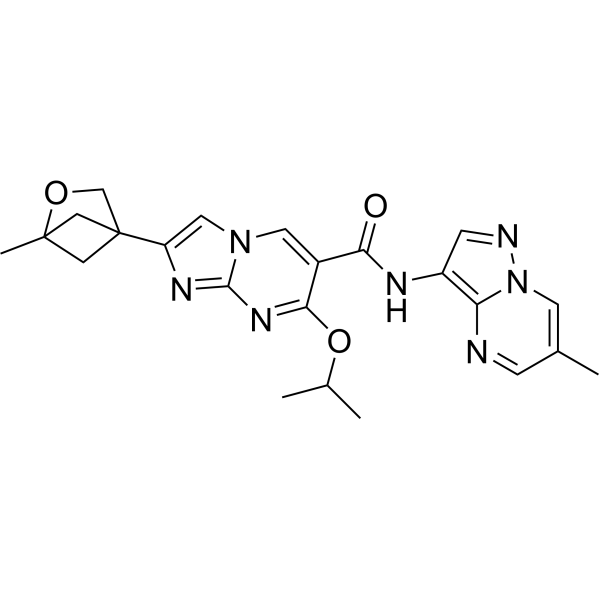
    SIKs-IN-1 (compound 8h), a pyrimidine-5-carboxamide derivative, is a Salt-inducible kinases (SIKs) inhibitor. SIKs regulates the transformation of M1/M2 macrophages, involving in inflammation process. SIKs-IN-1 inhibits SIK activity, up-regulates anti-inflammatory cytokine IL-10, but down-regulates pro-inflammatory cytokine IL-12. SIKs-IN-1 shows excellent anti-inflammatory effects in a DSS-induced colitis model .
    SIKs-IN-1
  • HY-147105A

    Orphan Nuclear Receptor Interleukin Related Inflammation/Immunology
    (+)-LRH-1 modulator-1 is a stereoisomer of LRH-1 modulator-1. LRH-1 modulator-1 (compound 6N) is a potent LRH-1 (liver receptor homolog-1) modulator/agonist. LRH-1 modulator-1 has anti-inflammatory effects in intestinal organoids. LRH-1 modulator-1 induces the anti-inflammatory cytokine IL-10 and reduces the inflammatory cytokines IL-1b and TNFa .
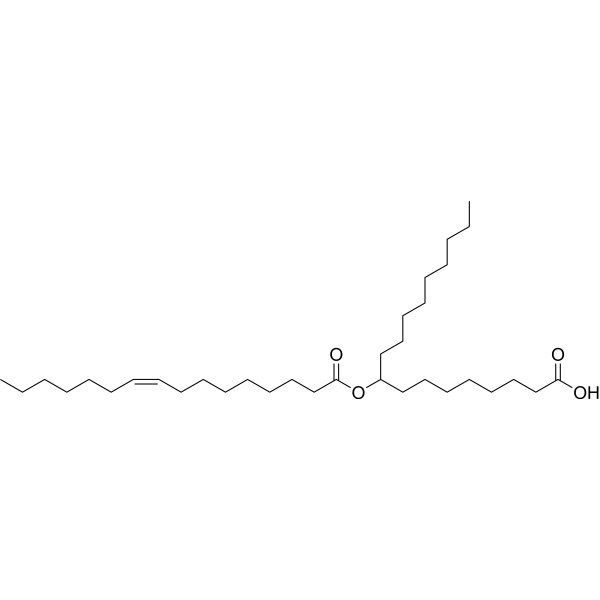
    (+)-LRH-1 agonist-2
  • HY-131668

    Endogenous Metabolite Inflammation/Immunology
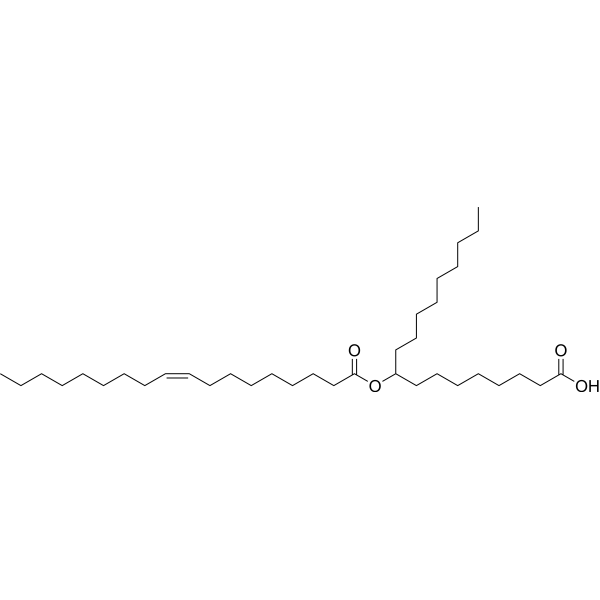
    9-POHSA is a fatty acid ester of hydroxy fatty acids (FAHFAs). 9-POHSA shows anti-inflammatory effects via inhibiting cytokine production and reduces IL-1β and IL-6 expression .
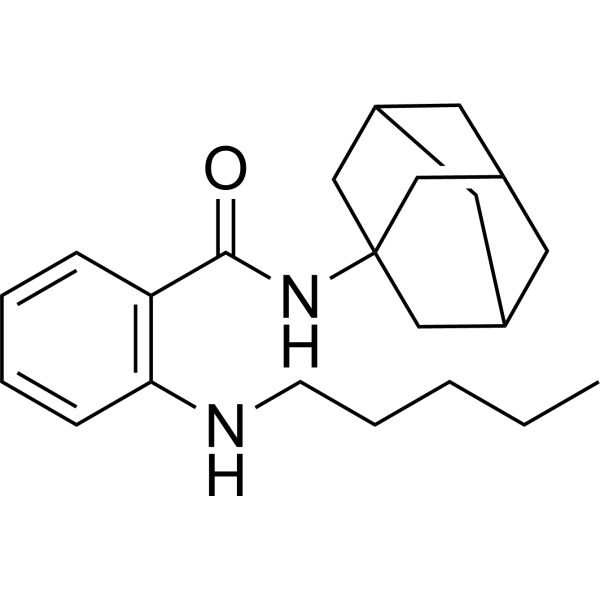
    9-POHSA
  • HY-152576

    Cannabinoid Receptor Inflammation/Immunology
    CB2R agonist 1 is a selective ligand of cannabinoid receptor subtype 2 (CB2R) with an EC50 value of 0.56 µM. CB2R agonist 1 has high affinity and excellent selectivity for human CB2R and CB1R respectively. CB2R agonist 1 regulates the production of pro-inflammatory cytokines and anti-inflammatory cytokines and play an immunomodulatory role .
    CB2R agonist 1
  • HY-174613

    mRNA Inflammation/Immunology
    Human IL27 mRNA encodes the human interleukin 27 (IL27) protein, one of the subunits of a heterodimeric cytokine complex. IL-27 has pro- and anti-inflammatory properties, that can regulate T-helper cell development, suppress T-cell proliferation, stimulate cytotoxic T-cell activity and induce isotype switching in B-cells.
    Human IL27 mRNA
  • HY-177130S

    JAK Inflammation/Immunology
    Socrodeucitinib (Compound Example 58) is an orally active and selective tyrosine kinase 2 (TYK2) inhibitor with an IC50 value of 1.41 nM. Socrodeucitinib exerts anti-inflammatory activity by inhibiting TYK2-mediated cytokine signaling pathways and reducing the secretion of inflammatory factors. Socrodeucitinib is promising for research of autoimmune diseases such as psoriasis and inflammatory diseases .
    Socrodeucitinib
  • HY-131934

    Endogenous Metabolite Inflammation/Immunology
    9-OAHSA is a fatty acid ester of hydroxy fatty acids (FAHFAs). 9-OAHSA shows anti-inflammatory effects via inhibiting cytokine production and reduces IL-1β and IL-6 expression. 9-OAHSA is also a protective molecule to prevent colon carcinoma cells from apoptotic cell death .
    9-OAHSA
  • HY-N10133

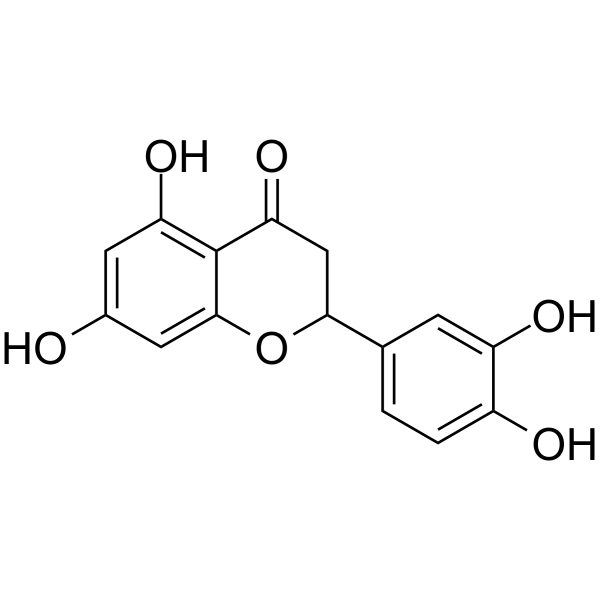
    3′-Prenylnaringenin

    Bacterial mTOR Akt PI3K NF-κB Caspase JNK ERK COX NO Synthase Apoptosis Others
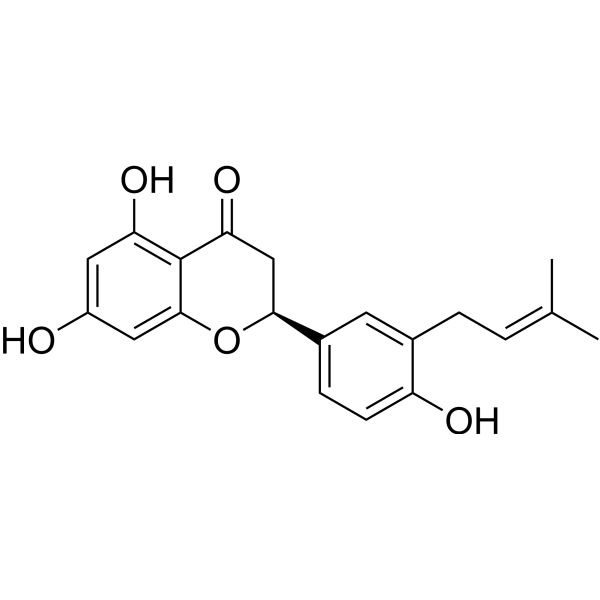
    Licoflavanone (3′-Prenylnaringenin) is a flavanone with antioxidant, anti-inflammatory and anticancer activities. Licoflavanone can be isolated from the leaf extract of Glycyrrhiza glabra. Licoflavanone downregulates the mTOR/PI3K/AKT signaling pathway to inhibit the proliferation, migration and invasion of cancer cells, while activates Bax, Bad and multiple caspase enzymes to induce apoptosis. Its anti-inflammatory effect is manifested by reducing the nuclear translocation of NF-κB, decreasing the phosphorylation levels of p38, JNK and ERK1/2, thereby inhibiting the expression of nitric oxide, proinflammatory cytokines, COX-2 and iNOS. Licoflavanone is used in studies on nasopharyngeal carcinoma and related mechanisms .
    Licoflavanone
  • HY-N12743

    Bacterial Infection Inflammation/Immunology
    Farobin A is a natural compound with antibacterial, antioxidant and anti-inflammatory activities. Farobin A against Streptococcus mutans ATCC 25175 and Streptococcus sobrinus ATCC 33478. Farobin A shows anti-inflammatory activity on cytokine IL-6 and TNF-α .
    Farobin A
  • HY-N6878

    NO Synthase Inflammation/Immunology
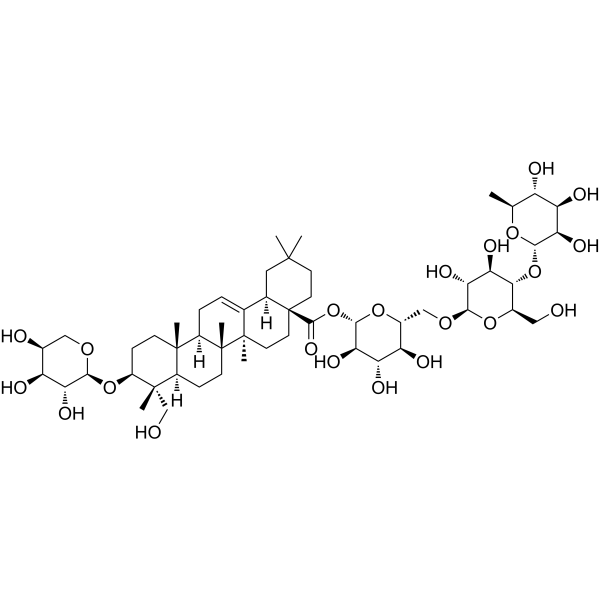
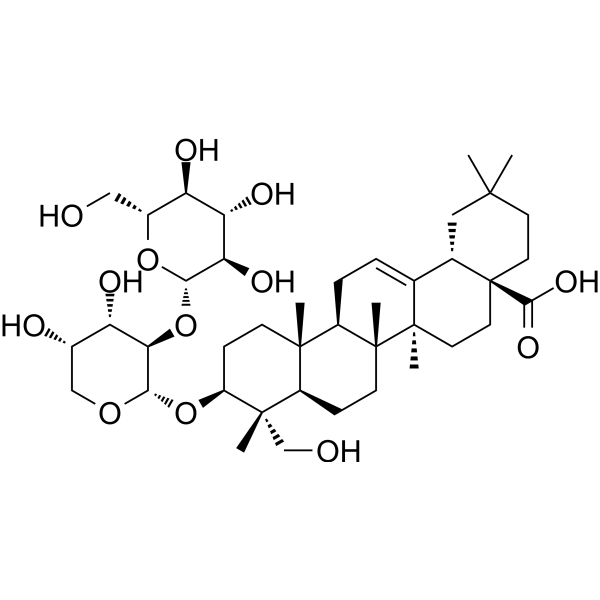
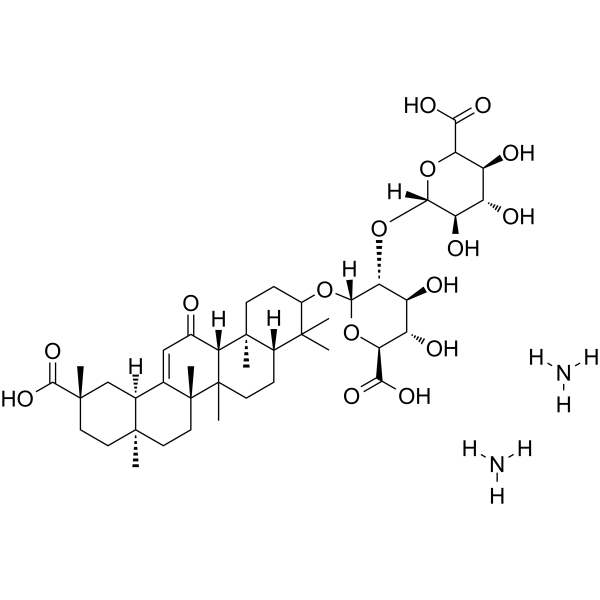
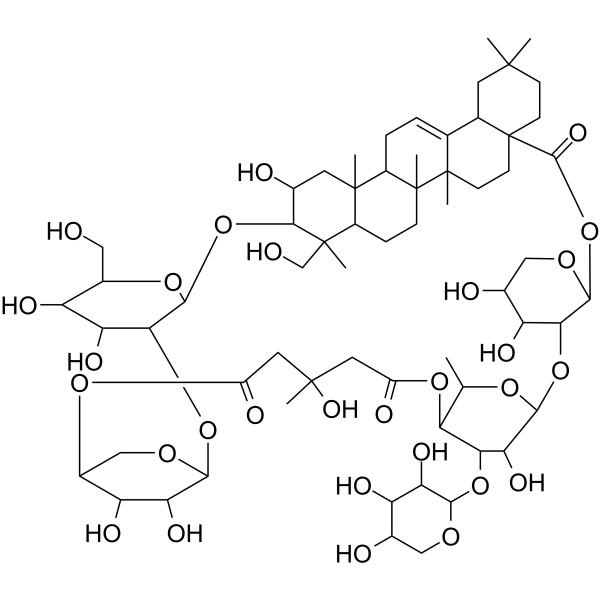
    Cauloside D is a triterpene glycoside isolated from Caulophyllum robustum Max. Cauloside D exerts anti-inflammatory effects through the inhibition of expression of iNOS and proinflammatory cytokines .
    Cauloside D
  • HY-175666

    Cannabinoid Receptor Reactive Oxygen Species (ROS) Caspase p38 MAPK Arrestin Neurological Disease Inflammation/Immunology
    ISAM-CG557 is a selective CB2R agonist, with a Ki of 54.6 nM. ISAM-CG557 reduces intracellular ROS levels and caspase activity. ISAM-CG557 exhibits significant MAPK bias and moderate G-protein bias, with CB2R EC50s of 0.60 nM (cAMP), 60.9 nM (β-arrestin) and 0.03 nM (MAPK). ISAM-CG557 exerts potent anti-inflammatory effects by reducing pro-inflammatory cytokines and increasing anti-inflammatory cytokines in cells. ISAM-CG557 can be used for the study of neuroinflammatory and neurodegenerative disorders .
    ISAM-CG557
  • HY-172451

    NADPH Oxidase Monoamine Oxidase Reactive Oxygen Species (ROS) NO Synthase Interleukin Related Inflammation/Immunology
    MC4762 is an inhibitor of NOX2 and MAOB, with IC50 values of 0.155 μM and 0.182 μM, respectively. MC4762 has anti-inflammatory activity, can inhibit the production of ROS, and downregulate the expression of pro-inflammatory cytokines iNOS, IL-1β, and IL-6 .
    MC4762
  • HY-178945

    Opioid Receptor Interleukin Related TNF Receptor Sigma Receptor Neurological Disease Inflammation/Immunology
    KOR agonist 7 (Compound 29) is a highly selective κ-opioid receptor (KOR) agonist with a Ki of 138 nM. KOR agonist 7 shows no activity at μ- and δ-opioid receptors or σ1 receptor, and exhibits extremely low affinity for σ2 receptor (Ki = 2.8 μM). KOR agonist 7 significantly reduces the secretion of pro-inflammatory cytokines such as IL-6, TNF-α, and IFN-γ, while increasing the production of the anti-inflammatory cytokine IL-10. KOR agonist 7 downregulates the expression of the pro-inflammatory M1 macrophage marker CD80 and upregulates the anti-inflammatory M2 macrophage marker CD163. KOR agonist 7 holds potential for applications in analgesia and immune modulation .
    KOR agonist 7
  • HY-N8413

    Toll-like Receptor (TLR) Reactive Oxygen Species (ROS) NF-κB Inflammation/Immunology
    Chlojaponilactone B is a lindenane-type sesquiterpenoid with anti-inflammatory properties. Chlojaponilactone B suppresses inflammatory responses by inhibiting TLR4 and subsequently decreasing reactive oxygen species (ROS) generation, downregulating the NF-κB, thus reducing the expression of the pro-inflammatory cytokines iNOS, NO, COX-2, IL-6 and TNF-α .
    Chlojaponilactone B
  • HY-P2320

    Bacterial Infection Inflammation/Immunology
    IDR-1 is an antimicrobial peptide that is active against Gram-positive and Gram-negative bacteria. IDR-1 counters infection by selective modulation of innate immunity without obvious toxicities. IDR-1 has anti-inflammatory and anti-infective properties, enhances the levels of monocyte chemokines, and attenuates pro-inflammatory cytokine release .
    IDR-1

Inquiry Online

Your information is safe with us. * Required Fields.

Salutation


Country or Region *

Applicant Name *


Organization Name *

Department *


Email Address *


Product Name *

Cat. No.


Requested quantity *

Phone Number *


Remarks

Inquiry Online

Inquiry Information

Product Name:
Cat. No.:
Quantity:
MCE Japan Authorized Agent: