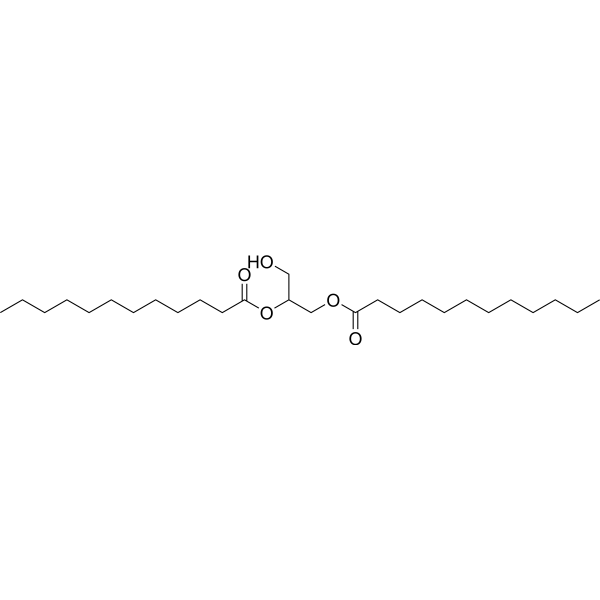
1. Search Result
Search Result
Results for "

PEC/PVA composite films

" in MedChemExpress (MCE) Product Catalog:

370

Inhibitors & Agonists

2

Screening Libraries

6

Fluorescent Dyes

82

Biochemical Assay Reagents

15

Peptides

3

MCE Kits

2

Inhibitory Antibodies

18

Natural
Products

7

Recombinant Proteins

25

Isotope-Labeled Compounds

3

Antibodies

18

Oligonucleotides

1

GMP Molecules

Cat. No. Product Name Target Research Areas Chemical Structure
  • HY-Y0850E

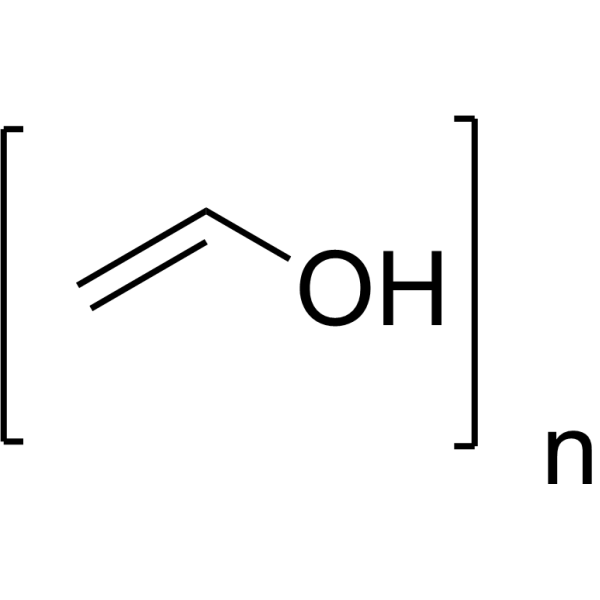
    PVA (Mw 30000-70000, 87-90% hydrolyzed); Poly(Ethenol) (Mw 30000-70000, 87-90% hydrolyzed)

    Environmental Pollutants Biochemical Assay Reagents Cardiovascular Disease Cancer
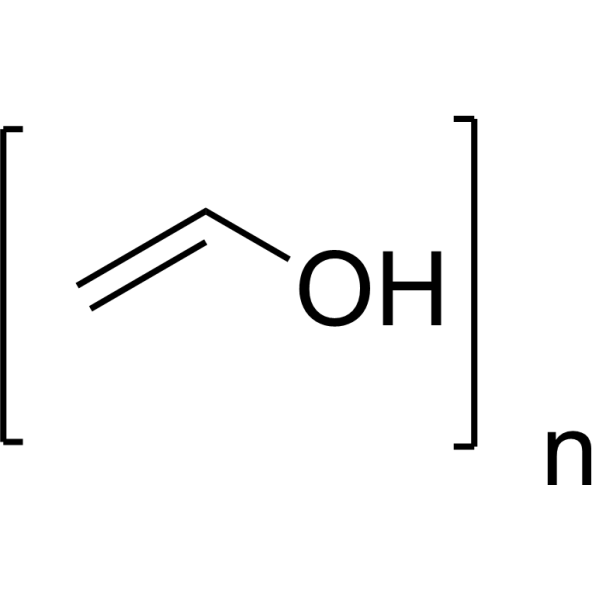
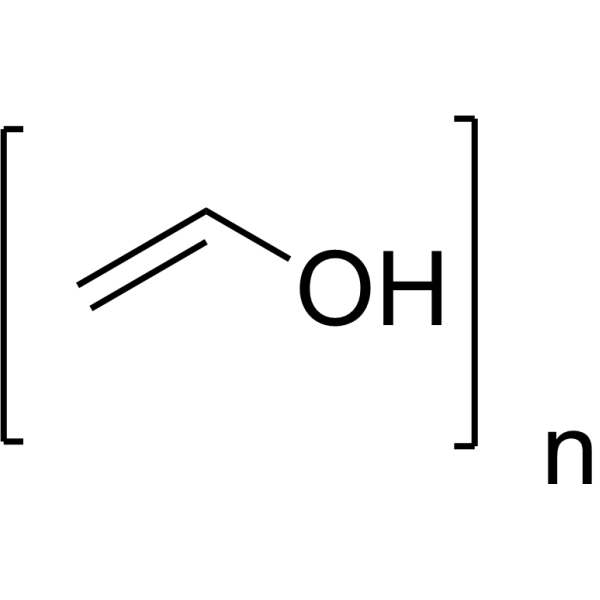
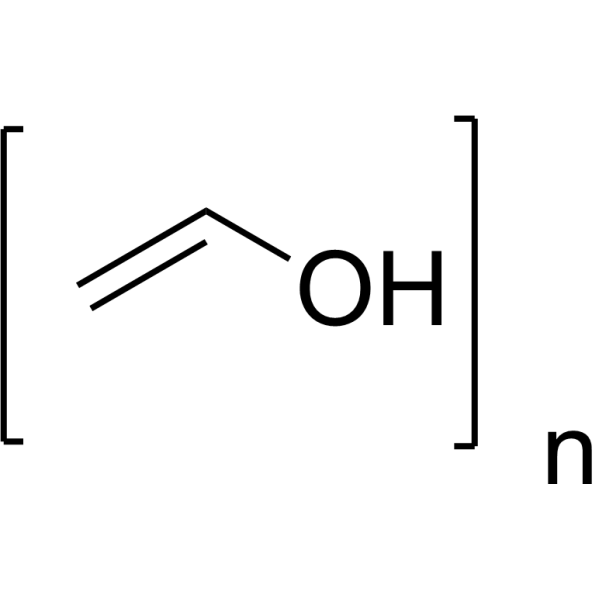
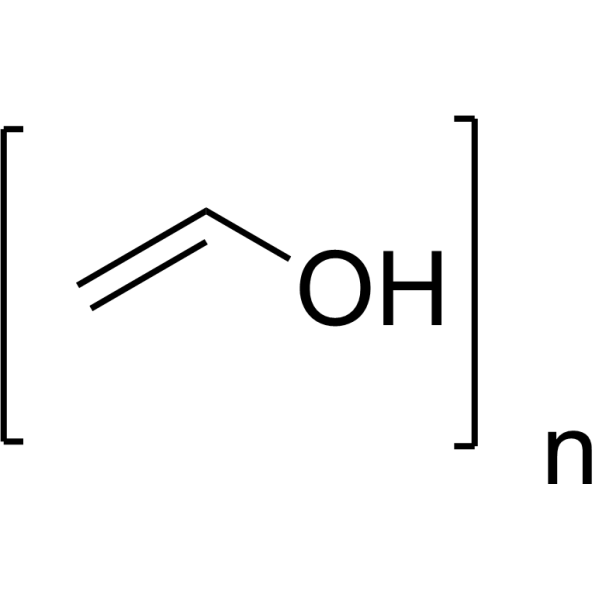
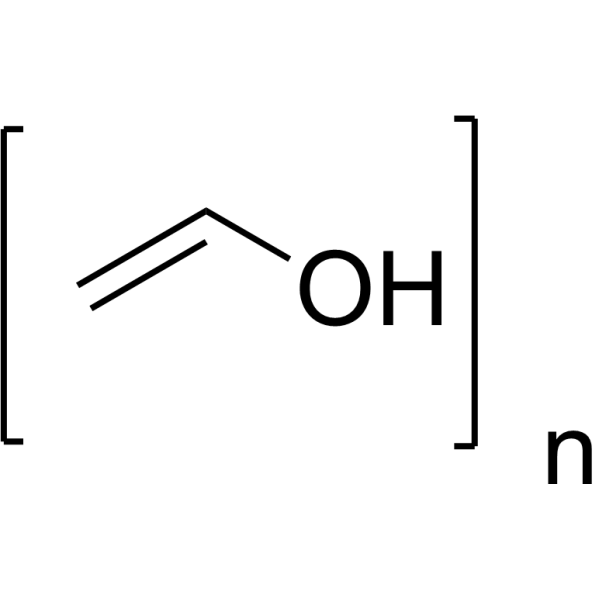
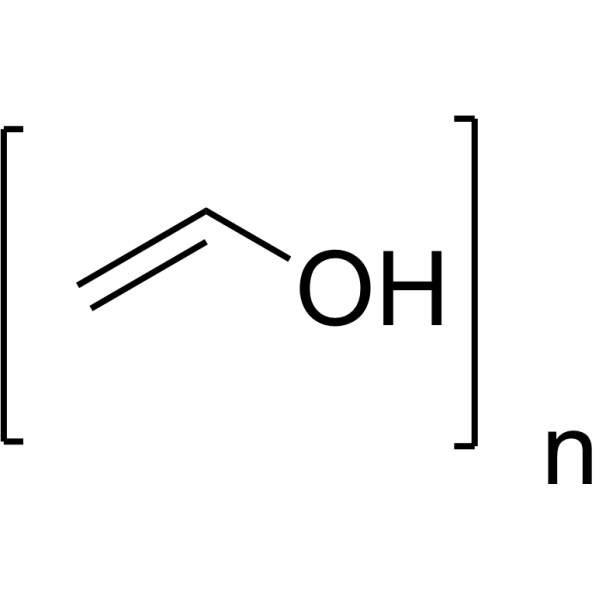
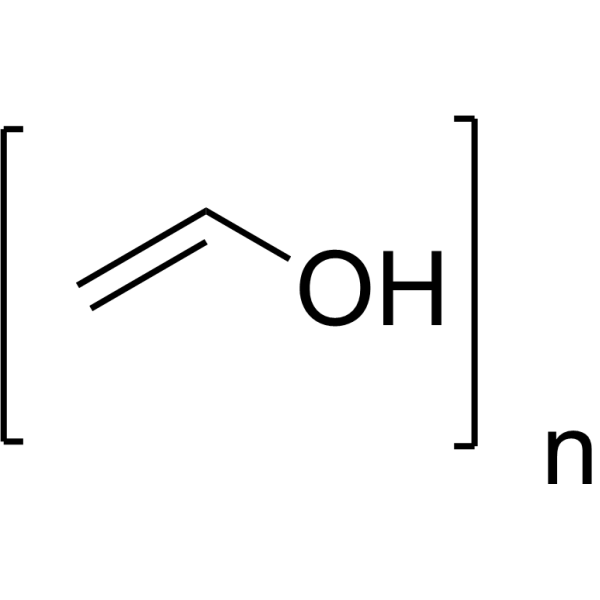
    Polyvinyl alcohol (Mw 30000-70000, 87-90% hydrolyzed) is a polyvinyl alcohol with a molecular weight of 30000-70000 and hydrolytic properties. The degree of hydrolysis refers to the degree to which the acetate groups in the original polyvinyl acetate are converted into hydroxyl groups during the hydrolysis process. Polyvinyl alcohol (Mw 30000-70000, 87-90% hydrolyzed) is the hydrolysis and removal of acetate groups after the polymerization of ethylene acetate. And polyvinyl alcohol is obtained. A degree of hydrolysis of 87-90% indicates that a large part of the acetate groups have been removed, resulting in a large number of hydroxyl groups in the PVA structure. Polyvinyl alcohol with different degrees of hydrolysis can be used to self-crosslink to form cryogel, which can be used as biological excipients .
    Polyvinyl alcohol (Mw 30000-70000, 87-90% hydrolyzed)
  • HY-W010832
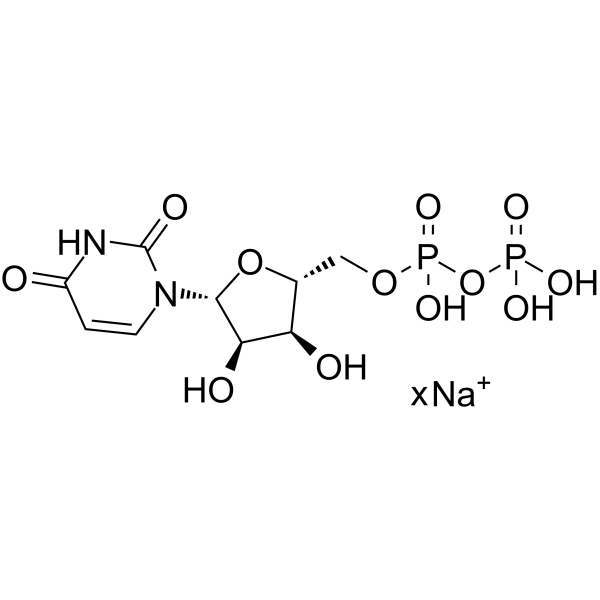
    Uridine-5'-diphosphate disodium salt
    2 Publications Verification

    P2Y Receptor DNA/RNA Synthesis Endogenous Metabolite Metabolic Disease Inflammation/Immunology
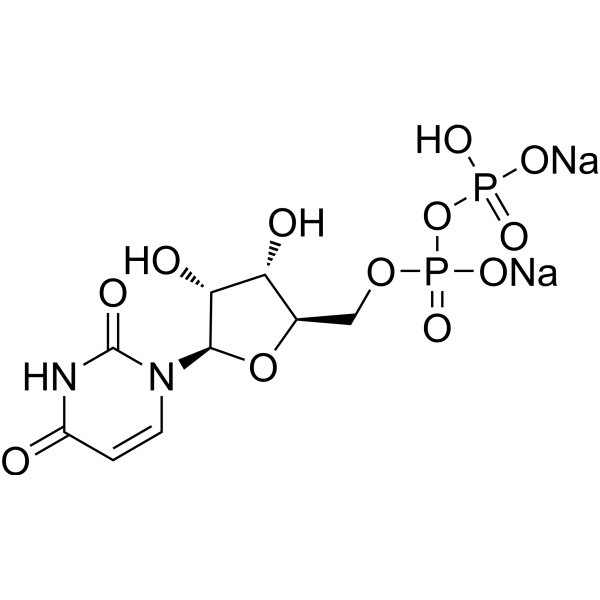
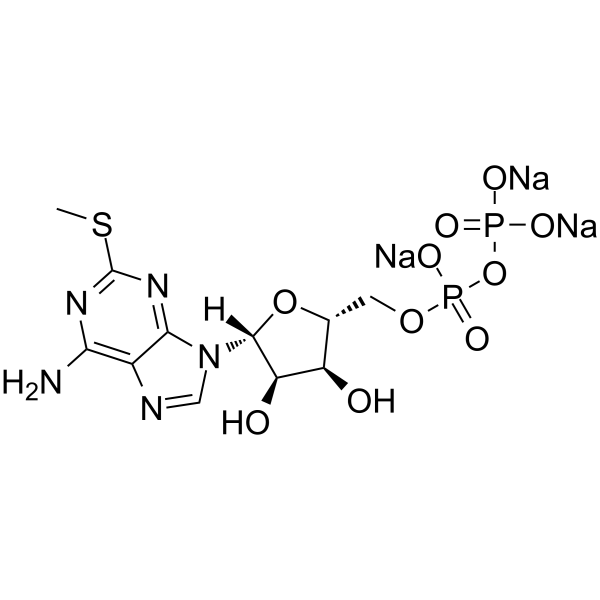
    Uridine-5'-diphosphate disodium salt is a potent, selective P2Y6 receptor native agonist (EC50=300 nM; pEC50=6.52 for human P2Y6 receptor). Uridine-5'-diphosphate disodium salt, an endogenous metabolite, catalyzes the glucuronidation of a wide array of substrates and is used in nucleic acid (RNA) biosynthesis .
    Uridine-5'-diphosphate disodium salt
  • HY-Y1310A

    Environmental Pollutants Biochemical Assay Reagents Others
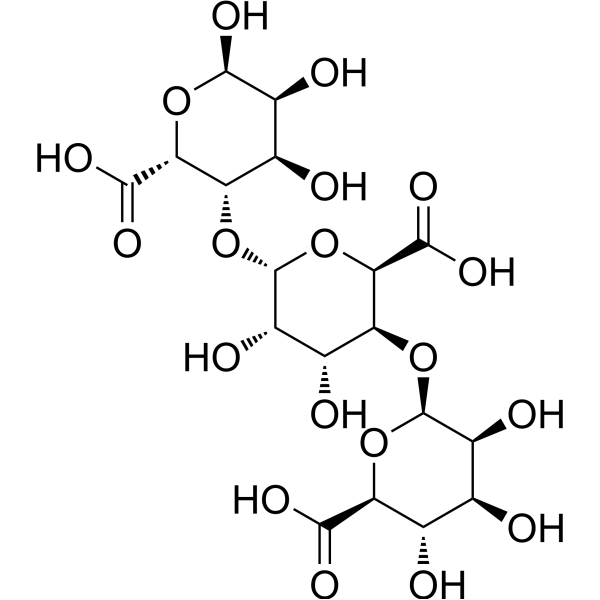
    Sodium alginate is an anionic straight chain polysaccharide. Sodium alginate can be obtained from different species of algae. Sodium alginate has different properties, such as pH-sensitivity, nontoxicity, nonimmunogenicity. Sodium alginate has weak gelation, viscosity, and film-forming properties. Sodium alginate can be utilized to prepare gels and film materials for food preservation. Sodium alginate is a versatile functional biomaterial for viscosity enhancement, stabilizer, matrixing agent, encapsulation polymer, bioadhesive and film former .
    Sodium alginate (Viscosity 200±20mpa.s)
  • HY-107799
    Castor oil
    5 Publications Verification

    Environmental Pollutants Biochemical Assay Reagents Others
    Castor oil is a natural triglyceride and a solvent. Castor oil has a laxative effect and induces labor in pregnant females. Castor oil can be used as a solvent, co-solvent, stabilizing agent and polyol for the formation of polymer-nanoparticle composites .
    Castor oil
  • HY-Y0850J

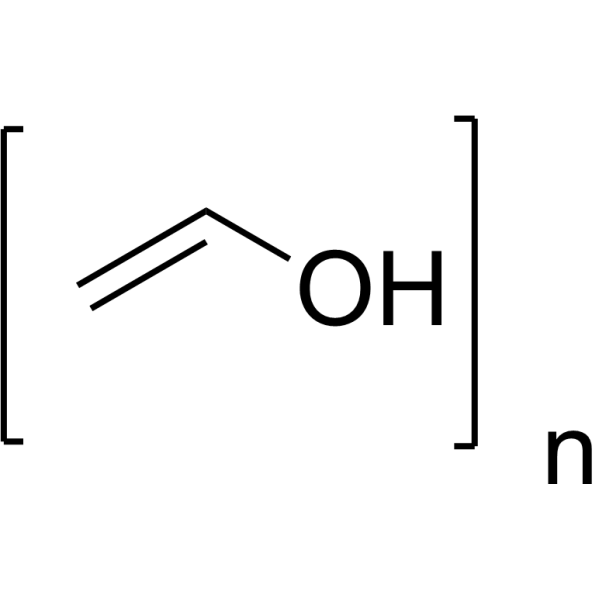
    PVA (Mw 13000-23000, 87-89% hydrolyzed); Poly(Ethenol) (Mw 13000-23000, 87-89% hydrolyzed)

    Environmental Pollutants Biochemical Assay Reagents Cancer
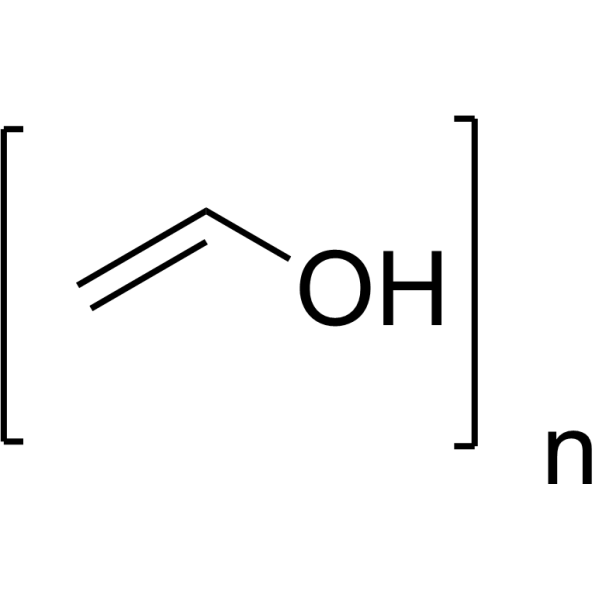
    Polyvinyl alcohol (Mw 13000-23000, 87-89% hydrolyzed) is a polyvinyl alcohol with a molecular weight of 130000-23000 and hydrolytic properties. Polyvinyl alcohol (Mw 13000-23000, 87-89% hydrolyzed) is the hydrolysis and removal of acetate groups after the polymerization of ethylene acetate and polyvinyl alcohol is obtained. A degree of hydrolysis of 87-89% indicates that a large part of the acetate groups have been removed, resulting in a large number of hydroxyl groups in the PVA structure. Polyvinyl alcohol with different degrees of hydrolysis can be used to self-crosslink to form cryogel, which can be used as biological excipient. Polyvinyl alcohol can be used in tissue engineering by electrospinning. Polyvinyl alcohol can achieve high cellular density, infiltration, and uniform distribution, facilitating functional connections between cells. Polyvinyl alcohol can improve cell vitality through in vitro cultivation. Polyvinyl alcohol demonstrates promising inhibition of ostersarcoma cancer cells with Doxorubicin (HY-15142A) .
    Polyvinyl alcohol (Mw 13000-23000, 87-89% hydrolyzed)
  • HY-P1125
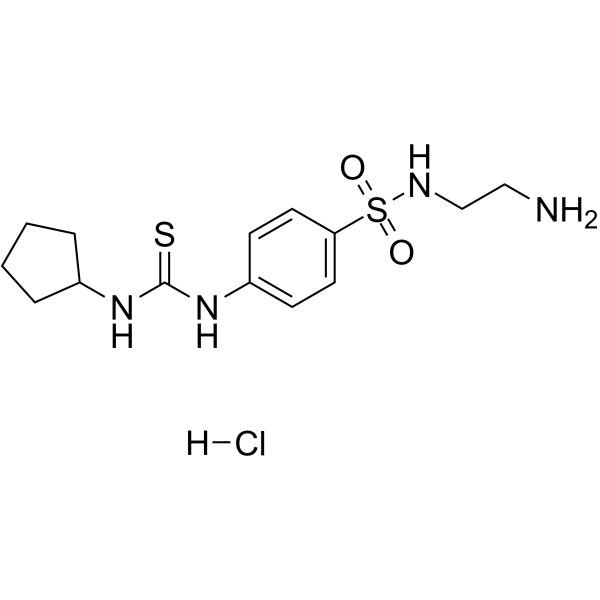
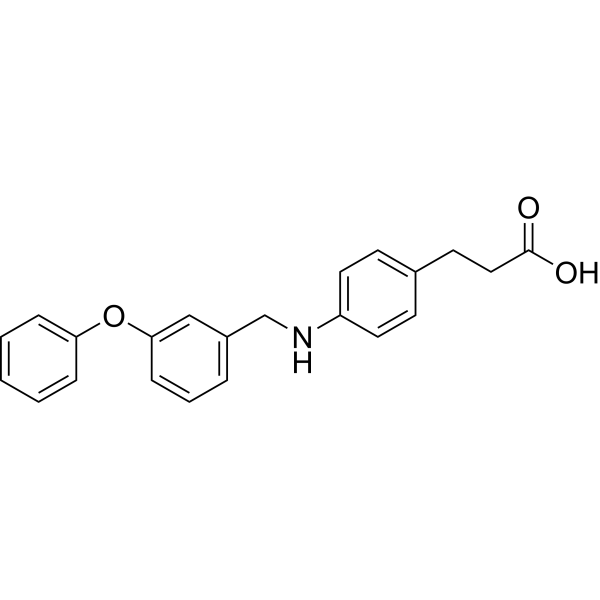
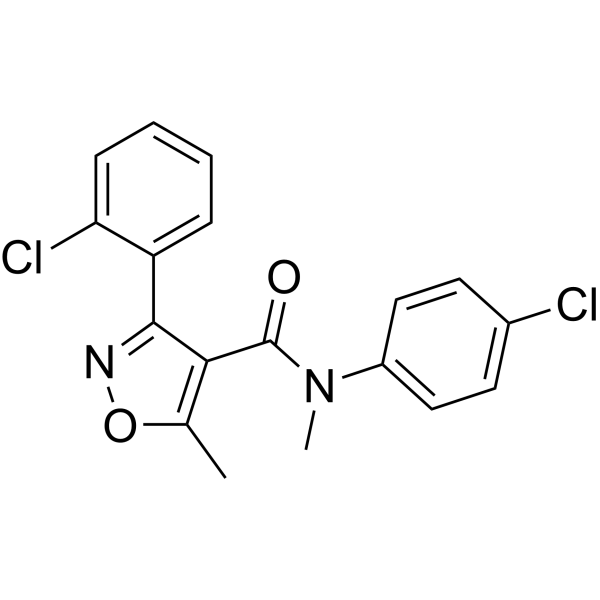
    4-CMTB
    5+ Cited Publications

    Free Fatty Acid Receptor Others
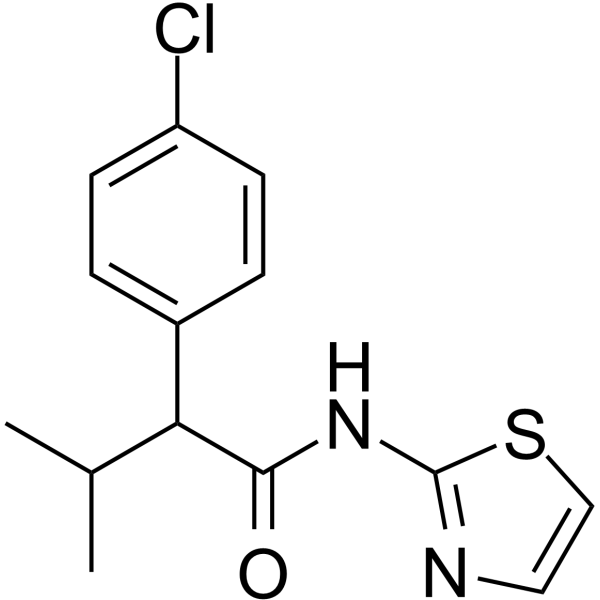
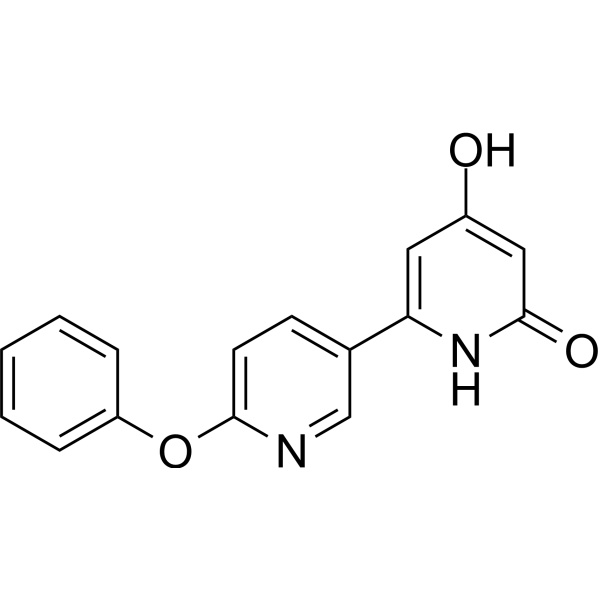
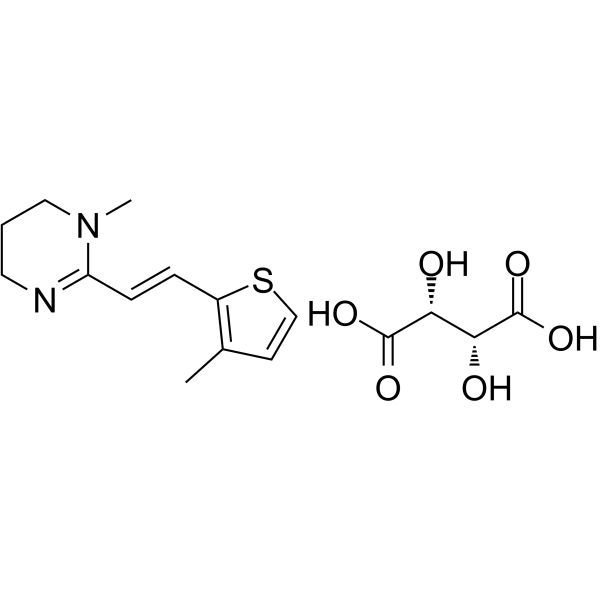
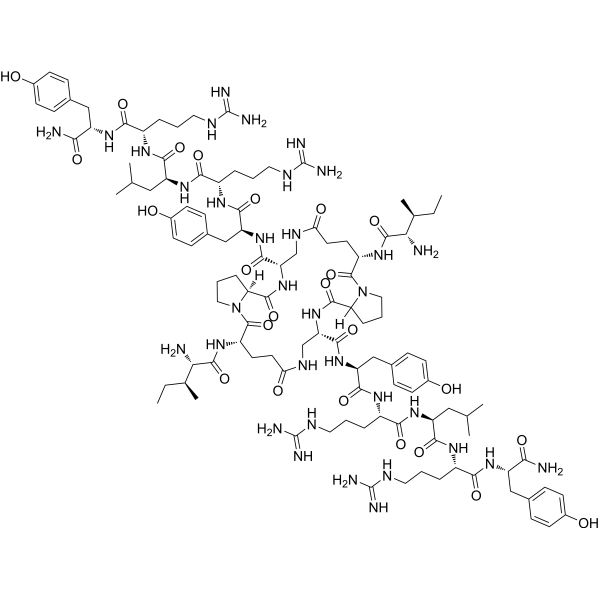
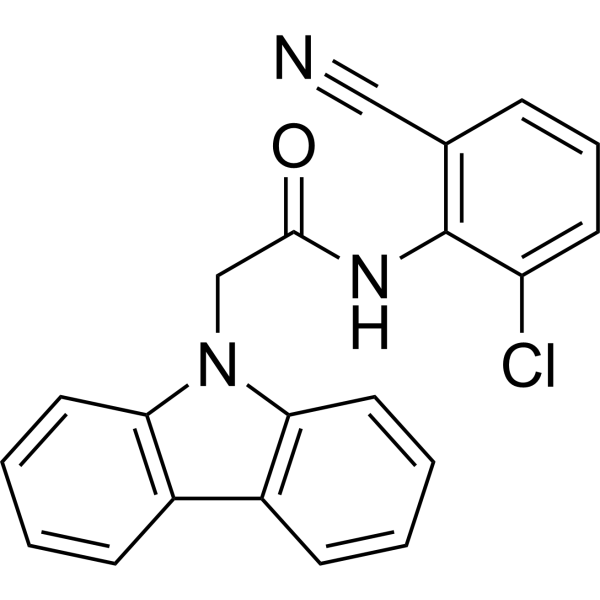
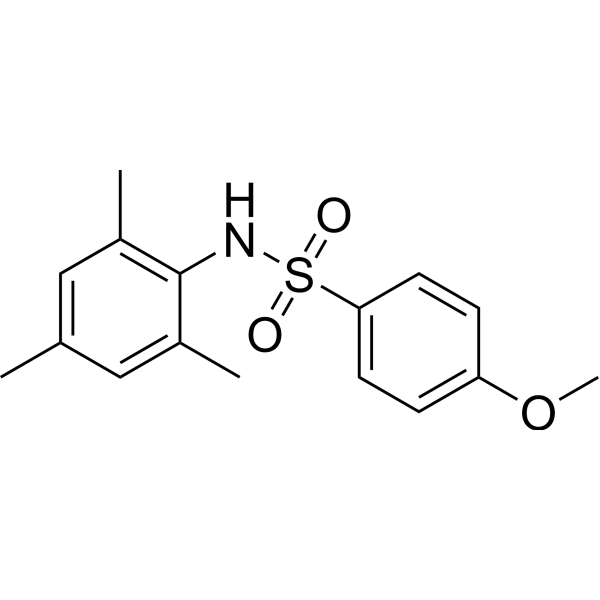
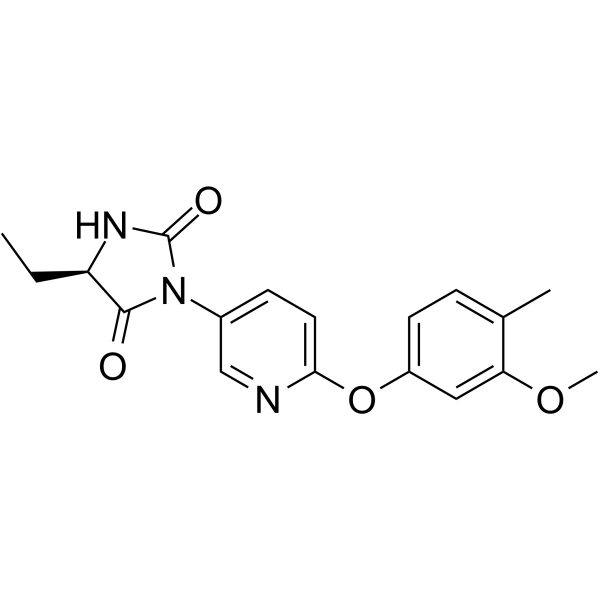
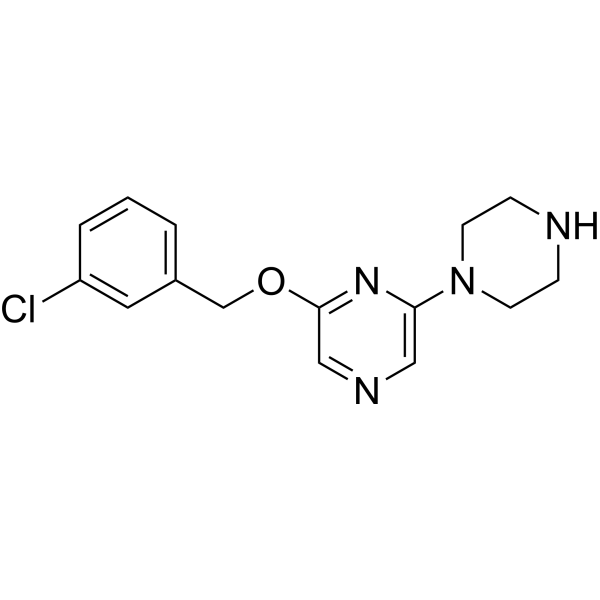
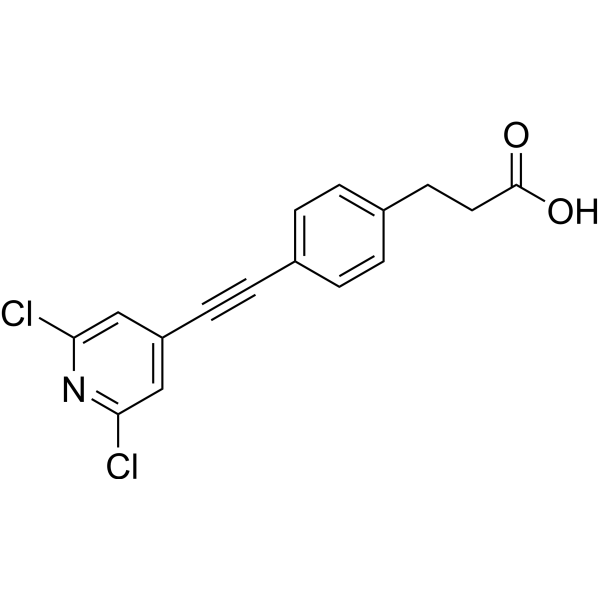
    4-CMTB is a selective free fatty acid receptor 2 (FFA2/GPR43) agonist and a positive allosteric modulator (pEC50=6.38) .
    4-CMTB
  • HY-Y0850H

    PVA (Mw 89000-98000, 99+% hydrolyzed); Poly(Ethenol) (Mw 89000-98000, 99+% hydrolyzed)

    Environmental Pollutants Biochemical Assay Reagents Others
    Polyvinyl alcohol (Mw 89000-98000, 99+% hydrolyzed) also known as PVA, is a vinyl water-soluble polymer that can be used as a non-ionic surfactant. It can also be used as a biodegradable polymer and can be used in adhesives, coatings, textiles, ceramics and cosmetics .
    Polyvinyl alcohol (Mw 89000-98000, 99+% hydrolyzed)
  • HY-D0944
    Giemsa stain
    2 Publications Verification

    Fluorescent Dye Others
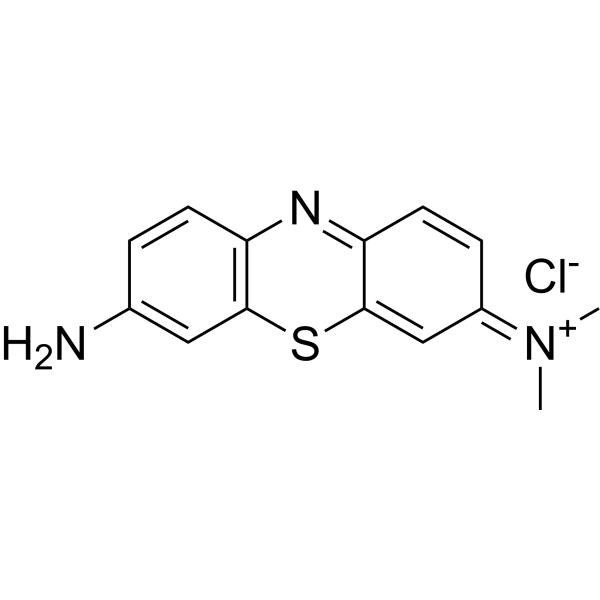
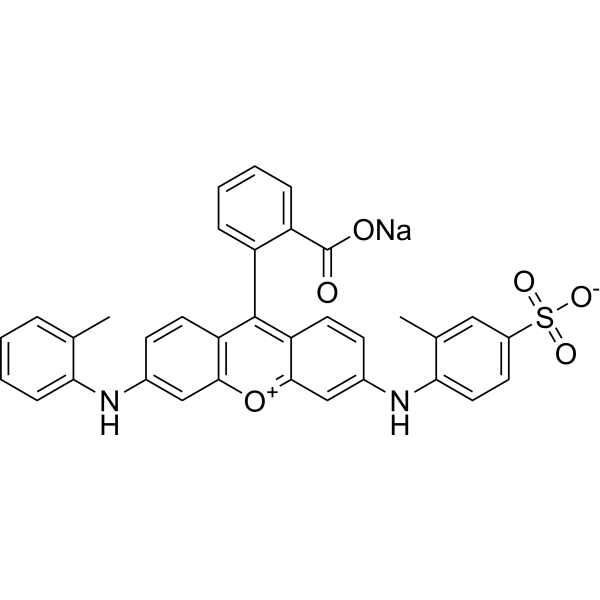
    Giemsa stain is a composite dye composed of methylene azure, methylene blue, eosin and other components. Giemsa stain stains chromatin, nuclear membranes, specific cytoplasmic components and microorganisms. Giemsa stain is used in research on cytological and parasitological staining .
    Giemsa stain
  • HY-Y0850U6

    Polyvinyl alcohol (Mw 205000); Poly(Ethenol) (Mw 205000)

    Biochemical Assay Reagents Infection Inflammation/Immunology
    PVA (Polyvinyl alcohol) (Mw 205000) is a polyvinyl alcohol with a molecular weight of 205000, which is used as a biological additive. PVA (Mw 205000) can be cross-linked through physical or chemical methods to form hydrogels, and is widely applied in fields such as biomedicine, food packaging, textiles, papermaking, sensing, and electronic devices. After PVA enema, it has an improving effect on acute colitis induced by DSS (HY-116282C) in mice .
    PVA (Mw 205000)
  • HY-115627
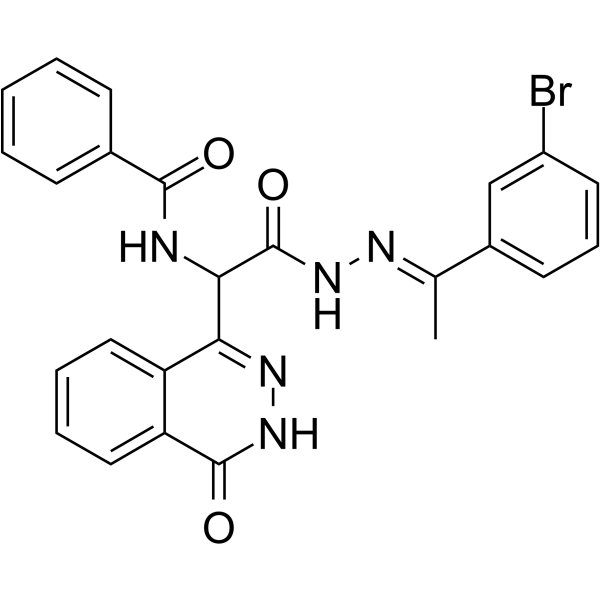
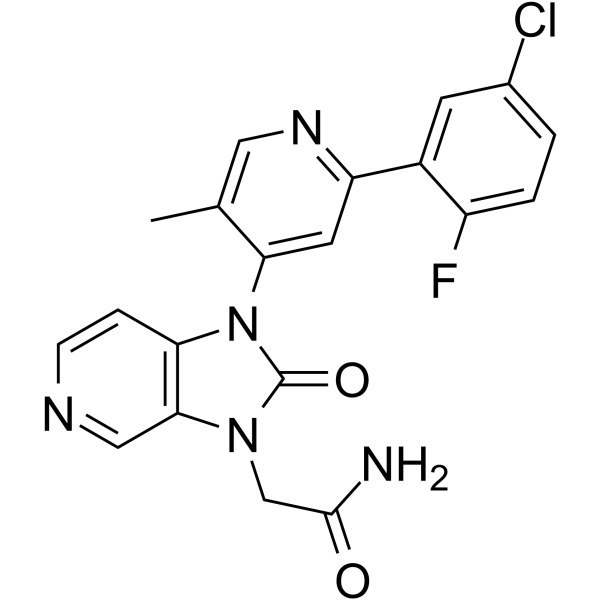
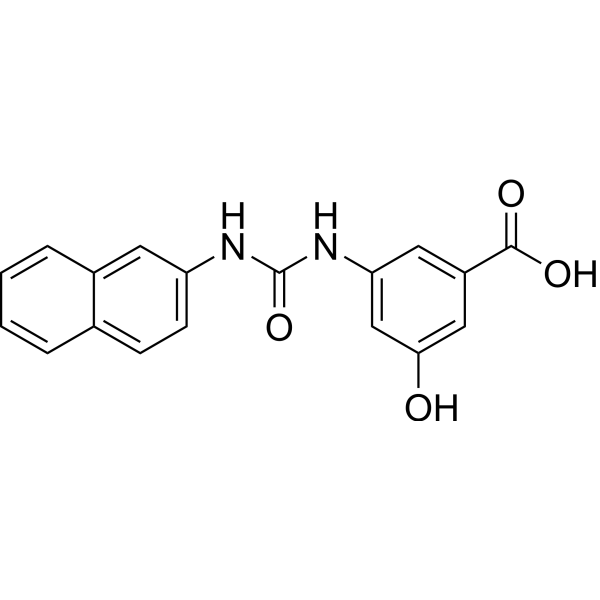
    PKUMDL-LC-101-D04
    5+ Cited Publications

    GPX4-Activator-1d4

    Glutathione Peroxidase Inflammation/Immunology
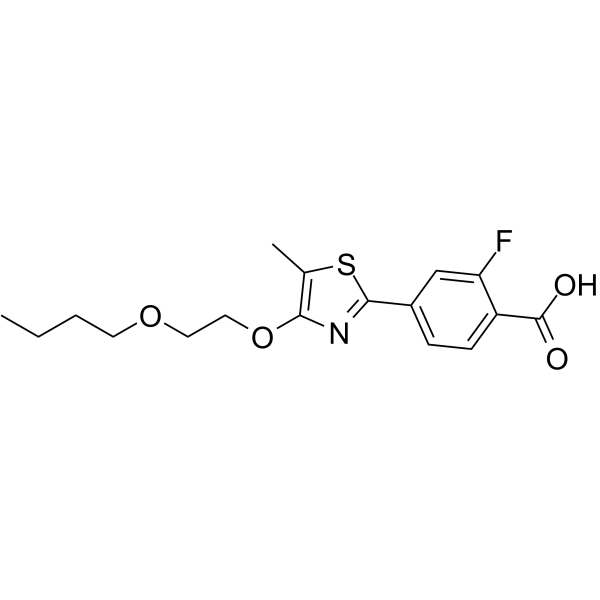
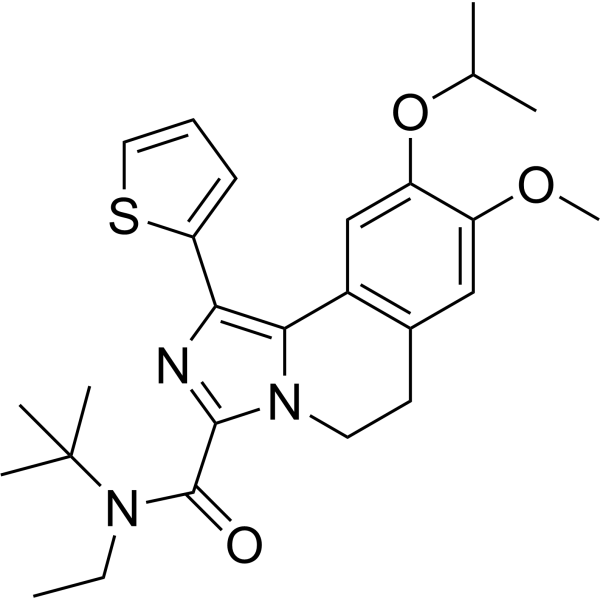
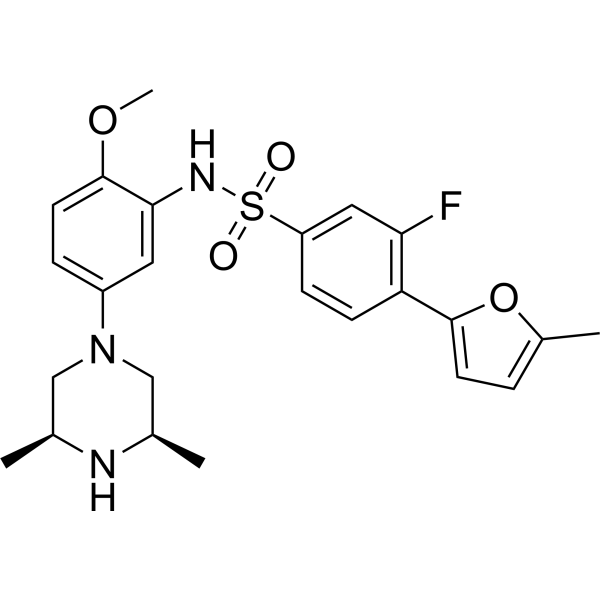
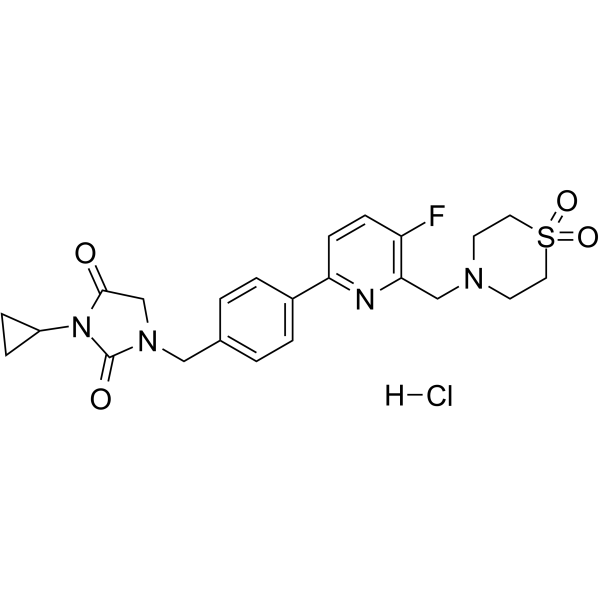
    PKUMDL-LC-101-D04 (GPX4-Activator-1d4) is a glutathione peroxidase 4 (GPX4) allosteric activator (pEC50=4.7). PKUMDL-LC-101-D04 can inhibit ferroptosis and inflammation .
    PKUMDL-LC-101-D04
  • HY-Y0850I

    PVA (Mw 9000-10000, 80% hydrolyzed); Poly(Ethenol) (Mw 9000-10000, 80% hydrolyzed)

    Environmental Pollutants Biochemical Assay Reagents Cancer
    Polyvinyl alcohol (Mw 9000-10000, 80% hydrolyzed) also known as PVA, is a vinyl water-soluble polymer that can be used as a non-ionic surfactant. Polyvinyl alcohol (Mw 9000-10000, 80% hydrolyzed) can be used as a biodegradable polymer and can be used in adhesives, coatings, textiles, ceramics, and cosmetics. Polyvinyl alcohol can be used in tissue engineering by electrospinning. Polyvinyl alcohol can achieve high cellular density, infiltration, and uniform distribution, facilitating functional connections between cells. Polyvinyl alcohol can improve cell vitality through in vitro cultivation. Polyvinyl alcohol demonstrates promising inhibition of ostersarcoma cancer cells with Doxorubicin (HY-15142A) .
    Polyvinyl alcohol (Mw 9000-10000, 80% hydrolyzed)
  • HY-Y0850M

    PVA (Mw 85000-124000, 87-89% hydrolyzed); Poly(Ethenol) (Mw 85000-124000, 87-89% hydrolyzed)

    Environmental Pollutants Biochemical Assay Reagents Others
    Polyvinyl alcohol (Mw 85000-124000, 87-89% hydrolyzed) is a polyvinyl alcohol with a molecular weight of 85000-124000 and hydrolytic properties. The degree of hydrolysis refers to the degree to which the acetate groups in the original polyvinyl acetate are converted into hydroxyl groups during the hydrolysis process. Polyvinyl alcohol (Mw 85000-124000, 87-89% hydrolyzed) is the hydrolysis and removal of acetate groups after the polymerization of ethylene acetate. And polyvinyl alcohol is obtained. A degree of hydrolysis of 87-89% indicates that a large part of the acetate groups have been removed, resulting in a large number of hydroxyl groups in the PVA structure. Polyvinyl alcohol with different degrees of hydrolysis can be used to self-crosslink to form cryogel, which can be used as biological excipient .
    Polyvinyl alcohol (Mw 85000-124000, 87-89% hydrolyzed)
  • HY-125940

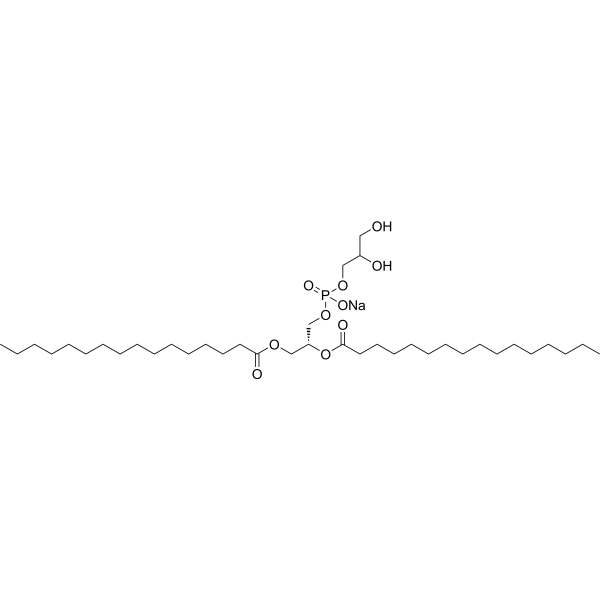
    1,2-Dipalmitoyl-sn-glycero-3-phosphoglycerol sodium

    Liposome Others
    DPPG (1,2-Dipalmitoyl-sn-glycero-3-phosphoglycerol sodium) is a phospholipid that contains long-chain (16:0) palmitic acid inserted at the sn-1 and sn-2 positions, and it serves as an active component to prevent BaP molecules from entering the water subphase. DPPG is used to prepare micelles, liposomes, and other types of artificial membranes that can resist damage from UV radiation .
    DPPG
  • HY-110279
    Ogerin
    2 Publications Verification

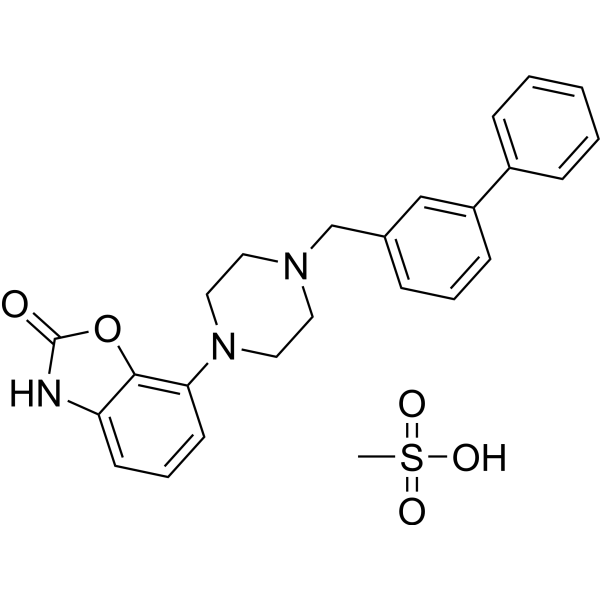
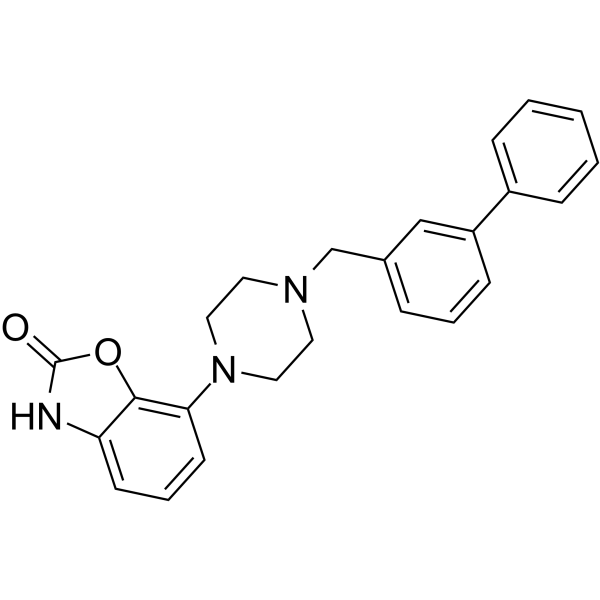
    GPR68 Neurological Disease
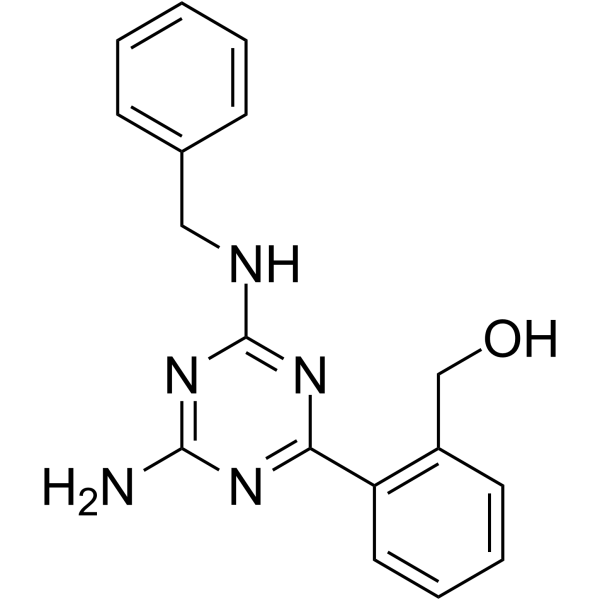
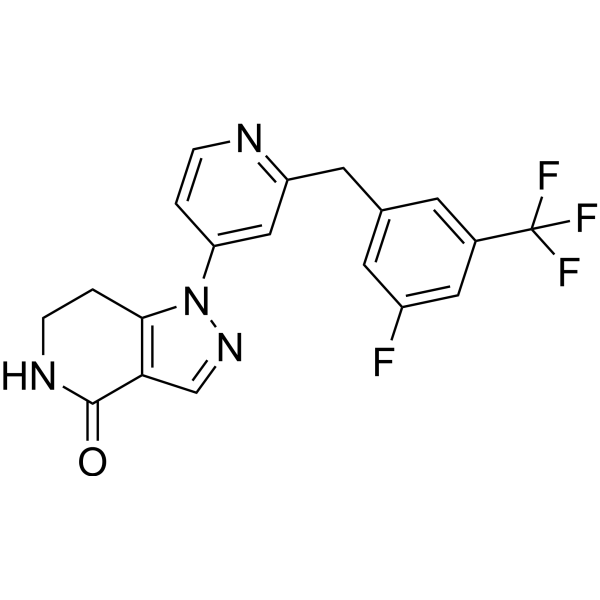
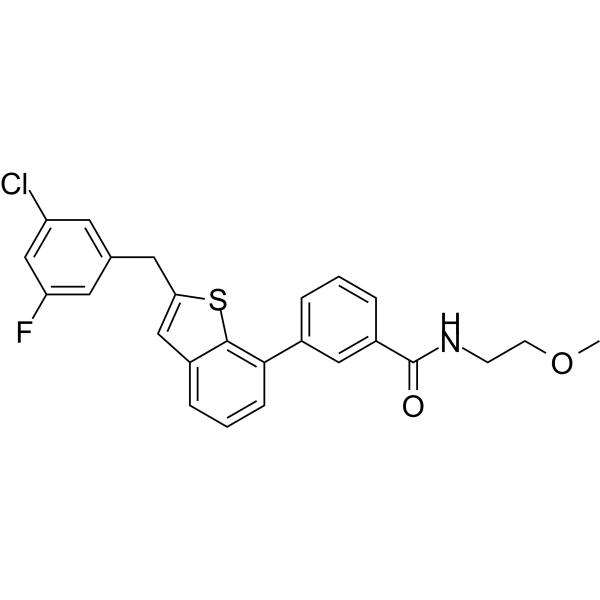
    Ogerin, a chemical probe, is a selective GPR68 positive aliasing modulator (PAM) (pEC50=6.83) with a moderate antagonistic effect on A2A (Ki=220 nM). Ogerin inhibits the fear conditioning reflex in mice and also inhibits TGF-β-induced myofibroblast differentiation of fibroblasts from multiple organ systems. Ogerin can be used in the studies of fibrotic diseases and neurological disorders .
    Ogerin
  • HY-Y0850K

    PVA (Mw 31000-50000, 98-99% hydrolyzed); Poly(Ethenol) (Mw 31000-50000, 98-99% hydrolyzed)

    Environmental Pollutants Biochemical Assay Reagents Cancer
    Polyvinyl alcohol (Mw 31000-50000, 98-99% hydrolyzed), also known as PVA, is a vinyl water-soluble polymer that can be used as a non-ionic surfactant. It can also be used as a biodegradable polymer and can be used in adhesives, coatings, textiles, ceramics and cosmetics. Polyvinyl alcohol can be used in tissue engineering by electrospinning. Polyvinyl alcohol can achieve high cellular density, infiltration, and uniform distribution, facilitating functional connections between cells. Polyvinyl alcohol can improve cell vitality through in vitro cultivation. Polyvinyl alcohol demonstrates promising inhibition of ostersarcoma cancer cells with Doxorubicin (HY-15142A) .
    Polyvinyl alcohol (Mw 31000-50000, 98-99% hydrolyzed)
  • HY-W012723

    Biochemical Assay Reagents Others
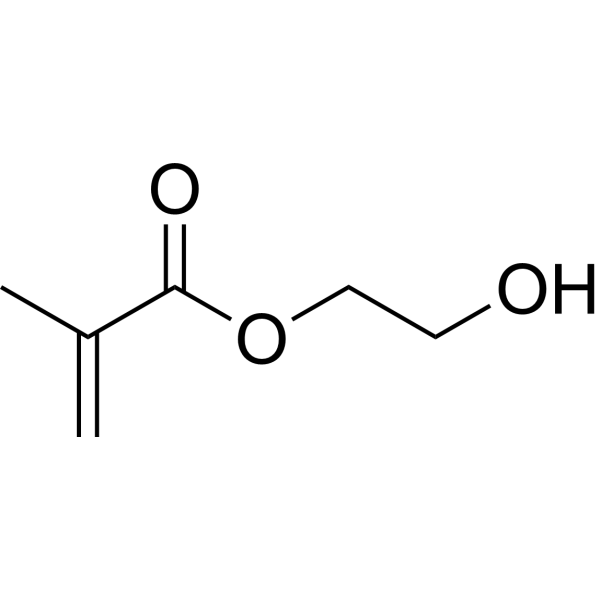
    2-Hydroxyethyl methacrylate (HEMA) is a monomer used in the synthesis of various polymers, and the polymer PHEMA of 2-Hydroxyethyl methacrylate is widely used in the synthesis of dental composite materials .
    2-Hydroxyethyl methacrylate
  • HY-W019885A

    Sodium triphosphate pentabasic, 98%

    Environmental Pollutants Biochemical Assay Reagents Others
    Sodium tripolyphosphate (STPP), 98% is an inorganic, non-toxic polyphosphate crosslinker, inducer and enhancer. Sodium tripolyphosphate (STPP), 98% induces the formation of unique needle-like microcrystals in sodium alginate-chitosan composite films. Sodium tripolyphosphate (STPP), 98% enhances the DPPH free radical scavenging activity of sodium alginate-chitosan composite films .
    Sodium tripolyphosphate (STPP), 98%
  • HY-Y0850U4

    Polyvinyl alcohol (Mw 145000, 99+% hydrolyzed, ~3300 polymerization); Poly(Ethenol) (Mw 145000, 99+% hydrolyzed, ~3300 polymerization)

    Biochemical Assay Reagents Others
    PVA (Mw 145000, 99+% hydrolyzed, ~3300 polymerization) is a polyvinyl alcohol with molecular weight of 145000 with hydrolysis properties. PVA (Mw 145000, 99+% hydrolyzed, ~3300 polymerization) is obtained by polymerizing vinyl acetate followed by hydrolysis to remove acetate groups, yielding polyvinyl alcohol .
    PVA (Mw 145000, 99+% hydrolyzed, ~3300 polymerization)
  • HY-D0835

    Hydroxyapatite (25-45 μm)

    Others Cardiovascular Disease Inflammation/Immunology
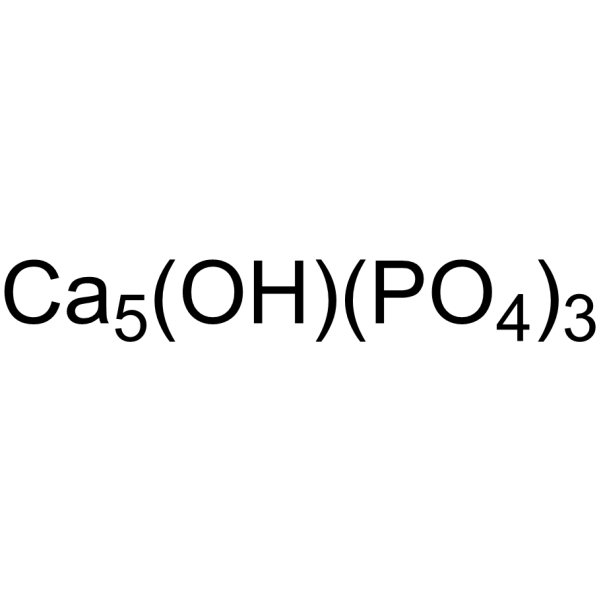
    Hydroxylapatite (Hydroxyapatite) (25-45 μm) is a natural form of calcium phosphate and is the main mineral component of bones and teeth. Hydroxylapatite (25-45 μm) can stimulate the expression and secretion of collagen in primary human dermal fibroblasts. Hydroxylapatite (25-45 μm) has good biocompatibility, bioactivity, and bone conductivity, making it suitable for targeted drug or nucleic acid delivery. Hydroxylapatite (25-45 μm) can be used in research on osteoarthritis, gout, and atherosclerosis .
    Hydroxylapatite (25-45 μm)
  • HY-Y0850N

    PVA (Mw 13000-23000, 98% hydrolyzed); Poly(Ethenol) (Mw 13000-23000, 98% hydrolyzed)

    Environmental Pollutants Biochemical Assay Reagents Cancer
    Polyvinyl alcohol (PVA; Poly(Ethenol)) (Mw 13000-23000, 98% hydrolyzed) , also known as PVA, is a vinyl water-soluble polymer that can be used as a non-ionic surfactant. Polyvinyl alcohol (Mw 13000-23000, 98% hydrolyzed) can also be used as a biodegradable polymer and can be used in adhesives, coatings, textiles, ceramics and cosmetics. Polyvinyl alcohol (Mw 13,000–23,000, 98% hydrolyzed) can be used in studies involving breast cancer as well as cisplatin (HY-17394)-induced sensorineural hearing loss .
    Polyvinyl alcohol (Mw 13000-23000, 98% hydrolyzed)
  • HY-Y0850U9

    Polyvinyl alcohol (Mw 67000, 87-89% hydrolyzed, ~1400 polymerization); Poly(Ethenol) (Mw 67000, 87-89% hydrolyzed, ~1400 polymerization)

    Biochemical Assay Reagents Others
    PVA (Mw 67000, 87-89% hydrolyzed, ~1400 polymerization) is a polyvinyl alcohol with a molecular weight of 67000 and hydrolytic properties. Degree of hydrolysis refers to the conversion rate of acetate groups in the original polyvinyl acetate to hydroxyl groups; PVA (Mw 67000, 87-89% hydrolyzed, ~1400 polymerization) is obtained by hydrolyzing and removing acetate groups after the polymerization of vinyl acetate. Polyvinyl alcohol with different degrees of hydrolysis can be used to form self-crosslinked cryogels and is applied as a biological adjuvant .
    PVA (Mw 67000, 87-89% hydrolyzed, ~1400 polymerization)
  • HY-Y0850U3

    Polyvinyl alcohol (Mw 125000, 98-99% hydrolyzed, ~2800 polymerization); Poly(Ethenol) (Mw 125000, 98-99% hydrolyzed, ~2800 polymerization)

    Biochemical Assay Reagents Others
    PVA (Polyvinyl alcohol) (Mw 125000, 98-99% hydrolyzed, ~2800 polymerization) is a water-soluble, biodegradable, biocompatible and non-immunogenic polymer. PVA (Mw 125000, 98-99% hydrolyzed, ~2800 polymerization) causes no irritation to rabbit eyes, no skin sensitization in guinea pigs, promotes the proliferation of human skin keratinocytes, and reduces the loss of corneal endothelial cells. The LD50 of PVA (Mw 125000, 98-99% hydrolyzed, ~2800 polymerization) in rats and dogs is greater than 10 g/kg. PVA (Mw 125000, 98-99% hydrolyzed, ~2800 polymerization) is hardly absorbed by the digestive system, causes no adverse effects upon long-term oral administration, and shows no mutagenicity or carcinogenicity. However, repeated intravenous or portal vein injection of PVA (Mw 125000, 98-99% hydrolyzed, ~2800 polymerization) may induce pathological changes such as glomerular lesions, anemia, hypertension or liver fibrosis in rats or dogs. Crosslinked nanofibers prepared by modifying PVA (Mw 125000, 98-99% hydrolyzed, ~2800 polymerization) can be used in studies related to wound dressings and other applications .
    PVA (Mw 125000, 98-99% hydrolyzed, ~2800 polymerization)
  • HY-W392209A

    Environmental Pollutants Biochemical Assay Reagents Others
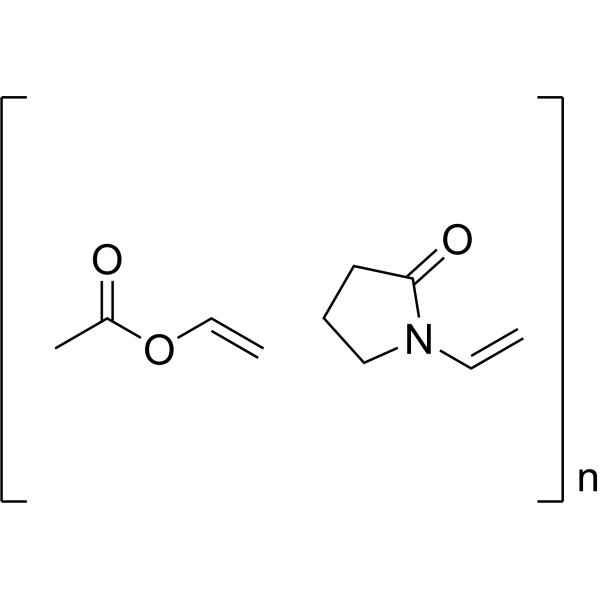
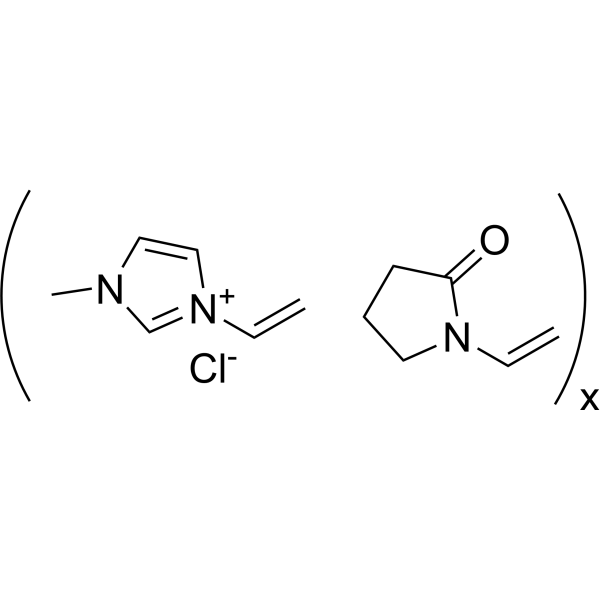
    Copovidone can be used as an excipient, such as Film formers, adhesives, etc. Pharmaceutical excipients, or pharmaceutical auxiliaries, refer to other chemical substances used in the pharmaceutical process other than pharmaceutical ingredients. Pharmaceutical excipients generally refer to inactive ingredients in pharmaceutical preparations, which can improve the stability, solubility and processability of pharmaceutical preparations. Pharmaceutical excipients also affect the absorption, distribution, metabolism, and elimination (ADME) processes of co-administered drugs .
    Copovidone (50% in ethanol)
  • HY-W127758
    Alginic acid
    1 Publications Verification

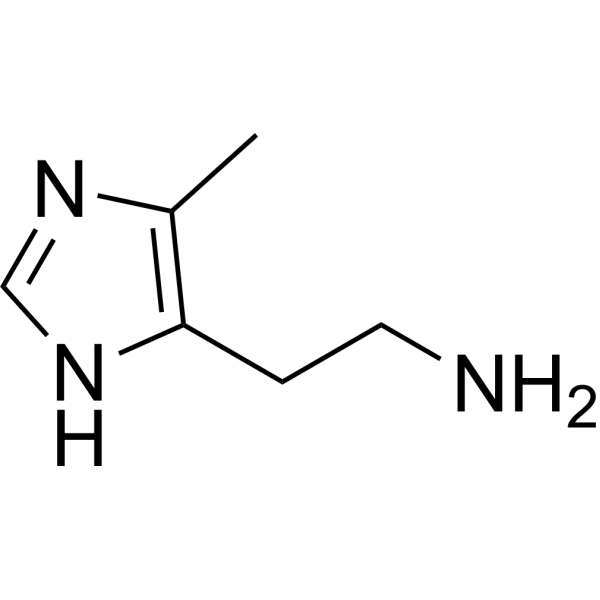
    Histamine Receptor Apoptosis Autophagy Endogenous Metabolite Inflammation/Immunology Endocrinology
    Alginic acid is a natural polysaccharide, which has been widely concerned and applied due to its excellent water solubility, film formation, biodegradability and biocompatibility. Alginic acid induces oxidative stress-mediated hormone secretion disorder, apoptosis and autophagy in mouse granulosa cells and ovaries. Alginic acid has an inhibitory effect on histamine release. Anti-anaphylactic and anti-inflammatory properties .
    Alginic acid
  • HY-Y0850O

    PVA (Mw 31000-50000, 87-89% hydrolyzed); Poly(Ethenol) (Mw 31000-50000, 87-89% hydrolyzed)

    Environmental Pollutants Biochemical Assay Reagents Cancer
    Polyvinyl alcohol (PVA; Poly (Ethenol)) (Mw 31000-50000, 87-89% hydrolyzed) is a polymer with emulsifying and stabilizing properties, with a degree of hydrolysis of 87-89%. Polyvinyl alcohol (Mw 31000-50000, 87-89% hydrolyzed) mainly acts as a stabilizer in the preparation of nanomedicines; it not only maintains the structural integrity of PEGylated PLGA nanoparticles during double emulsion synthesis, but also facilitates the preparation of chitosan/matrine-PLGA nanoparticle aqueous solutions and lipid-polymer nanoparticles. Polyvinyl alcohol (Mw 31000-50000, 87-89% hydrolyzed) can be widely used in research related to fields such as breast cancer .
    Polyvinyl alcohol (Mw 31000-50000, 87-89% hydrolyzed)
  • HY-W010820
    Uridine 5'-diphosphate sodium salt
    2 Publications Verification

    P2Y Receptor DNA/RNA Synthesis Endogenous Metabolite Metabolic Disease Inflammation/Immunology
    Uridine 5'-diphosphate sodium salt is a potent, selective P2Y6 receptor native agonist (EC50=300 nM; pEC50=6.52) and a potent P2Y14 antagonist (pEC50=7.28). Uridine 5'-diphosphate sodium salt, an endogenous metabolite, catalyzes the glucuronidation of a wide array of substrates and is used in nucleic acid (RNA) biosynthesis .
    Uridine 5'-diphosphate sodium salt
  • HY-14350
    AC-55541
    1 Publications Verification

    Protease Activated Receptor (PAR) Others
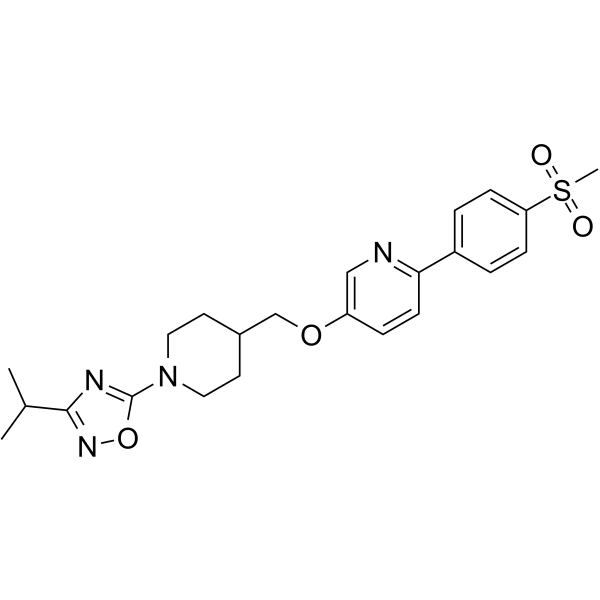
    AC-55541 is a highly selective protease-activated receptor 2 (PAR2) agonist (pEC50=6.7), displays no activity at other PAR subtypes or at over 30 other receptors involved in nociception and inflammation. AC-55541 has pEC50 values of 5.9 and 6.6 in PI hydrolysis assays and Ca 2+ mobilization assays and exhibits pronociceptive activity in vivo .
    AC-55541
  • HY-W392100A

    PCL-diol (MW 530)

    Biochemical Assay Reagents Fungal Infection
    Polycaprolactone diol (MW 530) (PCL-diol (MW 530)) is a poly (ε-caprolactone) diol with an average molecular weight of 530 g·mol −1, which serves as a monomer for biodegradable network elastic polyesters. Network polyester films undergo enzymatic hydrolysis by Rhizopus delemar lipase .
    Polycaprolactone diol (MW 530)
  • HY-W143531

    NOV03; SHR8058

    Biochemical Assay Reagents Inflammation/Immunology
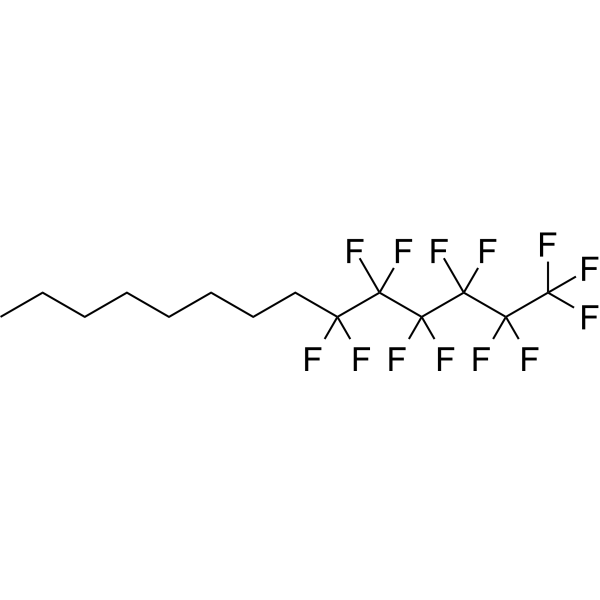
    Perfluorohexyloctane (NOV03), a semifluorinated alkane, reduces tear film instability in Meibomian gland dysfunction and evaporative dry eye disease. Perfluorohexyloctane is a long-term tamponade agent. Perfluorohexyloctane increases tear film breakup time and lipid layer thickness .
    Perfluorohexyloctane
  • HY-11097
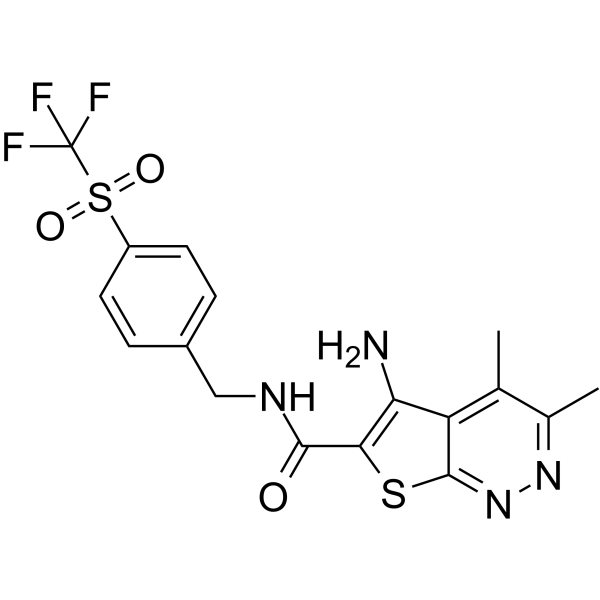
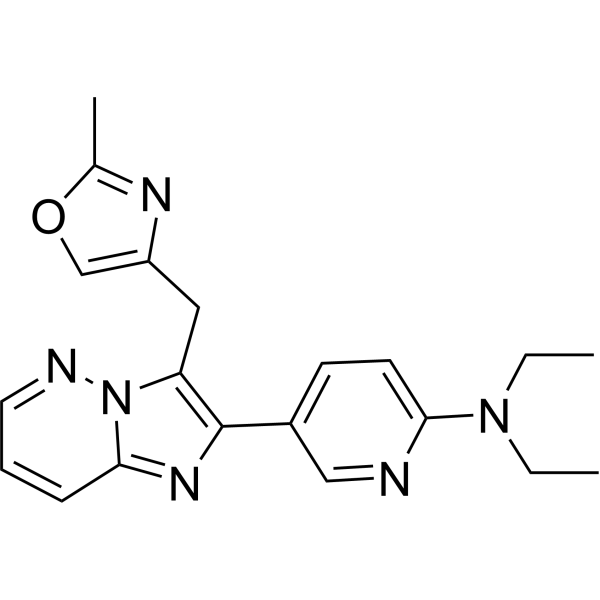
    TMC353121
    5+ Cited Publications

    RSV Infection
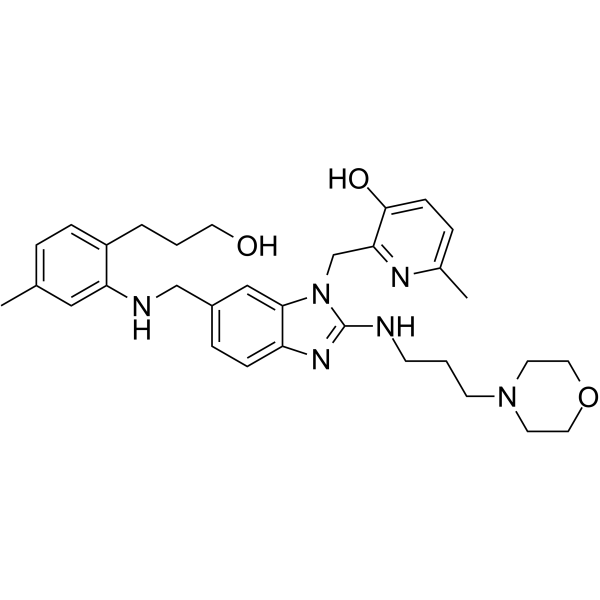
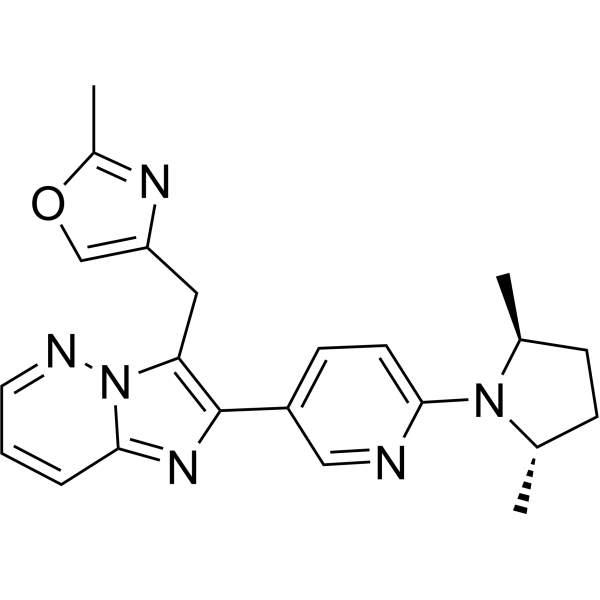
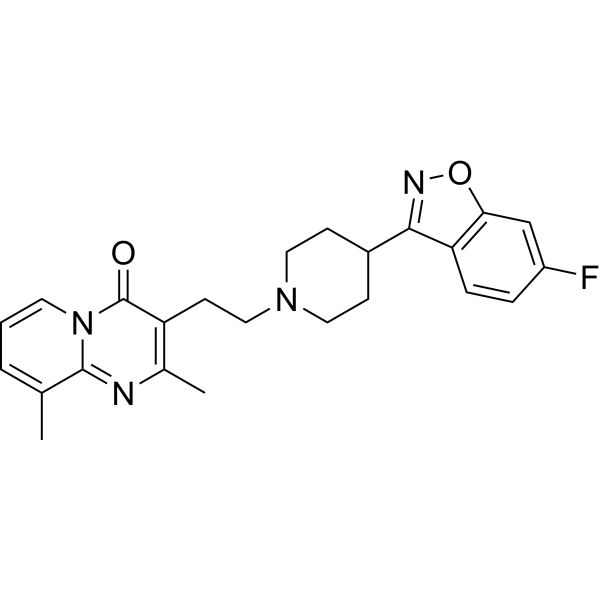
    TMC353121 is a potent respiratory syncytial virus (RSV) fusion inhibitor with pEC50 of 9.9.
    TMC353121
  • HY-158761

    PAPB

    Bacterial Infection
    Polyaminopropyl biguanide (PAPB) is a positively charged antimicrobial polymer and cosmetic preservative. Polyaminopropyl biguanide inhibits the growth and division of negatively charged microorganisms via charge-based adsorption. Polyaminopropyl biguanide exhibits broad-spectrum in vitro activity against foodborne microorganisms and postharvest fruit pathogens. Polyaminopropyl biguanide can be used in studies related to citrus postharvest diseases and foodborne bacterial infections .
    Polyaminopropyl biguanide
  • HY-N9929
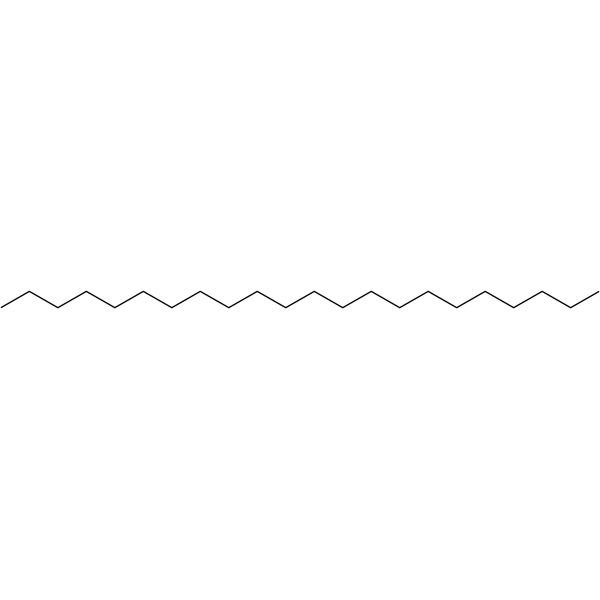
    Docosane
    1 Publications Verification

    Environmental Pollutants Biochemical Assay Reagents Others
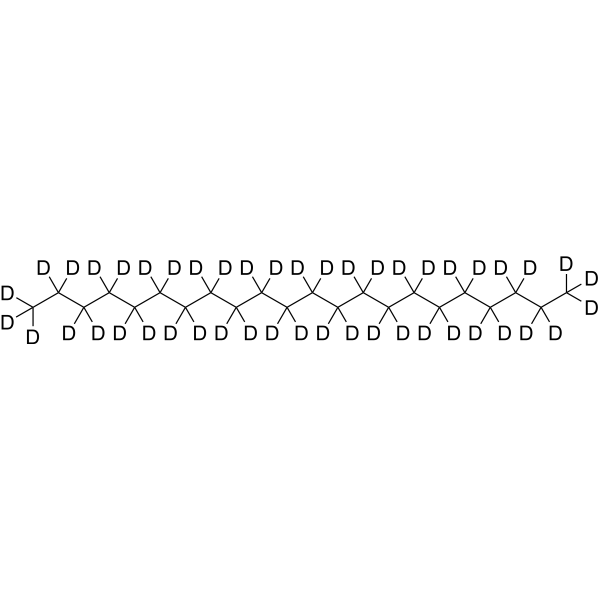
    Docosane is a straight-chain alkane. Docosane can be used to synthesize structural composites with thermal energy storage/release capabilities. Docosane can also be used to prepare thermosensitive antipyretic analgesics .
    Docosane
  • HY-100677
    VUF11207
    3 Publications Verification

    CXCR Endocrinology
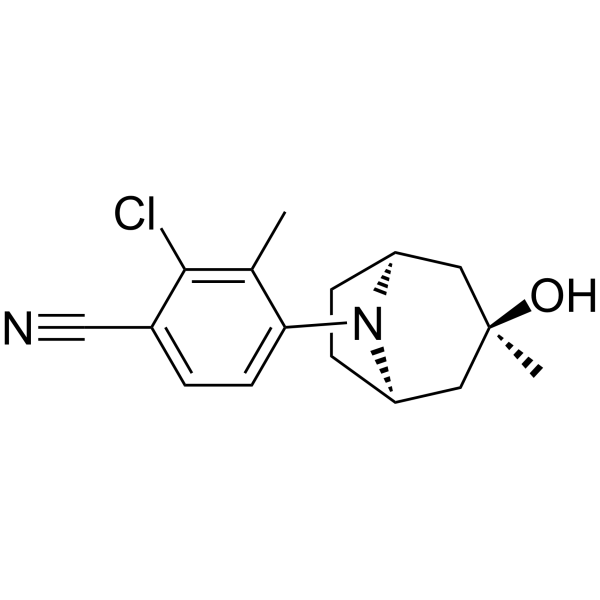
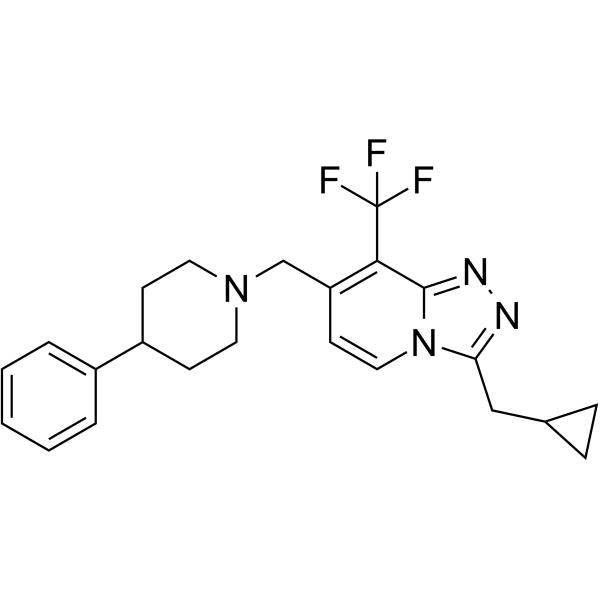
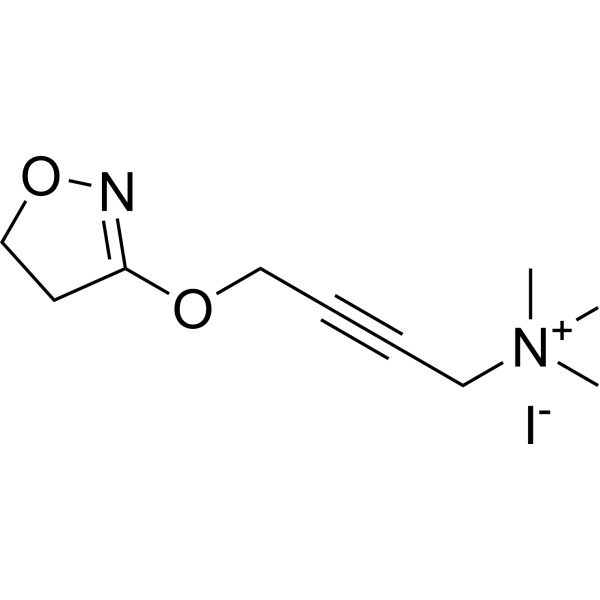
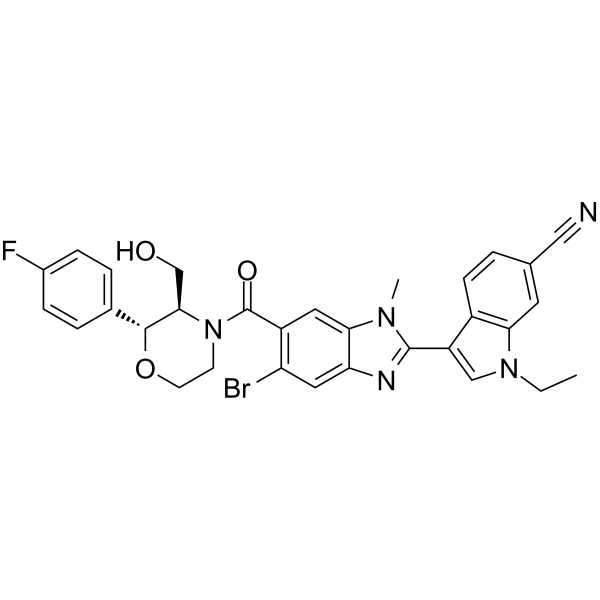
    VUF11207 (Compound 29) is a CXCR7 agonist and a high-potency CXCR7 (pKi of 8.1) ligand that induces recruitment of β-arrestin2 (pEC50 of 8.8) and subsequent internalization (pEC50 of 7.9) of CXCR7 .
    VUF11207
  • HY-103665A

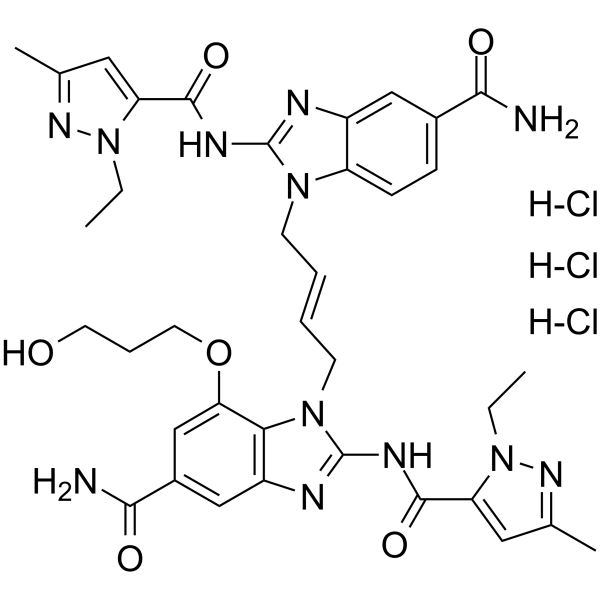
    STING Cancer
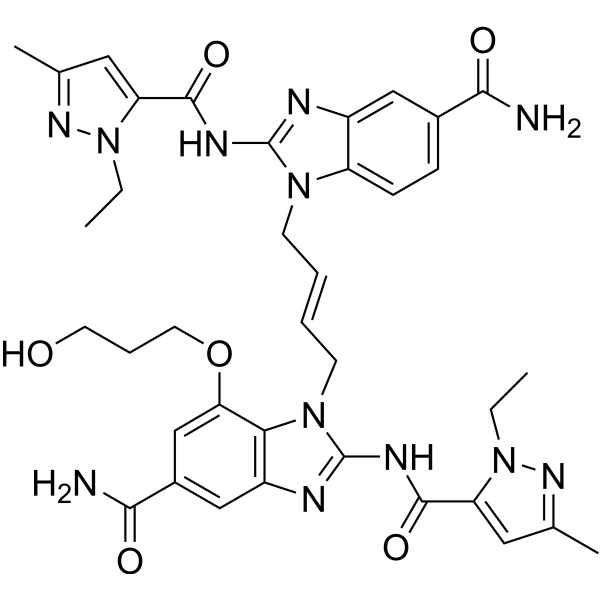
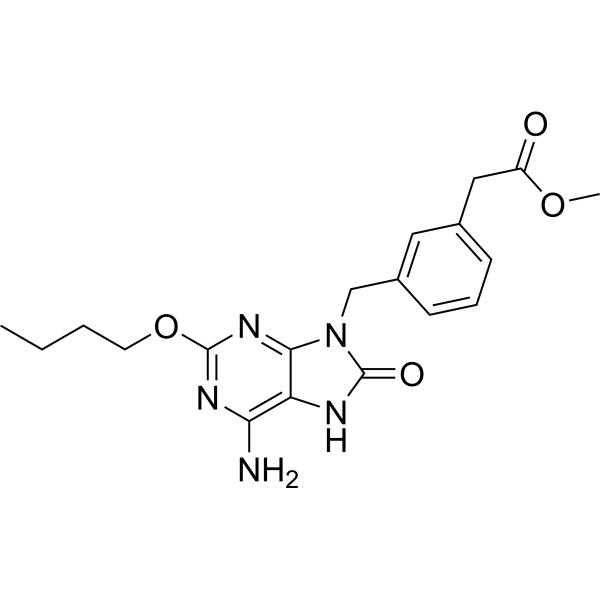
    STING agonist-3 trihydrochloride, extracted from patent WO2017175147A1 (example 10), is a selective and non-nucleotide small-molecule STING agonist with a pEC50 and pEC50 of 7.5 and 9.5, respectively. STING agonist-3 trihydrochloride has durable anti-tumor effect and tremendous potential to improve treatment of cancer .
    STING agonist-3 trihydrochloride
  • HY-107675

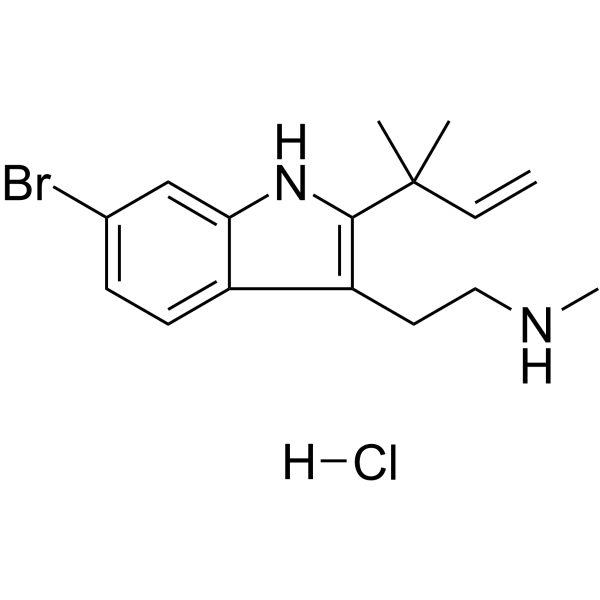
    Deformylflustrabromine hydrochloride; dFBr hydrochloride

    nAChR Neurological Disease
    Desformylflustrabromine hydrochloride is a selective agonist of α4β2 neuronal nicotinic acetylcholine receptor (nAChR) with a pEC50 of 6.48.
    Desformylflustrabromine hydrochloride
  • HY-14351

    Protease Activated Receptor (PAR) Inflammation/Immunology
    AC-264613 is a potent and selective protease-activated receptor (PAR-2) agonist with a pEC50 of 7.5 .
    AC-264613
  • HY-108526
    AC-55649
    1 Publications Verification

    RAR/RXR Autophagy Others
    AC-55649 is a potent, highly isoform-selective agonist of human RARβ2 receptor, with a pEC50 of 6.9.
    AC-55649
  • HY-103083

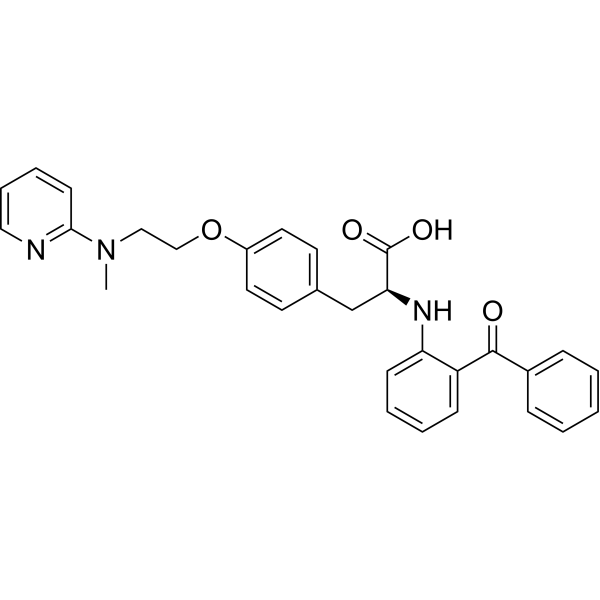
    Free Fatty Acid Receptor Metabolic Disease
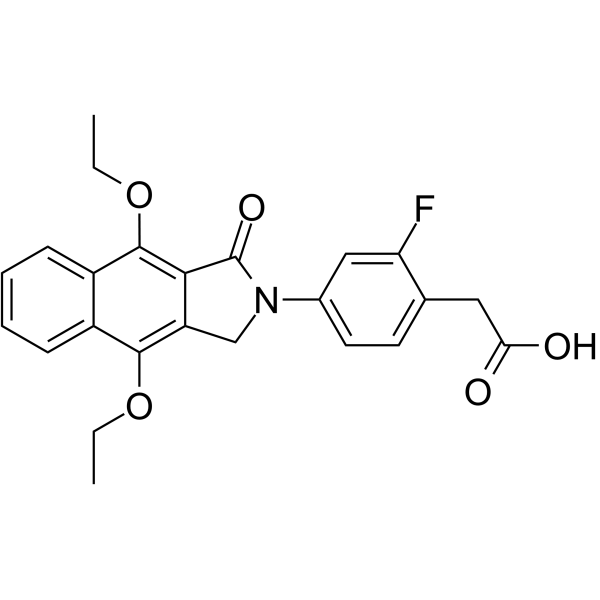
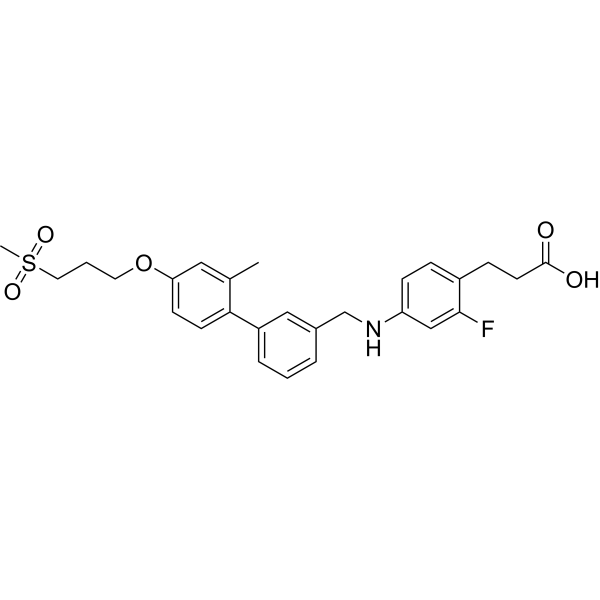
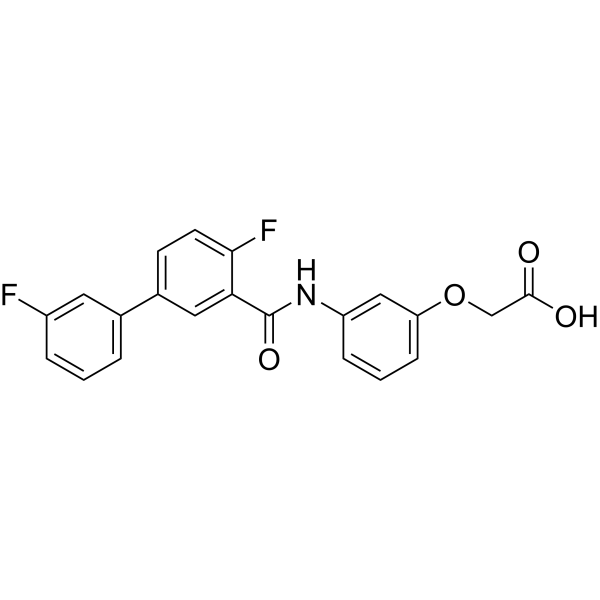
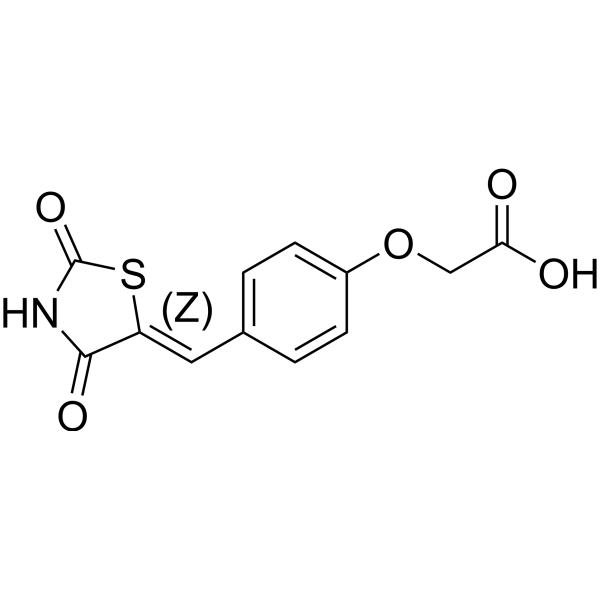
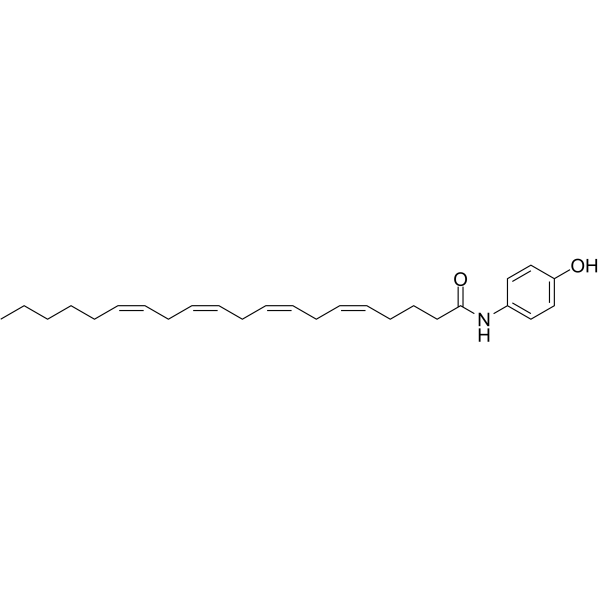
    GPR40 agonist 4 is a potent free fatty acid receptor 1 (FFA1/ GPR40) agonist with a pEC50 of 7.54.
    GPR40 agonist 4
  • HY-Y0850U1

    Polyvinyl alcohol (Mw 61000, 98-99% hydrolyzed, ~1400 polymerization); Poly(Ethenol) (Mw 61000, 98-99% hydrolyzed, ~1400 polymerization)

    Biochemical Assay Reagents Others
    PVA (Polyvinyl alcohol; Poly(Ethenol)) (Mw 61000, 98-99% hydrolyzed,?~1400 polymerization) is a biodegradable of polymer. PVA (Mw 61000, 98-99% hydrolyzed,?~1400 polymerization) can be used to produce bio-composite films .
    PVA (Mw 61000, 98-99% hydrolyzed, ~1400 polymerization)
  • HY-Y0850U5

    Polyvinyl alcohol (Mw 27000, 98-99% hydrolyzed, ~600 polymerization); Poly(Ethenol) (Mw 27000, 98-99% hydrolyzed, ~600 polymerization)

    Biochemical Assay Reagents Fungal Infection
    PVA (Polyvinyl alcohol) (Mw 27000, 98-99% hydrolyzed, ~600 polymerization) is a nonionic ethanol homopolymer with hydrophilicity, water solubility and biodegradability. PVA (Mw 27000, 98-99% hydrolyzed, ~600 polymerization) exhibits biocompatibility, non-toxicity and non-carcinogenicity, as well as antibacterial activity against Gram-positive bacteria, Gram-negative bacteria and fungal strains. PVA (Mw 27000, 98-99% hydrolyzed, ~600 polymerization) can serve as a solubilizer, stabilizer, mucoadhesive agent and sustained-release agent, and has a synergistic solubilizing effect on voriconazole/sulfobutyl ether β-cyclodextrin complexes. By stabilizing such complexes, PVA (Mw 27000, 98-99% hydrolyzed, ~600 polymerization) forms freeze-thaw hydrogels with high mucoadhesion, sustained drug release and ex vivo corneal permeability. When compounded with hyaluronic acid hydrogels, PVA (Mw 27000, 98-99% hydrolyzed, ~600 polymerization) supports chondrocyte growth in vitro, and also forms complexes with Cu 2+, Co 2+, Ni 2+ and Zn 2+ ions. PVA (Mw 27000, 98-99% hydrolyzed, ~600 polymerization) can be used in studies related to fungal keratitis, bacterial infections and fungal infections .
    PVA (Mw 27000, 98-99% hydrolyzed, ~600 polymerization)
  • HY-139446A

    ETPTA (MW 912); TMPETA (MW 912)

    Biochemical Assay Reagents Others
    Trimethylolpropane ethoxylate triacrylate (MW 912) (ETPTA (MW 912); TMPETA (MW 912)) is a trifunctional acrylate monomer with multiple acrylate functional groups, which can be used in polymerization and crosslinking reactions. Trimethylolpropane ethoxylate triacrylate (MW 912) is widely used in the preparation of cured resins for 3D printing, optical coatings for display devices, and dental composite restorative materials .
    Trimethylolpropane ethoxylate triacrylate (MW 912)
  • HY-Y0850U7

    Polyvinyl alcohol (Mw 195000, 98-99% hydrolyzed, ~4300 polymerization); Poly(Ethenol) (Mw 195000, 98-99% hydrolyzed, ~4300 polymerization)

    Biochemical Assay Reagents Others
    PVA (Mw 195000, 98-99% hydrolyzed, ~4300 polymerization) is polyvinyl alcohol with a molecular weight of 195,000 and hydrolytic properties. PVA (Mw 195000, 98-99% hydrolyzed, ~4300 polymerization) is obtained by polymerizing vinyl acetate followed by hydrolysis to remove acetate groups, yielding polyvinyl alcohol .
    PVA (Mw 195000, 98-99% hydrolyzed, ~4300 polymerization)
  • HY-W145481A

    Carob galactomannan

    C-type Lectin-like Receptors (CTLRs) Sirtuin Inflammation/Immunology
    D-Galacto-D-mannan (Carob galactomannan) is an orally active Dectin-2 agonist. D-Galacto-D-mannan exerts antioxidant activity against hydroxyl radical generation. D-Galacto-D-mannan activates Dectin-2 to trigger downstream signaling pathways, promote the expression of immunoregulatory molecules, coordinate innate and adaptive immune responses, and inhibit excessive inflammatory responses by upregulating the expression of Sirtuin 1. When used as a vaccine adjuvant, D-Galacto-D-mannan induces cellular and humoral immune responses, promotes IFNγ secretion, increases antibody levels and virus neutralization titers, and elevates the levels of immunoglobulin G and A. D-Galacto-D-mannan can serve as an adjuvant for foot-and-mouth disease vaccines, enhance the vaccine-mediated ability of hosts to defend against viral infection in mice, and reduce local side effects at the inoculation site in pigs. D-Galacto-D-mannan can be used in the research of inflammatory and immune diseases, such as foot-and-mouth disease .
    D-Galacto-D-mannan
  • HY-100336
    AC260584
    1 Publications Verification

    mAChR Neurological Disease
    AC260584 is an M1 muscarinic receptor allosteric agonist with a pEC50 of 7.6.
    AC260584
  • HY-W011875

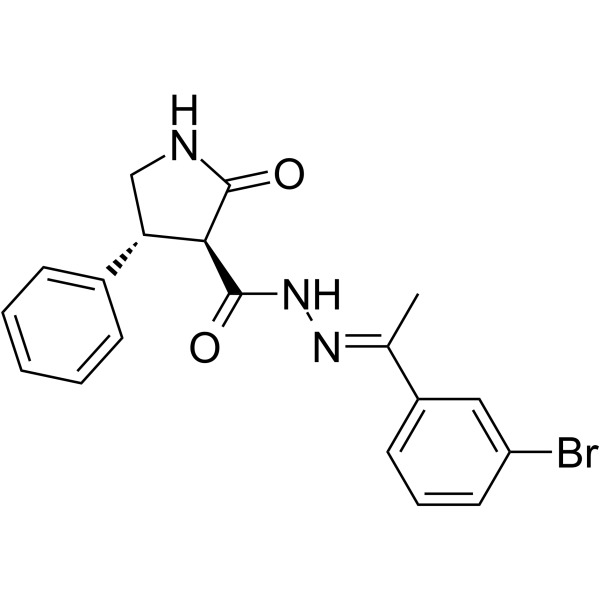
    Biochemical Assay Reagents Others
    2-Isopropylthioxanthone is a photoinitiator that is widely used in printing ink of packaging materials. 2-Isopropylthioxanthone triggers the radical polymerization of the acrylic component of inks, thus causing the liquid ink film to dry .
    2-Isopropylthioxanthone
  • HY-W141932

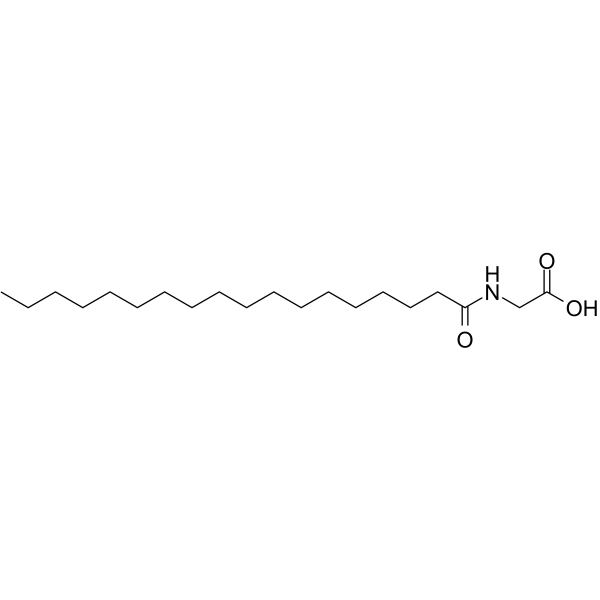
    Stearoylglycine; N-Octadecanoylglycine

    Endogenous Metabolite Others
    N-stearoylglycine is a lipid and has a small ionizable polar headgroup whose charge is pH dependent and whose amide moiety can form H-bonded network between adjacent molecules in ordered films .
    N-Stearoylglycine
  • HY-Y0850U8

    Polyvinyl alcohol (Mw 47000, 98-99% hydrolyzed, ~1000 polymerization); Poly(Ethenol) (Mw 47000, 98-99% hydrolyzed, ~1000 polymerization)

    Others
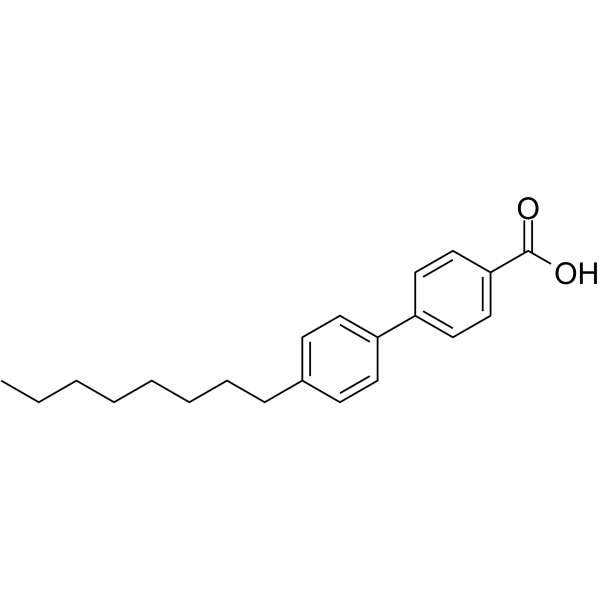
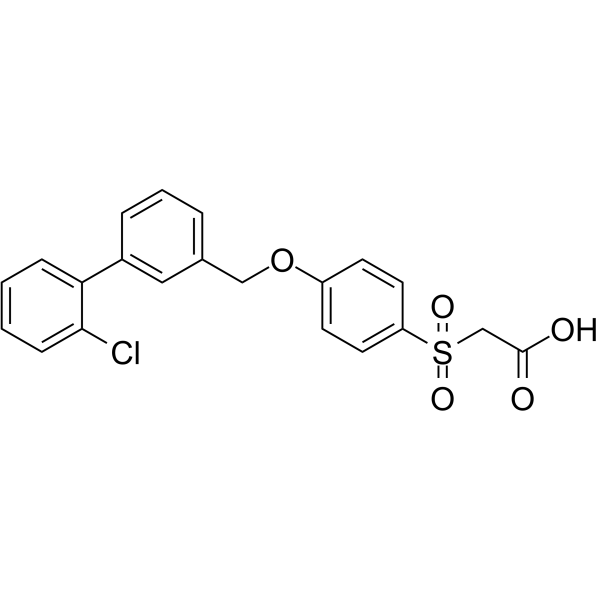
    PVA (Polyvinyl alcohol; Poly(Ethenol)) (Mw 47000, 98-99% hydrolyzed, ~1000 polymerization) is a semicrystalline synthetic polymer with excellent biocompatibility and biodegradability, which is non-toxic and non-mutagenic upon oral administration in the human body. PVA (Mw 47000, 98-99% hydrolyzed, ~1000 polymerization) can serve as an excipient, inhibitor or coating agent to prepare solid dispersions by absorbing water and inhibiting drug crystal nucleation and growth, and can encapsulate insulin-like growth factor-1. PVA (Mw 47000, 98-99% hydrolyzed, ~1000 polymerization) can form physically crosslinked cryogels and degradable films, and is widely used in the construction of vascular grafts, the synthesis of articular cartilage, and studies on dry or minimally invasive ex vivo wounds. PVA (Mw 47000, 98-99% hydrolyzed, ~1000 polymerization) also promotes hydrogen peroxide generation and enhances the redox cycle of iron species, thus acting as a sacrificial agent to effectively degrade pollutants .
    PVA (Mw 47000, 98-99% hydrolyzed, ~1000 polymerization)
  • HY-Y0850U2

    Polyvinyl alcohol (Mw 130000, 87-89% hydrolyzed, ~2700 polymerization); Poly(Ethenol) (Mw 130000, 87-89% hydrolyzed, ~2700 polymerization)

    Biochemical Assay Reagents Others
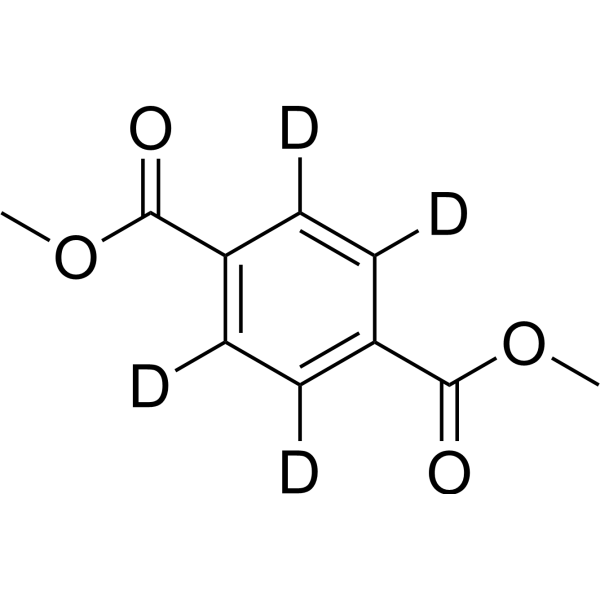
    PVA (Polyvinyl alcohol; Poly(Ethenol)) (Mw 130000, 87-89% hydrolyzed, ~2700 polymerization) is a non-toxic, biodegradable, and highly biocompatible semicrystalline synthetic polymer. PVA (Mw 130000, 87-89% hydrolyzed, ~2700 polymerization) acts as a coating agent to improve tableting performance, and can be cross-linked with sodium trimetaphosphate to prepare tubular vascular grafts or form hydrogels for use as artificial articular cartilage and sustained-release matrices for growth factors. PVA (Mw 130000, 87-89% hydrolyzed, ~2700 polymerization) enhances the redox cycle of iron species in photo-assisted Fenton reactions to simultaneously generate hydrogen peroxide and degrade pollutants, enabling integrated sustainable waste management and water treatment. PVA (Mw 130000, 87-89% hydrolyzed, ~2700 polymerization) is used in the manufacture of biodegradable films and in studies of dry or minimally invasive ex vivo wounds, but cannot form freeze-thaw cross-linked solid sheets for wound dressings .
    PVA (Mw 130000, 87-89% hydrolyzed, ~2700 polymerization)
  • HY-Y0850U

    Polyvinyl alcohol (Mw 31000, 87-89% hydrolyzed, ~630 polymerization); Poly(Ethenol) (Mw 31000, 87-89% hydrolyzed, ~630 polymerization)

    Biochemical Assay Reagents Others
    PVA (Polyvinyl alcohol; Poly(Ethenol)) (Mw 31000, 87-89% hydrolyzed, ~630 polymerization) is a biocompatible, biodegradable, nontoxic and hydrophilic synthetic polymer. PVA (Mw 31000, 87-89% hydrolyzed, ~630 polymerization) can be used to produce bone tissue engineering scaffold [1]
    PVA (Mw 31000, 87-89% hydrolyzed, ~630 polymerization)
  • HY-W009641

    PyM; 1-HMP

    Biochemical Assay Reagents Others
    1-Pyrenemethanol is an organic compound that can be used to prepare graphene films with excellent thermal conductivity, flexibility and mechanical properties. 1-Pyrenemethanol binds to graphene oxide sheets through hydrogen bonds and π-π interactions to form GO-PyM films, increasing the dispersion and stability of the material .
    1-Pyrenemethanol

Inquiry Online

Your information is safe with us. * Required Fields.

Salutation


Country or Region *

Applicant Name *


Organization Name *

Department *


Email Address *


Product Name *

Cat. No.


Requested quantity *

Phone Number *


Remarks

Inquiry Online

Inquiry Information

Product Name:
Cat. No.:
Quantity:
MCE Japan Authorized Agent: