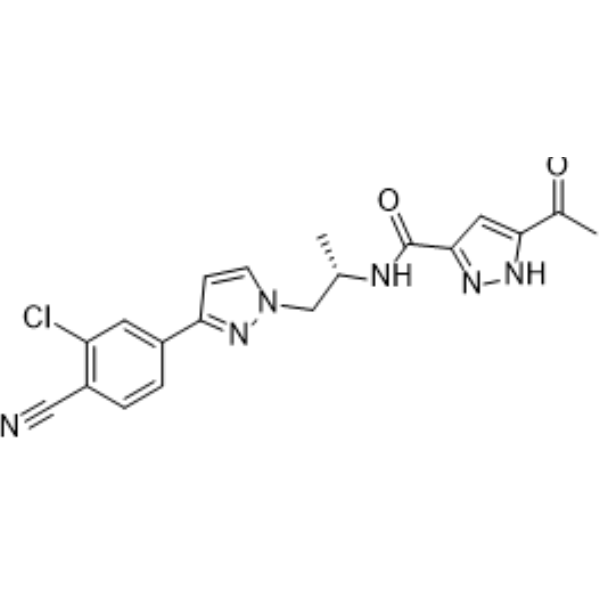
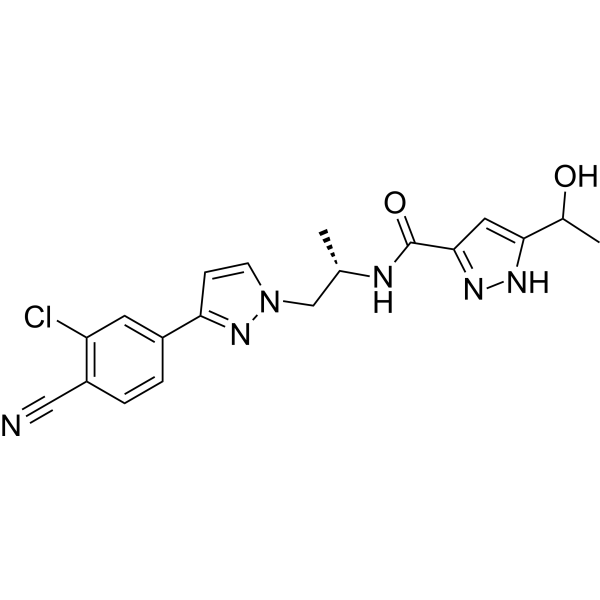
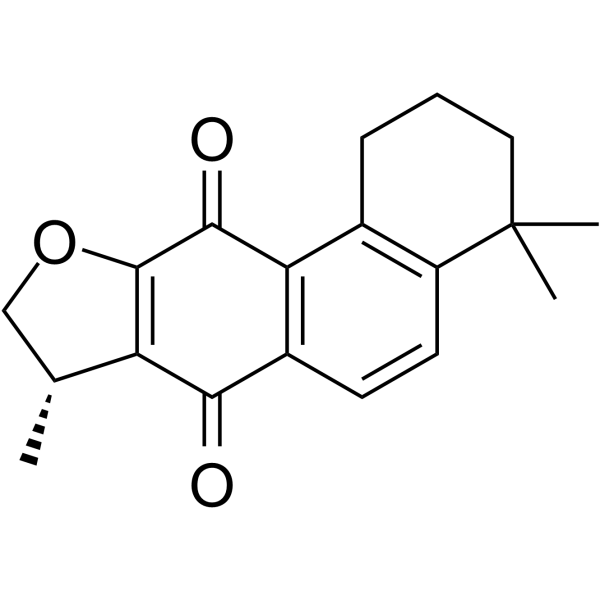
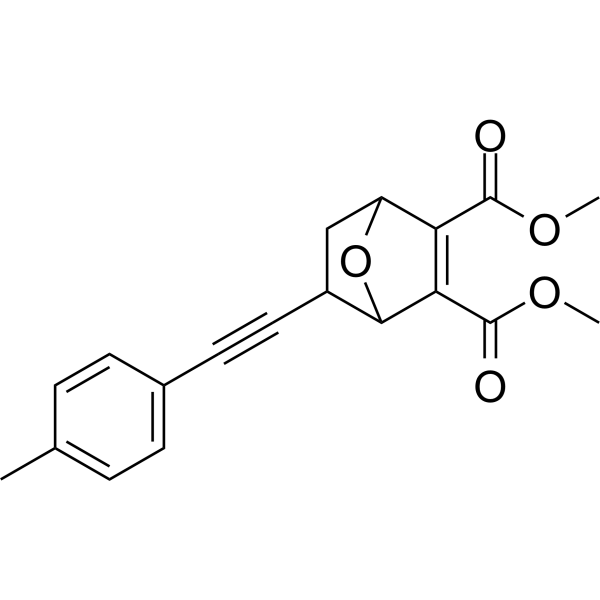
1. Search Result
Search Result
Results for "

nuclear+translocation

" in MedChemExpress (MCE) Product Catalog:

254

Inhibitors & Agonists

1

Screening Libraries

2

Fluorescent Dyes

2

Biochemical Assay Reagents

11

Peptides

3

Inhibitory Antibodies

92

Natural
Products

12

Isotope-Labeled Compounds

1

Click Chemistry

2

GMP Molecules

Cat. No. Product Name Target Research Areas Chemical Structure
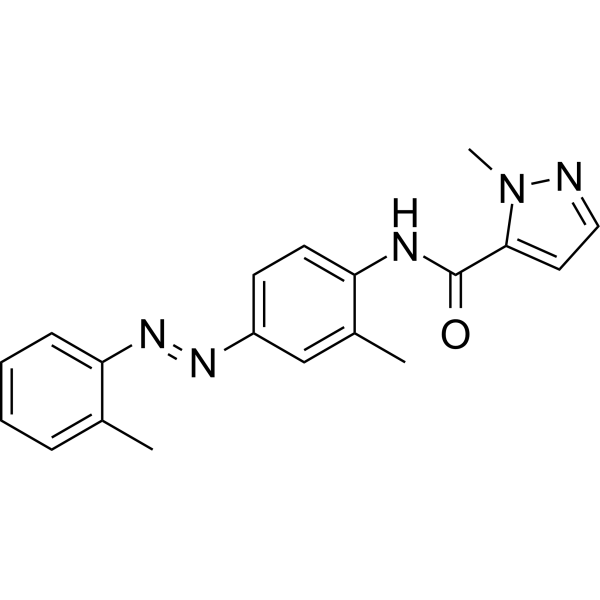
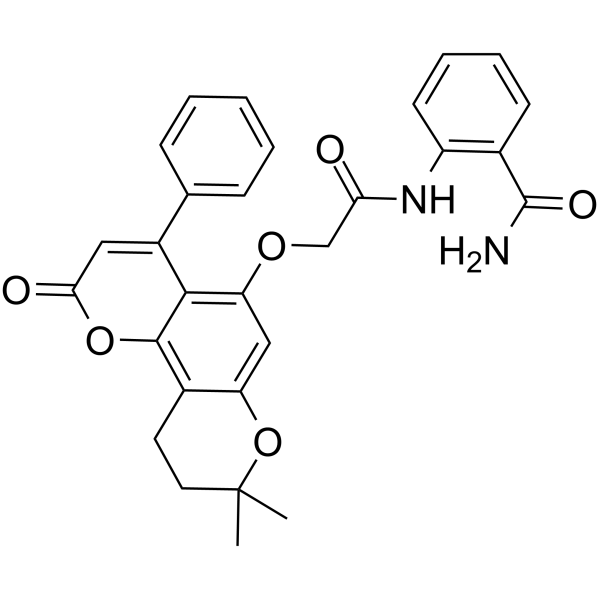
  • HY-12684
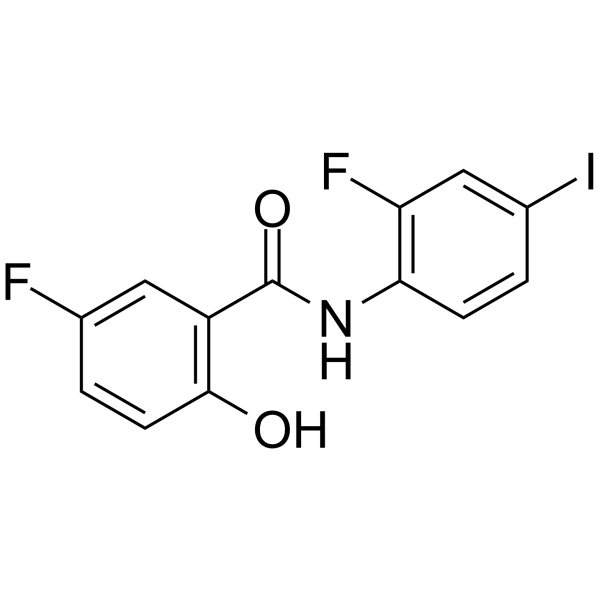
    CH-223191
    110+ Cited Publications

    Aryl Hydrocarbon Receptor Cancer
    CH-223191 is a potent and specific antagonist of aryl hydrocarbon receptor (AhR). CH-223191 inhibits TCDD-mediated nuclear translocation and DNA binding of AhR, and inhibits TCDD-induced luciferase activity with an IC50 of 0.03 μM .
    CH-223191
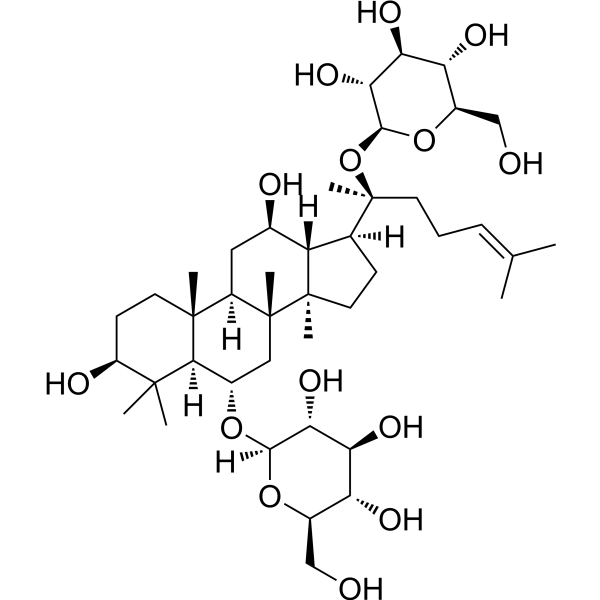
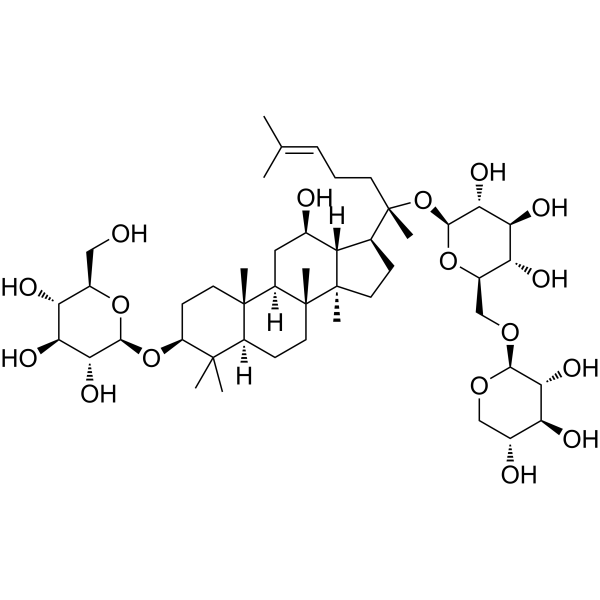
  • HY-N0045
    Ginsenoside Rg1
    10+ Cited Publications

    Panaxoside A; Panaxoside Rg1

    Amyloid-β NF-κB Apoptosis Neurological Disease Inflammation/Immunology Cancer
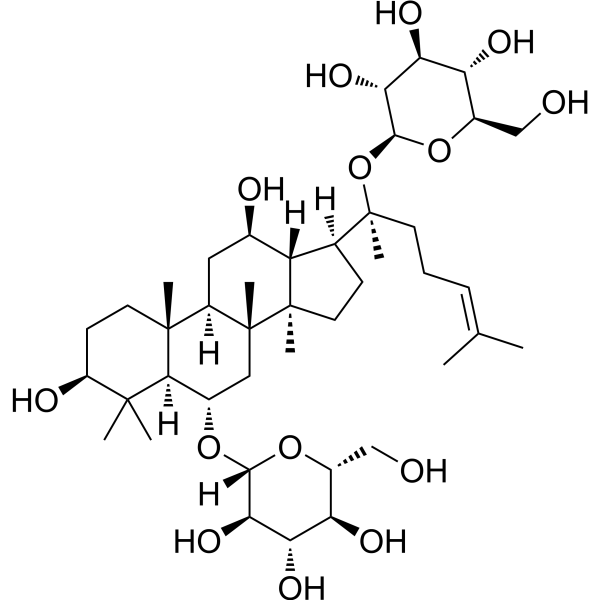
    Ginsenoside Rg1 is one of the major active components of Panax ginseng. Ginsenoside Rg1 ameliorates the impaired cognitive function, displays promising effects by reducing cerebral levels. Ginsenoside Rg1 also reduces NF-κB nuclear translocation.
    Ginsenoside Rg1
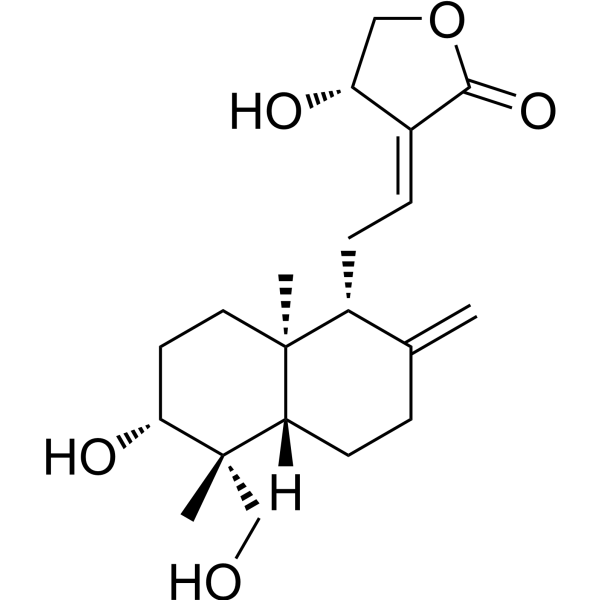
  • HY-N0191
    Andrographolide
    30+ Cited Publications

    Andrographis

    NF-κB SARS-CoV Influenza Virus Autophagy Parasite Infection Inflammation/Immunology Cancer
    Andrographolide is a NF-κB inhibitor, which inhibits NF-κB activation through covalent modification of a cysteine residue on p50 in endothelial cells without affecting IκBα degradation or p50/p65 nuclear translocation. Andrographolide has antiviral effects.
    Andrographolide
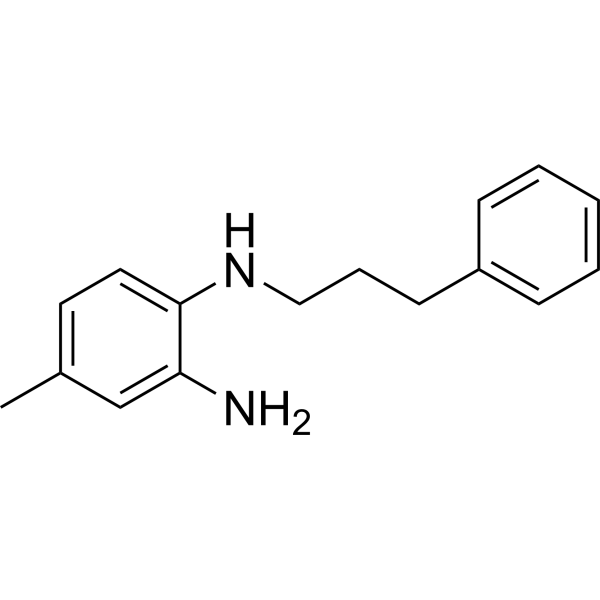
  • HY-13982
    JSH-23
    Maximum Cited Publications
    141 Publications Verification

    NF-κB Metabolic Disease Inflammation/Immunology Cancer
    JSH-23 is an NF-κB inhibitor which inhibits NF-κB transcriptional activity with an IC50 of 7.1 μM in lipopolysaccharide (LPS)-stimulated macrophages RAW 264.7. JSH-23 inhibits nuclear translocation of NF-κB p65 without affecting IκBα degradation .
    JSH-23
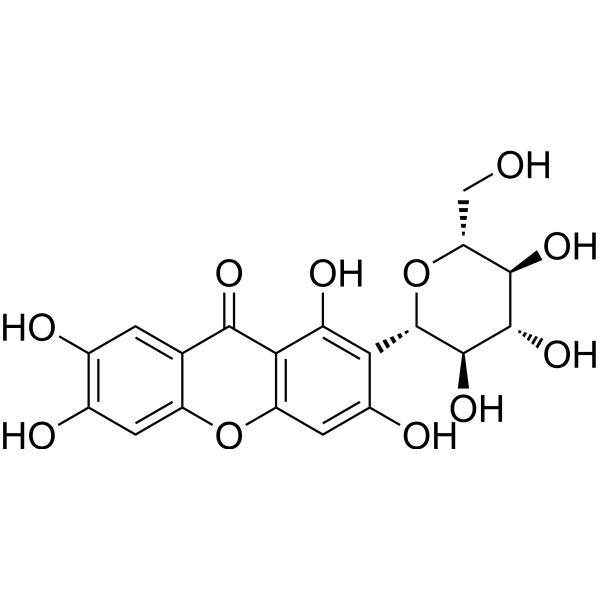
  • HY-N0290
    Mangiferin
    15+ Cited Publications

    NF-κB Keap1-Nrf2 Apoptosis Cancer
    Mangiferin is a Nrf2 activator. Mangiferin suppresses nuclear translocation of the NF-κB subunits p65 and p50. Mangiferin exhibits antioxidant, antidiabetic, antihyperuricemic, antiviral, anticancer and antiinflammatory activities .
    Mangiferin
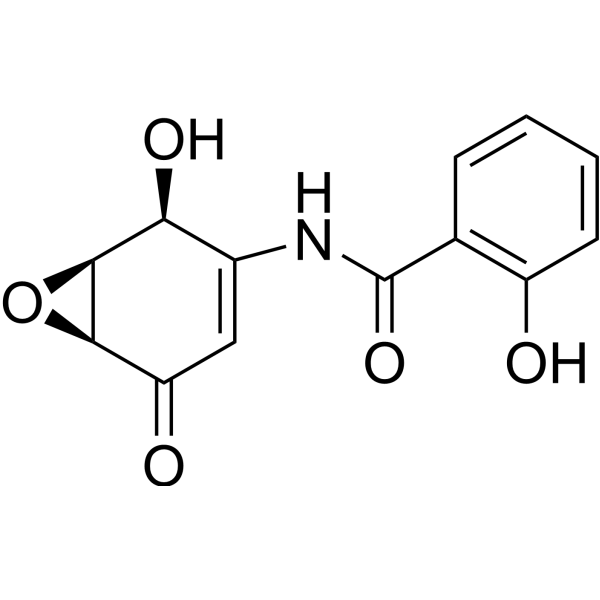
  • HY-14645
    (-)-DHMEQ
    30+ Cited Publications

    Dehydroxymethylepoxyquinomicin

    NF-κB Inflammation/Immunology Cancer
    (-)-DHMEQ (Dehydroxymethylepoxyquinomicin) is a potent, selective and irreversible NF-κB inhibitor that covalently binds to a cysteine residue. (-)-DHMEQ inhibits nuclear translocation of NF-κB and shows anti-inflammatory and anticancer activity .
    (-)-DHMEQ
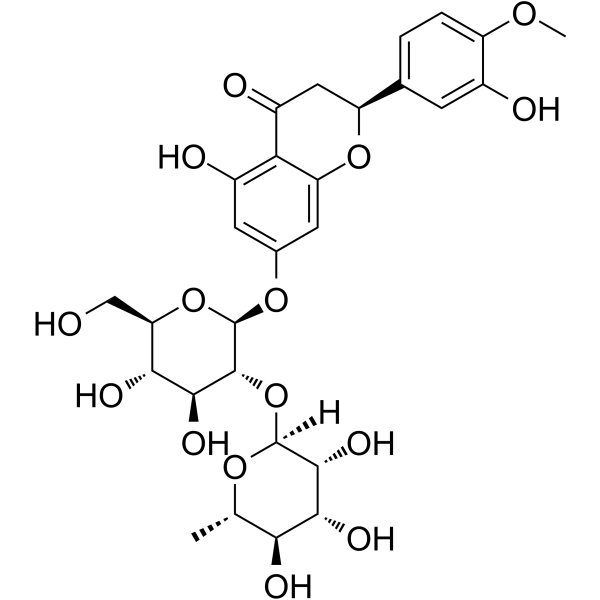
  • HY-N0101
    Neohesperidin
    5+ Cited Publications

    Hesperetin 7-O-neohesperidoside

    β-catenin Wnt Inflammation/Immunology
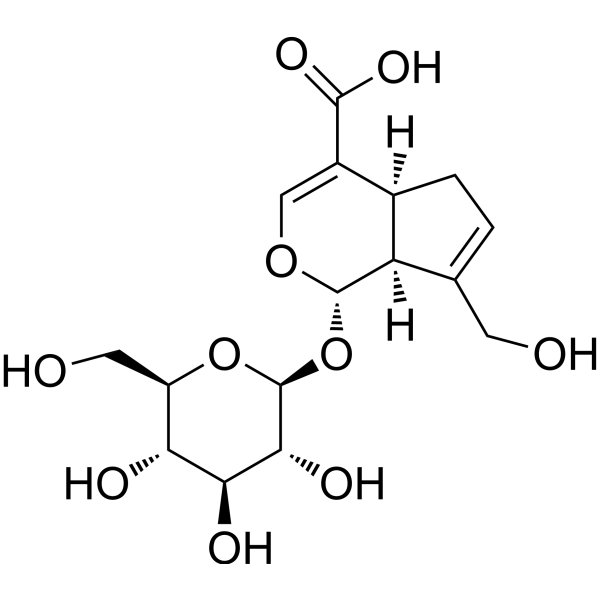
    Neohesperidin is a flavonoid compound abundant in citrus plants with antioxidant and anti-inflammatory effects. Neohesperidin can upregulate the Wnt/β-catenin signaling pathway, enhance the nuclear translocation of β-catenin and the differentiation of bone marrow stromal cells .
    Neohesperidin
  • HY-135825
    TFEB activator 1
    5+ Cited Publications

    Autophagy Neurological Disease
    TFEB activator 1 is an orally effective, mTOR-independent activator of TFEB. TFEB activator 1 significantly promotes the nuclear translocation of Flag-TFEB with an EC50 of 2167 nM. TFEB activator 1 enhances autophagy without inhibiting the mTOR pathway and has the potential for neurodegenerative diseases treatment .
    TFEB activator 1
  • HY-100830
    NCB-0846
    4 Publications Verification

    Wnt MAP4K TGF-beta/Smad Cancer
    NCB-0846 is an orally active, selective inhibitor for Wnt, that inhibits Traf2- and Nck-interacting kinase (TNIK) with an IC50 of 21 nM. NCB-0846 blocks TGF-β signaling pathway by inhibiting SMAD2/3 phosphorylation and nuclear translocation .
    NCB-0846
  • HY-15614
    SC144
    5+ Cited Publications

    Interleukin Related Apoptosis Cancer
    SC144 is a first-in-class, orally active gp130 (IL6-beta) inhibitor. SC144 binds gp130, induces gp130 phosphorylation (S782) and deglycosylation, abrogates Stat3 phosphorylation and nuclear translocation, and further inhibits the expression of downstream target genes. SC144 shows potent inhibition of gp130 ligand-triggered signaling. SC144 induces apoptosis in human ovarian cancer cells .
    SC144
  • HY-100581
    CORM-3
    4 Publications Verification

    NF-κB NOD-like Receptor (NLR) Inflammation/Immunology
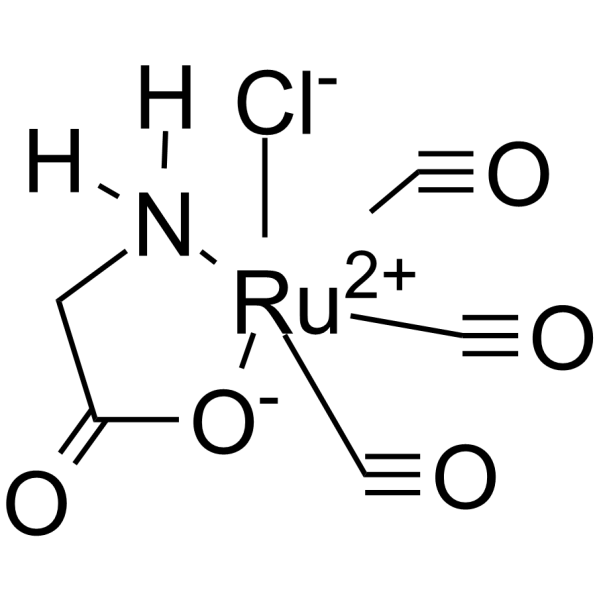
    CORM-3, a carbon monoxide-releasing molecule, attenuates NF-κB p65 nuclear translocation, reduces ROS generation and enhances intracellular glutathione and superoxide dismutase levels. CORM-3 reduces NLRP3 inflammasome activation .
    CORM-3
  • HY-110258
    ML334
    10+ Cited Publications

    LH601A

    Quinone Reductase Keap1-Nrf2 Cancer
    ML334 is a potent, cell permeable activator of NRF2 by inhibition of Keap1-NRF2 protein-protein interaction. ML334 binds to Keap1 Kelch domain with a Kd of 1 μM. ML334 stimulates NRF2 expression and nuclear translocation and induces antioxidant response elements (ARE) activity .
    ML334
  • HY-P3229
    SN52
    2 Publications Verification

    NF-κB Cancer
    SN52 is a potent, competitive, and cell-permeable inhibitor of NF-κB2. SN52 is a variant of the SN50 peptide and inhibits the nuclear translocation of p52-RelB heterodimers. SN52 has a strong radiosensitization effect on prostate cancer cells. SN52 can be used for cancer research .
    SN52
  • HY-148765
    CLK8
    1 Publications Verification

    Cryptochrome Metabolic Disease Cancer
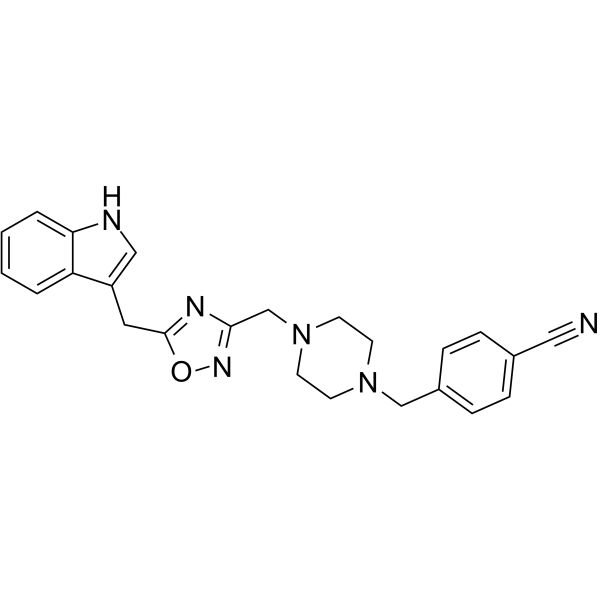
    CLK8 is a potent and specific CLOCK inhibitor that can disrupt the interaction between CLOCK and BMAL1 and interfere with nuclear translocation of CLOCK. CLK8 can be used for the research of disorders associated with dampened circadian rhythms .
    CLK8
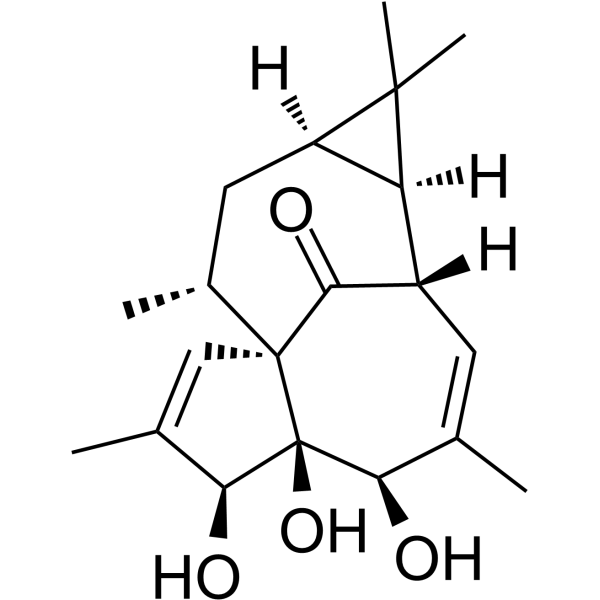
  • HY-N0866
    20-Deoxyingenol
    5 Publications Verification

    Autophagy Inflammation/Immunology
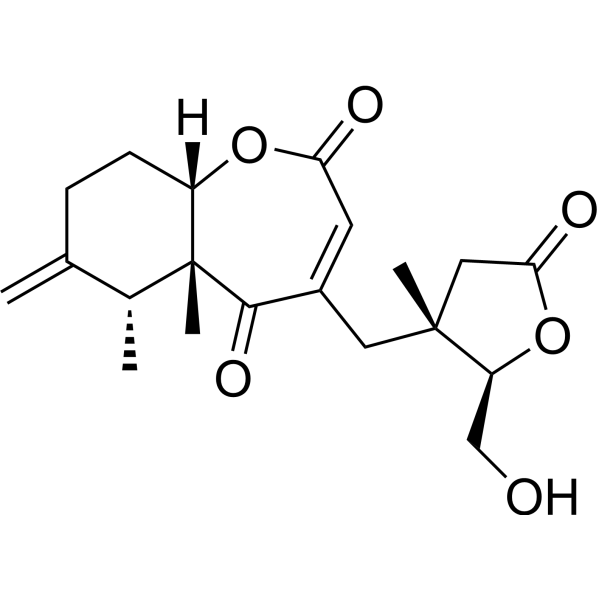
    20-Deoxyingenol, a diterpene, is isolated from the roots of Euphorbia kansui. 20-Deoxyingenol can promote autophagy and lysosomal biogenesis by promoting the nuclear translocation of transcription factor EB (TFEB) in vitro. 20-Deoxyingenol can be used for the research of osteoarthritis (OA) .
    20-Deoxyingenol
  • HY-P10275

    Apoptosis Neurological Disease
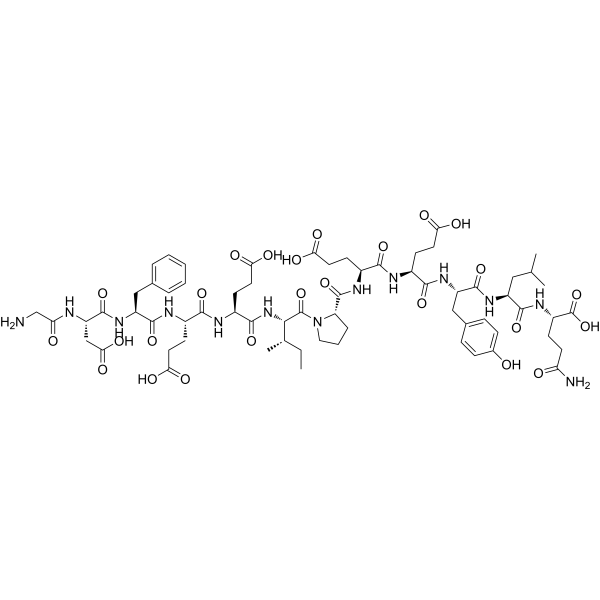
    Tat-NTS peptide is a cell-penetrating peptide with neuroprotective effects. Tat-NTS peptide can specifically inhibit the nuclear translocation of ANXA1 and reduce neuronal apoptosis in ischemic areas. Moreover, Tat-NTS peptide can reduce the volume of cerebral ischemic infarction and can be used in the research of ischemic stroke .
    Tat-NTS peptide
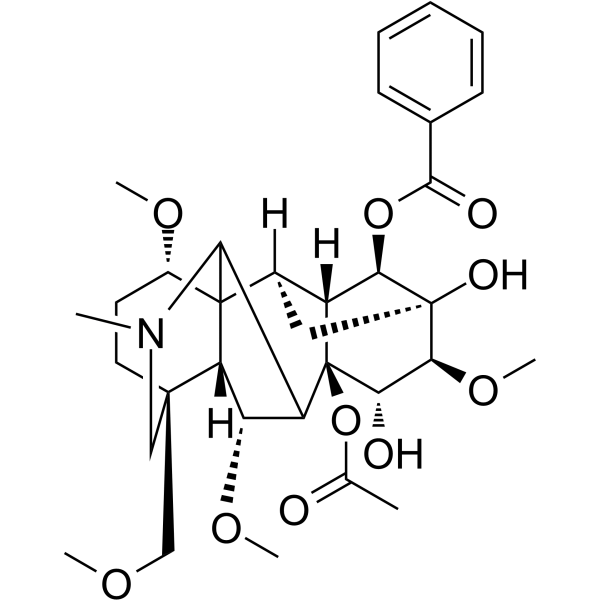
  • HY-N0267
    Hypaconitine
    2 Publications Verification

    NF-κB Potassium Channel Calcium Channel Cardiovascular Disease Neurological Disease Inflammation/Immunology Cancer
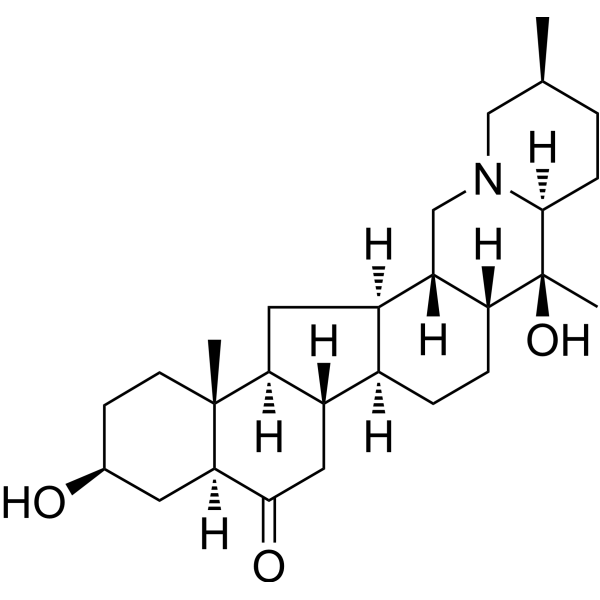
    Hypaconitine inhibits the KCNH2 current with an IC50 of 8.1 nM, and exhibits cardiotoxicity. Hypaconitine inhibits TGF-β1-induced epithelial-mesenchymal transition (EMT) in A549 cell through the inhibition of NF-κB nuclear translocation. Hypaconitine acts as the neuromuscular blocker. Hypaconitine is orally active .
    Hypaconitine
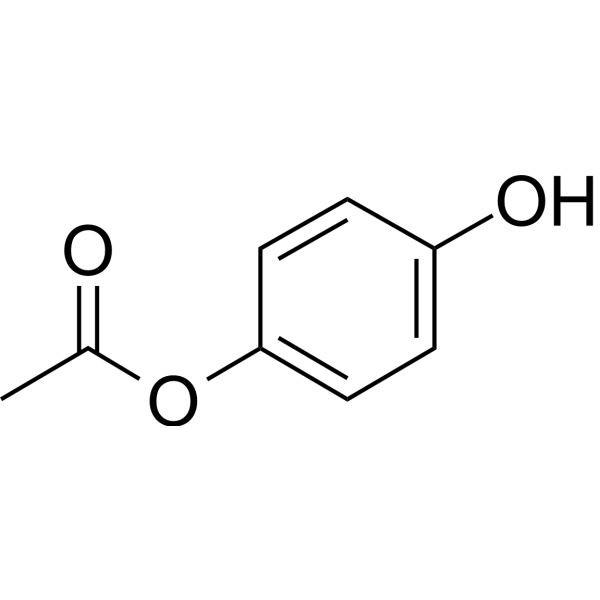
  • HY-30267
    4-Hydroxyphenyl acetate
    2 Publications Verification

    4-HPA; 4-Acetoxyphenol

    Quinone Reductase Endogenous Metabolite Others
    4-Hydroxyphenyl acetate (4-HPA) is a natural antioxidant and protects cells from oxidative stress-induced necrosis. 4-Hydroxyphenyl acetate blocks the increase of cellular ROS induced by oxidative stress, and up-regulates NQO1 and HO-1 genes by stabilizing and inducing the nuclear translocation of NRF2 transcription factor .
    4-Hydroxyphenyl acetate
  • HY-113439
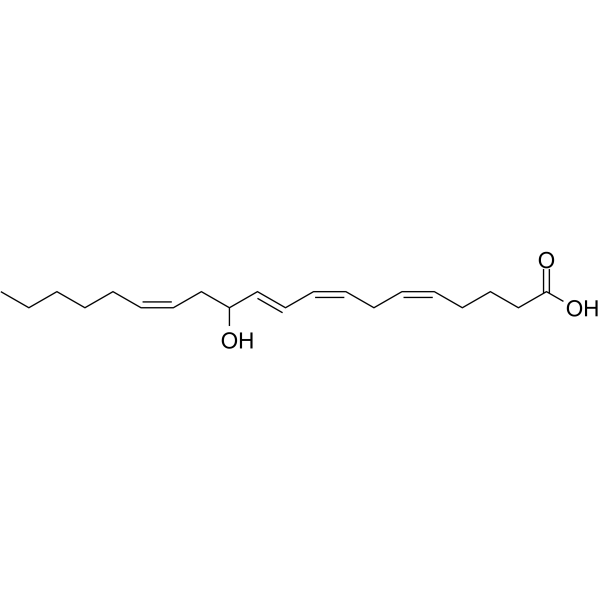
    12-HETE
    2 Publications Verification

    Apoptosis Cardiovascular Disease Inflammation/Immunology
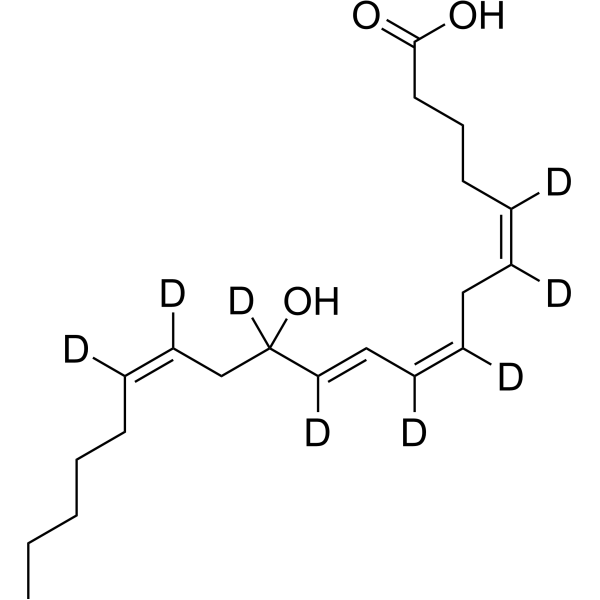
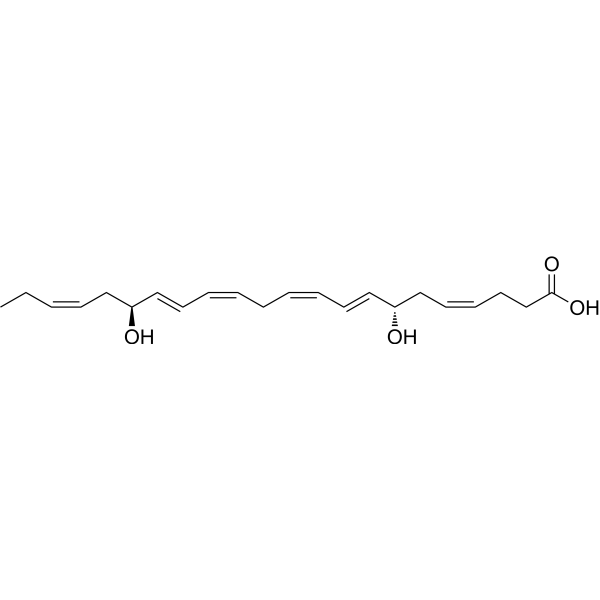
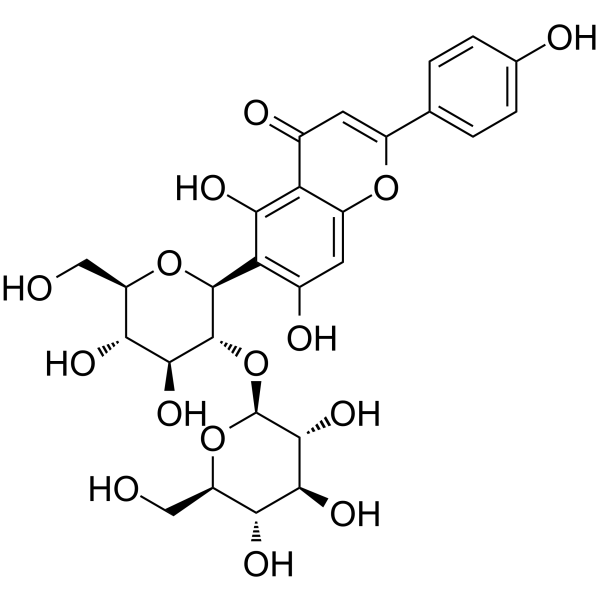
    12-HETE, a major metabolic product of arachidonic acid using 12-LOX catalysis, inhibits cell apoptosis in a dose-dependent manner. 12-HETE promotes the activation and nuclear translocation of NF-κB through the integrin-linked kinase (ILK) pathway .12-HETE has both anti-thrombotic and pro-thrombotic effects . 12-HETE is a neuromodulator .
    12-HETE
  • HY-100609
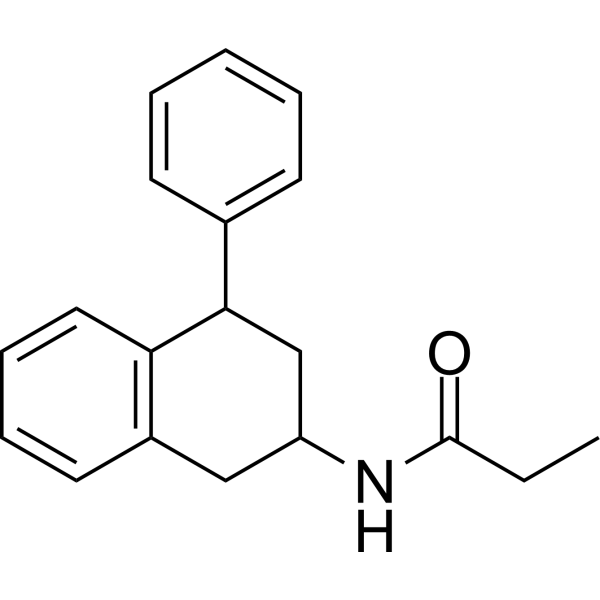
    4-P-PDOT
    5+ Cited Publications

    Melatonin Receptor Neurological Disease
    4-P-PDOT is a potent, selective and affinity Melatonin receptor (MT2) antagonist. 4-P-PDOT is >300-fold more selective for MT2 than MT1. 4-P-PDOT significantly counteracts Melatonin-mediated antioxidant effects (GSH/GSSG ratio, phospho-ERK, Nrf2 nuclear translocation, Nrf2 DNA-binding activity) .
    4-P-PDOT
  • HY-15614A
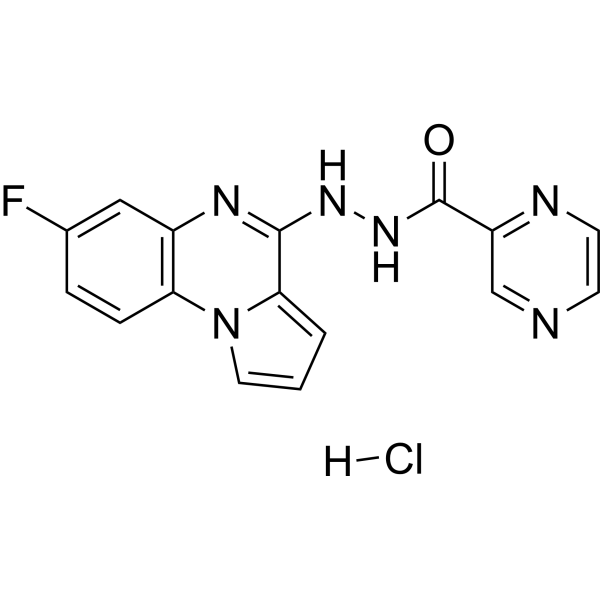
    SC144 hydrochloride
    5+ Cited Publications

    Interleukin Related Apoptosis Cancer
    SC144 hydrochloride is a first-in-class, orally active gp130 (IL6-beta) inhibitor. SC144 hydrochloride binds gp130, induces gp130 phosphorylation (S782) and deglycosylation, abrogates Stat3 phosphorylation and nuclear translocation, and further inhibits the expression of downstream target genes. SC144 hydrochloride shows potent inhibition of gp130 ligand-triggered signaling. SC144 hydrochloride induces apoptosis in human ovarian cancer cells .
    SC144 hydrochloride
  • HY-164254

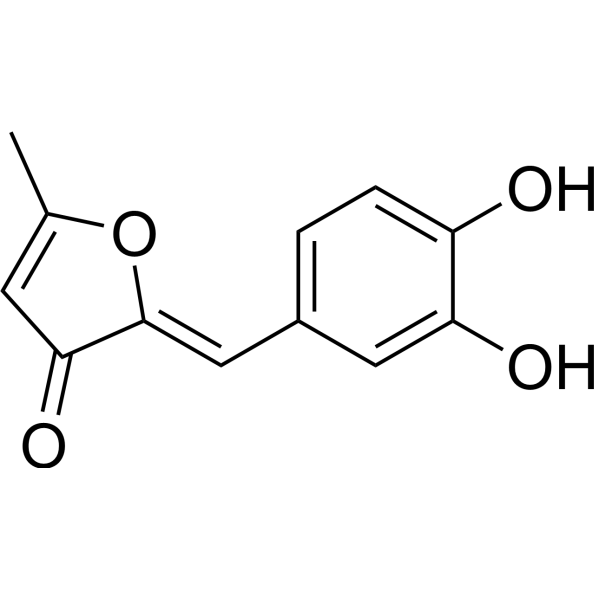
    (E/Z)-GA-002

    Large Tumor Suppressor (LATS) YAP Cardiovascular Disease Inflammation/Immunology Cancer
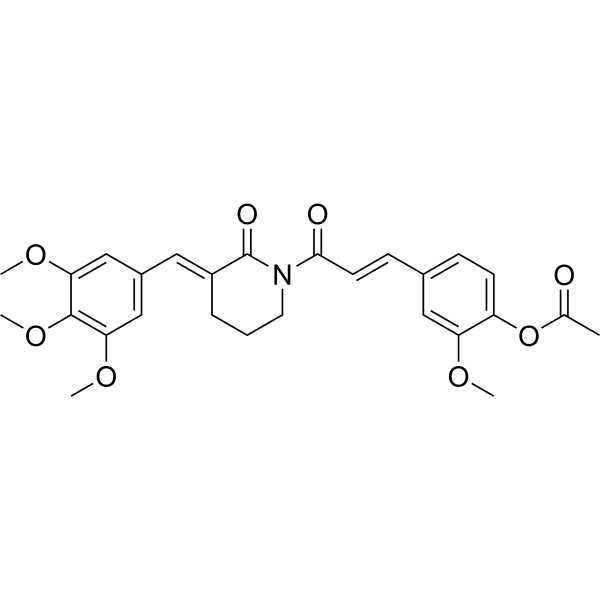
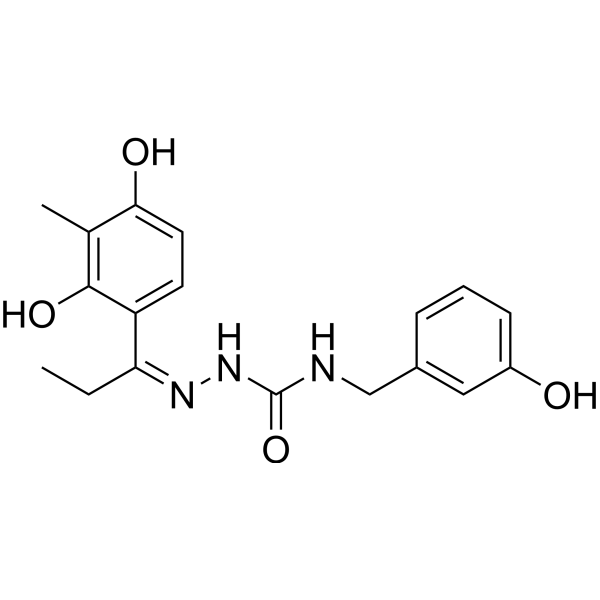
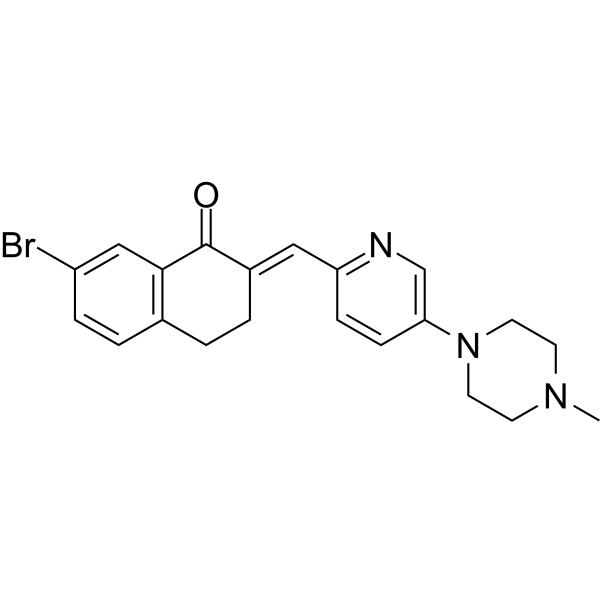
    Cardiomyocyte proliferation promoting agent-1 ((E/Z)-GA-002), which is an E/Z mixture, is a cardiomyocyte proliferation promoter. GA-002 (single E configuration) is a kinase inhibitor for LATS1 and LATS2, with its IC50 values being 3.93 nM and 3.87 nM respectively. GA-002 can induce the expression of genes regulated by the Hippo pathway, inhibit the phosphorylation of YAP/TAZ, and induce the nuclear translocation of YAP .
    Cardiomyocyte proliferation promoting agent-1
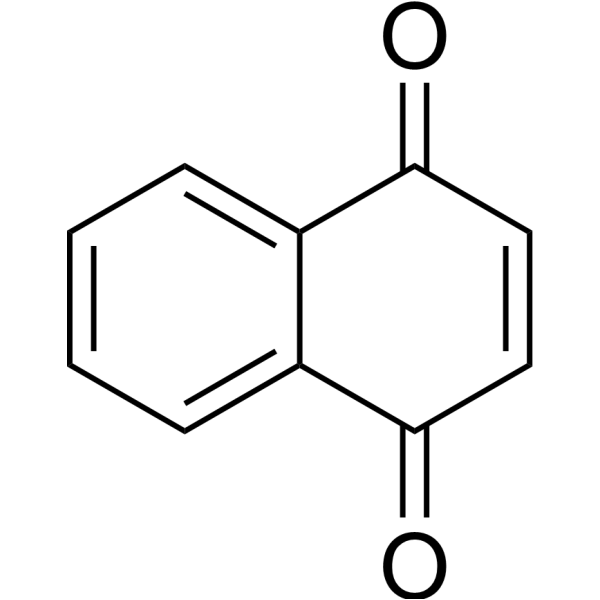
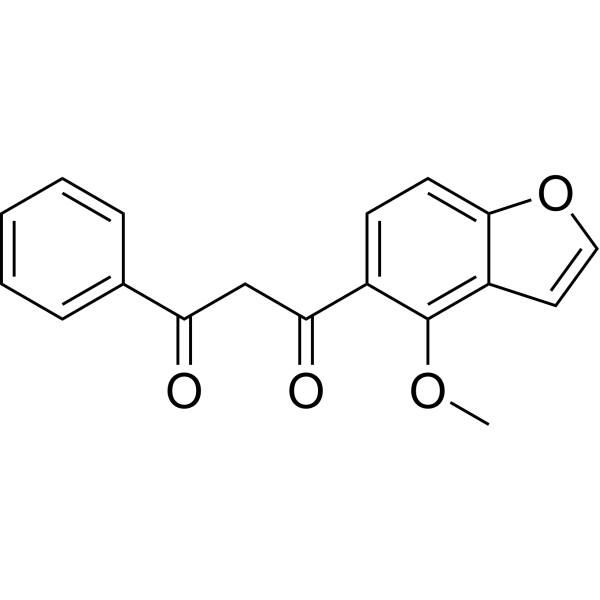
  • HY-W009731

    Environmental Pollutants Keap1-Nrf2 Metabolic Disease Cancer
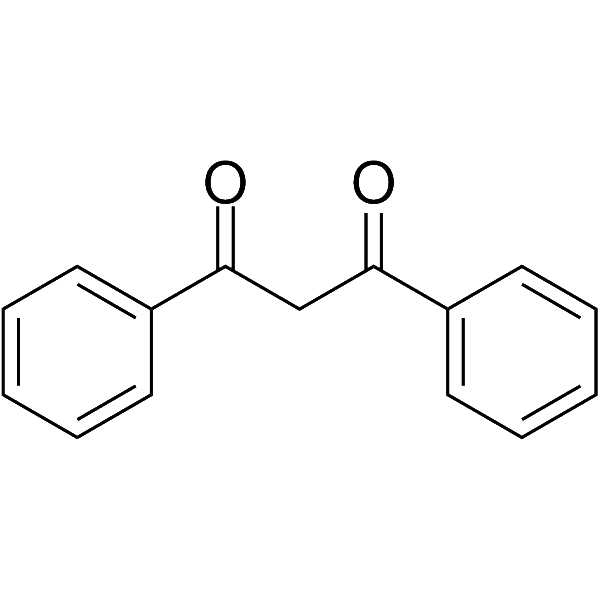
    Dibenzoylmethane, a minor ingredient in licorice, activates Nrf2 and prevents various cancers and oxidative damage. Dibenzoylmethane, an analog of curcumin, results in dissociation from Keap1 and nuclear translocation of Nrf2 .
    Dibenzoylmethane
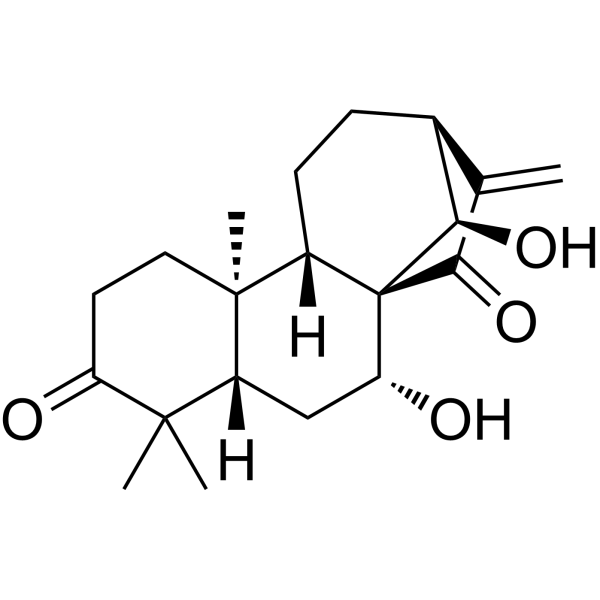
  • HY-N2112
    Glaucocalyxin A
    2 Publications Verification

    PI3K Akt Apoptosis Cancer
    Glaucocalyxin A, an ent-kauranoid diterpene from Rabdosia japonica var., induces apoptosis in osteosarcoma by inhibiting nuclear translocation of Five-zinc finger Glis 1 (GLI1) via regulating PI3K/Akt signaling pathway. Glaucocalyxin A has antitumor effect .
    Glaucocalyxin A
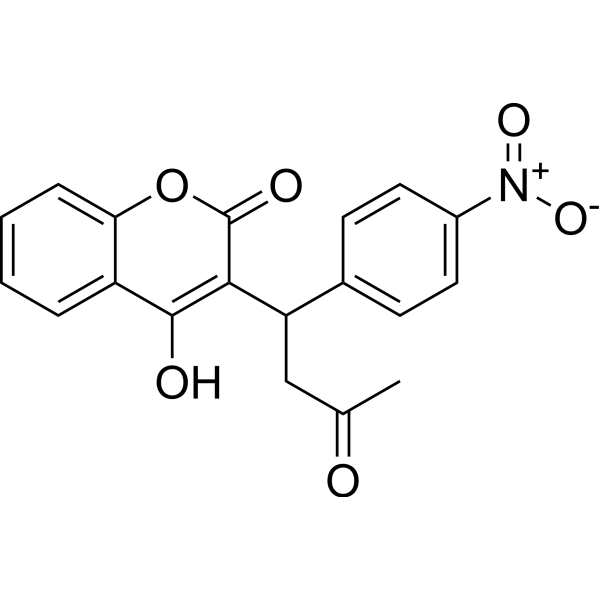
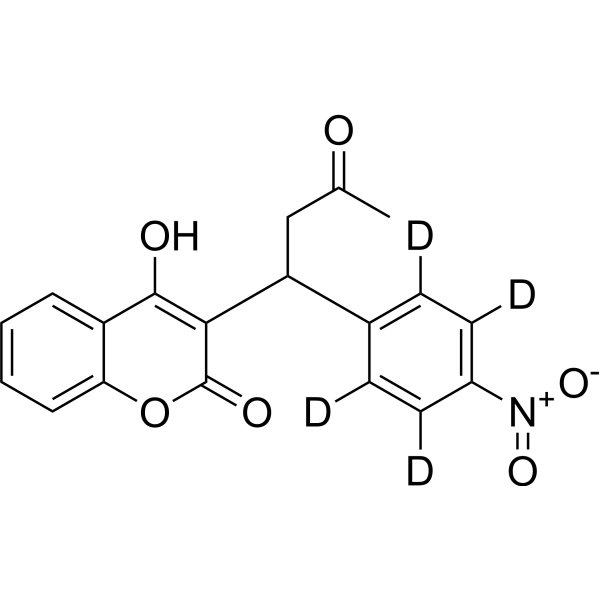
  • HY-B1014

    VD/VDR p38 MAPK JNK ERK NF-κB Akt GSK-3 PKA Apoptosis Cardiovascular Disease Inflammation/Immunology Cancer
    Acenocoumarol is an anticoagulant that functions as a Vitamin K antagonist. Acenocoumarol inhibits MAPK/ERK/JNK signaling pathway, reduces the nuclear translocation of NF-κB p65, activates Akt/GSK3β signaling pathway. Acenocoumarol induces apoptosis in cell A549, arrests cell cycle at S phase .
    Acenocoumarol
  • HY-N0191R

    Andrographis (Standard)

    Reference Standards NF-κB SARS-CoV Influenza Virus Autophagy Parasite Infection Inflammation/Immunology Cancer
    Andrographolide (Standard) is the analytical standard of Andrographolide. This product is intended for research and analytical applications. Andrographolide is a NF-κB inhibitor, which inhibits NF-κB activation through covalent modification of a cysteine residue on p50 in endothelial cells without affecting IκBα degradation or p50/p65 nuclear translocation. Andrographolide has antiviral effects.
    Andrographolide (Standard)
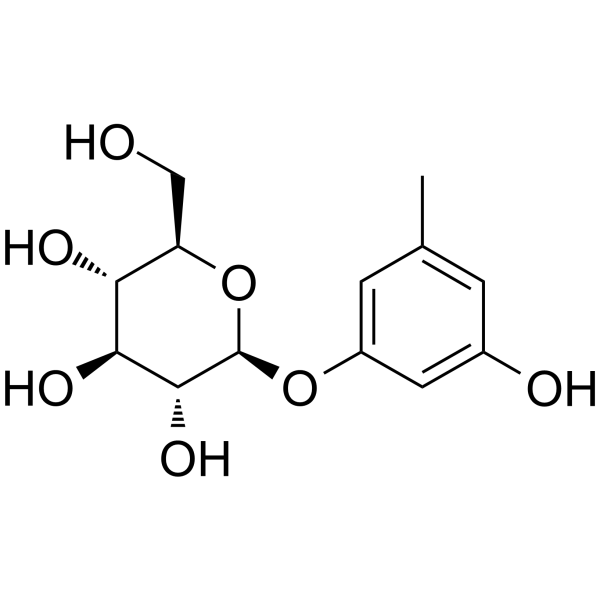
  • HY-N0008

    Wnt p38 MAPK mTOR Keap1-Nrf2 TGF-β Receptor Neurological Disease Metabolic Disease
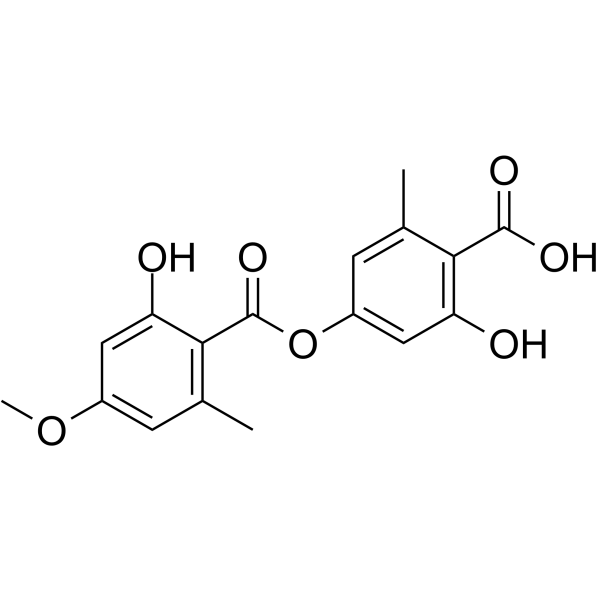
    Orcinol glucoside is an orally active, blood-brain barrier permeable osteoblast proliferation promoter that targets the Nrf2/Keap1, mTOR and p38 signaling pathways. Orcinol glucoside promotes Nrf2 nuclear translocation, upregulates antioxidant enzyme levels, enhances the phosphorylation of mTOR and p70S6K, and inhibits the enzymatic activity of HAS2 as well as the nuclear translocation of GR. Orcinol glucoside also alleviates oxidative stress, inhibits autophagic flux, osteoclastogenesis and TGF-β1-induced M2 polarization, while reducing collagen deposition and effectively promoting the proliferation, differentiation and mineralization of osteoblasts. Orcinol glucoside also exhibits anti-pulmonary fibrosis, anxiolytic and antidepressant activities. Orcinol glucoside can be used in the research of senile and glucocorticoid-induced osteoporosis, idiopathic pulmonary fibrosis (IPF), anxiety and other related diseases .
    Orcinol glucoside
  • HY-N0167
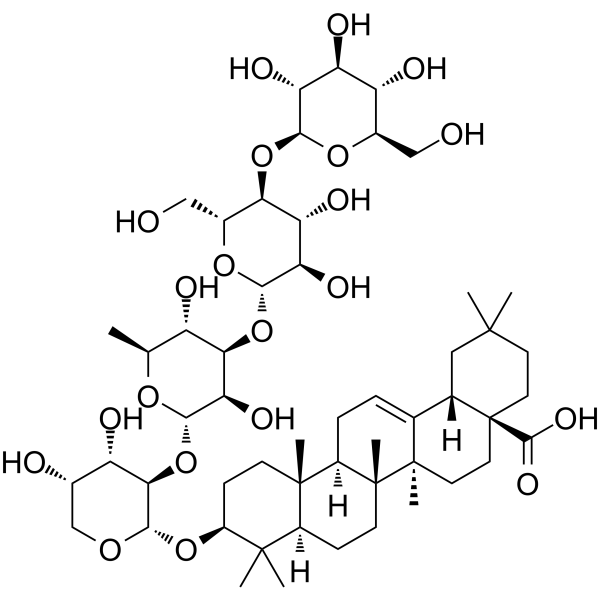
    Gynostemma Extract
    1 Publications Verification

    Ginsenoside C-Mx1; Gypenoside IX

    p38 MAPK Akt NF-κB COX Interleukin Related NO Synthase Metabolic Disease Inflammation/Immunology
    Gynostemma Extract (Gypenoside IX) is a triterpenoid saponin. Gynostemma Extract can be isolated from Panax notoginseng. Gynostemma Extract reduces NFκB nuclear translocation and transcriptional activity by inhibiting the p38 MAPK/Akt/NFκB signaling pathway. Gynostemma Extract reduces the expression of cytokines (COX-2, IL-6) and the production of NO. Gynostemma Extract has anti-inflammatory activity. Gynostemma Extract can be used in the study of liver injury and neuroinflammation .
    Gynostemma Extract
  • HY-118020A

    Loliolid; Digiprolactone

    Endogenous Metabolite Caspase PI3K Apoptosis Akt Sirtuin Reactive Oxygen Species (ROS) NF-κB MMP Neurological Disease Cancer
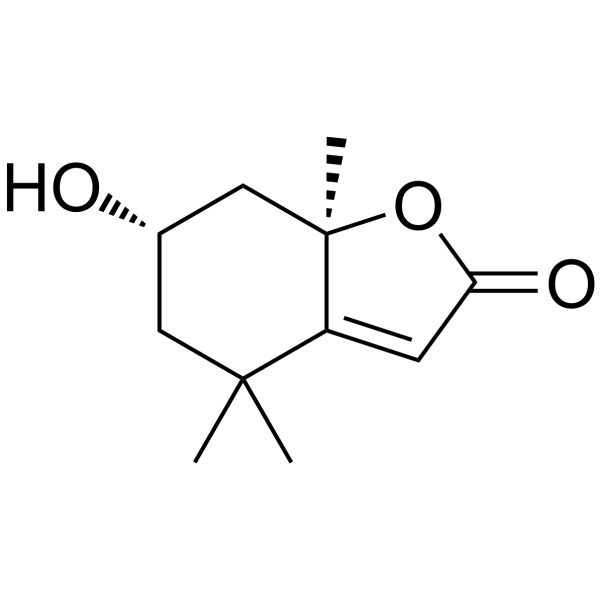
    Loliolide (Loliolid) is a β-carotene metabolite. Loliolide reduces caspase 3, 8, 9 expression, enhances PI3K, AKT, SIRT1, inhibits ROS, apoptosis, and blocks NF-κB p65 nuclear translocation. Loliolide protects mitochondria, reduces oxidative stress, and increases cell viability in neuroblastoma cells. Loliolide can be used for the research of UV-induced skin damage and Parkinson’s disease .
    Loliolide
  • HY-W011849

    NF-κB COX NO Synthase MMP Cancer
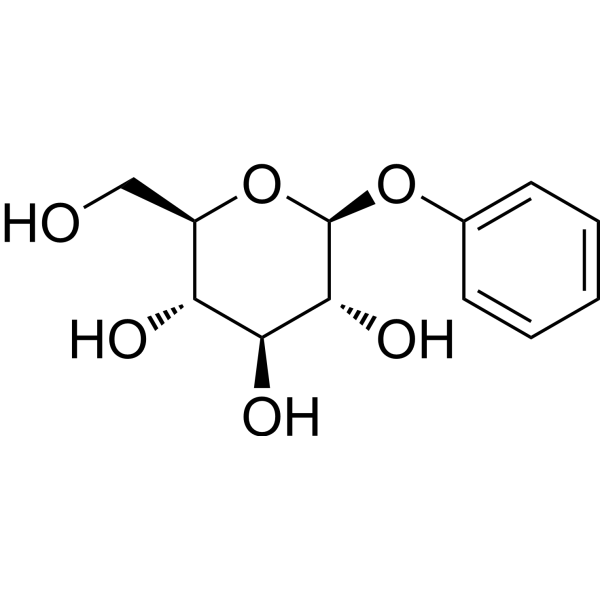
    Phenyl β-D-glucopyranoside is a component isolated from Phellodendron amurense, which has anti-inflammatory and anti-tumor activities. Phenyl β-D-glucopyranoside inhibits nitric oxide (NO) production, and the expression of iNOS and COX-2. Phenyl β-D-glucopyranoside also inhibits the nuclear translocation of NF-κB. Phenyl β-D-glucopyranoside inhibits the expression of pro-inflammatory cytokines and related genes .
    Phenyl β-D-glucopyranoside
  • HY-112391
    SD-1029
    1 Publications Verification

    JAK STAT Cancer
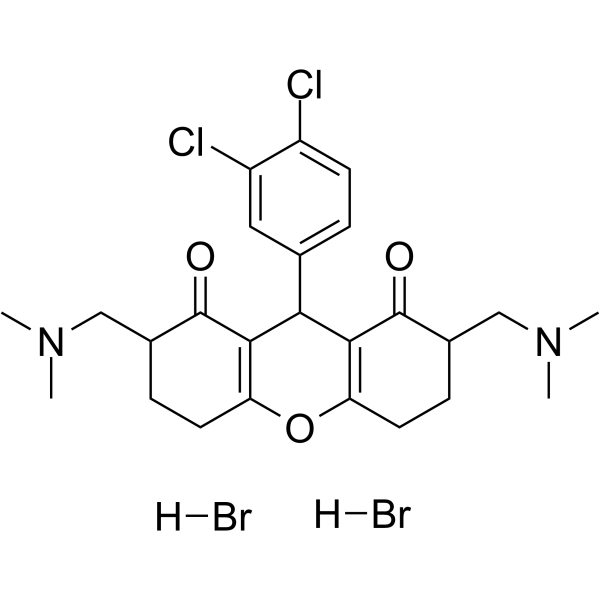
    SD-1029 is a JAK2/STAT3 inhibitor . SD-1029 inhibits STAT3 nuclear translocation. SD-1029 is an inhibitor of STAT3 activation due to inhibition of JAK2 phosphorylation .
    SD-1029
  • HY-N1956
    Rubiadin-1-methyl ether
    1 Publications Verification

    NF-κB Metabolic Disease
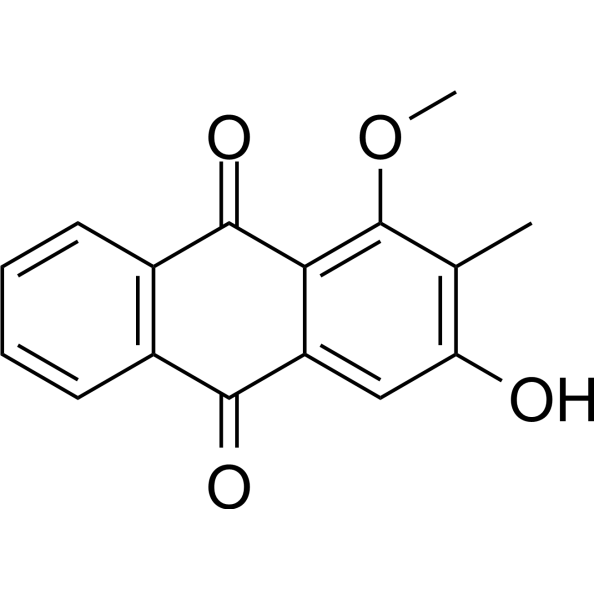
    Rubiadin-1-methyl ether is a natural anthraquinone isolated from Morinda officinalis How, and inhibits osteoclastic bone resorption via inhibition on the phosphorylation of NF-κB p65 and the degradation of IκBα as well as decrease in the nuclear translocation of p65 .
    Rubiadin-1-methyl ether
  • HY-N0613
    Sauchinone
    1 Publications Verification

    NF-κB Inflammation/Immunology
    Sauchinone is a diastereomeric lignan isolated from Saururus chinensis (Saururaceae). Sauchinone inhibits LPS-inducible iNOS, TNF-α and COX-2 expression through suppression of I-κBα phosphorylation and p65 nuclear translocation. Sauchinone has anti-inflammatory and antioxidant activity .
    Sauchinone
  • HY-N5124
    Meloside A
    4 Publications Verification

    Isovitexin 2''-O-glucoside; Isovitexin 2''-O-β-D-glucoside

    Androgen Receptor Apoptosis Reactive Oxygen Species (ROS) Interleukin Related TGF-β Receptor Neurological Disease Metabolic Disease Inflammation/Immunology Cancer
    Meloside A (Isovitexin 2''-O-glucoside) is a flavonoid with antioxidant activity. Meloside A can inhibit cell apoptosis and ROS production. Meloside A can inhibit androgen receptor (AR) nuclear translocation and AR protein expression. Meloside A can reduce IL-6, TGF-β1 and DKK-1 levels. Meloside A can be used for the researches of inflammation and endocrinology, such as hair loss .
    Meloside A
  • HY-W011220
    Ciglitazone
    1 Publications Verification

    ADD-3878; U-63287

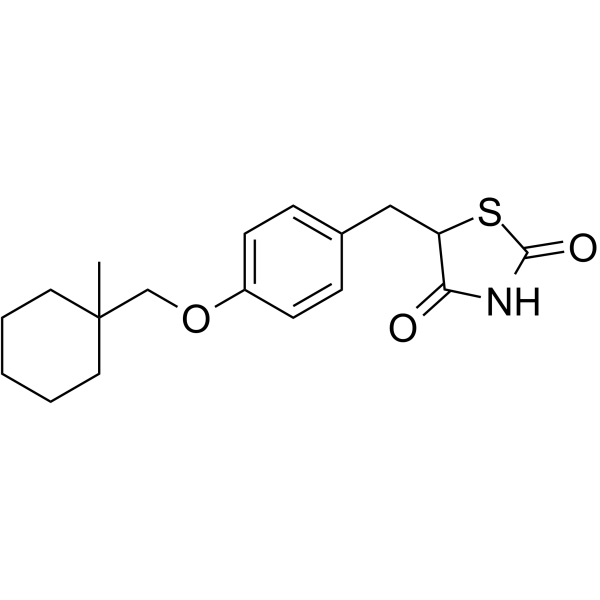
    PPAR Cardiovascular Disease Cancer
    Ciglitazone is a potent and selective PPARγ agonist (EC50=3 μM). Ciglitazone inhibits proliferation and differentiation of th17 cells. Ciglitazone is a hypoglycemic agent orally active in the obese-hyperglycemic animal models. Ciglitazone induces apoptosis accompanied by activation of p38 MAPK and nuclear translocation of apoptosis inducing factor (AIF) in opossum kidney (OK) renal epithelial cells .
    Ciglitazone
  • HY-137038

    TLCK hydrochloride

    Caspase Ser/Thr Protease FOXO Cardiovascular Disease Cancer
    N-alpha-Tosyl-Lys chloromethyl ketone hydrochloride (TLCK hydrochloride) is a Serine protease inhibitor with an IC50 of 12.0 μM against Caspase-3, 54.5 μM against Caspase-6, and 19.3 μM against Caspase-7. It inhibits thrombin-induced nuclear translocation of FOXO1. N-alpha-Tosyl-Lys chloromethyl ketone hydrochloride can be used in research related to leukemia and cardiovascular diseases .
    N-alpha-Tosyl-Lys chloromethyl ketone hydrochloride
  • HY-123984

    NF-κB Metabolic Disease
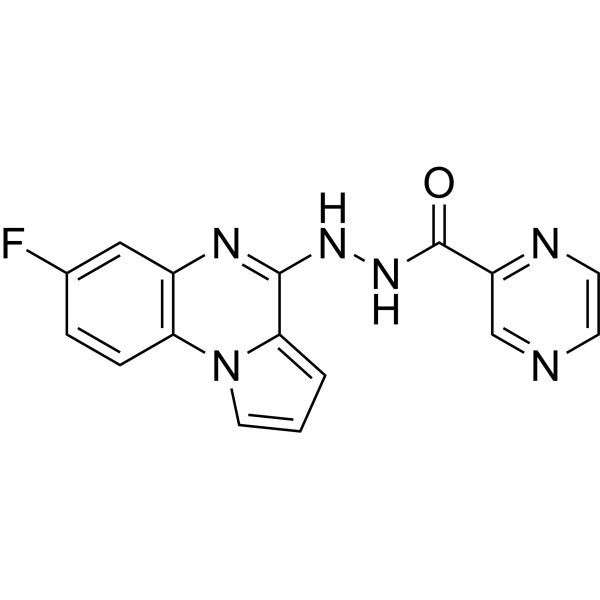
    LTβR-IN-1 (Compound 919278) is a potent, selective lymphotoxin β receptor (LTβR) inhibitor. LTβR-IN-1 also selectively inhibits the nuclear translocation of p52 depended on TNF12A, instead of the nuclear translocation of p65 mediated by TNF-α receptor. LTβR-IN-1 regulates the NF-kB signaling pathway IN a ligand-independent manner .
    LTβR-IN-1
  • HY-W039943

    Molecular Glues Cancer
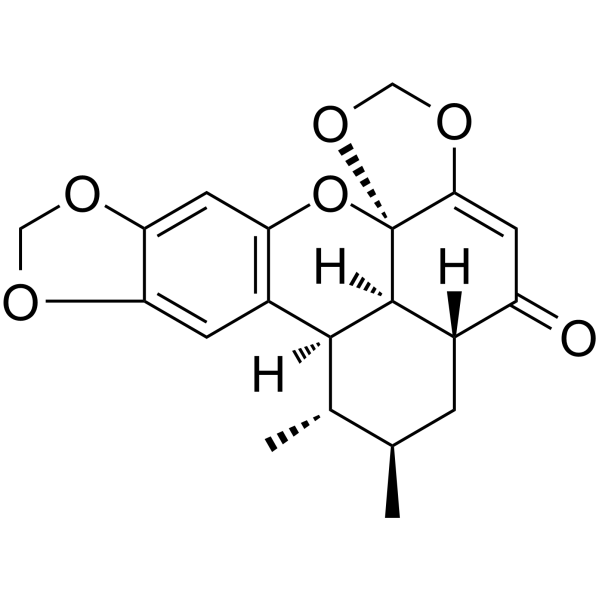
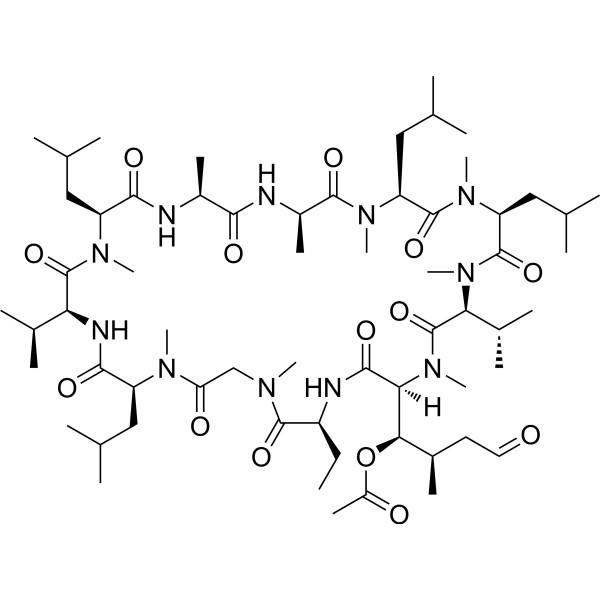
    Acetyl-cyclosporin A aldehyde is an acetylated Cyclosporin A (HY-B0579) derivative with a reducing aldehyde group. Cyclosporin A is a potent calmodulin inhibitor and cyclophilin binder that can target the nuclear translocation of NF-AT and cause mitochondrial damage.
    Acetyl-cyclosporin A aldehyde
  • HY-11028

    PF-2413873

    Progesterone Receptor Endocrinology
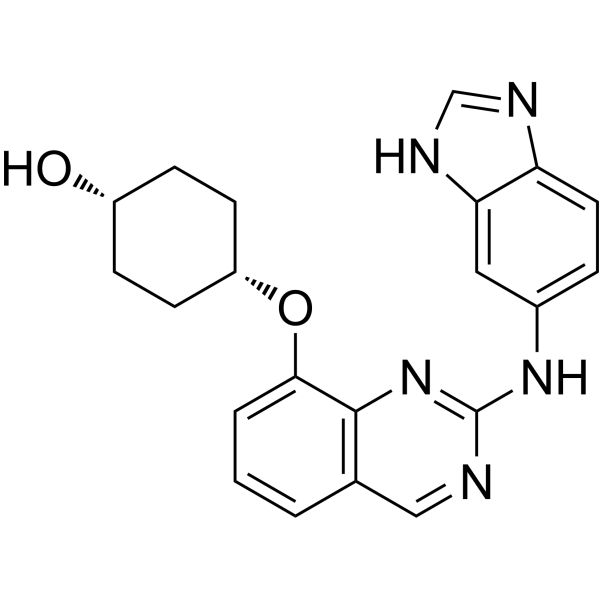
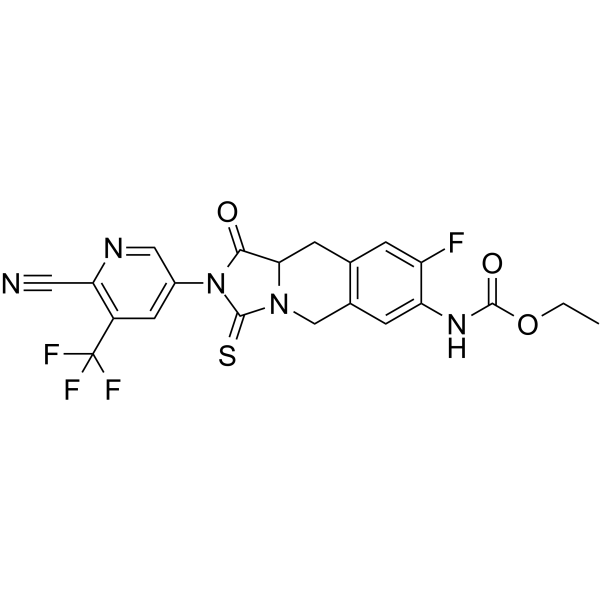
    PF-02413873 (PF-2413873) is a potent selective, fully competitive and orally active nonsteroidal progesterone receptor (PR) antagonist, with a Ki of 2.6 nM. PF-02413873 can block progesterone binding and PR nuclear translocation, and inhibit endometrial growth in vivo .
    PF-02413873
  • HY-P10114

    PpYLKTK-mts; STAT3 PI

    STAT Cancer
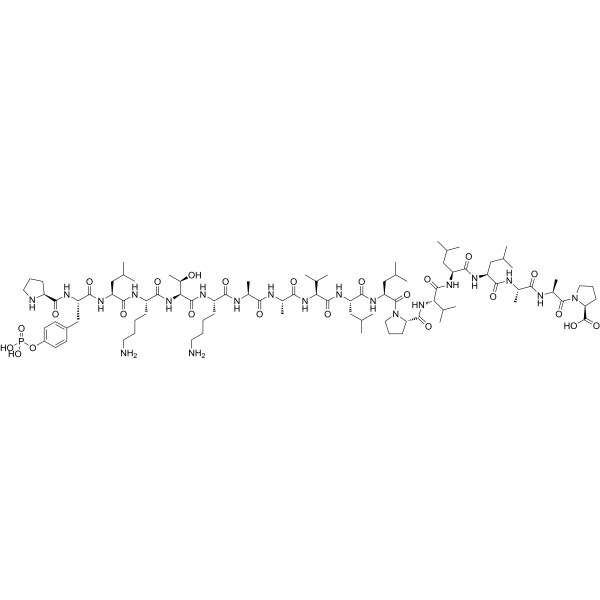
    STAT3-IN-24, cell-permeable (PpYLKTK-mts) is a STAT3 peptide inhibitor. STAT3-IN-24, cell-permeable inhibits recruitment of STAT3 to Jak2 and phosphorylation of Y705, thus preventing the dimerization and the nuclear translocation of STAT3 .
    STAT3-IN-24, cell-permeable
  • HY-126113

    Flavivirus Dengue Virus RIG-I-like receptor (RLR) Influenza Virus HCV Infection
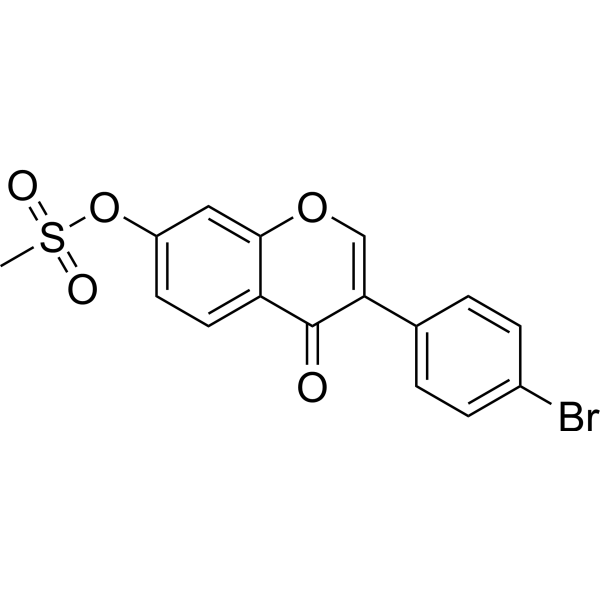
    KIN101 is a potent RNA viral inhibitor with IC50s of 2 μM, >5 μM for influenza virus and Dengue virus (DNV), respectively. KIN101, an isoflavone agonist of IRF-3 dependent signaling, induces IRF-3 nuclear translocation. KIN101 has broad-spectrum activity against RNA viruses .
    KIN101
  • HY-147369
    NFATc1-IN-1
    4 Publications Verification

    Nuclear Factor of activated T Cells (NFAT) Others
    NFATc1-IN-1 (compound A04) is a potent inhibitor of RANKL-induced osteoclast formation, with an IC50 of 1.57 μM. NFATc1-IN-1 shows anti-osteoclastogenic effects through reducing the RANKL-induced nuclear translocation of NFATc1. NFATc1-IN-1 can be used for osteoclastic diseases research .
    NFATc1-IN-1
  • HY-161724

    Amyloid-β Dopamine Transporter CDK Autophagy Neurological Disease
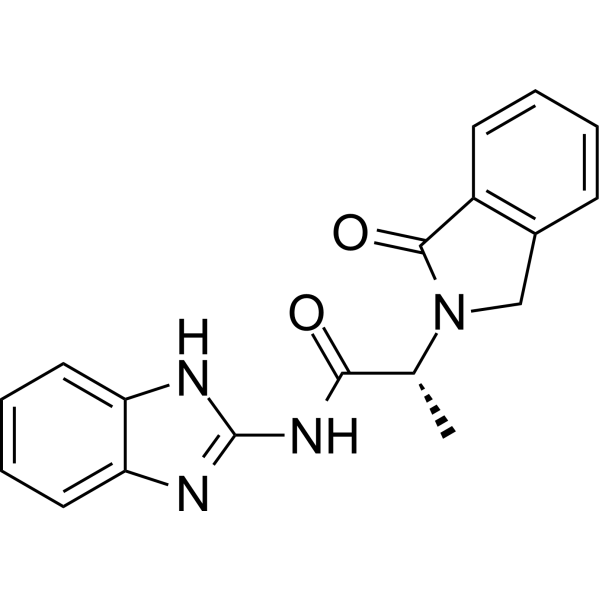
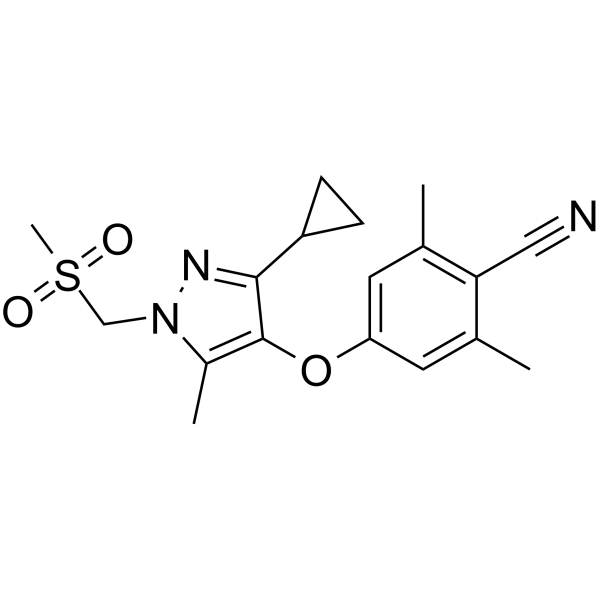
    TFEB activator 2 is an orally active compound that can cross the blood-brain barrier. TFEB activator 2 can bind to the dopamine transporter (DAT). TFEB activator 2 promotes TFEB nuclear translocation and lysosome biogenesis by targeting the DAT-CDK9-TFEB pathway. TFEB activator 2 has neuroprotective activity and can be used in the research of Alzheimer's disease and other diseases .
    TFEB activator 2
  • HY-118438

    Aryl Hydrocarbon Receptor Inflammation/Immunology
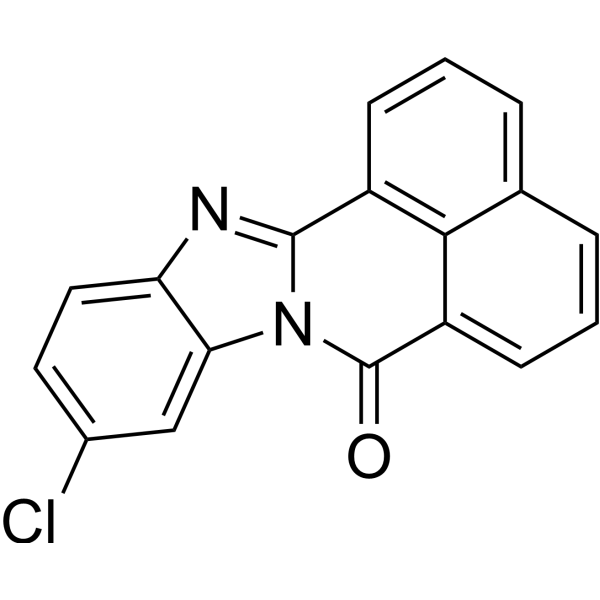
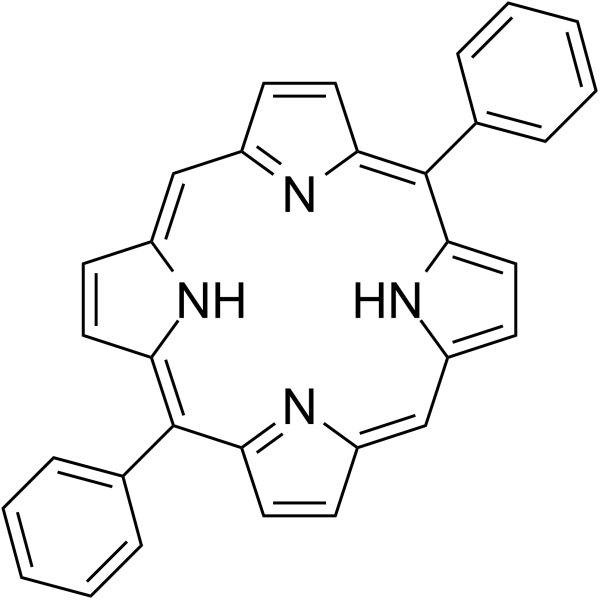
    10-Cl-BBQ is a high affinity AhR ligand with immunosuppressive activity. 10-Cl-BBQ promotes cytosol to nuclear translocation of AhR and activates the AhR-regulated reporter gene at nanomolar concentrations .
    10-Cl-BBQ
  • HY-111450

    Aryl Hydrocarbon Receptor Cancer
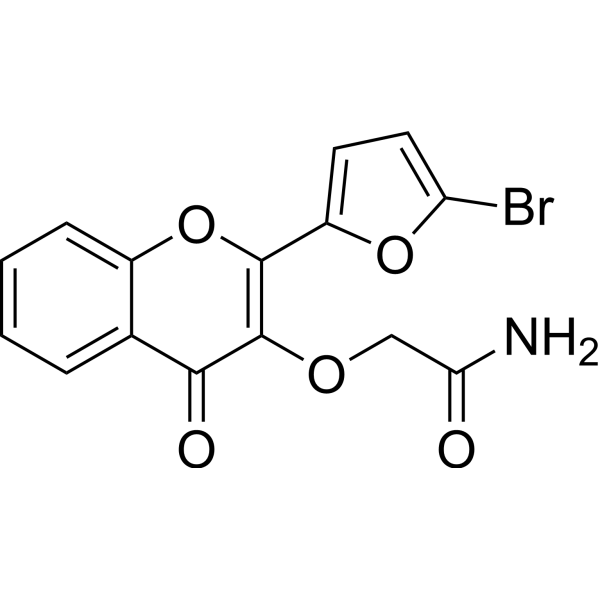
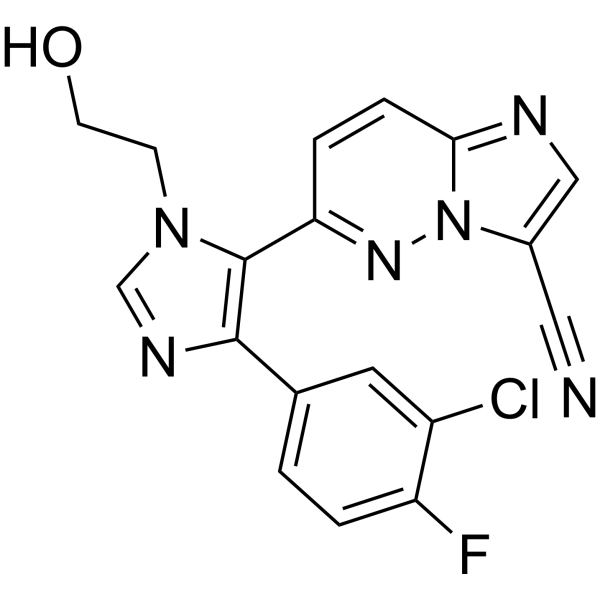
    CB7993113 is a potent AHR antagonist, with an IC50 of 0.33 μM. CB7993113 directly binds AHR protein and blocks AHR nuclear translocation. CB7993113 inhibits polycyclic aromatic hydrocarbon (PAH)- and TCDD-induced reporter activity by 75% and 90% respectively .
    CB7993113
  • HY-125355
    SEC
    1 Publications Verification

    Apoptosis Annexin A Cancer
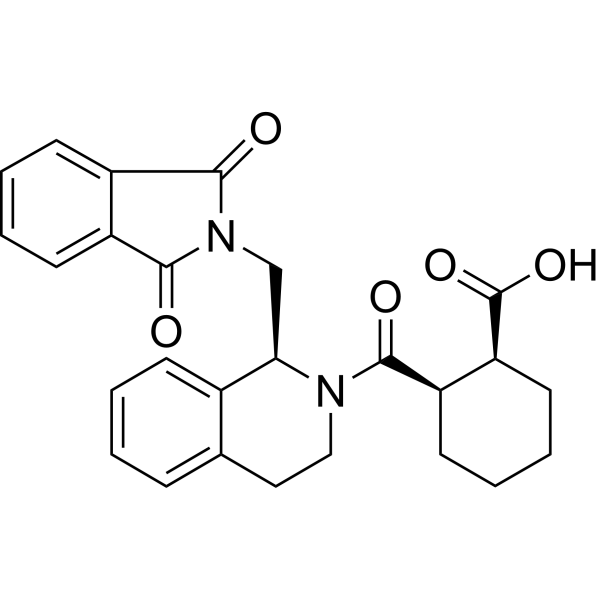
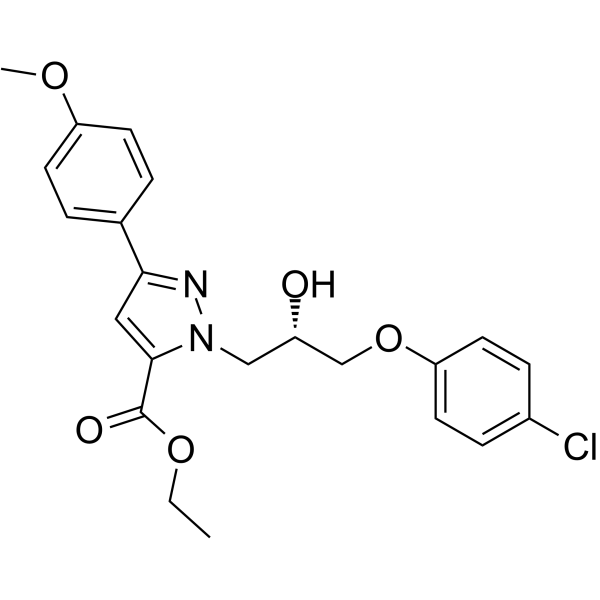
    SEC induces activation of ANXA7 GTPase via the AMPK/mTORC1/STAT3 signaling pathway. SEC selectively promotes apoptosis in cancer cells, expressing a high level of ITGB4 by inducing ITGB4 nuclear translocation .
    SEC
  • HY-N0290R

    Reference Standards NF-κB Keap1-Nrf2 Apoptosis Cancer
    Mangiferin (Standard) is the analytical standard of Mangiferin. This product is intended for research and analytical applications. Mangiferin is a Nrf2 activator. Mangiferin suppresses nuclear translocation of the NF-κB subunits p65 and p50. Mangiferin exhibits antioxidant, antidiabetic, antihyperuricemic, antiviral, anticancer and antiinflammatory activities .
    Mangiferin (Standard)
  • HY-162946

    Ligands for Target Protein for PROTAC Cancer
    Alkyne-P60 is a potent 15-mer peptide inhibitor of Foxp3. Alkyne-P60 can bind with Foxp3, hinder its nuclear translocation, and diminish Foxp3-mediated inhibition of NFKB and NFAT functions. Alkyne-P60 is a ligand for target protein for PROTAC (HY-162943).
    Alkyne-P60
  • HY-121523

    Keap1-Nrf2 Metabolic Disease
    MIND4-17 is a potent NRF2 activator that covalently modifies a C151 residue of Keap1. MIND4-17 disrupts Keap1-Nrf2 association, leading to Nrf2 protein stabilization and nuclear translocation. MIND4‐17 exerts potent antioxidant activity .
    MIND4-17
  • HY-N1987
    Cucurbitacin IIb
    2 Publications Verification

    Apoptosis Inflammation/Immunology
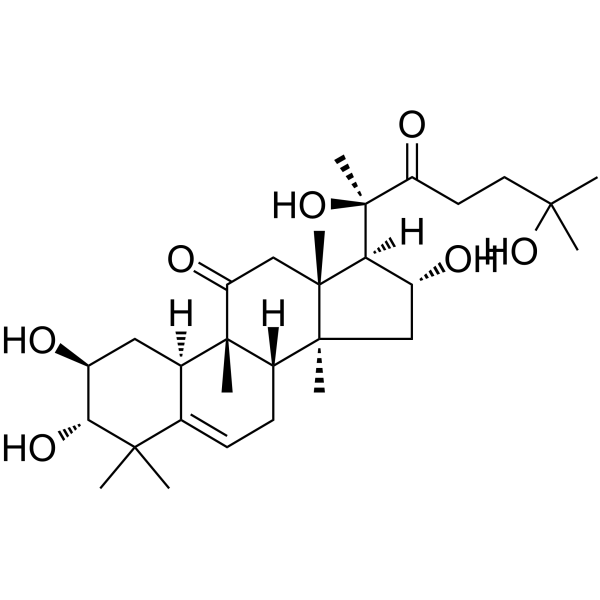
    Cucurbitacin IIb is an active component isolated from Hemsleya amabilis, induces apoptosis with anti-inflammatory activity. Cucurbitacin IIb inhibits phosphorylation of STAT3, JNK and Erk1/2, enhances the phosphorylation of IκB and NF-κB (p65), blocks nuclear translocation of NF-κB (p65) and decreases mRNA levels of IκBα and TNF-α .
    Cucurbitacin IIb

Inquiry Online

Your information is safe with us. * Required Fields.

Salutation


Country or Region *

Applicant Name *


Organization Name *

Department *


Email Address *


Product Name *

Cat. No.


Requested quantity *

Phone Number *


Remarks

Inquiry Online

Inquiry Information

Product Name:
Cat. No.:
Quantity:
MCE Japan Authorized Agent: