1. Search Result
Search Result
Results for "

pro-inflammatory+cytokines

" in MedChemExpress (MCE) Product Catalog:

267

Inhibitors & Agonists

1

Screening Libraries

1

Fluorescent Dyes

8

Biochemical Assay Reagents

23

Peptides

15

Inhibitory Antibodies

71

Natural
Products

6

Isotope-Labeled Compounds

1

Click Chemistry

2

Oligonucleotides

Cat. No. Product Name Target Research Areas Chemical Structure
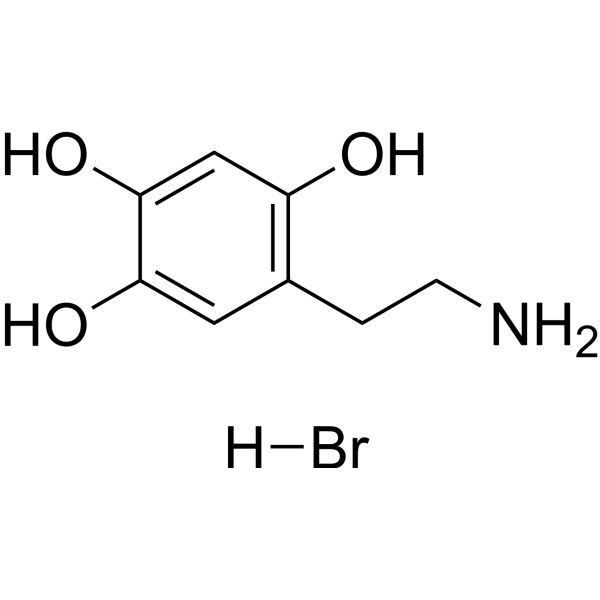
  • HY-B1081A
    Oxidopamine hydrobromide
    Maximum Cited Publications
    41 Publications Verification

    6-Hydroxydopamine hydrobromide; 6-OHDA hydrobromide

    Dopamine Receptor Autophagy Mitophagy COX PGE synthase Interleukin Related p38 MAPK Apoptosis Caspase Neurological Disease Cancer
    Oxidopamine (6-OHDA) hydrobromide is an antagonist of the neurotransmitter dopamine. Oxidopamine hydrobromide is a widely used neurotoxin and selectively destroys dopaminergic neurons. Oxidopamine hydrobromide promotes COX-2 activation, leading to PGE2 synthesis and pro-inflammatory cytokine IL-1β secretion. Oxidopamine hydrobromide can be used for the research of Parkinson’s disease (PD), attention-deficit hyperactivity disorder (ADHD), and Lesch-Nyhan syndrome .
    Oxidopamine hydrobromide
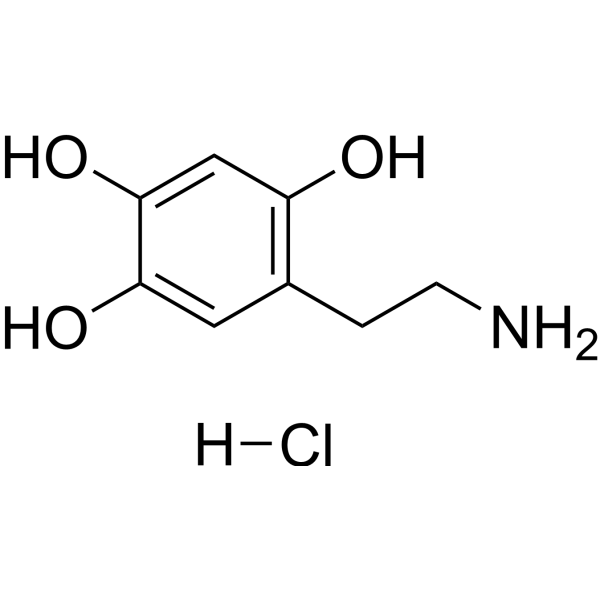
  • HY-B1081
    Oxidopamine hydrochloride
    Maximum Cited Publications
    41 Publications Verification

    6-Hydroxydopamine Hydrochloride

    Dopamine Receptor Autophagy Mitophagy COX PGE synthase Interleukin Related p38 MAPK Apoptosis Caspase Neurological Disease Cancer
    Oxidopamine (6-OHDA) hydrochloride is an antagonist of the neurotransmitter dopamine. Oxidopamine hydrochloride is a widely used neurotoxin and selectively destroys dopaminergic neurons. Oxidopamine hydrochloride promotes COX-2 activation, leading to PGE2 synthesis and pro-inflammatory cytokine IL-1β secretion. Oxidopamine hydrochloride can be used for the research of Parkinson’s disease (PD), attention-deficit hyperactivity disorder (ADHD), and Lesch-Nyhan syndrome .
    Oxidopamine hydrochloride
  • HY-Y0344D
    Sodium chloride, for cell culture
    3 Publications Verification

    Halite, for cell culture

    Environmental Pollutants Biochemical Assay Reagents Interleukin Related Na+/K+ ATPase Inflammation/Immunology Cancer
    Sodium chloride, for cell culture is an orally active salt. Sodium chloride, for cell culture induces the expression of ATP1A1. Sodium chloride, for cell culture induces the pro-inflammatory cytokines IL-2, TNFα, IL-9 and several chemokines. Sodium chloride, for cell culture enhances the anti-tumor activities of Digoxin (HY-B1049) against small cell lung cancer. Sodium chloride, for cell culture drives autoimmune disease by the induction of pathogenic Th17 cells .
    Sodium chloride, for cell culture
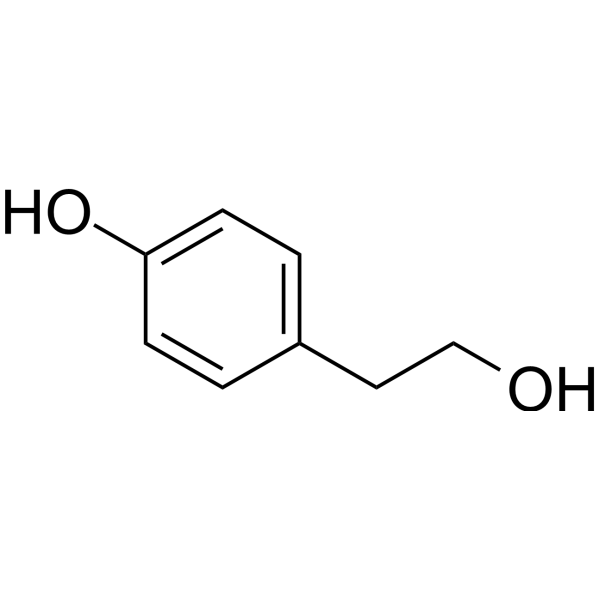
  • HY-N0474
    Tyrosol
    4 Publications Verification

    NF-κB Endogenous Metabolite Inflammation/Immunology
    Tyrosol is a derivative of phenethyl alcohol. Tyrosol attenuates pro-inflammatory cytokines from cultured astrocytes and NF-κB activation. Anti-oxidative and anti-inflammatory effects .
    Tyrosol
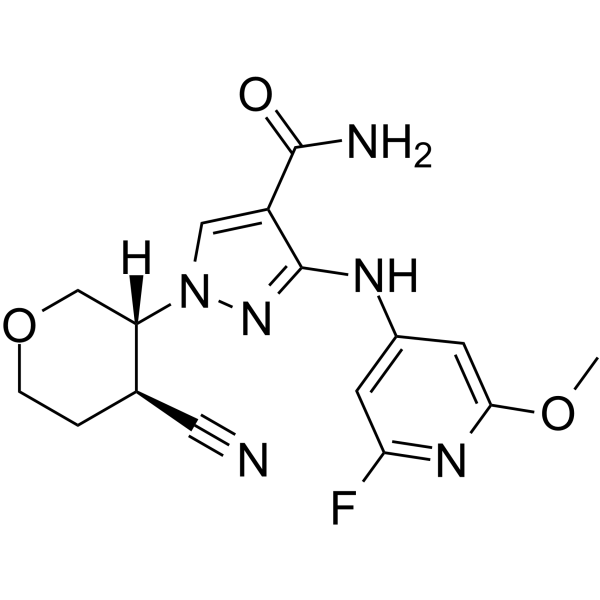
  • HY-145551

    JAK Interleukin Related Inflammation/Immunology
    Atinvicitinib is an orally active and selective JAK1 inhibitor. Atinvicitinib blocks signaling of JAK1-dependent pruritogenic and pro-inflammatory cytokines, including those in the IL-31, IL-4, and IL-13 pathways. Atinvicitinib can be used for the researches of pruritus associated with allergic dermatitis and canine atopic dermatitis .
    Atinvicitinib
  • HY-Y0344J
    Sodium chloride, for molecular biology
    3 Publications Verification

    Halite, for molecular biology

    Biochemical Assay Reagents Na+/K+ ATPase Interleukin Related Inflammation/Immunology Cancer
    Sodium chloride is an orally active salt. Sodium chloride induces the expression of ATP1A1. Sodium chloride induces the pro-inflammatory cytokines IL-2, TNFα, IL-9 and several chemokines. Sodium chloride enhances the anti-tumor activities of Digoxin (HY-B1049) against small cell lung cancer. Sodium chloride drives autoimmune disease by the induction of pathogenic Th17 cells .
    Sodium chloride, for molecular biology
  • HY-169996

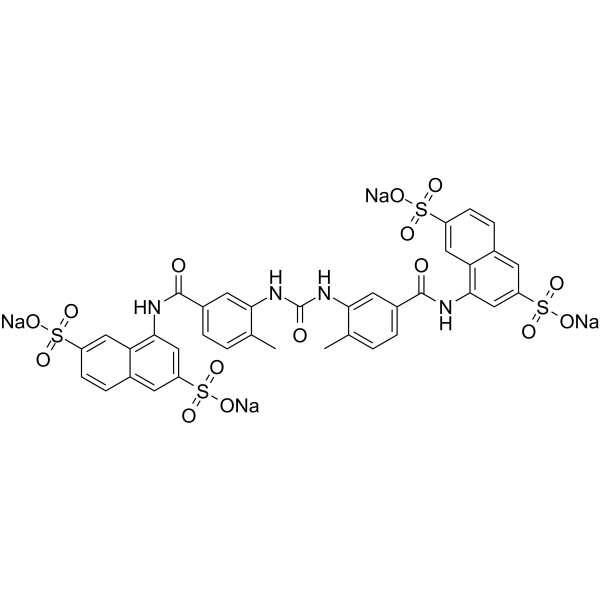
    Molecular Glues NOD-like Receptor (NLR) Interleukin Related Neurological Disease Inflammation/Immunology
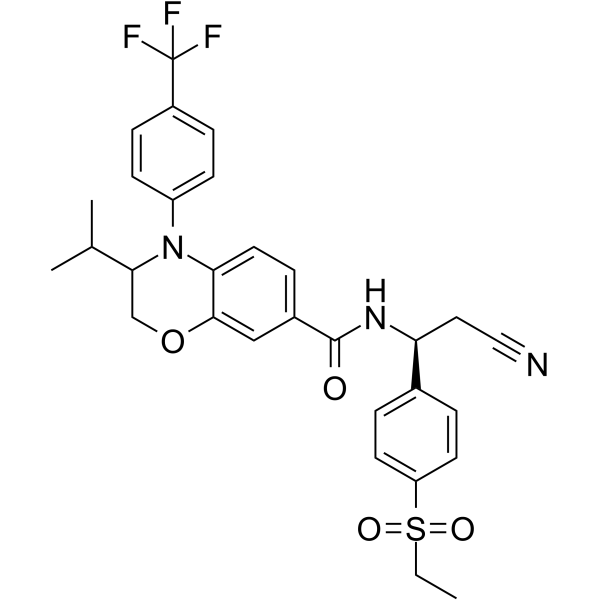
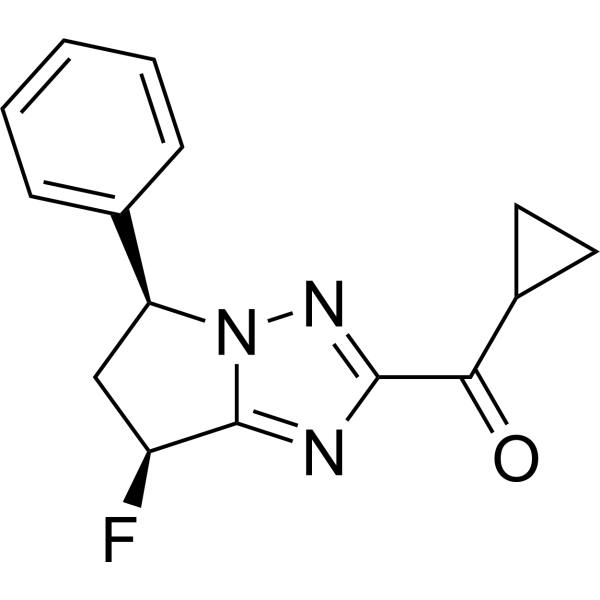
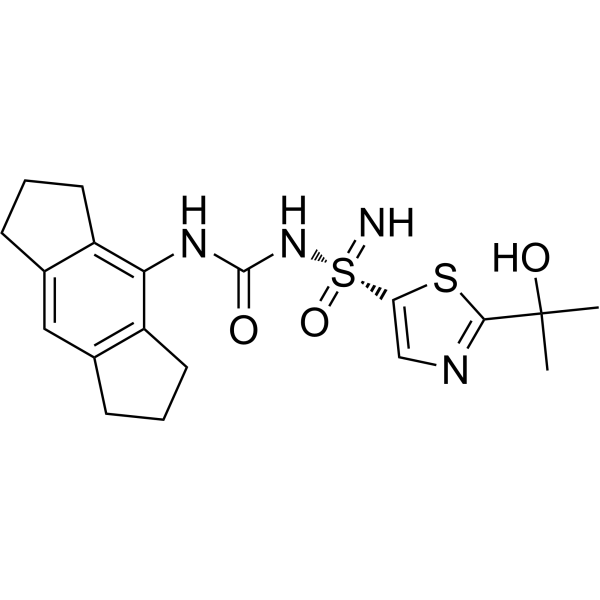
    NP3-253 is an orally active and brain-penetranted NLRP3 inflammasome inhibitor. NP3-253 functions as a molecular glue that prevents NACHT-subdomain rearrangements, locking NLRP3 in an inactive conformation. NP3-253 inhibits production of pro-inflammatory cytokines IL-1β and IL-18. NP3-253 can be used for the research of inflammation and neurological disease, suah as peritonitis .
    NP3-253
  • HY-23119

    Thiocyanate sodium

    Environmental Pollutants Reactive Oxygen Species (ROS) Interleukin Related Inflammation/Immunology
    Sodium thiocyanate reduces plasma levels of the pro-inflammatory cytokine IL-6, and increases the anti-inflammatory cytokine IL-10 levels. Sodium thiocyanate also significantly reduces of ROS formation .
    Sodium thiocyanate, GR, 99%
  • HY-128799
    CL097
    2 Publications Verification

    Toll-like Receptor (TLR) Reactive Oxygen Species (ROS) Inflammation/Immunology
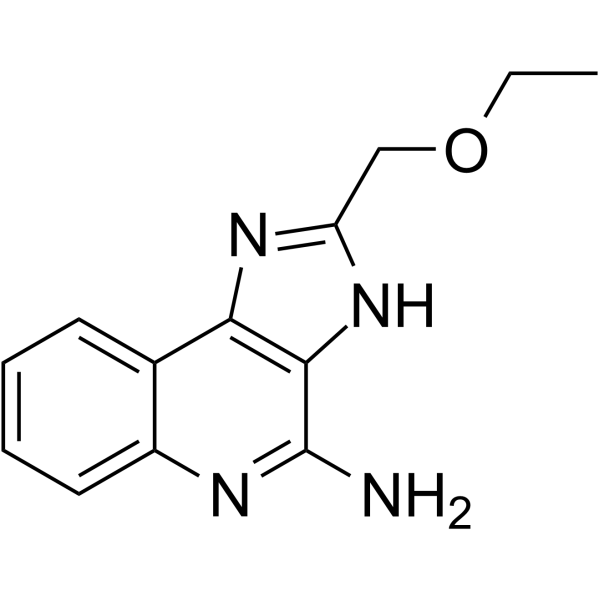
    CL097, a potent TLR7 and TLR8 agonist, induces pro-inflammatory cytokines in macrophages . CL097 induces NADPH oxidase priming, resulting in an increase of the fMLF-stimulated ROS production .
    CL097
  • HY-B1648

    Biochemical Assay Reagents Cardiovascular Disease
    Ferric pyrophosphate is an orally effective anti-inflammatory agent and iron fortifier. Ferric pyrophosphate downregulates the expression of colonic pro-inflammatory cytokines, modulates the intestinal flora, and corrects the dysbiosis associated with iron deficiency anemia (IDA). Ferric pyrophosphate can be used in studies related to iron deficiency anemia .
    Ferric pyrophosphate
  • HY-P9983

    SGN-33; HuM-195; GLK-33 Antibody

    Transmembrane Glycoprotein Radionuclide-Drug Conjugates (RDCs) Inflammation/Immunology
    Lintuzumab (HUM-195) is an anti-CD33 humanized monoclonal antibody. Lintuzumab reduces the production of TNFα-induced pro-inflammatory cytokines and chemokines by AML cells. Lintuzumab promotes tumor cell killing through antibody-dependent cellular cytotoxicity (ADCC) and phagocytosis (ADCP) activities against MDR and MDR+ AML cell lines and primary AML patient samples. Lintuzumab enhances survival and reduces tumor burden in mice .
    Lintuzumab
  • HY-N2083

    NF-κB Inflammation/Immunology
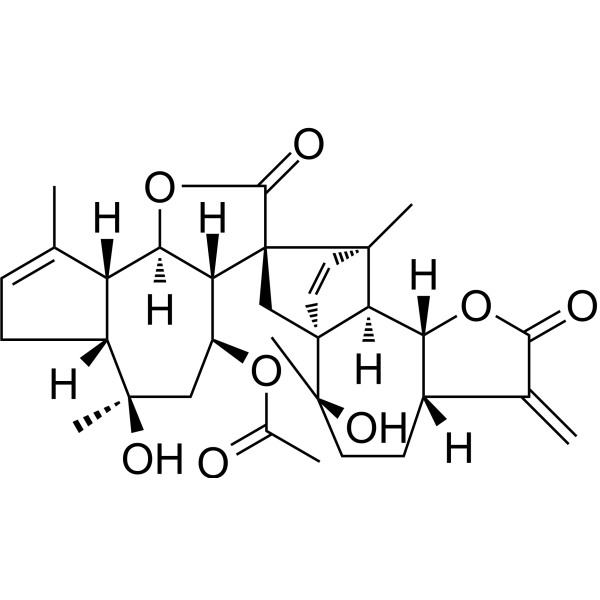
    Handelin is a guaianolide dimer from Chrysanthemum boreale that has potent anti-inflammatory activity by down-regulating NF-κB signaling and pro-inflammatory cytokine production .
    Handelin
  • HY-145645

    NI-0101

    Toll-like Receptor (TLR) Inflammation/Immunology
    Paridiprubart (NI-0101) is a humanised anti-TLR4 monoclonal antibody. Paridiprubar inhibits the production of pro-inflammatory cytokines by monocytes from rheumatoid arthritis specimen induced by rheumatoid arthritis synovial fluid (RASF). Paridiprubart can be used for the study of rheumatoid arthritis .
    Paridiprubart
  • HY-121309
    Doxorubicinone
    2 Publications Verification

    Adriamycin aglycone; Adriamycinone

    NF-κB TNF Receptor Interleukin Related Drug Derivative Inflammation/Immunology Cancer
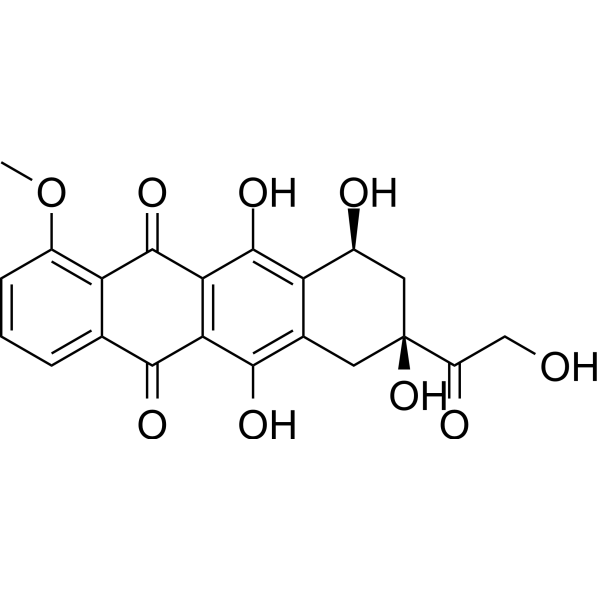
    Doxorubicinone (Adriamycin aglycone) is the aglycone of the antibiotic Doxorubicin (HY-15142A), i.e., its sugar-free parent nucleus structure. Doxorubicinone does not induce DNA damage or bind to RelA, but still downregulates the expression of pro-inflammatory cytokines (such as TNF, IL-12, etc.) regulated by the NF-κB pathway. Doxorubicinone can be used in sepsis-related research .
    Doxorubicinone
  • HY-135317
    Emavusertib
    5+ Cited Publications

    CA-4948

    IRAK Apoptosis FLT3 NF-κB MyD88 Inflammation/Immunology Cancer
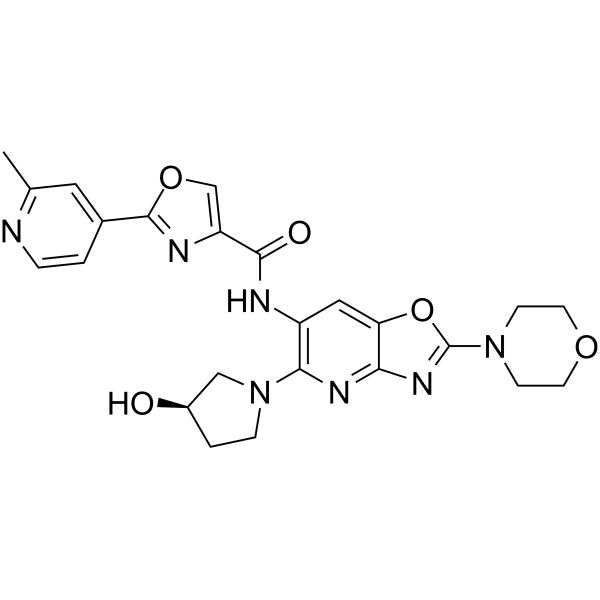
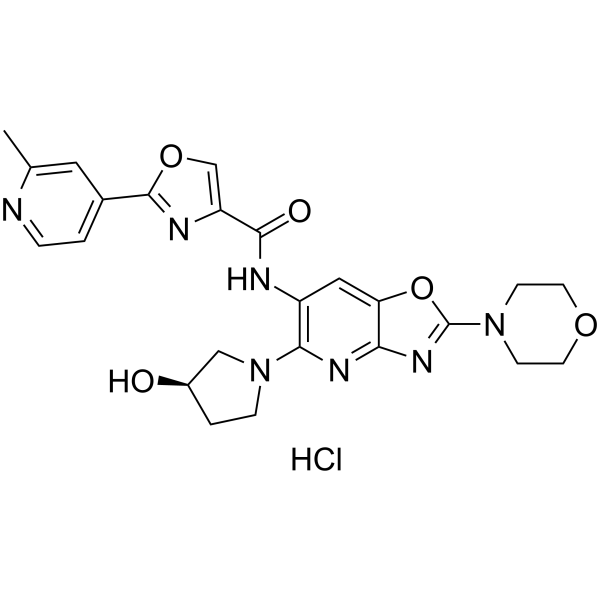
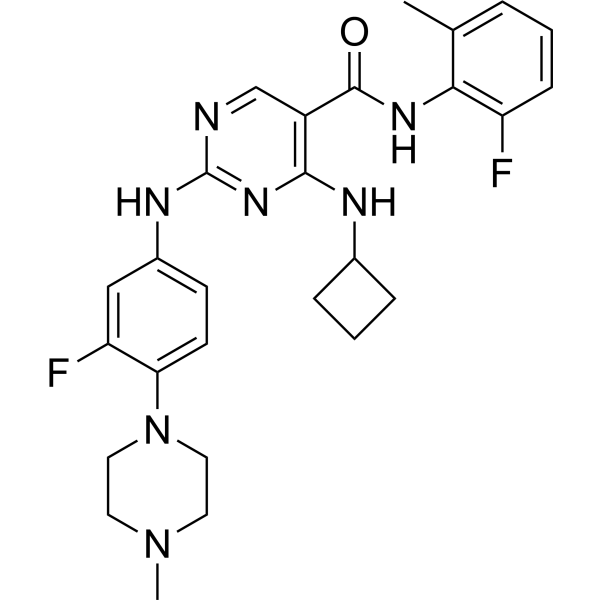
    Emavusertib is an orally active inhibitor for IRAK4 (IC50=57 nM) and FLT3. Emavusertib inhibits NF-κB and MyD88 signaling pathways, reduces the generation of pro-inflammatory cytokines like IL-6 and IL-10, thereby exhibiting anti-inflammatory and anti-proliferative activities against cancer cells, leading to cell apoptosis. Emavusertib exhibits antitumor activity in mouse model
    Emavusertib
  • HY-W013331
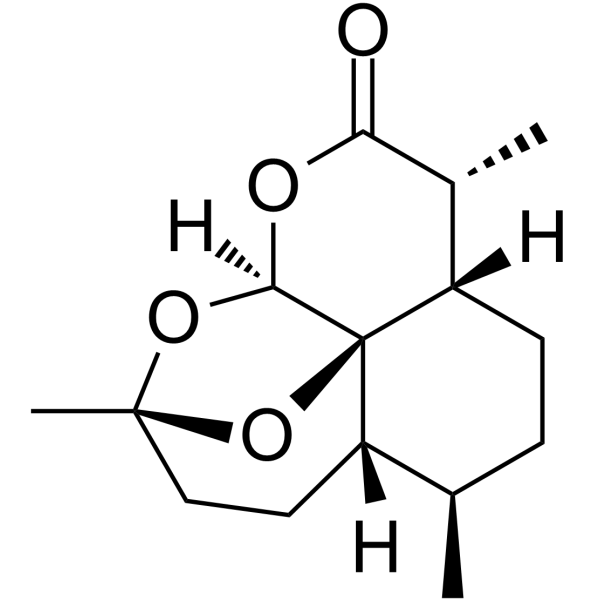
    Deoxyartemisinin
    1 Publications Verification

    2-Deoxyartemisinin

    TNF Receptor Neurological Disease Inflammation/Immunology
    Deoxyartemisinin (2-Deoxyartemisinin) is an orally active anti-inflammatory and analgesic agent. Deoxyartemisinin selectively reduces the level of the pro-inflammatory cytokine TNF-α. Deoxyartemisinin alleviates neuropathic pain, inflammatory pain, and croton oil-induced ear edema.\nDeoxyartemisinin exerts an analgesic effect against thermal stimulation. Deoxyartemisinin has anti-ulcer activity. Deoxyartemisinin can be used in research related to inflammatory diseases, pain, and gastric ulcers .
    Deoxyartemisinin
  • HY-N7102
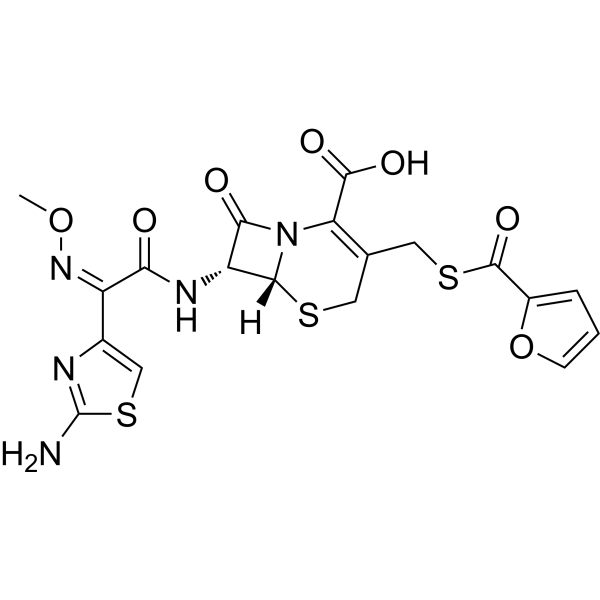
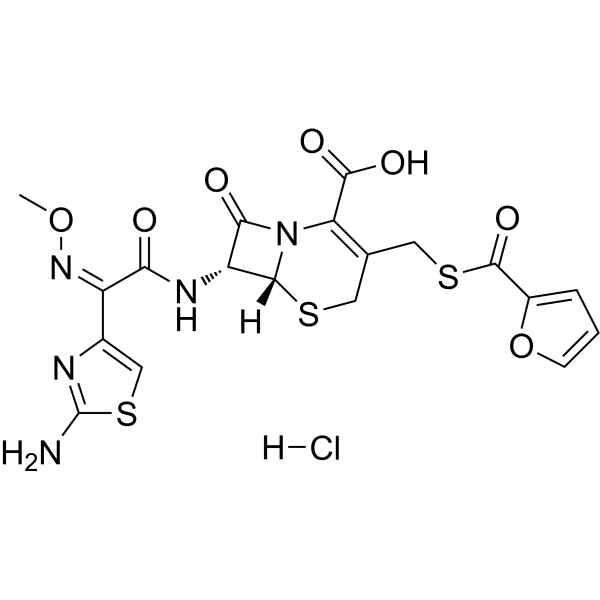
    Ceftiofur
    4 Publications Verification

    Antibiotic Bacterial NF-κB p38 MAPK TNF Receptor Interleukin Related Infection
    Ceftiofur is a cell wall synthesis inhibitor that targets bacterial penicillin-binding proteins (PBPs) and has anti-inflammatory effects in endotoxemia. Ceftiofur exerts bactericidal effects by inhibiting the synthesis of bacterial cell wall peptidoglycan, leading to bacterial cell lysis. Ceftiofur also inhibits the activation of NF-κB and MAPKs, thereby reducing the secretion of pro-inflammatory cytokines such as TNF-α, IL-1β, and IL-6 .
    Ceftiofur
  • HY-B0898
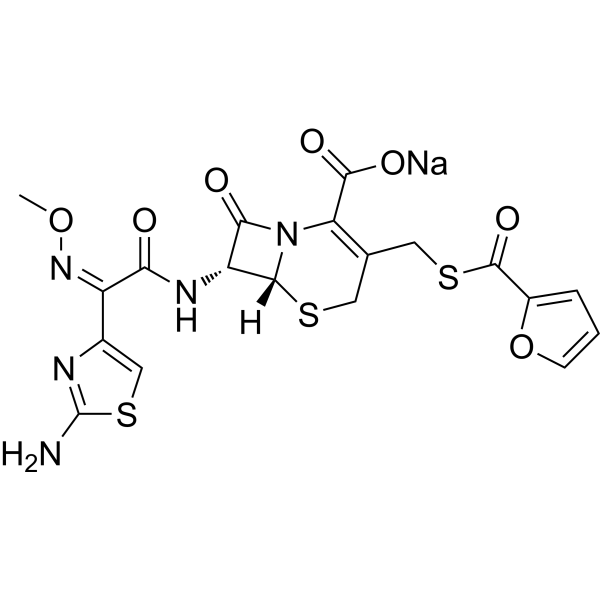
    Ceftiofur sodium
    4 Publications Verification

    sodium ceftiofur

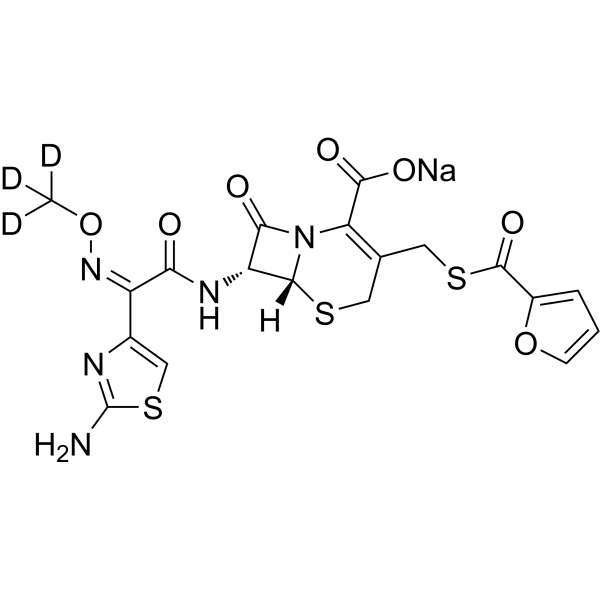
    Antibiotic Bacterial NF-κB p38 MAPK TNF Receptor Interleukin Related Infection
    Ceftiofur sodium is a cell wall synthesis inhibitor that targets bacterial penicillin-binding proteins (PBPs) and has anti-inflammatory effects in endotoxemia. Ceftiofur sodium exerts bactericidal effects by inhibiting the synthesis of bacterial cell wall peptidoglycan, leading to bacterial cell lysis. Ceftiofur sodium also inhibits the activation of NF-κB and MAPKs, thereby reducing the secretion of pro-inflammatory cytokines such as TNF-α, IL-1β, and IL-6 .
    Ceftiofur sodium
  • HY-W011849

    NF-κB COX NO Synthase MMP Cancer
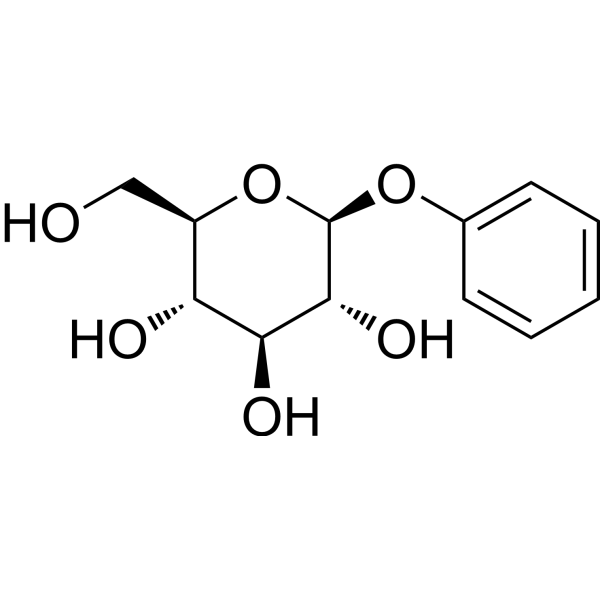
    Phenyl β-D-glucopyranoside is a component isolated from Phellodendron amurense, which has anti-inflammatory and anti-tumor activities. Phenyl β-D-glucopyranoside inhibits nitric oxide (NO) production, and the expression of iNOS and COX-2. Phenyl β-D-glucopyranoside also inhibits the nuclear translocation of NF-κB. Phenyl β-D-glucopyranoside inhibits the expression of pro-inflammatory cytokines and related genes .
    Phenyl β-D-glucopyranoside
  • HY-156649

    CR6086

    Prostaglandin Receptor Interleukin Related MMP PD-1/PD-L1 Cardiovascular Disease Inflammation/Immunology Cancer
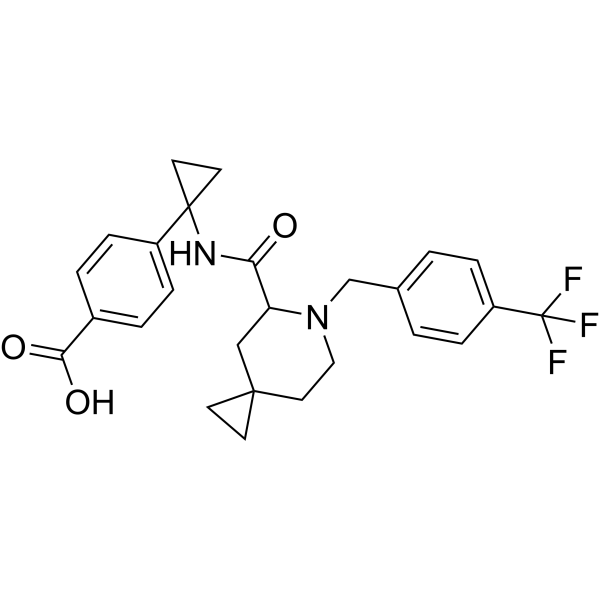
    Vorbipiprant (CR6086) is an orally active EP4 receptor antagonist with high selectivity for the human EP4 receptor (Ki: 16.6 nM). Vorbipiprant has immunomodulatory, anti-inflammatory, antitumor, and anti-angiogenic activities. Vorbipiprant can inhibit the expression of multiple pro-inflammatory cytokines and the activation of immune cells, and convert "cold" tumors unresponsive to immune checkpoint inhibitors into "hot" tumors. Vorbipiprant is used in the research of diseases such as rheumatoid arthritis and colon cancer .
    Vorbipiprant
  • HY-19717

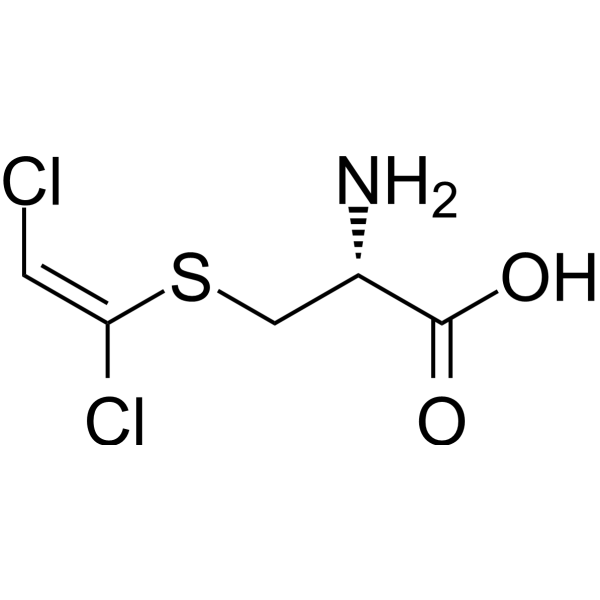
    S-[(1E)-1,2-Dichloroethenyl]-L-cysteine

    TNF Receptor Inflammation/Immunology
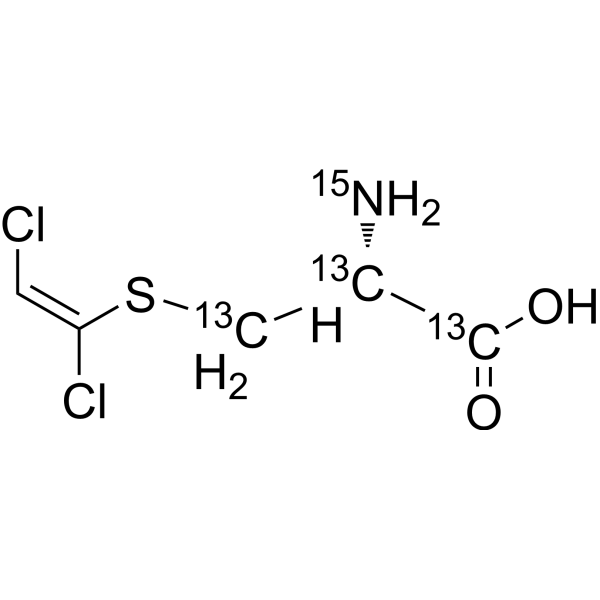
    DCVC (S-[(1E)-1,2-Dichloroethenyl]-L-cysteine) is a bioactive metabolite of trichloroethylene (TCE). DCVC inhibits pathogen-stimulated pro-inflammatory cytokines IL-1β, IL-8, and TNF-α release from tissue cultures .
    DCVC
  • HY-P990937

    PF-04236921; TOUR-006

    Interleukin Related Inflammation/Immunology
    Pacibekitug (PF-04236921; TOUR-006) is a fully humanized IgG2 monoclonal antibody targeting IL-6. Pacibekitug binds to and neutralizes IL-6 signaling, thereby inhibiting the pathophysiological role of this pro-inflammatory cytokine in autoimmune diseases (such as rheumatoid arthritis, Crohn's disease, and systemic lupus erythematosus) [1][2].
    Pacibekitug
  • HY-P99252

    Anti-Human CD6 Recombinant Antibody

    CD6 Infection Inflammation/Immunology
    Itolizumab (Anti-Human CD6 Recombinant Antibody) is a humanized recombinant anti-CD6 monoclonal antibody (MAb) targeting the extracellular SRCR distal domain 1 of CD6. Itolizumab reduces T-cell proliferation and inhibits the production of pro-inflammatory cytokines, such as INF-γ, TNFα and IL-6. Itolizumab can be used in the research of psoriasis, rheumatoid arthritis (RA), COVID-19 .
    Itolizumab
  • HY-152026

    NADPH Oxidase Neurological Disease
    NADPH oxidase-IN-1 is an orally active NADPH oxidase (Nox) inhibitor, related with neuronal inflammation. NADPH oxidase-IN-1 can cross the blood-brain barrier (BBB), inhibits Nox2 and Nox4 with IC50s of 1.9 μM and 2.47 μM, respectively. NADPH oxidase-IN-1 suppresses pro-inflammatory cytokines production and LPS-mediated microglial migration, also has in vivo efficacy .
    NADPH oxidase-IN-1
  • HY-162734

    GPR65 Inflammation/Immunology
    BRD5075 is a selective GPR65 activator. BRD5075 enhances GPR65 activity under acidic conditions, promotes Gαs-dependent signaling pathways, including cAMP production and G protein recruitment. BRD5075 regulates the cytokine and chemokine expression network in dendritic cells, and inhibits the expression of pro-inflammatory cytokines and chemokines in a GPR65-dependent manner. BRD5075 is applicable to research related to inflammatory bowel disease .
    BRD5075
  • HY-P11077

    TLT-1 (94-110)

    TREM receptor Inflammation/Immunology
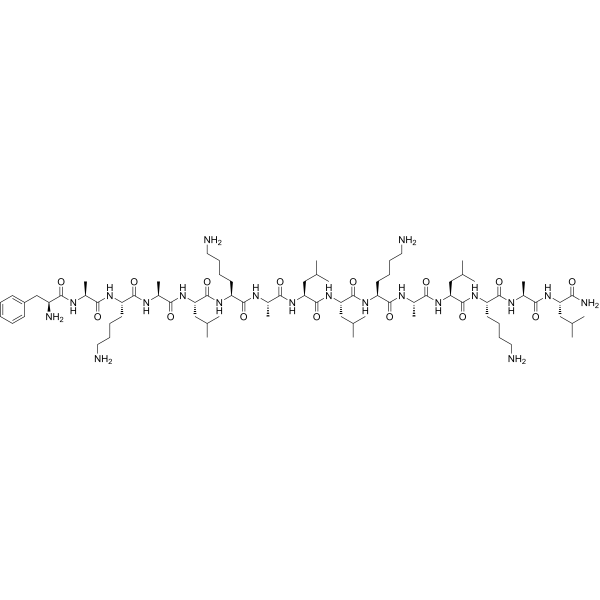
    LR-17 (TLT-1 (94-110)), a 17-aa peptide, is a TREM-1 inhibitor. LR-17 shows anti-inflammatory effects that can reduce the secretion of pro-inflammatory cytokines induced by Lipopolysaccharides (HY-D1056) (LPS). LR-17 can be used for the study of sepsis .
    LR-17
  • HY-120602

    Carboxylesterase (CES) PPAR Interleukin Related Mitochondrial Metabolism Metabolic Disease Inflammation/Immunology
    WWL229 is a selective inhibitor of carboxylesterase 3 (CES3) with an IC50 1.94 μM. WWL229 attenuates LPS (HY-D1056)-induced pro-inflammatory cytokine mRNA levels, inhibits lipolysis and adipose thermogenesis, impairs mitochondrial function, and promotes lipid storage. WWL229 can be used for the research of obesity, insulin resistance, type 2 diabetes, and lung inflammation .
    WWL229
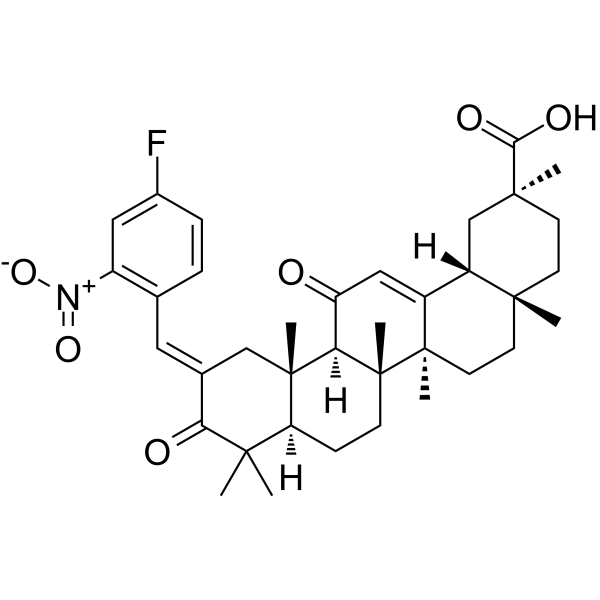
  • HY-145961

    Toll-like Receptor (TLR) TNF Receptor Cancer
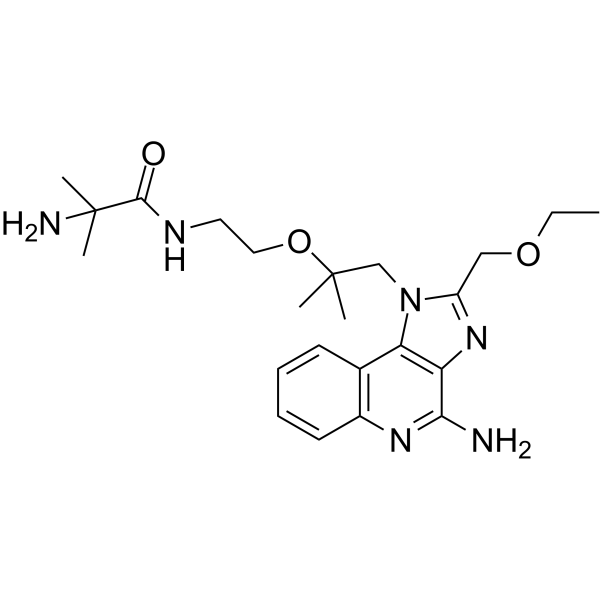
    TLR7 agonist 4 is a TLR7 agonist with pro-inflammatory cytokine-stimulating activity. TLR7 agonist 4 modulates TLR7 activity to stimulate the production of pro-inflammatory cytokines. TLR7 agonist 4 stimulates mouse bone marrow-derived macrophages to produce the pro-inflammatory cytokine TNFα. TLR7 agonist 4 can be conjugated with antibodies to form conjugates. TLR7 agonist 4 is applicable to cancer research .
    TLR7 agonist 4
  • HY-128799A
    CL097 hydrochloride
    2 Publications Verification

    Toll-like Receptor (TLR) Reactive Oxygen Species (ROS) Inflammation/Immunology
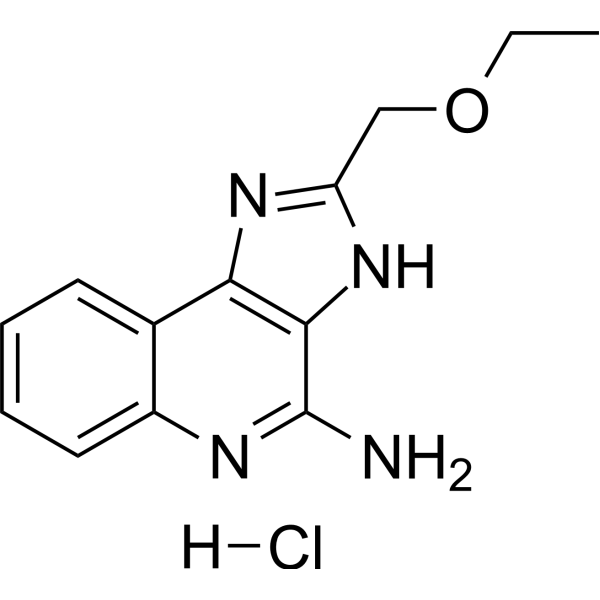
    CL097, a potent TLR7 and TLR8 agonist, induces pro-inflammatory cytokines in macrophages . CL097 induces NADPH oxidase priming, resulting in an increase of the fMLF-stimulated ROS production .
    CL097 hydrochloride
  • HY-N0474R

    Reference Standards NF-κB Endogenous Metabolite Inflammation/Immunology
    Tyrosol (Standard) is the analytical standard of Tyrosol. This product is intended for research and analytical applications. Tyrosol is a derivative of phenethyl alcohol. Tyrosol attenuates pro-inflammatory cytokines from cultured astrocytes and NF-κB activation. Anti-oxidative and anti-inflammatory effects .
    Tyrosol (Standard)
  • HY-P11296A

    IKK NF-κB Inflammation/Immunology
    LLVK TFA is a selective IκB phosphorylation inhibitor. LLVK TFA reduces LPS-induced pro-inflammatory cytokines (IL-1β, IL-6, TNF-α). LLVK TFA is promising for research of inflammatory bowel disease and rheumatoid arthritis .
    LLVK TFA
  • HY-144604

    Formyl Peptide Receptor (FPR) Infection Neurological Disease
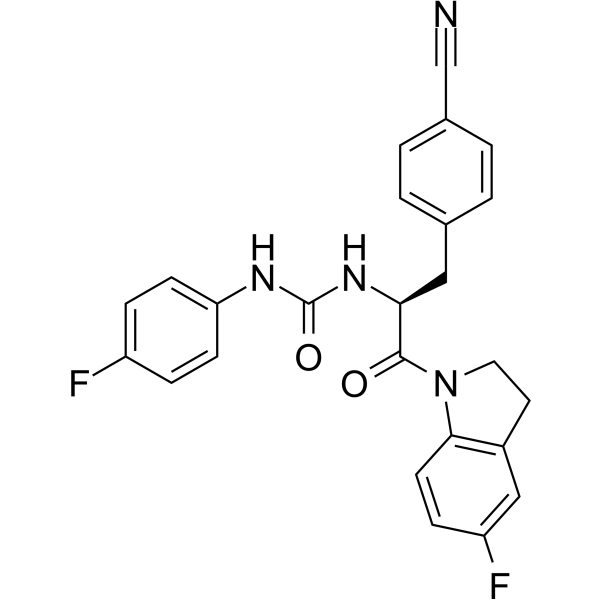
    FPR2 agonist 2 is a potent and CNS-penetrant FPR2 agonist with an EC50 of 0.13 μM, 1.1 μM for FPR2 and FPR1, respectively. FPR2 agonist 2 inhibits the production of pro-inflammatory cytokines, counterbalances the changes in mitochondrial function, and inhibits caspase-3 activity .
    FPR2 agonist 2
  • HY-123894

    Reactive Oxygen Species (ROS) Inflammation/Immunology
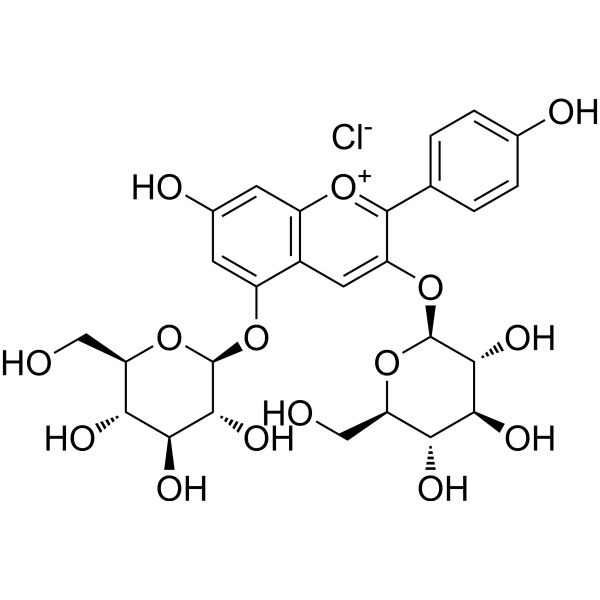
    Pelargonidin 3,5-diglucoside (chloride) is a natural pigment abundantly present in red fruits and vegetables. Pelargonidin 3,5-diglucoside (chloride) acts as a scavenger for reactive oxygen species and reactive nitrogen species . Pelargonidin 3,5-diglucoside (chloride) demonstrates inhibitory effects on enzymes involved in the production of ROS, RNS, and pro-inflammatory cytokines .
    Pelargonidin 3,5-diglucoside chloride
  • HY-P11296

    IKK NF-κB Inflammation/Immunology
    LLVK is a selective IκB phosphorylation inhibitor. LLVK reduces LPS-induced pro-inflammatory cytokines (IL-1β, IL-6, TNF-α). LLVK is promising for research of inflammatory bowel disease and rheumatoid arthritis .
    LLVK
  • HY-126042

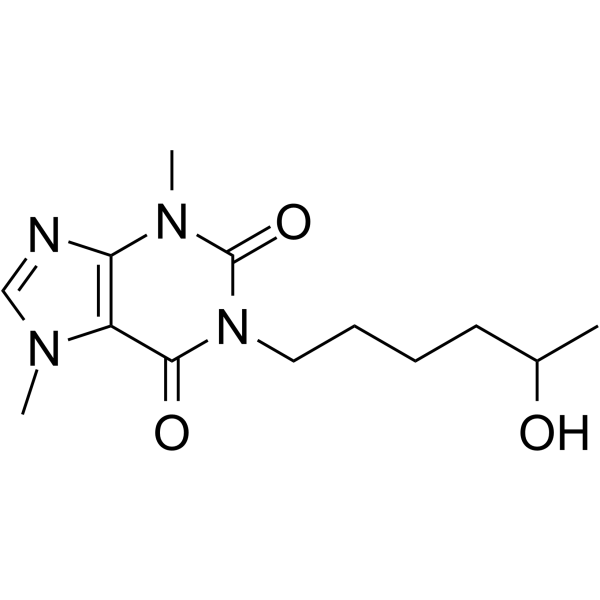
    (±)-Lisophylline

    Interleukin Related Metabolic Disease Inflammation/Immunology
    (±)-Lisofylline ((±)-Lisophylline) is the racemate of Lisofylline. Lisofylline inhibits the generation of phosphatidic acid and free fatty acids. Lisofylline also blocks the release of pro-inflammatory cytokines in oxidative tissue injury, in response to cancer chemotherapy and in experimental sepsis. Lisofylline can be used for Type 1 diabetes research .
    (±)-Lisofylline
  • HY-149391

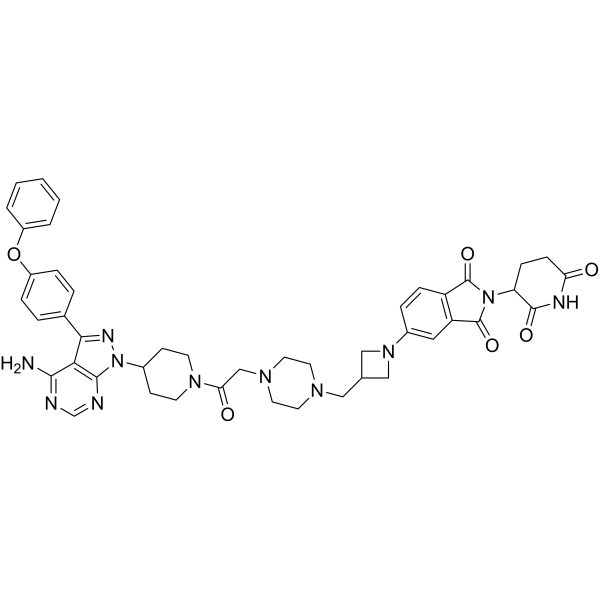
    PROTACs Btk Inflammation/Immunology
    PROTAC BTK Degrader-6 (Compound 15) is a PROTAC BTK degrader (DC50: 3.18 nM. PROTAC BTK Degrader-6 has anti-inflammatory activity, inhibits NF-κB activation, and inhibits the expression of pro-inflammatory cytokines (e.g. IL-1β, IL-6) .
    PROTAC BTK Degrader-6
  • HY-P10839

    NF-κB Inflammation/Immunology
    NBD peptide inhibits NF-κB signaling pathway through inhibition of the NEMO-IKK complex combination. NBD peptide exhibits anti-inflammatory efficacy through block of pro-inflammatory cytokines production. NBD peptide exhibits immunosuppressive activity through regulation of immune cells. NBD peptide enhances its transmembrane ability by combining with cell-penetrating peptide HIV-TAT .
    NBD peptide
  • HY-N6908

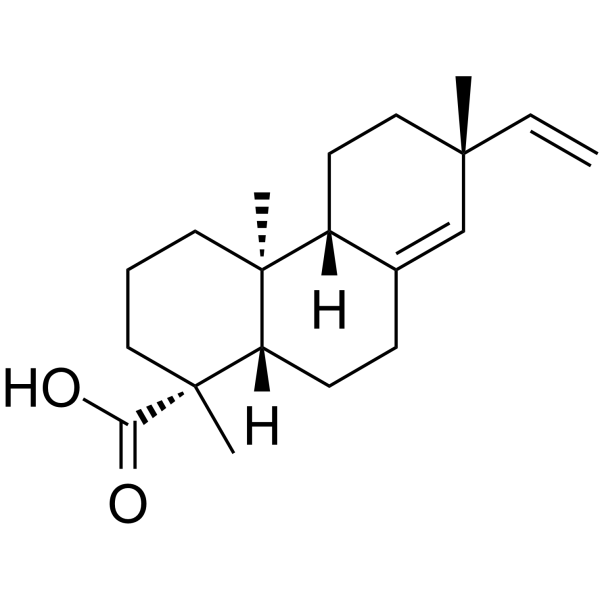
    Bacterial p38 MAPK Apoptosis PARP Bcl-2 Family Caspase Interleukin Related COX PERK JNK NF-κB NO Synthase SOD Infection Neurological Disease Inflammation/Immunology Cancer
    Continentalic acid is a diterpenoid organic acid. Continentalic acid exhibits multiple activities including anti-inflammatory, antioxidant, neuroprotective, antibacterial and antitumor effects. Continentalic acid alleviates oxidative stress, reduces pro-inflammatory cytokine production, inhibits MAPK phosphorylation and neutrophil infiltration, and induces growth inhibition and apoptosis of cancer cells. Continentalic acid can be used in research related to traumatic brain injury, cancer, inflammation and infections .
    Continentalic acid
  • HY-B0026
    Ceftiofur hydrochloride
    4 Publications Verification

    Antibiotic Bacterial NF-κB p38 MAPK TNF Receptor Interleukin Related Infection
    Ceftiofur hydrochloride is a cell wall synthesis inhibitor that targets bacterial penicillin-binding proteins (PBPs) and has anti-inflammatory effects in endotoxemia. Ceftiofur hydrochloride exerts bactericidal effects by inhibiting the synthesis of bacterial cell wall peptidoglycan, leading to bacterial cell lysis. Ceftiofur hydrochloride also inhibits the activation of NF-κB and MAPKs, thereby reducing the secretion of pro-inflammatory cytokines such as TNF-α, IL-1β, and IL-6 .
    Ceftiofur hydrochloride
  • HY-W145695

    Biochemical Assay Reagents Apoptosis Interleukin Related IFNAR Cardiovascular Disease Inflammation/Immunology
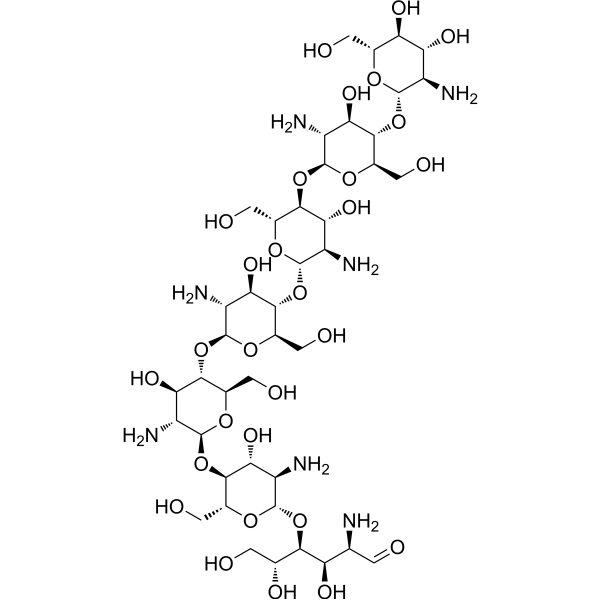
    Chitoheptaose is an orally active chitooligosaccharide (degree of polymerization = 7). Chitoheptaose can be extracted from the exoskeletons of crustaceans, such as the shells of crabs, shrimps and lobsters. Chitoheptaose reduces pro-inflammatory cytokines while increasing the levels of anti-inflammatory cytokines (decreasing the levels of pro-inflammatory cytokines IL-1β, IL-17A and IFN-γ, and increasing the level of the anti-inflammatory cytokine IL-10). Chitoheptaose possesses antioxidant, anti-inflammatory and anti-Apoptotic activities. Chitoheptaose improves cardiac parameters, alleviates myocarditis injury, and exerts cardioprotective effects in a rat model of myocarditis. Chitoheptaose can be used in studies related to myocarditis .
    Chitoheptaose
  • HY-134375

    Cyclic Adenosine-Inosine Monophosphate

    NF-κB IFNAR Inflammation/Immunology
    cAIMP (Cyclic Adenosine-Inosine Monophosphate) is an effective synthetic cyclic dinucleotide. cAIMP activates IRF and NF-κB in the THP1 human monocyte reporter cell line (THP1-Dual). cAIMP induces the secretion of IFNs and pro-inflammatory cytokines in vitro in human blood, with an EC50 of 6.4 μmol/L .
    cAIMP
  • HY-152576

    Cannabinoid Receptor Inflammation/Immunology
    CB2R agonist 1 is a selective ligand of cannabinoid receptor subtype 2 (CB2R) with an EC50 value of 0.56 µM. CB2R agonist 1 has high affinity and excellent selectivity for human CB2R and CB1R respectively. CB2R agonist 1 regulates the production of pro-inflammatory cytokines and anti-inflammatory cytokines and play an immunomodulatory role .
    CB2R agonist 1
  • HY-177559

    NEKs Interleukin Related NOD-like Receptor (NLR) Inflammation/Immunology
    NEK7 degrader-2 (Compound 25) is a NEK7 degrader. NEK7 degrader-2 shows dose-dependent NEK7 degradation ability in human PBMC-derived macrophages. NEK7 degrader-2 reduce the release level of pro-inflammatory cytokines IL-1β induced by NLRP3 inflammasome activation. NEK7 degrader-2 can be used for the study of inflammatory diseases .
    NEK7 degrader-2
  • HY-N0976

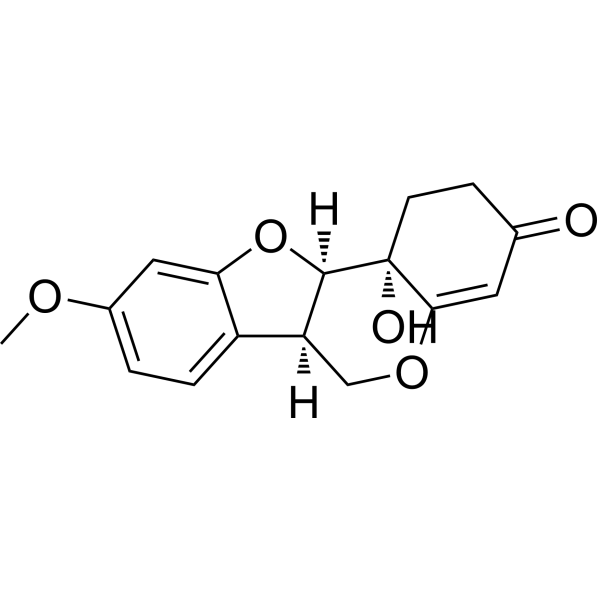
    11b-Hydroxy-11b,1-dihydromedicarpin

    Interleukin Related Wnt Inflammation/Immunology
    1,11b-Dihydro-11b-hydroxymedicarpin (11b-Hydroxy-11b,1-dihydromedicarpin) is a pterocarpan from Ononis viscosa subsp. breviflora is a Medicarpin derivative . Medicarpin, a natural pterocarpan, heals cortical bone defect by activation of Notch and Wnt canonical signaling pathways . Medicarpin prevents arthritis in post-menopausal conditions by arresting the expansion of TH17 cells and pro-inflammatory cytokines. Medicarpin down-regulates pro-inflammatory cytokines like TNF-α, IL-6 and IL-17A, while up-regulates anti-inflammatory cytokine IL-10 in arthritis (CIA) model of mice .
    1,11b-Dihydro-11b-hydroxymedicarpin
  • HY-12521
    GSK-5498A
    3 Publications Verification

    CRAC Channel Inflammation/Immunology
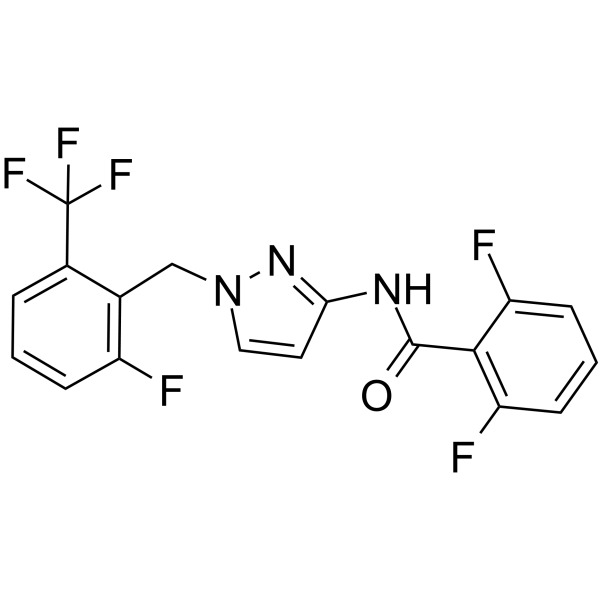
    GSK-5498A is a selective CARC channel inhibitor (IC50: 1 μM). GSK-5498A inhibits mediators release from mast cells and pro-inflammatory cytokines release from T cells. GSK-5498A can be used in the research of inflammatory disorders .
    GSK-5498A
  • HY-172451

    NADPH Oxidase Monoamine Oxidase Reactive Oxygen Species (ROS) NO Synthase Interleukin Related Inflammation/Immunology
    MC4762 is an inhibitor of NOX2 and MAOB, with IC50 values of 0.155 μM and 0.182 μM, respectively. MC4762 has anti-inflammatory activity, can inhibit the production of ROS, and downregulate the expression of pro-inflammatory cytokines iNOS, IL-1β, and IL-6 .
    MC4762
  • HY-N8413

    Toll-like Receptor (TLR) Reactive Oxygen Species (ROS) NF-κB Inflammation/Immunology
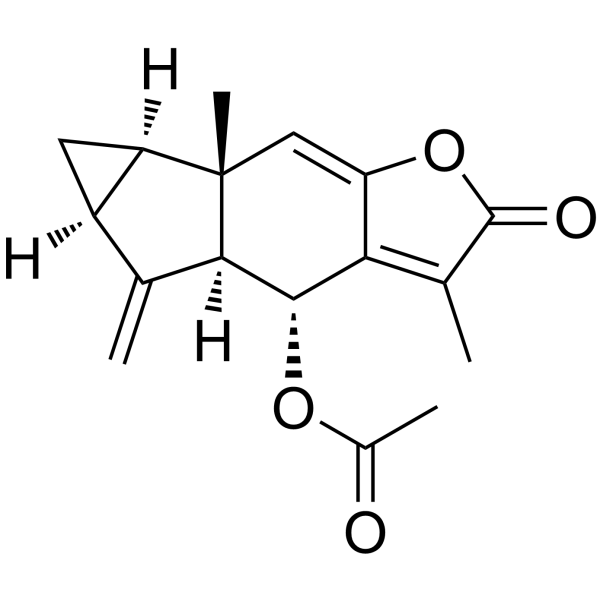
    Chlojaponilactone B is a lindenane-type sesquiterpenoid with anti-inflammatory properties. Chlojaponilactone B suppresses inflammatory responses by inhibiting TLR4 and subsequently decreasing reactive oxygen species (ROS) generation, downregulating the NF-κB, thus reducing the expression of the pro-inflammatory cytokines iNOS, NO, COX-2, IL-6 and TNF-α .
    Chlojaponilactone B
  • HY-P2320

    Bacterial Infection Inflammation/Immunology
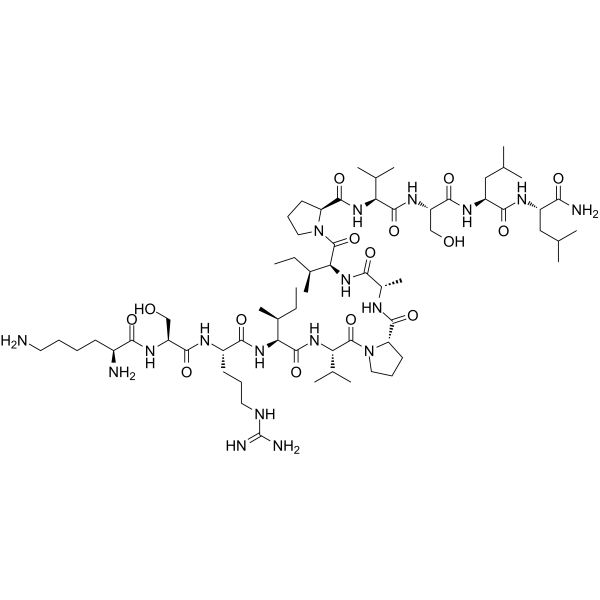
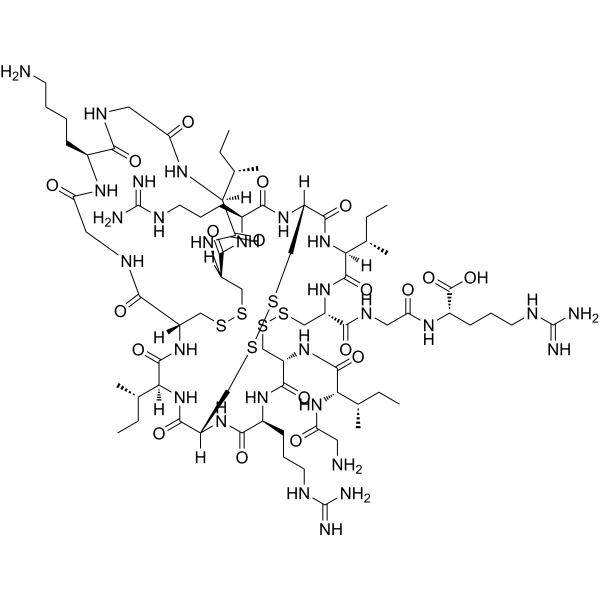
    IDR-1 is an antimicrobial peptide that is active against Gram-positive and Gram-negative bacteria. IDR-1 counters infection by selective modulation of innate immunity without obvious toxicities. IDR-1 has anti-inflammatory and anti-infective properties, enhances the levels of monocyte chemokines, and attenuates pro-inflammatory cytokine release .
    IDR-1
  • HY-158374

    IRAK Inflammation/Immunology
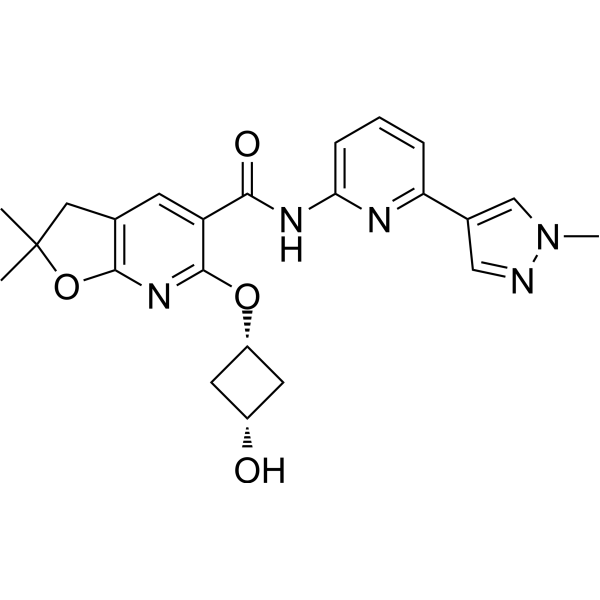
    BIO-8169 is a selective inhibitor for interleukin receptor-associated kinase 4 (IRAK 4), with an IC50 of 0.23 nM. BIO-8169 exhibits good pharmacokinetic character, reduces the production of pro-inflammatory cytokines, and attenuates the autoimmune encephalomyelitis in EAE mice model. BIO-8169 exhibits good blood brain penetrant with a rat Kpu,u of 0.7 .
    BIO-8169
  • HY-175293

    Toll-like Receptor (TLR) NF-κB p38 MAPK Cancer
    SMU-C68 is a highly selective small-molecule TLR1/2 heterodimer agonist (EC50=0.009 μM). SMU-C68 activates NF-κB and MAPK pathways to promote pro-inflammatory cytokine release (e.g., TNF-α, IL-1β). SMU-C68 is promising for research of cancers .
    SMU-C68

Inquiry Online

Your information is safe with us. * Required Fields.

Salutation


Country or Region *

Applicant Name *


Organization Name *

Department *


Email Address *


Product Name *

Cat. No.


Requested quantity *

Phone Number *


Remarks

Inquiry Online

Inquiry Information

Product Name:
Cat. No.:
Quantity:
MCE Japan Authorized Agent: