From 11:00 pm to 12:00 pm EST ( 8:00 pm to 9:00 pm PST ) on January 6th, the website will be under maintenance. We are sorry for the inconvenience. Please arrange your schedule properly.
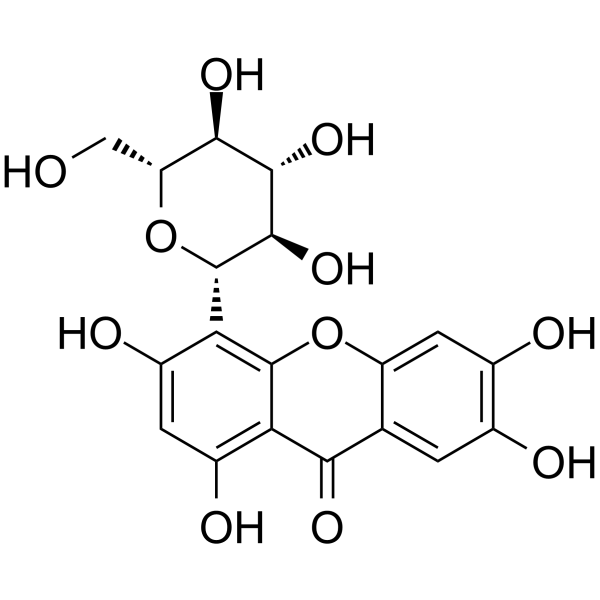
Camelliaside A is a phytochemical and also a HER2 ligand. Camelliaside A shows no inhibitory effect on mycelial growth of Rhizoctonia solani, indicating no antifungal activity against this pathogen. Camelliaside A is applicable to breast cancer-related research .
Lys-SMCC-DM1 (Lys-Nε-MCC-DM1) is a agent-linker conjugates for ADC that can inhibit tubulin polymerization. Lys-SMCC-DM1 is the active metabolite of T-DM1. T-DM1 is a HER2-targeting ADC with a tubulin polymerization inhibitor DM1. Lys-SMCC-DM1 can be used in the research of breast cancer .
Picrocrocin, an apocarotenoid found in Saffron. Picrocrocin shows anticancer effect. Picrocrocin exhibits growthinhibitory effects against SKMEL-2 human malignant melanoma cells .
Farletuzumab (MORAb-003) is a potent folate receptor-alpha (FRα)inhibitor. Farletuzumab is a humanized monoclonal antibody with high affinity for FRα. Farletuzumab possesses growth-inhibitory functions on cells overexpressing FRα. Farletuzumab can be used in research of cancer .
LLL12 is a small molecule inhibitor of STAT3 that inhibitsSTAT3 phosphorylation. LLL12 enhanced the inhibitory effect of Cisplatin (HY-17394) and Paclitaxel (HY-B0015) on ovarian cancer cell formation, migration, and growth .
Didesmethylrocaglamide, a derivative of Rocaglamide, is a potent eukaryotic initiation factor 4A (eIF4A)inhibitor. Didesmethylrocaglamide has potent growth-inhibitory activity with an IC50 of 5 nM. Didesmethylrocaglamide suppresses multiple growth-promoting signaling pathways and induces apoptosis in tumor cells. Antitumor activity .
Diphenyl Phosphate inhibitsgrowth and energy metabolism in zebrafish and mice in a sex-specific manner. Diphenyl Phosphate can inhibit the activity of SDH (respiratory complex II), reduce the expression of CPT1 and disrupts the integrity of the mitochondrial membrane. Diphenyl Phosphate may be used in research on metabolic diseases .
Silver sulfadiazine (AgSD), a sulfonamide antibiotic, effects a dual inhibitory action on bacterialgrowth by its sulfa moiety (SD-SDZ) that prevents bacterial folate absorption and subsequent DNA synthesis. The silver that is released from Silver sulfadiazine binds and disrupts the DNA structure, precluding bacterial DNA replication .
Quercetin 3-O-(6''-O-galloyl)-β-D-glucoside (Tellimoside) is a flavonol glycoside with strong inhibitory activity against the growth of Microcystis aeruginosa .
PACE4 Inhibitory peptide C23 (Compound C23; Ac-(DLeu)LLLRVK-Amba)), a potent peptidomimetic inhibitor, is a PACE4inhibitor. PACE4 Inhibitory peptide C23e shows antiproliferative effects against PCa cell lines (Ki = 5 nM; IC50 = 25 and 40 μM for DU145 and LNCaP, respectively). PACE4 Inhibitory peptide C23 also blocks tumor growth in vivo in LNCaP xenograft-bearing mice .
SMER3, a Rapamycin enhancer, is a selective Skp1-Cullin-F-box (SCF) Met30 ubiquitin ligaseinhibitor. SMER3 enhances Rapamycin's growthinhibitory effect by inhibition of SCF Met30 .
CNX-500 is a probe consisting of a covalent Btkinhibitor (CC-292) chemically linked to biotin. CNX-500 retains inhibitory activity against Btk (IC50 of 0.5 nM) and the ability to form a covalent bond with Btk. CNX-500 has low inhibitory effects on kinase epidermal growth factor receptor, and upstream Src-family kinases including Syk and Lyn .
MM11253 is a potent and selective RARγ antagonist with an IC50 of 44 nM. MM11253 has lower inhibition of RARα, RARβ and RXRα. MM11253 blocks the growthinhibitory effects of RARγ-selective agonists .
Cenisertib (AS-703569) is an ATP-competitive multi-kinase inhibitor that blocks the activity of Aurora-kinase-A/B, ABL1, AKT, STAT5 and FLT3. Cenisertib induces major growth-inhibitory effects by blocking the activity of several different molecular targets in neoplastic mast cells (MC). Cenisertib inhibits tumor growth in xenograft models of pancreatic, breast, colon, ovarian, and lung tumors and leukemia .
3,4-Dihydroxybenzylamine hydrobromide (NSC 263475 hydrobromide) is an improved dopamine analog cytotoxic and inhibitsDNA polymerase activity in melanoma cells . 3,4-Dihydroxybenzylamine hydrobromide (NSC 263475 hydrobromide) displays growthinhibitory activity in melanoma cell lines with varying degrees of tyrosinase activity .
Benzisothiazolone is an isothiazolone fungicide. Benzisothiazolone has growthinhibiting activity against E. coli ATCC 8739 and saccharornyces pombe NCYC 1354. Benzisothiazolone can be used in the study of growth inhibition model .
FPA-124, a cell-permeable copper complex, is a selective Akt inhibitor with an IC50 of 0.1 μM. FPA-124 interacts with both the pleckstrin homology (PH) and the kinase domains of Akt. FPA-124 induces apoptosis .
(+)-Bornyl acetate is found in pichtae essential oil (Siberian fir needle oil). (+)-Bornyl acetate has a stronger inhibitory effect on root growth of Arabidopsis seedlings .
Tetraethylenepentamine pentahydrochloride is an orally active copper chelator and copper mobilizer. Tetraethylenepentamine pentahydrochloride exhibits growthinhibitory and hypolipidemic properties. Tetraethylenepentamine pentahydrochloride significantly increases urinary copper excretion and reduces renal copper accumulation in copper overload models, but does not significantly alter hepatic copper levels. Tetraethylenepentamine pentahydrochloride exerts growthinhibitory effects on Candida albicans and Fluconazole (HY-B0101)-resistant strains, and can be widely used in studies related to Wilson's disease and Candida infections .
Macrocarpal A (10-epi-Eucarobustol F) is an antibacterial agent, which can be isolated from the leaves of Eucalyptus macrocarpa. Macrocarpal A inhibits the growth of Bacillus subtilis PCI219 (minimum inhibitory concentration below 0.2 µM) and Staphylococcus aureus FDA209P (minimum inhibitory concentration is 0.4 µM) .
Eritadenine (D-Eritadenine) is a potent AdoHcyaseinhibitor, with an IC50 value of 7 nM. Eritadenine is also an acyclic sugar adenosine analogue. Eritadenine exhibits an inhibitory effect on the growth of Cryptosporidium parvum, with a MIC50 of 3 μM. Eritadenine can be used in the research of colorectal adenocarcinoma .
Cymarin, a cardiac glycoside, potently inhibits the Palytoxin (PTX)-induced K + release (IC50=0.42 μM). Cymarin reveals an antitumor activity against breast cancer and pancreatic cancer. Cymarin exhibits antifeedant and growthinhibitory effects as crop protectant .
N-Carbamoyl-L-aspartic acid (L-Ureidosuccinic acid) is an important pyrimidine metabolic precursor and intermediate metabolite. N-Carbamoyl-L-aspartic acid reverses the growth inhibition of Ura + strains induced by 2-thiouracil (with growth rate increasing linearly with its concentration), but fails to support the growth of uracil-requiring Ura - strains. N-Carbamoyl-L-aspartic acid inhibits the cell growth of *Saccharomyces cerevisiae* by suppressing the purine biosynthetic pathway at a pre-step of 5-aminoimidazole nucleotide synthesis. The growthinhibitory effect of N-Carbamoyl-L-aspartic acid on yeast can be alleviated by purines, and the sensitivity of strains is closely related to the activity level of dihydroorotase .
BFMO (N,N'-Difurfuryloxamide) is an oxamide derivative and a bidentate ligand. BFMO exhibits plant growth regulatory activity and root growthinhibitory activity. BFMO can promote the copper-catalyzed N-arylation reaction between aniline compounds and cyclic secondary amines, realizing the coupling of (hetero) aryl bromides with (hetero) aryl amines and cyclic secondary amines .
(Rac)-Lys-SMCC-DM1 ((Rac)-Lys-Nε-MCC-DM1) is the racemate of Lys-SMCC-DM1 (HY-101982). Lys-SMCC-DM1 is a linker-payload component that has the potential to inhibit tubulin polymerization. Lys-SMCC-DM1 is the active metabolite of T-DM1 .
Piperazinomycin is an antifungal and antibacterialantibiotic. Piperazinomycin is isolated from the culture broth of Streptoverticillium olivoreticuli subsp. neoenacticus. Piperazinomycin inhibits the growth of fungi, yeasts and some Mycobacterium species. Piperazinomycin exhibits inhibitory activity against Trichophyton species .
8-Methylsulfinyloctyl isothiocyanate, an isothiocyanate, has antimicrobial activity and remarkable inhibitory activity against plant growth . 8-Methylsulfinyloctyl isothiocyanate impair COX-2 mediated inflammatory responses in LPS stimulated raw macrophages .
(S)-Pomalidomide ((S)-CC-4047) is an angiogenesis-inhibiting drug with growth-inhibitory activity against B-cell tumors. (S)-Pomalidomide can induce complete tumor regression in BurKitt lymphoma cells. (S)-Pomalidomide serves as an immunomodulator with potential applications in inhibiting hematological malignancies .
N-Lauryldiethanolamine is an antistatic agent with a strong inhibitory effect on cell growth at 30 μM, showing some lysosomotropic behavior. N-Lauryldiethanolamine is toxic at a concentration of ≥10 μM in the osteogenesis inhibition assay .
Pseudin-2, an AMP thast could be isolated from the skin of the South American paradoxical frog Pseudis paradoxa, exert a potent growthinhibitory effect against Gram-negative bacteria .
Aristolactam A II (Aristololactam A II) is a weak COXinhibitor with cytotoxic and anti-plasmodial activities. Aristolactam A II exhibits inhibitory activity against Chloroquine (HY-17589A)-sensitive strains, and exerts its inhibitory effect on Plasmodium falciparumgrowth by inducing cell membrane damage marked by LDH release. Aristolactam A II can be applied to the research of malaria-related mechanisms .
A031 is a highly effective PROTAC androgen receptor (AR) degrader with an IC50 value less than 0.25 μM for AR protein degradation. A031 has an inhibitory effect on tumor growth in zebrafish with human prostate cancer (VCaP) .
OES2-0017 shows potent synergy with polyamines and growth-inhibitory effects at the low micromolar range. OES2-0017 inhibits spermine/spermidine acetyltransferase (SpeG) (IC50: 34.82 μM ) and other polyamine detoxification enzymes in low concentrations, perturbed the bacterial membrane in higher concentrations .
Diphenyl Phosphate inhibitsgrowth and energy metabolism in zebrafish and mice in a sex-specific manner. Diphenyl Phosphate can inhibit the activity of SDH (respiratory complex II), reduce the expression of CPT1 and disrupts the integrity of the mitochondrial membrane. Diphenyl Phosphate may be used in research on metabolic diseases .
Scirpusin B (compound 5) is a dimeric antioxidant isolated from Scirpus maritimus L.. Scirpusin B exhibits antitumor, antifungal, insecticidal, and plant growthinhibitory activities.
Hyalodendrin ((+)-Hyalodendrin) is a fungal growthinhibitor with inhibitory activity against wood decay fungi. Hyalodendrin has low phytotoxicity, with an acute toxicity (LD50) of 75 mg/kg in mice .
Antibacterial agent 227 (Compd 29) is a SerRS (Seryl-tRNA synthetase) inhibitor. Antibacterial agent 227 has a significant inhibitory effect on the growth of planktonic and biofilm culture of Staphylococcus aureus 25923 with MIC (minimum inhibitory concentration) value of 32 µg/ml. Antibacterial agent 227 can be proposed as effective antiseptic toward multidrug-resistant biofilm-forming S. aureus isolates .
ArnicolideC is a sesquiterpene lactone isolated Centipeda minima . ArnicolideC exertes a cytotoxic effect on the panel of Nasopharyngeal carcinoma (NPC) cells, significantly inhibiting cell growth in a dose- and time- dependent manner. ArnicolideC also exhibits inhibitory effects on NPC proliferation .
Picrocrocin (Standard) is the analytical standard of Picrocrocin. This product is intended for research and analytical applications. Picrocrocin, an apocarotenoid found in Saffron. Picrocrocin shows anticancer effect. Picrocrocin exhibits growthinhibitory effects against SKMEL-2 human malignant melanoma cells .
2-Methyl-3-phenylquinoxaline (compound 38) is a potent platelet-derived growth factor receptor tyrosine kinase (PDGF-RTK) inhibitor with modest inhibitory activity against PDGFR kinase in intact cells (IC50 greater than 100 μM) .
(±)-p-Menthane-3,8-trans-diol is a chemosensory compound with inhibitory activity against germination and growth of lettuce (Lactuca satiua L.). (±)-p-Menthane-3,8-trans-diol can be isolated from lemon eucalyptus trees (E. citriodora) .
OTS514 hydrochloride is a highly potent TOPKinhibitor, which inhibits TOPK kinase activity with a median inhibitory concentration (IC50) value of 2.6 nM. OTS514 hydrochloride strongly suppresses the growth of TOPK-positive cancer cells . OTS514 hydrochloride induces cell cycle arrest and apoptosis .
L-739749 is a farnesyl transferaseinhibitor. L-739749 inhibits the selective hypersensitivity of JMML cells to granulocyte-macrophage colony-stimulating factor (GM-CSF) by blocking the prenylation of Ras. L-739749 exhibits a strong inhibitory effect on the growth of primary human JMML cells in vitro .
Benzisothiazolone (Standard) is the analytical standard of Benzisothiazolone. This product is intended for research and analytical applications. Benzisothiazolone is an isothiazolone fungicide. Benzisothiazolone has growthinhibiting activity against E. coli ATCC 8739 and saccharornyces pombe NCYC 1354. Benzisothiazolone can be used in the study of growth inhibition model .
Murraol (CM-c2), a coumarin, can be isolated from the leaves of Madagascar pine cork (Apiaceae). Murraol has cyclooxygenase (COX) and lipoxygenaseinhibitory properties and has an inhibitory effect on the growth of cancer cells .
Pycnophorin significantly inhibits the growth of Bacillus subtilis and Staphyloccocus aureus with equal minimum inhibitory concentration (MIC) values of 25 μM.
(+)-Epieudesmin is an antineoplastic agent. (+)-Epieudesmin has marginal cancer cell line inhibitory activities. (+)-Epieudesmin inhibits the growth of Gram-negative pathogen .
Leucomycin A7 is a member of the leucomycin complex that can be isolated from Streptomyces kitasatoensis. Leucomycin A7 has antibacterial activity and has strong inhibitory effects on the growth of Gram-positive bacteria, but weak inhibitory effects on Gram-negative bacteria .
VCC234718 is a molecule with mycobacterial growthinhibitory activity, specifically targeting Mycobacterium tuberculosis (Mtb). The primary molecular target of VCC234718 is inosine monophosphate dehydrogenase (GuaB2), and it inhibits the growth of Mtb by affecting the function of this enzyme. VCC234718 inhibits GuaB2 with a K value of 100 nM and exhibits non-competitive inhibition with IMP and NAD+. VCC234718 exerts its inhibitory effect by directly interacting with IMP and binding at the NAD+ site .
Antibacterial agent 217 (Compound 24) is a non-cytotoxic, non-hemolytic, moderately active antibacterial agent that inhibits the growth of Staphylococcus aureus strains with a minimum inhibitory concentration (MIC) of 32 μg/mL. Antibacterial agent 217 also moderately inhibits the growth of Staphylococcus epidermidis .
DL-Homocysteine thiolactone-d4 hydrochloride is the deuterium labeled DL-Homocysteine thiolactone (hydrochloride). DL-Homocysteine thiolactone hydrochloride is a cyclic amino acid derivative that exhibits root-growthinhibitory activity.
Psiguadial D is a terpenoid that can be isolated from Psidium guajava, and it has a strong inhibitory effect on the growth of HepG2 cells, with an IC50value of 128.3 nM .
Hydroprotopine is a alkaloid from Hypecoum leptocarpumand. Leptopidine can suppress growth and induce cytotoxicity in breast cancer cells and that the cytotoxicity of leptopidine may be related to its inhibitory effect on fatty acid synthase expression .
DL-Homocysteine thiolactone (hydrochloride) (Standard) is the analytical standard of DL-Homocysteine thiolactone (hydrochloride). This product is intended for research and analytical applications. DL-Homocysteine thiolactone hydrochloride is a cyclic amino acid derivative that exhibits root-growthinhibitory activity.
RJF02215 is an MMP-9inhibitor. RJF02215 has growth-inhibitory activity on the ovarian cancer SKOV3 cell line. RJF02215 can be used for tumor research .
Kagimminol B, a cembrene-type diterpenoid, can be isolated from an Okeania sp. marine cyanobacterium. Kagimminol B shows selective growth-inhibitory activity against the causative agent of human African trypanosomiasis .
ABT-518 is a matrix metalloproteinaseinhibitor with anti-tumor activity. ABT-518 has potent inhibitory effects on gelatinase A and gelatinase B, which can inhibit tumor growth and metastasis .
Antibacterial agent 246 (compound A33) is a antibacterial agent and has minimum inhibitory concentrations (MICs) of 0.5-4 μg/mL against twenty-three Gram-positive bacteria. Antibacterial agent 246 in combination with Polymyxin E(HY-113678) E inhibits the growth of various Gram-negative bacteria with the fractional inhibitory concentration index of 0.066 .
Marsdenoside A (compound 7) is a Marsdenoside isolated from Alocasia genus. Marsdenoside A has a weak growthinhibitory effect on two tumor cell lines, MGC-803 and HT-29, with IC50 >50 μg/mL.
Topoisomerase IIα-IN-9 (NSC85582) is a bisphenol compound that has a moderate inhibitory effect on DNA topoisomerase Topoisomerase II (IC50: 571 μM). Topoisomerase IIα-IN-9 also exhibits a certain cell growthinhibitory effect, with IC50s of 117 μM and 218 μM for K562 and CHO, respectively .
(4-Aminobenzoyl)-D-glutamic acid (Compound 17) exhibits competitive inhibitory activity against H2-pteroate synthesis system, which affects the synthesis of folate, thereby inhibitinggrowth of bacteria .
Antitumor agent-51 possesses potent and selective inhibitory for osteosarcoma cell growth and migration with IC50 of 21.9 nM in MNNG/HOS cells. Antitumor agent-51 has a considerable bioavailability and a low toxicity .
9-Hydroxycrisamicin has weak anti-Gram-positive bacteria activity, MIC is 6.25-25 μg/mL. 9-Hydroxycrisamicin has a strong growthinhibitory effect on human tumor cell lines .
L-(-)-Neopterin (L-erythro-Neopterin) is a cholinergic receptor that acts as a competitive antagonist, countering the inhibitory effects of pteridine diuretics on the growth of Crithidia fasciculata. L-(-)-Neopterin can be used in research related to the nervous system and purine metabolism .
Citreomontanin (Citreomontanine) (Compound 3), an α‑Pyrone polyketide, is an intermediate of Citreoviripyrone A. Citreomontanin can be isolated from the mycelium of endophytic Penicillium sp. in Catharanthus roseus. Citreoviripyrone A has a moderate inhibitory activity on HCT116 cells growth .
Epoformin, is a fungal cyclohexene epoxide that can be isolated from Diplodia quercivora. Epoformin is an antibiotic and exhibits weak inhibitory activity against rye seedling sheath growth. Epoformin exhibits antifungal activity, inhibitsPhytophthora cinnamomi and Phytophthora plurivora .
YD1342 is a prodrug of YD1130, which exhibits potent inhibitory effects on cellular substrate methylation, breast cancer cell clonogenicity, and tumor growth in animal models, exceeding or matching known PRMT4-specific inhibitors. .
TANDEM (Des-N-tetramethyltriostin A) is a synthetic antibiotic drug that has the activity of inhibiting the growth of tumor cells. TANDEM can be used in combination with chemotherapy to enhance the inhibitory effect. TANDEM has shown significant inhibitory effects on a variety of cancer cell lines in in vitro experiments. The structure of TANDEM allows it to effectively target tumor cells during the inhibition process. TANDEM's mechanism of action involves interfering with cell proliferation and survival pathways .
Mollicellin I (compound 1) is a depsidone. The growthinhibitory activity of Mollicellin I on human breast cancer (Bre04), human lung (Lu04) and human neuroma (N04) cell lines is not significant, with GI50s >10 μg/mL .
Coriolin A has anti-Gram-positive bacteria, negative bacteria (weak), yeast and vaginal trichomoniasis activities. Coriolin A of 5 μg/mL can inhibit the growth of yoshida sarcoma 61.6%. Coriolin A has no inhibitory effect on Ehrlich ascites carcinoma in animals .
Chlovalicin is found in the strain of Sporothrix sp. FO-4649. In the presence of 0.2 U/mL IL-6, Chlovalicin inhibits the growth of L6-dependent MH60 cells with lC50 of 7.5 μM. Chlovalicin also inhibits the growth of B16 melanoma cells with lC50 of 38 μM. Chlovalicin also displays inhibitory activity on osteoclastogenesis .
Kopsoffinol, a bisindole alkaloid, shows in vitro growthinhibitory activity against human PC-3, HCT-116, MCF-7, and A549 cells and moderate effects in reversing multidrug-resistance in vincristine-resistant human KB cells .
Ursonic acid methyl ester is an esterified derivative of Ursolic acid (HY-N0140). Ursonic acid methyl ester shows growthinhibitory activity against four tumor cell lines, HL-60, BGC, Bel-7402 and Hela with ED50 values of >100 µg/ml .
Kocurin (PM181104) is a thiazolyl cyclic-peptide antibiotic. Kocurin inhibits bacterial growth by impeding bacterial protein biosynthesis during the translation phase. Kocurin has strong inhibitory activity against Gram-positive bacteria, but no activity against fungi and Gram-negative bacteria .
Coriolin B has anti-Gram-positive bacteria, negative bacteria (weak), yeast and vaginal trichomoniasis activities. Coriolin B of 5 μg/mL can inhibit the growth of yoshida sarcoma 61.6%. Coriolin B has no inhibitory effect on Ehrlich ascites carcinoma in animals .
The minimum inhibitory concentration (MIC) of a new 2- (quinoline-4-methoxy) acetamide antituberculotic agent against the reference strain of Mycobacterium tuberculosis H37Rv was as low as 0.3 μ M. It also inhibited the growth of Mycobacterium tuberculosis in the macrophage model of tuberculosis infection.
Cenisertib (AS-703569) benzoate is an ATP-competitive multi-kinase inhibitor that blocks the activity of Aurora-kinase-A/B, ABL1, AKT, STAT5 and FLT3. Cenisertib benzoate induces major growth-inhibitory effects by blocking the activity of several different molecular targets in neoplastic mast cells (MC). Cenisertib benzoate inhibits tumor growth in xenograft models of pancreatic, breast, colon, ovarian, and lung tumors and leukemia .
Cinosulfuron is a selective herbicide with excellent inhibitory activity against a variety of broadleaf weeds and is widely used in crop fields to protect the growth of crops. Cinosulfuron can effectively manage weed problems by inhibiting specific enzyme activity. Cinosulfuron is used in agriculture to increase crop yield and quality and ensure efficient use of farmland.
MoTPS1/2-IN-1 (Compound A1-4 ) is a bispecific inhibitor of MoTps1 and MoTps2. MoTPS1/2-IN-1 has antifungal activity and showed good inhibitory activity against the growth and virulence of B. cinerea and F. graminearum .
Aromatase-IN-3 (compound 7d) is an aromataseinhibitor with an IC50 of 54 nM. Through suppressing the conversion of androstenedione to oestrogen caused by aromatase, Aromatase-IN-3 exerts an appreciable tumor growthinhibitory activities against breast cancer cell lines, suggesting its usage for ER+ cancer research .
Maculine is a furoquinoline alkaloid that can be isolated from the bark of Helietta apiculate. Maculine has potent inhibitory effect on the growth of C. fragariae and L. gongliophoorus .
Lys-SMCC-DM1 (Standard) is the analytical standard of Lys-SMCC-DM1 (HY-101982). This product is intended for research and analytical applications. Lys-SMCC-DM1 (Lys-Nε-MCC-DM1) is a agent-linker conjugates for ADC that can inhibit tubulin polymerization. Lys-SMCC-DM1 is the active metabolite of T-DM1. T-DM1 is a HER2-targeting ADC with a tubulin polymerization inhibitor DM1. Lys-SMCC-DM1 can be used in the research of breast cancer .
Dicatenarin is a caspase‑3 activator with growth‑inhibitory activity against human cancer cells. Dicatenarin increases caspase‑3 activity, induces intracellular ROS generation, and activates the mitochondrial‑mediated apoptotic pathway. Dicatenarin exerts growth‑inhibitory effects against a panel of human cancer cell lines. Dicatenarin can be used in research on pancreatic cancer, lung cancer, colon cancer, breast cancer, prostate cancer, and ovarian cancer .
hPV19 is a humanized inhibitory monoclonal antibody targeting vascular endothelial growth factor (VEGF) with a unique binding site. hPV19 can be used for the research of advanced solid tumors .
Toluquinone is a Toluquinol analogue. Toluquinone shows lower growthinhibitory activity against a panel of cancer cell lines of breast adenocarcinoma, promyelocytic leukemia, glioblastoma, fibrosarcoma, and colorectal adenocarcinoma than Toluquinol .
DDCPPB-Glu (compound 3a) is a compound with anti-tumor activity, which has the activity of inhibiting tumor cell growth and prolonging survival. DDCPPB-Glu has growth inhibition effect on various tumor cell lines, can increase the survival time of leukemia mice, and has inhibitory effect on tumors such as colon cancer and lung cancer.
Myrseguinoside A is a monoterpene glucoside found in the fruits of Myrsine seguinii. Myrseguinoside A does not exhibit significant DPPH radical-scavenging activity or growthinhibitory activity toward human cancer cells. Myrseguinoside A can be used for cancer research .
IST-622 (6-O-(3-Ethoxypropionyl)-3',4'-O-exo-benzylidenechartreusin) is an anti-tumor agent with significant growthinhibitory activity. IST-622 exhibits significant anti-tumor effects against a variety of mouse tumors such as P388 and L1210 leukemias, B16 melanoma, Lewis lung carcinoma, Colon 26 and Colon 38 adenocarcinomas, and M5076 reticulum cell sarcoma. IST-622 was orally administered and the results showed efficacy in different tumor types. In addition, IST-622 provided significant inhibitory effects against two human tumor xenograft models: large cell lung carcinoma (Lu-116) and gastric adenocarcinoma (St-4). IST-622 also exhibited significant growthinhibitory activity against P388 leukemia in vitro, with a half inhibitory concentration (IC50) more than 20 times lower than CT .
CARM1-IN-6 (Compound iCARM1) dihydrochloride is an effective and selective inhibitor of CARM1 with an IC50 value of 12.3 μM. CARM1-IN-6 dihydrochloride exhibits cell growthinhibitory activity and can be used in cancer research .
10 (14)-Guaien-11-ol is a guaiane-type sesquiterpenoid that exists in the roots of Jatropha curcas. 10 (14)-Guaien-11-ol shows no significant growthinhibitory activity against human gastric cancer cells .
N-Myristoyl-D-asparagine is a key metabolic marker in the biosynthesis and maturation of colibactin. N-Myristoyl-D-asparagine acts as a biomarker for detecting colibactin. N-Myristoyl-D-asparagine exhibits mild growthinhibitory activity against Bacillus subtilis NCIB 3610 .
Coriolin C has anti-Gram-positive bacteria, negative bacteria (weak), yeast and vaginal trichomoniasis activities. Coriolin C of 5 μg/mL can inhibit the growth of yoshida sarcoma 61.6%. Coriolin C has no inhibitory effect on Ehrlich ascites carcinoma in animals .
T504 is an oxazolidinone antibiotic. T504 exhibits significant growthinhibitory effects on Mycobacterium tuberculosis H37Rv, Mycobacterium bovis BCG, and Mycobacterium abscessus, and the MIC value for the reference strain Mycobacterium tuberculosis H37Rv is 0.5-1.0 μg/mL. T504 effectively inhibits the growth of Mycobacterium tuberculosis within macrophages and does not show obvious cytotoxicity. T504 can be used in the research of mycobacterial infections .
Roseopurpurin B is a polyketide compound found in Aspergillus aculeatus DL1011 and Penicillium roseopurpureum (CMB-MF038), with DPPH scavenging activity. Roseopurpurin B shows no cytotoxicity against human cancer cells, and exhibits no growthinhibitory activity against Gram-positive or Gram-negative bacteria .
Pirfenidone (AMR69) is an antifibrotic agent that attenuates CCL2 and CCL12 production in fibrocyte cells. Pirfenidone has growth-inhibitory effect and reduces TGF-β2 protein levels in human glioma cell lines. Pirfenidone also has anti-inflammatory activities .
Foretinib phosphate is an orally bioavailable small molecule with potential anti-tumor activity. Foretinib phosphate can selectively inhibit hepatocyte growth factor (HGF) receptor c-MET and vascular endothelial growth factor receptor 2 (VEGFR2), thereby potentially inhibiting tumor angiogenesis, tumor cell proliferation and metastasis. Foretinib phosphate shows different anti-cancer activity from cabozantinib in lung cancer cells and has stronger inhibitory effects on targets such as MEK1/2, FER and AURKB .
Gibberellin A9 is a plant hormone that targets gibberellin receptor GID1. Gibberellin A9 binds to GID1 to form a GA-GID1-DELLA protein complex, which promotes the degradation of DELLA proteins. This relieves the inhibitory effect of DELLA proteins on plant growth, thereby promoting plant cell elongation and division, and increasing seed germination rate. Gibberellin A9 is promising for use in studies on plant growth and development, such as stem elongation and flowering induction .
Cenisertib (Standard) is the analytical standard of Cenisertib. This product is intended for research and analytical applications. Cenisertib (AS-703569) is an ATP-competitive multi-kinase inhibitor that blocks the activity of Aurora-kinase-A/B, ABL1, AKT, STAT5 and FLT3. Cenisertib induces major growth-inhibitory effects by blocking the activity of several different molecular targets in neoplastic mast cells (MC). Cenisertib inhibits tumor growth in xenograft models of pancreatic, breast, colon, ovarian, and lung tumors and leukemia .
Mal-Deferoxamine is a maleimide-functionalized trihydroxamate siderophore derivative that can be isolated from Streptomyces pilosus. Mal-Deferoxamine possesses highly specific Fe (III) chelating ability, and the stability of complexes formed between it and non-Fe (III) metal ions is significantly lower. Mal-Deferoxamine exhibits growthinhibitory effects against Gram-positive bacteria, but shows no obvious inhibitory activity against Gram-negative bacteria (MIC>50 μM). Mal-Deferoxamine is mainly suitable for scientific research in hematology and related fields .
CDK9-IN-24 (compound 21a) is a highly selective CDK9inhibitor with significant inhibitory effect on tumor growth. CDK9-IN-24 effectively blocks cell proliferation and induces apoptosis by downregulating Mcl-1 and c-Myc, and can be used in acute myeloid leukemia research .
Validamycin A, a fungicidal, is an agricultural antibiotic. Validamycin A is originally isolated from Streptomyces hygroscopicus var. limoneus. Validamycin A inhibits the growth of A. flavus, with a MIC of 1?μg/mL . Validamycin A shows potent inhibitory activity against trehalase of Rhizoctonia solani, with an IC50 of 72 μM . Validamycin A is a reversible tyrosinaseinhibitor, with a Ki of 5.893 mM .
Anti-inflammatory agent 45 (compound 2v) is an anticancer agent with direct inhibitory effects on the growth of different blood cancers including leukemia, lymphoma and myeloma cell lines. Anti-inflammatory agent 45 induces apoptosis and inhibits NO production in HL60 leukemia cells (IC50=14.7 μM) .
WEE1-IN-10 (compound 77) is a Wee1 kinase inhibitor. WEE1-IN-10 shows inhibitory activity on LOVO cell growth, with an IC50 of 0.524 μM. WEE1-IN-10 can be used for the research of diseases caused by abnormal activity of Wee1 .
Isomer-CM 352 is a new antifibrinolytic agent with inhibitory activity against matrix metalloproteinases. Isomer-CM 352 effectively reduced hematoma expansion and promoted functional and neurological recovery in a model of intracerebral hemorrhage. Isomer-CM 352 improved neurological function by preventing hematoma growth and showed potential in the suppression of acute neurological diseases .
Sartorypyrone A (20-O-Acetylsartorypyrone D) is a monocyclic terpenoid isolated from the soil fungus Neosartorya fischeri. Sartorypyrone A exhibits in vitro growthinhibitory activity against MCF-7, NCI-H460, and A375-C5 cell lines, and has potential anticancer properties.
Antibacterial agent 289 (Compound 7c) is an antibacterial agent. Antibacterial agent 289 has potent inhibitory activity against Helicobacter pylori (H. pylori) (MIC: 0.804 μg/mL for H. pylori ATCC 26695) with significant growth inhibition. Antibacterial agent 289 can be used for H. pylori infection research .
Harringtonolide is a potent RACK1inhibitor (IC50=39.66 μM in A375 cells). Harringtonolide inhibits the epithelial-mesenchymal transition (EMT) process and cell proliferation by affecting the interaction between FAK and RACK1. Harringtonolide has plant growthinhibitory, antiviral, anti-inflammatory, and antiproliferation activities .
TREM-1 inhibitory peptide GF9 (Human TREM-1 (213-221)) is a TREM-1inhibitor. TREM-1 inhibitory peptide GF9 blocks the TREM-1 signaling pathway via a ligand-independent mechanism, spontaneously inserts into the cell membrane to dissociate TREM-1 from DAP-12, and functions through the Signaling Chain Homooligomerization (SCHOOL) model. TREM-1 inhibitory peptide GF9 reduces the levels of TNFα, IL-1β, IL-6, and M-CSF. TREM-1 inhibitory peptide GF9 inhibits tumor growth, prolongs the survival of mice with pancreatic cancer models, ameliorates collagen-induced arthritis, and exerts protective effects on bone and cartilage simultaneously. TREM-1 inhibitory peptide GF9 can be used in research related to arthritis, pancreatic cancer, retinopathy, alcoholic liver disease, and liver cancer .
BMY-27709 is an influenza virus growthinhibitor with an IC50 value of 3-8 μM against A/WSN/33 virus growth, and also exhibits inhibitory activity against some subtypes of influenza viruses. BMY-27709 acts early in the course of H1 and H2 virus infections, and exhibits antiviral activity through inhibition of hemagglutinin proteins. However, BMY-27709 has no effect on H3 subtype viruses and influenza B/Lee/40 viruses .
Citraconimide is a 3-methylmaleimide derivative. Citraconimide has thiol affinity and can undergo highly regioselective addition with a variety of alkyl thiols. Citraconimide derivatives show growthinhibitory activity against HeLa cells. Citraconimide can be modified by N-substitution, halogenation and other reactions for use in bioactive molecule design and drug development research .
PROTAC DHFR Degrader-1 is a selective PROTAC degrader targeting Plasmodium falciparumDHFR-TS with a Ki of 2.01 nM. PROTAC DHFR Degrader-1 exhibits no inhibitory activity against human DHFR and suppresses the growth of Plasmodium falciparum. PROTAC DHFR Degrader-1 can be used for the research of Plasmodium falciparum and malaria .
Lyoniside is a lignan glycoside with antioxidant, allelopathic and antifungal activities, which can be isolated from the rhizomes and stems of bilberry (Vaccinium myrtillus L.). Lyoniside exhibits radical scavenging properties with an IC50 value of 23 μg/mL in DPPH assay. Lyoniside inhibits the mycelial growth of Fusarium oxysporum and Mucor hiemalis at 50 μg/mL with inhibitory rates of 78% and 80%, respectively .
ALK5-IN-29 is an selective activin receptor-like kinase (ALK)inhibitor. ALK5-IN-29 can inhibit the activity of ALK5 with an IC50 value of ≤10 nM. ALK5-IN-29 also has inhibitory of tumor growth and can be used for the research of proliferative diseases, such as cancer .
WB2838 is a non-steroidal androgen-receptor antagonist (IC50: 0.8 μM for partially purified rat prostate cytosol receptor). WB2838 exhibits anti-cancer activity against androgen-responsive breast cancer. WB2838 also shows the inhibitory activity against the growth of the ventral prostate induced by Testosterone propionate .
NITD-304 is an orally active anti-tuberculosis agent. NITD-304 exerts inhibitory and bactericidal activities gainst Mycobacterium tuberculosis and multidrug-resistant Mycobacterium tuberculosis. NITD-304 inhibits mycobacterial cell wall biosynthesis and demonstrates synergistic or additive growthinhibitory activity with select antibacterial agents.NITD-304 shows low risk of cardiotoxicity and drug-drug interactions, with no inhibition of major cytochrome P-450 enzymes or hERG channel. NITD-304 can be used for the research of tuberculosis and multidrug-resistant tuberculosis .
YD23 is a selective SMARCA2 PROTAC degrader with DC50 values of 64 nM and 297 nM in H1792 cells and H1975 cells. YD23 induces degradation of SMARCA2, which is synthetic lethal to SMARCA4. YD23 reduces chromatin accessibility only in SMARCA4 deficient cells, including cell cycle and cell growth regulatory genes. YD23 selectively inhibitsgrowth of SMARCA4 mutant lung cancer cells. YD23 has potent tumor growthinhibitory activity in SMARCA4-mutant xenografts. YD23 can be used for the study of non-small cell lung cancer (NSCLC) .
ONO 1301 (ONO-AP 500-02), a prostaglandin (PG) I2 mimetic, is an orally active, long-acting prostacyclin agonist with thromboxane-synthase inhibitory activity. ONO 1301 promotes production of hepatocyte growth factor (HGF) from various cell types and ameliorates ischemia-induced left ventricle dysfunction in the mouse, rat and pig .
2-Phenylethyl isothiocyanate is a potent antifungal agent. 2-Phenylethyl isothiocyanate significantly inhibited spore germination and mycelial growth of Alternaria alternata, with a MIC (minimum inhibitory concentration) of 1.22 mM. The antifungal effect of 2-Phenylethyl isothiocyanate against Alternaria alternate might be via reduction in toxin content and breakdown of cell membrane integrity .
HBsAg-IN-1 (Compound (6S,10S)-57) is an orally active, highly liver-selective inhibitor of HBsAg production, with an EC50 of 0.63 nM. HBsAg-IN-1 shows no neurite growthinhibitory activity. HBsAg-IN-1 can be used in studies related to hepatitis B virus (HBV) infection .
Bruceine D is a Notchinhibitor with anti-cancer activity and induces apoptosis in several human cancer cells. Bruceine D is an effective botanical insect antifeedant with outstanding systemic properties, causing potent pest growthinhibitory activity . Bruceine D has strong anthelmintic activity against D. intermedius with an EC50 value of 0.57 mg/L .
(+)-Benalaxyl is a broad-spectrum benzamide fungicide. (+)-Benalaxyl inhibits the growth of the freshwater algae S. obliquus, with an EC50 value of 8.441 mg/L. (+)-Benalaxyl can induce the production of chlorophyll a and b, as well as increase the activity of superoxide dismutase (SOD) and the generation of malondialdehyde (MDA). (+)-Benalaxyl has inhibitory effects on catalase (CAT). (+)-Benalaxyl is effective against diseases caused by oomycetes .
MPT0B390 is an arylsulfonamide-based derivative with potent HDACinhibitory ability. MPT0B390, TIMP3 inducer, inhibits tumor growth, metastasis and angiogenesis. MPT0B390 shows antiproliferative activity against human colon cancer cell line HCT116 with the GI50 of 0.03 μM .
3289-8625 is an inhibitor of the PDZ domain of Dishevelled (Dvl) protein (Kd=10.6 μM) and has an inhibitory effect on Wnt signaling. In addition, 3289-8625 can slow the growth of prostate cancer PC-3 cells (IC50=12.5 μM). 3289-8625 can be used in the study of embryonic development and cancer .
FL442 is an Androgen Receptor (AR) modulator. FL442 exhibits strong inhibitory effects in AR-dependent prostate cancer cells, showing similar inhibitory efficiency to traditional antiandrogen drugs Bicalutamide (HY-14249) and Enzalutamide (HY-70002), while maintaining antiandrogenic activity against the AR mutant F876L, which is highly resistant to Enzalutamide. Pharmacokinetic studies of FL442 in mice reveal a long half-life (8 hours), good targeting (prostate tissue), and metabolic stability, and it effectively inhibits LNCaP tumor growth at low plasma concentrations (30 ng/mL) .
Succinate dehydrogenase-IN-9 (Compound Iik) is a succinate dehydrogenaseinhibitor (IC50: 3.6 μM). Succinate dehydrogenase-IN-9 exhibits potent inhibitory activity against various fungal species (eg: inhibitsS. sclerotiorum with an EC50 value of 1.14 μg/mL. Succinate dehydrogenase-IN-9 enhances the nitrate reductase activity, thereby facilitating plant growth .
VT102 is a TEAD1inhibitor with a human IC50 of 391 nM. VT102 inhibits auto-palmitoylation, attenuates YAP/TEAD1 interaction, reduces expression of TEAD target genes, and inhibits YAP-mediated luciferase reporter activity. VT102 exerts weak cell growthinhibitory activity in cancer cells. VT102 can be used for the research of cancer .
Proteasome inhibitor IX (PS-IX; AM114) is a Chalcone derivative and a chymotrypsin-like activity of the 20S proteasomeinhibitor with an IC50 value of ~1 μM. Proteasome inhibitor IX exhibits HCT116 p53 +/+ cells growthinhibitory activity with an IC50 value of 1.49 μM. Proteasome inhibitor IX has potent anticancer activity .
HSN748 is a Ponatinib (HY-12047) analogue and a multikinase inhibitor. HSN748 has inhibitory activity on FLT3, ABL1, RET, PDGFRα/β, MNK1, MNK2 and other kinases. HSN748 can inhibit the growth of chronic myeloid leukemia and acute myeloid leukemia cell lines and can be used in the study of leukemia .
Lys-PEG1-Dasa is a BCR-ABLPROTAC degrader with an DC50 of 0.98 nM in K562 cells. Lys-PEG1-Dasa exerts growthinhibitory with IC50 of 0.4569 nM in K562 cells. Lys-PEG1-Dasa can be used for chronic myeloid leukemia research .
ALK5-IN-34 is an selective orally active activin receptor-like kinase (ALK)inhibitor. ALK5-IN-34 can inhibit the activity of ALK5-IN-34 with an IC50 value of ≤10 nM. ALK5-IN-34 also has inhibitory of tumor growth and can be used for the research of proliferative diseases, such as cancer .
Arjungenin, a pentacyclic triterpenoid compound, is a FXR agonist. Arjungenin can improve insulin sensitivity by regulating the function of fat cells. Arjungenin exhibits moderate free radical scavenging activity. Arjungenin has growthinhibitory activity against the insect Spilarctia obliqua. Arjungenin has significant antiviral activity against a series of viruses such as chikungunya Virus (CHIKV) .
BAP2 is an allosteric protein disulfide isomerase (PDI) inhibitor with a IC50 of 0.85 μM. BAP2 binds to His256 in the b′ domain of PDI and exerts inhibitory effects through allosteric binding to the b′ domain. BAP2 upregulates GRP78. BAP2 inhibits the growth of glioblastoma cells. BAP2 can be used in studies related to glioblastoma .
2-Hydroxy-3-methylanthraquinone (compound 1) is a natural compound isolated from a water extract of Hedyotis diffusa WILLD. 2-Hydroxy-3-methylanthraquinone shows inhibitory activity against protein tyrosine kinases v-src and pp60src, and induces growth arrest and apoptosis in the HepG2 cancer cells .
ZX-J-19L is a CyPJinhibitor with inhibitory activity against a variety of tumor cell lines. ZX-J-19L inhibits the growth of human liver cancer cells, human breast cancer cells, ovarian cancer cells and prostate cancer cells in vitro. ZX-J-19L can be used for tumor research .
Neptinib (NEP010) is an orally active derivative of Afatinib (HY-10261) that has stronger antitumor activity than Afatinib (HY-10261) by improving pharmacokinetics. Neptinib has a significant inhibitory effect on tumor growth in mouse non-small cell lung cancer models with different EGFR mutations. Neptinib has a certain inhibitory effect on the EGFR kinase family, with IC50 values ??of 0.24 nM, 7.25 nM, 0.46 nM and 1.79 nM for EGFRwt, EGFRL858R/T790M, EGFRL858R and EGFRT790M, respectively .
AR-23 is a melittin-related antimicrobial peptide that can be isolated from Rana tagoi. AR-23 exhibits broad-spectrum growthinhibitory activity against aerobic bacteria, the opportunistic yeast pathogen Candida albicans and clinical isolates of Methicillin (HY-121544)-resistant Staphylococcus aureus (MRSA). AR-23 can be used for antimicrobial research .
BGT226 (NVP-BGT226 maleate) is a PI3K (with IC50s of 4 nM, 63 nM and 38 nM for PI3Kα, PI3Kβ and PI3Kγ) /mTOR dual inhibitor which displays potent growth-inhibitory activity against human head and neck cancer cells .
MM11253 (Standard) is the analytical standard of MM11253 (HY-108530). This product is intended for research and analytical applications. MM11253 is a potent and selective RARγ antagonist with an IC50 of 44 nM. MM11253 has lower inhibition of RARα, RARβ and RXRα. MM11253 blocks the growthinhibitory effects of RARγ-selective agonists .
METTL3-IN-5 (Compound 13) is a METTL3inhibitor. METTL3-IN-5 inhibits MOLM-13 growth with an IC50 less than 2 μM. METTL3-IN-5 has weak hERG inhibitory activity (IC50 >30 μM). METTL3-IN-5 can be used for AML research .
BGT226 (NVP-BGT226) is a PI3K (with IC50s of 4 nM, 63 nM and 38 nM for PI3Kα, PI3Kβ and PI3Kγ)/mTOR dual inhibitor which displays potent growth-inhibitory activity against human head and neck cancer cells .
Centaureidin is an orally active IFN-promoter that can be isolated from Bidens pilosa with an EC50of 0.9 μg/mL. Centaureidin activates the Rho signal pathway, leading to actin and tubulin disassembly, and resulting in dendrite retraction and stress fiber formation in melanocytes. Centaureidin shows high tumor cell growthinhibitory activities. Centaureidin significantly inhibits paw edema in mice [1][2][3][4][5].
Silver sulfadiazine (Standard) is the analytical standard of Silver sulfadiazine. This product is intended for research and analytical applications. Silver sulfadiazine (AgSD), a sulfonamide antibiotic, effects a dual inhibitory action on bacterial growth by its sulfa moiety (SD-SDZ) that prevents bacterial folate absorption and subsequent DNA synthesis. The silver that is released from Silver sulfadiazine binds and disrupts the DNA structure, precluding bacterial DNA replication .
Cinosulfuron (Standard) is the analytical standard of Cinosulfuron. This product is intended for research and analytical applications. Cinosulfuron is a selective herbicide with excellent inhibitory activity against a variety of broadleaf weeds and is widely used in crop fields to protect the growth of crops. Cinosulfuron can effectively manage weed problems by inhibiting specific enzyme activity. Cinosulfuron is used in agriculture to increase crop yield and quality and ensure efficient use of farmland.
Pirfenidone (Standard) is the analytical standard of Pirfenidone. This product is intended for research and analytical applications. Pirfenidone (AMR69) is an antifibrotic agent that attenuates CCL2 and CCL12 production in fibrocyte cells. Pirfenidone has growth-inhibitory effect and reduces TGF-β2 protein levels in human glioma cell lines. Pirfenidone also has anti-inflammatory activities .
SBT-100 (His Tag) is a human monoclonal antibody (mAb) targeting STAT3. SBT-100 (His Tag) inhibits IL-6-mediated P-STAT3 nuclear translocation in HEp-2 and PANC-1 cells. SBT-100 (His Tag) has tumor growthinhibitory effects on MDA-MB-231 .
Ilicicolin C exhibits antibacterial activity against Pseudomonas syringae with IC50 of 28.5 µg/mL. Ilicicolin C exhibits weak inhibitory activities against acetylcholinesterase (AChE) and β-glucuronidase with IC50 of 30-43 µg/mL. Ilicicolin C exhibits weak cytoxicity in human lung fibroblasts with IC50 of 64-120 µg/mL. Ilicicolin C affects seed germination and root tip growth of lettuce .
Deupirfenidone-d3 is the deuterium labeled Pirfenidone (HY-B0673). Pirfenidone (AMR69) is an antifibrotic agent that attenuates CCL2 and CCL12 production in fibrocyte cells. Pirfenidone has growth-inhibitory effect and reduces TGF-β2 protein levels in human glioma cell lines. Pirfenidone also has anti-inflammatory activities .
2-Amino-4-phenylthiazole is a synthetic intermediate useful for pharmaceutical synthesis. 2-Amino-4-phenylthiazole can be used to synthesize suberoylanilide hydroxamic acid (SAHA) analogs with cancer cell growthinhibitory activities. 2-Amino-4-phenylthiazole also can be used to synthesize ketone histone deacetylase inhibitors with antitumor activity in vivo .
Dapivirine hydrochloride is a non-nucleoside reverse transcriptase inhibitor with antitumor activity. Dapivirine hydrochloride attenuates the proliferation of glioblastoma cells and induces apoptosis. Dapivirine hydrochloride modulates autophagy and activates Akt, Bad, and SAPK/JNK signaling pathways. Dapivirine hydrochloride has shown inhibitory effects on glioma cell growth both in vitro and in vivo. Dapivirine hydrochloride is also a promising drug candidate for topical microbial agents for the prevention of sexual transmission of HIV-1 .
Pirfenidone-d5 (AMR69-d5) is a deuterium labeled Pirfenidone. Pirfenidone is an antifibrotic agent that attenuates CCL2 and CCL12 production in fibrocyte cells. Pirfenidone has growth-inhibitory effect and reduces TGF-β2 protein levels in human glioma cell lines. Pirfenidone also has anti-inflammatory activities .
SRI 31215 (TFA) is a Matriptase/Hepsin/hepatocyte growth factor activator (HGFA) triplex inhibitor and mimics the activity of HAI-1/2 (endogenous inhibitors of HGF activation). SRI 31215 has potent inhibitory activity against matriptase, hepsin and HGFA with IC50 values of 0.69 μM, 0.65 μM and 0.30 μM, respectively. SRI 31215 can be used for the research of cancer .
N-Methylthalidomide is a cereblon ligand derivative that acts as an E3ubiquitin ligase ligand for the synthesis of PROTAC LLC0424N (HY-185557). LLC0424N serves as a negative control for NSD2 PROTAC degrader LLC0424 (HY-161574), with weak ability to induce NSD2 degradation and low growthinhibitory effect on cancer cells carrying NSD2 mutations .
SRI 31215 is a Matriptase/Hepsin/hepatocyte growth factor activator (HGFA) triplex inhibitor and mimics the activity of HAI-1/2 (endogenous inhibitors of HGF activation). SRI 31215 has potent inhibitory activity against matriptase, hepsin and HGFA with IC50 values of 0.69 μM, 0.65 μM and 0.30 μM, respectively. SRI 31215 can be used for the research of cancer .
4-Propylphenol is a plant-derived phenolic compound. 4-Propylphenol causes an increase in ROS within the Fusarium graminearum cells, leading to damage to the DNA and cell membranes of the mycelia, effectively inhibiting the growth of the mycelia. 4-Propylphenol also has a growthinhibitory effect on walnut pathogenic fungi (C. gloeosporioides, C. siamense, A. alternata), with its EC50 ranging from 29.11 to 31.89 mg/L, and it also inhibits spore germination, with EC50 being 55.04-71.85 mg/L. 4-Propylphenol can be used in the research of fungal diseases in walnuts and wheat Fusarium head blight .
HR-19011 is an eIF2α phosphorylation activator targeting heme-regulated inhibitorHRI (EIF2AK1). HR-19011 exhibits growthinhibitory activity against K562 cells with an IC50 value of 3.91 µM. HR-19011 inhibits the growth of hematologic malignancies by targeting HRI to activate the integrated stress response via the HRI-eIF2α-ATF4 axis. HR-19011 shows good safety in vivo. HR-19011 can be used for research on hematologic malignancies (leukemia) .
HLX51 is a regulatory T cell inhibitor and OX40/CD134/TNFRSF4 agonist with tumour growthinhibitory activity. HLX51 inhibits regulatory T cell differentiation and activity, relieves tumour microenvironment immunosuppression, enhances effector T cell function. HLX51 competitively binds OX40, activates OX40, promotes immune cell proliferation and T cell killing ability. HLX51 modulates immune cell function to inhibit tumour growth. HLX51 can be used for the research of advanced/metastatic solid tumours and lymphomas .
CLK1/4-IN-1 (compound 31) is a potent and selective Clk1 and Clk4inhibitor with an IC50 value of 9.7 nM and 6.6 nM, respectively. CLK1/4-IN-1 has growthinhibitory activities against T24 cancer cells with GI50 of 1.1 μM. CLK1/4-IN-1 can be used for researching anticancer .
Phenyl(9H-purin-6-yl)amine is an antibacterial compound with the activity of inhibiting bacterial growth. The application of phenyl(9H-purin-6-yl)amine can be used to develop new antibacterial compounds. Phenyl(9H-purin-6-yl)amine has shown potential inhibitory effects in medical research.
(4Z)-Lachnophyllum lactone is a enyne derivative. (4Z)-Lachnophyllum lactone shows growthinhibitory activity against Lemna paucicostata (IC50=104 μM), which is a problematic and invasive weed . (4Z)-Lachnophyllum lactone is a click chemistry reagent, it contains an Alkyne group and can undergo copper-catalyzed azide-alkyne cycloaddition (CuAAc) with molecules containing Azide groups.
Lactandrate is a D-high nitrogen steroid alkylating agent. It can interact with the ligand-binding domain (LBD) of estrogen receptor-alpha (ERα). Lactandrate has a growthinhibitory effect on breast cancer cells, with a GI50 value ranging from 5 to 65 μM. It shows anti-tumor activity in mouse breast tumors (MXT and CD8F1) as well as in human xenograft MX-1 .
Coumoxystrobin is a methoxyacrylate strobilurin fungicide with anti-fungal activity. Coumoxystrobin exhibits inhibitory activity against mycelial growth of Magnaporthe oryzae, increases cell membrane permeability, and reduces respiration. Coumoxystrobin shows protective activity against Magnaporthe oryzae in detached barley leaves. Coumoxystrobin reduces ATP activity of Chlorella vulgaris, thereby causing algal death. Coumoxystrobin can be used in studies related to rice blast disease .
Ru (acac) 3 (Tris (acetylacetonato) ruthenium (III)) is a caspase-3 activator and Apoptosis inducer. Ru (acac) 3 exerts growthinhibitory effects on various cell lines in vitro by inhibiting DNA/RNA synthesis and inducing mild reversible S-phase cell cycle arrest. Ru (acac) 3 is commonly used in research related to ovarian cancer, osteosarcoma, cervical cancer, melanoma, and other fields .
Mollicellin H is a secondary metabolite of the fungus C. brasiliense and has a wide range of biological activities, including immunomodulation, cytotoxicity and anti-tumor effects. The growthinhibitory effects (GI50s) of Mollicellin H on human breast cancer (Bre04), human lung (Lu04) and human neuroma (N04) cell lines are 5.1 μg/mL, 6.5 μg/mL and 2.5 μg/mL respectively .
Anticancer agent 59 (compound 11) has inhibitory activity against kinds of cancer cell lines, especially in A549 with IC50 of 0.2 μM. Anticancer agent 59 induces apoptosis and an increase of Ca 2+ and ROS in cancer cells. Anticancer agent 59 significantly decreases mitochondrial membrane potential. Anticancer agent 59 can suppress tumor growth in A549 mouse xenograft model .
Arjungenin (Standard) is the analytical standard of Arjungenin. This product is intended for research and analytical applications. Arjungenin, a pentacyclic triterpenoid compound, is a FXR agonist. Arjungenin can improve insulin sensitivity by regulating the function of fat cells. Arjungenin exhibits moderate free radical scavenging activity. Arjungenin has growthinhibitory activity against the insect Spilarctia obliqua. Arjungenin has significant antiviral activity against a series of viruses such as chikungunya Virus (CHIKV).
Pan-RAS-IN-6 (compound 24) is an inhibitor targeting DUSP6, which reduces MAPK activation in the brain of the NCI-H1373-Luc model (DUSP6), at the same time, it shows significant tumor growth inhibition and tumor regression effects in the NSCLC brain metastasis mouse model. Pan-RAS-IN-6 shows high selectivity and strong inhibitory effects, especially in KRAS mutation-related signaling pathways, demonstrating varying inhibitory activity against different KRAS mutants and interacting proteins. The IC50 values for KRAS G12C, G12D, and G12V are 1.3 nM, 4.7 nM, and 0.3 nM, respectively .
Apoptosis inducer 46 is an apoptosis inducer. Apoptosis inducer 46 exhibits potent and selective growthinhibitory effects on metastatic triple-negative breast cancer (TNBC) cells. Apoptosis inducer 46 induces G2/M phase cell cycle arrest and apoptotic cell death in MDA-MB-231 cells, and blocks NF-κB nuclear translocation. Apoptosis inducer 46 can be used for the study of TNBC .
Muurol-4-ene-3,8-dione (Compound 2), a sesquiterpene, is one of the main hepatotoxic components in Eupatorium adenophorum. Muurol-4-ene-3,8-dione has an inhibitory effect on the growth of both the normal human hepatocyte cell L02 and the human hepatocellular carcinoma cell HepG2 with IC50 values of 87.52 and 104.48 μM .
8-Deazahomofolic acid is an inhibitor of thymidylate synthase (TS) and other folate-related enzymes. 8-Deazahomofolic acid shows inhibitory activity against folate-dependent S. faecium, L. casei, and MTX (HY-14519) resistant strains. 8-Deazahomofolic acid also inhibits the growth of L1210 leukemia cells, with an IC50 value of 87.5 μM. 8-Deazahomofolic acid can be used in research on bacterial infections and tumors .
ERB-2 is a selective ERβ PROTAC degrader. ERB-2 removes the inhibitory effect of ERβ on ROS, leading to the accumulation of ROS, mitochondrial damage, and ultimately triggering cell apoptosis (apoptosis). ERB-2 significantly inhibits tumor growth in the nude mouse model of NCI-H1975OR tumors. ERB-2 can be used for the study of non-small cell lung cancer .
Phenylpyruvic acid is a precursor of the antifungal compound phenyllactic acid. Phenylpyruvic acid can improve the antifungal activity of eight lactic acid bacterial strains through the addition into a dedined growth medium. Phenylpyruvic acid demonstrates improved inhibitory activity against fungal bread contaminants Aspergillus niger and Penicillium roqueforti. Phenylpyruvic acid affects enzyme activity of the pentose phosphate pathway involved in the oxidative phase in rat brain homogenates. Phenylpyruvic acid can reduce glucose-6-phosphate dehydrogenase activity .
Cefpirome (HR-810) sulfate is a cephalosporin antibiotic that can cross cell membranes and the blood-brain barrier. Cefpirome sulfate binds to penicillin-binding proteins with high affinity, thereby inhibiting bacterial cell wall synthesis. Cefpirome sulfate exhibits bactericidal and growth-inhibitory activities against Gram-negative bacteria, Gram-positive bacteria, and susceptible anaerobic bacteria (including some β-lactamase-producing strains) .
Glutathione sulfonate (S-Sulfoglutathione) is a multifunctional bioactive compound that inhibits angiogenesis and tumor growth. Glutathione sulfonate is a competitive inhibitor of glutathione S-transferase and is involved in the detoxification process and the binding of a variety of exogenous and endogenous compounds. Glutathione sulfonate acts in the substrate binding site of Escherichia coli glutathione S-transferase, affecting the catalytic mechanism. The structural characteristics of Glutathione sulfonate contribute to its inhibitory effect by hydrogen bonding in the active center of the enzyme .
4-Propylphenol-d12 is the deuterium labeled 4-Propylphenol. 4-Propylphenol is a plant-derived phenolic compound. 4-Propylphenol causes an increase in ROS within the Fusarium graminearum cells, leading to damage to the DNA and cell membranes of the mycelia, effectively inhibiting the growth of the mycelia. 4-Propylphenol also has a growthinhibitory effect on walnut pathogenic fungi (C. gloeosporioides, C. siamense, A. alternata), with its EC50 ranging from 29.11 to 31.89 mg/L, and it also inhibits spore germination, with EC50 being 55.04-71.85 mg/L. 4-Propylphenol can be used in the research of fungal diseases in walnuts and wheat Fusarium head blight.
α-Copaene is a potent attractant for male Mediterranean fruit flies Ceratitis capitata.α-Copaene can be found as a minor component in the essential oils of various plant species. α-Copaene can inhibitbacterialgrowth with a minimum inhibitory concentration of 0.5-1 μL/mL. α-Copaene suppresses biofilm formation by decreasing the hydrophobicity of the cell surface. α-Copaene can be used as an oviposition promoter of Bactrocera oleae .
SB-431542 is a TGF-β receptor kinase inhibitor (TRKI). SB-431542 has inhibitory activity for ALK4, ALK5 and ALK7 with IC50 values of 1 μM, 0.75 μM and 2 μM, respectively. SB-431542 also inhibits TGF-β-induced transcription, gene expression, apoptosis, and growth suppression. SB-431542 can be used for the research of cancer and signal transduction pathways .
CP-31398 can stabilize the active conformation of p53 and promote p53 activity in cancer cells with either mutant or wild-type p53. In addition, CP-31398 can upregulate p53 target genes, such as p21WAF1/Cip1 and KILLER/DR5. CP-31398 exerts an inhibitory effect on tumor growth .
Zotiraciclib hydrochloride is a novel small molecule multi-target enzyme inhibitor with activity in inhibiting tumor growth. Zotiraciclib hydrochloride exerts its anti-tumor effect by reducing the level of Myc through inhibiting cyclin-dependent kinase 9 (CDK9). Zotiraciclib hydrochloride may be useful for inhibiting cancers that cross the blood-brain barrier. The high protein level of MCL-1 of Zotiraciclib hydrochloride is associated with survival, suggesting that it may serve as a prognostic factor and inhibitory target in further studies .
BE-31405 is an antifungal antibiotic. BE-31405 can be isolated from the culture broth of the fungal strains such as Penicillium minioluteum F31405, Talaromyces siamensis FKA-61, and Phomopsis sp. FKA-62. BE-31405 exhibits potent growthinhibitory activity against pathogenic fungal strains including Candida albicans, Candida glabrata, and Cryptococcus neoformans. BE-31405 shows no cytotoxicity against mammalian cells .
Cefepime (BMY-28142) hydrochloride is a broad-spectrum, blood-brain barrier-permeable cephalosporin antibiotic with hPON1inhibitory activity, with an IC50 of 21.115 mM and a Ki of 35.092 mM. Cefepime hydrochloride inhibitshPON1 via a non-competitive mechanism and blocks GABAA receptors. Cefepime hydrochloride penetrates the outer membrane of Gram-negative bacteria, inhibits the growth of Gram-positive and Gram-negative bacteria, and does not induce the production of β-lactamase .
3-IN-PP1 is a protein kinase D (PKD)inhibitor. 3-IN-PP1 has potent pan-PKD inhibitory activity for PKD1, PKD2 and PKD3 with IC50 values of 108, 94 and 108 nM, respectively. 3-IN-PP1 also is a broad spectrum anticancer agent and has inhibition of several tumor cells growth. 3-IN-PP1 can be used for the research of cancer .
Cs-2d is a selective ceramide synthases Cer1inhibitor. Cs-2d has potent inhibitory activity toward C. neoformans Cer1, while maintaining a low off-target effect on human hCerS1. Cs-2d has potent antifungal activity with the significant growth inhibition. Cs-2d can be used for invasive fungal infections research .
5-Phenyl-1-pentyne (Pent-4-ynylbenzene) is a compound with antibacterial and antitumor activity, which can effectively inhibit the growth of certain cancer cells. 5-Phenyl-1-pentyne is often used as a reaction intermediate in organic synthesis to promote a variety of chemical reactions. 5-Phenyl-1-pentyne is also used in the synthesis of new compounds to improve the bioavailability and inhibitory effect of the compounds.
Cefepime (BMY-28142) Dihydrochloride Monohydrate is a broad-spectrum, blood-brain barrier-permeable cephalosporin antibiotic with hPON1inhibitory activity, with an IC50 of 21.115 mM and a Ki of 35.092 mM. Cefepime Dihydrochloride Monohydrate inhibitshPON1 via a non-competitive mechanism and blocks GABAA receptors. Cefepime Dihydrochloride Monohydrate penetrates the outer membrane of Gram-negative bacteria, inhibits the growth of Gram-positive and Gram-negative bacteria, and does not induce the production of β-lactamase .
Herbicidal agent 11 (Compound 8a) is a herbicidal agent. Herbicidal agent 11 has significant postemergence herbicidal activities against the monocotyledonous weed Echinochloa crusgalli with inhibition of potent root and stem growth and has a good crop selectivity against wheat, maize, and oilseed rape. Herbicidal agent 11 also has effective inhibitory effects on Digitaria sanguinalis, Eclipta prostrate and Eleusine indica. Herbicidal agent 11 can be used for the development of herbicides .
Cefepime (BMY-28142) chloride is a broad-spectrum, blood-brain barrier-permeable cephalosporin antibiotic with hPON1inhibitory activity, with an IC50 of 21.115 mM and a Ki of 35.092 mM. Cefepime chloride inhibitshPON1 via a non-competitive mechanism and blocks GABAA receptors. Cefepime chloride penetrates the outer membrane of Gram-negative bacteria, inhibits the growth of Gram-positive and Gram-negative bacteria, and does not induce the production of β-lactamase .
LR004 is an EGFR monoclonal antibody, with a Kd of 2.80×10 -9 M against human EGFR. LR004 shows extremely weak inhibitory effect on the viability of EGFR-positive tumor cells in vitro, but inhibits the growth of EGFR-positive tumor xenografts as a single agent. LR004 is applicable to research related to advanced colorectal cancer, solid tumors, esophageal squamous cell carcinoma, epidermoid carcinoma, colon cancer and breast cancer .
Oxiconazole (Ro 13-8996) is a broad spectrum anti-fungal agent which can inhibit the growth of Candida, Aspergillus and Trichophyton. Oxiconazole is also a highly efficacious activator of CYP3A4 transactivation, which could be antagonized by Rifampicin (HY-B0272) in a competitive manner. Oxiconazole exhibits inhibitory effect against colorectal cancer (CRC) via peroxiredoxin-2 (PRDX2)-mediated autophagy arrest .
VEGFR-2-IN-50 (Compound 10f) is a VEGFR-2inhibitor and apoptosis inducer, with an IC50 value of 0.33 μM. VEGFR-2-IN-50 (Compound 10f) has growthinhibitory activity on MCF-7 and MDA-MB-231 breast cancer cell lines, with IC50 values of 19.86 μM and 10.88 μM, respectively, which is expected to be used in the study of breast cancer diseases .
PI3Kα-IN-16 (Z86) is a novel PI3Kαinhibitor with an IC50 value of 4.28 μM. PI3Kα-IN-16 has potent inhibitory efficiency on PI3K-mediated CRCs growth and migration. PI3Kα-IN-16 also inhibits the Wnt signaling pathway .
(Z)-ONO 1301 is the isomer of ONO 1301 (HY-106961), and can be used as an experimental control. ONO 1301 (ONO-AP 500-02), a prostaglandin (PG) I2 mimetic, is an orally active, long-acting prostacyclin agonist with thromboxane-synthase inhibitory activity. ONO 1301 promotes production of hepatocyte growth factor (HGF) from various cell types and ameliorates ischemia-induced left ventricle dysfunction in the mouse, rat and pig .
Cefepime (BMY-28142) is a broad-spectrum, blood-brain barrier-permeable cephalosporin antibiotic with hPON1inhibitory activity, with an IC50 of 21.115 mM and a Ki of 35.092 mM. Cefepime inhibitshPON1 via a non-competitive mechanism and blocks GABAA receptors. Cefepime penetrates the outer membrane of Gram-negative bacteria, inhibits the growth of Gram-positive and Gram-negative bacteria, and does not induce the production of β-lactamase .
DC-TEAD3in03 is a subtype-selective and covalent TEAD3inhibitor with an IC50 of 0.16 μM. DC-TEAD3in03 exhibits the inhibitory activity on TEAD1/2/4 reduced by more than 100 times. DC-TEAD3in03 has the IC50 for TEAD3 of 1.15 μM in the GAL4-TEAD reporter gene experiment in cells, and it does not interfere with the β-catenin pathway. DC-TEAD3in03 reduces the growth rate of the zebrafish tail fin. DC-TEAD3in03 can be used to study the proportional growth of appendages in vertebrates .
BRD4/NAMPT-IN-1 (Compound A2) shows strong inhibitory effects on NAMPT and BRD4 (IC50=35 nM (NAMPT) and 58 nM (BRD4)). BRD4/NAMPT-IN-1 inhibits the growth and migration of hepatocellular carcinoma cells and promotes apoptosis. BRD4/NAMPT-IN-1 also shows potent anticancer effects in HCCLM3 xenograft mouse model, with no obvious toxic effects .
ZSTK3744 hydrochloride is an aryl hydrocarbon receptor (AhR) agonist. ZSTK3744 hydrochloride directly binds to AhR, upregulates the expression of AhR target genes including CYP1A1, CYP1B1 and TIPARP, and mediates cell growthinhibitory activity in triple-negative breast cancer cells. ZSTK3744 hydrochloride induces apoptosis in triple-negative breast cancer cells. ZSTK3744 hydrochloride exhibits anti-tumor activity and can be used in the research of chemoresistant triple-negative breast cancer .
ZSTK3744 is an aryl hydrocarbon receptor (AhR) agonist. ZSTK3744 directly binds to AhR, upregulates the expression of AhR target genes including CYP1A1, CYP1B1 and TIPARP, and mediates cell growthinhibitory activity in triple-negative breast cancer cells. ZSTK3744 induces apoptosis in triple-negative breast cancer cells. ZSTK3744 exhibits anti-tumor activity and can be used in the research of chemoresistant triple-negative breast cancer .
Norharmane (Norharman), a β-carboline alkaloid, is a potent and reversible monoamine oxidaseinhibitor, with IC50 values of 6.5 and 4.7 μM for MAO-A and MAO-B, respectively. Norharmane causes antidepressant responses. Norharmane is also a prospective anti-cancer photosensitizer. Norharmane alters polar auxin transport (PAT) by inhibiting PIN2, PIN3 and PIN7 transport proteins, thus causing a significant inhibitory effect on the growth of Arabidopsis thaliana seedlings .
Farabursen sodium (RGLS8429 sodium; RG1015 sodium) is a miR-17inhibitor. Farabursen sodium inhibits the function of the miR-17 family, relieves the inhibitory effect on miR-17 target genes including PKD1 and PKD2, and increases the level of PC1/2. Farabursen sodium slows the growth of renal cysts, reduces the ratio of kidney weight to body weight, and decreases the cyst index and proliferation index. Farabursen sodium is applicable to research related to autosomal dominant polycystic kidney disease .
CP 461 free base (OSI-461 free base) is a novel pro-apoptotic compound with the activity of inhibiting cyclic guanosine monophosphate phosphodiesterase. CP 461 free base exhibits growthinhibitory activity against a variety of human tumor cell lines in vitro. CP 461 free base selectively induces apoptosis in cancer cell lines but has no effect on normal cells. CP 461 free base can be used in the study of renal cell carcinoma, prostate cancer and Crohn's disease .
RO-28-2653 is an orally active matrix metalloproteinase (MMP) inhibitor. RO-28-2653 exhibits highly selective inhibitory effects on MMP2, MMP9 and membrane-type 1-MMP, and may reduce side effects (such as musculoskeletal pain) compared to broad-spectrum MMP inhibitors. RO-28-2653 shows significant tumor growth inhibition in a rat prostate model. RO-28-2653 can be used in studies of hormone-sensitive tumors .
(-)-γ-Cuparenol is a sesquiterpene compound with an IC50 of 23.6 μg/mL against porcine Na +/K +-ATPase. (-)-γ-Cuparenol reduces phytohemagglutinin (PHA)-induced activation of NF-AT and NF-κB in Jurkat cells. (-)-γ-Cuparenol inhibits the growth of Gram-positive bacteria and some Gram-negative bacteria. (-)-γ-Cuparenol exhibits weak inhibitory activity against Candida albicans. (-)-γ-Cuparenol is applicable for research related to immunoregulation, cardiovascular diseases and bacterial infections .
Methyl 6-bromo-1H-indole-3-carboxylate is a marine-derived natural product with anti-tumor activity. Methyl 6-bromo-1H-indole-3-carboxylate exhibits growthinhibitory effects against Staphylococcus epidermidis. Methyl 6-bromo-1H-indole-3-carboxylate can be used in research related to Staphylococcus epidermidis infection and cancer .
Fusidic acid sodium salt is an orally available antibacterial agent that inhibitsbacterial protein synthesis by preventing the release of translation elongation factor G (EF-G) from ribosomes. Fusidic acid sodium salt inhibits the inhibitory and activating effects of interleukins IL-1 and IL-6 on glucose-induced insulin production and exhibits antidiabetic effects in a rat model. Fusidic acid sodium salt improves the symptoms of colitis in rats and inhibits the growth of Toxoplasma gondii and Listeria monocytogenes EGD in vitro, but not in mice .
Cefepime (BMY-28142) Dihydrochloride Monohydrate (Standard) is the analytical standard of Cefepime Dihydrochloride Monohydrate. This product is intended for research and analytical applications. Cefepime Dihydrochloride Monohydrate is a broad-spectrum, blood-brain barrier-permeable cephalosporin antibiotic with hPON1inhibitory activity, with an IC50 of 21.115 mM and a Ki of 35.092 mM. Cefepime Dihydrochloride Monohydrate inhibitshPON1 via a non-competitive mechanism and blocks GABAA receptors. Cefepime Dihydrochloride Monohydrate penetrates the outer membrane of Gram-negative bacteria, inhibits the growth of Gram-positive and Gram-negative bacteria, and does not induce the production of β-lactamase.
Oxiconazole (Ro 13-8996) nitrate is a broad spectrum anti-fungal agent which can inhibit the growth of Candida, Aspergillus and Trichophyton. Oxiconazole nitrate is also a highly efficacious activator of CYP3A4 transactivation, which could be antagonized by Rifampicin (HY-B0272) in a competitive manner. Oxiconazole nitrate exhibits inhibitory effect against colorectal cancer (CRC) via peroxiredoxin-2 (PRDX2)-mediated autophagy arrest .
XMD15-44 is a RET kinaseinhibitor.XMD15-44 has a growth-inhibitory effect on RET/C634R and RET/M918T transformed RAT1 cells, with IC50 values of 11.5 nM and 8.3 nM, respectively. XMD15-44 can inhibit RET kinase and signaling in human thyroid cancer cell lines carrying oncogenic RET alleles, reducing cell proliferation .
Proteasome inhibitor IX (Standard) is the analytical standard of Proteasome inhibitor IX (HY-107412). This product is intended for research and analytical applications. Proteasome inhibitor IX (PS-IX; AM114) is a Chalcone derivative and a chymotrypsin-like activity of the 20S proteasome inhibitor with an IC50 value of ~1 μM. Proteasome inhibitor IX exhibits HCT116 p53+/+ cells growthinhibitory activity with an IC50 value of 1.49 μM. Proteasome inhibitor IX has potent anticancer activity .
Nifuratel (NF 113) is an orally active broad-spectrum antibiotic with antiprotozoal, antibacterial, anticancer and anti-inflammatory activities, and has good inhibitory effects on Candida and Trichomonas. Nifuratel is also a STAT3inhibitor, which significantly inhibits the growth and proliferation of human gastric cancer cells and induces apoptosis. In addition, Nifuratel also inhibits mast cell-mediated antigen hypersensitivity reactions and can be used in the study of IgE-mediated allergic diseases .
ALK-IN-1 is an orally active, blood-brain barrier-permeable ALK and EGFRinhibitor. ALK-IN-1 binds to and inhibits ALK kinase, ALK fusion proteins, and wild-type and mutant EGFR variants, thereby disrupting their corresponding signaling pathways. ALK-IN-1 can suppress the growth and proliferation of tumor cells and exhibits potential inhibitory activity against mutant EGFR. ALK-IN-1 can be used in the research of non-small-cell lung cancer .
SIK2/3-IN-1 (Compound 7S) is a selectively inhibitory agent of SIK2/3 with oral activity. SIK2/3-IN-1 can significantly inhibit tumor growth (without any body weight loss) in the MV4-11 AML mice CDX model. SIK2/3-IN-1 can be used in the research of MEF2C-dependent acute myeloid leukemia .
2-Phenylethyl isothiocyanate (Standard) is the analytical standard of 2-Phenylethyl isothiocyanate. This product is intended for research and analytical applications. 2-Phenylethyl isothiocyanate is a potent antifungal agent. 2-Phenylethyl isothiocyanate significantly inhibited spore germination and mycelial growth of Alternaria alternata, with a MIC (minimum inhibitory concentration) of 1.22 mM. The antifungal effect of 2-Phenylethyl isothiocyanate against Alternaria alternate might be via reduction in toxin content and breakdown of cell membrane integrity .
Phoyunbene B is a similar substance to Resveratrol (HY-16561). Phoyunbene B exhibits stronger growthinhibitory activity against human liver cancer cells HepG2 compared to Resveratrol. Phoyunbene B induces G2/M phase cell cycle arrest and apoptosis. Phoyunbene B increases Bax/Bcl-2 and activates Caspase-3. Phoyunbene B inhibits the invasion and migration of cancer cells. Phoyunbene B can be used for research on liver cancer .
CBR-096-4 is a derivative of Itraconazole (HY-17514). CBR-096-4 is an orally active antifibrotic agent with no CYP3A4 inhibitory activity. CBR-096-4 inhibits the formation of matrix-secreting activated myofibroblasts (MFBs) from multiple tissue types. CBR-096-4 inhibits Hedgehog reporter activity (GLI-LUC), VEGF-dependent growth, and αSMA-LUC reporter activity. CBR-096-4 can be used for research of fibrosis .
ES005 is an anti-tumor compound and LAG3inhibitor. ES005 blocks the interactions of LAG3 with MHC-II, LSECtin and FGL1, thereby effectively reversing the LAG3-mediated inhibition of T cell activation and NFAT reporter gene expression. ES005 exhibits significant tumor growthinhibitory effects in syngeneic mouse breast tumor models using humanized LAG3 knock-in mice. ES005 can be used for breast tumor-related research .
KI-328 is a novel inhibitor targeting KIT kinase that has selective activity against some KIT mutant kinases commonly found in acute myeloid leukemia (AML). KI-328 showed specificity for KIT kinase in in vitro kinase assays and inhibited the growth of wild-type (Wt) and mutant KIT-expressing cells, but had lower activity against D816V-KIT. Comparative analysis of the inhibitory effects of several potent KIT inhibitors on the growth of multiple mutant KIT-expressing cells showed that the multi-kinase inhibitors had comparable activity against D816V-KIT as against other mutant KITs; however, heat shock protein 90 (HSP90) inhibitors showed significant activity against D816V-KIT, inhibiting the growth of D816V-KIT-expressing cells at concentrations that did not affect the growth of other mutant KIT-expressing cells. These results suggest that potent KIT inhibitors have different activities against different types of KIT mutant kinases. Therefore, in clinical development, KIT inhibitors need to validate their activity against multiple types of KIT mutant kinases.
PRMT5-MTA-IN-6 (Compound 31) is a selective MTA-cooperative PRMT5inhibitor. PRMT5-MTA-IN-6 exhibits potent inhibitory activity against PRMT5・MTA (IC50: 6.6 nM). PRMT5-MTA-IN-6 selectively inhibits the growth of MTAP-deleted HCT-116 cells (IC50: 319 nM). PRMT5-MTA-IN-6 can be used in the research of MTAP-deleted tumors .
Phenylpyruvic acid (Standard) is the analytical standard of Phenylpyruvic acid. This product is intended for research and analytical applications. Phenylpyruvic acid is a precursor of the antifungal compound phenyllactic acid. Phenylpyruvic acid can improve the antifungal activity of eight lactic acid bacterial strains through the addition into a dedined growth medium. Phenylpyruvic acid demonstrates improved inhibitory activity against fungal bread contaminants Aspergillus niger and Penicillium roqueforti. Phenylpyruvic acid affects enzyme activity of the pentose phosphate pathway involved in the oxidative phase in rat brain homogenates. Phenylpyruvic acid can reduce glucose-6-phosphate dehydrogenase activity .
MDL-27048, a tubulininhibitor, binds competitively, reversibly to the Colchicine (HY-16569)-binding site on tubulin heterodimers. MDL-27048 inhibits microtubule assembly, induces slow depolymerization of preassembled microtubules, disrupts microtubule polymerization-depolymerization dynamics, and disrupts cytoplasmic microtubule networks. MDL-27048 exerts growthinhibitory effects on human cancer cells, induces mitotic arrest, and does not disrupt actin filaments at microtubule-depolymerizing concentrations. MDL-27048 can be used for the research of malignant tumors .
Cefepime (BMY-28142) (Standard) is the analytical standard of Cefepime. This product is intended for research and analytical applications. Cefepime is a broad-spectrum, blood-brain barrier-permeable cephalosporin antibiotic with hPON1inhibitory activity, with an IC50 of 21.115 mM and a Ki of 35.092 mM. Cefepime inhibitshPON1 via a non-competitive mechanism and blocks GABAA receptors. Cefepime penetrates the outer membrane of Gram-negative bacteria, inhibits the growth of Gram-positive and Gram-negative bacteria, and does not induce the production of β-lactamase .
Anti-inflammatory agent 15 (compound 29) is a potent antimycobacterial and anti-inflammatory agent. Anti-inflammatory agent 15 inhibitsMtb H37Rv and M299growth, with MIC50 (minimum inhibitory concentration 50%) of 2.3 and 7.8 μM, respectively. Anti-inflammatory agent 15 inhibitsNO through the suppression of iNOS expression, and also inhibited the production of TNF-α and IL-1β. Anti-inflammatory agent 15 can be used for tuberculosis (TB) research .
Cadmium pyrithione is a metal compound that inhibits protein deubiquitinase activity. Cadmium pyrithione treatment results in significant accumulation of ubiquitinated proteins in cancer cells and primary leukemia cells. Cadmium pyrithione strongly inhibits the activity of proteasome deubiquitinase (such as USP14 and UCHL5), but has a smaller inhibitory effect on 20S proteasome activity. The anticancer activity of Cadmium pyrithione is associated with the induction of apoptosis through caspase activation. Furthermore, Cadmium pyrithione inhibition inhibited proteasome function and suppressed tumor growth in animal xenograft models .
SB-431542 (Standard) is the analytical standard of SB-431542. SB-431542 is a TGF-β receptor kinase inhibitor (TRKI). SB-431542 has inhibitory activity for ALK4, ALK5 and ALK7 with IC50 values of 1 μM, 0.75 μM and 2 μM, respectively. SB-431542 also inhibits TGF-β-induced transcription, gene expression, apoptosis, and growth suppression. SB-431542 can be used for the research of cancer and signal transduction pathways .
Adefovir diphosphate is an antiviral compound with activity against hepatitis B virus (HBV). Adefovir diphosphate blocks the replication of HBV by inhibiting reverse transcriptase. Adefovir diphosphate has also shown activity against other viruses such as herpes viruses and human immunodeficiency virus. Adefovir diphosphate is used as an effective inhibitory option in the suppression of chronic hepatitis B. The mechanism of action of Adefovir diphosphate involves blocking the autophosphorylation of growth factor receptors, thereby potentially reducing the risk of hepatocellular carcinoma (HCC) in patients with chronic hepatitis B .
ONO 1301 (Standard) (ONO-AP 500-02 (Standard)) is the analytical standard of ONO 1301 (HY-106961). This product is intended for research and analytical applications. ONO 1301 (ONO-AP 500-02), a prostaglandin (PG) I2 mimetic, is an orally active, long-acting prostacyclin agonist with thromboxane-synthase inhibitory activity. ONO 1301 promotes production of hepatocyte growth factor (HGF) from various cell types and ameliorates ischemia-induced left ventricle dysfunction in the mouse, rat and pig .
Anti-inflammatory agent 11 (compound 16) is a potent antimycobacterial and anti-inflammatory agent. Anti-inflammatory agent 11 inhibitsMtb H37Rv and M299growth, with MIC50 (minimum inhibitory concentration 50%) of 1.3 and 6.9 μM, respectively. Anti-inflammatory agent 11 inhibitsNO through the suppression of iNOS expression, and also inhibited the production of TNF-α and IL-1β. Anti-inflammatory agent 11 can be used for tuberculosis (TB) research .
Anticancer agent 58 (compound 16) has inhibitory activity against kinds of cancer cell lines, especially in A549 and T24 with IC50s of 0.6 μM and 0.7 μM, respectively. Anticancer agent 58 induces apoptosis by activating caspase 3/8/9 activity, and induces an increase of Ca 2+ and ROS in cancer cells. Anticancer agent 58 significantly decreases mitochondrial membrane potential. Anticancer agent 58 can suppress tumor growth in T24 mouse xenograft model .
Cefpirome (HR-810) sulfate (Standard) is the analytical standard of Cefpirome sulfate. This product is intended for research and analytical applications. Cefpirome sulfate is a cephalosporin antibiotic that can cross cell membranes and the blood-brain barrier. Cefpirome sulfate binds to penicillin-binding proteins with high affinity, thereby inhibiting bacterial cell wall synthesis. Cefpirome sulfate exhibits bactericidal and growth-inhibitory activities against Gram-negative bacteria, Gram-positive bacteria, and susceptible anaerobic bacteria (including some β-lactamase-producing strains).
Phenylpyruvic acid sodium is a endogenous metabolite that participates in the synthesis of 3-phenyllactic acid (PLA) by lactate dehydrogenase. Phenylpyruvic acid is a precursor of the antifungal compound phenyllactic acid. Phenylpyruvic acid can improve the antifungal activity of eight lactic acid bacterial strains through the addition into a dedined growth medium. Phenylpyruvic acid demonstrates improved inhibitory activity against fungal bread contaminants Aspergillus niger and Penicillium roqueforti. Phenylpyruvic acid affects enzyme activity of the pentose phosphate pathway involved in the oxidative phase in rat brain homogenates. Phenylpyruvic acid can reduce glucose-6-phosphate dehydrogenase activity .
HDAC1-IN-5 is a potent HDAC1inhibitor with IC50 values of 15 nM and 20 nM for HDAC1 and HDAC6, respectively. HDAC1-IN-5 can enhance the acetylation of histone H3 and α-tubulin, as well as promote the activation of caspase 3 in cancer cells, thereby inducing apoptosis. HDAC1-IN-5 induces chromatin damage by binding with DNA. HDAC1-IN-5 has strong inhibitory activity against tumor growth in xenograft mice .
2-Phenylethyl isothiocyanate-d5 isothiocyanate-d5 is the deuterium labeled 2-Phenylethyl isothiocyanate[1]. 2-Phenylethyl isothiocyanate is a potent antifungal agent. 2-Phenylethyl isothiocyanate significantly inhibited spore germination and mycelial growth of Alternaria alternata, with a MIC (minimum inhibitory concentration) of 1.22 mM. The antifungal effect of 2-Phenylethyl isothiocyanate against Alternaria alternata might be via reduction in toxin content and breakdown of cell membrane integrity[2][3].
(E)-2-Octenal is an Antifungal agent. (E)-2-Octenal disrupts cell membrane integrity and causes ROS accumulation. (E)-2-Octenal decreases the activities of phosphofructokinase and pyruvate kinase. (E)-2-Octenal inhibits Neofusicoccum parvum growth by disrupting mitochondrial energy metabolism. (E)-2-Octenal suppresses the growth of a Prochloraz (HY-B0845)-resistant Penicillium italicum strain. (E)-2-octenal exerts a broad-spectrum and potent inhibitory effect on various fungi, including Sclerotium rolfsii, Metarhizium anisopliae sensu lato, and Aspergillus flavus, etc. (E)-2-Octenal can be used for the research of citrus blue mold and mango stem-end rot .
R1498 is a multi-target kinase inhibitor with anti-angiogenic and anti-proliferative activities. R1498 mainly targets targets such as Aurora kinase and VEGFR2, which are associated with tumor development. R1498 showed moderate in vitro growth inhibition in a variety of tumor cells, with IC50 values in the micromolar range. R1498 showed anti-tumor efficacy superior to sorafenib in a variety of gastric cancer and hepatocellular carcinoma xenograft models, with tumor growth inhibition rates exceeding 80%, and tumor shrinkage was observed in some models. R1498 showed a 10-30% tumor shrinkage rate in three xenograft models derived from human primary gastric cancer tumors, further demonstrating its inhibitory potential. R1498 effectively inhibited Aurora A activity in vivo and reduced tumor vascularization .
AGI-43192 is a potent and orally active inhibitor of methionine adenosyltransferase 2A (MAT2A) that limitedly penetrates the blood-brain barrier. AGI-43192 exhibits inhibitory activitity against MAT2A and S-adenosyl methionine (SAM) in HCT-116 MTAP-null cells with IC50s of 32 and 14 nM. AGI-43192 can significantly inhibit the proliferation of HCT-116 cells and tumor growth. AGI-43192 can be used to study the role of SAM regulation in the central nervous system (CNS) and colon cancer .
Cefepime-d8 (BMY-28142-d8) sulfate is deuterium labeled Cefepime sulfate. Cefepime sulfate is a broad-spectrum, blood-brain barrier-permeable cephalosporin antibiotic with hPON1inhibitory activity, with an IC50 of 21.115 mM and a Ki of 35.092 mM. Cefepime sulfate inhibitshPON1 via a non-competitive mechanism and blocks GABAA receptors. Cefepime sulfate penetrates the outer membrane of Gram-negative bacteria, inhibits the growth of Gram-positive and Gram-negative bacteria, and does not induce the production of β-lactamase.
Sasanlimab is a humanized IgG4 isotype anti-PD-1 antibody. Sasanlimab blocks PD-1 interaction with PD-L1/PD-L2, reverses PD-1-mediated inhibitory T-cell signaling, augments T-cell proliferation and cytokine production. Sasanlimab inhibits colon adenocarcinoma tumor growth, and accelerates graft-versus-host disease incidence via enhanced T-cell activity. Sasanlimab can be used for the research of cancer, such as bladder cancer and colon adenocarcinoma .
Decoquinate is an orally active, selective inhibitor of the mitochondrial bc1 complex, targeting Eimeria spp. sporozoites and first generation schizonts, and Plasmodium spp. Decoquinate inhibits electron transfer by competitively binding to the mitochondrial cytochrome b system, blocking the parasite's energy metabolism, thereby inhibiting its development and reproduction. Decoquinate has significant anticoccidial activity, preventing intestinal damage and improving host growth performance, and also has inhibitory effects on the liver and blood stages of Plasmodium. Decoquinate is mainly used in veterinary research to prevent and treat coccidiosis in ruminants and poultry .
Norharman-d7 is deuterium labeled Norharmane. Norharmane (Norharman), a β-carboline alkaloid, is a potent and reversible monoamine oxidaseinhibitor, with IC50 values of 6.5 and 4.7 μM for MAO-A and MAO-B, respectively. Norharmane causes antidepressant responses. Norharmane is also a prospective anti-cancer photosensitizer. Norharmane alters polar auxin transport (PAT) by inhibiting PIN2, PIN3 and PIN7 transport proteins, thus causing a significant inhibitory effect on the growth of Arabidopsis thaliana seedlings .
AGI-41998 is a potent and orally active inhibitor of methionine adenosyltransferase 2A (MAT2A) that effectively penetrates the blood-brain barrier. AGI-41998 exhibits inhibitory activities against MAT2A and S-adenosyl methionine (SAM) in HCT-116 MTAP-null cells with IC50s of 22 nM and 34 nM. AGI-41998 can significantly inhibit the proliferation of HCT-116 cells and tumor growth. AGI-41998 can be used to study the role of SAM regulation in the central nervous system (CNS) and colon cancer .
Cefepime-d3 (BMY-28142-d3) sulfate is deuterium labeled Cefepime sulfate. Cefepime sulfate is a broad-spectrum, blood-brain barrier-permeable cephalosporin antibiotic with hPON1inhibitory activity, with an IC50 of 21.115 mM and a Ki of 35.092 mM. Cefepime sulfate inhibitshPON1 via a non-competitive mechanism and blocks GABAA receptors. Cefepime sulfate penetrates the outer membrane of Gram-negative bacteria, inhibits the growth of Gram-positive and Gram-negative bacteria, and does not induce the production of β-lactamase.
6-Isopentenyloxyisobergapten is a furanocoumarin found in the aerial parts of Semenovia transiliensis and the roots of Heracleum maximum. 6-Isopentenyloxyisobergapten has both selective phytotoxicity and antimycobacterial activity. 6-Isopentenyloxyisobergapten shows a minimum inhibitory concentration (MIC) of 166.5 μM and an IC50 of 27.4 μM against Mycobacterium tuberculosis H37Ra. 6-Isopentenyloxyisobergapten has an IC50 of 29 μM for the growth inhibition of Lemna paucicostata. 6-Isopentenyloxyisobergapten exhibits higher activity against Agrostis stolonifera than Lactuca sativa at a concentration of 1000 μM .
Cystatin B agonist 1 is an orally active MMP-2/9inhibitor. Cystatin B agonist 1 exhibits inhibitory effects with IC50 values of 3.95 and 3.43 μM against U87 and T98G cells, respectively. Cystatin B agonist 1 induces the cell-cycle arrest at S phase, inhibits angiogenesis, and suppresses migration and invasion of MG cells. Cystatin B agonist 1 inhibits tumor growth in U87 MG xenograft model. Cystatin B agonist 1 can be used for the study of malignant glioma (MG) .
FGFR2/3-IN-3 is a dual-target FGFR2/3inhibitor with IC50s of 2.7 nM (TEL-FGFR2) and 3.9 nM (TEL-FGFR3), respectively. FGFR2/3-IN-3 has effective activity against both wild-type and mutant FGFR3. FGFR2/3-IN-3 has low CYP3A4inhibitory effect and hERG toxicity. FGFR2/3-IN-3 improves the imbalance between chondrocyte proliferation and differentiation and promotes bone growth by inhibiting the signaling pathway mediated by mutant FGFR3. FGFR2/3-IN-3 shows a growth-promoting effect in a dwarfism mouse model and has the potential to study bone development disorder-related diseases such as achondroplasia (ACH) .
GTx-134 is a dual insulin-like growth factor 1 receptor/insulin receptor (IGF-1R/IR) inhibitor with an IC50 values for IGF-1R and IR of 97 and 187 nM respectively. GTx-134 inhibits the autophosphorylation of IGF-1R and its downstream signaling pathway (Akt), thereby blocking the proliferation and survival signals of tumor cells. GTx-134 has broad-spectrum inhibitory activity against multiple myeloma cell lines and can induce apoptosis in sensitive cells. GTx-134 significantly inhibits tumor growth in mice with MM1.S cell transplantation. GTx-134 works in synergy with existing therapies (such as protease preparations, immunomodulators). GTx-134 can be used in high-risk myeloma research .
7-Oxogedunin (Compound 7DG; Compound 16) is a small molecule that protects macrophages from cell pyroptosis induced by anthrax lethal toxin (LT). Its target is protein kinase R (PKR). 7-Oxogedunin can widely inhibit the assembly of various inflammasomes (NLRP1 and NLRP3) and the activation of caspase-1 by inhibiting the kinase-independent function of PKR. 7-Oxogedunin has growthinhibitory activity on European corn borer larvae. 7-Oxogedunin can be used for LT toxicity inhibition and pest control research .
Echinoside A is a saponin. Echinoside A can be isolated from sea cucumber. Echinoside A inhibits the catalytic activity of Top2α, reduces the noncovalent binding of Top2α to DNA. Echinoside A activates Caspase-3 and induces PARP cleavage. Echinoside A induces Apoptosis. Echinoside A has anticancer activity against prostate cancer, hepatocellular carcinoma, and S-180 sarcoma. Echinoside A exhibits antifungal activity against a variety of fungi, with a minimum growthinhibitory concentration range of 3.12 to 50.0 μg/mL, including potent activity against Aspergillus and Penicillium species .
RU-39411 is a steroidal anti-estrogen with mixed estrogenic/antiestrogen activity. RU-39411 has shown inhibitory effects on cell growth in the MCF-7 breast cancer model, with the effect being correlated with its binding affinity to the estrogen receptor. RU-39411 was able to downregulate the estrogen binding capacity of cells, but did not reduce estrogen receptor mRNA levels, indicating that the grafting of its side chain prevents the antagonistic effects usually associated with steroidal estrogens. The administration of RU-39411 can promote the synthesis of progesterone receptors, further supporting its activity as an estrogen .
Oxiconazole nitrate (Standard) is the analytical standard of Oxiconazole nitrate. This product is intended for research and analytical applications. Oxiconazole (Ro 13-8996) nitrate is a broad spectrum anti-fungal agent which can inhibit the growth of Candida, Aspergillus and Trichophyton. Oxiconazole nitrate is also a highly efficacious activator of CYP3A4 transactivation, which could be antagonized by Rifampicin (HY-B0272) in a competitive manner. Oxiconazole nitrate exhibits inhibitory effect against colorectal cancer (CRC) via peroxiredoxin-2 (PRDX2)-mediated autophagy arrest .
Angiotensin 1-7 (Ang-(1-7)) acetate is an endogenous heptapeptide from the renin-angiotensin system (RAS) with a cardioprotective role due to its anti-inflammatory and anti-fibrotic activities in cardiac cells. Angiotensin 1-7 acetate inhibits purified canine ACE activity (IC50=0.65 μM). Angiotensin 1-7 acetate acts as a local synergistic modulator of kinin-induced vasodilation by inhibiting ACE and releasing nitric oxide. Angiotensin 1-7 acetate blocks Ang II-induced smooth muscle cell proliferation and hypertrophy and shows antiangiogenic and growth-inhibitory effects on the endothelium .
Norharmane (Standard) is the analytical standard of Norharmane. This product is intended for research and analytical applications. Norharmane (Norharman), a β-carboline alkaloid, is a potent and reversible monoamine oxidase inhibitor, with IC50 values of 6.5 and 4.7 μM for MAO-A and MAO-B, respectively. Norharmane causes antidepressant responses. Norharmane is also a prospective anti-cancer photosensitizer. Norharmane alters polar auxin transport (PAT) by inhibiting PIN2, PIN3 and PIN7 transport proteins, thus causing a significant inhibitory effect on the growth of Arabidopsis thaliana seedlings .
ALK-IN-1 (Standard) is the analytical standard of ALK-IN-1 (Brigatinib analog) (HY-13464). This product is intended for research and analytical applications. ALK-IN-1 is an ALK and EGFRinhibitor. ALK-IN-1 binds to and inhibits ALK kinase, ALK fusion proteins, and wild-type and mutant EGFR variants, thereby disrupting their corresponding signaling pathways. ALK-IN-1 can suppress the growth and proliferation of tumor cells and exhibits potential inhibitory activity against mutant EGFR. ALK-IN-1 can be used in the research of non-small-cell lung cancer .
Sartorypyrone B is a 2β-acetoxyl analogue of chevalone C. Sartorypyrone B is yielded from the ethyl acetate extract of the culture of the marine sponge-associated fungus Neosartorya tsunodae (KUFC 9213). Sartorypyrone B exhibits strong growthinhibitory activity, having GI50s of 17.8, 20.5, and 25.0 μM, respectively, for MCF-7, NCI-H460, and A375-C5. Sartorypyrone B has the potential for the research of breast adenocarcinoma, non-small cell lung cancer, and melanoma diseases .
Antimycin A2 is a selective inhibitor of the cytochrome b-c1 complex in the mitochondrial electron transport chain. Antimycin A2 disrupts mitochondrial membrane potential and produces reactive oxygen species (ROS) by inhibiting electron transfer between cytochrome b and c. Antimycin A2 has bactericidal and piscicidal activity, as well as tumor cell growthinhibitory effects, and can induce S-phase cell cycle arrest and apoptosis in HeLa cells. Antimycin A2 is suitable for research of cervical cancer and fisheries management. Antimycin A2 can be naturally isolated from the fermentation products of Streptomyces sp. strains .
SDH-IN-26 (Compound C3) is a succinate dehydrogenase (SDH) inhibitor. SDH-IN-26 exhibits significant inhibitory activity against multiple phytopathogenic fungi, such as Rhizoctonia solani and Botrytis cinerea, with an EC50 value of 0.270 μg/mL against Rhizoctonia solani. SDH-IN-26 damages the integrity of the fungal cell membrane, increases membrane permeability, disrupts cell structure, and reduces the number of mitochondria, thus affecting the normal growth of mycelia. SDH-IN-26 leads to a decrease in mitochondrial membrane potential, and induces cell apoptosis. SDH-IN-26 is promising for research of plant diseases caused by fungi .
PTK7/β-catenin-IN-2 (compound 04967) is an inhibitor of PTK7/β-catenin. It inhibits the binding of PTK7 to β-catenin (IC50: 5.6 μM), thereby inhibiting the signaling of the Wnt/β-catenin pathway. PTK7/β-catenin-IN-2 targets cell growth dependent on the Wnt signaling pathway and has anticancer properties. PTK7/β-catenin-IN-2 also showed inhibitory potency against p53 and MDM2 binding with an IC50 of 157.1 μM .
DDO-6600 is a covalent Hsp90inhibitor. DDO-6600 disrupts the interaction between Hsp90 and its co-chaperone protein Cdc37, thereby inducing the degradation of kinase client proteins (such as AKT, CDK4, c-Raf). DDO-6600 has inhibitory activity against various cancer cells. DDO-6600 inhibits the migration and invasion of HCT-116 cells, and induces cell cycle arrest and apoptosis. DDO-6600 significantly inhibits tumor growth in the HCT-116 xenograft tumor model. DDO-6600 can be used for research on colorectal cancer .
Z-VAD is an irreversible, broad-spectrum pan-caspase inhibitor that can inhibit a variety of caspases including caspase-3, -6, -7, -8, -9, etc. (with a weaker inhibitory effect on caspase-2). Z-VAD can block apoptosis signaling pathways, induce autophagy and necrosis in tumor cells, and has anti-angiogenic activity. Z-VAD can enhance the sensitivity of breast cancer and lung cancer cells to radiotherapy in vitro and in vivo, and prolong the growth delay of tumor xenograft models. Z-VAD is well tolerated and is mainly used in research related to cancer radiosensitization and cell death pathway regulation .
Norharmane- 13C (Norharman- 13C) is the 13C-labeled Norharmane (HY-W008566). Norharmane (Norharman), a β-carboline alkaloid, is a potent and reversible monoamine oxidaseinhibitor, with IC50 values of 6.5 and 4.7 μM for MAO-A and MAO-B, respectively. Norharmane causes antidepressant responses. Norharmane is also a prospective anti-cancer photosensitizer. Norharmane alters polar auxin transport (PAT) by inhibiting PIN2, PIN3 and PIN7 transport proteins, thus causing a significant inhibitory effect on the growth of Arabidopsis thaliana seedlings .
Deoxypheganomycin D is a specific antimycobacterialinhibitor with no cross-resistance to other antibiotics such as Paromomycin (HY-B0956), Capreomycin (HY-P3270), Viomycin (HY-A0155), Streptothricin (HY-129065), Kanamycin (HY-16566), and Streptomycin (HY-B1906). Deoxypheganomycin D (28 μM) partially inhibits the growth of Mycobacterium 607, with no significant inhibitory effects on DNA, RNA, or protein synthesis. Deoxypheganomycin D (7 μM) affects leucine influx, not thymidine, and has the opposite effect on efflux. The effects of Deoxypheganomycin D may be related to cell membrane and specific mycobacterial lipid components.
EGFR-IN-90 (compound 34) is an orally active EGFRinhibitor. EGFR-IN-90 shows inhibitory activity against EGFRL858R/T790M/C797S with an IC50 of 5.1 nM and inhibits the proliferation of the H1975-TM cell line harboring EGFRL858R/T790M/C797S with an IC50 of 0.05 μM. EGFR-IN-90 and inhibits tumor growth in the H1975-TM xenograft tumor model .
TRK-IN-34 is an orally active TRKand TRKC mutant kinase inhibitor, with IC50 values of 0.75 nM and 0.96 nM against TRKAG595R and TRKAG667C, respectively. TRK-IN-34 inhibits the kinase activities of TRKA G595R and TRKA G667C at the functional level. TRK-IN-34 inhibits the proliferation of TRKA-transfected cells, exerts tumor growth-inhibitory effects and achieves partial tumor regression in xenograft models. TRK-IN-34 can be used to study TRK inhibitor-resistant cancers driven by the TRKA G667C mutation .
Cyclo[K(N3)larllt] is a seven-membered cyclic peptide targeting EGFR, with a Kd value of 5.09 μM, and exhibits binding selectivity toward homologous proteins HER2 and HER3. Cyclo[K(N3)larllt] has no cytotoxicity and shows no growthinhibitory effect on cancer cells overexpressing EGFR. Cyclo[K(N3)larllt] can serve as a ligand for EGFR-targeted fluorescent conjugates, which is applicable to the detection of cancers with EGFR overexpression. Cyclo[K(N3)larllt] can be used in the research of colorectal cancer .
G6PD-IN-2 is a Plasmodium falciparumglucose-6-phosphate dehydrogenase (G6PD) inhibitor with an IC50 value of 0.2 μM. G6PD-IN-2 exerts weak inhibitory activity on Plasmodium falciparumglucose-6-phosphate dehydrogenase-6-phosphogluconolactonase (PfGluPho) with an IC50 value of 22.0 μM. G6PD-IN-2 inhibitsgrowth of Plasmodium falciparum 3D7 strain and exhibits low cytotoxicity in hepatocytes. G6PD-IN-2 can be used for the research of malaria .
Angiotensin 1-7 (Ang-(1-7)) is an endogenous heptapeptide from the renin-angiotensin system (RAS) with a cardioprotective role due to its anti-inflammatory and anti-fibrotic activities in cardiac cells. Angiotensin 1-7 inhibits purified canine ACE activity (IC50=0.65 μM). Angiotensin 1-7 acts as a local synergistic modulator of kinin-induced vasodilation by inhibiting ACE and releasing nitric oxide. Angiotensin 1-7 blocks Ang II-induced smooth muscle cell proliferation and hypertrophy and shows antiangiogenic and growth-inhibitory effects on the endothelium. Angiotensin 1-7 shows anti-inflammatory activity .
SU10944 is a selective, orally active VEGFRinhibitor, with an IC50 of 6 nM against VEGFR-1, an IC50 of 96 nM and a Ki of 21 nM against VEGFR-2. SU10944 only exhibits weak inhibitory activity against PDGFRβ (IC50 = 1 μM), SCFR (IC50 = 1.58 μM) and FGFR-1 (IC50 = 1.6 μM). SU10944 selectively inhibits VEGFR receptor downstream signaling, neovascularization, vascular permeability, VEGF-mediated tissue factor production, and induces tumor growth delay. SU10944 can be used in research related to diabetic retinopathy, exudative age-related macular degeneration or cancer .
SC-60 is a derivative of Sorafenib (HY-10201). SC-60 exerts its anti-tumor effect by activating the phosphatase activity of SHP-1, thereby inhibiting the STAT3 signaling pathway. SC-60 exhibits strong proliferation inhibitory activity in various hepatocellular carcinoma (HCC) cell lines. SC-60 downregulates the expression of downstream anti-apoptotic proteins (such as Bcl-2, Cyclin D1, Survivin), ultimately inducing caspase-dependent apoptosis. SC-60 significantly inhibits tumor growth in xenograft tumor models. SC-60 can be used for the study of HCC .
SCL-1 is an orally active anti-PD-1/PD-L1inhibitor. SCL-1 can inhibitPD-1/PD-L1 binding. SCL-1 increases T cells, B cells and natural killer cells. SCL-1 exerts strong tumor growthinhibitory effects that were mediated by effector T-cell induction inside tumors and the up-regulated expression of long non-coding RNAs as neoantigens leading to cytotoxic T lymphocyte activation. SCL-1 can be used for the research of cancer, such as triple-negative breast cancer .
5,6,7,8-Tetrahydro-8-deazahomofolic acid is a potential thymidylate synthase (TS) inhibitor with inhibitory activity against other folate-related enzymes. 5,6,7,8-Tetrahydro-8-deazahomofolic acid showed mild growth inhibition against enterococci, lactic acid bacteria, and L1210 cells in culture. 5,6,7,8-Tetrahydro-8-deazahomofolic acid also showed weak inhibition against thymidylate synthase, dihydrofolate reductase, glycyl-ribonucleoside aminotransferase, and aminoimidazole-carboxyacyl-ribonucleoside aminotransferase. 5,6,7,8-Tetrahydro-8-deazahomofolic acid showed low substrate activity for thymidylate synthase .
UCP1172 is an antibacterial (Antibacterial) agent and Dihydrofolate reductaseinhibitor, with an IC50 of 0.0089 μM against Staphylococcus aureusDfrB, 0.22 μM against DfrG, 0.41 μM against DfrA, and 0.030 μM against DfrK. UCP1172 potently inhibits the growth of MRSA/MSSA isolates carrying dfrG and dfrK (MIC values of 0.3125-0.625 μg/mL), shows weak activity against MRSA carrying dfrA (MIC of 5 μg/mL), and exerts extremely potent inhibitory effects on wild-type S. aureus ATCC 43300 (MIC of 0.0098 μg/mL). UCP1172 can be used in studies related to tuberculosis and Staphylococcus aureus infections .
Calamenene is a sesquiterpene compound . Calamenene promotes dendritic cell maturation, upregulates CD1a, CD80, CD83, CD86, HLA-DR and CCR7 on the cell surface, reduces endocytic activity, enhances T cell-stimulating capacity, drives Th1 polarization through the secretion of IL-12, induces IFN-γ production, decreases IL-4 generation, and triggers intracellular Ca2+ mobilization as well as dendritic cell migration towards MIP-3β. Calamenene exerts bacteriostatic and bactericidal growth-inhibitory effects against pathogenic *Vibrio harveyi*. Calamenene can be used in studies related to cancer and bacterial infections .
Methyl 6-bromo-1H-indole-3-carboxylate (Standard) is the analytical standard of Methyl 6-bromo-1H-indole-3-carboxylate (HY-W052289). This product is intended for research and analytical applications. Methyl 6-bromo-1H-indole-3-carboxylate is a marine-derived natural product with antitumor activity. Methyl 6-bromo-1H-indole-3-carboxylate showed growth inhibition against Staphylococcus epidermidis, exhibiting weak or moderate minimum inhibitory concentrations (MICs) .
Antitumor agent-200 (Compound 2g) is a microtubule synthesis inhibitor. By binding to the colchicine site of tubulin, it causes G2/M cell cycle arrest and generates reactive oxygen species (ROS). Antitumor agent-200 exhibits significant inhibitory activity against MCF7/ADR and KBV200 cell lines with overexpression of P-glycoprotein (P-gp), with drug resistance indices (DRI) of 0.83 and 0.58 respectively. In the MCF-7 xenograft model, Antitumor agent-200 (25 mg/kg, intraperitoneal injection) can achieve a tumor growth inhibition rate of 57.2%. Antitumor agent-200 can be used in the research of the anti-cancer field .
NCATS-SM0225 is an endoplasmic reticulum-associated degradation (ERAD) inhibitor and a direct binder of VDAC1, VDAC2 and VDAC3. NCATS-SM0225 exhibits an IC50of 1.02 μM for ERAD and a Kd of 3.13 μM for human VDAC1 binding. NCATS-SM0225 disrupts cellular calcium homeostasis, enhances VDAC1-IP3R coupling and activating PERK. NCATS-SM0225 selectively kills cancer cells, exhibits tumor growthinhibitory effects in melanoma xenograft models. NCATS-SM0225 can be used for research on multiple cancers including melanoma, as well as the molecular mechanisms of ERAD and calcium homeostasis regulation .
HTH-02-006 is a NUAK2inhibitor, with an IC50 value of 126 nM. HTH-02-006 inhibitsNUAK2-mediated signaling by reducing phosphorylation of its substrate MYPT1 at S445 and downstream MLC. HTH-02-006 shows growthinhibitory efficacy in YAP-high cancer cells (HuCCT-1, SNU475). HTH-02-006 significantly suppresses YAP-induced hepatomegaly (reduced liver/body weight ratio) in TetO-YAP S127A transgenic mice and demonstrates significant anti-tumor efficacy in mice bearing HMVP2 prostate cancer allografts. HTH-02-006 can be used for the study of liver cancer and prostate cancer .
(15α)-15,26-Dihydroxylanosta-7,9(11),24-trien-3-one shows a 5a-reductaseinhibitory activity with an IC50 value of 41.9 μM. (15α)-15,26-Dihydroxylanosta-7,9(11),24-trien-3-one inhibits the growth of the ventral prostate induced by testosterone in rat. (15α)-15,26-Dihydroxylanosta-7,9(11),24-trien-3-one is promising for research of benign prostatic hyperplasia (BPH) as well as other 5α-dihydrotestosterone (DHT)-related disorders, such as acne and male pattern baldness .
CB 3717 is a potent inhibitor of human thymidylate synthetase, competitively binding with 5,10-methylenetetrahydrofolate (Ki = 4.9 X 10(-9) M). It also competitively inhibits human dihydrofolate reductase with dihydrofolate (Ki = 2.3 X 10(-8) M). In WI-L2 human lymphoblastoid cells, CB 3717 treatment led to a significant decrease in cellular dTTP levels and a notable increase in dUMP levels, indicating a disruption in nucleotide metabolism. The growth-inhibitory effect of CB 3717 was reversed by thymidine supplementation, demonstrating that thymidylate synthetase became rate-limiting in the presence of this compound. Delayed thymidine supplementation beyond 8 hours resulted in severe cytotoxicity, underscoring the critical timing of nucleotide rescue strategies in CB 3717-treated cells .
Racemomycin B (229-B; Streptothricin D), the main component from Streptomyces lavendulae OP-2, is a streptothricin antibiotic containing three β-lysine groups. RM-B exhibits antimicrobial activity against plant pathogenic microorganisms and effectively inhibits the growth of Brassica rapa L. roots at 50 ppm. RM-B showed a minimum inhibitory concentration (MIC) of 0.4 μg/ml against Pseudomonas syringae pv. tabaci IFO-3508 and a MIC range of 0.1-2.0 μg/ml against six strains of Fusarium oxysporum, showing stronger antimicrobial activity than RM-A and RM-C. The biological activity of racemomycin compounds increases with the increase in the number of β-lysine groups.
Maleic Acid (Standard) is the analytical standard of Maleic Acid. This product is intended for research and analytical applications. Maleic Acid is a Glutamate Decarboxylase (GAD) inhibitor of E. coli and L. monocytogenes.
IC50 & Target: GAD .
In Vitro: The MICs of WT 10403S for the acids (e.g., Maleic Acid) are 34 mM, 25 mM, 31 mM and 30 mM which correspond to pH values prior to growth of 4.84, 5.14, 5.32 and 5.02 respectively. Of all compounds tested, Maleic Acid is the least inhibitory despite acting at a lower pH (4.84). The most acid resistant (10403S) and the weakest (EGD-e) strain are challenged with 8.6 mM and 4.3 mM of each organic acid at pH 3 and 3.3 respectively. On both strains, Maleic Acid is the most bactericidal .
VEGFR-2-IN-67 (Compound 6b) is an inhibitor of vascular endothelial growth factor receptor 2 (VEGFR-2). Its IC50 values for MDA-231 and MCF-7 cell lines are 5.91 µM and 7.16 µM respectively, and its inhibitory effect on VEGFR-2 is comparable to that of Sorafenib (HY-10201) (IC50 is 53.63 nM). VEGFR-2-IN-67 exerts significant anti-cancer activity through mechanisms such as inducing Apoptosis (the early apoptosis rate reaches 57.20%), arresting the cell cycle at the G1 phase, upregulating pro-apoptotic markers and downregulating Bcl-2. VEGFR-2-IN-67 can be used for research in the field of cancer .
IOR-160 is a dual inhibitor of casein kinase 2 (CK2) and HDACs. IOR-160 exhibits high selectivity for CK2 (IC50 = 1.7 nM) and broad inhibitory activity against HDAC (HDAC 1, 2, 3, and 6 with IC50s of 3.3 nM, 24.0 nM, 3.9 nM, and 13.0 nM, respectively, with low activity for HDAC8). IOR-160 modulates key cellular signaling pathways by inhibiting AKT phosphorylation and increasing acetylated α-tubulin. IOR-160 inhibits tumor growth and reduces tumor burden through dual CK2/HDAC inhibition. IOR-160 is indicated for use in triple-negative breast cancer research .
TD-004 is a potent ALKPROTAC degrader. TD-004 exhibits anti-ALK inhibitory activity with an IC50 of 0.11 µM and selectively inhibits the proliferation of SU-DHL-1 and H3122 cells (ALK-positive cancer cells) with IC50s of 0.058 µM and 0.28 µM, respectively. TD-004 induces degradation of ALK fusion proteins (NPM-ALK and EML4-ALK) via recruitment of the VHL E3 ligase and the proteasome pathway. TD-004 demonstrates significant tumor growth inhibition with a favorable safety profile in vivo. TD-004 can be used for the research of anaplastic large cell lymphoma and non-small cell lung cancer .
Talfirastide (Standard) is the analytical standard of Talfirastide. This product is intended for research and analytical applications. Angiotensin 1-7 (Ang-(1-7)) is an endogenous heptapeptide from the renin-angiotensin system (RAS) with a cardioprotective role due to its anti-inflammatory and anti-fibrotic activities in cardiac cells. Angiotensin 1-7 inhibits purified canine ACE activity (IC50=0.65 μM). Angiotensin 1-7 acts as a local synergistic modulator of kinin-induced vasodilation by inhibiting ACE and releasing nitric oxide. Angiotensin 1-7 blocks Ang II-induced smooth muscle cell proliferation and hypertrophy and shows antiangiogenic and growth-inhibitory effects on the endothelium. Angiotensin 1-7 shows anti-inflammatory activity .
AZD3409 is a prenyl inhibitor that exhibits inhibitory activity against both farnesyl transferase and geranylgeranyl transferase I. AZD3409 inhibits the growth of breast cancer cells, with IC50s of 220 nM (MDA-MB-468), 180 nM (MDA-MB-361), and 290 nM (SK-Br-3). AZD3409 significantly reduces the activation level of AKT in breast cancer cell lines. AZD3409 induces G0/G1 phase arrest in MDA-MB-468 cells, causes G2/M phase arrest in MDA-MB-361 cells. AZD3409 can be used for the study of breast cancer .
Xylitol can be classified as a polyol and sugar alcohol, exhibiting inhibitory activity on cancer cell proliferation. It induces autophagy (Autophagy) and cell death in A549 cells by activating the autophagy signaling pathway, as evidenced by the increased expression of LC3-II and Atg5-Atg12 upon Xylitol treatment. Additionally, Xylitol inhibits acetaldehyde production by Candida species, thereby reducing their carcinogenic potential. In vivo, Xylitol induces alterations in the gut microbiota of mice, which may enhance cholesterol accumulation and upregulate hepatic ChREBP, while also slowing tumor growth in the B16F10 melanoma C57BL/6 mouse model .
Meridianin C is a marine natural product with anticancer activity. Meridianin C has significant inhibitory effects on four different human tongue cancer cells (YD-8, YD-10B, YD-38 and HSC-3). Meridianin C most strongly reduced the growth of YD-10B cells, the most aggressive and tumorigenic of the cell lines tested. Meridianin C also induced significant accumulation of large vesicles in YD-10B cells, validating its function through macrophagocytosis. Meridianin C reduces cellular levels of Dickkopf-related protein-3 (DKK-3), a known negative regulator of macrophagy. Meridianin C affects macrophagocytosis by downregulating DKK-3, thereby affecting cell proliferation .
HMBD-002 is an Fc-independent, non-depleting IgG4 subclass antibody that targets VISTA and VSIG3. It is widely used in research related to various solid tumors, including colon cancer, triple-negative breast cancer, and non-small cell lung cancer. HMBD-002 blocks the interactions of VISTA with VSIG3 and LRIG1, relieves immunosuppression without depleting VISTA-positive cells, activates the cytotoxic program of CD8 + T cells, and drives the type I interferon signaling pathway. HMBD-002 reprograms tumor-associated macrophages to the M1 phenotype, reduces tumor infiltration of inhibitory myeloid cells, thereby significantly inhibiting tumor growth and improving survival. HMBD-002 is well tolerated in rodent and non-human primate animal models .
PI3Kα-IN-30 is an orally active, selective PI3Kαinhibitor with an IC50 of 2.8 nM. PI3Kα-IN-30 inhibits cancer cell proliferation, as well as the phosphorylation of Akt (S473) and pS6 (S240/244). PI3Kα-IN-30 shows low growthinhibitory activity against normal somatic cell lines at a concentration of 30 μM. PI3Kα-IN-30 induces cancer cell apoptosis and exerts anti-tumor efficacy in xenograft models. PI3Kα-IN-30 can be used for the research of breast cancer .
Cryptolepine is an orally active multi-potent alkaloid with anti-cancer, anti-bacterial, anti-viral, anti-malarial, anti-inflammatory, anti-hyperglycemic, relieve pain and other properties. Cryptolepine acts as an inhibitor of c-Myc, mTOR, NF-κB, HIF-1, MAPK and an activator of AMPKα1/2. It intercalates into DNA, inhibitstopoisomerase II (Top II), disrupts mitochondrial dynamics and induces apoptosis. Cryptolepine also exhibits anti-plasmodial and cholinesteraseinhibitory activities. Cryptolepine can be used in research related to tumors (melanoma, hepatocellular carcinoma, mammary adenocarcinoma, etc.), malaria, inflammatory diseases and diabetes, particularly in studies focused on inhibiting tumor growth and anti-plasmodial infection .
A-800141 is an orally active, selective, sulfonamide-based MetAP2inhibitor (IC50=12 nM) that binds reversibly to MetAP2 and interacts with its manganese ions. A-800141 induces the production of N-terminal methionine-unprocessed GAPDH variants, which in turn triggers G1-phase cell cycle arrest, elevates p21 levels, and reduces the levels of phosphorylated Rb and total cyclin A. A-800141 exhibits anti-angiogenic and tumor growthinhibitory effects, and produces synergistic effects when combined with cytotoxic inhibitors or BCL-2inhibitors. A-800141 has been widely used in scientific research related to B-cell lymphoma, neuroblastoma, prostate cancer, colon cancer, melanoma and other fields .
PD 174265 is a highly selective, reversible EGFR/ErbB2 tyrosine kinase inhibitor (IC50=0.45 nM) and cell differentiation inducer. By blocking receptor autophosphorylation and the downstream ERK signaling pathway (with an IC50 of 0.45 μM for full-length ERK), PD 174265 effectively inhibits tumor growth and exhibits antitumor activity without obvious toxicity in in vivo models. PD 174265 drives oligodendrocyte precursor cells to switch from a proliferative state to a differentiated state, significantly upregulates the expression of myelin proteins such as CNP, PLP and MBP, and induces neurite branching. PD 174265 shows no inhibitory effect on other kinases including insulin, PDGF and basic FGF receptors, and serves as a crucial tool molecule for investigating the treatment of human epidermoid carcinoma and the mechanism of myelin repair in multiple sclerosis .
Isomangiferin is an orally active xanthone C-glucoside, and its chemical structure is similar to Mangiferin (HY-N0290). Isomangiferin is an effective VEGFR-2 kinase inhibitor, which can induces cell apoptosis, inhibit the growth, metastasis and angiogenesis of breast cancer. Isomangiferin exerts anti-inflammatory effects by inhibiting the HMGB1/NLRP3/NF-κB signaling pathway, thereby improving the renal function indicators of diabetic mice. Isomangiferin exhibits inhibitory effects on various bacteria and herpes simplex virus type 1 (HSV-1). Isomangiferin promotes the migration and osteogenic differentiation of bone marrow mesenchymal stem cells (BMSCs) and reduces cell apoptosis and the production of ROS by activating the AMPK/ACC pathway, thereby facilitating fracture healing .
KCL-286 (C286) is an orally active and brain-penetrant retinoic acid receptor (RAR) β2 agonist (EC50 = 1.9 nM). KCL-286 targets RARβ2 with good selectivity over RAR α (EC50 = 26 nM) and RAR γ (EC50 = 11 nM). KCL-286 activates RARβ2 in the injured neurons. KCL-286 induces axonal regeneration of both spinal and sensory nerves through the inhibitory environment of the CNS, modulates neuroinflammation and extracellular matrix molecules. KCL-286 can modulate the expression of CSPGs by neuronal secretion of decorin which promotes myelination and aids axonal growth. KCL-286 can be studied in research for area such as spinal cord injury and traumatic nerve injury .
Multi-kinase-IN-8 is a muti-kinase inhibitor. Multi-kinase-IN-8 inhibitsCOX-1 (IC50 of 12.6 μM), COX-2 (IC50 of 0.05 μM) and VEGFR-2 (IC50 of 0.12 nM). Multi-kinase-IN-8 inhibits tumor-associated carbonic anhydrases (CA IX and CA XII with Ki of 31.5 nM and 386.9 nM, respectively). Multi-kinase-IN-8 triggers cell cycle arrest and apoptosis through upregulation of Caspase 9 and Bax along with downregulation of Bcl 2. Multi-kinase-IN-8 suppresses PGE2, p-VEGFR-2, MMP-9 and HIF-1α and exhibits growth-inhibitory activity against breast cancer, lung cancer, and colorectal adenocarcinoma .
Cremophor EL-10 is a nonionic polyoxyethylene castor oil surfactant with multiple functions including organic solubilizer, mixed zinc anode corrosion inhibitor and dendrite growthinhibitor. By forming a physical barrier to block electrolyte contact and constructing oriented hydration channels to reduce the desolvation energy barrier of Zn 2+ , Cremophor EL-10 achieves a corrosion inhibition efficiency of over 99%. Cremophor EL-10 exerts no significant effects on the mitochondrial activity and cell viability of epithelial cells, making it suitable for in vitro drug delivery and biopharmaceutical research at concentrations ≤10% v/v. However, Cremophor EL-10 may induce sustained non-endothelium-dependent contraction in rat aortic rings and exert concentration-dependent inhibitory effects on acetylcholine-induced endothelium-dependent relaxation responses .
Clausenidin is a selective inhibitor targeting apoptosis-related pathways, including the mitochondrial pathway and death receptor pathway, and vascular endothelial growth factor (VEGF). Clausenidin induces mitochondrial membrane depolarization by activating caspase-3, caspase-8 and caspase-9, upregulating the pro-apoptotic protein Bax and downregulating the anti-apoptotic protein Bcl-2. Clausenidin also inhibits VEGF expression and blocks angiogenesis, exerting anti-tumor activity. Clausenidin has inhibitory effects against Mycobacterium tuberculosis (MIC=200 μg/mL). Clausenidin can induce apoptosis in liver cancer cells, arrest the cell cycle in the G2/M phase, and inhibit tumor angiogenesis. Clausenidin can be used in the research of malignant tumors such as liver cancer .
Xylitol- 13C5 (Xylite- 13C5) is the 13C-labeled Xylitol (HY-N0538). Xylitol can be classified as a polyol and sugar alcohol, exhibiting inhibitory activity on cancer cell proliferation. It induces autophagy (Autophagy) and cell death in A549 cells by activating the autophagy signaling pathway, as evidenced by the increased expression of LC3-II and Atg5-Atg12 upon Xylitol treatment. Additionally, Xylitol inhibits acetaldehyde production by Candida species, thereby reducing their carcinogenic potential. In vivo, Xylitol induces alterations in the gut microbiota of mice, which may enhance cholesterol accumulation and upregulate hepatic ChREBP, while also slowing tumor growth in the B16F10 melanoma C57BL/6 mouse model .
Rac/Cdc42-IN-1, the major phase I metabolite of the oral Rac/Cdc42inhibitor MBQ-167 (HY-112842) in vivo, is a selective Racinhibitor. Rac/Cdc42-IN-1 functions by blocking the GTP-binding activation of Rac1, targeting the autophosphorylation of Thr 423/Thr 402/Thr 436 and Ser 141/Ser 144/Ser 154 in downstream PAK1/2/3, with an inhibitory effect superior to that of MBQ-167. Rac/Cdc42-IN-1 significantly inhibits cell migration, and suppresses tumor growth and distant metastasis to the lung, liver and kidney in HER2+ breast cancer mouse models. Rac/Cdc42-IN-1 can be used for targeted research on metastatic breast cancer .
SMU-3k is a STING activator and PD-L1inhibitor, with a PD-L1IC50 of 106 nM, a KD of 386 nM for human PD-L1, and a KD of 352 nM for murine PD-L1. SMU-3k activates the STING pathway, induces phosphorylation of TBK1 and IRF3, and promotes the expression of IFN-β, IL-6 and CXCL10. SMU-3k blocks the PD-1/PD-L1 interaction, reduces PD-L1 levels and induces PD-L1 internalization. Through dual immunomodulation, SMU-3k exerts synergistic tumor growthinhibitory effects in a mouse colon cancer model. SMU-3k can be used for the research of colon cancer .
VCP/p97 IN-3 is a VCP/p97 allosteric inhibitor. VCP/p97 IN-3 shows the inhibitory activity against the VCP proteins with an IC50 of 9 nM and the mutant VCP proteins with IC50 of 12 nM (N660K) and 19 nM (V474A/D649A). VCP/p97 IN-3 increases K48-linked ubiquitination and the level of cleaved caspase-3. VCP/p97 IN-3 activates ER-stress and the UPR. VCP/p97 IN-3 inhibits tumor growth in RPMI-8226 cell subcutaneous xenograft mouse models. VCP/p97 IN-3 can be used for the study of multiple myeloma .
Isomangiferin (Standard) is the analytical standard of Isomangiferin (HY-N0772). This product is intended for research and analytical applications. Isomangiferin is an orally active xanthone C-glucoside, and its chemical structure is similar to Mangiferin (HY-N0290). Isomangiferin is an effective VEGFR-2 kinase inhibitor, which can induces cell apoptosis, inhibit the growth, metastasis and angiogenesis of breast cancer. Isomangiferin exerts anti-inflammatory effects by inhibiting the HMGB1/NLRP3/NF-κB signaling pathway, thereby improving the renal function indicators of diabetic mice. Isomangiferin exhibits inhibitory effects on various bacteria and herpes simplex virus type 1 (HSV-1). Isomangiferin promotes the migration and osteogenic differentiation of bone marrow mesenchymal stem cells (BMSCs) and reduces cell apoptosis and the production of ROS by activating the AMPK/ACC pathway, thereby facilitating fracture healing.
CEP-7055 (compound 21) is a novel vascular endothelial growth factor R2 (VEGF-R2) tyrosine kinase inhibitor with potent inhibitory activity. Studies have found that the inhibitor activity can be significantly improved by optimizing the R9 substituent. Compound 21 has potent low nanomolar inhibition of human VEGF-R tyrosine kinase and shows good selectivity against multiple tyrosine and serine/threonine kinases. N,N-dimethylglycine ester 40 was prepared to improve its water solubility and oral bioavailability. In animal pharmacokinetic studies, a significant increase in the plasma level of 21 was observed after oral administration of 40. Compound 21 showed significant in vivo antitumor activity in multiple tumor models and has entered phase I clinical trials as a water-soluble N,N-dimethylglycine ester proagent of 40 (CEP-7055).
Polθ-IN-9 is an orally active Polθ polymeraseinhibitor (IC50 = 9.6 nM, Kd = 47.5 nM). Polθ-IN-9 shows remarkable selectivity with no inhibitory activity against other human DNA polymerases, including Pol α, Pol ε, Pol γ, Pol λ, and Pol μ. Polθ-IN-9 exhibits strong antiproliferative activity in DLD1 BRCA2 KO cells (IC50 = 2.9 μM), and high sensitivity to MDA-MB-436 cells (IC50 = 4.9 μM). Polθ-IN-9 increases DNA damage accumulation, induces γH2AX levels, and inhibits tumor growth in combination with Olaparib (HY-10162), in the MDA-MB-436 xenograft model. Polθ-IN-9 can be used for the research of homologous recombination (HR)-deficient cancers such as breast cancer .
1,4-Naphthoquinone is an inhibitor with broad-spectrum inhibitory activity targeting DNA polymerase, NF-κB and monoamine oxidase (MAO-A/B), with antibacterial and anti-biofilm efficacy. 1,4-Naphthoquinone is a competitive inhibitor of MAO-B (Ki=1.4 μM) and a non-competitive inhibitor of MAO-A (Ki=7.7 μM). 1,4-Naphthoquinone inhibits DNA polymerase pol α, β, γ, δ, ε, λ with IC50 ranging from 5.57-128 μM. 1,4-Naphthoquinone inhibits tumor cell proliferation, induces apoptosis and necrosis, and has anti-angiogenic and anti-inflammatory activities by inducing oxidative stress, depleting glutathione (GSH), inhibiting DNA polymerase-mediated DNA synthesis and blocking NF-κB nuclear translocation. 1,4-Naphthoquinone can be used in anti-bacterial , anti-tumor and anti-inflammatory studies, including inhibition of melanoma and colon cancer cell growth and endothelial cell function, as well as LPS-induced inflammation models .
1,4-Naphthoquinone is an inhibitor with broad-spectrum inhibitory activity targeting DNA polymerase, NF-κB and monoamine oxidase (MAO-A/B), with antibacterial and anti-biofilm efficacy. 1,4-Naphthoquinone is a competitive inhibitor of MAO-B (Ki=1.4 μM) and a non-competitive inhibitor of MAO-A (Ki=7.7 μM). 1,4-Naphthoquinone inhibits DNA polymerase pol α, β, γ, δ, ε, λ with IC50 ranging from 5.57-128 μM. 1,4-Naphthoquinone inhibits tumor cell proliferation, induces apoptosis and necrosis, and has anti-angiogenic and anti-inflammatory activities by inducing oxidative stress, depleting glutathione (GSH), inhibiting DNA polymerase-mediated DNA synthesis and blocking NF-κB nuclear translocation. 1,4-Naphthoquinone can be used in anti-bacterial , anti-tumor and anti-inflammatory studies, including inhibition of melanoma and colon cancer cell growth and endothelial cell function, as well as LPS-induced inflammation models .
Cuminaldehyde Standard is the analytical standard of Cuminaldehyde. This product is intended for research and analytical applications. Cuminaldehyde is the main component of Cuminum cyminum and has multiple biological activities, including anti-inflammatory, anti-cancer, anti-diabetic, anti-injury, anti-neuropathy and antibacterial effects. Cuminaldehyde is an inhibitor of aldose reductase (IC50= 0.00085 mg/mL) and α-glucosidase (IC50=0.5 mg/mL). Cuminaldehyde also inhibits the fibrillation of α-synuclein and prevents its aggregation Cuminaldehyde can induce apoptosis in colon adenocarcinoma cells by targeting topoisomerase I and II. In addition, Cuminaldehyde also exerts anti-inflammatory activity by inhibiting lipoxygenase. Cuminaldehyde has a strong inhibitory effect on the growth of Aspergillus flavus and the biosynthesis of aflatoxin B1 (AFB1). Cuminaldehyde can exert anti-injury and anti-neuropathy effects by participating in opioid receptors, L-arginine/NO/cGMP pathways and anti-inflammatory effects. Cuminaldehyde has potential application value in the research of neurodegenerative diseases, cancer, diabetes and neuropathic pain diseases .
PI3K-IN-4 is a potent Pan-PI3Kinhibitor. PI3K-IN-4 has high activity for three PI3K isoforms with the IC50 values of picomole. PI3K-IN-4 shows superior inhibitory activity against PI3Kα (IC50 = 0.20 nM), PI3Kβ (IC50 = 2.99 nM), PI3Kδ (IC50 = 0.48 nM) and PI3Kγ (IC50 = 0.58 nM) and has no significant activity against EGFR. PI3K-IN-4 inhibits cancer cell growth though PI3K/Akt signaling pathway, leading to the inhibition of colony formation and the induction of apoptosis. PI3K-IN-4 can be used for lung, colon and breast cancer research .
1,4-Naphthoquinone-d6 is the deuterium labeled 1,4-Naphthoquinone. 1,4-Naphthoquinone is an inhibitor with broad-spectrum inhibitory activity targeting DNA polymerase, NF-κB and monoamine oxidase (MAO-A/B), with antibacterial and anti-biofilm efficacy. 1,4-Naphthoquinone is a competitive inhibitor of MAO-B (Ki=1.4 μM) and a non-competitive inhibitor of MAO-A (Ki=7.7 μM). 1,4-Naphthoquinone inhibits DNA polymerase pol α, β, γ, δ, ε, λ with IC50 ranging from 5.57-128 μM. 1,4-Naphthoquinone inhibits tumor cell proliferation, induces apoptosis and necrosis, and has anti-angiogenic and anti-inflammatory activities by inducing oxidative stress, depleting glutathione (GSH), inhibiting DNA polymerase-mediated DNA synthesis and blocking NF-κB nuclear translocation. 1,4-Naphthoquinone can be used in anti-bacterial , anti-tumor and anti-inflammatory studies, including inhibition of melanoma and colon cancer cell growth and endothelial cell function, as well as LPS-induced inflammation models .
15-Deoxy-Δ12,14-Prostaglandin D2-d4 (15-Deoxy-Δ12,14-PGD2-d4) is the deuterium labeled 15-deoxy-Δ12,14-Prostaglandin D2. 15-deoxy-Δ12,14-Prostaglandin D2 (15-Deoxy-Δ12,14-PGD2) is a metabolite of prostaglandin D₂ (PGD₂) (HY-101988), which can undergo further dehydration metabolism to 15-deoxy-Δ12,14-PGJ₂. 15-deoxy-Δ12,14-Prostaglandin D2 is a highly selective agonist for DP2 receptor and PPARγ. 15-deoxy-Δ12,14-Prostaglandin D2 causes morphological changes in eosinophils and migration of type II innate lymphoid cells (ILC2). 15-deoxy-Δ12,14-Prostaglandin D2 has a growthinhibitory effect on prostate cancer cells expressing PPARγ, induces cell cycle arrest and promotes apoptosis. 15-deoxy-Δ12,14-Prostaglandin D2 can be used in related research on asthma and prostate cancer.
Jujuboside B (Standard) is the analytical standard of Jujuboside B. This product is intended for research and analytical applications. Jujuboside B is a bioactive saponin component isolated from Ziziphi Spinosae Semen (sour jujube seed), with oral efficacy and blood-brain barrier permeability. Jujuboside B induces acute leukemia cell death and drives necroptosis apoptosis by activating the RIPK1/RIPK3/MLKL pathway. Jujuboside B upregulates the expression of NOXA, PARP and caspase-3, activates AMPK, inhibits the proliferation of breast cancer cells, and induces cell apoptosis and autophagy. Jujuboside B inhibits angiogenesis and tumor growth by blocking the VEGFR-2 signaling pathway. Jujuboside B alleviates liver injury in mice by regulating the Nrf2-STING signaling pathway . Jujuboside B alleviates liver injury by regulating anti-inflammatory responses and downregulating the expression of 11β-HSD2. Jujuboside B induces ferroptosis and overcomes radioresistance in non-small cell lung cancer via the PPARγ-ATF3-Gpx4 signaling pathway. Jujuboside B exerts inhibitory effects on platelet aggregation. Jujuboside B inhibits febrile seizures by suppressing the activity of AMPA receptors. Jujuboside B reverses chronic unpredictable mild stress-promoted tumor progression by blocking the PI3K/Akt and MAPK/ERK pathways and dephosphorylating CREB signaling. Jujuboside B is applicable to related studies on acute leukemia, breast cancer, PM2.5-induced lung injury, hepatotoxicity, liver injury, colorectal cancer, non-small cell lung cancer, thromboembolic diseases, cardiovascular diseases associated with high platelet aggregation, febrile seizures, and depressive-like phenotypes.
Jujuboside B is a bioactive saponin component isolated from Ziziphi Spinosae Semen (sour jujube seed), with oral efficacy and blood-brain barrier permeability. Jujuboside B induces acute leukemia cell death and drives necroptosis apoptosis by activating the RIPK1/RIPK3/MLKL pathway. Jujuboside B upregulates the expression of NOXA, PARP and caspase-3, activates AMPK, inhibits the proliferation of breast cancer cells, and induces cell apoptosis and autophagy. Jujuboside B inhibits angiogenesis and tumor growth by blocking the VEGFR-2 signaling pathway. Jujuboside B alleviates liver injury in mice by regulating the Nrf2-STING signaling pathway . Jujuboside B alleviates liver injury by regulating anti-inflammatory responses and downregulating the expression of 11β-HSD2. Jujuboside B induces ferroptosis and overcomes radioresistance in non-small cell lung cancer via the PPARγ-ATF3-Gpx4 signaling pathway. Jujuboside B exerts inhibitory effects on platelet aggregation. Jujuboside B inhibits febrile seizures by suppressing the activity of AMPA receptors. Jujuboside B reverses chronic unpredictable mild stress-promoted tumor progression by blocking the PI3K/Akt and MAPK/ERK pathways and dephosphorylating CREB signaling. Jujuboside B is applicable to related studies on acute leukemia, breast cancer, PM2.5-induced lung injury, hepatotoxicity, liver injury, colorectal cancer, non-small cell lung cancer, thromboembolic diseases, cardiovascular diseases associated with high platelet aggregation, febrile seizures, and depressive-like phenotypes .
BFMO (N,N'-Difurfuryloxamide) is an oxamide derivative and a bidentate ligand. BFMO exhibits plant growth regulatory activity and root growthinhibitory activity. BFMO can promote the copper-catalyzed N-arylation reaction between aniline compounds and cyclic secondary amines, realizing the coupling of (hetero) aryl bromides with (hetero) aryl amines and cyclic secondary amines .
Ru (acac) 3 (Tris (acetylacetonato) ruthenium (III)) is a caspase-3 activator and Apoptosis inducer. Ru (acac) 3 exerts growthinhibitory effects on various cell lines in vitro by inhibiting DNA/RNA synthesis and inducing mild reversible S-phase cell cycle arrest. Ru (acac) 3 is commonly used in research related to ovarian cancer, osteosarcoma, cervical cancer, melanoma, and other fields .
Cremophor EL-10 is a nonionic polyoxyethylene castor oil surfactant with multiple functions including organic solubilizer, mixed zinc anode corrosion inhibitor and dendrite growthinhibitor. By forming a physical barrier to block electrolyte contact and constructing oriented hydration channels to reduce the desolvation energy barrier of Zn 2+ , Cremophor EL-10 achieves a corrosion inhibition efficiency of over 99%. Cremophor EL-10 exerts no significant effects on the mitochondrial activity and cell viability of epithelial cells, making it suitable for in vitro drug delivery and biopharmaceutical research at concentrations ≤10% v/v. However, Cremophor EL-10 may induce sustained non-endothelium-dependent contraction in rat aortic rings and exert concentration-dependent inhibitory effects on acetylcholine-induced endothelium-dependent relaxation responses .
Phenyl(9H-purin-6-yl)amine is an antibacterial compound with the activity of inhibiting bacterial growth. The application of phenyl(9H-purin-6-yl)amine can be used to develop new antibacterial compounds. Phenyl(9H-purin-6-yl)amine has shown potential inhibitory effects in medical research.
Angiotensin 1-7 (Ang-(1-7)) is an endogenous heptapeptide from the renin-angiotensin system (RAS) with a cardioprotective role due to its anti-inflammatory and anti-fibrotic activities in cardiac cells. Angiotensin 1-7 inhibits purified canine ACE activity (IC50=0.65 μM). Angiotensin 1-7 acts as a local synergistic modulator of kinin-induced vasodilation by inhibiting ACE and releasing nitric oxide. Angiotensin 1-7 blocks Ang II-induced smooth muscle cell proliferation and hypertrophy and shows antiangiogenic and growth-inhibitory effects on the endothelium. Angiotensin 1-7 shows anti-inflammatory activity .
Z-VAD is an irreversible, broad-spectrum pan-caspase inhibitor that can inhibit a variety of caspases including caspase-3, -6, -7, -8, -9, etc. (with a weaker inhibitory effect on caspase-2). Z-VAD can block apoptosis signaling pathways, induce autophagy and necrosis in tumor cells, and has anti-angiogenic activity. Z-VAD can enhance the sensitivity of breast cancer and lung cancer cells to radiotherapy in vitro and in vivo, and prolong the growth delay of tumor xenograft models. Z-VAD is well tolerated and is mainly used in research related to cancer radiosensitization and cell death pathway regulation .
PACE4 Inhibitory peptide C23 (Compound C23; Ac-(DLeu)LLLRVK-Amba)), a potent peptidomimetic inhibitor, is a PACE4inhibitor. PACE4 Inhibitory peptide C23e shows antiproliferative effects against PCa cell lines (Ki = 5 nM; IC50 = 25 and 40 μM for DU145 and LNCaP, respectively). PACE4 Inhibitory peptide C23 also blocks tumor growth in vivo in LNCaP xenograft-bearing mice .
TREM-1 inhibitory peptide GF9 (Human TREM-1 (213-221)) is a TREM-1inhibitor. TREM-1 inhibitory peptide GF9 blocks the TREM-1 signaling pathway via a ligand-independent mechanism, spontaneously inserts into the cell membrane to dissociate TREM-1 from DAP-12, and functions through the Signaling Chain Homooligomerization (SCHOOL) model. TREM-1 inhibitory peptide GF9 reduces the levels of TNFα, IL-1β, IL-6, and M-CSF. TREM-1 inhibitory peptide GF9 inhibits tumor growth, prolongs the survival of mice with pancreatic cancer models, ameliorates collagen-induced arthritis, and exerts protective effects on bone and cartilage simultaneously. TREM-1 inhibitory peptide GF9 can be used in research related to arthritis, pancreatic cancer, retinopathy, alcoholic liver disease, and liver cancer .
Angiotensin 1-7 (Ang-(1-7)) acetate is an endogenous heptapeptide from the renin-angiotensin system (RAS) with a cardioprotective role due to its anti-inflammatory and anti-fibrotic activities in cardiac cells. Angiotensin 1-7 acetate inhibits purified canine ACE activity (IC50=0.65 μM). Angiotensin 1-7 acetate acts as a local synergistic modulator of kinin-induced vasodilation by inhibiting ACE and releasing nitric oxide. Angiotensin 1-7 acetate blocks Ang II-induced smooth muscle cell proliferation and hypertrophy and shows antiangiogenic and growth-inhibitory effects on the endothelium .
Pseudin-2, an AMP thast could be isolated from the skin of the South American paradoxical frog Pseudis paradoxa, exert a potent growthinhibitory effect against Gram-negative bacteria .
AR-23 is a melittin-related antimicrobial peptide that can be isolated from Rana tagoi. AR-23 exhibits broad-spectrum growthinhibitory activity against aerobic bacteria, the opportunistic yeast pathogen Candida albicans and clinical isolates of Methicillin (HY-121544)-resistant Staphylococcus aureus (MRSA). AR-23 can be used for antimicrobial research .
TANDEM (Des-N-tetramethyltriostin A) is a synthetic antibiotic drug that has the activity of inhibiting the growth of tumor cells. TANDEM can be used in combination with chemotherapy to enhance the inhibitory effect. TANDEM has shown significant inhibitory effects on a variety of cancer cell lines in in vitro experiments. The structure of TANDEM allows it to effectively target tumor cells during the inhibition process. TANDEM's mechanism of action involves interfering with cell proliferation and survival pathways .
Kocurin (PM181104) is a thiazolyl cyclic-peptide antibiotic. Kocurin inhibits bacterial growth by impeding bacterial protein biosynthesis during the translation phase. Kocurin has strong inhibitory activity against Gram-positive bacteria, but no activity against fungi and Gram-negative bacteria .
Talfirastide (Standard) is the analytical standard of Talfirastide. This product is intended for research and analytical applications. Angiotensin 1-7 (Ang-(1-7)) is an endogenous heptapeptide from the renin-angiotensin system (RAS) with a cardioprotective role due to its anti-inflammatory and anti-fibrotic activities in cardiac cells. Angiotensin 1-7 inhibits purified canine ACE activity (IC50=0.65 μM). Angiotensin 1-7 acts as a local synergistic modulator of kinin-induced vasodilation by inhibiting ACE and releasing nitric oxide. Angiotensin 1-7 blocks Ang II-induced smooth muscle cell proliferation and hypertrophy and shows antiangiogenic and growth-inhibitory effects on the endothelium. Angiotensin 1-7 shows anti-inflammatory activity .
Cyclo[K(N3)larllt] is a seven-membered cyclic peptide targeting EGFR, with a Kd value of 5.09 μM, and exhibits binding selectivity toward homologous proteins HER2 and HER3. Cyclo[K(N3)larllt] has no cytotoxicity and shows no growthinhibitory effect on cancer cells overexpressing EGFR. Cyclo[K(N3)larllt] can serve as a ligand for EGFR-targeted fluorescent conjugates, which is applicable to the detection of cancers with EGFR overexpression. Cyclo[K(N3)larllt] can be used in the research of colorectal cancer .
Farletuzumab (MORAb-003) is a potent folate receptor-alpha (FRα)inhibitor. Farletuzumab is a humanized monoclonal antibody with high affinity for FRα. Farletuzumab possesses growth-inhibitory functions on cells overexpressing FRα. Farletuzumab can be used in research of cancer .
Sasanlimab is a humanized IgG4 isotype anti-PD-1 antibody. Sasanlimab blocks PD-1 interaction with PD-L1/PD-L2, reverses PD-1-mediated inhibitory T-cell signaling, augments T-cell proliferation and cytokine production. Sasanlimab inhibits colon adenocarcinoma tumor growth, and accelerates graft-versus-host disease incidence via enhanced T-cell activity. Sasanlimab can be used for the research of cancer, such as bladder cancer and colon adenocarcinoma .
SBT-100 (His Tag) is a human monoclonal antibody (mAb) targeting STAT3. SBT-100 (His Tag) inhibits IL-6-mediated P-STAT3 nuclear translocation in HEp-2 and PANC-1 cells. SBT-100 (His Tag) has tumor growthinhibitory effects on MDA-MB-231 .
hPV19 is a humanized inhibitory monoclonal antibody targeting vascular endothelial growth factor (VEGF) with a unique binding site. hPV19 can be used for the research of advanced solid tumors .
HLX51 is a regulatory T cell inhibitor and OX40/CD134/TNFRSF4 agonist with tumour growthinhibitory activity. HLX51 inhibits regulatory T cell differentiation and activity, relieves tumour microenvironment immunosuppression, enhances effector T cell function. HLX51 competitively binds OX40, activates OX40, promotes immune cell proliferation and T cell killing ability. HLX51 modulates immune cell function to inhibit tumour growth. HLX51 can be used for the research of advanced/metastatic solid tumours and lymphomas .
LR004 is an EGFR monoclonal antibody, with a Kd of 2.80×10 -9 M against human EGFR. LR004 shows extremely weak inhibitory effect on the viability of EGFR-positive tumor cells in vitro, but inhibits the growth of EGFR-positive tumor xenografts as a single agent. LR004 is applicable to research related to advanced colorectal cancer, solid tumors, esophageal squamous cell carcinoma, epidermoid carcinoma, colon cancer and breast cancer .
ES005 is an anti-tumor compound and LAG3inhibitor. ES005 blocks the interactions of LAG3 with MHC-II, LSECtin and FGL1, thereby effectively reversing the LAG3-mediated inhibition of T cell activation and NFAT reporter gene expression. ES005 exhibits significant tumor growthinhibitory effects in syngeneic mouse breast tumor models using humanized LAG3 knock-in mice. ES005 can be used for breast tumor-related research .
HMBD-002 is an Fc-independent, non-depleting IgG4 subclass antibody that targets VISTA and VSIG3. It is widely used in research related to various solid tumors, including colon cancer, triple-negative breast cancer, and non-small cell lung cancer. HMBD-002 blocks the interactions of VISTA with VSIG3 and LRIG1, relieves immunosuppression without depleting VISTA-positive cells, activates the cytotoxic program of CD8 + T cells, and drives the type I interferon signaling pathway. HMBD-002 reprograms tumor-associated macrophages to the M1 phenotype, reduces tumor infiltration of inhibitory myeloid cells, thereby significantly inhibiting tumor growth and improving survival. HMBD-002 is well tolerated in rodent and non-human primate animal models .
Angiotensin 1-7 (Ang-(1-7)) is an endogenous heptapeptide from the renin-angiotensin system (RAS) with a cardioprotective role due to its anti-inflammatory and anti-fibrotic activities in cardiac cells. Angiotensin 1-7 inhibits purified canine ACE activity (IC50=0.65 μM). Angiotensin 1-7 acts as a local synergistic modulator of kinin-induced vasodilation by inhibiting ACE and releasing nitric oxide. Angiotensin 1-7 blocks Ang II-induced smooth muscle cell proliferation and hypertrophy and shows antiangiogenic and growth-inhibitory effects on the endothelium. Angiotensin 1-7 shows anti-inflammatory activity .
Phenylpyruvic acid is a precursor of the antifungal compound phenyllactic acid. Phenylpyruvic acid can improve the antifungal activity of eight lactic acid bacterial strains through the addition into a dedined growth medium. Phenylpyruvic acid demonstrates improved inhibitory activity against fungal bread contaminants Aspergillus niger and Penicillium roqueforti. Phenylpyruvic acid affects enzyme activity of the pentose phosphate pathway involved in the oxidative phase in rat brain homogenates. Phenylpyruvic acid can reduce glucose-6-phosphate dehydrogenase activity .
Norharmane (Norharman), a β-carboline alkaloid, is a potent and reversible monoamine oxidaseinhibitor, with IC50 values of 6.5 and 4.7 μM for MAO-A and MAO-B, respectively. Norharmane causes antidepressant responses. Norharmane is also a prospective anti-cancer photosensitizer. Norharmane alters polar auxin transport (PAT) by inhibiting PIN2, PIN3 and PIN7 transport proteins, thus causing a significant inhibitory effect on the growth of Arabidopsis thaliana seedlings .
Bruceine D is a Notchinhibitor with anti-cancer activity and induces apoptosis in several human cancer cells. Bruceine D is an effective botanical insect antifeedant with outstanding systemic properties, causing potent pest growthinhibitory activity . Bruceine D has strong anthelmintic activity against D. intermedius with an EC50 value of 0.57 mg/L .
Camelliaside A is a phytochemical and also a HER2 ligand. Camelliaside A shows no inhibitory effect on mycelial growth of Rhizoctonia solani, indicating no antifungal activity against this pathogen. Camelliaside A is applicable to breast cancer-related research .
Picrocrocin, an apocarotenoid found in Saffron. Picrocrocin shows anticancer effect. Picrocrocin exhibits growthinhibitory effects against SKMEL-2 human malignant melanoma cells .
Xylitol can be classified as a polyol and sugar alcohol, exhibiting inhibitory activity on cancer cell proliferation. It induces autophagy (Autophagy) and cell death in A549 cells by activating the autophagy signaling pathway, as evidenced by the increased expression of LC3-II and Atg5-Atg12 upon Xylitol treatment. Additionally, Xylitol inhibits acetaldehyde production by Candida species, thereby reducing their carcinogenic potential. In vivo, Xylitol induces alterations in the gut microbiota of mice, which may enhance cholesterol accumulation and upregulate hepatic ChREBP, while also slowing tumor growth in the B16F10 melanoma C57BL/6 mouse model .
Validamycin A, a fungicidal, is an agricultural antibiotic. Validamycin A is originally isolated from Streptomyces hygroscopicus var. limoneus. Validamycin A inhibits the growth of A. flavus, with a MIC of 1?μg/mL . Validamycin A shows potent inhibitory activity against trehalase of Rhizoctonia solani, with an IC50 of 72 μM . Validamycin A is a reversible tyrosinaseinhibitor, with a Ki of 5.893 mM .
Antimycin A2 is a selective inhibitor of the cytochrome b-c1 complex in the mitochondrial electron transport chain. Antimycin A2 disrupts mitochondrial membrane potential and produces reactive oxygen species (ROS) by inhibiting electron transfer between cytochrome b and c. Antimycin A2 has bactericidal and piscicidal activity, as well as tumor cell growthinhibitory effects, and can induce S-phase cell cycle arrest and apoptosis in HeLa cells. Antimycin A2 is suitable for research of cervical cancer and fisheries management. Antimycin A2 can be naturally isolated from the fermentation products of Streptomyces sp. strains .
Harringtonolide is a potent RACK1inhibitor (IC50=39.66 μM in A375 cells). Harringtonolide inhibits the epithelial-mesenchymal transition (EMT) process and cell proliferation by affecting the interaction between FAK and RACK1. Harringtonolide has plant growthinhibitory, antiviral, anti-inflammatory, and antiproliferation activities .
α-Copaene is a potent attractant for male Mediterranean fruit flies Ceratitis capitata.α-Copaene can be found as a minor component in the essential oils of various plant species. α-Copaene can inhibitbacterialgrowth with a minimum inhibitory concentration of 0.5-1 μL/mL. α-Copaene suppresses biofilm formation by decreasing the hydrophobicity of the cell surface. α-Copaene can be used as an oviposition promoter of Bactrocera oleae .
Fusidic acid sodium salt is an orally available antibacterial agent that inhibitsbacterial protein synthesis by preventing the release of translation elongation factor G (EF-G) from ribosomes. Fusidic acid sodium salt inhibits the inhibitory and activating effects of interleukins IL-1 and IL-6 on glucose-induced insulin production and exhibits antidiabetic effects in a rat model. Fusidic acid sodium salt improves the symptoms of colitis in rats and inhibits the growth of Toxoplasma gondii and Listeria monocytogenes EGD in vitro, but not in mice .
Jujuboside B is a bioactive saponin component isolated from Ziziphi Spinosae Semen (sour jujube seed), with oral efficacy and blood-brain barrier permeability. Jujuboside B induces acute leukemia cell death and drives necroptosis apoptosis by activating the RIPK1/RIPK3/MLKL pathway. Jujuboside B upregulates the expression of NOXA, PARP and caspase-3, activates AMPK, inhibits the proliferation of breast cancer cells, and induces cell apoptosis and autophagy. Jujuboside B inhibits angiogenesis and tumor growth by blocking the VEGFR-2 signaling pathway. Jujuboside B alleviates liver injury in mice by regulating the Nrf2-STING signaling pathway . Jujuboside B alleviates liver injury by regulating anti-inflammatory responses and downregulating the expression of 11β-HSD2. Jujuboside B induces ferroptosis and overcomes radioresistance in non-small cell lung cancer via the PPARγ-ATF3-Gpx4 signaling pathway. Jujuboside B exerts inhibitory effects on platelet aggregation. Jujuboside B inhibits febrile seizures by suppressing the activity of AMPA receptors. Jujuboside B reverses chronic unpredictable mild stress-promoted tumor progression by blocking the PI3K/Akt and MAPK/ERK pathways and dephosphorylating CREB signaling. Jujuboside B is applicable to related studies on acute leukemia, breast cancer, PM2.5-induced lung injury, hepatotoxicity, liver injury, colorectal cancer, non-small cell lung cancer, thromboembolic diseases, cardiovascular diseases associated with high platelet aggregation, febrile seizures, and depressive-like phenotypes .
Gibberellin A9 is a plant hormone that targets gibberellin receptor GID1. Gibberellin A9 binds to GID1 to form a GA-GID1-DELLA protein complex, which promotes the degradation of DELLA proteins. This relieves the inhibitory effect of DELLA proteins on plant growth, thereby promoting plant cell elongation and division, and increasing seed germination rate. Gibberellin A9 is promising for use in studies on plant growth and development, such as stem elongation and flowering induction .
Isomangiferin is an orally active xanthone C-glucoside, and its chemical structure is similar to Mangiferin (HY-N0290). Isomangiferin is an effective VEGFR-2 kinase inhibitor, which can induces cell apoptosis, inhibit the growth, metastasis and angiogenesis of breast cancer. Isomangiferin exerts anti-inflammatory effects by inhibiting the HMGB1/NLRP3/NF-κB signaling pathway, thereby improving the renal function indicators of diabetic mice. Isomangiferin exhibits inhibitory effects on various bacteria and herpes simplex virus type 1 (HSV-1). Isomangiferin promotes the migration and osteogenic differentiation of bone marrow mesenchymal stem cells (BMSCs) and reduces cell apoptosis and the production of ROS by activating the AMPK/ACC pathway, thereby facilitating fracture healing .
Quercetin 3-O-(6''-O-galloyl)-β-D-glucoside (Tellimoside) is a flavonol glycoside with strong inhibitory activity against the growth of Microcystis aeruginosa .
Arjungenin, a pentacyclic triterpenoid compound, is a FXR agonist. Arjungenin can improve insulin sensitivity by regulating the function of fat cells. Arjungenin exhibits moderate free radical scavenging activity. Arjungenin has growthinhibitory activity against the insect Spilarctia obliqua. Arjungenin has significant antiviral activity against a series of viruses such as chikungunya Virus (CHIKV) .
Methyl 6-bromo-1H-indole-3-carboxylate is a marine-derived natural product with anti-tumor activity. Methyl 6-bromo-1H-indole-3-carboxylate exhibits growthinhibitory effects against Staphylococcus epidermidis. Methyl 6-bromo-1H-indole-3-carboxylate can be used in research related to Staphylococcus epidermidis infection and cancer .
Angiotensin 1-7 (Ang-(1-7)) acetate is an endogenous heptapeptide from the renin-angiotensin system (RAS) with a cardioprotective role due to its anti-inflammatory and anti-fibrotic activities in cardiac cells. Angiotensin 1-7 acetate inhibits purified canine ACE activity (IC50=0.65 μM). Angiotensin 1-7 acetate acts as a local synergistic modulator of kinin-induced vasodilation by inhibiting ACE and releasing nitric oxide. Angiotensin 1-7 acetate blocks Ang II-induced smooth muscle cell proliferation and hypertrophy and shows antiangiogenic and growth-inhibitory effects on the endothelium .
(+)-Bornyl acetate is found in pichtae essential oil (Siberian fir needle oil). (+)-Bornyl acetate has a stronger inhibitory effect on root growth of Arabidopsis seedlings .
Macrocarpal A (10-epi-Eucarobustol F) is an antibacterial agent, which can be isolated from the leaves of Eucalyptus macrocarpa. Macrocarpal A inhibits the growth of Bacillus subtilis PCI219 (minimum inhibitory concentration below 0.2 µM) and Staphylococcus aureus FDA209P (minimum inhibitory concentration is 0.4 µM) .
Cymarin, a cardiac glycoside, potently inhibits the Palytoxin (PTX)-induced K + release (IC50=0.42 μM). Cymarin reveals an antitumor activity against breast cancer and pancreatic cancer. Cymarin exhibits antifeedant and growthinhibitory effects as crop protectant .
Meridianin C is a marine natural product with anticancer activity. Meridianin C has significant inhibitory effects on four different human tongue cancer cells (YD-8, YD-10B, YD-38 and HSC-3). Meridianin C most strongly reduced the growth of YD-10B cells, the most aggressive and tumorigenic of the cell lines tested. Meridianin C also induced significant accumulation of large vesicles in YD-10B cells, validating its function through macrophagocytosis. Meridianin C reduces cellular levels of Dickkopf-related protein-3 (DKK-3), a known negative regulator of macrophagy. Meridianin C affects macrophagocytosis by downregulating DKK-3, thereby affecting cell proliferation .
N-Carbamoyl-L-aspartic acid (L-Ureidosuccinic acid) is an important pyrimidine metabolic precursor and intermediate metabolite. N-Carbamoyl-L-aspartic acid reverses the growth inhibition of Ura + strains induced by 2-thiouracil (with growth rate increasing linearly with its concentration), but fails to support the growth of uracil-requiring Ura - strains. N-Carbamoyl-L-aspartic acid inhibits the cell growth of *Saccharomyces cerevisiae* by suppressing the purine biosynthetic pathway at a pre-step of 5-aminoimidazole nucleotide synthesis. The growthinhibitory effect of N-Carbamoyl-L-aspartic acid on yeast can be alleviated by purines, and the sensitivity of strains is closely related to the activity level of dihydroorotase .
2-Hydroxy-3-methylanthraquinone (compound 1) is a natural compound isolated from a water extract of Hedyotis diffusa WILLD. 2-Hydroxy-3-methylanthraquinone shows inhibitory activity against protein tyrosine kinases v-src and pp60src, and induces growth arrest and apoptosis in the HepG2 cancer cells .
Centaureidin is an orally active IFN-promoter that can be isolated from Bidens pilosa with an EC50of 0.9 μg/mL. Centaureidin activates the Rho signal pathway, leading to actin and tubulin disassembly, and resulting in dendrite retraction and stress fiber formation in melanocytes. Centaureidin shows high tumor cell growthinhibitory activities. Centaureidin significantly inhibits paw edema in mice [1][2][3][4][5].
Phenylpyruvic acid (Standard) is the analytical standard of Phenylpyruvic acid. This product is intended for research and analytical applications. Phenylpyruvic acid is a precursor of the antifungal compound phenyllactic acid. Phenylpyruvic acid can improve the antifungal activity of eight lactic acid bacterial strains through the addition into a dedined growth medium. Phenylpyruvic acid demonstrates improved inhibitory activity against fungal bread contaminants Aspergillus niger and Penicillium roqueforti. Phenylpyruvic acid affects enzyme activity of the pentose phosphate pathway involved in the oxidative phase in rat brain homogenates. Phenylpyruvic acid can reduce glucose-6-phosphate dehydrogenase activity .
Calamenene is a sesquiterpene compound . Calamenene promotes dendritic cell maturation, upregulates CD1a, CD80, CD83, CD86, HLA-DR and CCR7 on the cell surface, reduces endocytic activity, enhances T cell-stimulating capacity, drives Th1 polarization through the secretion of IL-12, induces IFN-γ production, decreases IL-4 generation, and triggers intracellular Ca2+ mobilization as well as dendritic cell migration towards MIP-3β. Calamenene exerts bacteriostatic and bactericidal growth-inhibitory effects against pathogenic *Vibrio harveyi*. Calamenene can be used in studies related to cancer and bacterial infections .
Piperazinomycin is an antifungal and antibacterialantibiotic. Piperazinomycin is isolated from the culture broth of Streptoverticillium olivoreticuli subsp. neoenacticus. Piperazinomycin inhibits the growth of fungi, yeasts and some Mycobacterium species. Piperazinomycin exhibits inhibitory activity against Trichophyton species .
8-Methylsulfinyloctyl isothiocyanate, an isothiocyanate, has antimicrobial activity and remarkable inhibitory activity against plant growth . 8-Methylsulfinyloctyl isothiocyanate impair COX-2 mediated inflammatory responses in LPS stimulated raw macrophages .
Aristolactam A II (Aristololactam A II) is a weak COXinhibitor with cytotoxic and anti-plasmodial activities. Aristolactam A II exhibits inhibitory activity against Chloroquine (HY-17589A)-sensitive strains, and exerts its inhibitory effect on Plasmodium falciparumgrowth by inducing cell membrane damage marked by LDH release. Aristolactam A II can be applied to the research of malaria-related mechanisms .
Muurol-4-ene-3,8-dione (Compound 2), a sesquiterpene, is one of the main hepatotoxic components in Eupatorium adenophorum. Muurol-4-ene-3,8-dione has an inhibitory effect on the growth of both the normal human hepatocyte cell L02 and the human hepatocellular carcinoma cell HepG2 with IC50 values of 87.52 and 104.48 μM .
(E)-2-Octenal is an Antifungal agent. (E)-2-Octenal disrupts cell membrane integrity and causes ROS accumulation. (E)-2-Octenal decreases the activities of phosphofructokinase and pyruvate kinase. (E)-2-Octenal inhibits Neofusicoccum parvum growth by disrupting mitochondrial energy metabolism. (E)-2-Octenal suppresses the growth of a Prochloraz (HY-B0845)-resistant Penicillium italicum strain. (E)-2-octenal exerts a broad-spectrum and potent inhibitory effect on various fungi, including Sclerotium rolfsii, Metarhizium anisopliae sensu lato, and Aspergillus flavus, etc. (E)-2-Octenal can be used for the research of citrus blue mold and mango stem-end rot .
Scirpusin B (compound 5) is a dimeric antioxidant isolated from Scirpus maritimus L.. Scirpusin B exhibits antitumor, antifungal, insecticidal, and plant growthinhibitory activities.
Hyalodendrin ((+)-Hyalodendrin) is a fungal growthinhibitor with inhibitory activity against wood decay fungi. Hyalodendrin has low phytotoxicity, with an acute toxicity (LD50) of 75 mg/kg in mice .
ArnicolideC is a sesquiterpene lactone isolated Centipeda minima . ArnicolideC exertes a cytotoxic effect on the panel of Nasopharyngeal carcinoma (NPC) cells, significantly inhibiting cell growth in a dose- and time- dependent manner. ArnicolideC also exhibits inhibitory effects on NPC proliferation .
Picrocrocin (Standard) is the analytical standard of Picrocrocin. This product is intended for research and analytical applications. Picrocrocin, an apocarotenoid found in Saffron. Picrocrocin shows anticancer effect. Picrocrocin exhibits growthinhibitory effects against SKMEL-2 human malignant melanoma cells .
(±)-p-Menthane-3,8-trans-diol is a chemosensory compound with inhibitory activity against germination and growth of lettuce (Lactuca satiua L.). (±)-p-Menthane-3,8-trans-diol can be isolated from lemon eucalyptus trees (E. citriodora) .
Lyoniside is a lignan glycoside with antioxidant, allelopathic and antifungal activities, which can be isolated from the rhizomes and stems of bilberry (Vaccinium myrtillus L.). Lyoniside exhibits radical scavenging properties with an IC50 value of 23 μg/mL in DPPH assay. Lyoniside inhibits the mycelial growth of Fusarium oxysporum and Mucor hiemalis at 50 μg/mL with inhibitory rates of 78% and 80%, respectively .
Phoyunbene B is a similar substance to Resveratrol (HY-16561). Phoyunbene B exhibits stronger growthinhibitory activity against human liver cancer cells HepG2 compared to Resveratrol. Phoyunbene B induces G2/M phase cell cycle arrest and apoptosis. Phoyunbene B increases Bax/Bcl-2 and activates Caspase-3. Phoyunbene B inhibits the invasion and migration of cancer cells. Phoyunbene B can be used for research on liver cancer .
Maleic Acid (Standard) is the analytical standard of Maleic Acid. This product is intended for research and analytical applications. Maleic Acid is a Glutamate Decarboxylase (GAD) inhibitor of E. coli and L. monocytogenes.
IC50 & Target: GAD .
In Vitro: The MICs of WT 10403S for the acids (e.g., Maleic Acid) are 34 mM, 25 mM, 31 mM and 30 mM which correspond to pH values prior to growth of 4.84, 5.14, 5.32 and 5.02 respectively. Of all compounds tested, Maleic Acid is the least inhibitory despite acting at a lower pH (4.84). The most acid resistant (10403S) and the weakest (EGD-e) strain are challenged with 8.6 mM and 4.3 mM of each organic acid at pH 3 and 3.3 respectively. On both strains, Maleic Acid is the most bactericidal .
Cuminaldehyde Standard is the analytical standard of Cuminaldehyde. This product is intended for research and analytical applications. Cuminaldehyde is the main component of Cuminum cyminum and has multiple biological activities, including anti-inflammatory, anti-cancer, anti-diabetic, anti-injury, anti-neuropathy and antibacterial effects. Cuminaldehyde is an inhibitor of aldose reductase (IC50= 0.00085 mg/mL) and α-glucosidase (IC50=0.5 mg/mL). Cuminaldehyde also inhibits the fibrillation of α-synuclein and prevents its aggregation Cuminaldehyde can induce apoptosis in colon adenocarcinoma cells by targeting topoisomerase I and II. In addition, Cuminaldehyde also exerts anti-inflammatory activity by inhibiting lipoxygenase. Cuminaldehyde has a strong inhibitory effect on the growth of Aspergillus flavus and the biosynthesis of aflatoxin B1 (AFB1). Cuminaldehyde can exert anti-injury and anti-neuropathy effects by participating in opioid receptors, L-arginine/NO/cGMP pathways and anti-inflammatory effects. Cuminaldehyde has potential application value in the research of neurodegenerative diseases, cancer, diabetes and neuropathic pain diseases .
Murraol (CM-c2), a coumarin, can be isolated from the leaves of Madagascar pine cork (Apiaceae). Murraol has cyclooxygenase (COX) and lipoxygenaseinhibitory properties and has an inhibitory effect on the growth of cancer cells .
Pycnophorin significantly inhibits the growth of Bacillus subtilis and Staphyloccocus aureus with equal minimum inhibitory concentration (MIC) values of 25 μM.
(+)-Epieudesmin is an antineoplastic agent. (+)-Epieudesmin has marginal cancer cell line inhibitory activities. (+)-Epieudesmin inhibits the growth of Gram-negative pathogen .
Leucomycin A7 is a member of the leucomycin complex that can be isolated from Streptomyces kitasatoensis. Leucomycin A7 has antibacterial activity and has strong inhibitory effects on the growth of Gram-positive bacteria, but weak inhibitory effects on Gram-negative bacteria .
Psiguadial D is a terpenoid that can be isolated from Psidium guajava, and it has a strong inhibitory effect on the growth of HepG2 cells, with an IC50value of 128.3 nM .
Hydroprotopine is a alkaloid from Hypecoum leptocarpumand. Leptopidine can suppress growth and induce cytotoxicity in breast cancer cells and that the cytotoxicity of leptopidine may be related to its inhibitory effect on fatty acid synthase expression .
DL-Homocysteine thiolactone (hydrochloride) (Standard) is the analytical standard of DL-Homocysteine thiolactone (hydrochloride). This product is intended for research and analytical applications. DL-Homocysteine thiolactone hydrochloride is a cyclic amino acid derivative that exhibits root-growthinhibitory activity.
Kagimminol B, a cembrene-type diterpenoid, can be isolated from an Okeania sp. marine cyanobacterium. Kagimminol B shows selective growth-inhibitory activity against the causative agent of human African trypanosomiasis .
Marsdenoside A (compound 7) is a Marsdenoside isolated from Alocasia genus. Marsdenoside A has a weak growthinhibitory effect on two tumor cell lines, MGC-803 and HT-29, with IC50 >50 μg/mL.
9-Hydroxycrisamicin has weak anti-Gram-positive bacteria activity, MIC is 6.25-25 μg/mL. 9-Hydroxycrisamicin has a strong growthinhibitory effect on human tumor cell lines .
Citreomontanin (Citreomontanine) (Compound 3), an α‑Pyrone polyketide, is an intermediate of Citreoviripyrone A. Citreomontanin can be isolated from the mycelium of endophytic Penicillium sp. in Catharanthus roseus. Citreoviripyrone A has a moderate inhibitory activity on HCT116 cells growth .
Epoformin, is a fungal cyclohexene epoxide that can be isolated from Diplodia quercivora. Epoformin is an antibiotic and exhibits weak inhibitory activity against rye seedling sheath growth. Epoformin exhibits antifungal activity, inhibitsPhytophthora cinnamomi and Phytophthora plurivora .
Mollicellin I (compound 1) is a depsidone. The growthinhibitory activity of Mollicellin I on human breast cancer (Bre04), human lung (Lu04) and human neuroma (N04) cell lines is not significant, with GI50s >10 μg/mL .
Coriolin A has anti-Gram-positive bacteria, negative bacteria (weak), yeast and vaginal trichomoniasis activities. Coriolin A of 5 μg/mL can inhibit the growth of yoshida sarcoma 61.6%. Coriolin A has no inhibitory effect on Ehrlich ascites carcinoma in animals .
Chlovalicin is found in the strain of Sporothrix sp. FO-4649. In the presence of 0.2 U/mL IL-6, Chlovalicin inhibits the growth of L6-dependent MH60 cells with lC50 of 7.5 μM. Chlovalicin also inhibits the growth of B16 melanoma cells with lC50 of 38 μM. Chlovalicin also displays inhibitory activity on osteoclastogenesis .
Kopsoffinol, a bisindole alkaloid, shows in vitro growthinhibitory activity against human PC-3, HCT-116, MCF-7, and A549 cells and moderate effects in reversing multidrug-resistance in vincristine-resistant human KB cells .
Kocurin (PM181104) is a thiazolyl cyclic-peptide antibiotic. Kocurin inhibits bacterial growth by impeding bacterial protein biosynthesis during the translation phase. Kocurin has strong inhibitory activity against Gram-positive bacteria, but no activity against fungi and Gram-negative bacteria .
Coriolin B has anti-Gram-positive bacteria, negative bacteria (weak), yeast and vaginal trichomoniasis activities. Coriolin B of 5 μg/mL can inhibit the growth of yoshida sarcoma 61.6%. Coriolin B has no inhibitory effect on Ehrlich ascites carcinoma in animals .
Sartorypyrone A (20-O-Acetylsartorypyrone D) is a monocyclic terpenoid isolated from the soil fungus Neosartorya fischeri. Sartorypyrone A exhibits in vitro growthinhibitory activity against MCF-7, NCI-H460, and A375-C5 cell lines, and has potential anticancer properties.
Ilicicolin C exhibits antibacterial activity against Pseudomonas syringae with IC50 of 28.5 µg/mL. Ilicicolin C exhibits weak inhibitory activities against acetylcholinesterase (AChE) and β-glucuronidase with IC50 of 30-43 µg/mL. Ilicicolin C exhibits weak cytoxicity in human lung fibroblasts with IC50 of 64-120 µg/mL. Ilicicolin C affects seed germination and root tip growth of lettuce .
Mollicellin H is a secondary metabolite of the fungus C. brasiliense and has a wide range of biological activities, including immunomodulation, cytotoxicity and anti-tumor effects. The growthinhibitory effects (GI50s) of Mollicellin H on human breast cancer (Bre04), human lung (Lu04) and human neuroma (N04) cell lines are 5.1 μg/mL, 6.5 μg/mL and 2.5 μg/mL respectively .
Arjungenin (Standard) is the analytical standard of Arjungenin. This product is intended for research and analytical applications. Arjungenin, a pentacyclic triterpenoid compound, is a FXR agonist. Arjungenin can improve insulin sensitivity by regulating the function of fat cells. Arjungenin exhibits moderate free radical scavenging activity. Arjungenin has growthinhibitory activity against the insect Spilarctia obliqua. Arjungenin has significant antiviral activity against a series of viruses such as chikungunya Virus (CHIKV).
Norharmane (Standard) is the analytical standard of Norharmane. This product is intended for research and analytical applications. Norharmane (Norharman), a β-carboline alkaloid, is a potent and reversible monoamine oxidase inhibitor, with IC50 values of 6.5 and 4.7 μM for MAO-A and MAO-B, respectively. Norharmane causes antidepressant responses. Norharmane is also a prospective anti-cancer photosensitizer. Norharmane alters polar auxin transport (PAT) by inhibiting PIN2, PIN3 and PIN7 transport proteins, thus causing a significant inhibitory effect on the growth of Arabidopsis thaliana seedlings .
Sartorypyrone B is a 2β-acetoxyl analogue of chevalone C. Sartorypyrone B is yielded from the ethyl acetate extract of the culture of the marine sponge-associated fungus Neosartorya tsunodae (KUFC 9213). Sartorypyrone B exhibits strong growthinhibitory activity, having GI50s of 17.8, 20.5, and 25.0 μM, respectively, for MCF-7, NCI-H460, and A375-C5. Sartorypyrone B has the potential for the research of breast adenocarcinoma, non-small cell lung cancer, and melanoma diseases .
(15α)-15,26-Dihydroxylanosta-7,9(11),24-trien-3-one shows a 5a-reductaseinhibitory activity with an IC50 value of 41.9 μM. (15α)-15,26-Dihydroxylanosta-7,9(11),24-trien-3-one inhibits the growth of the ventral prostate induced by testosterone in rat. (15α)-15,26-Dihydroxylanosta-7,9(11),24-trien-3-one is promising for research of benign prostatic hyperplasia (BPH) as well as other 5α-dihydrotestosterone (DHT)-related disorders, such as acne and male pattern baldness .
Racemomycin B (229-B; Streptothricin D), the main component from Streptomyces lavendulae OP-2, is a streptothricin antibiotic containing three β-lysine groups. RM-B exhibits antimicrobial activity against plant pathogenic microorganisms and effectively inhibits the growth of Brassica rapa L. roots at 50 ppm. RM-B showed a minimum inhibitory concentration (MIC) of 0.4 μg/ml against Pseudomonas syringae pv. tabaci IFO-3508 and a MIC range of 0.1-2.0 μg/ml against six strains of Fusarium oxysporum, showing stronger antimicrobial activity than RM-A and RM-C. The biological activity of racemomycin compounds increases with the increase in the number of β-lysine groups.
Talfirastide (Standard) is the analytical standard of Talfirastide. This product is intended for research and analytical applications. Angiotensin 1-7 (Ang-(1-7)) is an endogenous heptapeptide from the renin-angiotensin system (RAS) with a cardioprotective role due to its anti-inflammatory and anti-fibrotic activities in cardiac cells. Angiotensin 1-7 inhibits purified canine ACE activity (IC50=0.65 μM). Angiotensin 1-7 acts as a local synergistic modulator of kinin-induced vasodilation by inhibiting ACE and releasing nitric oxide. Angiotensin 1-7 blocks Ang II-induced smooth muscle cell proliferation and hypertrophy and shows antiangiogenic and growth-inhibitory effects on the endothelium. Angiotensin 1-7 shows anti-inflammatory activity .
Isomangiferin (Standard) is the analytical standard of Isomangiferin (HY-N0772). This product is intended for research and analytical applications. Isomangiferin is an orally active xanthone C-glucoside, and its chemical structure is similar to Mangiferin (HY-N0290). Isomangiferin is an effective VEGFR-2 kinase inhibitor, which can induces cell apoptosis, inhibit the growth, metastasis and angiogenesis of breast cancer. Isomangiferin exerts anti-inflammatory effects by inhibiting the HMGB1/NLRP3/NF-κB signaling pathway, thereby improving the renal function indicators of diabetic mice. Isomangiferin exhibits inhibitory effects on various bacteria and herpes simplex virus type 1 (HSV-1). Isomangiferin promotes the migration and osteogenic differentiation of bone marrow mesenchymal stem cells (BMSCs) and reduces cell apoptosis and the production of ROS by activating the AMPK/ACC pathway, thereby facilitating fracture healing.
Maculine is a furoquinoline alkaloid that can be isolated from the bark of Helietta apiculate. Maculine has potent inhibitory effect on the growth of C. fragariae and L. gongliophoorus .
Dicatenarin is a caspase‑3 activator with growth‑inhibitory activity against human cancer cells. Dicatenarin increases caspase‑3 activity, induces intracellular ROS generation, and activates the mitochondrial‑mediated apoptotic pathway. Dicatenarin exerts growth‑inhibitory effects against a panel of human cancer cell lines. Dicatenarin can be used in research on pancreatic cancer, lung cancer, colon cancer, breast cancer, prostate cancer, and ovarian cancer .
Myrseguinoside A is a monoterpene glucoside found in the fruits of Myrsine seguinii. Myrseguinoside A does not exhibit significant DPPH radical-scavenging activity or growthinhibitory activity toward human cancer cells. Myrseguinoside A can be used for cancer research .
10 (14)-Guaien-11-ol is a guaiane-type sesquiterpenoid that exists in the roots of Jatropha curcas. 10 (14)-Guaien-11-ol shows no significant growthinhibitory activity against human gastric cancer cells .
N-Myristoyl-D-asparagine is a key metabolic marker in the biosynthesis and maturation of colibactin. N-Myristoyl-D-asparagine acts as a biomarker for detecting colibactin. N-Myristoyl-D-asparagine exhibits mild growthinhibitory activity against Bacillus subtilis NCIB 3610 .
Coriolin C has anti-Gram-positive bacteria, negative bacteria (weak), yeast and vaginal trichomoniasis activities. Coriolin C of 5 μg/mL can inhibit the growth of yoshida sarcoma 61.6%. Coriolin C has no inhibitory effect on Ehrlich ascites carcinoma in animals .
Roseopurpurin B is a polyketide compound found in Aspergillus aculeatus DL1011 and Penicillium roseopurpureum (CMB-MF038), with DPPH scavenging activity. Roseopurpurin B shows no cytotoxicity against human cancer cells, and exhibits no growthinhibitory activity against Gram-positive or Gram-negative bacteria .
(4Z)-Lachnophyllum lactone is a enyne derivative. (4Z)-Lachnophyllum lactone shows growthinhibitory activity against Lemna paucicostata (IC50=104 μM), which is a problematic and invasive weed . (4Z)-Lachnophyllum lactone is a click chemistry reagent, it contains an Alkyne group and can undergo copper-catalyzed azide-alkyne cycloaddition (CuAAc) with molecules containing Azide groups.
(-)-γ-Cuparenol is a sesquiterpene compound with an IC50 of 23.6 μg/mL against porcine Na +/K +-ATPase. (-)-γ-Cuparenol reduces phytohemagglutinin (PHA)-induced activation of NF-AT and NF-κB in Jurkat cells. (-)-γ-Cuparenol inhibits the growth of Gram-positive bacteria and some Gram-negative bacteria. (-)-γ-Cuparenol exhibits weak inhibitory activity against Candida albicans. (-)-γ-Cuparenol is applicable for research related to immunoregulation, cardiovascular diseases and bacterial infections .
6-Isopentenyloxyisobergapten is a furanocoumarin found in the aerial parts of Semenovia transiliensis and the roots of Heracleum maximum. 6-Isopentenyloxyisobergapten has both selective phytotoxicity and antimycobacterial activity. 6-Isopentenyloxyisobergapten shows a minimum inhibitory concentration (MIC) of 166.5 μM and an IC50 of 27.4 μM against Mycobacterium tuberculosis H37Ra. 6-Isopentenyloxyisobergapten has an IC50 of 29 μM for the growth inhibition of Lemna paucicostata. 6-Isopentenyloxyisobergapten exhibits higher activity against Agrostis stolonifera than Lactuca sativa at a concentration of 1000 μM .
7-Oxogedunin (Compound 7DG; Compound 16) is a small molecule that protects macrophages from cell pyroptosis induced by anthrax lethal toxin (LT). Its target is protein kinase R (PKR). 7-Oxogedunin can widely inhibit the assembly of various inflammasomes (NLRP1 and NLRP3) and the activation of caspase-1 by inhibiting the kinase-independent function of PKR. 7-Oxogedunin has growthinhibitory activity on European corn borer larvae. 7-Oxogedunin can be used for LT toxicity inhibition and pest control research .
Echinoside A is a saponin. Echinoside A can be isolated from sea cucumber. Echinoside A inhibits the catalytic activity of Top2α, reduces the noncovalent binding of Top2α to DNA. Echinoside A activates Caspase-3 and induces PARP cleavage. Echinoside A induces Apoptosis. Echinoside A has anticancer activity against prostate cancer, hepatocellular carcinoma, and S-180 sarcoma. Echinoside A exhibits antifungal activity against a variety of fungi, with a minimum growthinhibitory concentration range of 3.12 to 50.0 μg/mL, including potent activity against Aspergillus and Penicillium species .
Methyl 6-bromo-1H-indole-3-carboxylate (Standard) is the analytical standard of Methyl 6-bromo-1H-indole-3-carboxylate (HY-W052289). This product is intended for research and analytical applications. Methyl 6-bromo-1H-indole-3-carboxylate is a marine-derived natural product with antitumor activity. Methyl 6-bromo-1H-indole-3-carboxylate showed growth inhibition against Staphylococcus epidermidis, exhibiting weak or moderate minimum inhibitory concentrations (MICs) .
Cryptolepine is an orally active multi-potent alkaloid with anti-cancer, anti-bacterial, anti-viral, anti-malarial, anti-inflammatory, anti-hyperglycemic, relieve pain and other properties. Cryptolepine acts as an inhibitor of c-Myc, mTOR, NF-κB, HIF-1, MAPK and an activator of AMPKα1/2. It intercalates into DNA, inhibitstopoisomerase II (Top II), disrupts mitochondrial dynamics and induces apoptosis. Cryptolepine also exhibits anti-plasmodial and cholinesteraseinhibitory activities. Cryptolepine can be used in research related to tumors (melanoma, hepatocellular carcinoma, mammary adenocarcinoma, etc.), malaria, inflammatory diseases and diabetes, particularly in studies focused on inhibiting tumor growth and anti-plasmodial infection .
Clausenidin is a selective inhibitor targeting apoptosis-related pathways, including the mitochondrial pathway and death receptor pathway, and vascular endothelial growth factor (VEGF). Clausenidin induces mitochondrial membrane depolarization by activating caspase-3, caspase-8 and caspase-9, upregulating the pro-apoptotic protein Bax and downregulating the anti-apoptotic protein Bcl-2. Clausenidin also inhibits VEGF expression and blocks angiogenesis, exerting anti-tumor activity. Clausenidin has inhibitory effects against Mycobacterium tuberculosis (MIC=200 μg/mL). Clausenidin can induce apoptosis in liver cancer cells, arrest the cell cycle in the G2/M phase, and inhibit tumor angiogenesis. Clausenidin can be used in the research of malignant tumors such as liver cancer .
Jujuboside B (Standard) is the analytical standard of Jujuboside B. This product is intended for research and analytical applications. Jujuboside B is a bioactive saponin component isolated from Ziziphi Spinosae Semen (sour jujube seed), with oral efficacy and blood-brain barrier permeability. Jujuboside B induces acute leukemia cell death and drives necroptosis apoptosis by activating the RIPK1/RIPK3/MLKL pathway. Jujuboside B upregulates the expression of NOXA, PARP and caspase-3, activates AMPK, inhibits the proliferation of breast cancer cells, and induces cell apoptosis and autophagy. Jujuboside B inhibits angiogenesis and tumor growth by blocking the VEGFR-2 signaling pathway. Jujuboside B alleviates liver injury in mice by regulating the Nrf2-STING signaling pathway . Jujuboside B alleviates liver injury by regulating anti-inflammatory responses and downregulating the expression of 11β-HSD2. Jujuboside B induces ferroptosis and overcomes radioresistance in non-small cell lung cancer via the PPARγ-ATF3-Gpx4 signaling pathway. Jujuboside B exerts inhibitory effects on platelet aggregation. Jujuboside B inhibits febrile seizures by suppressing the activity of AMPA receptors. Jujuboside B reverses chronic unpredictable mild stress-promoted tumor progression by blocking the PI3K/Akt and MAPK/ERK pathways and dephosphorylating CREB signaling. Jujuboside B is applicable to related studies on acute leukemia, breast cancer, PM2.5-induced lung injury, hepatotoxicity, liver injury, colorectal cancer, non-small cell lung cancer, thromboembolic diseases, cardiovascular diseases associated with high platelet aggregation, febrile seizures, and depressive-like phenotypes.
MIA proteins exhibit significant growth inhibitory effects on melanoma cells in vitro, extending their effects to various neuroectodermal tumors such as gliomas. In addition to playing an inhibitory role in cell growth, MIA proteins are also involved in molecular interactions, interacting with FASLG and TMIGD2. MIA Protein, Human (His) is the recombinant human-derived MIA protein, expressed by E. coli , with C-6*His labeled tag.
MIA proteins exhibit significant growth inhibitory effects on melanoma cells in vitro, extending their effects to various neuroectodermal tumors such as gliomas. In addition to playing an inhibitory role in cell growth, MIA proteins are also involved in molecular interactions, interacting with FASLG and TMIGD2. MIA Protein, Human (N-His) is the recombinant human-derived MIA protein, expressed by E. coli , with N-6*His labeled tag.
The GDF-15 protein regulates food intake, energy balance, and body weight by binding to its receptor GFRAL.This activates GFRAL-expressing neurons in the brainstem, triggering "emergency circuits" in the central parabrachial nucleus and amygdala during stress.GDF-15 Protein, Mouse (HEK293, His-Flag) is the recombinant mouse-derived GDF-15 protein, expressed by HEK293 , with N-8*His, N-Flag labeled tag.
Deupirfenidone-d3 is the deuterium labeled Pirfenidone (HY-B0673). Pirfenidone (AMR69) is an antifibrotic agent that attenuates CCL2 and CCL12 production in fibrocyte cells. Pirfenidone has growth-inhibitory effect and reduces TGF-β2 protein levels in human glioma cell lines. Pirfenidone also has anti-inflammatory activities .
Pirfenidone-d5 (AMR69-d5) is a deuterium labeled Pirfenidone. Pirfenidone is an antifibrotic agent that attenuates CCL2 and CCL12 production in fibrocyte cells. Pirfenidone has growth-inhibitory effect and reduces TGF-β2 protein levels in human glioma cell lines. Pirfenidone also has anti-inflammatory activities .
Cefepime-d8 (BMY-28142-d8) sulfate is deuterium labeled Cefepime sulfate. Cefepime sulfate is a broad-spectrum, blood-brain barrier-permeable cephalosporin antibiotic with hPON1inhibitory activity, with an IC50 of 21.115 mM and a Ki of 35.092 mM. Cefepime sulfate inhibitshPON1 via a non-competitive mechanism and blocks GABAA receptors. Cefepime sulfate penetrates the outer membrane of Gram-negative bacteria, inhibits the growth of Gram-positive and Gram-negative bacteria, and does not induce the production of β-lactamase.
1,4-Naphthoquinone-d6 is the deuterium labeled 1,4-Naphthoquinone. 1,4-Naphthoquinone is an inhibitor with broad-spectrum inhibitory activity targeting DNA polymerase, NF-κB and monoamine oxidase (MAO-A/B), with antibacterial and anti-biofilm efficacy. 1,4-Naphthoquinone is a competitive inhibitor of MAO-B (Ki=1.4 μM) and a non-competitive inhibitor of MAO-A (Ki=7.7 μM). 1,4-Naphthoquinone inhibits DNA polymerase pol α, β, γ, δ, ε, λ with IC50 ranging from 5.57-128 μM. 1,4-Naphthoquinone inhibits tumor cell proliferation, induces apoptosis and necrosis, and has anti-angiogenic and anti-inflammatory activities by inducing oxidative stress, depleting glutathione (GSH), inhibiting DNA polymerase-mediated DNA synthesis and blocking NF-κB nuclear translocation. 1,4-Naphthoquinone can be used in anti-bacterial , anti-tumor and anti-inflammatory studies, including inhibition of melanoma and colon cancer cell growth and endothelial cell function, as well as LPS-induced inflammation models .
Cefepime-d3 (BMY-28142-d3) sulfate is deuterium labeled Cefepime sulfate. Cefepime sulfate is a broad-spectrum, blood-brain barrier-permeable cephalosporin antibiotic with hPON1inhibitory activity, with an IC50 of 21.115 mM and a Ki of 35.092 mM. Cefepime sulfate inhibitshPON1 via a non-competitive mechanism and blocks GABAA receptors. Cefepime sulfate penetrates the outer membrane of Gram-negative bacteria, inhibits the growth of Gram-positive and Gram-negative bacteria, and does not induce the production of β-lactamase.
2-Phenylethyl isothiocyanate-d5 isothiocyanate-d5 is the deuterium labeled 2-Phenylethyl isothiocyanate[1]. 2-Phenylethyl isothiocyanate is a potent antifungal agent. 2-Phenylethyl isothiocyanate significantly inhibited spore germination and mycelial growth of Alternaria alternata, with a MIC (minimum inhibitory concentration) of 1.22 mM. The antifungal effect of 2-Phenylethyl isothiocyanate against Alternaria alternata might be via reduction in toxin content and breakdown of cell membrane integrity[2][3].
DL-Homocysteine thiolactone-d4 hydrochloride is the deuterium labeled DL-Homocysteine thiolactone (hydrochloride). DL-Homocysteine thiolactone hydrochloride is a cyclic amino acid derivative that exhibits root-growthinhibitory activity.
4-Propylphenol-d12 is the deuterium labeled 4-Propylphenol. 4-Propylphenol is a plant-derived phenolic compound. 4-Propylphenol causes an increase in ROS within the Fusarium graminearum cells, leading to damage to the DNA and cell membranes of the mycelia, effectively inhibiting the growth of the mycelia. 4-Propylphenol also has a growthinhibitory effect on walnut pathogenic fungi (C. gloeosporioides, C. siamense, A. alternata), with its EC50 ranging from 29.11 to 31.89 mg/L, and it also inhibits spore germination, with EC50 being 55.04-71.85 mg/L. 4-Propylphenol can be used in the research of fungal diseases in walnuts and wheat Fusarium head blight.
Norharman-d7 is deuterium labeled Norharmane. Norharmane (Norharman), a β-carboline alkaloid, is a potent and reversible monoamine oxidaseinhibitor, with IC50 values of 6.5 and 4.7 μM for MAO-A and MAO-B, respectively. Norharmane causes antidepressant responses. Norharmane is also a prospective anti-cancer photosensitizer. Norharmane alters polar auxin transport (PAT) by inhibiting PIN2, PIN3 and PIN7 transport proteins, thus causing a significant inhibitory effect on the growth of Arabidopsis thaliana seedlings .
Xylitol- 13C5 (Xylite- 13C5) is the 13C-labeled Xylitol (HY-N0538). Xylitol can be classified as a polyol and sugar alcohol, exhibiting inhibitory activity on cancer cell proliferation. It induces autophagy (Autophagy) and cell death in A549 cells by activating the autophagy signaling pathway, as evidenced by the increased expression of LC3-II and Atg5-Atg12 upon Xylitol treatment. Additionally, Xylitol inhibits acetaldehyde production by Candida species, thereby reducing their carcinogenic potential. In vivo, Xylitol induces alterations in the gut microbiota of mice, which may enhance cholesterol accumulation and upregulate hepatic ChREBP, while also slowing tumor growth in the B16F10 melanoma C57BL/6 mouse model .
15-Deoxy-Δ12,14-Prostaglandin D2-d4 (15-Deoxy-Δ12,14-PGD2-d4) is the deuterium labeled 15-deoxy-Δ12,14-Prostaglandin D2. 15-deoxy-Δ12,14-Prostaglandin D2 (15-Deoxy-Δ12,14-PGD2) is a metabolite of prostaglandin D₂ (PGD₂) (HY-101988), which can undergo further dehydration metabolism to 15-deoxy-Δ12,14-PGJ₂. 15-deoxy-Δ12,14-Prostaglandin D2 is a highly selective agonist for DP2 receptor and PPARγ. 15-deoxy-Δ12,14-Prostaglandin D2 causes morphological changes in eosinophils and migration of type II innate lymphoid cells (ILC2). 15-deoxy-Δ12,14-Prostaglandin D2 has a growthinhibitory effect on prostate cancer cells expressing PPARγ, induces cell cycle arrest and promotes apoptosis. 15-deoxy-Δ12,14-Prostaglandin D2 can be used in related research on asthma and prostate cancer.
Norharmane- 13C (Norharman- 13C) is the 13C-labeled Norharmane (HY-W008566). Norharmane (Norharman), a β-carboline alkaloid, is a potent and reversible monoamine oxidaseinhibitor, with IC50 values of 6.5 and 4.7 μM for MAO-A and MAO-B, respectively. Norharmane causes antidepressant responses. Norharmane is also a prospective anti-cancer photosensitizer. Norharmane alters polar auxin transport (PAT) by inhibiting PIN2, PIN3 and PIN7 transport proteins, thus causing a significant inhibitory effect on the growth of Arabidopsis thaliana seedlings .
5-Phenyl-1-pentyne (Pent-4-ynylbenzene) is a compound with antibacterial and antitumor activity, which can effectively inhibit the growth of certain cancer cells. 5-Phenyl-1-pentyne is often used as a reaction intermediate in organic synthesis to promote a variety of chemical reactions. 5-Phenyl-1-pentyne is also used in the synthesis of new compounds to improve the bioavailability and inhibitory effect of the compounds.
Cyclo[K(N3)larllt] is a seven-membered cyclic peptide targeting EGFR, with a Kd value of 5.09 μM, and exhibits binding selectivity toward homologous proteins HER2 and HER3. Cyclo[K(N3)larllt] has no cytotoxicity and shows no growthinhibitory effect on cancer cells overexpressing EGFR. Cyclo[K(N3)larllt] can serve as a ligand for EGFR-targeted fluorescent conjugates, which is applicable to the detection of cancers with EGFR overexpression. Cyclo[K(N3)larllt] can be used in the research of colorectal cancer .
Xylitol can be classified as a polyol and sugar alcohol, exhibiting inhibitory activity on cancer cell proliferation. It induces autophagy (Autophagy) and cell death in A549 cells by activating the autophagy signaling pathway, as evidenced by the increased expression of LC3-II and Atg5-Atg12 upon Xylitol treatment. Additionally, Xylitol inhibits acetaldehyde production by Candida species, thereby reducing their carcinogenic potential. In vivo, Xylitol induces alterations in the gut microbiota of mice, which may enhance cholesterol accumulation and upregulate hepatic ChREBP, while also slowing tumor growth in the B16F10 melanoma C57BL/6 mouse model .
Farabursen sodium (RGLS8429 sodium; RG1015 sodium) is a miR-17inhibitor. Farabursen sodium inhibits the function of the miR-17 family, relieves the inhibitory effect on miR-17 target genes including PKD1 and PKD2, and increases the level of PC1/2. Farabursen sodium slows the growth of renal cysts, reduces the ratio of kidney weight to body weight, and decreases the cyst index and proliferation index. Farabursen sodium is applicable to research related to autosomal dominant polycystic kidney disease .
Inquiry Online
Your information is safe with us. * Required Fields.
Western blot analysis of extracts from THP-1(lane 2(20μg), Jurkat (lane 3(20μg) and NIH3T3(lane 4(20μg) using FOXO1A (HY-P80132) Rabbit mAb. Proteins were transferred
to a PVDF membrane and blocked with 5% non-fat milk in TBST for 2 hour at room temperature. The primary antibody (1/1000) and Loading control antibody (Beta Actin, HY-P80438, 1/10000) was
used in 5% non-fat milk in TBST at 4°C overnight. Goat Anti-Mouse/Rabbit IgG-HRP Secondary Antibody (1/10000) was used for 1 hour at room temperature.
Western blot analysis of extracts from THP-1(lane 2(20μg), Jurkat (lane 3(20μg) and NIH3T3(lane 4(20μg) using FOXO1A (HY-P80132) Rabbit mAb. Proteins were transferred
to a PVDF membrane and blocked with 5% non-fat milk in TBST for 2 hour at room temperature. The primary antibody (1/1000) and Loading control antibody (Beta Actin, HY-P80438, 1/10000) was
used in 5% non-fat milk in TBST at 4°C overnight. Goat Anti-Mouse/Rabbit IgG-HRP Secondary Antibody (1/10000) was used for 1 hour at room temperature.
Western blot analysis of extracts from THP-1(lane 2(20μg), Jurkat (lane 3(20μg) and NIH3T3(lane 4(20μg) using FOXO1A (HY-P80132) Rabbit mAb. Proteins were transferred
to a PVDF membrane and blocked with 5% non-fat milk in TBST for 2 hour at room temperature. The primary antibody (1/1000) and Loading control antibody (Beta Actin, HY-P80438, 1/10000) was
used in 5% non-fat milk in TBST at 4°C overnight. Goat Anti-Mouse/Rabbit IgG-HRP Secondary Antibody (1/10000) was used for 1 hour at room temperature.
Western blot analysis of extracts from THP-1(lane 2(20μg), Jurkat (lane 3(20μg) and NIH3T3(lane 4(20μg) using FOXO1A (HY-P80132) Rabbit mAb. Proteins were transferred
to a PVDF membrane and blocked with 5% non-fat milk in TBST for 2 hour at room temperature. The primary antibody (1/1000) and Loading control antibody (Beta Actin, HY-P80438, 1/10000) was
MedchemExpress Validation 03
Western blot analysis of extracts from THP-1(lane 2(20μg), Jurkat (lane 3(20μg) and NIH3T3(lane 4(20μg) using FOXO1A (HY-P80132) Rabbit mAb. Proteins were transferred
MedchemExpress Validation 04
Western blot analysis of extracts from THP-1(lane 2(20μg), Jurkat (lane 3(20μg) and NIH3T3(lane 4(20μg) using FOXO1A (HY-P80132) Rabbit mAb. Proteins were transferred
to a PVDF membrane and blocked with 5% non-fat milk in TBST for 2 hour at room temperature. The primary antibody (1/1000) and Loading control antibody (Beta Actin, HY-P80438, 1/10000) was
used in 5% non-fat milk in TBST at 4°C overnight. Goat Anti-Mouse/Rabbit IgG-HRP Secondary Antibody (1/10000) was used for 1 hour at room temperature.
MedchemExpress Validation
Western blot analysis of extracts from THP-1(lane 2(20μg), Jurkat (lane 3(20μg) and NIH3T3(lane 4(20μg) using FOXO1A (HY-P80132) Rabbit mAb. Proteins were transferred
to a PVDF membrane and blocked with 5% non-fat milk in TBST for 2 hour at room temperature. The primary antibody (1/1000) and Loading control antibody (Beta Actin, HY-P80438, 1/10000) was
used in 5% non-fat milk in TBST at 4°C overnight. Goat Anti-Mouse/Rabbit IgG-HRP Secondary Antibody (1/10000) was used for 1 hour at room temperature.
Western blot analysis of extracts from THP-1(lane 2(20μg), Jurkat (lane 3(20μg) and NIH3T3(lane 4(20μg) using FOXO1A (HY-P80132) Rabbit mAb. Proteins were transferred
to a PVDF membrane and blocked with 5% non-fat milk in TBST for 2 hour at room temperature. The primary antibody (1/1000) and Loading control antibody (Beta Actin, HY-P80438, 1/10000) was
used in 5% non-fat milk in TBST at 4°C overnight. Goat Anti-Mouse/Rabbit IgG-HRP Secondary Antibody (1/10000) was used for 1 hour at room temperature.
MedchemExpress Validation
Western blot analysis of extracts from THP-1(lane 2(20μg), Jurkat (lane 3(20μg) and NIH3T3(lane 4(20μg) using FOXO1A (HY-P80132) Rabbit mAb. Proteins were transferred
to a PVDF membrane and blocked with 5% non-fat milk in TBST for 2 hour at room temperature. The primary antibody (1/1000) and Loading control antibody (Beta Actin, HY-P80438, 1/10000) was
used in 5% non-fat milk in TBST at 4°C overnight. Goat Anti-Mouse/Rabbit IgG-HRP Secondary Antibody (1/10000) was used for 1 hour at room temperature.
MedchemExpress Validation
Western blot analysis of extracts from THP-1(lane 2(20μg), Jurkat (lane 3(20μg) and NIH3T3(lane 4(20μg) using FOXO1A (HY-P80132) Rabbit mAb. Proteins were transferred
to a PVDF membrane and blocked with 5% non-fat milk in TBST for 2 hour at room temperature. The primary antibody (1/1000) and Loading control antibody (Beta Actin, HY-P80438, 1/10000) was
used in 5% non-fat milk in TBST at 4°C overnight. Goat Anti-Mouse/Rabbit IgG-HRP Secondary Antibody (1/10000) was used for 1 hour at room temperature.
MedchemExpress Validation
Western blot analysis of extracts from THP-1(lane 2(20μg), Jurkat (lane 3(20μg) and NIH3T3(lane 4(20μg) using FOXO1A (HY-P80132) Rabbit mAb. Proteins were transferred
to a PVDF membrane and blocked with 5% non-fat milk in TBST for 2 hour at room temperature. The primary antibody (1/1000) and Loading control antibody (Beta Actin, HY-P80438, 1/10000) was
used in 5% non-fat milk in TBST at 4°C overnight. Goat Anti-Mouse/Rabbit IgG-HRP Secondary Antibody (1/10000) was used for 1 hour at room temperature.
MedchemExpress Validation
Western blot analysis of extracts from THP-1(lane 2(20μg), Jurkat (lane 3(20μg) and NIH3T3(lane 4(20μg) using FOXO1A (HY-P80132) Rabbit mAb. Proteins were transferred
to a PVDF membrane and blocked with 5% non-fat milk in TBST for 2 hour at room temperature. The primary antibody (1/1000) and Loading control antibody (Beta Actin, HY-P80438, 1/10000) was
used in 5% non-fat milk in TBST at 4°C overnight. Goat Anti-Mouse/Rabbit IgG-HRP Secondary Antibody (1/10000) was used for 1 hour at room temperature.
MedchemExpress Validation
Western blot analysis of extracts from THP-1(lane 2(20μg), Jurkat (lane 3(20μg) and NIH3T3(lane 4(20μg) using FOXO1A (HY-P80132) Rabbit mAb. Proteins were transferred
to a PVDF membrane and blocked with 5% non-fat milk in TBST for 2 hour at room temperature. The primary antibody (1/1000) and Loading control antibody (Beta Actin, HY-P80438, 1/10000) was
used in 5% non-fat milk in TBST at 4°C overnight. Goat Anti-Mouse/Rabbit IgG-HRP Secondary Antibody (1/10000) was used for 1 hour at room temperature.
MedchemExpress Validation
Western blot analysis of extracts from THP-1(lane 2(20μg), Jurkat (lane 3(20μg) and NIH3T3(lane 4(20μg) using FOXO1A (HY-P80132) Rabbit mAb. Proteins were transferred
to a PVDF membrane and blocked with 5% non-fat milk in TBST for 2 hour at room temperature. The primary antibody (1/1000) and Loading control antibody (Beta Actin, HY-P80438, 1/10000) was
used in 5% non-fat milk in TBST at 4°C overnight. Goat Anti-Mouse/Rabbit IgG-HRP Secondary Antibody (1/10000) was used for 1 hour at room temperature.
MedChemExpress values your privacy and your trust is important to us. We use cookies to enhance your website experience. Some cookies are necessary to run the website.
Privacy and Cookie Policy





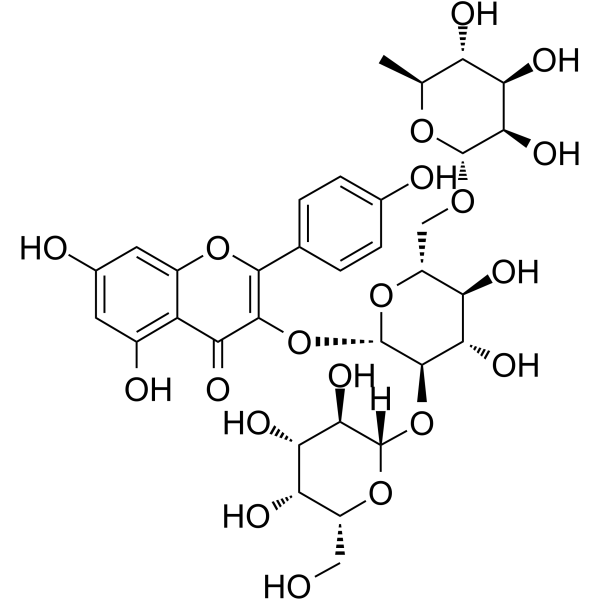
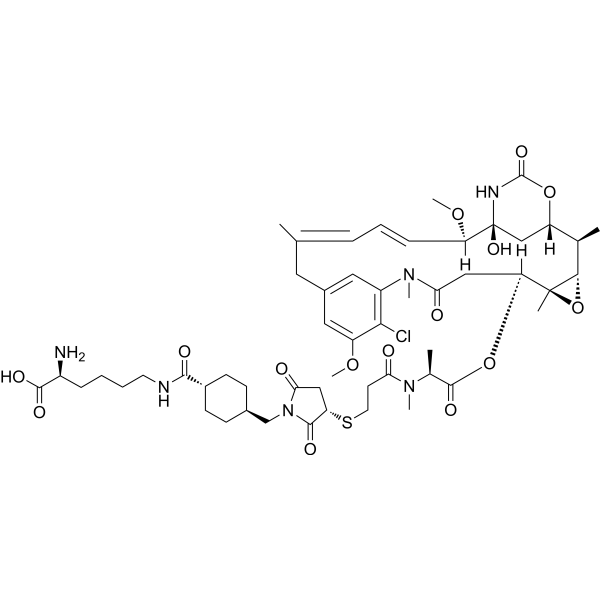
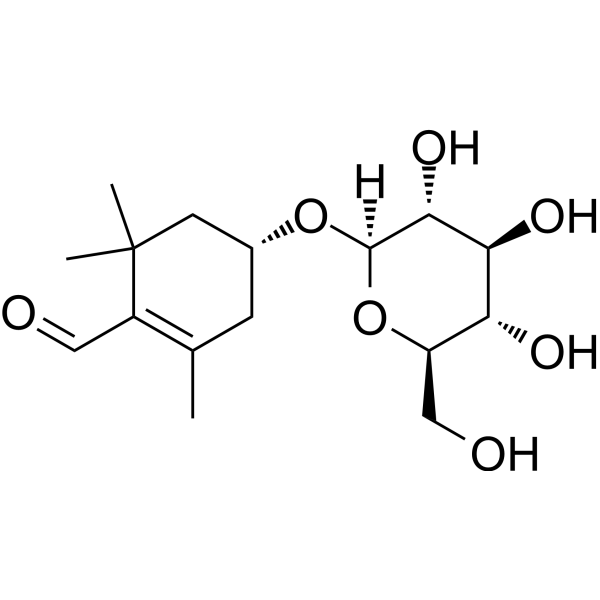

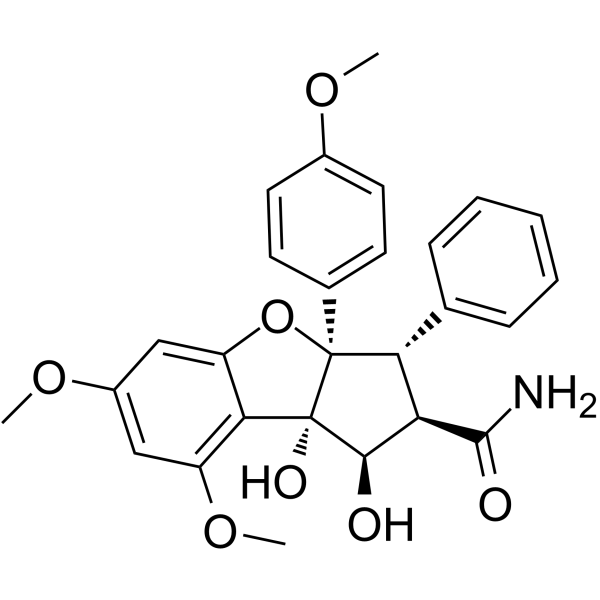
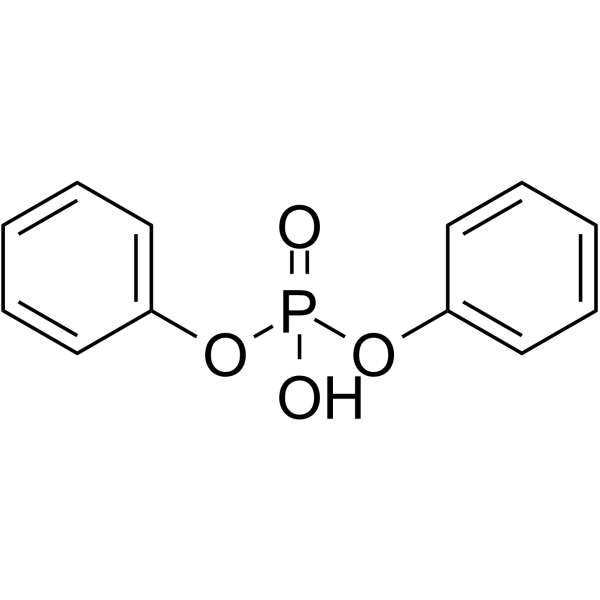
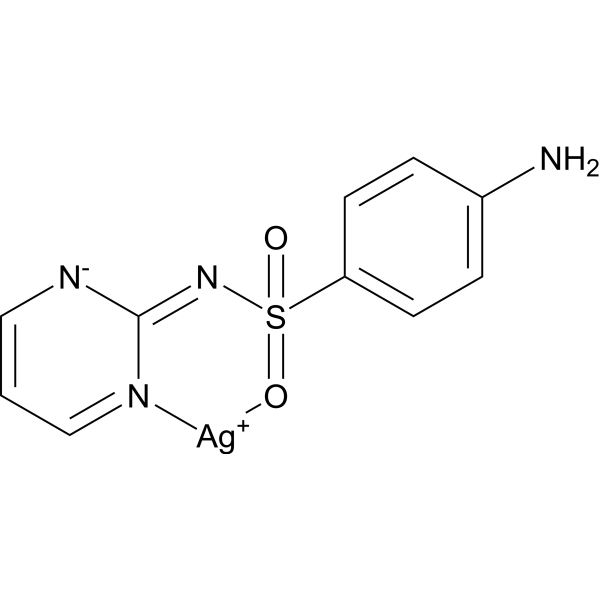
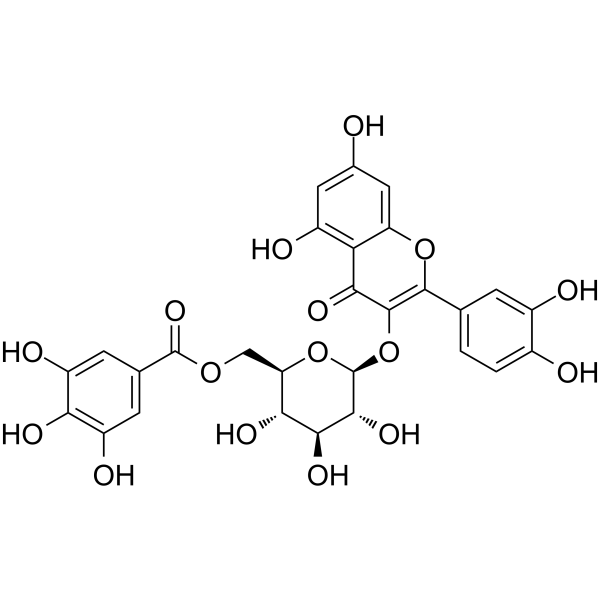

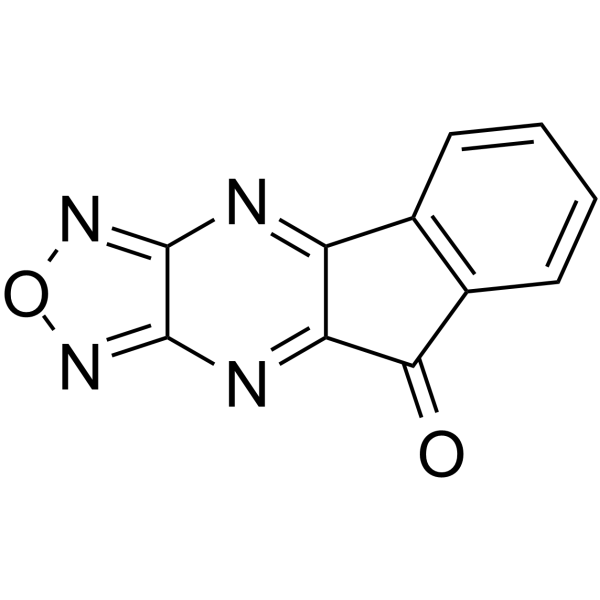
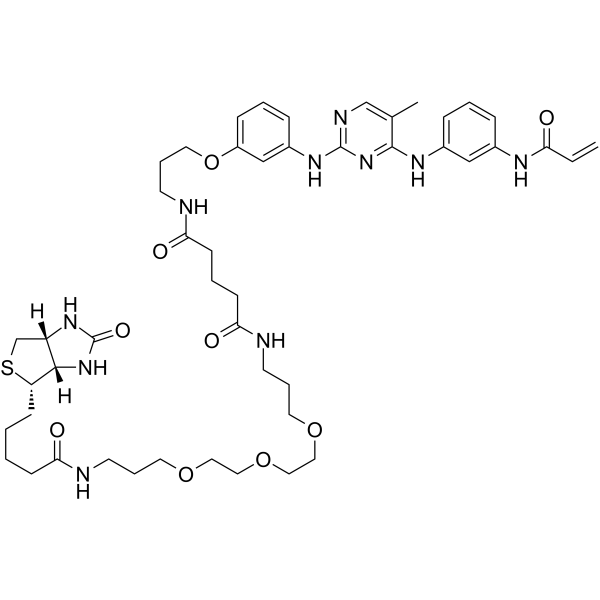
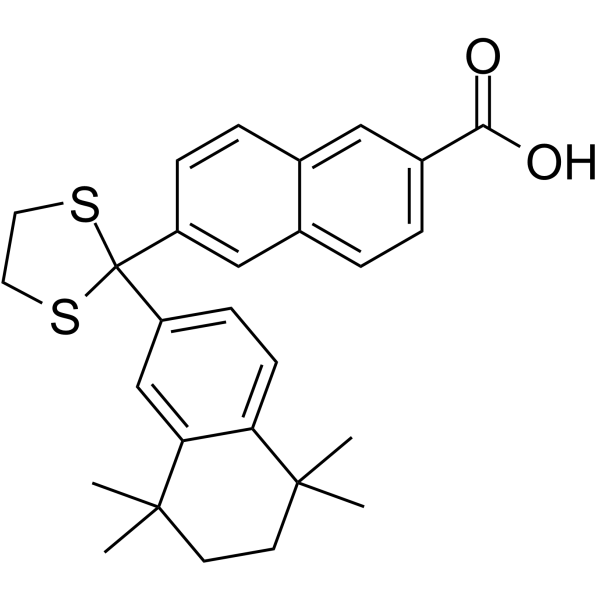
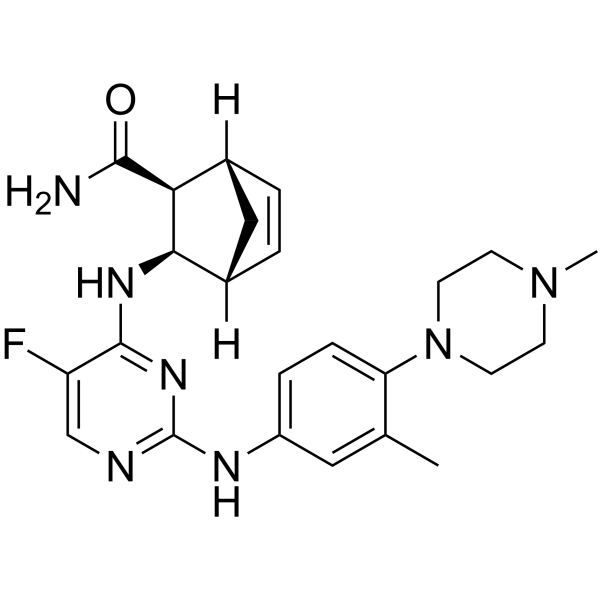
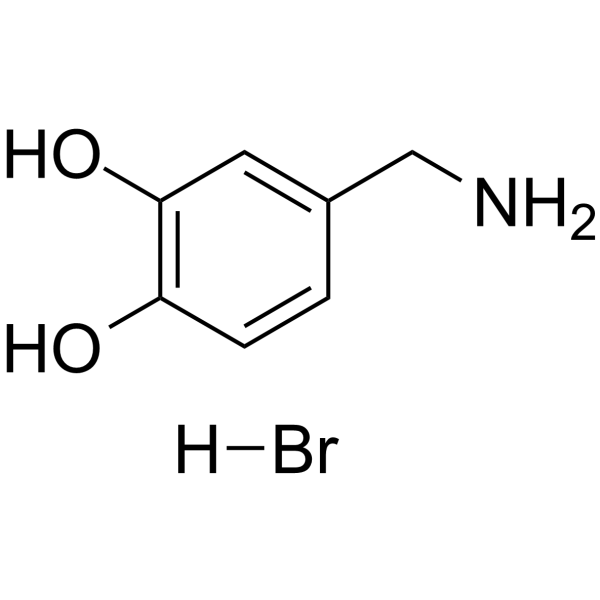
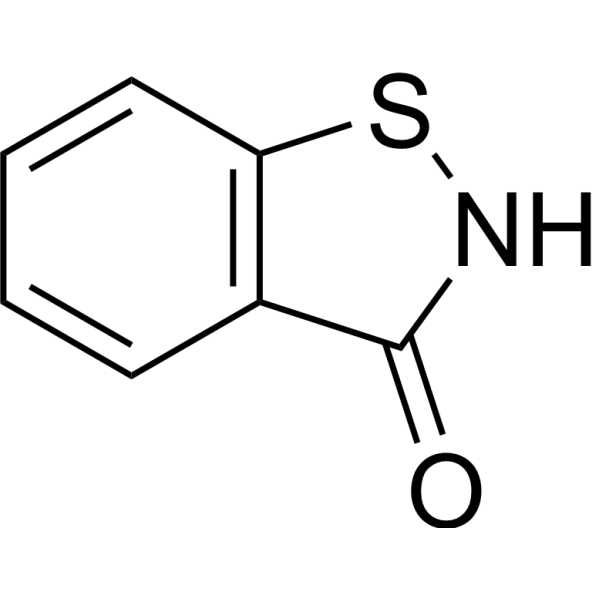
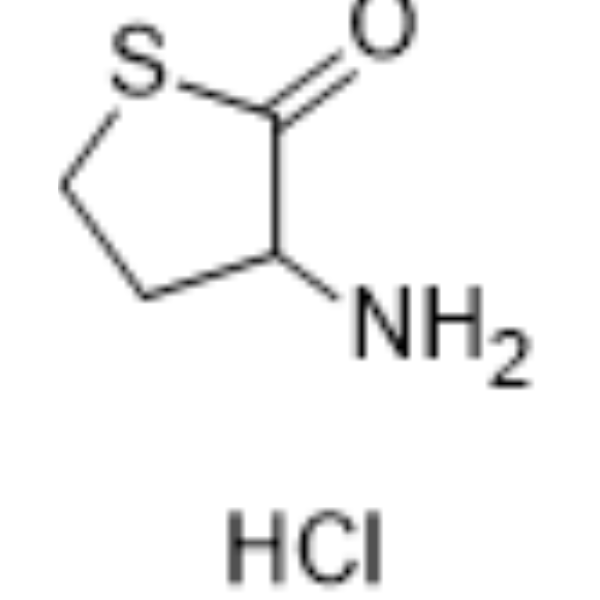
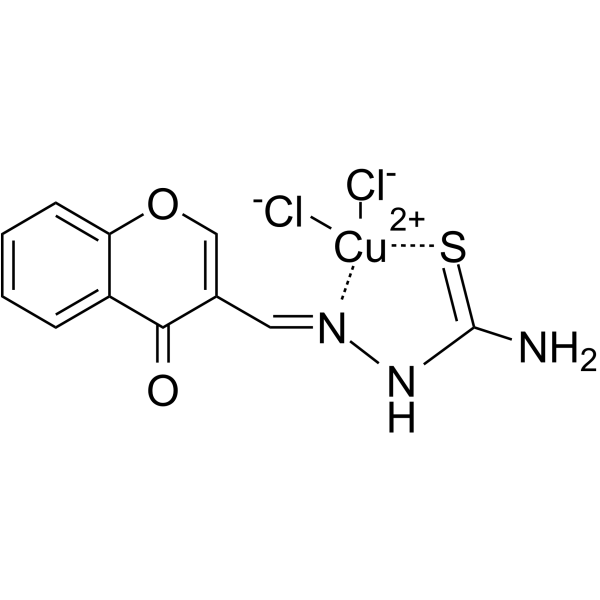
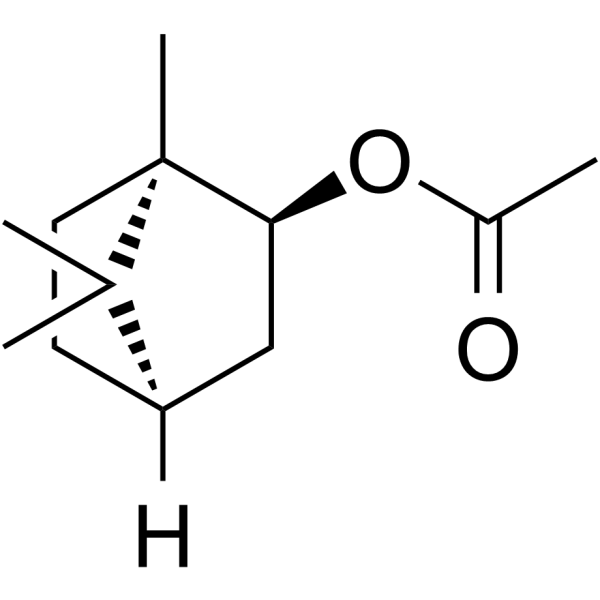

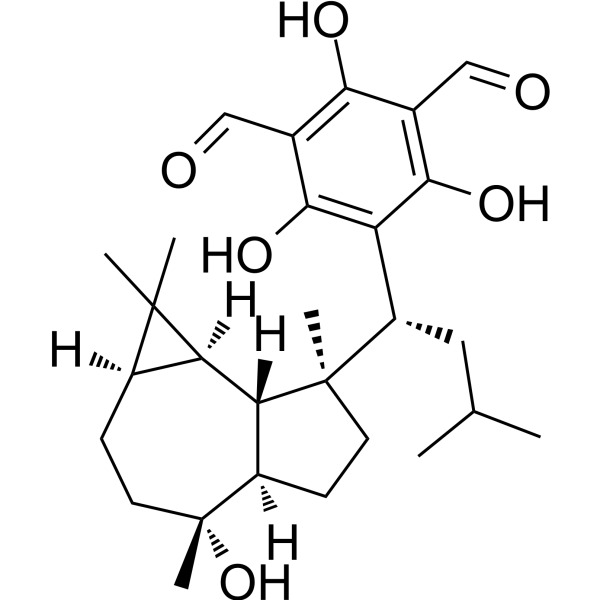
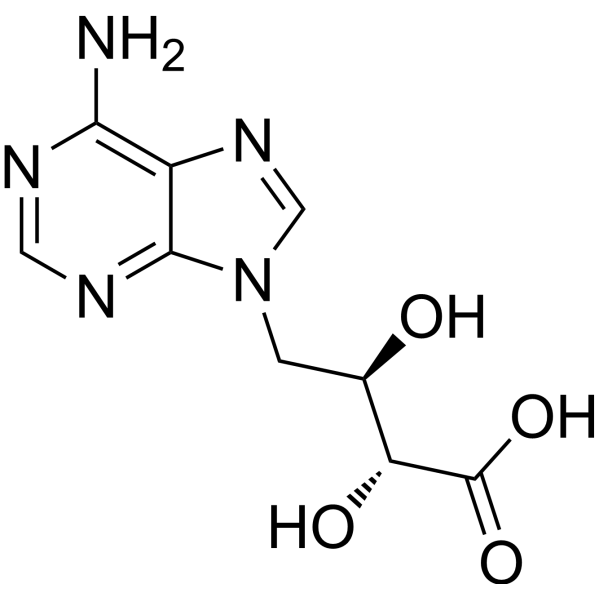
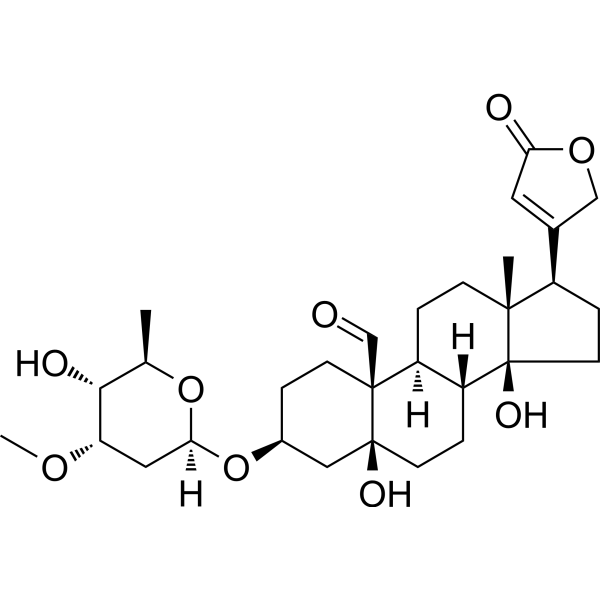

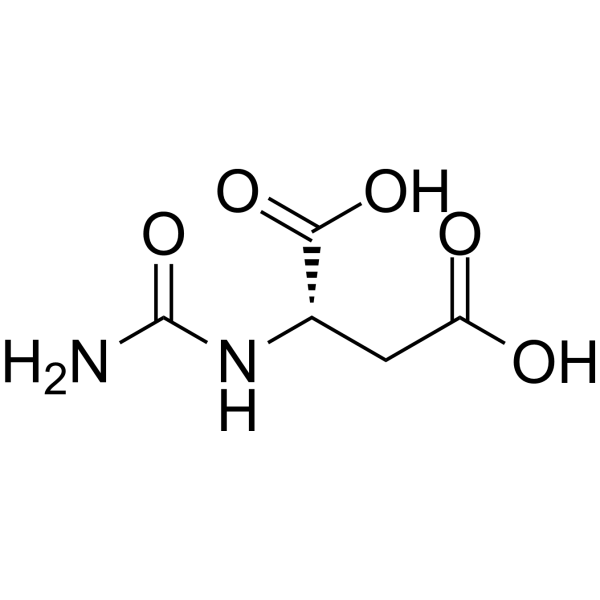

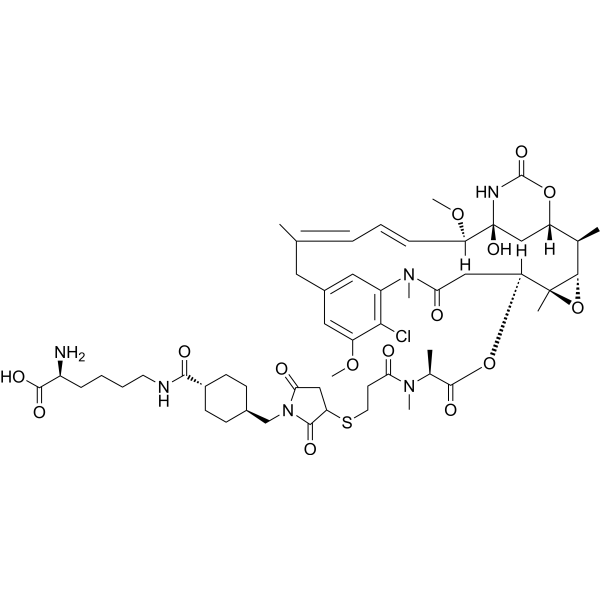
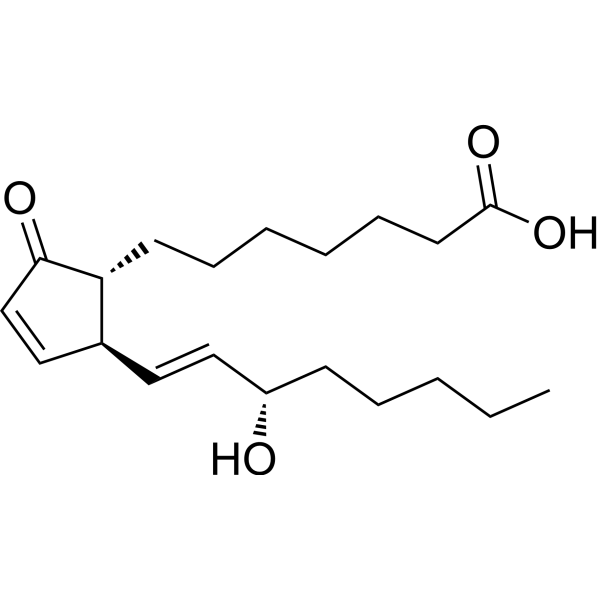

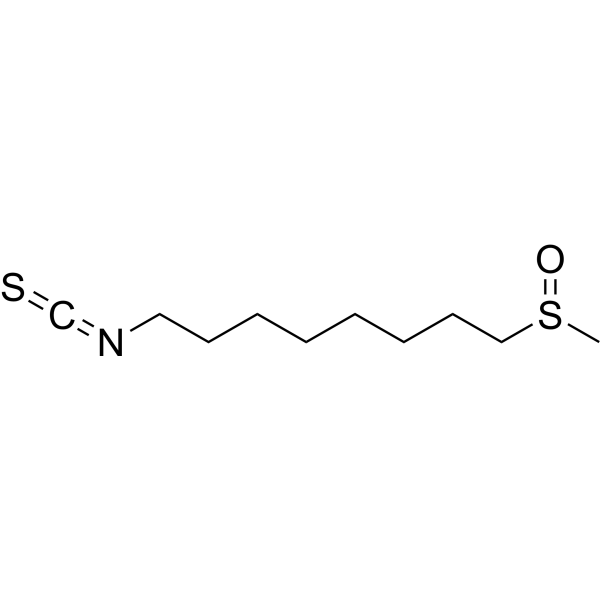



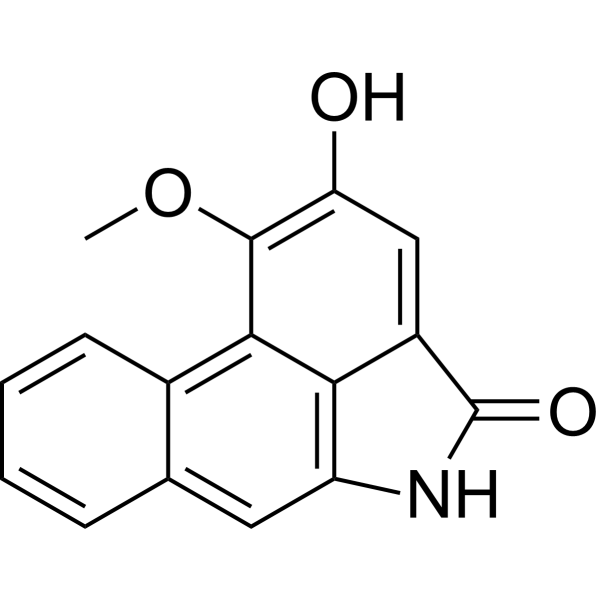
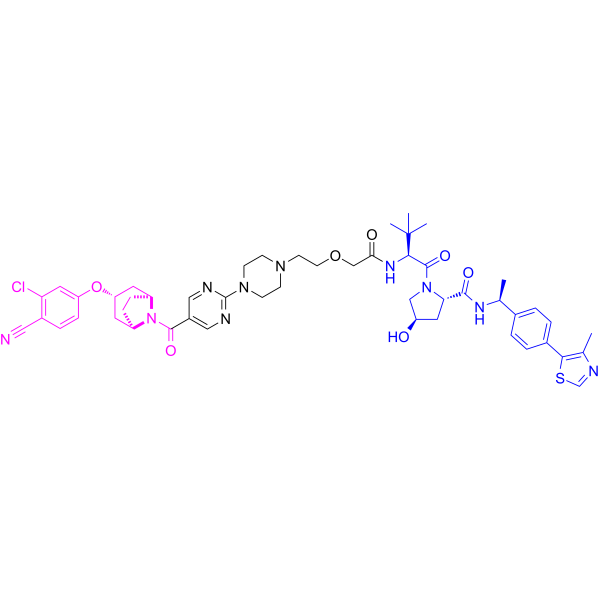


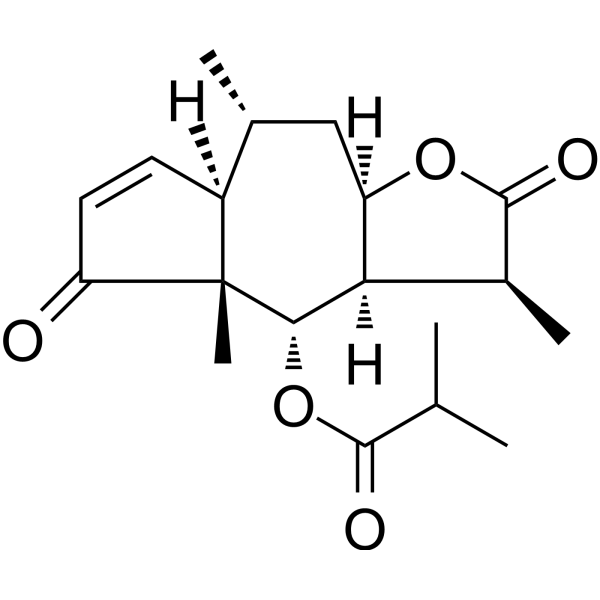


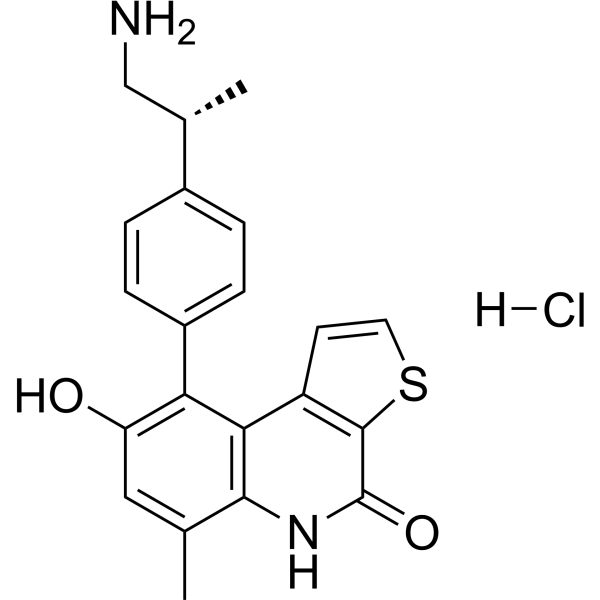


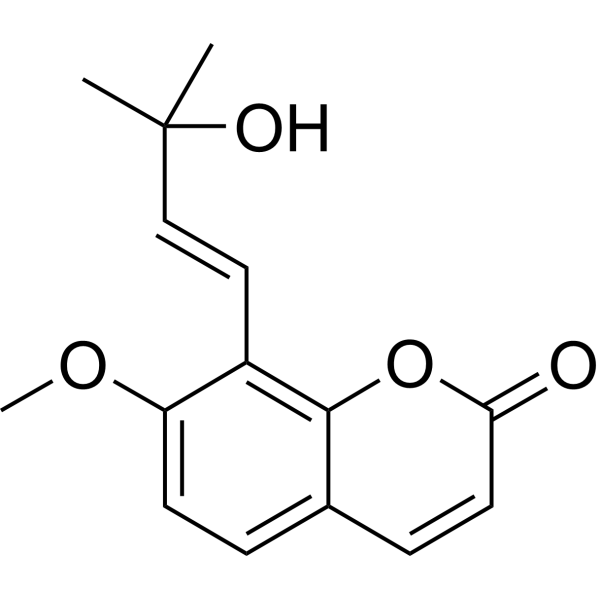
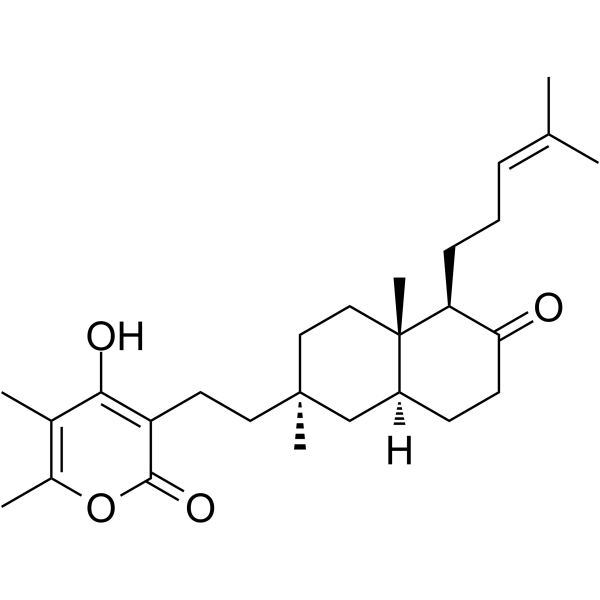
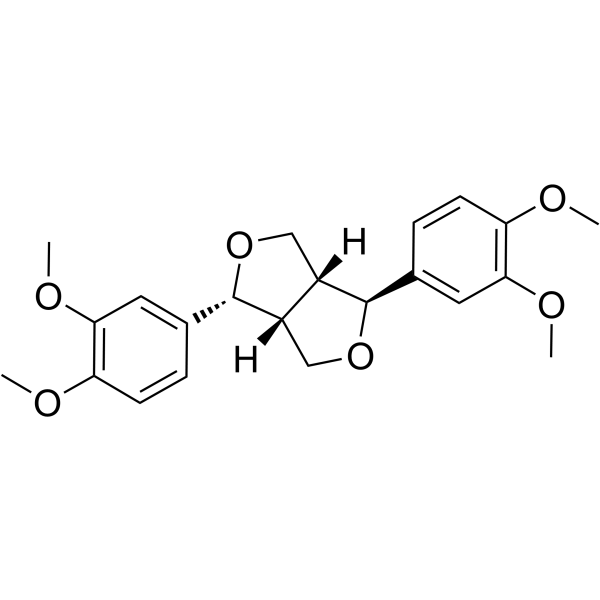


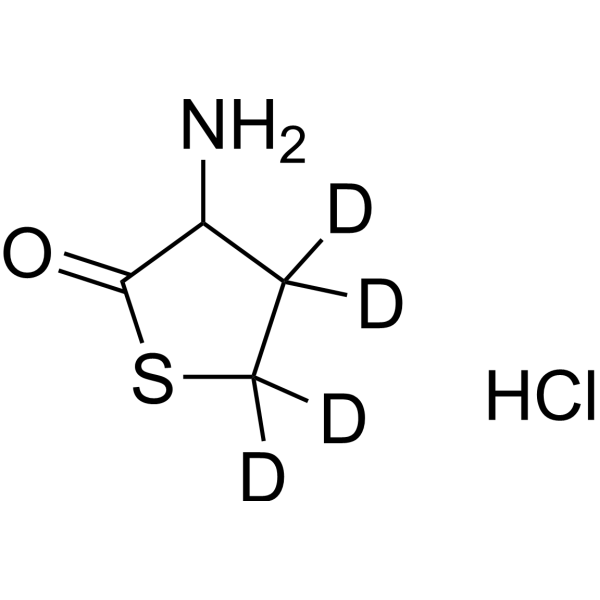
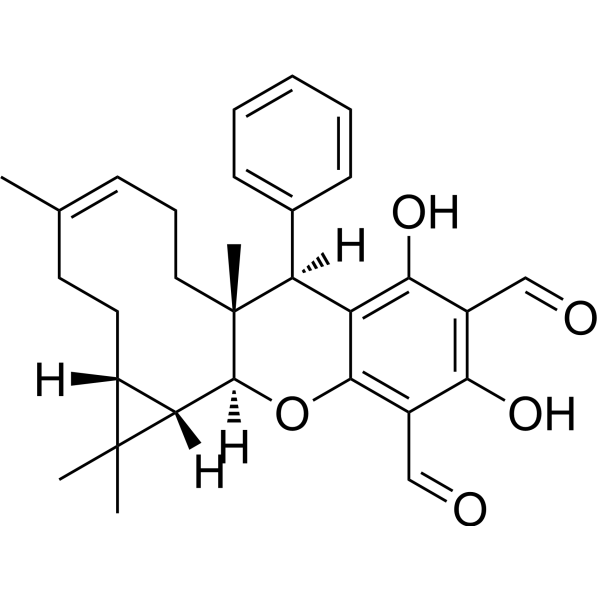
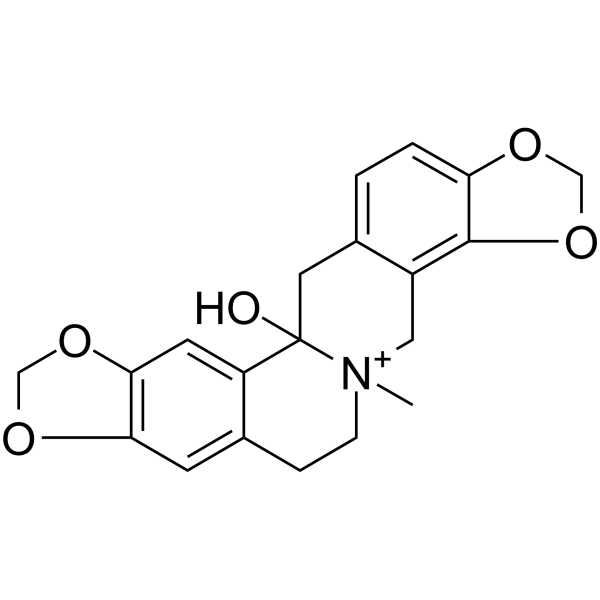


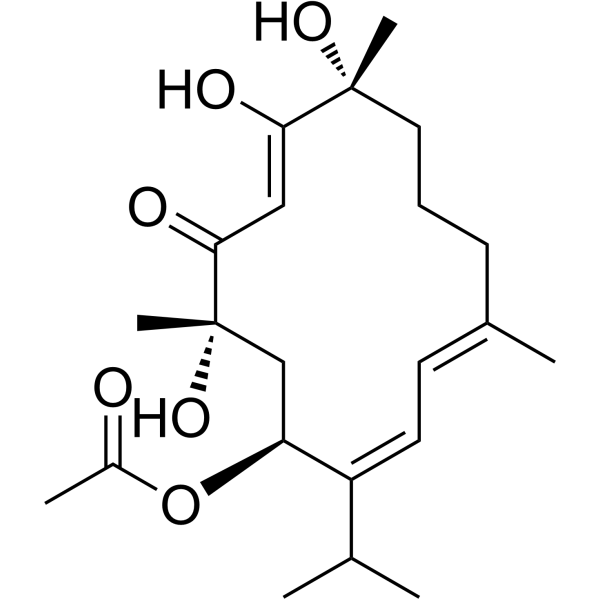


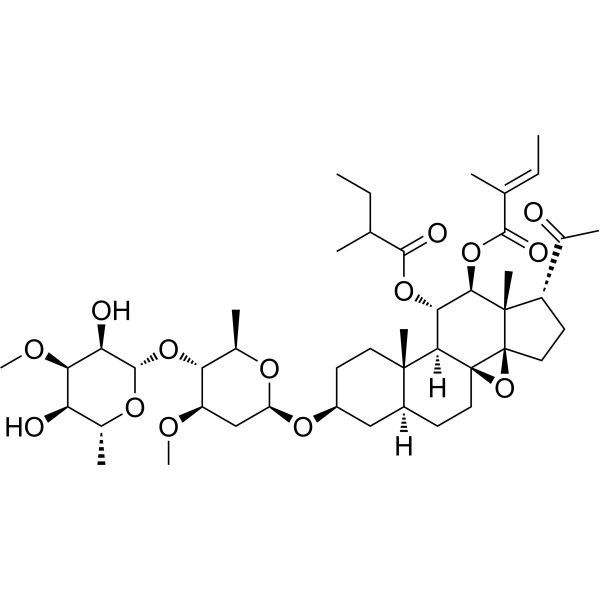


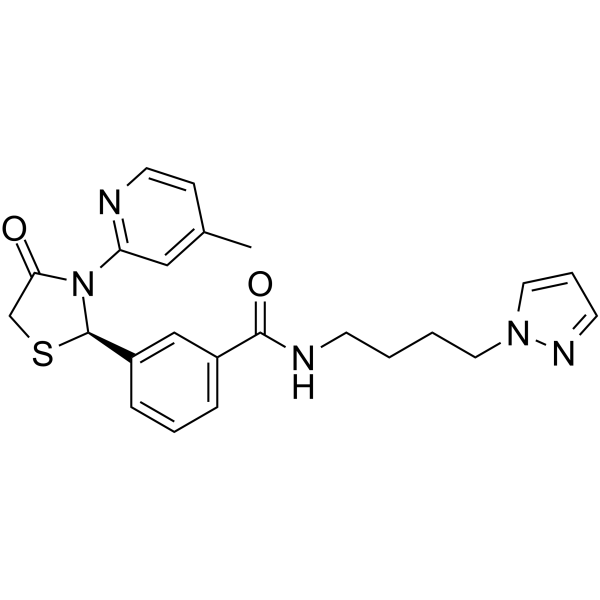


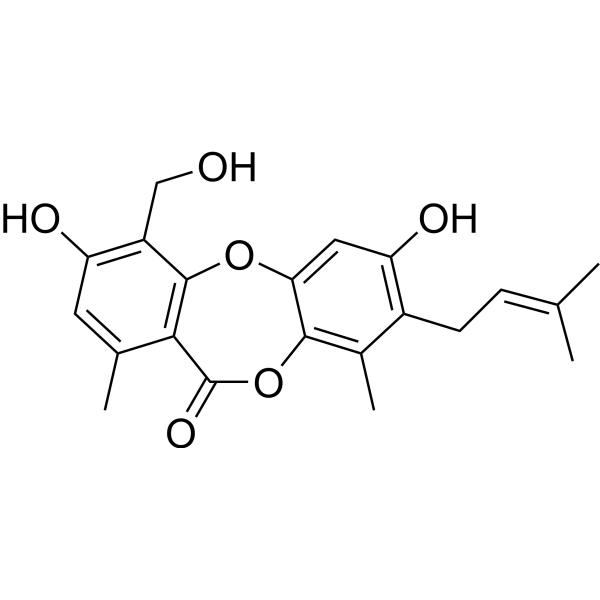


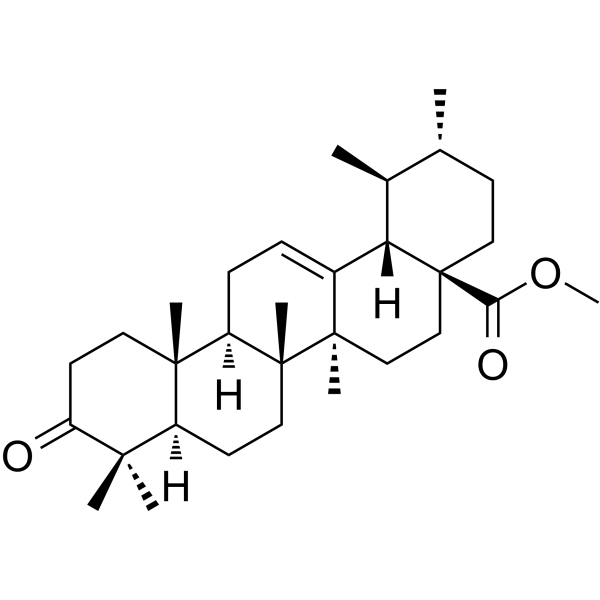


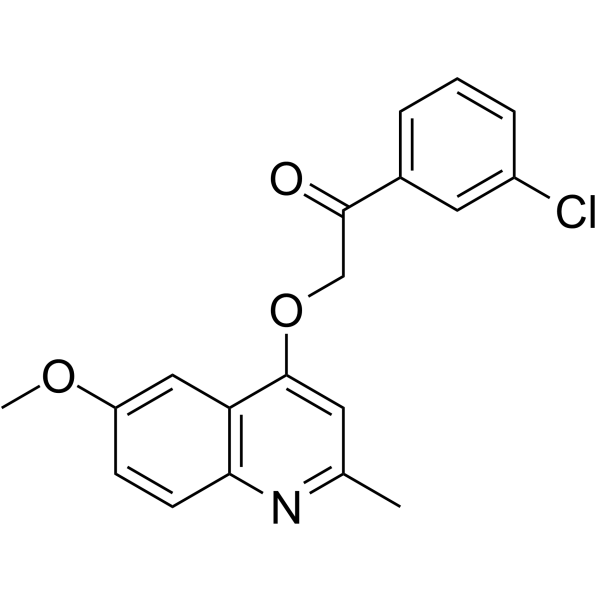


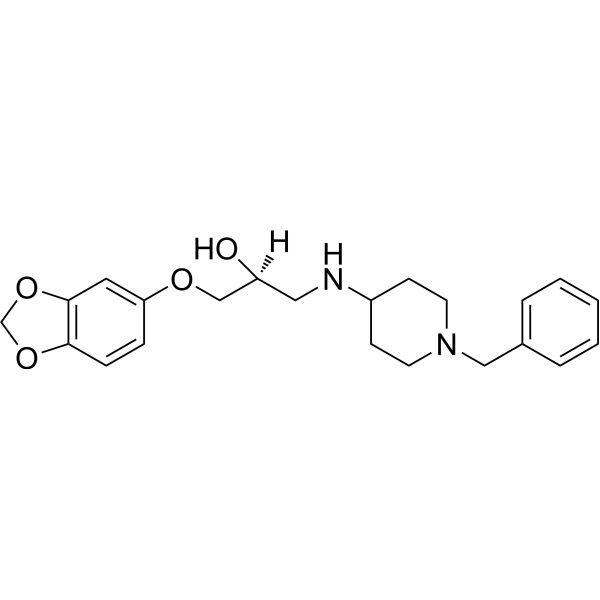
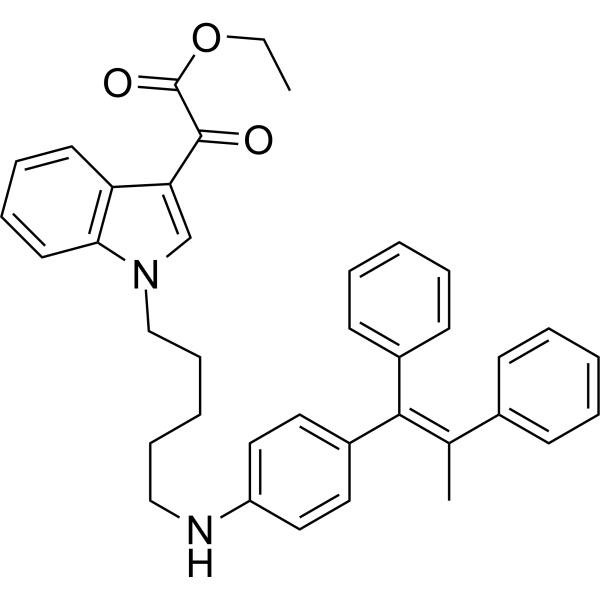


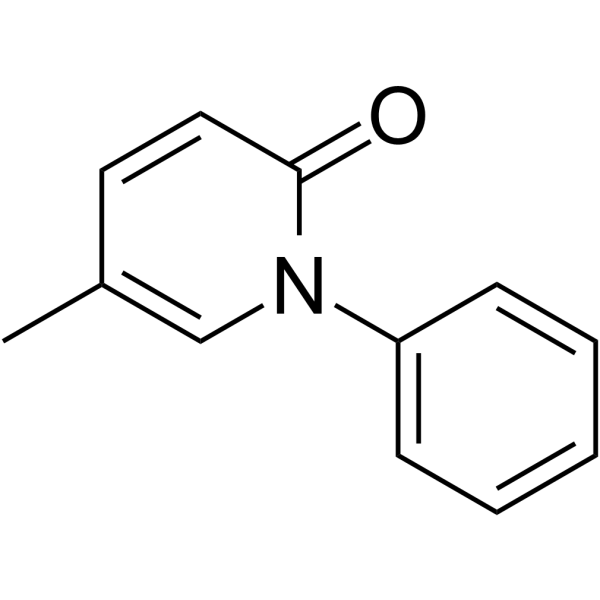


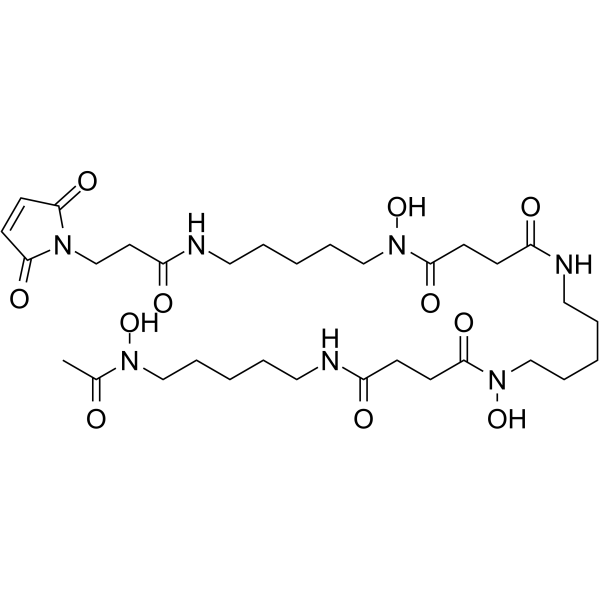
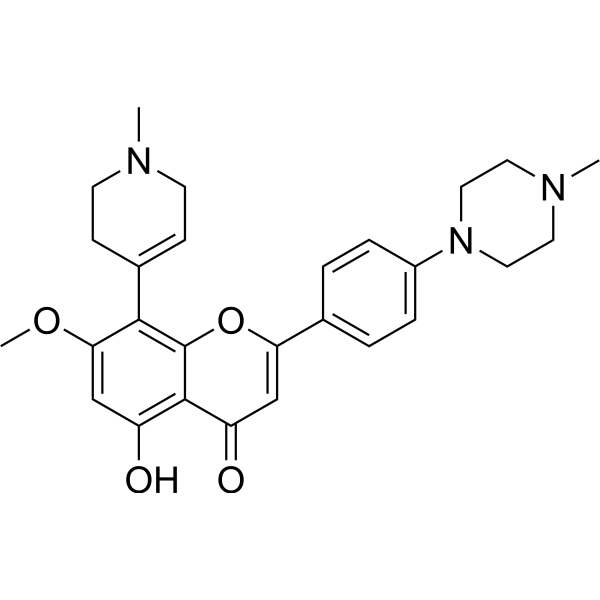
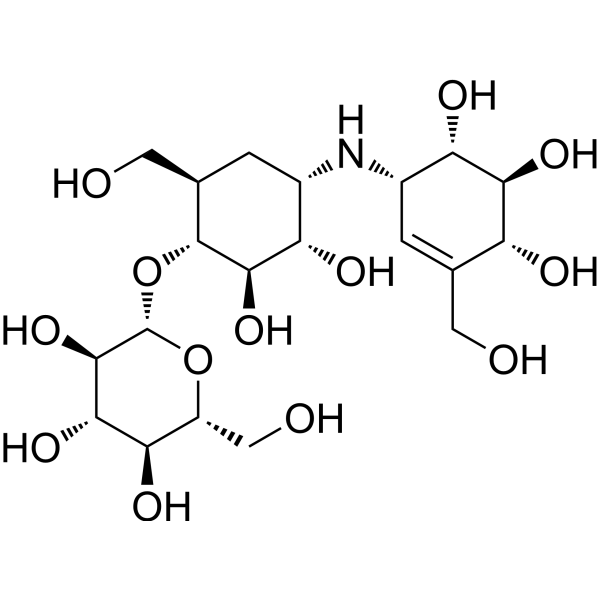
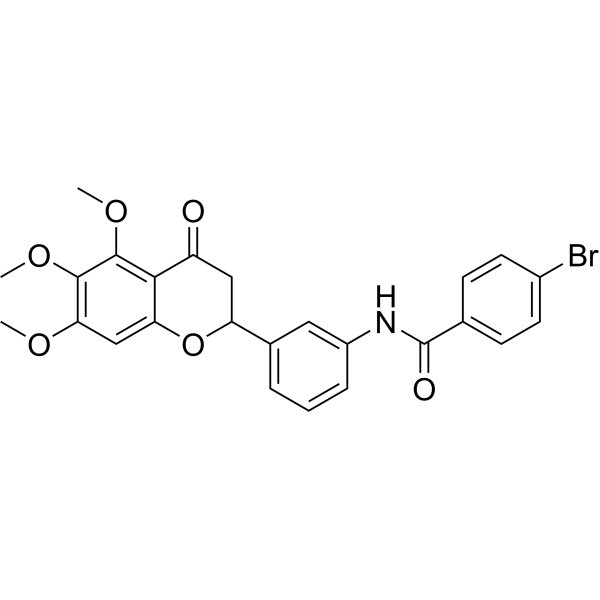


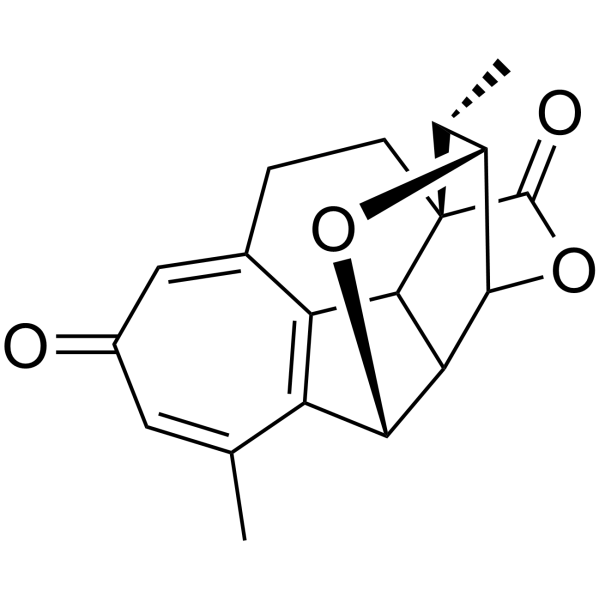
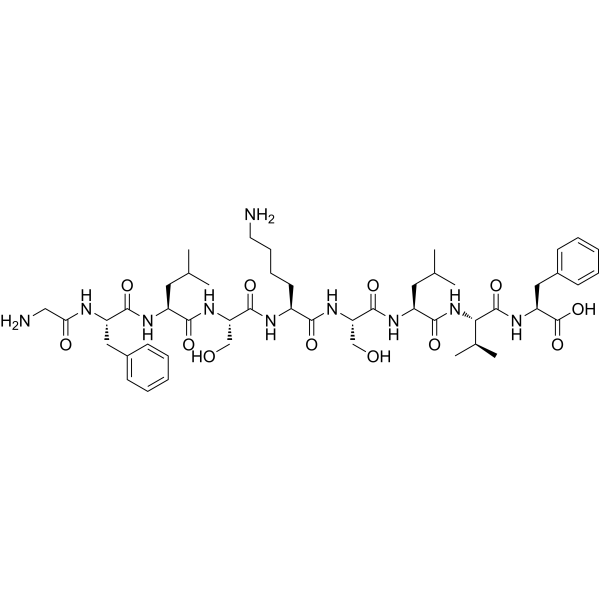


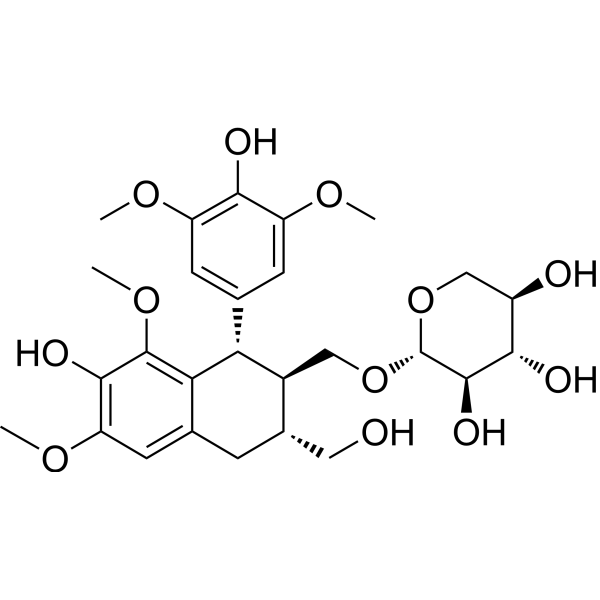
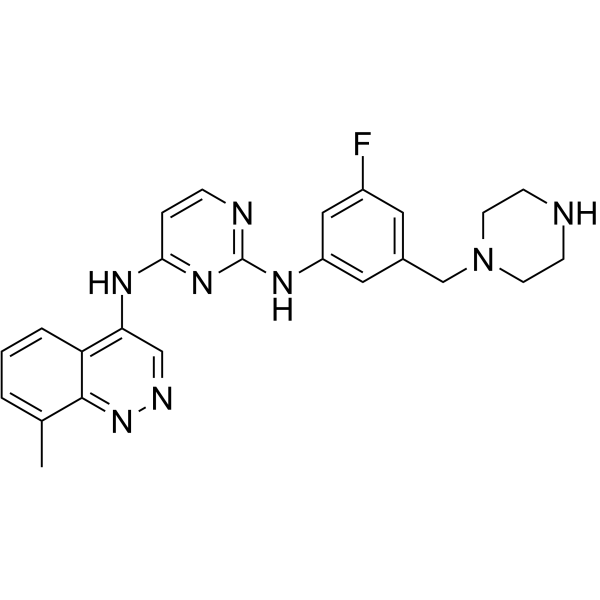


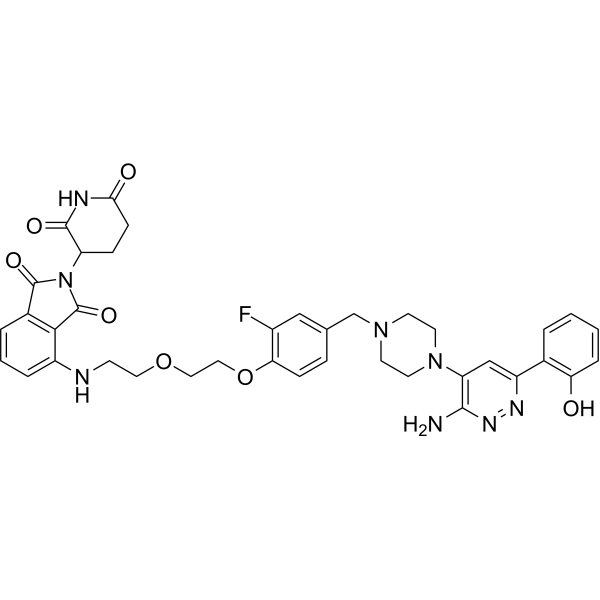
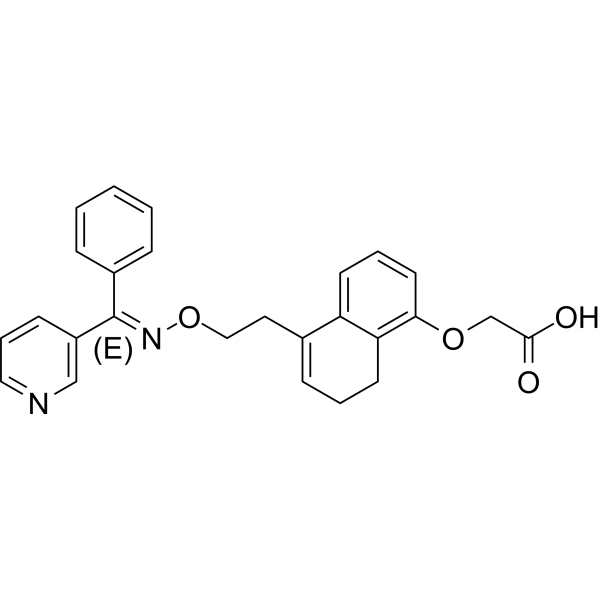
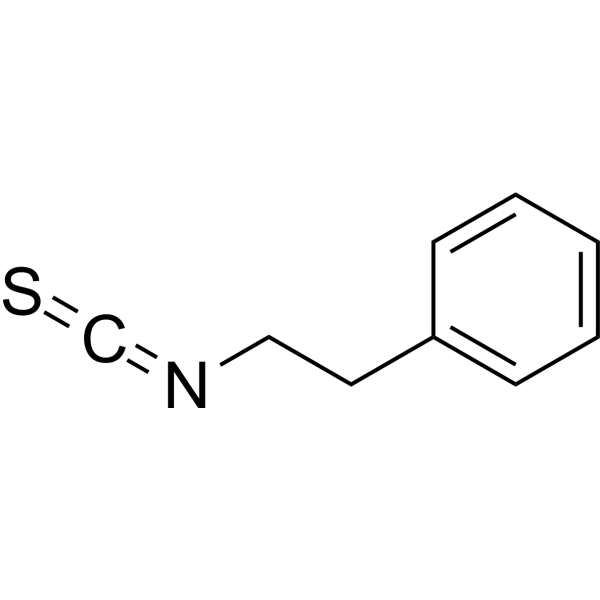

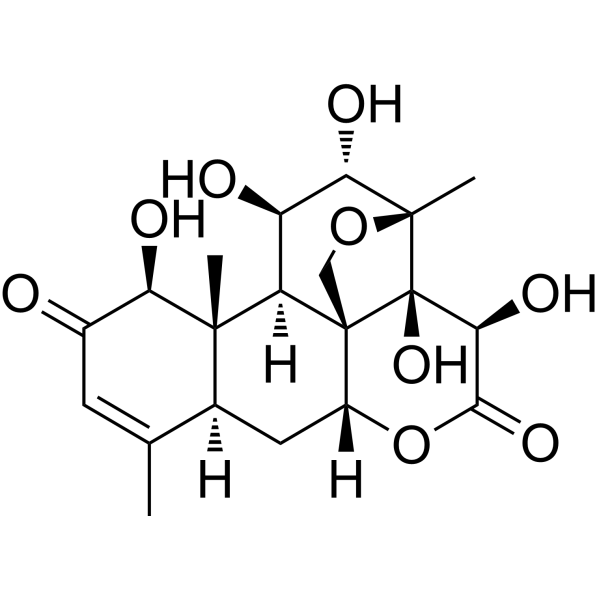

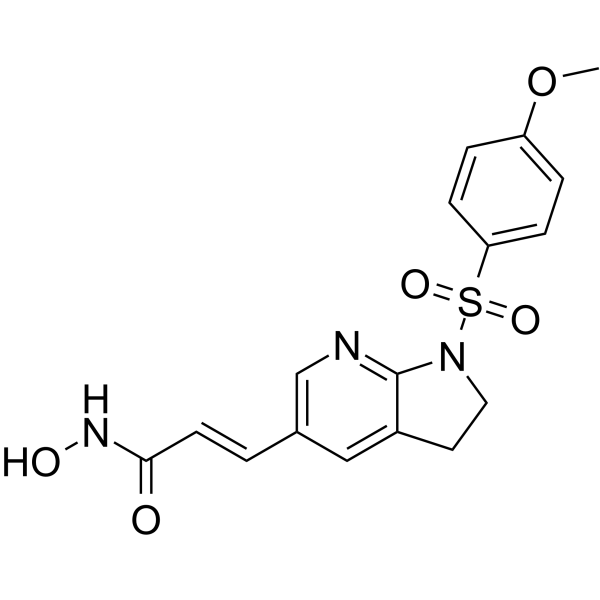




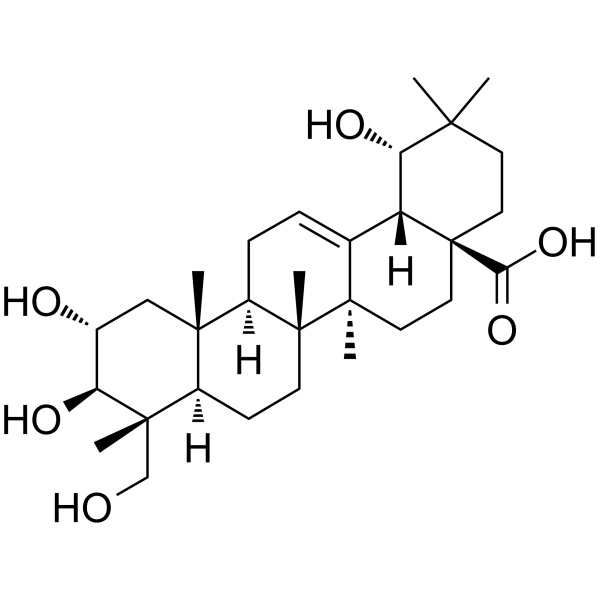

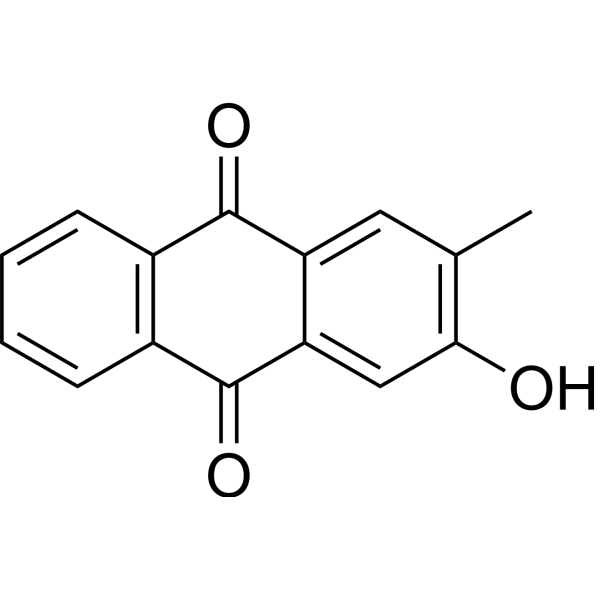


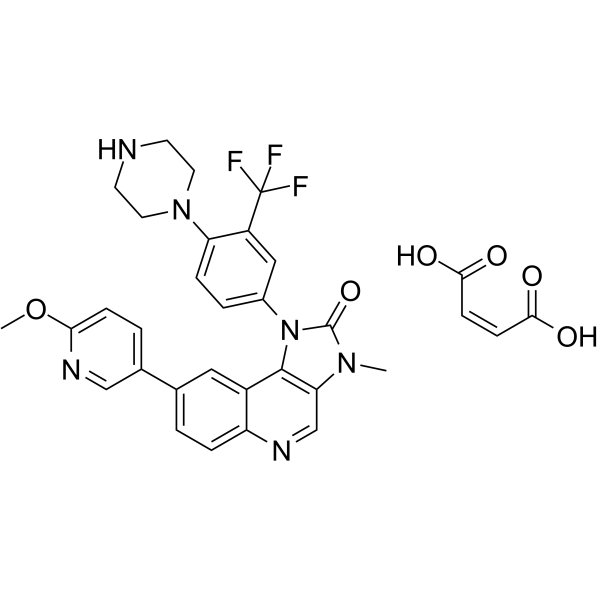

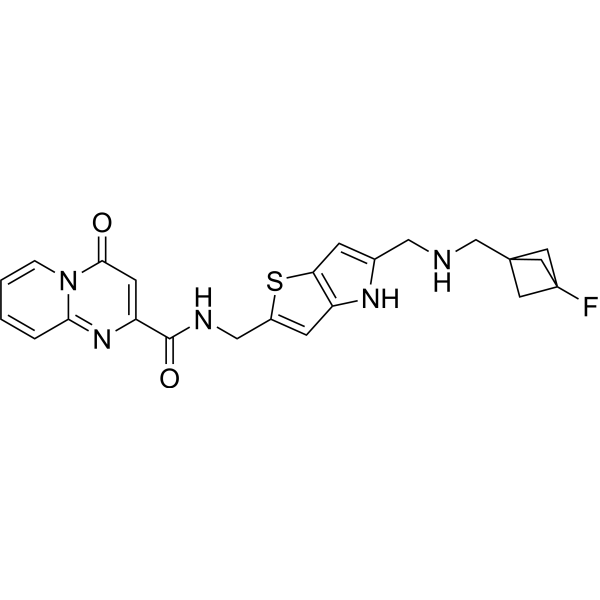
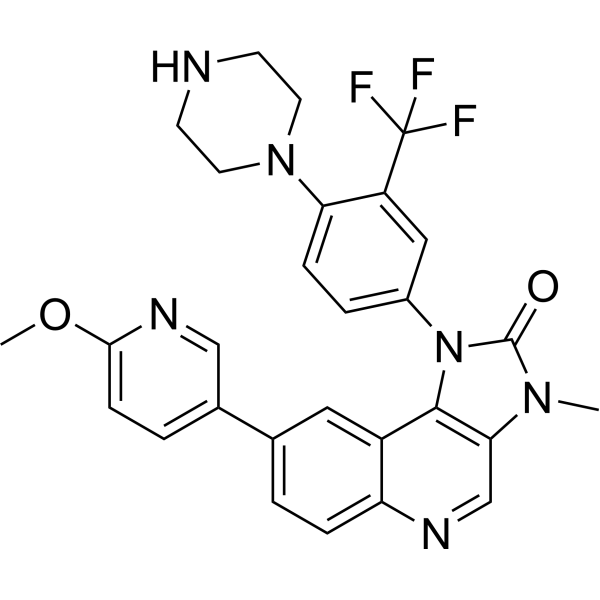


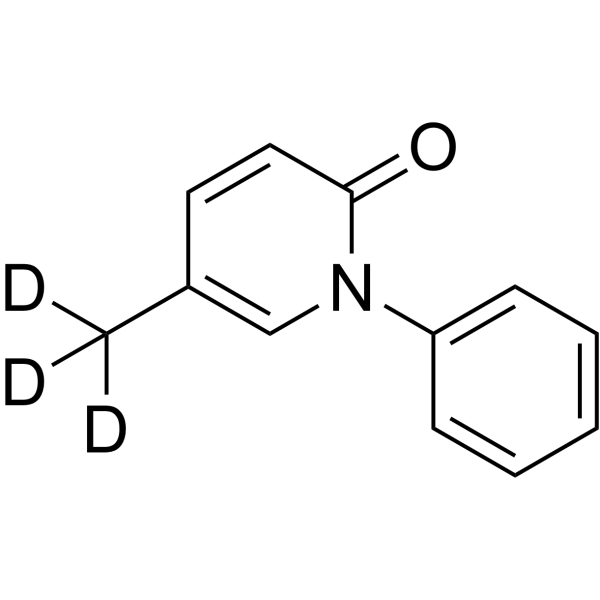


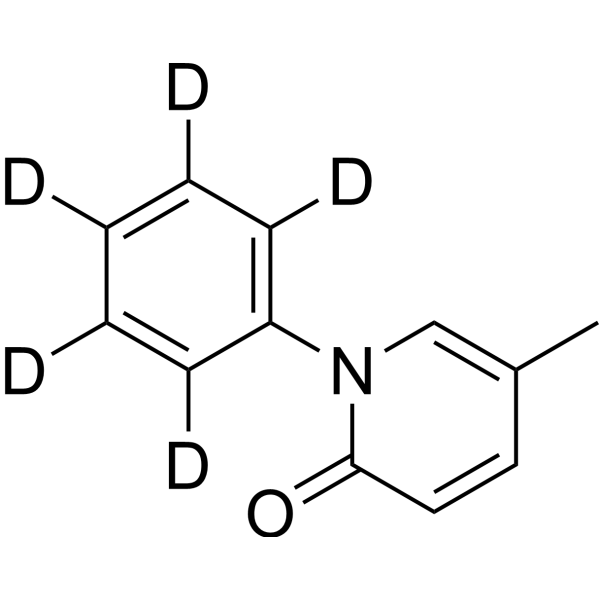
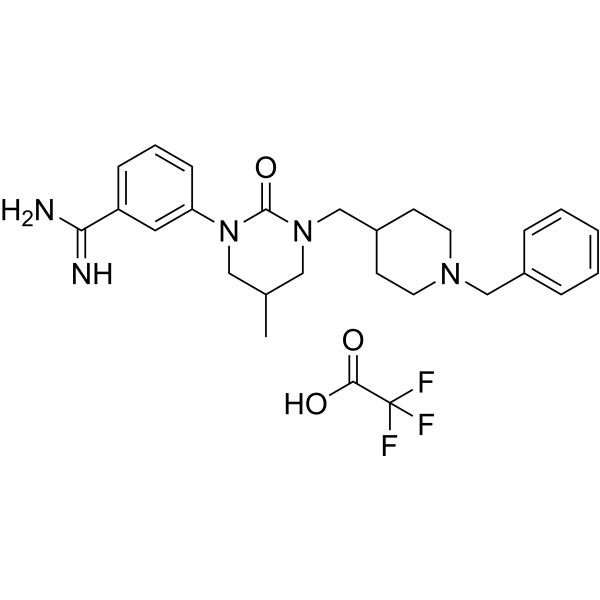


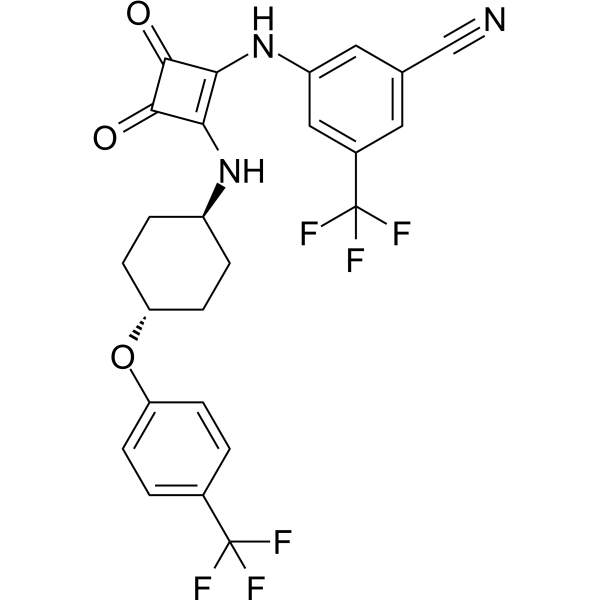

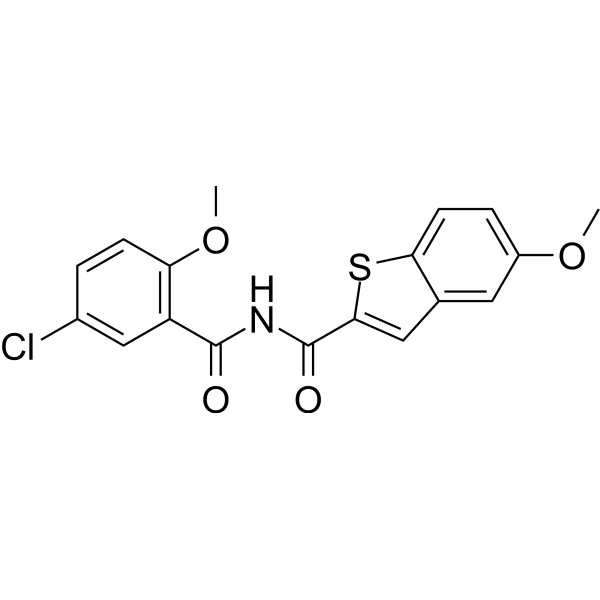

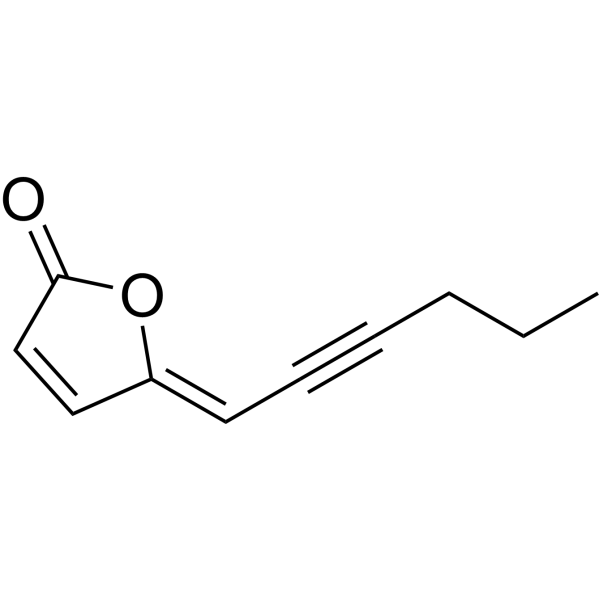


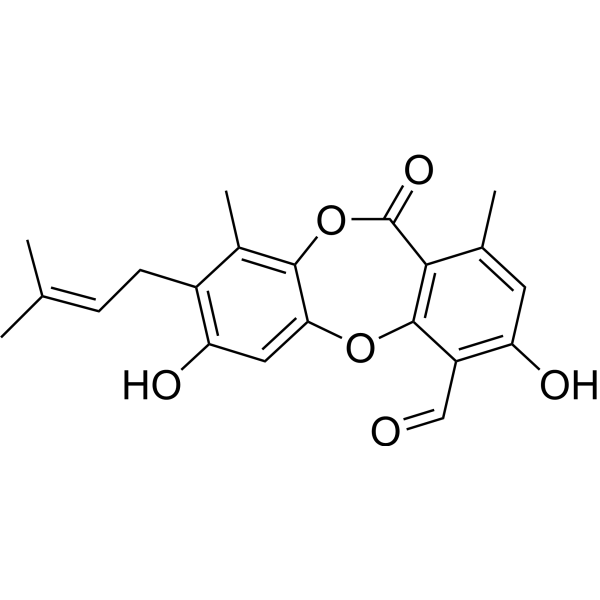
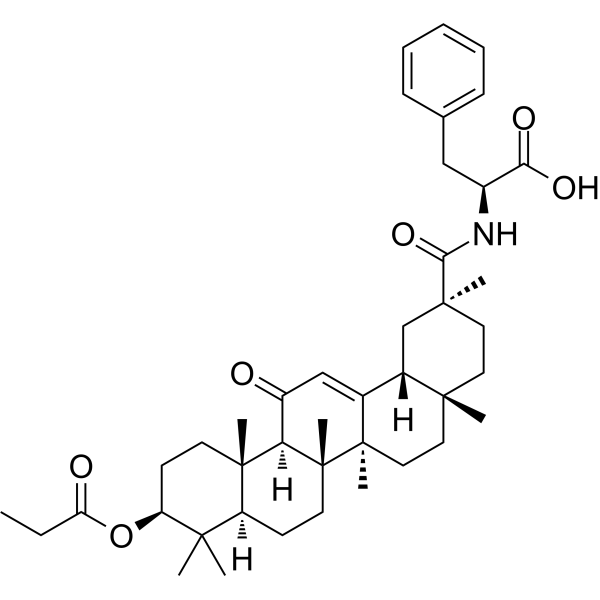


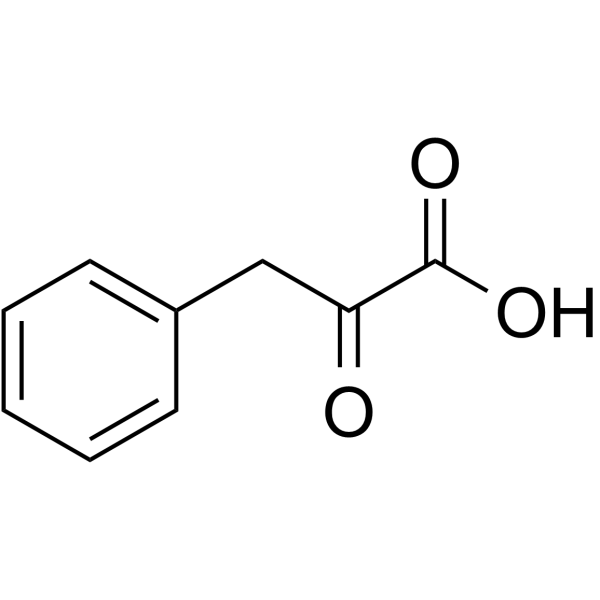
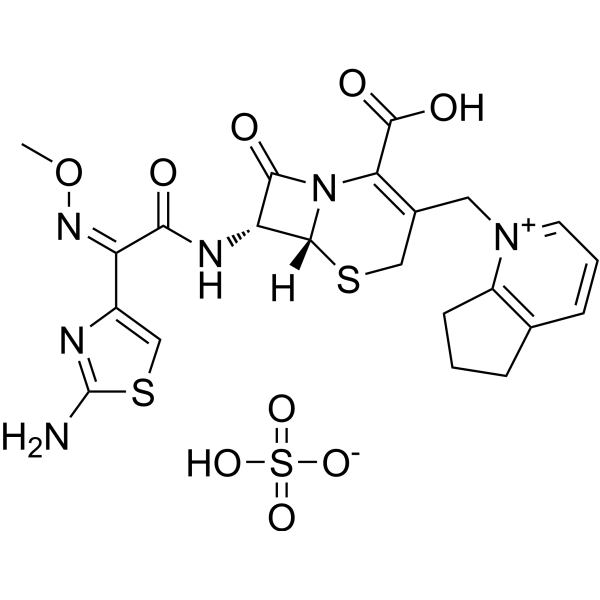

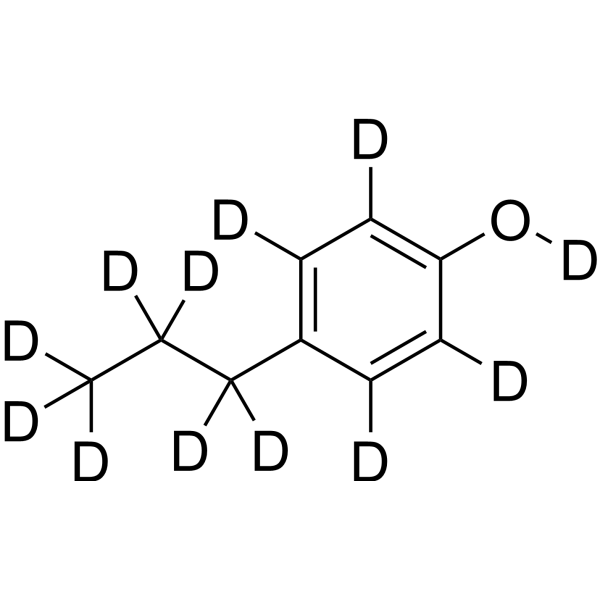
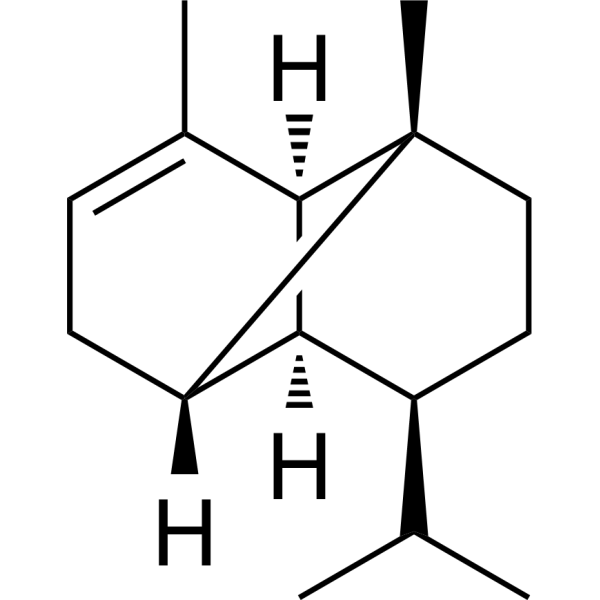
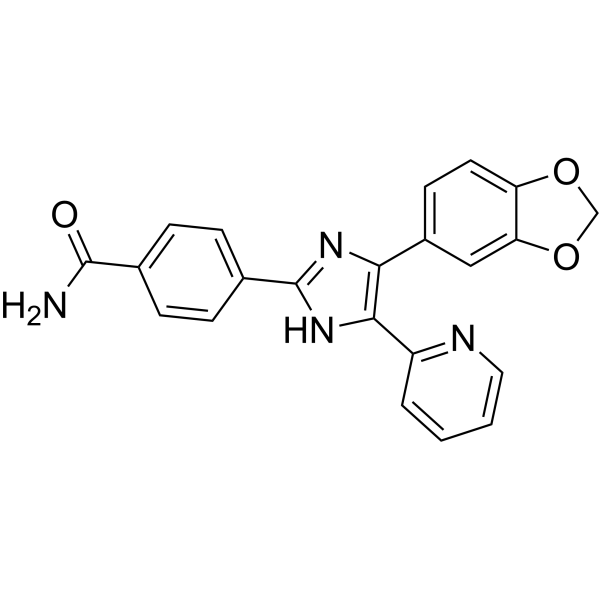


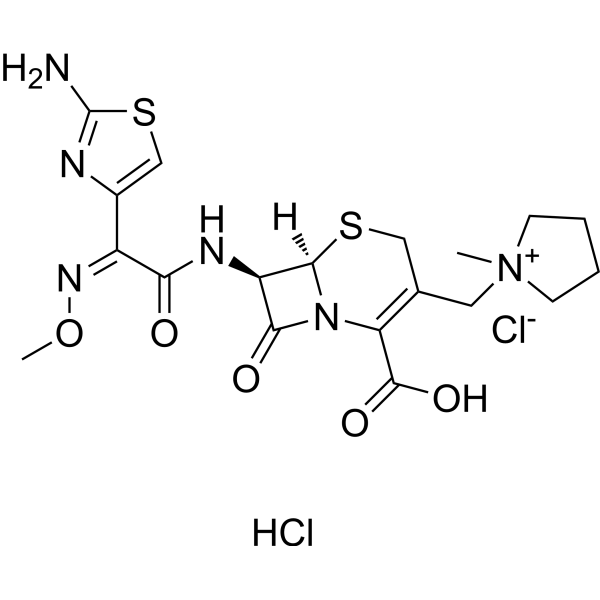
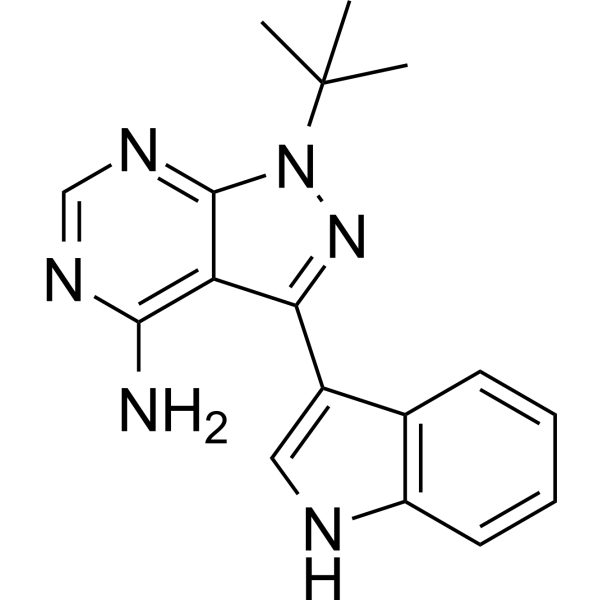


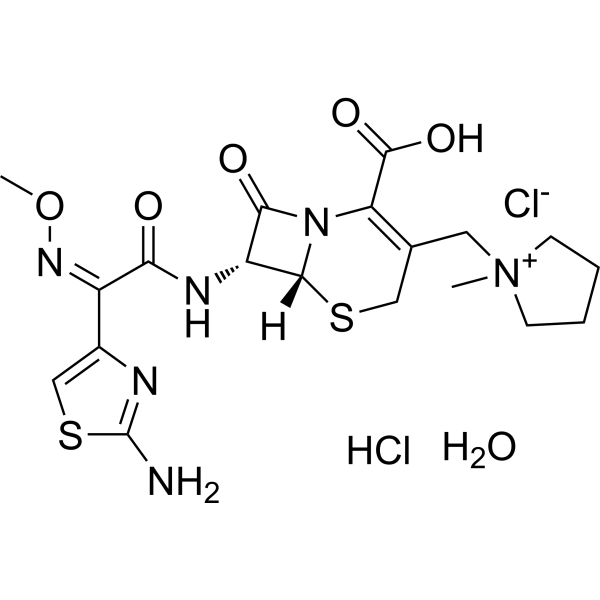

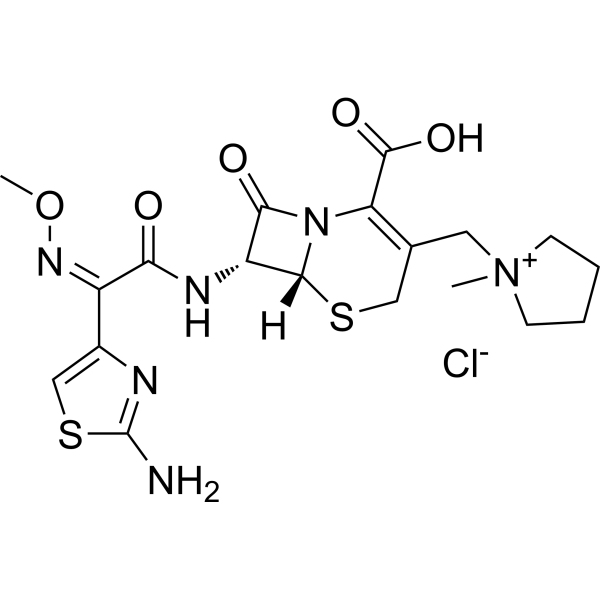

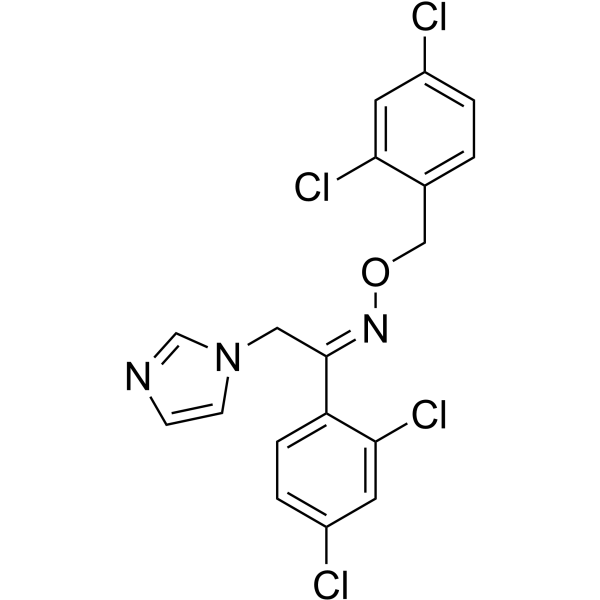

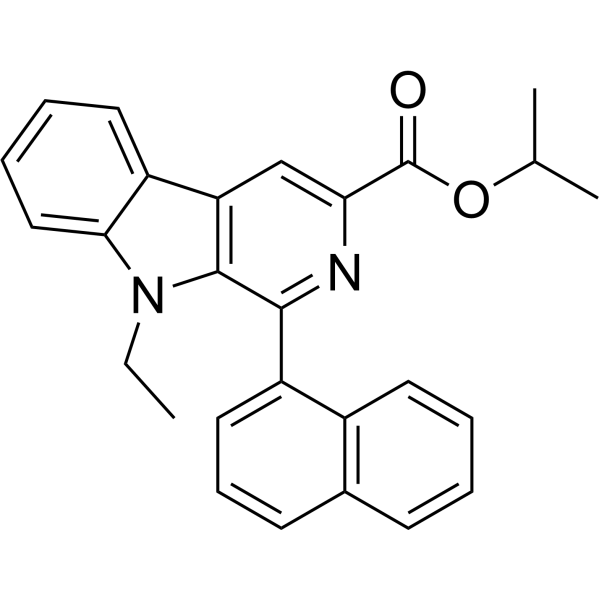
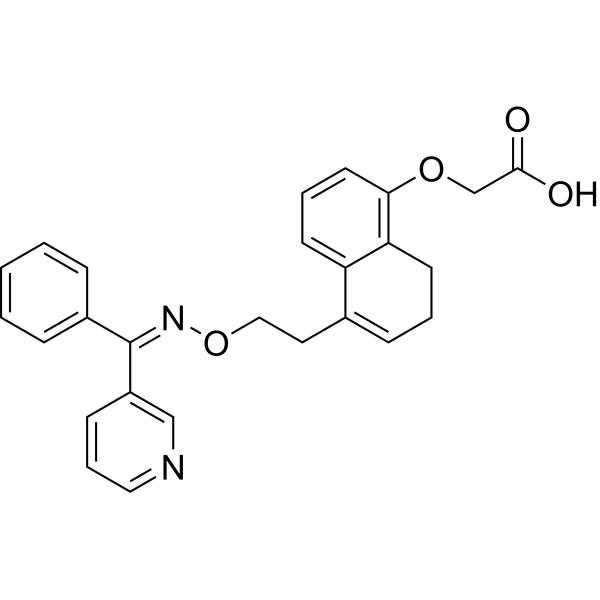
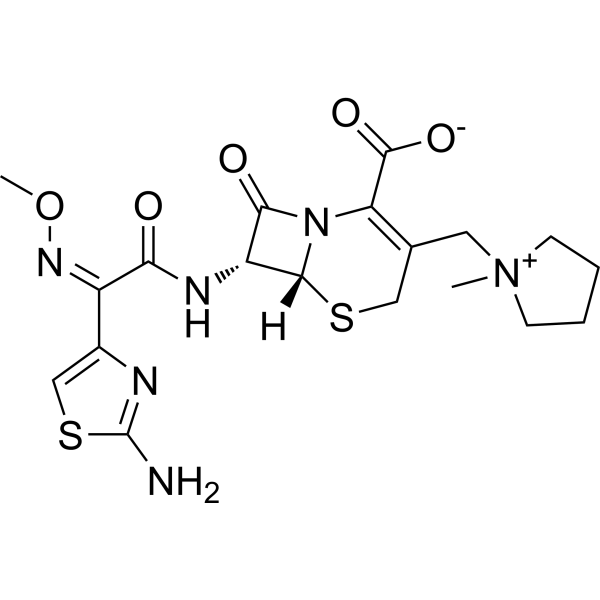

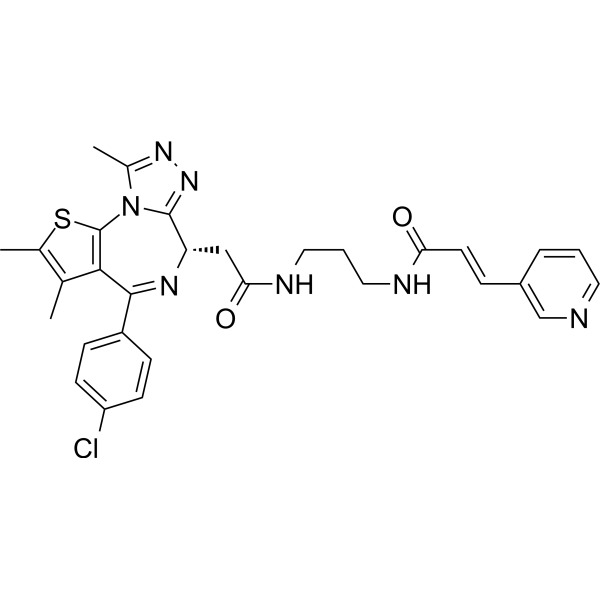


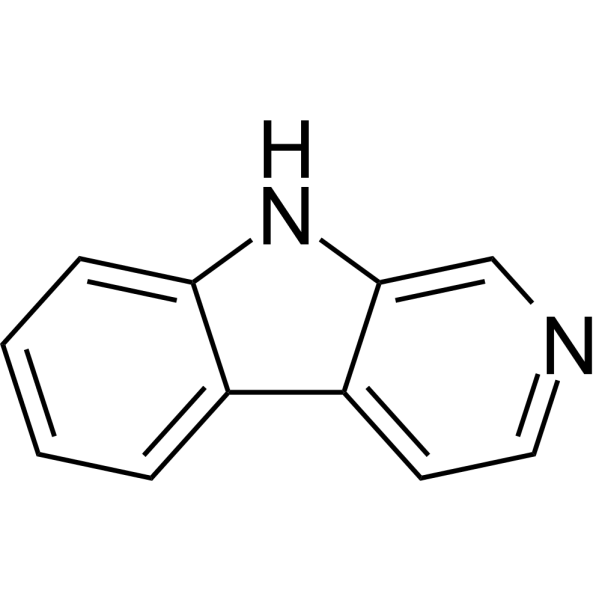


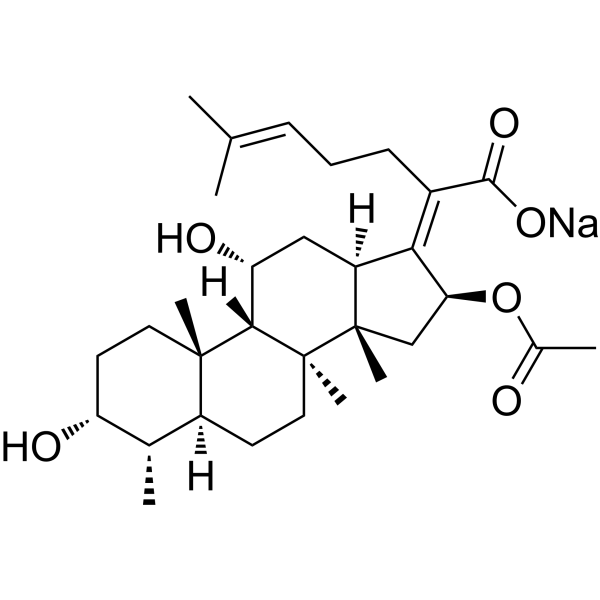

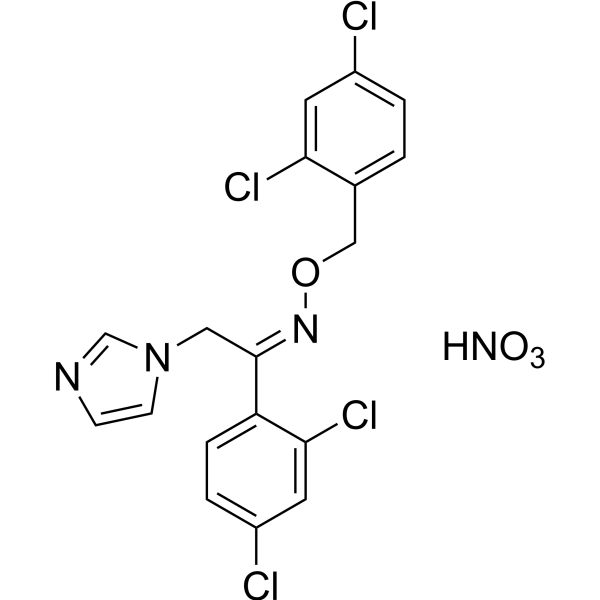


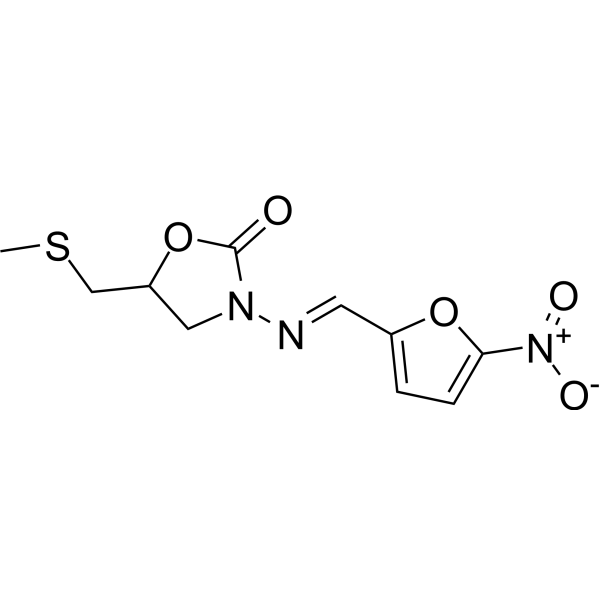
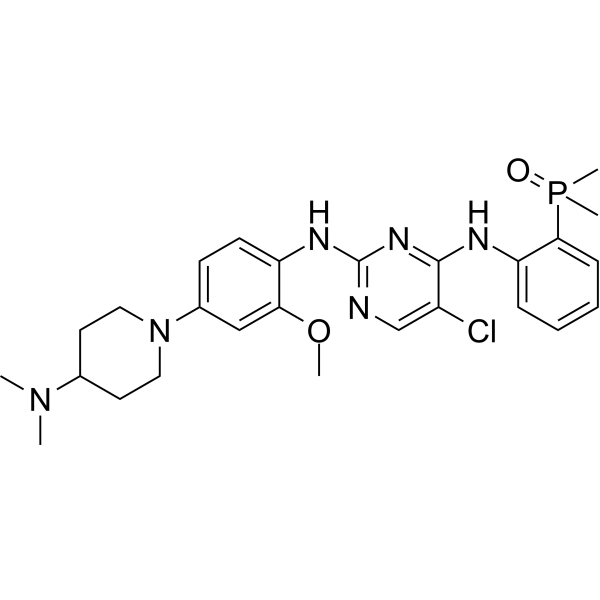


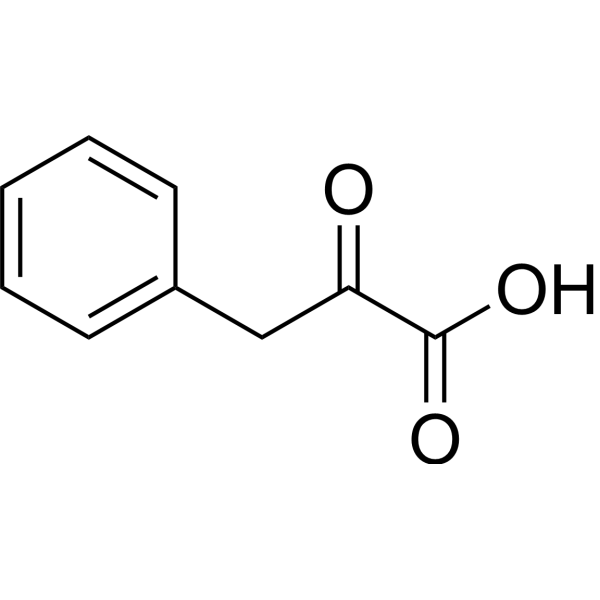


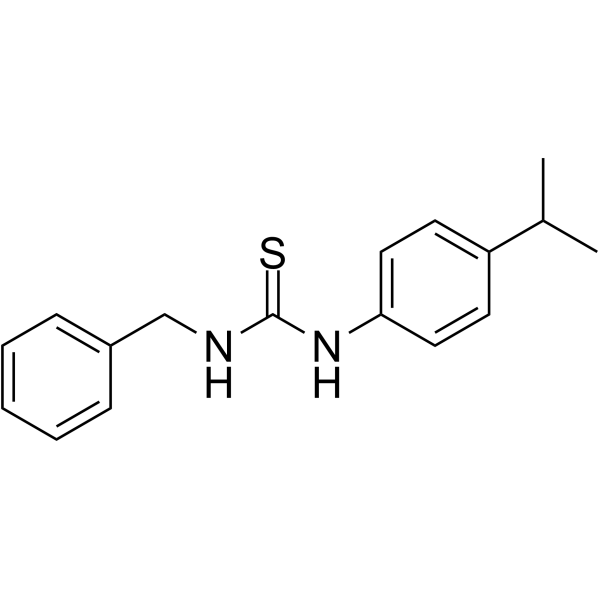


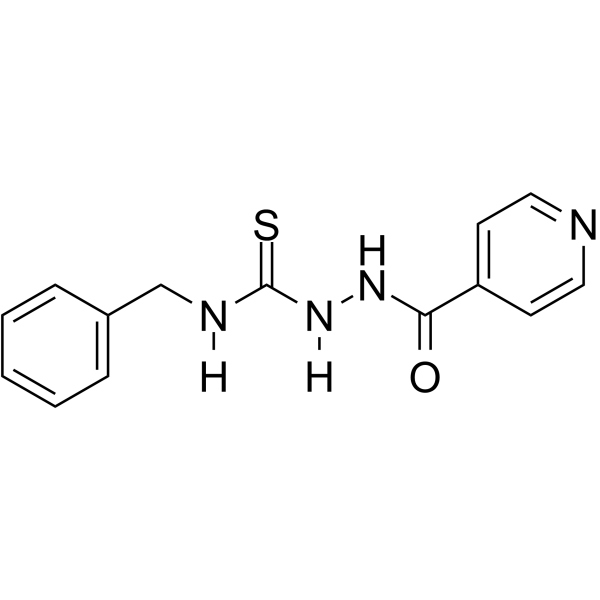
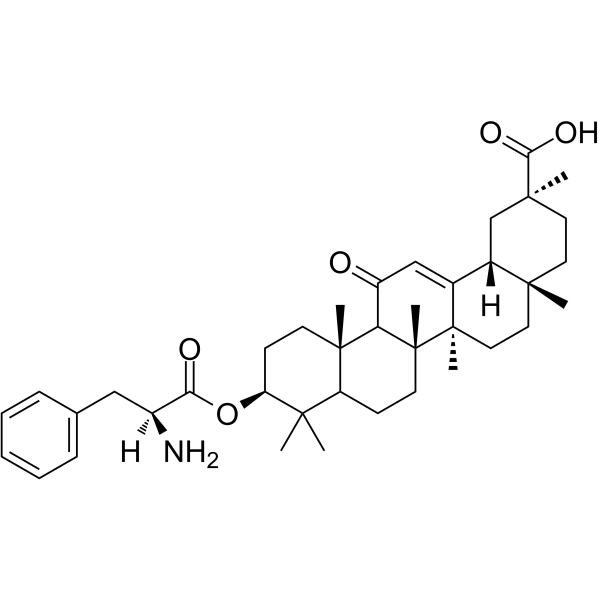


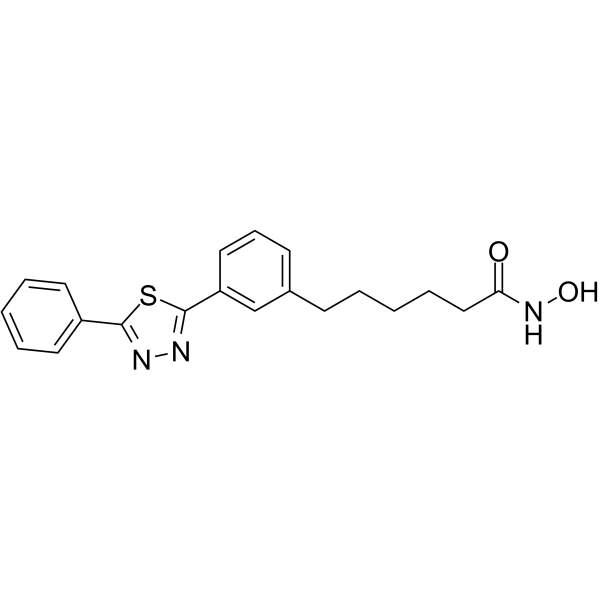
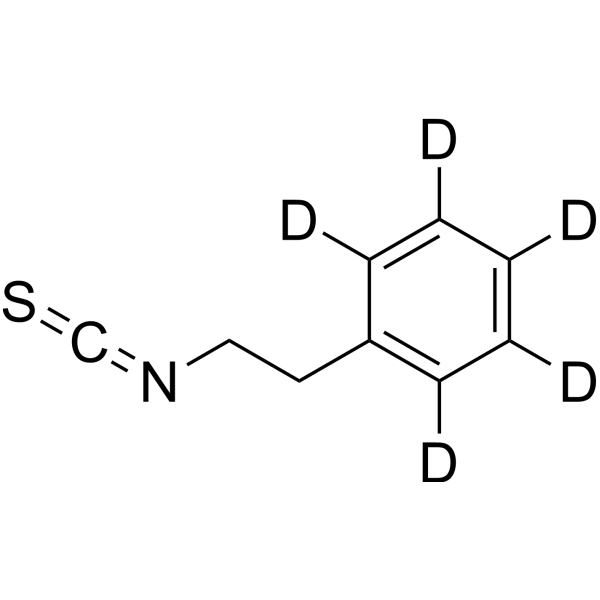


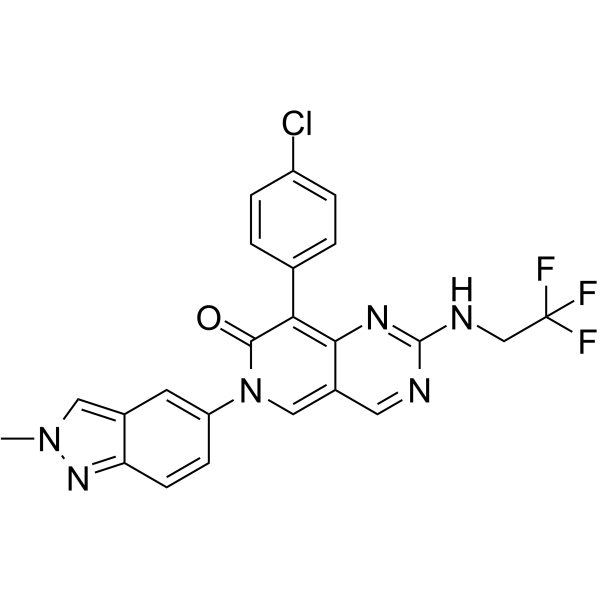
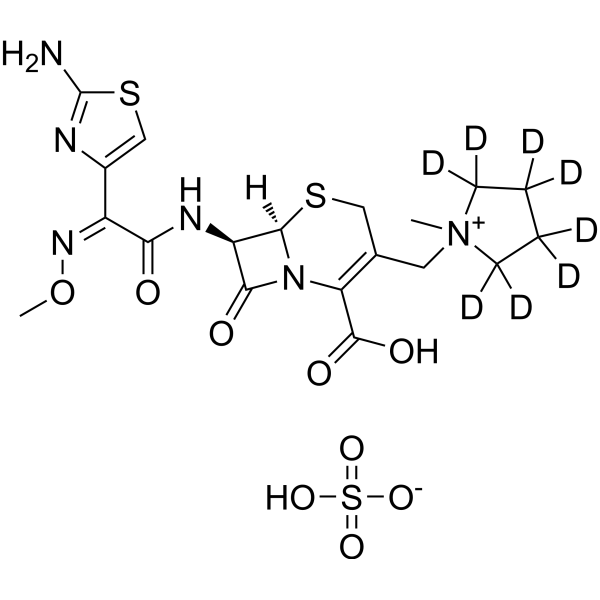

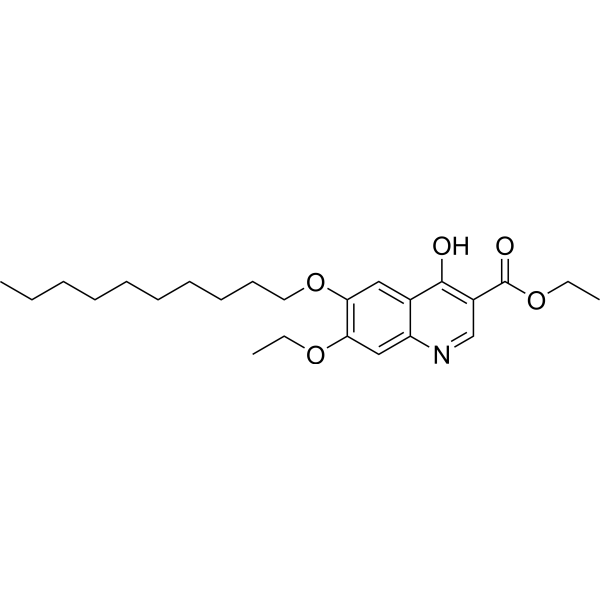

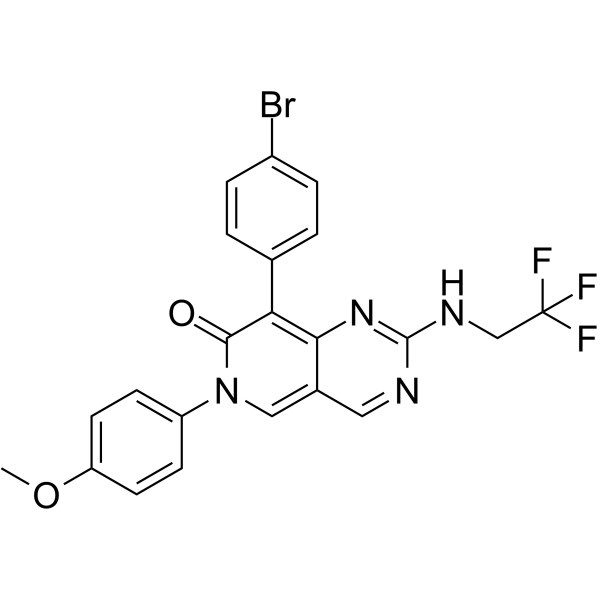


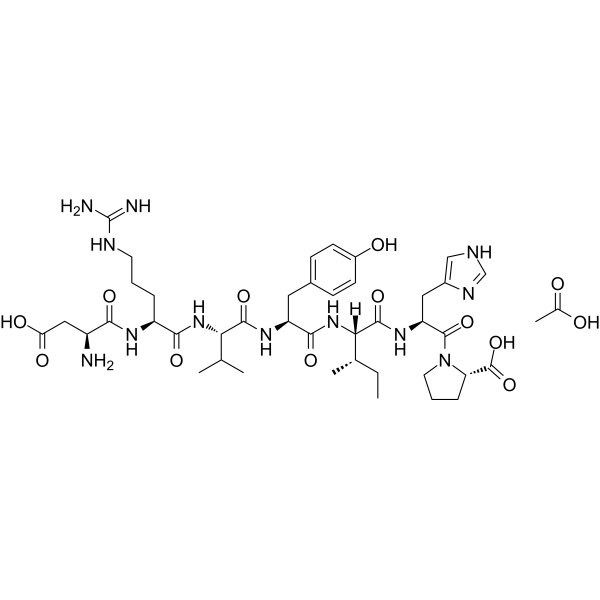


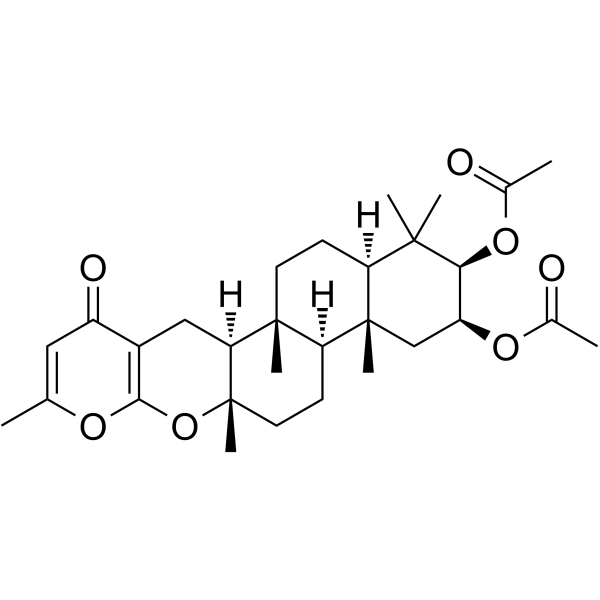


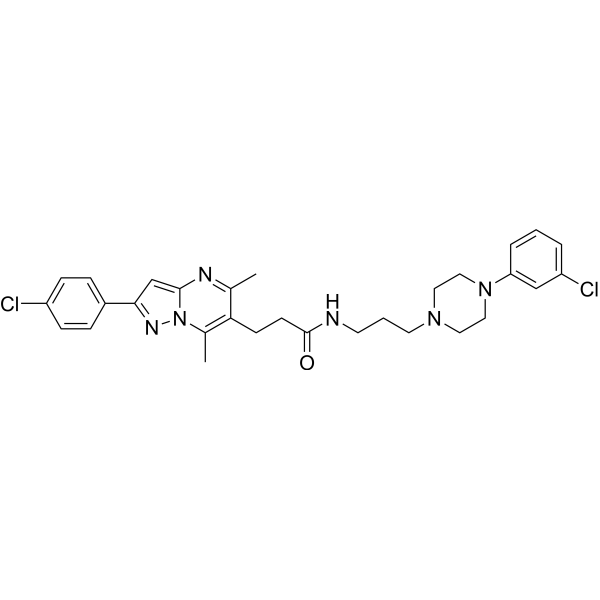


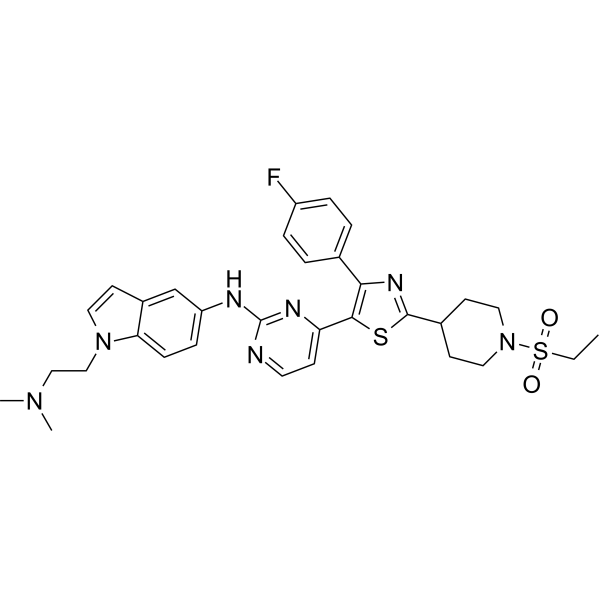

![Cyclo[K(N3)larllt]](http://file.medchemexpress.com/product_pic/hy-p11757.gif)