From 11:00 pm to 12:00 pm EST ( 8:00 pm to 9:00 pm PST ) on January 6th, the website will be under maintenance. We are sorry for the inconvenience. Please arrange your schedule properly.
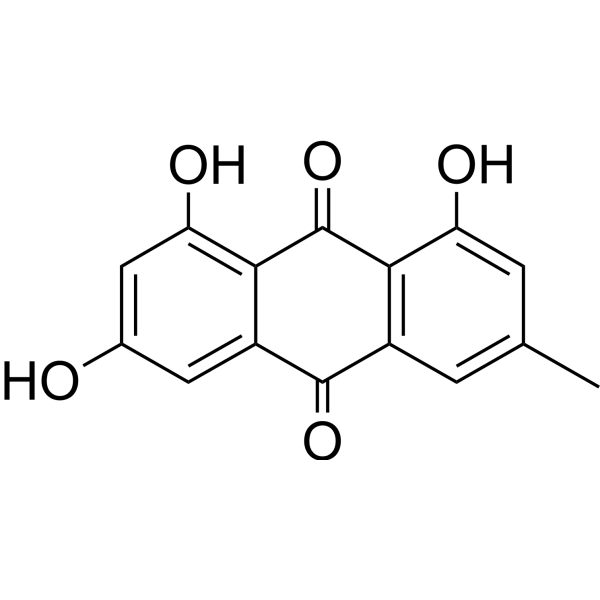
Emodin (Frangula emodin), an anthraquinone derivative, is an anti-SARS-CoV compound. Emodin blocks the SARS coronavirus spike protein and angiotensin-converting enzyme 2 (ACE2) interaction . Emodin inhibits casein kinase-2(CK2). Anti-inflammatory and anticancer effects [2]. Emodin is a potent selective 11β-HSD1 inhibitor with the IC50 of 186 and 86 nM for human and mouse 11β-HSD1, respectively. Emodin ameliorates metabolic disorder in diet-induced obese mice .
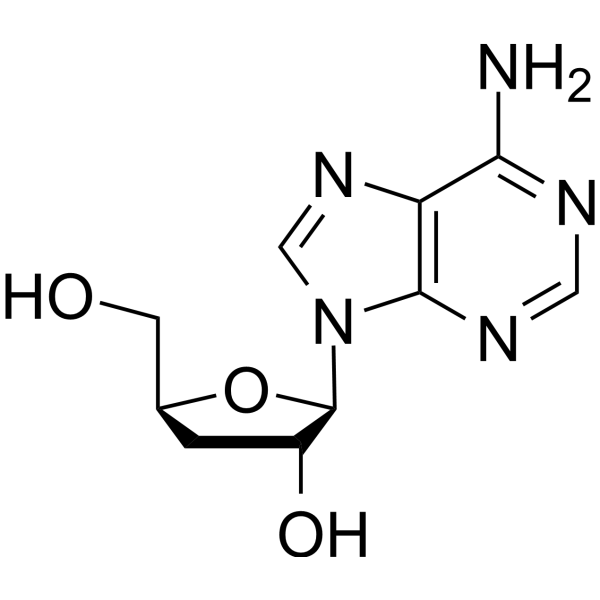
Cordycepin (3'-Deoxyadenosine) is a nucleoside derivative and inhibits IL-1β-induced MMP-1 and MMP-3 expression in rheumatoid arthritis synovial fibroblasts (RASFs) in a dose-dependent manner . Cordycepin kills Mycobacterium tuberculosis through hijacking the bacterial adenosine kinase .
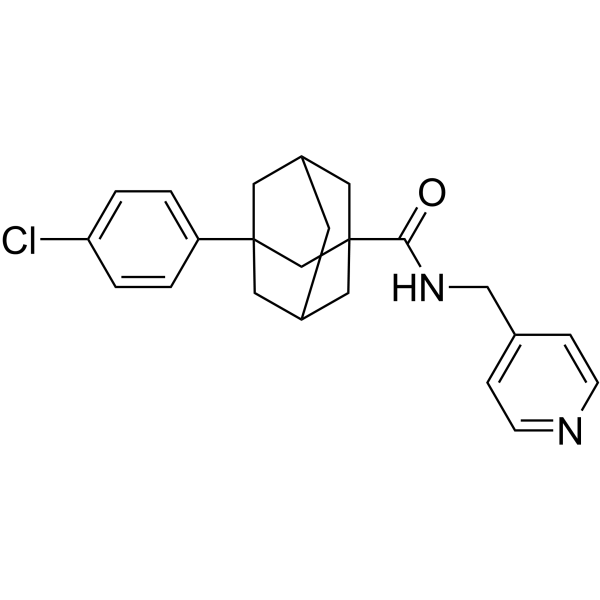
AZD7545 is a potent, competitive, selective PDHK2 (pyruvate dehydrogenase kinase 2) inhibitor with IC50s of 36.8 nM, 6.4 nM for PDHK1 and PDHK2, respectively .
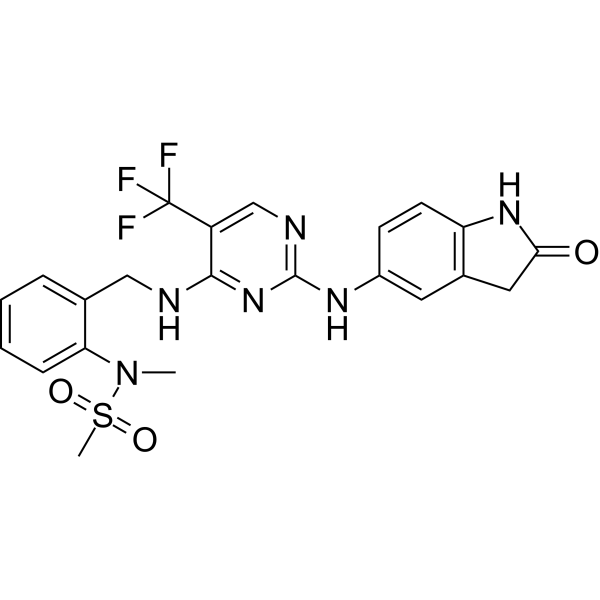
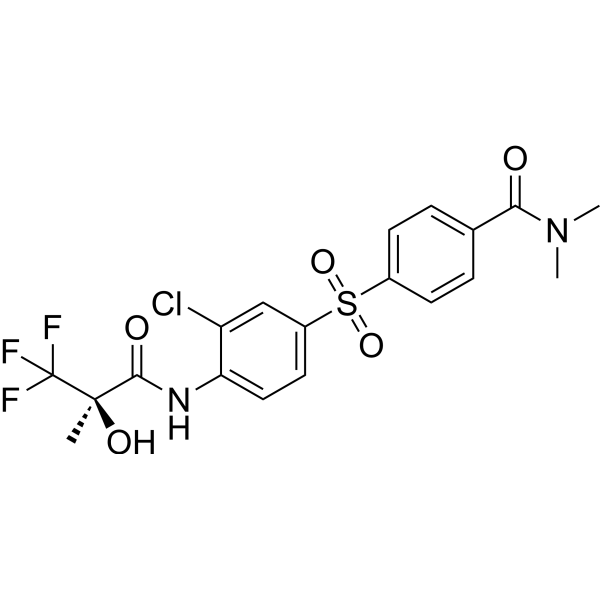
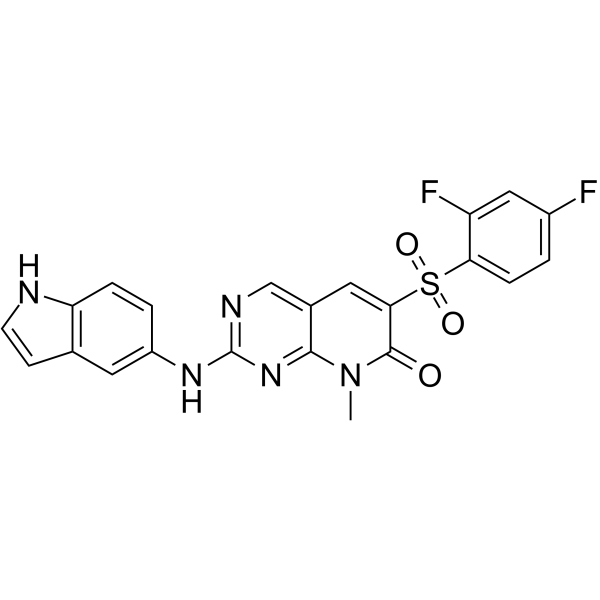
ON1231320 is a highly specific polo like kinase 2(PLK2) inhibitor with an IC50 of 0.31 μM. ON1231320 blocks tumor cell cycle progression in the G2/M phase in mitosis, causing apoptotic cell death. ON1231320, an arylsulfonyl pyrido-pyrimidinone, has antitumor activity [2].
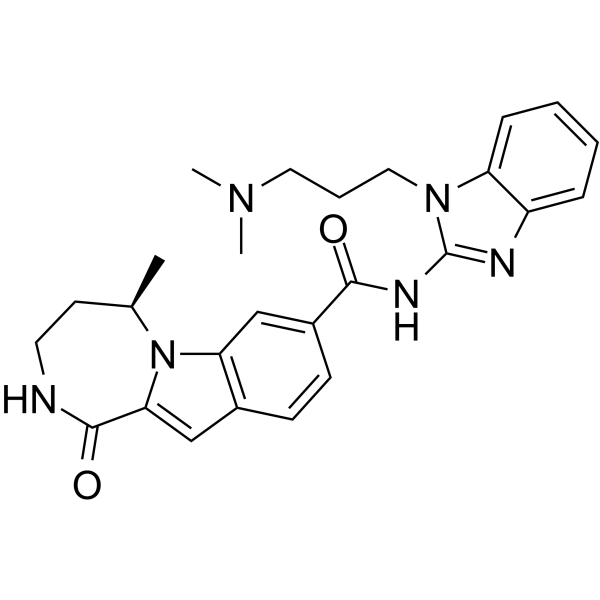
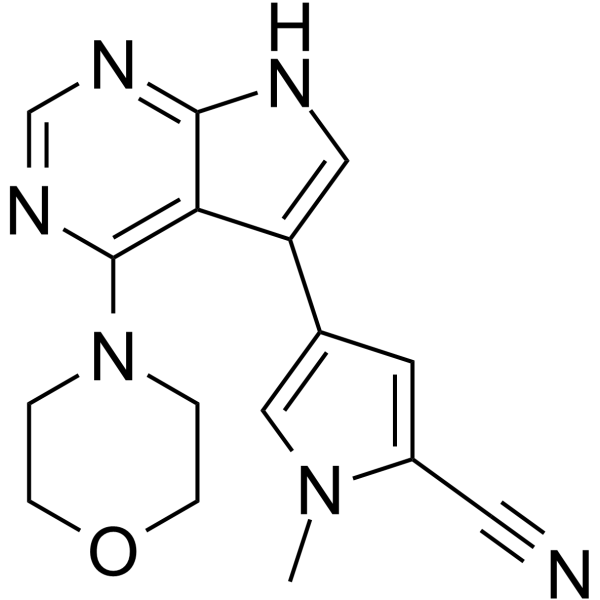
Gamcemetinib (CC-99677) is a potent, covalent, and irreversible inhibitor of the mitogen-activated protein (MAP) kinase-activated protein kinase-2(MK2) pathway in both biochemical (IC50=156.3 nM) and cell based assays (EC50=89 nM). Gamcemetinib is extracted from patent WO2020236636, compound 1 .
PF-431396 is an orally active dual focal adhesion kinase (FAK) and proline-rich tyrosine kinase 2(PYK2) inhibitor, with IC50 values of 2 nM and 11 nM, respectively [2] .
ARN-3236 is an oral active and selective inhibitor of salt-inducible kinase 2(SIK2), with IC50s of <1 nM, 21.63 nM and 6.63 nM for SIK2, SIK1 and SIK3, respectively. Has anti-cancer activity [2].
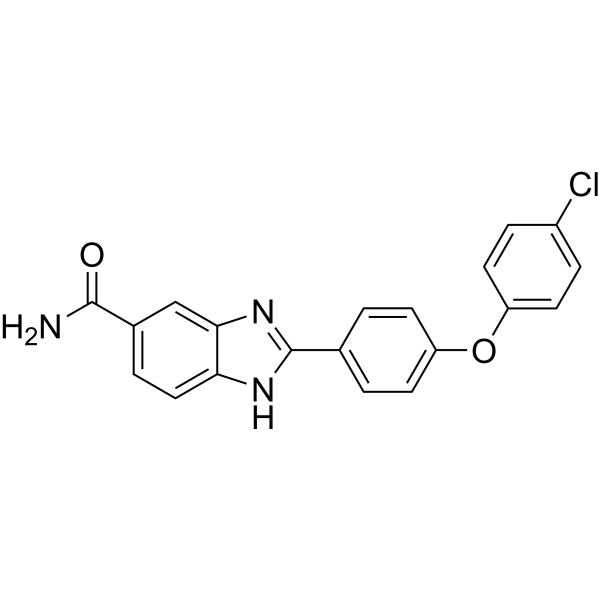
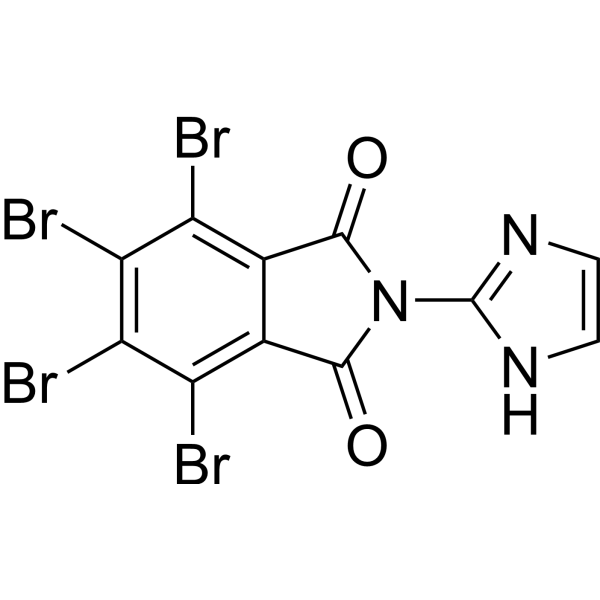
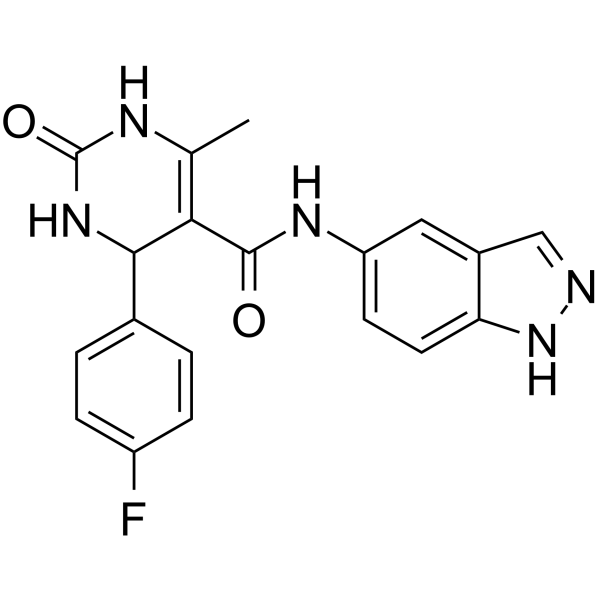
BioE-1115 is a highly selective and potent PAS kinase (PASK) inhibitor with an IC50 of ~4 nM. BioE-1115 is also a potent casein kinase 2α inhibitor with an IC50 of ~10 μM .
PFE-360 (PF-06685360) is a potent, selective, brain penetrated and orally active leucine-rich repeat kinase 2(LRRK2) inhibitor with a mean IC50 of 2.3 nM in vivo [2].
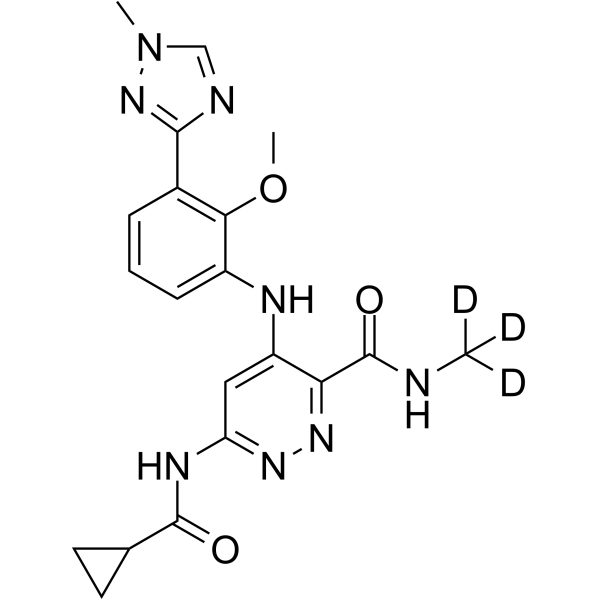
Zunsemetinib (CDD-450) is an orally active and selective p38α mitogen-activated protein kinase-activated protein kinase 2(MK2) pathway inhibitor. Zunsemetinib can be used for the research of immuno-inflammatory diseases .
GRK2 Inhibitor 2 is an orally active and selective G protein-coupled receptor kinase 2 (GRK) inhibitor with an IC50 of 19 nM. GRK2 Inhibitor 2 also inhibits Aurora-A with an IC50 of 137 nM. GRK2 Inhibitor 2 can be used in the study of congestive heart failure (HF) .
GNE-9605 is a potent, orally active, selective Leucine-rich repeat kinase 2(LRRK2) inhibitor with an IC50 value of 18.7 nM. GNE-9605 inhibits LRRK2 Ser1292 autophosphorylation. GNE-9605 can be used in research of Parkinson's disease (PD) .
GW8510 is a potent cyclin-dependent kinase-2(CDK2) inhibitor. GW8510 is also a ribonucleotide reductase M2(RRM2) inhibitor. GW8510 exhibits neuroprotective and anticancer activities [2] .
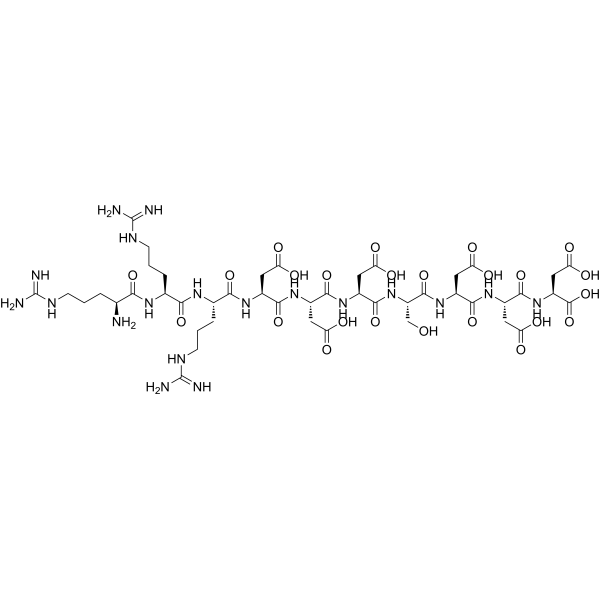
Casein Kinase 2 Substrate Peptide is a common CK2 substrate peptide. Casein Kinase 2 Substrate Peptide is synthesized with its C-terminus conjugated to 5-[(2-aminoethyl)amino]naphthalene-1-sulfonic acid (EDANS). Casein Kinase 2 Substrate Peptide can be used for protein kinase CK2 activity determination .
UCK2Inhibitor-2 is a non-competitive uridine-cytidine kinase 2(UCK2) inhibitor with an IC50 value of 3.8 µM. UCK2Inhibitor-2 can suppress uridine salvage in cells .
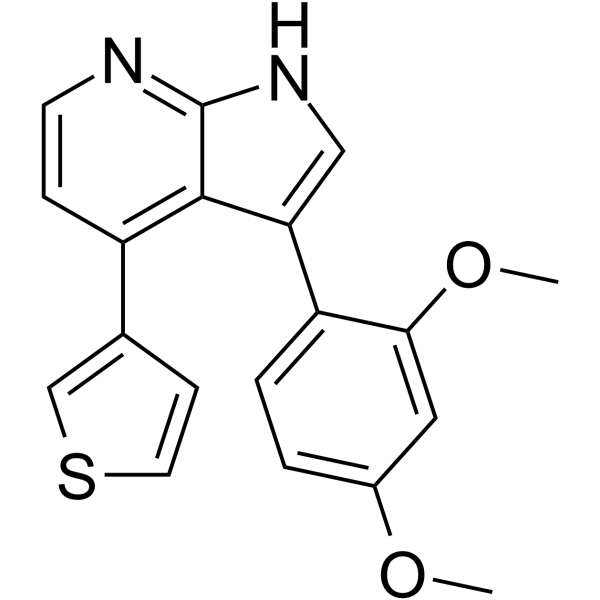
PI-828 is a dual PI3K and casein kinase 2(CK2) inhibitor with IC50s of 173 nM, 149 nM, and 1127 nM for p110α, CK2, and CK2α2 in lipid kinase assay, respectively .
(E/Z)-GO289 is a potent and selective casein kinase 2(CK2) inhibitor (IC50=7 nM). (E/Z)-GO289 strongly lengthens circadian period. (E/Z)-GO289 exhibits cell type–dependent inhibition of cancer cell growth that correlated with cellular clock function .
PHA 408 (PHA-408) is a potent, selective and orally active IκB kinase-2(IKK-2) inhibitor. PHA 408 is a powerful anti-inflammatory agent against lipopolysaccharide (LPS)- and cigarette smoke (CS)-mediated lung inflammation .
KER047 (ALK2-IN-4) is a potent activin receptor-like kinase-2 (ALK2) inhibitor. KER047 can be used for the research of metabolic disease, such as fibrodysplasia ossificans progressiva (FOP).
Tetramethylcurcumin (FLLL31), derived from curcumin, specifically suppresses the phosphorylation of STAT3 by binding selectively to Janus kinase 2 and the STAT3 Src homology-2 domain. Tetramethylcurcumin exhibits anti-inflammatory and anti-cancer effects [2].
GSK180736A is potent Rho-associated coiled-coil kinase 1 (ROCK1) inhibitor with an IC50 of 100 nM. GSK180736A is also a selective and ATP-competitive G protein-coupled receptor kinase 2(GRK2) inhibitor with an IC50 of 0.77 μM.
TAK1/MAP4K2 inhibitor 1 is a potent dual TGFβ-activated kinase 1 (TAK1) and mitogen-activated protein kinasekinasekinasekinase 2(MAP4K2) inhibitor, with IC50s of 41.1 nM and 18.2 nM, respectively.
ON 108600 is a inhibitor for CK2 (Casein Kinase2)/TNIK/DYRK1 , with the IC50s for DYRK1A/DYRKB, DYRK2,CK2α1/CK2α2, and TNIK of 0.016 μm/0.007 μM, 0.028 μM, 0.05 μM/0.005 μM, and 0.005 μM, respectively. ON 108600 has antitumor activity .
LDN-192960 hydrochloride is an inhibitor of Haspin and Dual-specificity Tyrosine-regulated Kinase 2(DYRK2) with IC50s of 10 nM and 48 nM, respectively .
CK2/ERK8-IN-1 is a dual casein kinase 2(CK2) (Ki of 0.25 µM) and ERK8 (MAPK15, ERK7) inhibitor with IC50s of 0.50 μM. CK2/ERK8-IN-1 also binds to PIM1, HIPK2 (homeodomain-interacting protein kinase 2), and DYRK1A with Kis of 8.65 µM, 15.25 µM, and 11.9 µM, respectively. CK2/ERK8-IN-1 has pro-apoptotic efficacy .
RSK2-IN-5 (compoud C24) is a p90 ribosomal S6 kinase 2(RSK2) inhibitor with a Kd of 317 nM. RSK2-IN-5 exhibits antitumor activity against breast cancer and melanoma cancer cells .
Emodin (Standard) is the analytical standard of Emodin. This product is intended for research and analytical applications. Emodin (Frangula emodin), an anthraquinone derivative, is an anti-SARS-CoV compound. Emodin blocks the SARS coronavirus spike protein and angiotensin-converting enzyme 2 (ACE2) interaction . Emodin inhibits casein kinase-2(CK2). Anti-inflammatory and anticancer effects [2]. Emodin is a potent selective 11β-HSD1 inhibitor with the IC50 of 186 and 86 nM for human and mouse 11β-HSD1, respectively. Emodin ameliorates metabolic disorder in diet-induced obese mice .
Casein Kinase 2 (CK2) is a serine/threonine protein kinase that is highly conserved among eukaryotes and has roles in many different cellular processes, such as cell survival, cell cycle regulation, cell polarity, stress responses, transcription and translation .
2'-Deoxy-L-guanosine selectively inhibits D-Thymidine phosphorylation catalyzed by HSV 1 thymidine kinase. 2'-Deoxy-L-guanosine is the L-configuration of 2'-Deoxyguanosine (HY-17563) .
SGC-CAMKK2-1, a chemical probe, is the selective, inhibitor for calcium/calmodulin-dependent protein kinasekinase 2(CAMKK2) with an IC50 of 30 nM. SGC-CAMKK2-1 inhibits AMPK phosphorylation in cell C4-2 with an IC50 of 1.6 μM .
CDK2-IN-40 is a CDK2 (Cyclin dependent kinase 2) inhibitor, extracted from patent WO 2024/254245 A1 (Example 1). CDK2-IN-40 inhibits CDK2/Cyclin E1 with an IC50 of ≤ 10 nM .
CIGB-300 acetate (P15-Tat acetate) is an anti-casein kinase 2(CK2) peptide that exhibits anticancer properties by interfering with the phosphorylation of protein kinaseCK2. CIGB-300 acetate induces apoptosis in multiple tumor cell lines and can be used in cancer research .
MBM-17S is a potent NIMA-related kinase 2(Nek2) inhibitor, with an IC50 of 3 nM. MBM-17S effectively inhibits the proliferation of cancer cells by inducing cell cycle arrest and apoptosis. MBM-17S shows antitumor activities, and no obvious toxicity to mice .
M4K2163 dihydrochloride is a potent, selective, blood-brain barrier (BBB) permeable activin receptor-like kinase-2(ALK2) inhibitor, with an IC50 of 19 nM. M4K2163 dihydrochloride can be used in the research of diffuse intrinsic pontine glioma (DIPG) [2].
GRK2i is a Gβγ-inhibitory peptide that selectively prevents Gβγ-mediated signaling. GRK2i corresponds to the Gβγ-binding domain of GRK2 (G-protein-coupled receptor kinase 2) .
CIGB-300 (P15-Tat) is an anti-casein kinase 2(CK2) peptide that exhibits anticancer properties by interfering with the phosphorylation of protein kinaseCK2. CIGB-300 induces apoptosis in multiple tumor cell lines and can be used in cancer research .
Soficitinib (Compound 20) is a selective tyrosine kinase 2(TYK2) and Janus kinase 2(JAK2) inhibitor, with IC50 values of 0.5 nM and 1.2 nM, respectively. Soficitinib shows promise for research into autoimmune diseases (such as psoriasis, rheumatoid arthritis) and inflammatory diseases .
Nictide is a peptide substrate of LRRK2 (leucine-rich repeat protein kinase-2). Nictide can be phosphorylated by the activated LRRK2[G2019S] with a Km of 10 μM .
(Rac)-PF-184 hydrate is a potent inhibitory factor-κB kinase 2(IKK-2) inhibitor with an IC50 of 37 nM. (Rac)-PF-184 hydrate has anti-inflammatory effects .
Tubulin/JAK2-IN-1 (compound 7g) is a dual inhibitor of Janus kinase 2(JAK2) and microtubule. Tubulin/JAK2-IN-1 has potent antiproliferative activity against the cancer cells .
MBM-17 is a potent NIMA-related kinase 2(Nek2) inhibitor with an IC50 of 3 nM. It effectively inhibits the proliferation of cancer cells by inducing cell cycle arrest and apoptosis. MBM-55 shows antitumor activities, and no obvious toxicity to mice .
PF-06455943 is a leucine rich repeat kinase 2(LRRK2) inhibitor with IC50 value of 3 nM. PF-06455943 also is a PET radioligand. PF-06455943 can be used for the research of ADME/neuro PK characterization and Parkinson disease (PD) [2].
SRPK2 (serine-arginine protein kinase 2) is a protein kinase that is involved in cell cycle regulation and cell apoptosis. Biotin-SRPK2 Recombinant Human Active Protein Kinase is a recombinant SRPK2 protein that can be used to study SRPK2-related functions, and is biotinylated .
Nek2-IN-5 (compound 6) is a potent and irreversible Nek2 ((Never in mitosis gene a)-related kinase 2) inhibitior . Nek2-IN-5 is a click chemistry reagent, it contains an Alkyne group and can undergo copper-catalyzed azide-alkyne cycloaddition (CuAAc) with molecules containing Azide groups.
PS-1145 (dihydrochloride) is a potent IκB kinase-2 inhibitor with an IC50 value of 88 nM. PS-1145 (dihydrochloride) inhibits activity of NF-κB by blocking IκB kinase phosphorylation in tumor-bearing rats .
Emodin-d4 is the deuterium labeled Emodin. Emodin (Frangula emodin), an anthraquinone derivative, is an anti-SARS-CoV compound. Emodin blocks the SARS coronavirus spike protein and angiotensin-converting enzyme 2 (ACE2) interaction . Emodin inhibits casein kinase-2 (CK2). Anti-inflammatory and anticancer effects [2]. Emodin is a potent selective 11β-HSD1 inhibitor with the IC50 of 186 and 86 nM for human and mouse 11β-HSD1, respectively. Emodin ameliorates metabolic disorder in diet-induced obese mice .
KER047 succinate (ALK2-IN-4 succinate) is a potent activin receptor-like kinase-2 (ALK2) inhibitor. KER047 succinate can be used for the research of metabolic disease, such as fibrodysplasia ossificans progressiva (FOP).
ERKtide is a biological active peptide. (ERKtide is a peptide substrate for ERK2. Extracellular regulated protein kinase 2 (ERK2) is a eukaryotic protein kinase whose activity is regulated by mitogenic stimuli.)
AMG-Tie2-1 is an inhibitor of tunica interna endothelial cell kinase 2(Tie2) with an IC50 of 1 nM. AMG-Tie2-1 is a VEGFR2 inhibitor with an IC50 of 3 nM .
cRIPGBM, a proapoptotic derivative of RIPGBM, a cell type-selective inducer of apoptosis in GBM cancer stem cells (CSCs) by binding to receptor-interacting protein kinase 2(RIPK2), with an EC50 of 68 nM in GBM-1 cells .
LRRK2-IN-4 is a potent, selective, CNS-penetran and orally active leucine-rich repeat kinase 2(LRRK2) inhobitor with an IC50 of 2.6 nM. LRRK2-IN-4 has the potential for the research of Parkinson’s disease .
PROTAC CDK2 Degrader-1 (Compound 41) is a PROTAC degrader for cyclin-dependent kinase 2(CDK2). PROTAC CDK2 Degrader-1 inhibits the phosphorylation of RB protein in CDK2 dependent cell line OVCAR3 with an IC50 of 100-500 nM .
(R)-Zunsemetinib is the isomer of Zunsemetinib (HY-139553), and can be used as an experimental control. Zunsemetinib (CDD-450) is an orally active and selective p38α mitogen-activated protein kinase-activated protein kinase 2(MK2) pathway inhibitor. Zunsemetinib can be used for the research of immuno-inflammatory diseases .
Akt1&PKA-IN-1 is a potent dual Akt/PKA inhibitor with IC50 values of 0.03 , 0.11 μM, and 9.8 μM for PKAa, Akt, and CDK2, respectively. Akt1&PKA-IN-1 is selective for cyclin-dependent kinase 2 (CDK2) .
Indazole 1 is a potent CDC2-likekinase 2(CLK2) inhibitor (IC50=12.3 nM). Indazole 1 inhibits the phosphorylation of SR proteins (e.g., SRSF1, SRSF3) and modulates alternative splicing of Wnt signaling-related genes. Indazole 1 is promising for research of osteoarthritis .
CAIX/CDK-2-IN-1 is a dual-acting inhibitor of carbonic anhydrase IX (CA IX) and cyclin-dependent kinase-2(CDK-2) with IC50 values of 0.29 μM and 0.32 μM. The zein nanoparticls of CAIX/CDK-2-IN-1 can induce cancer cells apoptosis. CAIX/CDK-2-IN-1 can be used for the research of cancer, such as lung cancer .
M4K2306 is a selective inhibitor for activin receptor-like kinase-2(ALK2) with an IC50 of 7 nM. M4K2306 is blood brain permeable with a brain to plasma ratio of 75.6 .
MK2-IN-7 (Compound 144) is a mitogen activated protein kinase-activated protein kinase-2(MK2) inhibitor. MK2-IN-7 is promising for research of inflammatory diseases, autoimmune diseases and cancer .
M4K2281 is a selecitve inhibitor for activin receptor-like kinase-2(ALK2) with an IC50 of 2 nM. M4K2281 exhibits a moderate blood brain permeability with a brain to plasma ratio of 3.7 at 4h .
Antiproliferative agent-46 (compound 5e) is an inhibitor of the casein kinase-2 enzyme (CK2) receptor. Antiproliferative agent-46 has a potent antiproliferative activity with an IC50 value of 5.75 μM on the U87 cell line .
SphK2-IN-3 (compound 12q) is a selective active sphingosine kinase-2 inhibitor. SphK2-IN-3 has anti-proliferative activity against various cancer cells, inducing G2 phase arrest and apoptosis in liver cancer cells HepG2 .
P-gp/CDK2-IN-1 (Compound 4j) is an inhibitor for is inhibitor for P-glycoprotein (P-gp) and for cyclin-dependent kinase-2(CDK2).P-gp/CDK2-IN-1 inhibits the proliferation of cancer cells SW-480 and MCF-7 wit IC50 of 38.6 μM and 26.6 μM. P-gp/CDK2-IN-1 exhibits antioxidant efficacy with EC50 of 580 μM in DPPH experiment .
NSC 109555 ditosylate is a potent, selective, ATP-competitive checkpoint kinase 2(Chk2) inhibitor with an IC50 of 240 nM. NSC 109555 ditosylate can be used for the research of cancer .
Opaganib (Standard) is the analytical standard of Opaganib. This product is intended for research and analytical applications. Opaganib (ABC294640) is a selective, competitive sphingosine kinase 2 (SK2) inhibitor with Ki of 9.8 μM.
2-AHA-cAMP is an analogue of natural signal molecule cAMP and an activator of cAMP-dependent protein kinase. 2-AHA-cAMP has a free terminal primary amino group, which can be used for coupling to gels or fluorescent dyes .
RSK2-IN-5 (compoud C2) is a p90 ribosomal S6 kinase 2(RSK2) inhibitor with a Kd of 856 nM. RSK2-IN-5 exhibits antitumor activity against breast cancer and melanoma cancer cells .
CK2-IN-7 (compound 2) is an inhibitor of casein kinase 2(CK2).CK2-IN-7 shows synergistic effect with structurally distinct CK2 chemical probe: SGC-CK2-1, against cancer .
Tyk2-in-15 (Compound 97) is a selective tyrosine kinase 2(Tyk2) inhibitor with IC50 value ≤ 10 nM for Tyk2-JH2. Tyk2-IN-15 can be used in the study of inflammatory or autoimmune diseases .
CCG-224406 is a selective G protein-coupled receptor kinase 2(GRK2) inhibitor with the IC50 values of 13 nM, greater than 700-fold selectivity over other GRK subfamilies, and no inhibition of ROCK1. CCG-224406 can be used for study of heart failure .
CK2-IN-14 (Compound 10b) is an inhibitor for cyclin kinase 2α with an IC50 of 36.7 nM. CK2-IN-14 inhibits the growth of cancer cell 786-O and U937 with GI50 of 7.3 μM and 7.5 μM .
Tyk2-IN-22 (Compound A8) is a selective inhibitor for tyrosine kinase 2(Tyk2), that it inhibits Tyk2, JAK1, and JAK3 with IC50s of 9.7, 148.6, and 883.3 nM, respectively. Tyk2-IN-22 inhibits the downstream STAT5 phosphorylation .
tBID (Standard) is the analytical standard of tBID (HY-100464). This product is intended for research and analytical applications. tBID is a selective inhibitor of homeodomain-interacting protein kinase 2 (HIPK2) with an IC50 of 0.33 μM.
PROTAC LRRK2 Degrader-1 (compound 18) is a leucine-rich repeat kinase 2(LRRK2)PROTAC degrader with an IC 50 value less than 10 nM. PROTAC LRRK2 Degrader-1 can be used in the research of Parkinson's disease .
CCG 224061 is a G protein-coupled receptor kinase2(GRK2) inhibitor with a IC50 of 0.066 μM. CCG 224061 inhibits GRK activity in cardiomyocytes . CCG 224061 is applicable to research related to heart disease, heart failure, myocardial hypertrophy and hypertension [2].
PF-431396 (Standard) is the analytical standard of PF-431396 (HY-10460). This product is intended for research and analytical applications. PF-431396 is an orally active dual focal adhesion kinase (FAK) and proline-rich tyrosine kinase 2 (PYK2) inhibitor, with IC50 values of 2 nM and 11 nM, respectively [2] .
Socrodeucitinib (Compound Example 58) is an orally active and selective tyrosine kinase 2(TYK2) inhibitor with an IC50 value of 1.41 nM. Socrodeucitinib exerts anti-inflammatory activity by inhibiting TYK2-mediated cytokine signaling pathways and reducing the secretion of inflammatory factors. Socrodeucitinib is promising for research of autoimmune diseases such as psoriasis and inflammatory diseases .
CMPD101 hydrochloride is a novel membrane-permeable, small-molecule inhibitor of both GRK2 and GRK3 with IC50s of 18 nM and 5.4 nM, respectively. CMPD101 hydrochloride also inhibits Rho-associated kinase 2(ROCK-2) and PKCα (IC50s =1.4 μM and 8.1 μM, respectively) .
JNK2/3-IN-1 (Compound 56d) is an irreversible covalent inhibitor of c-Jun N-terminal kinases 2/3 (JNK2/3) with IC50 values of 830 and 1909 nM, respectively. JNK2/3-IN-1 is promising for research of neurodegenerative diseases (e.g., Parkinson’s, Alzheimer’s) and fibrotic disorders .
LBM22 is a CDC2-likekinase 2(CLK2) inhibitor with the IC50 of 3.9 nM. LBM22 has antiproliferative activity and inhibits serine/arginine-rich (SR) protein phosphorylation. LBM22 down-regulates the expression of Wnt-related proteins and anti-apoptotic proteins and can be used for study of non-small cell lung cancer .
Cordycepin (Standard) is the analytical standard of Cordycepin. This product is intended for research and analytical applications. Cordycepin (3'-Deoxyadenosine) is a nucleoside derivative and inhibits IL-1β-induced MMP-1 and MMP-3 expression in rheumatoid arthritis synovial fibroblasts (RASFs) in a dose-dependent manner . Cordycepin kills Mycobacterium tuberculosis through hijacking the bacterial adenosine kinase .
Ziptide is a substrate for MAPK activated protein kinase 2 (MAPKAPK2, Km = 5 μM), MAPKAPK3 (Km = 30 μM), PARK (Km = 40 μM), checkpoint kinase 1 (Chk1, Km = 5 μM), AMP-activated protein kinase (AMPK, Km = 75 μM), and calcium/calmodulin-dependent protein kinase II (CamKII, Km = 300 μM) .
NRL-1049 dihydrochloride (BA-1049) is a selective and orally active rho-associated protein kinase 2(ROCK2) inhibitor with an IC50 of 0.59 μM. NRL-1049 dihydrochloride shows selectivity for ROCK2 is 44 times that of ROCK1 (IC50 = 26 μM). NRL-1049 dihydrochloride can preserve the blood-brain barrier after acute injury .
Chk2-IN-1 (compound 1) is a potent and selective inhibitor of checkpoint kinase 2(Chk2), with IC50s of 13.5 nM and 220.4 nM for Chk2 and Chk1, respectively. Chk2-IN-1 can elicit a strong ataxia telangiectasia mutated (ATM)-dependent Chk2-mediated radioprotection effect .
ABBV-712 is a selective and orally active inhibitor of Tyrosine kinase 2(TYK2). ABBV-712 has EC50 values of 0.01, 0.19, and 0.17 μM for TYK2JH2, TYK2 cells and human whole blood, respectively. ABBV-712 has anti-inflammatory activity and can be used in the research of autoimmune diseases .
Dicycloplatin is a DNA damage inducer. Dicycloplatin induces DNA damage by activating biphosphorylated checkpoint kinase 2(CHK2), breast cancer 1 (BRCA1) and triphosphorylated p53. Dicycloplatin can induce cell cycle arrest, inhibit proliferation and lead to apoptosis in prostate cancer PC3 cells and lung cancer NCI/H446 cells. Dicycloplatin can be used in cancer researchr .
LIM kinase 2 (LIMK2) is a serine/threonine and tyrosine kinases. LIMK2 plays a crucial role in the regulation of cytoskeleton dynamics by controlling actin filaments and microtubule turnover, especially through the phosphorylation of cofilin, an actin depolymerising factor. LIMK2 Recombinant Human Active Protein Kinase is a recombinant LIMK2 protein that can be used to study LIMK2-related functions .
(R)-PS210, the R enantiomer of PS210 (compound 4h-eutomer), is a substrate-selective allosteric activator of PDK1 with an AC50 value of 1.8 μM. (R)-PS210 targets to the PIF-binding pocket of?PDK1. PIF: The protein kinase C-related kinase 2 (PRK2)-interacting fragment .
Fidrisertib (BLU-782) is the orally active inhibitor for activin receptor-like kinase 2(ALK2) that inhibits ALK2R206H, ALK2, ALK1, ALK6, ALK3, ALK4, TGFβR2 and ALK5 with IC50s of 0.2, 0.6, 3, 24, 45, 65, 67 and 155 nM, respectively [2].
CDK2-IN-52 (Compound Cpb No 39) is a selective cyclin-dependent kinase 2(CDK2) inhibitor with a DC50 value of 1-10 nM. CDK2-IN-52 induces cell cycle arrest and suppresses tumor cell proliferation. CDK2-IN-52 is promising for research of CDK2-overexpressing malignancies such as breast and ovarian cancers .
Human EIF2AK2 mRNA encodes the human eukaryotic translation initiation factor 2 alpha kinase 2 (EIF2AK2) protein, a serine/threonine protein kinase that is activated by autophosphorylation after binding to dsRNA. EIF2AK2 plays a key role in the innate immune response to viral infection and is also involved in the regulation of signal transduction, apoptosis, cell proliferation and differentiation.
TYK2-IN-12 (compound 30) is an orally active, potent and selective TYK2 (tyrosine kinase 2) inhibitor, with a Ki of 0.51 nM. TYK2-IN-12 inhibits IL-12 induced IFNγ, with IC50 values of 2.7 and 7.0 μM in human and mouse whole blood, respectively. TYK2-IN-12 can be used for psoriasis research .
GO847 is an orally active casein kinase 2(CK2) inhibitor with an IC50 of 40.2 nM. GO847 increases intracellular ATP levels, impairs Mitochondrial metabolic flexibility, and promotes excessive mitochondrial ROS production. GO847 alters the period length of cellular circadian rhythms. GO847 inhibits the growth of acute myeloid leukemia cells. GO847 can be used for the research of acute myeloid leukemia .
Homeodomain interacting protein kinase 2 (HIPK2) is an evolutionary conserved serine/threonine kinase that regulates gene expression by phosphorylation of transcription factors and accessory components of the transcription machinery. HIPK2 is activated in response to DNA-damaging agents or morphogenic signals. HIPK2 Recombinant Human Active Protein Kinase is a recombinant HIPK2 protein that can be used to study HIPK2-related functions .
SLR080811 is a guanidine-based selective sphingosine kinase 2(SphK2) inhibitor with a Ki of 1.3 μM, exhibiting ~10-fold selectivity over SphK1 (Ki = 12 μM). SLR080811 reduces sphingosine 1-phosphate (S1P) levels in vitro, but drives a SphK1-dependent increase in S1P in mice. SLR080811 can be used for cancers and fibrosis research .
CDK2-IN-44 (Compound 46) is an inhibitor of cyclin-dependent kinase 2(CDK2).CDK2-IN-44 can effectively inhibit the proliferation of cancer cells and exert its activity in inhibiting cancer cell growth by arresting the cell cycle, promoting Apoptosis, and inducing cellular senescence. CDK2-IN-44 holds promise for use in the research of ovarian cancer and breast cancer .
SLM6031434 is a highly selective sphingosine kinase 2(SphK2) inhibitor with an IC50 value of 0.4 μM for SphK2. SLM6031434 exerts anti-fibrotic effects by increasing sphingosine accumulation and Smad7 expression. SLM6031434 demonstrates effective anti-fibrotic efficacy in a unilateral ureteral obstruction (UUO)-induced tubulointerstitial fibrosis mouse model. SLM6031434 can be used for the study of proteinuric kidney diseases or chronic kidney disease (CKD) [2].
LRRK2-IN-6 (compound 22) is a potent, orally active, selective leucine rich repeat protein kinase 2 gene (LRRK2) inhibitor with IC50 values of 4.6 and 49 μM for GS LRRK2 and WT LRRK2, respectively. LRRK2-IN-6 inhibits LRRK2 Ser1292 and Ser925 autophosphorylation. LRRK2-IN-6 can cross the blood-brain barrier .
Tyk2-IN-5 (compound 6) is a potent, selective and orally active tyrosine kinase 2(Tyk2) inhibitor that acts on the JH2 structural domain. Tyk2-IN-5 shows a Ki value of 0.086 nM for Tyk2JH2 and an IC50 value of 25 nM for IFNα. Tyk2-IN-5 efficiently inhibits the production of IFNγ in a pharmacodynamic rat model and is fully efficacious in a rat model of arthritis .
PI-828 (Standard) is the analytical standard of PI-828 (HY-108606). This product is intended for research and analytical applications. PI-828 is a dual PI3K and casein Kinase 2 (CK2) inhibitor with IC50s of 173 nM, 149 nM, and 1127 nM for p110α, CK2, and CK2α2 in lipid Kinase assay, respectively .
LRRK2-IN-5 (compound 25) is a potent, orally active, selective leucine rich repeat protein kinase 2 gene (LRRK2) inhibitor with IC50 values of 1.2 and 16 μM for GS LRRK2 and WT LRRK2, respectively. LRRK2-IN-5 inhibits LRRK2 Ser1292 and Ser925 autophosphorylation. LRRK2-IN-5 can cross the blood-brain barrier .
TyK2-IN-21-d3 (Compound 3c) is the orally active prodrug of the tyrosine kinase 2. TyK2-IN-21-d3 exhibits good chemical stability in aqueous system under different pHs. TyK2-IN-21-d3 alleviates the effect of gastric acid changes on drug absorption and improve the drug bioavailability in rat model .
(E/Z)-Locostatin ((E/Z)-UIC-1005) is a racemic of Locostatin. Locostatin (UIC-1005) is a potent RKIP inhibitor. Locostatin binds Raf kinase inhibitor RKIP protein and disrupts the interaction of RKIP with Raf-1 kinase and G protein-coupled receptor kinase 2. Locostatin inhibits cell proliferation and migration. Locostatin aggravates thioacetamide (HY-Y0698)-induced acute liver failure in mice [2] .
Bisindolylmaleimide X hydrochloride(Ro 31-8425 hydrochloride, BIM-X hydrochloride) is a cell-penetrating PKC inhibitor. Bisindolylmaleimide X hydrochloride is a potent cyclin-dependent kinase 2(CDK2) antagonist with an IC50 of 200 nM. Bisindolylmaleimide X hydrochloride inhibits the proliferation of CD4 T cells in vitro. Bisindolylmaleimide X hydrochloride inhibits eNOS-Ser1177 phosphorylation in human embryonic vein endothelial cells. Bisindolylmaleimide X hydrochloride can be used for research on the immune system and cardiovascular diseases [2] .
ON1231320 (Standard) is the analytical standard of ON1231320 (HY-100789). This product is intended for research and analytical applications. ON1231320 is a highly specific polo like kinase 2 (PLK2) inhibitor with an IC50 of 0.31 μM. ON1231320 blocks tumor cell cycle progression in the G2/M phase in mitosis, causing apoptotic cell death. ON1231320, an arylsulfonyl pyrido-pyrimidinone, has antitumor activity [2].
Bisindolylmaleimide X (Ro 31-8425, BIM-X) is a cell-penetrating PKC inhibitor. Bisindolylmaleimide X is a potent cyclin-dependent kinase 2(CDK2) antagonist with an IC50 of 200 nM. Bisindolylmaleimide X inhibits the proliferation of CD4 T cells in vitro. Bisindolylmaleimide X inhibits eNOS-Ser1177 phosphorylation in human embryonic vein endothelial cells. Bisindolylmaleimide X can be used for research on the immune system and cardiovascular diseases [2] .
BT173 is a potent homeodomain interacting protein kinase 2(HIPK2) inhibitor. BT173 binds to HIPK2 and does not inhibit HIPK2kinase activity but rather, interfered allosterically with the ability of HIPK2 to associate with Smad3. BT173 attenuates renal fibrosis through suppression of the TGF-β1/Smad3 pathway. BT173 can be studied in research for kidney diseases such as renal fibrosis .
Locostatin (UIC-1005) is a potent RKIP inhibitor. Locostatin binds Raf kinase inhibitor RKIP protein and disrupts the interaction of RKIP with Raf-1 kinase and G protein-coupled receptor kinase 2. Locostatin inhibits cell proliferation and migration. Locostatin can be used to synthesize chemical probes toward PEBP-proteins. Locostatin aggravates thioacetamide (HY-Y0698)-induced acute liver failure in mice [2] .
UCK2 Inhibitor-3 is a non-competitive inhibitor of uridine-cytidine kinase 2(UCK2, a pyrimidine salvage enzyme) with an IC50 value of 16.6 μM. UCK2 can replace dihydroorotate dehydrogenase (DHODH), in a certain extent, in infected or rapidly dividing cells to continue efficient uridine salvage. UCK2 Inhibitor-3 also inhibits DNA polymerase eta and kappa with IC50s of 56 μM and 16 μM .
GLPG4970 is a potent, selective and orally active salt-inducible kinase 2/3(SIK2/SIK3) dual inhibitor with IC50 values of 0.3 nM and 0.7 nM. GLPG4970 has weak inhibition of hERG channel with an IC50 of 29 μM. GLPG4970 can decrease TNFα release and increase IL-10 release GLPG4970 can be used for the researches of inflammation and immunology, such as colitis .
MBM-55 is a potent NIMA-related kinase 2(Nek2) inhibitor with an IC50 of 1 nM. MBM-55 shows a 20-fold or greater selectivity in most kinases with the exception of RSK1 (IC50=5.4 nM) and DYRK1a (IC50=6.5 nM). MBM-55 effectively inhibits the proliferation of cancer cells by inducing cell cycle arrest and apoptosis. MBM-55 shows antitumor activities, and no obvious toxicity to mice .
CCG258208 (GRK2-IN-1) hydrochloride is a potent and selective GRK2 (G protein-coupled receptor kinase 2) inhibitor (IC50=30 nM) while maintaining 230-fold selectivity over GRK5 (IC50=7.09 μM) and more than 2500-fold selectivity over GRK1 (IC50=87.3 μM), PKA, and ROCK1. CCG258208 hydrochloride can be used in heart failure research .
Zelasudil (RXC007) is an orally active, highly selective small molecule Rho-associated coiled-coil containing protein kinase 2(ROCK2) inhibitor with anti-fibrotic efficacy. Zelasudil elicits positive immunomodulatory effects in metastatic pancreatic tumors with increase of CD8+ and CD4+ T cell infiltrate into the tumor cortex and reduction in immunosuppressive FOXP3+ regulatory T cells at the tumor border. Zelasudil is promising for research of pancreatic ductal adenocarcinoma [2] .
BMS-135 is a potenr, selective and ATP-competitive casein kinase 2(CK2) inhibitor with IC50 of 0.8 and 0.3 nM for CK2αandCK2α′ isoforms. BMS-135 can simulate the structure of ATP and bind to the active pocket of CK2, thereby inhibiting its serine/threonine phosphorylation function. BMS-135 can inhibit cells proliferation and shows anti-tumor effect. BMS-135 can be used for research of colon cancer .
CCG258208 (GRK2-IN-1) is a potent and selective GRK2 (G protein-coupled receptor kinase 2) inhibitor (IC50=30 nM) while maintaining 230-fold selectivity over GRK5 (IC50=7.09 μM) and more than 2500-fold selectivity over GRK1 (IC50=87.3 μM), PKA, and ROCK1. CCG258208 can be used in heart failure research .
cRIPGBM chloride, an orally active, proapoptotic derivative. cRIPGBM can be generated from glioblastoma multiforme (GBM) cancer stem cells (CSCs). cRIPGBM(chloride) targets to receptor-interacting protein kinase 2(RIPK2) to induce caspase 1-dependent apoptosis. cRIPGBM(chloride) suppresses the formation of RIPK2/TAK1 (prosurvival complex), and increases the formation of RIPK2/caspase 1 (proapoptotic complex). cRIPGBM(chloride) exerts potent anti-tumor activity in vivo in animal models .
SLM6031434 hydrochloride is the hydrochloride salt form of SLM6031434 (HY-120268). SLM6031434 is a highly selective sphingosine kinase 2(SphK2) inhibitor with an IC50 value of 0.4 μM for SphK2. SLM6031434 exerts anti-fibrotic effects by increasing sphingosine accumulation and Smad7 expression. SLM6031434 demonstrates effective anti-fibrotic efficacy in a unilateral ureteral obstruction (UUO)-induced tubulointerstitial fibrosis mouse model. SLM6031434 can be used for the study of proteinuric kidney diseases or chronic kidney disease (CKD) [2].
Tyk2-IN-22-d3 (Compound 1) is the deuterated analog of Tyk2-IN-22 (HY-168339). Tyk2-IN-22 (Compound A8) is a selective inhibitor for tyrosine kinase 2(Tyk2), that it inhibits Tyk2, JAK1, and JAK3 with IC50s of 9.7, 148.6, and 883.3 nM, respectively. Tyk2-IN-22 inhibits the downstream STAT5 phosphorylation [2].
JH295 hydrate is a potent, irreversible and selective NIMA-related kinase 2(Nek2) inhibitor with an IC50 of 770 nM. JH295 hydrate inhibits cellular Nek2 via alkylation of Cys22. JH295 hydrate is inactive against the mitotic kinases, Cdk1, Aurora B or Plk1, and does not perturb bipolar spindle assembly or the spindle assembly checkpoint . JH295 (hydrate) is a click chemistry reagent, it contains an Alkyne group and can undergo copper-catalyzed azide-alkyne cycloaddition (CuAAc) with molecules containing Azide groups.
JH295 is a potent, irreversible and selective NIMA-related kinase 2(Nek2) inhibitor with an IC50 of 770 nM. JH295 inhibits cellular Nek2 via alkylation of Cys22. JH295 is inactive against the mitotic kinases, Cdk1, Aurora B or Plk1, and does not perturb bipolar spindle assembly or the spindle assembly checkpoint . JH295 is a click chemistry reagent, it contains an Alkyne group and can undergo copper-catalyzed azide-alkyne cycloaddition (CuAAc) with molecules containing Azide groups.
ANI-7 is an activator of aryl hydrocarbon receptor (AhR) pathway. ANI-7 inhibits the growth of multiple cancer cells, and potently and selectively inhibits the growth of MCF-7 breast cancer cells with a GI50 of 0.56 μM. ANI-7 induces CYP1-metabolizing mono-oxygenases by activating AhR pathway, and also induces DNA damage, checkpoint Kinase 2(Chk2) activation, S-phase cell cycle arrest, and cell death in sensitive breast cancer cell lines [2] .
JAK2-IN-21 is a Janus kinase 2(JAK2) inhibitor with an IC50 of 12.25 nM. JAK2-IN-21 inhibits the JAK2/STAT3/STAT5 tumor-promoting signaling pathway and reduces JAK2 protein expression. JAK2-IN-21 exhibits selective cytotoxicity against HPV-positive cancer cells and induces cancer cell apoptosis. JAK2-IN-21 can be used in the research of HPV-positive cervical cancer .
MBM-55S is a potent NIMA-related kinase 2(Nek2) inhibitor with an IC50 of 1 nM. MBM-55S shows a 20-fold or greater selectivity in most kinases with the exception of RSK1 (IC50=5.4 nM) and DYRK1a (IC50=6.5 nM). MBM-55S effectively inhibits the proliferation of cancer cells by inducing cell cycle arrest and apoptosis. MBM-55S shows antitumor activities, and no obvious toxicity to mice .
Janus kinase 2 (JAK2) initiates signaling from several cytokine receptors and is required for biological responses such as erythropoiesis. JAK2 contains the kinase (JH1) and pseudokinase domains (JH2). JAK2(JH1/JH2) Recombinant Human Active Protein Kinase is a recombinant JAK2(JH1/JH2) protein that can be used to study JAK2(JH1/JH2)-related functions .
MBM-55 (Standard) is the analytical standard of MBM-55 (HY-101029). This product is intended for research and analytical applications. MBM-55 is a potent NIMA-related kinase 2 (Nek2) inhibitor with an IC50 of 1 nM. MBM-55 shows a 20-fold or greater selectivity in most kinases with the exception of RSK1 (IC50=5.4 nM) and DYRK1a (IC50=6.5 nM). MBM-55 effectively inhibits the proliferation of cancer cells by inducing cell cycle arrest and apoptosis. MBM-55 shows antitumor activities, and no obvious toxicity to mice .
BRD4/CK2-IN-1 is the first highly effective and oral active dual-target inhibitor of BRD4/CK2 (bromodomain-containing protein 4/casein kinase 2), with IC50s of 180 nM and 230 nM for BRD4 and CK2, respectively. BRD4/CK2-IN-1 has strong anticancer activity without obvious toxicities. BRD4/CK2-IN-1 induces apoptosis and autophagy-associated cell death in triple-negative breast cancer (TNBC)
Deucravacitinib (BMS-986165) is an orally active allosteric inhibitor of tyrosine kinase 2(TYK2), with an IC50 of 0.2 nM and a Ki of 0.02 nM against the JH2 domain of TYK2, and it exhibits selectivity over other JAK subtypes and most of the kinome. Deucravacitinib blocks IL-23, IL-12, p-STAT1/3 and Type I IFN signaling, and inhibits Th17/Th1-mediated psoriasis inflammation . Deucravacitinib can be used in research related to moderate-to-severe plaque psoriasis, inflammatory bowel disease and systemic lupus erythematosus [2].
CK2-TN03 is an ATP-competitive casein kinase 2(CK2) inhibitor, with an IC50 of 165 nM and a Ki of 20 nM. CK2-TN03 inhibits CK2-mediatedsurvivin activation and reduces CK2-dependent phosphorylation levels of BRD4/MYCN and AKT1. CK2-TN03 exerts anti-neuroblastoma effects by inhibiting survivin, leading to mitotic catastrophe and apoptosis of cancer cells. CK2-TN03 can be used in studies related to neuroblastoma .
IOR-160 is a dual inhibitor of casein kinase 2 (CK2) and HDACs. IOR-160 exhibits high selectivity for CK2 (IC50 = 1.7 nM) and broad inhibitory activity against HDAC (HDAC 1, 2, 3, and 6 with IC50s of 3.3 nM, 24.0 nM, 3.9 nM, and 13.0 nM, respectively, with low activity for HDAC8). IOR-160 modulates key cellular signaling pathways by inhibiting AKT phosphorylation and increasing acetylated α-tubulin. IOR-160 inhibits tumor growth and reduces tumor burden through dual CK2/HDAC inhibition. IOR-160 is indicated for use in triple-negative breast cancer research .
Paeoniflorin-6′-O-benzene sulfonate (CP-25) is the inhibitor for G protein-coupled receptor kinase 2(GRK2) that inhibits the translocation of GRK2 to the cell membrane, inhibits JAK1/STAT3 signaling pathway. Paeoniflorin-6′-O-benzene sulfonate inhibits IL-17A/CXCL2-induced proliferation of HaCaT. Paeoniflorin-6′-O-benzene sulfonate reduces the levels of inflammatory factors and chemokines such as IL-17A, IL-17F, IFN-γ, TNF-α, IL-22, IL-23, CXCL2, CXCL3 and CXCL9, alleviates Imiquimod (HY-B0180)-induced psoriasis in mouse model .
RSK2/TOP2-IN-1 is a RSK2/TOP2 dual inhibitor. RSK2/TOP2-IN-1 targets key tumor progression enzymes including ribosomal S6 kinase 2 and topoisomerases IIα/IIβ. RSK2/TOP2-IN-1 shows selectivity index > 2 against all squamous cell carcinoma (SCC) cell lines. RSK2/TOP2-IN-1 can induce cell apoptosis, autophagy and ROS production. RSK2/TOP2-IN-1 can be used for the research of cancer, such as squamous cell carcinoma .
NSC 109555 is an ATP-competitive inhibitor of checkpoint kinase 2 (Chk2; IC50=200 nM in a cell-free kinase assay). It is selective for Chk2 over Chk1 and 16 kinases in a panel but does inhibit Brk, c-Met, IGFR, and LCK with IC50 values of 210, 6,000, 7,400, and 7,100 nM, respectively. NSC 109555 inhibits Chk2 autophosphorylation and phosphorylation of the Chk2 substrate histone H1 in vitro (IC50=240 nM). It inhibits the growth of, and induces autophagy in, L1210 leukemia cells in vitro.2 NSC 109555 (1,250 nM) potentiates gemcitabine-induced cytotoxicity in MIA PaCa-2, CFPAC-1, PANC-1, and BxPC-3 pancreatic cancer cells, as well as reduces gemcitabine-induced increases in Chk2 phosphorylation and enhances gemcitabine-induced production of reactive oxygen species (ROS) in MIA PaCa-2 cells.
Casein Kinase 2 Substrate Peptide is a common CK2 substrate peptide. Casein Kinase 2 Substrate Peptide is synthesized with its C-terminus conjugated to 5-[(2-aminoethyl)amino]naphthalene-1-sulfonic acid (EDANS). Casein Kinase 2 Substrate Peptide can be used for protein kinase CK2 activity determination .
CIGB-300 acetate (P15-Tat acetate) is an anti-casein kinase 2(CK2) peptide that exhibits anticancer properties by interfering with the phosphorylation of protein kinaseCK2. CIGB-300 acetate induces apoptosis in multiple tumor cell lines and can be used in cancer research .
GRK2i is a Gβγ-inhibitory peptide that selectively prevents Gβγ-mediated signaling. GRK2i corresponds to the Gβγ-binding domain of GRK2 (G-protein-coupled receptor kinase 2) .
CIGB-300 (P15-Tat) is an anti-casein kinase 2(CK2) peptide that exhibits anticancer properties by interfering with the phosphorylation of protein kinaseCK2. CIGB-300 induces apoptosis in multiple tumor cell lines and can be used in cancer research .
Nictide is a peptide substrate of LRRK2 (leucine-rich repeat protein kinase-2). Nictide can be phosphorylated by the activated LRRK2[G2019S] with a Km of 10 μM .
ERK2 Substrate (Erktide) is a biological active peptide. (Erktide is a peptide substrate for ERK2 (extracellular regulated protein kinase 2) whose activity is regulated by mitogenic stimuli.)
ERKtide is a biological active peptide. (ERKtide is a peptide substrate for ERK2. Extracellular regulated protein kinase 2 (ERK2) is a eukaryotic protein kinase whose activity is regulated by mitogenic stimuli.)
Ziptide is a substrate for MAPK activated protein kinase 2 (MAPKAPK2, Km = 5 μM), MAPKAPK3 (Km = 30 μM), PARK (Km = 40 μM), checkpoint kinase 1 (Chk1, Km = 5 μM), AMP-activated protein kinase (AMPK, Km = 75 μM), and calcium/calmodulin-dependent protein kinase II (CamKII, Km = 300 μM) .
Emodin (Frangula emodin), an anthraquinone derivative, is an anti-SARS-CoV compound. Emodin blocks the SARS coronavirus spike protein and angiotensin-converting enzyme 2 (ACE2) interaction . Emodin inhibits casein kinase-2(CK2). Anti-inflammatory and anticancer effects [2]. Emodin is a potent selective 11β-HSD1 inhibitor with the IC50 of 186 and 86 nM for human and mouse 11β-HSD1, respectively. Emodin ameliorates metabolic disorder in diet-induced obese mice .
Cordycepin (3'-Deoxyadenosine) is a nucleoside derivative and inhibits IL-1β-induced MMP-1 and MMP-3 expression in rheumatoid arthritis synovial fibroblasts (RASFs) in a dose-dependent manner . Cordycepin kills Mycobacterium tuberculosis through hijacking the bacterial adenosine kinase .
Tetramethylcurcumin (FLLL31), derived from curcumin, specifically suppresses the phosphorylation of STAT3 by binding selectively to Janus kinase 2 and the STAT3 Src homology-2 domain. Tetramethylcurcumin exhibits anti-inflammatory and anti-cancer effects [2].
Emodin (Standard) is the analytical standard of Emodin. This product is intended for research and analytical applications. Emodin (Frangula emodin), an anthraquinone derivative, is an anti-SARS-CoV compound. Emodin blocks the SARS coronavirus spike protein and angiotensin-converting enzyme 2 (ACE2) interaction . Emodin inhibits casein kinase-2(CK2). Anti-inflammatory and anticancer effects [2]. Emodin is a potent selective 11β-HSD1 inhibitor with the IC50 of 186 and 86 nM for human and mouse 11β-HSD1, respectively. Emodin ameliorates metabolic disorder in diet-induced obese mice .
Cordycepin (Standard) is the analytical standard of Cordycepin. This product is intended for research and analytical applications. Cordycepin (3'-Deoxyadenosine) is a nucleoside derivative and inhibits IL-1β-induced MMP-1 and MMP-3 expression in rheumatoid arthritis synovial fibroblasts (RASFs) in a dose-dependent manner . Cordycepin kills Mycobacterium tuberculosis through hijacking the bacterial adenosine kinase .
SRPK2 is a serine/arginine-rich protein-specific kinase that phosphorylates serine residues within the arginine/serine-rich domain (RS domain) and plays a critical role in regulating the splicing process effect. SRPK2 promotes neuronal apoptosis by upregulating cyclin-D1 (CCND1) expression and inhibiting the inhibitory effect of p53/TP53. SRPK2 Protein, Human (sf9, GST) is the recombinant human-derived SRPK2 protein, expressed by sf9 insect cells , with N-GST labeled tag.
The MAPKAPK2 protein is a stress-activated kinase involved in multiple cellular processes, including cytokine production, endocytosis, cytoskeletal reorganization, cell migration, cell cycle control, chromatin remodeling, DNA damage response, and transcriptional regulation. MAPKAPK2 Protein, Human (323a.a) is the recombinant human-derived MAPKAPK2, expressed by E. coli, with tag-free.
MKNK2 is a serine/threonine protein kinase that centrally affects cellular processes by phosphorylating SFPQ/PSF, HNRNPA1, and EIF4E. MKNK2 sits at the intersection of environmental stress and cytokine signaling and regulates translation by enhancing the affinity of EIF4E for the mRNA cap, thereby affecting the translation machinery. MKNK2 Protein, Human is the recombinant human-derived MKNK2 protein, expressed by E. coli , with tag free.
MKNK2 is a serine/threonine protein kinase that centrally affects cellular processes by phosphorylating SFPQ/PSF, HNRNPA1, and EIF4E. MKNK2 sits at the intersection of environmental stress and cytokine signaling and regulates translation by enhancing the affinity of EIF4E for the mRNA cap, thereby affecting the translation machinery. MKNK2 Protein, Human (His) is the recombinant human-derived MKNK2 protein, expressed by E. coli , with N-6*His labeled tag.
The MAPKAPK2 protein is a stress-activated kinase involved in multiple cellular processes, including cytokine production, endocytosis, cytoskeletal reorganization, cell migration, cell cycle control, chromatin remodeling, DNA damage response, and transcriptional regulation. MAPKAPK2 Protein, Human is the recombinant human-derived MAPKAPK2 protein, expressed by E. coli , with tag free and ΔH217-P237, S216G mutation.
The MAPKAPK2 protein is a stress-activated kinase involved in multiple cellular processes, including cytokine production, endocytosis, cytoskeletal reorganization, cell migration, cell cycle control, chromatin remodeling, DNA damage response, and transcriptional regulation. MAPKAPK2 Protein, Human (His) is the recombinant human-derived MAPKAPK2 protein, expressed by E. coli , with N-6*His labeled tag and ΔH217-P237, S216G mutation.
CDK2 is an important serine/threonine protein kinase that plays a critical regulatory role in the cell cycle, especially during meiosis. It phosphorylates various substrates (CTNNB1, USP37, p53/TP53, NPM1, CDK7, RB1, BRCA2, MYC, NPAT, EZH2) and coordinates centrosome duplication and initiation of DNA synthesis at the G1-S transition. CDK2-CCNA2 Protein, Human (sf9, GST, His) is the recombinant human-derived CDK2-CCNA2, expressed by Sf9 insect cells, with N-6*His, N-GST labeled tag.
CDK2 is an important serine/threonine protein kinase that plays a critical regulatory role in the cell cycle, especially during meiosis. It phosphorylates various substrates (CTNNB1, USP37, p53/TP53, NPM1, CDK7, RB1, BRCA2, MYC, NPAT, EZH2) and coordinates centrosome duplication and initiation of DNA synthesis at the G1-S transition. CDK2-CCNO Protein, Human (sf9, GST, Flag, His) is the recombinant human-derived CDK2-CCNO, expressed by Sf9 insect cells, with N-GST, N-Flag, N-His labeled tag.
CDK2 is an important serine/threonine protein kinase that plays a critical regulatory role in the cell cycle, especially during meiosis. It phosphorylates various substrates (CTNNB1, USP37, p53/TP53, NPM1, CDK7, RB1, BRCA2, MYC, NPAT, EZH2) and coordinates centrosome duplication and initiation of DNA synthesis at the G1-S transition. CDK2-CCND1 Protein, Human (sf9, GST, Flag, His) is the recombinant human-derived CDK2-CCND1, expressed by Sf9 insect cells, with N-His, N-GST, N-Flag labeled tag.
CDK2 is an important serine/threonine protein kinase that plays a critical regulatory role in the cell cycle, especially during meiosis. It phosphorylates various substrates (CTNNB1, USP37, p53/TP53, NPM1, CDK7, RB1, BRCA2, MYC, NPAT, EZH2) and coordinates centrosome duplication and initiation of DNA synthesis at the G1-S transition. CDK2-CCNE1 Protein, Human (sf9, GST, His, Flag) is the recombinant human-derived CDK2-CCNE1, expressed by Sf9 insect cells, with N-His, N-GST, N-Flag labeled tag.
CDK2 is an important serine/threonine protein kinase that plays a critical regulatory role in the cell cycle, especially during meiosis. It phosphorylates various substrates (CTNNB1, USP37, p53/TP53, NPM1, CDK7, RB1, BRCA2, MYC, NPAT, EZH2) and coordinates centrosome duplication and initiation of DNA synthesis at the G1-S transition. CDK2-CCNE2 Protein, Human (sf9, GST, Flag, His) is the recombinant human-derived CDK2-CCNE2, expressed by Sf9 insect cells, with N-His, N-GST, N-Flag labeled tag.
CDK2 is an important serine/threonine protein kinase that plays a critical regulatory role in the cell cycle, especially during meiosis. It phosphorylates various substrates (CTNNB1, USP37, p53/TP53, NPM1, CDK7, RB1, BRCA2, MYC, NPAT, EZH2) and coordinates centrosome duplication and initiation of DNA synthesis at the G1-S transition. CDK2 Protein, Human (His) is the recombinant human-derived CDK2 protein, expressed by E. coli , with N-6*His labeled tag.
Janus kinase 2/JAK2 Protein, Human (His) is a recombinant human JAK2 expressed in E. coli with a His tag at the N-terminus. JAK2 is a non-receptor tyrosine kinase.
The BRSK2 protein is a serine/threonine protein kinase that plays a crucial role in cellular processes. BRSK2 is phosphorylated and activated by STK11/LKB1 and may coordinate cortical neuronal polarization through MAPT/TAU phosphorylation at “Thr-529” and “Ser-579”. BRSK2 Protein, Human (sf9, GST) is the recombinant human-derived BRSK2 protein, expressed by sf9 insect cells , with N-GST labeled tag.
The PGK2 protein is indispensable for sperm motility and male fertility, and studies have confirmed the critical role of the PGK2 protein in these processes. Its presence is essential to ensure the normal movement and function of sperm. PGK2 Protein, Human (sf9, His) is the recombinant human-derived PGK2 protein, expressed by Sf9 insect cells , with N-His labeled tag.
The Janus kinase 2 (JAK2) protein is a critical non-receptor tyrosine kinase that drives important cellular processes affecting growth, development, differentiation, and histone modifications. JAK2 plays a role in innate and adaptive immunity, interacting with receptors such as growth hormone, erythropoietin, and interleukins. Janus kinase 2/JAK2 Protein, Human (Biotinylated, sf9) is the recombinant human-derived Janus kinase 2/JAK2 protein, expressed by Sf9 insect cells, with tag free.
Janus kinase 2/JAK2 Protein, Human is a recombinant human JAK2 expressed in E. coli with a His tag at the N-terminus. JAK2 is a non-receptor tyrosine kinase.
DYRK2 is a multifunctional serine/threonine protein kinase that complexly controls multiple cellular processes, including the mitotic cell cycle, cell proliferation, apoptosis, cytoskeletal organization, and neurite outgrowth. DYRK2 operates downstream of ATM to phosphorylate p53/TP53 at the “Ser-46” site, leading to DNA damage-induced apoptosis. DYRK2 Protein, Human (GST) is the recombinant human-derived DYRK2 protein, expressed by E. coli , with N-GST labeled tag.
The TSSK2 protein is a testis-specific serine/threonine protein kinase that is indispensable during late spermatogenesis and contributes to cytoplasmic remodeling. It is regulated by phosphorylating “Ser-288” of TSKS and SPAG16. TSSK2 Protein, Human (Active, sf9, GST) is the recombinant human-derived TSSK2 protein, expressed by sf9 insect cells , with N-GST labeled tag.
The NEK2 protein is a key kinase that coordinates important events in cell division and chromatin dynamics. In mitotic cells, it critically controls centrosome separation and bipolar spindle formation by phosphorylating CROCC, CEP250 and NINL. NEK2 Protein, Human (T175A, His) is the recombinant human-derived NEK2 protein, expressed by E. coli , with N-6*His labeled tag and T175A mutation.
The NEK2 protein is a key kinase that coordinates important events in cell division and chromatin dynamics. In mitotic cells, it critically controls centrosome separation and bipolar spindle formation by phosphorylating CROCC, CEP250 and NINL. NEK2 Protein, Human is the recombinant human-derived NEK2 protein, expressed by E. coli , with tag free, and T175A mutation.
The CLK2 protein is a dual-specificity kinase that phosphorylates serine- and arginine-rich (SR) proteins in the spliceosome complex. CLK2 Protein, Human (GST) is the recombinant human-derived CLK2 protein, expressed by E. coli , with N-GST labeled tag.
RIOK2 is an important serine/threonine protein kinase that is critical in the final cytoplasmic maturation phase of the 40S ribosomal subunit. It promotes the export of 40S preribosomal particles from the nucleus to the cytoplasm, which is essential for ribosome biogenesis. RIOK2 Protein, Human (sf9, His, GST) is the recombinant human-derived RIOK2 protein, expressed by sf9 insect cells , with N-8*His, N-GST labeled tag.
The NEK2 protein is a key kinase that coordinates important events in cell division and chromatin dynamics. In mitotic cells, it critically controls centrosome separation and bipolar spindle formation by phosphorylating CROCC, CEP250 and NINL. NEK2 Protein, Human (Active) is the recombinant human-derived NEK2, expressed by E. coli, with tag-free.
AK2 protein plays a key role in cellular energy homeostasis and adenine nucleotide metabolism by catalyzing the reversible transfer of terminal phosphate groups between ATP and AMP. Its adenylate kinase activity plays a key role in regulating phosphate utilization and de novo AMP biosynthetic pathways, contributing to the complex balance of cellular energy resources. AK2 Protein, Human (GST) is the recombinant human-derived AK2, expressed by E. coli, with N-GST labeled tag. The total length of AK2 Protein, Human (GST) is 239 a.a..
HIPK1 is a multifunctional serine/threonine protein kinase that complexly regulates transcriptional control and TNF-mediated apoptosis. It acts as a corepressor for homeodomain transcription factors and regulates gene expression by phosphorylating the substrates DAXX and MYB. HIPK1 Protein, Human (sf9) is the recombinant human-derived HIPK1 protein, expressed by sf9 insect cells , with tag free.
EphA6 Protein, a receptor tyrosine kinase, engages in promiscuous binding with GPI-anchored ephrin-A ligands, facilitating contact-dependent bidirectional signaling. EphA6 mediates intricate signaling exchanges between cells, playing a crucial role in diverse cellular processes through both forward and reverse signaling pathways. EphA6 Protein, Mouse (HEK293, His) is the recombinant mouse-derived EphA6 protein, expressed by HEK293 , with C-His labeled tag.
EphA6 Protein, a receptor tyrosine kinase, engages in promiscuous binding with GPI-anchored ephrin-A ligands, facilitating contact-dependent bidirectional signaling. EphA6 mediates intricate signaling exchanges between cells, playing a crucial role in diverse cellular processes through both forward and reverse signaling pathways. EphA6 Protein, Mouse (HEK293, Fc) is the recombinant mouse-derived EphA6 protein, expressed by HEK293 , with C-hFc labeled tag.
HIPK1 is a multifunctional serine/threonine protein kinase that complexly regulates transcriptional control and TNF-mediated apoptosis. It acts as a corepressor for homeodomain transcription factors and regulates gene expression by phosphorylating the substrates DAXX and MYB. HIPK1 Protein, Human (sf9, GST) is the recombinant human-derived HIPK1 protein, expressed by sf9 insect cells , with N-GST labeled tag.
MAP2K7 protein is a dual-specificity kinase involved in the MAP kinase signal transduction pathway. MAP2K7 Protein, Human (sf9, His, GST) is the recombinant human-derived MAP2K7 protein, expressed by sf9 insect cells , with N-8*His, N-GST labeled tag.
ERK2 Protein, a key component of the MAPK/ERK cascade, regulates diverse cellular processes such as transcription, translation, mitosis, apoptosis, endosomal dynamics, and Golgi apparatus fragmentation. Through phosphorylation, it modulates substrates including transcription factors, cytoskeletal elements, apoptosis regulators, translation regulators, protein kinases, and phosphatases. MAPK1/ERK2 Protein, Human (Inactive, GST) is the recombinant human-derived MAPK1/ERK2 protein, expressed by E. coli, with N-GST labeled tag.
ERK2 Protein, a key component of the MAPK/ERK cascade, regulates diverse cellular processes such as transcription, translation, mitosis, apoptosis, endosomal dynamics, and Golgi apparatus fragmentation. Through phosphorylation, it modulates substrates including transcription factors, cytoskeletal elements, apoptosis regulators, translation regulators, protein kinases, and phosphatases. MAPK1 Protein, Human (Active, Flag, His) is the recombinant human-derived MAPK1, expressed by E. coli, with N-His, N-Flag labeled tag.
The MEK2 protein phosphorylates threonine and tyrosine residues in a Thr-Glu-Tyr sequence of MAP kinases. It activates ERK1 and ERK2 MAP kinases and BRAF through a KSR1 or KSR2-dependent mechanism. By binding to KSR1 or KSR2, it enables dimerization and activation of BRAF by releasing inhibitory intramolecular interactions (PubMed:29433126). MEK2 Protein, Human (sf9, GST) is the recombinant human-derived MEK2 protein, expressed by Sf9 insect cells , with N-GST labeled tag.
The CHEK2 protein is a serine/threonine protein kinase that critically coordinates checkpoint-mediated cell cycle arrest, DNA repair activation, and apoptosis in response to DNA double-strand breaks. Activated CHEK2 phosphorylates CDC25A, CDC25B, and CDC25C, inhibiting their phosphatase activities and preventing the CDK-cyclin complex from activating cell cycle progression. CHEK2 Protein, Human (sf9, GST) is the recombinant human-derived CHEK2 protein, expressed by Sf9 insect cells , with GST labeled tag.
CHEK2 is a serine/threonine protein kinase that coordinates cellular responses to DNA double-strand breaks by activating cell cycle arrest, DNA repair, and apoptosis. It phosphorylates effectors and inhibits CDC25A, CDC25B, and CDC25C, thereby enhancing CDK cyclin inhibition and cell cycle arrest. CHEK2 Protein, Mouse (sf9, His-GST) is the recombinant mouse-derived CHEK2 protein, expressed by Sf9 insect cells , with N-His, N-GST labeled tag.
TYK2 Protein, Human (Biotinylated, sf9, His, Flag, Avi) is the recombinant human-derived TYK2, expressed by Sf9 insect cells , with His, Avi, Flag labeled tag. ,
PRKG2 protein is a key regulator that activates CFTR to promote intestinal secretion and affect bone growth. It phosphorylates CFTR, coordinating cGMP-dependent translocation in the jejunum. PRKG2 Protein, Human (sf9, GST) is the recombinant human-derived PRKG2 protein, expressed by sf9 insect cells , with N-GST labeled tag.
WEE2 protein is an oocyte-specific tyrosine kinase that plays an important role in meiosis during prophase I and metaphase II. It maintains meiotic arrest at the germinal vesicle (GV) stage by phosphorylating CDK1 at 'Tyr-15', inhibiting CDK1 activity and preventing reentry. WEE2 Protein, Human (sf9, His, GST) is the recombinant human-derived WEE2 protein, expressed by sf9 insect cells , with N-8*His, N-GST labeled tag.
MAP4K2 is a serine/threonine protein kinase and an important component of the MAP kinase signal transduction pathway. It acts as a MAPK kinase kinase (MAP4K), activating the stress-activated protein kinase/c-Jun N-terminal kinase (SAP/JNK) pathway and, to a lesser extent, the p38 MAPKs pathway. MAP4K2 Protein, Human (sf9, His-GST) is the recombinant human-derived MAP4K2 protein, expressed by Sf9 insect cells , with N-His, N-GST labeled tag.
The CSNK2A2 protein is a constitutively active kinase that phosphorylates substrates and controls the cell cycle, apoptosis, and transcription. CSNK2A1 Protein, Human (His) is the recombinant human-derived CSNK2A1, expressed by E. coli, with His labeled tag. The total length of CSNK2A1 Protein, Human (His) is 391 a.a..
TLK2 is an important serine/threonine protein kinase with complex effects on chromatin assembly, DNA replication, transcription, repair, and chromosome segregation. It plays multiple roles by phosphorylating and stabilizing chromatin assembly factors such as ASF1A and ASF1B, preventing proteasome-mediated degradation. TLK2 Protein, Human (749a.a, sf9, His, GST) is the recombinant human-derived TLK2, expressed by Sf9 insect cells, with His, GST labeled tag.
EphA6 Protein, a receptor tyrosine kinase, engages in promiscuous binding with GPI-anchored ephrin-A ligands, facilitating contact-dependent bidirectional signaling. EphA6 mediates intricate signaling exchanges between cells, playing a crucial role in diverse cellular processes through both forward and reverse signaling pathways. EphA6 Protein, Human (CHO, Fc) is the recombinant human-derived EphA6 protein, expressed by CHO , with C-hFc labeled tag.
EphA6 Protein, a receptor tyrosine kinase, engages in promiscuous binding with GPI-anchored ephrin-A ligands, facilitating contact-dependent bidirectional signaling. EphA6 mediates intricate signaling exchanges between cells, playing a crucial role in diverse cellular processes through both forward and reverse signaling pathways. EphA6 Protein, Human (HEK293, His) is the recombinant human-derived EphA6 protein, expressed by HEK293 , with C-10*His labeled tag.
MST2 protein is a stress-activated kinase that plays an important role in the Hippo signaling pathway, regulates organ size and inhibits tumors. Cleaved MST2 enters the nucleus and induces apoptosis through chromatin condensation. MST2 Protein, Human (sf9, GST) is the recombinant human-derived MST2 protein, expressed by sf9 insect cells , with N-GST labeled tag.
The EIF2AK2 protein is an interferon-inducing kinase that initiates the innate immune response against viral infection. It phosphorylates eIF-2-α, activating the integrated stress response, inhibiting overall protein synthesis and favoring ISR-specific mRNAs such as ATF4. EIF2AK2 Protein, Human (Active, sf9, GST) is the recombinant human-derived EIF2AK2 protein, expressed by Sf9 insect cells, with N-GST labeled tag.
RIPK2 is a multifunctional serine/threonine/tyrosine protein kinase that coordinates innate and adaptive immune responses. It is activated by bacterial peptidoglycan to form filaments in the NOD1 and NOD2 pathways, undergoing autophosphorylation and polyubiquitination. RIPK2 Protein, Human (P. pastoris, His) is the recombinant human-derived RIPK2 protein, expressed by P. pastoris , with C-6*His, C-6*His labeled tag.
IKKβ protein is a serine kinase that is critical in the NF-kappa-B signaling pathway and can respond to various stimuli such as cytokines or cellular stress. As part of the classical IKK complex, IKKβ activates NF-kappa-B through phosphorylation inhibitors, leading to its degradation and release of NF-kappa-B for gene transcription. IKKβ Protein, Human (sf9, GST) is the recombinant human-derived IKKβ protein, expressed by sf9 insect cells , with N-GST labeled tag.
FAK1 is a nonreceptor protein tyrosine kinase that coordinates multiple cellular processes. FAK1 Protein, Human (sf9, GST) is the recombinant human-derived FAK1 protein, expressed by sf9 insect cells , with N-GST labeled tag.
The CDK15ic protein, functioning as an antiapoptotic kinase, counteracts TRAIL/TNFSF10-induced apoptosis by phosphorylating BIRC5 at 'Thr-34'. This regulatory role crucially inhibits programmed cell death triggered by TRAIL/TNFSF10, highlighting the heterodimer's active contribution to antiapoptotic signaling. CDK15-CCNY Heterodimer Protein, Human (sf9, GST, Flag) is the recombinant human-derived CDK15-CCNY, expressed by Sf9 insect cells, with GST, Flag labeled tag.
TAOK2 is a multifunctional serine/threonine protein kinase that affects membrane blebbing, apoptotic body formation, DNA damage response, and the MAPK14/p38 MAPK cascade. It exhibits broad substrate specificity and can phosphorylate itself, MBP, activated MAPK8, MAP2K3, MAP2K6 and tubulin. TAOK2 Protein, Human (sf9, GST) is the recombinant human-derived TAOK2 protein, expressed by sf9 insect cells , with N-GST labeled tag.
The EphB1 protein is a receptor tyrosine kinase that promiscuously binds to the transmembrane ephrin-B ligand of adjacent cells, initiating bidirectional signaling. The forward signal originates from the receptor and the reverse signal originates from the ephrin ligand. EphB1 Protein, Human (HEK293, Fc) is the recombinant human-derived EphB1 protein, expressed by HEK293 , with C-hFc labeled tag.
The EphB1 protein is a receptor tyrosine kinase that promiscuously binds to the transmembrane ephrin-B ligand of adjacent cells, initiating bidirectional signaling. The forward signal originates from the receptor and the reverse signal originates from the ephrin ligand. EphB1 Protein, Human is the recombinant human-derived EphB1, expressed by E. coli, with tag-free. The total length of EphB1 Protein, Human is 295 a.a..
FLT3 is a tyrosine-protein kinase receptor that regulates differentiation, proliferation, and survival of hematopoietic progenitor cells and dendritic cells. It phosphorylates downstream effectors such as SHC1 and AKT1, activating signaling cascades involving MTOR, RAS, and MAP kinases. FLT3 Protein, Human (Biotinylated, sf9, His, Avi) is the recombinant human-derived FLT3, expressed by Sf9 insect cells, with Avi, His labeled tag. The total length of FLT3 Protein, Human (Biotinylated, sf9, His, Avi) is 370 a.a..
FLT3 is a tyrosine-protein kinase receptor that regulates differentiation, proliferation, and survival of hematopoietic progenitor cells and dendritic cells. It phosphorylates downstream effectors such as SHC1 and AKT1, activating signaling cascades involving MTOR, RAS, and MAP kinases. FLT3 Protein, Human (HEK293, Fc, solution) is the recombinant human-derived FLT3 protein, expressed by HEK293 , with C-hFc labeled tag.
RSK2 is a kinase downstream of ERK signaling and plays a critical role in mediating mitosis and stress responses. It activates transcription factors (CREB1, ETV1, NR4A1), affecting proliferation, survival and differentiation. RSK2 Protein, Human is the recombinant human-derived RSK2 protein, expressed by E. coli , with tag free.
RSK2 is a kinase downstream of ERK signaling and plays a critical role in mediating mitosis and stress responses. It activates transcription factors (CREB1, ETV1, NR4A1), affecting proliferation, survival and differentiation. RSK2 Protein, Human (His) is the recombinant human-derived RSK2 protein, expressed by E. coli , with N-6*His labeled tag.
The CDK2AP2 protein is an important component of the NuRD complex and actively participates in chromatin remodeling. It inhibits the G1/S phase transition by inhibiting CDK2 and preventing the interaction of CDK2 with cyclin E or A. CDK2AP2 Protein, Human (HEK293, His) is the recombinant human-derived CDK2AP2 protein, expressed by HEK293 , with C-6*His labeled tag.
The PIP4K2A protein phosphorylates phosphatidylinositol 5-phosphate to form phosphatidylinositol 4,5-bisphosphate. PIP4K2A Protein, Human (HEK293, His) is the recombinant human-derived PIP4K2A protein, expressed by HEK293 , with C-6*His labeled tag.
PIP4K2B protein actively synthesizes phosphatidylinositol 4,5-bisphosphate and preferentially selects GTP over ATP in PI(5)P phosphorylation. The enzyme activity is related to physiological GTP levels. Its unique GTP-sensing ability is critical for metabolic adaptation. PIP4K2B Protein, Human (His) is the recombinant human-derived PIP4K2B protein, expressed by E. coli , with N-10*His labeled tag.
The P38β protein is an important serine/threonine kinase in the MAP kinase pathway that responds to extracellular stimuli, including proinflammatory cytokines and physical stress. As part of the p38 MAPK family, P38β directly activates transcription factors that phosphorylate many proteins, including RPS6KA5/MSK1 and RPS6KA4/MSK2. P38β Protein, Human (sf9) is the recombinant human-derived P38β protein, expressed by sf9 insect cells , with tag free.
The P38β protein is an important serine/threonine kinase in the MAP kinase pathway that responds to extracellular stimuli, including proinflammatory cytokines and physical stress. As part of the p38 MAPK family, P38β directly activates transcription factors that phosphorylate many proteins, including RPS6KA5/MSK1 and RPS6KA4/MSK2. P38β Protein, Human (sf9, GST) is the recombinant human-derived P38β protein, expressed by sf9 insect cells , with N-GST labeled tag.
The P38β protein is an important serine/threonine kinase in the MAP kinase pathway that responds to extracellular stimuli, including proinflammatory cytokines and physical stress. As part of the p38 MAPK family, P38β directly activates transcription factors that phosphorylate many proteins, including RPS6KA5/MSK1 and RPS6KA4/MSK2. P38β Protein, Human (Active, Phosphorylated, Sf9, GST) is the recombinant human-derived P38β protein, expressed by sf9 insect cells , with N-GST labeled tag.
Deucravacitinib (BMS-986165) is an orally active allosteric inhibitor of tyrosine kinase 2(TYK2), with an IC50 of 0.2 nM and a Ki of 0.02 nM against the JH2 domain of TYK2, and it exhibits selectivity over other JAK subtypes and most of the kinome. Deucravacitinib blocks IL-23, IL-12, p-STAT1/3 and Type I IFN signaling, and inhibits Th17/Th1-mediated psoriasis inflammation . Deucravacitinib can be used in research related to moderate-to-severe plaque psoriasis, inflammatory bowel disease and systemic lupus erythematosus [2].
Socrodeucitinib (Compound Example 58) is an orally active and selective tyrosine kinase 2(TYK2) inhibitor with an IC50 value of 1.41 nM. Socrodeucitinib exerts anti-inflammatory activity by inhibiting TYK2-mediated cytokine signaling pathways and reducing the secretion of inflammatory factors. Socrodeucitinib is promising for research of autoimmune diseases such as psoriasis and inflammatory diseases .
Emodin-d4 is the deuterium labeled Emodin. Emodin (Frangula emodin), an anthraquinone derivative, is an anti-SARS-CoV compound. Emodin blocks the SARS coronavirus spike protein and angiotensin-converting enzyme 2 (ACE2) interaction . Emodin inhibits casein kinase-2 (CK2). Anti-inflammatory and anticancer effects [2]. Emodin is a potent selective 11β-HSD1 inhibitor with the IC50 of 186 and 86 nM for human and mouse 11β-HSD1, respectively. Emodin ameliorates metabolic disorder in diet-induced obese mice .
Tyk2-IN-22-d3 (Compound 1) is the deuterated analog of Tyk2-IN-22 (HY-168339). Tyk2-IN-22 (Compound A8) is a selective inhibitor for tyrosine kinase 2(Tyk2), that it inhibits Tyk2, JAK1, and JAK3 with IC50s of 9.7, 148.6, and 883.3 nM, respectively. Tyk2-IN-22 inhibits the downstream STAT5 phosphorylation [2].
phospho-ERK1 + 2 (Thr183/Tyr185) Antibody is a Rabbit-derived and non-conjugated IgG polyclonal antibody, targeting to phospho-ERK1 + 2 (Thr183/Tyr185).
Phospho-JAK2 (Tyr1007/1008) Antibody (YA6449) is a Rabbit-derived and non-conjugated IgG monoclonal antibody, targeting to Phospho-JAK2 (Tyr1007/1008).
Phospho-LRRK2 (Ser935) Antibody (YA9811) is a Rabbit-derived and non-conjugated IgG Recombinant, Monoclonal antibody, targeting to Phospho-LRRK2 (Ser935).
Phospho-MEK3 (Ser189)+MEK6 (Ser207) Antibody (YA9854) is a Rabbit-derived and non-conjugated IgG Recombinant, Monoclonal antibody, targeting to Phospho-MEK3 (Ser189)+MEK6 (Ser207).
p38 (phospho T180 + Y182); p-p38 (phospho T180 + Y182); p38 (phospho T180/Y182); CSAID Binding Protein 1; CSAID binding protein; CSAID-binding protein; Csaids binding protein; CSBP 1; CSBP 2; CSBP; CSBP1; CSBP2; CSPB 1; CSPB1; Cytokine suppressive anti inflammatory drug binding protein; Cytokine suppressive anti-inflammatory drug-binding protein; EXIP; MAP kinase 14; MAP kinase MXI2; MAP kinase p38 alpha; MAPK 14; MAPK14; MAX interacting protein 2; MAX-interacting protein 2; Mitogen Activated Protein kinase 14; Mitogen activated protein kinase p38 alpha; Mitogen-activated protein kinase 14; Mitogen-activated protein kinase p38 alpha; MK14_HUMAN; Mxi 2; Mxi2; p38 ALPHA; p38; p38 MAP kinase; p38 MAPK; p38 mitogen activated protein kinase; p38ALPHA; p38alpha Exip; PRKM14; PRKM15; RK; SAPK 2A; SAPK2A; Stress Activated Protein kinase 2A.
WB, IHC-P, FC, ICC/IF, ELISA
Human, Mouse
Phospho-p38 alpha/MAPK14 (Thr180+Tyr182) Antibody is a Rabbit-derived and non-conjugated IgG polyclonal antibody, targeting to Phospho-p38 alpha/MAPK14 (Thr180+Tyr182).
JH295 is a potent, irreversible and selective NIMA-related kinase 2(Nek2) inhibitor with an IC50 of 770 nM. JH295 inhibits cellular Nek2 via alkylation of Cys22. JH295 is inactive against the mitotic kinases, Cdk1, Aurora B or Plk1, and does not perturb bipolar spindle assembly or the spindle assembly checkpoint . JH295 is a click chemistry reagent, it contains an Alkyne group and can undergo copper-catalyzed azide-alkyne cycloaddition (CuAAc) with molecules containing Azide groups.
Nek2-IN-5 (compound 6) is a potent and irreversible Nek2 ((Never in mitosis gene a)-related kinase 2) inhibitior . Nek2-IN-5 is a click chemistry reagent, it contains an Alkyne group and can undergo copper-catalyzed azide-alkyne cycloaddition (CuAAc) with molecules containing Azide groups.
JH295 hydrate is a potent, irreversible and selective NIMA-related kinase 2(Nek2) inhibitor with an IC50 of 770 nM. JH295 hydrate inhibits cellular Nek2 via alkylation of Cys22. JH295 hydrate is inactive against the mitotic kinases, Cdk1, Aurora B or Plk1, and does not perturb bipolar spindle assembly or the spindle assembly checkpoint . JH295 (hydrate) is a click chemistry reagent, it contains an Alkyne group and can undergo copper-catalyzed azide-alkyne cycloaddition (CuAAc) with molecules containing Azide groups.
2'-Deoxy-L-guanosine selectively inhibits D-Thymidine phosphorylation catalyzed by HSV 1 thymidine kinase. 2'-Deoxy-L-guanosine is the L-configuration of 2'-Deoxyguanosine (HY-17563) .
Human EIF2AK2 mRNA encodes the human eukaryotic translation initiation factor 2 alpha kinase 2 (EIF2AK2) protein, a serine/threonine protein kinase that is activated by autophosphorylation after binding to dsRNA. EIF2AK2 plays a key role in the innate immune response to viral infection and is also involved in the regulation of signal transduction, apoptosis, cell proliferation and differentiation.
Inquiry Online
Your information is safe with us. * Required Fields.
Western blot analysis of extracts from THP-1(lane 2(20μg), Jurkat (lane 3(20μg) and NIH3T3(lane 4(20μg) using FOXO1A (HY-P80132) Rabbit mAb. Proteins were transferred
to a PVDF membrane and blocked with 5% non-fat milk in TBST for 2 hour at room temperature. The primary antibody (1/1000) and Loading control antibody (Beta Actin, HY-P80438, 1/10000) was
used in 5% non-fat milk in TBST at 4°C overnight. Goat Anti-Mouse/Rabbit IgG-HRP Secondary Antibody (1/10000) was used for 1 hour at room temperature.
Western blot analysis of extracts from THP-1(lane 2(20μg), Jurkat (lane 3(20μg) and NIH3T3(lane 4(20μg) using FOXO1A (HY-P80132) Rabbit mAb. Proteins were transferred
to a PVDF membrane and blocked with 5% non-fat milk in TBST for 2 hour at room temperature. The primary antibody (1/1000) and Loading control antibody (Beta Actin, HY-P80438, 1/10000) was
used in 5% non-fat milk in TBST at 4°C overnight. Goat Anti-Mouse/Rabbit IgG-HRP Secondary Antibody (1/10000) was used for 1 hour at room temperature.
Western blot analysis of extracts from THP-1(lane 2(20μg), Jurkat (lane 3(20μg) and NIH3T3(lane 4(20μg) using FOXO1A (HY-P80132) Rabbit mAb. Proteins were transferred
to a PVDF membrane and blocked with 5% non-fat milk in TBST for 2 hour at room temperature. The primary antibody (1/1000) and Loading control antibody (Beta Actin, HY-P80438, 1/10000) was
used in 5% non-fat milk in TBST at 4°C overnight. Goat Anti-Mouse/Rabbit IgG-HRP Secondary Antibody (1/10000) was used for 1 hour at room temperature.
Western blot analysis of extracts from THP-1(lane 2(20μg), Jurkat (lane 3(20μg) and NIH3T3(lane 4(20μg) using FOXO1A (HY-P80132) Rabbit mAb. Proteins were transferred
to a PVDF membrane and blocked with 5% non-fat milk in TBST for 2 hour at room temperature. The primary antibody (1/1000) and Loading control antibody (Beta Actin, HY-P80438, 1/10000) was
MedchemExpress Validation 03
Western blot analysis of extracts from THP-1(lane 2(20μg), Jurkat (lane 3(20μg) and NIH3T3(lane 4(20μg) using FOXO1A (HY-P80132) Rabbit mAb. Proteins were transferred
MedchemExpress Validation 04
Western blot analysis of extracts from THP-1(lane 2(20μg), Jurkat (lane 3(20μg) and NIH3T3(lane 4(20μg) using FOXO1A (HY-P80132) Rabbit mAb. Proteins were transferred
to a PVDF membrane and blocked with 5% non-fat milk in TBST for 2 hour at room temperature. The primary antibody (1/1000) and Loading control antibody (Beta Actin, HY-P80438, 1/10000) was
used in 5% non-fat milk in TBST at 4°C overnight. Goat Anti-Mouse/Rabbit IgG-HRP Secondary Antibody (1/10000) was used for 1 hour at room temperature.
MedchemExpress Validation
Western blot analysis of extracts from THP-1(lane 2(20μg), Jurkat (lane 3(20μg) and NIH3T3(lane 4(20μg) using FOXO1A (HY-P80132) Rabbit mAb. Proteins were transferred
to a PVDF membrane and blocked with 5% non-fat milk in TBST for 2 hour at room temperature. The primary antibody (1/1000) and Loading control antibody (Beta Actin, HY-P80438, 1/10000) was
used in 5% non-fat milk in TBST at 4°C overnight. Goat Anti-Mouse/Rabbit IgG-HRP Secondary Antibody (1/10000) was used for 1 hour at room temperature.
Western blot analysis of extracts from THP-1(lane 2(20μg), Jurkat (lane 3(20μg) and NIH3T3(lane 4(20μg) using FOXO1A (HY-P80132) Rabbit mAb. Proteins were transferred
to a PVDF membrane and blocked with 5% non-fat milk in TBST for 2 hour at room temperature. The primary antibody (1/1000) and Loading control antibody (Beta Actin, HY-P80438, 1/10000) was
used in 5% non-fat milk in TBST at 4°C overnight. Goat Anti-Mouse/Rabbit IgG-HRP Secondary Antibody (1/10000) was used for 1 hour at room temperature.
MedchemExpress Validation
Western blot analysis of extracts from THP-1(lane 2(20μg), Jurkat (lane 3(20μg) and NIH3T3(lane 4(20μg) using FOXO1A (HY-P80132) Rabbit mAb. Proteins were transferred
to a PVDF membrane and blocked with 5% non-fat milk in TBST for 2 hour at room temperature. The primary antibody (1/1000) and Loading control antibody (Beta Actin, HY-P80438, 1/10000) was
used in 5% non-fat milk in TBST at 4°C overnight. Goat Anti-Mouse/Rabbit IgG-HRP Secondary Antibody (1/10000) was used for 1 hour at room temperature.
MedchemExpress Validation
Western blot analysis of extracts from THP-1(lane 2(20μg), Jurkat (lane 3(20μg) and NIH3T3(lane 4(20μg) using FOXO1A (HY-P80132) Rabbit mAb. Proteins were transferred
to a PVDF membrane and blocked with 5% non-fat milk in TBST for 2 hour at room temperature. The primary antibody (1/1000) and Loading control antibody (Beta Actin, HY-P80438, 1/10000) was
used in 5% non-fat milk in TBST at 4°C overnight. Goat Anti-Mouse/Rabbit IgG-HRP Secondary Antibody (1/10000) was used for 1 hour at room temperature.
MedchemExpress Validation
Western blot analysis of extracts from THP-1(lane 2(20μg), Jurkat (lane 3(20μg) and NIH3T3(lane 4(20μg) using FOXO1A (HY-P80132) Rabbit mAb. Proteins were transferred
to a PVDF membrane and blocked with 5% non-fat milk in TBST for 2 hour at room temperature. The primary antibody (1/1000) and Loading control antibody (Beta Actin, HY-P80438, 1/10000) was
used in 5% non-fat milk in TBST at 4°C overnight. Goat Anti-Mouse/Rabbit IgG-HRP Secondary Antibody (1/10000) was used for 1 hour at room temperature.
MedchemExpress Validation
Western blot analysis of extracts from THP-1(lane 2(20μg), Jurkat (lane 3(20μg) and NIH3T3(lane 4(20μg) using FOXO1A (HY-P80132) Rabbit mAb. Proteins were transferred
to a PVDF membrane and blocked with 5% non-fat milk in TBST for 2 hour at room temperature. The primary antibody (1/1000) and Loading control antibody (Beta Actin, HY-P80438, 1/10000) was
used in 5% non-fat milk in TBST at 4°C overnight. Goat Anti-Mouse/Rabbit IgG-HRP Secondary Antibody (1/10000) was used for 1 hour at room temperature.
MedchemExpress Validation
Western blot analysis of extracts from THP-1(lane 2(20μg), Jurkat (lane 3(20μg) and NIH3T3(lane 4(20μg) using FOXO1A (HY-P80132) Rabbit mAb. Proteins were transferred
to a PVDF membrane and blocked with 5% non-fat milk in TBST for 2 hour at room temperature. The primary antibody (1/1000) and Loading control antibody (Beta Actin, HY-P80438, 1/10000) was
used in 5% non-fat milk in TBST at 4°C overnight. Goat Anti-Mouse/Rabbit IgG-HRP Secondary Antibody (1/10000) was used for 1 hour at room temperature.
MedchemExpress Validation
Western blot analysis of extracts from THP-1(lane 2(20μg), Jurkat (lane 3(20μg) and NIH3T3(lane 4(20μg) using FOXO1A (HY-P80132) Rabbit mAb. Proteins were transferred
to a PVDF membrane and blocked with 5% non-fat milk in TBST for 2 hour at room temperature. The primary antibody (1/1000) and Loading control antibody (Beta Actin, HY-P80438, 1/10000) was
used in 5% non-fat milk in TBST at 4°C overnight. Goat Anti-Mouse/Rabbit IgG-HRP Secondary Antibody (1/10000) was used for 1 hour at room temperature.
MedChemExpress values your privacy and your trust is important to us. We use cookies to enhance your website experience. Some cookies are necessary to run the website.
Privacy and Cookie Policy

