



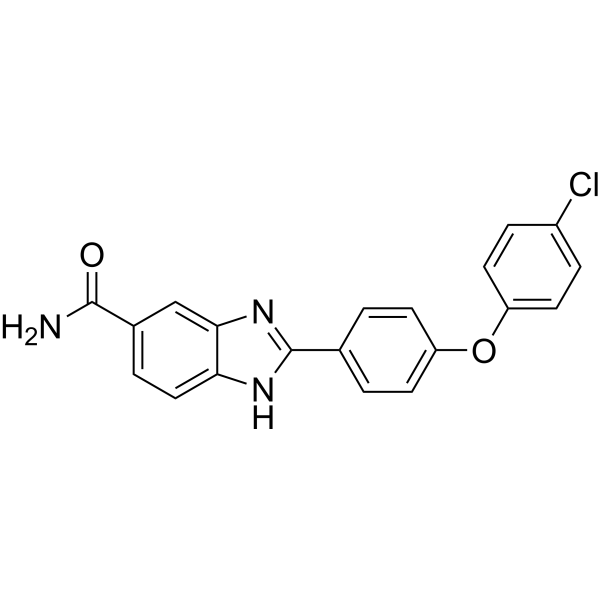
BML-277
Based on 10 publication(s) in Google Scholar
BML-277 is a selective checkpoint kinase 2 (Chk2) inhibitor with an IC50 of 15 nM.
Nur für Forschungszwecke. Wir verkaufen nicht an Patienten.
- Reinheit : 99.67%
- CAS. Nr.: 516480-79-8
- Formel: C20H14ClN3O2
- Molecular Weight:363.80
-
Speicherung:Powder -20°C, 3 years , 4°C, 2 years ; In solvent -80°C, 2 years , -20°C, 1 year

To place orders, for customer services and technical support, please contact: MedChemExpress USA
Tel: 609-228-6898 E-mail: [email protected] [email protected]


-
 Biologische Aktivität
-
Chemical Information
-
Lösungsmittel & Löslichkeit
- Reinheit & Dokumentation
- Verweise
-
 Help & FAQs


-
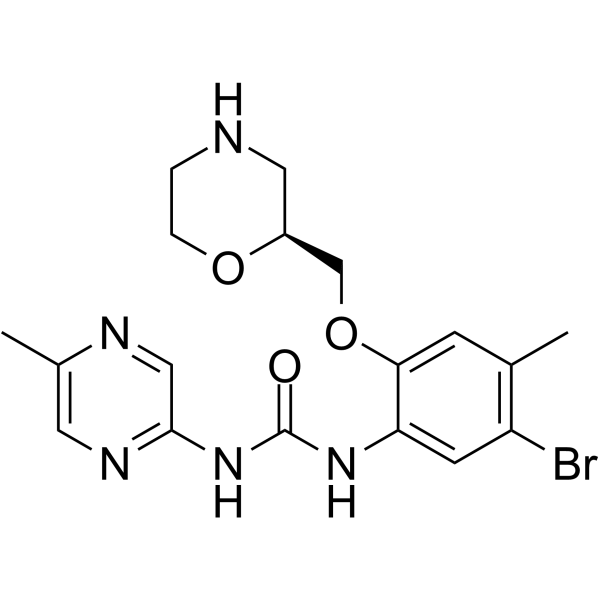
HY-14720
RabusertibCHK1 Inhibitor -
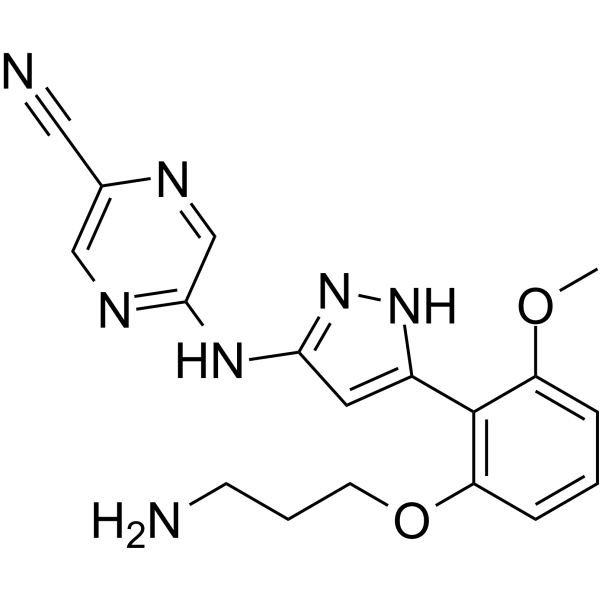
HY-18174
PrexasertibCHK1 Inhibitor -
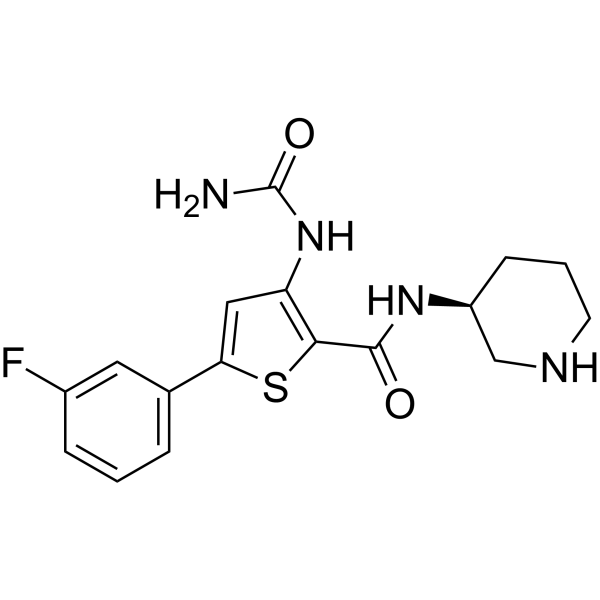
HY-10992
AZD-7762Chk Inhibitor -
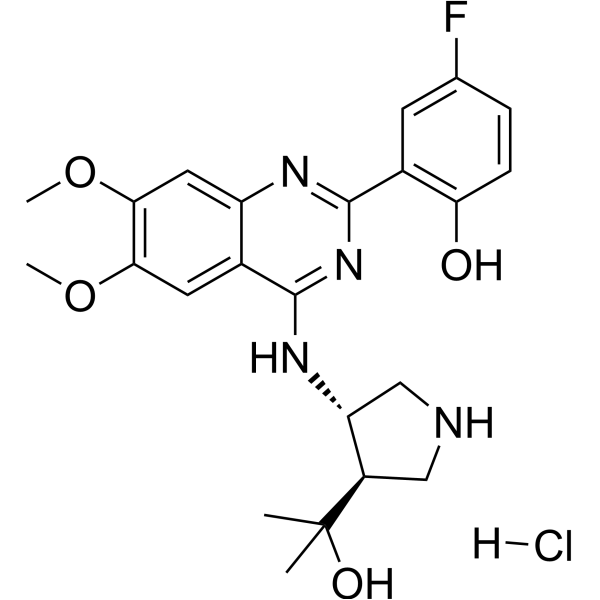
HY-14715B
CCT241533 hydrochlorideCHK2 Inhibitor -
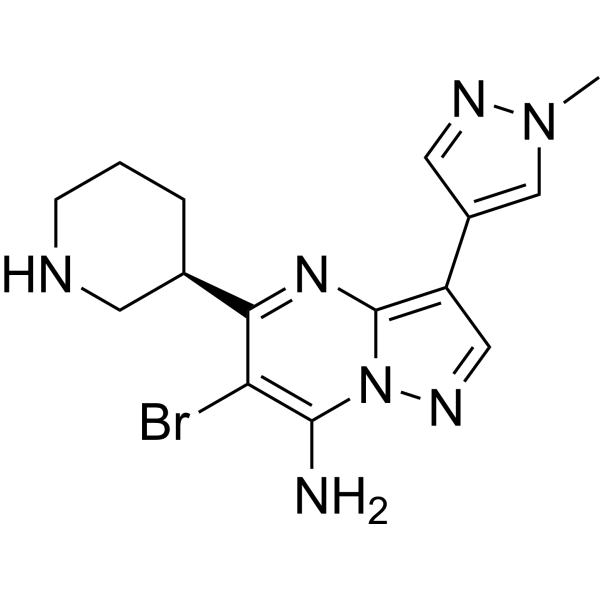
HY-15532
SCH900776CHK1 Inhibitor -
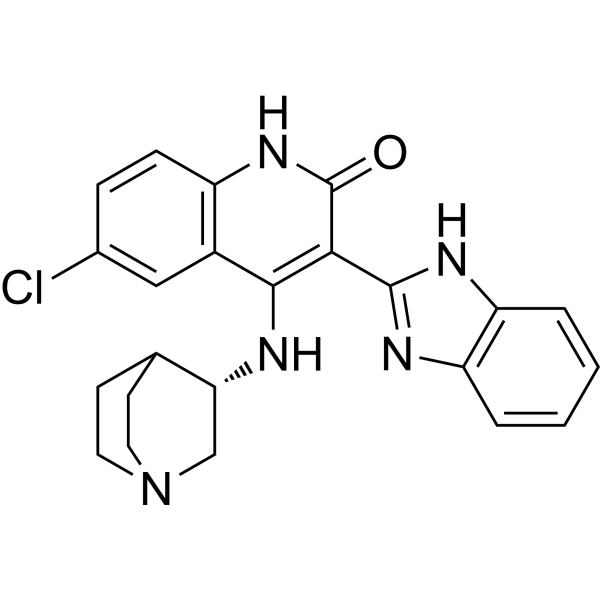
HY-13263
CHIR-124Checkpoint Kinase (Chk) Inhibitor -
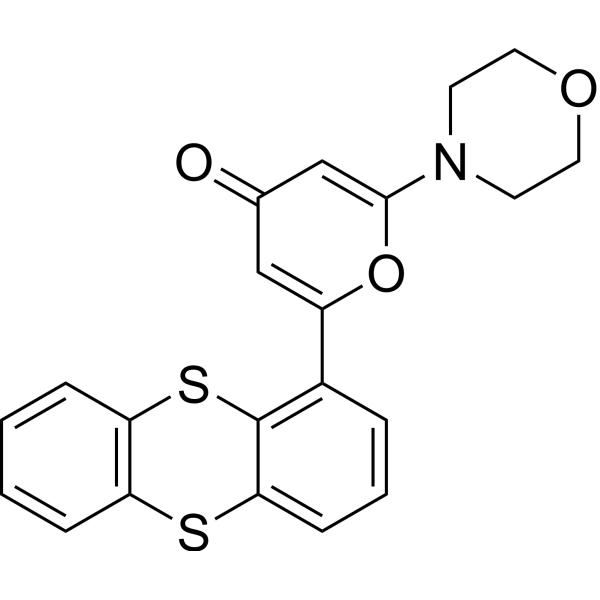
HY-12016
KU-55933ATM Inhibitor -
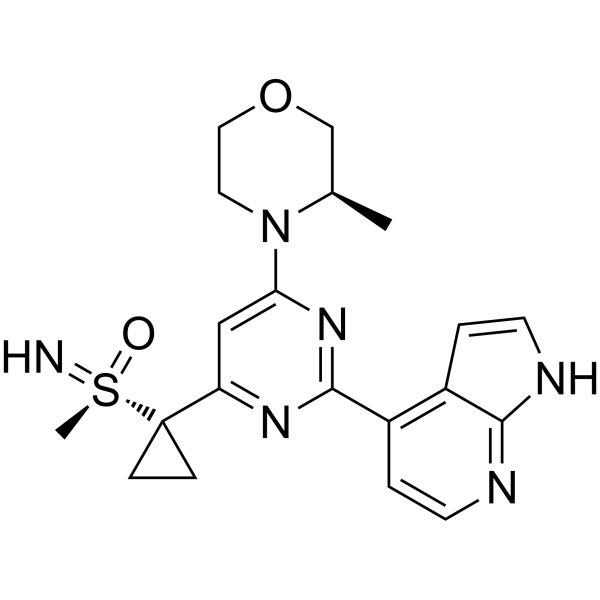
HY-19323
CeralasertibATR Inhibitor -
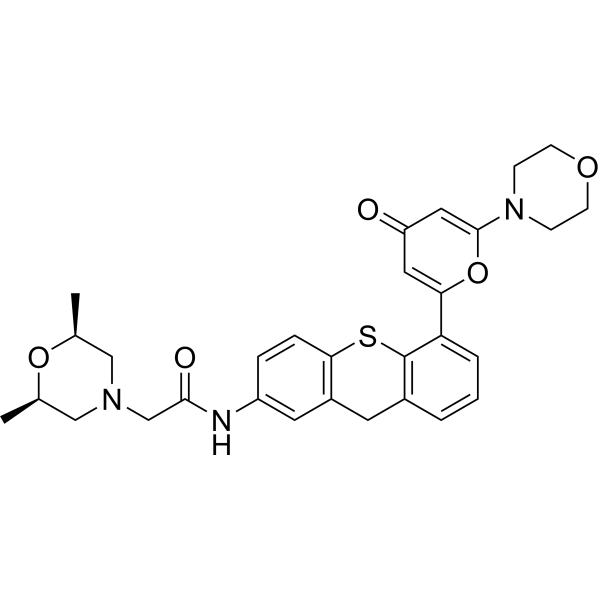
HY-12061
KU-60019ATM/ATR Inhibitor -
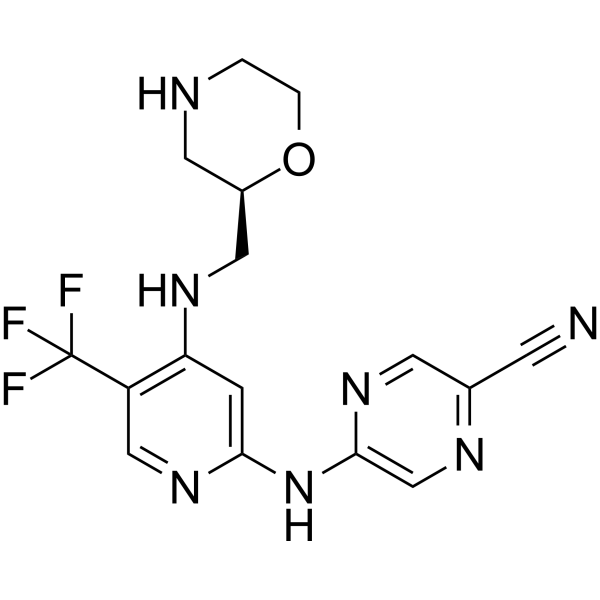
HY-18958
CCT245737CHK1 Inhibitor -
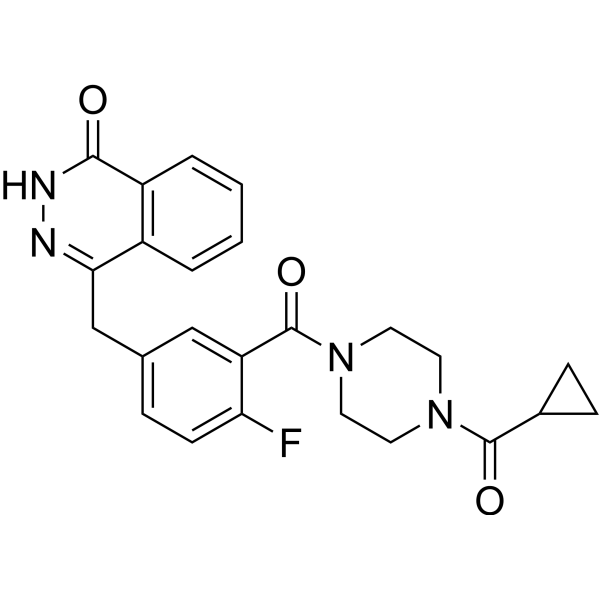
HY-10162
OlaparibPARP Inhibitor -
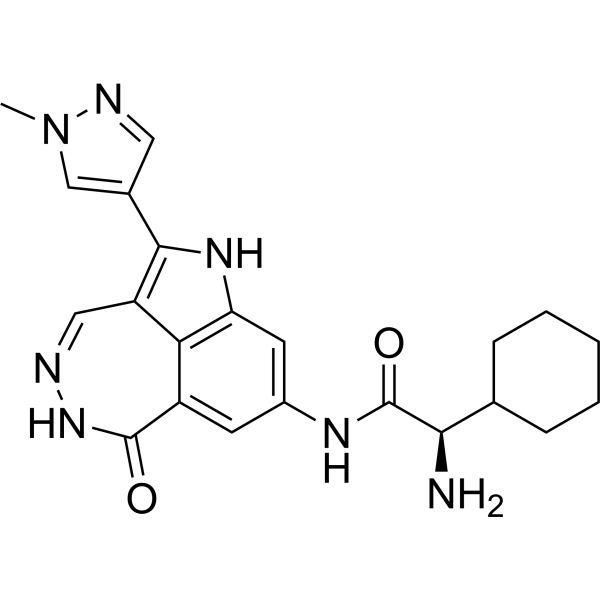
HY-10032
PF 477736Chk1 Inhibitor
Publications Citing Use of MedChemExpress (MCE) BML-277
More- Mol Cancer. 2024 Oct 30;23(1):242. [Abstract]
- Adv Mater. 2023 Mar;35(11):e2210017. [Abstract]
- Sci Adv. 2022 Jan 21;8(3):eabj8357. [Abstract]
- Cell Mol Biol Lett. 2025 Nov 13;30(1):136. [Abstract]
- Cell Death Dis. 2020 Jun 15;11(6):464. [Abstract]
- Mol Med. 2025 May 29;31(1):211. [Abstract]
- Hum Reprod. 2023 Sep 5;38(9):1769-1783. [Abstract]
- bioRxiv. 2026 Jun 29.
- Research Square Preprint. 2023 Jun 9.
- Technische Universitat Darmstadt. 2022 Aug.
 Customer Validation & Images

-
IF
-
Cell Proliferation/Viability Assay
-
Histological Imaging/Staining
-
WB
-
Cell Proliferation/Viability Assay


Biologische Aktivität
Beschreibung
IC50 & Target
[1]|
Chk2 15 nM (IC50) |
Cellular Effect
|
Cell Line

|
Type | Value | Description | References |
|---|---|---|---|---|
| T-cell | EC50 |
7600 nM
Compound: K00247, Benzimidazol1
|
Effect of gamma irradiation-induced apoptosis in human CD8+ T cells
Effect of gamma irradiation-induced apoptosis in human CD8+ T cells
|
[PMID: 18077363] |
| T-cell | EC50 |
3 μM
Compound: K00247, Benzimidazol1
|
Effect of gamma irradiation-induced apoptosis in human CD4+ T cells
Effect of gamma irradiation-induced apoptosis in human CD4+ T cells
|
[PMID: 18077363] |
In Vitro
BML-277 is an ATP-competitive inhibitor of Chk2 that dose dependently protects human CD4+ and CD8+ T-cells from apoptosis due to ionizing radiation. BML-277 efficiently rescues both T-cell populations from radiation-induced apoptosis in a dose-dependent manner with an observed EC50 of 3 7.6 μM. The concentration of BML-277 required for radioprotection is consistent with the biochemical measurement of chk2 inhibition. Providing theKm of ATP for Chk2 is determined to be 99 μM and the Ki for BML-277 is 37 nM, and assuming that the intracellular ATP concentration is 10 mM, a 5 μM concentration of BML-277 would be expected to produce 42% inhibition of intracellular chk2[1].
MedChemExpress (MCE) has not independently confirmed the accuracy of these methods. They are for reference only.


Chemical Information
-
CAS. Nr. 516480-79-8
-
Appearance Solid
-
Molecular Weight 363.80
-
Formel C20H14ClN3O2
-
Color Light yellow to yellow
-
SMILES
ClC(C=C1)=CC=C1OC(C=C2)=CC=C2C3=NC4=CC(C(N)=O)=CC=C4N3
-
Synonyms
Chk2 Inhibitor II
-
Versand
Room temperature in continental US; may vary elsewhere.
-
Speicherung
Powder -20°C 3 years 4°C 2 years In solvent -80°C 2 years -20°C 1 year


Publications (10)
-
Journal Impact Factor
-
Most Recent
-
Mol Cancer
Tumour-intrinsic PDL1 signals regulate the Chk2 DNA damage response in cancer cells and mediate resistance to Chk1 inhibitors. [Abstract]2024 Oct 30;23(1):242. PMID: 39478560
BML-277 purchased from MedChemExpress. Usage Cited in: Mol Cancer. 2024 Oct 30;23(1):242. [Abstract]
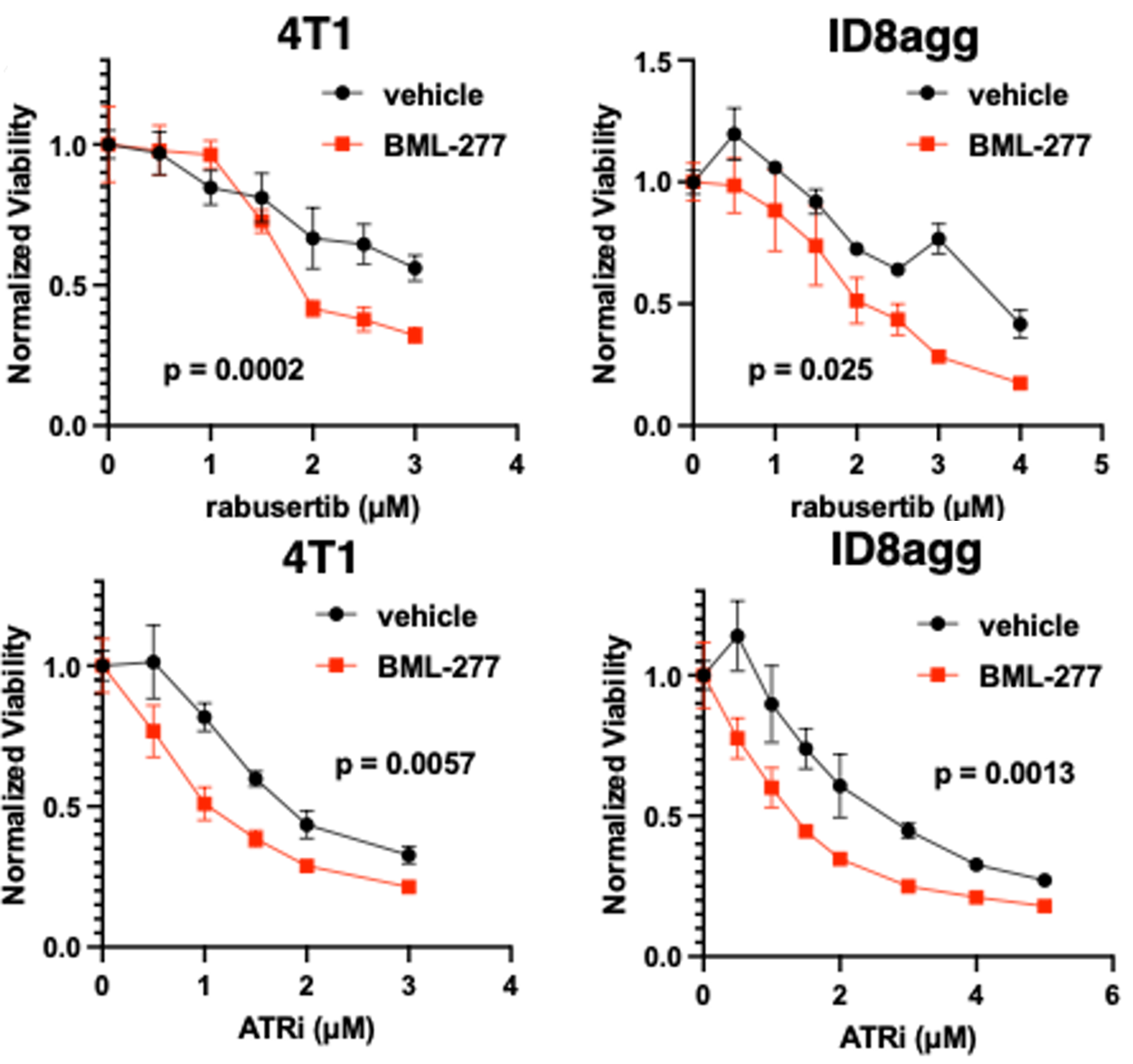
MTT viability of 4T1 and ID8agg cells treated with vehicle or 2.5 μM BML-277 ± rabuserib for 96 hours. MTT viability of 4T1 and ID8agg cells treated with BML-277 as above ± ATRi for 96 hours.
-
Adv Mater
Microenvironmentally Responsive Chemotherapeutic Prodrugs and CHEK2 Inhibitors Self-Assembled Micelles: Protecting Fertility and Enhancing Chemotherapy. [Abstract]2023 Mar;35(11):e2210017. PMID: 36528787 -
Sci Adv
2022 Jan 21;8(3):eabj8357. PMID: 35061527
BML-277 purchased from MedChemExpress. Usage Cited in: Sci Adv. 2022 Jan 21;8(3):eabj8357. [Abstract]
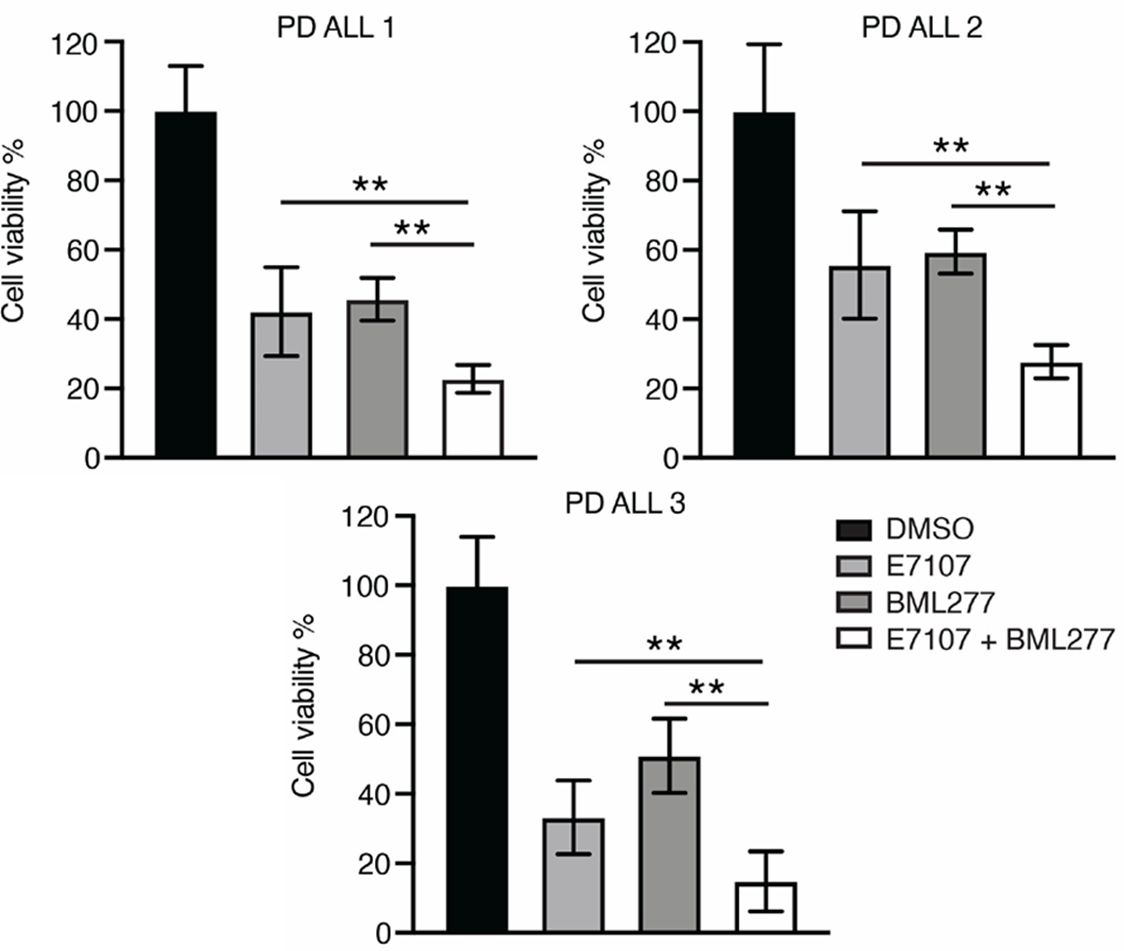
Representative cell viability upon the treatment of 2 nM E7107, 50 μM BML277, or 2 nM E7107 + 50 μM BML277 (BML-277) in patient samples for 24 hours.
BML-277 purchased from MedChemExpress. Usage Cited in: Sci Adv. 2022 Jan 21;8(3):eabj8357. [Abstract]
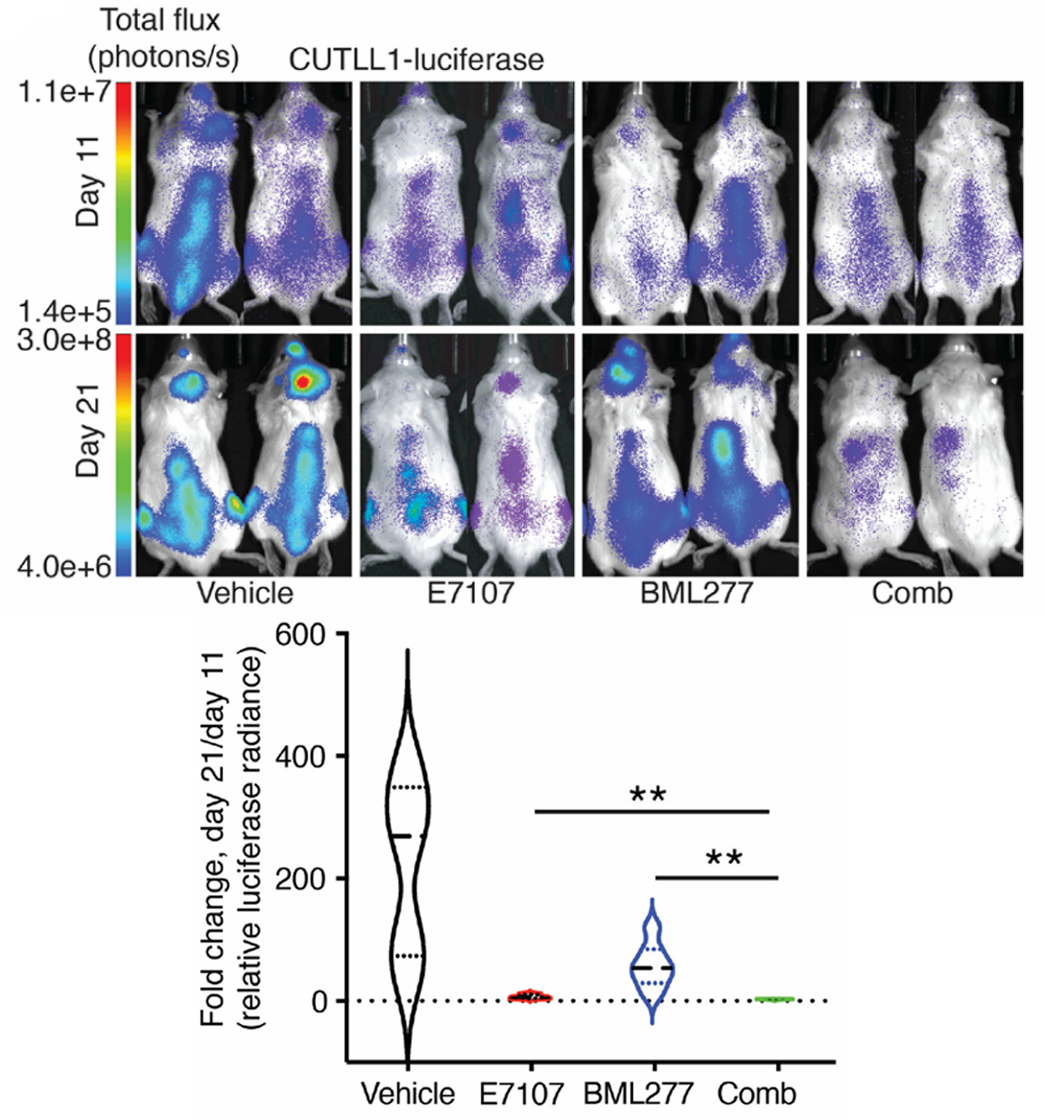
Luciferase-expressing CUTLL1 cells were injected into immunocompromised mice via tail vein coupled to mouse treated with E7107 (at 5 mg/kg per day), BML277 (BML-277) (at 1 mg/kg per day), or E7107 and BML277 (“Comb”). Leukemic burden was assessed via blast detection in mouse body using bioluminescence and in vivo imaging system equipment twice per week.
-
Cell Mol Biol Lett
E0703 targets ERβ to facilitate the upregulation of GLI3, thereby alleviating irradiation-induced DNA damage on lymphocytes. [Abstract]2025 Nov 13;30(1):136. PMID: 41233737 -
Cell Death Dis
Oncogene PRR14 promotes breast cancer through activation of PI3K signal pathway and inhibition of CHEK2 pathway. [Abstract]2020 Jun 15;11(6):464. PMID: 32541902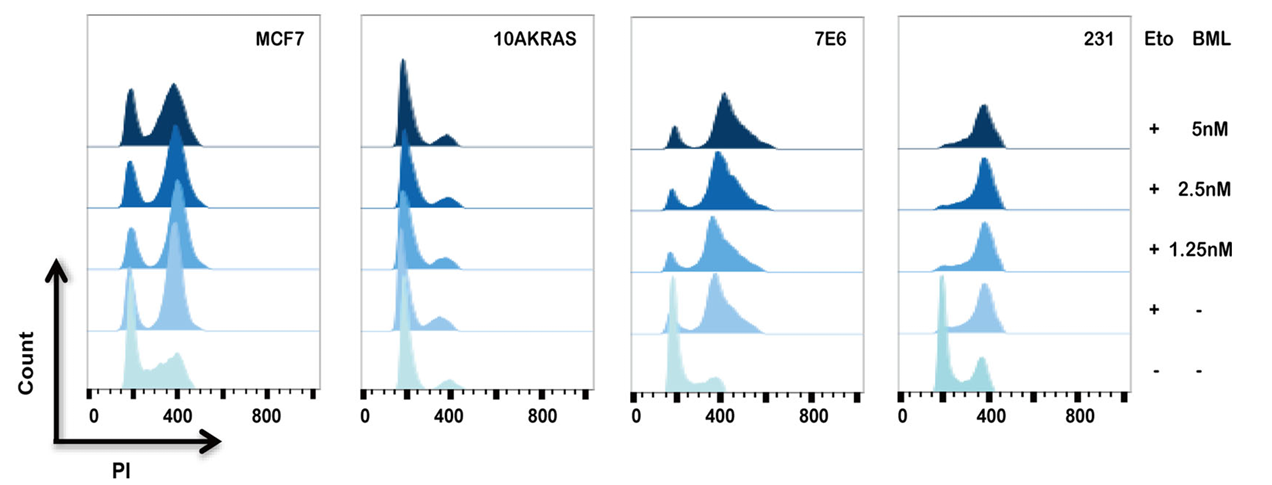
BML-277 purchased from MedChemExpress. Usage Cited in: Cell Death Dis. 2020 Jun 15;11(6):464. [Abstract]
MCF7, 10AKRAS, 7E6 and MDA-MB-231 cell lines are treated with increasing concentration of CHEK2 inhibitor BML (BML-277) (1.25-5 nM) for 24 h and followed with a 24 h treatment of Eto at 5 μg/ml. Cells are harvested to stain with PI followed with FACS analysis.
-
Mol Med
Activation of the MEK1-CHK2 axis in macrophages by Staphylococcus aureus promotes mitophagy, resulting in a reduction in bactericidal efficacy. [Abstract]2025 May 29;31(1):211. PMID: 40437411
BML-277 purchased from MedChemExpress. Usage Cited in: Mol Med. 2025 May 29;31(1):211. [Abstract]
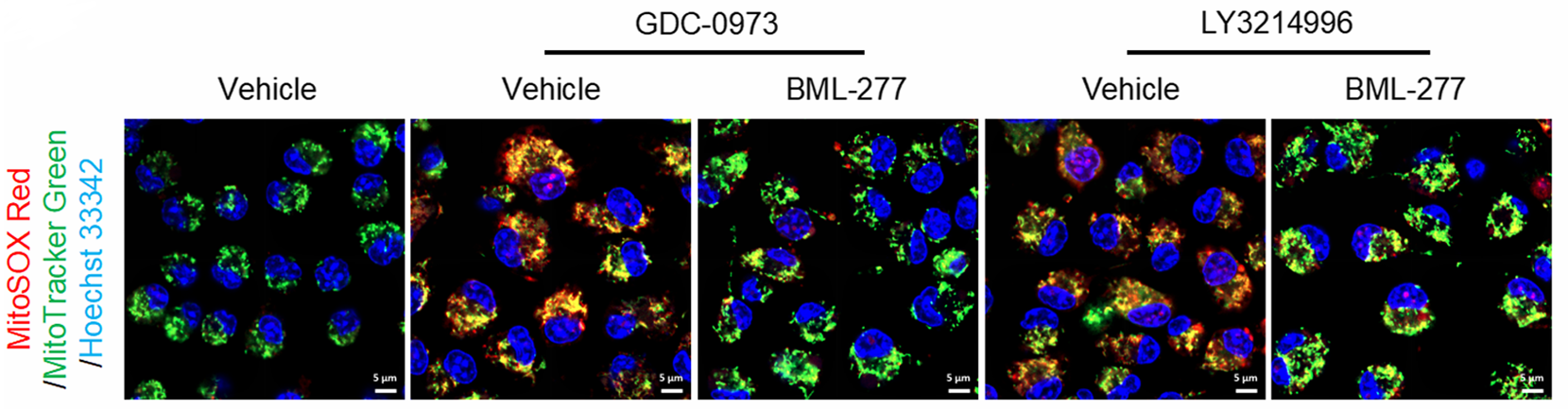
Representative images of mtROS levels in BMDMs infected with S. aureus for 12 h and treated with GDC-0973 or LY3214996 and BML-277 (10 µM). Scale bars, 5 μm.
-
Hum Reprod
Inhibition of checkpoint kinase prevents human oocyte apoptosis induced by chemotherapy and allows enhanced tumour chemotherapeutic efficacy. [Abstract]2023 Sep 5;38(9):1769-1783. PMID: 37451671
BML-277 purchased from MedChemExpress. Usage Cited in: Hum Reprod. 2023 Sep 5;38(9):1769-1783. [Abstract]
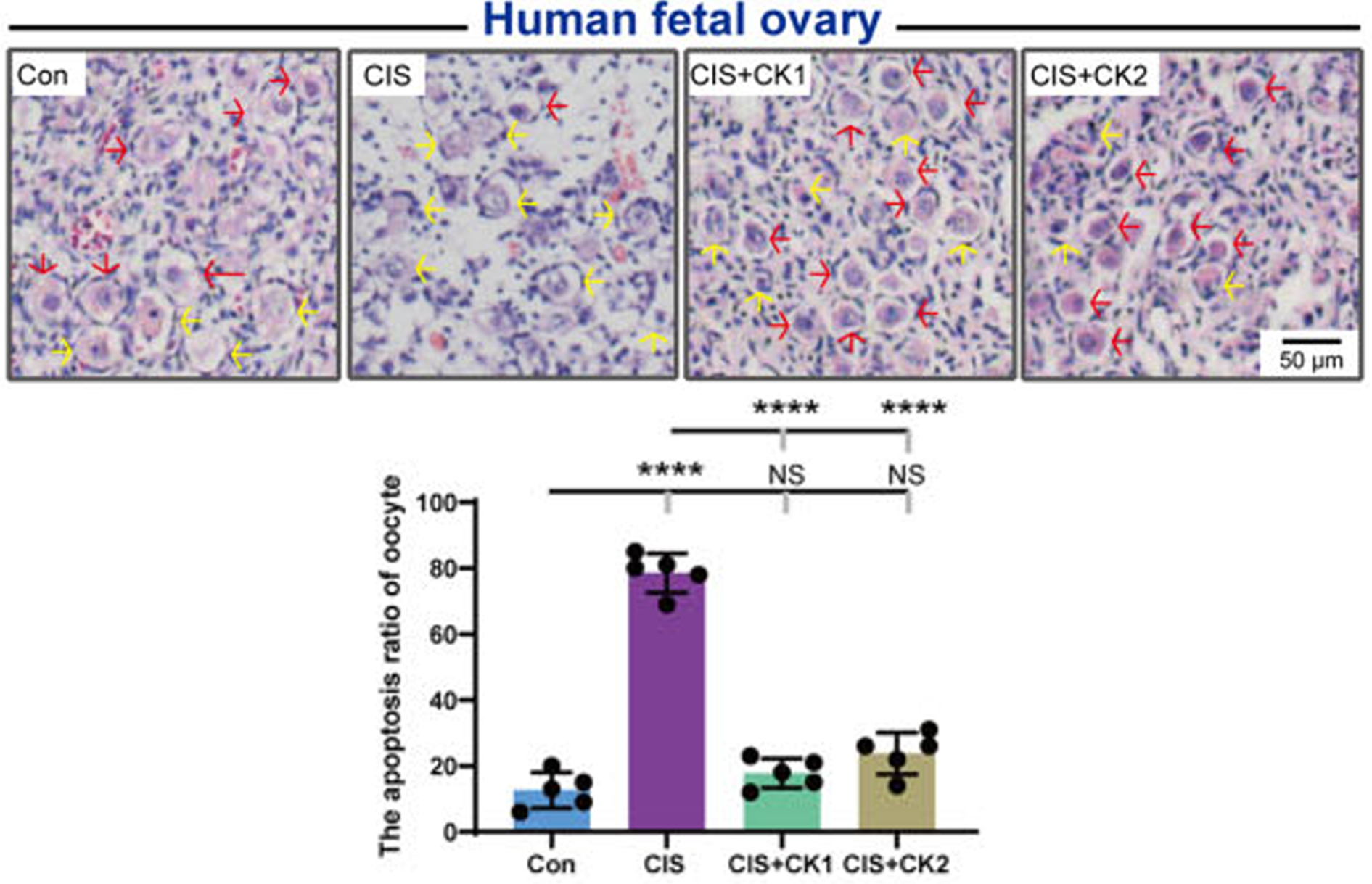
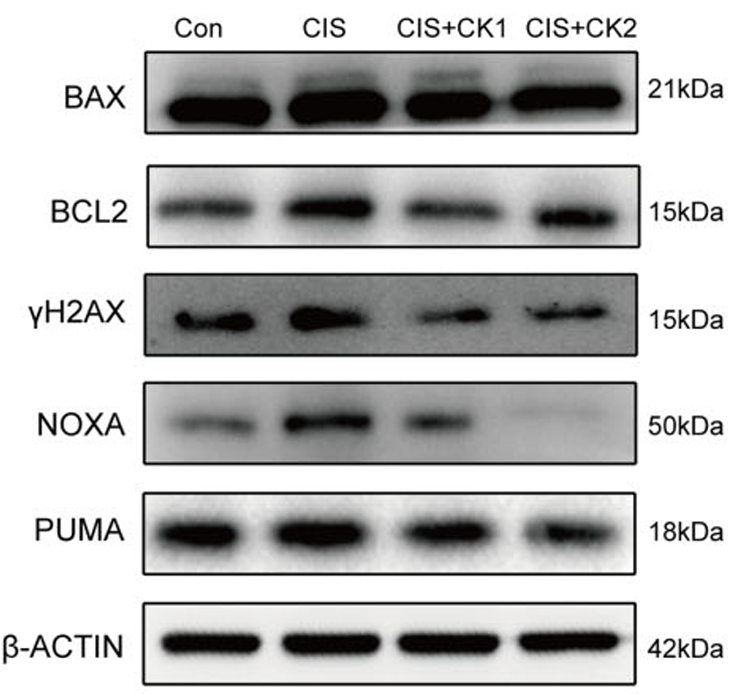
H&E staining and the ratio of apoptotic primordial oocytes in human foetal ovaries treated with cisplatin alone or along with CHEK1 inhibitor (CK1) or CHEK2 inhibitor (CK2) (BML-277) (25 µM; 26 h). Red arrows indicate healthy primordial follicles, and yellow arrows indicate apoptotic primordial follicles.
BML-277 purchased from MedChemExpress. Usage Cited in: Hum Reprod. 2023 Sep 5;38(9):1769-1783. [Abstract]
BML-277 (CK2) (25 µM; 26 h). Analysis of apoptosis-related proteins (BAX, BCL2, γH2AX, NOXA, and PUMA) in each group. Western blot analysis of human foetal ovaries treated with cisplatin or CHEK1/CHEK2 inhibitors showed decreased expression of apoptosis-associated proteins upon exposure to CK1 or CK2.
-
-
-


Lösungsmittel & Löslichkeit
In Vitro:
DMSO : 22.22 mg/mL (61.08 mM; Need ultrasonic; Hygroscopic DMSO has a significant impact on the solubility of product, please use newly opened DMSO)
Please refer to the solubility information to select the appropriate solvent. Once prepared, please aliquot and store the solution to prevent product inactivation from repeated freeze-thaw cycles.
Storage method and period of stock solution: -80°C, 2 years; -20°C, 1 year. When stored at -80°C, please use it within 2 years. When stored at -20°C, please use it within 1 year.
Please refer to the solubility information to select the appropriate solvent. Once prepared, please aliquot and store the solution to prevent product inactivation from repeated freeze-thaw cycles.
Storage method and period of stock solution: -80°C, 2 years; -20°C, 1 year. When stored at -80°C, please use it within 2 years. When stored at -20°C, please use it within 1 year.
Konzentration (Stammlösung) × Volumen (Stammlösung) = Konzentration (Ziellösung) × Volumen (Ziellösung)
In Vivo:
Select the appropriate dissolution method based on your experimental animal and administration route.
- For the following dissolution methods, please ensure to first prepare a clear stock solution using an In Vitro approach and then sequentially add co-solvents:
- To ensure reliable experimental results, the clarified stock solution can be appropriately stored based on storage conditions. As for the working solution for In Vivo experiments, it is recommended to prepare freshly and use it on the same day.
- The percentages shown for the solvents indicate their volumetric ratio in the final prepared solution. If precipitation or phase separation occurs during preparation, heat and/or sonication can be used to aid dissolution.
Add each solvent one by one: 10% DMSO 40% PEG300 5% Tween-80 45% Saline
Solubility: ≥ 1.67 mg/mL (4.59 mM); Clear solution
This protocol yields a clear solution of ≥ 1.67 mg/mL (saturation unknown).
Taking 1 mL working solution as an example, add 100 μL DMSO stock solution (16.7 mg/mL) to 400 μL PEG300, and mix evenly; then add 50 μL Tween-80 and mix evenly; then add 450 μL Saline to adjust the volume to 1 mL.
Preparation of Saline: Dissolve 0.9 g sodium chloride in ddH₂O and dilute to 100 mL to obtain a clear Saline solution.
Add each solvent one by one: 10% DMSO 90% (20% SBE-β-CD in Saline)
Solubility: ≥ 1.67 mg/mL (4.59 mM); Clear solution
This protocol yields a clear solution of ≥ 1.67 mg/mL (saturation unknown).
Taking 1 mL working solution as an example, add 100 μL DMSO stock solution (16.7 mg/mL) to 900 μL 20% SBE-β-CD in Saline, and mix evenly.
Preparation of 20% SBE-β-CD in Saline (4°C, storage for one week): 2 g SBE-β-CD powder is dissolved in 10 mL Saline, completely dissolve until clear.
In Vivo Dissolution Calculator
Please enter the basic information of animal experiments:
-
-
-
-
Recommended: Prepare an additional quantity of animals to account for potential losses during experiments.
Please enter your animal formula composition:
-
%DMSO +
Recommended: Keep the proportion of DMSO in working solution below 2% if your animal is weak.
-
%+
-
+%Tween-80 + +
-
%Saline +
The co-solvents required include: DMSO, . All of co-solvents are available by MedChemExpress (MCE). , Tween 80. All of co-solvents are available by MedChemExpress (MCE).
Working solution concentration: 0.22 mg/mL
Method for preparing stock solution: mg drug dissolved in μL DMSO. Stock solution concentration: mg/mL.
1. Take μL DMSO stock solution;
2. Add μL .
μL , mix evenly;
3. Then add μL Tween 80, mix evenly;
4. Then add μL
Please ensure that the stock solution in the first step is dissolved to a clear state, and add co-solvents in sequence. You can use ultrasonic heating (ultrasonic cleaner, recommended frequency 20-40 kHz), vortexing, etc. to assist dissolution.


Reinheit & Dokumentation
-
Data Sheet (275 KB)
-
SDS (393 KB)
- English - EN (393 KB)
- Français - FR (393 KB)
- Deutsch - DE (393 KB)
- Norwegian - NO (393 KB)
- Español - ES (393 KB)
- Swedish - SV (393 KB)
- Italian - IT (393 KB)
- Korean - KR (393 KB)
- Portuguese - PT (393 KB)
-
Handling Instructions (2659 KB)
Verweise


Complete Stock Solution Preparation Table
Please refer to the solubility information to select the appropriate solvent. Once prepared, please aliquot and store the solution to prevent product inactivation from repeated freeze-thaw cycles.
Storage method and period of stock solution: -80°C, 2 years; -20°C, 1 year. When stored at -80°C, please use it within 2 years. When stored at -20°C, please use it within 1 year.
| Optional Solvent | Concentration Solvent Mass | 1 mg | 5 mg | 10 mg | 25 mg |
|---|---|---|---|---|---|
| DMSO | 1 mM | 2.7488 mL | 13.7438 mL | 27.4876 mL | 68.7191 mL |
| 5 mM | 0.5498 mL | 2.7488 mL | 5.4975 mL | 13.7438 mL | |
| 10 mM | 0.2749 mL | 1.3744 mL | 2.7488 mL | 6.8719 mL | |
| 15 mM | 0.1833 mL | 0.9163 mL | 1.8325 mL | 4.5813 mL | |
| 20 mM | 0.1374 mL | 0.6872 mL | 1.3744 mL | 3.4360 mL | |
| 25 mM | 0.1100 mL | 0.5498 mL | 1.0995 mL | 2.7488 mL | |
| 30 mM | 0.0916 mL | 0.4581 mL | 0.9163 mL | 2.2906 mL | |
| 40 mM | 0.0687 mL | 0.3436 mL | 0.6872 mL | 1.7180 mL | |
| 50 mM | 0.0550 mL | 0.2749 mL | 0.5498 mL | 1.3744 mL | |
| 60 mM | 0.0458 mL | 0.2291 mL | 0.4581 mL | 1.1453 mL |


BML-277 Related Classifications
HY-13946 Related Classifications
 Powered by Bioz