



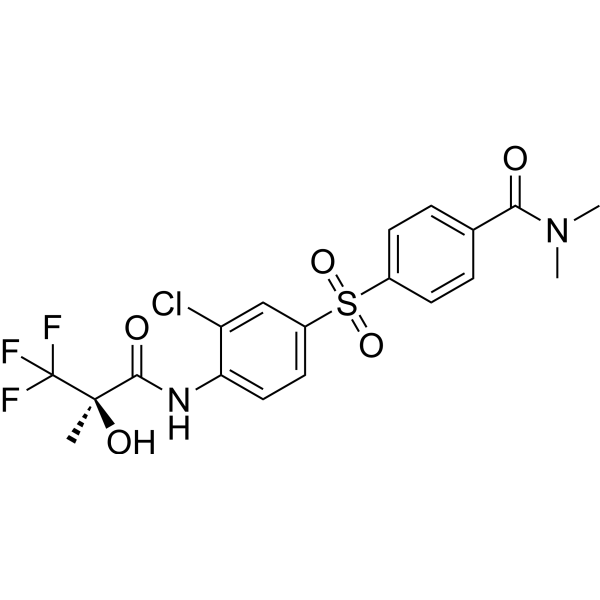
AZD7545
Based on 7 publication(s) in Google Scholar
AZD7545 is a potent, competitive, selective PDHK2 (pyruvate dehydrogenase kinase 2) inhibitor with IC50s of 36.8 nM, 6.4 nM for PDHK1 and PDHK2, respectively.
For research use only. We do not sell to patients.
- Purity : 99.91%
- CAS No.: 252017-04-2
- Formula: C19H18ClF3N2O5S
- Molecular Weight:478.87
-
Storage:Powder -20°C, 3 years , 4°C, 2 years ; In solvent -80°C, 2 years , -20°C, 1 year

To place orders, for customer services and technical support, please contact: MedChemExpress USA
Tel: 609-228-6898 E-mail: [email protected] [email protected]


-
 Biological Activity
-
Chemical Information
-
Solvent & Solubility
- Purity & Documentation
- References
-
 Help & FAQs


-
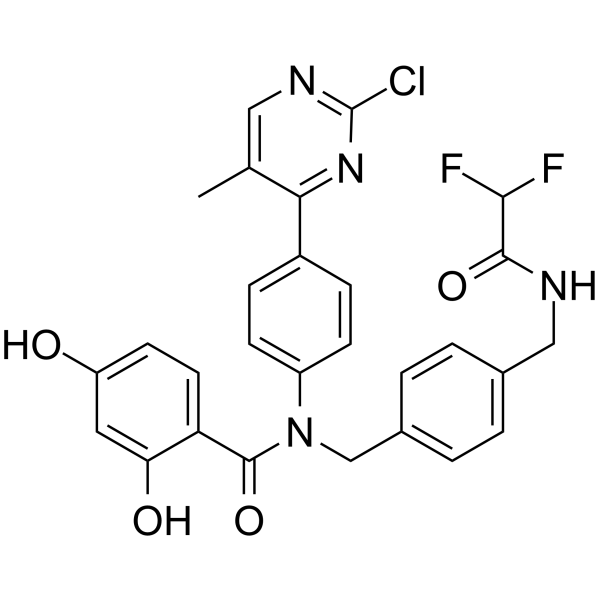
HY-12492
VER-246608 -
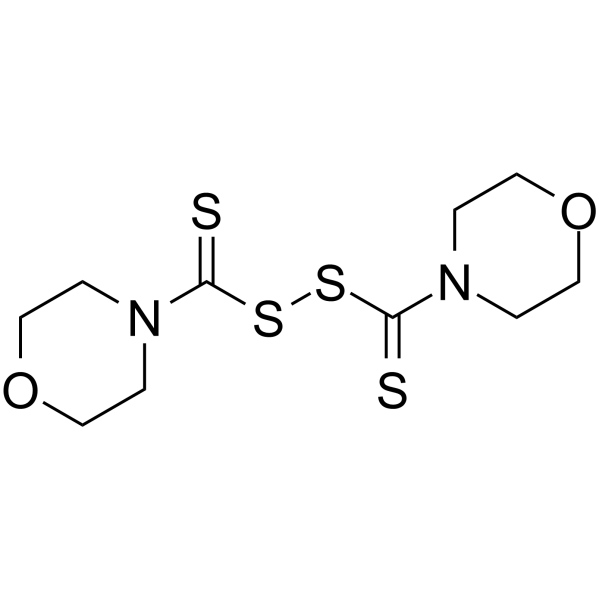
HY-19564
JX06PDK Inhibitor -
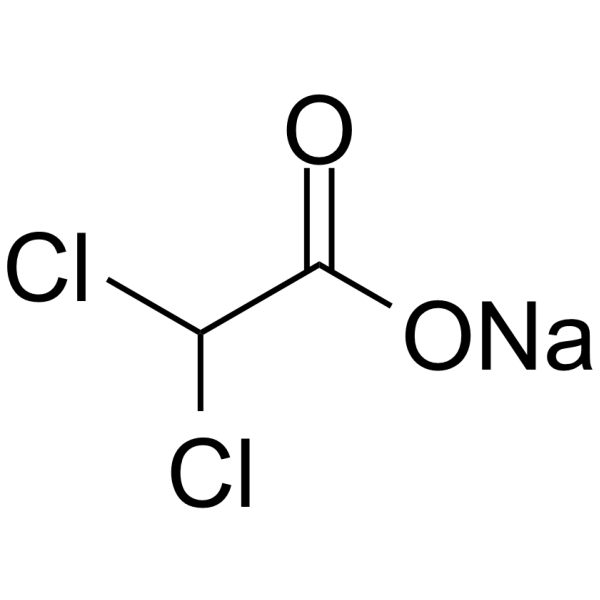
HY-Y0445A
Sodium dichloroacetatePDK Inhibitor -
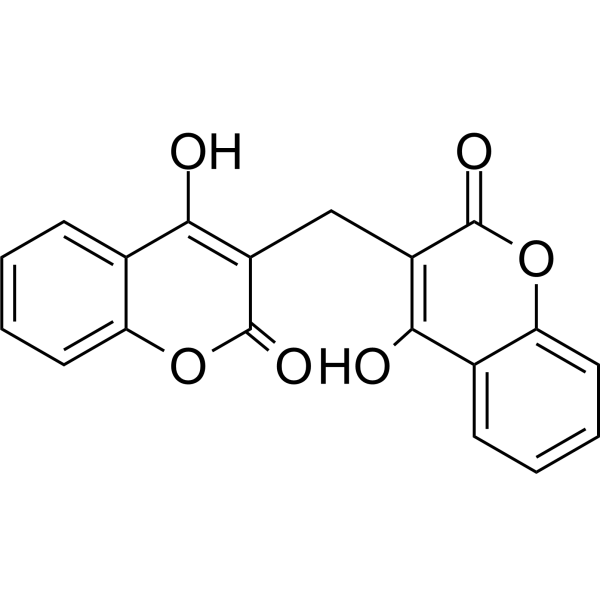
HY-N0645
DicoumarolPDHK Inhibitor -
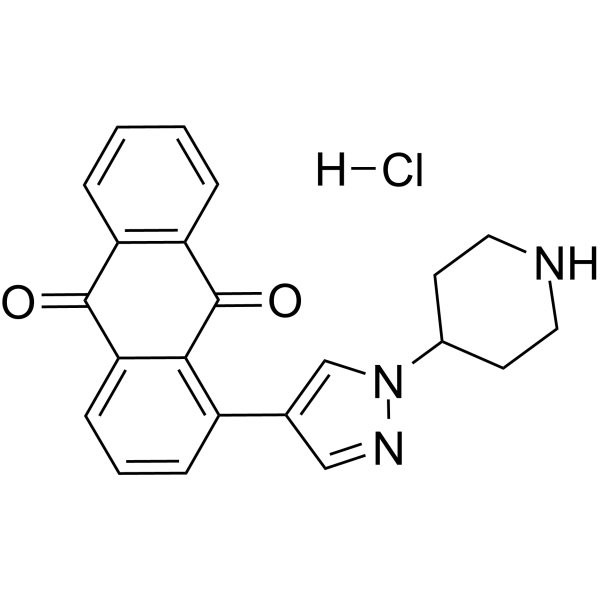
HY-135954A
PDK4-IN-1 hydrochloridePDK4 Inhibitor -
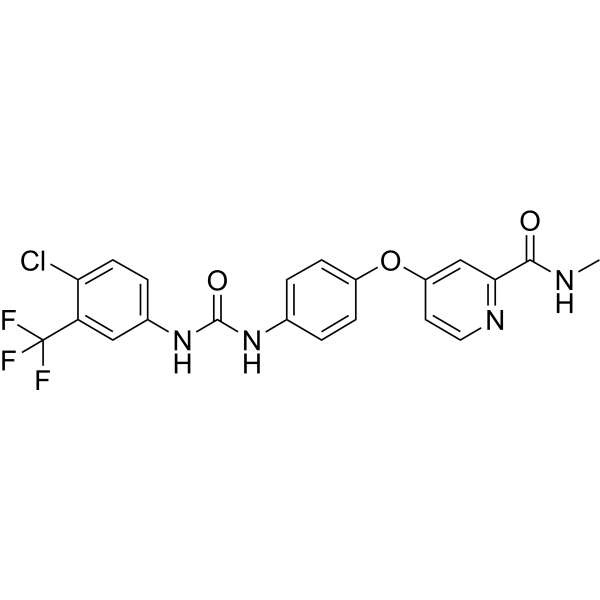
HY-10201
SorafenibMultikinase Inhibitor -
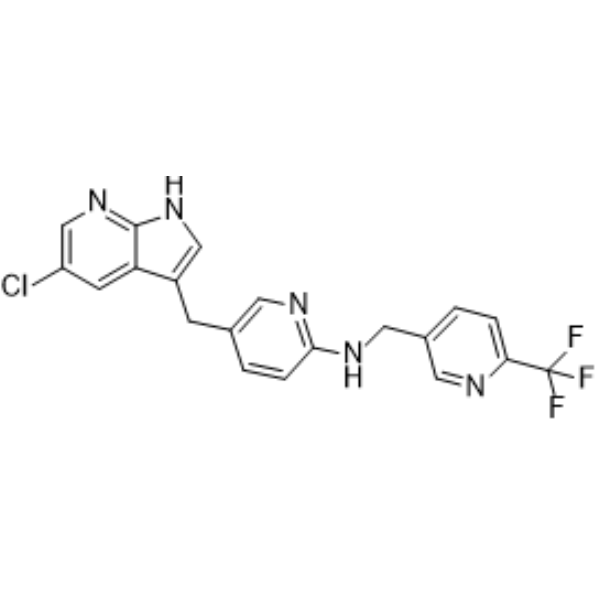
HY-16749
PexidartinibCSF1R/c-Kit Inhibitor -
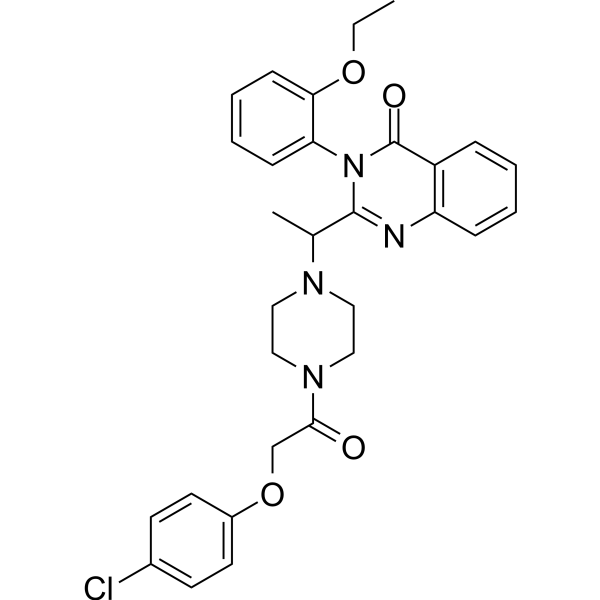
HY-15763
ErastinFerroptosis Inducer -
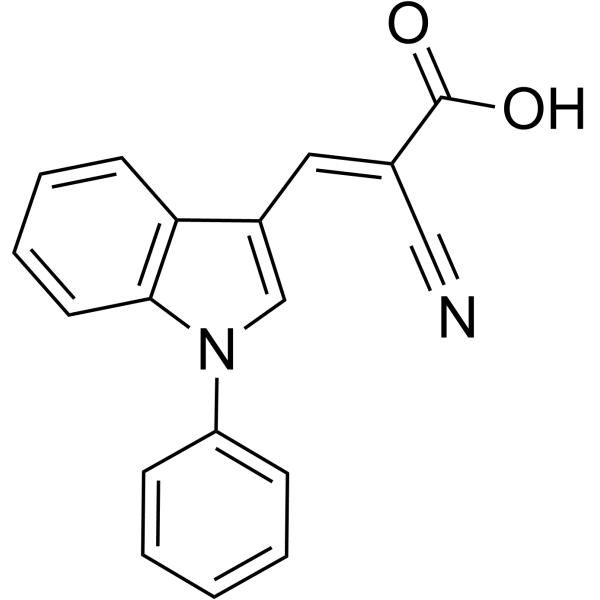
HY-15475
UK-5099Mitochondrial Pyruvate Carrier Inhibitor -
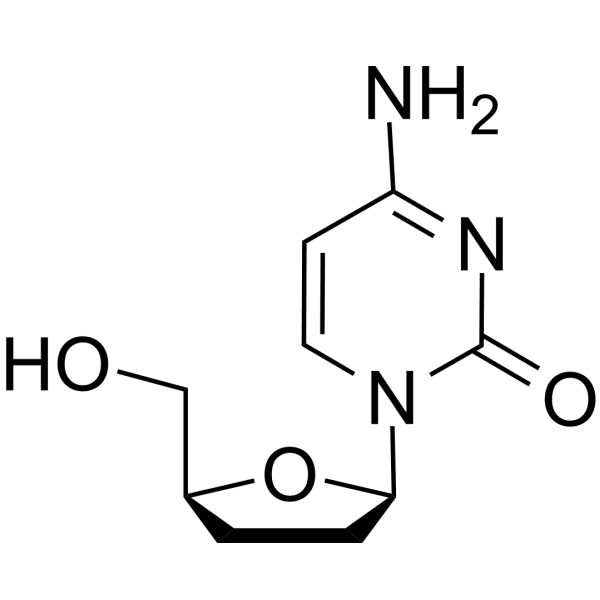
HY-17392
ZalcitabineReverse Transcriptase Inhibitor -
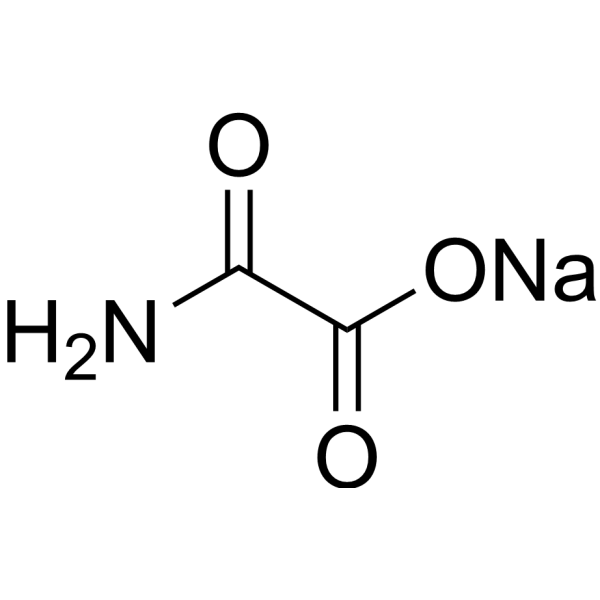
HY-W013032A
Oxamic acid sodiumLDH-A Inhibitor -
HY-10119
VorapaxarPAR-1 Antagonist
Publications Citing Use of MedChemExpress (MCE) AZD7545
More Customer Validation & Images

-
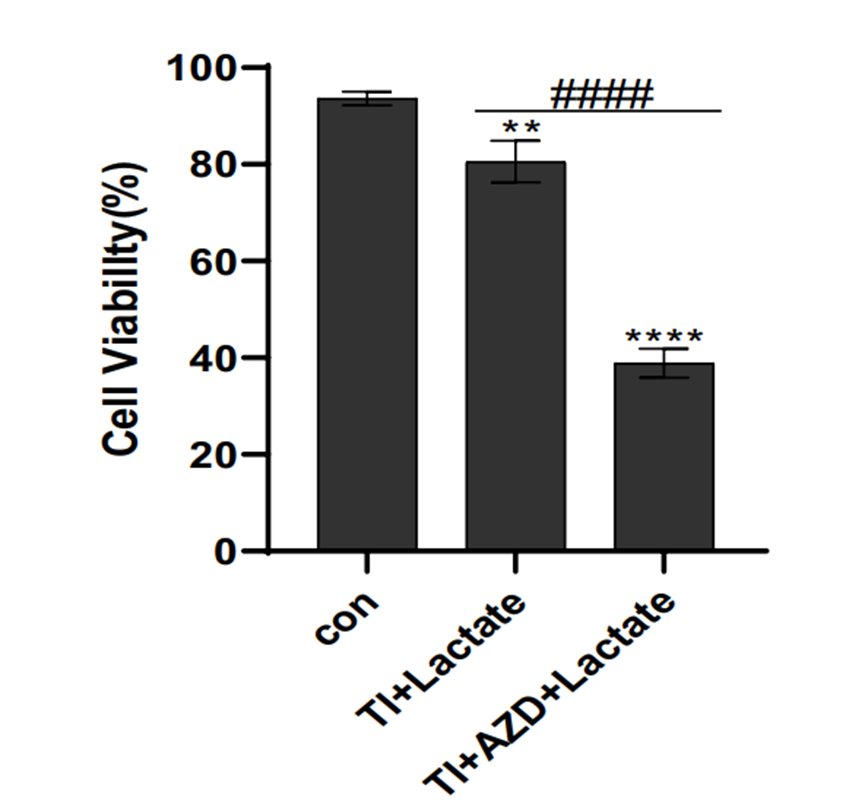
Cell Proliferation/Viability Assay
-
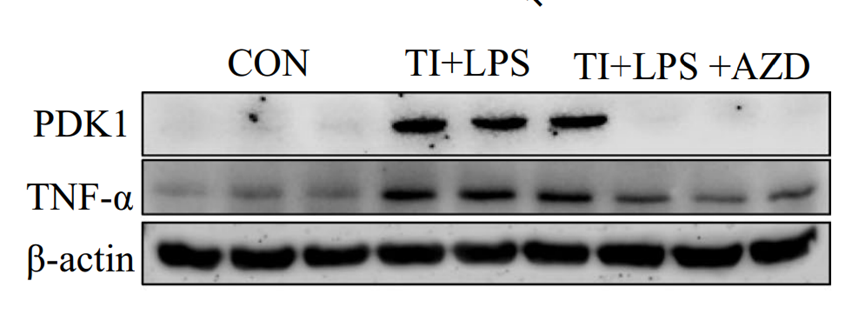
WB
-
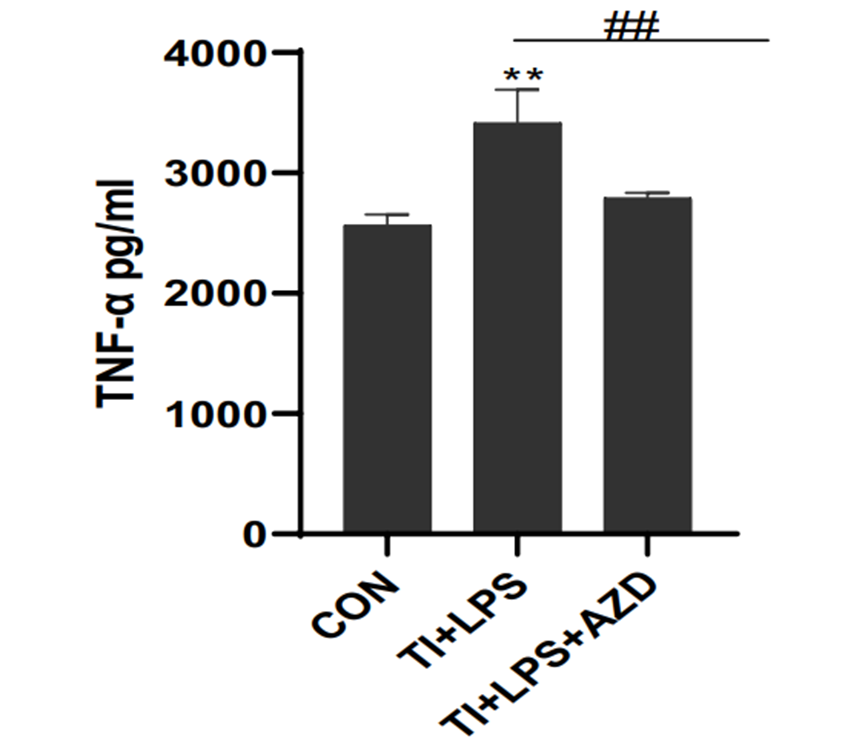
ELISA
-
RT-PCR
-
IF


Biological Activity
Description
IC50 & Target
IC50: 6.4 nM (PDHK2), 36.8 nM (PDHK1)[1]
In Vitro
AZD7545 (10 μM; 90 hours for BRAFV600E human melanoma cells and 120 hours for NRAS mut human melanoma cells) specifically suppresses growth of cells harboring BRAF and NRAS mutations as well as in inhibitor-resistant human melanoma[2].
MedChemExpress (MCE) has not independently confirmed the accuracy of these methods. They are for reference only. .
-
Cell Line:Human melanoma cells lines of BRAFV600E (A375, IGR37) and NRASmut (SKMel30, IPC298, MelJuso)
-
Concentration:10 μM
-
Incubation Time:90 hours (BRAFV600E human melanoma cells) and 120 hours (NRAS mut human melanoma cells)
-
Result:Mediated growth suppression of BRAFV600E mutant and NRAS mut human melanoma cells.
In Vivo
MedChemExpress (MCE) has not independently confirmed the accuracy of these methods. They are for reference only.
-
Animal Model:Obese male (fa/fa) Zucker rats [3]
-
Dosage:10 mg/kg
-
Administration:Oral administration; once a day (08:00 h) or Twice a day ( 08:00 and 18:00 h); for 7 days
-
Result:Improved the control of blood glucose levels.


Chemical Information
-
CAS No. 252017-04-2
-
Appearance Solid
-
Molecular Weight 478.87
-
Formula C19H18ClF3N2O5S
-
Color White to off-white
-
SMILES
O=C(N(C)C)C1=CC=C(S(=O)(C2=CC=C(NC([C@@](C)(O)C(F)(F)F)=O)C(Cl)=C2)=O)C=C1
-
Shipping
Room temperature in continental US; may vary elsewhere.
-
Storage
Powder -20°C 3 years 4°C 2 years In solvent -80°C 2 years -20°C 1 year


Publications (7)
-
Journal Impact Factor
-
Most Recent
-
Nat Aging
2023 Jul;3(7):796-812. PMID: 37277641 -
-
-
-
J Transl Med
Trained immunity attenuated acute lung injury by activating alveolar macrophages via AKT2-PDK1 axis-mediated metabolic reprogramming. [Abstract]2025 Dec 23;23(1):1412. PMID: 41437043
AZD7545 purchased from MedChemExpress. Usage Cited in: J Transl Med. 2025 Dec 23;23(1):1412. [Abstract]
CCK-8 assay revealed decreased cell viability under high lactate conditions after AZD7545 (AZD) (10 μM) treatment.
AZD7545 purchased from MedChemExpress. Usage Cited in: J Transl Med. 2025 Dec 23;23(1):1412. [Abstract]
Western blot showed reduced protein expression of target genes after AZD7545 (AZD) (10 μM) treatment.
AZD7545 purchased from MedChemExpress. Usage Cited in: J Transl Med. 2025 Dec 23;23(1):1412. [Abstract]
ELISA showed reduced protein expression of target genes after AZD7545 (AZD) (10 μM) treatment.
AZD7545 purchased from MedChemExpress. Usage Cited in: J Transl Med. 2025 Dec 23;23(1):1412. [Abstract]
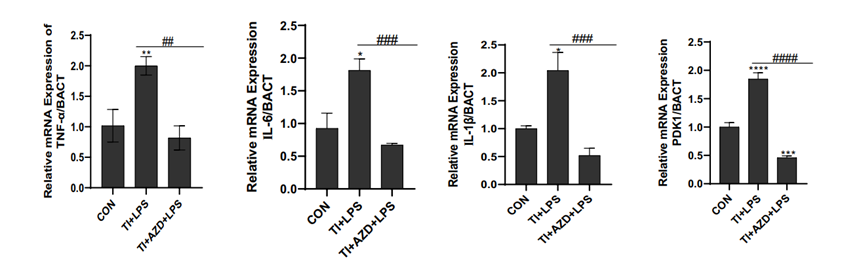
qPCR confirmed decreased mRNA levels of PDK1 and inflammatory factors after AZD7545 (AZD) (10 μM) treatment.
AZD7545 purchased from MedChemExpress. Usage Cited in: J Transl Med. 2025 Dec 23;23(1):1412. [Abstract]
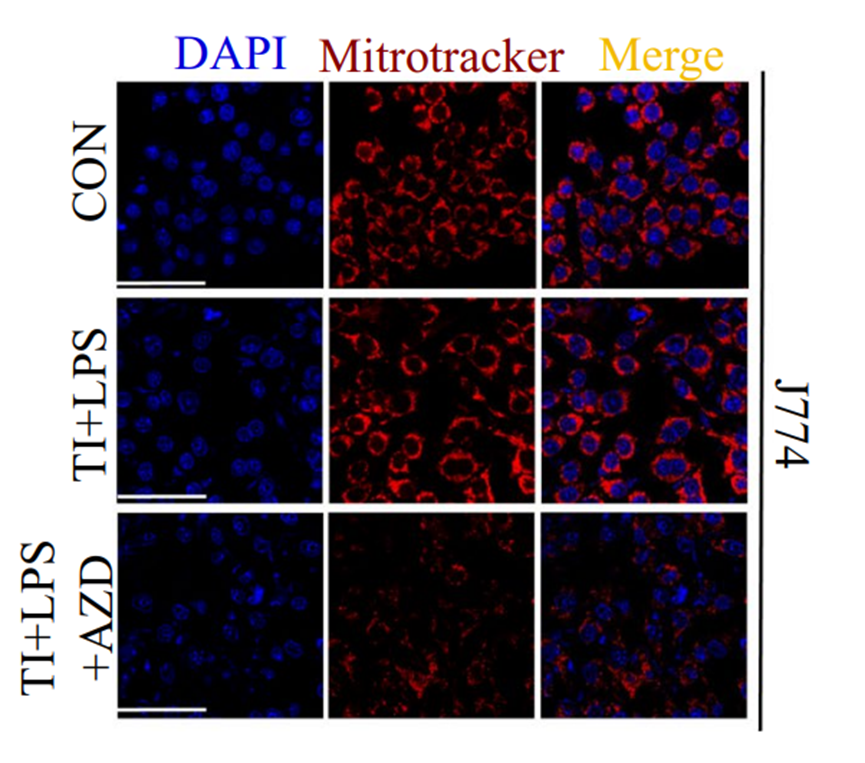
Mitochondrial morphology alterations were observed by MitoTracker staining after AZD7545 (AZD) (10 μM) treatment.
-
-
bioRxiv
2024 Sep 24:2024.09.23.614588. PMID: 39386652


Solvent & Solubility
In Vitro:
DMSO : ≥ 46 mg/mL (96.06 mM; Hygroscopic DMSO has a significant impact on the solubility of product, please use newly opened DMSO)
* "≥" means soluble, but saturation unknown.
Please refer to the solubility information to select the appropriate solvent. Once prepared, please aliquot and store the solution to prevent product inactivation from repeated freeze-thaw cycles.
Storage method and period of stock solution: -80°C, 2 years; -20°C, 1 year. When stored at -80°C, please use it within 2 years. When stored at -20°C, please use it within 1 year.
Please refer to the solubility information to select the appropriate solvent. Once prepared, please aliquot and store the solution to prevent product inactivation from repeated freeze-thaw cycles.
Storage method and period of stock solution: -80°C, 2 years; -20°C, 1 year. When stored at -80°C, please use it within 2 years. When stored at -20°C, please use it within 1 year.
Concentration (start) × Volume (start) = Concentration (final) × Volume (final)
In Vivo:
Select the appropriate dissolution method based on your experimental animal and administration route.
- For the following dissolution methods, please ensure to first prepare a clear stock solution using an In Vitro approach and then sequentially add co-solvents:
- To ensure reliable experimental results, the clarified stock solution can be appropriately stored based on storage conditions. As for the working solution for In Vivo experiments, it is recommended to prepare freshly and use it on the same day.
- The percentages shown for the solvents indicate their volumetric ratio in the final prepared solution. If precipitation or phase separation occurs during preparation, heat and/or sonication can be used to aid dissolution.
Add each solvent one by one: 10% DMSO 40% PEG300 5% Tween-80 45% Saline
Solubility: ≥ 2.5 mg/mL (5.22 mM); Clear solution
This protocol yields a clear solution of ≥ 2.5 mg/mL (saturation unknown).
Taking 1 mL working solution as an example, add 100 μL DMSO stock solution (25.0 mg/mL) to 400 μL PEG300, and mix evenly; then add 50 μL Tween-80 and mix evenly; then add 450 μL Saline to adjust the volume to 1 mL.
Preparation of Saline: Dissolve 0.9 g sodium chloride in ddH₂O and dilute to 100 mL to obtain a clear Saline solution.
Add each solvent one by one: 10% DMSO 90% (20% SBE-β-CD in Saline)
Solubility: ≥ 2.5 mg/mL (5.22 mM); Clear solution
This protocol yields a clear solution of ≥ 2.5 mg/mL (saturation unknown).
Taking 1 mL working solution as an example, add 100 μL DMSO stock solution (25.0 mg/mL) to 900 μL 20% SBE-β-CD in Saline, and mix evenly.
Preparation of 20% SBE-β-CD in Saline (4°C, storage for one week): 2 g SBE-β-CD powder is dissolved in 10 mL Saline, completely dissolve until clear.
In Vivo Dissolution Calculator
Please enter the basic information of animal experiments:
-
-
-
-
Recommended: Prepare an additional quantity of animals to account for potential losses during experiments.
Please enter your animal formula composition:
-
%DMSO +
Recommended: Keep the proportion of DMSO in working solution below 2% if your animal is weak.
-
%+
-
+%Tween-80 + +
-
%Saline +
The co-solvents required include: DMSO, . All of co-solvents are available by MedChemExpress (MCE). , Tween 80. All of co-solvents are available by MedChemExpress (MCE).
Working solution concentration: 0.22 mg/mL
Method for preparing stock solution: mg drug dissolved in μL DMSO. Stock solution concentration: mg/mL.
1. Take μL DMSO stock solution;
2. Add μL .
μL , mix evenly;
3. Then add μL Tween 80, mix evenly;
4. Then add μL
Please ensure that the stock solution in the first step is dissolved to a clear state, and add co-solvents in sequence. You can use ultrasonic heating (ultrasonic cleaner, recommended frequency 20-40 kHz), vortexing, etc. to assist dissolution.


Purity & Documentation
-
Data Sheet (278 KB)
-
SDS (393 KB)
- English - EN (393 KB)
- Français - FR (393 KB)
- Deutsch - DE (393 KB)
- Norwegian - NO (393 KB)
- Español - ES (393 KB)
- Swedish - SV (393 KB)
- Italian - IT (393 KB)
- Korean - KR (393 KB)
- Portuguese - PT (393 KB)
-
Handling Instructions (2659 KB)
References
[1]. Morrell JA, et al. AZD7545 is a selective inhibitor of pyruvate dehydrogenase kinase 2. Biochem Soc Trans. 2003 Dec;31(Pt 6):1168-70. [Content Brief]
[2]. Mayers RM, et al. AZD7545, a novel inhibitor of pyruvate dehydrogenase kinase 2 (PDHK2), activates pyruvate dehydrogenase in vivo and improves blood glucose control in obese (fa/fa) Zucker rats. Biochem Soc Trans. 2003 Dec;31(Pt 6):1165-7. [Content Brief]
[3]. Cesi G et al. ROS production induced by BRAF inhibitor treatment rewires metabolic processes affecting cell growth of melanoma cells. Mol Cancer. 2017 Jun 8;16(1):102. [Content Brief]


Complete Stock Solution Preparation Table
Please refer to the solubility information to select the appropriate solvent. Once prepared, please aliquot and store the solution to prevent product inactivation from repeated freeze-thaw cycles.
Storage method and period of stock solution: -80°C, 2 years; -20°C, 1 year. When stored at -80°C, please use it within 2 years. When stored at -20°C, please use it within 1 year.
| Optional Solvent | Concentration Solvent Mass | 1 mg | 5 mg | 10 mg | 25 mg |
|---|---|---|---|---|---|
| DMSO | 1 mM | 2.0882 mL | 10.4412 mL | 20.8825 mL | 52.2062 mL |
| 5 mM | 0.4176 mL | 2.0882 mL | 4.1765 mL | 10.4412 mL | |
| 10 mM | 0.2088 mL | 1.0441 mL | 2.0882 mL | 5.2206 mL | |
| 15 mM | 0.1392 mL | 0.6961 mL | 1.3922 mL | 3.4804 mL | |
| 20 mM | 0.1044 mL | 0.5221 mL | 1.0441 mL | 2.6103 mL | |
| 25 mM | 0.0835 mL | 0.4176 mL | 0.8353 mL | 2.0882 mL | |
| 30 mM | 0.0696 mL | 0.3480 mL | 0.6961 mL | 1.7402 mL | |
| 40 mM | 0.0522 mL | 0.2610 mL | 0.5221 mL | 1.3052 mL | |
| 50 mM | 0.0418 mL | 0.2088 mL | 0.4176 mL | 1.0441 mL | |
| 60 mM | 0.0348 mL | 0.1740 mL | 0.3480 mL | 0.8701 mL | |
| 80 mM | 0.0261 mL | 0.1305 mL | 0.2610 mL | 0.6526 mL |


AZD7545 Related Classifications
HY-16082 Related Classifications
 Powered by Bioz