1. Search Result
Search Result
Results for "

Triple+Negative

" in MedChemExpress (MCE) Product Catalog:

365

Inhibitors & Agonists

1

Screening Libraries

3

Fluorescent Dye

4

Biochemical Assay Reagents

6

Peptides

22

Inhibitory Antibodies

23

Natural
Products

2

Isotope-Labeled Compounds

7

Click Chemistry

3

Oligonucleotides

Cat. No. Product Name Target Research Areas Chemical Structure
  • HY-148761
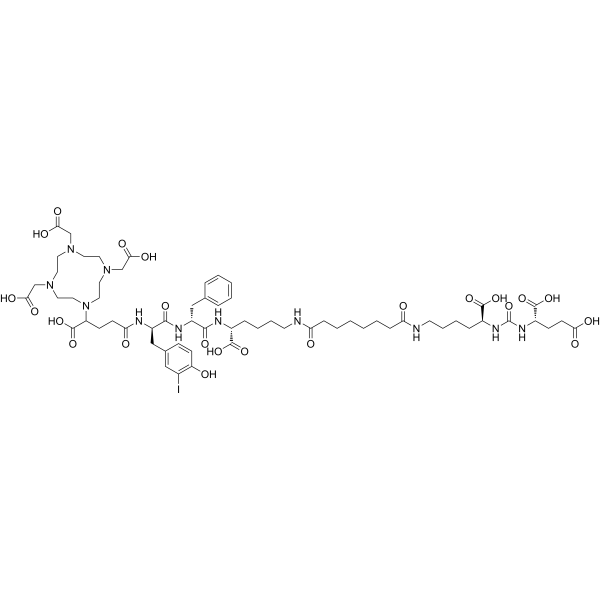
    Zadavotide guraxetan
    2 Publications Verification

    PSMA I&T; PNT-2002

    PSMA Cancer
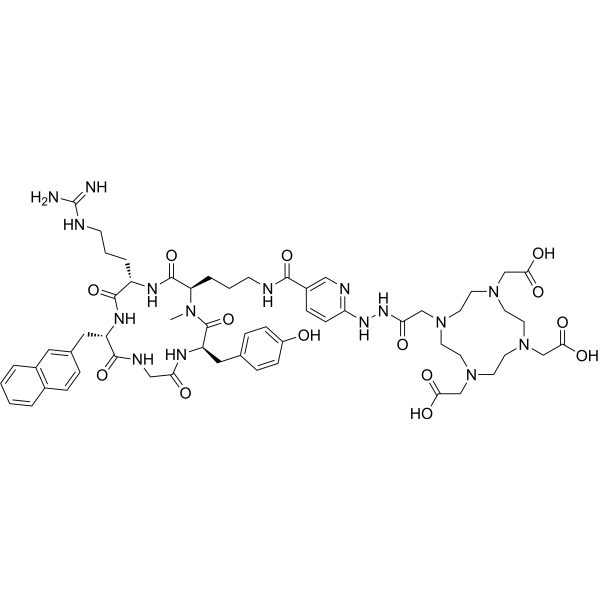
    PSMA I&T is an effective inhibitor of prostate-specific membrane antigen (PSMA). PSMA I&T can be used for SPECT/CT imaging and radionuclide studies in triple-negative breast cancer and prostate cancer (PCa) .
    Zadavotide guraxetan
  • HY-N0770
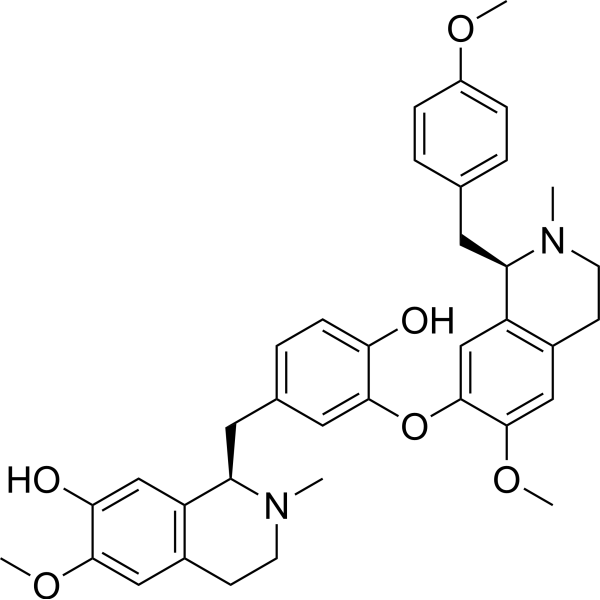
    Isoliensinine
    4 Publications Verification

    Apoptosis Inflammation/Immunology Cancer
    Isoliensinine is a bisbenzylisoquinoline alkaloid extracted from the seed embryo of Nelumbo nucifera, with anti-oxidant and anti-inflammatory and anti-cancer activities. Isoliensinine induces apoptosis in triple-negative human breast cancer cells .
    Isoliensinine
  • HY-136420

    PROTACs Raf Apoptosis Inflammation/Immunology Cancer
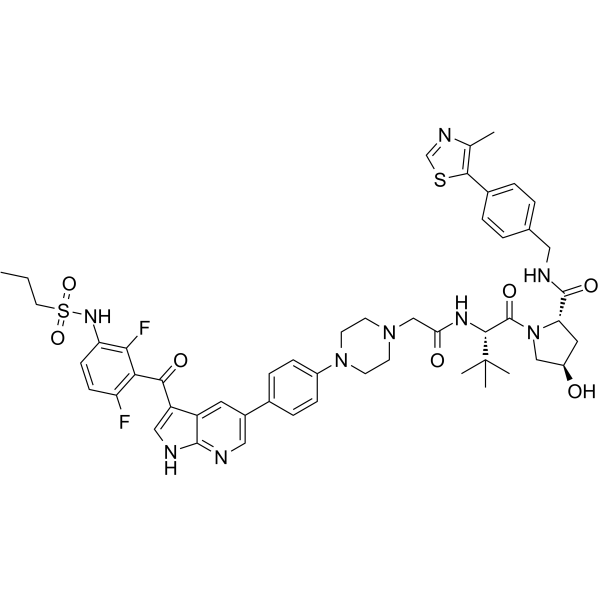
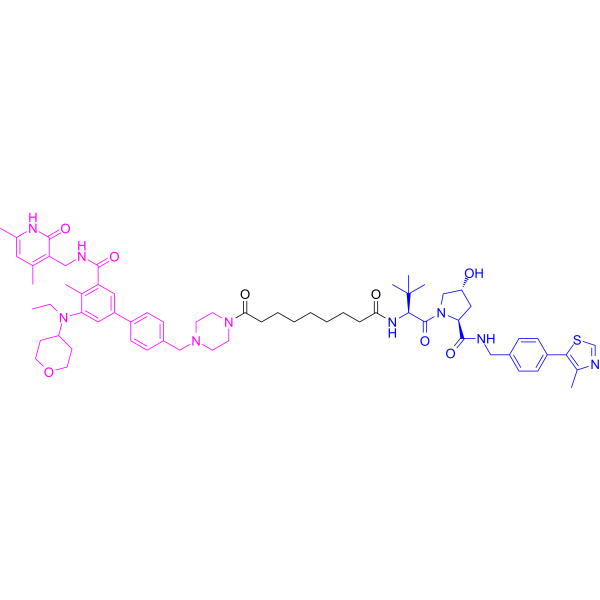
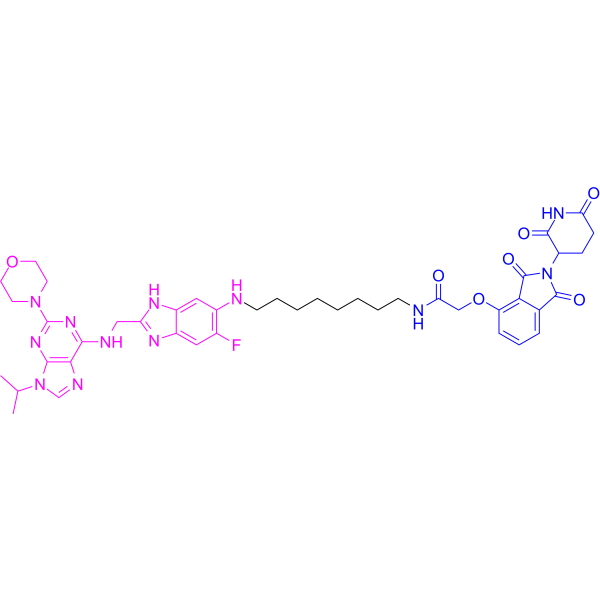
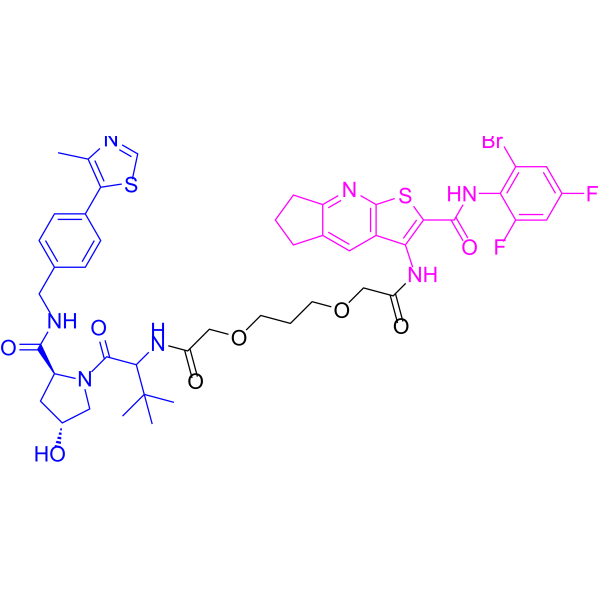
    SJF-0628 is a RAF PROTAC degrader. SJF-0628 induces targeted degradation of BRAF in various cancer cell lines (colorectal cancer cell lines (Colo-205, LS-411N, HT-29, RKO) and triple-negative breast cancer cell line DU-4475). SJF-0628 decreases pMEK and pErk levels in DU-4475 cells. SJF-0628 has anti-tumor activity. SJF-0628 can be used for research of colorectal cancer and triple-negative breast cancer. (Pink: RAF ligand (HY-12057), Blue: VHL Ligand ( HY-125845), Black: Linker (HY-B0912)) .
    SJF-0628
  • HY-155663
    GPX4-IN-5
    1 Publications Verification

    Glutathione Peroxidase Ferroptosis Cancer
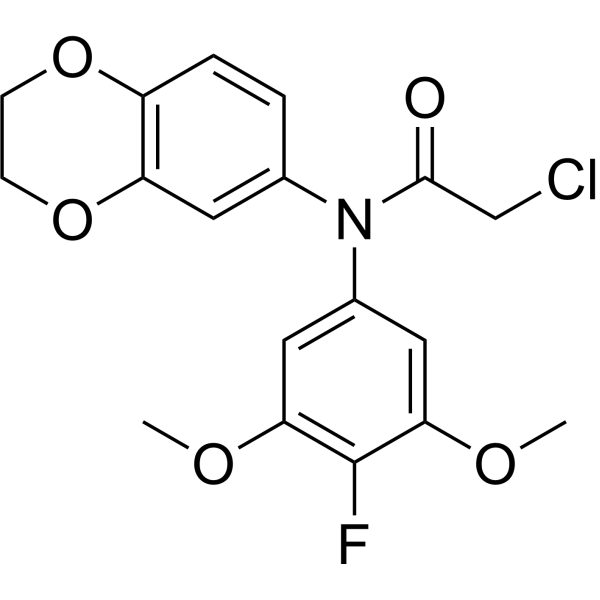
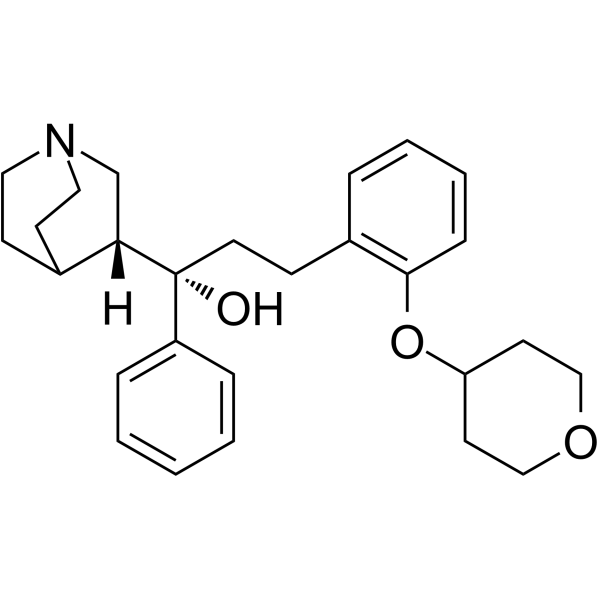
    GPX4-IN-5 is a covalent inhibitor of GPX4 (IC50: 0.12 μM). GPX4-IN-5 can induce ferroptosis and has anti-tumor effects. GPX4-IN-5 can be used in the study of triple-negative breast cancer (TNBC) .
    GPX4-IN-5
  • HY-162250

    PROTACs Histone Methyltransferase Cancer
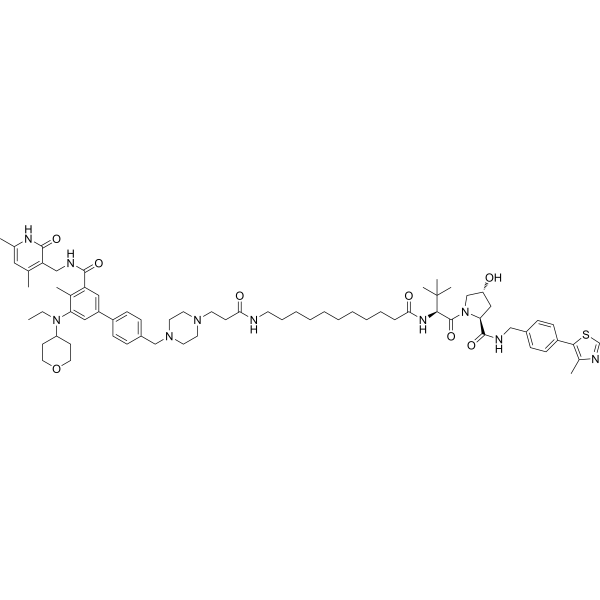
    MS8847 is a PROTAC degrader and antiproliferative agent targeting EZH2 (DC50=34.4 nM in EOL-1 MLL-rAML cells). MS8847 recruits the E3 ligase von Hippel-Lindau (VHL) to mediate the degradation of EZH2 via the ubiquitin-proteasome system. MS8847 induces antiproliferative effects in MLL-rearranged acute myeloid leukemia cells and inhibits the growth of triple-negative breast cancer cell lines or 3D triple-negative breast cancer models. MS8847 is applicable to research related to MLL-rearranged acute myeloid leukemia and triple-negative breast cancer .
    MS8847
  • HY-168162

    PROTACs CDK Cancer
    ZLC491 is an orally active PROTAC degrader that selectively targets CDK12/CDK13 and exhibits certain oral bioavailability. ZLC491 induces cereblon- and proteasome-dependent selective degradation of CDK12 and CDK13. ZLC491 inhibits the transcription and expression of long genes, and mainly acts on a subset of DNA damage response genes. ZLC491 inhibits the proliferation of various triple-negative breast cancer cells. ZLC491 can be used in research related to triple-negative breast cancer .
    ZLC491
  • HY-12246
    XEN445
    1 Publications Verification

    Lipase Cardiovascular Disease Metabolic Disease Cancer
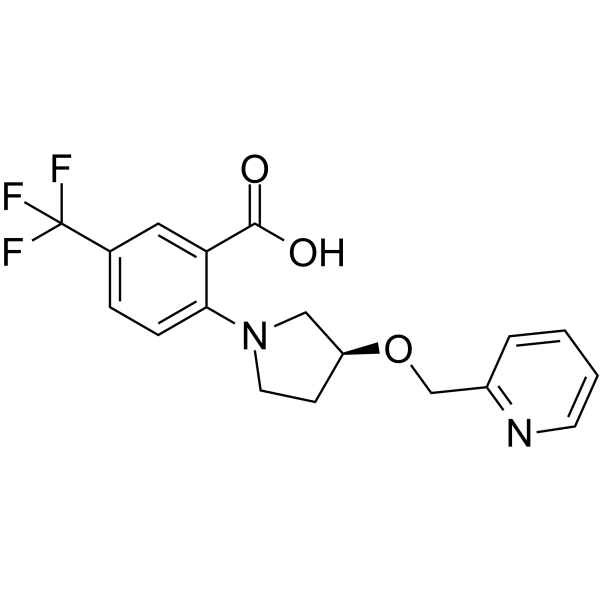
    XEN445 is a potent, selective and orally active endothelial lipase (EL) inhibitor with an IC50 value of 0.237 μM. XEN445 selectively inhibits phospholipase enzymatic activity of LIPG. XEN445 raises plasma HDL and cholesterol levles. XEN445 induces G1 cell cycle arrest, reduces cell viability, suppresses cancer stem cell self-renewal, and inhibits tumor formation in LIPG-expressing triple-negative breast cancer cells, while showing no inhibitory effect on invasiveness or cancer stem cell stemness in these cells. XEN445 can be used for the research of cancer and metabolic disease, such as triple-negative breast cancer .
    XEN445
  • HY-P11051

    Biochemical Assay Reagents Cancer
    GE11, Cys Conjugated is a peptide conjugate. GE11, Cys Conjugated consists of GE11 (HY-P10128) conjugated to a GGGGC sequence. GE11, Cys Conjugated can be used to synthesize stimulus-responsive peptide nanomaterials (SRPNs) for photoacoustic imaging and cancer research, such as studies on triple-negative breast cancer (TNBC) .
    GE11, Cys Conjugated
  • HY-P991372

    RN927C antibody

    TROP2 Cancer
    Anti-TROP2 Antibody (RN927C antibody) is a human monoclonal antibody targeting Trop-2. Anti-TROP2 Antibody exerts in vitro inhibitory effects on a variety of tumor cell lines. Anti-TROP2 Antibody exhibits anti-tumor activity in mouse pancreatic PDX, ovarian PDX, lung PDX and triple-negative breast cancer (TNB) PDX models. Anti-TROP2 Antibody can be used for research on pancreatic cancer, ovarian cancer, lung cancer and triple-negative breast cancer .
    Anti-TROP2 Antibody
  • HY-168894

    Ferroptosis JAK STAT p38 MAPK AMPK GSK-3 Apoptosis HSP TNF Receptor Cardiovascular Disease Neurological Disease Metabolic Disease Cancer
    CT-1 is a secreted protein belonging to the IL-6 cytokine family. Overexpression of CT-1 enhances cell proliferation, migration and angiogenesis via the ADMA/DDAH pathway. CT-1 inhibits the growth of triple-negative breast cancer cells by simultaneously inducing Ferroptosis in N2-type tumor-associated neutrophils and cancer cells. CT-1 activates the Jak/STAT-3, p42/p44 MAPK and AMPK pathways, and inhibits GSK-3β activity through phosphorylation to induce cardiomyocyte hypertrophy. CT-1 enhances the viability of cardiomyocytes and neurons, reduces cell Apoptosis, induces the expression of heat shock proteins (HSP) and BNP, and inhibits TNF levels. CT-1 exerts anti-tumor activity in mouse models of triple-negative breast cancer. CT-1 improves cognitive impairment in mice. CT-1 is applicable to the research of ischemic heart disease, triple-negative breast cancer, myocardial hypertrophy, Parkinson's disease, hypertensive heart disease, myocardial infarction, acute Chagas cardiomyopathy, high-fat diet-induced cognitive impairment and diabetes-related cognitive impairment .
    CT-1
  • HY-Y0519

    Endogenous Metabolite Neurological Disease Cancer
    Pyrimidine is a nitrogen-containing heterocyclic compound and endogenous metabolite. Pyrimidine derivatives can be used in pancreatic cancer, triple-negative breast cancer, colon carcinoma and neuron research .
    Pyrimidine
  • HY-148334

    PROTACs Histone Methyltransferase Cancer
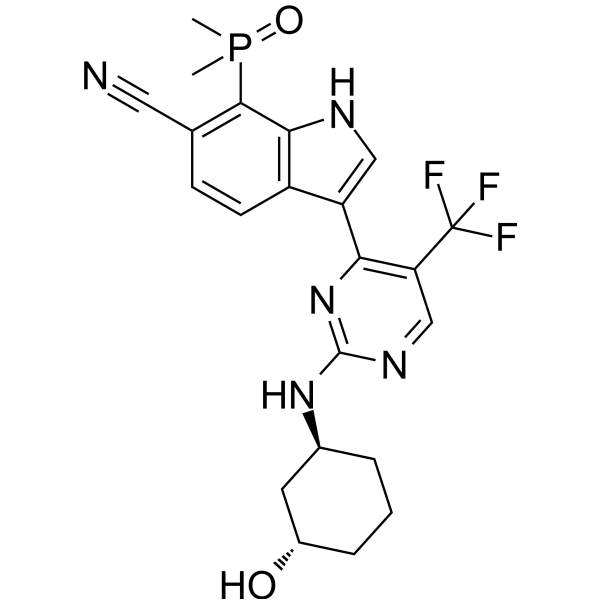
    MS8815 is a selective enhancer of zeste homolog 2 (EZH2) PROTAC degrader. MS8815 has inhibition activity for EZH2 with an IC50 value of 8.6 nM. MS8815 can be used for the research of triple-negative breast cancer (TNBC) .
    MS8815
  • HY-114979

    Antibiotic Fungal Apoptosis Infection Cancer
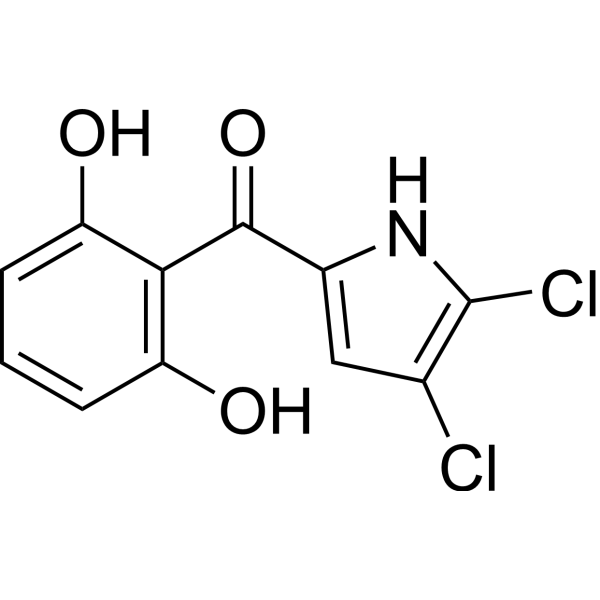
    Pyoluteorin is an antibiotic that inhibits Oomycete fungi, including the plant pathogen Pythium ultimum, and suppresses plant diseases caused by this fungus . Pyoluteorin induces human triple-negative breast cancer MDA-MB-231 cells apoptosis in vitro. Pyoluteorin can be used for the research of human triple-negative breast cancer .
    Pyoluteorin
  • HY-22445

    c-Myc Cancer
    MY05 selectively targets c-MYC in cells and disrupts MYC-MAX interaction. MY05 engages intracellular c-MYC, modulates c-MYC thermal stability, reduces c-MYC transcriptional targets, and possesses anticancer activity (TNBC, Triple-Negative Breast Cancer) .
    MY05
  • HY-W441002

    Drug Derivative Drug Intermediate Cancer
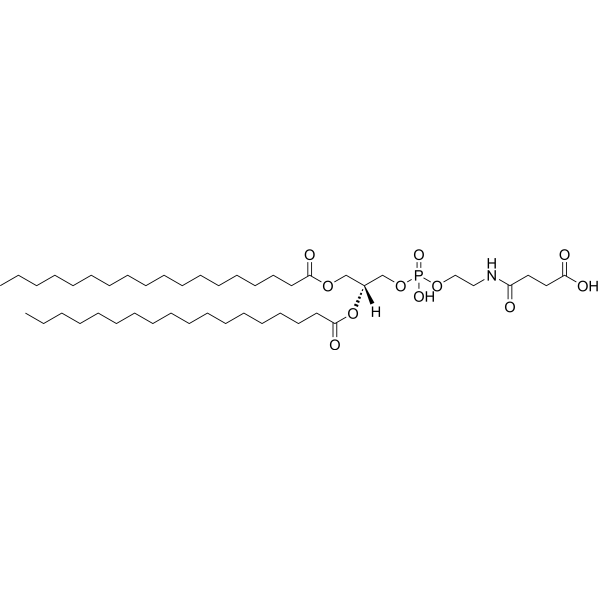
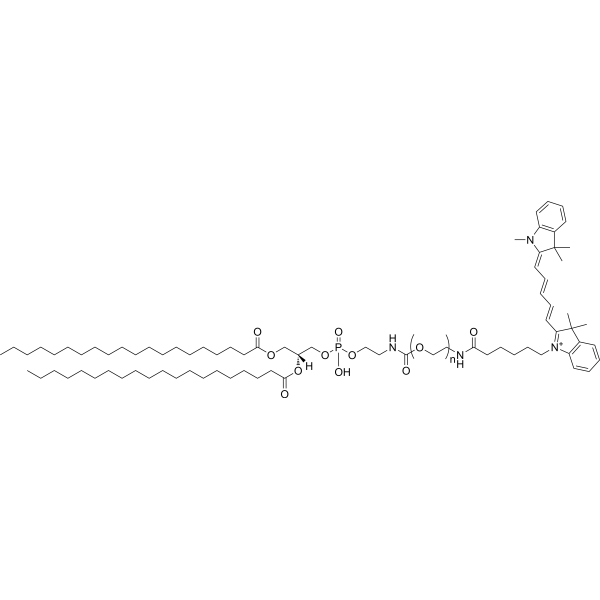
    DSPE-succinic acid is a derivative of Succinic acid (HY-N0420) and an intermediate of DSPE-Doxorubicin. DSPE-succinic acid can be used to synthesize DSPE-Doxorubicin via EDC/NHS activation. DSPE-succinic acid is applicable to the research of triple-negative breast cancer .
    DSPE-succinic acid
  • HY-W008581

    3-O-Methyl estradiol; 17β-Estradiol 3-methyl ether; 3-Methoxyestradiol

    Biochemical Assay Reagents TRP Channel Microtubule/Tubulin Autophagy Metabolic Disease Cancer
    Estradiol 3-methyl ether (EDME) is a highly selective TRPML1 ion channel antagonist and microtubule (microtubule) depolymerizing agent, with IC50 values of 0.22 μM and 3.8 μM against TRPML1 and TRPML2, respectively; it shows no activity against TRPML3. Estradiol 3-methyl ether induces the disruption of cytoplasmic microtubule networks in mammalian cells, with an EC50 of 9 μM. Independent of estrogen receptors, Estradiol 3-methyl ether blocks autophagy (autophagy), TFEB nuclear translocation, and inhibits the migration and invasion of triple-negative breast cancer cells by suppressing TRPML1. Estradiol 3-methyl ether is applicable for relevant research on triple-negative breast cancer .
    Estradiol 3-methyl ether
  • HY-168969

    PROTACs Neurological Disease Cancer
    AA-BR-157 is a metallothionein 2A (MT2A) PROTAC degrader. AA-BR-157 increases intracellular zinc levels, downregulates DIAPH3, disrupts cytoskeleton remodeling, and reduces the migration and invasion abilities of cancer cells. AA-BR-157 can be used for research on triple-negative breast cancer and glioblastoma .
    AA-BR-157
  • HY-19634
    YK-3-237
    1 Publications Verification

    Sirtuin Cancer
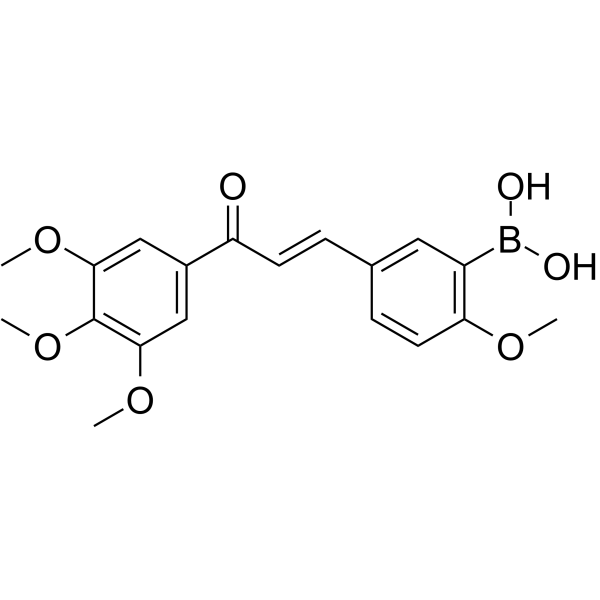
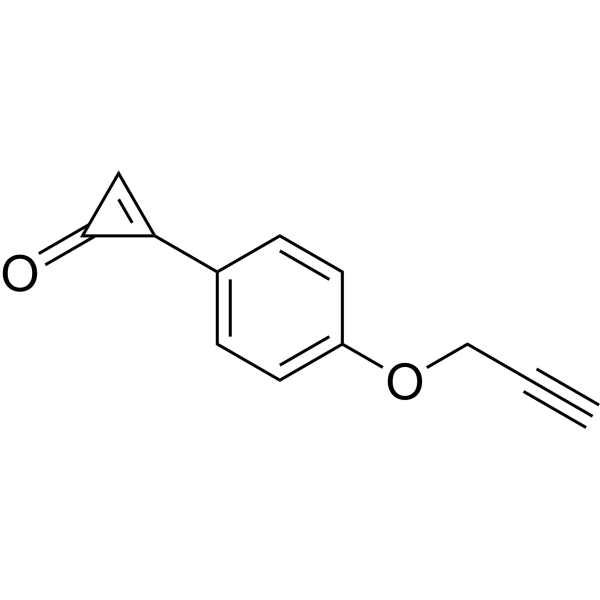
    YK-3-237, a SIRT1 activator, targets mutant p53. YK-3-237 inhibits the proliferation of triple-negative breast cancer cells .
    YK-3-237
  • HY-W003396

    Biochemical Assay Reagents Drug Intermediate Cancer
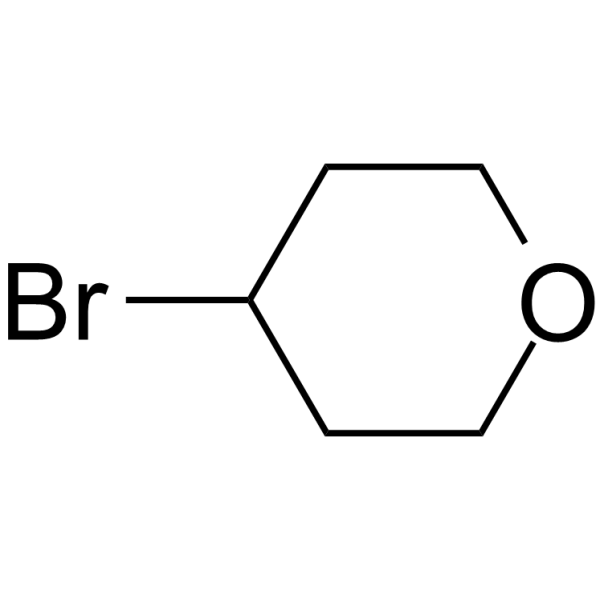
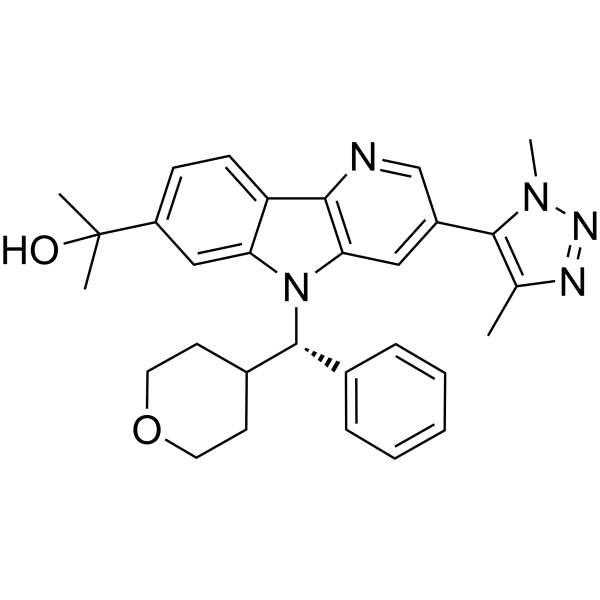
    4-Bromotetrahydropyran (4-Bromotetrahydro-2H-pyran) is an intermediate. 4-Bromotetrahydropyran can be used in the synthesis of Example 32. 4-Bromotetrahydropyran can be used in triple-negative breast cancer research .
    4-Bromotetrahydropyran
  • HY-168037

    PROTACs PIN1 Cancer
    PROTAC PIN1 degrader-1 is a PIN1-target PROTAC degrader. PROTAC PIN1 degrader-1 TFA can be used for the research of triple-negative breast cancer, pancreatic cancer, and liver cancer .
    PROTAC PIN1 degrader-1
  • HY-155664

    Glutathione Peroxidase Ferroptosis Cancer
    GPX4-IN-6 (Compound C25) is a GPX4 covalent inhibitor with an IC50 value of 0.13 μM. GPX4-IN-6 (Compound C25) can induce ferroptosis for the research of triple-negative breast cancer (TNBC) .
    GPX4-IN-6
  • HY-168950

    Annexin A Cancer
    ANXA3 degrader 1 (Compound 18a5) is a highly selective ANXA3 degrader with cancer cell inhibition activity. ANXA3 degrader 1 displays excellent inhibitory effect in a triple-negative breast cancer (TNBC) tumor xenograft model (TGI=96%) .
    ANXA3 degrader 1
  • HY-148923

    STAT Cancer
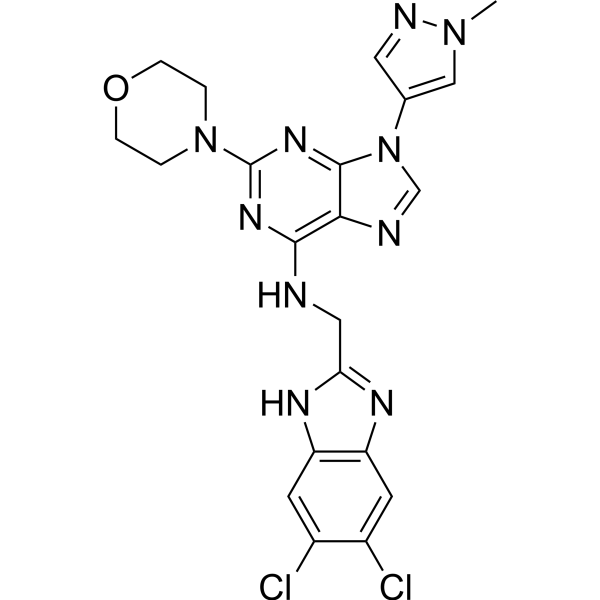
    MC0704 is a STAT3 inhibitor with an IC50 value of 2.13 μM. MC0704 induces cell apoptosis and cell cycle arrest. MC0704 shows antitumor activity in mouse breast cancer models. MC0704 can be used for the research of metastatic triple-negative breast cancer (mTNBC) .
    MC0704
  • HY-N7215

    β-catenin Wnt Cancer
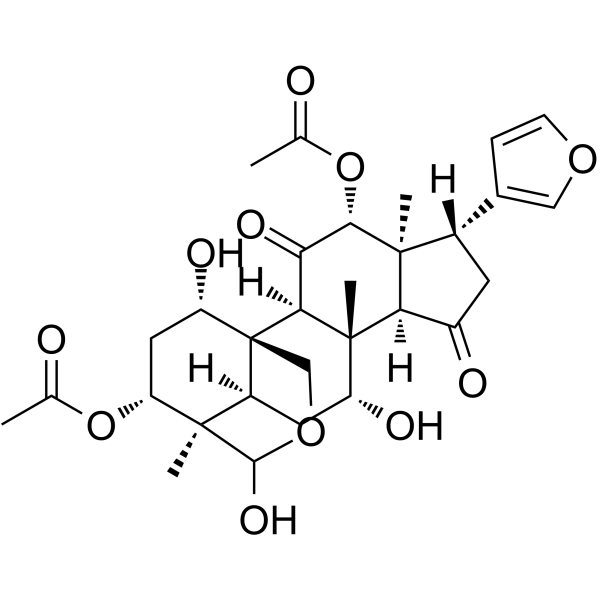
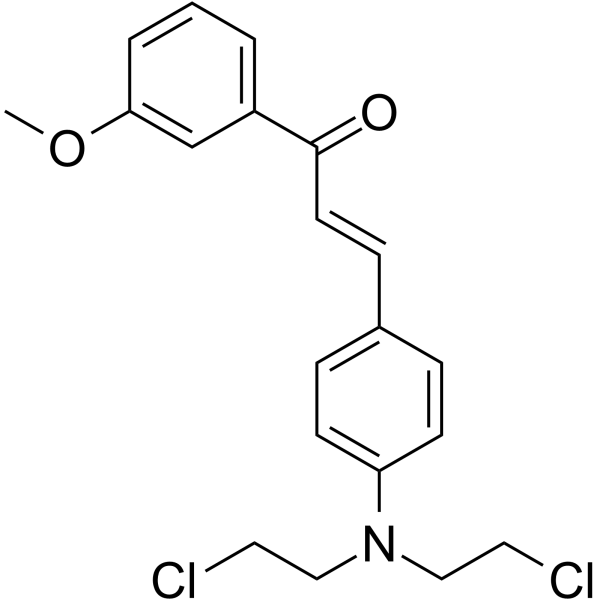
    Jatrophone is a diterpenoid with anticancer activity isolated from Jatropha isabelli. Jatrophone interferes with the Wnt/β-catenin pathway to inhibit the proliferation and epithelial-mesenchymal transition (EMT) of triple-negative breast cancer cells.
    Jatrophone
  • HY-132885

    PARP Histone Methyltransferase Cancer
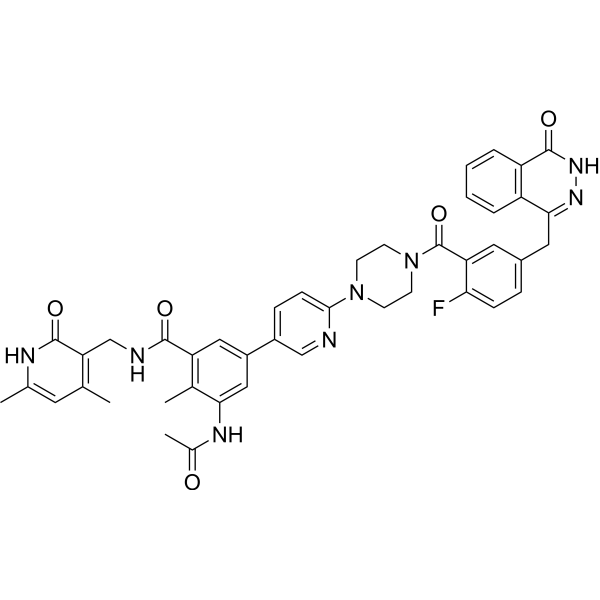
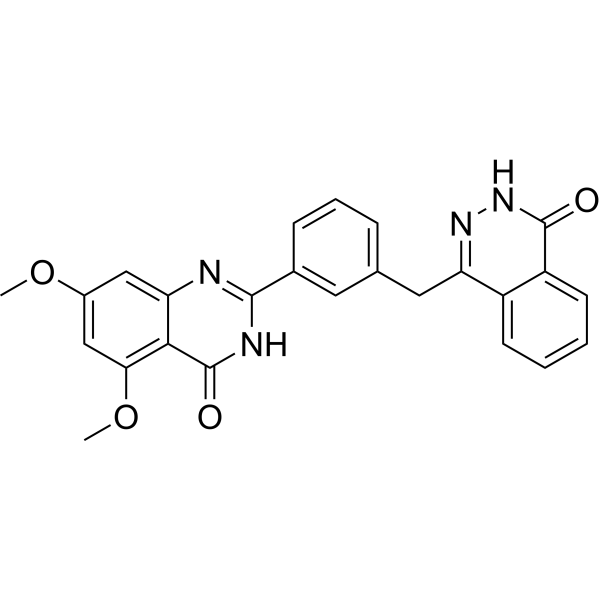
    PARP/EZH2-IN-1 is a first-in-class dual PARP (IC50 6.87 nM) and EZH2 (IC50 36.51 nM) inhibitor for triple-negative breast cancer with wild-type BRCA.
    PARP/EZH2-IN-1
  • HY-161601

    Ferroptosis Reactive Oxygen Species (ROS) Cancer
    Ferroptosis inducer-2 (Compound 24) is an inducer for heme oxygenase-1 (HO-1). Ferroptosis inducer-2 exhibits anticancer activity against triple-negative breast cancer (TNBC) cells through induction of ferroptosis .
    Ferroptosis inducer-2
  • HY-Y0519R

    Reference Standards Endogenous Metabolite Metabolic Disease
    Pyrimidine (Standard) is the analytical standard of Pyrimidine. This product is intended for research and analytical applications. Pyrimidine is a nitrogen-containing heterocyclic compound and endogenous metabolite. Pyrimidine derivatives can be used in pancreatic cancer, triple-negative breast cancer, colon carcinoma and neuron research .
    Pyrimidine (Standard)
  • HY-117426

    Fat Mass and Obesity-associated Protein (FTO) Cancer
    MO-I-500 is a pharmacological of FTO inhibitor with an IC50 of 8.7 μM for the inhibition of purified FTO demethylase catalyzing demethylation of an artificial small methylated substrate. MO-I-500 can be used for the research of rare panresistant triple-negative inflammatory breast cancer .
    MO-I-500
  • HY-175975

    PROTACs Akt Cancer
    PROTAC Akt3 Degrader-1 is a highly efficient and selective PROTAC degrader targeting Akt3. PROTAC Akt3 Degrader-1 shows weak antiproliferative activity in 36 cell lines. PROTAC Akt3 Degrader-1 can be used for the study of Triple-negative breast cancer and melanoma .
    PROTAC Akt3 Degrader-1
  • HY-149847

    Ras Cancer
    JH530 is an effective methuosis inducer that inhibits the triple-negative breast cancer (TNBC) cells proliferation by causing intracellular complete vacuolization. JH530 has anti-tumor activity and can be used for cancer research .
    JH530
  • HY-119377

    Glutaminase Cancer
    UPGL00004 is a potent allosteric glutaminase C (GAC) inhibitor (IC50=29 nM; Kd=27 nM). UPGL00004 strongly inhibits the proliferation of highly aggressive triple-negative breast cancer cell lines .
    UPGL00004
  • HY-176853

    Wee1 Cancer
    Myt1-IN-6 (Compound formula (1)) is a highly selective MYT1 kinase inhibitor. Myt1-IN-6 is promising for research of RB1-deficient cancers (e.g., triple-negative breast cancer) .
    Myt1-IN-6
  • HY-164064

    ClpP Cancer
    Anticancer agent 230 (example 65) is a caseinolytic protease P (ClpP) activator with anticancer activity. Anticancer agent 230 is able to induce the degradation of mitochondrial proteins in SUM159 and MDA-MB-231 triple-negative breast cancer cells in a time-dependent manner .
    Anticancer agent 230
  • HY-122703

    Epigenetic Reader Domain Cancer
    BETi-211 is an orally active BET inhibitor (Ki: <1 nM). BETi-211 inhibits growth of triple-negative breast cancers (TNBC) cell lines with IC50 < 1 μM. BETi-211 degrades BET proteins and suppress tumor growth in xenograft breast tumors .
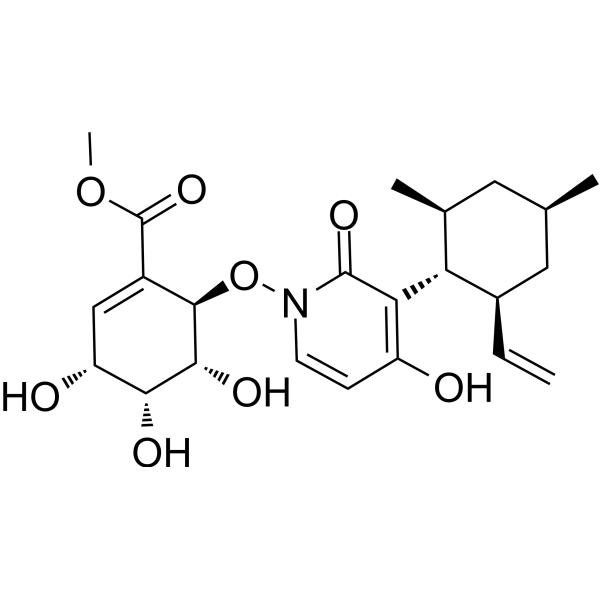
    BETi-211
  • HY-161774

    CD73 Cancer
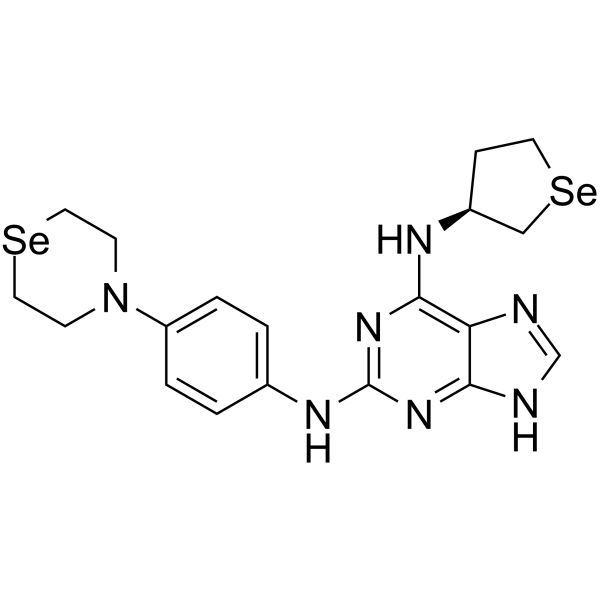
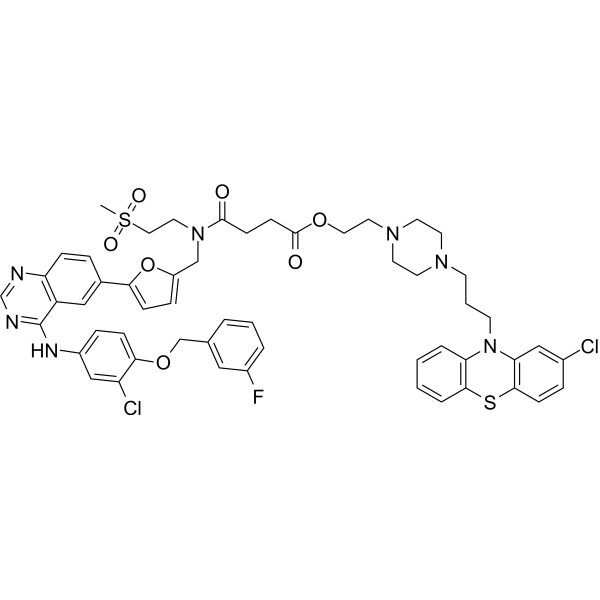
    ST80 is an inhibitor for interaction of OTUD4 and CD73. ST80 decreases CD73 protein level, increases CD73 protein turnover, reduces immune evasion of tumor cells, and thus exhibits antitumor efficacy against immunosuppressive triple-negative breast cancer (TNBC) .
    ST80
  • HY-179386

    PARP Histone Methyltransferase Apoptosis Pyroptosis Necroptosis Reactive Oxygen Species (ROS) PANoptosis Cancer
    PARP1/EZH2-IN-1 is a selective PARP1 and EZH2 dual inhibitor. PARP1/EZH2-IN-1 has IC50s of 28 nM, 414 nM and 74 nM for PARP1, PARP2 and EZH2, respectively. PARP1/EZH2-IN-1 inhibits the proliferation and migration of TNBC cells (triple-negative breast Cancer cells). PARP1/EZH2-IN-1 induces PANoptosis (Apoptosis, Pyroptosis and Necroptosis), increases the level of reactive oxygen species (ROS), and activates related inflammatory pathways. PARP1/EZH2-IN-1 can be used in triple-negative breast cancer research .
    PARP1/EZH2-IN-1
  • HY-179180

    PD-1/PD-L1 Cancer
    PD-1/PD-L1-IN-59 (Compound MZ51) is a PD-1/PD-L1 inhibitor with an IC50 of 183 nM. PD-1/PD-L1-IN-59 can be used for the study of triple-negative breast cancer (TNBC) .
    PD-1/PD-L1-IN-59
  • HY-142908

    Endogenous Metabolite Cancer
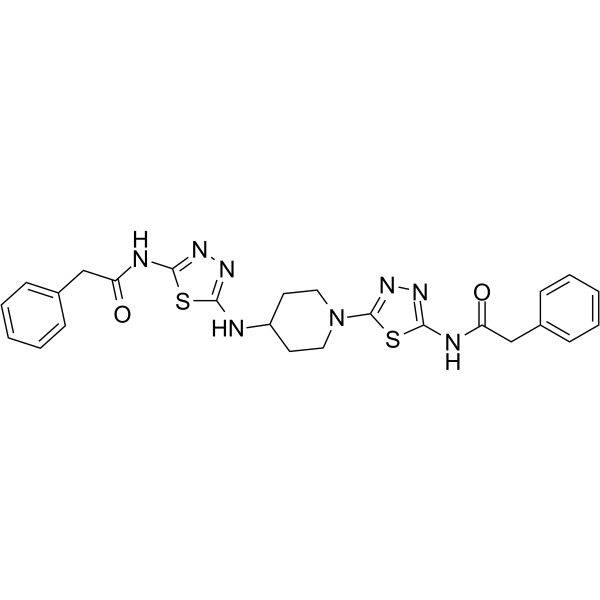
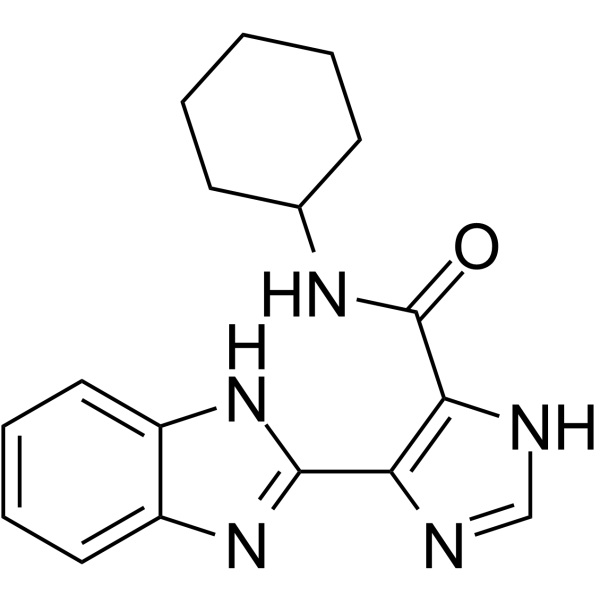
    Maximiscin, a fungal metabolite, induces DNA damage and shows selective cytotoxic activity against a subtype of triple-negative breast cancer.
    Maximiscin
  • HY-125465

    Autophagy Cancer
    SLLN-15 is an oral active, selective and potent enhancer of autophagy that activates cytostatic macroautophagy/autophagy in triple-negative breast cancer (TNBC) .
    SLLN-15
  • HY-N8098

    STAT Autophagy JAK Cancer
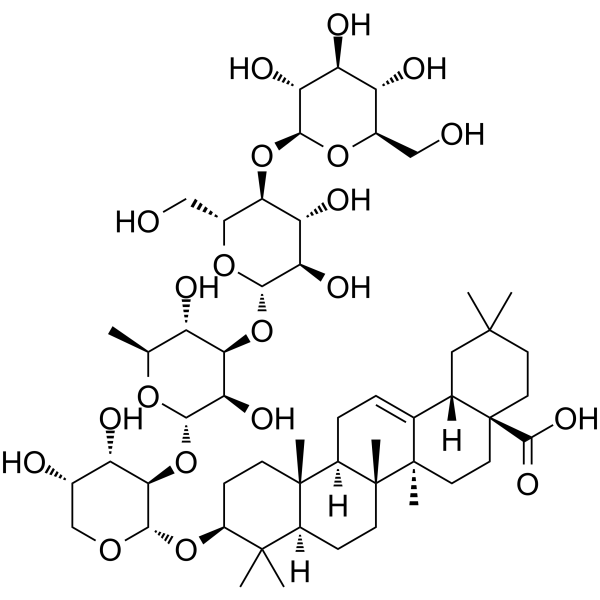
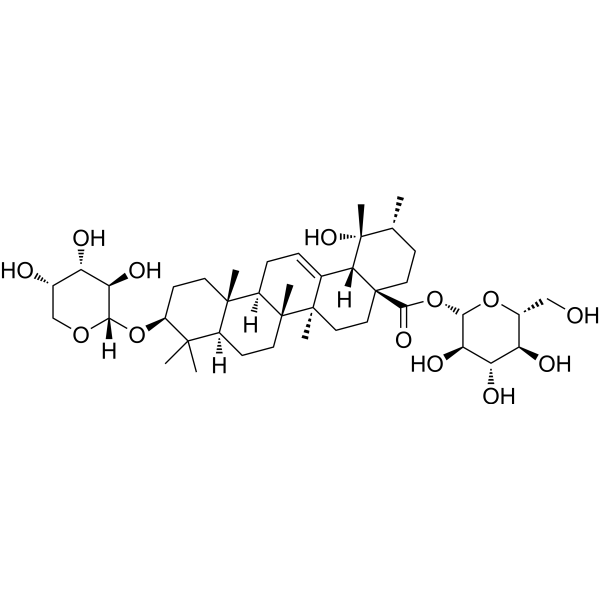
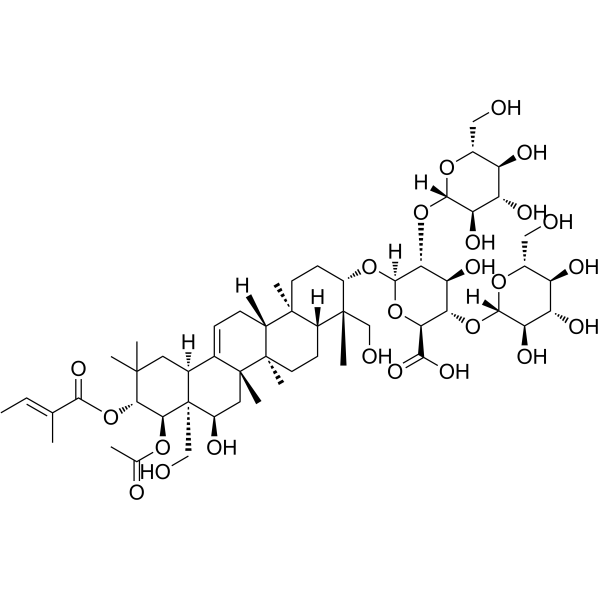
    Pulchinenoside E2 is a triterpenoid saponin. Pulchinenoside E2 inhibits the phosphorylation of STAT3 and JAK2, blocks the nuclear translocation and transcriptional activity of STAT3, and suppresses STAT3-dependent mitochondrial oxidative phosphorylation. Pulchinenoside E2 inhibits invasion, migration and autophagy of triple-negative breast cancer cells. Pulchinenoside E2 can be used in research related to triple-negative breast cancer .
    Pulchinenoside E2
  • HY-132883

    EGFR Cancer
    EGFR/CSC-IN-1 is a potential EGFR (IC50 10.52 nM) and cancer stem cell (CSC) dual inhibitor for triple-negative breast cancer research.
    EGFR/CSC-IN-1
  • HY-163381

    Drug Intermediate Cancer
    Antiproliferative agent-48 (compound PC-A1) shows selective antiproliferative activity against triple-negative breast cancer (TNBC) cells .
    Antiproliferative agent-48
  • HY-161831

    Reactive Oxygen Species (ROS) Cancer
    Antitumor agent-175 (Compound Ru2) is an antitumor agent with photocytotoxicity, demonstrating selective antitumor effects against triple-negative breast cancer (TNBC) cells .
    Antitumor agent-175
  • HY-150757

    Autophagy Apoptosis Cancer
    Autophagy-IN-2 (Compound 7h) is an autophagic flux inhibitor. Autophagy-IN-2 induces cancer cell apoptosis and can be used for triple-negative breast cancer research .
    Autophagy-IN-2
  • HY-178274

    Histone Methyltransferase Apoptosis Cancer
    SKLB06329 is a potent selective Type I PRMTs inhibitor. SKLB06329 shows good selectivity for PRMT6 (IC50 = 3.86 nM) over Type II/III PRMTs (PRMT5/7) and shows no significant inhibition against various lysine methyltransferases (PKMTs). SKLB06329 significantly inhibits the proliferation of triple-negative breast cancer (TNBC) cells, induces apoptosis, and suppresses the expression of asymmetric dimethylarginine (ADMA) within cells. SKLB06329 can be used for triple-negative breast cancer research .
    SKLB06329
  • HY-149259

    FAK Cancer
    FAK-IN-9 (Compound 8f) is a potent and orally active FAK inhibitor with an IC50 of 27.44 nM. FAK-IN-9 induces triple-negative breast cancer (TNBC) cell apoptosis .
    FAK-IN-9
  • HY-174836

    PARP Cancer
    ZINC000081009201 is a potent poly(ADP-ribose) polymerase 1 (PARP1) inhibitor with an IC50 value of 1.4767 μM. ZINC000081009201 is promising for research of triple-negative breast cancer (TNBC) .
    ZINC000081009201
  • HY-N0770R

    Reference Standards Apoptosis Inflammation/Immunology Cancer
    Isoliensinine is a bisbenzylisoquinoline alkaloid extracted from the seed embryo of Nelumbo nucifera, with anti-oxidant and anti-inflammatory and anti-cancer activities. Isoliensinine induces apoptosis in triple-negative human breast cancer cells .
    Isoliensinine (Standard)
  • HY-163275

    MDM-2/p53 Apoptosis Cancer
    MDM2-IN-24 (compound A3f) exhibits MDM2-inhibiting and MDMX-activating properties in triple-negative breast cancer (TNBC) cells, with apoptotic and anti-proliferative activities .
    MDM2-IN-24
  • HY-139376

    FGFR Cancer
    FGFR1 inhibitor-2 is a FGFR1 inhibitor (IC50 is 4.55 μM in MDA-MB-231 cells). FGFR1 inhibitor-2 can be used for the research of metastatic triple-negative breast cancer .
    FGFR1 inhibitor-2

Inquiry Online

Your information is safe with us. * Required Fields.

Salutation


Country or Region *

Applicant Name *


Organization Name *

Department *


Email Address *


Product Name *

Cat. No.


Requested quantity *

Phone Number *


Remarks

Inquiry Online

Inquiry Information

Product Name:
Cat. No.:
Quantity:
MCE Japan Authorized Agent: